King Of The Bottletops At The City Farm
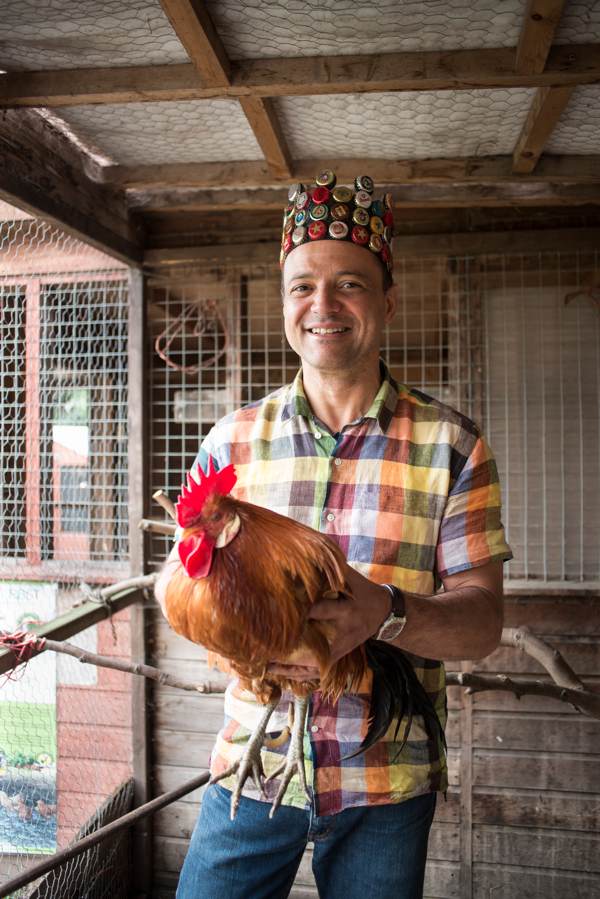
Robson & Kellogg the Cockerell
In recent weeks, Robson Cezar, King of the Bottletops has been enjoying a spell as artist-in-residence at Spitalfields City Farm, so while I was there picking hops with Master Brewer, Ben Ott, of Truman’s Beer last week, Contributing Photographer Sarah Ainslie & I dropped in to see how he was getting along.
The mellow atmosphere of harvest-time prevails at the farm now and I discovered Robson at work in his studio between the vegetable patch, where lines of tomato plants hang heavy with fruit, and the pig sty under the apple trees, where Holmes & Watson snaffle up windfalls.
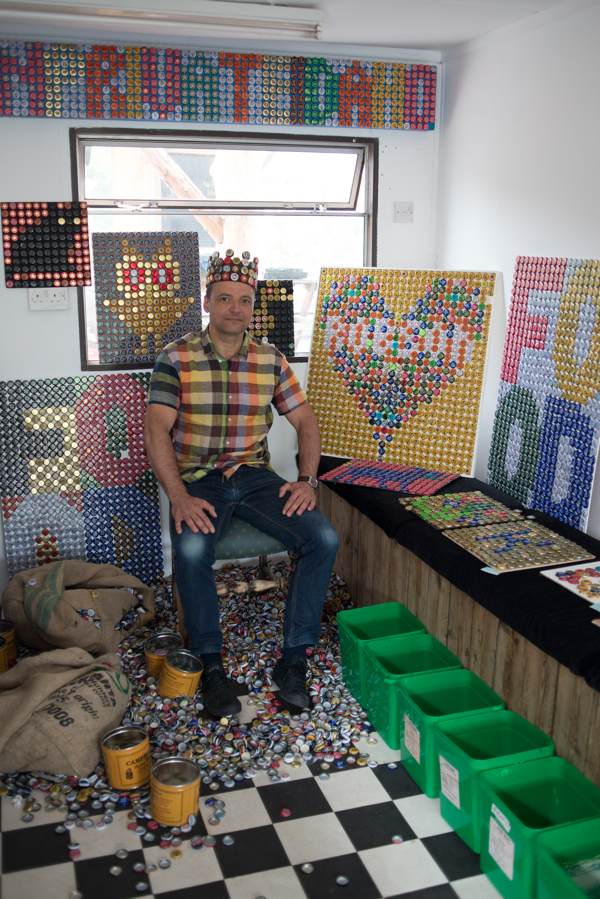
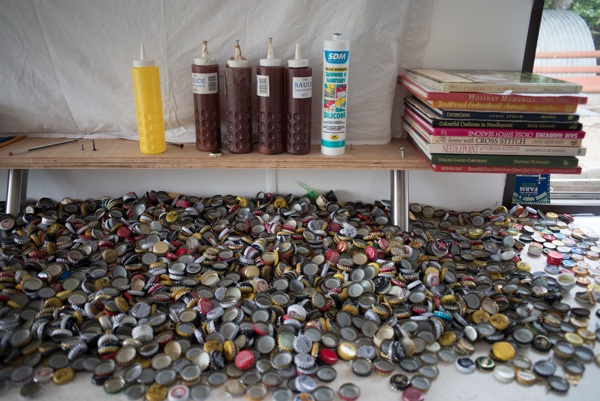
Inside the tiny converted portacabin, lined with weatherboarding and hung with Robson’s colourful pictures on the outside, you discover more bottlecaps than you ever saw, all piled up like loose coins in the king’s counting house. On a long shelf, lines of old tea tins serve as containers for each distinctive variety. All day, visitors to the farm – both young and old – come and go, dropping in to help sort bottletops into their respective colours or staying around longer to learn how to make their own pictures. And in the midst of all this, Robson sits placidly in his cardboard crown, glueing bottletops systematically onto a board – squeezing two drops of glue from a saucebottle onto each bottletop and pressing it carefully into place.
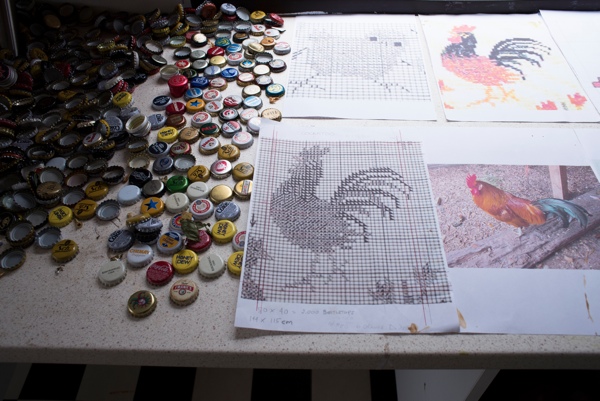
Diagrams on graph paper inside the cabin reveal his method, working out the structure of his design upon a grid. Then comes the arranging and shuffling, contemplating all the infinite permutations of colour and form to arrive at an ideal arrangement. Finally, he embarks upon the long process of attaching all the bottletops which can take several days and requires sustained concentration, like needlework or weaving. Happily, Robson can do this part while visitors come by asking questions or pursuing their own projects, but mostly just to wonder at his beautiful sparkling pictures conjured from such modest materials.
Drawing inspiration from the farm, Robson made a lively portrait of Kellogg the Cockerell, using two thousand bottletops, and then a glistening new sign for Lutfun Hussain’s Coriander Gardening Club for Bengali Women, in colours that match their ripening tomatoes. Taking an idea from the recent hop picking visit of Master Brewer, Ben Ott, he is currently at work creating a huge eagle of more than six thousand bottletops for the new Truman’s Brewery in Hackney Wick, to be completed for the Brewery’s First Anniversary Party next Sunday, 12th September. Next, he will set to work upon an enormous scarlet chilli in time for the London Chilli Festival at the Farm on Sunday 28th September.
In the meantime, if anyone fancies strolling over to admire the Farm in all its harvest glory and watching the master at work shuffling bottletops around a board, the King of the Bottletops is welcoming all to his court each day until the end of this month. And if anybody else decides they want a sign made of bottletops, please contact robsoncezar@hotmail.com
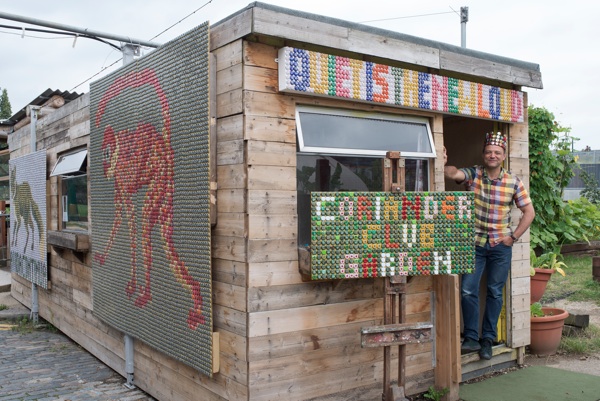
The studio
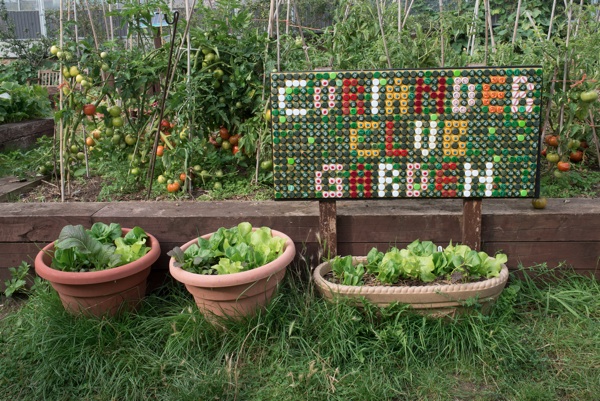
New sign for the Coriander Gardening Club
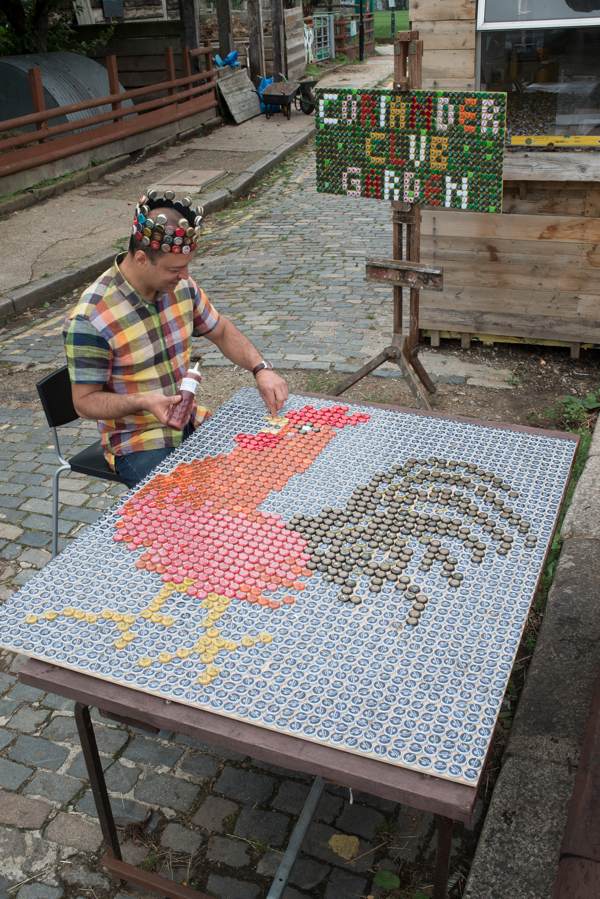
Robson at work on his portrait of Kellogg the Cockerell, using two thousand bottletops
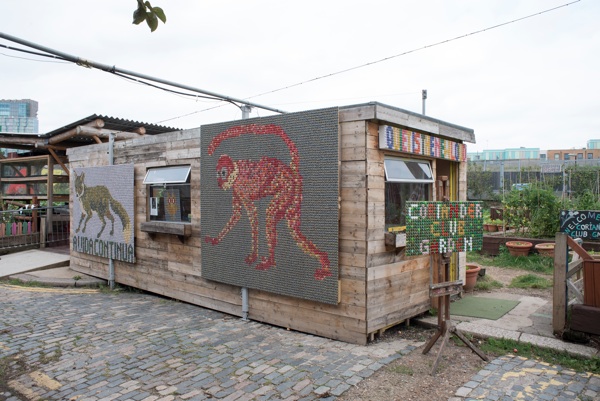
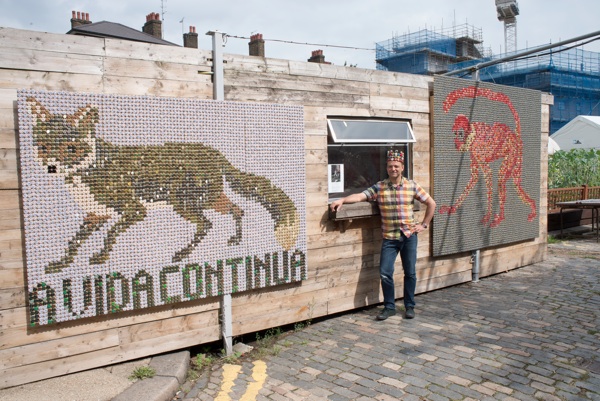
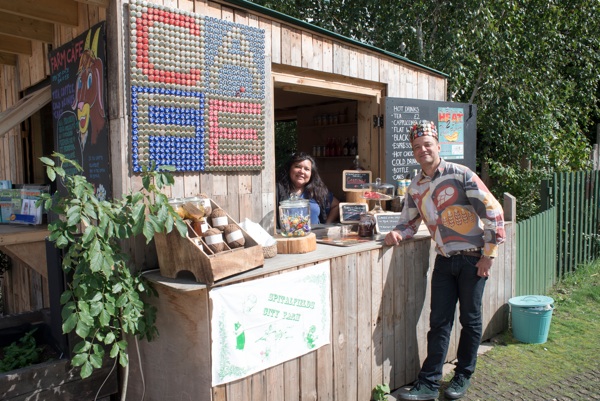
Robson with Rossana Leal and his new sign for the farm cafe
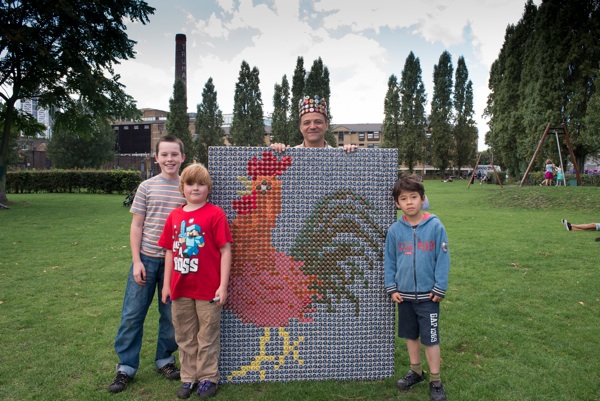
With friends in Allen Gardens
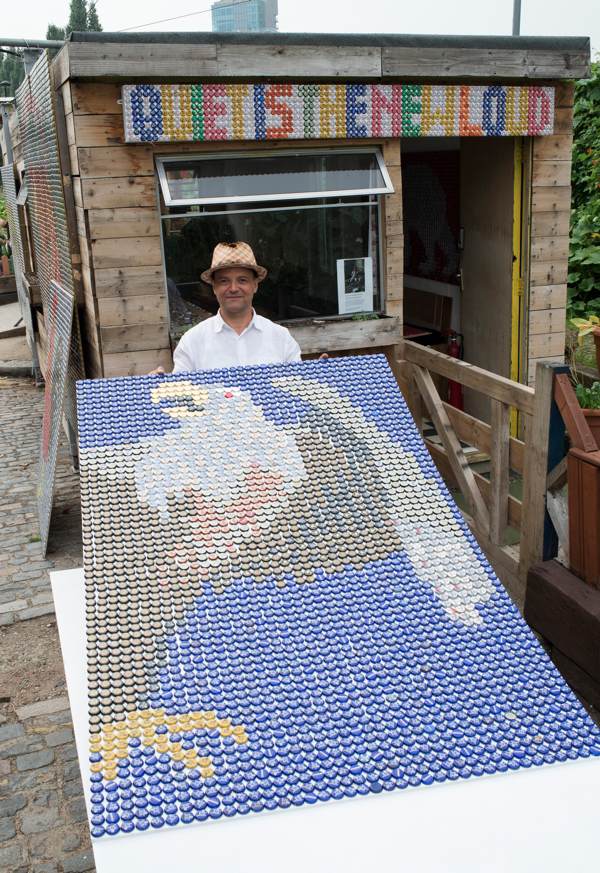
Work-in-progress on half of the eagle for the First Anniversary of the new Truman’s Brewery, using more than six thousand bottletops
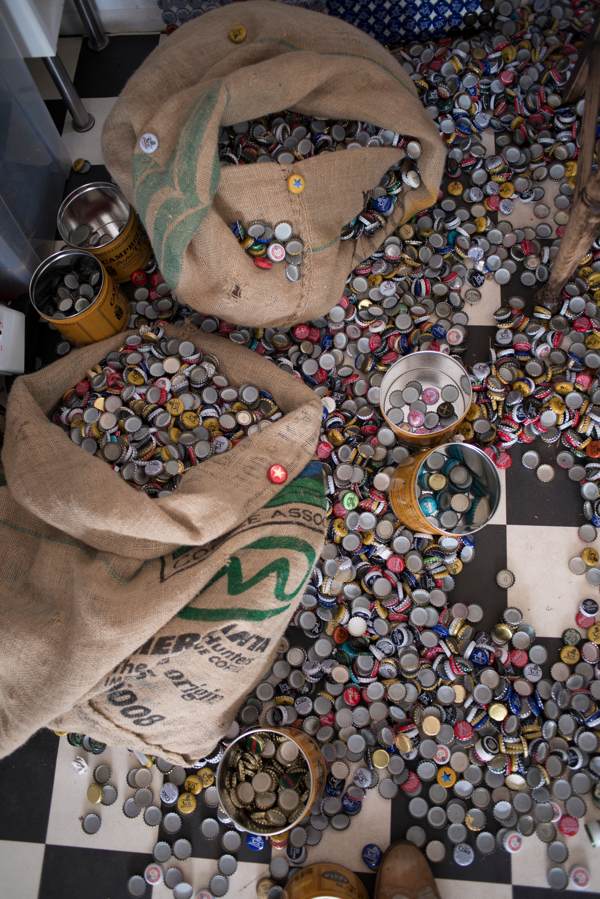
Photographs copyright © Sarah Ainslie
Visit the King of the Bottletops at the farm any weekday (except Mondays) between 10am and 4pm until 28th September. Introductory workshops take place every day and can be booked by email to Rossana@spitalfieldscityfarm.org
The Festival of Heat – the second London Chilli Festival is at Spitalfields City Farm on Sunday 28th September 12-6pm
You may also like to read about
Picking Hops For Truman’s Beer
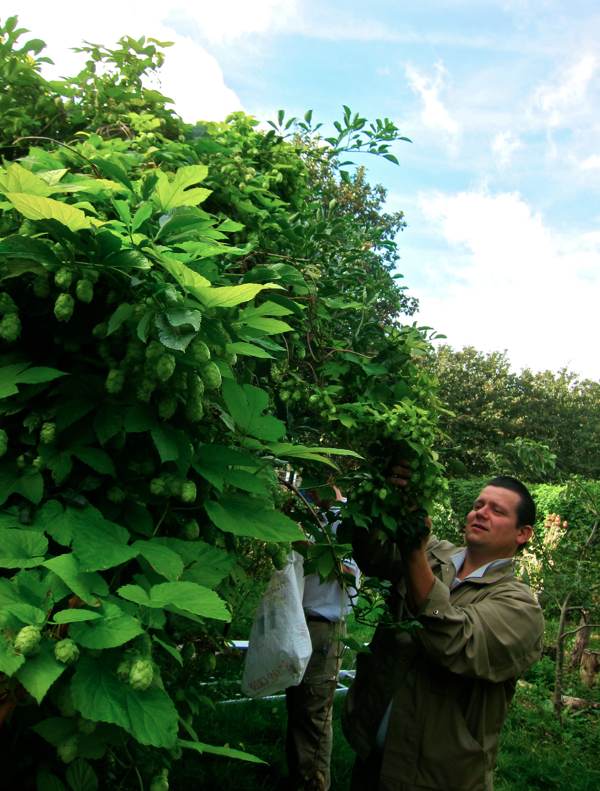
Ben Ott, Master Brewer, picking hops in Spitalfields
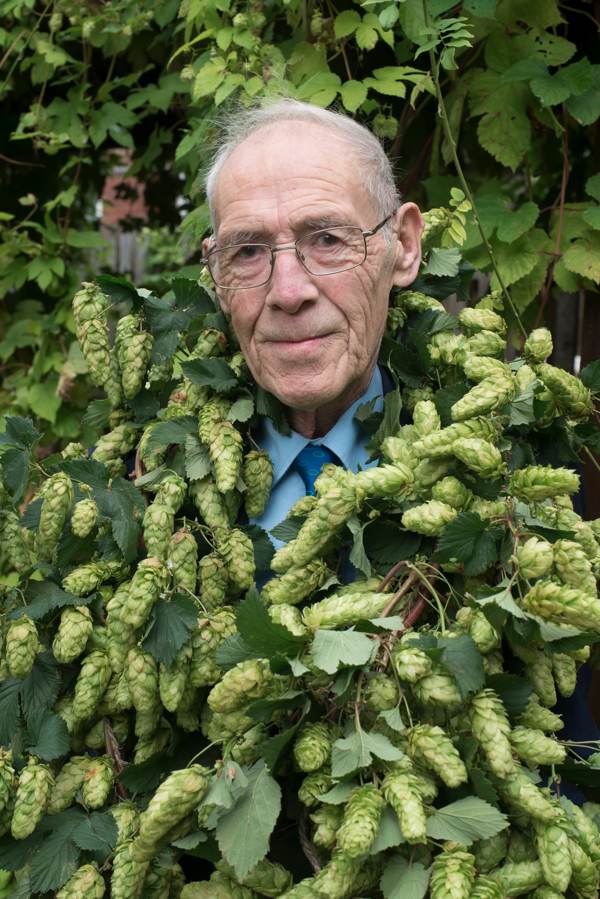
For years, hops have flourished at Spitalfields City Farm in Buxton St, next to Allen Gardens where dray horses from the old Truman’s Brewery once grazed. Thus it is assumed that these plants seeded themselves and owe their origin to Truman’s, which makes it especially appropriate that Ben Ott, Master Brewer at the new Truman’s Brewery should harvest them.
Naturally, I went along to lend a hand with hop picking and Ben regaled me with his enthusiasm for fresh hops, which permit him to brew a green hop ale – a rare elixir with a unique delicate flavour and aroma that can only be made once each year while the hops are in season. “We are going to put these fresh hops straight into the brew,” he promised me, “after picking, hops will deteriorate within twelve hours, so we need to use it at once.”
Commercially-grown hops are dried in a kiln shortly after picking to preserve their essential oils and Ben split one of the flowers open to show the delicate yellow pollen, known as ‘lupolin’ which contains its flavour and aroma.
Casting our eyes over the hop bines spread along the hedge at the City Farm, we had hopes of picking several sacks of flowers in a morning. “My babies,” declared Ben in anticipation, rubbing his hands excitedly to see the hop flowers hanging there. But, after a few hours, we had barely filled even a fraction of our bag, such is the insubstantial nature of hop flowers when compressed, and it increased my respect for those who once picked hops for weeks on end, filling one sack after another.
We climbed ladders to discover larger flowers up above and then enlisted assistance in the form of six eager young executives, who were at the farm on a day’s release from their City offices. By the end of the morning, we had stripped the bines of flowers and filled one sack. It was a modest haul, but we were proud to have gathered the first hop harvest in Spitalfields for many years.
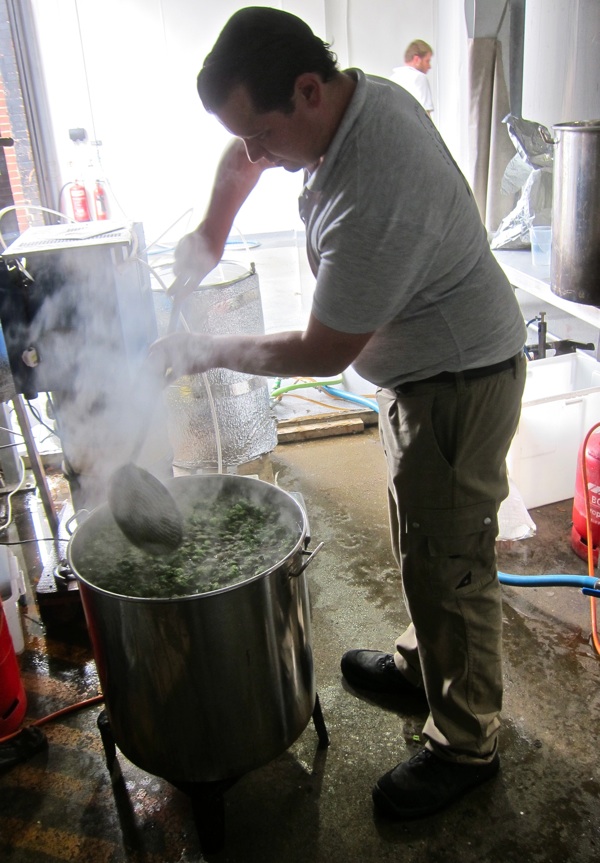
Over in Hackney Wick, at the new Truman Brewery, the day’s brew that Ben had set in motion before he came over to Spitalfields was well underway. Already, the pungent aroma of wort filled the air – this is the liquid created by soaking the mash of malted grain in hot water. Ben added our sack of green Spitalfields hops to the end of the boil in a small copper and stirred them in for just a couple of minutes to allow the delicate fragrance to be absorbed. After letting it cool, he added the yeast and then the mixture would ferment for three days, before being put into kegs – and a fortnight later be ready to drink. We only made two kegs of beer with our sack of green hops and one will be given to the City Farm in return for the hops.
The other keg of our ‘Bethnal Green Hop Ale’ will be served at the First Anniversary Party of the new Truman’s Brewery on Sunday 14th September from noon, when you are all invited to come and enjoy the rare opportunity to taste it for yourself. “A beer with a lovely story,” as Ben describes it.
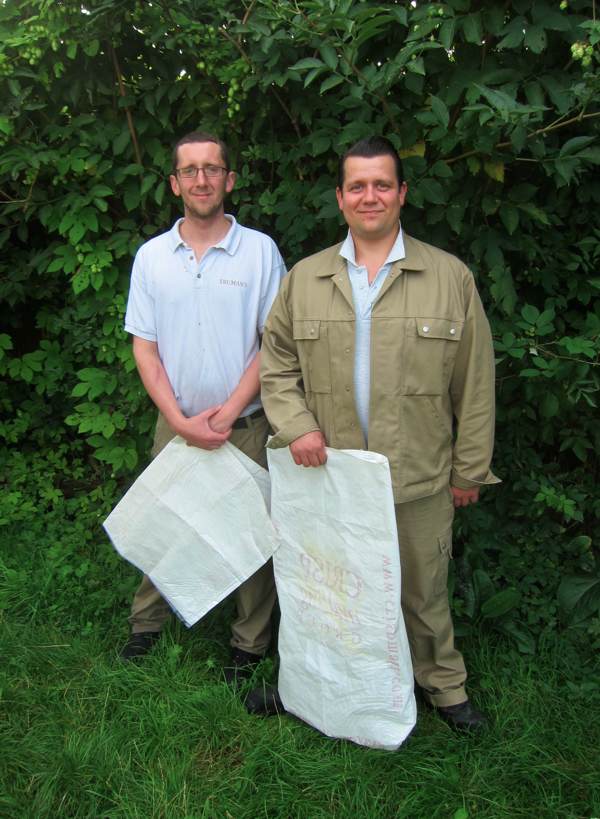
Ben & his assistant arrive ready for hop picking
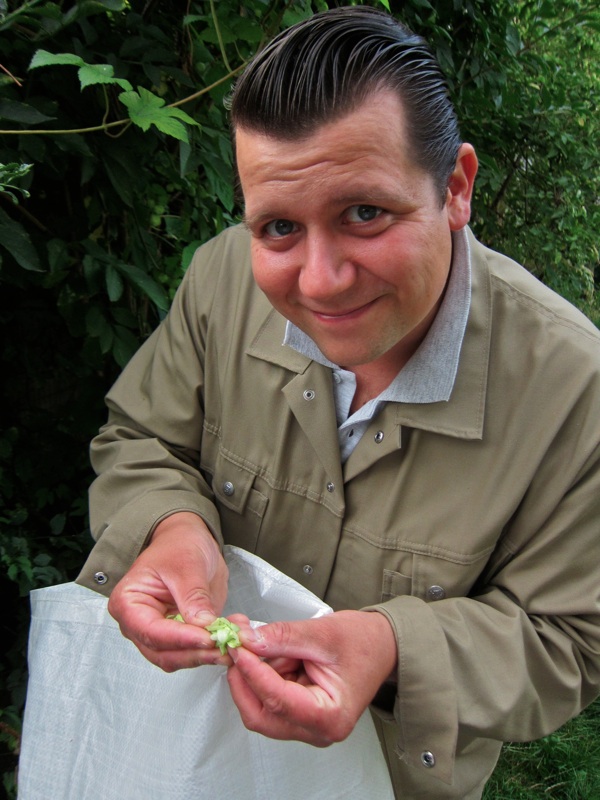
Ben splits one of the flowers to show the yellow pollen which gives hops its flavour
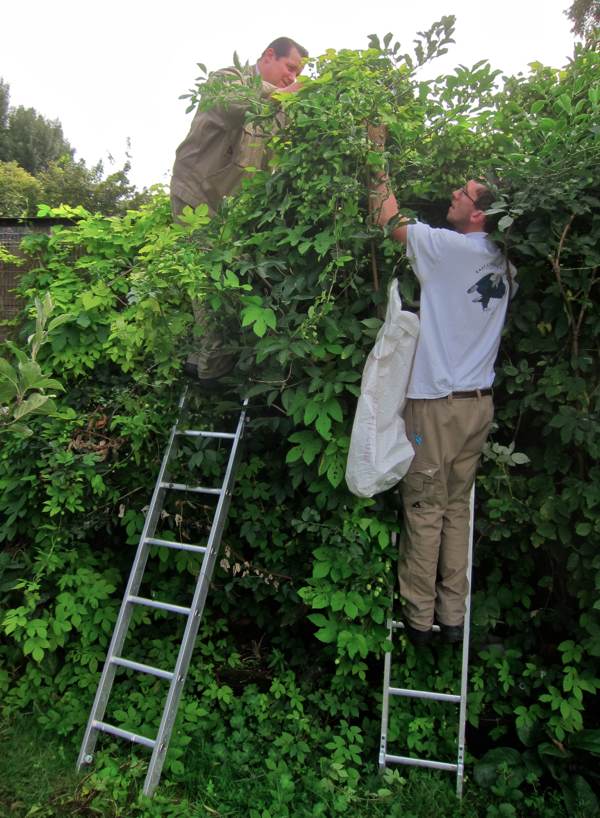
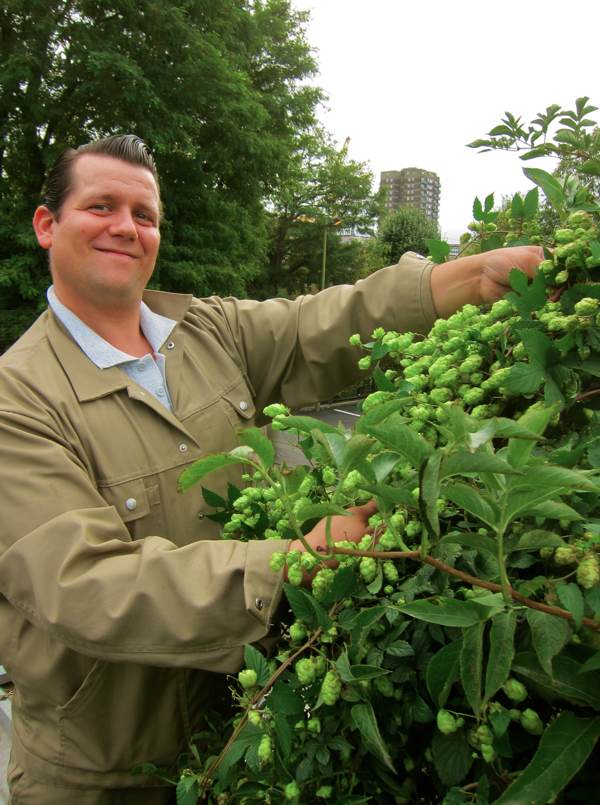
Ben discovers the larger flowers at the top of the hedge
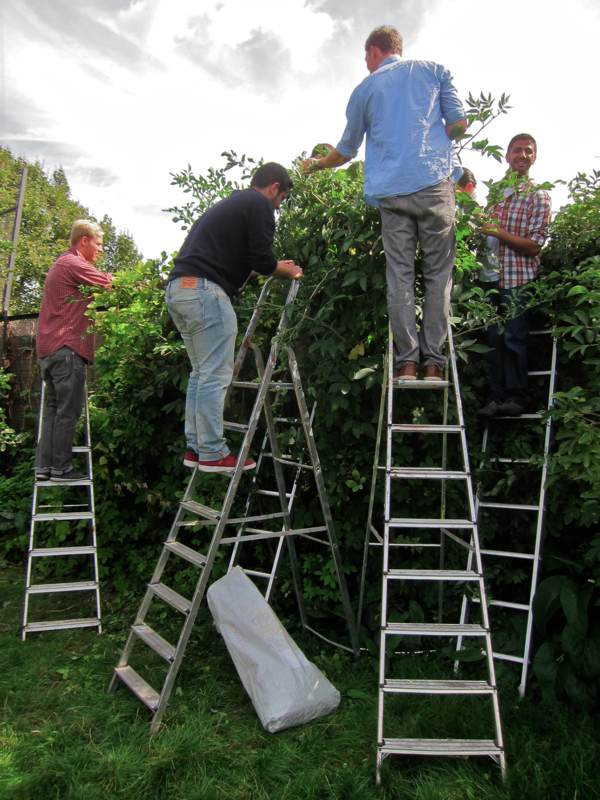
Volunteers lend a hand with hop picking
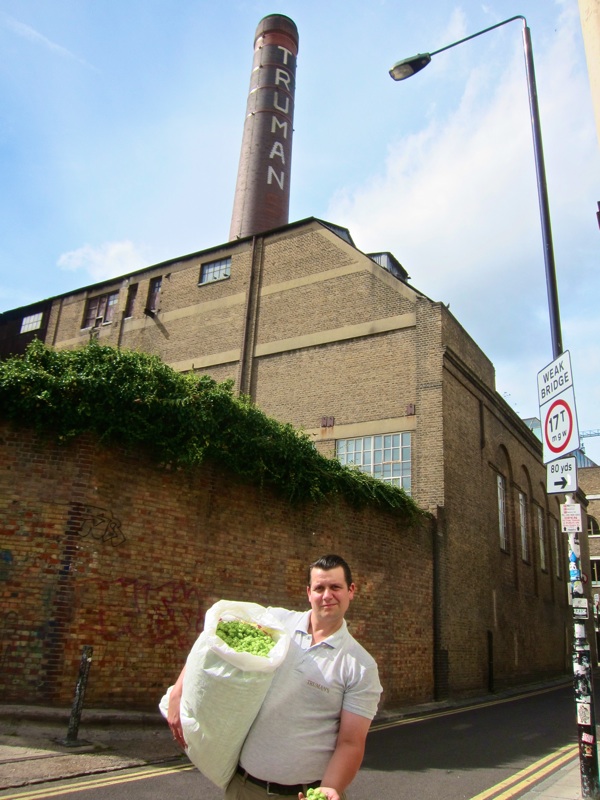
Ben’s haul of hops grown in Spitalfields
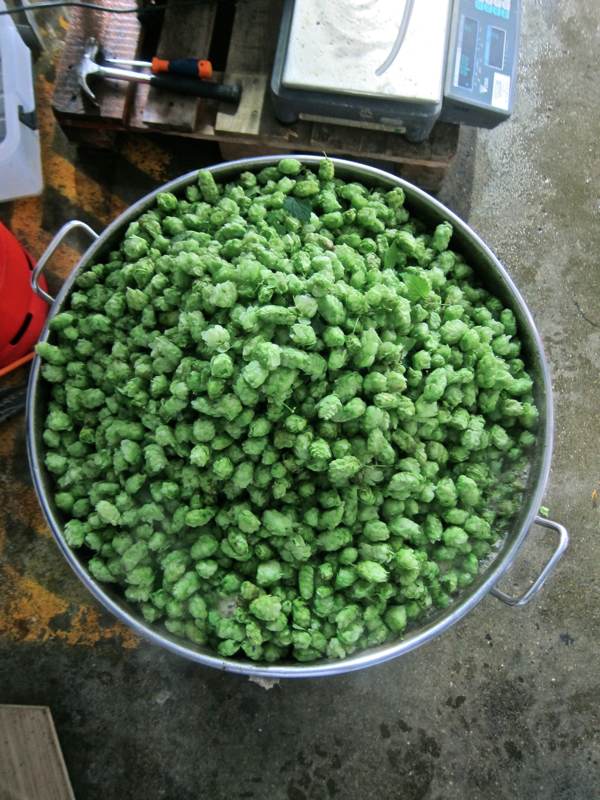
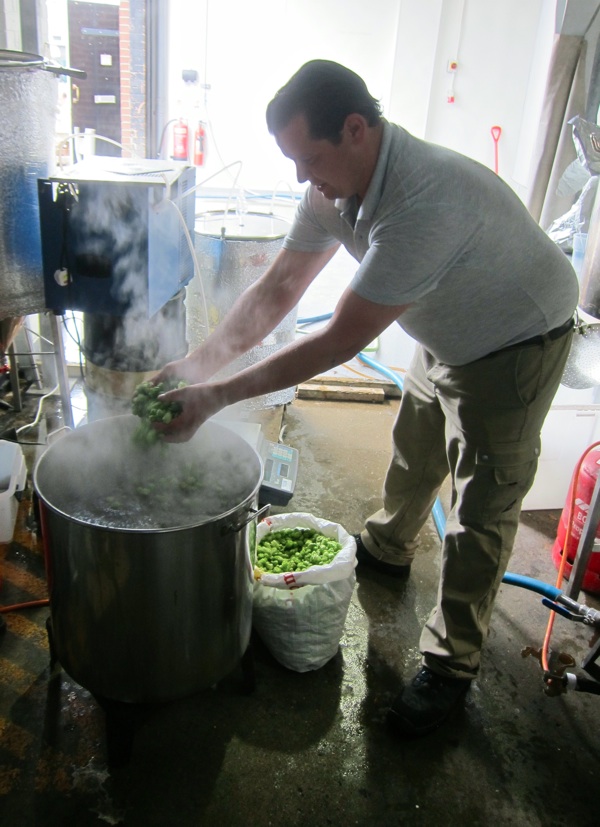
Adding the green hops to the wort at the new Truman’s Brewery in Hackney Wick
All are welcome to attend the First Anniversary Party for the new Truman’s Brewery from noon on Sunday 14th September in Hackney Wick and taste the Bethnal Green Hop Ale brewed from the hops picked at the City Farm. There will also be brewery tours and brass bands, among other attractions.
You may also like to read my stories about Truman’s Beer
First Brew at the New Truman’s Brewery
Tony Jack, Chauffeur at Truman’s Brewery
More Blogs Spawned
One of the joys of teaching courses encouraging others to write blogs is that – without exception – the participants always come up with wonderful ideas and here are just a couple that have been spawned as a result. The next course HOW TO WRITE A BLOG THAT PEOPLE WILL WANT TO READ will be held in Spitalfields on 11th & 12th October.
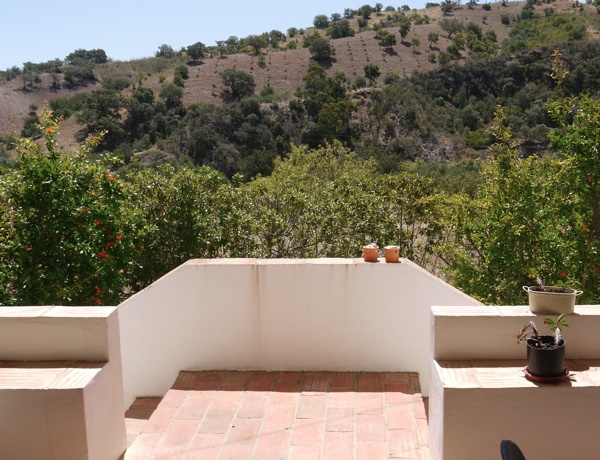
The view from the terrace of our house-to-be
A HOUSE IN THE ALGARVE
Leaving the East End of London and moving to Portugal
http://ahouseinthealgarve.com/
It can be difficult to pinpoint the exact moment a decision is made. The impulse is hardly felt, the impetus slowly grows, things start to be done. Small and large. Large is booking the flight to go to look at properties, then back at home instructing an agent to sell our flat. Small are the acts of tidying, sorting, organising, beginning to make it all possible.
Harder still is to explain why having loved London for thirty years, why having only months earlier completed the improvements to our flat that we had waited thirteen years to be able to afford to make, and having relished them for only weeks, we suddenly wanted out, both of us. Out of London, out of jobs (my husband’s – I’m a freelancer and I shall keep on doing mine).
This is the beginning, and while nothing irreversible has taken place in reality, something irreversible has taken place in our hearts. In a matter of months, all being well, we will have sold our flat and moved into a house in the eastern Algarve, in southern Portugal. My husband will have given up his stressful but quite well paid job in publishing, and will be baking bread. I will support us through my work as a freelance editor, which I hope will survive the translocation intact. As it is, I have worked with people for years in the same city whom I have not yet met, so can it make much difference if I’m further away?
This will be the story, week by week, of how it all happens.

3rd September, 2014
I’m typing this sitting on the floor of an empty flat. On Wednesday evening our solicitor phoned us to tell us contracts had been exchanged. Confirmation in writing came on Friday.
On Thursday, Husband made it with my help to his office where he delivered a leaving speech while leaning on crutches and with the additional support of a wall. He was very happy to be able to say his goodbyes. On Saturday he and I travelled by train to my mum’s house, a bungalow – what joy! – where he will convalesce, then I returned to London. I now had thirty-two hours before the packers arrived. I managed to work for twenty-four of these hours.
Last week on his way home, Husband had an accident on his moped, caused by a cyclist running a red light. Superficially it didn’t seem a bad accident. No harm done to the moped anyway. However, in attempting to avoid the collision with the cyclist and then self-correct, Husband shot out a foot, which met the tarmac, sending severe forces up to his knee and fracturing his tibial plateau.
He was taken by ambulance to University College London Hospital. Three days later – that is, last Friday afternoon – he had an operation to insert a metal plate to hold the knee together. At 5pm I phoned up. The woman who answered couldn’t help, but assured me that Ron, Husband’s nurse, would call me right back. By 6.30, no return call.
I’m not an especially panicky person, but I did think that Husband might be dead. They wouldn’t want to give you that information over the phone, would they? I decided to go in. I arrived at the ward and saw the empty space where Husband and his bed had been.
The first person I asked wanted to be helpful but didn’t know anything about Mr G. The second person couldn’t help either but told me to talk to ‘Ron.’ Ron was busy with a patient and so I waited, stricken. Finally, Ron had done all he had to do there and peeled away. I tried to intercept but a woman sitting by a man in the next bed got in first and called out to him, ‘We asked for tea half an hour ago.” Ron promised to see to this.
Oh God. Ron’s going to disappear to make tea. Oh God. I stepped in front of him and forced some words out of my constricted throat. “Excuse me, I’m looking for my husband, Mr G.”
“‘I can only bring up one patient at a time,” said Ron narkily. This told me that Husband is alive! He wouldn’t have said that if he was dead.
I returned to the ward and there was Husband, looking fine. A little spaced out, a little pale, but fine. In my handbag I had some slices of his latest home made bread, which had been in the freezer. He ate it like a hungry lion. All will be well. Just eight weeks of first-stage recovery to get through.

Lego octopus washed up on a beach in South Devon in the late nineties
LEGO LOST AT SEA
https://www.facebook.com/LegoLostAtSea
In 1997, nearly five million bits of Lego fell into the sea when a huge wave hit the container ship Tokio Express, washing sixty-two containers overboard. Beachcomber, Tracey Williams, first discovered pieces of sea-themed Lego on beaches around her family home in South Devon in the late nineties. She now lives in Cornwall, where the shipwrecked Lego still washes up daily.
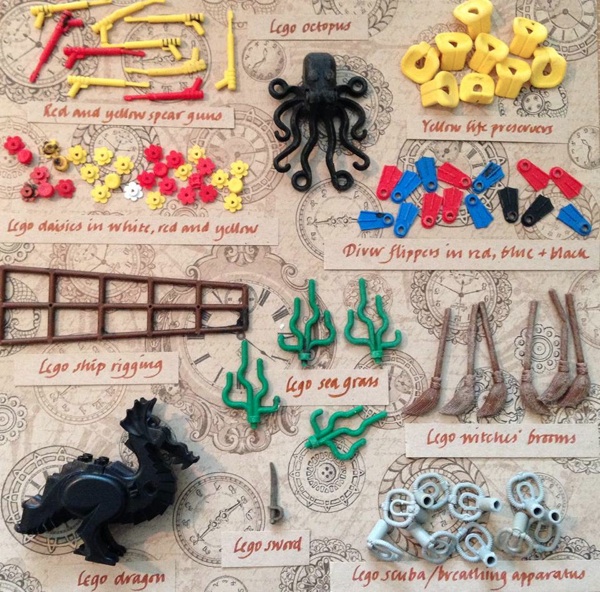
Here’s a photo of some the different types of Lego that were in the containers that fell off the Tokio Express. If you find any, please let us know as I’ve been told that it all needs to be reported to the Receiver of Wreck and it’s probably easiest if I do monthly reports for them rather than everybody reporting each individual daisy (and there over 350,000 of those) individually.
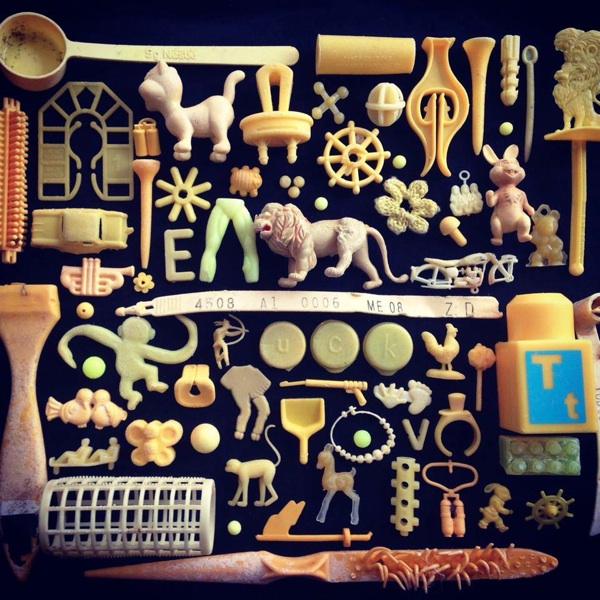
Tiny treasures picked up during recent beach cleans in North Cornwall, including three pieces of Lego and a lobster trap tag from Maine, US

BEATA BISHOP – The Way I See It
http://beatabishop.wordpress.com
Waiting for the Thames
11th February, 2014
I’ve been living in West London near the Thames for many years. A comfortable trot takes me to the water’s edge in five minutes or so, and a walk along the towpath to commune with the waterfowl is a wonderful antidote to all the hours spent at the computer.
But now the Thames has burst its banks at Chertsey and Datchet, not all that far away, and the latest BBC news was mainly about waterlogged houses, sandbags and tired volunteers. Not a word about when, or whether, that unholy amount of water will roll down to these parts. So here I sit, wondering what to do.
When I first moved here, a message arrived from Hounslow Council. It instructed me, in the case of flooding, to go upstairs with radio and kettle and wait for instructions. A telephone number was also given, with “Monday to Friday, 9 to 5″ in bold print.“There will always be an England,” I thought. Flood, what flood? I hope not to find out now.
The Thames is tidal here, and continental visitors used to the unchanging flow of the Seine in Paris or the Rhine at Cologne get quite upset when they see the Thames turning in a few hours from a grown-up river to a muddy trickle. Ebb or flow, I know and love it so well, complete with gulls, Canada geese, moorhens, ducks, swans and cygnets. During a long illness many years ago, when I was practically housebound, this path was my only escape from a tiresome, demanding therapy – it saved my sanity with its perpetual motion and shimmering beauty. Ever since, a kind of love affair has been going on between the river and me.
Back to the flooding. The huge, elegant and murderously-expensive houses along the river protect their front gardens with tall walls – the flotsam and jetsam of a high tide reaches those walls with ease. I stop for a moment under one of the old weeping willows that leans towards the water. It is used to having its roots washed regularly, but will it survive a total immersion? Will we, living on this flood plain?
Shall I have to go upstairs with kettle, radio and my old wellies, waiting to be rescued no longer only between 9 and 5, Monday to Friday? Frankly, I am scared.
“”Sweet Thames, run softly, till I end my song” and beyond, too. Please.
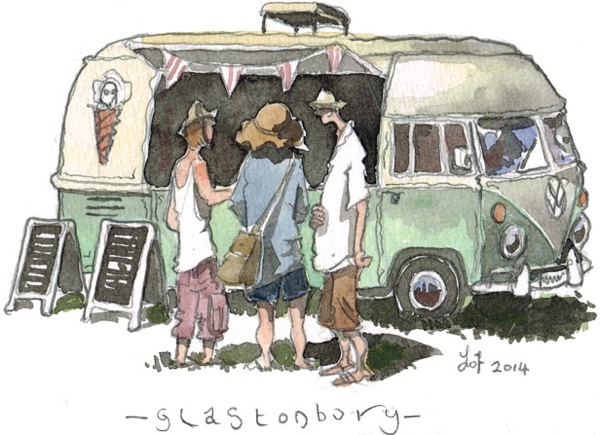
Converted Volkswagen Dormobile Camper used as an Ice Cream Bus
LIAM O’FARRELL – A personal celebration of ordinariness
As I am fortunate enough to live in Pilton where the Glastonbury Festival is held, and living here makes it easy for me to get out with my paints and do a spot of work in between bands, larger and hog roast. I felt that this year I would take it a bit easier and just do a few small postcards for a bit of festival fun. The festival occupies and few square miles, and fifty odd stages so there is a vast army of businesses on site to offer the best takeaways in all the world. With that in mind, I decided to paint a few of the many weird and wonderful food and refreshment vans that are plying their trade. The three vans were just randomly chosen, though each I felt had a particular charm which exemplifies the festival. I had to dodge the weather on occasion, though I got what I wanted in the end.

Converted Citroen H Van used as The Tea & Toast Van

Converted Volkswagen Dormobile Camper used as The Olive Van

FLY TIPPINGS – British for trash dumping, American for an absurd image
I think that it is fairly obvious at this point that I am not much of a writer. I tend to write short, choppy sentences and to be rather terse. But, I did go to this blogging course and I feel that I owe it to my fellow students to at least try. I also confess that I just wanted to meet the brilliant teacher of the course, I had no idea that I would actually have to write anything. And that it would be personal.
August 9th 2014
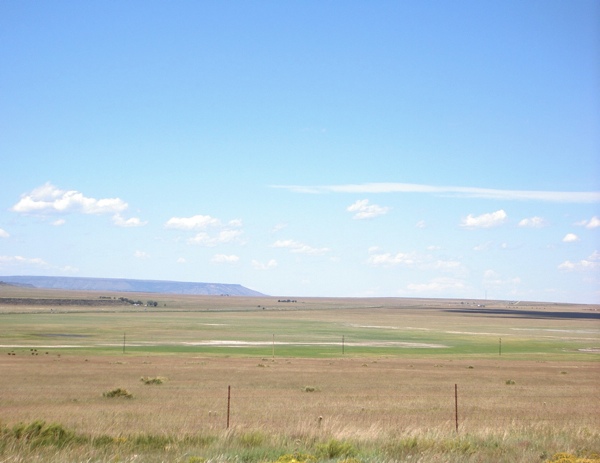
This is my dentist. I asked him if it was okay to write a blog post about him and he said “yes.” He has been my dentist for thirty years, we started going to him because his daughter worked with my husband. Over the years, I have gotten to know him, his pets, the wildlife around his house (he lives over across the valley on the side of the mountain) and his whole family.
He’s a working-class guy from Pueblo, Colorado. His father was an Italian immigrant who came to Pueblo to work in the steel mill, back when there was a steel mill. His father was long gone, but his mother lived to be a hundred. My dentist is well past the age when most people retire (his son, the dentist, just retired), but he likes his work, and he is really, really good. When he hit retirement age, he got interested in forensic dentistry and learning about new things has kept him going. He often has stories about cases that he is working on for the Coroner. He has done dental identification of corpses, and bite mark analysis in criminal cases.
When I saw him last week I thought to ask him why he became a dentist. He was studying to be a doctor and working nights at a hospital while he went to school. He found it too difficult to deal with death, so he switched over to dentistry and, as I said, he is very good. The entire time he is working on you he is blathering and telling bad jokes, he must know thousands of them. Before you know it, he’s finished and everything in your mouth is working again.
HOW TO WRITE A BLOG THAT PEOPLE WILL WANT TO READ, 5 Fournier St, Spitalfields, 11th & 12th October
You may also want to take a look at my earlier selection
Hop Picking Portraits
Every September, at hop picking time, Tower Hamlets Community Housing stages a Hop Picking Festival down in Cable St, affording the hop pickers of yesteryear a chance to gather and share their tales of past adventures down in Kent, and this year Contributing Photographer Sarah Ainslie & I went along to join the party.
Connie Aedo – “I’m from Shovel Alley, Twine Court, at the Tower Bridge end of Cable St. I was very little when I first went hop picking. At weekends, when we worked half-days, my mum would let me go fishing. Even after I left school, I still went hop picking. Friends had cars and we drove down for the weekend, as you can see in the photo. Do you see the mirrors on the outside of the sheds? That’s because men can’t shave in the dark!”
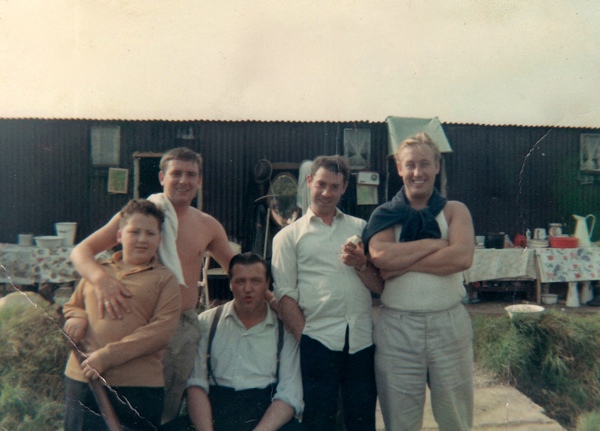
Derek Protheroe, Terry Line, Charlie Protheroe, Connie Aedo and Terry Gardiner outside the huts at Jack Thompsett’s Farm, Fowle Hall, near Paddock Wood, 1967
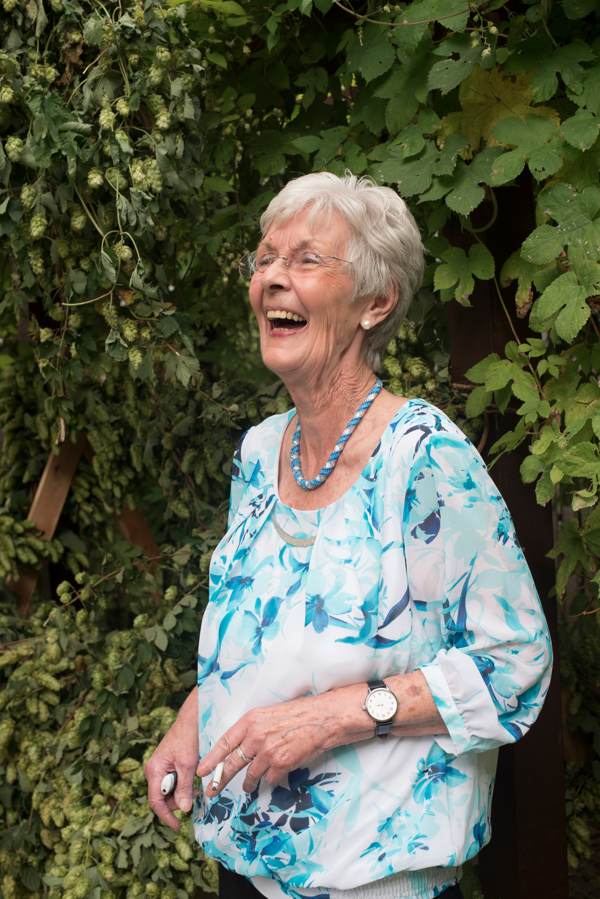
Maggie Gardiner – “My mum took us all down to Kent for fruit picking and hop picking. Once, parachutes came down in the hop gardens and we didn’t know if they were ours or not, but they were Germans. So my mum told me and the others to go back to the hut and put the stew on. On the way back, a German aeroplane flew over and machine gunned us and we hid in a ditch until the man in the pub came to get us out. My mum used to say, ‘If you can fill an umbrella with hops, I’ll get you a bike,’ but I’m still waiting for it. We had some good times though and some laughs.”
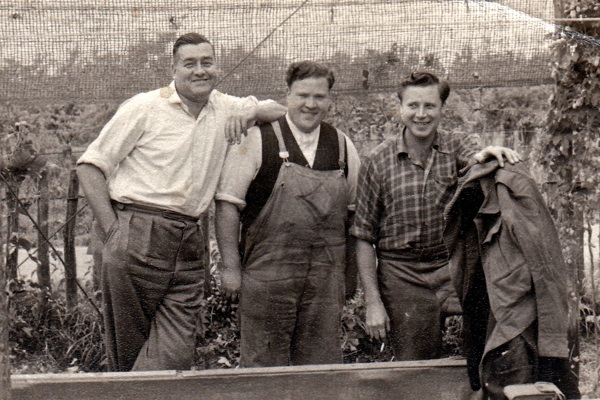
Alifie Rains (centre) and Johnny Raines (right) from Parnham St, Limehouse, in the hop gardens at Jack Thompsett’s Farm, Fowle Hall, Kent
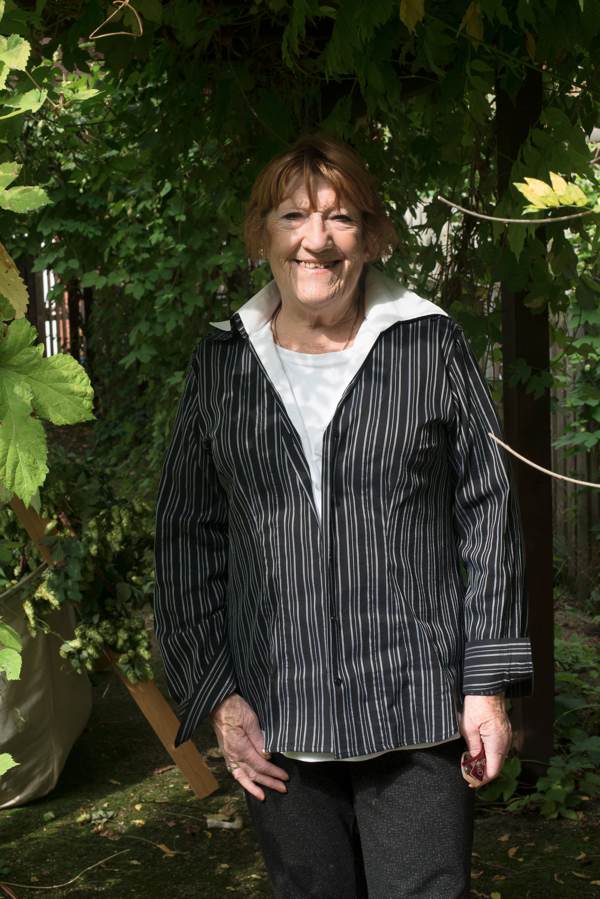
Vera Galley – “I was first taken hop picking as a baby. My mum, my nan and my brothers and sisters, we all went hop picking together. I never liked the smell of hops when I was working in the hop gardens because I had to put up with it, but now I love it because it brings back memories. ”
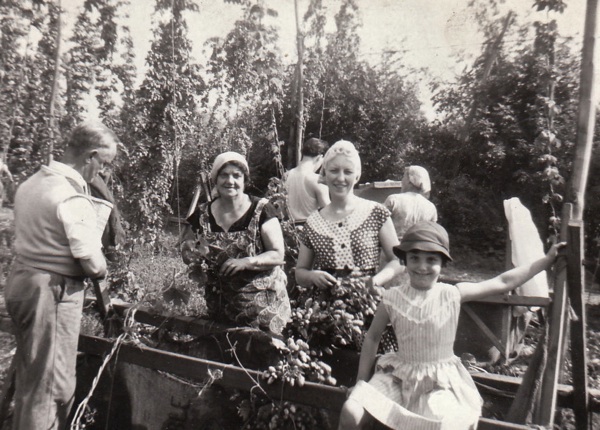
Mr & Mrs Gallagher with Kitty Adams and Jackie Gallgher froom Westport St, Stepney, in the hop gardens at Pembles Farm, Five Oak Green, Kent in 1950

Harry Mayhead – “I went hop picking when I was nine years old in 1935 and it was easy for kids. It was like going on holiday, getting a break from the city for a month. Where I lived in a block of flats and the only outlook was another block of flats, you never saw any green grass.”
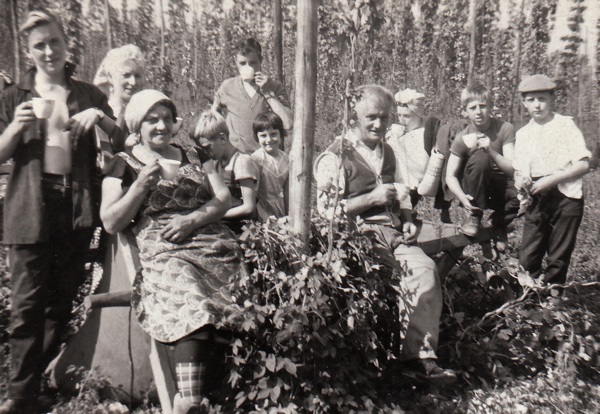
Mr & Mrs Gallagher with their grandchildren at Pembles Farm, 1958

Lilian Penfold – ” I first went hop picking as a baby. I was born in August and by September I was down there in the hop garden. M daughter Julie, she was born in July and I took her down her down in September too. We were hopping until ten years ago when then brought in the machines and they didn’t need us any more. My aunt had grey hair but it turned green from the hops!”
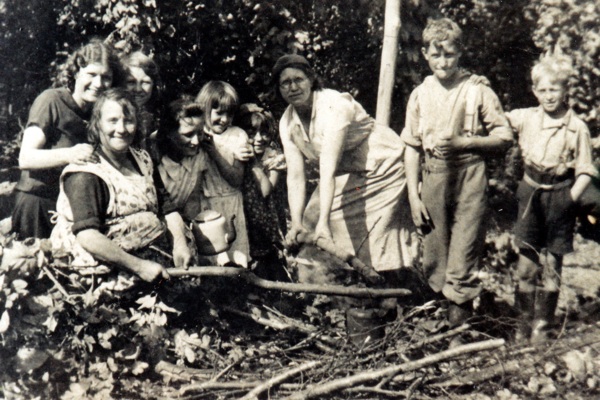
The Liddiard family from Stepney in Kent, 1930
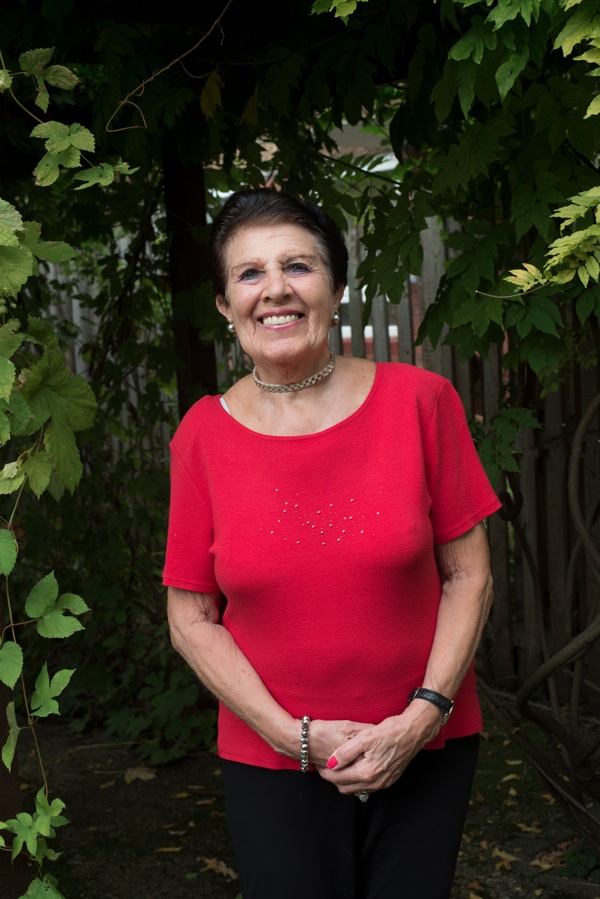
Dolly Frost – ” I was a babe in arms when they took me down to the hop gardens and I went picking for years and years until I was a teenager. I loved it while was I was growing up. My mother used to say, ‘Make sure you pick enough so you can have a coat and hat,’ and I got a red coat and matching red velour hat. As you can see, I like red.”
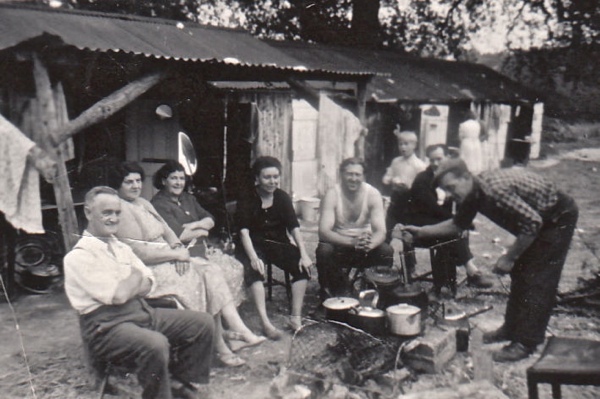
The Gallagher family from Stepney outside their huts at Pembles Farm, 1952
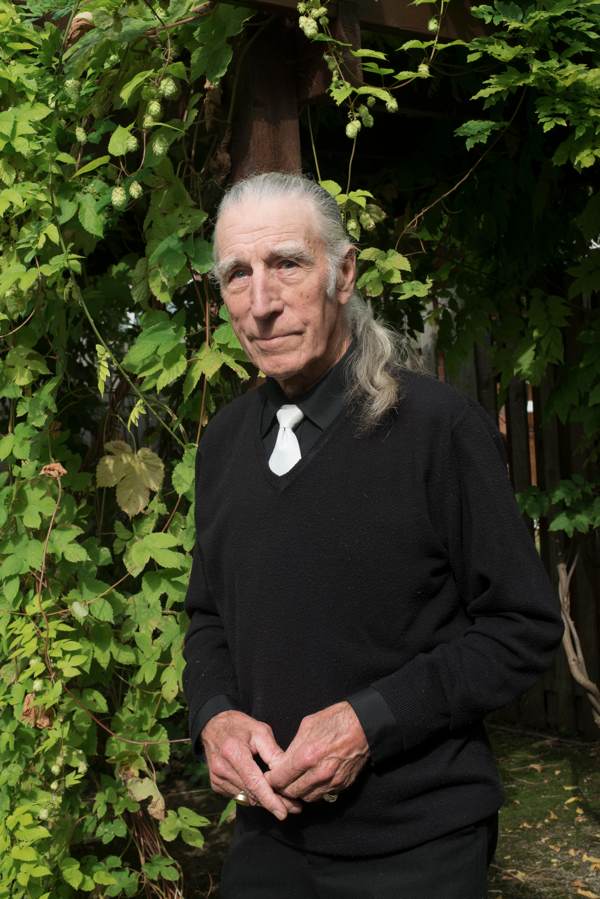
Charles Brownlow – “I started hop picking when I was seven. It was a working holiday to make some money. This was during the bombing, you woke up and the street had gone overnight, so to get to the country was an escape. You wouldn’t believe how many people crammed into those tiny huts. You took a jug of tea to work with you and at first it was hot but then it went cold but you carried on drinking it because you were hot. You could taste the hops in your sandwiches because it was all over your hands. There was a lot of camaraderie, people had nothing but it didn’t matter.”
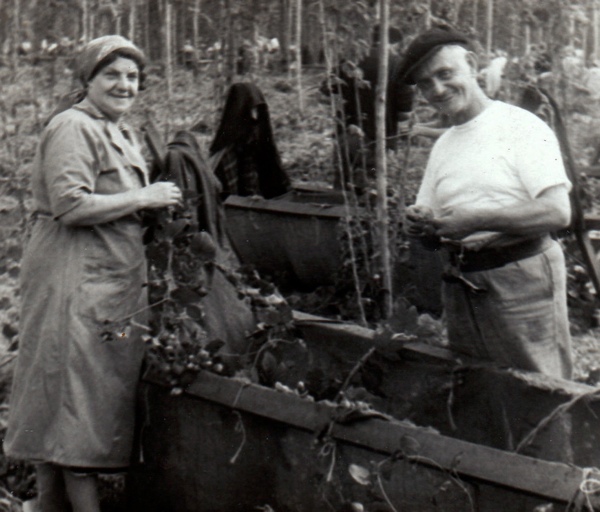
Mr & Mrs Gallagher from Stepney at Pembles Farm
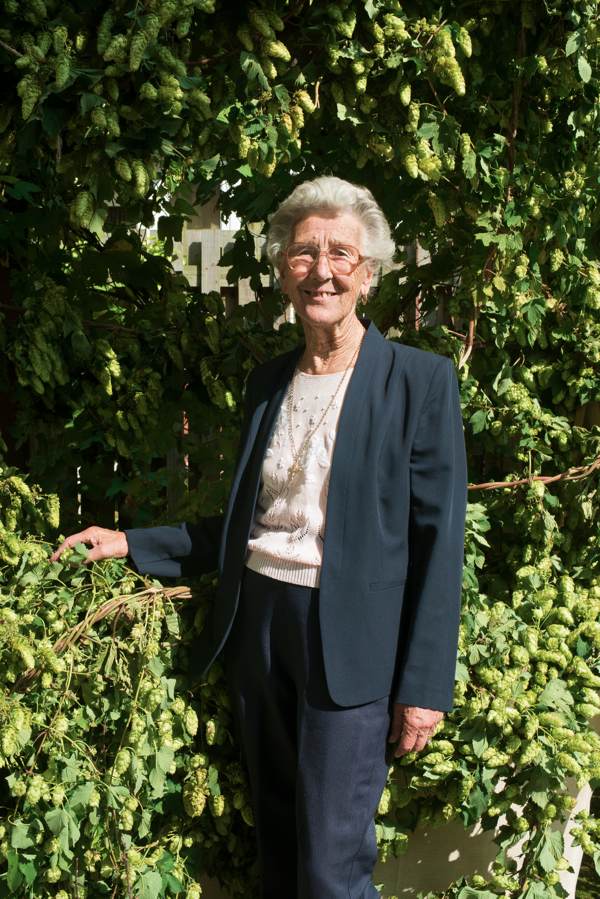
Margie Locke – “I’m eighty-eight and I went hop picking and fruit picking from the age of four months, and I only packed up last year because the farm I where went hop picking has been sold for development and they are building houses on it.”
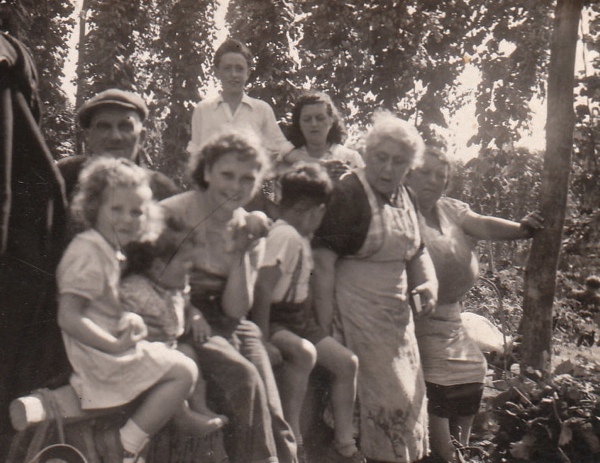
At Highwood’s Farm, Collier St, Kent
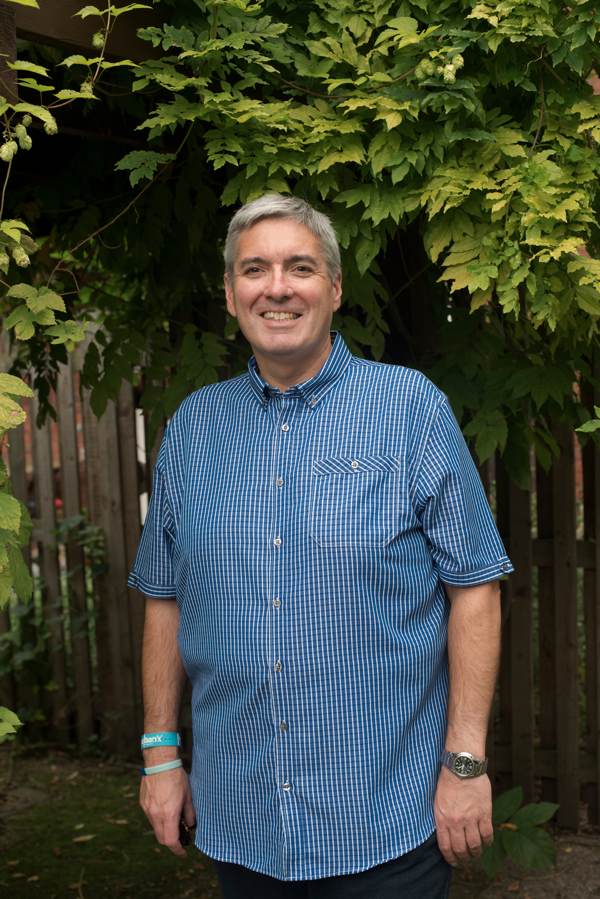
Michael Tyrell – “I was first taken hop picking in the sixties when I was five months old, and I carried on until 1981 when hops was replaced by rapeseed which was subsidised by the European Community. In the past, one family was put in a single hut, eleven feet by eleven feet, but we had three joined together – with a bedroom, a kitchen with a cooker run off a calor gas bottle and even a television run off a car battery. There was still no running water and we had to use oil lamps. My family went to Thompsett’s Farm about three miles from Paddock Wood from the First World War onwards. I have a place there now, about a mile from where my grandad went hop picking. The huts are still there and we scattered my uncle’s ashes there.”

Annie & Bill Thomas near Cranbrook, Kent
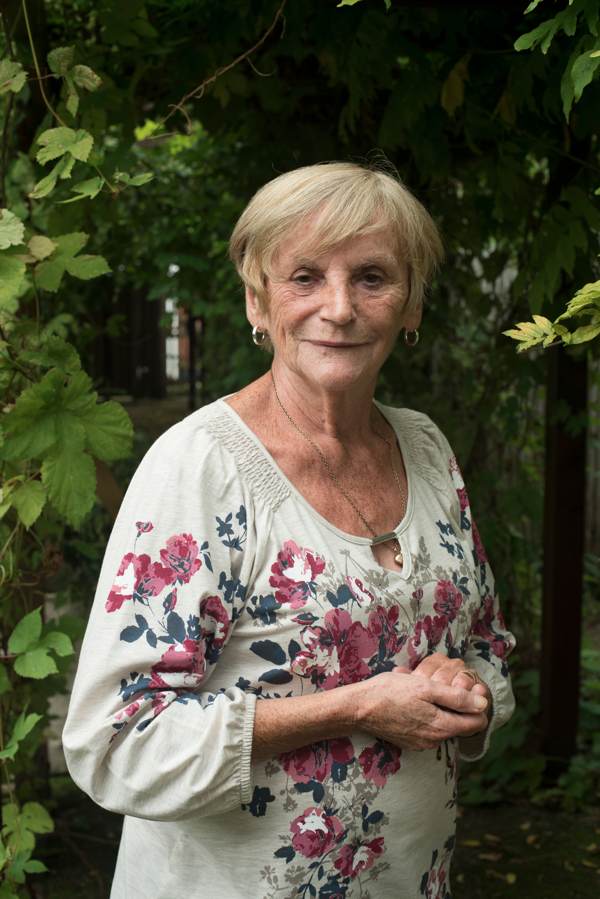
Lilian Peat (also known as ‘Splinter’) – “My mum and dad and seven brothers and three sisters, we all went hop picking from Bethnal Green every year. I loved it, it was freedom and fresh air but we had to work. My mum used to get the tail end of the bine and, if we didn’t pick enough, she whipped us with it. My brothers used to go rabbiting with ferrets. The ferrets stayed in the hut with us and they stank. And every day we had rabbit stew, and I’ve never been able to eat rabbit since. We were high as kites all the time because the hop is related to the cannabis plant, that’s why we remember the happy times.”
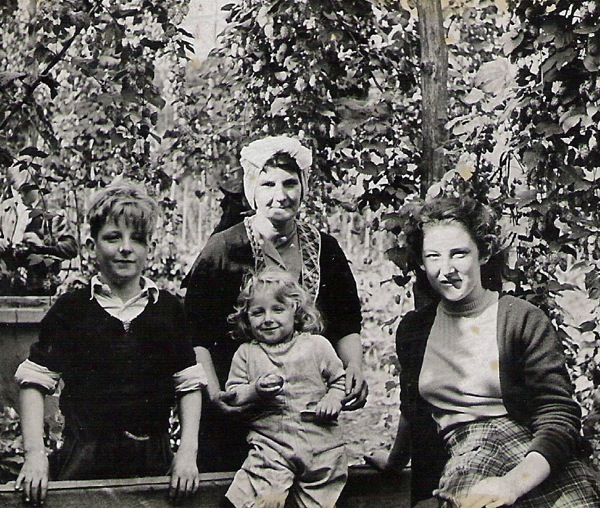
John Doree, Alice Thomas, Celia Doree and Mavis Doree, near Cranbrook, Kent
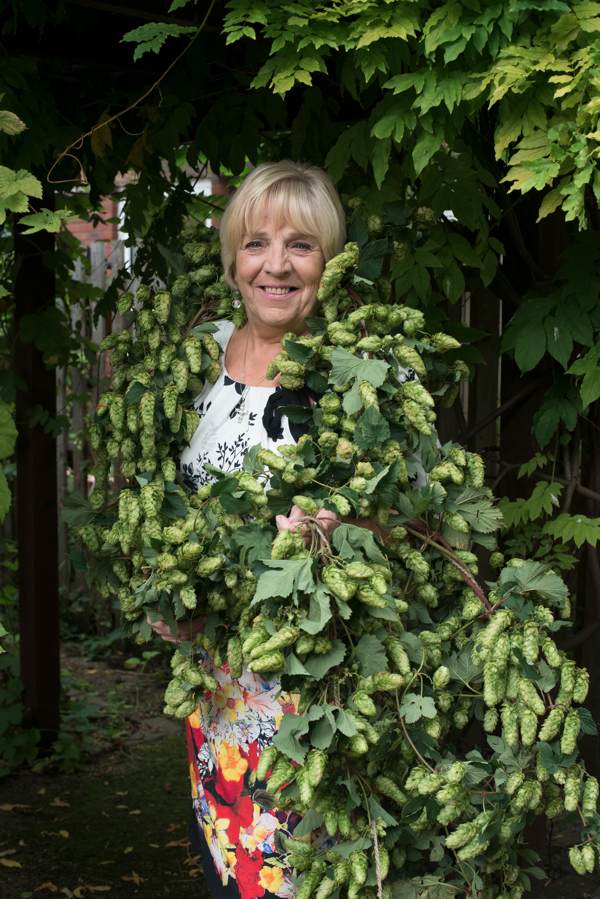
Mary Flanagan – “I’m the hop queen. I twine the bines. I first went hop picking in 1940. My dad sent us down to Plog’s Hall Farm on the Isle of Grain. We went in April or May and my mum did the twining. Then we did fruit picking, then hop picking, then the cherries and bramleys until October. We had a Mission Hall down there, run by Miss Whitby, a church lady who showed us films of Jesus projected onto a sheet but, if the planes flew overhead, we ran back to our mothers. We used to hide from the school inspector, who caught us eventually and put us in Capel School when I was eight or ten – that’s why I’m such a dunce!”
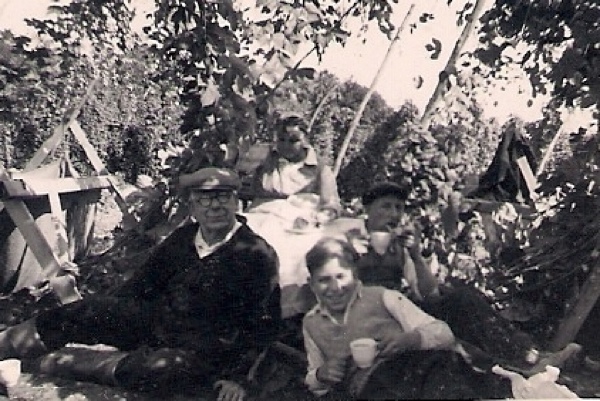
Annie & Bill Thomas with Roy & Alf Baker, near Cranbrook, Kent
Portraits copyright © Sarah Ainslie
Archive photographs courtesy of Tower Hamlets Community Housing
You may also like to take a look at
Seventeenth Century Finds From Shoreditch
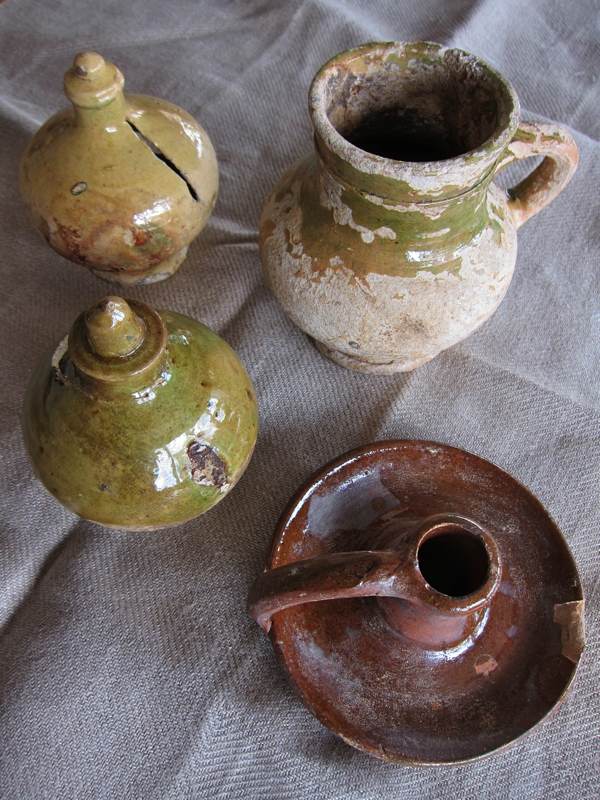
Moneyboxes, a jug and a candleholder from Holywell
The name of Holywell Lane is the only clue today of the former existence of Holywell Priory that stood between Shoreditch High St and Curtain Rd from the eleventh century until it was seized by the crown in 1539. Thomas Manners, a favourite of Henry VIII, acquired the lion’s share of the site and he created a rambling mansion for himself by combining the surviving medieval buildings and converting them to his own use for aristocratic banquets and lavish entertainment. And nearby, grand houses for wealthy merchants were constructed facing onto Shoreditch High St.
The recent construction of the new East London Line across this site afforded the opportunity to excavate and I paid a visit to the Museum of London Archaeological Archive in Hoxton recently to take a look at some of the artefacts they discovered. Ceramic Specialist, Jacqui Pearce, laid them out on a table for me and we passed a pleasant morning as she took me through, explaining the origin and purpose of each item.
The curious onion-shaped Tudor moneyboxes caught my eye first. Manufactured on the Surrey Hampshire border in whiteware and glazed in an attractive mustard hue, these were turned on a wheel and pin-pricked to let the air escaped as they dried. Then the coin slot was cut with a knife and they were dipped into glaze before firing. Jacqui explained that these moneyboxes were sometimes used in theatres to collect coins as the audience entered and then stored in a box until they were full, in a room that became known as the Box Office. Similar moneyboxes were found at the Rose Theatre site and these discovered in Shoreditch may be connected to the Theatre or the Curtain Theatre nearby. Jacqui pointed out to me the fingerprints of the maker, still visible, and chips around the slot where someone tried to get their money out with a knife centuries ago.
A red clay pitcher made in London of utlitarian design captured my imagination as an object that would have once been familiar to all, as a water or ale jug. Jacqui explained to me that jugs and mugs often have burn marks where they have placed in the fire to warm the ale. This specimen had a splash of glaze on the front just so that any drips from the spout would run off, while the absorbent quality of the clay permitted the jug to stand in water and keep the contents cool in summer. The Holywell Priory would have had elaborate gardens and Jacqui has seen similar examples with a watering can rose upon the front of the jug and others with perforations in the base to deliver a fine spray for delicate plants.
A sixteenth century porringer, with a small handle to grip it comfortably in your hand while eating soup or stew or porridge, was an object that evoked an entire way of life to me, an existence punctuated with innumerable weary fireside suppers after the day’s work. Similarly an imported Bellarmine bottle used to decant wine from the cask and a pair of black-glazed clay mugs – made in Essex and each with a surprisingly fine lip – recalled the life of taverns. These were the common wares that would have been used in the inns that lined Bishopsgate and Shoreditch High St in Shakespeare’s day.
It was a poignant experience to spend a couple of hours in the company of these modest, fragile items which spoke of an earlier existence when everything was handmade. Objects that were used daily half a millennium ago in a location that is shortly to be threatened with violent transformation by the imposition of vast high-rise towers. And as I walked back from Hoxton to Spitalfields through Shoreditch, I could barely reconcile the enormity of difference between these two worlds in my mind – the one long-gone and the other lowering like a dark cloud upon the cusp of the future. The disquieting irony is that the excavations required to build this monolithic future will reveal more of our long-forgotten past, before obliterating it for ever.
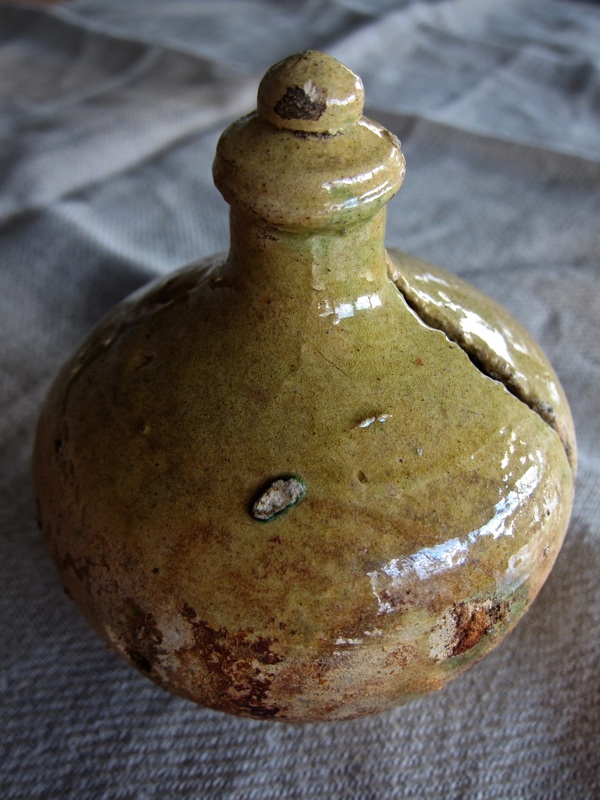
Money box
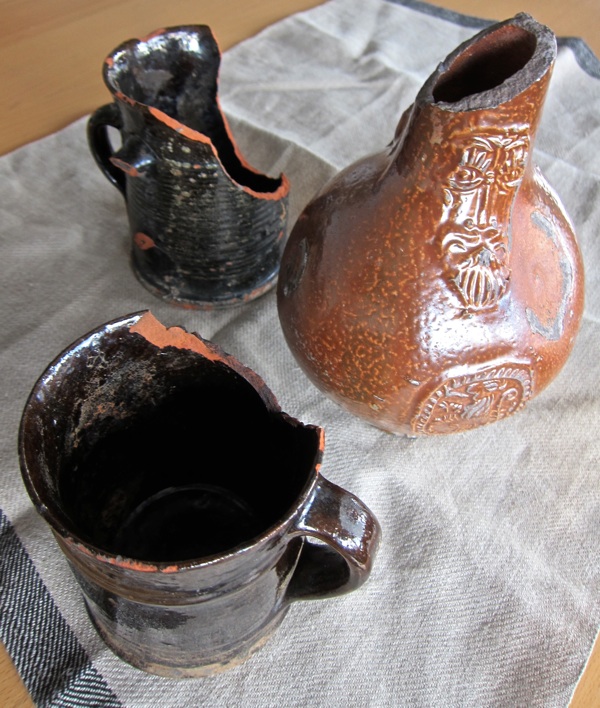
An imported Bellarmine wine bottle from Frechen in the Rhineland and two tavern mugs made in Harlow, Essex
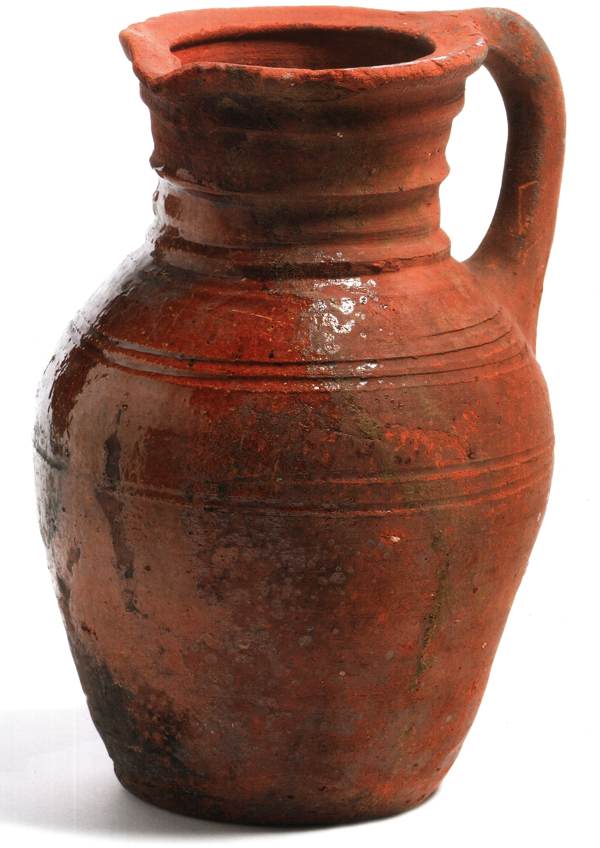
A sixteenth century pitcher made in London

Sixteenth century earthenware plate with dramatic slip decoration of the era when Londoners were moving from wooden bowls to ceramic dishes for eating
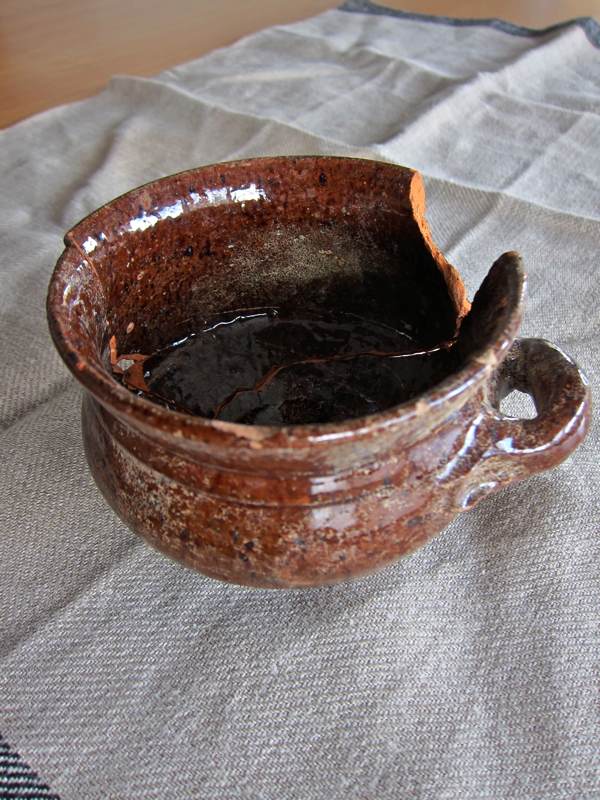
Seventeenth century porringer with an attractive speckled glaze
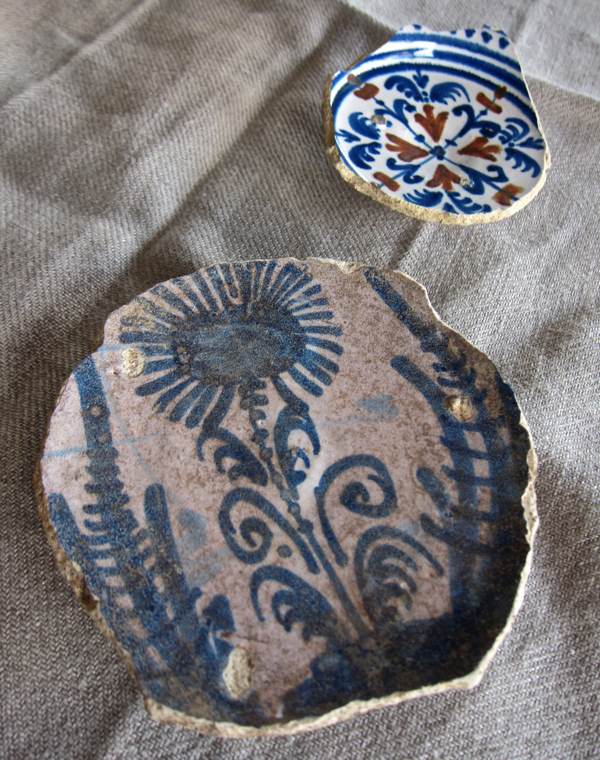
These are the centres of large tin-glazed serving plates, known as chargers
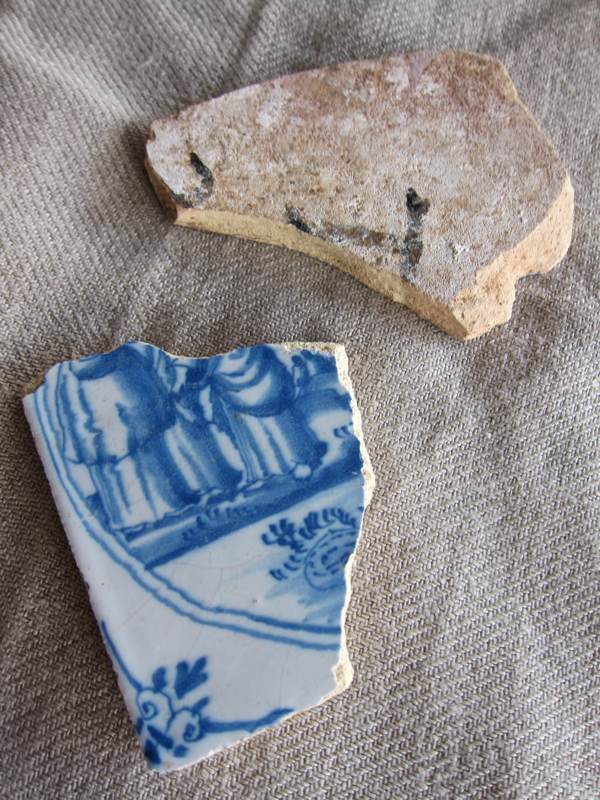
Two fragments of delft tile made in London, possibly in Aldgate
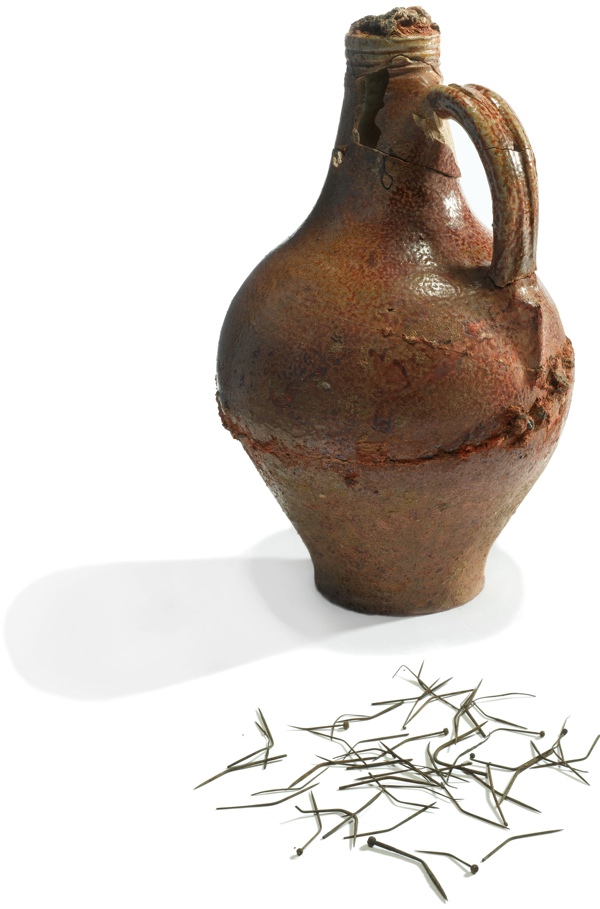
A witch bottle with the pins that were inside it from Holywell
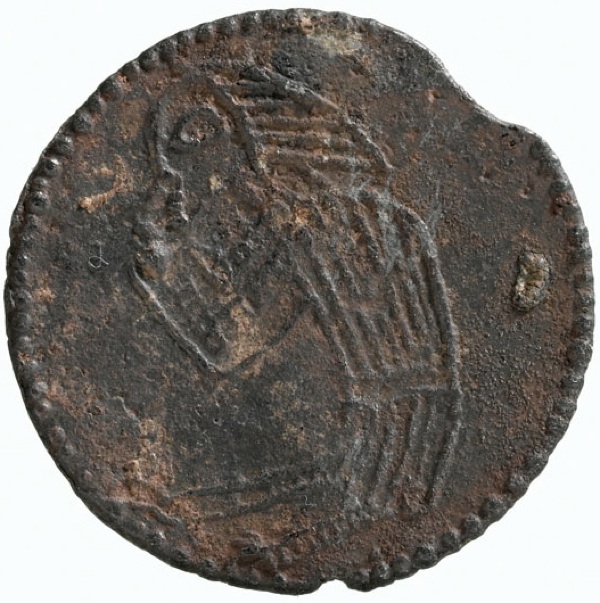
Medieval lead token showing an ape looking at a mirror
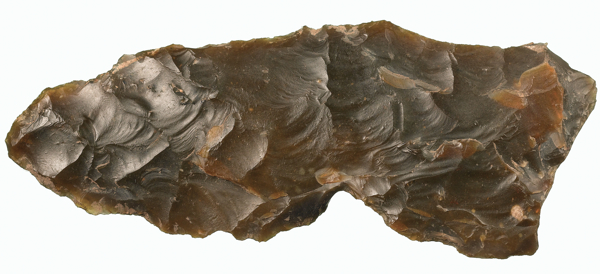
Late Neolithic or early Bronze Age flint tool found at Holywell
Photographs copyright © MOLA
‘Tracks Through Time, Archaeology and History from the London Overground East London Line’ is available from Museum of London Shop
You might also like to read about
The Cambridge & Bethnal Green Boys’ Club Final Reunion Dinner
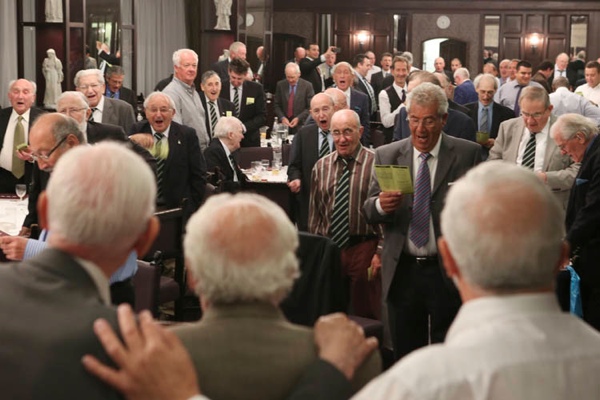
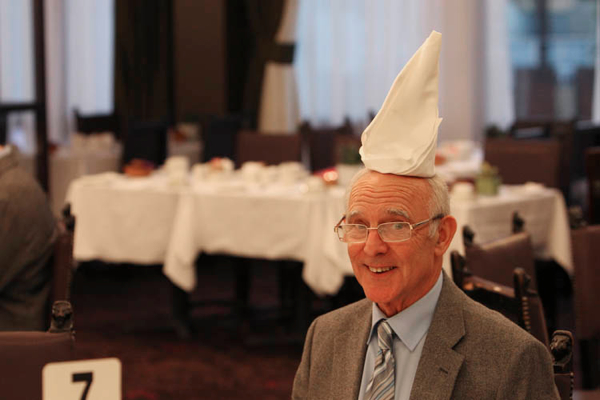
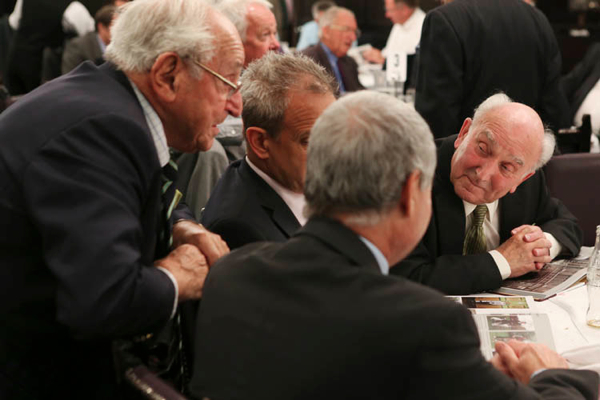
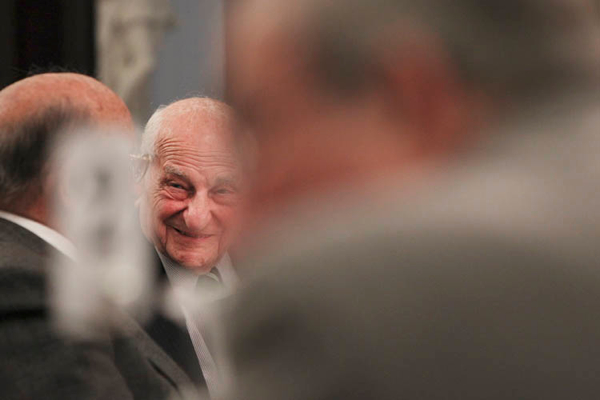
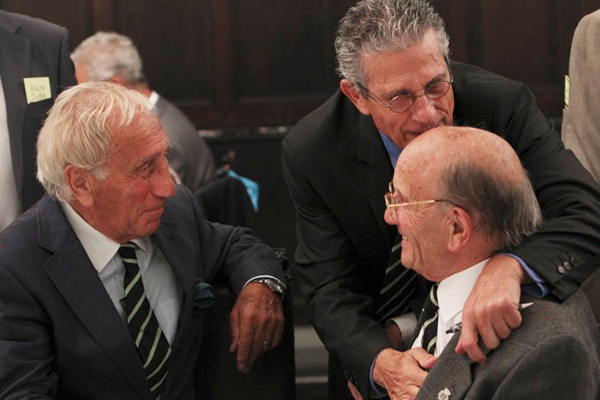
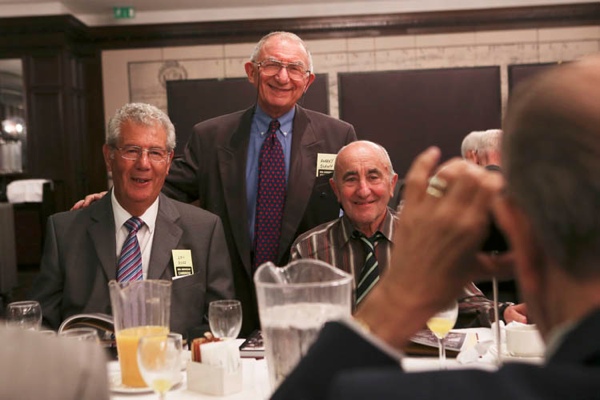
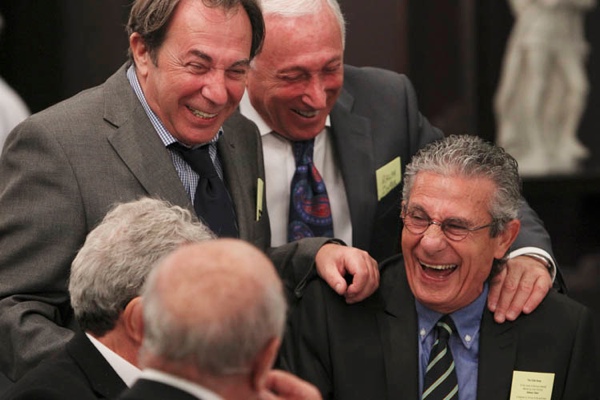
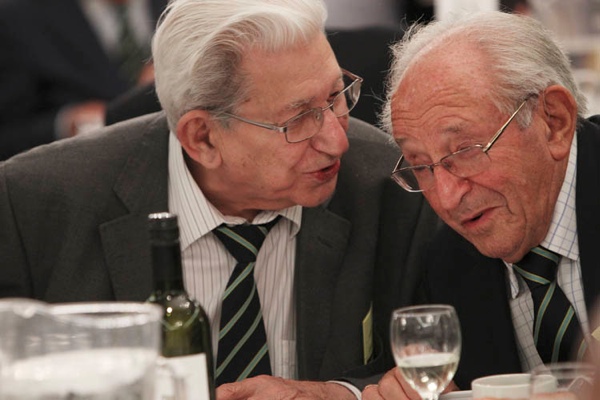
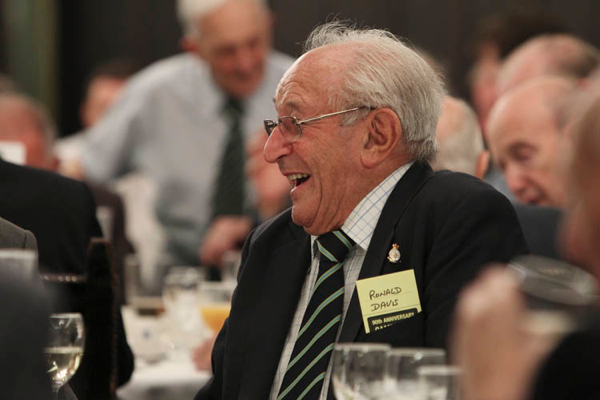
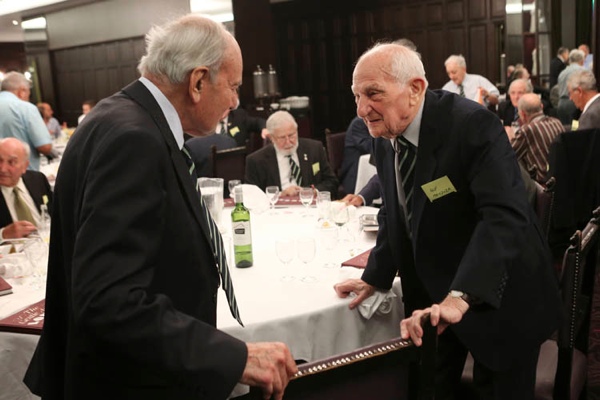
When I attended the 86th Anniversary Dinner of the Cambridge & Bethnal Green Boys’ Club in 2010 as guest of Ron Goldstein, I promised to return each year until the last. The numbers of those who were members from the nineteen-thirties were diminishing and, somehow, I foolishly imagined that eventually I should be there eating dinner with the remaining members fitting round one table.
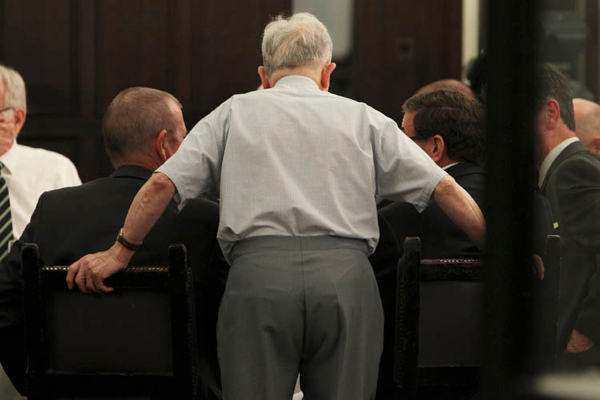
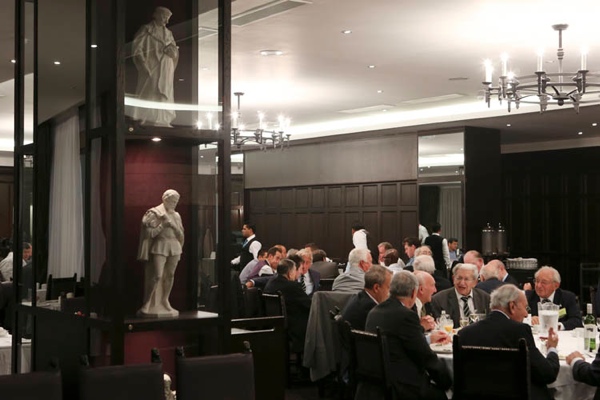
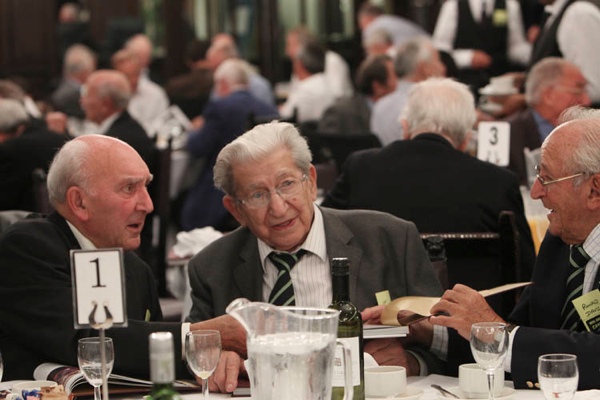
Yet, possessing greater insight than I, the reunion committee took the executive decision to make the 90th Anniversary Dinner this year the final one, and thus Contributing Photographer Simon Mooney & I discovered ourselves amidst the excited throng at the Imperial Hotel, Russell Sq, on Monday night.
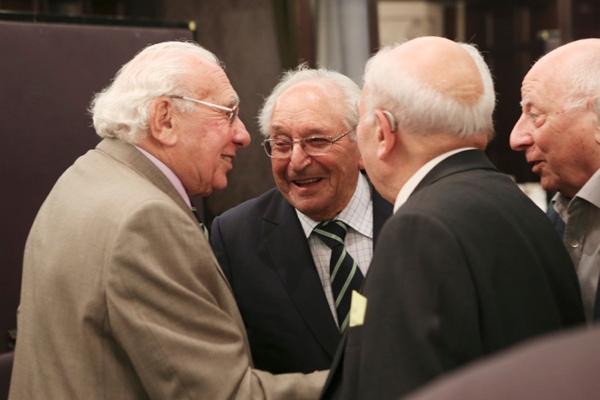
“It takes me back to when I was twelve, and the first night I met Maxie in the blackout in 1939 in Hare St, that you know as Cheshire St, on my way to join the Club” Manny Silverman ex-chief of Moss Bros and Norman Hartnell Couture reminded me, referring to Maxie Lea, the irrepressible Club Secretary who has been organising these dinners each year for the last sixty years. “It’s end of an era for everyone who went through the Club’s doors, but we are resigning because time is catching up with us and there have been no new members since 1989,” Manny confessed, raising his eyebrows for dramatic emphasis.
At the next table sat Dennis Frank, the oldest surviving Club Manager at a sprightly ninety-seven years old, with his junior, Alf Mendoza at a mere ninety-five. “I’m going to catch up with him eventually,” Alf assured me with a significant grin.
“We’ve had this same menu for the past ten years,” Maxie informed me proudly, as the waiters began serving Chicken Chasseur with carrots and broccoli again, “it means we don’t offend anybody.”
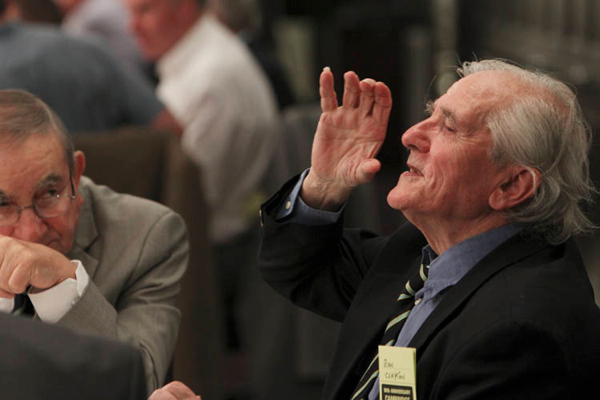
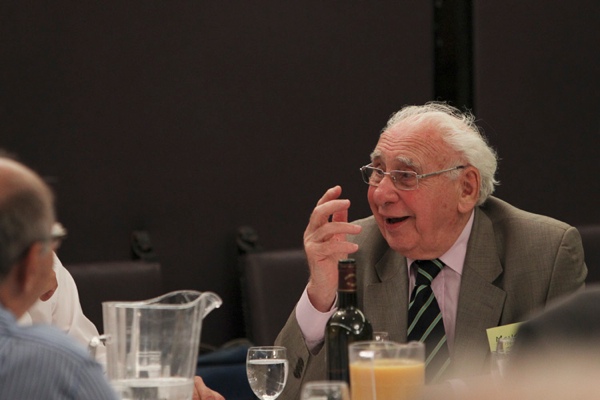
Monty Meth tapped my wrist in a kindly way. “No-one comes for the dinner,” he whispered diplomatically, winning my envy as he tucked in to a specially-made omelette. “There isn’t a month goes by that I don’t remember the Club,” he continued, speaking fondly, “Without it, I would have gone off the rails, but it kindled my interest in photography and writing that led to my career in Fleet St.”
Once the Chicken Chasseur was cleared away and the familiar Black Forest Gateau had been consumed, it was time for Monty’s speech as the climax of the evening and here I publish a few highlights.
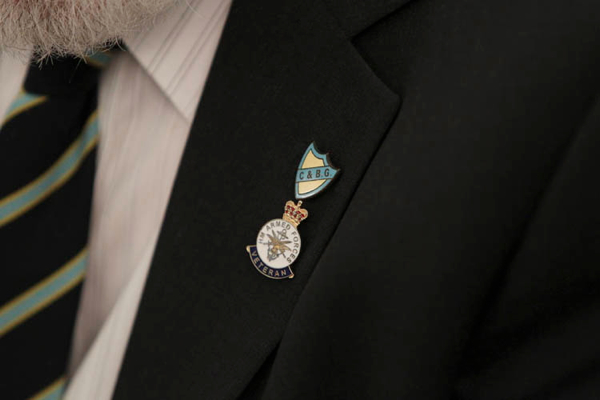
“When I ask you later to be upstanding to drink that last toast, I would like us all to recall those few men of vision – who, on June 15th 1924, opened the Cambridge & Bethnal Green Jewish Boys’ Club. They were in the main graduates of Cambridge University who gave us what spare time and cash they had to buy numbers 3 & 4 Chance St, once the Blue Anchor pub, that had been converted into a cabinet-making workshop of the type so prevalent in Bethnal Green at the time.
Boys were admitted to the Club at the age of thirteen. Fifty-four boys were originally chosen by headmasters of local schools to join the Club and, by October 1925, one hundred and twenty had joined.
Twelve years later, the big decision was taken to open the doors to anyone irrespective of their religion – a decision which became known as the ‘Cambridge & Bethnal Green Experiment.’ It was regarded as “an alarming suggestion” by some people but I was interested to see that the parents of all the club members were consulted and not a single objection was received. By December 1938, the Jewish Chronicle admitted the “experiment was working very well.” Membership was then three hundred and twenty Jewish boys and eighty of other religions.
In a financial appeal launched at the time, the Club announced it was open to everyone irrespective of religion or denomination, no one was turned away. Segregation had ended. We didn’t appreciate it at the time, but the Club gave us the opportunity to emerge as individuals.
I retain to this day vivid pictures in my mind’s eye of George, Rowland, Derek Merton, and others , marching off from the Bishopstone Camp in 1939 to join the the King’s Royal and Tower Hamlets Rifles along with Club seniors. Some twenty young Club members never returned. I remember Ruby Ginsberg and Henry Landau. Others here tonght will recall Harry Freshwater. My own tent captain Donny Carlton was one of those who left the Bishopstone Camp but came home having won the Military Medal for gallantry.
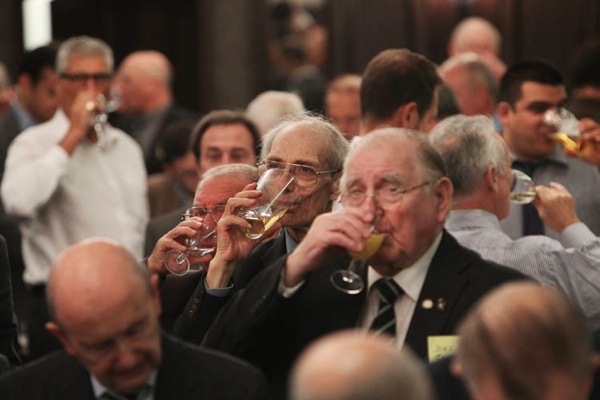
So I’m now going to ask you to stand for a minute or so while we raise our glasses and recall the men who founded and led the Club for sixty-five years from 1924 until 1989. Let us remember too the boys we met, the friendships we made, and let us pledge to retain those Cambridge principles of fellowship, irrespective of race or creed, of tolerance and community cohesion, for as long as we live.”
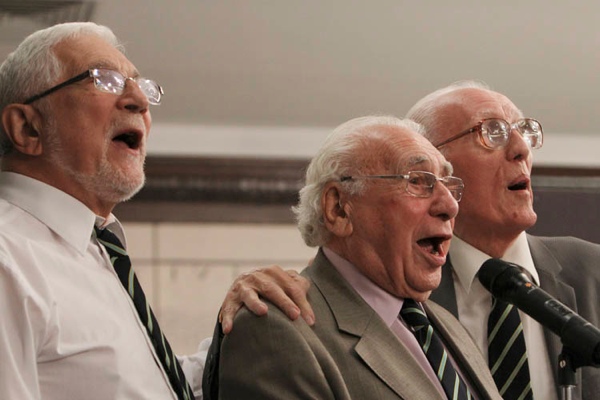
Monty’s speech had attracted good-natured heckling by those who still did not want the Club to end, but after a last spirited performance of the Club song, the old boys dispersed into the night and an era in the East End that began with the opening of the Club in 1924 passed away. “Tonight is the end of my youth,” was Manny’s elegaic summation of the event, before he had another thought and announced, “now I can begin my second childhood.”
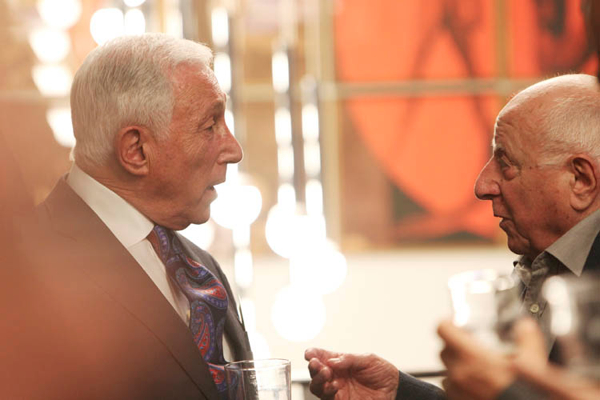
Ron Goldstein
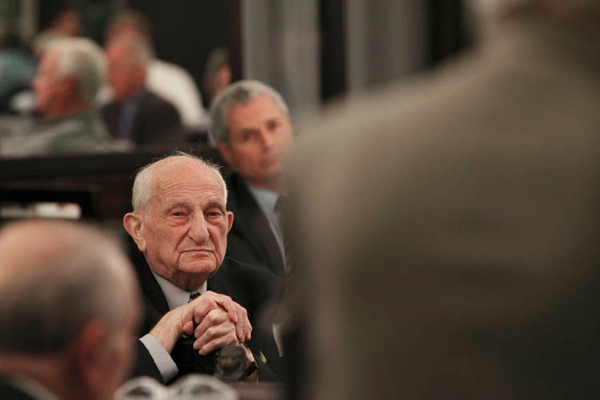
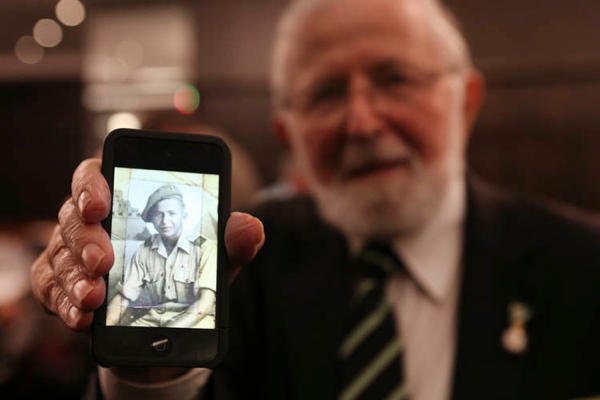
Alf Mendoza
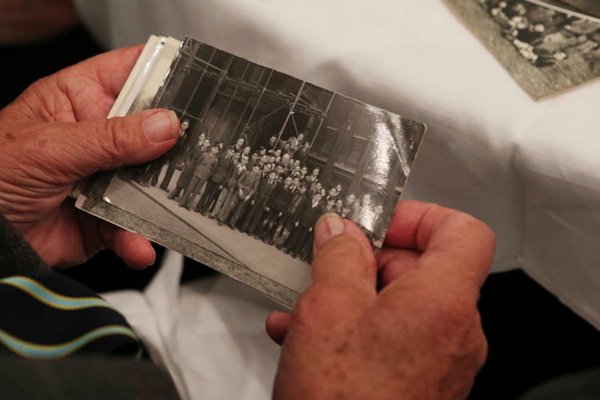
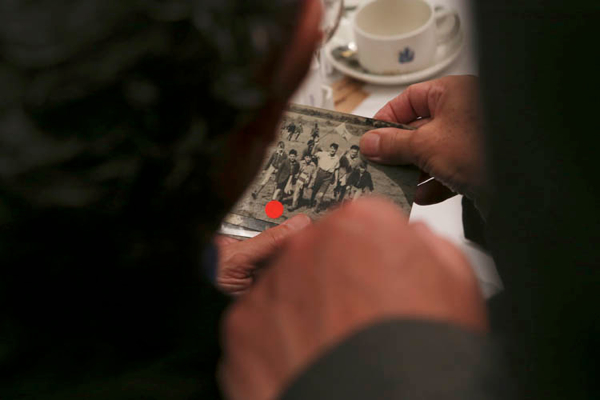



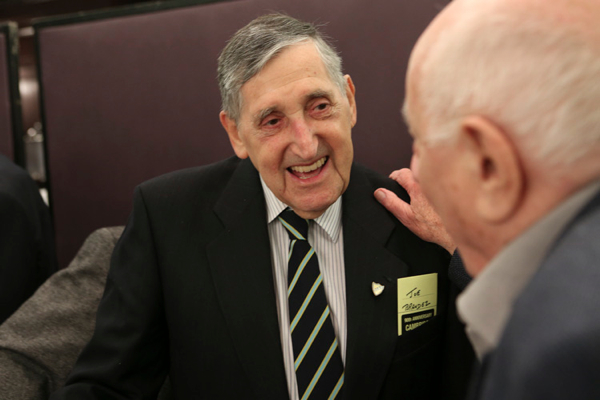
Monty Meth


Maxie Lea

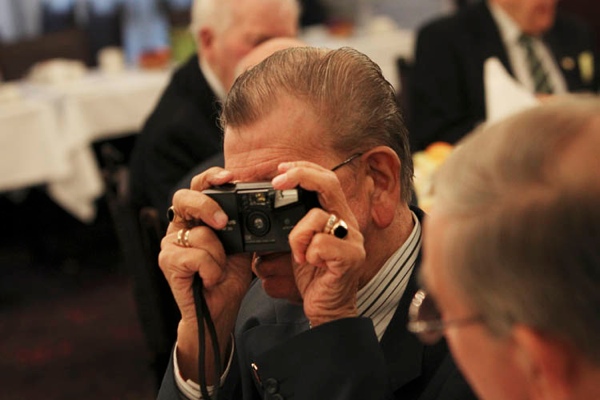
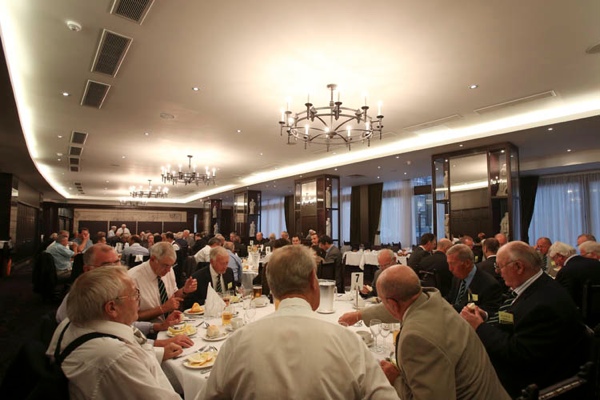
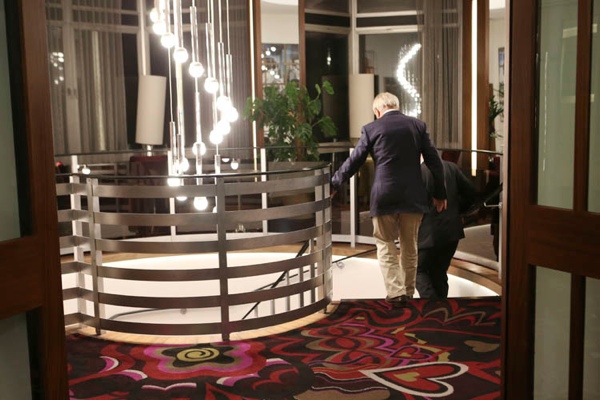
Photographs copyright © Simon Mooney
Follow Ron Goldstein’s blog for future reports on the Cambridge & Bethnal Green Boys’ Club
You may also like to read these reports of previous dinners
At the Cambridge & Bethnal Green Boy’s Club 86th Renuion Dinner
At the Cambridge & Bethnal Green Boys’ Club 89th Annual Dinner
and my interviews with members of the Cambridge & Bethnal Green Boys’ Club
and watch
Colin O’Brien’s Playground Portraits
In the midst of spending last week preparing the book of Horace Warner’s Spitalfields Nippers for publication in the autumn, I asked Contributing Photographer Colin O’Brien if he would like to visit Weavers’ Adventure Playground with me before before summer’s end and create a series of portraits of ‘Bethnal Green Nippers’ in collaboration with the children. We were delighted to discover that our project coincided with the playground’s fortieth anniversary celebrations and join Sunday’s exuberant birthday party for this beloved institution which has brought joy to generations in this corner of the East End.
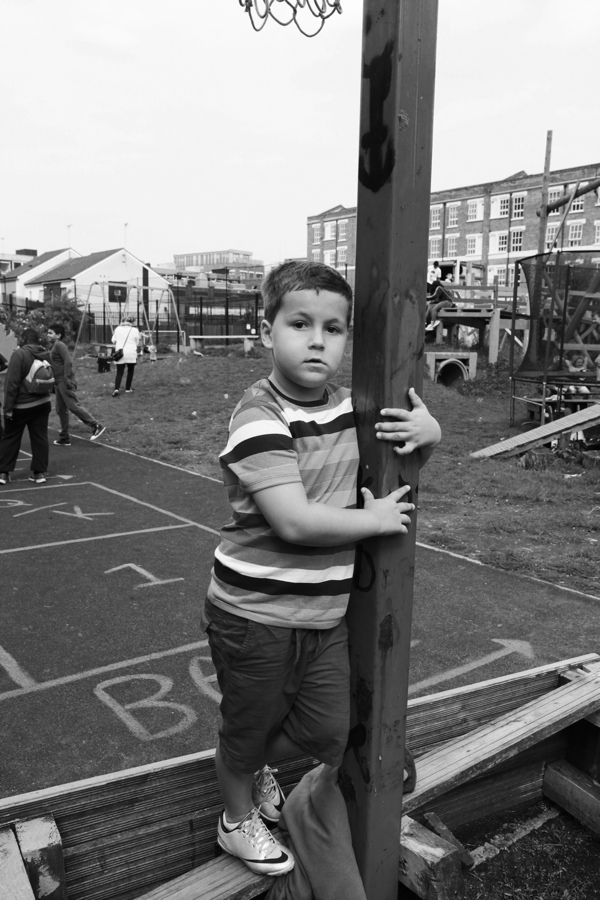
Alfie Davis

Brogan Ferron

Leo Hassan

Mason Pearce

Mickel Warner Mahood

Mya Warner Mahood

Arthur Ferron

Ishaac Bendjenahl

Michael Brown

Tilly Latham
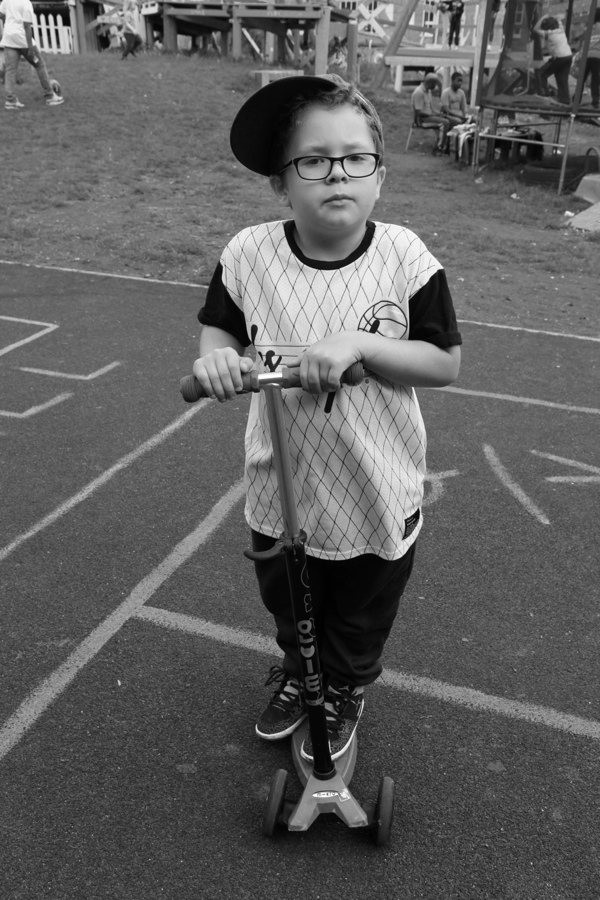
Adam Warner Mahood

Lottie Ferron

Aaron McPherson
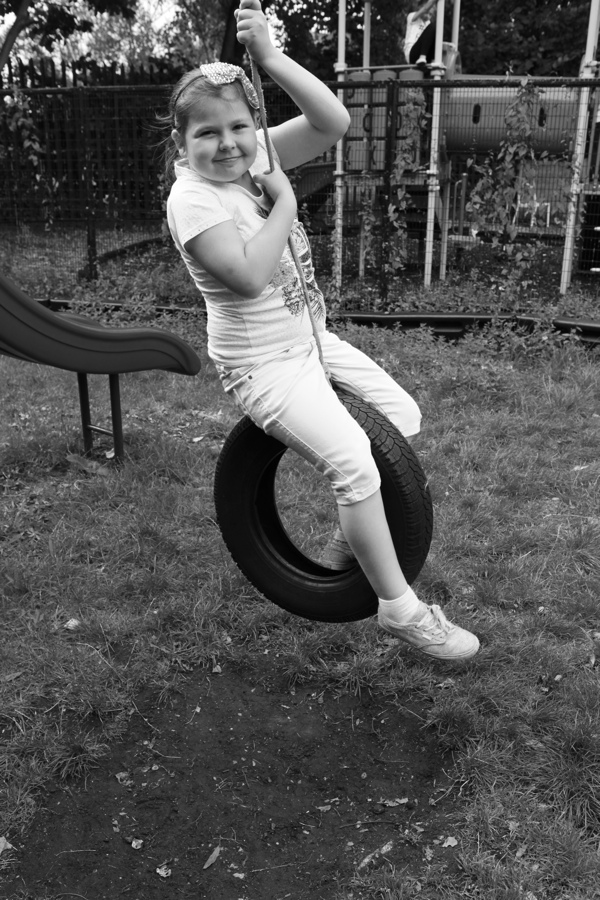
Mikki Gilbert

Patrick Doherty

Brogan Ferron

Mya Warner Mahood

Mason Pearce

Mikki Gilbert

Mason Pearce

Arthur Ferron

Paige Housham
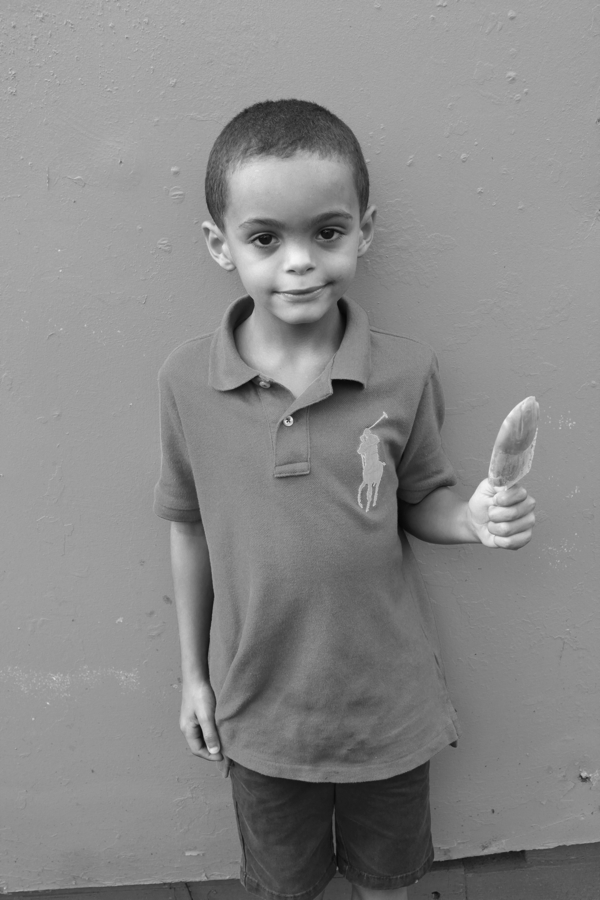
Aaron McPherson

Arthur & Lottie Ferron

Brogan Ferron
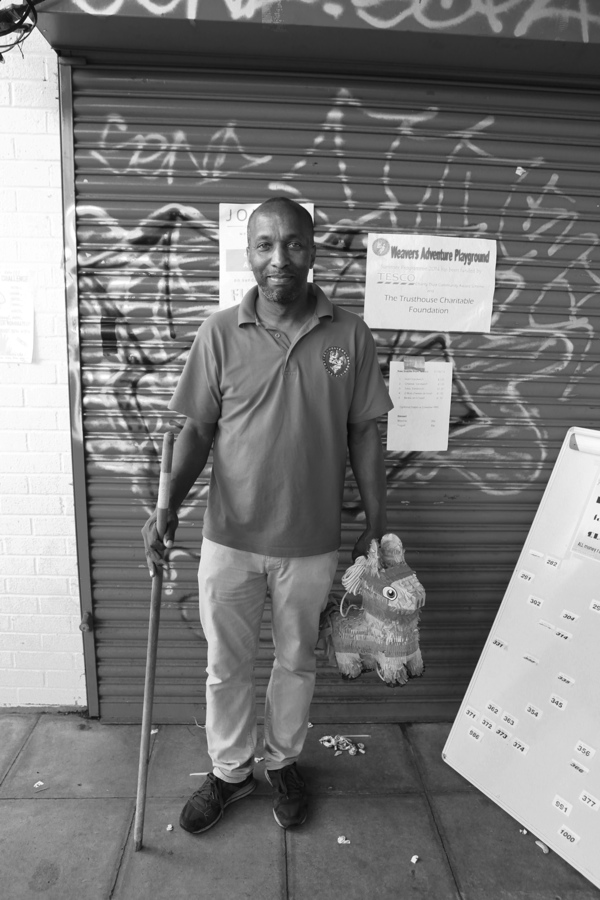
Victor William, Playleader in charge at Weavers’ Adventure Playground
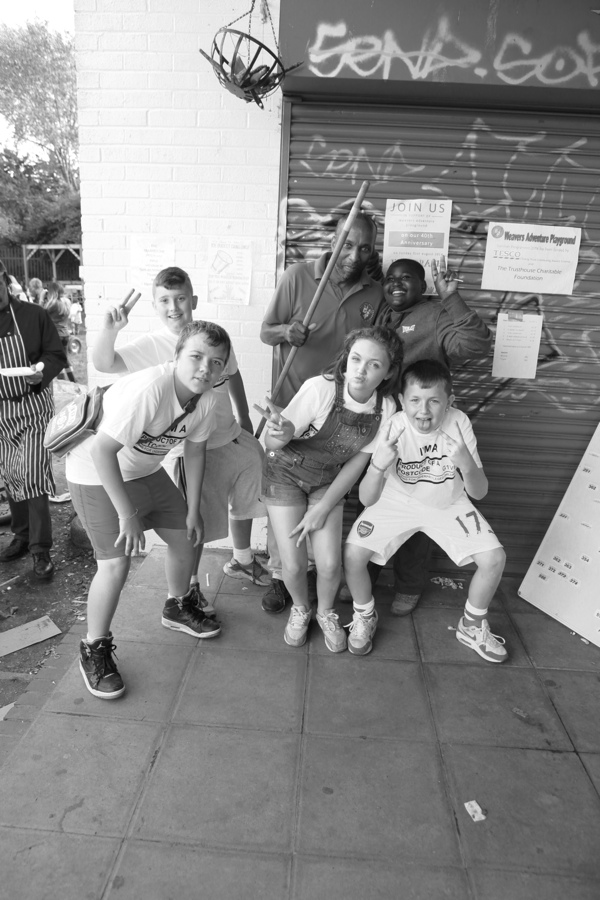
Victor and pals
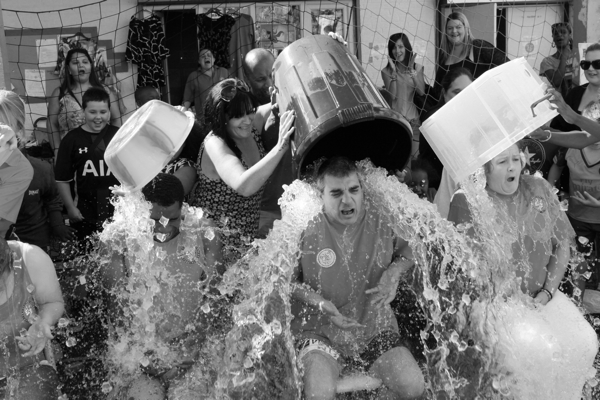
Playleaders experience the ice bucket challenge at the adventure playground’s fortieth birthday party
Photographs copyright © Colin O’Brien
Weavers’ Adventure Playground, Viaduct St, Bethnal Green, E2 0BH
You may also like to take a look at
Horace Warner’s Spitalfields Nippers
Colin O’Brien’s Travellers ‘Children in London Fields