
At Wilton’s Music Hall
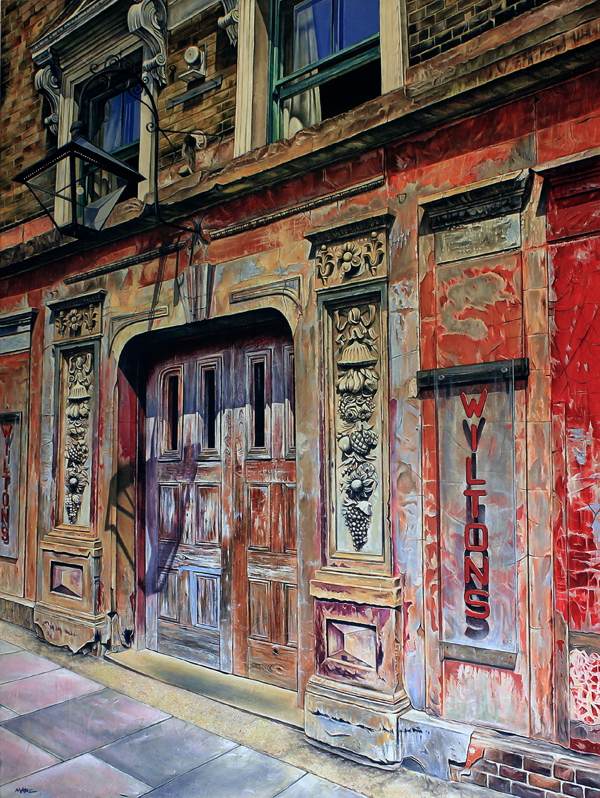
Wilton’s Music Hall by Marc Gooderham
When The Gentle Author invited me to take over for a week my first thought – being daunted and flattered in equal measure – was to visit Wilton’s Music Hall in Graces Alley, just off Leman St in Whitechapel, since my book Kitty Peck and the Music Hall Murders was partly inspired by a visit to Wilton’s a couple of years back in the company of a group of conservation officers and old building specialists.
I work just up the road from Wilton’s in Spitalfields at The Society for the Protection of Ancient Buildings and during that first visit I tagged along on a field trip organised as part of a course being run by the Society. Hard hats were an essential element of our costume for the afternoon since Wilton’s Music Hall was pretty much a building site at that time. But while everyone else was knowledgably tapping the Acro-props in the bar and admiring the exposed, structural elements of the building as they mulled over the gritty conservation challenges ahead, I was inhaling the atmosphere – spellbound by the faded beauty around me and the stories it whispered. I think the seed for Kitty Peck was sown that afternoon.
In 2010, The Gentle Author interviewed Frances Mayhew – the surprisingly youthful guiding hand behind the resurgence of the oldest surviving ‘grand music hall’ in the world. Back then, Frances had been at the helm for five years. Thanks to various grants and donations from trusts and individuals she had already managed to raise enough money to make the auditorium safe for the foreseeable future, but she was keenly aware of the enormous tasks that lay ahead – not least tackling the subsidence caused by crumbling Victorian drains, gently parting the theatre from the Georgian buildings that run along its frontage in Graces Alley.
When I visited at the end of June, the building was buzzing with energy. Glowing with excitement, Frances told me the news. Wilton’s had won its first Heritage Lottery Fund grant – £1.85 million, allowing essential stabilisation and development work to begin on the four buildings (just) attached to her theatre. This is where the offices, front of house, bar and meeting rooms are housed in a warren of intriguing spaces – and now that the auditorium is secure, this area is key to Frances’ plans for the future.
She grinned broadly as she talked about the success of the bid – news so fresh that it was under embargo. “It’s fantastic,” she said. “In effect, it means that for the next three years, as the work goes on around us, I will be running the most amazing community and education project – involving SPAB and the Buildings Craft College and about twenty-five primary schools, three high schools and thousands of volunteers. It’s going to be hard graft – and I think we’re all going to become the modern equivalent of dockers!”
“The grant will enable us to do all sorts of wonderful things. We’ll get to two studios, an archive, a visitor room – to be known as The John Wilton Room – there will be rehearsal spaces and I’ll also put the archive online and improve the cafe. As well as being a performance space, Wilton’s will have rooms to rent, rooms to study in, and rooms to just hang out in. It means we will be open all the time, days and evenings. And, most importantly ,it will be so much fun – a whole new chapter.”
Wilton’s is already crammed with stories but Frances’ own story is one of the most inspiring. She first became aware of the Music Hall while an intern for previous occupants, Broomhill Opera, and as a classically trained recorder player, she expected to be working there as a musician … but she was wrong.
“I had the grottiest jobs. I had to clean out pigeon shit, handle the dead rats and generally remove God-knows-what from the gutters. A few years later, when I found out that Wilton’s was threatened with bankruptcy and that Wetherspoons were on the verge of taking it over – quite honestly – my first thought was not, ‘What a sad thing to happen to such a beautiful building.’ No – what actually went through my mind was, ‘I don’t believe it! I worked my nuts off for that place – day and night for those people, opening and closing and cleaning and sweeping and dusting and delving in gutters. That is not going to happen. I won’t let it.’”
Admitting that she was probably swept away on a wave of romance, Frances stepped in with a bold offer to run Wilton’s single-handedly to pay off its debts.“The experience with the opera company gave me a grounding in how to look after a delicate old building, so I knew what it would entail and what to do. But once I’d done it, there was only me. Every night I’d wake up and I couldn’t get back to sleep because my heart was beating with fear. I used to race in here every day, stay all day, work all weekend and all through the night. I did fall in love with the building, but there was also a huge element of wanting to do the right thing for it.” Nine years later, she and her partner Filippo de Capitani, Technical Director, are still doing the right things for Wilton’s.
Filippo is the creative drive behind the Wilton’s App – centred on the true tale of a nineteenth century female performer who took theatre owner John Wilton to court alleging that her costumes had been damaged due to his his negligence. Wilton argued successfully that the guilt lay instead with a young boy working for the hall, who was ultimately fined. The App revisits that story and takes the viewer on a mystery tour through the building to seek clues to discover what really happened.
As ‘Kitty Peck and the Music Hall Murders’ is full of strong female characters – a particular fascination of mine – I could not resist asking Frances about some of the women associated with Wilton’s. She reeled off a string of evocative names – The Sisters Gilbey Gifford, daring Jewish trapeze artist, Madame Senyah, and, most fascinatingly, Welsh Nightingale Annie Delamont, who was sent to prison after being convicted of both bigamy and incest. There were obviously plenty of stories there, but let me admit that the tale which most caught my attention involved a murder.
In Wilton’s Victorian heyday, a drunken heckler was attacked so violently from the stage by an angry performer that he died from his head wounds. Astonishingly, when the case came to the Old Bailey, the victim’s wife gave evidence on behalf of the performer, explaining that her husband had been “most excessively drunk and abusive” and probably deserved it. The contrite performer was found guilty of manslaughter and sentenced to just two weeks’ imprisonment because the victim had provoked his own injury. It makes modern stories of outraged actors admonishing mobile phone users in their audience seem tame by comparison.
Frances confessed she admires the spirit of reckless abandon which infused the music halls of the nineteenth century, adding that sometimes she wishes she could recapture that element of the unexpected. “People came from all walks of life looking for excitement. Alongside the dock workers, there were women in amazing silk gowns, men in gorgeous top hats, and foreign sailors, fresh off the boats and searching for entertainment. You have to remember that Wilton’s was world famous back then, more of a landmark for some people than St Paul’s Cathedral. You came here and you didn’t know what to expect, but you hoped it would be exciting – either as an observer or as a participant. It was simply a great big, rowdy pub with a stage. Occasionally, I regret that we’ve lost that element of surprise …” Frances grins, “Although maybe not the murder!”
One thing is certain. Now that the grant has enabled the next phase of her vision for the world’s oldest music hall to be fulfilled, the next three years at Wilton’s are going to be far from ordinary. I’ll leave you today with an observation about Wilton’s from a newspaper circa 1880.
“Through the little hall, where the lady money-taker sits placidly in her sentry-box, passed two lady patrons who are vainly attempting to come in to the downstairs room, and who are mildly but firmly informed that young ladies without escort are all expected to sit upstairs, and passing into the open you learn that two policemen-looking men at the door are kept there by the proprietor to scrutinise visitors and to exclude all who have been convicted of unruliness or open impropriety. The poetry may not always be as well-chosen as the music, the stars may, to an hypercritical eye, twinkle and grow pale, but there is no doubt that under the paternal despotism which, as a form of government, Wilton’s Music Hall is, in its way, as carefully conducted and affords as much gratification as if it had titled ladies for its patrons, Hanover Square for its locality and the spread of classical music for its aim.”
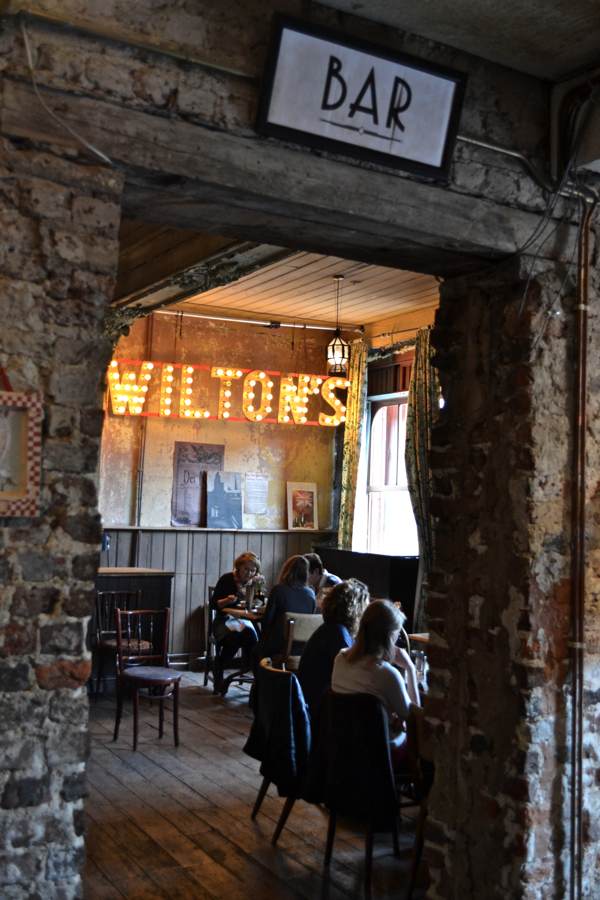
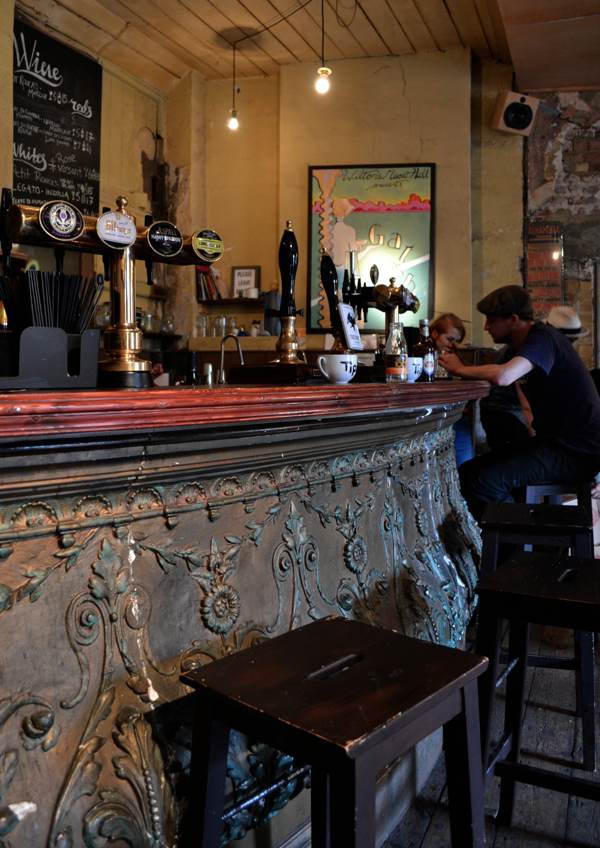
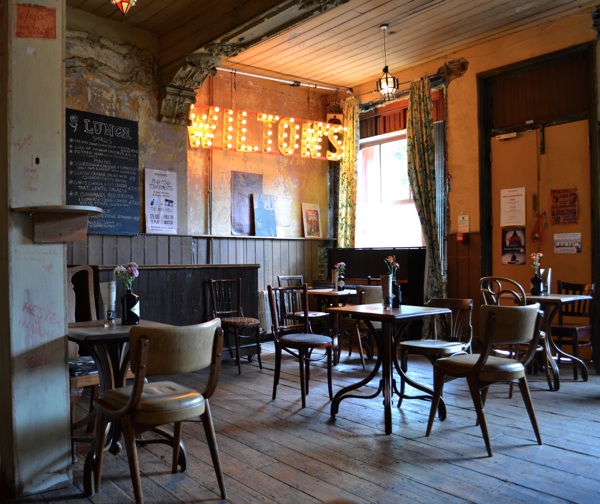
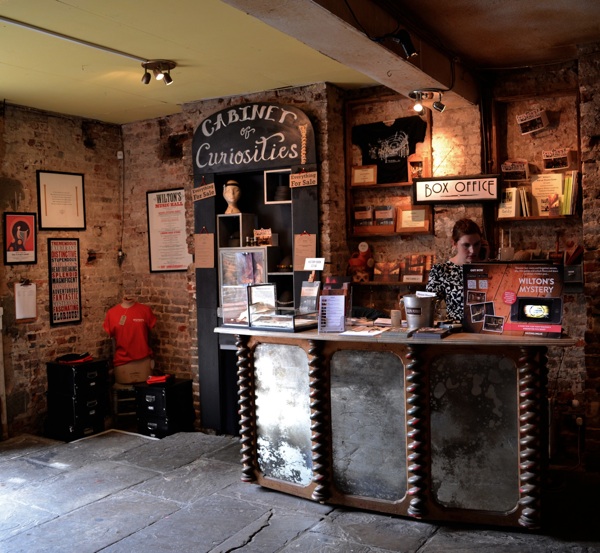
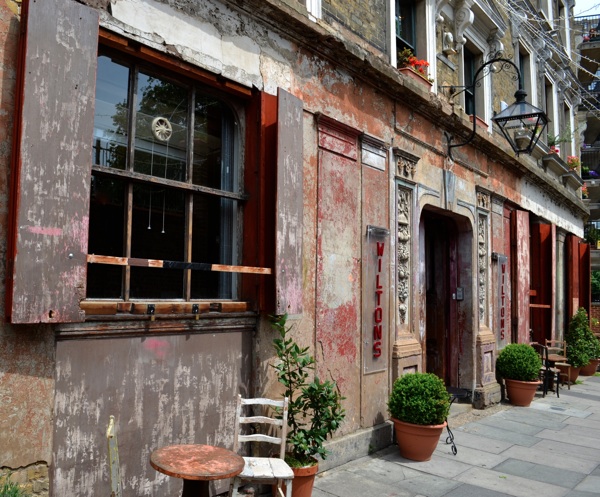
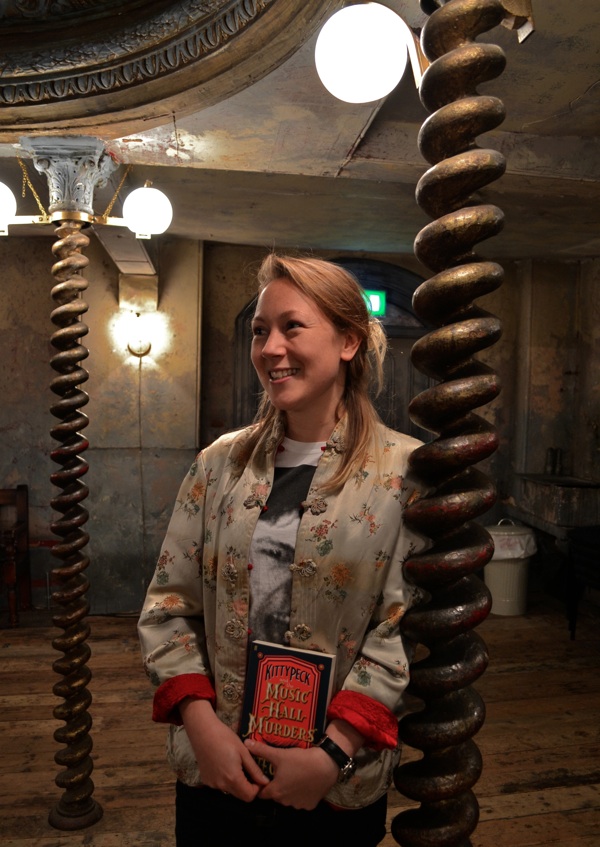
Frances Mayhew, Director of Wilton’s – “People always ask to speak to Mr Mayhew”
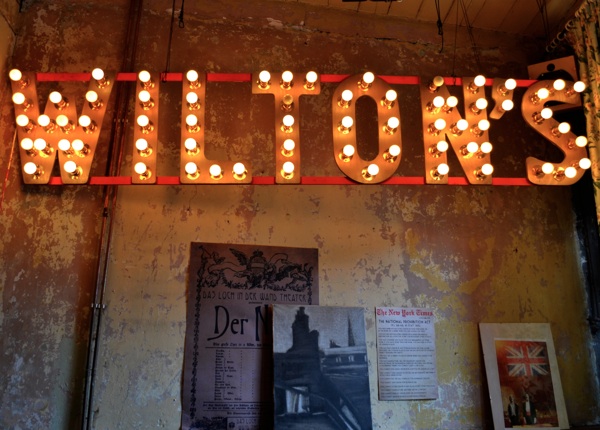
Photographs copyright © Stephen Griffin
Wilton’s Music Hall, 1 Graces Alley, E1 8JB
An exhibition of prints by Marc Gooderham runs at the Townhouse, 5 Fournier St until 21st July.
You may also like to read about
My Family in Limehouse
It is my pleasure to welcome Kate Griffin as guest writer for the next seven days, celebrating the publication of her first novel Kitty Peck & The Music Hall Murders by Faber & Faber – a murder mystery set in the world of East End music hall in the eighteen-eighties. Kate’s family originate from Limehouse and she works today at the Society for the Protection of Ancient Buildings in Spitalfields. And thus I leave you in her safe hands until my return on Monday 15th July.

In St Anne St, Limehouse
Both my grandmother and my grandfather on my mum’s side of the family were born in Limehouse. To be precise, Hannah and Timo (as we always called my grandfather, Michael) were born in St Anne St, in the brooding shadow of Hawksmoor’s great pale church which bears more than a passing resemblance to Christ Church, Spitalfields.
Born in the final decade of the nineteenth century, they were both children of immigrant families. My grandfather’s side – the Kellys – were surprisingly jolly refugees from the Irish potato famine while my grandmother’s side – the Becks – admitted to Irish and Scottish antecedents, although given the name I sometimes wonder if there was a German/Jewish lineage too?
Any delusions of grandeur I ever harboured about my family – on my mum’s side at least – were firmly dispelled a decade or so ago when a distant Beck cousin discovered this photograph of the residents of St Anne St taken about 1909. The smiling faces and bold postures presented to the camera cannot hide the fact that these people were poor.
In ‘Down in Limehouse,’ a highly moralised account of life in and around the Docks published in 1925, the Rev George H. Mitchell wrote, “Slums of the worst possible kind are here – back alleys and dead ends, wherein whole families are herded together in less space than is given to tramps of the road roosted together in a common lodging house.”
I am not sure if conditions in St Anne St were quite that grim, but my family were definitely lodgers like every other person in the photograph. In the front row to the right, dressed in a severe black dress and sitting (you might almost say “enthroned”) my Kelly great-grandmother, Kit, is clearly the queen of the street. While over to the right, just visible in the crowd, you can make out the faded, sad-eyed, exhausted face of great-granny Beck. It is no surprise she looks defeated, because even though she was probably in her mid-forties when the photograph was taken, her life had been almost unbearably hard.
My great-grandfather Beck was employed as a regular in the docks. In his late thirties, he developed what was probably throat cancer and was no longer able to work. Family lore has it that a friend persuaded him that if he died, a pension would be provided for his widow and children. In pain and aware that his condition was incurable, my great-grandfather killed himself – comforted by the knowledge that his family would be provided for.
He was wrong. Faced with no other options, in the closing days of Queen Victoria’s reign, my tiny great-granny (women are not tall in my family, I am only four foot ten inches and she was even smaller) queued at the docks for casual work every morning alongside men who were twice her size and half her age. No wonder she looks like a shadowy wraith in the photograph – she was literally wearing away.
It is an odd thing, but when I remember the stories told to me by my grandparents about their childhood in St Anne St, tales from the Kelly side of the street seem to be full of fun and laughter. Unsurprisingly, my grandmother Hannah’s memories were darker. I have never liked New Year. I have always had the instinctive feeling that there is something dark and dangerous about it – and I think that is entirely down to her. While most grannies tell children tales of youthful escapades, mine had a taste for the gothic. “My sister and me used to lie in our bed in the attic,” she told me once, “and we’d pull the blanket tight up over our heads because we didn’t like to hear fog horns out on the Thames. The worst time was New Year. At the stroke of midnight, every ship in the docks would sound its horns or sirens. It seemed to go on for ever – a horrible, mournful wailing sound it was, coming up from the river like a monster rising up from the water to get us.” I think of that story without fail every New Year’s Eve.
Today, London’s Chinatown is in Soho but Chinatown was in Limehouse at the end of the nineteenth century. The Docks were where the world arrived in London and sometimes ‘the world’ stayed.
When Hannah looked after me as child and I was being particularly fractious, she often warned me that she would send “the men with the pigtails and fingernails after me.” This was a disturbing reference to the Chinese men she remembered from the streets of her own childhood.
There is more than an echo of my grandmother’s memories of the Chinese in Limehouse in my book ‘Kitty Peck and the Music Hall Murders,’ but recently when I visited the Bishopsgate Institute to research further, I became fascinated by their collection of books, pamphlets and memoirs relating to the area and its immigrant communities.
In’ Limehouse Through the Centuries,’ Rev John Godfrey Birch (another vicar on an improving mission) wrote, “On any day of the week one may meet strangers whose home address is in any corner of the seven seas – Lascars with slipshod gait, Malays and Chinese, turbanned Indians, full-blooded Africans, Scandinavians and West Indians and curious composite creatures in frock coats and fezzes or dungarees and umbrellas. To thousands and thousands of foreigners the word London means West India Dock Rd.”
Among the many incomers from all parts of the globe, my grandmother was fascinated by the Chinese people. “They always used to walk in single file down the street,” she told me, “All dressed in long dark coats, and some of them had plaits all the way down their backs. They didn’t look at us and they didn’t speak a word. Sometimes they carried bundles on poles balanced across their shoulders. Us kids were scared of them.”
I do not believe my grandmother was racist – the friends she made throughout her life proved that – but I think she responded to the Chinese presence in Limehouse with an innocent child’s love of the mysterious. Yet racism does play a part in this story, because many Limehouse commentators whose work is preserved the Bishopsgate archive display a jaw-dropping tone of casual distaste and mistrust.
Rev Mitchell wrote that opium dens were “raided periodically, while Chinamen stealthily carry on their Oriental orgies behind closed doors.”And if that is not enough, he adds, in a sensational passage guaranteed to thrill the socks off the most devout campaigner for social reform – “Every house in what is known as Pennyfields and Limehouse Causeway is either a gambling hell or a drug and opium depot. Chinatown is the seat of the white slave traffic, the home of Oriental vice and the rendezvous for the international trade of deadly drugs. There are streets too where every house is a standing menace to morals and where, also, the sacrilegious rites of Oriental black magic are practised.”
If that all sounds enticingly melodramatic to you, you are in good company because Rev Mitchell’s lurid accounts are the finely-laundered cousins of the gaudy, thrilling fictions by the likes of Sax Rohmer, Thomas Burke and even Conan Doyle.
Chinese Limehouse lives on in the popular imagination as the shadowy lair of Rohmer’s evil genius Fu Manchu. This is how Rohmer imagined his arch-villain, “Tall, lean and feline, high-shouldered with a brow like Shakespeare and a face like Satan… one giant intellect, with all the resources of science past and present. Imagine that awful being and you have a mental picture of Dr Fu Manchu, the yellow peril incarnate in one man.” Reprinted today, Rohmer’s Fu Manchu books are still ripping yarns, although hopefully these days the enlightened reader will recognise their unequivocal racial stereotypes.
Thomas Burke’s more complex ‘Limehouse Nights,’ published to instant notoriety in 1916 with its pioneering theme of inter-racial love, was an evocative portrayal of dangerous glamour of Stepney (not a phrase you get to write very often!). At the prompting of Mary Pickford, D.W. Griffiths paid £1,000 for the film rights to ‘Limehouse Nights.’ The foggy back streets, musty opium dens and Fan Tan gambling parlours of Burke’s world – the stomping ground of ringletted Cockney waifs and mysterious Chinamen – were so vividly portrayed in ‘Broken Blossoms,’ Griffiths’screen adaptation of the book starring Lillian Gish, that it set the iconic template for how Limehouse would be viewed in literature and through the lens. And even the recent, blisteringly successful, Sherlock, pays homage.
Look again at that photo of the residents of St Anne St back in 1909. They are untouched by the romance and glitter of Limehouse seen through the prism of Hollywood, but I do find it curiously satisfying to know my own family walked the streets that inspired such an enduring genre. As Karl Brown writes in ‘Adventures with D.W. Griffiths,’ “The whole English-reading world knew every dark and dangerous alley of Limehouse as well as they knew their way to the corner grocery.”
It still does.

The Kelly family lived at number 8 St Anne St, Limehouse

Kate Griffin’s forebears – the Beck family in St Anne St, 1938

St Anne St today

St Anne’s, Limehouse
[youtube 7_8T82GnC5M nolink]
‘Broken Blossoms,’ D.W. Griffith’s ‘adaptation of ‘Limehouse Nights.’
[youtube cszbDdpa8Zw nolink]
Myrna Loy and Boris Karloff in “The Mask of Fu Manchu”
You may also like to read these other Limehouse stories
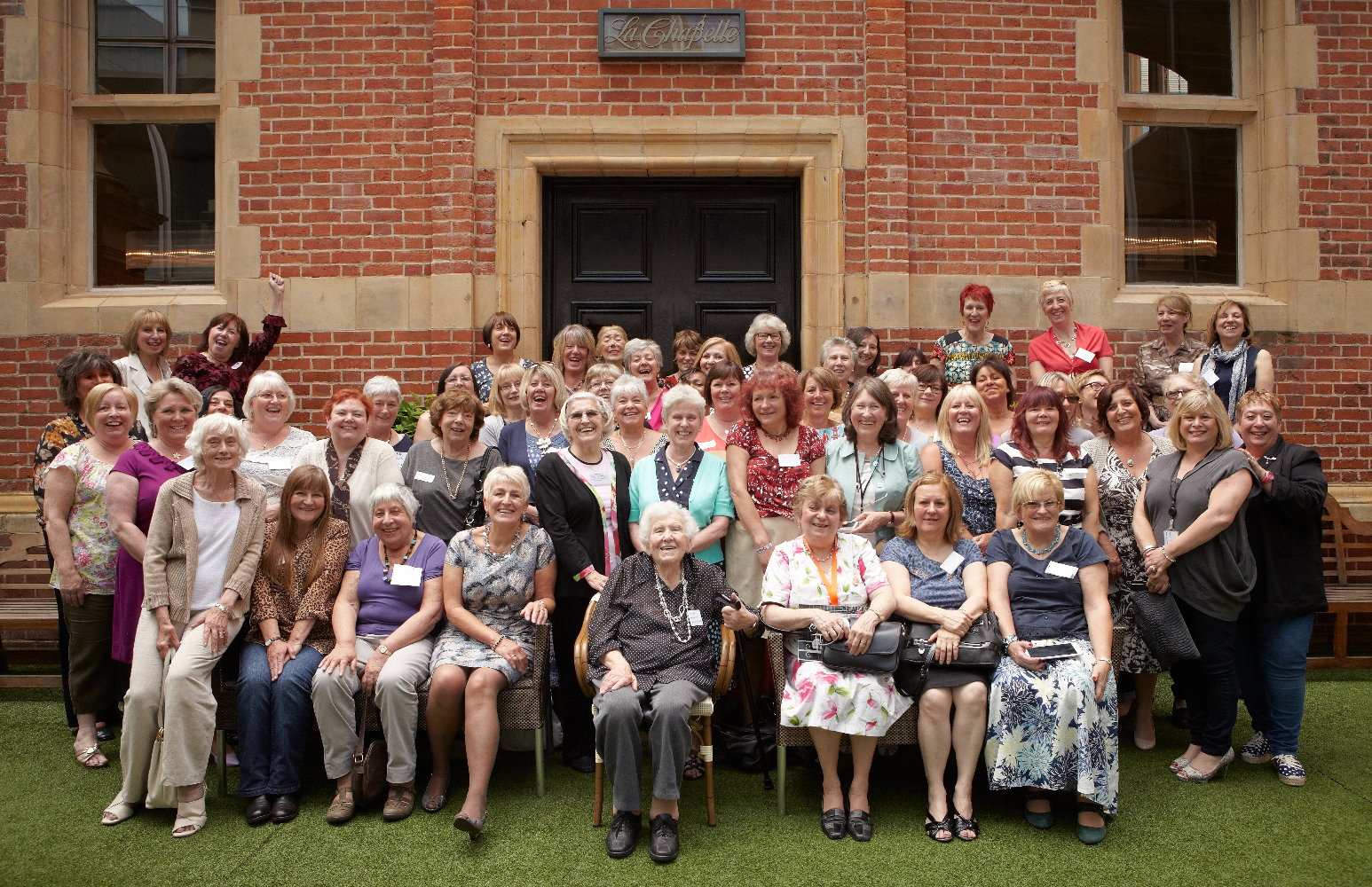
Click to enlarge
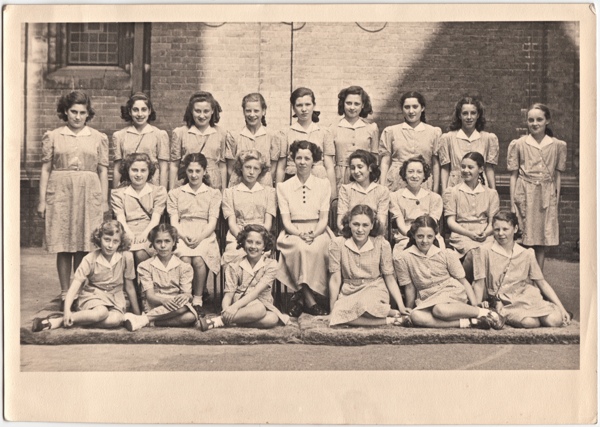
When Beryl Happe of the Old Girls of the Central Foundation School (which was in Spital Sq from 1892 until 1975) contacted me to write about them, I asked if I could come to one of their gatherings. When Beryl explained that the Old Girls existed only as a group on the internet, I suggested we collaborate to stage a reunion.
Thus it was that Beryl and I went along to Spital Sq to speak with the management of the Galvin Restaurant, which now occupies the building that was once the school assembly hall, and we organised a joyous reunion of more than seventy Old Girls which took place recently – where Spitalfields Life Contributing Photographer Patricia Niven took the portraits published here today.
Senior guest of honour was Zena Yorke who had been a pupil in the thirties and returned as a teacher of Domestic Science in the post-war era. “What is it like returning to your old school after all these years?” I ventured tentatively. “Whenever I’ve got a lot of money I come here for lunch,” she declared, gazing around the swanky restaurant with bright-eyed enthusiasm, “The food is excellent.”
I could not resist savouring a certain irony in the occasion, discovering that the school cultivated an Eliza Doolittle tendency in its pupils, teaching deportment, elocution and which fork to use for fish. A prophecy was being fulfilled before my eyes as these pupils, once from modest backgrounds, were now shown to be supremely comfortable in such elevated surroundings – especially as they all appeared to have done rather well in life, thanks to the classy education they received at the Central Foundation School.
“Do you remember Jesse Cash?” enquired Zena of the assembled throng, “She did very well, she sang the Queen of the Night at the Royal Opera House. They wouldn’t give her a grant to train as a singer, only as a teacher of singing. But now she has retired and teaches singing.”
Zena nodded to herself in private acknowledgement at the poetry of life. She and a few other Old Girls still live in the East End, but for most it was an emotional return. As the top grammar school for girls in the territory, Central Foundation School encouraged class mobility and very few of the Old Girls would consider themselves East Enders anymore.
There was plenty of laughter and a few tears too. One Old Girl told me how they were permitted to choose the hymns they sang on their last day at school, half a century ago in that very room, yet they were unable to sing because they cried so much – and, subsequently, she and her friends all had the same hymns at their weddings.
There were differing opinions on whether the school encouraged enough ambition or imposed limitations upon girls’ expectations, though Mrs Dunford, the progressive head mistress, was remembered fondly by everyone. In particular, her introduction of sex education was applauded, as was her court appearance defending the “little red book’ that was used to teach the ‘facts of life’ to girls.
The guest speaker was Fiona Skrine, one of those brave individuals who locked themselves into the hall to stop its demolition in 1981, speaking with eloquent passion and startling everyone with the tale of how Dan Cruickshank fought to stop a workman who wanted to strip the architectural features for salvage.
In sum, there was a collective sense of euphoria engendered by the discovery that something which had been lost could so elegantly be restored to life, simply by gathering the Old Girls in the former school hall for a fancy tea party – and it was generally agreed that an annual reunion had been inaugurated.
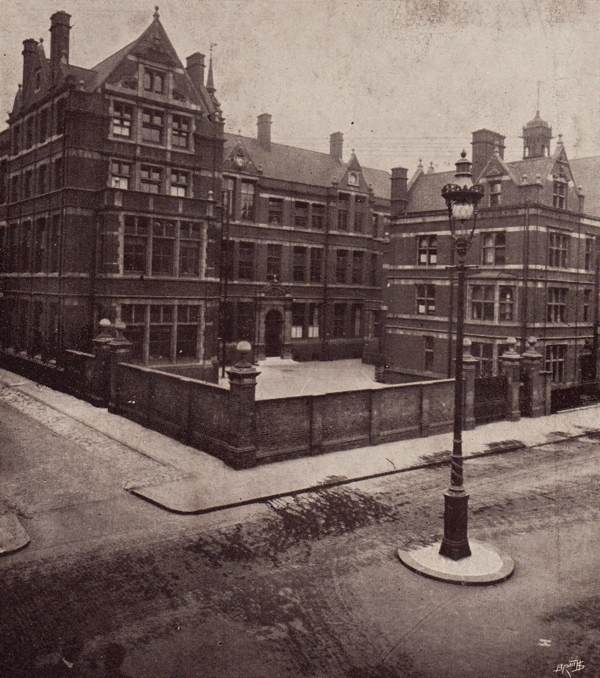
Central Foundation School for Girls, Spital Sq
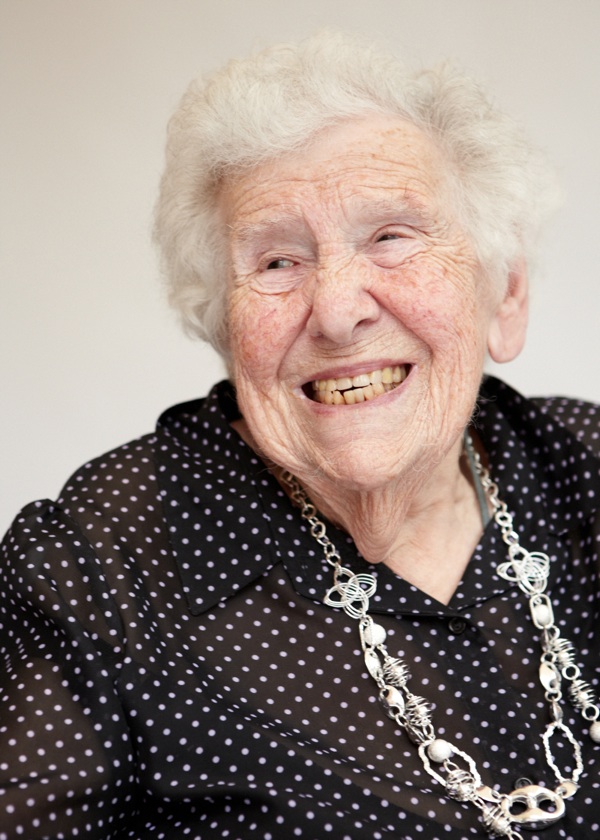
Zena Yorke, pupil in the thirties and Domestic Science teacher in the post-war era – “Whenever I’ve got a lot of money, I come here for lunch! It was a brilliant school and many of us were East End girls who came from poverty. I was born in the East End, but people say to me, ‘You don’t talk like a cockney.’ I say, ‘I’ve been educated to speak correctly, not everyone in E1 is ignorant!’ I’ve always lived in the East End, it’s such a friendly place to be.”

Beryl Happe – inspired organiser of the reunion.

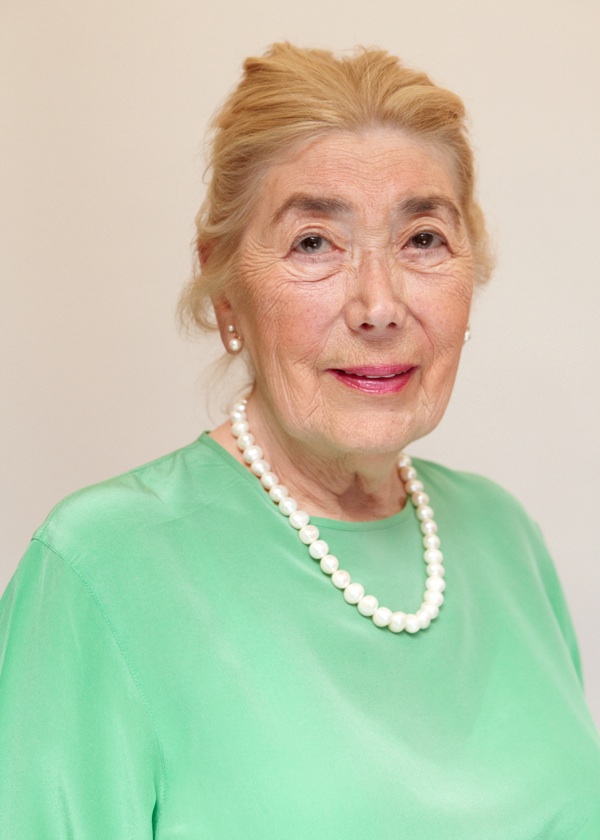
Beverley Marling (1968-74) – “I’m from Stepney and I had a very good education here, learning loads of languages, French, Spanish, German, Russian, and sciences, Physics, Chemistry and Biology. We were taught that whatever you wanted to do it was possible. If you had ideas, Mrs Dunford was always interested, I’ve swapped careers several times, I worked for the Bank Of England for a while, I had my children and I ran a pub, and now I’m managing Chelmsford City Football Club.”
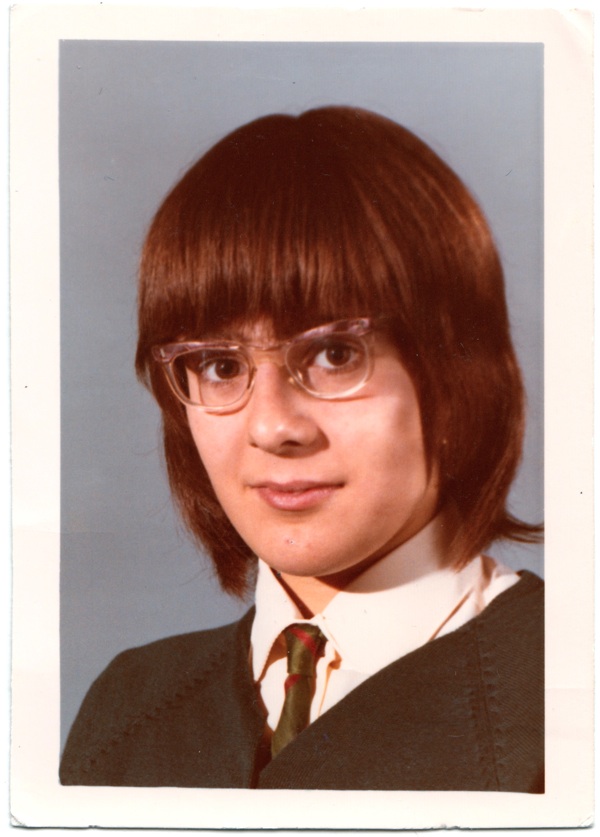 Beverly as a pupil
Sheila Norman (1948-56) – “We were all East End girls from deprived backgrounds and this school was the making of us. They had a box of knives and taught us how to eat properly if we were taken out. I’m in the school livery, we used to wear all green – even our knickers!”
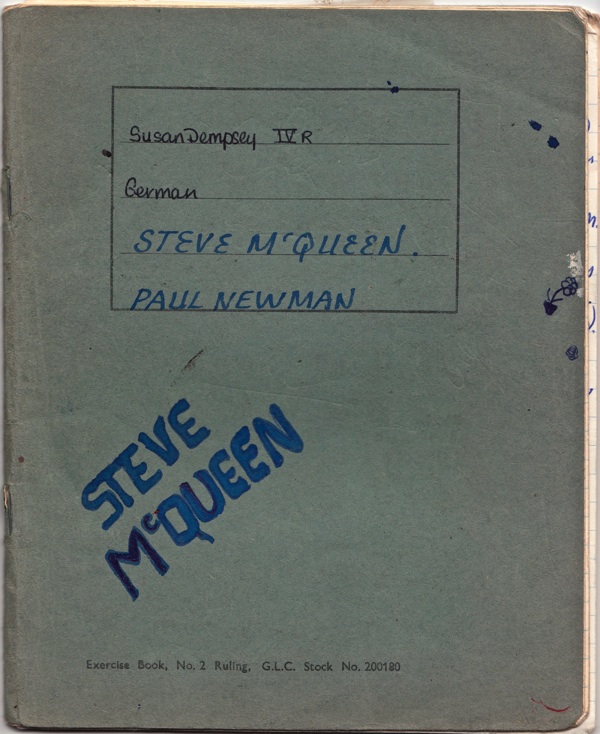

Barbara Marling (1965-72) – “Miss Idison had a go at me for not being good at Maths, but then I went to the London College of Fashion and worked in the rag trade for thirteen years.”

Mary Hanbidge, Head Mistress, 1898 – 1929

Barbara Jezewska (1965- 72) – “I was very happy here.”

Barbara as a pupil

Valerie Noble (1967-74) – “I grew up in Shoreditch and people said it was deprived but I never felt deprived. There were no black girls at the school when I arrived. When I came for my interview, my mother showed me the roll of honour with names of pupils on it and said, ‘If you work hard you can go to university and get your name on this board.’ And I went to the school and I did get my name on that board. Years later, I showed my daughter and, last week, she got her own degree. I’ve been a teacher for thirty years and a head for six.”
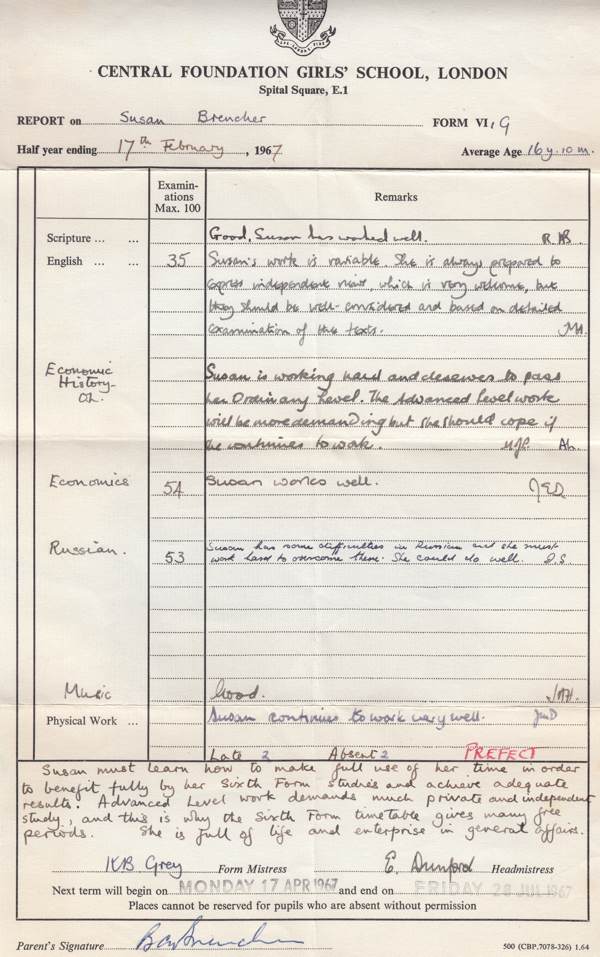
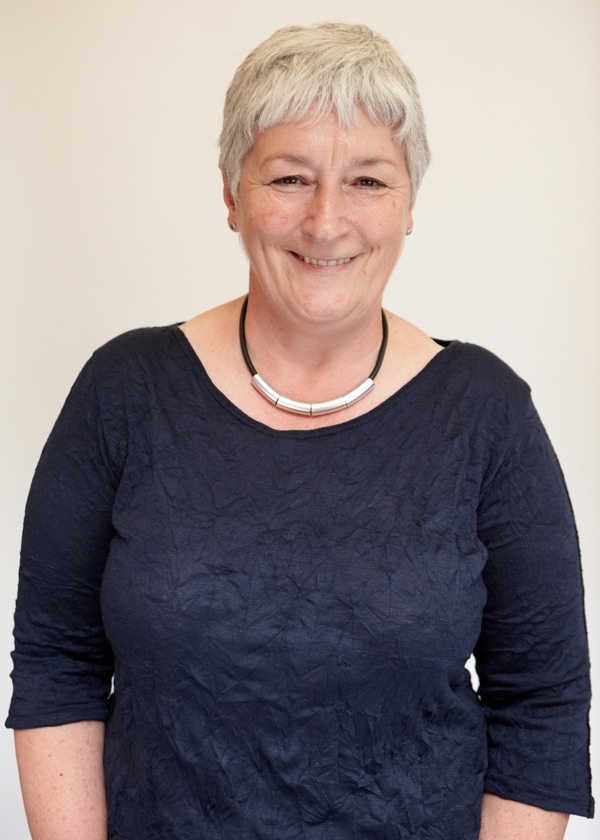
Lisa Jarvis (1962-68) – “I found it difficult coming from a poor East End background, though it was a fantastic school and I still have some of the knowledge I acquired here – Miss Yorke taught me to cook, and I passed it onto my son and now he does all the cooking! But it was the sixties and we all wanted to be out enjoying ourselves.”
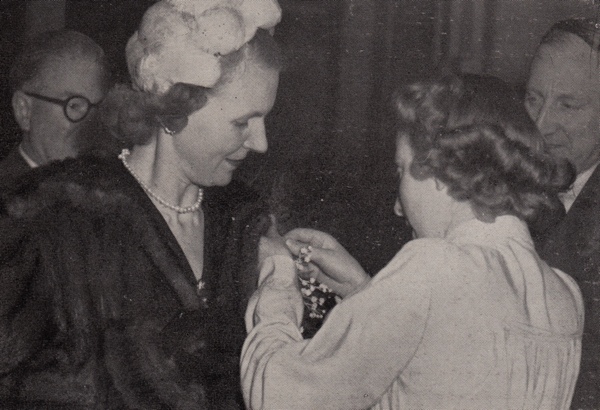
Pinning the corsage on the Lady Mayoress.
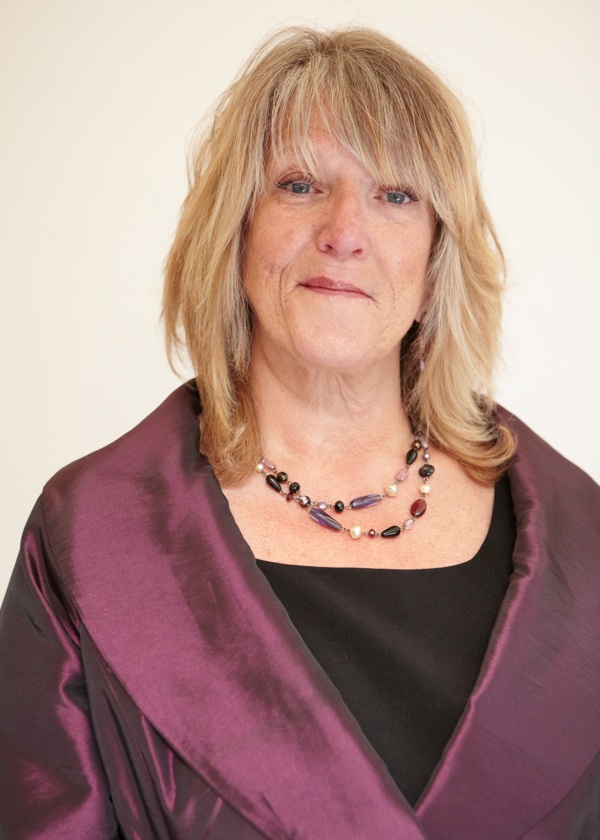
Carol Green (1965-72) – “We were all poor East End girls who managed to pass our Eleven Plus exam. We all came here and did well. We all got in to University. My seven years here were the best years of my life, just saying it makes me cry! It was the camaraderie of the girls, we became friends for life and still see each other regularly nearly fifty years later.”

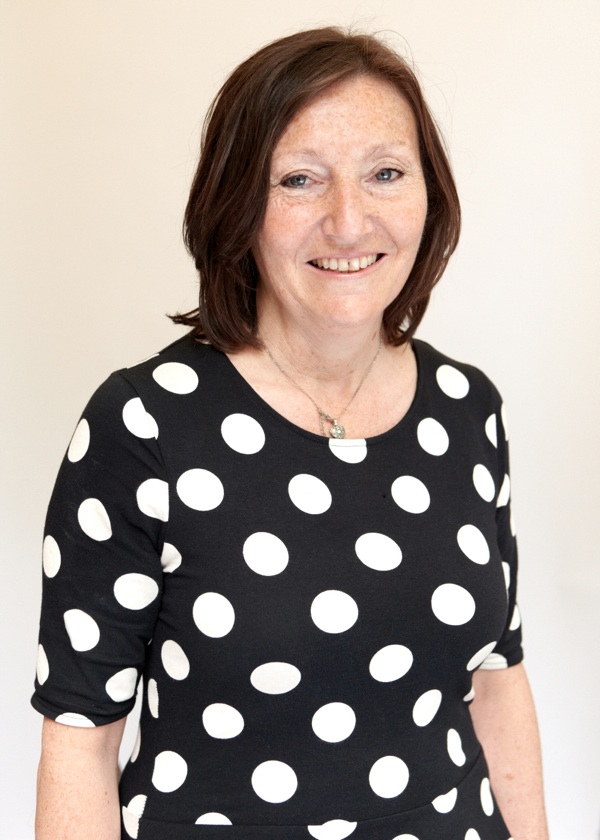
Josette Hill (1968-73) – “Looking back, it was a lot of fun – but I didn’t think so at the time.”
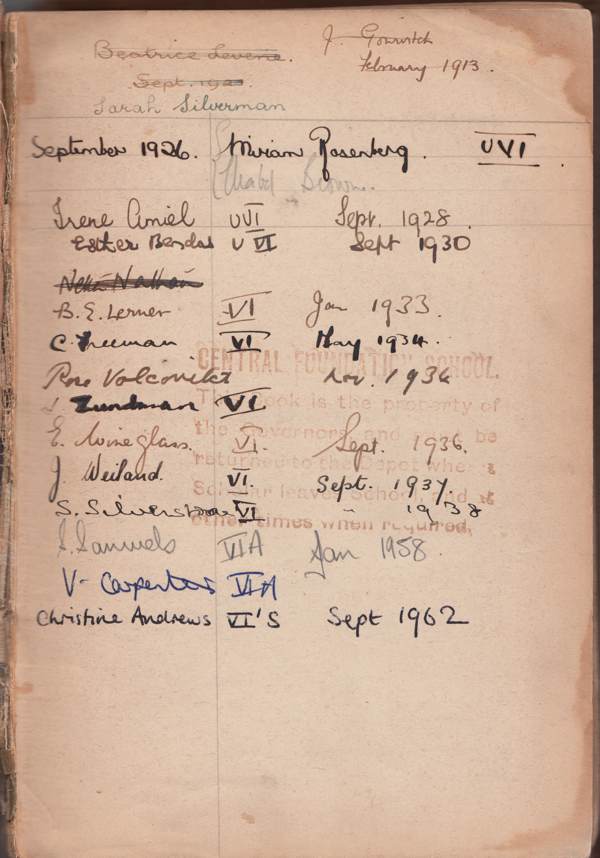
Textbook used from 1913 to 1962

Josephine Collins (1968-73) – “We were considered special, but there was a limit to what was expected of us – either a nurse, or a teacher or secretary to an important man in the City.”
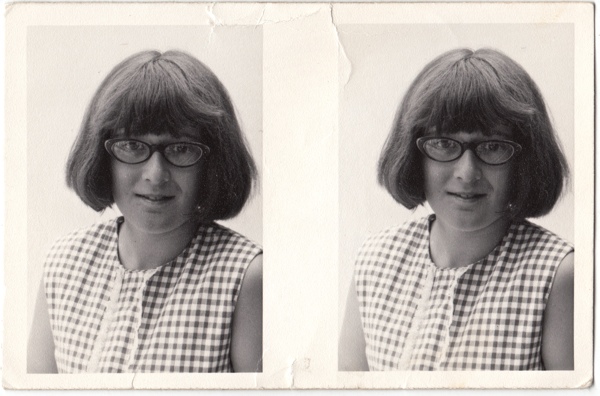 Josephine as a pupil
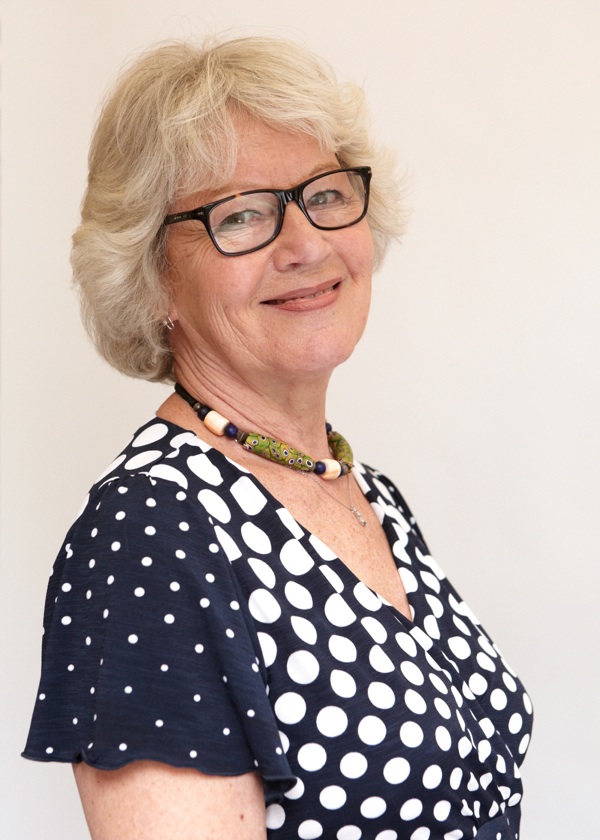
Francs Robertson (1951-57) – “I wasn’t the best student but I loved being a City of London girl, and it gave me a sense of purpose. We always used to clap for anyone who achieved something good, when girls got into teacher training, or nursing, or Oxford & Cambridge.”
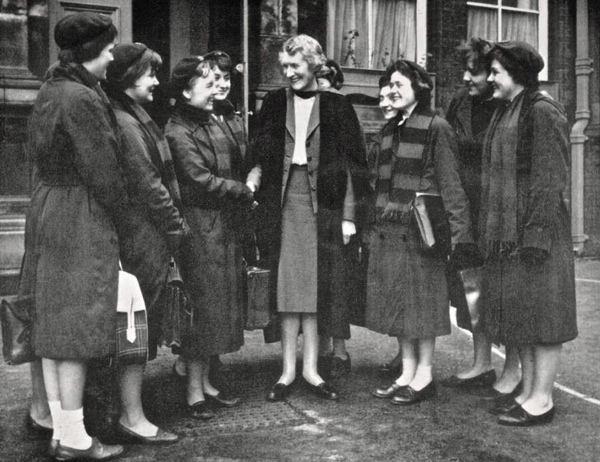
Miss Roberts says goodbye.
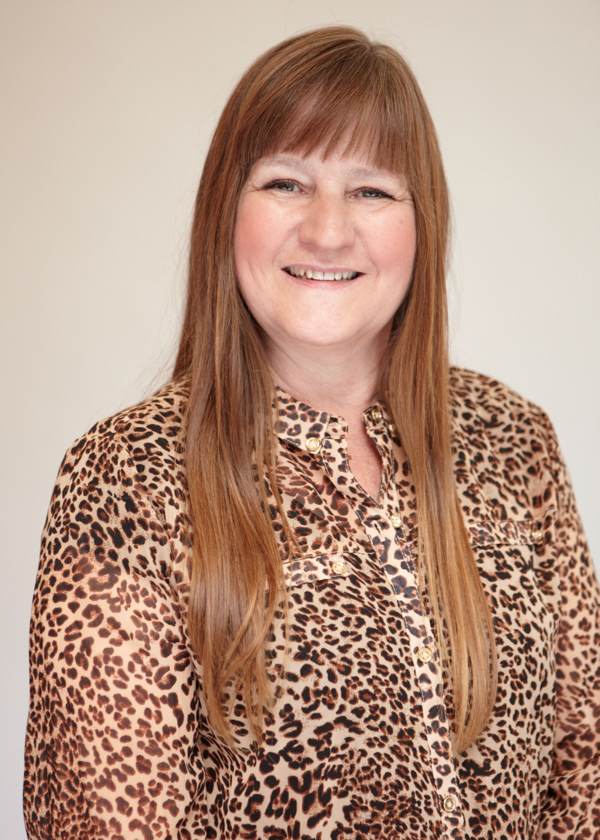
Susan Goldman (1968-73) – “I’m from Roman Rd. It was a really good school and I got a career at Lloyds, before I married and had four daughters.”
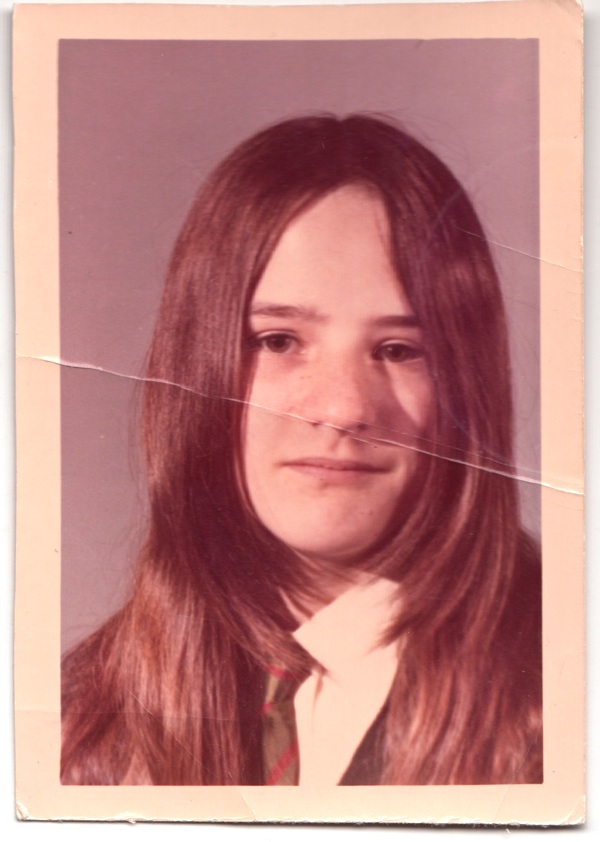 Susan as a pupil
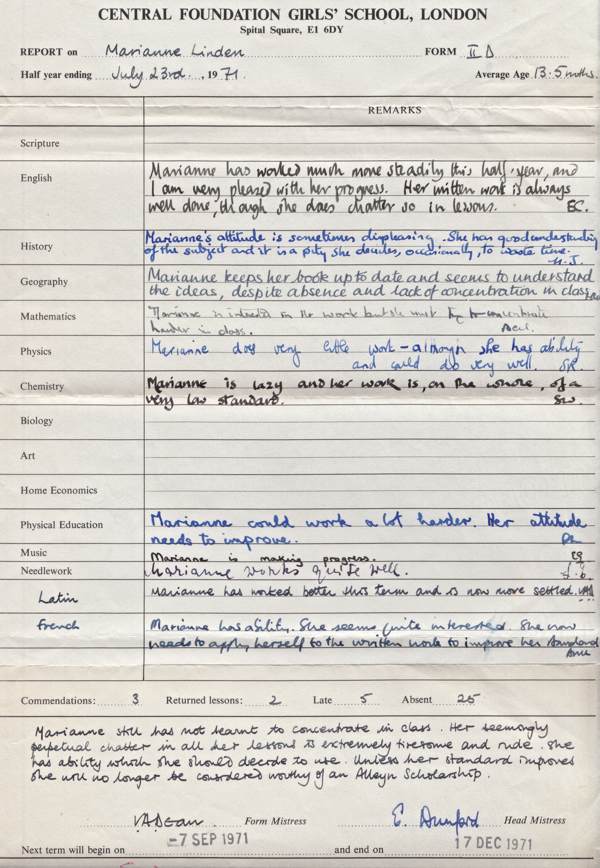
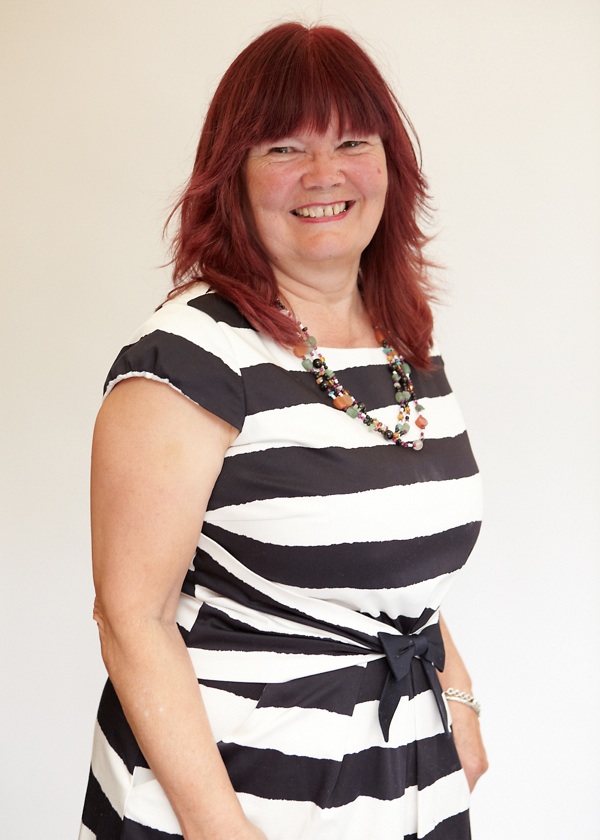
Susan Brencher – “We used to go out at lunchtime down the market and visit Bert’s Photography Studio in Wentworth St, when we probably shouldn’t have. We were supposed to be nice girls. At school dances, we were told not to sit on the boys’ laps but we weren’t interested in those spotty kids. I lived near the ‘Ready Steady Go’ studio and afterwards we’d wait for the stars like Freddie & the Dreamers to come out.”
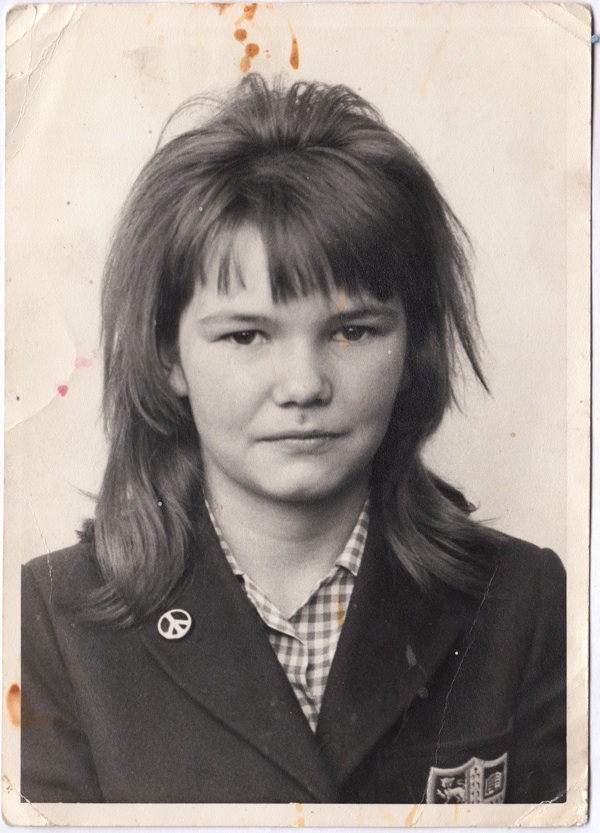
Susan as a pupil
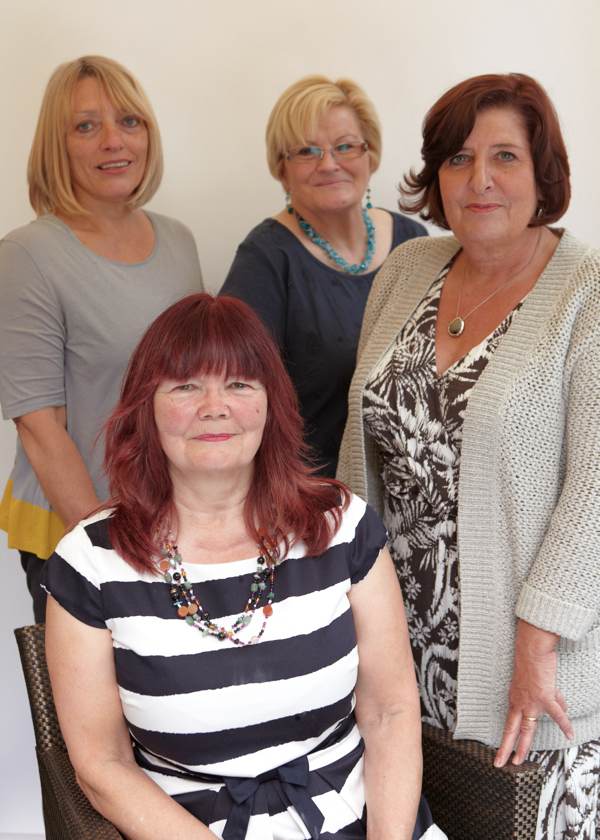
“We were all boy mad. One of our friends got pregnant and married the school coach driver”
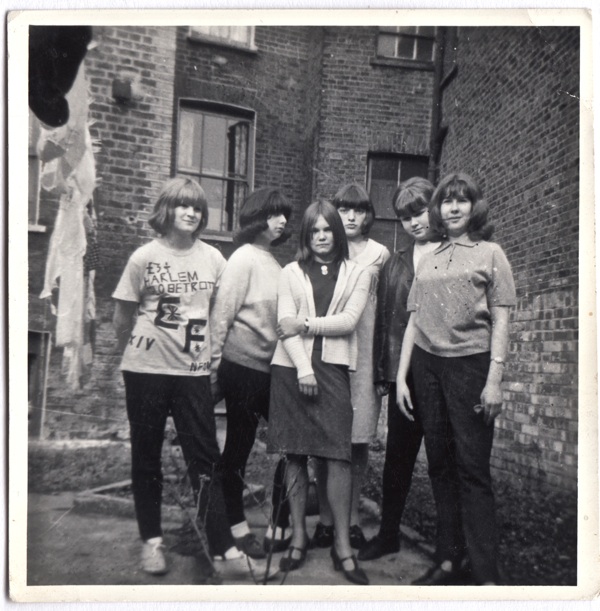
“All the porters used to whistle as we walked through the market.”
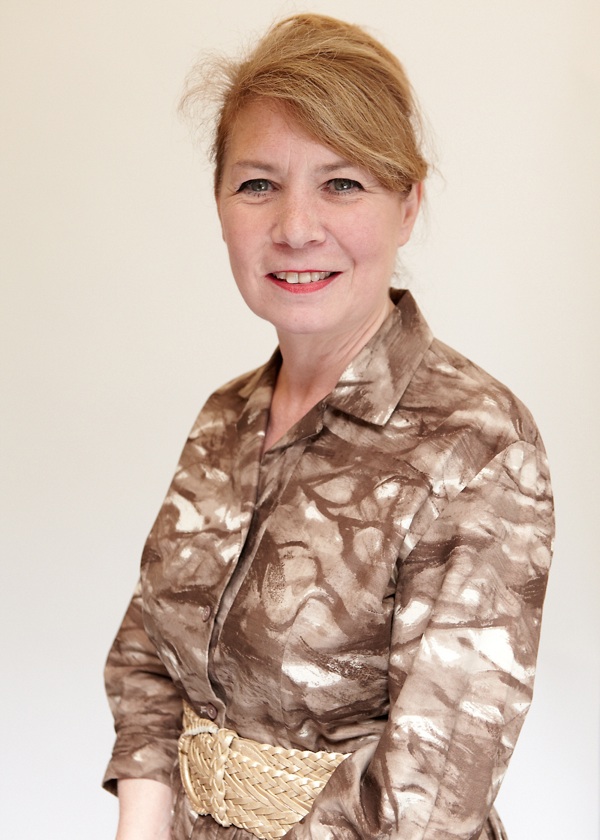
Sheree Ashley (1969-75) – “I grew up in Whitechapel and it was quite a prestigious thing being here. It was a bit too academic for me, I spent all my time in the Art Room. I wanted to do Art but Mrs Dunsford said, ‘Not as a career?’ I tried to give up Chemistry to do Art but Mrs Dunsford said, ‘As an artist, you’ll need Chemistry to mix pigments.’ I went to Chelsea School of Art and I became a textile designer, and my parents were very supportive, but Chemistry never figured.”
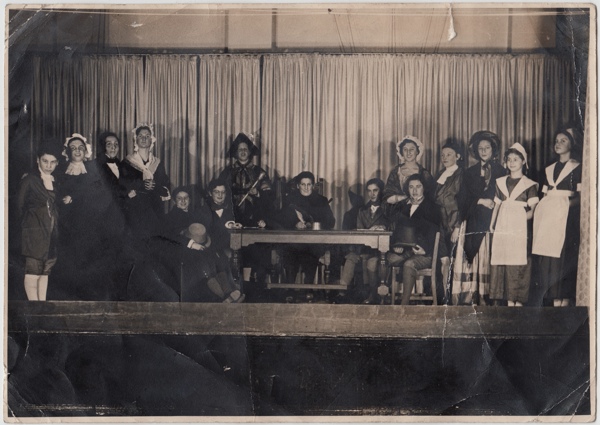
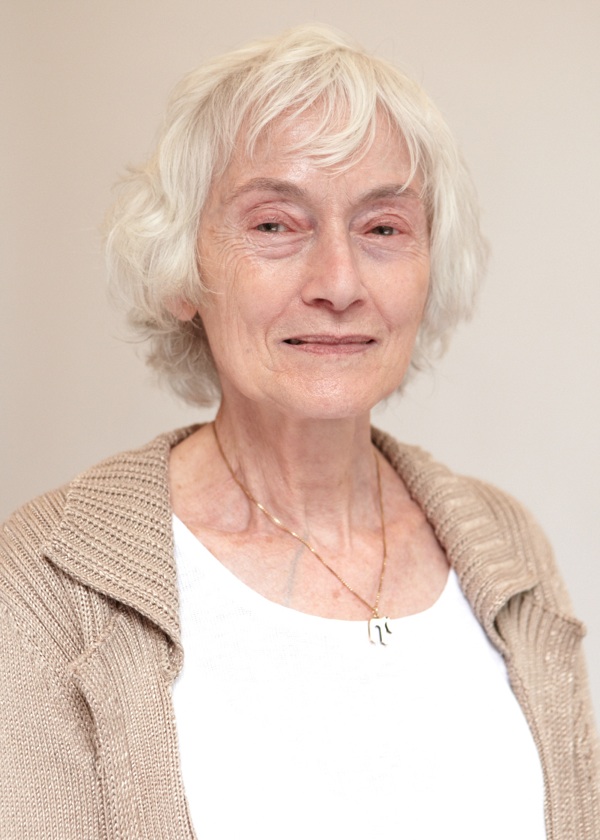
Netta Bloomfield (1948-53) – “I worked hard and liked school. I used to come on the bus with my friend Sheila. I remember, when it arrived, people going to work used to elbow us schoolgirls out of the way.”
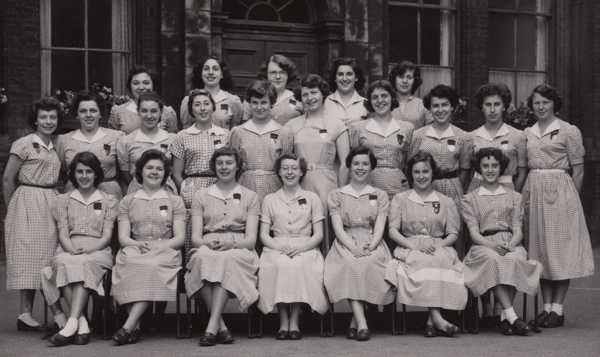

Rosemary Hoffman (1956-62) – “Subsequently, I’ve become a food technologist.”
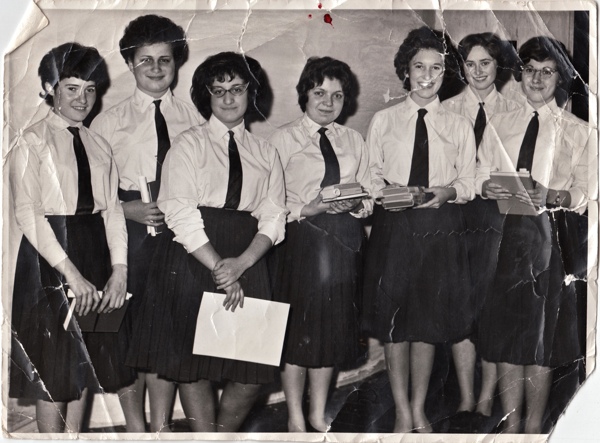
Rosemary as a pupil, stands central in this photograph

Verinda Osborne (1965-72) -“Mrs Dunford was very progressive and she encouraged me to have confidence in myself.”
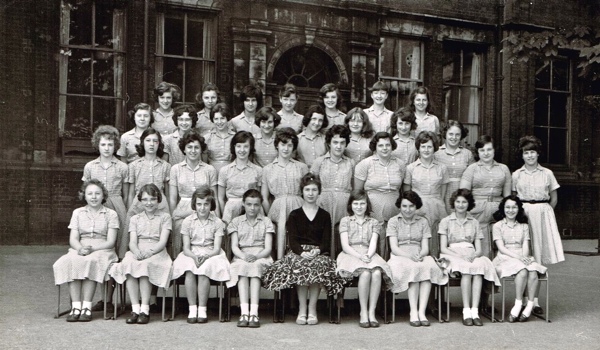
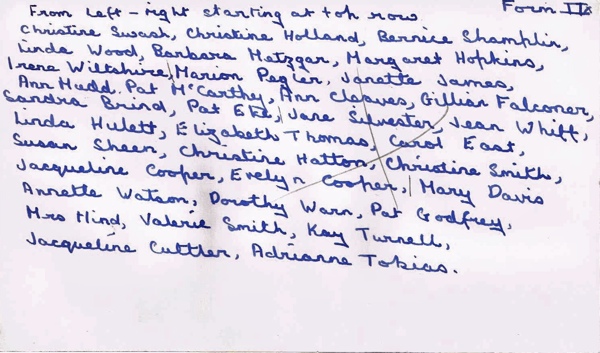
Form IIX, 1960 submitted by Jane Hart (née Silvester)
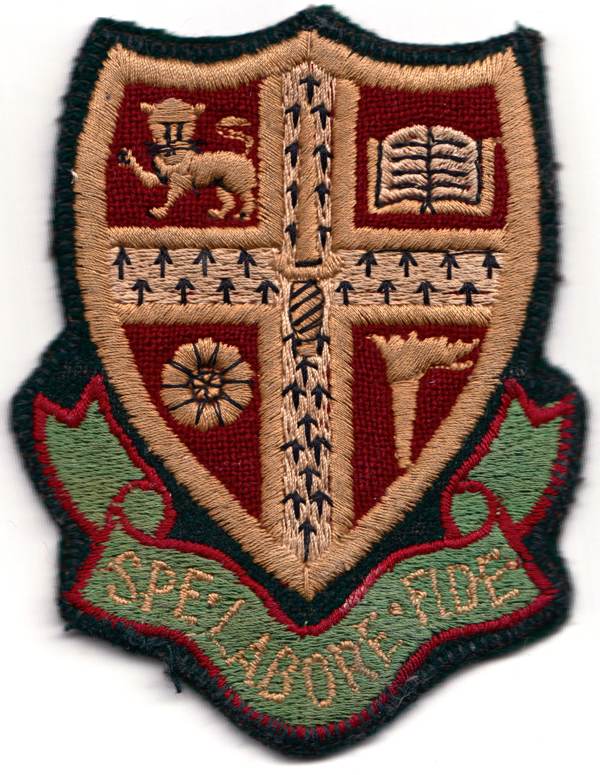
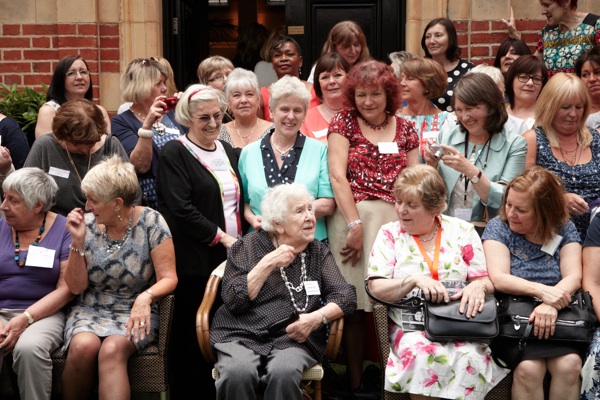
Portraits copyright © Patricia Niven
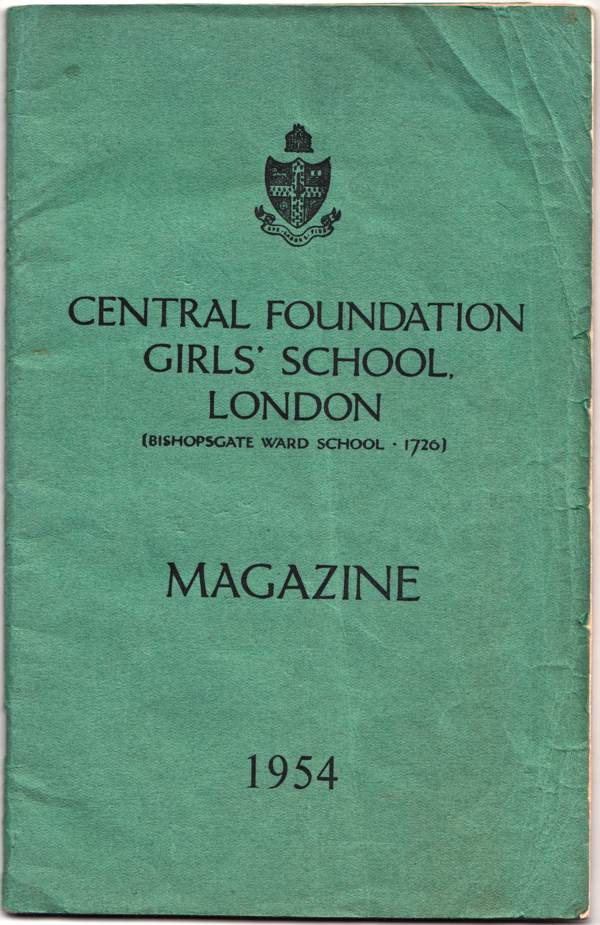
The Bishopsgate Institute is collecting a digital archive of memorabilia from Central Foundation School for Girls. If you have photographs, reports, magazines or any other material that the Institute can copy for the archive, please contact the Archivist Stefan.Dickers@bishopsgate.org.uk
You my also like to read about
The Return of Parmiters School
Lost Spitalfields

Looking towards Spitalfields from Aldgate East
London can be a grief-inducing city. Everyone loves the London they first knew, whether as the place they grew up or the city they arrived in, and everyone loses it. As the years pass, the city bound with your formative experience changes, bearing less and less resemblance to the place you discovered. Your London is taken from you. Your sense of loss grows until eventually your memory of the London you remember becomes more vivid than the London you see before you and you become a stranger in the place that you know best. This is what London can do to you.
In Spitalfields, the experience has been especially poignant in recent years with the redevelopment of the ancient market. Yet these photographs reveal another Spitalfields that only a few people remember, this is lost Spitalfields.
Spital Sq was an eighteenth century square linking Bishopsgate with the market that was destroyed within living memory, existing now only as a phantom presence in these murky old photographs and in the fond remembrance of senior East Enders. On the eastern side of Spitalfields, the nineteenth century terraces of Mile End New Town were erased in ‘slum clearances’ and replaced with blocks of social housing while, to the north, the vast Bishopsgate Goodsyard was burned to the ground in a fire that lasted for days in 1964.
Yet contemplating the history of loss in Spitalfields sets even these events within a sobering perspective. Only a feint pencil sketch of the tower records the Priory of St Mary which stood upon the site of Spital Sq until Henry VIII ‘dissolved’ it and turned the land into his artillery ground. Constructing the Eastern Counties Railway in the eighteen-thirties destroyed hundreds of homes and those residents who were displaced moved into Shoreditch, creating the overcrowded neighbourhood which became known as the Old Nichol. And it was a process that was repeated when the line was extended down to Liverpool St. Meanwhile, Commercial St was cut through Spitalfields from Aldgate to Shoreditch to transport traffic more swiftly from the docks, wreaking destruction through densely inhabited streets in the mid-nineteenth century.
So look back at these elegiac photos of what was lost in Spitalfields before your time, reconcile yourself to the loss of the past and brace yourself for the future that is arriving.

Spital Sq, only St Botolph’s Hall on the right survives today

Spital Sq photographed in 1909

Church Passage, Spital Sq, 1733, photographed in 1909 – only the market buildings survive.

17 Spital Sq, 1725

25 Spital Sq, 1733

23 Spital Sq, 1733
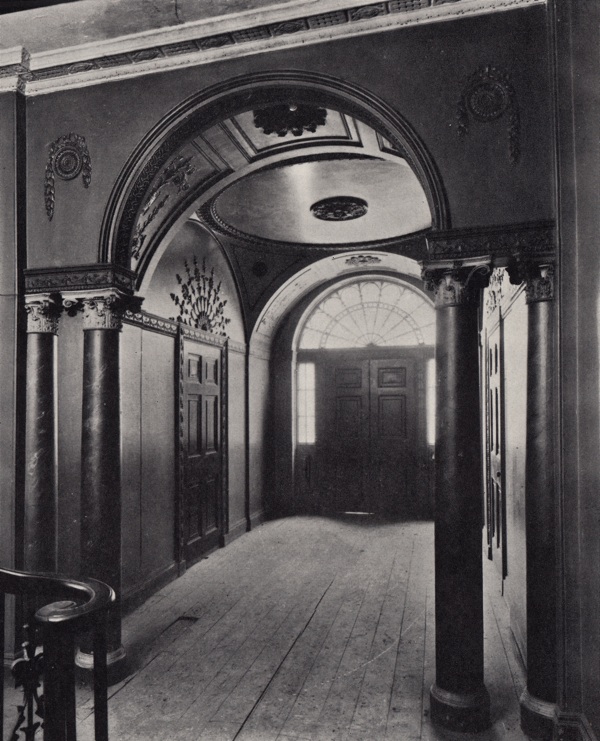
20 Spital Sq, 1723

20 Spital Sq, 1723

20 Spital Sq, 1732

32 Spital Sq, 1739

32 Spital Sq, 1739

5 Whites Row, 1714

6/7 Spring Walk, 1819

Buxton St, 1850

Buxton St, 1850

Former King Edward Institution, 1864, Deal St

36 Crispin St, 1713

7 Wilkes St, 1722

10 & 11 Norton Folgate, 1810 – photographed in 1909

Norton Folgate Court House, Folgate St, photographed in 1909

52 & 9a Artillery Passage, 1680s

Bishopsgate Goods Station, 1881

Shepherd’s Place arch, 1820, leading to Tenter St – photographed 1909
You may also like to read about
The Gentle Author Needs Your Help

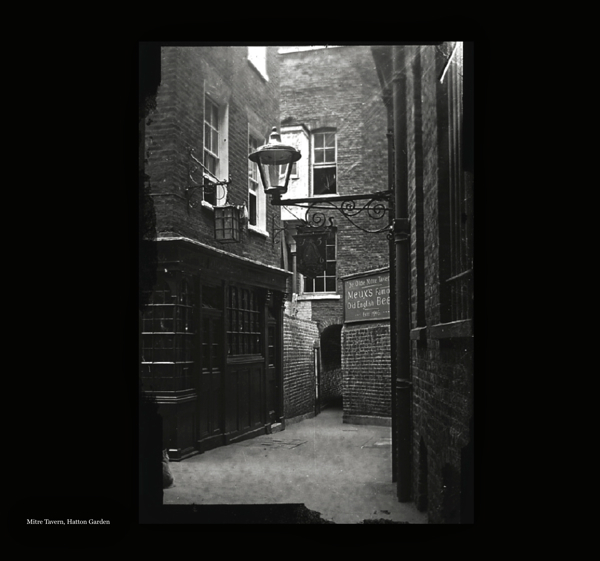
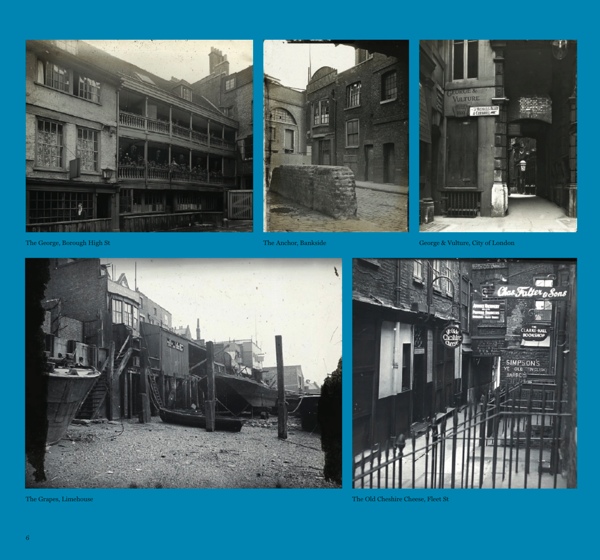
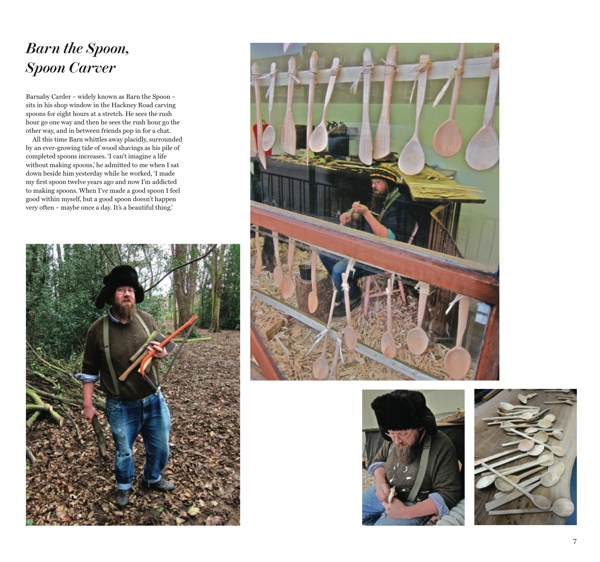
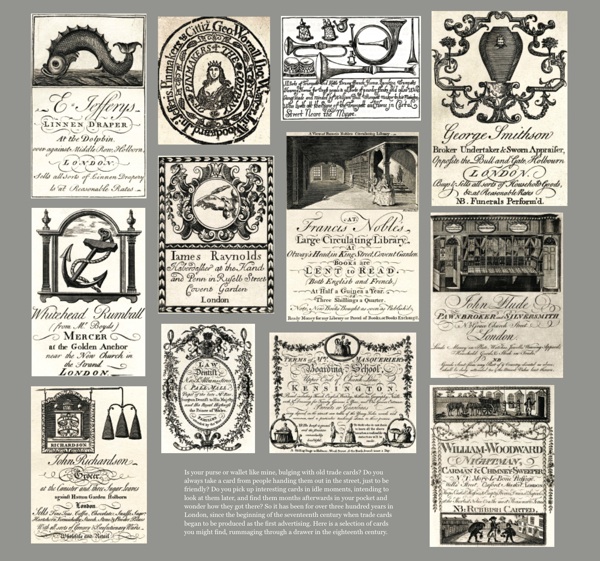
With your kind assistance, I plan to publish a beautiful album of my favourite pictures from Spitalfields Life on October 17th. Already, David Pearson who designed my first book Spitalfields Life has been at work preparing these elegant sample pages of the album to give you a flavour of what to expect.
Laying myself upon your goodwill, I am asking any of my readers who are willing – to invest a sum of no more and no less than £1000 each to fund the publication of The Gentle Author’s London Album. All those who wish to invest will be credited personally in the book and invited to bring a cheque along to a dinner hosted by yours truly later this month. In October, prior to publication, I will present you with an inscribed copy of the album and, six months later, your investment will be returned to you – unless you choose to offer it as a donation towards the publication of further titles by Spitalfields Life Books.
Whereas my book Spitalfields Life was a collection of stories about Spitalfields and the East End, The Gentle Author’s London Album is a picture book that gathers the most inspiring images I have discovered and widens its scope to include the entire capital. David Pearson and I have already drawn such delight from the wealth of possibilities available to us in selecting our favourites – and you may rely upon finding many of your best-loved picture stories from Spitalfields Life in the album.
At the core of of the book, will be the first publication in print of the glass lantern slides of a century ago from the Bishopsgate Institute, originally produced for the London & Middlesex Archaeological Society, arranged in themes such as The Pubs of Old London and The Fogs & Smogs of Old London. Yet, while you can guarantee a breathtaking array of unseen images of old London, there will be an equal number of contemporary photographs of the city today – reflecting the drama of life in our capital where new and old co-exist side by side.
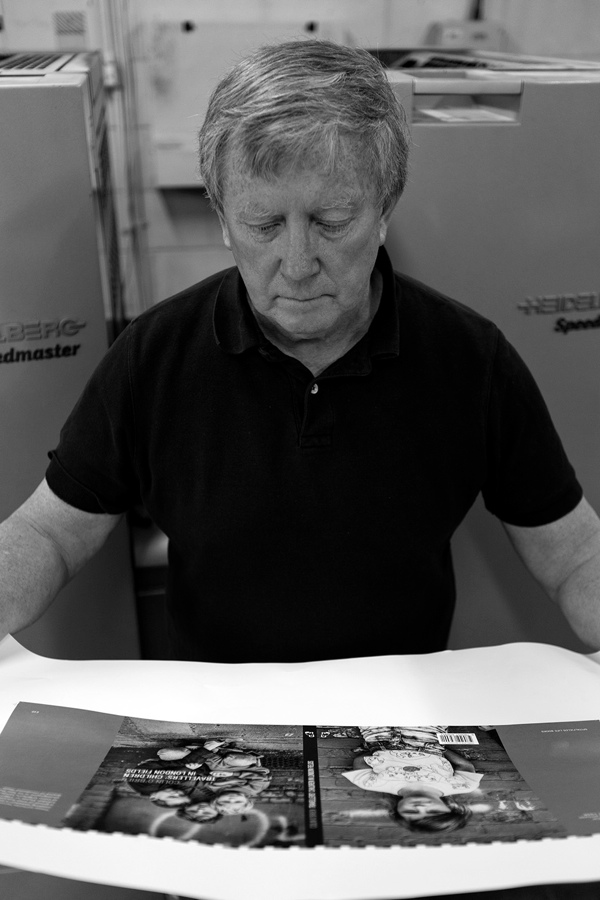
Following Colin O’Brien’s Travellers’ Children in London Fields which we launched this week, The Gentle Author’s London Album is the second title from Spitalfields Life Books -and Faber Factory Plus (part of Faber & Faber) will distribute it to bookshops nationwide in the autumn.
If you are willing to be an investor and help me publish The Gentle Author’s London Album, please drop me a line at Spitalfieldslife@gmail.com and I will be delighted to send you further details.
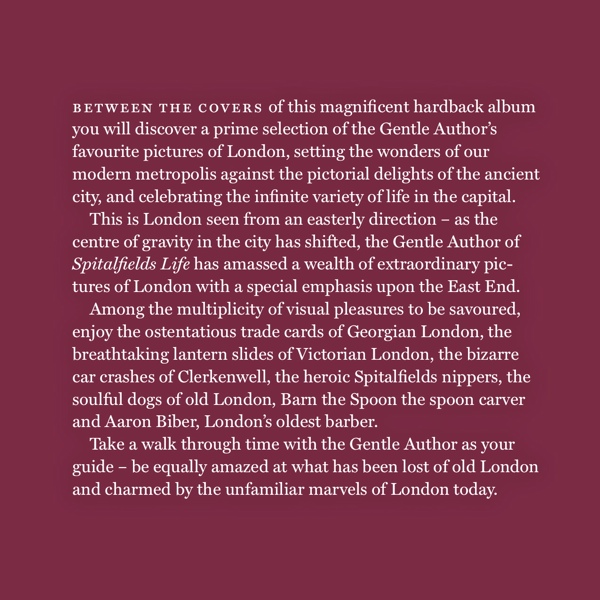
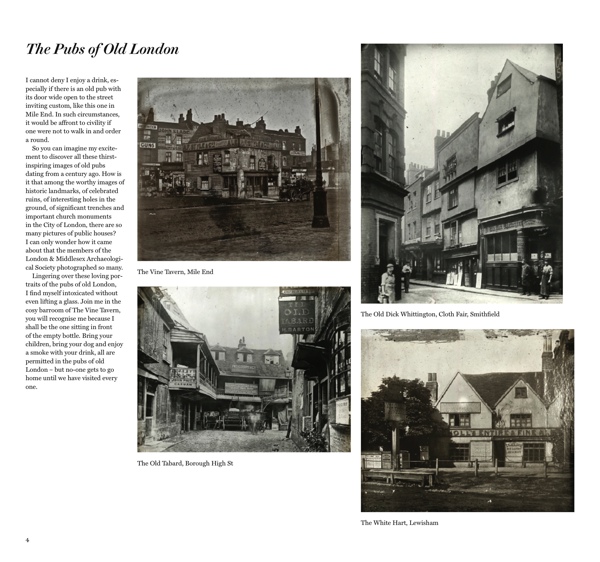
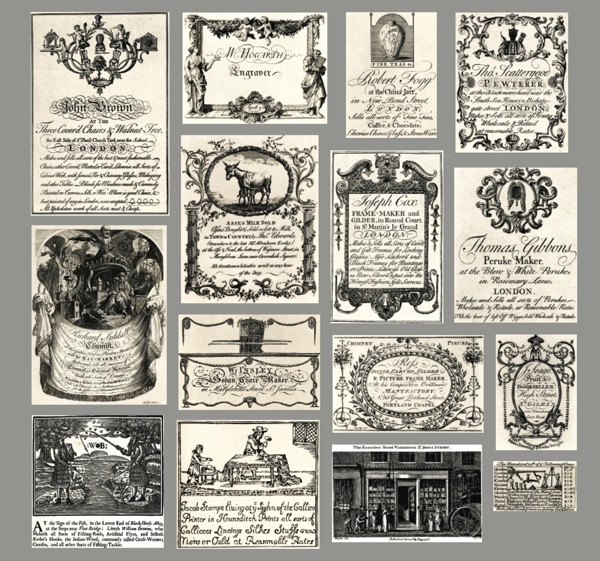
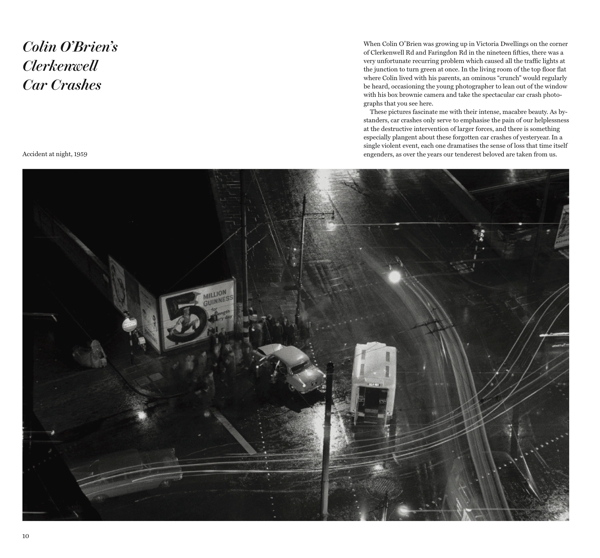

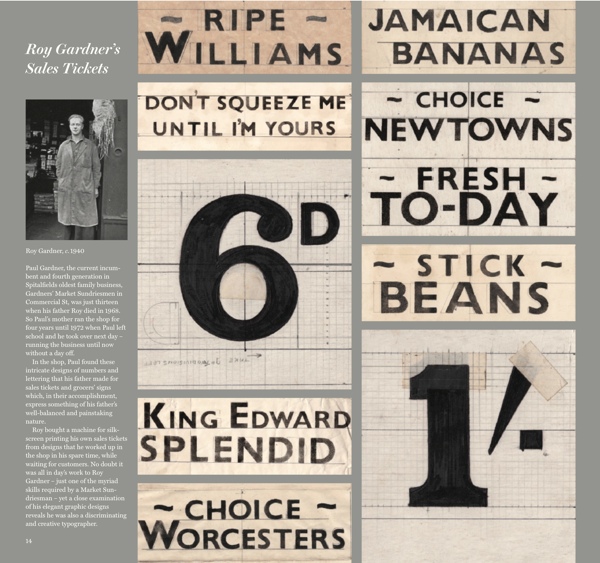
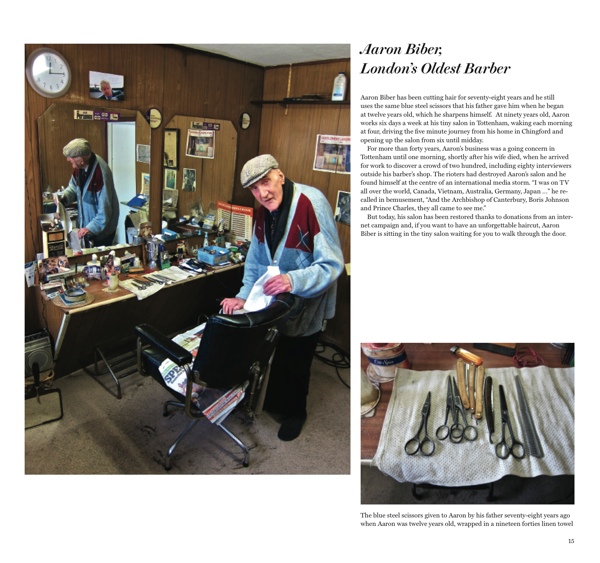
To invest in The Gentle Author’s London Album please write to me The Gentle Author at Spitalfieldslife@gmail.com and I will send you further details.
You may also like to read about
Lecture at The National Portrait Gallery
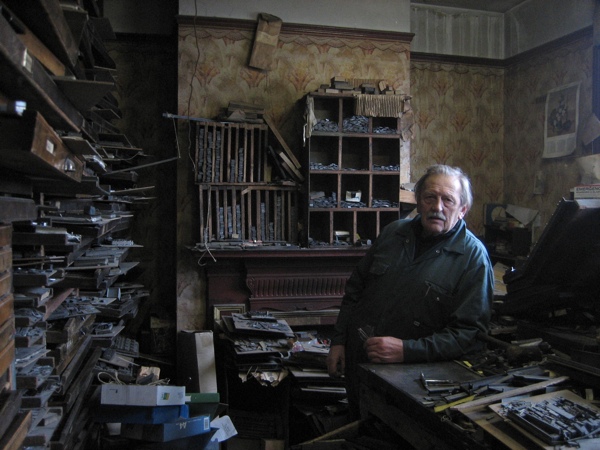
Gary Arber, Printer & Flying Ace
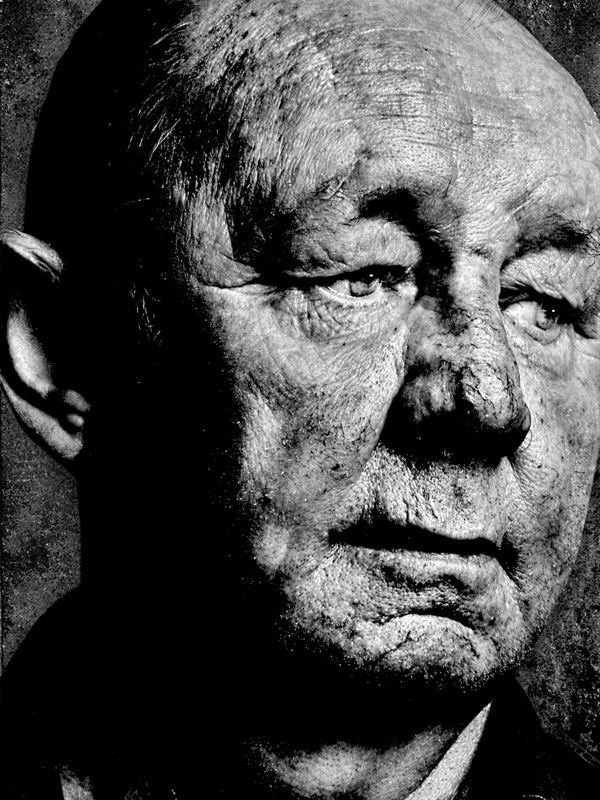
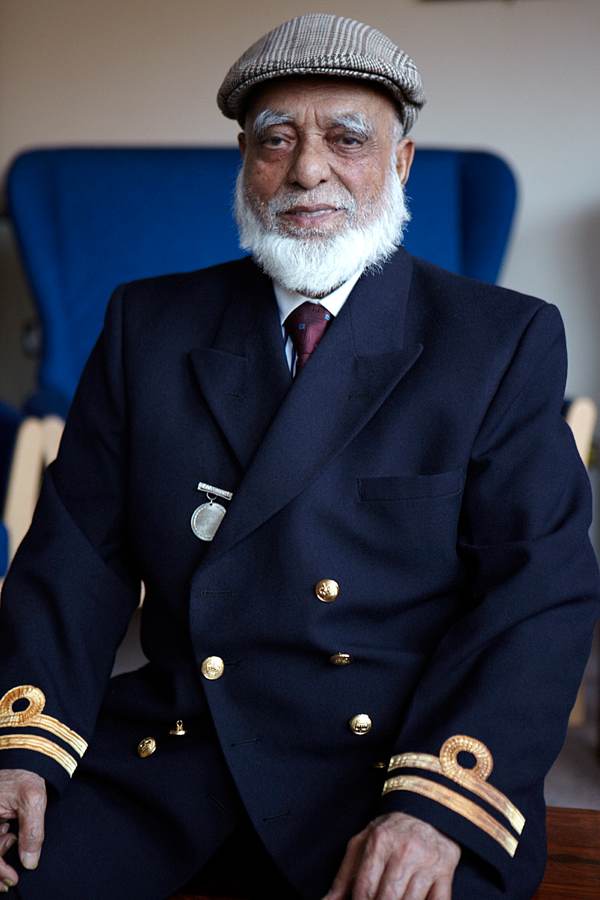
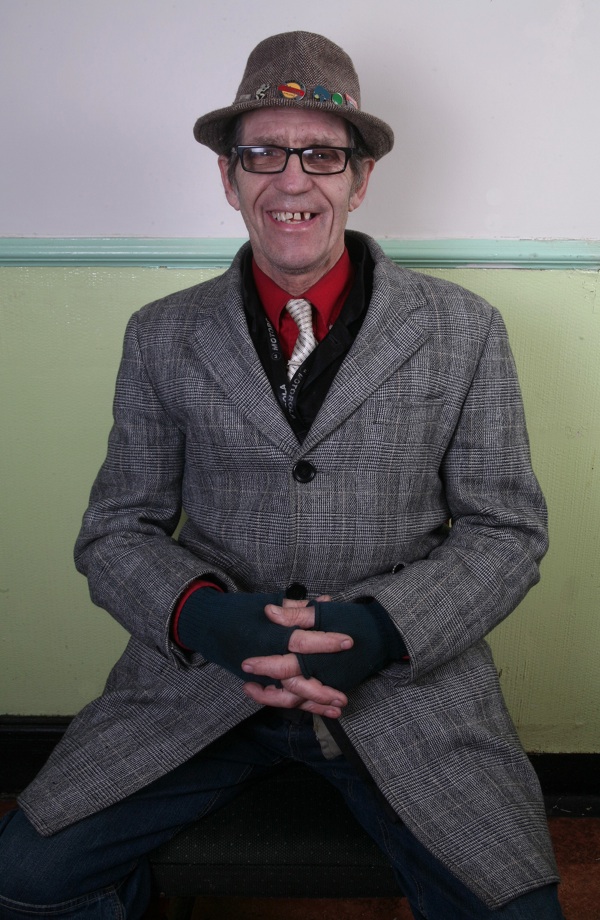
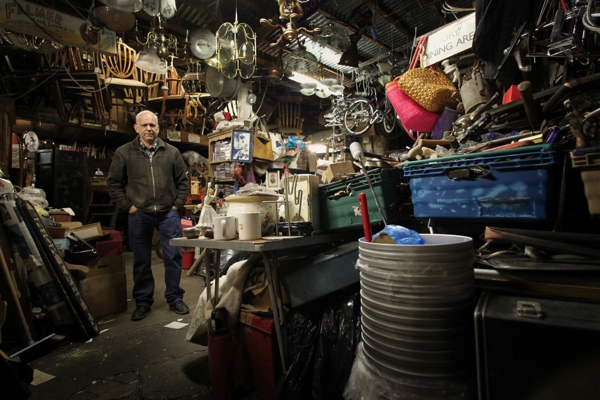
It is my great honour to give an illustrated lecture of portraits from the pages of Spitalfields Life at the National Portrait Gallery on July 25th at 7pm.
Complementing the current display of portraits of people from Tower Hamlets drawn from the National Portrait Gallery Archive as part of their Creative Connections project, I shall be showing portraits of more than one hundred East Enders selected from the thousands of pictures I have published.
I am delighted to present the work of Spitalfields Life Contributing Photographers Sarah Ainslie, John Claridge, Lucinda Douglas Menzies, Jeremy Freedman, Chris Kelly, Phil Maxwell, Simon Mooney, Patricia Niven, Colin O’Brien, Alex Pink and Martin Usborne.

Portrait by Sarah Ainslie

Portrait by John Claridge

Portrait by Jeremy Freedman
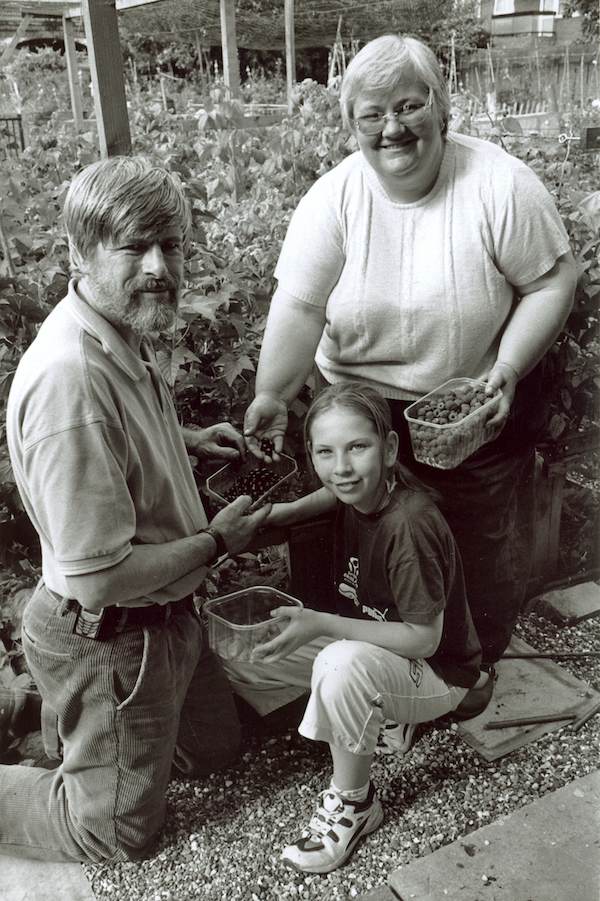
Portrait by Chris Kelly
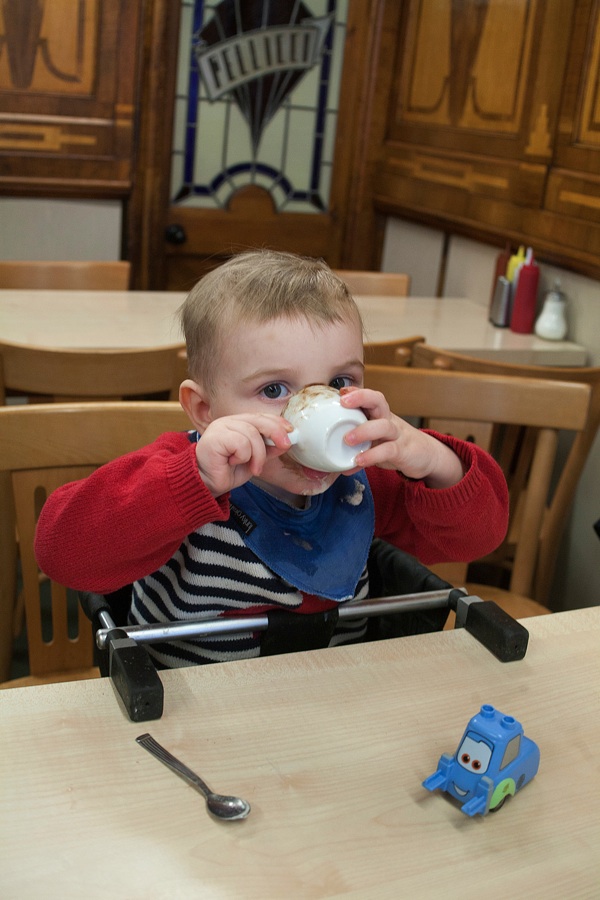
Portrait by Colin O’Brien
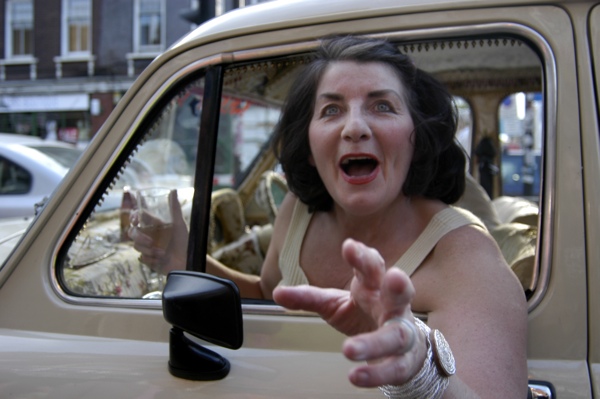
Portrait by Phil Maxwell

Portrait by Patricia Niven
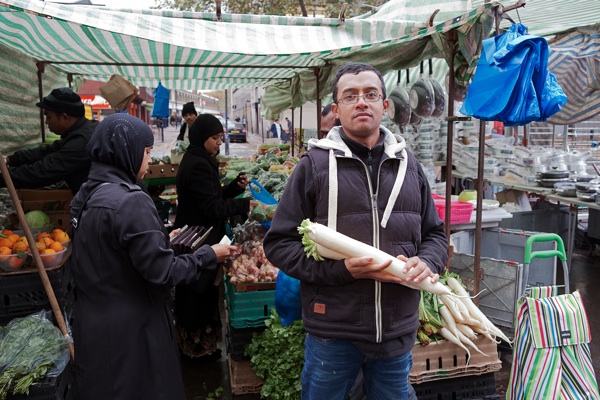
Portrait by Alex Pink

Portrait by Claudia Lesinger
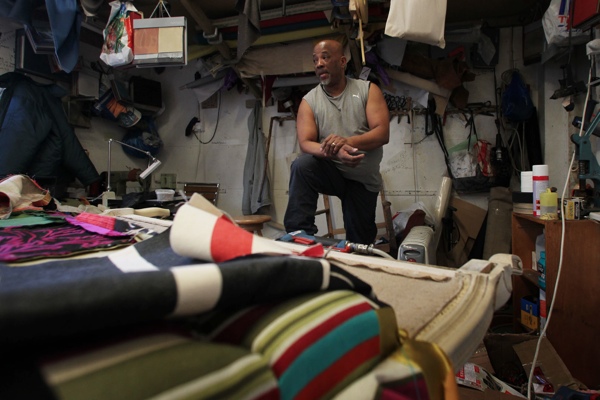
Portrait by Simon Mooney

Portrait by Martin Usborne
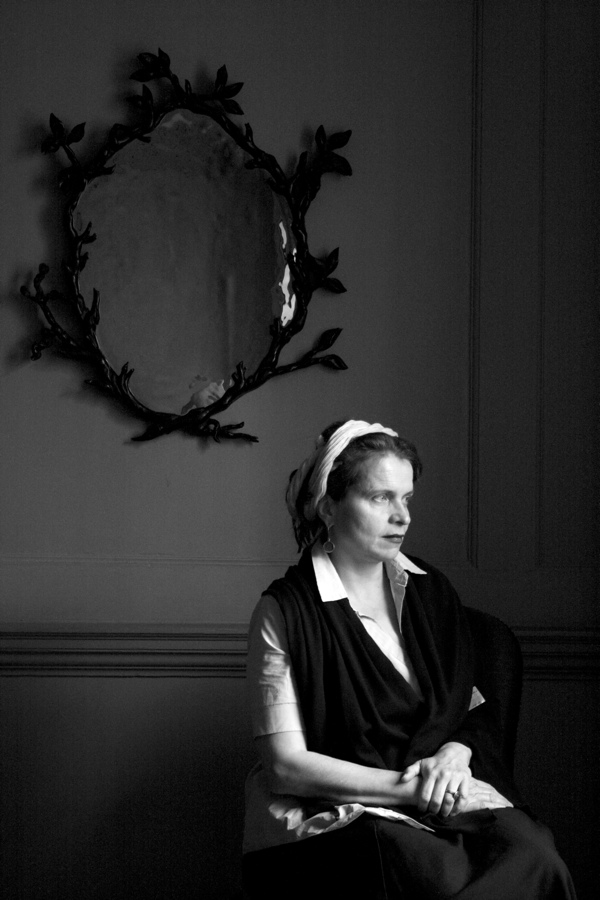
Portrait by Lucinda Douglas Menzies

Portrait by Sarah Ainslie
Portrait by John Claridge
Portrait by Patricia Niven

Portrait by Jeremy Freedman

Portrait by Phil Maxwell
Portrait by Colin O’Brien

Portrait by Martin Usborne
Portrait by Simon Mooney
Portraits copyright of individual photographers ©
On Colin O’Brien’s Publication Day
[youtube jlklWeiIRCM nolink]
Click to buy a signed copy of Colin O’Brien’s book for £10!


Portrait of Colin O’Brien copyright © Alex Pink
Copies are available now at Bishopsgate Institute, Brick Lane Bookshop, Broadway Bookshop, InSpitalfields, Labour & Wait, Leila’s Shop, Newham Bookshop, Rough Trade, SCP and Townhouse Window in Fournier St.
Faber Factory Plus part of Faber & Faber are distributing Travellers’ Children in London Fields nationwide, so if you are a retailer and would like to sell copies in your shop please contact bridgetlj@faber.co.uk who deals with trade orders.
You may also like to read about












