From Spitalfields To Sheerness
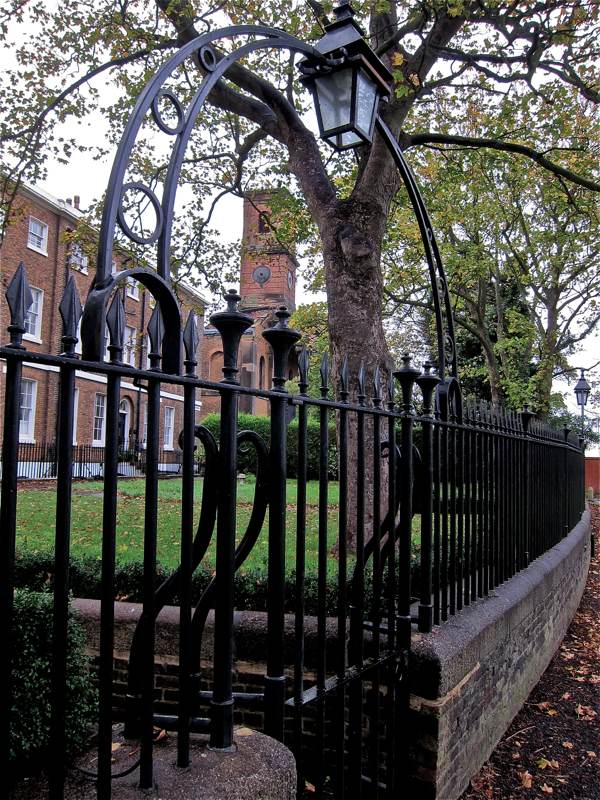
Naval Terrace, Sheerness Dockyard
On a drizzly afternoon in autumn, it could easily have been a melancholy experience to visit the derelict church and old terraces that comprise the last fragments of the Georgian dockyard at Sheerness, if it were not for the fact that they are currently under restoration thanks to the bold initiative of the Spitalfields Historic Buildings Trust.
Following the Napoleonic wars, Sheerness Dockyard was built to a grand triangular masterplan by the great engineer John Rennie the Elder in the eighteen-twenties. Completed in 1830, it remained in use by the Royal Navy until 1960 when it was turned over to commercial use with the loss of thousands of jobs, devastating the local community and wiping out part of the town. Today, Sheerness is the country’s largest port for motor imports and very little of Rennie’s dockyard survives apart from the residential quarter. Only a scale model of 1820 exists as testimony to the former realisation of Rennie’s vision.
Sold off to developers at the end of the last century, the terraces were left to decay and the church was burnt out in 2001. But, when plans to build blocks of flats collapsed in 2010, the Spitalfields Trust was able to step in and buy the four acre site with the assistance of a loan from the Architectural Heritage Fund and a handful of brave investors who took on individual properties. Since then, the fine houses which – apart from one original resident – were empty for decades, have been repaired by their new owners, removing the accretions of the twentieth century and restoring the landscaping of the original design.
Edward Holl and his successor George Ledwell Taylor were the architects responsible for executing Rennie’s designs, and the terraces at Sheerness have a familiar quality as if they had been transplanted from Canonbury or Camden Town. The proximity of the container port with its great cranes looming enforces this sense of surrealism yet, unexpectedly, the utilitarian designs of different centuries sit side-by-side in unlikely harmony.
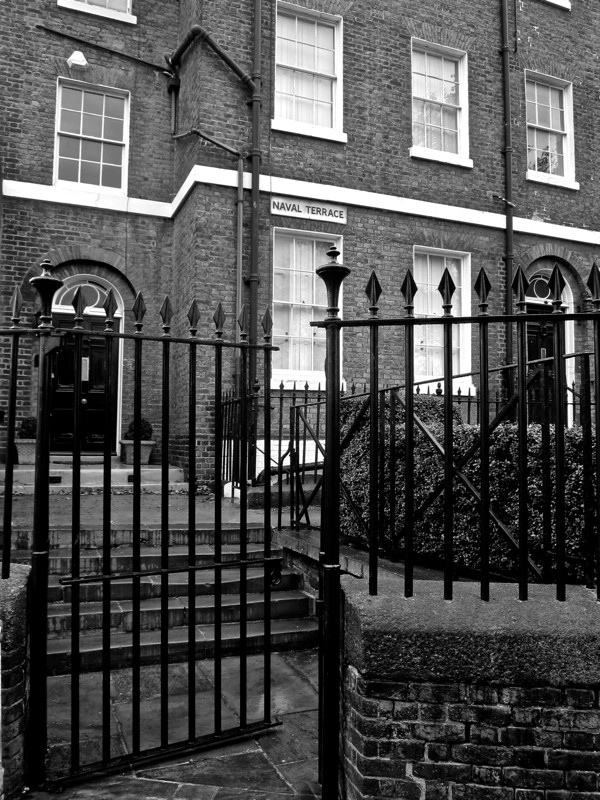
Built to house the principal officers of the dockyard and their families, these buildings are characterised by an austere elegance and graceful proportion, with subtle distinctions of social hierarchy reflected in their construction. This is undemonstrative architecture and, upon entering, you are aware of generous spaces with plenty of light, use of quality materials and considered detailing throughout.
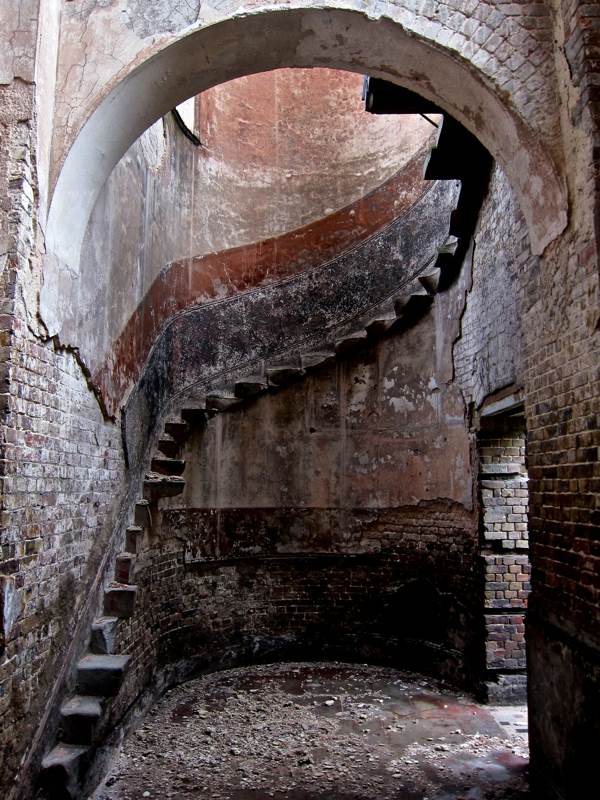
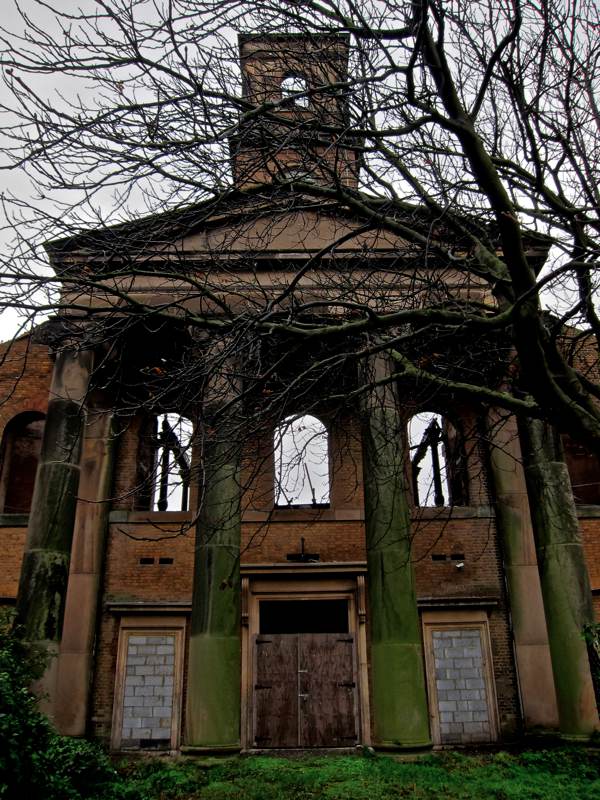
While the restoration and repair of these houses is in an advanced state with many new occupants in residence, the shell of George Ledwell Taylor’s Dockyard Church presents the next challenge. Dramatically combining iron and brick and possessing an impressive portico, it is a magnificent ruin at present, but the Trust intends to restore it as a community centre with spaces for small businesses to operate and as a home for the dockyard model of 1820.
Without this intervention, none of these important buildings would have had a future but, employing the skills honed in saving the old houses in Spitalfields more than thirty years ago, the members of the Trust are able to add them to the long list of over seventy buildings they have rescued since 1977.
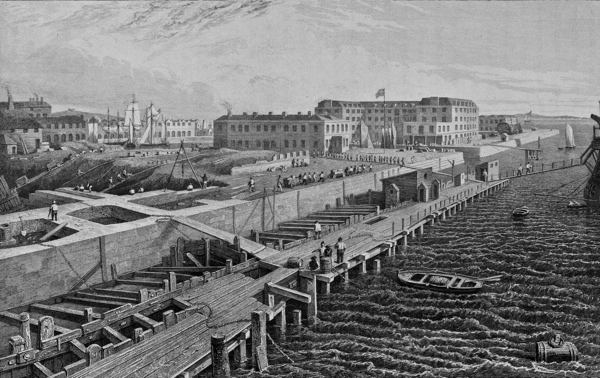
Sheerness Dockyard under construction c.1826. The view looks south and shows the excavation of the Boat Basin in the foreground and the U-shaped Victualling Storehouse in the distance. This building was completed in 1826 to a design by Edward Holl but no longer survives.
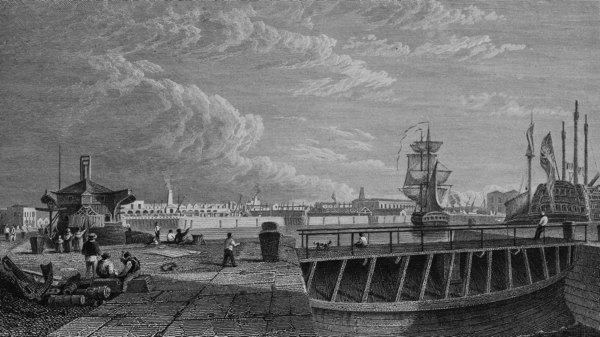
John Rennie’s turning bridge with the Great Basin beyond, filled in shortly after the Naval Dockyard closed in 1961
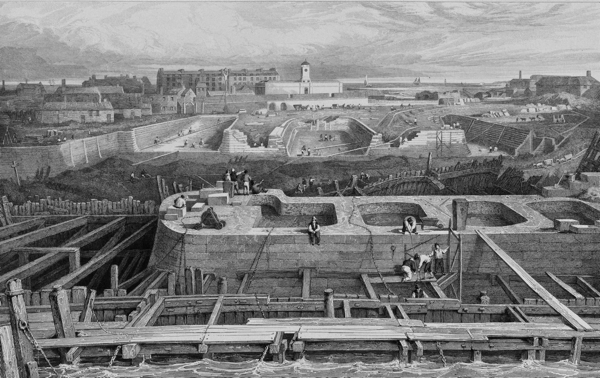
The Great Basin under construction with the three eastern dry docks taking shape in the distance.
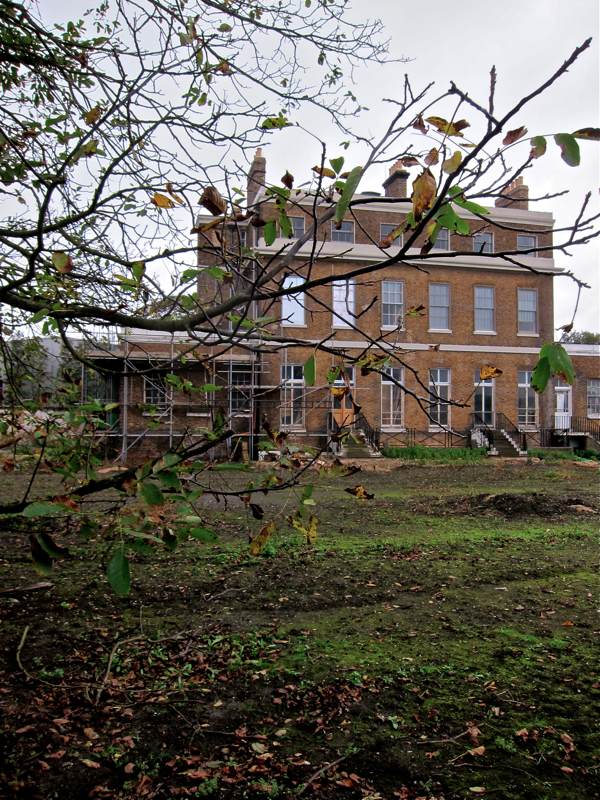
Captain Superintendent’s House undergoing restoration
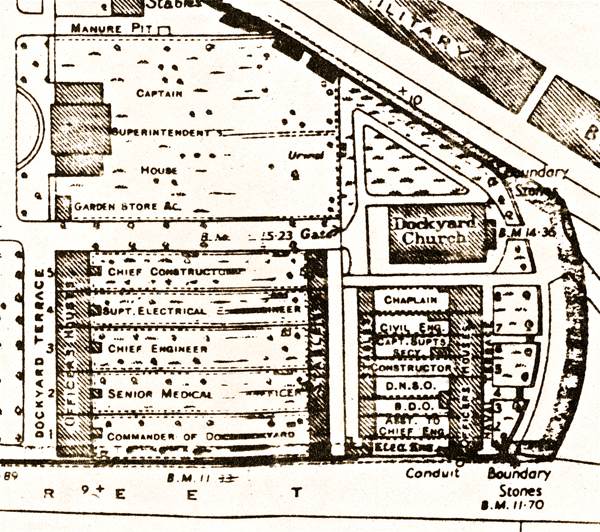
Plan of the residential quarter showing the hierarchy of accommodation and the walled gardens and coach houses which survive at Naval Terrace.
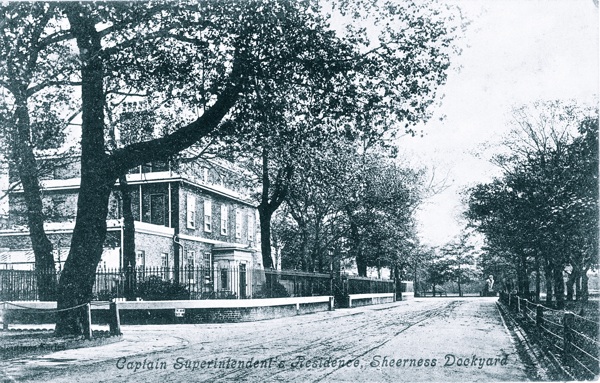
View of the Captain’s Superintendent’s house c.1910
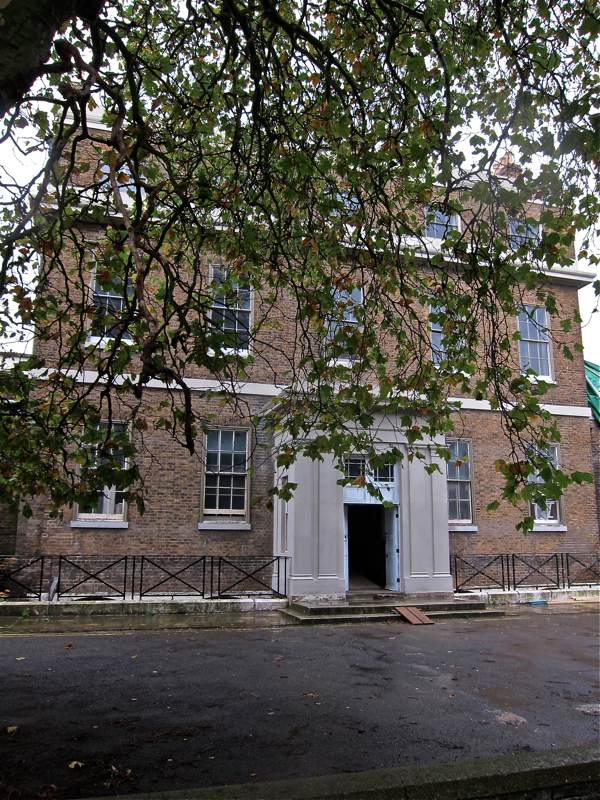
Entrance of the Captain’s Superintendent’s House
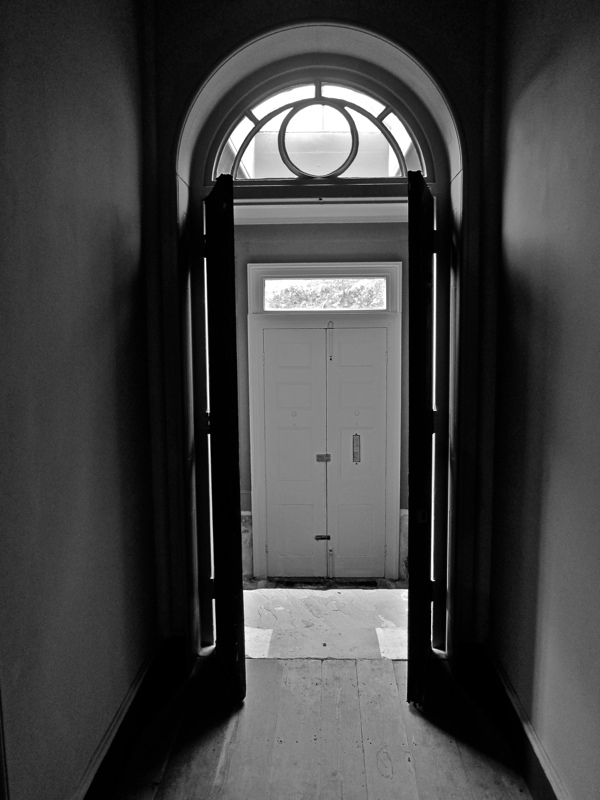
Hallway in Dockyard Terrace
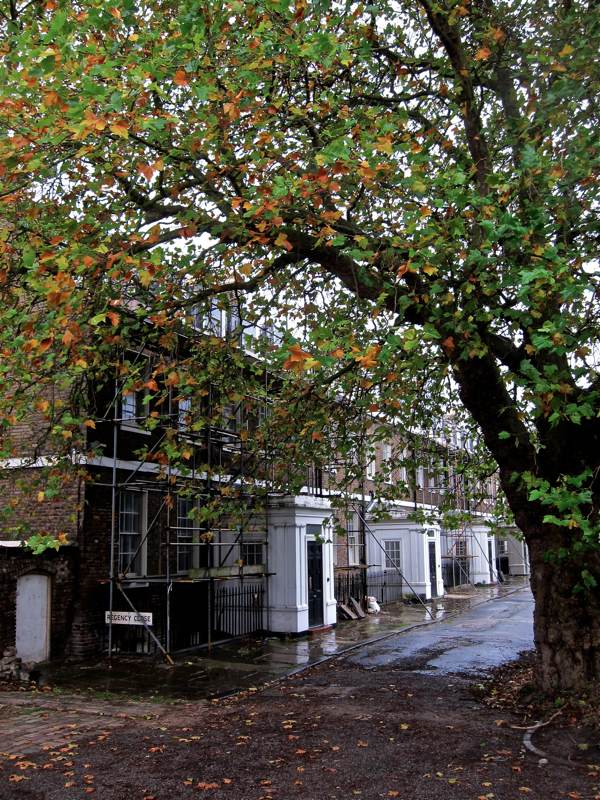
Dockyard Terrace
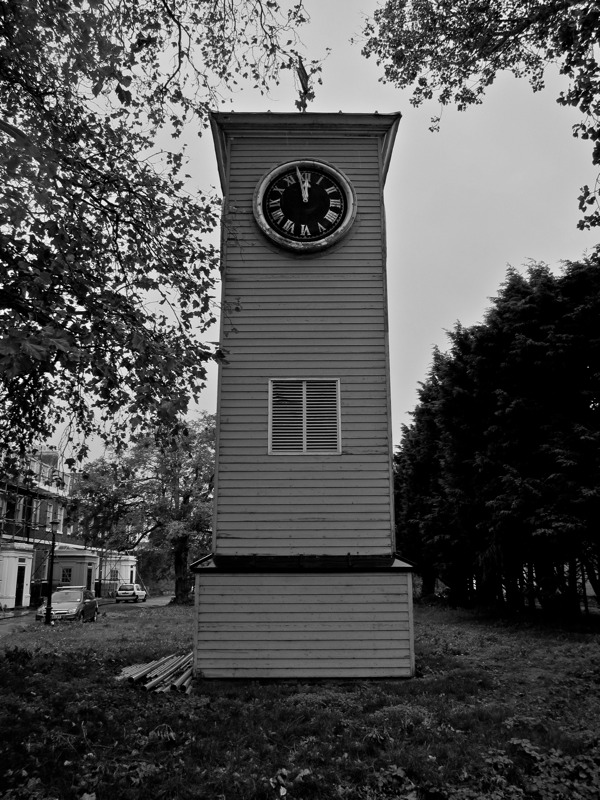
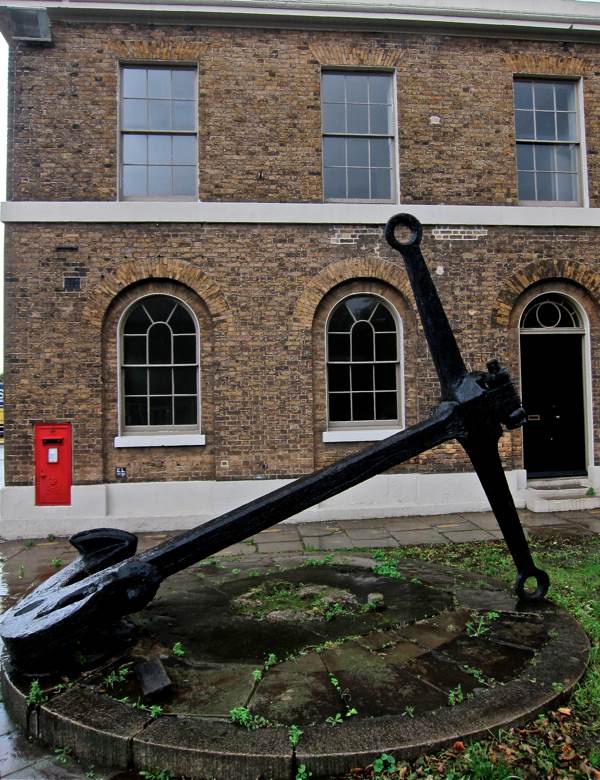
The Police House
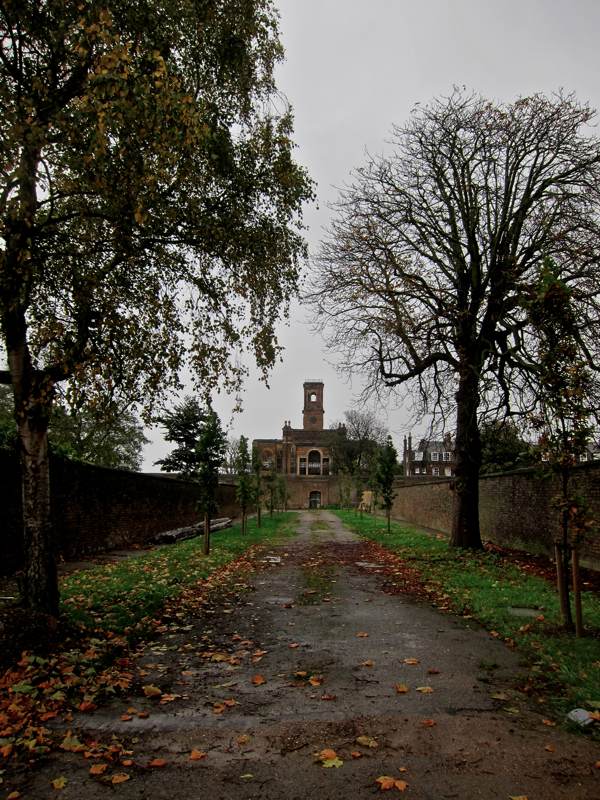
Dockyard Church seen from Regency Close
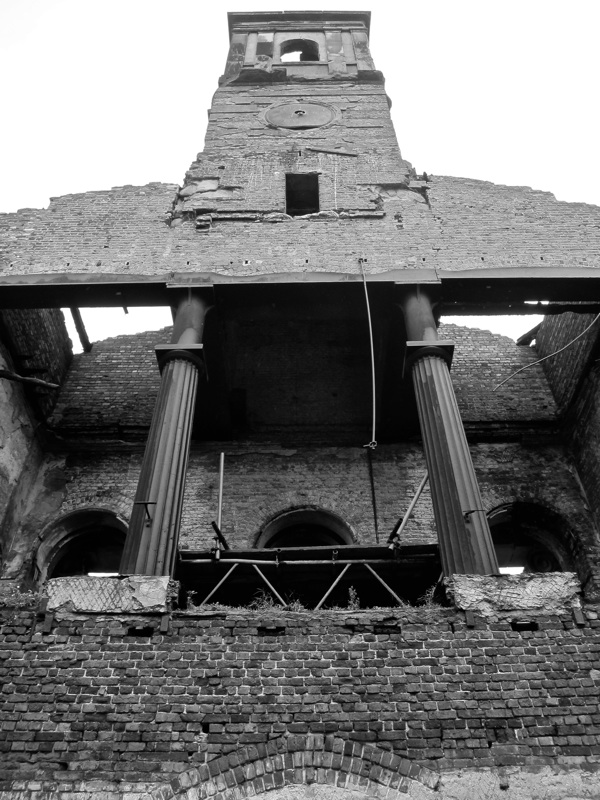
Interior of the Dockyard Church today
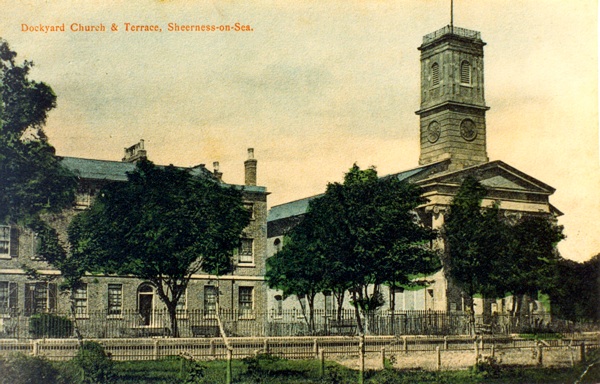
Naval Terrace and Dockyard Church c.1900
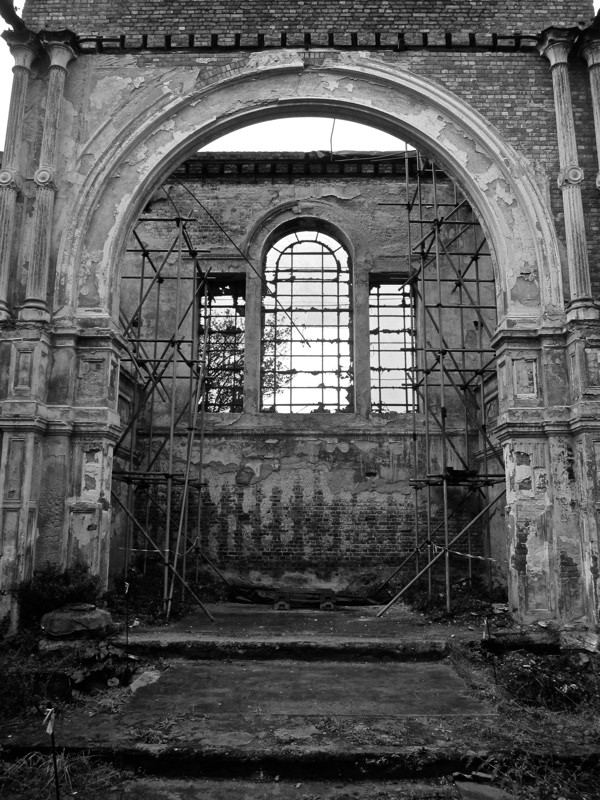
The plan is restore the church as a community centre with spaces for small businesses.
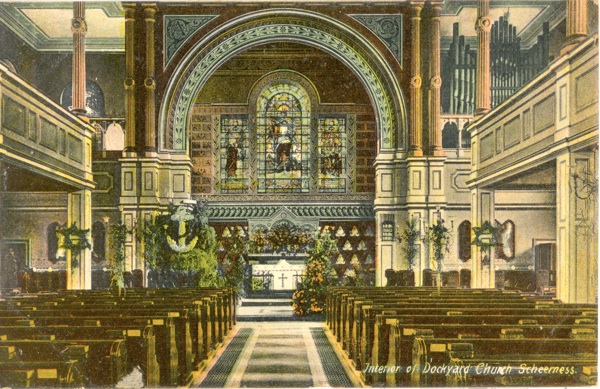
Interior of Dockyard Church c.1900
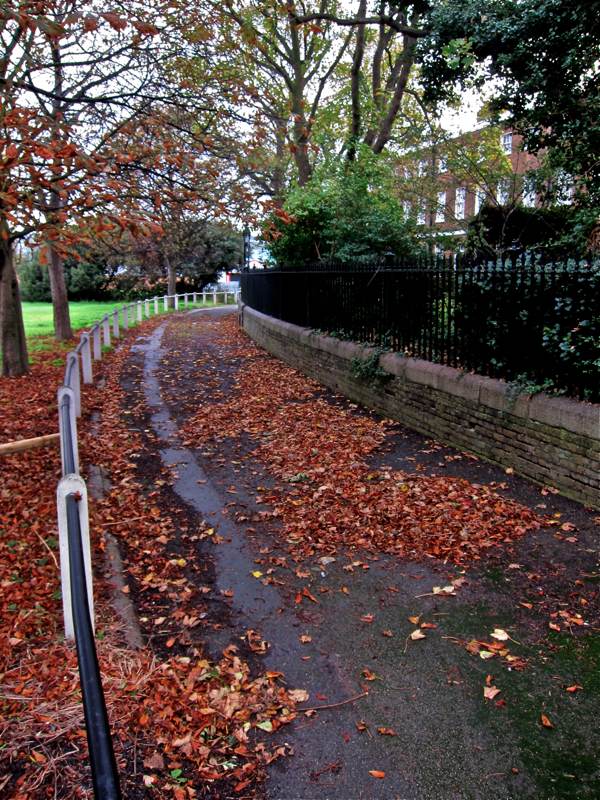
Naval Terrace
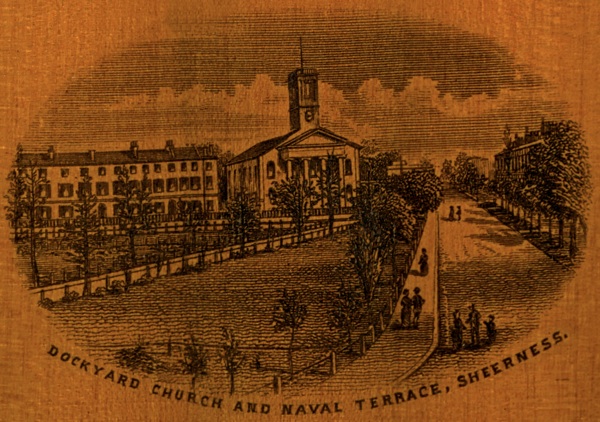
Dockyard Church and Naval Terrace portrayed upon a piece of Mauchlin ware, eighteen-eighties
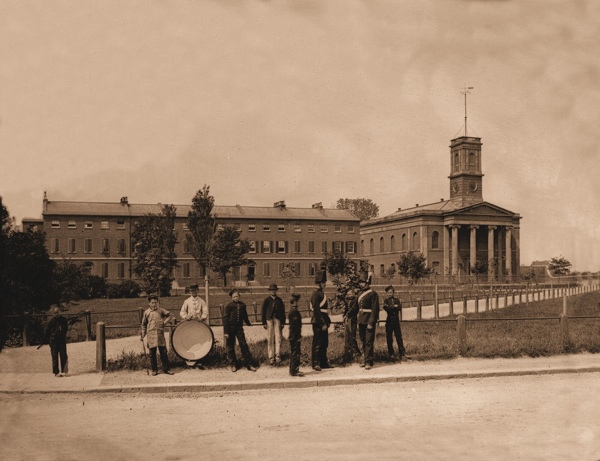
Cadets pose in front of Naval Terrace c.1870
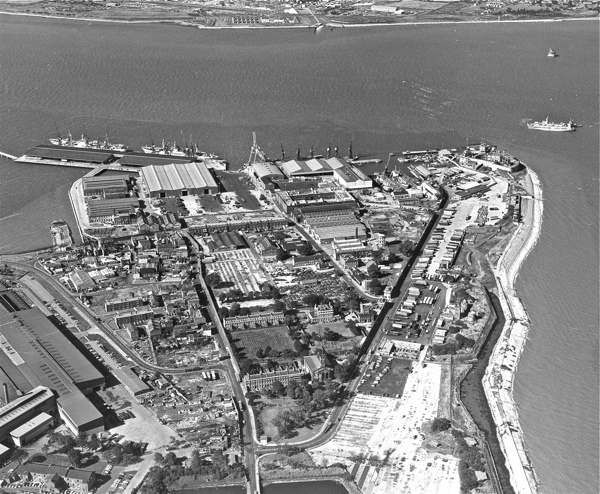
Sheerness Dockyard in the nineteen-seventies, looking west – with the terraces in the foreground
Archive images courtesy of Martin Hawkins
You may also like to read about the Spitalfields Trust’s restoration of Shurland Hall
The Gentle Author’s Next Lantern Show
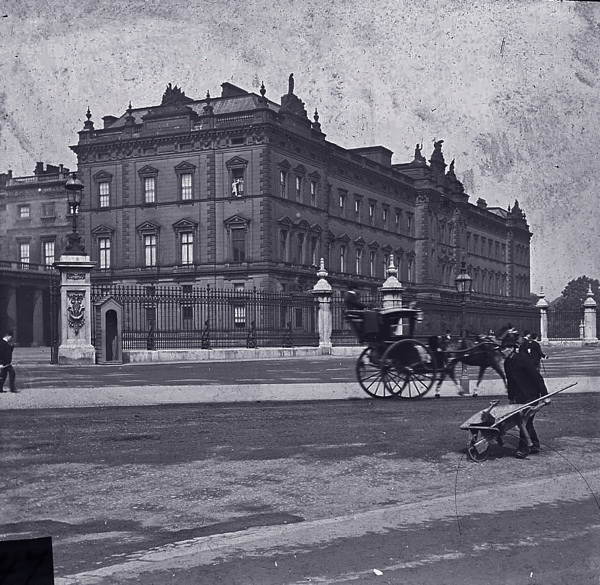
Window cleaner & man with a wheelbarrow at Buckingham Palace
There are plenty of pictures of Buckingham Palace in the glass slide collection of the London & Middlesex Archaeological Society used for lantern shows at the Bishopsgate Institute a century ago – no doubt employed to encourage patriotic sentiments in the audience.
But this is the one that interests me most, because of the man with the wheelbarrow walking past and the window cleaner perched so precariously upon the second floor window ledge. These individuals may have been merely incidental for the photographer but, to my eyes, they are the subject of the picture – revealing an unexpected glimpse of the people who maintained the facade of power.
Today, I publish photographs of the working people of London from the collection – in some rare examples they are the primary focus of the picture but, in many more, they are just caught unexpectedly by the camera in the midst of toil.
The publication of my Album gives me a wonderful excuse to stage live presentations of some of the photos of London I love the most and announcing these gives me the opportunity to publish more unseen glass slides from the collection.
Through coming weeks, I shall be undertaking a peregrination around London performing my magic lantern show at diverse venues. Next week’s stop is at Woolfson & Tay, an enterprising independent bookshop in Bankside SE1, and I look forward to seeing you there on Thursday night.
THE GENTLE AUTHOR’S MAGIC LANTERN SHOW
Thursday 7th November 7:00pm at Woolfson & Tay, 39 Bear Lane, Bankside, SE1
I will be showing 100 pictures – including selected glass slides from a century ago, telling the stories and counterpointing them with favourite photographs of the unexpected wonders of London today.
Tickets are £3 and reservable by calling o20 7928 6570 or you can buy them online here
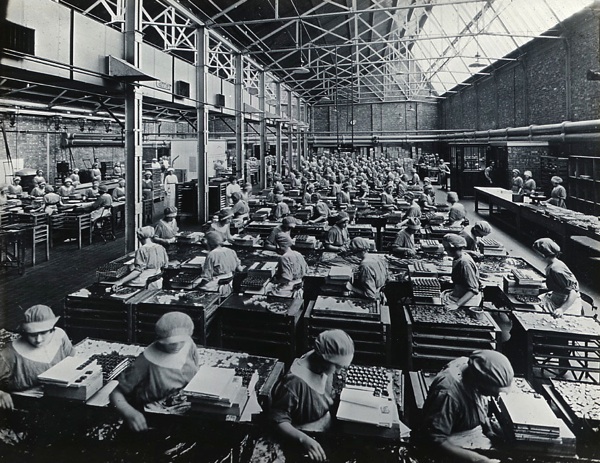
Packing chocolates

Waiting outside the British Museum for a fare
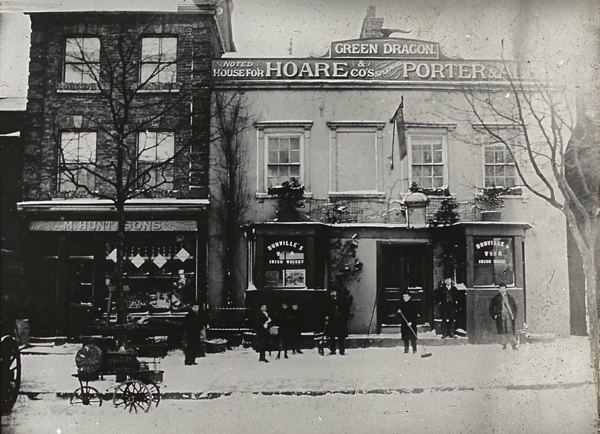
Sweeping snow outside the Green Dragon
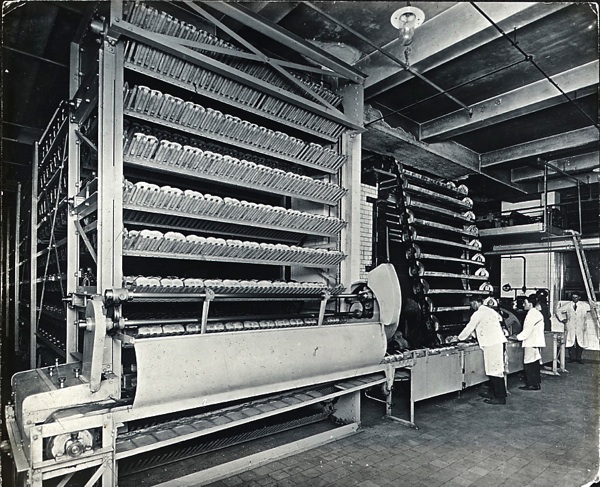
Minding an automated bakery
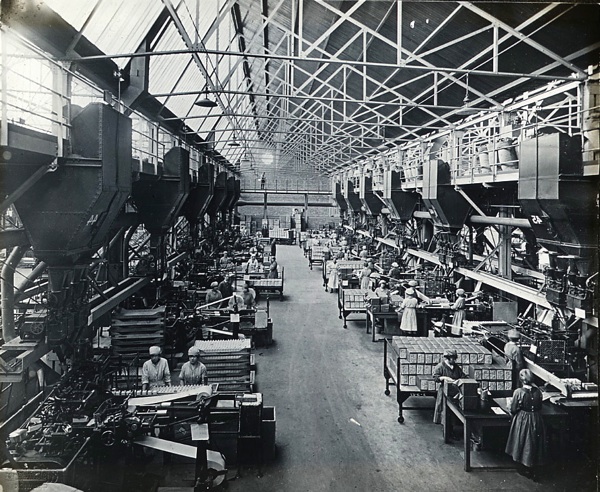
Packing tea
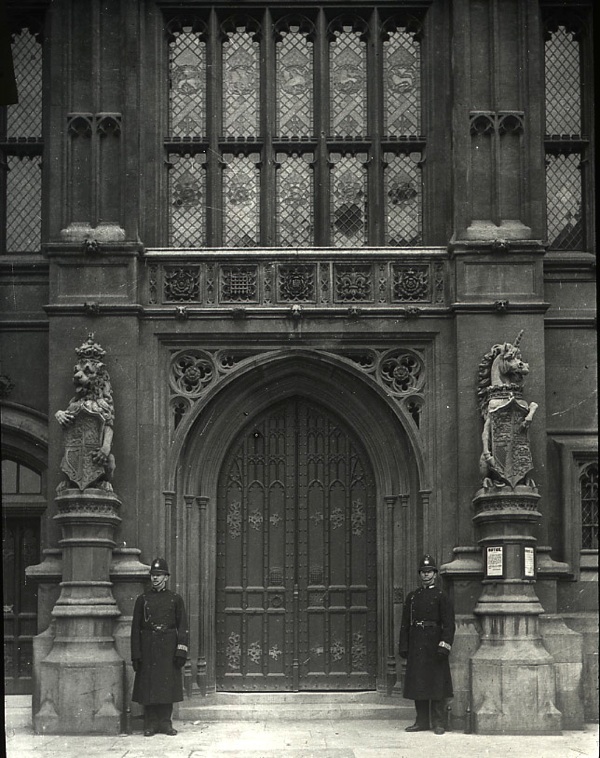
Guarding Parliament
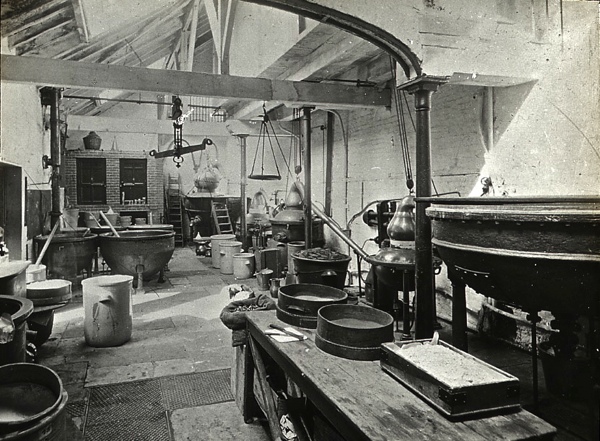
Taking a break at the distillery
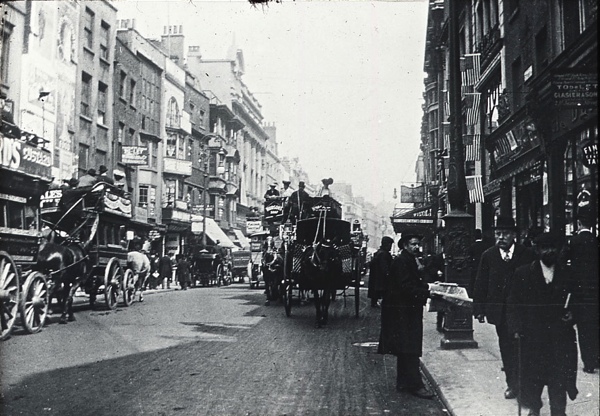
Selling papers in the gutter
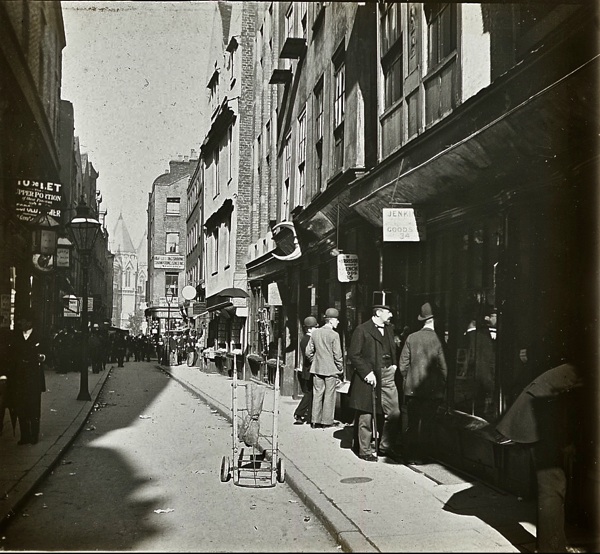
Making a delivery to a bookshop in Wych St
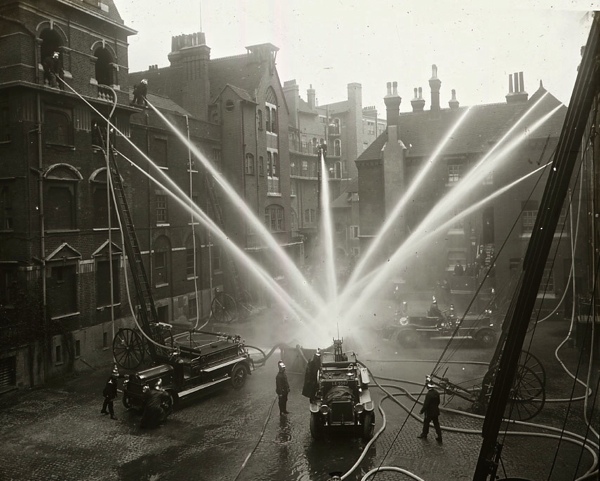
Practising with the hoses
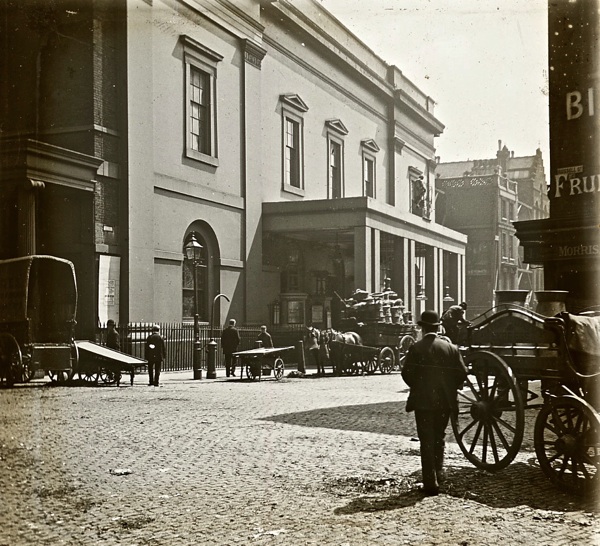
Minding the cart outside Drury Lane
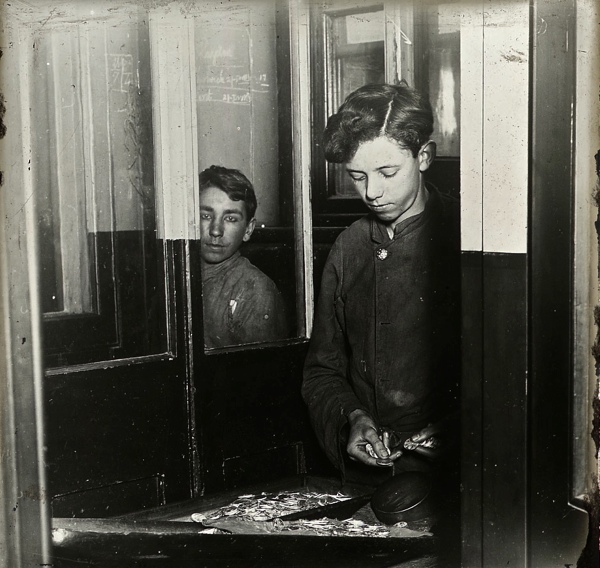
Counting coins at the mint
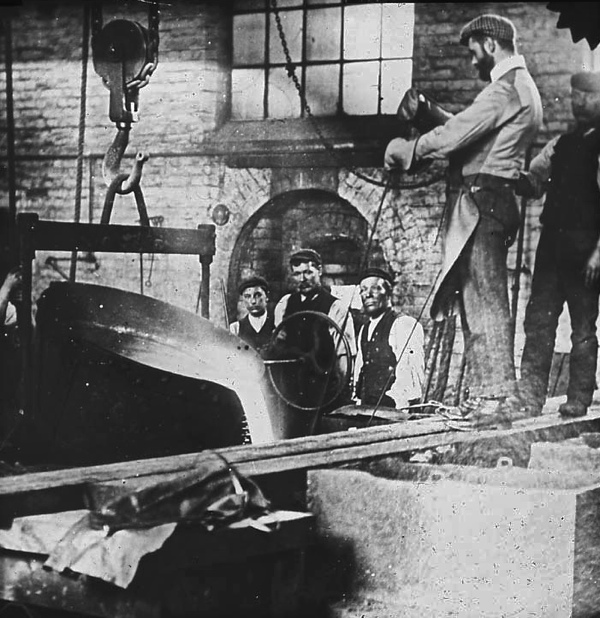
Casting bells
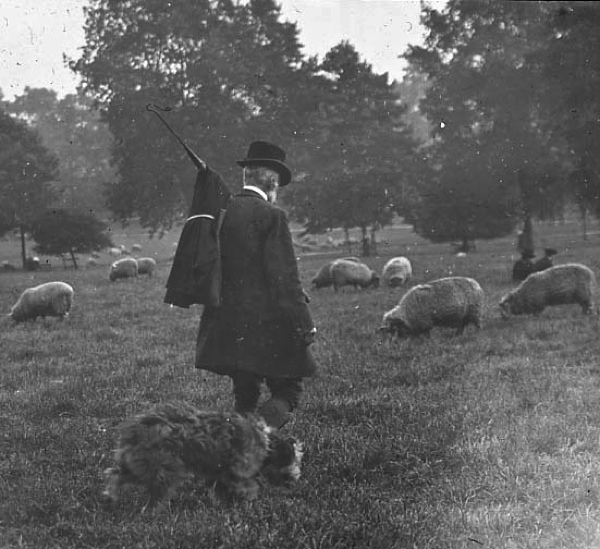
Shepherding in Richmond Park
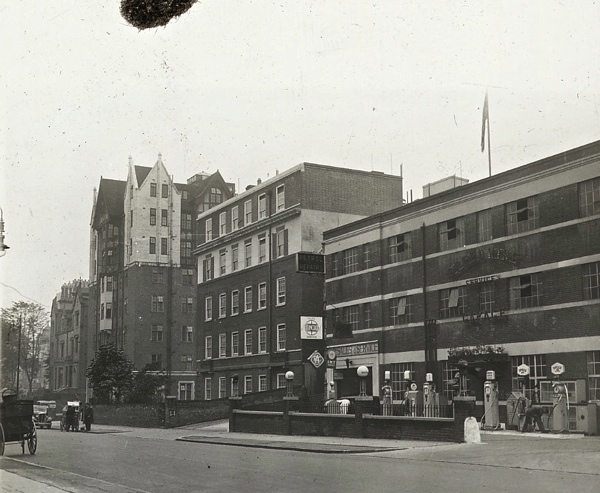
Minding the pumps in Canonbury
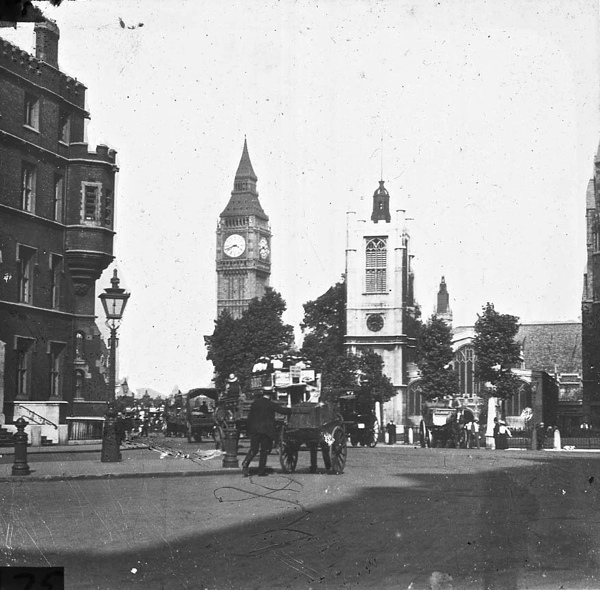
Wheeling the barrow through Parliament Sq
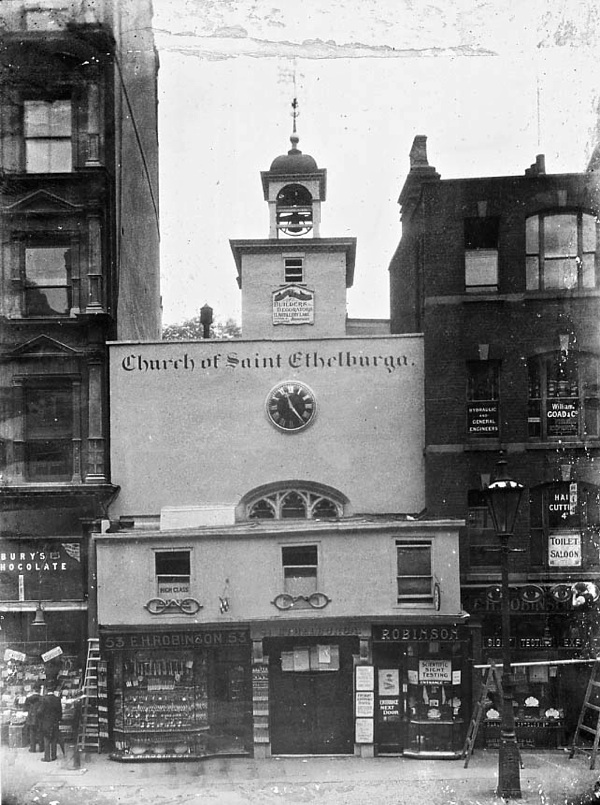
Cleaning the optician’s sign
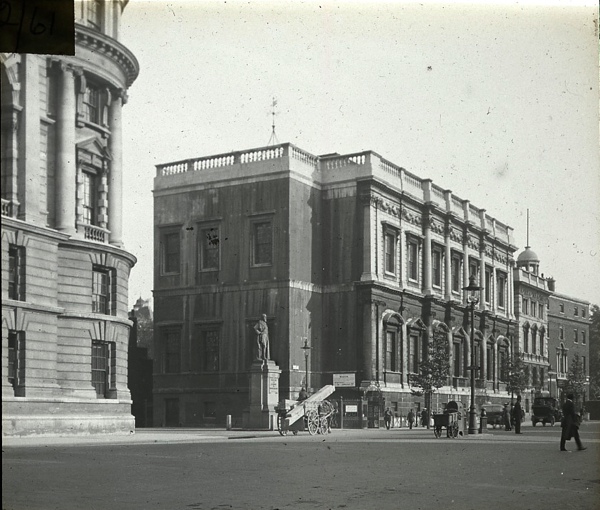
Lugging the timber down Whitehall
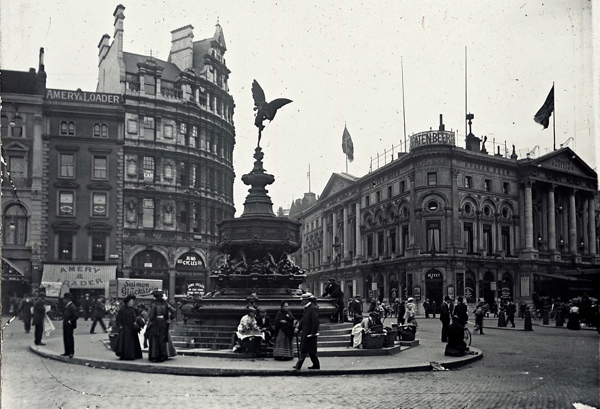
Selling flowers in PIccadilly
Glass slides courtesy Bishopsgate Institute
The Lahori Chefs Of Whitechapel
Novelist Rosie Dastgir & Photographer Jeremy Freedman paid a visit to two Lahori restaurants in Whitechapel this week to meet the chefs and learn what makes their cooking distinctive.
“A string of neon-lit curry and kebab houses line the streets of Whitechapel around Commercial Rd. These eateries are hidden gems, serving authentic Pakistani cooking that draws those pining for the nostalgic flavours of home, as well as a mixed crowd from East London, the City, Essex and beyond.
When my father went on pilgrimage to Mecca, driving all the way from Scotland to Saudi Arabia, he insisted on stopping off at one of these Lahore restaurants and the memory of such exquisite food drew him back years later, when he was dying of cancer. His time was running out, but the food reminded him of home and happier days.
It is all about the cooking. You will not find flock wallpaper or sound-muffling carpet in these establishments. Bring your own beer or wine – if you like – or sample one of the mango, salty or sweet lassies on offer.”
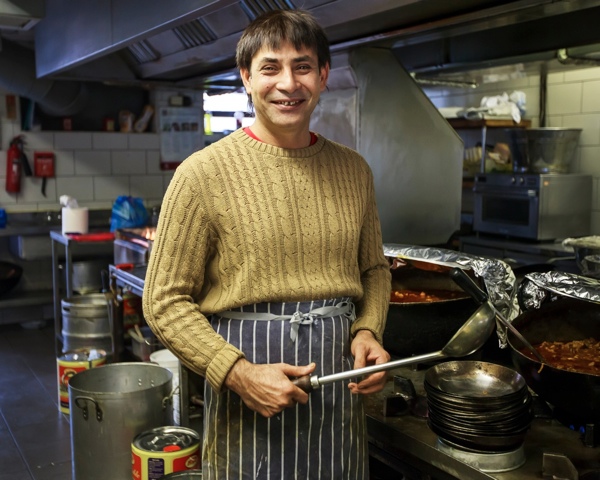
Mohammed Azeem, Chef at The Original Lahore Kebab House, Umberston St, E1
“You name it, I’ll cook it,” says Mohammed Azeem, reeling off a cornucopia of dishes, and he is not exaggerating. The menu is extensive and hugely popular, packing in a dedicated lunchtime crowd and hundreds of diners every evening.
It is a short commute to work for Mohammed Azeem who lives in Poplar, but his journey to this point began years ago, thousands of miles away in Lahore, Pakistan. He left his home town in 1987 at the age of nineteen, leaving behind six sisters, four brothers and his parents who worked on the land. He came here knowing nobody, with neither friends nor relatives to soften the landing. On the flight to London, he got chatting to another young Pakistani, but the two parted ways upon arrival. Wandering the streets of East London, he trudged along Commercial Rd and spotted the young man from his flight through the windows of the Original Lahore Kebab House where he was working.
Mohammed Azeem eagerly knocked on the glass and the two were reunited. By a twist of fate, it turned out that the man’s uncle was the owner of the restaurant and when Mohammed Azeem explained his desperate situation – alone and without work in a foreign city – the nephew came to his rescue. They were looking for a dishwasher at his uncle’s restaurant and would he be interested in the job? Mohammed Azeem took on the position immediately – it was a foot in the door. Within two months, he was learning how to make Shish Kebabs. Soon he was eager to try his hand using the clay ovens for Roti, Naans and all manner of Pakistani breads.
Today, he is the head chef with a team of cooks that he oversees. He shows me around the large, open plan kitchen and it is an awesome sight. Clay ovens belt out heat. Rows of Tupperware containers are lined up with turmeric, cumin, crushed garlic and ginger. Long, slender lamb kebabs sizzle on open grills over glowing coals. Everything is cooked freshly, Mohammed explains, starting from scratch each day. Nothing is made using shop-bought curry powder. Perish the thought. Nowadays, Mohammed Azeem does not miss home as much as he once did, in the days when he was a new arrival. “Being inside the restaurant,” he says happily, “it’s like I’m in Lahore – the atmosphere and everything.” I can see exactly what he means.
The restaurant is family for Mohammed Azeem. His boss’s auntie arranged his marriage with a bride here. His wife works at a fashion college in the area and his fifteen-year-old daughter attends the Mulberry School nearby. He is pleased with the education she is receiving. “Inshallah, she’ll do more studying,” he says, quietly positive about her latest interest in becoming a solicitor. “It doesn’t matter what she does,” he explains modestly, “so long as she is doing something good with her life.”
Two years ago, Mohammed Azeem managed to build himself a house in Lahore. An achievement that would be unthinkable for him in London. The house represents the realisation of a long and hard-earned dream and, each year, he takes his daughter back to Pakistan. It might be the place where he will eventually retire, but he has no firm plans yet. The kitchen beckons. And for now, the house is for much-anticipated annual summer holidays. “You can go for a visit,” he muses, “but you can’t stay there forever.”
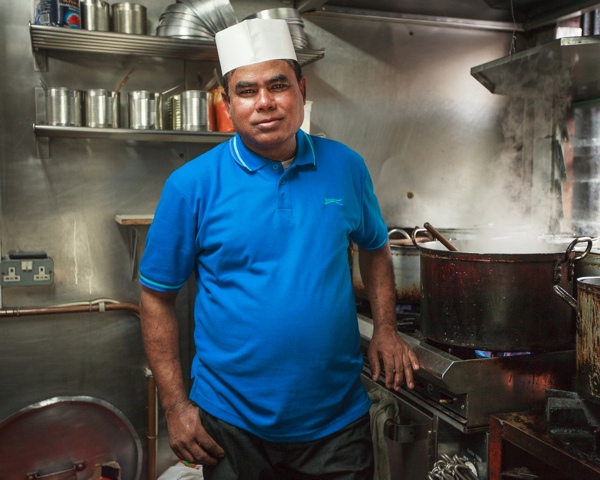
Mohammed Ashok Ali, Chef at Lahore One Kebab Restaurant, 218 Commercial Rd, E1
Going behind the scenes of the small yet productive kitchen at Lahore One, I find the chef, softly-spoken Mohammed Ashok Ali, labouring over cauldrons of aromatic dishes. Pausing from his culinary duties, he tells me how he ended up here in East London, working as a chef. Born in Bangladesh, he came to England in 1999 with the help of his uncles who were living here. In those days, he was able to procure the necessary working visa which allowed him to find employment and send money home to his family.
Back in Bangladesh, he ran his own cash-and-carry corner shop. The idea of becoming a chef never occurred to him until he arrived in London, where it just so happened that they were looking for a chef at Lahore One and it was here that he began his new career, learning the art of cooking Pakistani food. He has been working here ever since and explains it is a matter of great pride for him when customers compliment him. No complaints at all, he beams, not even one.
What is it that makes the food on offer at Lahore One so distinctive from, say, the restaurants you find on Brick Lane? Mohammed explains that there are differences in cooking methods and spice preferences – for example, red chillies prevail in Indian food, whereas the green variety are preferred in Pakistani food. Yet it is something more fundamental – in Indian restaurants here, you will find dishes such as Vindaloo or Chicken Tikka Masala, created and adapted for English tastes. But authentic Pakistani food is about deeply-layered home cooking, based upon recipes and methods passed down through generations. As Ameer Anjum, son of the owner and current manager, points out – the food at Lahore One is rooted firmly in the home cooking of his Pakistani grandparents, aunts and uncles.
What does Mohammed miss about home? The chef admits that when he was a new arrival here, he yearned for his country and family very much, but now he has a family of his own here, a wife and two children, he is happily settled. Trips back to Bangladesh are infrequent – he has returned only three times since he first came. Yet he is content with his life and emphatic that this is his home now, with his family here in London where he is the proud chef at Lahore One.
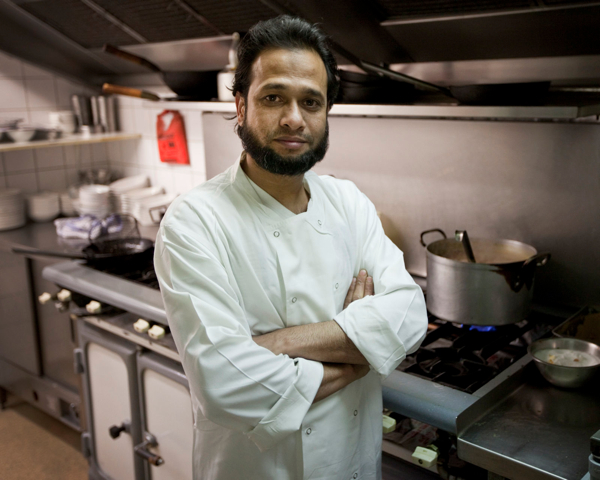
Zulen Ahmed, Head Chef at Saffron, 53 Brick Lane
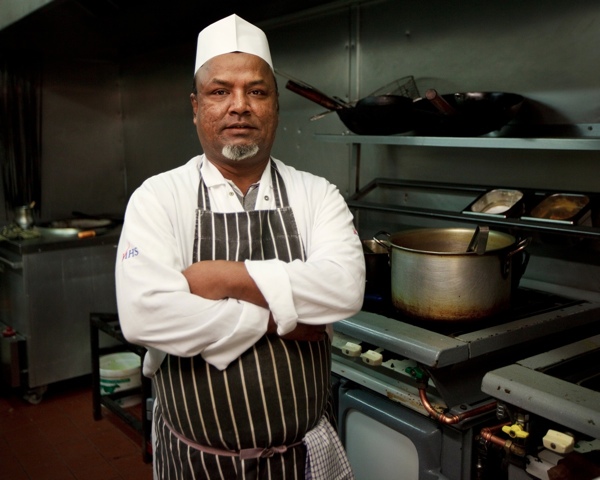
Abdul Tahid, Head Chef at Papadoms, 94 Brick Lane
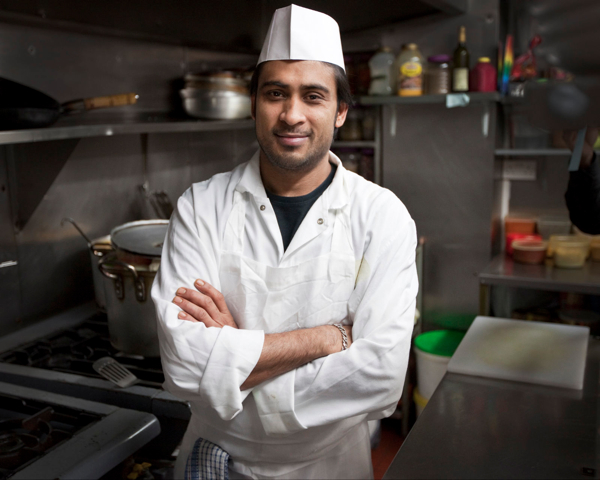
Abdul Ahad Forhad, Curry Chef at Monsoon, 78 Brick Lane
You may also like to read Rosie Dastgir’s feature At The Lahore One Kebab Restaurant
Jeremy Freedman’s The Curry Chefs of Brick Lane are published in The Gentle Author’s London Album and an exhibition opens next Thursday evening, 7th November, at Suzzle Cakes, 47 Brick Lane, E1
The Gentle Author’s Dead Pubs Crawl
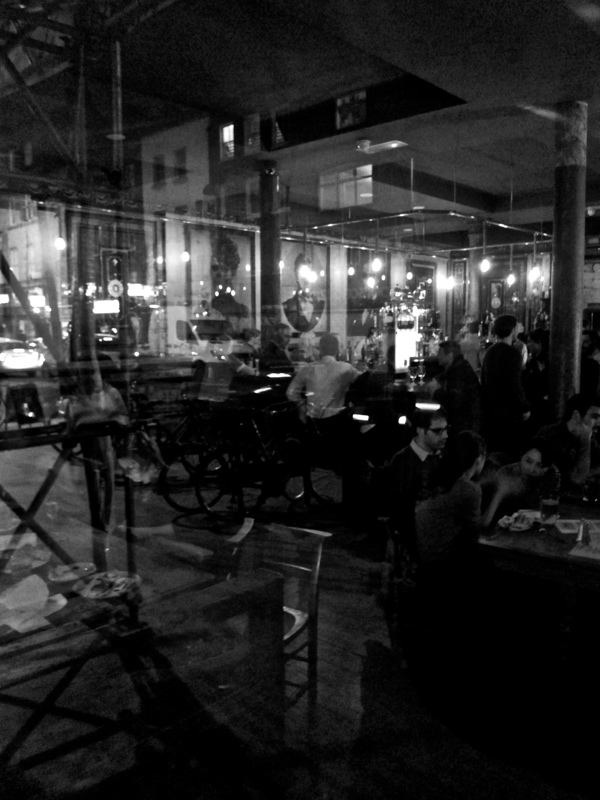
As the darkness closes in, it delights me to go on a dead pubs crawl around Spitalfields to pay my respects at former hostelries and listen for the clinking glasses of the phantom regulars. Yet to my surprise and joy, The Well & Bucket and The Crown & Shuttle have returned to vibrant life, convincing resurrections long after I had given up hope – which permits me to believe there may still be the possibility of life after death for other lost pubs in the neighbourhood.
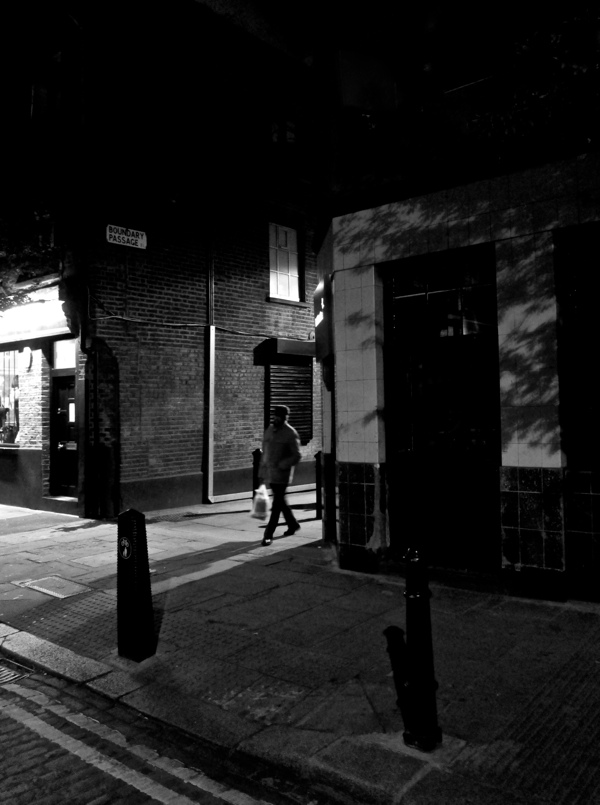
The Ship & Blue Ball, Boundary Passage, where they planned the Great Train Robbery (1851-1994)
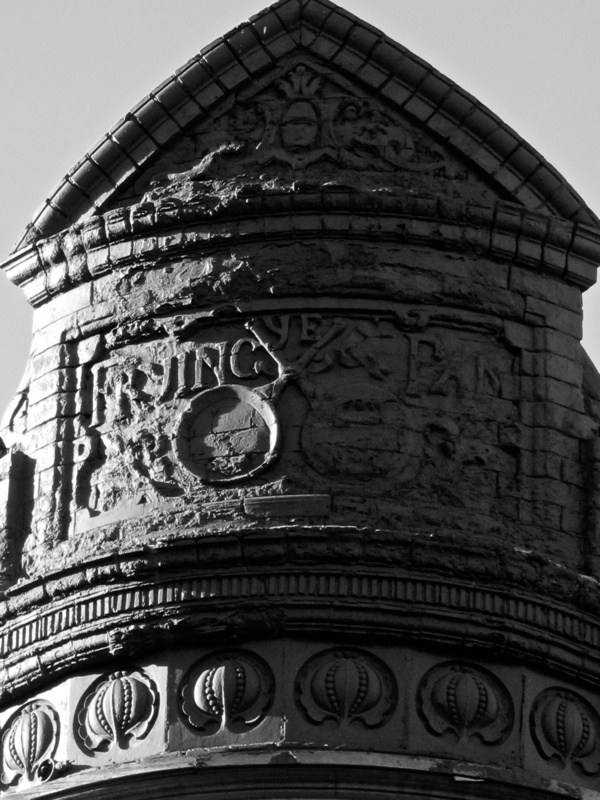
The Frying Pan, Brick Lane (1805-1991)
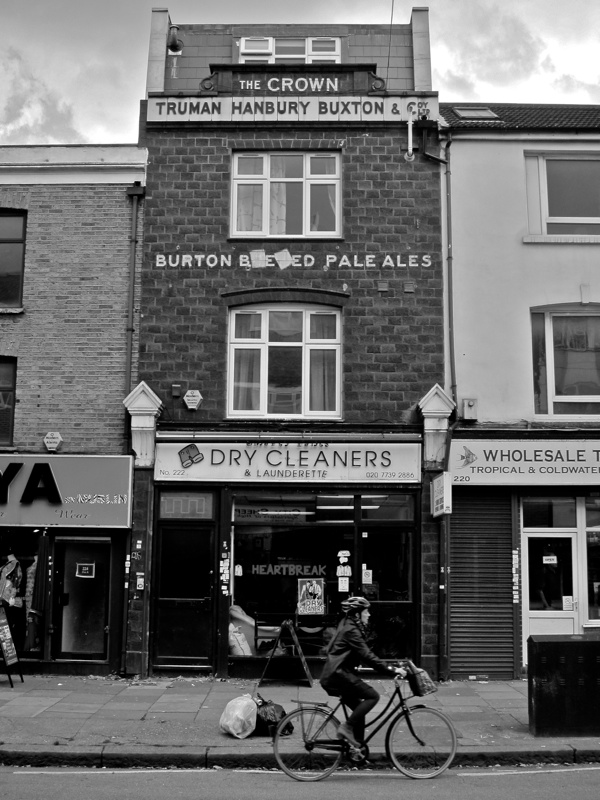
The Crown, Bethnal Green Rd (1869-1922)
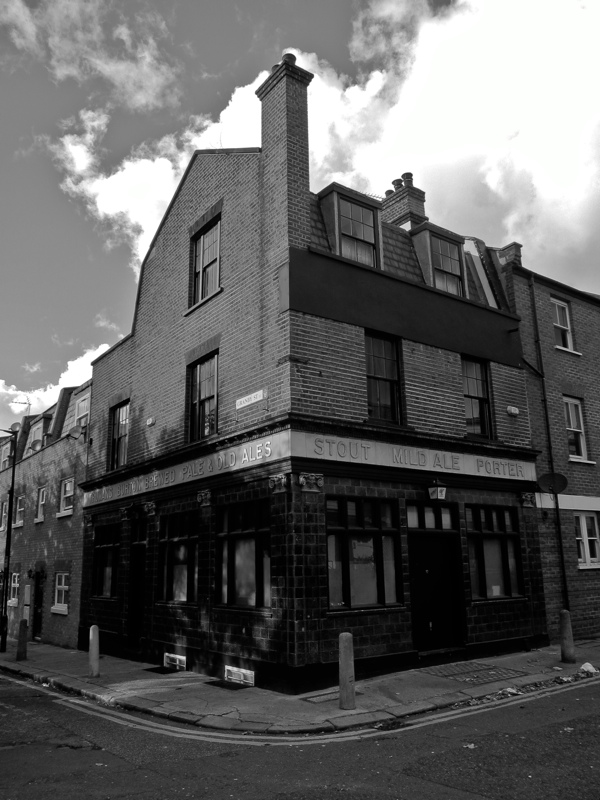
The Britannia, Chilton St (1861-2000)
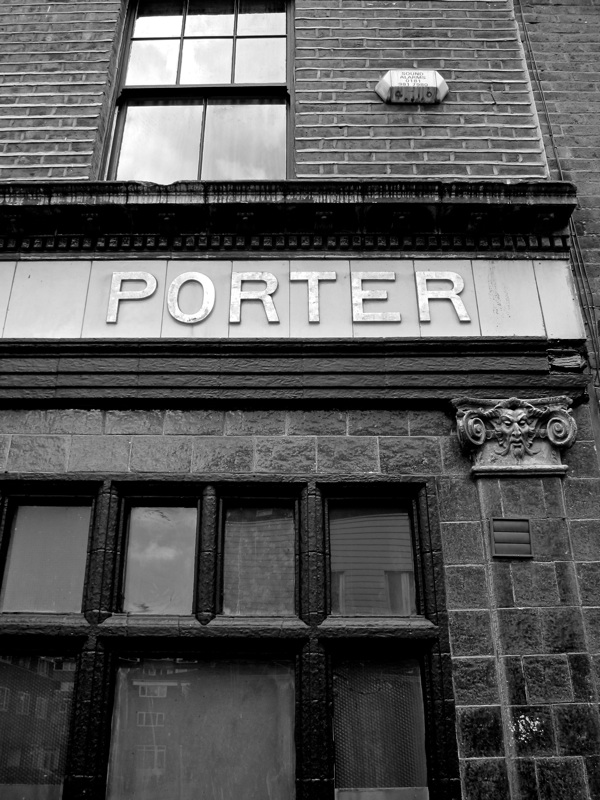
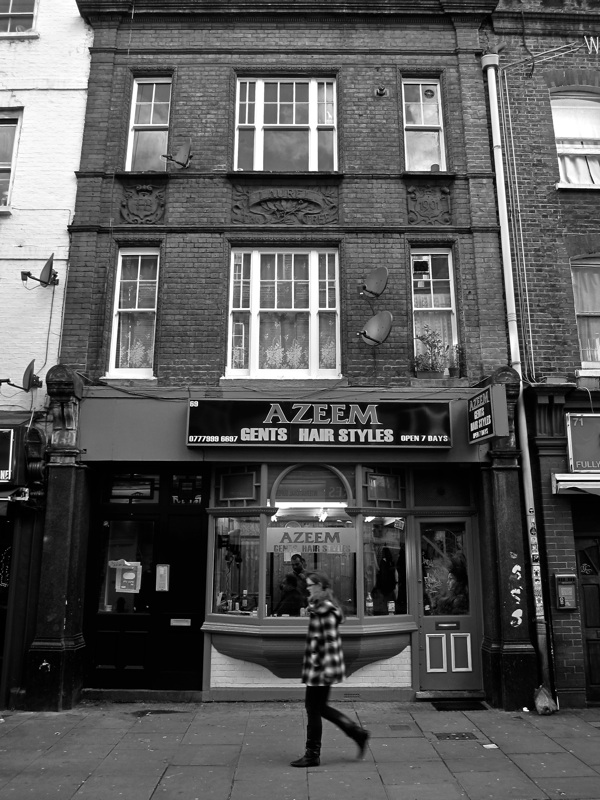
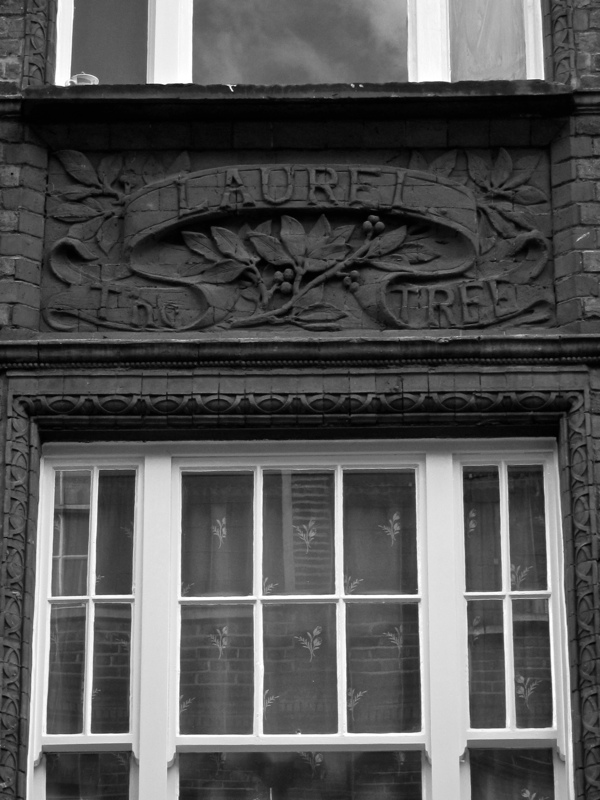
The Laurel Tree, Brick Lane (1813-1983)
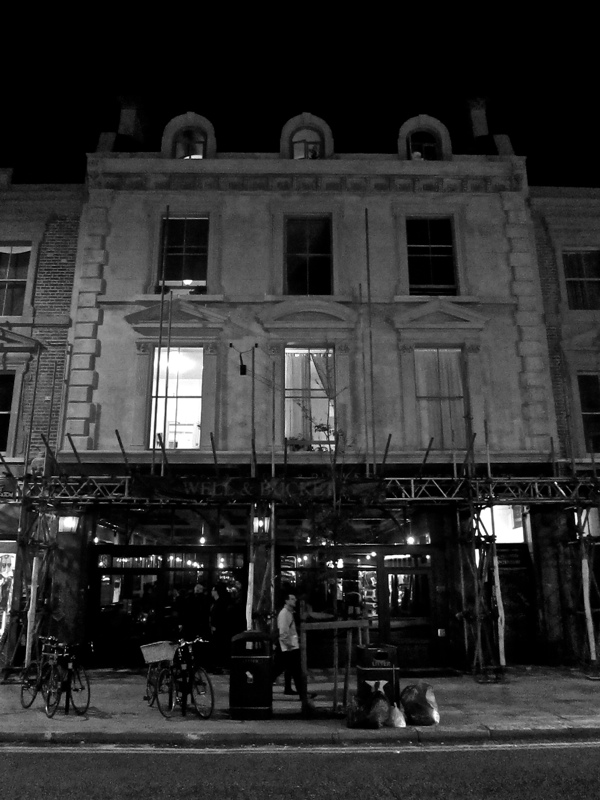
The Well & Bucket, Bethnal Green Rd (1861-1989 & resurrected this year)
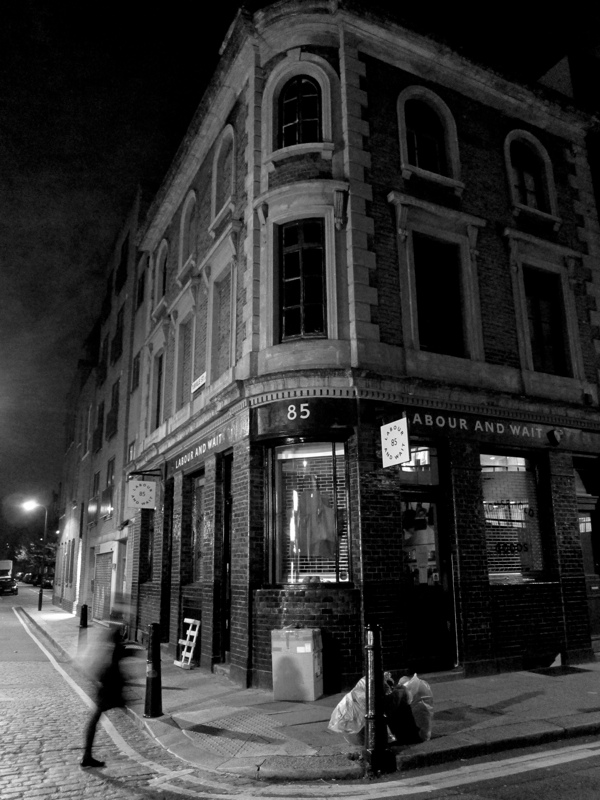
The Dolphin, Redchurch St (1835-2002)
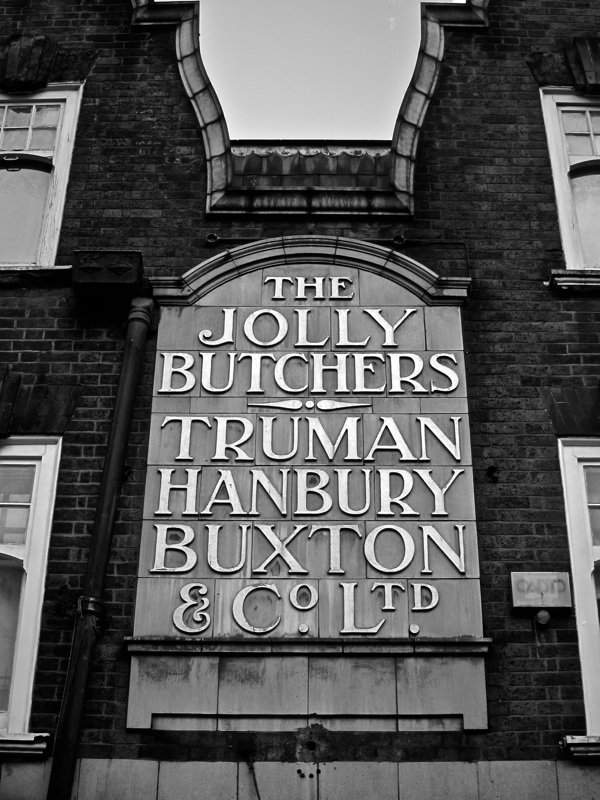
The Jolly Butchers, Brick Lane (1839- 1987)
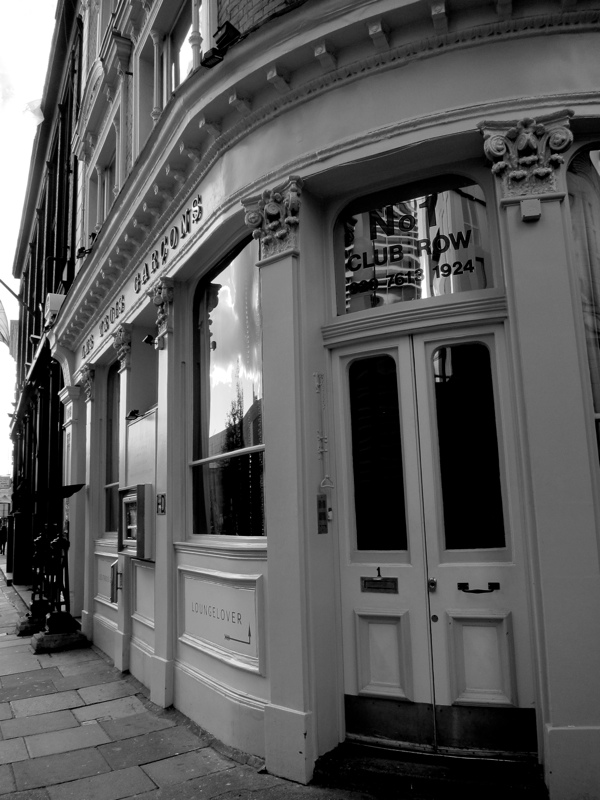
Knave of Clubs, Club Row (1735-1994)
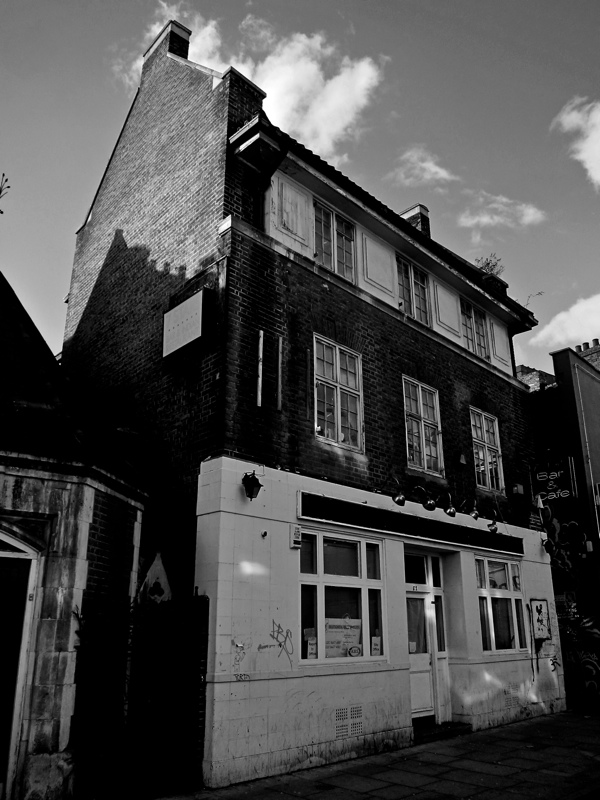
Seven Stars, Brick Lane (1711-2002)
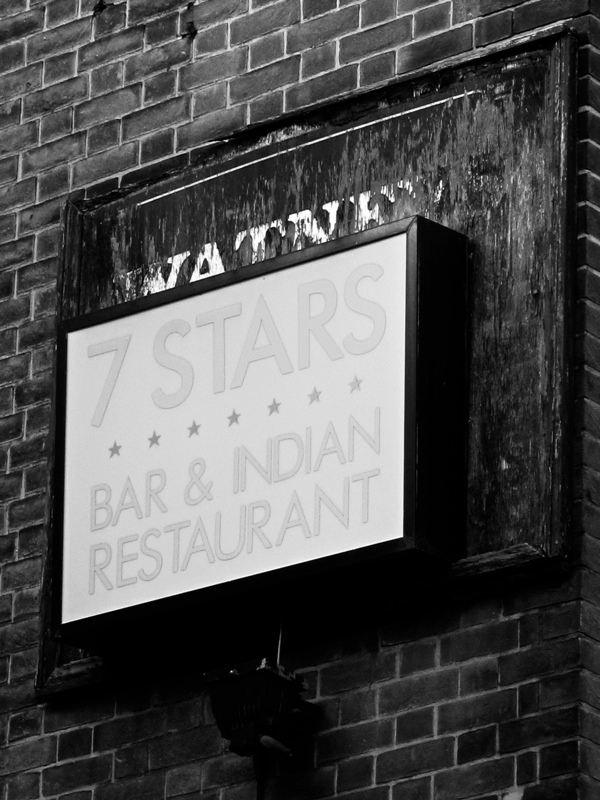
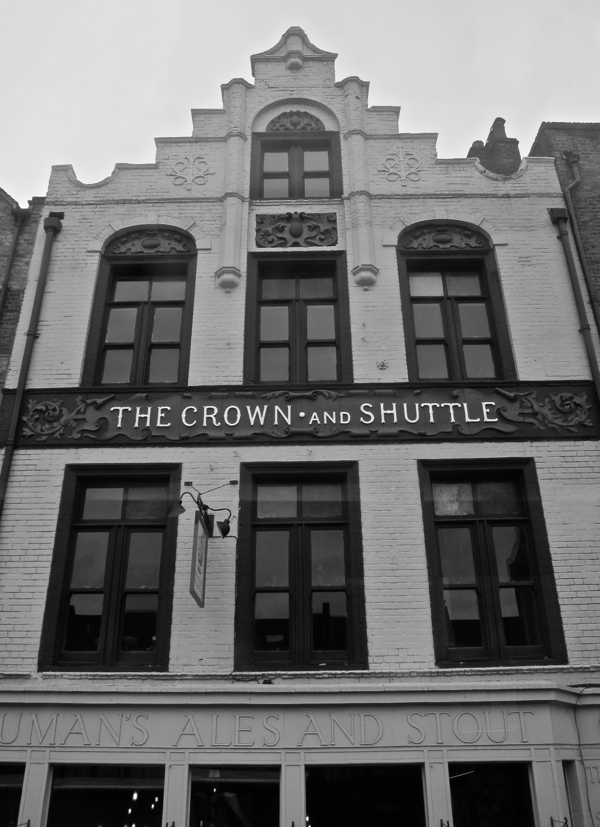
The Crown & Shuttle, Shoreditch High St (1861-2001 & resurrected this year)
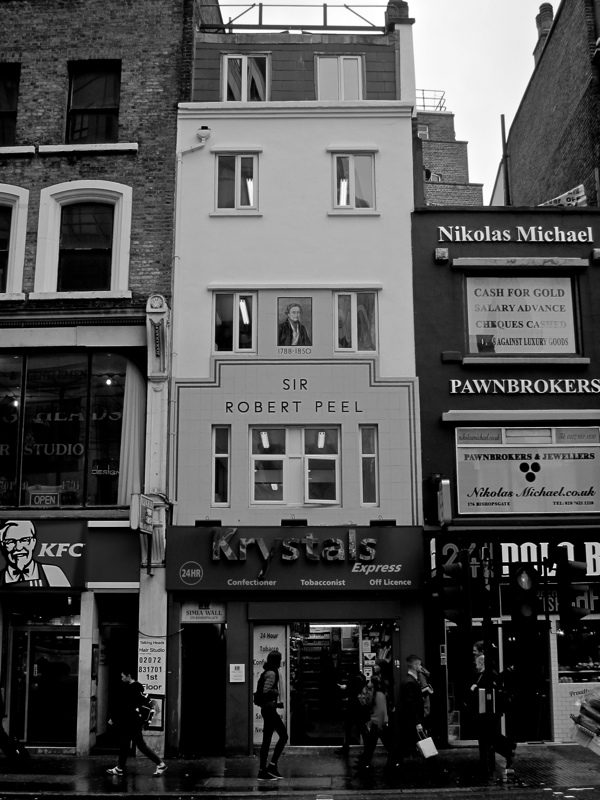
Sir Robert Peel, Bishopsgate Without (1871-1957)
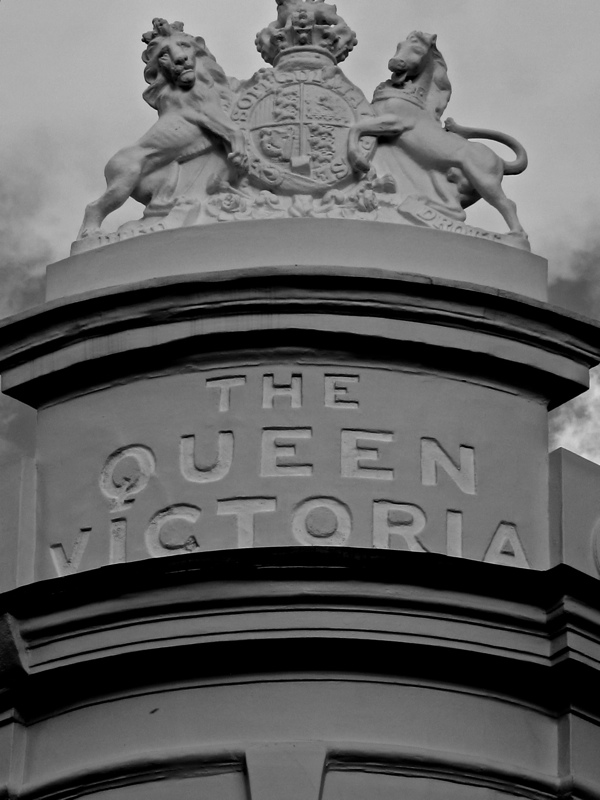
The Queen Victoria, Barnet Grove (1856-1993)
You may also like to take a look at
Viscountess Boudica’s Halloween
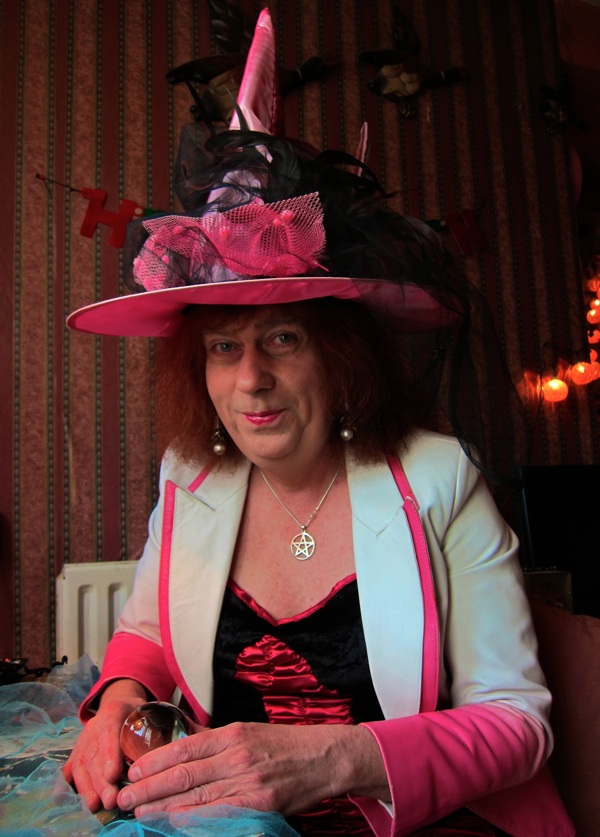
Viscountess Boudica consults her crystal ball
Halloween is a very important festival for Viscountess Boudica, the trendsetter and wise woman of Bethnal Green. For days now, she has been hanging up her pumpkin decorations, arranging her spooky knick-knacks and organising her witchy outfits in preparation for the big day. “I like it because it is the celebration of the Pagan New Year,” she admitted to me, as one who identifies herself with the Ancient Britons and still adheres to the pre-Julian calendar which contains only ten months.
Yet Viscountess Boudica is also highly sensitive to the significance of Halloween as the time when the spiritual and temporal worlds become permeable. And so, when I visited her this week to take this new series of portraits recording her observation of the rituals and customs of the season, she confided to me this spine-chilling personal account of her first encounter with supernatural forces in the form of a Headless Horseman in Braintree.
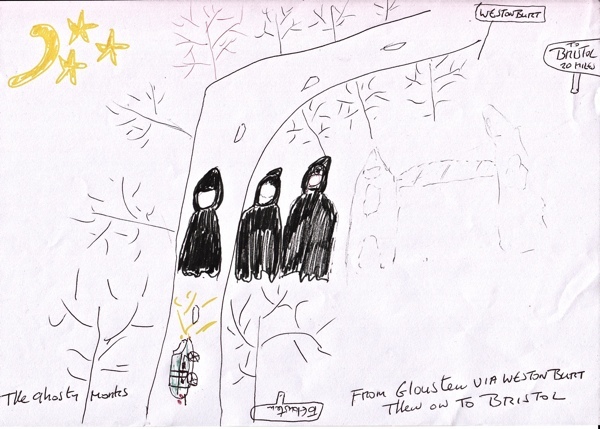
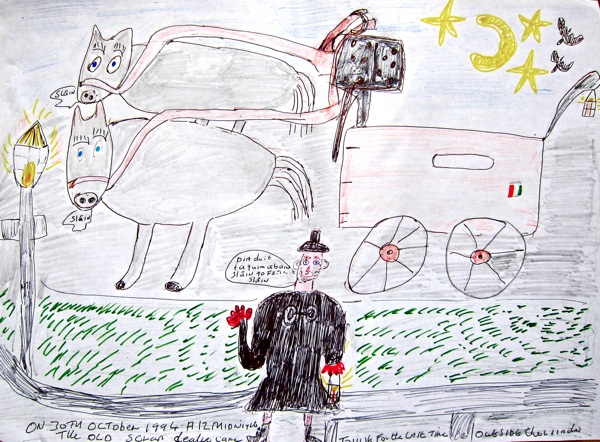
“I saw the Headless Horseman for the first time on April 20th 1987 when I lived at Plains Field near Braintree. One night, my friend Ted and I, we walked to the Three Ashes which was down a dark lane full of ditches and hedges and no light. We played darts and there was no-one else there, so I said, ‘It’s getting late and we have to walk back down the lane.’ So we left the pub and walked back in the dark and, after we’d left the lights of the houses behind, this old black iron street lamp appeared in the lane. I said to Ted, ‘Have you heard that Braintee Council was putting lamps up here?’ There was no moon and you could tell this was no normal lamp because it burned with a red flame.
Then we heard the sound of horses’ hooves approaching and, all of a sudden, the clouds parted and it was a full moon and we stood under the lamp as the Horseman appeared, coming closer with his cloak billowing. His big black horse reared up with piercing eyes and foaming at the nostrils. And the rider had no head! But when he lifted his cloak, there was his head with blue eyes and a long grey beard. Then the wind picked up and blew the clouds across the moon, and he took off towards Braintree. I said to Ted, ‘What do you make of that?’ He said, ‘It must be for a film,’ so I said, ‘I didn’t see any cameras.’
I said, ‘What are we going to do? We can’t tell anyone, they wouldn’t believe us.’ Braintree is known for its ghosts and Coggeshall has all the ley lines, so I thought, ‘I’m going to sleep with the lights on,’ and I did for six months.
After five years, in 1992, we decided to go back. Ted said, ‘You’ve got to wear exactly what you wore in 1987,” and we went there on the same day, April 20th, and walked down the lane to the pub but I said to Ted, ‘There’s no chance of seeing him again.’ I took a Polaroid Instamatic camera with me in case I could get a picture. It was five to twelve by the time we returned down the lane and I said to Ted, ‘I don’t think it’s going to happen.’
All of a sudden, the lamp appeared burning with the red flame and we heard the sound of hooves approaching. I said to Ted, ‘Your luck’s in.’ The beating of the hooves got louder but the Headless Horseman galloped past and he set off towards Braintree. Then he turned and came back and the great big horse reared over us and the cloak lifted up and I saw it had a red silk lining. The light grew brighter and I realised it was time, so I produced my camera and took a picture. Immediately, the light went out and he rode away, but when we reached the end of the lane the Headless Horseman was there waiting for us, blocking the path. So we turned and walked back the other way to the pub where we met an old lady.
We showed her the photograph, it was pitch black and all you could see was just the shape of the Horseman. Ted said, ‘I’ll take it to see if we can the resolution improved,’ and he said, ‘We’ll go back again in five years,’ but shortly afterwards he died and that was the end of it.”
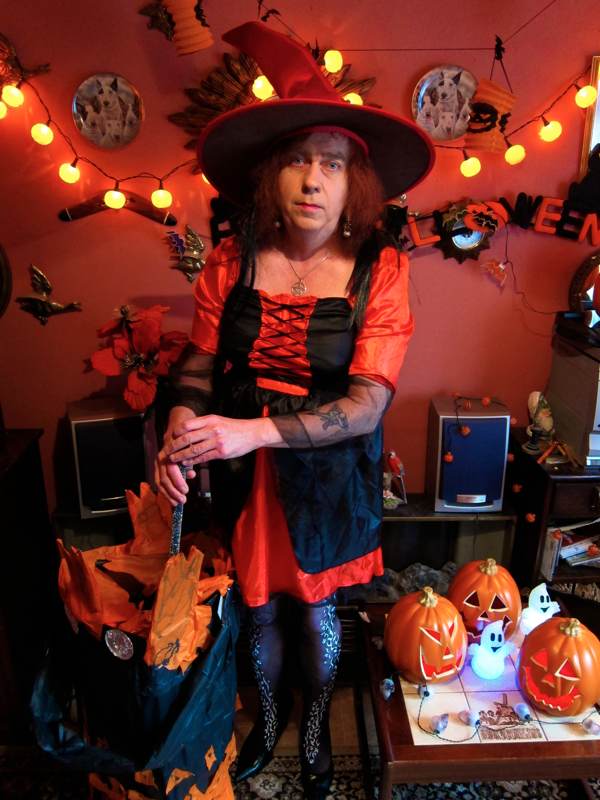
Keeling the pot
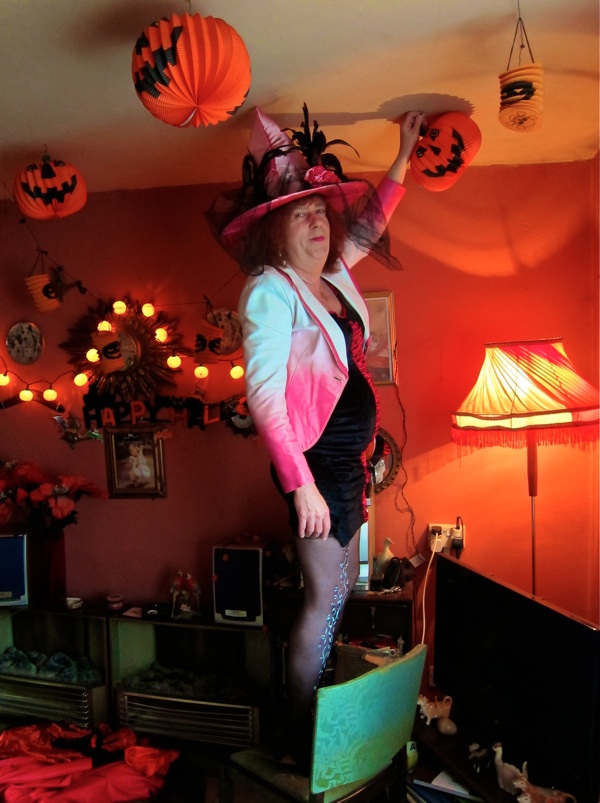
Hanging the lanterns
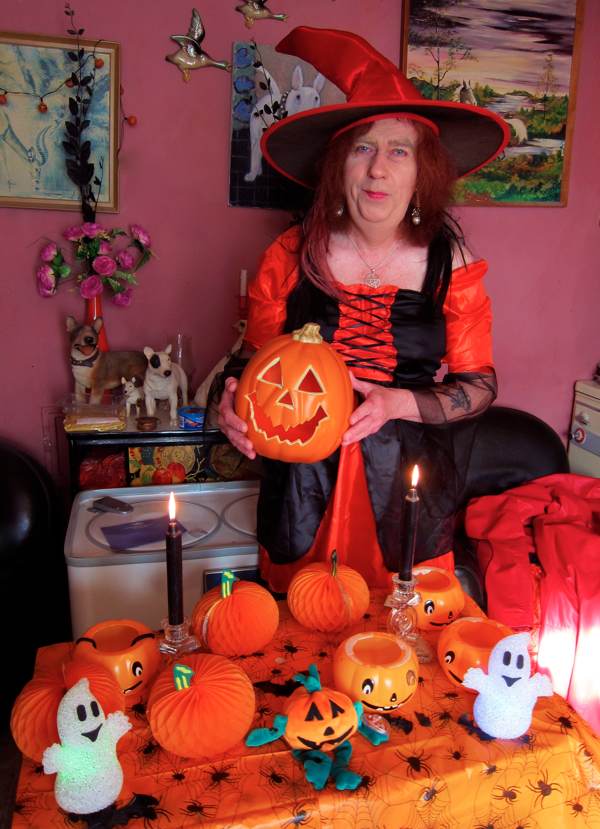
Preparing the altar
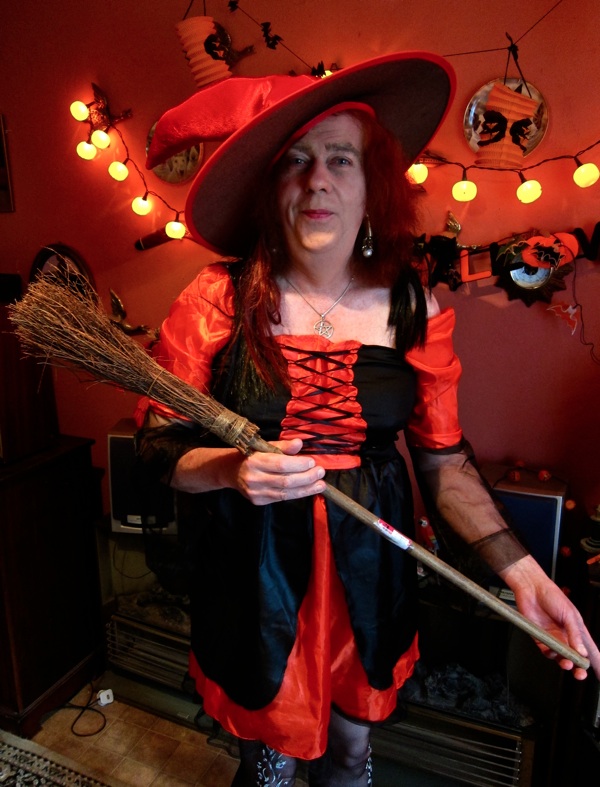
Brandishing her wand
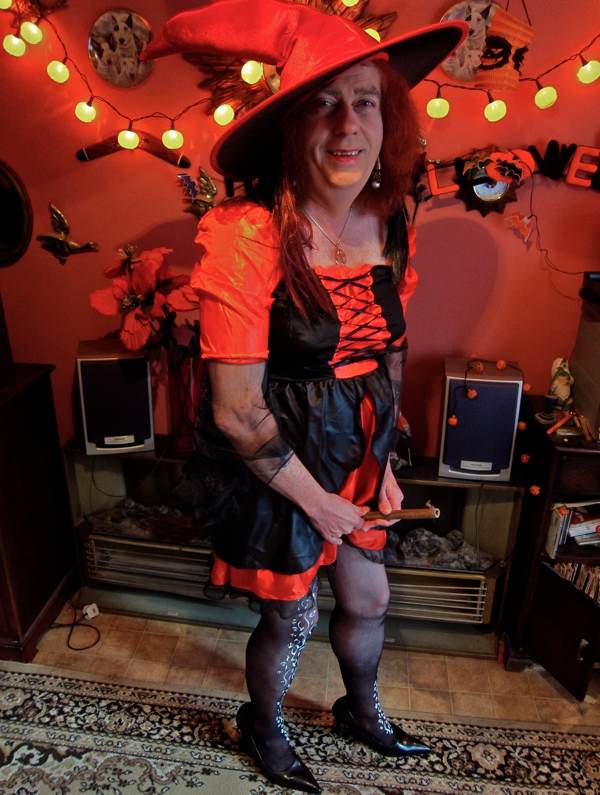
Working the broomstick
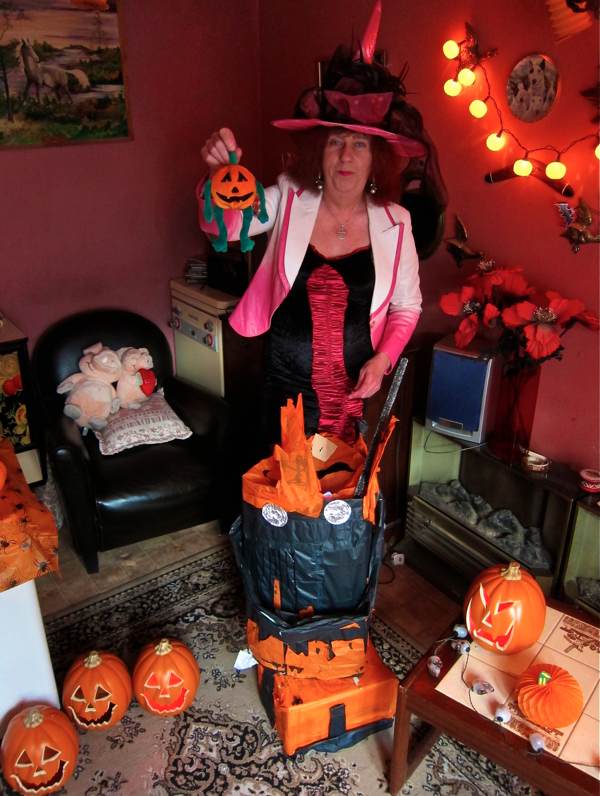
Mixing the brew
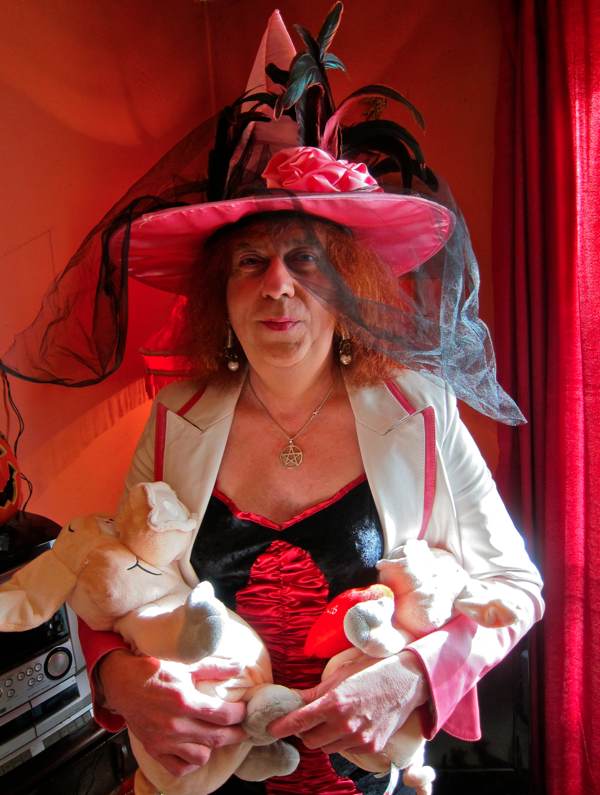
With her familiars, Keith & Paul
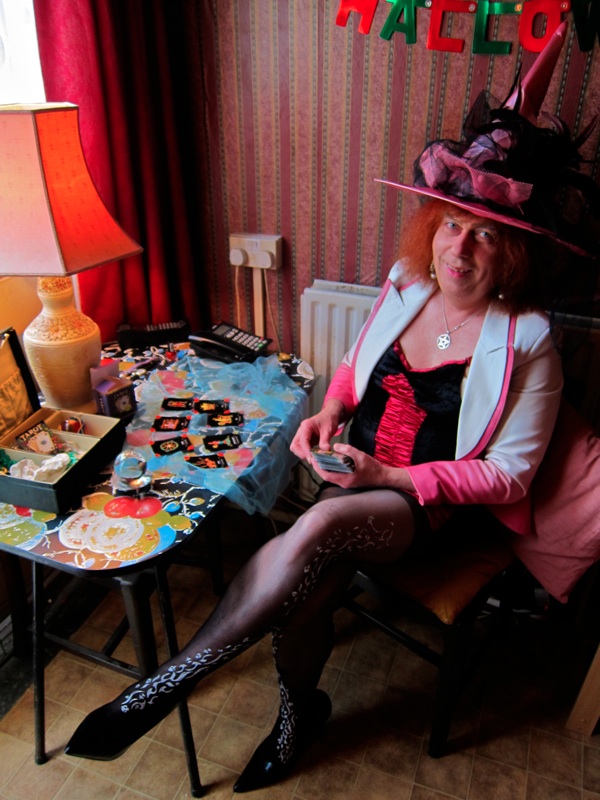
Consulting the Tarot
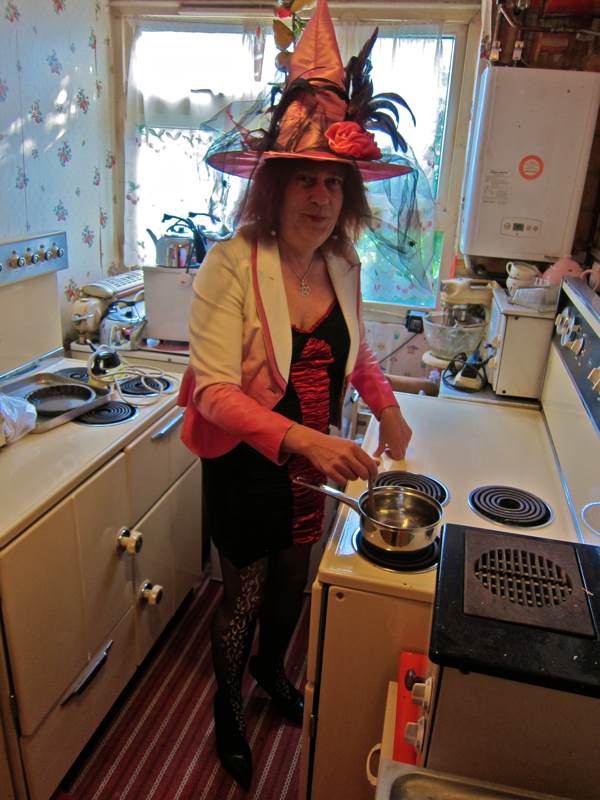
Cooking up a spell in the kitchen
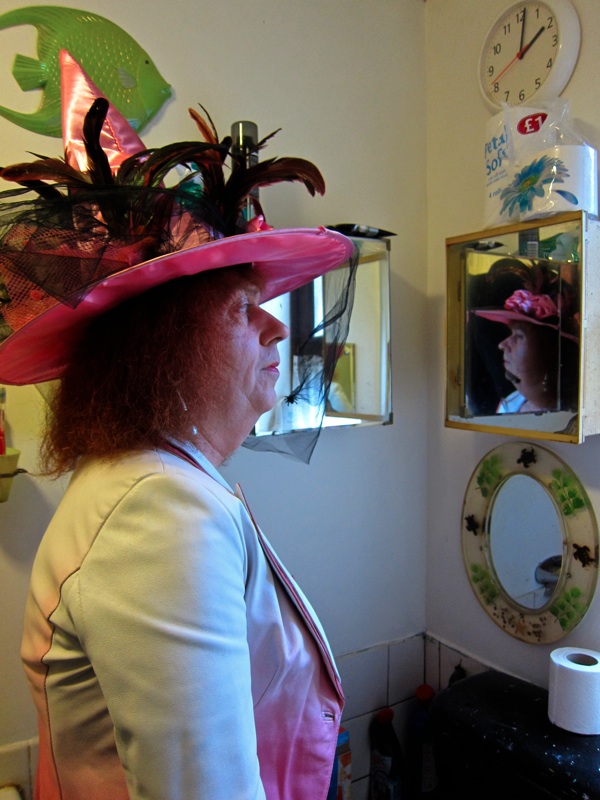
Seeing the future in her looking glass

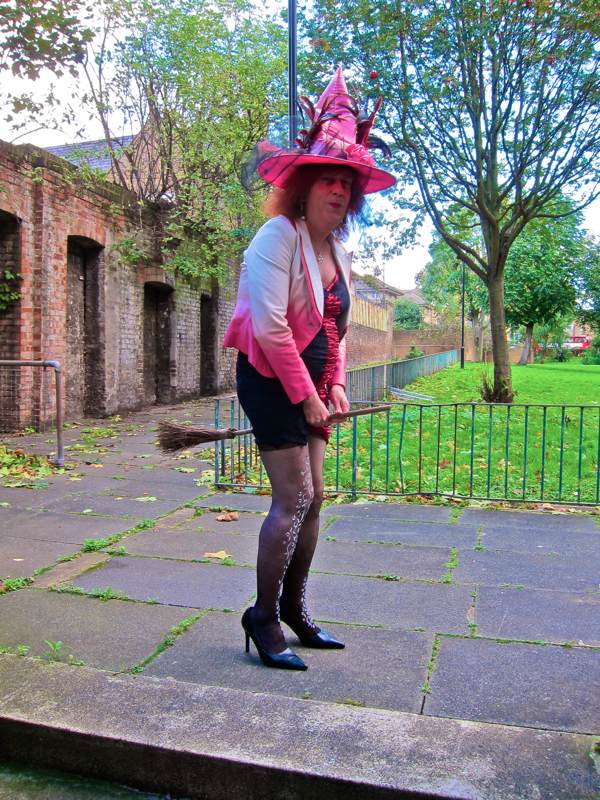
Setting out to bewitch Bethnal Green
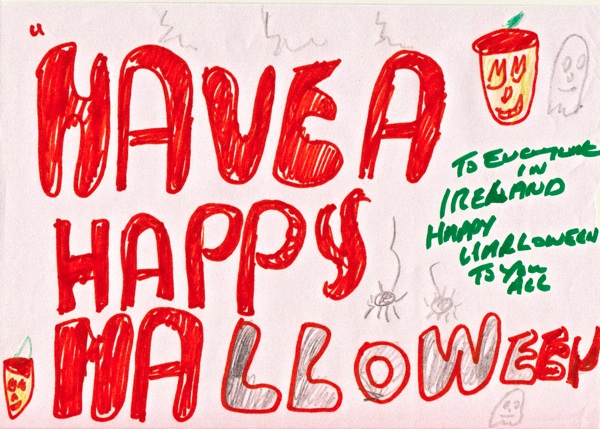
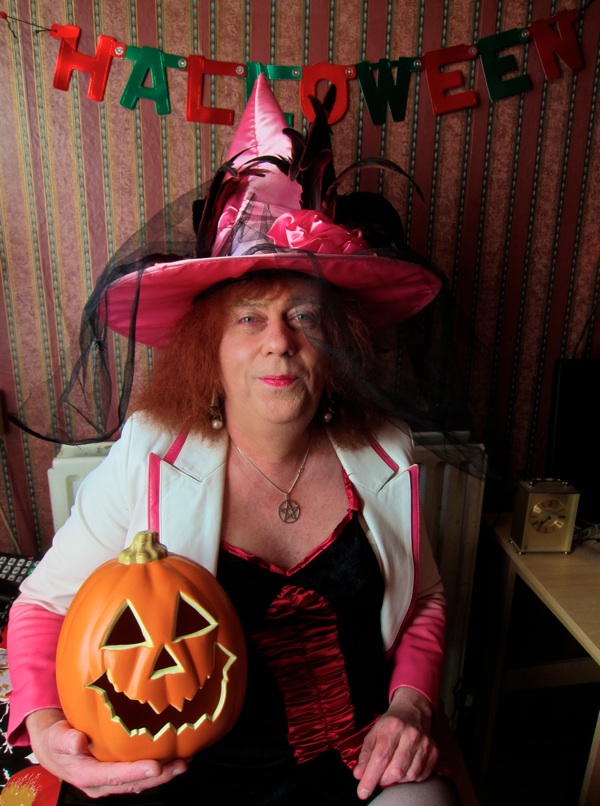
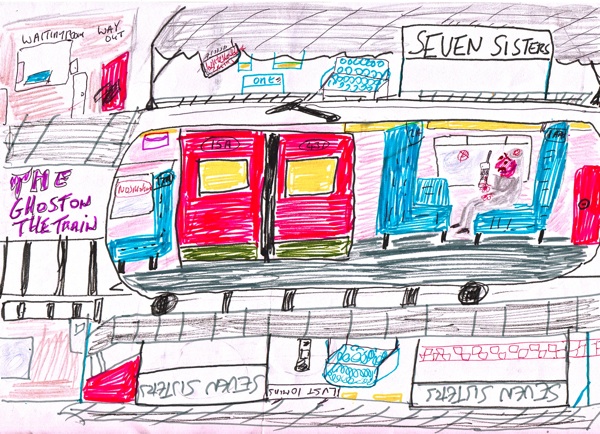
Viscountess Boudica – “The only ghostly experience I ever had in Bethnal Green was in the Underground – as I was going down the escalator, someone tapped me on the shoulder but when I turned round there was no-one there. I remember talking to a friendly clairvoyant who told me, ‘There was a witch in your family and that’s why these things happen to you.'”
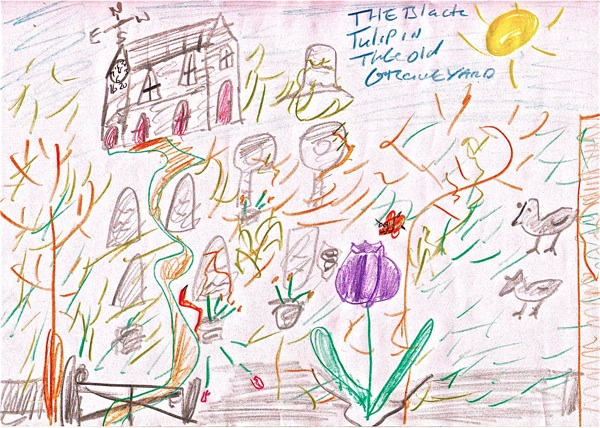
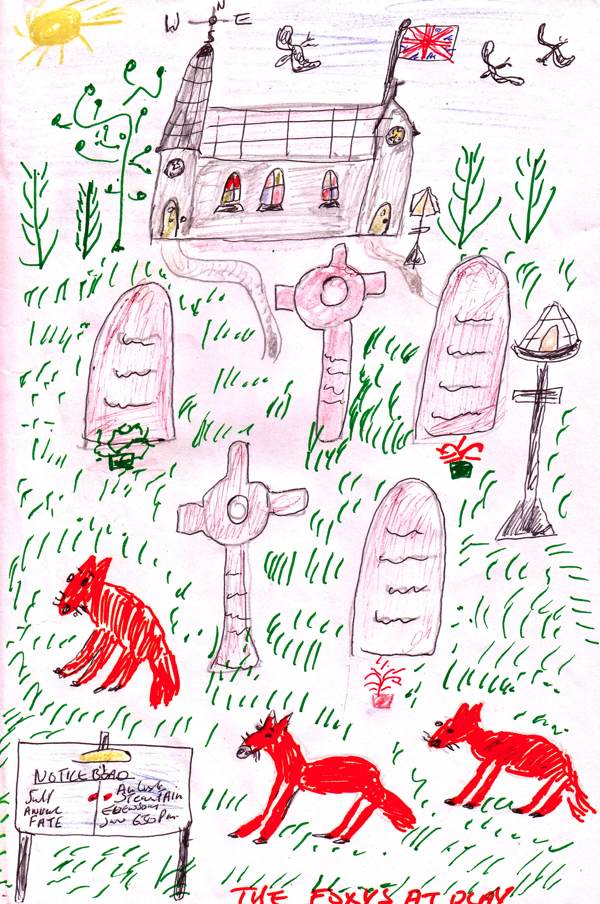
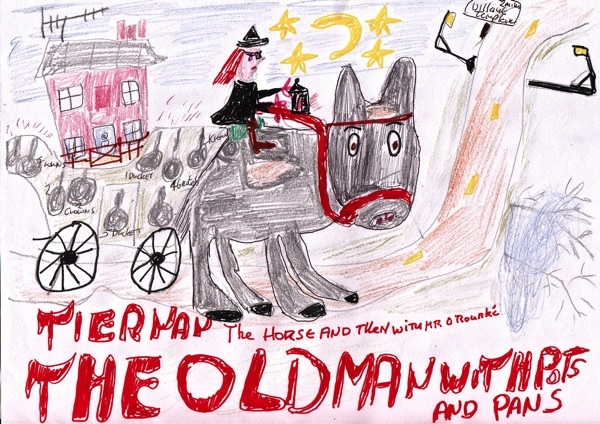
Drawings copyright © Viscountess Boudica
Be sure to follow Viscountess Boudica’s blog There’s More To Life Than Heaven & Earth
Take a look at
Viscountess Boudica’s Domestic Appliances
Read my original profile of Mark Petty, Trendsetter
and take a look at Mark Petty’s Multicoloured Coats
David Hoffman at Fieldgate Mansions
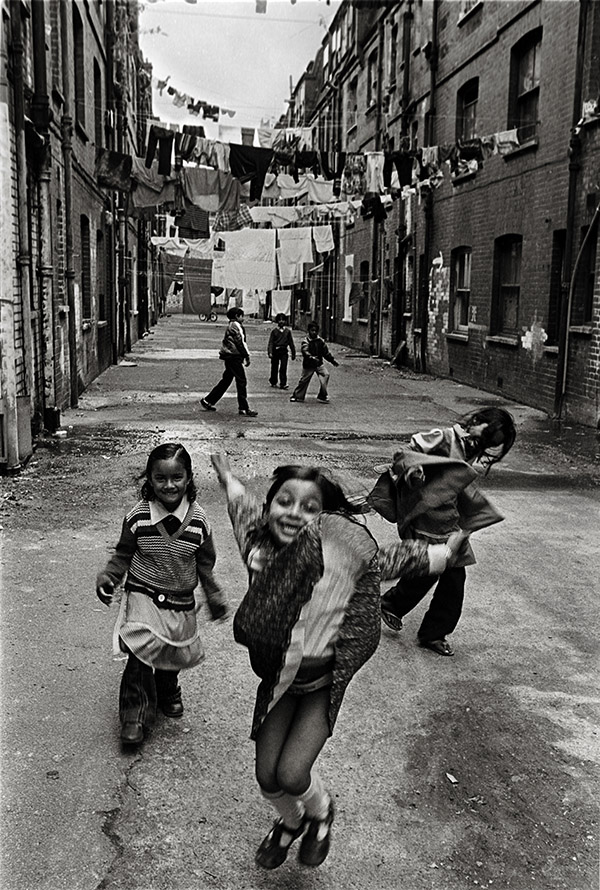
Children playing at Fieldgate Mansions, April 1981
This series of photographs by David Hoffman, taken while he was squatting in Fieldgate Mansions off Fieldgate St in Whitechapel from 1973 until 1984, record a vital community of artists, homeless people and Bengali families who inhabited these streets at the time they were scheduled for demolition. Thanks to the tenacity and courage of these people, the dignified buildings survive today, restored and still in use for housing.
David Hoffman’s photographs record the drama of the life of his fellow squatters, subject to violent harassment and the constant threat of eviction, yet these images are counterpointed by his tender and intimate observation of children at play. After dropping out of university, David Hoffman found a haven in Fieldgate Mansion where he could develop his photography, which became his life’s work.
Characterised by an unflinching political insight, this photography is equally distinguished by a generous human sympathy and both these qualities are present in his Fieldgate Mansions pictures, manifesting the emergence of one photographer’s vision – as David Hoffman explained to me recently.
“It was the need for a place to live that brought me here. I’d come down from university without a degree in 1970. I’d dossed in Black Lion Yard and rented a squalid slum room in Chicksand St, before a permanent room came up for very little money in Black Lion Yard in 1971 above Solly Granatt’s jewellery shop. But the whole street was due for demolition, and when he died we squatted in it until they knocked it down in November 1973.
Then I found a place in Fieldgate Mansions which was being squatted by half a dozen people from the London College of Furniture. Bengali families were having a hard time and we were opening up flats in the Mansions for them to live there. We were really active, taking over other empty buildings that were being kept vacant in Myrdle St and Parfett St, because the owners found it was cheaper to keep them empty. We also squatted many empty houses further east in Stepney preventing the council from demolishing them. We took over and got evicted, and came back the next day and, when they put them up for auction, we used to bid and our bid won but, of course, we had no money so we couldn’t pay – it was a delaying tactic. It was a war of attrition to keep the buildings for people rather than for profit.
The bailiffs and police came at four in the morning and got everyone out and boarded up the property and put dogs in. Then we got dog handlers who removed the dogs and took them to Leman St Police Station as strays, and then we moved back in again.
When I moved into Fieldgate Manions it was late November and there was no hot water and the council had poured concrete down the toilet and ripped out the wiring. There was no insulation in the roof, it was just open to the slates and the temperature inside was as freezing as it was outside. I found a gas water heater in a skip and got it working on New Year’s Eve, so I counted in the New Year 1974 with hot water as the horns of the boats sounded on the river.
I decided to do Communication Design at the North East London Polytechnic, because I’d been taking photographs since I was a child and I’d helped set up a darkroom at university. At Fieldgate Mansions, I had a two room flat, one was my bedroom and office and other I made into a darkroom and I did quite a bit of photography. When I left college in 1976, I took up photography full time and began to make a slim living at it and I have done so ever since. While I was a student, I had a grant but I didn’t have to pay rent and it was the first time in my life I had enough money to feed and clothe myself. I stayed in Fieldgate Mansions until 1984 when I moved into a derelict house in Bow which I bought with some money I’d saved and what my mother left me, and where I still live today.”

Waiting to resist eviction in front of the barricaded front door of a squat in Myrdle St, Whitechapel, in February 1973. Ann Pettitt and Anne Zell are standing, with Duncan, Tony Mahoney and Phineas sitting in front.
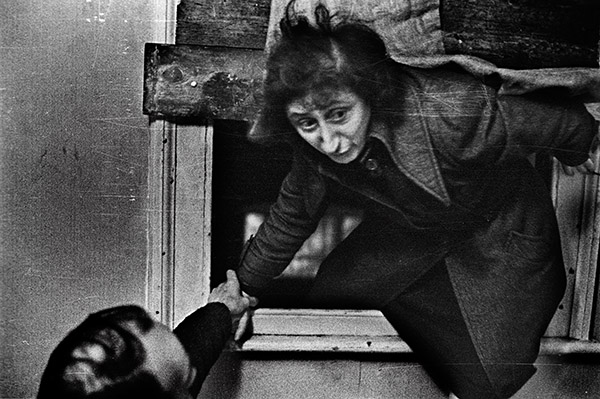
Doris Lerner, activist and squatter, climbs through a first floor window of a squat in Myrdle St
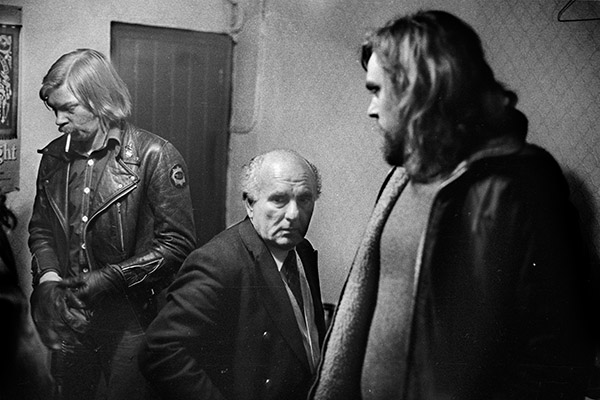
Max Levitas, Tower Hamlets Communist Councillor, tried unsuccessfully to convince the squatters that resistance to eviction should be taken over by the Communist Party
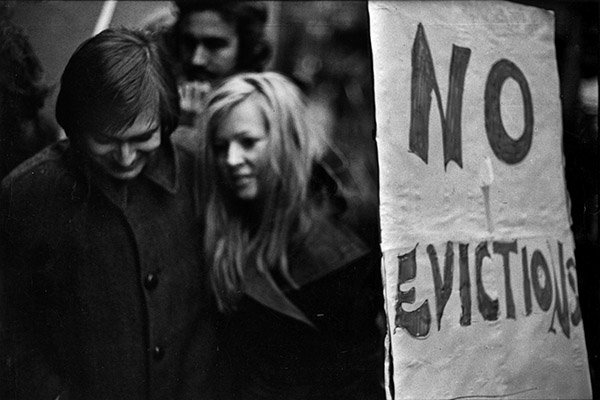
March on Tower Hamlets Council in protest against the eviction of squatters
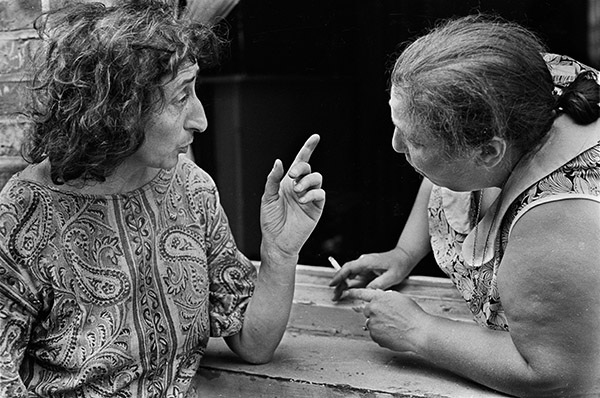
Doris Lerner in an argument with a neighbour during the evictions from Myrdle St and Parfett St
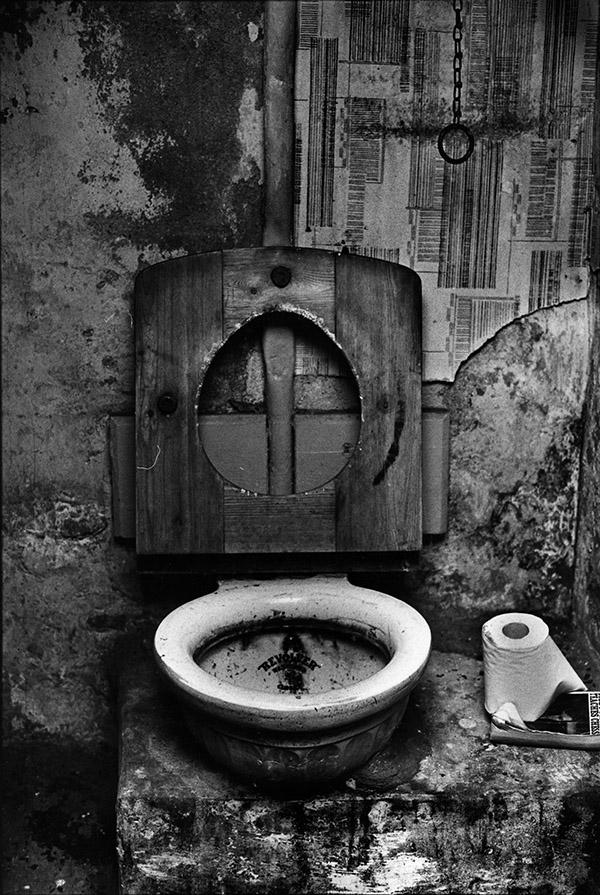
Lavatory in squatted house in Myrdle St, Whitechapel, 1973

Police arrive to evict squatters in Myrdle St
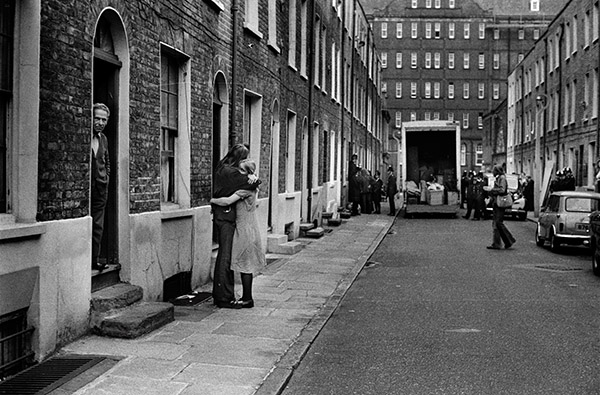
Eviction in progress
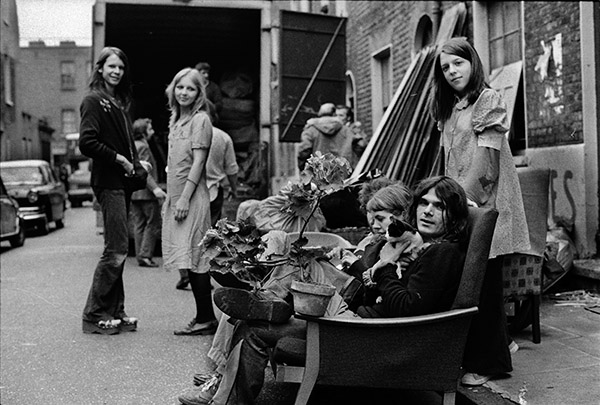
Out on the street
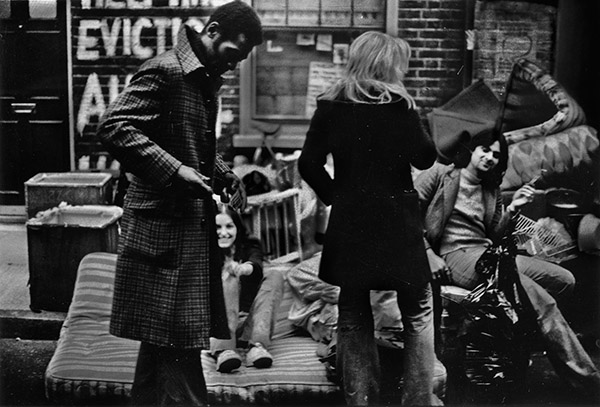
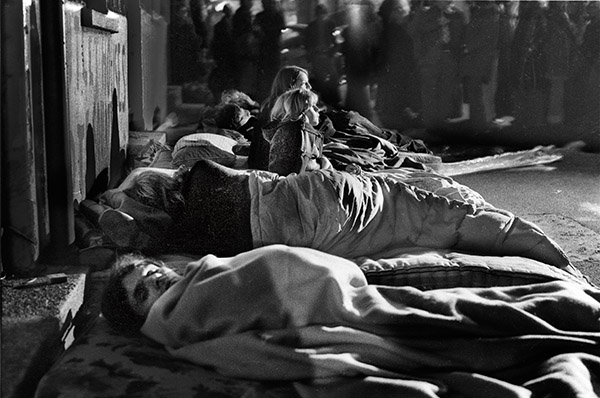
Sleeping on the street after eviction
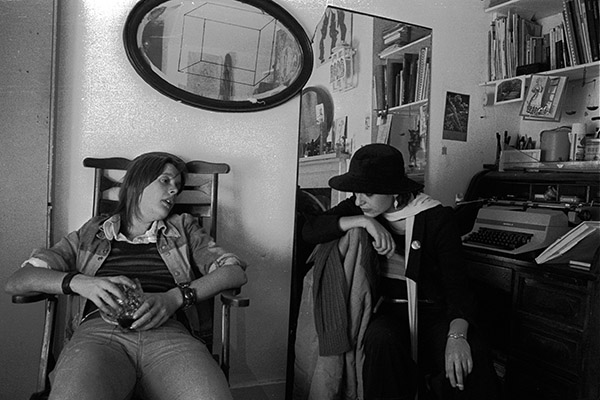
Liz and Sue in my flat in Fieldgate Mansions, September 1975
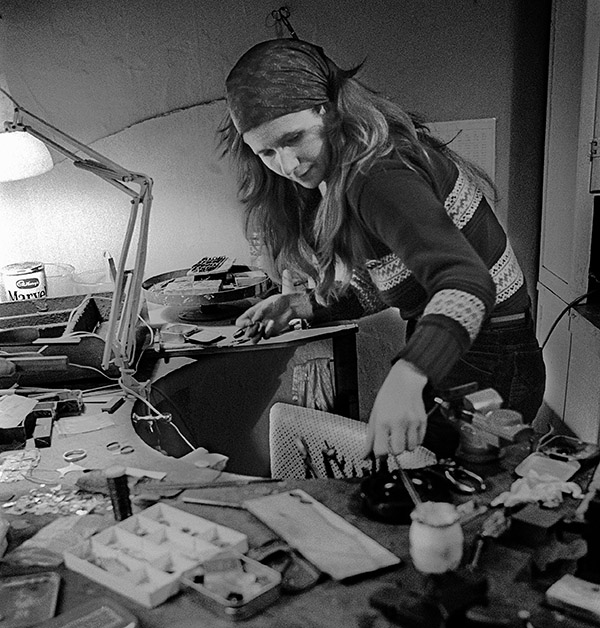
Coral Prior, silversmith, working in her studio at Fieldgate Mansions, 1977
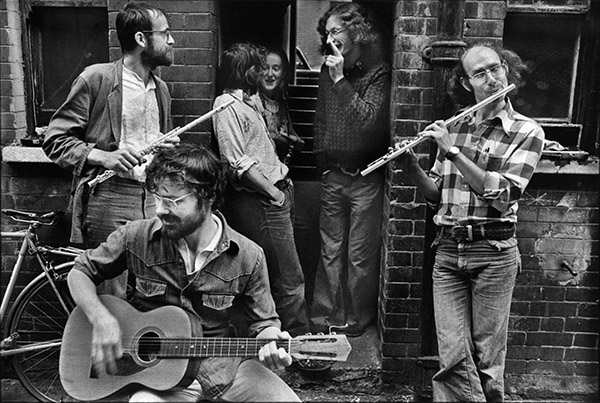
Fieldgate Scratch Band
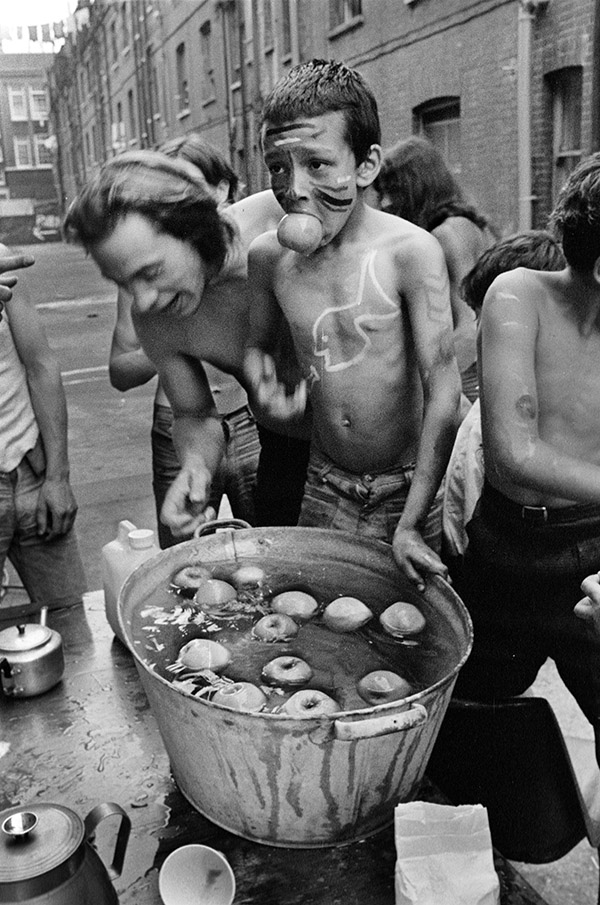
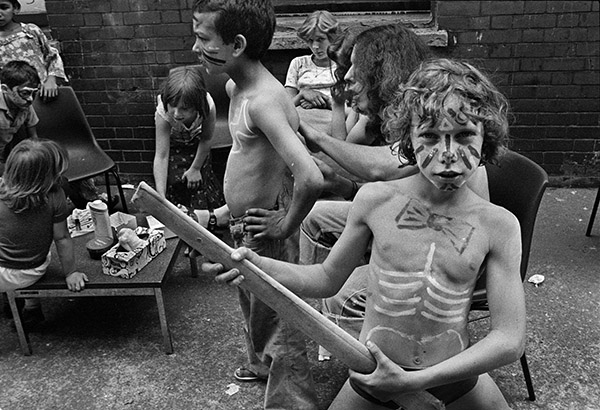
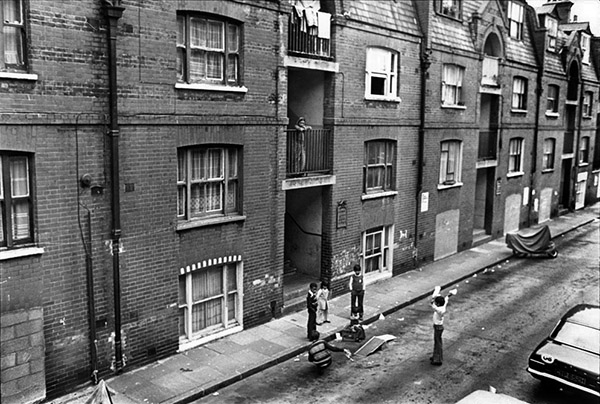
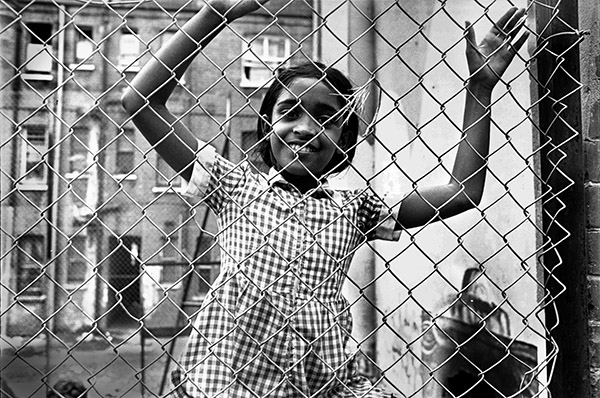
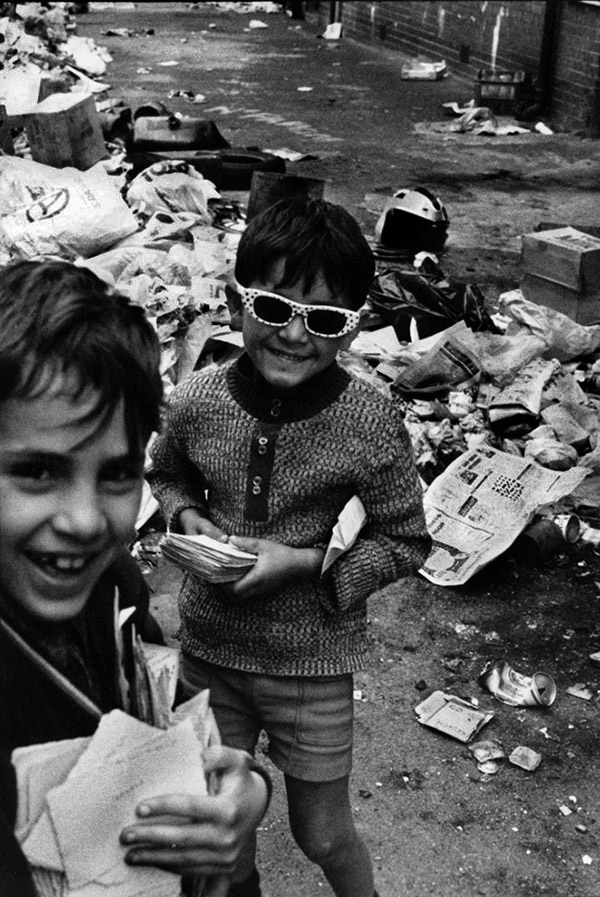
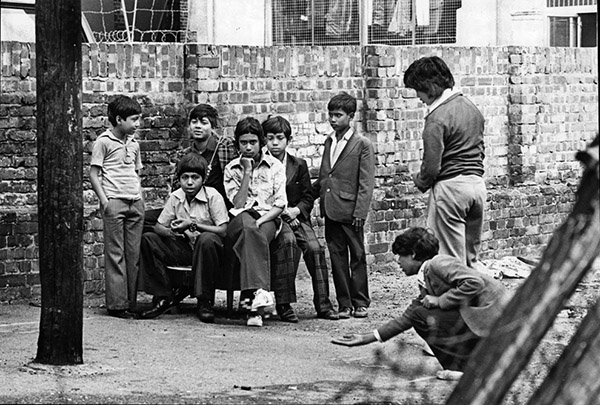
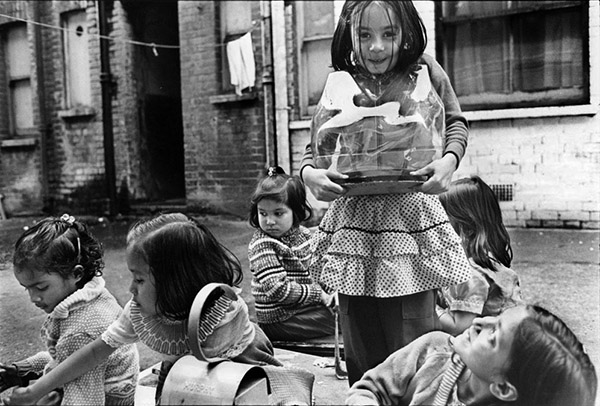
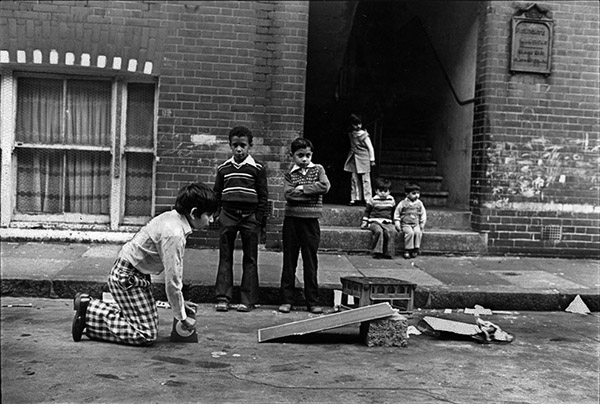
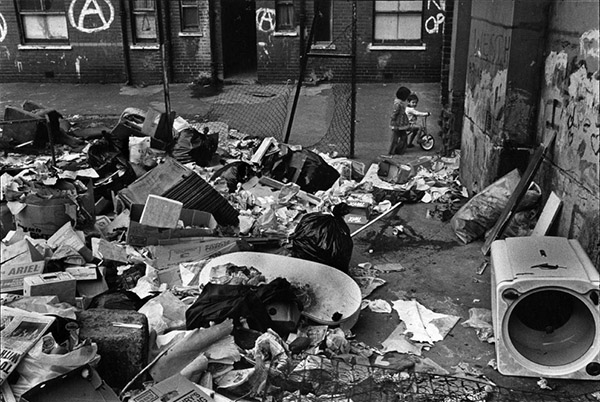
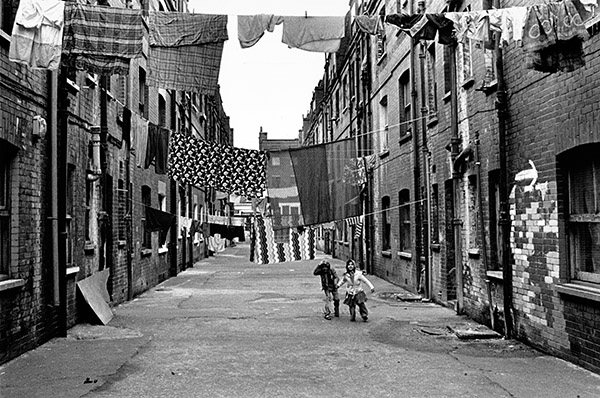
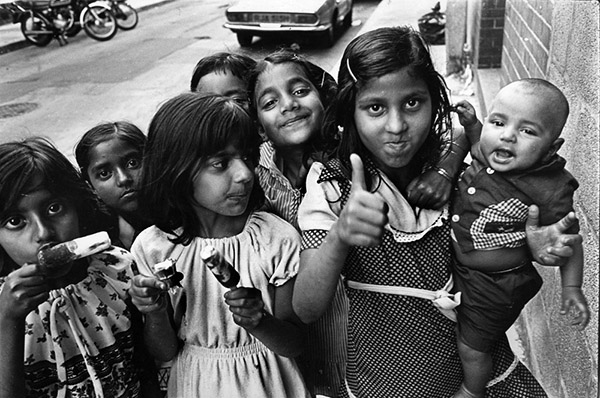
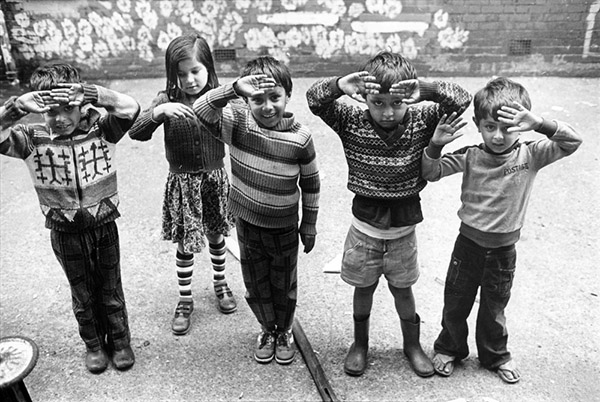
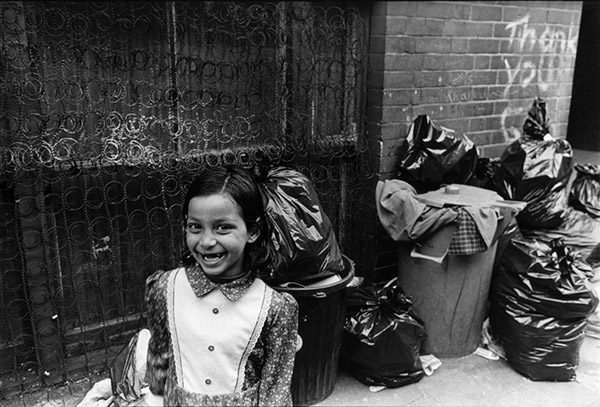
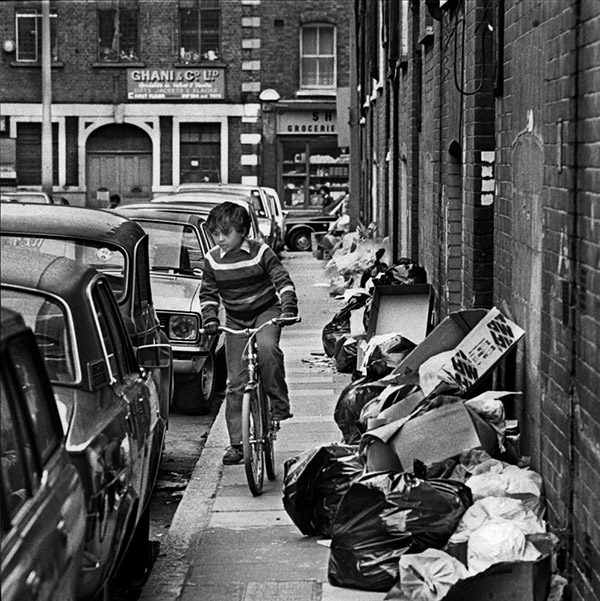

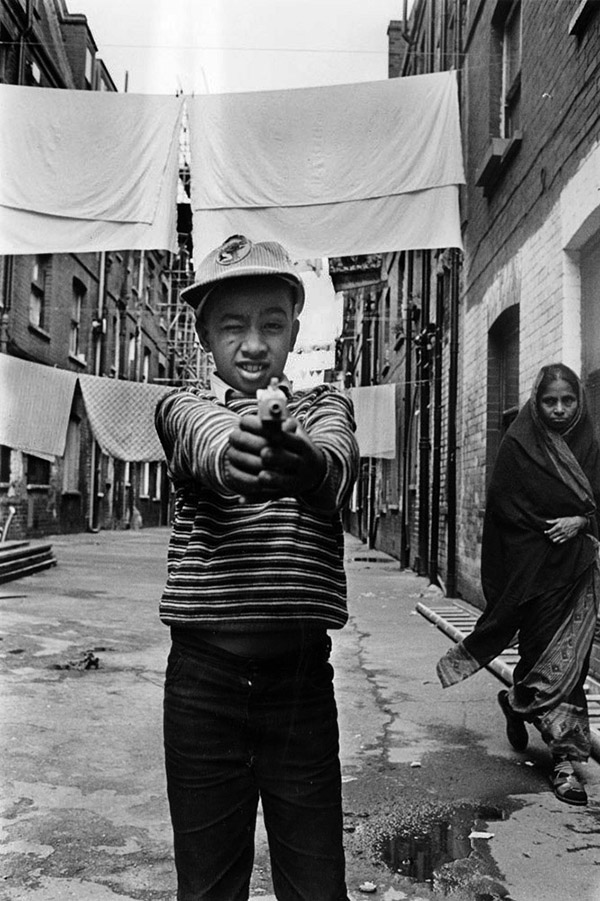


A boy dances in the courtyard of Fieldgate Mansions. Scheduled for demolition in 1972, it was squatted to prevent destruction until taken over by a community housing trust and modernised in the eighties.
Photographs copyright © David Hoffman
Remembering Rose At The Golden Heart

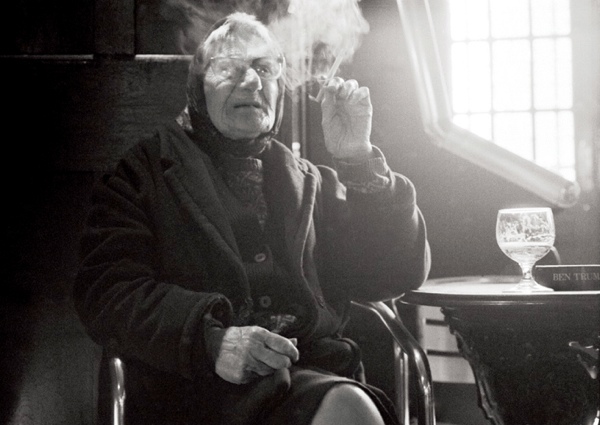
Rose
When Sandra Esqulant, celebrated landlady of The Golden Heart in Commercial St, saw this photo taken by Phil Maxwell of Rose sitting in her barroom twenty years ago – which is published in my Album – she told me the story of an unforgettable character who became one of her most loved regulars.
“I loved Rose. I don’t know what happened to her, she’s got to be dead now hasn’t she?
What happened was – you know how you fall in love with some people? – this woman appeared in the pub one day and I fell in love with her. I just liked her.
She asked for a rum & lemonade, and she never had to pay for a drink in my pub.
I used to have to warn everyone when Rose was coming in because she used to pick up everyone’s cigarettes and put them in her bag.
I used to dance with her.
You might think she was dumb, but she was the most astute person I ever met. She didn’t like my husband while I was there, but when I wasn’t there it was a different story!
My husband liked her a lot.
You know I lost my husband.
When she stopped coming, I went round to the Sally Army in Old Montague St, where she lived, but they told me they didn’t know what happened to her, so I went to the Police Station and they were going to search the morgue. I kept going back to the Sally Army and this Irish woman said to me, ‘Are you looking for Rose? She moved to Commercial Rd.’ So I went round to the Commercial Rd shelter and there was Rose. She was very sad because the Sally Army had put her out after forty years. So I used to send a cab to pick her up and take her back from my pub.
The Sally Army, they should have known how fond I was of her and told me where she had gone.
One Sunday, when I was on my own, she collected all the glasses and the ashtrays and the crisp packets and emptied them over the bar. I didn’t mind, Rose could do anything in my pub.
People like Rose would go into a pub and people wouldn’t serve them, but I had everyone in here – this was the dossers’ bar!
One day, Phil Maxwell asked Rose if he could put her in one of his films and she didn’t like that, but he set his camera on the table and took these pictures. And after that, he always had her picture in his exhibitions.
She must have known I was fond of her.
She did like me.
I know she liked me.
She was lovely.
She used to talk about her daughter, but I sometimes wonder if she ever had a daughter.
At Christmas, she always asked me for a Christmas box and, of course, I always gave her one.
They moved her out after forty years, what a thing to do to someone.
If Rose was here today, I’d let her smoke in my pub – I don’t care about the law.
Very special, she was.”
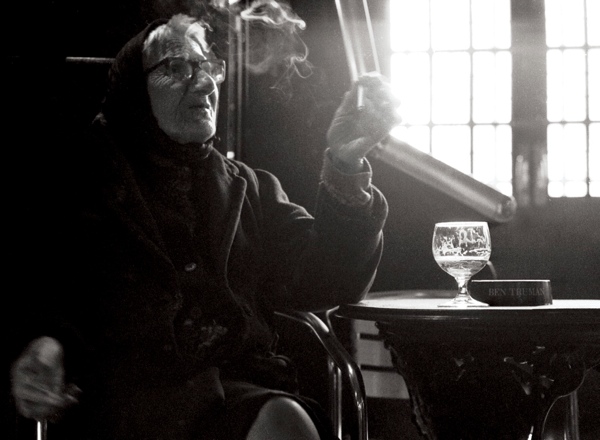



Photographs copyright © Phil Maxwell
Follow Phil Maxwell’s blog Playground of an East End Photographer
See more of Phil Maxwell’s work here
Phil Maxwell’s Kids on the Street
Phil Maxwell & Sandra Esqulant, Photographer & Muse
More of Phil Maxwell’s Old Ladies
Phil Maxwell’s Old Ladies in Colour