
At The Pantomime Dames’ Dash
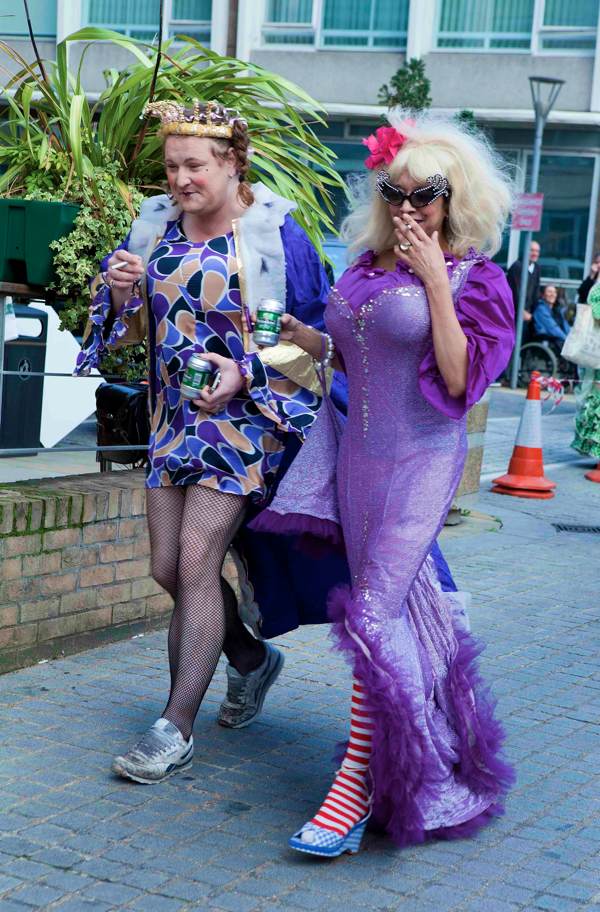
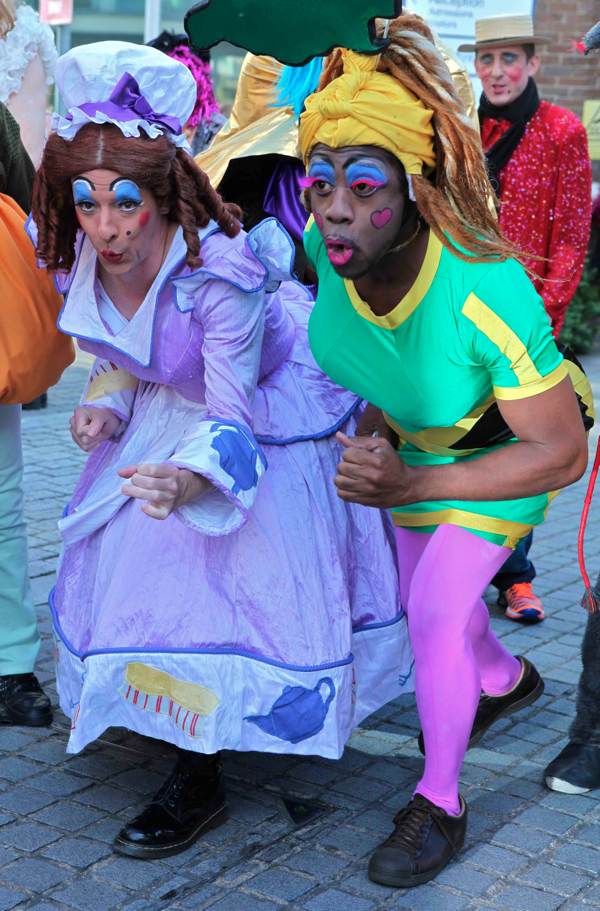
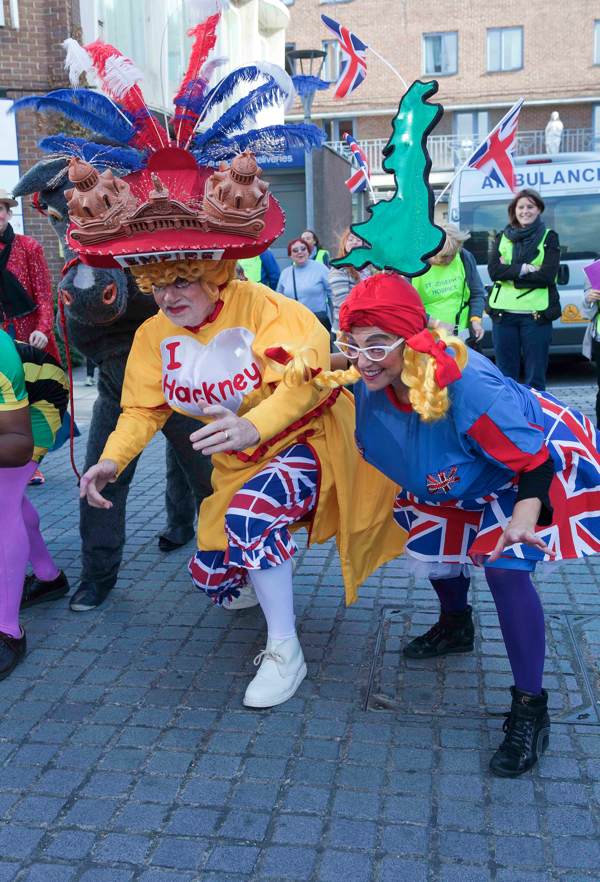
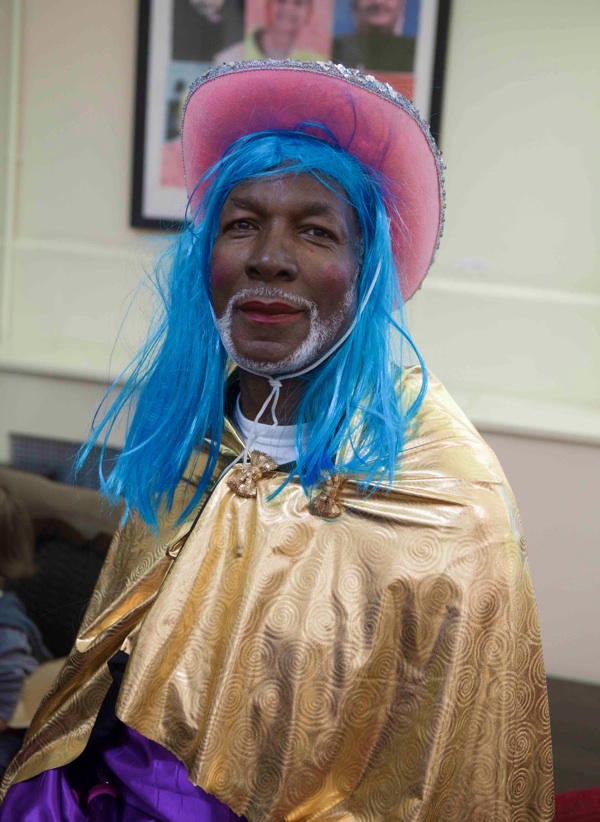
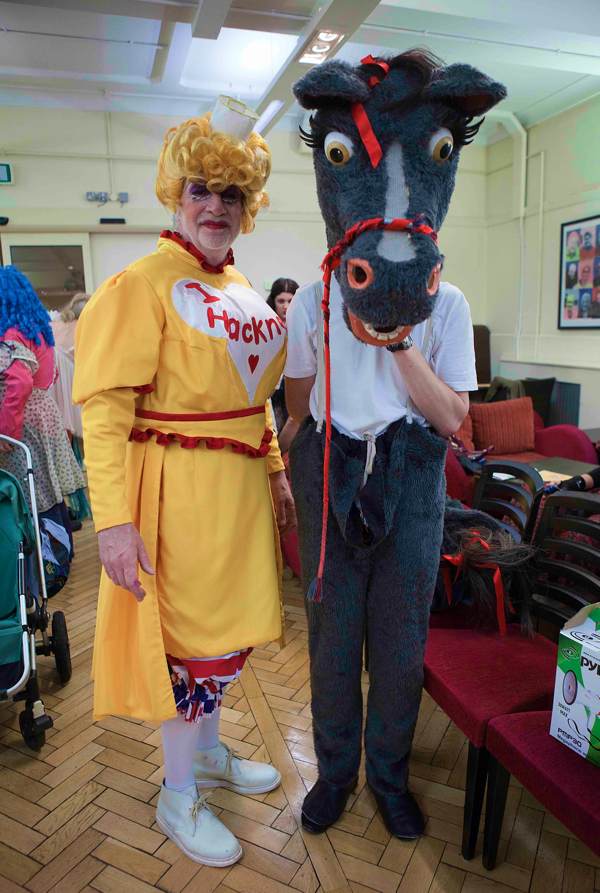
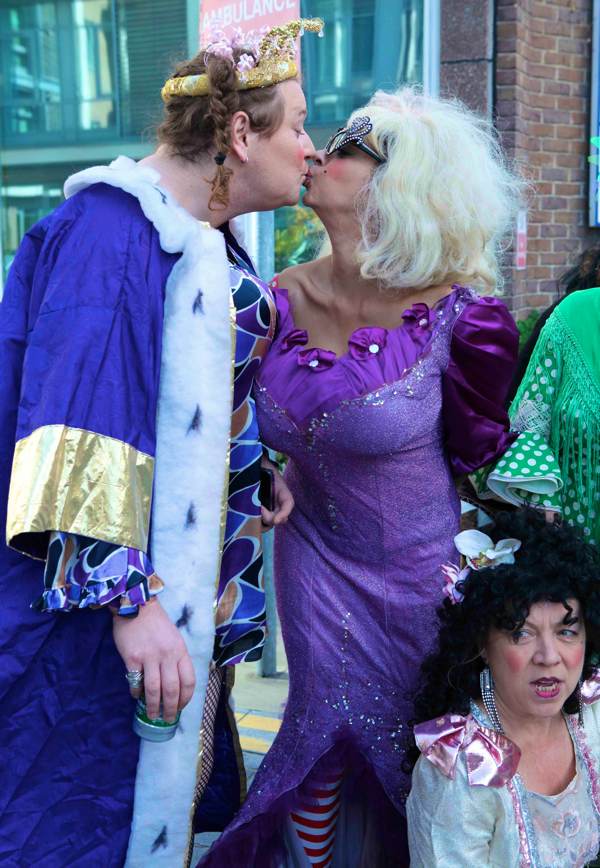
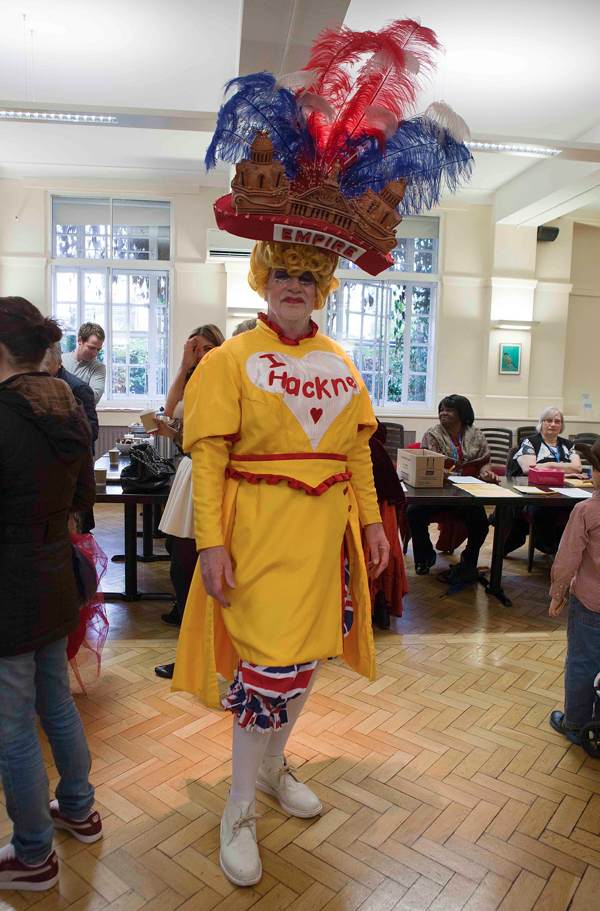
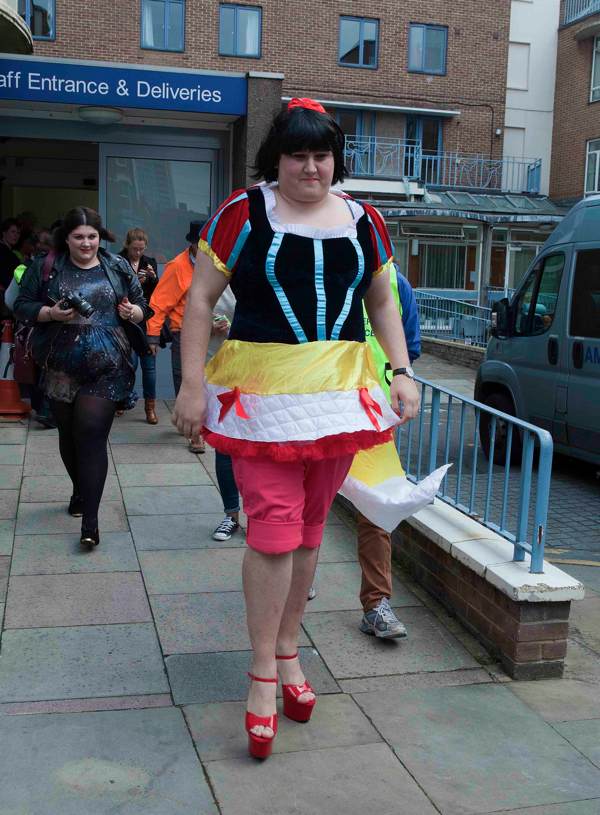
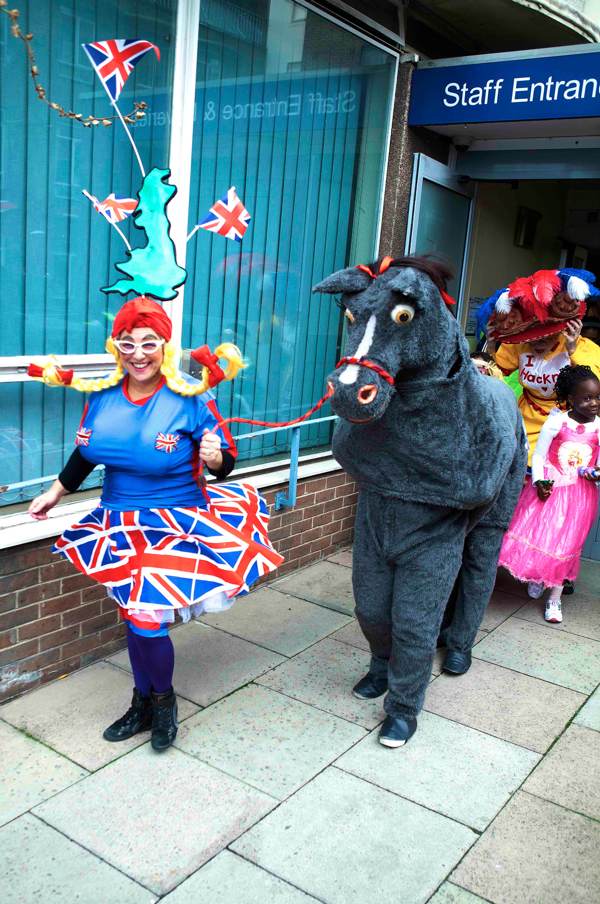
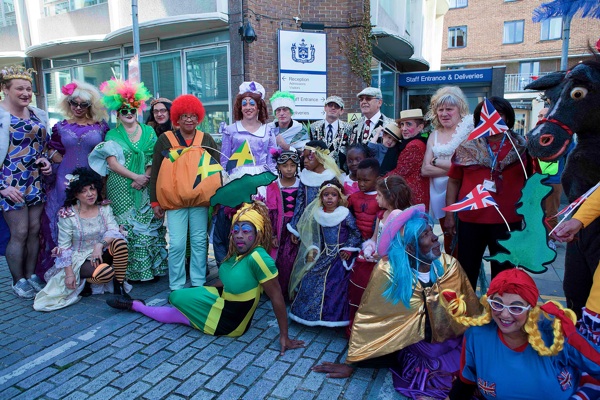
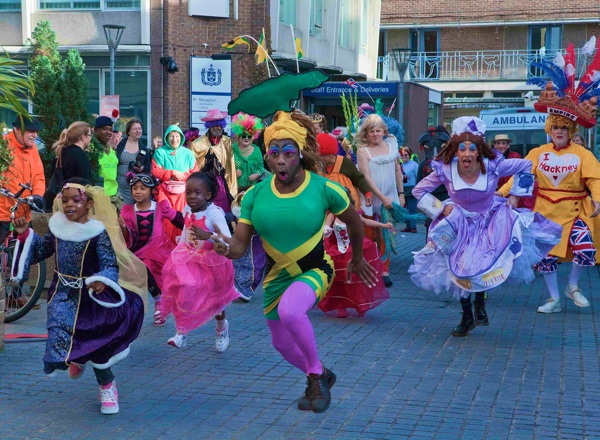
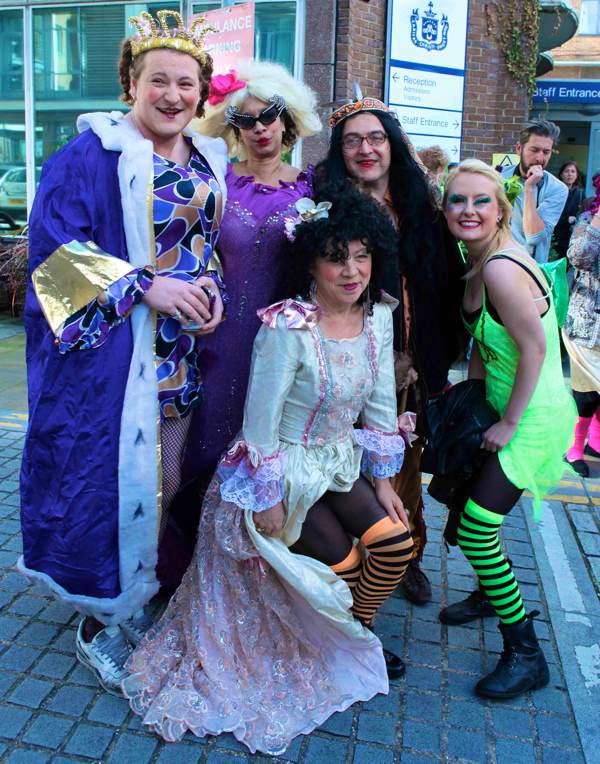
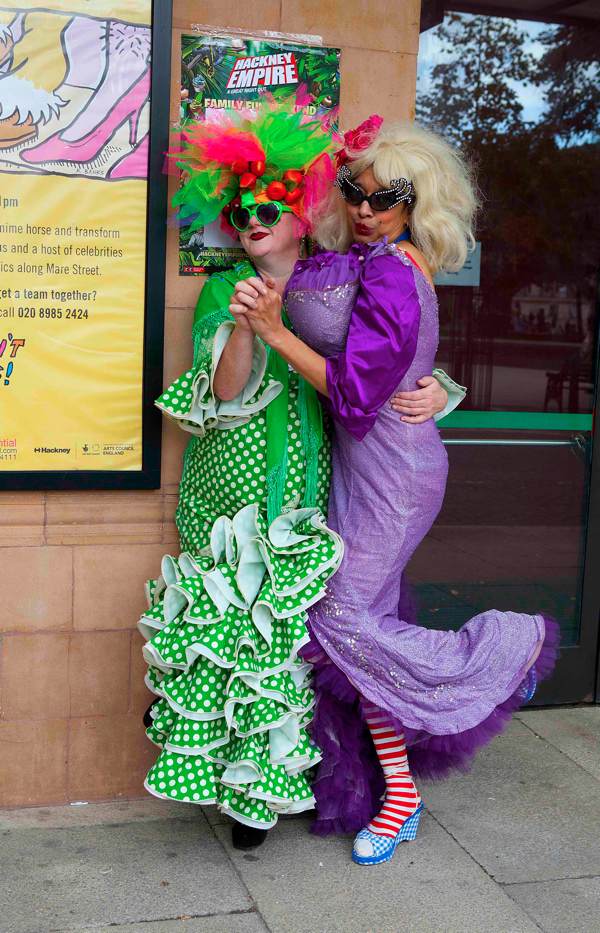
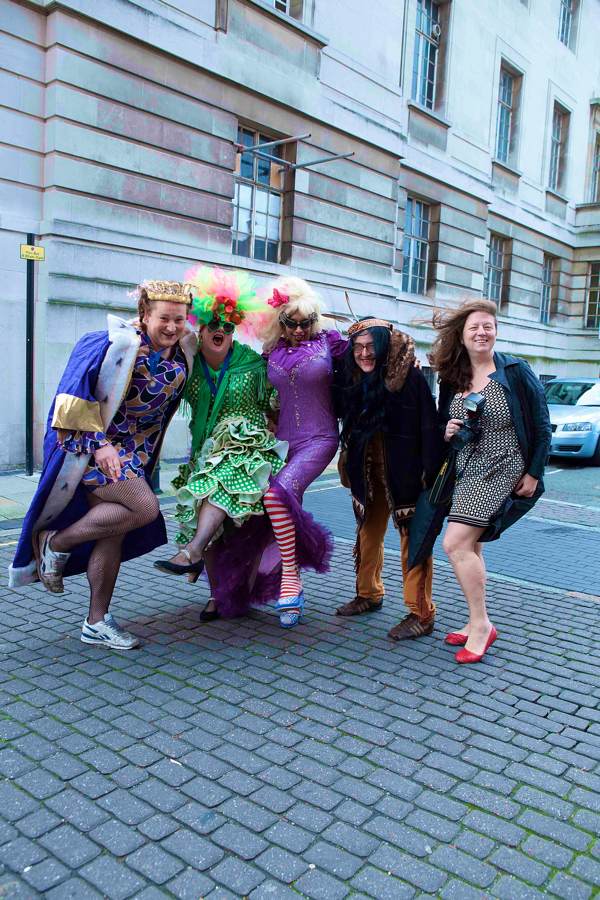
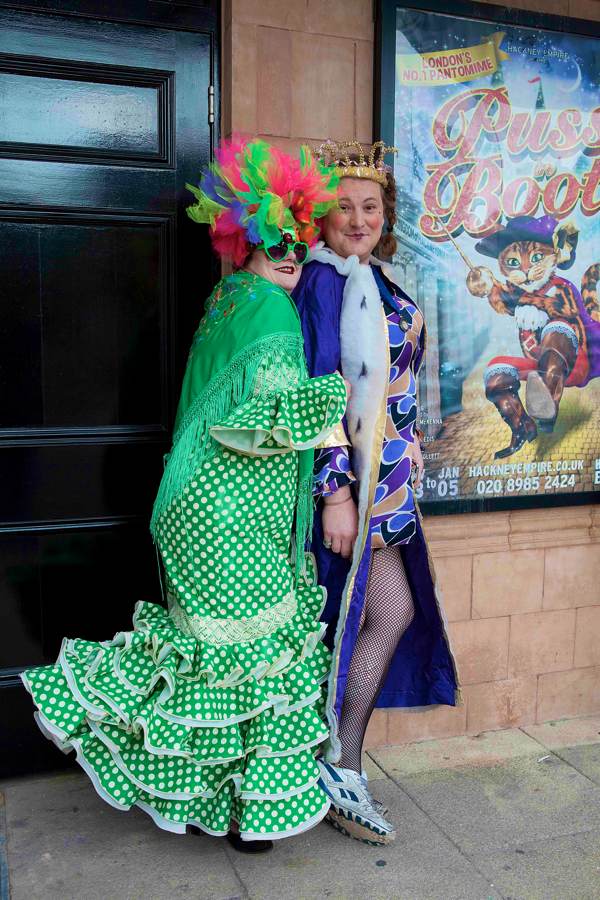
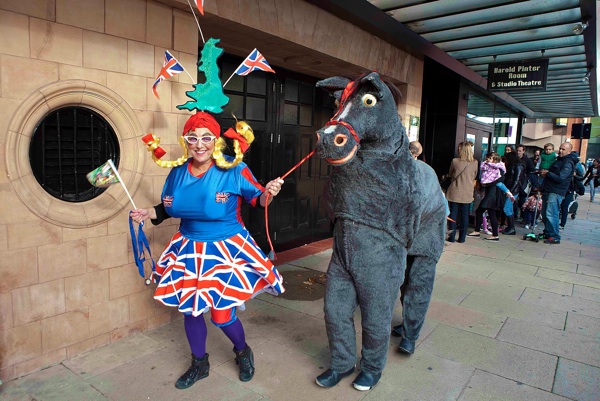
The streets of Hackney were invaded by pantomime characters yesterday as harbingers of the festive season that commences with the opening of Puss in Boots at the Hackney Empire next month. Contributing Photographer Colin O’Brien went along to join in the fun at St Joseph’s Hospice where they gathered to undertake a Dames Dash in aid of East End charities and, as the pantomime horse set out up Mare St, the obvious pun was savoured by all.

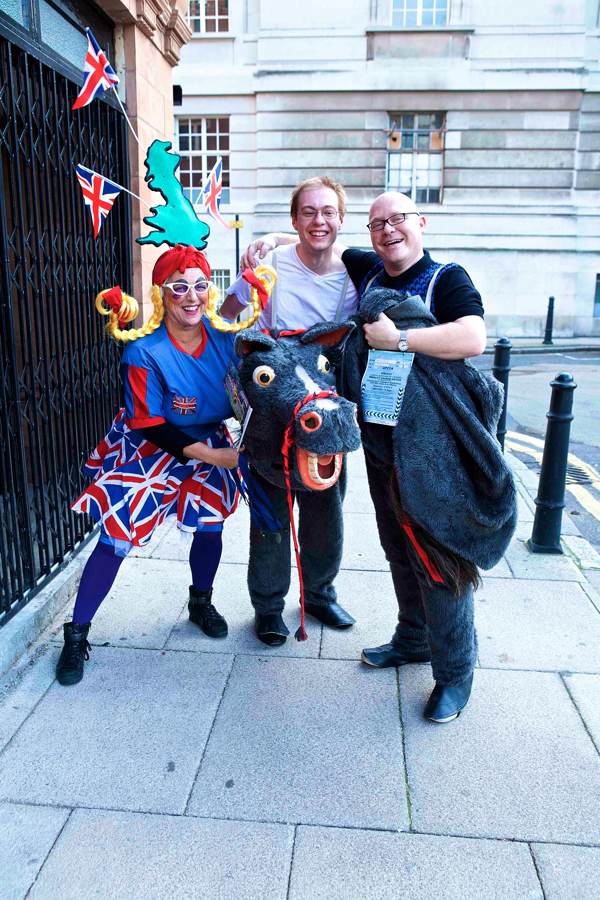
Photographs copyright © Colin O’Brien
PUSS IN BOOTS opens at Hackney Empire on 23rd November and runs until 5th January
You may also like to take a look at
Aerial Views Of Old London

In my dream, I am flying over old London and the clouds part like curtains to reveal a vision of the dirty monochrome city lying far beneath, swathed eternally in mist and deep shadow.
Although most Londoners are familiar with this view today, as the first glimpse of home on the descent to Heathrow upon their return flight from overseas, it never ceases to induce wonder. So I can only imagine the awe of those who were first shown these glass slides of aerial views from the collection of the London & Middlesex Archaeological Society at the Bishopsgate Institute a century ago.
Even before Aerofilms was established in 1919 to document the country from above systematically, people were photographing London from hot air balloons, zeppelins and early aeroplanes. Upon first impression, the intricate detail and order of the city is breathtaking and I think we may assume that a certain patriotic pride was encouraged by these views of national landmarks which symbolised the political power of the nation.
But there is also a certain ambivalence to some images, such as those of Horseguards’ Parade and Covent Garden Market, since – as much as they record the vast numbers of people that participated in these elaborate human endeavours, they also reduce the hordes to mere ants and remove the authoritative scale of the architecture. Seen from above, the works of man are of far less consequence than they appear from below. Yet this does not lessen my fascination with these pictures, as evocations of the teeming life of this London that is so familiar and mysterious in equal measure.

Tower of London & Tower Bridge

Trafalgar Sq, St Martin-in-the-Fields and Charing Cross Station

Trafalgar Sq & Whitehall

House of Parliament & Westminster Bridge

Westminster Bridge & County Hall

Tower of London & St Katharine Docks

Bank of England & Royal Exchange

Spires of City churches dominate the City of London

Crossroads at the heart of the City of London

Guildhall to the right, General Post Office to the left and Cheapside running across the picture

Blackfriars Bridge & St Paul’s
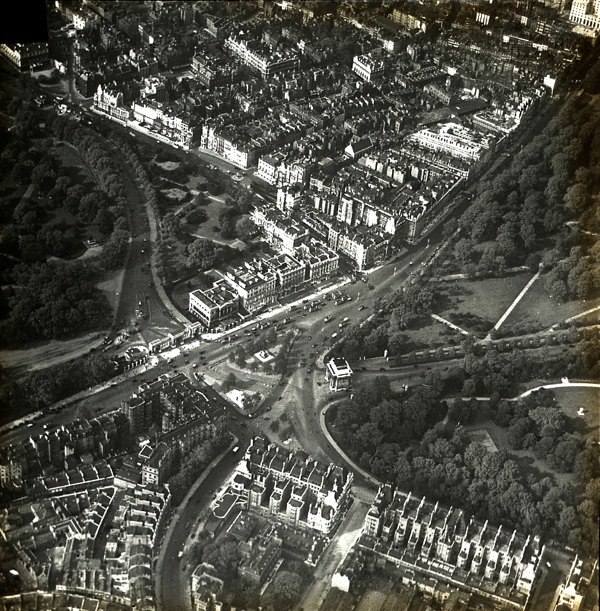
Hyde Park Corner

Buckingham Palace & the Mall

The British Museum

St James’ Palace & the Mall

Ludgate Hill & St Paul’s

Pool of London & Tower Bridge with Docks beyond
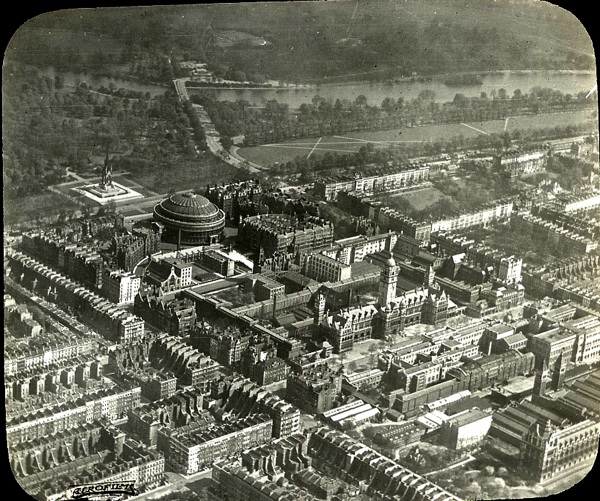
Albert Hall & Natural History Museum

Natural History Museum & Victoria & Albert Museum

Limehouse with St Anne’s in the centre & Narrow St to the right

Reversed image of Hungerford Bridge & Waterloo Bridge

Covent Garden Market & the Floral Hall

Admiralty Arch

Trooping the Colour at Horseguards Parade

St Clement Dane’s, Strand

Peter Pan in Kensington Gardens
Glass slides courtesy Bishopsgate Institute
Take a look at
The Lantern Slides of Old London
The High Days & Holidays of Old London
The Fogs & Smogs of Old London
The Forgotten Corners of Old London
The Statues & Effigies of Old London
Business in Bishopsgate, 1892
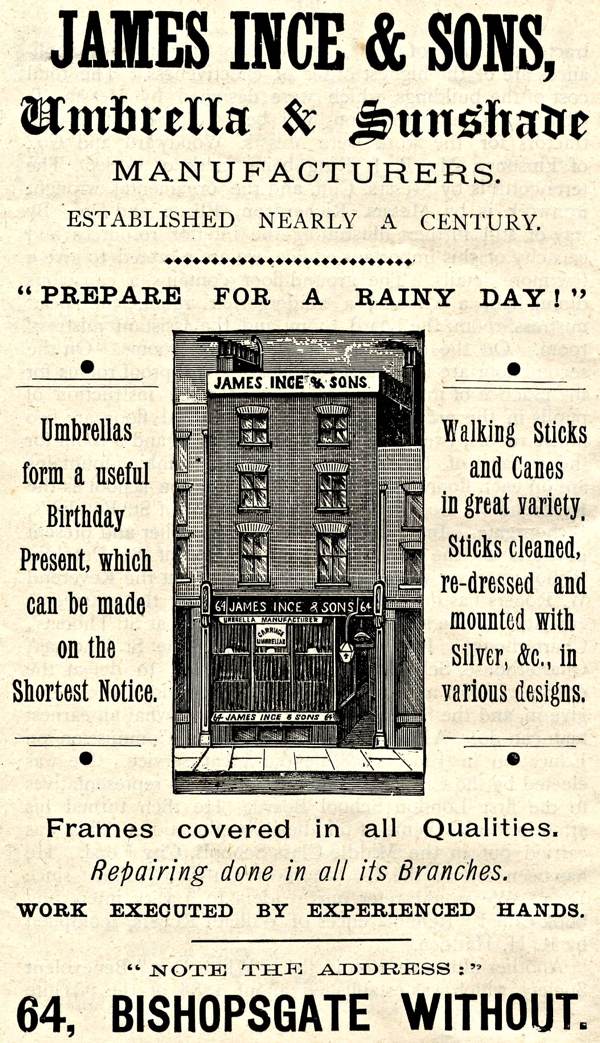
A Bishopsgate Trade Directory of one hundred and twenty years ago was recently discovered in the archive at the Bishopsgate Institute and the adverts for all the specialist small trades that once gathered there portray a very different kind of commerce to the faceless corporate financial industries in their gleaming blocks which dominate this street today.
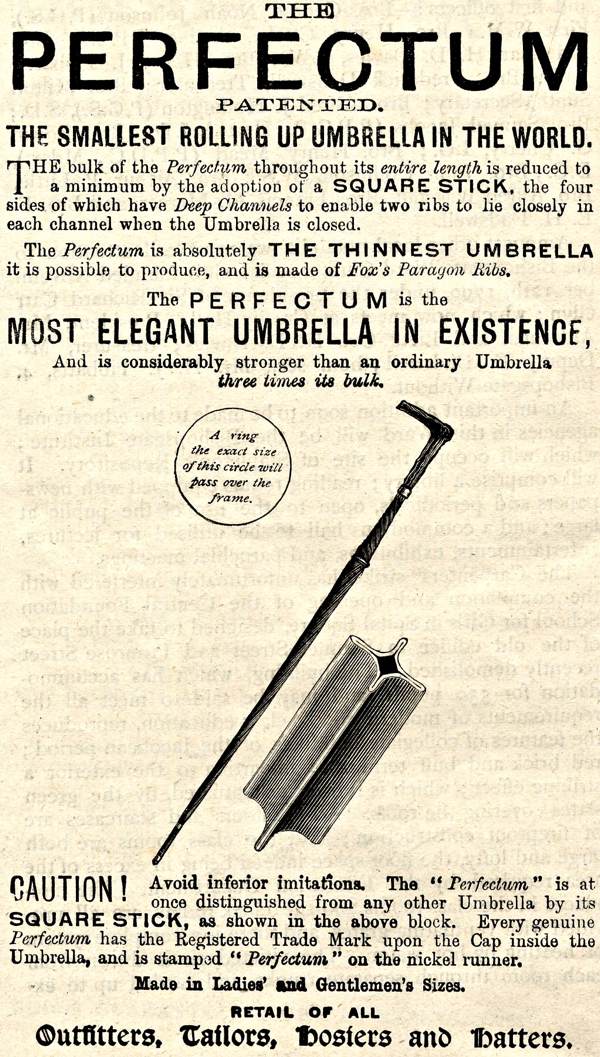
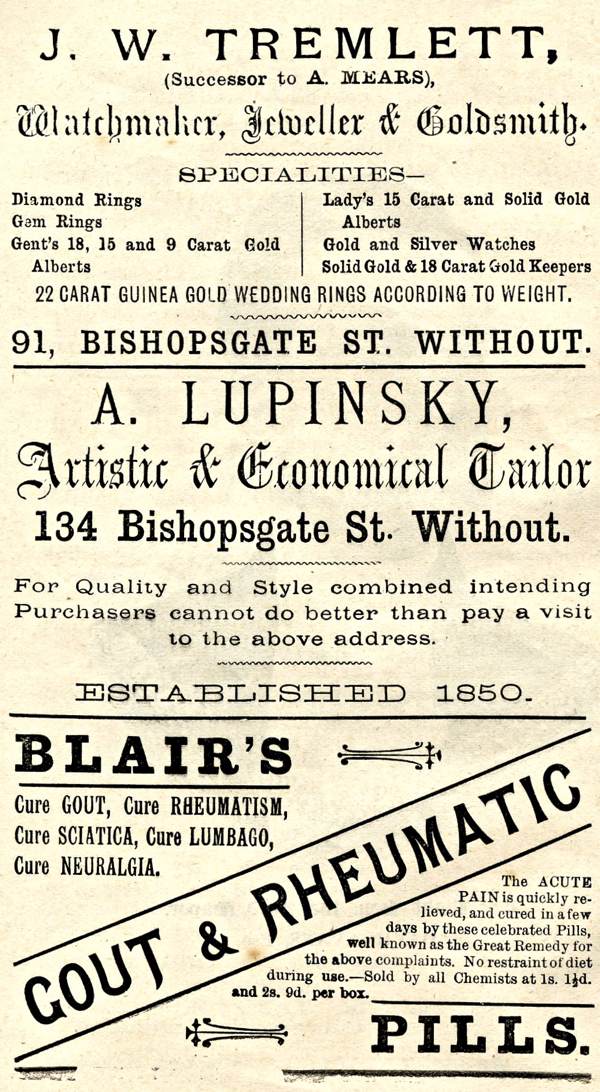
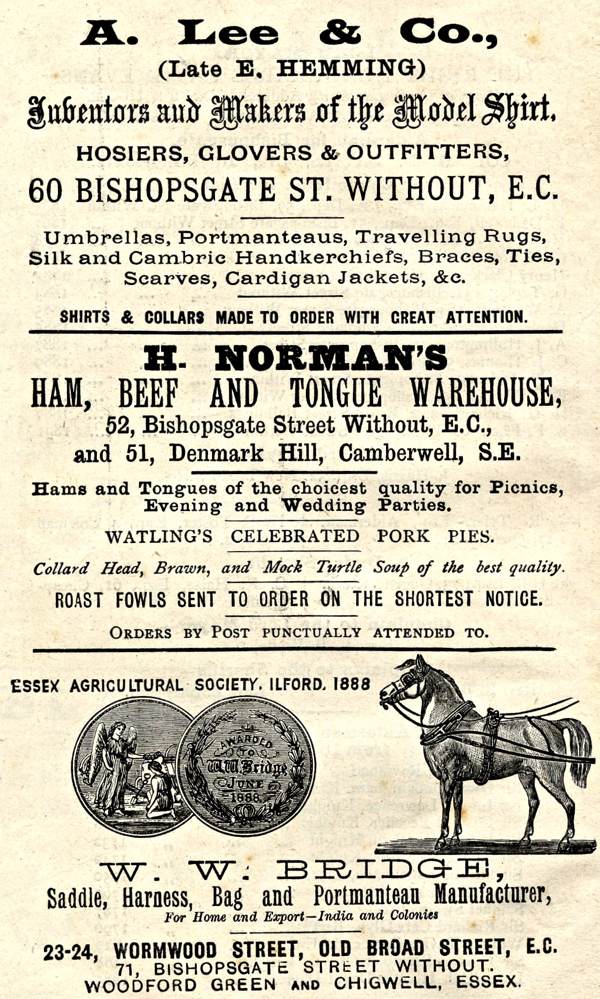
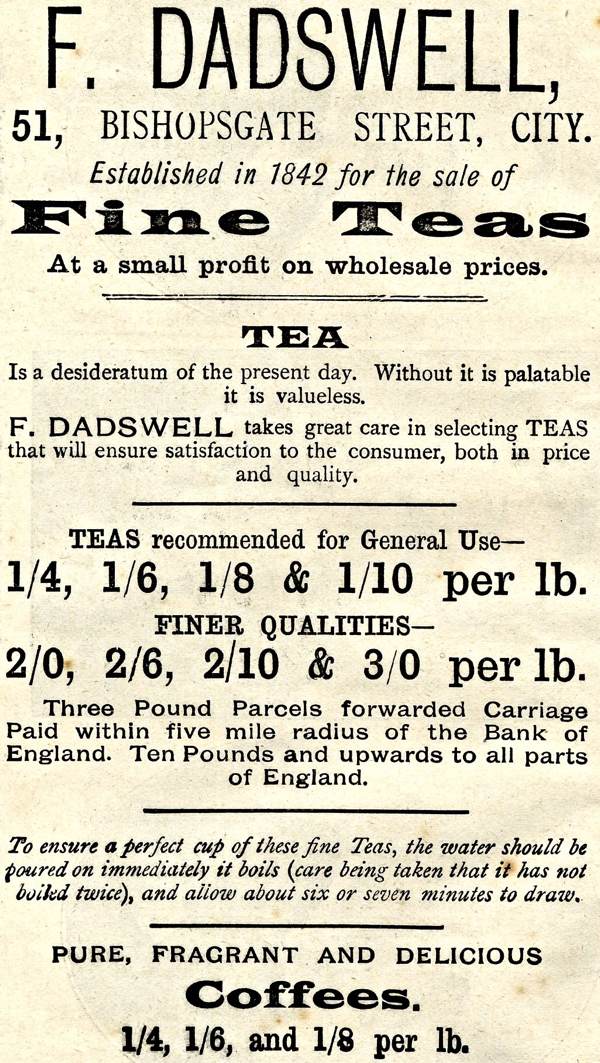
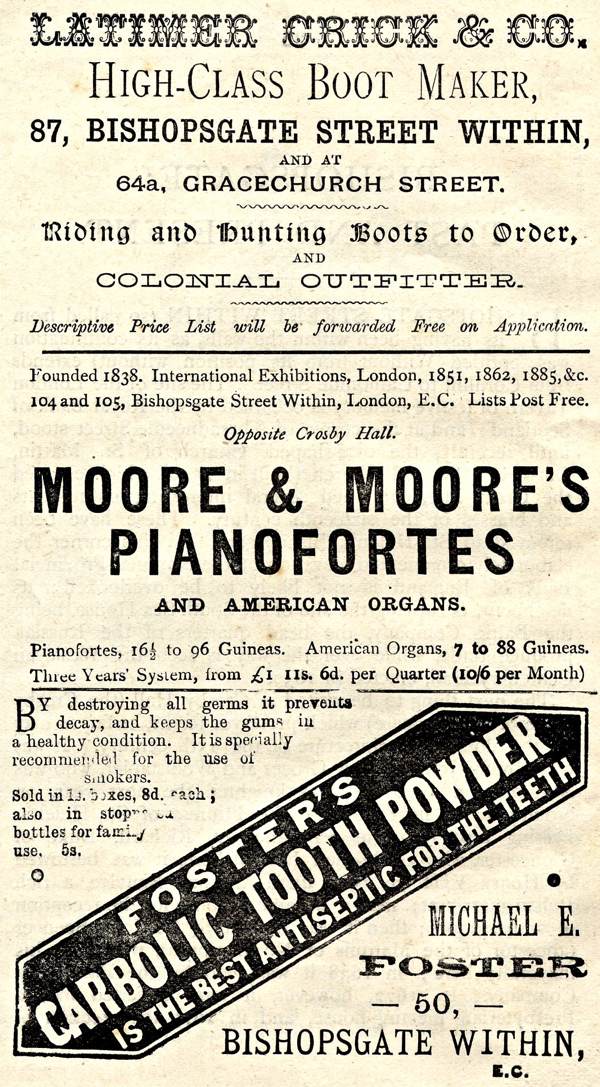
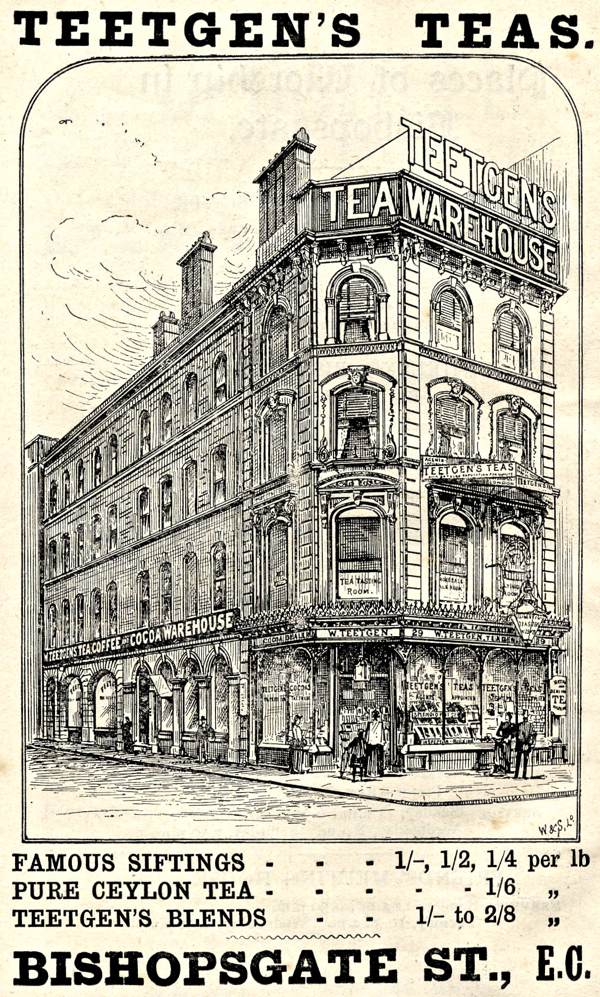
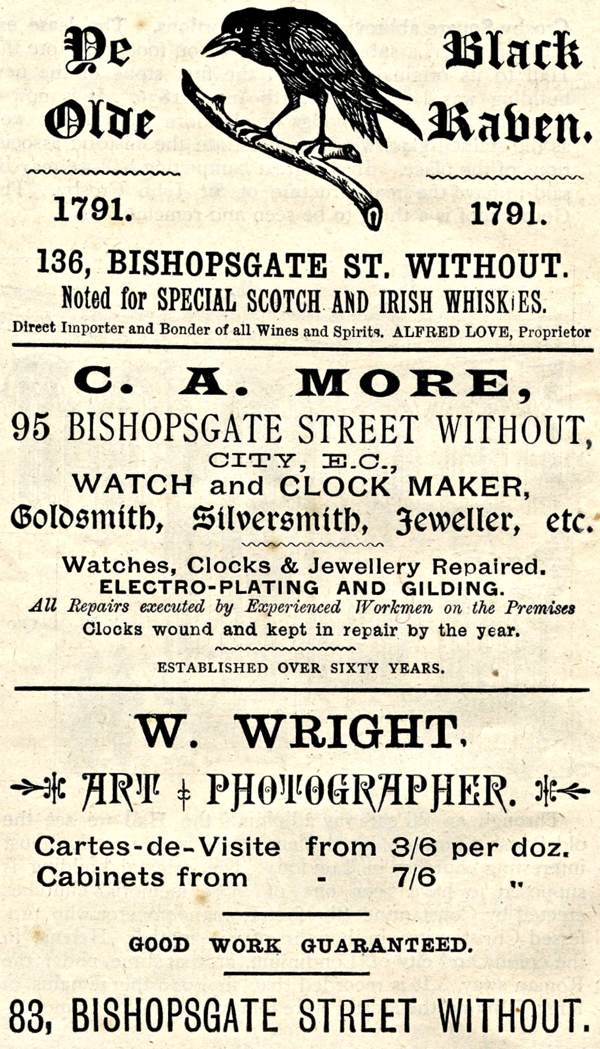
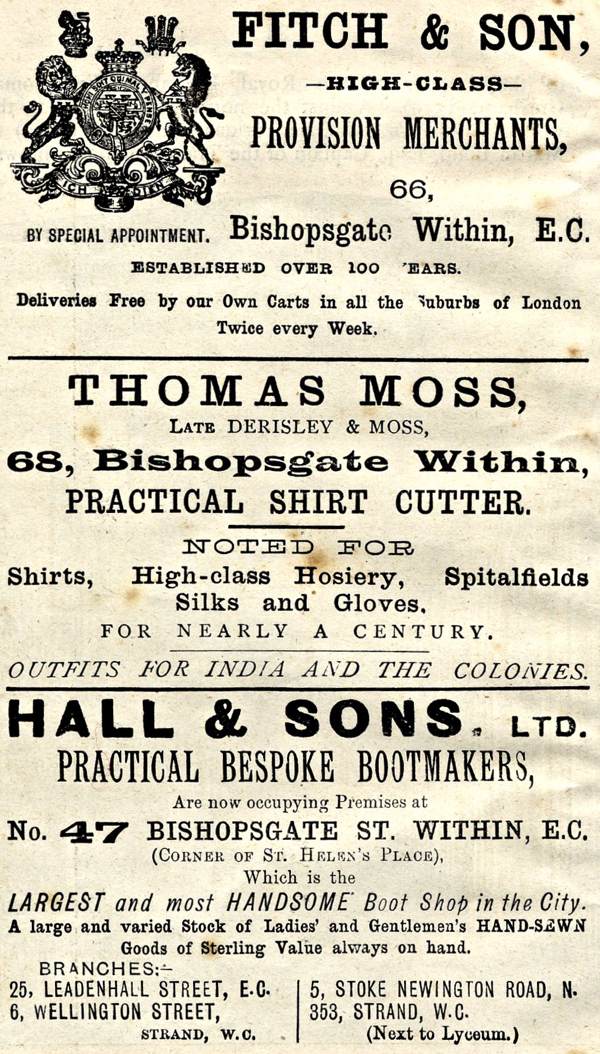
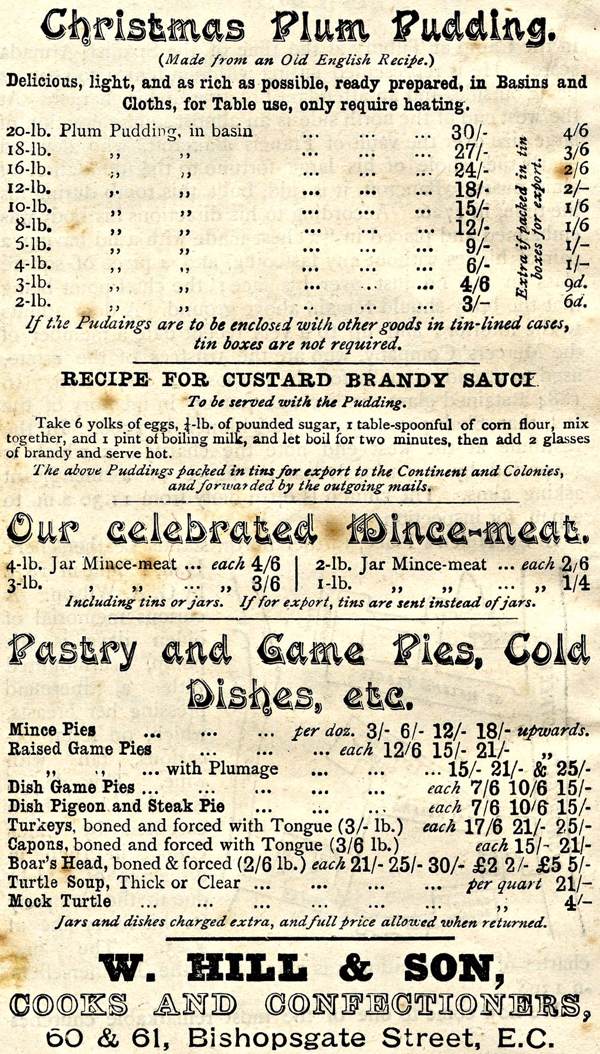
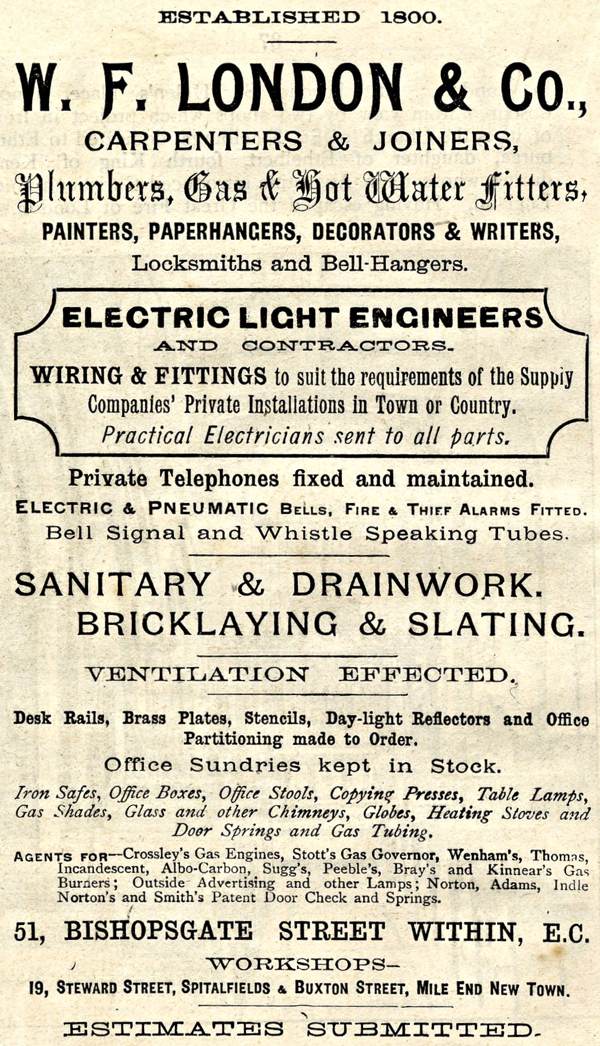
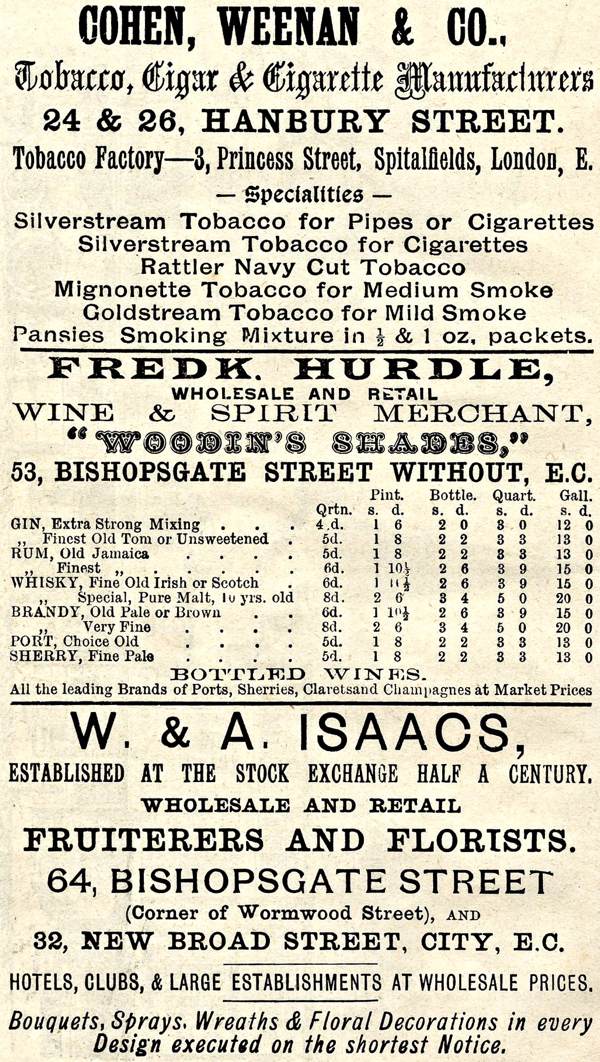
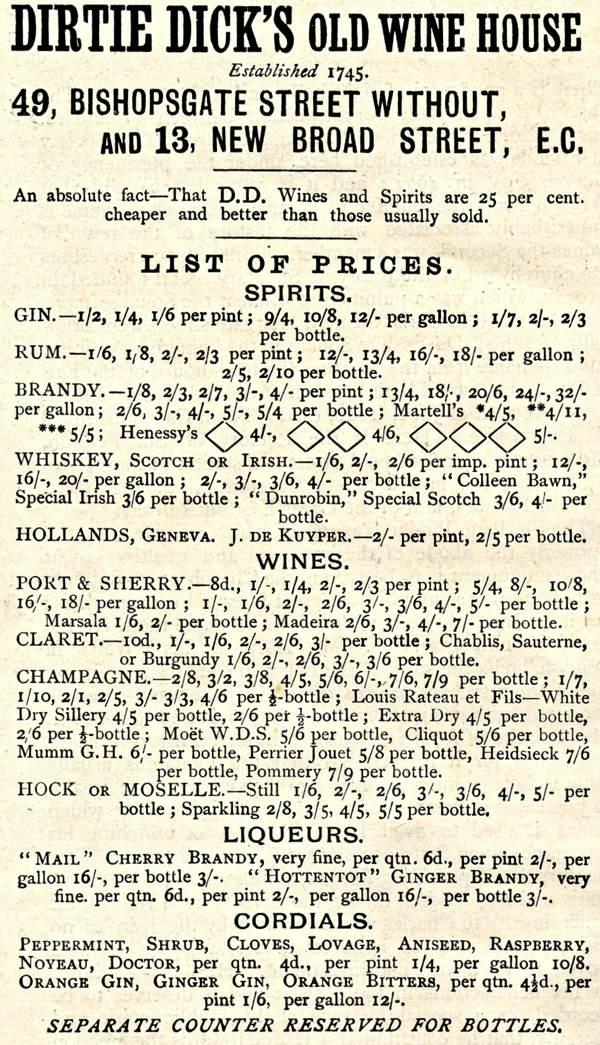
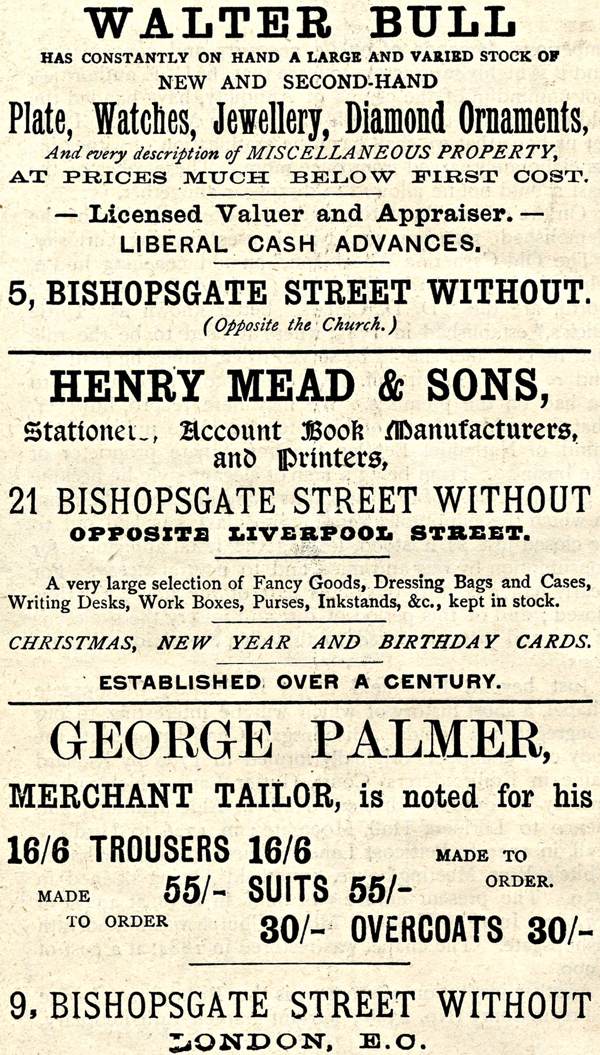
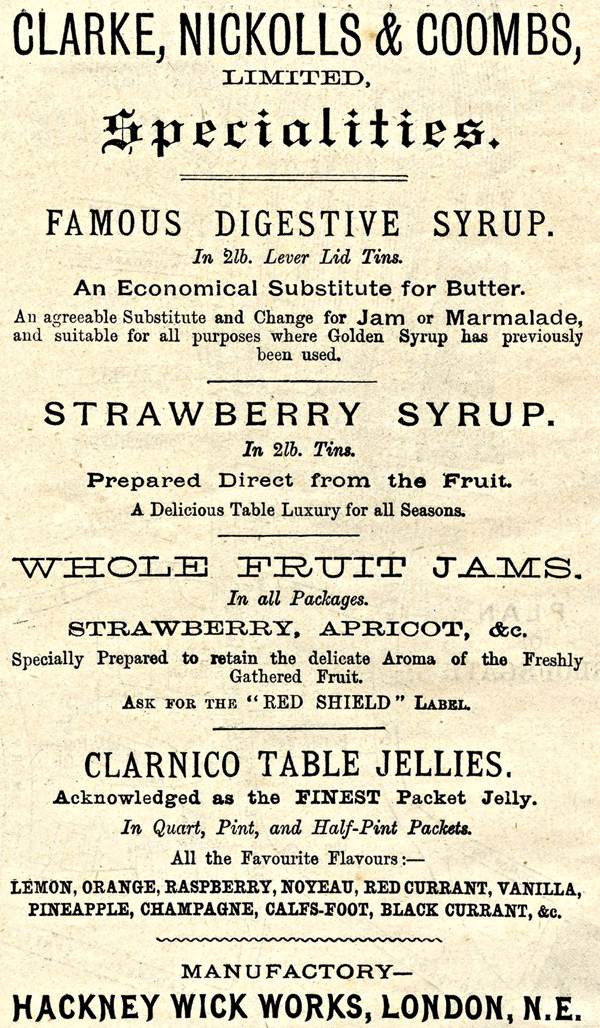
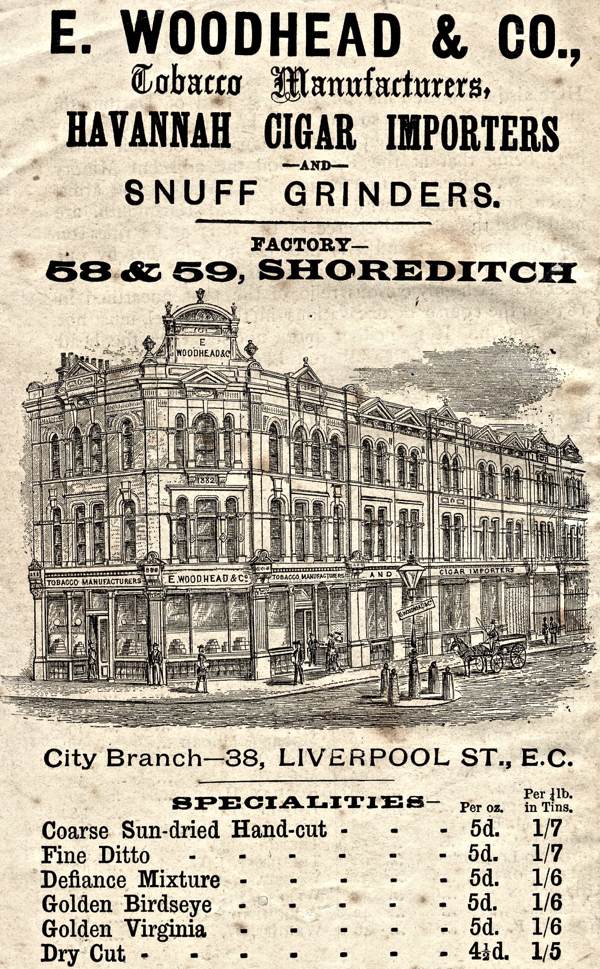
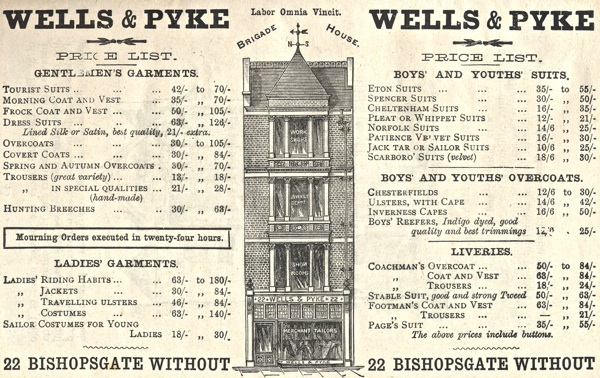
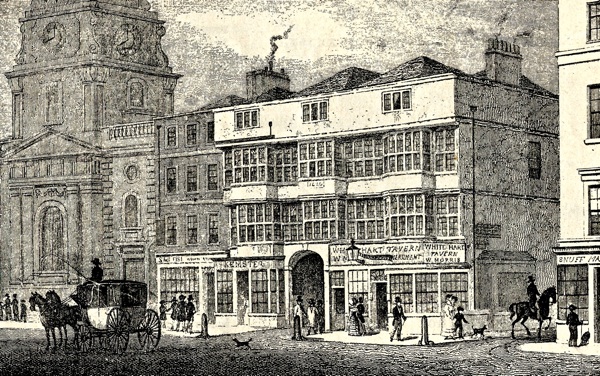
St Botolph’s Church & White Hart Tavern, Bishopsgate
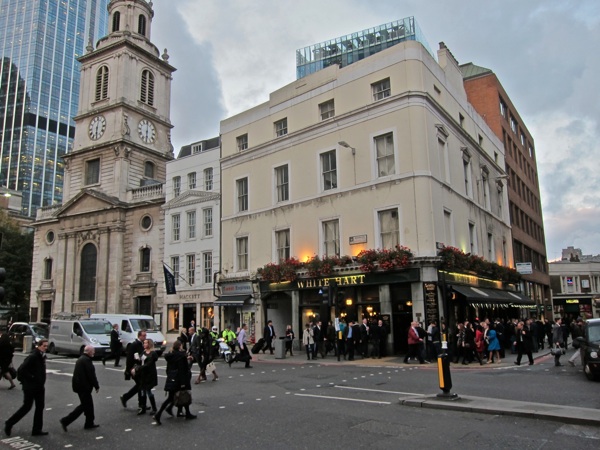
A residual fragment of old Bishopsgate
Images courtesy Bishopsgate Institute
You might also like to read about
At James Ince & Sons, Umbrella Makers
Charles Goss’ Bishopsgate Photographs
Philip Pittack, Rag Merchant
You may recall my stories following the progress of Crescent Trading, Spitalfields’ last cloth warehouse, and today it is my pleasure to introduce the tale of Philip Pittack who runs the business in partnership with Martin White – together constituting the most celebrated comedy double-act in London textiles.
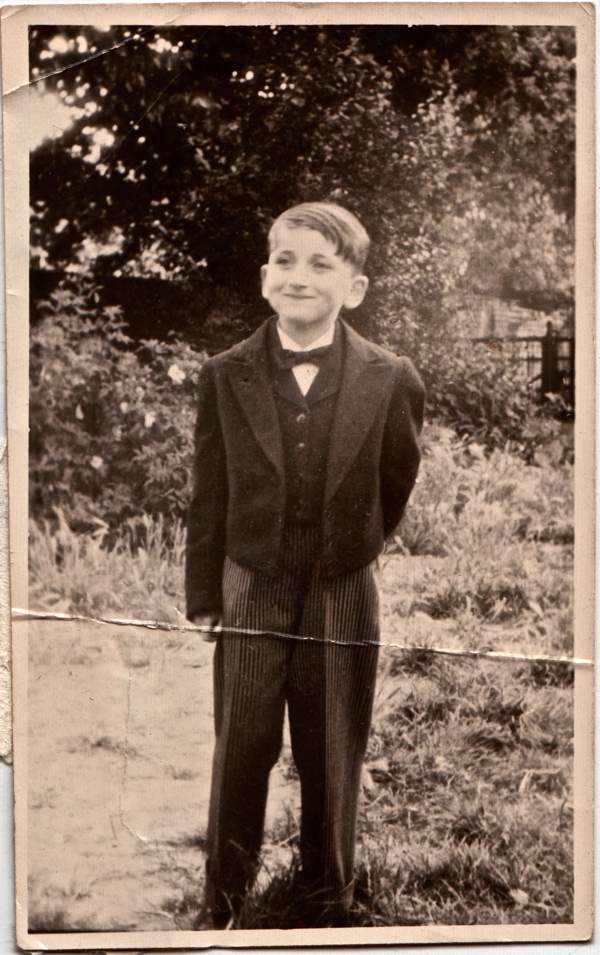
“Even though my parents didn’t have a lot, they always made sure we were properly turned out”
There are very few who can say – as Philip Pittack can – that they are a third generation rag merchant. In fact, Philip’s grandfather Mendell was a weaver in Poland before he came to this country, which means the family involvement with textiles might go back even further through preceding generations.
Although the work of a rag merchant may seem arcane now, it was the praecursor of recycling. Today, with characteristic panache, Philip has found an ingenious way to embody the past and present of his profession. He has carved a cosy niche for himself – working with Martin White, a cloth merchant of equal pedigree, at Crescent Trading – selling high quality remnants, ends of runs and surplus fabric, to fashion students, young designers and film and theatre costumiers.
Few can match Philip encyclopaedic knowledge of cloth, its qualities and manufacture, yet he is generous with his inheritance – delighting in passing on his textile wisdom, acquired over generations, to young people starting in the industry.
“My grandfather Mendell came over from Poland more than a hundred years ago, before the First World War. ‘Ptack’ means ‘little bird’ in Polish but, when he arrived at the Port of London as an immigrant, it got written incorrectly down as Pittack, and that was what it became. He lived in Stamford Hill and had a warehouse at 102/104 Mare St. He went around the textile factories in the East End, collecting the waste which got shredded up and made back into cloth, but he was a lazy bugger who liked whisky and women. My grandmother, she was a tough nut, she worked at the Cally selling rags. It was a free-for-all, and she barged her way in and always made sure she got a good pitch.
My father David, he went to school in Mile End and went into the family business as a kid. He learnt the rag business with his brother Joe. They were tough guys brought up the hard way. When Mosley and his cronies came around, they were in the front row – you didn’t argue with them. They moved into buying surplus rolls of cloth as well as rags and opened a shop too. He did that until he died in February 1977, aged sixty-six. He smoked Churchman’s No 1 like a chimney. He was big fellow with hands like bunches of bananas but he wasted away to a twig.
I used to have a Saturday job, when I was ten years old, to get my pocket money, at a shop selling electrical goods and records, Bardens. I went out with the guys installing televisions and fridges. Eventually, they offered me a job at fourteen years old and were training me to be TV engineer. But, one day, my dad bought a large pile of remnants which took three days to sort and he said, ‘You’re not going to work tomorrow, you’re going to come and help me schlep!’ I lost my job at Bardens and that’s how I started as a rag merchant at fourteen and a half.
After three days of carrying sacks of rags, my father said to me, ‘This is what you are going to do, and you are also a rag sorter.” And that’s what I did, night and bloody day. And if I did anything wrong, my grandfather would come up and thump me on the head. You had either wools, cottons or rayons in those days. There were over a hundred grades of rags, both in quality and material, and I could tell you hundreds of names of different grades of rags but they wouldn’t mean anything to you.
Then eventually, when I was eighteen, my father said, ‘Here’s a hundred pounds, go out and buy rags, and if you don’t buy any and I don’t sell any, then you don’t earn anything.’ There were hundreds of clothing factories in the East End in those days and you had to go cold-calling to buy the textile waste. There used to be twenty other chaps doing the same thing, so it was very competitive. You climbed under the sewing tables and filled up sacks, then weighed them on a hand-held butchers’ scale with a hook on one end. If they were looking, they got the correct weigh. But the art of the exercise was balancing the sack on your toe while you were weighing it and you could get several pounds off like that. My father taught me how to do it. You’d say, ‘Do you want the correct weight or the correct price?’ and if they said, ‘The correct price,’ then you cut down the weight. They’d have to have paid the dustman to take it away, if we didn’t, but they got greedy.
Over several years, I built up my own round and went round in the truck. But then, my uncle got caught stealing off my dad. By that time, we had a shop in Barnet, so my father turned round – he’d had enough of my uncle thieving – and he said, ‘Give him the shop.’ We had to give up that side of the business. After my father got sick, and I got married and became a parent, he took a back seat. It was very hard work, packing up three or four tons of rags into sacks. Each sack weighed between fifty and one hundred and fifty pounds, and I used to carry them on my back. I can’t believe I used to do it now!
We carried with the business until I walked away. I’d had enough of my brother, I found he was doing things behind my back with the money. I signed away all the merchandise and suppliers to him in June 1978. I had nothing, they cut off my gas and electricity, and I had my kids at private school. I borrowed five hundred pounds from my sister-in-law to do a little deal. It was the first deal I did on my own. I bought all this cloth for a gentleman who operated twenty-four hours a day out of Great Titchfield St, but when I got there I discovered he already had a warehouse full of the same stuff and I was stuck with a rented van containing five hundred pounds worth of it.
I was almost crying as I was sitting in the truck, waiting for the light to change, until this guy who I knew through business walked up and said, ‘Why don’t you sell it to me?’ I opened up the truck to show him and he said, ‘We’ll buy that.’ But he had a reputation for not paying, so I said, ‘I’ve got to have the money now. As long as you can give me the five hundred pounds, I can come have the rest tomorrow.’ I went and paid back my sister-in-law, and the next day I came back and he gave me the rest. It all came out in the wash! I made four hundred pounds on the deal, and I was jumping up and down on the pavement. Then I went off, and paid the gas and electricity bills and everything else.
I built up my own round with my own people and, eventually, I went to Prouts and bought my own truck. I knew which one I wanted and ex-wife loaned me the money. I went out and filled it up with diesel and it was only me – I’d arrived as a rag merchant.”
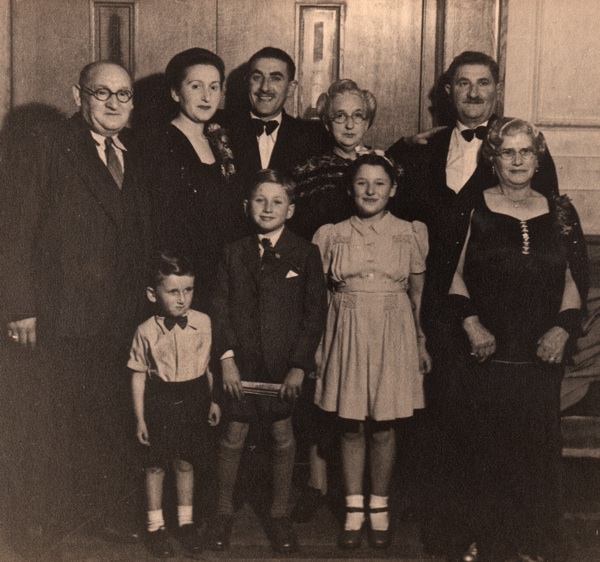
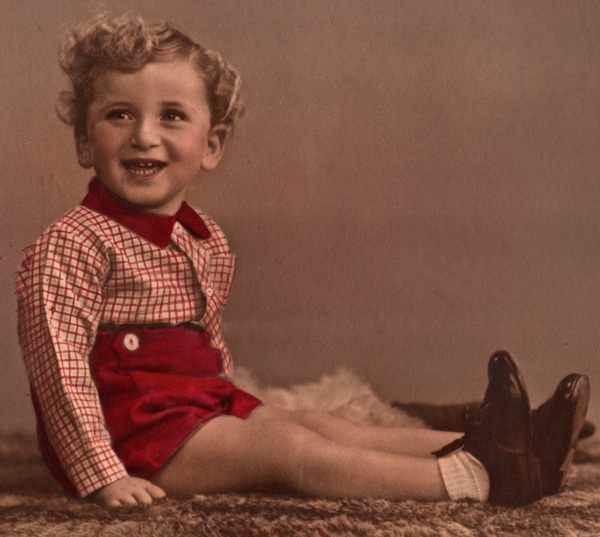
At a family wedding, 1946. Philip is three years old. On the left is Barnet Smulevich, Philip’s grandfather. Mendell Pittack, Philip’s other grandfather stands on the right. Philip’a parents, Tilley & David stand behind him and his elder brother Stanley and their cousin, Rosalind Ferguson.
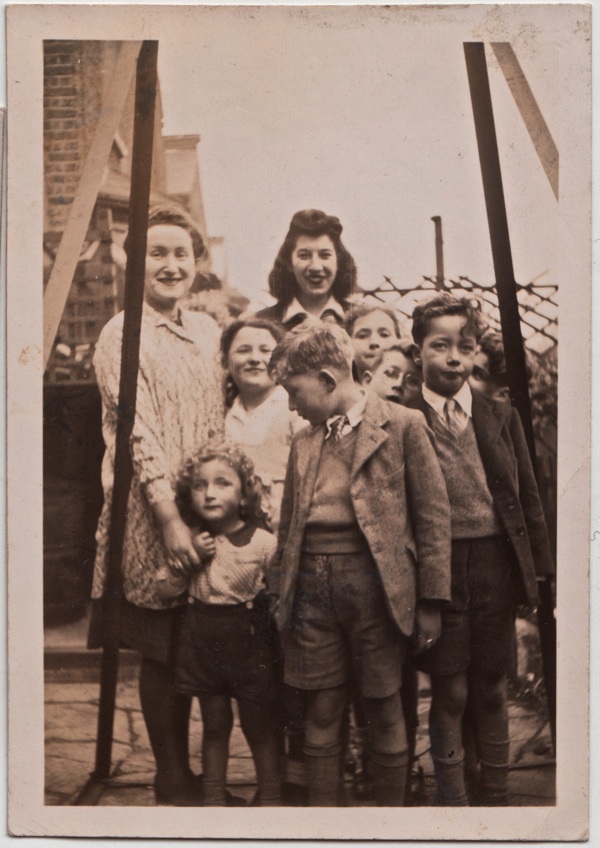
Philip holds his mother’s hand at Cailley St Clapton, shortly after the war, surrounded by other family members.
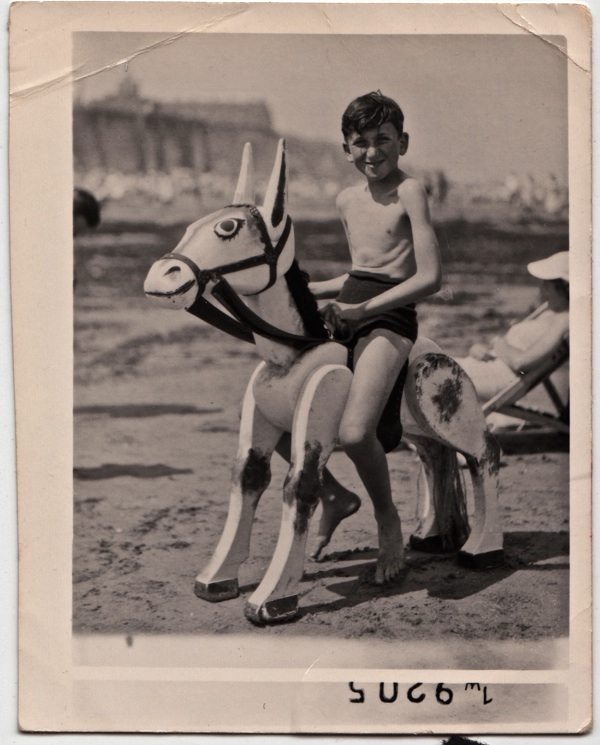
Riding Muffin the Mule on the beach at Cliftonville, aged six in 1949
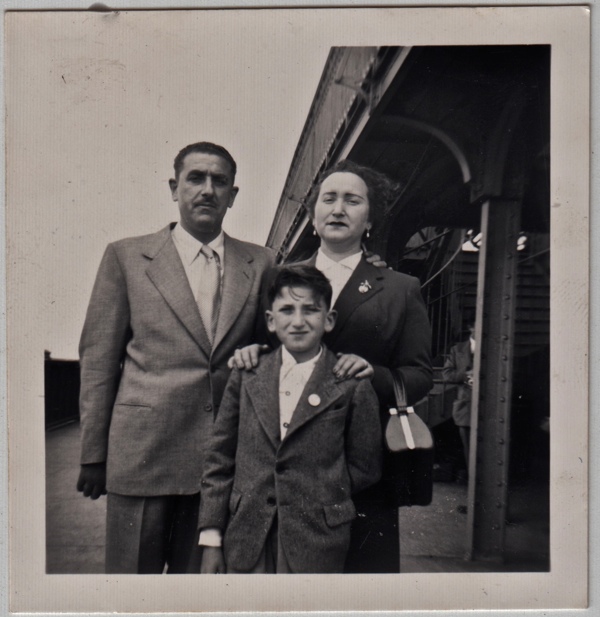
Philip with his parents, David and Tilley
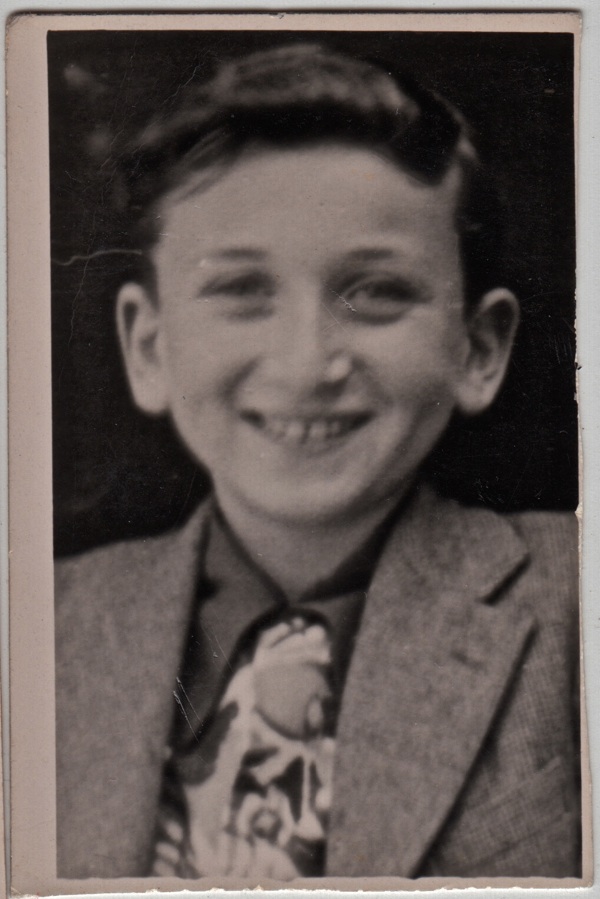
Aged fourteen
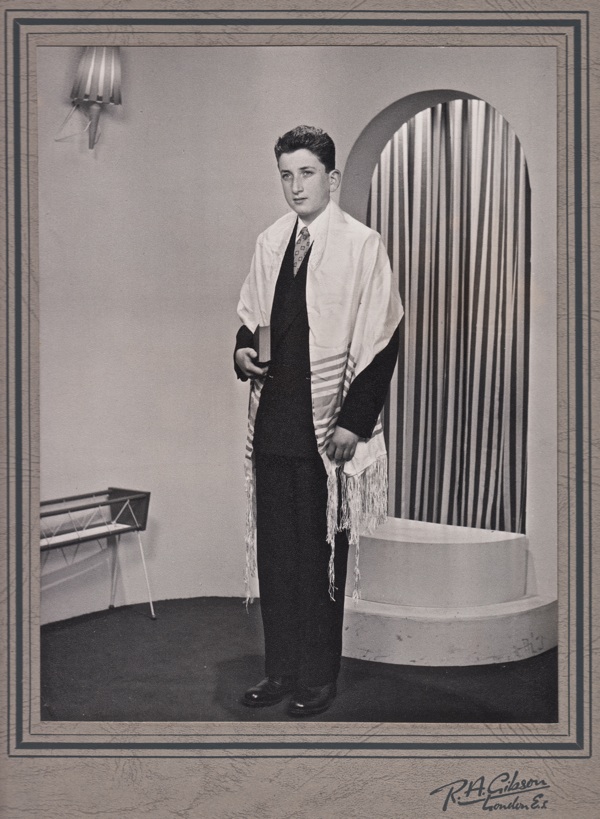
Bar mitvah, 1956
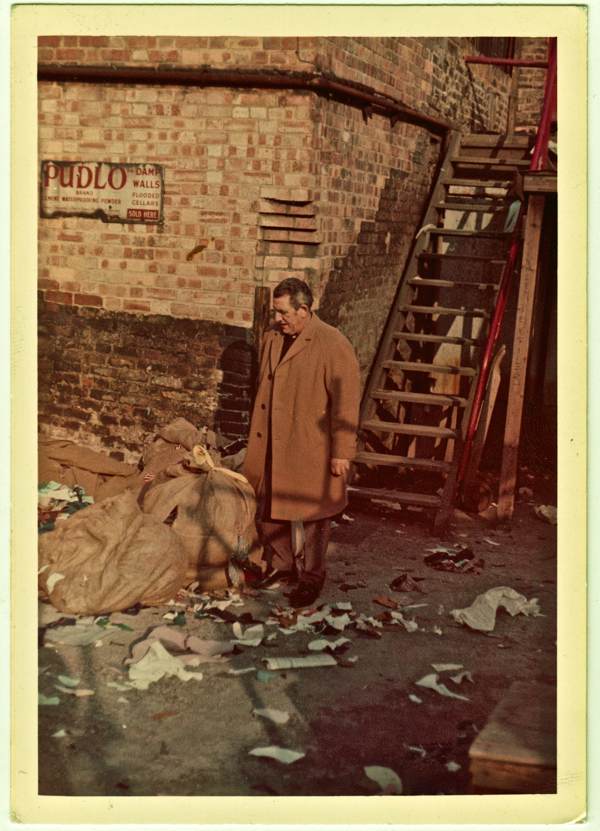
David Pittack sorting rags at his warehouse in Mare St in the sixties
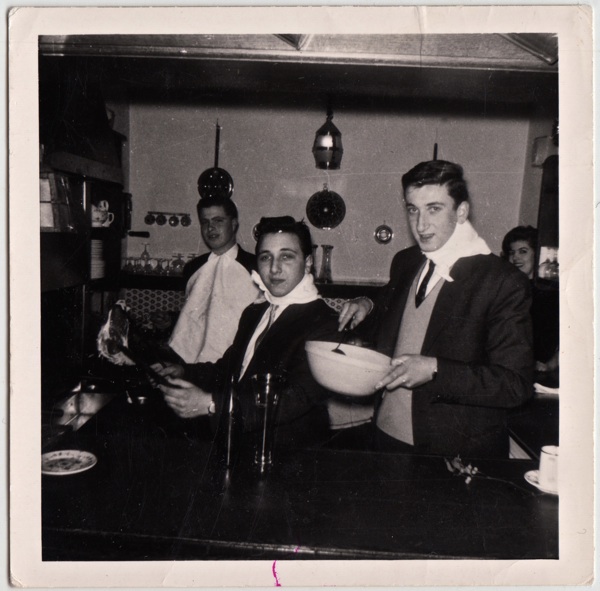
Skylarking after hours at the Copper Grill in Wigmore St in the sixties
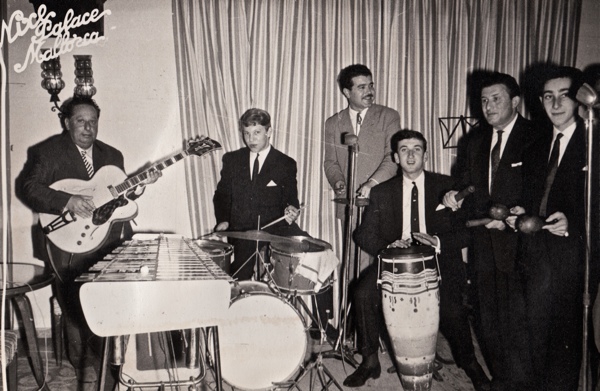
Philip on bongos, enjoying high jinks with pals in Mallorca
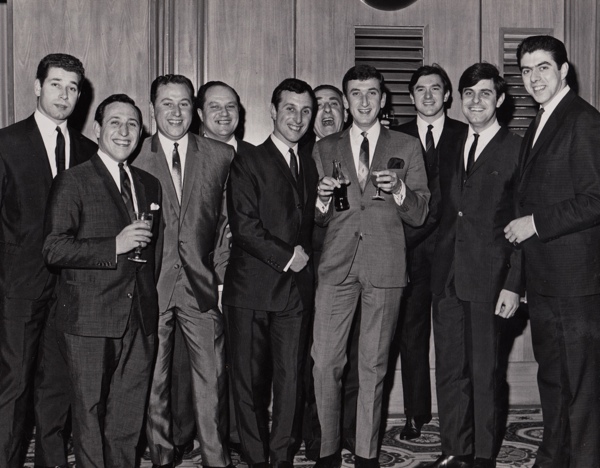
In a silver mohair suit, at a Waste Trades Dinner at the Connaught Rooms in Great Queen St
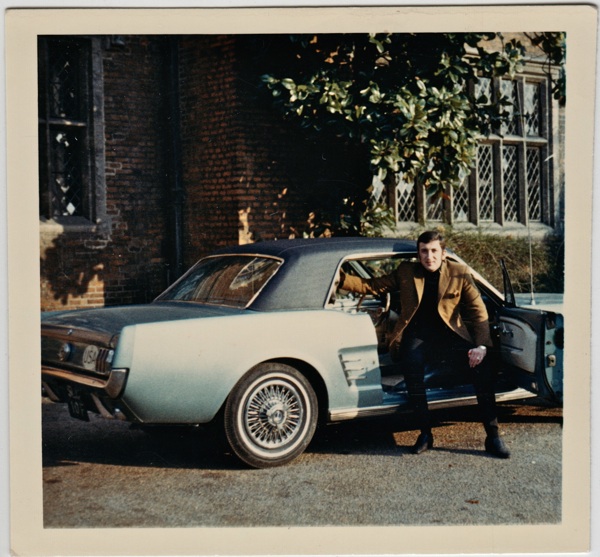
Posing with a pal’s Mustang at Great Fosters country house hotel
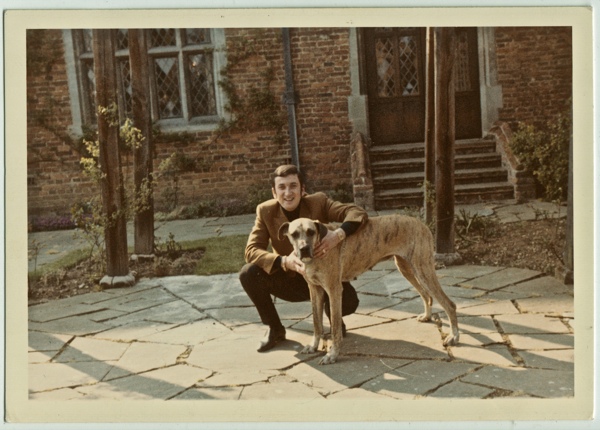
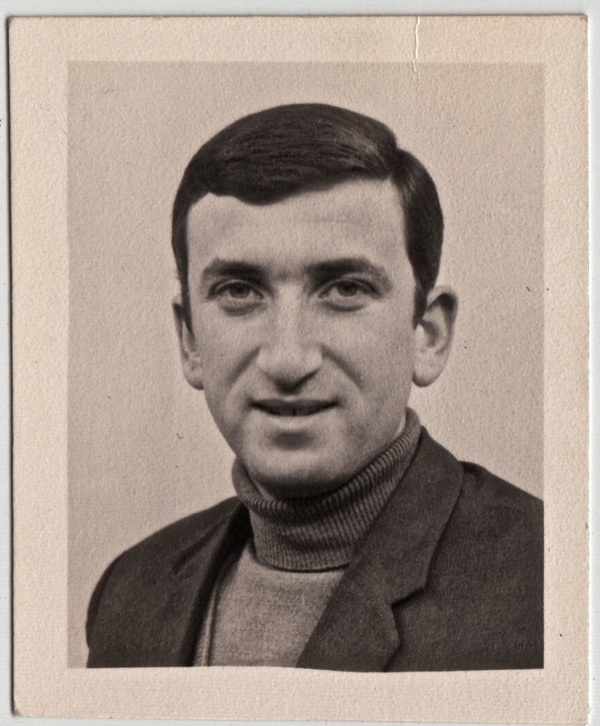
passport photo, seventies
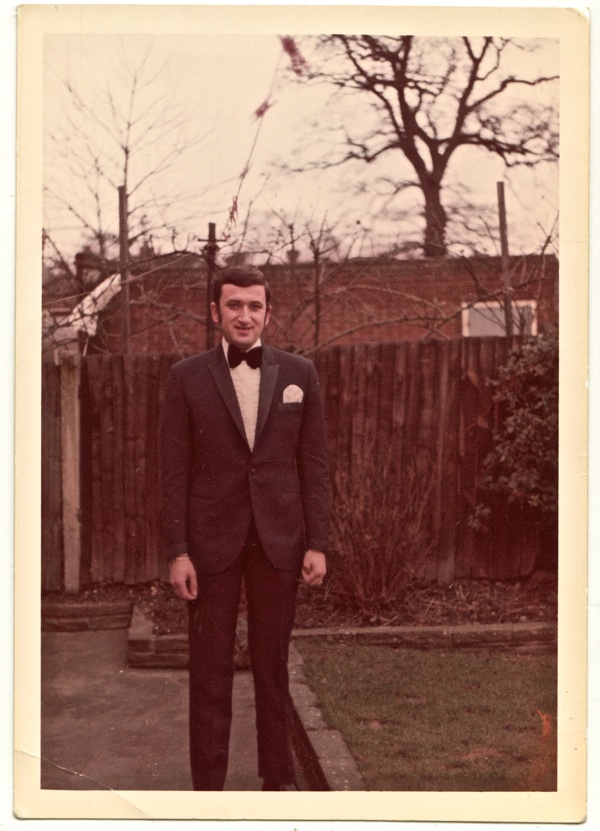 Best man at a wedding in the seventies
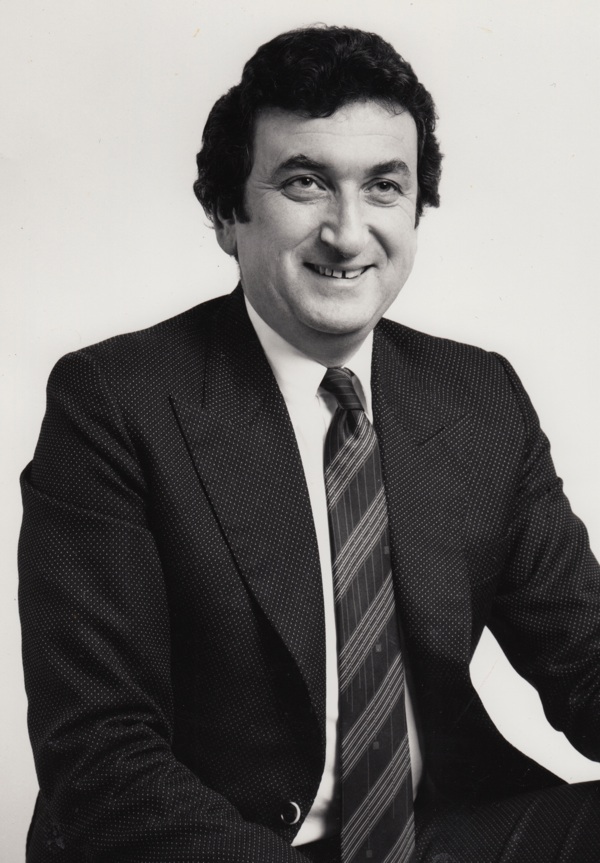
In the eighties
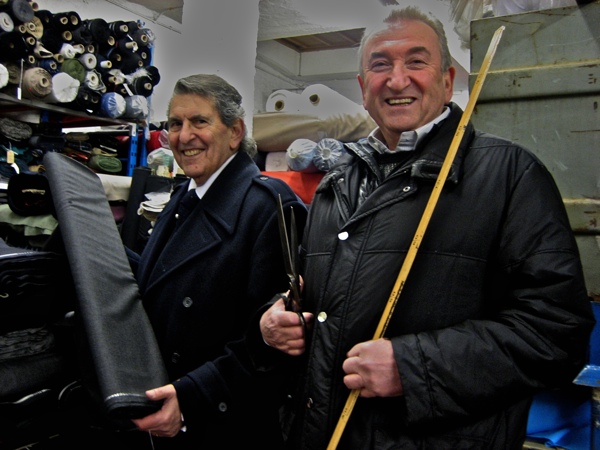
Martin White & Philip Pittack, Winter 2010
Crescent Trading, Quaker Court/Pindoria Mews, Quaker St, E1 6SN. Open Sunday-Friday.
You may like to read my earlier stories about Crescent Trading
The Return of Crescent Trading
The Gentle Author’s Spitalfields Pub Crawl
In Spitalfields, I can undertake a pub crawl whenever I please without even leaving the parish.
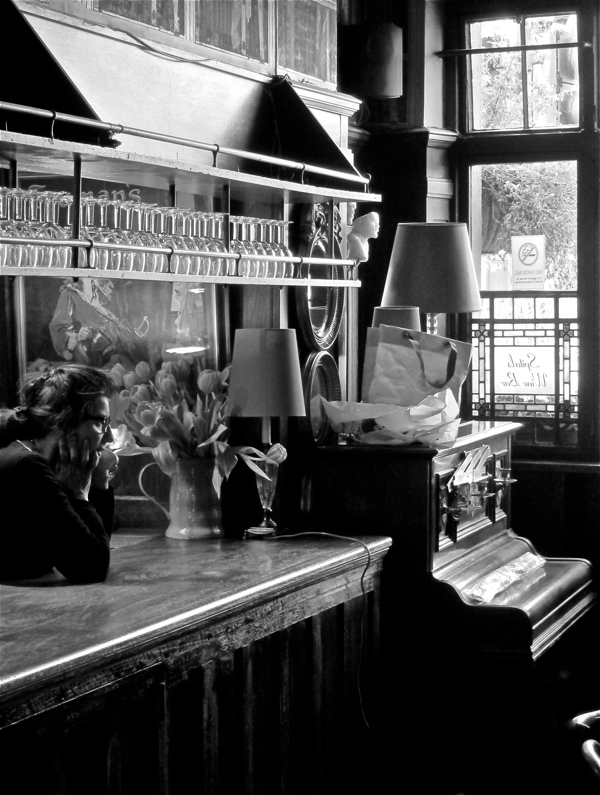
The Golden Heart, Commercial St
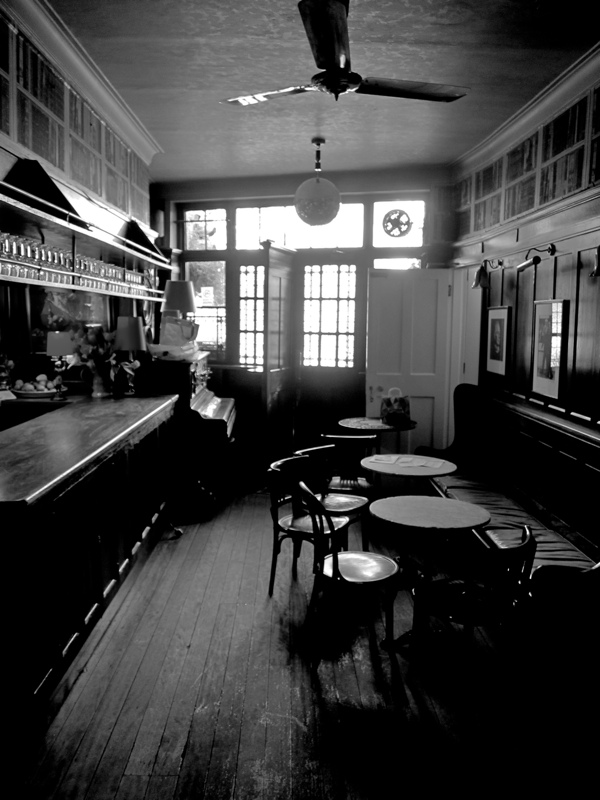
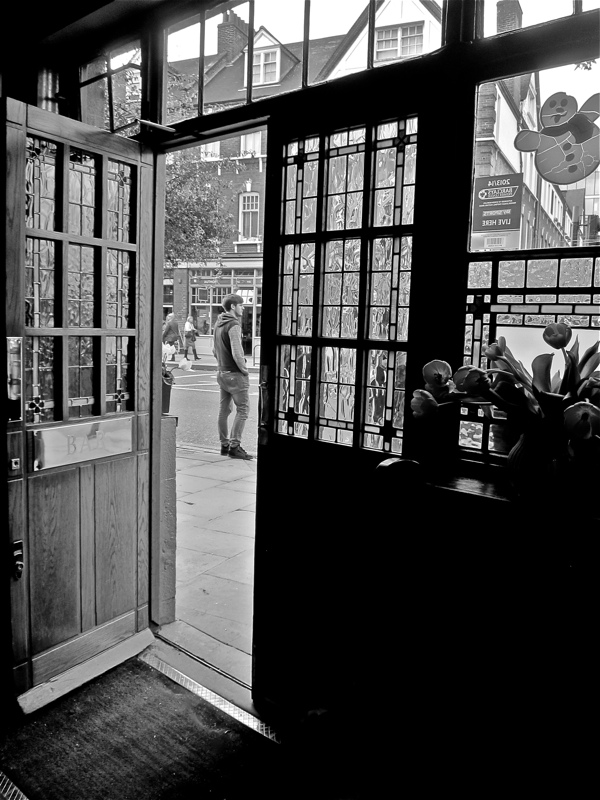
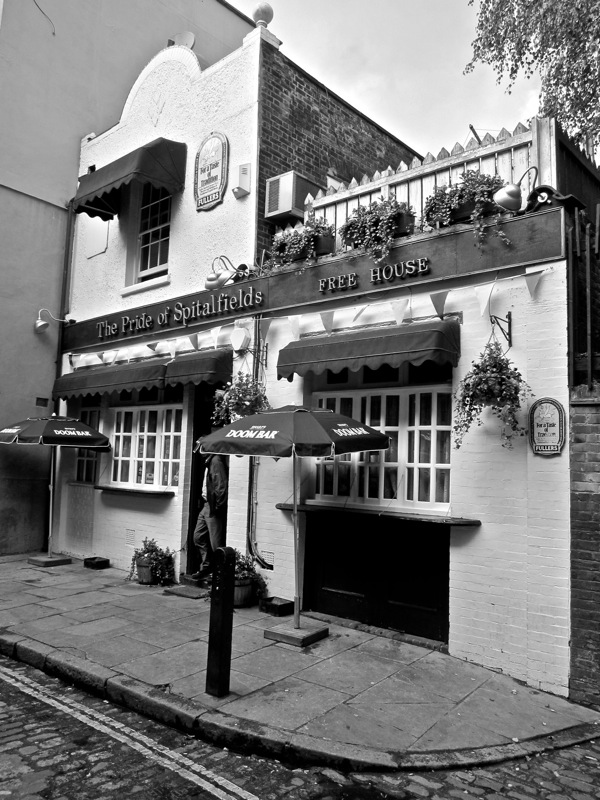
The Pride of Spitalfields, Heneage St

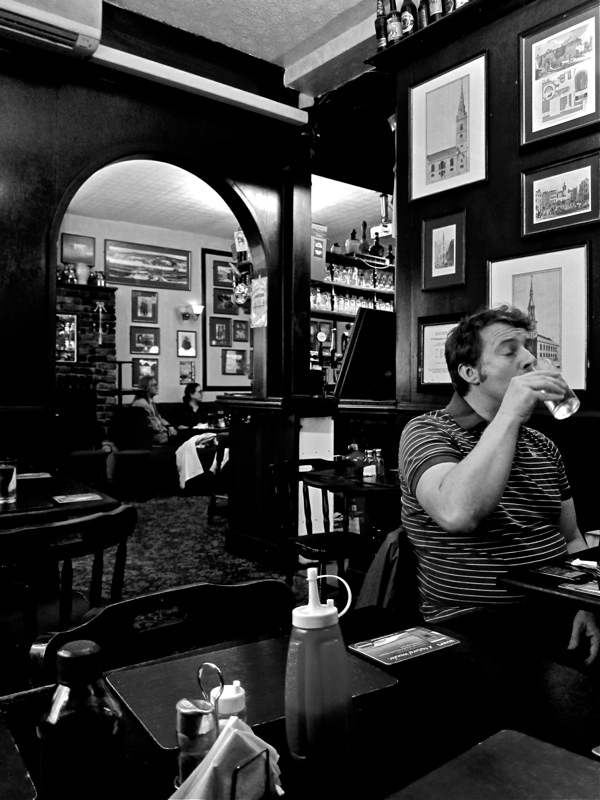
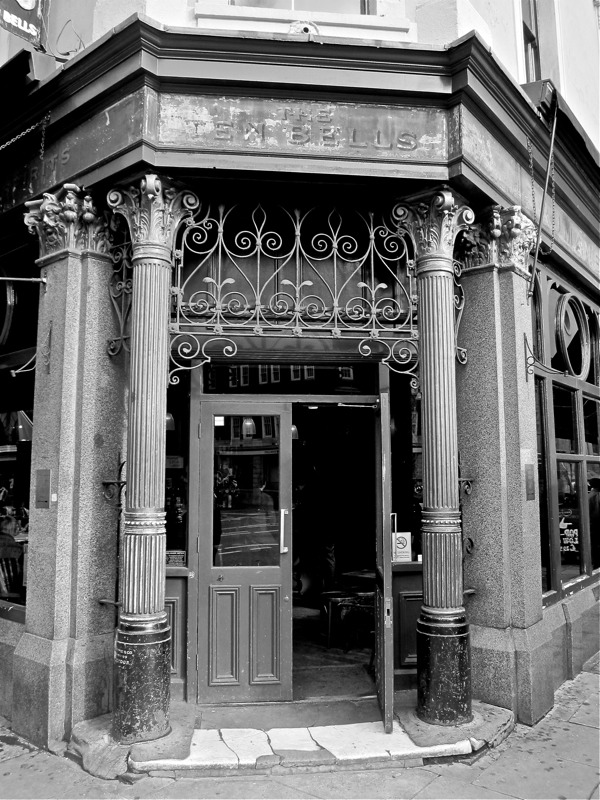
Ten Bells, Commercial St
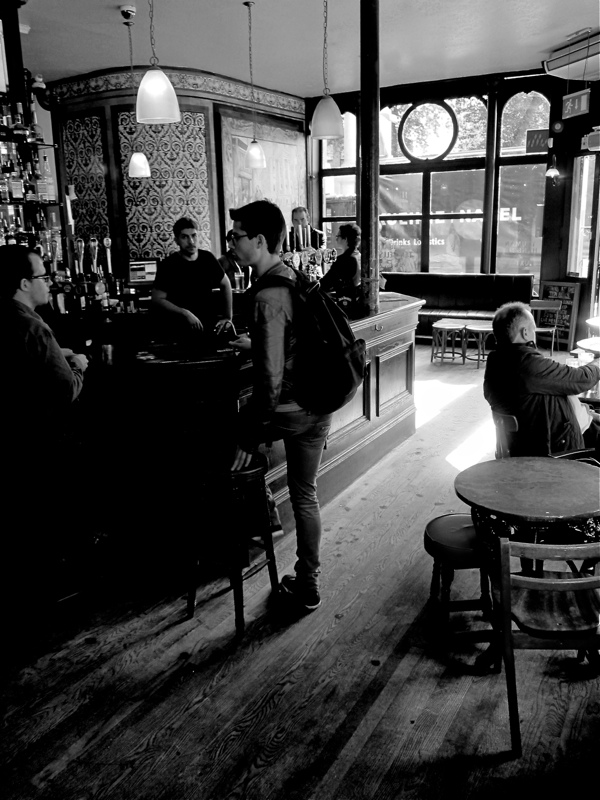
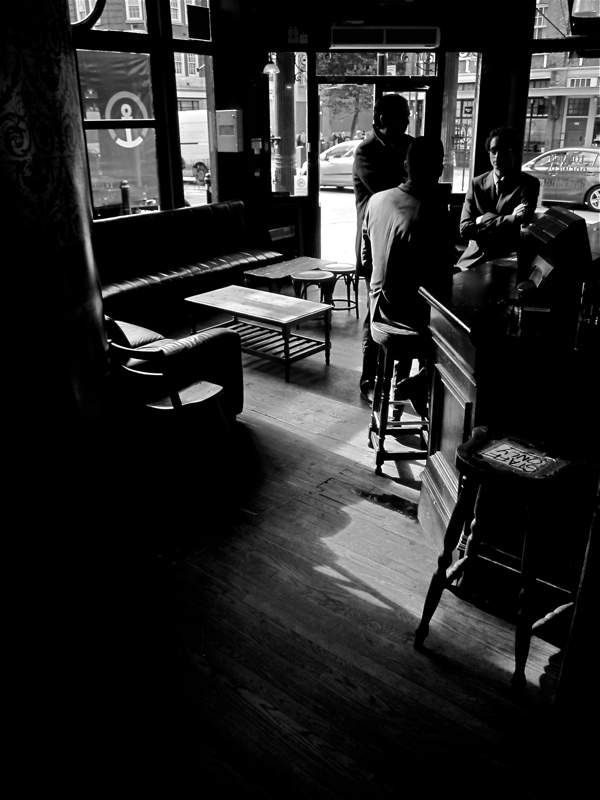
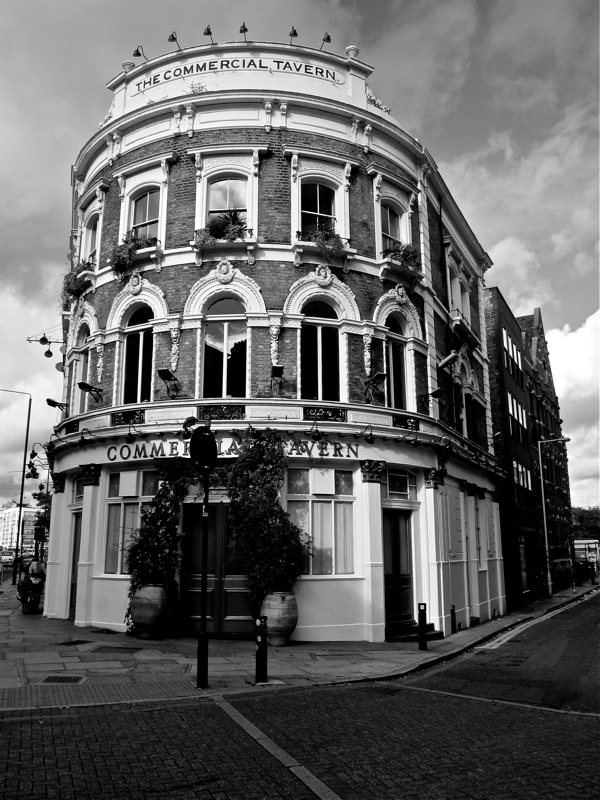
Commercial Tavern, Commercial St
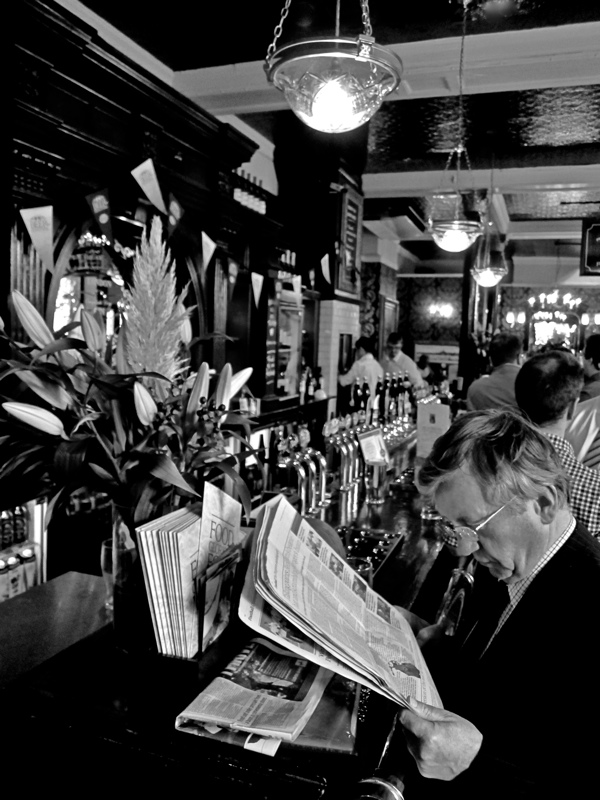
Woodin’s Shades, Bishopsgate
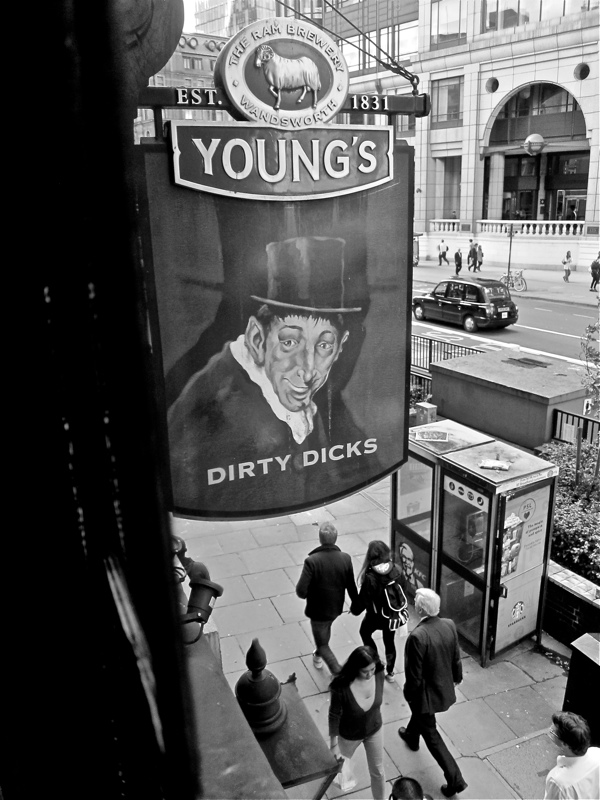
Dirty Dick’s, Bishopsgate
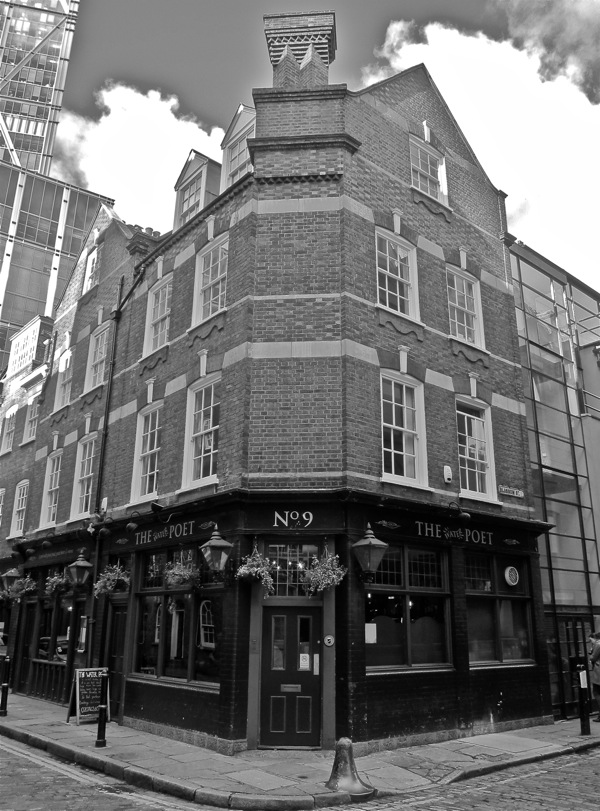
Water Poet, Folgate St
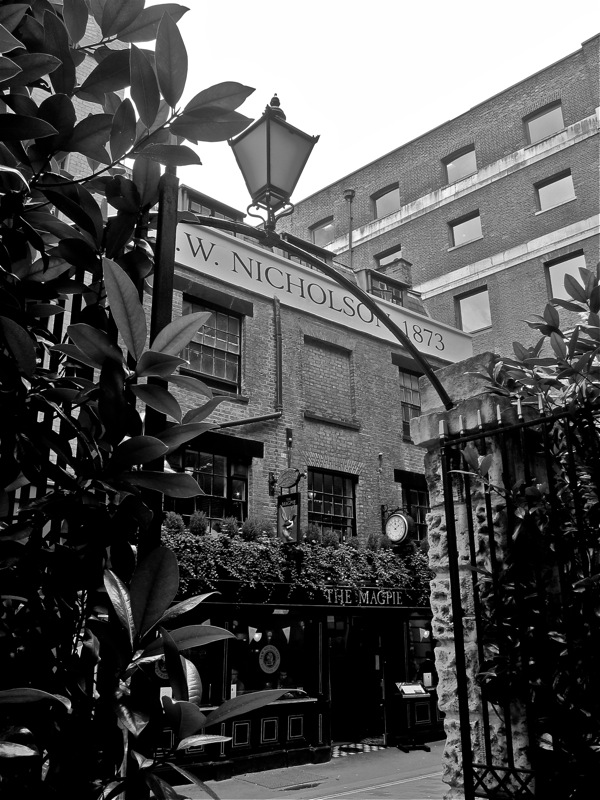
The Magpie, New St
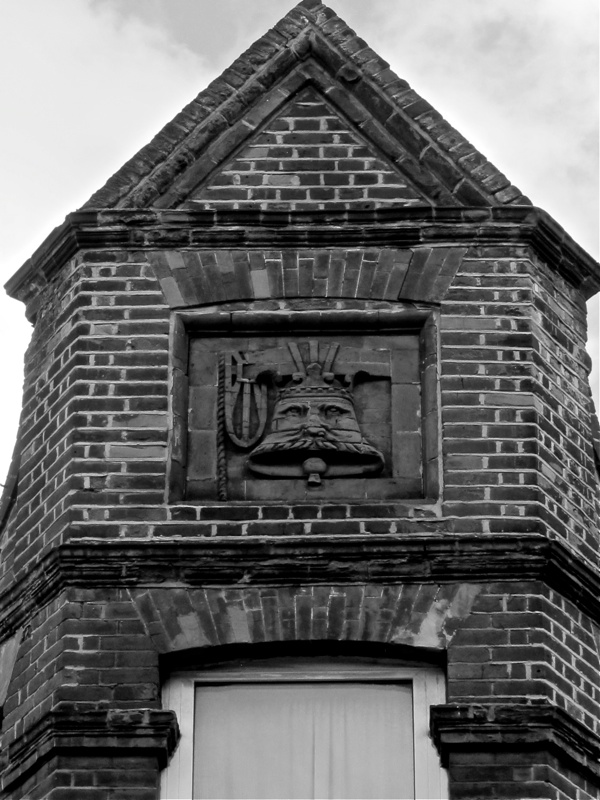
The Bell, Middlesex St
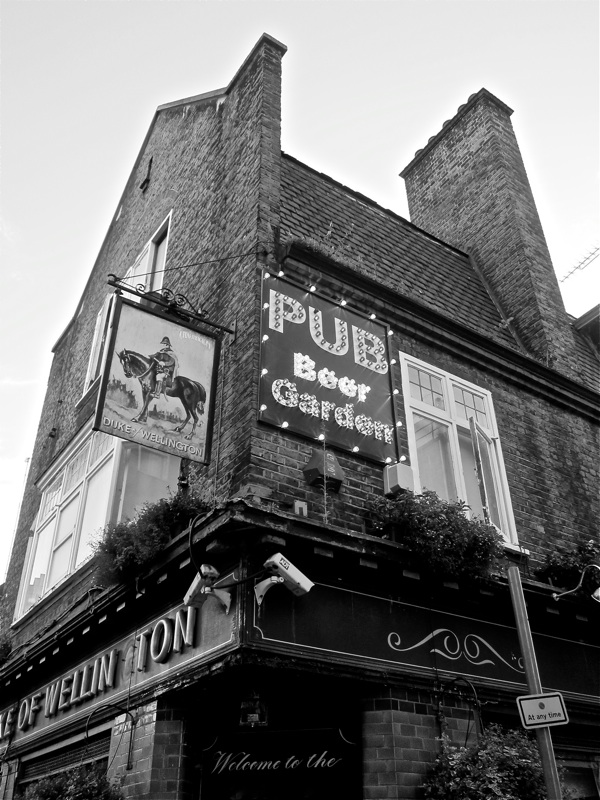
Duke of Wellington, Toynbee St
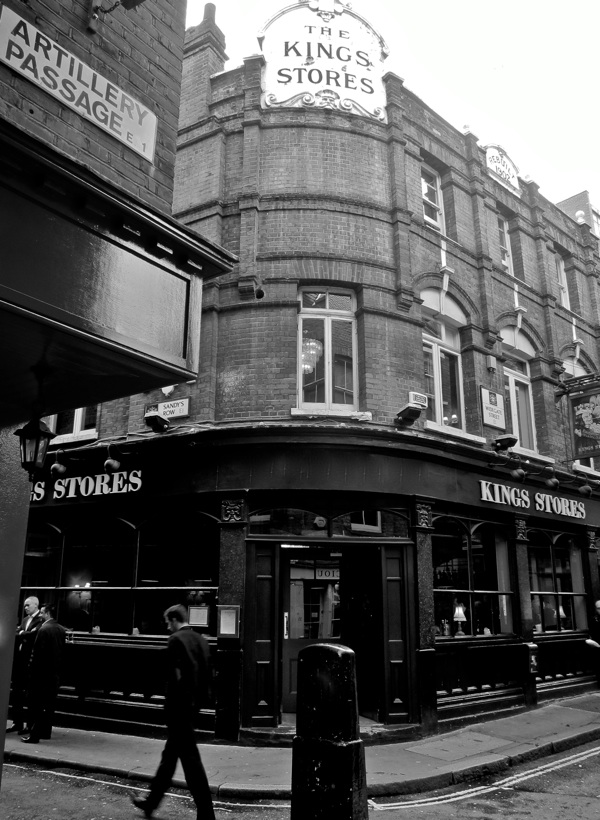
King’s Stores, Widegate St
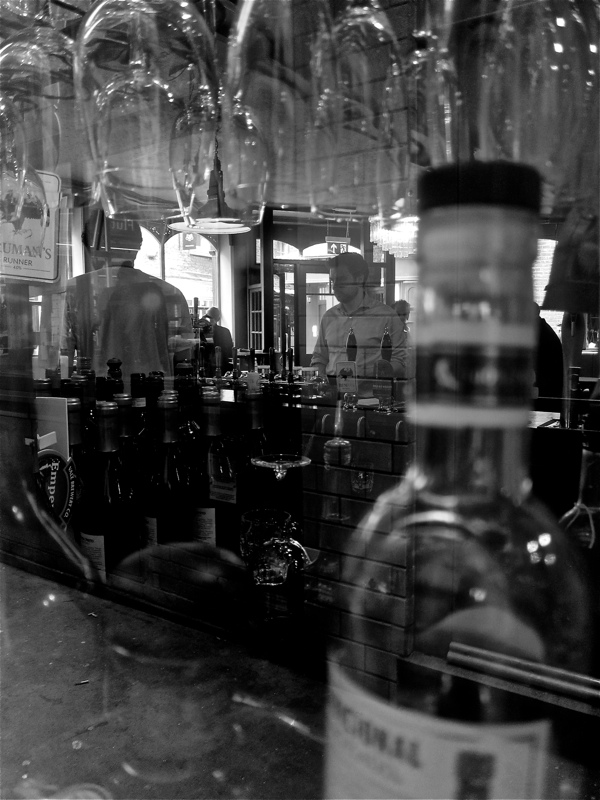
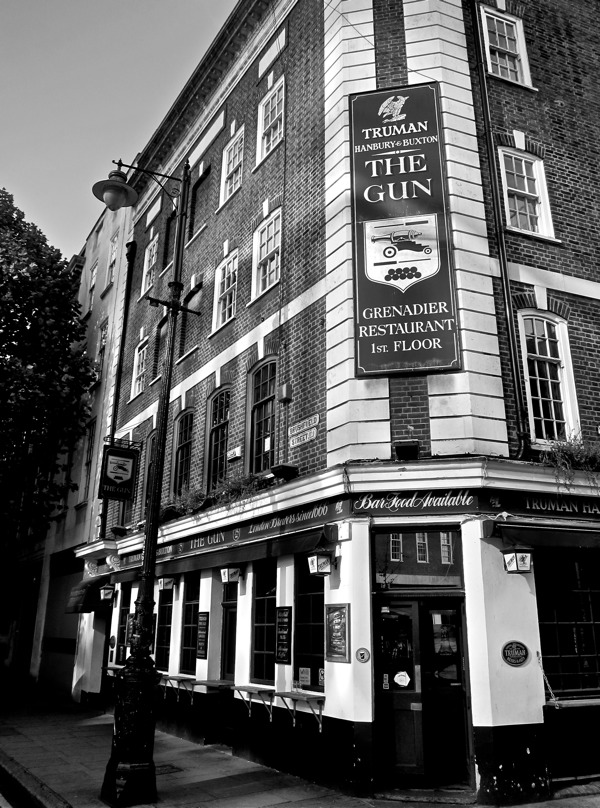
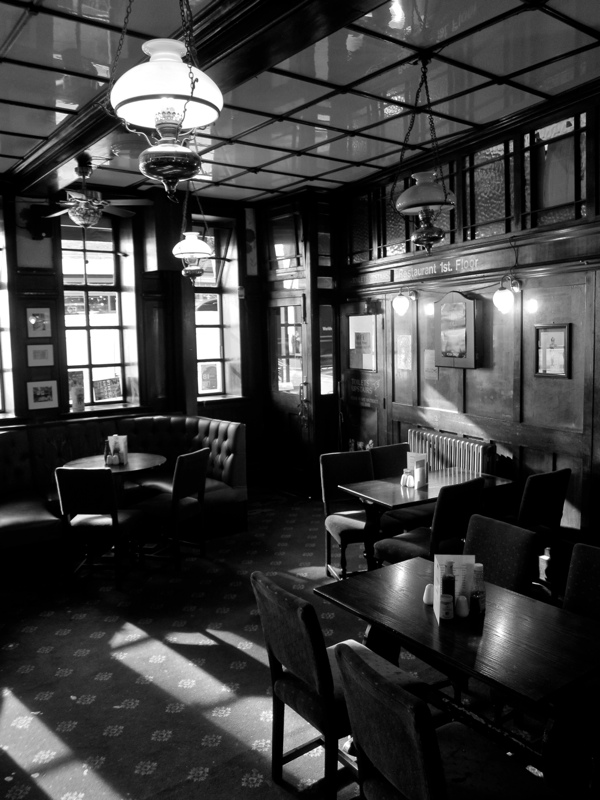
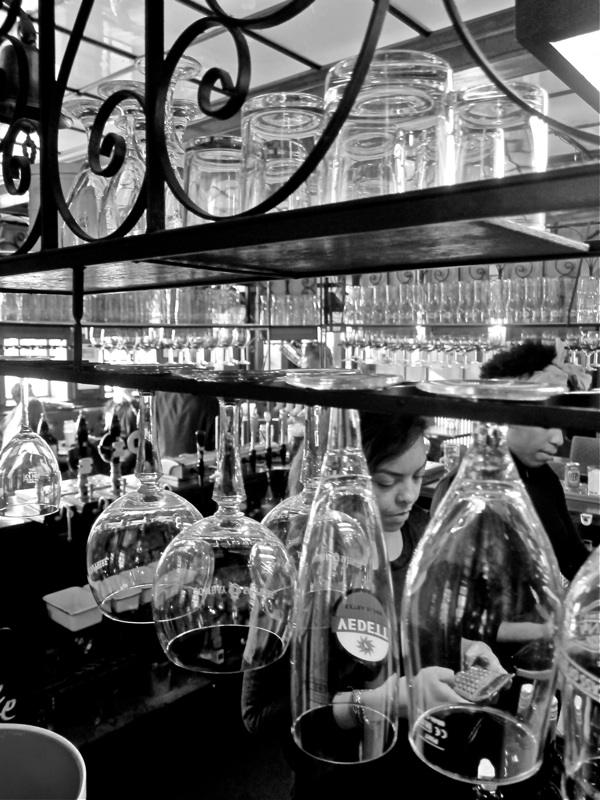
The Gun, Brushfield St
You may also like to take a look at
The Gentle Author’s Lantern Shows
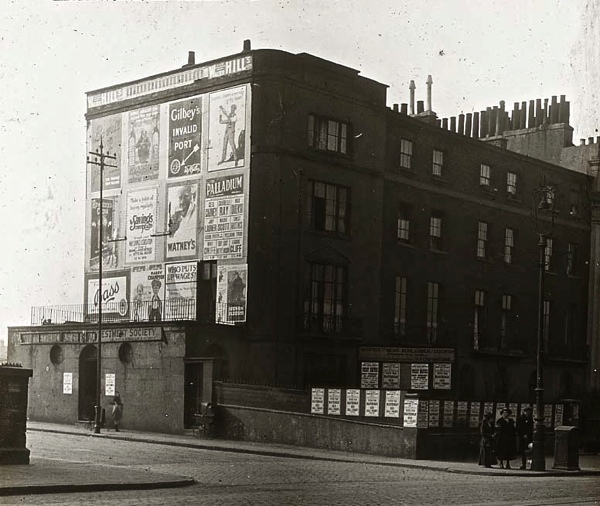
The publication of my Album gives me a wonderful excuse to stage live presentations of some of the photos of London I love the most and, announcing the first shows today, gives me the opportunity to publish more unseen glass slides from the hundred year-old collection of the London & Middlesex Archaeological Society at the Bishopsgate Institute – like this enigmatic picture of an unidentified street plastered with bills.
MY MAGIC LANTERN SHOW
Monday 28th October 7pm at Rich Mix, Bethnal Green Rd, E1
I will be showing and talking about my favourite pictures of London, both past & present.
Free admission but tickets must be reserved by emailing info@bricklanebookshop.co.uk
A NIGHT IN OLD LONDON
Thursday 31st October 6:30pm at Westminster Arts Library, Leicester Sq, WC2
I will be showing the lantern slides of London 100 years ago from the collection of the London & Middlesex Archaeological Society with live piano accompaniment by David Power, the eighty-six-year-old Showman, and Henrietta Keeper, thirty-year-veteran of Tate & Lyle Concert Parties, will be singing the songs of old London.
Presented by Salon for the City and sponsored by Hendricks Gin
Tickets £7 & £4 available from We Go Tickets
If you are a bookseller in London and you would like me to come and do a magic lantern show in your shop before Christmas please email me spitalfieldslife@gmail.com. If you are a retailer and you would like to sell copies of The Gentle Author’s London Album please email bridgetlj@faber.co.uk who deals with trade orders.
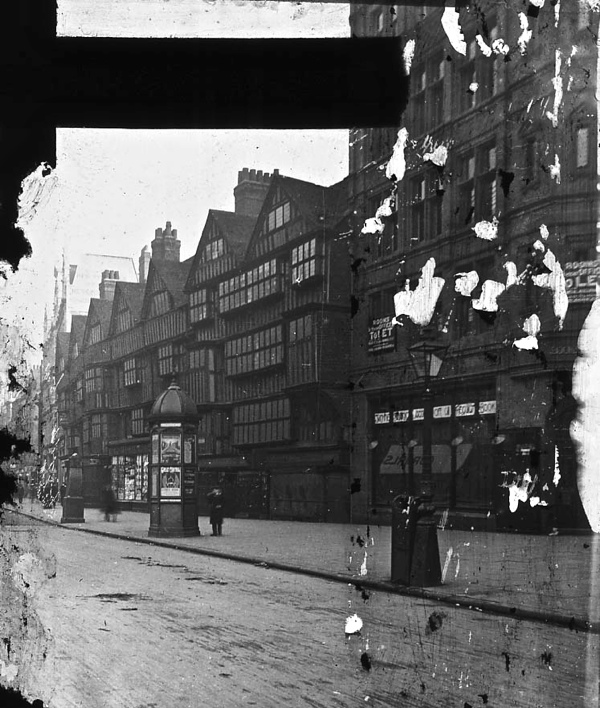
Holborn Bars
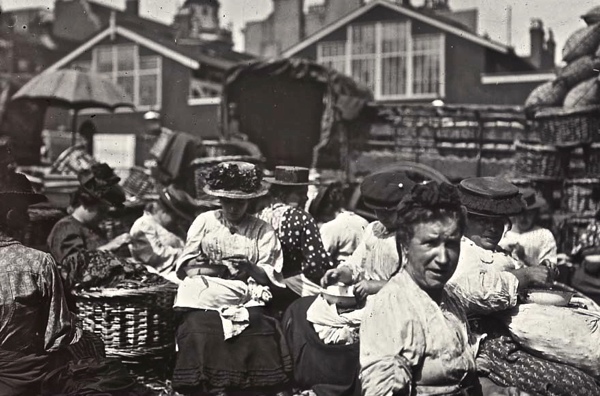
Women shelling peas at Covent Garden Market
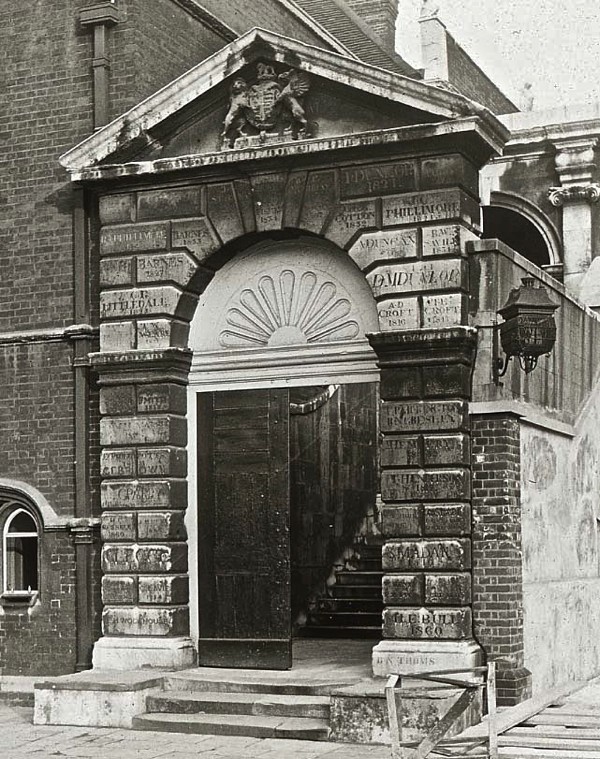
Graffitied doorway at Westminster School
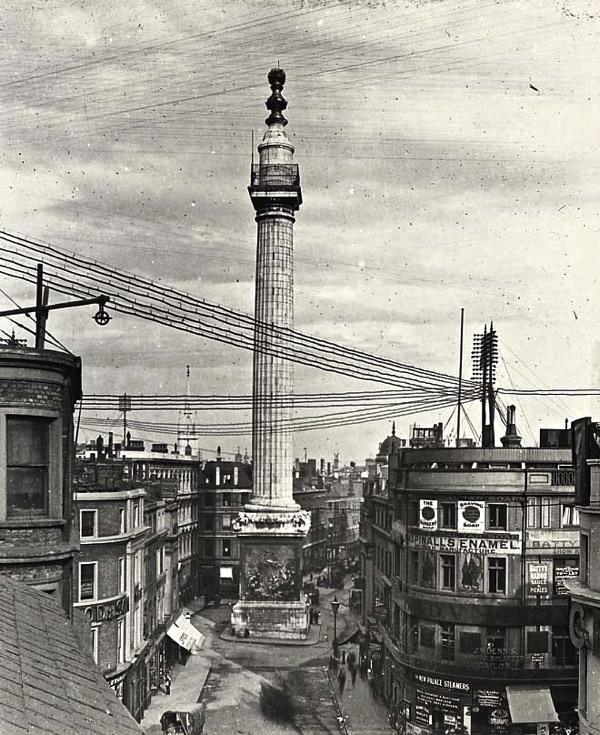
The Monument
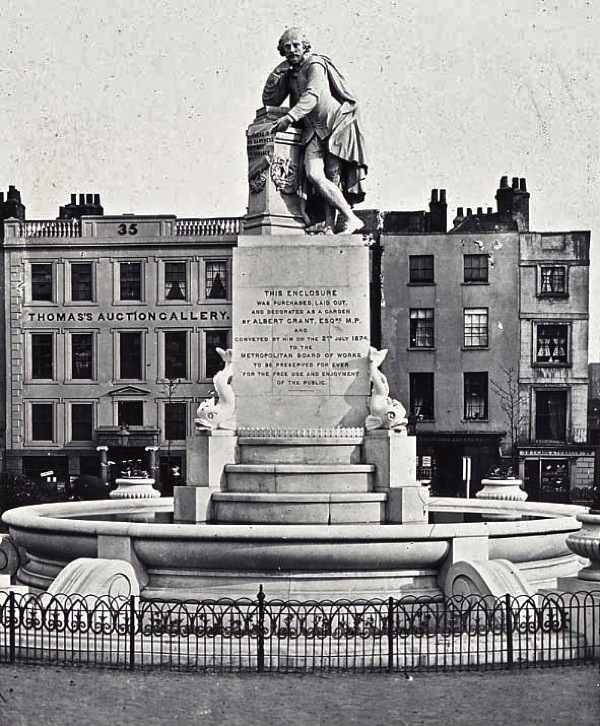
Leicester Sq
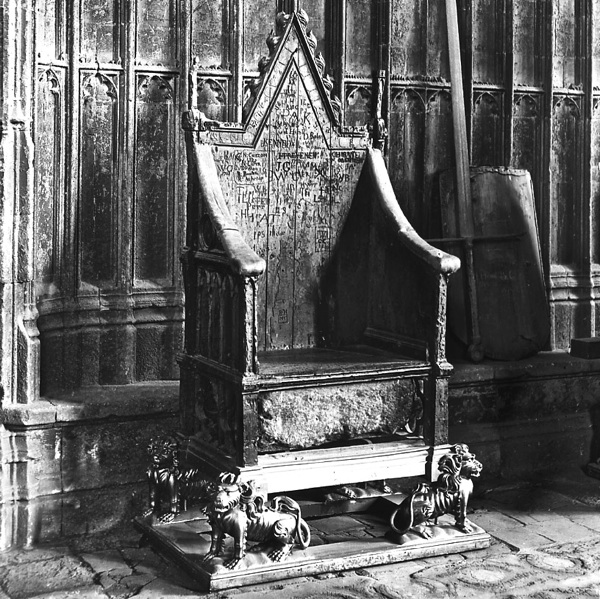
The throne of England, Westminster Abbey
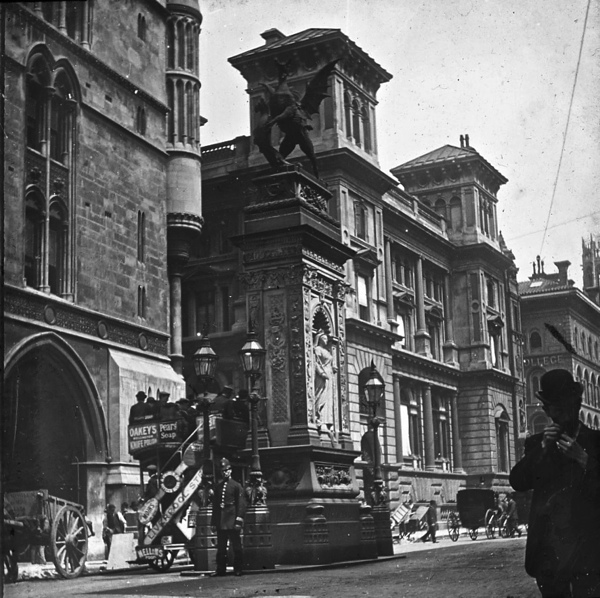
In Fleet St
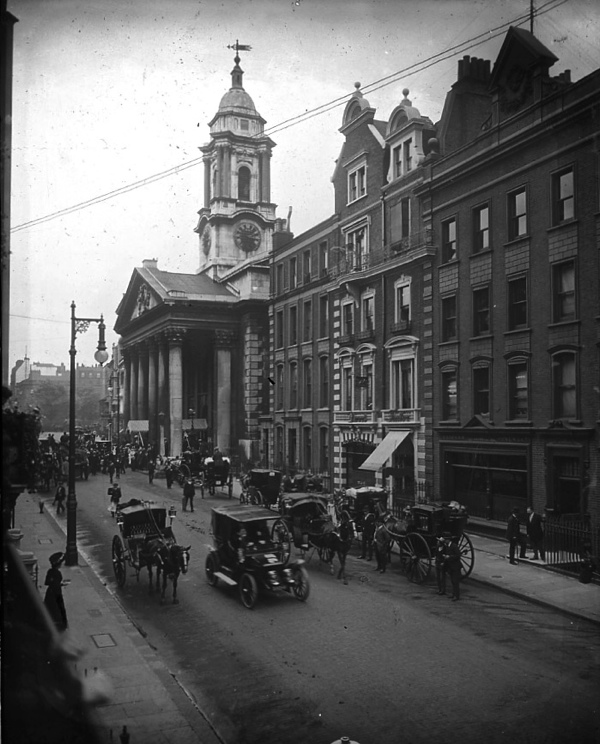
St George St, Hanover Sq
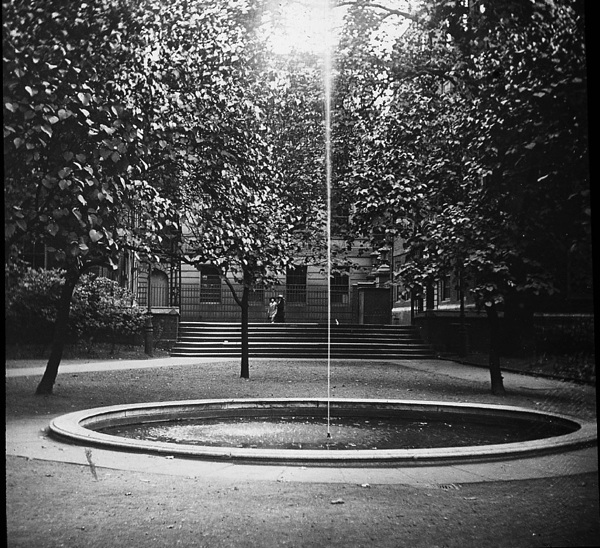
In Pump Court, Middle Temple

Chopping block & executioner’s mask at the Tower of London
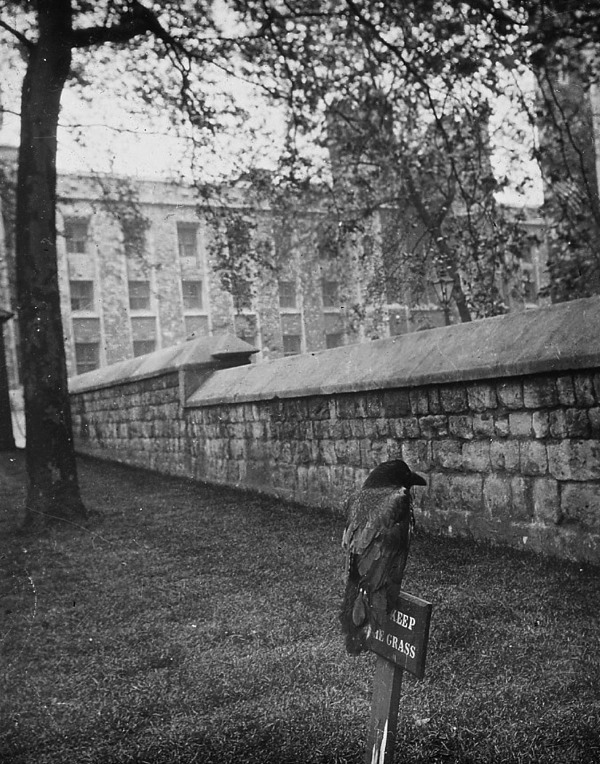
Raven at the Tower of London
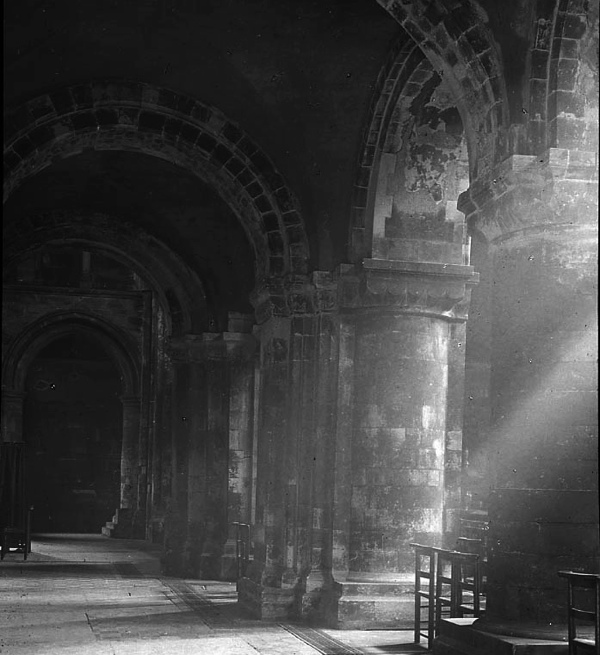
Rays of sunlight in St Bartholomew-the-Great
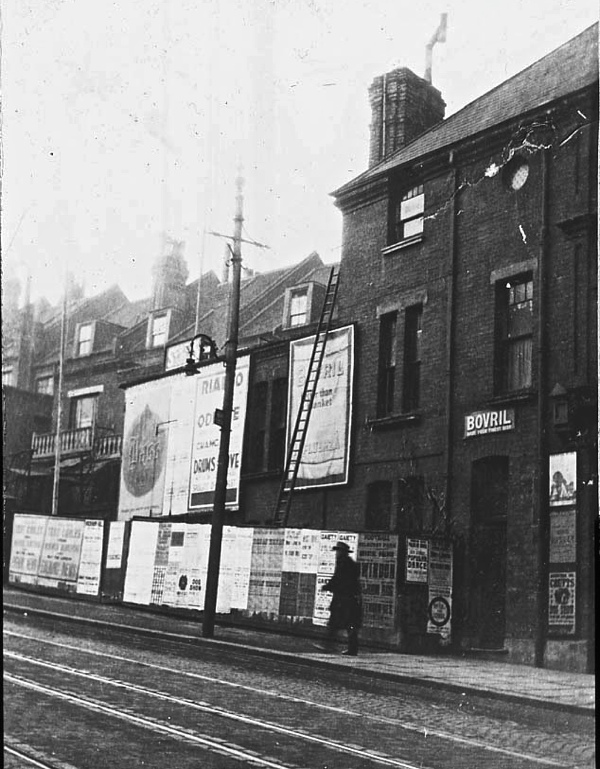
Unknown street with billboards
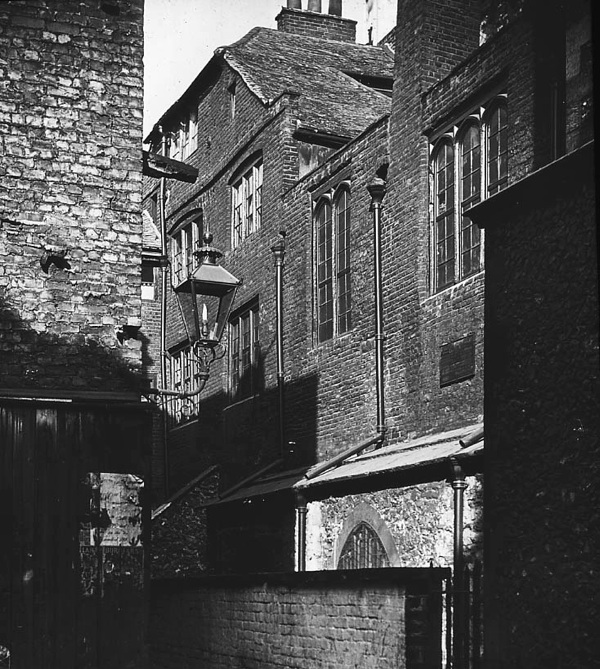
At the back of St Bartholomew-the-Great, Smithfield
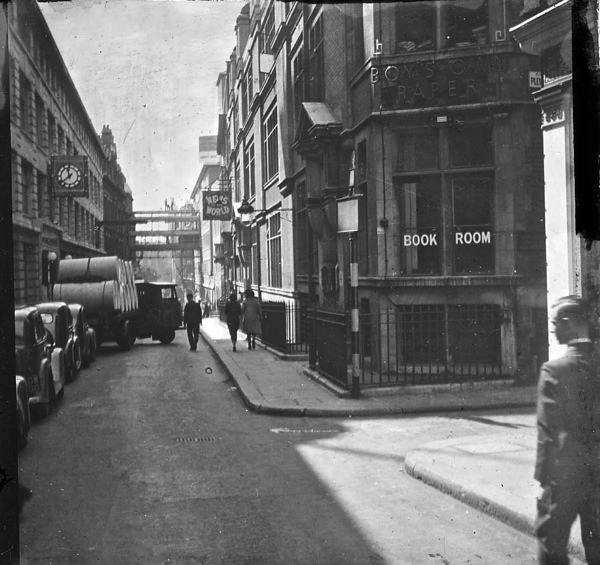
Delivering newsprint to the News of the World and Boys Own Paper off Fleet St
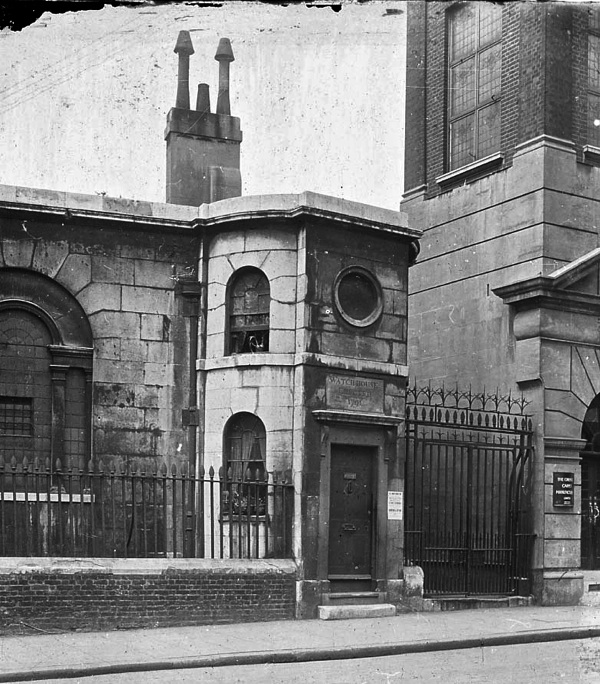
Watch House at Newgate
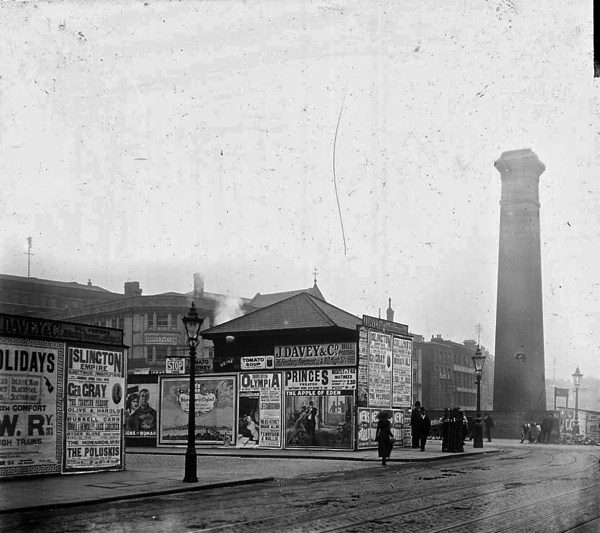
Farringdon Rd
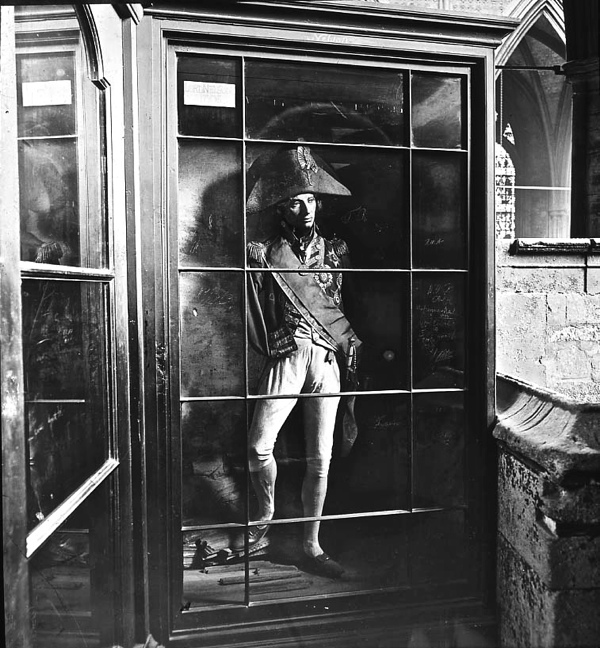
Funeral effigy of Nelson in Westminster Abbey
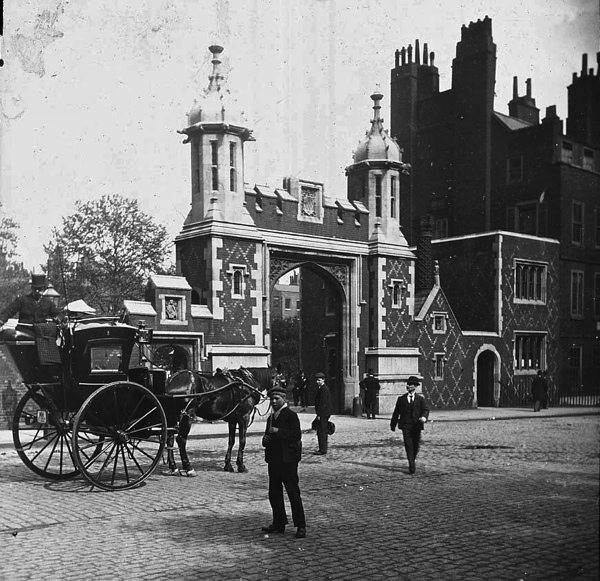
In Lincoln’s Inn Fields
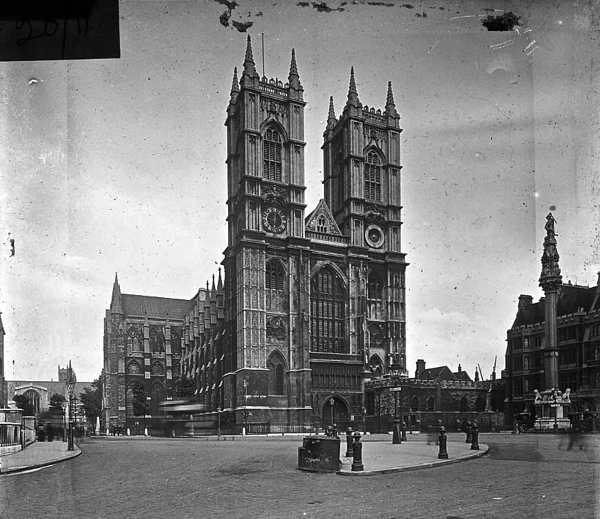
Westminster Abbey
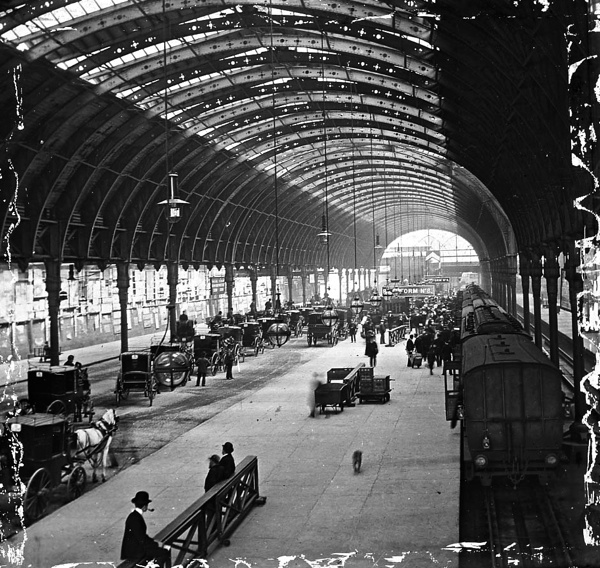
Paddington Station
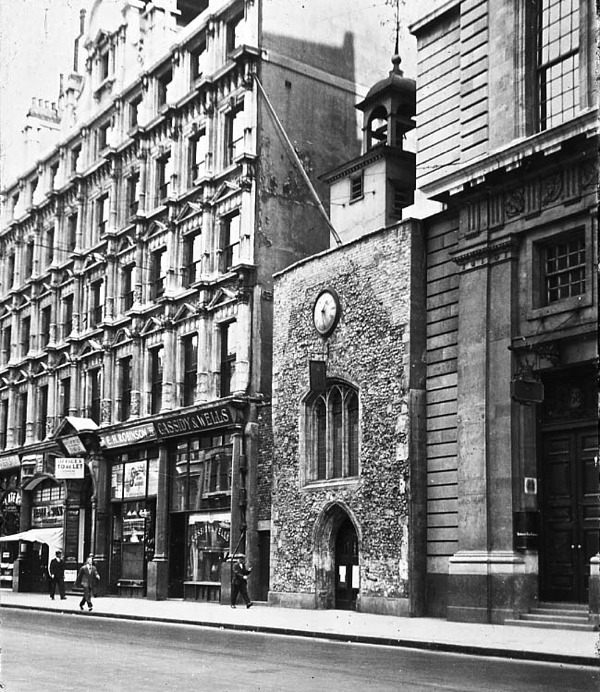
St Ethelburga’s, Bishopsgate
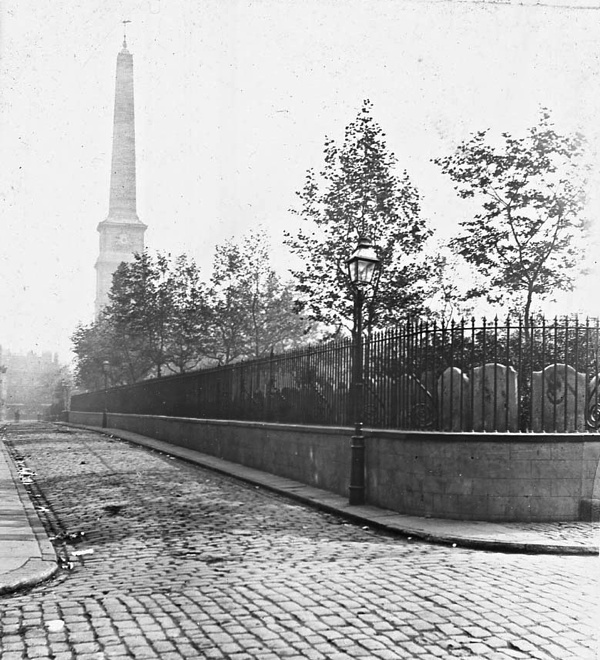
St Lukes, Old St, on a foggy day
Lantern slides courtesy Bishopsgate Institute
HOW TO WRITE A BLOG THAT PEOPLE WILL WANT TO READ
This course will examine the essential questions which must be addressed if you wish to write a blog that people will want to read.
A few places are still available on my two-day course this weekend at The Guardian, 90 York Way, N1
Saturday 26th & Sunday 27th October, 10am – 5pm
Book your place online at Event Brite
At the Mannequin Factory
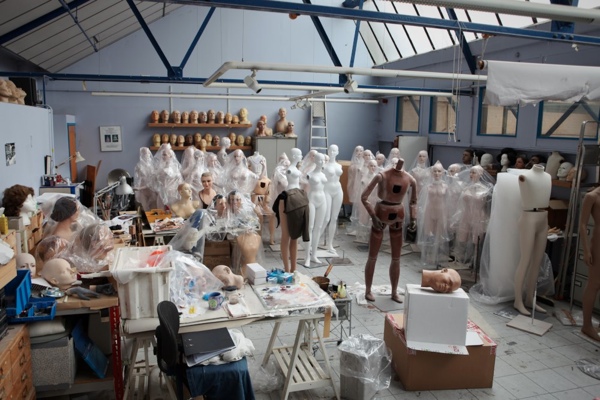
In the Museum Department
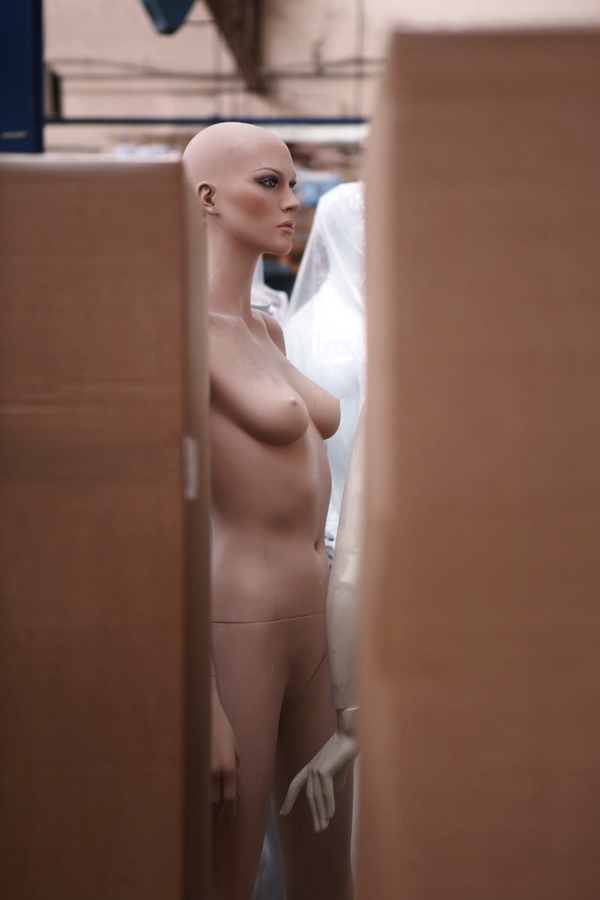
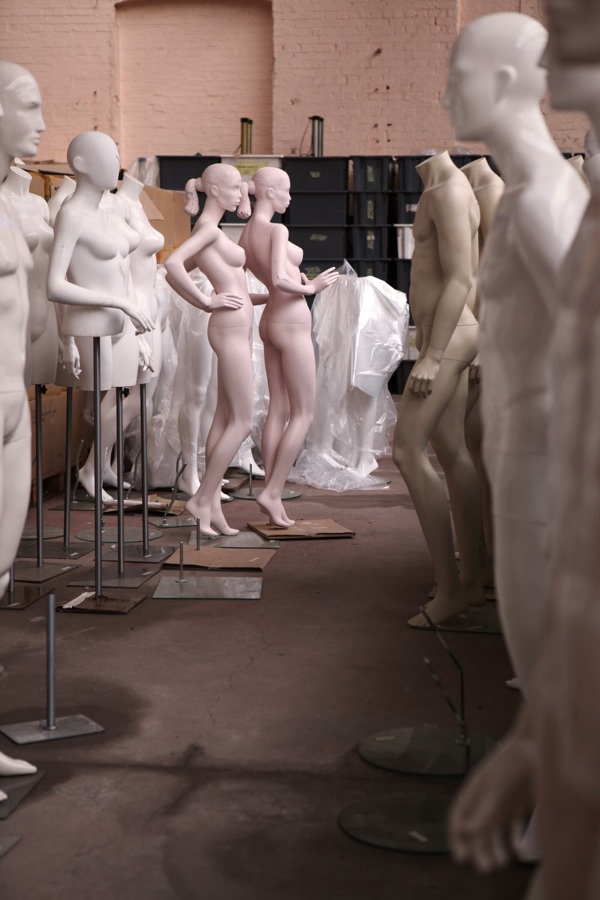
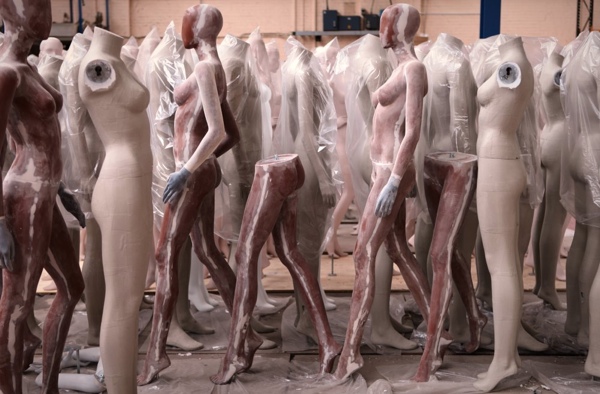
You are never alone at the mannequin factory. Wherever you turn at Proportion>London’s manufacturing operation in Walthamstow, there is always someone else in the room with you – and, even if these naked figures are inanimate, you cannot ignore their presence.
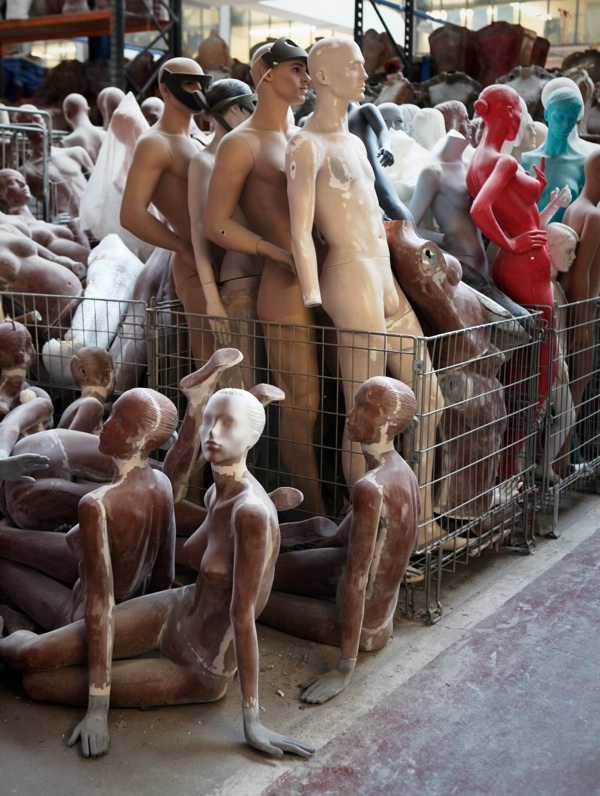
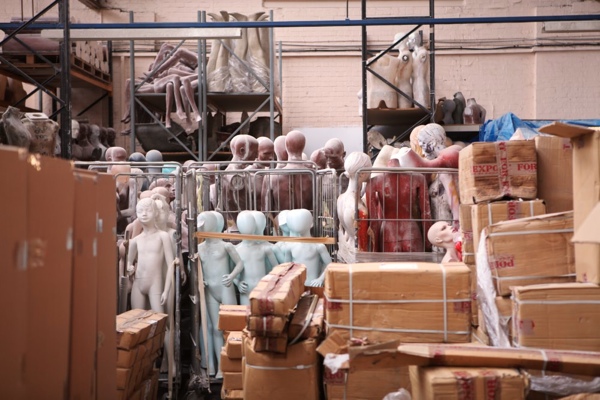
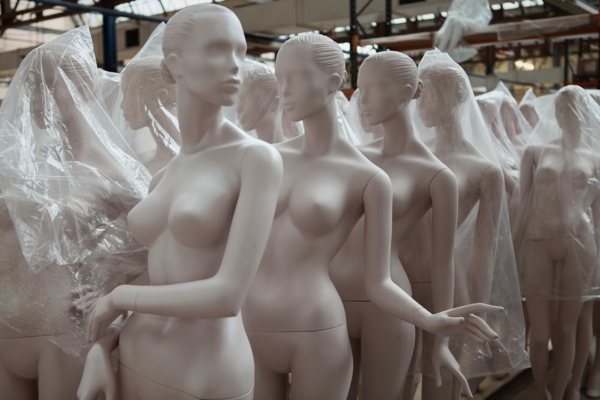
Eighty people work in the factory yet they are outnumbered by mannequins and, when Contributing Photographer Patricia Niven & I walked into the building, the first thing we saw were hordes of them lined up as far as the eye could see.
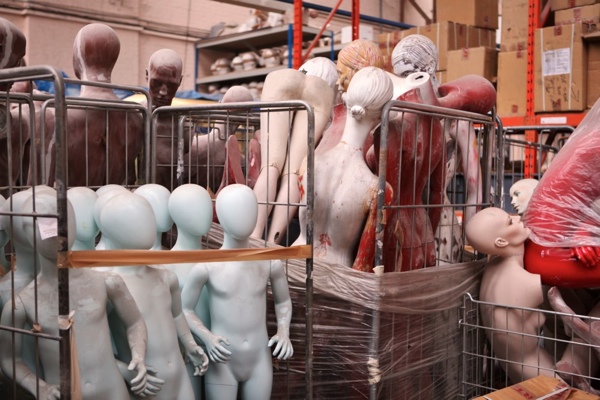
It might easily turn ugly if the mannequins decided to rebel but – fortunately – they are placid, waiting patiently for their time to go out into the world. Perhaps their good nature is explained by the love and care lavished upon them by their creators, producing well-balanced shop dummies with perfect bodies. Those created in this particular Eden are shameless in their nudity, even if their destiny lies in clothing. These are pedigree mannequins manufactured by Britain’s leading supplier for many of the most famous High St brands and fashion houses. More than eighty per cent migrate, constituting a global retail display diaspora originating from Walthamstow.
Built in 1911 for manufacturing buses to transport recruits to the First World War, the handsome factory in Blackhorse Lane has seen many incarnations – used for manufacturing chocolates and then footwear before it became the birthplace for a new race of mannequins in 2000. “Thirteen years ago, I was in shoe manufacturing,” explained Peter Ferstendik, the owner, “but the industry was destroyed by the Far East and we had no option but to cease production, so then I decided to buy this company and improve it.”
Seigel & Stockman was founded in Paris in 1867 and began trading in London in the nineteen-twenties, manufacturing paper maché dummies for couture houses and dressmakers’ showrooms, and benefitting from the rise of department stores. When Peter acquired the company, it was independent of the parent and operating with fifteen employees from a factory Old St, still making mannequins in the traditional manner as it had done for one hundred and thirty years.
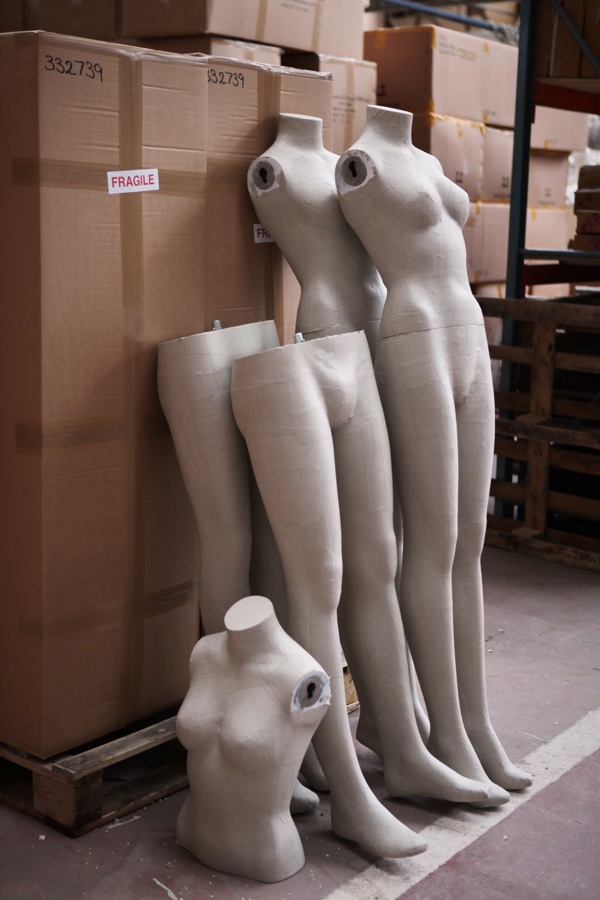
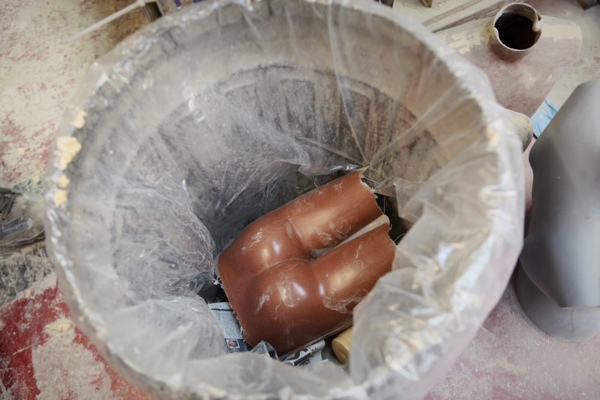
Today, with five times the staff, Proportion>London produces fibreglass models alongside the original paper maché and has diversified into a wide range of display mannequins for retail and museum use that are continually redesigned and updated. “Our competitors copy our mannequins,” admitted Peter, with more than a hint of swagger,“but we are always a year ahead. The only time we should worry is if they stop copying us!”

Peter Ferstendik, Chairman of the company – “We live and breathe retail display”


Leon Silva, Supervisor for Paper Maché – “I am the only original employee from Old St – when I started here in 1993, we just had paper maché but now fibreglass is the thing.”

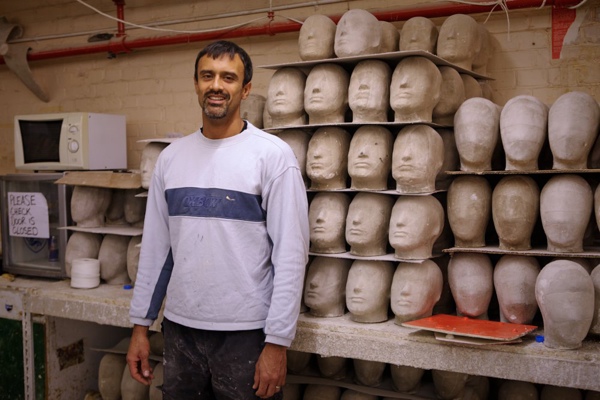
Mayur Bhadalia, Mould Maker – “Since 1987, I worked in this factory as a shoemaker, but in 2000 I became a mould maker.”

Mark Deans, Mould Maker – “I’ve always made models, since I was a boy”
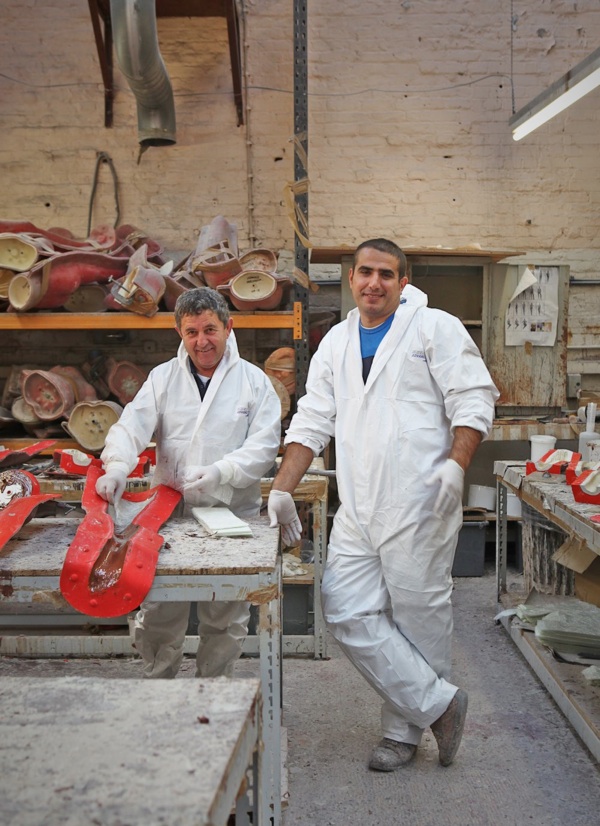
Arjan Shbani & Basil Simoni, Laminators
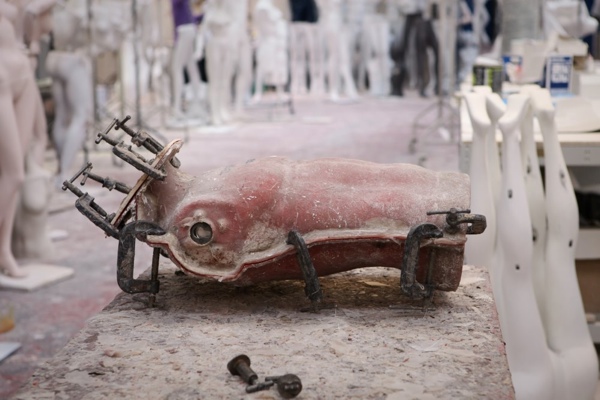
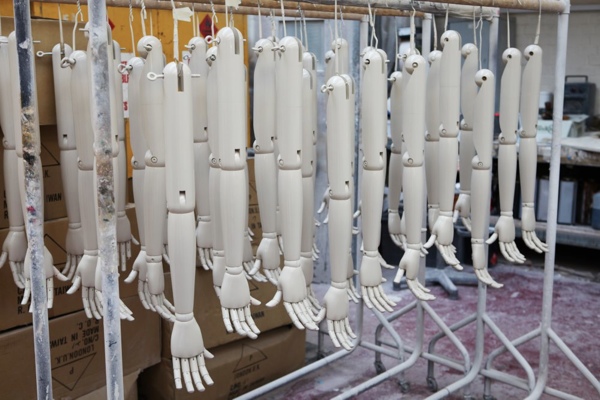

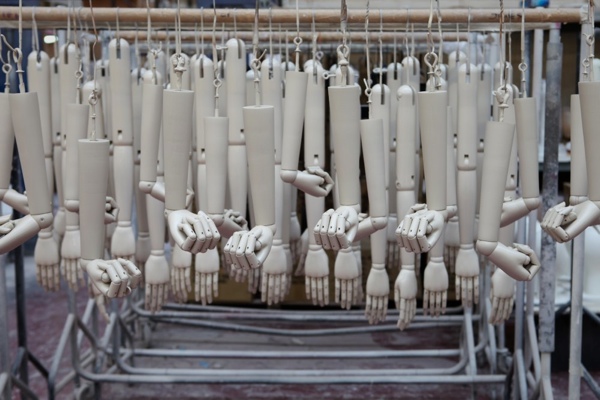
Des Riviere & Dilhan Mustafa, wood finishers. Des – “When I started I did whole figures but now I just do arms.”

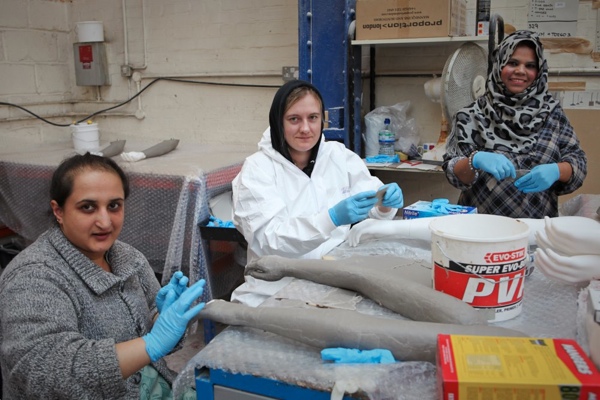
Ghazala Asghar, Anna Ostrowko & Amina Burosee
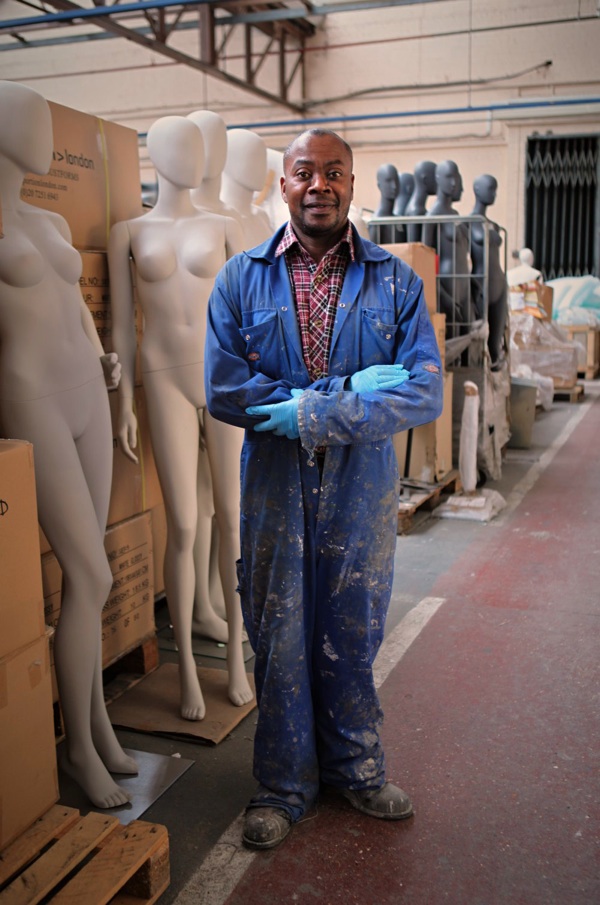
Andrew Thomas, Cleaner & Odd Jobs Man – “I used to pack chocolates here twenty years ago.”
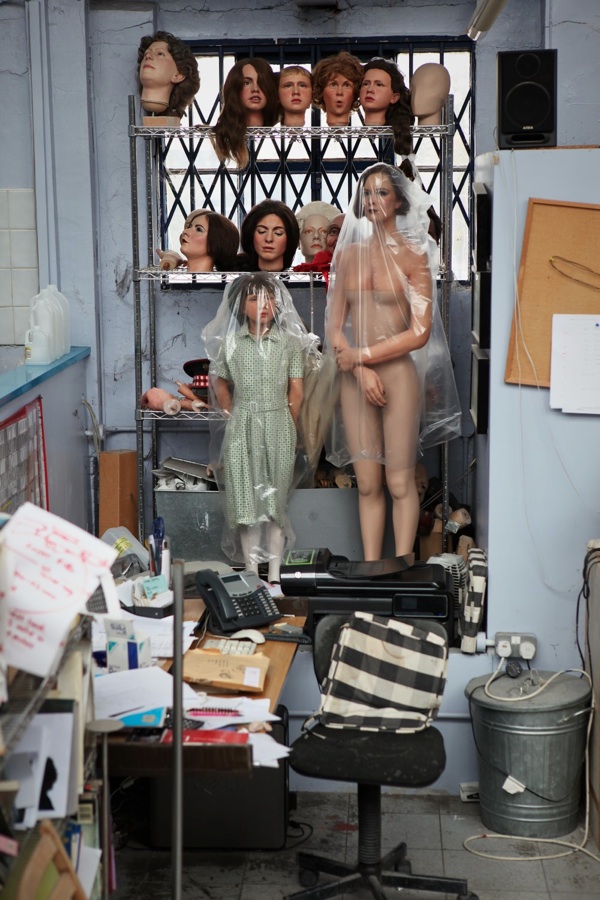
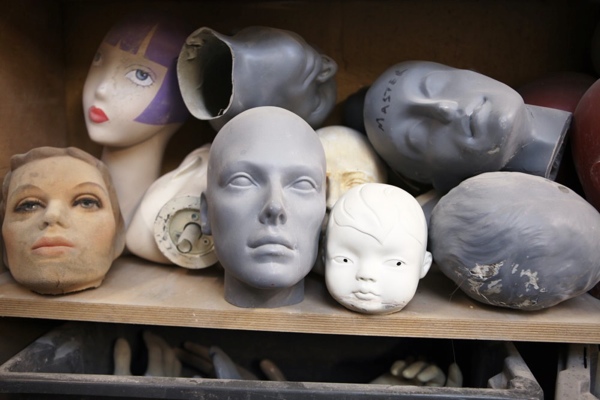
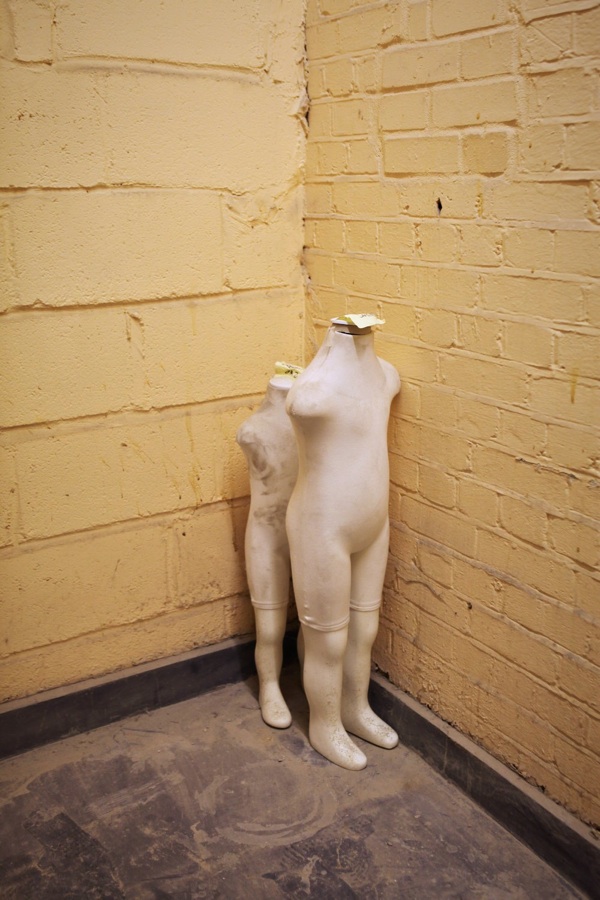
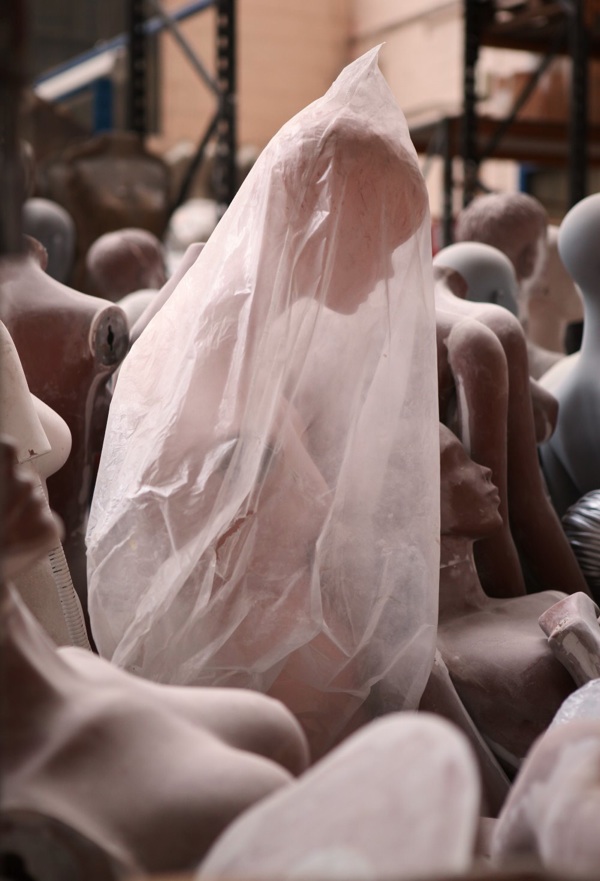
Old museum dummies
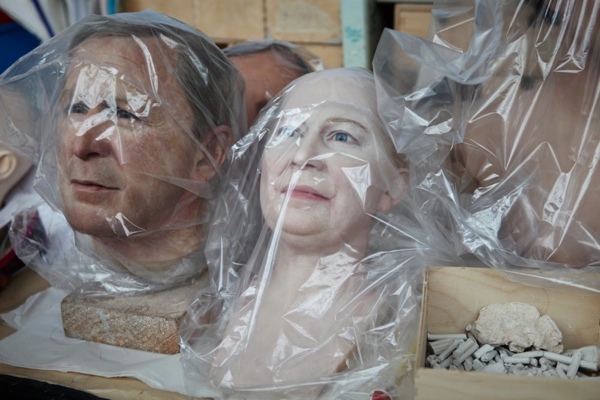
George Bush & The Queen
Photographs copyright © Patricia Niven
You may also like to read












