
Phil Maxwell In Whitechapel Rd
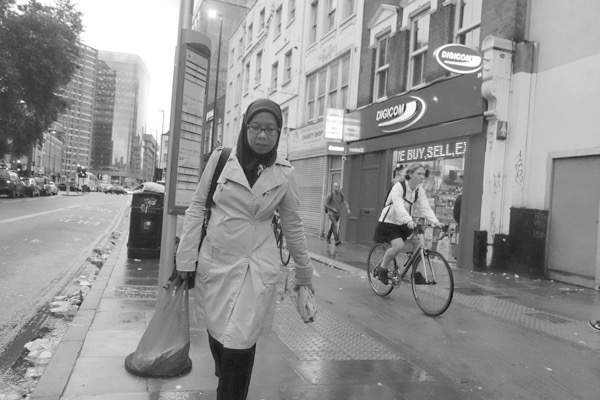
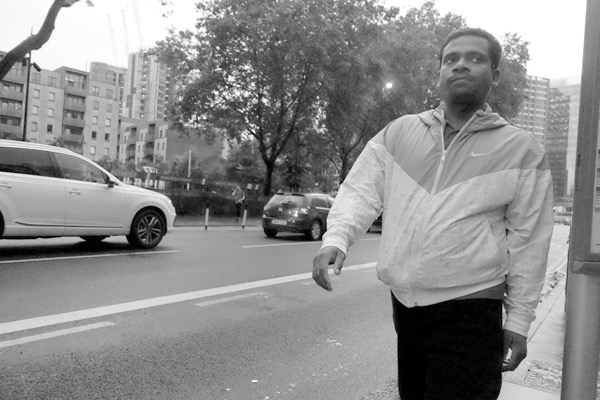
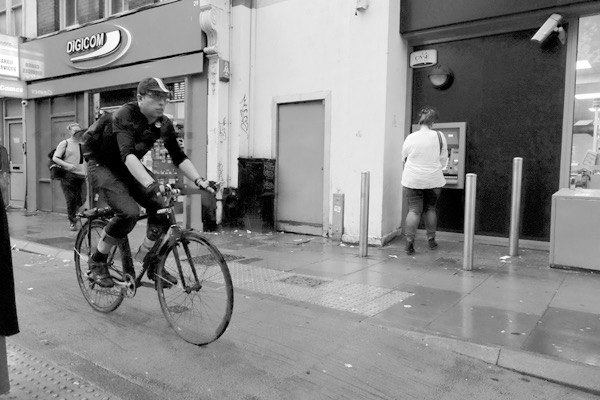
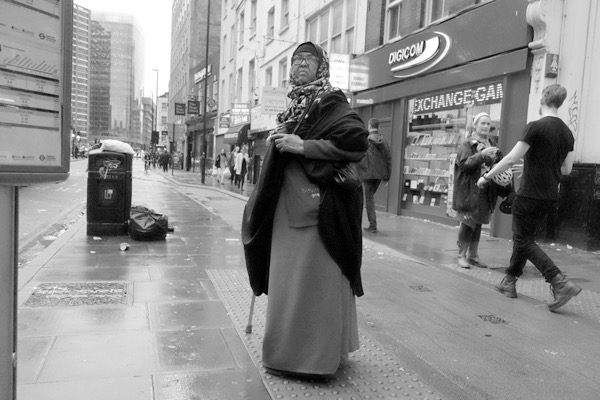
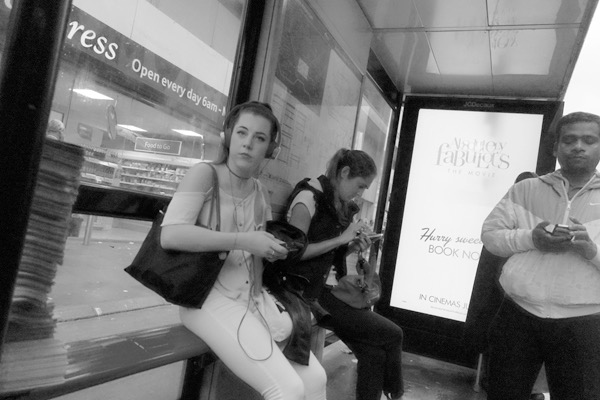
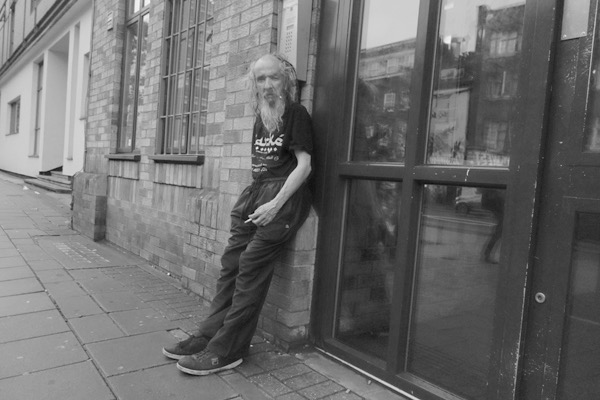
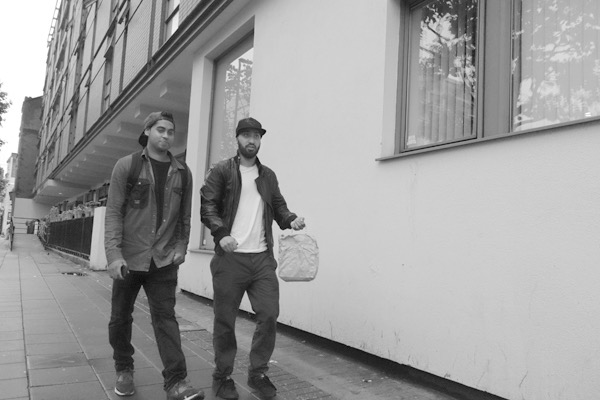
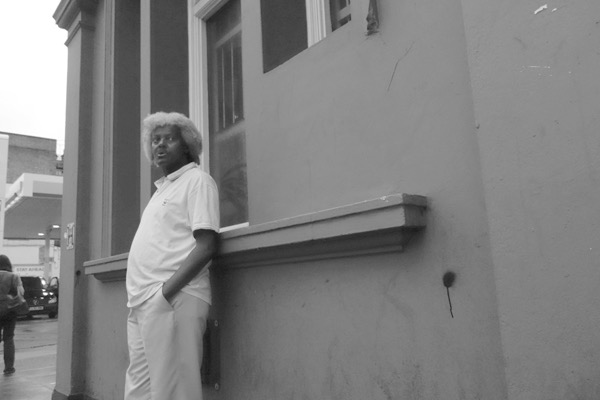
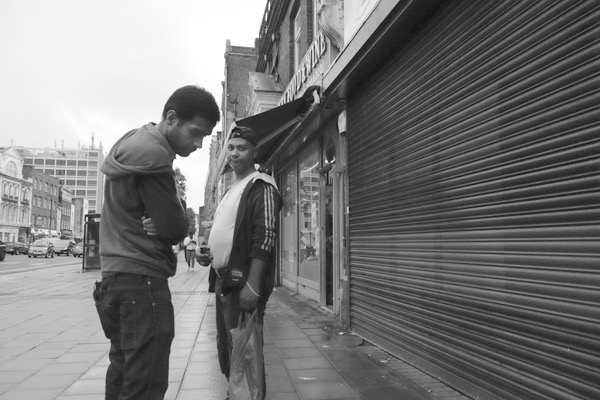
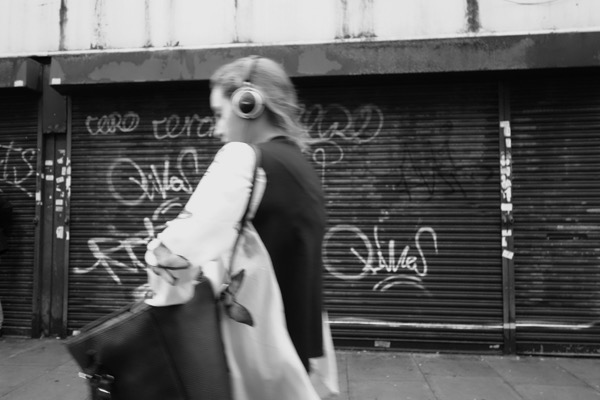
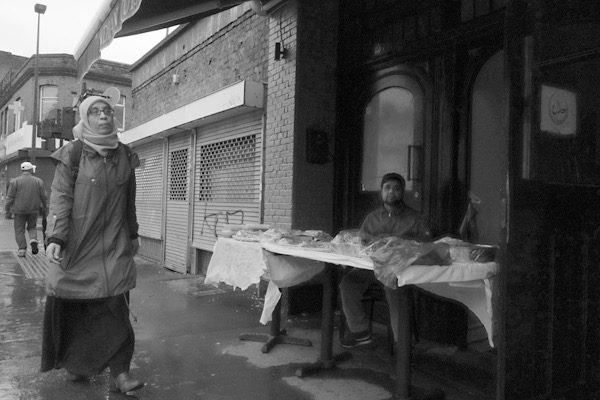
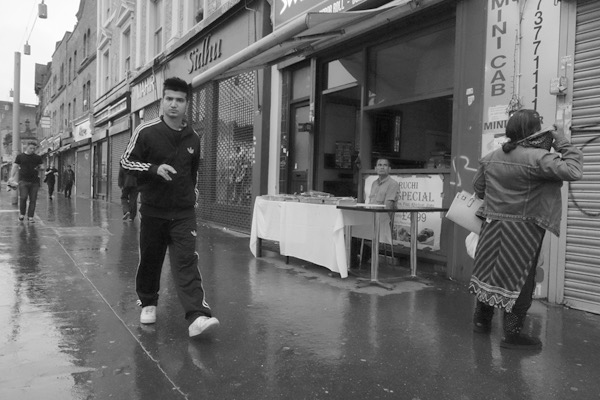
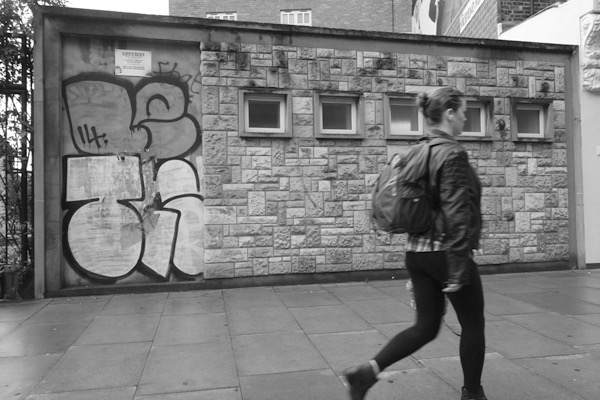
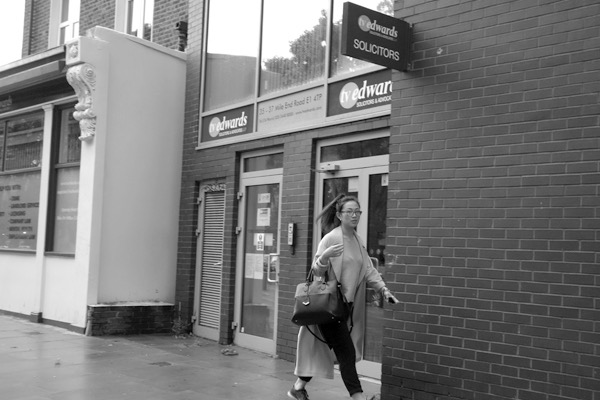
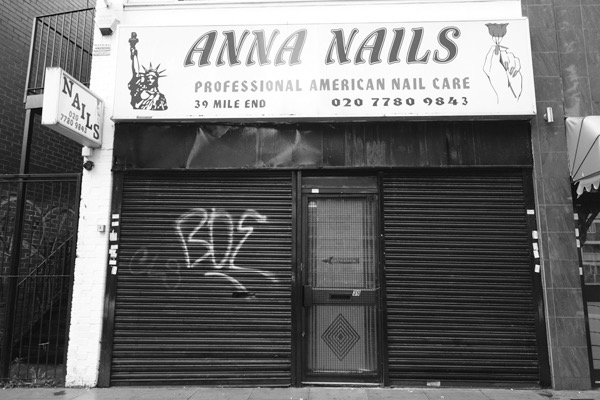
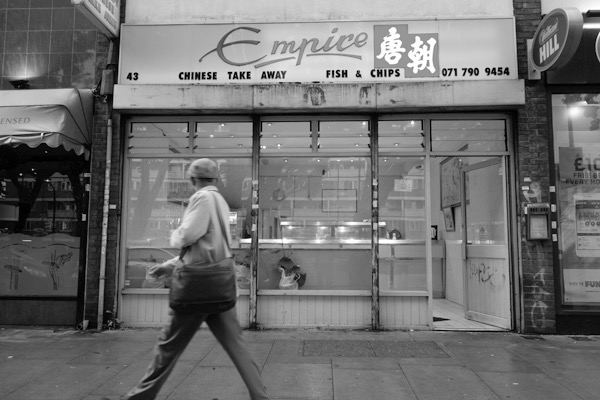
In this sequence, Contributing Photographer Phil Maxwell documents the ceaseless flow of humanity along the mile of pavement between Aldgate and Whitechapel to the point where the Mile End Rd commences, at the junction with Cambridge Heath Rd where the turnpike once stood. Most people set out purposefully along this long straight road, unaware of those who linger to observe the spectacle and those with nowhere to go, who seek refuge at the Salvation Army’s Booth House.
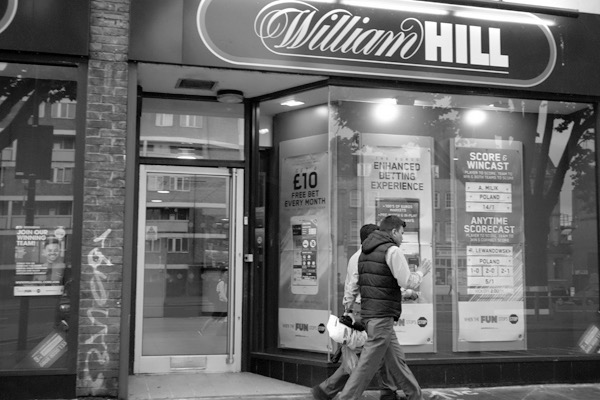
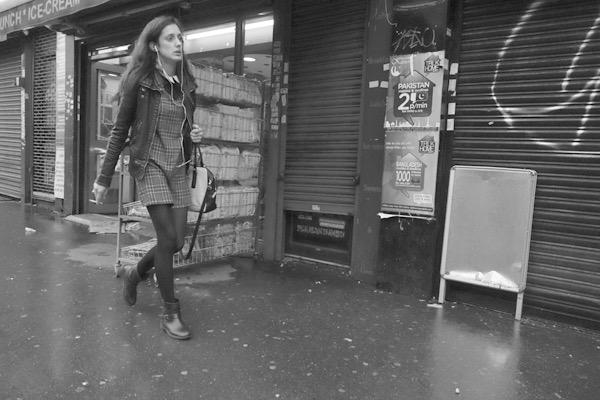
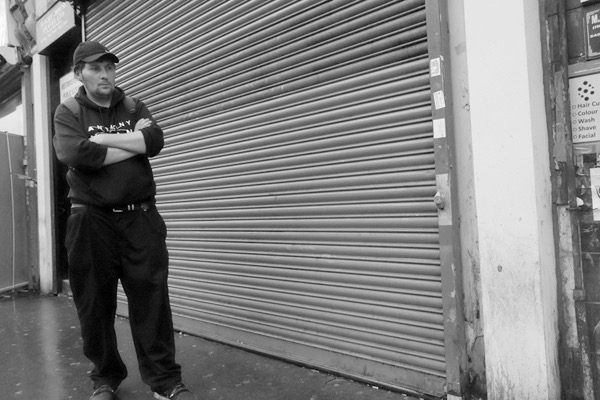

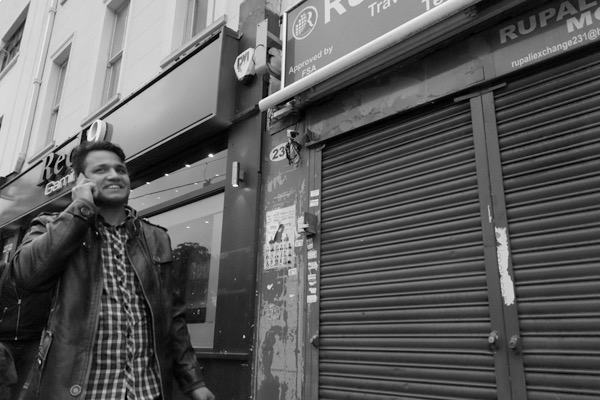
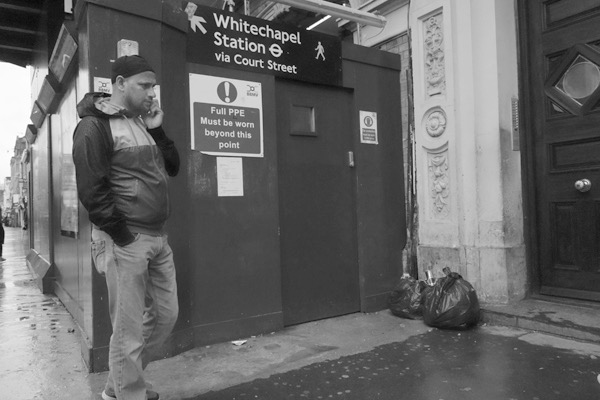
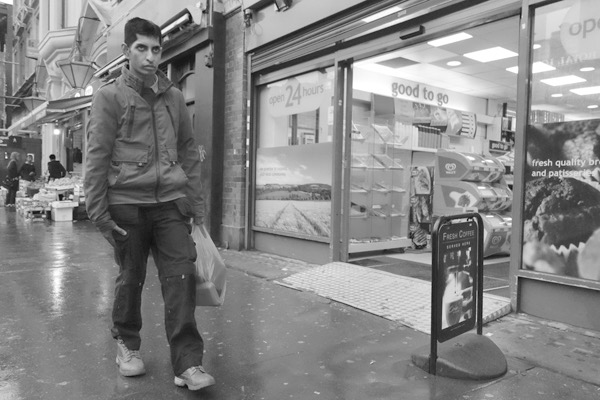
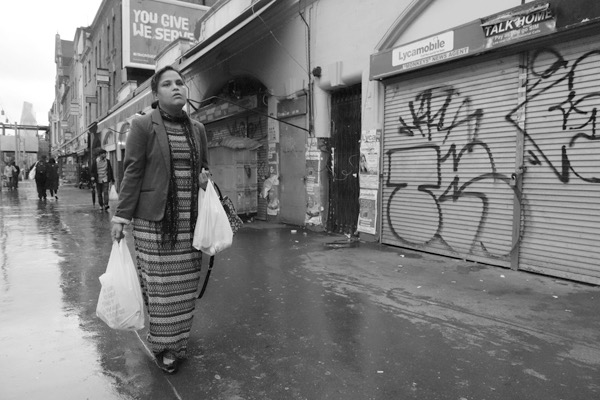
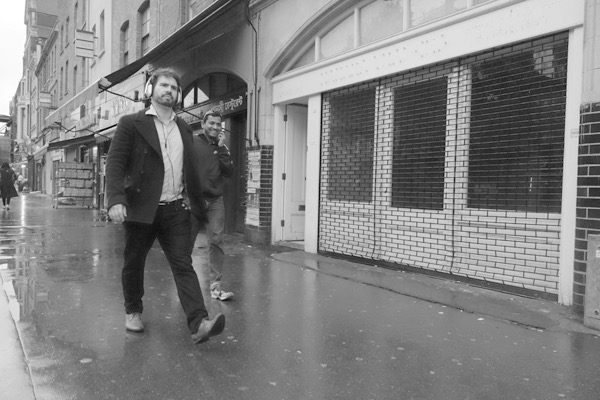
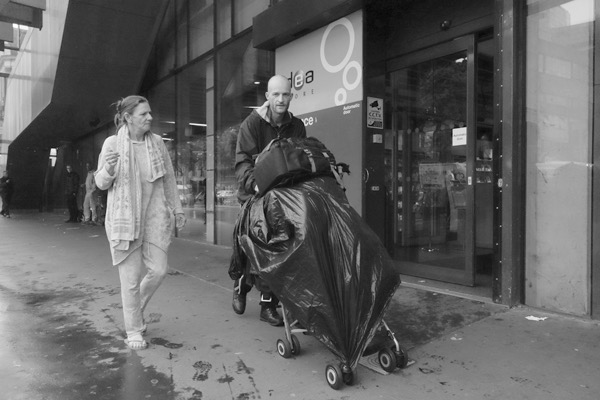
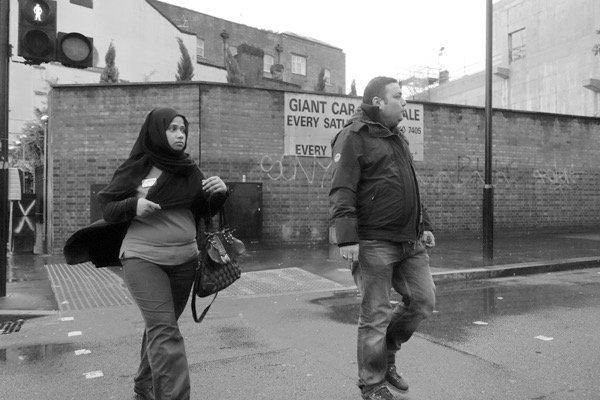
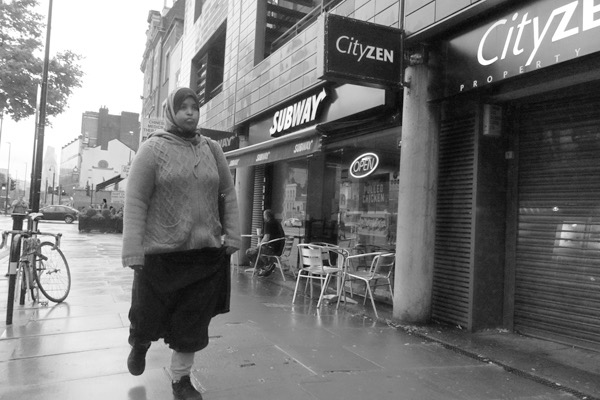
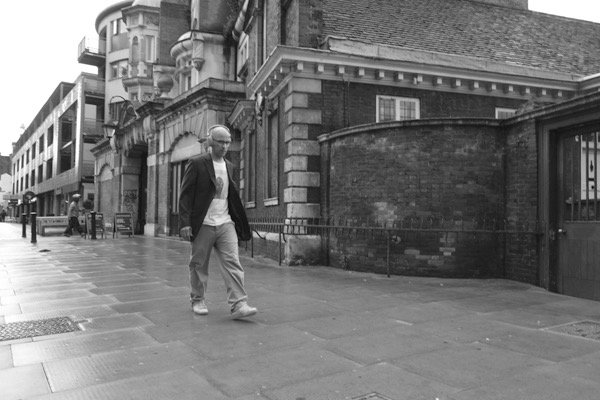
Photographs copyright © Phil Maxwell
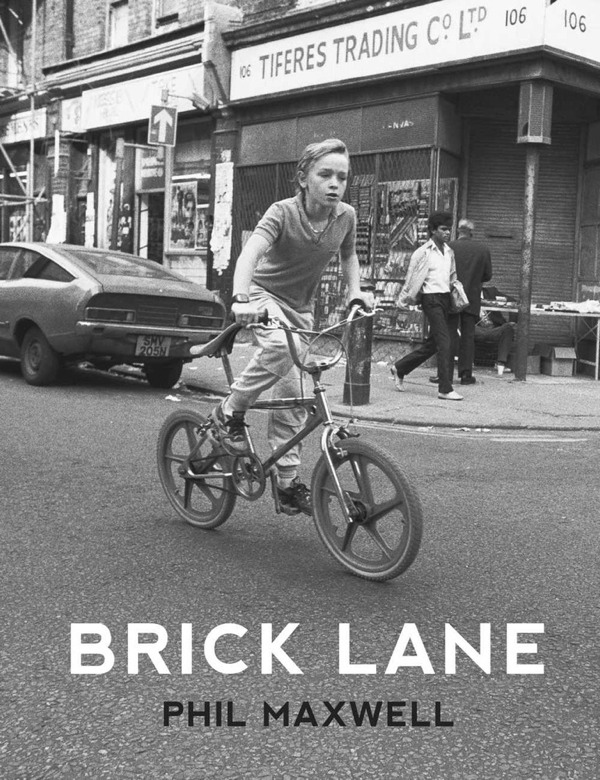
CLICK HERE TO BUY A COPY OF PHIL MAXWELL’S ‘BRICK LANE’ FOR £10
You may also like to take a look at
Phil Maxwell in Bethnal Green Rd
Phil Maxwell’s Kids On The Street
Phil Maxwell’s East End Cyclists
Phil Maxwell in Bethnal Green Rd
Phil Maxwell & Sandra Esqulant
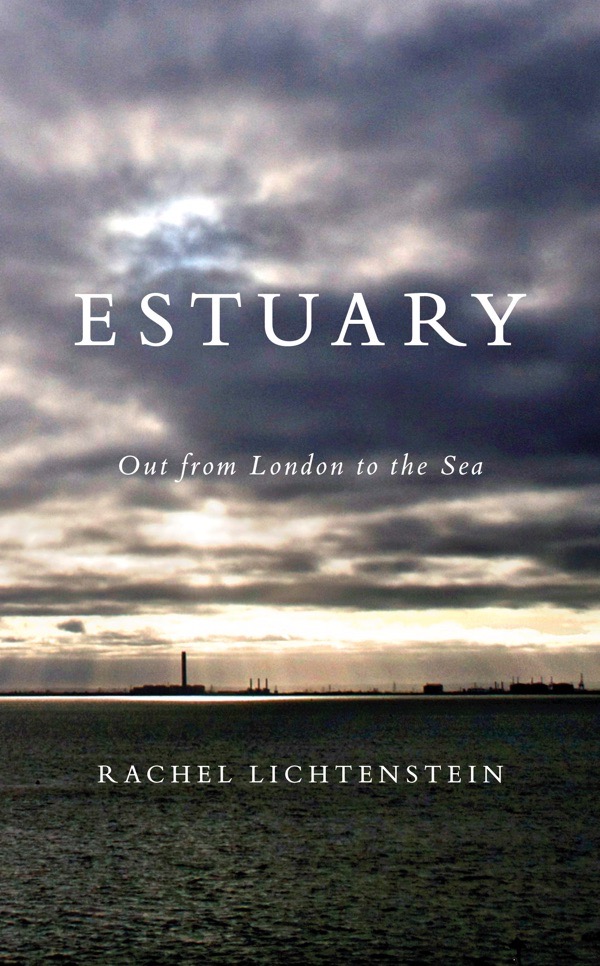
Out From London To The Sea
Rachel Lichtenstein introduces her new book Estuary: Out From London To The Sea – An immersive journey into the world of the Thames Estuary and the people who spend their lives there – published by Hamish Hamilton on 22nd September to coincide with ESTUARY, a sixteen day festival celebrating the culture of the Thames Estuary.
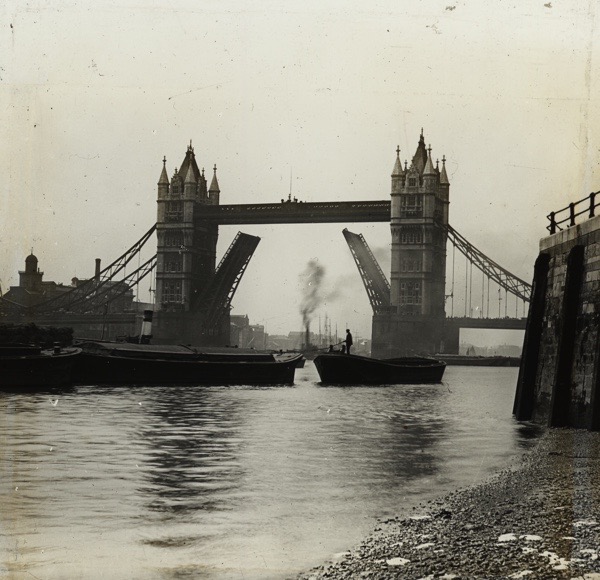
Tower Bridge, 1910
On the night of the summer solstice, I made my way to Hermitage Moorings, just east of Tower Bridge. There were about a dozen vessels in the harbour, tugs and Thames barges mainly, which had been lovingly restored by a community of passionate enthusiasts. The historic boats made an impressive sight with the dark, wooden masts of the barges and their folded, heavy red sails silhouetted against the great royal palace behind.
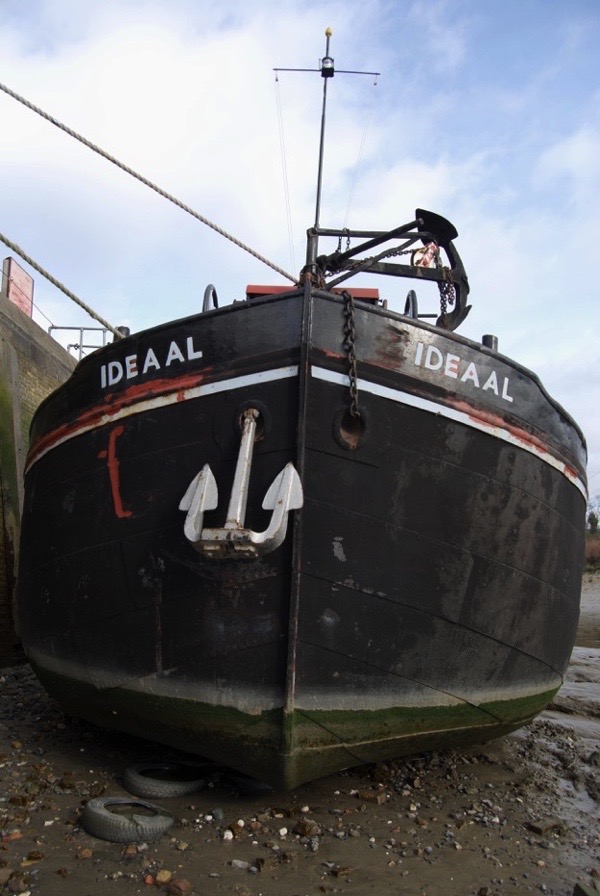
I found Ideaal moored alongside a refurbished Thames sailing barge, which now served as a permanent residence for a young couple and their dog. Skipping over the artfully arranged nets and ropes on the deck of the sailing boat, I hopped on to the fifty-ton Dutch barge. It had originally been built in the nineteen-twenties as a working barge to carry freight and has since been converted into a studio by owner Ben Eastop, although it remains a seaworthy vessel.
As the light slowly faded on the longest day of the year, I sat on deck with the rest of the crew, drinking beers, sharing stories and watching the cityscape transform. By dusk, a low mist began to obscure most of the buildings. The dome of St Paul’s disappeared before re-emerging, floodlit, against the London skyline. Red-flashing beacons appeared sporadically through the fog, marking the tops of tall cranes and skyscrapers. The skeletal frame of the Shard came suddenly into focus as every floor lit up simultaneously. At the same time, the beautiful Gothic structure of Tower Bridge behind us was illuminated from above and below, throwing a sparkling reflection into the black waters of the Lower Pool of London – a place where so many of the world’s most important ships have anchored. As night fell, the lights inside all the flats, hotels and offices along the riverside came on. We floated in the dark void of the river, suspended in time.
On the water, the sounds of the city seemed altered. I could hear the distant hum of traffic on the bridge, the clatter of trains rumbling past, the intermittent backdrop of sirens wailing, but it was as if these sounds were coming from another place altogether, not from the great, throbbing metropolis around me. I sat and watched the vast twin bascules of Tower Bridge being raised little by little. When they were fully open, a Thames barge sailed silently past and drifted beneath the bridge before quickly disappearing into the shadows on the other side. On the remains of a wooden jetty nearby, I could just make out a large, black cormorant standing perfectly still, its huge wings outstretched.
The temperature dropped. The rest of the crew went below deck. I sat up top for a while longer, transfixed by the patterns in the dark water, before realising we were moored somewhere near to where the Irongate Stairs used to be – the place where my Polish-Jewish grandparents disembarked nearly a century ago after a long, harrowing journey by sea. Their boat, packed full of Yiddish-speaking migrants, anchored offshore. Passengers would then have been transferred from the ship by rowing boat to the shore before making their way up the stairs and into the backstreets of Whitechapel and elsewhere to a new life. I remember the legendary East London Jewish playwright Bernard Kops telling me that, when his parents arrived from Eastern Europe by boat, they saw the open arms of the bridge ‘as a mother welcoming [them] home’.
There is another story about Jews and the river, which haunts me whenever I am on the water. Further upriver, around London Bridge, there is a terrible legend from the time of the Plague when people hired skippers to take them out of the City to avoid contagion. One time, a group of Jews was rowed out to a sandbank, where London Bridge was later to stand. The skipper demanded extra money to take them to the other side, which they did not have, so he left them there and they all drowned. The white water that swirls around this sandbank is said to be caused by these lost Jewish souls kicking up in torment.
By the time the sky had grown completely dark, I had joined the others below in the hold, which now served as living quarters for the male members of the crew, with a small galley kitchen at one end and a large wooden table and chairs in the centre of the open space. Ben asked us to gather around the table to examine a nautical chart of the Thames Estuary. We spent the next hour or so deliberating over the definition of ‘the Thames Estuary’ – all we could agree on was that it was the stretch of water between the River Thames and the North Sea. The Greater Thames Estuary encompasses an enormous area, covering over eight hundred nautical square miles, starting at Tower Bridge and stretching all the way up to Clacton in Essex and down to Whitstable in Kent, and including multiple creeks, islands and tributaries.
We were going to spend the next five days on a cruise along the Thames Estuary. The journey would be deliberately slow-paced, a direct and immersive experience of the ancient waterway. We would amble downriver, drift on the tides, meditate on the unique seascape of that place. We were a mixed crew of visual artists, an archaeologist of the recent past, a musician, a filmmaker, a writer and an ornithologist. Ben had asked me to be the writer-in-residence.
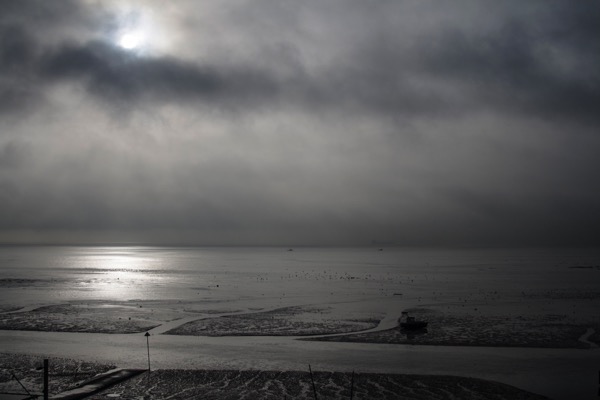
The idea appealed to me immediately, as the Estuary and the mud-flats of the Thames were the landscapes of my childhood. I grew up in Southend-on-Sea and spent my school holidays paddling, swimming and playing in the Estuary waters. When the tide went out I walked on the mud for miles, catching crabs and shrimp in the little pools of water left behind by the receding sea. I knew the dangers of the incoming tide and also something of the military history of the place, having visited the remnants of crumbling forts along the coastline. I had heard the stories of the ship filled with bombs sitting on the riverbed, but before my trip on Ideaal I had never spent any time on the water itself. Most Estuary dwellers have not either. For the majority of people who live in the many towns and communities dotted along the Essex and Kent coastlines, the Estuary is little more than a backdrop to their lives. It remains, for most, an unknown landscape.
After decades of living in East London, never more than a mile away from the river, I returned to live in my hometown of Leigh-on-Sea. Walking beside the Estuary became a form of daily meditation, a way of freeing my thoughts before returning to my desk to write. Even though I was writing urban histories, I became increasingly curious about the landscape I found myself living and walking through. So I accepted Ben’s offer without hesitation, intrigued to see what would happen to my perspective on and understanding of this landscape by being on the water.
It was late that night when we finished with the nautical charts. I lay awake, feeling the weight of Ideaal in the dark water, listening attentively to the creak of old wood and the sound of water lapping against the hull whilst inhaling the strange odours inside: a mix of paraffin, rope, wood and dust. Eventually, I must have fallen asleep, as the vibration of the diesel engine above woke me at 6 am. Crawling out of bed, I made my way into the hold next door. Abandoned sleeping bags and mattresses lay scattered on the floor, the rest of the crew were up already. I helped myself to the still-warm coffee in the pot and sat for a while in the belly of the boat, thinking about the merchandise that once filled that space: potassium, tea, spices, bricks, hay. Ben had told me that, when the vessel was used for shifting goods around the Dutch canals, the great, curved beams above me could be removed to throw large loads into the hold.
Tentatively, I climbed the almost-vertical wooden ladder up on to the deck. The sun was shining brightly and London looked magnificent. Ben was standing in the wheelhouse. Everybody was in good spirits, and we were ready to begin our first day cruising along the Estuary: the start of my exploration of that place. Ben skilfully steered the barge over to the starboard side of the fast-flowing Thames, following the yellow steel navigation buoys marking our passage downriver. The hull swayed in the water. The sense of movement was exhilarating – our journey had begun.
As we turned away from the city, the river widened almost immediately. I sat on the stern and watched Tower Bridge recede into the distance. We chugged slowly past hotels, modern flats and rows of nineteenth-century warehouses, since regenerated into expensive riverside apartment blocks. Not a single building was unoccupied, but they all looked empty.
Wharves and ports lined the river on both sides from the Tower to the docks until the nineteen-sixties, when the area became abandoned. Over forty thousand people had been employed at these docksides: barge and lightermen, porters, fishermen, boat-builders, sailors and stevedores. The place was once so congested with boats you could walk across them from one side of the river to the other.
Ben called me over to the wheelhouse as we passed the Prospect of Whitby and asked me to keep a sharp eye out for drifting rubbish which might clog up the propeller of the barge. I leant over the side of the boat, watching the swirling water beneath us, which was so dark it looked almost black. I thought about all the traces flowing past, the particles of lost landscapes and other remnants from the city.
At Cuckold’s Point, the river curved. Around the bend, I looked up to see the gleaming cityscape of the Docklands and Canary Wharf. Amongst the densely gathered skyscrapers, it was impossible to identify any trace of the former industry and crowded life of the docks. We sailed near to where pirates were once hung on chains opposite Greenwich Hospital. The river twisted and turned, as we made our way downriver, out towards the wilder, less-predictable waters of the Thames Estuary.
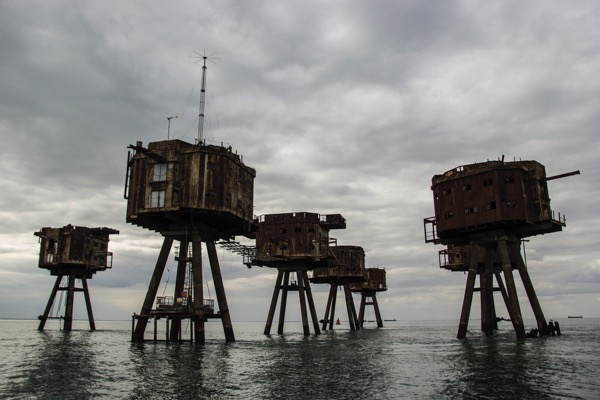
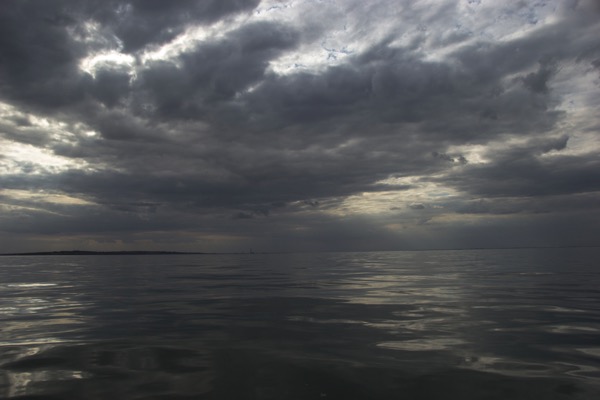
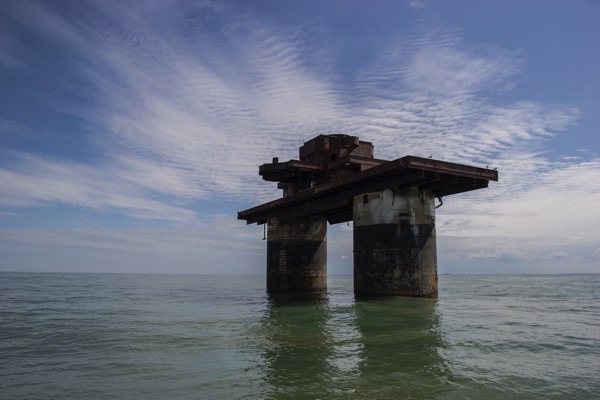
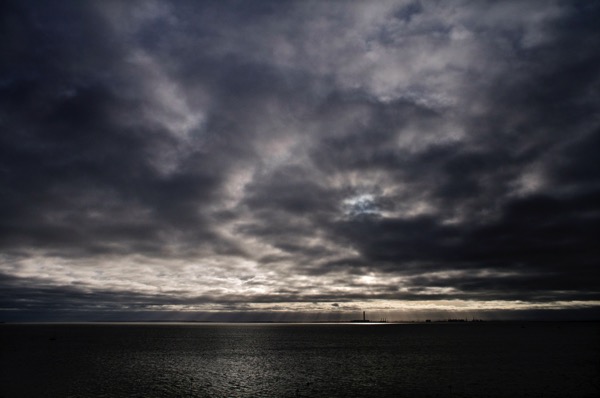
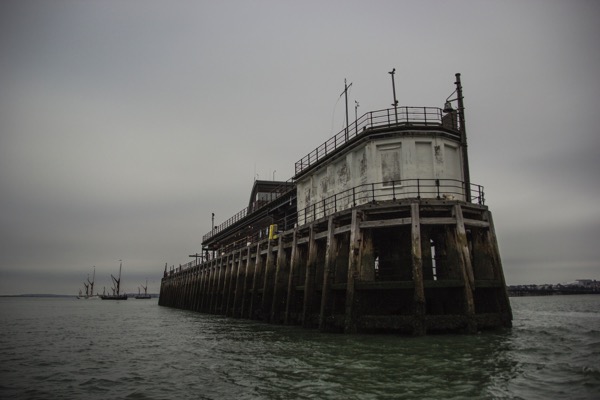
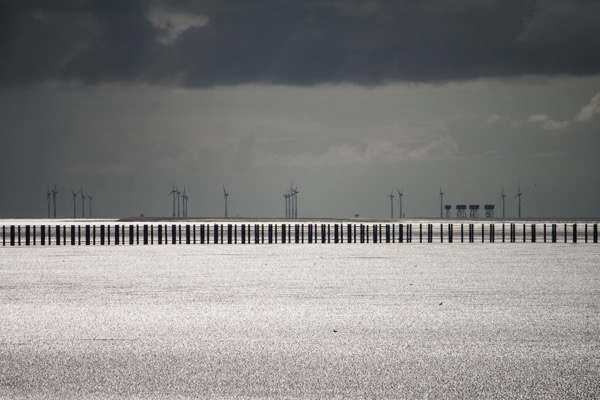
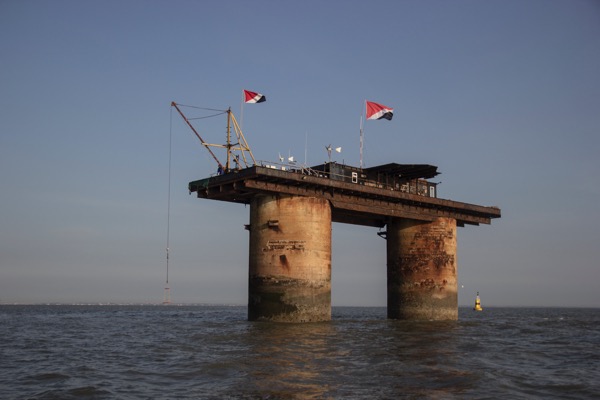
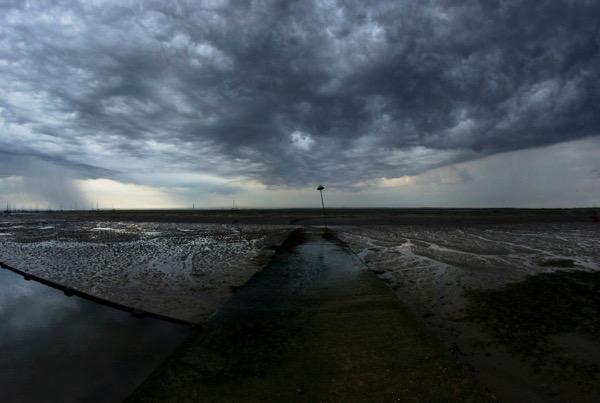
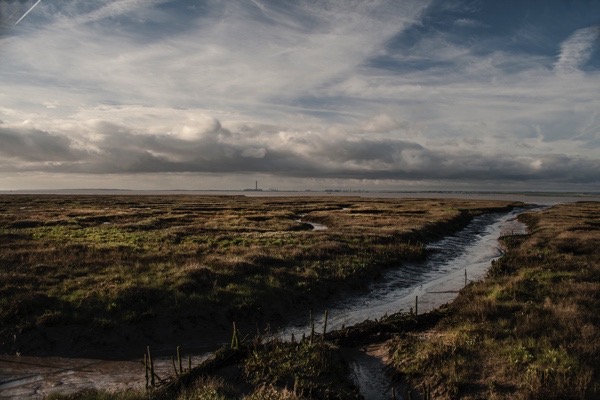
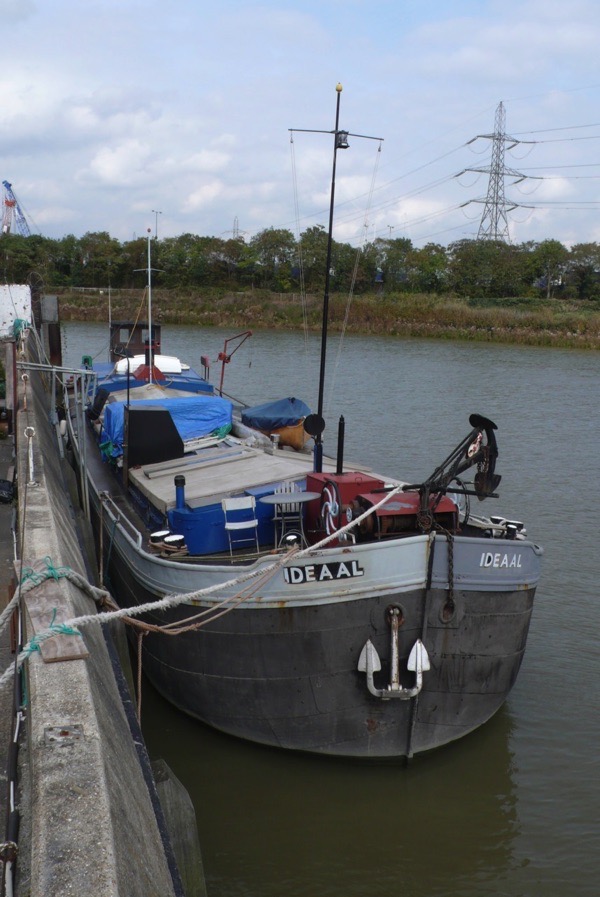
Archive image courtesy Bishopsgate Institute
Landscape photographs © Simon Fowler
You may also like to read
Adam Dant’s Map Of Thames Shipwrecks
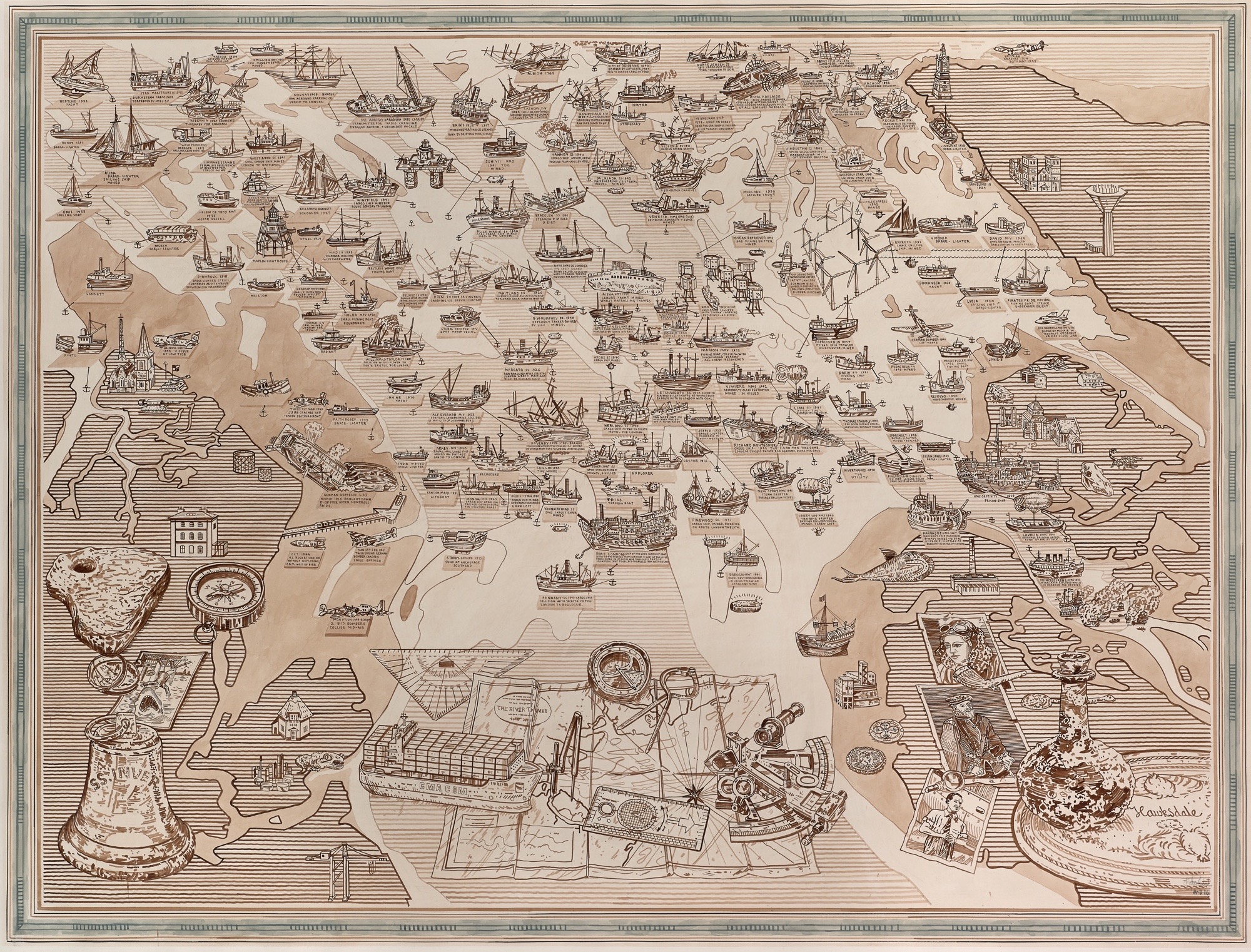
CLICK THIS MAP to enlarge it and explore Cartographer Extraordinaire Adam Dant’s Map of Shipwrecks in the Thames Estuary, which he calls THE MUSEUM OF THE DEEP. This vast chart will be displayed in a decorated sea container on Southend seafront along with nautical curiosities and other items of interests selected by Adam from local museums and collections, opening this Saturday September 17th and running until Sunday October 12th. Click here for more details

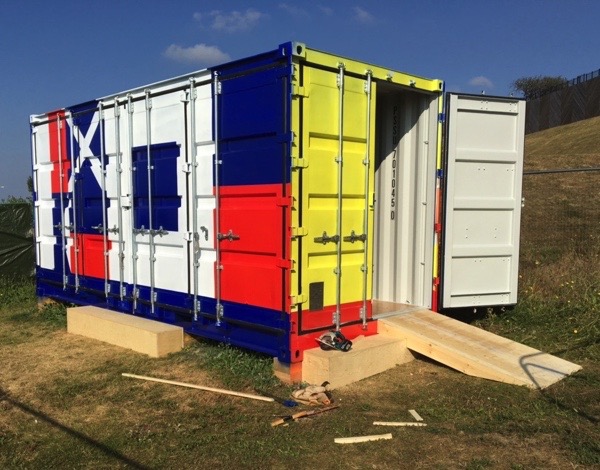
Adam Dant’s Museum of the Deep in preparation
You can buy prints of Adam’s maps from TAG FINE ARTS
You may also like to take a look at
Argotolis, The Map Of London Slang
Adam Dant’s Map Of The Coffee Houses
The Meeting of the New & Old East End in Redchurch St
Map of the History of Shoreditch
Map of Shoreditch in the Year 3000
Map of Shoreditch as the Globe
Map of the History of Clerkenwell
Map of the Journey to the Heart of the East End
Map of the History of Rotherhithe
Bob Mazzer Goes To The Dogs
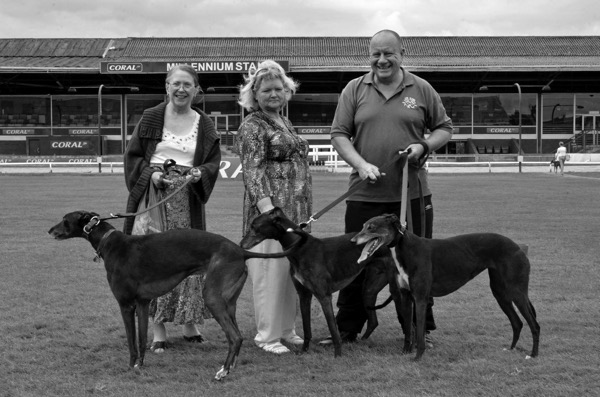
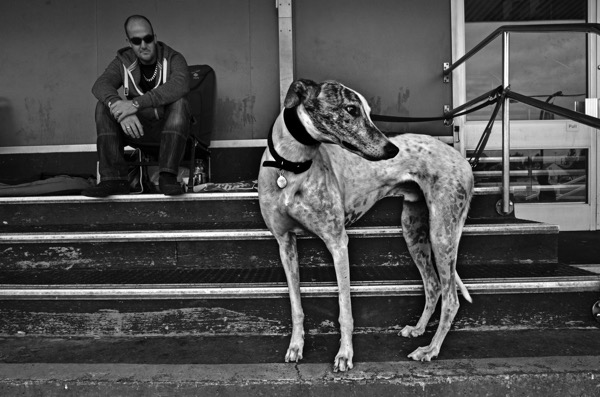
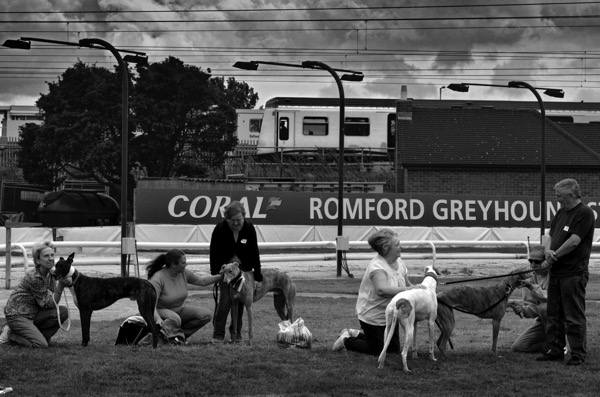
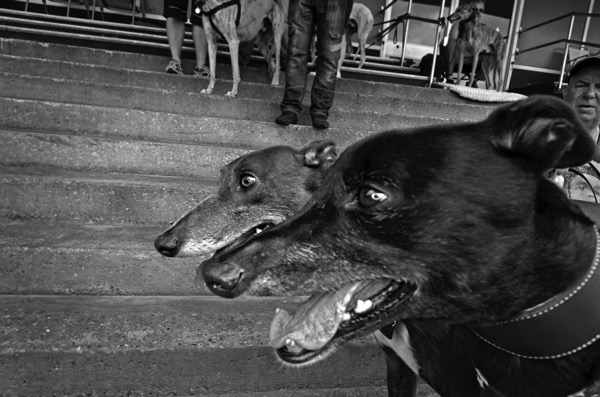
Over the holidays, Contributing Photographer Bob Mazzer & I enjoyed a memorable day out among our friends, both human and canine, at the Romford Greyhound Owners’ Association attending their Annual Greyhound Show. RGOA undertake invaluable work finding homes for retired racing greyhounds and they have rehomed forty dogs so far this year and 2210 in total since 1977. Click here to pick which greyhound you will choose. As the persuasive Julie Coney, long-term stalwart of RGOA, suggested to me, ‘Why stop at just one?’
Colin O’Brien & I had planned to visit Romford dog track together but, since this was not to be, Bob Mazzer very graciously offered to stand in, undertaking the assignment on Colin’s behalf as a fellow-photographer’s affectionate tribute to a good friend.
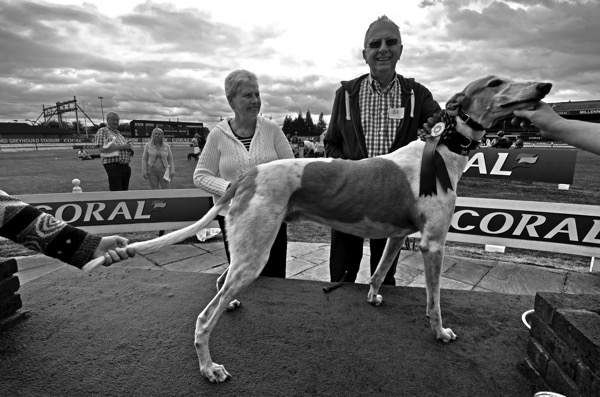
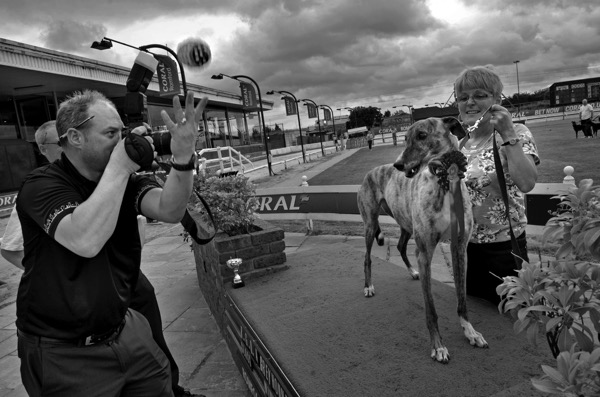
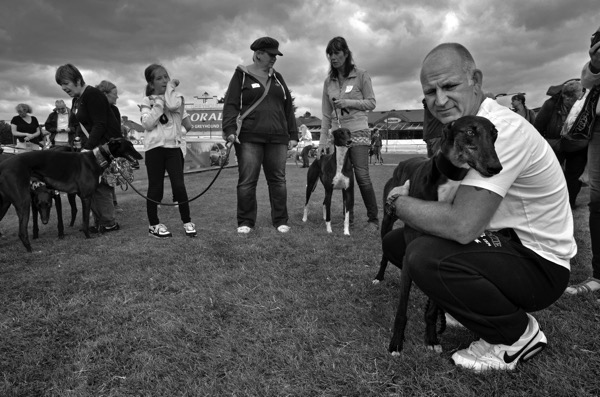
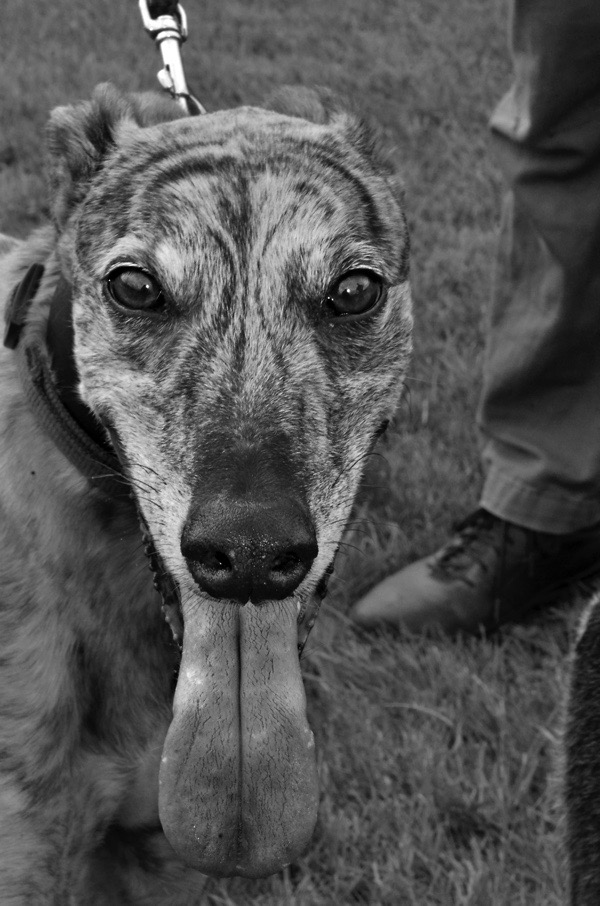
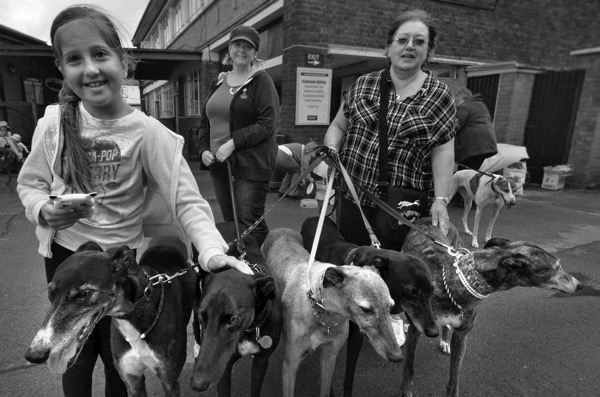
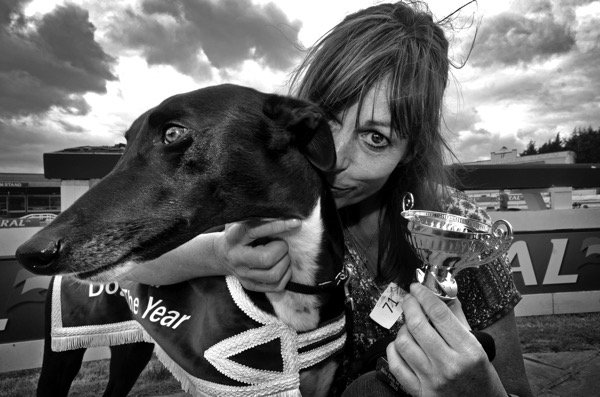
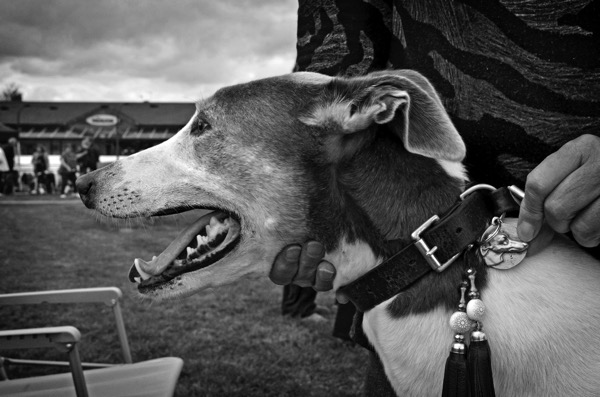
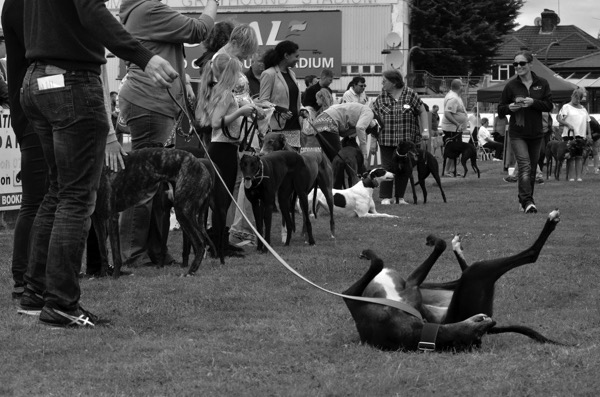
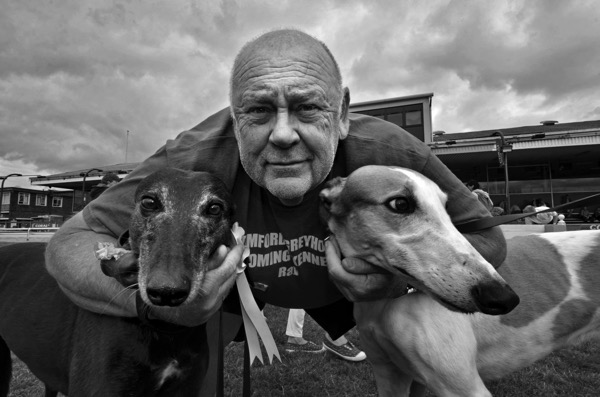
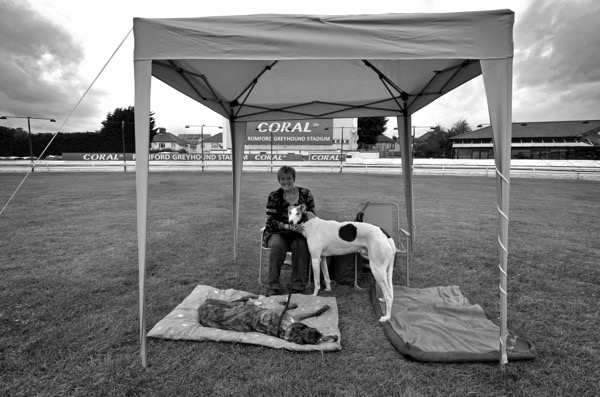
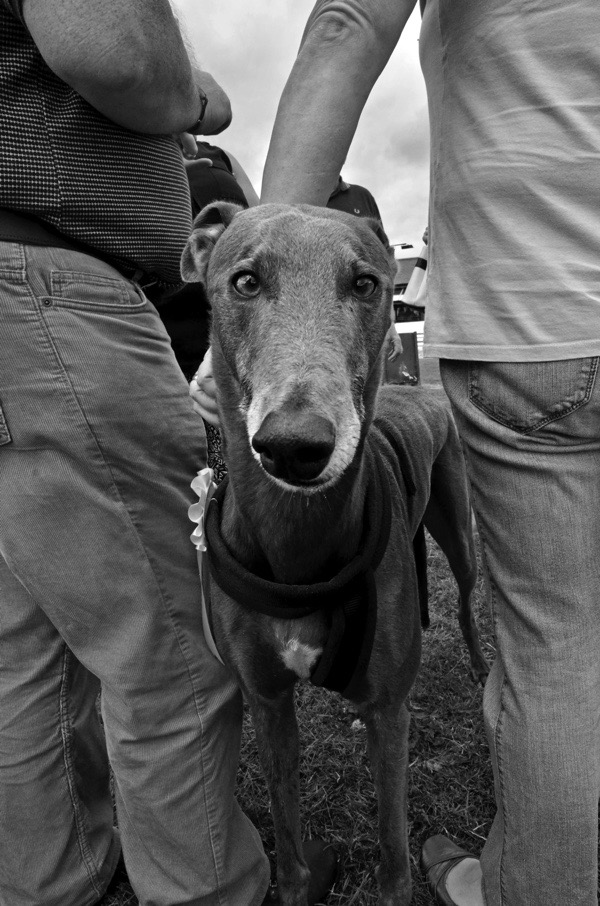
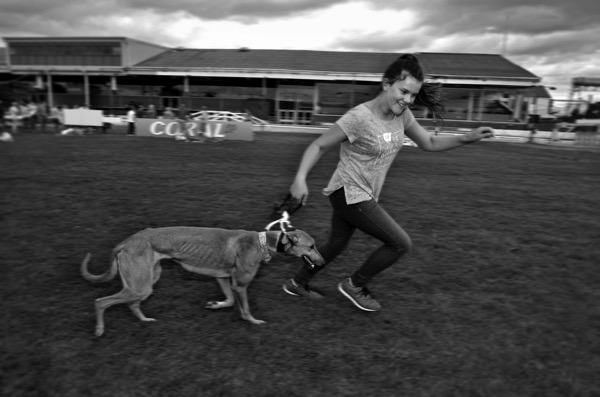
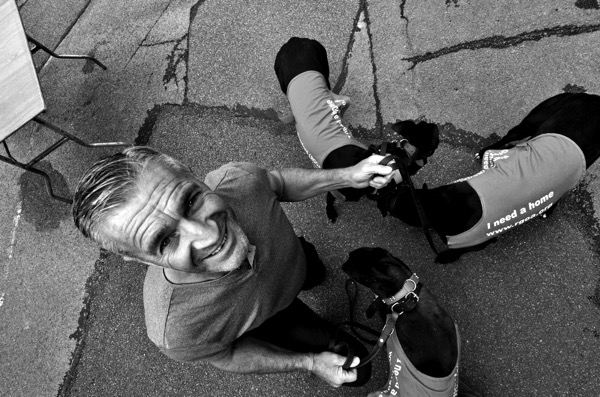
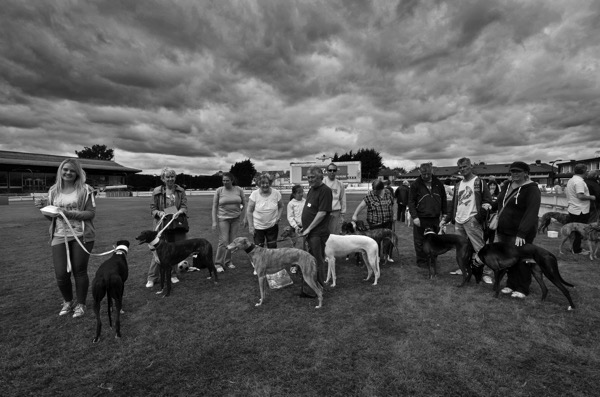
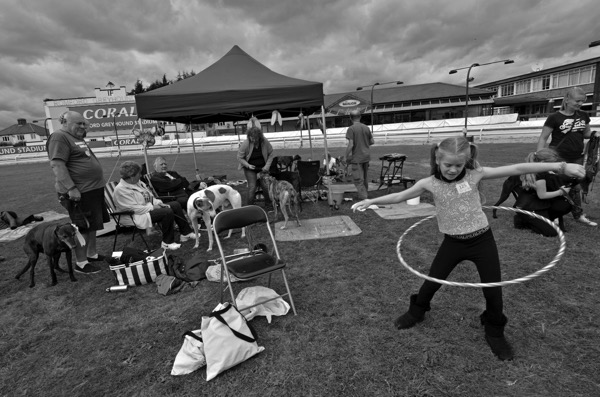
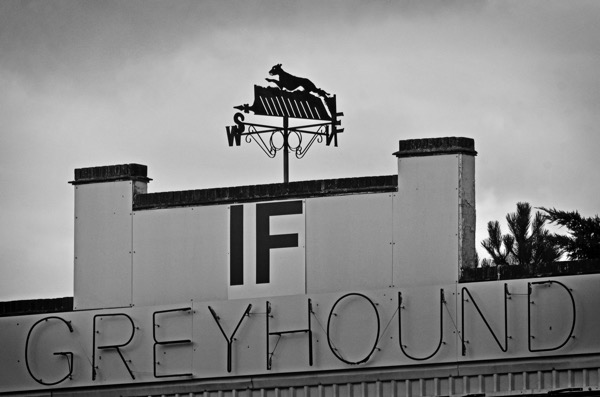
Photographs copyright © Bob Mazzer
You may also like to take a look at these other photographs by Bob Mazzer
At Gravesend
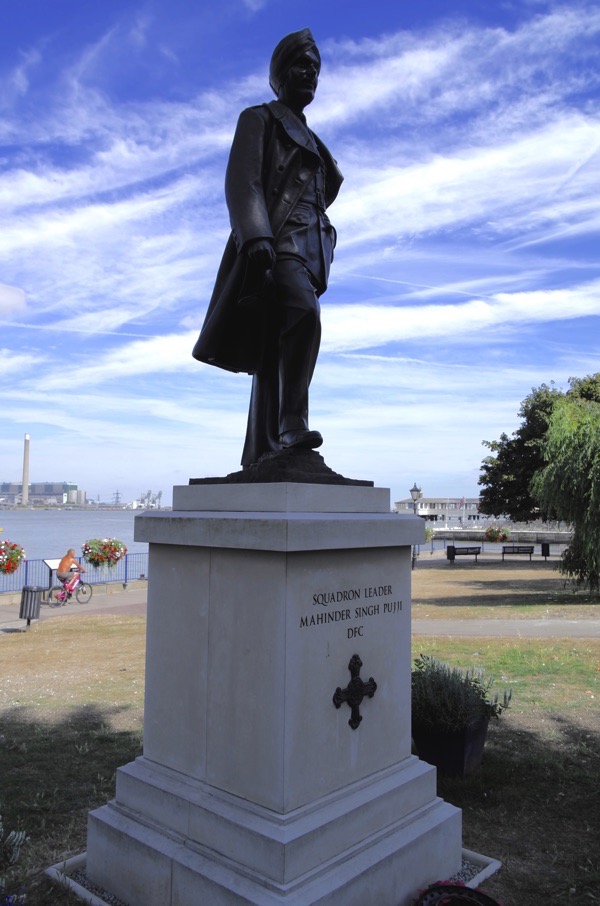
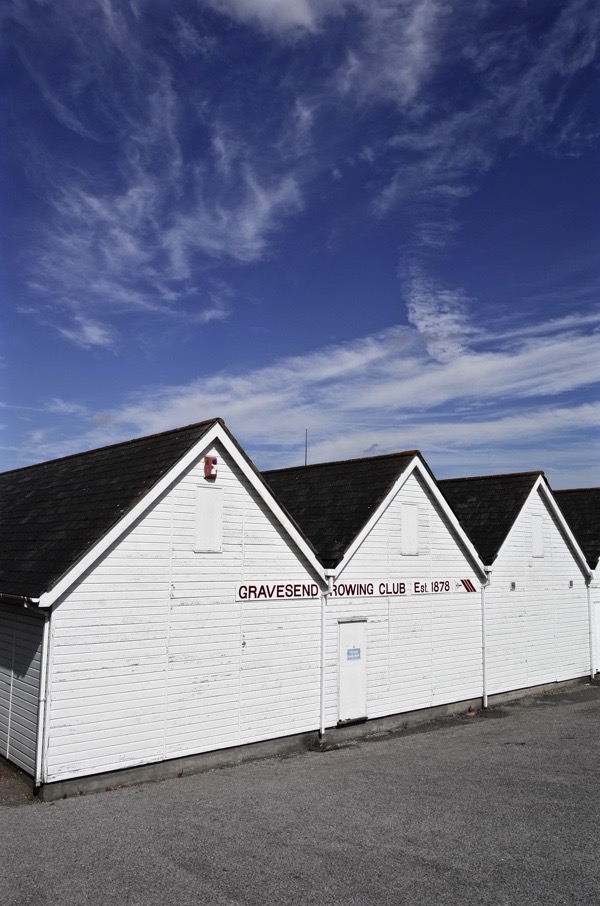
At this season, The Gentle Author always enjoys an annual late summer excursion beyond Spitalfields in the form of a day trip to the sea and this year’s holiday destination was Gravesend
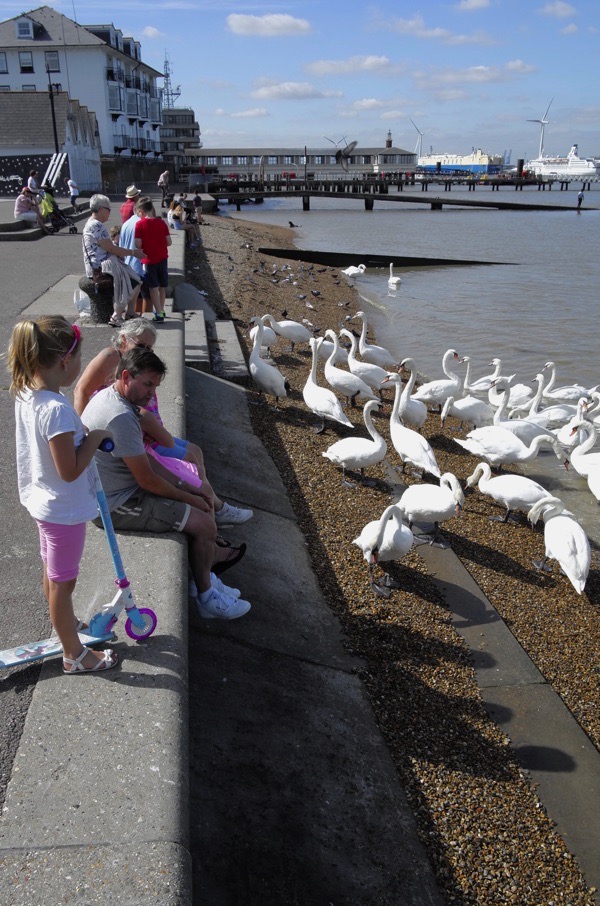
There is an undeniable romance about arriving by boat at a place you have never been before. This was how I arrived at Gravesend. Certainly, the vast terminal for cruise liners at Tilbury encourages a sense of expectation, even if your voyage is not across the ocean but simply over the Thames.
Yet as we approached Gravesend, it was a journey of a more melancholy nature that filled my mind. Since it was here that Pocahontas, one of the very first Americans to visit Europe, landed when illness forced her to abandon her return journey on March 21st 1617. The ship turned from its course before it left the Thames estuary and sought harbour at Gravesend where Pocahontas died just a few hours after coming ashore. Only twenty-one, she experienced much in her short life and left a young son, Thomas. He was taken back to London and completed her aborted journey home in adulthood, while his mother was buried at St George’s church, where today a handsome bronze figure embodies her presence to greet the pilgrims.
My arrival in Gravesend and a brisk walk up the steep High St were sufficient to displace these thoughts, replacing them with astonishment at the number of tattoo parlours and nail bars in such a small stretch of shops. Well-tended hanging baskets of flowers at every turn spoke eloquently of civic pride, while the many high quality buildings from earlier centuries evidenced the former wealth of Gravesend.
The appealing architectural vernacular of this shambolic medieval High St, interspersed by the Victorian grandeur of the Market Hall and the Carnegie Library, enticed me up the hill to the square where a group of senior Sikh gentlemen sat, happily passing the time of day and looking dapper in their turbans of multiple hues of blue.
Before long, hunger beckoned and I set off past Bawley Bay, where families once emigrated to the Antipodes, and St Andrew’s Mission church, built out over the water in 1871, and the Clarendon Royal Hotel, conceived as a palace for James II, and the Customs House of 1812, and the fourteenth century Milton Chantry, the oldest building in Gravesend, and the New Tavern Fort, constructed in expectation of an invasion by the French.
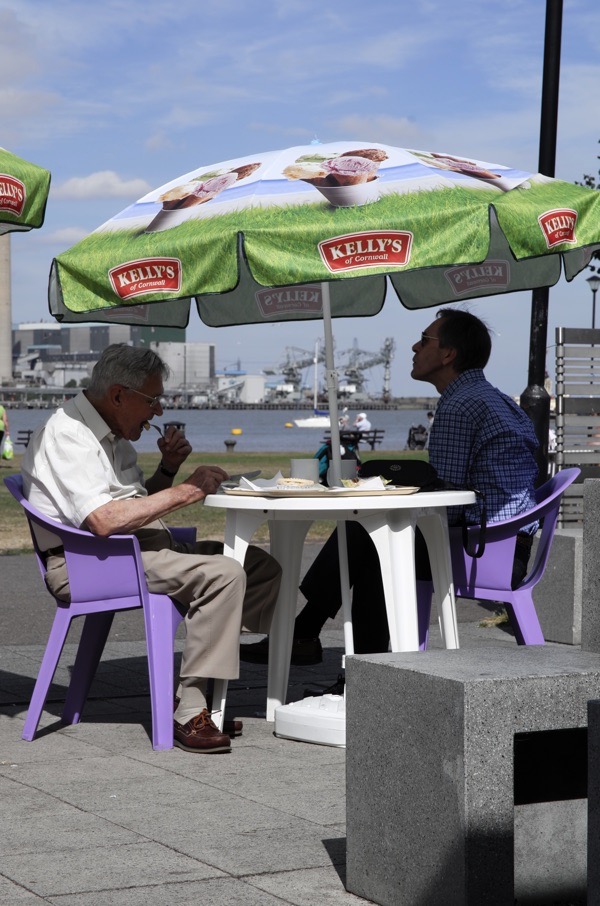
My point of arrival was the Promenade Cafe, an elegant thirties pavilion set back from the sea behind a wide lawn, thronging with customers, young and old, and everyone quite at home. This eastern stretch of Gravesend is where local residents, especially families, come to enjoy their leisure, offering paddling, feeding the swans, dog-walking and the quiet spectacle of passing traffic in the estuary. Among other hungry customers, I sat patiently at my table until a waiter should call out the number of my dinner ticket and deliver my plate of fish and chips.
‘Number Six!’ called the waiter, wielding a tray laden with two steaming fish dinners and inspiring everyone to turn their heads to see who was to be the lucky recipient. ‘Number Six?’ the waiter bawled at the top of his voice. Mystified by lack of any response, ‘Number Six?’ he queried, before returning inside shaking his head in disappointment. Puzzled glances passed between the dinners until a senior gentleman in a corner perked up. ‘Did he say Number Six?’ he asked, speaking his thoughts out loud. Observing nods of assent from neighbouring tables, he leapt to his feet clutching his ticket and hurried inside declaiming, ‘He didn’t speak loud enough, did he?’ and ‘What’s wrong with you, can’t you speak up?’
East of the promenade and over the canal, an atmosphere of extravagant post-industrial decay prevails. I walked for a mile along an overgrown narrow path between huge abandoned factories to emerge in a light industrial estate where small businesses still thrive, mostly in maritime related trades. At the very end, where the Higham Marshes begin sits the Ship & Lobster, occupying a position as the first and last pub on the Thames. Of significant history and in a breathtaking location, it was refreshing to encounter this friendly unpretentious local pub that serves the community of workers from the industrial estate, and has successfully evaded tourism or tarting up.
Before I returned to the ferry and the train back to Fenchurch St, I had one more landmark to discover. Sitting on the hill above Gravesend, the Guru Nanak Darbar Gurdwara Sikh Temple looks for all the world as if had been magically transported there by a genie from the Arabian Nights. Built entirely of gleaming white marble, on an equal scale to a European cathedral, this a compelling piece of architecture rendered even more remarkable by its unexpected location. Approaching through the elaborate gatehouse pavilion, I could not resist crossing the car park and walking right up to it – I should not have been surprised if it had vanished like a mirage.
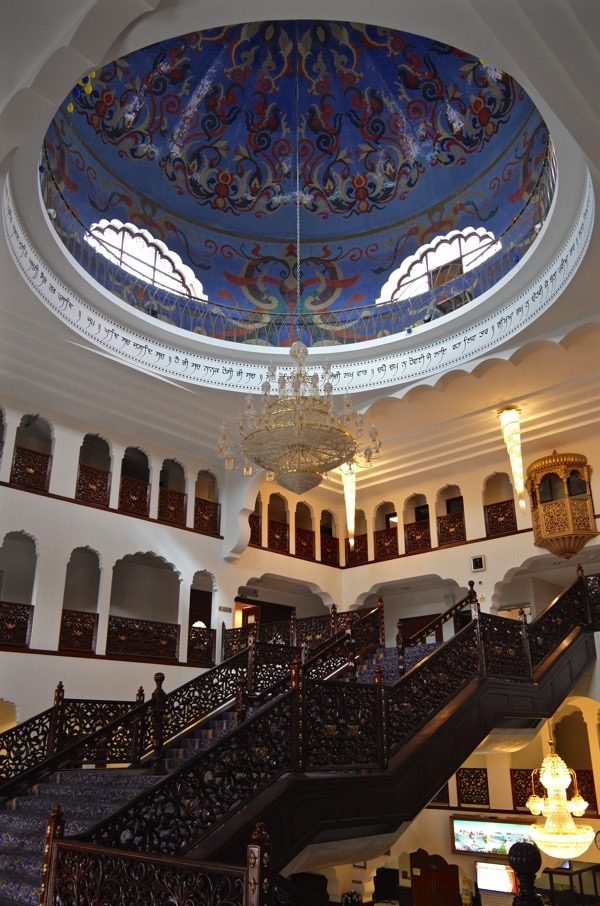
A woman in long coloured robes hurried towards me. Immediately, I felt that I had trespassed and prepared my apology, but instead she welcomed me openly and invited me inside, explaining where I could find a cloth to cover my head and where I could leave my shoes if I wanted to attend a service. The interior of the temple with its enormous blue dome, lined with mosaic, and ceremonial staircase was no less impressive than the exterior. Yet the atmosphere was relaxed and I found myself reciprocating polite nods with worshippers passing in the hallway. My first foray into the world of the Sikhs.
The shadows were lengthening and my feet were sore when I climbed aboard Tilbury ferry at the end of a memorable excursion, crammed with wonders. I was enchanted by my day trip to Gravesend. Gravesend has so much to recommend it, I thought.
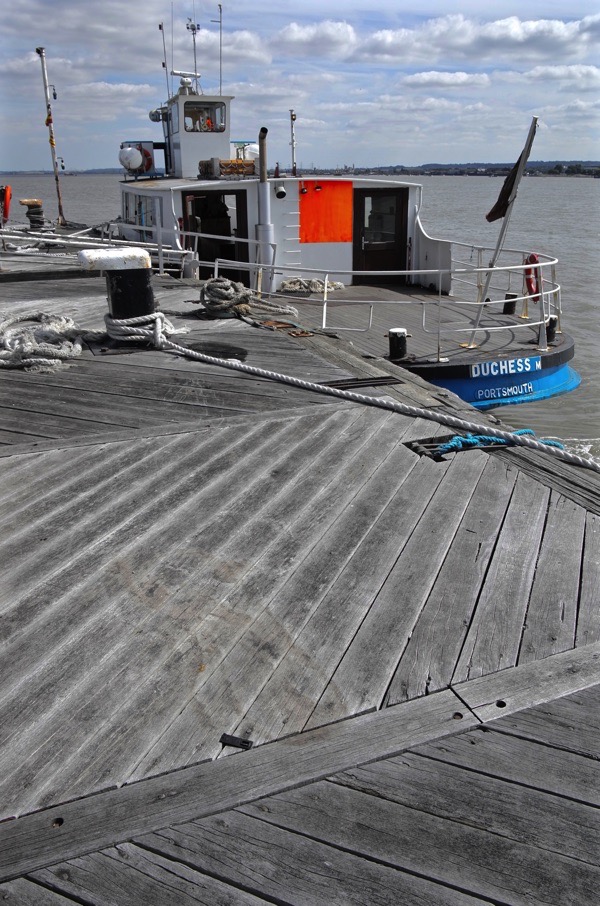
The Gravesend ferry ready to leave from Tilbury
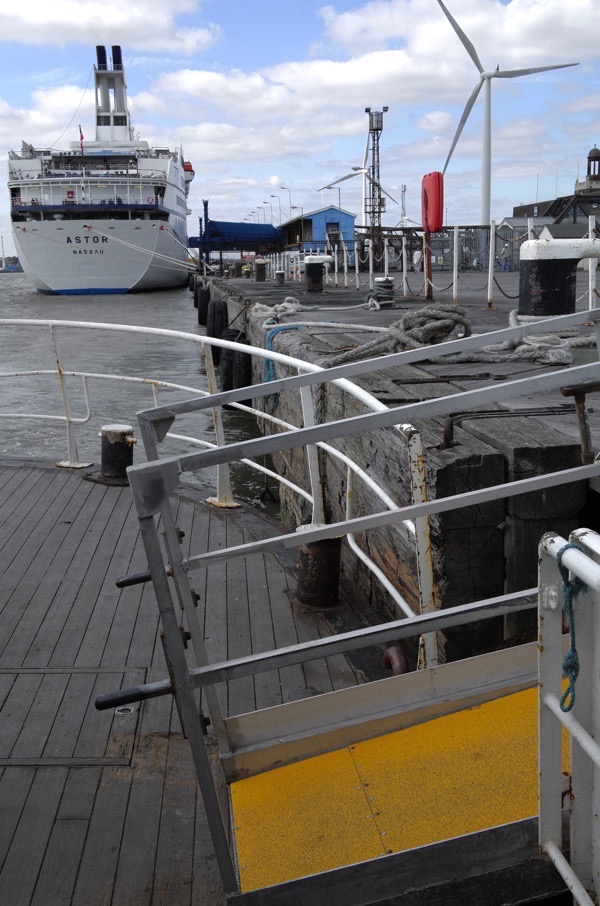
Cruise ship at Tilbury seen from the Gravesend ferry
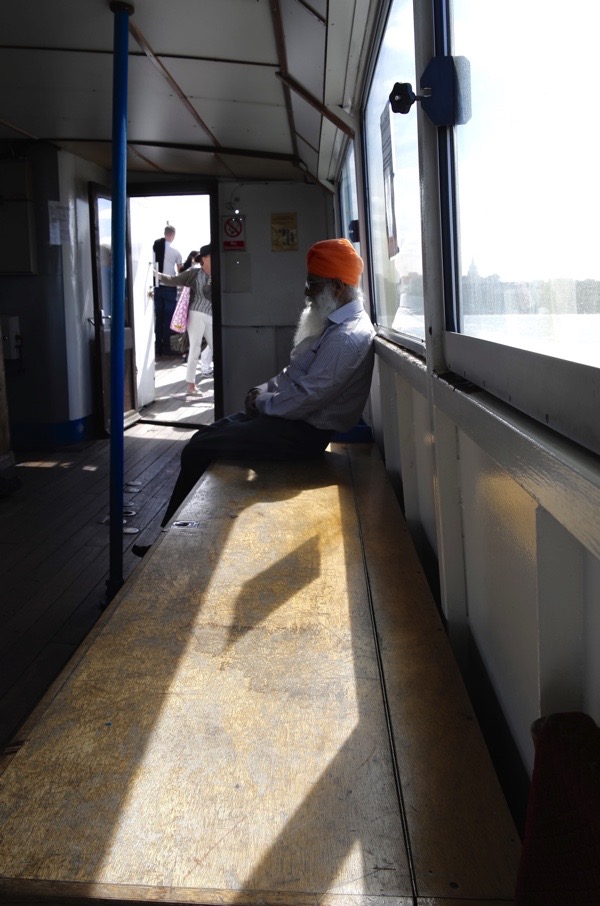
On the ferry
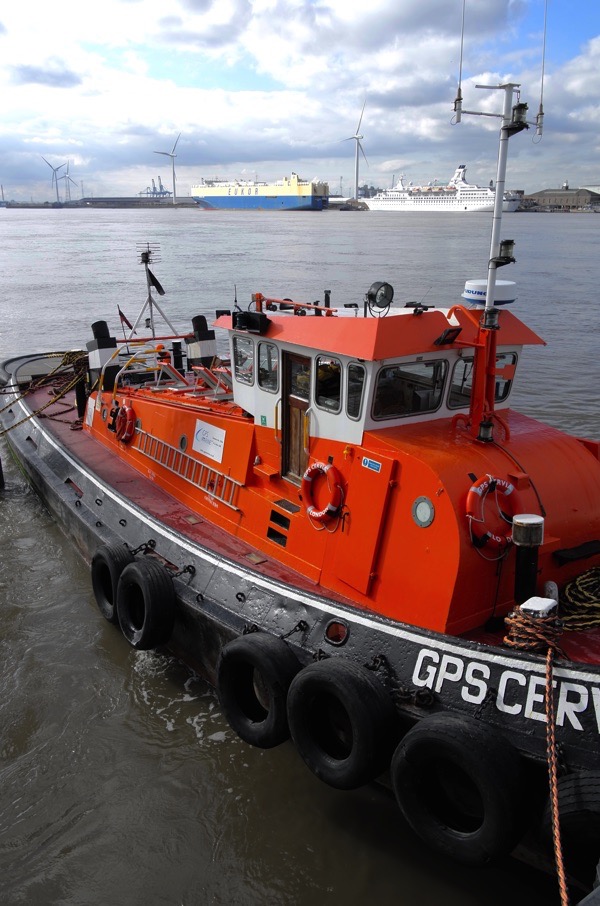
Looking back to Tilbury from Gravesend
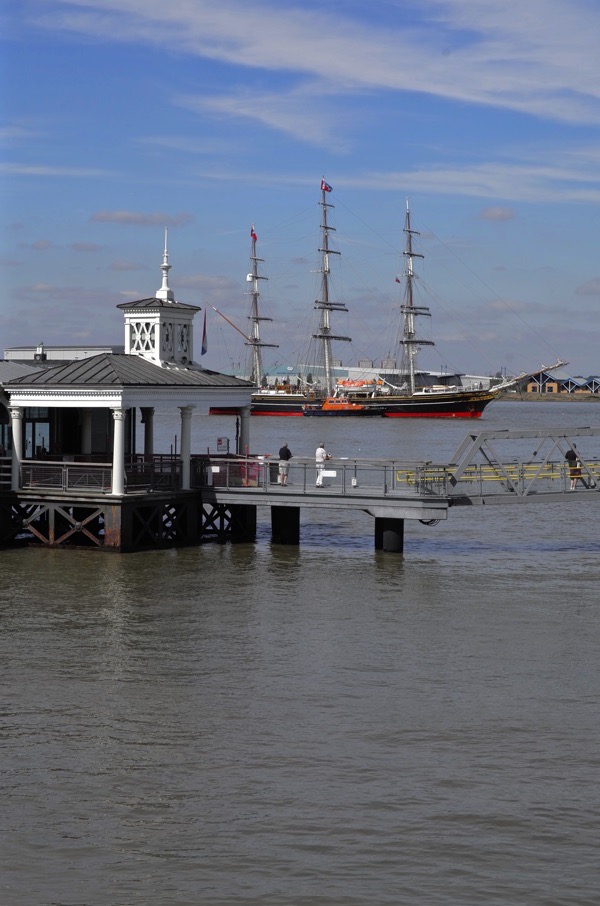
Gravesend has the oldest cast iron pier in Britain
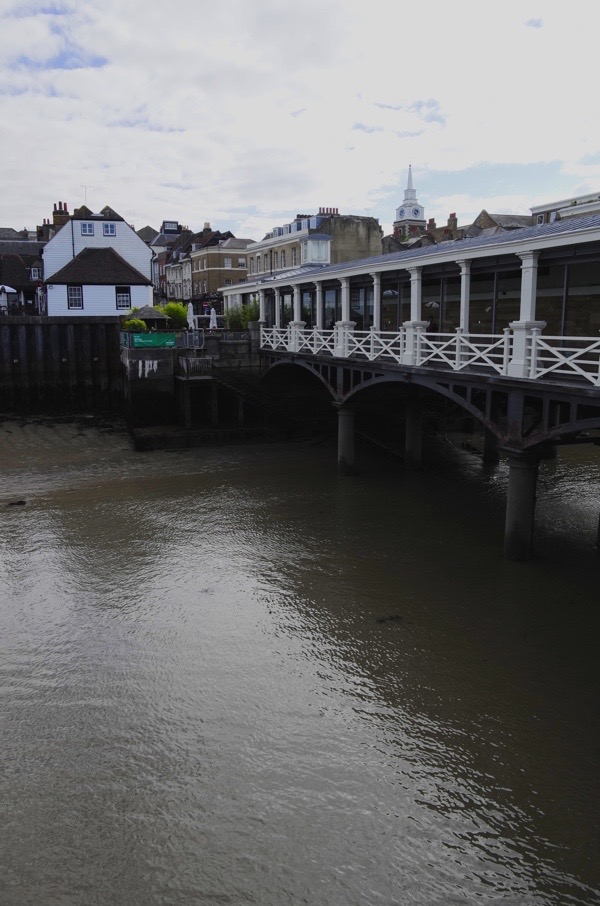
Arrival at Gravesend
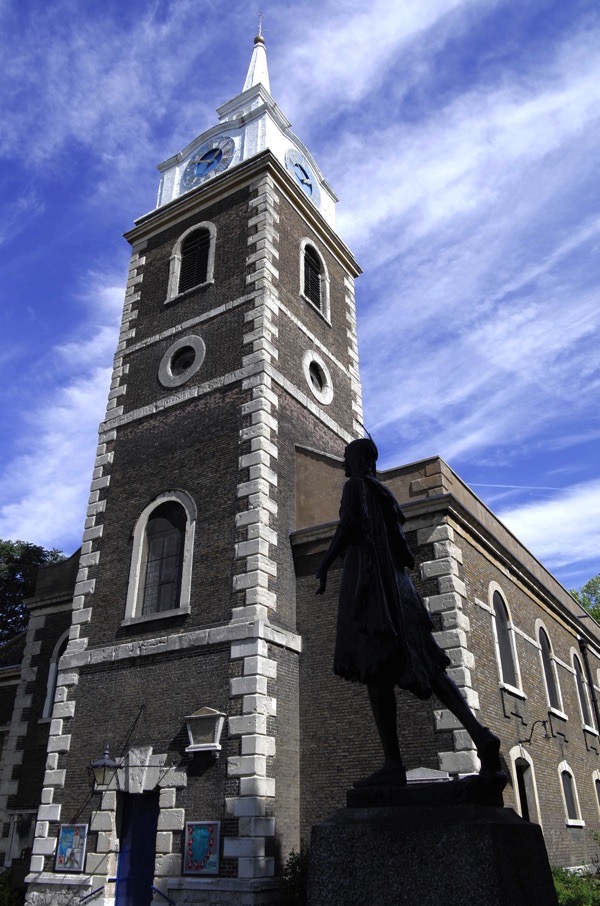
St George’s where Pocahontas, one of the first Americans to visit Europe, is buried
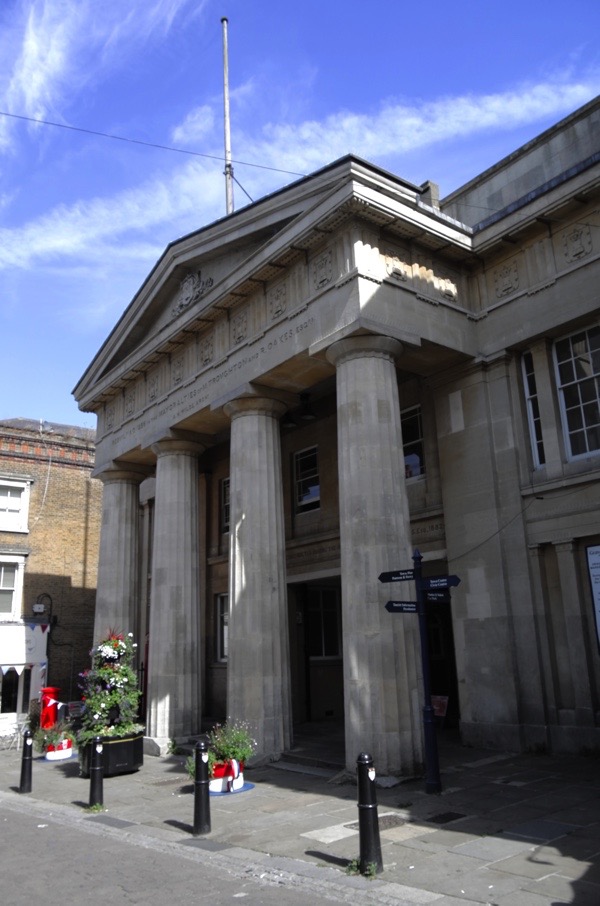
Gravesend Market
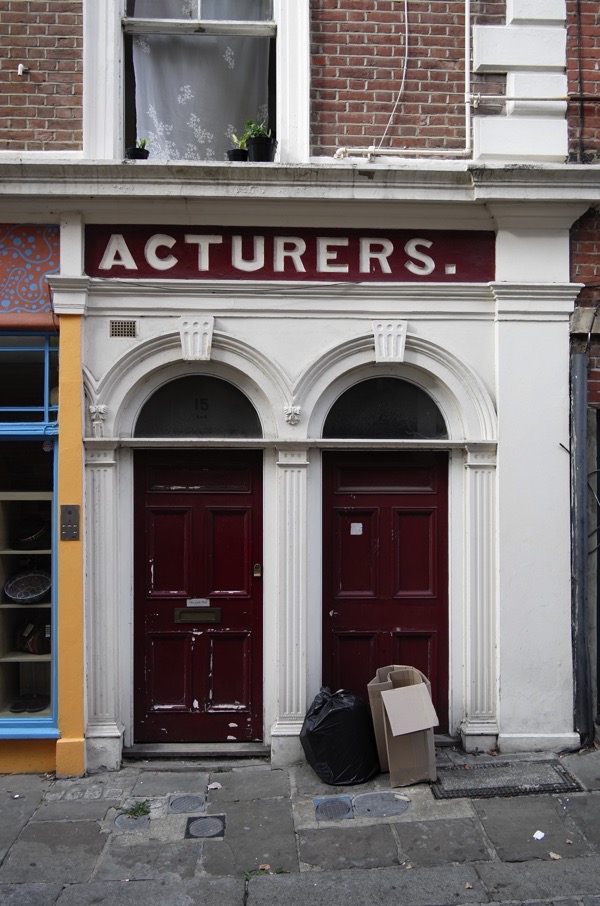
Former manufacturers
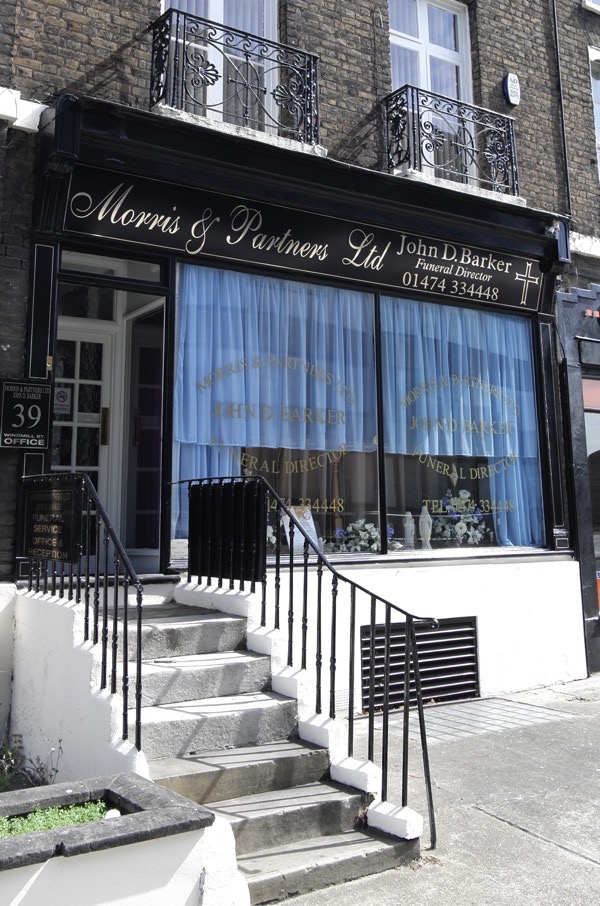
Traditional Undertaker at Gravesend
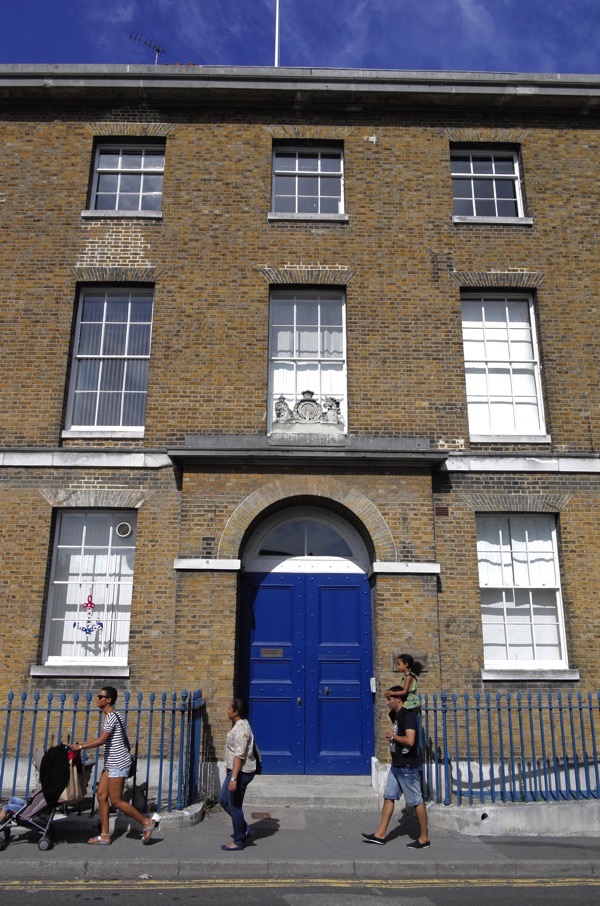
Customs House
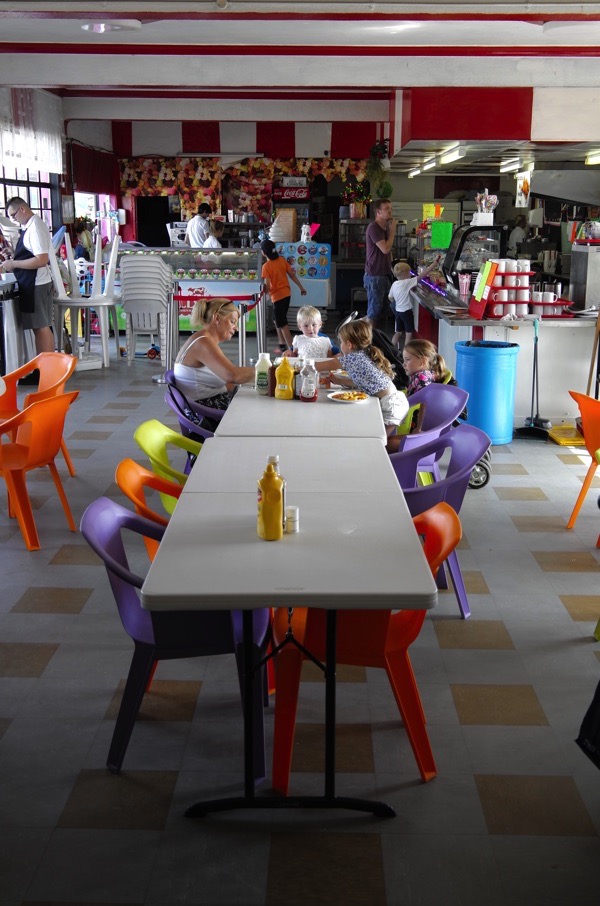
At the Promenade Cafe
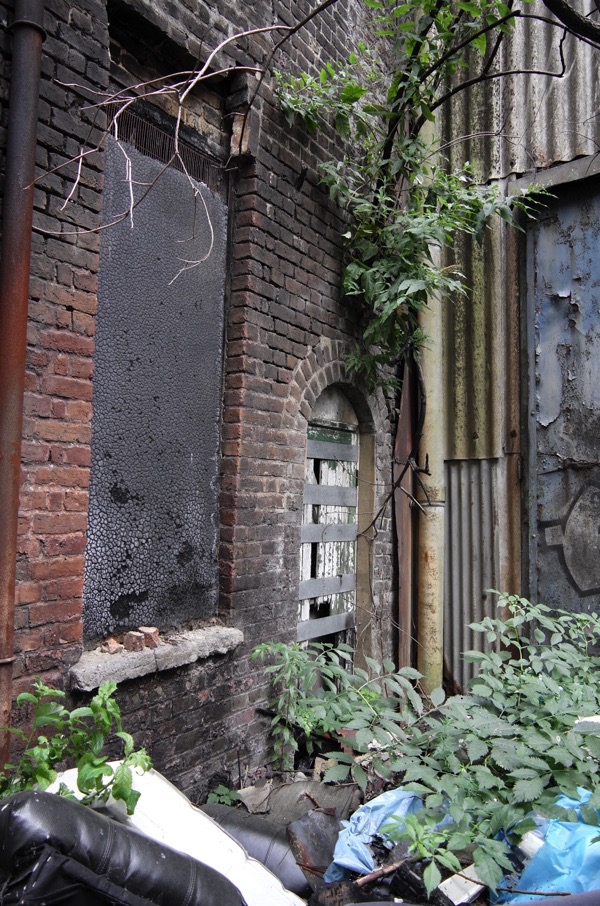
Along Wharf Rd
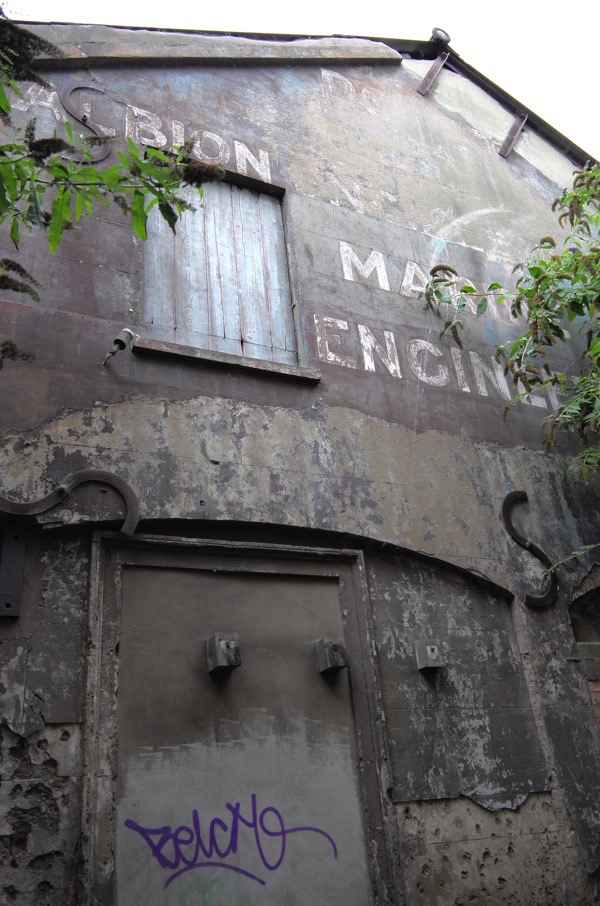
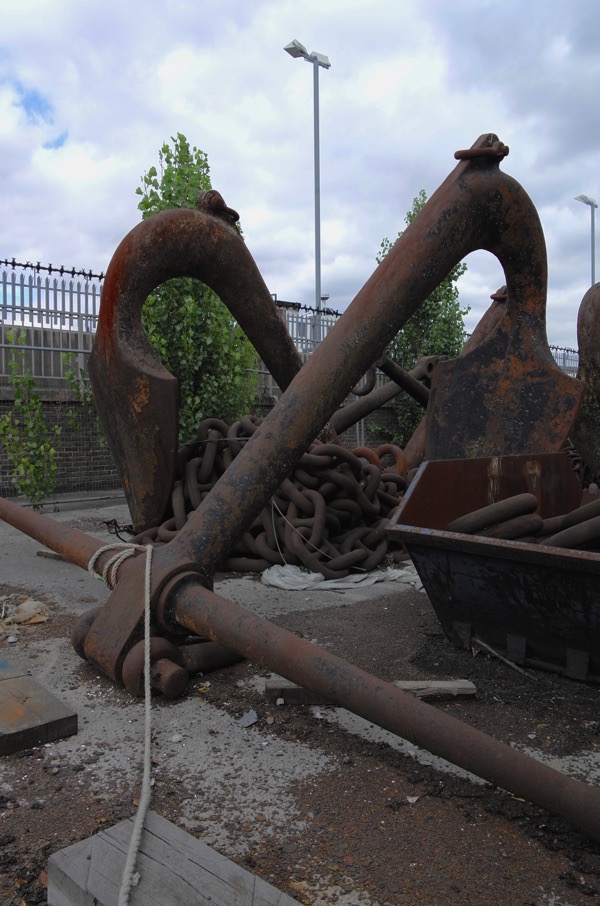
In Mark Lane
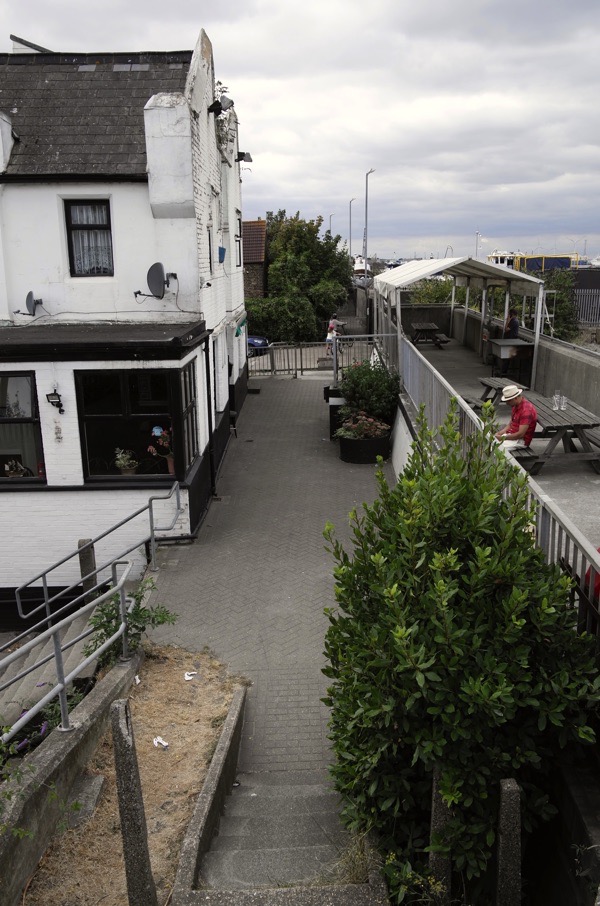
The Ship & Lobster, the first and last pub on the Thames. Featured in Great Expectations, this pub was supposedly founded when Charles II and his brother James raced barges here.
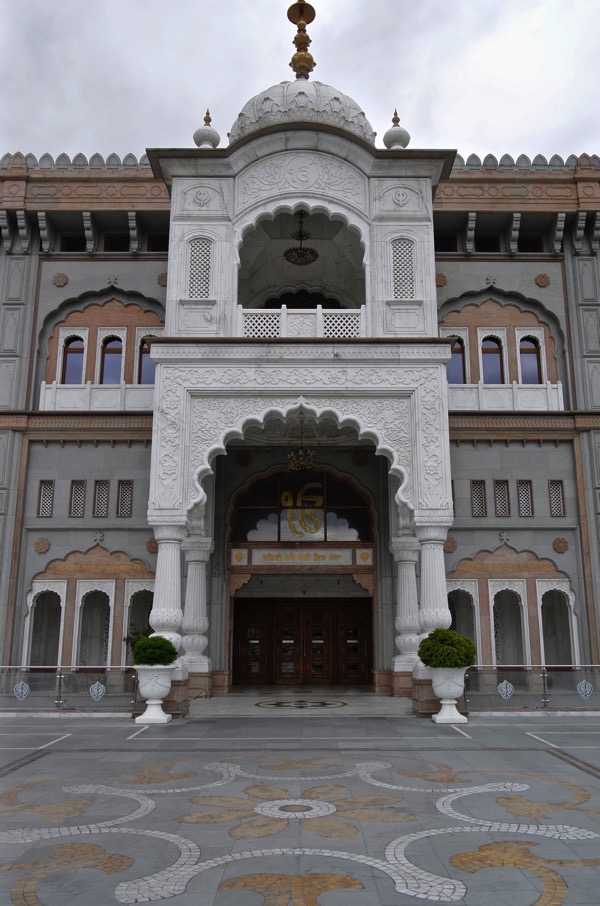
Guru Nanak Darbar Gurdwara, Sikh Temple
Plan your trip at www.visitgravesend.co.uk
You may like to read about my previous trips beyond Spitalfields at this time of year
A Walk from Shoeburyness to Chalkwell, 2013
In Old Deptford
This is the final story this week by Novelist & Historian of London Gillian Tindall as guest author in celebration of the publication of her new book, A Tunnel Through Time, A New Route for an Old London Journey by Chatto & Windus.
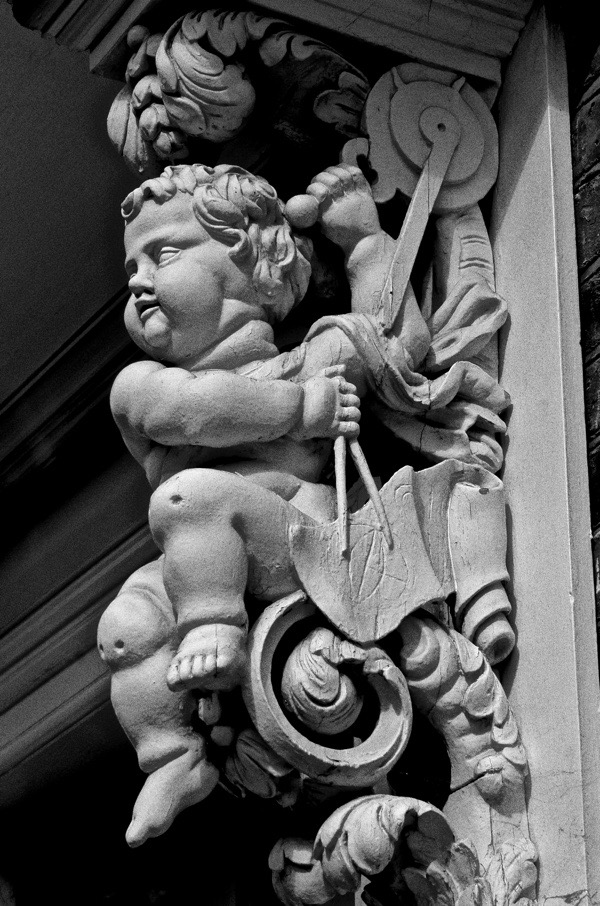
In Albury St
It is rather a shame Crossrail will not reach Deptford, for the lucky break of a brand new Underground station on a fast route to Central London is something Deptford could have done with. Rotherhithe, on the next bulge of the shore, has acquired the new ‘Ginger’ line straight into the City with handsome stations at Canada Water and Surrey Quays. Admittedly, the Docklands Light Railway now comes down through Deptford Bridge on its way to Lewisham, but it by-passes much of central Deptford which continues to be a poor relation by comparison with the glittering Isle of Dogs on the far side of the river.
In my distant childhood, Deptford, with its unfair resonance of ‘debt,’ figured to the outside world as a place of sinister poverty. On that south side of the Thames, Bermondsey and Rotherhithe sounded faintly exciting, with overtones of putting out to sea. Greenwich, just downriver, with its park, Palace and College, was a different world. But Deptford, lost in between, lodged in many people’s minds, and in children’s stories, as a classic London slum. Nor, of course, was this image helped by the severe bombing it suffered in World War Two nor by the dreary estates built by post-war planners.
Yet Deptford, long ago, was a place of fertile green water-meadows, facing the Thames and adjacent to a creek. Here Henry VIII established his Royal Dockyard, in the days when he was a popular young sovereign rather than an obese tyrant. Ships built in Deptford went out all over the world for the next three-and-a-half centuries. By Shakespeare’s time, the scattered country village that had been medieval Deptford had expanded into a riverside settlement. Well-to-do Londoners came down by river to drink there on summer evenings. The fact that one such evening ended in the mysterious death of Shakespeare’s fellow playwright ‘Kit’ Marlow gives a false impression – Deptford was the Maidenhead or Henley of that time, a gentlemanly place to reside, and remained so for the next two centuries.
Marlowe lies buried somewhere in the flowery churchyard of the ancient parish church of St Nicholas. Two generations later, a regular attender at the church was John Evelyn, land owner, man of letters, diarist and courtier (the equivalent of a modern high-ranking civil servant). Through marriage, Evelyn had acquired Sayes Court Manor House, the largest house in Deptford, and from here he went back and forth to visit Charles II in Whitehall palace, often on naval business. Yet wealth and privilege could not protect against an all-too-common grief, also buried in St Nicholas churchyard are three of Evelyn’s children who died young, including one particularly bright little boy over whom his father mourned much. Evelyn wrote in his diary of ‘our extreme sorrow,’ and that ‘This evening, after the service, was my baby buried near the tower with his brothers. All my dear children.’
Evelyn, a great horticulturalist, laid out a splendid garden at Sayes Court, with evergreen and hawthorn hedges and new tree-species imported from abroad. He was one of the first to understand the role of trees in keeping the environment clean and he advised a mass planting operation across London – advice which, unfortunately, was not taken. Late in life, when he and his wife had retired to the Evelyn family country seat at Wootton, in Surrey, he rented his house and gardens at Deptford to a series of tenants, most notably to Peter the Great, the Russian Czar, who wanted to study English ship-building in particular and English life in general. Peter the Great, in spite of some brutally medieval habits towards his enemies, real or supposed, saw himself as a great innovator and the one who was going to drag Russia into the West and the modern age. He was responsible for founding St Petersburg on the western edge of his vast country, and employed European architects to design its palaces.
A statue of Peter the Great, looking oddly elongated in a heavy European coat and a tricorn hat, stands today on an elevated platform on the Thames path not far from the site of Sayes Court, beside a new estate overlooking the river and Deptford creek. Inexplicably, he is flanked by a dwarf and an ornate empty chair in which passing walkers love to sit. The inscription states that he arrived in England in January 1698 and stayed in Evelyn’s house for four months – ‘This monument is erected near the Royal ship-yard where Peter the Great studied English science of ship-building. The monument is a gift from the Russian people and commemorates the visit of Peter the Great to this country in search of knowledge and experience.’
But exactly what experience? It is not mentioned that, during the months he was at Sayes Court, Peter confirmed the common British perception of Russians as a barbaric, backward people by doing a great deal of damage both to the house and the garden. In particular, it is recorded he trashed a number of Evelyn’s carefully tended hedgerows by driving through them for fun in a barrow. The Russian oligarch as hate-figure is clearly not a new phenomenon in this country.
The Royal Dockyard declined in importance in the nineteenth century with the advent of large new warships too big for the Thames, and was closed in 1869. Various uses were found for it and by the twentieth century, when its Tudor vestiges were gradually destroyed or buried, its final use was as a paper-wharf for International Newspapers. Today, under the name ‘Convoys Wharf,’ it is scheduled for redevelopment with high tower blocks, in which few of the flats will be ‘affordable’ in any real sense.
A vestige of the Sayes Court garden does remain. In the mid-nineteenth century, when Deptford was being covered in small terrace houses for dockers, the Evelyn family, who still owned the land, gave a piece of it to the local authority to create a public garden. It survives today, though a refuge for drunks now. Better tended than it was a few years back when I first discovered it, the garden is currently on the World Monument Fund’s list of endangered spaces – presumably because of the looming Wharf development. In the centre of the garden, surrounded by railings, stands a giant mulberry tree, its knotted limbs trailing on the ground. I am sure it dates from John Evelyn’s own high summer of planting, and is another for the Gentle Author’s short list of ancient London mulberries.
Towards the end of Evelyn’s life, the old church was substantially rebuilt, and a new, more elegant one, St Paul’s, just off Deptford High St, offered extra space for the district’s expanding population. A few rows of fine town houses went up also, including Albury St which was built on land belonging to the Evelyn family and was called after their country retreat. Fine brick, and an elegant variety of porches decorated with cherubs, angels, fruit and flowers, made these houses fit homes for the sea-captains, ship-builders and Honourable Company men who were the new affluent middle class of Deptford.
One side of Albury St alone remains as a precious survival in a district that has seen so much destruction through war and bone-headed planning decisions. This enclave at least is now being carefully looked after, while what were once the wastelands of abandoned dockside uses are filling up with tall buildings. Like it or not, regret it or not, Deptford is being hauled into twenty-first century London.
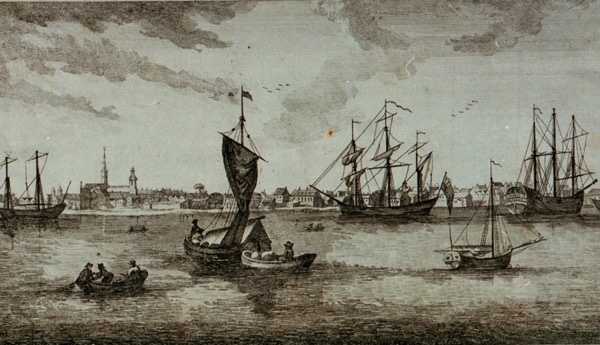
Deptford Dockyard, 1775
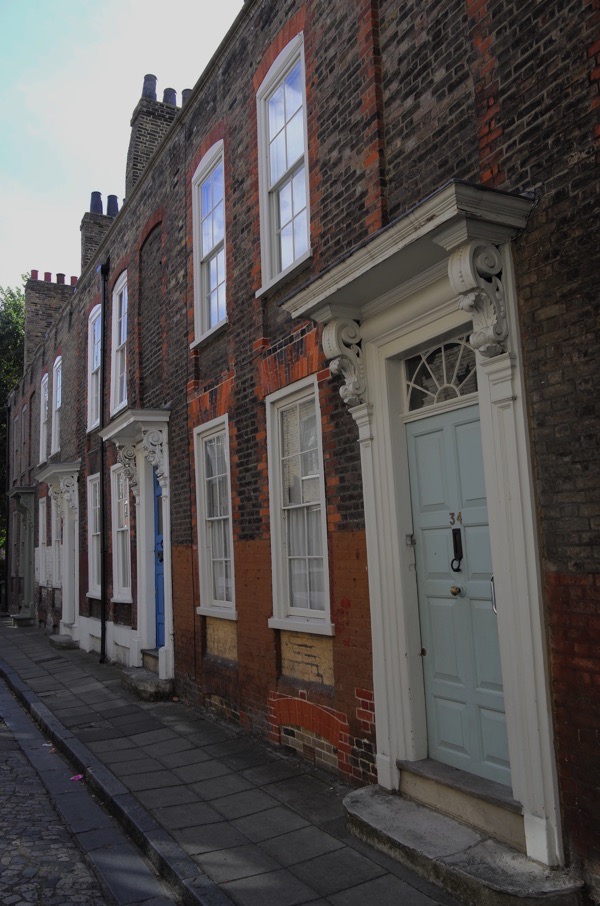
Albury St
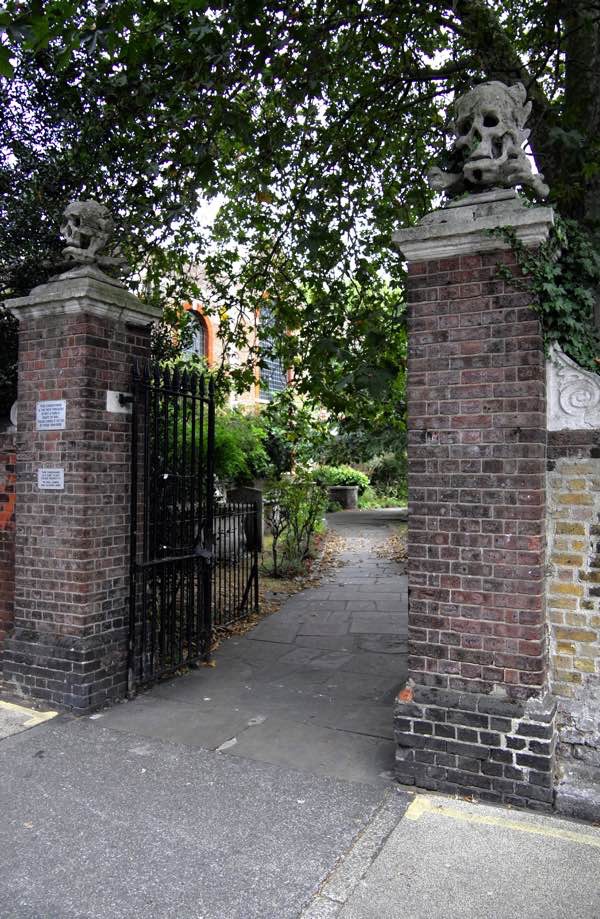
Entrance to the churchyard of St Nicholas, Deptford, where Christopher Marlowe is buried
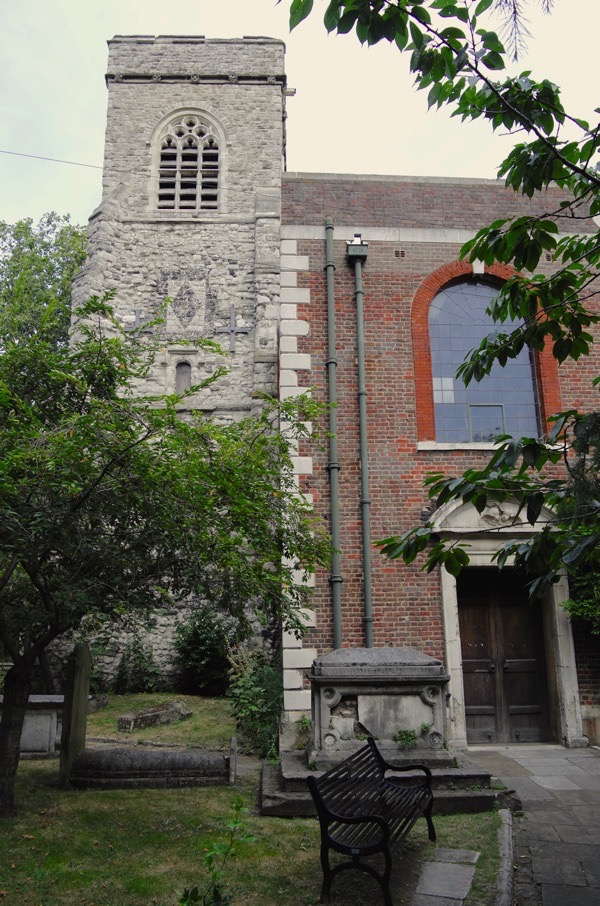
St Nicholas, Deptford, dates from the twelfth century
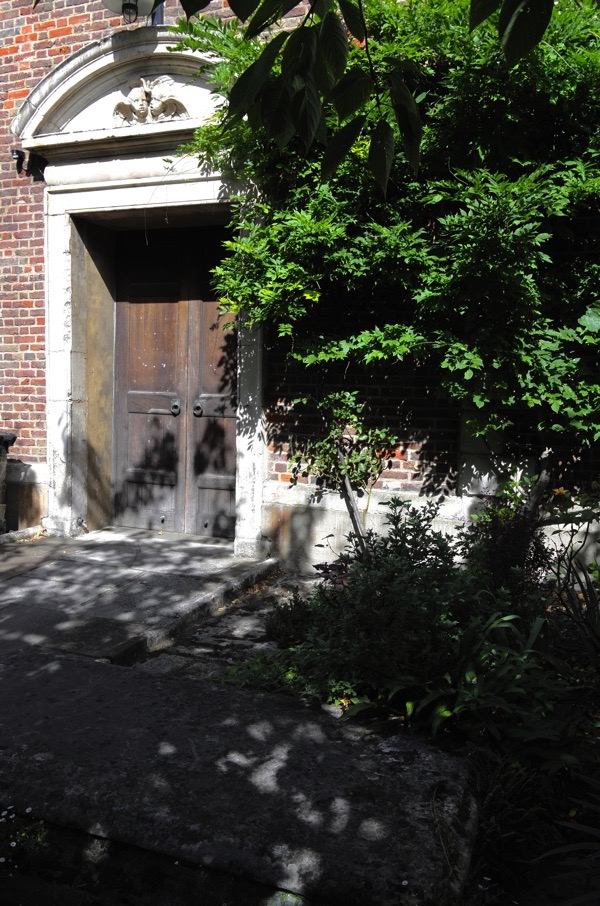
Door to St Nicholas
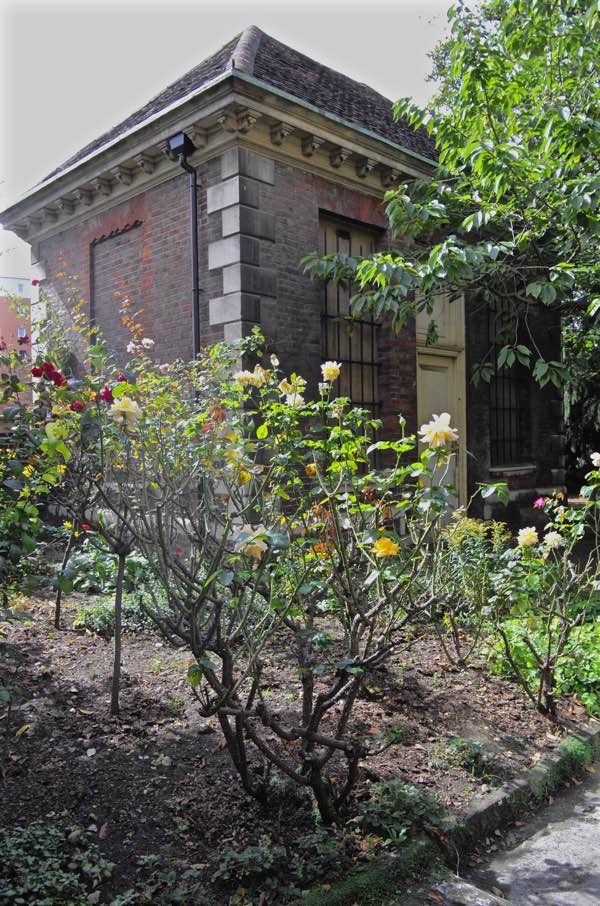
Charnel House at St Nicholas
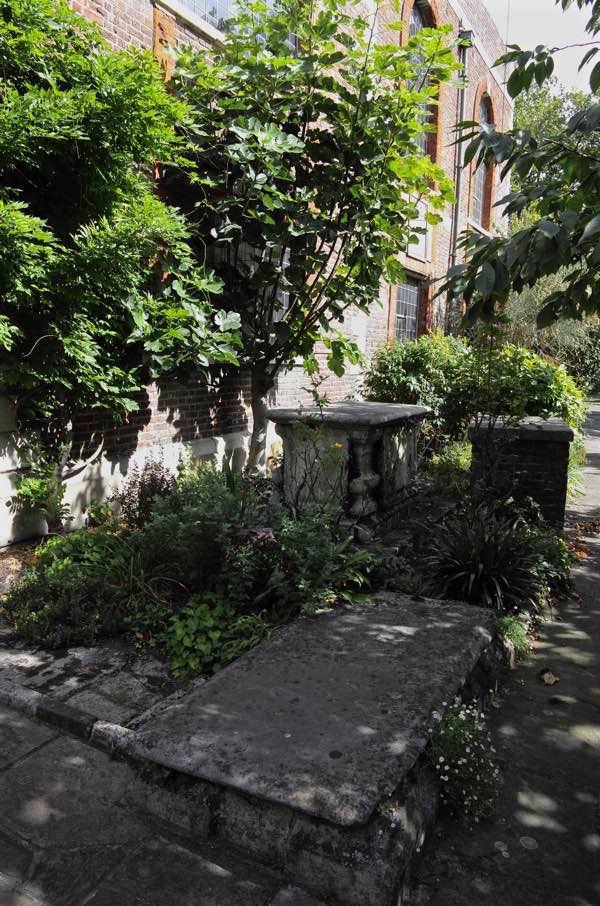
Graves at St Nicholas
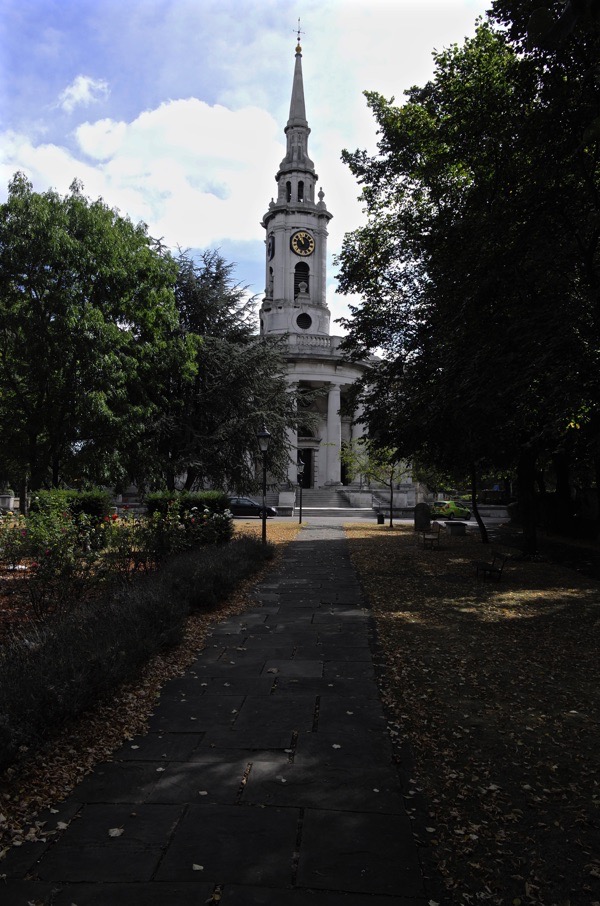
St Paul’s church by Thomas Archer, c.1720
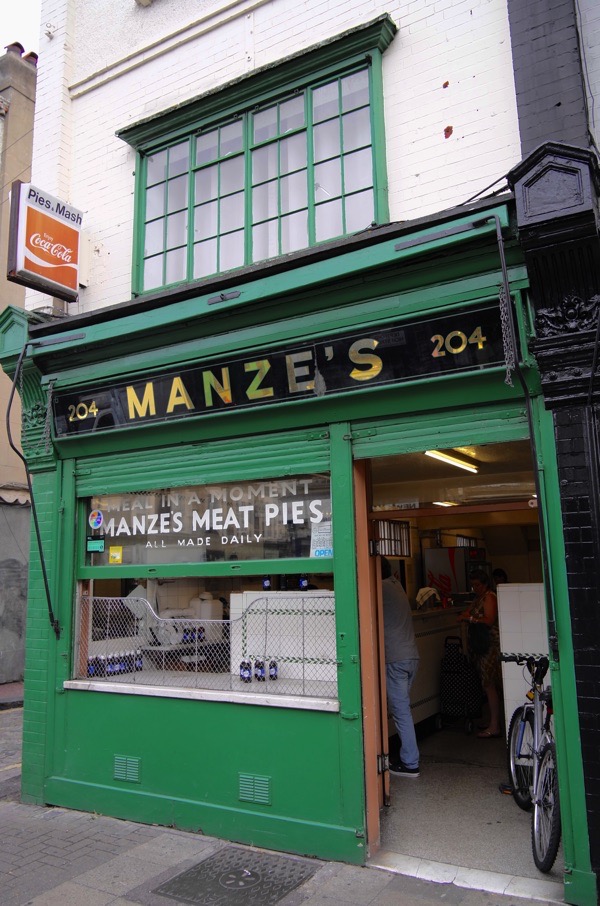
Manze’s in Deptford High St
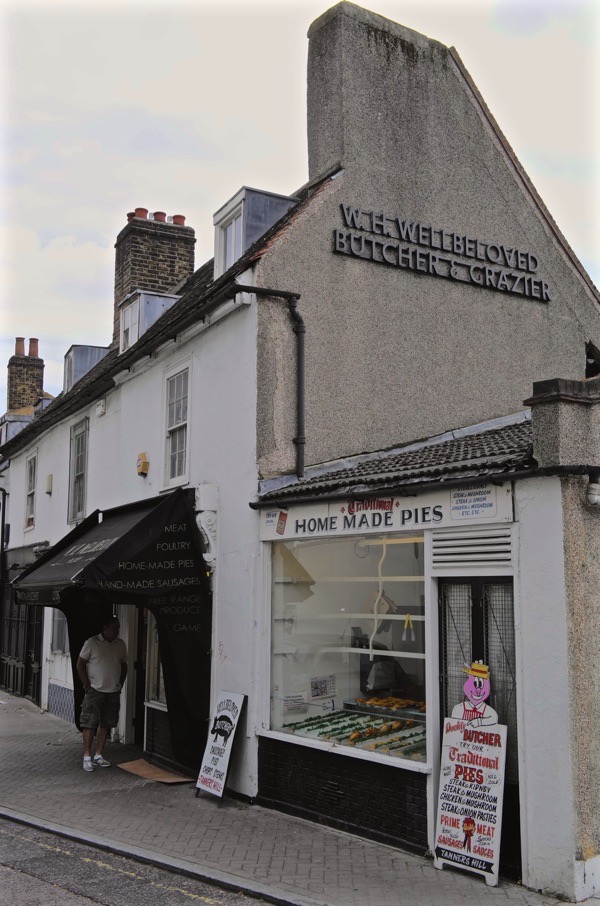
Wellbeloved, Butcher & Grazier
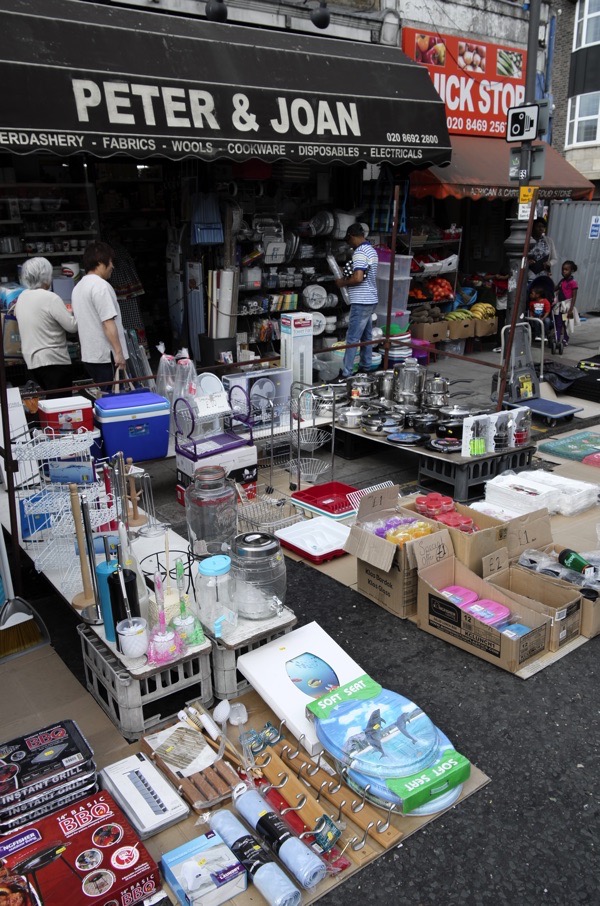
In Deptford High St
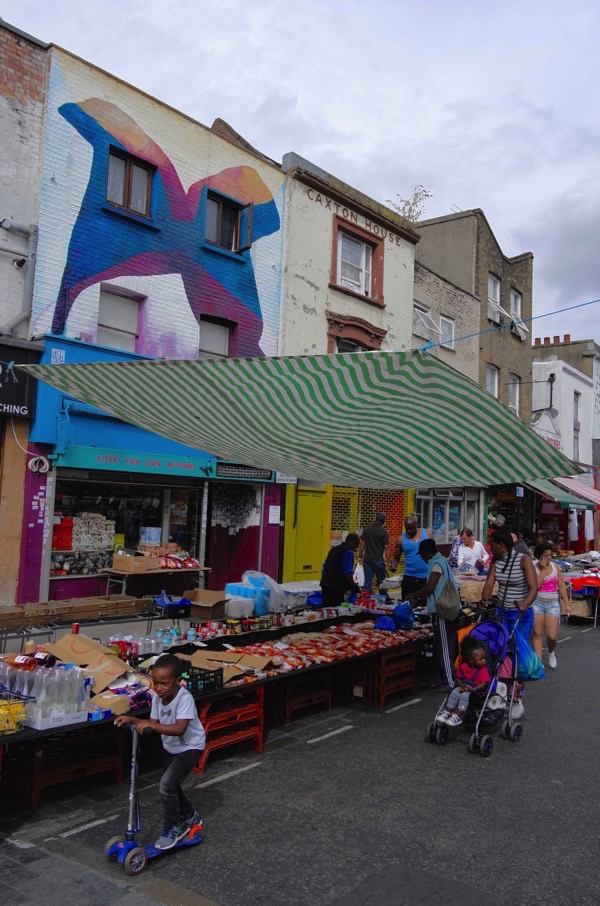
In Deptford High St
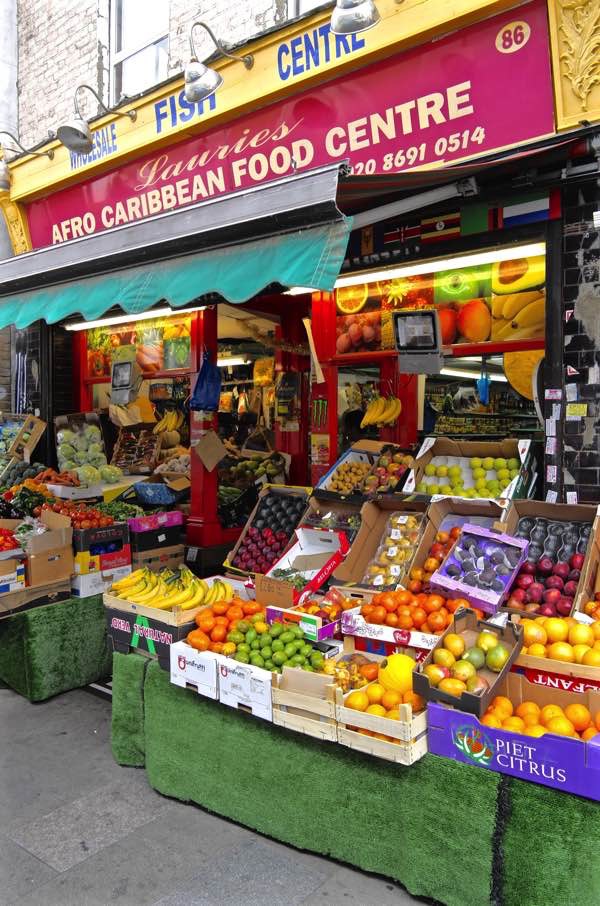
In Deptford High St
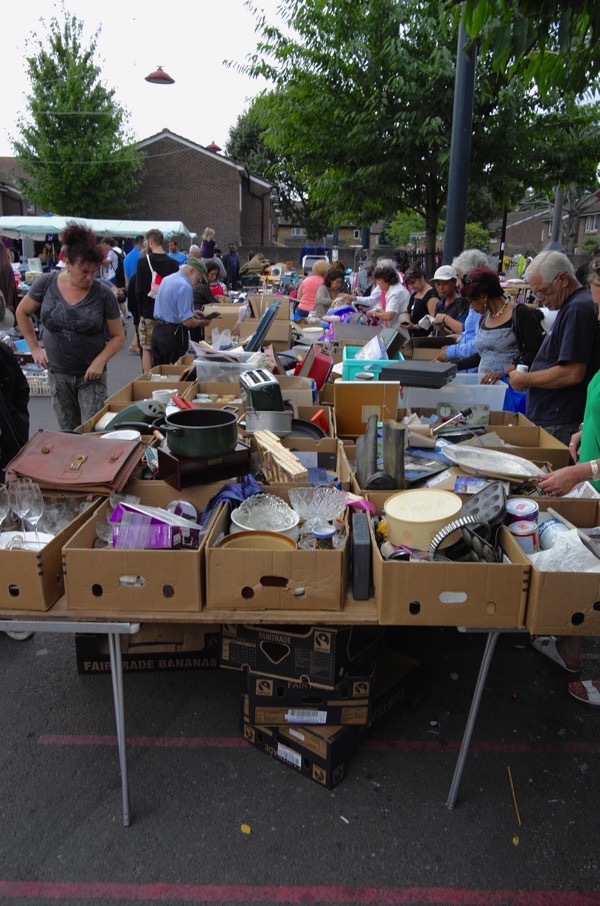
In Deptford Market
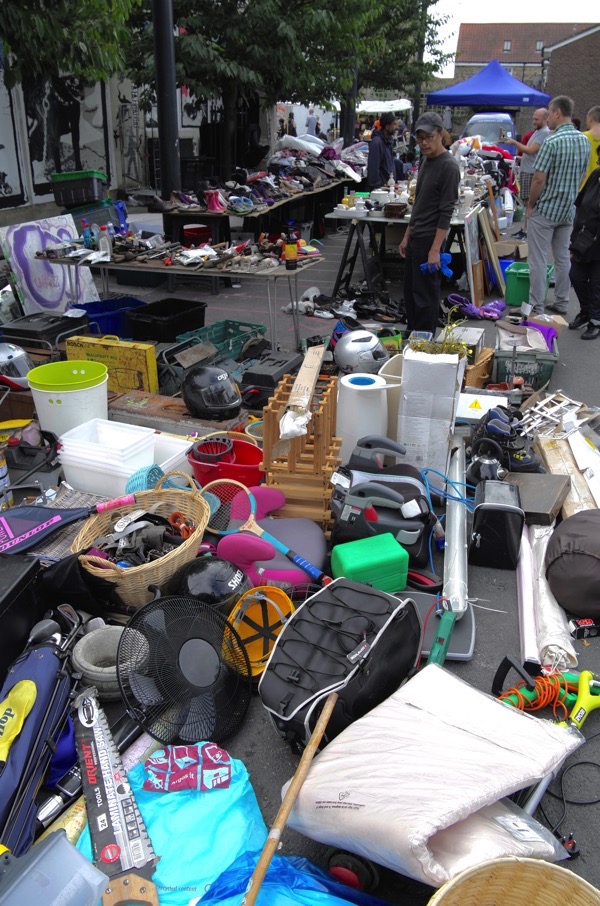
In Deptford Market
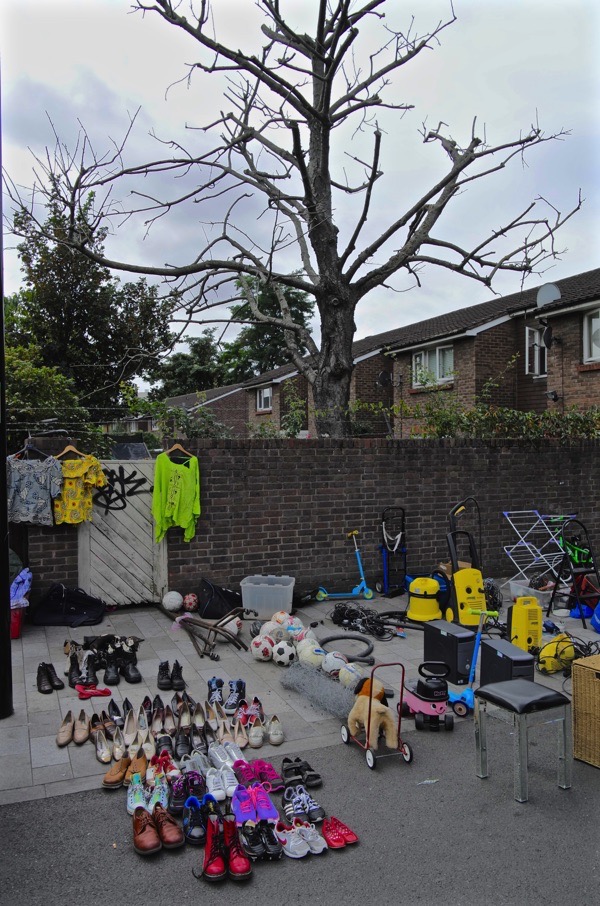
In Deptford Market
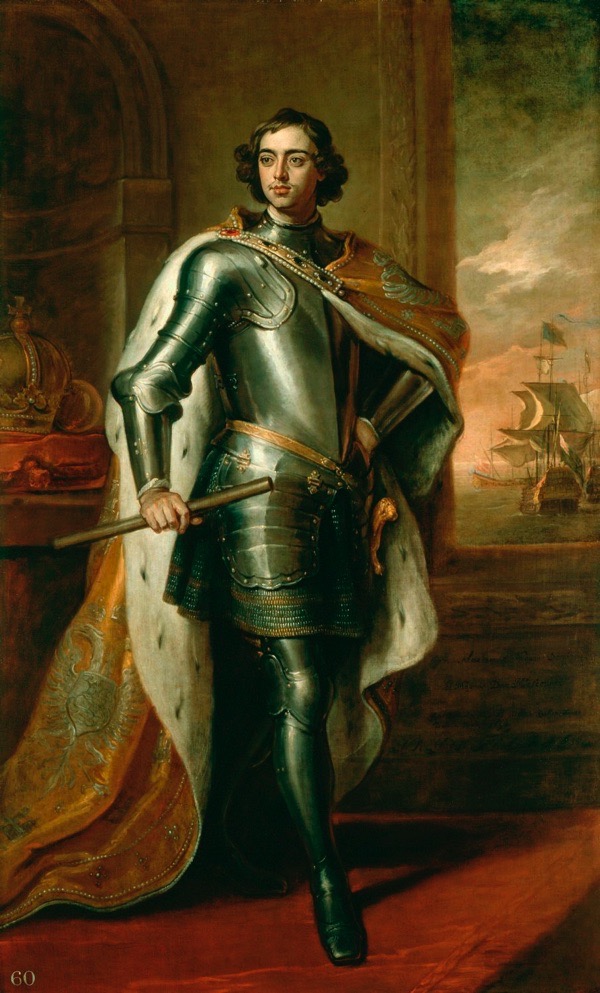
Peter the Great by Sir Godfrey Kneller
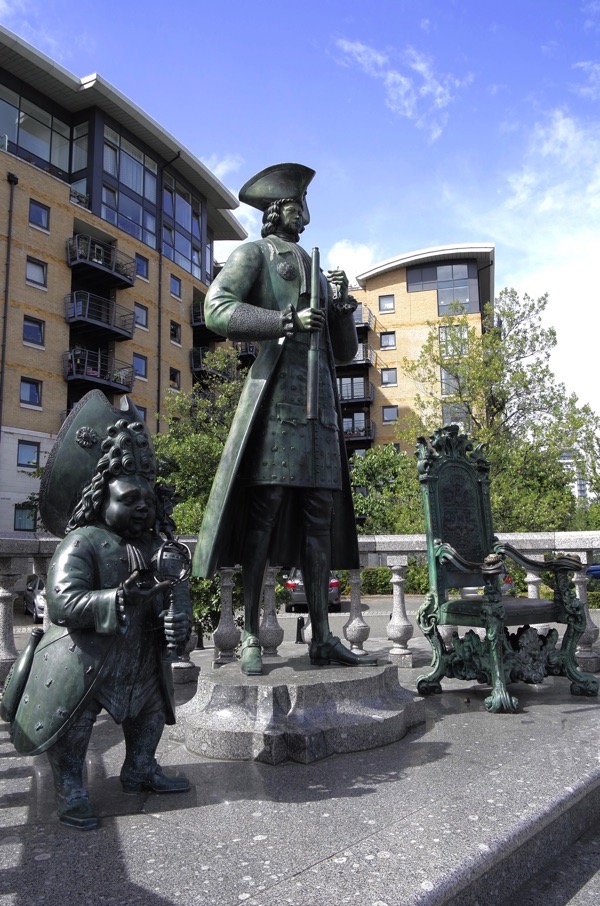
Peter the Great at Deptford Creek by Mikhail Shemyakin
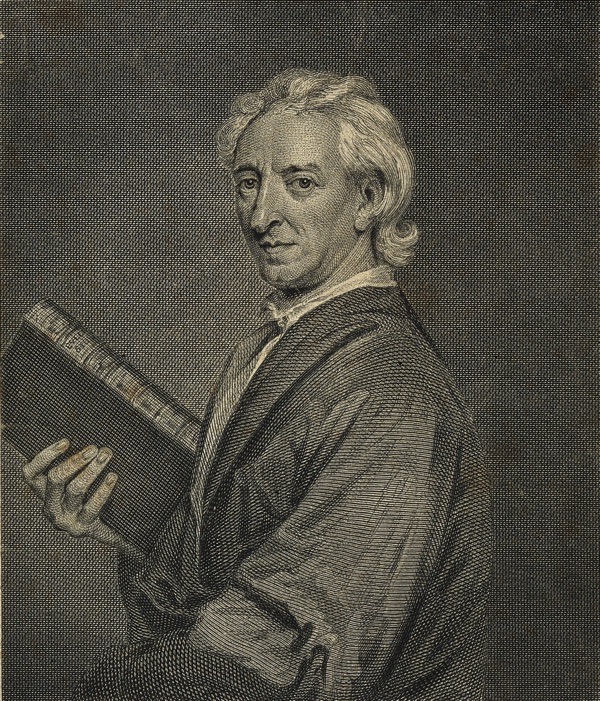
John Evelyn, engraving by T. Bragg after Sir Godfrey Kneller (Courtesy Wellcome Library)
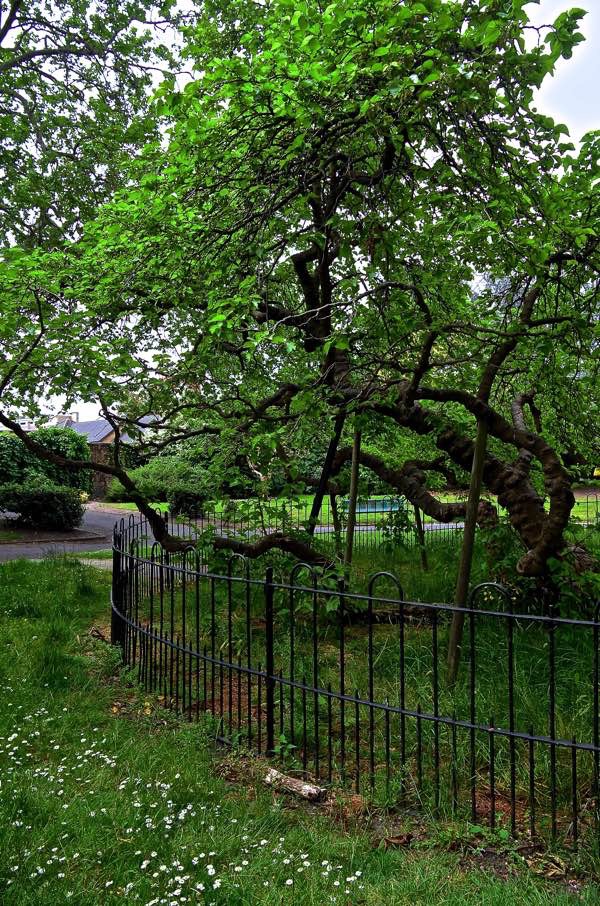
John Evelyn’s Mulberry at Sayes Court Garden
On Thursday 15th September at 8pm, Gillian Tindall discusses her work and reads from ‘The Tunnel Through Time’ at Libreria, 65 Hanbury St, E1 5JP, which is positioned – appropriately enough – directly over a Crossrail tunnel. In her new book, Gillian explores the history of the new Crossrail route which turns out to be only the latest scheme to traverse an ancient path across London’s buried secrets and former fields. Click here to book your free ticket
You may also like to read about
Lifesaving In Limehouse
Novelist & Historian of London Gillian Tindall takes over as guest author this week in celebration of the publication of her new book, A Tunnel Through Time, A New Route for an Old London Journey by Chatto & Windus.
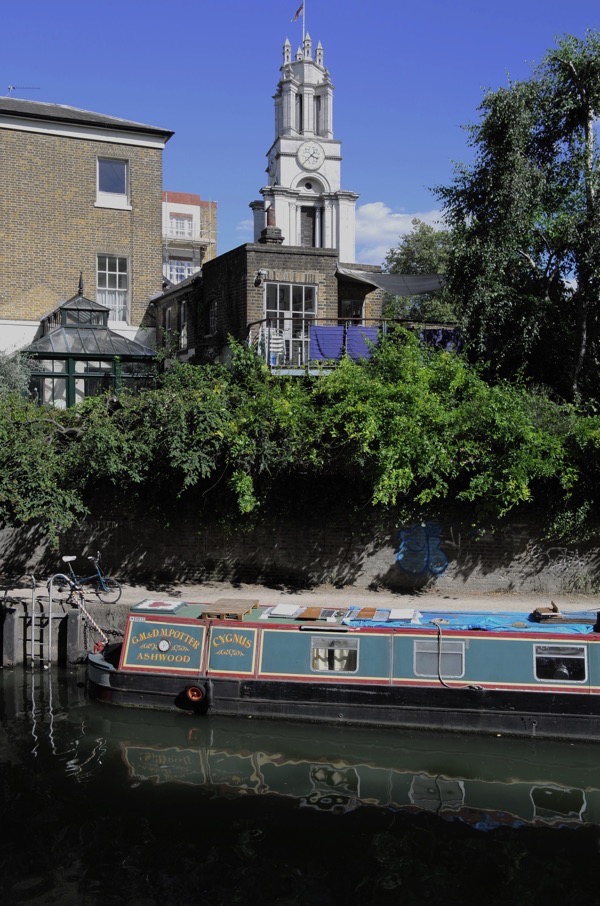
Limehouse Cut
In its unbroken run underground from the edge of the City of London at Whitechapel to the alternative City that has risen on the former docks, now called ‘Canary Wharf,’ Crossrail passes beneath two canals which were there well before the railways came. These canals were the first pieces of substantial engineering to be carved laboriously by huge teams of labourers with just picks and shovels out of the open pastures and market gardens between Stepney and the River Lea.
Regents Canal is well-known and loved, for in its old age it seems almost like a natural river bringing a breath of country air into the heart of the town. Built around the edge of London in the first two decades of the nineteenth century, it was designed to create a goods route between the new Grand Junction Canal at Paddington and the equally new docks to the east.
Yet when it arrived there in 1820, it met the already established Limehouse Basin, a harbour that had been constructed to receive barges from the Limehouse Cut. The Cut was the first canal for shipping to the capital and one of the oldest in England. It had opened fifty years before to link the River Lea, and hence the eastern counties, with the Thames. It bypassed the twisting loops of Bow Creek and the horseshoe bends of the Thames en route the Pool of London, turning a difficult journey of many miles into a short, straight one of less than two.
For most of its life, the Limehouse Cut has been heavily industrial. A few isolated lime-kilns operated in the area since the Middle Ages, converting chalk into building material and bestowing the name ‘Limehouse’ on the place. After the canal arrived, there were added manufacturies fuelled by the coal that the barges brought – soap boilers, potash works, cable making, presently a gas works and further chemical works making tar, varnish, ammonia and other reeking commodities of civilisation. Bones were ground down and fish heads were converted at what became the largest dog-biscuit factory in the world. It was all jobs for local people. A far cry from the Limehouse of nineteenth century tradition and myth, populated by sinister Chinese seamen off ships reputedly visiting opium dens.
Yet smelly local trades and opium dens are both now in the past. Even if the buildings fronting the canal had not suffered so much in the blitz, heavy industry is no longer to be found in the capital. The surviving warehouses and workshops are today much sought after by small companies, particularly in the media, though more and more workspaces have to compete with large development companies seeking to build ‘Luxury Waterside Homes.’
It was to reconnoitre one of these old buildings that I and my husband went walking along the towpath, one day at the end of June five years ago. A Conservation Society signalled to me that a good Victorian warehouse was being eyed-up by a developer and what did I think? I cannot retrieve exactly which building it was or the outcome – but what I recall vividly was the little deer in the stream.
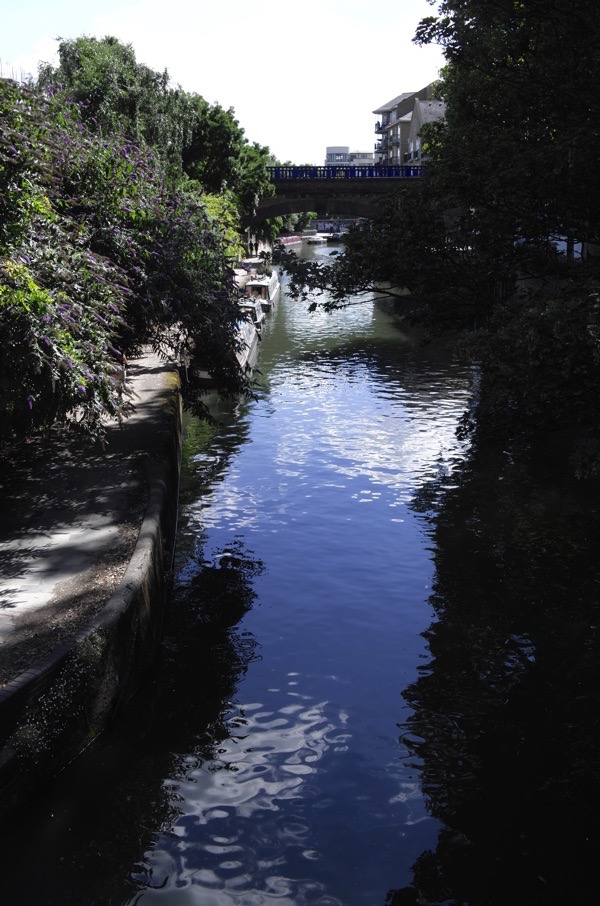
We had checked the building, taken some photos, and were walking slowly on from Burdett Rd, under Commercial Rd bridge, in the direction of Limehouse Basin. The East End traffic roared over the bridges, but along the canal it was peaceful – stumpy traces of one-time barge apparatus slept in the sun, water dripped from the remnants of quay shoring, and from self-sown willows and buddleias that trailed from old walls, while ducks and moorhens went about their rural business. This summer, revisiting the place, I found barges moored along this stretch but five years ago it seemed more or less deserted.
As we neared the ancient railway bridge that carries the Docklands Light Railway, we met a young man standing on the towpath, gazing across to the other side, looking anxious and trying to call someone on his mobile. What was up, we wondered? He pointed to some quay shoring opposite which had collapsed into the water – there was no towpath that side. Willow saplings were sprouting out of leafy débris that had collected there forming a small island. Just discernible through the branches was what we discerned – when it shifted slightly – was a tiny deer, apparently a fawn.
The young man explained that he had been alerted to its presence by ‘a foreign lady’ who lived in the flats opposite, right on the canal but high above. She had spotted the fawn there the evening before, was worried about it and had eventually accosted this passerby to ask him if he could do something? – her own English was extremely limited. He had taken up the challenge and was trying to raise some responsible service, but was being passed from one number to another.
However, as we hung about – helpful if useless – and other interested passersby gradually joined us, the system did gradually begin to swing into action. Eventually, seven or eight fireman with special water-rescue equipment turned up Their clumping feet, as they moved and down the towpath discussing the best move, alarmed the fawn who had been shifting around in its eyrie from time to time. It jumped out and took to the water, swimming swiftly in the direction of the Basin. The fireman pounded heavily after it on the opposite side. It took fright again, swam back to its hiding place and, in a quick flurry of delicate legs, concealed itself still further behind the greenery.
Soon after this, a vanload of policemen turned up on the Commercial Rd bridge, where by now there was also an audience of walkers and locals. Then, at last, a posse of River Police who specialised in animal rescues appeared – it was said they had been summoned from down-river in Kent. Including them, there must now have been a good fifteen official persons in high-viz jackets trying to achieve the rescue of one small creature.
The River Police set off gently in a rubber dinghy for the fawn’s eyrie, reached it and almost managed to grab it. That is to say, one man, parting the willows, actually got his hands on its sleek sides – when, with a scream like a terrified child, it slithered out of his grasp, and regained the water. Once more, it swam frantically back and forth, pursued now by the dinghy which, with its load of two would-be helpful men, was much slower than this fleet animal. Up and down it went – we expected that at any moment it might have a heart attack. Do deer die of fright? Finally, leaving its pursuers paddling frantically behind, it swam out into Limehouse Basin.
There was a collective intake of breath from the by-now-quite-large crowd – because the Basin has an outlet to the Thames, and once the tiny animal got involved in the locks and out into the swift, rolling water it might not stand a chance. But, by great good fortune, the fawn veered not left towards the Thames but right, to an inlet where there was a lock that is now blocked off. The dinghy followed it and the fawn was finally cornered. Hands were laid on it again – more heart-rending screams – before it was quickly enveloped it a thick, dark bag brought for the purpose. Screams and struggles ceased as the deer lay quiet, evidently believing now that it had found a safe hiding place.
It was brought back into the Cut, to general applause, delivered to the towpath side and carried carefully in its bag up some steps to where the police van was parked. Where would they take it, we asked? ‘An animal sanctuary in Kent’ was the answer – ‘Pending enquiries.’
Two hours had passed since we first encountered the man on his phone. We and the rest of the audience dispersed, with views exchanged on where the young deer could possibly have come from? The favoured theory was that it, no doubt with its mother, had strayed out from Epping Forest, across the open country still to be found north of Chingford, and there had encountered the River Lea at the beginning of its long and winding route down to the East End. Had they meant to go swimming? Where had it lost its mother? Had they been swept apart? Had something frightened the creature to make it swim so far downstream before turning into the relatively safety of Limehouse Cut?
An alternative view was that it might not be a fawn at all but a muntjac, one of those miniature decorative deer from South Asia, and that it could have escaped from the Zoo and swum all the way down the Regents Canal. But this seems to me even less likely – all through the long tunnel from the Caledonian Rd to the Angel, Islington? I never did find out. But what we carried away with us from that day’s entertainment was a sense that we are still, with all our stupidities, a fundamentally decent country, to expend resources unquestioningly on such an enterprise rather than abandoning one small animal to slow starvation in a derelict corner of a canal.
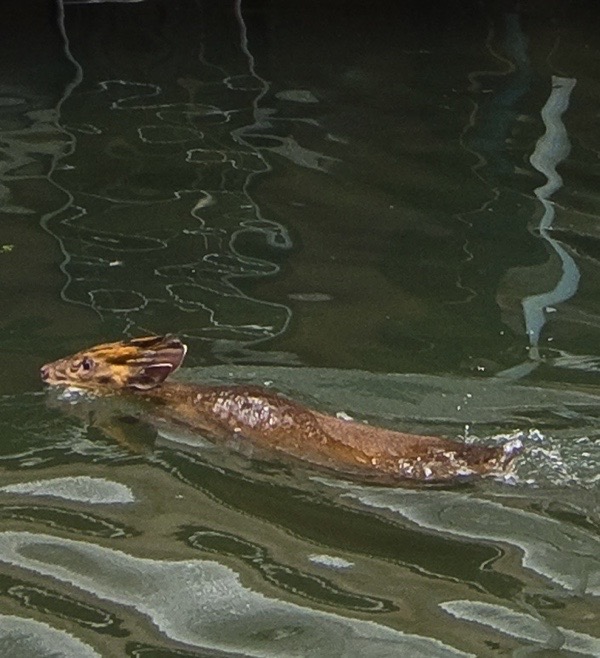
The fawn swims for its life (Photograph by Richard Lansdown)
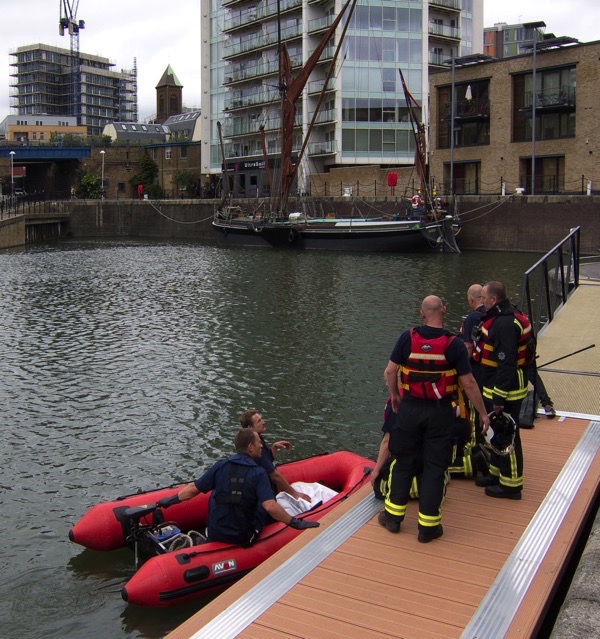
The fawn is captured in a cloth bag and rescued at Limehouse Basin (Photograph by Richard Lansdown)
On Thursday 15th September at 8pm, Gillian Tindall discusses her work and reads from ‘The Tunnel Through Time’ at Libreria, 65 Hanbury St, E1 5JP, which is positioned – appropriately enough – directly over a Crossrail tunnel. In her new book, Gillian explores the history of the new Crossrail route which turns out to be only the latest scheme to traverse an ancient path across London’s buried secrets and former fields. Click here to book your free ticket
You may also like to read about












