
Nicholas Sack in the City

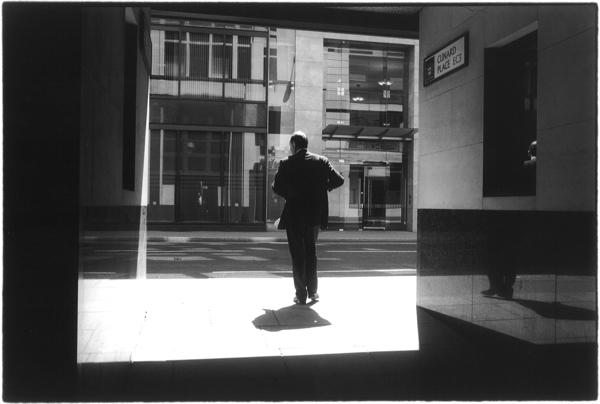
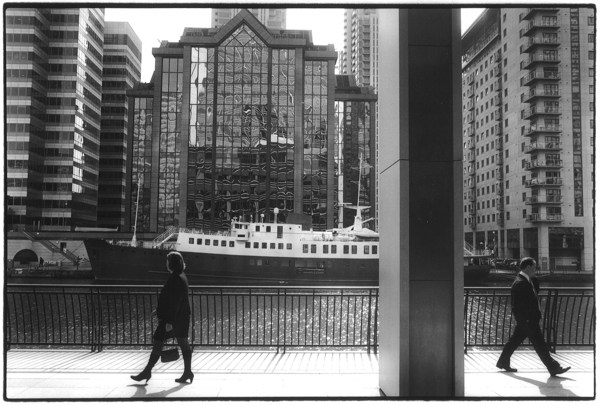
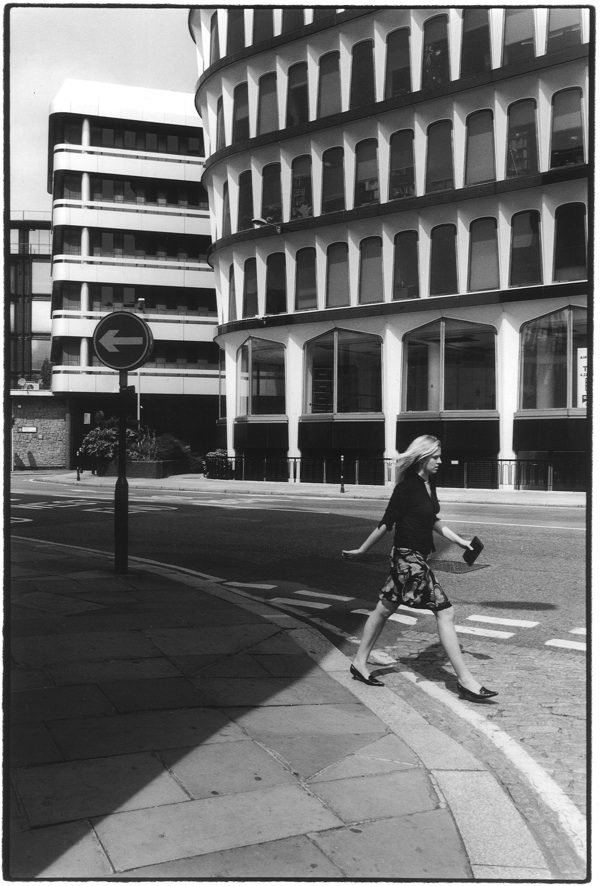
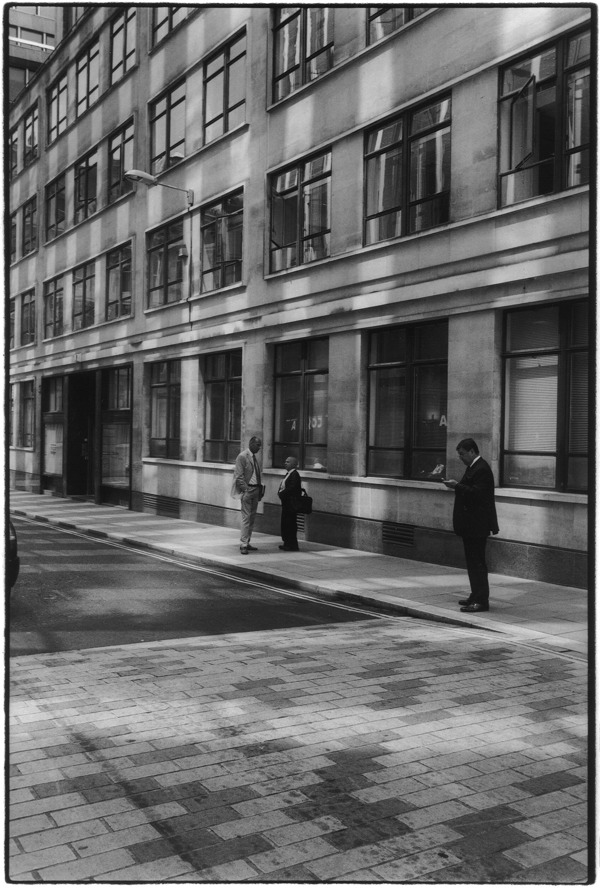
“I’ve done a lot of loitering on street corners,” Photographer Nicholas Sack confessed to me shamelessly, when I quizzed him about his curious pictures of the workers in the City of London, “it might take several visits to the same spot for the right arrangement of people to form in the viewfinder.”
Nicholas’ photographs brilliantly capture the strange dynamic which exists upon the pavements of the City in contrast to the narrow streets of the East End, where people jostle each other as they wander through the crowded markets. In the City, pedestrians maintain a respectful distance as they walk and the overbearing corporate architecture creates tense spaces which are not designed for lingering. “The smart and unshowy attire of office workers appeals to my love of order,” Nicholas admitted to me, revealing his equivocation on the subject, “yet the human figure can look physically rather absurd, especially when walking – Lowry knew that, and so did John Cleese.”
Working on film and framing his subjects immaculately, Nicholas uses photography to expose the spatial dynamics of power with humour and sardonic poetry. “Over many years of stalking the streets, I have learned how to lift things out of the ordinary.” he confided to me – exercising an anthropologist’s scrutiny upon the ways of that mysterious tribe which inhabits the Square Mile.








Photographs copyright © Nicholas Sack
“Uncommon Ground,” Nicholas Sack’s new book of photography is available here
Matchbox Models by Lesney
Continuing my series of the great hardware and trade catalogues of the East End, it is my pleasure to publish the Matchbox 1966 Collector’s Guide & International Catalogue by Lesney Products & Co Ltd of Hackney Wick (courtesy of Libby Hall). The company was founded by Leslie & Rodney Smith in 1947 , closed in 1982 and the Lesney factory was demolished in 2010.
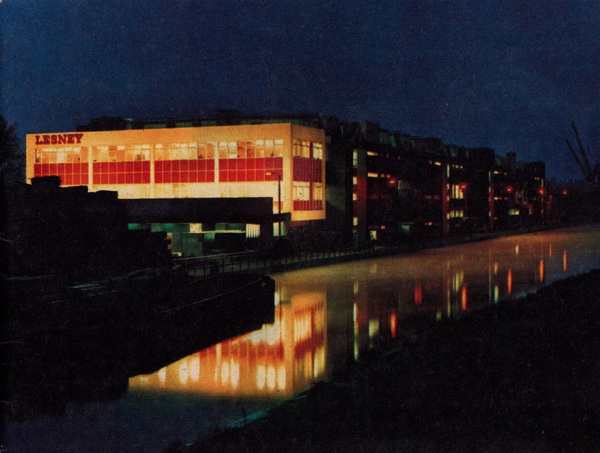
It all began in 1953, with a miniature diecast model of the Coronation Coach with its team of eight horses. In Coronation year, over a million were sold and this tremendous success was followed by the introduction of the first miniature vehicle models packed in matchboxes. And so the famous Matchbox Series was born.
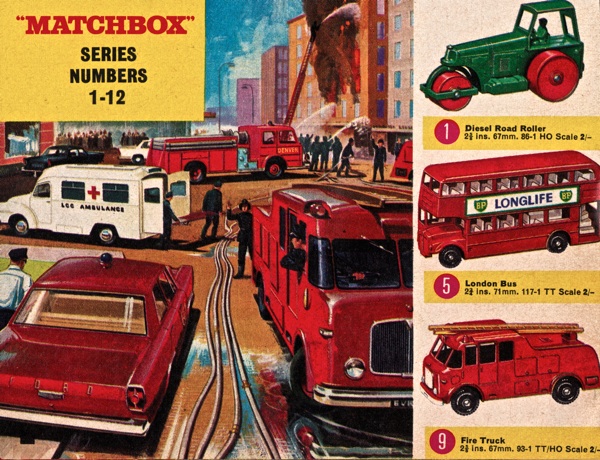
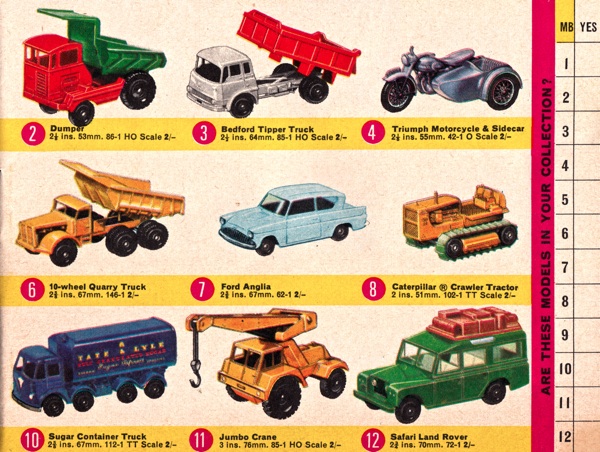


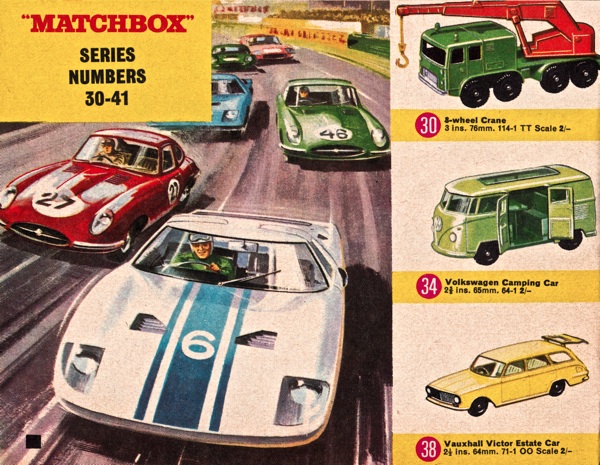

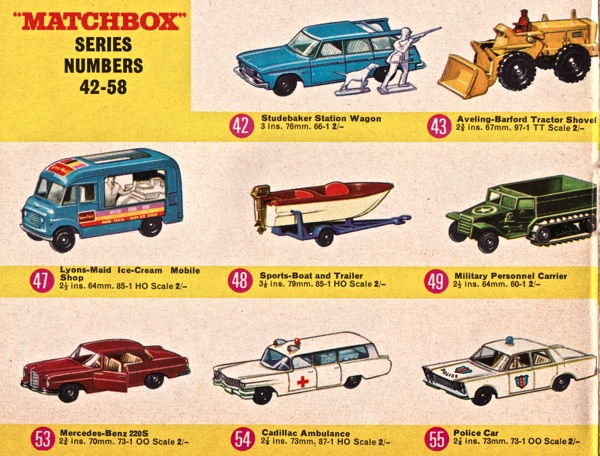
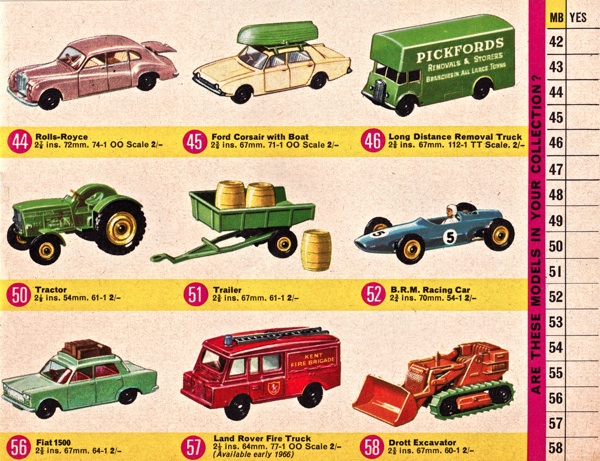
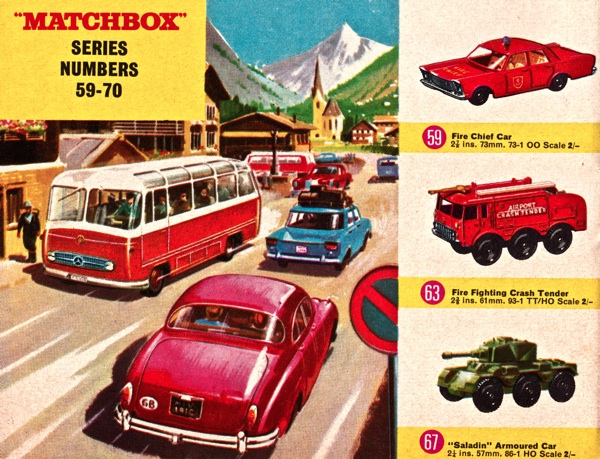
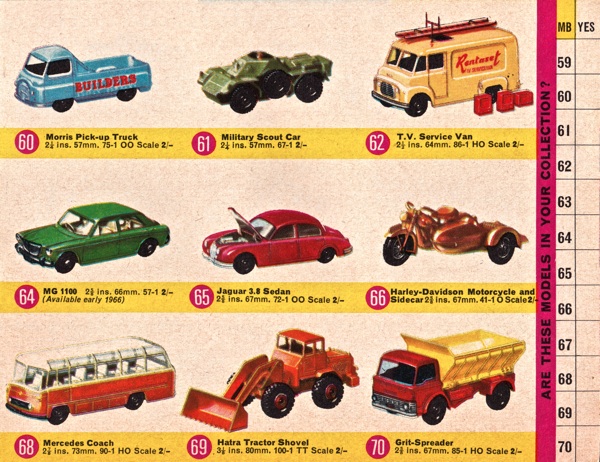
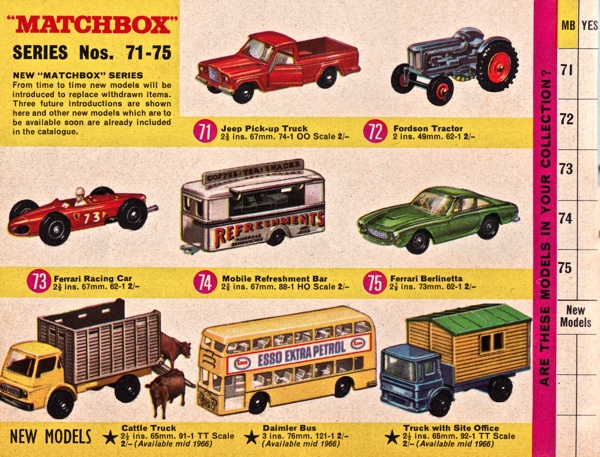
More than five hundred million Matchbox models have been made since the series was first introduced during 1953, and today over two million Matchbox models are made every week. The life of a new model begins at a design meeting attended by Lesney senior executives. The suitability of a particular vehicle as a Matchbox model is discussed and the manufacturer of the full-sized car is approached for photographs, drawings and other information. Enthusiastic support is received from manufacturers throughout the world and many top secret, exciting new cars are on the Matchbox drawings boards long before they are launched to the world markets.
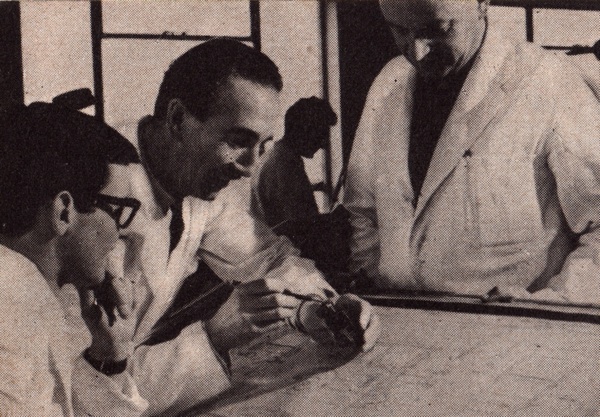
1. Once the details of the full-size vehicle have been obtained, many hours of careful work are required in the main drawing office in Hackney.
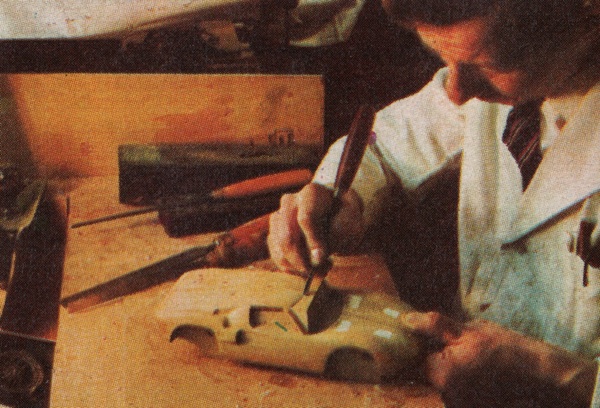
2. In the pattern shop, highly specialised craftsmen carve large wooden models which form the basic shape from which the miniature will eventually be diecast in millions.
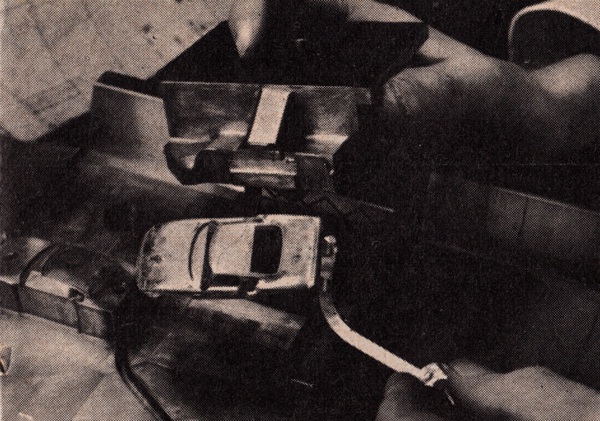
3. Over a hundred skilled toolmakers are employed making the moulds for Matchbox models from the finest grade of chrome-vinadium steel.
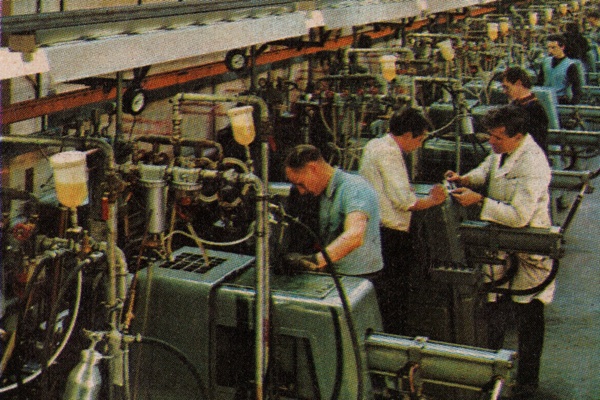
4. There are more than one hundred and fifty automatic diecasting machines at Hackney and all have been designed, built and installed by Lesney engineers.
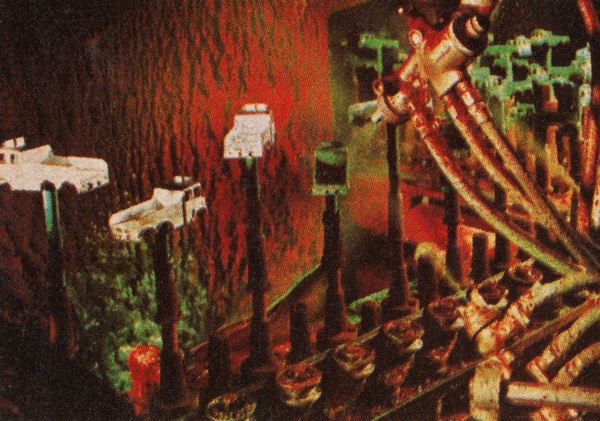
5. The spray shop uses nearly two thousand gallons of lead-free paint every week, and over two and a half million parts can be stove-enamelled every day.
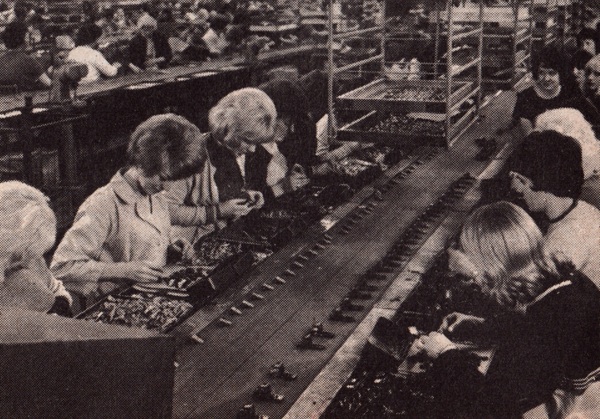
6. Final assembly takes place over twenty lines, and sometimes several different models and their components come down each line at the same time.
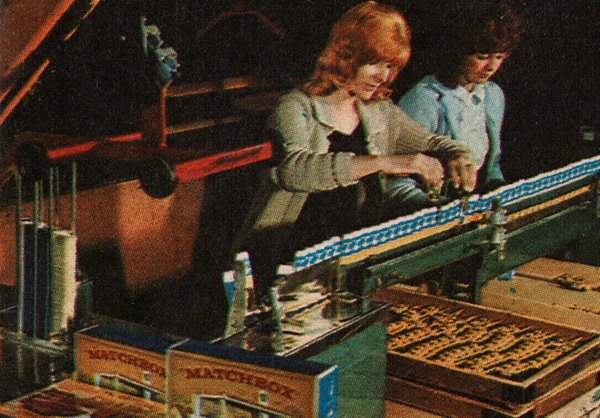
7. Ingenious packing machines pick up the flat boxes, shape them and seal the model at the rate of more than one hundred and twenty items per minute.
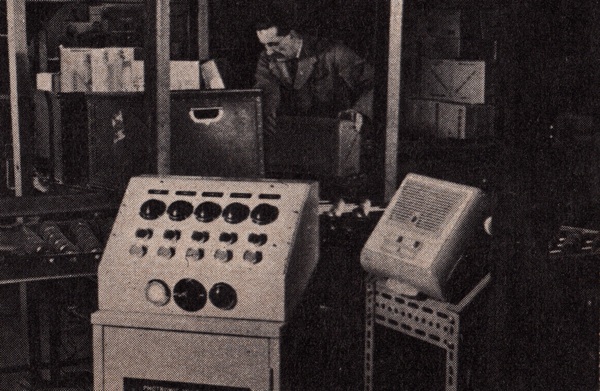
8. Ultra-modern, automatic handling and automatic conveyor systems speed the finished models to the transit stores where electronic selection equipment routes each package.
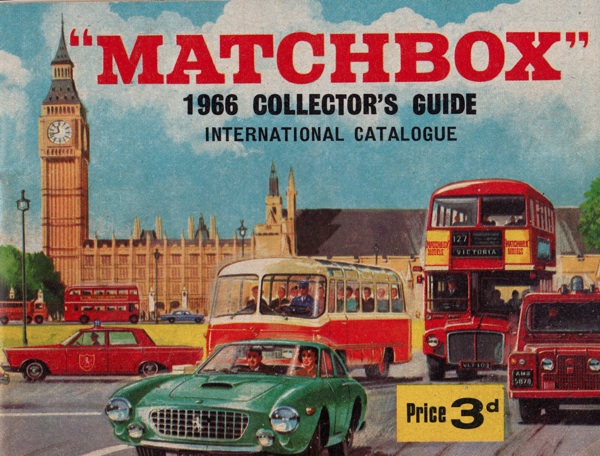
From the highly individual, skilled worker or the enthusiast who produces hand-made samples of new ideas, to the multi-million mass assembly of the finished models by hundreds of workers, this is the remarkable story of Matchbox models. Over three thousand six hundred people play their part in a great team with the highest score in the world – over a hundred million models made and sold per year. Enthusiasts of all ages throughout the world collect and enjoy Matchbox models today and it is a true but amazing fact that if all the models from a year’s work in the Lesney factories were placed nose to tail they would stretch from London to Mexico City – a distance of over six thousand miles!
You may also like to take a look at these other magnificent catalogues
Helen Taylor-Thompson & The Mildmay Hospital
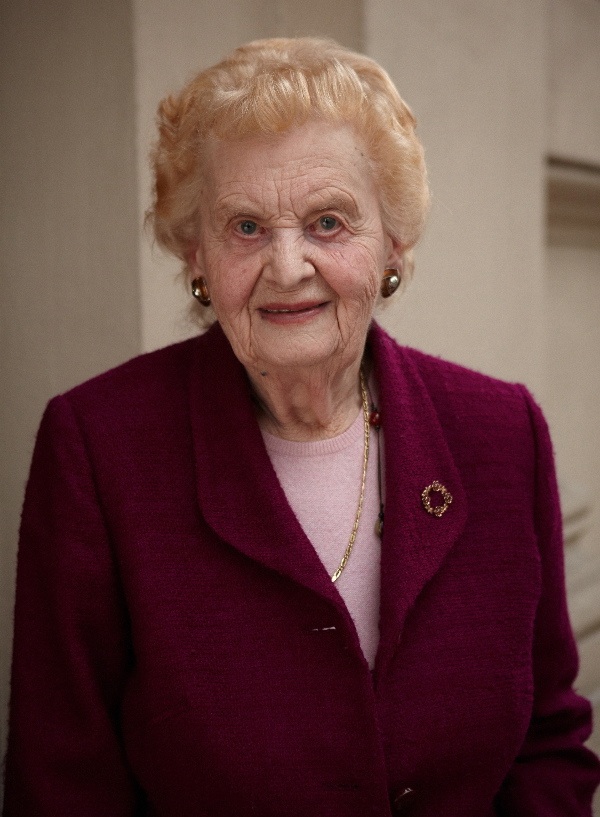
Helen Taylor-Thompson
What would you do if your local hospital was cut? Would you shrug your shoulders? Would you sign a petition? Would you go on a march? Helen Taylor-Thompson did something more effective than any of these things, she took over the hospital and reopened it herself. Yet it was not such a radical act as you might assume, since the story of the Mildmay Hospital in the East End is that of a succession of strong women driven by a passion to care for the sick and the outcast, ever since the eighteen-sixties when it was established to minister to those in Shoreditch suffering from the cholera epidemic.
Catherine Pennefeather recruited eleven women to work with her and opened the first mission hospital in a warehouse in Cabbage Court in the Old Nichol in 1866, as a memorial to her husband, the Irish evangelist William Pennefeather. Working among people living in the most deprived conditions, Catherine insisted upon a personal approach that respected the dignity of everyone that came into her care, however degraded they might have become by their circumstances. In 1890, a foundation stone was laid for a purpose-built hospital which opened in 1892 and the Mildmay Hospital served the people of the East End continuously until it was shut by Margaret Thatcher’s government in 1982.
Demonstrating heroic independence of spirit, Helen Taylor-Thompson refused to let the noble history and tradition of care that the Mildmay represented be broken. She reopened it in 1985 and when, three year later in 1988, Mildmay inaugurated Europe’s first dedicated HIV clinic – the prescience of her action in saving the hospital became fully apparent. At the clinic, it was Helen who delivered the circumstance in which Princess Diana came to the Mildmay and kissed a patient who was dying of AIDS upon the cheek, a powerful gesture that reverberates in the collective memory to this day and that contributed to overcoming the ignorance and prejudice which surrounded the disease at that time. It was an event that occurred within a climate in which staff of the Mildmay were shunned in the neighbourhood and even refused haircuts at local barbers out of misplaced fear of infection.
A pioneer by nature, Helen Taylor-Thompson is the direct descendant of the missionary Dr David Livingston and the daughter of the Chairman of the African Inland Mission. At eighteen, she was recruited into the Special Operations Executive during World War II, working in the First Aid Nursing Yeomanry (FANY), and her wish to be parachuted into occupied France to work with the Resistance was only frustrated when, as she was under twenty-one, parental consent was required but secrecy forbade her asking. Yet her missionary pedigree and experience in Special Operations became invaluable assets when she faced her biggest challenge in Shoreditch. “I’ve had quite a life haven’t I?” she confessed to me in bemusement, looking back.
A quarter of a century after the reopening, the Mildmay Hospital is building a brand new hospital for itself and Helen Taylor-Thompson remains undiminished in her fervour to be of service to humanity – applying herself these days to an ambitious educational project Thare Machi, designed to prevent HIV infection among people in the poorest countries. But, when I met her recently, I managed to persuade her to reveal the untold story of her involvement with the Mildmay Hospital and it proved to be an inspirational tale.
“The Mildmay was a little general hospital, much loved, with just a few wards and an A&E department. In the seventies, the District Health Authority had tried closing it but they were frightened to do so because it had such a good reputation. Other small hospitals were closing locally and many people felt the Mildmay had had its day, yet I believed it was still valuable because it was a Mission hospital and it worked with the most vulnerable people. I was chairman of the Hospital Advisory Council which I had formed to support the Mildmay and, when I saw that it was next in line to close, I got the community behind me to fight and we marched to Trafalgar Sq, and I clambered up among the lions and pleaded for the Mildmay not to close. It was fun but it didn’t do any good. They said, ‘It’s got to close,’ and it did. So then, a whole lot of people said, ‘We must go out in Glory,’ but I didn’t. I said, ‘We will fight for it and get it back.’
I had only one or two people who agreed with me, but a solicitor said, ‘Legally they can’t close it without giving the Mission the option of taking it back.’ So I went to the MP Peter Shore and said, ‘I want you to work with me to get it back.’ Then I wrote a letter to Kenneth Clarke to ask if I could have it back, and I knew it would have to be on a lease and seven years was too short and I didn’t think they’d give me twenty-one years, so I requested ‘a long lease.’ And two months later, I got a letter back offering it to me on a peppercorn lease for ninety-nine years – with strings attached.
As a Christian, I put this down to prayer. I was at the top of the stairs and I thought, ‘I can’t do this on my own,’ and the phone rang at the foot of the stairs. The caller said, ‘You don’t know who I am but I am the father of one of the nurses and I wondered if you’d like some help.’ He was working for the GLC and he could use the photocopier after hours. I employed an accountant to do a feasibility study and the plan was that we were going to work with young people who had suffered chronic injuries in accidents and people with Multiple Sclerosis, because they weren’t being taken care of.
But the District Health Authority didn’t want us to reopen the hospital, they wanted to sell it and get the money. We were examined and they told me we were incapable of doing it. If we hadn’t made a go of it after a year, they were going to take it away from me. I still had to find the money, so I sold the Mildmay Convalescent Home for half a million and I discovered there was a thing called ‘free money’ – the money which the hospital had in 1948 when it was taken over by the NHS. It had been put into a trust to be used for the hospital. I had no idea how much there was but I said, ‘You’ve got to give me that money.’ – it was £365,000! So we just had enough for eighteen months. The hospital had been closed for three years and vandals had got in, so I said to the NHS, ‘You’ve got put it right for us.’ I realised that we needed to get in six months before the contract was signed, so that we could sign the contract and admit the first patient on the same day. Elizabeth Willcocks, the previous matron who was in retirement, agreed to come back for two years and we reopened.
Thirteen months later, we were asked if we would take some AIDS patients. At that time, they were treated like lepers. So I went to the Matron and the Medical Director, and they both said, ‘The Mildmay has always looked after the people that nobody else wants to look after.’ We had the top floor which had formerly been the children’s ward and we didn’t know what to do with it, so I took the proposal to the board and I said, ‘I want a unanimous answer,’ and they said, ‘Let’s get on with it!’
Then we had big trouble – bricks thrown through the windows and a lot of Christians saying we shouldn’t be doing it and homosexual groups saying, ‘Boycott them, they’re Bible Bashers!’ We decided, ‘We’ll take no notice, we’ll open up and we’ll show love and great care.’ In October 1988, we opened the first hospice in Europe dedicated to treating people with AIDS. We had so many, we turned the whole hospital of thirty-six beds over to them. We had found our purpose, and the government were good and supported us with money.
The press used to be on the roof of the building opposite with telephoto lenses because we had some quite well-known people as patients. You’d think it was a sad place because people were dying, but it was happy because the patients were so well looked after and the doctors made sure they suffered no pain. Princess Diana came regularly and there was a patient called Martin who was dying and had lost touch with his family for eleven years. I said to him, ‘Would you like to give her the bouquet?’ The BBC were there and he gave Diana the bouquet, and they filmed her as she kissed him. Within twenty minutes, his mother rang and wanted to come to see him, and the whole family were reunited and shortly afterwards he died.
The Chairman of the District Health Authority, who had interrogated me, came to see me privately and he said, ‘I wish I hadn’t voted against you reopening the Mildmay.’ I said, ‘I’m very glad you did because it put more pressure on me to make the hospital independent, without that maybe I’d never have been able to get it back?'”
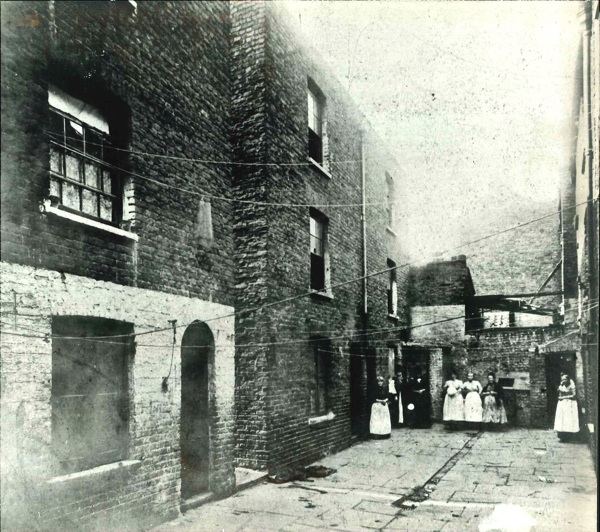
The first Mildmay Mission operated from a warehouse in Cabbage Court in the Old Nichol in 1866.

Emily Goodwin, the first matron at the new Mildmay Hospital, 1892


Sister Louise Blakeney, First Theatre Sister, 1909.


Miss Mulliner & Dr Gauld in the hospital pharmacy, 1909.

Matron and sisters in the nineteen twenties.

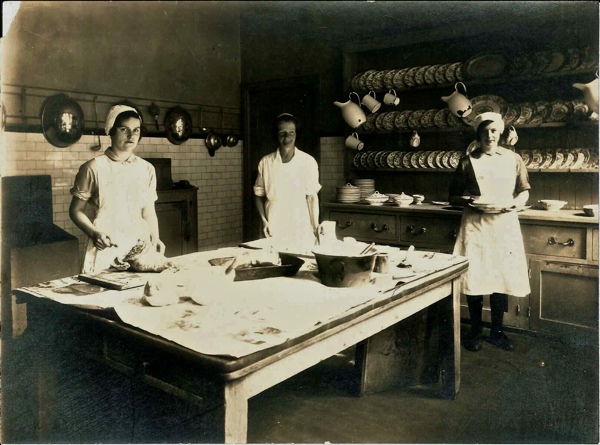
In the hospital kitchens.

The Mildmay Hospital with extra wards in Nissen huts during World War II.

Mildmay staff in 1966.

Detail, showing the Milmay cat.

Miss Stockton, Elizabeth Willcocks (Matron), Sister Edwin and Dr Buxton at the Mildmay in 1964.
Portrait of Helen Taylor-Thompson copyright © Patricia Niven
The Huguenots of Spitalfields
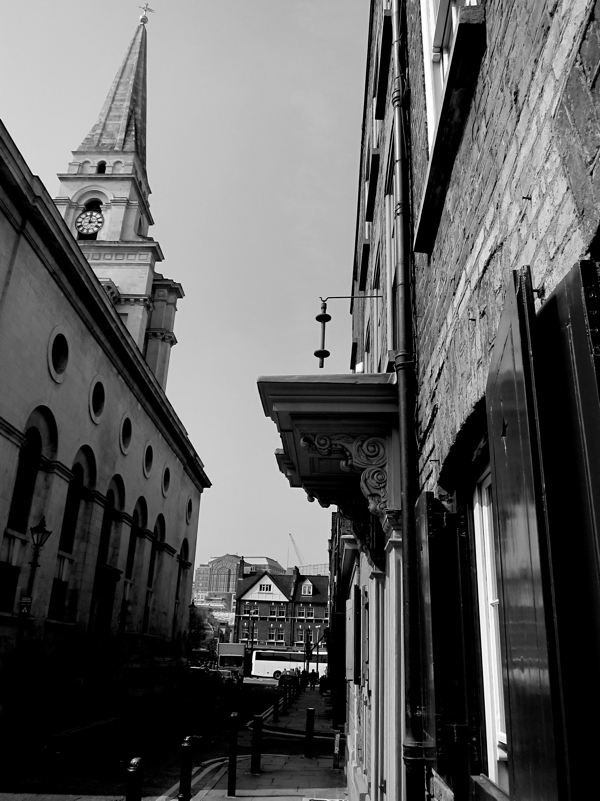
The wooden spools that you see hanging in the streets of Spitalfields indicate houses where Huguenots once resided. These symbols were put there in 1985, commemorating the tercentenary of the Revocation of the Edict of Nantes which brought the Huguenots to London and introduced the word ‘refugee’ to the English language. Inspired by the Huguenots of Spitalfields Festival, I set out in search of what other visual evidence remains of the many thousands that once passed through these narrow streets and Dr Robin Gwynn, author of The Huguenots of London, explained to me how they came here.
“Spitalfields was the most concentrated Huguenot settlement in England, there was nowhere else in 1700 where you would expect to hear French spoken in the street. If you compare Spitalfields with Westminster, it was the gentry that stayed in Westminster and the working folk who came to Spitalfields – there was a significant class difference. And whereas half the churches in Westminster followed the French style of worship, in Spitalfields they were not interested in holding services in English.
The Huguenots were religious refugees, all they needed to do to stop the persecution in France was to sign a piece of paper that acknowledged the errors of John Calvin and turn up at church each Sunday. Yet if they tried to leave they were subject to Draconian punishments. It was not a planned immigration, it was about getting out when you could. And, because their skills were in their hands, weavers could leave whereas those whose livelihood was tied up in property or land couldn’t go.
Those who left couldn’t choose where they were going, it was wherever the ship happened to be bound – whether Dover or Falmouth. Turning up on the South Coast, they would head for a place where there were other French people to gain employment. Many sought a place where they could set their conscience at rest, because they may have been forced to take communion in France and needed to atone.
The best-known church was “L’Eglise Protestant” in Threadneedle St in the City of London, it dealt with the first wave of refugees by building an annexe, “L’Eglise de l’Hôpital,” in Brick Lane on the corner of Fournier St. This opened in 1743, sixty years after a temporary wooden shack was first built there. There were at least nine other Huguenot Chapels in Spitalfields by then, yet they needed this huge church – it was an indicator of how large the French community was. I don’t think you could have built a French Church of that size anywhere else in Britain at that time.The church was run by elders who made sure the religious and the secular sides tied up so, if you arrived at the church in Threadneedle St, they would send you over to Spitalfields and find you work.
It was such a big migration, estimated now at between twenty to twenty-five thousand, that among the population in the South East more than 90% have Huguenot ancestors.“
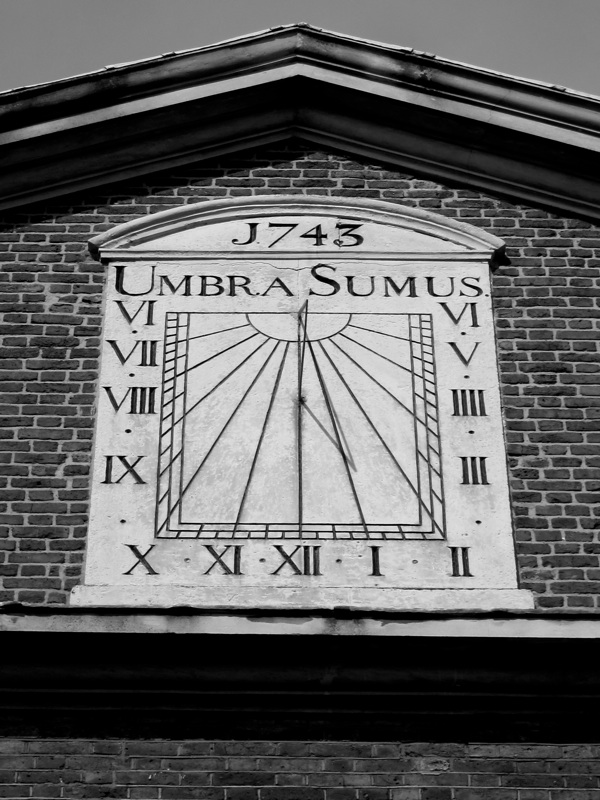
Sundial in Fournier St recording the date of the building of the Huguenot Church.
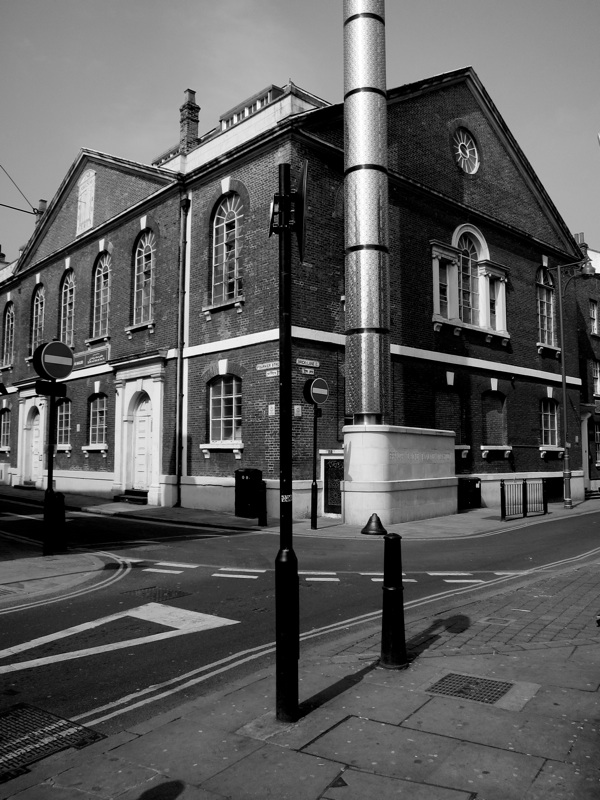
Brick Lane Mosque was originally built in 1743 as a Huguenot Church, “L’Eglise de l’Hôpital,” replacing an earlier wooden chapel on the same site, and constructed with capacious vaults which could be rented out to brewers or vintners to subsidise running costs.
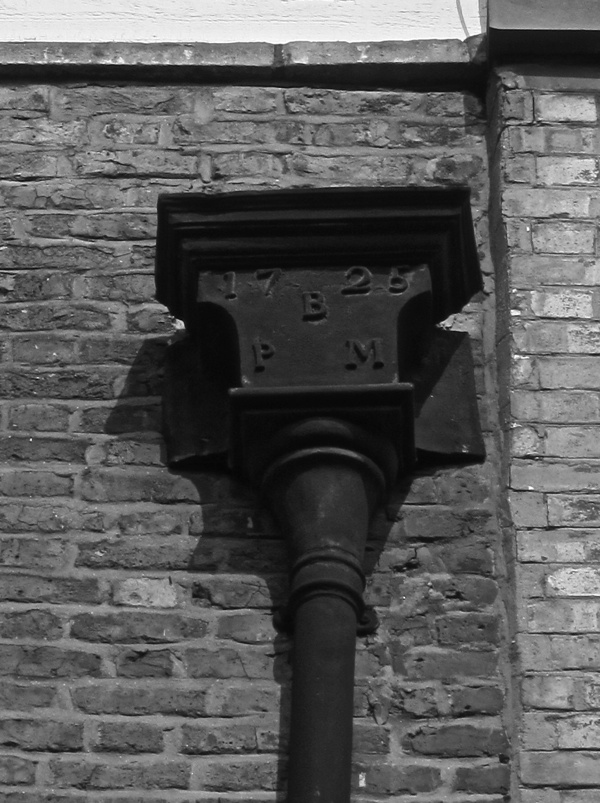
Water head from 1725 at 27 Fournier St with the initials of Pierre Bourdain, a wealthy Huguenot weaver who became Headborough and had the house built for him.
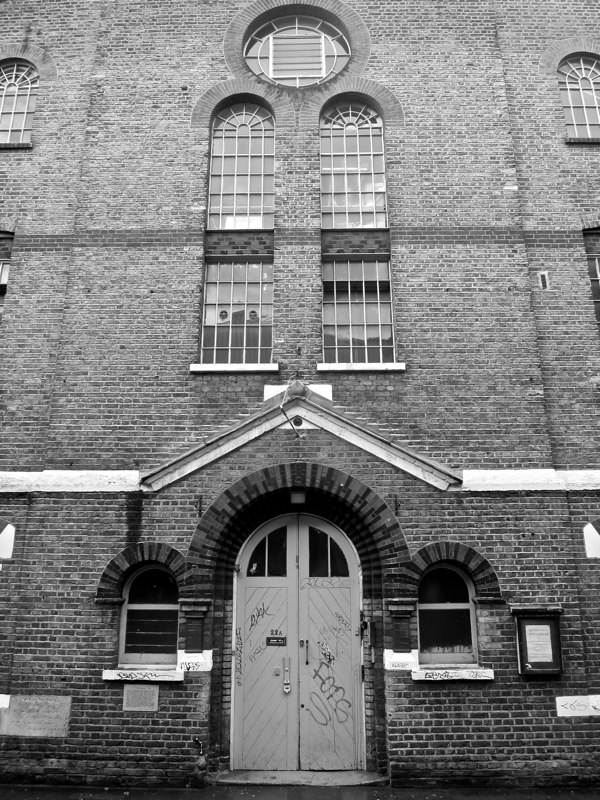
The Hanbury Hall in Hanbury St was built in 1719 as a Huguenot Church, standing back from the road behind a courtyard with a pump. The building was extended in 1864 and is now the church hall for Christ Church, Spitalfields.
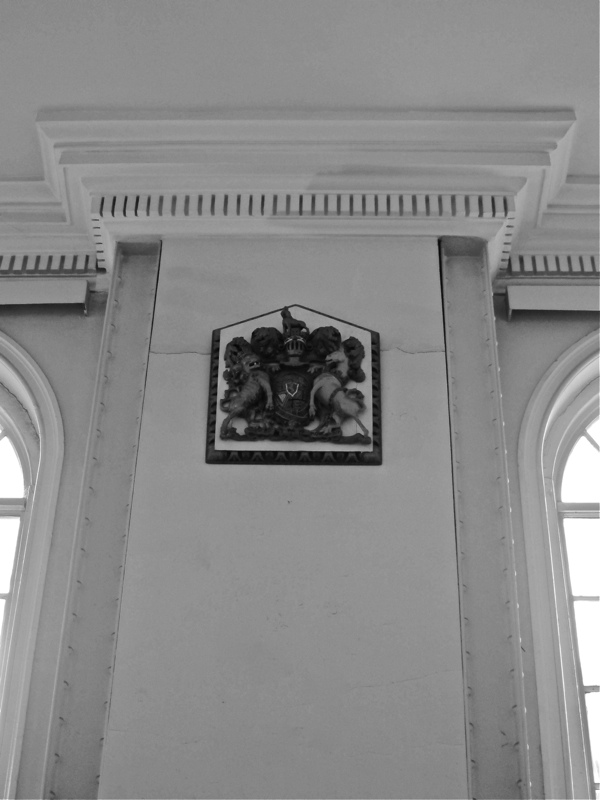
Coat of arms in the Hanbury Hall dating from 1740, when “La Patente” Church moved into the building, signifying the patent originally granted by James II.
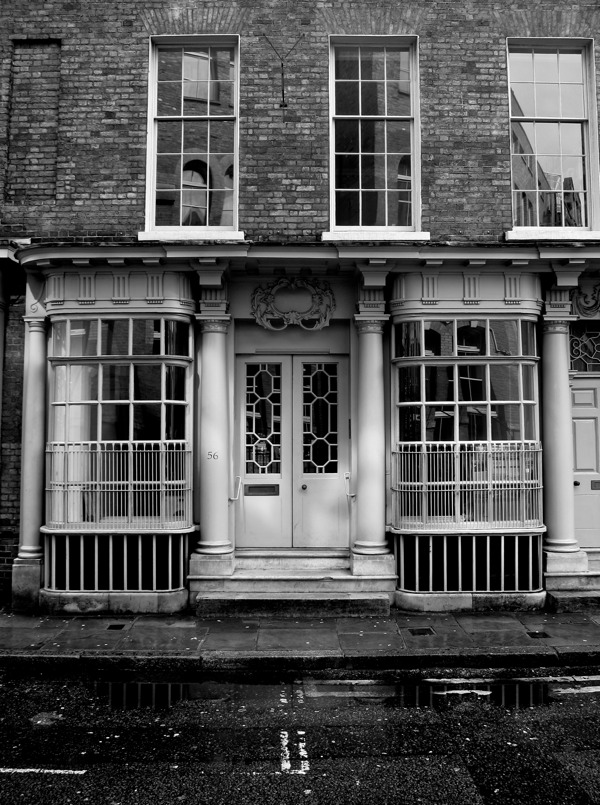
In Artillery Lane, one of London oldest shop fronts, occupied from 1720 by Nicholas Jourdain, Huguenot Silk Mercer and Director of the French Hospital.
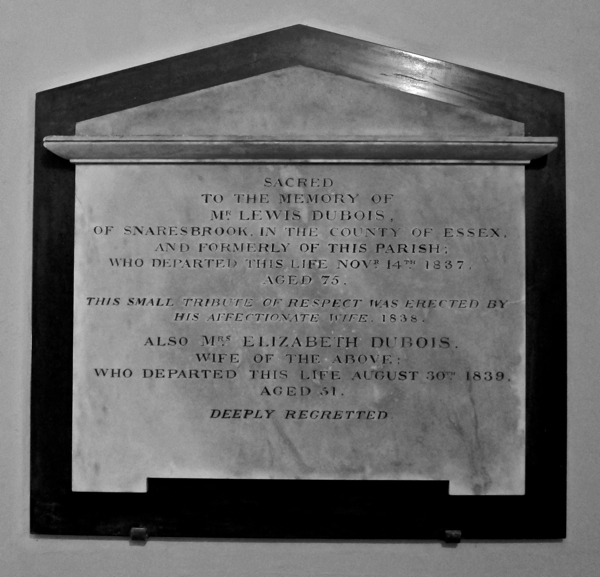
Memorial in Christ Church.
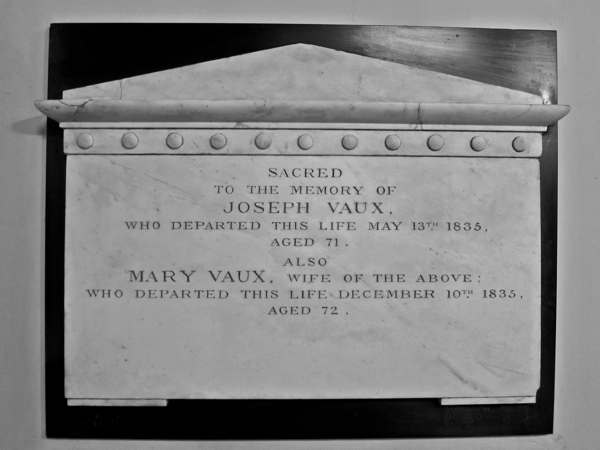
Memorial in Christ Church.
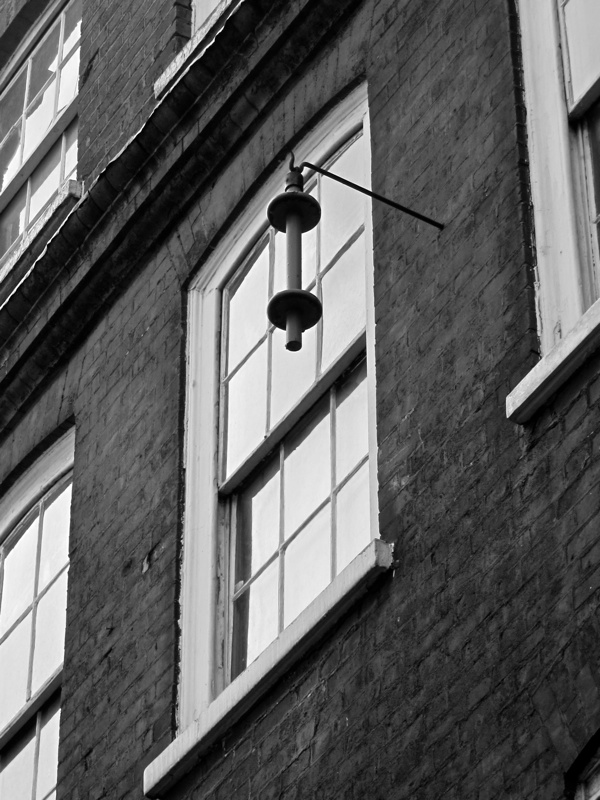
At Dennis Severs’ House in Folgate St.
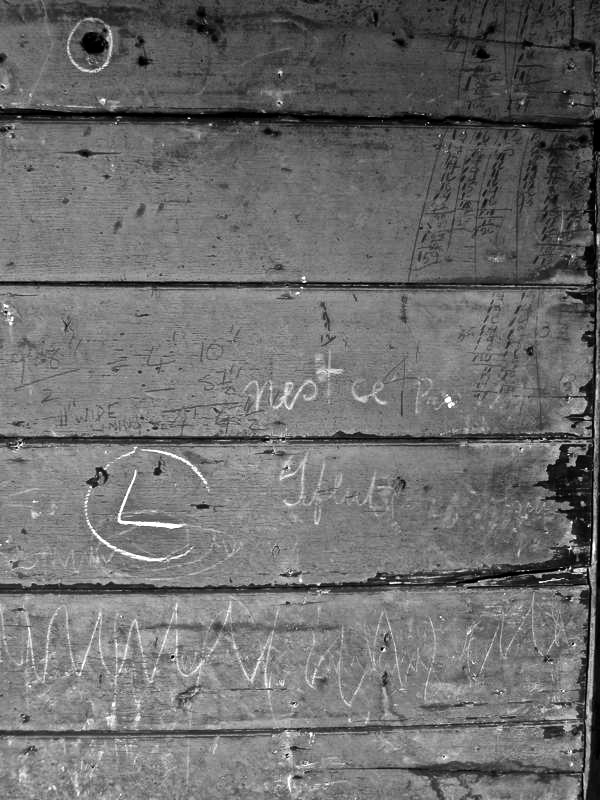
Graffiti in French recently uncovered in a weavers’ loft in Elder St
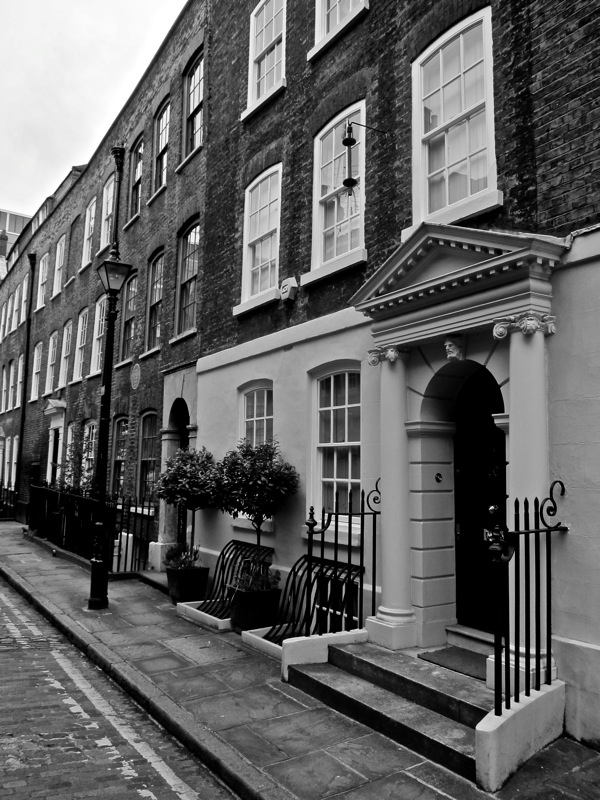
Former Huguenot residence in Elder St.
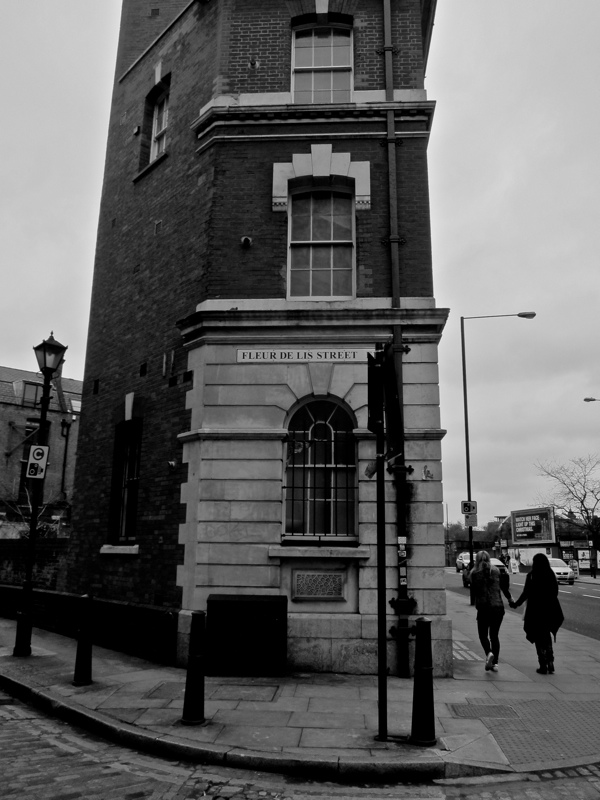
The Fleur de Lis was adopted as the symbol of the Huguenots.
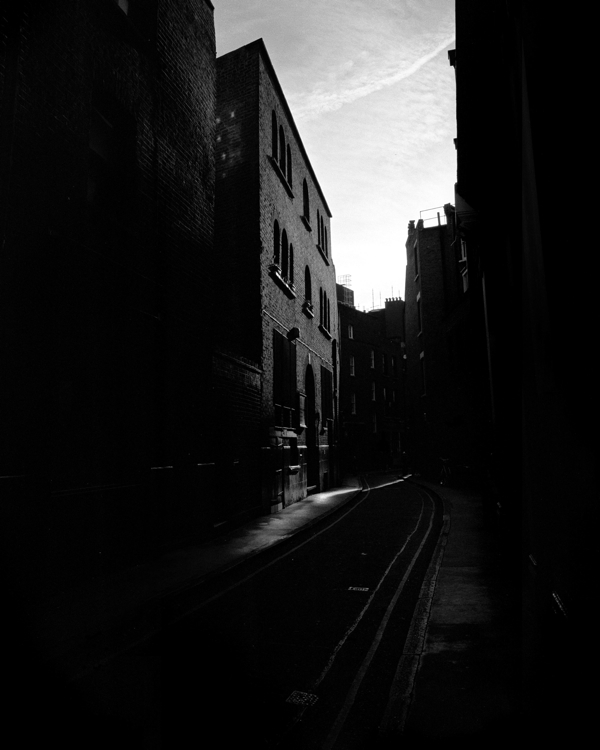
Sandys Row Synagogue was originally built by the Huguenots as “L’Eglise de l’Artillerie” in 1766.
Sandys Row Photograph copyright © Jeremy Freedman
You may also like to take a look at
Phil Maxwell on Wentworth St
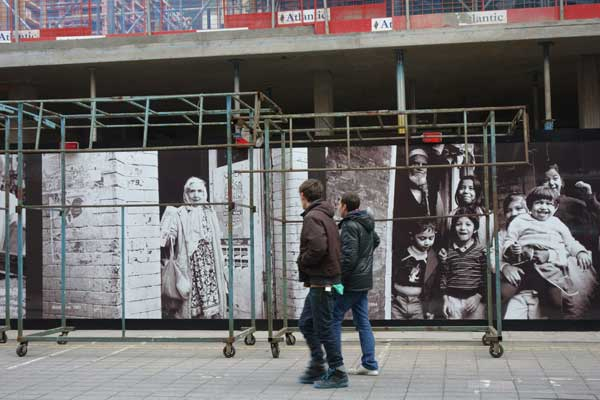
Spitalfields Life Contributing Photographer Phil Maxwell is taking street photography back to the street – a vast wall of his photographs has been installed on Wentworth St and will be there for the next two years while a new housing development is constructed. Transforming the street, these enormous blow-ups of Phil’s pictures bring new life to this neglected location that is still home to the legendary Petticoat Lane Market and was once celebrated as the teeming focus of life for the Jewish community in the East End.
“Originally, we proposed putting up photocopies of my pictures, pasted up like flyposters, but after six months we heard they were going to do it to a high specification, like advertising hoardings.” Phil admitted to me, revealing the modest origins of his grand project.
All the pictures were taken in the neighbourhood over the last thirty years and include some of Phil’s most familiar images, reproduced larger than life. “The photographs I have shown are ones that have become friends to me over the years and I feel I know the people themselves, so it looks to me as if I have got all my pals here.” said Phil,“I think it’s good to see photographs of ordinary people on the street when we are so used to seeing pictures of celebrities and movie stars on billboards. Mike Myers, who is featured in one of my pictures, was born nearby in Goulston St and he says ‘If anyone wants my autograph, I’ll give it to them.'”
Offering a visual echo of the recent past, Phil’s pictures bring a soulful presence to the street, creating an interesting dynamic with the present tense of Wentworth St and inspiring him to take photographs of his own photographs in situ. “I like the empty market stalls, they frame my pictures beautifully, and there’s a synergy between people walking past and the photographs themselves.” he observed, ” And it looks good at night too, because they light them after dark – so it is as if friendly ghosts from the neighbourhood are occupying the street and it gives Wentworth St a special magic.”
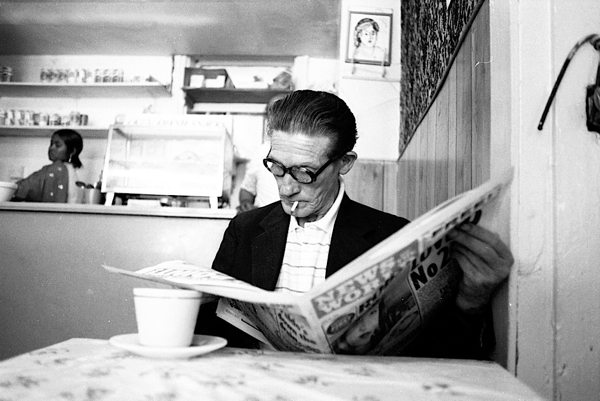
Cheshire St 1985
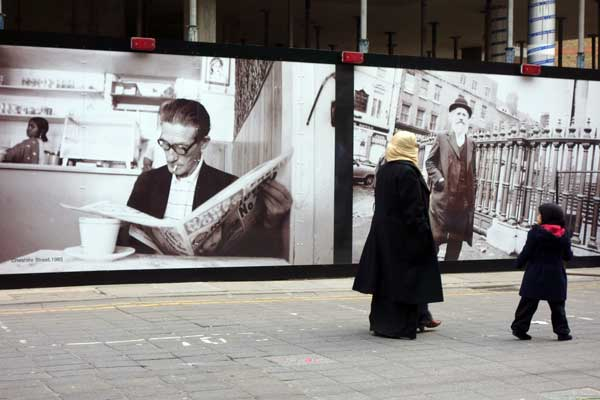
Wentworth St 2013
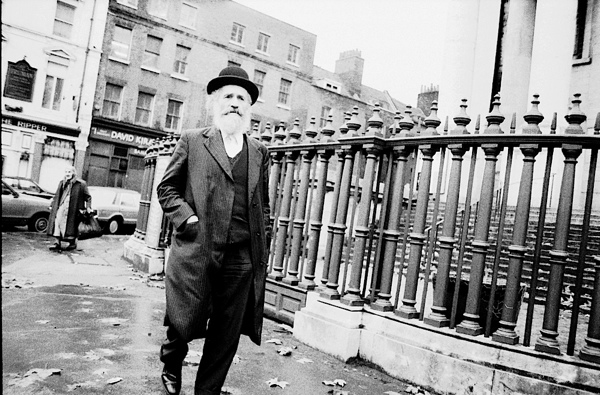
Commercial St 1985
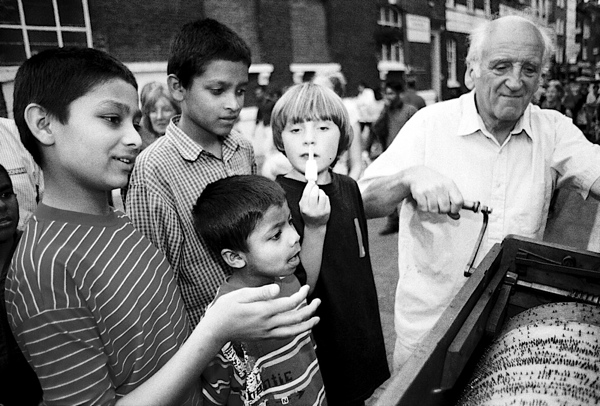
Brick Lane 1999
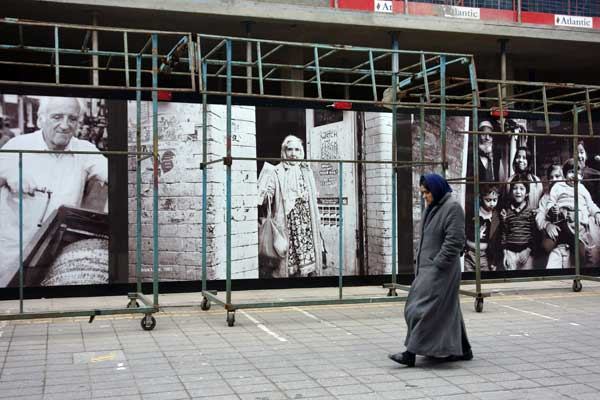
Wentworth St 2013
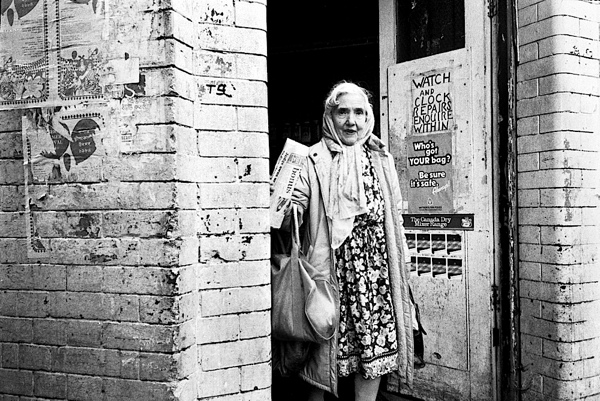
Brick Lane 1983
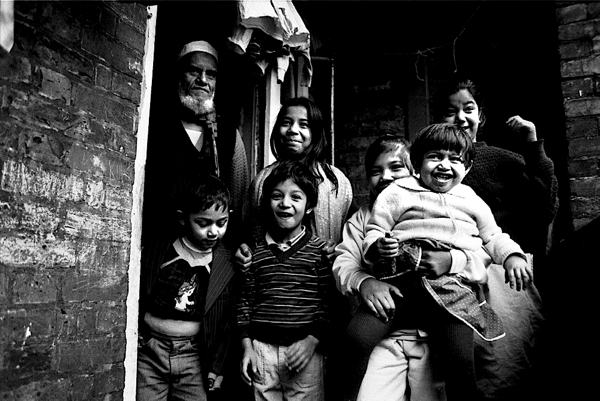
Holland Estate 1984
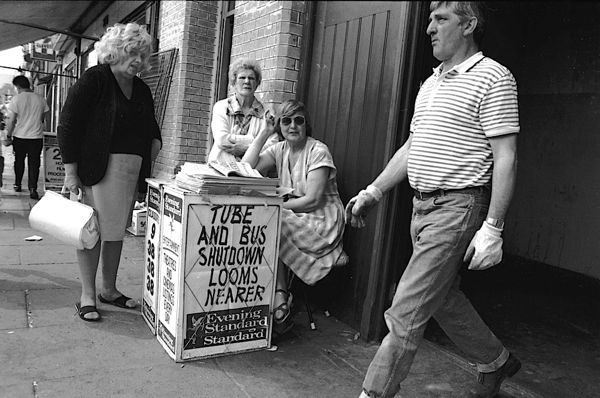
Whitechapel 1985
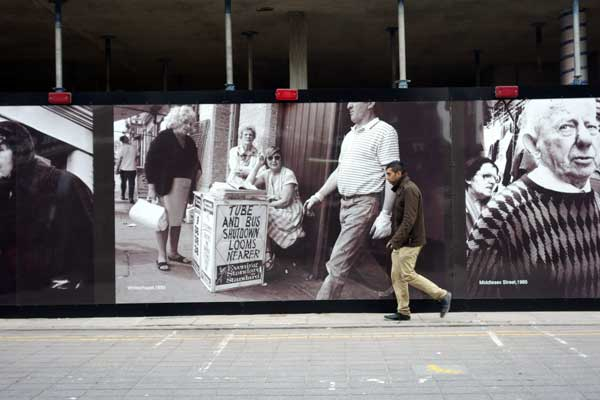
Wentworth St 2013
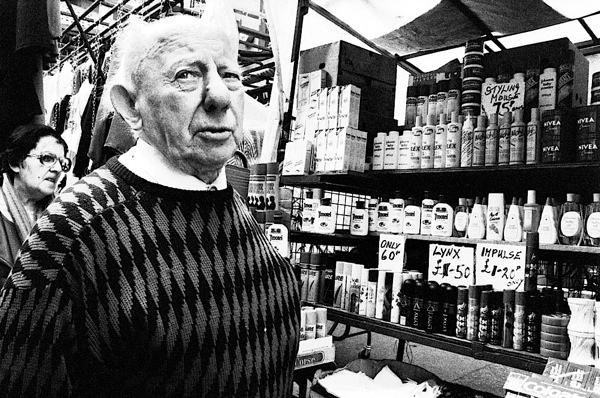
Middlesex St 1985
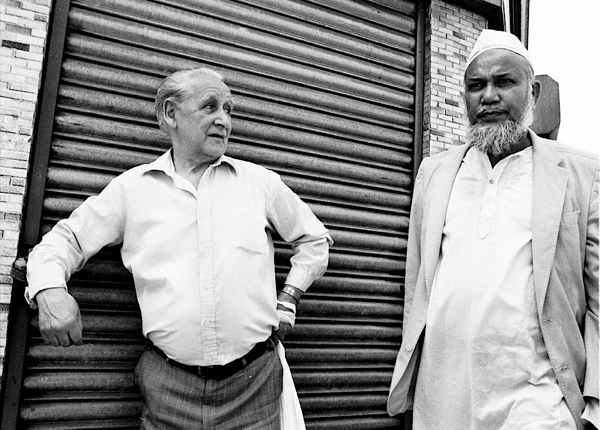
Brick Lane 1983
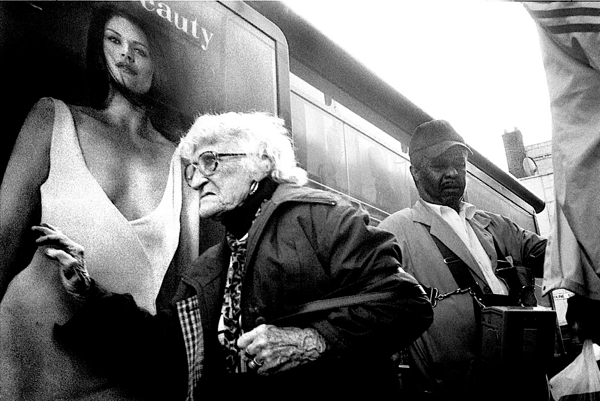
Commercial Rd 1999
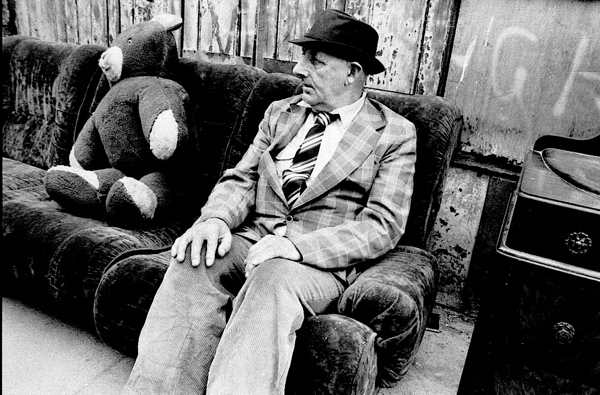
Cheshire St 1988
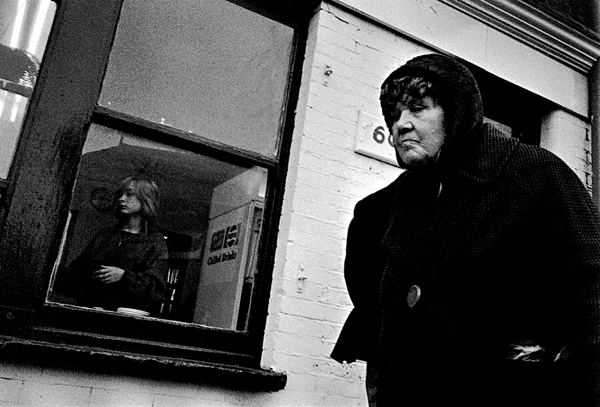
Cheshire St 1984
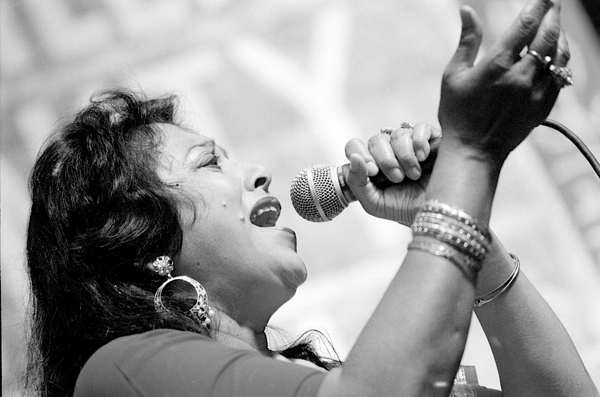
Spitalfields Market 1997
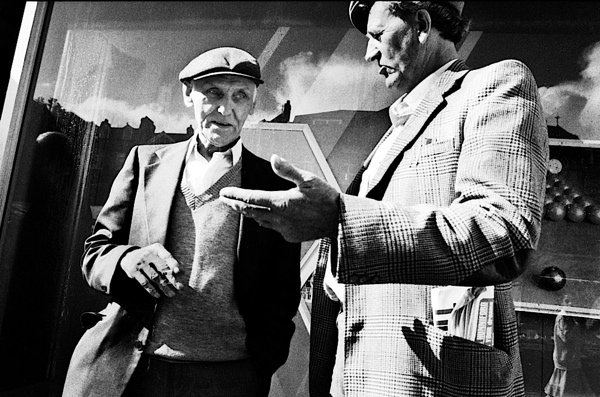
Whitechapek Rd 1985
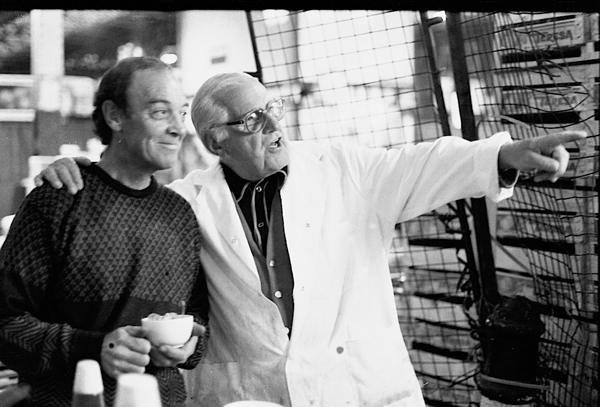
Spitalfields Market 1991
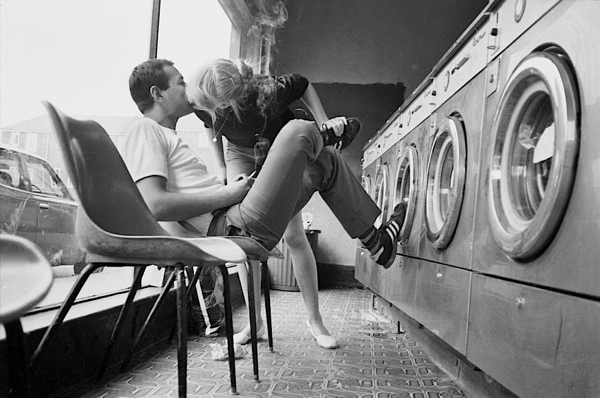
Brick Lane 1983
Photographs copyright © Phil Maxwell
Phil Maxwell’s installation was created with the support of East End Homes & Telford Homes
These pictures are featured in the new film EAST ONE by Phil Maxwell & Hazuan Hashim premiered at the East End Film Festival 2013
Follow Phil Maxwell’s blog Playground of an East End Photographer
See more of Phil Maxwell’s work here
Phil Maxwell’s Kids on the Street
Phil Maxwell & Sandra Esqulant, Photographer & Muse
More of Phil Maxwell’s Old Ladies
The Relics of Norton Folgate
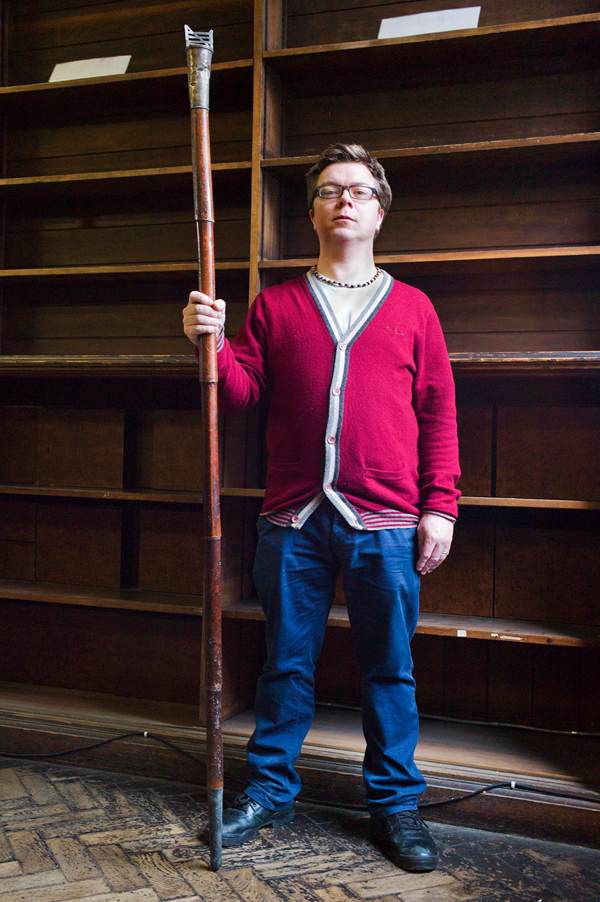
James Frankcom holds the Beadle’s staff of Norton Folgate from 1672
For some time now, Spitalfields resident James Frankcom has been on a quest to find the lost relics of the Liberty of Norton Folgate and last week, with true magnanimous spirit, he invited me and Contributing Photographer Alex Pink to share in his glorious moment of discovery.
First recorded in the Domesday Book in 1086, the nine acres north of Spitalfields known today as Norton Folgate were once the manor of Nortune Foldweg – ‘Nortune’ meaning ‘northern estate’ and “Folweig’ meaning ‘highway,’ referring to Ermine St, the Roman road north from the City of London that passed through the territory. Irrigated by the spring in Holywell St, this fertile land was within the precincts of the Priory of St Mary Spital until 1547 when, after the Reformation, it achieved autonomy as the Liberty of Norton Folgate, ruled by a court of ten officers described as the “Ancient Inhabitants.”
These elected representatives – including women – took their authority from the people and they asserted their right to self-government without connection to any church, maintaining the poor, performing marriages and burials, and superintending their own watchmen and street lighting. The officers of the Liberty were the Head Borough, the Constable who supervised the Beadles, the Scavenger who dealt with night soil, and Overseers of the Poor. And thus were the essentials of social organisation and waste disposal effectively accomplished for centuries in Norton Folgate.
When James Frankcom discovered that he lived within the former Liberty, he began to explore the history and found an article in Home Counties Magazine of 1905 which illustrated the relics of Norton Folgate including a beadle’s staff, a sixteenth century muniment chest and an almsbox, held at that time in Stepney Central Library.
A year ago, James contacted Malcolm Barr-Hamilton, the Archivist, at Tower Hamlets Local History Library in Bancroft Rd which houses artifacts transferred from the Whitechapel Library in 2010. There he found the minute books of Norton Folgate from 1729 until 1900, detailing the activities of the court and nightly reports by the watchmen. Curiously, in spite of the rowdy reputation that this particular neighbourhood of theatres and alehouses enjoyed through the centuries, including the famous arrest of Christopher Marlowe in 1589, the nightwatchmen recorded an unbroken sequence of “All’s well.”
In the penultimate entry of the minute book, dated October 1900, when the Liberty was abolished at the time of the foundation of the London County Council, James found mention of “certain relics of the Liberty of no use to the new Metropolitan Borough of Stepney” which the board of trustees gave to Whitechapel Museum for safe keeping. Searching among hundreds of index cards recording material transferred from Whitechapel to the archive, he found three beadle’s rods and an almsbox from Norton Folgate. Disappointingly, the muniment box had gone missing at some point in the last century, possibly when the collection was moved for safety to an unknown location during World War II.
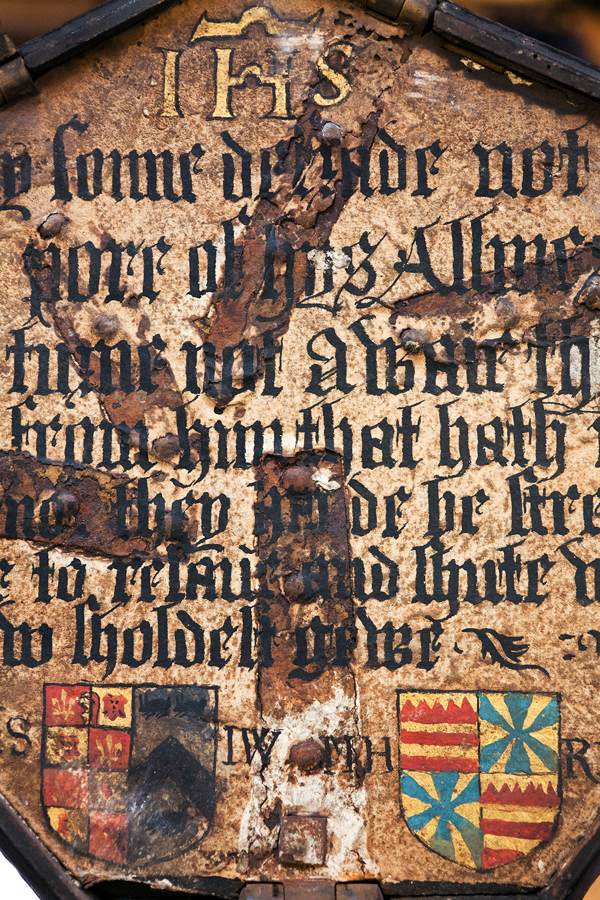
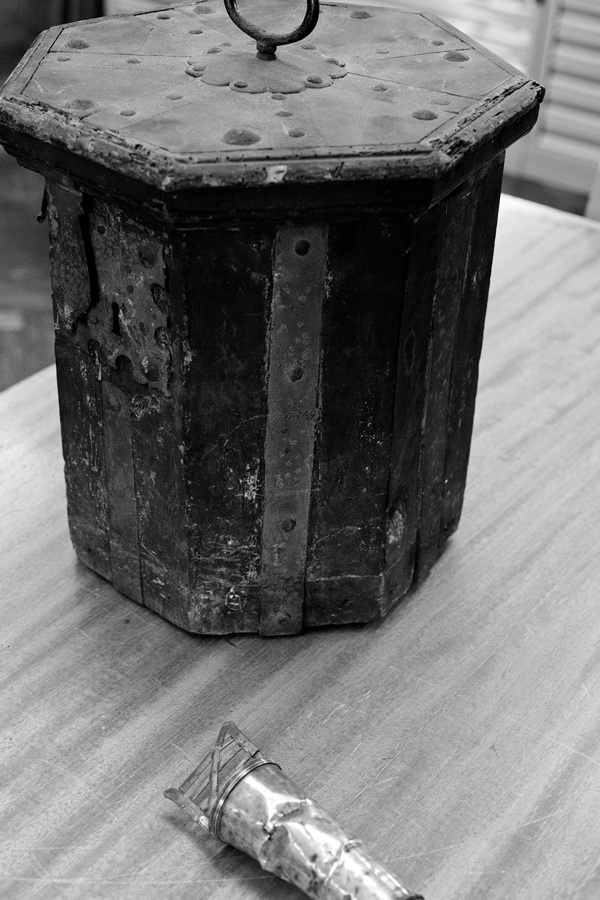
When James put in a request to see the almsbox and the beadles’ rods, they could not be found at first – but eventually they were located. And, last week, I met James outside the Bancroft Library, where the local history collection is held and, although it is closed for renovations, we were able to go in to see the relics. Upon a table in the vast library chamber was the battered seven-sided alms box cut from a single piece of oak in 1600 and secured by four separate locks. It was a relic from another world, the world of Shakespeare’s London, and three centuries of “alms for oblivion” had once been contained in this casket.
Yet equally remarkable was the staff of Norton Folgate with a tiny sculpture upon the top of a realistic four-bar gate complete with the pegs that held it together – an heraldic pun upon the name of Norton Folgate. Since the photograph of 1901, it had suffered some damage but the inscription “Norton Folgate 1672” was still visible. Bearing the distinction of being London’s oldest staff of office, it represents the authority of the people.
James Frankcom could not resist wielding this staff that was once of such significance in the place where he lives and and savouring the sense of power it imparted. It was as if James were embodying the spirit of one of the “Ancient Inhabitants” and not difficult to imagine that, if he had dwelt in Norton Folgate in an earlier century, he might have brandished it for real – apparelled in a suitably dignified coat and hat of office, of course.
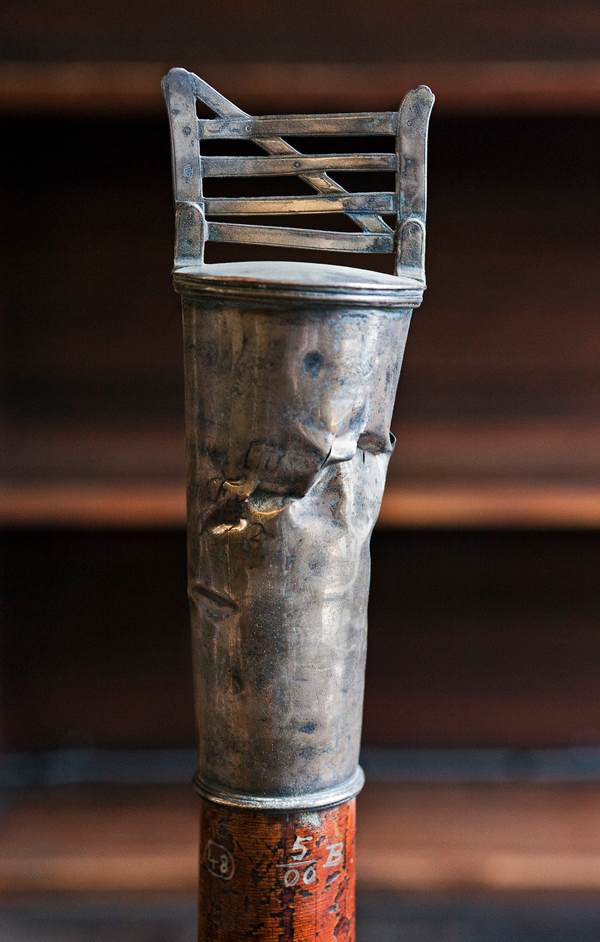
Dating from 1672, this is the oldest Beadle’s staff in London and it represents the authority of the people in opposition to the power of the church. The gate is an heraldic pun upon the name of Norton Folgate.
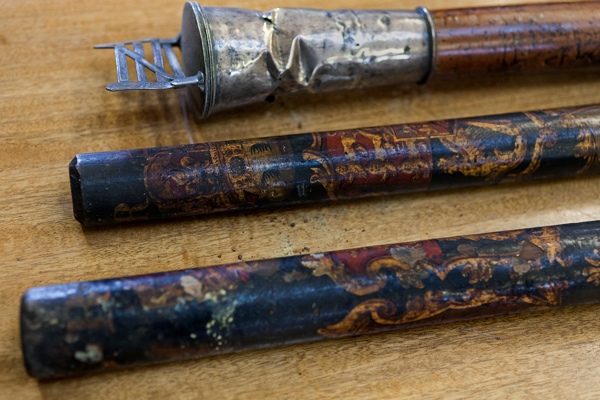
The painted Beadles’ staffs date from the coronation of George IV in 1820.

Hewn from single piece of oak, the seven-sided almsbox of Norton Folgate made in 1600.

“This box was divised bi Frances Candell for THE pore 1600” is inscribed upon the top and upon the lid is this text – “My sonne defrayde not the pore of hys allmes and turne not awaie they eies from him that hath nede. Lete not they hande be strecched owte to relaue and shut when thou sholdest gewe.”
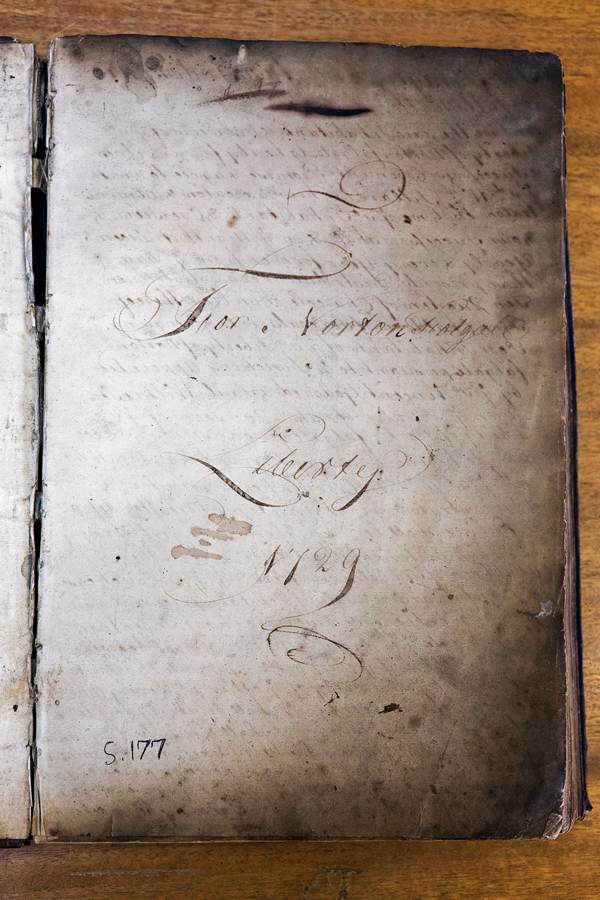
Title page of the earliest minute book of Norton Folgate 1729
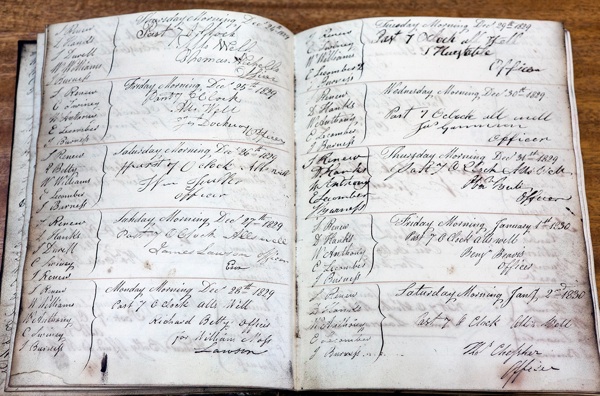
In Norton Folgate, the watchmen recorded an unbroken sequence of “all’s well” night after night.
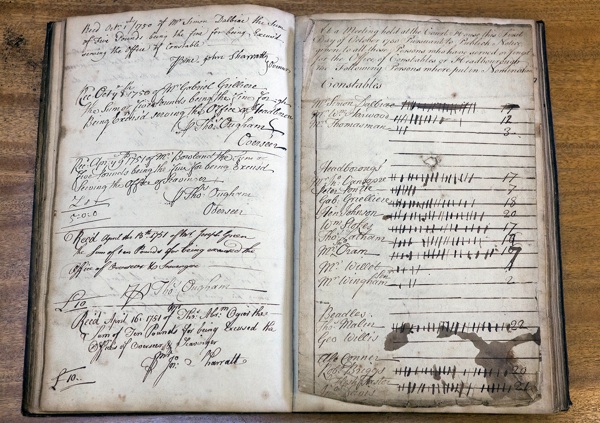
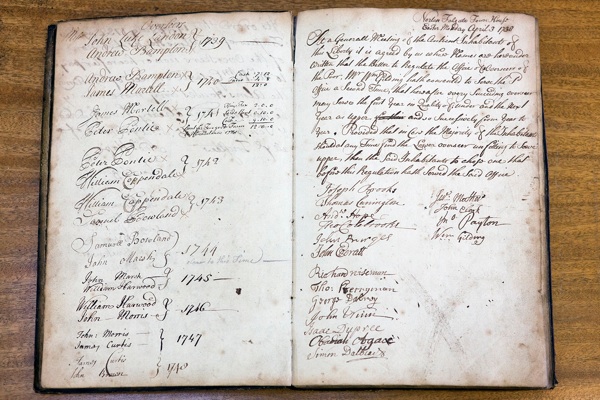


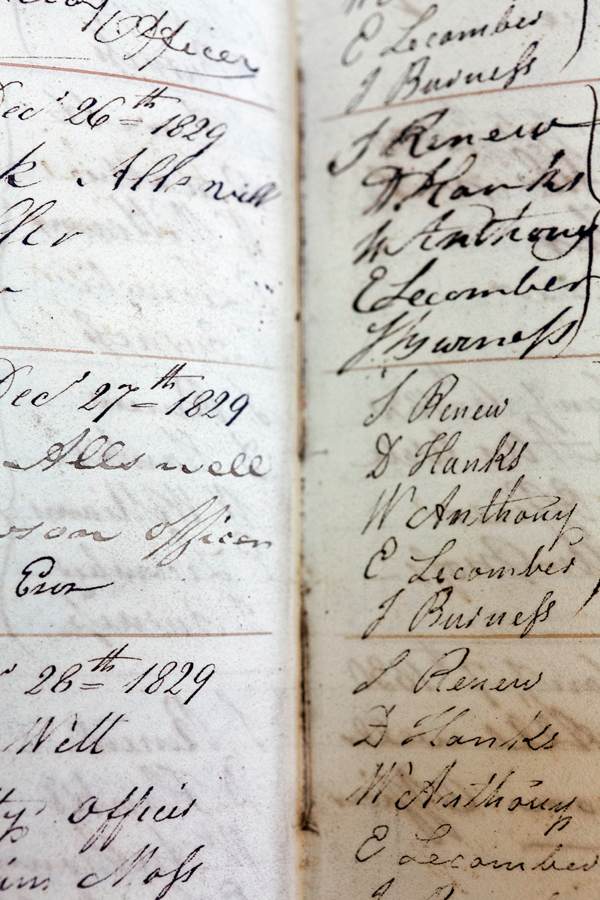
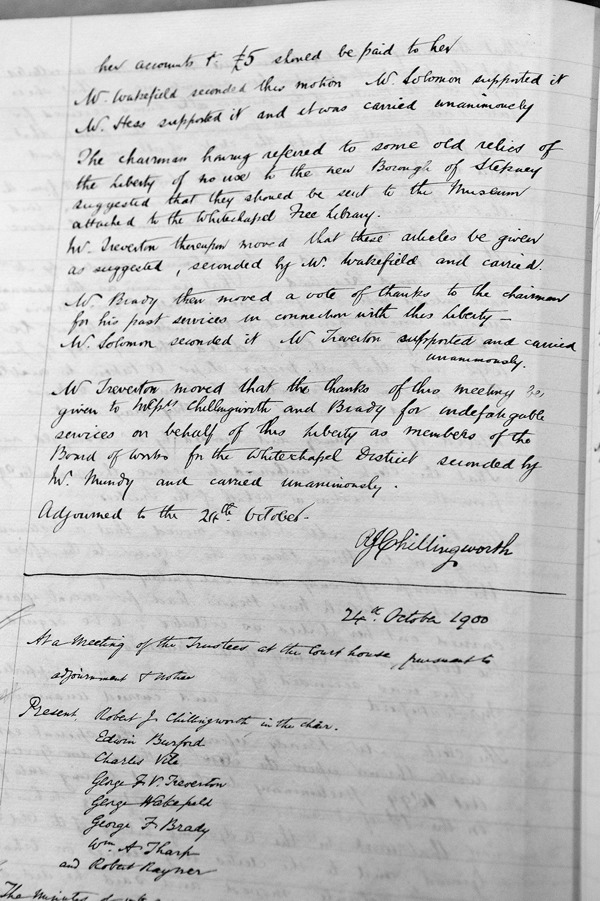
In the last minute book, on 24th October 1900, the Liberty of Norton Folgate was abolished with the establishment of the London County Council.
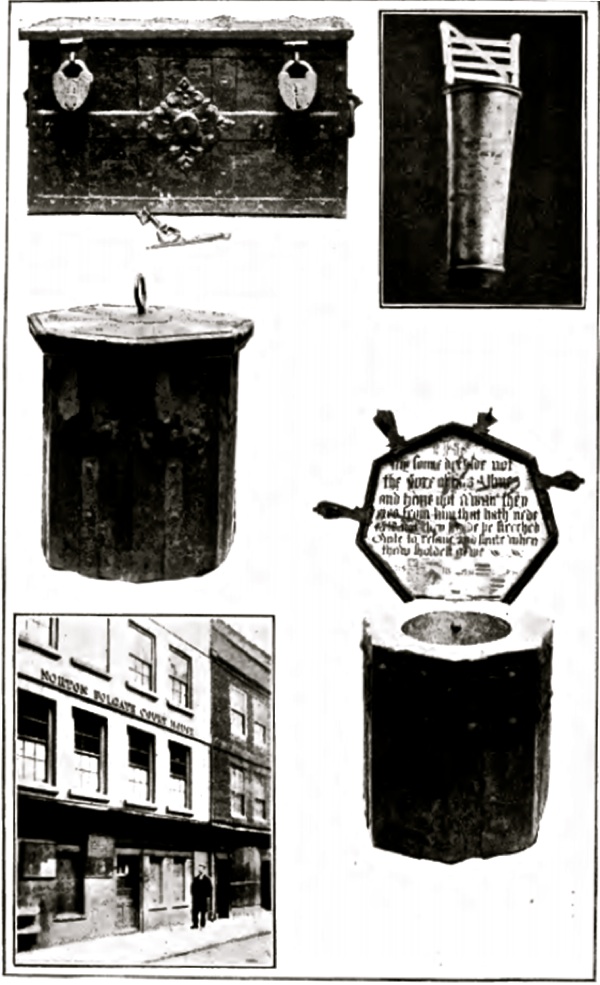
The relics of the Liberty of Norton Folgate as illustrated in Home Counties Magazine, 1905 – including the lost sixteenth century muniment chest and the former courthouse in Folgate St.
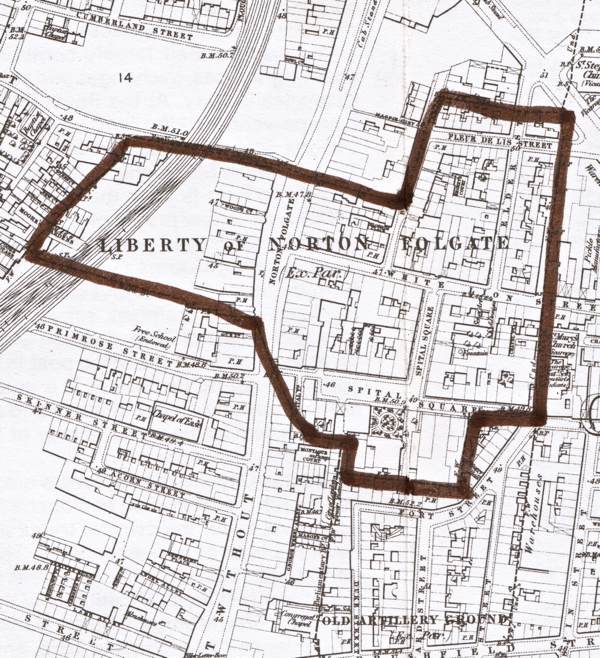
The extent of the Liberty of Norton Folgate, 1873
Photographs copyright © Alex Pink
You may also like to read about
Homer Sykes in Spitalfields

At the Queen’s Silver Jubilee in Brick Lane
From the moment he first came to London as a student until the present day, Homer Sykes has been coming regularly to Spitalfields and taking photographs. “It was very different from suburban West London where I lived, in just a few tube stops the contrast was extraordinary,” he recalled, contemplating the dislocated world of slum clearance and racial conflict he encountered in the East End during the nineteen seventies when these eloquent pictures were taken.
Yet, within this fractured social landscape, Homer made a heartening discovery that resulted in one of the photographs below. “The National Front were demonstrating as usual on a Sunday at the top of Brick Lane.” he told me, “I was wandering around and I crossed the Bethnal Green Rd, and I looked into this minicab office where I saw this Asian boy and this Caucasian girl sitting happily together, just fifty yards from the demonstration. And I thought, ‘That’s the way it should be.'”
“I walked in like I was waiting for a taxi and made myself inconspicuous in order to take the photograph. It seemed to sum up what should be happening – they were in love, and in a taxi office.”
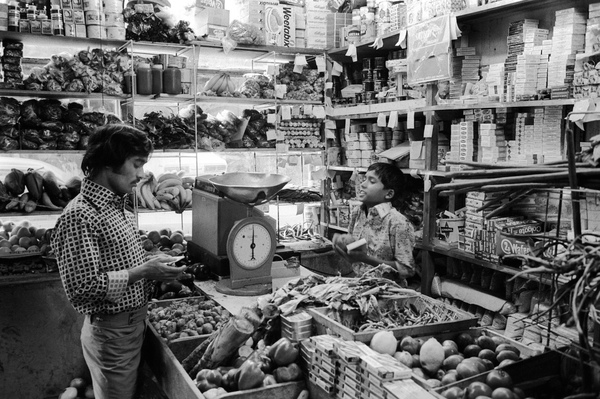


In Princelet St
In Durward St


In a minicab office, Bethnal Green Rd


Selling the National Front News on the corner of Bacon St
Photographs copyright © Homer Sykes
Click here to buy a copy of Homer Sykes’ new book of photographs, BRICK LANE & CO: WHITECHAPEL IN THE 1970’s published this week by Cafe Royal Books at £5
You may also like to take a look at
Homer Sykes, Photographer












