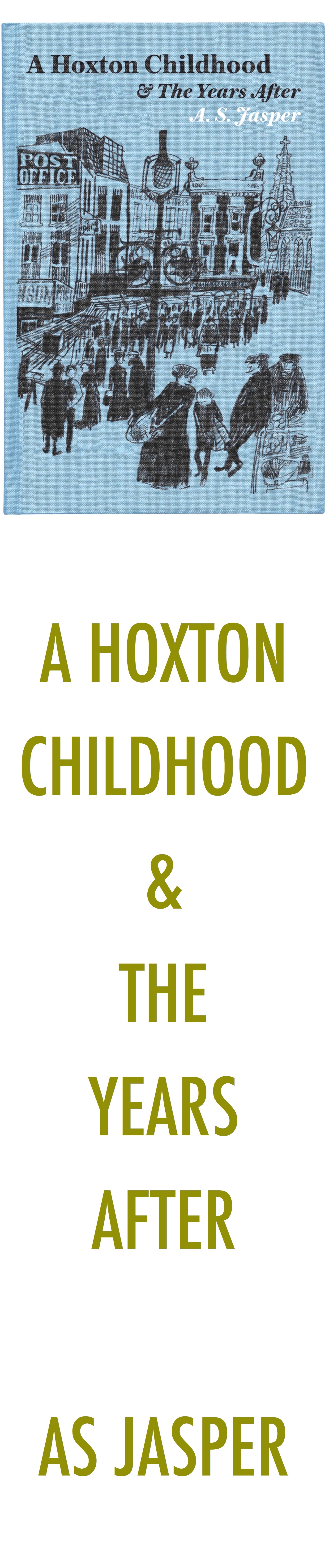
Women Of The New East End
Contributing Photographer Sarah Ainslie took these portraits of women in Hackney as a commission for Hackney Museum. “I was aware there were a lot of women in the workplace but mostly in behind the scenes roles,” Sarah explained to me, “I wanted to give them visibly and also show the variety of work that women were doing.”
Sarah’s exhibition WOMEN OF THE EAST END AT WORK runs at the Brady Centre in Hanbury St from 5th-30th March as part of Women’s History Month – all are welcome at the opening on 6th March 6-8pm.
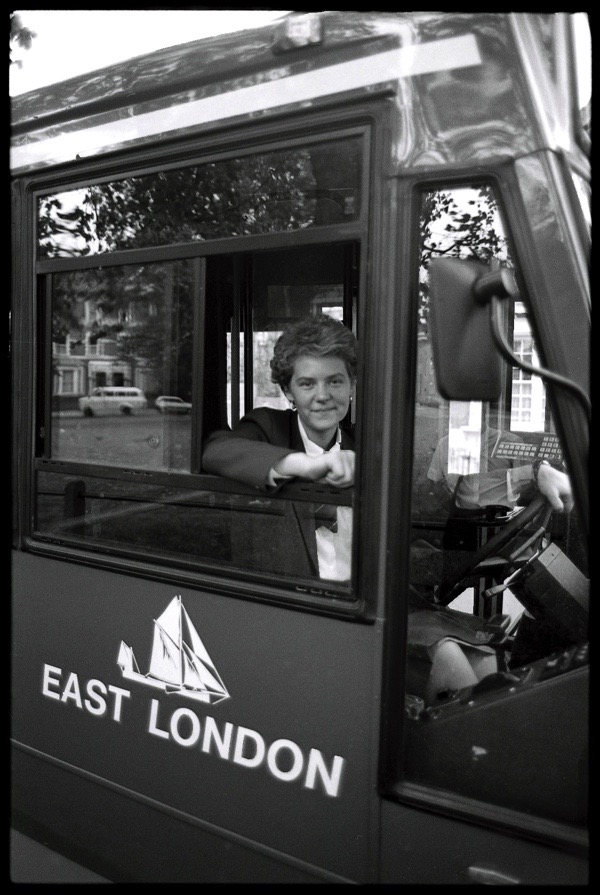
Terrie Alderton, Bus Driver
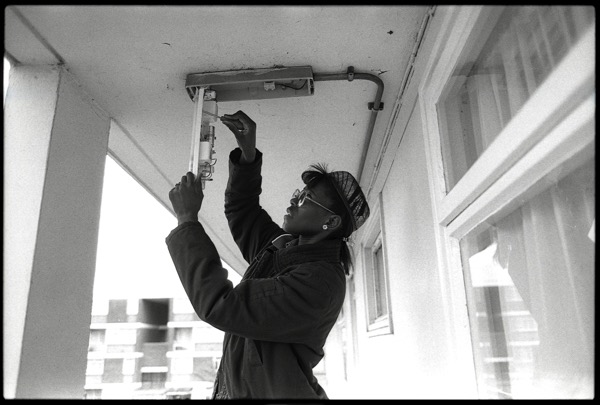
Loretta Leitch, Electrician
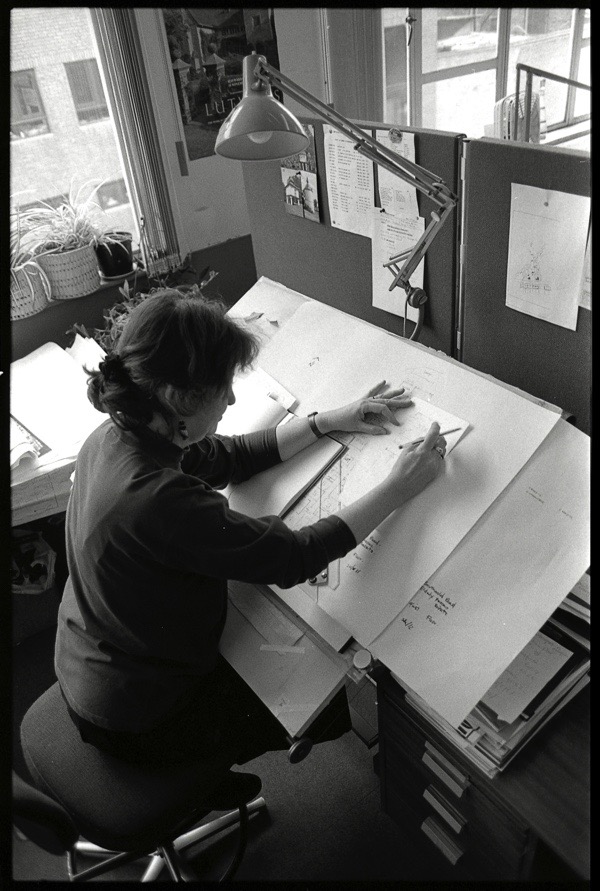
Rosemary More, Architect
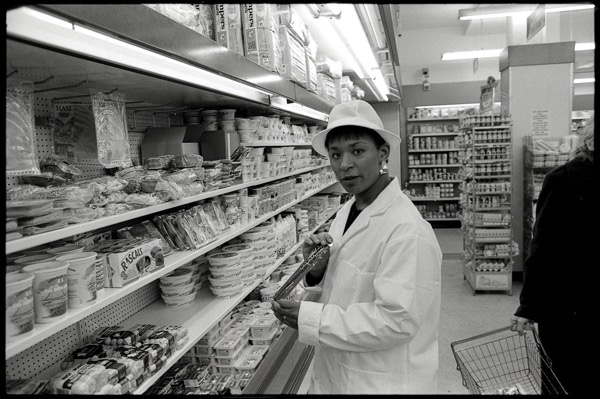
Fontanelle Alleyne, Environmental Health Officer
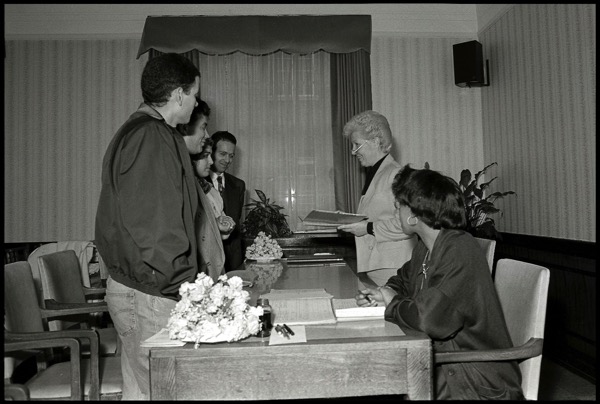
Hackney Regristar of Births, Marriages & Deaths
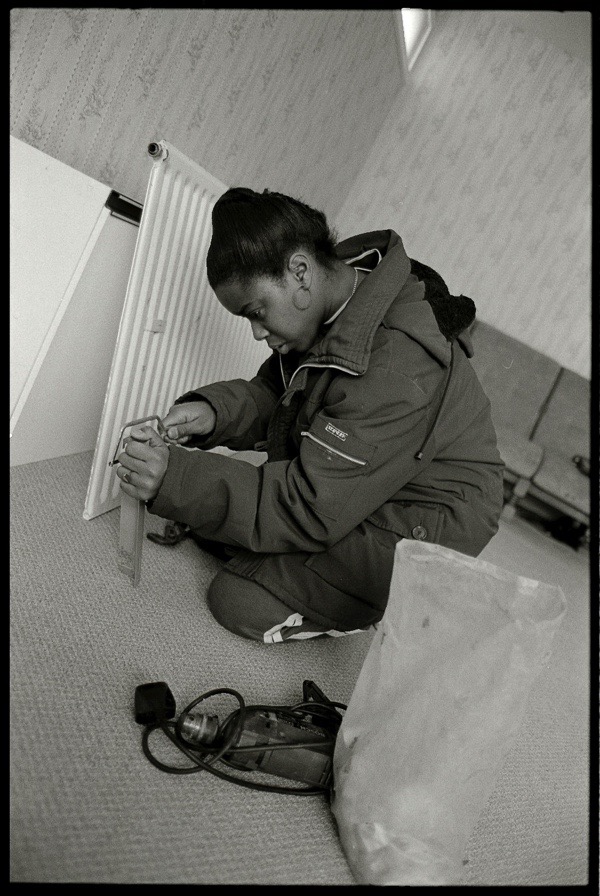
Jenny Amos, Heating & Ventilation Engineer
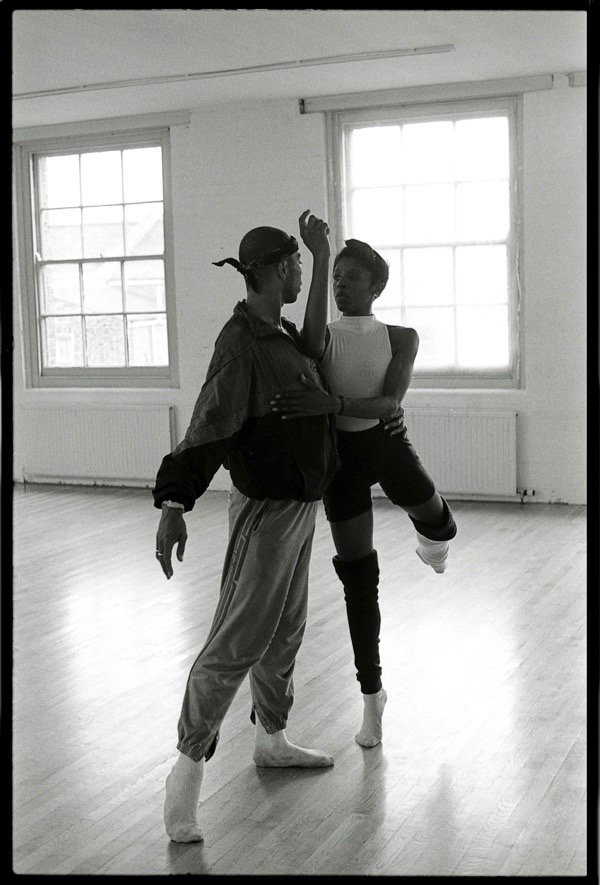
Carol Straker, Dancer
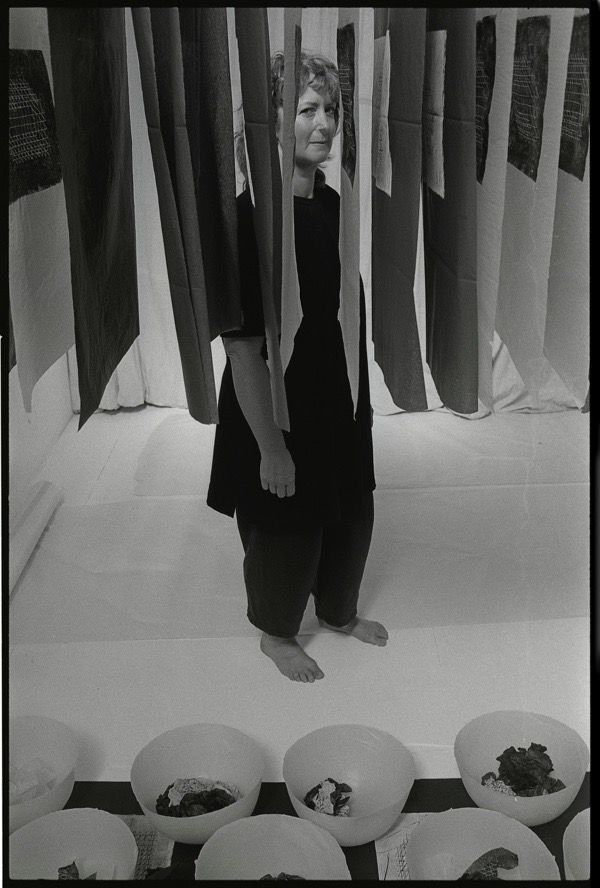
Annie Johns, Sculptor
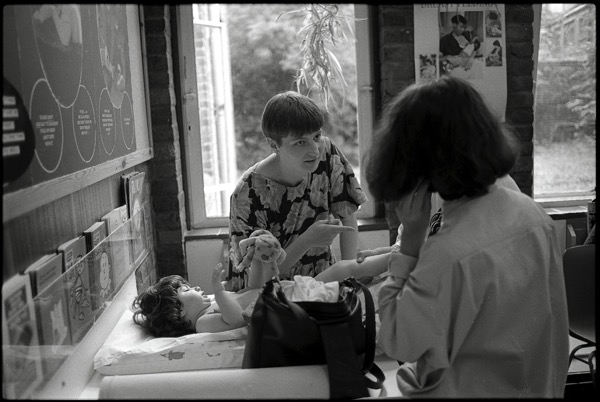
Sue Hopkins, Doctor at Lawson Practice Baby Clinic
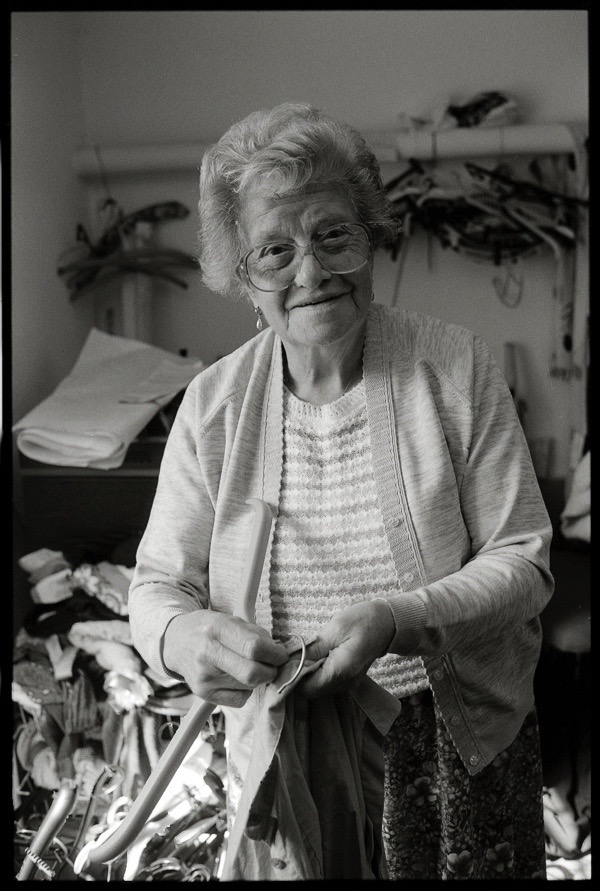
Lilly Claridge, Age Concern Charity Shop Manager
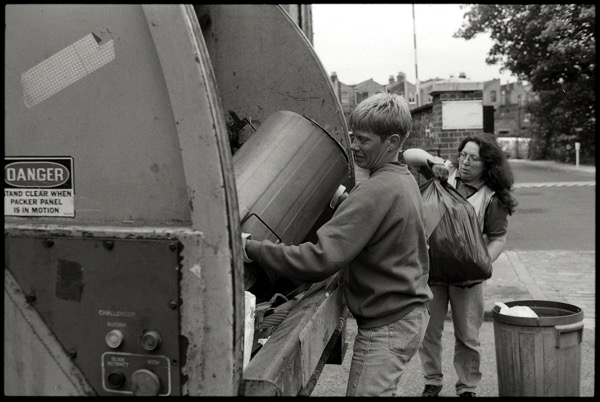
Karen Francis & Carolyn Donovan, Dustwomen
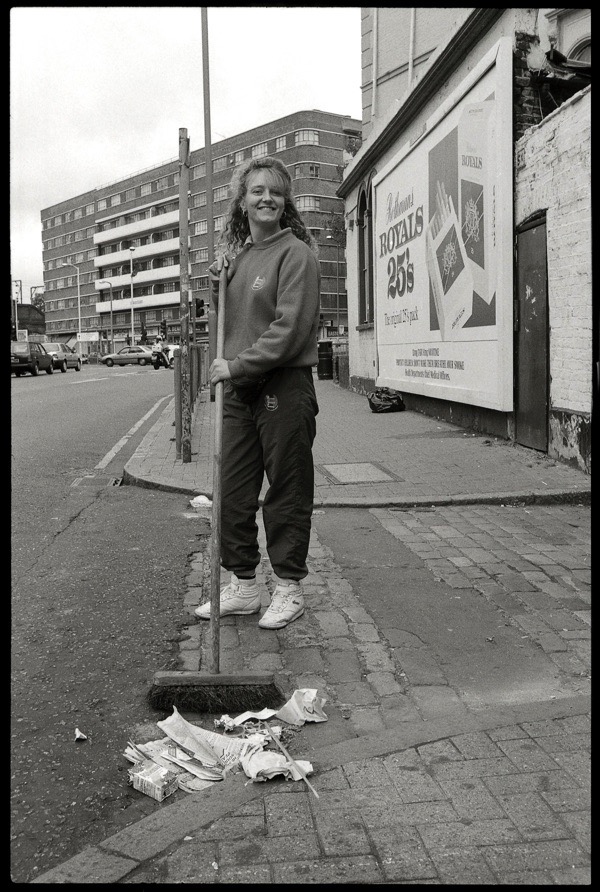
Helen Graham, Street Sweeper
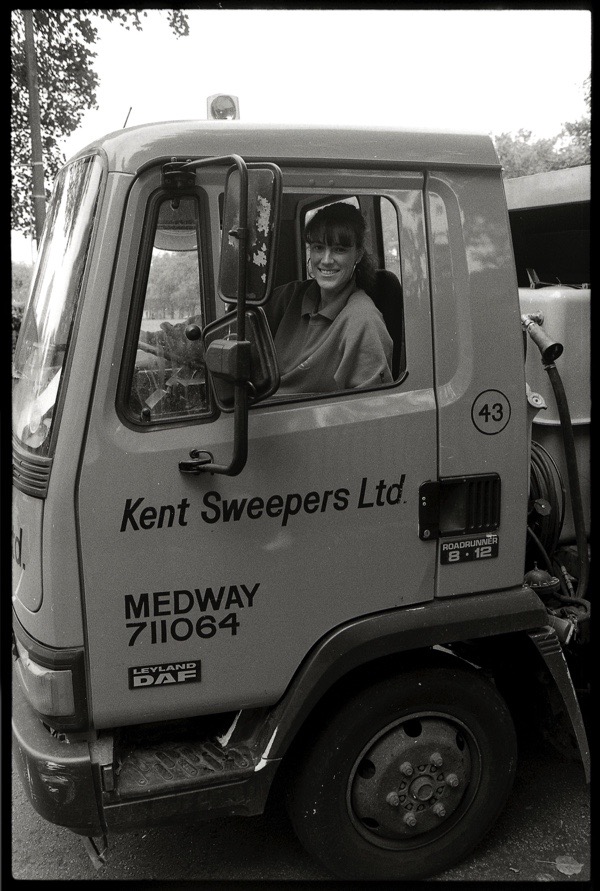
Denise Martin, Truck Driver
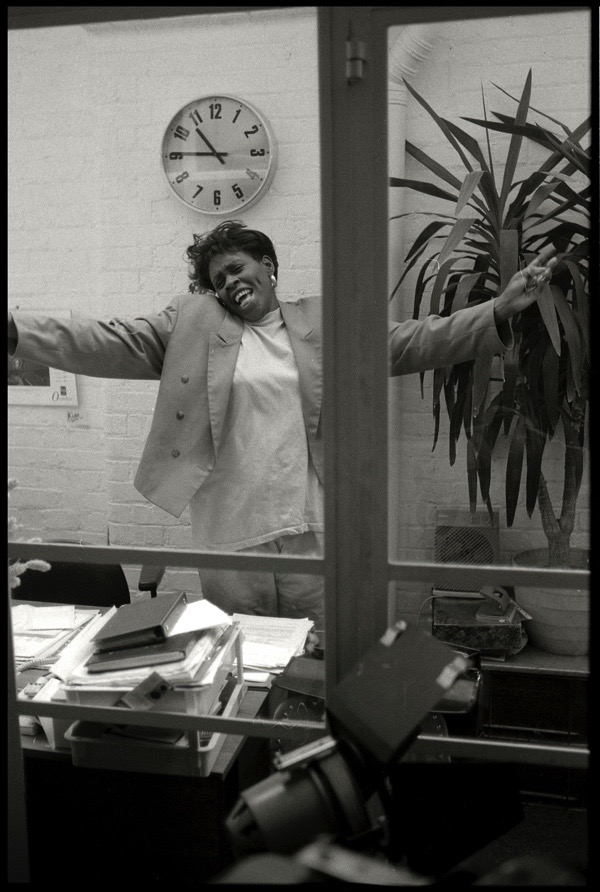
Judy Benoit, Studio Manager
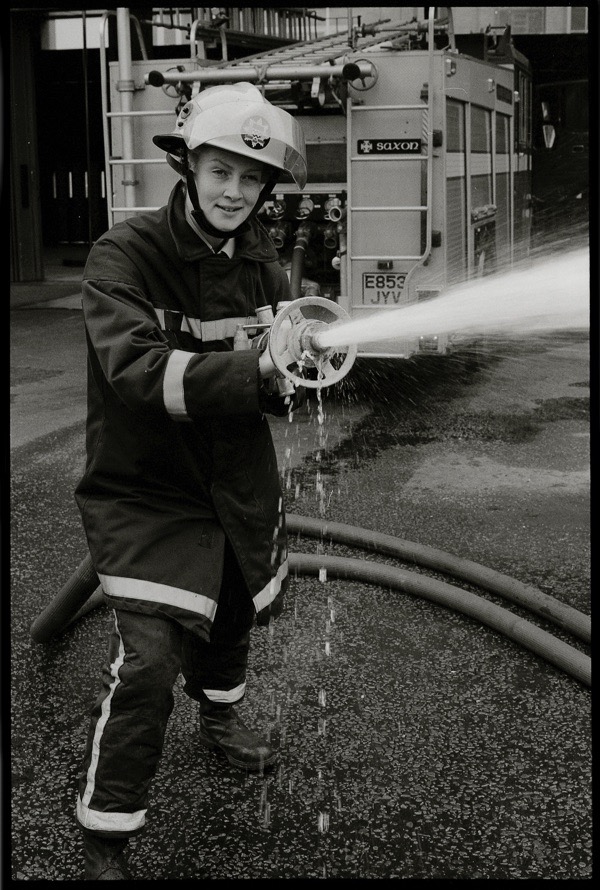
Luz Hollingsworth, Fire Fighter
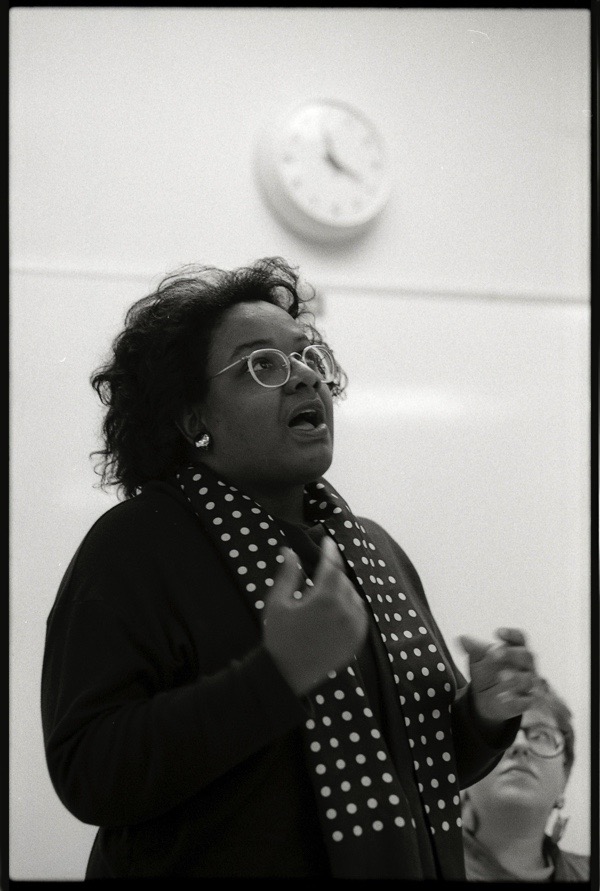
Diane Abbott, Member of Parliament
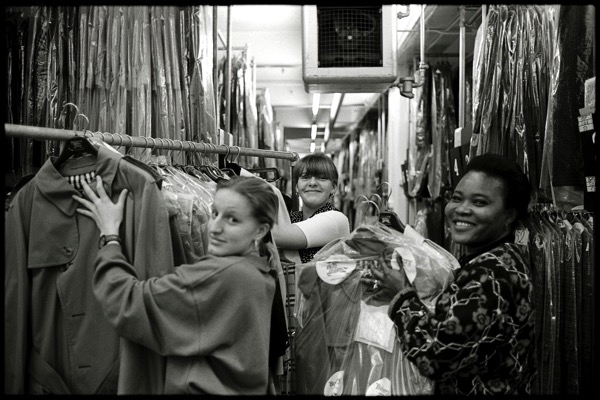
Dionne Allacker, Joanne Gillard, Winnifred John, Clothing Warehouse Supervisors
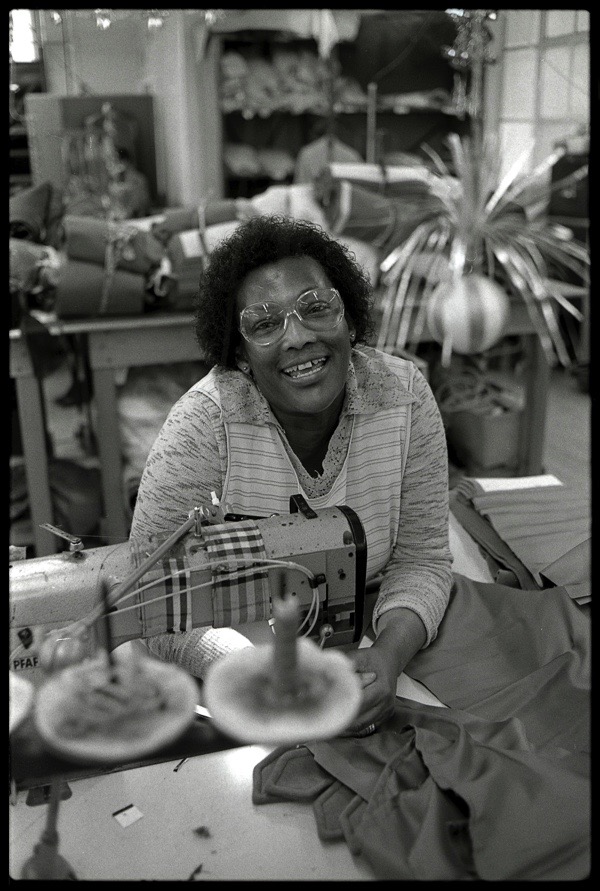
Lanette Edwards, Machinist
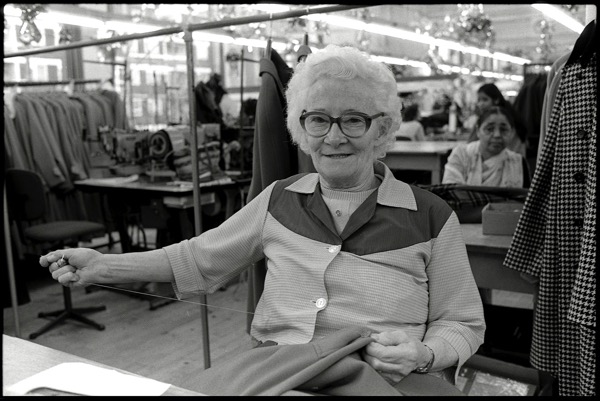
Nora Fenn, Buttonholist
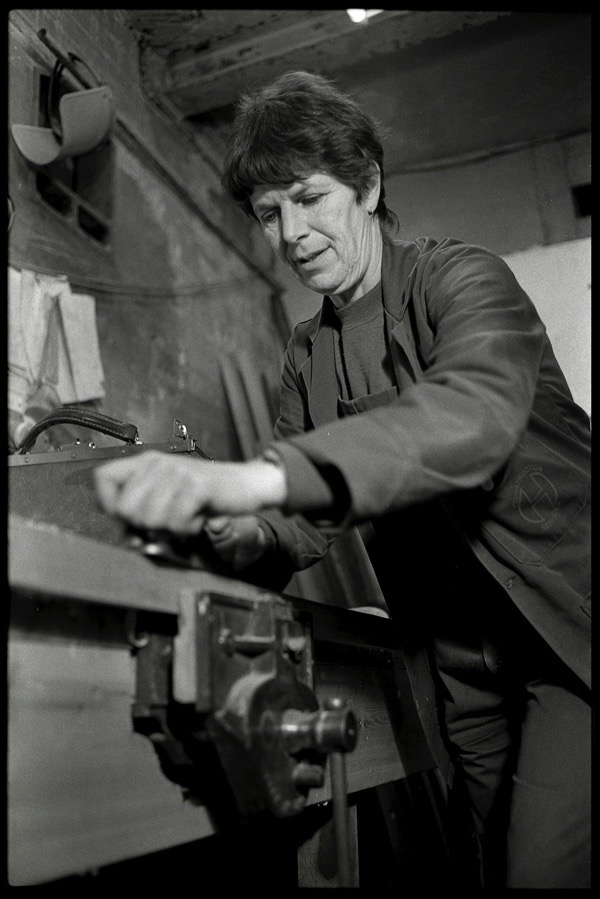
Jane Harris, Carpenter
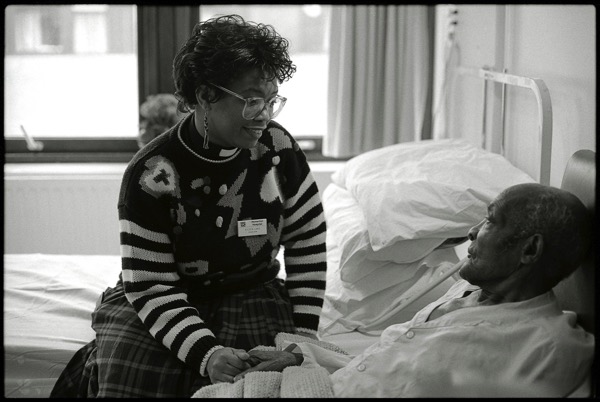
Eileen Lake, Chaplain at Homerton Hospital
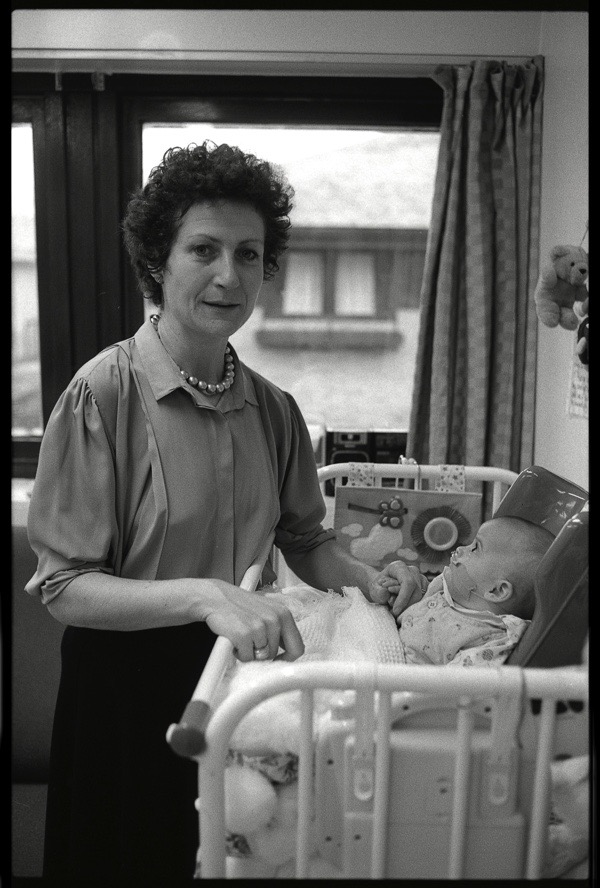
Dr Costeloe, Homerton Hospital
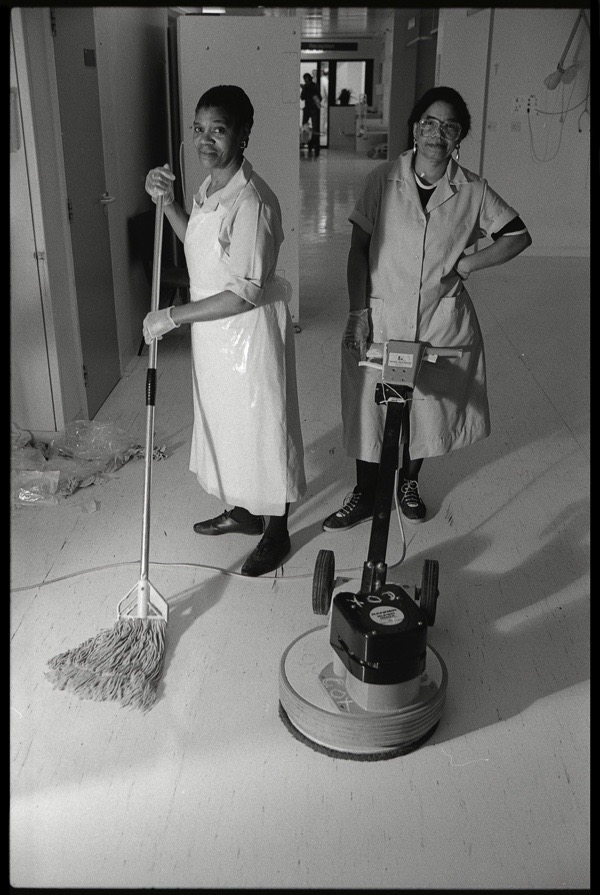
Ivy Harris & E Vidal, Cleaners at Homerton Hospital
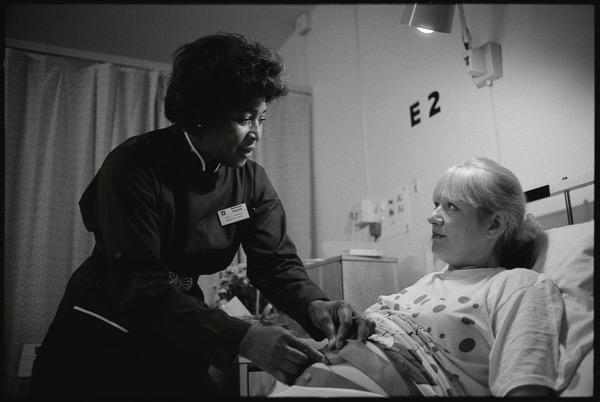
Sister Ferris Aagee, Homerton Hospital
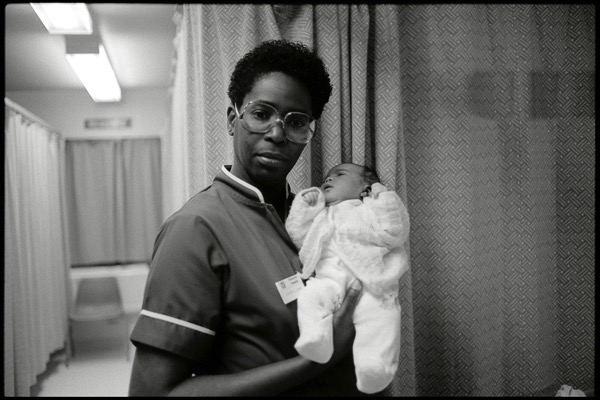
Joan Lewis, Homerton Hospital
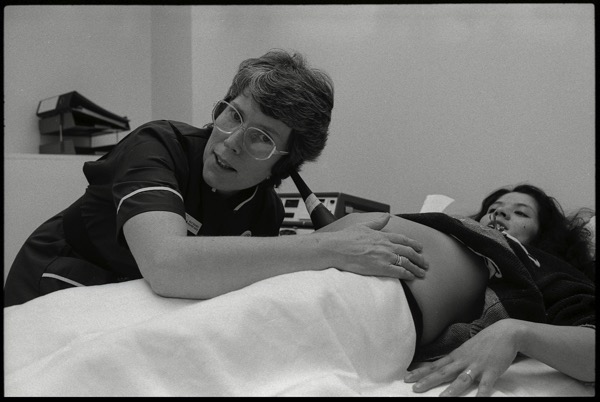
Sister Sally Bowcock
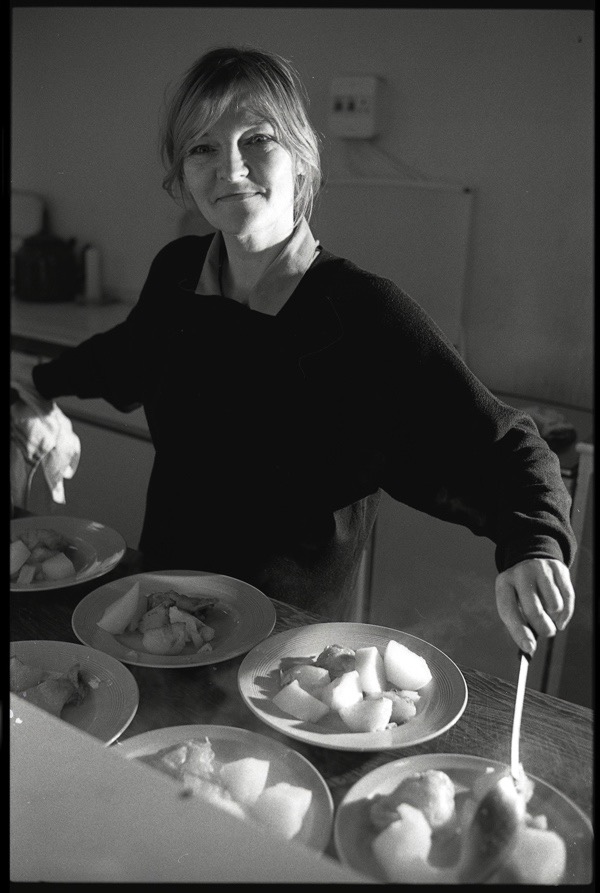
Valerie Cruz, Catering Assistant
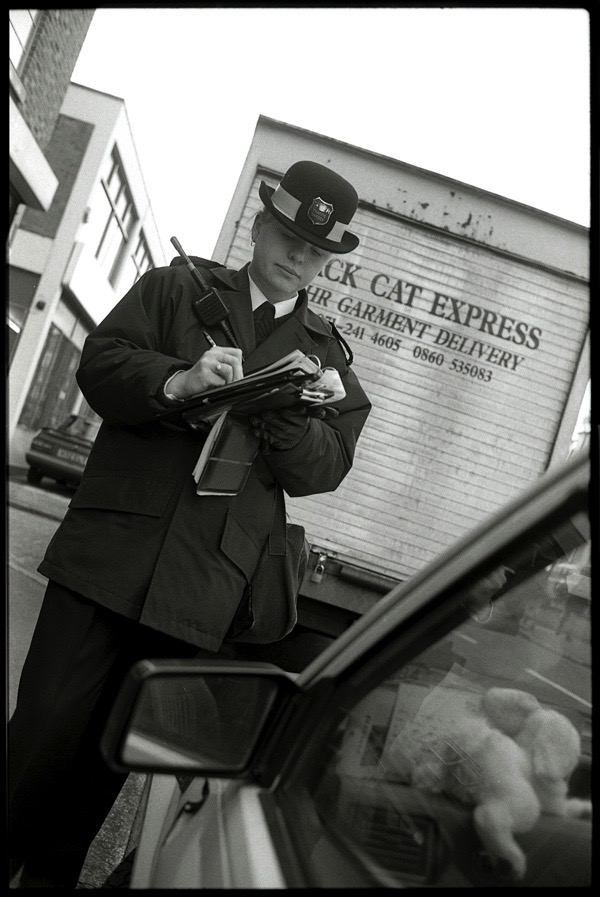
K Lewis, Traffic Warden
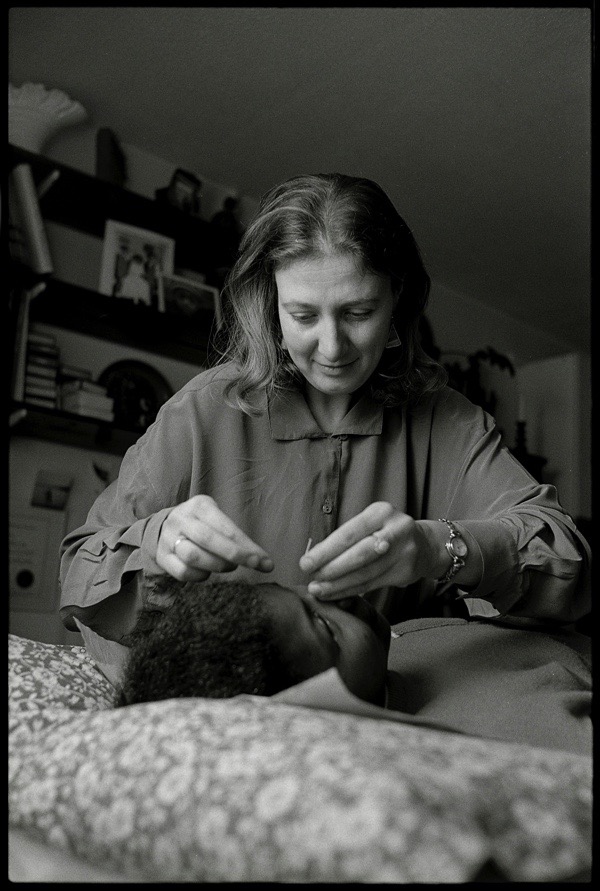
Gerrie Harris, Acupuncturist
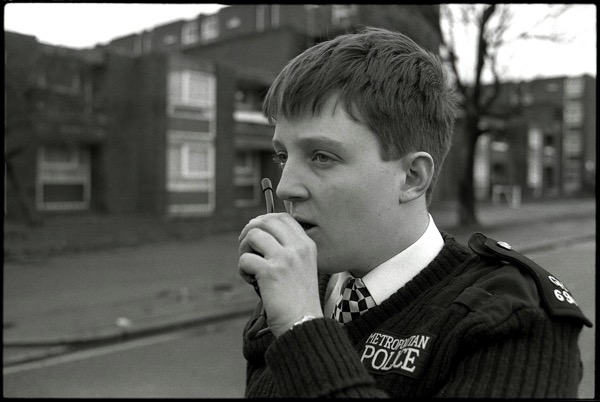
WPC Helen Taylor
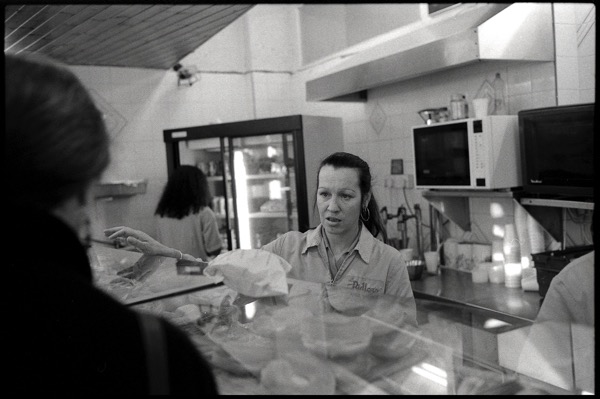
Mary, Counter Assistant at Ridley’s Beigel Bakery
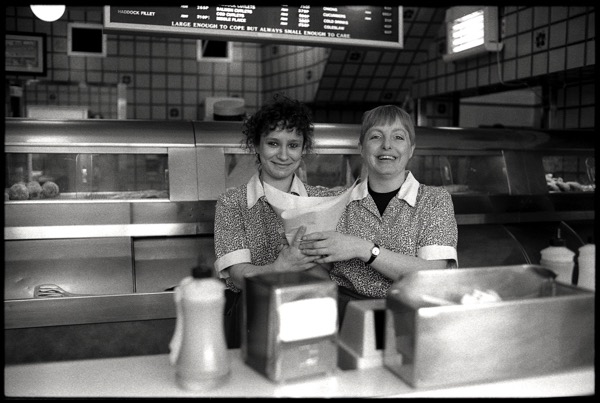
Mandy McLoughlin & Angela Kent, Faulkners Fish & Chip Restaurant
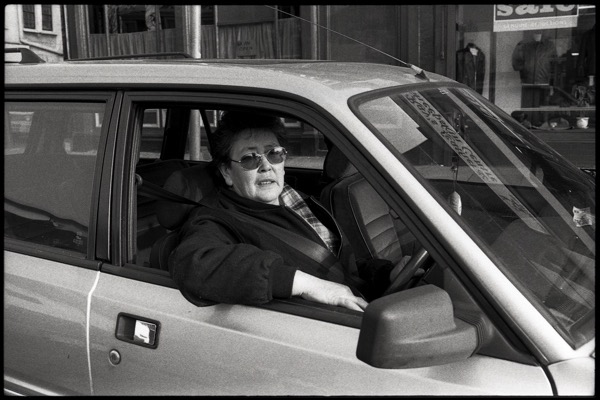
Terrie Tan, Driver at Lady Cabs
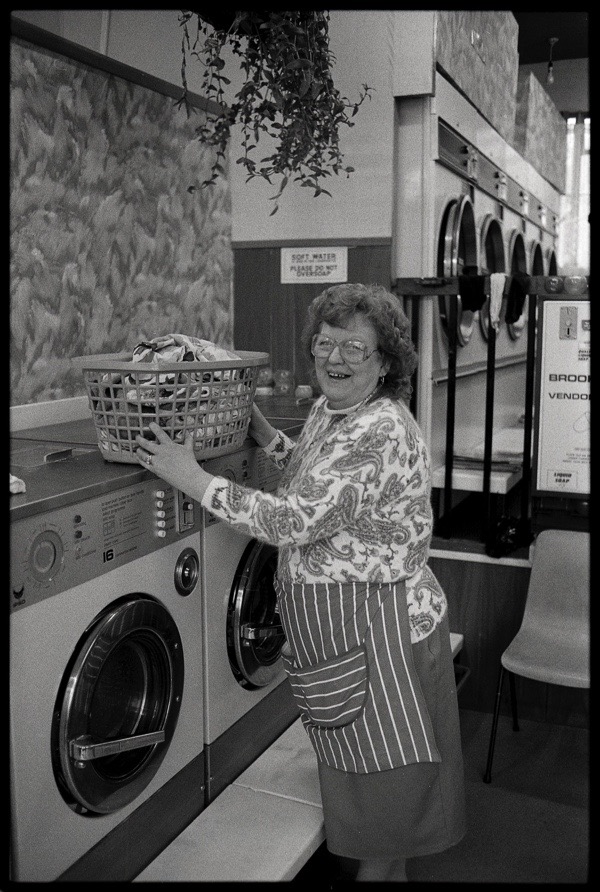
Maureen McLoughlin, Supervisor at Riversdale Laundrette
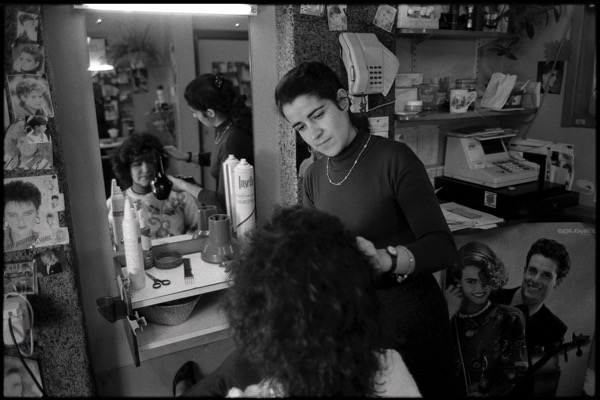
Anna Sousa, Hairdresser at Shampers
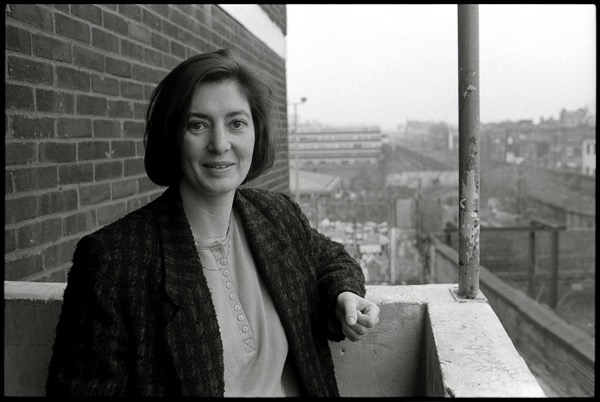
Jane Reeves, Councillor
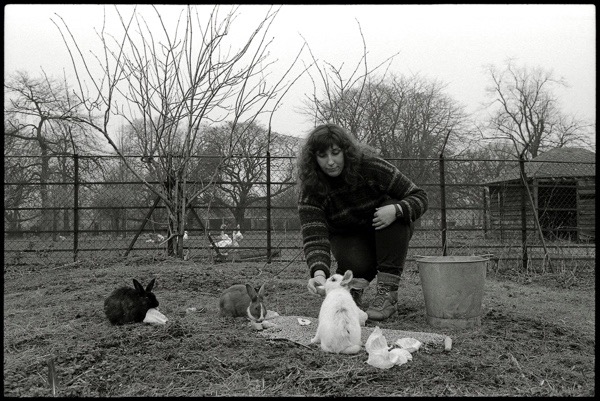
Carolin Ambler, Zoo Keeper
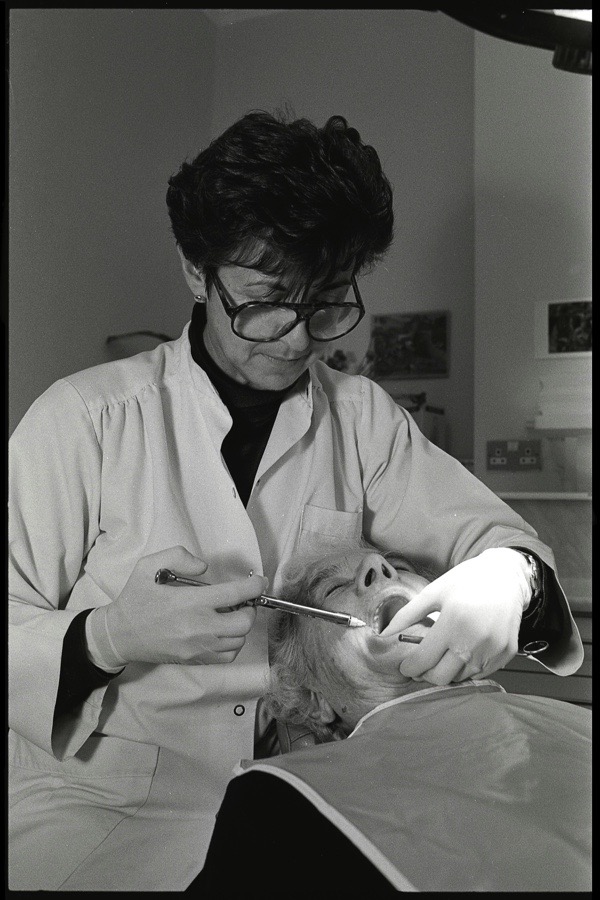
Mrs Sherman, Dentist
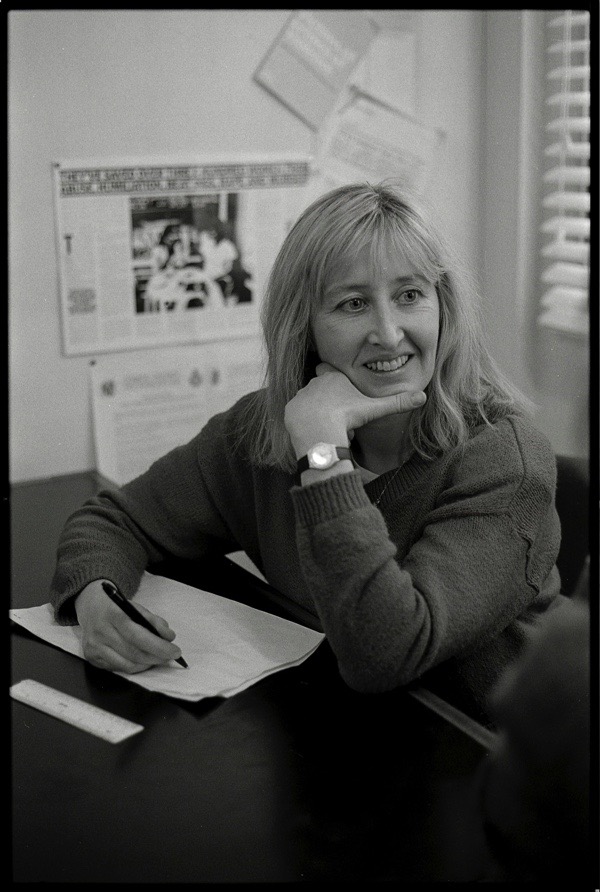
Eileen Fisher, Police Domestic Violence Unit
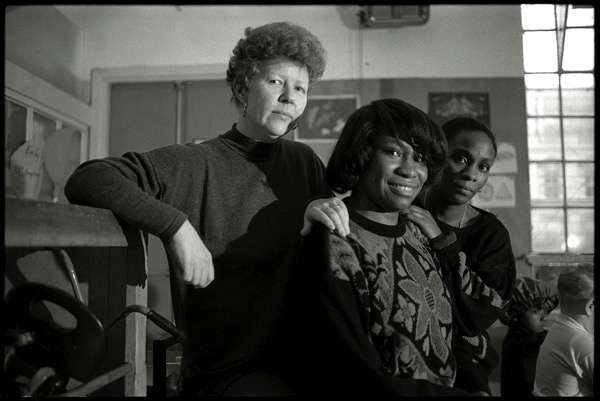
Yvonne McKenzie, Jacqui Olliffe & Dirinai Harley, Supervisors at Oranges & Lemons Day Nursery
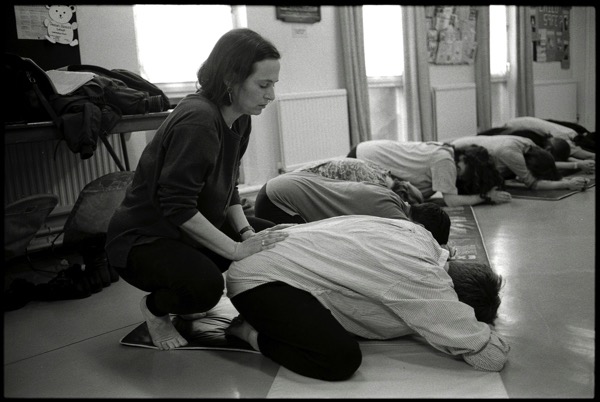
Jessica James, Active Birth Teacher
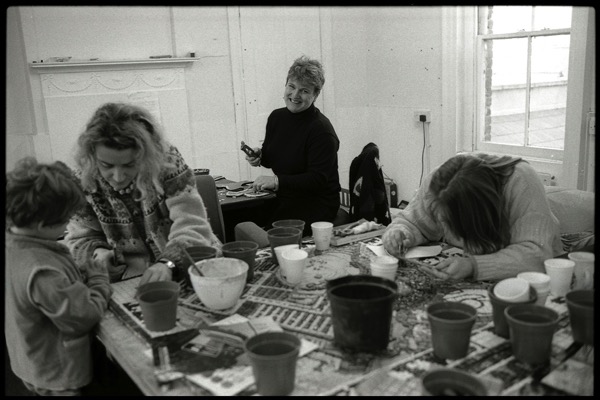
Di England, Supervisor at Free Form Arts
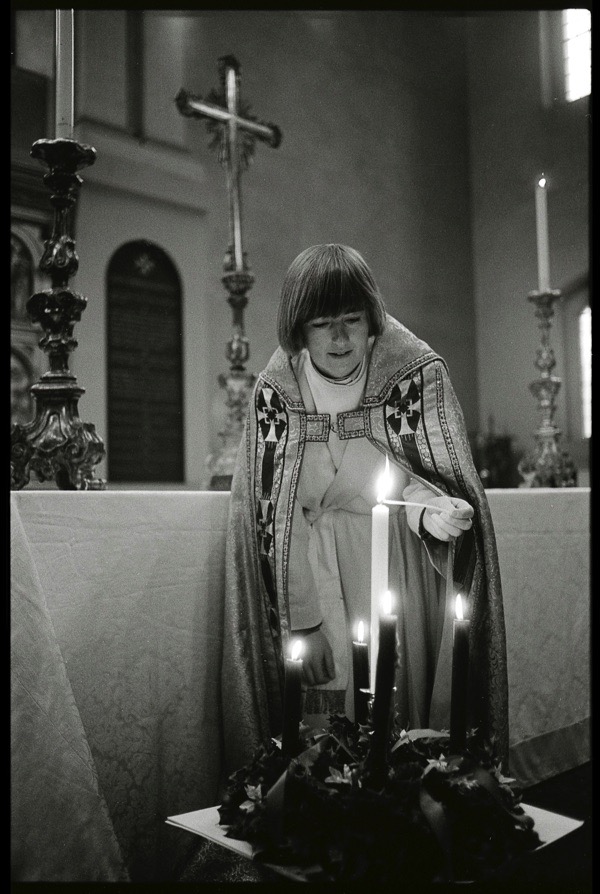
Sally Theakston, Chaplain, St John’s Hackney
Photographs copyright © Sarah Ainslie
Photographs courtesy Hackney Museum
Women Of The Old East End
From Philip Mernick‘s fine collection of cartes de visite by nineteenth century East End photographers, gathered over the past twenty years, we select portraits of women arranged chronologically to show the evolving styles of dress and changing roles of female existence

1863

1863

1867

1860s

c. 1870

c.1870

c. 1870
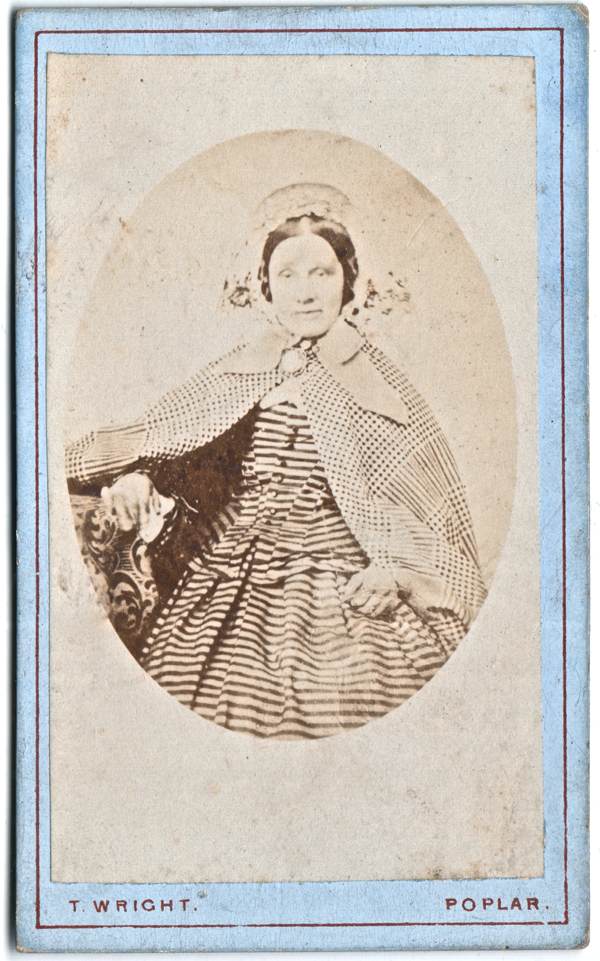
1870s

1880

1880s

1880s

1884

1884

1886

1880s

1880s

1880s

1890s

c. 1890

1890s
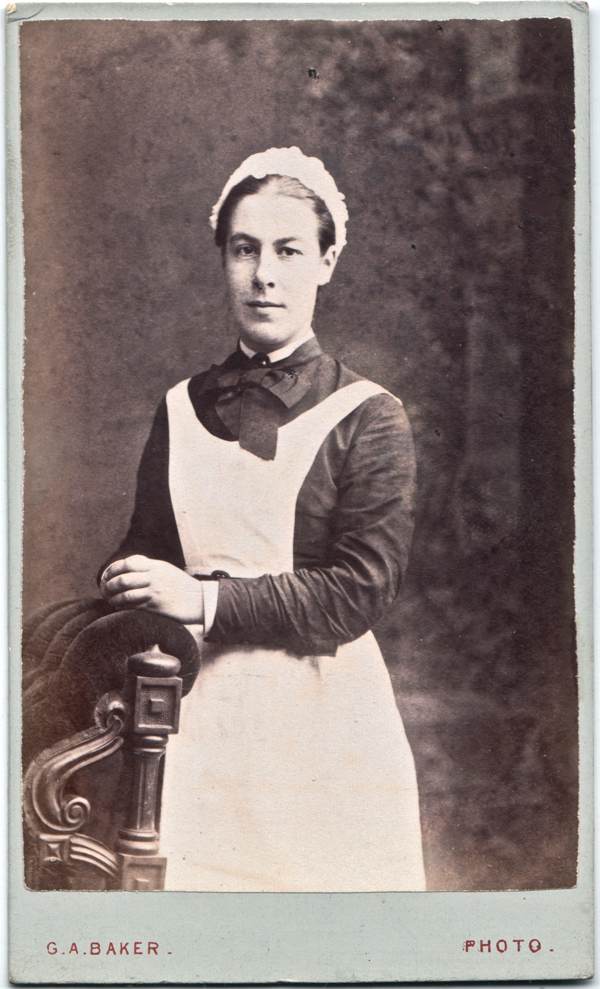
1890s

c. 1900

c. 1910

c. 1910 Theatrical performer by William Whiffin

c. 1940 Driver
Photographs reproduced courtesy of Philip Mernick
You may also like to take a look at
The Bethnal Green Mulberry Lecture

Design by Paul Bommer
The East End Preservation Society and the Garden Museum in Lambeth are collaborating to present a lecture on Tuesday 20th March exploring the culture of the historic Bethnal Green Mulberry which grows in the grounds of the former London Chest Hospital.
The tree has become a source of controversy since Crest Nicholson proposed digging it up to plonk a block of luxury flats on the spot. In a Judicial Review at the High Court last year, the developers’ claim that the Mulberry was a recent planting was dismissed and the tree’s veteran status confirmed.
As Tower Hamlets Development Committee prepare to meet at the Town Hall in Mulberry Place to consider Crest Nicholson’s planning application for the Chest Hospital site – which requires digging up the Mulberry tree – the Garden Museum offers a public forum for two arborcultural authorities to widen the debate.
Peter Coles of Morus Londinium will outline the historical legacy and cultural significance of Mulberries in London.
Julian Forbes Laird of Forbes Laird Arborcultural Consultancy, expert witness in matters arborcultural and editor of the British Standard in tree conservation who gave evidence in the High Court last year, will give his appraisal of the historical and arborcultural evidence for determining the age of the Bethnal Green Mulberry.
After the lecture, there will be the opportunity for questions from the audience and discussion.
The Bethnal Green Mulberry is believed to have been planted in the time of John Tradescant, Britain’s first great gardener, so we are delighted to be holding this event in the Clore Learning Space at the newly re-opened Garden Museum, looking out on to the tomb of Tradescant carved with four trees.
CLICK HERE TO BOOK YOUR TICKETS
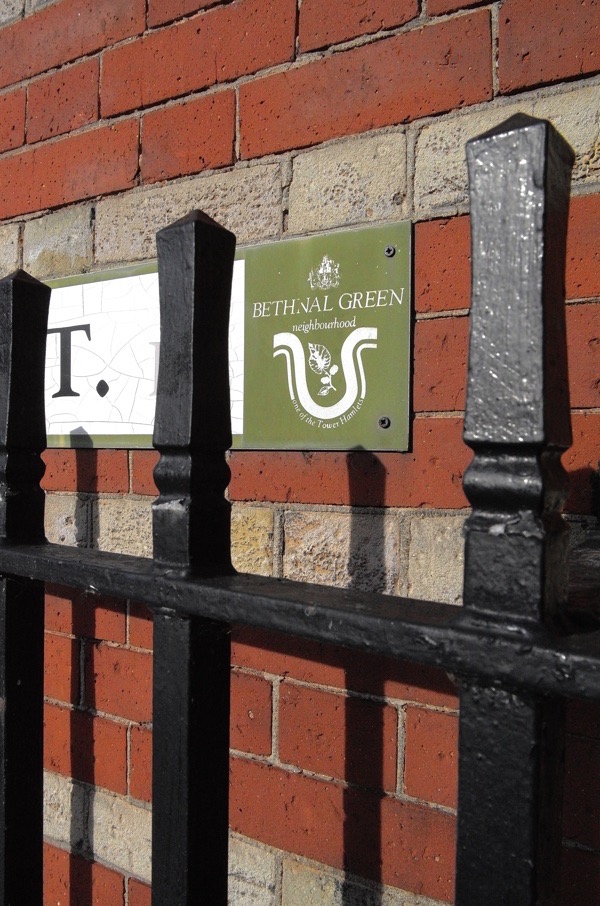
The Mulberry is the symbol of Bethnal Green and is featured on street signs in the neighbourhood
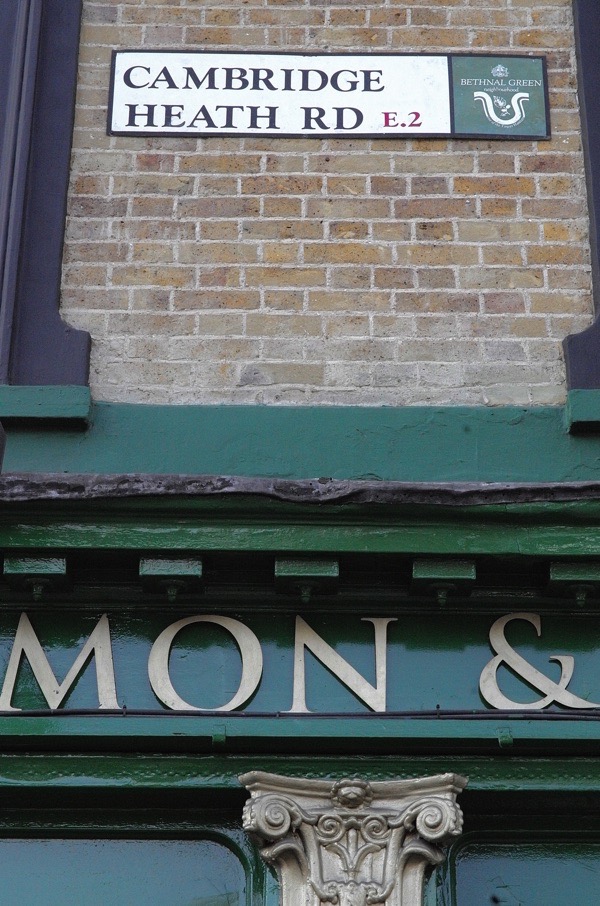
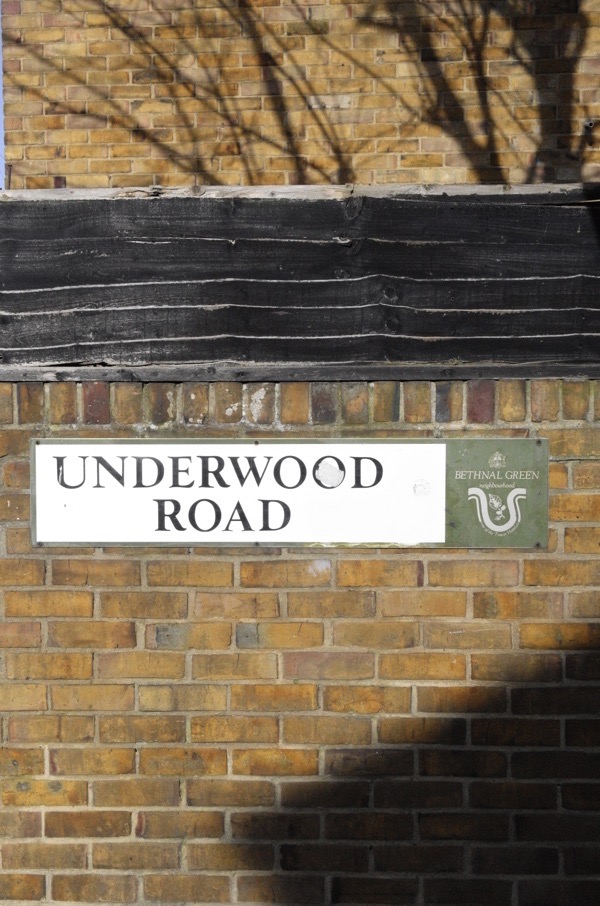
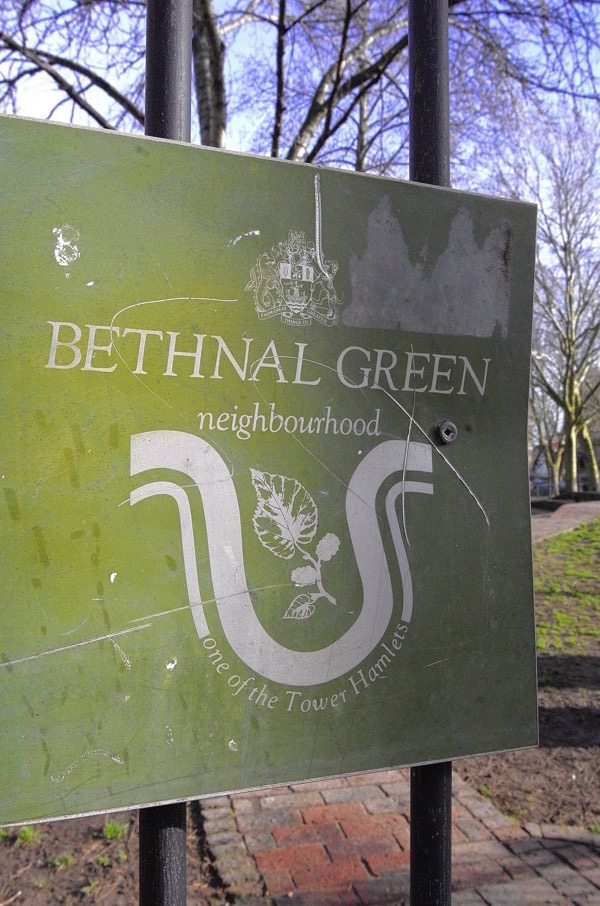
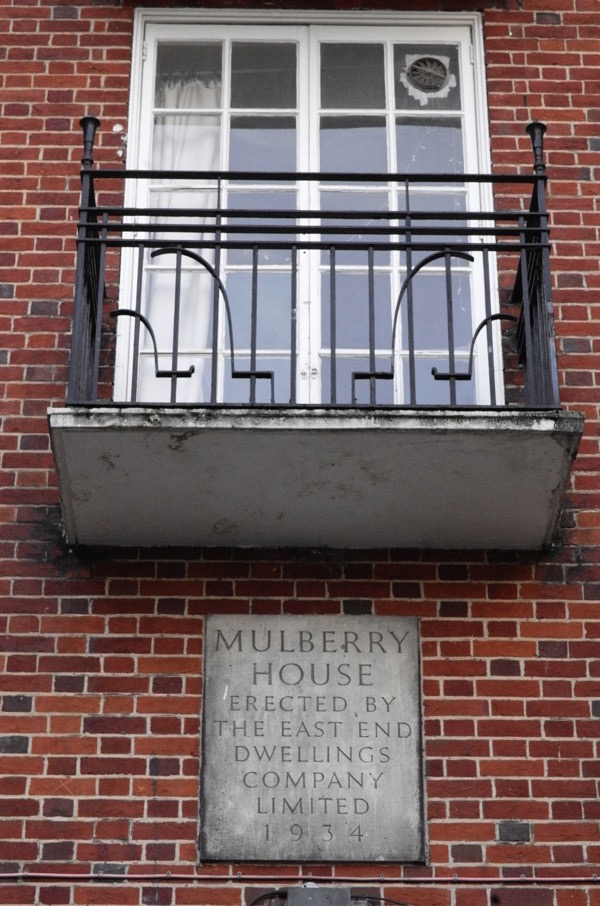
Mulberry House, Bethnal Green

Mulberry St, Whitechapel
You may also like to read about
The Reckoning With Crest Nicholson
Here We Go Round The Bethnal Green Mulberry
A Plea For The Bethnal Green Mulberry
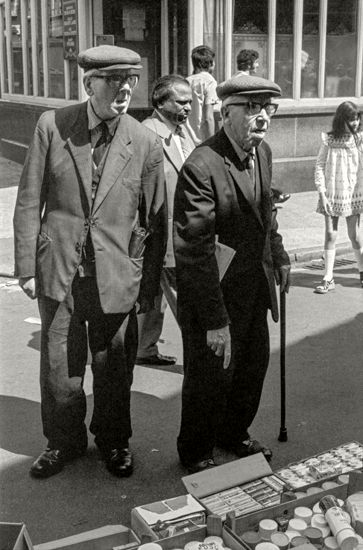
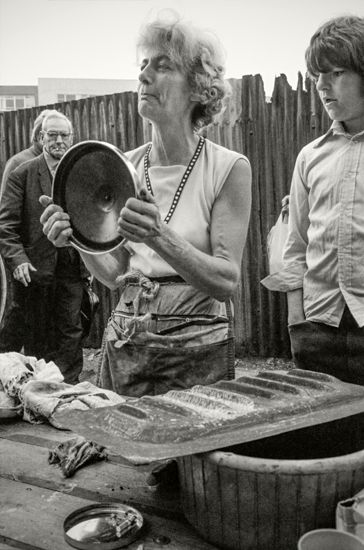
Dragan Novaković’s Club Row
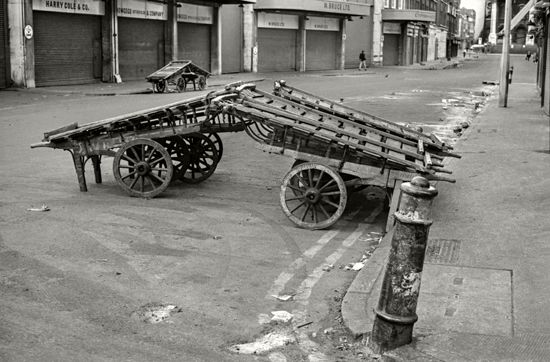
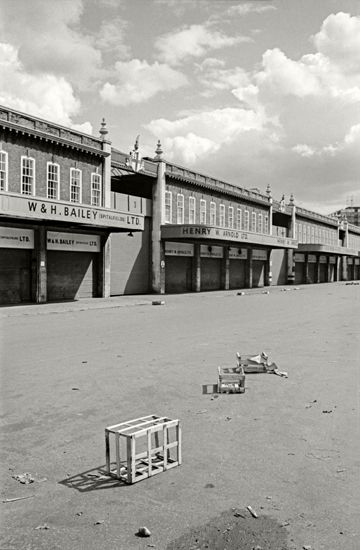
In this second selection of East End market photography by Dragan Novaković from the late seventies (published for the first time), we include rare pictures of the ancient Club Row animal and bird market which closed in 1983 when street trading in live animals became outlawed
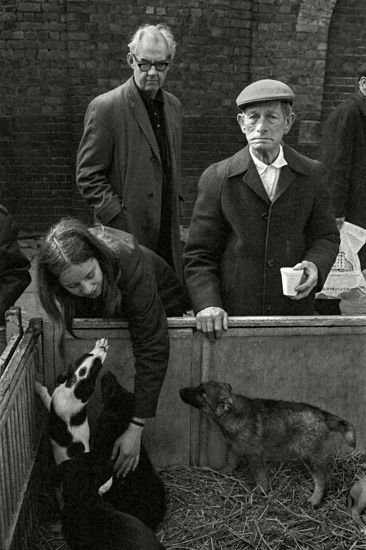
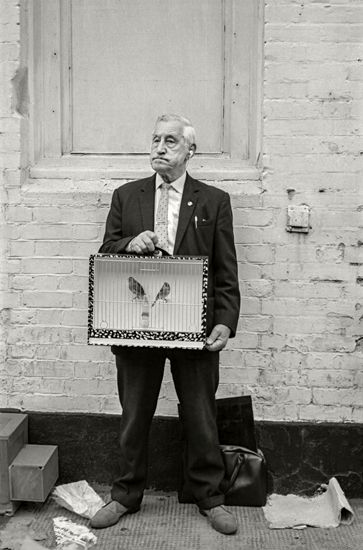
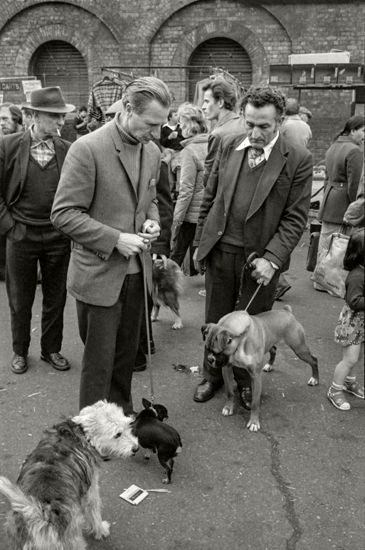
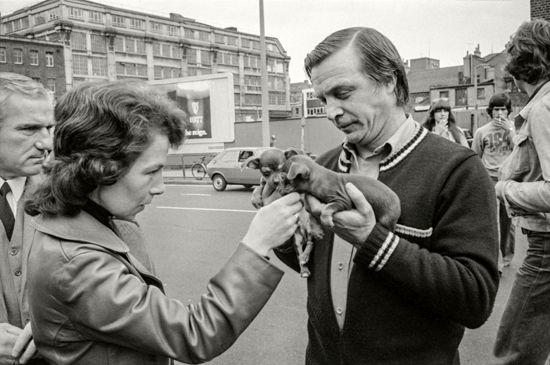
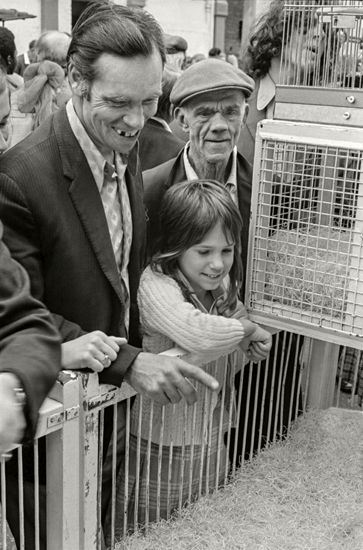
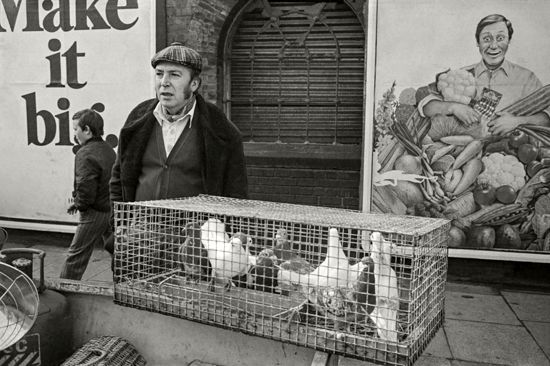
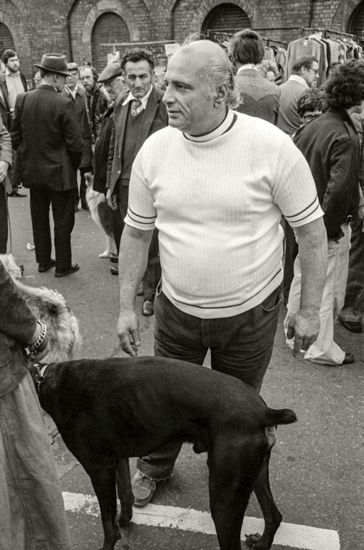
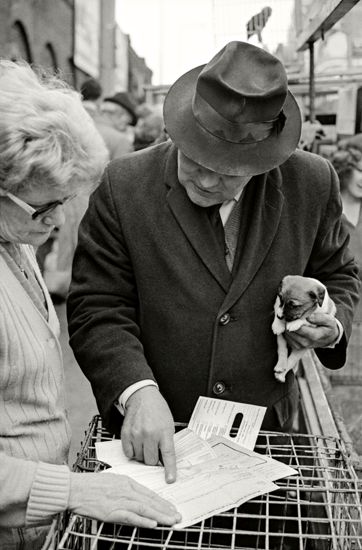
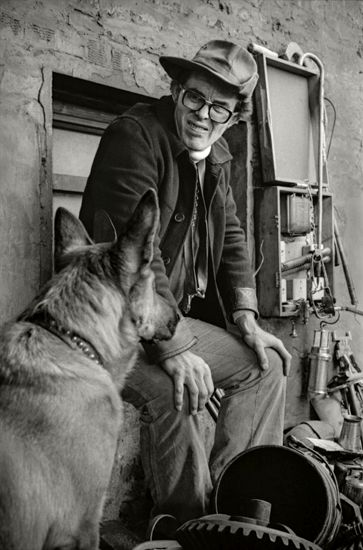
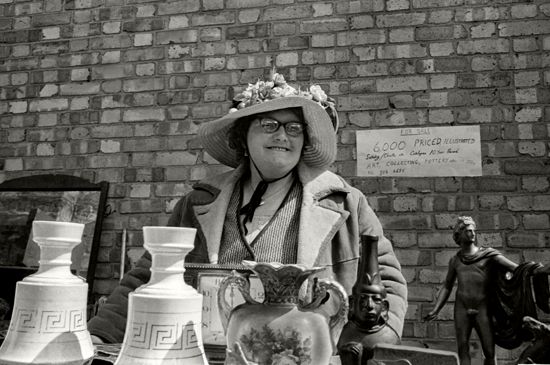
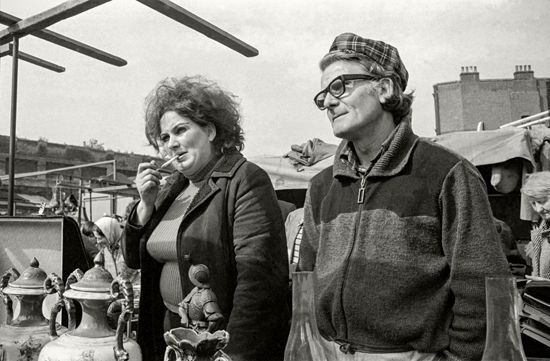
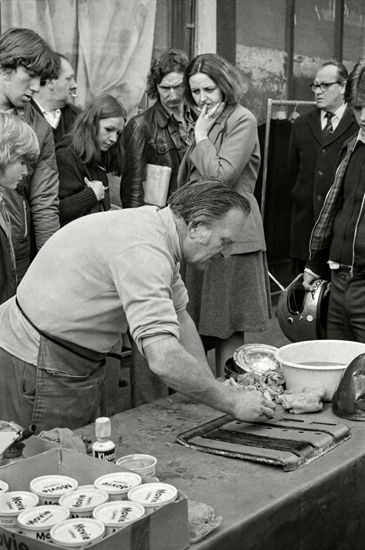
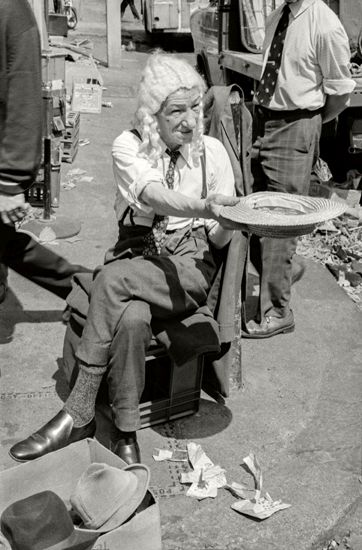
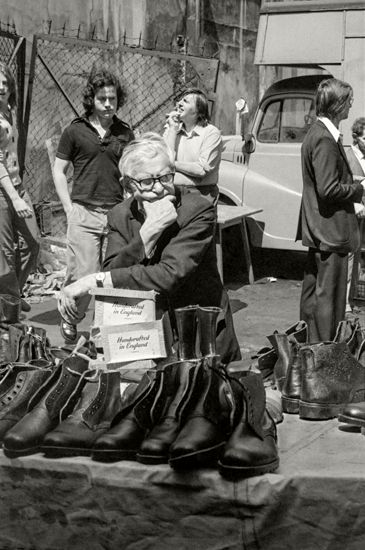
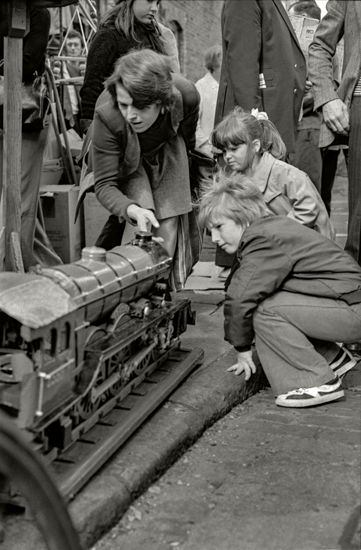
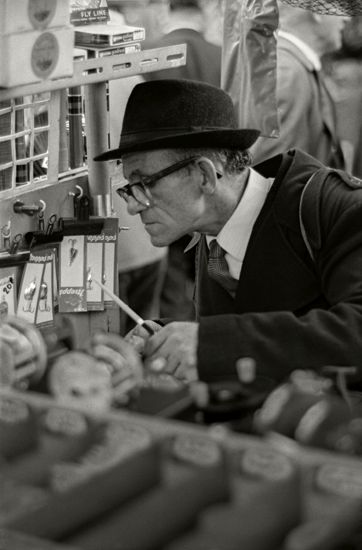
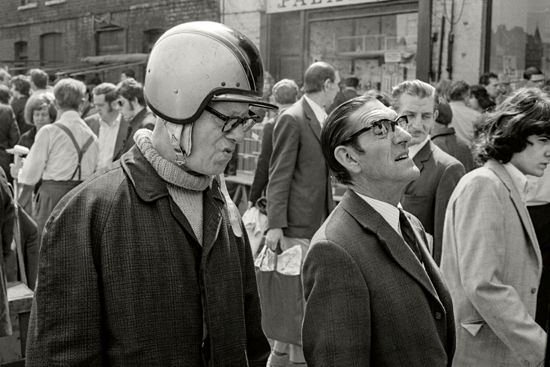
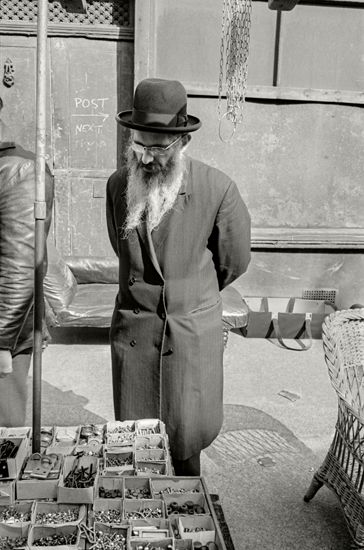
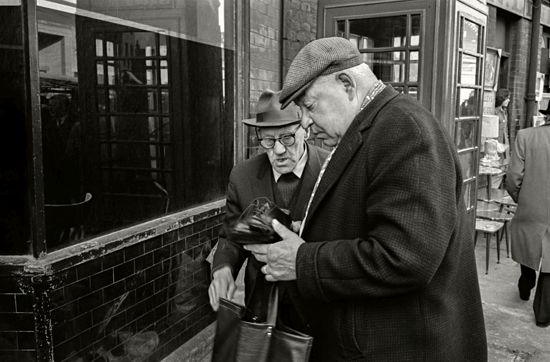
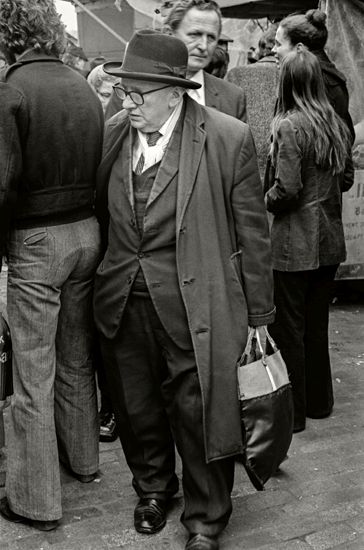
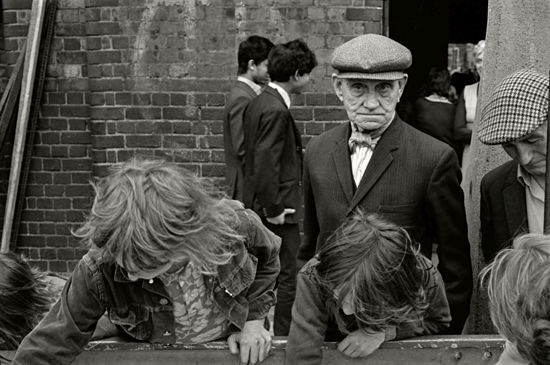
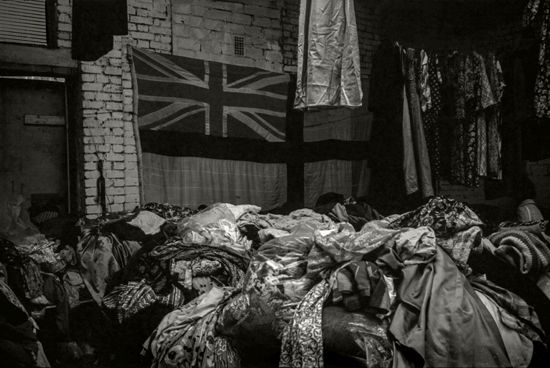
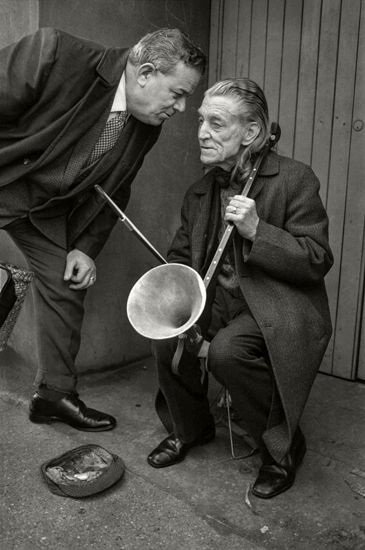
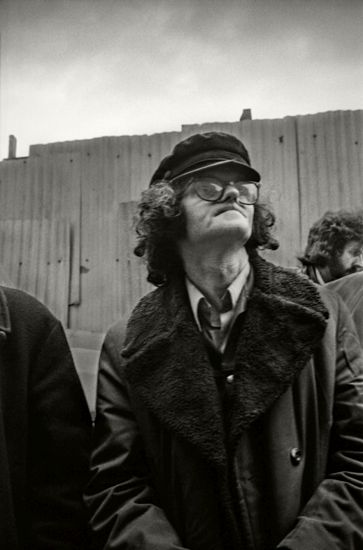
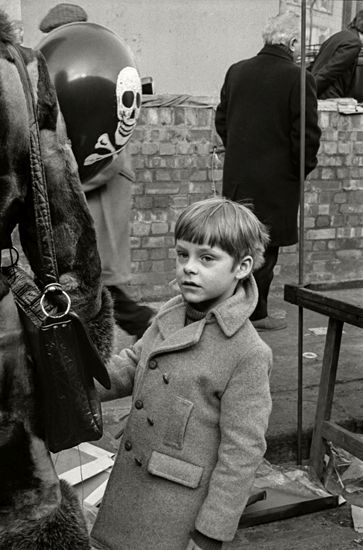
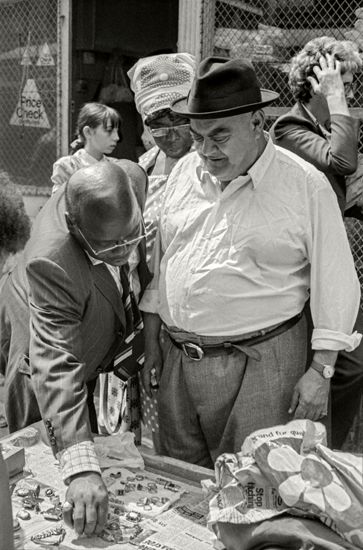
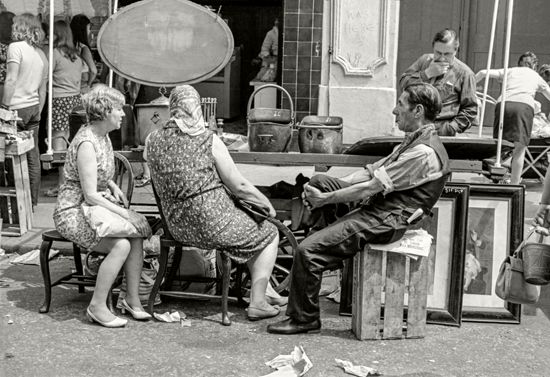
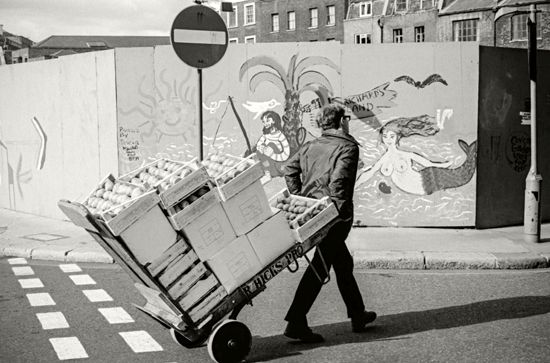
Photographs copyright © Dragan Novaković
You also might like to take a look
So Long, Hester Mallin
Only yesterday, I learnt of the death of Hester Mallin on 7th January aged ninety-one. In common with my experience with that other nonagenarian artist Dorothy Rendell, whom I also met late last year and who also died in January, I feel grateful that I was able to interview Hester and record her story at the eleventh hour.
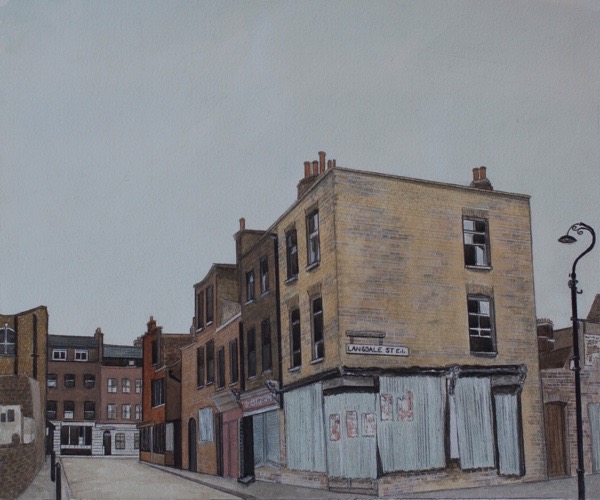
Langdale St leading to Cannon St Rd
Like the princess in the tower, at ninety-one years old Hester Mallin lived confined to her flat on the top floor of a tall block off the Roman Rd in Bow, where I had the privilege of visiting and hearing her story. From this lofty height, Hester contemplated the expanse of her time in the East End. Born to parents who escaped Russia early in the last century, Hester spent the greater part of her life in Stepney, where she grew up in the close Jewish community that once inhabited the narrow streets surrounding Hessel St.
Of independent mind and down-to-earth nature, Hester took control of her destiny at thirteen and plotted her own path through life. When the Stepney streets where her parents passed their years emptied as residents left to seek better housing in the suburbs and demolition followed, Hester could not bear to see this landscape – which had such intense personal meaning – being erased. So she began to photograph it.
Decades later, when her photographs were all that remained, Hester transformed these images, coloured by memory, into the haunting, austere paintings you see here. Of deceptive simplicity, these finely wrought watercolours of subtly-toned hues were emotionally charged images for Hester. Even if the streets and buildings were gone and even if Hester could never go back to her childhood territory, she had these paintings. She cherished them as the only record of the place which contained her parents’ lives, their community and their world, which have now all gone completely.
In later years, Hester discovered a talent as a gardener, celebrated for her flair at high-rise gardening, exemplified by her thirty-five foot balcony garden on the twenty-third floor in Bow, where the great and the good of the horticultural world came to pay homage to Hester’s achievements. Feature coverage and television appearances brought Hester international fame and demands for lectures, including a trip to the Falkland Isles to inspire the troops with horticultural aspirations.
Yet in spite of her remarkable life and resources of creativity, Hester modestly considered herself a ‘typical East Ender.’
“I never got married and had children. In my experience, marriage for the working class girl was horrible. If she was unlucky, she met a man who she thought was nice, she would marry and he would change and become a wife beater. It was not for me. I saw so much of it. I thought ‘I’d rather stay single than get beaten up every time my husband gets drunk, Jewish or not.’ It never appealed to me. I never wanted to be married. Other people wanted to marry me but I never wanted to be married.
My father, Maurice Smolensky, came in his early twenties from Lomza which is part of Poland now and I think my mother came from Russia too, but I am not quite sure. Her name was Rachel Salzburg – what was she doing with a German sounding name like that?
It was very sad, she was sent on her own at fourteen years old. Can you imagine? A very beautiful young girl, illiterate, speaking no English and knowing nothing. There must have been a reason why they chucked her out to England. She was in terrible danger. She stood staring in bewilderment and grief. This was the time of the white slave trade when young girls were packed off to South America to be prostituted, yet she was luckyecause there was a gang of Jewish men looking out at the port in London. If they saw any young girl travelling alone, they would ask ‘Have you been sent?’ They would look after these girls and this is what happened to Rachel, my mother. They took her to the Jewish shelter in Aldgate and from there she spent a bewildering youth, working as a servant when she could get work. She was always pure. Poor girl. She was beautiful, with blonde teutonic looks.
Apparently, her family came to the East End years later and she was in touch with them but only loosely. There must have been some big family goings-on, but I know not. They were bombed out of their house in Sutton St, off Commercial Rd, and disappeared, they did not take her. There must have been a falling-out.
My father was a journeyman baker, who learnt his trade in Russia where, apparently, his father owned a mill. He worked in all the local bakeries around Hessel St, Christian St, Fairclough St – all those adjacent streets in Stepney where there were lots of little Jewish baker’s shops. He worked in the basements.
My parents were put together by a Jewish matchmaker, that was how they met.
At Raynes Foundation School, when I drew, my teacher used to say I was copying it from somewhere – but where would I copy it from? I remember we were all asked to draw a biblical scene. So I drew a picture of Moses leading his people out into the desert in chalk, with all these figures disappearing into the distance led by Moses with a long stick. I remember it clearly, the teacher stormed over to my desk and said, ‘Where did you get this from?’ Of course, I was flummoxed, I did not know what she was talking about so I could not answer. ‘No answer!’ she said, ‘You didn’t draw this.’ I was a shy child, I was absolutely silenced and defeated. That was my introduction to Art.
I grew up in Langdale St Mansions, a block of two hundred flats of the slum variety and almost entirely occupied by Jewish people. It was horrible but my mother was exceptionally clean, she was fighting dirt all the time. I had a brother, Harry, he died a few years ago. He turned Left and became Communist, and that wrecked everything. He was lured into it by shameful people.
My mother was a brave, brave woman. She went along to the Battle of Cable St to see what was going on. She was an amazing lady. When she came back, I asked ‘What was it like?’ but she would not answer me. It was obviously horrible. Even though she was illiterate, my mother knew what was happening in the world. Jewish people felt under threat.
I left school at thirteen and a half just as the war began. Nobody bothered about me because they were doing their own thing. I found any old job – odds and ends of work in an office for six months. Then I started as an Air Raid Precautions messenger girl but that was not good enough for me – it was not dangerous enough – so I decided I wanted to be warden. I persisted and I became Britain’s youngest Air Raid Warden. I chose to do it because I wanted to do my bit and it was interesting because there was always action – Stepney was bombed and bombed and bombed. People got used to the sight of this little girl in warden’s uniform. I was not frightened, I was excited.
Some of the elderly Jewish men who were too old for the armed services would come with me and we would stroll through the streets with bombs falling all around us. Our job was shutting doors. Street doors would pop open every time a bomb fell and we would put out a hand and shut it, and on the way back we would shut the same door again. There was a lot of looting going on.
Towards the end of the war, I was moved into doing office work for Stepney Borough Council on the corner of Philpot St and Commercial Rd. It brought some money into the house and relieved my poor dad. He worked like a slave and died of overwork at seventy-one. He worked all night.
I taught myself photography, I am a self-taught woman – an autodidact polymath. During the war, I realised the houses were all going, so I started to photograph them. I thought, ‘Why aren’t more people doing this?’ I photographed architecture and out of my photographs came my paintings. The houses were being pulled down and I wanted to make a permanent record. So I took a lot of photographs and later on I thought, ‘That would make a good subject for painting.’ It was one of those things, I just started painting because it attracted me. I never went out in the street and did paintings, some are from photographs and some are from memory. I never exhibited my work.
I worked at the council until I was sixty when I retired because I wanted to concentrate on gardening and painting. I always wanted a garden when I was a child growing up in that slum flat on the fourth floor of hideous Langdale Mansions. I do not know how I knew, but I just knew I wanted plants. I never learnt about plants, it was instinctive for me. I used to buy seeds and little plantlets.
In 1980, I moved into this tower block and there was an opportunity to create a thirty-five foot long balcony garden. I looked for plants that were low maintenance, wind resistant, needed little watering and did not grow too big. I had to teach myself and learn by experiment. I did many exhibitions of my gardening including one at Selfridges. I did the whole thing myself.
I am always asked the same question, ‘Why do you speak so nicely?’ I do not know why I speak as I do. I listen to myself and I think ‘Where did you get that phrase from?’ I am self-educated, I have read a lot but anyone can do that. I am not a feminist, feminists have many faults and can be as vicious as anyone else.
I have always lived in Stepney, not by choice – it was just one of those things. I always lived in slum flats until this one. I am a typical lifelong East Ender of the old kind, I have never lived anywhere else.”
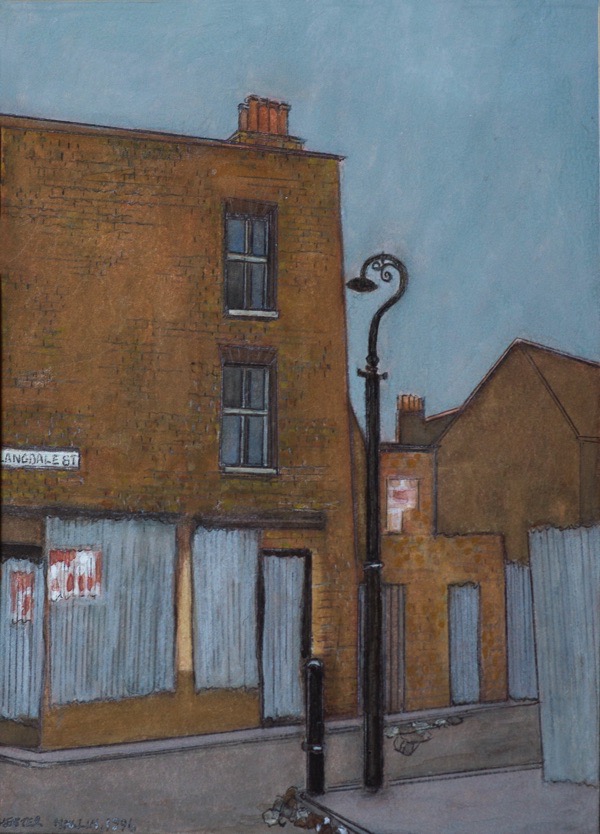
Entrance to Langdale St
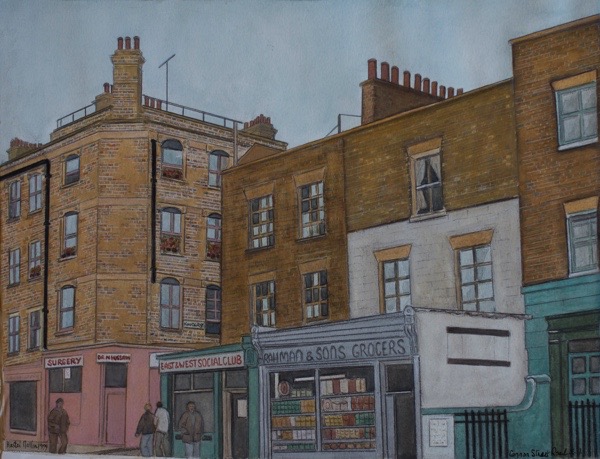
Cannon Street Rd
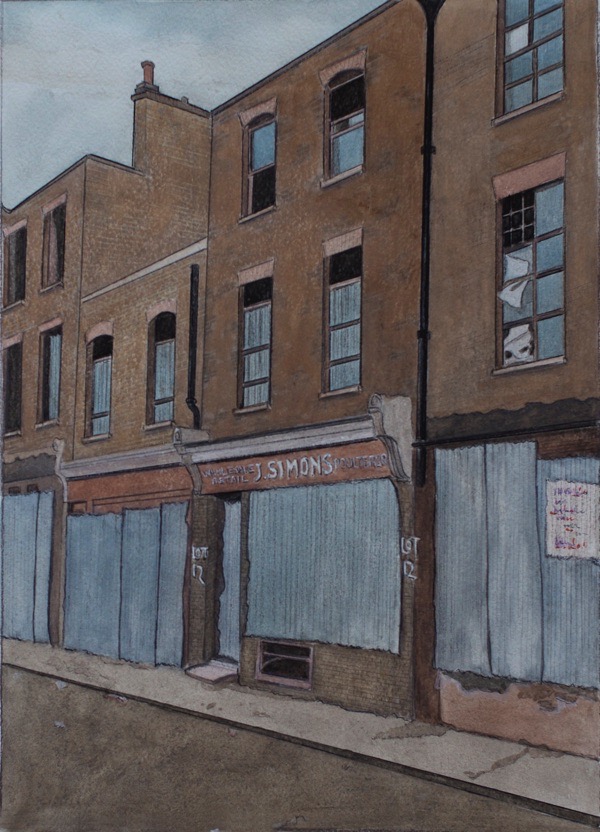
Burslem St Shops (Demolished 1975)
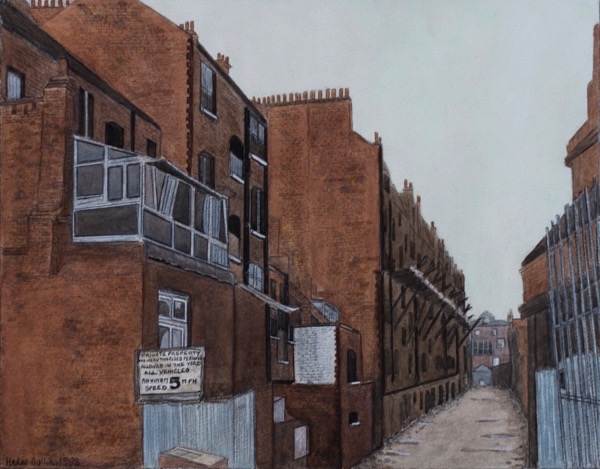
Rear of Morgan Houses, Hessel St
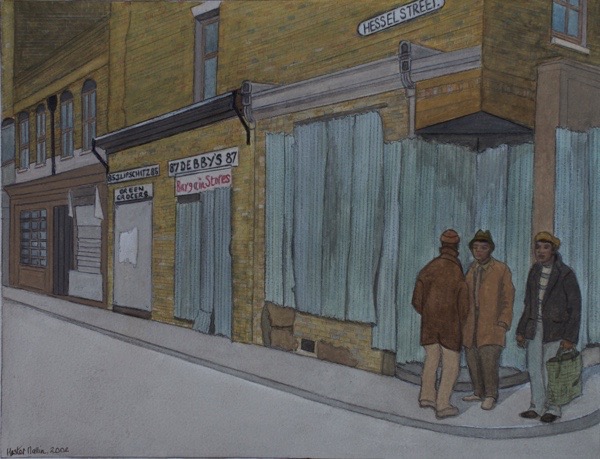
Hessel St
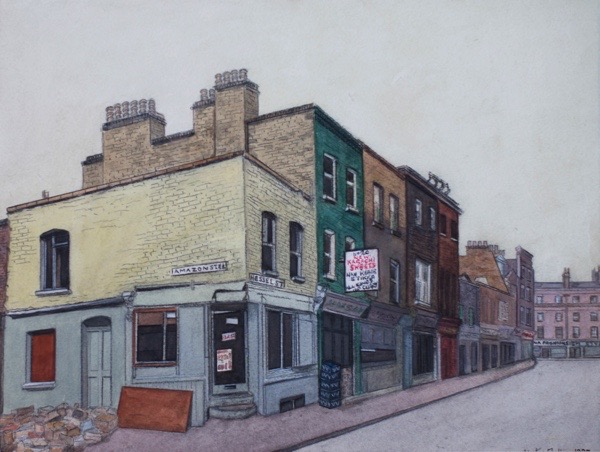
Hessel St leading to Commercial Rd
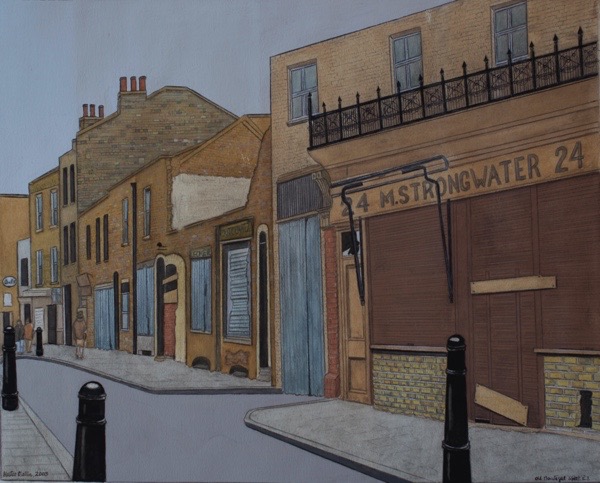
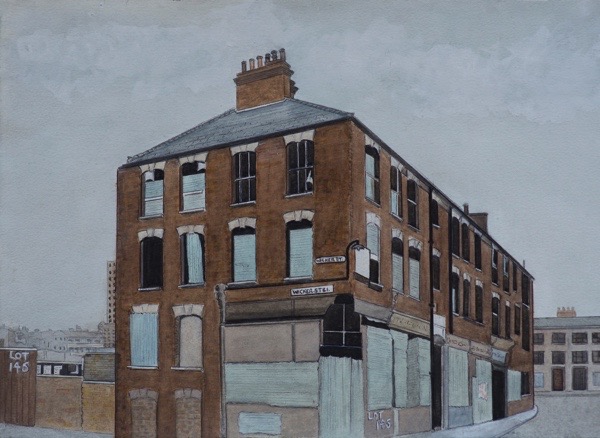
Wicker St Flats
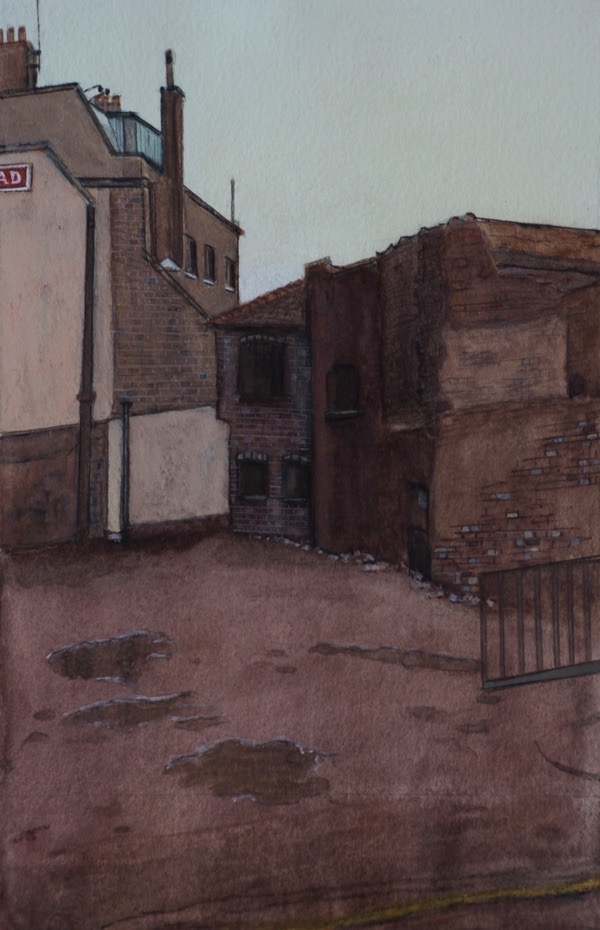
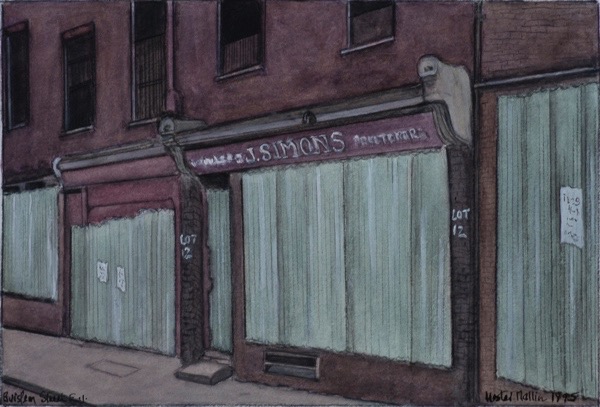
J. Symons, my mother’s favourite butcher, Burslem St
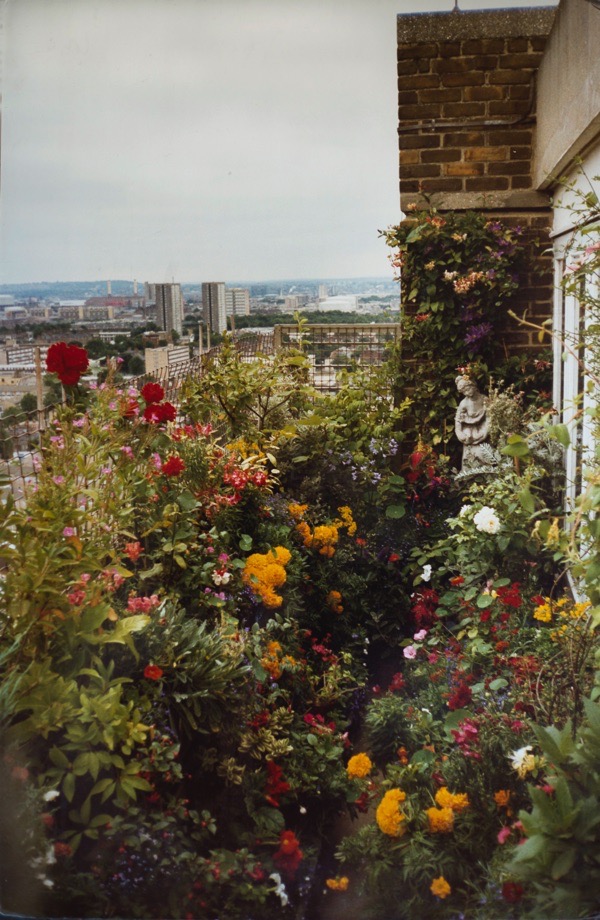
“The idea of making a garden on the topmost twenty-third floor of a council tower block in East London might be compared with a brave, but astonishingly foolhardy attempt to make a garden in a crow’s nest of an old fashioned sailing ship” – Hester Mallin, 1980
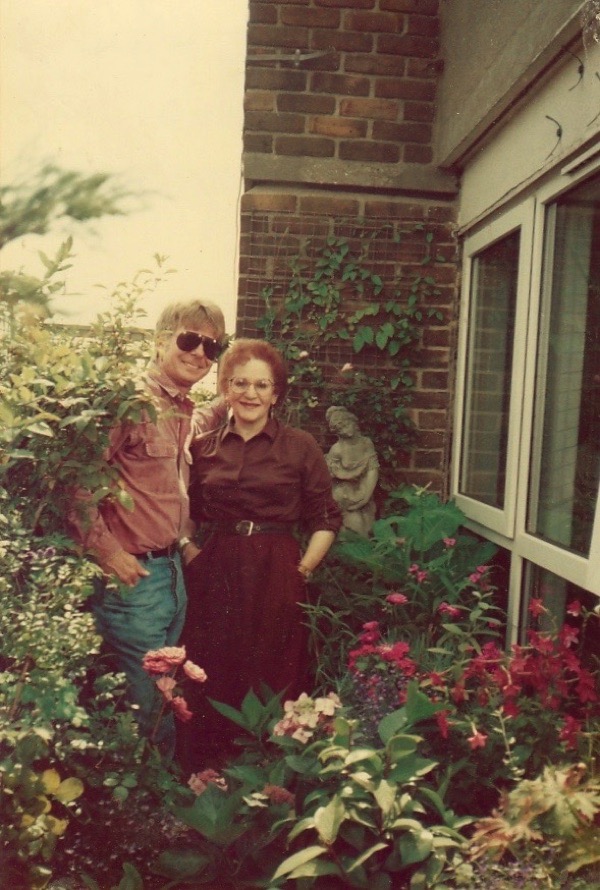
Hester Mallin & Joe Brown in 1988
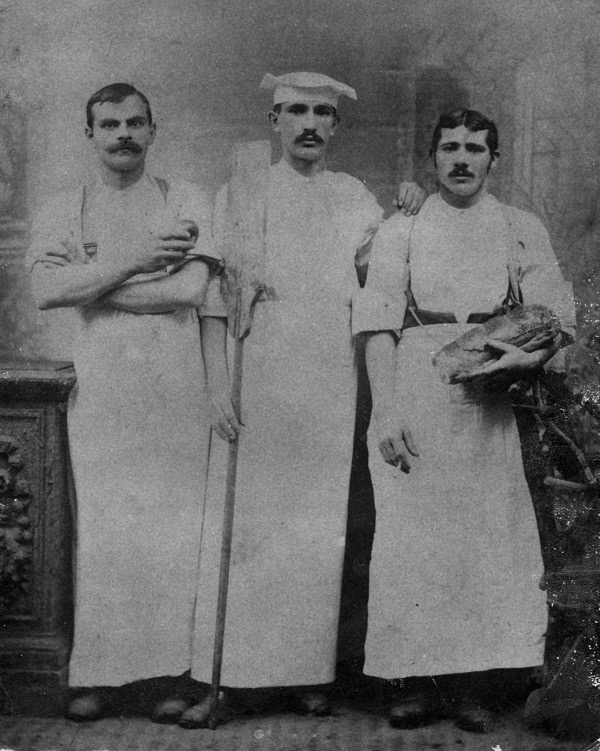
Hester’s father Maurice Smolensky stands centre in this photograph taken early in the last century
Paintings copyright © Estate of Hester Mallin
You may also like to take a look at
London Salt-Glazed Stoneware
As one who thought nobody else shared my passion for old salt-glazed stoneware, I was overjoyed when Philip Mernick granted me the opportunity to photograph these fine examples from his vast and historically-comprehensive collection which is greatly superior to my modest assembly.
In London, John Dwight of Fulham ascertained the method of the salt glaze process for rendering earthenware impermeable in 1671, thus breaking the German monopoly on Bellarmine jugs. Yet it was Henry Doulton in the nineteenth century who exploited the process on an industrial scale in Lambeth, especially in the profitable fields of bottle-making and drainpipes, before starting the manufacture of art pottery in 1870.
It is the utilitarian quality of this distinctive London pottery that appeals to me, lending itself to a popular style of decoration which approaches urban folk art. “I like it for its look,” Philip Mernick admitted , “but because nothing is marked until the late nineteenth century, it’s the mystery that appeals to me – trying to piece together who made what and when.”

Jug by Vauxhall Pottery 1810
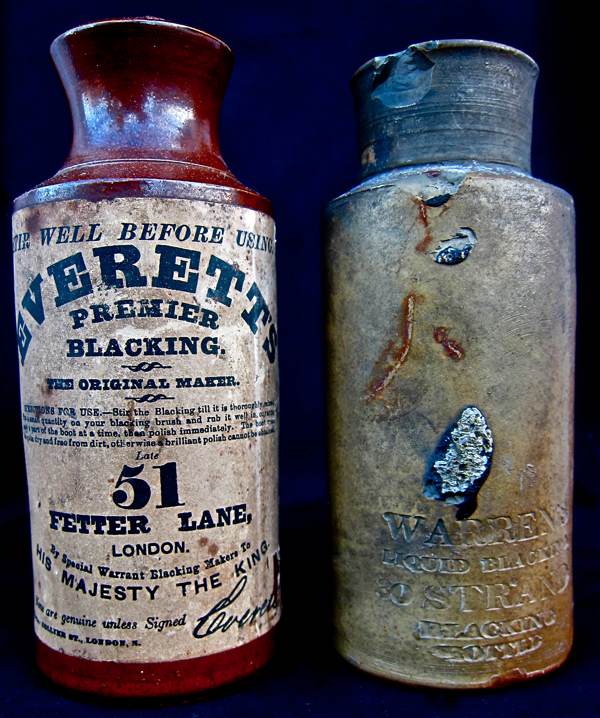
Blacking bottles – Everett 1910 & Warren 1830 (where Dickens worked as a boy)
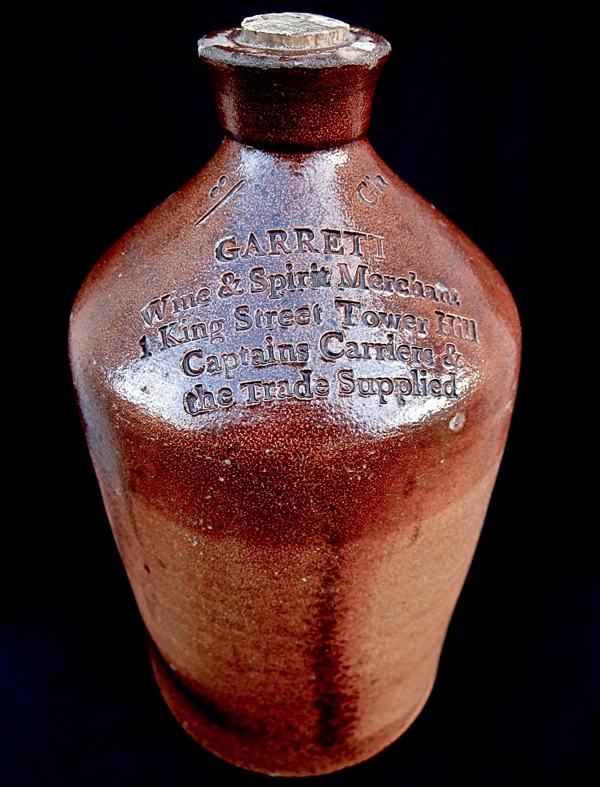
Gin Flagon, Fulham Pottery c. 1840
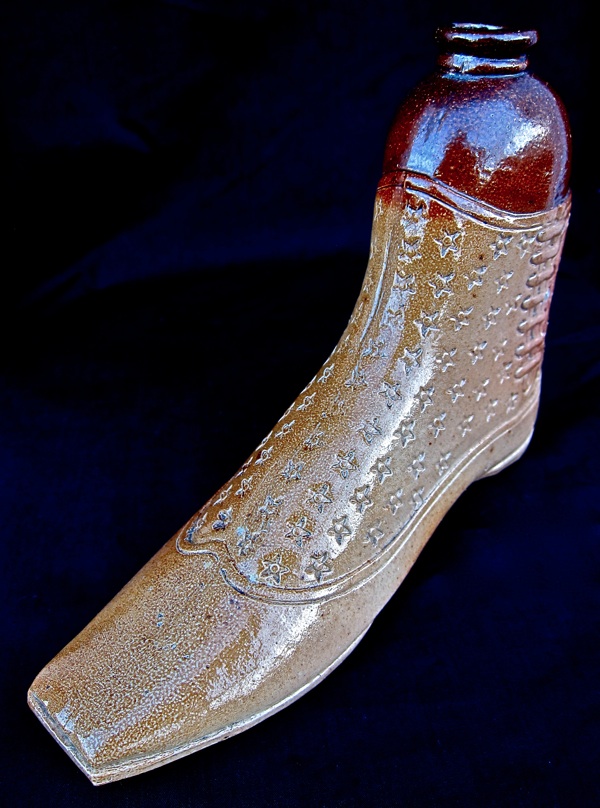
Spirit Flask in the shape of a boot by Deptford Stone Pottery c. 1840
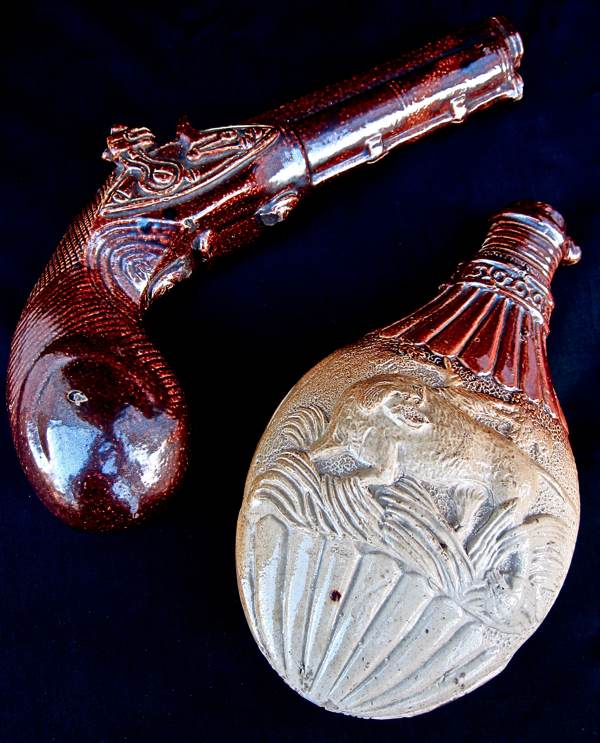
Spirit flask in the shape of a pistol by Stephen Green and in the shape of a powder flask by Thomas Smith of Lambeth Pottery c. 1840
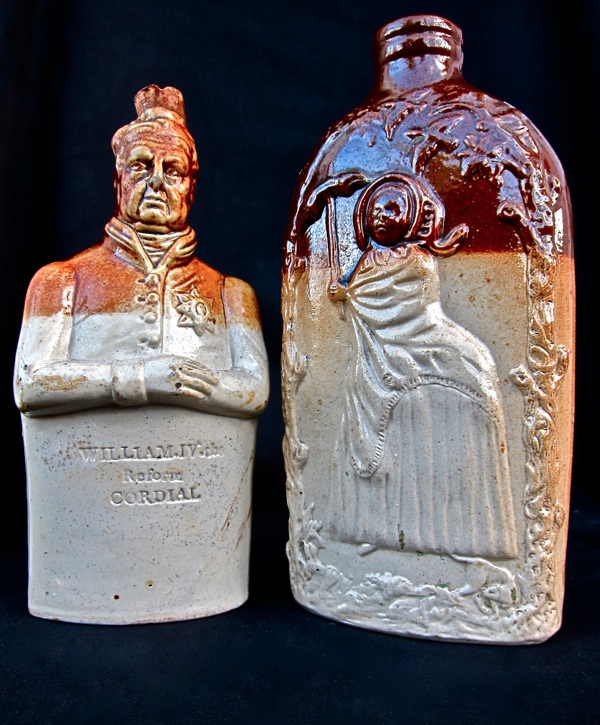
Reform flasks – Wiliam IV Reform flask by Doulton & Watts, eighteen- thirties, and Mrs Caudle flask by Brayne of Lambeth, eighteen-forties
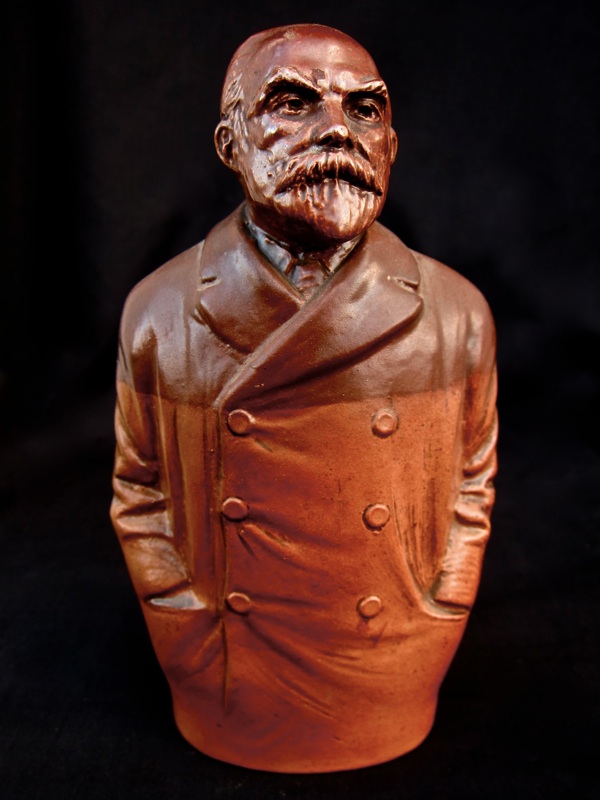
Spirit flask of John Burns, Docks Union Leader, Doulton Pottery 1910
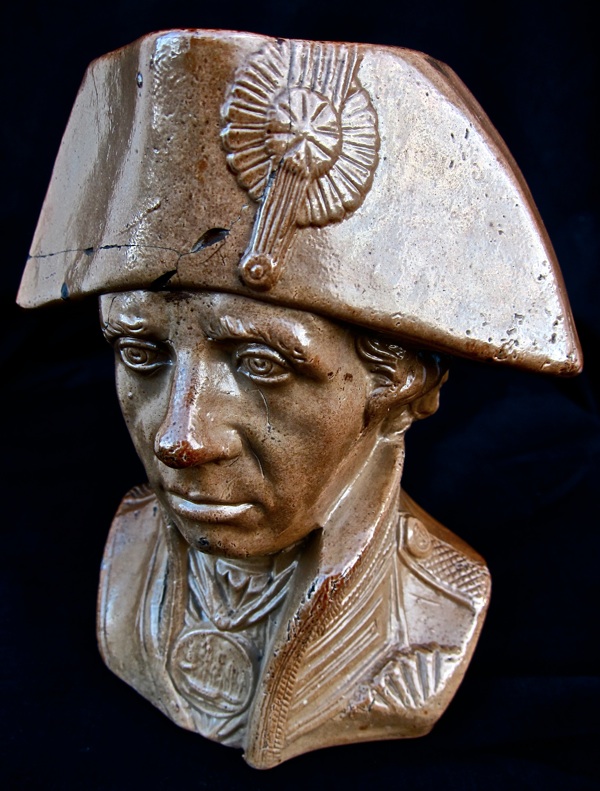
Nelson jug by Doulton & Watts 1830
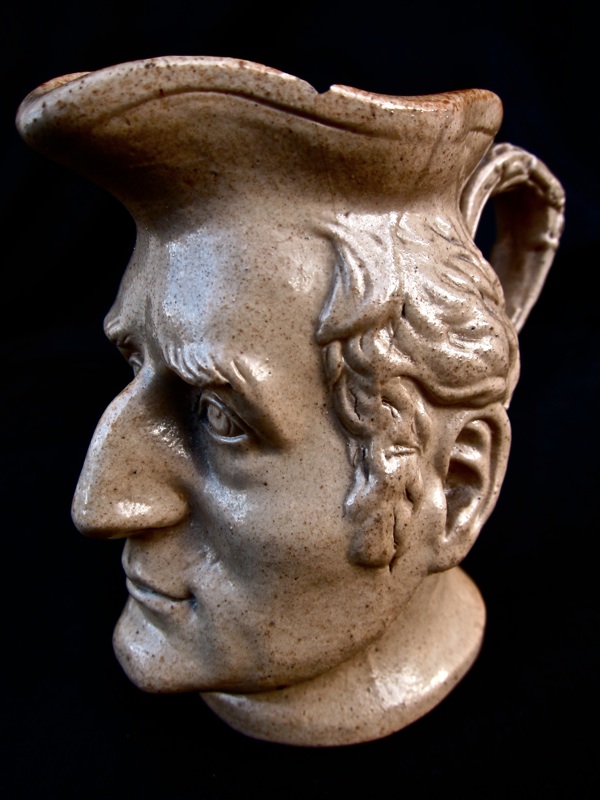
Duke of Wellington jug by Stephen Green of Lambeth Pottery 1830
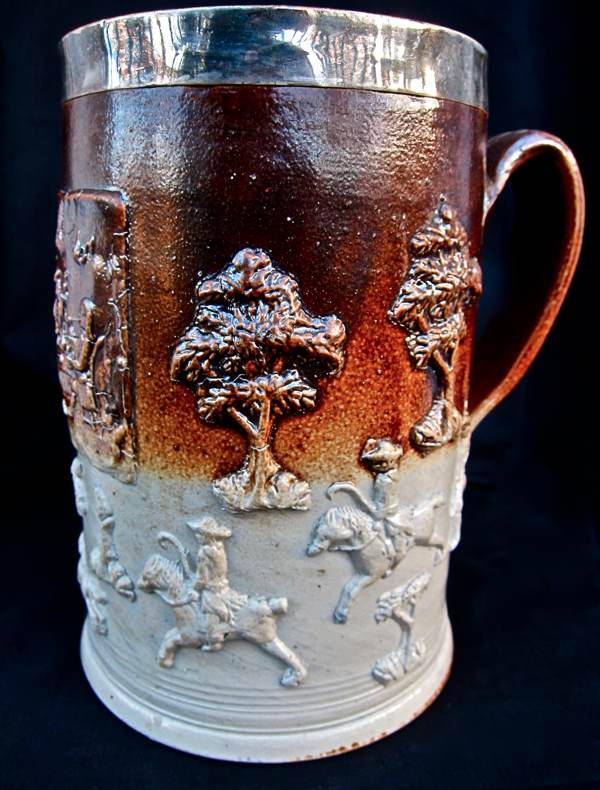
Mortlake Pottery Tankard, seventeen-nineties
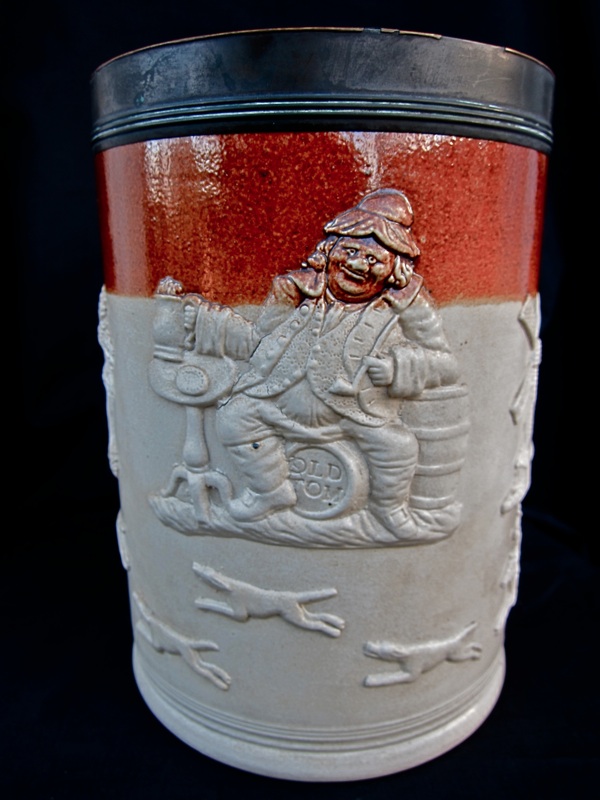
Old Tom figure upon a Fulham Pottery Tankard c. 1830
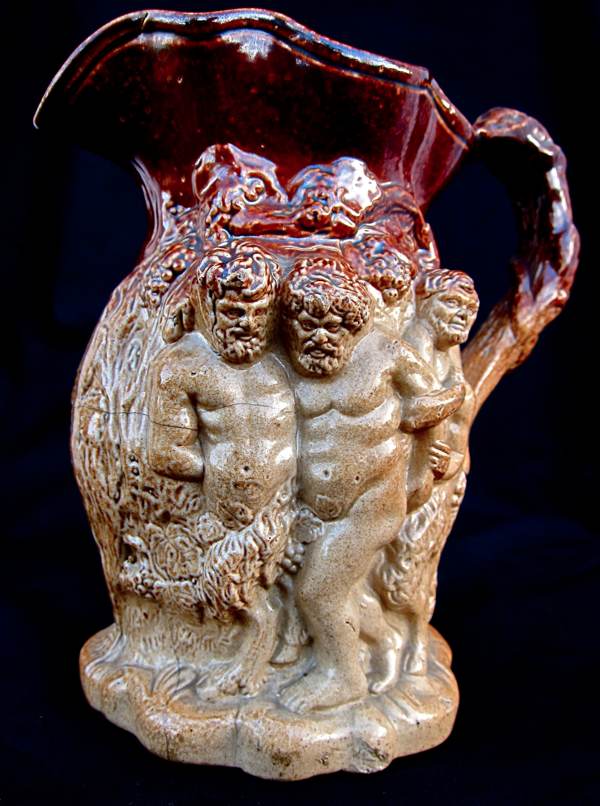
Silenus jug by Stephen Green of Lambeth Pottery c. 1840
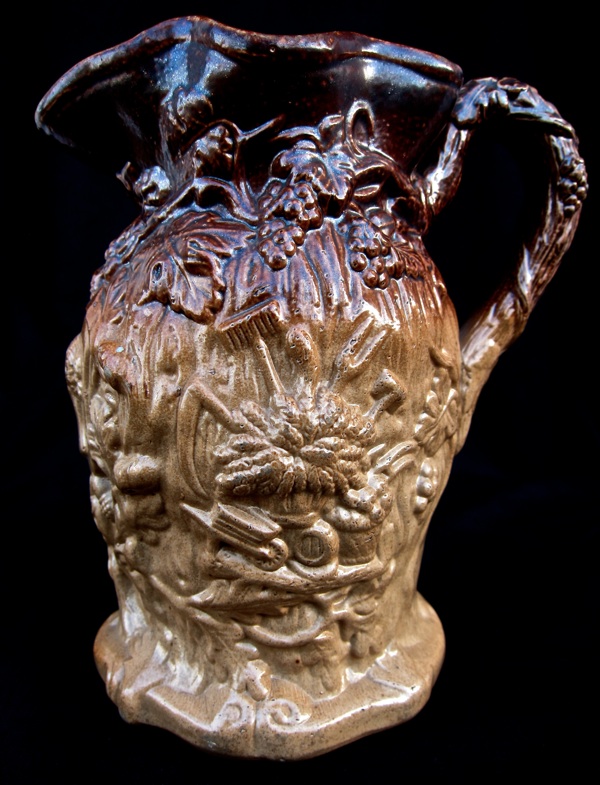
Victoria & Albert jug by Stephen Green of Lambeth Pottery 1840
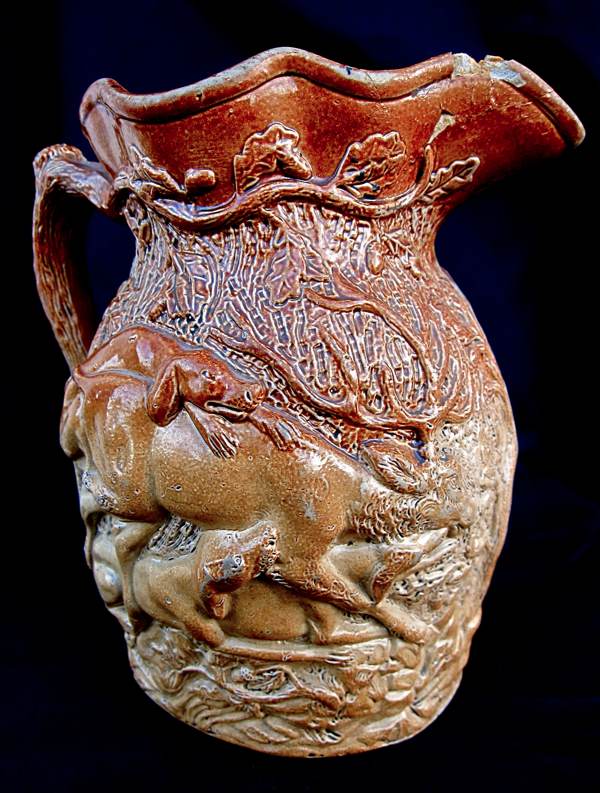
Stag hunt jug by Doulton & Watts c. 1840
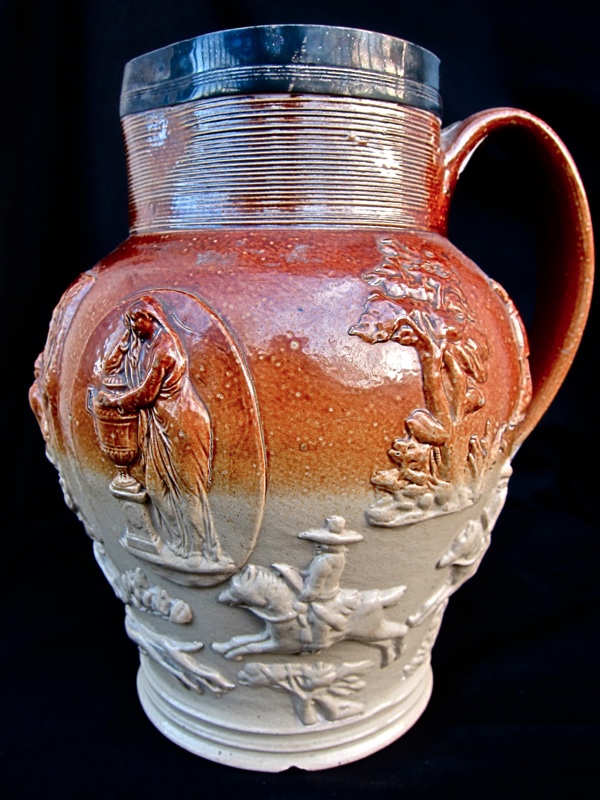
Mortlake Pottery jug, seventeen-nineties
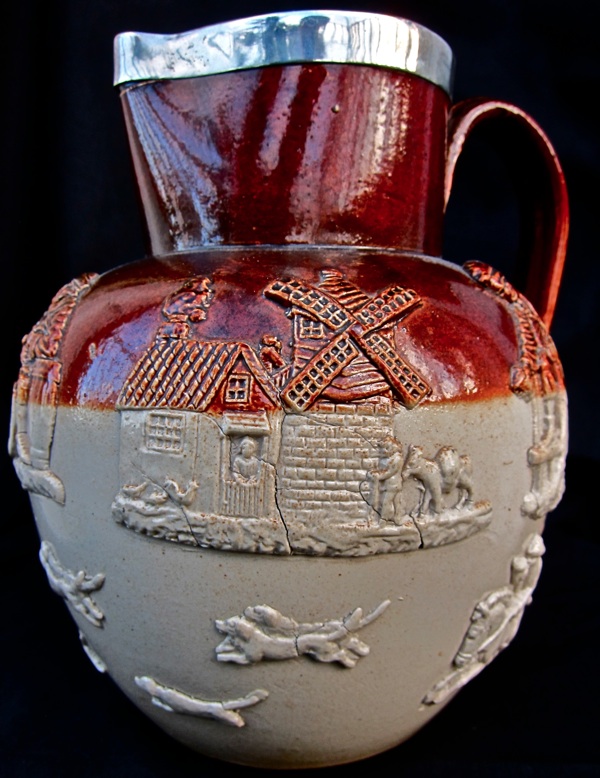
Doulton jug hallmarked 1882
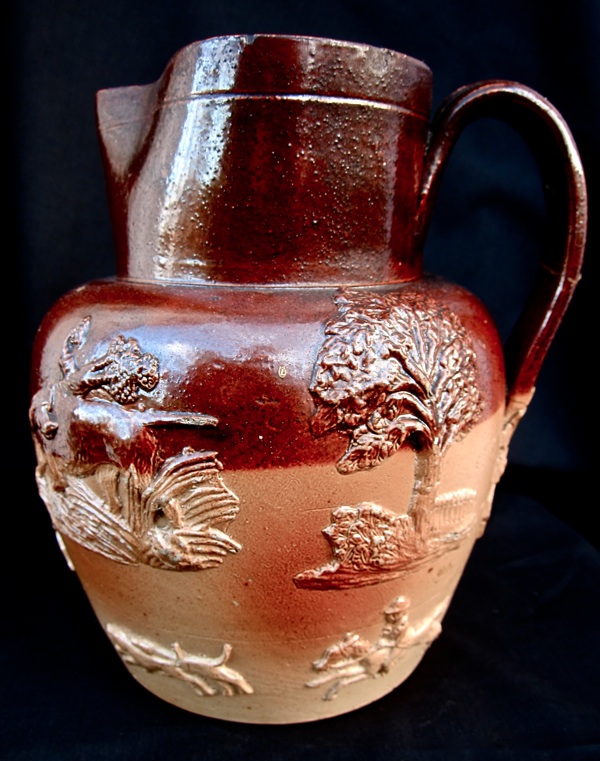
Jug by Thomas Smith of Lambeth Pottery 1840
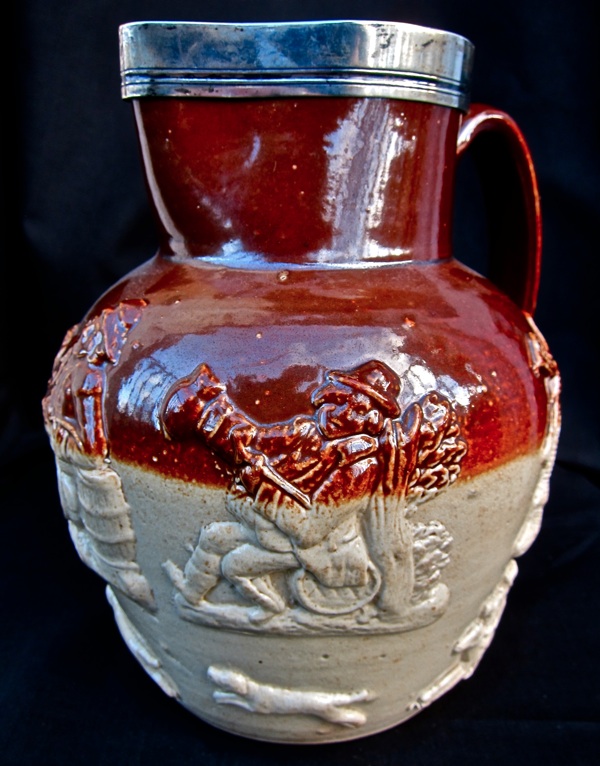
Fulham Pottery jug c. 1830
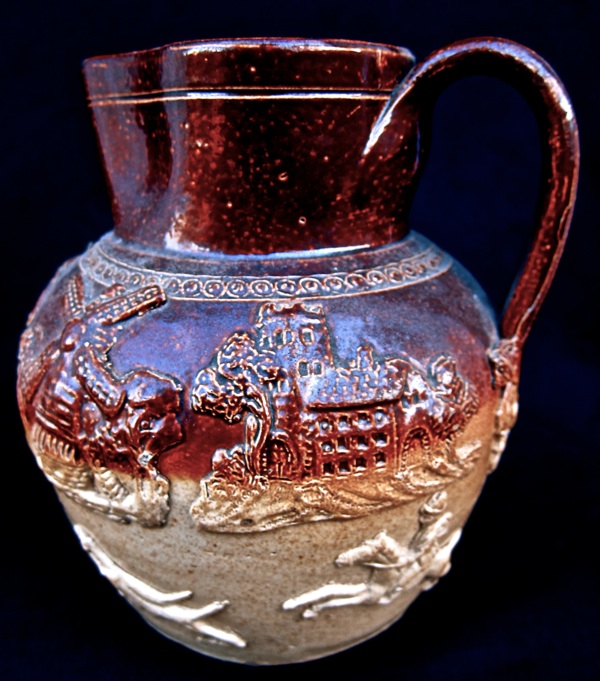
Stiff Pottery jug c. 1850
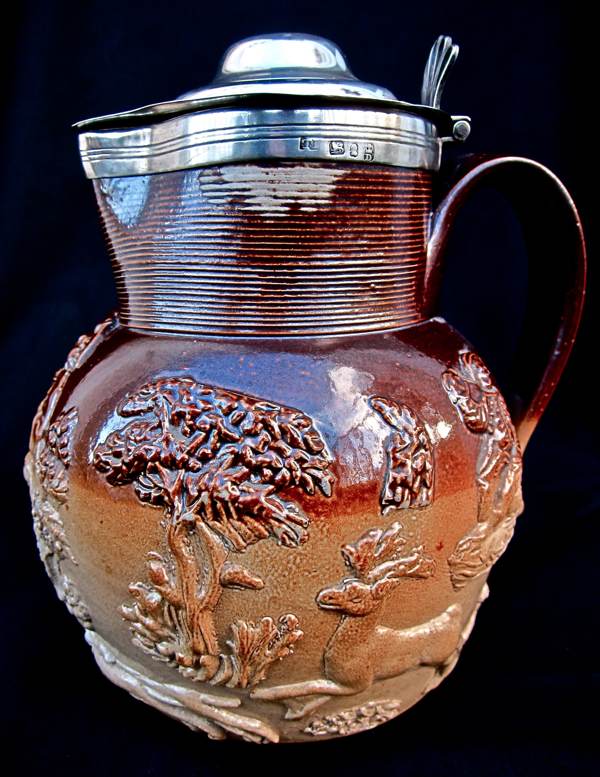
Mortlake Pottery jug 1812
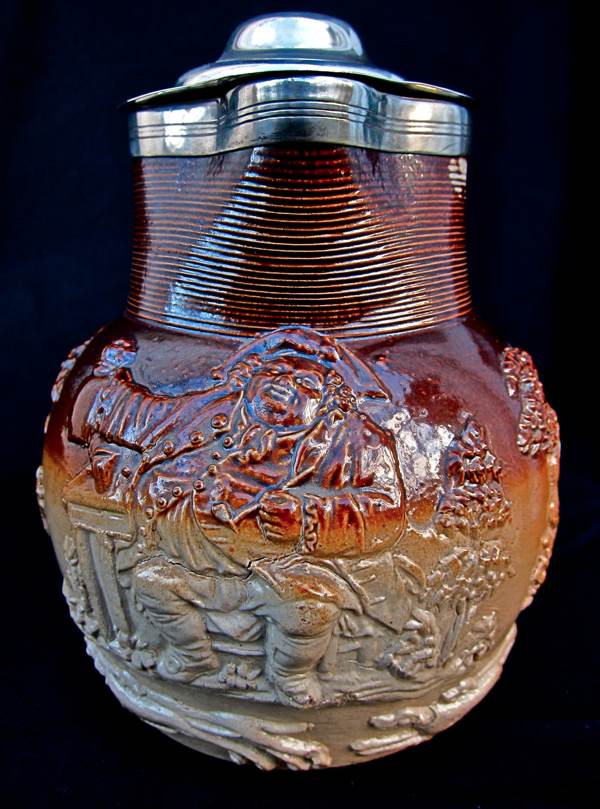
Figure of Toby Philpot on Mortlake jug
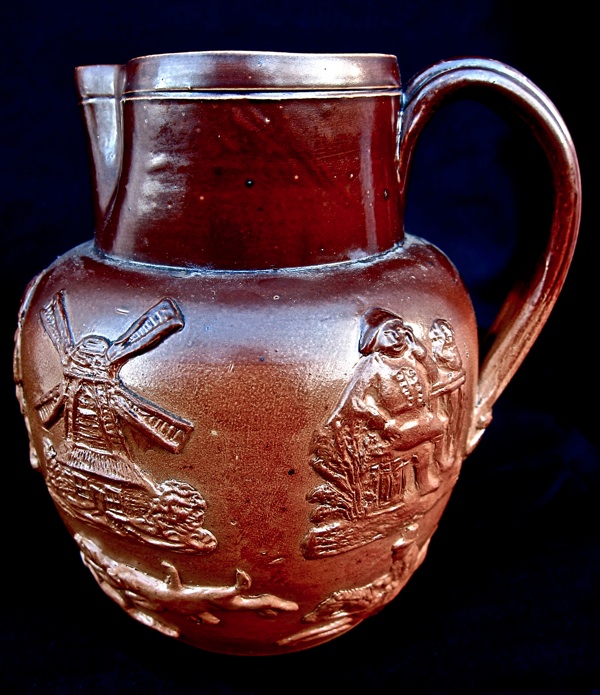
Deptford Pottery jug 1860

Stiff Pottery jug, with seller’s name in Limehouse 1860
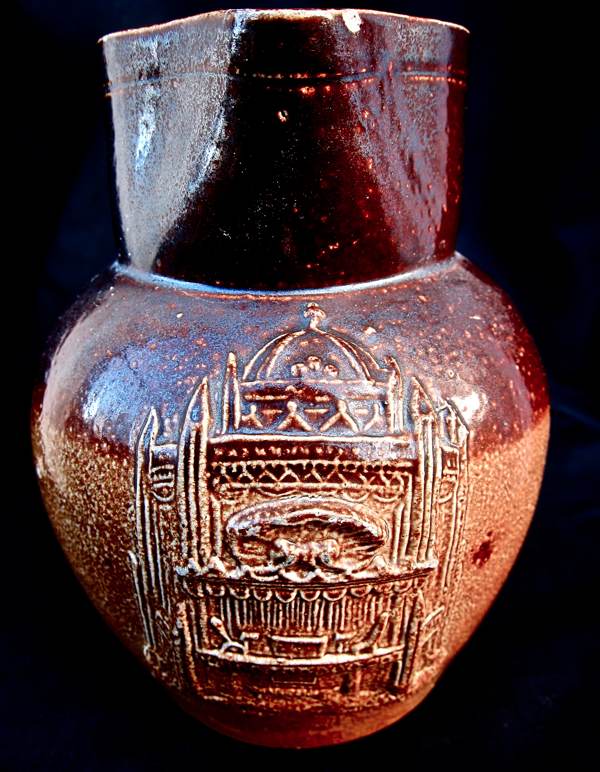
Vauxhall Pottery jug with image of the pavilion at Vauxhall Gardens and believed to have been used there in the eighteen-thirties
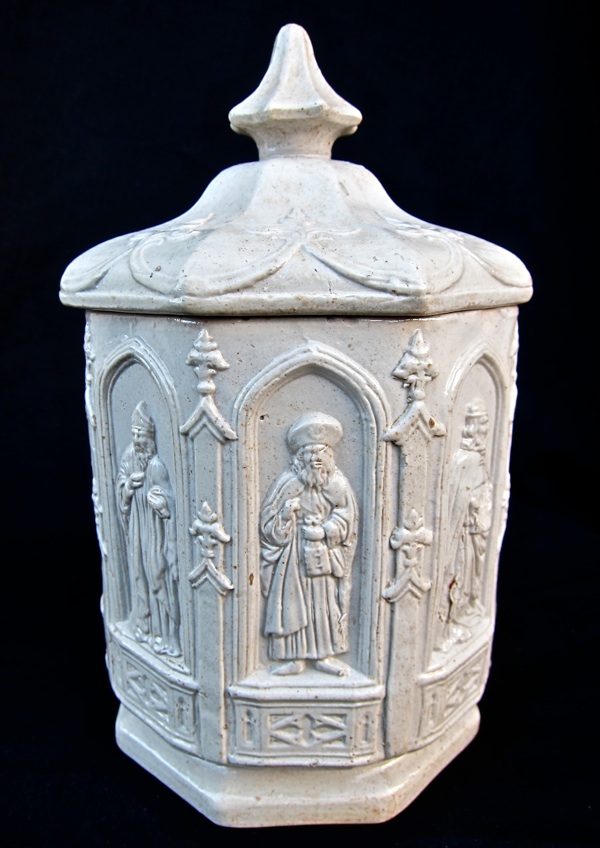
Tobacco jug by Doulton & Watts, eighteen-forties
You may also like to read my earlier article
Dragan Novaković’s Brick Lane
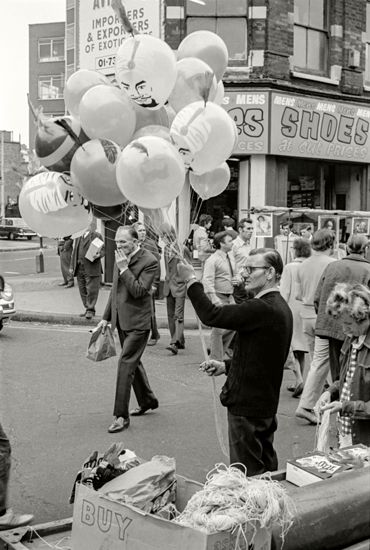
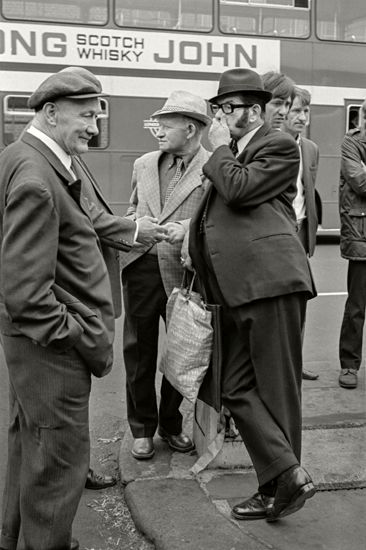
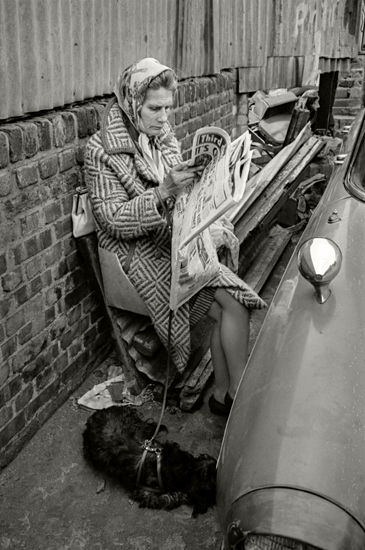
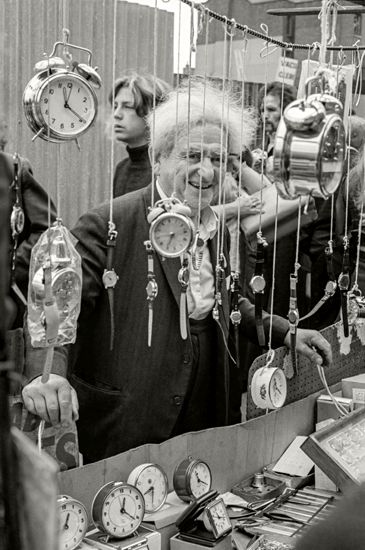
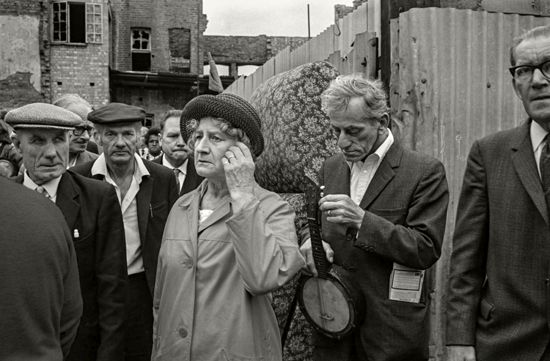
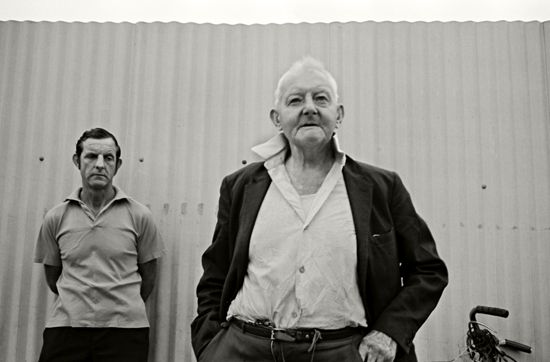
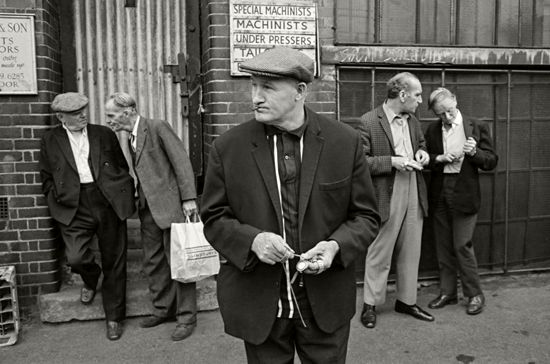
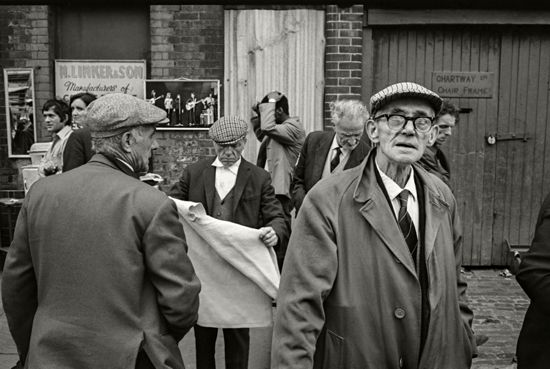
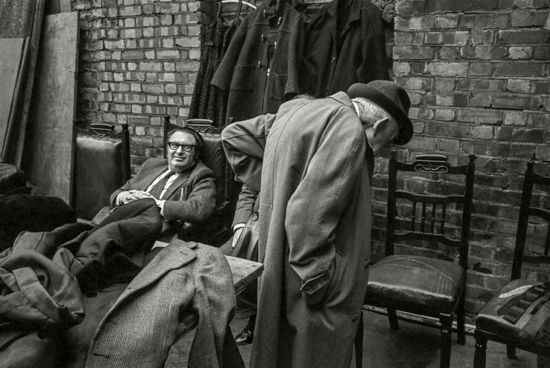
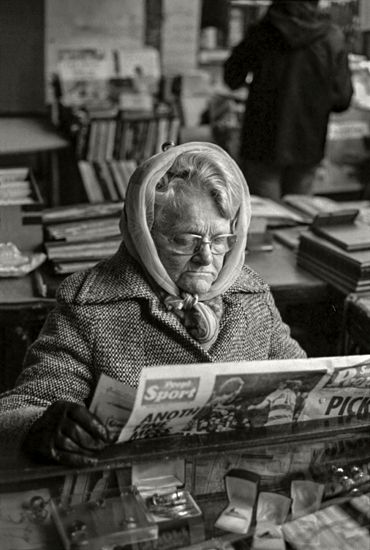
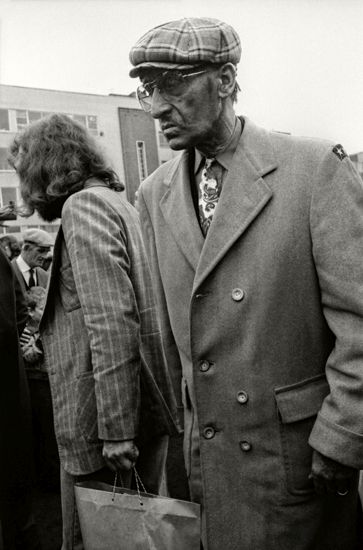
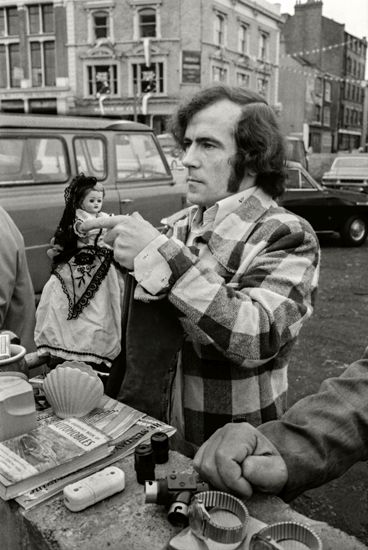
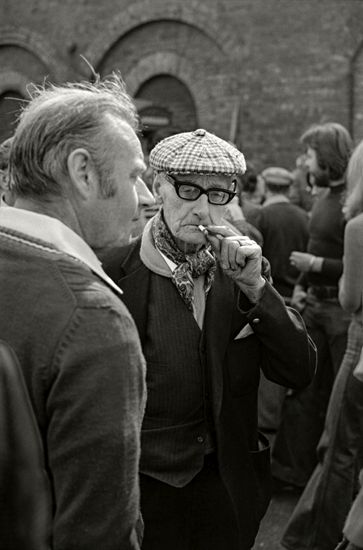
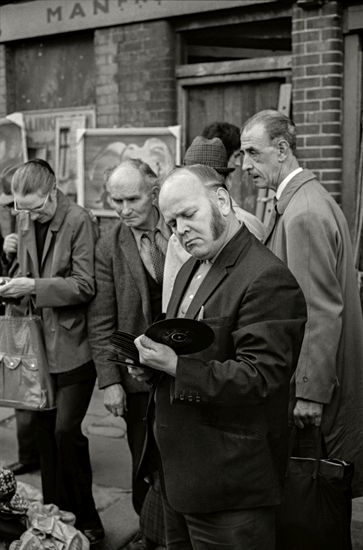
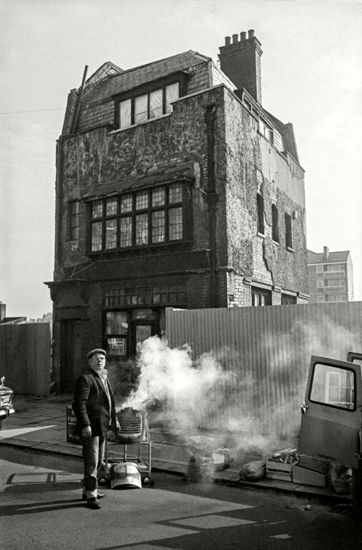
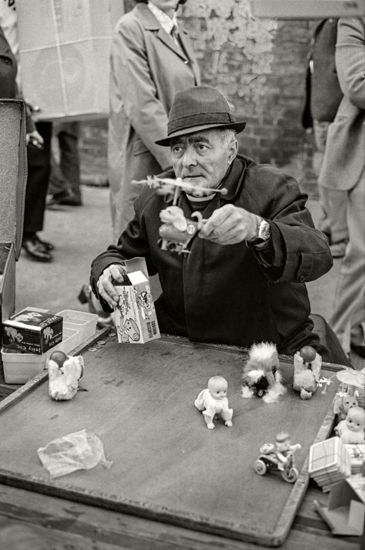
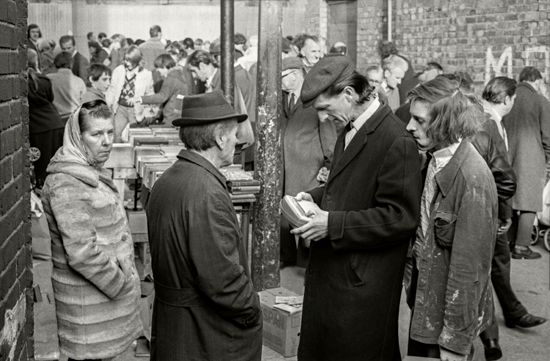
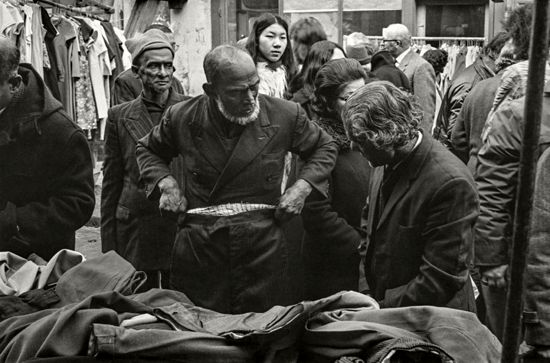
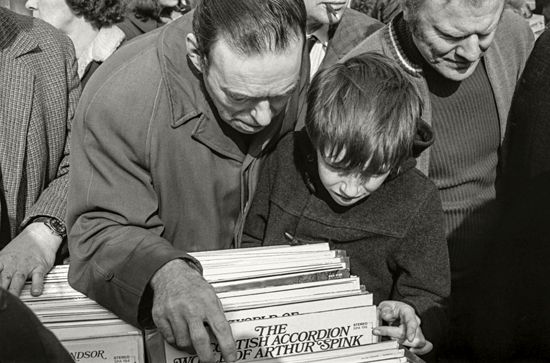
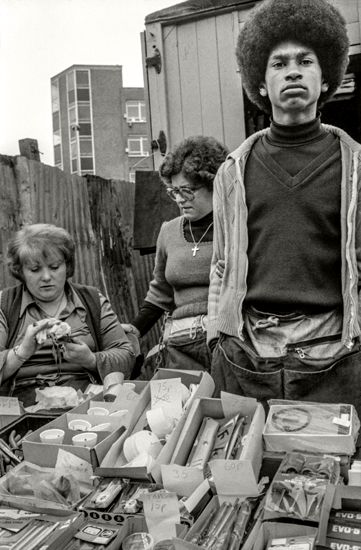
These Brick Lane photographs from the late seventies by Dragan Novaković are published for the first time here today. Dragan came to London from Belgrade in 1968 and returned home in 1977, working for the state news agency Tanjug and then Reuters before his retirement in 2011.
‘I printed very rarely and very little, and for the next forty-odd years had these photographs only as contact sheets.’ explains Dragan, ‘I saw them properly as ‘enlargements’ for the first time in 2012, after I had scanned the negatives and post-processed the files.’
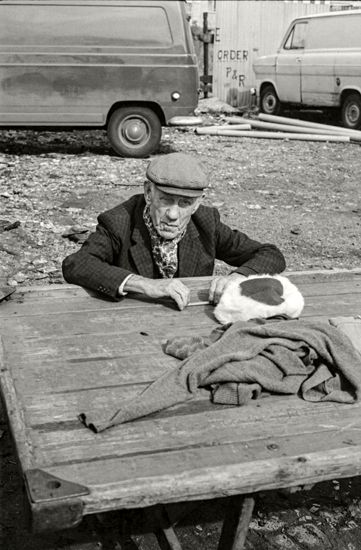
“I was introduced to London’s street markets by my friend and fellow countryman Mario who had a stall in Portobello Market specializing in post office clocks and bric-a-brac. I enjoyed sitting there with him amid the hustle and bustle, with people stopping by for a chat or to strike a bargain.
One early winter morning Mario picked me up in his old mini van and told me we were going to Bermondsey Market in search of clocks. It was still dark and foggy when we arrived and what met my eye made me gaze around in wonder – the scene looked to me as something out of Dickens!
The second time we went looking for clocks Mario took me to Brick Lane. Though there were plenty of open-air markets where I came from, I had seen nothing of the kind and size of Brick Lane and was fascinated by the crowds, the street musicians, the wares, the whole atmosphere. I sensed a strong community spirit and togetherness. I was hooked and I knew that I would have to come again in my spare time and take pictures.
Over the years I visited Brick Lane and other East End markets whenever I could spare the time and afford a few rolls of film. Living first in Earl’s Court and then behind Olympia, I would mount my old bicycle, bought in Brick Lane (of course!), and pedal hard across the West End in order to be there where life overflowed with activity.
I took what I consider snapshots without any plan or project in mind but simply because the challenge was too strong and I could not help it. I developed the films and made contact prints regularly but, never having a proper darkroom, made no enlargements to help me evaluate properly what I had done. Now I wish I had taken many more pictures at these locations.” – Dragan Novaković
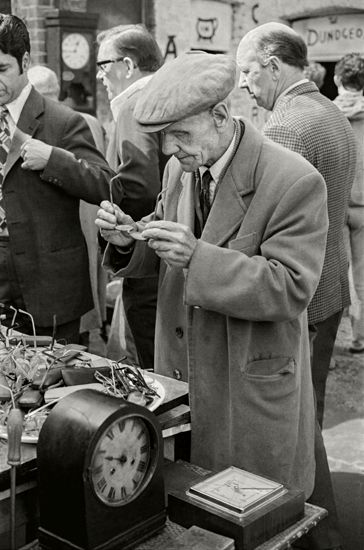
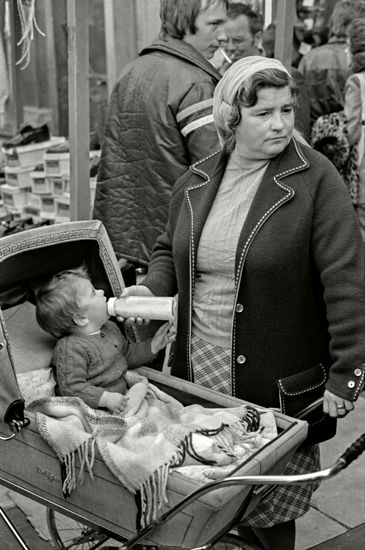
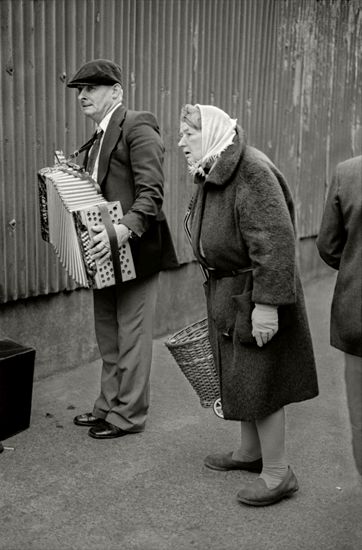
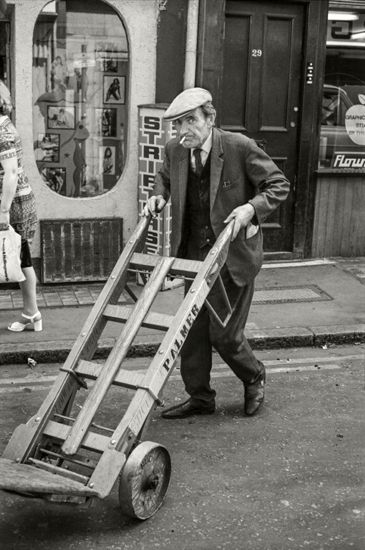
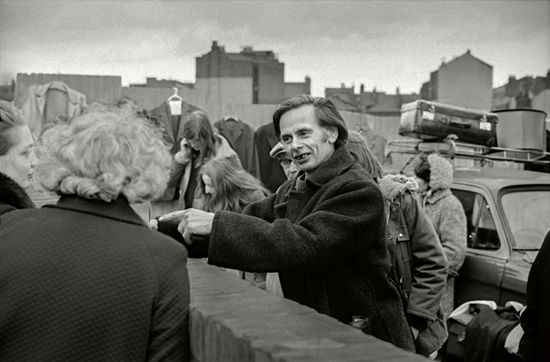
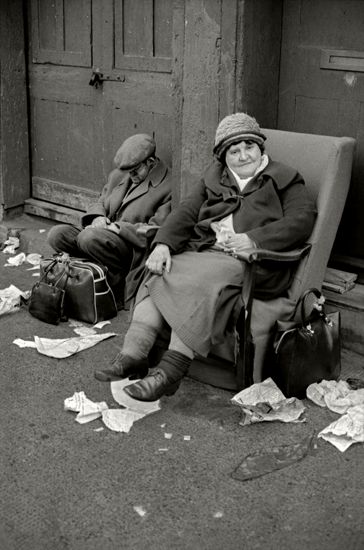
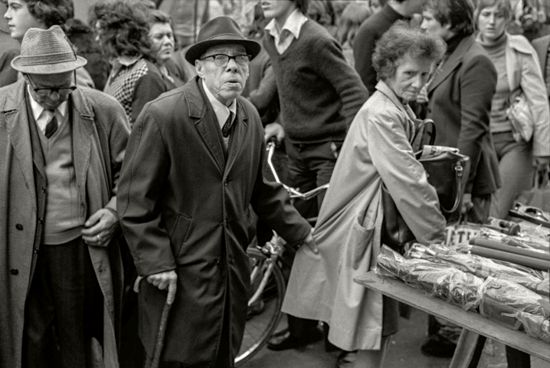
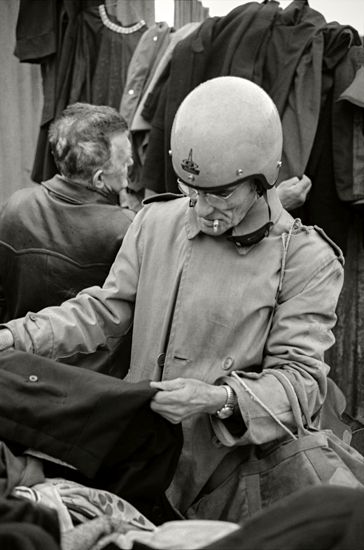
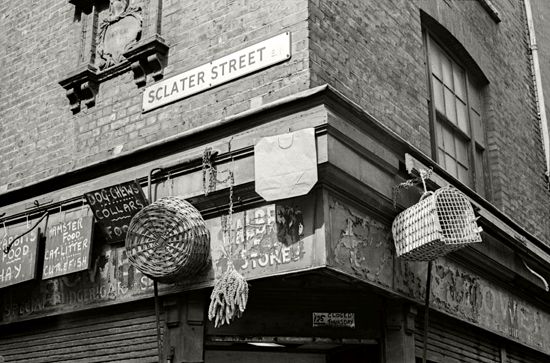
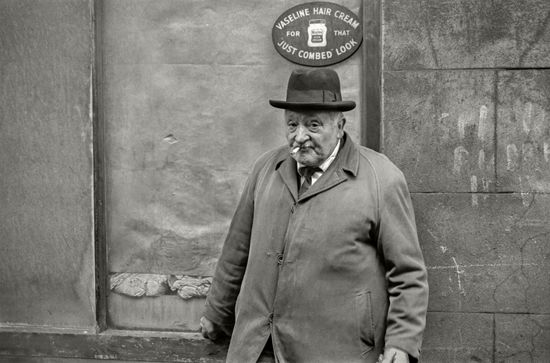
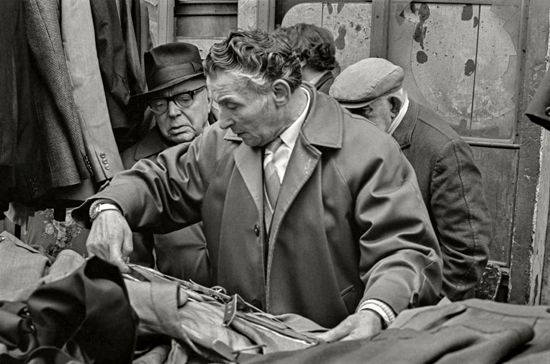
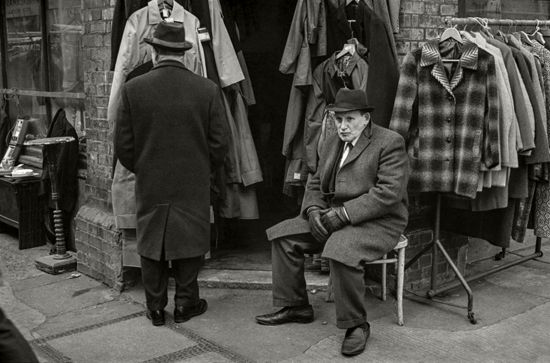
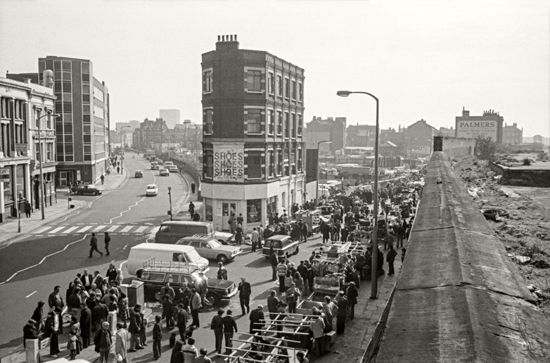
Photographs copyright © Dragan Novaković
You also might like to take a look at