
Majer Bogdanski, Tailor, Bundist, Yiddishist, Composer & Singer
In the first of an occasional series, Photographer Sam Tanner introduces his portraits of Majer Bogdanski from his archive recording the Jewish community at the end of the last century

Majer Bogdanski
“These pictures were taken as part of my photography of the Jewish community in the East End between 1998 – 1999. When you carry out a long-term documentary project you always meet people with interesting stories and there are usually one or two who stand out. Majer Bogdanski was the most complex and vivid person I met. I photographed him at the Jewish Care Day Centre, The Friends of Yiddish at Toynbee Hall, his home and in the synagogue.
Born in 1912 in Pyotrkow-Tybunalski, Majer was a tailor in pre-war Poland and he confessed to me he was very poor. In the Polish army from 1939, he was captured by the Russians and sent to the Gulags. Majer described being unloaded from a train in the middle of Siberia, north of Archangel. It was a frozen waste, where there were no buildings, but they managed to build a fire and, although he reported all of the group he was with survived Stalin’s slave labour camps, many did not. They simply froze to death.
Majer told me he usually went without food at least one day a week in pre-war Poland. Consequently, privation had made him tougher than many of the others and he was also able to use his skills as a tailor to obtain more food. When Russia was attacked by the Nazis, he was sent to fight with the Allies along with the other Polish prisoners, joining the British Army in Italy. Only later did Majer learn that his wife Esther and most of his family were killed in the Holocaust.
In 1946, after the war, Majer settled in the East End where he worked as a tailor and learnt to play the violin. However, his love, passion and driving force was his love of Yiddish, which he sang. I remember, when my exhibition opened at the Jewish Museum, Majer asked if he could sing a Yiddish song and it turned out to be a memorable event.
He did everything he could to encourage and inspire others to learn speak and sing Yiddish. It seemed to me that his attempt to rescue a language all but murdered by the Nazis was Majer’s life work.”
– Sam Tanner


Majer Bogdanski (1912-2005)
Photographs copyright © Sam Tanner
You may also like to take a look at
Vinegar Valentines For Tradesmen
This selection from the Mike Henbrey collection of mocking Valentines at Bishopsgate Institute illustrates the range of tradespeople singled out for hate mail in the Victorian era. Nowadays we despise, Traffic Wardens, Estate Agents, Bankers, Cowboy Builders and Dodgy Plumbers but in the nineteenth century, judging from this collection, Bricklayers, Piemen, Postmen, Drunken Policemen and Cobblers were singled out for vitriol.
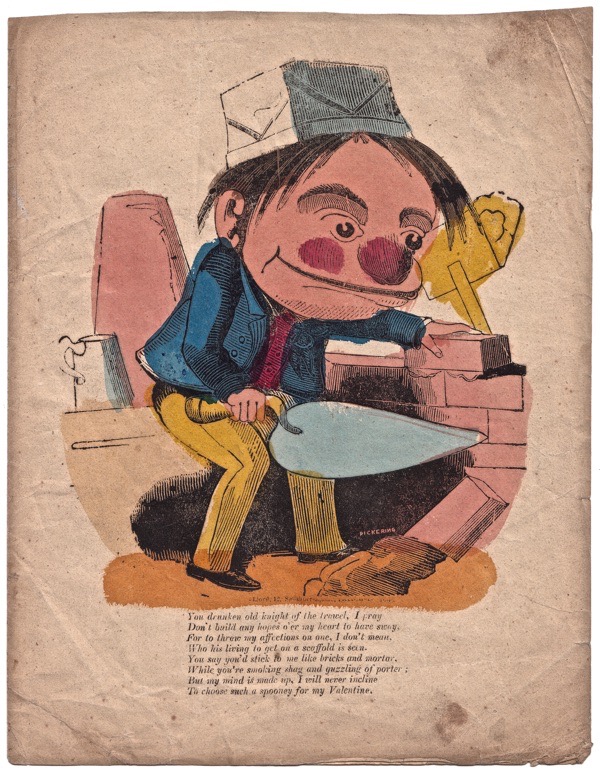
Bricklayer

Wood Carver
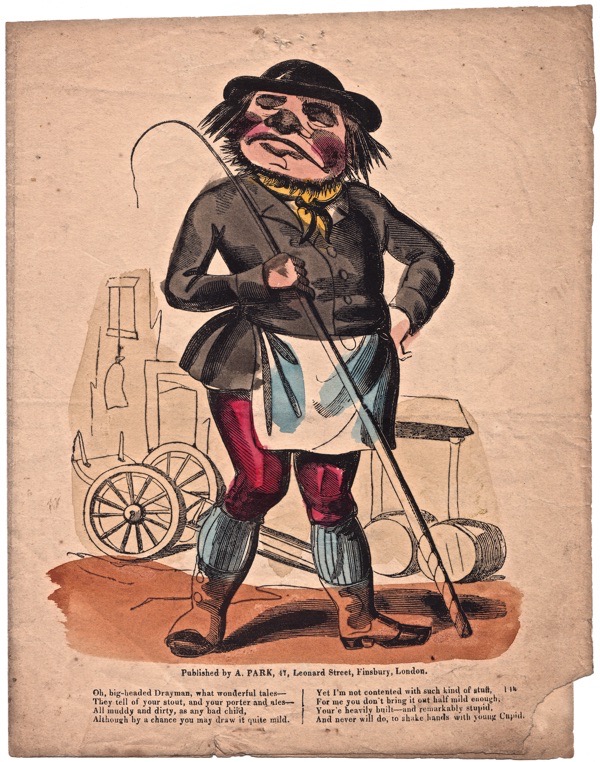
Drayman
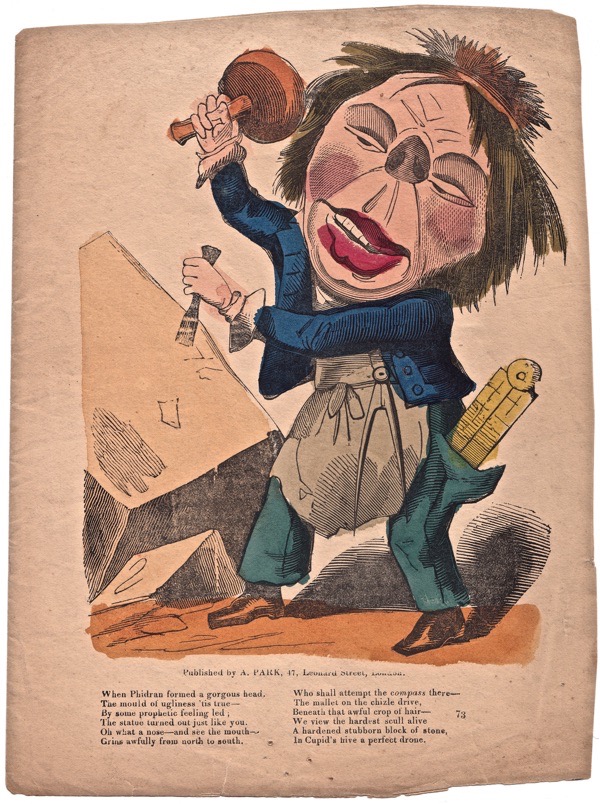
Mason
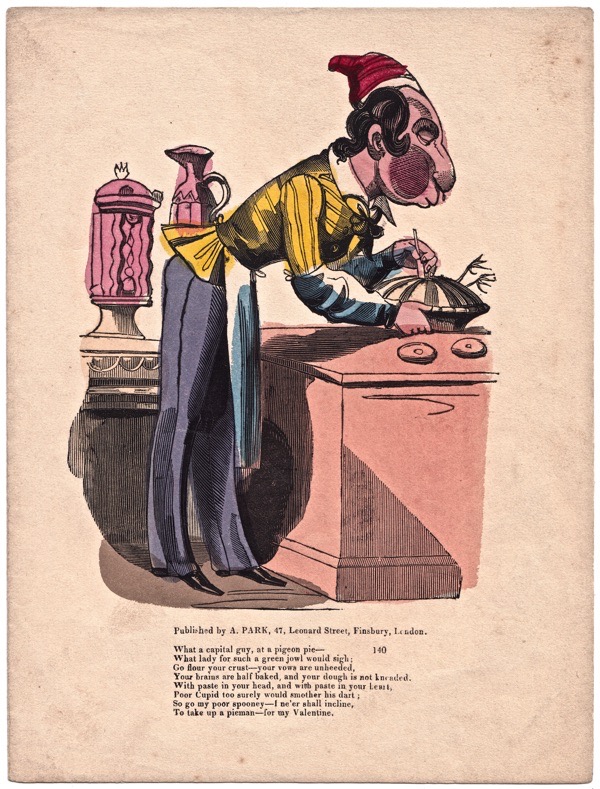
Pieman
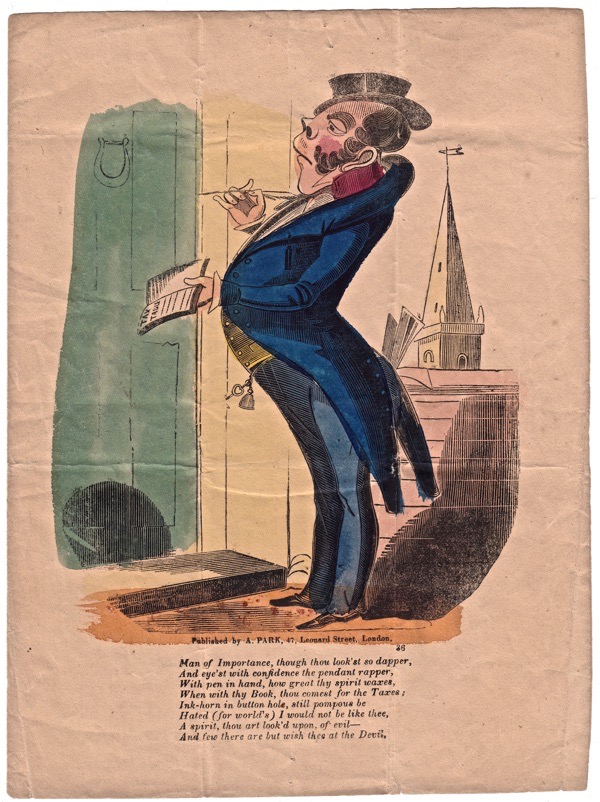
Tax Collector
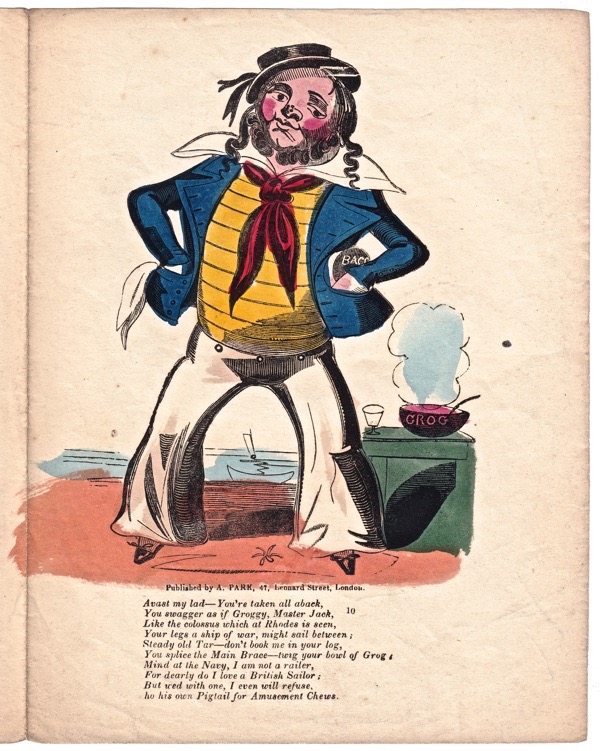
Sailor
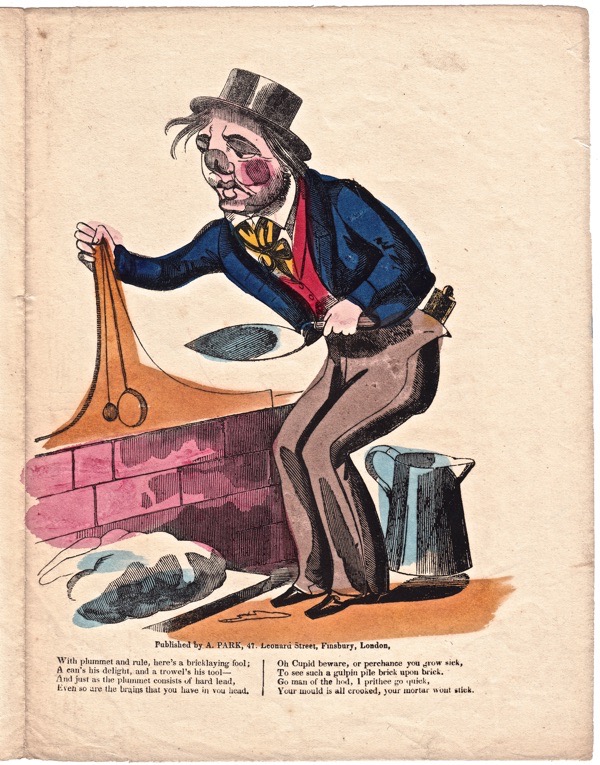
Bricklayer
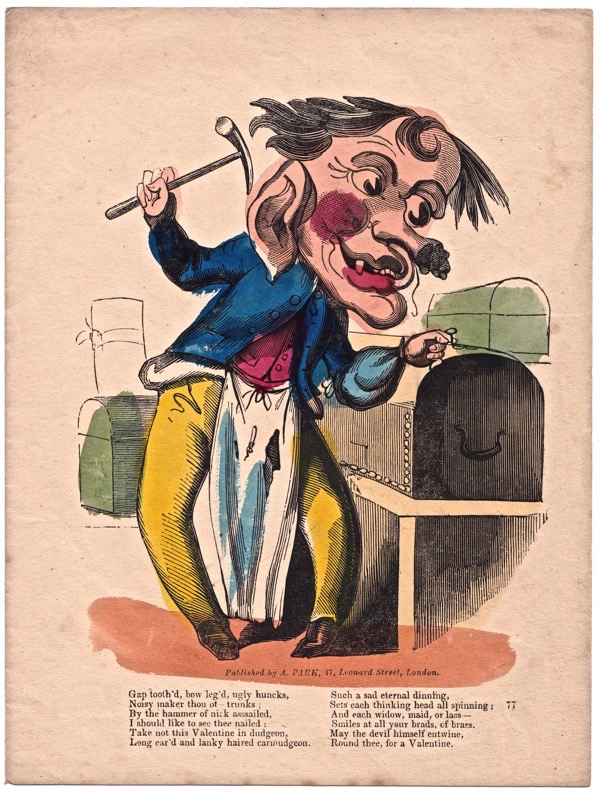
Trunk Maker
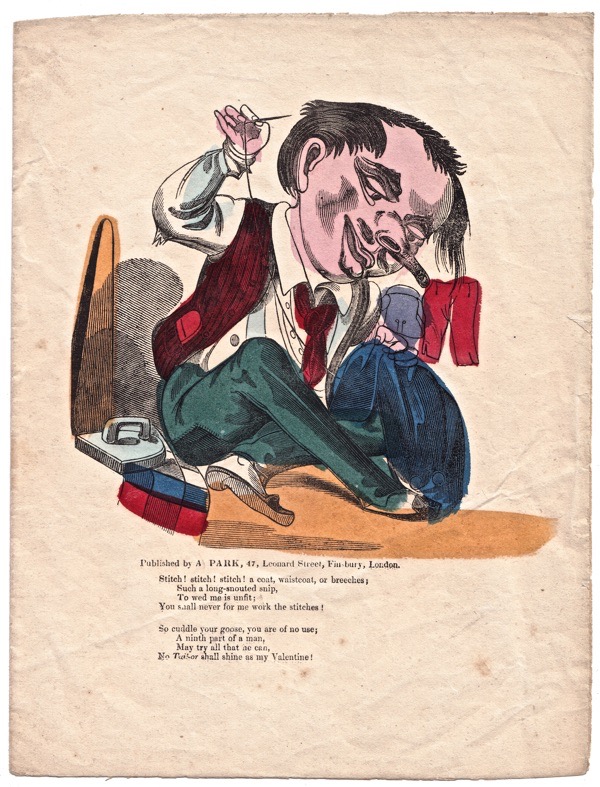
Tailor
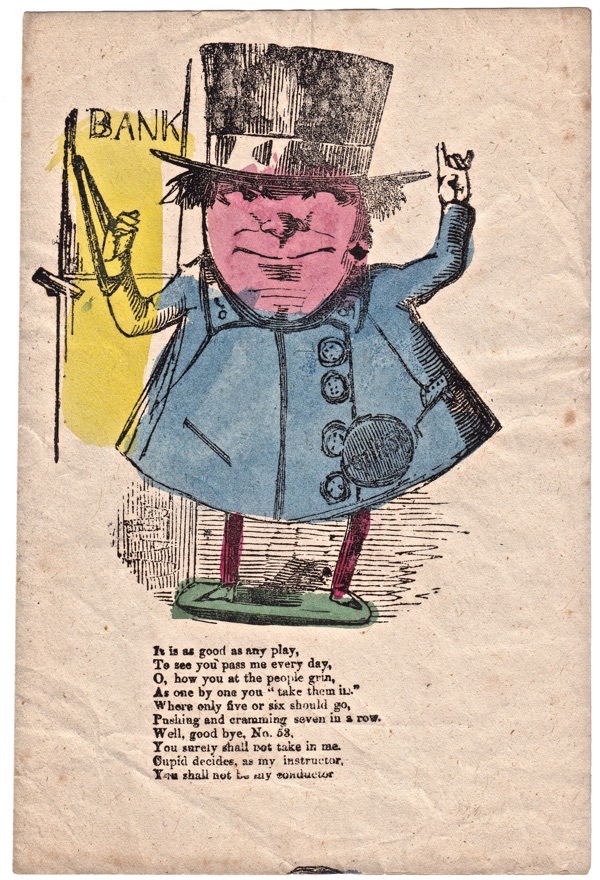
Omnibus Conductor
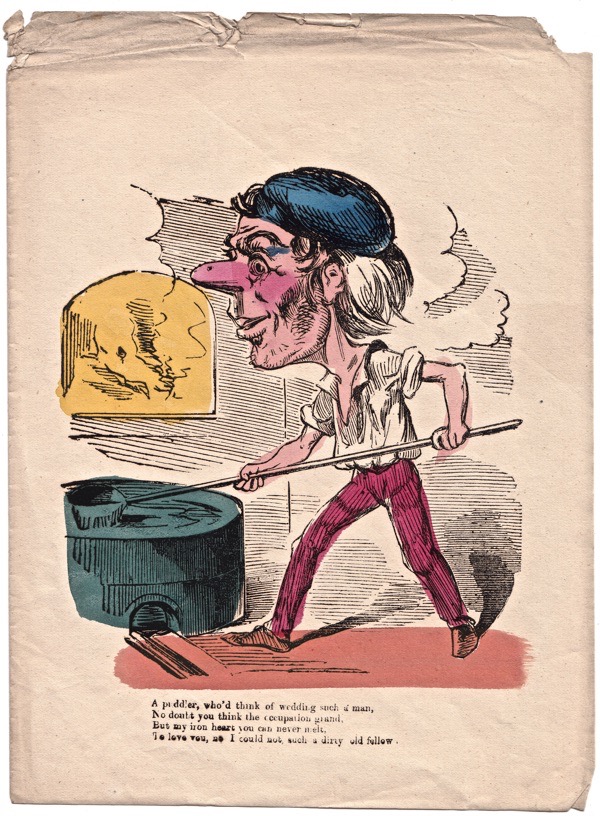
Puddler
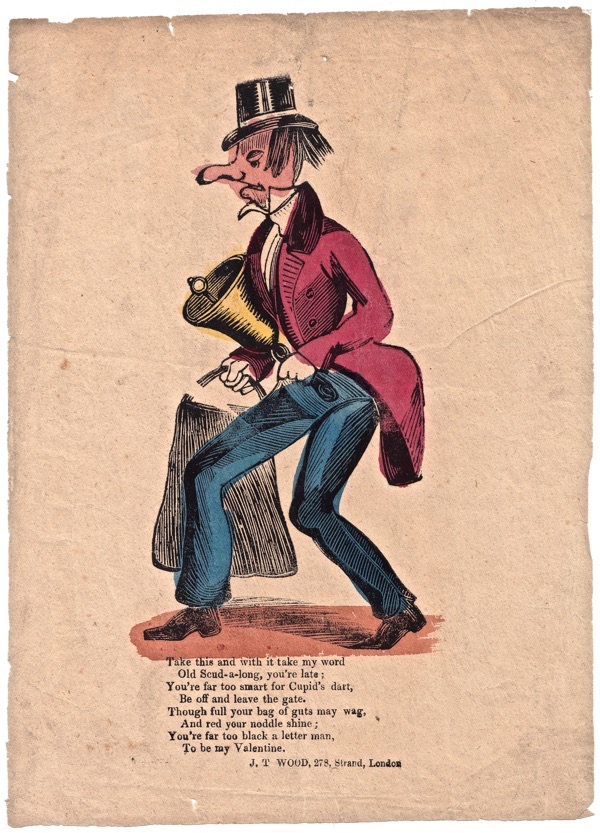
Postman
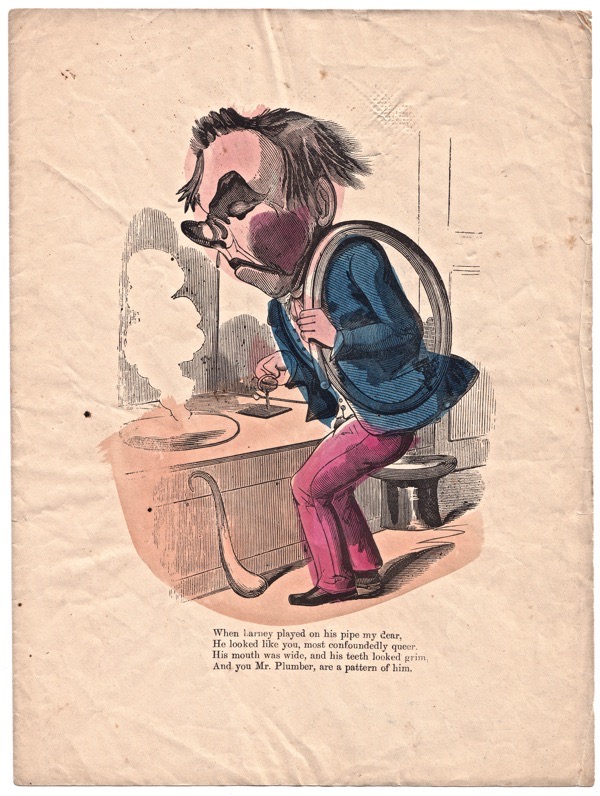
Plumber
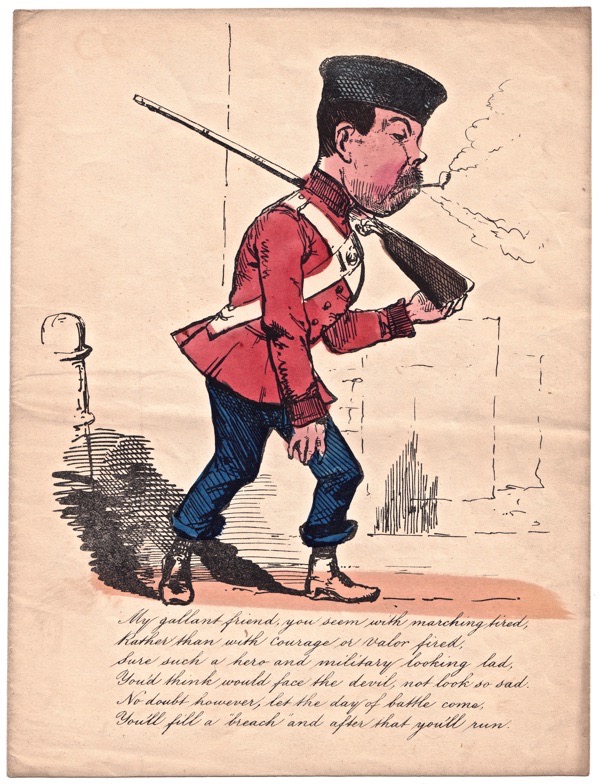
Soldier
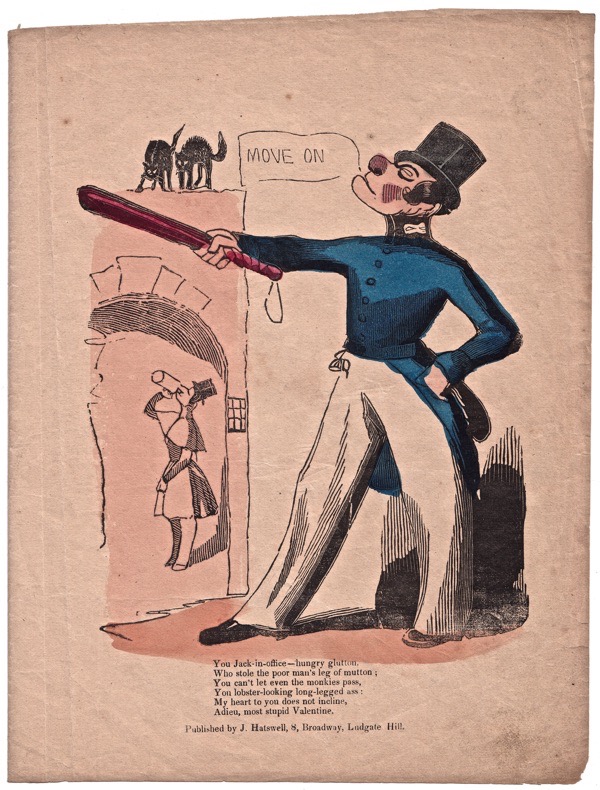
Policeman
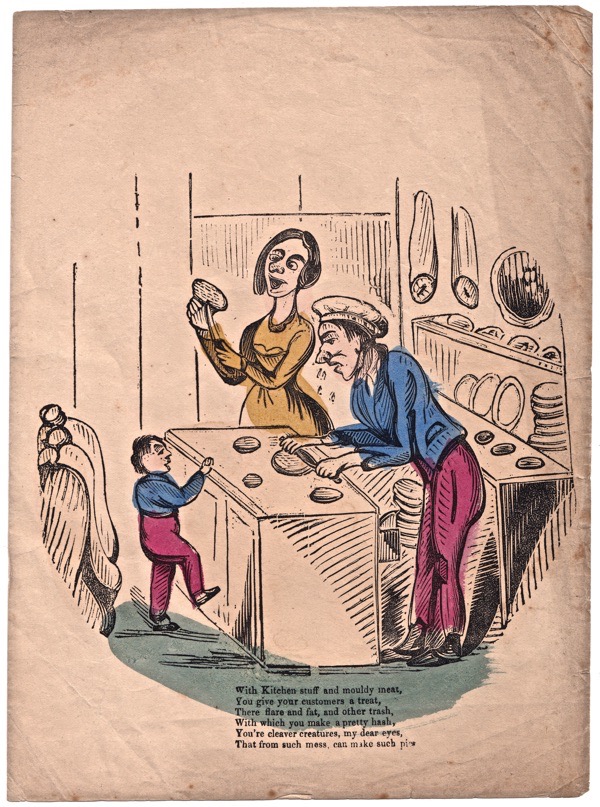
Pieman
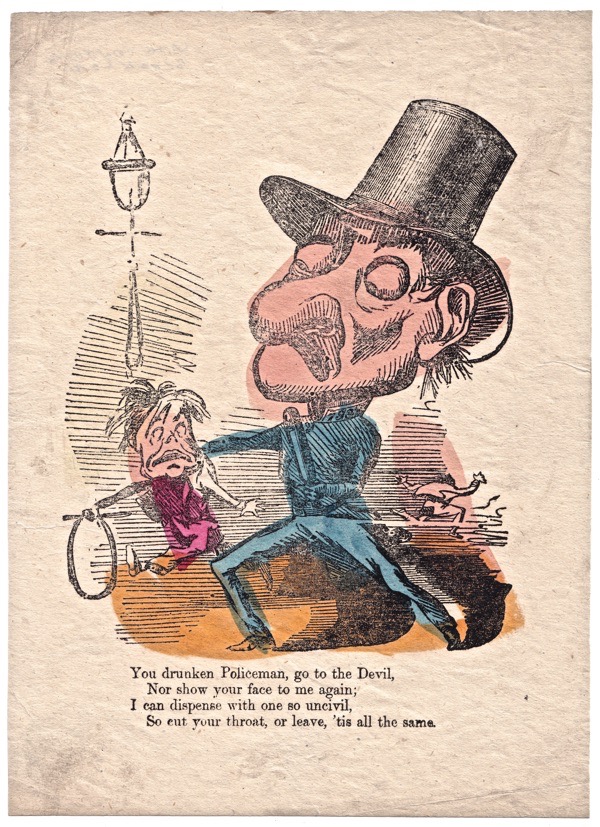
Policeman
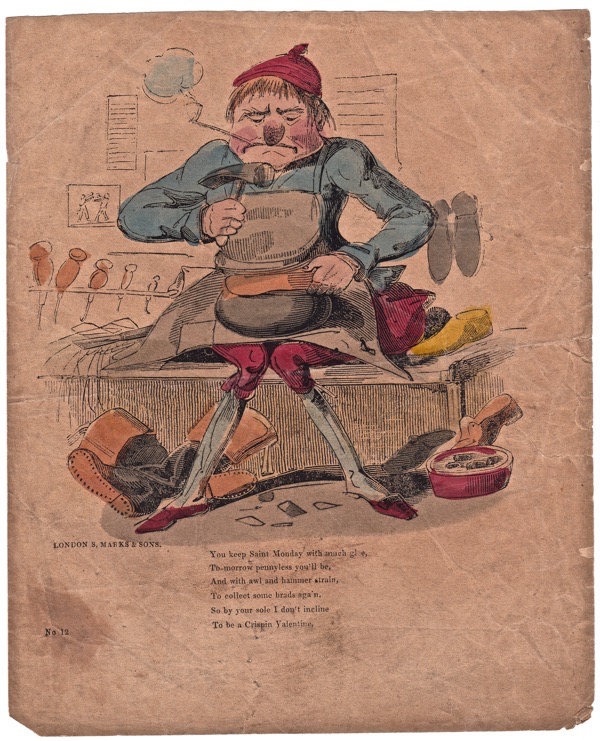
Cobbler
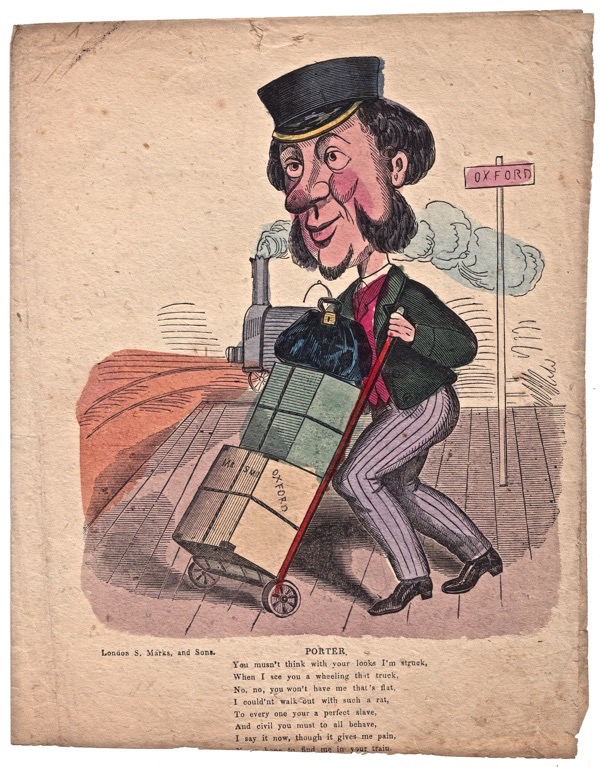
Railway Porter
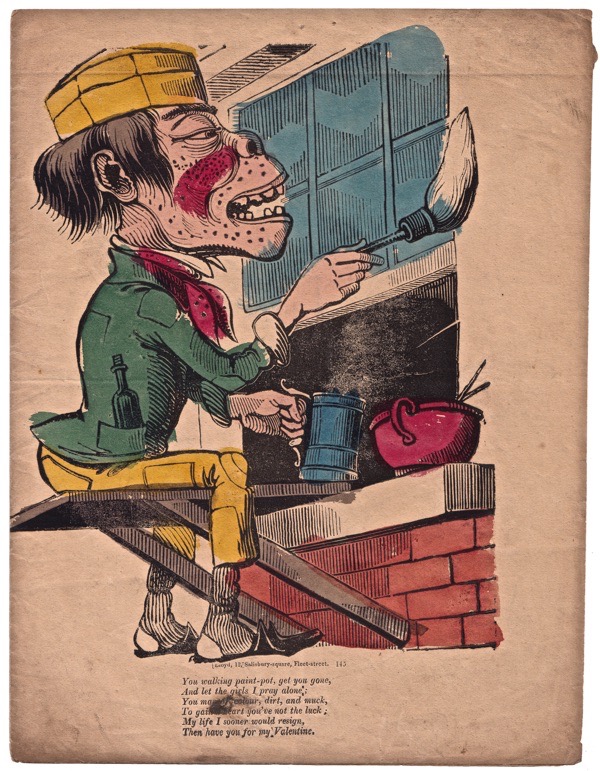
House Painter
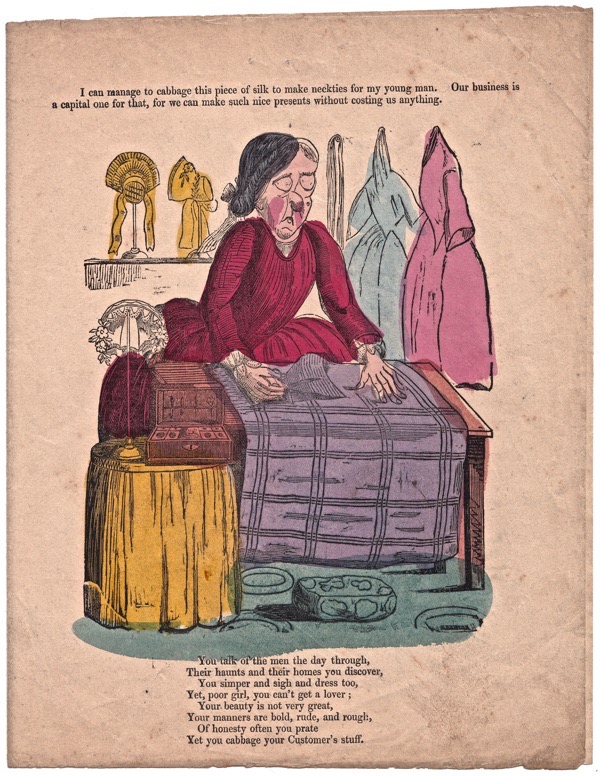
Haberdasher
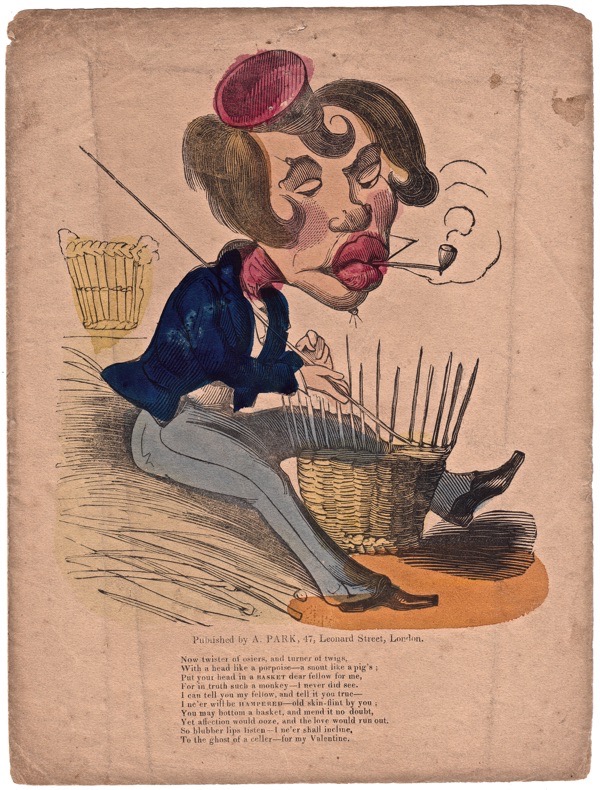
Basket Maker
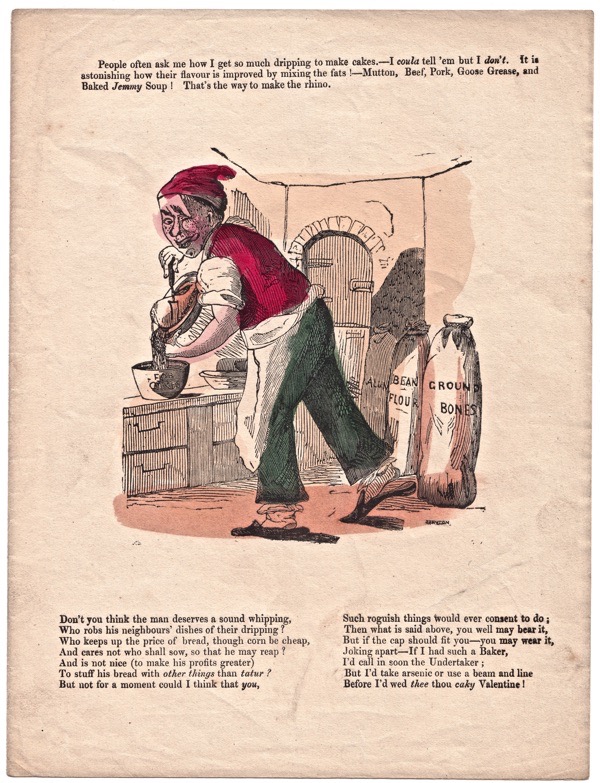
Baker
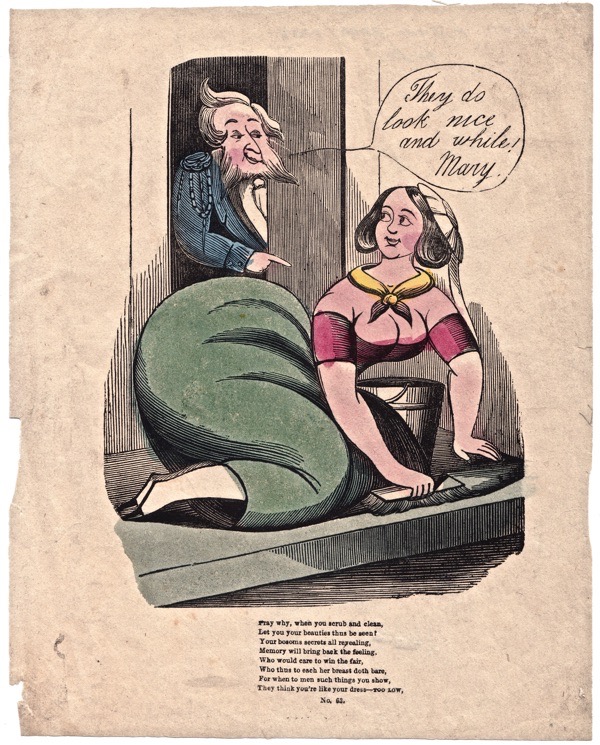
Housemaid

Guardsman
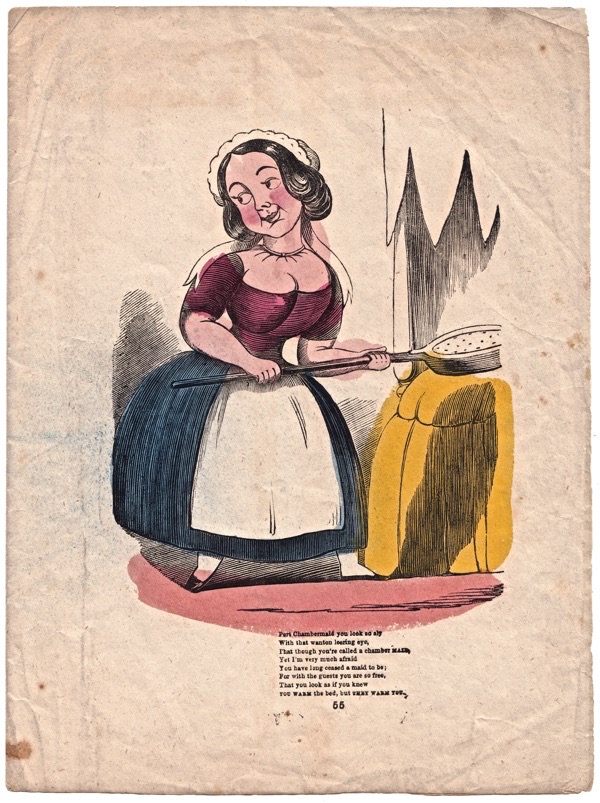
Chambermaid
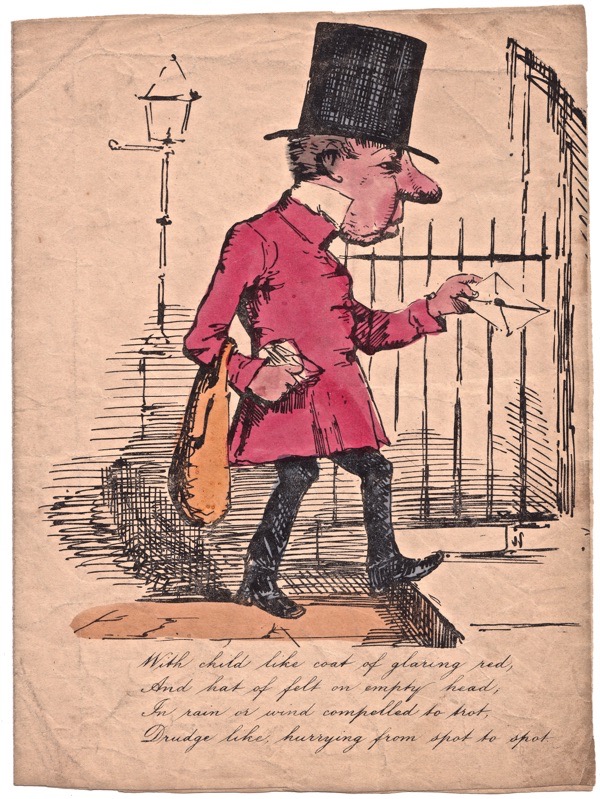
Postman
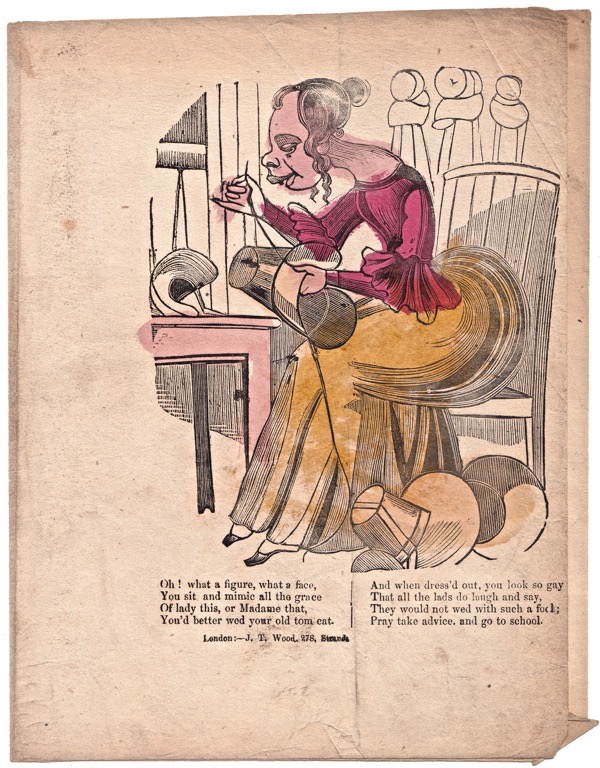
Milliner
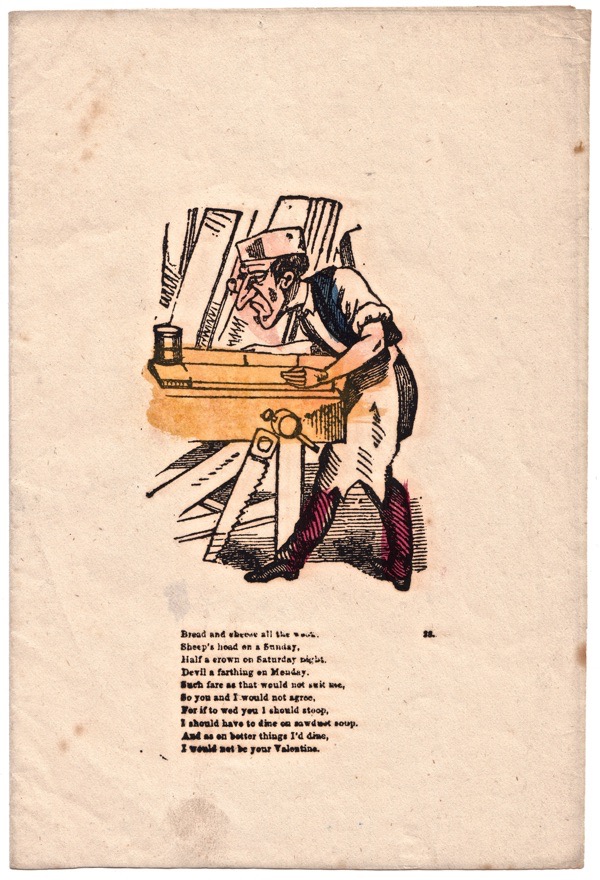
Carpenter
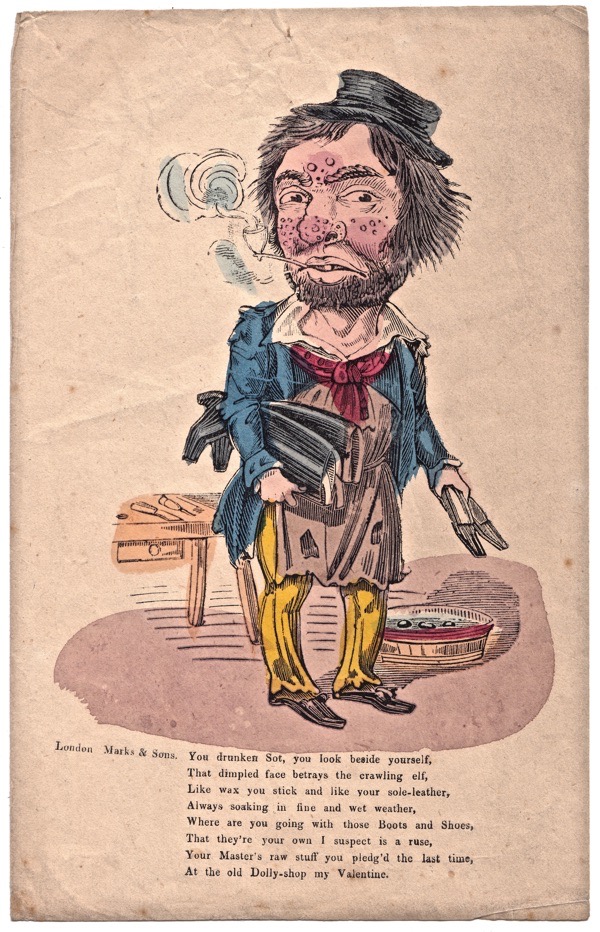
Cobbler
Images courtesy The Mike Henbrey Collection at Bishopsgate Institute
You may also like to take a look at
At The Royal Horticultural Society
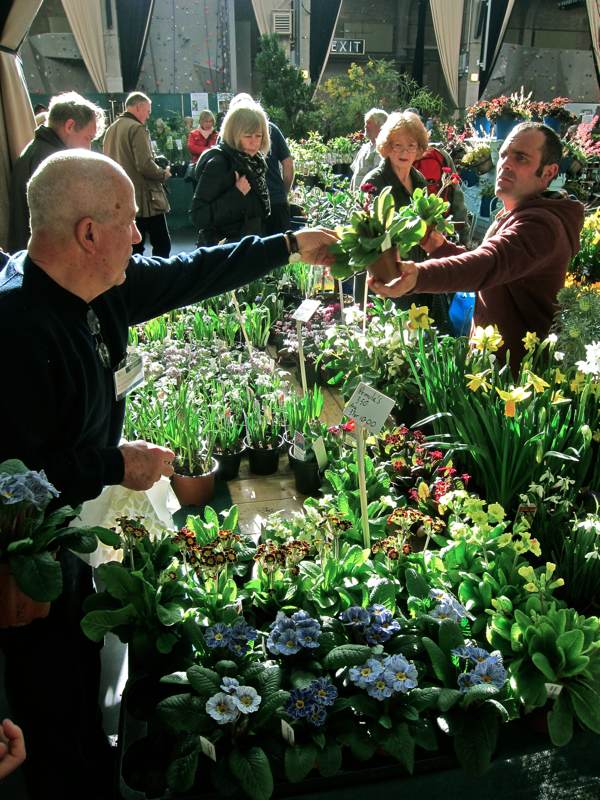
If you crave the arrival of spring, I recommend a visit to one of my favourite events of the year, the Royal Horticultural Society Early Spring Plant Fair which runs until Wednesday

There may yet be another month before spring begins, but inside the Royal Horticutural Hall in Victoria it arrives with a vengeance today. The occasion is the Royal Horticultural Society Early Spring Plant Fair held each year at this time, which gives specialist nurseries the opportunity to display a prime selection of their spring-flowering varieties and introduce new hybrids to the gardening world.
No experience in London can compare with the excitement of joining the excited throng at opening time on the first day, entering the great hall where shafts of dazzling sunshine descend to illuminate the woodland displays placed strategically upon the north side to catch the light. Each one a miracle of horticultural perfection, as if sections of a garden have been transported from heaven to earth. Immaculate plant specimens jostle side by side in landscapes unsullied by any weed, every one in full bloom and arranged in an aesthetic approximation of nature, complete with a picturesque twisted old gate, a slate path and dead beech leaves arranged for pleasing effect.
Awestruck by rare snowdrops and exotic coloured primroses, passionate gardeners stand in wonder at the bounty and perfection of this temporary arcadia, and I am one of them. Let me confess, I am more of a winter gardener than of any other season because it touches my heart to witness those flowers that bloom in spite of the icy blast. I treasure these harbingers of the spring that dare to show their faces in the depths of winter and so I find myself among kindred spirits at the Royal Horticultural Hall each year.
Yet these flowers are not merely for display, each of the growers also has a stall where plants could be bought. Clearly an overwhelming emotional occasion for some, “It’s like being let loose in a sweet shop,” I overheard one horticulturalist exclaim as they struggled to retain self-control, “but I’m not gong to buy anything until I have seen everything.” Before long, crowds gather at each stall, inducing first-day-of-the-sales-like excitement as aficionados pored over the new varieties, deliberating which to choose and how many to carry off. It would be too easy to get seduced by the singular merits of that striped blue primula without addressing the question of how it might harmonise with the yellow primroses at home.
For the nurserymen and women who nurtured these prized specimens in glasshouses and poly-tunnels through the long dark winter months, this is their moment of consummation. Double-gold-medal-winner Catherine Sanderson of ‘Cath’s Garden Plants’ was ecstatic – “The mild winter has meant this is the first year we have had all the colours of primulas on sale,” she assured me as I took her portrait with her proud rainbow display of perfect specimens.
As a child, I was fascinated by the Christmas Roses that flowered in my grandmother’s garden in this season and, as a consequence, Hellebores have remained a life-long favourite of mine. So I always carry off exotic additions to a growing collection which thrive in the shady conditions of my Spitalfields garden – most recently, Harvington Double White Speckled and Harvington Double White.
Unlike the English seasons, this annual event is a reliable fixture in the calendar and you can guarantee I shall be back at the Royal Horticultural Hall next year, secure in my expectation of a glorious excess of uplifting spring flowers irrespective of the weather.


Double-gold-medal-winner Catherine Sanderson of ‘Cath’s Garden Plants’




You may also like to read about
At Captain Cook’s House In Mile End Rd
Contributing Writer Gillian Tindall tells the story of Captain Cook’s house in Whitechapel, sacrificed for a car park in 1958, and makes a plea for its reconstruction as part of the history of the place
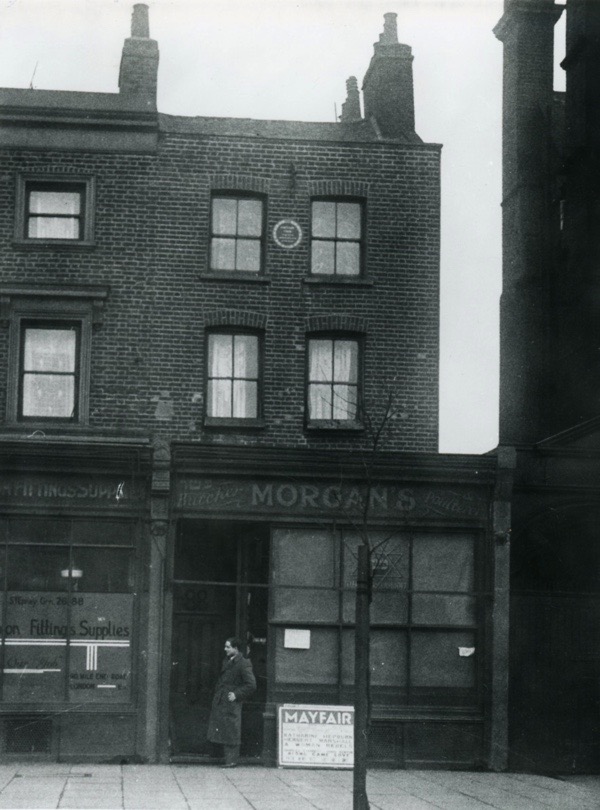
Captain Cook’s house, c.1936
Long before the East End acquired its reputation as London’s working-class quarter, it had a different character. Walk along the Mile End Rd today from Whitechapel and, even after so much has been demolished in the interests of supposed urban regeneration, you will spot surviving signs of grandeur. Trinity Green, the last remaining set of almshouses, is still intact, as are a few eighteenth century private houses further east, two with central porches and elaborate iron-work. There was once a particularly large and splendid one of the same kind on the south side of the road too, built by the rich widow of an East India Company director, but of that no trace remains.
By the second half of the eighteenth century the area was becoming built up, with the City of London spreading out – just as it does today – and the London Hospital already established, yet it was still a ‘nice’ area for comfortably-off people. It was also particularly convenient for those whose interests lay in ships, with the Thames wharfs not far off. A property developer with the evocative name of Ebenezer Mussell acquired a strip of land in the seventeen-sixties between Mile End Green, which already had some substantial houses along it, and Mutton Lane, which much later would become Jubilee St. He called his new terrace on the main road, Assembly Row, yet he took his time building it, using several different builders, so the houses were not all to the same design. In the usual way of the times, it was the builders who sold them off on long-term leases.
In 1764 a sixty-one year lease on the eight-roomed end house, near the one owned by the East India Company widow, was bought by a thirty-six year old called James Cook. He was a Yorkshire boy by birth, son of an agricultural labourer who had risen to become a farm foreman. The farmer’s wife taught the boy his letters and, realising how bright he was, arranged for him to go to a charity school. Later, when he was apprenticed to a shopkeeper, his master noticed the same thing and got him a place with a Quaker shipmaster in Whitby. After that, after a spell as an ordinary seaman and experience in a brief war with France, Cook’s career as a determined and visionary navigator began to unroll without a backward glance. He became well known to the Admiralty and members of the Royal Society.
He had been living in then-rural Shadwell, with his young wife Elizabeth and their first child, a son who had been born while he was away on a long, exploratory voyage round Newfoundland. But now he had acquired the grander Assembly Row house. Four years and three more children later he was preparing for the first of his great scientific journeys to the Pacific, accompanied by botanists and an astronomer. He insured the house for £250, his household goods for another £200, and the family’s clothing and silver for additional amounts. Given that in those times £50 a year was a sufficient family income for a modestly respectable lifestyle, with a servant, these sums suggest considerable comfort.
The British Empire did not exist then and the East India Company was – to quote a remark of the time – ‘a ramshackle company trading in tea and opium.’ Pursuing a cloud on the horizon further off than little-known Australia – as Cook did – was an act of curiosity. He did not expect to discover New Zealand. The Maoris he met there living on the shores of the North Island were themselves immigrants who had arrived only two or three hundred years before. After initial problems, Cook and they made friends.
The voyage Cook set out on in 1768 did not bring him back to his house in the Mile End Rd for three years. Then he was off again from 1772 to 1775, and again from 1776 to 1780. This last was the journey that carried him to an inglorious death off Hawaii, where he had – untypically – antagonised the local people. Elizabeth did not get news of his death until the following year. She inherited the house and its contents, and received a pension of £200 a year for life from the king. She was thirty-eight and had given birth to six children, three of whom had already perished. Her eldest boy, who was by then a teenage midshipman, was drowned in the same year his father died ended on the other side of the world. Both her other sons who survived birth also died young, one in a violent robbery and the other of a fever. Her only daughter also died. Deeply distressed by these repeated blows of fate, nevertheless she lived on to the age of ninety-three, apparently sustained by her Methodist belief. By then, Elizabeth had long since moved away from the Mile End Rd, which had become urban.
Later in the nineteenth century, when the grand inhabitants were forgotten, Cook’s house, along with the neighbouring ones, had a shop built out in front. In the early twentieth century, this became a women’s clothes shop – ‘Corsets made to measure a speciality’ – and later a kosher butcher. A London County Council blue plaque commemorating the fact that Captain Cook once lived there was put on the house in 1907, yet that did not protect it from demolition in 1958.
It was at the height of post-war architectural and historical destruction, when the Greater London Plan to demolish two-thirds of the Borough of Stepney was being implemented by planners possessing more simplistic political vision than any human feeling or common sense.
Egged on by ambitious architects and by well-intentioned ‘reformers,’ such as Father Joe Williamson of Whitechapel who seemed to think that Poverty & Sin could be wiped out by destroying the streets where it was currently in evidence, the local authority took high-handed decisions. None of the houses in the rest of the terrace were pulled down – they are still there now. The pretext for destroying Cook’s house appears to have been the supposed need to widen a narrow lane alongside it. In practice, the lane never got widened, its ancient cobbles remain to this day, leading merely to a puddled parking lot and the Seraphim & Cherubim Church. The pointless brick wall that has replaced the house was given a commemorative plaque in 1970, when the enlarged local authority of Tower Hamlets had acquired some notion of respect for the past – yet not sufficient to rebuild the house as it had been or to construct anything worthwhile in the empty space.
I will happily join forces with anyone who feels like campaigning for Cook’s house to be rebuilt. It will not matter if the interior is different from the original. What matters to me is to see the exterior reconstructed as it was, with the right twelve-paned windows, and the mutilated terrace restored. The inside could become ‘affordable’ flats or, even better, social housing. Why not?
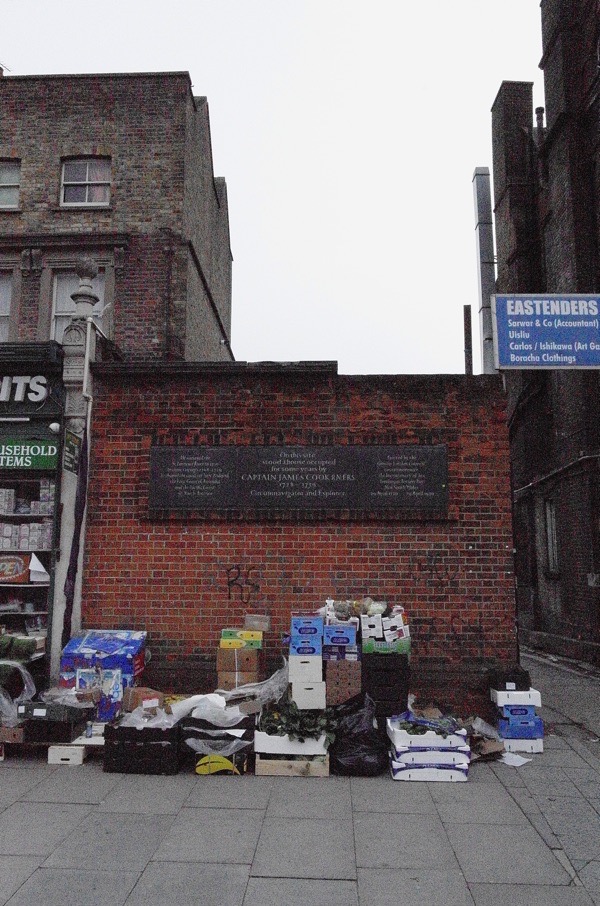
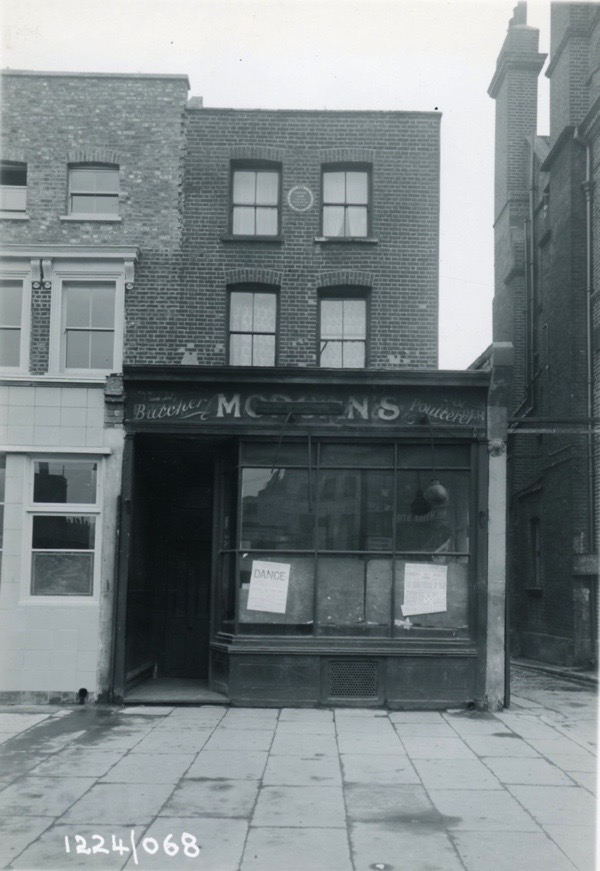
Captain Cook’s house, c.1940
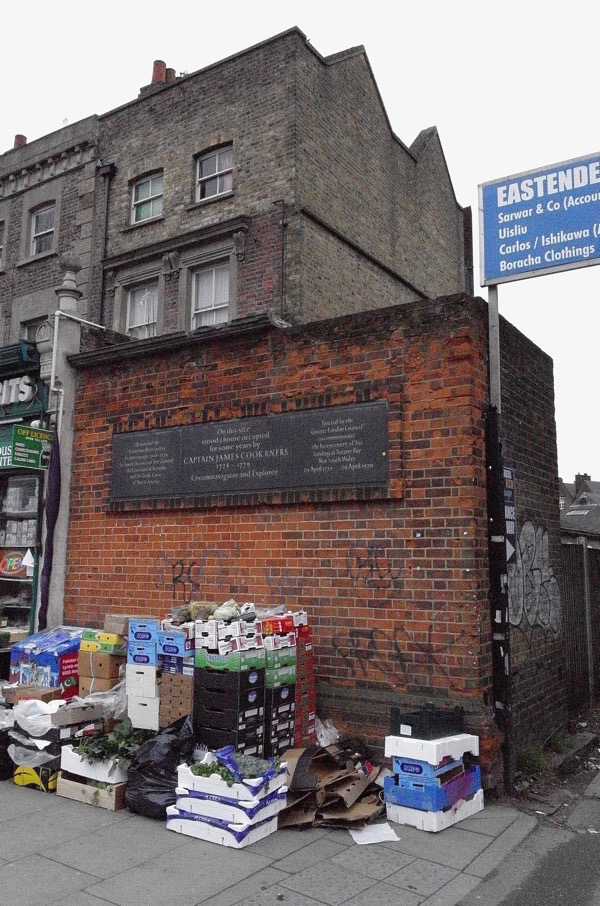
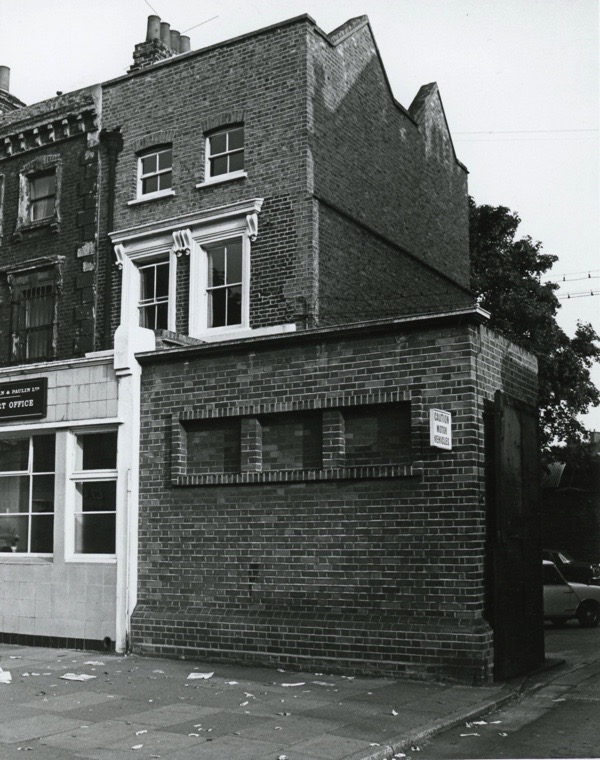
Wall constructed after demolition of Captain Cook’s house, 1968
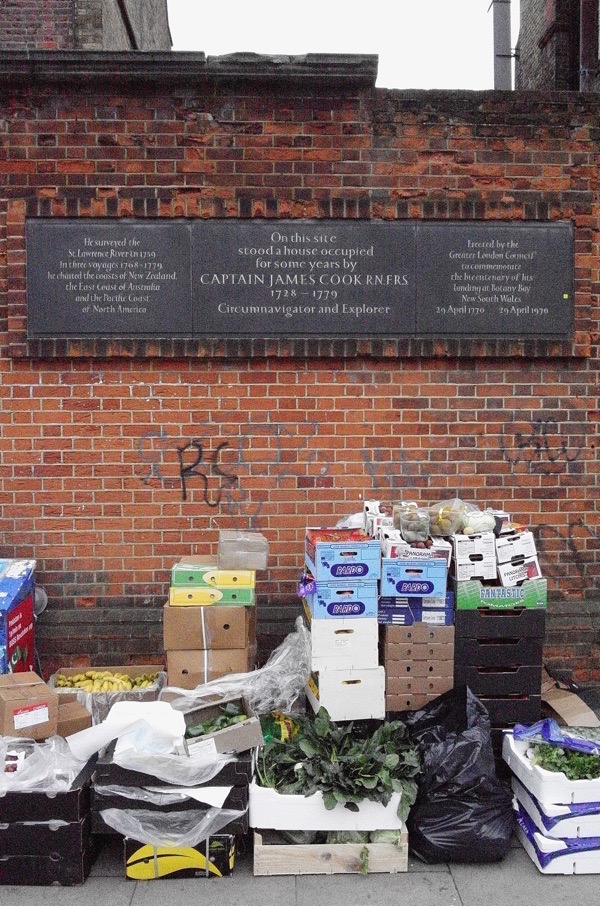
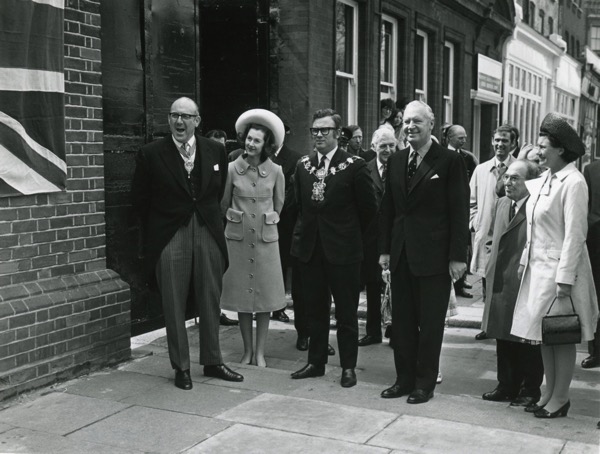
Civic dignitaries unveil a plaque to Captain Cook in 1970
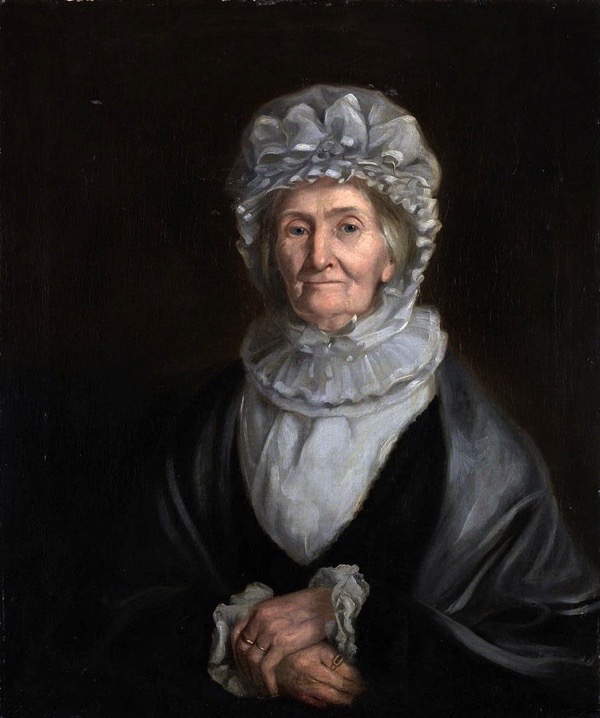
Elizabeth Cook (1742–1835) by William Henderson, 1830
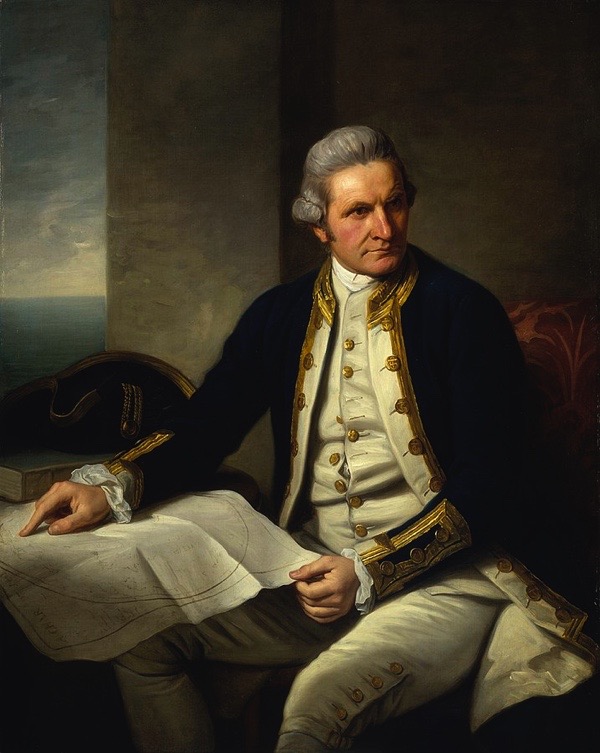
Captain James Cook (1728-79) by Sir Nathaniel Dance-Holland, c. 1775
 Captain James Cook’s signature
Archive images courtesy Tower Hamlets Local History Library & Archives
Gillian Tindall’s The Tunnel Through Time, A New Route For An Old Journey is out now as a Vintage paperback
You may like to read these other stories by Gillian Tindall
East End Vernacular In Bethnal Green

Salmon & Ball, Bethnal Green, by Albert Turpin c.1955
I am delighted to collaborate with V&A Museum of Childhood in Bethnal Green to present an event on Thursday 22nd February which explores the history of the Museum in encouraging artists in the East End.
When it first opened, the Museum displayed a magnificent gallery of grand master paintings which are now known as The Wallace Collection and, in the twenties, curator Arthur Sabin invited members of the Bethnal Green Working Men’s Art Club to display their own work there.
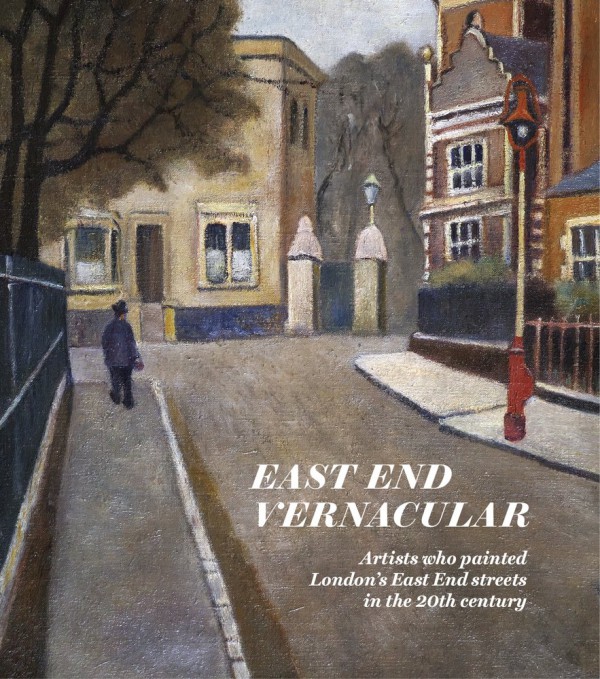
Archivist Gary Haines will talk about Arthur Sabin and his inspirational ideas, followed by a guided tour of the current painting collection at the Museum. Complementing this, I shall be giving an illustrated lecture about the artists who were encouraged by Sabin and showing the work of those who came after, selected from my book EAST END VERNACULAR, Artists who painted London’s East End streets in the 20th century.
CLICK HERE TO BOOK YOUR TICKETS
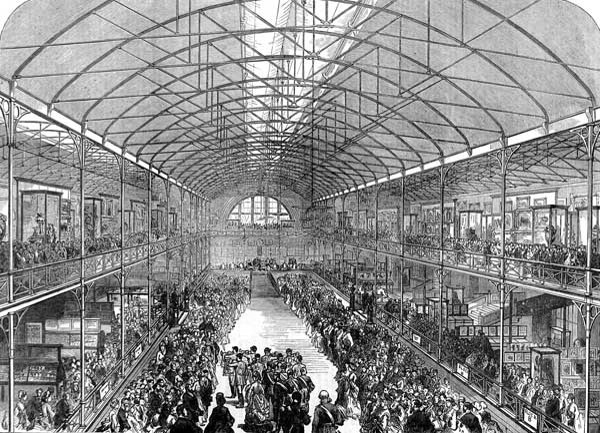
The Wallace Collection of paintings was hung in the Bethnal Green Museum when it first opened
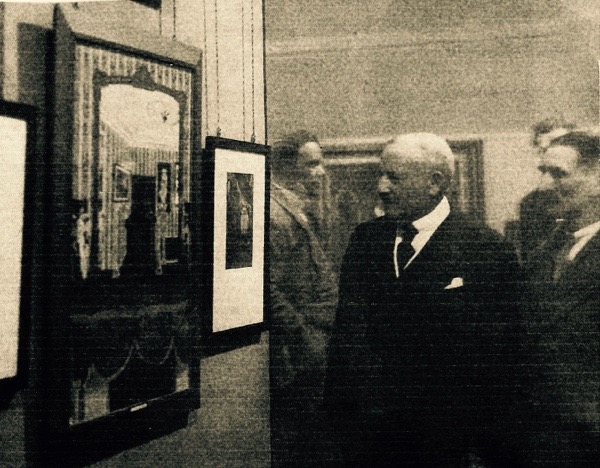
Curator Arthur Sabin (far right) shows a dignitary around a show of paintings by members of the Bethnal Green Working Men’s Art Club at the Bethnal Green Museum in the twenties
“ARTHUR SABIN was Curator of the Bethnal Green Branch of the Victoria & Albert Museum from 1922 to 1940. Through his work, the Museum began the slow process of becoming the V & A Museum of Childhood, an undertaking that was completed by Sir Roy Strong in the seventies.
Sabin was inspired by the popular Children’s Room at the V & A South Kensington and, when he observed that the Bethnal Green Museum was full of bored children, decided to make it more child friendly. He rehung paintings at child’s eye level. He also set up a classroom and employed teachers, and started to collect items relating to childhood. Through this endeavour, he came to recognise the importance of the social and cultural history of childhood.
Sabin was convinced that Art could educate and improve the lives of those who saw it. In a speech he gave in 1931 to the Bethnal Green & Shoreditch Skilled Employment Committee on ‘The Relation of Museums to Skilled Employment,’ he described the role a museum should play.
‘An Art Museum, such as we have at Bethnal Green, is concerned with many phases of life, but more than anything else with the development of craftsmanship … Let us produce boys and girls who desire with all their hearts to do something – to make something – better than anyone else can do it or make it … The museums exist to encourage this tendency, to awaken this desire.’
Through the work of Sabin and those who followed, the V & A Museum of Childhood inspired countless generations of children by showing them Art & Design. I include myself, since I remember visiting as a child and staring up in awe at a suit of Japanese Samurai armour. The same armour is now on display at South Kensington but I am at eye level with it these days!”
Gary Haines, Archivist at V & A Museum of Childhood

St Paul’s School, Wapping 1997 by Dan Jones (Click on this image to enlarge)
At Goldsmiths’ Hall

The Leopard is the symbol of the Goldsmiths’ Company
Whenever I walk through the City to St Paul’s, I always marvel at the great blocks of stone which form the plinth of this building on the corner of Gresham St and Foster Lane – and observing the fossils interred within the Haytor granite commonly sets me wondering at the great expanse of geological time.
Yet Goldsmith’s Hall has stood upon this site since 1339 and the current hall is only the third incarnation in seven hundred years, which makes this one of the City’s most ancient tenures. The surrounding streets were once home to the goldsmiths’ industry in London and it was here they met to devise a system of Assay in the fifteenth century, so that the quality of the precious metal might be assured through “Hallmarking.” The origin of the term refers to the former obligation upon goldsmiths to bring their works to the Hall for Assaying and marking and, all these years later, Goldsmiths’ Hall remains the location of the Assay Office. The leopard’s head – which has always been the mark of the London Assay Office – recalls King Richard II, whose symbol this was and who granted the company its charter in 1393.
Passing through the austere stone facade, you are confronted by a huge painting of 1752 – portraying no less than six Lord Mayors of London gazing down at you with a critical intensity. You are impressed. From here you walk into the huge marble lined stairwell and ascend in accumulating awe to the reception rooms upon the first floor, where the glint of gold is everywhere. The scale of the Livery Hall is such that you do not comprehend how a room so vast can be contained within such a restricted site, while the lavish panelled Drawing Room in the French style with its lush crimson carpet proposes a worthy stand-in for Buckingham Palace in many recent films, and exists just on the right side of garish.
A figure of St Dunstan greets you at the top of the stairs, glowing so golden he appears composed of flame. A two thousand year old Roman hunting deity awaits you the Court Room, dug up in the construction in 1830. A marble bust of Richard II broods upon the landing, sceptical of your worthiness to enter the lofty company of the venerable bankers and magnates whose names adorn the board recording wardens stretching back to the fourteenth century. In every corner, portraits of these former wardens peer out imperiously at you, swathed in dark robes, clutching skulls and holding their council. I was alone with my camera but these empty palatial rooms are inhabited by multiple familiar spirits and echo with seven centuries of history.

“observing the fossils interred within the Haytor granite commonly sets me wondering at the great expanse of geological time”

St Dunstan is the patron saint of smiths

The four statues of 1835 by Samuel Nixon represent the seasons of the year

Staircase by Philip Hardwick of 1835

William IV presides


The figure of St Dunstan holding tongs and crozier was carved in 1744 for the Goldsmiths’ barge

Dome over the stairwell

Richard II who granted the Goldsmiths their charter in 1393

The Court Room

Philip Hardwick’s ceiling in imitation of a seventeenth century original

Roman effigy of a hunting deity dug up in 1830 during the construction of the hall

The Drawing Room

Clock for the Turkish market designed by George Clarke c.1750


Eleven experts worked for five months to make the Wilton carpet

Ormolu candelabra of 1830 in the Drawing Room
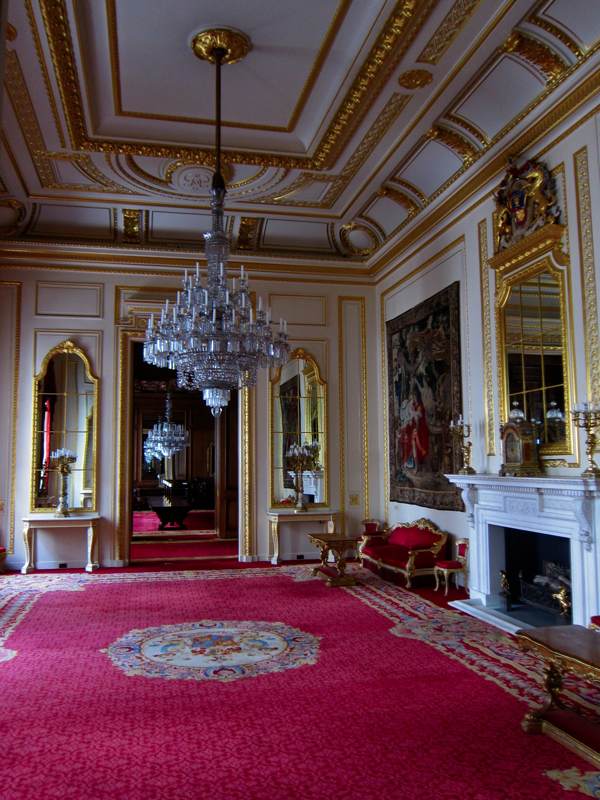

The Drawing Room, 1895

Mirror in the Livery Hall

The Livery Hall


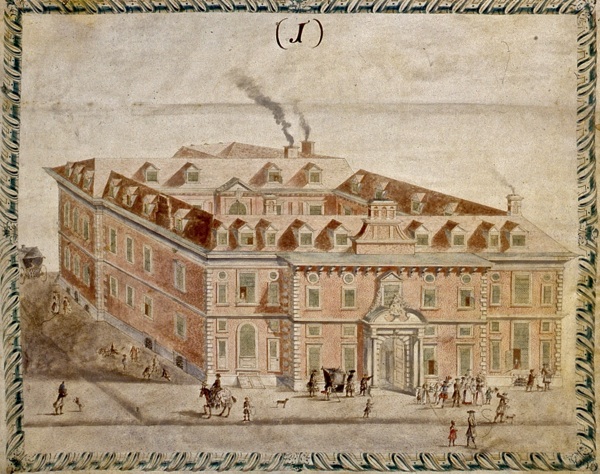
The second Goldsmiths’ Hall, 1692

The current Goldsmiths’ Hall, watercolour by Herbert Finn 1913

Benn’s Club of Alderman, 1752 – containing six Lord Mayors of London

It is possible to join a tour booked through the website of The Goldsmiths’ Company and to attend the Goldsmiths’ Fair held annually each autumn.
You may also like to read about
The Miasma At Euston
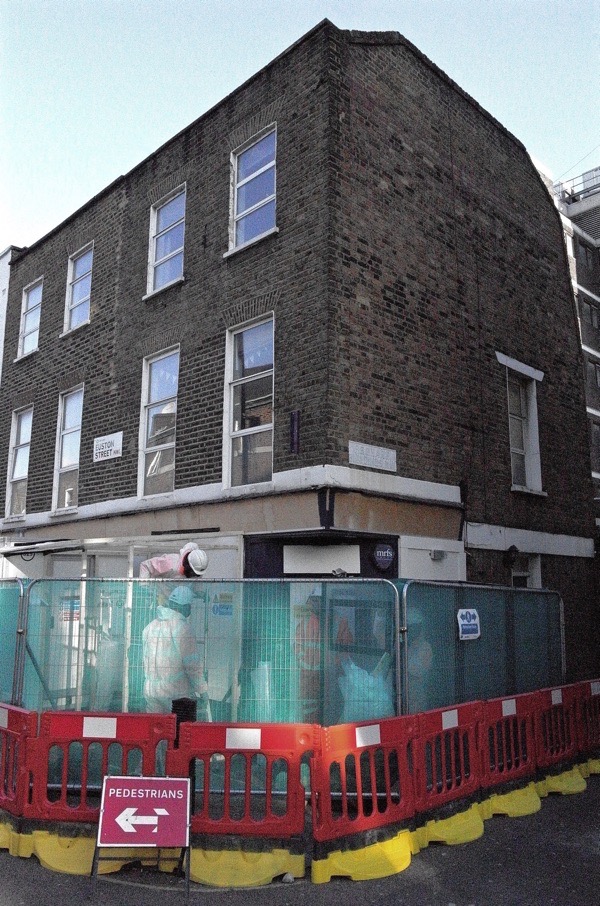
Hoardings going up in Euston St prior to demolition
Something strange is happening at Euston. Some kind of miasma or invisible mist has infiltrated the streets to the west of the station and the atmosphere is toxic. The first sign that something is awry strikes you in Euston Rd. All of the trees have knitted scarfs wrapped around them. On closer inspection, each one has a tag that reads, ‘Arboricide in the Autumn.’
When you reach Euston, you find the park in front of the station surrounded by temporary steel fences and half the trees have gone, leaving stumps and sawdust. This is where a priest chained herself to a tree last week in a vain attempt to save one. A handful of good-natured protestors are outnumbered by security guards in orange fluorescent suits and hard hats, pacing around nervously. Rail travellers anxiously hurry through to the station and, from his plinth, the statue of Robert Stephenson observes the grim spectacle with an implacable frown. You realise that the corporate office blocks are empty and orange fluorescent folk occupy the front desks where receptionists once sat. Something big is underway.
You enter the narrow streets to the west. Houses and offices are closed, and hoardings are enfolding complete terraces. The pub shut last week and is boarded up. You turn a corner and discover an entire street blocked by a high wooden fence that you cannot see over. The men in fluorescent suits have overrun the place and you notice they are watching you. Just pulling out your camera in the street is enough to attract their attention, so you take your pictures quickly and keep walking.
Time has stopped in these streets as the life ebbed away. The people have gone and the buildings are vacant. Old and new alike, everything is coming down. Soon the whole neighbourhood will be razed. You are walking in the past already, because the place has gone and the human activities which made it have already become a memory. The quietude that prevailed in these attractive streets as long as you have known them has been replaced by emptiness.
History is over. Placards remind you of the evolution of the streets and of St James’s Gardens, the great cemetery that lies beneath it all. Archaeologists will shortly scrape over this territory, removing the dead and erasing all traces of the past, before the space is hollowed out to accommodate the future.
You walk towards the Hampstead Rd and enter Tolmers Sq, the site of a conflict a generation ago when squatters occupied the buildings to prevent the land being handed over to developers. This too will be swept away. You walk north up the main road and, on each side, buildings are empty and closed down. Streets leading back towards the station are blocked by hoardings and patrolled by fluorescent security guards. Somewhere in the forbidden zone was once a park you hoped to visit. You are too late. It has gone now. You walk a mile before you can turn east again.
A huge triangular site stretching from Euston Station to the Hampstead Rd, and extending northward to Mornington Crescent, has been closed down and everything that is there will be destroyed, prior to redevelopment. You walk south again down Eversholt St, noticing the appealing old-fashioned shops and small terraces of Somers Town, which now seem vulnerable too, as if this neighbourhood might also get wiped out in coming years.
It is currently estimated that the government’s controversial High Speed Two rail network – linking Euston Station and the North of England – will cost sixty-three billion pounds. Yet real questions remain over the feasibility of the undertaking and it is by no means certain if the project will ever be realised. In the case of this eventuality, it will be too late for the streets around Euston Station but – no doubt – another developer would be ready to step in and monetise the commercial potential of this vast site in Central London.
Troubled by all these thoughts, you arrive back at Euston Station. The protestors have gone now but the miasma remains. Snow falls.
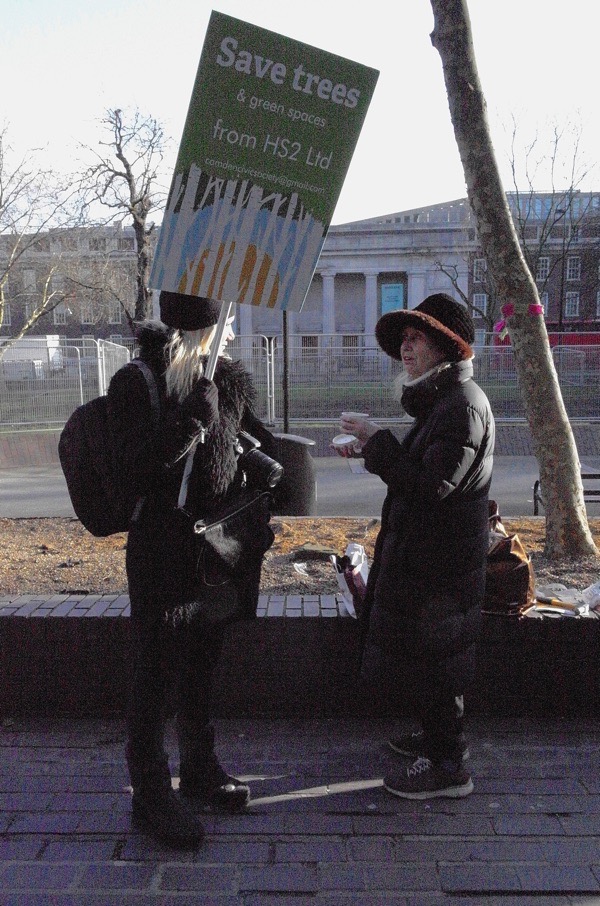
‘Save trees and green spaces from HS2’
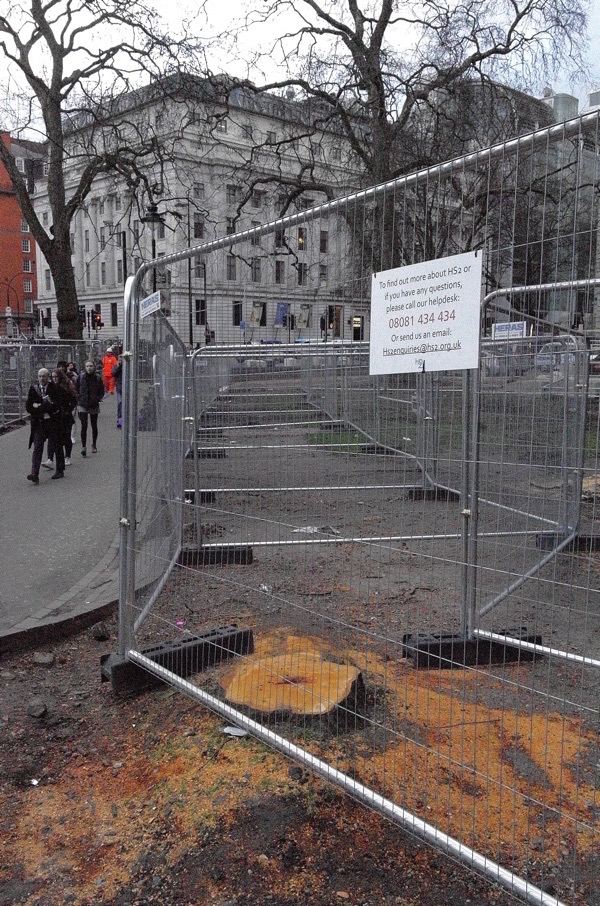
Euston Sq Gardens
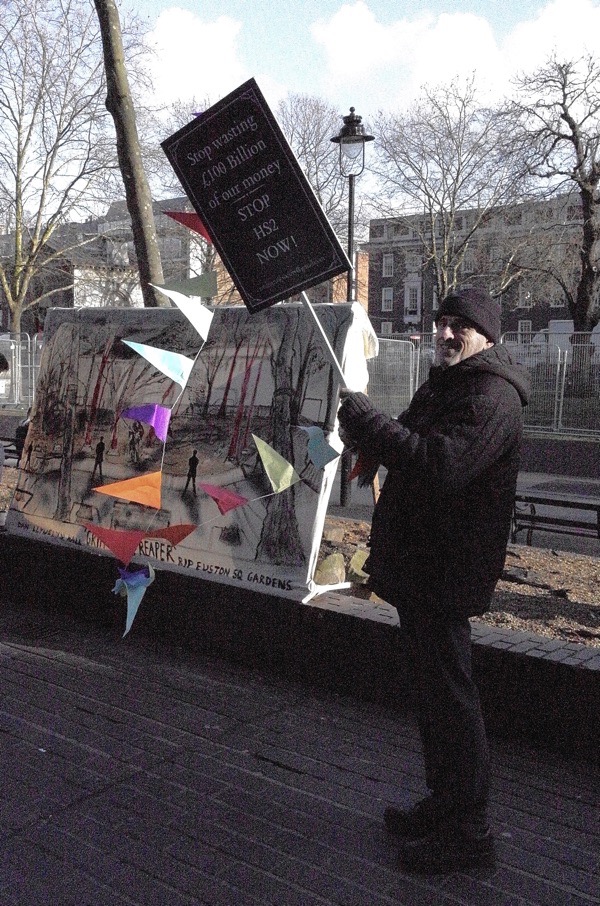
‘Stop wasting £100 billion pounds of our money’
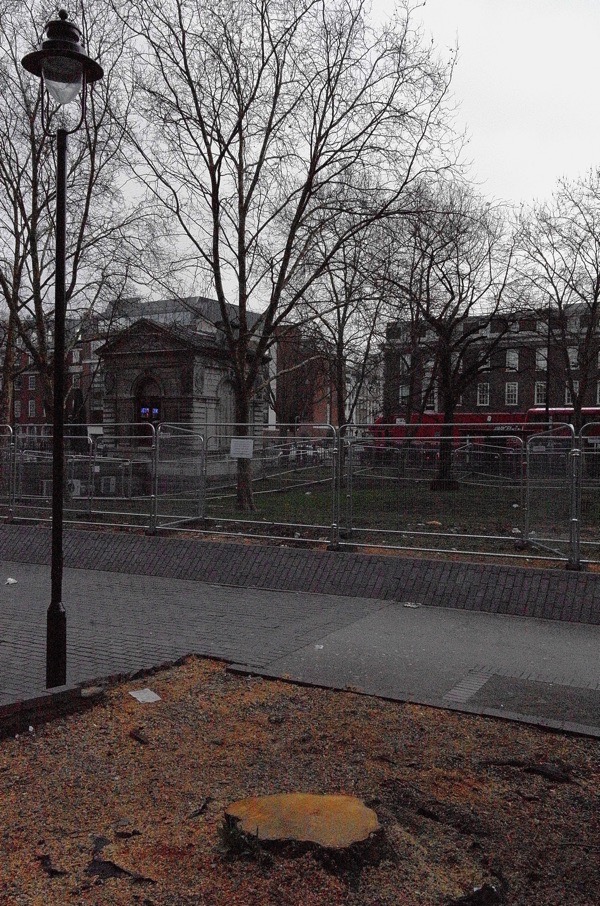
Euston Sq Gardens
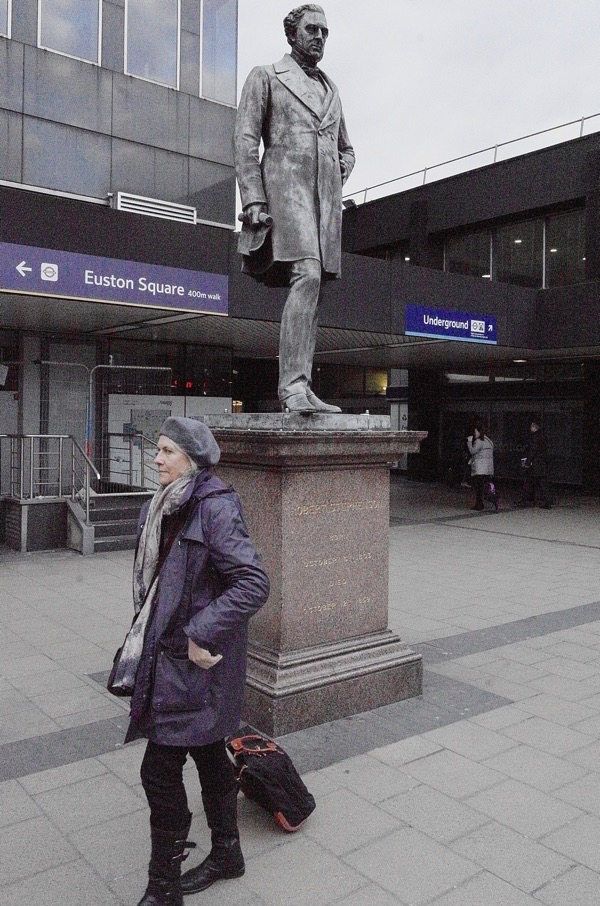
Robert Stephenson
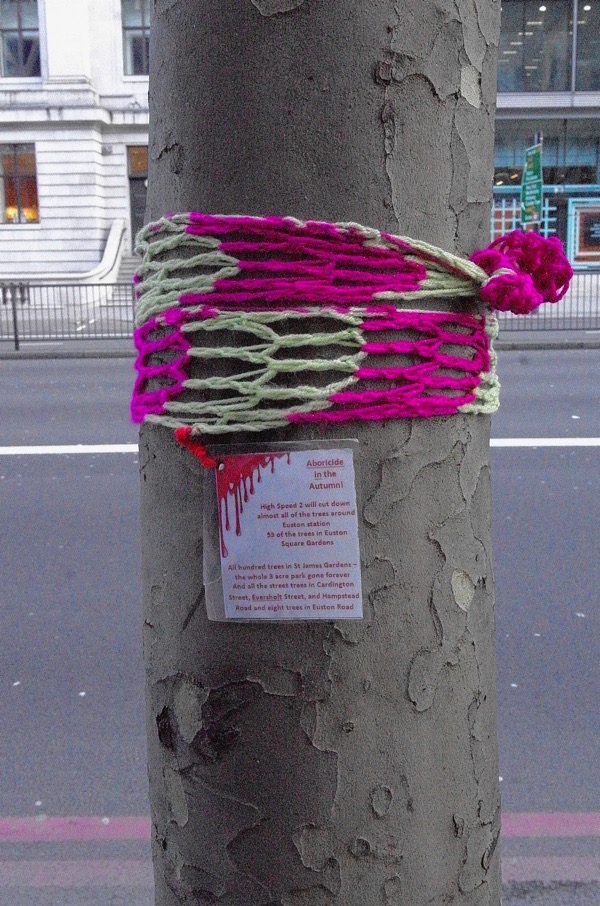
‘Arboricide in the Autumn. HS2 will cut down almost all the trees around Euston Station. Fifty-three of the trees in Euston Sq Gardens’
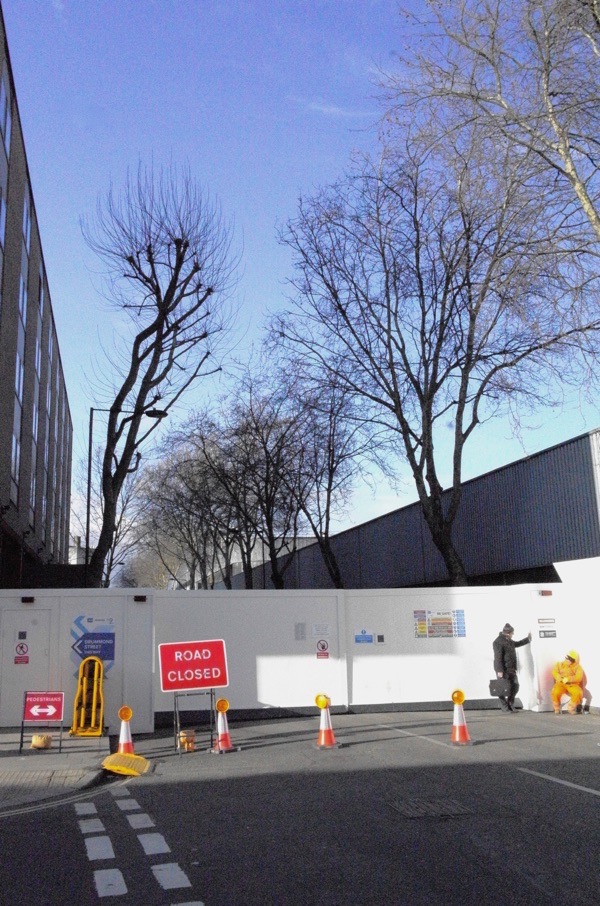
Melton St
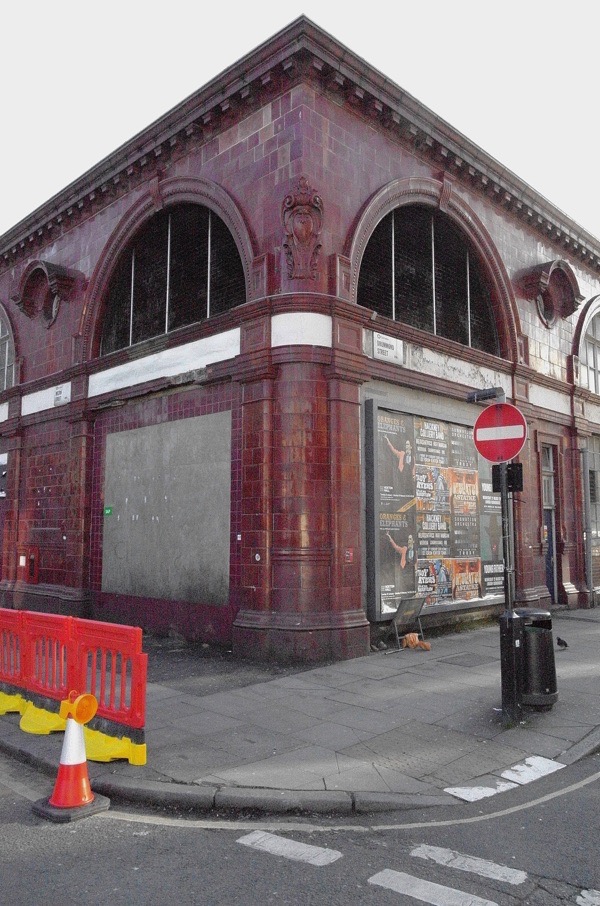
Former Euston tube station
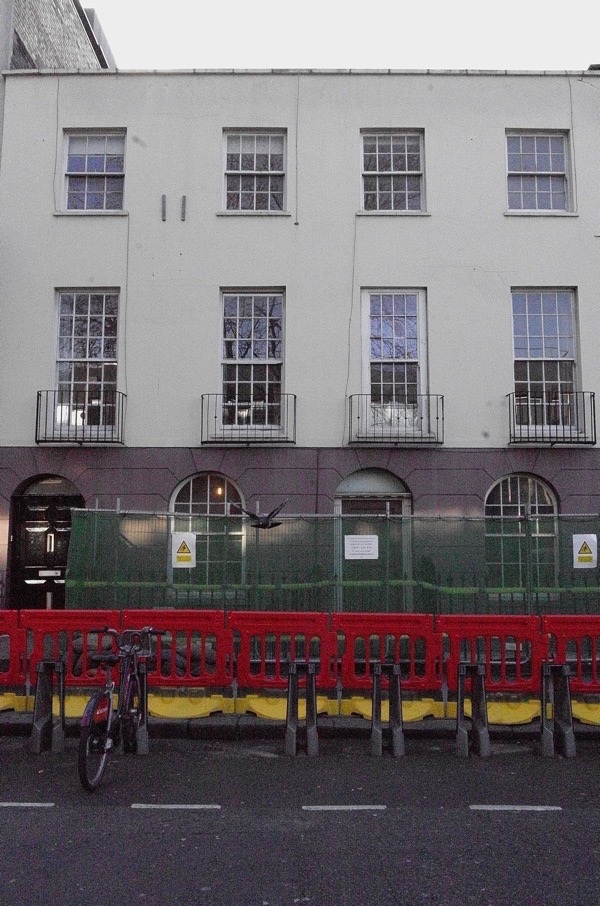
Melton St
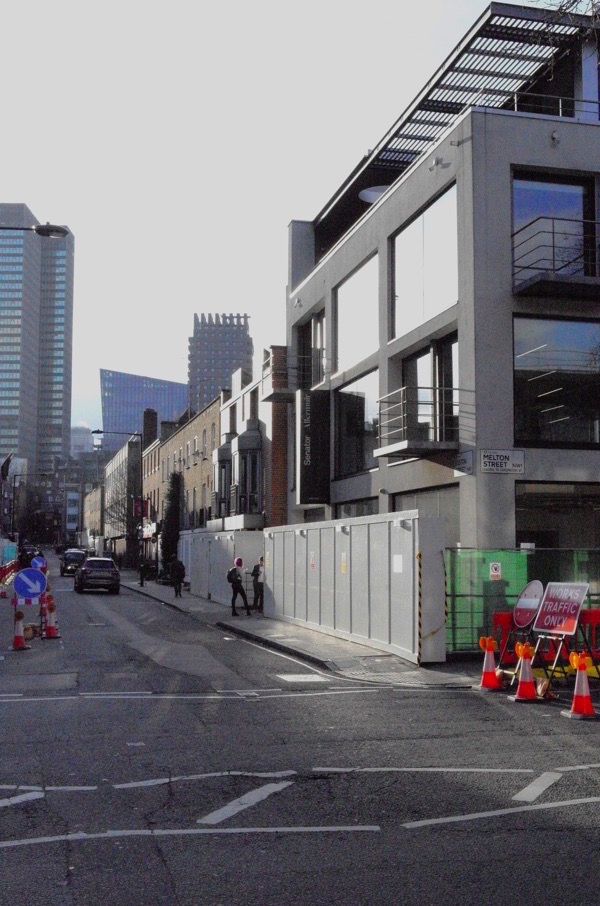
Euston St
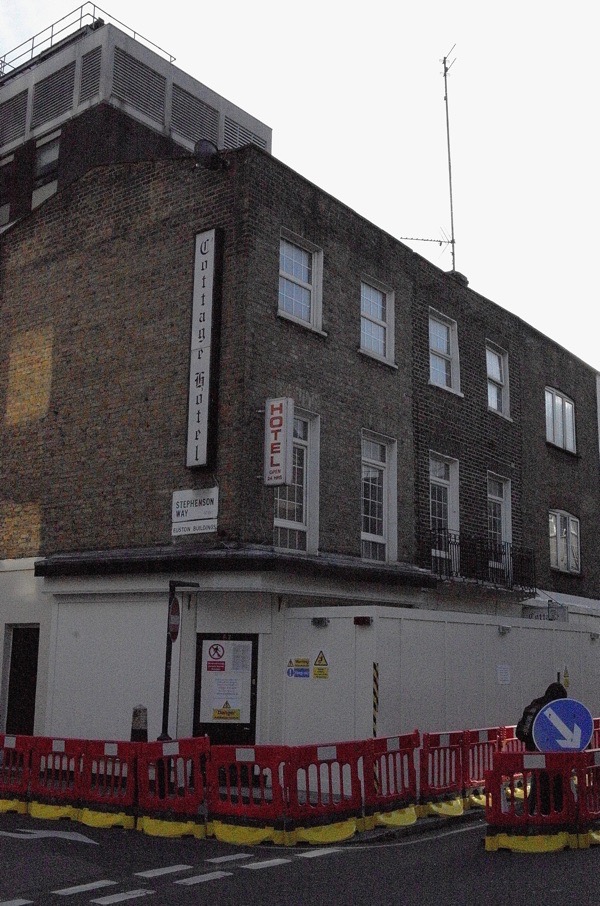
Euston St
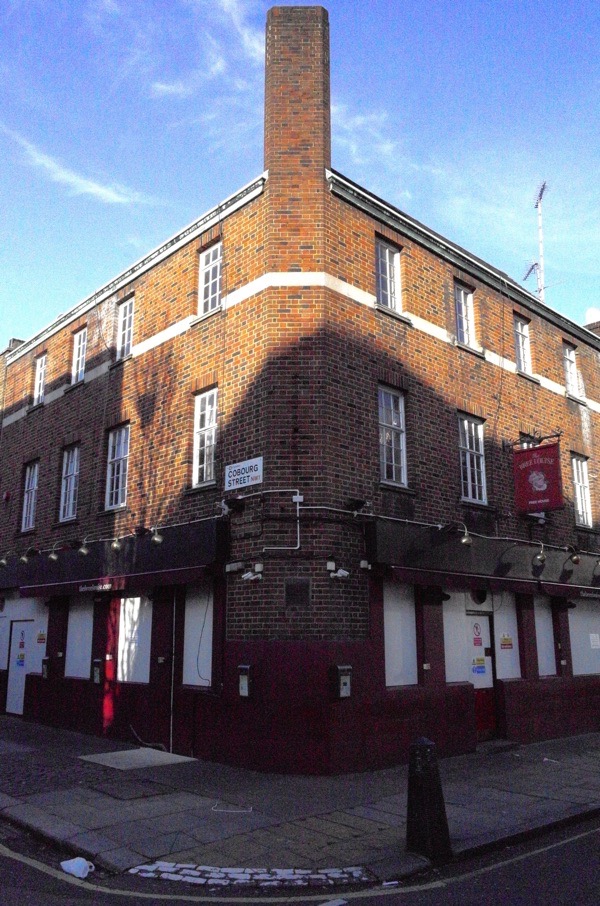
The Bree Louise shut last week
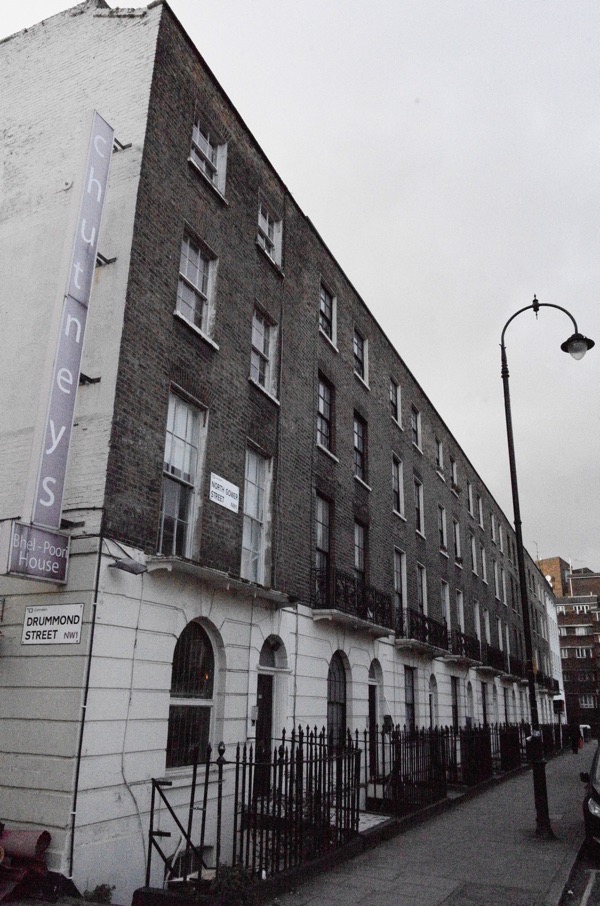
North Gower St
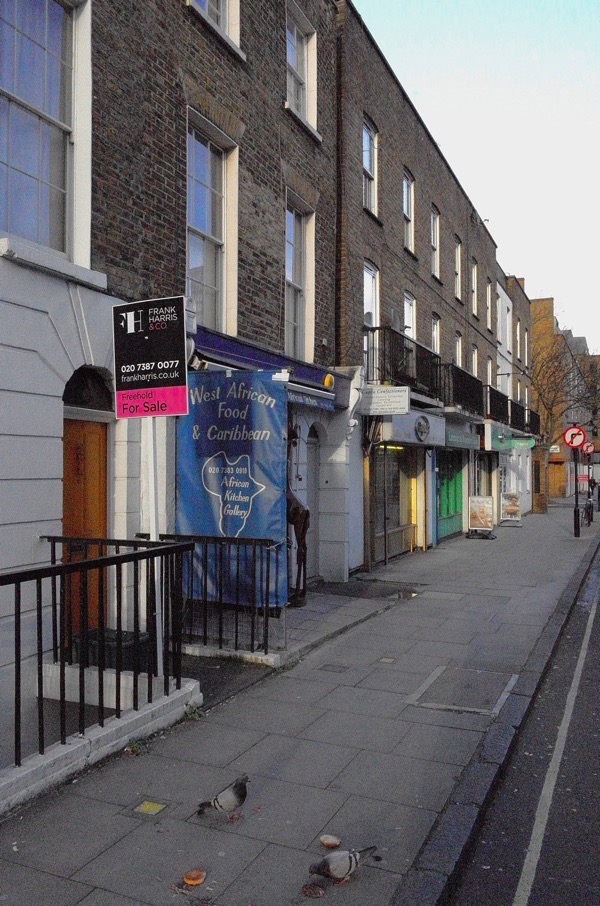
Starcross St
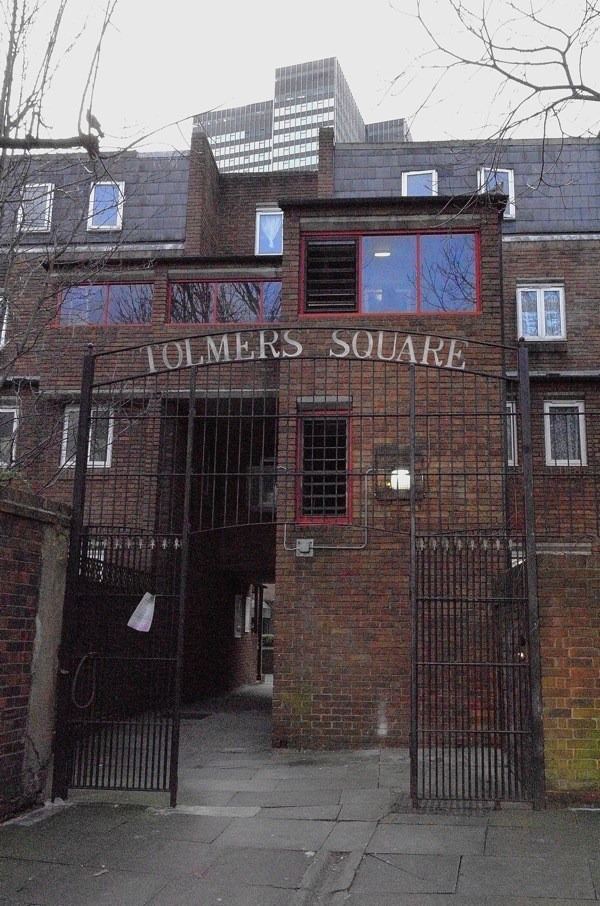
Tolmers Sq
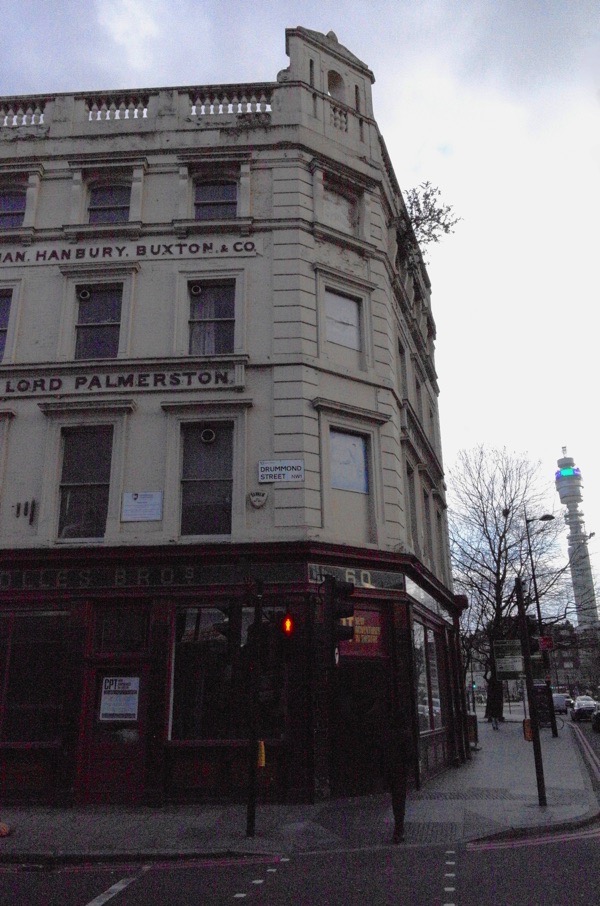
Drummond St
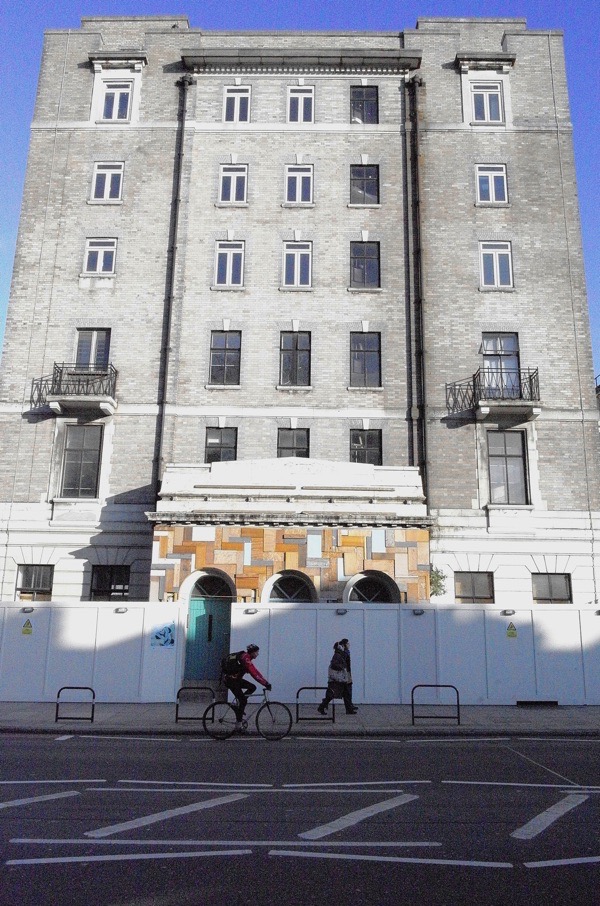
Hampstead Rd
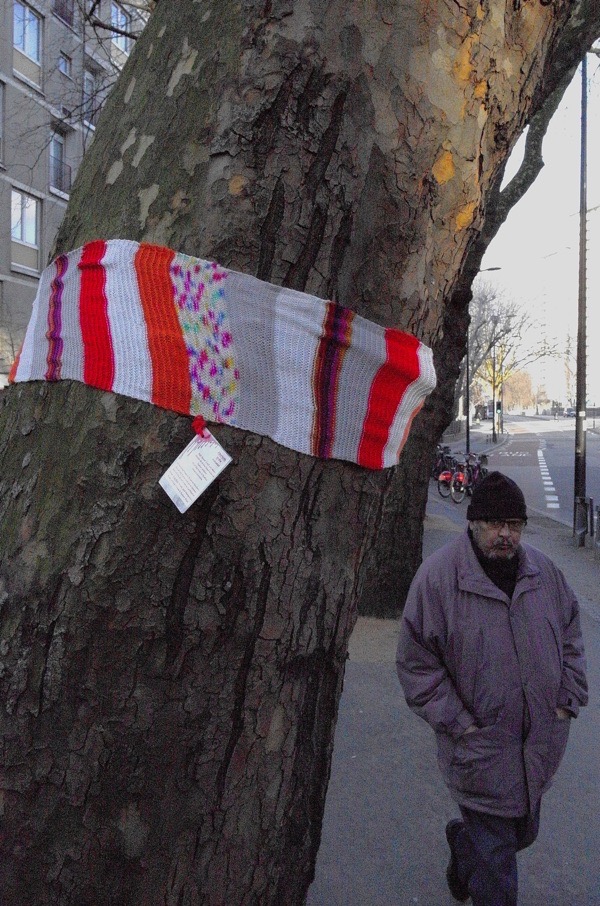
Hampstead Rd
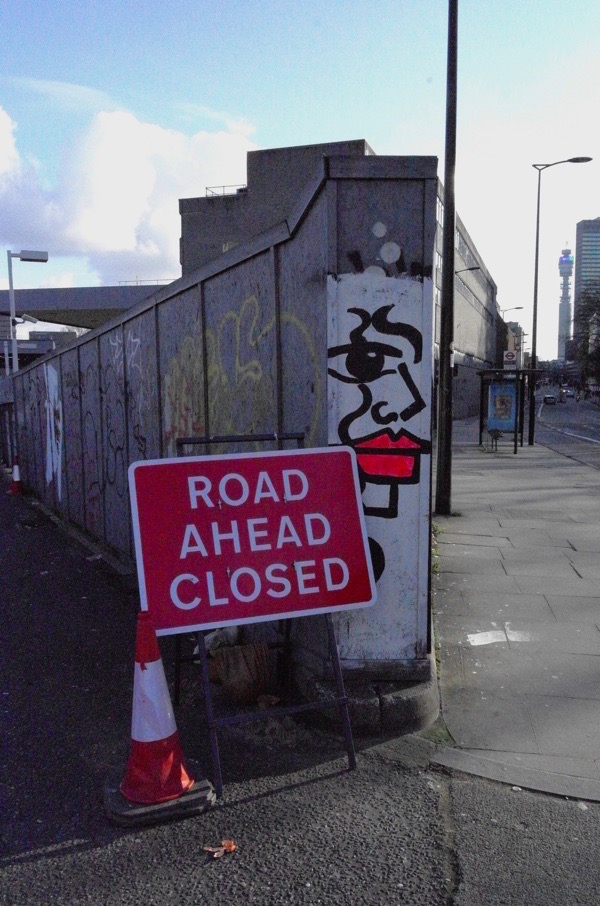
Hampstead Rd
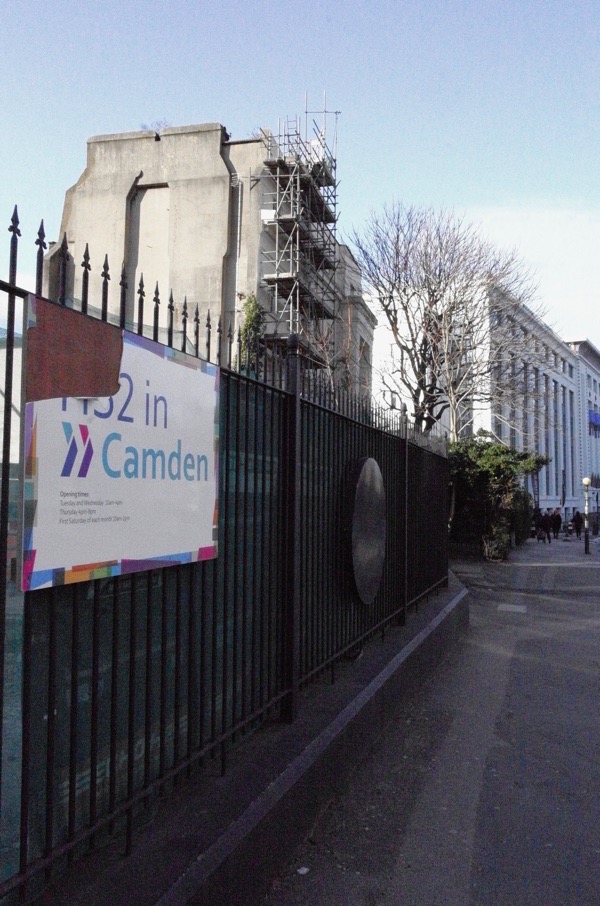
Mornington Crescent
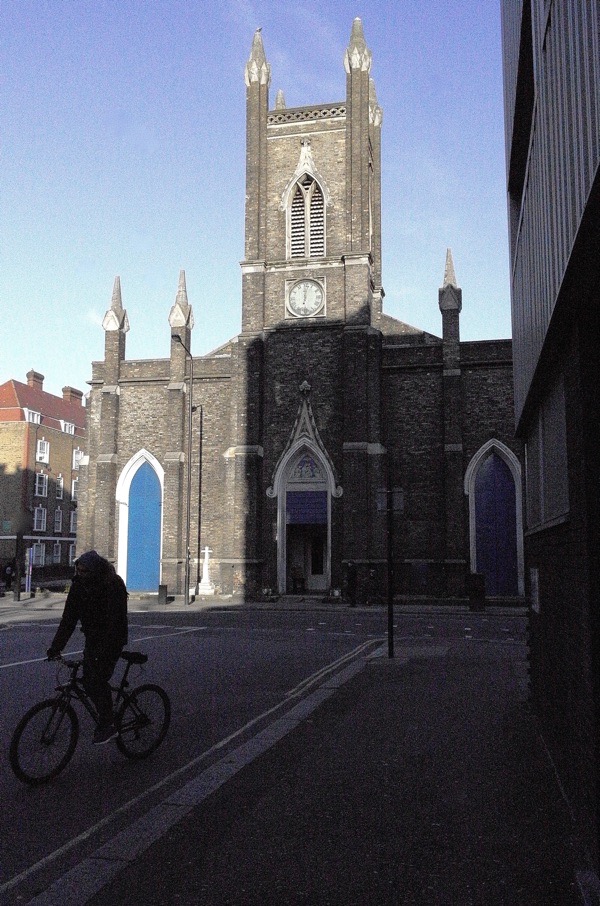
St Mary’s, Somers Town
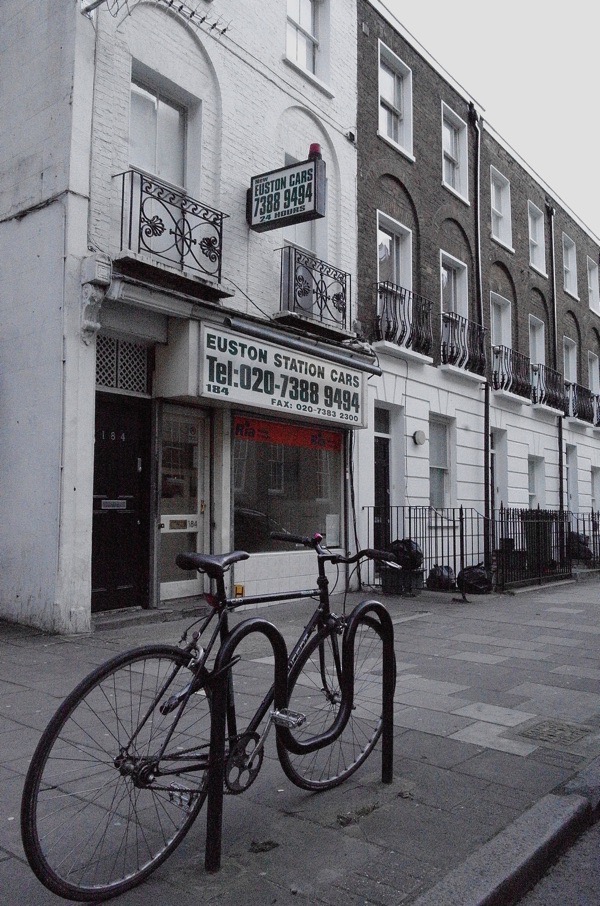
Eversholt St
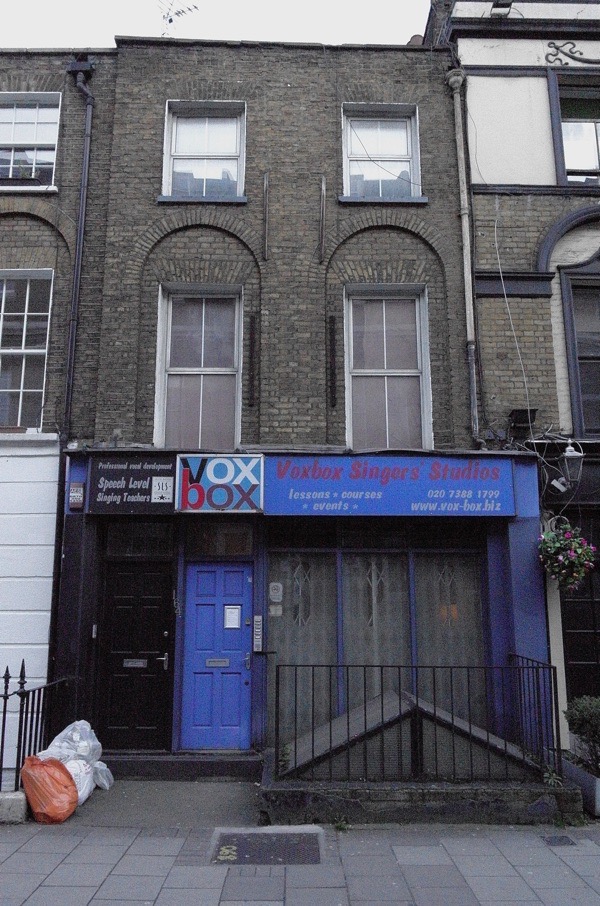
Eversholt St
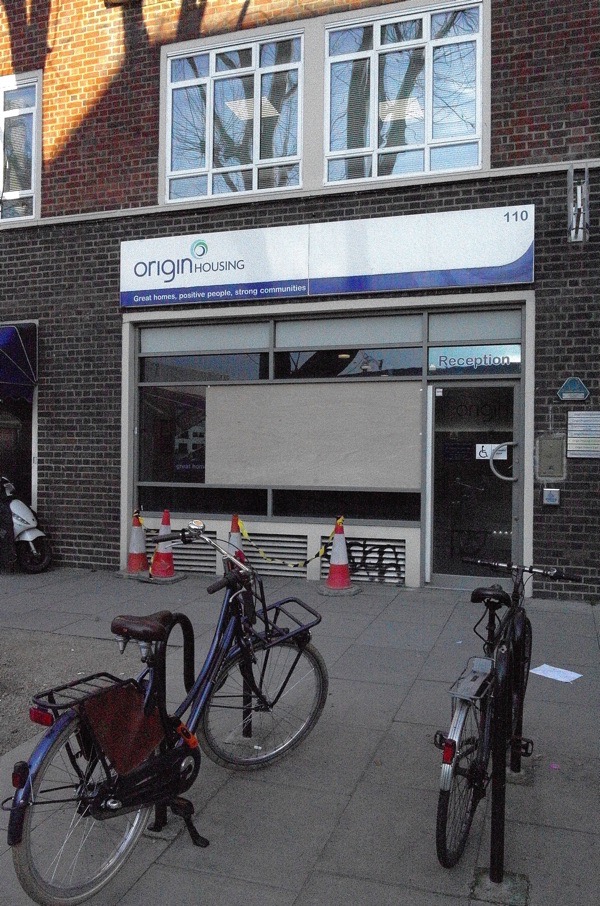
The window of Origin Housing Association has been broken
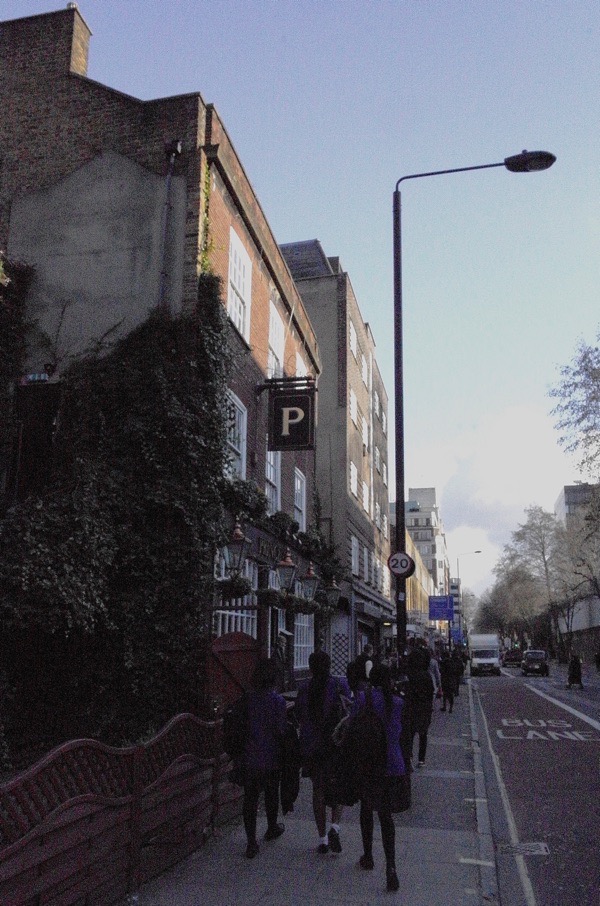
Eversholt St
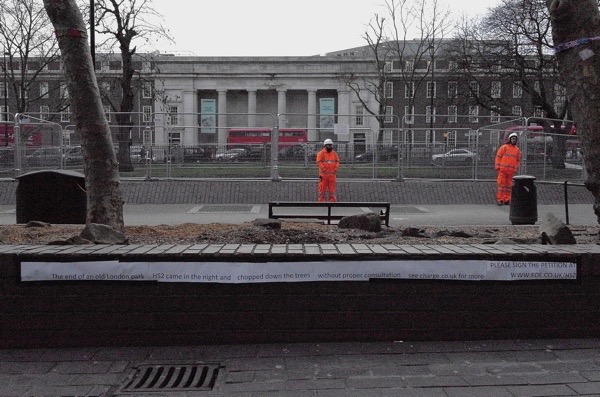
‘The end of an old London park. HS2 came in the night and chopped down the trees without proper consultation.’
You may also like to read about












