Celebrating East End Suffragettes
Celebrating the centenary of Women’s Suffrage, we present Researcher Vicky Stewart & Designer Adam Tuck‘s map of some key events in the struggle in Bethnal Green, Roman Rd & Bow

Click to enlarge and see the map in the detail
As we celebrate the centenary of Women’s Suffrage, just what was going on in East End, who were the women involved, and how were these Suffragettes organised?
Nothing prepared me for what I discovered. My knowledge of Suffragette activity was limited to stories of upper middle class ladies marching behind Mrs Pankhurst, waving ‘Votes for Women’ banners, being imprisoned, getting force-fed, and then eventually securing the vote. In part this was true – Mrs Pankhurst and her daughter Christabel believed middle class women had the education and influence to bring about the necessary change, but Sylvia disagreed and insisted it was only direct action by working class women that could win the vote.
In 1912, Sylvia Pankhurst came to Bow as representative of the Women’s Social and Political Union (WSPU) to campaign for local MP George Lansbury, who had resigned his seat in parliament to fight a by-election on the issue of votes for women. Although Lansbury lost the election, he continued to support Sylvia who decided to stay in the East End and do everything in her power to carry on the fight – not only to champion the cause of Suffrage but also to challenge injustice and alleviate suffering wherever she could.
She opened her first WSPU Headquarters in Bow Rd in 1912 but moved to Roman Rd when forming the East London Federation, whose policy was to “combine large-scale public demonstrations with public militancy… [to attract] immediate arrest.”
In January 1914, Christabel asked Sylvia to change the name of the ELF and separate from the WSPU, and the organisation became the East London Federation of Suffragettes (ELFS) with new headquarters in Old Ford Rd.
What amazes me about this story is the number of women – often with active support of husbands or sons – who, despite harsh poverty and large families, gave huge support to Sylvia and the campaign. They risked assault and often were beaten by policemen at rallies, on marches and at meetings. They risked being sent to Holloway and subjected to force-feeding. They risked the anger and abuse of those who did not support Women’s’ Suffrage.
So who were these women and what do we know of them? Below you can read extracts from Sylvia Pankhurst’s books, ‘The Suffragette Movement’ and ‘The Home Front’, which locate their actions in the East End.
– Vicky Stewart
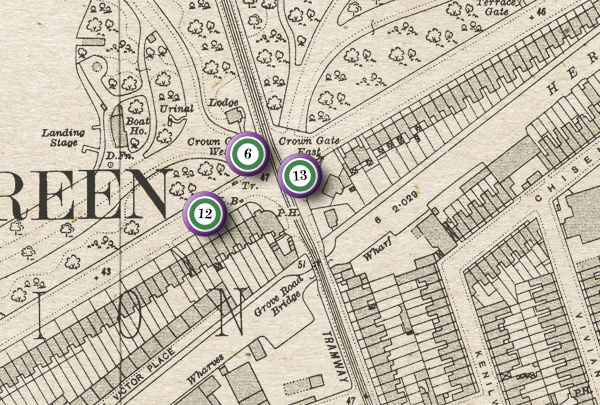
6
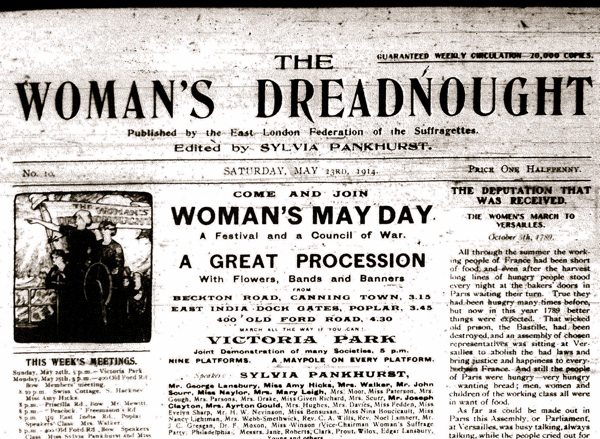
Victoria Park “On Sunday, May 25th 1913, was held ‘Women’s May Day’ in East London. The Members of Bow, Bromley, Poplar, and neighbouring districts had prepared for it for many weeks past and had made hundreds of almond branches, which were carried in a great procession with purple, white and green flags, and caps of Liberty flaunting above them from the East India Dock gates by winding ways, to Victoria Park. A vast crowd of people – the biggest ever seen in East London – assembled ….. to hear the speakers from twenty platforms.”
12
288 Old Ford Rd was home to Israel Zangwill, political activist and strong supporter of Sylvia and the Suffragette movement.
13
304 Old Ford Rd was home to Mrs Fischer where meetings were held .
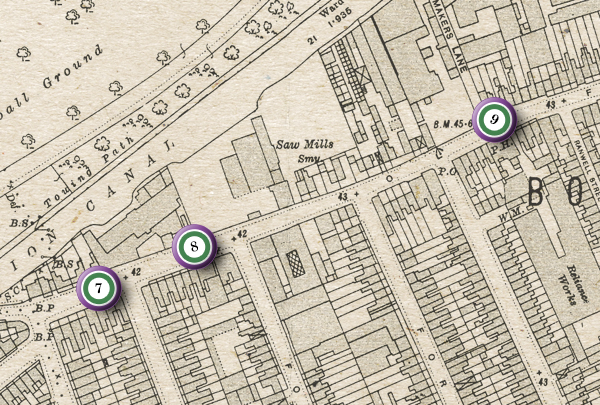
7
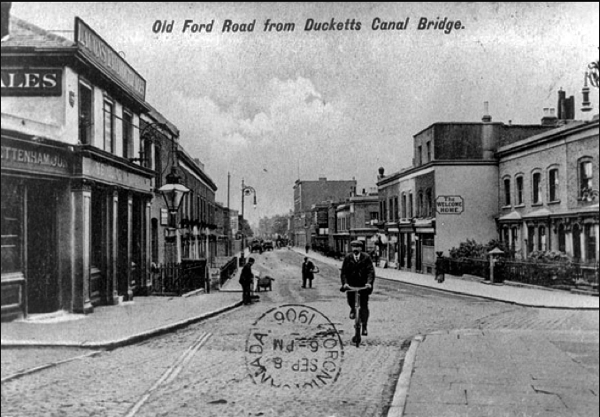
Old Ford Rd was the route taken by the Suffragettes May Day processions to Victoria Park when they met with violence from the police at the gates and suffered many injuries.
8
400 Old Ford Rd became the third headquarters of the East London Federation of Suffragettes in 1914. A Women’s Hall was built on land behind which was used for a cost-price restaurant which provided nutritious meals for a pittance to women suffering from the huge rise in food prices in the early months of the war.
9
438 Old Ford Rd, The Mother’s Arms The ELFS set up another creche and baby clinic on this street, staffed by trained nurses and developed upon Montessori lines. This was housed in a converted pub called The Gunmaker’s Arms, whose name was changed to The Mother’s Arms.
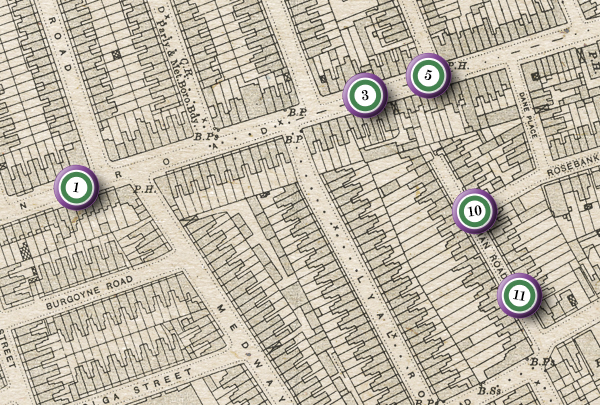
1
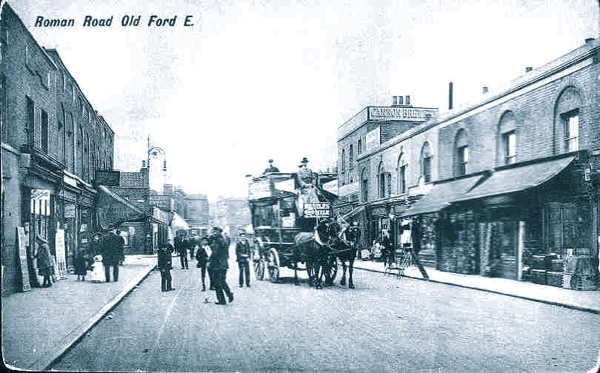
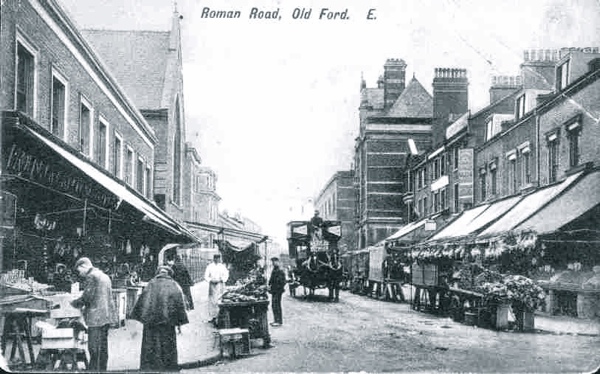
Roman Rd “I decided to take the risk of opening a permanent East End headquarters in Bow … Miss Emerson and I went down there together one frosty Friday morning in February to hunt for an office. The sun was like a red ball in the misty, whitey-grey sky. Market stalls, covered with cheerful pink and yellow rhubarb, cabbages, oranges and all sorts of other interesting things, lined both sides of the narrow Roman Rd. ‘The Roman’ , as they call it, was crowded with busy kindly people. I had always liked Bow. That morning my heart warmed to it for ever.”
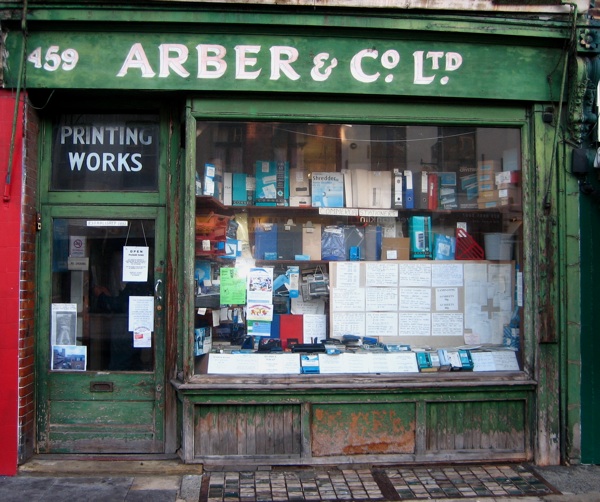
3
159 Roman Rd, (now 459) Arber & Co Ltd, Printing Works where Suffragette handbills were printed under the supervision of Emily Arber.
5
152 Roman Rd In 1912, tickets were available from this house, home of Mrs Margaret Mitchell, second-hand clothes dealer, for a demonstration in Bow Palace with Mrs Pankhurst and George Lansbury.
10 & 11
45 Norman Rd (now Norman Grove) A toy factory was opened in October 1914 to provide women with an income whilst their husbands were at War. They were paid a living wage and could put their children into the nursery further down the road.
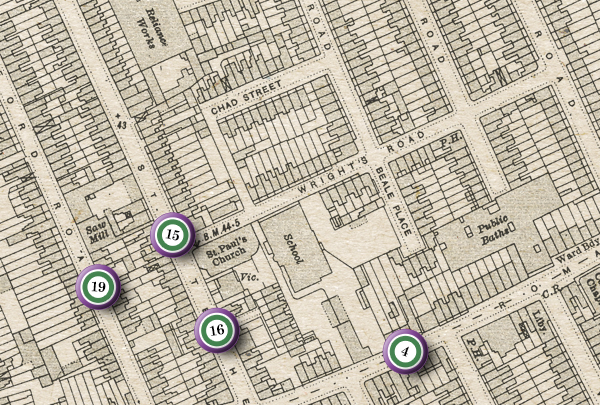
4
Roman Rd Market The East London Federation of Suffragettes ran a stall in the market, decorated with posters and selling their newspaper, The Women’s Dreadnought – a “medium through which working women, however unlettered, might express themselves and find their interests defended.”
15
103 St Stephen’s Rd was home to George Lansbury and his family.
16
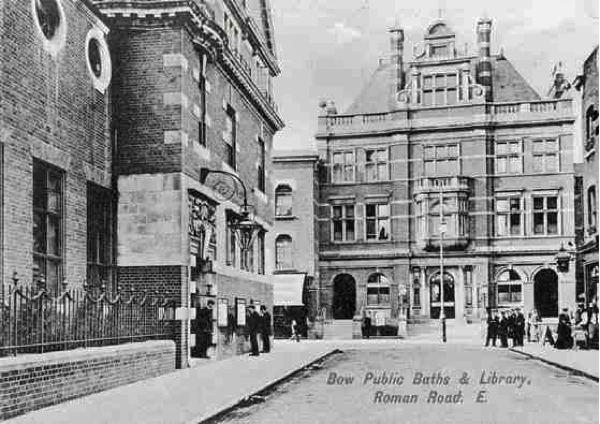
St Stephen’s Rd “On November 5th 1913, on my way to a Meeting to inaugurate the People’s Army, I happened to call at Mr Lansbury’s house in St Stephen’s Rd. The house was immediately surrounded by detectives and policemen and there seemed no possibility of mistake. But the people of Bow, on hearing of the trouble, came flocking out of the Baths where they had assembled. In the confusion that ensued the detectives dragged Miss Daisy Lansbury off in a taxi, and I went free.
When the police authorities realised their mistake, and learnt that I was actually speaking at the Baths, they sent hundreds of men to take me, but though they met the people in the Roman Rd as they came from the Meeting I escaped. Miss Emerson was again struck on the head, this time by a uniformed constable, and fell to the ground unconscious. Many other people were badly hurt. The people replied with spirit. Two mounted policemen were unhorsed and many others were disabled.”
19
28 Ford Rd “The members had begged me, if ever I should be imprisoned under the ‘Cat and Mouse Act’, to come down to them in the East End, in order that they might protect me, they would not let me be taken back to prison without a struggle as the others had been, they assured me.
On the night of my arrest Zelie Emerson had pressed into my hand an address: ‘Mr and Mrs Payne, 28 Ford Rd, Bow.’ Thither I was now driven in a taxi with two wardresses. As the cab slowed down perforce among the marketing throngs in the Roman Road, friends recognised me, and rushed to the roadway, cheering and waving their hands. Mrs Payne was waiting for me on the doorstep. It was a typical little East End house in a typical little street, the front door opening directly from the pavement, with not an inch of ground to withdraw its windows from the passers-by. I was welcomed by the kindest of kind people, shoemaking home-workers, who carried me in with the utmost tenderness.
They had put their double bed for me in the little front parlour on the ground floor next the street, and had tied up the door knocker. For three days they stopped their work that I might not be disturbed by the noise of their tools. Yet there was no quiet. The detectives, notified of my release, had arrived before me. A hostile crowd collected. A woman flung one of the clogs she wore at the wash-tub at a detectives head. The ‘Cats’, as a hundred angry voices called them, retired to the nearby public-houses, there were several of these havens within a stone’s throw, as there usually are in the East End.
Yet, even though the detectives were out of sight, people were constantly stopping before the house to discuss the Movement and my imprisonment. Children gathered, with prattling treble. If anyone called at the house, or a vehicle stopped before it, detectives at once came hastening forth, a storm of hostile voices. Here indeed was no peace. My hosts carried me upstairs to their own bedroom, at the back of the house, hastily prepared, a small room, longer but scarcely wider than a prison cell – my home when out of prison for many months to come. (…)
In that little room I slept, wrote, interviewed the Press and personalities of all sorts, and presently edited a weekly paper. Its walls were covered with a cheap, drab paper, with an etching of a ship in full sail, and two old fashioned colour prints of a little girl at her morning and evening prayers. From the window by my bed, I could see the steeple of St Stephen’s Church and the belfry of its school, a jumble of red-tiled roofs, darkened by smoke and age, the dull brick of the walls and the new whitewash of some of the backyards in the next street.
Our colours were nailed to the wall behind my bed, and a flag of purple, white and green was displayed from an opposite dwelling, where pots of scarlet geraniums hung on the whitewashed wall of the yard below, and a beautiful girl with smooth, dark hair and a white bodice would come out to delight my eyes in helping her mother at the wash-tub. The next yard was a fish curers’. An old lady with a chenille net on her grey hair would be passing in and out of the smoke-house, preparing the sawdust fires. A man with his shirt sleeves rolled up would be splitting herrings, and another hooking them on to rods balanced on boards and packing-cases, till the yard was filled, and gleamed with them like a coat of mail. Close by, tall sunflowers were growing, and garments of many colours hung out to dry. Next door to us they bred pigeons and cocks and hens, which cooed and crowed and clucked in the early hours. Two doors away a woman supported a paralysed husband and a number of young children by making shirts at 8d a dozen. Opposite, on the other side of Ford St, was a poor widow with a family of little ones. The detectives endeavoured to hire a room from her, that they might watch me unobserved. “It will be a small fortune to you while it lasts!” they told her. Bravely she refused with disdain, “Money wouldn’t do me any good if I was to hurt that young woman!” The same proposal was made and rejected at every house in Ford Rd.
Flowers and presents of all kinds were showered on me by kindly neighbours. One woman wrote to say that she did not see why I should ever go back to prison when every woman could buy a rolling pin for a penny.”
2
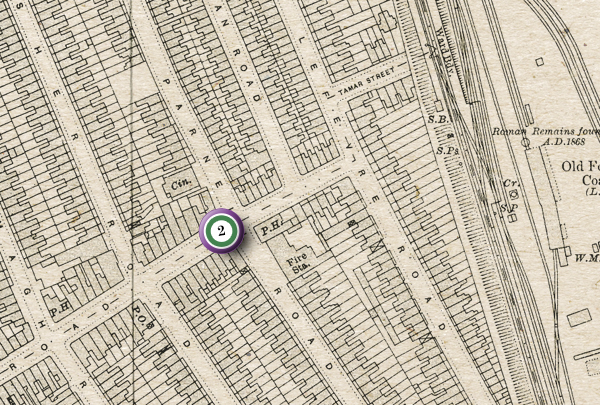
321 Roman Rd, Second Headquarters of the East London Federation “We decided to take a shop and house at 321 Roman Rd at a weekly rental of 14s 6d a week. It was the only shop to let in the road. The shop window was broken right across, and was only held together by putty. The landlord would not put in new glass, nor would he repair the many holes in the shop and passage flooring because he thought we would only stay a short time. But all such things have since been done.
Plenty of friends at once rallied round us. Women …. came in and scrubbed the floors and cleaned the windows. Mrs Wise, who kept the sweetshop next door, lent us a trestle table for a counter and helped us to put up purple, white and green flags. Her little boy took down the shutters for us every morning, and put them up each night, and her little girls often came in to sweep.”
20
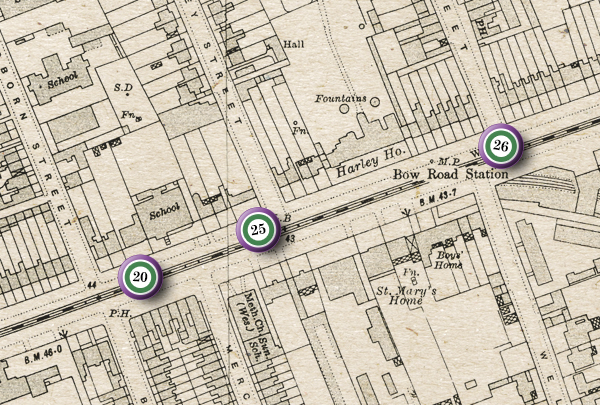
Bow Rd – Sylvia described it as ‘dingy Bow Rd.’
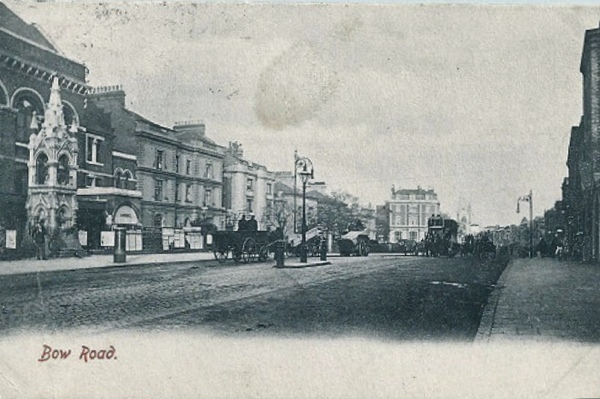
25
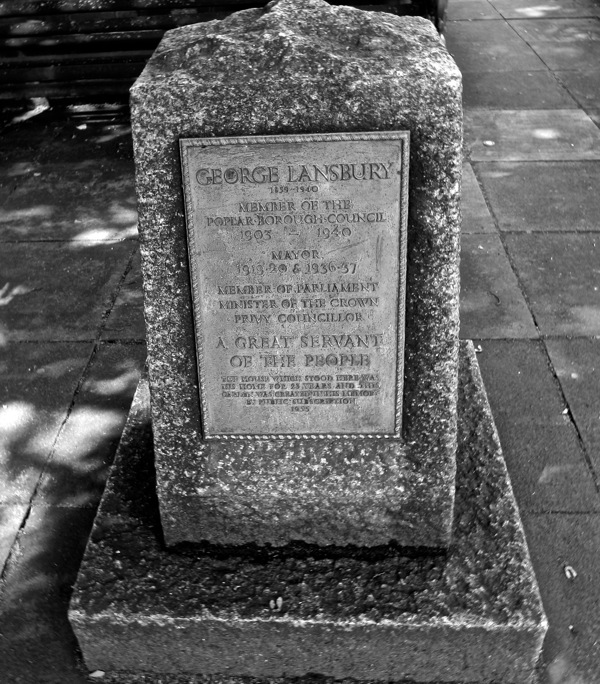
The George Lansbury Memorial – Elected to parliament in 1910, he resigned his seat in 1912 to campaign for women’s suffrage, and was briefly imprisoned after publicly supporting militant action.

George Lansbury
26
The Minnie Lansbury Clock is at the Bow Rd near the junction with Alfred St. Minnie Lansbury was the daughter-in-law of George Lansbury, and very actively supported the campaign and was in Holloway. She died at the age of thirty-two.

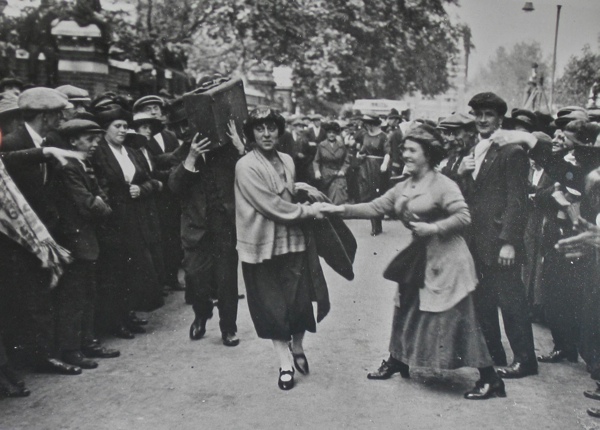
Minnie Lansbury is congratulated on her way to be arrested at Poplar Town Hall
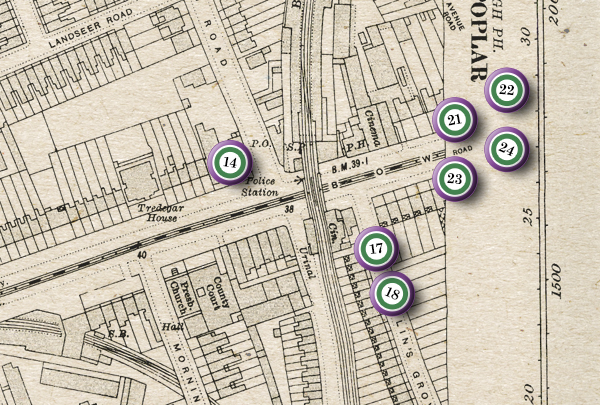
14
Bow Rd Police Station The police were horrifyingly brutal towards Suffragettes when on demonstrations and then, once arrested and tried, they would often receive excessively harsh prison sentences. Hunger striking was in protest against the government’s failure to treat them as political prisoners.
Mrs Parsons told Asquith – “We do protest when we go along in processions that suddenly without a word of warning we are pounced upon by detectives and bludgeoned and women are called names by cowardly detectives, when nobody is about. There was one old lady of seventy who was with us the other day, who was knocked to the ground and kicked. She is a shirtmaker and is forced to work on a machine and she has been in the most awful agony. These men are not fit to help rule the country while we have no say in the matter.” (From the Woman’s Dreadnought.)
Under the ‘Cat and Mouse Act’ hunger strikers were released when their lives was in danger so as to recuperate before returning to finish their sentences. They told tales of dreadful brutality during force-feeding in Holloway.

17 & 18
13 Tomlin’s Grove “When the procession turned out of Bow Rd into Tomlin’s Grove they found that the street lamps were not lighted and that a strong force of police were waiting in the dark before the house of Councillor Le Manquais. Just as the people at the head of the procession reached the house, the policemen closed around them and arrested Miss Emerson, Miss Godfrey and seven men, two of whom were not in the procession, but were going home to tea in the opposite direction.
At the same moment twenty mounted police came riding down upon the people from the far end of Tomlin’s Grove, and twenty more from the Bow Rd. The people were all unarmed. … There were cries and shrieks and people ran panic-stricken into the little front gardens of the houses in the Grove.
But wherever the people stopped the police hunted them away. I was told that an old woman who saw the police beating the people in her garden was so much upset that she fell down in a fit and died without regaining consciousness. A boy of eighteen was so brutally kicked and trampled on that he had to be carried to the infirmary for treatment. A publican who was passing was knocked down and kicked and one of his ribs was broken. Even the bandsmen were not spared. The police threw their instruments over the garden walls. The big drummer was knocked down and so badly used that he is still on the list for sick insurance benefit. Mr Atkinson, a labourer, was severely handled and was then arrested. In the charge room Inspector Potter was said to have blacked his eye.”
21
198 Bow Rd was the first Headquarters of the First Headquarters of the East London Federation, 1912. When Sylvia first arrived in Bow she rented an empty baker’s shop at 198 Bow Rd. She used a platform to paint “VOTES FOR WOMEN” in gold across the frontage and addressed the crowds from here.
22
The Obelisk, Bromley High St “On the following Monday, February 17th (1913) we held a meeting at the Obelisk, a mean-looking monument in a dreary, almost unlighted open space near Bow Church.
Our platform, a high, uncovered cart, was pitched against the dark wall of a dismal council school in the teeth of a bitter wind. Already a little knot of people had gathered; women holding their dark garments closely about them, shivering and talking of the cold, four or five police constables and a couple of Inspectors. We climbed into the cart and watched the crowd growing, the men and women turning from the footpaths to join the mass. … I said I knew it to be a hard thing for men and women to risk imprisonment in such a neighbourhood, where most of them were labouring under the steepest economic pressure, yet I pleaded for some of the women of Bow to join us in showing themselves prepared to make a sacrifice to secure enfranchisement …
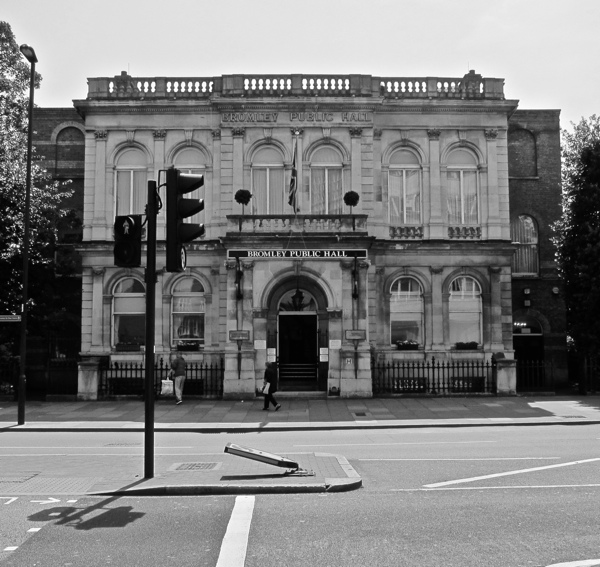
… After it was over Mrs Watkins, Mrs Moore, Miss Annie Lansbury, and I broke an undertaker’s window. Willie Lansbury, George Lansbury’s eldest son, who had promised his wife to go to prison instead of her because she had tubercular tendencies and could not leave their little daughter only two years old, broke a window in the Bromley Public Hall.
I was seized by two policemen, three other women were seized. We were dragged, resisting, along the Bow Rd, the crowd cheering and running with us. We were sent to prison without an option of fine.
There were four others inside with me: Annie Lansbury and her brother Will, pale, delicate Mrs. Watkins, a widow struggling to maintain herself by sweated sewing-machine work, and young Mrs. Moore. A moment later little Zelie Emerson was bundled in, flushed and triumphant – she had broken the window of the Liberal Club.
That was the beginning of Militancy in East London. Miss Emerson, Mrs Watkins and I decided to do the hunger-strike, and hoped that we should soon be out to work again. But although Mrs Watkins was released after ten days, Miss Emerson and I were forcibly fed, and she was kept in for seven weeks although she had developed appendicitis, and I for five. When we were once free we found that we were too ill to do anything at all for some weeks.
But we need not have feared that the work would slacken without us. A tremendous flame of enthusiasm had burst forth in the East End. Great meetings were held, and during our imprisonment long processions marched eight times the six miles to cheer us in Holloway, and several times also to Brixton goal, where Mr Will Lansbury was imprisoned. The people of East London, with Miss Dalgleish to help them, certainly kept the purple, white and green flag flying …”
23
Bromley Public Hall, Bow Rd “On February 14th [1913] … we held a meeting in the Bromley Public Hall, Bow Road, and from it led a procession round the district. …To make sure of imprisonment, I broke a window in the police station … Daisy Lansbury was accused of catching a policeman by the belt, but the charge was dismissed. Zelie Emerson and I went to prison … .and began the hunger and thirst strike … On release we rushed back to the shop, found Mrs Lake scrubbing the table, and it crowded with members arranging to march to Holloway Prison to cheer us next day.”
24
Bow Palace, 156 Bow Rd was built at the rear of the Three Cups public house and had a capacity of two thousand.
“One Sunday afternoon I spoke in Bow Palace and marched openly with the people of Bow Rd. When I spoke from the window afterwards, a veritable forest of sticks was waved by the crowd. …
While I was in prison after my arrest in Shoreditch …. a Meeting …. was held in Bow Palace on Sunday afternoon, December 14th. After the Meeting it was arranged to go in procession around the district and to hoot outside the houses of hostile Borough Councillors.”
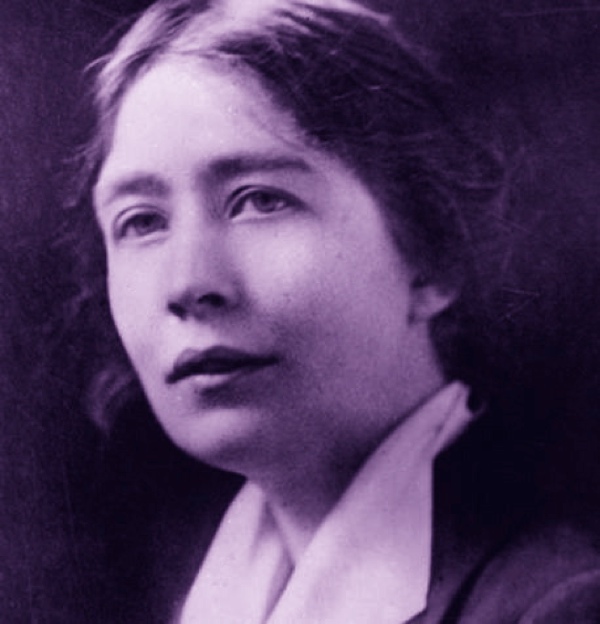
Sylvia Pankhurst – Women over the age of twenty-one were eventually enfranchised in 1928
Maps reproduced courtesy of Bishopsgate Institute
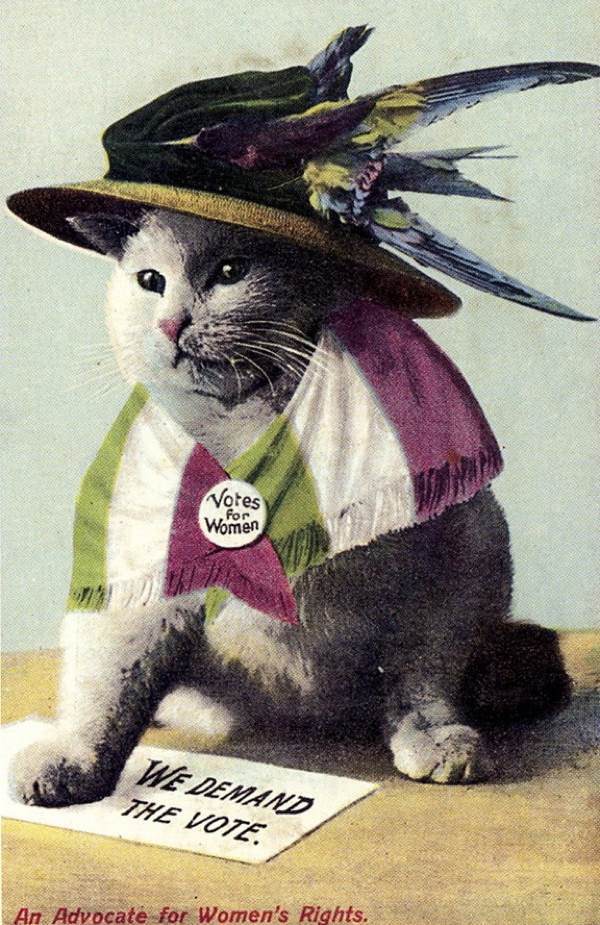
Postcard reproduced courtesy of Libby Hall Collection at Bishopsgate Institute
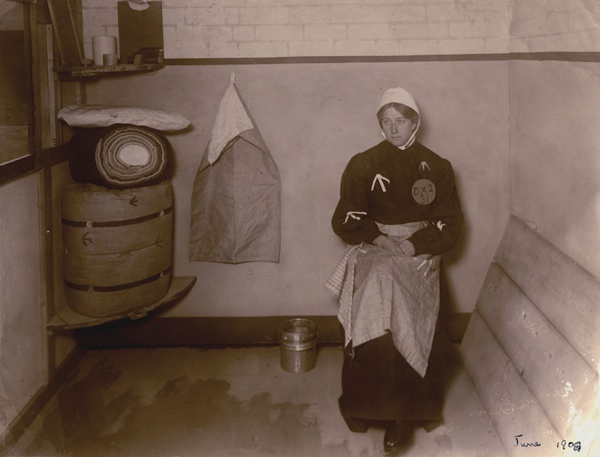
Photograph of Suffragette in Holloway courtesy of LSE Women’s Library
Copy of The Women’s Dreadnought courtesy of Tower Hamlets Local History Library & Archives
You may also like to read about
At The Ragged School Museum

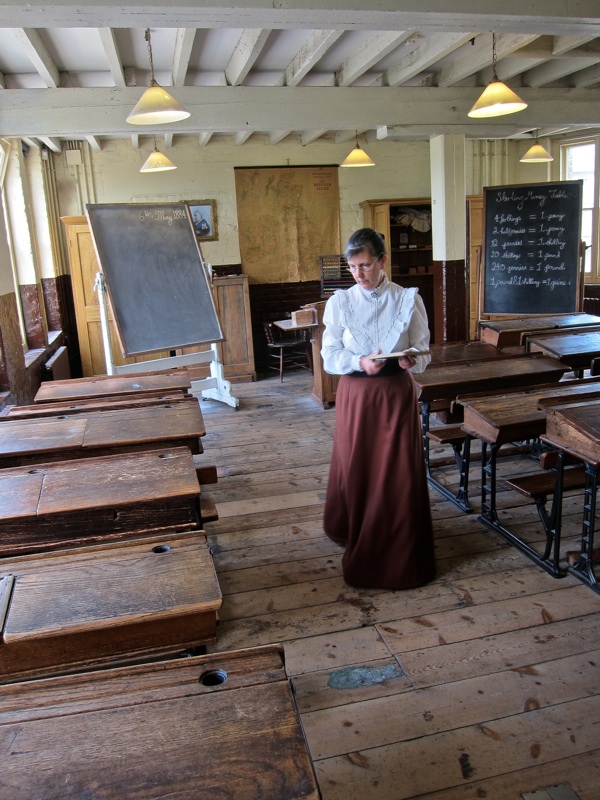
The Ragged School Museum in Bow is a long tall building occupying the narrowest triangular site between the canal and the road – as thin as a meagre slice of cake. In 1876, Dr Thomas Barnardo purchased these premises, originally constructed for warehouses, from a Scottish provisions company and opened a ragged school as one of forty establishments under his supervision in the East End. Within a couple of years, there were three hundred and seventy pupils daily and two thousand five hundred for Sunday school each week.
As well as providing education, children were given food and offered care and support to ameliorate the deprivation they suffered. Reverting to light industrial use after the death of Dr Barnardo at the beginning of the last century, the complex was blighted by a demolition order until the formation of the Ragged School Trust who purchased the building in 1986. An atmospheric structure where the melancholy presence of history still lingers, it is now a museum where school children come to experience Victorian education and learn of the realities of life for the poor in nineteenth century London.

Dr Barnardo’s Ragged School, 1879

Copperfield Rd today

“a long building occupying the narrowest triangular site between the canal and the road – as thin as a meagre slice of cake”

Stairs up to the classrooms


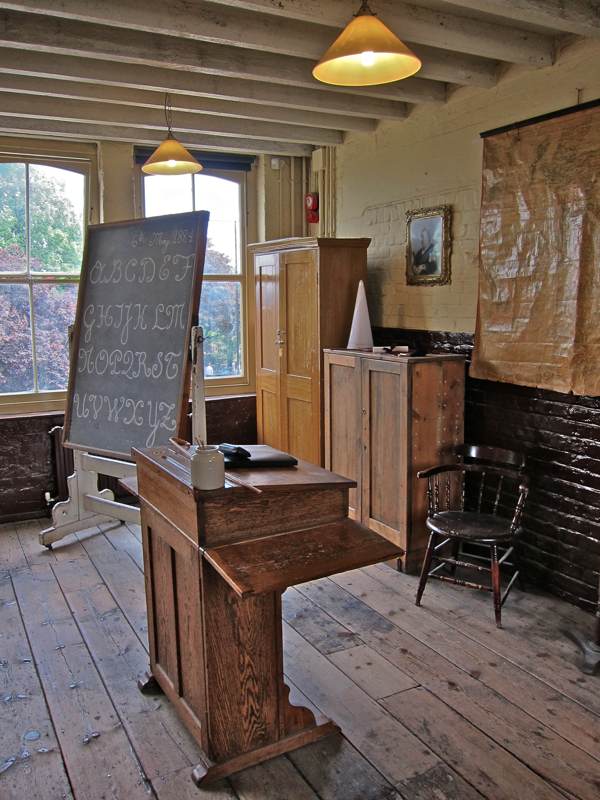


The Boys’ staircase

Behind these screens was the Headmaster’s Office

Bridge over Regent’s Canal


Stairs down to the Regent’s Canal towpath
Neil Martinson, Photographer
Neil Martinson documented the working life of Hackney and the East End throughout the seventies and eighties. These photographs are selected from his retrospective ANOTHER TIME, ANOTHER PLACE at Stour Space, Hackney Wick until 22nd February and monograph published by Cafe Royal Books. Neil was born and brought up in Hackney, where he started taking street scenes and became a founder member of the Hackney Flashers photography collective.
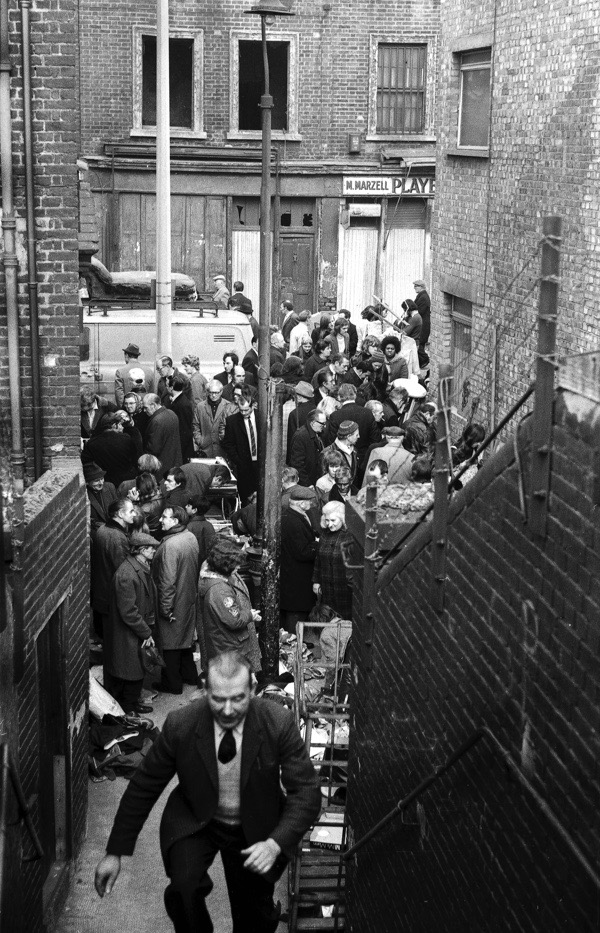
Cheshire St
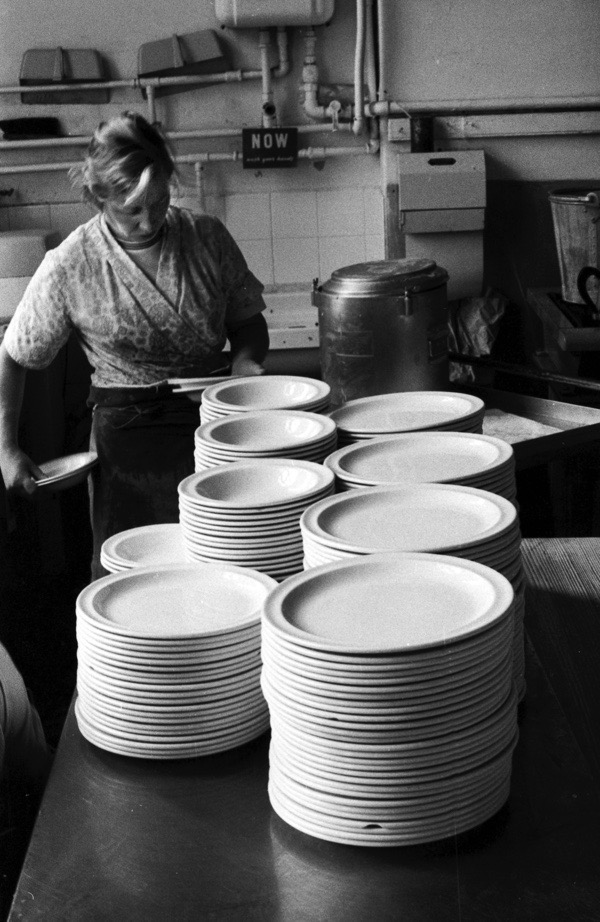
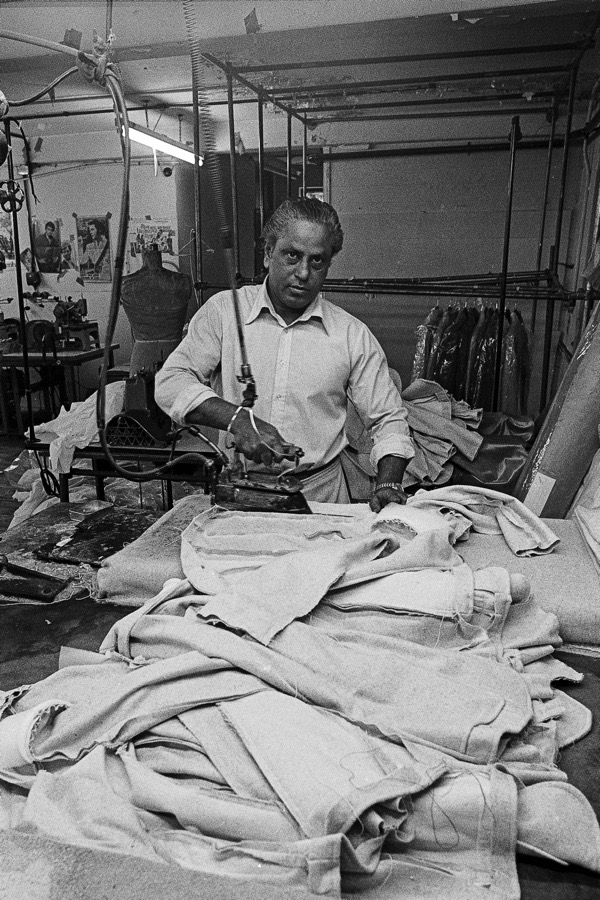
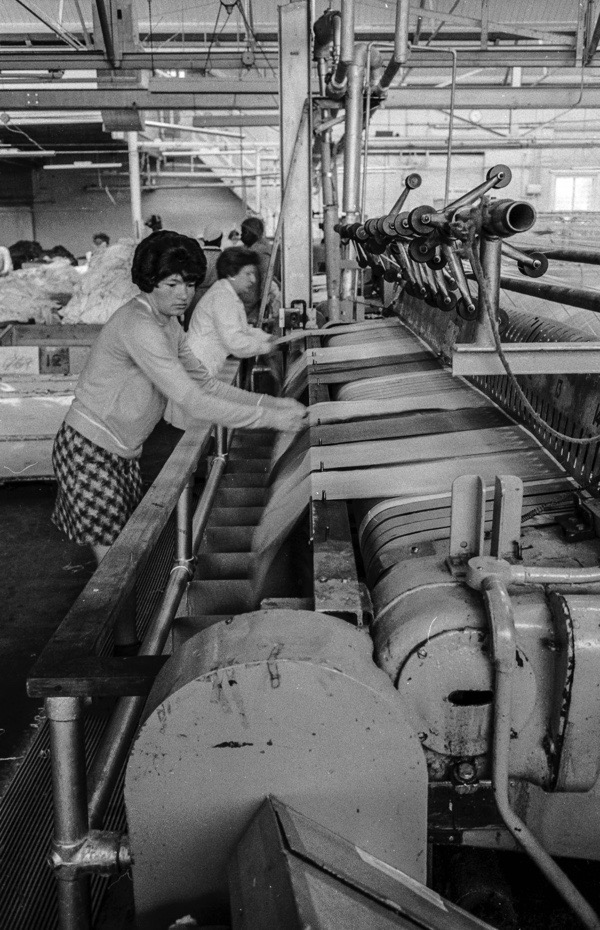
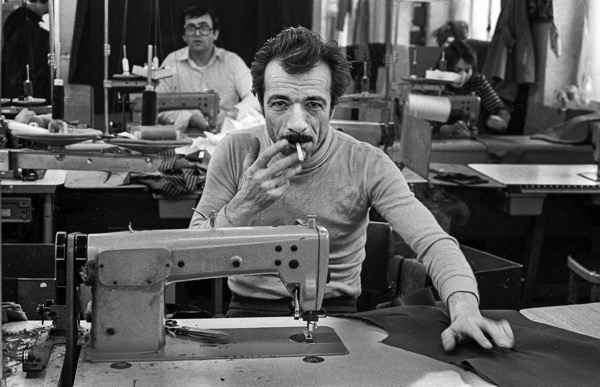
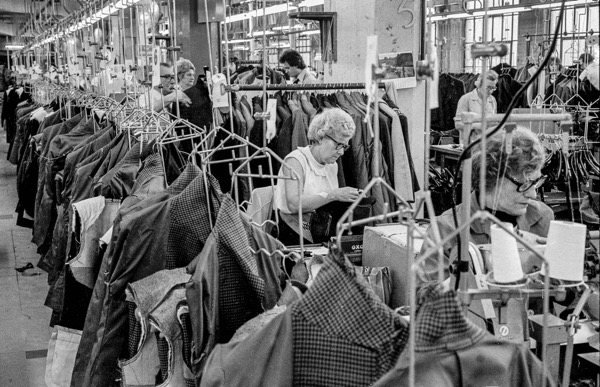
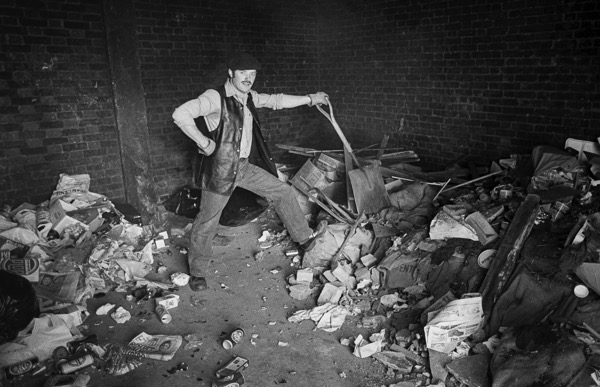
Steve Manning
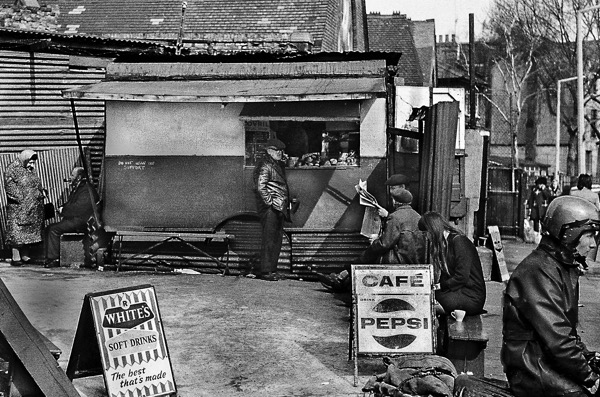
Ridley Rd Market
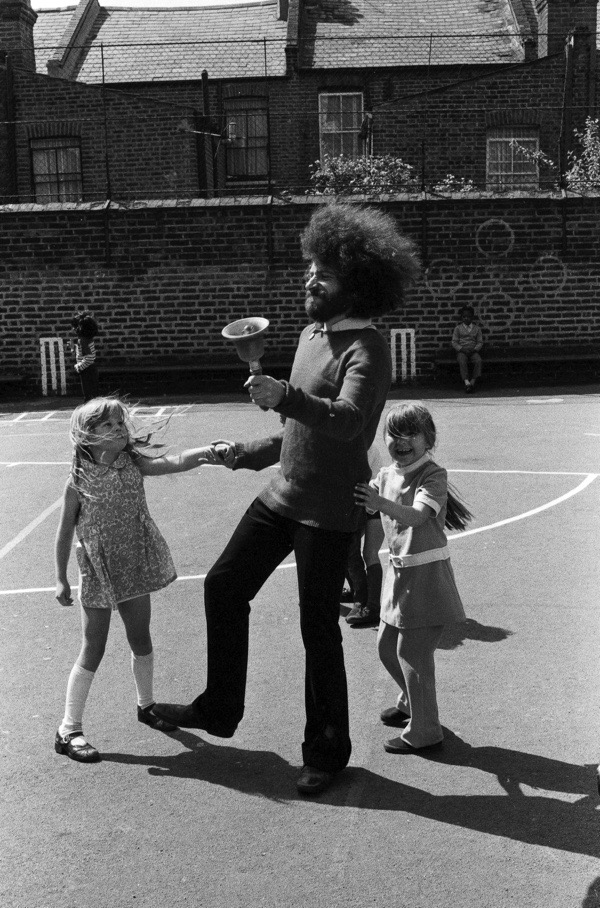
Brian Simons
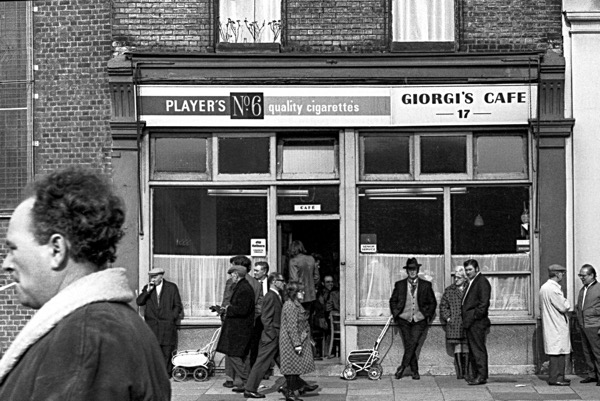
Bethnal Green Rd
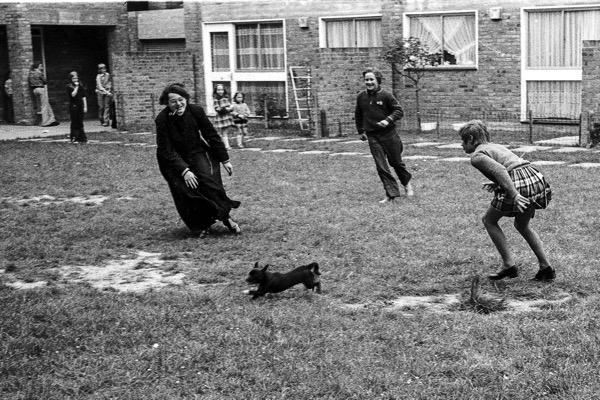
Tony Kyriakides
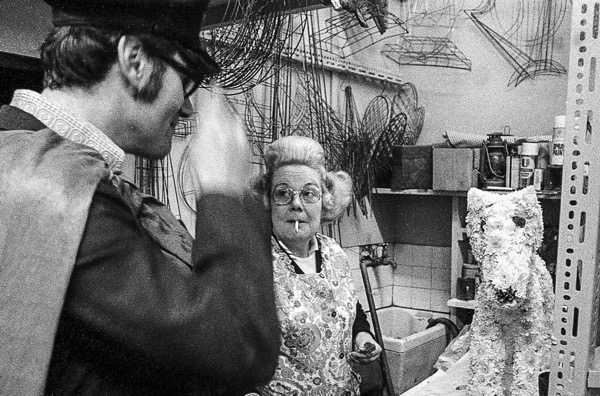
Ken Jacobs
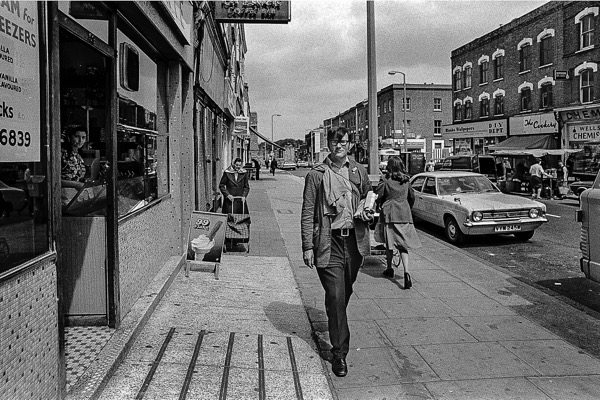
Ken Jacobs
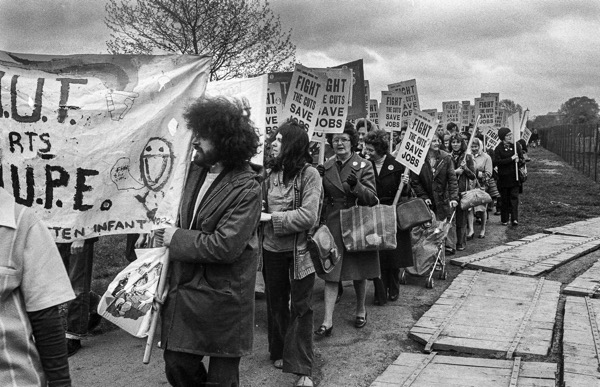
Brian Simons
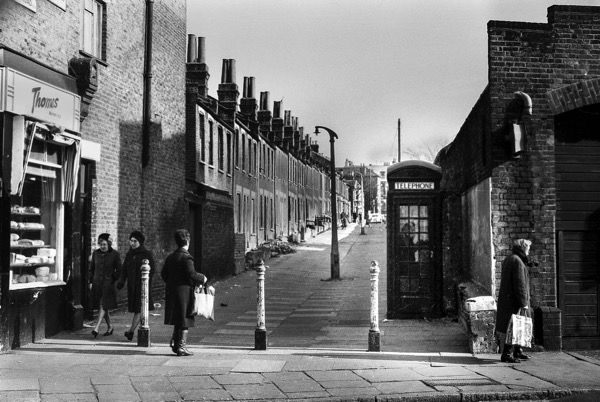
Stoke Newington
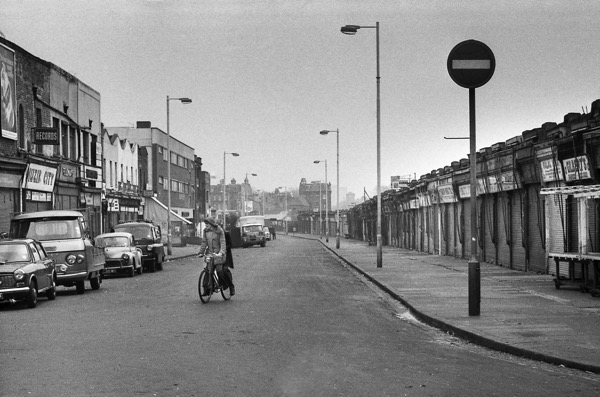
Ridley Rd Market
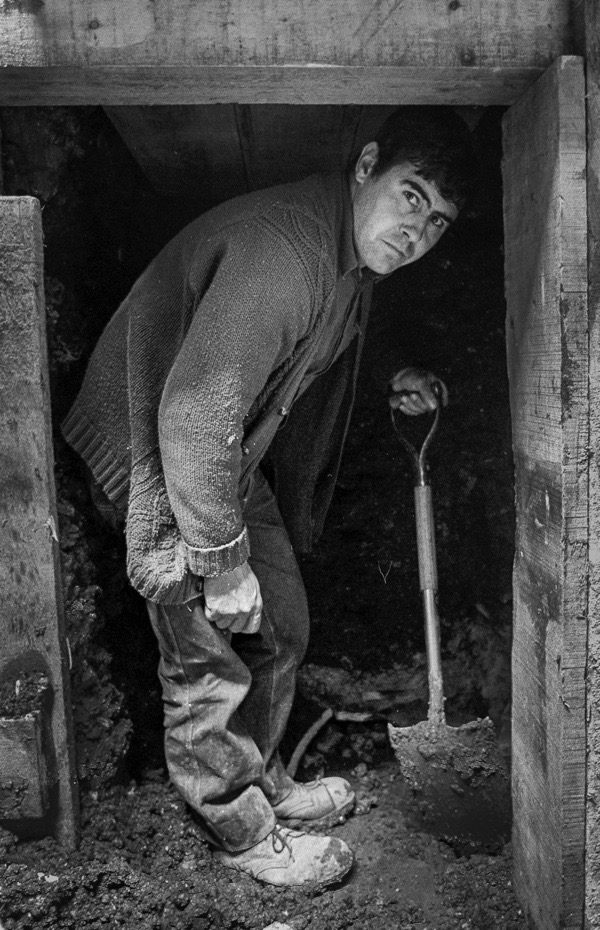
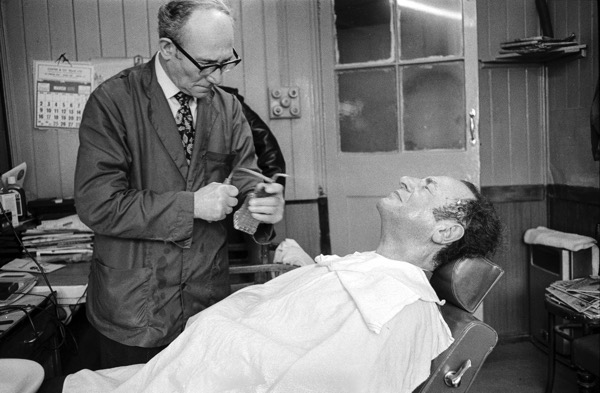
Lew Lessen
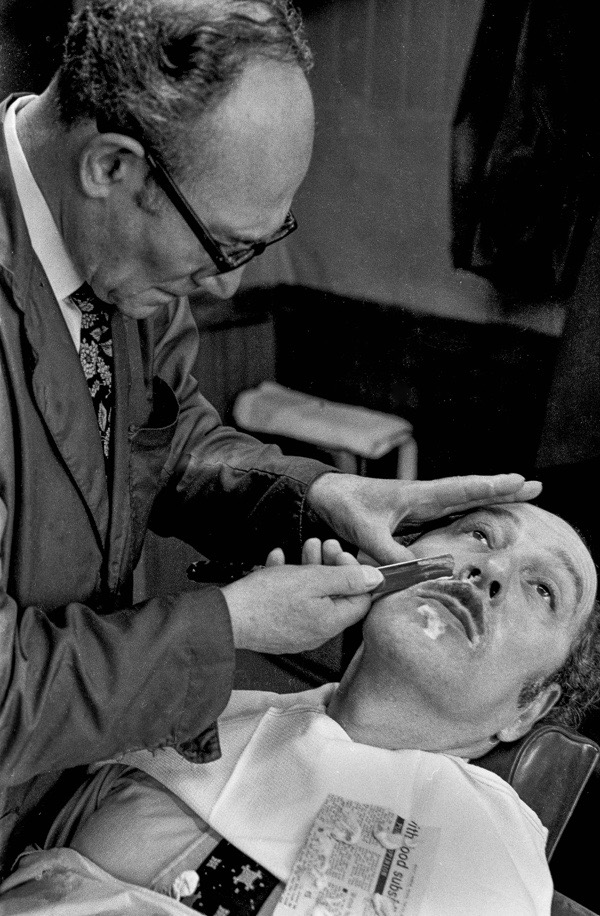
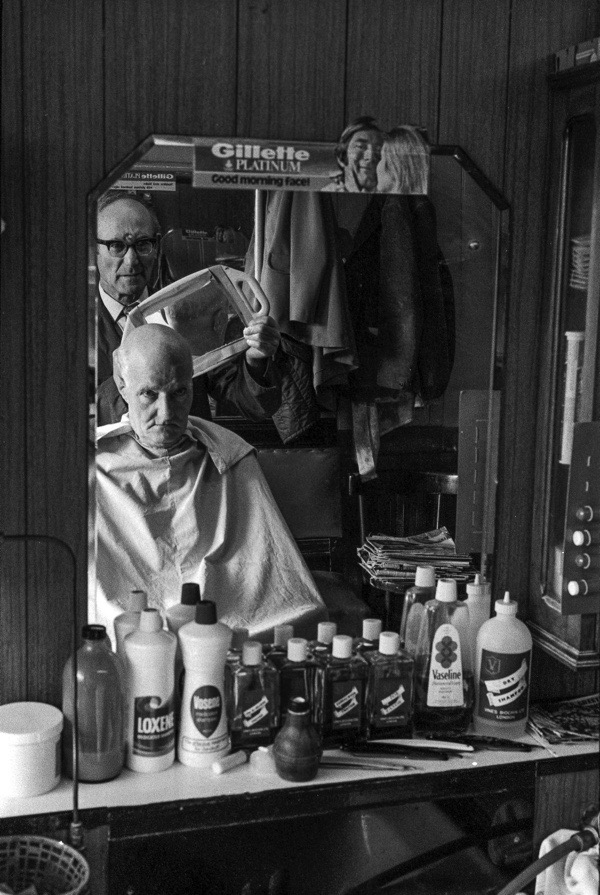
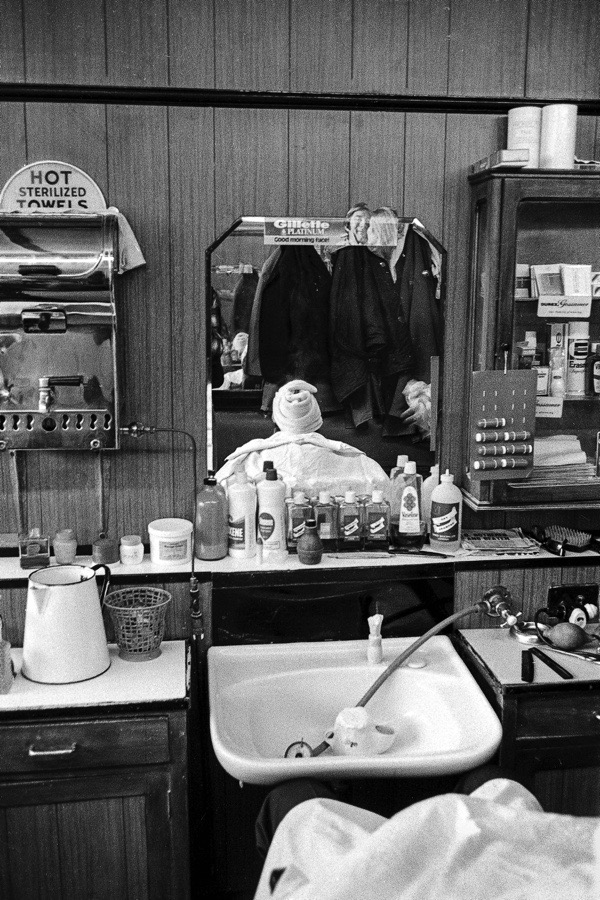
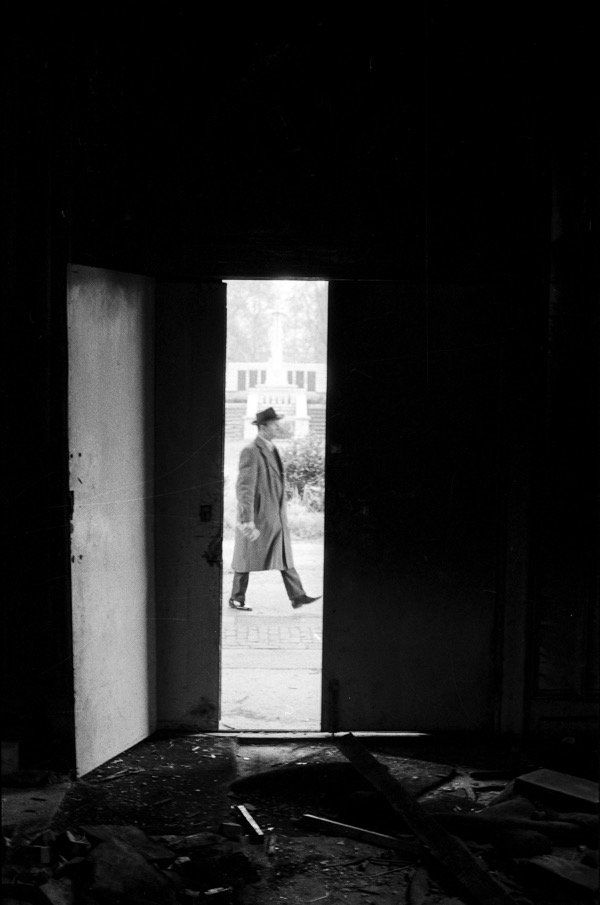
Abney Park Cemetery
Photographs copyright © Neil Martinson
You may also like to take a look at
Ancient Trees in Richmond Park
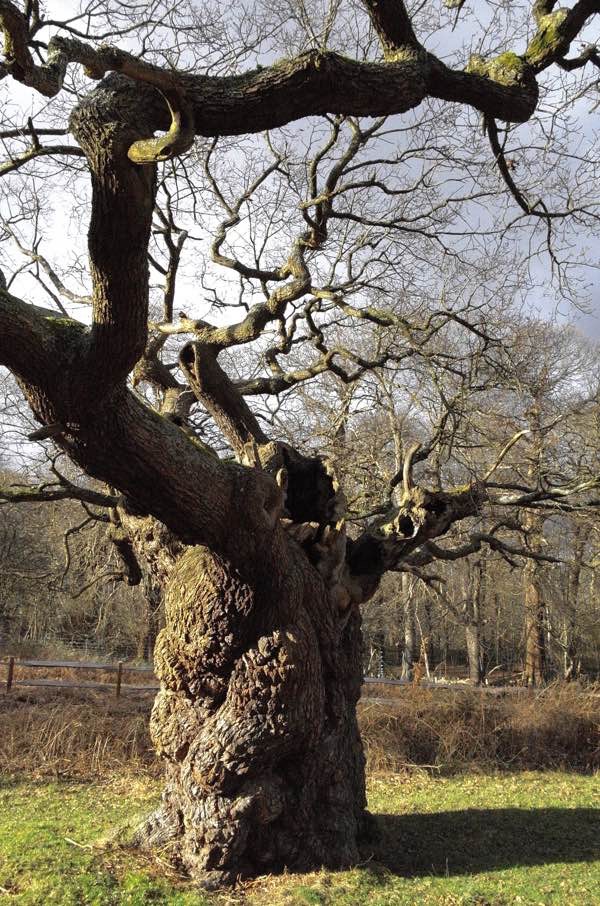
The Royal Oak
The presence of great trees in the city has always been a source of fascination to me as one born in the countryside. I often think of the nineteenth century rural writer Richard Jefferies who, while struggling to make a career in London, took lonely walks in the parks for consolation and once, to ameliorate his home-sickness for the West Country, spontaneously wrapped his arms around a tree. Thus he originated the notion of’ tree-hugging,’ a phrase that is now used to embrace the deep affection which many people feel for trees. It is a tendency I recognise in myself, as I came to realise last week, while prowling around Richmond Park in the frost in search of ancient trees.
Yet I did not have to look very far, since this Royal Park has more than nine hundred oaks which are over five hundred years old – thus qualifying as ‘ancient’ – many of which are over seven hundred years in age. In fact, it is claimed that Richmond Park has more ancient trees than in the whole of France and Germany.
As I came upon more and more of them, the wonder of these tottering specimens filled me with such an accumulating sense of awe and delight that I could not understand how I could be entirely alone in the great empty park, enjoying them all to myself. It seemed incredible to me that the place was not teeming with visitors paying adoring homage to these gnarly old time-travellers, although I was equally grateful for their absence because my pleasure in communing with these ancient oaks was greater for being an intimate, solitary experience.
The ultimate object of my quest was the celebrated Royal Oak at the heart of the park. Since it is not marked on any map, I had no choice but to stop the few people I did meet and ask directions. Yet all of those of whom I enquired simply replied with a shrug and a polite grin, and consequently I could not avoid a certain absurdity in asking my question of unwary visitors while in a park surrounded by ancient trees. Eventually I had no choice but to retreat to a lodge where, after several phone calls among the park wardens, I was offered directions.
Returning to the woodland, I wondered how I might distinguish the wood for trees or rather – in this case – the Royal Oak from its fellows. The low-angled winter sunshine emerged at intervals from the passing clouds, casting a transient golden light upon the forest. As I reached the edge of the tree line and the landscape opened up, declining towards Pen Ponds, the clouds separated permitting a shaft of afternoon sunlight to illuminate a tree standing apart from the rest. A massive trunk, twisted and split, testified to seven centuries of growth, while the whirling crown of branches spreading in all directions was a product of more recent time, when the tree was no longer pollarded for the supply of oak staffs. I stood and contemplated its implacable presence in silent awe, confronting the aged monarch among an army of elderly cohorts in a forest of ancient trees. This was the Royal Oak.
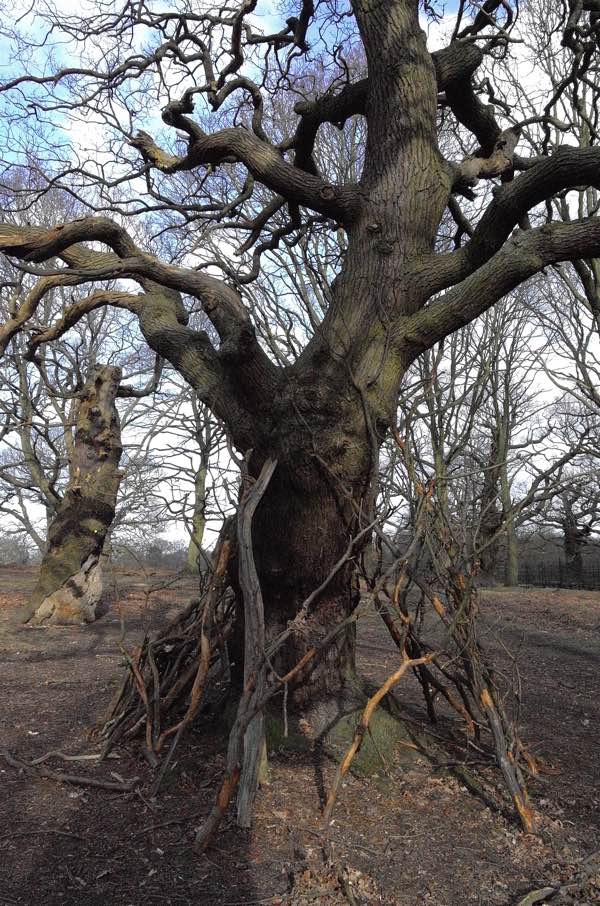
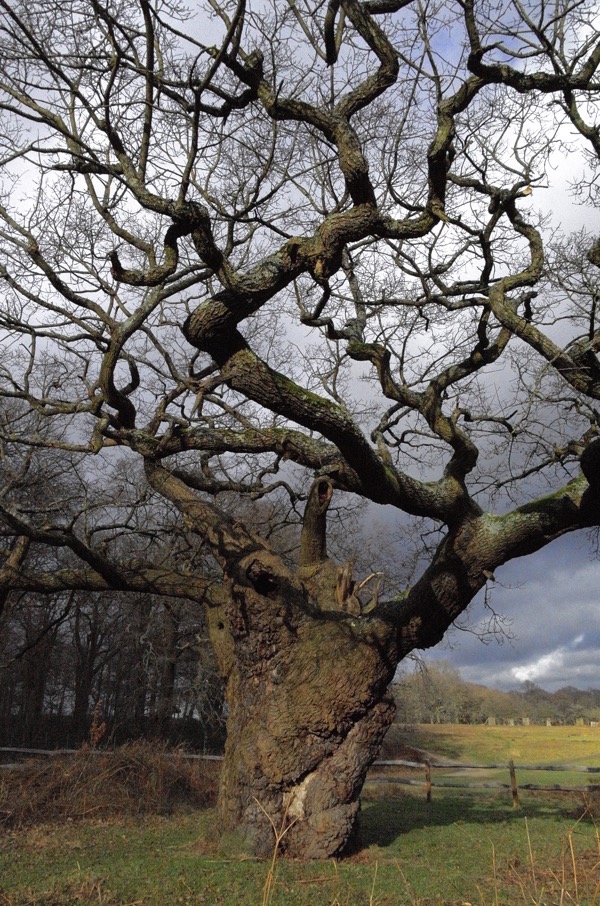
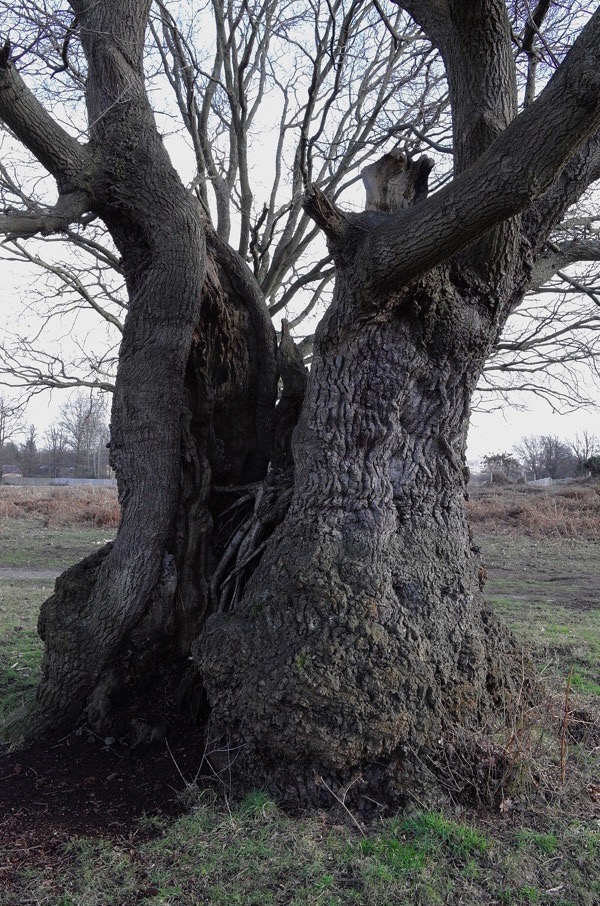
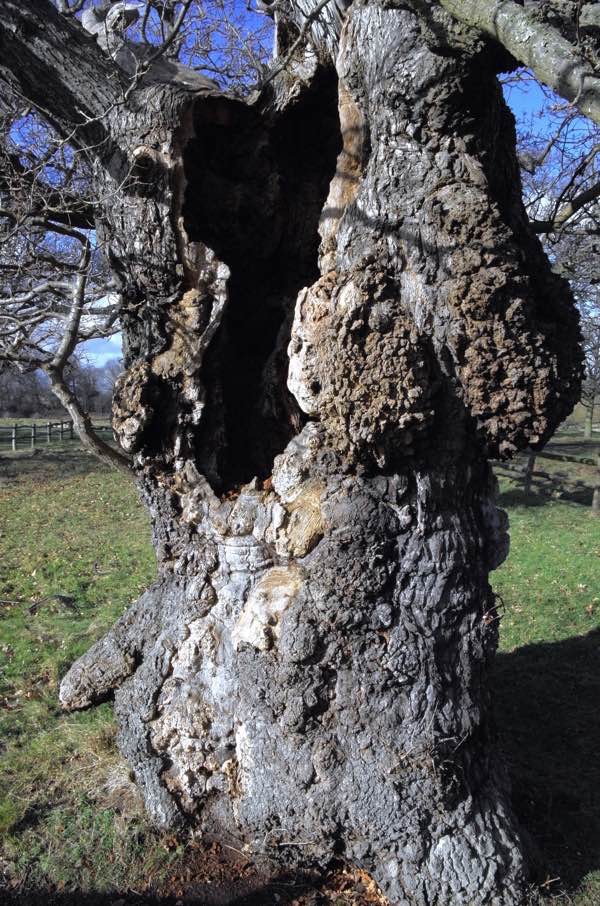
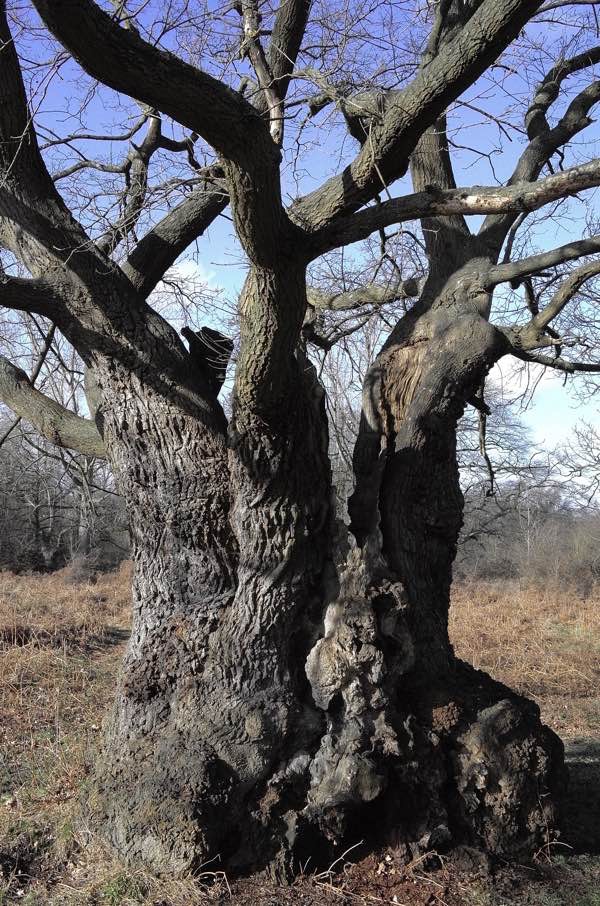
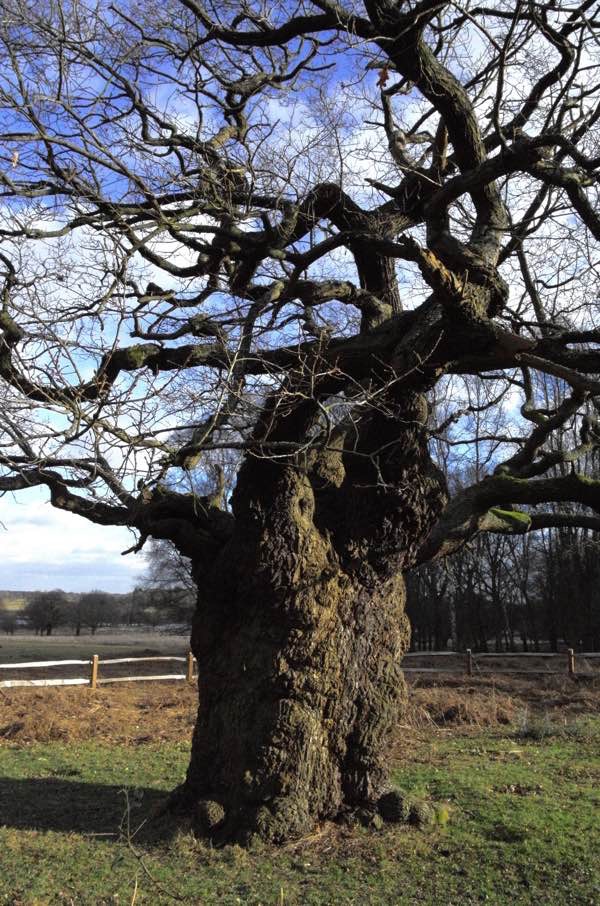
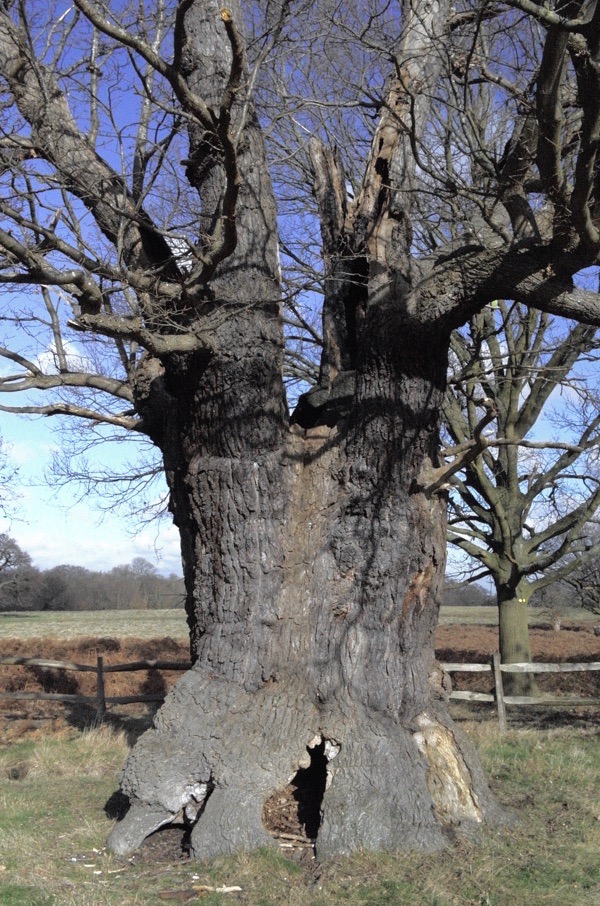
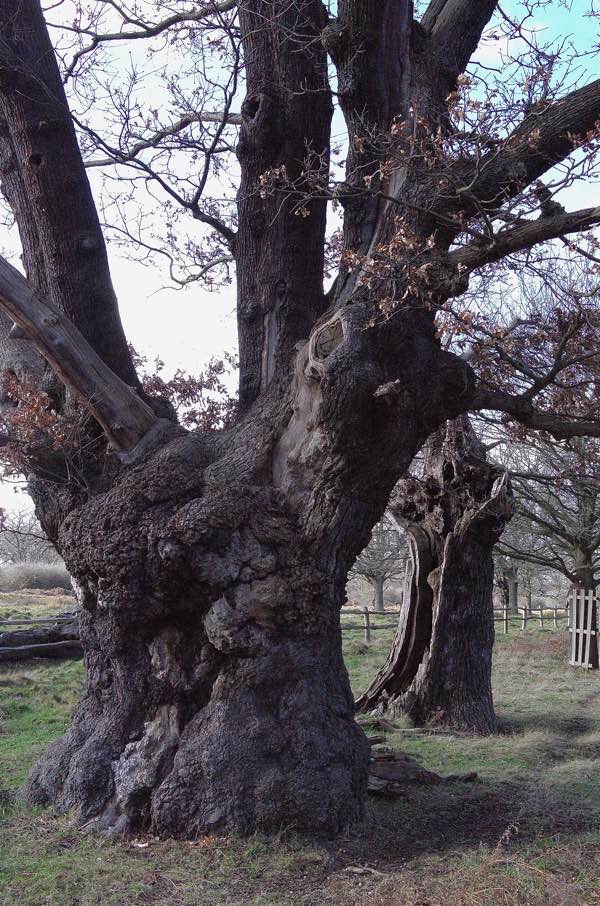
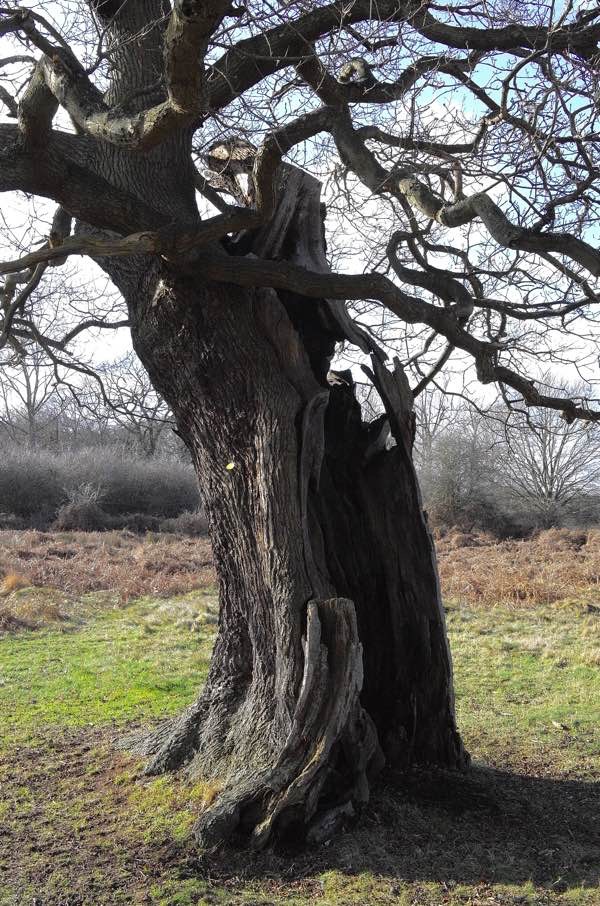
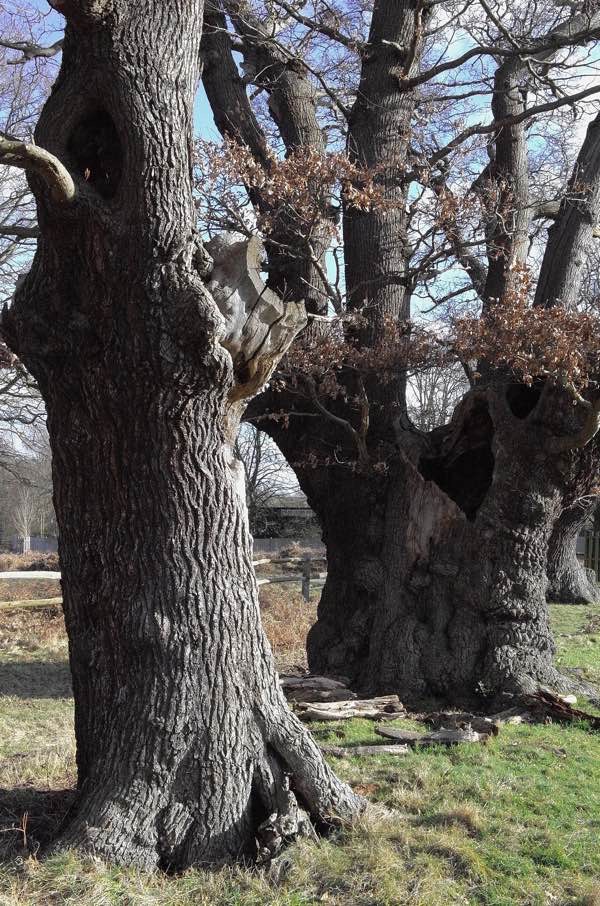
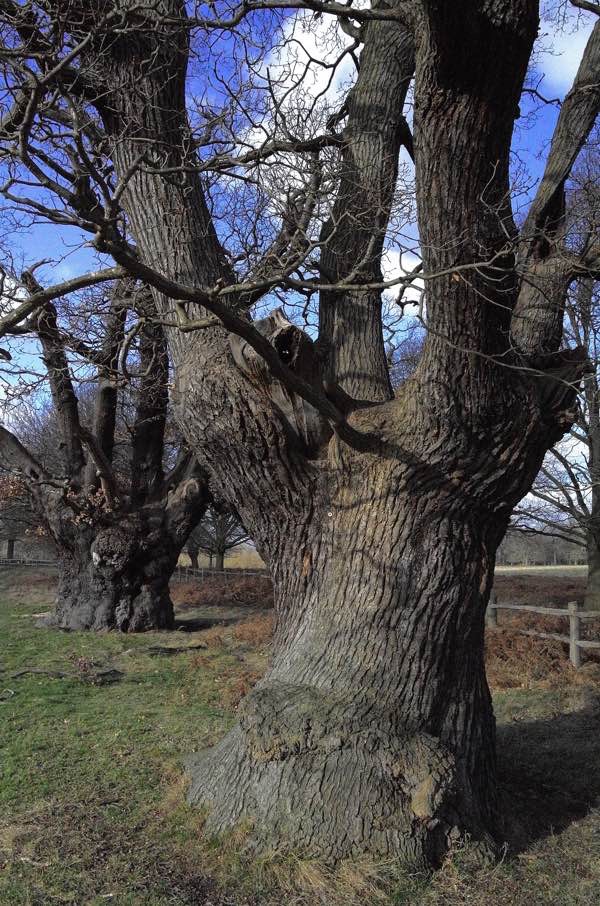
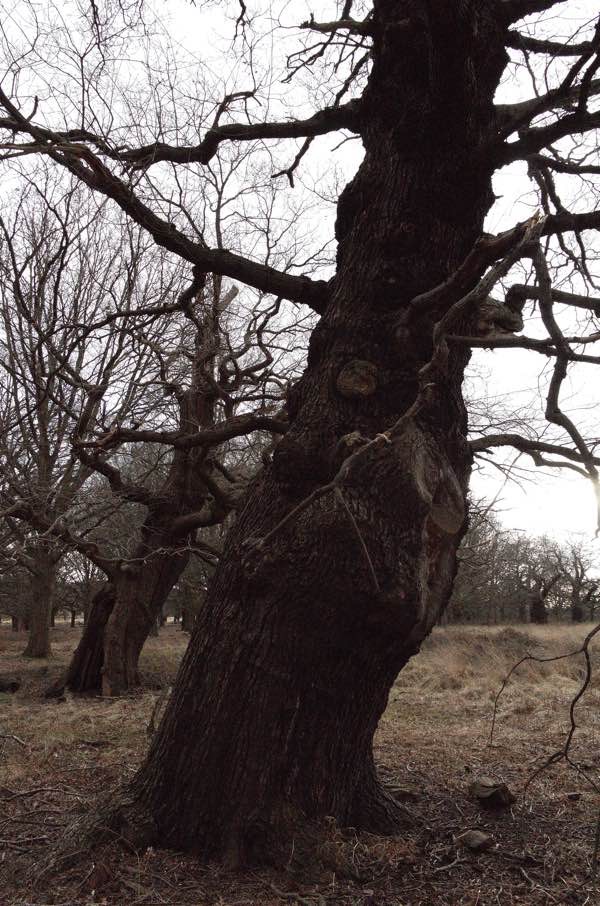
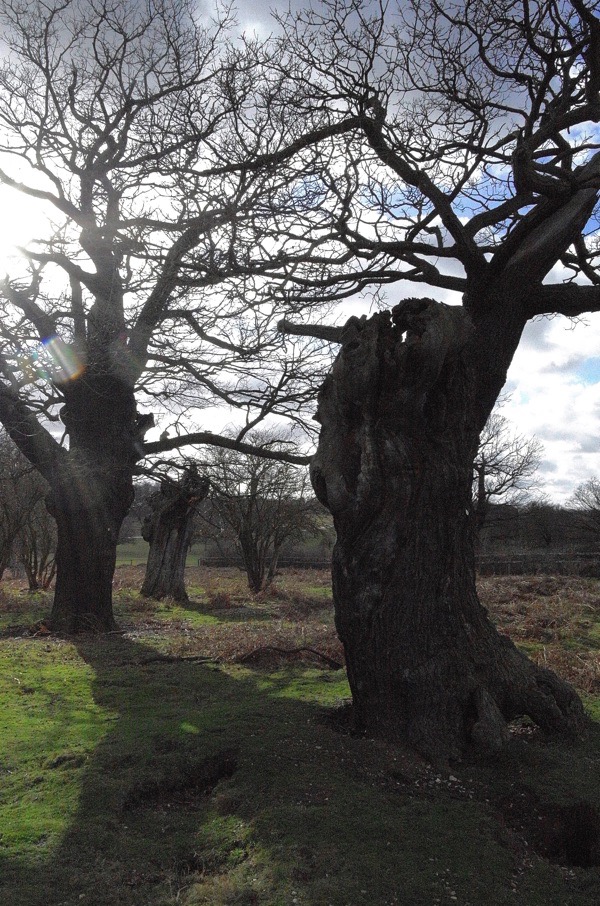
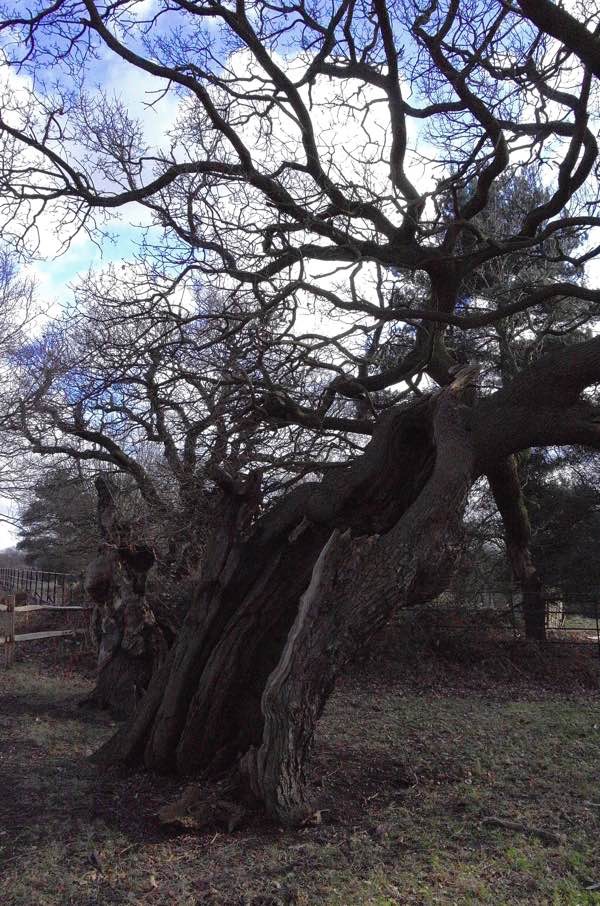
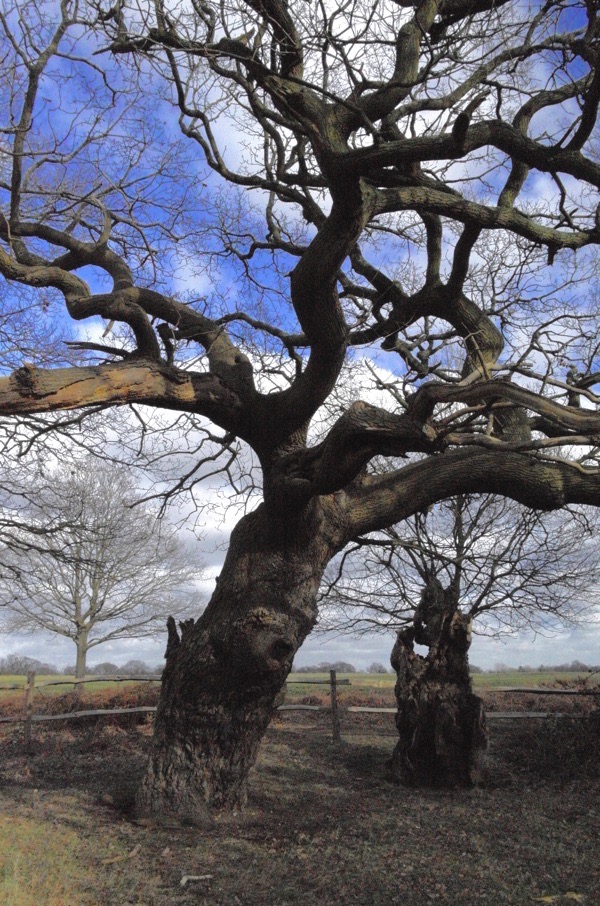
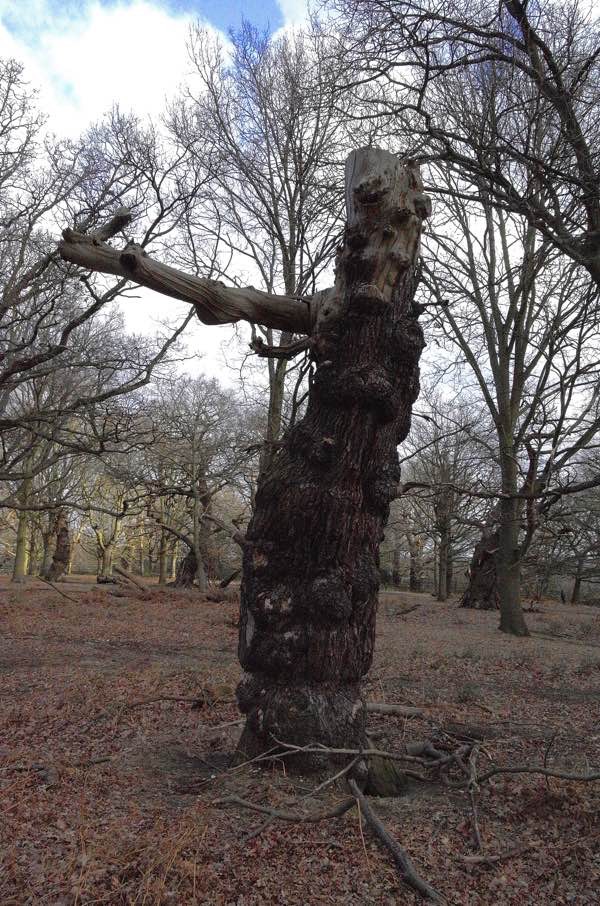
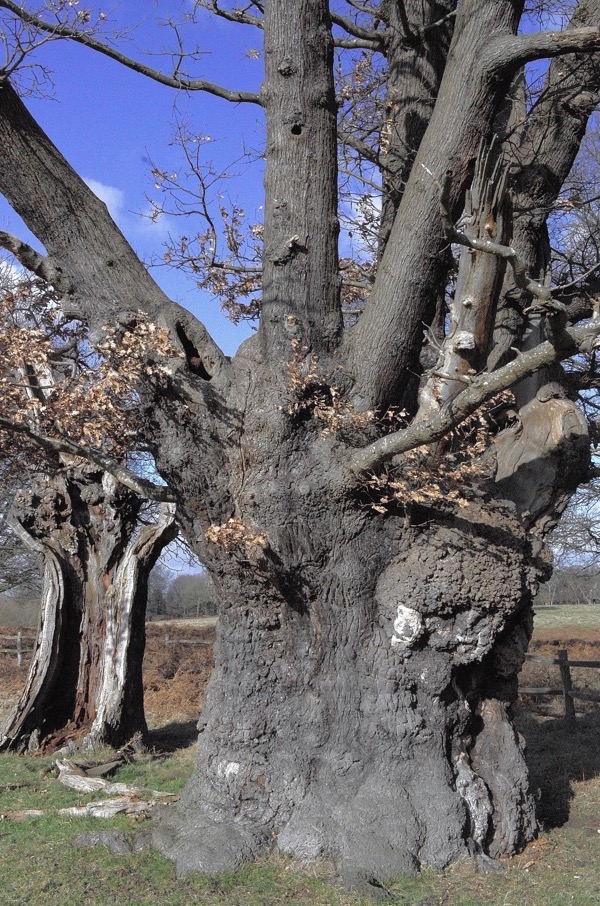
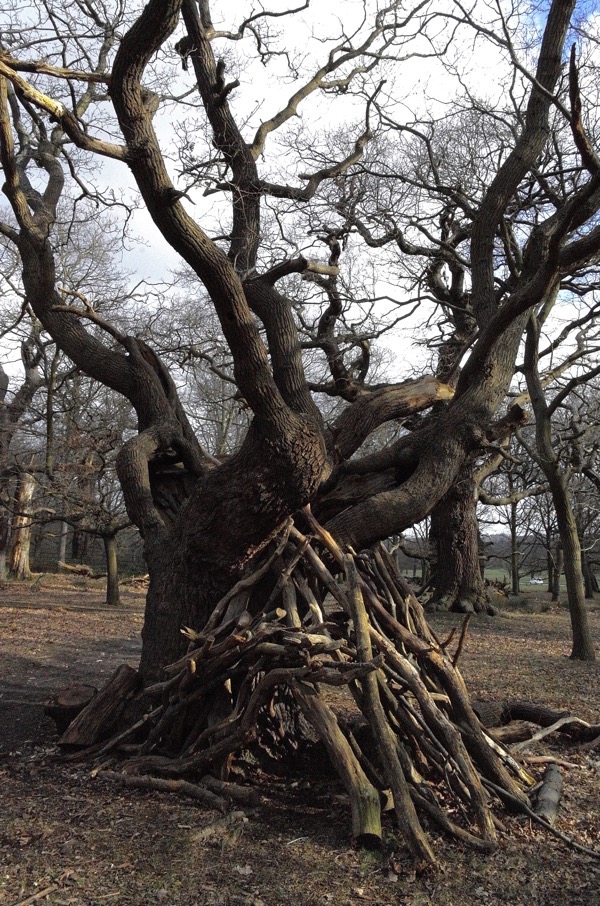
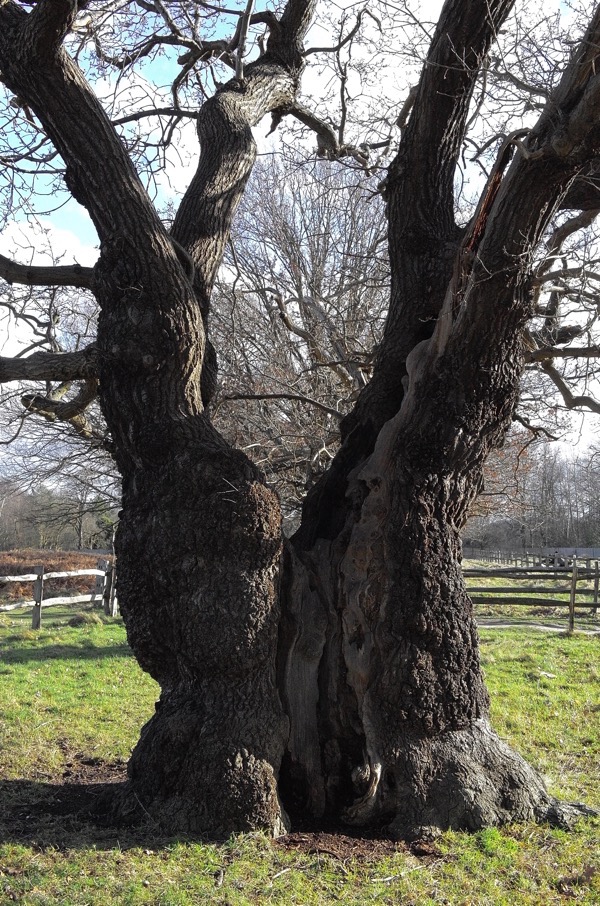
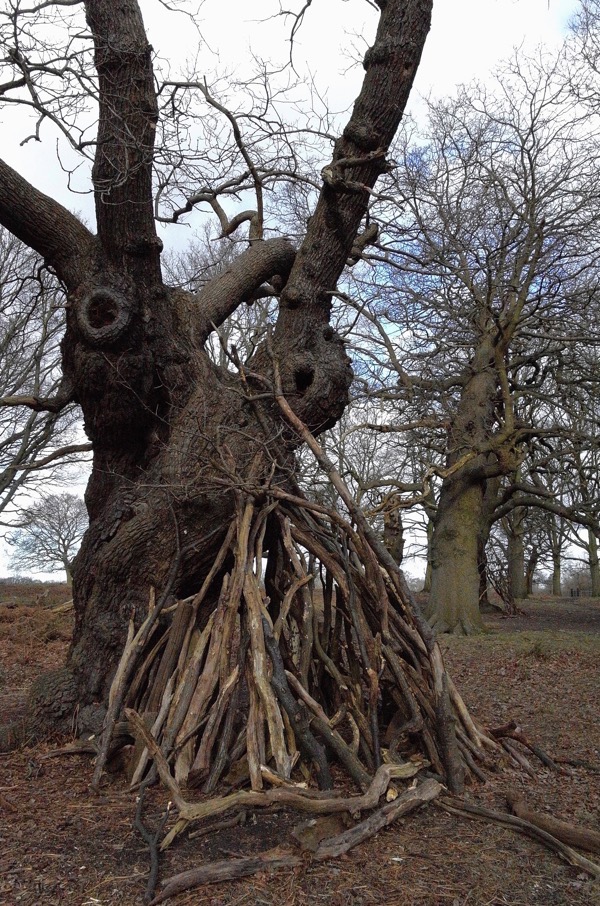
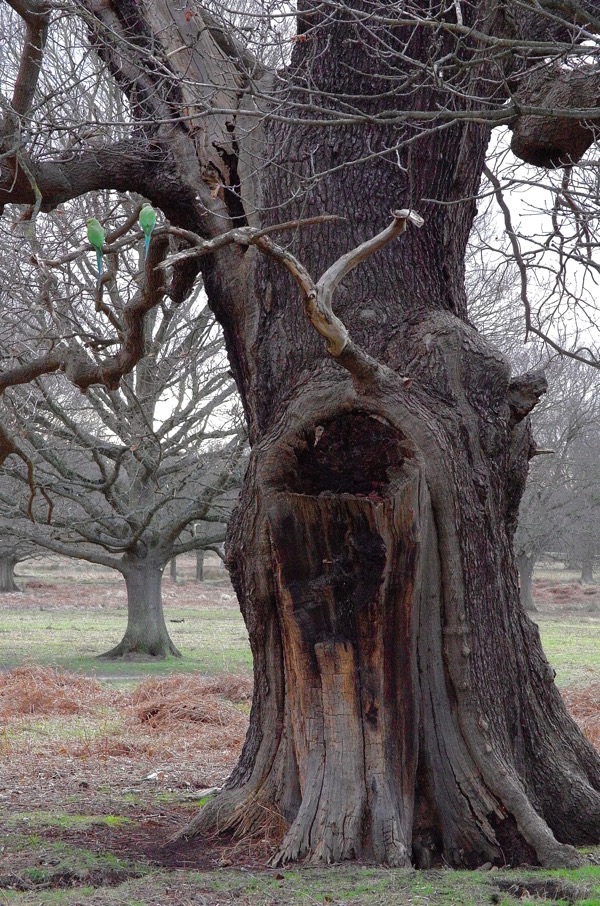
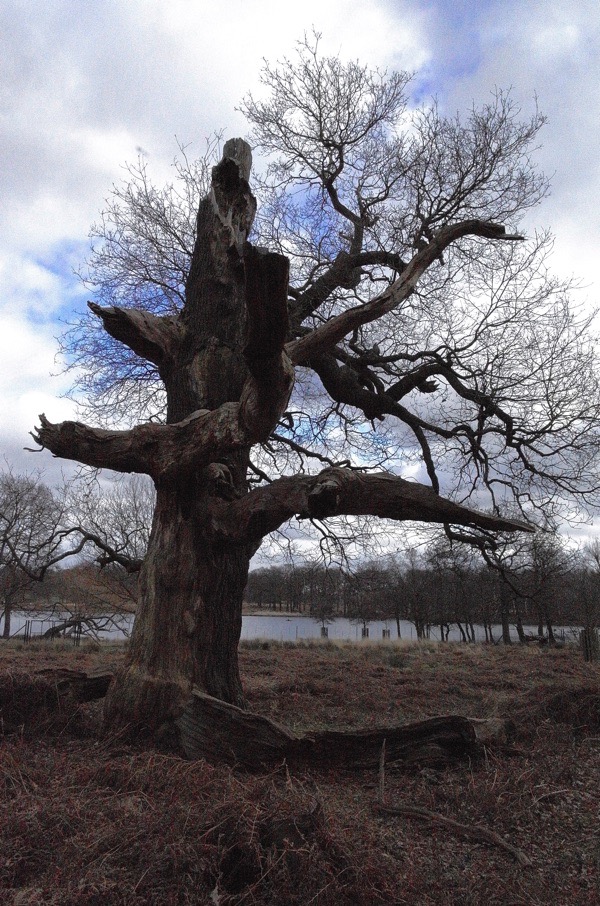
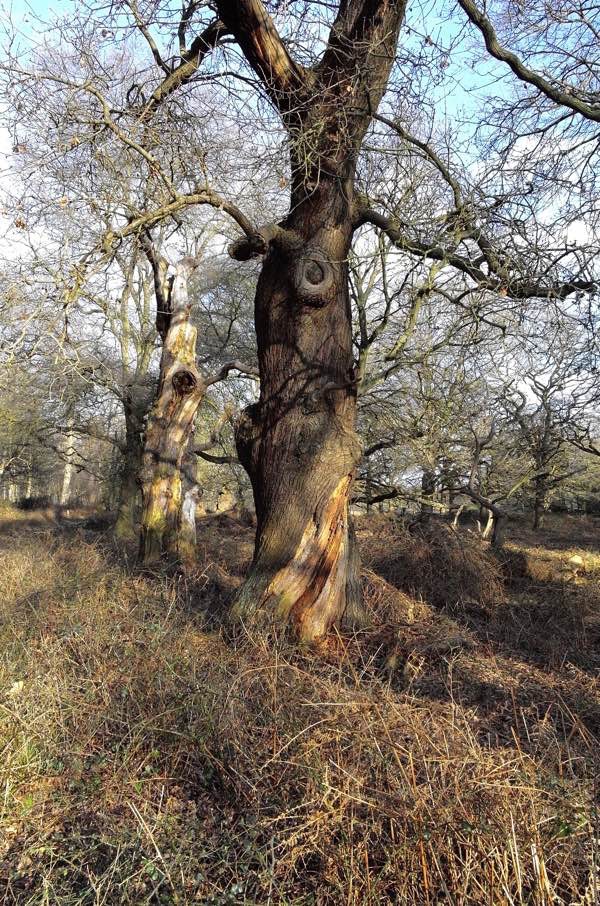
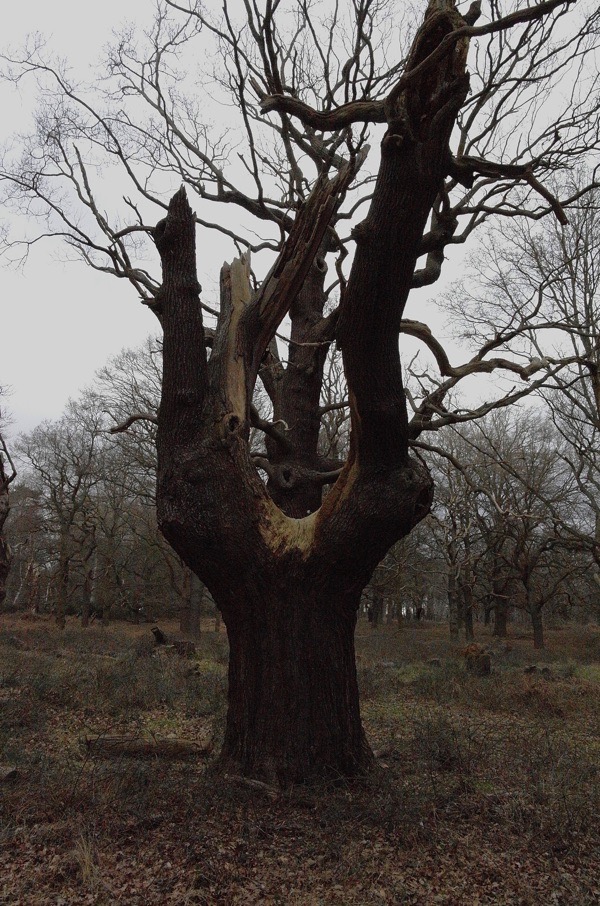
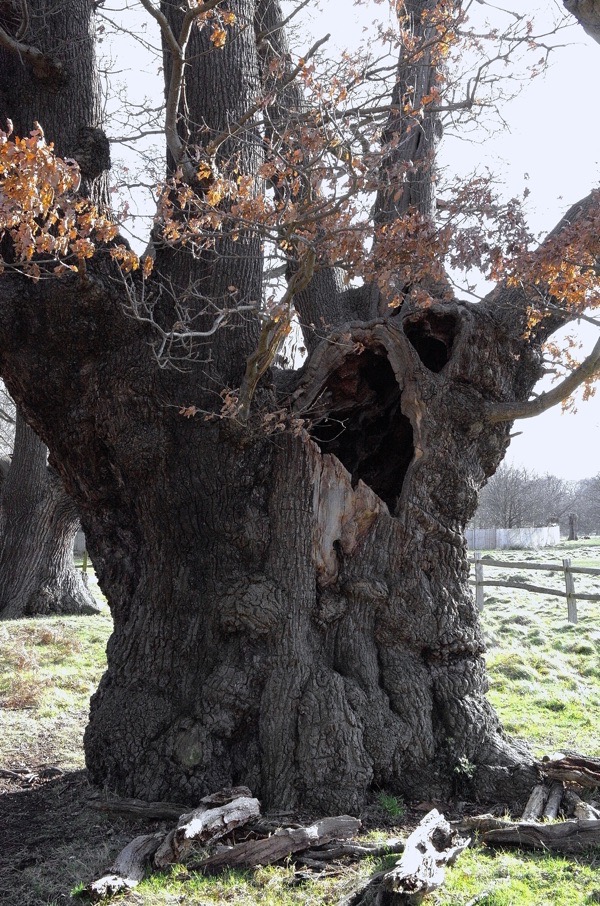
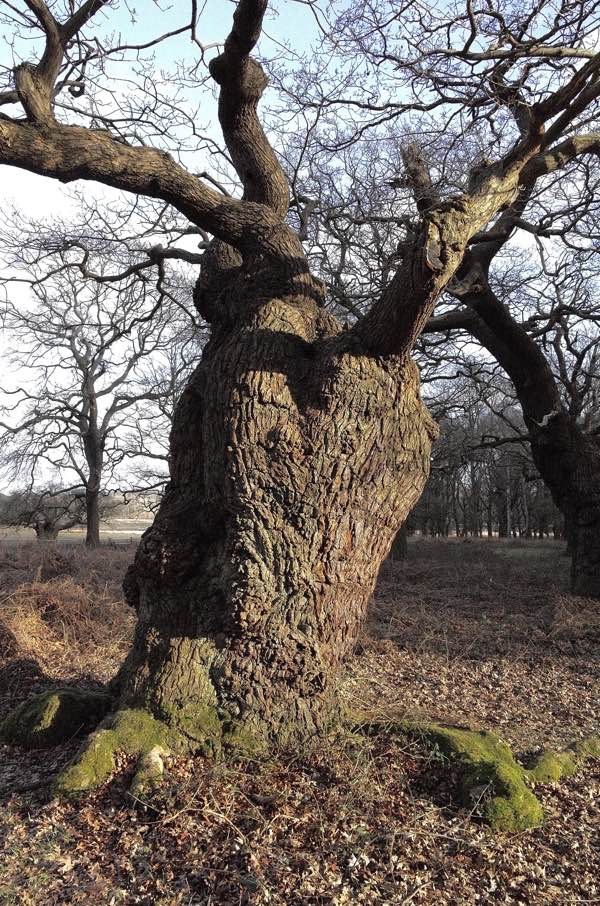
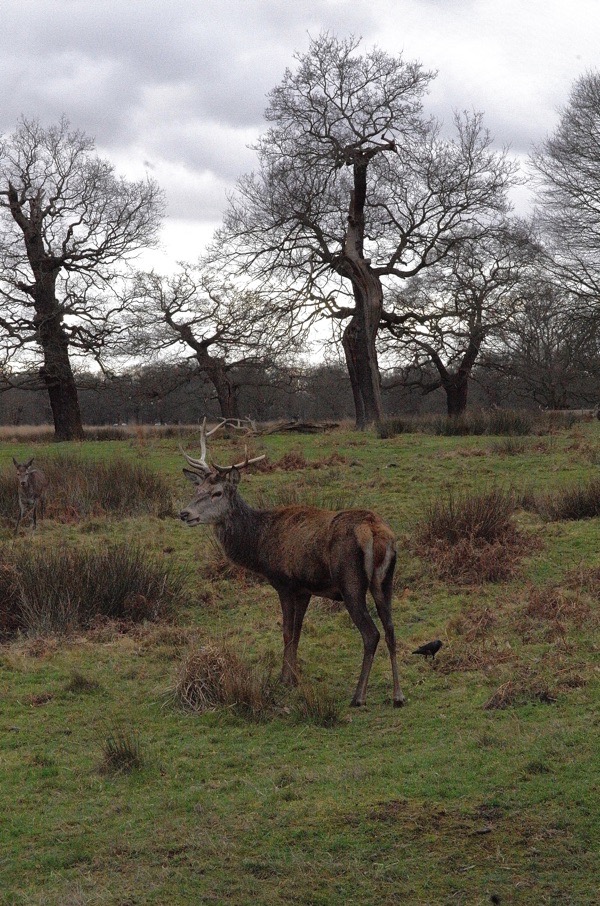
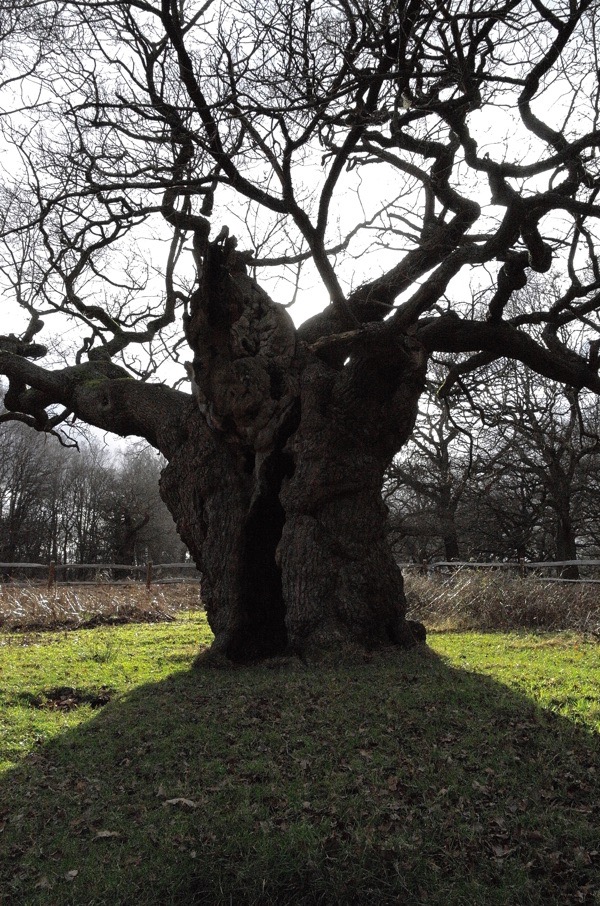
The Royal Oak is over seven hundred years old
You may also like to read about
The Englishman & The Eel
I am delighted to announce that Stuart Freedman’s magnificent photographic survey of the culture of pie, mash and eels, THE ENGLISHMAN & THE EEL is published by Dewi Lewis Books. Click here to order a copy

At Manze’s Tower Bridge Rd, London’s oldest Pie & Mash Shop, which opened in 1897
In days like these, we all need steaming-hot pie & mash & eels to fortify us, as we face the vicissitudes of life and the weather. It gave photographer Stuart Freedman the excuse to visit some favourite culinary destinations and serve up these tasty pictures for us, accompanied by this brief historical introduction as an appetiser.
“Eels have long been a staple part of London food and were once synonymous with the city and its people. Lear’s Fool in his ramblings to the King, witters – “Cry to it, nuncle, as the Cockney did to the eels when she put ‘em i’ the paste alive, she knapped ‘em o’ the coxcombs with a stick, and cried ‘Down, wantons, down!’”
In a city bisected by the Thames, the eel’s popularity was that it was plentiful, cheap and, when most meat or fish had to be preserved in salt, eels could be kept alive in puddles of water. Reverend David Badham reports in his ‘Prose Halieutics Or Ancient & Modern Fish Tattle’ in 1854 – “London steams and teems with eels alive and stewed. For one halfpenny, a man of the million may fill his stomach with six or seven long pieces and wash them down with a sip of the glutinous liquid they are stewed in.”
Such was the demand that eels were brought over from The Netherlands in great quantities by Dutch eel schuyts, commended for helping feed London during the Great Fire. Although they were seen as inferior to domestic eels, the British government rewarded the Dutch for their charity by Act of Parliament in 1699, granting them exclusive rights to sell eels from their barges on the Thames.
When the Thames became increasingly polluted and could no longer sustain a significant eel population during the nineteenth century, the Dutch ships had to stop further upstream to prevent their cargo being spoiled and the rise of the Pie & Mash Shops was a direct result of the adulteration of eels and pies sold on the streets.”

A delivery of live eels at F. Cooke in Hoxton

Joe Cooke kills and guts the eels freshly at the rear of his shop in Hoxton Market

A dish of jellied eels served up in Hoxton

Paddy makes the pie lids at F. Cooke in Broadway Market

Tasty pies awaiting their destiny in Broadway Market

Joe strains the golden potatoes in Hoxton

Joe fills a bucket of creamy mash behind the counter in Hoxton

Kelly dishes up pies & mash with liquor at Manze’s in Tower Bridge Rd

Tucking in at Manze’s in Tower Bridge Rd

Manze’s, Walthamstow

Manze’s, Tower Bridge Rd

Sawdust at Manze’s in Walthamstow

Victorian tiling at Manze’s in Tower Bridge Rd

Original 1897 interior at Manze’s in Tower Bridge Rd

Lisa at Manze’s in Walthamstow

Miss Emily McKay enjoying pie & mash as an eighty-eighth birthday treat in Broadway Market

Clock of 1911 at F. Cooke in Broadway Market

Interior of F. Cooke in Broadway Market

F.Cooke – “trading from this premises since 1900”

Enjoying eels in Hoxton Market

Interior of Manze’s in Walthamstow

Art Nouveau tiles in Walthamstow

Vinegar, salt & pepper on marble tables at F.Cooke in Hoxton Market

Wolfing it down at Manze’s in Tower Bridge Rd

Glass teacups at Manze’s in Walthamstow

Wooden benches and tables of marble and wrought iron at Manze’s in Tower Bridge Rd

Bob Cooke, fourth generation piemaker, at F.Cooke in Broadway Market
Photographs copyright © Stuart Freedman
You may also like to read about
Boiling the Eels at Barney’s Seafood
Some Favourite Pie & Mash Shops
So Long, Milly Rich
I only learnt the sad news this week that Milly Rich died last year on 6th October at the grand age of one hundred. As her daughter Shula said to me, ‘her heart could not keep up with her any longer.’ I feel privileged to have met Milly and I publish my interview with her today as a tribute.

“You know, being nearly a hundred is a lot of years to account for…”
Portrait of Milly Rich by Patricia Niven
The Gentle Author – Are you from the East End?
Milly Rich – I am from the last place I have lived! But I was born at 19 Commercial Rd on October 23rd 1917, which of course was during the First World War and my mother, Leah, told me that the air raid warnings were sounding at the time. People were terrified of air raids but my she had a basement under her shop in Commercial Rd where she took shelter.
My mother made corsets and she taught me to make them too. Corsets were a vital part of a lady’s outfit in those days because – of course – smart clothes needed a good foundation and a good foundation was a nice heavily-boned corset with a strong steel bust in the front. Everybody had remarkably good posture, not slumped – like you see today – over a hand-held computer.
The Gentle Author – Your mother was proprietor of the shop?
Milly Rich – I have a picture of her standing outside the shop with her two assistants when she was not yet twenty. She was very creative, very artistic – and she got her first job in an embroidery factory in Hanbury St. Then she opened a shop at 87 Brick Lane and – many years later – it transpired that the young man I married was the son of the owner of the embroidery factory where my mother had once been a designer. So the world is full of concentric circles!
The Gentle Author – Tell me about your father.
Milly Rich – My father, Morris Levrant, was an ‘émigré of the Empire of Russia’ and I know that because he went to America first and patented an airtight valve for bicycle tyres when he was thirty. He was very clever. My mother said he spoke nine languages and he was an inventor. He was born in Siedlce in Poland where my daughter has traced our family back to 1733.
He left a wife and three children in New York when he came to London and my mother’s father was not very happy about that. Apparently, my grandfather put him through hoops to prove that he was properly divorced. I do not know how he got the divorce but he obviously did because otherwise they would not have allowed the marriage. My parents were married in Princelet St Synagogue and I was born in 1917, so I suppose they were married in 1916.
The Gentle Author – Do you have brothers and sisters?
Milly Rich – I had one brother, Mossy. He is dead now, he died at seventy-five years old. I suppose it speaks volumes for the kind of life we led that he had rickets, which is caused by malnutrition. He was very good with his hands and became a jeweller and worked in Black Lion Yard and Hatton Garden.
When the Jews were promised a homeland in the Balfour Declaration, my father decided he would settle in what was then Palestine. Of course, he was an inventor, and he was agog to go and be an inventor there – he was a clever chap. So in 1921 we set sail.
The Gentle Author – You shut the shop in Commercial Rd?
Milly Rich – Yes, we got rid of it and went off to Palestine but a war broke out there and, in the first month, my father was killed and he was buried there. He was only forty when he died and left three children in New York. We found them not very long ago. The two sisters were still alive, they were ten and eleven years older than me. We went and stayed with them, and they were lovely. They turned out to be artists and designers too
When my father died, my mother was expecting my brother, so she could not come back from Palestine at once but she did not speak the language and, of course, my father had all the money – she was stuck in Jaffa. Fortunately my uncle – my mother’s sister’s husband – came to the rescue and got us back to England. By that time, I was three, I remember. And we were stuck in Boulogne because I had a watery eye – they thought it was catching – an eye disease, maybe trachoma but it was just a trapped eyelash.
On our return, we stayed with my uncle in Whitechapel. He had a jewellery shop opposite the Whitechapel Gallery, it was museum as well in those days. I remember they had a septic mouse in a case on the stairs and an illuminated panorama of Medieval London on the landing. It was lovely, I used to stand and stare at it for hours.
We stayed there until my uncle found the shop at 192 Bethnal Green Rd. It was flanked on one side by the Liberal Party headquarters, Sir Percy Harris was the MP, and on the other side by a newsagent. They were not Jewish, but everybody was on excellent terms and there was no anti-Semitism where we were.
We lived above the shop and we had tenants as well, who had to come through the shop. Originally, it been a house and garden but it had been transformed into one great long space. My mother had a curtain put up to screen people walking through because they had to cross our parlour, which my mother also used as a fitting room for the corsets.
Women used to come in and treat her as an agony aunt. Like a hairdresser or a dressmaker, she was a recipient of confidences. All the locals would tell my mother their troubles which invariably were to do with their husbands. They used to speak Yiddish so that I should not hear but, knowing they were speaking so I could not understand, I soon picked up Yiddish. I never let on that I could and, of course, I would tell the stories to my friends at school which was a source of much merriment.
There was a window in the parlour so my mother could see if anyone came into the shop. My brother used to climb up to look through it at the women trying on the corsets and, of course, a good time was had by all!
The Gentle Author – What took you out of Bethnal Green?
Milly Rich – I won a scholarship to Central Foundation School in Spital Sq. It was a fee-paying school at the time and there used to be quite a division between the scholarship girls and the fee-paying pupils. I was a great reader and I have always loved words and I had a good vocabulary. The other children did not like it. “Oh you’ve swallowed a dictionary,” that was a great insult. I did not care, did I? From there, I won another scholarship but I could not make up my mind whether to go to the London School of Economics, because I wanted to be a journalist, or St Martin’s School of Art.
In the event, I decided I would not train to be a journalist because I was not going to learn shorthand – I was not going to take down anybody else’s words. So I took the place at St Martin’s instead and hated it. We used to sign in and go off to the local Lyons teashop and sit there for hours, making patterns on the tablecloth with the salt cellar. Eventually, my mother could not afford for me to stay there any longer because I only got ten shillings a week and I did not like it anyway – I do not like any form of regimentation.
I got a job inscribing certificates because I was quite good at lettering and I did that for a couple of months. It was trees in Israel. They kept planting forests and I used to write ‘five trees planted in the name of so-and-so on the occasion of his this-and-that.’
I did not do it for long, I got a job in a drawing office instead. I told them I could do it, even though I had never held a drawing pen in my life. They said, “Well, here’s one – take it home and bring it back tomorrow, completed.” I went into an art shop and asked, “How do you do this?” They showed me a drawing pen and how you filled it and how you used it, so I went home and I did the drawing and I took it back the next day and I got the job. The drawing office was quite fun actually, I enjoyed it there. It was right at the top of Crown House, which is still there on the corner of Drury Lane and Aldwych. We used to feed the pigeons and there was a Sainsbury’s around the corner which delivered lunch in a box. You got a sandwich and some orange juice and a piece of cake for sixpence.
You know – being nearly a hundred is a lot of years to account for.
The Gentle Author – Tell me about Moss, your husband.
Milly Rich – We met at a play-reading group. He was a writer, and I always liked plays and acting and so on. We met there and he would walk me home.
The Gentle Author – Where did he come from?
Milly Rich – His father had the embroidery factory in Hanbury St, where my mother had once worked doing the patterns although we did not realise that at the time. It was only when our parents were introduced that they realised that they all knew each other already. Small world. People were so ready to help each other, I do not know if people are still like that in the East End, but they were once. I remember the blackshirts marching down Bethnal Green Rd and shouting “The Jews, the Jews, we’ve got to get rid of the Jews!” Whenever they passed our shop, my brother used to be outside yelling.
The Gentle Author – Did you feel threatened?
Milly Rich – I do not think I was aware of it, but I became aware because Moss used to take me to the political meetings and the Unity Theatre. When there was the Battle of Cable St, we went there. I remember leaning on the lamppost outside Gardiner’s Corner and we were all yelling, “They shall not pass, they shall not pass.”
The Gentle Author – That was eighty years ago.
Milly Rich – Then war was declared and we all thought the first air raid would obliterate London. Everybody was terrified and I had known Moss four years, so he said “We’d better get married right away, while we can,” and he got a special licence. I did not want any fuss and I told my mother, “I’m not having any ‘do’” because getting married, especially in Jewish families, was a great occasion you know. I said, “I’m not having any family there.” It was the custom then – I do not know what people do now– for the woman to take the man’s name but I did not like that, so I said, “If I have got to take your name, you have got to take my name.” His name was Rich and my name was Levrant so we became Levrant Rich, which sounds quite good.
The Gentle Author– Was that unusual in those days?
Milly Rich – Goodness knows! Moss was very easy about it, he said he did not care. My mother said she would kill herself if we did not get married in the synagogue, but I said “I’m not having anyone there , I don’t want a fuss,” so she agreed she would not tell anyone. But when Moss and I arrived at the synagogue, standing outside wreathed in smiles was my fat Aunty Milly and her husband. I said, “I’m not going to do it!” and we turned tail and ran away, so we did not get married that day.
We came back the next day and got married when nobody was there. We got no photographs, nothing. It was just the two of us, and Moss had to go back to work because he was in the timber importing business, doing the advertising, and everybody thought the work was absolutely vital. So he went back to work and I went shopping in Petticoat Lane for a couple of cups and saucers and a saucepan.
Moss had found us an attic room at 4 Mecklenburgh Sq and we went back there. It was one pound a week which was a lot of money for rent. There was an oven on the landing which four other tenants used and we each took a turn to put a shilling in the meter. Sometimes, I would come back early and find the landlady on her knees fiddling the meter!
When the air raid siren went, we dashed down to the shelter which was just opposite. One night we got a direct hit. The thing shuddered but it did not go off and we were marshalled out by wardens. I remember walking up Gray’s Inn Rd with fires blazing on either side right up to Euston Station. There were aeroplanes droning overhead and the church opposite the station was on fire. We were ushered into the station and we spent the rest of the night there, before returning to Mecklenburgh Sq.
Although our rent was one pound a week, Moss earned four pounds and I earned two pounds and a bit, so we only had just over six pounds as our total income. After our pound rent was paid and Moss had ten cigarettes delivered each day, I used to be able to send stuff to the laundry. They would come and collect and deliver it, all freshly ironed, and a sheet was tuppence to launder. Can you imagine? Shirts and everything. I never did any washing myself. As well as Mrs Pointy the landlady, there was a caretaker who kept our two rooms clean for two shillings a week, which was very nice. Mrs Pointy used to feed her cat cods’ heads and the smell – I can still smell it – was absolutely indescribable.
The Gentle Author – Nowadays in London, many people spend half their wages on rent.
Milly Rich – I was just thinking about the nature of progress. When I was young, it was usual for a woman to stay at home and the man would bring home the money – his wage could support the wife and the family. Now two wages are not enough, do you call that progress?
Transcript by Rachel Blaylock

Milly, aged one and a half in 1919

Milly, aged five in 1922
 Milly, aged eighteen in 1935

Milly, aged twenty in 1939

Moss in 1939

Milly & Moss’ Marriage Certificate, 1939

Milly’s London Transport card, 1939

Milly & Moss in the forties

Milly & Moss in the eighties – Milly & Moss were married for seventy-two years
You may also like to read about
Maurice Sills, St Paul’s Cathedral Treasure
Jack Corbett, London Oldest Fireman
Aaron Biber, London’s Oldest Barber
Charlie Burns, Waste Paper Dealer
Looking Down On Old London

In my dream, I am flying over old London and the clouds part like curtains to reveal a vision of the dirty monochrome city lying far beneath, swathed eternally in mist and deep shadow.
Although most Londoners are familiar with this view today, as the first glimpse of home on the descent to Heathrow upon their return flight from overseas, it never ceases to induce wonder. So I can only imagine the awe of those who were first shown these glass slides of aerial views from the collection of the London & Middlesex Archaeological Society at the Bishopsgate Institute a century ago.
Even before Aerofilms was established in 1919 to document the country from above systematically, people were photographing London from hot air balloons, zeppelins and early aeroplanes. Upon first impression, the intricate detail and order of the city is breathtaking and I think we may assume that a certain patriotic pride was encouraged by these views of national landmarks which symbolised the political power of the nation.
But there is also a certain ambivalence to some images, such as those of Horseguards’ Parade and Covent Garden Market, since – as much as they record the vast numbers of people that participated in these elaborate human endeavours, they also reduce the hordes to mere ants and remove the authoritative scale of the architecture. Seen from above, the works of man are of far less consequence than they appear from below. Yet this does not lessen my fascination with these pictures, as evocations of the teeming life of this London that is so familiar and mysterious in equal measure.

Tower of London & Tower Bridge

Trafalgar Sq, St Martin-in-the-Fields and Charing Cross Station

Trafalgar Sq & Whitehall

House of Parliament & Westminster Bridge

Westminster Bridge & County Hall

Tower of London & St Katharine Docks

Bank of England & Royal Exchange

Spires of City churches dominate the City of London

Crossroads at the heart of the City of London

Guildhall to the right, General Post Office to the left and Cheapside running across the picture

Blackfriars Bridge & St Paul’s
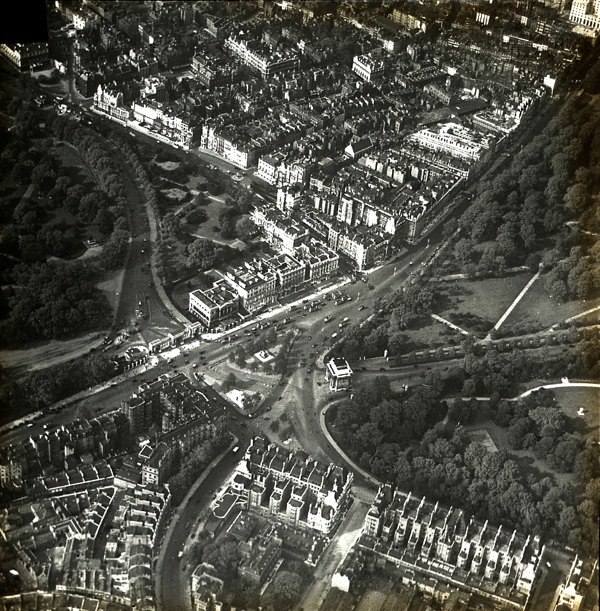
Hyde Park Corner

Buckingham Palace & the Mall

The British Museum

St James’ Palace & the Mall

Ludgate Hill & St Paul’s

Pool of London & Tower Bridge with Docks beyond
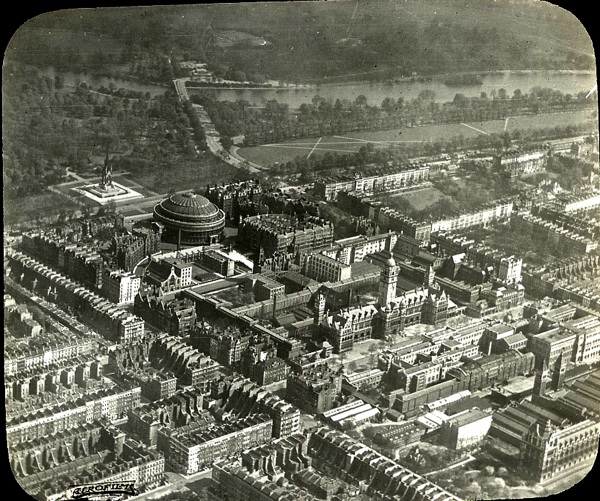
Albert Hall & Natural History Museum

Natural History Museum & Victoria & Albert Museum

Limehouse with St Anne’s in the centre & Narrow St to the right

Reversed image of Hungerford Bridge & Waterloo Bridge

Covent Garden Market & the Floral Hall

Admiralty Arch

Trooping the Colour at Horseguards Parade

St Clement Dane’s, Strand

Peter Pan in Kensington Gardens
Glass slides courtesy Bishopsgate Institute
You may also like to take a look at
The Lantern Slides of Old London
The High Days & Holidays of Old London
The Fogs & Smogs of Old London
The Forgotten Corners of Old London
The Statues & Effigies of Old London