
At The Bruce Club Reunion
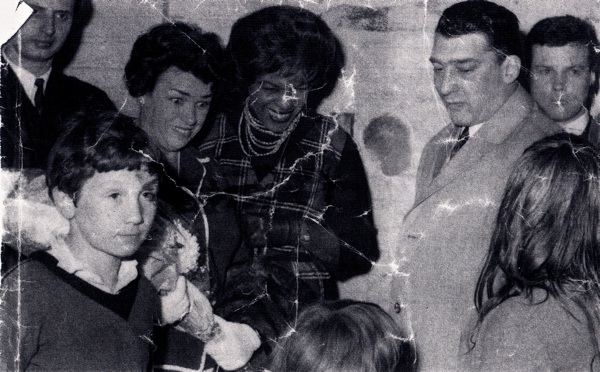
Celebrated Pianist Winfred Atwell arrives at The Bruce Club escorted by Ronnie Kray
This photograph records a strange moment in the brief history of The Bruce Club when, in 1963, the celebrated Trinidadian pianist Winifred Atwell, famous for playing boogie-woogie and ragtime, was brought to entertain the young people of the Boundary Estate at St Hilda’s East by notorious gangster and psychopathic killer Ronnie Kray. A photograph of the happy occasion, showing Winifred jazzing it up for the kids, found its way into 1964 Yearbook for St Hilda’s East which at the time was run by Cheltenham Ladies College but – unsurprisingly – that picture does not include either Ronnie or his equally malevolent brother Reggie Kray.
Last week, I joined a few members of The Bruce Club for an impromptu reunion in Bethnal Green to recall the glory days, half a century later and now that the nefarious twins are safely out of the way. “They came up to the club and gave us footballs for the boys,” recalled club member Lesley Keeper brightly, with a wry grin that admitted the futility of her apologia, “They weren’t all bad.”
We were sitting round a table with the photographs before us. Adopting his original role of youth leader, Derek Cox took the initiative in outlining the nature of the club while the members paid rapt attention. He showed me the letter that recruited him to the job in 1963 and summoned him to a whole new life.
“We started from scratch with The Bruce Club.” Derek explained, “What I was doing was not really approved of because we were giving people a chance to have fun, not doing do-goody things. But that was my way to do it, if you’re going to have influence you have to do it in a way that is non-judgemental.”
“I went there to make friends and because I wanted to play the piano,” confided Lesley picking up on Derek’s theme, and growing animated with affection,”They all used to shout at me, ‘Can’t you stop?’ I got involved in the social life. We had dances and it was very entertaining, I loved it. I joined in 1964 when I left school and I got married in 1966 at eighteen.”
“On Fridays, the seniors took the last tube from Liverpool St up to the West End, it was a bit dodgy.” revealed Derek, widening his eyes for effect, “There was a problem with purple hearts at the time and they took them so they could stay awake all night. They came back here on a Saturday morning looking rough. They were a tough bunch. It was the time of the Mods and Rockers. All the Mods went to a club in Barnet Grove and we were left with the Rockers. There were a lot of gangs and the youth workers used to get together to discuss problems. I remember the manager of the club in Hoxton was told to crack down on the drug scene by his employers and the next time we saw him, his head was in bandages.”
Letting the social commentary pass by, club member Kelvin Wing simply wanted to enthuse about the club.”It was somewhere to go, when there was nothing else do.” he assured me, “I lived nearby in Linden Buildings at the top of Brick Lane and I joined the club at eleven. I went three nights a week for dancing and seeing girls – hoping for a chance of y’know – and we played badminton and football. At sixteen, I joined the Repton Boxing Club, but I’d left school at fifteen and by then I was already working down Spitalfields Market as an empty boy.”
A silence fell among those at the table, enjoying a collective sense of well-being as they contemplated the value of The Bruce Club in the their lives.“I always wanted to be a youth worker. I was a boy scout and I was chair of Guildford Youth Committee.” confessed Derek, touched by the appreciation, “As an outsider to the East End, it took two years for me to feel safe on the streets in the area. I mixed with quite a lot of people who protected me, but I didn’t want to walk around on my own.”
Yet The Bruce Club only enjoyed an abrupt flowering before it was closed down. “The establishment, the warden and the others, they disapproved and The Bruce Club shut on 31st August 1965.” said Derek, “I was being housed by St Hilda’s in Grimsby St, off Brick Lane, and afterwards I didn’t want to leave the people and the life. I loved all the different cultures and the wonderful markets. I have lived in Tower Hamlets since 1963, and I have changed my name and become a Muslim.”
The evident truth was that those gathered that day all still live in Bethnal Green and remain friends.”The Bruce Club was an experiment and it lived on,” Derek concluded, as those at the table eagerly concurred.
[youtube f8vtJ8KKpbI nolink]
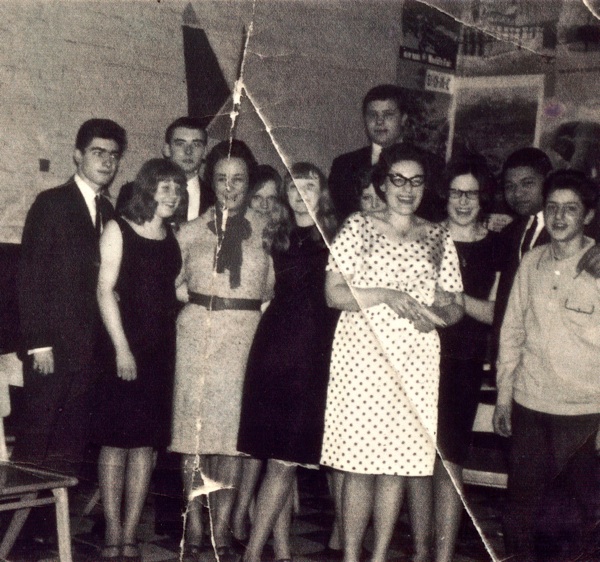
Members of The Bruce Club, 1963
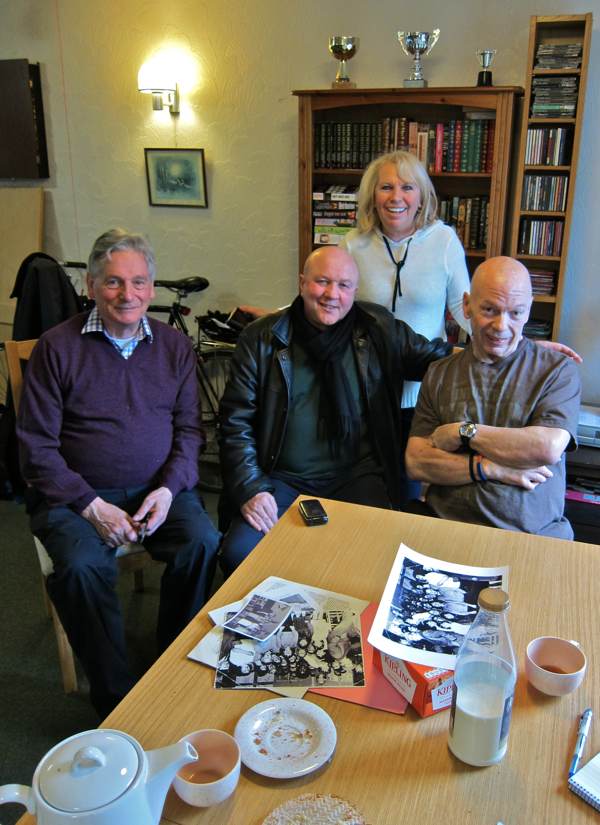
Members of The Bruce Club, 2013 – Derek Cox (Club Leader 1963-5), with Kelvin Wing, Lesley Keeper and Derek Martin.
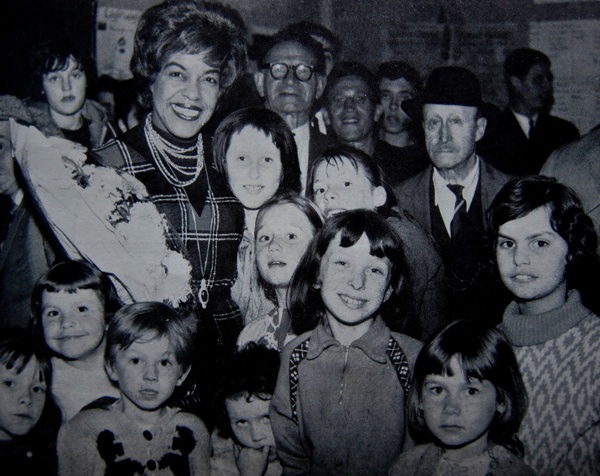
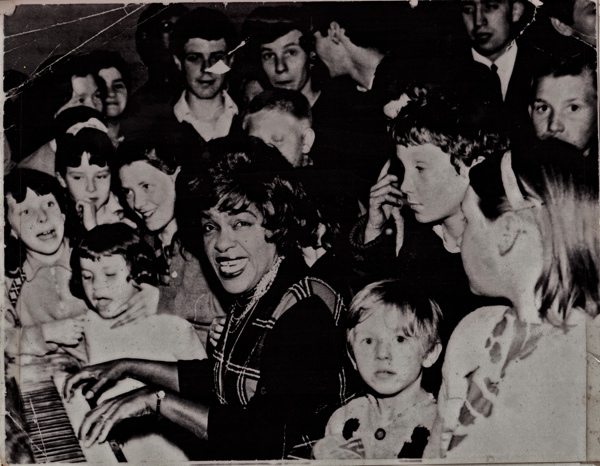
Winifred Atwell jazzes it up for the kids at St Hilda’s East.
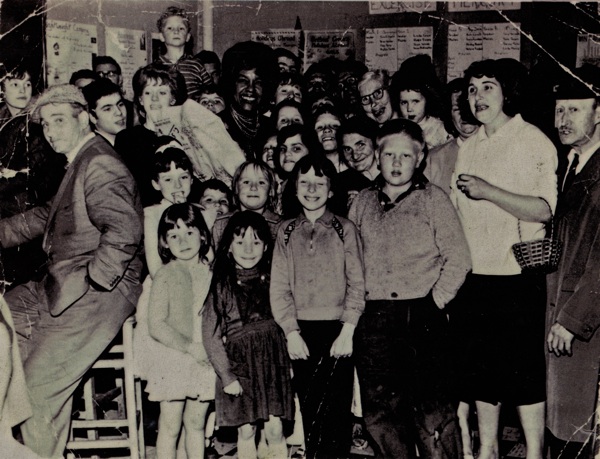
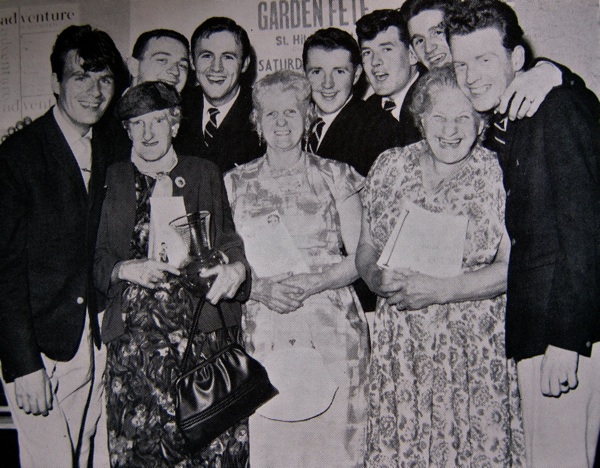
Most glamorous grandmother contest.
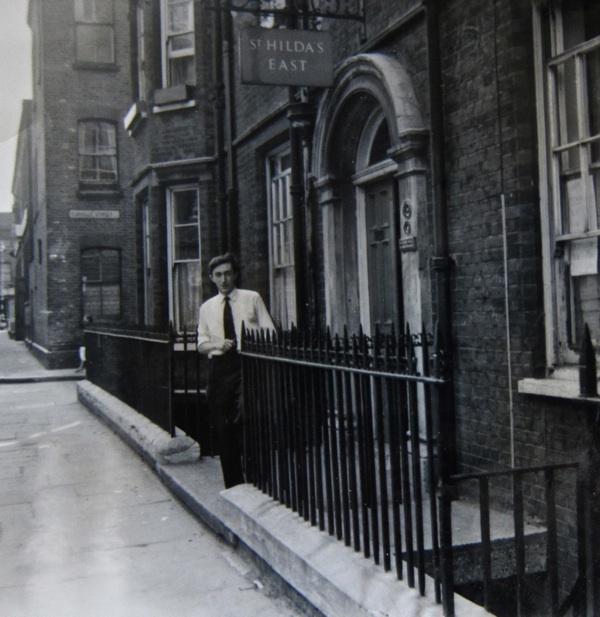
Mr Clements, Warden of St Hilda’s East in Old Nichol St.
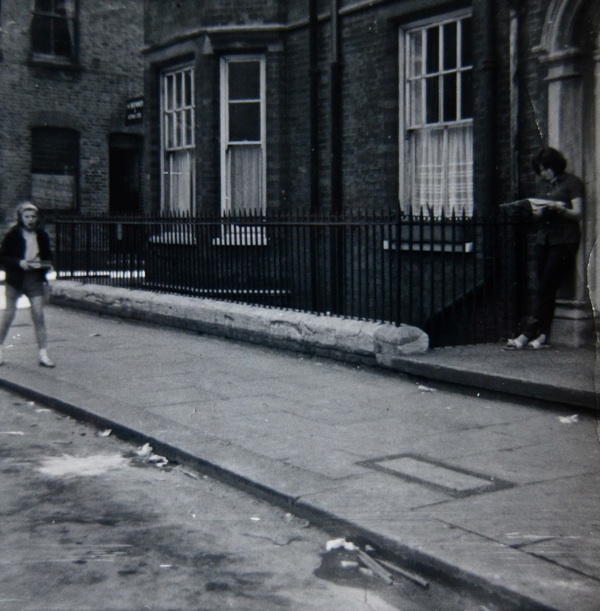
Arriving for The Bruce Club
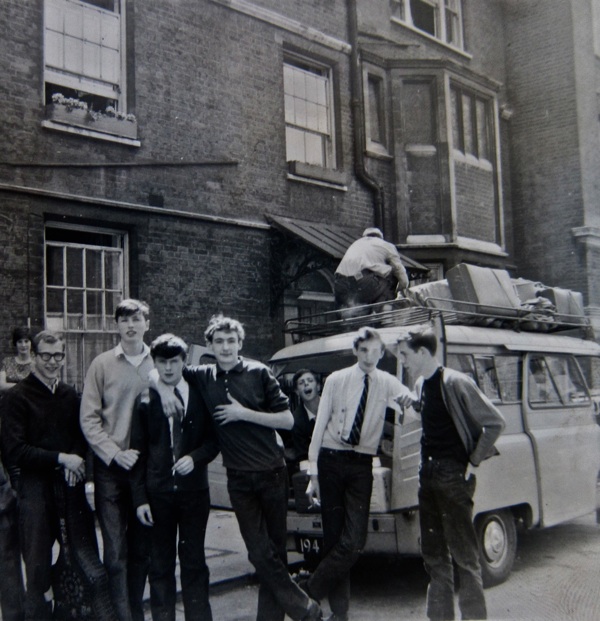
Members setting out for a summer trip to France.
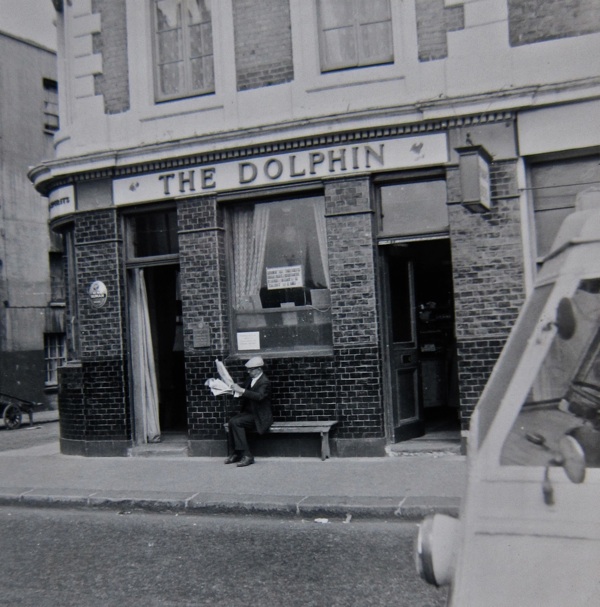
“Where we used to buy our drinks and borrow glasses” – The Dolphin in Redchurch St.
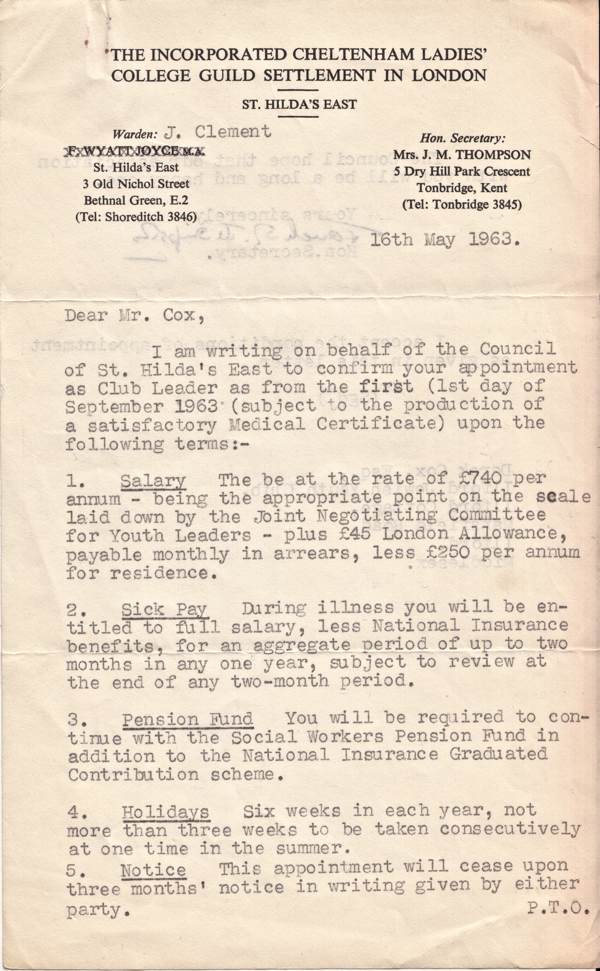
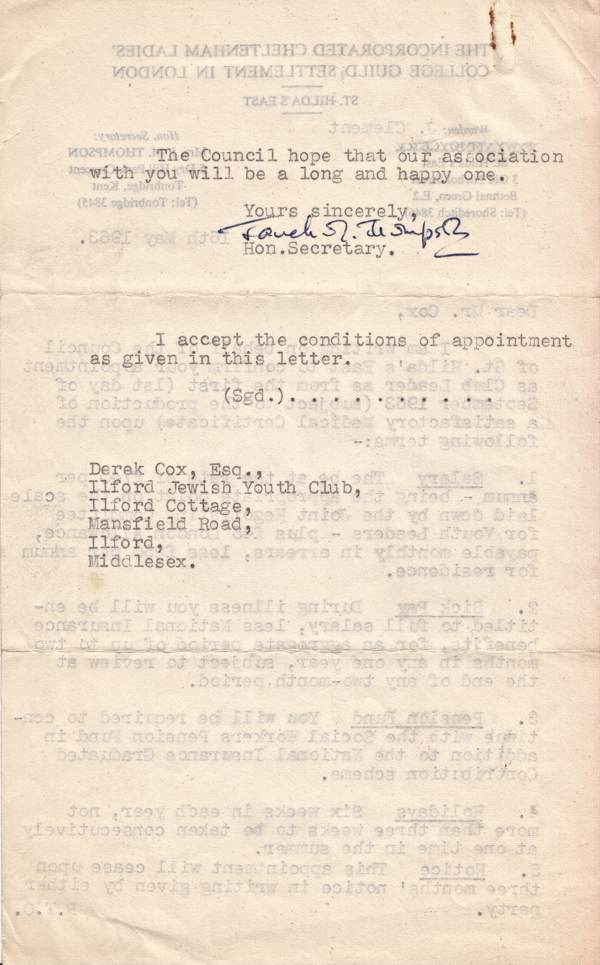
Derek Cox’s contract as Club Leader at St Hilda’s East
Pictures reproduced courtesy of St Hilda’s East
You may also like to read about
Colin O’Brien’s Pellicci Portraits (Part 7)
Who is sitting in the corner seat at Pelliccis this week? Contributing Photographer Colin O’Brien and I arrived for lunch, I had the steak and kidney pie again but Colin chose lasagne for a change. And then, fortified by treacle pudding, we set out to take these portraits of the afternoon trade at E. Pellicci, London’s best-loved family run cafe at 332 Bethnal Green Rd.

Therese Coil – “Me and my daughter, we’ve been coming to Pelliccis for twelve or thirteen years – sometimes a couple of times a week.”

Jonjo Lee – “I’ve been coming here since I was one.”

Khadra Aden – “I first came to Pelliccis three months ago after my friend Mai-Lynn suggested it and a lot of my friends always come here, so this is where we all meet up.”
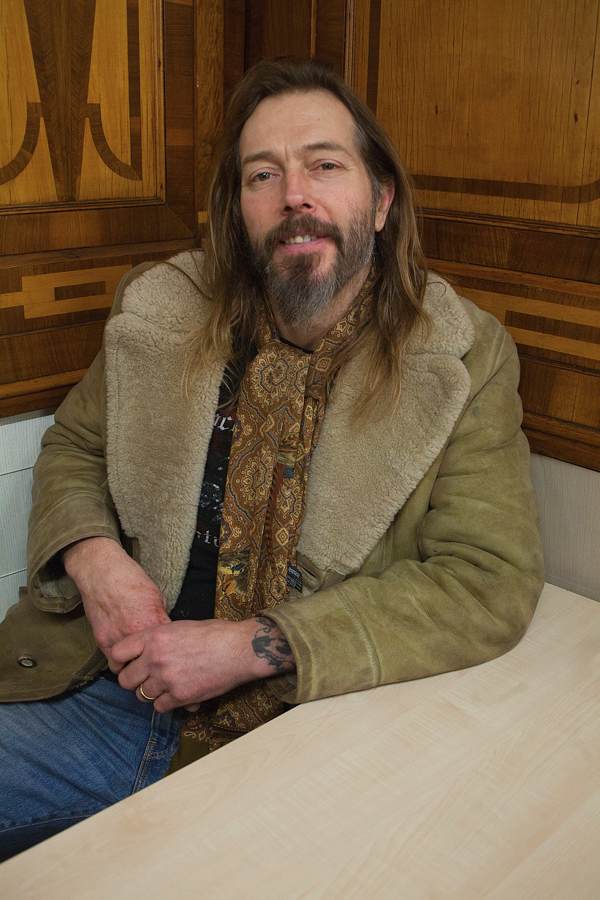
Brian Stewart – “I first came to Pelliccis in 1965, I used to play football and this is where we’d all meet. Sometimes I come here with my mum now, it’s the only place she’ll come and eat.”

Julie Stein – “This is my first time at Pelliccis, I’ve come from New York.”

Cliff Collins – “I used to come to Pelliccis with my grandad and now I come with my grandson.”

Samoma Muresan – “I came from Romania a year ago with my sister.”

Matt Sexton– “I’m from Waterloo. I first came to Pelliccis about twelve years ago and now I come two or three times a week. I like it!”
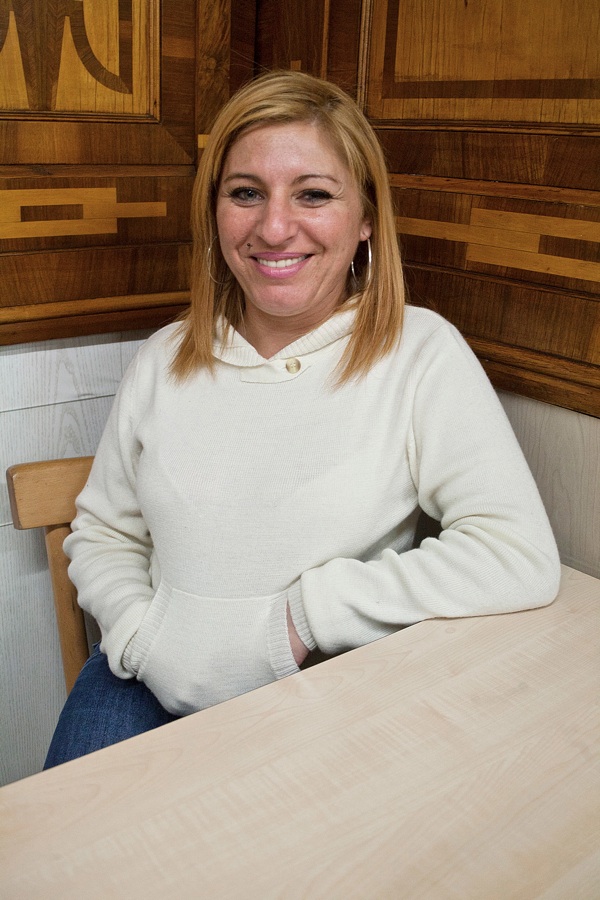
Ania Muresan – “I’ve been coming to Pelliccis ever since I came from Romania.”

Abbey Osman – “I’ve been coming down here for a long time, a good couple of years. I eat here most days.”

Mai-Lynn Miller – “I used to pass by and then my father came to visit so I brought him here. I live just up the road and I’ve been here quite a few times, it’s so warm and it’s so much fun.”

Martin Lee – “I ‘ve been coming to Pelliccis for about five years, I come almost every day for breakfast.”

Alice Dunseath – “I live just down the road but this is my first time at Pelliccis.”

Bara Kem – “I read about it on Yelp.”
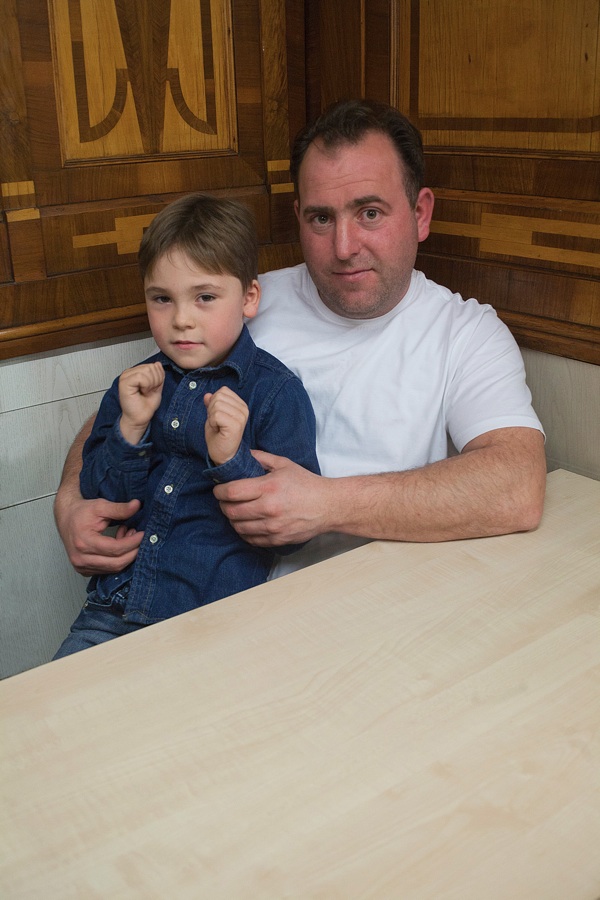
John & Jonjo Lee – “We’ve been coming to Pelliccis for years.”
Photographs copyright © Colin O’Brien
You may like to take a look at
Colin O’Brien’s Pellicci Portraits ( Part One)
Colin O’Brien’s Pellicci Portraits (Part Two)
Colin O’Brien’s Pellicci Portraits (Part Three)
Colin O’Brien’s Pellicci Portraits (Part Four)
Colin O’Brien’s Pellicci Portraits (Part Five)
Colin O’Brien’s Pellicci Portraits (Part Six)
and read these other Pellicci stories
Maria Pellicci, The Meatball Queen of Bethnal Green
and see these other Colin O’Brien stories
Colin O’Brien’s Clerkenwell Car Crashes
Colin O’Brien’s Kids on the Street
Travellers’ Children in London Fields
Colin O’Brien’s Brick Lane Market
Crowden & Keeves’ Hardware
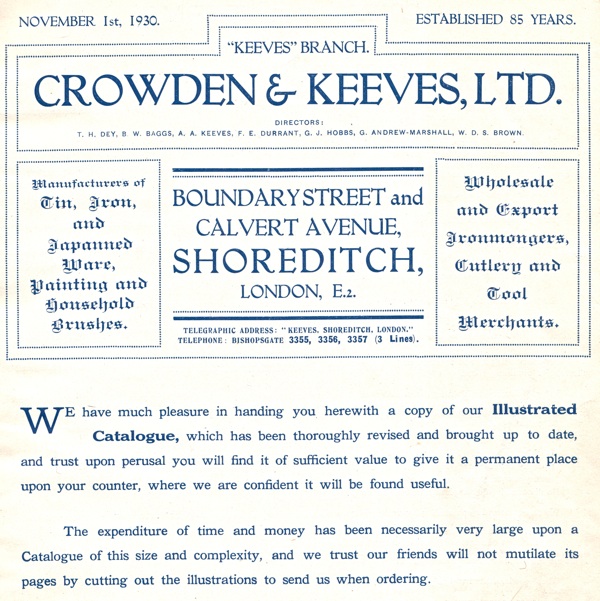
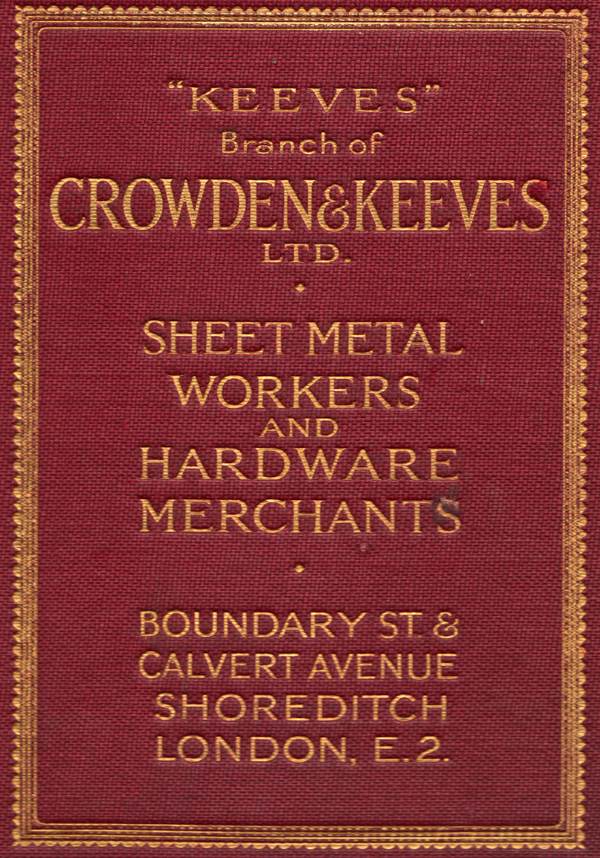
Richard Ince proprietor of James Ince & Sons, Britain’s oldest umbrella manufacturers, showed me this catalogue published by Crowden & Keeves in 1930 which had been knocking around his factory for as long as he could remember. Operating from premises in Calvert Avenue and Boundary St, they were one of the last great hardware suppliers in the East End, yet the quality of their products was such that their letterboxes and door knockers may still be recognised in use around the neighbourhood today.
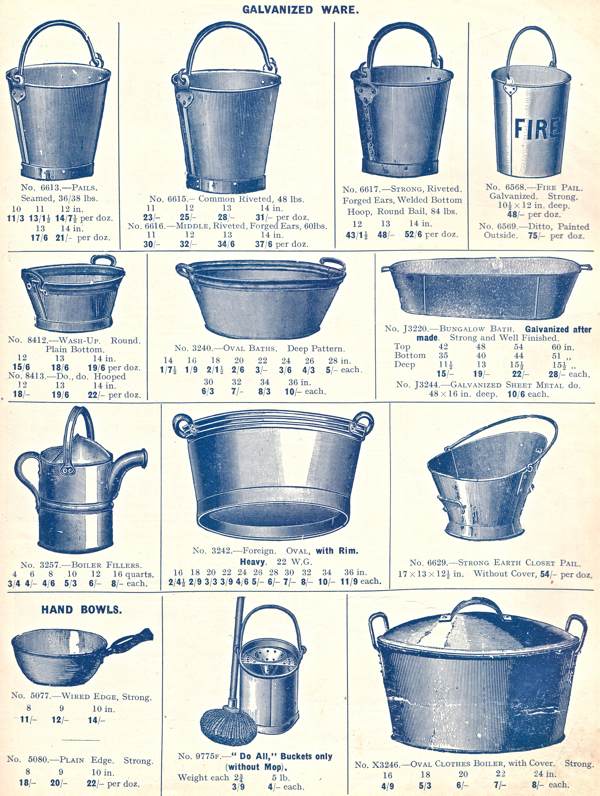
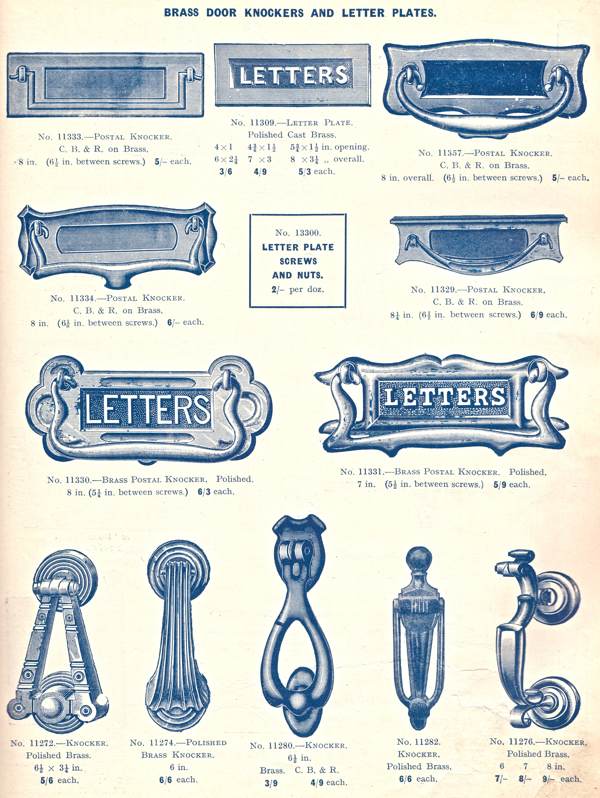
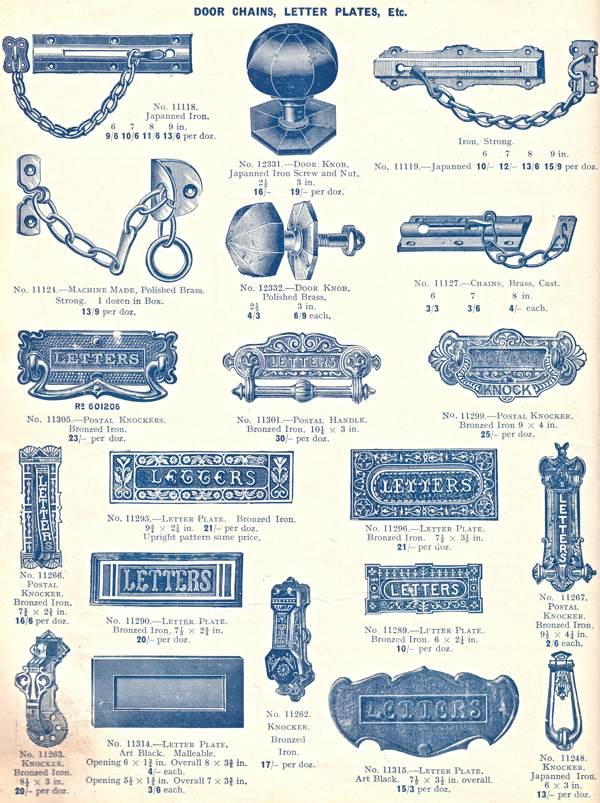
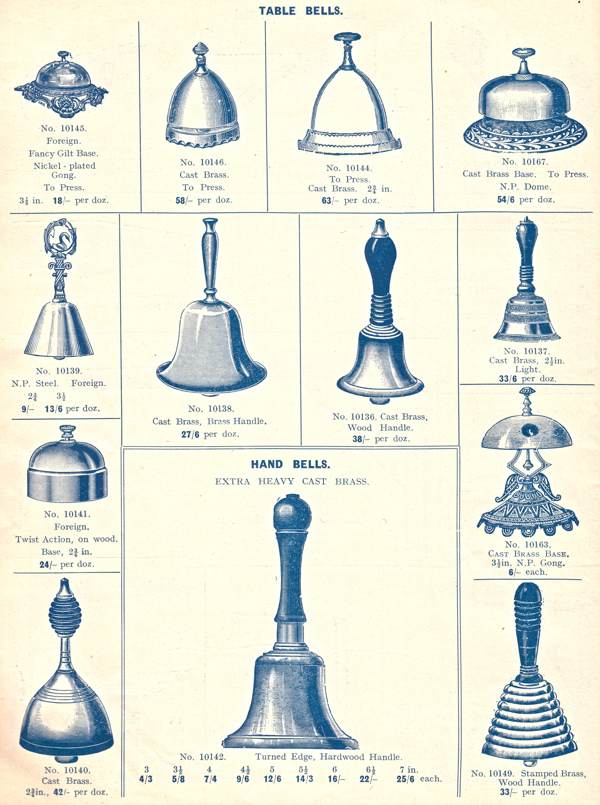
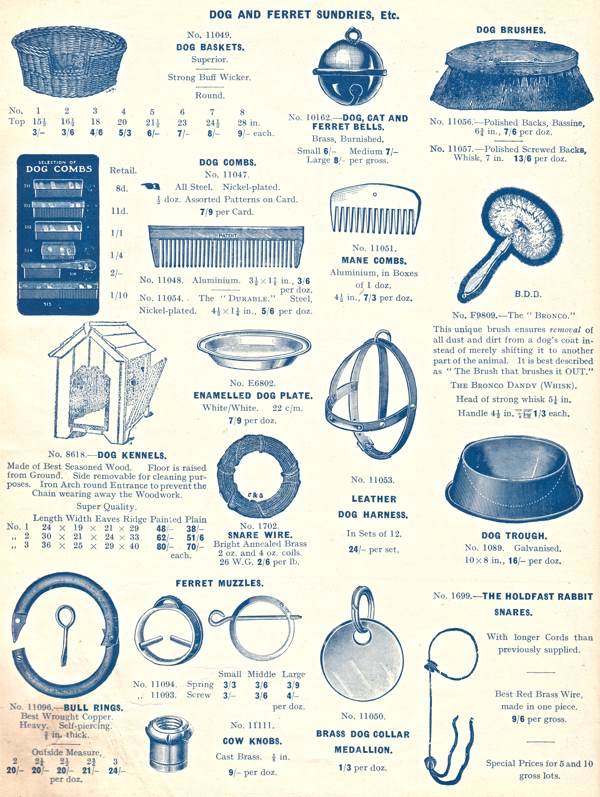
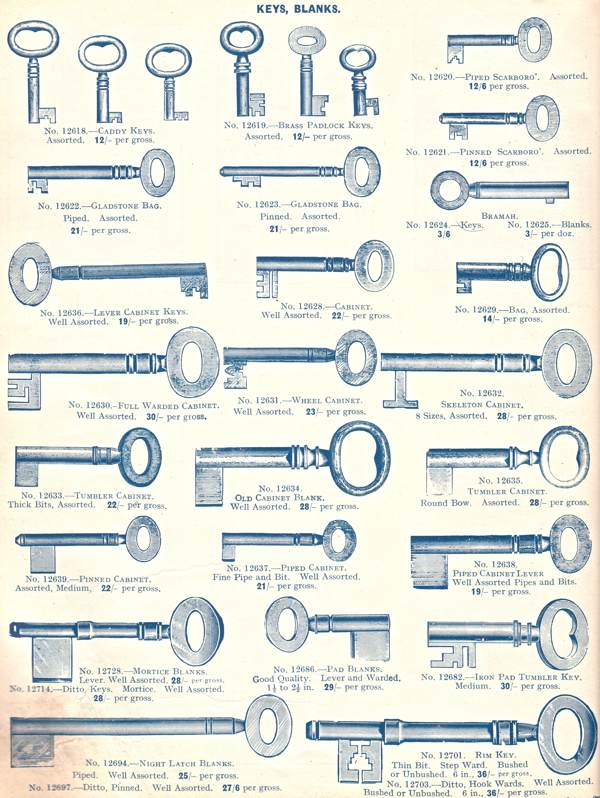
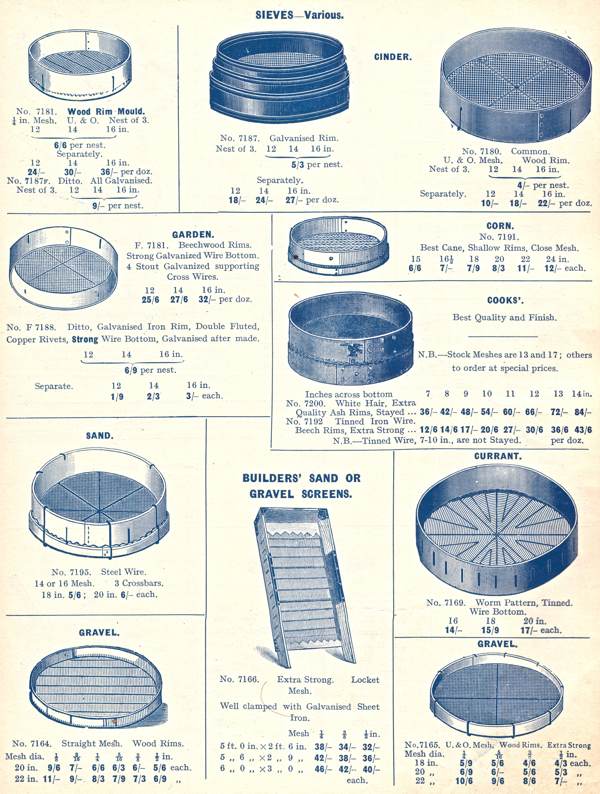
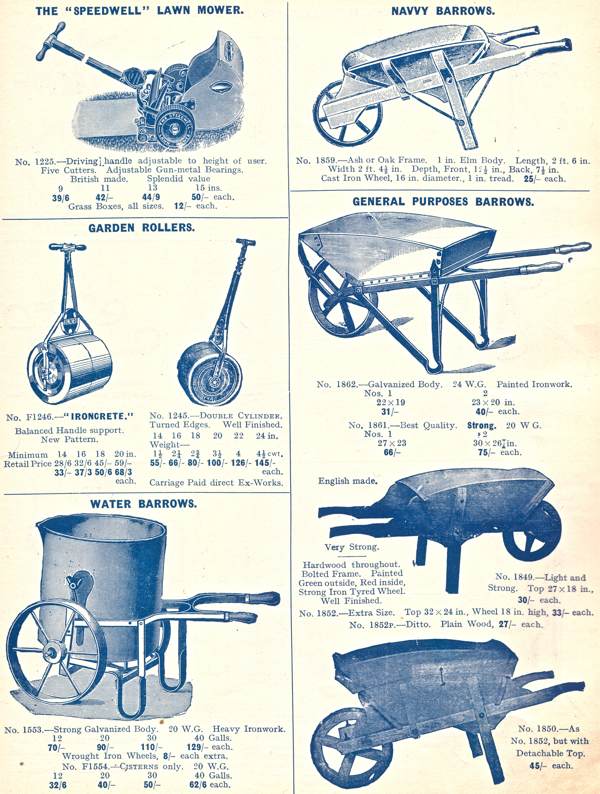
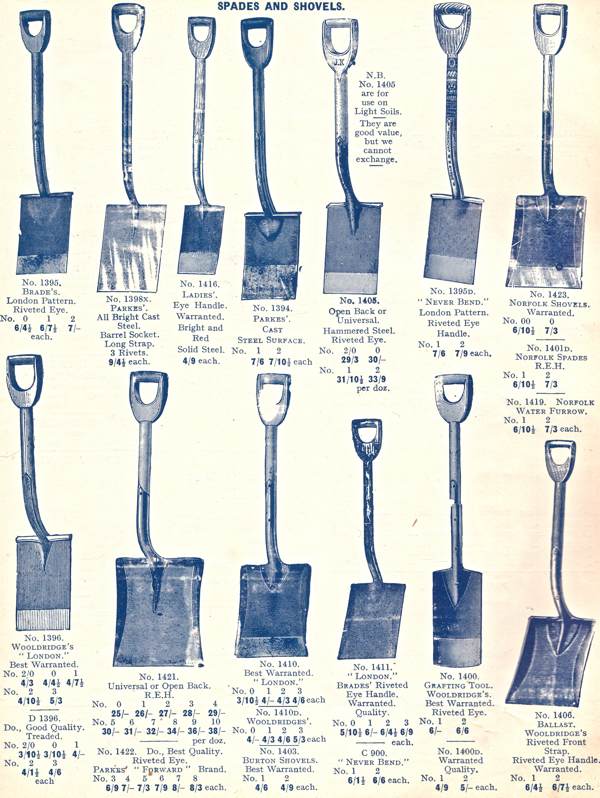
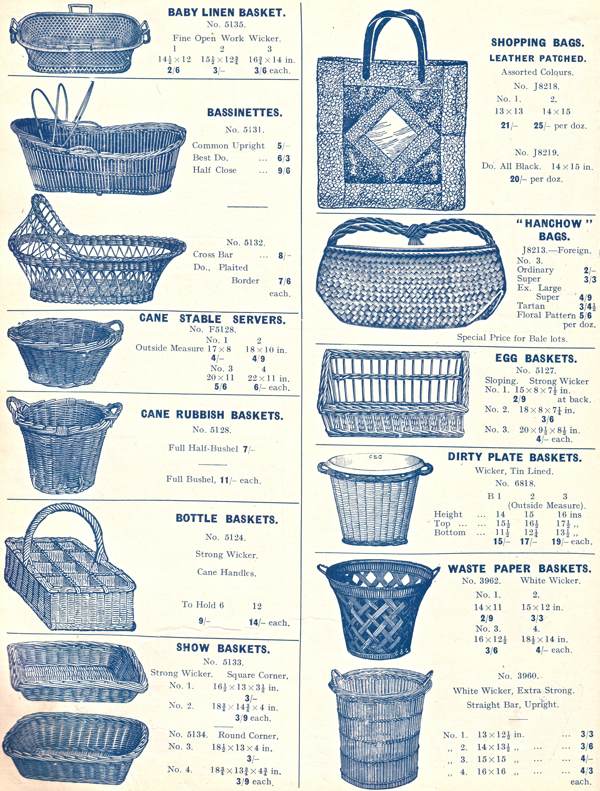
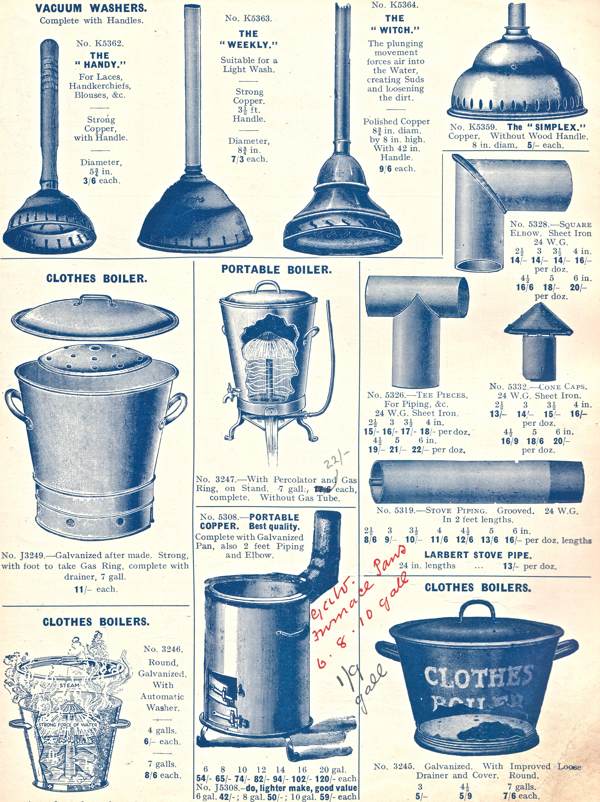
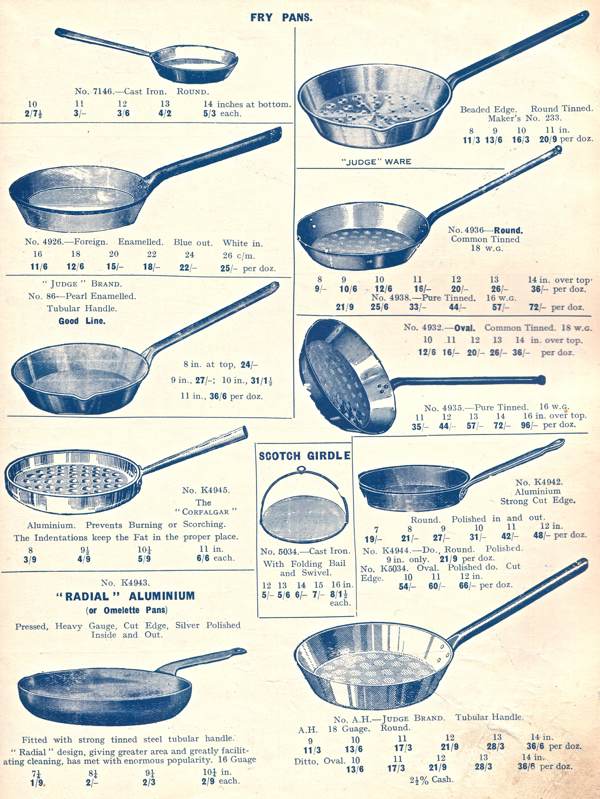
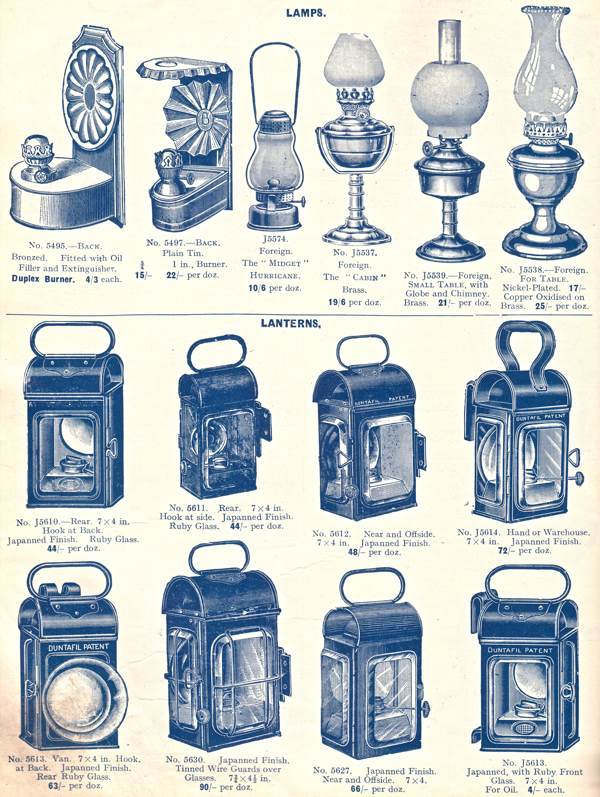
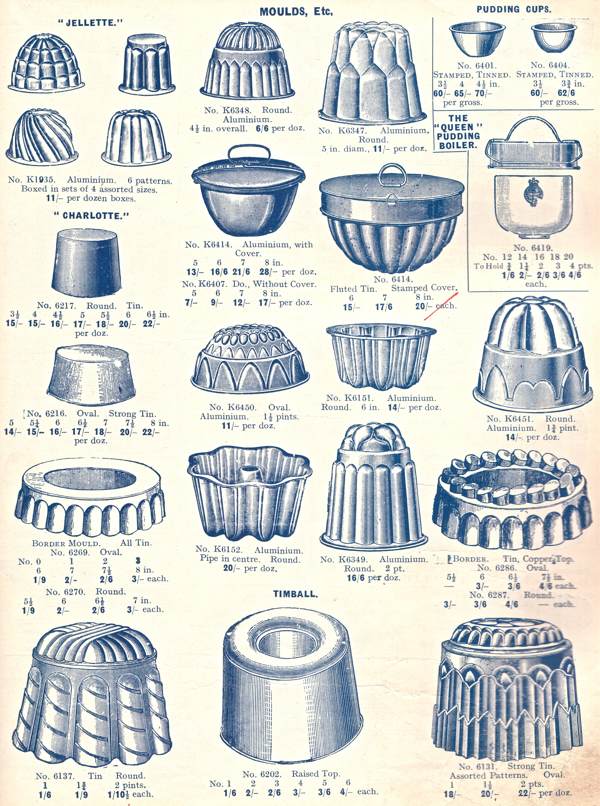
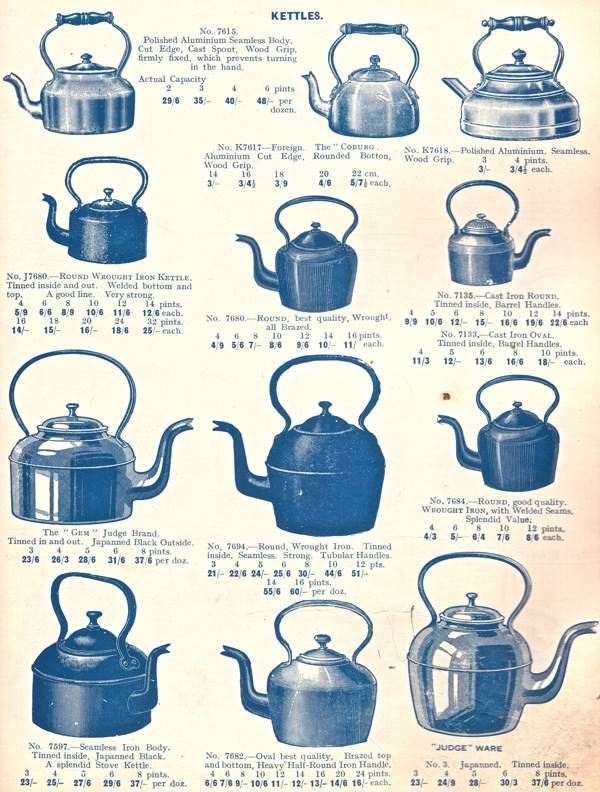
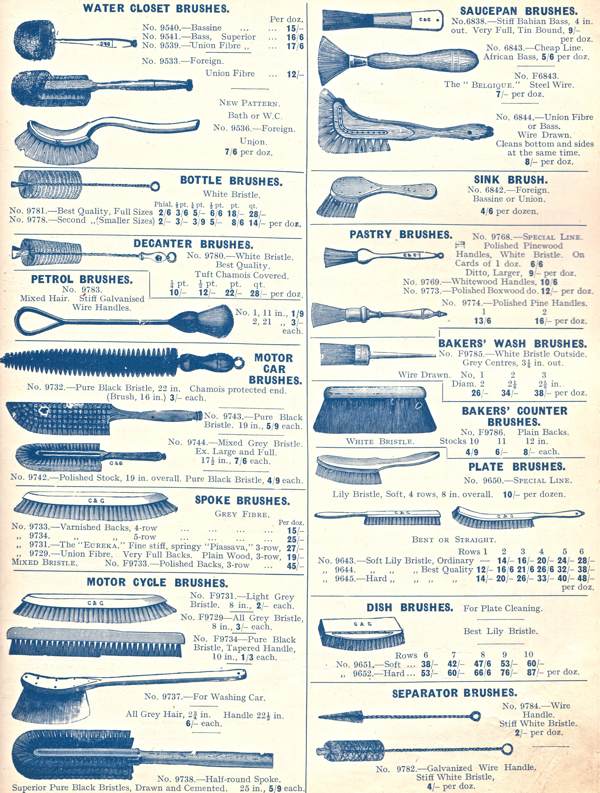
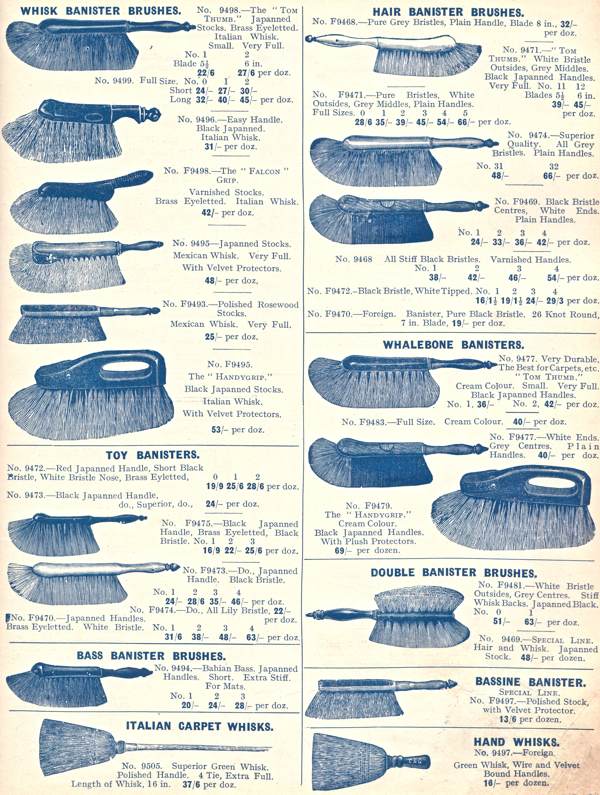
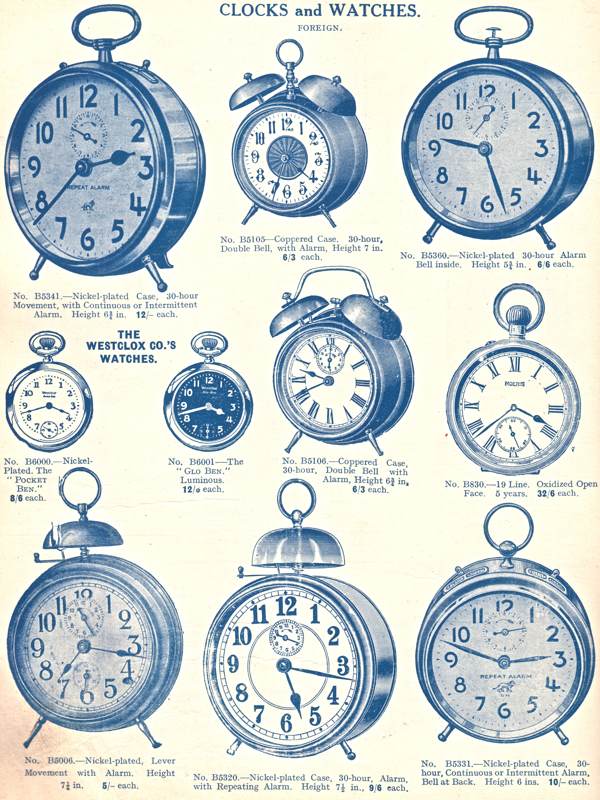
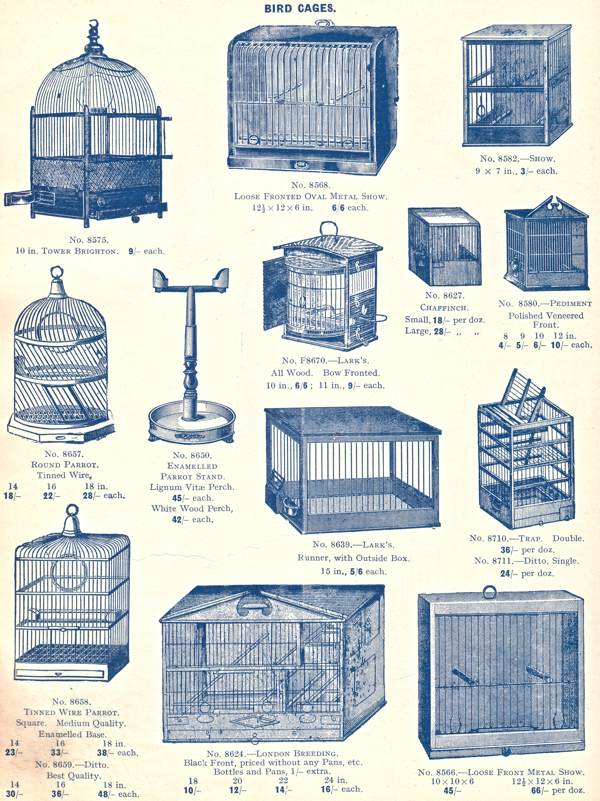
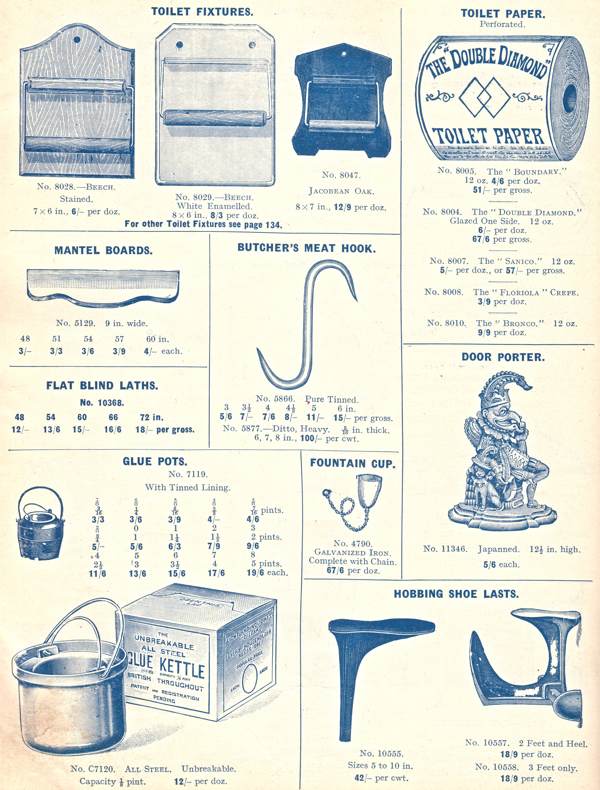
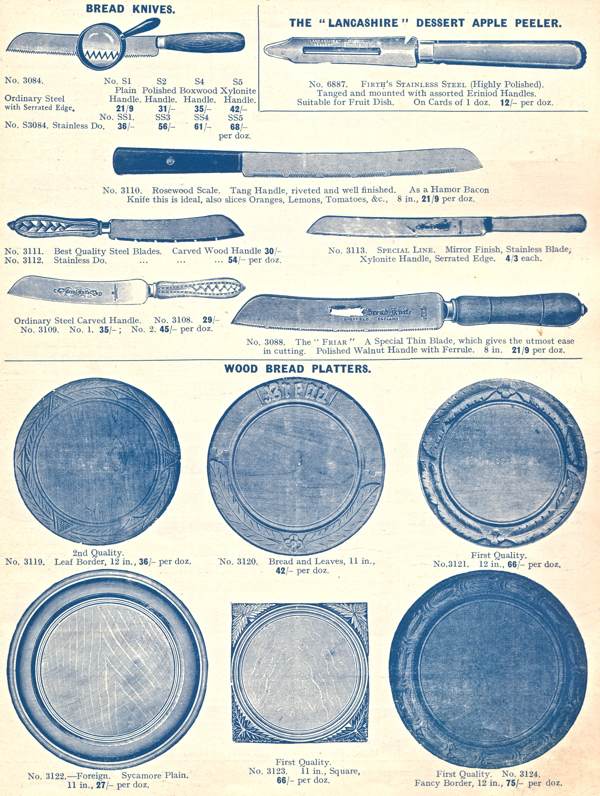
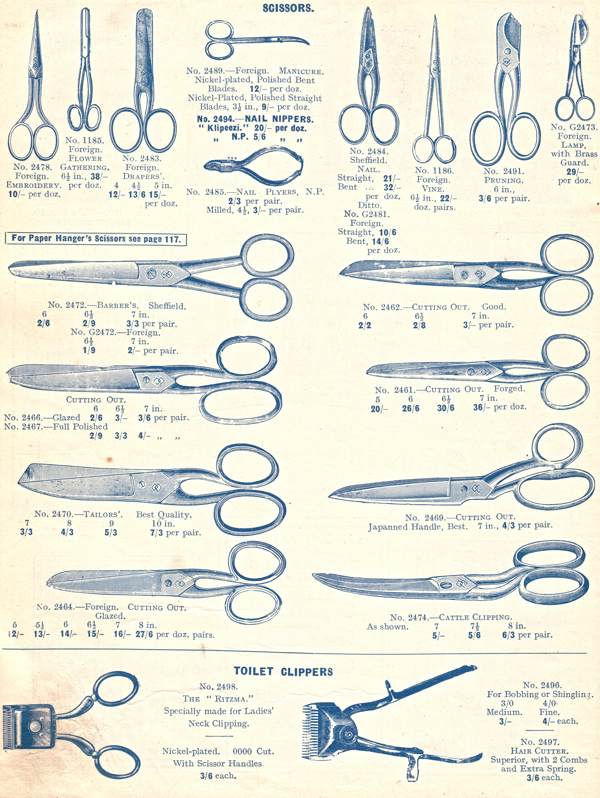
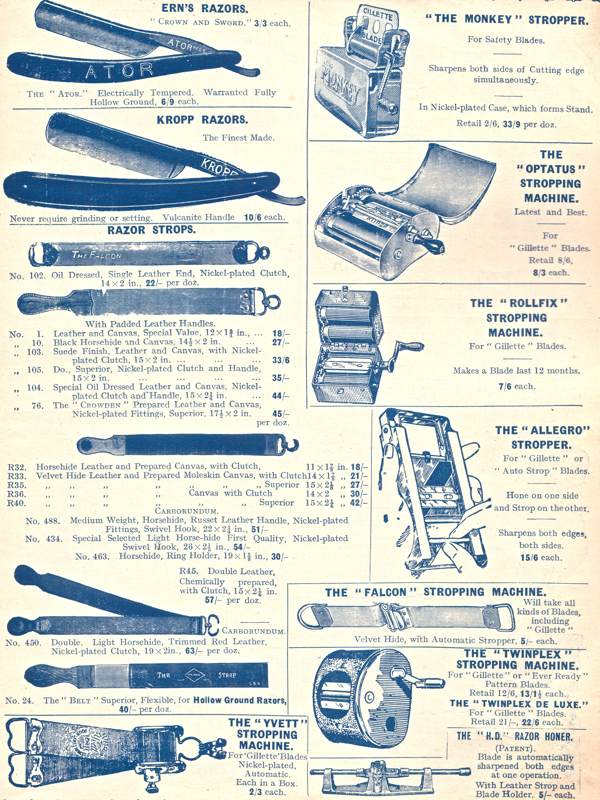
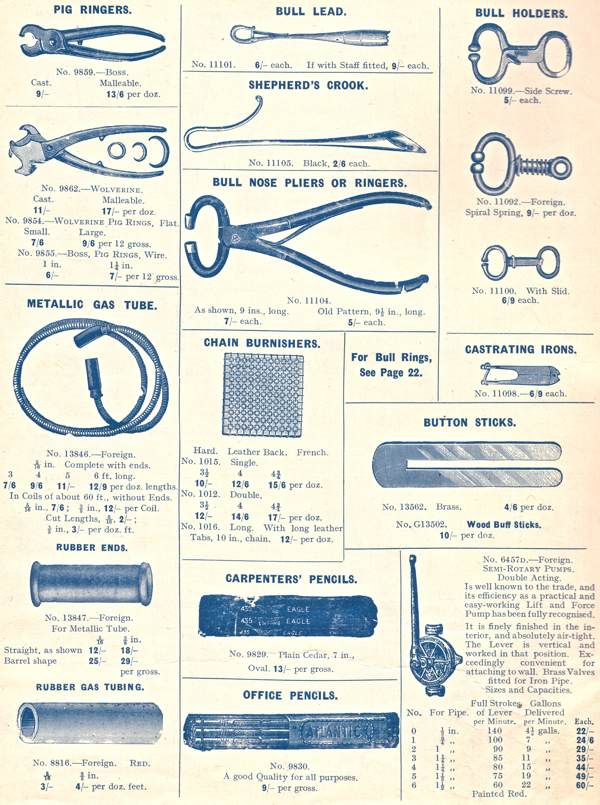
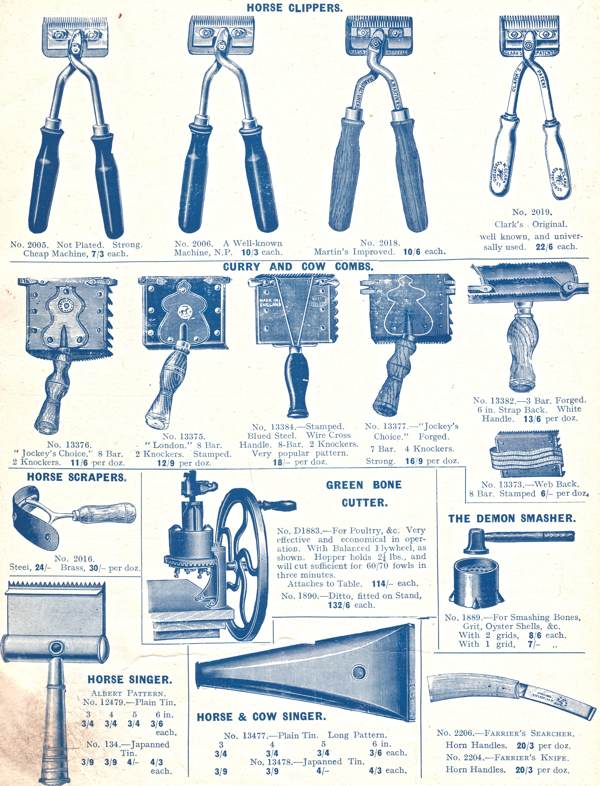
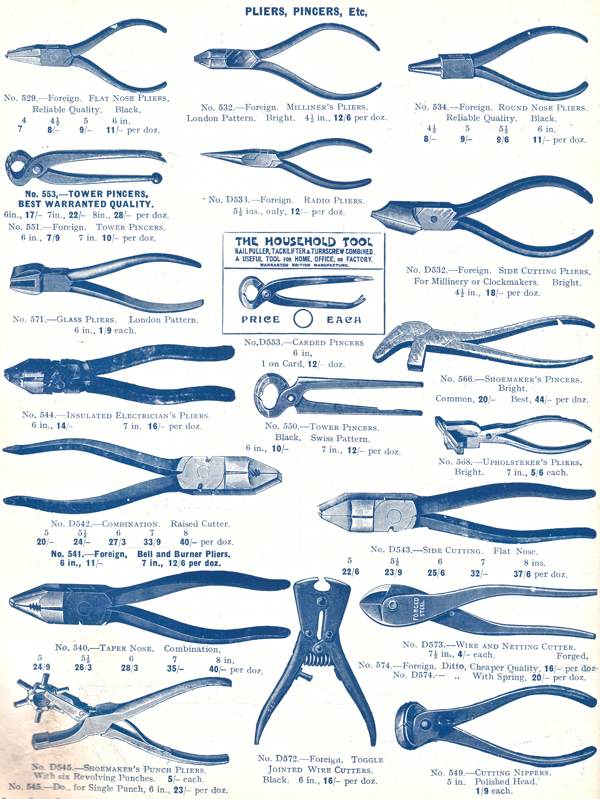
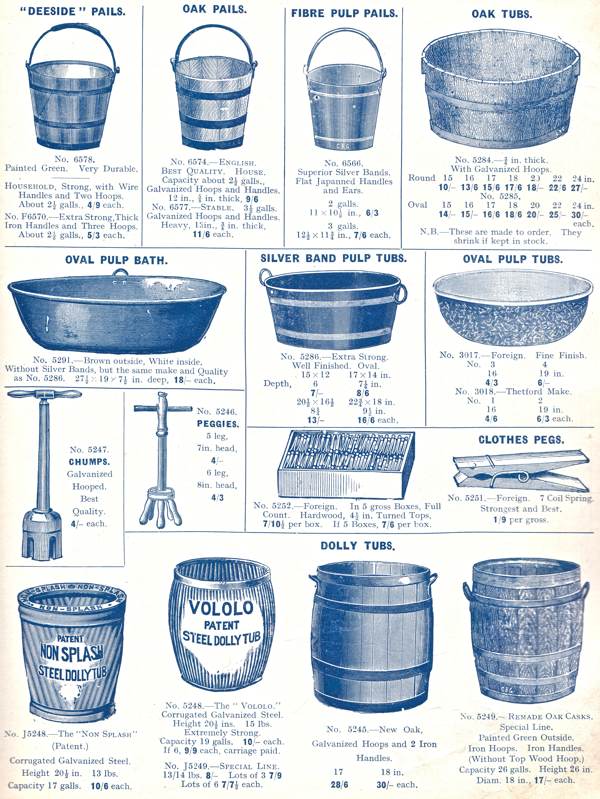
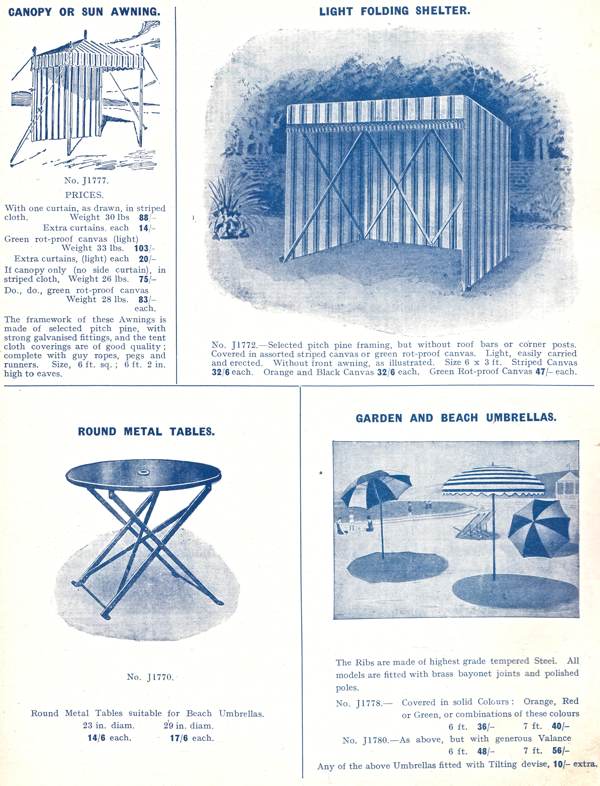
The umbrellas were supplied to Crowden & Keeves by James Ince & Sons
You may like to read about these other favourite hardware shops
John Claridge’s Lighter Side

“Coming from the East End, I used to go to sleep at night listening to the sound of the ships and my dad was a sailor who told me tales of his travels – so I wanted to see the world.” Photographer John Claridge confided to me, revealing the source of his wanderlust. Yet as a child in the nineteen fifties, growing up in the shadow of the London docks, I doubt if John ever imagined that he would one day be photographing a vessel like the one above, as he did for the Indian Tourist Board in 1980.
John’s family had worked as dockers for generations, but in John’s youth the docks were already in decline, so when he left school at fifteen and went to West Ham Labour Exchange, he told them he wanted to be a photographer. Blessed with precocious talent and easy charm, John was offered immediate employment by the photographic department of the McCann-Erickson advertising agency. It was the first step in an exceptional career which took him out of Plaistow and sent him on assignments all over the world, working at the peak of his profession for decades.
This selection of pictures from John’s global odyssey shows the flowering of his creativity in the commercial arena, which came after his East End documentary photography I have published over the past year.
“I think I lived through the golden age of advertising in which you could be creative with your art, I don’t think you can do that any more.” John admitted to me, “There was no photoshop, you had to go out and take the photograph – and you discovered things and you ran with it. All of these pictures were done in the frame. If you bolt it together from library images, you just get the bleeding obvious.”

Indian Tourist Board 1980
“I made several trips to India and came back with all kinds of pictures, and then I worked with a designer and a copywriter and we were free to be creative.”

Lloyds Bank 1975
“This was on a beach in Cornwall. It was probably the weather we didn’t want. We had a horse for two days and we just let it run. You got the best horse you could, so we got one that had been ‘Black Beauty.’ This picture was used for a forty-eight sheet poster.”

Jack Daniels 1986
“The guy was just whittling while he waited for the whisky to mature – it was his job, it was what he did. Tennessee was a dry state at the time.”

Land Rover 1989
“We stayed with Richard Leakey in Kenya and took a safari by Land Rover. I got pretty close, it’s surprising how close you can get to a Wildebeest in a Land Rover, but you don’t want to get out or it spooks them. The texture of a Wildebeest is fantastic, the hide has a luminosity. We did giraffes, zebras, everything…”

Adplates Calendar 1985
“This was for a calendar created for a reproduction house. The photograph was taken in daylight but the print is solarised in the processing.”

French Tourist Board 1974
“This is very early in the morning near the Jeu de Paume in the Tuileries where the Impressionists painted. It was an experiment to see if we could get the feel of those paintings in a photograph.”

Kodak 1978
“This was for a calendar Kodak did to demonstrate the qualities of different films they manufactured. So I said, ‘Let’s go to Venice.’ The light is very beautiful out of season and I used a mirror lens which gives the feel of a vignette.”

Goretex 1989
“This is in Alaska on Mount McKinley. We flew into base camp and climbed up to take the photo. The man in the picture is the guide who took us up there.”

Vichy Cosmetics 1972
“She was driving an old Rolls Royce that we hired for the day in Paris. The dress is her own, because it’s about her individuality – not about creating something fashionable, but about her complexion and how she sees herself.”

Porsche 1989
“We shot this in the South of France, the light is good there, and I treated the Porsche as sculpture – you don’t need to see the car.”

Great Ormond St Hospital
“They asked me to do a charity thing. I thought, ‘They mend broken children, so I’ll get a broken doll and let people figure it out.’ It’s not a happy picture, it reminds me of the figures at Pompeii.”

Carras (Hellas) Shipping 1974
“This was for the cover of the Annual Report of a Greek shipping line. I found this barrow of tomatoes just around the corner from the Blue Mosque in Istanbul, I couldn’t believe it was so beautiful – the red glowed. If you’re going to show Byzantium, you have to show it through something other than the obvious.”
Pirelli Calendar 1993
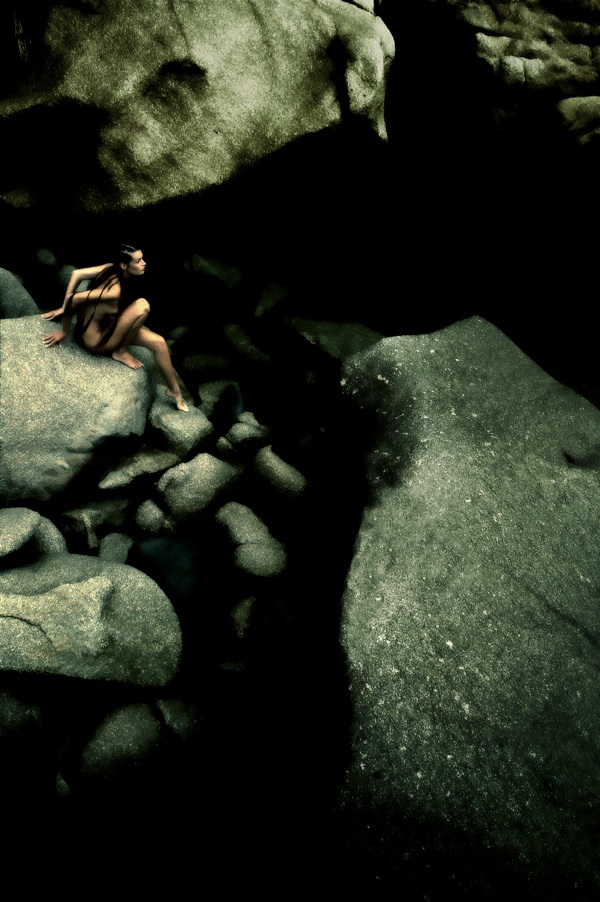
“We did this in the Seychelles and it was a lot of fun.”
Photographs copyright © John Claridge
Take a look at these other pictures by John Claridge
Along the Thames with John Claridge
At the Salvation Army with John Claridge
A Few Diversions by John Claridge
Signs, Posters, Typography & Graphics
Views from a Dinghy by John Claridge
In Another World with John Claridge
A Few Pints with John Claridge
Some East End Portraits by John Claridge
Sunday Morning Stroll with John Claridge
Just Another Day With John Claridge
At the Salvation Army in Eighties
John Claridge’s Boxers (Round One)
John Claridge’s Boxers (Round Two)
John Claridge’s Boxers (Round Three)
John Claridge’s Boxers (Round Four)
John Claridge’s Boxers (Round Five)
John Claridge’s Boxers (Round Six)
John Claridge’s Boxers (Round Seven)
John Claridge’s Boxers (Round Eight)
Harry Levenson, Bookmaker
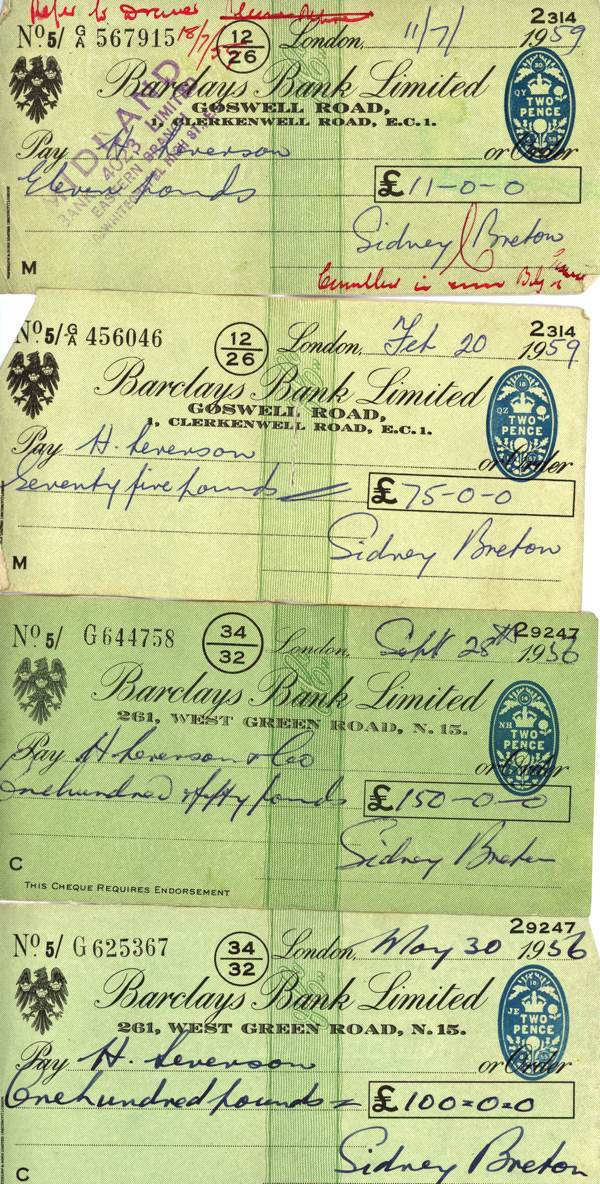
These are just some of the bouncing cheques presented by inveterate gambler Sidney Breton to Spitalfields’ first Bookmaker Harry Levenson and preserved today by his son David Levenson as momentos, eternally uncashed. Indicative of the scale of the compulsion, David has over a thousand pounds worth of these cheques dating from an era when the average salary was just £4 a week.
Before 1961, it was illegal to accept bets off the racecourse and there were no Betting Shops, only Commission Agents who – in theory – passed the bets onto the Bookmakers at the courses. Yet the Bookie’s Agents often took bets themselves, resulting in a lucrative business that existed in the shadows, and consequently – David Levenson revealed to me – the police took regular backhanders off his dad, until the change in the law. After that, Harry was able to obtain a permit and operate legally from his premises on the first floor at 13 Whites Row, conveniently placed for all the bettors who worked in the Spitalfields Market and Truman’s Brewery, as well as the passing trade down Commercial St.
David came to Spitalfields recently and we made a pilgrimage together to Whites Row to find the site of his late father’s betting shop, and I learnt that Harry’s career as a Bookmaker was just one in a series of interventions of chance that had informed the family history.
“My father was born in 1919 and grew up in Regal Place off Old Montague St. His father Hyman, a tailor, came from Latvia and his mother Sarah came from Lithuania or Belarus, and they met in London. I once asked my father why his parents came here but he said they never wanted to talk about it, and I knew about the pogroms against the Jews, so I imagine there were pretty bad things.
I think it was a tough childhood, but when my father spoke of it, it was with fondness. After school – he told me – he used to walk to his grandparents’ house and sit on the step and wait for his grandfather to come home from work, and his grandfather used to take him to buy sweets.
My dad told me he was there, standing with the other Jewish boys, when Mosley tried to march through Whitechapel in 1936 and he said all they had was rolled up copies of the News of the World to defend themselves.
His elder brother, Sam, had a barber’s shop and after he left school in the late thirties my dad went to work with him until war broke out, when my dad was twenty. He was the most peaceable man you could meet, but when he joined the army he said, “I want to fight at once, I don’t want to march about.” So they recruited him into the Isle of Man Regiment and he served as a gunner on a Bofors Gun. He became one of only forty soldiers from his Battery to escape alive from the battleground of Crete – none of the Jews that were captured ever returned. In January 1943, he suffered serious shrapnel wounds when several of his fellow gunners were killed by a direct aircraft attack near Tripoli. Then his father, Hyman, died while Harry was recuperating but he did not find out until months later when his brother Sam broke the news in a letter in July.
When my father came back on leave, he found just a bombsite where Regal Place had been and all the flats were destroyed. But he discovered the family had gone to Nathaniel Buildings in Flower & Dean St and everybody was safe. Incredibly, the bomb had fallen on the only night his father had ever gone to the shelter. They were calling out in the street for, “Any off-duty soldiers?” and my father spent his entire leave searching for bodies in bombed-out buildings.
I could see no relationship in my father’s life to what he had been through in the war – I think he wanted to start again. Afterwards, he simply went back to work in his brother’s barber shop. He learnt to cut hair and became a barber. He started getting tips for horses, so he phoned up his other brother who worked in a betting office and placed bets. There were no betting shops at the time – it was illegal – but people asked my father, “Why don’t you take bets yourself?” And as more as more people came to place bets than to have their hair cut, he was making more money from being a bookmaker than a barber. Because it wasn’t legal, he wasn’t paying tax, and he was walking around with thousands of pounds in his pocket. But you could never call our family wealthy, we were just middle class. So it is a mystery to me where the money went.
When my mother, Ivy, met him he was flush with cash and he used to drive a Jowett Javelin. She thought he was a millionaire. Although he was brought up Jewish, she was Church of England, so I am not Jewish and he never made any attempt to bring me up in the faith.
In 1961, the law changed and my dad obtained the first Bookmaker’s permit in Spitalfields. He moved the business out to Gospel Oak when I was about two, but he used to bring me back with him whenever he came visit his friend Dave Katz who had a factory making trousers off Commercial St. I remember walking around the streets when I was four or five years old, Spitalfields was frightening to a boy from the suburbs. It was a strange place.
My dad never gambled because he saw people lose all their money, and I’ve only ever had a little flutter myself – but my mother is ninety-three and she says it’s what keeps her going.”
[youtube Kl5KZcMhH24 nolink]
Harry Levenson speaks in 2002, recalling compulsive gambler Sidney Breton.
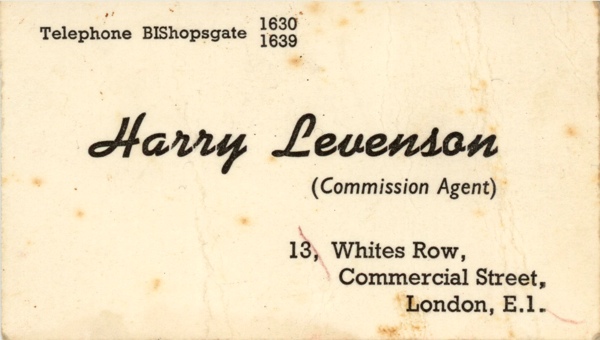

Harry Levenson obtained the first bookmaker’s permit in Spitalfields in 1961.
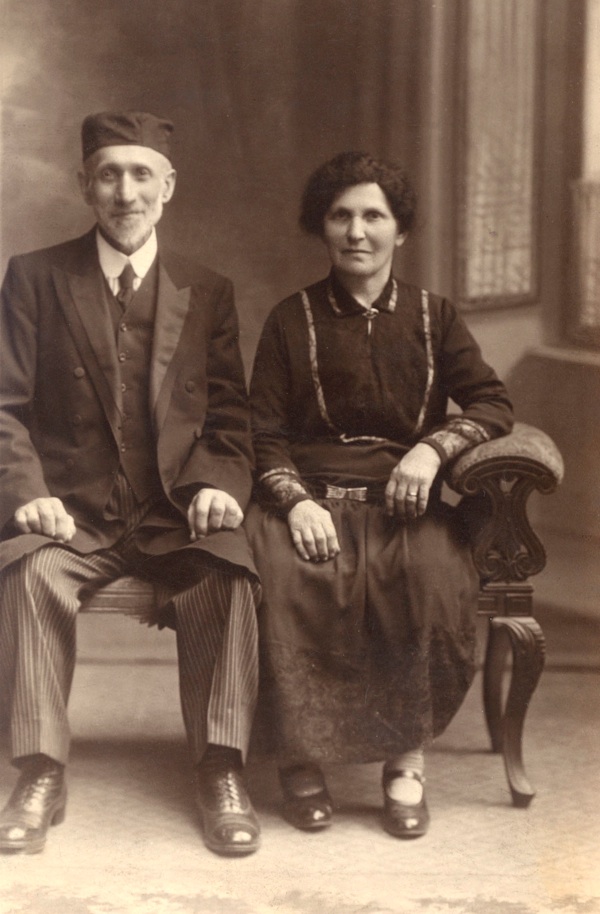
Harry’s grandparents, Morris & Sarah Moliz.
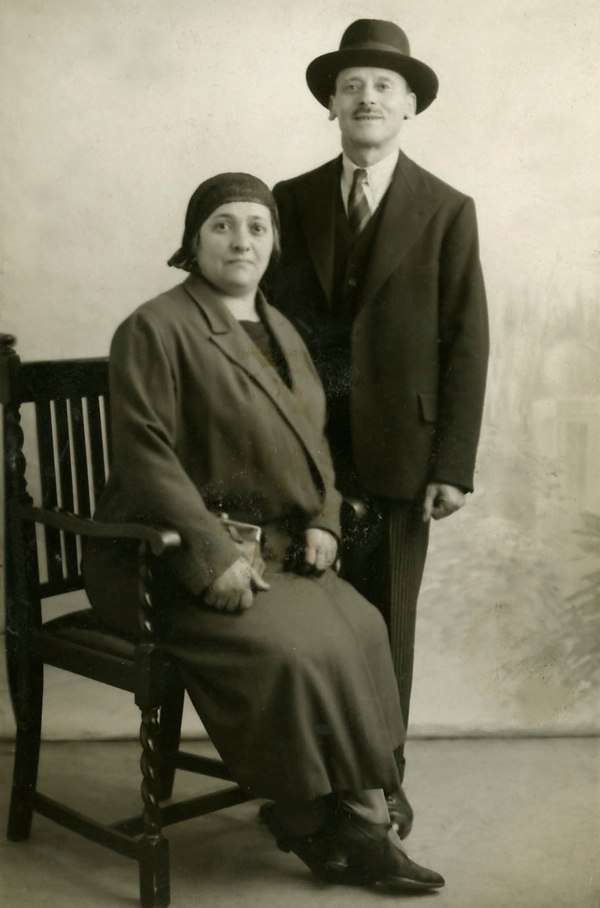
Harry’s parents, Hyman & Sarah Levenson of Regal Place, Spitalfields,
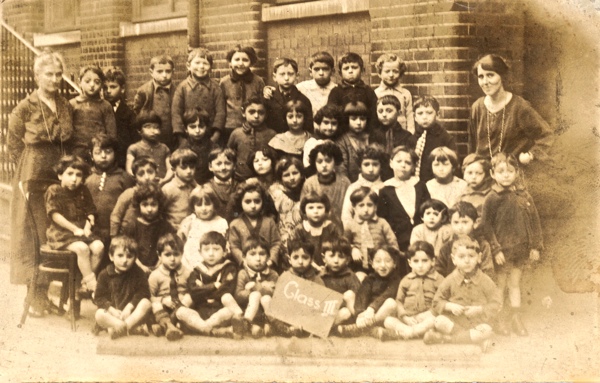
Harry holds the card in his class photo at Robert Montefiore School, Deal St. c. 1925.

Harry at his Bar Mitzvah, Great Garden St Synagogue, Spitalfields, 1932.
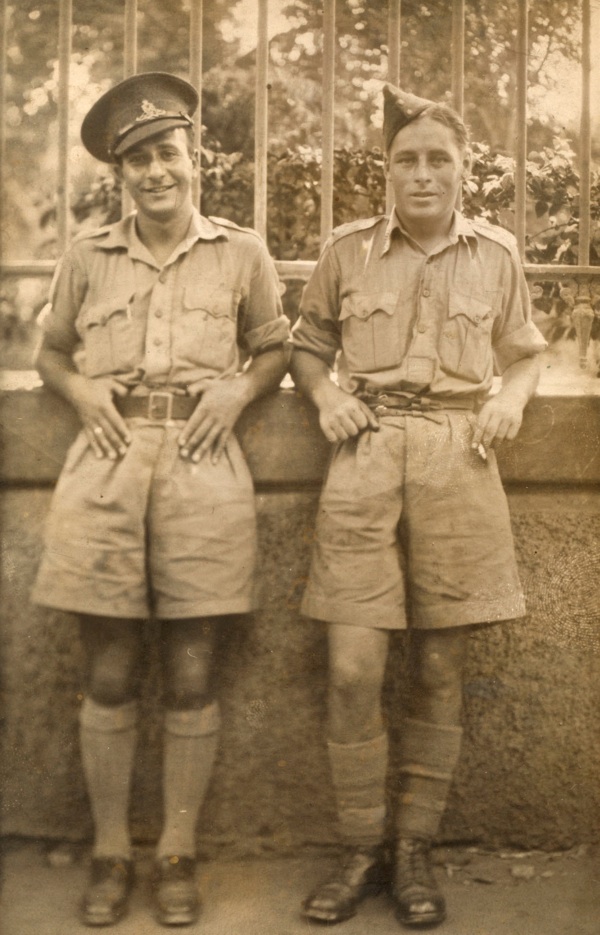
Harry (left) with an army pal in Cairo, September 1941. On the reverse he wrote, “I wish this had been taken outside Vallance Rd Park instead.”
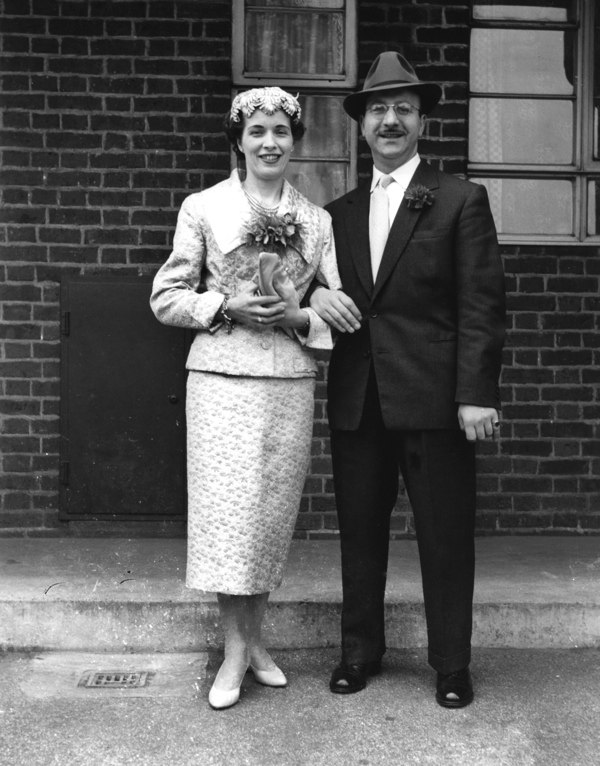
Harry & Ivy Levenson at their marriage in 1957.
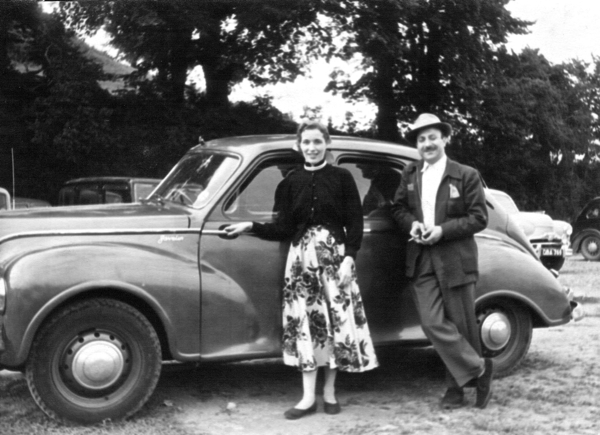
Harry takes Ivy for a spin in his Jowett Javelin.
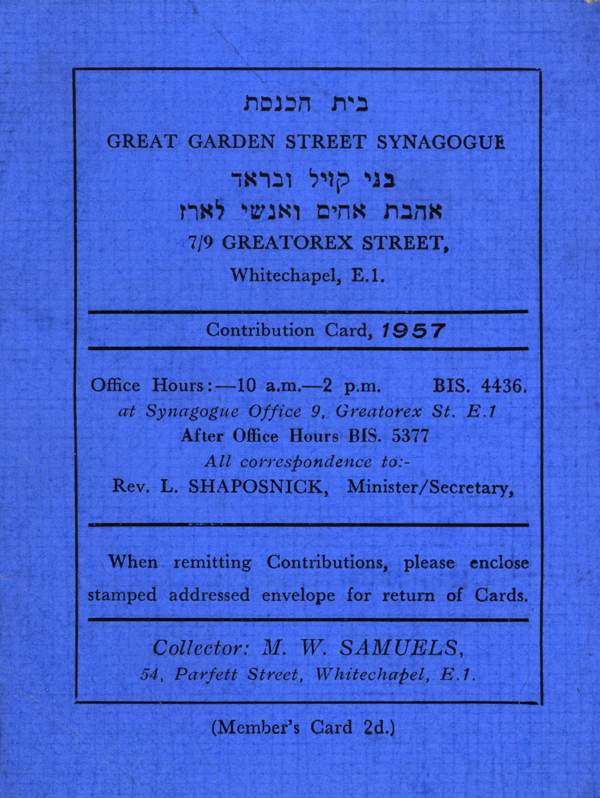
Harry’s synagogue card, which lapsed in 1957 at the time of his marriage.
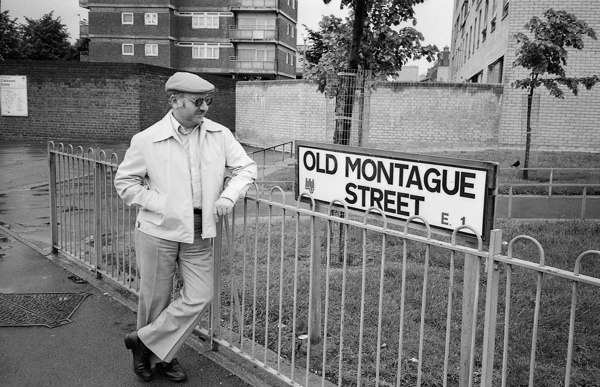
Harry returns to Old Montague St in 1980.

Harry revisits the site of Regal Place, off Old Montague St, where he was born in 1919.
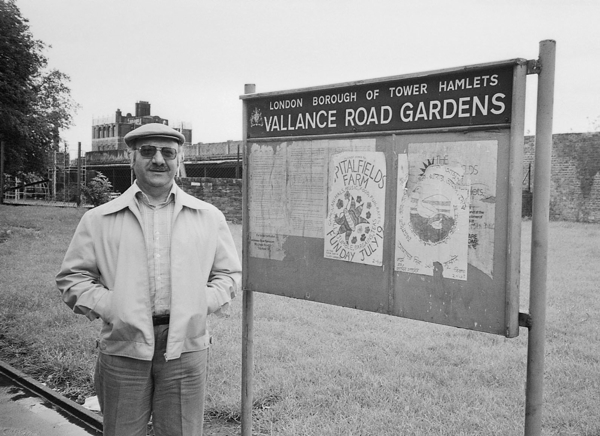
Harry at Vallance Rd Park.
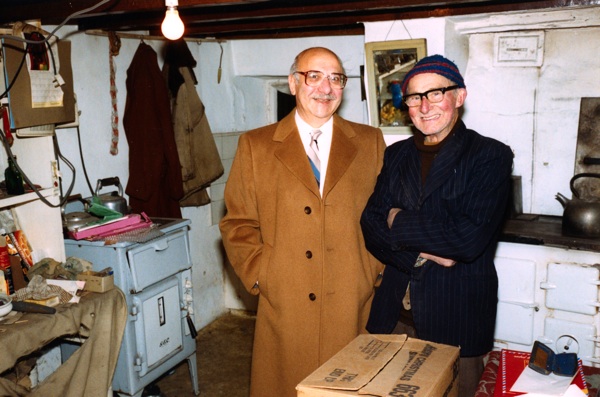
Harry reunited with an army comrade on the Isle of Man in 1989.
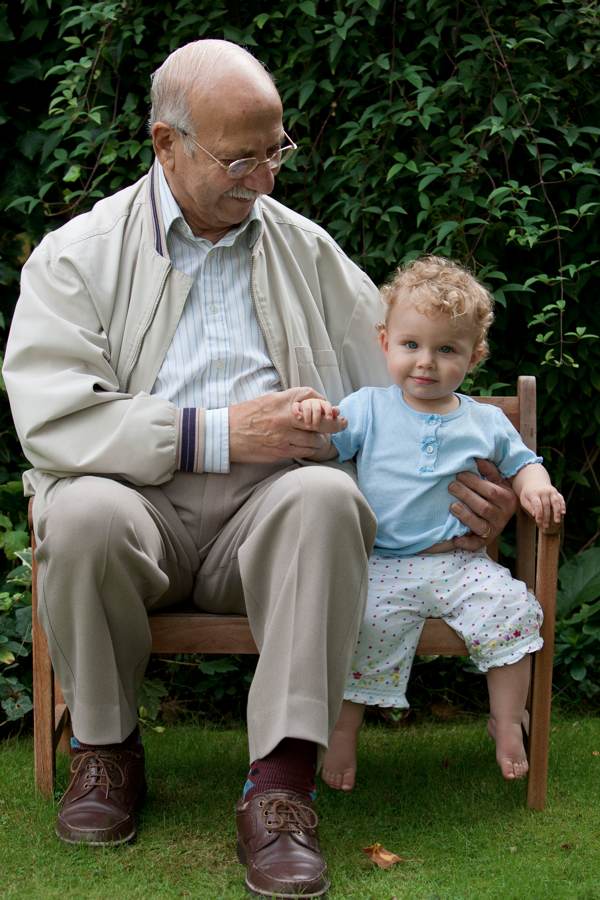
Harry with his granddaughter Katy in 2005.
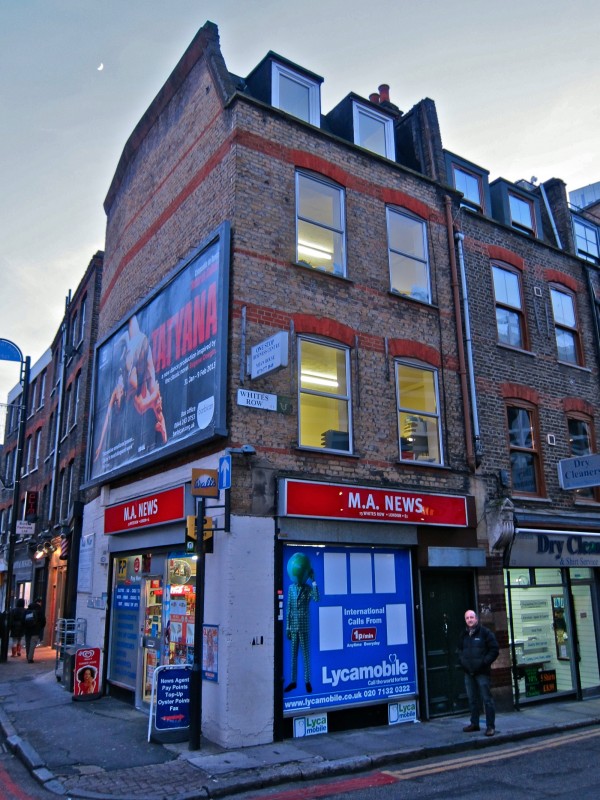
David Levenson revisits 13 Whites Row where his father ran the first betting shop in Spitalfields.
Adam Dant’s Map of Industrious Shoreditch
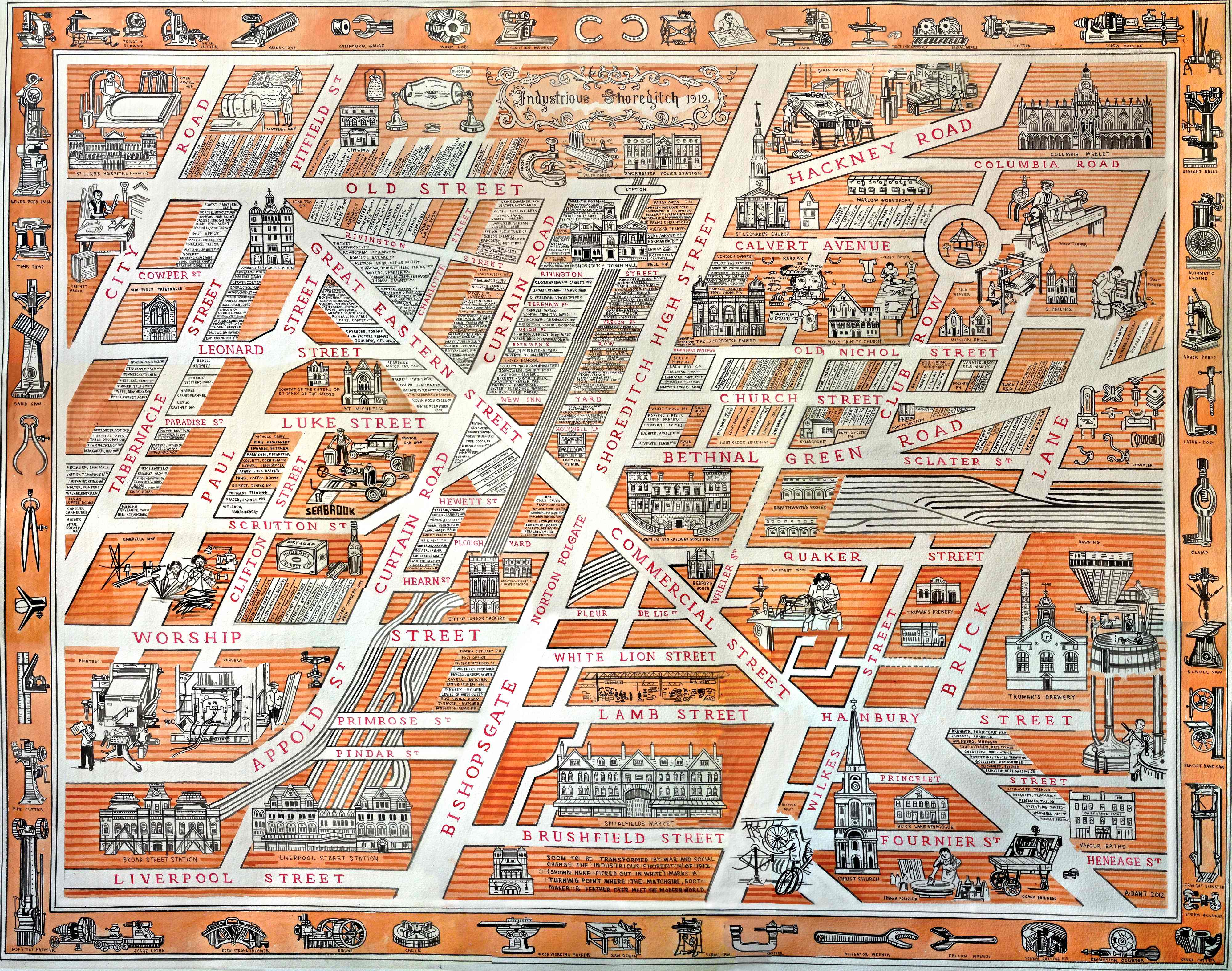
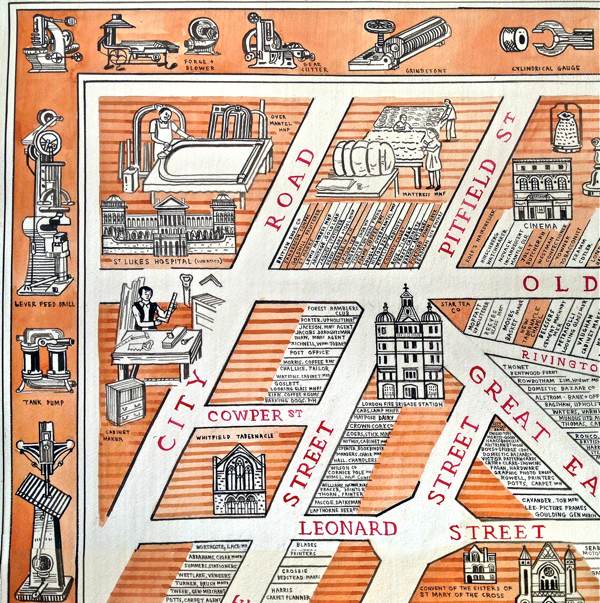
Click twice to enlarge and study the details of Industrious Shoreditch
A century before the New Industries that define Shoreditch today, there were once the Old Industries. Then, small manufacturers and their suppliers occupied every building, and the neighbourhood teemed with skilled workers and craftsmen who made things with their hands. Cartographer extraordinaire Adam Dant celebrates this culture with his Map of Industrious Shoreditch, 1912.
“I chose 1912 because it precedes the First World War, when everything changed. It encapsulates Industrious Shoreditch,” explained Adam, “I started off with the major landmarks serving the industries of the time. For the main thoroughfares, I listed the concentrations of manufacturers, using lists of companies from the Post Office Directories. These are complemented by vignettes of people making things, and I filled the border with machines used for wood and metalwork.”
After the First World War, many of the industries moved to larger factories outside London and the twentieth century saw the decline of manufacturing in Shoreditch, with the hardware shops and suppliers of raw materials being the last to go, holding on even into recent decades. Now that Shoreditch is booming again with new technology companies occupying many of the old buildings once used for manufacturing, Adam Dant’s map offers us a poignant opportunity to explore that lost world of industriousness.
You will discover mattress makers, french polishers, feather dyers, hatters, bootmakers, chandlers, over-mantle manufacturers, cabinet makers, coach builders, wood turners, corset makers, and more…
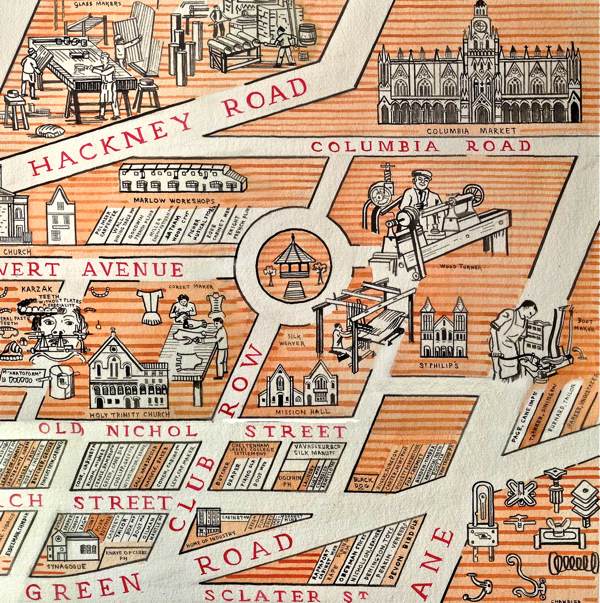
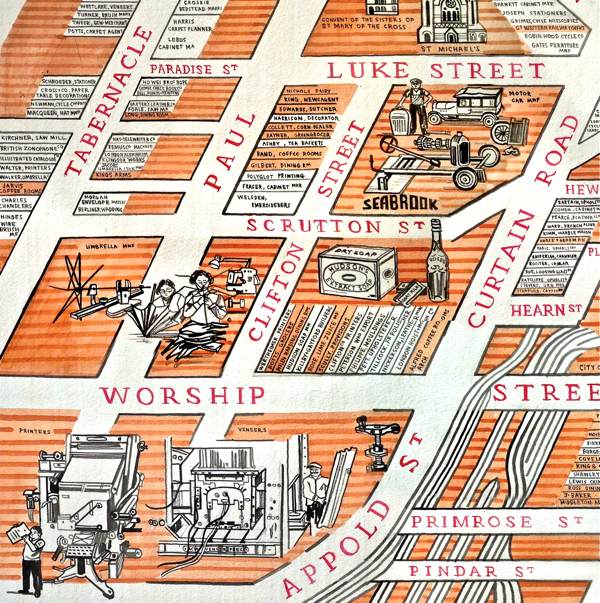
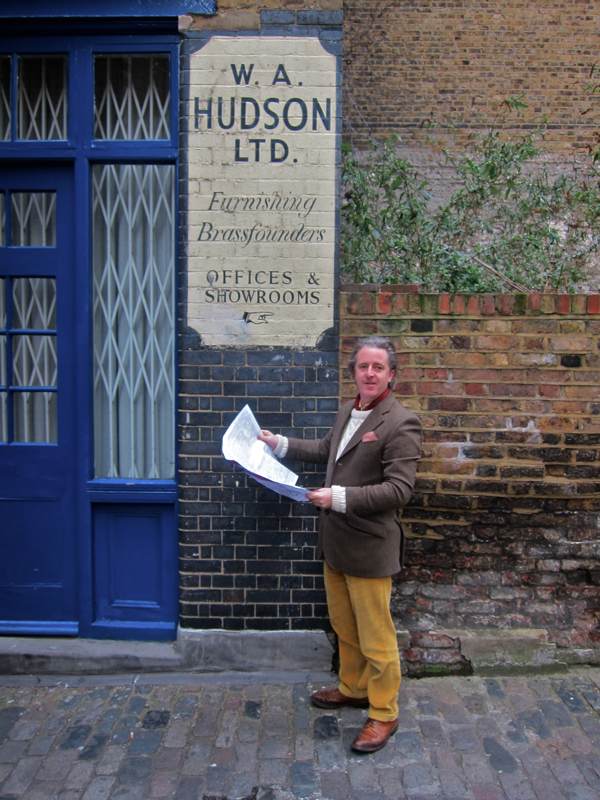
Adam Dant goes in search of Industrious Shoreditch
Map copyright © Adam Dant
You may like to take a look at some of Adam Dant’s other maps
Map of the History of Shoreditch
Map of Shoreditch in the Year 3000
Map of Shoreditch as the Globe
Map of the History of Clerkenwell
Map of the Journey to the Heart of the East End
Map of the History of Rotherhithe
Click here to buy a copy of The Map of Spitalfields Life drawn by Adam Dant with descriptions by The Gentle Author
Clive Murphy, Phillumenist

Clive Murphy, Phillumenist
Nothing about this youthful photo of the novelist, oral historian and writer of ribald rhymes, Clive Murphy – resplendent here in a well-pressed tweed suit and with his hair neatly brushed – would suggest that he was a Phillumenist. Even people who have known him since he came to live in Spitalfields in 1973 never had an inkling. In fact, evidence of his Phillumeny only came to light recently when Clive donated his literary archive to the Bishopsgate Institute and a non-descript blue album was uncovered among his papers, dating from the era of this picture and with the price ten shillings and sixpence still written in pencil in the front.
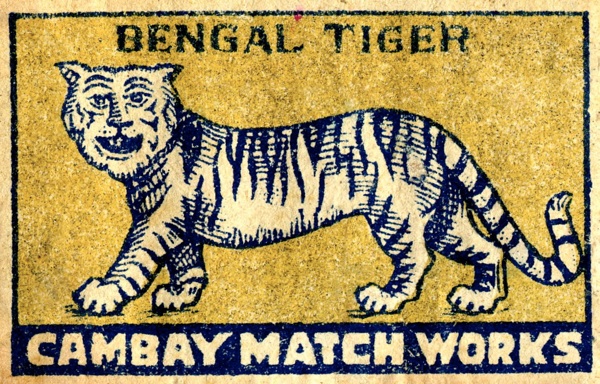
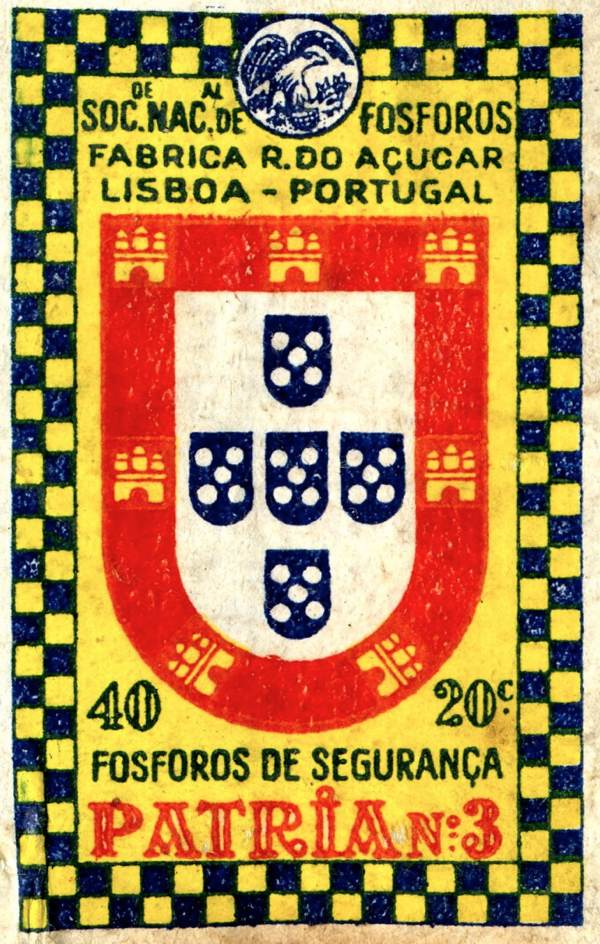
I was astonished when I saw the beautiful album and so I asked Clive to tell me the story behind it. “I was a Phillumenist,” he admitted to me in a whisper, “But I broke all the rules in taking the labels off the matchboxes and cutting the backs off matchbooks. A true Phillumenist would have a thousand fits to see my collection.” It was the first time Clive had examined his album of matchbox labels and matchbook covers since 1951 when, at the age of thirteen, he forsook Phillumeny – a diversion that had occupied him through boarding school in Dublin from 1944 onwards.
“A memory is coming back to me of a wooden box that I made in carpentry class which I used to keep them in, until I put them in this album,” said Clive, getting lost in thought, “I wonder where it is?” We surveyed page after page of brightly-coloured labels from all over the world pasted in neat rows and organised by their country of origin, inscribed by Clive with blue ink in a careful italic hand at the top of each leaf. “I have no memory of doing this.” he confided to me as he scanned his handiwork in wonder,“Why is the memory so selective?”
“I was ill-advised and I do feel sorry in retrospect that they are not as a professional collector would wish,” he concluded with a sigh, “But I do like them for all kinds of other reasons, I admire my method and my eye for a pattern, and I like the fact that I occupied myself – I’m glad I had a hobby.”
We enjoyed a quiet half hour, turning the pages and admiring the designs, chuckling over anachronisms and reflecting on how national identities have changed since these labels were produced. Mostly, we delighted at the intricacy of thought and ingenuity of the decoration once applied to something as inconsequential as matches.
“There was this boy called Spring-Rice whose mother lived in New York and every week she sent him a letter with a matchbox label in the envelope for me.” Clive recalled with pleasure, “We had breaks twice each morning at school, when the letters were given out, and how I used to long for him to get a letter, to see if there was another label for my collection.” The extraordinary global range of the labels in Clive’s album reflects the widely scattered locations of the parents of the pupils at his boarding school in Dublin, and the collection was a cunning ploy that permitted the schoolboy Clive to feel at the centre of the world.
“You don’t realise you’re doing something interesting, you’re just doing it because you like pasting labels in an album and having them sent to you from all over the world.” said Clive with characteristic self-deprecation, yet it was apparent to me that Phillumeny prefigured his wider appreciation of what is otherwise ill-considered in existence. It is a sensibility that found full expression in Clive’s exemplary work as an oral historian, recording the lives of ordinary people with scrupulous attention to detail, and editing and publishing them with such panache.





Clive Murphy, Phillumenist
Images courtesy of the Clive Murphy Archive at the Bishopsgate Institute
You may like to read my other stories about Clive Murphy
Clive Murphy’s oral histories are available from Labour and Wait
and his ribald rhymes are available from Rough Trade












