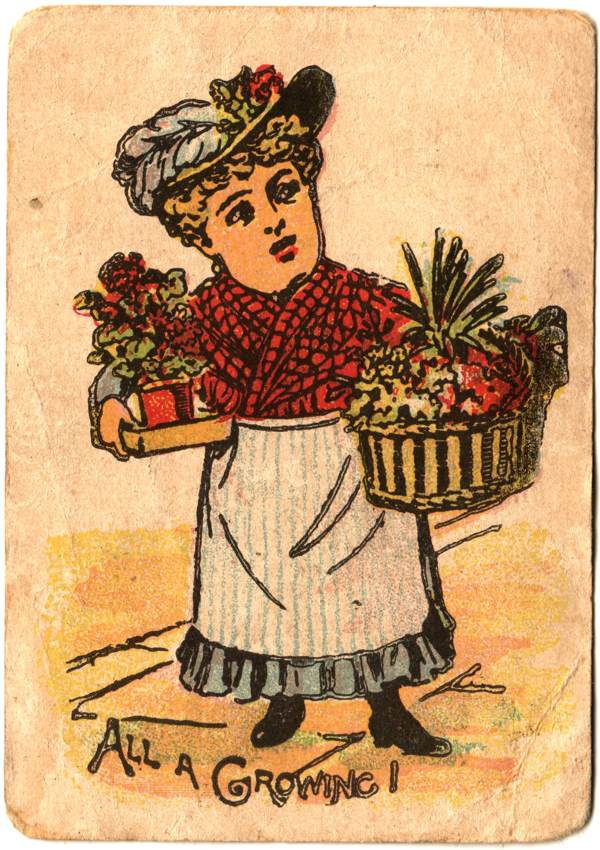
Cries Of London Snap Cards
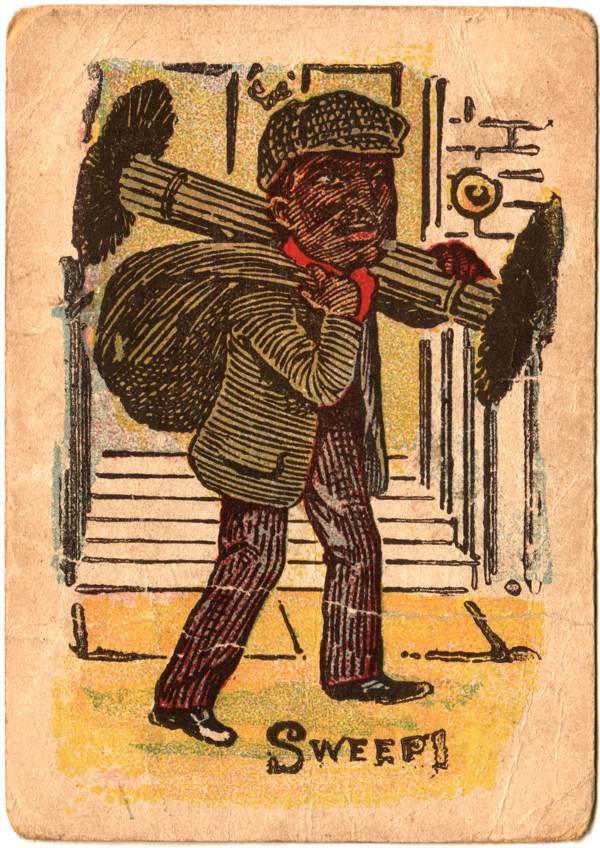
It has been a while since I added to my collection of Cries of London down the ages, so I was delighted to acquire these beautiful cards recently for a mere couple of pounds. For me, their patina after more than century of use in games of Snap only enhances the appeal of these characterful portraits of industrious Londoners of the eighteen-nineties.





You may also like to take a look at these other sets of the Cries of London
Geoffrey Fletcher’s Pavement Pounders
William Craig Marshall’s Itinerant Traders
H.W.Petherick’s London Characters
John Thomson’s Street Life in London
Aunt Busy Bee’s New London Cries
Marcellus Laroon’s Cries of London
More John Player’s Cries of London
William Nicholson’s London Types
Francis Wheatley’s Cries of London
John Thomas Smith’s Vagabondiana of 1817
John Thomas Smith’s Vagabondiana II
John Thomas Smith’s Vagabondiana III
Thomas Rowlandson’s Lower Orders
Passmore Edwards in the East End
At the time of cuts to libraries and other vital social resources, Dean Evans author of Funding The Ladder – The Passmore Edwards Legacy takes a timely look at the forgotten benefactor who shaped the culture of the East End through his enlightened philanthropy.
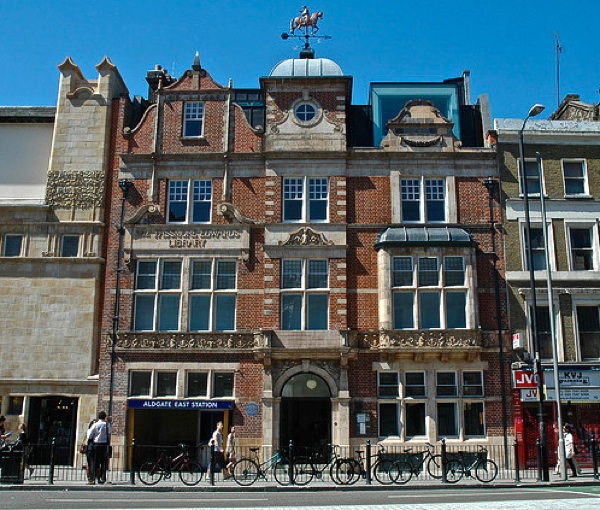
“It is a distinguished privilege, lightening the lot of our fellow East End citizens.” wrote John Passmore Edwards in 1892, in response to a request from Canon Barnett for a contribution towards a free library he was building in Whitechapel.
Canon Samuel Barnett and his wife Henrietta moved to St Jude’s Parish, Whitechapel, in the eighteen seventies when it was an over-crowded area of appalling poverty and poor housing, mostly endured by Jewish immigrants from Eastern Europe. The Barnetts set about to improve the conditions of their parishioners with missionary zeal, believing that “the social problem is at root an educational one” and that Free Libraries were the best means of education. Barnet had recently showed Edwards the half-finished library for which there was a shortfall in funding and was surprised to receive such a quick and welcoming response – since included with Edwards’ agreement to help was a cheque for £6,454 to cover the total construction cost and an offer of one thousand books to populate the shelves.
When the Whitechapel Library was formally opened in October 1892, there were already more than two and a half thousand people making use of the reading room on a daily basis and one thousand on Sundays. It had taken Barnett fourteen years to see his dream materialise of the first rate-supported library in the East End. For Passmore Edwards it was the beginning of a relationship with the East End that was to last until the end of his days and result in more than a dozen public buildings, libraries, hospitals, technical institutes, art galleries, boys clubs and a home for foreign sailors, all freely given to help those less fortunate.
John Passmore Edwards had been born in Blackwater, a small mining village near Truro, Cornwall, in 1823. Educated at the local dame school at a cost of tuppence a week, he had developed an ambition to be useful, an ambition that was to stay with him for all of his eighty-eight years. Asquith said that Edwards had done “more than any single Englishman to help the people to equip and educate themselves for civic and social duty.” Edwards simply said that if he could fund the ladder, the poor would climb.
As a young boy, he helped his father both in the family brewery attached to the cottage in which they lived and also in the market garden that was cultivated around the cottage, tending and picking fruit to be sold in the local markets. Saving up the few pennies he earned, he walked the seven miles into Truro to buy a single second-hand book, reading anything and everything he could lay his hands upon. After sending for leaflets on the work of the Anti-Corn Law League, he was persuaded to help deliver these throughout West Cornwall – to the chagrin of the Mayor of Penzance, a magistrate, who threatened him with prison for sedition. But Passmore Edwards’ zeal was not to be deflected, not then, nor at any time over the next seventy years.
After working briefly as a solicitor’s clerk in Truro, he travelled, first to Manchester as representative of the radical newspaper, The Sentinel, and then to London, arriving in Holborn in 1845. There he learnt a trade as a publisher’s clerk, but earned his living through freelance writing and lecturing, and found time to continue his education at the Mechanics Institute, while becoming actively involved in many of the social and political reform groups of the time. He was a member of the Society for the Abolition of Capital Punishment, The Political and Financial Reform Association, The Society for the Abolition of Tax on Knowledge, The Society for the Suppression of the Opium Trade, The Peace Society, and many more.
In 1850, then twenty-seven years old and with fifty pounds in savings, he launched a small publication of his own, The Public Good, obtaining paper and printing on credit and living and working in a single room in Paternoster Row, where he became editor, publisher, advertising clerk, as well as packing and sending off orders. But with a low cover price in order to be affordable to the working classes, neither this nor subsequent publications were profitable and, after a serious illness, he was declared bankrupt. Yet, though legally cleared of his remaining debts, he determined to pay back what he owed and did so a decade later. By hard work and frugal living, he clawed his way to success – obtaining first The Building News, then The English Mechanic magazine and in 1876, the London Echo.
Now a wealthy and influential man, Edwards turned his thoughts to Parliament and served for a short but disappointing spell as Liberal Member for Salisbury, before finding he could more better satisfy his ambitions outside Westminster. From 1890 to his death in 1911, he funded the construction of seventy-one public buildings. Twenty-one were in his home county of Cornwall, but the majority were to serve the inhabitants of London. His philanthropy was unique in that while his work was spread over diverse areas of social improvement – libraries, education, the arts, hospitals, convalescent homes, orphans and the disabled – he maintained a long-term relationship with all the organisations and institutions that he helped.
His gift of the Whitechapel Library in 1892 was followed in 1893 by the Haggerston Branch Library, a Cottage Hospital in Willesdon, a Lecture Hall for the new South London Art Gallery, and a hundred acre farm at Chalfont St Peters as the base for what was to become the National Society for Epilepsy. 1894 saw the opening of a Convalescent Home at Pegwell Bay, the following year a new wing at the West Ham Hospital, a Cottage Hospital at Wood Green, and the creation of a Printers’ Library at St Bride’s – while in 1896, the Diamond Jubilee of Queen Victoria, no less than ten opening ceremonies took place.
After laying the foundation stone at the Pitsfield St Library, Shoreditch, he went on to open an extension to the Haggerston Library and after opening the Shepherds Bush Library he walked to Hamersmith Broadway to unveil a drinking fountain, dedicated to the memory of his brother Richard who had been a vestryman there. Remaining a successful newspaper owner and publisher, he was as economical with his time as he was with his money, combining the laying of the foundation stones of the Limehouse Library and the Roman Road Library in a single day, and later similarly opening them on the same day. In 1895, he travelled down to Cornwall to lay foundation stones or open five of his buildings in a single week, only to return to London on the Friday, to open another library.
His wife, Eleanor, was also closely involved with his philanthropic work, helping to raise funds as a member of the Ladies’ Guild of the Charing Cross Hospital and arranging the furnishings for the Falmouth Cottage Hospital and the Perranporth Convalescent Home among others. She organised outings to Epping Forrest for children from the East End. Two hundred at a time would be taken there by train and treated to a tea and organised games, all funded by The Echo.
It was the gift of the Perranporth Convalescent Home that persuaded the Truro City Council to grant Edwards the Honorary Freedom of the Borough, which was followed by the Freedom of the Boroughs of Falmouth and Liskeard. In London he was equally honoured, by the Boroughs of both East and West Ham, yet he refused a Knighthood offered by both Queen Victoria and later, King Edwards VII, preferring, he said, to remain as he was.
Over the years the perceived need for convalescent homes has diminished, hospitals have become larger, orphanages have closed, and many of the Passmore Edwards buildings are no longer used for the original purpose. It was a German bomb that destroyed the St George-in-the-East Library, but the Limehouse Library has been left empty and decaying ever since it shut in 2004. Many others of his buildings have been fortunate to acquire other uses. The Whitechapel Library is now a splendidly restored annexe to the Whitechapel Art Gallery. The Borough Rd Library, the West Ham Museum, and the Camberwell School of Arts are all now used by London universities. The Haggerston Library, Canning Town Boys Club and Sailors Palace at Limehouse, built for the British and Foreign Sailors’ Society, are converted into housing. Of the London hospitals, only the Willesdon and East Ham buildings remain in use and of the London Libraries, only those at Plaistow, Nunhead, Dulwich and Acton remain open. With the current threat to library provision, the future of even these must be uncertain.
In 1850, Edwards campaigned with William Ewart for the Free Libraries Act but the progress with provision of libraries, even in London, was slow mainly due to resistance of the ratepayers – at the time only the more wealthy and better educated – to paying a penny rate to support them. Yet by then Edwards’ belief in the need for libraries was widely evident from his name over so many doors and upon foundation stones across London, and his offer of one thousand books to any new library opening in London.
Bernard Kops, East End poet and playwright, famously wrote of the Whitechapel Library that “the door of the library, was the door into me.” The name over that door was Passmore Edwards.
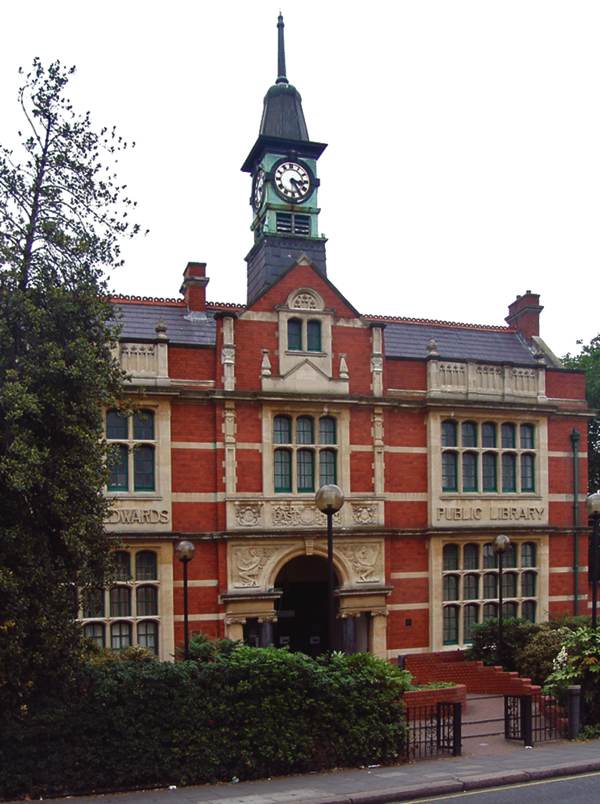
Plashet Library
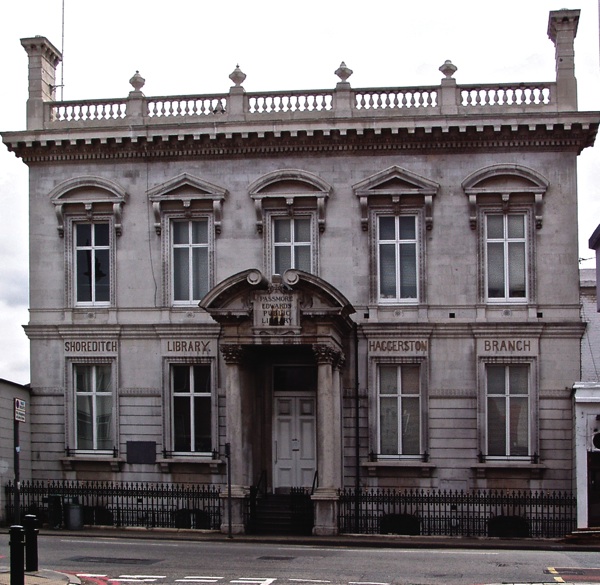
Haggerston Library
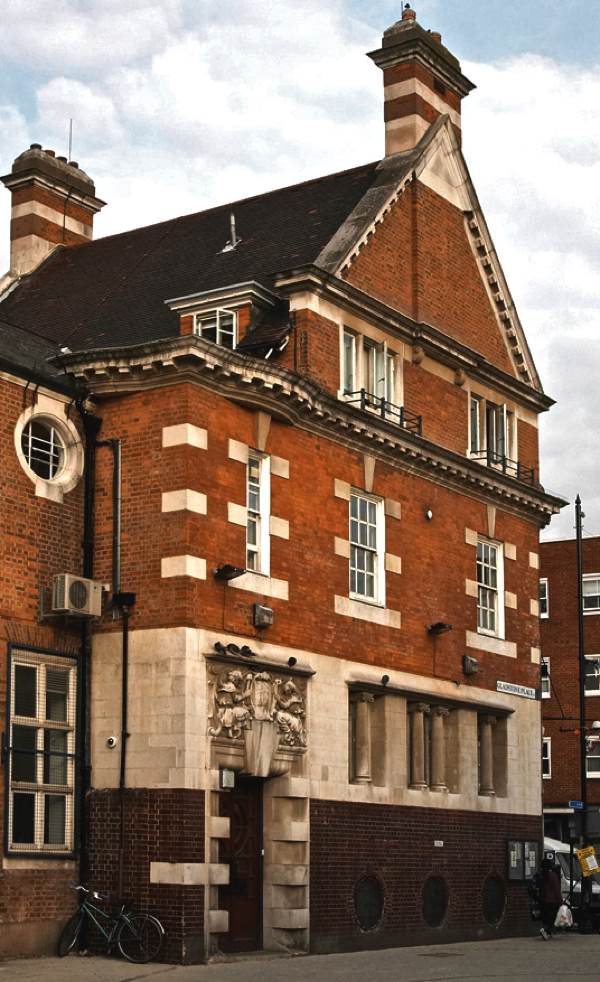
Bow Library
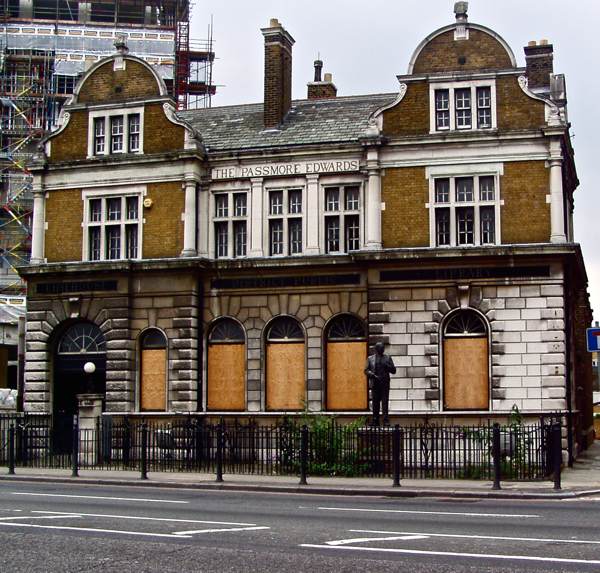
Limehouse Library
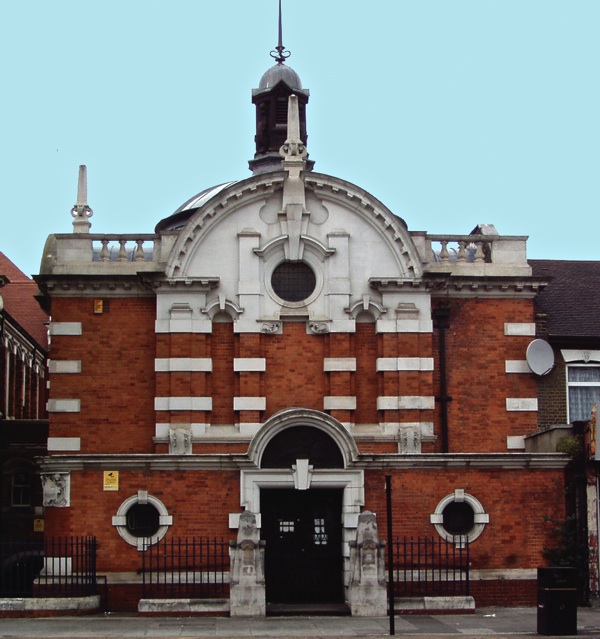
Stratford Museum
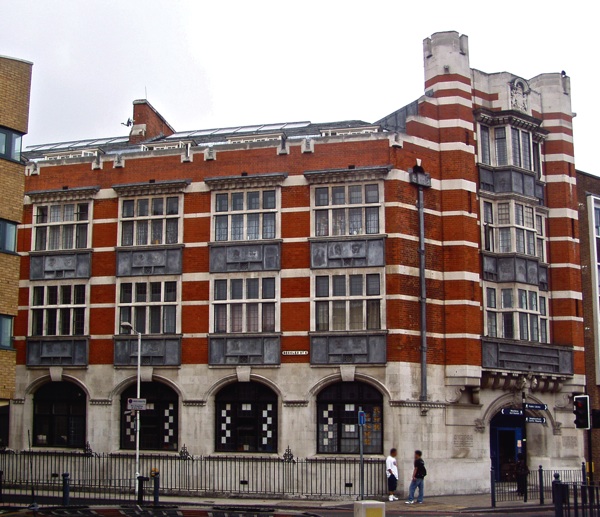
Sailors’ Palace, East India Dock Rd
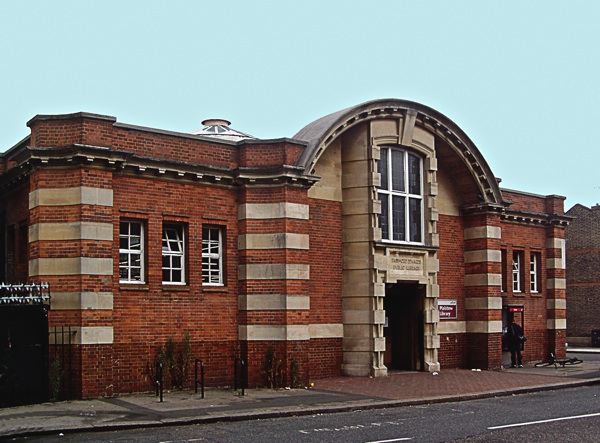
Plaistow Library
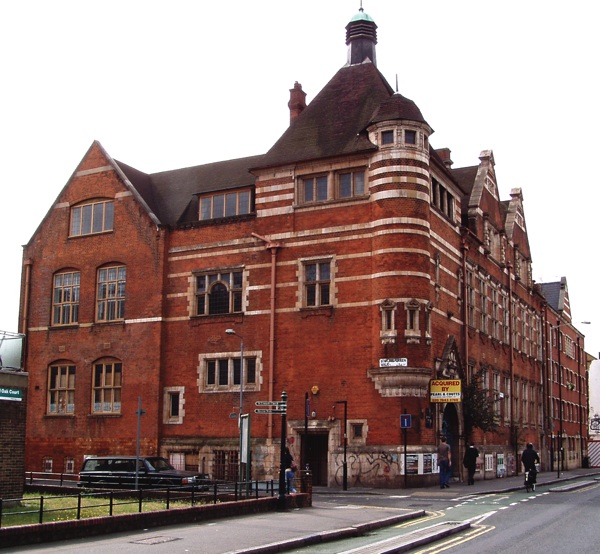
Hoxton Library
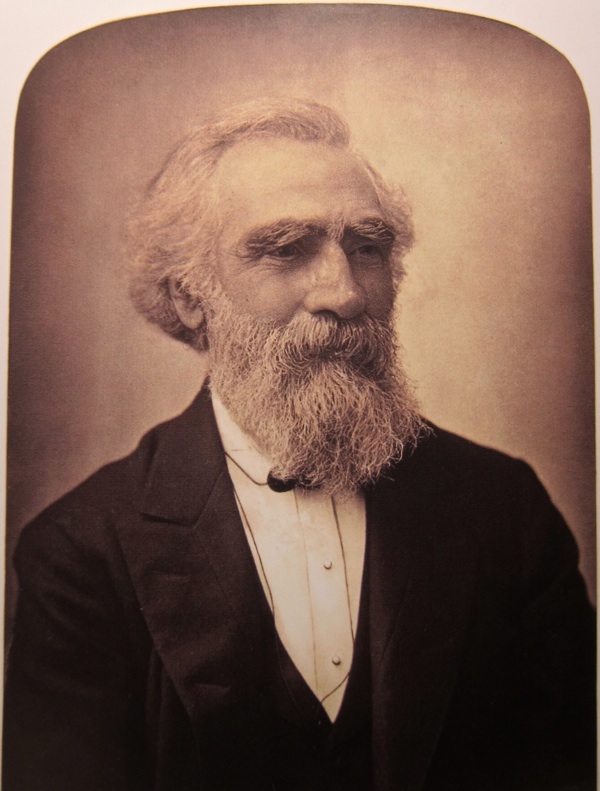
John Passmore Edwards (1823-1911)
FUNDING THE LADDER – The Passmore Edwards Legacy by Dean Evans can be ordered direct from the publisher Francis Boutle and copies are on sale in bookshops including Brick Lane Bookshop, Broadway Books, Newham Bookshop, Stoke Newington Bookshop and London Review Bookshop.
Clive Murphy, Snapper

Pauline, Animal Lover, 77 Brick Lane, 16 July 1988
When it comes to photography, Clive Murphy – the novelist, oral historian and writer of ribald rhymes – describes himself as a snapper. Yet although he uses the term to indicate that his taking pictures is merely a casual preoccupation, I prefer to interpret Clive’s appellation as meaning “a snapper up of unconsidered trifles” – one who cherishes what others disregard.
“I carried it around in my shoulder bag and if something interested me, I would pull out my camera and snap it,” Clive informed me plainly, “I am a snapper because I work instinctively and I rely entirely upon my eye for the picture.”
In thousands of snapshots, every one labelled on the reverse in his spidery handwriting and organised into many shelves of numbered volumes, Clive has been chronicling the changing life of Spitalfields, of those around him and of those he knew, since he came to live above the Aladin Restaurant in 1973. These pictures are not those of a documentary photographer on assignment but the intimate snaps of a member of the community, and it is this personal quality which makes them so compelling and immediate, drawing the viewer into Clive’s particular vivid universe on Brick Lane.
Last week, we pulled out a few albums and leafed through the pages together, selecting a few snaps to show you, and Clive told me some of the stories that go along with them.

Winos, Brick Lane, May 1988

Komor Uddin, Taj Stores, 7 December 1990

Columbia Rd Market, 13 November 1988

Jasinghe Ranamukadewasa Fernando (known as Vijay Singh), Holy Man with acolyte, Brick Lane, March 1988 – “Many people in Brick Lane thought he was the new Messiah and the press came down in droves. He was regarded as a very holy man, he held court in the Nazrul Restaurant and people took his potions and remedies. When he died, I joined the crowd to see his body at the Co-op Funeral Parlour in Chrisp St.”

Clive Murphy’s cat Pushkin, 132 Brick Lane, July 1988 – “Pushkin followed me down Brick Lane from Fournier St one night and, when I opened my hall door, he came in with me. So he adopted me, when he was only a kitten and could hardly jump up a step. And I had him for twenty years.”

Neighbour’s doves hoping to be fed, 16 March 1991 – “The Nazrul Restaurant used to keep doves and, when they disappeared, Pushkin was blamed but I assure you he had nothing to do with it.”

Kyriacos Kleovoulou, Barber, Puma Court, 23 February 1990 – “I’ve had a few haircuts there in the past.”

Waiter, Nazrul Restaurant, Brick Lane, 29 May 1988
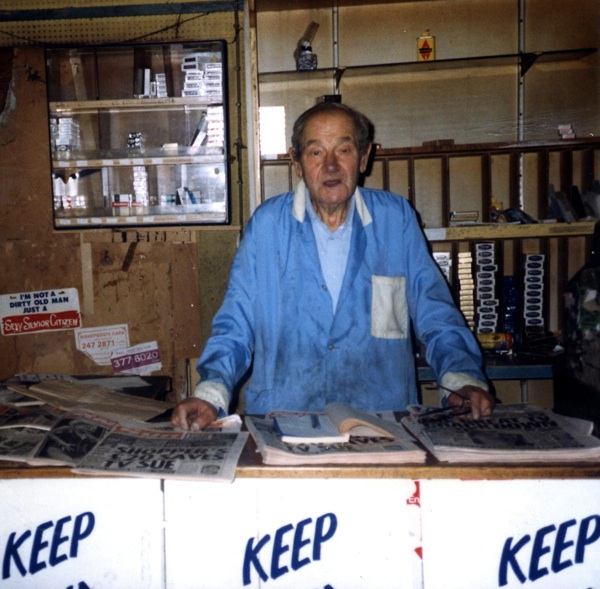
Harry Fishman, 97 Brick Lane, 19 September 1987 – “He was a godsend to everybody because he cashed any cheque on the spot. I think he was used to being robbed, so he wanted to get rid of the cash. Harry Fishman was the most-loved man on Brick Lane in the seventies, his shop was always full of people wanting to be around him, and I often delivered papers to The Golden Heart for him.”
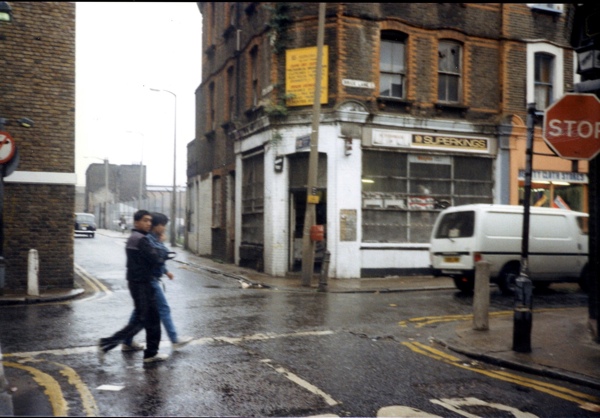
Harry Fishman’s shop, corner of Quaker St, 19 September 1987

Window Cleaning, Woodseer St, March 1988 – “This man used to run an orchestra and, at all dances and Bengali events, they would play.”
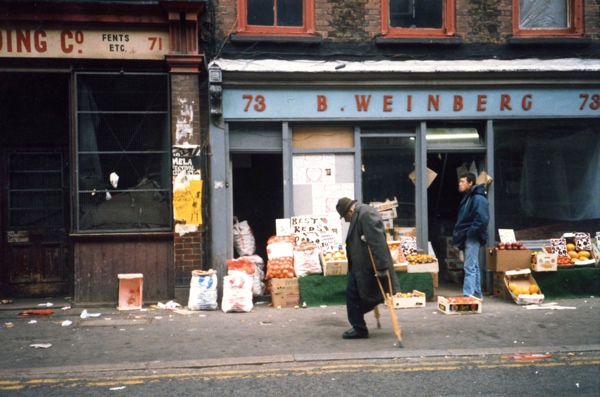
Sunday use of Weinbergs (sold), November 1987 – “It was a printers and when it closed it became a fruit stall. Mr Weinberg was a very jolly fat man, slightly balding, who ordered his staff about. He would say things like, ‘Left, right, left, right, do it properly!’ I dined at his house and I didn’t like the cover of my first novel, so I asked him to redesign it for me. He had a nephew who had never been with a woman and he asked me to find him an escort agency. We all dined in a restaurant behind the Astoria Theatre in the Charing Cross Rd, and then I let them use my front room. But after an hour she came out and said, ‘It’s no use, I give up!’ but we still had to pay, and his nephew never became a man.”

Christ Church Night Tea Stall, October 1987 – “I always went out as the last thing I did before I went to bed, to have a snack.”

Clive’s landlord, Toimus Ali, at The Aladin Restaurant, 6 March 1991 – “He was very taciturn.”

Fournier St, 7 February 1991 – “I used to come here and have lunch with all the taxi-drivers who loved it so much.”

Retired street cleaner, Brick Lane, March 1988

Tramp, Brick Lane, 29 May 1988

Pushkin unwell, Jan 4 1991 – “I was told it would be quite alright to feed my cat on frozen whitebait, but I didn’t thaw it properly and it killed my Pushkin.”

Harry Fishman’s shop after closure, 97 Brick Lane, 27 September 1987

Clive at his desk, 132 Brick Lane, 31 December 1989
Photographs courtesy of the Clive Murphy Archive at the Bishopsgate Institute
You may like to read my other stories about Clive Murphy
Clive Murphy’s oral histories are available from Labour and Wait
and his ribald rhymes are available from Rough Trade
Nicholls & Clarke’s Hardware
After I published Crowden & Keeves’ Hardware last week, several readers wrote to say they had other magnificent East End hardware catalogues. So it is my pleasure today to feature Nicholls & Clarke’s hardware, selected from catalogue no 40 (1958) courtesy of Louise Brooker of Edwyn UK and catalogue no 50 (1968) courtesy of Rupert Blanchard of Styling & Salvage.
It was remarkable to me how little change there was in the decade between these publications – just a few shillings on the prices and more varieties of fitted kitchens – while most of the items in stock remained reassuringly constant. Produced at a time when the majority of East End homes did not have bathrooms, these catalogues must have conjured poignant fantasies for many.
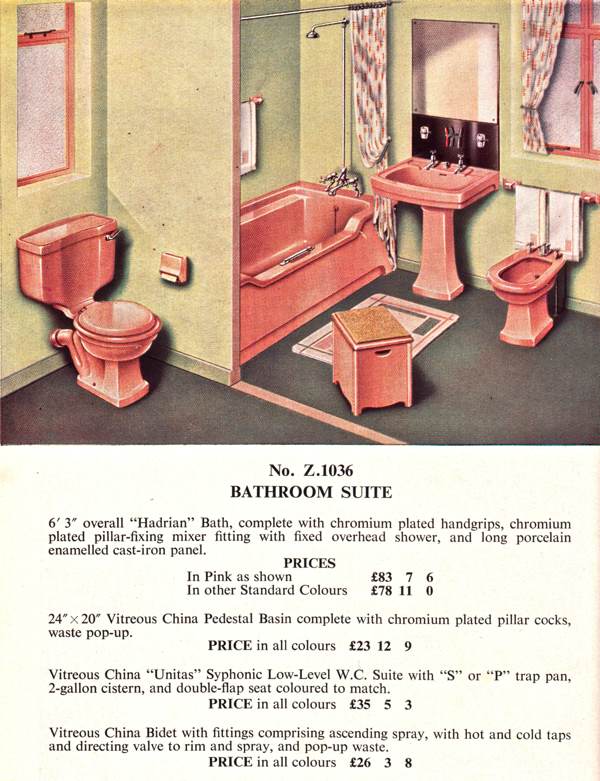
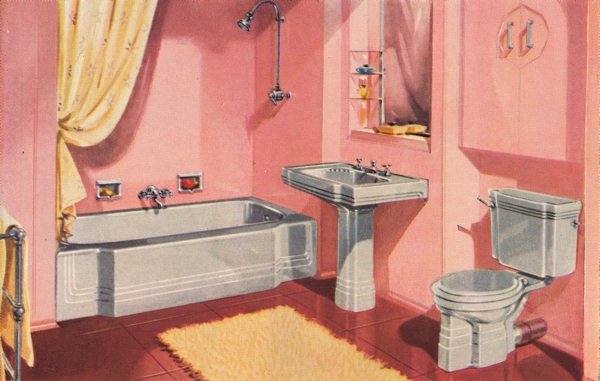
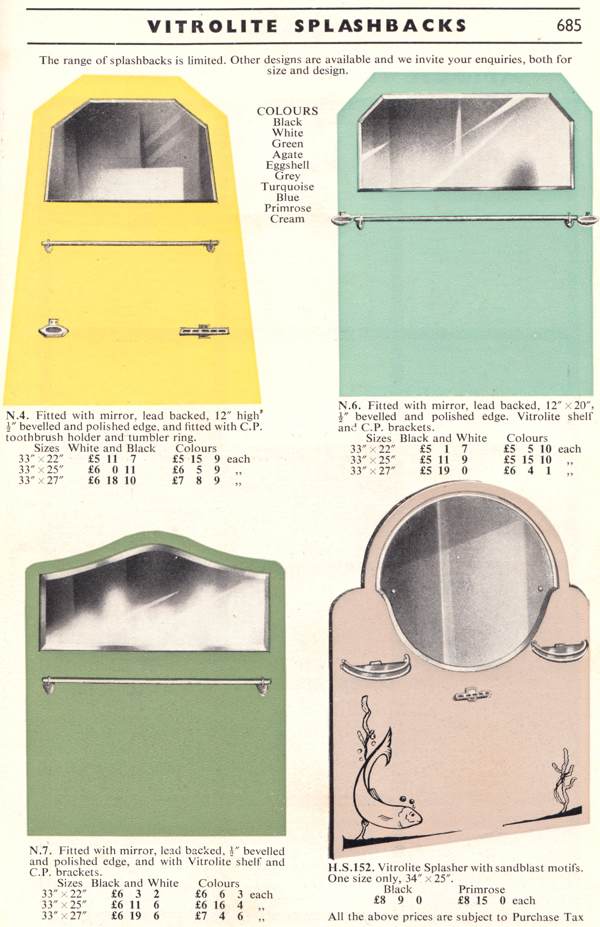
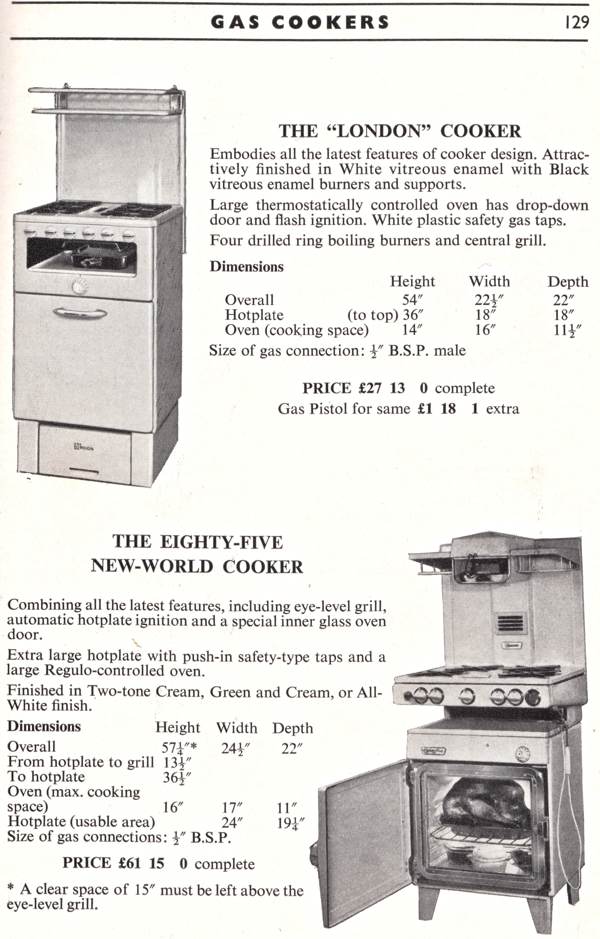
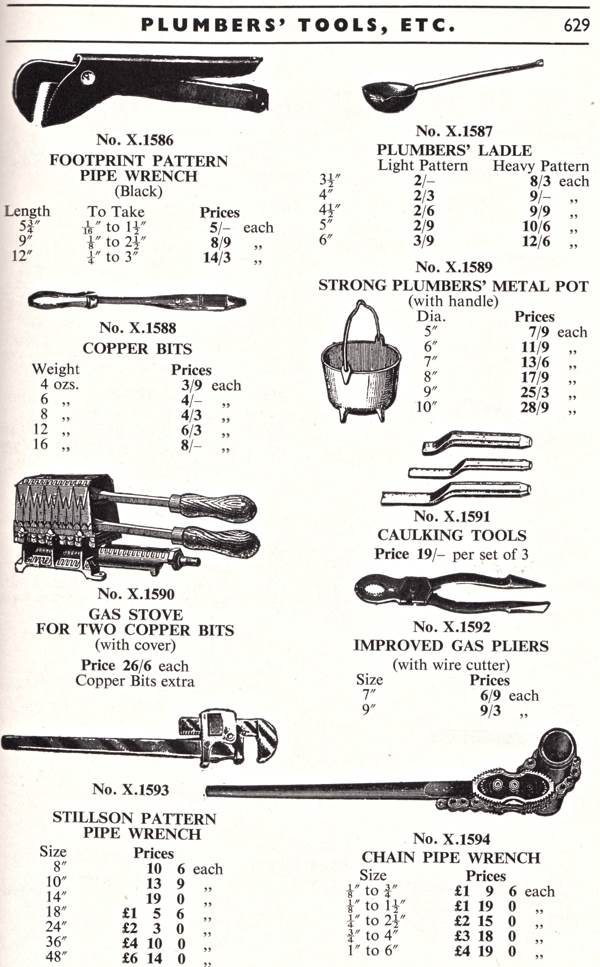
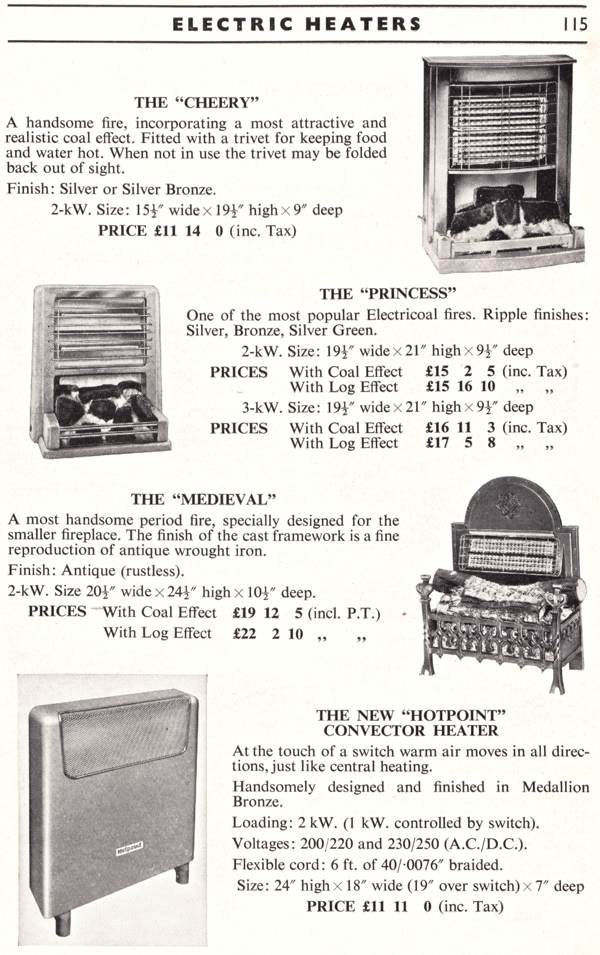
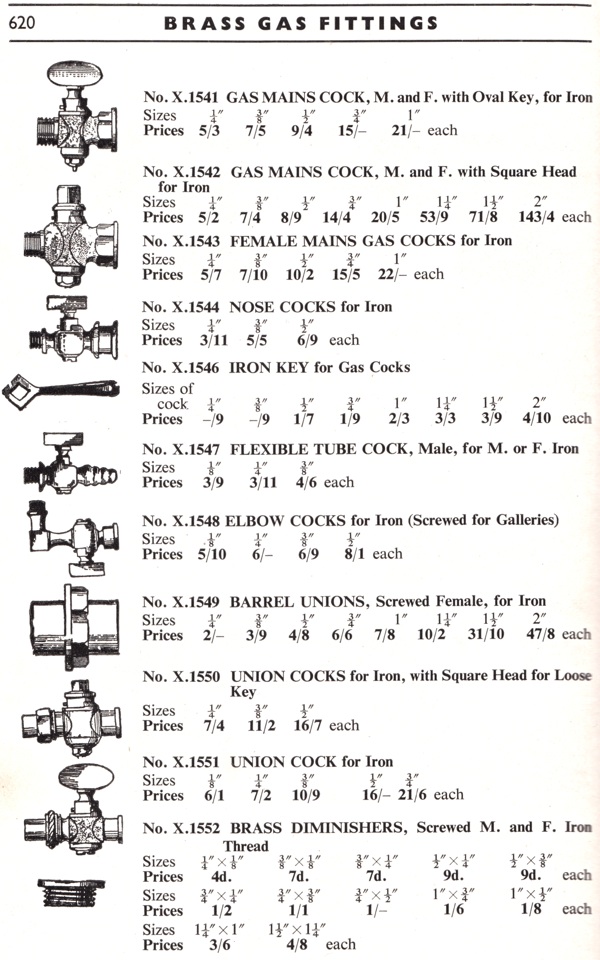
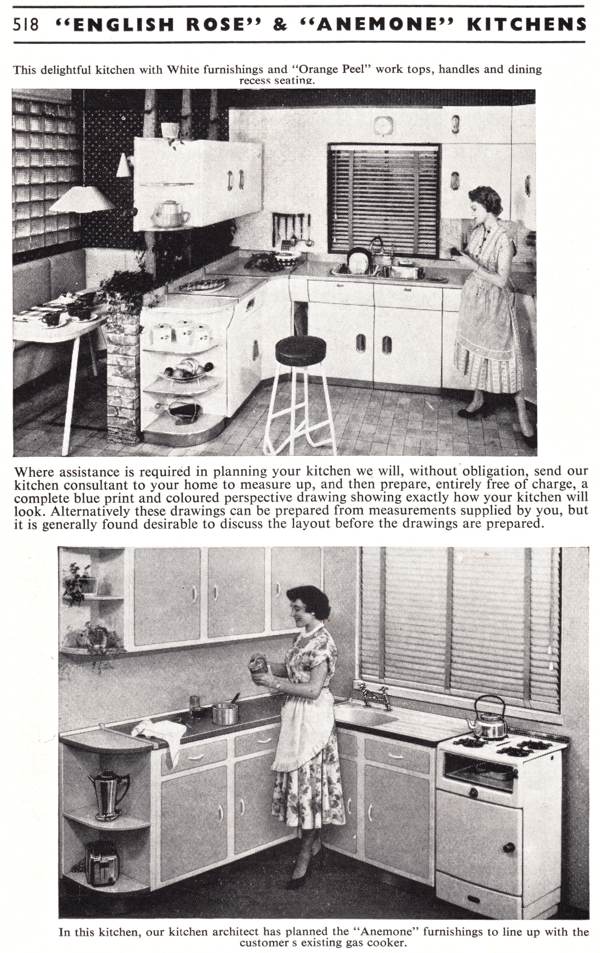
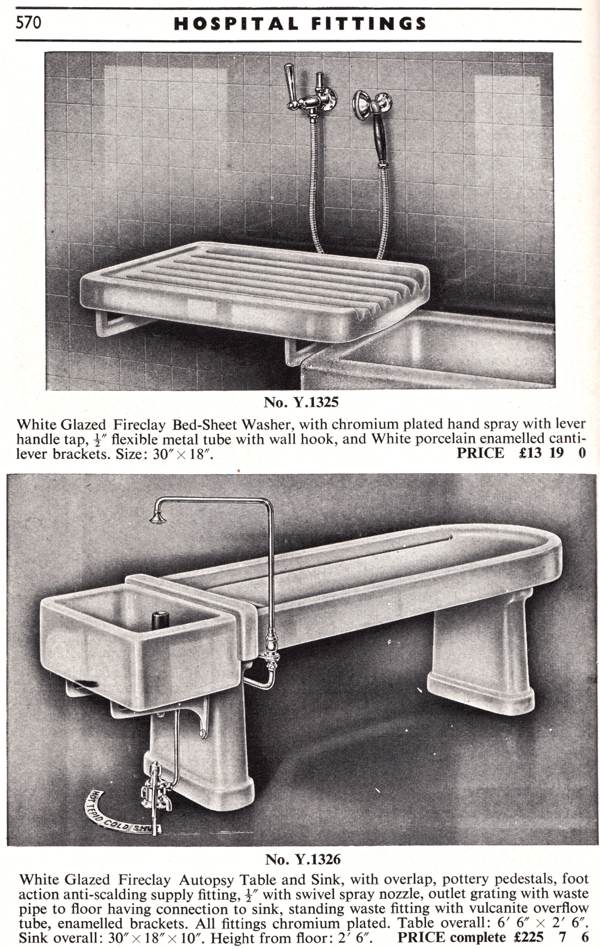
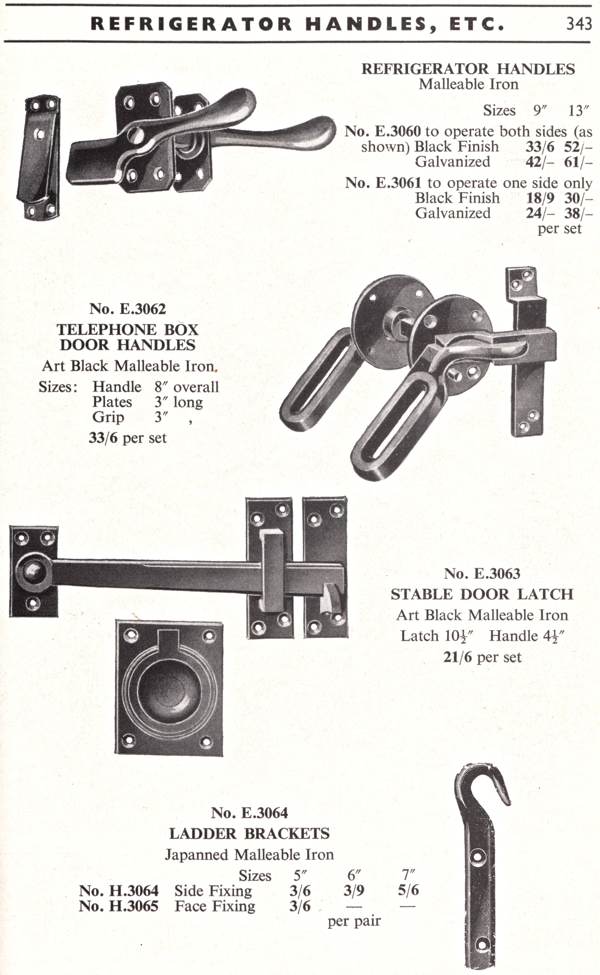
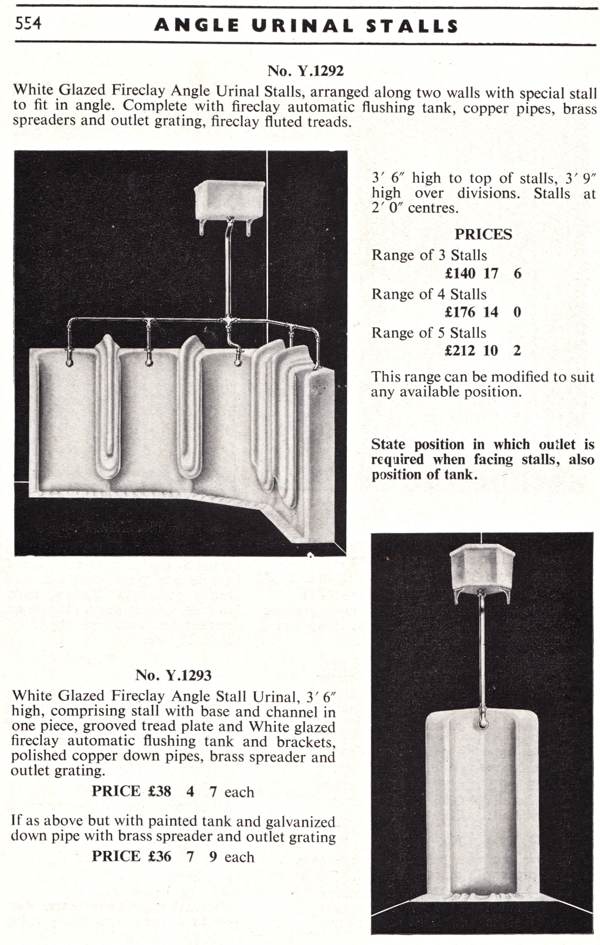
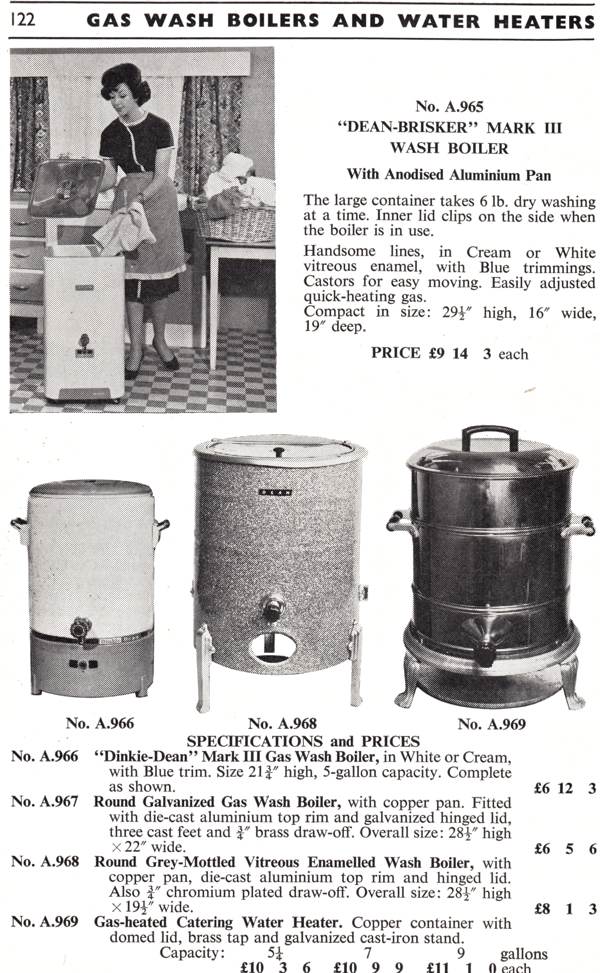


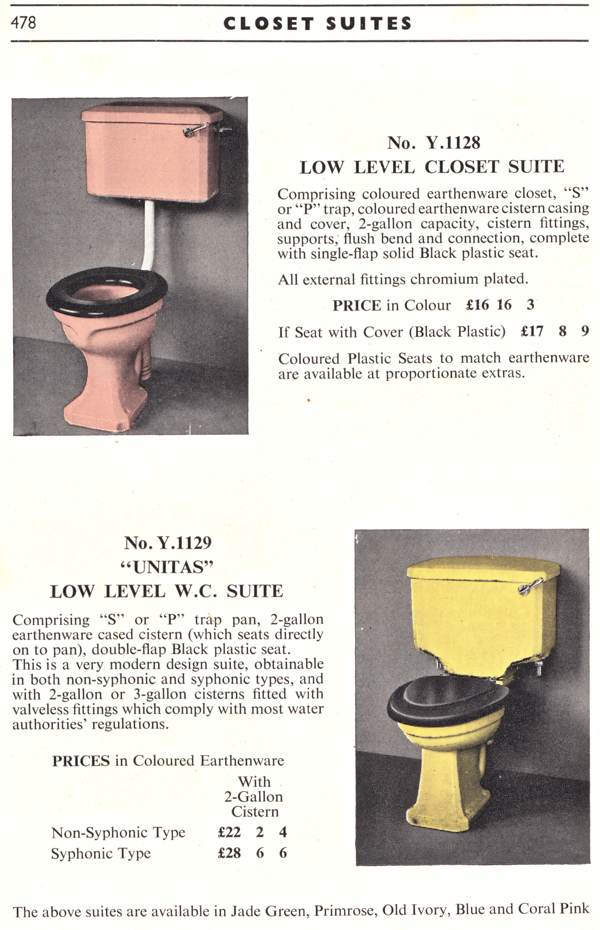

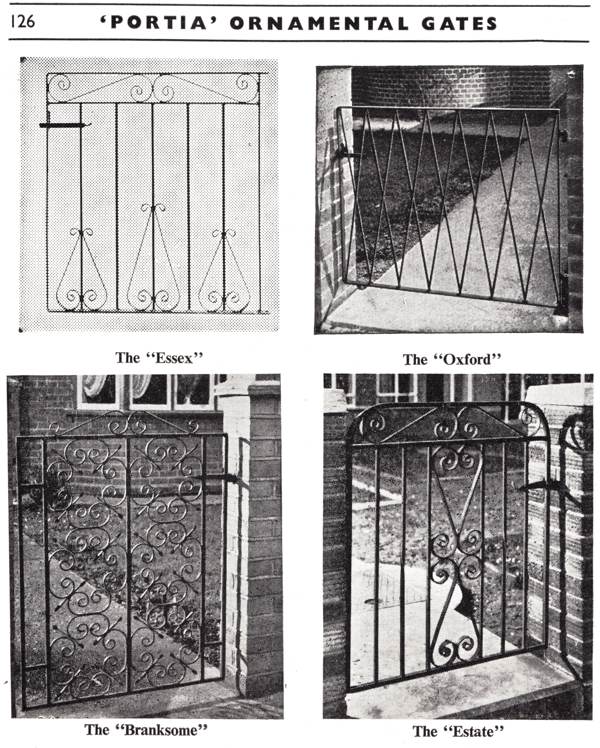




Temple of Hardware since 1875 – Nicholls & Clarke Ltd, 3-8 Shoreditch High St, awaits demolition.
You may also like to read about
these other favourite hardware shops
The Gentle Author’s Diary 1

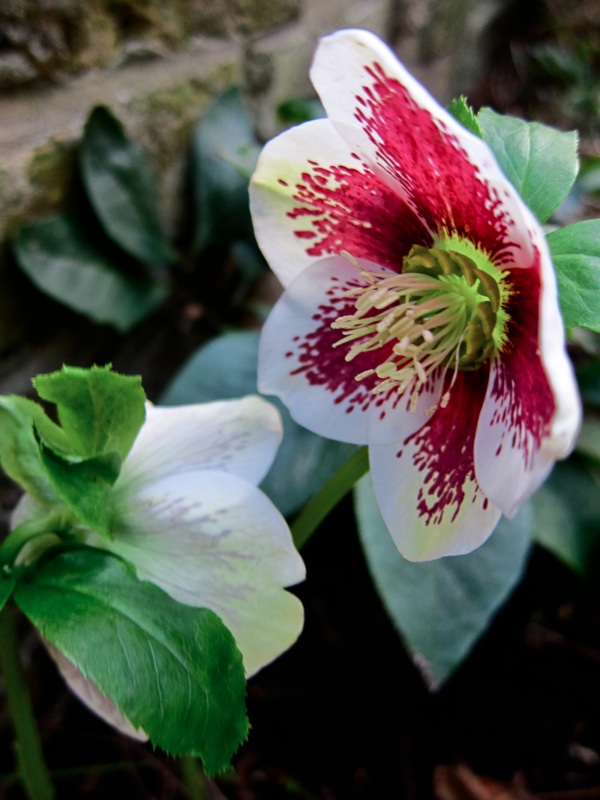
For months now, I have barely cast a glance upon my garden. It was only when the snow melted towards the end of January that I found there was already new growth, which I had neglected while my attention was drawn exclusively by the hearth. So it was a pure delight when I took a moment to study my sorry patch of cultivation this week and discovered three different varieties of Hellebore in bloom. Like the rest of us, these plants hang their heads against the winter weather yet, once I looked closer at the flowers sheltering under the leaves, their subtle beauty was revealed.
Each Sunday, since the beginning of the year when there were no traders at all, the markets of the East End have gradually returned to life and, in spite of the rain and snow, a momentum has been established that will carry us into spring. A certain doggedness is required of us all to endure such challenging conditions and thus any signs of transition are welcome indicators, seized upon with disproportionate joy because they confirm our tenderly-guarded anticipation of the respite that must come.

The East End in the Afternoon

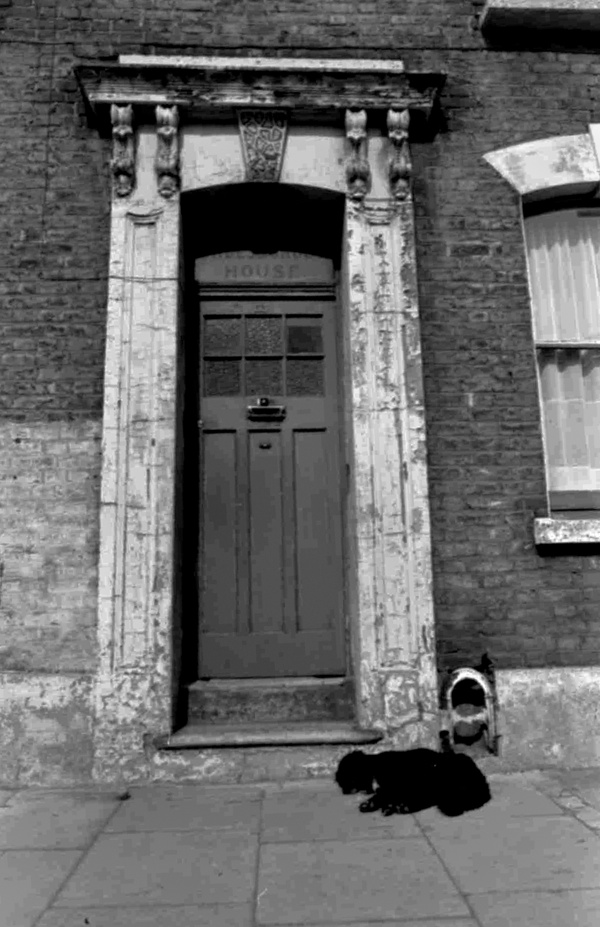
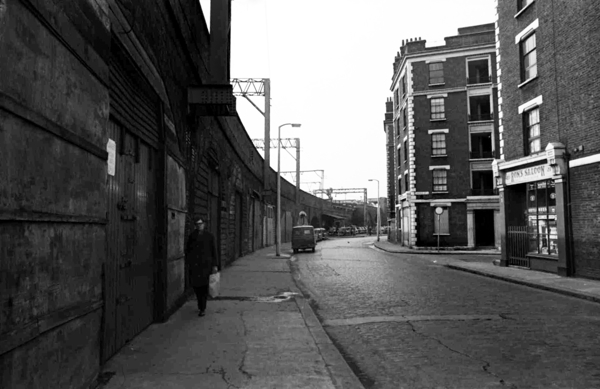
There is little traffic on the road, children are at play, housewives linger in doorways, old men doze outside the library and, in the distance, a rag and bone man’s cart clatters down the street. This is the East End in the afternoon, as photographed by newspaper artist Tony Hall in the nineteen sixties while wandering with his camera in the quiet hours between shifts on The Evening News in Fleet St.
“Tony cared very much about the sense of community here.” Libby Hall, Tony’s wife, recalled, “He loved the warmth of the East End. And when he photographed buildings it was always for the human element, not just the aesthetic.”
Contemplating Tony’s clear-eyed photos – half a century after they were taken – raises questions about the changes enacted upon the East End in the intervening years. Most obviously, the loss of the pubs and corner shops which Tony portrayed with such affection in pictures that remind us of the importance of these meeting places, drawing people into a close relationship with their immediate environment.
“He photographed the pubs and little shops that he knew were on the edge of disappearing,” Libby Hall confirmed for me, ‘He loved the history of the East End, the Victorian overlap, and the sense that it was the last of Dickens’ London.”
In 1972, Tony Hall left The Evening News and with his new job came a new shift pattern which did not grant him afternoons off – thus drawing his East End photographic odyssey to a close. Yet for one who did not consider himself a photographer, Tony Hall’s opus comprises a tender vision of breathtaking clarity, constructed with purpose and insight as a social record. Speaking of her late husband, Libby Hall emphasises the prescience that lay behind Tony’s wanderings with his camera in the afternoon. “He knew what he was photographing and he recognised the significance of it.” she admitted.
These beautiful streetscapes – published here for the first time – complete my selection of pictures from the legacy of approximately one thousand photographs by Tony Hall held in the archive at the Bishopsgate Institute.




Three Colts Lane

Gunthorpe St


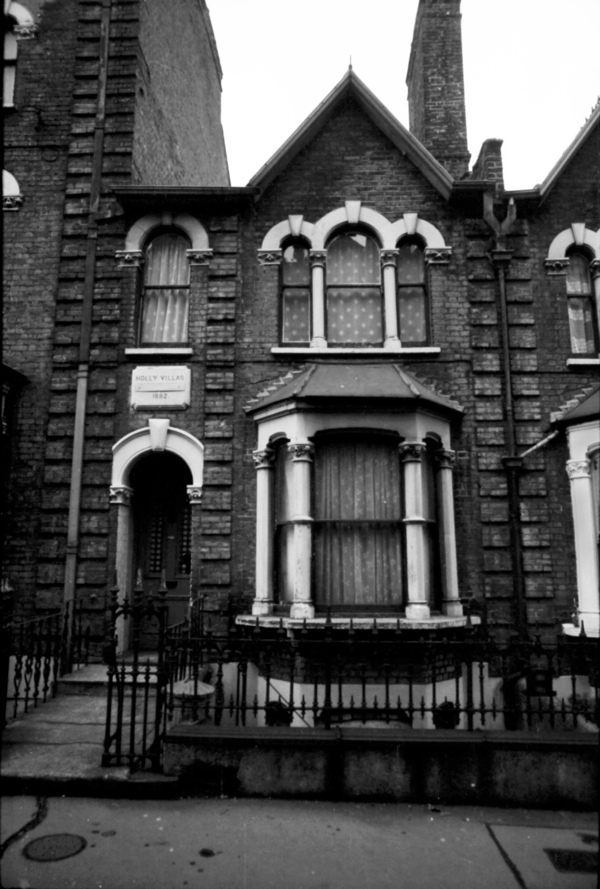


Ridley Rd Market


Stepney Green


Photographs copyright © Libby Hall
Images Courtesy of the Tony Hall Archive at the Bishopsgate Institute
Libby Hall & I would be delighted if any readers can assist in identifying the locations and subjects of Tony Hall’s photographs.
You may also like to read
Tony Hall’s East End Panoramas
Spires of City Churches
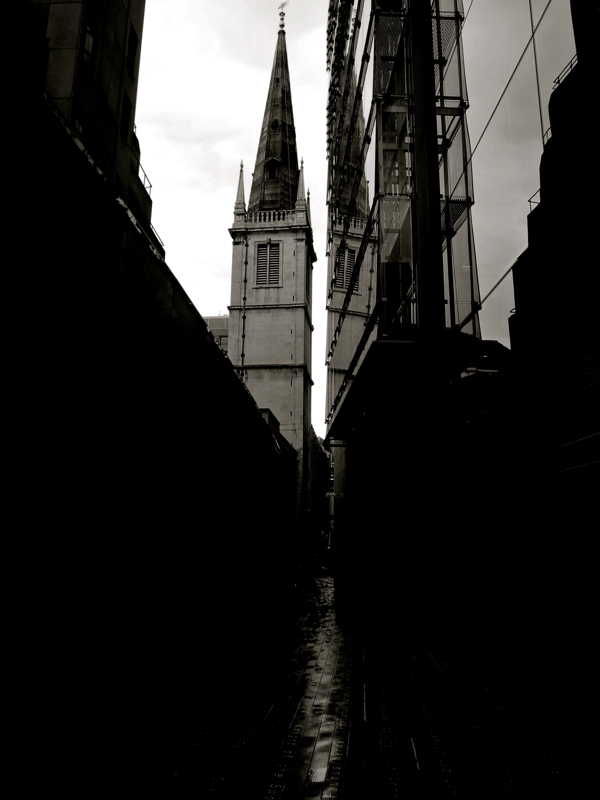
Spire of St Margaret Pattens designed by Christopher Wren in the medieval style
Yesterday, I took my camera and crossed over Middlesex St from Spitalfields to the City of London. I had been waiting for a suitable day to photograph spires of City churches and my patience was rewarded by the dramatic contrast of strong, low-angled January light and deep shadow, with the bonus of showers casting glistening reflections upon the pavements.
Christopher Wren’s churches are the glory of the City and, even though their spires no longer dominate the skyline as they once did, these charismatic edifices are blessed with an enduring presence which sets them apart from the impermanence of the cheap-jack buildings surrounding them. Yet they are invisible, for the most part, to the teeming City workers who come and go in anxious preoccupation, barely raising their eyes to the wonders of Wren’s spires piercing the sky.
My heart leaps when the tightly woven maze of the City streets gives way unexpectedly to reveal one of these architectural marvels. It is an effect magnified when walking in the unrelieved shade of a narrow thoroughfare bounded on either side by high buildings and you lift your gaze to discover a tall spire ascending into the light, and tipped by a gilt weathervane gleaming in sunshine.
While these ancient structures might appear redundant to some, in fact they serve a purpose that was never more vital in this location, as abiding reminders of the existence of human aspiration beyond the material.

In the porch of St James Garlickhythe where I sheltered from the rain

St Margaret Pattens viewed from St Mary at Hill
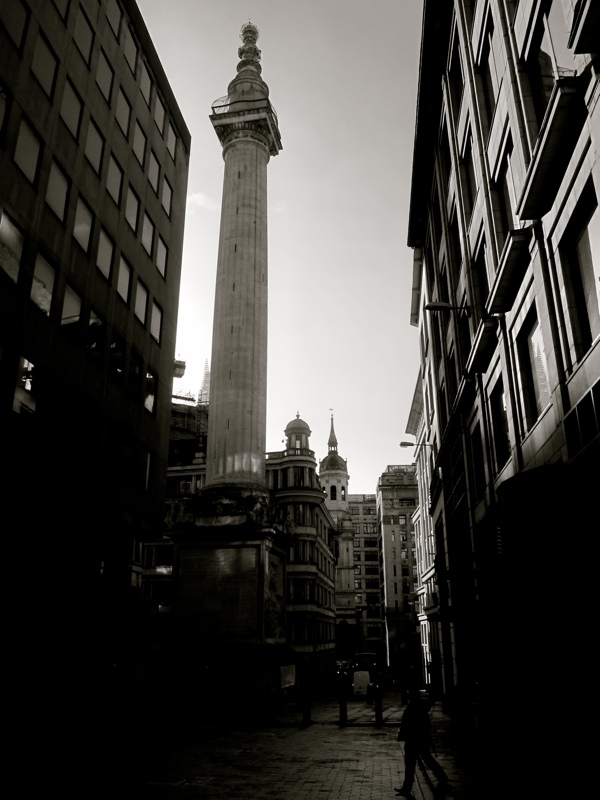
The Monument with St Magnus the Martyr

St Edmund, King & Martyr, Lombard St

St Michael Paternoster Royal, College Hill

Wren’s gothic spire for St Mary Aldermary

St Augustine, Watling Street
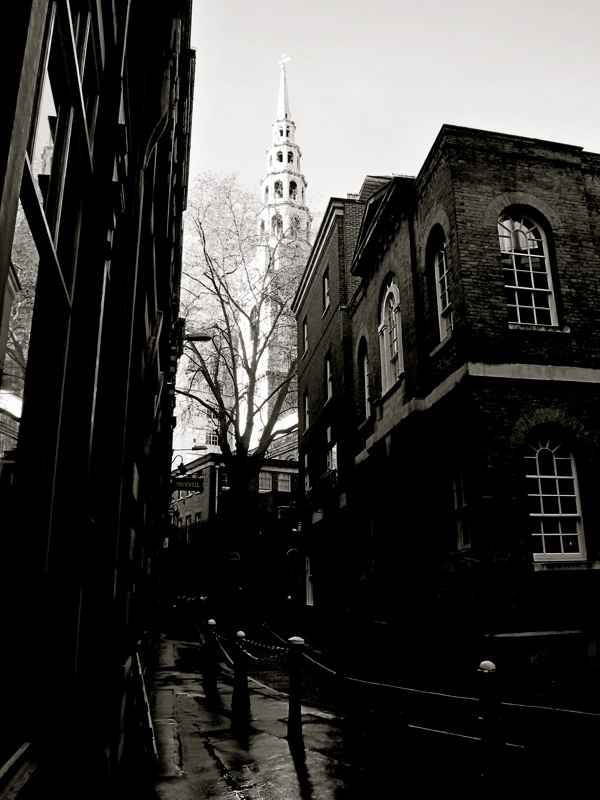
St Brides, Fleet St
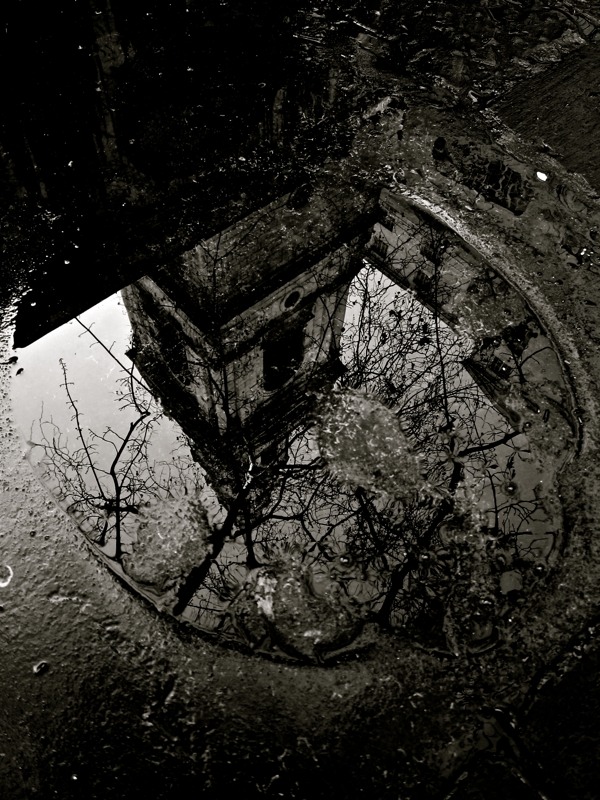
In St Brides churchyard
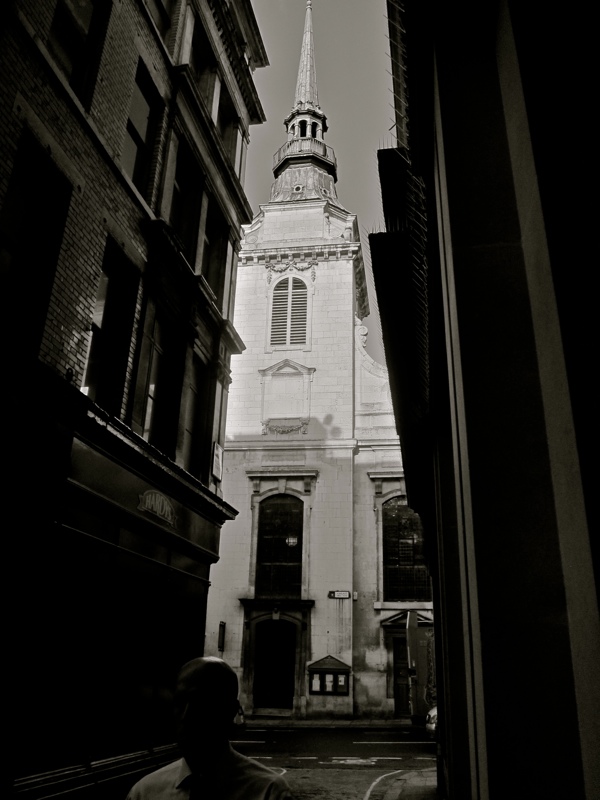
St Martin, Ludgate
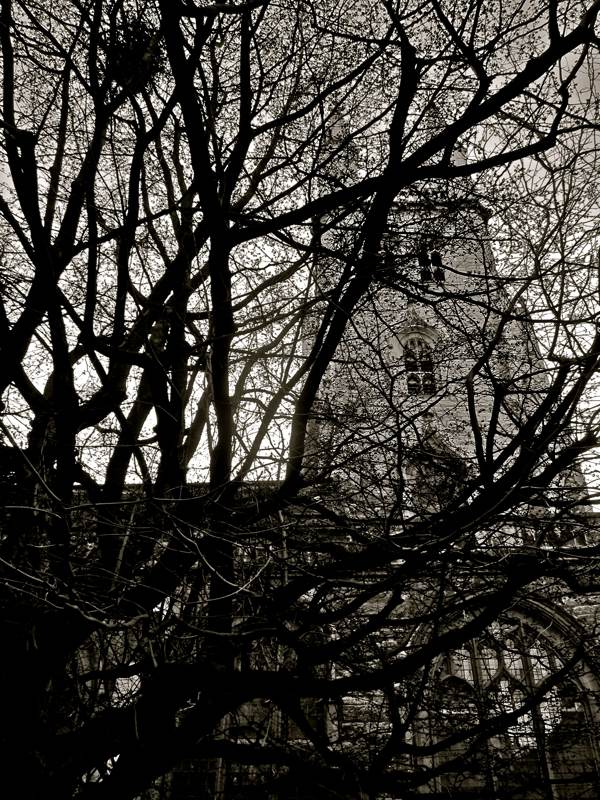
St Sepulchre’s, Snow Hill

St Michael, Cornhill
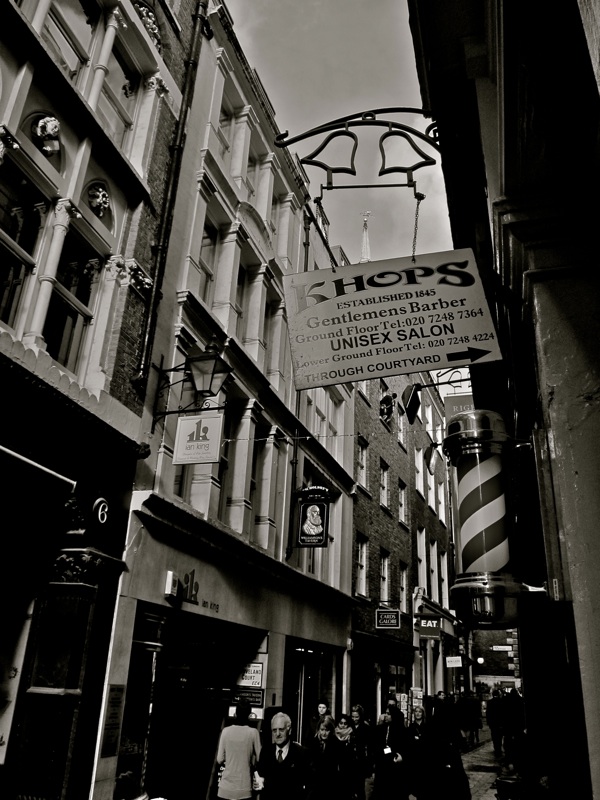
St Mary Le Bow, Cheapside
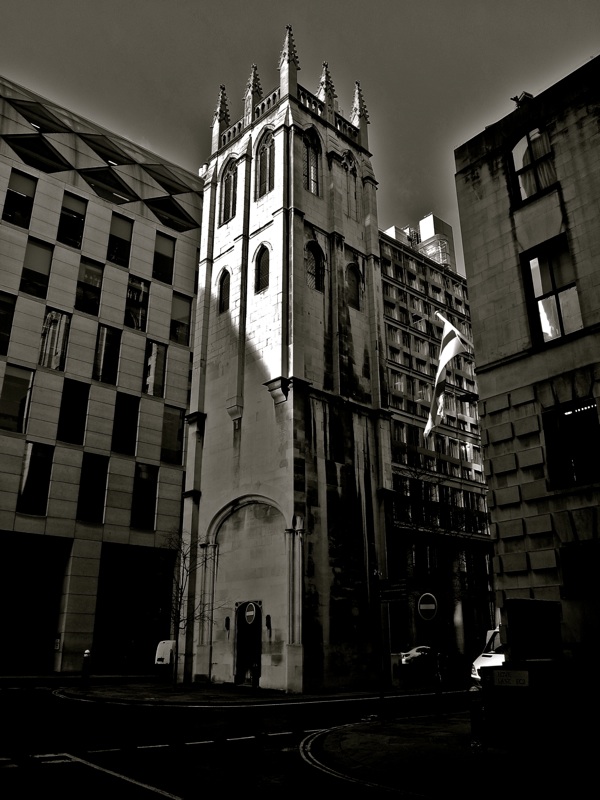
St Alban, Wood St
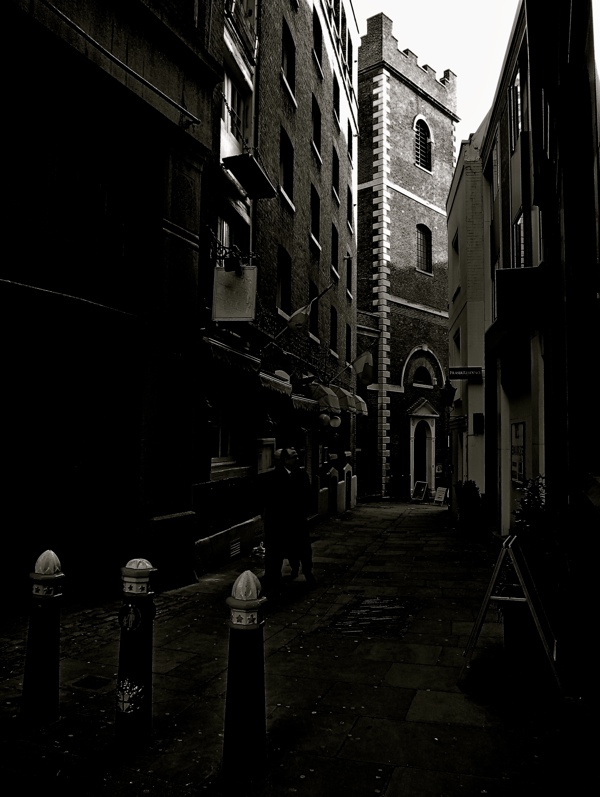
St Mary at Hill, Lovat Lane

St Peter Upon Cornhill

At St James Garlickhythe
You may also like to take a look at