Allen & Hanburys’ Surgical Appliances
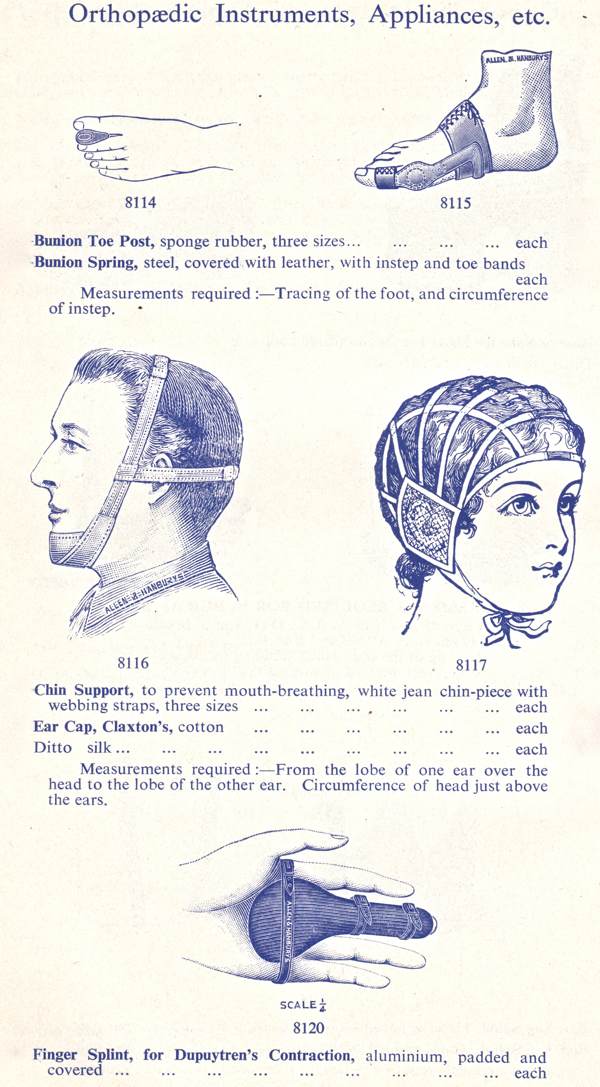
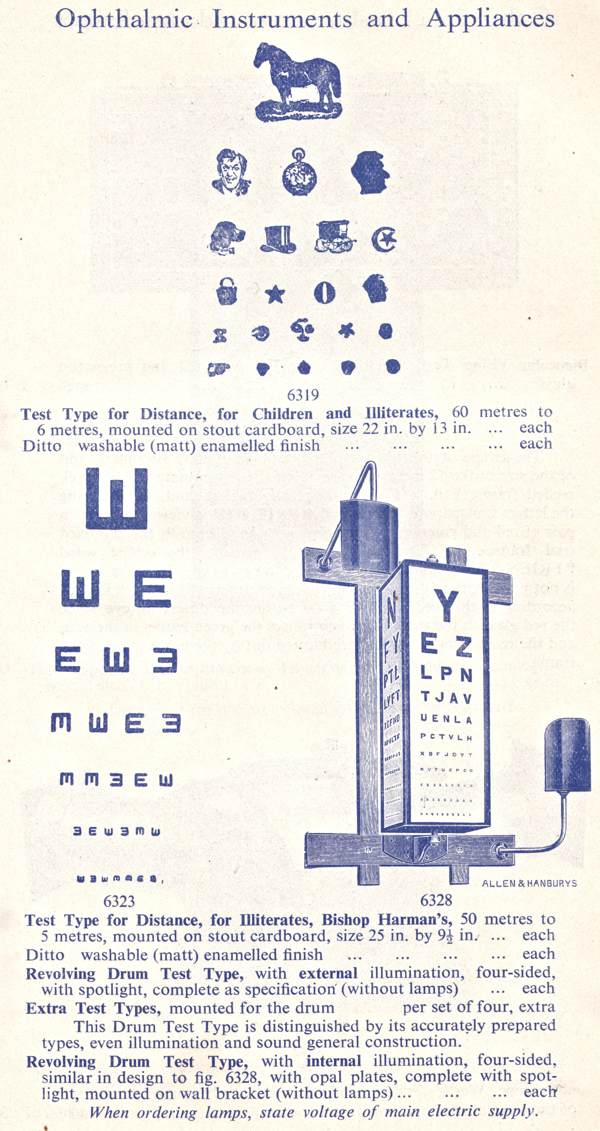
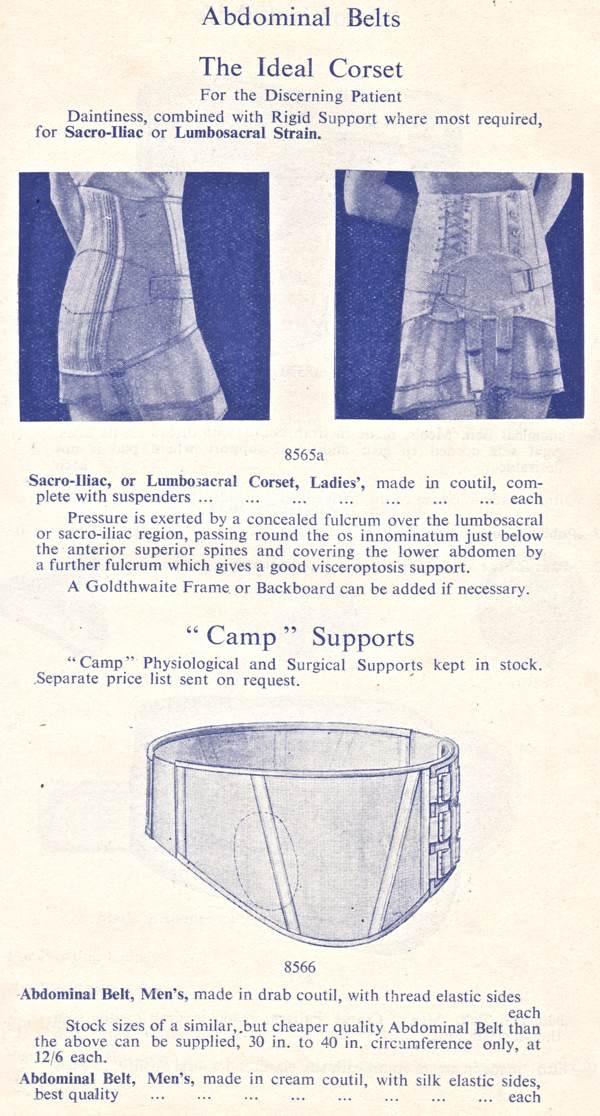
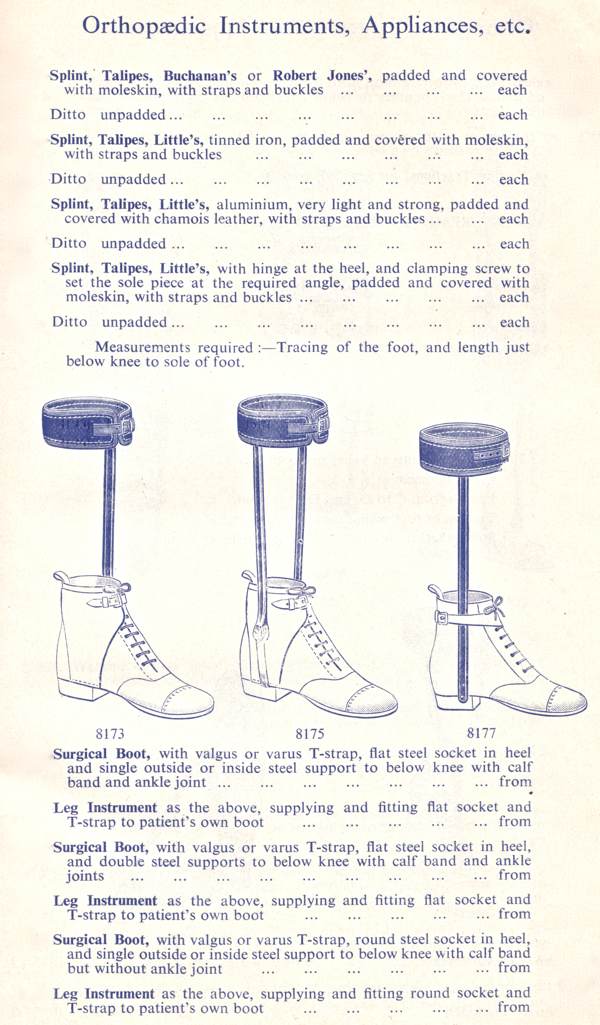
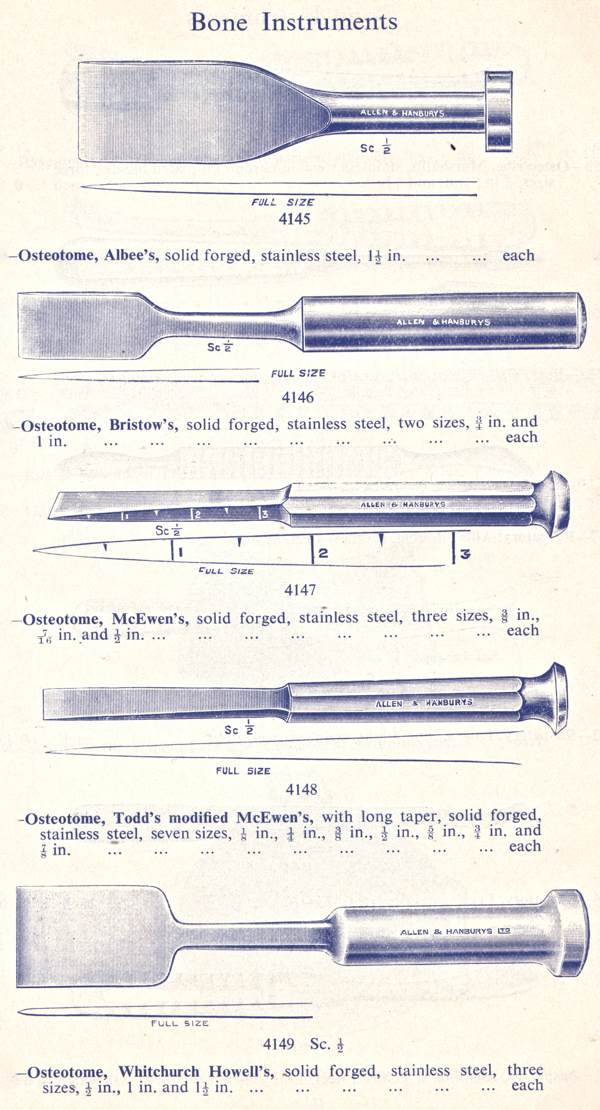
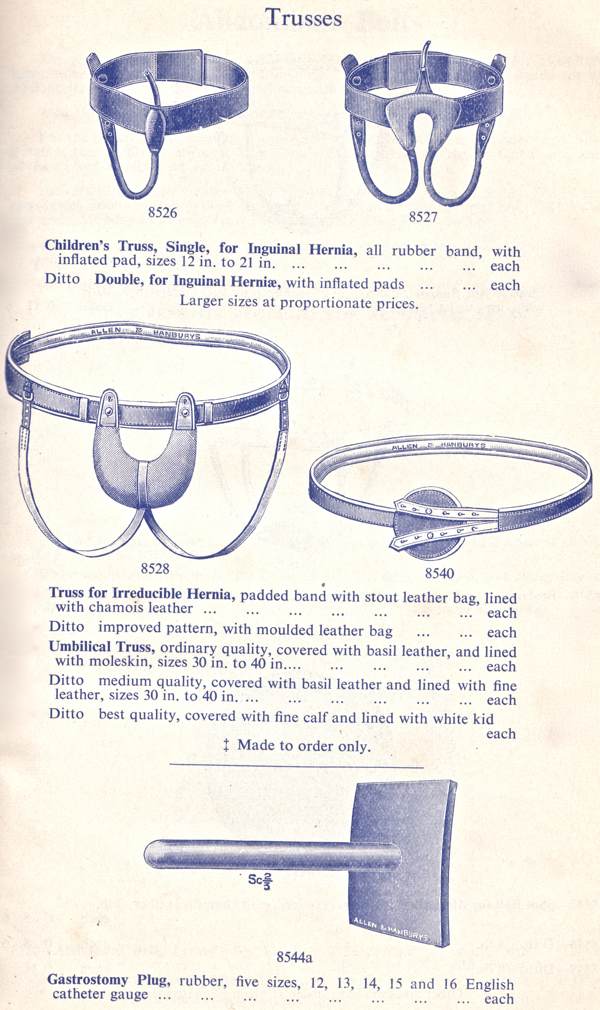
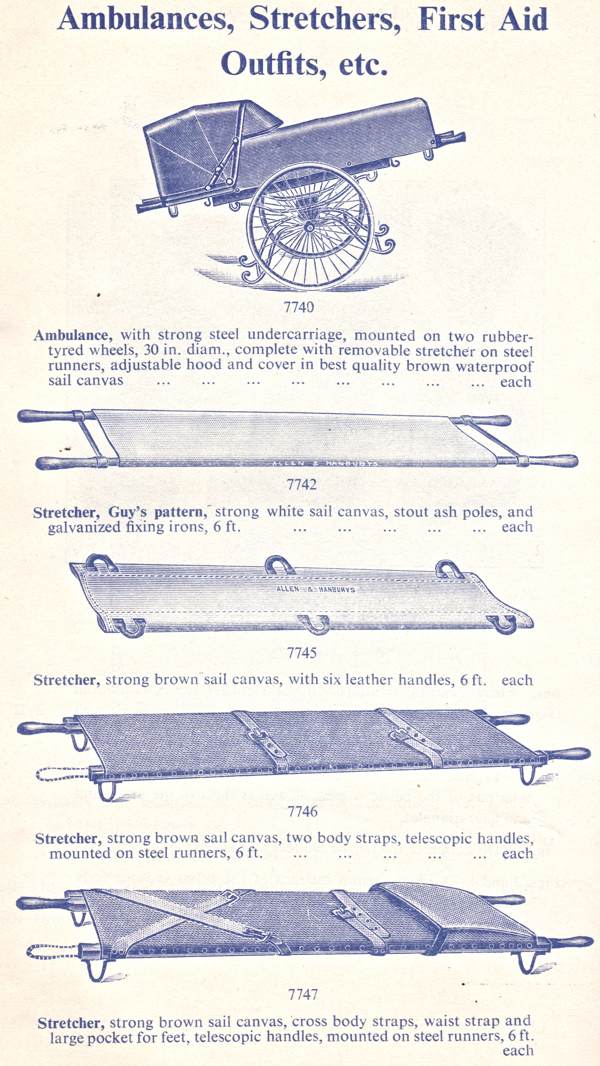
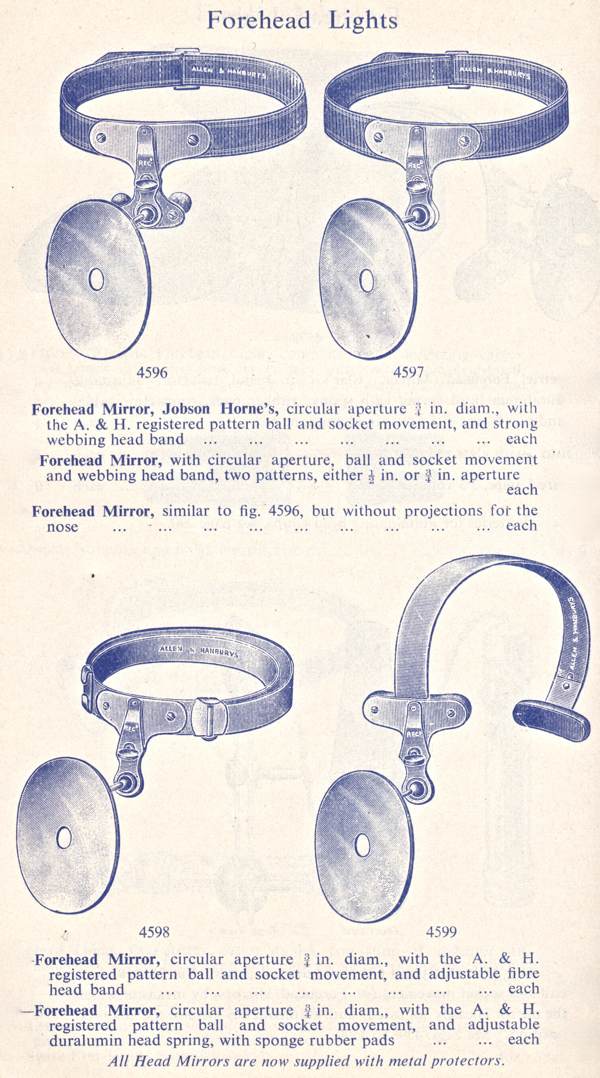
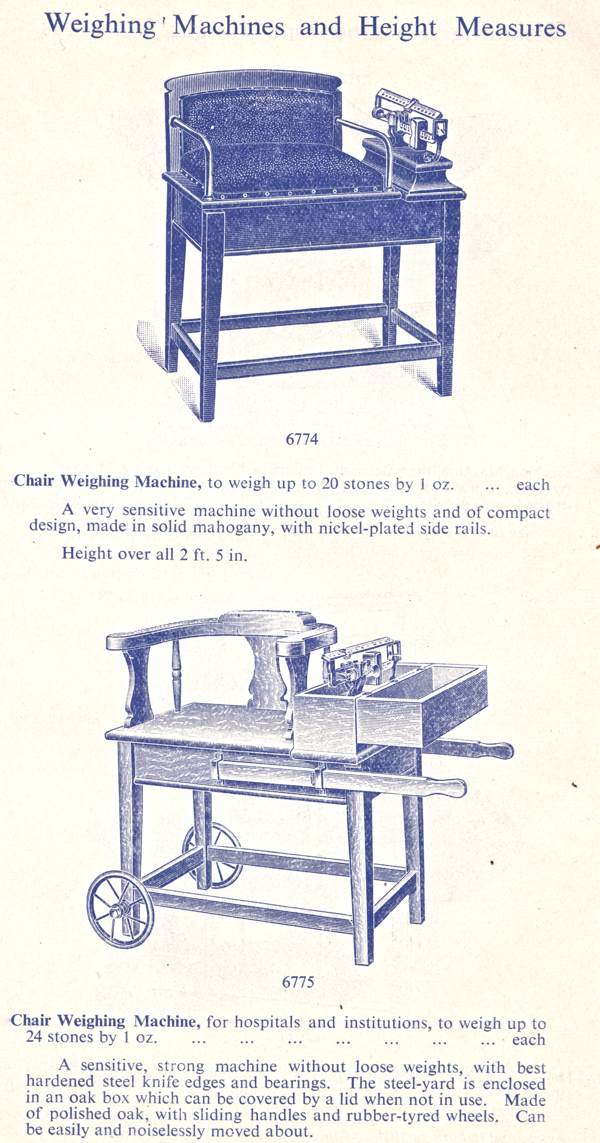
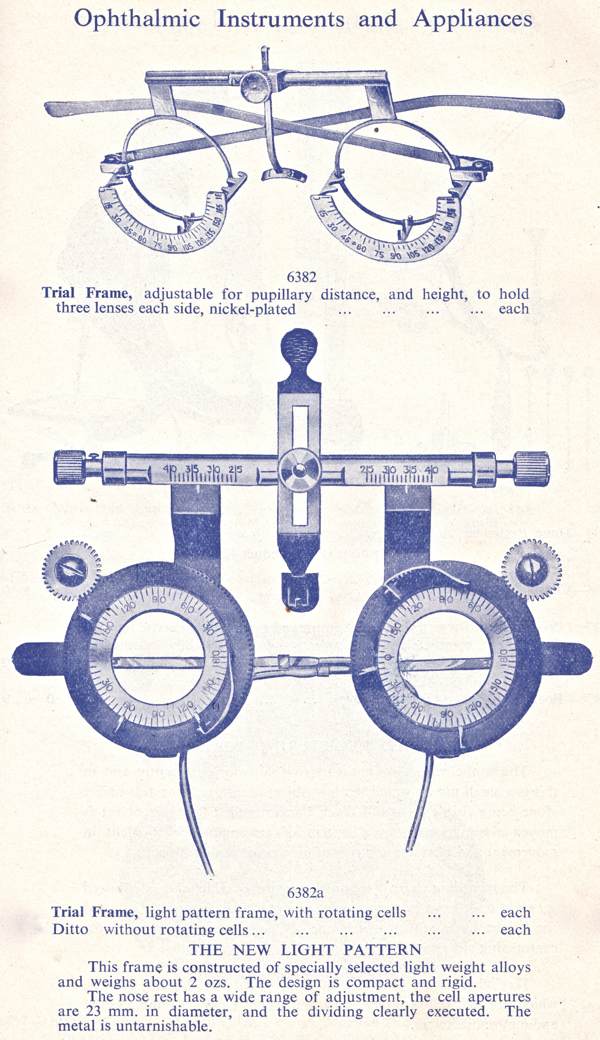
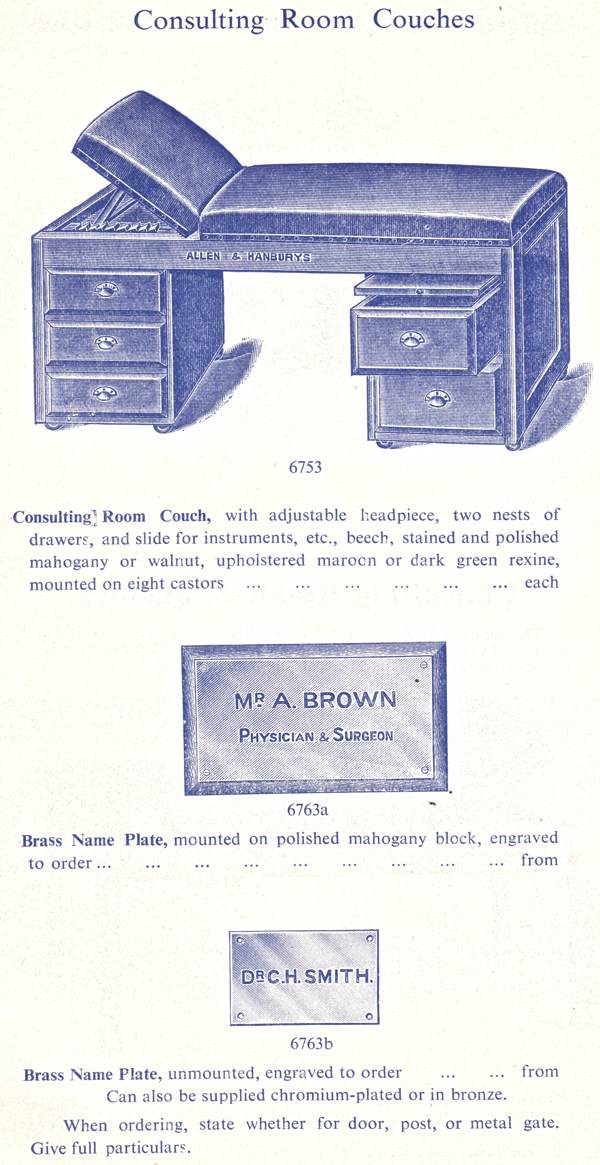
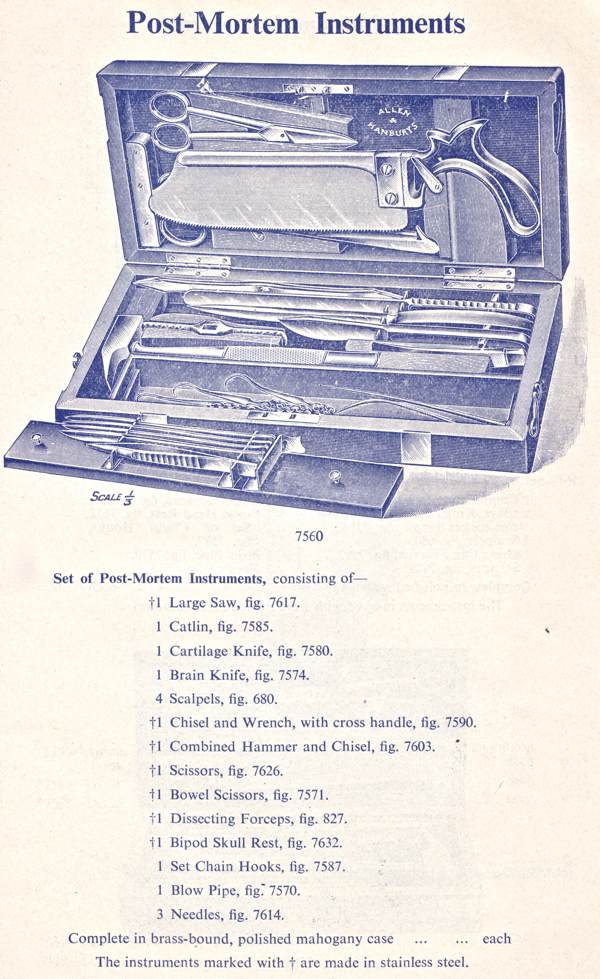
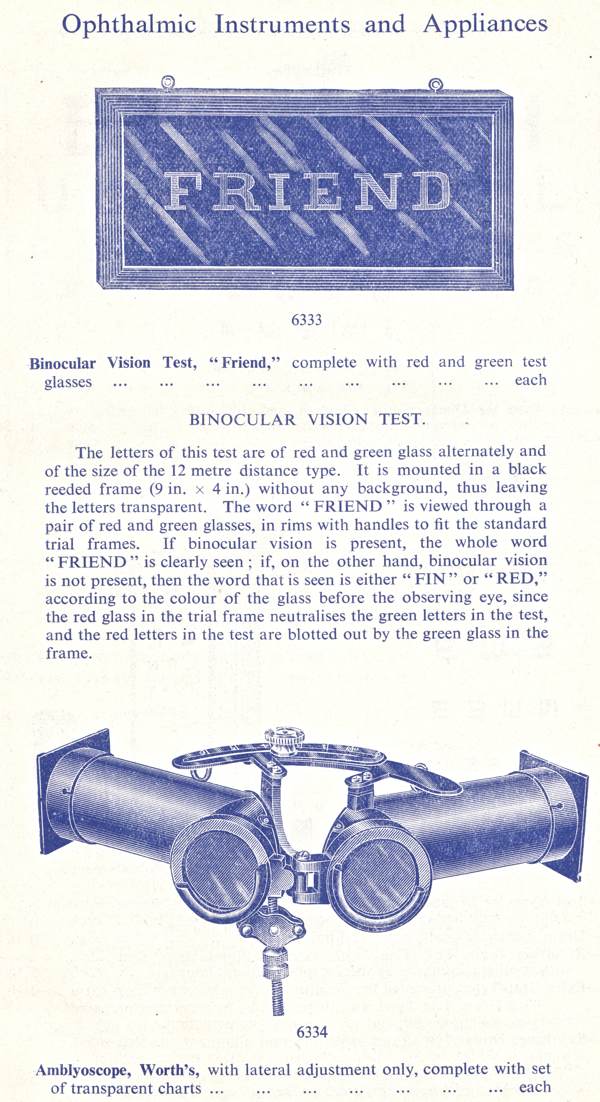
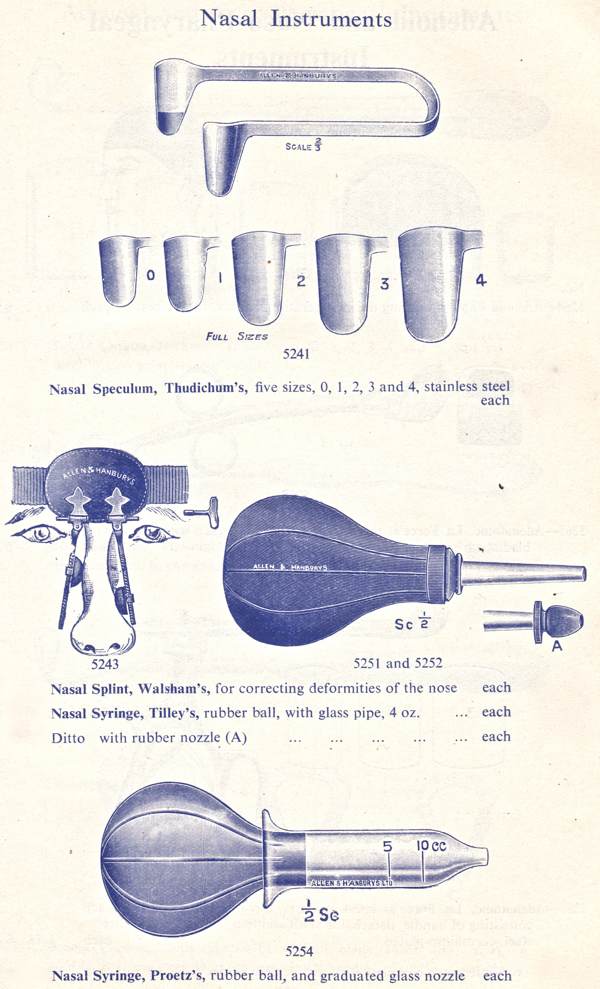
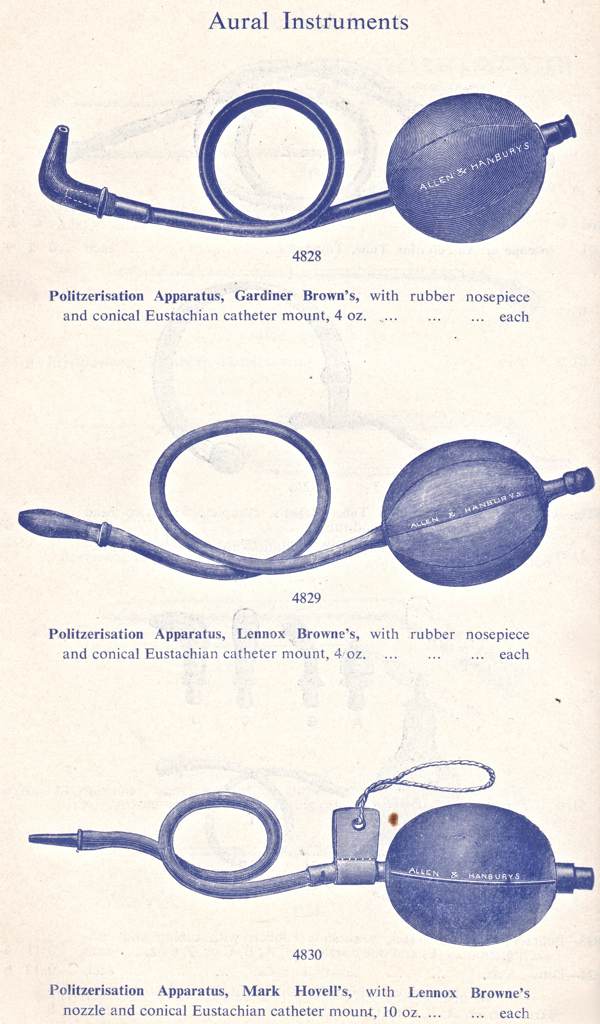
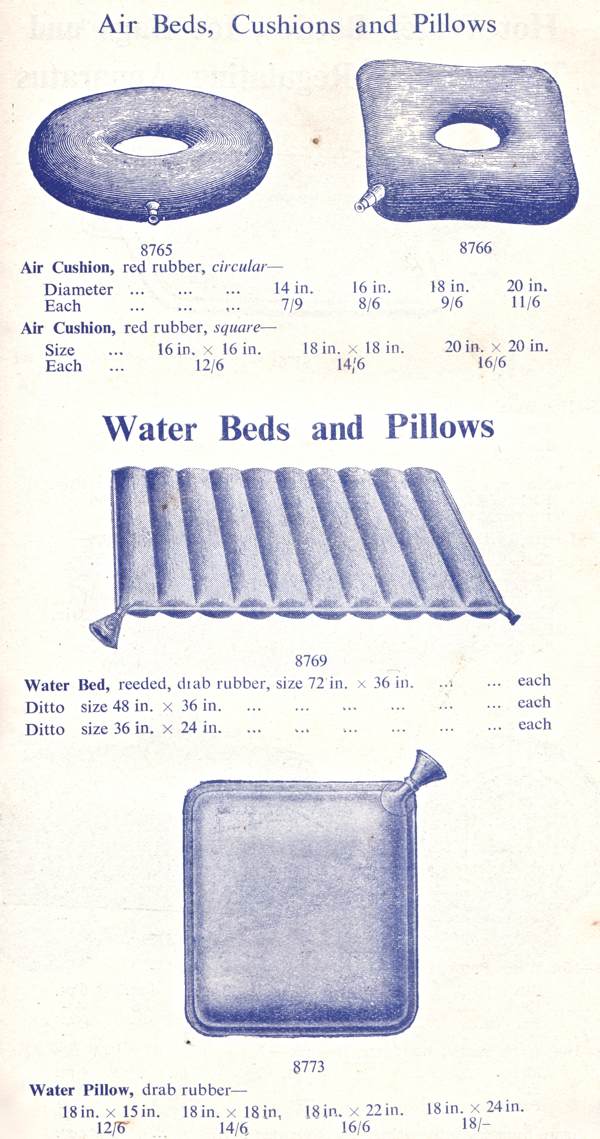
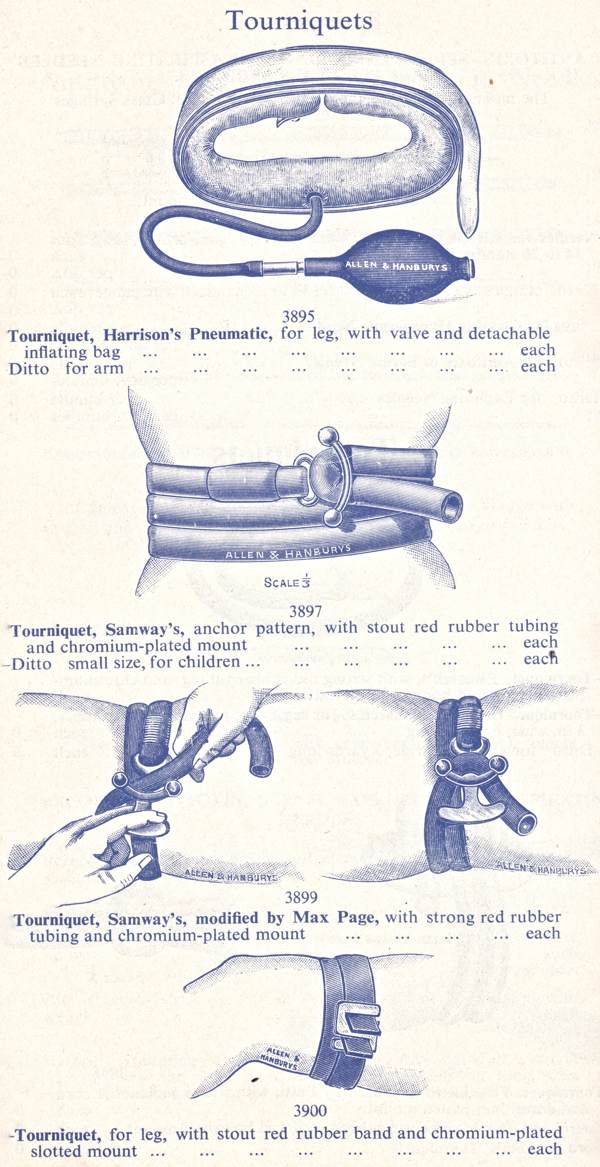
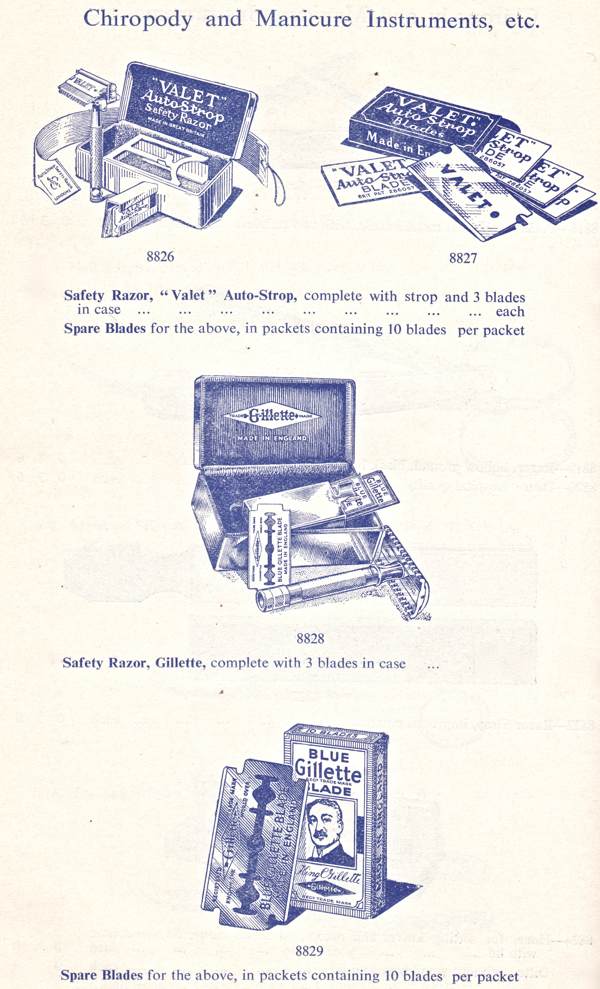
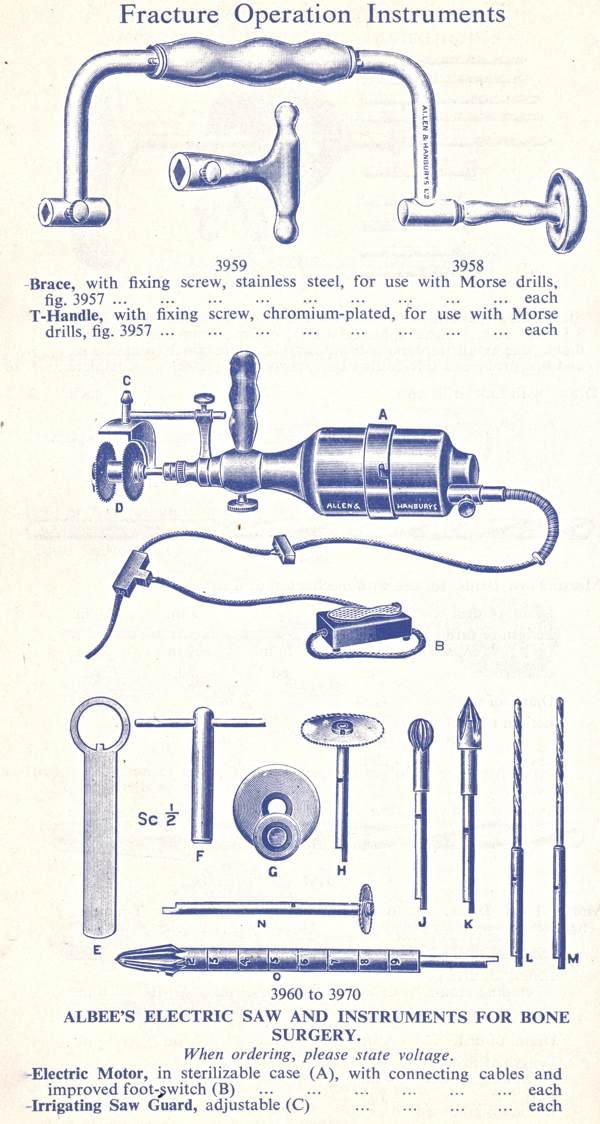
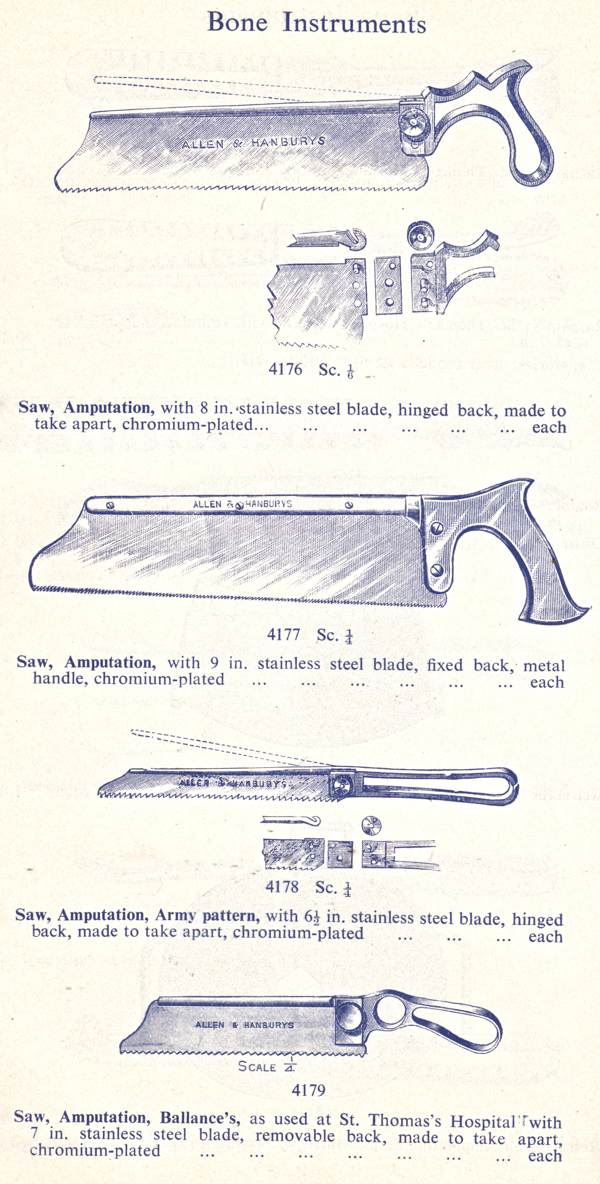
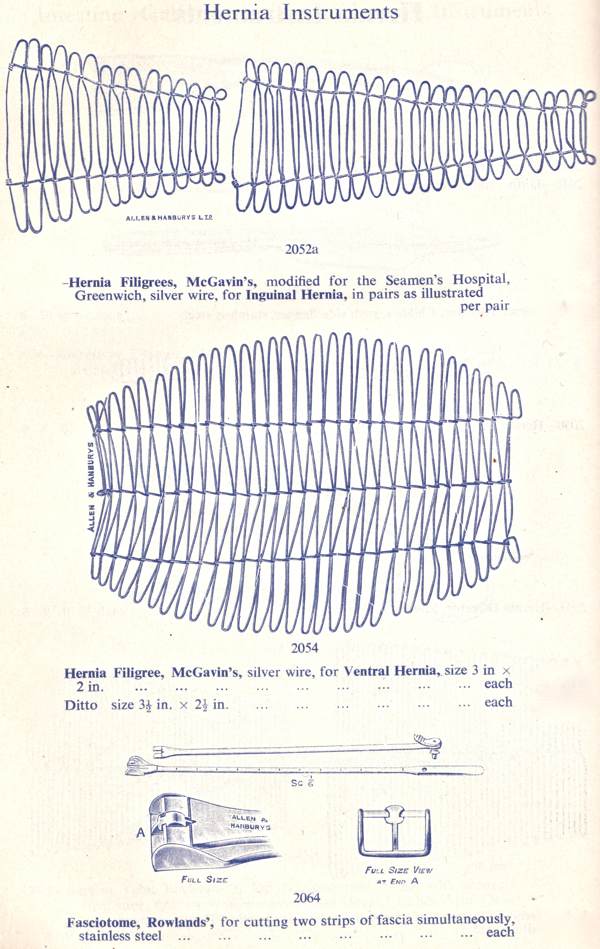
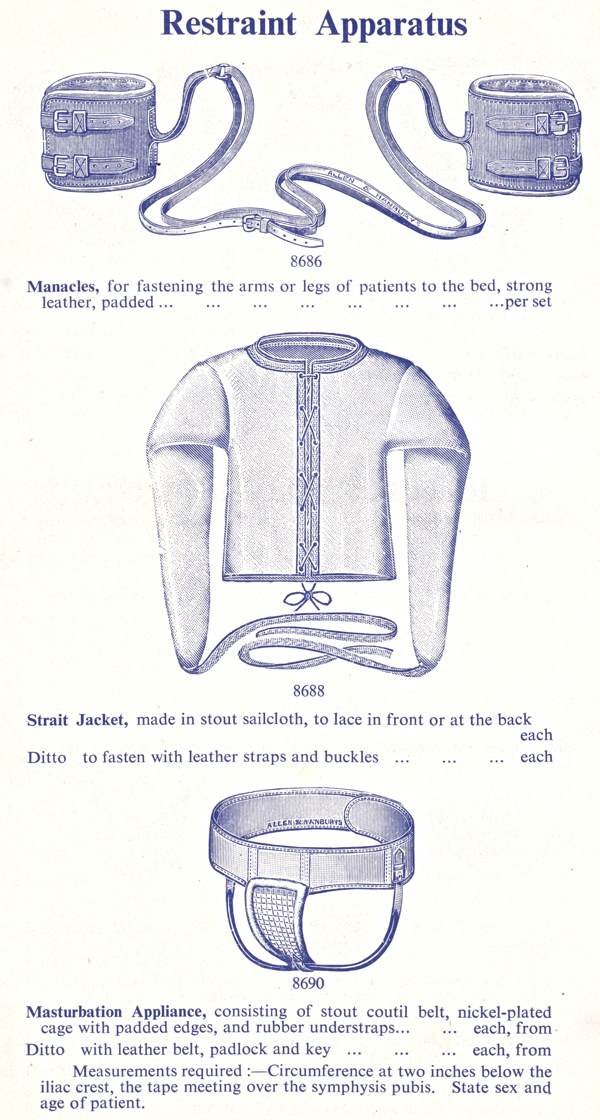
Continuing my series of the great hardware catalogues of the East End, it is my pleasure to publish these pages from Allen & Hanburys’ 1938 catalogue of Surgical Instruments & Appliances courtesy of Rupert Blanchard of Styling & Salvage. Founded in 1715 in Plough Court, Lombard St by Silvanus Bevan, Allen & Hanburys moved to Bethnal Green in 1874 where they built a factory to manufacture surgical appliances and operating tables – producing an unparalleled array of medical equipment, until they were bought by Glaxo in 1958 and closed in the nineteen sixties.
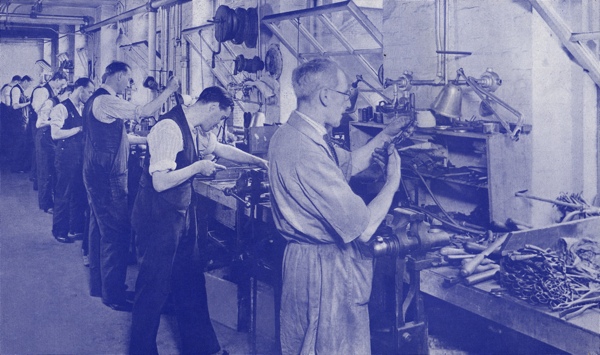
Instrument Fitting
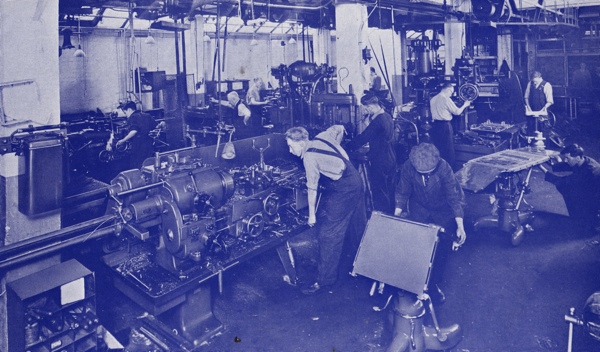
Machine Shop & Operation Table Erection
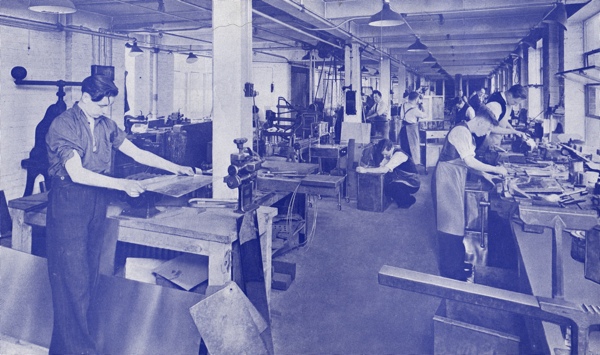
Tinsmiths’ Shop
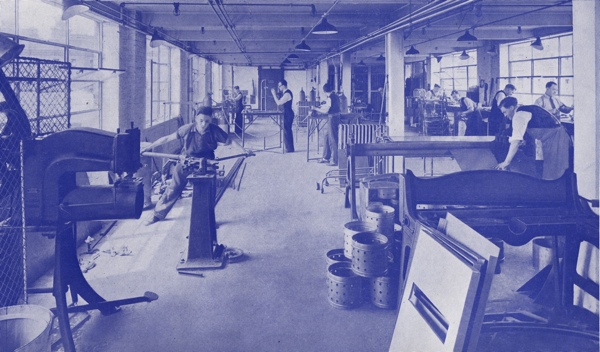
Sheet Metal & Furniture Shops
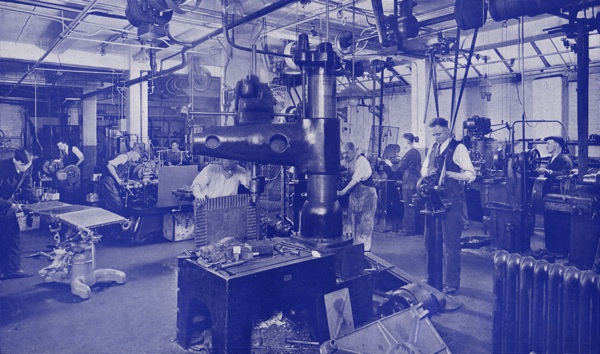
Machine Shop
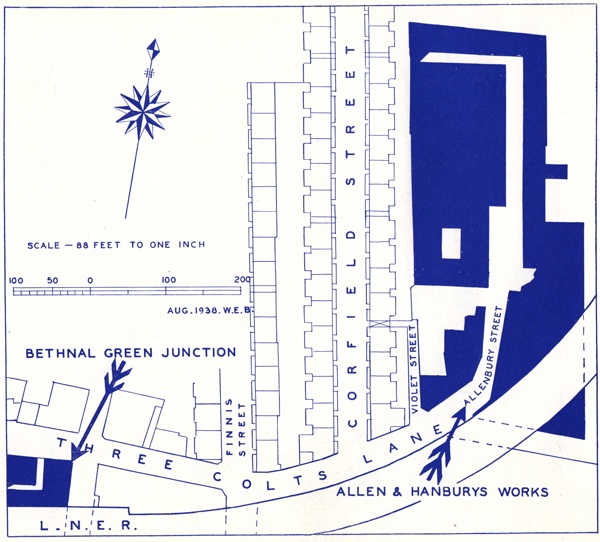
Location of Allen & Hanburys factory in Bethnal Green

You may also like to take a look at these other magnificent catalogues
At The Rochelle Infants’ School
On the day that the fate of the Rochelle Infants’ School Building at Arnold Circus on the Boundary Estate will be decided by Tower Hamlets Council, I trace the origins of this modest yet beautiful edifice which tells a unique and important story .

This is Contributing Artist Lucinda Rogers‘ sketch of the facade of the former Nichol St Infants’ School that opened in 1879, known as Rochelle Infants’ School since 1900. Yet even those who are familiar with this corner of Shoreditch may not recognise it, because the surrounding streets were razed and the Boundary Estate was constructed around the school as Britain’s first social housing in 1895.
Blending so harmoniously with the Estate buildings on either side, few realise that this school carries the history of those who once lived here in the notorious slum known as the Old Nichol, for whom it was built. Apart from the bandstand created from the pile of the rubble of their demolished homes, the school is now the only visible evidence of their existence. But, unlike the inscrutable mound, through the nature and detail of its design this fascinating building speaks eloquently of life in the Old Nichol.
Walk down Montclare St and enter the yard beside the old Wash House to see this view of the elegant facade, conceived upon an eighteenth century model with two symmetrical wings framing an imposing central entrance beneath a gable in the Queen Anne style, which today looks out upon an area divided by low walls into gardens and courtyards. The central tower contains two separate staircases – gently sloping for child safety – a shallower one for juniors and a steeper one for senior infants, leading to the covered playground on the roof. Walk around the block to Club Row and you will see the other elevation, with its row of eight neo-classical arched windows interspersed by brick pilasters, by which the building is most commonly recognised today.
Nichol St Infants’ School was designed by the progressive school architect Edward Robert Robson, who had worked with George Gilbert Scott and knew Dante Gabriel Rossetti personally. In the East End, he was also responsible for the People’s Palace in Mile End and the Jews’ Free School in Spitalfields. Nichol St Infants’ School was constructed as a gesture of idealism to raise the aspirations of the residents of the Old Nichol. In his pioneering and definitive work of 1874, “School Architecture,” Robson wrote, “If popular education be worth its great price, its homes deserve something better than a passing thought. Schoolhouses are henceforth to take rank as public buildings, and should be planned and built in a manner befitting their new dignity.”
Accommodating over three hundred and sixty pupils within the restricted site of Nichol St Infants School required a playground upon the roof, which Robson designed with a metal cover taking into account that pupils might not possess adequate clothing for rain or poor weather. In the classrooms, the high ceilings and large windows were designed to admit plenty of light and air, offering sufficient ventilation to ameliorate the smell of a large number of unwashed infants packed closely together. The architect’s sensitivity to the children’s needs is evident in these considerations and many others, yet his concern extended beyond the material in this modest building, which possesses spare lyrical flourishes that transcend the utilitarian. A prime example is the unexpectedly intricate decorative wooden casing of the iron girders in the ceilings of the classrooms, as if to reward those who lifted their gaze upwards.
Today, the former Nichol St Infants School stands as the only unaltered example of Robson’s principles of school design and thus it is of unique importance, socially, historically and architecturally. Yet this evening Tower Hamlets Council votes on a proposed series of alterations to the building which will change it irreversibly, partly demolishing Robson’s facade to create an extension, raising the roof level, thus destroying the covered playground with its original metal roof structure, and dividing up the double height classrooms with mezzanine floors which will require removing the decorative casings of the beams in the process. Enacting these changes, and more which are proposed, will eradicate much of the meaning of the building – both as a witness of the lives of the people of the Old Nichol, and as a pertinent reminder of an era when improving the lot of the poor, and allowing them human dignity, became a priority.
Sign the petition to protect the Rochelle Infants School Building
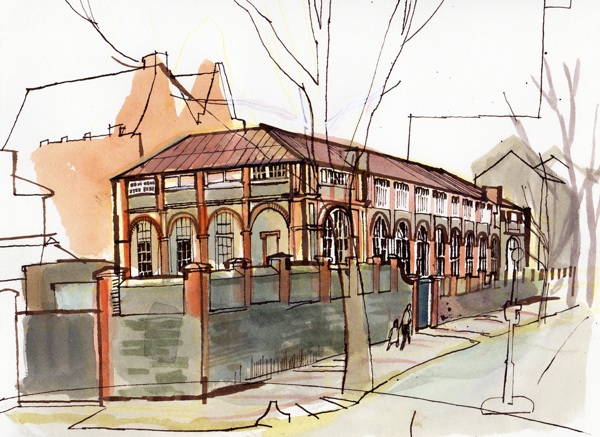
Lucinda Rogers’ sketch of the Club Row elevation of former Nichol St School.

The stair tower leading to the covered playground was at the centre of the building, beneath these windows topped by E.R.Robson’s magnificenty flourished gable in the Queen Anne style.

In spite of an accretion of low walls, the facade of Nichol St Infants School is still intact.

The school seen from Club Row, formerly Nichols Row, showing the eight windows that give light to the double height classrooms and the eight barred openings that gave light and air to the covered playground
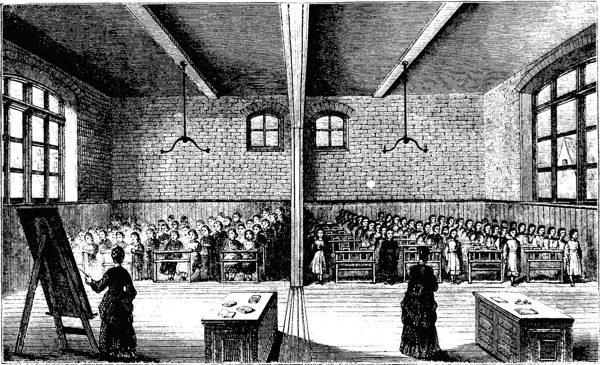
Double height classrooms designed by Robson, as employed at Nichol St Infants’ School (From School Architecture 1874)

In 1880, the site of Nichol St Infants School surrounded by the streets of the Old Nichol before they were replaced by the Boundary Estate. (Edina Historical Maps)

1895, the construction of the Boundary Esate around the Rochelle School and Nichol St School, seen at the centre of this photograph. The pile of rubble to the left became the bandstand at the centre of Arnold Circus. (City of London, London Metropolitan Archives)

This 1938 London County Council map shows the Boundary Estate as it remains today with the Rochelle Infants’ School Building half way up Club Row on the right.
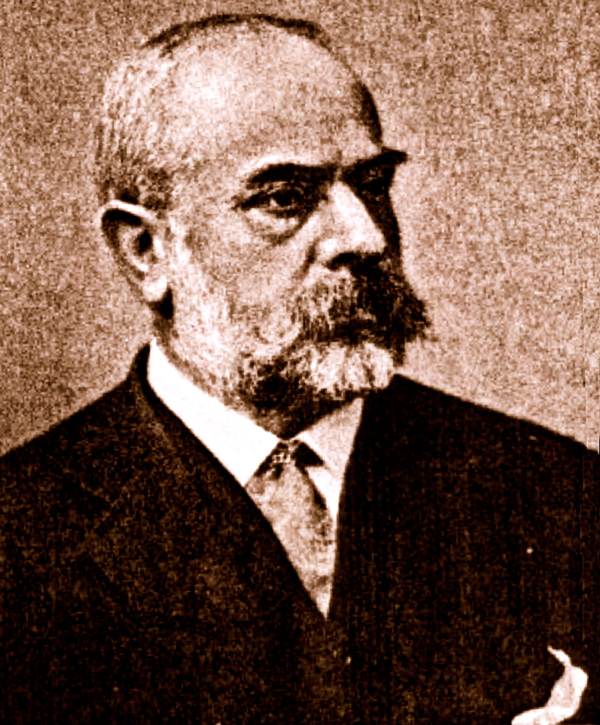
Edward Robert Robson (1835-1917), Consulting Architect to Her Majesty’s Education Department.
Drawings copyright © Lucinda Rogers
Tower Hamlets Development Committee meet to decide on the application to alter the Rochelle Infants School Building at 7pm today, Wednesday February 13th, Tower Hamlets Town Hall, Mulberry Place, 5 Clove Crescent, London, E14 2BG
UPDATE: 20:26pm 13/02/2013 The council voted to reject the plans, but the next chapter is uncertain. Sign the petition to support the sympathetic preservation of the Rochelle Infants’ School.
My grateful thanks to Tom Ridge who supplied his research as the basis of this feature.
You may like to read about some people who were educated at Rochelle School
Michaela Cucchi, Trader in Fruit & Veg

If you are looking for high quality fruit & veg with a touch of swagger, then – on Wednesdays, Fridays and Saturdays – Bethnal Green is the place to be, when Michaela Cucchi is stalling out. And from personal experience, I can vouch that the only Bramley apples of any reasonable size and quality – an unexpectedly scarce commodity – that I have found in the East End this season were discovered at Michaela’s immaculately ordered stall.
With her woolly hat pulled down over her ears, her broad smile and her indefatigable humour, Michaela is a popular character in the Bethnal Green Market. Shrewd and streetwise in the way that only those who have been in the markets for generations can be, yet possessing a certain Latin flamboyance which attests to her Milanese father, Michaela proved to be a natural storyteller when I sat down at a table at Pelliccis with her and her partner, Narve Dearan, recently.
Significantly, Michaela found her way back to Bethnal Green after exploring the wider world and other professions. Simultaneously a sharp businesswoman and a born romantic, she won satisfaction by picking up the threads of her family’s tradition of market trading in the East End.
“Market trading has always been in my family since the days of my grandfather, Henry Smith, and his generation. He was from Bethnal Green, one of thirteen children, and he became a rag and bone man. His brothers ran a second hand shop down the Bethnal Green Rd and a stall in Cheshire St on Sunday. They used to do house clearance, it was called totting, and they looked in the Jewish Chronicle to see who had died and went round and offered to buy the diamonds. They weren’t exactly the most honest of people years ago.
My nan, she ran the Bishop Bonner and the Bonner Arms, and she had a shop in Bethnal Green where she did sewing. They had four children, which was – my mum, Shirley Smith, and then Ethel Smith, Brenda Smith, Sylvie Smith and Henry Smith, who took over the business. All the women became machinists, but my mum wanted to travel and better herself, and on a number eight bus she met my father Giovanni Cucchi. He was here studying English but he spent most of his time in the cinema watching Tom & Jerry. He proposed to her and she said ‘No’ because he was five years older than her, and she thought it was wrong.
Eventually, they married at St Mary of the Assumption in Bethnal Green and moved to Italy, to Milan. It turned out my father’s father owned most of Milan, he had a big distillery that made liqueurs. During the war, he smuggled Jews into Switzerland. He built a false wall in the warehouse with flats behind it and, when the coast was clear, they filled the sugar barrels with sugar but underneath was a false bottom and they hid a person there – and that’s how they smuggled them over the border. He was very well connected and went to a ball in Argentina with Eva Peron. He was so well respected that no-one in Milan would take any money off my mum when she went shopping.
But then my nan had a major heart attack and my mother said, ‘I’m going home.’ It was after I was born. So we came back to Bethnal Green. Out of all locations in the world I could have ended up, I ended up in Bethnal Green! My nan passed away, and the family said to my father, ‘Either you stay in Milan or you go to London and give it all up.’ So he came to London. It was his love for my mother. He started up a business under a railway arch importing wines and spirits, and he was the first to import San Pellegrino into this country.
I never spoke English until I came here. I went to school at St Anne’s in Spitalfields and Bishops Challoner’s. Then I worked for an estate agent in Pall Mall. After a couple of years, I left and ended up buying Bennetton for Selfridges. I bummed around for a while, and went off to America and lived on Fire Island. Then I came back and met Narve Dearan. I started working for his mum at her pub in Mile End. I came back from America for two weeks holiday but I never went back. It was love at first sight.
The reason we started the stall is because its hard to buy good quality fruit & veg. We buy everything fresh everyday. We don’t have a warehouse. Narve spends four hours buying produce at the Spitalfields Wholesale Market and then comes back to Bethnal Green to set up. It’s very physical and it’s very hard work, and there are winter mornings when you don’t want to get up, but it’s not so bad in the summer. I go to bed at eight or nine o’clock. Narve gets up at midnight and I get up at five to do the cleaning, then I get our son Sean up – he’s twenty-three – and I take the dog for a walk before being down at the stall at six or seven to set up.
We take pride in what we do and we only sell what we eat.”


Michaela Cucchi
Photographs copyright © Colin O’Brien
John Claridge’s Clowns (Act One)
I invited Contributing Photographer John Claridge along to the 67th Annual Grimaldi Service at Holy Trinity Church in Dalston last weekend to take a set of clown portraits, as a complement to his fine series of boxers. We were guests of Clowns International, the world’s oldest clown club founded in 1947, and John set up a studio in a quiet corner where we spent a memorable afternoon, entertained by a procession of cheery funsters sufficient to brighten the grimmest February day.

Jolly Jack – Clowning for thirty-six years.

Joe Sammy – Third generation clown, grandson of Mickell the Clown.

Uncle Colin – Clowning for thirty-six years. In partnership with Mr Woo as The Custard Clowns.

Glory B & Bernie (short for Bernadette) – Performing for twenty-five years.

Rainbow – Clowning for seventeen years.

Slapstick – Clowning for twenty-four years, since the age of thirteen.

Tuppy – From Adelaide on a visit.

Tofu the Zany – Clowning for more than twenty-five years.
Photographs copyright © John Claridge
You might like to read my account
At the 65th Annual Grimaldi Service
or read these other Grimaldi stories
and take a look at more pictures by John Claridge
Along the Thames with John Claridge
At the Salvation Army with John Claridge
A Few Diversions by John Claridge
Signs, Posters, Typography & Graphics
Views from a Dinghy by John Claridge
In Another World with John Claridge
A Few Pints with John Claridge
Some East End Portraits by John Claridge
Sunday Morning Stroll with John Claridge
Just Another Day With John Claridge
At the Salvation Army in Eighties
John Claridge’s Boxers (Round One)
John Claridge’s Boxers (Round Two)
John Claridge’s Boxers (Round Three)
John Claridge’s Boxers (Round Four)
John Claridge’s Boxers (Round Five)
John Claridge’s Boxers (Round Six)
John Claridge’s Boxers (Round Seven)
John Claridge’s Boxers (Round Eight)
The Gentle Author’s Diary 2

On a winter’s night in Spitalfields
It was two years ago, when someone asked me if I had been standing next to a bonfire, that I discovered my clothes reeked of wood smoke like an old tramp who slept by the campfire each night. It was the result of my pitiful attempt to cut the gas bill by burning wooden palettes scavenged in the street. Yet every surface in my home had acquired a coating of soot and I realised I could not continue.
It took a year of collecting old tiles, one at a time, to gather sufficient to line my fireplace and another year to find the money to fit a stove. Through last winter, I sat in bed with a hot water bottle to keep warm and the cat curled up on the cover, while I wrote my stories. Then, last summer, Jim Howett of the Spitalfield Trust supervised the repair of the hearth and Daniel Costea tiled it. And this winter – after a year without a fire – I have barely spent an evening away from my stove, inhabiting its benign realm of warmth and mesmerised by its fiery glow.
A wooden fire surround would complete the project and Jim Howett designed a modest one which suits the era of the building, but then we discovered that the intense heat of the stove might warp it and a stone insert is necessary. Yet this can wait until the summer because, during the years it has taken to get this fireplace working, I have accepted that I do not need to live in a house that is “finished.” I prefer its slow evolution around me, as my resources permit.

In October, prior to installation of the stove.
You may like to read more about the tiles
The Drypoint Etchings of Peta Bridle
Illustrator Peta Bridle sent me these beautiful drypoint etchings of some of my favourite people and places in the East End, which she has been working on over the winter. I love all the detail, and the depth of tone and richness of hatching this ancient technique offers, romancing these familiar locations into myth.
‘I have drawn the shopkeepers in their places of work as I find them a good subject and I am supportive of independent shops.’ Peta admitted to me, ‘The town where I live is full of supermarkets competing against each other, a few poundshops and little else, so I like to read about all the different shops you describe in the East End.’ We look forward to more drypoint etchings from Peta Bridle.

Liverpool St Station
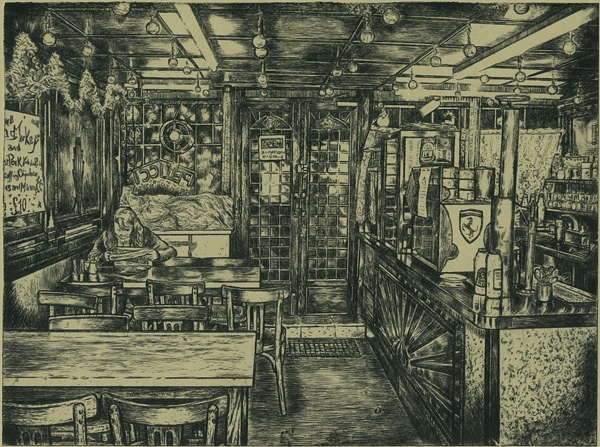
E.Pellicci, Bethnal Green Rd. “Nevio Pellicci kindly allowed me to make a couple of visits to take pictures as reference to create this etching. It was at Christmas time and after they closed for the afternoon. Daisy my daughter is sitting in the corner.”

Paul Gardner at Gardners’ Market Sundriesmen, Commercial St. “I did buy a few bags off Paul whilst I was there!”
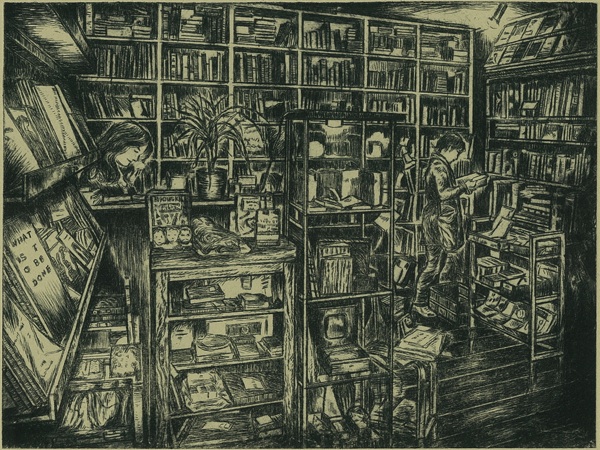
Tanya Peixoto at bookartbookshop, Pitfield St. “I am friends with Tanya who runs this shop and she has stocked my homemade books in the past.”
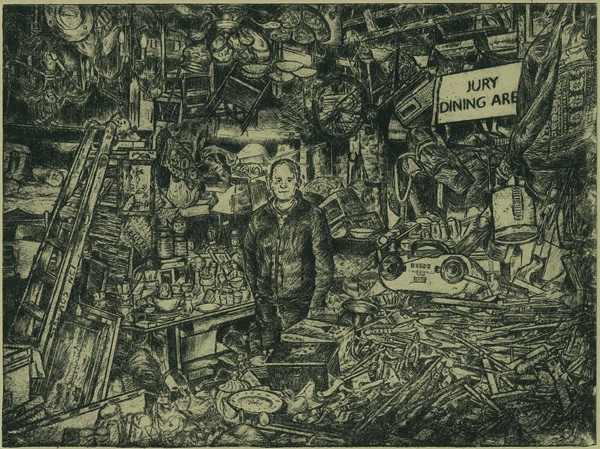
Des at Des & Lorraine’s Junk Shop, Bacon St. “An amazing place that I want to re-visit since I never got to look round it properly …”
Prints copyright © Peta Bridle
Fire Attack at The Freedom Press
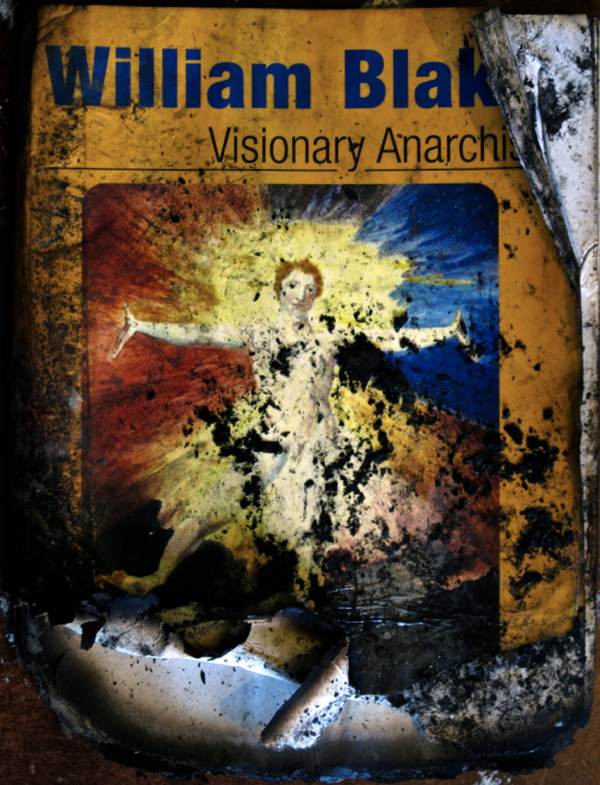
“a copy of William Blake burnt by fascists”
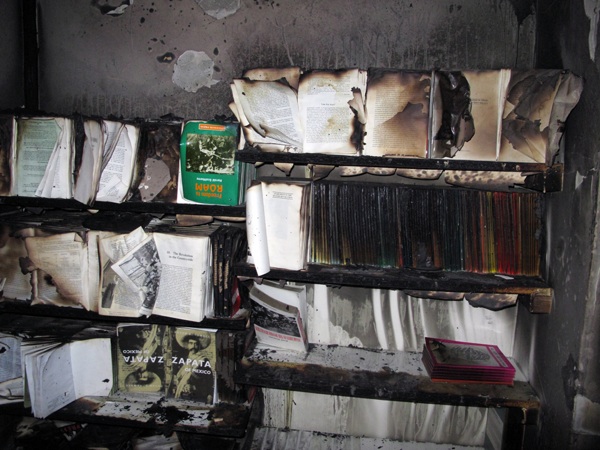
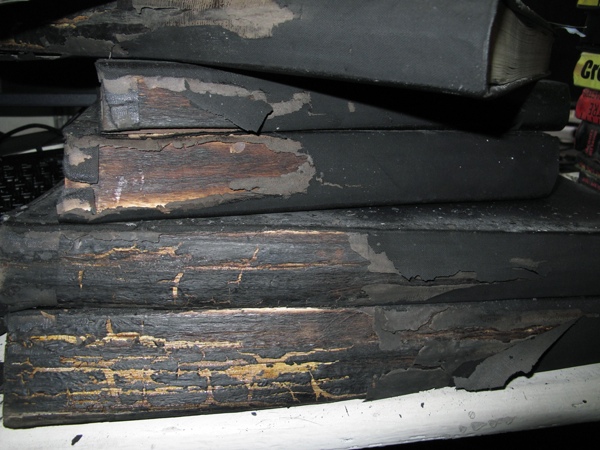
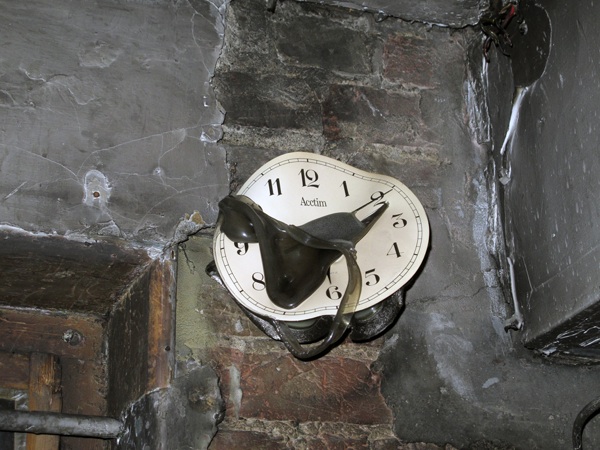
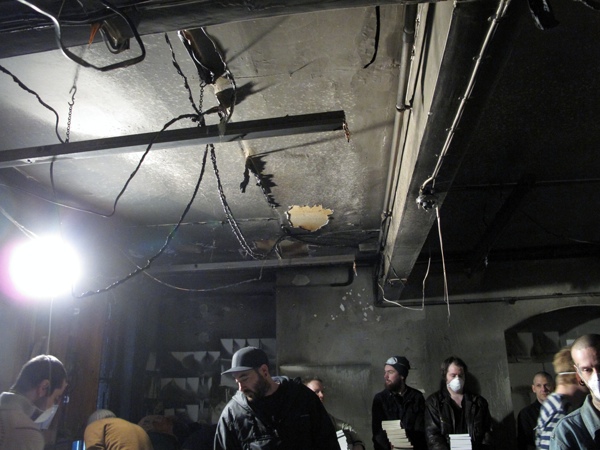
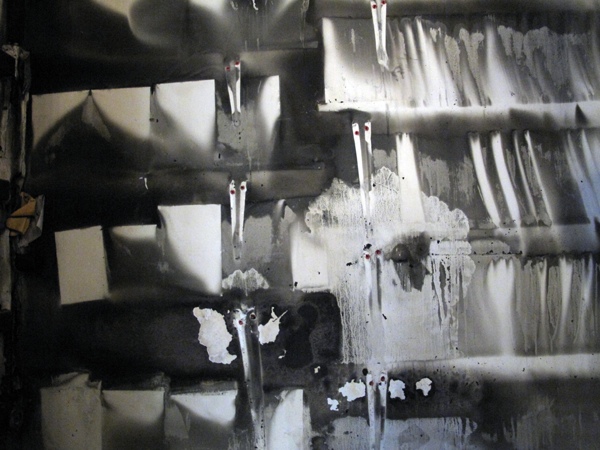
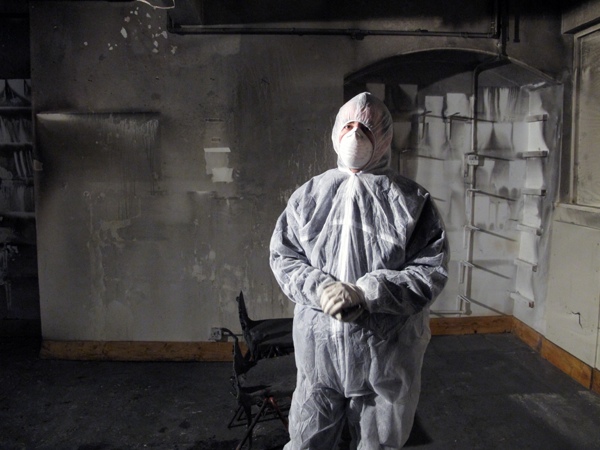
Last Friday at 5:30am, CCTV at the Whitechapel Gallery recorded two men break the metal shutter next door at The Freedom Press in Angel Alley and pour a flammable liquid inside, before setting it alight and leaving in a waiting car. Although the attack was premeditated, it came out of the blue and at present there is no confirmation of who was responsible. Yet the target is one with a powerful resonance as Britain’s oldest radical bookshop and the historic focus for free thought in the East End.
The Freedom Press was founded in 1886 by Peter Kropotkin, the Russian revolutionary, and Charlotte Wilson, the well-to-do British anarchist who resigned from the Fabian Society when she and William Morris were dissatisfied with the direction it was taking.
Freedom, the anarchist newspaper first published by Kropotkin and Wilson, is still produced from Whitechapel with every issue containing this policy statement, “Anarchists work towards a society of mutual aid and voluntary co-operation. We reject all government and economic repression. This newspaper, published continuously since 1936, exists to explain anarchism more widely and show that only in an anarchist society can human freedom thrive.” Hardly the provocation to such violence as was enacted last week.
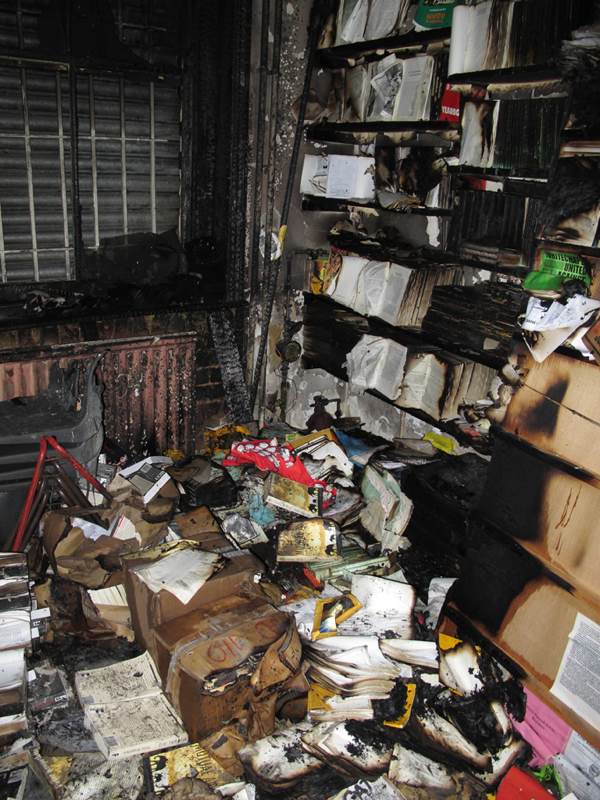
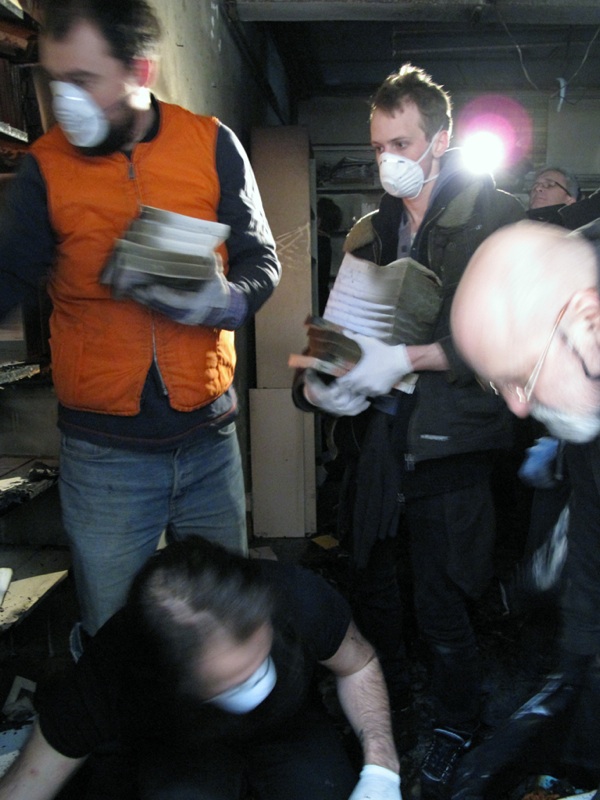
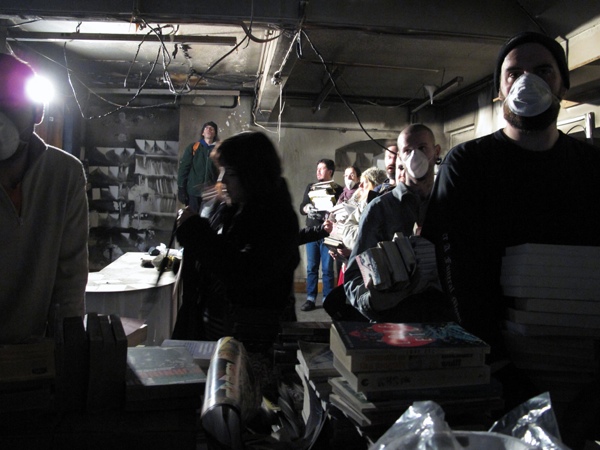
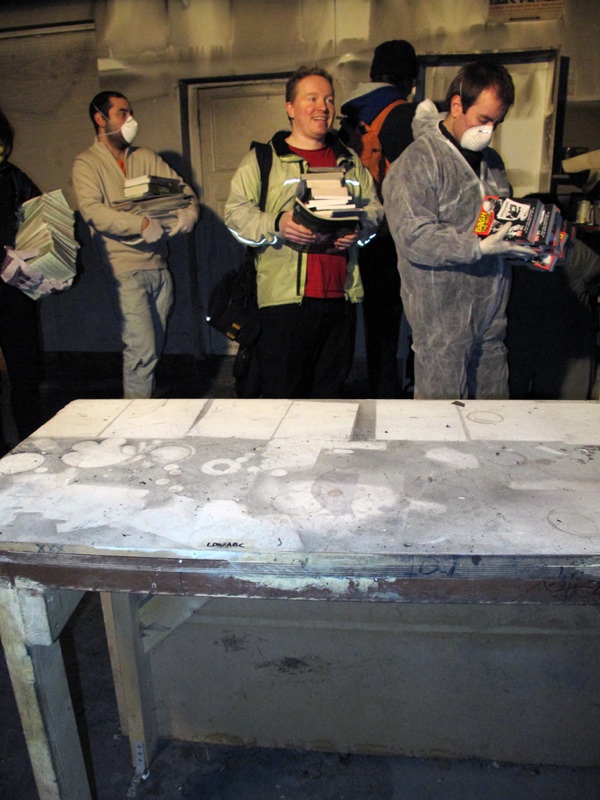
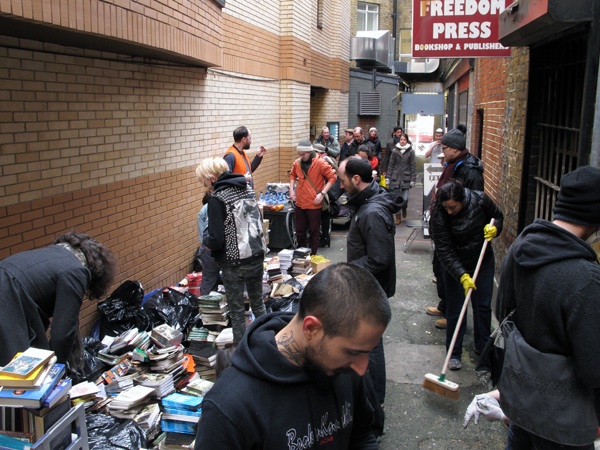
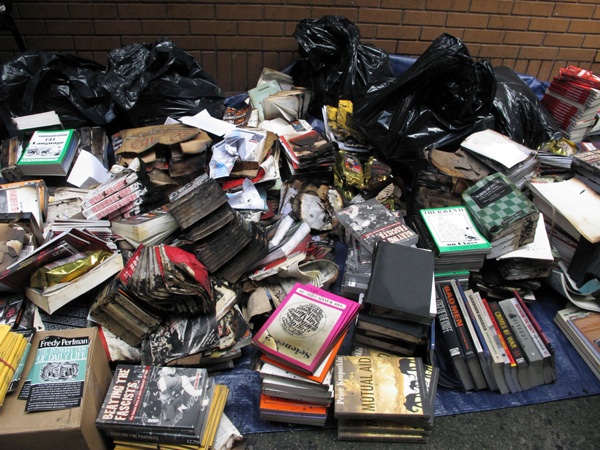
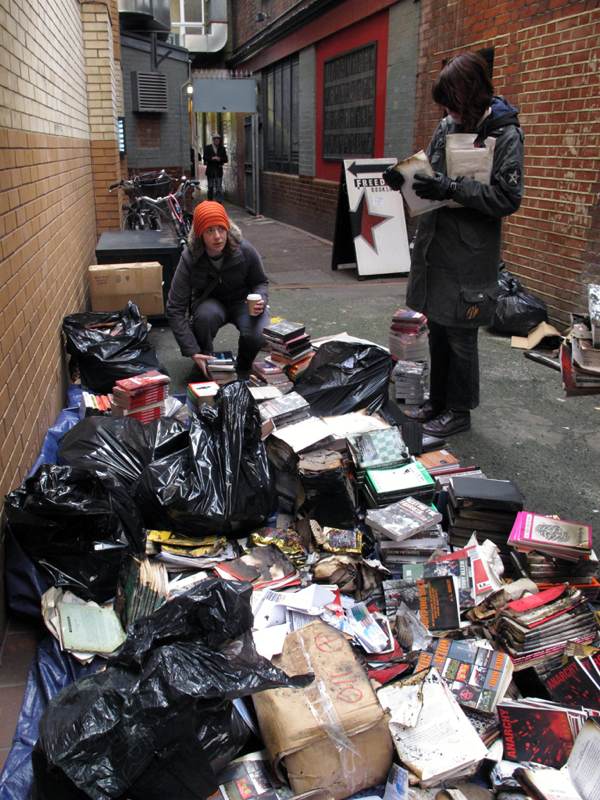
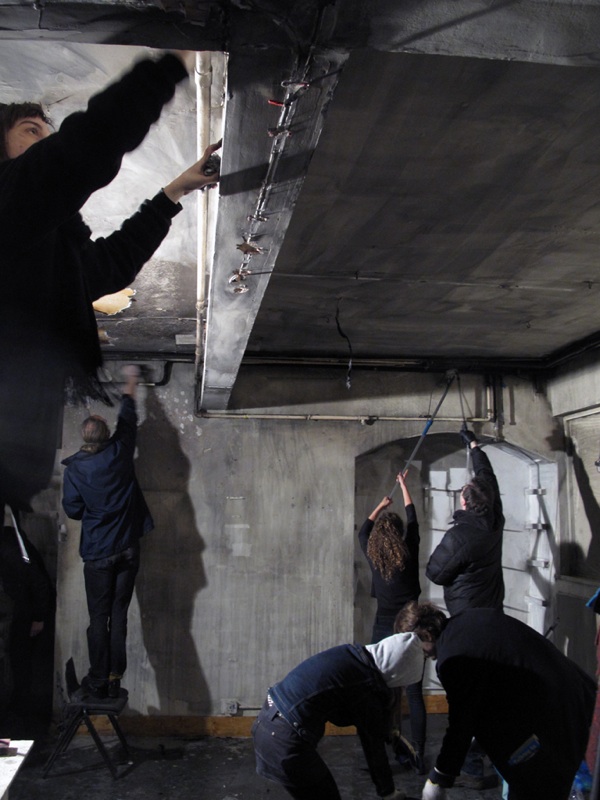
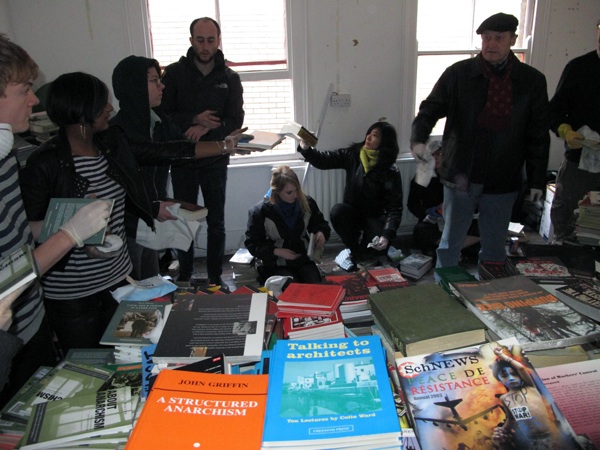
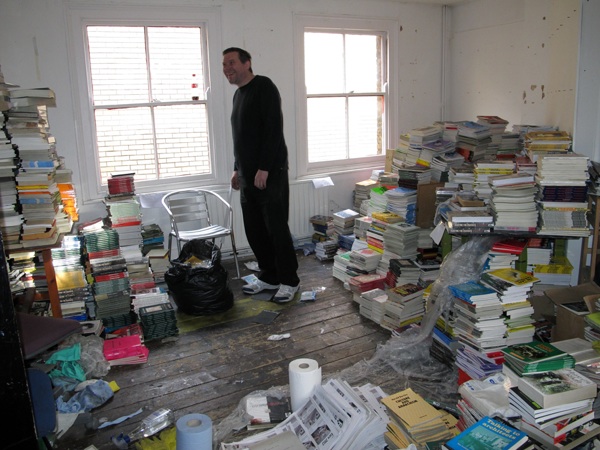
Curious to see the damage for myself and discover the outcome of the attack, I walked down Brick Lane to visit Angel Alley. Entering the blackened bookshop where the bitter smell of the smoke prevailed, I climbed up to the first floor and discovered Max Reeves of The Freedom Press opening charred archive boxes. “Once the embers had died down, we put out a call to have a clear-up on Sunday and well over a hundred people from the local community turned up,” he explained to me,“We carried the books out and cleaned up the shop.”
Max believes the attack came from members of a far-right minority. “It’s not the first time we have been targeted by fascists, in 1993 a neo-Nazi group fire-bombed the shop,” he revealed, “It might be disheartening, if it were not for the flood of well-wishing and offers of help we have received from all over the world. Disparate groups in the radical hinterland have laid aside their differences and come together in solidarity.”
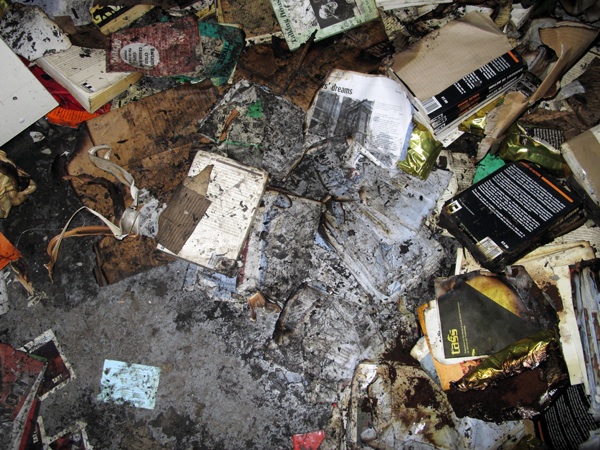
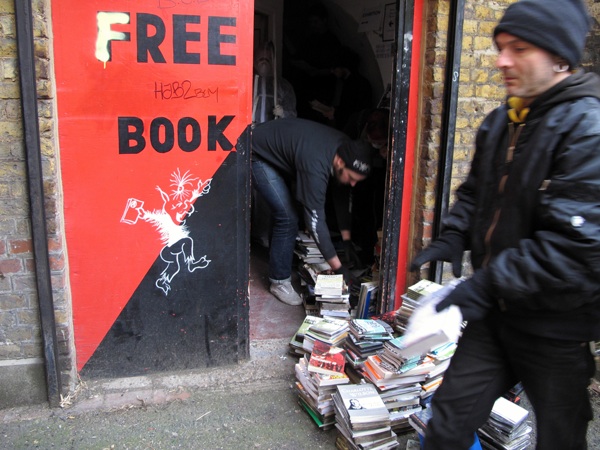
Nobody was injured in the attack and, although smoke permeated everywhere, only a portion of the building was damaged. Salvaged books have been stacked on the top floor while the burnt ones were piled out in Angel Alley as rubbish, where people quickly began to collect them as souvenirs. “It’s symbolic, it’s a proper Nazi book burning and each of the damaged books has now become a cherished artifact.” Max asserted, holding up a blackened paperback with a flourish, “This is a copy of William Blake burnt by fascists.”
“If the intention was to further divide people, this attack failed because it has achieved the opposite.” he assured me with unassailable confidence. The Freedom Press bookshop reopens for business today.
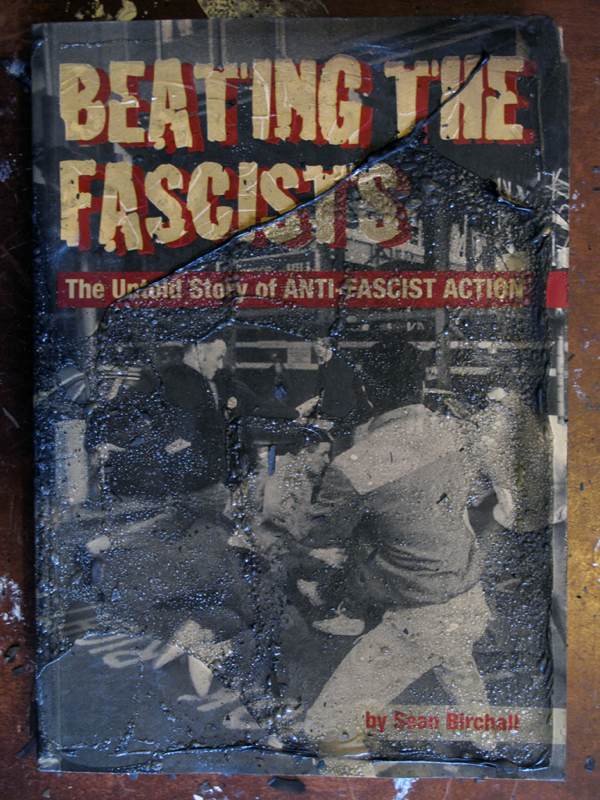
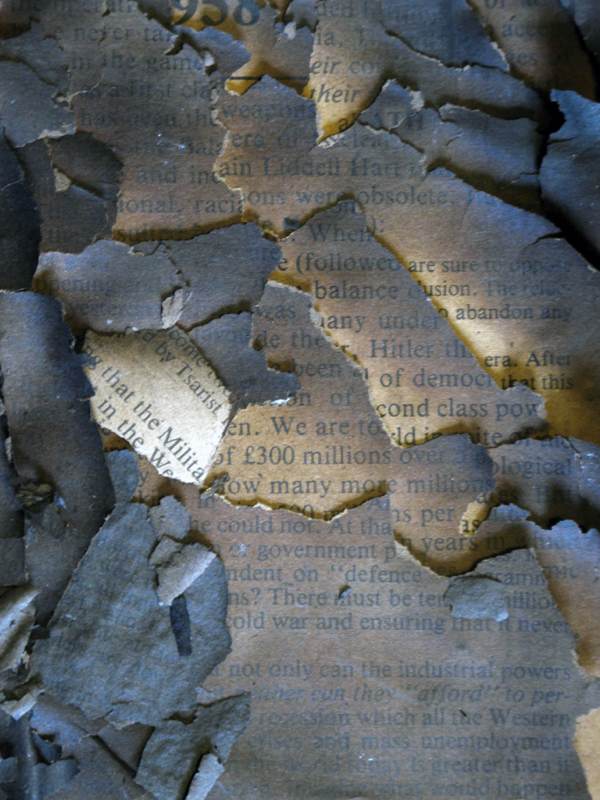
Photographs copyright © Max Reeves
The Freedom Press is appealing for donations of books to sell in aid of repairs to the fire damage. If you have some books to contribute contact shop@freedompress.org.uk
You might also like to read about