
Professor Dick Hobbs, Criminologist
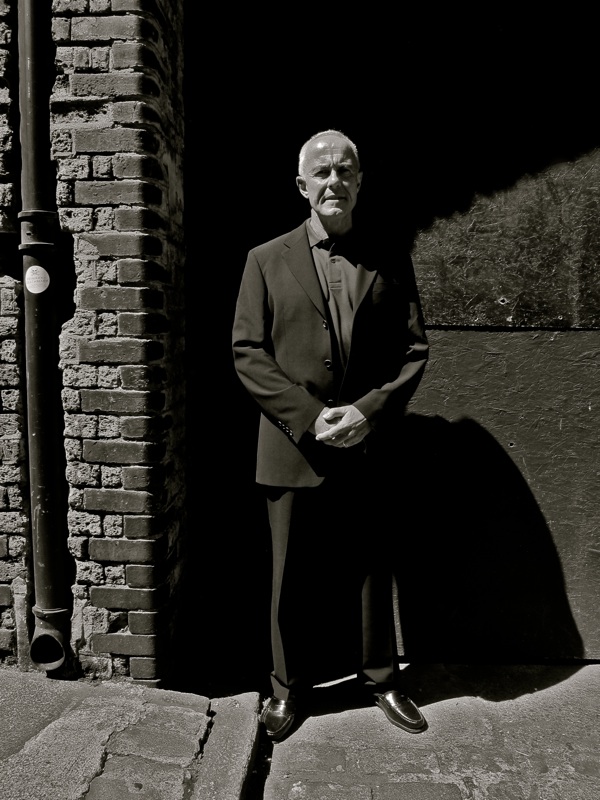
Professor Dick Hobbs on Blossom St where he once dealt in sanitary ware
Niclar House, the labyrinthine warehouse complex occupying the block between Norton Folgate and Blossom St, is boarded up and awaiting an uncertain future of corporate redevelopment. Yet until recently this space was occupied by Nichols & Clarke, an empire of ironmongery and sanitaryware that contained a hidden warren of semi-criminal subcultures. Dick Hobbs came here as a young man employed to lift toilets, yet he became so fascinated by the creative intricacy of the illicit activities which he encountered that it inspired him to become an ethnographer and criminologist.
“My concern is primarily with deviance as an everyday feature of life, an activity that is integral to urban existence, and which I believe justifies academic attention in its own right, without being hampered by any conceits regarding helping the police with their enquiries,” he writes – with appealing irony – in the introduction to his latest work Lush Life, Constructing Organised Crime in the UK.
Making a sentimental pilgrimage to Spitalfields last week on his way to an important meeting in Whitehall, Professor Hobbs took me on a stroll over to Blossom St in search of a lost world and we were lucky enough to step inside the empty building. The cavernous basements of Nicholls & Clarke that fan out beneath Spitalfields, in which the workers once hunted rats at two shillings a tail, offered a natural metaphor for the nefarious culture that is the Professor’s special field of expertise and interest. “All ethnographers should bring their biographies to the research table,” he told me.
“It all started at Nicholls & Clarke in Blossom St. My dad got a job here at fourteen years old and worked for forty-seven years as a clerk and warehouseman. He went away for five years to the war, but he wanted to go back afterwards and stayed until he was sixty-three.
When I belatedly became an academic, I based much of the data for my PhD on life and larceny at Nicholls & Clarke. I worked in the warehouse as a young man in the seventies, I’d be doing all sorts of things, carrying toilets, sinks and cast iron baths around. At the time I worked there, the place was full of war heroes from El Alamein, Arnheim and the Atlantic Crossings. Some of these men were quite damaged but they were the enterprise of the firm until the eighties. They were sophisticated and dynamic in the way they did business. It was a wonderful place where I learnt about ducking and diving, and life in general, from a workforce consisting of rough sleepers, bankrupt furriers, degenerate gamblers, fighters, ex-war heroes, and a few ordinary people.
After I left school, I worked as an office boy in Great Eastern St. That was awful, I couldn’t stand office work, so I worked as a dustman and street sweeper. I did all sorts of things, but whenever I needed work I could always ask my father to call up one of the Directors at Nicholls & Clarke, Cyril Wakeman – father of Rick Wakeman – and get me work at twenty pounds a week, cash in hand, to pick up toilets. Cyril liked to talk about Rick’s success, his latest hit and how much the latest tour in America made and which page three girl he was dating. And at the end, he’d always ask how I was doing but I wasn’t dating page three girls, I was lifting toilets.
Working there, it had the biggest influence upon me. I was fascinated by how these ordinary people found a little niche for themselves. They were paid almost nothing but they found a way to make it work for their benefit and win a little self-esteem. They had customers. Plumbers would come round and they would go off into corners doing deals on damaged or old stock.
As a kid, I really enjoyed myself and I loved it there – the characters were amazing. There was Bob a gambler who worked in Blossom St but used to slip out through the shop in Norton Folgate to place bets. Everyone else wore dirty overalls, but he wore a pristine white coat and he looked like a dentist. He put his head down and walked purposefully out through the shop. Once a posh woman who wanted to buy some paint asked, ‘Do you work here?’ and without missing a step he said, ‘Not if I can help it.’ It was a magic moment.
There were elderly Jewish men who had been left behind when everyone else moved out to Forest Hill or wherever. One was Yossul, a furrier who had fallen upon hard times and whenever a manager came along he’d slip into a dark corner, whispering, ‘The Cossacks are coming!’ There was a young man in the office who was unusually ugly and acquired the nickname ‘The young Burt Lancaster,’ which became shortened to ‘Burt Lancaster’ that became shortened to ‘Burt’ and eventually he answered to it. Then there was Charlie Nails who spent all his days in the nail room. Nails were bought by weight and there was always spillage so the firm sent round a scrap metal dealer to collect it once a month. But Charlie sold the boxes of nails direct to the scrap metal dealer who resold them back through the front of the building again. It was sharp. A guy who had nothing found a way to make a life for himself.
While at Nicholls & Clarke, I started to go to night school and I picked up two O levels and an A level. Then I went to teacher training college and qualified as a teacher and worked in Newham for three to four years, before I got a place at the London School of Economics to study Sociology where I was taught by David Downs who had written about East End kids and that’s where I came across the work of Charles Dickens and Henry Mayhew writing about nineteenth century London and Raphael Samuel’s ‘East End Underworld, the life of Arthur Harding,’ which outlined the world of East End criminality that was familiar to my dad. I showed it to him and he was able to correct some of it, such was his level of scholarship. I could talk to him about a scholarly work.
What was once labelled as delinquency is now seen as making a good deal. The world has caught up with the East End and we are all Arthur Daleys now. The East End was always based upon entrepreneurship albeit within a framework of trading connections and communality, but now we’re all traders and encouraged to be entrepreneurs, except there’s little to temper the competitive edge.”

Lucinda Rogers‘ drawing of the Nicholls & Clarke warehouse in Blossom St.
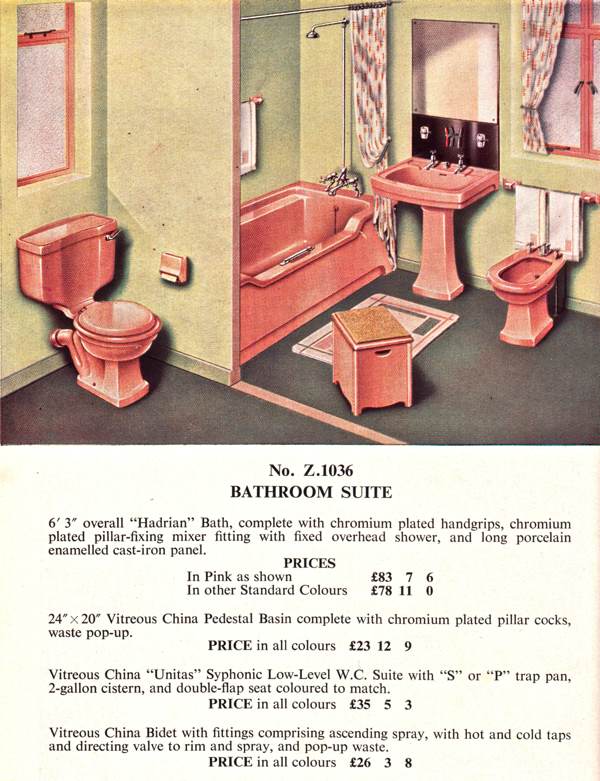
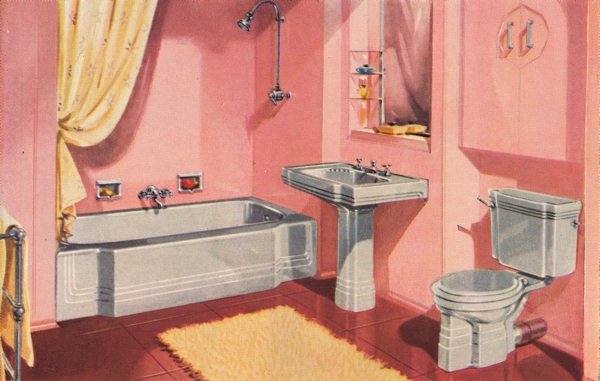

Niclar House, the frontage of Nicholls & Clarke in Norton Folgate.
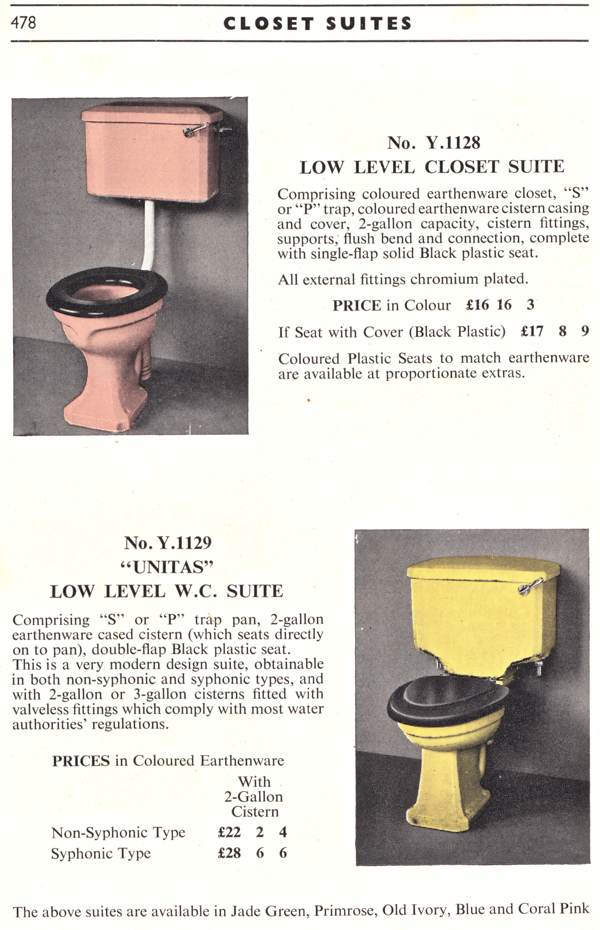
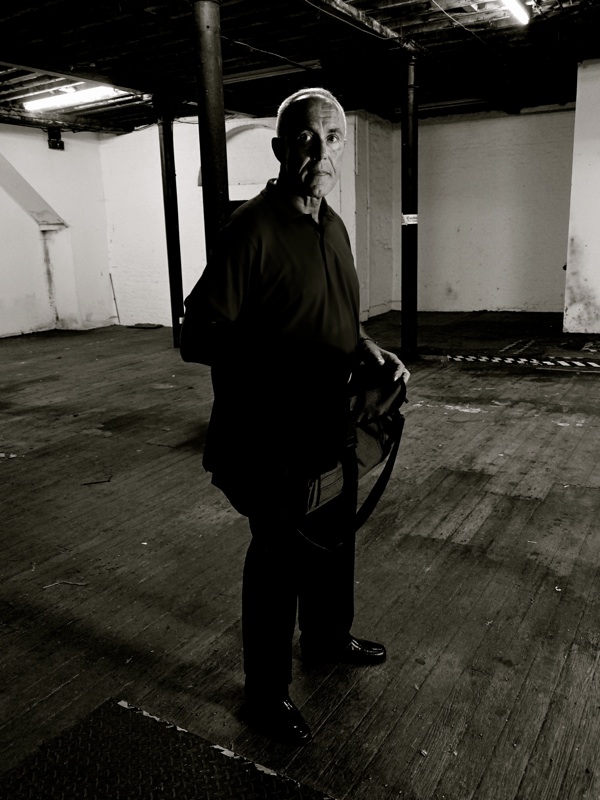
Professor Dick Hobbs in the former sanitary department of Nicholls & Clarke
Click to buy a copy of Lush Life, Constructing Organised Crime in the UK by Dick Hobbs
You may also like to take a look at
At The Caslon Letter Foundry
While researching the work of William Caslon, the first British type founder, whose Doric & Brunel typefaces, newly digitised by Paul Barnes, are being used by David Pearson in The Gentle Author’s London Album, I came upon this wonderful collection of photographs of the Caslon Letter Foundry in the St Bride Printing Library.

22/23 Chiswell St with Caslon’s delivery van outside the foundry
William Caslon set up his type foundry in Chiswell St in 1737, where it operated without any significant change in the methods of production until 1937. These historic photographs taken in 1902, upon the occasion of the opening of the new Caslon factory in Hackney Wick, record both the final decades of the unchanged work of traditional type-founding, as well as the mechanisation of the process that would eventually lead to the industry being swept away by the end of the century.

The Directors’ Room with portraits of William Caslon and Elizabeth Caslon.

Sydney Caslon Smith in his office

Clerks’ office, 15th November 1902. A woman sits at her typewriter in the centre of the office.

Type store with fonts being made up in packets by women and boys working by candlelight.

Another view of the type store with women making up packets of fonts.

Another view of the type store.

Another part of the type store.
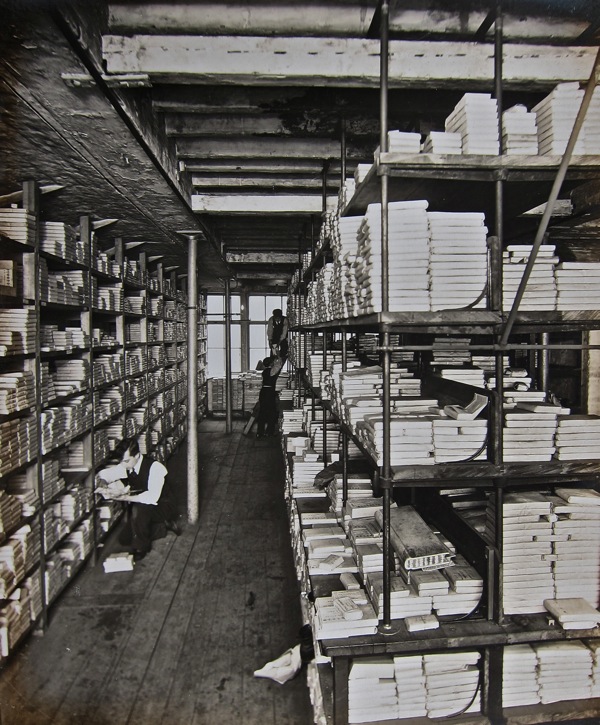
In the type store.
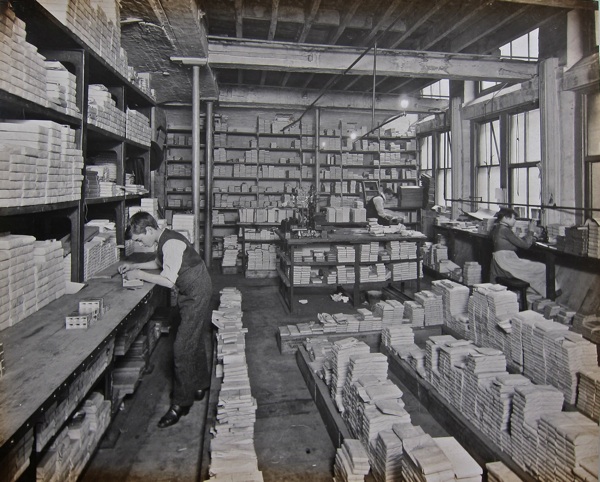
A boy makes up a packet of fonts in the type store.

Room of printers’ supplies including type cases, forme trolleys and electro cabinets.
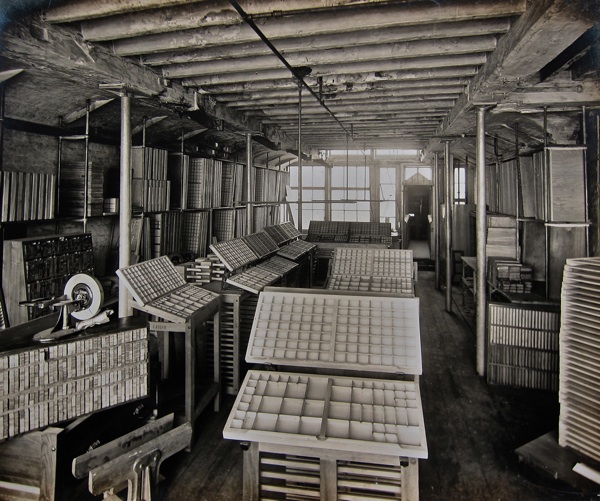
Another view of the printers’ supplies store.

Printing office on an upper floor with pages of type specimens being set and printed on Albion and Imperial handpresses.

Packing department with crates labelled GER, GWR, LNWR, CALCUTTA, BOMBAY, and SYDNEY.

New Caslon Letter Foundry at Rothbury Rd, Hackney Wick, 1902.

Harold Arthur Caslon Smith at his rolltop desk in Hackney Wick with type specimens from 1780 on the wall, Friday 7th November, 1902.

Machine shop with plane, lathes and overhead belting.

Gas engines and man with oil can.

Lathes in the Machine Shop.

Hand forging in the Machine Shop.

Another view of lathes in the Machine Shop.

Type store with fonts being made up into packets.
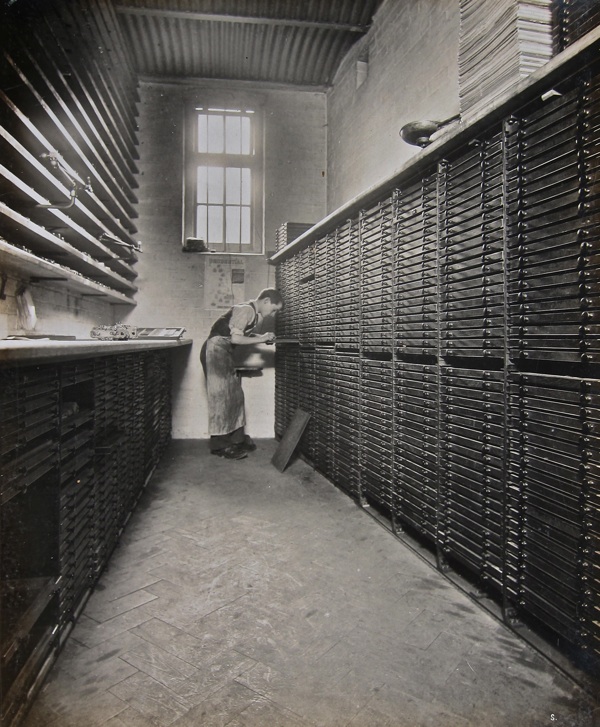
Type matrix and mould store.
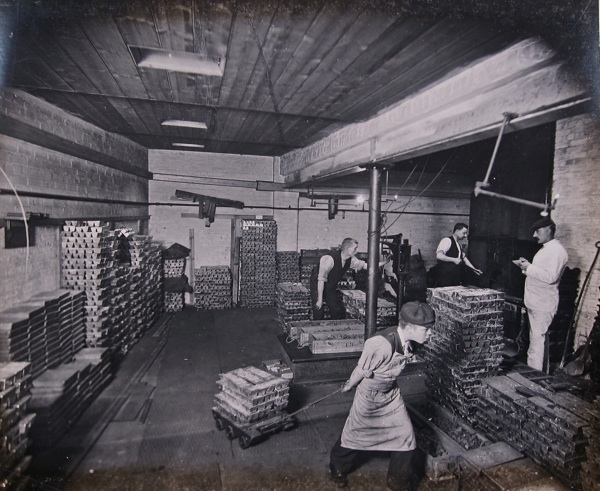
Metal store with boy hauling pigs upon a trolley.

Casting Shop, with women breaking off excess metal and rubbing the type at the window.

Another view of the Casting Shop.
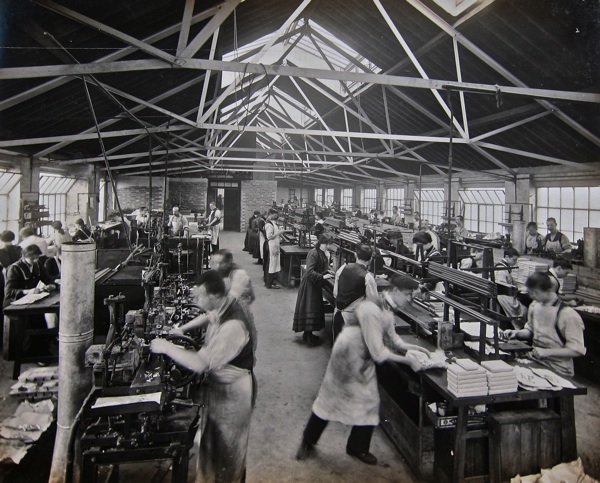
Another view of the Casting Shop.

Founting Shop, with women breaking up the type and a man dressing the type.

Casting metal furniture.

Boys at work in the Brass Rule Shop.

Boys making packets of fonts in the Despatch Shop, with delivery van waiting outside the door.

Machine shop on the top floor with a fly-press in the bottom left.

Woodwork Shop.

Brass Rule Shop, hand-planing the rules.

Caretaker’s cottage with caretaker’s wife and the factory cat.
Photographs courtesy St Bride Printing Library
You may also like to read about
At The 41st Swale Sailing Barge Match
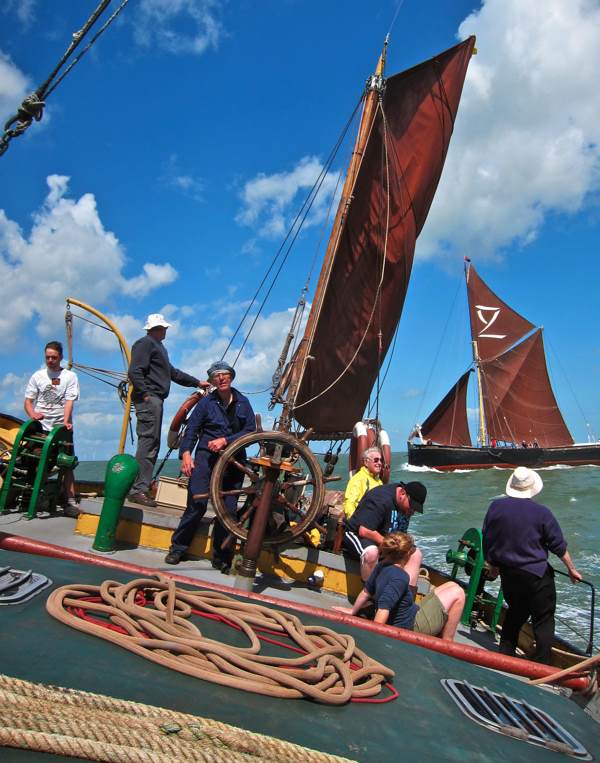
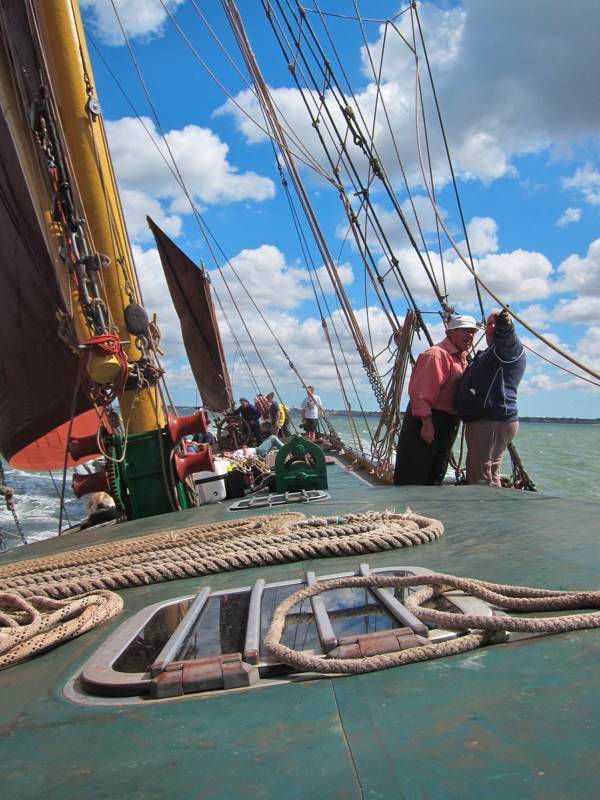
Crossing the marshes beyond Faversham on Friday night, heading towards Oare Creek, my heart leapt in anticipation to see the mast of the Thames Sailing Barge Repertor outlined against the last fading light in a sky of gathering clouds. They were harbingers of a storm that woke me in my cabin with thunder and lightning, though as I woke on Saturday morning when the engine started up and the barge slid off down the creek towards the open sea, a shaft of sunlight descended through the skylight. Yet even this was short lived, with soft rain descending as we skirted the Kent Marshes towards the starting line of the Forty-First Swale Sailing Barge Match.
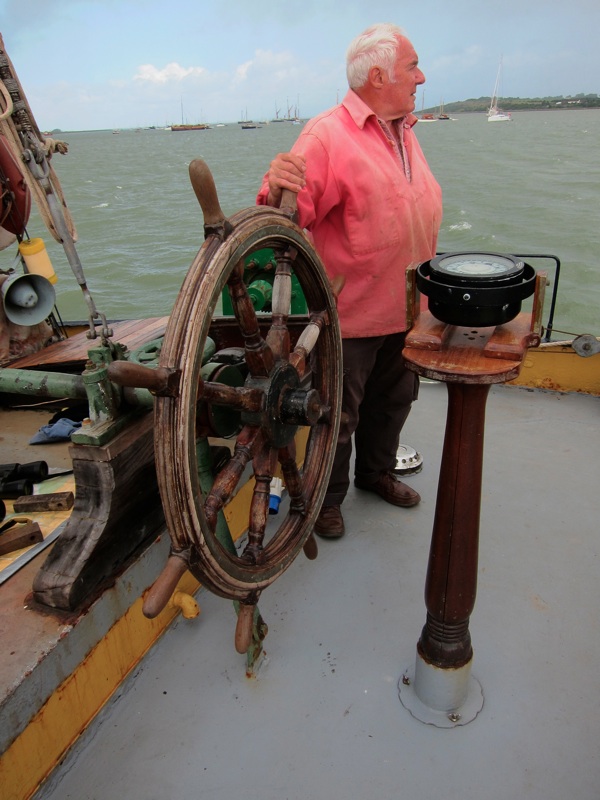
Originally established by Henry Dodds in 1863, the annual Sailing Barge races that take place each summer around the Thames Estuary were once opportunities for commercial rivalry in the days when arriving first to pick up cargo meant winning the business. Their continuation in the present day manifests the persistence of the maritime culture that once defined these riverside communities. On Repertor, skipper David Pollock was assisted by three local gentlemen in his crew – Dennis Pennell, Brian Weaver and Doug Powell – who I believe would not be averse to being described as ‘sea dogs.’ Dennis and Brian went to school together in Faversham and all began their long nautical careers working on these Sailing Barges when they ran commercially – and today David enjoys the benefit of their collective knowledge.
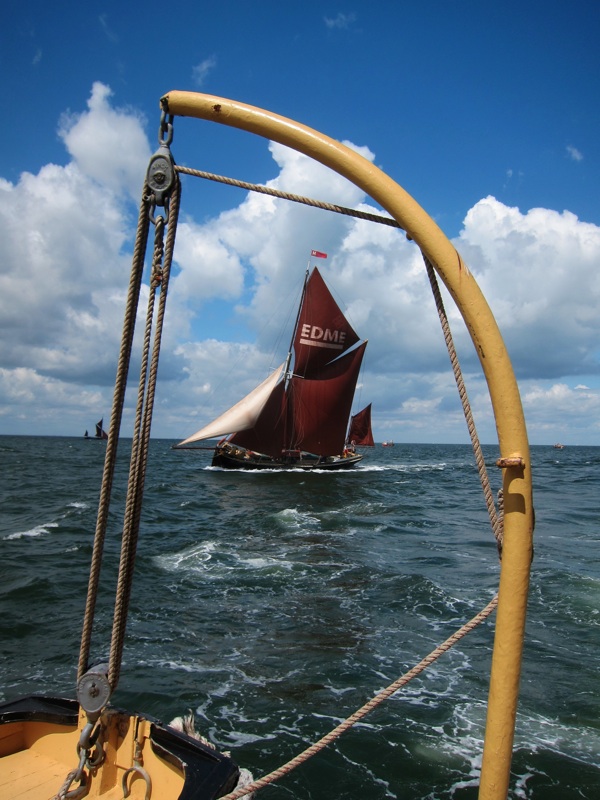
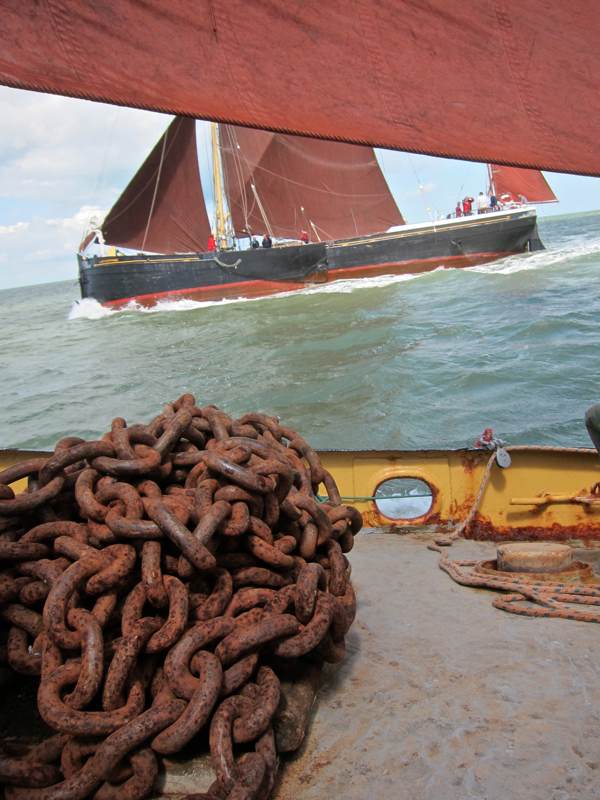
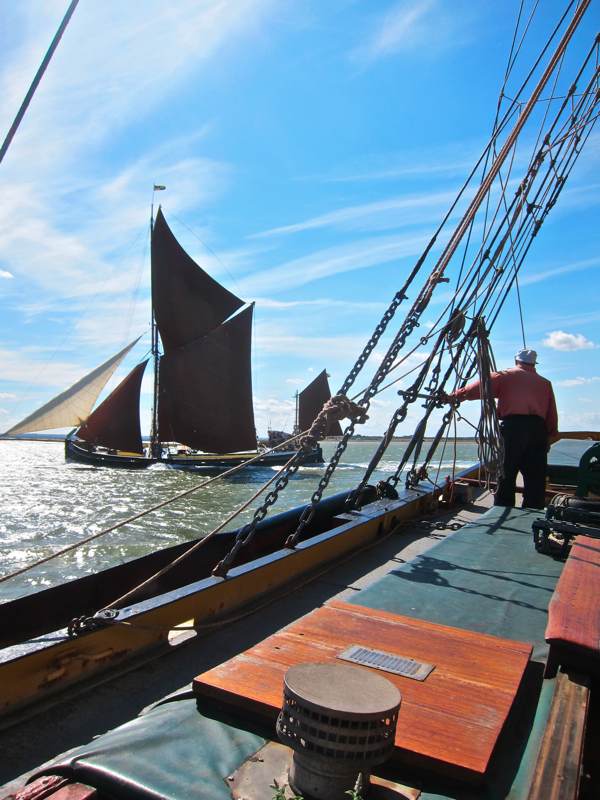
An experienced skipper in his own right, David has entered this race for the last nine seasons with several notable success and was eager to distinguish himself again this year, especially as Repertor currently stands second in the Thames Barge Championship League. Picking up speed upon approaching the starting line, we were surrounded by a scattering of other brown-sailed Thames Sailing Barges and attended by a variety of traditional Thames sailing vessels including Smacks and Bawleys that have their own classes within the race. The sun broke through again, dismissing the tail-end of the rain and, even as we set out upon the green ocean, there was a line of Sailing Barges that extended ahead and behind us upon the sparkling water.
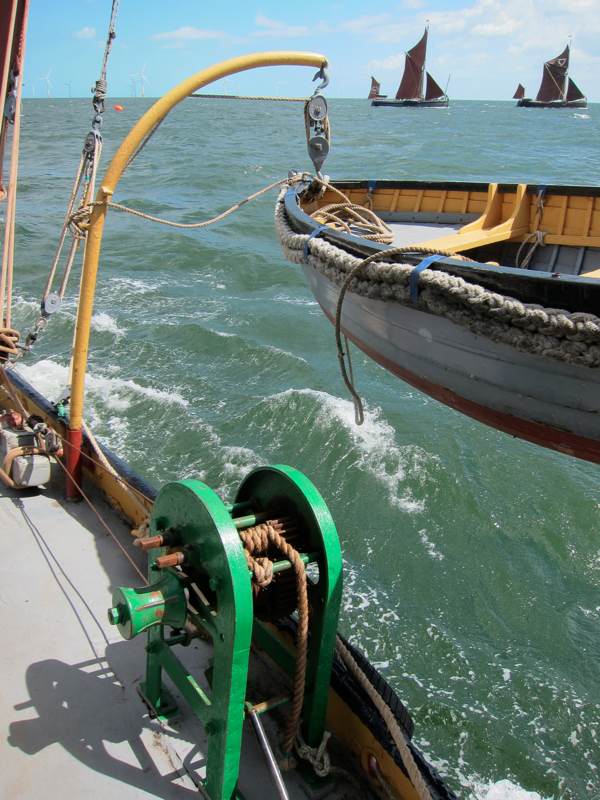
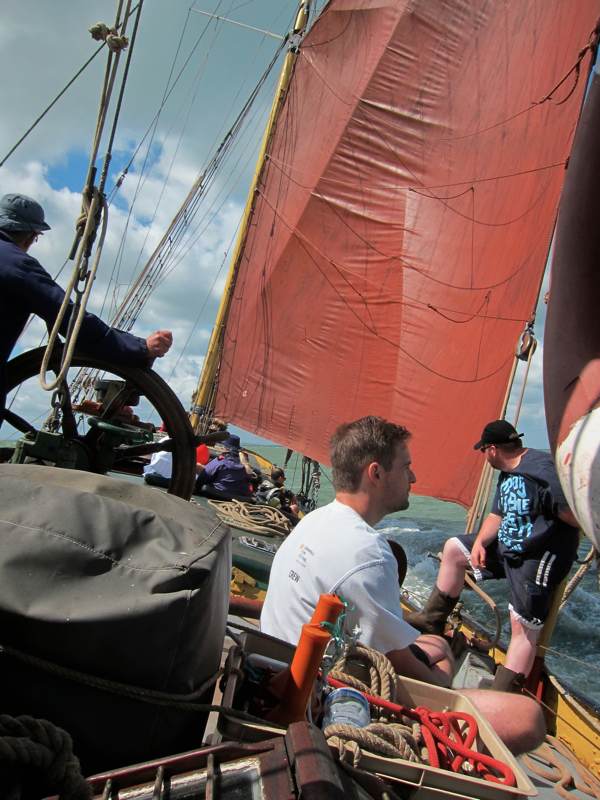
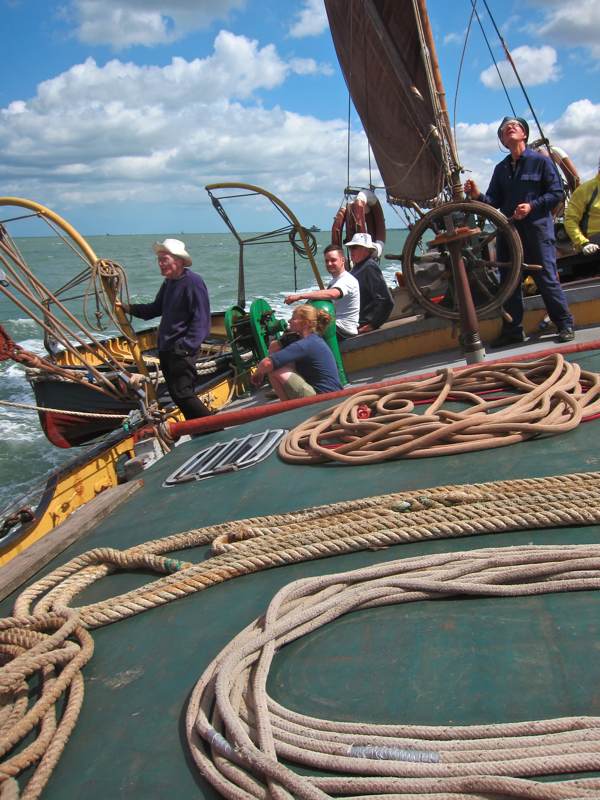
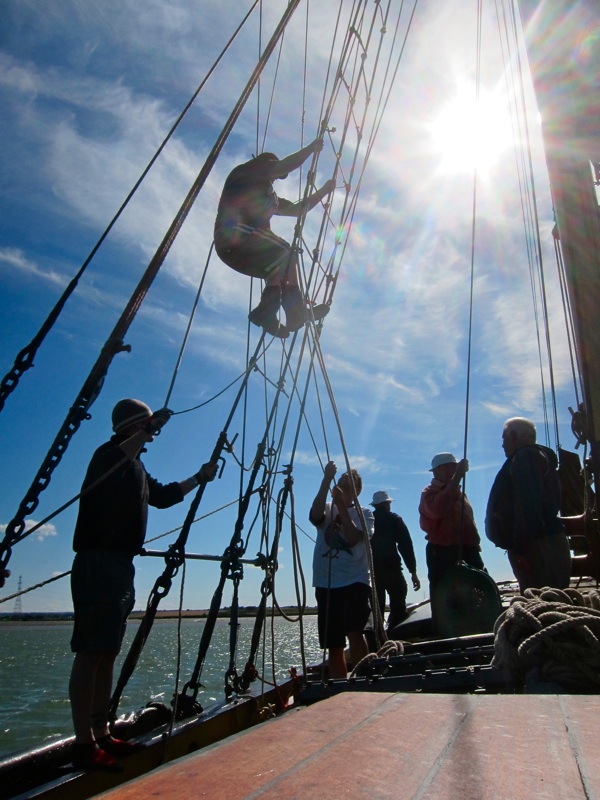
For an inexperienced sailor like myself, this was an overwhelming experience – deafened by the roar and crash of the waves and the relentless slap that the wind makes upon the sail, dazzled by the reflected sunlight and buffeted by the wind which became the decisive factor of the day. The immense force of the air propelled the vast iron hull, skimming forward through the swell at an exhilarating speed, yet required immense dexterity from the crew to keep the sail trimmed and manage the switch of the mainsail from one side to the other, accompanied by the raising and lifting of the great iron ‘leeboards’ – which serve as keels to prevent the flat bottomed barge capsizing while sailing upwind.
Thus, a routine was quickly established whenever David Pollock turned the vessel into the wind, calling “Ready about!” – the instruction to wind up the leeward leeboard and switch the mainsail from one side to the other. As soon as this was accomplished, David yelled “Let draw!” – the order to drop the leeboard on the opposite side and release the foresail. This ritual demanded a furious hauling of ropes and winding of the windlass, accompanied by the loud clanging of the iron tether as it slid along a pole that traversed the deck, known as the ‘horse.’ Meanwhile, wary passengers ducked their heads as the sail swung from one side to the other, accompanied by the sudden tilting of the entire deck in the reverse direction.
Before long, we were weaving our course among other Sailing Barges, running in parallel along the waves and slowly edging forward of our rivals, while in front of us some larger vessels were already pulling ahead in the strong wind. Running downwind, these vessels gained an advantage of speed and once we passed the buoy at the turning point of the five hour race, we gained the counter-advantage of manoeuvrability, tacking upwind. Yet by then it was too late to overtake those ahead, but it did not stop David and his crew working tirelessly as we zig-zagged back through the afternoon towards the Swale Estuary, taking sustenance of fruit cake and permitting distraction only from a dozen seals basking upon a sand bank.
Observing these historic vessels in action, and witnessing the combination of skill and physical exertion of a crew of more than eight, left me wondering at those men who once worked upon them, sailing with just a skipper, a mate and a boy.
On two past occasions when less wind prevailed, David and Repertor won the Swale Match but it was not to be this year, as they finished third. Yet no-one was disappointed, making their way up Faversham Creek to the prize-giving on Saturday night at The Shipwrights’ Arms. With three more matches to come before the end of the season, and after a strong performance in the Swale match, David Pollock and the crew of Repertor still have the opportunity of winning the Barge Championship for 2013 – though, after my day on board, I can assure you that the joy of sailing such a majestic vessel is more than reward enough.
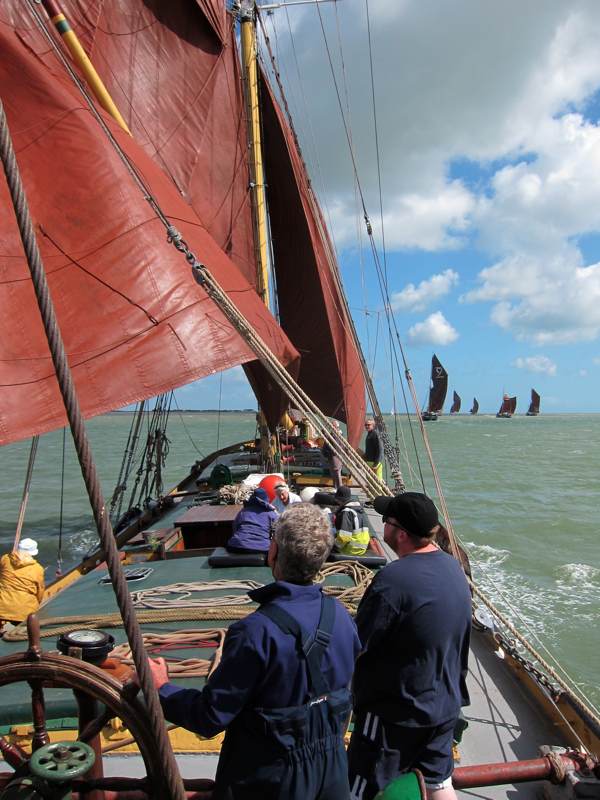

David Pollock, Skipper of Sailing Barge Repertor
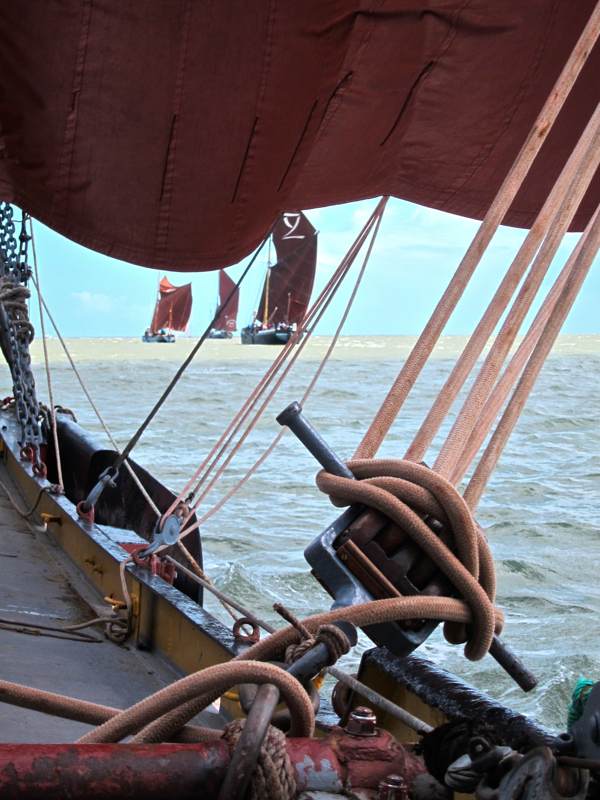
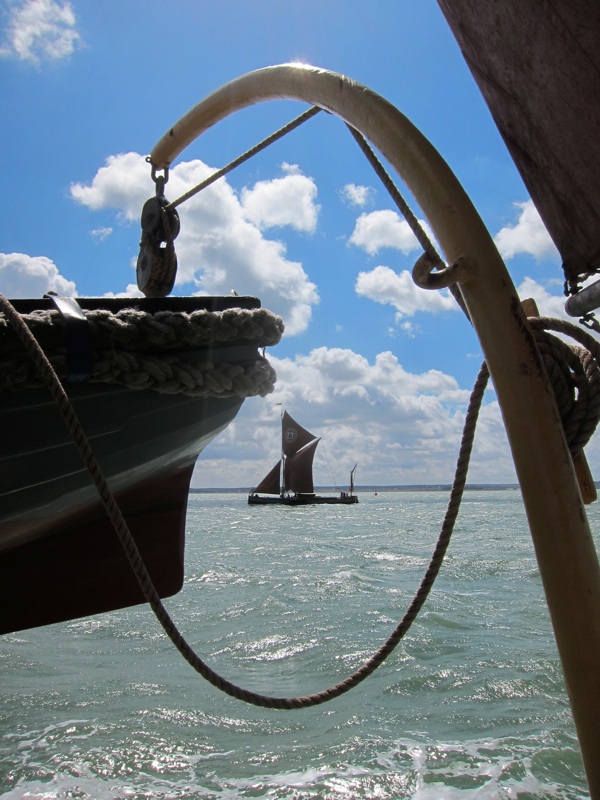
Lady of the Lea, a smaller river barge designed for a tributary
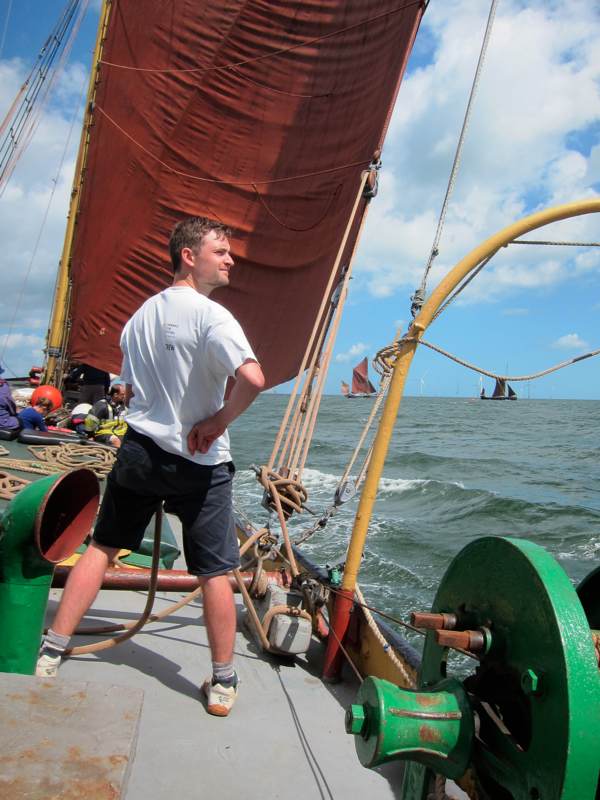
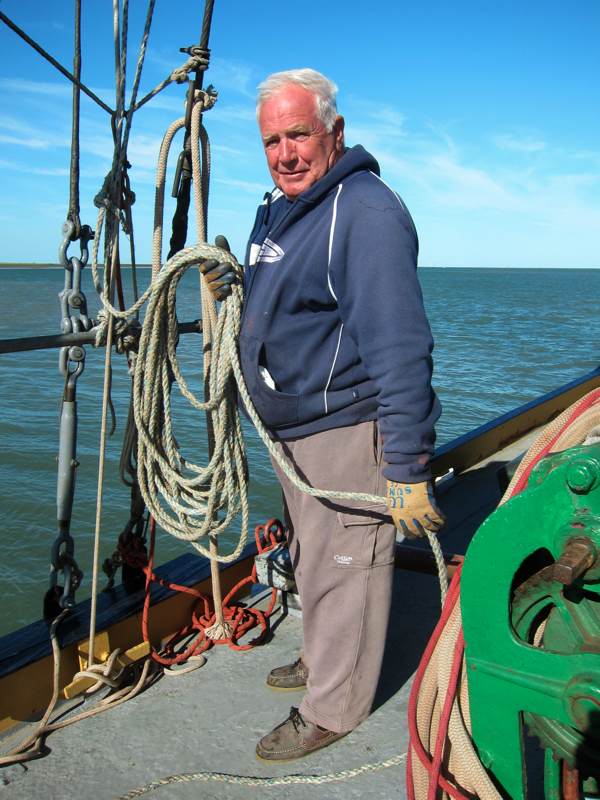
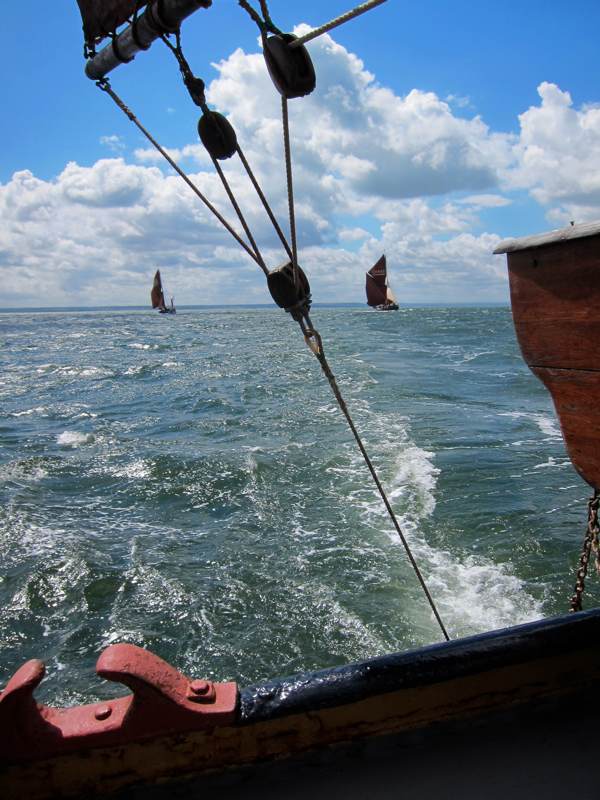
Dennis Pennell – “I worked on the barges when I was still a boy….”
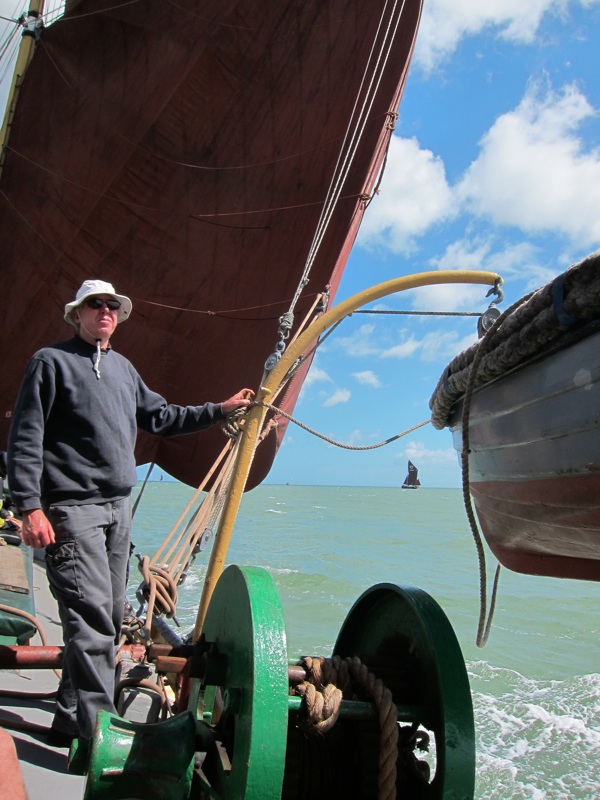
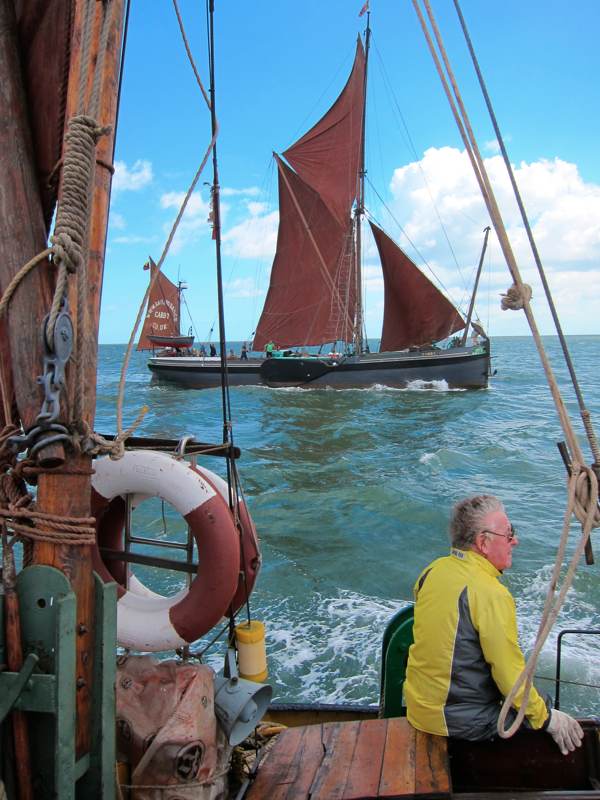
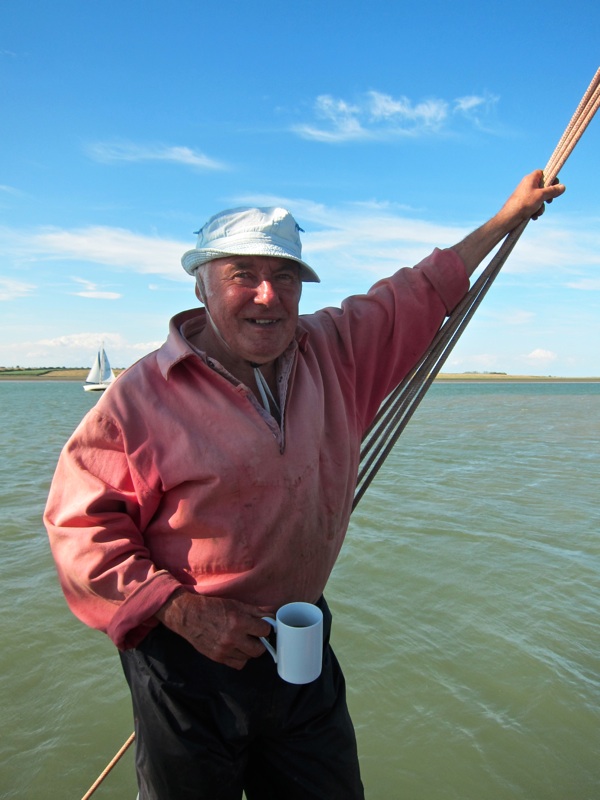
Brian Weaver – “I’m seventy-five and I started at nine, in the days when the Thames Barges still worked out of Faversham.”
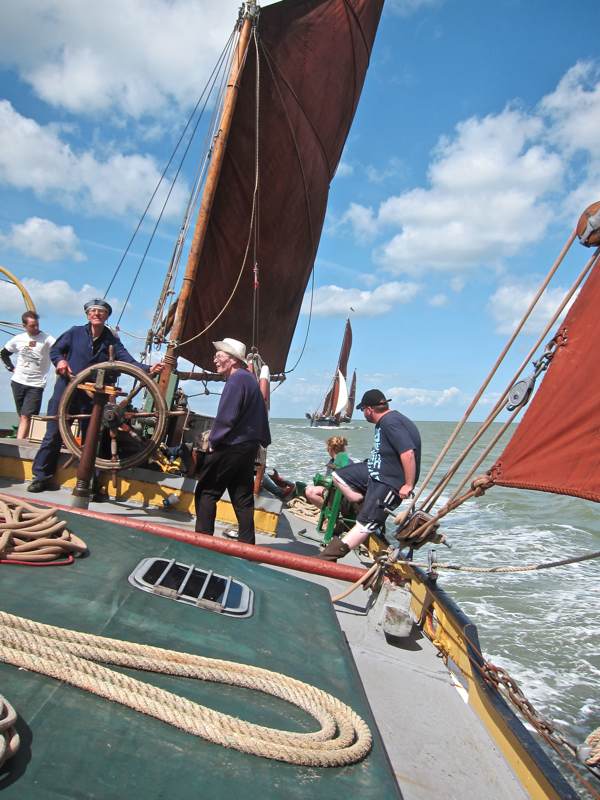
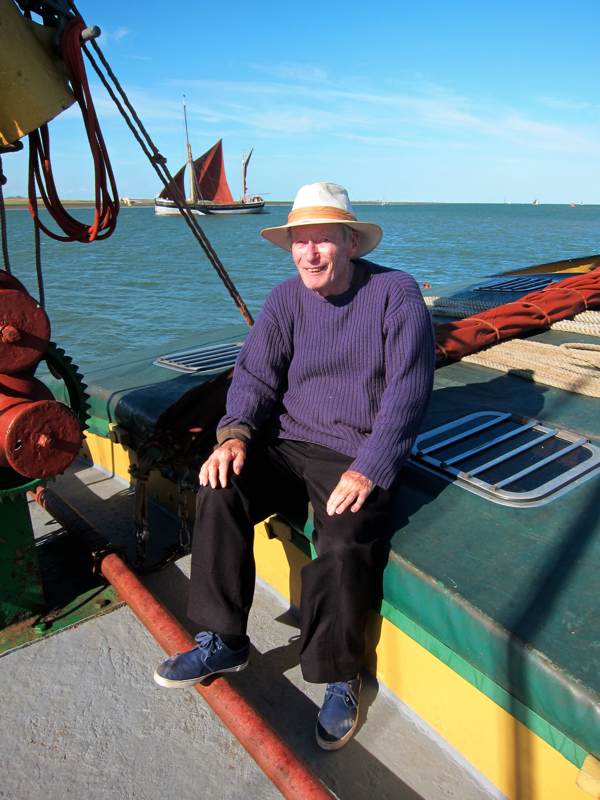
Doug Powell – “I’ve been a sailor since I was thirteen.”
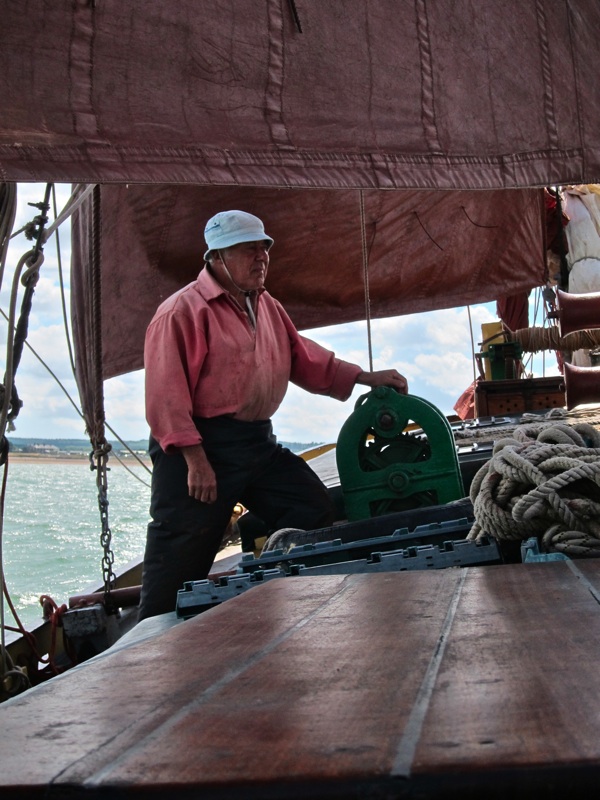
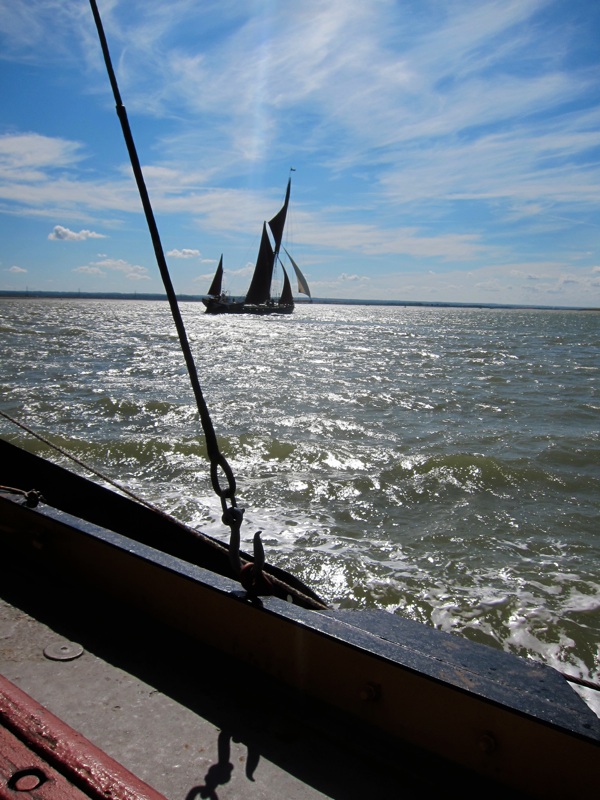


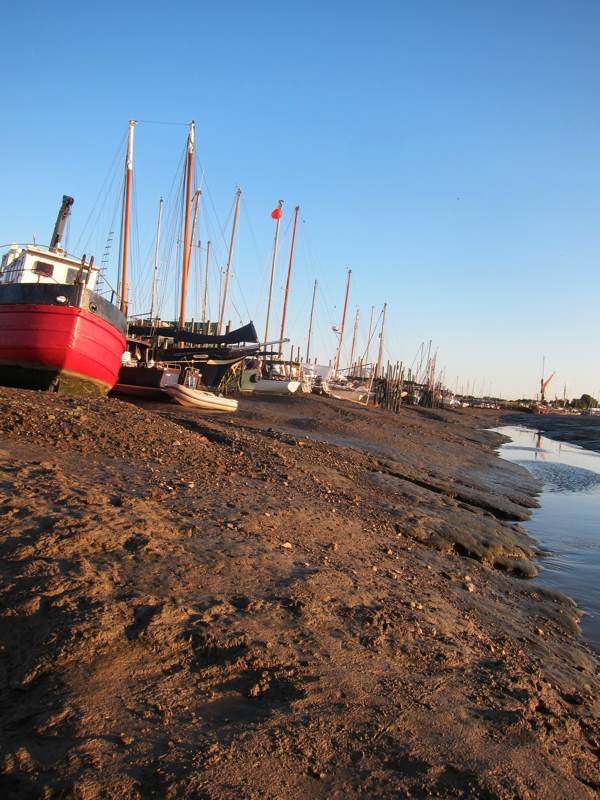
Return to Oare Creek
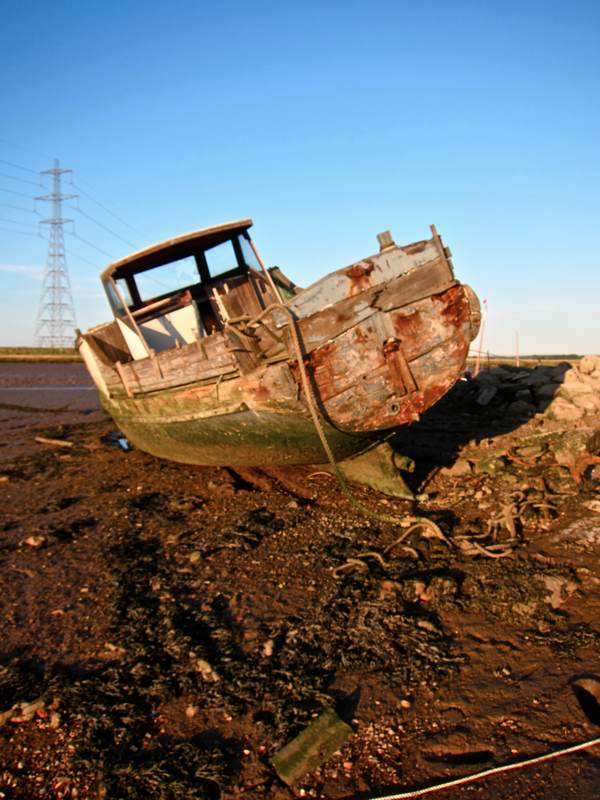
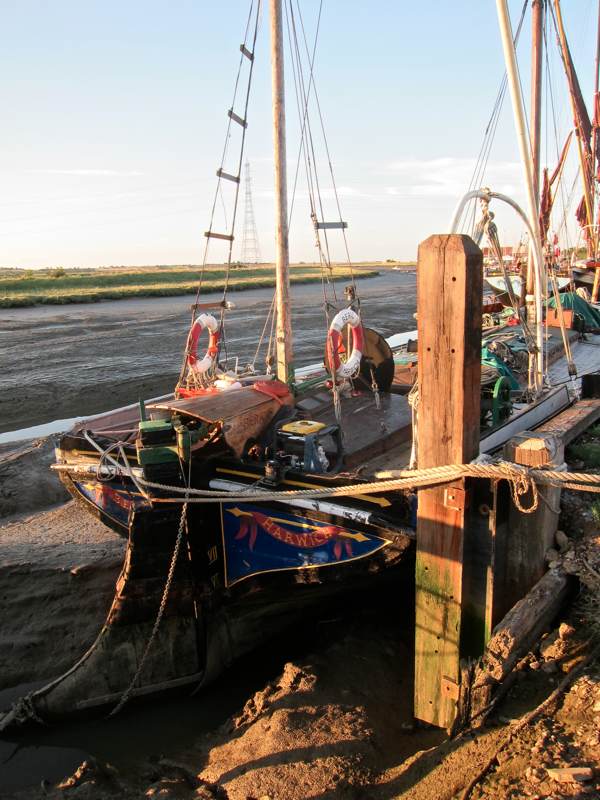
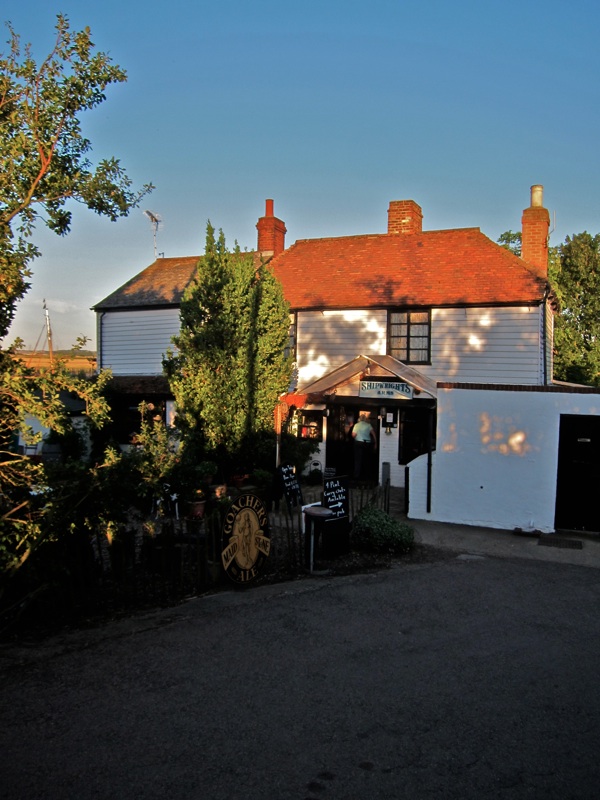
The day ended with prize-giving at The Shipwrights’ Arms, Faversham
Click here if you would like to take a trip on Thames Sailing Barge ‘Repertor’
You may also like to read about
So Long, City Corner Cafe
The beloved City Corner Cafe in Middlesex St closed this week after exactly fifty years of trading and today, as a tribute, I republish this feature from March 2011 written by Novelist Sarah Winman with pictures by Contributing Photographer Patricia Niven.

Delfina Cordani
The City Corner Cafe was exactly as its name suggested – on the corner of Middlesex Street and Bishopsgate, for half a century. I approached it one crisp morning when the sun had not as yet delivered the promise of warmth, and its steamed windows lured me towards the prospect of delicious smells and chat and coffee inside, and, of course, towards a meeting with the owners, the delightful Delfina Cordani and her son Alexander – a formidable double act.
Time stopped as you entered. This was a sixties cafe – a film set almost – with blue vinyl banquettes and panelled walls and a beautiful well-loved coffee machine by the renowned W.M Still and Son. And I imagined the deals done at these tables over the years, the stories read, the hands held, the illicit whispers of love, and I felt grateful, that here was a cafe of character and charm and warmth, a far cry from the generic, sterile cafes of today.
On the back wall was a beautifully polished mosaic from 1836 depicting the story of Dick – later the eponymous Dirty Dick – a prosperous city merchant and warehouse owner called Nathaniel Bentley, who fell into an abyss of dirt and decay and self-neglect after his fiancé suddenly died on their intended wedding day. Apparently there were two more mosaics to accompany this story, Alex told me – one of the deceased’s funeral carriage with white horses and the other of a Town Crier, both, however, were missing.
Delfina sat down with her coffee. She was an engaging woman, blessed with a youthful spirit and a mischievous smile that belied her eighty-two years. Brought up on a farm in Italy, in Emilia Romagna, she was one of seven children and first came to London as a nursemaid before going to work at Great Ormond Street Hospital.
“At eight o’clock exactly, I used to make coffee for the matron and the governor. I made it by burning the dry grounds of coffee in a saucepan and then adding the boiling water. They loved my coffee, and I still have the saucepan…” she whispered conspiratorially.
“I think I was matron’s favourite,” she laughed. “I did a bit of everything – looked after the children because in those days parents were not allowed to stay in the hospital. Matron used to give me tickets to the theatre and opera. It was quite a special thing in those days – I had to buy a new dress so they’d let me in. I saw La Boheme,” she said, beaming.
“I loved working there. It was a wonderful environment, felt very equal. In Italy, if a man was a doctor he could be a bit snooty, but there it felt different. I remember one consultant raising his hat to me and I told him he didn’t have to do that – I wasn’t an important person – and he said ‘You’re just like me. I had the chance to study. Maybe you didn’t. But that’s our only difference.’
It was my friend Ida who persuaded me to leave the hospital and I went and worked with her as a waitress in Covent Garden in a busy Italian restaurant. I went from a calm environment to the bustle of Covent Garden. But I was never without flowers or vegetables!”
During this time, she met Giuseppe at a dance in the basement of the Italian Church in Clerkenwell, and in 1958 they were married. It was Giuseppe who was eager to set up his own business, and after a quick search, Delfina and Giuseppe spent their first day in the City Corner Cafe in June 1963.
“I was nervous to start with. An Irish girl who worked there before we took it over, stayed on with us and taught me the rules – lots of rules! – ‘Faster Delfina!’ she’d say. ‘People are in a hurry – you must do things faster!’ The cafe was small, few tables. And one day someone from Dirty Dick’s pub came to us and asked if we’d like to expand into the old alleyway beside us. We bought the alleyway and, of course, the mosaic which was part of the ancient wall. It gave us an extra five tables.
I’ve had a very happy life here, met so many wonderful people. We had customers who would come around the counter and make their own tea and leave the money on the side. People were honest then. We had lots of regulars – I would always get birthday cards and Valentine cards. A tall slim distinguished Englishman bought me an orchid on Valentine’s Day – such a rare flower then. If my husband didn’t like it, he certainly didn’t show it! I often wonder what happens to people. They become part of your life and tell you about their families and then one day they disappear. Maybe they’ve retired, maybe moved away? Maybe died? You never know.”
There was a quiet moment as she reflected on the years and the faces and the memories they held. And then Alexander came over and asked proudly. “Have you told her about hiding the British soldiers on your farm?”
“That was another life ago,” Delfina said.
“I’d like to know,” I said. And so she told me.
“It was 1944, I think. I was thirteen. Blonde and small. I noticed my father making lots of sandwiches and I became suspicious because we didn’t eat lots of sandwiches. He told me that he had two British soldiers hidden under the hay in the barn. He had found them hiding in his vineyard and told them to stay put until dark, because the area was full of Germans. He hadn’t told us children because children talk, and if word got out the Germans would have burned down the farm and killed us all. He forbade me tell anyone. They stayed for a week, I think. I saw one of them once, he had blonde wavy hair. And then they disappeared and that was it. After the war the British MoD sent my father a plaque thanking him for his bravery. They also sent him money to pay for those soldiers keep.
I think they must have survived those soldiers, don’t you?”
And she looked at me with those deep eyes, as if she needed reassurance that her father’s brave efforts had not been in vain.

The extension of the cafe into a former alley.

The mosaic from 1836 upon the wall of what was once an alley leading to Dirty Dick’s next door.

Delfina


Alexander


A food order

Carlian

Delfina’s lunch

In Middlesex St for fifty years
Photographs copyright © Patricia Niven
You may also like to read
Cruikshank’s London Almanack, 1836
In 1836, George Cruikshank drew these ingenious illustrations of the notable seasons and festivals in London for the second year of The Comic Almanack – published annually by Charles Tilt of Fleet St from 1835-53. (Click on any of these images to enlarge)
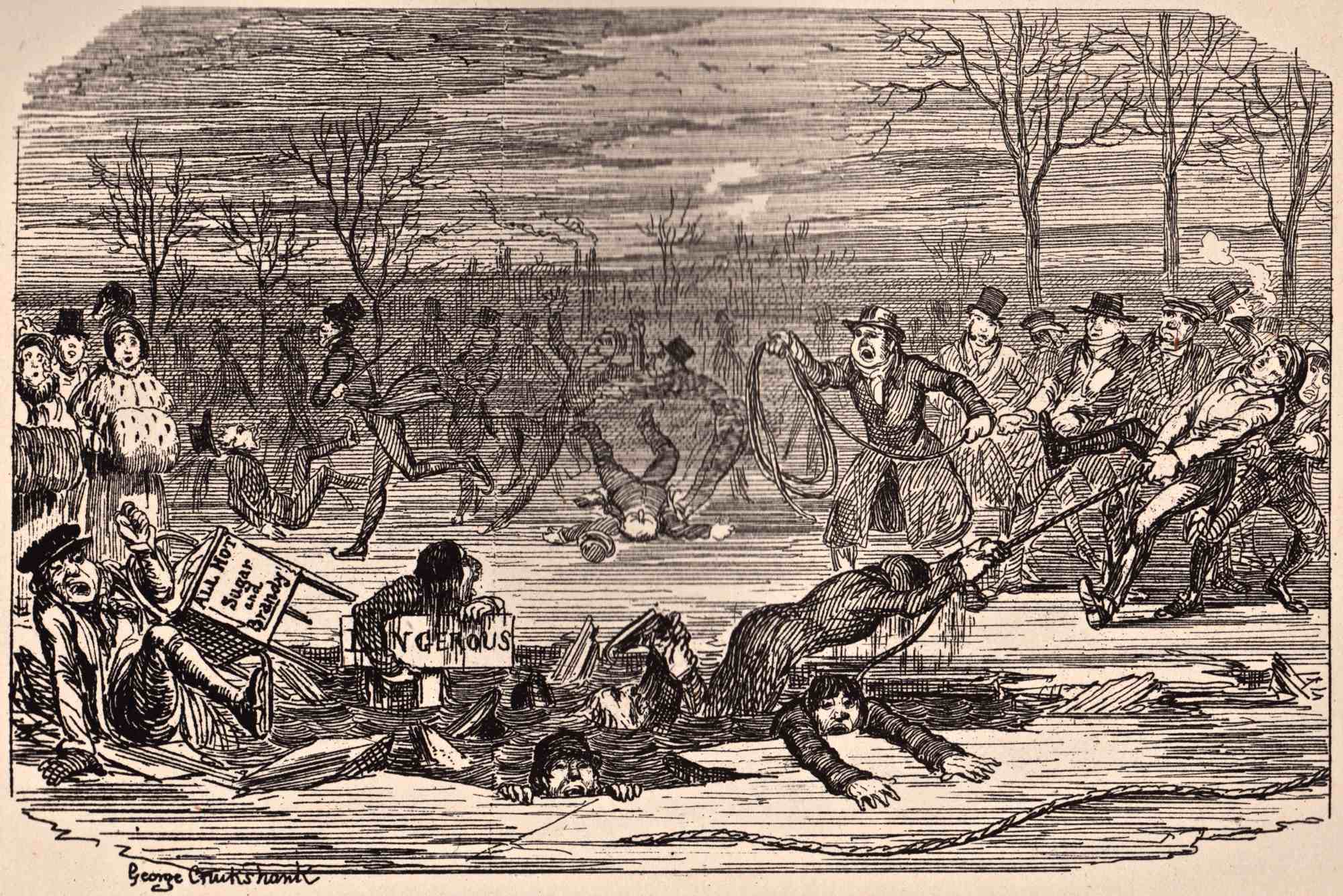
JANUARY – Hard frost upon the Serpentine

FEBRUARY – Transfer day at the Bank

MARCH – Day and night equal, workers meet party-goers at dawn
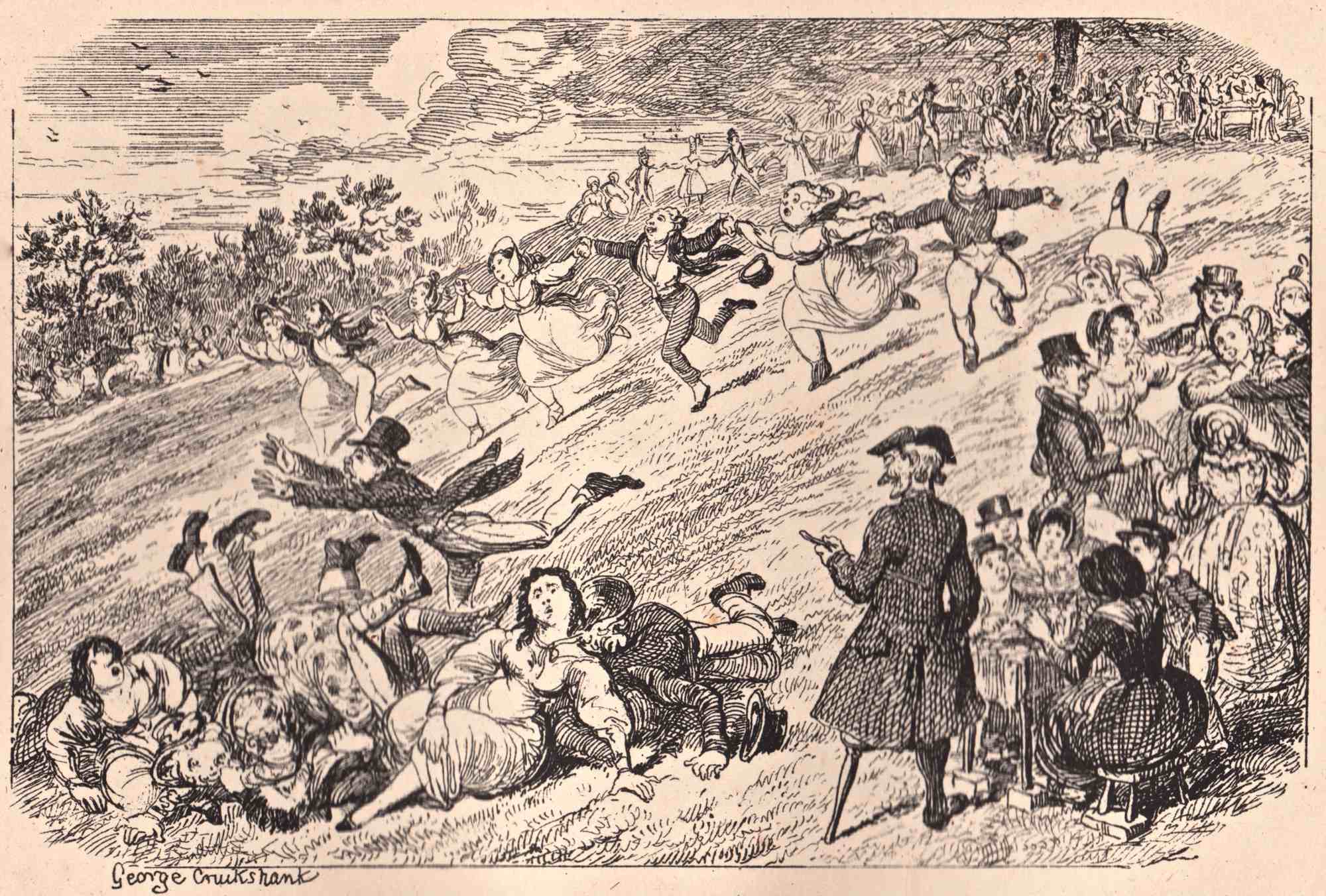
APRIL – Easter Monday in Greenwich Park
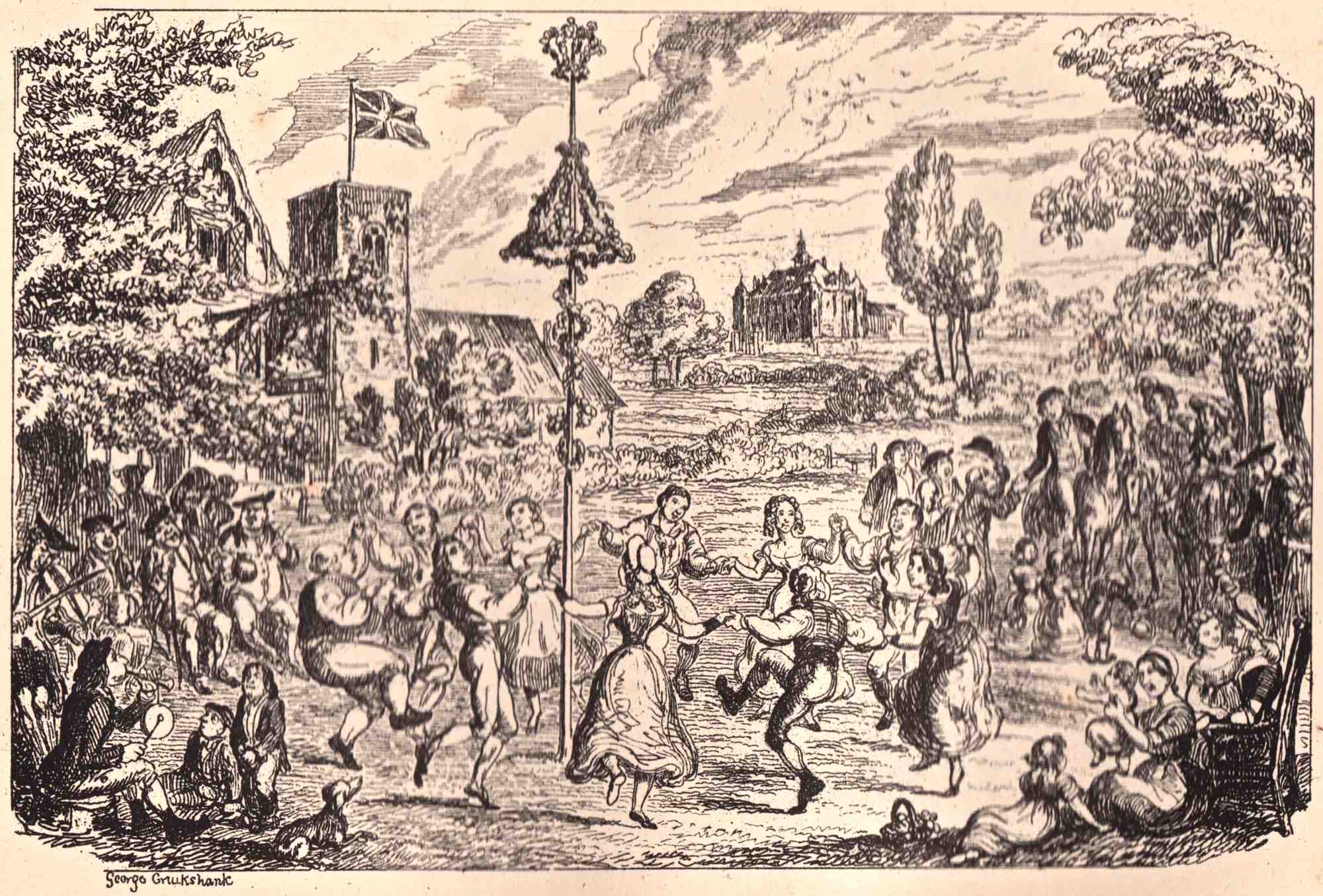
MAY – Old May Day
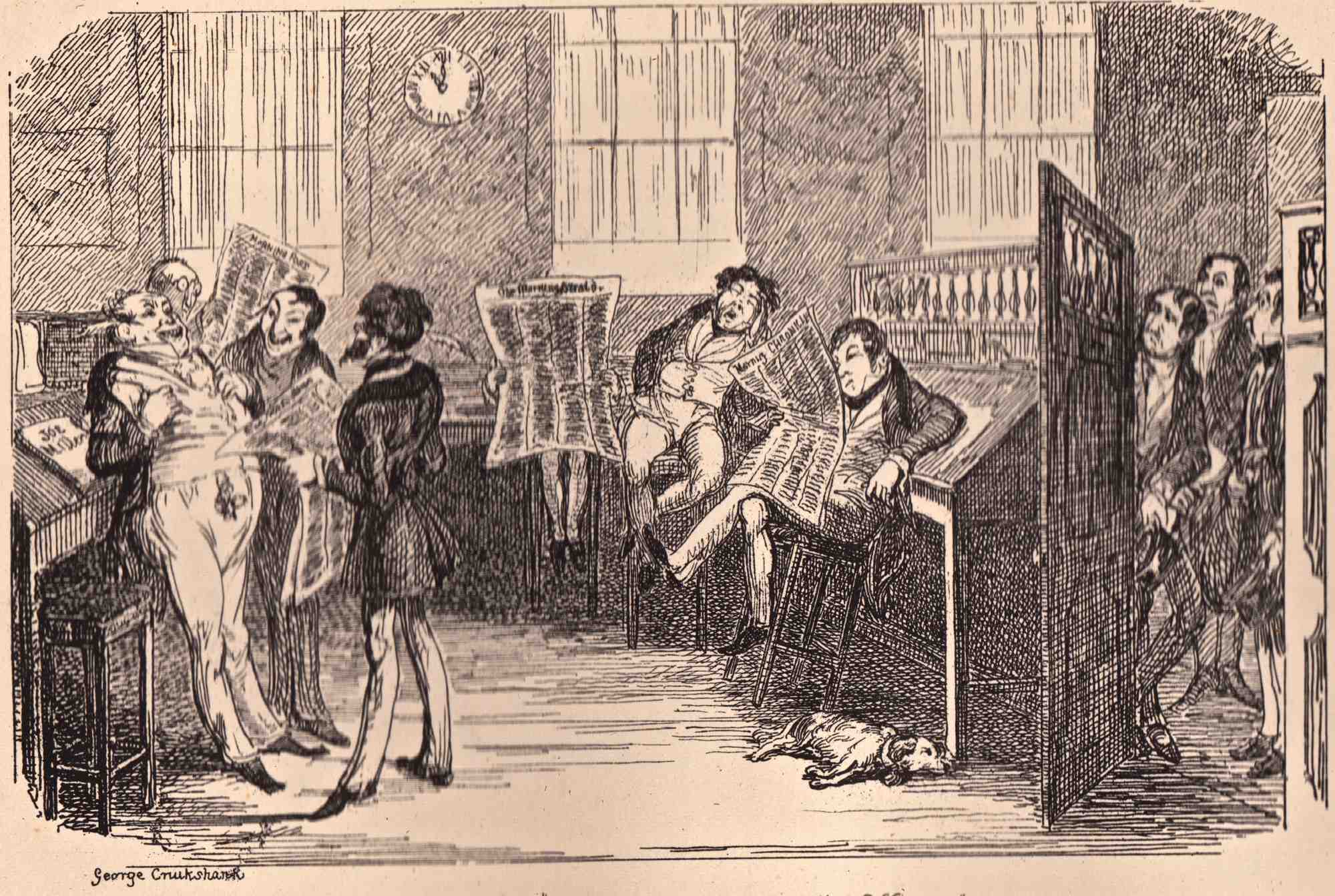
JUNE – Holidays at the Public Offices
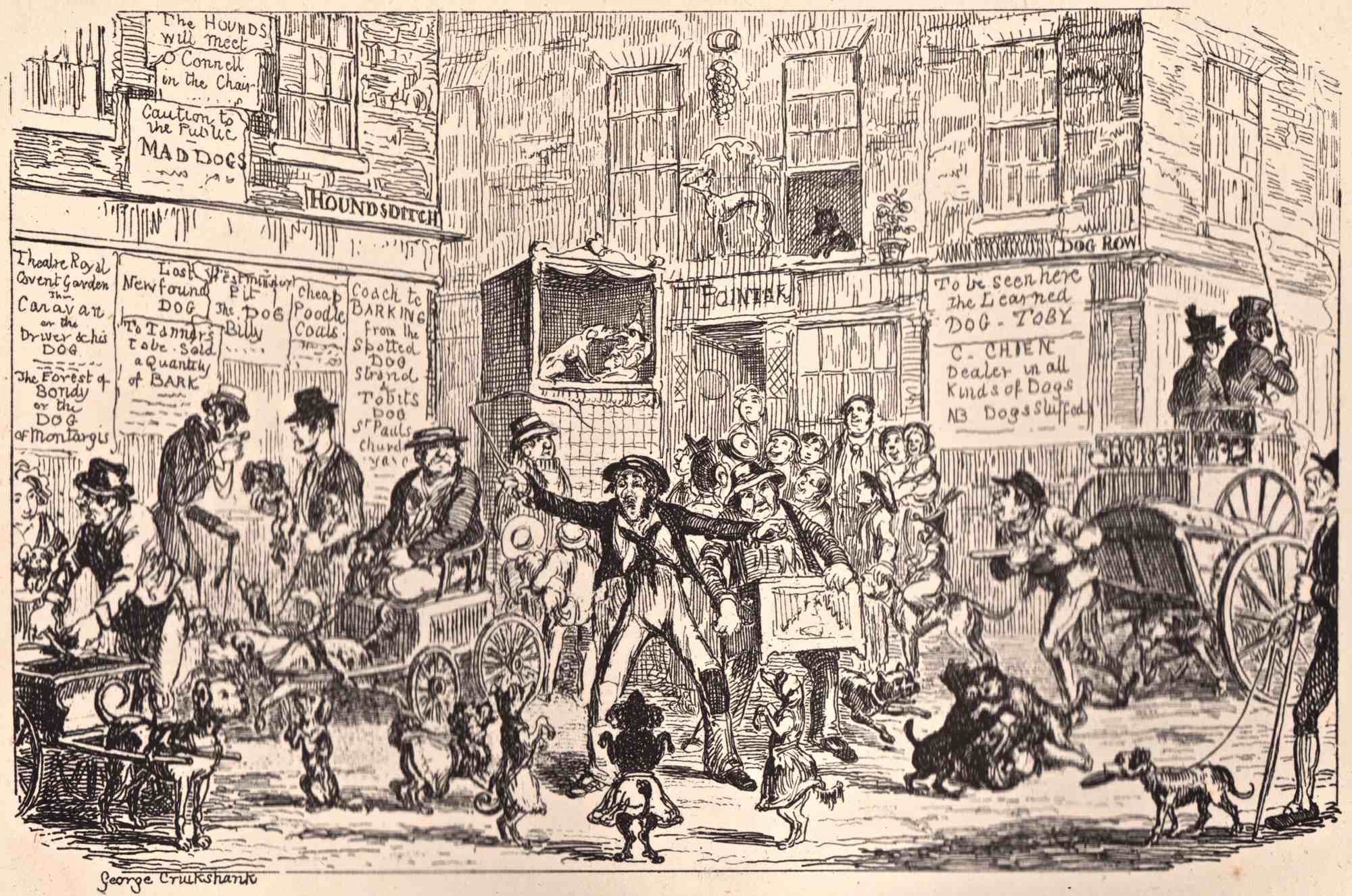
JULY – Dog Days in Houndsditch
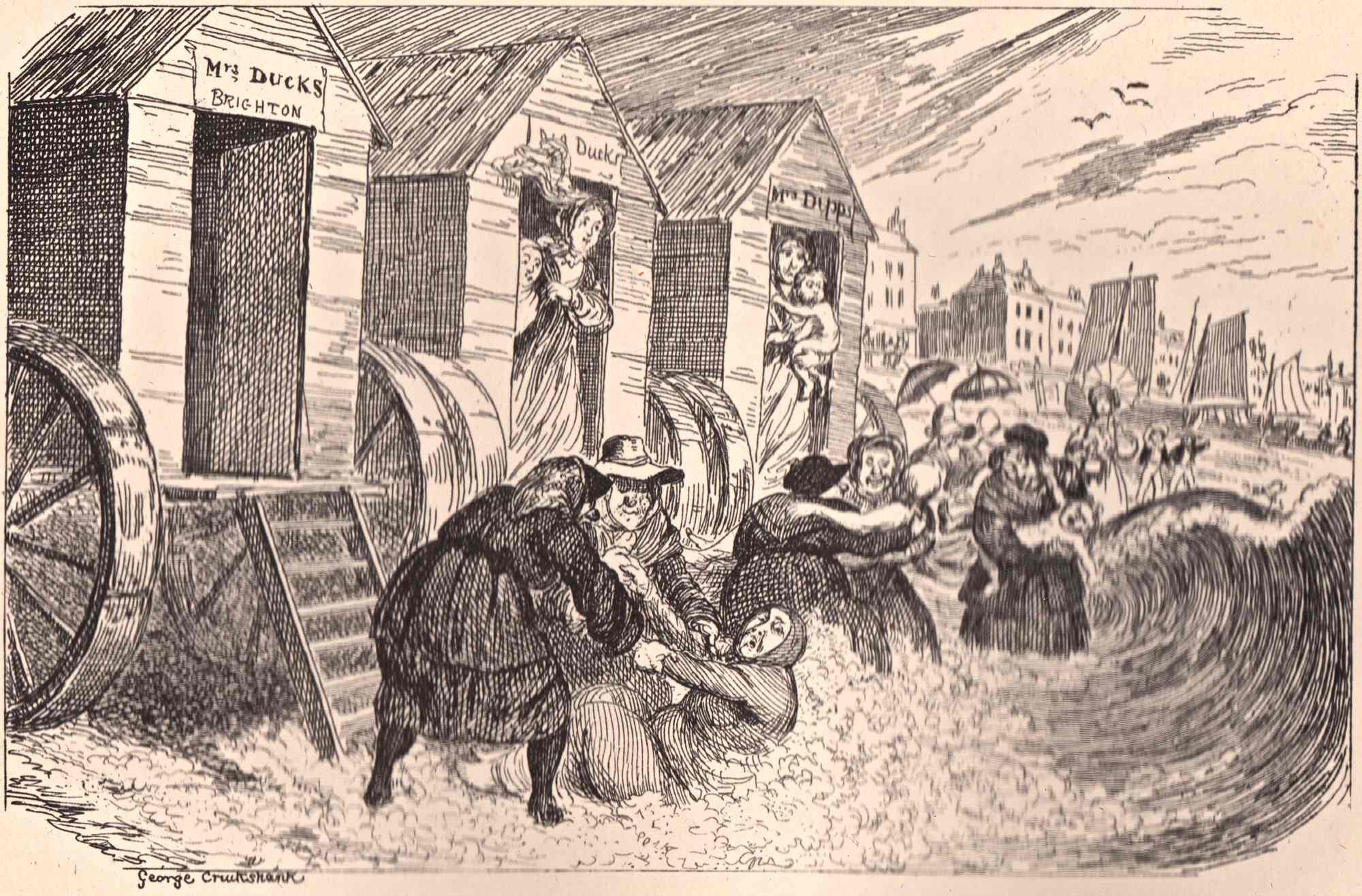
AUGUST – Bathing at Brighton
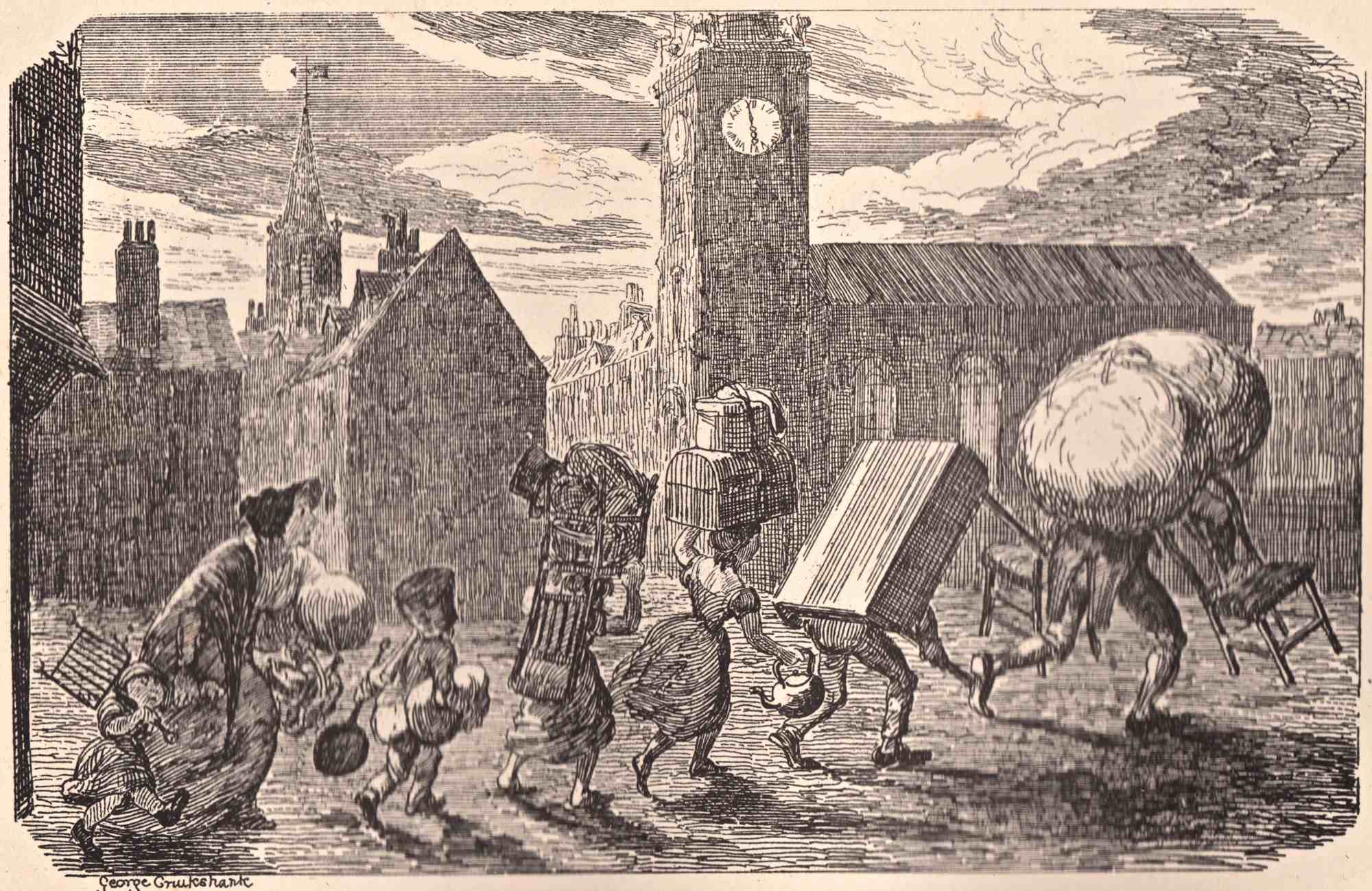
SEPTEMBER – Moonlight flit on Michaelmas Day
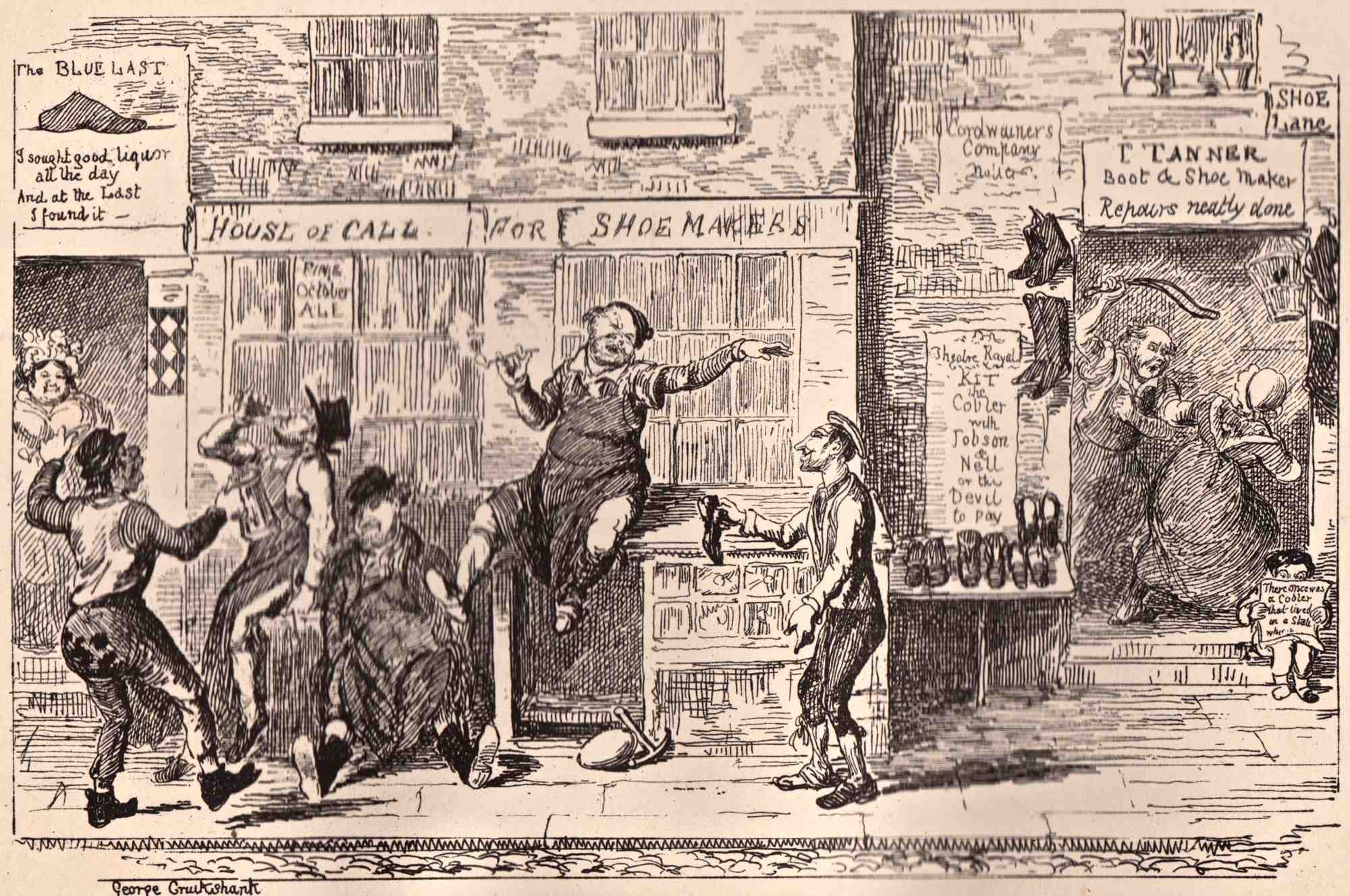
OCTOBER – St Crispin’s Day in Shoe Lane
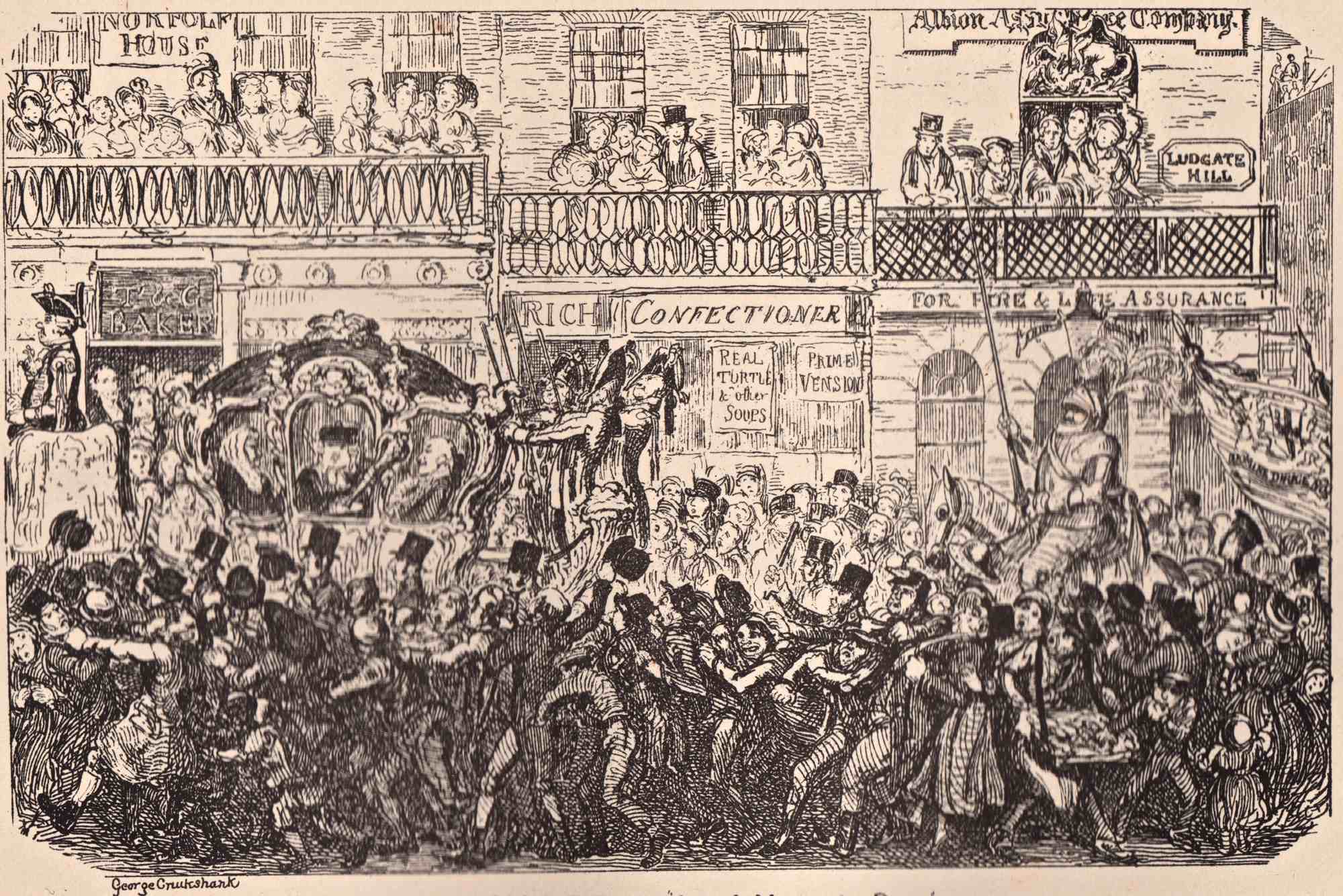
NOVEMBER – Lord Mayor’s Show in Ludgate Hill
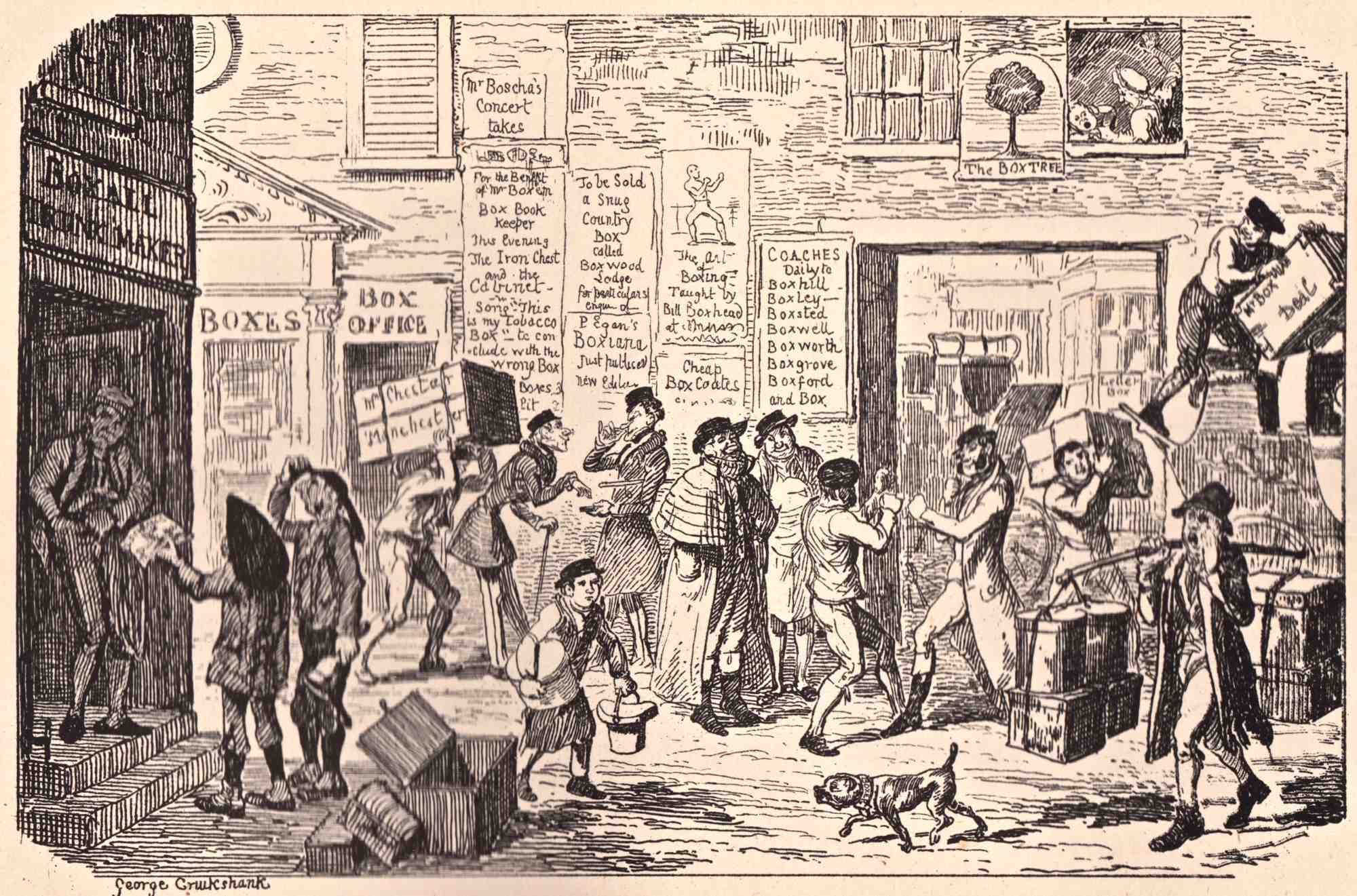
DECEMBER – Boxing Day
You may also enjoy
George Cruikshank’s London Almanack, 1835
George Cruikshank’s Comic Alphabet
Bob Mazzer, Photographer
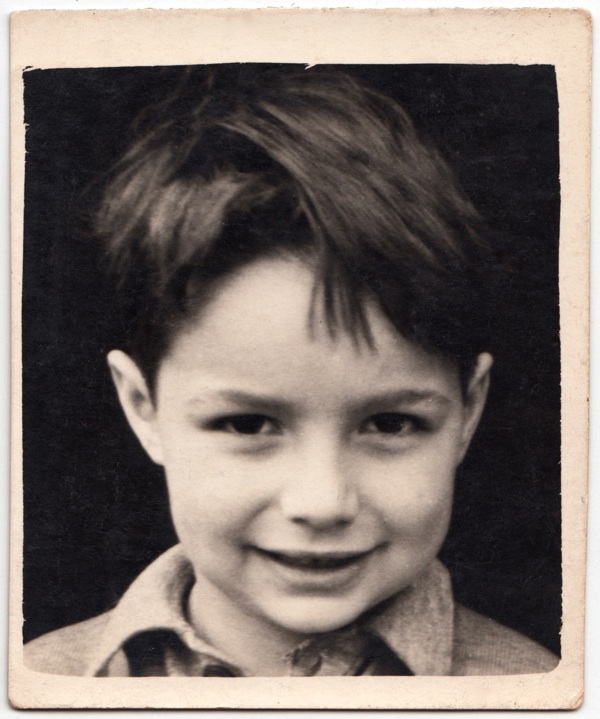
Bob Mazzer at eight years old
Observe the astute gaze of the young photographer – evidence, perhaps, that even before he got his first camera as a Bar Mitzvah gift at thirteen years old, Bob Mazzer already possessed the singular vision that was to make his pictures so distinctive. Indeed, if you examine all Bob’s childhood photos many possess the same arresting glance that I consider a praecursor of his future talent.
“I’m the real deal,” Bob admitted to me proudly when I first met him, “born in the Royal London Hospital, Whitechapel, I grew up in Berners St where I lived in Basil House next to the Synagogue that I went to every Saturday.”
“My experience of life up to nine years old, when we left the East End, was that it was a golden age. Of course, there was some bad stuff – I remember the iron gates to Basil House collapsing on top of somebody and we had to stay indoors. I remember running across the road from the school gates opposite and being hit by a car, and I came round in the gutter with a crowd standing over me.
Twice a year, we’d go up to Manchester to visit my mother’s family and my dad, who was a cabbie, would drop us off at Euston. I remember the sound of the steam blowing off, at six years old it is the loudest thing you’ve ever heard.
There was a photographer on my mother’s side, my Uncle Monty, a Mancunian who had his own studio. It failed and he opened a men’s wear shop when I was very young but I think the magic of it must have sunk in. The artistic talent came down through my mother’s side. One of my cousins was an architect for the London County Council and my mother’s youngest brother worked for Mather & Platt who made the engines for the fountains at Marble Arch – and as a kid, I was taken to see them. My mother’s father had been cut of out the family for philandering and giving money to floozies. He went to live in a cottage and I knew him as ‘the man with the blue face’ because in every photo his face was biroed out. I knew nothing. I was only told who he was when I was older, after he died. Engineers, architects and philanderers – all from my mother’s family and it had a huge influence upon me.
A lot of my father’s family moved out of the East End to a bright new future. We only had part of a passageway as a kitchen outside the flat and when I went back years later, I couldn’t believe how small it all was. My parents had friends that moved to Woodbery Down where there was the first Comprehensive School and that was the catalyst for us to move too.
I got a camera when I was Bar Mitzvahed at thirteen. It was an Ilford Sporty, a crap little camera of plastic and tin and I still have the first photograph I took with it, a picture of the London Hilton. But the genesis of my photography was at Woodberry Down School where they had a dark room. It was all down to my Art Master, Mike Palmer. He put the books of Irving Penn and Cartier Bresson in front of me said, ‘You can do this.’ I was the star pupil in the Art Department and I didn’t much bother with anything else, I used to bunk off other lessons and hang out in the Art Room.
At thirteen years old, I started going to Saturday Art Club at Hornsey College of Art. I didn’t know what was going on then because I was a kid, I was in my own personal universe. When I studied Graphic Design, I only completed one design project because I spent all my time developing my photographs. There was Enzo Ragazzini, an Italian Photographer who had a studio in the Cromwell Rd and we students would get stoned there and drive his Citroen around and do photography projects. He showed me the excitement of being successful at photography and I learnt a lot of darkroom technique from him.
In 1969, I was twenty-one and went to America with a camera with no lens and my American girlfriend bought me a lens in Pittsburgh. That kicked me off, I started photographing America and blew my mind at the first opportunity. I still value the innocence of the photographs I took then. Even now, I’m trying to show the quality of seeing things for the first time that comes through in those pictures. It can be quite hard to recover that vision once you’ve had your eyes opened.”

Bob’s dad was a cab driver known as “Mottle” or “Mott” Mazzer, 1947
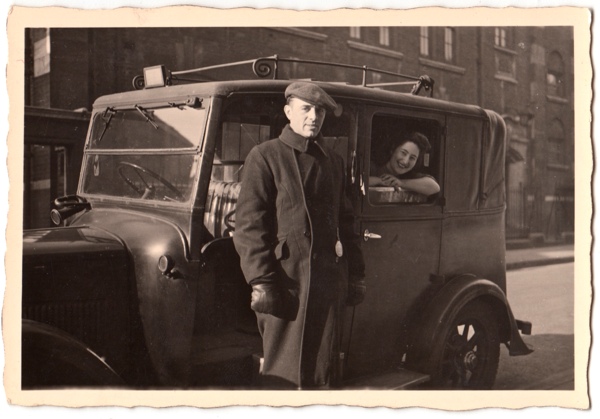 Mott outside Basil House in Berners St with Bob’s mother Augusta known as “Jean,” 1947
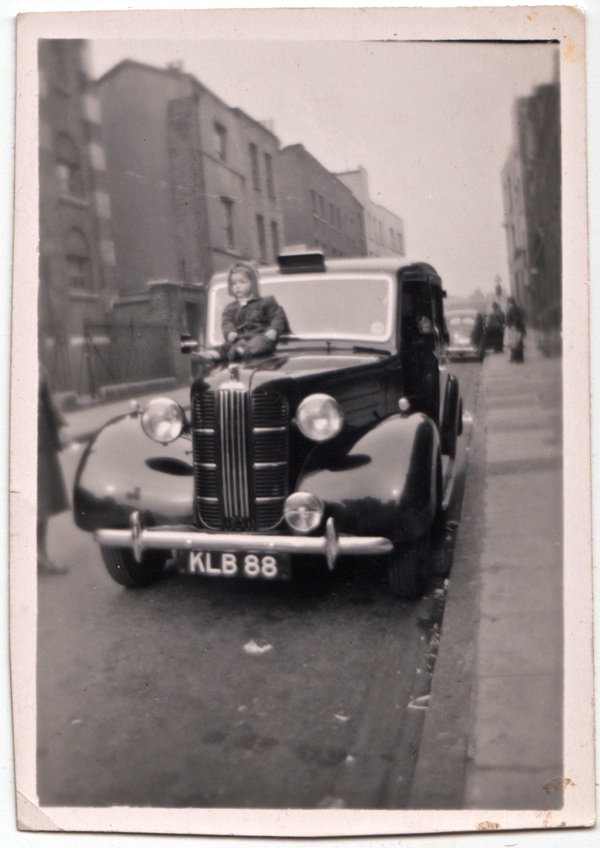 Bob sits on his dad’s taxi in Berners St, 1948

Bob is wheeled past the Tower of London by his mum in 1948, on the right is his mother’s sister-in-law and cousin.

Bob in Berners St, 1950
 Bob and his dad, 1950
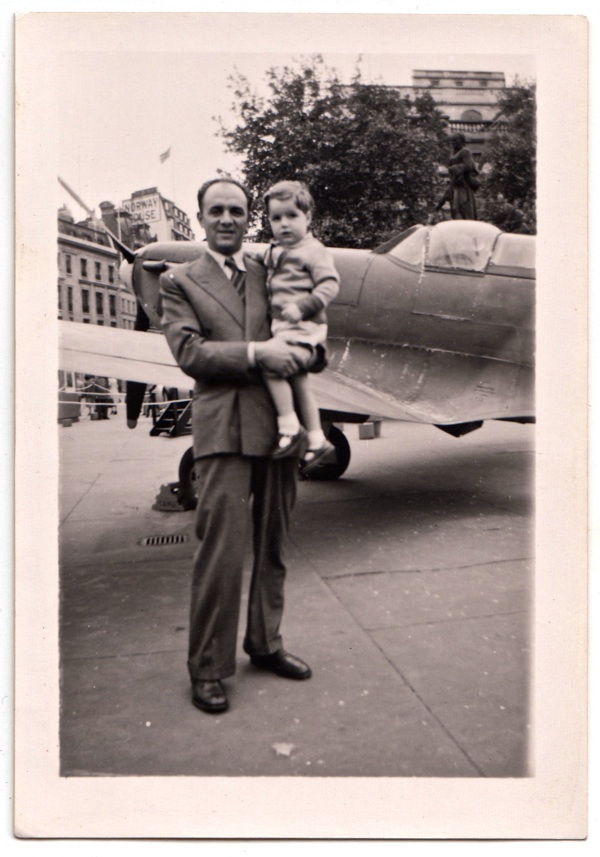 Bob with his dad visiting a spitfire in Trafalgar Sq, 1952
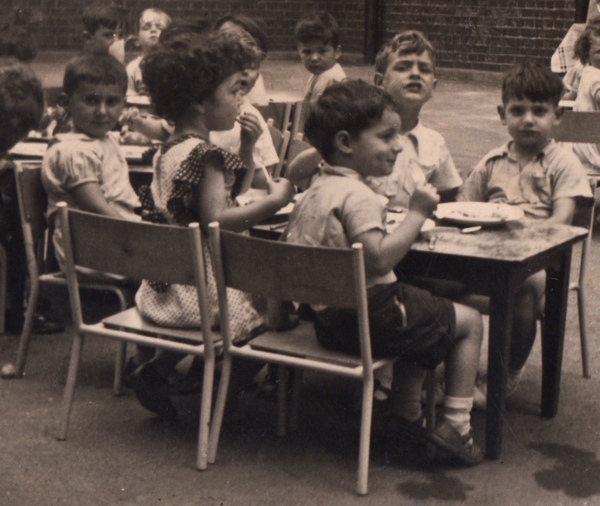
Bob at Harry Gosling school, 1953

Bob climbs on a cannon outside the Tower of London in 1956 with his grandmother and sister in the foreground and cousins on the cannon
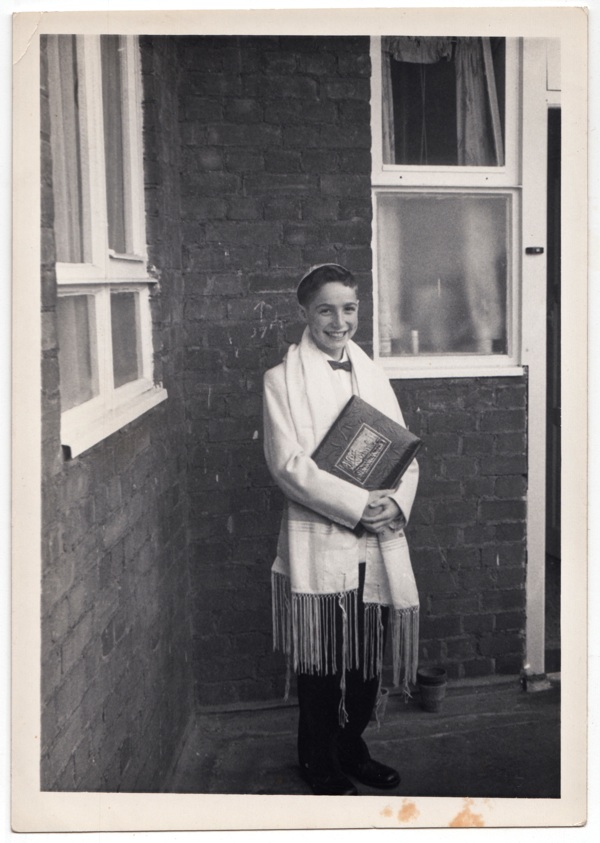 Bob Mazzer was given his first camera for his Bar Mitzvah at thirteen years old at the Bernard Baron Settlement Synagogue.

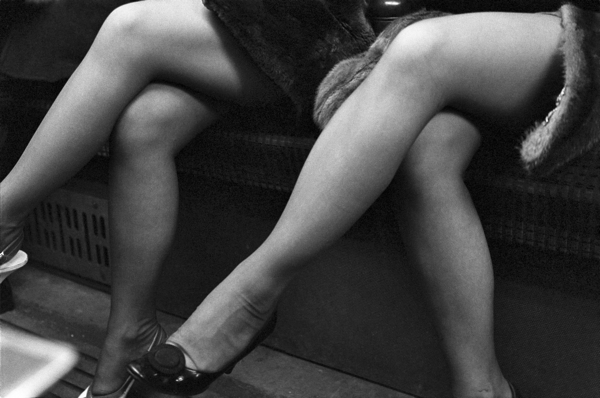
Two of the earliest tube pictures by Bob Mazzer.
Photographs copyright © Bob Mazzer
You may like to take a look at Bob Mazzer’s photographs
Cruikshank’s London Almanack, 1835
In 1835, George Cruikshank drew these illustrations of the notable seasons and festivals of the year in London for The Comic Almanack published by Charles Tilt of Fleet St. Produced from 1835 – 53, distinguished literary contributors included William Makepeace Thackeray and Henry Mayhew, but I especially enjoy George Cruikshank’s drawings for their detailed observation of the teeming street life of the capital. (Click on any of these images to enlarge)
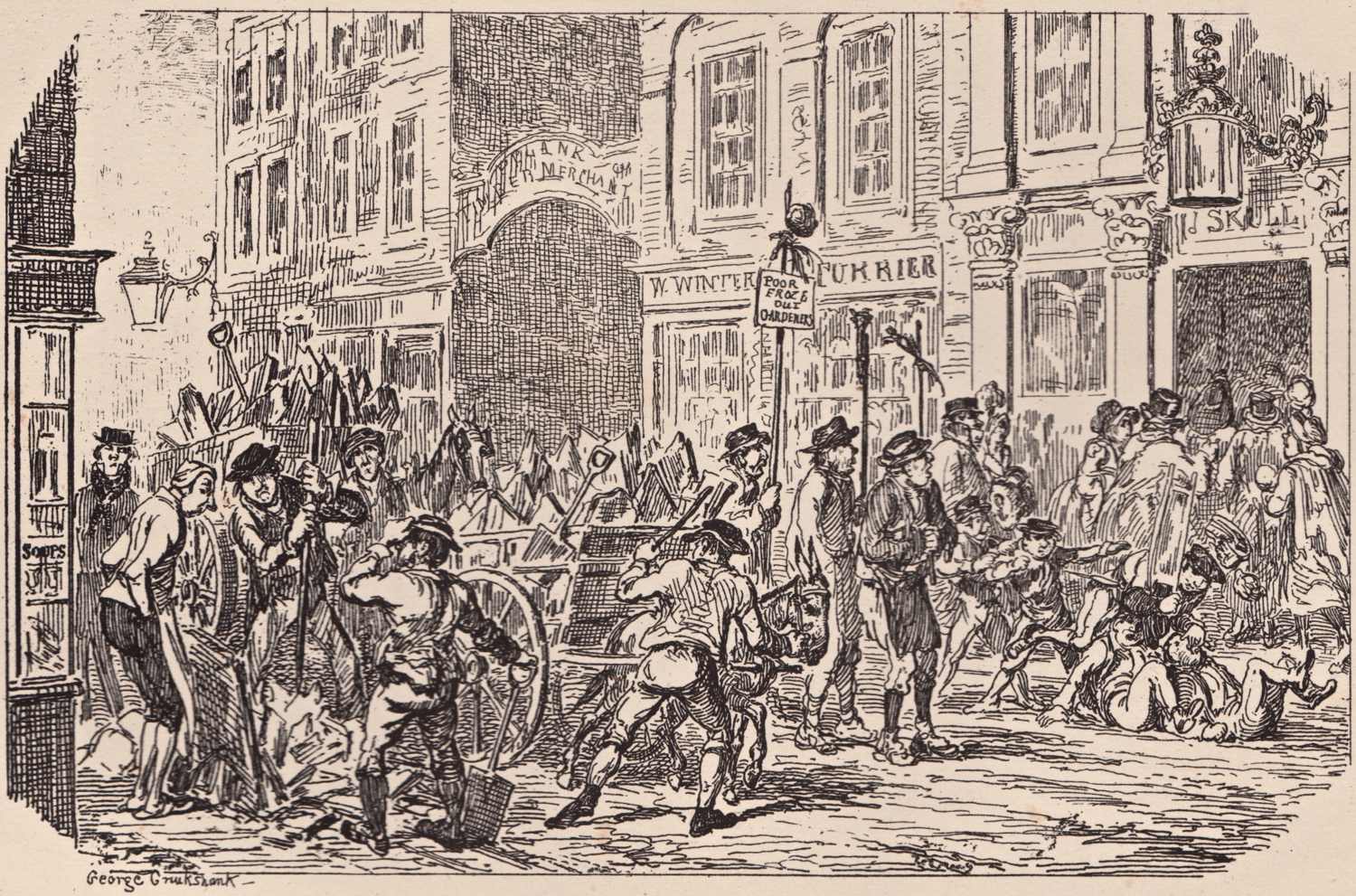
JANUARY – Everybody freezes
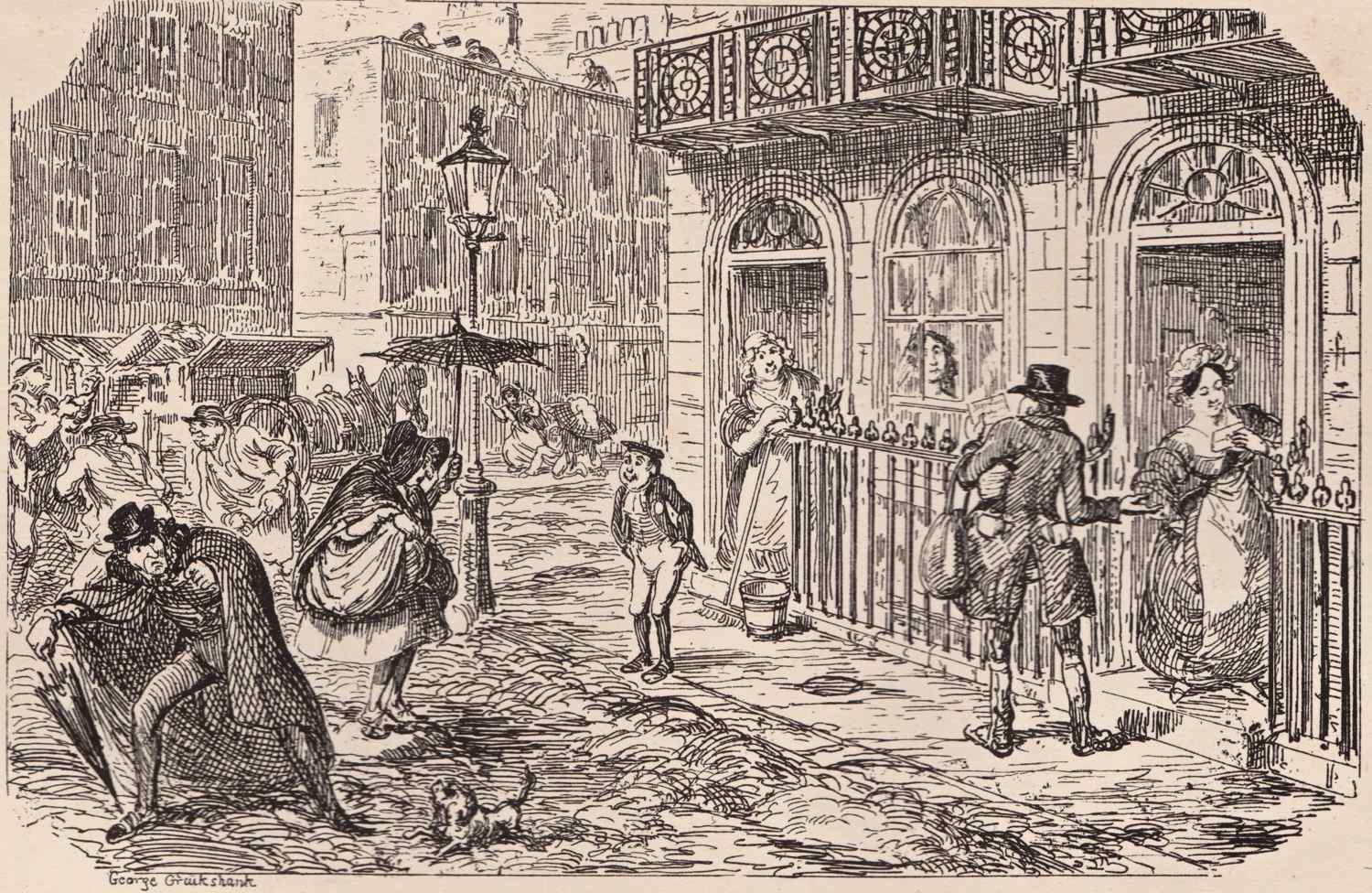
FEBRUARY – Valentine’s Day

MARCH – March winds
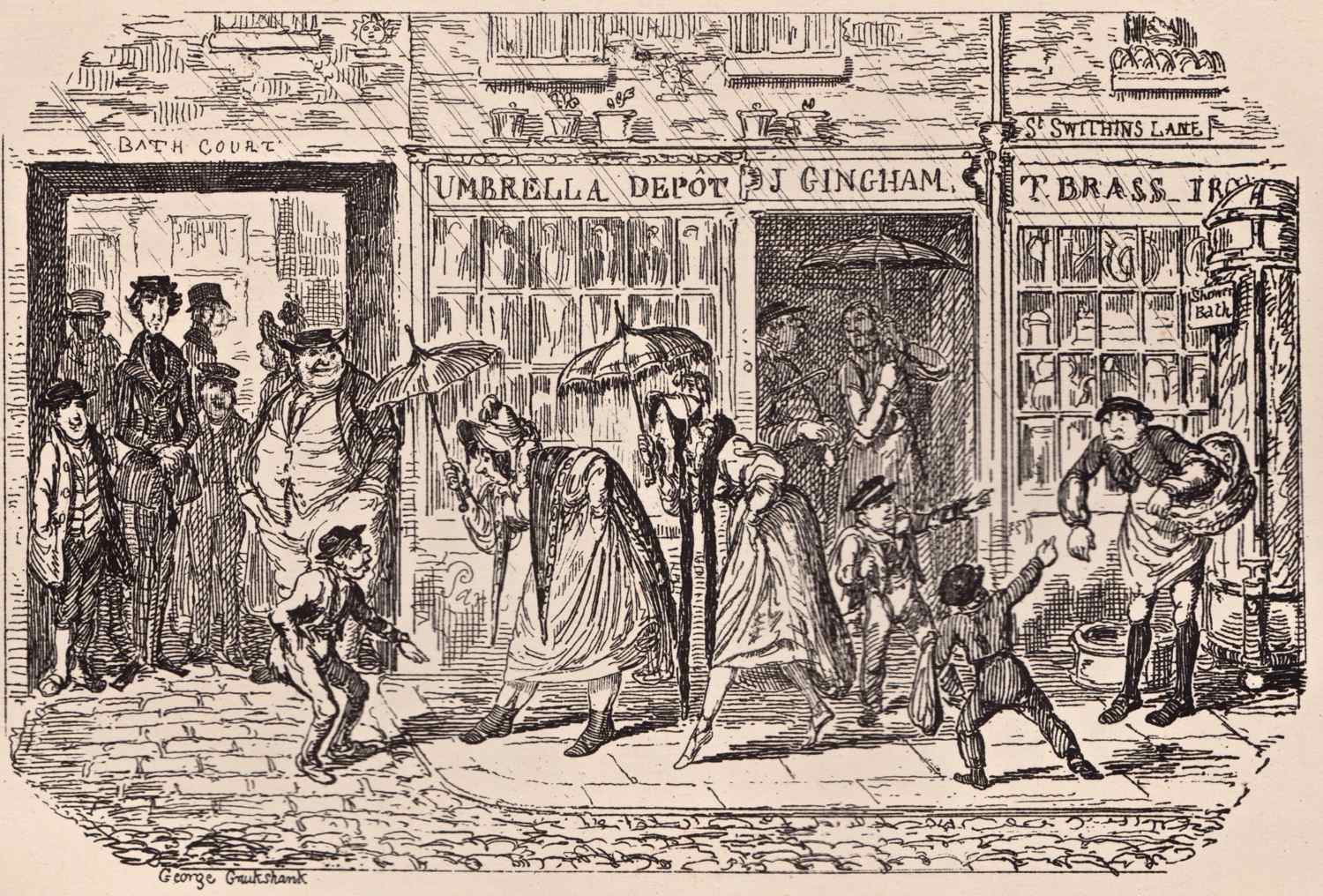
APRIL – April showers
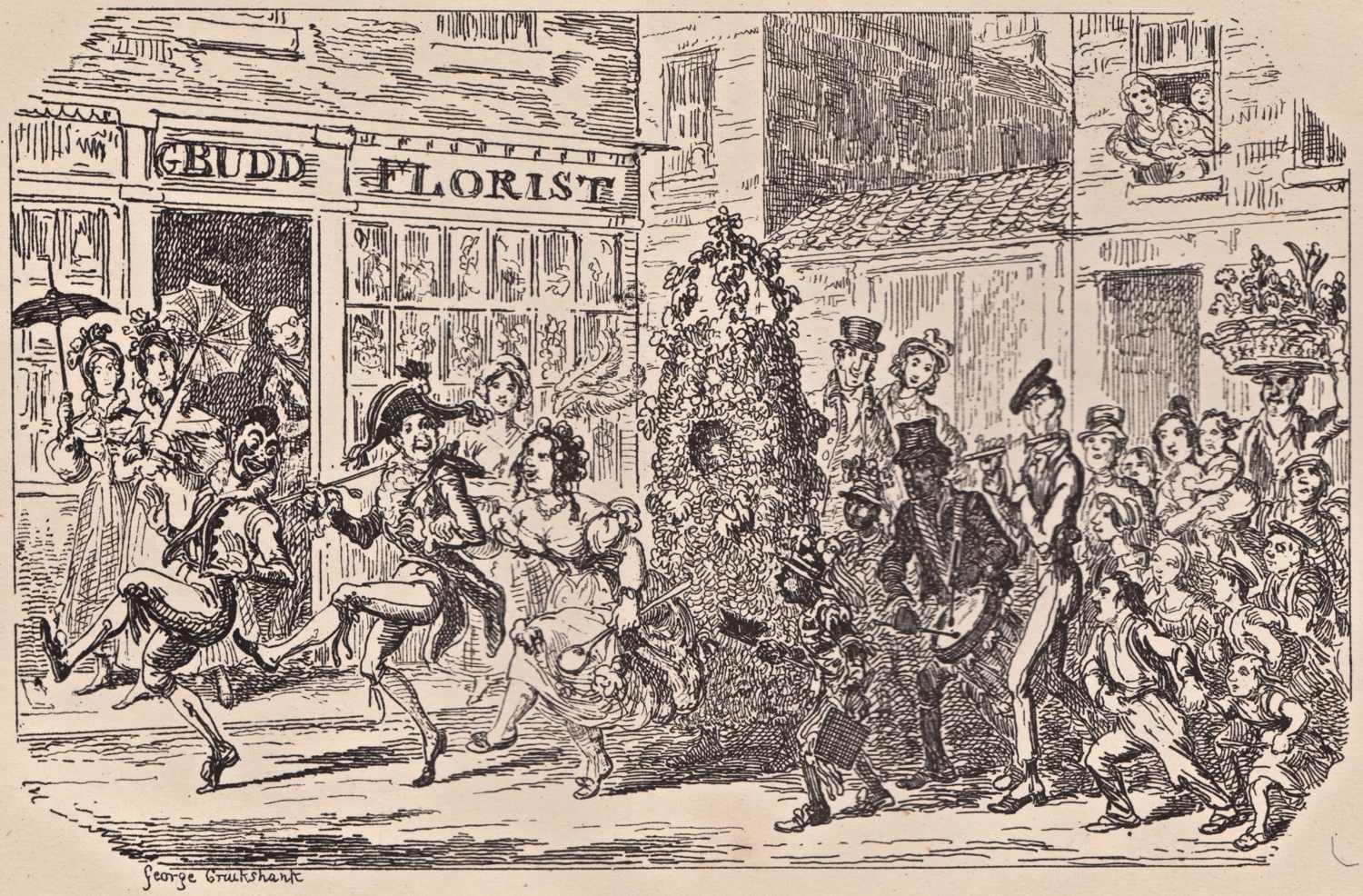
MAY – Sweeps on May Day

JUNE – At the Royal Academy

JULY – At Vauxhall Gardens
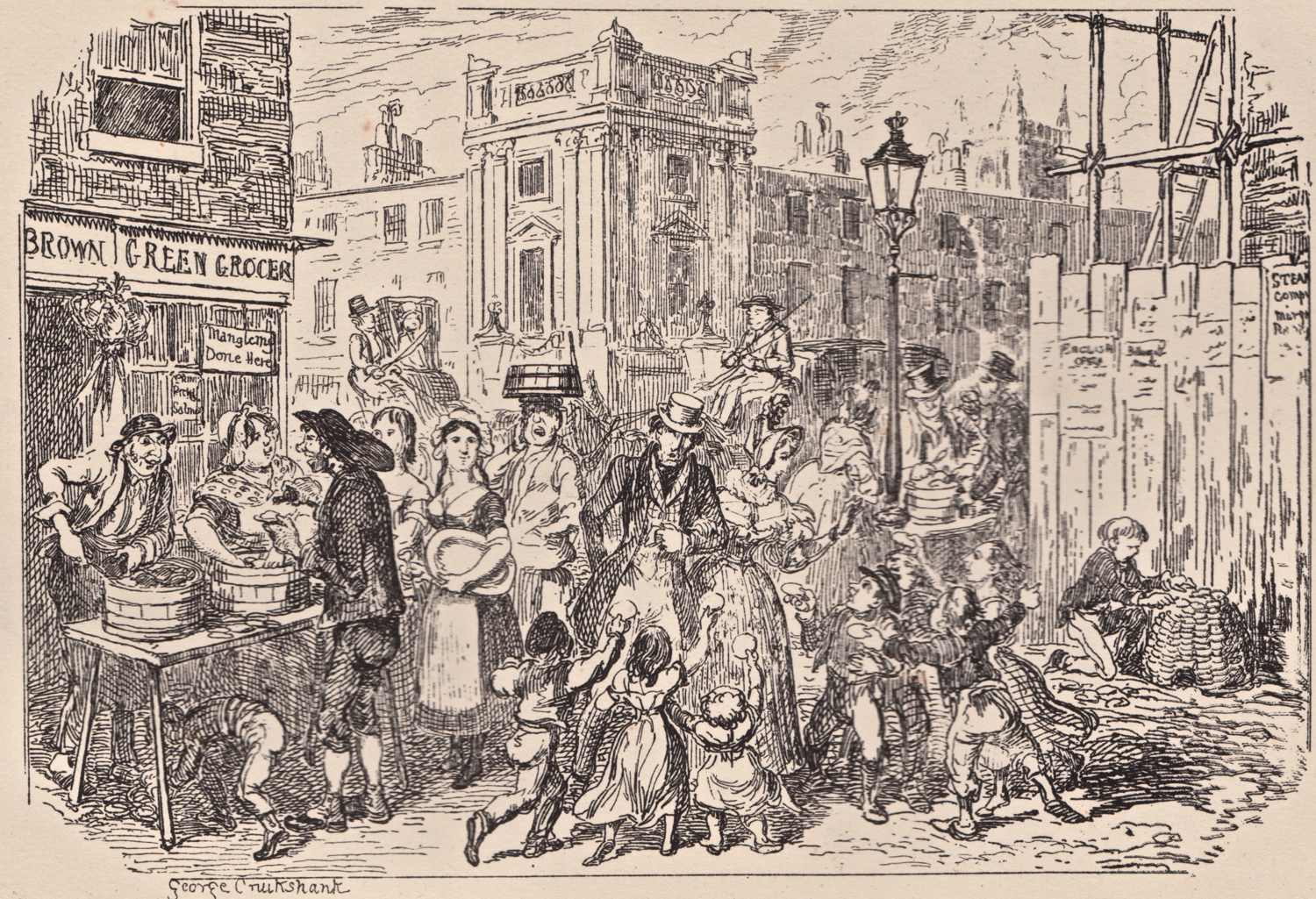
AUGUST – Oyster day

SEPTEMBER – Bartholomew Fair
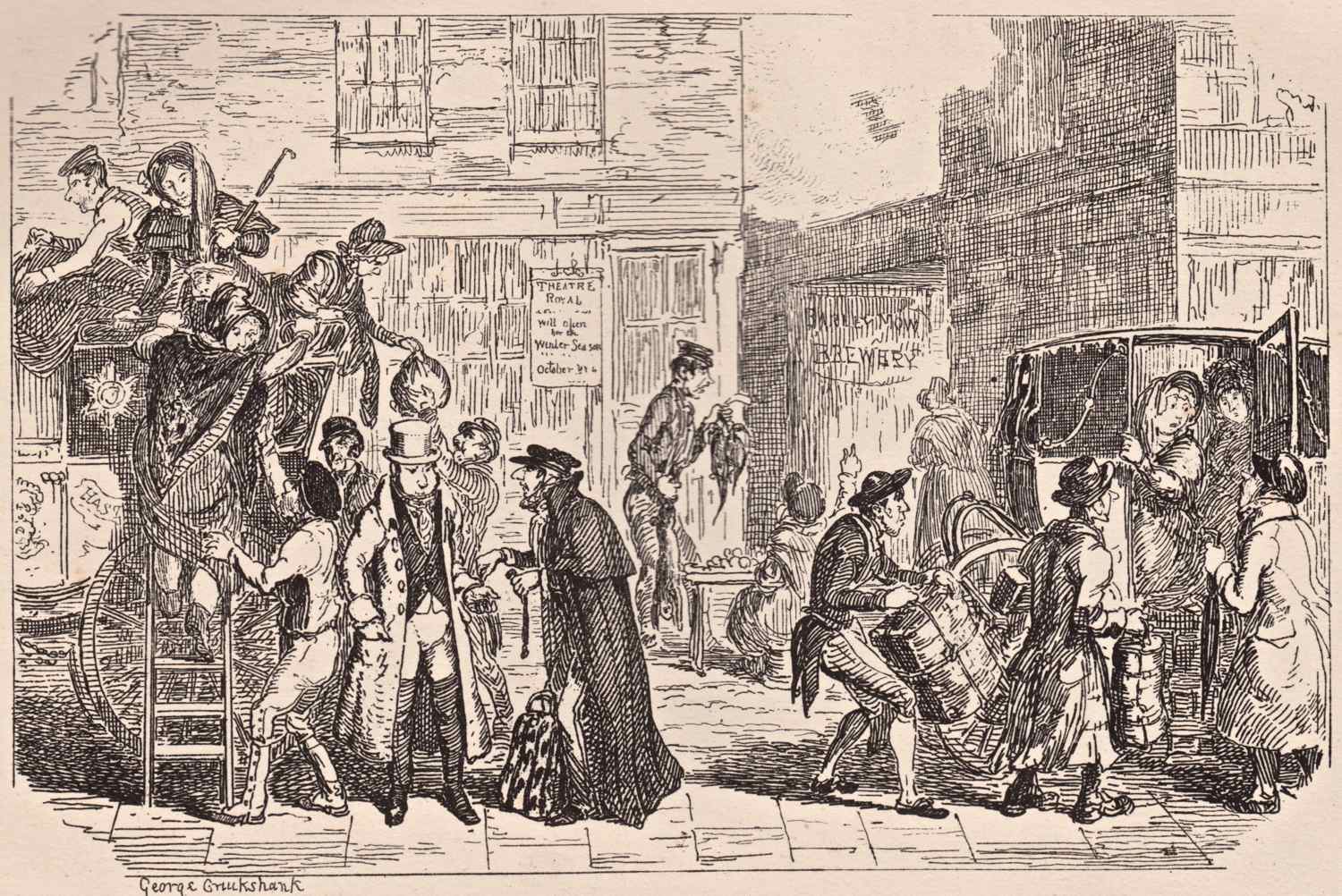
OCTOBER – Return to Town
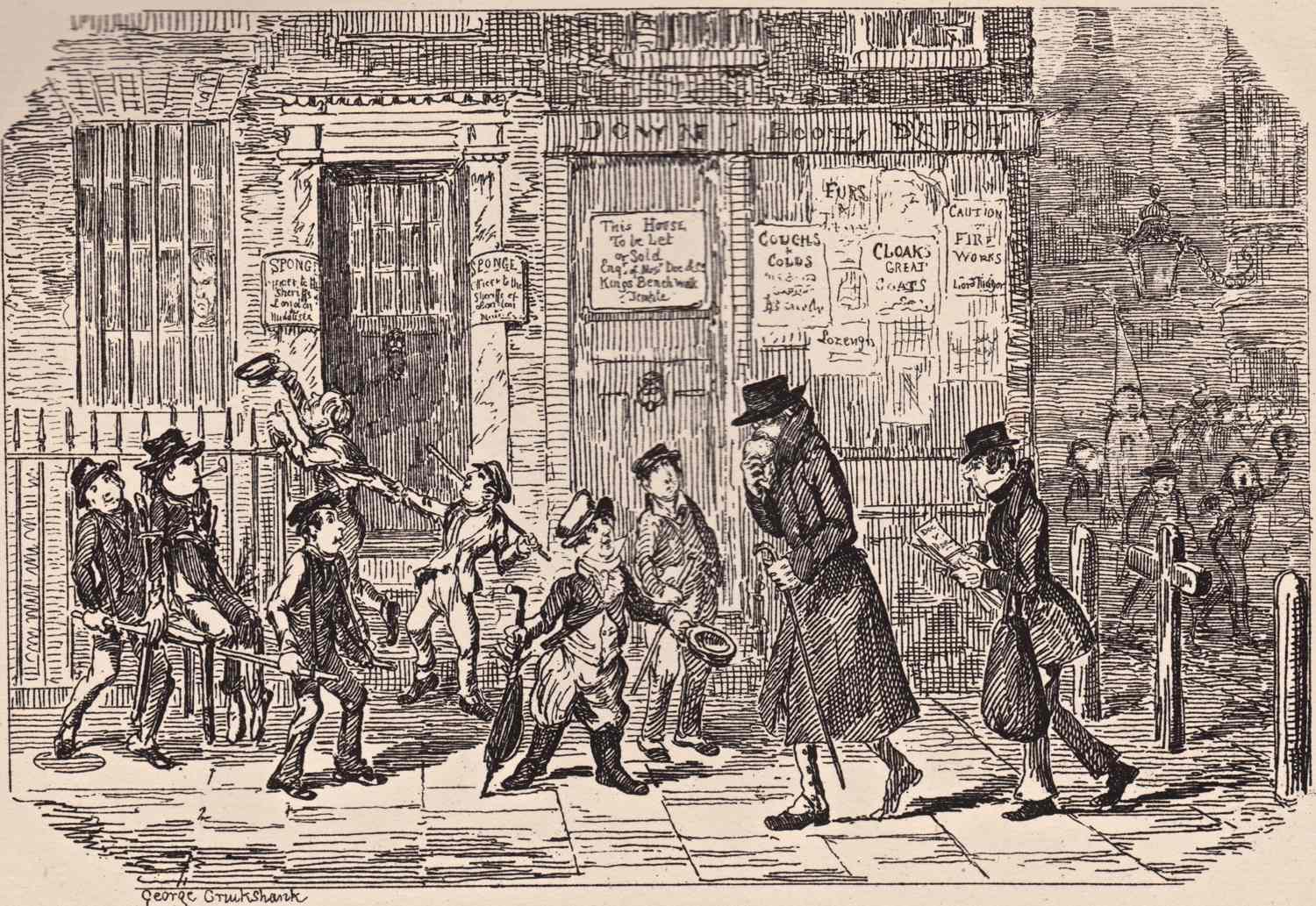
NOVEMBER – Penny for the Guy
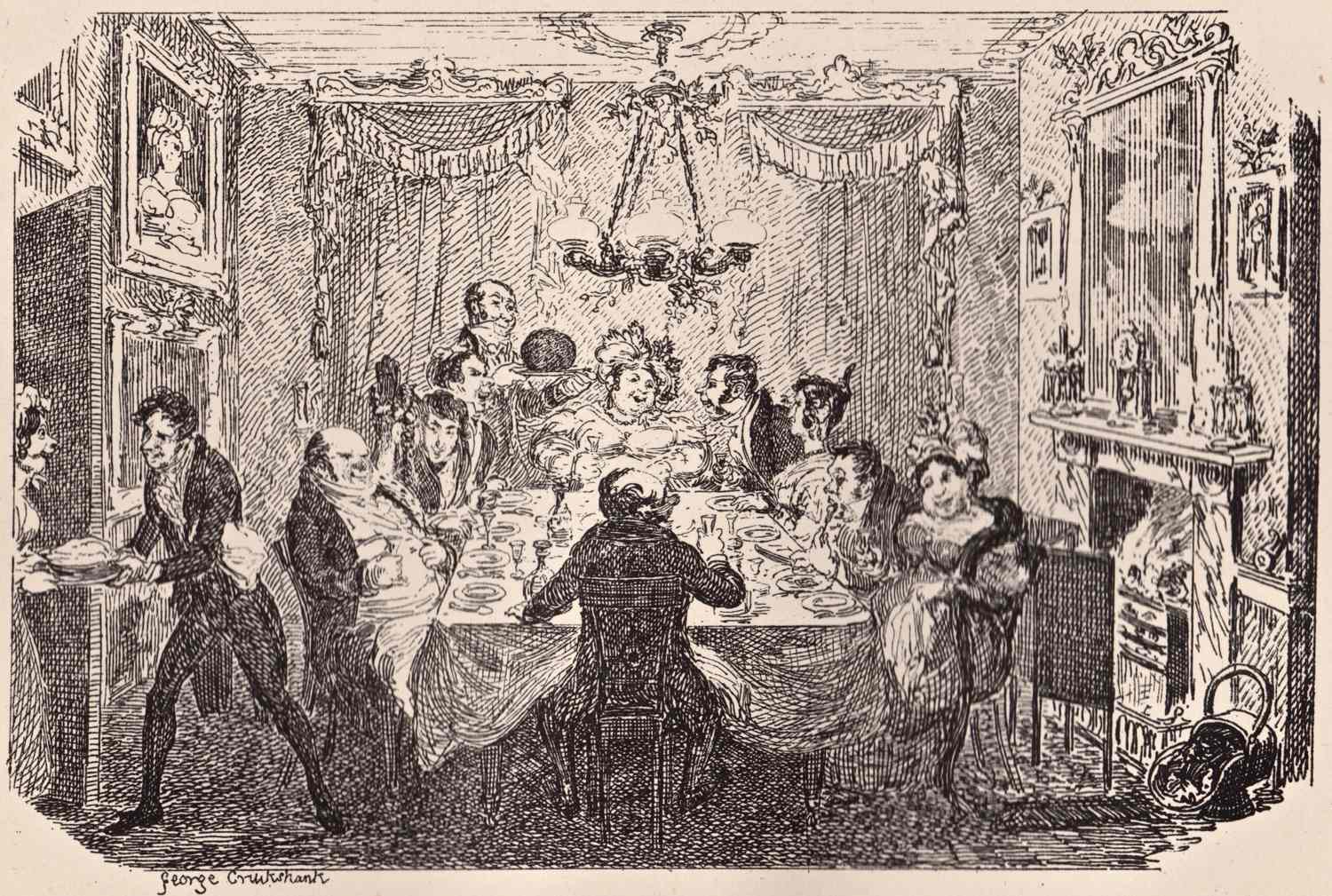
DECEMBER – Christmas
You may also enjoy
George Cruikshank’s Comic Alphabet












