Treves & Lister Houses Are Saved
In an extraordinary reversal of policy by Tower Hamlets Council – delivering a landmark victory in the fight against redevelopment of council housing in London – Mayor John Biggs announced on Tuesday night that plans for the demolition of Treves & Lister Houses have been abandoned. The residents came together and waged a brave campaign to save their homes and they won.
Below I tell the extraordinary story of the heroic life of the architect Count Ralph Smorczewski.

Treves House, Whitechapel
I doubt if passers-by give a second thought to Treves House or its neighbour Lister House as they hurry up and down Vallance Rd between Whitechapel and Bethnal Green. Yet these two understated modernist buildings with clean lines and elegant proportions – one a long terrace and the other a tall block – were designed in 1956 by the architect Count Ralph Smorczewski, a man whose astonishing story connects to the very essence of the history of Whitechapel.
Until this week, these buildings faced an uncertain future. In recent years, the council failed to maintain them properly, encouraging decay and neglect. Tenants and leaseholders, including long-term resident ninety-five year old Sophie Spielman, feared they would be evicted and their homes demolished. Now these buildings are saved, perhaps they will be better appreciated, especially in the light of the architect’s heroic life and altruistic ambitions.
Ralph Smorczewski (1925-2009) grew up on his family’s estates in Tarnogóra and Stryjów, in the province of Lublin, Poland. Under the Nazi occupation, transports of Jewish people arriving from Germany and Austria began in 1942. In the summer, Ralph’s father realised these people were dying of starvation and applied to the Nazis for the maximum number of farm workers, as a means to feed and keep alive as many Jews as possible. Yet in the autumn, they were rounded up and packed into trains, bound for the death camps.
Ralph was just seventeen years old when this happened. It was a formative experience that informed his actions for the rest of his life. At eighteen years of age, he contacted the Polish Resistance and was sworn into their ranks. As the Red Army invaded, he and his family moved to Warsaw. When the Red Army arrived in August 1944, Ralph fought heroically with the Resistance in the Warsaw Uprising and worked as a surgeon’s assistant in a military hospital, before being arrested and interrogated by the SS. Despite torture and confinement, he gave no information and even convinced them he was Hungarian, leading to his eventual release.
Fleeing Warsaw, Ralph rejoined the Resistance in the forests near Czestochowa and was appointed second-in-command of a troupe. They killed a group of Nazi soldiers who had perpetrated some of the worst atrocities of the Warsaw Uprising, before taking part in a four-day battle against SS near the village of Krzepin.
In 1945, Ralph and his family obtained passes taking them by train to Vienna where they joined a refugee convoy fleeing west. When they reached Italy, Ralph joined the Polish II Corps, part of the Eighth Army. Posted to the 7th Horse Artillery Regiment, he graduated from the Officers’ School in June 1946 and, that autumn, arrived in England with the Corps, possessing little more than his uniform.
Ralph graduated from the Architectural Assocation in 1951 at twenty-six years old and worked at Stillman & Eastwick Field, one of the most notable practices contributing to idealistic post-war reconstruction of schools, hospitals and public housing.
Among the first buildings Ralph designed for Stillman & Eastwick Field were Treves House and Lister House in Whitechapel. This project served as the natural outcome of his experiences in the war. Certainly, it was no accident that he undertook this assignment to provide better homes for Jewish people. One such was Nathan Spielman, who was moved from a slum dwelling in Anthony St to Treves House in 1958, before marrying Sophie in 1962. Thus it is that the story of Sophie, the last of the original Jewish residents, connects to that of Ralph who designed the buildings, and both stories co-exist as part of the story of Whitechapel itself.
Yet Treves House and Lister House do more than reflect an historical moment. In the generosity of their accommodation, they embody the humane values that led to their creation. These fine buildings deserve to be cherished because we need them to remind us of their origin and serve as an inspiration for generations to come.
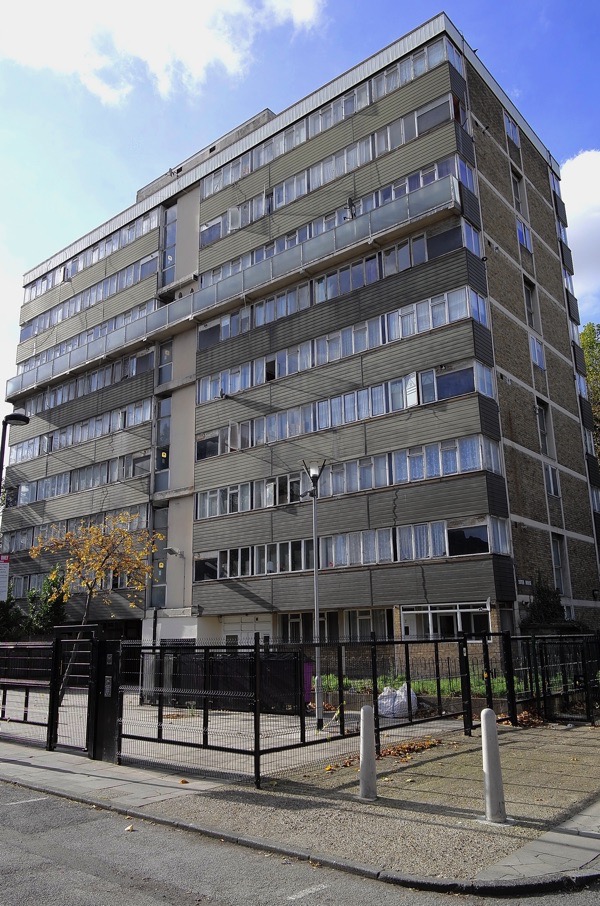
Lister House, Whitechapel
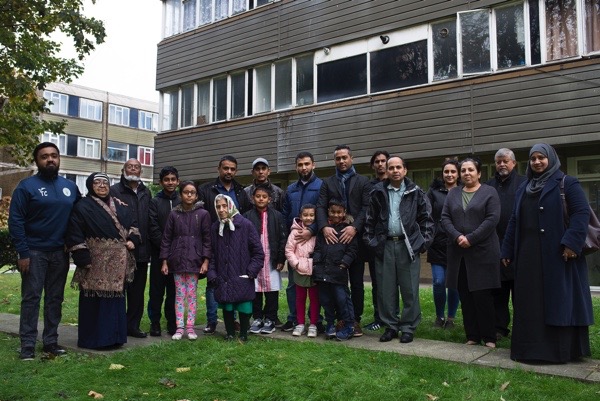
Residents of Treves & Lister House: (From left to right) Tasahood Choudury, Ashraf Choudury, Hasan Zaman (behind), Muhammad Noor, Usama Noor, Nabiha Haque, Sophie Spielman, Mr Kamal, Ziaul Syed, Ayman Syed (in front), Syed Hass (behind), Muhammad Khan, Mahrisa Khan (in front), Syed Ali, Ayaan Ali, Satyendra Roy, Elif Ozturk, Ismigul Osturk, Mjibur Rahman & Khayrun Begum (in front).

Count Ralph Smorczewski, Architect of Treves House & Lister House
Photograph of residents © Sarah Ainslie
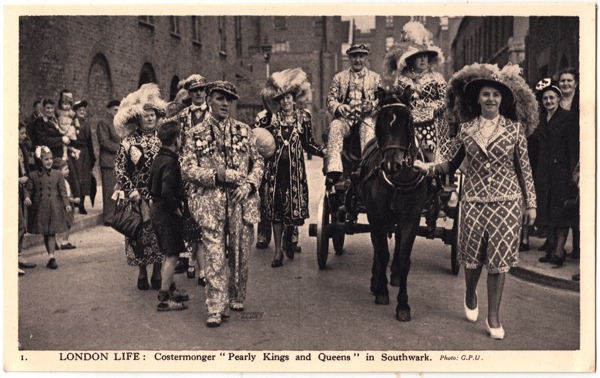
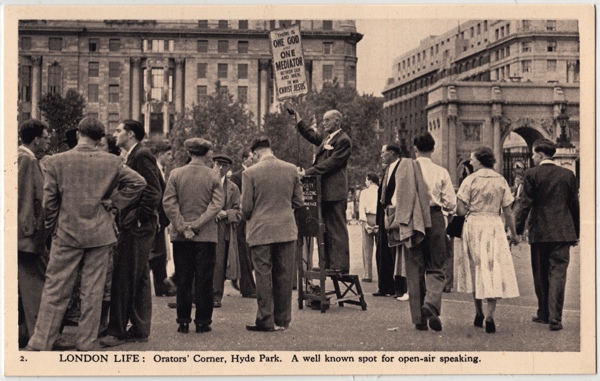
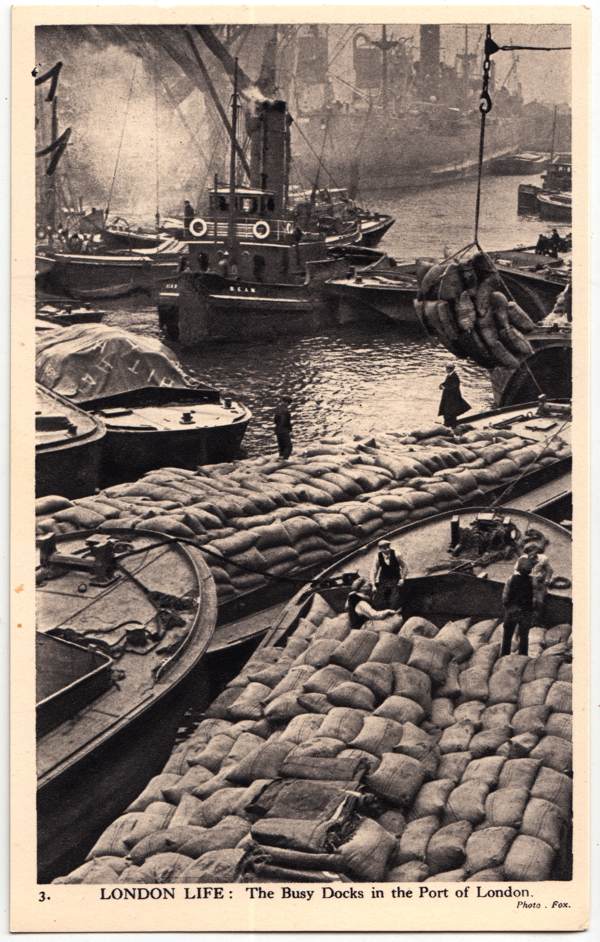
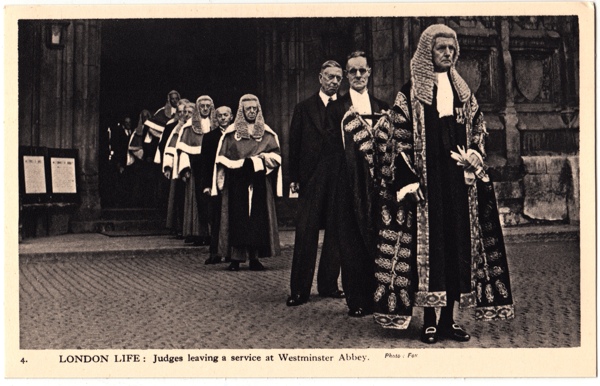
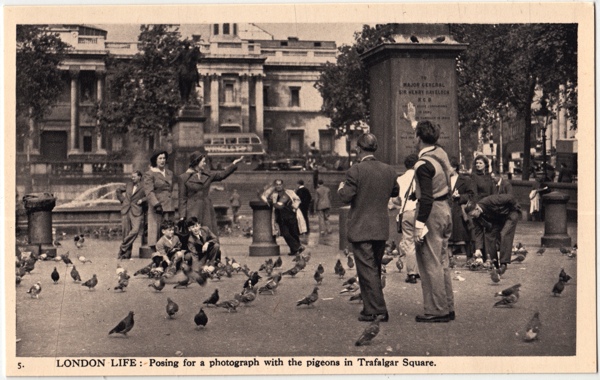
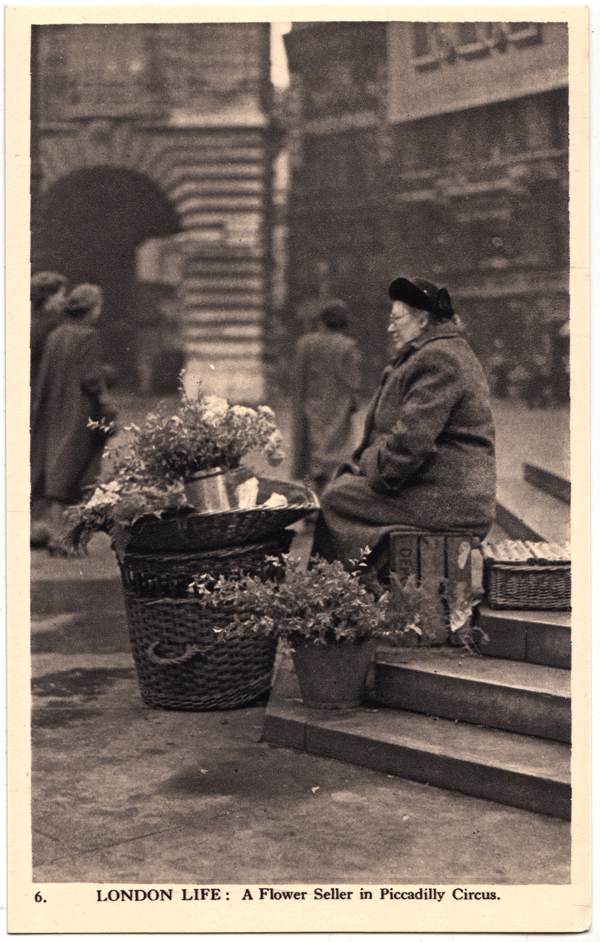
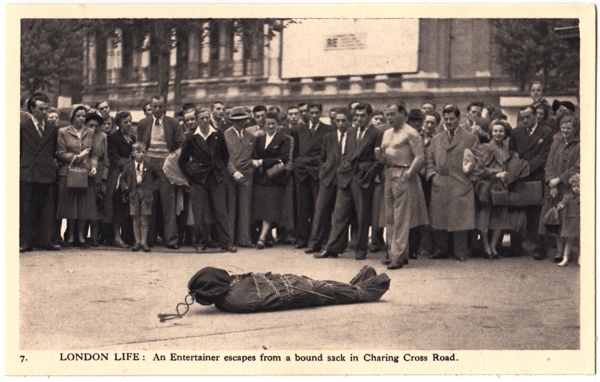
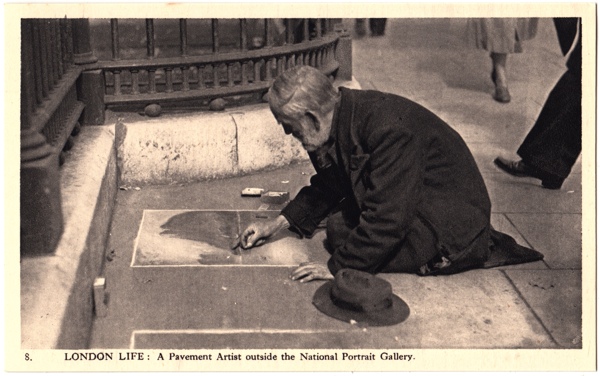
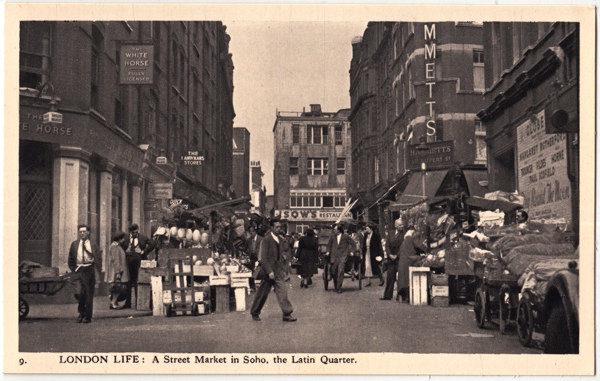
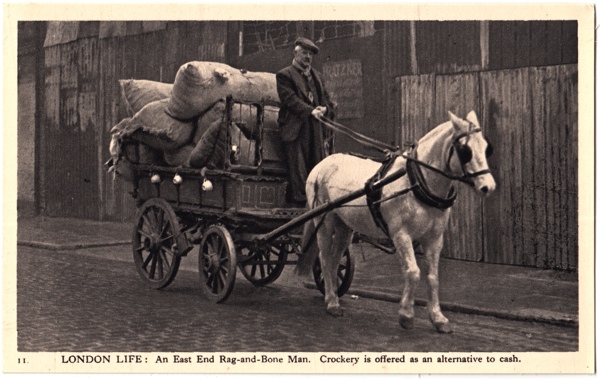
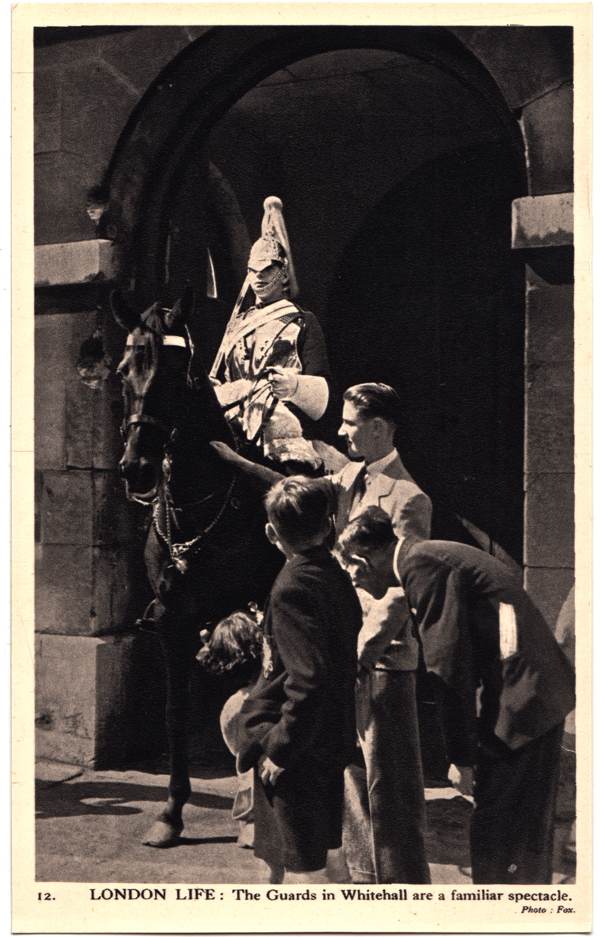
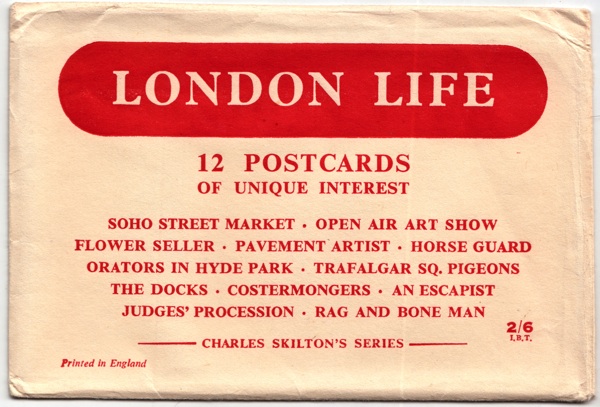
Charles Skilton’s London Life
Now that the summer visitors are here and thronging in the capital’s streets and transport systems, I thought I would send you this fine set of postcards published by Charles Skilton, including my special favourites the escapologist and the pavement artist.
Looking at these monochrome images of the threadbare postwar years, you might easily imagine the photographs were earlier – but Margaret Rutherford in ‘Ring Round the Moon’ at The Globe in Shaftesbury Ave in number nine dates them to 1950. Celebrated in his day as publisher of the Billy Bunter stories, Charles Skilton won posthumous notoriety for his underground pornographic publishing empire, Luxor Press.

You may also like to take a look at
Dan Jones Portraits
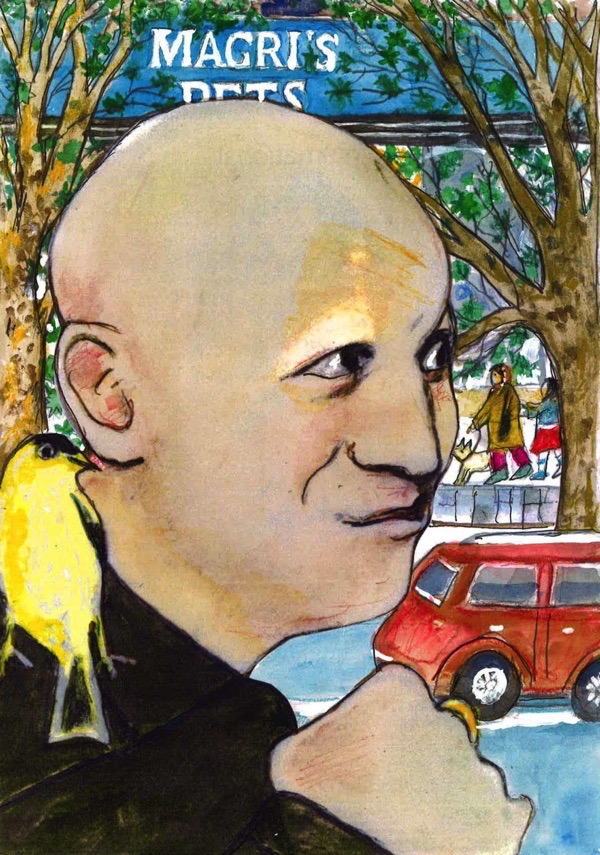
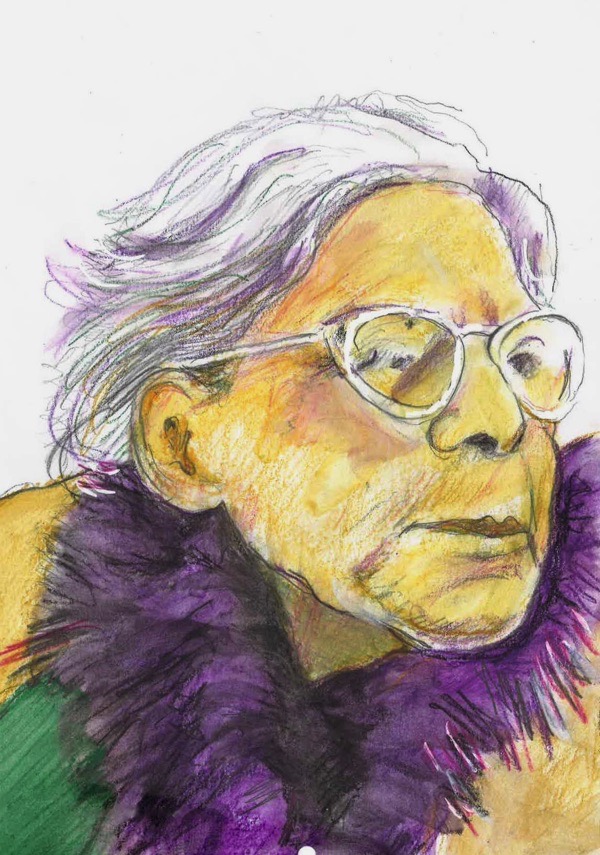
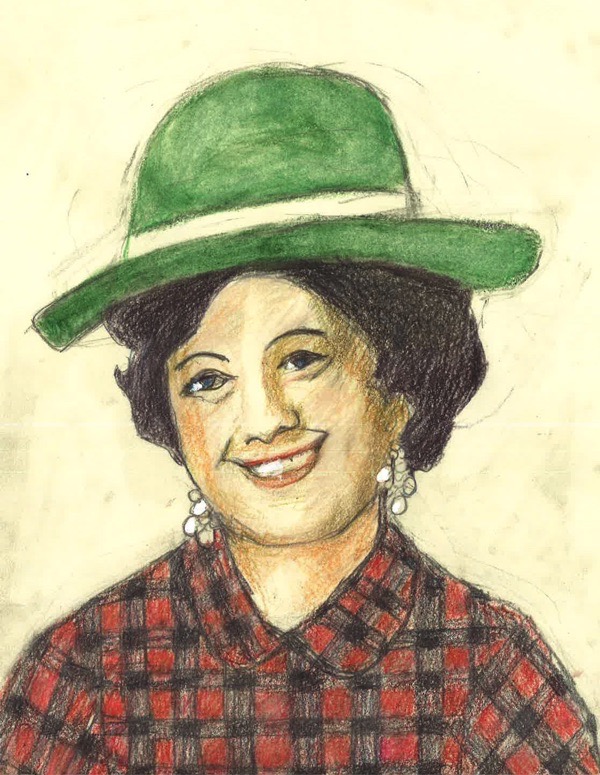
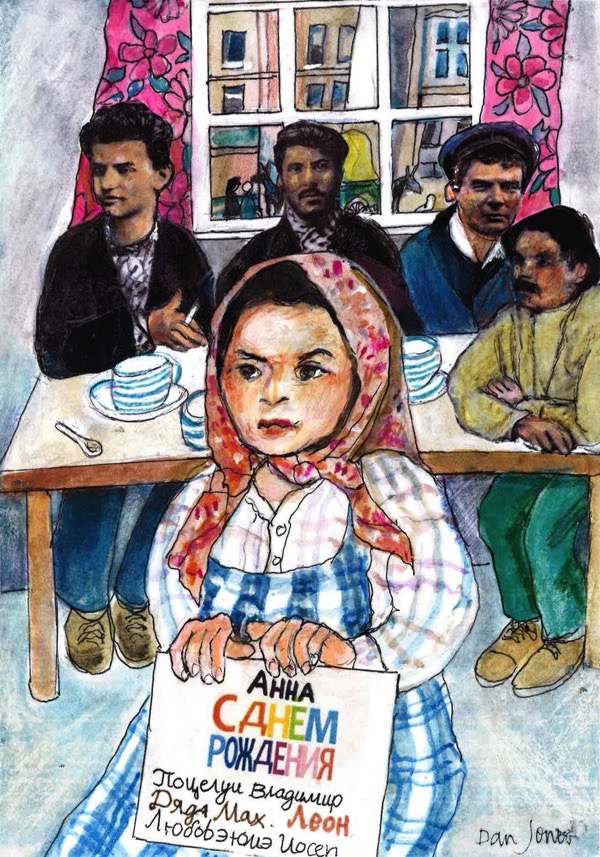
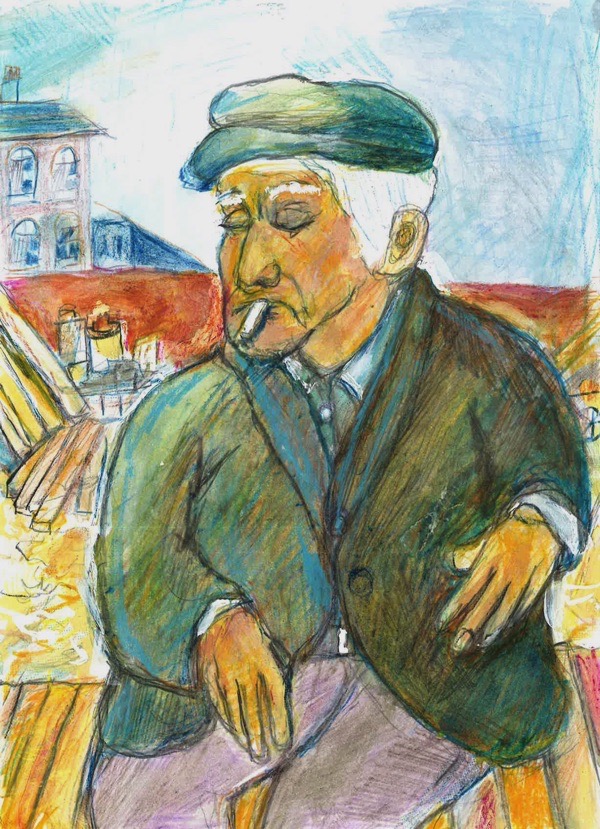
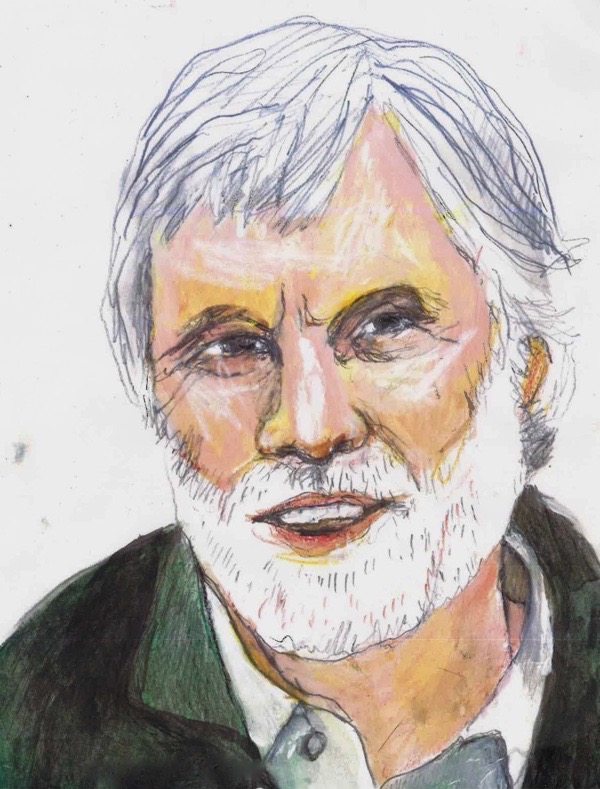
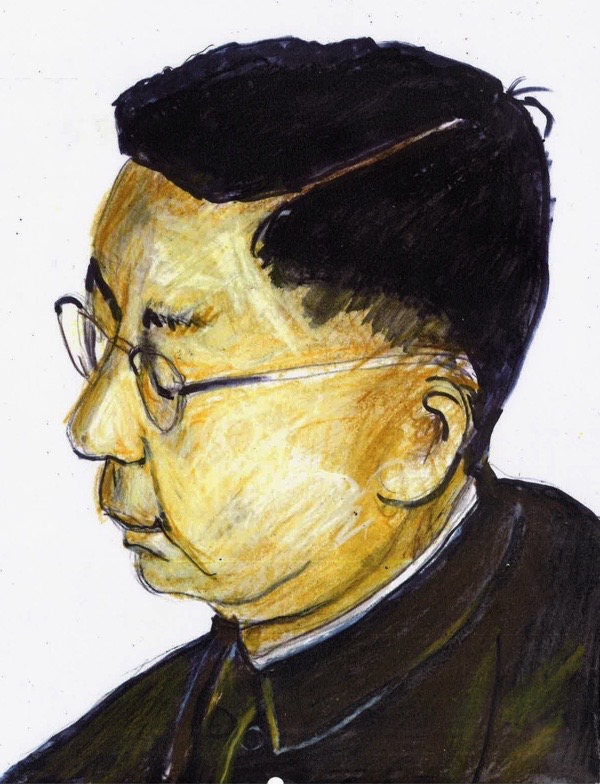
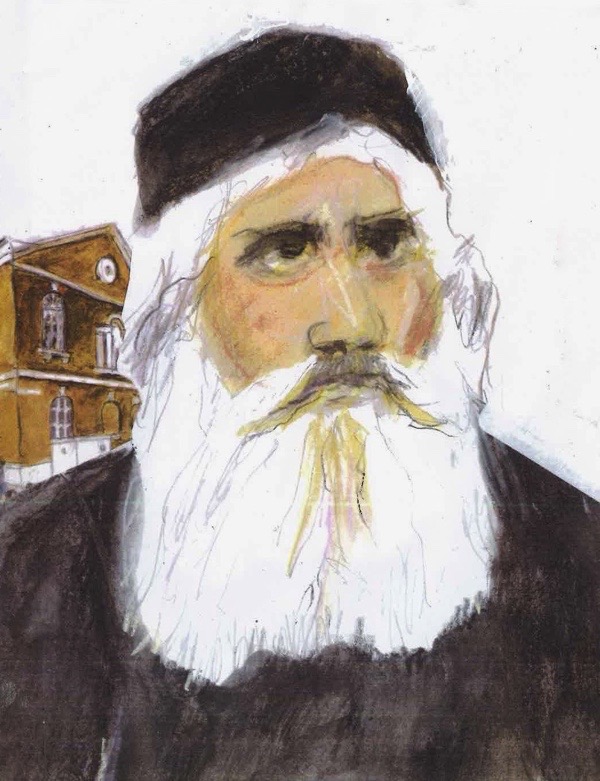
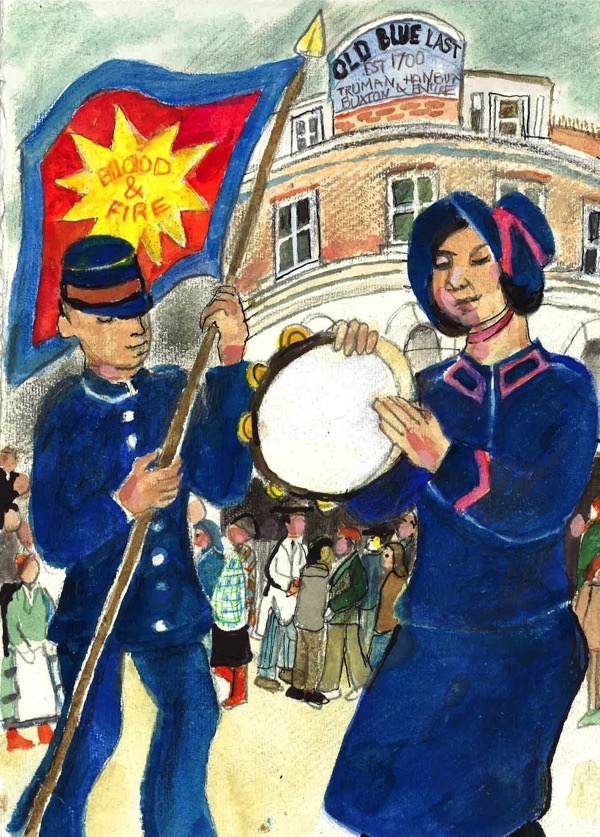
In recent years, Dan Jones has painted a magnificent series of portraits from different eras for East End Tales by the Speed History Writers Group. Many of these are well known but others less familiar, so you can click on any of the names below to learn more about the subjects.
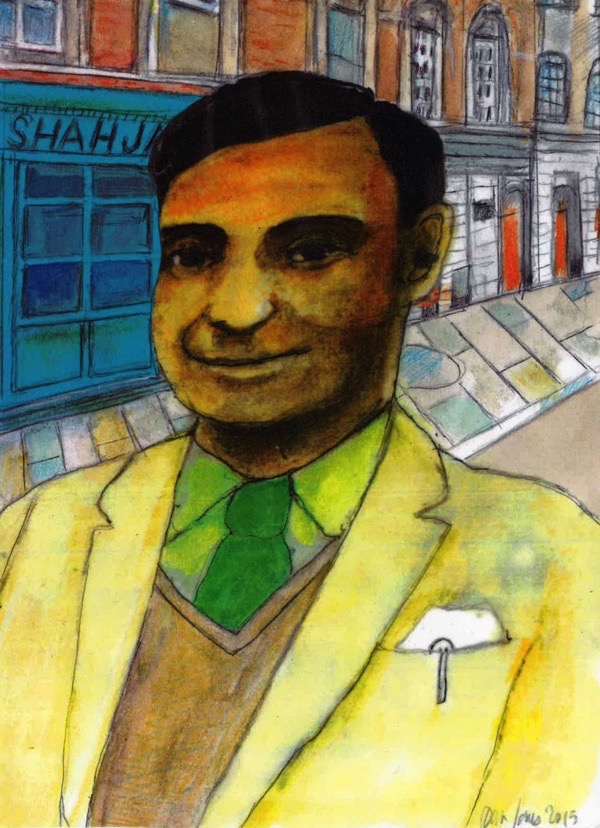
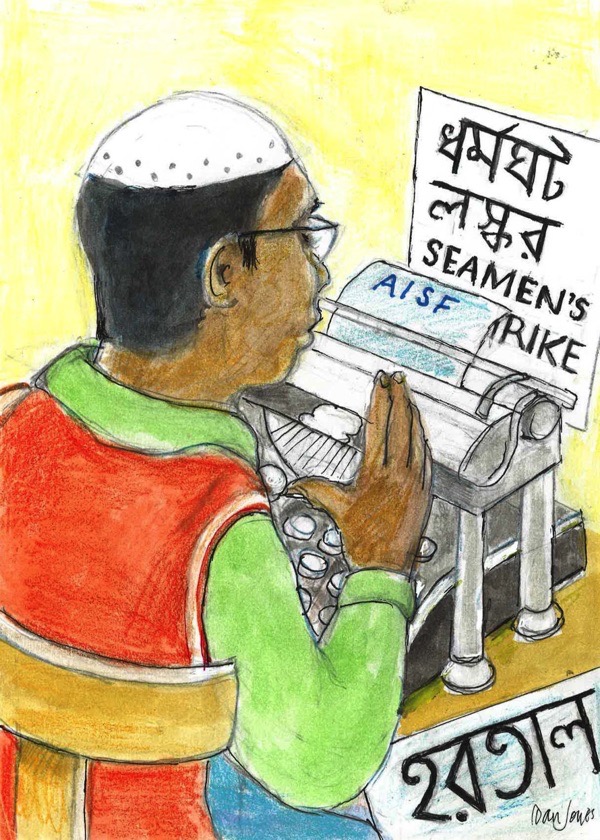
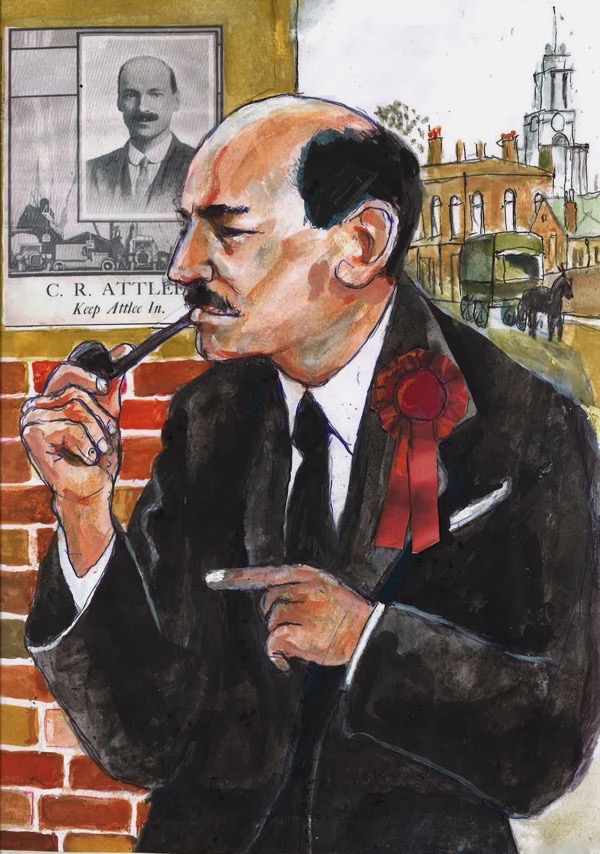
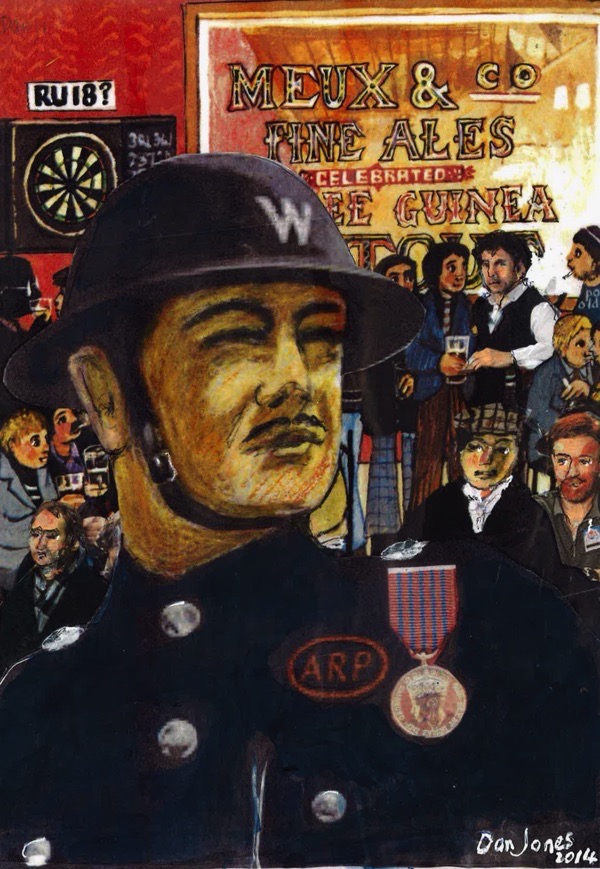
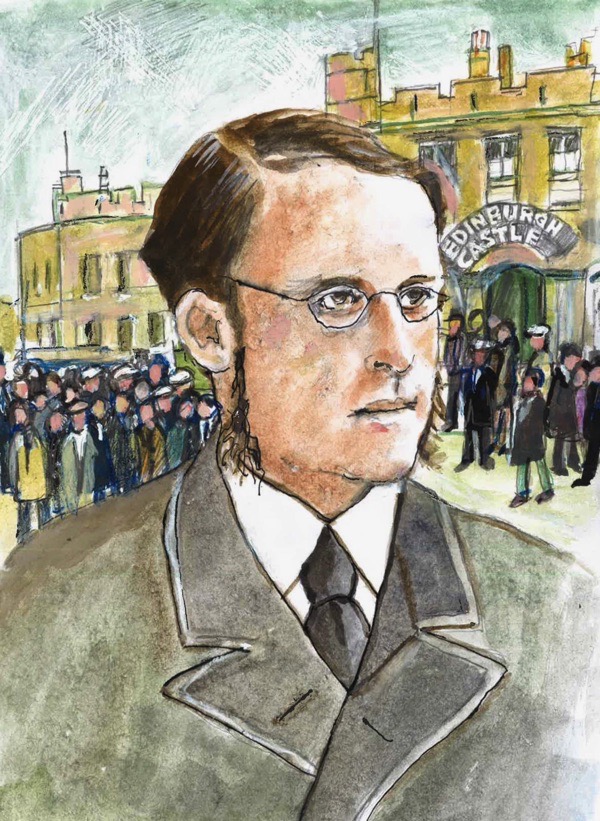


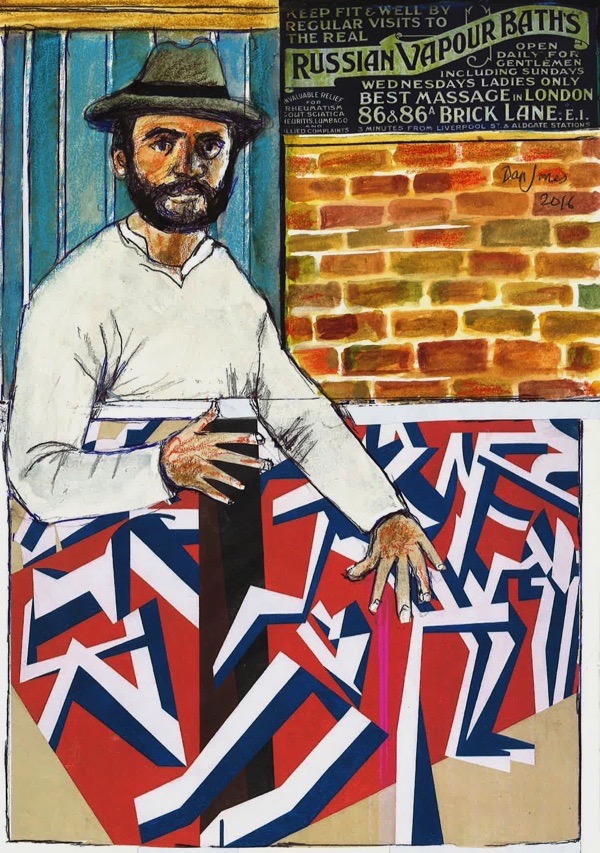
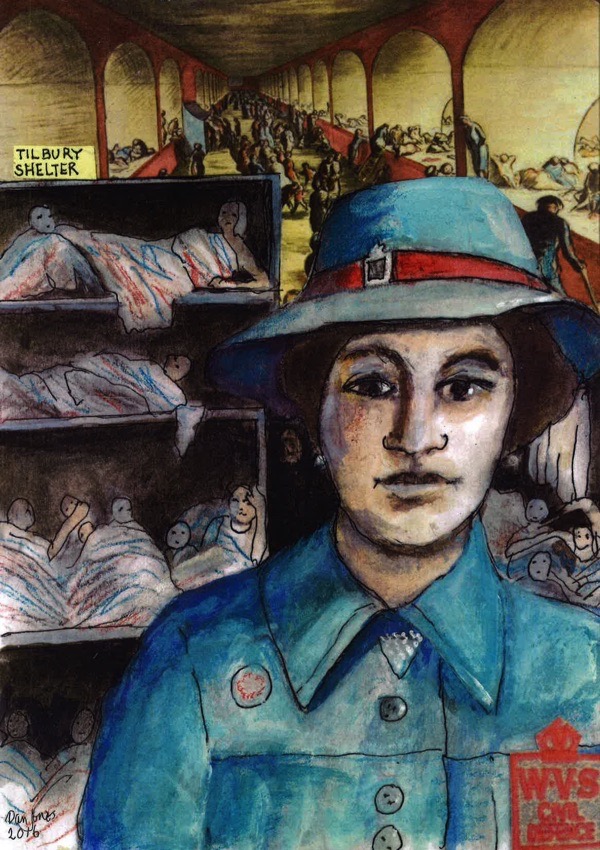

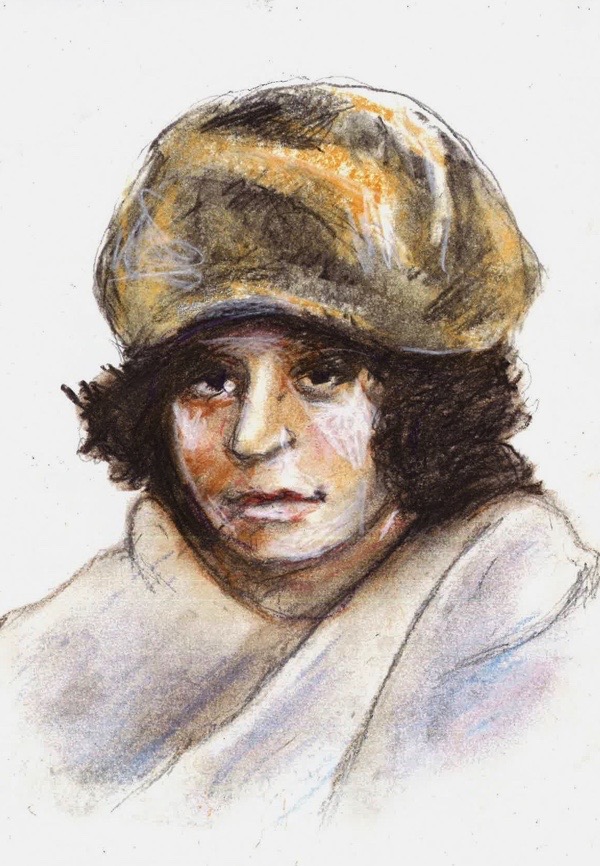
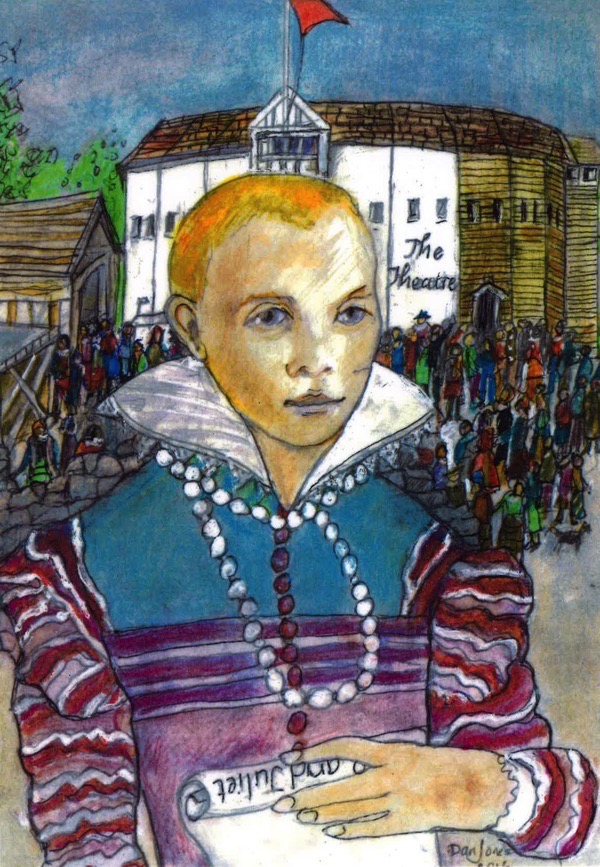
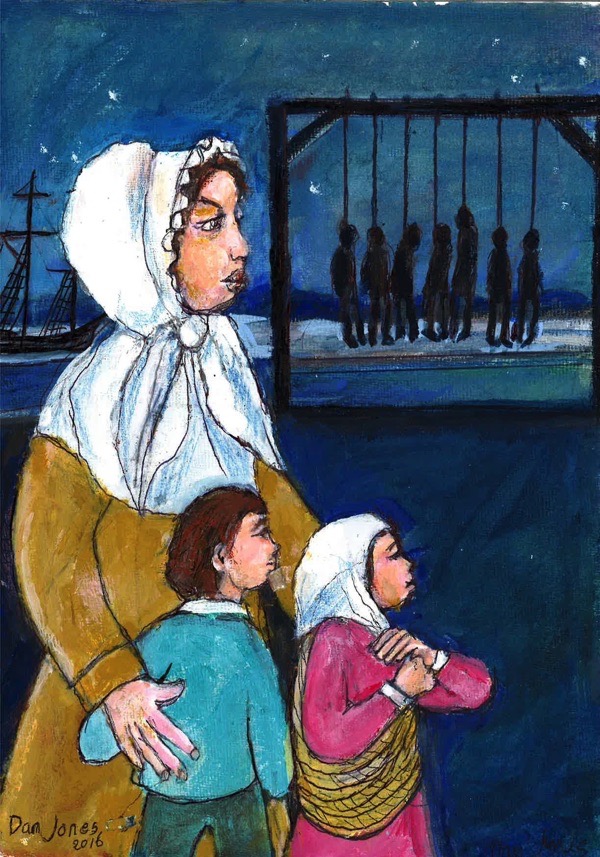
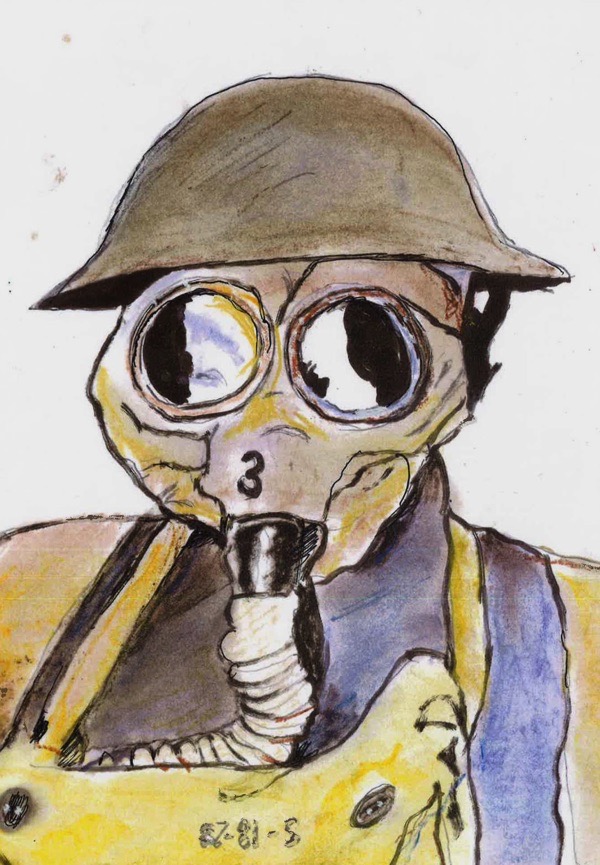
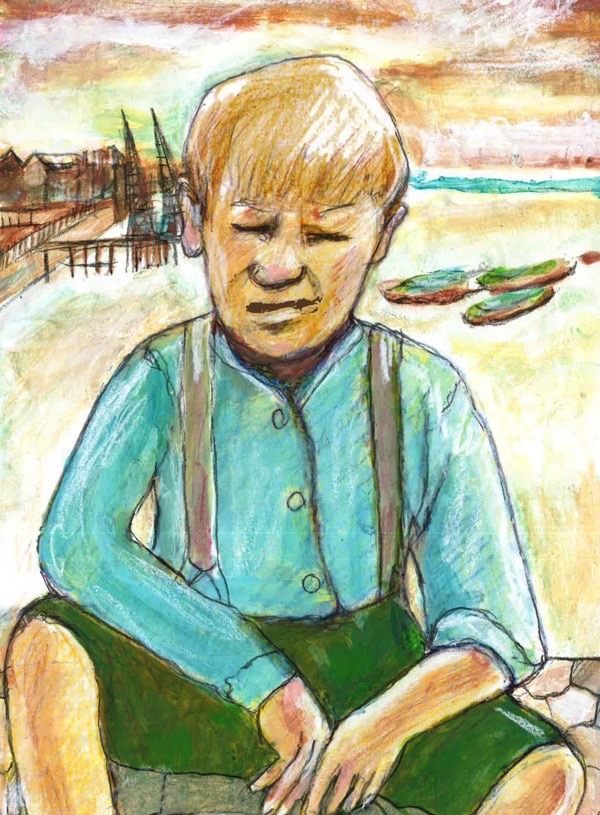
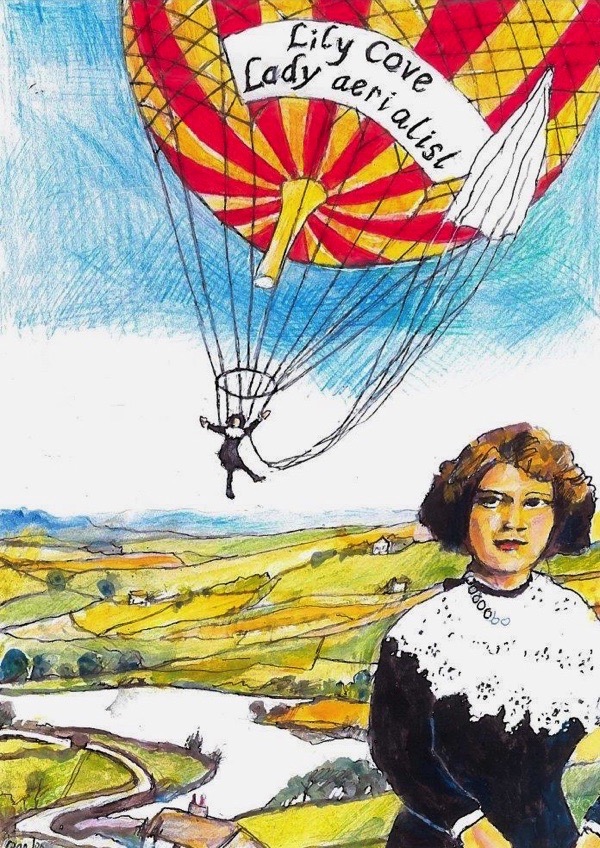
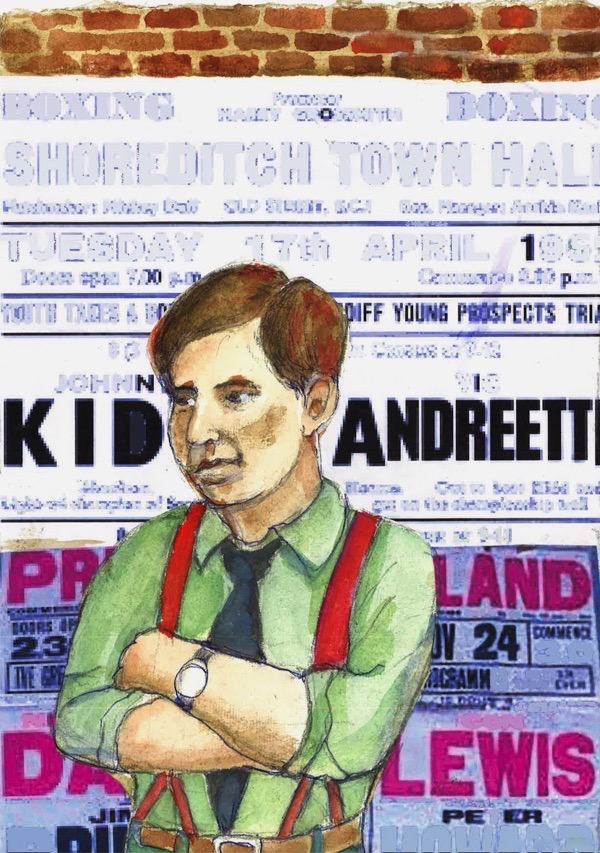
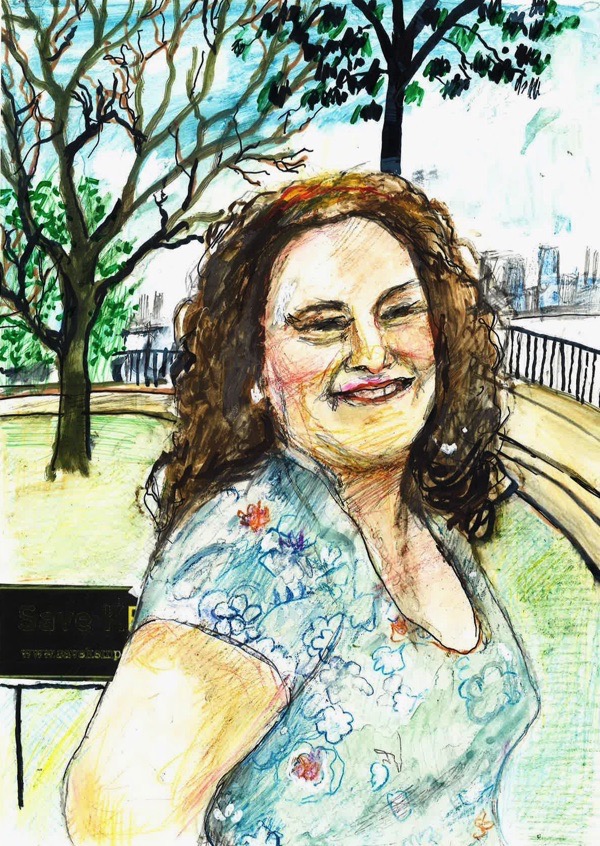
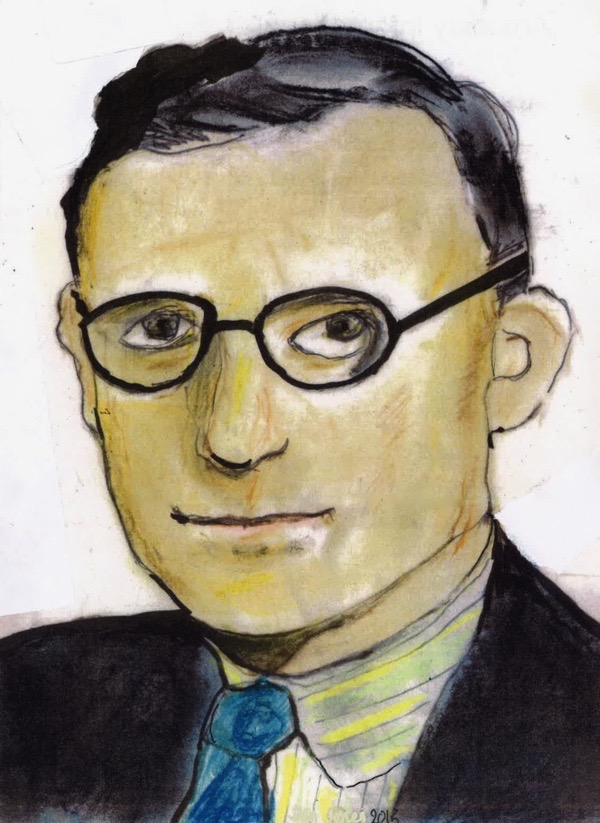
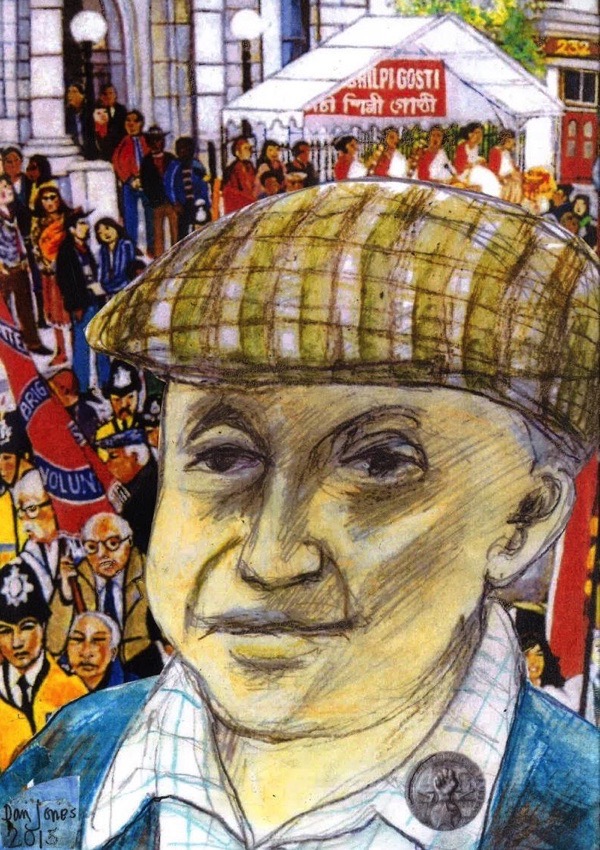
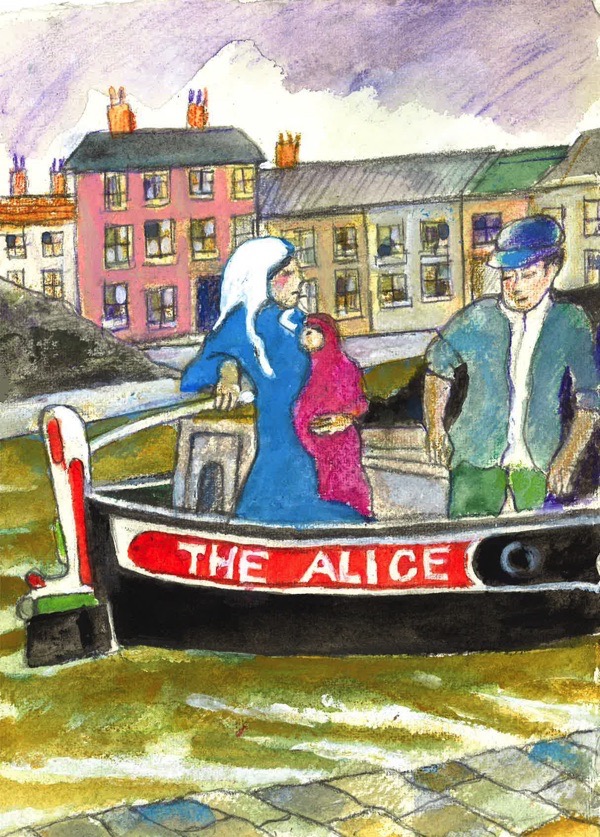
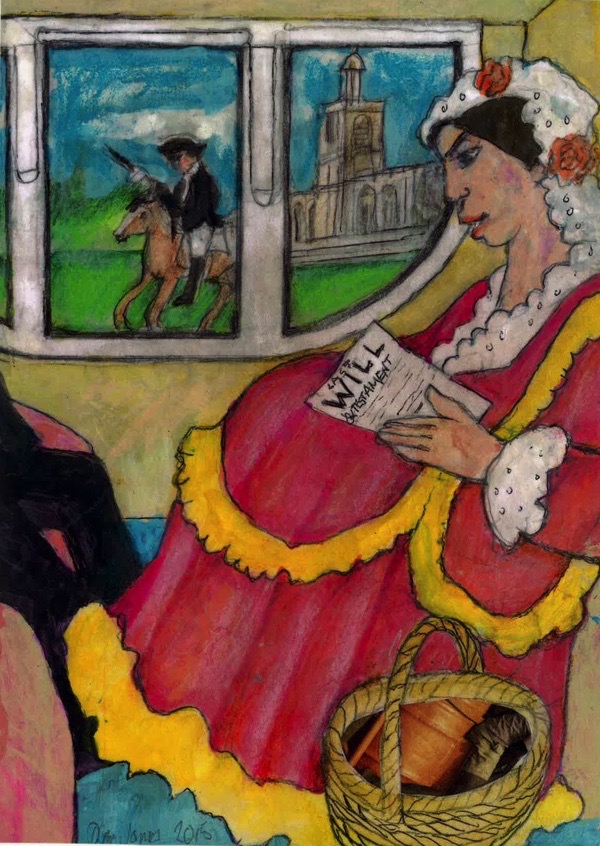
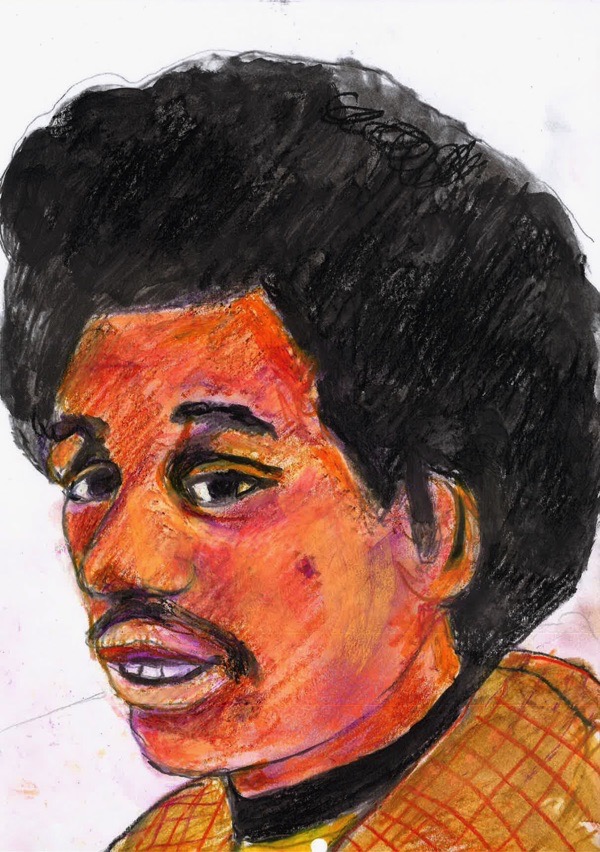
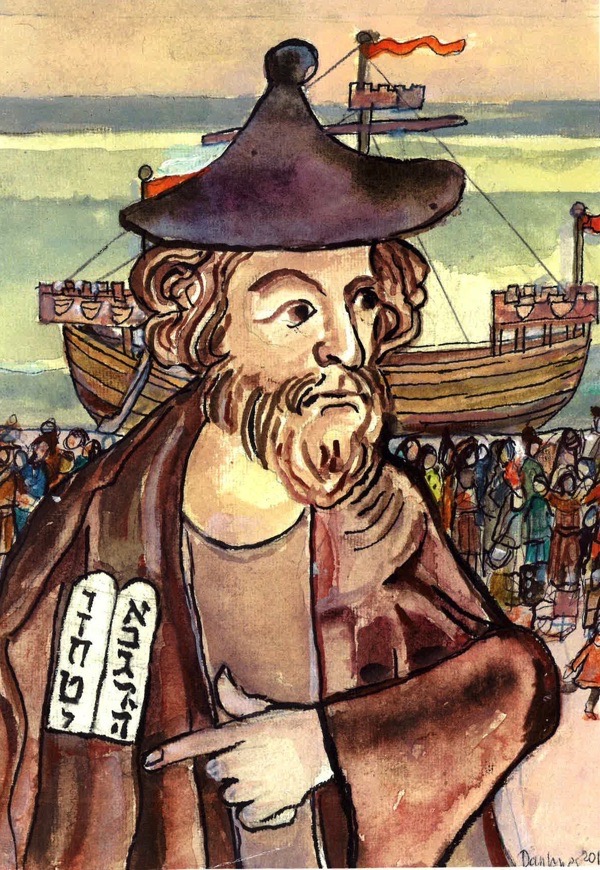

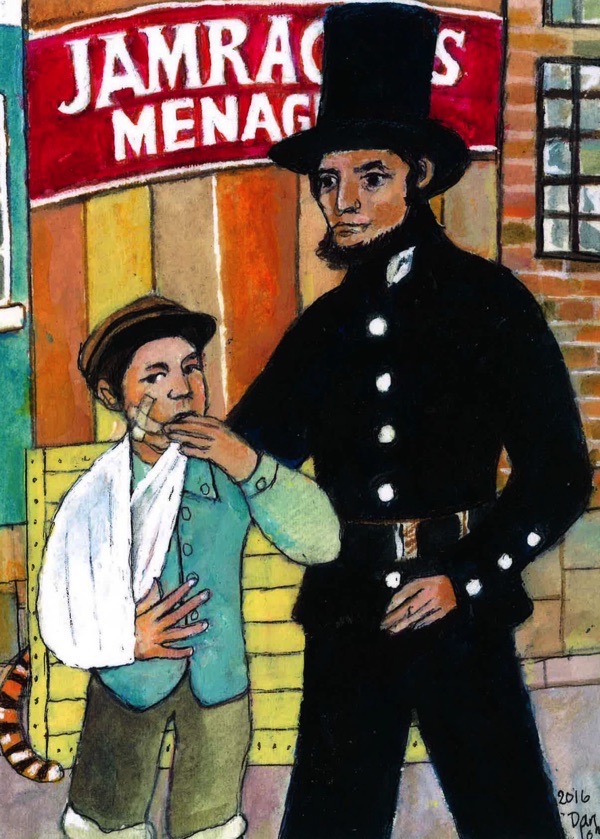
Police Constable James Stewart
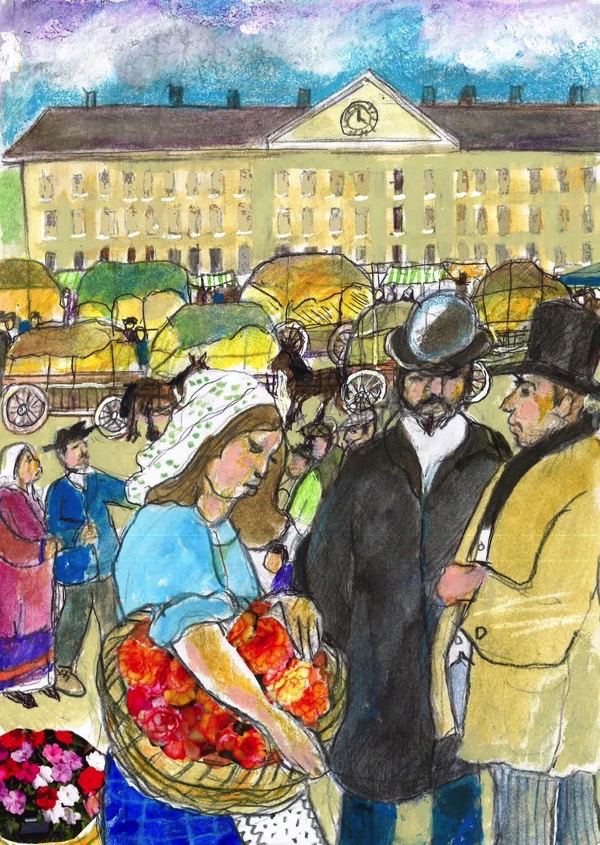
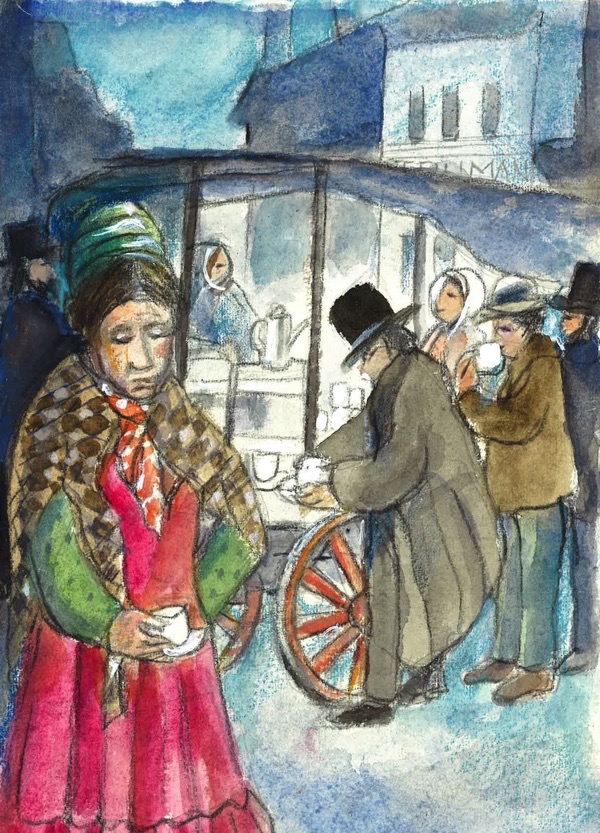

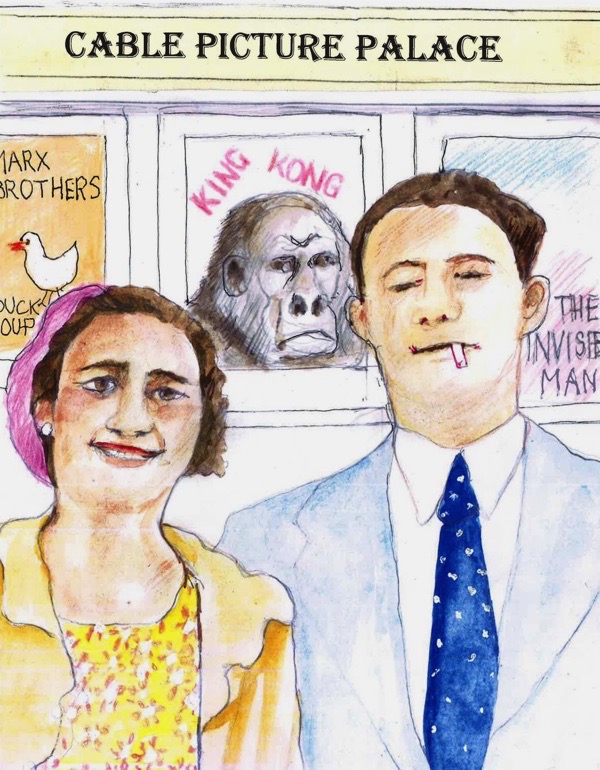
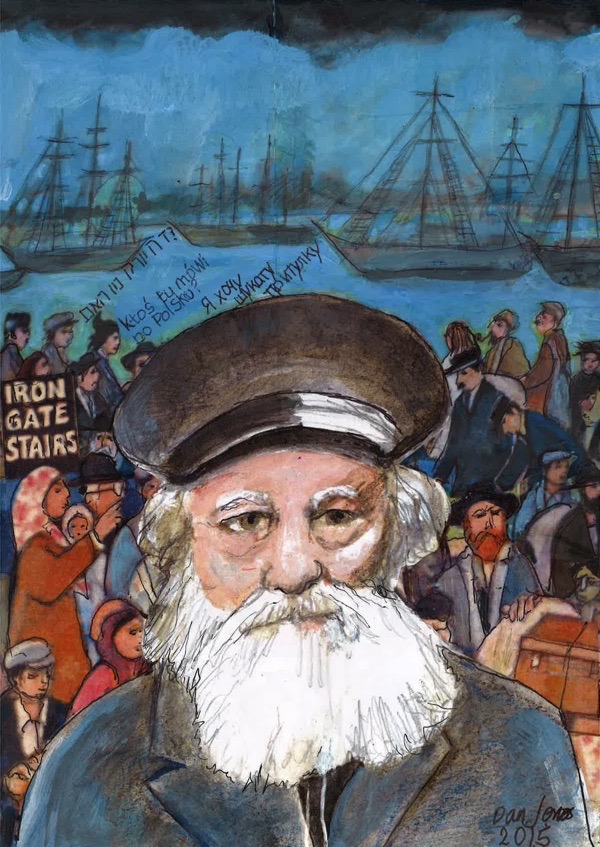
Portraits copyright © Dan Jones
You may also like to take a look at
Eleanor Crow’s Bakers’ Shops
Years have passed since we first featured Eleanor Crow’s beautiful watercolours of East End shops in these pages and Spitalfields Life Books is now publishing a handsome hardback collection of them SHOPFRONTS OF LONDON, In Praise of Small Neighbourhood Shops in collaboration with Batsford Books.
You can preorder to support publication and you will receive a signed copy in the first week of September. Click here to preorder for £14.99

Beigel Shop, Brick Lane
Eleanor’s richly-hued watercolour paintings of favourite East End Bakers set my stomach rumbling just to look at them . “I live in a bakery-free part of the East End and popping out for decent bread usually involves a cycle ride,” she admitted to me, “So I’m always on the lookout for good bakers and I wish we still had a proper bakery in every neighbourhood like they do in the rest of Europe.”
In common with Eleanor, I also plan my routes around the East End using the bakers’ shops as landmarks – so that I can take consolation in knowing the proximity of the nearest one, just in case the desire for something tasty from the bakery overtakes me.
“One of my regular bus routes has The Baker’s Arms as its final destination and close by is a beautiful set of almshouses, built by the London Master Bakers’ Benevolent Institution in the nineteenth century,” Eleanor informed me, elucidating bakers’ lore, as she took the first bite of a freshly baked Hot Cross Bun still warm from the oven.“Luckily people always want bread, so the traditional bakeries can still thrive alongside new businesses – but I do recommend sampling the goods a few times in each one, just to be sure which is the best…”

Robertsons, Lea Bridge Rd

Novelty Bakery, East Ham
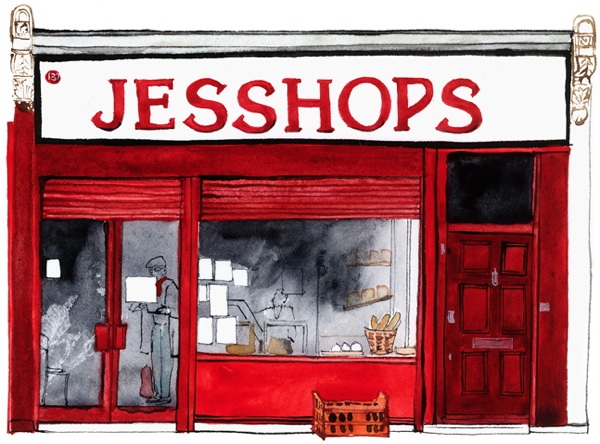
Jesshops, Newington Green

Rinkoff’s, Vallance Rd

Goswell Bakeries, Canning Town

Akdeniz Bakery, Stoke Newington

Star Bakery, Dalston Lane

Fabrique Bakery, Hoxton

Raab the Bakers, Essex Rd

Percy Ingle, Lea Bridge Rd

Anderson’s, Hoxton St

Daren Bread, Stepney Green
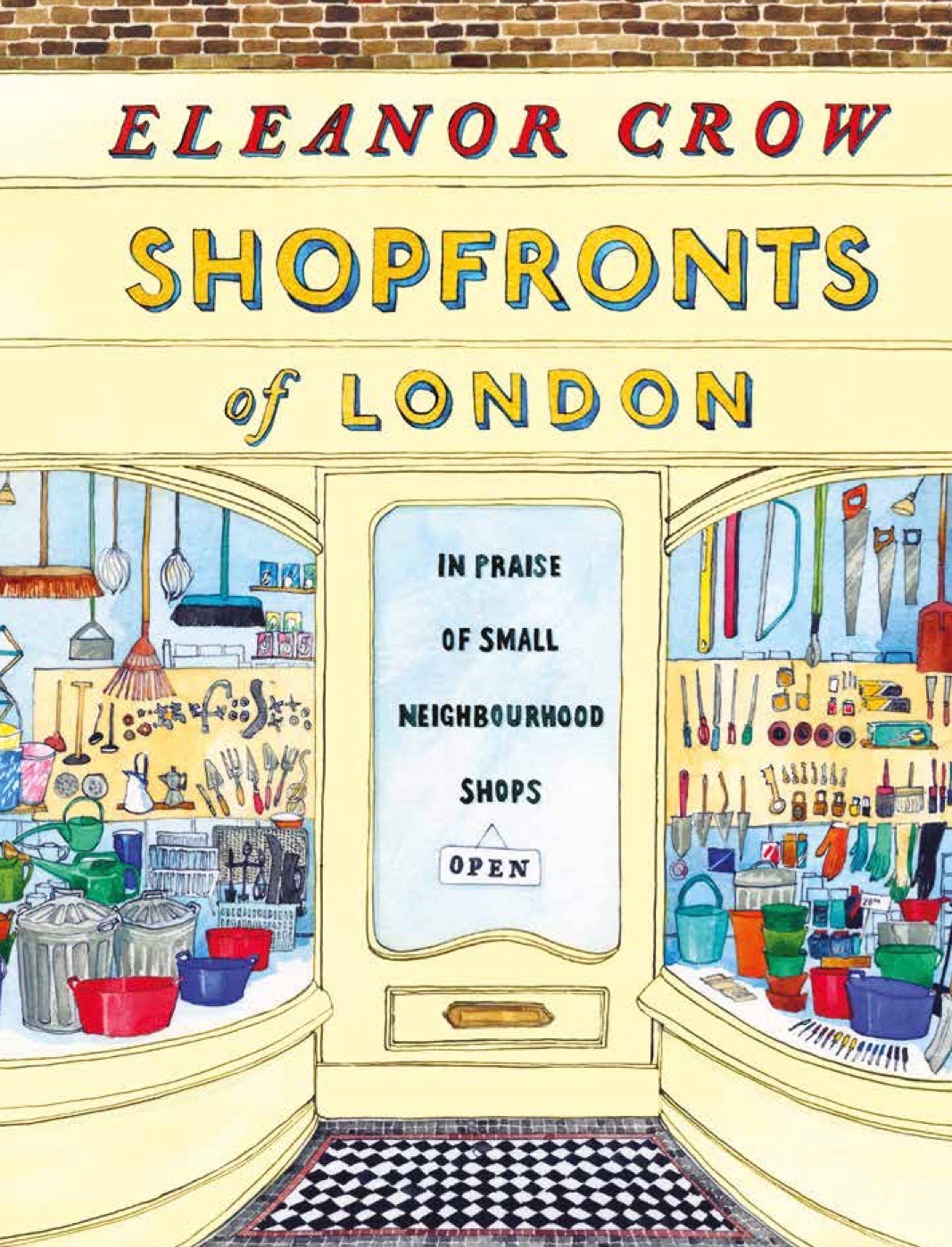
CLICK HERE TO ORDER A SIGNED COPY FOR £14.99
At a time of momentous change in the high street, Eleanor’s witty and fascinating personal survey champions the enduring culture of Britain’s small neighbourhood shops.
As our high streets decline into generic monotony, we cherish the independent shops and family businesses that enrich our city with their characterful frontages and distinctive typography.
Eleanor’s collection includes more than hundred of her watercolours of the capital’s bakers, cafés, butchers, fishmongers, greengrocers, chemists, launderettes, hardware stores, eel & pie shops, bookshops and stationers. Her pictures are accompanied by the stories of the shops, their history and their shopkeepers – stretching from Chelsea in the west to Bethnal Green and Walthamstow in the east.
A Bethnal Green Mulberry Calamity

Yesterday I fell out of a Mulberry tree in Victoria Park while harvesting Mulberries for our campaign to Save the Bethnal Green Mulberry and broke my arm. One moment I was reaching from the top of ladder to pick the largest juiciest Mulberry. The next moment I lay on the grass with the ladder beneath and my right arm twisted at a painful angle.
Nine hours later, I was discharged from the Royal London Hospital with my arm in plaster. I shall endeavour to continue publishing daily in these pages but I know you will understand if it is a few weeks before normal service is resumed.
In the meantime, I need your help more than ever with our London Mulberry Harvest. We are collaborating with Kitty Travers of La Grotta Ices to make Mulberry ice cream for our campaign.
Pick Mulberries from any of the publicly accessible trees on this LONDON MULBERRY MAP produced by Peter Coles of Morus Londinium. Then deliver your Mulberries to Leila’s Shop, 17 Calvert Avenue, Boundary Estate, E2. The shop is open until 5pm today and from Wednesday to Sunday each week. Drop me a line so we can ensure you get some Mulberry ice cream further down the line.
Avoid becoming a Mulberry martyr, please do not fall off the ladder while harvesting Mulberries!

Illustrated London, 1893
Marvel at London’s former manufacturing industry as exemplified by these progressive commercial enterprises from Illustrated London, 1893 in the archive at Bishopsgate Institute

Allen & Hanburys, Manufacturing Pharmaceutical Chemists & Wholesale Druggists, Bethnal Green – For the origin of this eminent firm we have to go back to as far as the days of Mr Silvanus Bevan who was admitted into the Apothecaries’ Company in 1715. Moreover, the firm does not neglect the requirements of modern enterprise . They are always progressive and their works at Bethnal Green are large and splendidly equipped, and are devoted to the extensive manufacture of many important specialities

Messrs H R Mopsey & Co, Ironmongers, High St, Wandsworth – Founded in the year 1840, this firm embodies all the improvements which the interim of half a century has enabled the proprietors to introduce and you will find the aspect of the firm’s handsome premises quite in accordance with the representative and leading position which the house has long occupied in this vicinity.

Messrs Culverwell, Brooks & Co, Brokers, Colonial & Foreign Hides, Skins, Leather, Furs, Taloow &c, Sunn & Toppings Wharves, Bermondsey – This is one of the most important businesses of its kind in London and it is still steadily growing in extent and importance. The partners are business men of sound judgement and marked enterprise, and are worthy representatives of the important branch of commerce with which they have been so long associated.

Messrs Morel Bros, Cobbett & Son Ltd, Importers & Purveyors of High Class Comestibles, Piccadilly – The extensive and mercantile concern now carried under the above title was formed several years ago by the amalgamation of two old-established and high class businesses long known in the West End. As purveyors to Her Majesty to the Queen, the Prince of Wales, the Duke of Edinburgh, the Duchess of Albany, Prince Christian and Prince Henry of Battenberg, Messrs Morel Bros, Cobbett & Son Ltd enjoy the most distinguished patronage it is possible to secure.

Jay’s Mourning Warehouse, Regent St – The last half century has witnessed in London the creation of a number of unique mercantile institutions predestined to win fame and play the part of leaders in their departments of commercial activity. Undoubtedly, no other firm will more readily occur to our readers as answering this description than Jay’s, which has conducted over fifty years that great mourning house in Regent St. Recently, this noted firm sustained a loss in the death of its distinguished founder Mr W C Jay.

The Manufacturing Goldsmiths’ & Silversmiths’ Co, Regent St – Some of the finest business establishments in the world line the broad and fashionable thoroughfare of Regent St and the conspicuous feature in this brilliant array of shops are these showrooms with their unequalled display of beautiful and costly specialities.

Messrs Whitebread, Morris & co, Engravers, Steam Printers & Lithographers, Bookbinders & Export Stationers, Fenchurch St – In connection with the printing and lithographing art industries which are so extensively carried on in the City of London, a prominent position has long been held by this well known firm whose name is identified with the production of a large variety of high class work.

Herbert Finch & Co, Designers, Engravers & Colour Printers, Wholesale Manufacturers & Export Stationers, Specialists in Novelties for Advertising, Leadenhall St – In 1879, they erected this noble structure within which their trade is now carried on, and which forms one of the largest and finest printing offices in the City. Mr Herbert Finch is widely known in the trade and is thoroughly and practically versed in all its details, and he continues to take an active and supreme part in its management of the firm which owes its success and advancement to his energy and foresight.
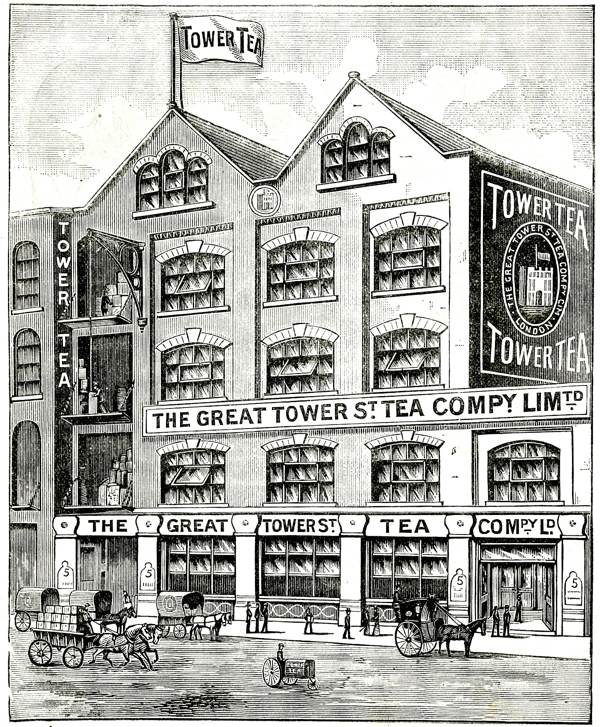
The Great Tower Tea Co Ltd, Jewry St – To the enterprise of this firm, the public is indebted for a very marked and widespread improvement in the quality of tea.

Whyte Ridsdale & Co, Manufacturers’ Agents, Warehousemen & Importers of Fancy Goods, Houndsditch – For over twenty-five years, they have been involved in the business of preparing, collecting and distributing British and Foreign fancy goods, and they have been compelled – more than once – to increase their accommodation and pull down their premises. Still, the increase of their business outstrips the room which the enlarged premises afford and this year is to witness a further large addition to the building they occupy.

Mr Henry Conolly, Manufacturing Sanitary Engineer, Tolmers Sq – In connection with the great developments in sanitary science which have taken place during the past half century, no name is better known or enjoys a higher reputation than that of Henry Conolly.

Messrs John S Fitter & Son, Meat Salesmen, Leadenhall Market – Every visitor to the market is familiar with this fine establishment in the Grand Avenue .They were the earliest appointed agents in England for New Zealand and Australian frozen meat and, by their energetic advocacy of this valuable product and the splendid quality of the supplies they placed in the market, they speedily overcame the, altogether groundless and short-sighted, objections which at first met their endeavours to develop this new and useful trade.

Royal Rubber Co, Sloane St – Not so very many years ago, the waterproof garment was universally regarded as a necessary evil by travellers and persons whose business forced them to face inclement weather, because of its extreme awkwardness and uncompromising ugliness. Now the celebrated Royal Rubber Co brings forward perfect weather defences, in the form of graceful, elegant, artistic and essentially comfortable items of waterproof attire.

H Mallett, Window Blind Manufacturer & Upholsterer, Finchley Rd – After nearly thirty years in the business, Mr Mallett, an expert and skilled workman, took the above premises and developed what has now become the most important business of its kind in London. Mr Mallett has shown much ingenuity in introducing many useful improvements and desirable novelties in his trade.

Messrs Symmons Bros, General Drapers, Hosiers, Silk Merchants, Lades’, Gentlemen’s & Children’s Outfitters, Finchley Rd – This establishment is splendidly appointed in the best modern style, served by numerous and highly efficient staff, and stocked with a choice selection of goods, that entitles it to comparison with the leading houses of the West End.

C Holz, Theatrical & Private Wig-Maker, Covent Garden – Although the modern perruquier is not so universally in demand as his predecessor of the ‘good old days,’ he is – if anything – called upon to exercise far greater skill in his art by fashioning wigs which cannot be distinguished from the natural normal head of hair and, among the cleverest exponents of the craft in the metropolis, a place of distinction must unquestionably be accorded to Mr C Holz, who entered upon his present prosperous career in Fulham twelve years ago and subsequently migrated to his current, eligibly situated, premises to give full scope to a rapidly-expanding business.

Wade & Co, Tailors, Habit & Breeches Makers, Colonial & American Outfitters, Gracechurch St – The founder, Mr Zachariah Wade, attributes its success to the recognition and application of the principle of cash payments applied to the production and sale of best goods only, a principle hitherto associated with what is known in the trade as slop-made articles. Lighted with electricity, goods now may be selected during a London fog with almost as much satisfaction as upon a bright sunny day.
 Images courtesy Bishopsgate Institute
You may also like to take a look at
Allen & Hanbury’s Surgical Appliances
Modest Wonders of Hackney Wick
Roy Wild, Hop Picker
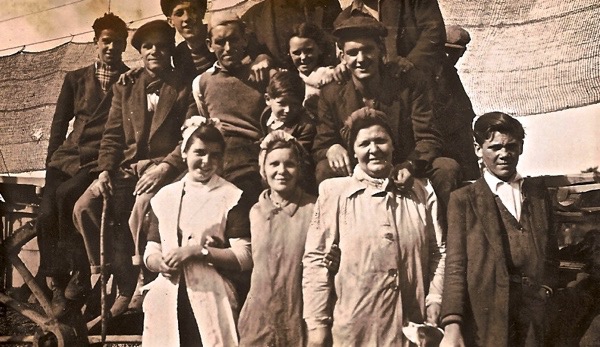
There is Roy on the right with his left hand stuck in his pocket – to indicate the appropriate air of nonchalance befitting a street-wise man of the world of around twelve years old – on a hopping expedition with his family from Hoxton.
Roy went hop picking each year with this relations until he reached the age of eighteen and, at this season, he always recalls his days in Kent. Still in touch with many of those who were there with him in the hop fields in the fifties, Roy was more than happy to get out his photographs and settle down with a cup of tea with a drop of whisky in it, and tell me all about it.
“I first went hopping with my family in 1948 when I was ten or eleven. We went to Selling near Faversham in Kent. The fields were owned by Alan Bruce Neame of Shepherd Neame, and he would employ people to pick the hops which he sold to breweries. We all lined up on the last day and he would pay each of us in person.
Some Londoners went by train from London Bridge St, all waiting on the station and carrying all their stuff with them. We were very fortunate, dad’s brother Ernie, he had an asphalt company and had an open backed lorry, for which he made a frame for a rain canopy, and we all went down to hopping together – our family, Ernie’s family, also Renee’s sister Mary and her family. Ernie would drive down to Hoxton and pick us up at Northport St, with all our bits and pieces, our bags and suitcases with bed linen and that type of thing, and away we’d all go down to Faversham. We’d go at the weekend, so we could spend a day unpacking and be ready to start picking on Monday.
There was us hop pickers from London but Neame would also employ ‘home-dwellers,’ these were Kentish people. The accommodation they lived in was far superior to what we were subjected to. We were given no more than Nissen huts, square huts made of corrugated iron with a door and that was about all, no windows. It was very, very primitive. We washed in a bowl of water and the toilet was a hole dug in a field. My mother would take old palliasses down with us from Hoxton and they would be stuffed with straw or hay from the barn, and that would our mattresses. The beds were made of planks, very basic and supported upon four logs to prop them up off the floor. You’d put the palliasses on top of the planks and the blankets on top of that. The huts were always running alive with creepy-crawlies, so anyone that had a phobia of that wasn’t really suited to hop picking.
There was another room next to it which was half the size, this was our kitchen. My dad would take down an old primus stove for cooking. It was fuelled by paraffin and the more you pumped it up the fiercer the flame, the quicker the cooking. It was only a small thing that sat on a box. The alternative to that was cooking outside. The farmer would provide bundles of twigs known as ‘faggots,’ to fuel the fire and we would rig up a few bricks with a grill where we’d put the kettle and a frying pan. They’d literally get pot-black in the smoke.
We usually went from three weeks to a month hop picking, sometimes the whole of September, and you could stay on for fruit picking. When we first started, we picked into a big long troughs of sacking hanging down inside a wooden frame. They were replaced by six bushel baskets. The tally man would come round with a cart to collect the six bushel baskets and mark your card with how much you had picked, before carrying the hops away to the oasthouses for drying.
At the time, we were paid one shilling and sixpence a bushel. You’d pick into a bushel basket while you were sitting with it between your legs and when it was full, you’d walk over to the six bushel basket and tip it in. My dad was a fast picker, he’d say ‘Come on Roy, do it a bit quicker!’ All your fingers got stained black by the the hops, we called it ‘hoppy hands.’
If you had children with you, they would mess about. Their parents would be rebuking them and telling them to get picking because the more you picked, the more you earned. Some people could get hold of a bine, pull the leaves off and, in one sweep, take all the hops off into the basket. Other people, to bulk up their baskets would put all kinds of things in there. they would put the bines at the bottom of the six bushel basket and nobody would know, but if you got caught then you was in trouble. My dad showed me how to fill a six bushel basket up to the five bushel level and then put your arms down inside to lift up the hops to the top just before the tally man came round.
The adults were dedicated pickers because you had to buy food all the time and being there could cost more money than you made. There was a little store near us called ‘Clinges’ and further up, just past the graveyard, was another store which was more modern called ‘Blythes’, and next door to that was a pub called the ‘White Swan’ and that was the release for all the hop pickers. They all used to go there on Saturday and Sunday nights and there’d be sing-songs and dancing, before going back to work on Monday morning. It was the only enjoyment you had down there, except – if you didn’t go up to the pub – you’d get all the familes sitting round of a weekend and reminiscing and singing songs, round a big open fire made up of the faggots
We worked from nine o’clock until about four, Monday to Friday. The owner of the hop fields employed guys to work for him who were called ‘Pole Pullers,’ they had big long poles with a sharp knife on the end and when you pulled a bine, if it didn’t come down, you’d call out for a pole puller and with his big long pole he’d cut the top of it and the rest if it would fall down. When it was nearing four o’clock, they’d call out ‘Pull no more bines!’ which was what all the kids were waiting for because by this time they’d all had just about enough. A hop field can be one muddy place and if you’re in among all that with wellingtons on it can get pretty sticky. If it was ready to rain, the pole pullers would also go round and call ‘Pull no more bines.’ Nobody was expected to work outside in the rain. We dreaded the rain but we welcomed the pole pullers when they called out, because that was the day’s work done until the following morning.
We looked forward to going hop picking because it was the chance of an adventure in the country. It was just after the war and we’d had it rough in Hoxton. I was born in 1937 and I’d grown up through the war, and we still had ration books for a long time afterwards. I was a young man in the fabulous fifties and the swinging sixties. In the fifties, we had American music and Elvis Presley, and in the sixties the Beatles and British music. Hop picking was being mechanised, they had invented machines that could do it. So we grew away from it, and young men and young women had better things to do with their time.”
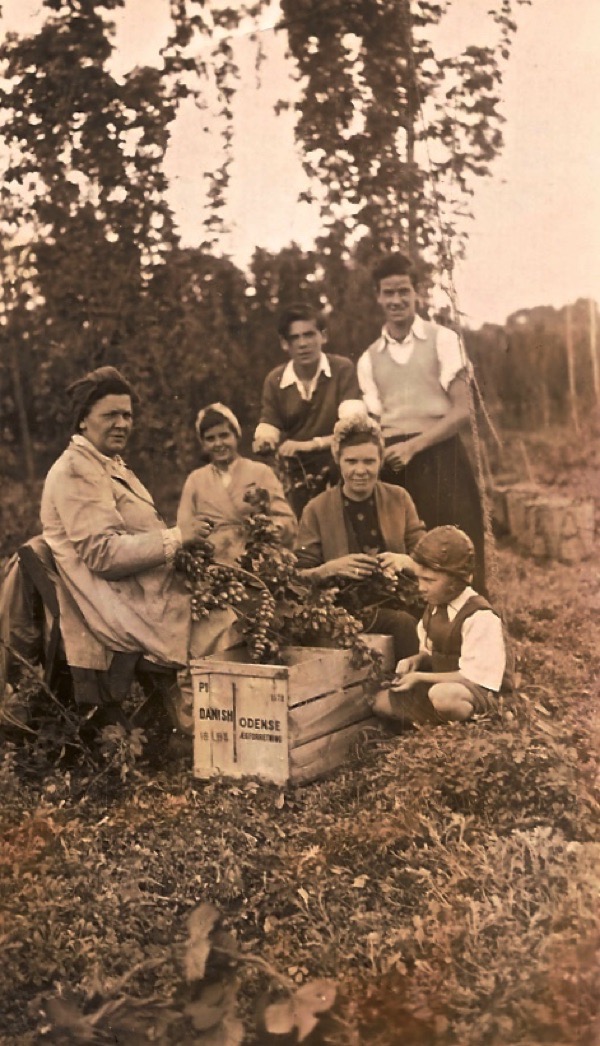
Roy stands in the centre of this family group
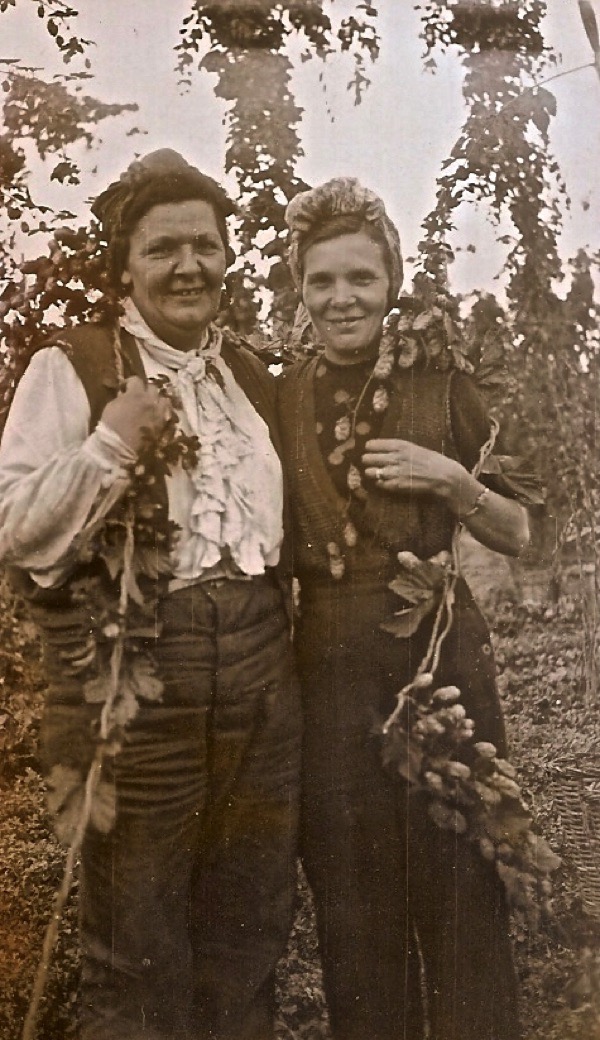
Renee Wild and Rosie Wild
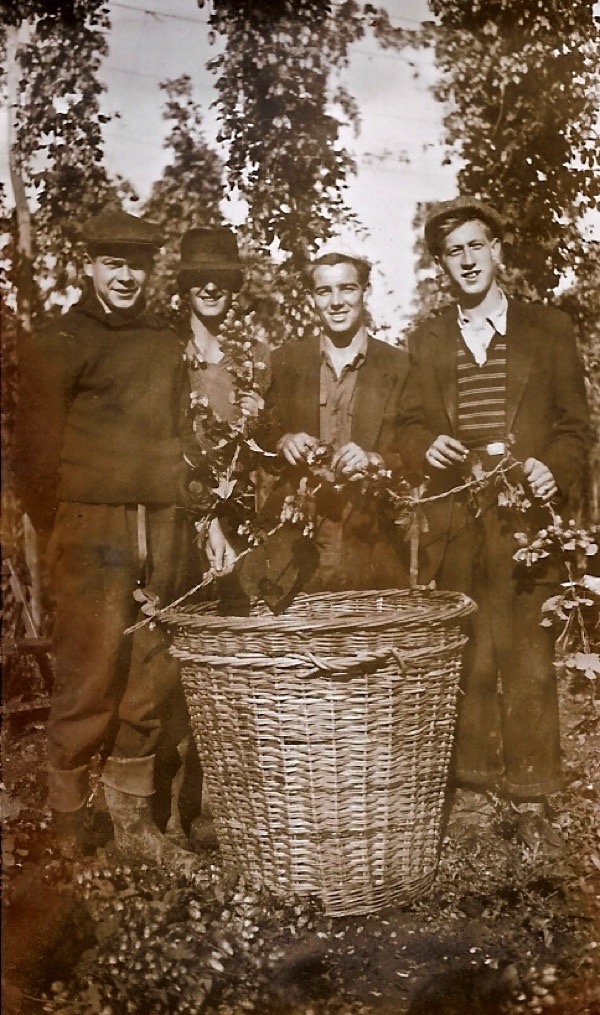
Picking into a six bushel basket
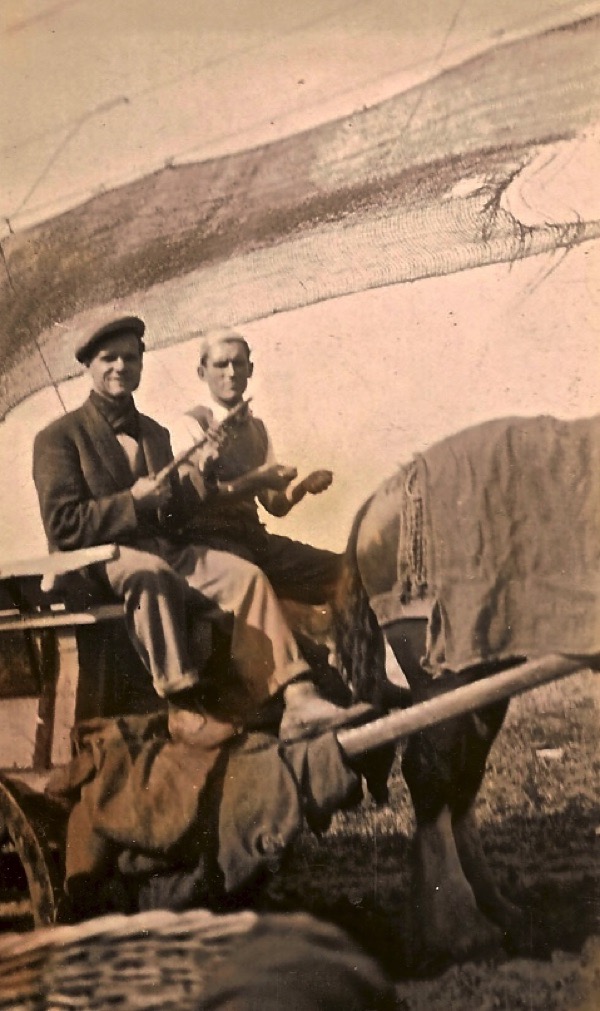
Roy’s father Andy Wild rides in the cart with his brother Ernie
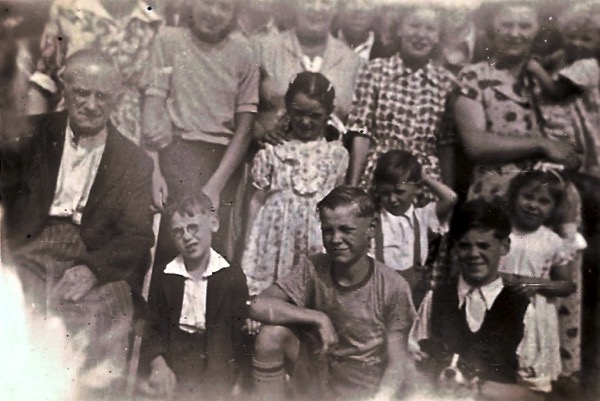
Roy’s grandfather Andrew Wild is on the far left of this photo
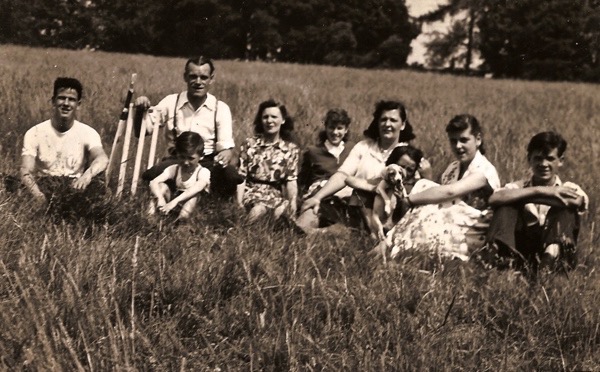
Roy is on the far right of this group
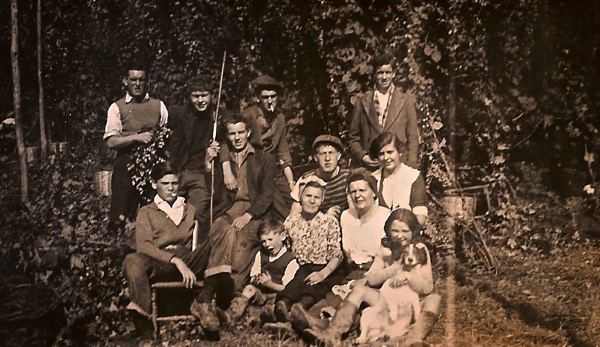
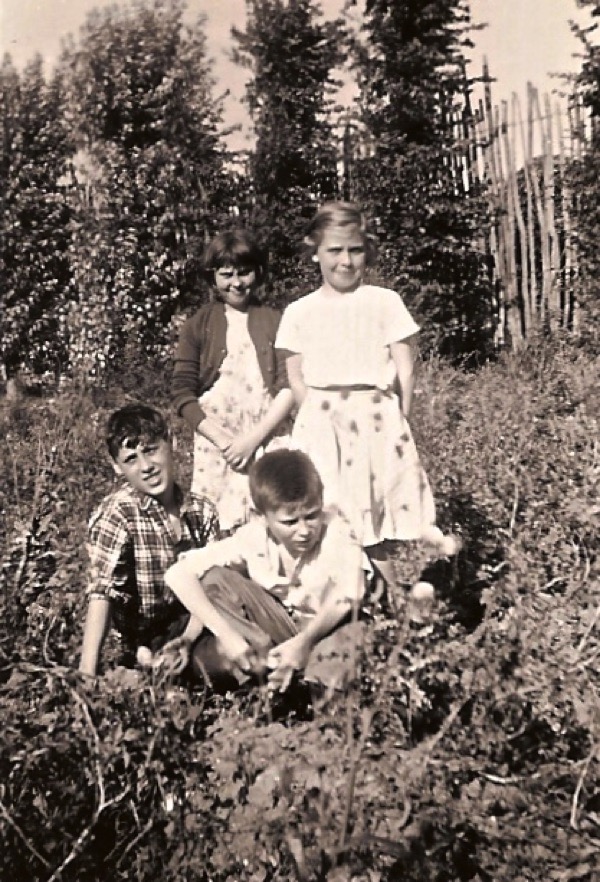
Roy sits in the left in the front of this picture
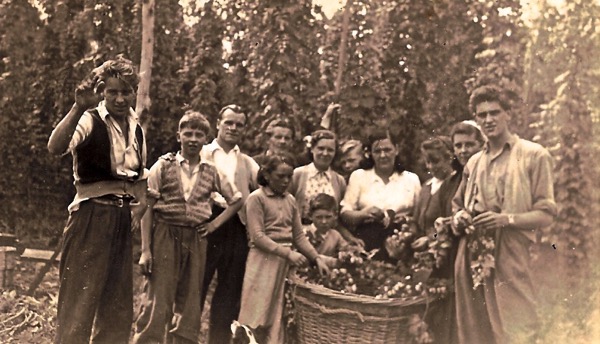
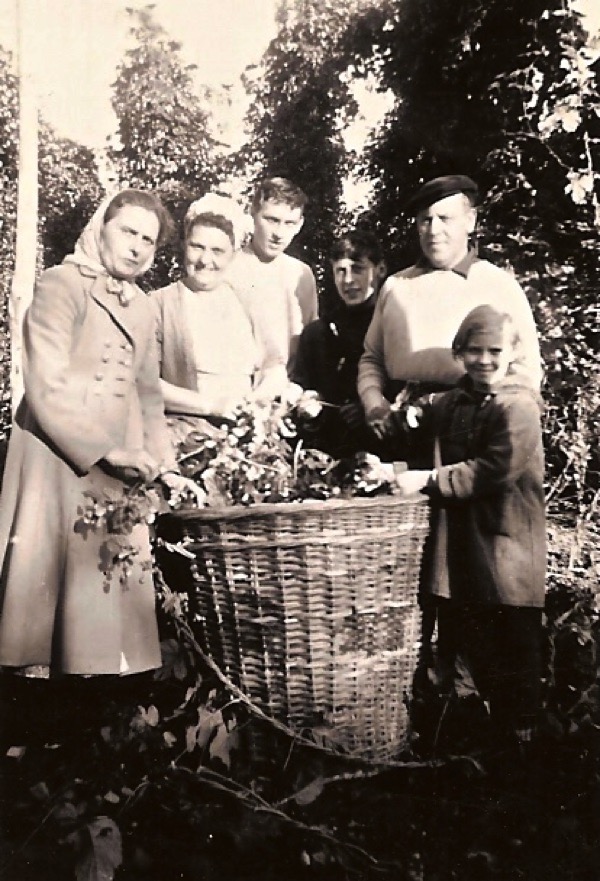
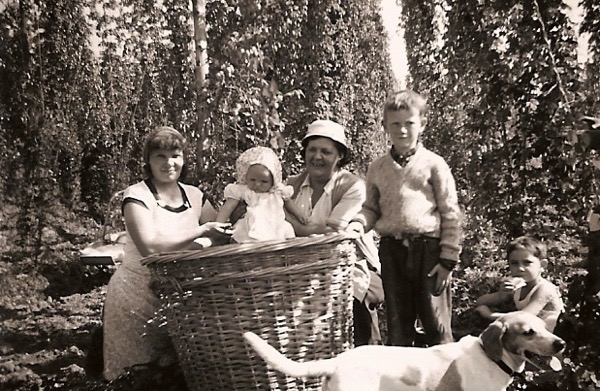
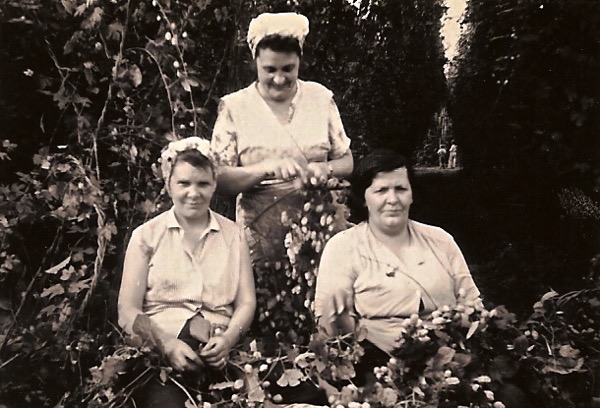
Rosie, Mary & Renee
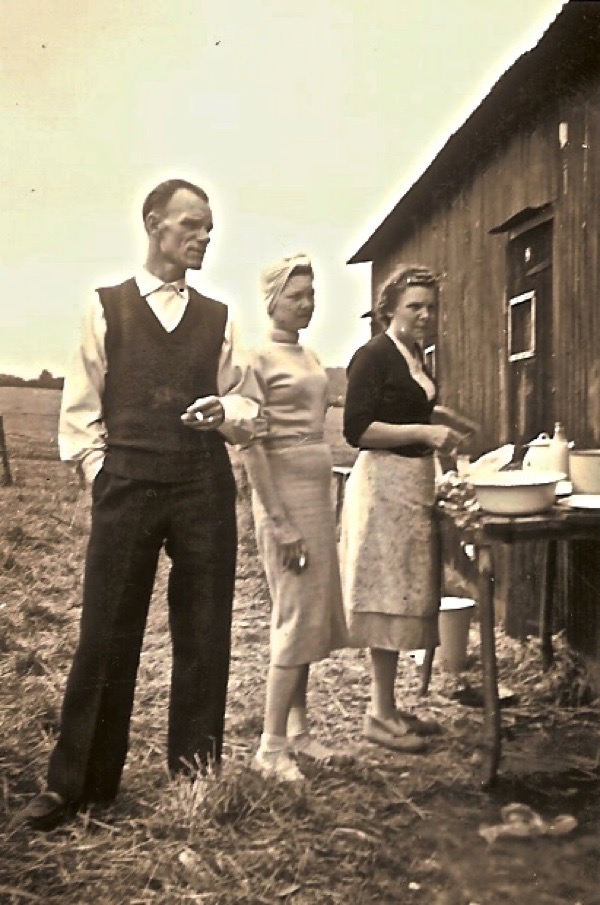
Roy’s father Andy Wild with Roy’s mother Rosie at the washing up and Pearl
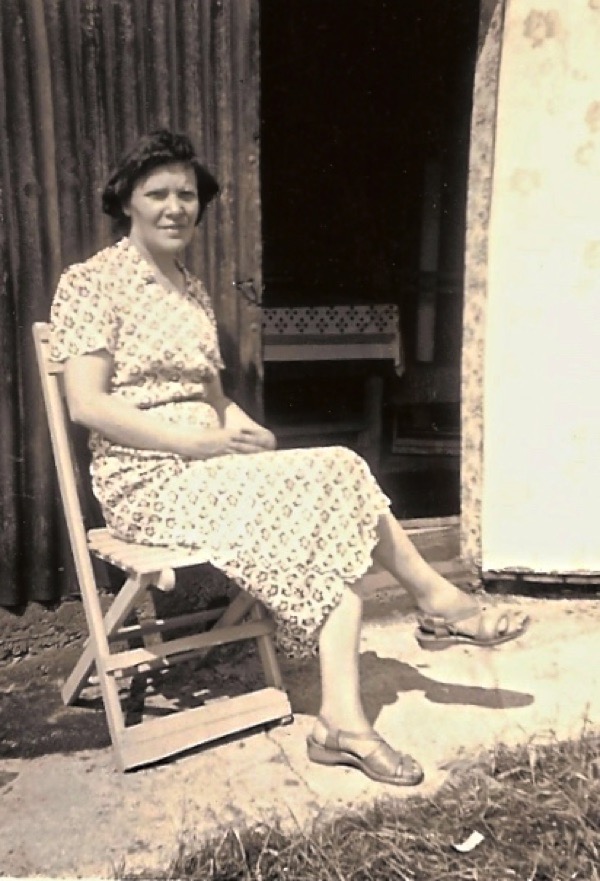
Roy’s mother, Rosie Wild
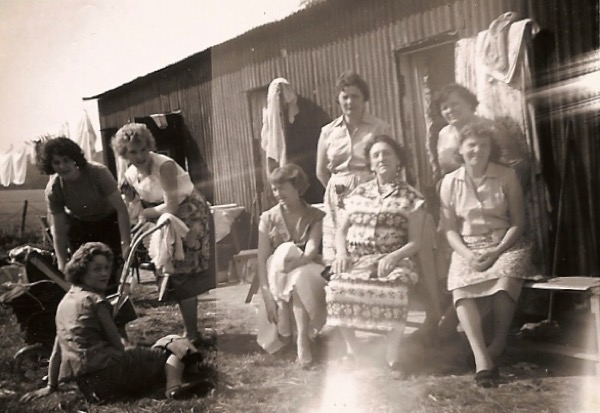
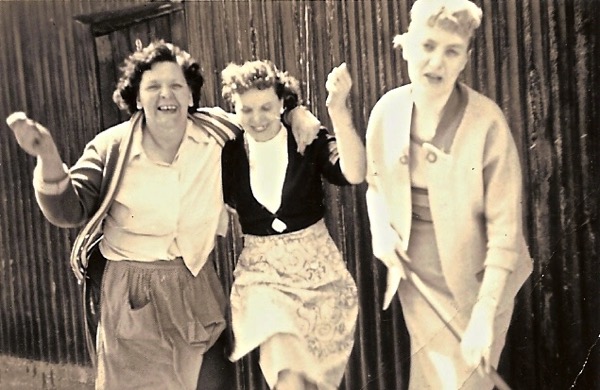
Renee, Mary & Pearl
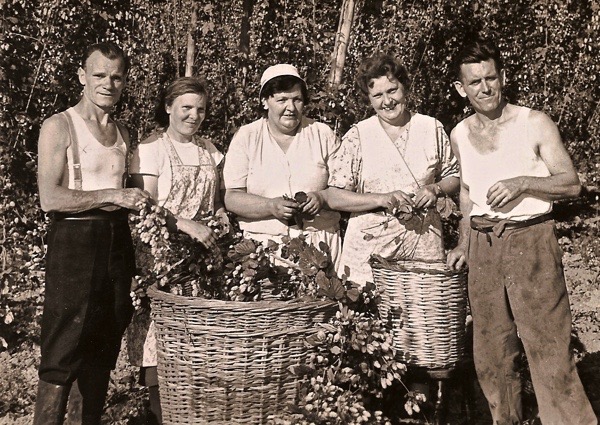
Roy’s father Andy stands on the left and his Uncle Ernie on the right
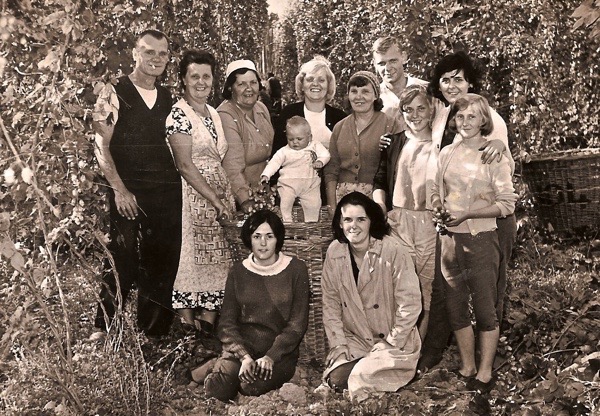
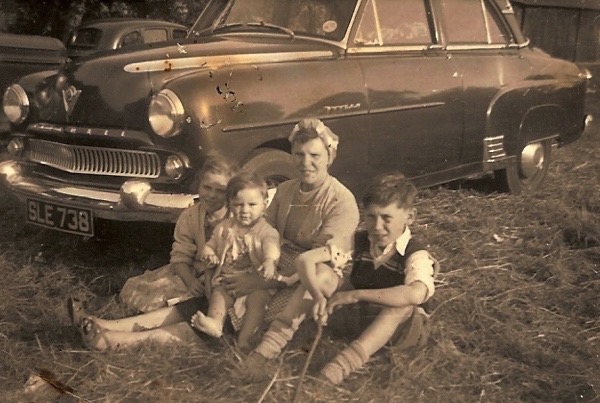
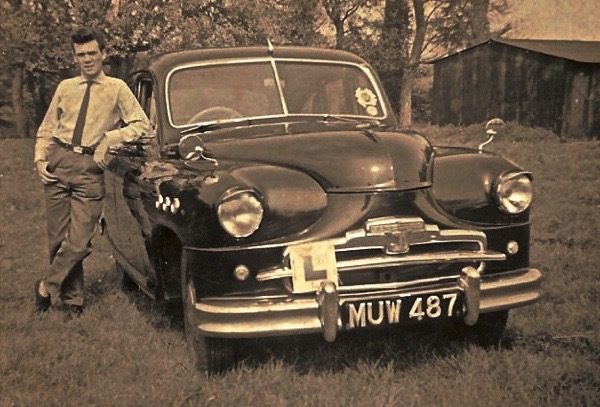
Roy
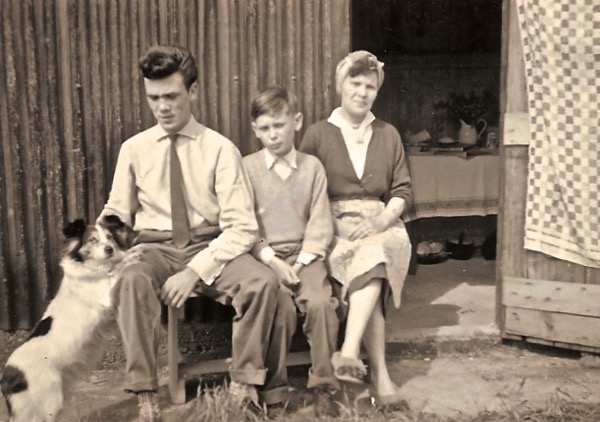
Roy (with Trixie) and Tony sit beside their mother Rosie
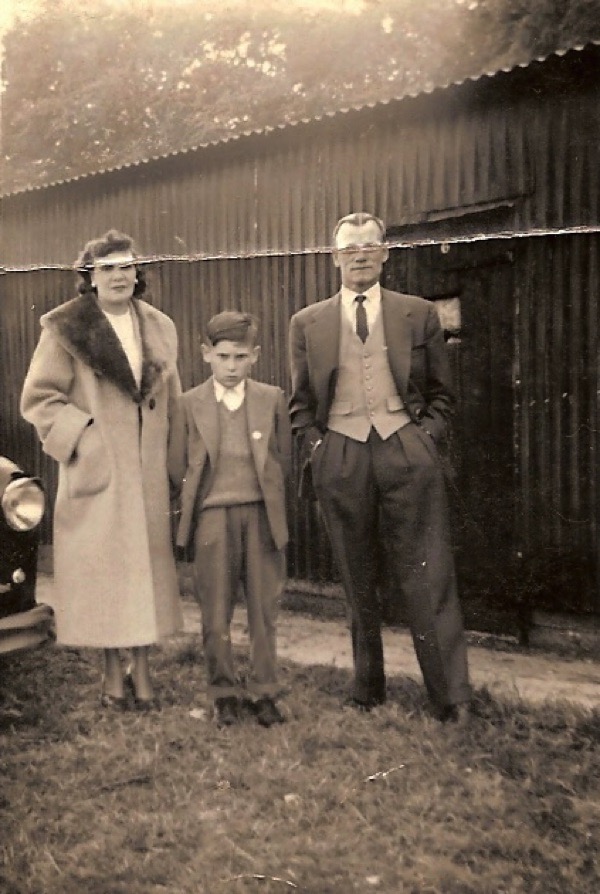
Roy’s mother and father with his younger brother Tony
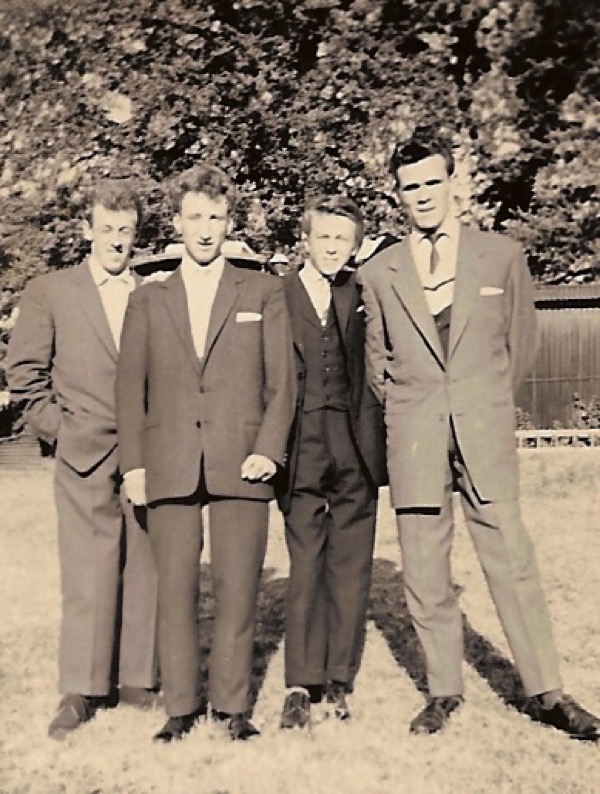
Roy stands on the right of this group of his pals
You may also like to read about