
Shopping In Old London

Tickets are available for THE GENTLE AUTHOR’S TOUR OF SPITALFIELDS on January 1st
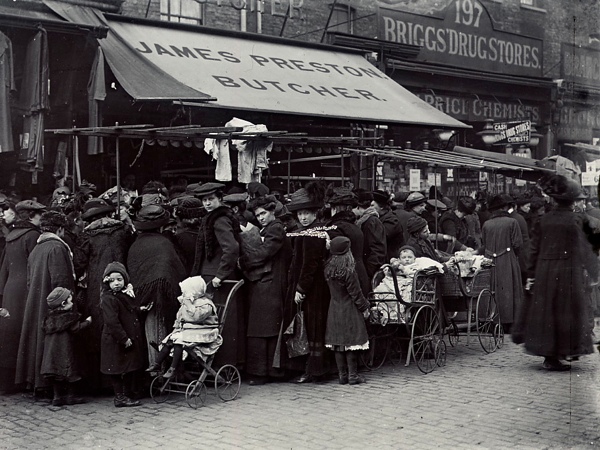
Butchers, Hoxton St c.1910
Are you short of cash and weary of Christmas shopping? Why not consider visiting the shops of old London instead? There are no supermarkets or malls but plenty of other diversions to captivate the eager shopper.
These glass slides once used for magic lantern shows by the London & Middlesex Archaeological Society at the Bishopsgate Institute offer the ideal consumer experience for a reluctant browser such as myself since, as this crowd outside a butcher in Hoxton a century ago illustrates, shopping in London has always been a fiercely competitive sport.
We can enjoy window shopping in old London safe from the temptation to pop inside and buy anything – because most of these shops do not exist anymore.
Towering over the shopping landscape of a century ago were monumental department stores, beloved destinations for the passionate shopper just as the City churches were once spiritual landmarks to pilgrims and the devout. Of particular interest to me are the two huge posters for Yardley that you can see in the Strand and on Shaftesbury Avenue, incorporating the Lavender Seller from Francis Wheatley’s Cries of London, originally painted in the seventeen-nineties. There is an intriguing paradox in this romanticised image of a street seller of two centuries earlier, used to promote a brand of twentieth century cosmetics that were manufactured in a factory in Stratford and sold through a sleek modernist flagship store, Yardley House, in the West End.
Wych St, lined with medieval shambles that predated the Fire of London and famous for its dusty old bookshops and printsellers is my kind of shopping street, demolished in 1901 to construct the Aldwych. Equally, I am fascinated by the notion of cramming commerce into church porches, such as the C. Burrell, the Dealer in Pickled Tongues & Sweetbreads who used to operate from the gatehouse of St Bartholomew the Great in Smithfield and E.H. Robinson, the optician, through whose premises you once entered St Ethelburga’s in Bishopsgate. Note that a toilet saloon was conveniently placed next door for those were nervous at the prospect of getting their eyes tested.
So let us set out together to explore the shops of old London. We do not need a shopping basket. We do not need a list. We do not even need to pay. We are shopping for wonders and delights. And we shall not have to carry anything home. This is my kind of shopping.
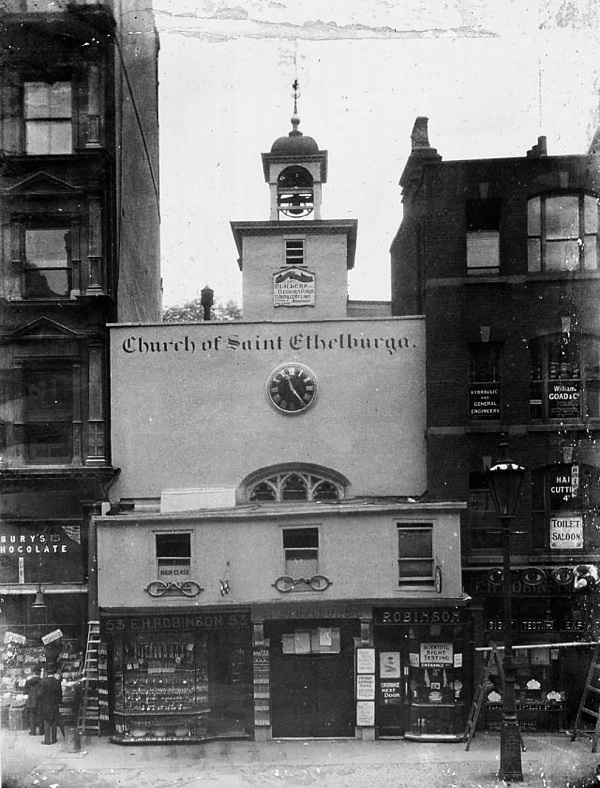
Optician built into St Ethelburga’s, Bishopsgate, c.1910
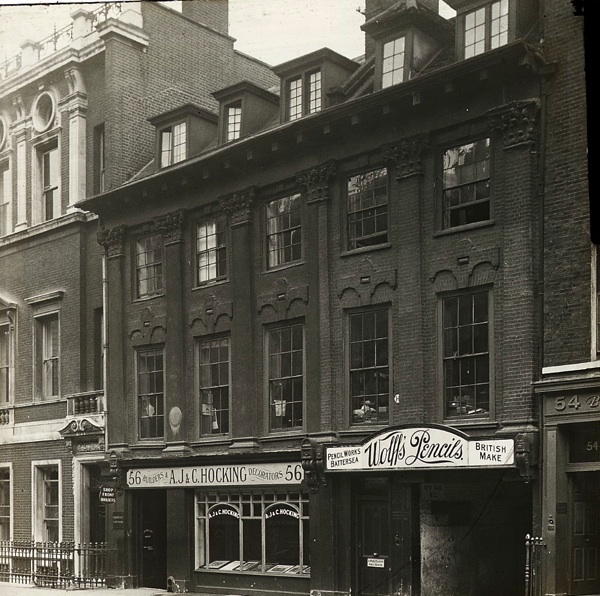
Decorators and Pencil Works, Great Queen St, c.1910
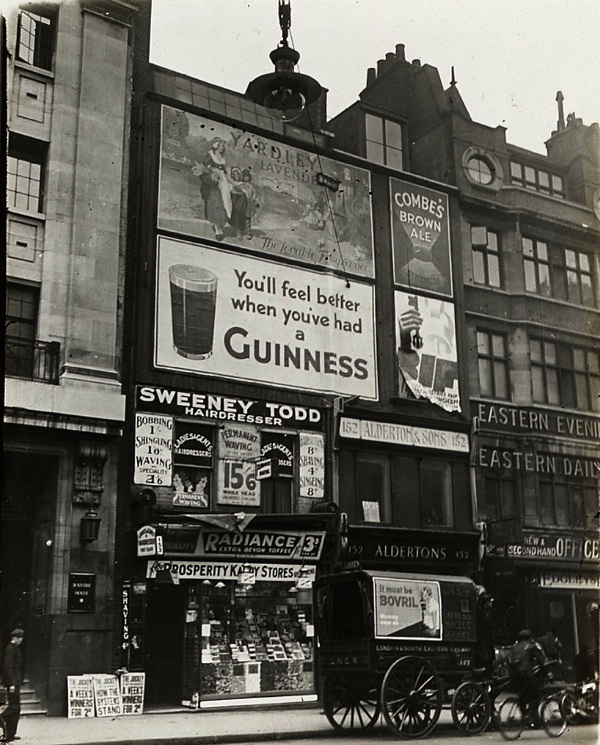
Newsagent and Hairdresser at 152 Strand, c.1930
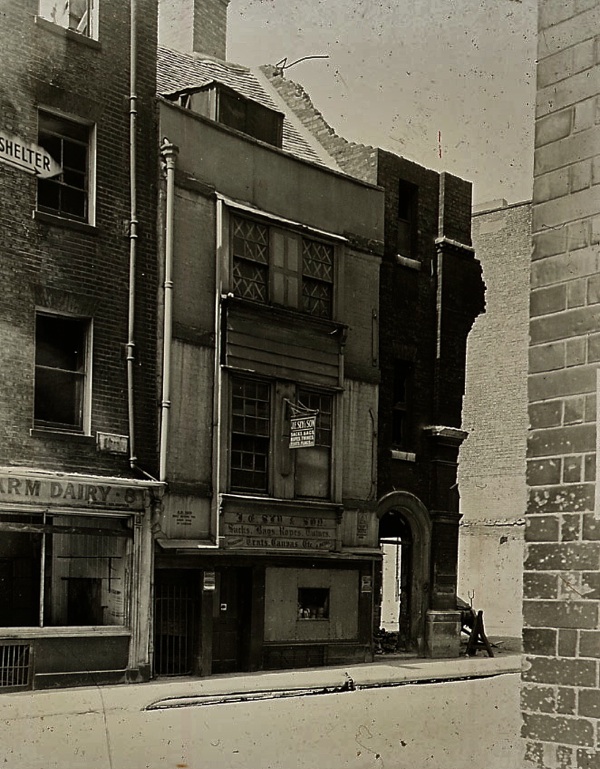
Dairy and ‘Sacks, bags, ropes, twines, tents, canvas, etc.’ Shop, c. 1940
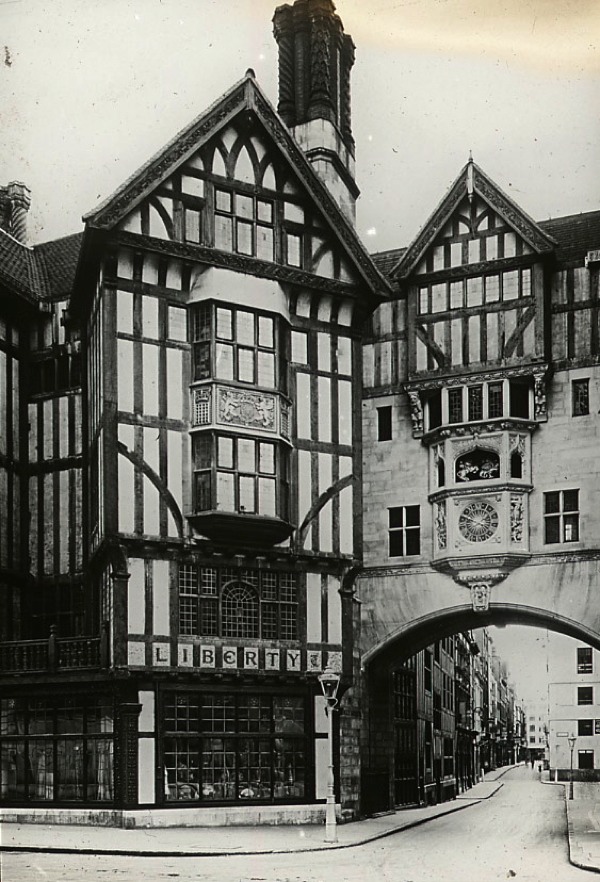
Liberty of London, c.1910

Regent St, c.1920.
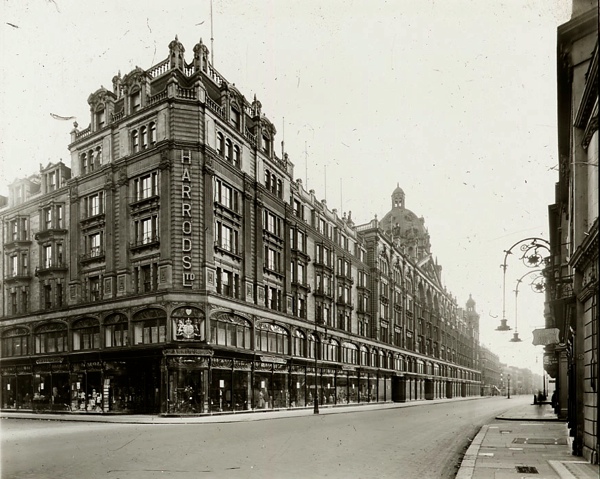
Harrods of Knightsbridge, c.1910

The Fashion Shoe Shop, c.1920 “Repetiton is the soul of advertising”
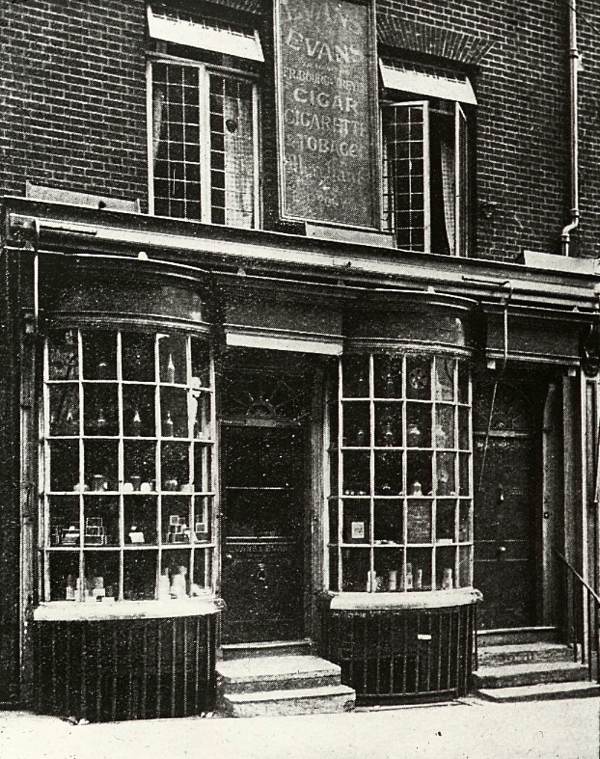
Evsns Tabacconist, Haymarket, c.1910
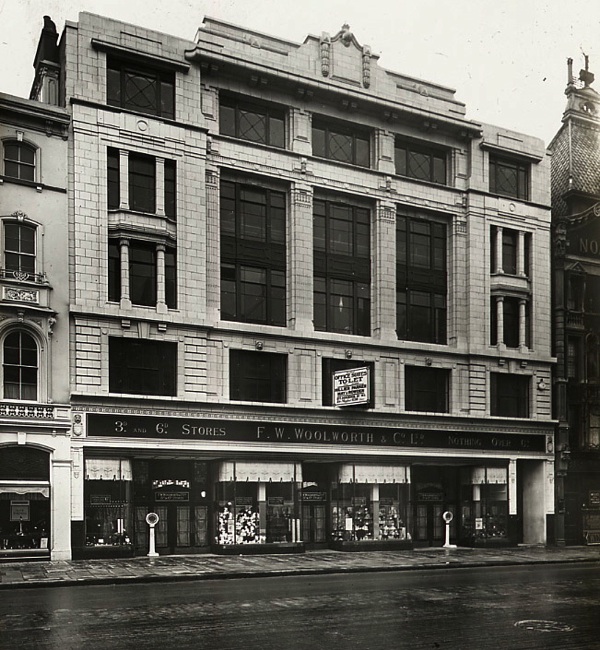
F. W. Woolworth & Co. Ltd. 3d and 6d store, c.1910
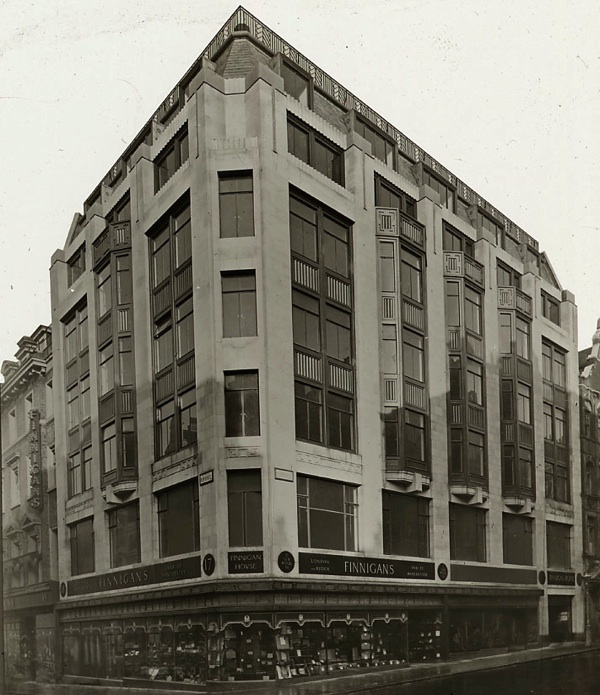
Finnigan’s of New Bond St, gold- & silversmiths, c.1910
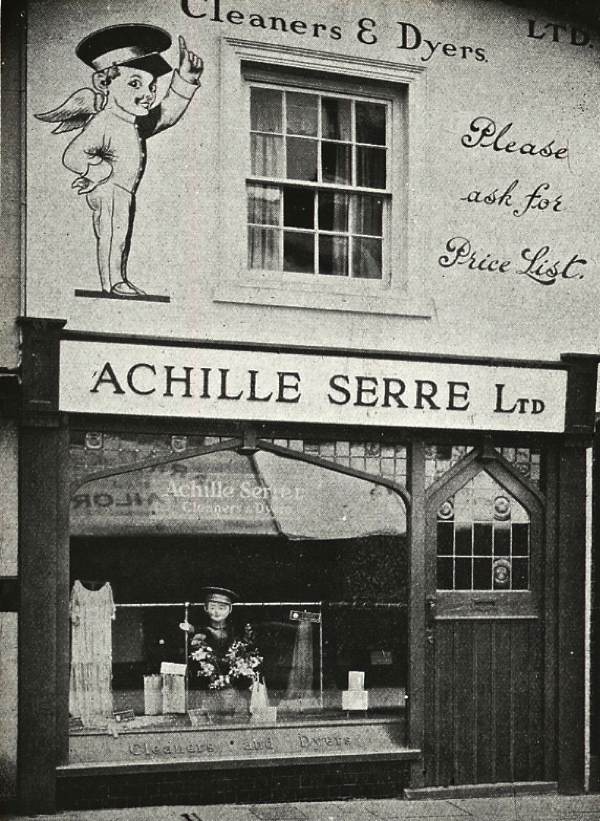
Achille Serre,Cleaner & Dyers, c. 1920
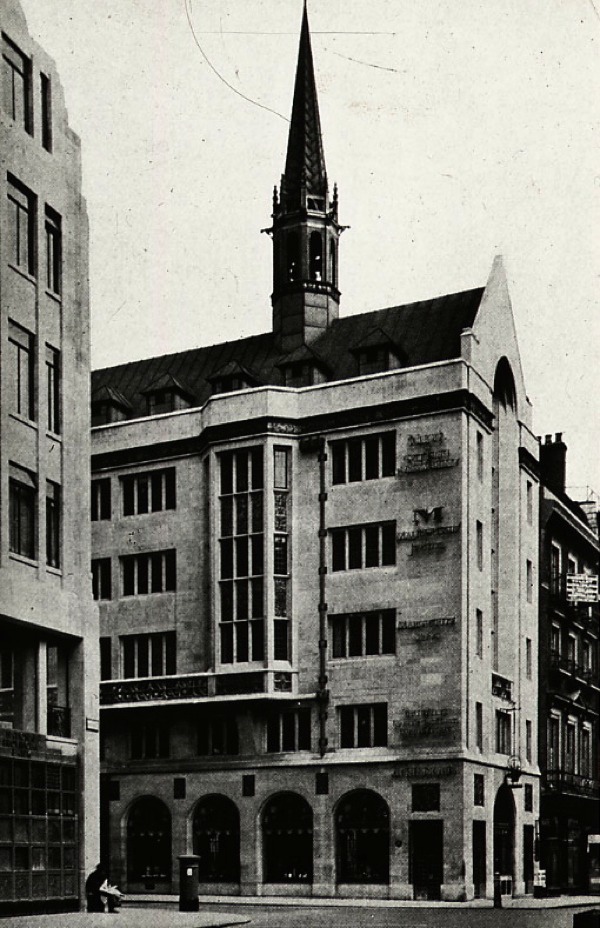
Old Bond St. c. 1910
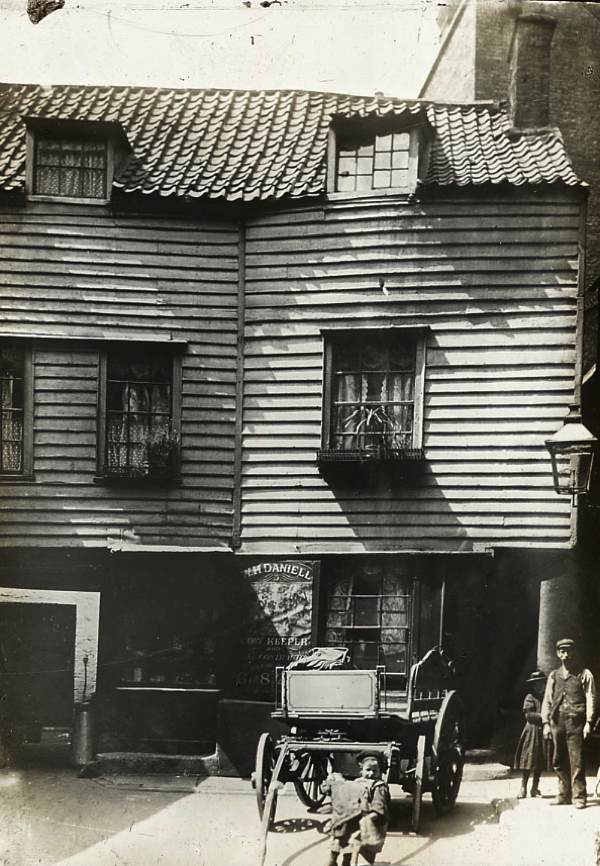
W.H.Daniel, Cow Keeper, White Hart Yard, c.1910
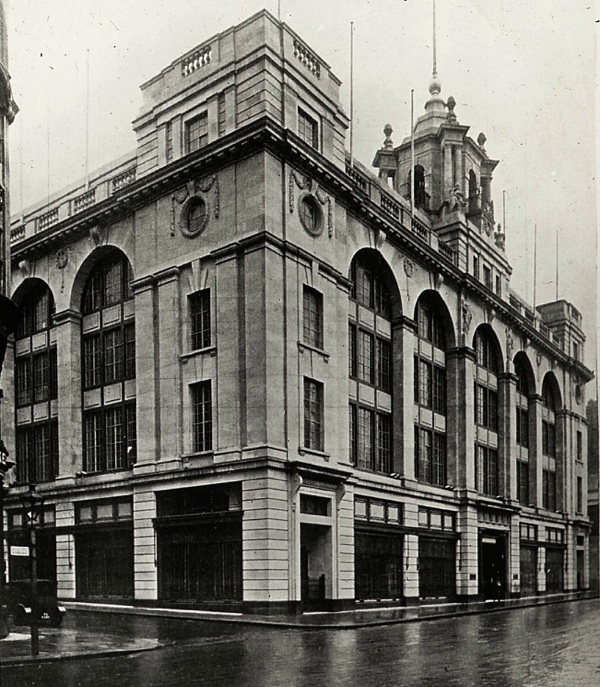
John Barker & Co. Ltd., High St Kensington, c.1910
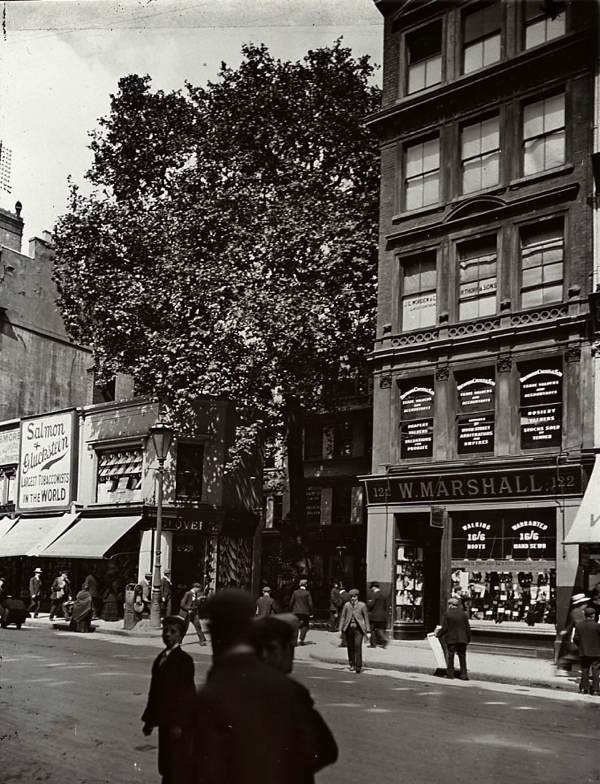
Tobacconist, Glovers and Shoe Shop, c.1910
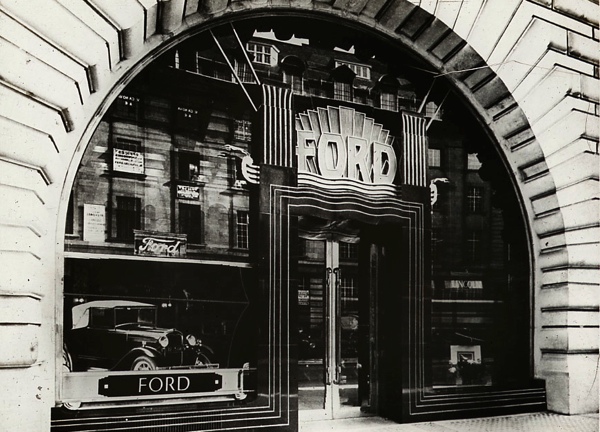
Ford Showroom, c.1925
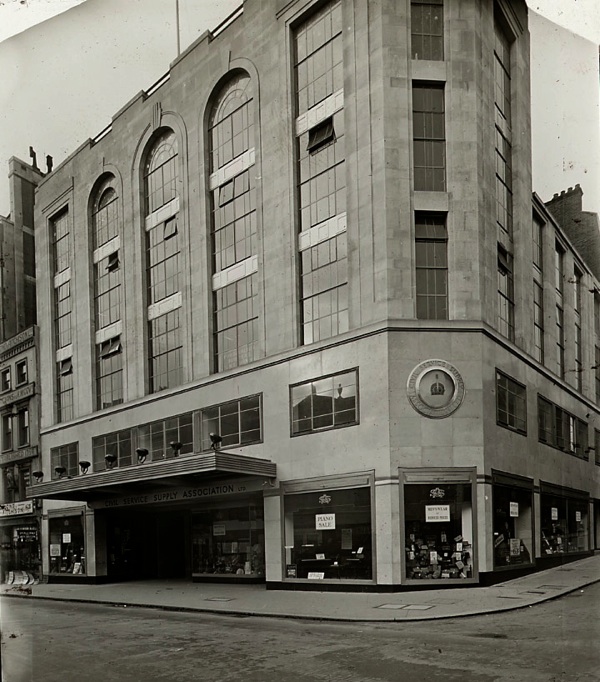
Civil Service Supply Association, c. 1930
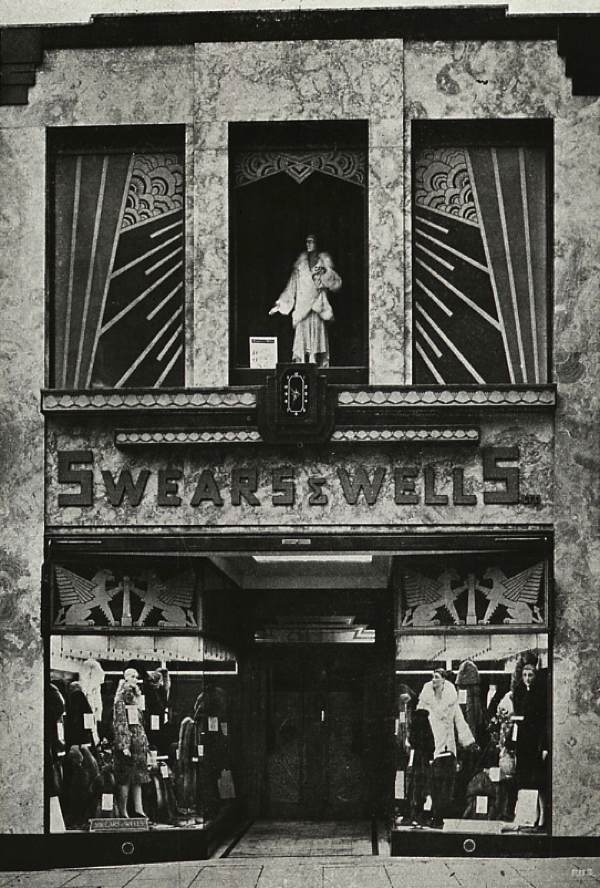
Swears & Wells Ltd, Ladies Modes, c. 1925
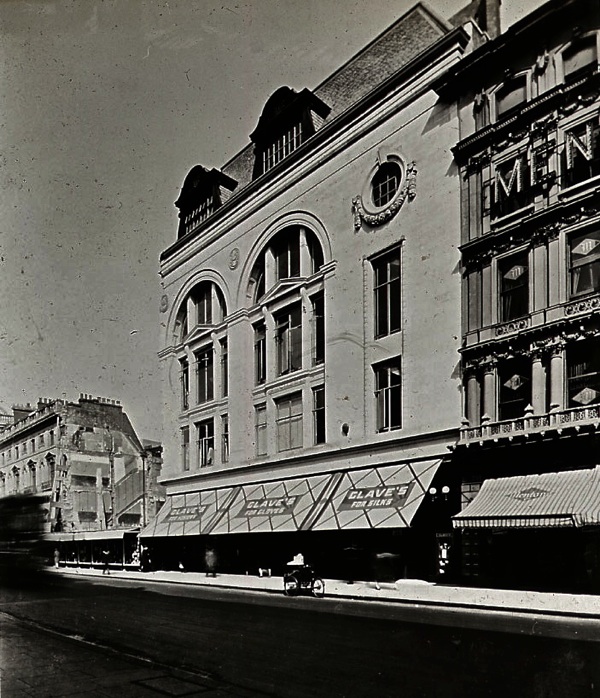
Glave’s Hosiery, c 1920
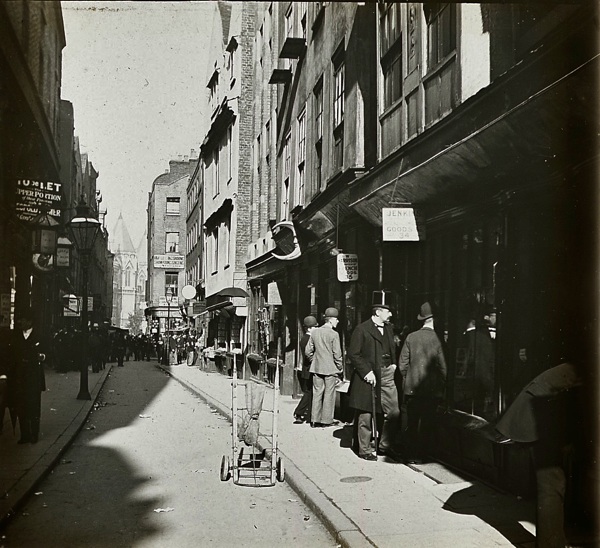
Shopping in Wych St, c. 1910 – note the sign of the crescent moon.
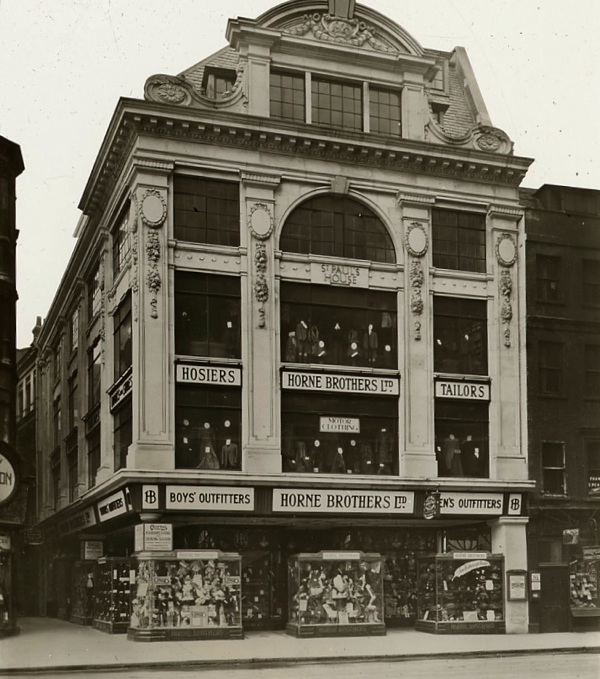
Horne Brothers Ltd, c. 1920
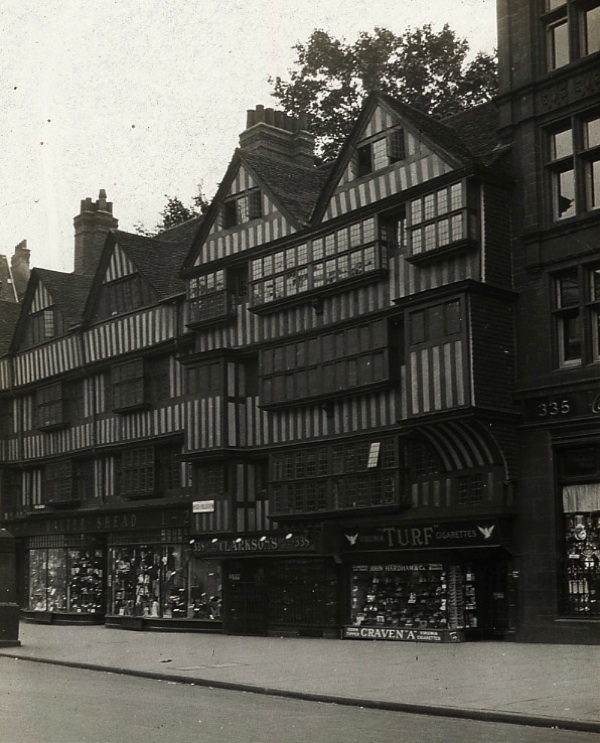
Tobacconist, High Holborn, c. 1910
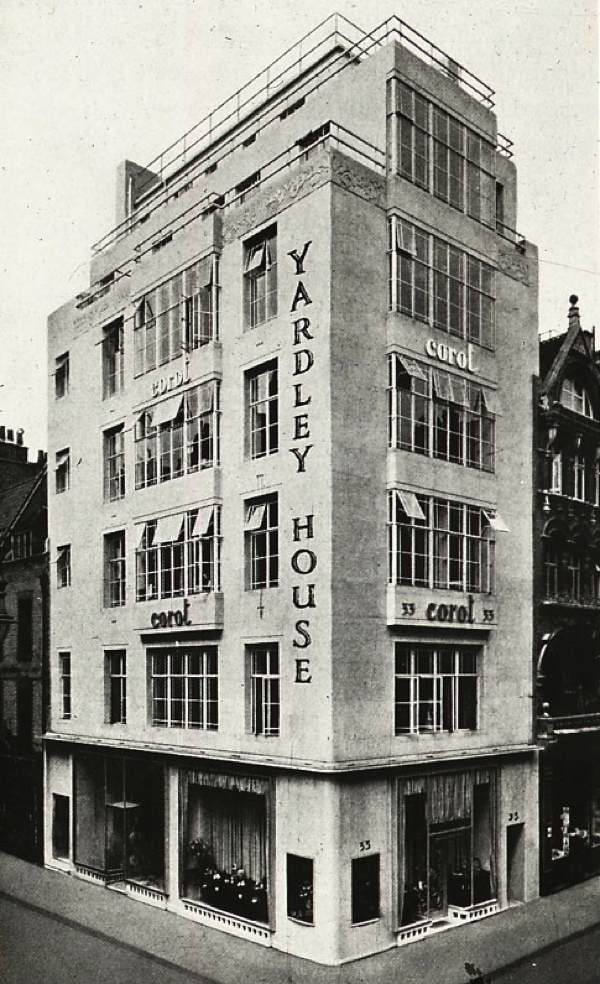
Yardley House, c. 1930

Peter Robinson, Oxford St, c. 1920

Confectionery Shop, corner of Greek St and Shaftesbury Ave, c. 1930
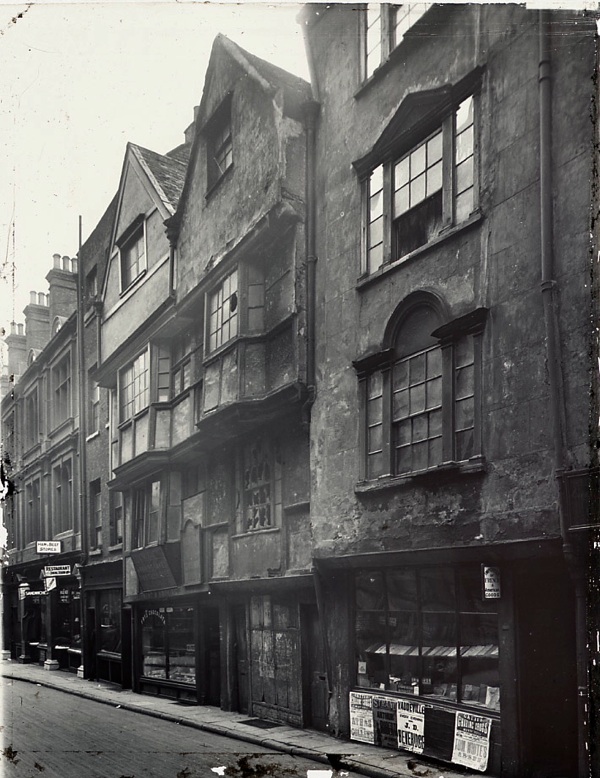
Bookseller, Wych St, c. 1890
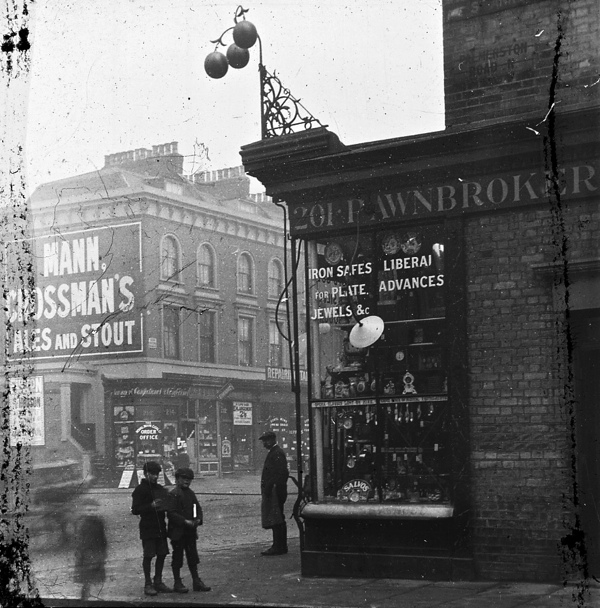
Pawnbroker, 201 Seven Sisters Rd, Finsbury Park, c. 1910
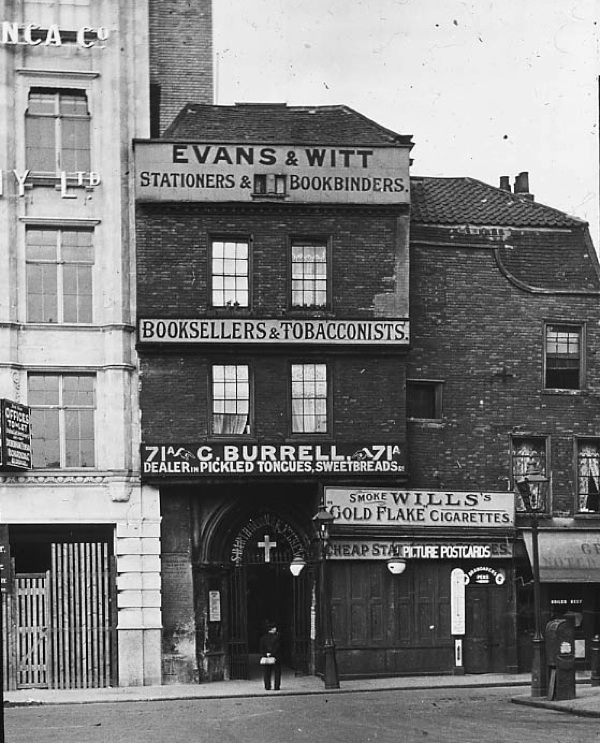
Bookseller & Tobacconist and Dealer in Pickled Tongues at the entrance to St Bartholomew’s, Smithfield, c. 1910

Oxford Circus, c. 1920
Glass slides copyright © Bishopsgate Institute
My History Of The Cries Of London
Click here to buy a signed copy of the CRIES OF LONDON
IN THE MIDST OF LIFE I WAKE in the dark city of my dreaming. It is the bellman that wakes me before dawn, crying wearily ‘Past three o’clock and a cold frosty morning,’ before he stumbles away with lamp in hand and mutt in tow through the gloomy passage. In the distance of my half-waking, I hear ‘Buy a dish of flounders’ and ‘Give you good morrow, my masters,’ before I fall back into my slumber again.
At sunrise, the streets are already teeming. ‘Fine Seville oranges, fine lemons, fine,’ cries the orange woman. ‘Buy any milk below,’ cries the dairy maid as a chorus of hawkers fills the street calling like birds chattering in trees – ‘Wood to cleave’ – ‘Fine hot cakes’ – ‘Hot eel pies’ – ‘ Buy any garlic’ – ‘Good sausages’ – ‘New sprats new’ – ‘Buy any buttons’ – ‘Featherbeds to dry’ – ‘Clove water, stomach water’ – Ripe walnuts ripe’ and Quick winkles, quick, quick, quick.’ I close the casement, bar the shutter, pull the curtain and wrap the pillow round my ears to resist the clamour.
When I wake again, it is daybreak and there is a tumult of Criers beneath my window – ‘Have you any work for a tinker?’ – ‘Buy a fine singing bird’ – ‘Sixpence a pound, fair cherries’ – ‘Any baking pears?’ – ‘Old shoes for new brooms’ – ‘Twelve pence a peck, oysters’ – ‘Lights for the cats, liver for the dogs’ – ‘Buy an almanac’ – ‘Hot spiced gingerbread’ – ‘Two bunches a penny, primroses’ – ‘Buy a barrel of samphire’ – ‘Pity the poor prisoners’ and ‘What is’t ye lack?’
I rise and walk into the street. Now they cry ‘Banana, banana, banana’ – Lamb biriani, Chicken biriani, one pound’ – ‘Standard, standard’ – ‘Come on ladies, come on ladies, one pound fish, one pound fish.’ There are fake DVD hawkers, gypsies with lucky heather, Big Issue sellers, whisperers offering ‘a smoke,’ nitrous oxide pedlars, evangelists, street dancers, ticket touts, curry touts, charity canvassers and human statues. They are offering free samples of wood-fired pizza, frappuccinos and frozen yoghurt.
Five hundred years of Cries of London passed in the street while I was dozing.
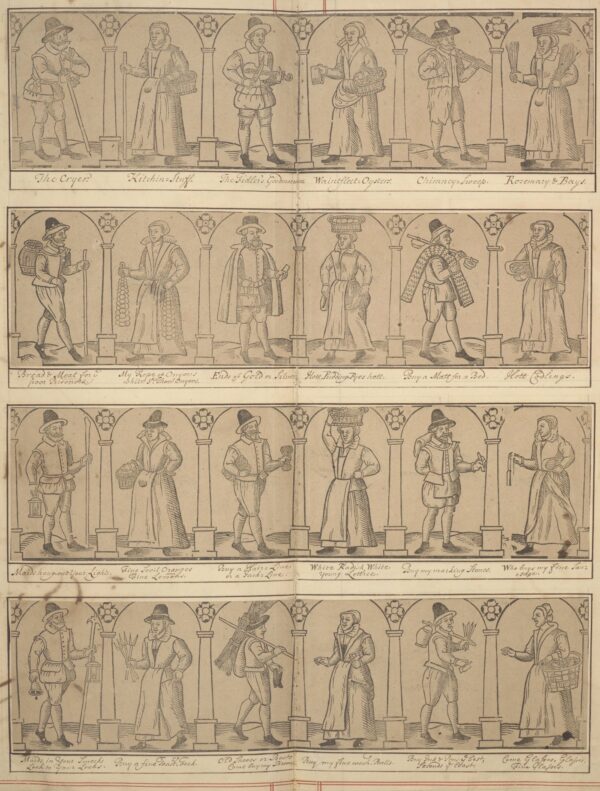
Cries of London 1600, reproduced from Samuel Pepys’ Album © Magdalene College, Cambridge
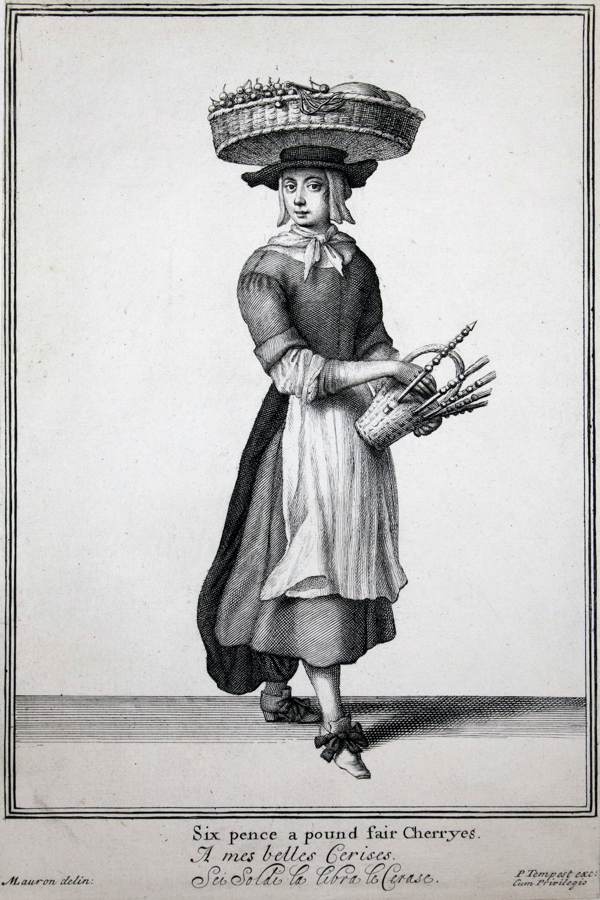
Costermonger by Marcellus Laroon, 1687 (courtesy Bishopsgate Institute)
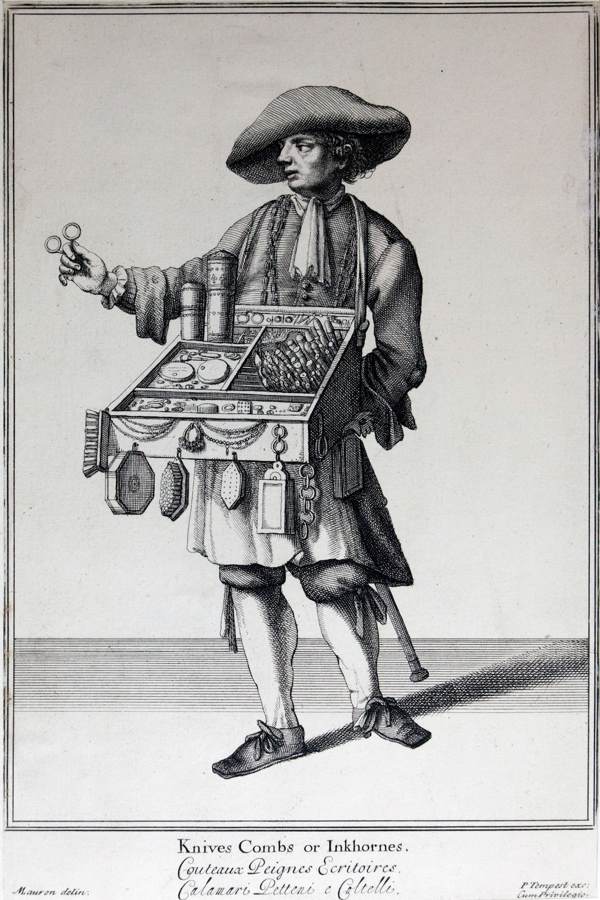
Pedlar by Marcellus Laroon, 1687 (courtesy Bishopsgate Institute)
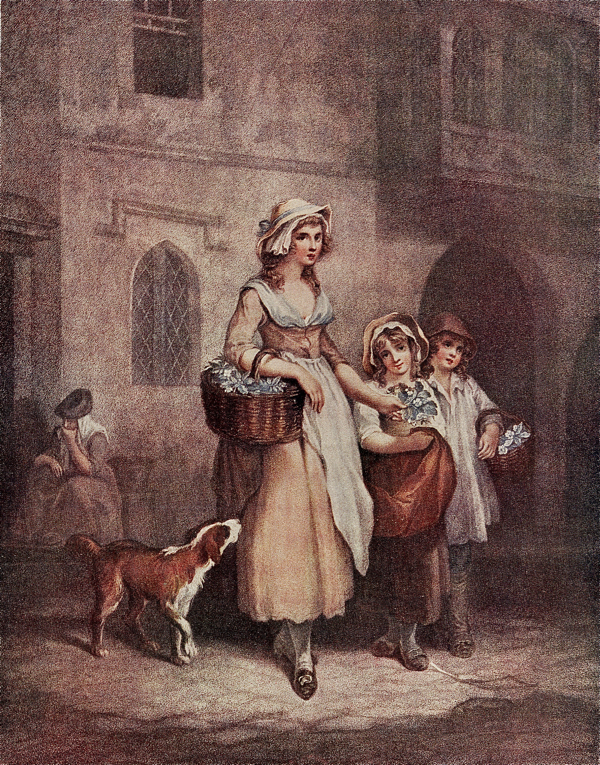
‘Two Bunches a Penny, Primroses, Two Bunches a Penny!’ The Primrose Seller by Francis Wheatley, 1793 (courtesy Bishopsgate Institute)
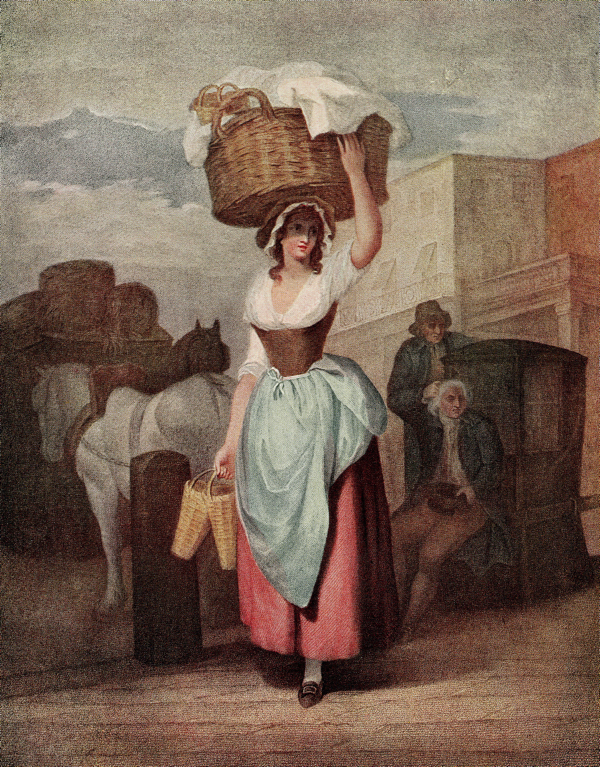
‘Strawberries, Scarlet Strawberries’ by Francis Wheatley, 1793 (image courtesy Bishopsgate Institute)
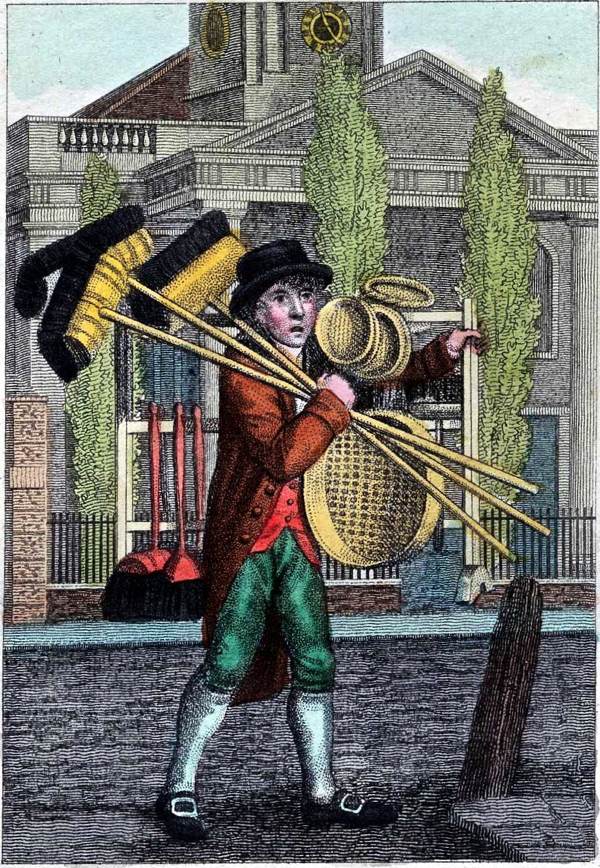
Hair Brooms outside Shoreditch Church by William Marshall Craig, 1804 (courtesy Bishopsgate Institute)
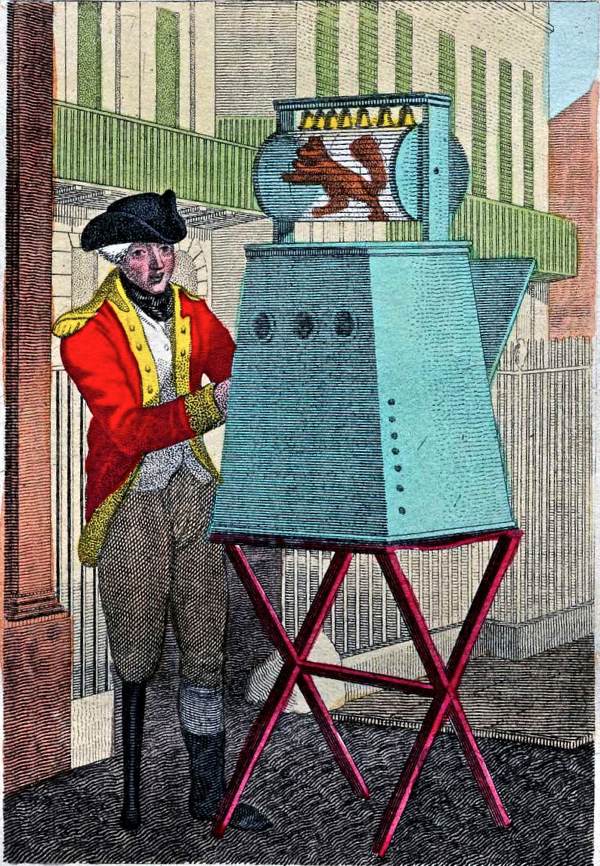
Showman with a raree show at Hyde Park Corner by William Marshall Craig, 1804 (courtesy Bishopsgate Institute)
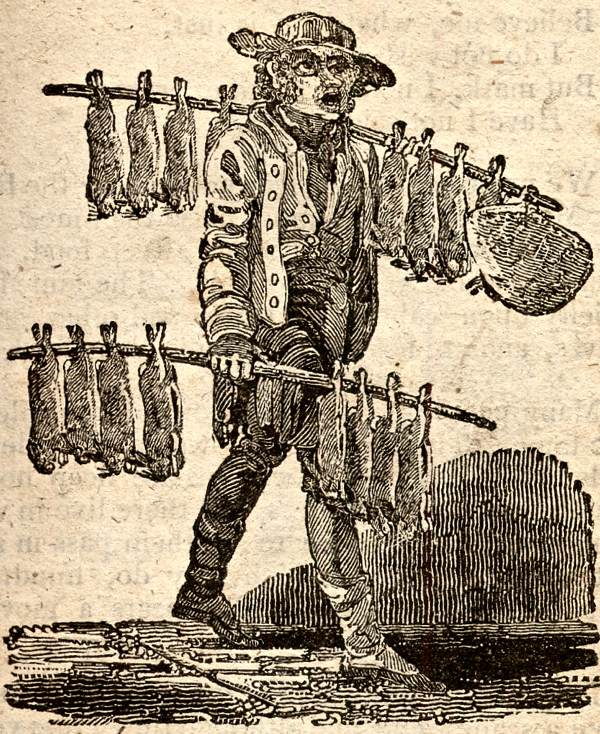
‘Rabbit, Rabbit – Nice fat Rabbit!’ by Luke Clennell 1812 (courtesy Bishopsgate Institute)
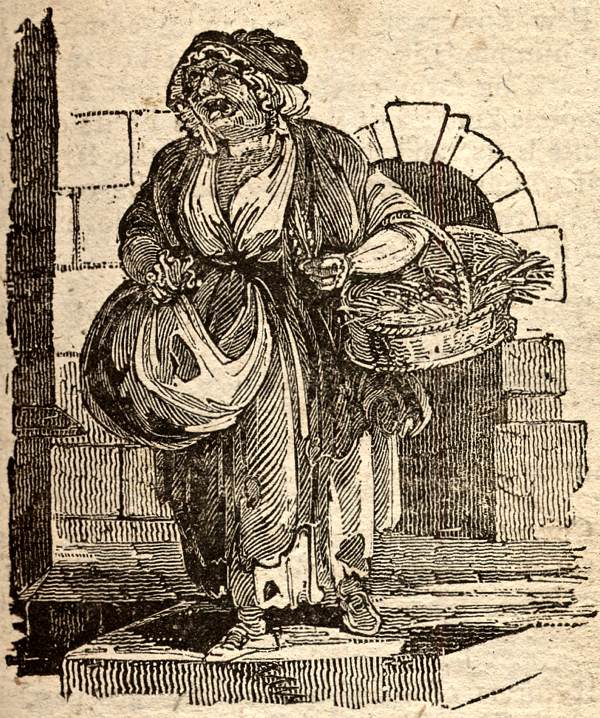
‘Lilies of the Valley, Sweet Lilies of the Valley’ by Luke Clennell 1812 (courtesy Bishopsgate Institute)
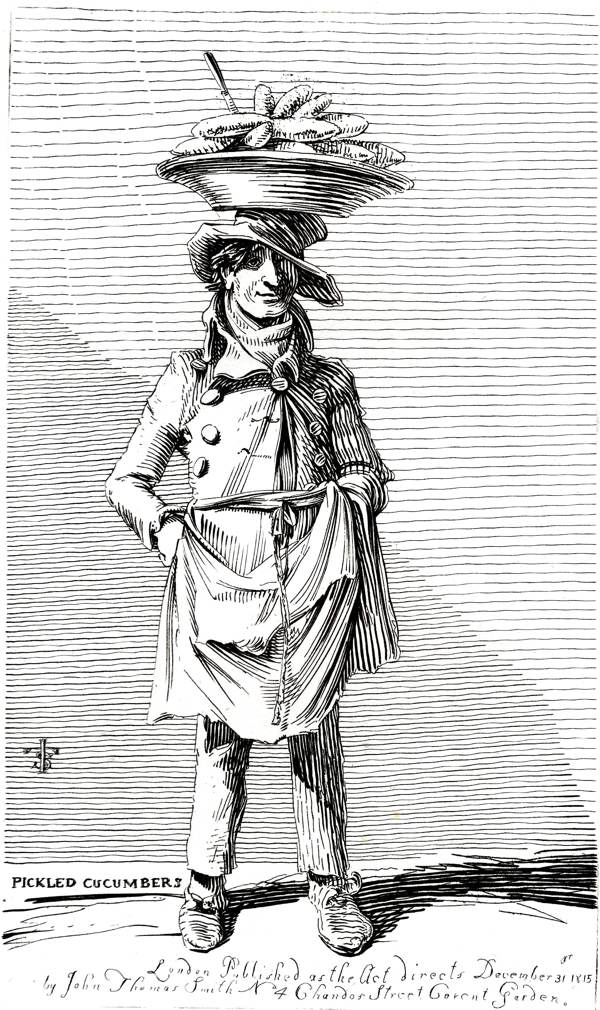
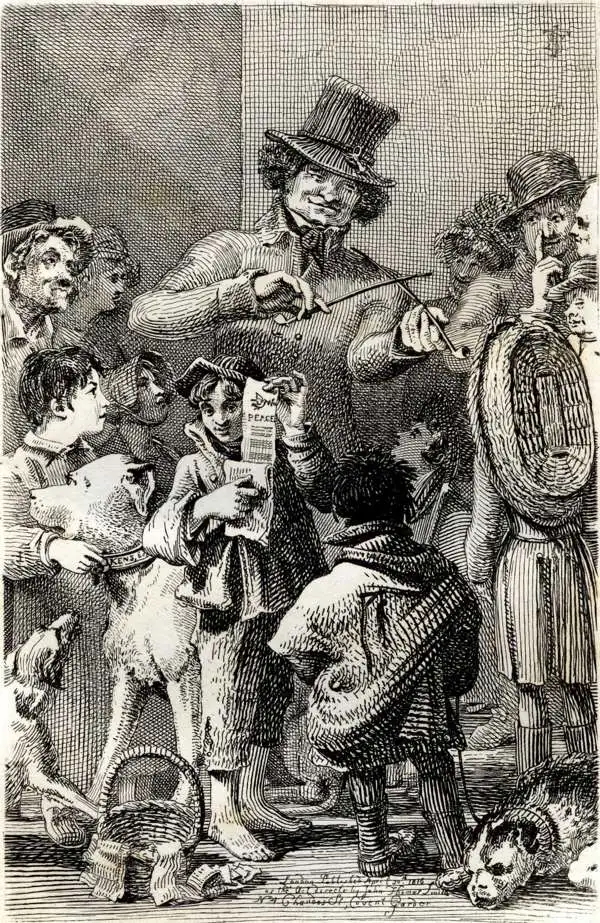
Pickled Cucumbers by John Thomas Smith, 1816 (courtesy Bishopsgate Institute)
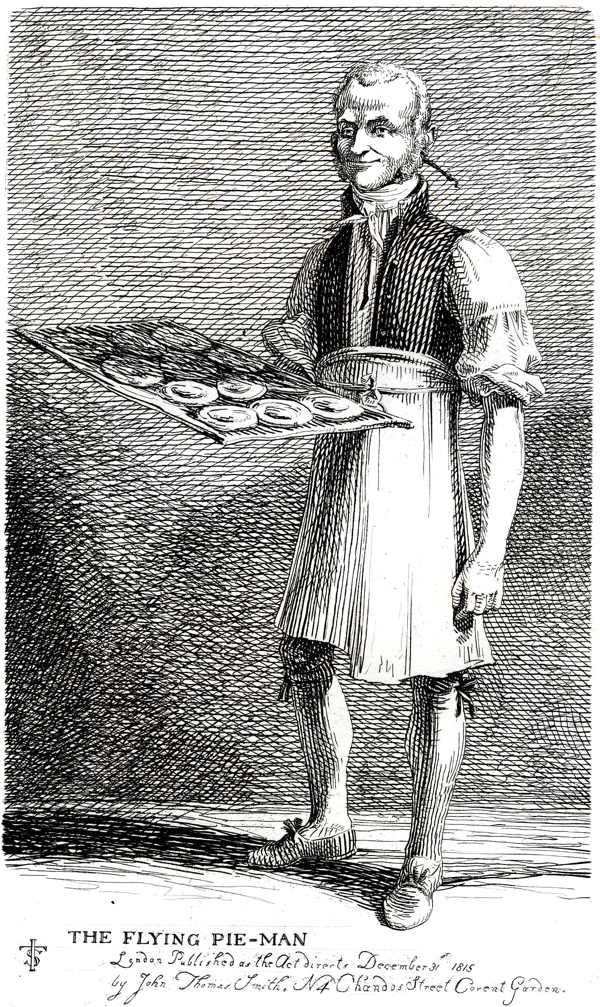
The Flying Pie Man by John Thomas Smith, 1816 (courtesy Bishopsgate Institute)
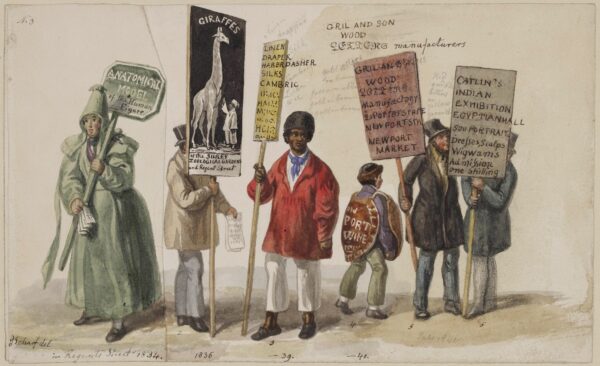
London boardmen & women by George Scharf 1825-33 © British Museum
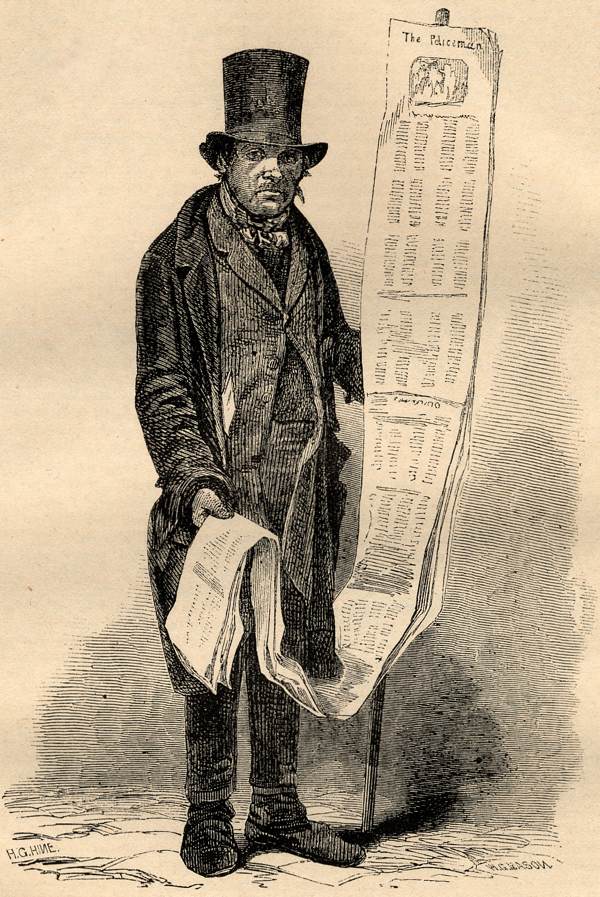
Long Song Seller, engraved from a photograph by Richard Beard, 1851 (courtesy Bishopsgate Institute)
The dispossessed and those with no other income were always able to cry their wares for sale in London. By turning their presence into performance with their Cries, they claimed the streets as their theatre – winning the lasting affections of generations of Londoners and embodying the soul of the city in the popular imagination. Thus, through time, the culture of the capital’s street Cries became integral to the distinctive identity of London.
Undertaking interviews with stallholders in Spitalfields, Brick Lane, Columbia Road and other East End markets in recent years led me to consider the cultural legacy of urban street trading. While this phenomenon might appear transitory and fleeting, I discovered a venerable tradition in the Cries of London. Yet even this genre of popular illustrated prints, which began in the seventeenth century, was itself preceded by verse such as London Lackpenny attributed to the fifteenth century poet John Lydgate that drew upon an earlier oral culture of hawkers’ Cries. From medieval times, the great number of Cries in London became recognised by travellers throughout Europe as indicative of the infinite variety of life in the British capital.
Given the former ubiquity of the Cries of London, the sophistication of many of the images, their significance as social history, and their existence as almost the only portraits of working people in London through four centuries, it astonishes me that there has been little attention paid to this subject and so I have set out to reclaim this devalued cultural tradition.
I take my cue from Samuel Pepys who pasted three sets of Cries into his albums of London & Westminster in a chronological sequence spanning a century, thereby permitting an assessment of the evolution of the style of the prints as well as social change in the capital in his era. In my book, I have supplemented these with another dozen series published over the following centuries which trace the development of the Cries right into our own time. My policy has been to collate a personal selection of those that delight me, those that speak most eloquently of the life of the street and those created by artists who demonstrated an affinity with the Criers.
Through the narrow urban thoroughfares and byways, hawkers announced their wares by calling out a repeated phrase that grew familiar to their customers, who learned to recognise the Cries of those from whom they bought regularly. By nature of repetition, these Cries acquired a musical quality as hawkers improvised upon the sounds of the words, evolving phrases into songs. Commonly, Cries also became unintelligible to those who did not already know what was being sold. Sometimes the outcome was melodic and lyrical, drawing the appreciation of bystanders, and at other times discordant and raucous as hawkers strained their voices to be heard across the longest distance.
Over time, certain Cries became widely adopted, and it is in written accounts and songbooks that we find the earliest records. Print collections of pictures of Criers also became known as ‘Cries’ and although the oldest set in London dates from around 1600, there are those from Paris which predate these by a century. Characteristically, the Cries represented peripatetic street traders or pedlars, yet other street characters were also included from the start. At first, the Cries were supplemented by the bellman and the town crier, but then preachers, beggars, musicians, performers were added as the notion of the Cries of London became expanded by artists and print sellers seeking greater novelty through elaborating upon the original premise.
Before the age of traffic, the streets of London offered a common public space for all manner of activity, trading, commerce, sport, entertainment and political rallies. Yet this arena of possibility, which is the primary source of the capital’s cultural vitality has also invited the consistent attention of those who seek policing and social control upon the premise of protecting citizens from each other, guarding against crime and preventing civil unrest. It suits the interest of those who would rule the city that, in London, street traders have always been perceived as equivocal characters with an identity barely distinguished from vagrants. Thus the suspicion that their itinerant nature facilitated thieving and illicit dealing, or that women might be selling their bodies as as well as their legitimate wares has never been dispelled.
Like the internet, the notion of the street as a space where people may communicate and do business freely can be profoundly threatening to some. It is a tension institutionalised in this country through the issuing of licences to traders, criminalising those denied such official endorsement, while on the continent of Europe the right to sell in the street is automatically granted to every citizen. Depending upon your point of view, the itinerants are those who bring life to the city through their occupation of its streets or they are outcasts who have no place in a developed modern urban environment.
When I interviewed Tony Purser on his last afternoon after fifty-two years selling flowers outside Fenchurch Street Station in the City of London, he admitted to me that as a boy he assisted his father Alfie, and, before licences were granted in 1962, they were both regularly arrested. Their stock was confiscated, they were charged three shillings and spent the night in the cells at Bishopsgate Police Station, before going back to trade again next day.
Street trading proposes an interpretation of the ancient myth of London as a city paved with gold that is not without truth. Many large British corporate retailers including Tesco, started by Jack Cohen in 1919, Marks & Spencer, started by Michael Marks in 1884, owe their origin to single stalls in markets – emphasising the value of street trading to wider economic development.
In the twentieth century, the Cries of London found their way onto cigarette cards, chocolate boxes, biscuit tins, tea towels, silk scarves, dinner services and, famously, tins of Yardley talcum powder from 1912 onwards, becoming divorced from the reality they once represented as time went by, copied and recopied by different artists.
Yet the sentimentally cheerful tones applied by hand to prints that were contrived to appeal to the casual purchaser, chime with the resilience required by traders selling in the street. And it is our respect for their spirit and resourcefulness which may account for the long lasting popularity of these poignant images of the self-respecting poor who turned their trades into performances. Even now, it is impossible to hear the cries of market traders and newspaper sellers without succumbing to their spell, as the last reverberations of a great cacophonous symphony echoing across time and through the streets of London.
Surely none can resist the romance of the Cries of London and the raffish appeal of the liberty of vagabondage, of those who had no indenture or task master, and who travelled wide throughout the city, witnessing the spectacle of its streets, speaking with a wide variety of customers, and seeing life. In the densely-populated neighbourhoods, it was the itinerants’ cries that marked the times of day and announced the changing seasons of the year. Before the motorcar, their calls were a constant of street life in London. Before advertising, their songs were the jingles that announced of the latest, freshest produce or appealing gimcrack. Before radio, television and internet, they were the harbingers of news, and gossip, and novelty ballads. These itinerants had nothing but they had possession of the city.
The Cries of London have taught me the essential truth of London street traders down through the centuries, and it is one that still holds today – they do not need your sympathy, they only want your respect, and your money.
Mr Pussy In Winter
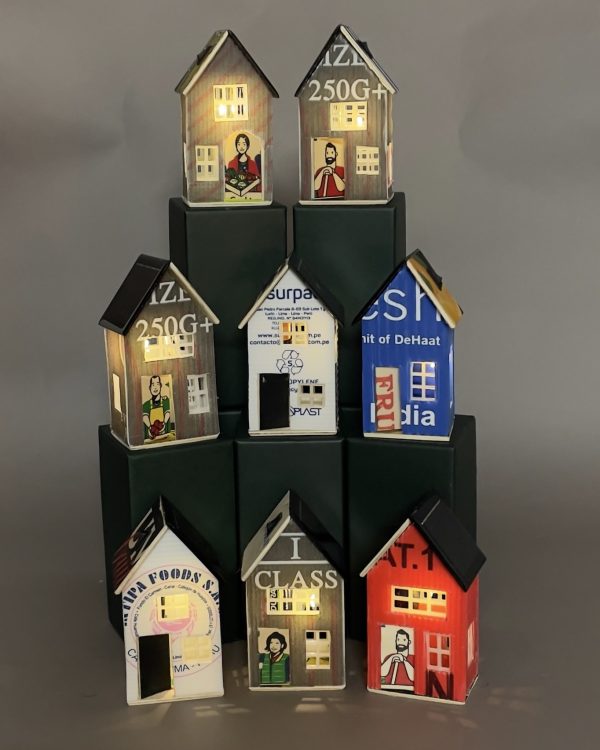
These are the last remaining solar-powered houses made out of boxes from Whitechapel Market by Spitalfields artist Robson Cezar. If you would like one of these for £45, drop me a line to spitalfieldslife@gmail.com
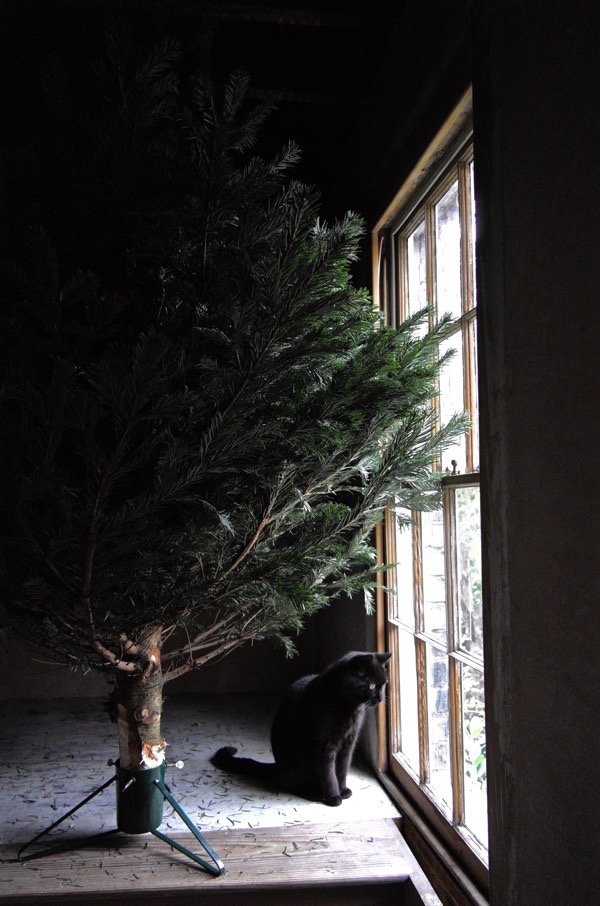
Today I remember my old cat, Mr Pussy. This is an extract from the biography I wrote of him, THE LIFE & TIMES OF MR PUSSY.

On dark winter nights, Mr Pussy seldom stirred from the chimney corner. Warmed by a fire of burning pallets, he had no need of whisky to bring him solace through the dark hours, instead he frazzled his brain in a heat-induced trance. Outside in the streets, Spitalfields might have lain under snow, the paths might have been coated in sheet ice and icicles might be hanging from the gutters, but this spectacle held no interest for Mr Pussy. Like the cavemen of ancient times, his sole fascination was with the mesmerising dance of flames in the grate. And as the season descended towards its nadir in the plunging temperatures of the frozen byways, at home Mr Pussy fell into his own warm darkness of stupefaction.
When Mr Pussy grew old and the world was no longer new to him, his curiosity was ameliorated by his love of sleeping. Once he was a brat in jet black, yet he became a gentleman in a chenille velvet suit, as tufts of white hair increasingly flecked his glossy pelt. One summer, I noticed he was getting skinny and then I discovered that his teeth had gone which meant he could no longer crunch the hard biscuits that were always his delight. Extraordinarily, he made little protest at this starvation diet, even as he lost weight through lack of food. I learnt to fill his dish with biscuits and top it up with water, so that he might satisfy his hunger by supping the resulting slush. And through this simple accommodation – plus a supplement of raw meat – his weight was restored to normal and he purred in gratification while eating again.
Once Mr Pussy was a wild rover, ranging over the fields in Devon, disappearing for days on end and returning proudly with a dead rabbit in his mouth. Yet in the end, he did not step beyond the end of the alley in Spitalfields and, in sub-zero temperatures, he only ventured outside to do his necessary business. Sprinting up the stairs and calling impatiently outside the door of the living room, he was ever eager to return to the fireside and warm his cold toes afterwards, sore from scraping at the frost in the vain attempt to dig a hole in the frozen earth. Like a visionary poet, Mr Pussy acquired a vivid internal life to insulate himself against the rigours of the world and, in the absence of sunlight, the fire provided his imaginative refuge, engendering a sublime reverie of peace and physical ease.
Yet Mr Pussy still loved to fight. If he heard cats screeching in the yard, he would race from the house to join the fray unless I could shut the door first and prevent him. Even when he had been injured and came back leaking blood from huge wounds, he appeared quite unconcerned. Only two small notches in his ears persisted as permanent evidence of this violent tendency, although I regularly checked his brow for tell-tale scratches and the occasional deep bloody furrows that sometimes caused swelling around his eyes. But I could stop him going out, even though it was a matter of concern to me that – as he aged and his reflexes lessened – he might get blinded in a fight one day, losing one of his soulful golden eyes. Since he was blissfully unaware of this possibility, I had no choice but to take consolation from his response when he could not eat, revealing that Mr Pussy had no expectations of life and consequently no fear of loss. His nature was to make his best accommodation to any exigency with grace.
Be assured, Mr Pussy could still leap up onto the kitchen counter in a single bound. He could still bring in a live mouse from the garden when he pleased and delightedly crunch its skull between his jaws on the bedroom floor. If I worked late into the night, he would still cry and tug on the bed sheets to waken me in the early morning to see the falling snow. When the fancy seized him, he could be as a sprightly as a kitten. Come the spring, he would be running up trees again, even if – in the darkest depth of winter – he only wanted to sleep by the fire.
When I was alone here in the old house in Spitalfields at night, Mr Pussy became my sole companion, the perfect accomplice for a writer. When I took to my bed to keep warm while writing my stories, he was always there as the silent assistant, curled into a ball upon the sheepskin coverlet. As the years passed and Mr Pussy strayed less from the house, I grew accustomed to his constant presence. He taught me that, rather than fear for his well-being, I needed to embrace all the circumstances and seasons that life sends, just as he did.

You may also like to read

Click here to buy a copy and have it inscribed by The Gentle Author
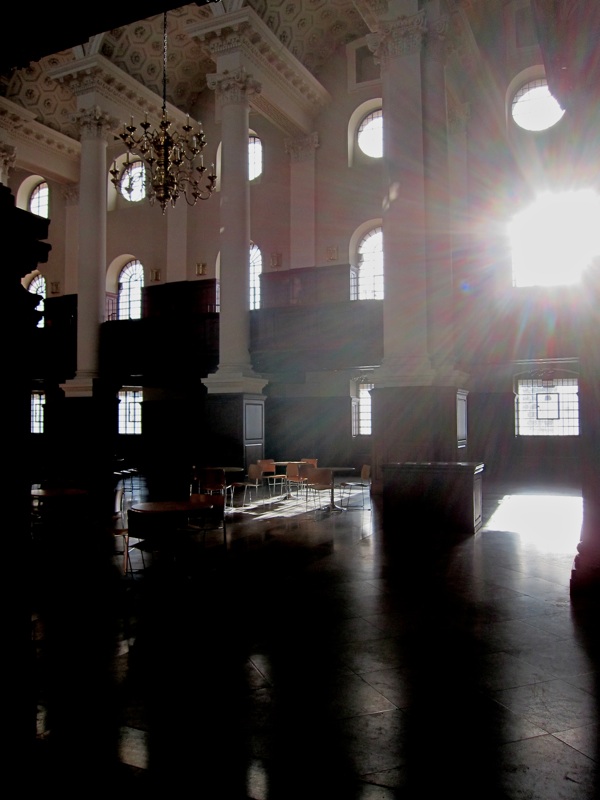
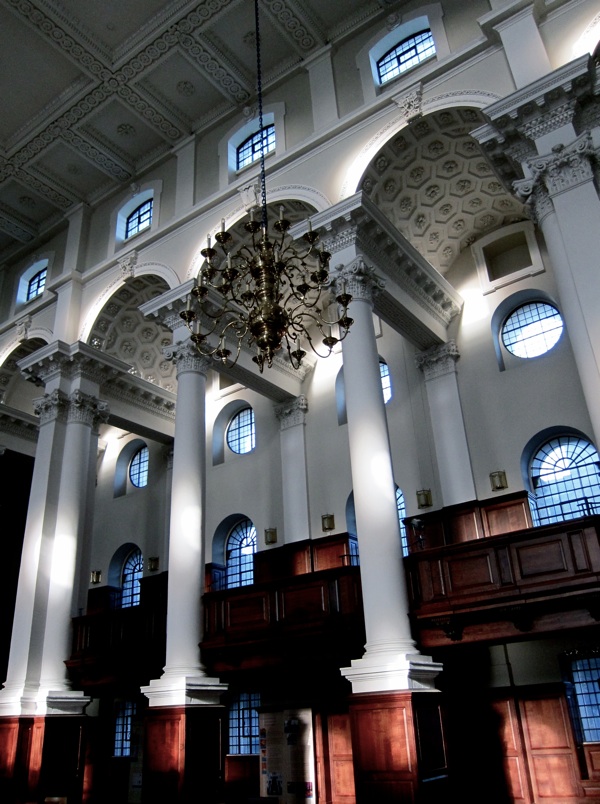
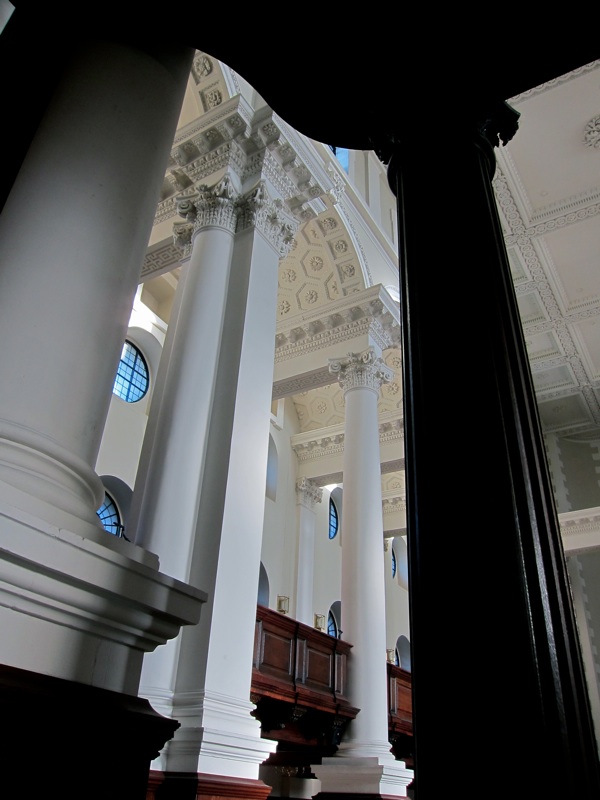
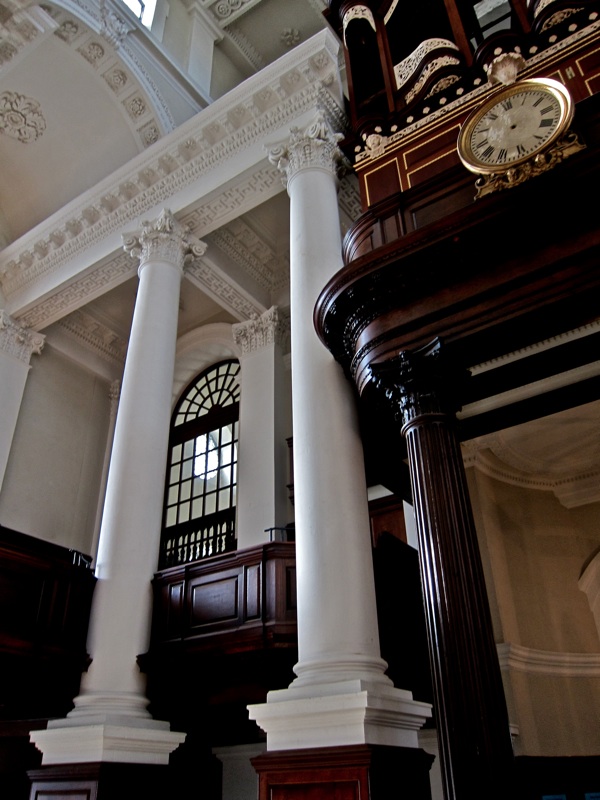
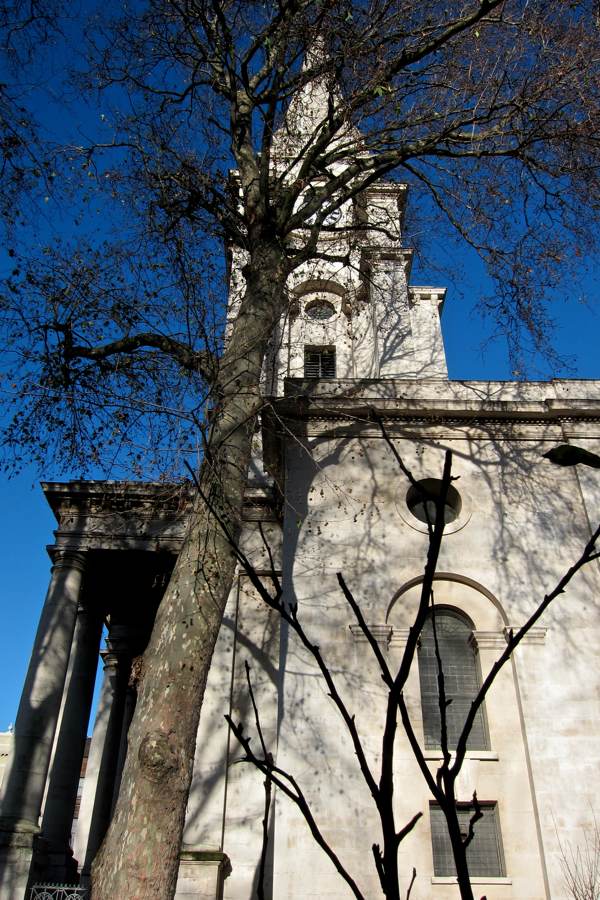
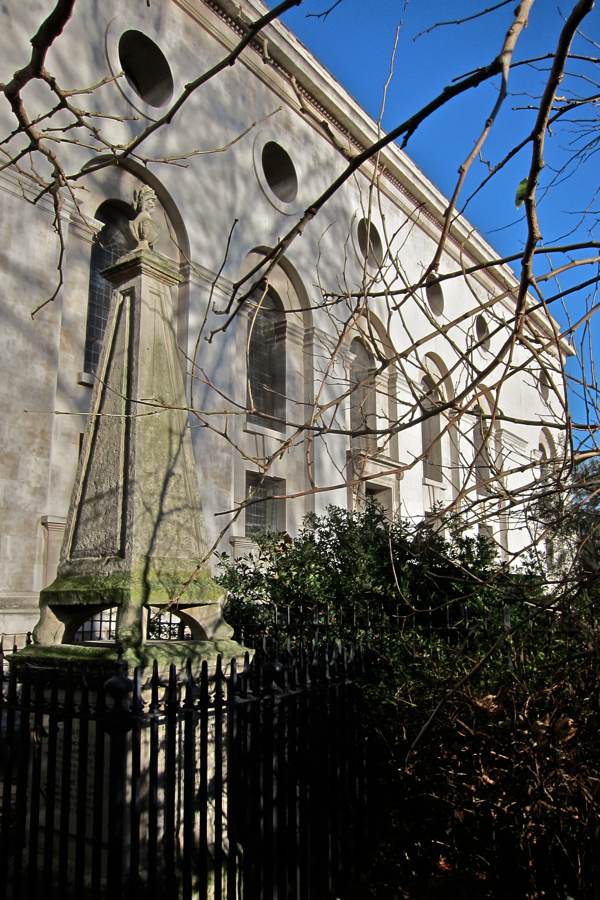
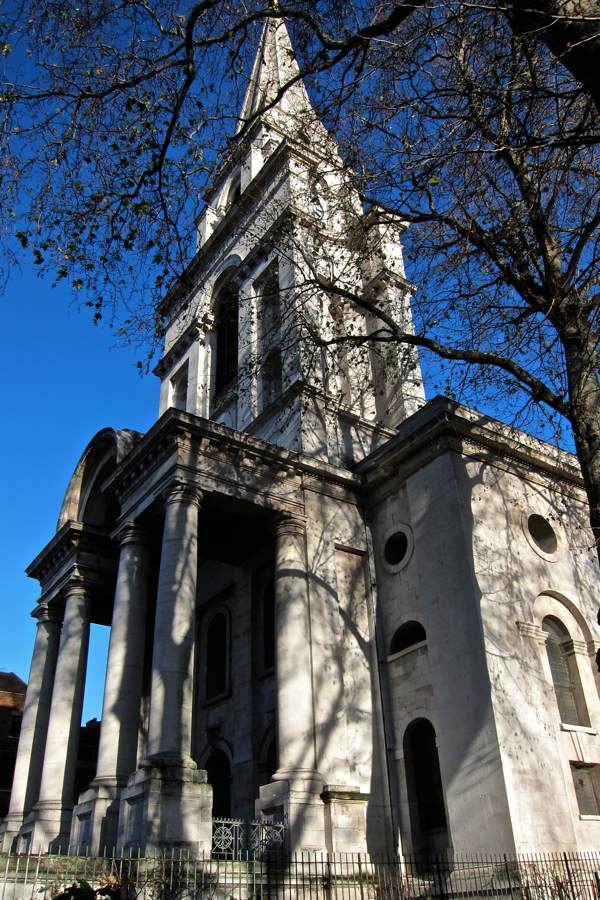
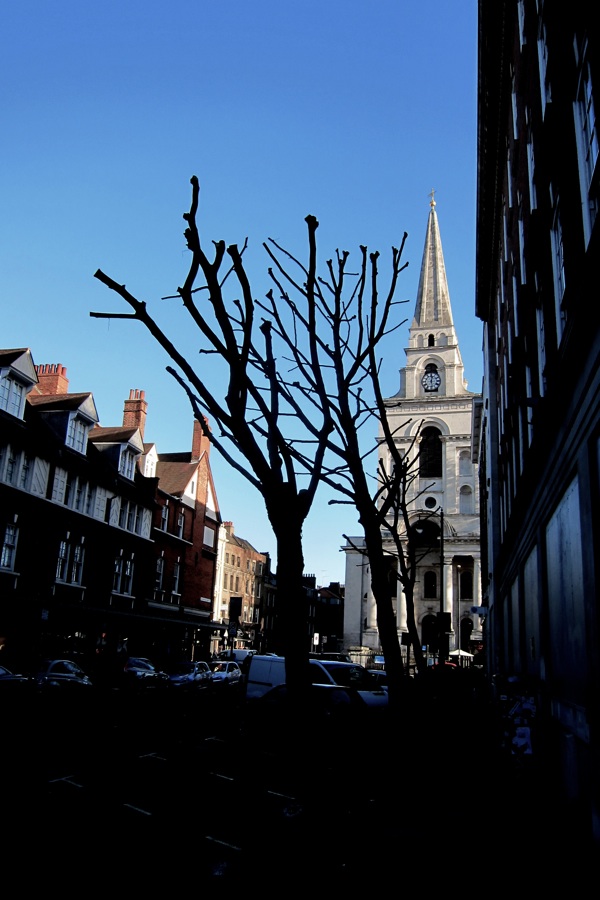
Midwinter Light at Christ Church
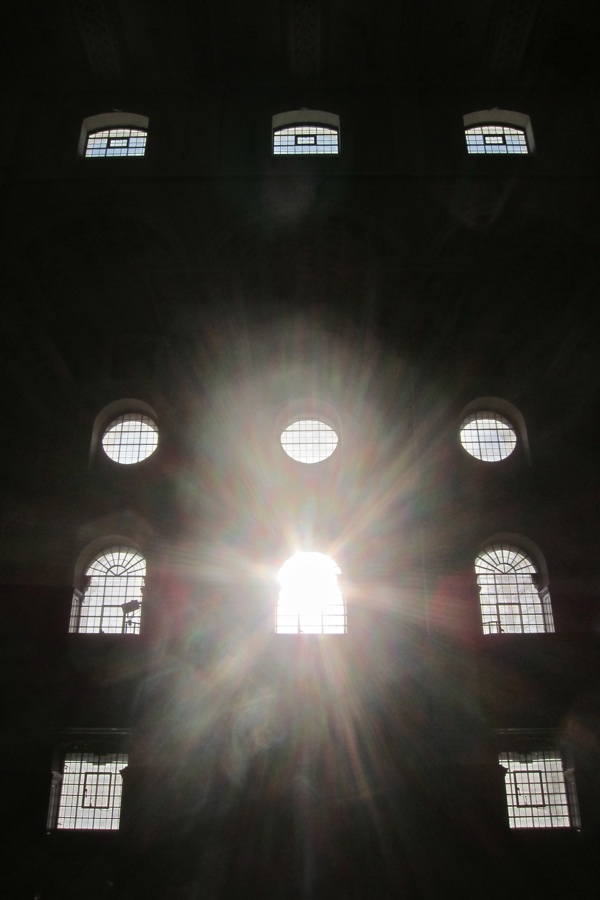
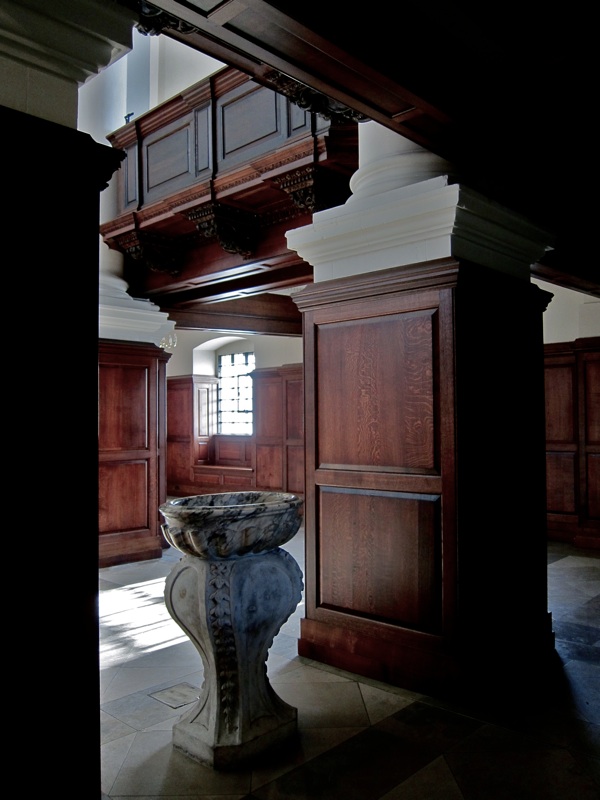
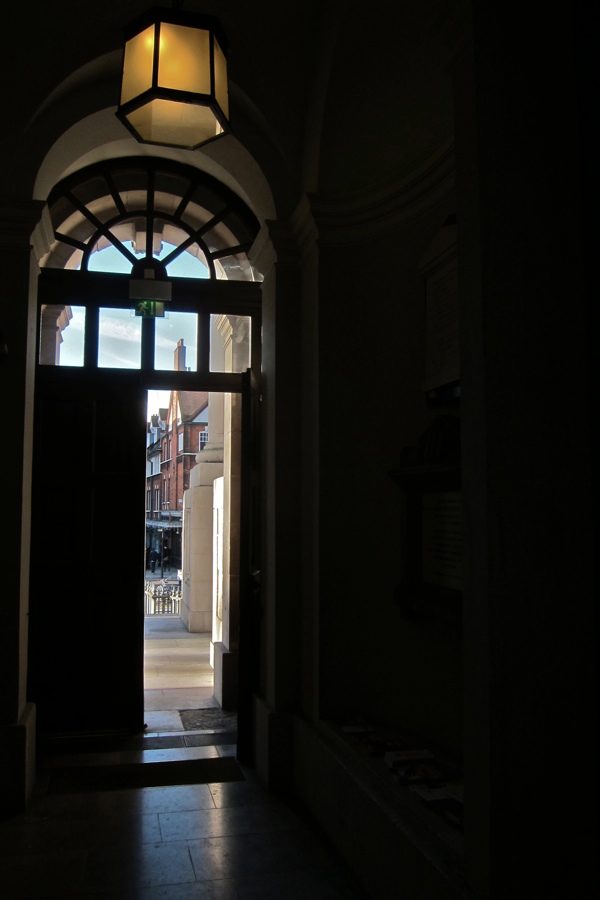
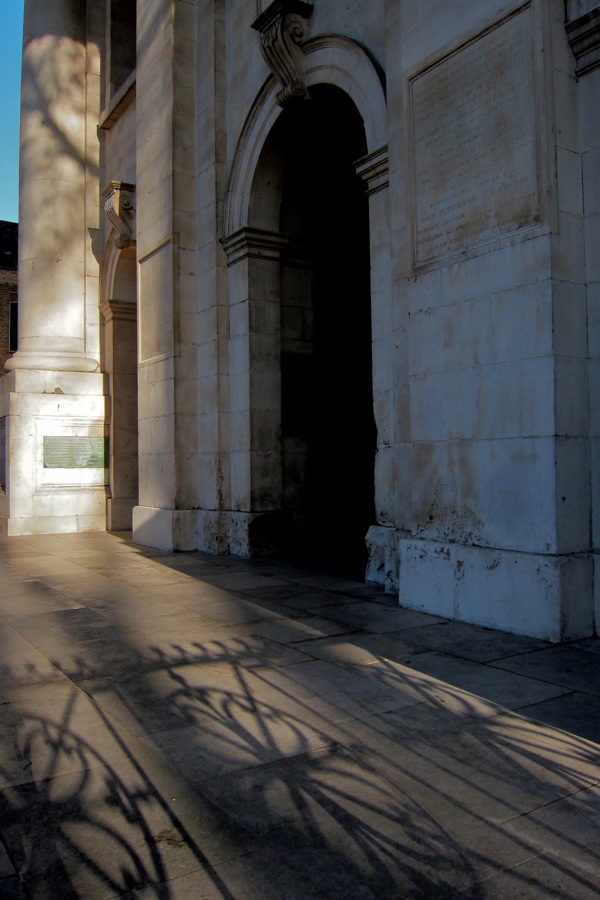
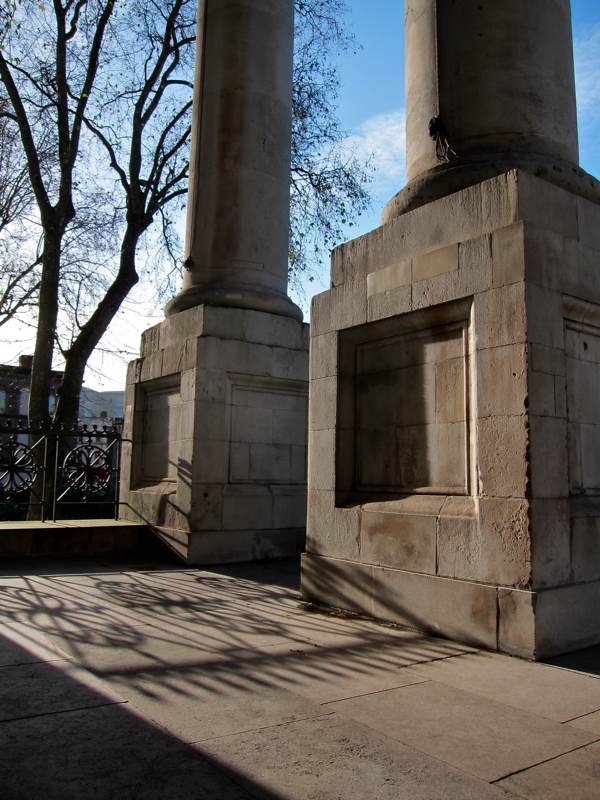
Each year in December, we get a couple of days of intense sunlight transforming Christ Church Spitalfields. At this time when the sun is at its lowest angle, the church becomes an intricate light box with powerful rays of light entering almost horizontally from the south and illuminating Nicholas Hawksmoor’s baroque architecture in startling ways. The crystalline sunlight of recent days provided the ideal conditions for such phenomena and inspired my to attempt to capture these fleeting effects of light.


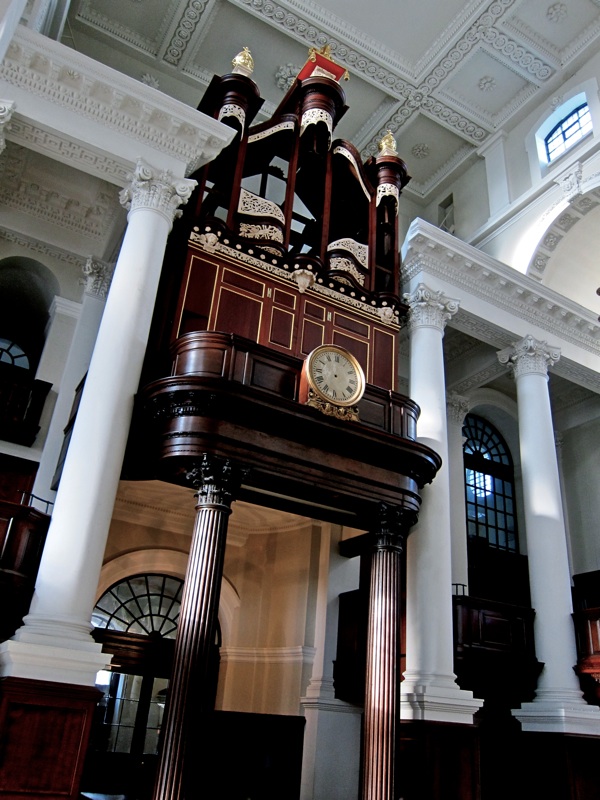
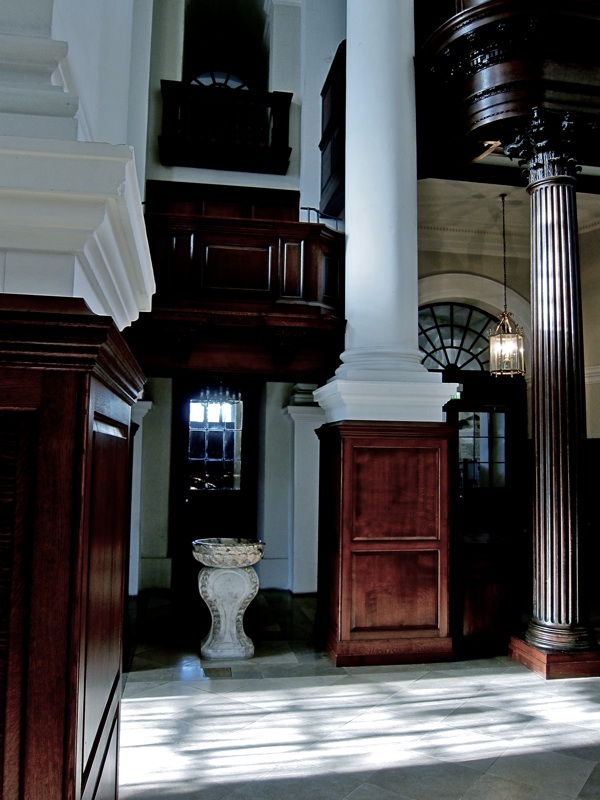
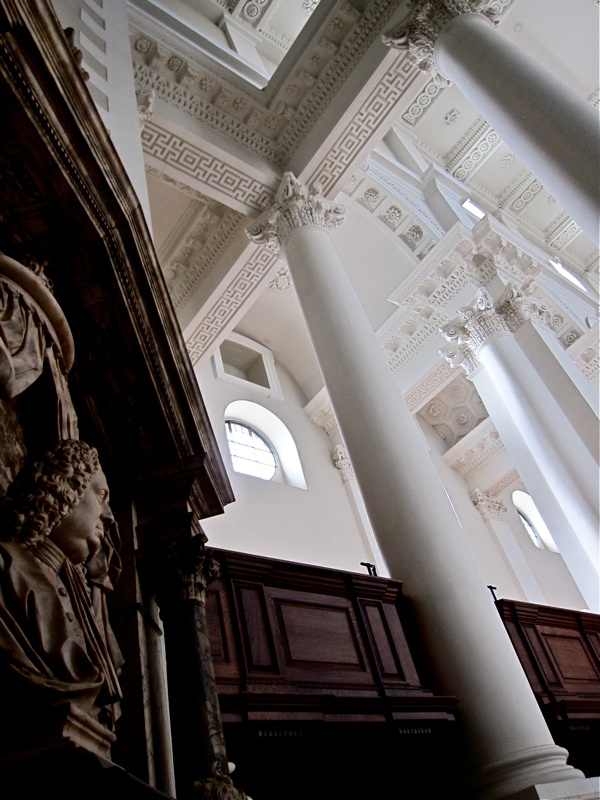
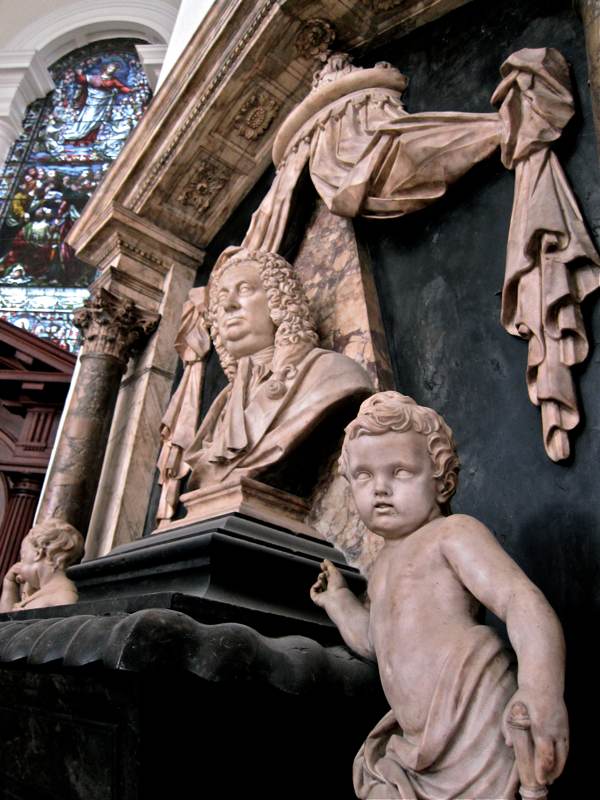

You may also like to read about
The Oxford Sausage

I am proud to publish these excerpts from THE OXFORD SAUSAGE by a graduate of my writing course. The author set out to write a spicy mix of Oxford stories from a house once belonging to a city sausage maker.
I am taking bookings for the next writing course, HOW TO WRITE A BLOG THAT PEOPLE WILL WANT TO READ on February 7th & 8th. Come to Spitalfields and spend a winter weekend with me in an eighteenth century weaver’s house in Fournier St, enjoy delicious lunches and eat cakes baked to historic recipes, and learn how to write your own blog.
If you are graduate of my course and you would like me to feature your blog, please drop me a line.
A MISTLETOE TOUR FROM MAGDALEN COLLEGE TO MUSIC MEADOW
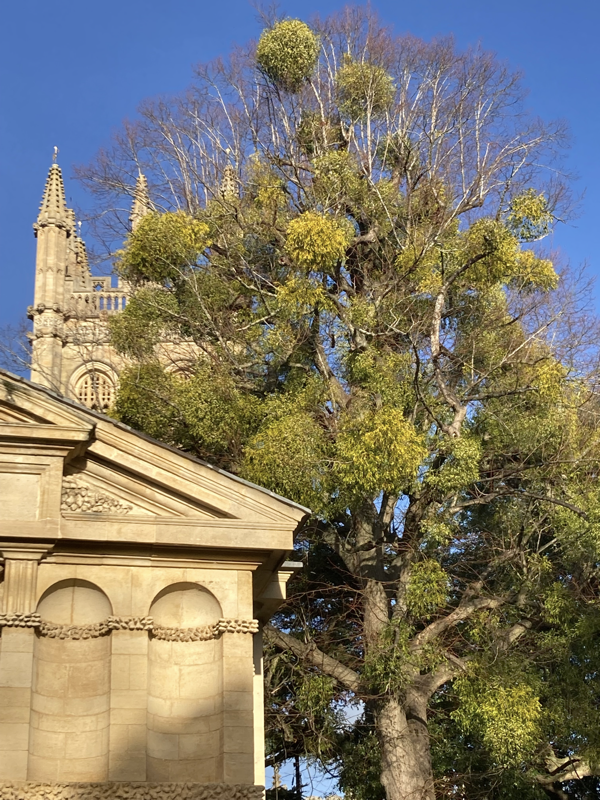
At this low ebb of year, it becomes suddenly visible – when the leaves have fallen from the trees, revealing what appear to be giant birds’ nests perched amongst the bare winter branches. These hanging baskets of vibrant green foliage are huge balls of mistletoe, magically, mysteriously, bearing fruit even through the shortest and darkest days of the year.
As it happens, at Oxford, there is an expert on mistletoe matters right here in the city. Oliver Spacey is studying the ecology and evolution of mistletoe for his PhD, and on a bright afternoon recently he was kind enough to take me on a mistletoe meander. I had always associated the plant with the Welsh border counties, Herefordshire, Worcestershire and the like. But it seems, as we strolled around Christ Church meadows and beyond, Oxford also has its fair share. And what a remarkable creature it turns out to be.
Oliver tells me mistletoe has the largest genome of any wild species in the British Isles – holding thirty times more genetic material than humans. It is also one of the very few plants to have no roots. Not restricted by gravity, it simply attaches itself to the branch of a tree, and then – like some alien high wire act – shoots an invisible tentacle into the bark and begins to grow. It takes about five years for it to form natural spheres of wishbone shaped leaves, by which time the female plant begins to produce those famous ethereal pearl-like berries under which we like to pucker up at Christmas. The plants can grow up to two metres in diameter and live for forty years.
‘Mistletoe is spread by birds,’ Oliver enthuses, as he leads me north up Rose Lane and through the gates of Oxford Botanic Garden where a mass of mistletoe balls decorate a giant lime silhouetted against Magdalen College Tower. He explains that birds like the Blackcap, pick the berries, scoff the juicy and then smear the sticky seed on to the bark of the tree, while the well-named Mistle Thrush, eats the soft fruit and poops it out onto a branch. Mistletoe’s common name is derived from the Anglo-Saxon word for ‘dung’ (mistel) and ‘twig’ (tan).
Mistletoe’s ability to flourish in the depths of winter has made it as a symbol of fertility and life through the centuries, but it was the Victorians who popularised the ‘kissing ball’, a collection of evergreens that included mistletoe, as a Christmas institution.
Music Meadow, just behind St Catherine’s College on the banks of the Cherwell is a mass of wild flowers in the spring but is now set aside for sheep grazing. Here a clump of tall poplars are home to the most extraordinary collection of mistletoe – fantastical trees with hundreds upon hundreds of huge pom-poms of foliage, magically, mysteriously hanging in the sky.
I stoop to collect a fallen branch of berries, and take it home where I tie the perfect shaped ball with red ribbon and hang it in the same spot in our kitchen as I always have done, as a Christmas tradition.
Oliver Spacey is supported by The Tree Council. You can help him with his research by registering your own pictures of mistletoe on the MistleGO! app.
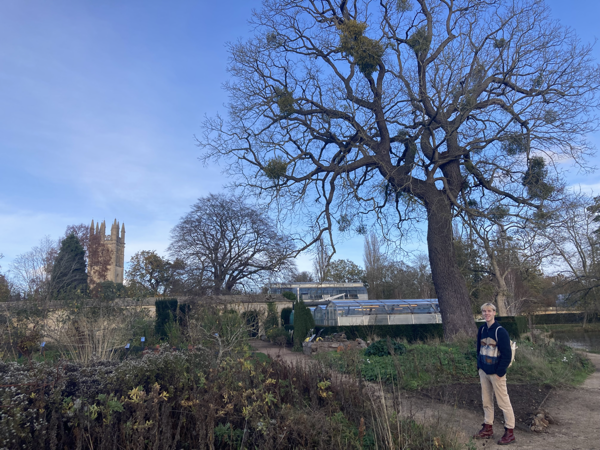
Oliver Spacey from the University’s Department of Biology at Oxford Botanic Garden

Trees laden with mistletoe in Music Meadow
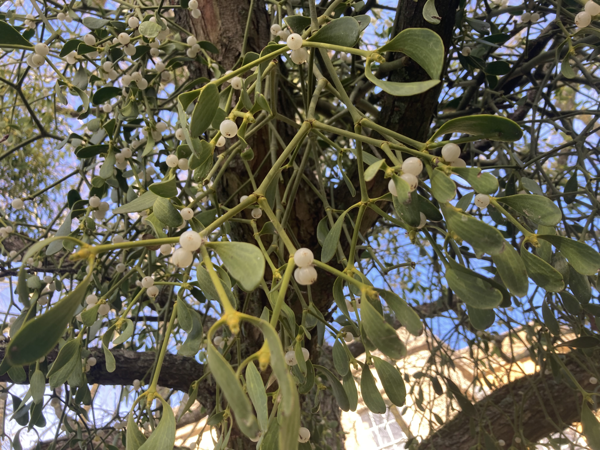
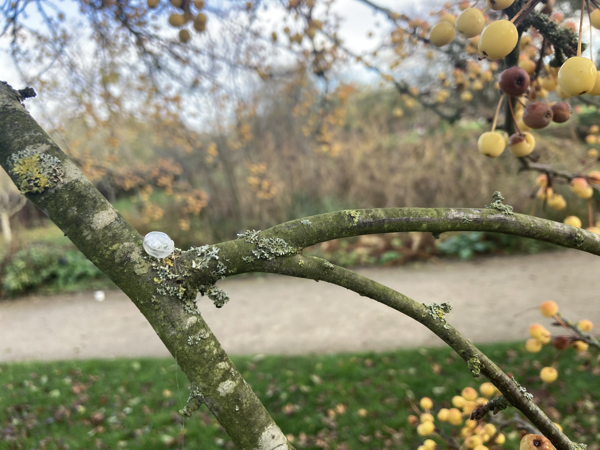
When propagating mistletoe it is important not to press it into a crevice in the bark as it needs plenty of light to grow
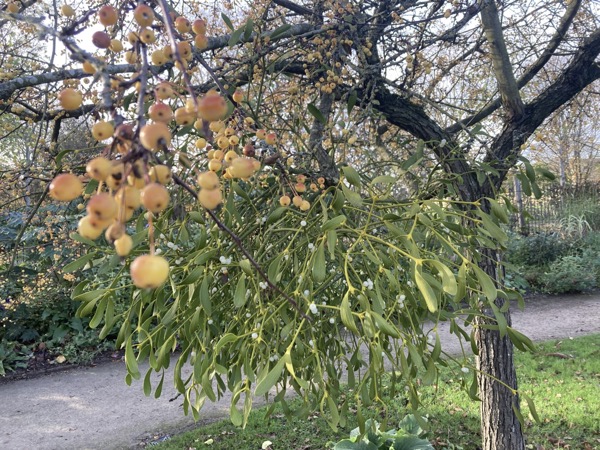
Mistletoe on an apple tree
Christmas At St Hilda’s
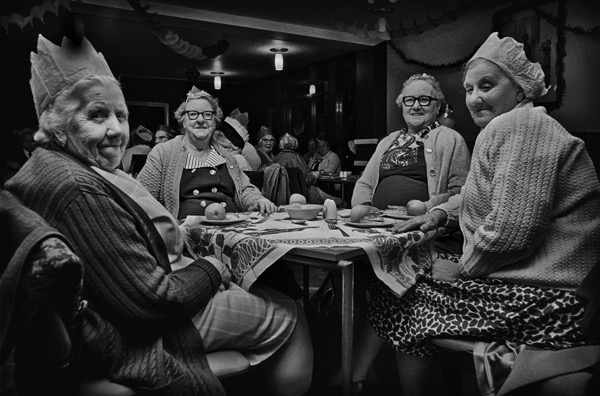
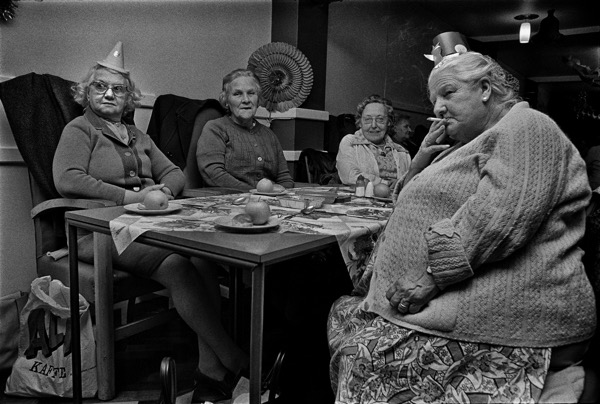
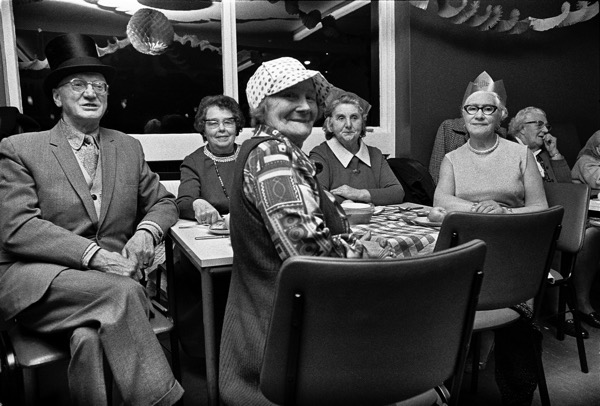
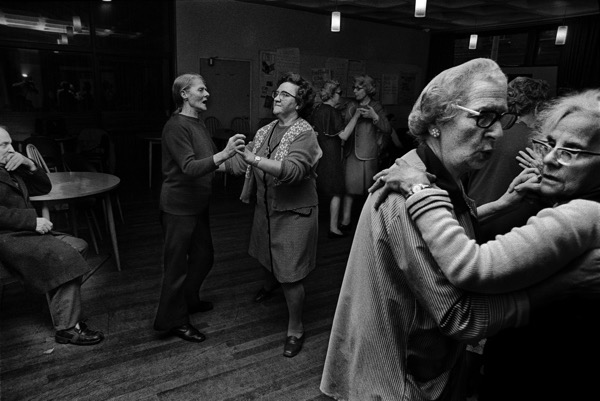
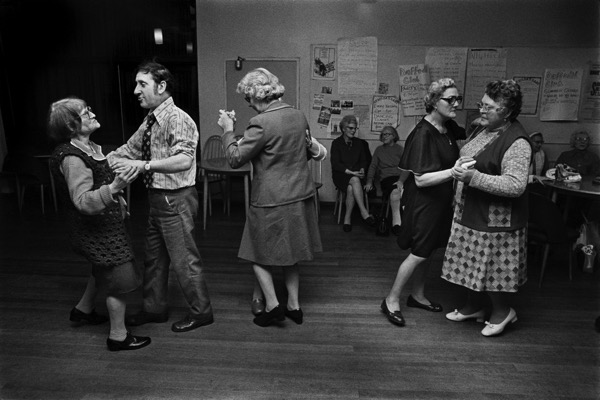
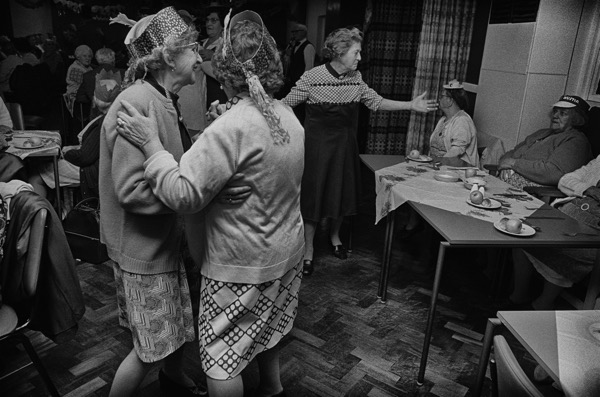
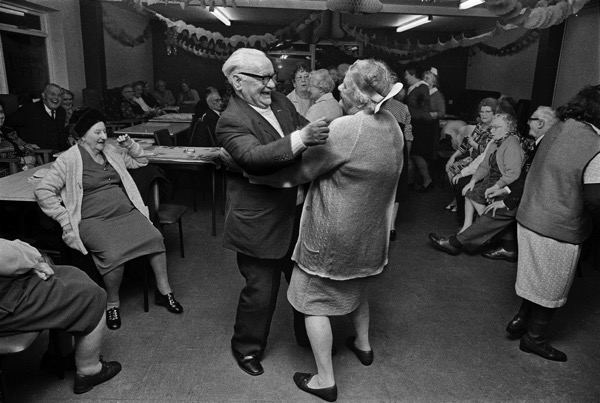
Contributing Photographer David Hoffman sent me these glorious pictures of a party he attended at St Hilda’s Community Centre, Club Row – half a century ago – in 1975.
‘St Hilda’s East was established in 1889 by former pupils of Cheltenham Ladies College as ‘a community of people bound together in the service of the poor’. I came across it by chance in 1975. I was twenty-nine, just starting out as a photographer and this window into an East End from long ago immediately fascinated me.
I just walked in, asked if it would be OK to take some photos and got an immediate easy invitation to help myself. Quickly followed by offers of a cup of tea, a sandwich, a slice of cake… I think this was early December and I saw posters for the Christmas party so I invited myself along.
I found the spirit and the energy of what seemed to me to be such aged pensioners hard to believe. When one of the dancers flashed her knickers and winked at me, I wondered if my tea had been spiked and it was all a delirium. These photos, some unseen since I took them, not only prove that this was no hallucination but, rather disconcertingly, that those seemingly ancient people I photographed were all younger than I am now.’
David Hoffman
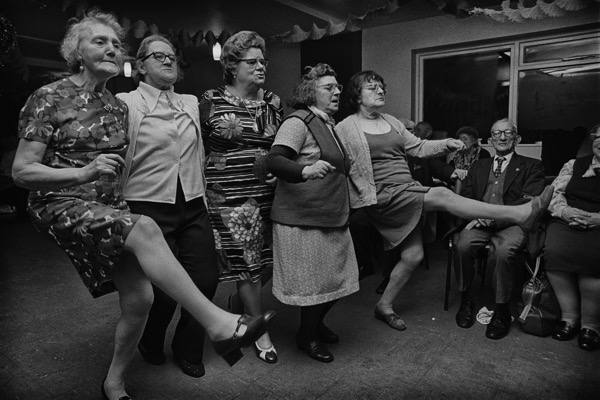
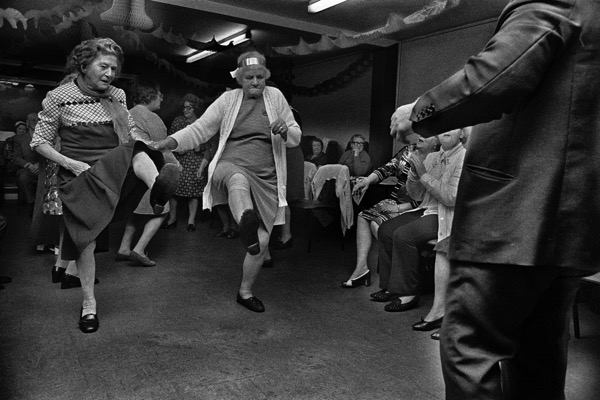
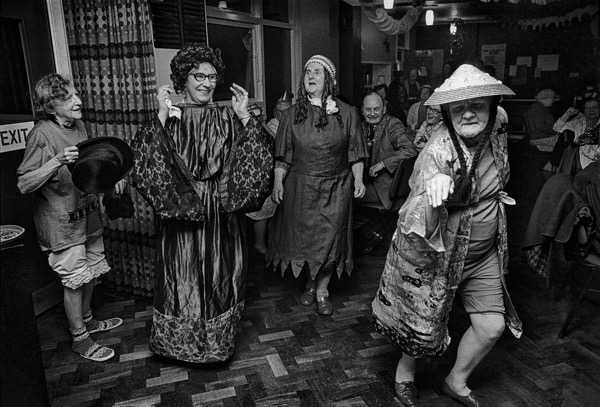
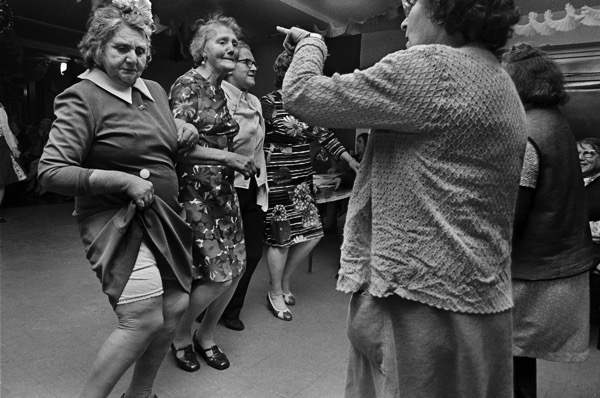
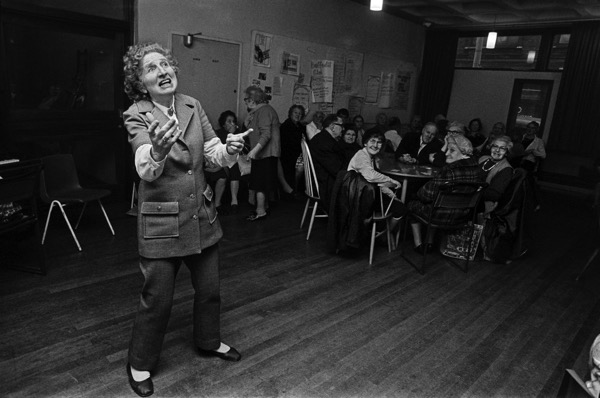
Photographs copyright © David Hoffman
Some Poems By Sally Flood
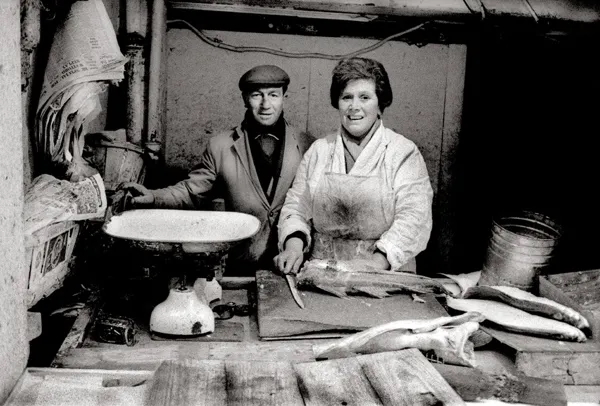
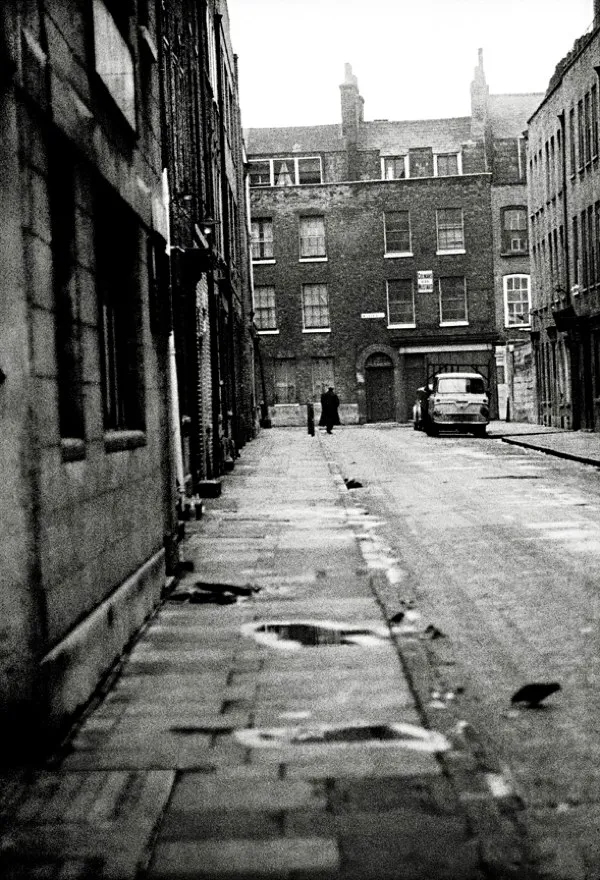
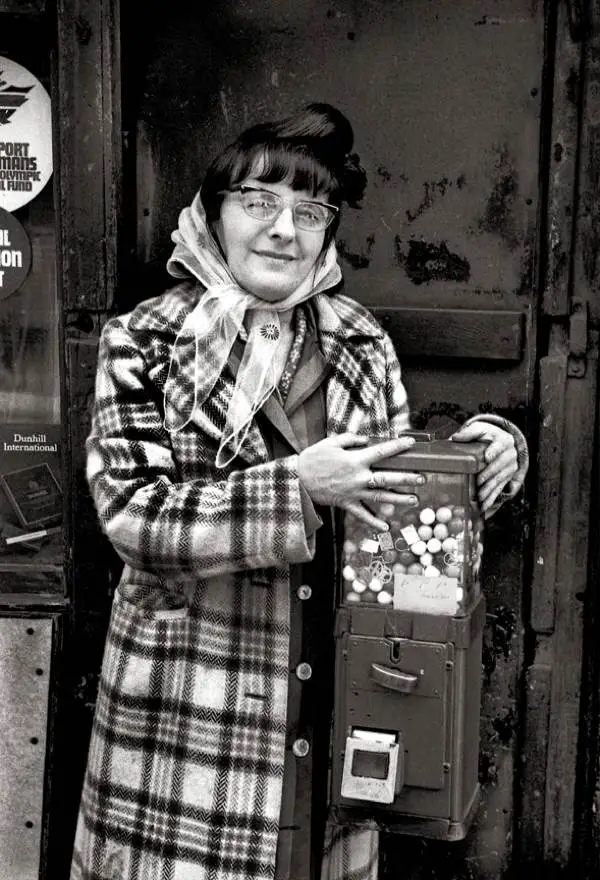
In celebration of the 100th birthday yesterday of Sally Flood, the Whitechapel poet, here are a selection of her poems accompanied with photographs by John Claridge.
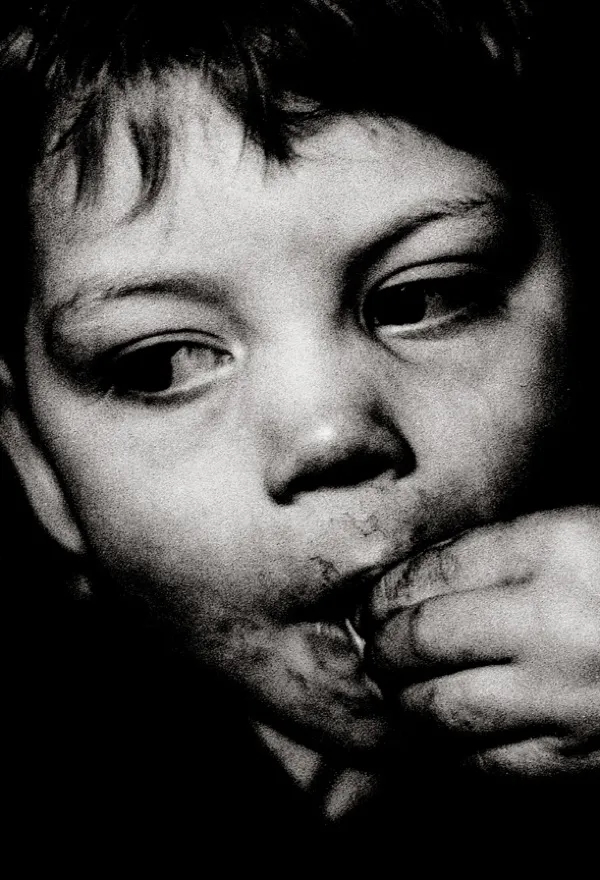
EDUCATION
Life has many doorways
To educate the poor,
The stairway hard to follow
It’s not an open door,
Contacts are important
Opportunities few,
Learning is a process
The rest is up to you.
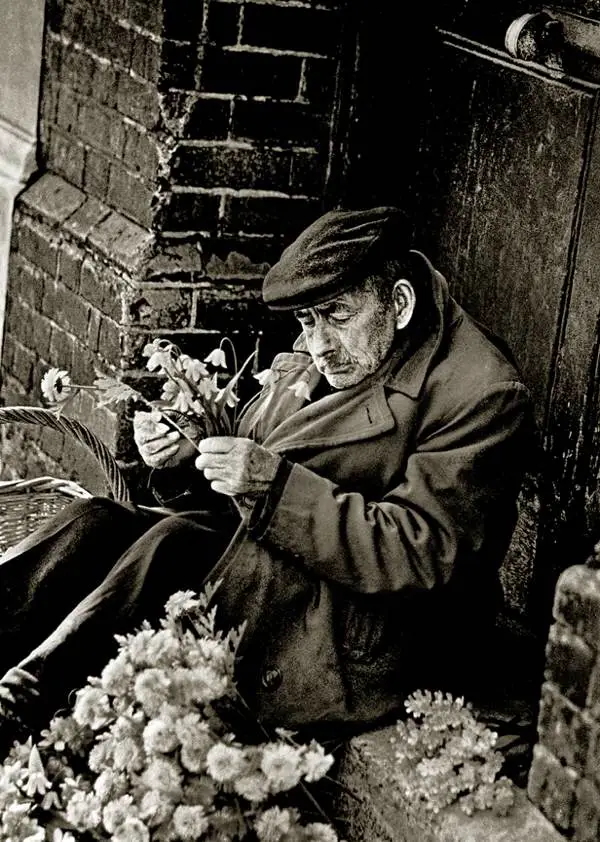
BUYING DREAMS
The Flower Market – Columbia Road
Sunday morning down Columbia Road
Where florists and gardeners, stand with their load
Each with a patter that flows from the tongue,
Beguiling the old as well as the young.
Barrows and stalls piled high with young blooms
Some to be bought and stood in dark rooms,
Boxes or strips, whatever you may
You take your choice and take them away.
Sunday morning, the market is packed,
Crates of plants being unstacked
So many bargains, you are spoilt for a choice
Just put your money along with your voice.
Join the big spenders with stars in their eyes
Hoping to stock their own Paradise,
Young plants with promise, looking so frail
Dreams for the lonely and all there on sale.
Disappointments forgotten, another year fraught
In Columbia Market you are hooked and are caught.
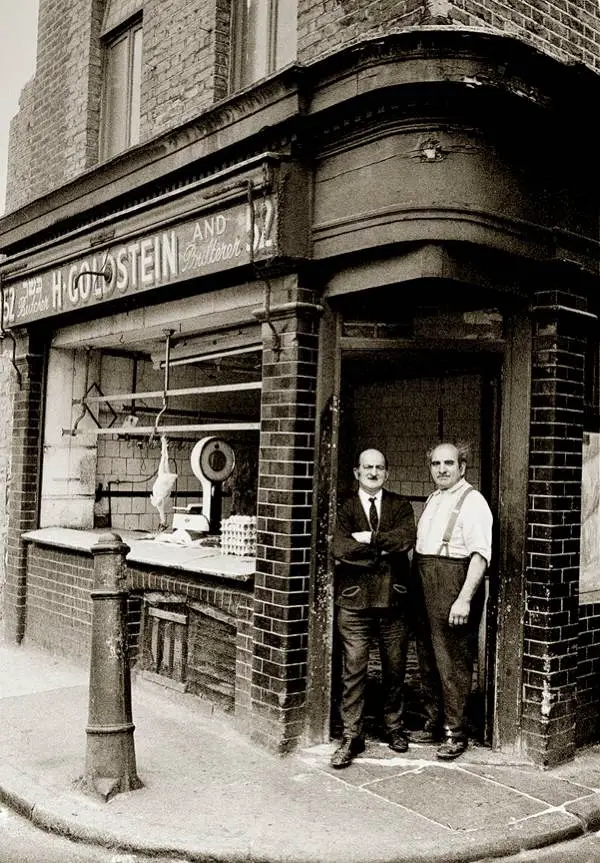
CABLE STREET
75th ANNIVERSARY
Just a child, I remembered
Living in a two-up and two-down,
So many things to take on
Living in the East End of town,
I remember the talk
When we were in bed
My parents conversed
I heard what was said.
Jews were the target
The bait on the tongue
I remember it well
When I was just young.
Mosley would march
The coming weekend
Leading the fascists
They had to defend?
Just round the corner
We heard the noise
The many feet marching
The angry raised voice,
Down in the cellar
We stayed all day
My father and brother
Were out in the fray.
‘They shall not pass’
The slogan they used
To stop Mosley’s men
We were being abused,
My father came home
The tale that he told
The Dockers, the Communists
The Jews were so bold.
They faced the enemy
The police on horseback,
Barricaded the streets
They truly fought back.
My brother of twelve
Was up at Tower Hill
Watching with others
He tells it still
When out of the blue
He was struck on the head
He fell to the ground
Among others he said,
Like brothers the East End
Had triumphed that day
Stood shoulder to shoulder
And never gave way.
SEPTEMBER BLUES
My washing pile grows higher waiting for the sun
I cannot wait much longer for the washing to get done.
So today I decided, dark pile was to go
So I sorted out the colours hoping winds would blow.
I do like to see my washing blowing on the line
Seasons are uncertain, the sun can’t always shine.
So I hung them out and watched the sky
The clouds that drifted there on high.
‘Oh well’ I thought, ‘At least they’re clean’
There must be sunshine in-between.
Standing in the kitchen, a thunderous roar was heard
Rain poured down, this weather really was absurd.
Now my washing hangs and weeps and I am torn again
To put them in the dryer or leave them in the rain.

THE BAG MAN
He sits by the hospital
Surrounded by bags,
The dustbin lid shows
Where his body sags.
There is a mark on the pavement
Spreads wider each day,
This is his domain
Keeps people at bay.
A rustic grey mac
Covers paddings of clothes,
His ragged drapes fit
From his shoulders to toes.
Feet so wrapped
And hidden from view
Disguised and distorted
No sign of a shoe.
Small gifts from do-gooders
He accepts with a smile,
By the crossing at Whitechapel
He’s been there for a while,
The birds come for crumbs
The cause of the grease
From the bags that surround him
The flow never cease.
Nobody knows
And nobody cares
Where does he come from?
This man with his wares.
Replacing the woman
Who had sat there before,
There is always another
In the ranks of the poor.
Life just goes on
And passes him by
No use for compassion
He doesn’t cry,
Questions are endless
They twirl in my mind
Treading the pathway
That leaves him behind.
MY TIME
Thinking back to childhood
How fast the years have gone,
So many changes to my life
For thoughts to dwell upon.
I remember days of yore
Before the radio would blare,
Before the roar of engines on the road
That made us children stare.
The coalman with his sacks of black
That stained the ceiling and the walls,
The flames that lit the twilight,
My memory now recalls.
So many magic moments
Mark the footsteps of today,
This was my time and season
I can’t wish this away.
Poems copyright © Sally Flood
Photographs copyright © John Claridge
These poems are selected from TALES BY EASTENDERS published by Liminal Books in 2014, containing writing by Sally Flood, Barry Gendler, Ann Hamblin & Dorothy Lloyd. A few copies are available at £10 from sarah.ainslie@btinternet.com












