The Manhole Covers Of Spitalfields
Please support our JANUARY BOOK SALE. We only have nine titles left in the warehouse and some are on the brink of going out of print, so you can assist us clear the shelves by buying copies at half price to complete your collection, or as gifts for family and friends.
Click here and enter code ‘2022’ at checkout to get 50% discount

Ever since I wrote about sculptor Keith Bowler’s Roundels, describing how he set new manhole covers into the pavements of Spitalfields with motifs to commemorate all the people, cultures and trades that have passed through, I have been noticing the old ones that inspired him in the first place. This one from the eighteen eighties in Fournier St is undoubtably the most snazzy in the neighbourhood with its dynamic sunburst and catherine wheel spiral. So much wit and grace applied to the design of a modest coalhole cover, it redefines the notion of utilitarian design. In Bath, Bristol, Brighton and Edinburgh, I have seen whole streets where each house has a different design of coalhole cover, like mismatched buttons on a long overcoat, but in Spitalfields they are sparser and you have to look further to find them.
There is a second example of this Clark, Hunt & Co sunburst, that I like so much, in Redchurch St, just a hundred yards from the former showrooms at 159/60 Shoreditch High St of this company who called themselves the Middlesex Iron Works – founded in 1838, proud contractors to the H.M. War Office, the Admiralty and London County Council. And like many local ironworks, gone long ago, but outlived by their sturdy cast iron products. Alfred Solomons of 195 Caledonian Rd is another name I found here in Spitalfields on a couple of manhole covers, with some rather fetching, almost orientalist, nineteenth century flourishes. I discovered that the Jewish Chronicle reported the birth of a son to Alfred’s wife Celia on 18th December 1894 at the Caledonian Rd address, so these plates commemorate them personally now.
Meanwhile Hayward Brothers of 187 & 189 Union St, Borough, are the most ubiquitous of the named manufacturers with their handsome iron artefacts in the pavements of our neighbourhood. They were founded by William & Edward Hayward, glaziers who had been trading since 1783 when they bought Robert Henley’s ironmongery business in 1838. As glaziers they brought a whole new progressive mentality to the humble production of coalhole covers, patenting the addition of prisms that admitted light to the cellar below. You can see one of their “semi-prismatic pavement lights” illustrated below, in Calvert Avenue. Such was the success of this company that by 1921 they opened a factory in Enfield, and even invented the “crete-o-lux” concrete system which was used to repave Regent St, but they ceased trading in the nineteen seventies when smokeless zones were introduced in London and coal fires ceased. Regrettably, Spitalfields cannot boast a coalhole by the most celebrated nineteenth century manufacturer, by virtue of their name, A.Smellie of Westminster. The nearest example is in Elizabeth St, Victoria, where I shall have to make a pilgrimage to see it.
Unfailingly, my fascination with the city is deepened by the discovery of new details like these, harbouring human stories waiting to be uncovered by the curious. Even neglected and trodden beneath a million feet, by virtue of being in the street, these ingenious covers remind us of their long dead makers’ names more effectively than any tombstone in a churchyard. There was rain blowing in the wind yesterday but when the sun came out afterwards, the beautiful old iron covers shone brightly like medals – for those who had the eyes to see them – emblazoned upon the streets of Spitalfields.
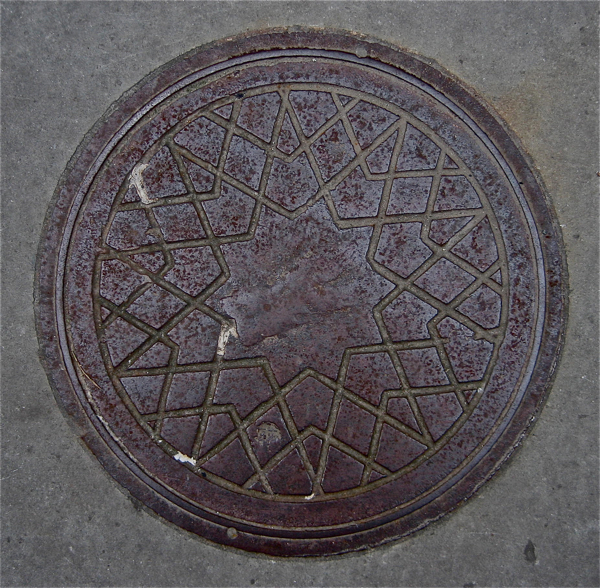
In Old Broad St.

In Fournier St, a nineteenth century coalhole cover by Alfred Solomons, 195 Caledonian Rd – I am reliable informed there are similar covers in Doughty St and around Bloomsbury.
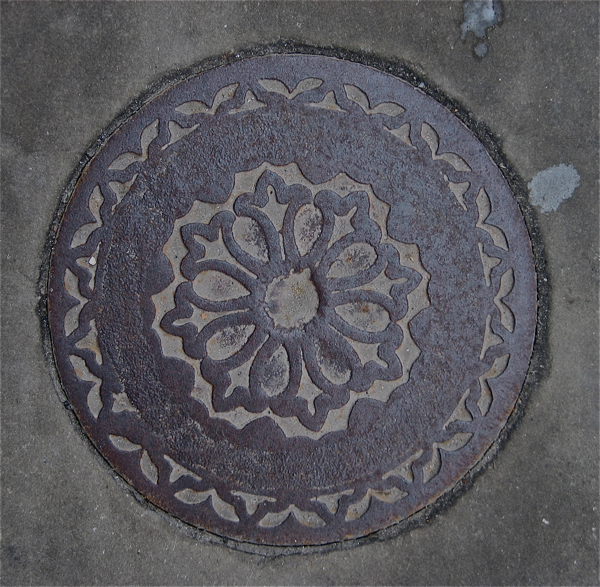
A more minimal variant on the same design by Alfred Solomons.

Hayward Brothers’ “Patent Self-Locking Semi-Prismatic Pavement Light” in Calvert Avenue.

A more recent example of Hayward Brothers’ self -locking plate.

In Gunthorpe St, this drain cover commemorates Stepney Borough Council created in 1900 and abolished in 1965.

At the Rectory in Fournier St, this early plate by Hayward Brothers of 187 & 189 Union St, Borough, which is also to be found in Lower Richmond Rd.

Another by Haywood Brothers in Spitalfields – although unlabelled, it follows the design of the plate above.

Bullseye in Chance St
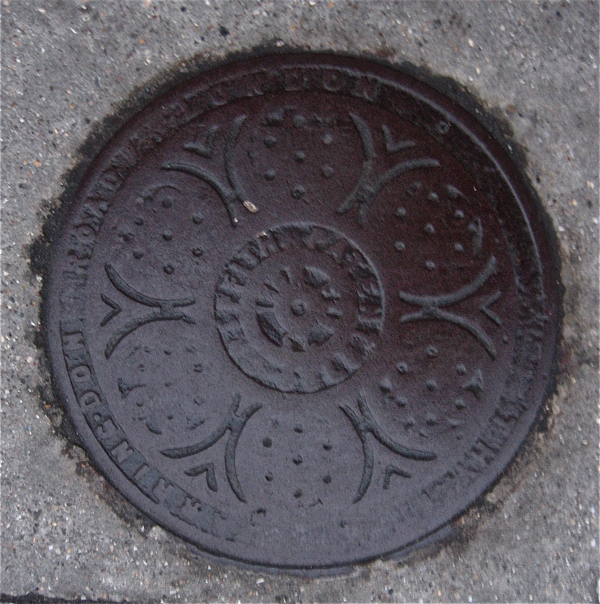
In Commercial St, at the junction with Elder St, is this worn plate is made by Griffith of Farringdon Rd, Clerkenwell

In Middlesex St. LCC – London County Council was abolished in 1965. Can it be only co-incidental that this old manhole cover in Petticoat Lane Market, in the former Jewish quarter, has a star of David at the centre?
You may also like to read about
Margaret Rope’s East End Saints
Please support our JANUARY BOOK SALE. We only have nine titles left in the warehouse and some are on the brink of going out of print, so you can assist us clear the shelves by buying copies at half price to complete your collection, or as gifts for family and friends.
Click here and enter code ‘2022’ at checkout to get 50% discount
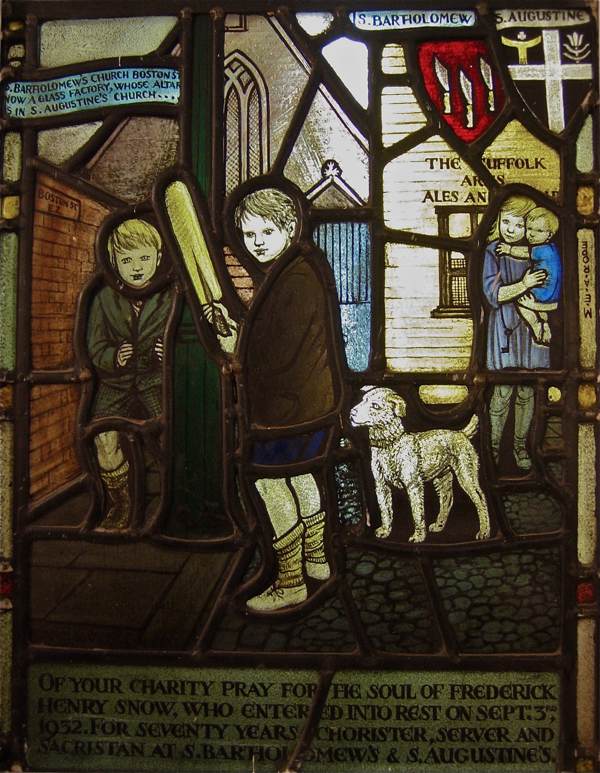
A familiar East End scene of 1933 – children playing cricket in the street and Nipper the dog joining in – yet it is transformed by the lyrical vision of the forgotten stained glass artist Margaret Rope, who created a whole sequence of these sublime works – now dispersed – depicting both saints of legend and residents of Haggerston with an equal religious intensity.
This panel is surmounted by a portrayal of St Leonard, the sixth century French saint, outside a recognisable St Leonard’s Church, Shoreditch, with a red number six London bus going past. Margaret Rope’s extraordinary work mixes the temporal and the spiritual, rendering scenes from religious iconography as literal action and transforming everyday life into revelations – describing a universe simultaneously magical and human.
Between 1931 and 1947, the artist known simply to her family as ‘”Tor,” designed a series of eight windows depicting “East End Everyday Saints” for St Augustine’s church off the Hackney Rd, portraying miracles enacted within a recognisable East End environment. For many years these were a popular attraction, until St Augustine’s was closed and Margaret Rope’s windows removed in the nineteen-eighties, with two transferred across the road to St Saviour’s Priory in the Queensbridge Rd and the remaining six taken out of the East End to be installed in the crypt of St Mary Magdalene, Munster Sq. Intrigued by the attractive idea of Margaret Rope’s transcendent vision of the East End, I set out to find them for myself.
At St Saviour’s Priory, Sister Elizabeth was eager to show me their cherished windows of St Paul and St Margaret, both glowing with lustrous colour and crammed with intricate detail. St Paul, the patron saint of London, is depicted at the moment of his transformative vision, beneath St Paul’s Cathedral – as if it were happening not on the road to Damascus but in Ludgate Circus. The other window, portraying St Margaret, has particular meaning for the sisters at St Saviours, because they are members of the Society of St Margaret, whose predecessors first came from Sussex to Spitalfields in 1866 to tend to the victims of cholera. In Margaret Rope’s window, St Margaret resolutely faces out a dragon while Christ hands a tiny version of the red brick priory to John Mason Neale, the priest who founded the order. Both windows are engaging exercises in magical thinking and the warmth of the colours, especially turquoise greens and soft pinks, delights the eye with its glimmering life.
I found the other six windows in the crypt of St Mary Magdalene near Regents Park, now used as a seniors’ day centre, where they are illuminated from the reverse by fluorescent tubes. The first window you see as you walk in the door is St Anne, which contains an intimate scene of a mother and her two children, complete with a teddy bear lying on the floor and a tortoiseshell cat sleeping by the range.
Next comes St George, who looks like a young athlete straight out of the Repton Boxing Club, followed by St Leonard, St Michael, then St Augustine and St Joseph. All share the same affectionate quality in their observation of human detail that sets them above mere decorative windows. These are poems in stained glass manifesting the resilient spirit of the East End which endured World War II. Another window by Margaret Rope in St Peters in the London Docks, completed in 1940, showed parishioners celebrating Midnight Mass at Christmas in a bomb shelter.
Margaret Edith Aldrich Rope was born in 1891 into a farming family on the Suffolk coast at Leiston. Her uncle George was a Royal Academician, and she was able to study at Chelsea College of Art and Central School of Arts & Crafts, where she specialised in stained glass. Unmarried, she pursued a long and prolific working life, creating over one hundred windows in her fifty year career, taking time out to join the Women’s Land Army in World War I and to care for evacuees at a hospital in North Wales during World War II, before returning to her native Suffolk at the age of eighty-seven in 1978.
Her nickname “Tor” was short for tortoise and she signed all her works with a tortoise discreetly woven into the design. Upon close examination, every window reveals hidden texts inscribed in the richly coloured shadows. So much thought and imagination is evident in these modest works executed in the magical realist style. They transcend their period as neglected yet enduring masterpieces of stained glass and I recommend you make your own acquaintance with the stylish work of Margaret Rope, celebrating the miraculous quality of the everyday.
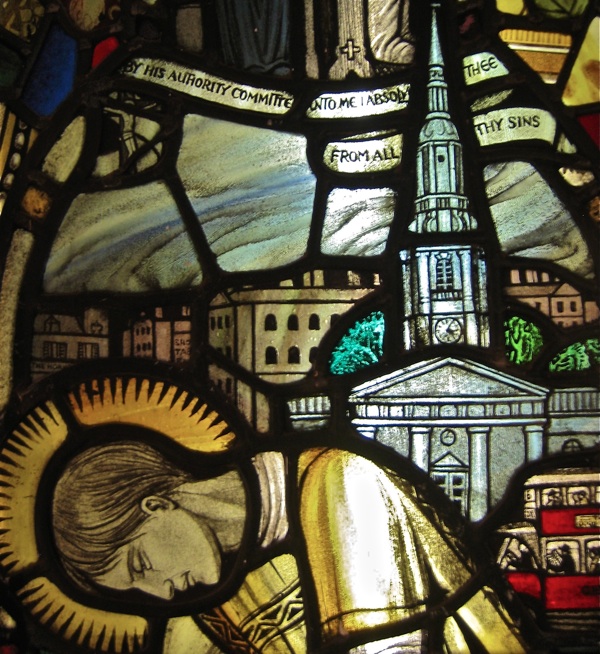
St Leonard is portrayed in a moment of revelation outside St Leonard’s Church, Shoreditch, with Arnold Circus in the background and a London bus passing in the foreground
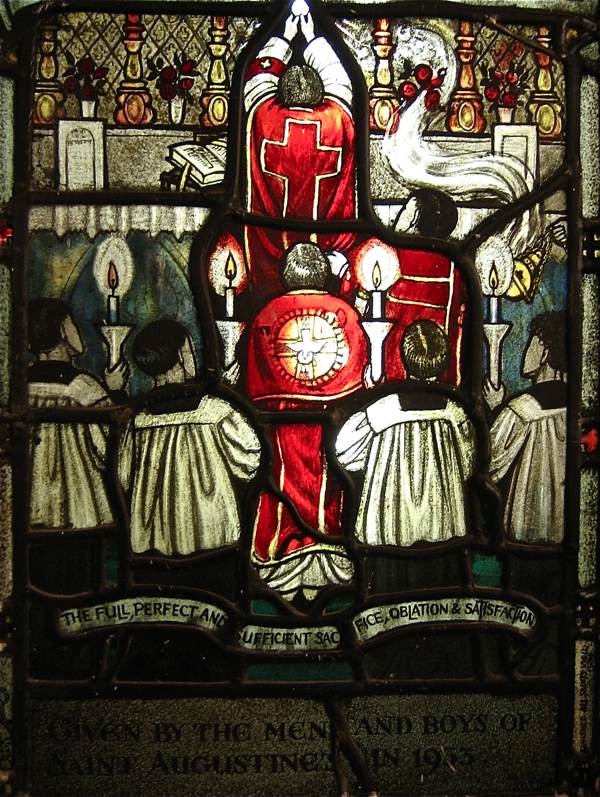
The lower panel of the St George window
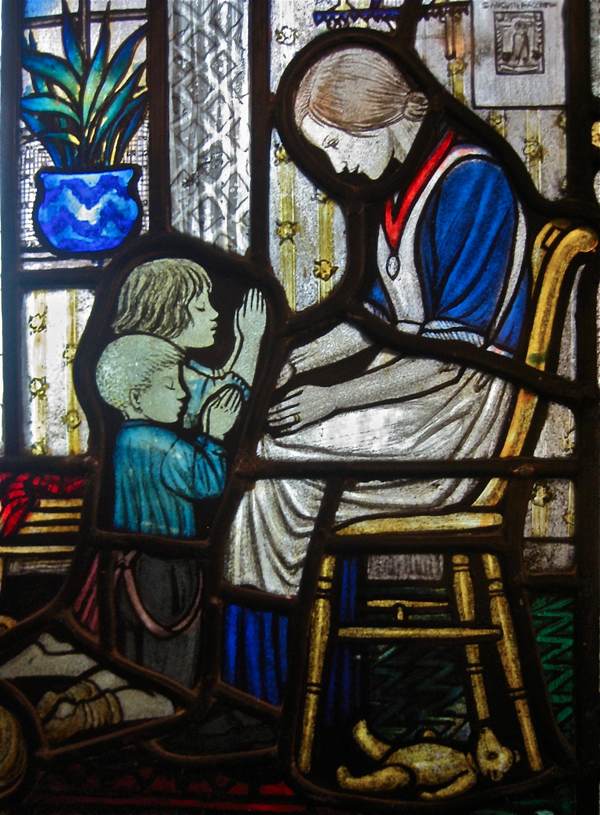
A domestic East End scene from the lower panel of the St Anne’s window
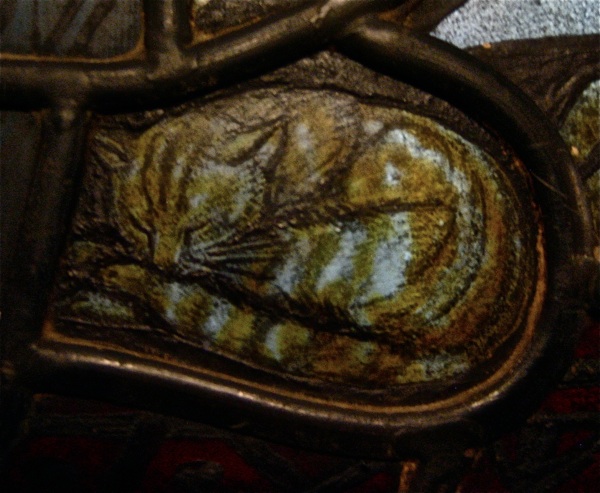
This tortoise-shell cat is a detail from the panel above
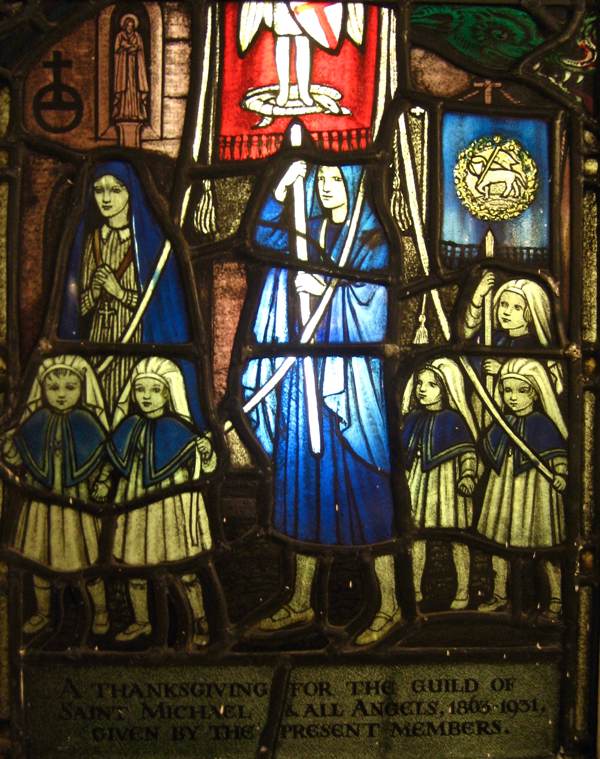
The lower panel from the St Michael window
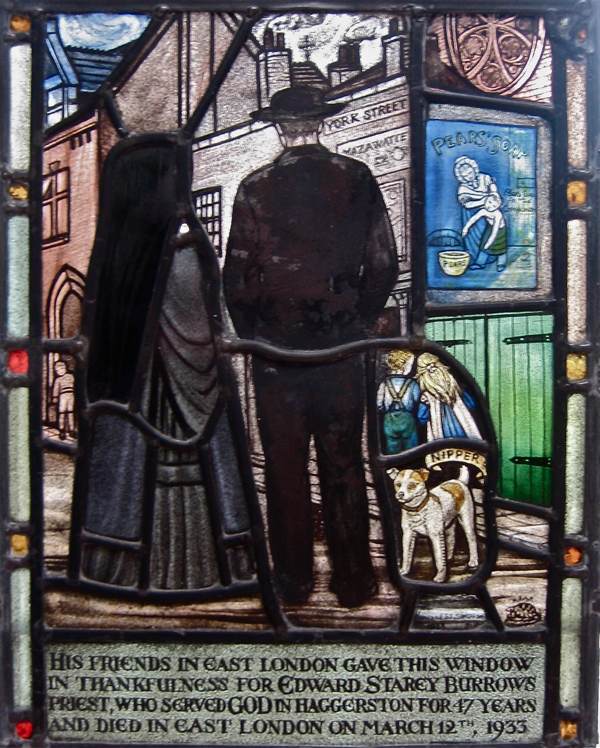
Mother Kate, Prioress of St Saviour’s and Father Burrows with his dog, Nipper, standing outside St Augustine’s in York St, now Yorkton St. In the right hand corner you can see the tortoise motif that Margaret Rope used to sign all her works.

Sisters of St Saviour’s Priory, portrayed in the lower panel of the St Margaret window, 1932
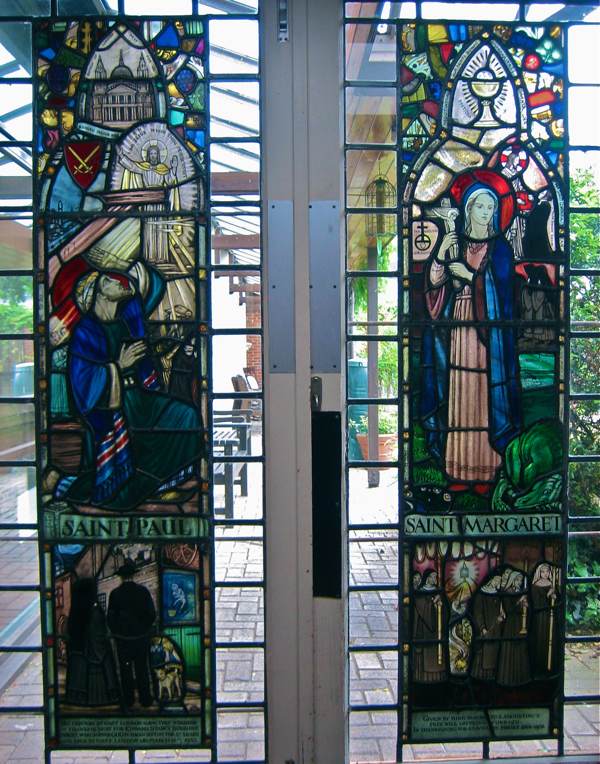
Margaret Rope’s St Paul and St Margaret, now in the entrance of Saviour’s Priory, Queensbridge Rd
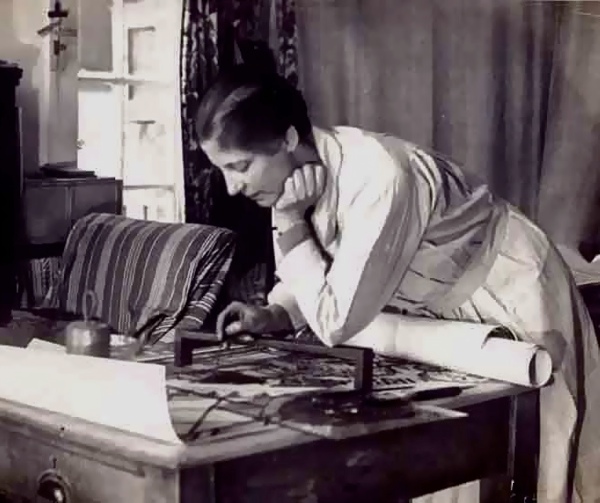
Stained glass artist, Margaret Edith Aldrich Rope known as “Tor” (1891-1988)
You may also like to read about
Old Trees in Greenwich
Please support our JANUARY BOOK SALE. We only have nine titles left in the warehouse and some are on the brink of going out of print, so you can assist us clear the shelves by buying copies at half price to complete your collection, or as gifts for family and friends.
Click here and enter code ‘2022’ at checkout to get 50% discount
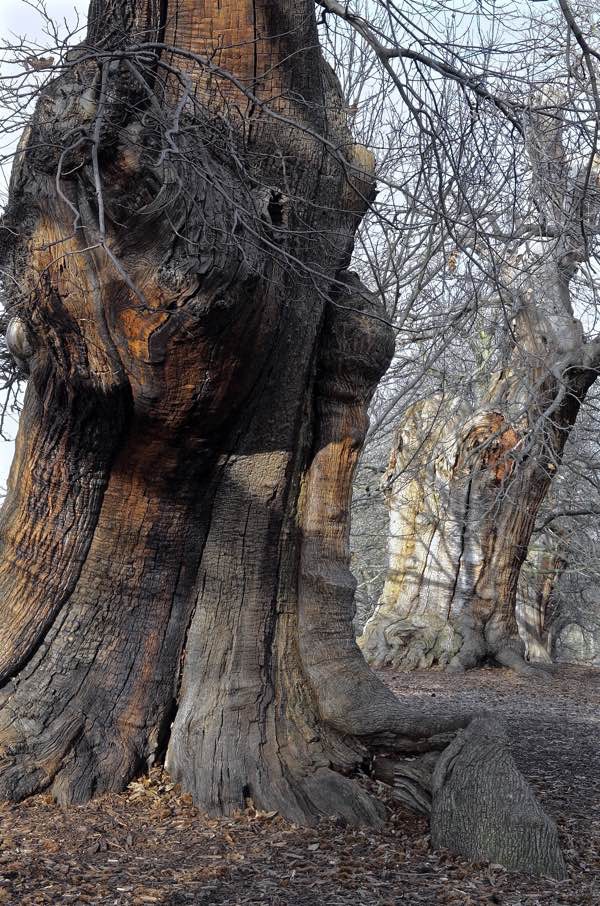
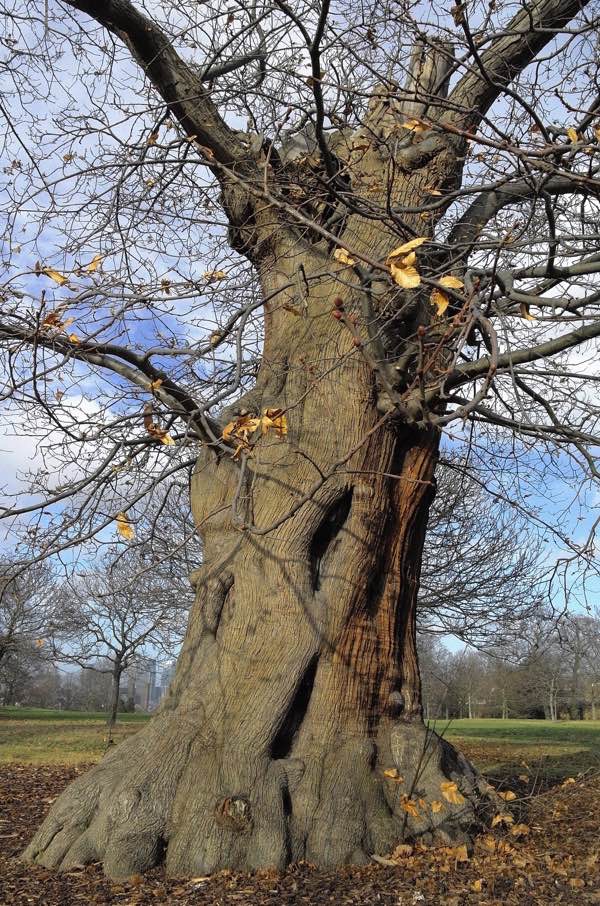
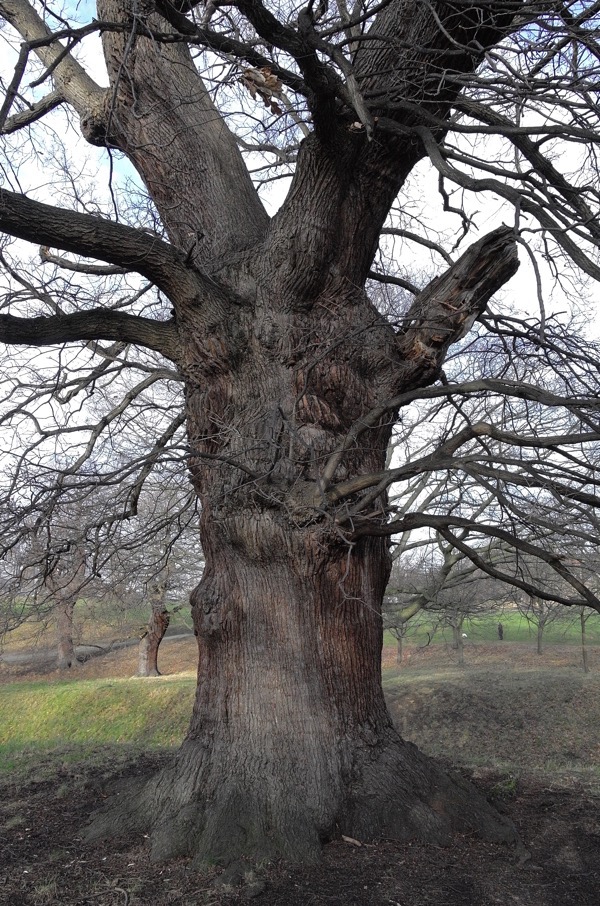
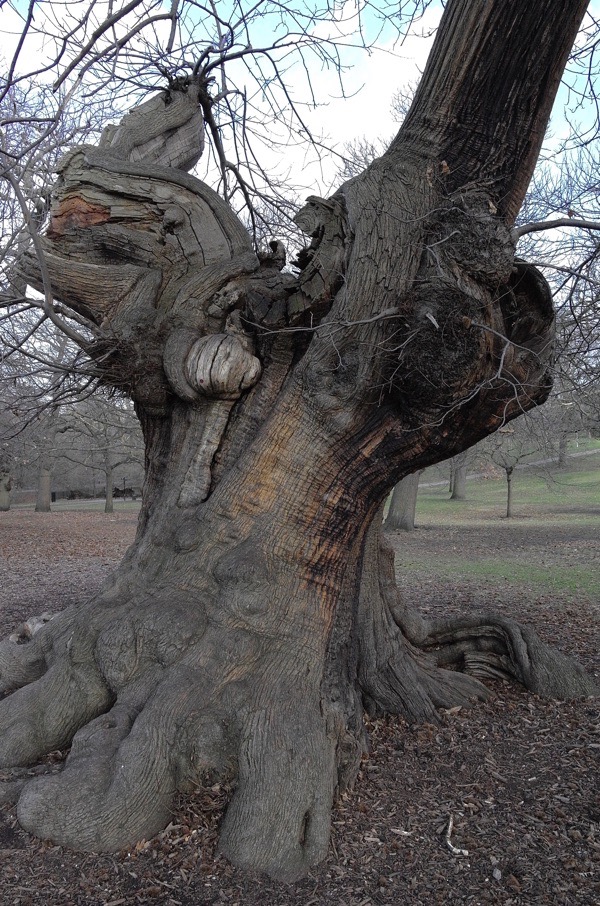
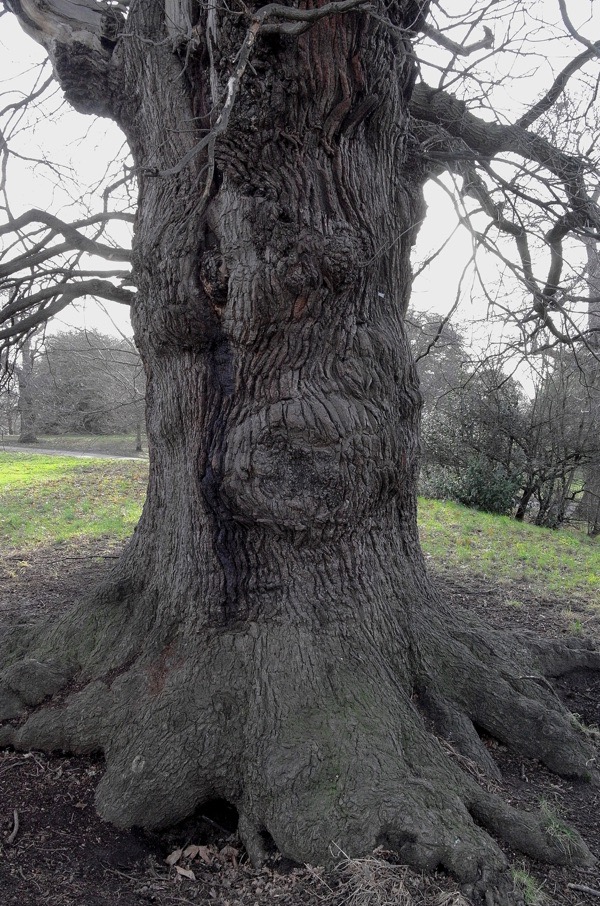
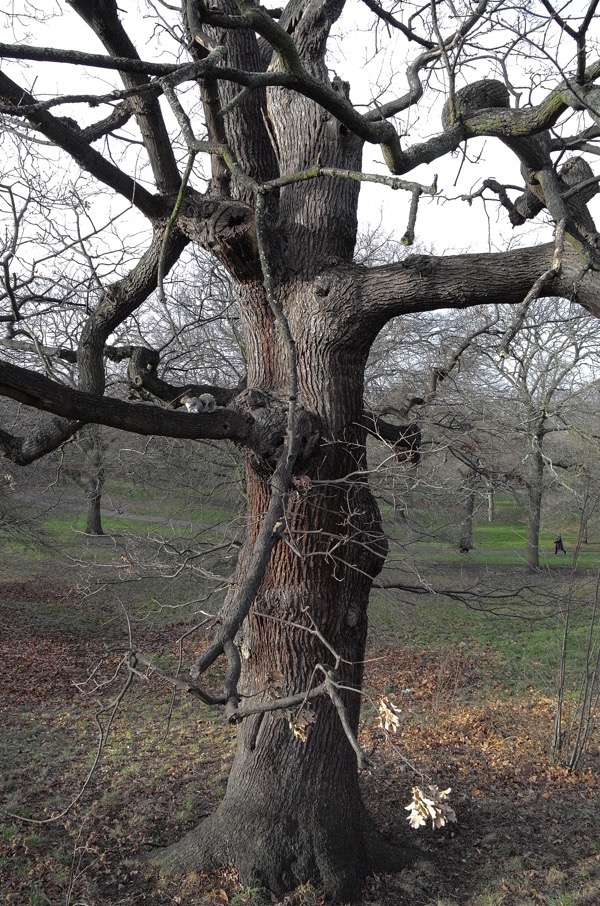
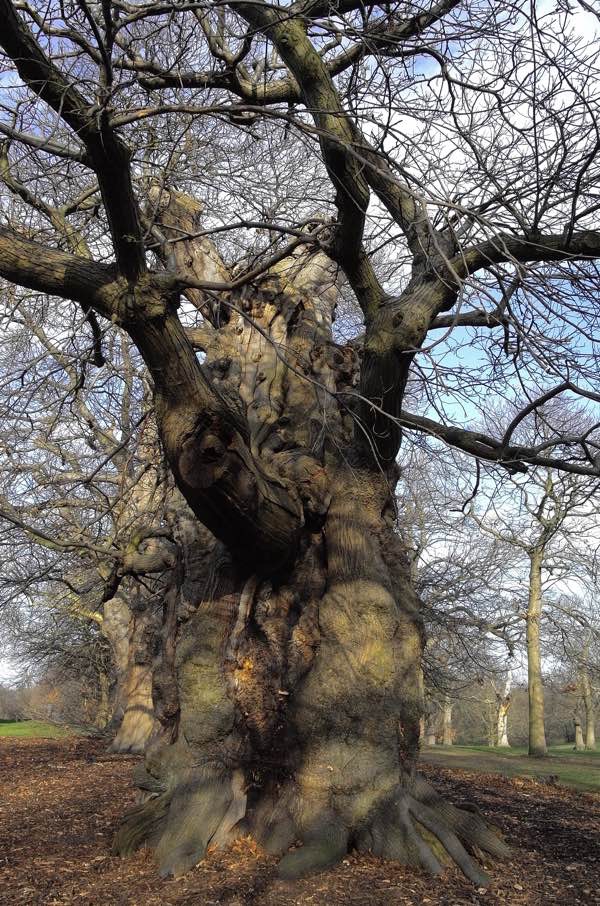
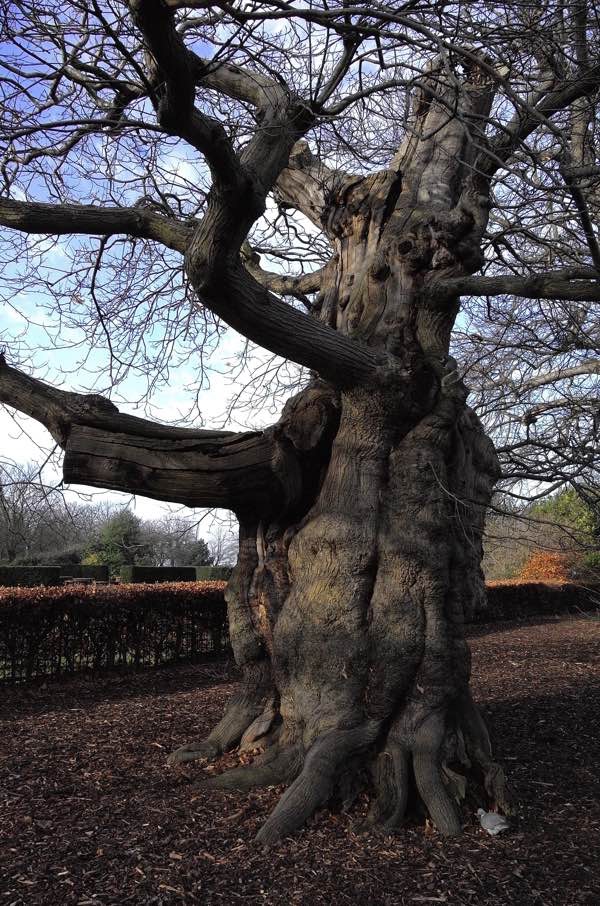
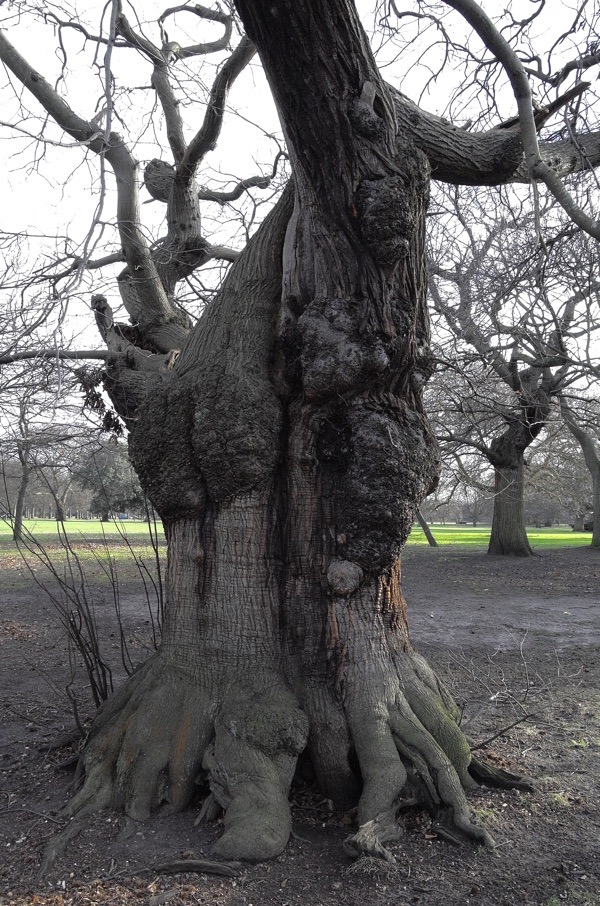
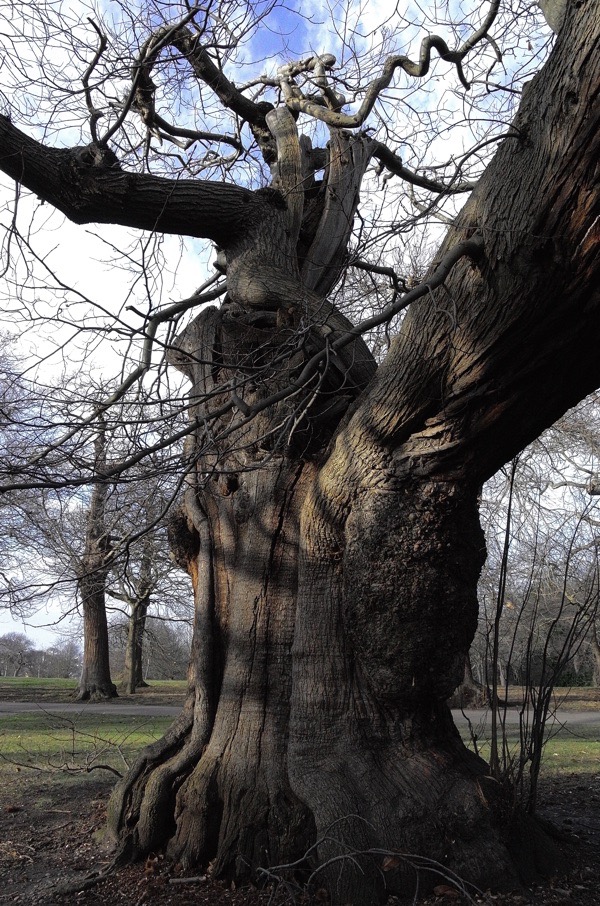
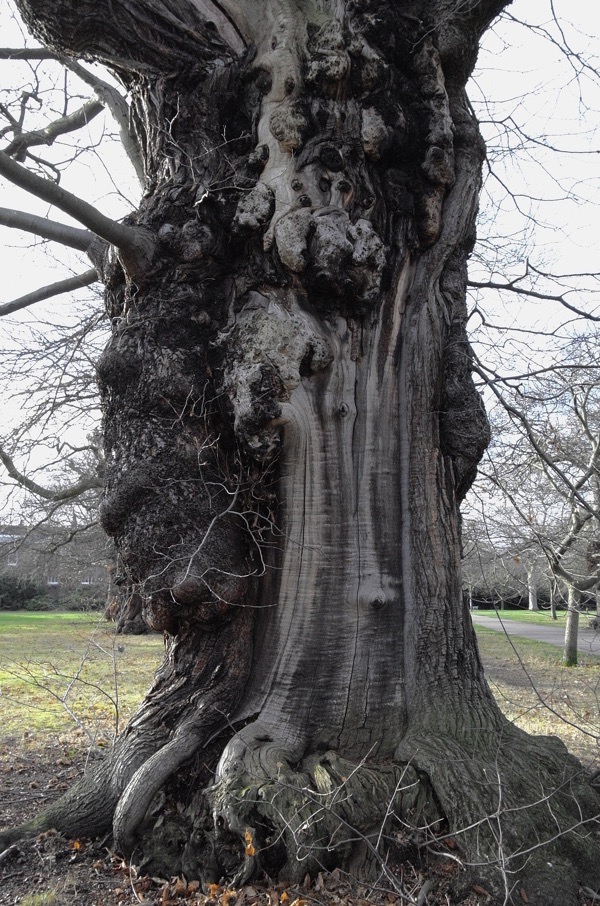
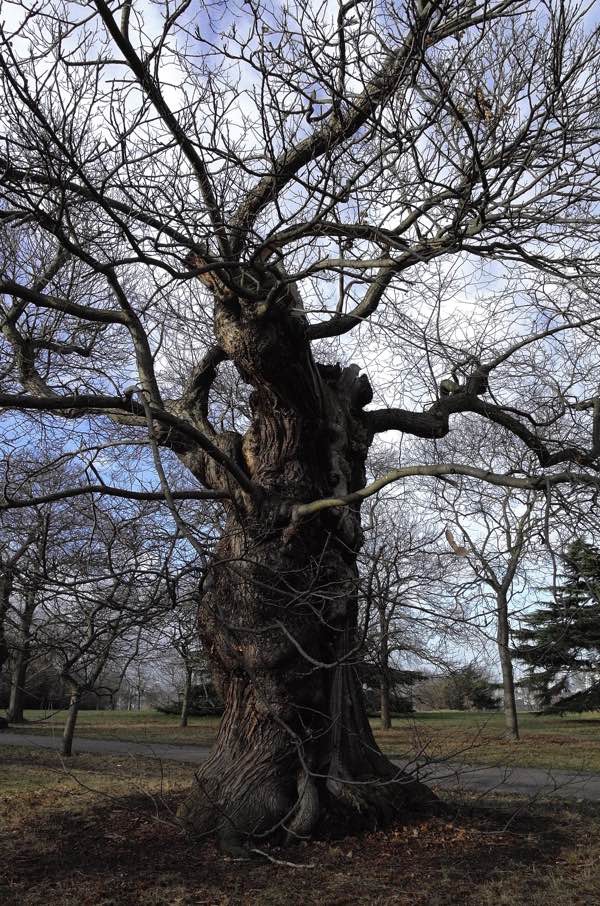
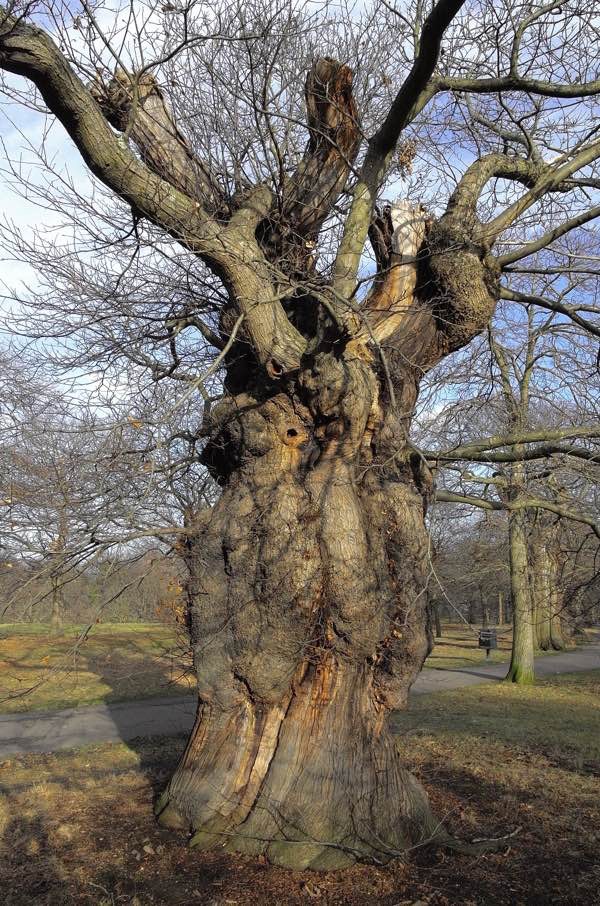
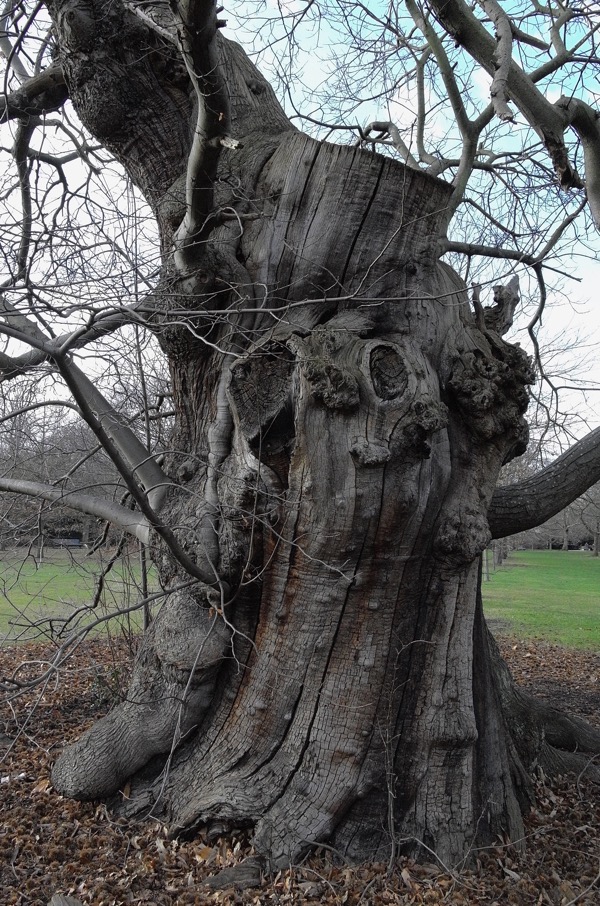
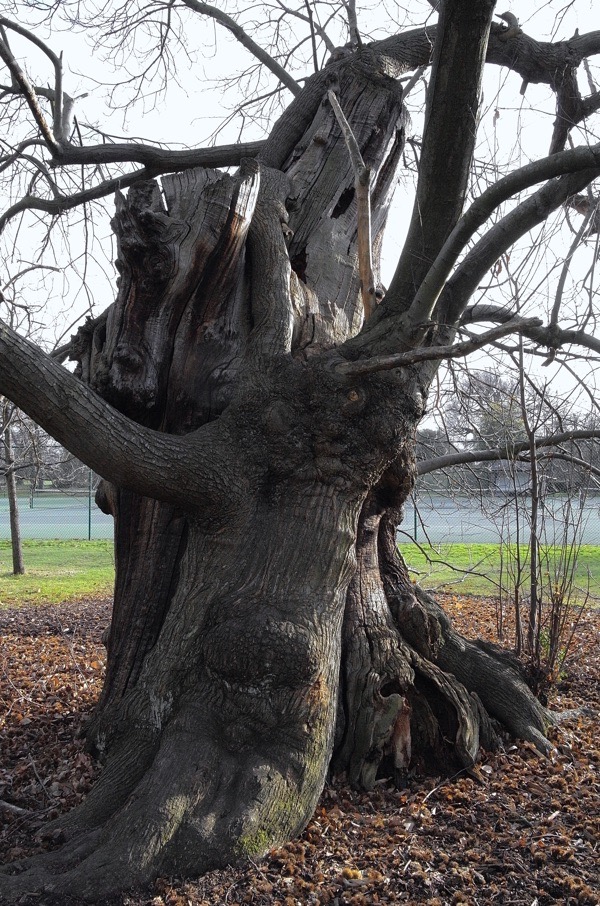
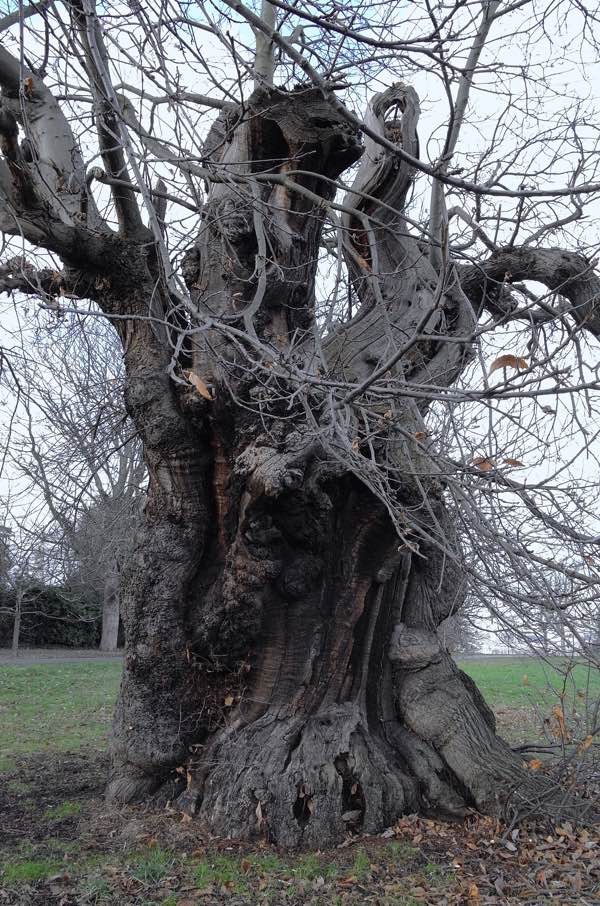
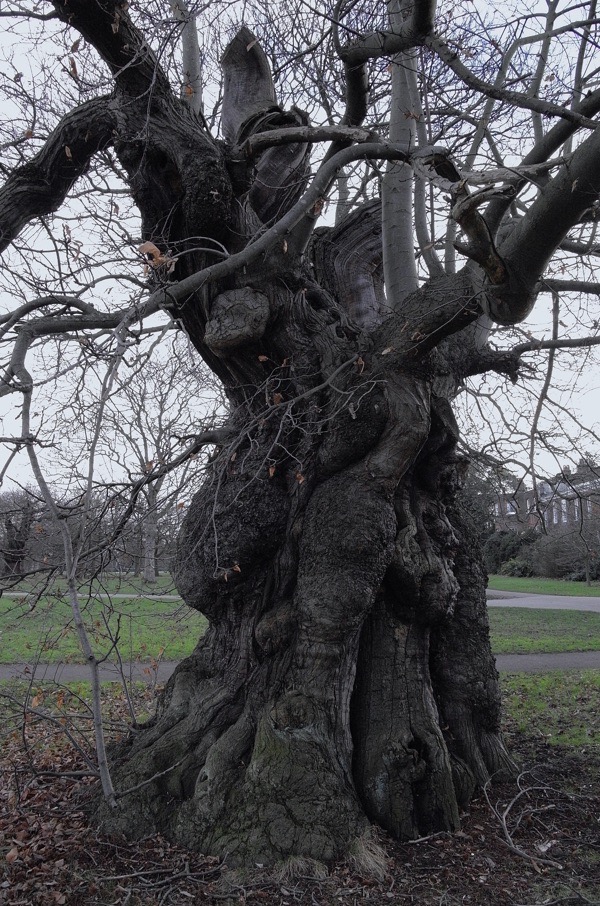
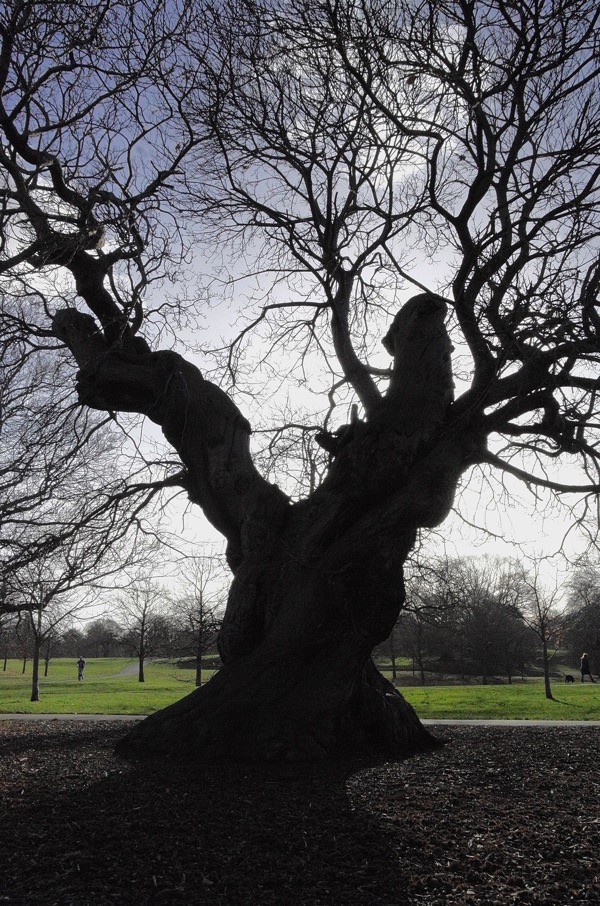
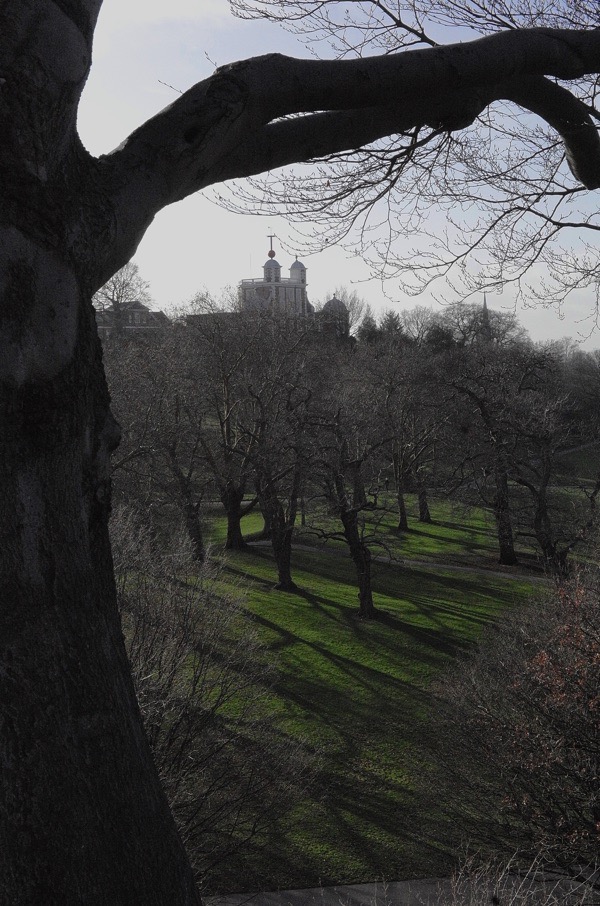
On the day my old cat died, I went for a walk in Greenwich Park to seek consolation and was uplifted to encounter the awe-inspiring host of ancient trees there. I promised myself I would return in the depths of winter to photograph these magnificent specimens on a clear day when they were bare of leaves. So that was what I did, braving the bitter wind and the plunging temperatures for an afternoon with my camera.
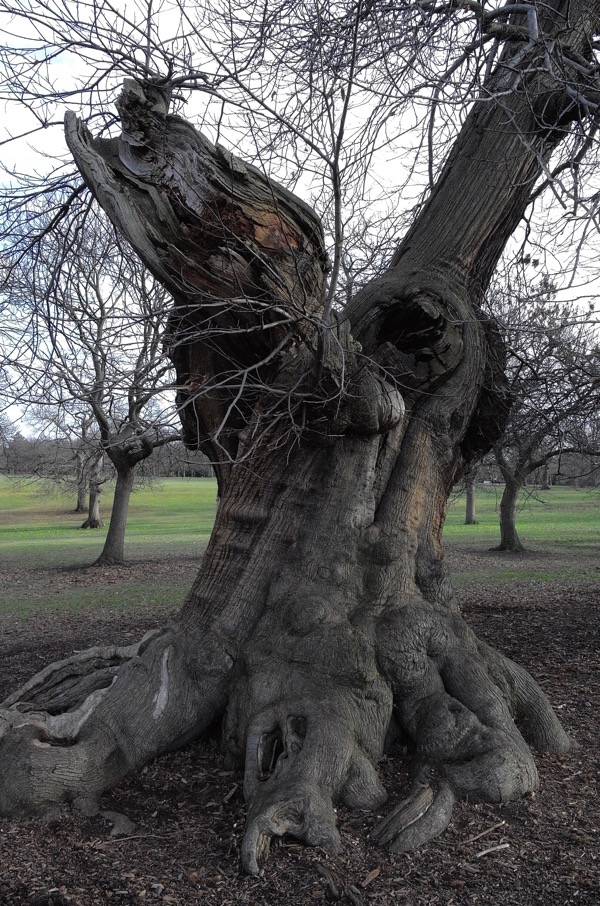
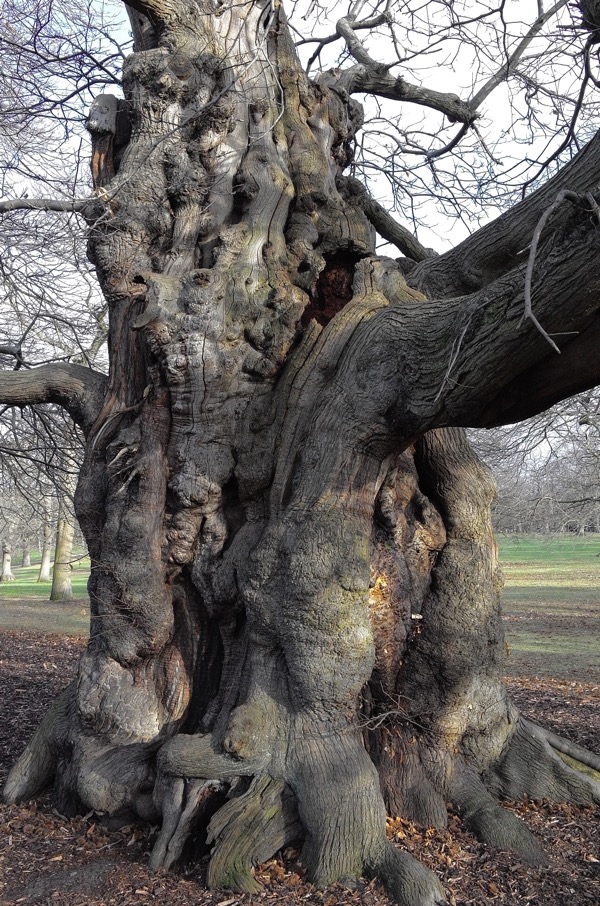
In the early 1660’s, Charles II commissioned Le Notre, gardener to Louis XIV, to design the layout of the landscape and the impressive avenues of sweet chestnuts remain, many now approaching four hundred years old. These ancient trees confront you, rising up in the winter sunlight to cast long shadows over the grass and dominating the lonely park with their powerful gnarly presences worthy of paintings by Arthur Rackham.
I have always been in thrall to the fairy tale allure cast by old trees. As a small child, I drew trees continuously once I discovered how easy they were to conjure into life upon paper, following the sinuous lines where I pleased. This delight persists and, even now, I cannot look at these venerable sweet chestnuts in Greenwich without seeing them in motion, as if my photographs captured frozen moments in their swirling dance.
Throughout my childhood, I delighted to climb trees, taking advantage of the facility of my lanky limbs and proximity of large specimens where I could ascend among the leafy boughs and spend an afternoon reading in seclusion, released from the the quotidian world into an arena of magic and possibility. Since the life span of great trees surpasses that of humans, they remind us of the time that passed before we were born and reassure us that the world will continue to exist when we are gone.
Secreted in a dell in the heart of the park, lies the Queen Elizabeth Oak, planted in the twelfth century. Legend has it, Henry VIII danced with Anne Boleyn beneath its branches and later their daughter, Elizabeth I, picnicked in its shade when this was a hunting ground for the royal palace at Greenwich. After flourishing for eight hundred years, the old oak died in the nineteenth century and then fell over a century later, in 1991, but still survives within a protective enclosure of iron railing for visitors to wonder at.
If any readers seek an excuse to venture out for a bracing walk in the frost, I recommend a pilgrimage to pay homage to the old trees in Greenwich Park. They are witnesses to centuries of history and offer a necessary corrective to restore a sense of proportion and hope in these strange times.
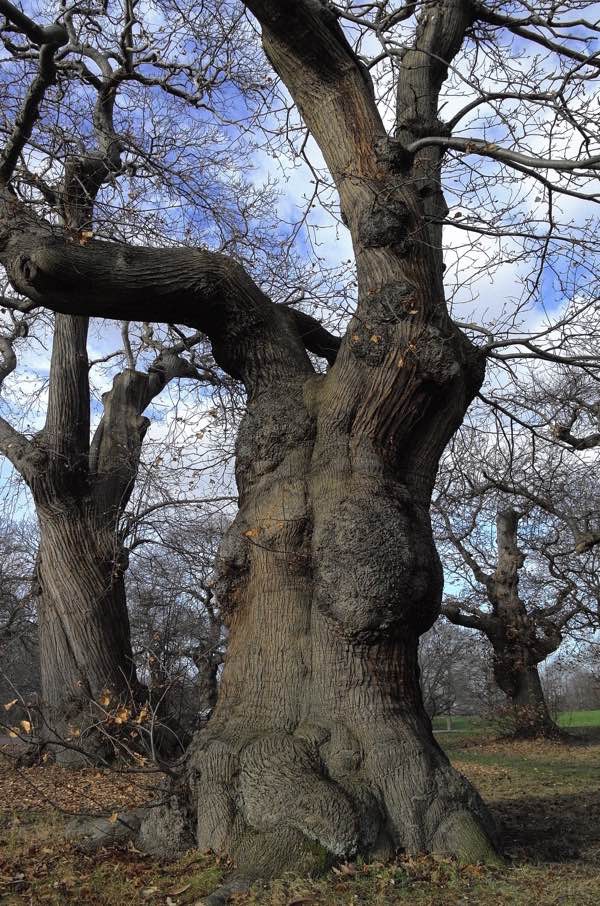
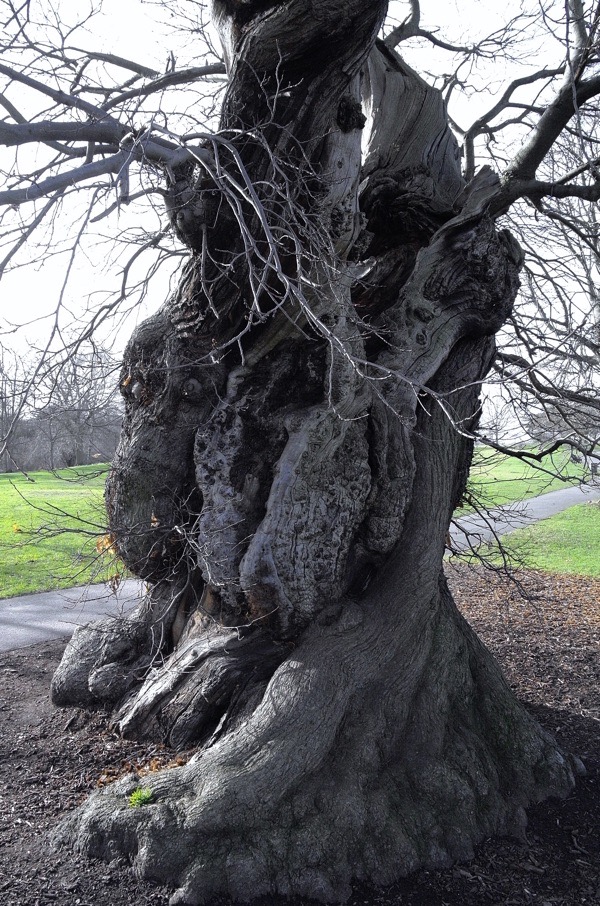

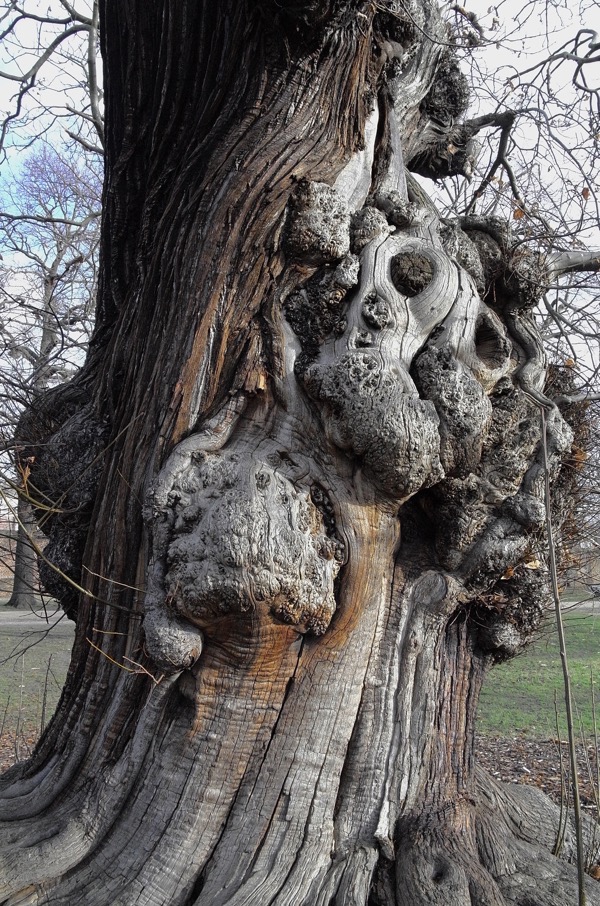
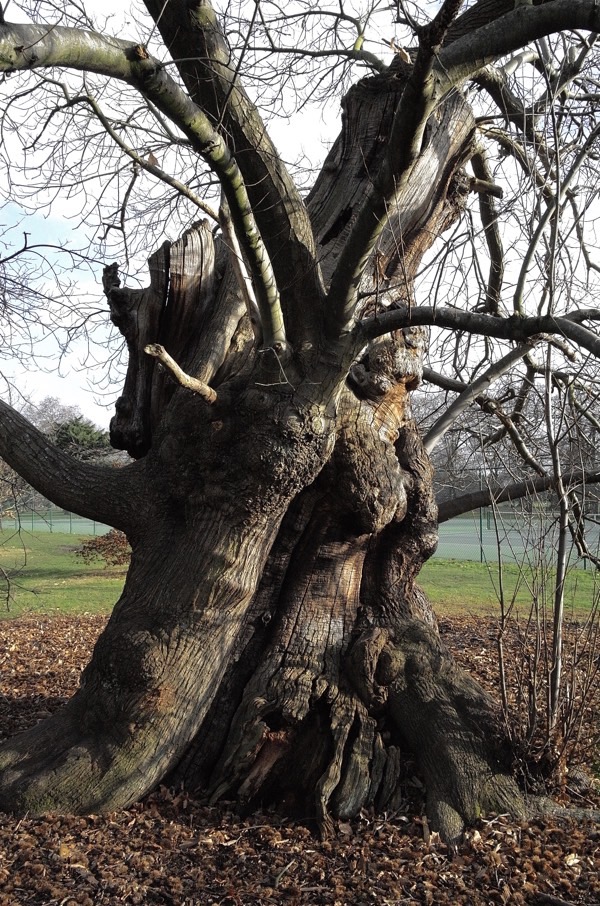
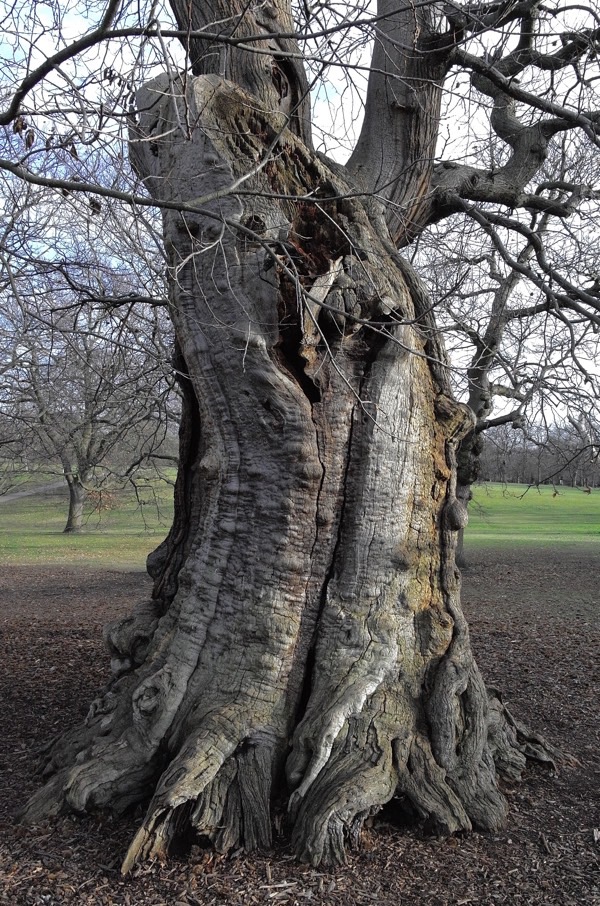
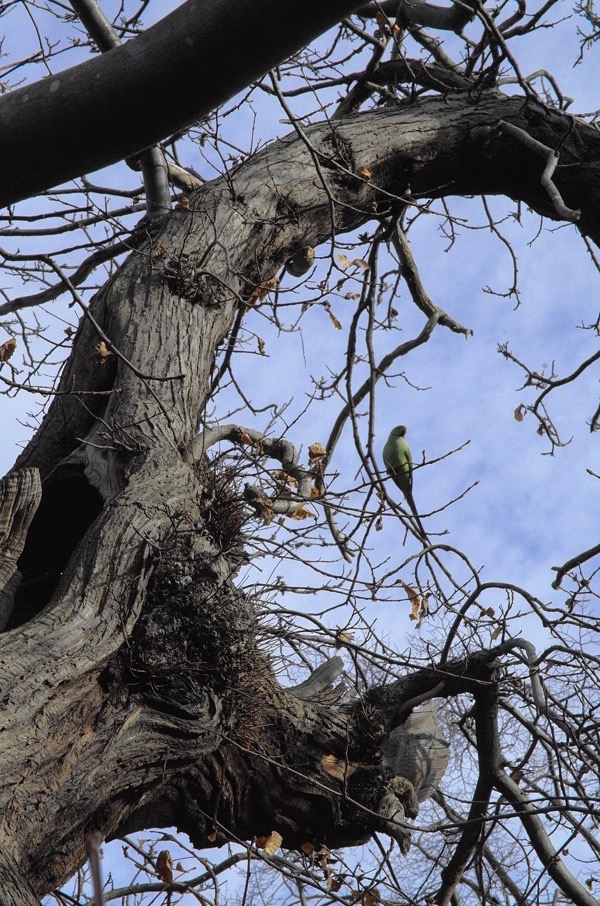
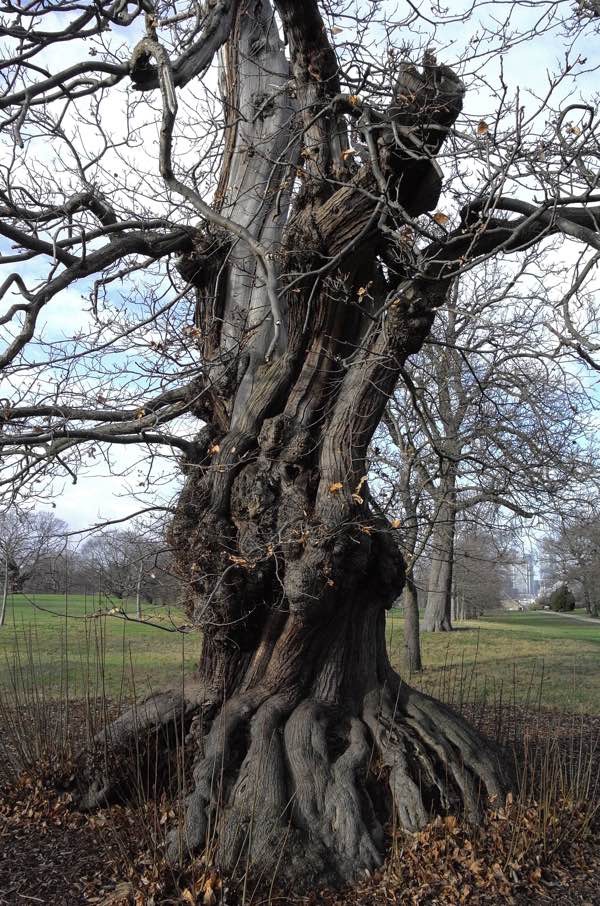
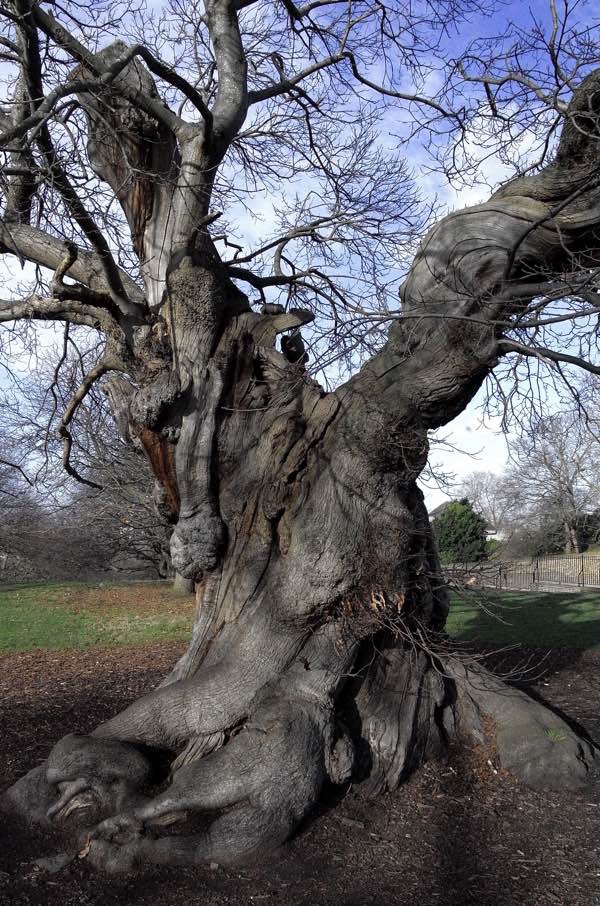

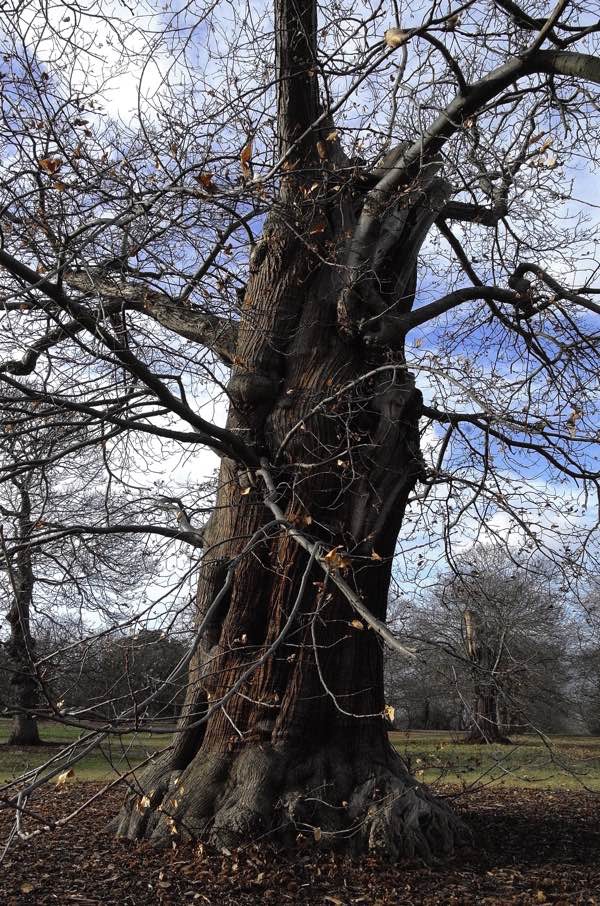
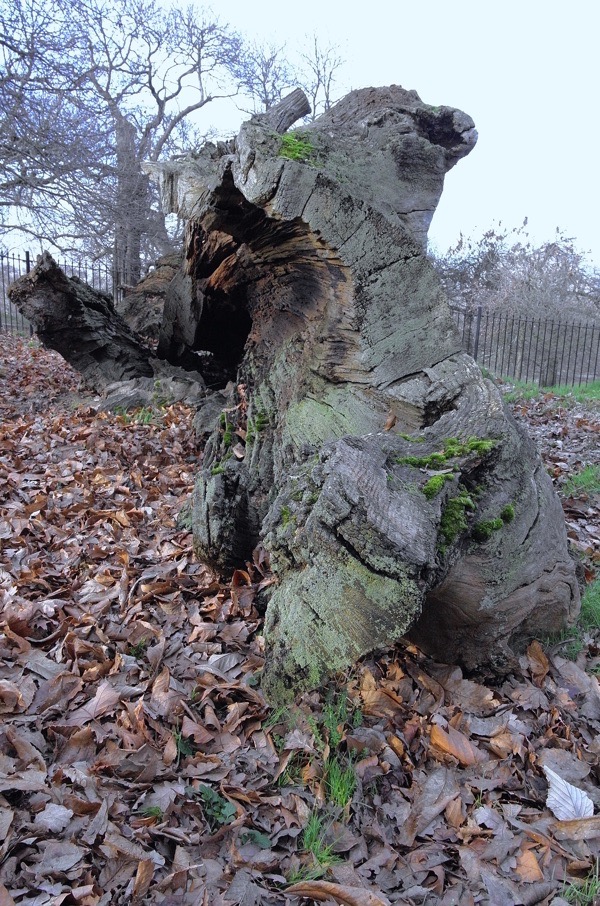
Queen Elizabeth’s Oak dating from the twelfth century
You may also like to read about
Taverns Of Long Forgotten London
Please support our JANUARY BOOK SALE. We only have nine titles left in the warehouse and some are on the brink of going out of print, so you can assist us clear the shelves by buying copies at half price to complete your collection, or as gifts for family and friends.
Click here and enter code ‘2022’ at checkout to get 50% discount

White Hart Tavern, Bishopsgate
Leafing through the fat volumes of Walter Thornbury’s London Old & New is the least energetic form of pub crawl I know and yet I found I was intoxicated merely by studying these tottering old taverns, lurching at strange angles like inebriated old men sat by the wayside. Published in the eighteen-seventies, these publications looked back to London and its rural outskirts in the early nineteenth century, evoking a city encircled by coaching inns where pigs roamed loose in Edgware Rd and shepherds drove sheep to market down Highgate Hill.
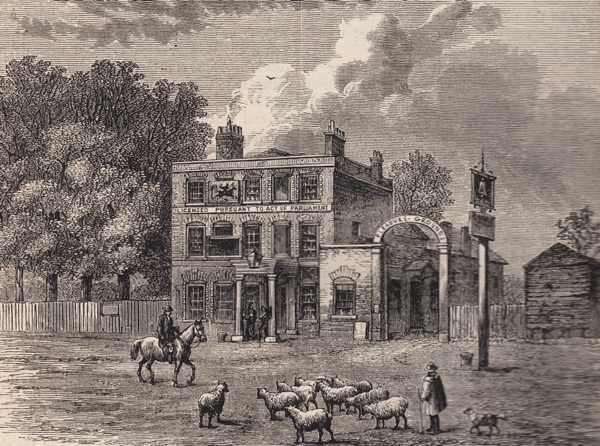
Bell Tavern, Edmonton

Jack Straw’s Castle, Hampstead

Spaniards’ Hotel, Highgate

Old Crown Inn, Highgate
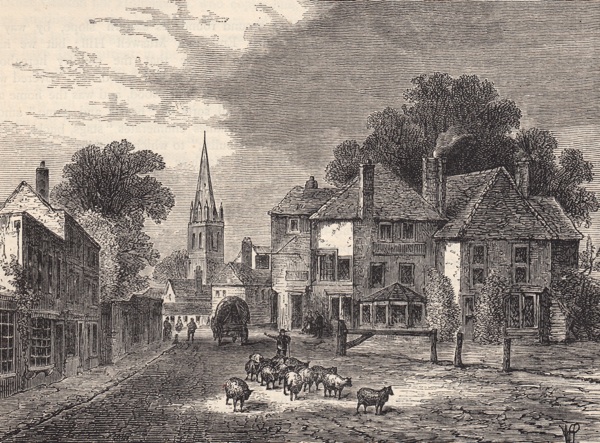
Gate House Tavern, Highgate

The Brill Tavern, Somers Town
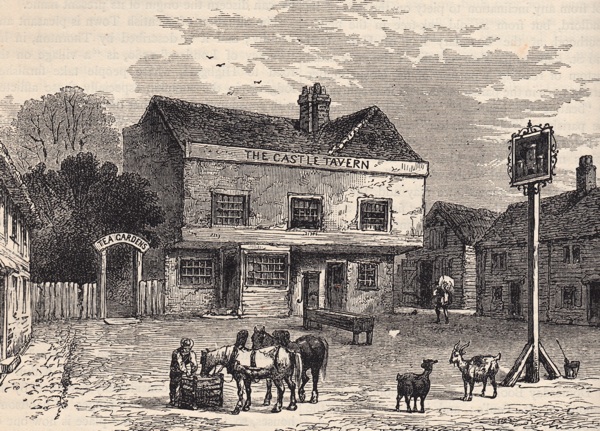
The Castle Tavern, Kentish Town

Old Mother Red Cap Tavern, Camden

Queen’s Head & Artichoke, Edgware Rd

Bell Inn, Kilburn

Halfway House, Kensington
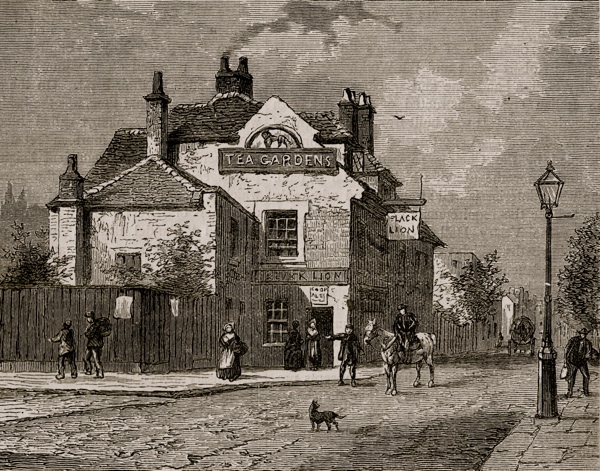
Black Lion Tavern, Chelsea

World’s End Tavern, Chelsea

Gun Tavern, Pimlico

Rose & Crown, Kensington
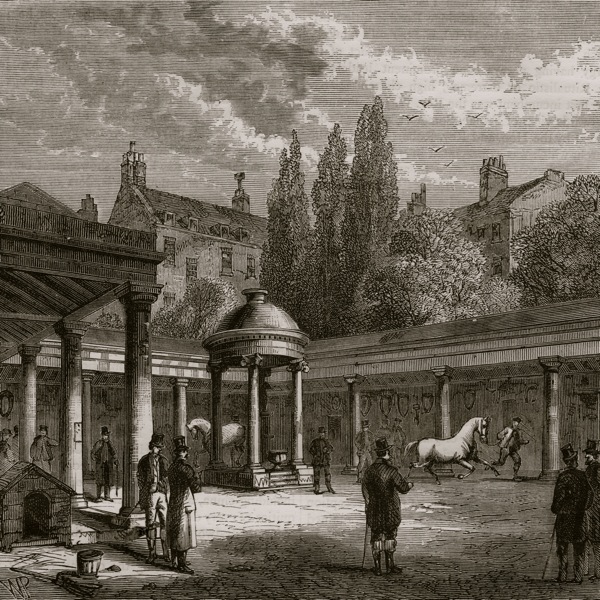
Tattersall’s, Knightsbridge

Three Cranes Tavern, Upper Thames St, City of London

The Old Queen’s Head, Islington

Old Red Lion, Upon the banks of the Fleet – prior to demolition

Saracen’s Head, Snow Hill – prior to demolition

Old Tabard Tavern, Southwark – prior to demolition

White Hart Tavern, Borough

Inns of the Borough
Images courtesy Bishopsgate Institute
You may like to take a look at other engravings from London Old & New
and more pubs
Epilogue To The Ratcliffe Highway Murders
Please support our JANUARY BOOK SALE. We only have nine titles left in the warehouse and some are on the brink of going out of print, so you can assist us clear the shelves by buying copies at half price to complete your collection, or as gifts for family and friends.
Click here and enter code ‘2022’ at checkout to get 50% discount

In the months after the burial of John Williams at the crossroads in Shadwell on 31st December 1811, some further evidence came to light. A search of The Pear Tree revealed a jacket with a bloodied pocket, blood stained trousers abandoned in the privy and a bloody French knife hidden in a mouse-hole – the knife that could have been used to slit the victims’ throats. However none of these items could be incontrovertibly connected to John Williams.
Most interesting was the testimony of the Captain of the Roxburgh Castle upon which Williams and William Ablass had sailed together out of Rio de Janeiro. They were a very bad crew, with Ablass – a violent character among the very worst of them, imprisoned in Surinam for leading a mutiny. Ablass was held in chains on suspicion of being Williams’ accomplice to the Shadwell murders but released without sufficient evidence to charge him. The two men escaping up New Gravel Lane after the murder of the Williamsons were described as one short and one tall, but both Williams and Ablass were tall, which means if Williams was guilty then Ablass must be innocent, it was concluded. The converse deduction was not addressed.
In writing these episodes over the last month retelling the story of the Ratcliffe Highway Murders, I am primarily indebted to the conscientious work of P.D.James and T.A. Critchley in their shrewdly written book The Maul and the Pear Tree published by Faber & Faber, which stands as the definitive account, and I strongly recommend it to all who wish to learn the fuller story. In 1811, the systematic approach to crime solving that we recognise today – of suspects, clues, motive and alibi – was simply not in existence. Yet P.D.James and T.A. Critchley succeed in organising the arbitrary random scraps of evidence that survive into a coherent picture on the lines of our modern approach, and creating an exciting narrative in the process. They suggest that John Williams himself could have been an eighth victim – despatched by the killers in a staged suicide to shut him up and prevent their detection. Though to my ears this sounds overly contrived, after studying this story, I understand that it is irresistible to speculate upon a mystery that remains one of the greatest unsolved crimes in our history. You must read the book and draw your own conclusion.
Both multiple murders were on commercial premises within a quarter mile of each other and there is sufficient evidence to confirm more than one culprit. Immediately, this excludes the notion of a random diabolic psycho-killer on the loose and instead suggests organised crime, a protection racket of intimidation – which is entirely credible in such a bad neighbourhood with a high proportion of transients and little policing.
It is likely that Mr Marr knew that the oyster shop and bakers would be shut when he sent Margaret Jewell, the servant girl, out on 7th December, because he needed privacy for whatever negotiation was to take place with his expected guests at midnight. And in doing so, Mr Marr saved the girl’s life. It is possible that Mr Marr took the chisel himself – when it went missing – to keep it as self-defence from persons unknown. This would explain its re-appearance on the night of the murder and why it was clean and untouched with blood. It is established that Mr Marr was in debt and sailed on the Dover Castle with Cornelius Hart, the carpenter who used the chisel to construct the new shop window and who was connected to the Pear Tree through John Williams. To me, there is the hint of a hidden narrative here weaving these characters together, and maybe of the resurgence of some old grievance from Mr Marr’s seafaring days.
Intimidation alone cannot account for the extremity of the violence, but it could if the negotiation had turned bad and led to the killing of Mr Marr and his shop assistant, and then Mrs Marr too as witness. If there happened to be an unhinged individual with a violent murderous tendency among the group – someone like William Ablass – that alone can explain the murder of the baby. In this context, the Williamsons’ subsequent murder may be comprehended as damage limitation, if somehow they had learnt the truth of the earlier killings.
It appears that a principal witness, Mrs Vermilloe, the landlady of the Pear Tree, had been intimidated or threatened and also that she was convinced of the innocence of John Williams. To me, John Williams’ suicide speaks of his expectation of the outcome of any trial, irrespective of whether he was guilty or innocent. He took his own life rather than live through the ordeal that he knew lay ahead.
This fascinating tale – of which we shall never know the truth – speaks of a Britain not so long ago when the metropolis grew rapidly and the first national media had come into existence but there was no police force yet. Nowadays, Mr Marr’s financial dealings and phone records could be scrutinised, and the maul analysed for fingerprints and DNA, and the Ratcliffe Highway (now known simply the Highway) has CCTV cameras installed.
It was the widespread public unease generated by this case, driven by the universal terror of killers in the night and encouraged by the press reports that turned the Ratcliffe Highway Murders into the first national crime sensation, which contributed directly to the establishment of the Metropolitan Police in 1829. Such was the association with violence that the name of “Ratcliffe” was dropped from maps over time.
John Williams’ body was exhumed a hundred years later when a water main was installed in Cable St and his skull was kept for many years as a curiosity behind the bar in the public house at the crossroads. In recent years, The Crown & Dolphin has been converted to flats but I have not been able to discover what became of the skull. Does anyone know?
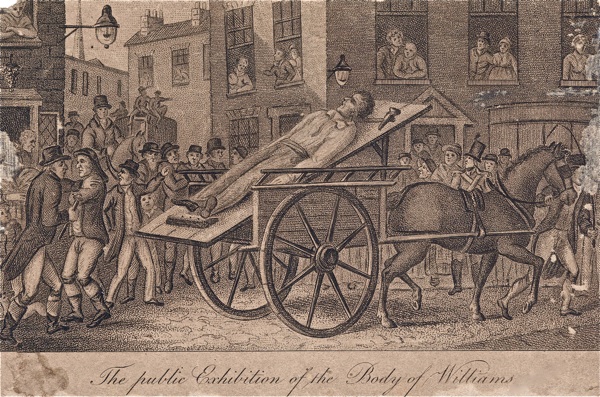
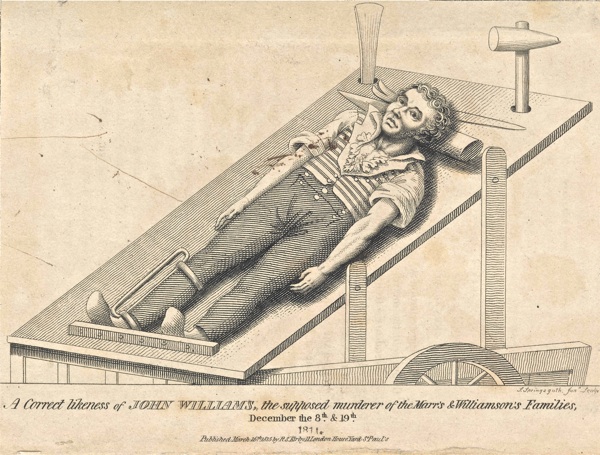

Click on Paul Bommer’s map of the Ratcliffe Highway Murders to explore further
I am indebted to PD James’ ‘The Maul & The Peartree’ which stands as the authoritative account of these events. Thanks are also due to the Bishopsgate Institute and Tower Hamlets Local History Archive.
You may like to read the earlier instalments of this serial which runs throughout December
A New Sculpture For Frank Dobson Sq
Please support our JANUARY BOOK SALE. We only have nine titles left in the warehouse and some are on the brink of going out of print, so you can assist us clear the shelves by buying copies at half price to complete your collection, or as gifts for family and friends.
Click here and enter code ‘2022’ at checkout to get 50% discount
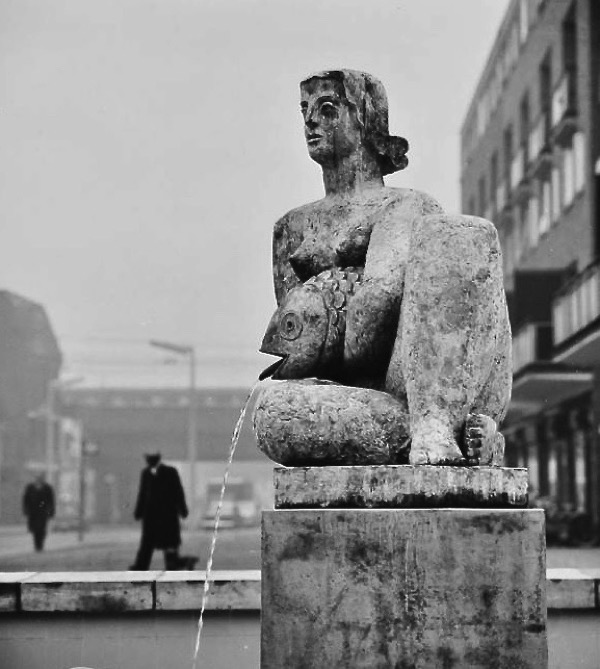
Woman & Fish by Frank Dobson in situ
Frank Dobson Sq in Whitechapel, where Cambridge Heath Rd meets Cephas St, was constructed in 1963 and named after the Clerkenwell-born sculptor whose ‘Woman & Fish’ formed the handsome centrepiece of the Cleveland Estate. Dobson’s sculpture of two figures entitled ‘London Pride’ situated outside the National Theatre serves a similar function on the South Bank. He is also remembered as the teacher of Henry Moore, whose ‘Draped Seated Woman’ currently sits in Canary Wharf prior to installation in Whitechapel outside the new Tower Hamlets Town Hall.
Twenty years ago, Dobson’s sculpture was removed from its plinth in Whitechapel following a series of vandalisations which damaged it beyond repair, leaving a gaping hole in the streetscape to this day. Then, in 2006, Tower Hamlets Council commissioned Antonio Lopez Reche to make a bronze replica, cast at a foundry in Limehouse, but it was installed in Millwall Park on the Isle of Dogs in 2007.
The original installation of Frank Dobson’s sculpture at the Cleveland Estate celebrated the work of a major British sculptor in the year of his death and embodied a progressive belief in the importance of high quality public art as a means to improve the urban environment.
In 2017, residents of Whitechapel launched a Bring Back Our Statue campaign to return ‘Woman & Fish’ to the empty plinth in Frank Dobson Sq with improved lighting and security cameras to ensure its safety, restoring a cherished East End landmark to its rightful place.
After five years of campaigning, there is good news. Tower Hamlets Council have now confirmed the replacement of the statue and the refurbishment of Frank Dobson Sq as part of the local infrastructure plan. Dobson’s art trust is working with the council to recast one of his sculptures in bronze that can be placed upon the empty plinth. Works under consideration include ‘The Fount’ and one of Dobson’s other studies of ‘Woman with Fish’. We will keep you posted on progress.
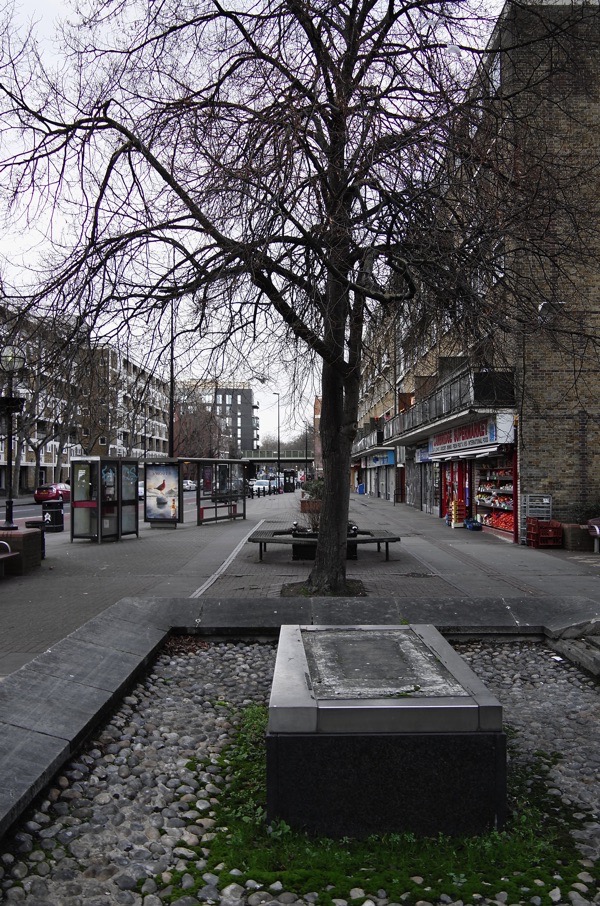
The plinth in Cambridge Heath Rd has been empty since 2002
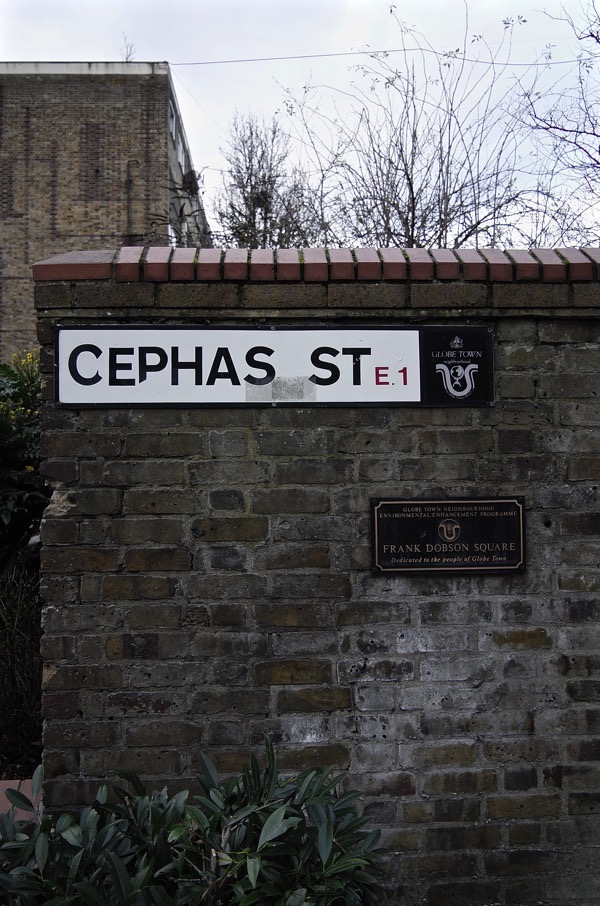
Twenty years after the removal of his sculpture, it is still ‘Frank Dobson Sq’
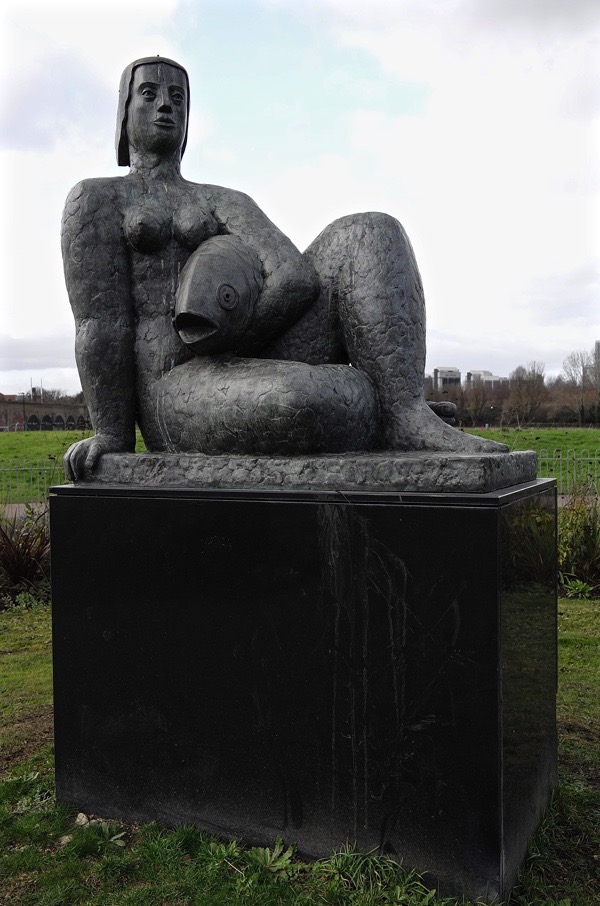
Bronze replica by Antonio Lopez Reche in Millwall Park on the Isle of Dogs
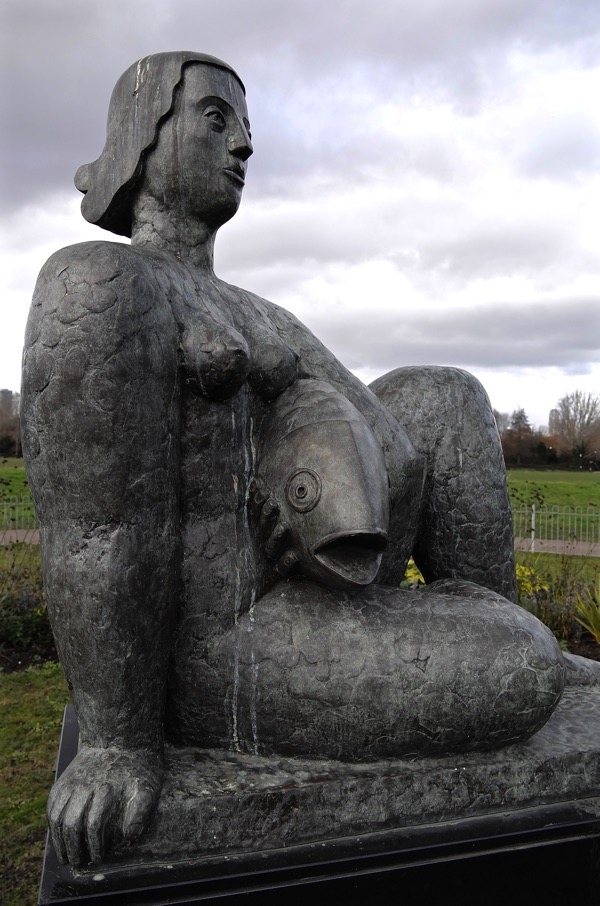
Woman & Fish
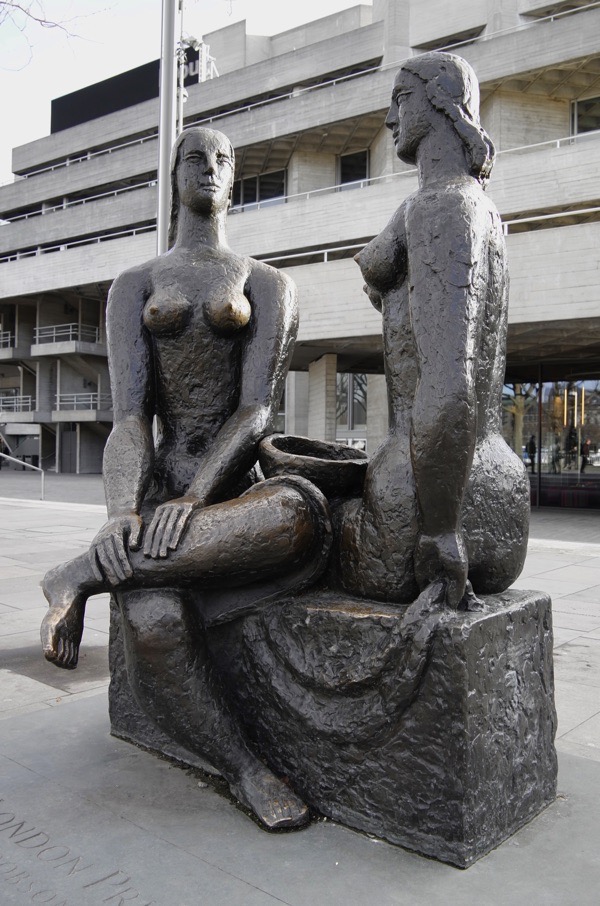
London Pride by Frank Dobson outside the National Theatre on the South Bank
You may also like to read about
Franta Belska’s Sculpture in Bethnal Green
Malcolm Tremain’s Spitalfields In Colour
Please support our JANUARY BOOK SALE. We only have nine titles left in the warehouse and some are on the brink of going out of print, so you can assist us clear the shelves by buying copies at half price to complete your collection, or as gifts for family and friends.
Click here and enter code ‘2022’ at checkout to get 50% discount
Today I publish Malcolm Tremain’s evocative colour photographs of Spitalfields in the early eighties.
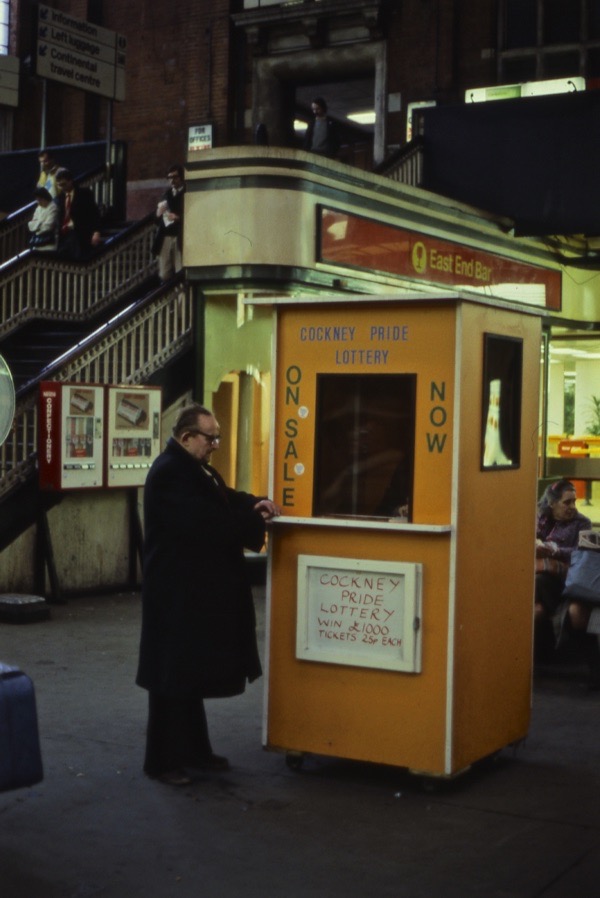
In Liverpool St Station
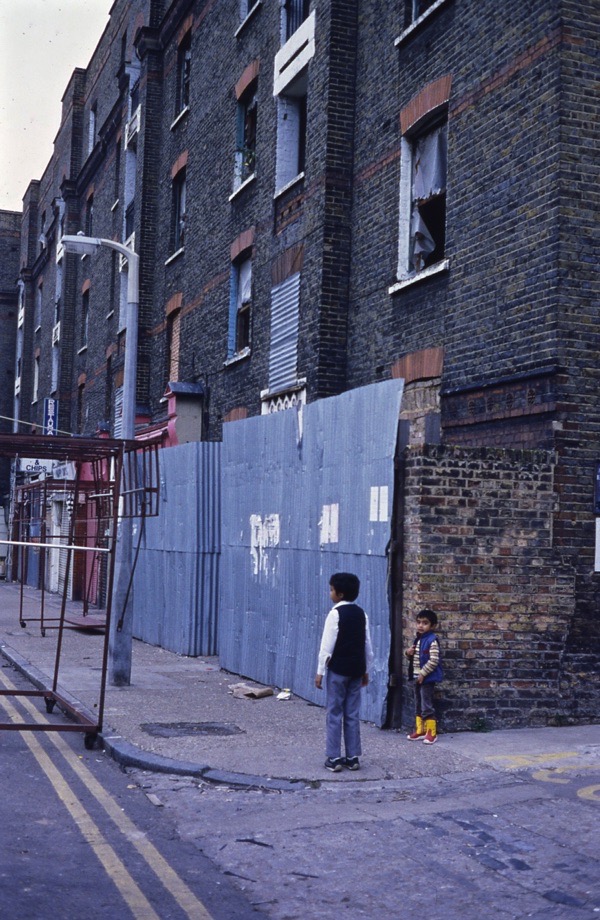
Goulston St
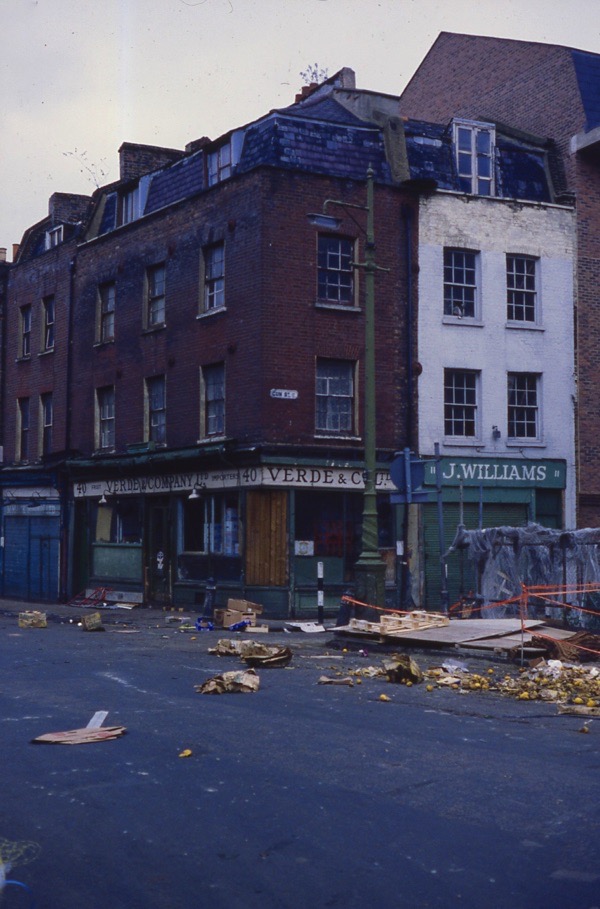
Brushfield St
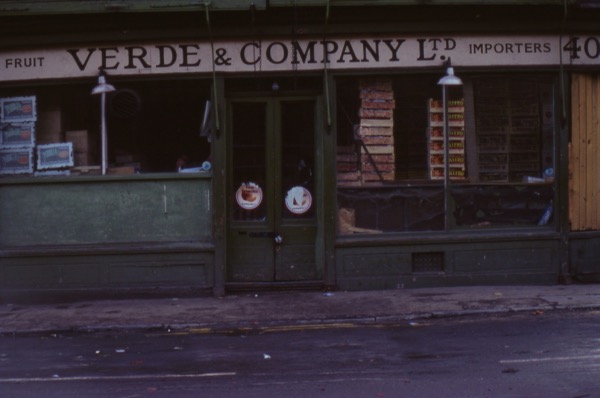
Brushfield St
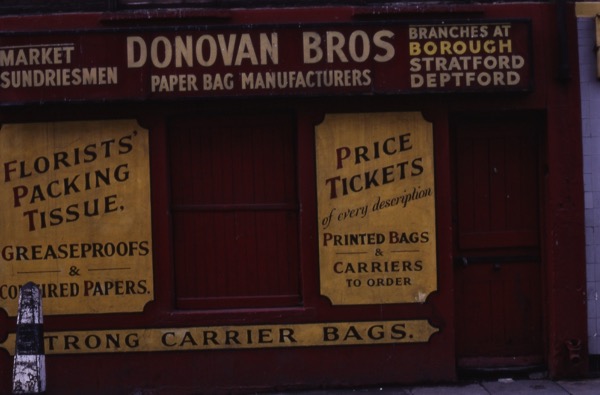
Crispin St
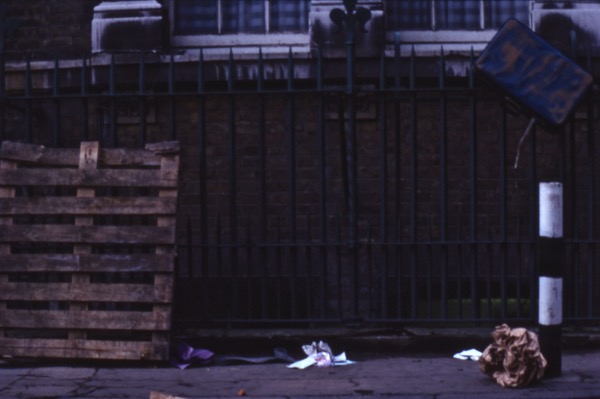
Railing of the night shelter in Crispin St
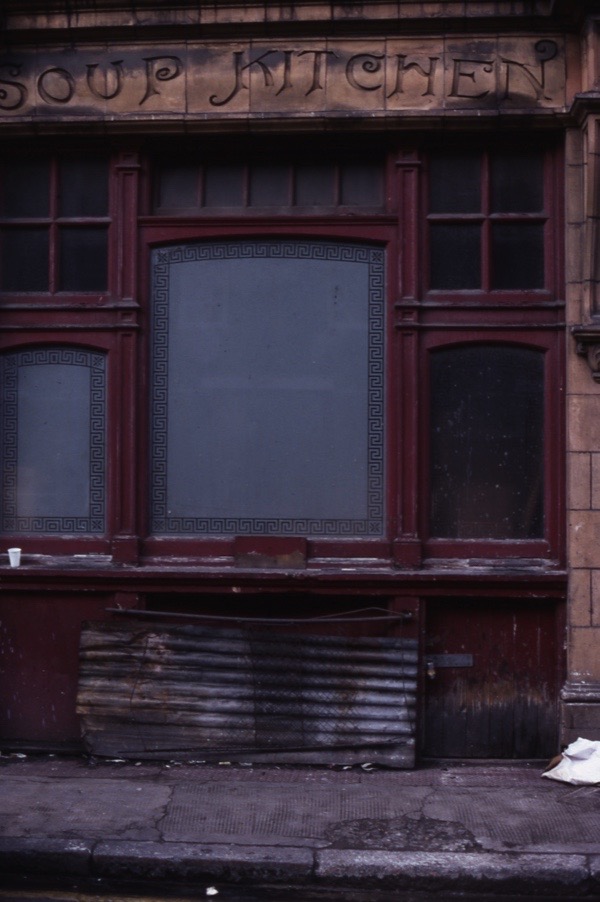
Brune St
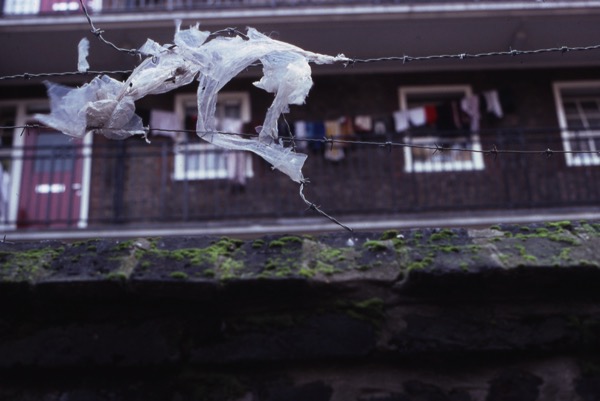
Holland Estate
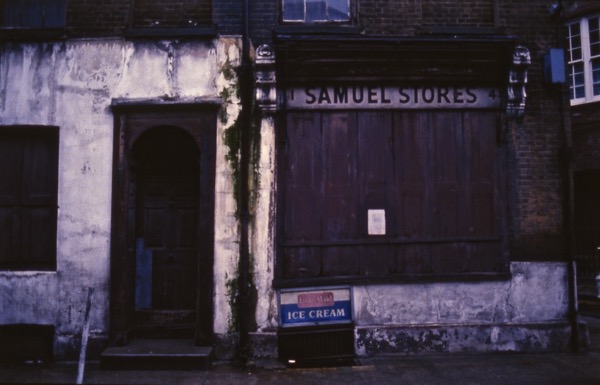
Artillery Lane
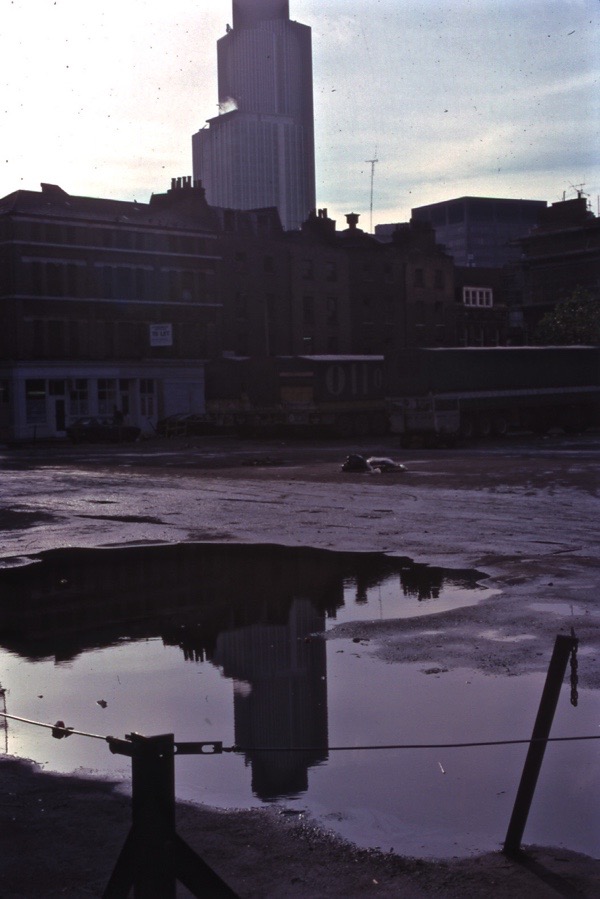
Looking towards the city from the Spitalfields Market car park
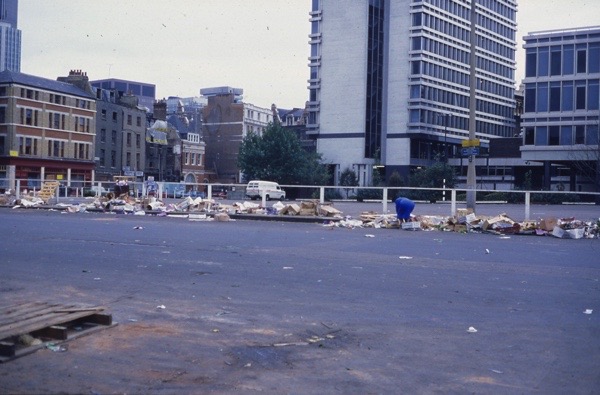
Looking south towards Brushfield St
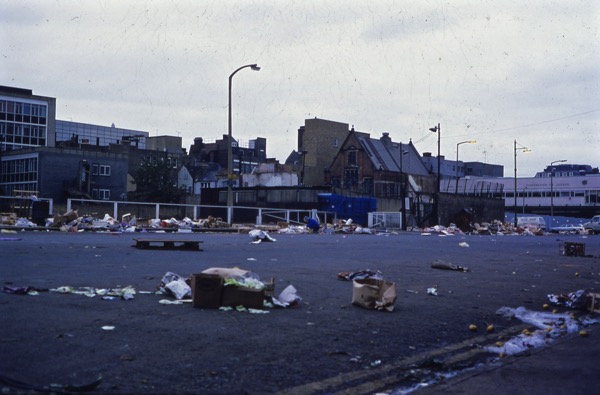
Looking north towards Spital Sq
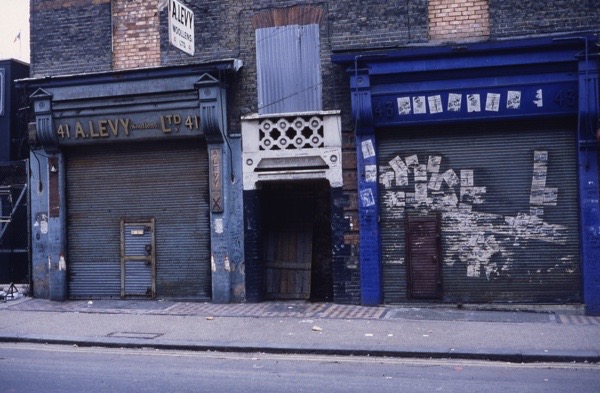
Goulston St
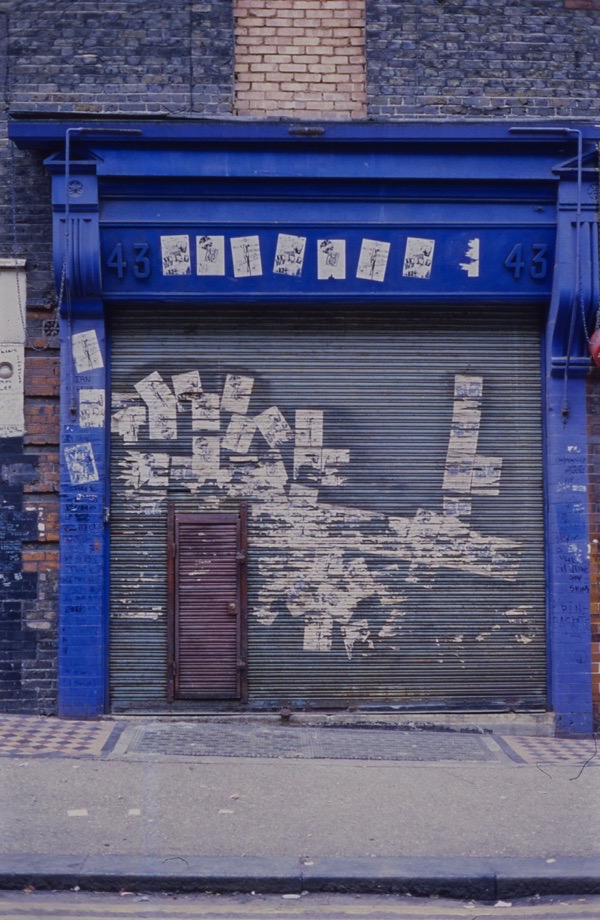
Goulston St
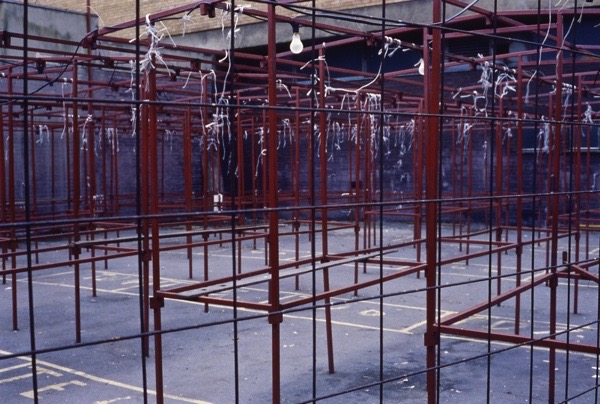
Middlesex St
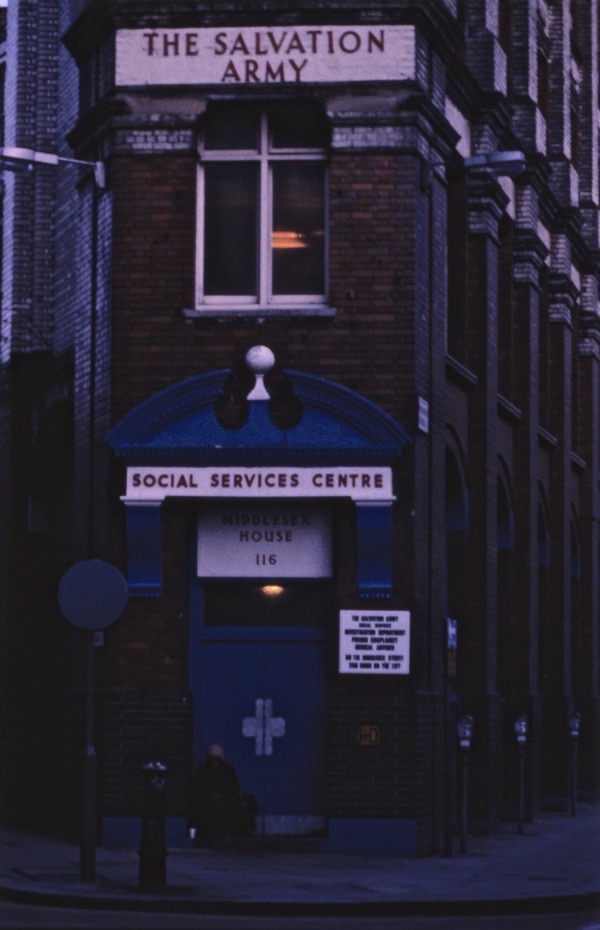
Middlesex St
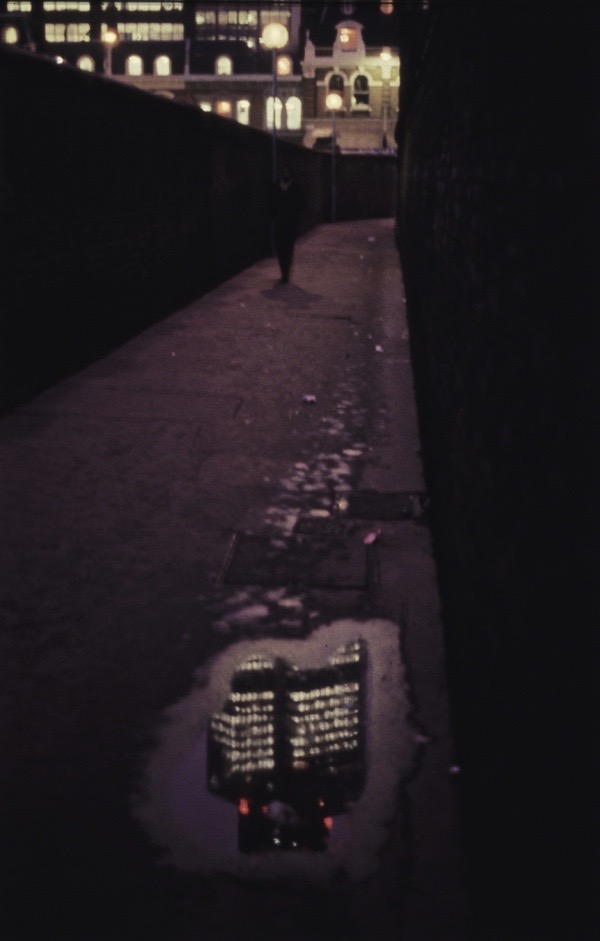
Alley at Liverpool St Station
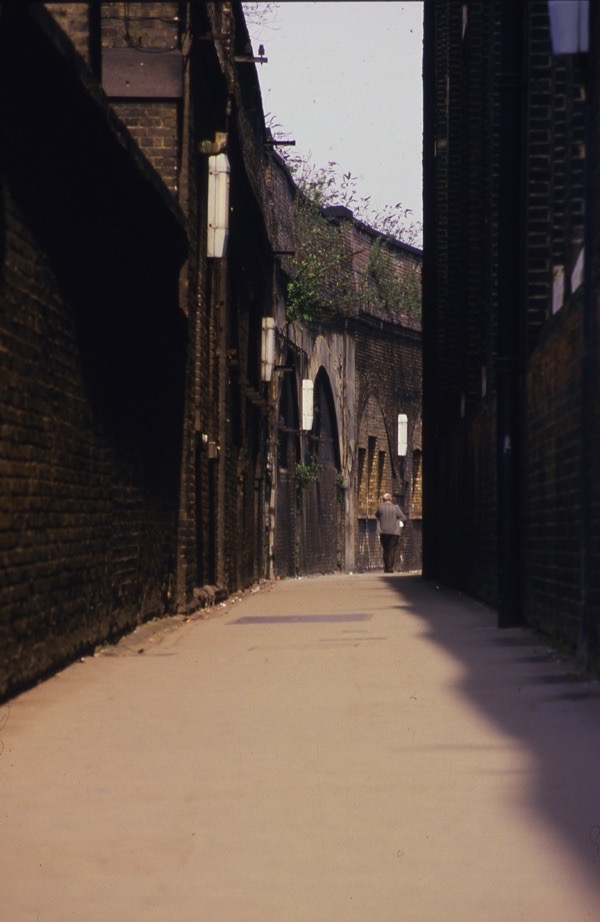
Sun Passage
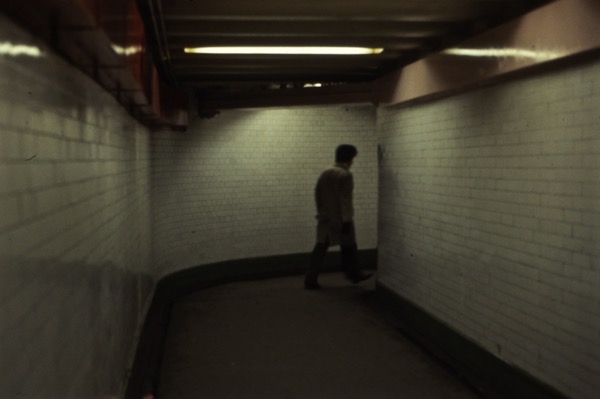
Tunnel at Liverpool St Station
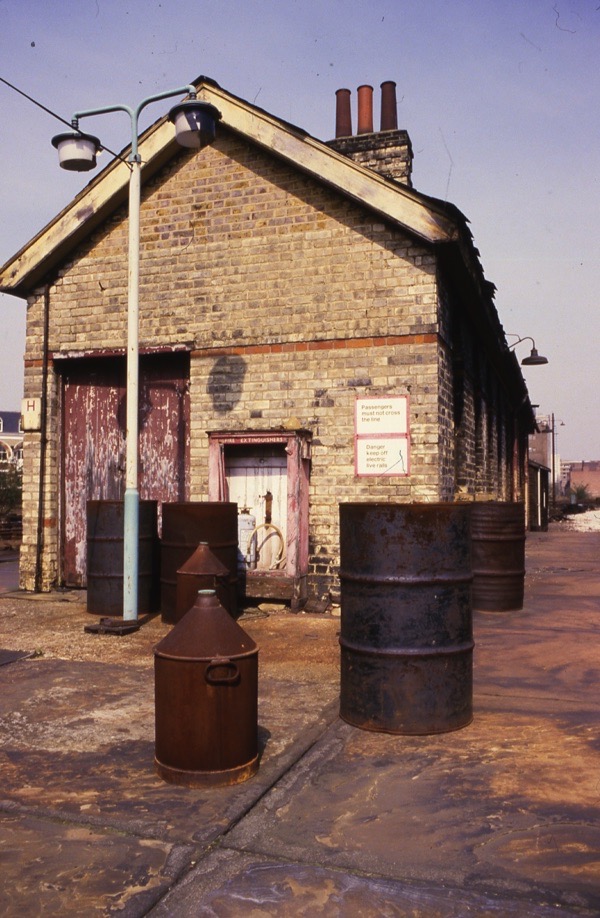
Old Broad St Station
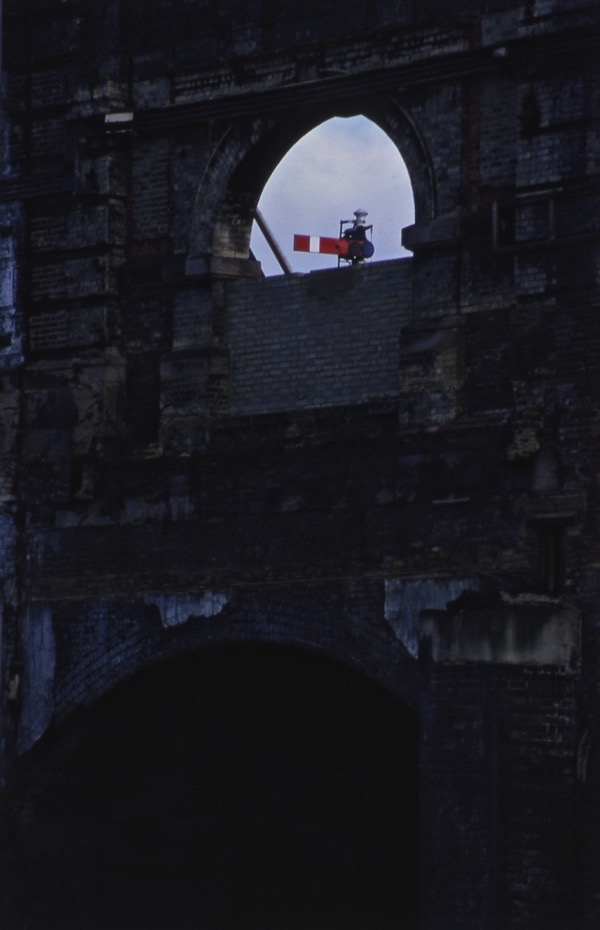
Old Broad St Station
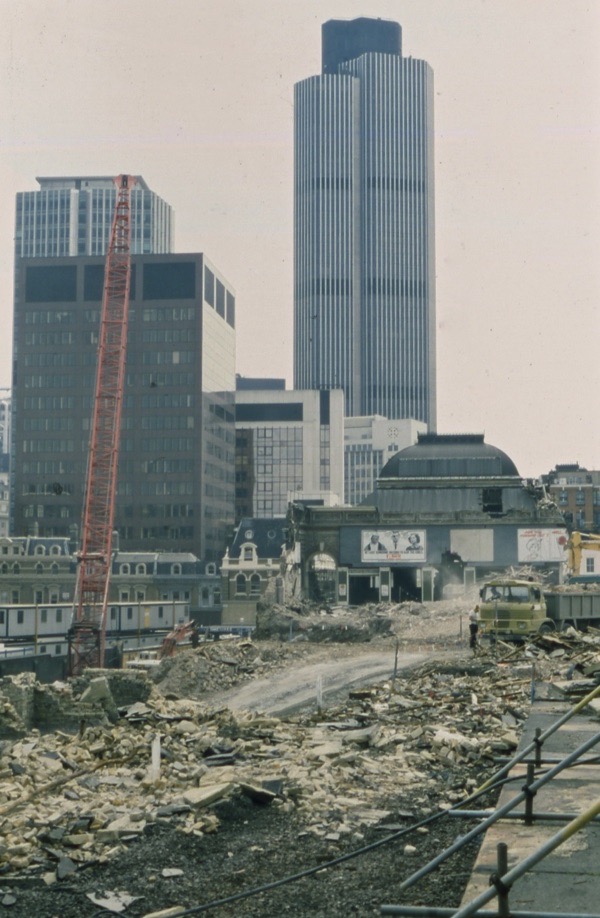
Old Broad St Station under demoliton
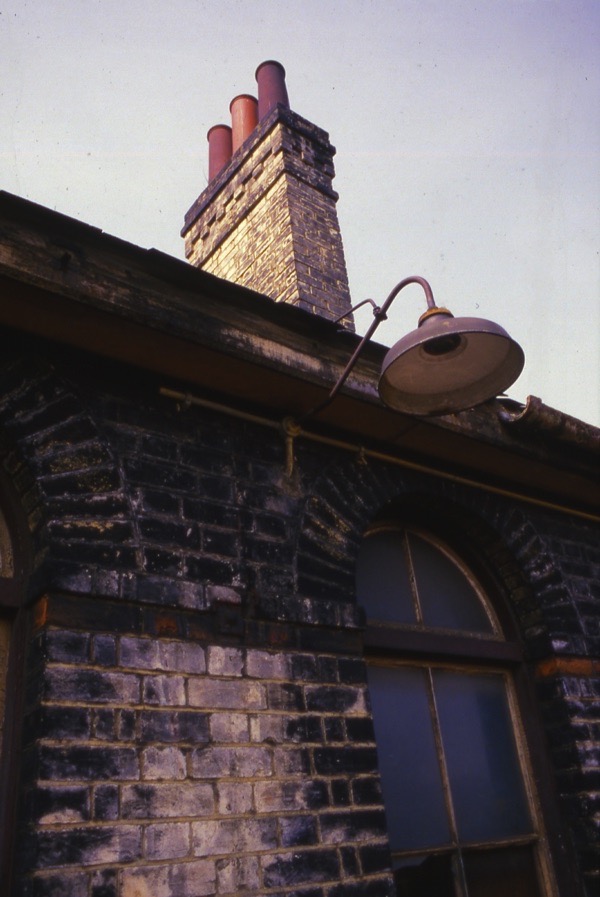
Old Broad St Station
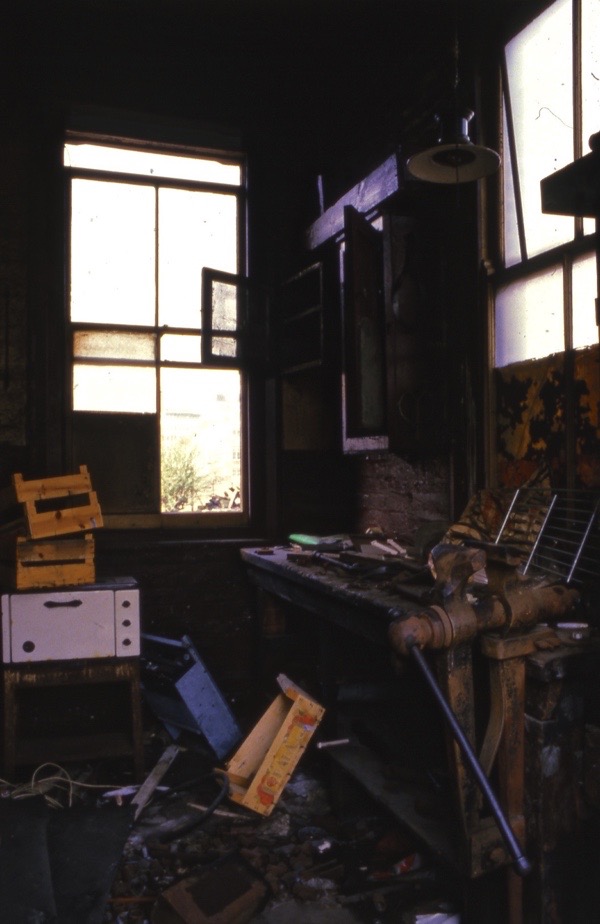
Old Broad St Station
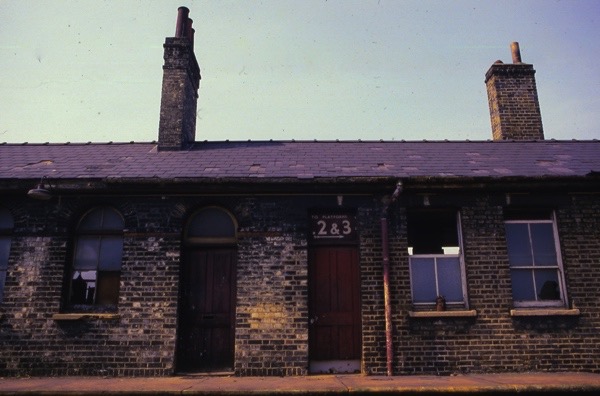
Old Broad St Station
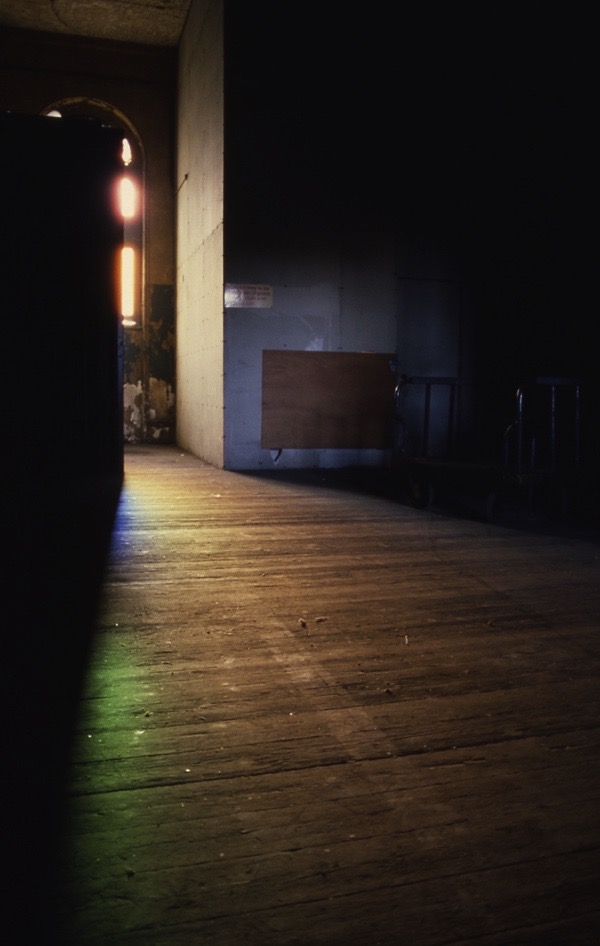
Abandoned cafeteria at Old Broad St Station
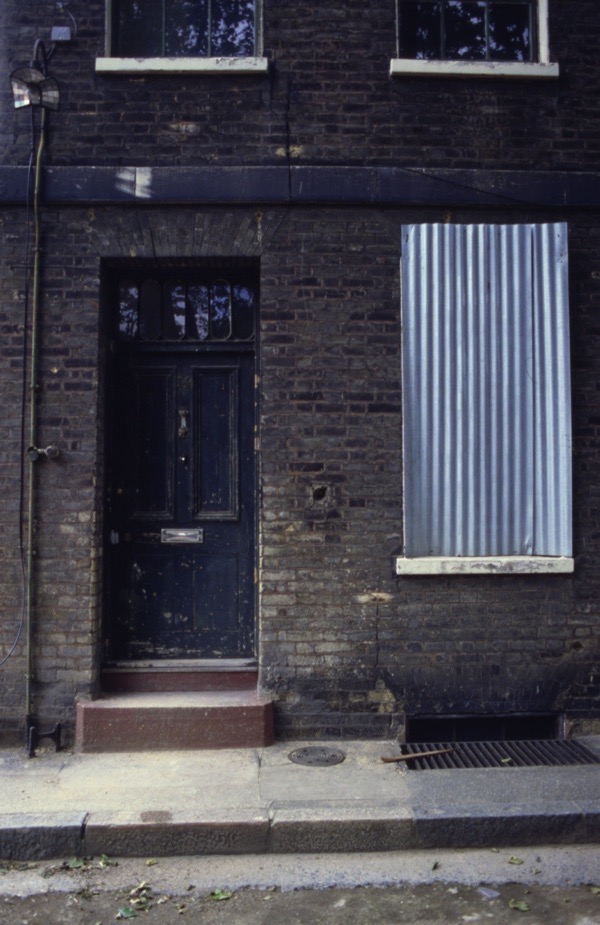
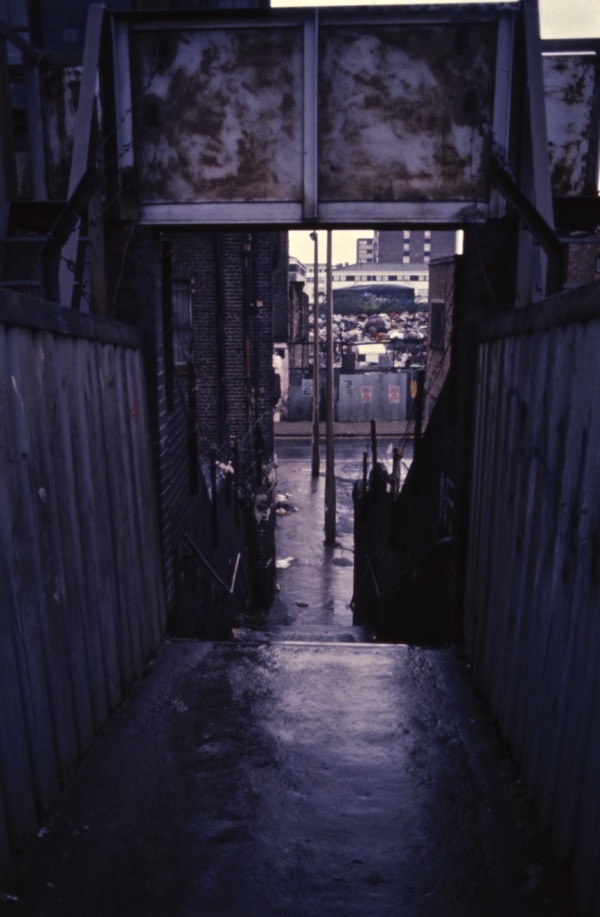
Pedley St Bridge looking towards Cheshire St
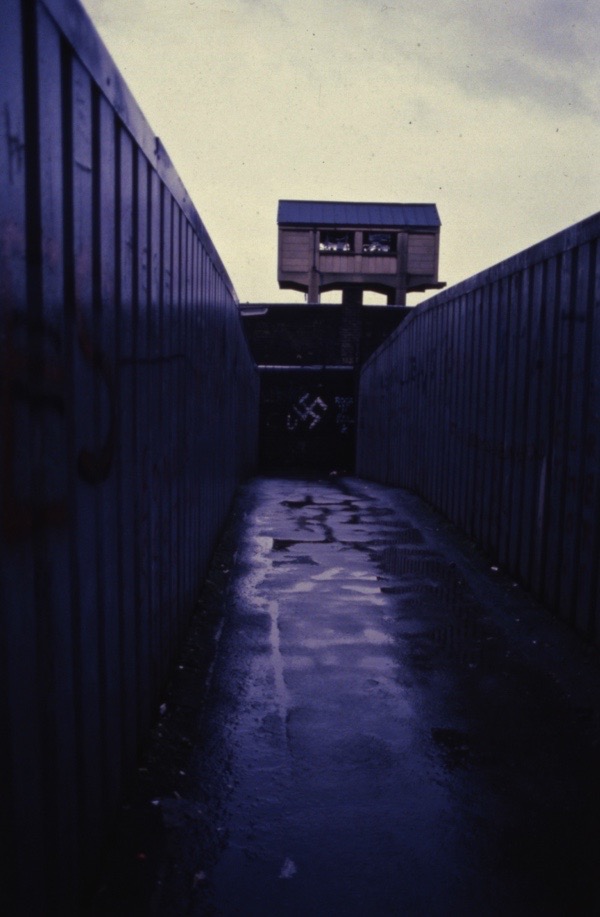
Pedley St Bridge
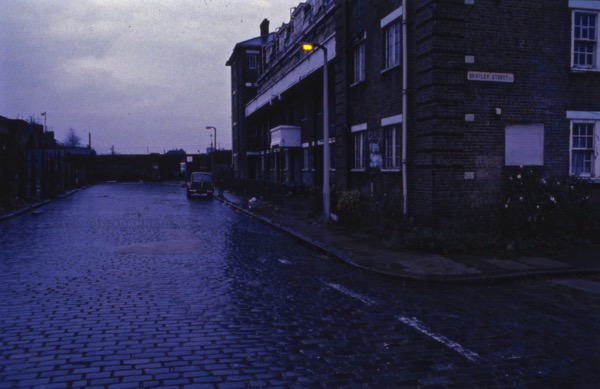
Pedley St
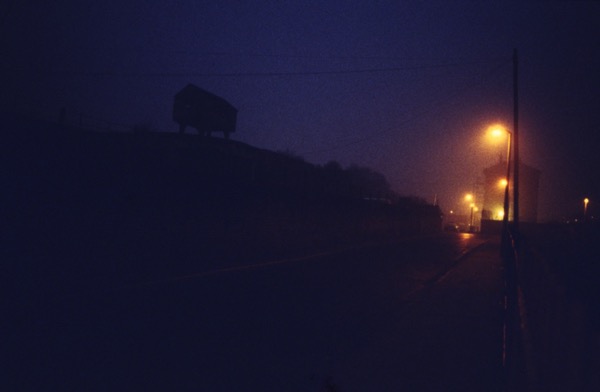
Pedley St
Photographs copyright © Malcolm Tremain
You may also like to take a look at
Malcolm Tremain’s Spitalfields
Malcom Tremain’s Spitalfields Then & Now
Malcolm Tremain’s City & East End
Philip Marriage’s Spitalfields