
The Boundary Estate In Winter

Arnold Circus
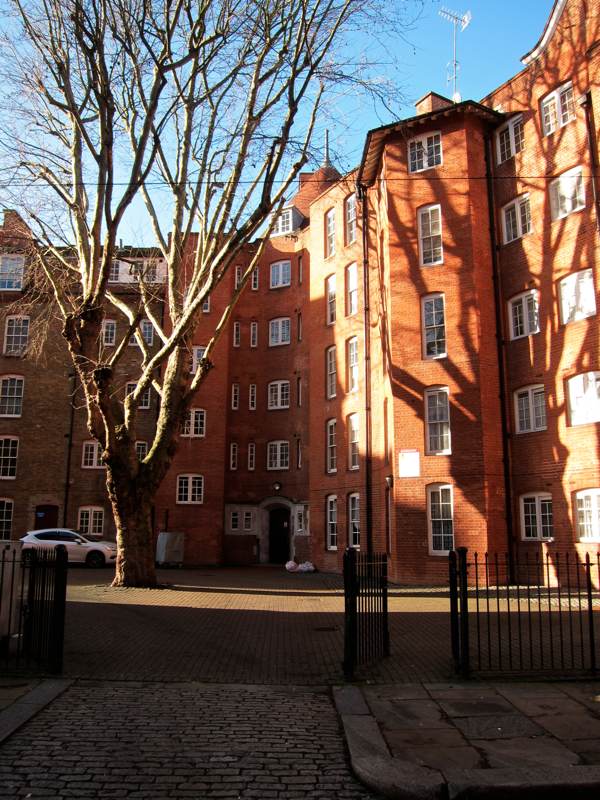
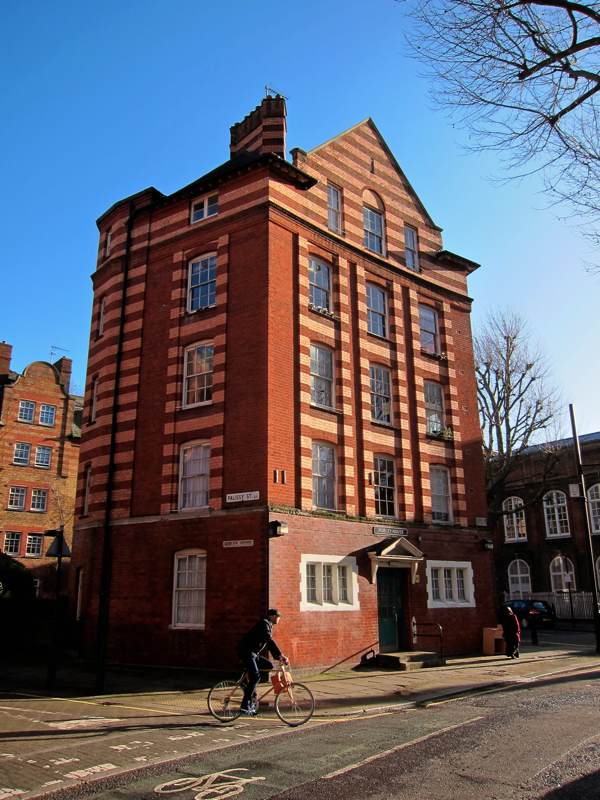
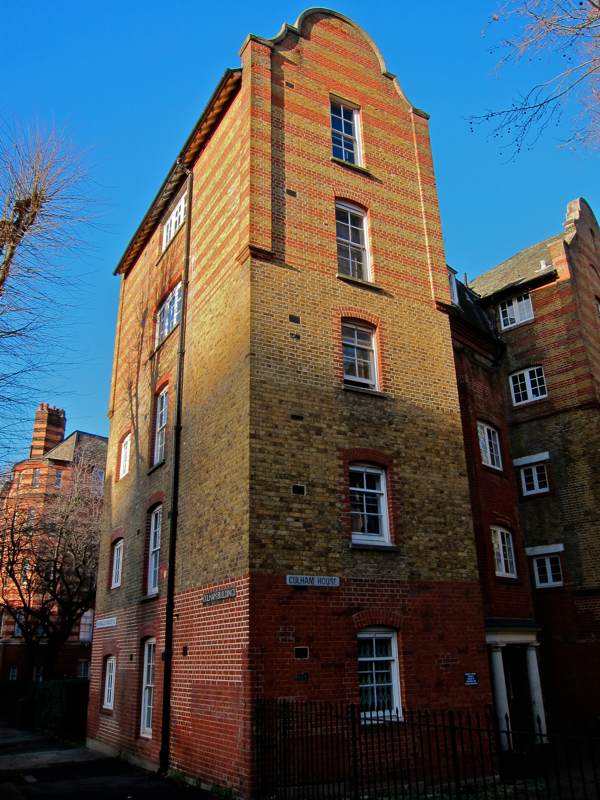
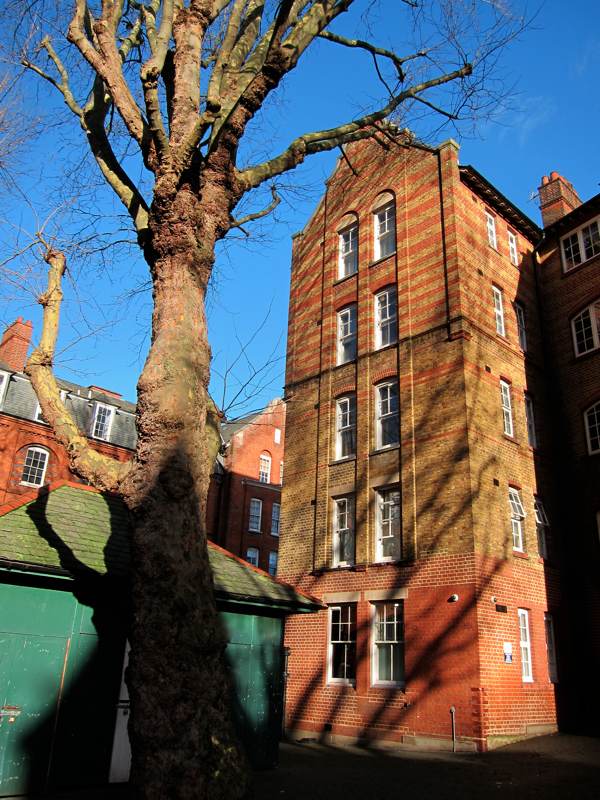
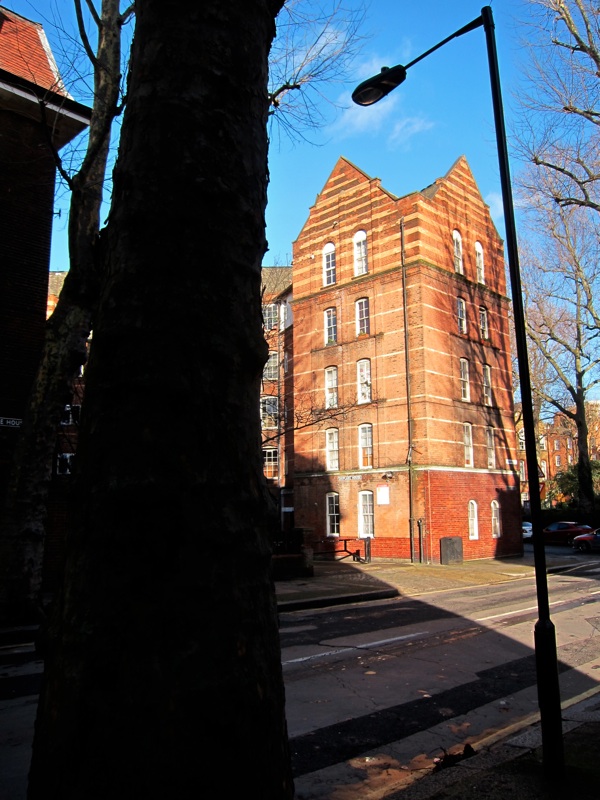
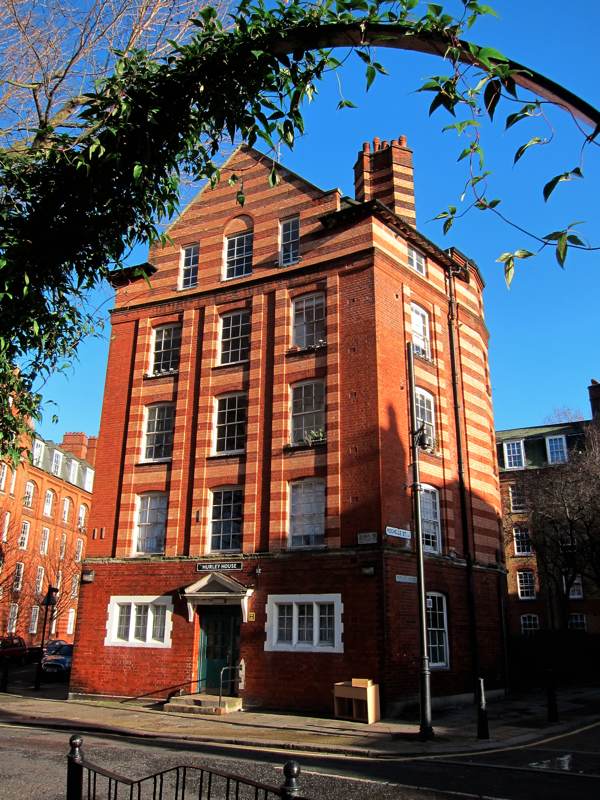
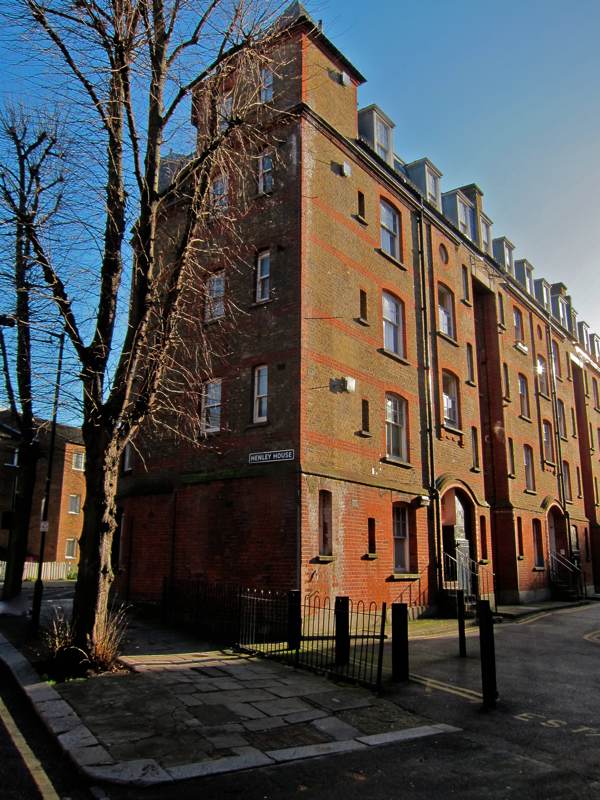
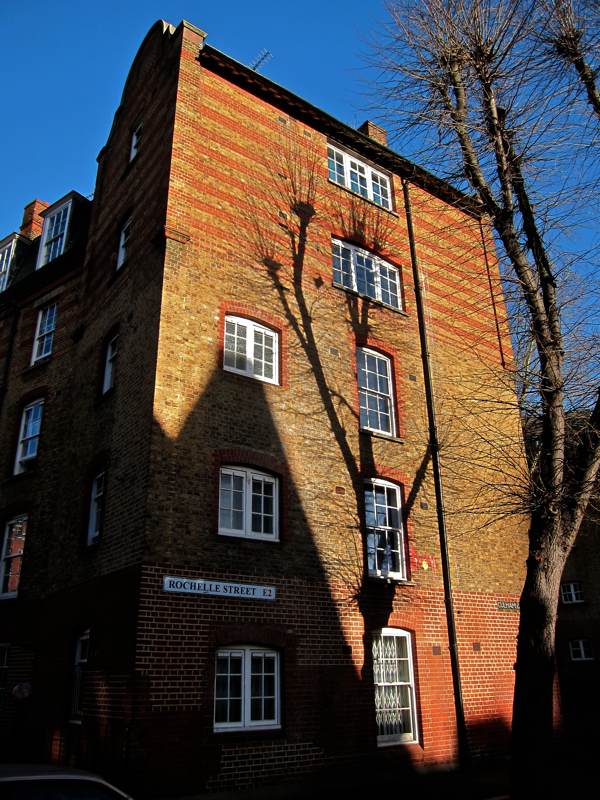
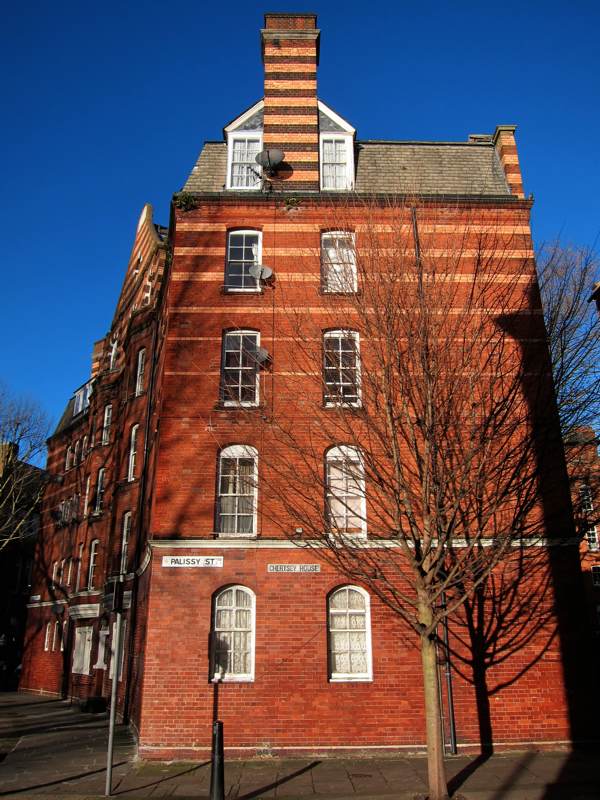
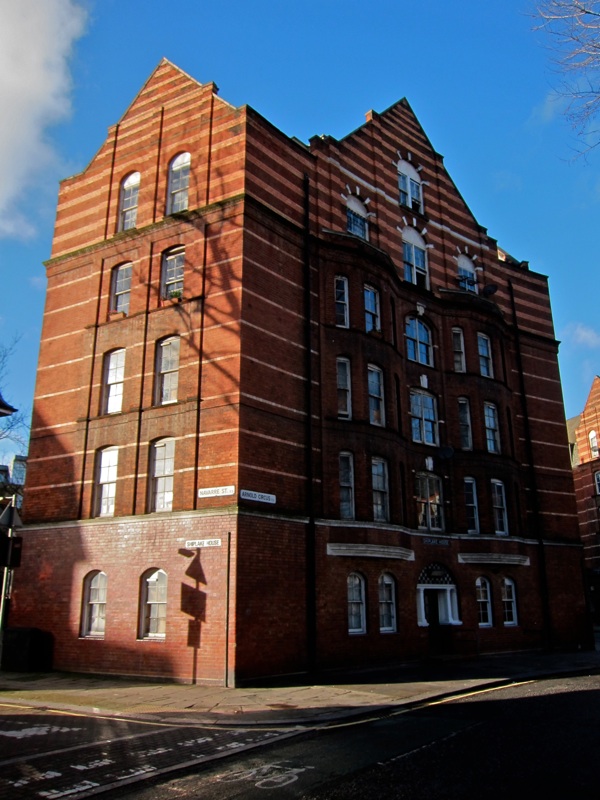
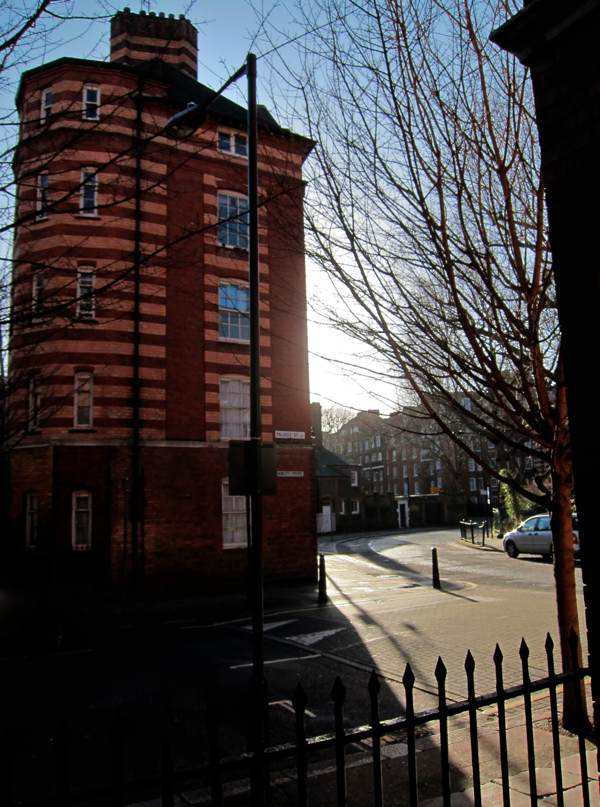
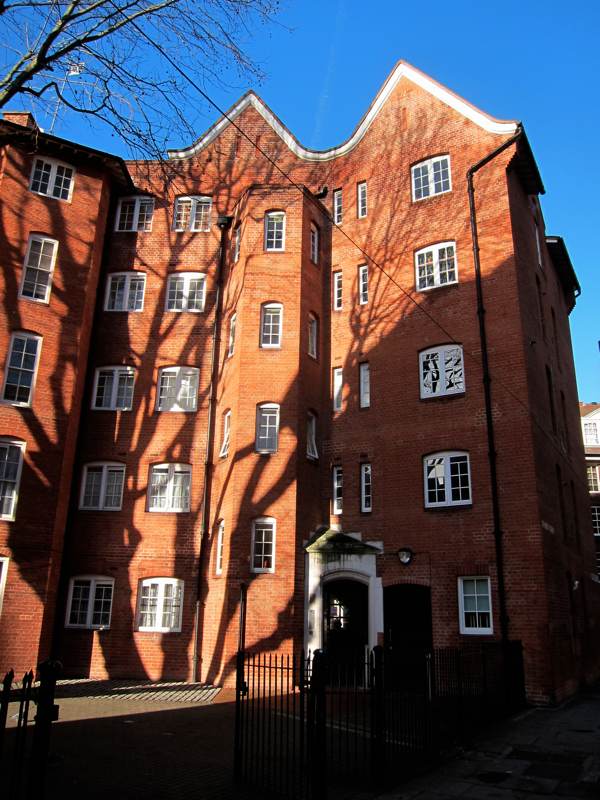
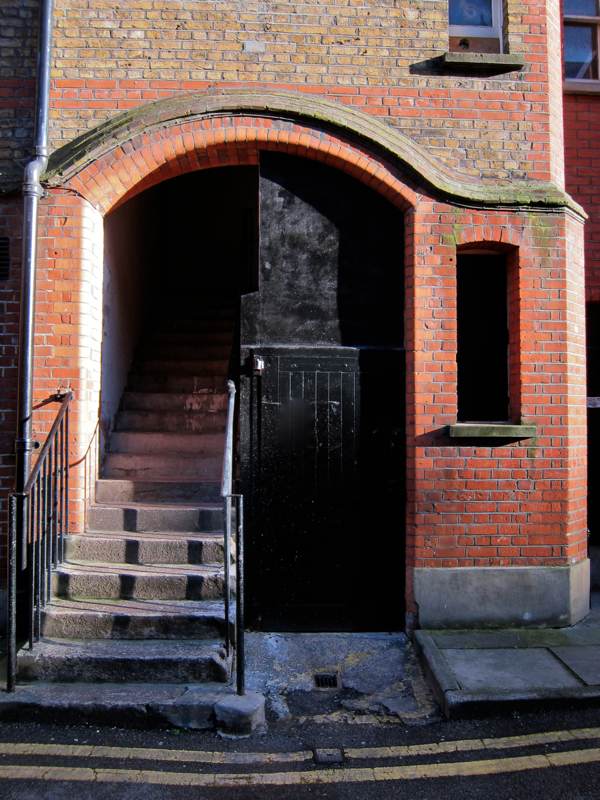
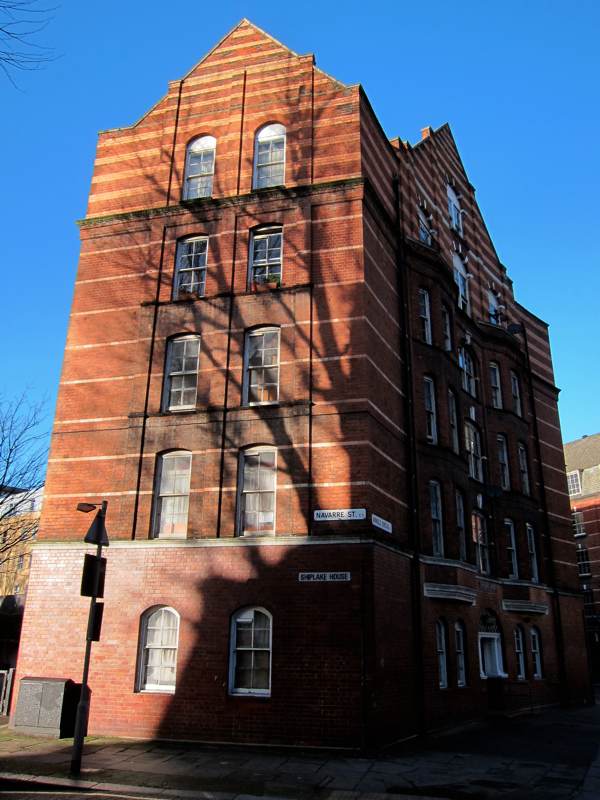
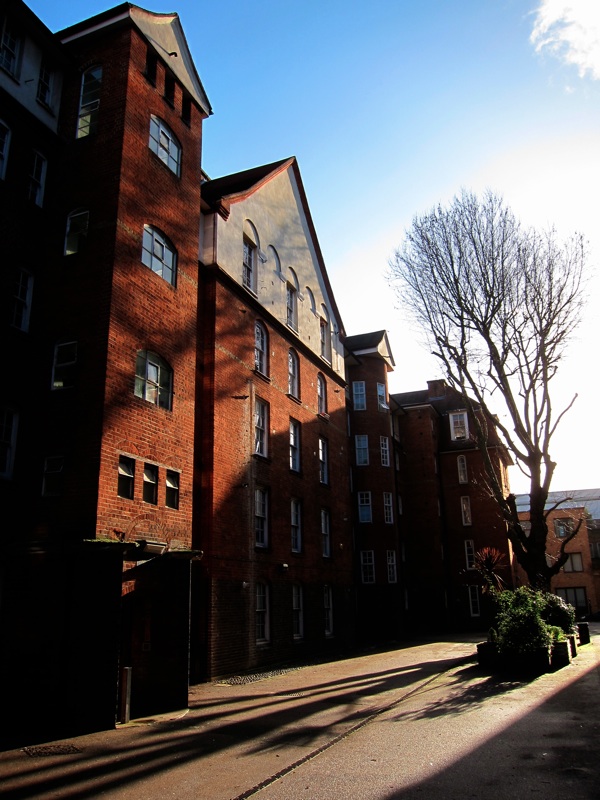
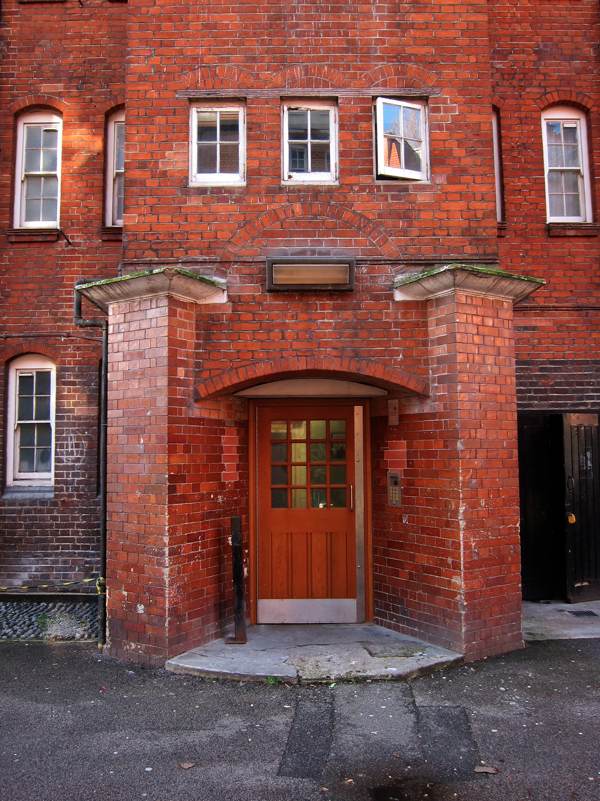
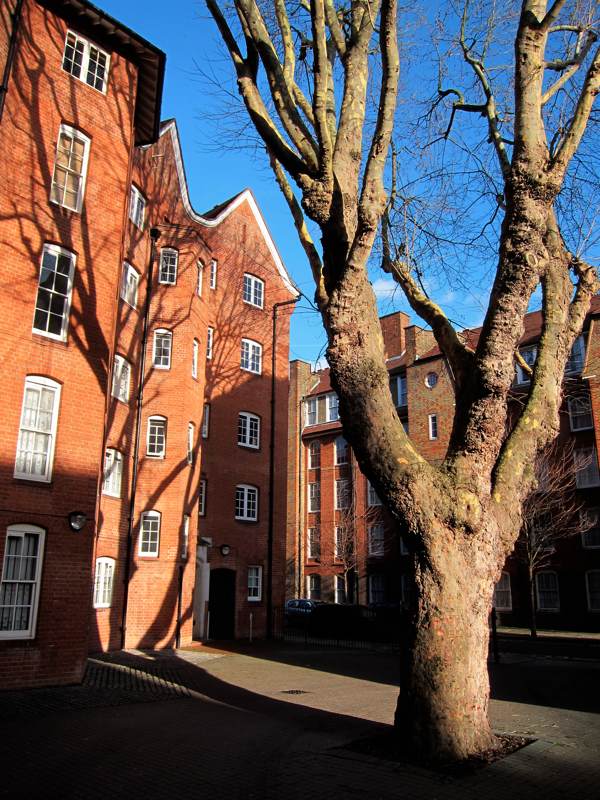
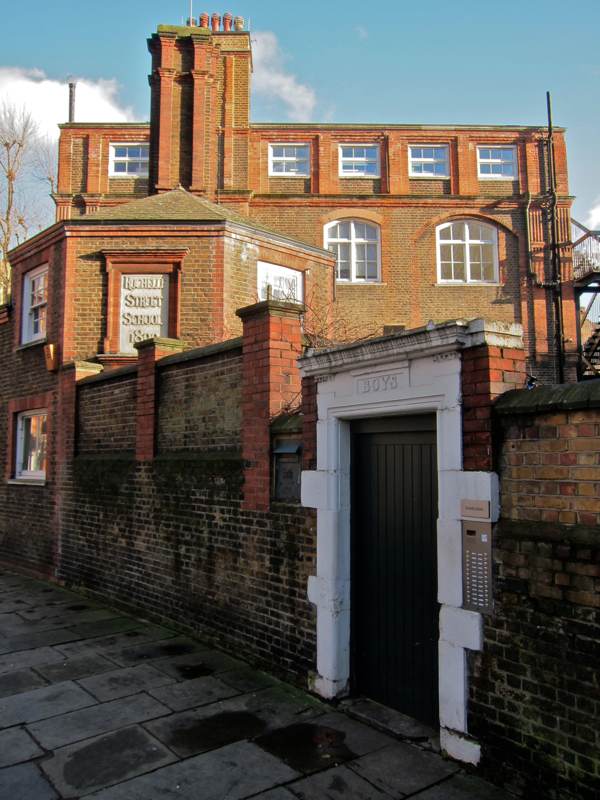
The Boundary Estate is one of the commonplace wonders of the East End. Hundreds live there and thousands pass through, so that over-familiarity may have rendered it invisible to some. Yet the sparkling winter sunlight – that we enjoy as a brief respite from the procession of rainstorms – offered the opportunity to examine its architecture anew.
Completed in 1900 as Britain’s first Council Estate upon the site of the Old Nichol, the Boundary Estate comprises a series of towers of diverse design, linked by the use of red brick and the inventive employment of vernacular architectural forms. Here are turrets and Dutch gables, and steeply pitched roofs that evoke Medieval tithe barns. Named after villages along the Thames and labelled in ceramic signs made by Doulton, there is an unapologetic Romanticism about these structures which, in their modest Arts & Crafts folksiness, would not look out of place in illustrations by Arthur Rackham or Charles Robinson.
More than a century later, the Boundary Estate continues to serve its purpose and to draw the affection of its inhabitants. The attention to detail and use of quality materials in these buildings coalesce in the realisation of an Estate that is domestic and humane, allowing a large number of people to live in close proximity within a civilised environment.










You may also like to read about
The Gates Of The City

There is still time to join THE GENTLE AUTHOR’S TOUR OF SPITALFIELDS this afternoon at 2pm
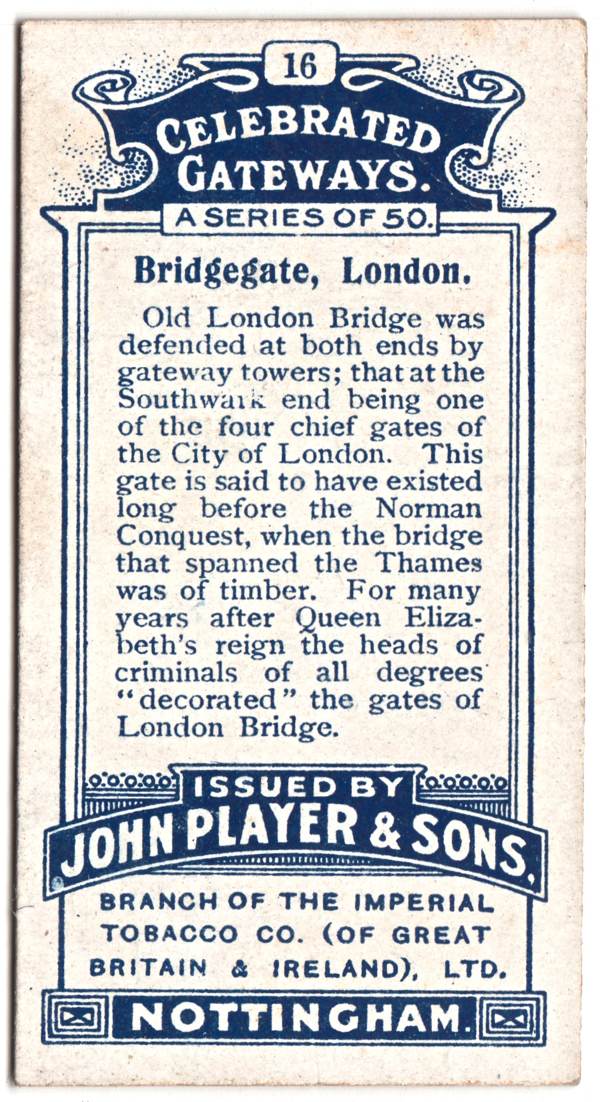
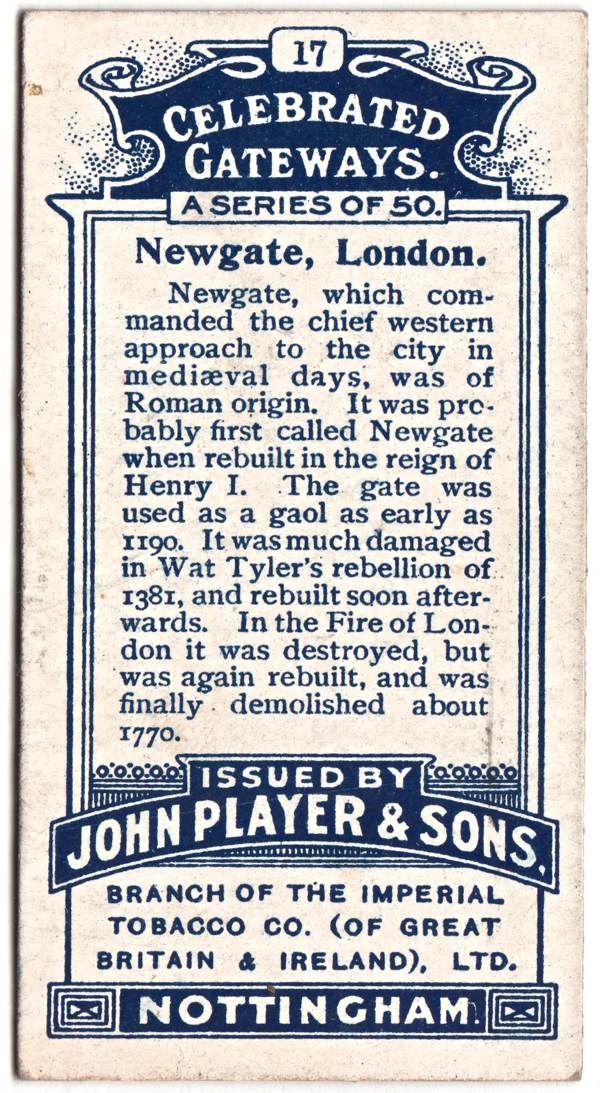
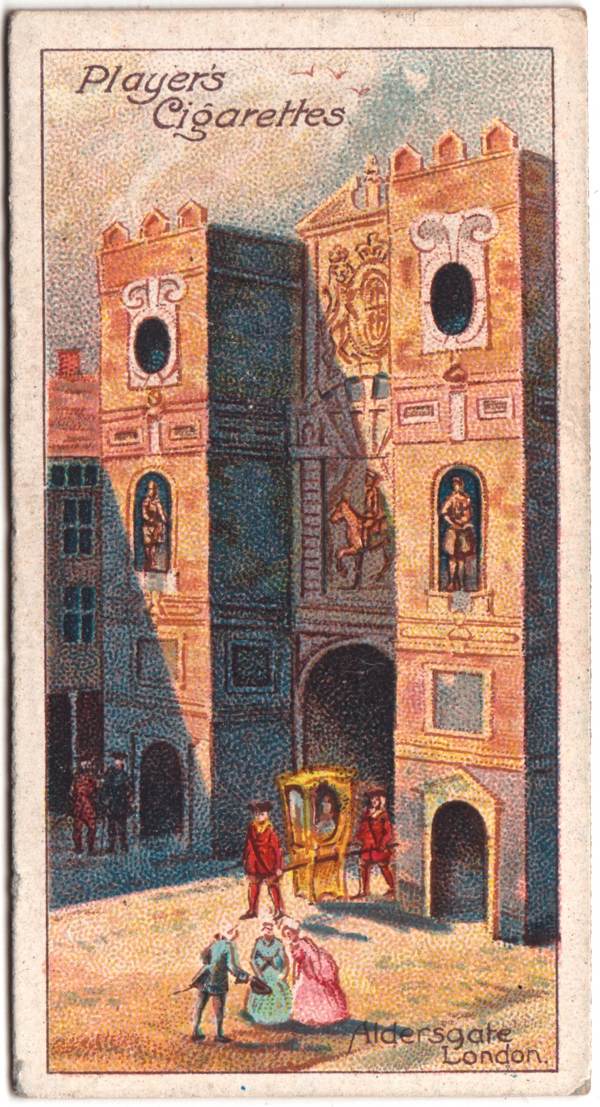
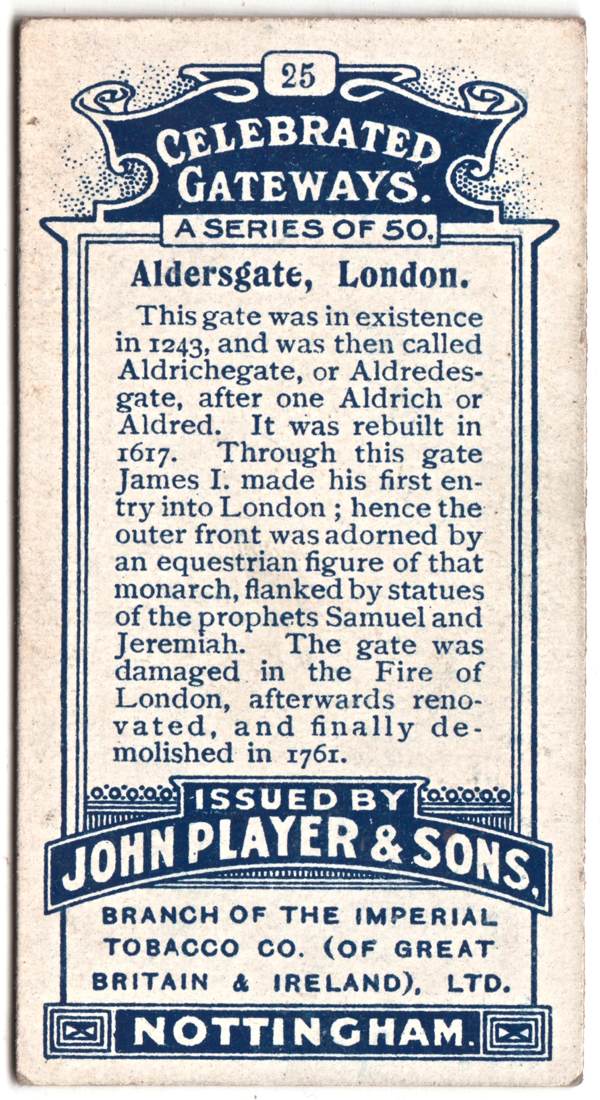
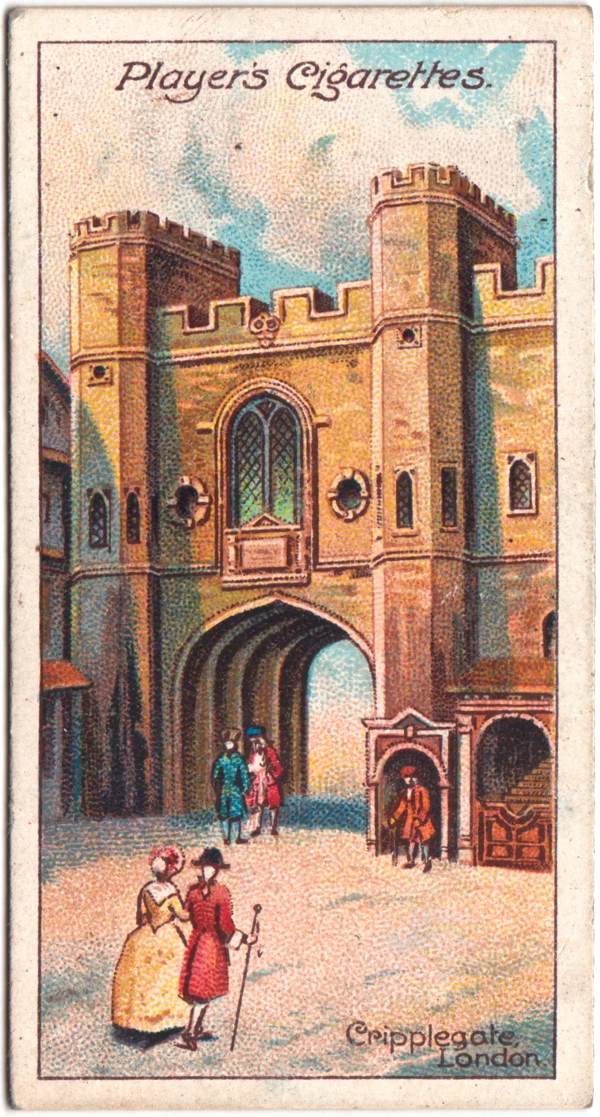
For a while, I have been seeking a set of prints of the City gates to show you and, over the festive period, I came upon these handsome Players Cigarette Cards from the Celebrated Gateways series published in 1907. As we contemplate the going-out of the old year and the coming-in of the new, they give me the ideal opportunity to send you my wishes for your happiness in 2024.









You may also like to take a look at these other sets of cigarette cards
My Flowers Of 2023
Tickets are available for THE GENTLE AUTHOR’S TOUR OF SPITALFIELDS tomorrow
Each Sunday, if I can afford it and have the time, I visit Columbia Rd Market to buy a bunch of flowers, seeking what is in season and avoiding repeats where possible. Here is the story of my year told in flowers. Looking back, I am reminded how much joy they brought me. Which are your favourites?

Mimosa, tulips and paperwhites, Sunday 8th January
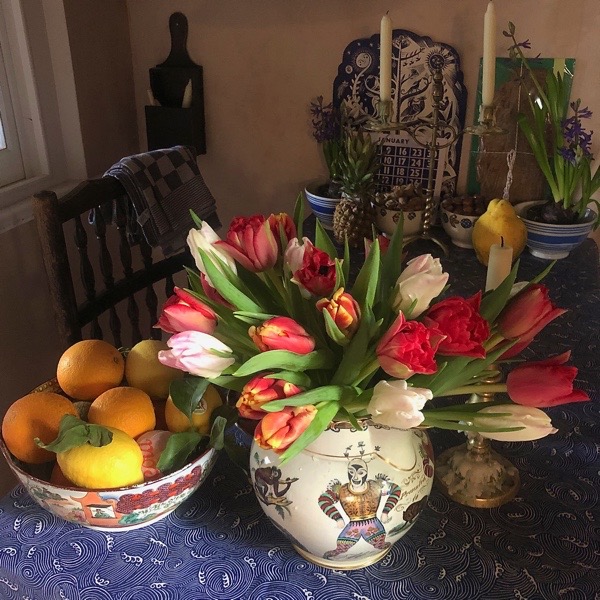
Tulips, Sunday 15th January

Narcissus, Sunday 29th January
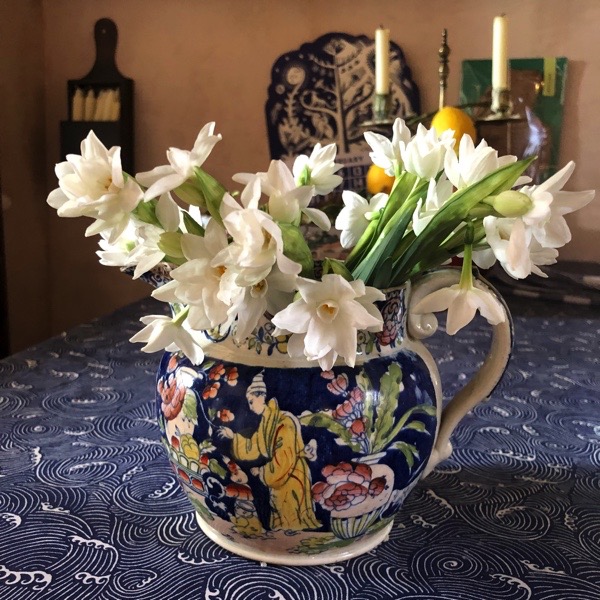
Paperwhites, Sunday 5th February
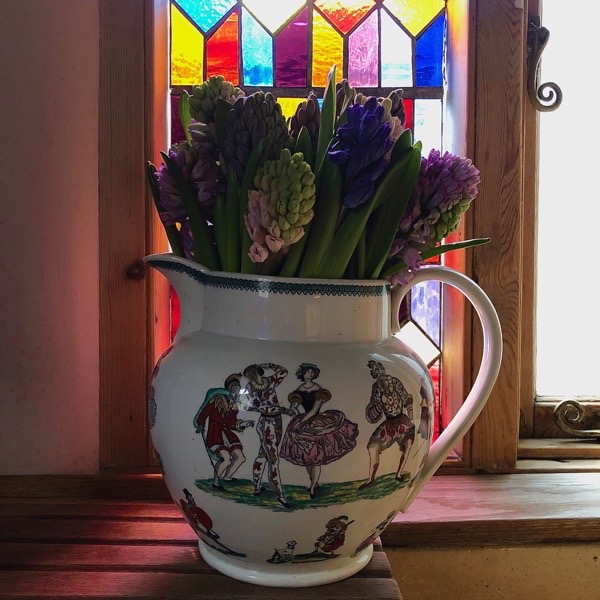
Hyacinths, Sunday 12th February
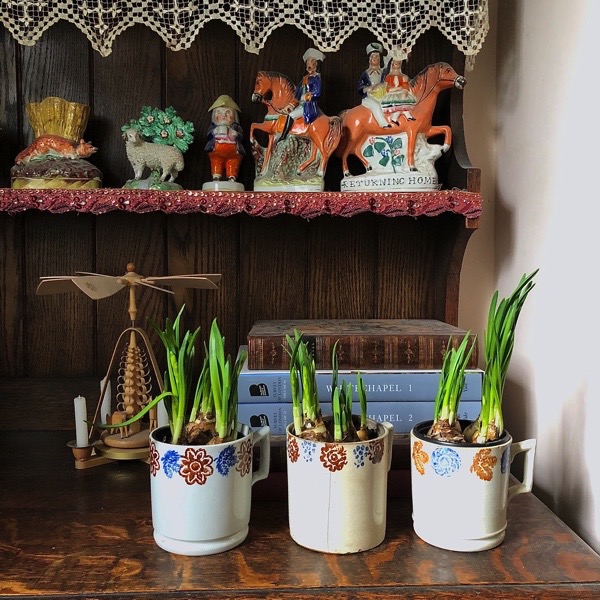
Snowdrops, Sunday 26th February

Tulips, Sunday 12th March
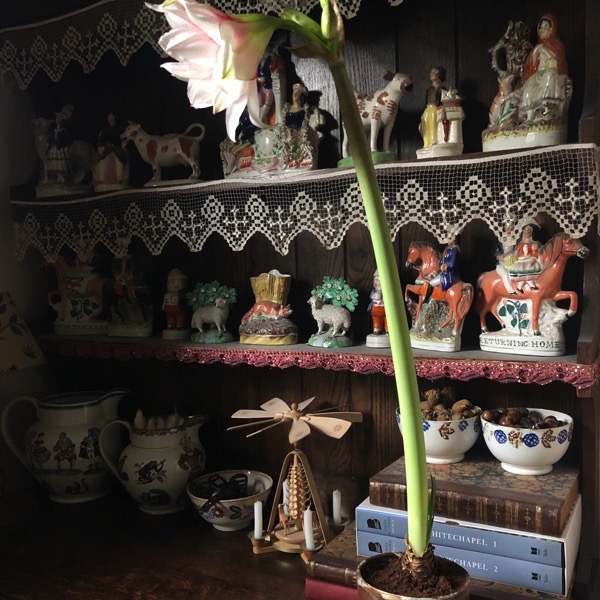
Amaryllis, Sunday 19th March
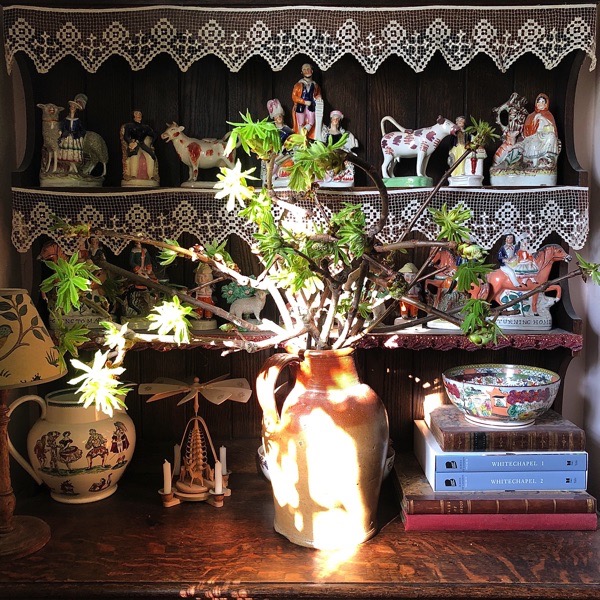
Chestnut buds, Sunday 2nd April
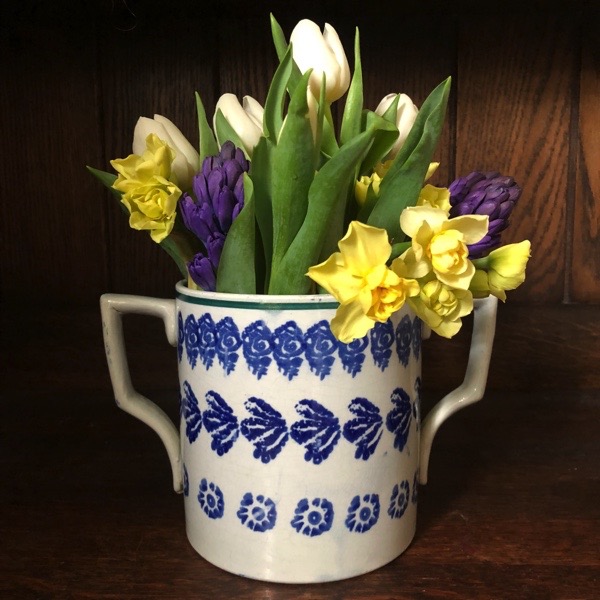
Tulips, narcissi and hyacinths, Sunday 23rd April
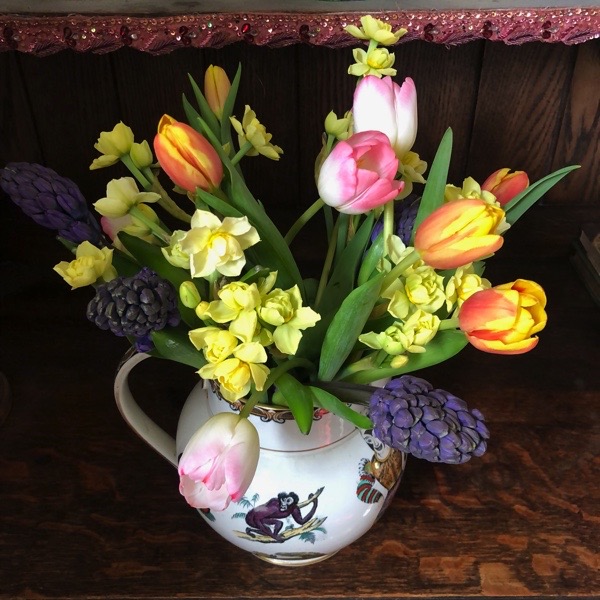
Tulips, narcissi and hyacinths, Sunday 30th April
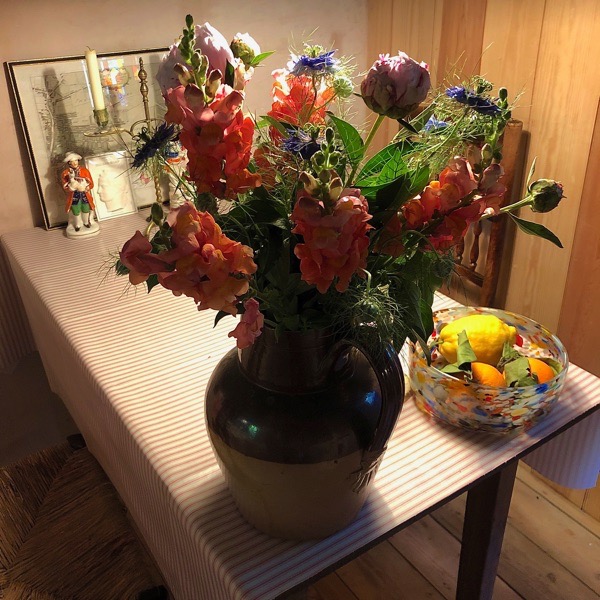
Peonies, love-in-the-mist and antirrhinums, Sunday 22nd May
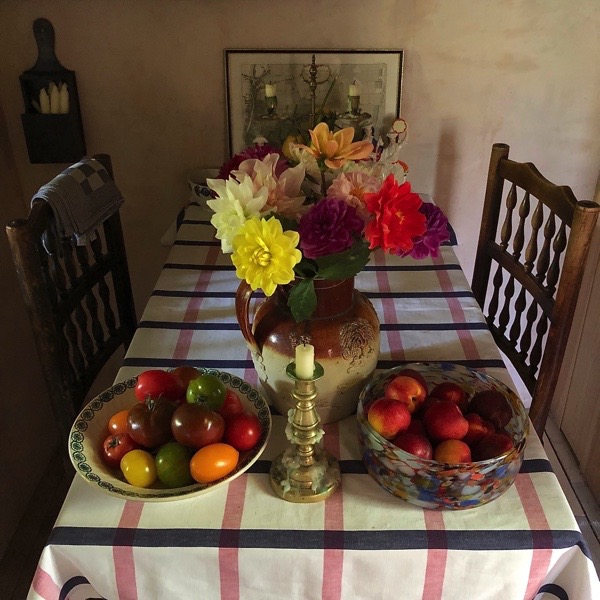
Dahlias, Sunday 11th June

Delphiniums and camomile, Sunday 25th June
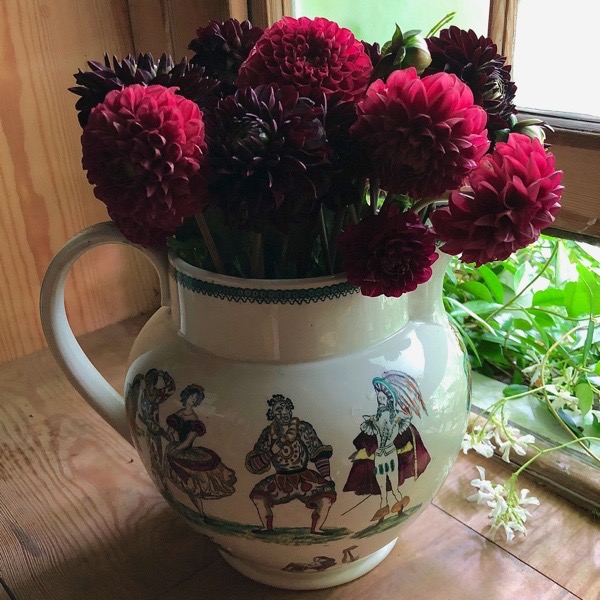
Dahlias, Sunday 2nd July

Sunflowers and artichokes, Sunday 9th July
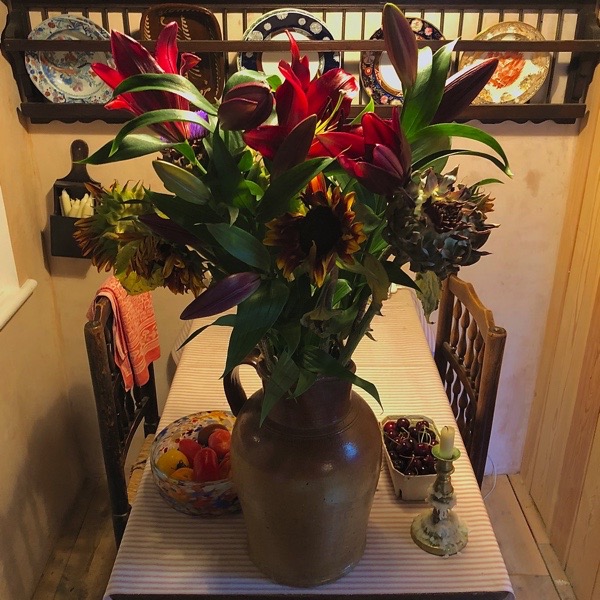
Lilies, sunflowers and artichokes, Sunday 16th July
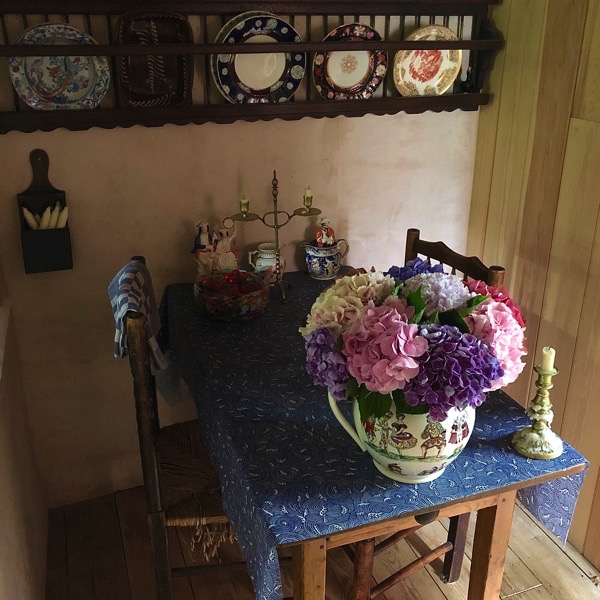
Hydrangeas, Sunday 30th July

Delphiniums, Sunday 13th August
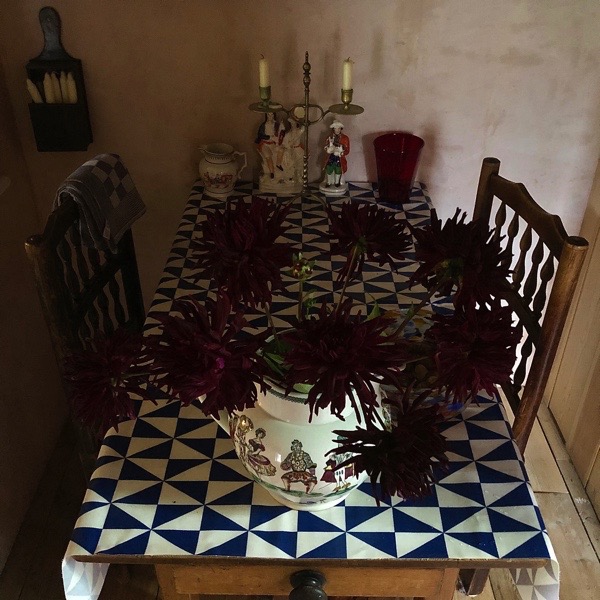
Dahlias, Sunday 20th August
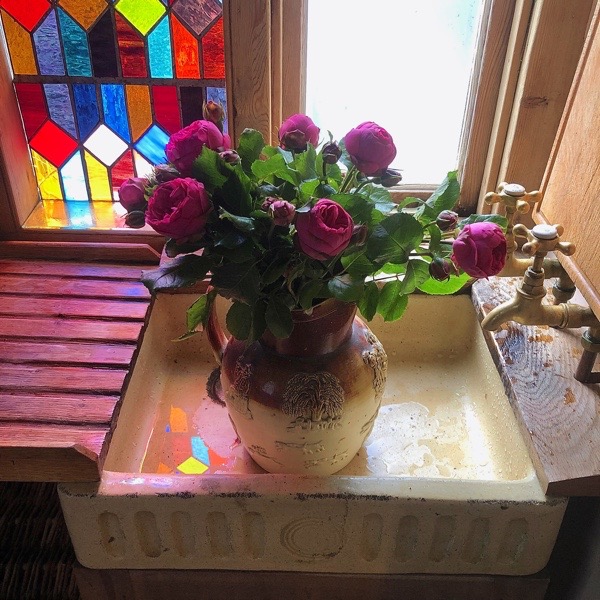
Roses, Sunday 27th August
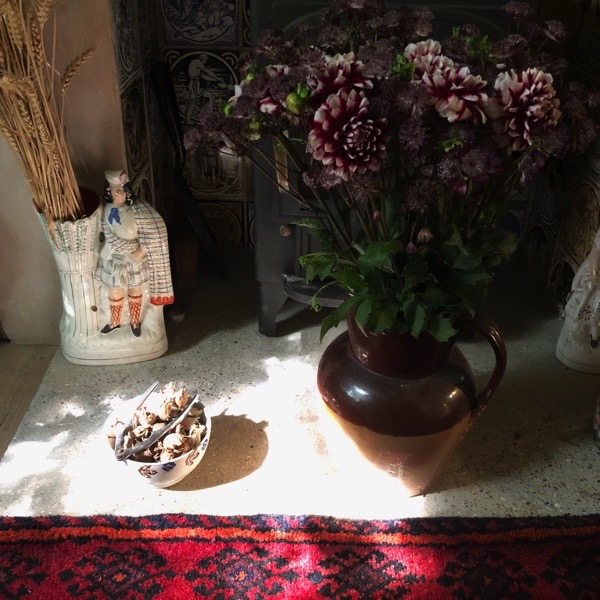
Dahlias and astrantias, Sunday 3rd September

Roses, asters, camomile and freesias, Sunday 10th September
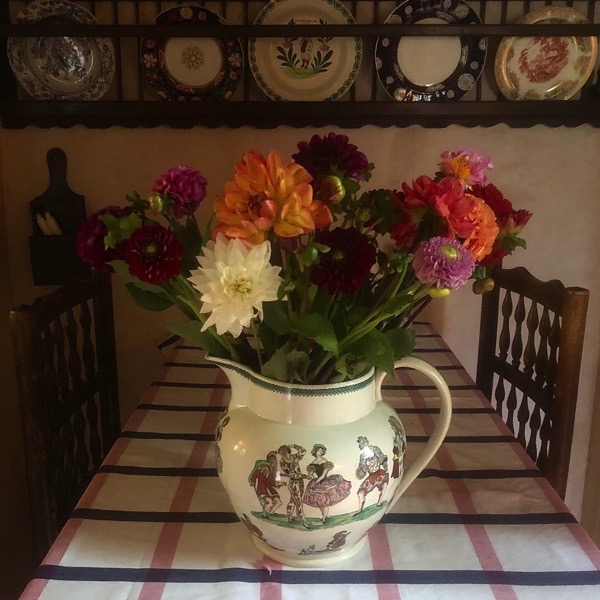
Dahlias, Sunday 17th September
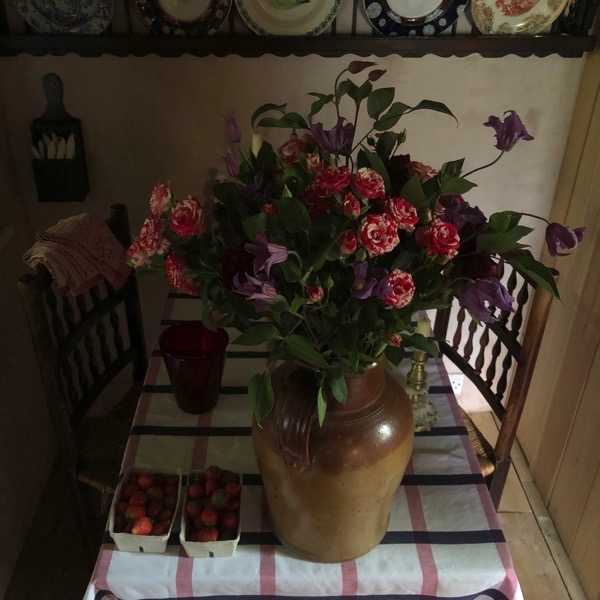
Roses and clematis, Sunday 24th September

Chrysanthemums, Sunday 1st October

Stocks and chrysanthemums, Sunday 22nd October

Hyacinths, Sunday 5th November
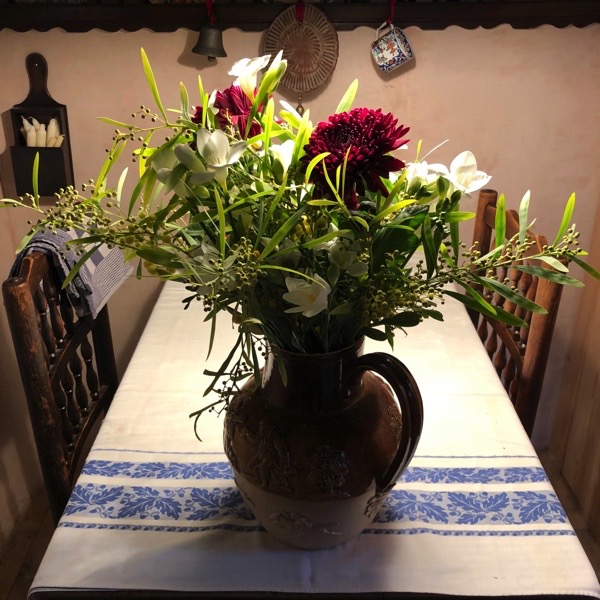
Mimosa, chrysanthemums and freesias, Sunday 12th November
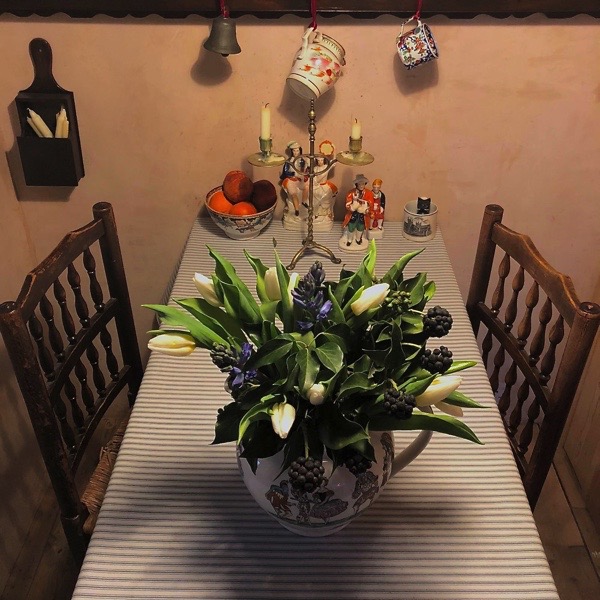
Ivy, tulips and hyacinths, Sunday 10th December
Night At The Beigel Bakery
Join me for THE GENTLE AUTHOR’S TOUR OF SPITALFIELDS on New Year’s Day

New Year’s Eve is always the busiest night of the year at the Brick Lane Beigel Bakery, so a few years ago I chose to spend the night of 30th December accompanying Sammy Minzly, the celebrated manager of this peerless East End institution, to observe the activity through the early hours as the staff braced themselves for the rush. Yet even though it was a quiet night – relatively speaking – there was already helter-skelter in the kitchen when I arrived mid-evening to discover five bakers working at furious pace amongst clouds of steam to produce three thousand beigels, as they do every day of the year between six at night and one in the morning.
At the centre of this tiny bakery which occupies a lean-to at the rear of the shop, beigels boiled in a vat of hot water. From here, the glistening babies were scooped up in a mesh basket, doused mercilessly with cold water, then arranged neatly onto narrow wet planks named ‘shebas,’ and inserted into the ovens by Stephen the skinny garrulous baker who has spent his entire life on Brick Lane, working here in the kitchen since the age of fifteen. Between the ovens sat an ogre of a huge dough-making machine, mixing all the ingredients for the beigels, bread and cakes that are sold here. It was a cold night in Spitalfields, but it was sweltering here in the steamy atmosphere of the kitchen where the speedy bakers exerted themselves to the limit, as they hauled great armfuls of dough out of the big metal basin in a hurry, plonking it down, kneading it vigorously, then chopping it up quickly, and using scales to divide it into lumps sufficient to make twenty beigels – before another machine separated them into beigel-sized spongey balls of dough, ripe for transformation.
In the thick of this frenzied whirl of sweaty masculine endeavour – accompanied by the blare of the football on the radio, and raucous horseplay in different languages – stood Mr Sammy, a white-haired gentleman of diminutive stature, quietly taking the balls of dough and feeding them into the machine which delivers recognisable beigels on a conveyor belt at the other end, ready for immersion in hot water. In spite of the steamy hullabaloo in the kitchen, Mr Sammy carries an aura of calm, working at his own pace and, even at seventy-five years old, still pursues his ceaseless labours all through the night, long after the bakers have departed to their beds. Originally a baker, he has been working here since the beigel bakery opened at these premises in 1976, although he told me proudly that the Brick Lane Beigel Bakery superseded that of Lieberman’s fifty -five years ago. Today it is celebrated as the most visible legacy of the Jewish culture that once defined Spitalfields.
Hovering at the entrance to the kitchen, I had only to turn my head to witness the counterpoint drama of the beigel shop where hordes of hungry East Londoners line up all night, craving spiritual consolation in the form of beigels and hot salt beef. They come in sporadic waves, clubbers and party animals, insomniacs and sleep walkers, hipsters and losers, street people and homeless, cab drivers and firemen, police and dodgy dealers, working girls and binmen. Some can barely stand because they are so drunk, others can barely keep their eyes open because they are so tired, some can barely control their joy and others can barely conceal their misery. At times, it was like the madhouse and other times it was like the morgue. Irrespective, everyone at the beigel bakery keeps working, keeping the beigels coming, slicing them, filling them, counting them and sorting them. And the presiding spirit is Mr Sammy. Standing behind the counter, he checks every beigel personally to maintain quality control and tosses aside any that are too small or too toasted, in unhesitating disdain.
As manager, Mr Sammy is the only one whose work crosses both territories, moving back and forth all night between the kitchen and the shop, where he enjoys affectionate widespread regard from his customers. Every other person calls out “Sammy!” or “Mr Sammy” as they come through the door, if he is in the shop – asking “Where’s Sammy?” if he is not, and wanting their beigels reheated in the oven as a premise to step into the kitchen and enjoy a quiet word with him there. Only once did I find Mr Sammy resting, sitting peacefully on the salt bin in the empty kitchen in the middle of the night, long after all the bakers had left and the shop had emptied out. “I’m getting lazy! I’m not doing nothing.” he exclaimed in alarmed self-recognition, “I’d better do something, I’d better count some beigels.”
Later he boiled one hundred and fifty eggs and peeled them, as he explained me to about Achmed, the cleaner, known as ‘donkey’ – “because he can sleep anywhere” – whose arrival was imminent. “He sleeps upstairs,” revealed Mr Sammy pointing at the ceiling. “He lives upstairs?” I enquired, looking up. “No, he only sleeps there, but he doesn’t like to pay rent, so he works as a cleaner.” explained Mr Sammy with an indulgent grin. Shortly, when a doddery fellow arrived with frowsy eyes and sat eating a hot slice of cake from the oven, I surmised this was the gentlemen in question. “I peeled the eggs for you,” Mr Sammy informed him encouragingly, a gesture that was reciprocated by ‘donkey’ with the merest nod. “He’s seventy-two,” Mr Sammy informed me later in a sympathetic whisper.
Witnessing the homeless man who came to collect a pound coin from Mr Sammy nightly and another of limited faculties who merely sought the reassurance of a regular handshake, I understood that because it is always open, the Beigel Bakery exists as a touchstone for many people who have little else in life, and who come to acknowledge Mr Sammy as the one constant presence. With gentle charisma and understated gesture, Mr Sammy fulfils the role of spiritual leader and keeps the bakery running smoothly too. After a busy Christmas week, he was getting low on bags for beigels and was concerned he had missed his weekly deliver from Paul Gardner because of the holiday. The morning was drawing near and I knew that Paul was opening that day for the first time after the break, so I elected to walk round to Gardners Market Sundriesmen in Commercial St and, sure enough, on the dot of six-thirty Paul arrived full of good humour to discover me and other customers waiting. Once he had dispatched the customers, Paul locked the shop again and we drove round to deliver the twenty-five to thirty thousand brown paper bags that comprise the beigel shop’s weekly order.
Mr Sammy’s eyes lit up to see Paul Gardner carrying the packets of bags through the door in preparation for New Year’s Eve and then, in celebration of the festive season, before I made my farewells and retired to my bed, I took advantage of the opportunity to photograph these two friends and long-term associates together – both representatives of traditional businesses that between them carry significant aspects of the history and identity of Spitalfields.


Old friends, Paul Gardner, Market Sundriesman, and Sammy Minzly, Manager of the Beigel Bakery.
Viscountess Boudica’s Christmas
Join me for THE GENTLE AUTHOR’S TOUR OF SPITALFIELDS on New Year’s Day
Even though our dearly beloved Viscountess Boudica was evicted from her flat in Bethnal Green in 2016 and forcibly moved to Uttoxeter, we still remember her fondly every Christmas and follow her blog

Let it be said that if anyone in the East End knew how to keep the spirit of Christmas, it was the Viscountess Boudica of Bethnal Green. At this time of year, her tiny flat near Columbia Rd was transformed into a secret Winter Wonderland where the visitor might forget the chill of the gloomy streets outside and enter a realm of magic, fantasy and romance in which the Viscountess held court like a benevolent sprite or fairy godmother, celebrating the season of goodwill in her own inimitable style.
Boudica had already been at work for weeks when I arrived with my camera to capture the Christmas spectacle for your delight, yet she was still putting the finishing touches to her display even as I walked through the door. “You see these bells?” she said, reaching up to add them to the colourful forest of paper decorations suspended from the ceiling, “I bought them in Woolworths in Tottenham for 45p in 1984. When I think of all the people they have looked down upon – if only these bells could talk, they’ve seen it all!”
Evidence of the season was apparent wherever I turned my eyes, from the illuminated coloured trees that filled each corner – giving the impression that the room was actually a woodland glade – to the table where Boudica was wrapping her gifts and writing cards, to the corner where a stack of festive records awaited her selection, to the innumerable Christmas knick-knacks and figures that crowded every surface, and the light-up reindeer outside in the garden, glimpsed discreetly through the net curtains. “This is thirty years worth of collecting,” she explained, gesturing to the magnificent display enfolding us, “that set of lights is older than I am.”
In common with many, this is an equivocal time for Viscountess Boudica who does not have happy childhood memories of Christmas. “It was hell,” she admitted to me frankly, “We didn’t have any money to buy presents and, in our family, Christmas was always when fights and arguments would break out. The reason I have so many decorations now is to make up for all the years when I didn’t have any.” Yet Boudica remembers small acts of kindness too. “The local shops used to save me their balloons and give me scraps of fabric that I used to make clothes for the kittens in the barn – and that was the beginning of me making my own outfits,” she recalled fondly.
“People should remember what it’s all about,” Boudica assured me, linking her own childhood with the Christian narrative, “It’s about a little boy who didn’t have a home. They should think of others and remember there’s poor people here in Bethnal Green.” Naturally, I asked the Viscountess if she had a Christmas message for the world and, without a second thought, she came to back to me with her declaration – “Be kind to each other and get rid of discrimination!”
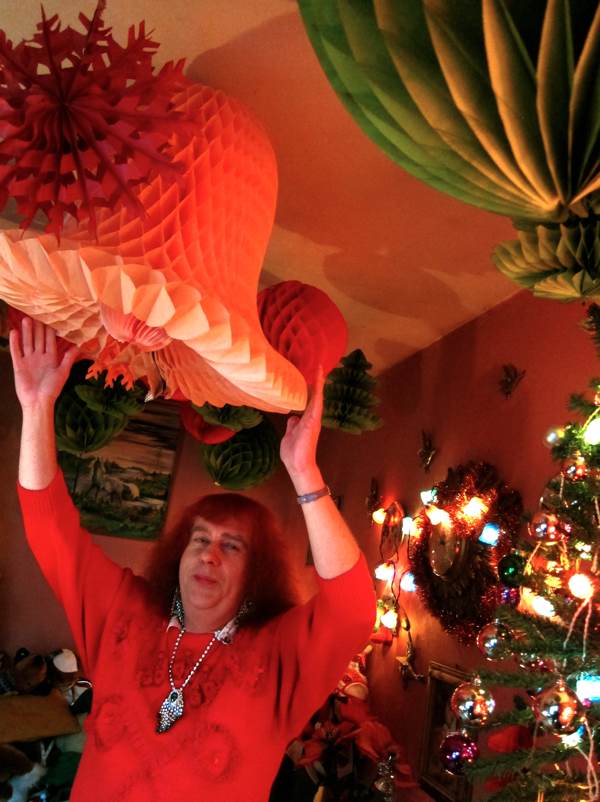
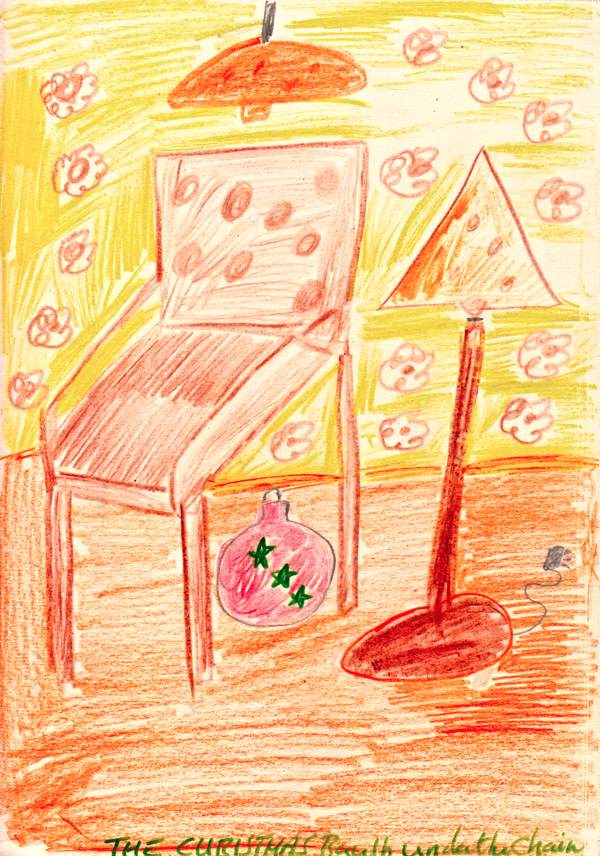

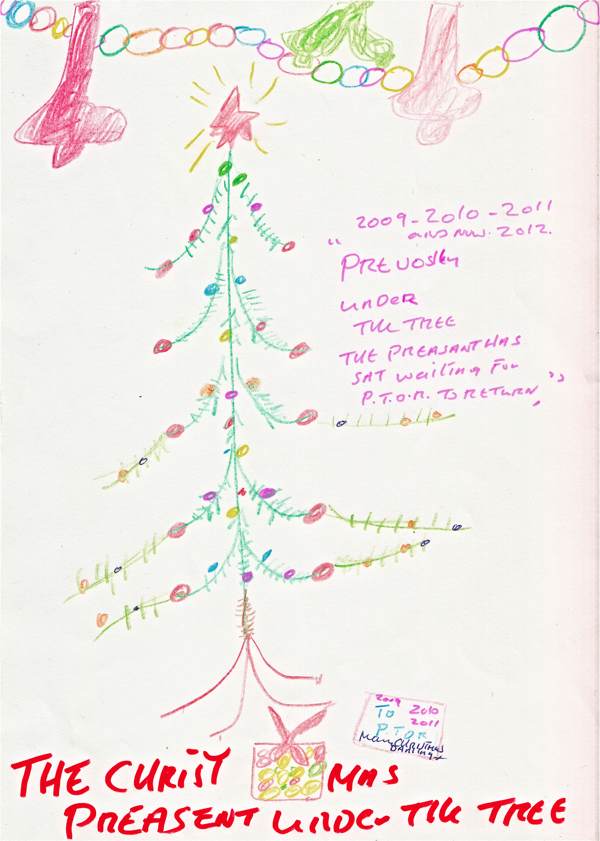
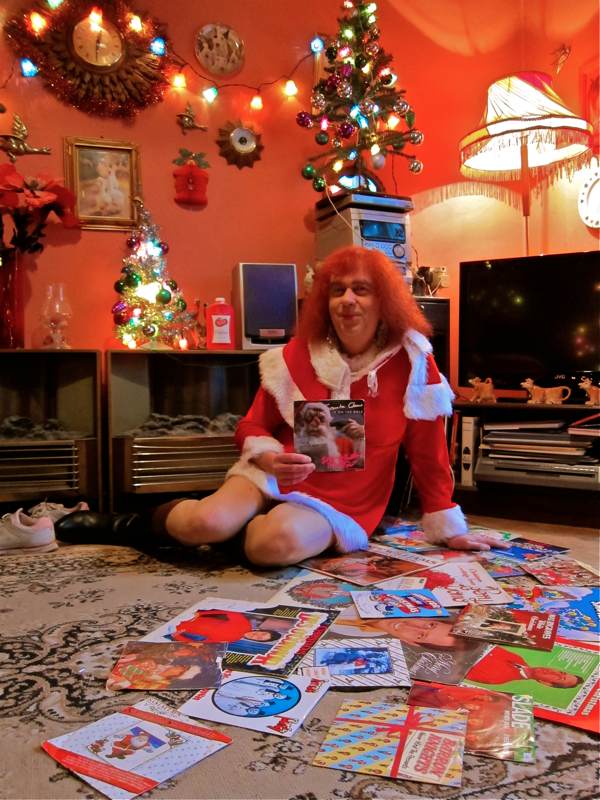
Boudica contemplates her Christmas listening – will it be Andy Williams or Jim Reeves this year?

“Whenever I hang up these bells, I think of all the people they have looked down upon over the years”
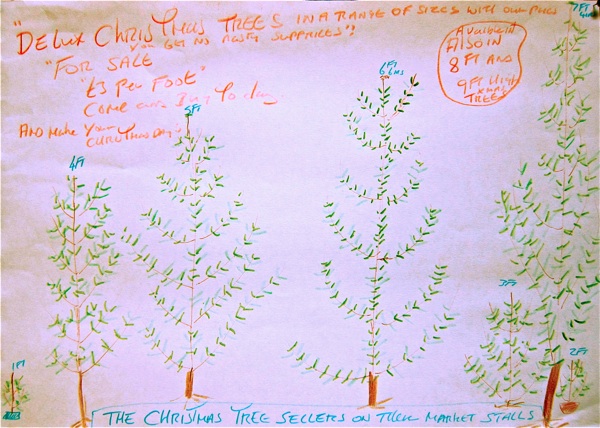

Wrapping up her gifts.



Filling her stocking


Nollaig Shona Dhaoibh!



Drawings copyright © Viscountess Boudica
You may also like to read
Viscountess Boudica’s Domestic Appliances
Viscountess Boudica’s Drawings
Viscountess Boudica’s Halloween
Viscountess Boudica’s Valentine’s Day
The Departure of Viscountess Boudica
Read my original profile of Mark Petty, Trendsetter
and take a look at Mark Petty’s Multicoloured Coats
My Panto Years
Join me for THE GENTLE AUTHOR’S TOUR OF SPITALFIELDS on New Year’s Day
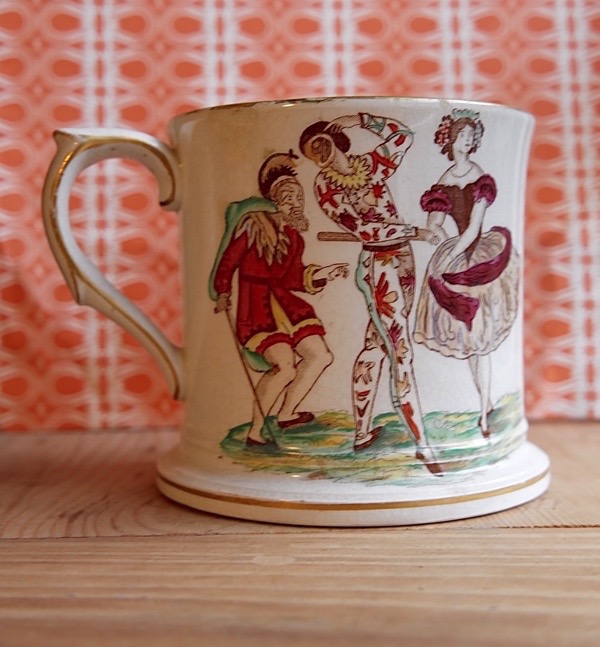
Longer ago than I care to admit, fortune led me to an old theatre in the Highlands of Scotland. Only now am I able to reveal some of my experiences there and you will appreciate that discretion prevents me publishing any names lest those who are still alive may read my account.
It was a magnificent nineteenth century theatre, adorned with gilt and decorative plasterwork. Since this luxurious auditorium with boxes, red drapes and velvet seating was quite at odds with the austere stone buildings of the town, it held a cherished place in the affections of local theatregoers who crowded the foyers nightly, seeking drama and delight.
Although it is inexplicable to me now, at that time in my life I was stage struck and entirely in thrall to the romance of theatre. Perhaps it was because of my grandfather the conjurer who died before I was born? Or my love of puppets and toy theatres as a child? When I left college at the beginning of my twenties, I refused to return home again and I did not know how to make my way in London. So I was overjoyed when I landed a job at a theatre in the north of Scotland. I packed my possessions in cardboard boxes, took the overnight train and arrived in the frosty dawn to commence my adult life.
As soon as it was discovered I had a literary education, I was assigned the task of organising the script and writing the ‘poetry’ for the annual pantomime, which that year was Dick Whittington. In the theatre safe I found a stash of tattered typescripts dating back over a century, rewritten each time they were performed. These documents were fascinating yet barely intelligible, and filled with gaps where comedians would supply their own patter. I discovered that the immortals, in this case Fairy Bow Bells and Old King Rat, spoke in rhyming couplets. Yet to my heightened critical faculties, weaned on Shakespeare and Chaucer, these examples were lame. So I resolved to write better ones and set to work at once.
Fairy Bow Bells:
In the deepest, bleakest Wintertime,
I welcome you to Pantomime.
Here is Colour! Here is Magic!
Here is Love and naught that’s Tragic.
‘You are here to learn the art of compromise, and how to pour a decent gin and tonic, darling,’ the director informed me at commencement with a significant nod of amusement when I submitted my work. I tried to raise an amenable smile as I served the drinks, but it was a line delivered primarily for the benefit of the principals gathered in the tiny office for a production meeting. These were veterans of musical comedy and summer variety who played pantomime every year, forceful personalities who each brought demands and expectations in proportion to their place in the professional hierarchy, with the ageing comedian playing Dame Fitzwarren as the star. Next came the cabaret singer and dancer playing Dick Whittington and then the television personality playing Tommy the Cat.
It was my responsibility to manage auditions for the chorus of boy and girl dancers, sifting through thousands of curriculum vitae and head-shots to select the most promising candidates. Those granted the opportunity were given ten minutes to impress the musical director and the choreographer with a show tune and a short dance sequence. Shepherding them in and out of the room and handling their raw emotions proved a challenge when they lost their voices, broke into tears or forgot their routines – or all of these.
The cast convened for a read-through in the low-ceilinged rehearsal room in a portacabin in the theatre car park. Once everyone had shaken hands and a cloud of tobacco filled the room, the director wished everyone good luck and, turning to me before leaving the room, declared loudly ‘Don’t worry, darling, they know what to do!’, employing the same significant nod I had seen in the production meeting and catching the eye of each of the principals again.
We all sat down, I handed round the scripts and the cast turned to the first page. The principals gasped in horror, exchanging glances of disbelief and reaching for their cigarettes in alarm. Dame Fitzwarren blushed, tore out a handful of pages and spread them out on the table, muttering, ‘No, no, no,’ to himself in condemnation. I sat in humiliated silence as, in the ensuing half hour, my sequence of pages was entirely rearranged with some volatile horse trading and angry words. Was this the art of compromise the director had referred to? I had organised the scenes in order of the story – no-one had explained to me that in pantomime the sequence of opening scenes are a device to introduce the principals in order of status from the newcomers to the seasoned stars. Yet even if I had understood this, it would have made little difference since the cast were all unknown to me.
On the second day, the floor of the portacabin was marked with coloured tapes which indicated the placing of the scenery and it was my job to take the cast through their moves. Dame Fitzwarren was keen to teach his comedy kitchen sequence to the two young actors playing the broker’s men. Once he had walked them through, I suggested we should give it a go. ‘No,’ he said, ‘That was it, we did it.’ I understood that, in pantomime, comedians only rehearse their sequences once as a matter of honour.
The little theatre owed its existence to the wealth of the whisky distilleries which comprised the main industry in the town and many of the directors of these distilleries were members of the theatre board. In particular, I remember a diminutive fellow who made up for his lack of height with an abrasive nature. He confronted me on the opening night, asking ‘Is this going to be good, laddie?’ My timid reply was, ‘It’s not for me say, is it?’ ‘It had better be good because your career depends upon it,’ was his harsh response, poking me in the gut with his finger.
In fact, Dick Whittington – in common with all the pantomimes at that theatre – was a tremendous success, playing to packed houses from mid-December until the end of January. The frantic energy of the cast was winning and the production suited the mechanics of the building beautifully, with brightly coloured flying scenery, drop-cloths and gauzes. The audience gasped in wonder when Fairy Bow Bells waved her wand to conjure the transformation scene and booed in delight when Old King Rat popped up through a trap door in a puff of smoke. They loved the familiar faces of the comedians and laughed at their routines, even if they were not actually funny.
Given the punishing routine of three shows a day, the collective boredom of the run and the fact that they were away from home, the pantomime cast occupied themselves with a rollercoaster of affairs and liaisons which only drew to an end at the final curtain. Once Dick Whittington unexpectedly stuck her tongue down my throat in the backstage corridor on New Year’s Eve and Dame Fitzwarren locked the door of the star dressing room from the inside, subjecting me to his wandering hands when I came to discuss potential cuts in the light of the stage manager’s timings. I found myself entering and leaving the building through the warren of staircases and exit doors in order to avoid unwanted attention of this nature. The gender reversals and skimpy costumes contributed to an uncomfortably sexualised environment which found its expression on stage in the relentless innuendo and lewd references, all within an entertainment supposedly directed at children. ‘Thirty miles to London and no sign of Dick yet!’
I shall never forget the musical director rehearsing the little girls in tutus from a local stage school who supplied us with choruses of sylphs on a rota to accompany Fairy Bow Bells. ‘Come along, girls,’ he instructed the children, thrusting his chest forward and baring his dentures in a frozen smile of enthusiasm,’ Tits and teeth, tits and teeth,’ using the same exhortation he gave to the adult dancers.
Our version of Dick Whittington contained an underwater sequence, when Dick’s ship was wrecked, permitting the characters to ‘swim’ through a deep sea world which was given greater reality by the use of ultra-violet light and projecting an aquarium film onto a gauze. This was also the moment in the show when we undertook a chase through the audience, weaving along the rows. Drawing on the familiar tradition of pantomime cows and horses – and perhaps inspired by the predatory nature of the environment – I devised the notion of a pantomime shark in a foam rubber costume that could chase the characters through the front stalls and around the circle to the accompaniment of the theme from Jaws. I had no idea of the pandemonium that this would unleash but, each night, I made a point of popping in to stand at the back to enjoy the mass-hysteria engendered by my shark.
The actor playing Old King Rat had previously been cast as Adolphus Cousins in Major Barbara, so I decided to exploit his classical technique by writing a death speech for him. It was something that had never been done before and this is the speech I wrote.
Old King Rat:
This is the death of Old King Rat,
Foiled at last by Tommy the Cat.
No more nibbles, no more creeping,
No more fun now all is sleeping.
This is the instant at which I die,
Off to that rathole in the sky…
Naturally this was accompanied by extended death-throes, with King Rat expiring and getting up again several times. Later, I learnt my speech had been pirated by other productions of Dick Whittington, which is the greatest accolade in pantomime. Maybe it is even now being performed somewhere this season?
In subsequent years, I was involved in productions of Cinderella and Aladdin, but strangely I recall little of these. I did not realise I was participating in the final years of a continuous theatrical tradition which had survived over a century in that theatrical backwater. I did not keep copies of the scripts and the fragments above are all I can remember now. I do not know if I learnt the art of compromise but I certainly learnt how to pour a stiff gin and tonic. And I learnt that in any theatre there is always more drama offstage than onstage.
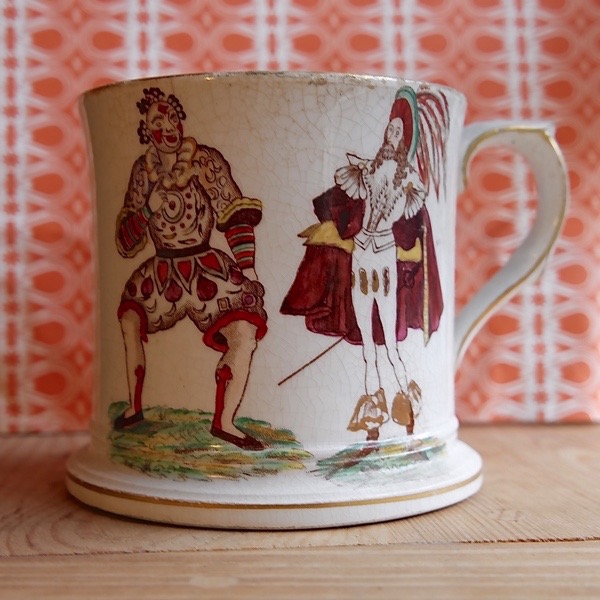
You may also like to read about
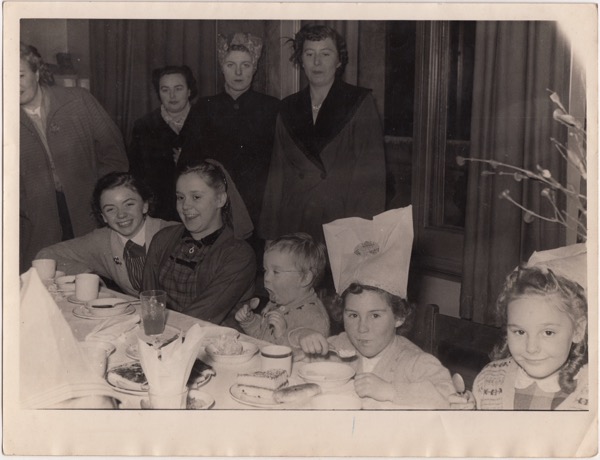
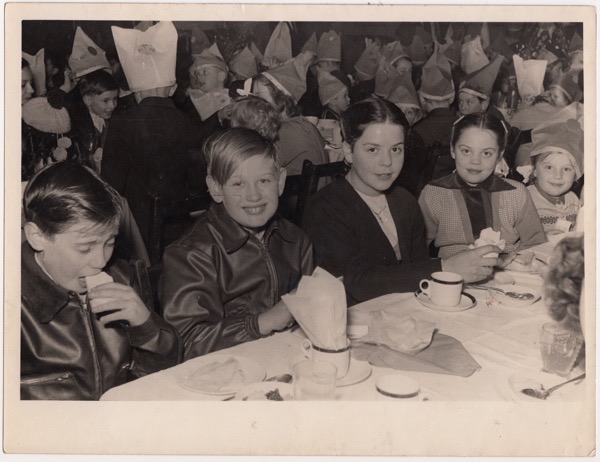
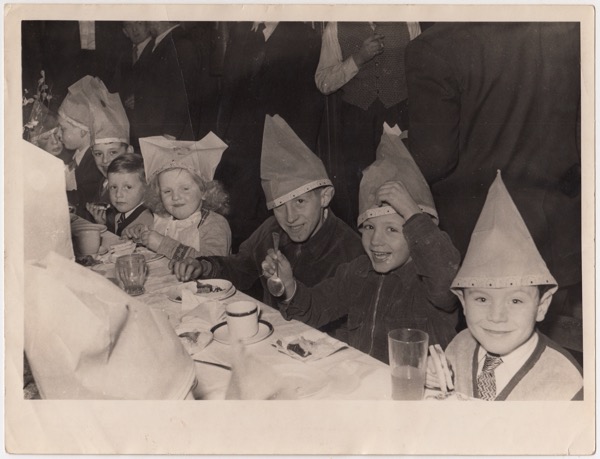
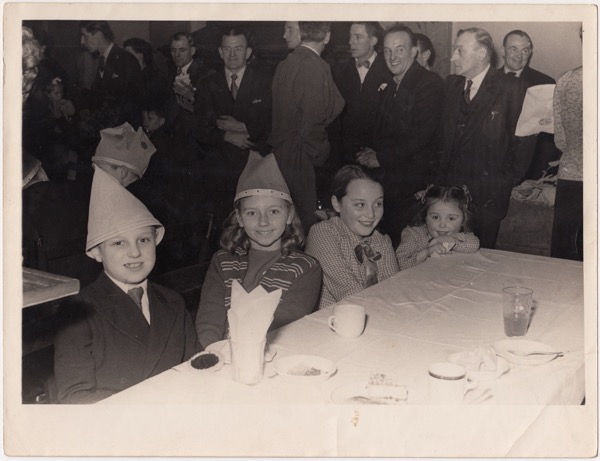
The Spitalfields Parties Of Yesteryear
Join me for THE GENTLE AUTHOR’S TOUR OF SPITALFIELDS on New Year’s Day
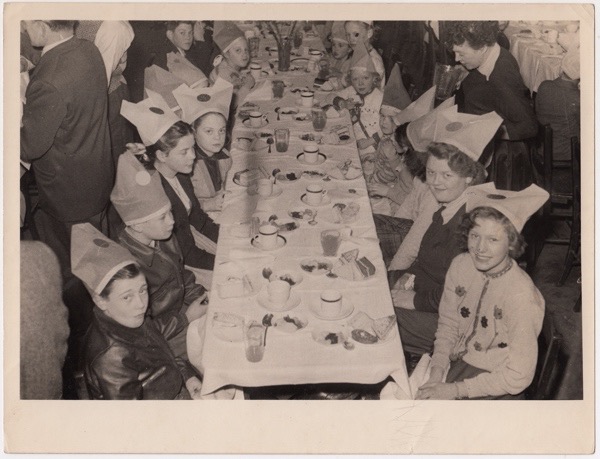
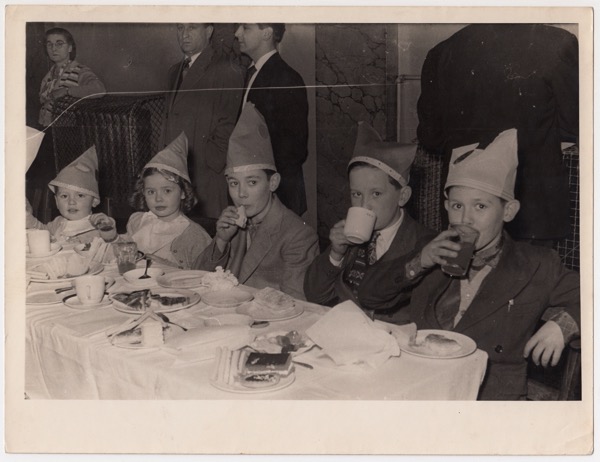
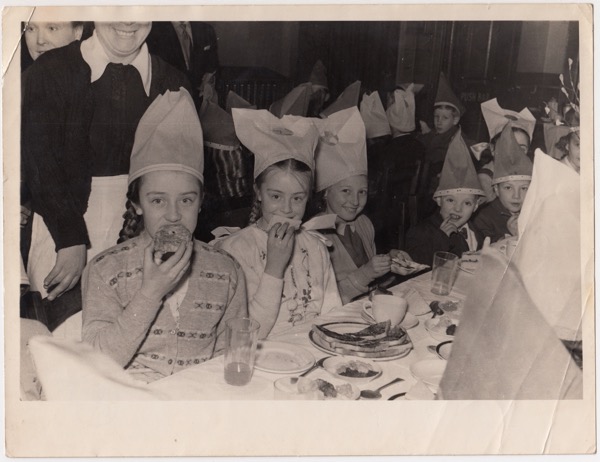
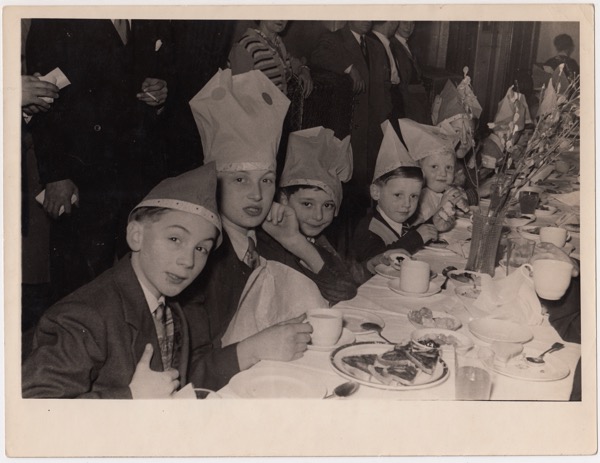
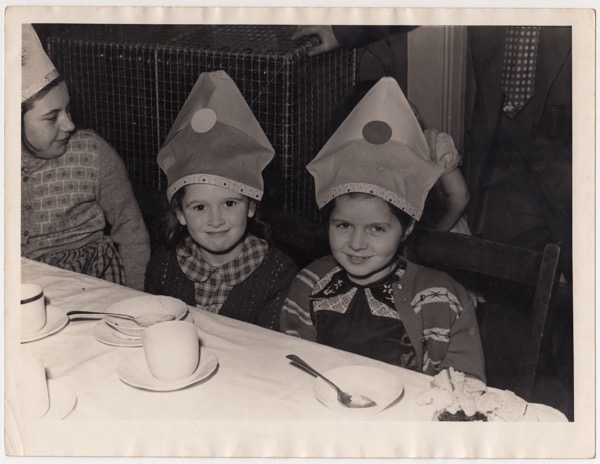
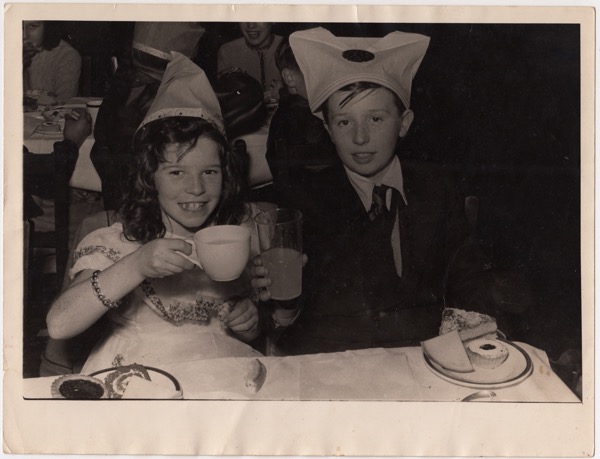
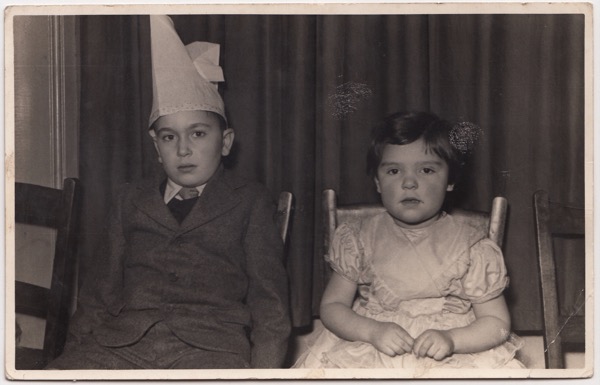
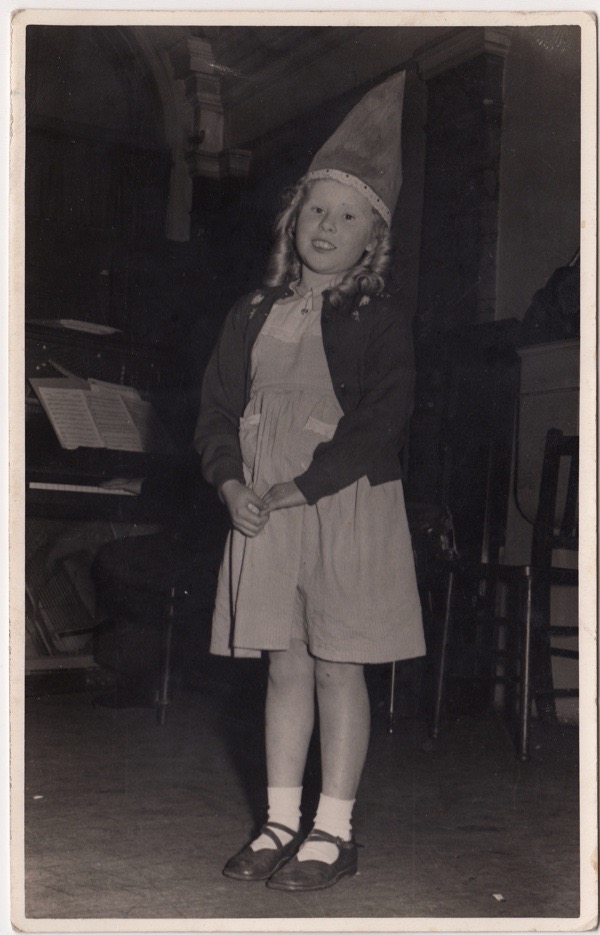
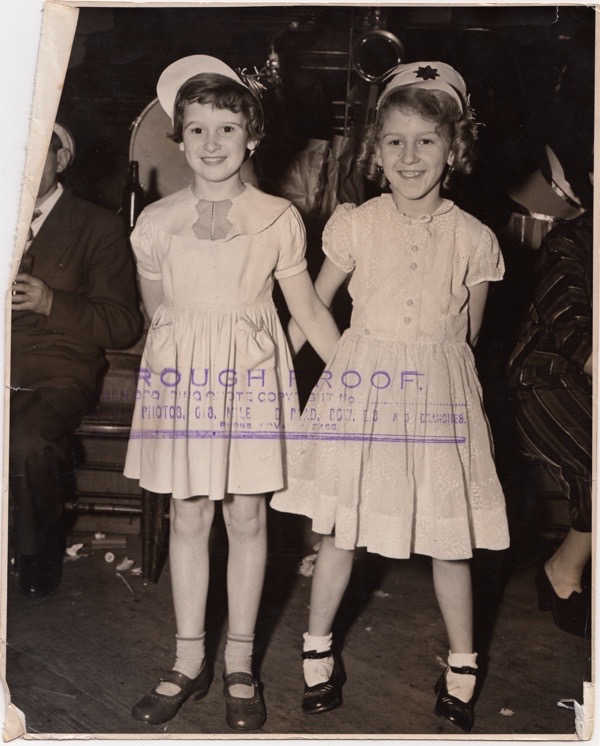
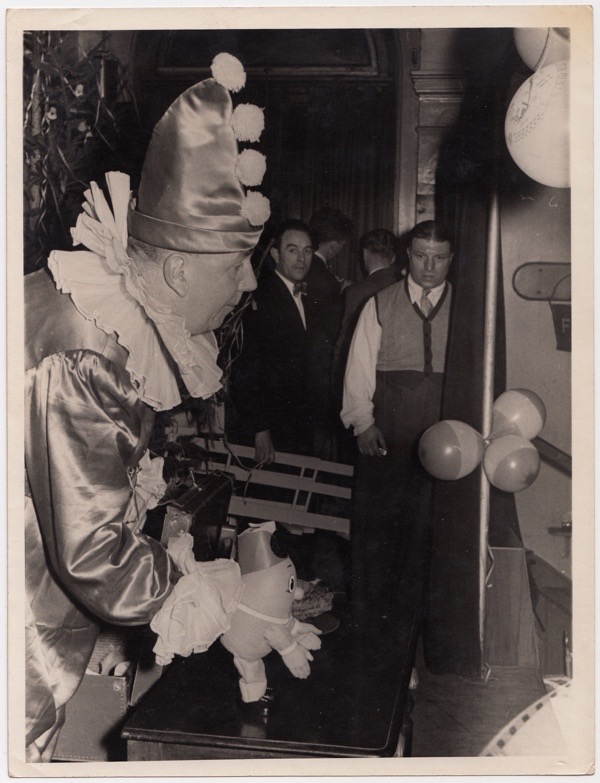
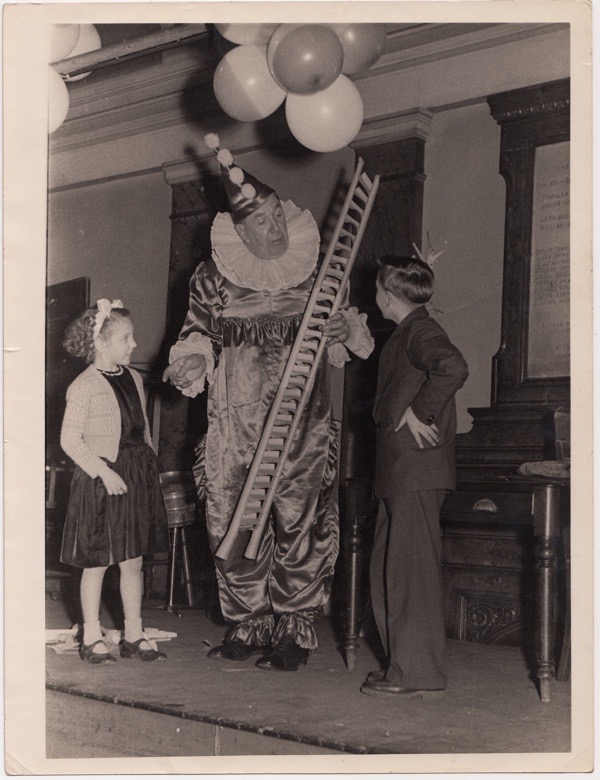
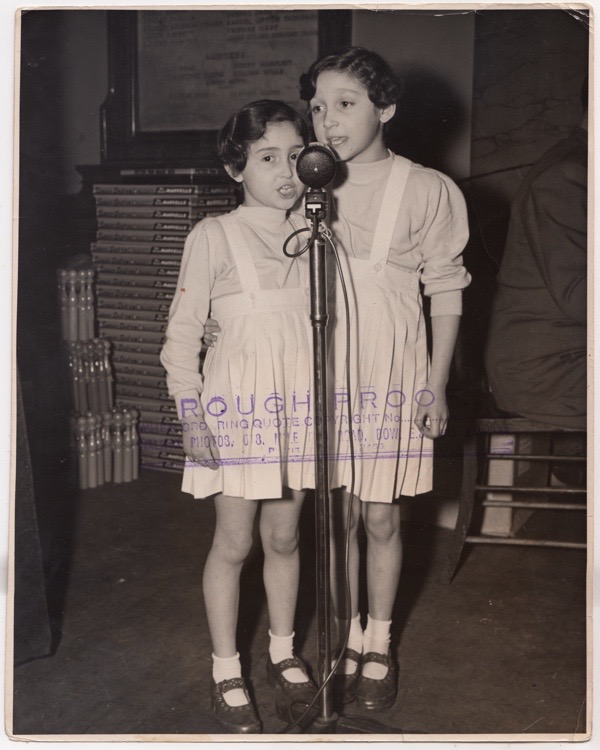
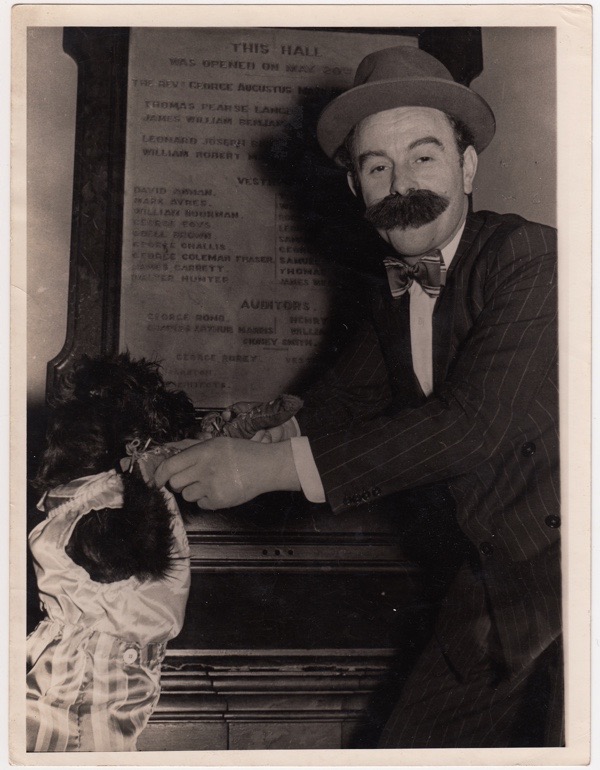
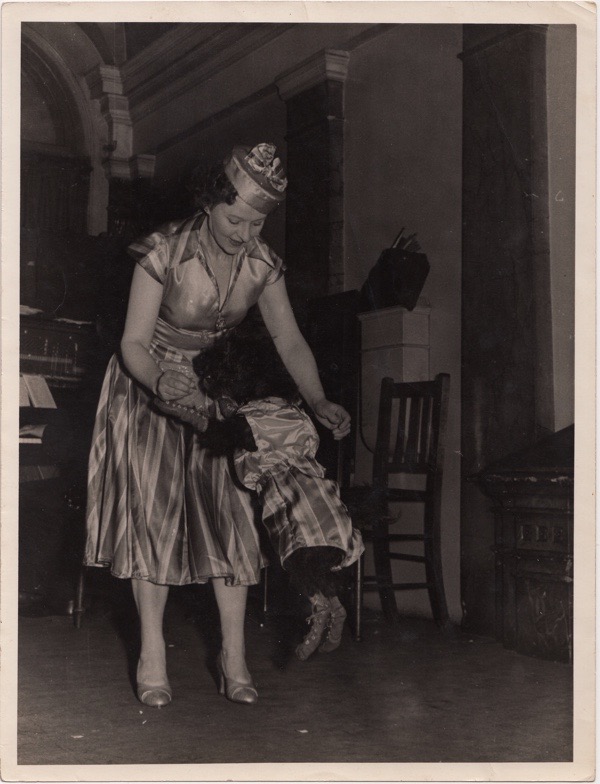
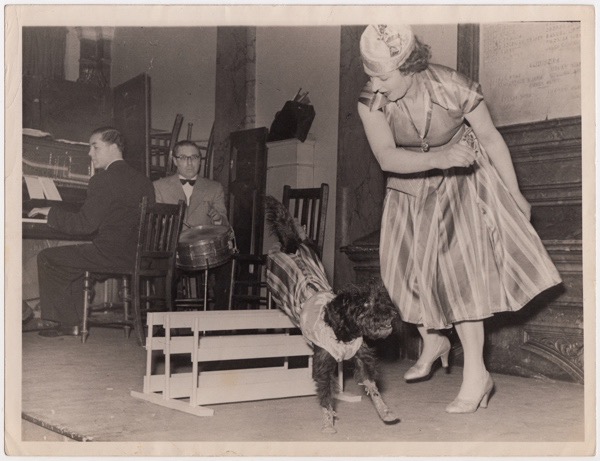
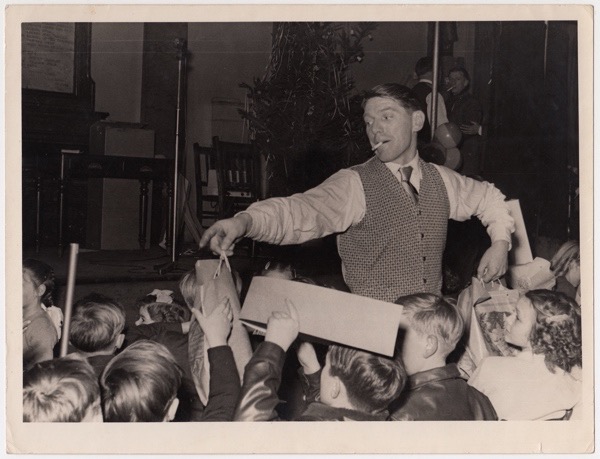
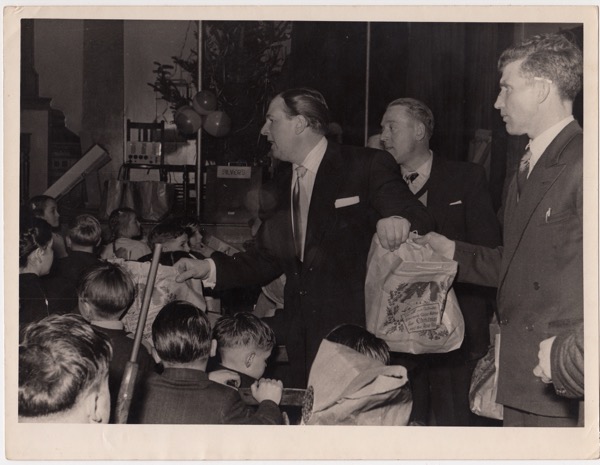
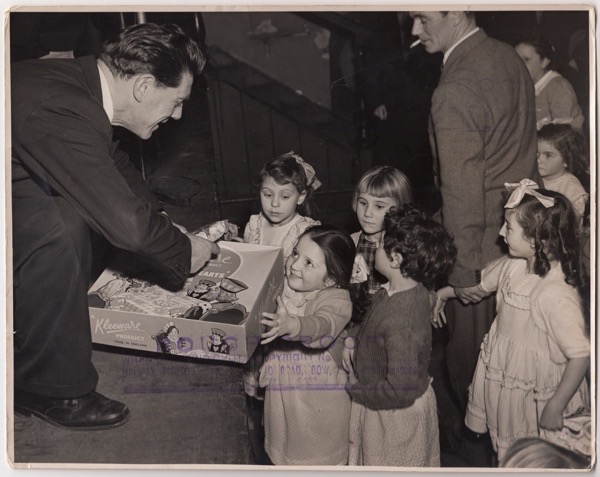
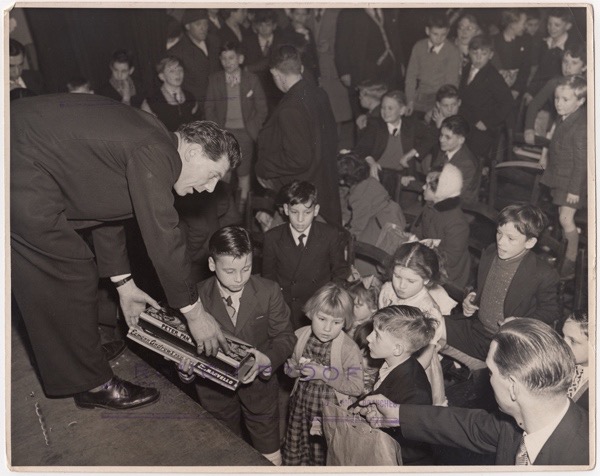
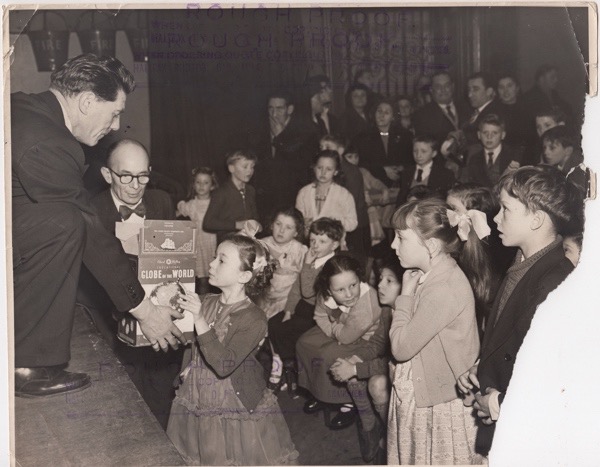
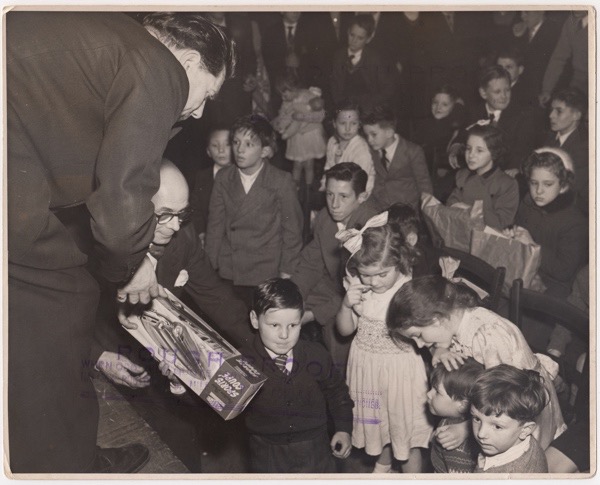
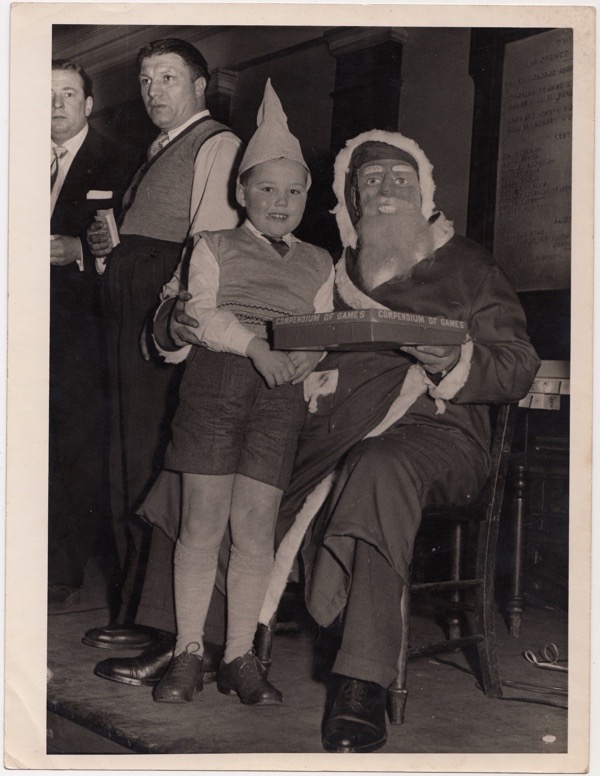
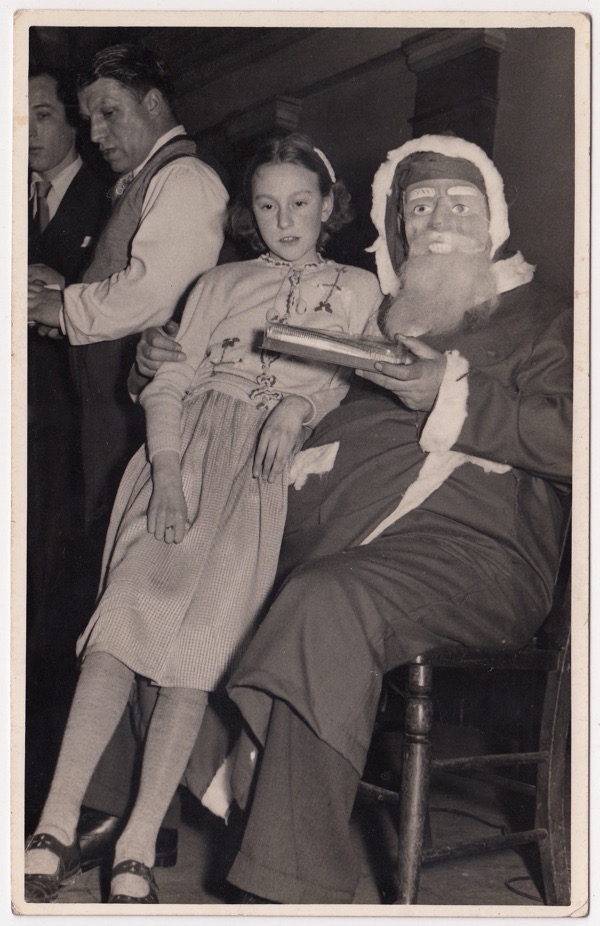
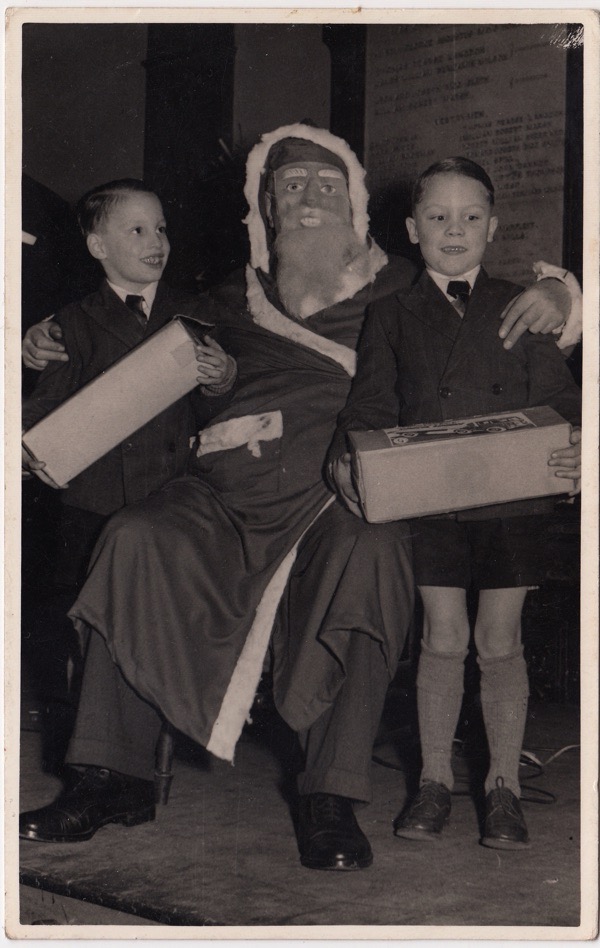
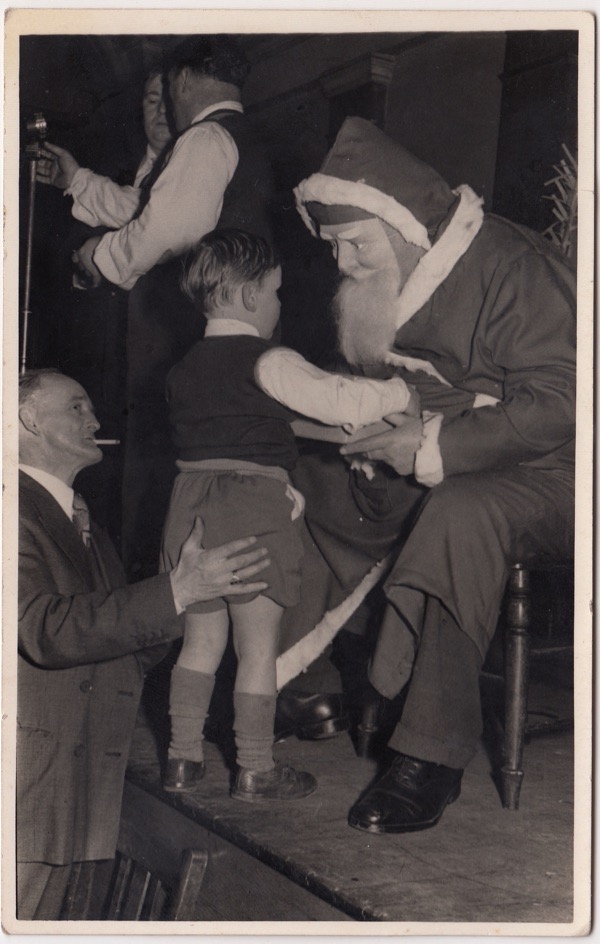
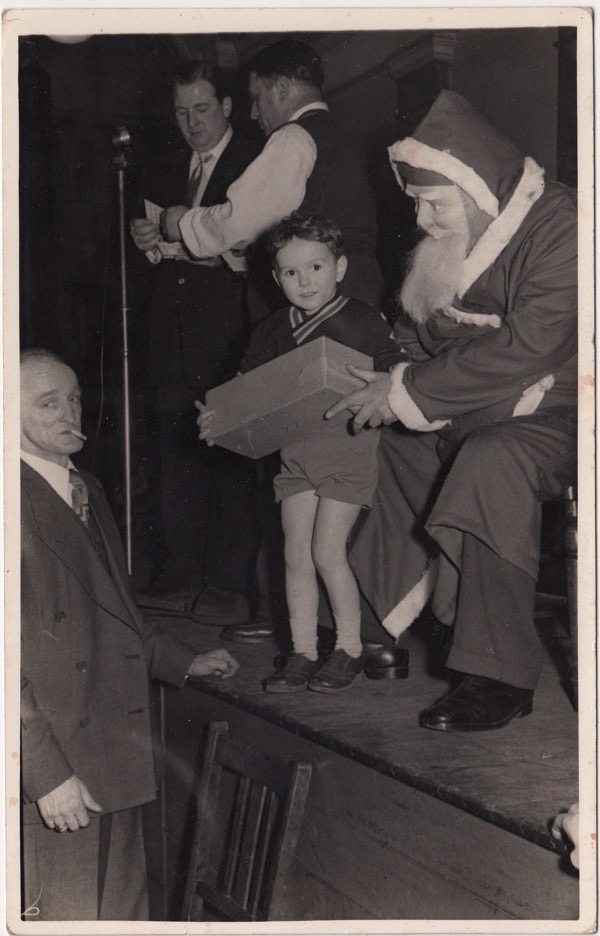
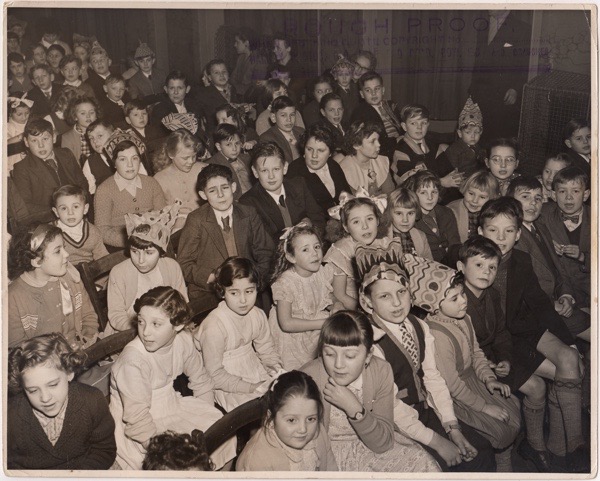
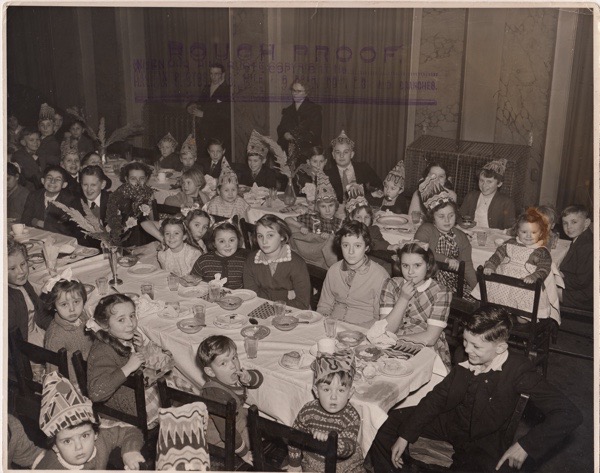
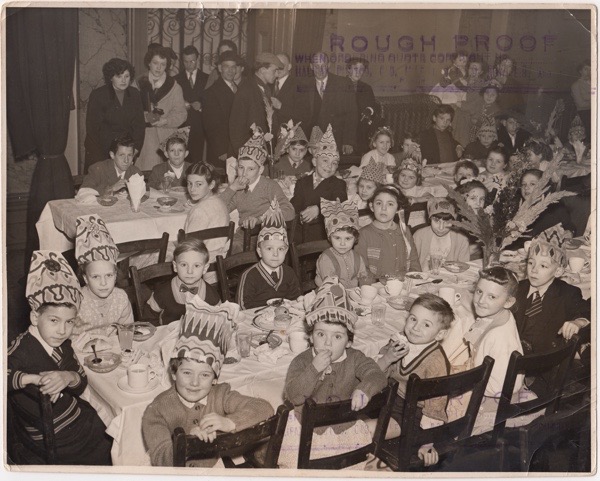
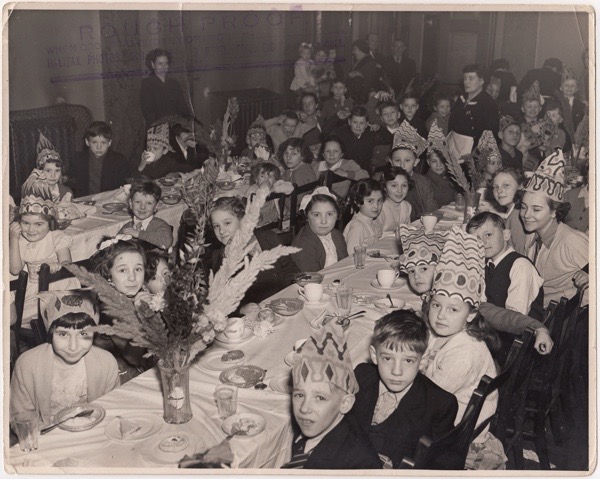
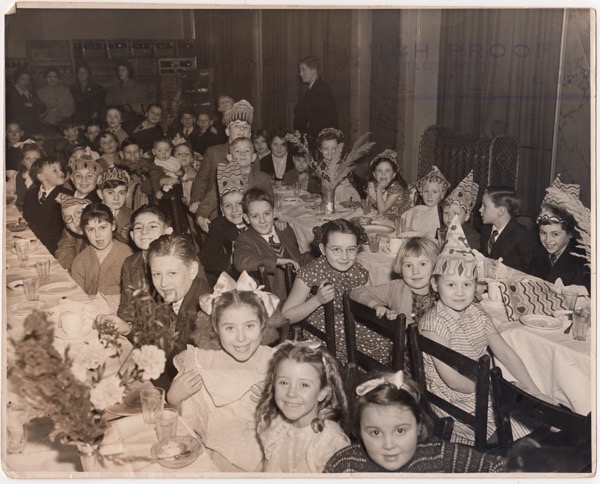
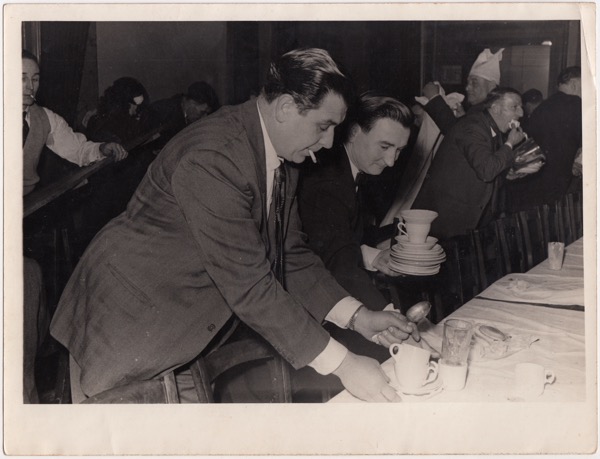
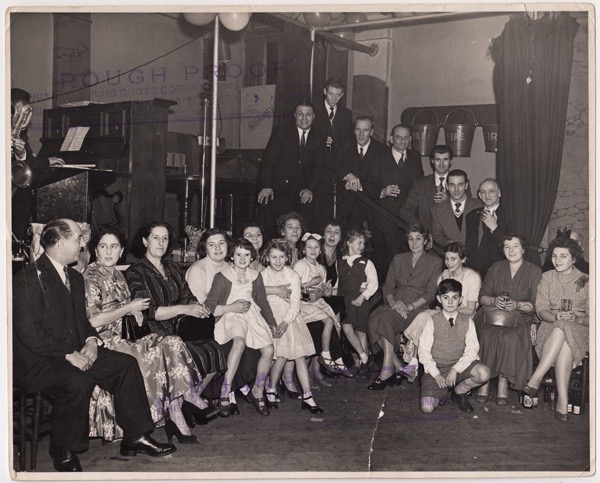
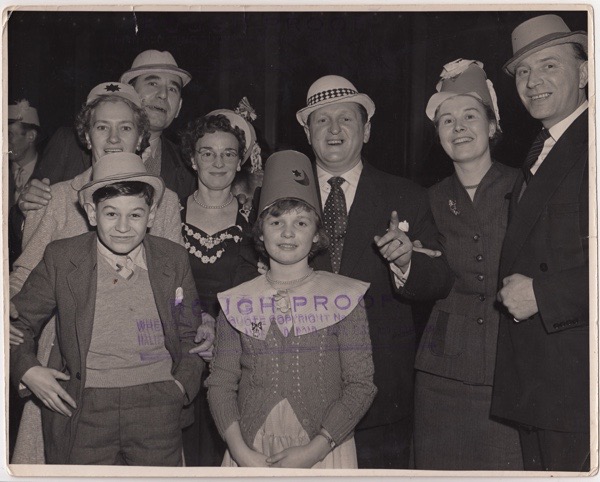
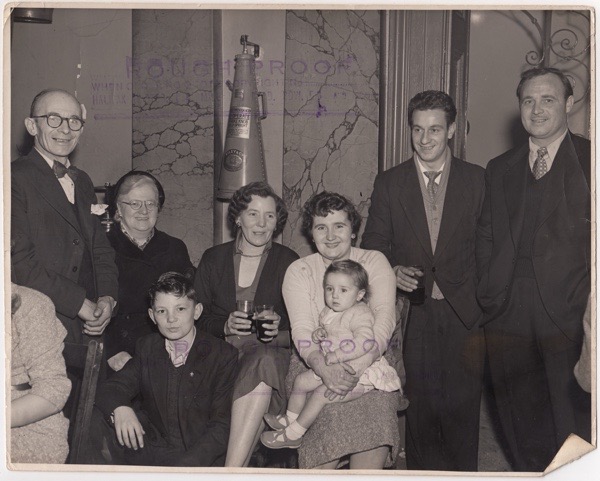
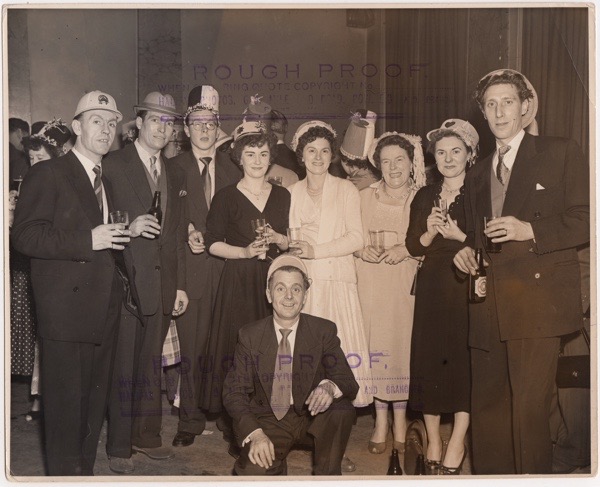
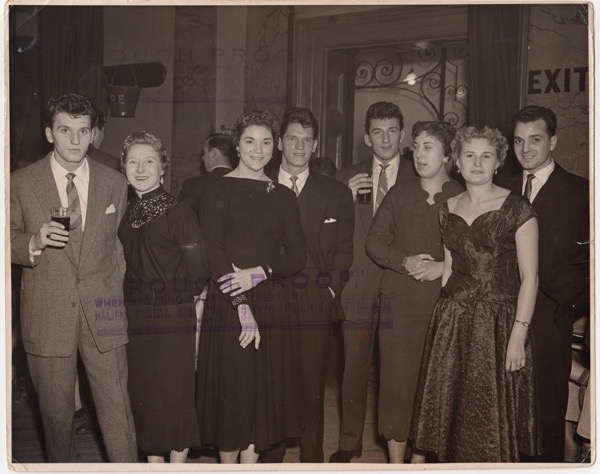
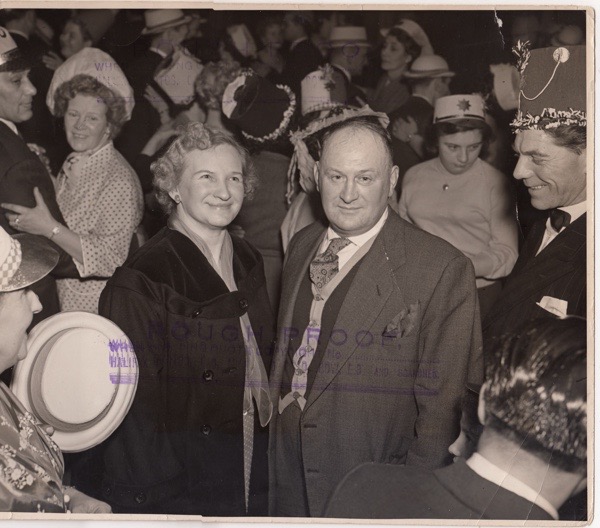
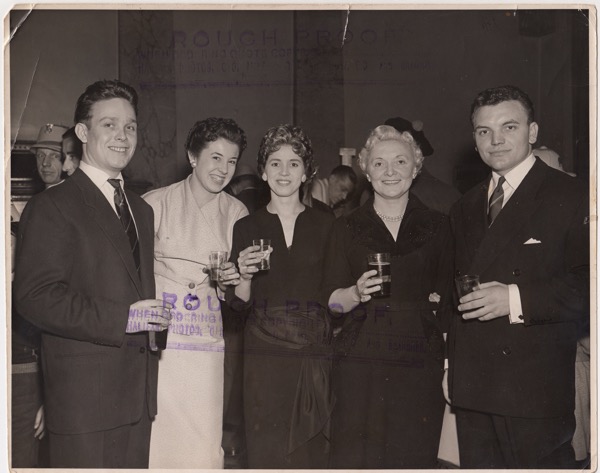
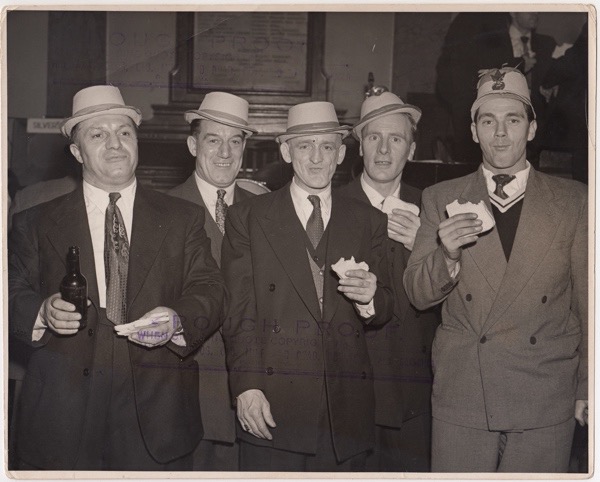
The van drivers of the Spitalfields Market certainly knew how to throw a party, as illustrated by this magnificent collection of photographs in the possession of George Bardwell who worked in the market from 1946 until the late seventies. George explained to me how the drivers saved up all year in a Christmas Club and hired Poplar Town Hall to stage shindigs for their families at this season. Everyone got togged up and tables overflowed with sponge cakes and jam tarts, there were presents for all and entertainments galore. Then, once the tables were cleared and the children safely despatched to their beds, it was time for some adult entertainment in the form of drinks and dancing until the early hours.
You may also like to take a look at












