
A Riverside Walk In the Eighties
David Rees sent me these photographs that he took in the streets within walking distance on either side of the Thames when he worked at Tower Hill in the eighties.
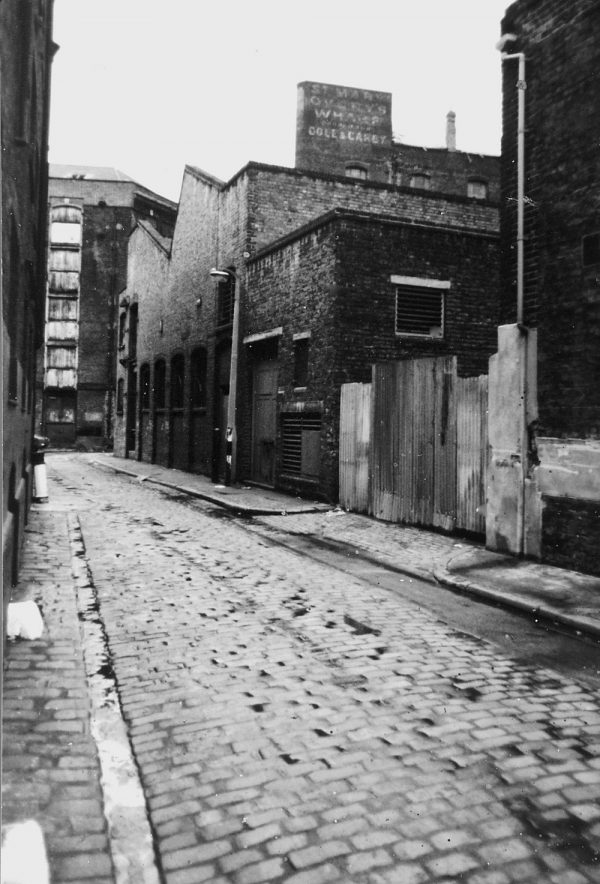
Cathedral St, SE1
“I took these photos when I was working at Trinity House in the early eighties just before the ‘regeneration’ of the London Docks. Crossing the river, it was five minutes’ walk to Shad Thames and ten minutes’ walk to the Liberty of the Clink. Walking east, it was ten minutes via St. Katharine Docks to Wapping where the streets smelt of cinnamon and mace on late summer evenings.” – David Rees
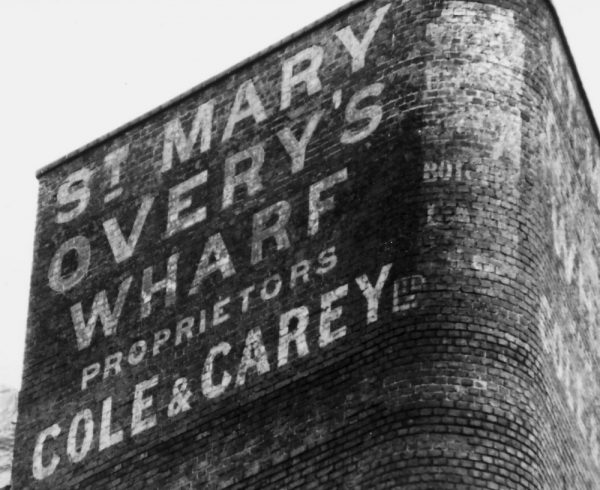
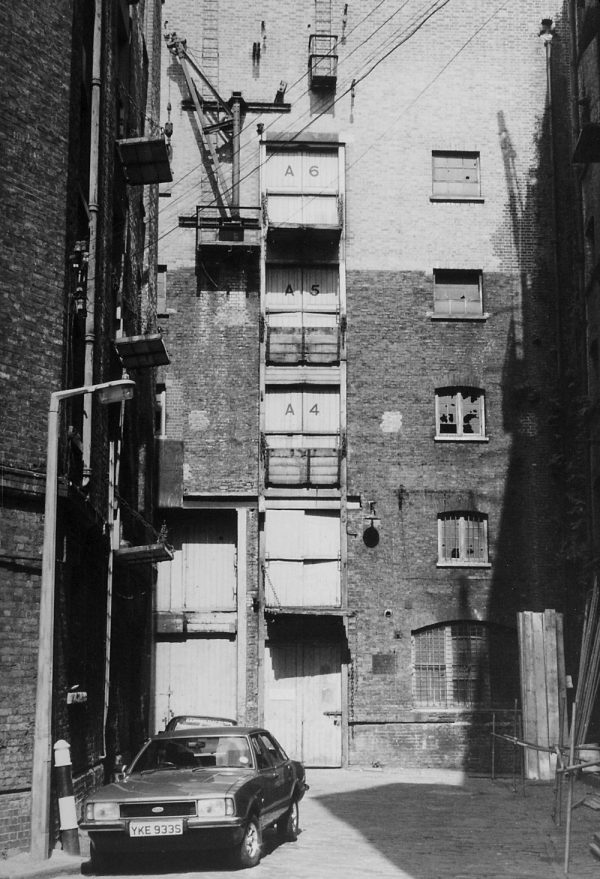
Winchester Sq
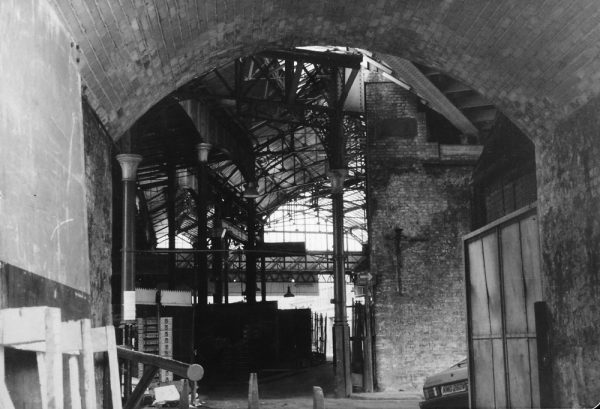
Borough Market
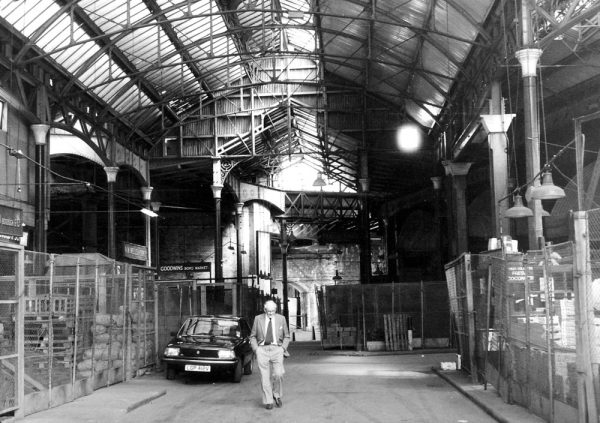
Borough Market
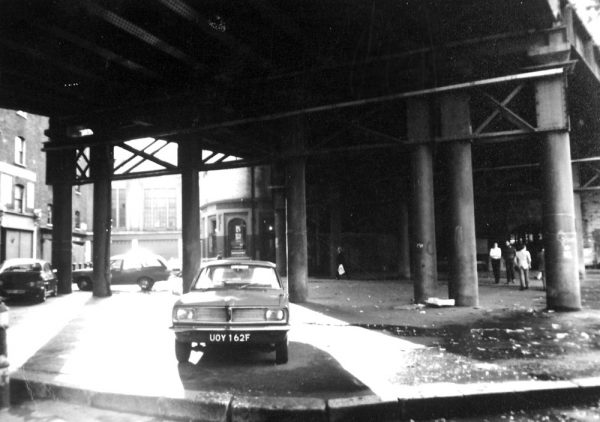
Borough Market
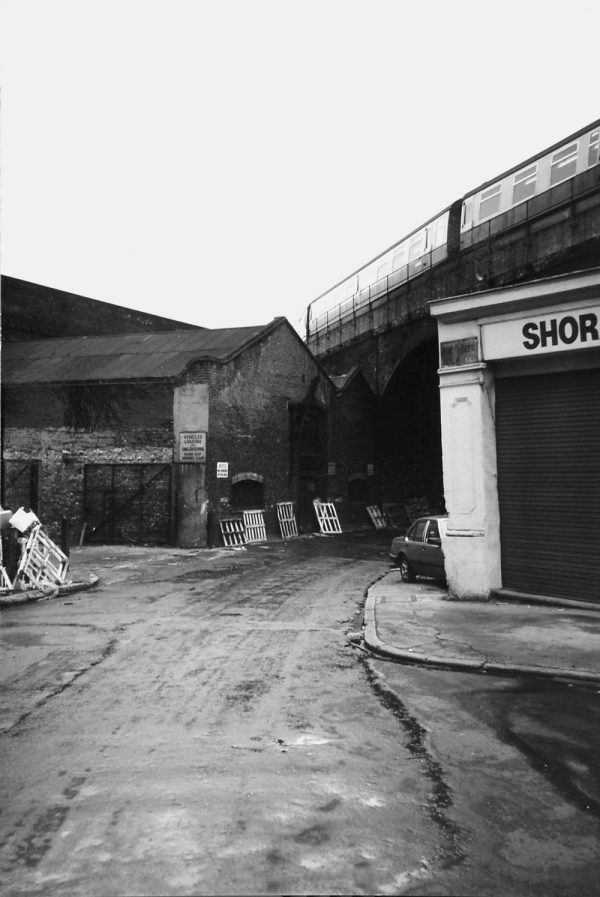
Rochester Walk
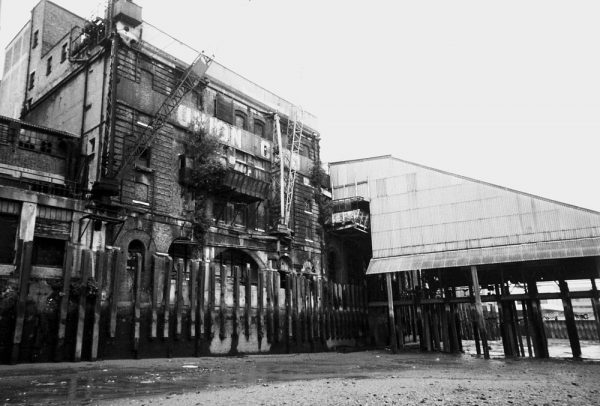
Nelson’s Wharf from Old Barge House Stairs
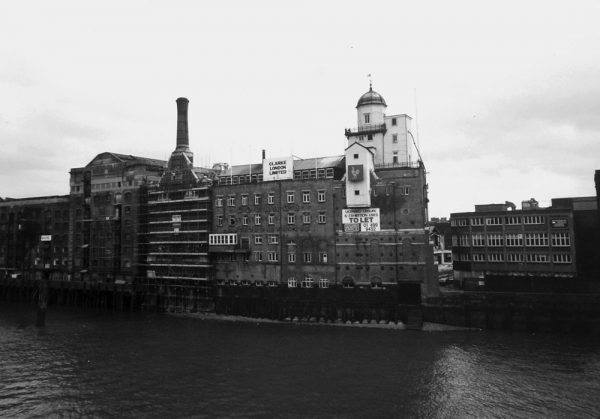
Anchor Brewery
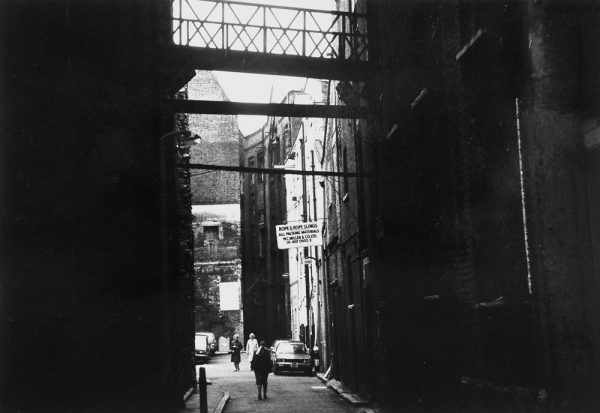
Clink St
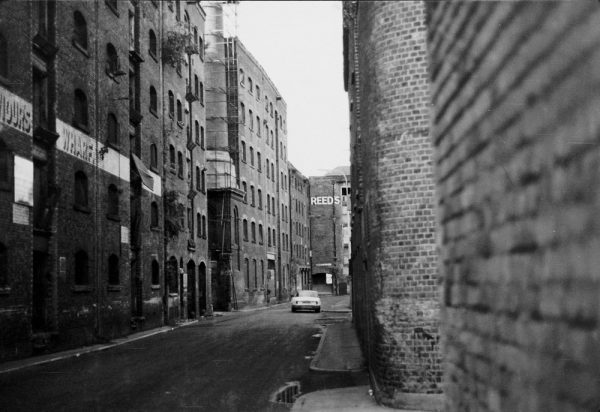
Mill St
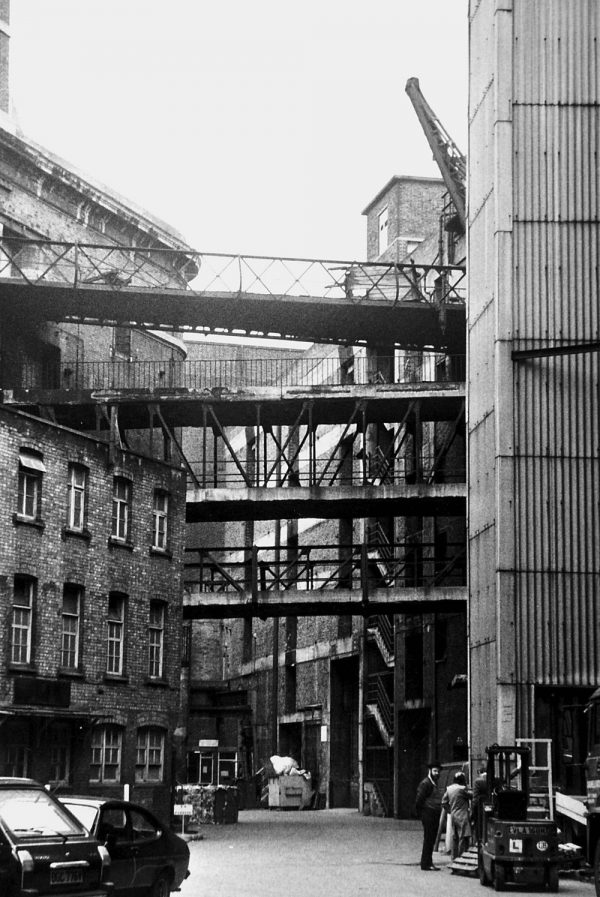
Hays Wharf
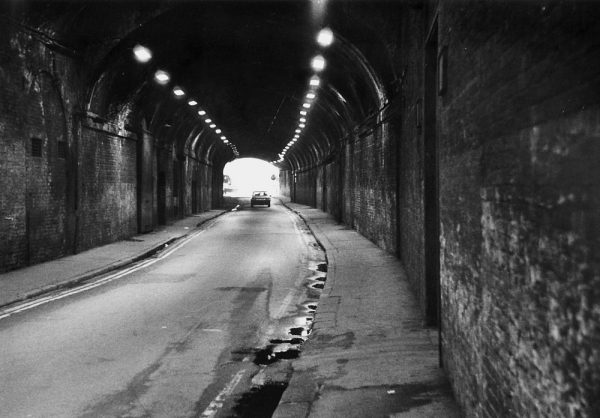
Weston St
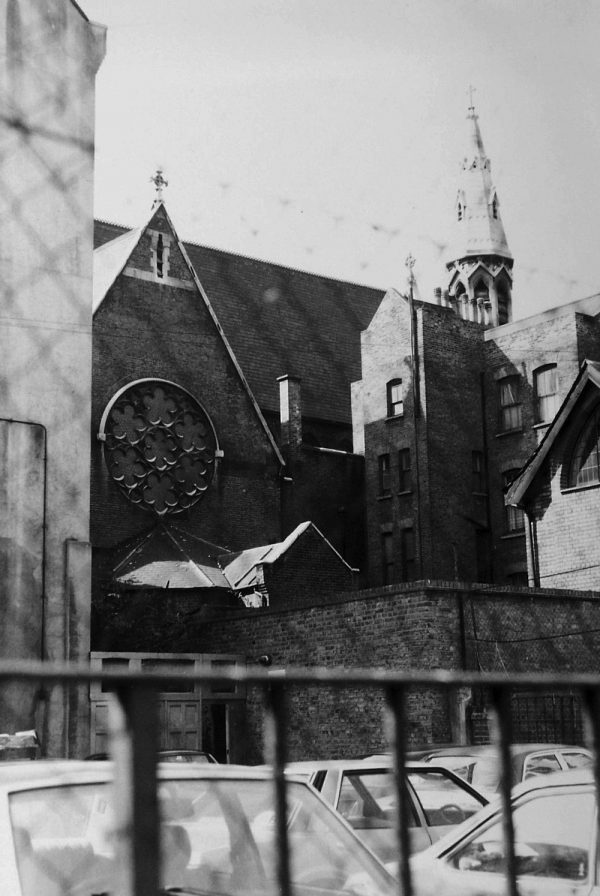
Church of the English Martyrs seen from Chamber St
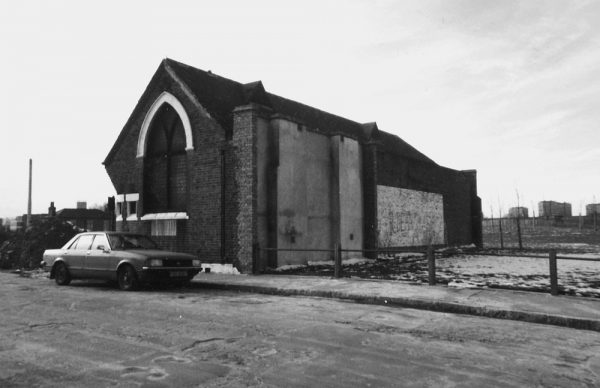
Longfellow Rd Mission
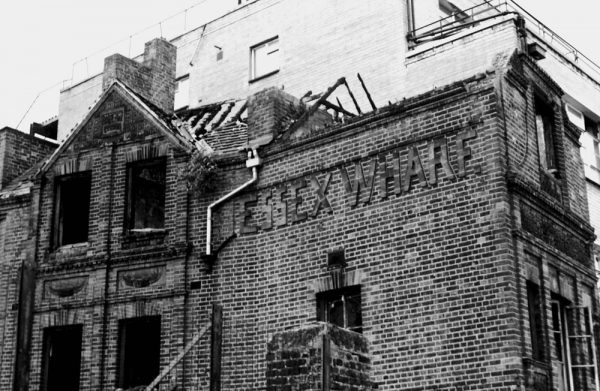
Essex Wharf
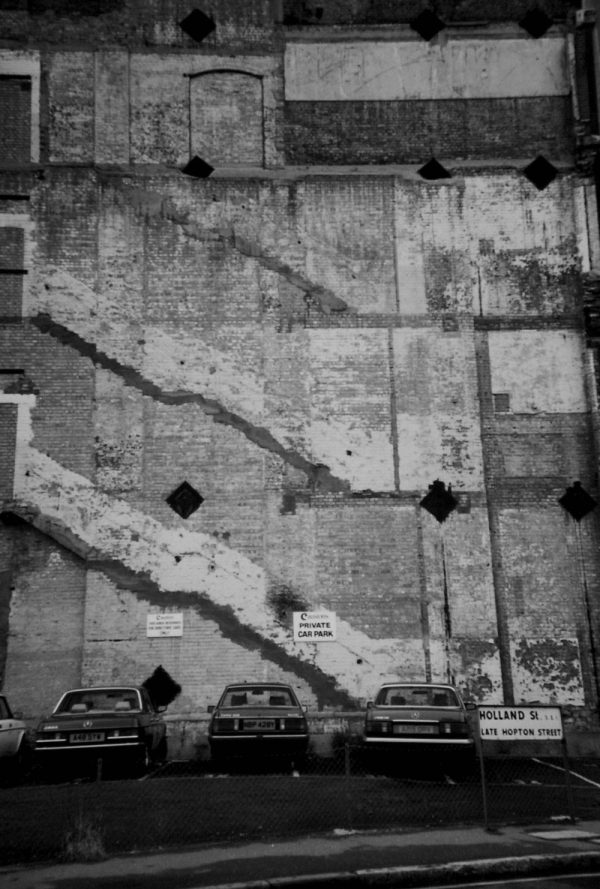
Holland St
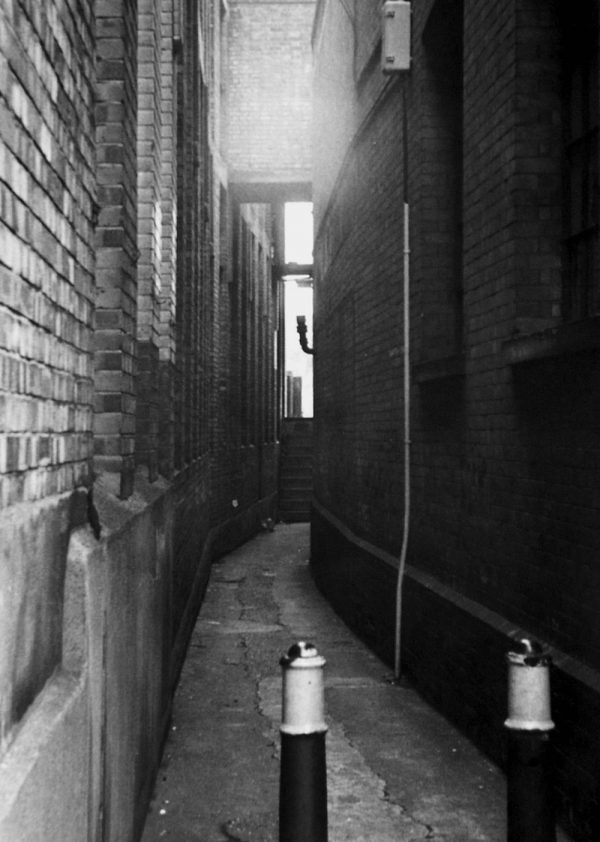
Wapping Old Stairs
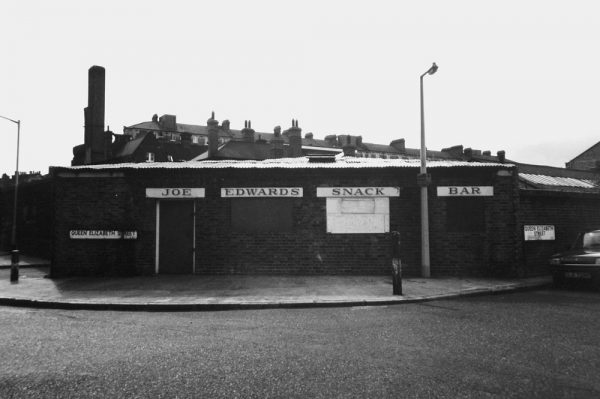
Queen Elizabeth St
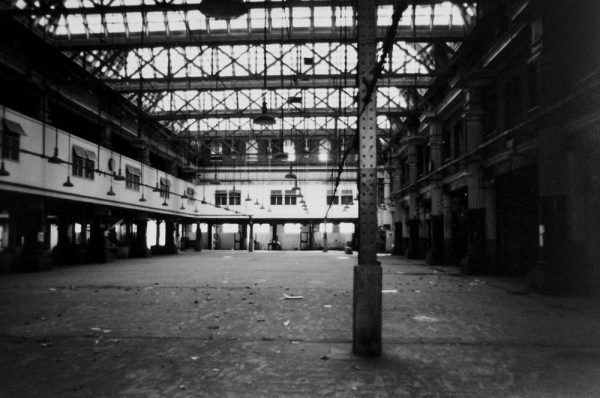
Billingsgate Market
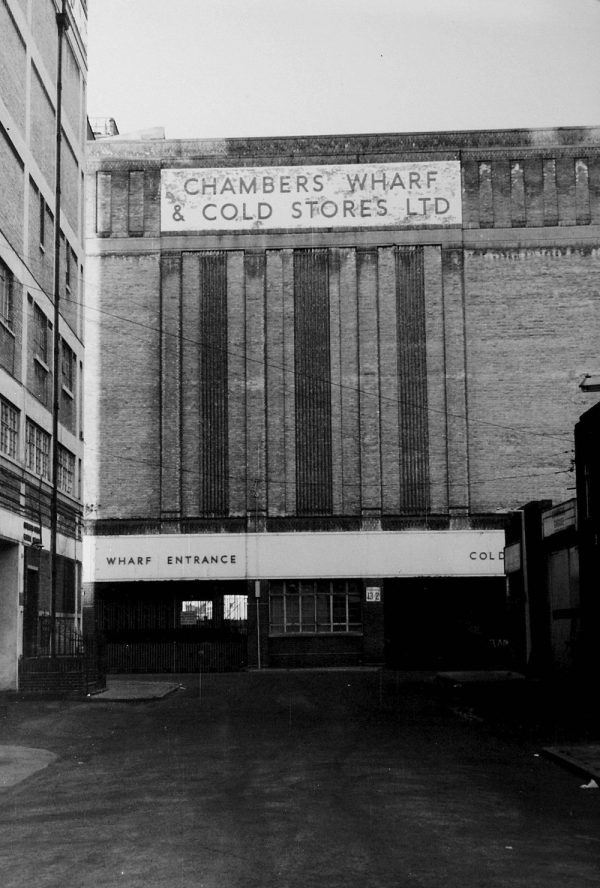
Chambers Wharf
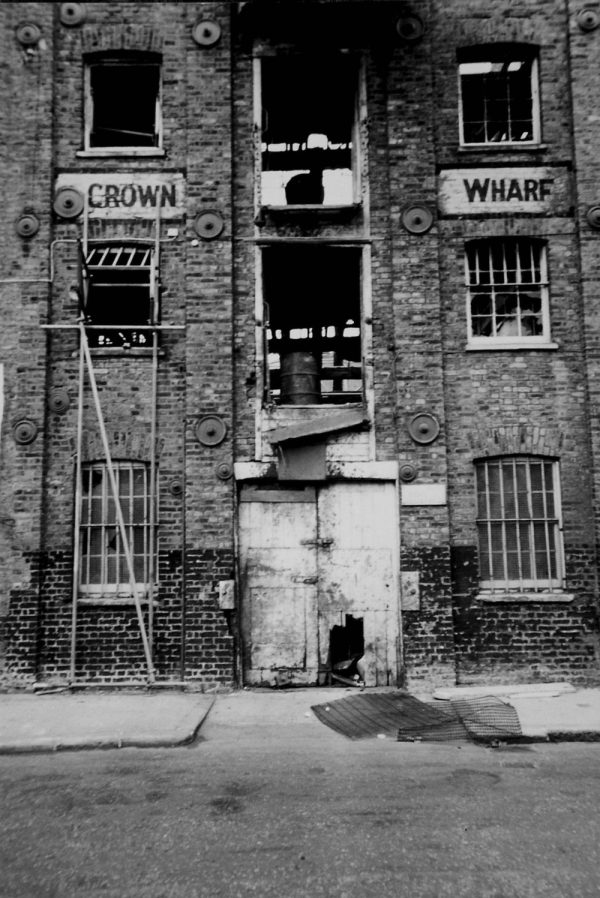
Crown Wharf
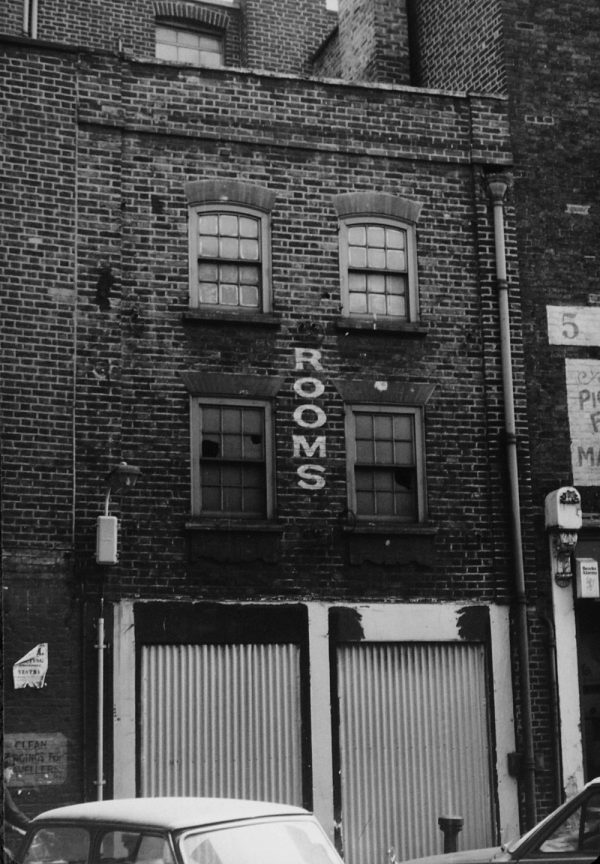
Green Dragon St
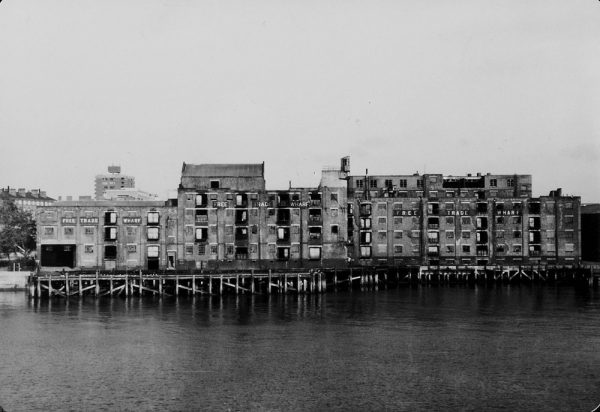
Free Trade Wharf
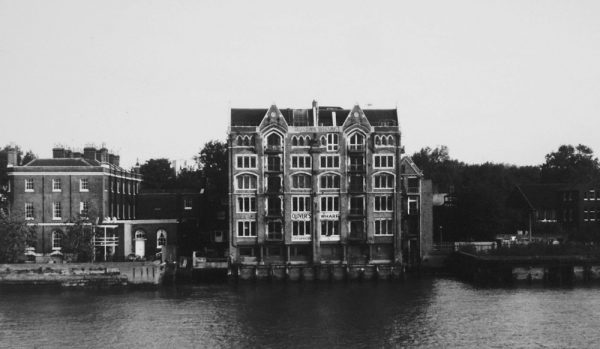
Oliver’s Wharf
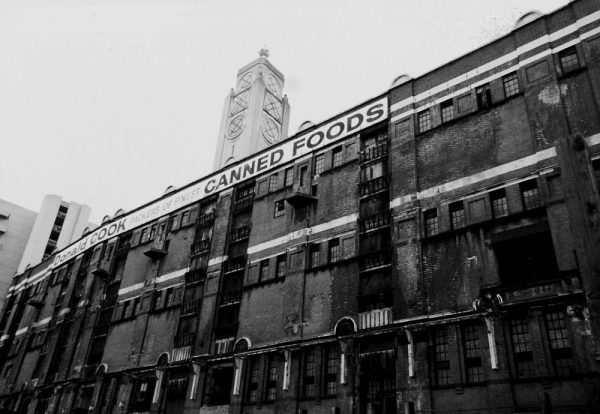
Oxo Tower
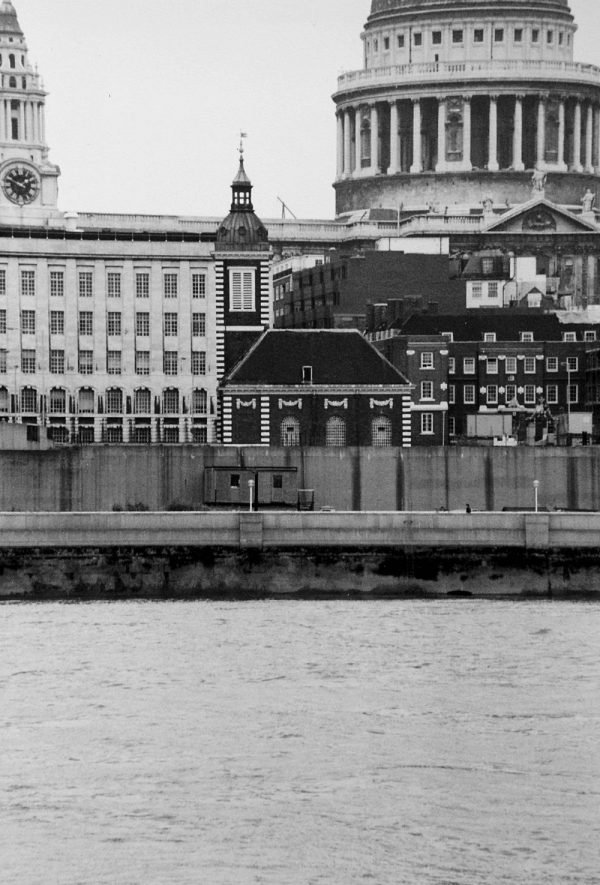
St Benet’s Wharf
Photographs copyright © David Rees
You may also like to take a look at
‘No Enemy But Winter & Rough Weather’

Archivist Stefan Dickers will be giving a lecture at the Hanbury Hall in Spitalfields next Tuesday 9th January at 7pm entitled THE TREASURES OF THE BISHOPSGATE INSTITUTE. As well as its celebrated London photographic collection featured in these pages, the Bishopsgate Archive houses Britain’s largest LBTQ+ collection.
Click here to book your ticket for THE TREASURES OF THE BISHOPSGATE INSTITUTE

‘No enemy but winter and rough weather…’ As You Like It
Every year at this low ebb of the season, I go to Columbia Rd Market to buy potted bulbs and winter-flowering plants which I replant into my collection of old pots from the market and arrange upon the oak dresser, to observe their growth at close quarters and thereby gain solace and inspiration until my garden shows convincing signs of new life.
Each morning, I drag myself from bed – coughing and wheezing from winter chills – and stumble to the dresser in my pyjamas like one in a holy order paying due reverence to an altar. When the grey gloom of morning feels unremitting, the musky scent of hyacinth or the delicate fragrance of the cyclamen is a tonic to my system, tangible evidence that the season of green leaves and abundant flowers will return. When plant life is scarce, my flowers in pots that I bought for just a few pounds each at Columbia Rd acquire a magical allure for me, an enchanted quality confirmed by the speed of their growth in the warmth of the house, and I delight to have this collection of diverse varieties in dishes to wonder at, as if each one were a unique specimen from an exotic land.
And once they have flowered, I place these plants in a cold corner of the house until I can replant them in the garden. As a consequence, my clumps of Hellebores and Snowdrops are expanding every year and thus I get to enjoy my plants at least twice over – at first on the dresser and in subsequent years growing in my garden.


Staffordshire figure of Orlando from As You Like It
At The Ceremony Of The Baddeley Cake
Archivist Stefan Dickers will be giving a lecture at the Hanbury Hall in Spitalfields next Tuesday 9th January at 7pm entitled THE TREASURES OF THE BISHOPSGATE INSTITUTE. As well as its celebrated London photographic collection featured in these pages, the Bishopsgate Archive houses Britain’s largest LBTQ+ collection.
Click here to book your ticket for THE TREASURES OF THE BISHOPSGATE INSTITUTE
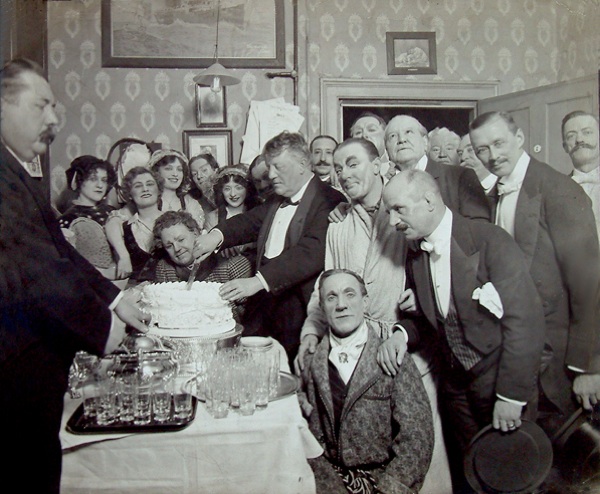
Harry Nicholls cuts the Baddeley Cake with the cast of ‘Babes in the Wood’ in 1908
Last night, an excited throng at Drury Lane celebrated London’s oldest theatrical tradition, the cutting of the Baddeley Cake, which has been taking place on Twelfth Night since 1795.
After the performance, members of the cast gathered for the ceremony in the palatial neo-classical theatre bar dating from 1821, in front of a large party of fellow actors and actresses who have trod the boards of the Theatre Royal Drury Lane in former years, and whoever is currently starring cuts the cake. Liberal servings of strong punch containing wine, brandy and gin, concocted by the Theatre Manager to a secret recipe handed down through the centuries, always ensure that the evening goes with a swing. In recent years, the cake has been themed to the show running at the theatre and when I attended a huge chocolate cake was cunningly baked in the shape of a Wonka bar by a Master Chocolatier.
It is an occasion coloured with sentiment as the performers, still flushed from the night’s performance, recognise their part in this theatre’s long history while retired actors fill with nostalgic emotion to be reunited with old friends and recall happy past times at Drury Lane. This splendid event is organised annually by the Drury Lane Theatrical Fund which was founded by the great actor-manager David Garrick in 1766 to provide pensions to performers from Drury Lane and still functions today, for this notoriously most-uncertain of professions, offering support to senior actors down on their luck.
Twelfth Cake was a medieval tradition that is the origin of our contemporary Christmas Cake. Originally part of the feast of Epiphany, the cake was baked with a bean inside and whoever got the slice with the bean was crowned King of Misrule. The Baddeley Cake is the last surviving example of this ancient custom of the Twelfth Cake and – appropriately enough – owes its name to Robert Baddeley, a pastry chef who became a famous actor, and left a legacy to the Drury Lane Fund to “provide cake and wine for the performers in the green room of Drury Lane Theatre on Twelfth Night.”
A Cockney by origin, Robert Baddeley was pastry chef to the actor Samuel Foote when he grew stage-struck and asked his employer, who was performing at Drury Lane, if he could join him on the stage. “You are a good cook, why do you want to be a bad actor?” queried Foote, dismissing the request, but offering to find him a role on the stage if Baddeley was still keen in a year’s time.
With theatrical daring, Baddeley left his employer, travelled the continent for a year and returned to marry Sophia Snow, the glamorous daughter of George III’s State Trumpeter. On the anniversary of his original request, he presented himself at the Stage Door of the Theatre Royal, Drury Lane, and asked Foote for the job which he had been promised. In fact, Baddeley turned out to be a talented actor and quickly made a name for himself in comic roles, playing foreigners. The attractive Sophia Baddeley was also offered roles, exploiting her musical abilities and natural charms, and her husband arranged with the management to pocket both their salaries himself. Perhaps unsurprisingly, it proved to be a volatile marriage, especially when she took revenge on her husband by working her way through all the male members of the company.
The situation came to crisis in a duel over Sophia Baddeley’s honour between George Garrick (David’s brother) and Robert Baddeley in Hyde Park, yet she managed to reconcile the opponents with a suitably theatrical demonstration of her astonishing powers of persuasion. It appears that the constant tide of marital scandal published in the newspapers did no harm to the careers of either Mr & Mrs Baddeley.
Eventually, Robert Baddeley became a permanent member of His Majesties Company of Comedians at Drury Lane at a salary of twelve pounds a week. He was best known for originating the role of Moses in ‘The School for Scandal’ which premiered at Drury Lane in 1777, and it was in costume for this character that he collapsed on stage on November 19th 1794 and died at home in Store St next morning.
Baddeley’s will extended to seventy pages, including the legacy of his house in Moulsey as an asylum for decayed actors and a three pound annuity for the provision of an annual Twelfth Cake and punch for the performers at Drury Lane. The asylum failed because the old actors did not like being labelled as decayed, so the property was sold and his estate merged with the Drury Lane Theatrical Fund – but the annual ceremony of the cake which bears his name lives on.
Each year before the Baddeley Cake is cut, the Master of the Fund proposes a toast to Robert Baddeley and everyone raises their glasses of punch in celebration of London’s oldest living theatrical tradition and in remembrance of the Cockney pastry chef who fulfilled his dream of becoming an actor.
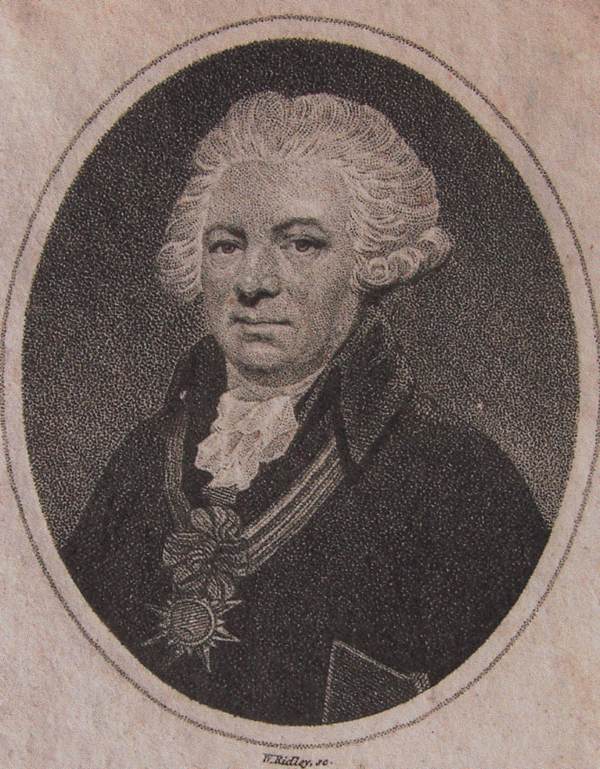
Robert Baddeley (1733-1794) The pastry chef who became a famous actor
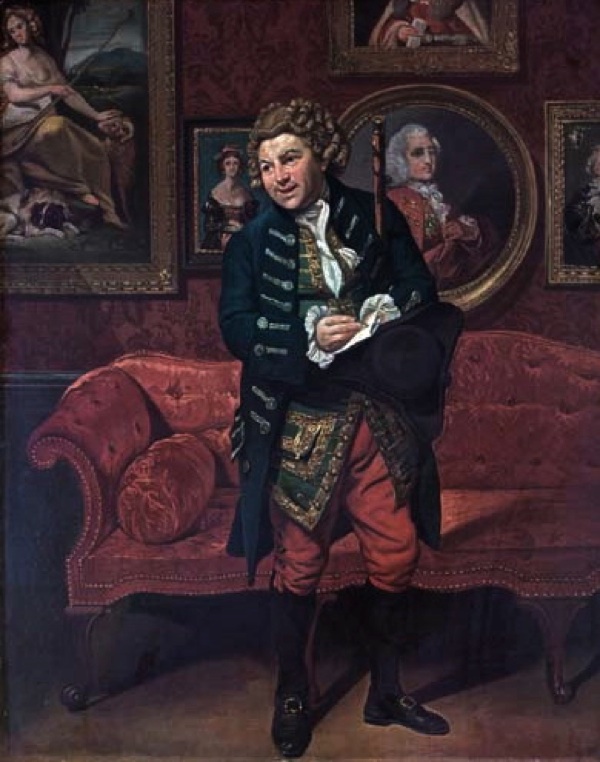
Painted by Zoffany, Robert Baddeley as Moses in Sheridan’s “The School for Scandal,” which premiered at Theatre Royal Drury Lane in 1777
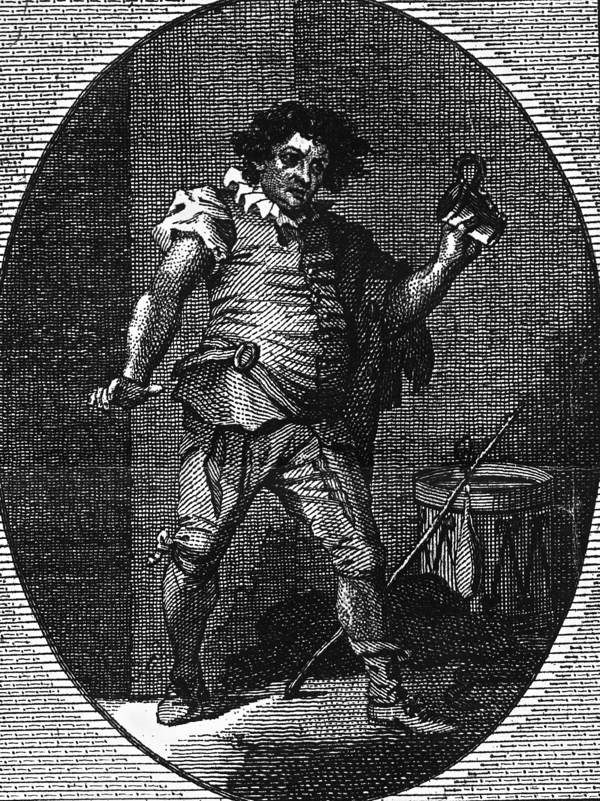
Robert Baddeley “I have taken my last draught in this world” Henry IV Part II
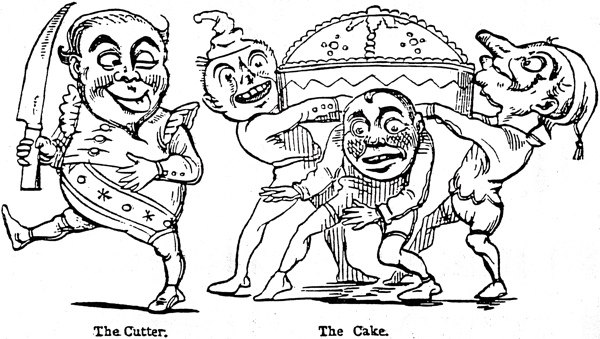
Baddeley’s Twelfth Cake
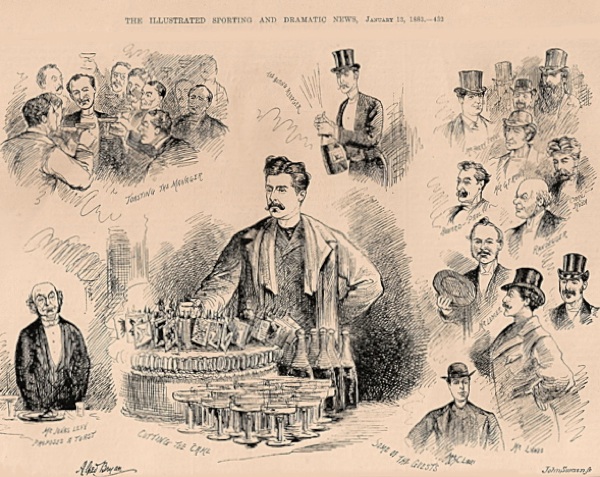
William Terriss cuts the Baddeley cake in 1883
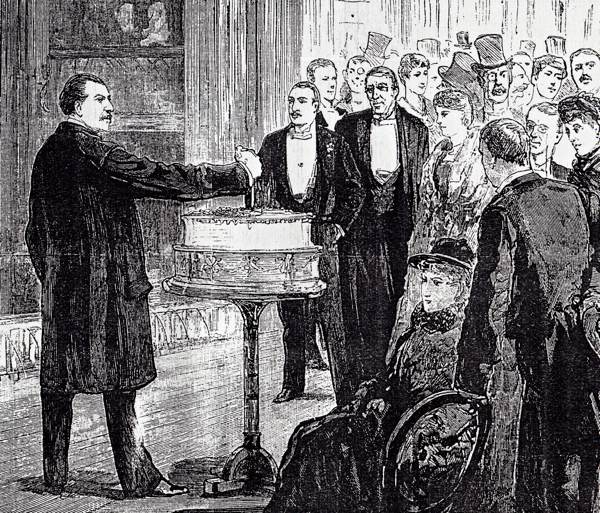
Cutting the Baddeley Cake on the stage of Drury Lane in 1890
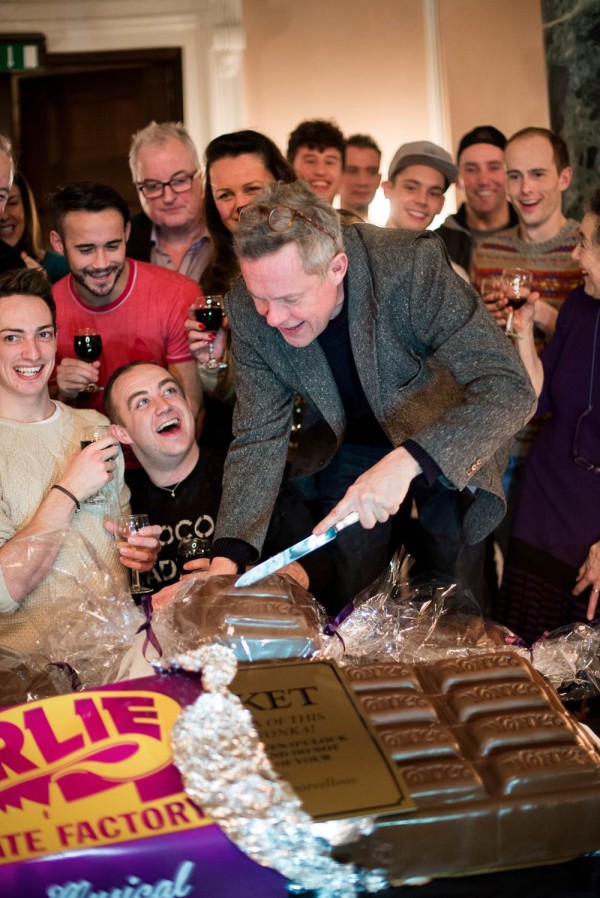
Alex Jennings (starring as Willie Wonka) cuts the Baddeley Cake, accompanied by the cast of “Charlie & The Chocolate Factory”
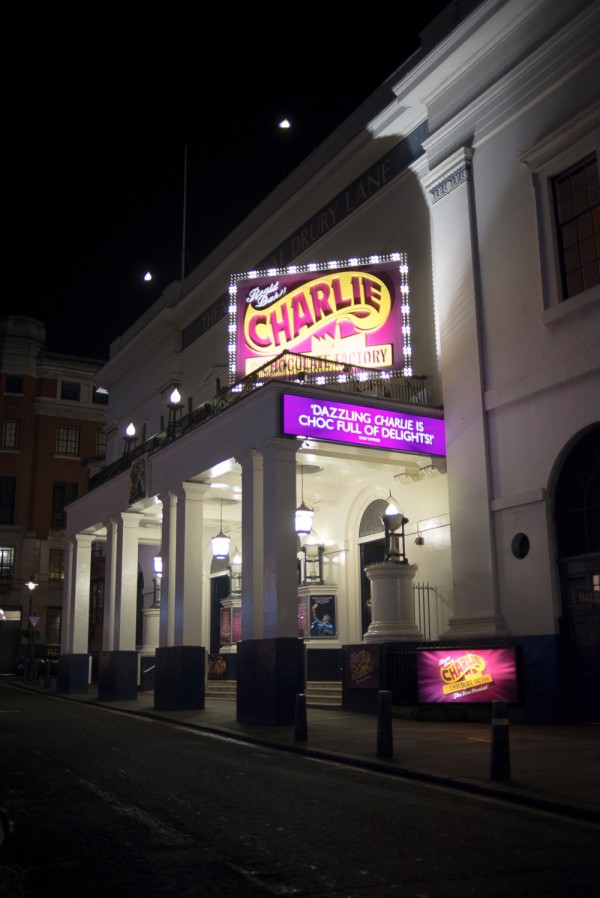
Theatre Royal Drury Lane
New photographs copyright © Sarah Ainslie
Click here to learn more about the Drury Lane Theatrical Fund
Charles Goss’ Vanishing City
Archivist Stefan Dickers will be giving a lecture at the Hanbury Hall in Spitalfields next Tuesday 9th January at 7pm entitled THE TREASURES OF THE BISHOPSGATE INSTITUTE. As well as its celebrated London photographic collection featured in these pages, the Bishopsgate Archive houses Britain’s largest LBTQ+ collection.
Click here to book your ticket for THE TREASURES OF THE BISHOPSGATE INSTITUTE

33 Lime St
A man gazed from the second floor window of 33 Lime St in the City of London on February 10th 1911 at an unknown photographer on the pavement below. He did not know the skinny man with the camera and wispy moustache was Charles Goss, archivist at the Bishopsgate Institute, who made it part of his work to record the transient city which surrounded him.
Around fifty albumen silver prints exist in the archive – from which these pictures are selected and published for the first time today – each annotated in Goss’ meticulous handwriting upon the reverse and most including the phrase “now demolished.” Two words that resonate through time like the tolling of a knell.
It was Charles Goss who laid the foundation of the London collection at the Institute, spending his days searching street markets, bookshops and sale rooms to acquire documentation of all kinds – from Cries of London prints to chapbooks, from street maps to tavern tokens – each manifesting different aspects of the history of the great city.
Such was his passion that more than once he was reprimanded by the governors for exceeding his acquisition budget and, such was his generosity, he gathered a private collection in parallel to the one at the library and bequeathed it to the Institute on his death. Collecting the city became Goss’ life and his modest script is to be discovered everywhere in the archive he created, just as his guiding intelligence is apparent in the selection of material that he chose to collect.
It is a logical progression from collecting documents to taking photographs as a means to record aspects of the changing world and maybe Goss was inspired by the Society for Photographing the Relics of Old London in the eighteen-eighties, who set out to photograph historic buildings that were soon to be destroyed. Yet Goss’ choice of subject is intriguing, including as many shabby alleys and old yards as major thoroughfares with overtly significant edifices – and almost everything he photographed is gone now.
It is a curious side-effect of becoming immersed in the study of the past that the present day itself grows more transient and ephemeral once set against the perspective of history. In Goss’ mind, he was never merely taking photographs, he was capturing images as fleeting as ghosts, of subjects that were about to vanish from the world. The people in his pictures are not party to his internal drama yet their presence is even more fleeting than the buildings he was recording – like that unknown man gazing from that second floor window in Lime St on 10th February 1911.
To judge what of the present day might be of interest or importance to our successors is a subject of perennial fascination, and these subtle and melancholic photographs illustrate Charles Goss’ answer to that question.

14 Cullum St, 10th February 1910

3, 4 & 5 Fenchurch Buildings, Aldgate, 28th October 1911

71-75 Gracechurch St, 1910
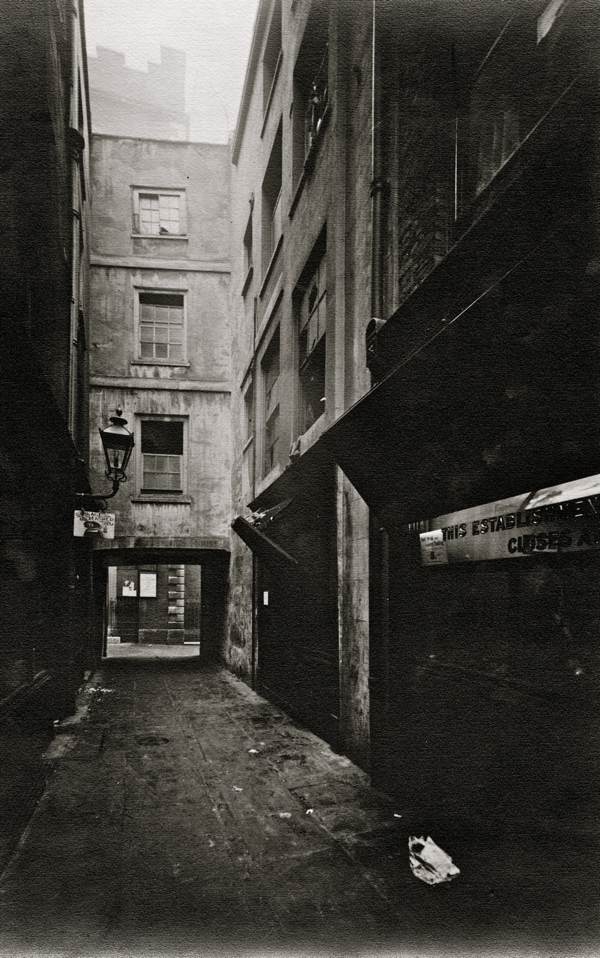
Botolph’s Alley showing 7 Love Lane, 16th December 1911

6 Catherine Court looking east, 8th October 1911

Bury St looking east, 3rd July 1911

Corporation Chambers, Church Passage, Cripplegate, 31st January 1911 – now demolished

Fresh Wharf. Lower Thames St, 28th January 1912

Gravel Lane, looking south-west, 11th October 1910
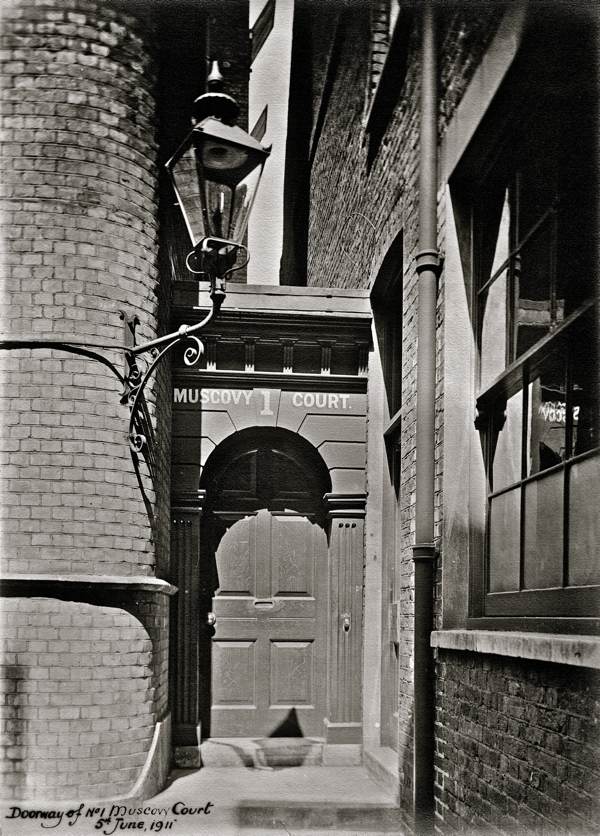
1 Muscovy Court, 5th June 1911

3 New London St, 28th January 1912

4 Devonshire Sq

52 Gresham St, 17th September 1911

9-11 Honey Lane Market, Cheapside, 16th October 1910

Crutched Friars looking east from 37, 11th February 1911

Crutched Friars looking east, 28th October 1911

35 & 36 Crutched Friars, 28th January 1912

Yard of 36 Crutched Friars looking north, 11th February 1912

Yard of 36 Crutched Friars looking south, February 11th 1912

Old Broad St looking south, 24th July 1911
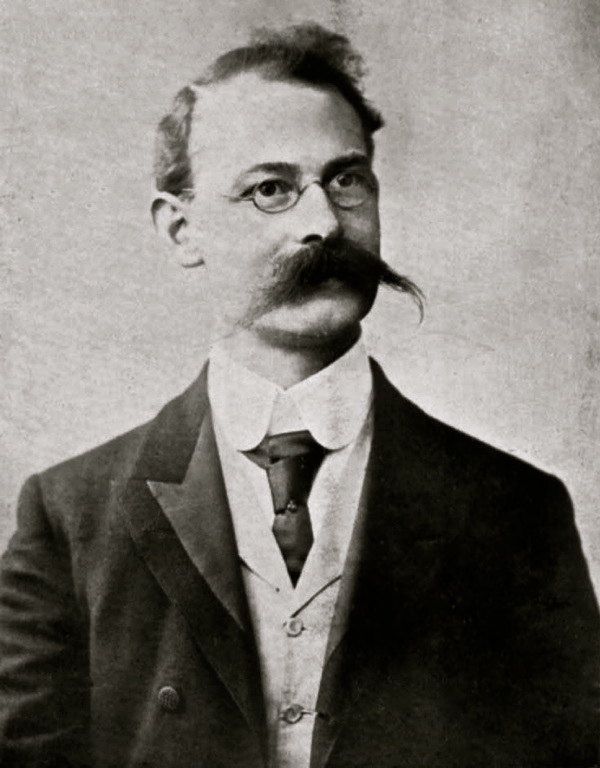
Charles Goss (1864-1946)
Photographs courtesy Bishopsgate Institute
You may also like to take a look at
and see more of Goss’ photography
A Room To Let In Old Aldgate
Archivist Stefan Dickers will be giving a lecture at the Hanbury Hall in Spitalfields next Tuesday 9th January at 7pm entitled THE TREASURES OF THE BISHOPSGATE INSTITUTE. As well as its celebrated London photographic collection featured in these pages, the Bishopsgate Archive houses Britain’s largest LBTQ+ collection.
Click here to book your ticket for THE TREASURES OF THE BISHOPSGATE INSTITUTE

I would dearly love to rent the room that is to let in this old building in Aldgate, photographed by Henry Dixon for the Society for Photographing Relics of Old London. Too bad it was demolished in 1882. Instead I must satisfy myself with an imaginary stroll through the streets of that long lost city, with these tantalising glimpses of vanished buildings commissioned by the Society as my points of reference. Founded by a group of friends who wanted to save the Oxford Arms, threatened with demolition in 1875, the Society for Photographing Relics of Old London touched a popular chord with the pictures they published of age-old buildings that seem to incarnate the very soul of the ancient city. London never looked so old as in these atmospheric images of buildings forgotten generations ago.
Yet the melancholy romance of these ramshackle, shabby edifices is irresistible to me. I need to linger in the shadows of their labyrinthine rooms, I want to scrutinise their shop windows, I long to idle in these gloomy streets – because the truth is these photographs illustrate an imaginary old London that I should like to inhabit, at least in my dreams. Even to a nineteenth century eye, these curious photographs would have proposed a heightened reality, because the people are absent. Although the long exposures sometimes captured the few that stood still, working people are mostly present only as shadows or fleeting transparent figures. The transient nature of the human element in these pictures emphasises the solidity of the buildings which, ironically, were portrayed because they were about to disappear too. Thus Henry Dixon’s photographs preserved in the Bishopsgate Insitute are veritable sonnets upon the nature of ephemerality – the people are disappearing from the pictures and the buildings are vanishing from the world, only the photographs themselves printed in the permanent carbon process survive to evidence these poignant visions now.
The absence of people in this lost city allows us to enter these pictures by proxy, and the sharp detail draws us closer to these streets of extravagant tottering old piles with cavernous dour interiors. We know our way around, not simply because the geography remains constant but because Charles Dickens is our guide. This is the London that he knew and which he romanced in his novels, populated by his own versions of the people that he met in its streets. The very buildings in these photographs appear to have personality, presenting dirty faces smirched with soot, pierced with dark eyes and gawping at the street.
How much I should delight to lock the creaky old door, leaving my rented room in Aldgate, so conveniently placed above the business premises of John Robbins, the practical optician, and take a stroll across this magical city, where the dusk gathers eternally. Let us go together now, on this cloudy January day, through the streets of old London. We shall set out from my room in Aldgate over to Smithfield and Clerkenwell, then walk down to cross the Thames, explore the inns of Southwark and discover where our footsteps lead …

This row of shambles was destroyed for the extension of the Metropolitan Railway from Aldgate to Tower Hill, 1883.

Sir Paul Pindar’s House in Bishopsgate was moved to the Victoria & Albert Museum in 1890.
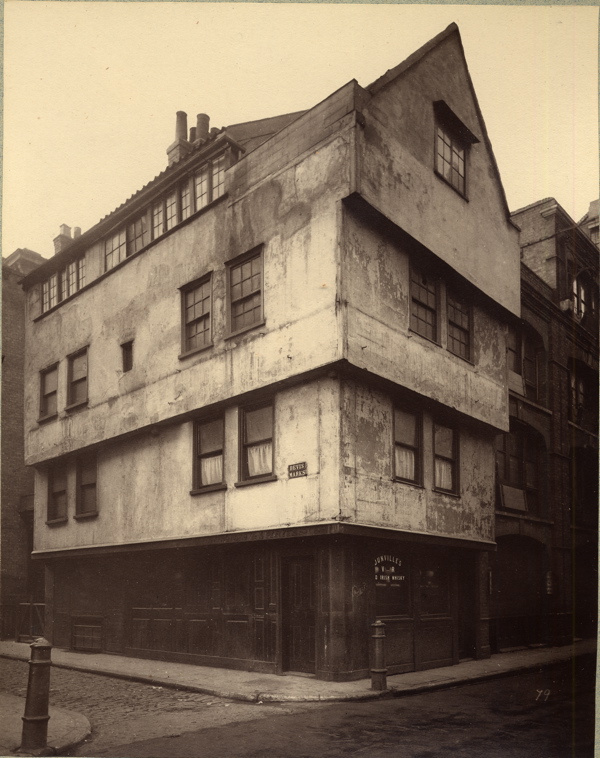
At the corner of St Mary Axe and Bevis Marks, this overhanging gabled house was destroyed in 1882.
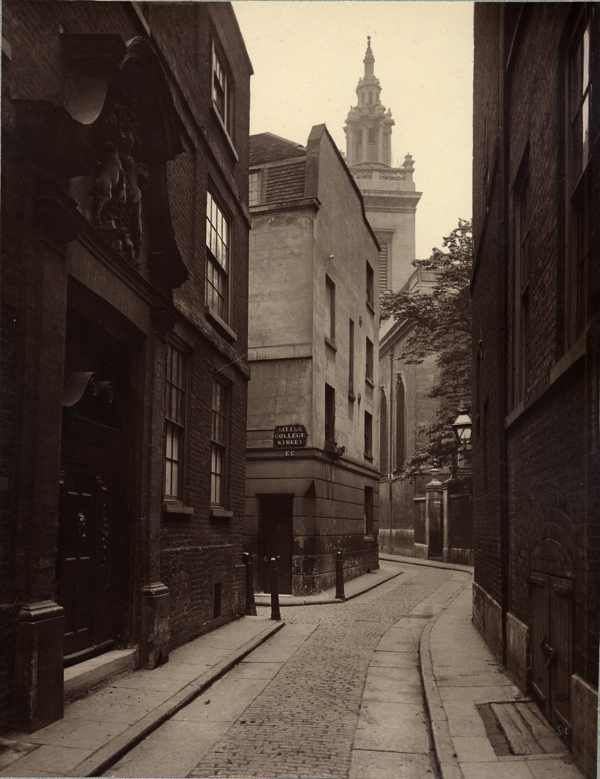
In College Hill.

St Giles Cripplegate, which now stands at the centre of Barbican complex.

Old buildings in Aldersgate St.

Shaftesbury House by Inigo Jones in Aldersgate St, demolished after this photo was taken in 1882.

Chimneypiece in the Sessions House, Clerkenwell Green, where Dickens was once a cub reporter.

In Cloth Fair, next to Smithfield Market.
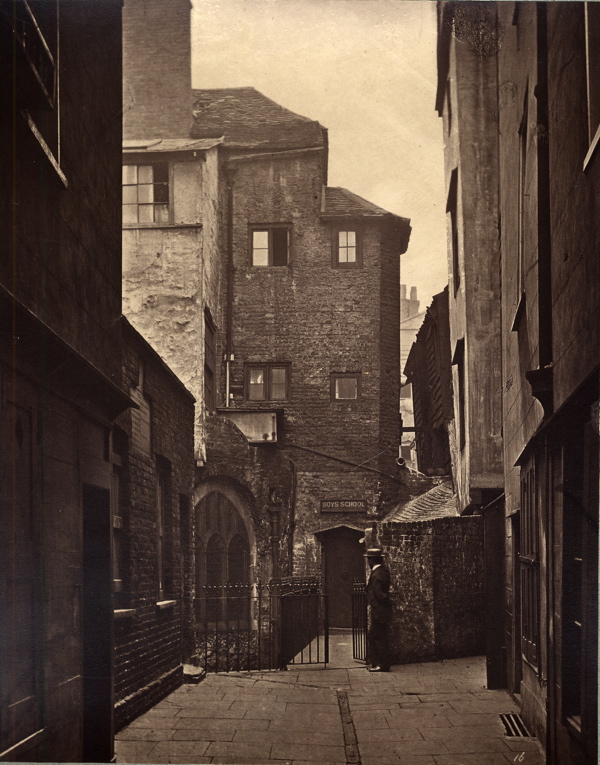
At the rear of St Bartholomew’s Church.
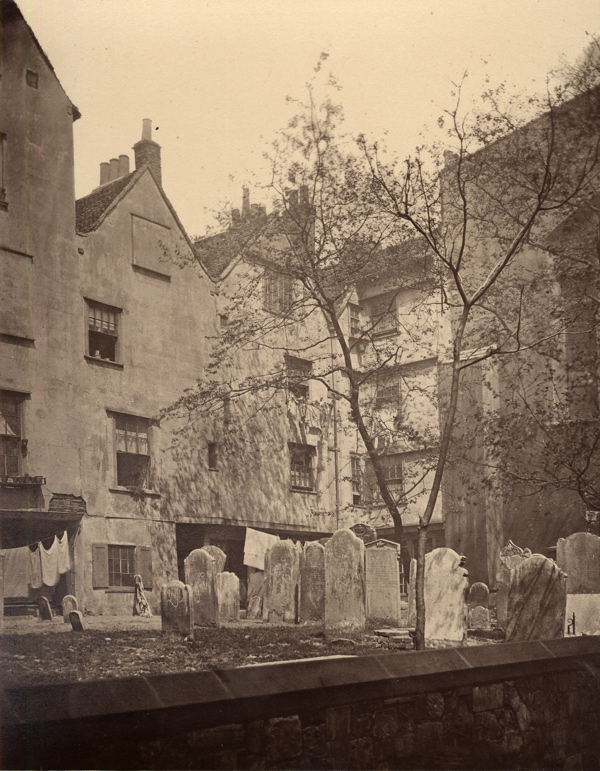
In the graveyard of St Bartholomew the Great.

In Charterhouse, Wash House Court.

The cloisters at Charterhouse.

St Mary Overy’s Dock

Queen’s Head Inn Yard.

White Hart Inn Yard.

King’s Head Inn Yard.
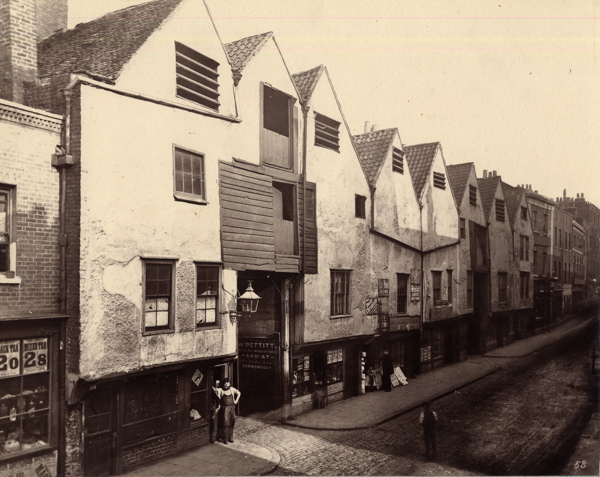
In Bermondsey St.
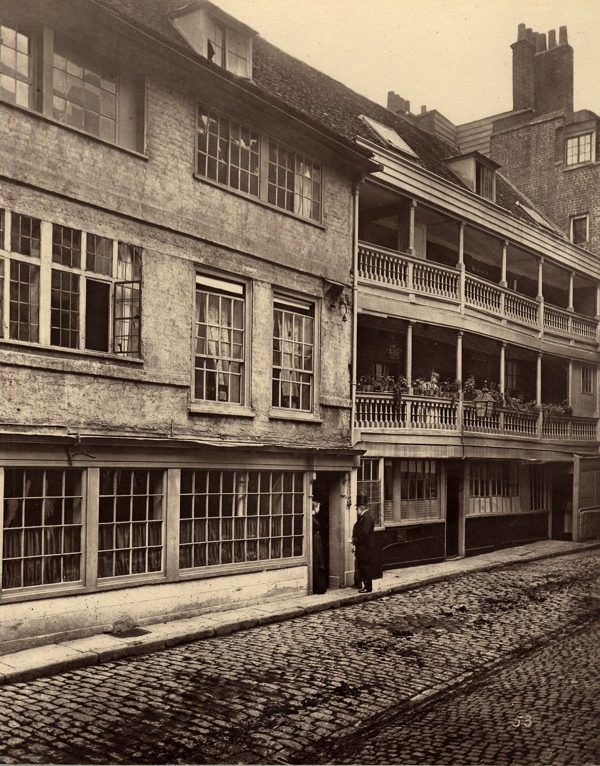
At the George, Borough High St.
You can see more pictures from the Society for Photographing Relics of Old London in The Ghosts of Old London and In Search of Relics of Old London.
Images courtesy Bishopsgate Institute
A Walk Through Time In Spitalfields
Archivist Stefan Dickers will be giving a lecture at the Hanbury Hall in Spitalfields next Tuesday 9th January at 7pm entitled THE TREASURES OF THE BISHOPSGATE INSTITUTE. As well as its celebrated London Collection (including C. A. Mathew’s photographs) featured in these pages, the Bishopsgate Archive houses Britain’s largest LBTQ+ collection.
Click here to book your ticket for THE TREASURES OF THE BISHOPSGATE INSTITUTE

Sandys Row from the north
After seeing the work of photographer C.A.Mathew in these pages, Adam Tuck was inspired to revisit the locations of the pictures taken over a century ago. Subtly blending his own photographs with C.A.Mathew’s images of Spitalfields in 1912, Adam initiated an unlikely collaboration with a photographer of the beginning of the last century and created a new series of images of compelling resonance.
In these montages, people of today co-exist in the same space with people of the past, manifesting a sensation I have always felt in Spitalfields – that all of history is present here. Yet those of the early twentieth century ago knew they were being photographed and many are pictured looking at the camera, whereas passersby in the present day are mostly self-absorbed. The effect is of those from the past wondering at a vision of the future, while those of our own day are entirely unaware of this ghostly audience.
It is hard to conceive of the meaning of time beyond our own lifespan. But these photographs capture something unseen, something usually hidden from human perception – they are pictures of time passing and each one contains more than a hundred years.
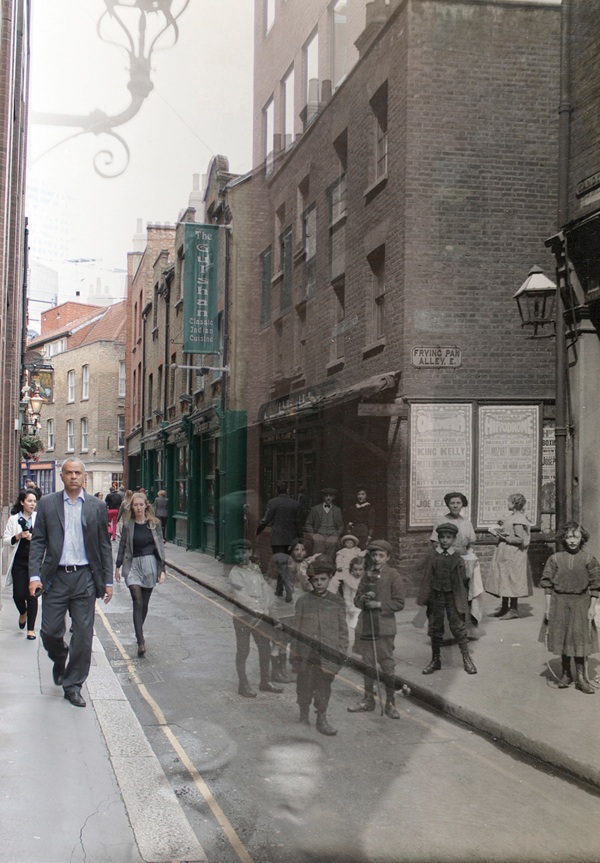
Sandys Row from the south

Looking from Bishopsgate down Brushfield St, towards Christ Church

Looking down Widegate St towards Sandys Row

Looking down Middlesex St towards Bishopsgate

From Bishopsgate looking up Middlesex St

In Bell Lane

In Artillery Lane looking towards Artillery Passage

From Bishopsgate through Spital Sq

Frying Pan Alley
Montages copyright © Adam Tuck
C.A.Mathew photographs courtesy Bishopsgate Institute
You may like to read the original stories
Old Trees In Greenwich Park
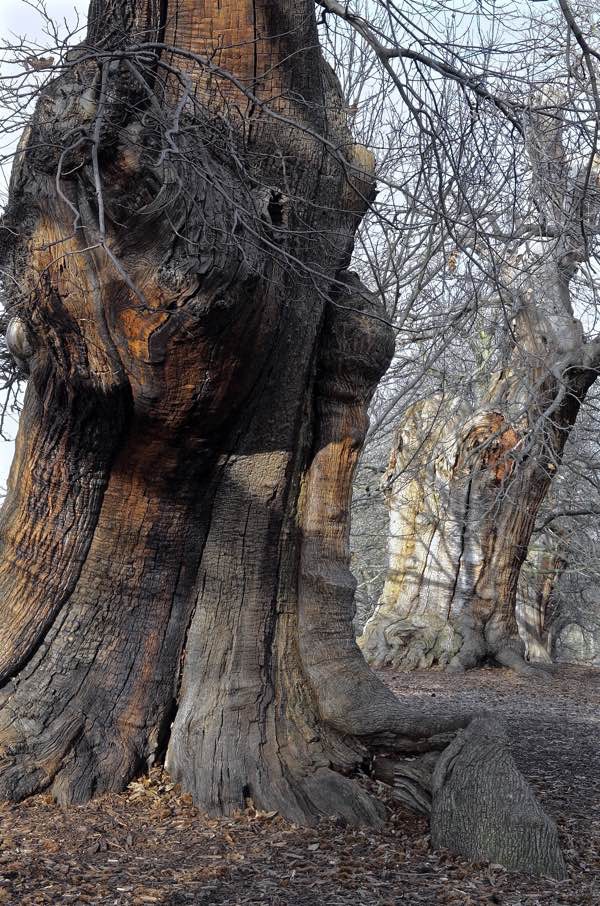
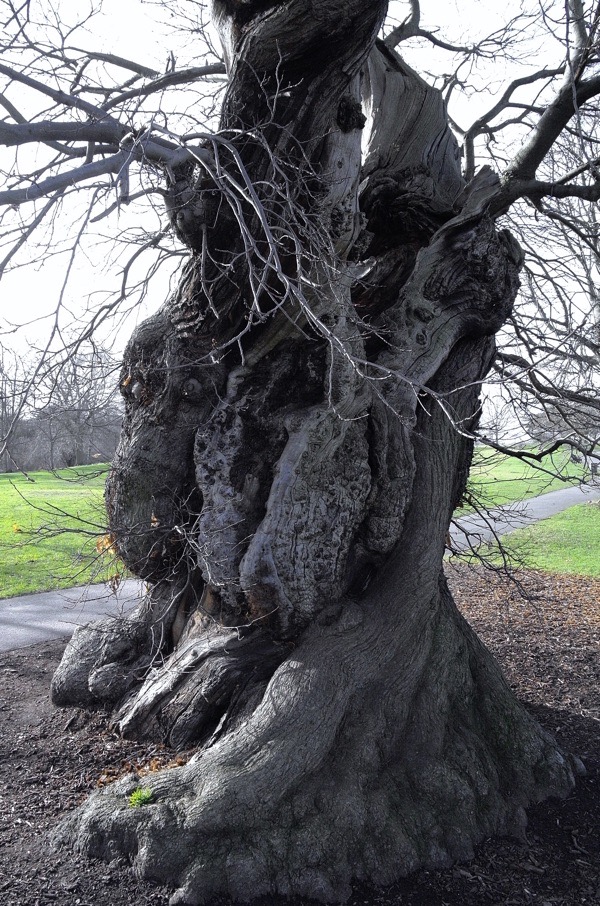
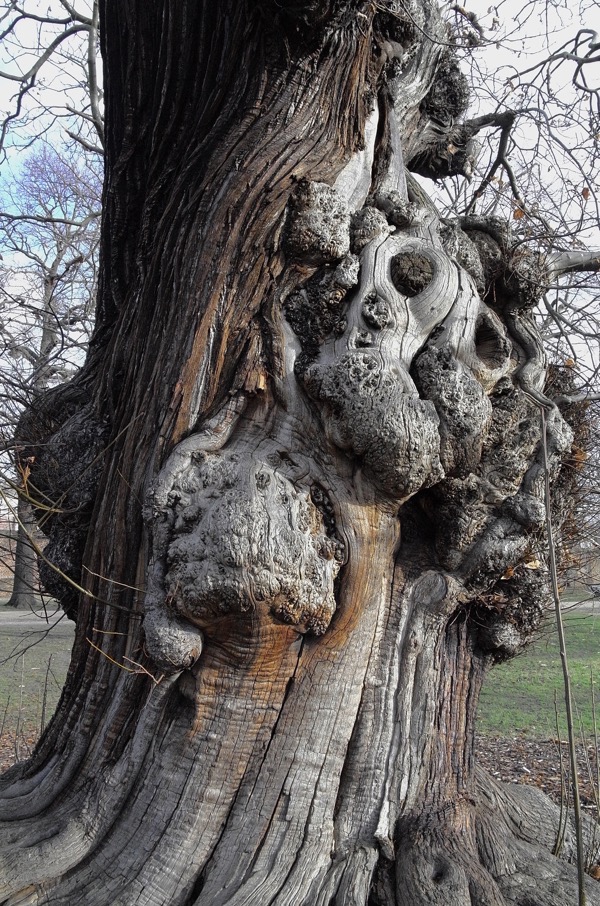
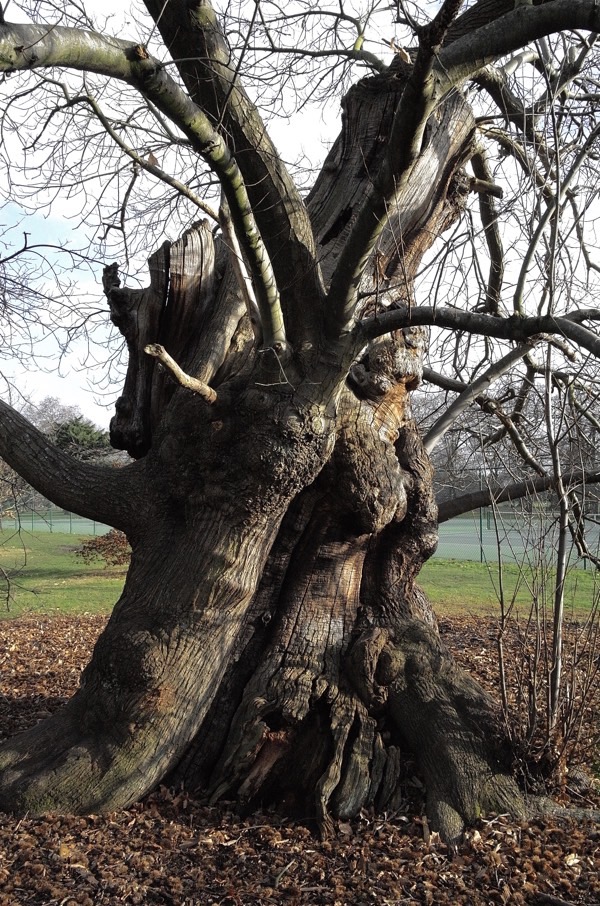
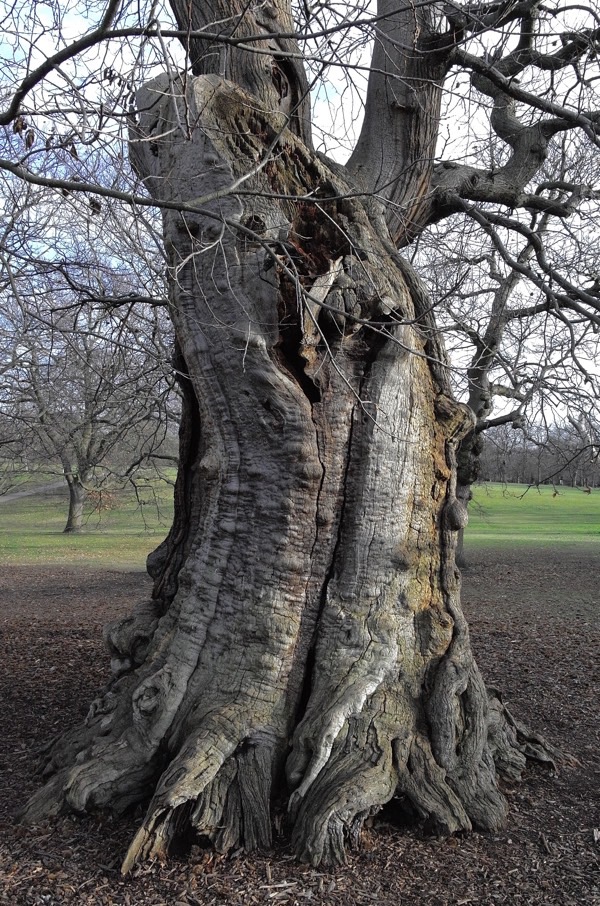
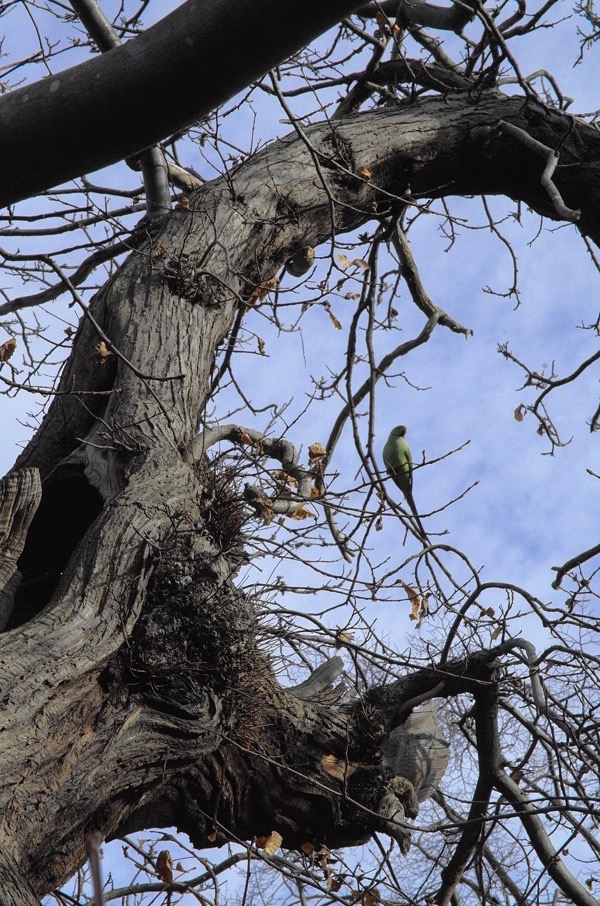
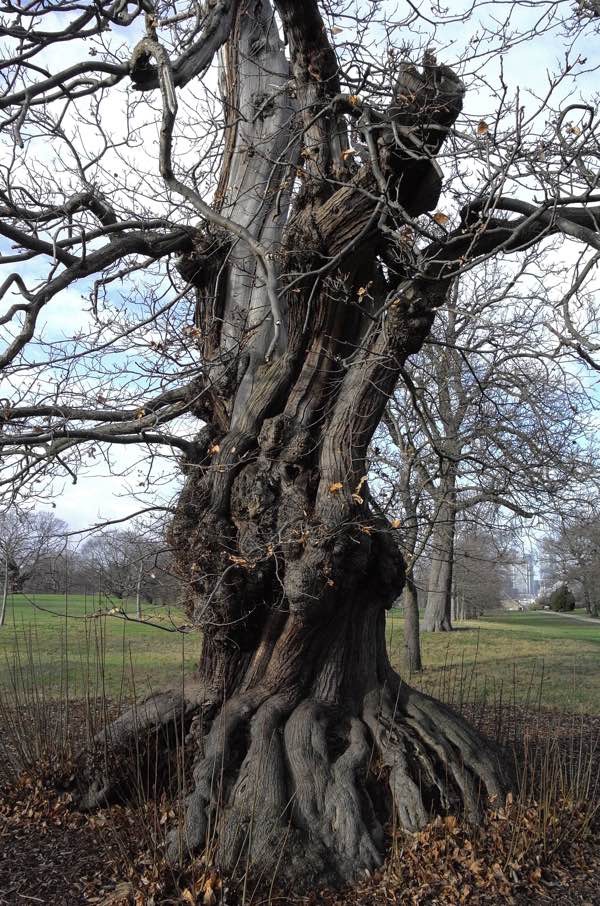
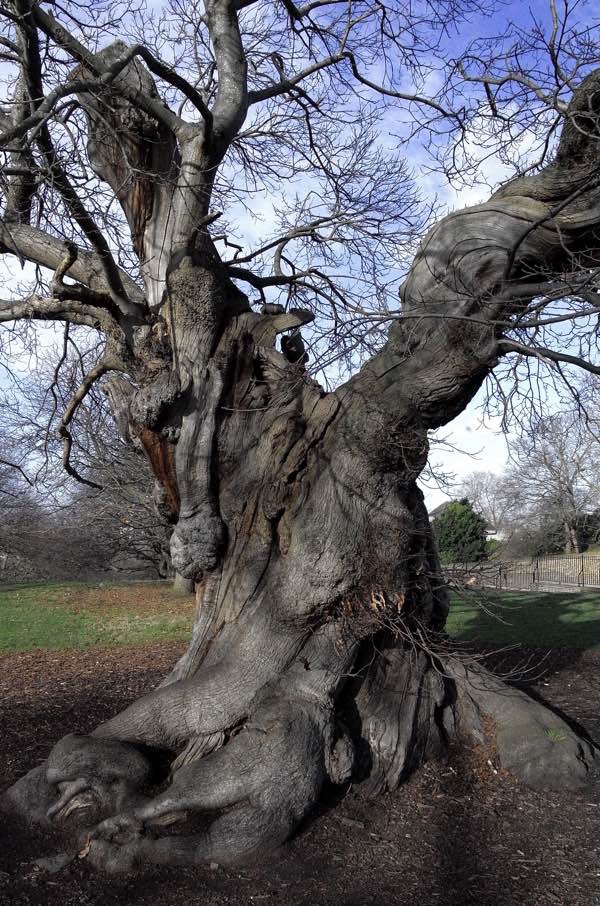
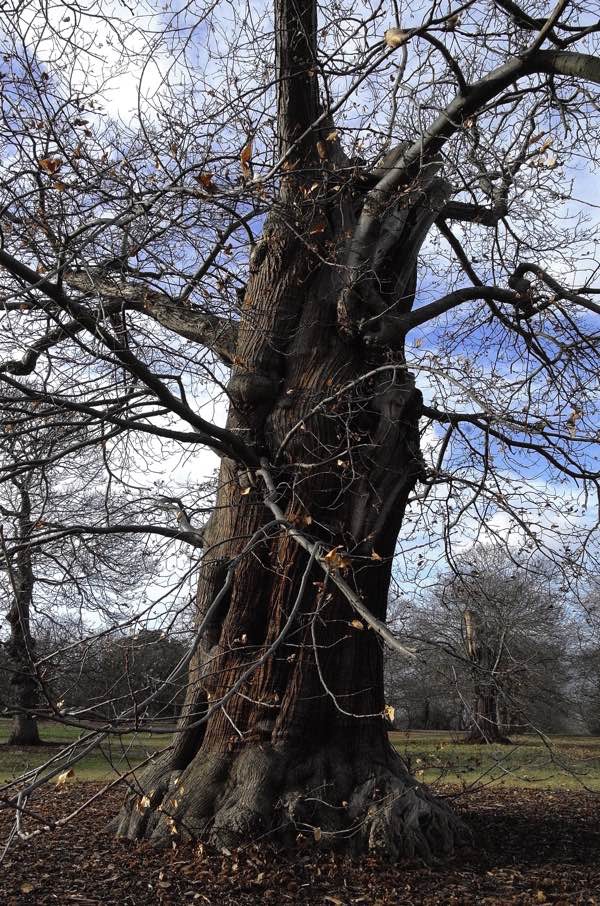
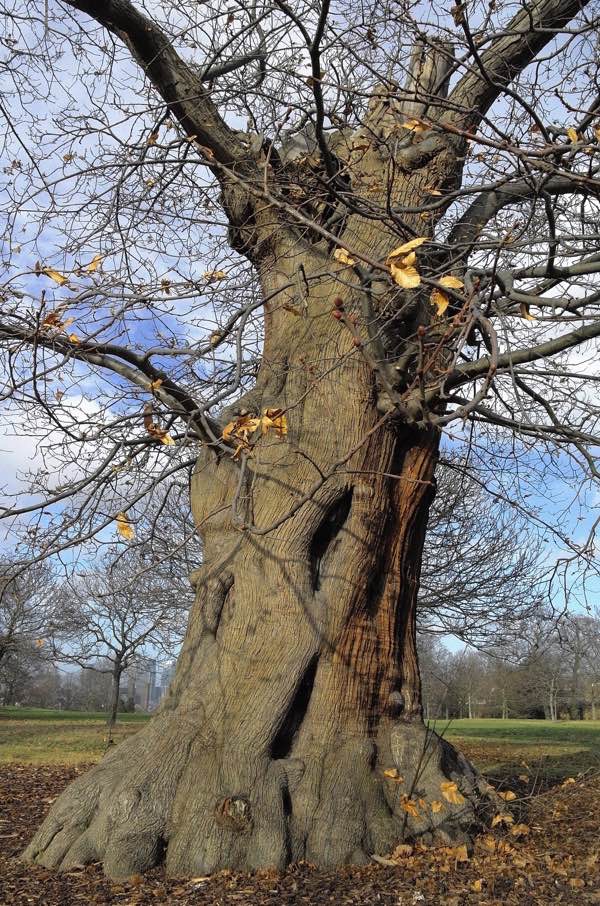
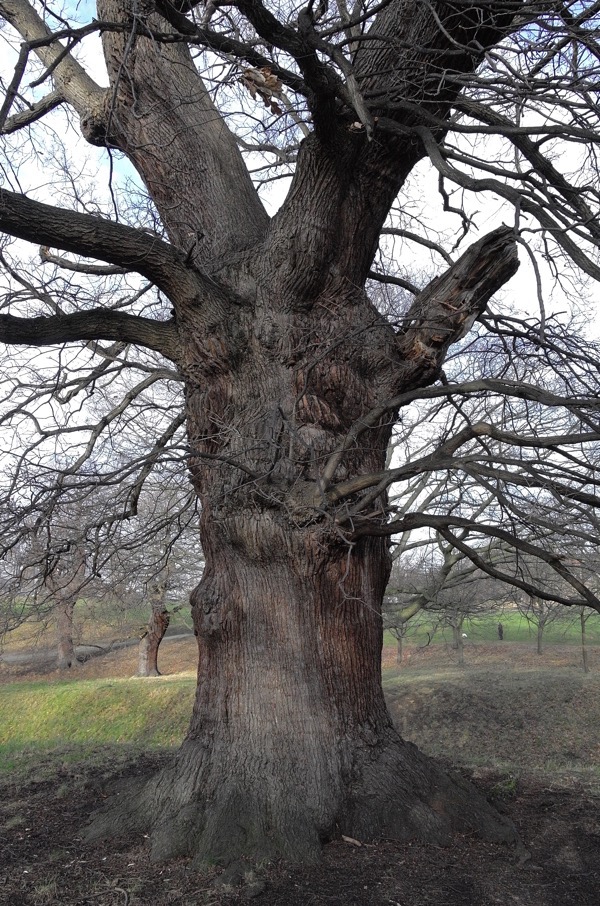
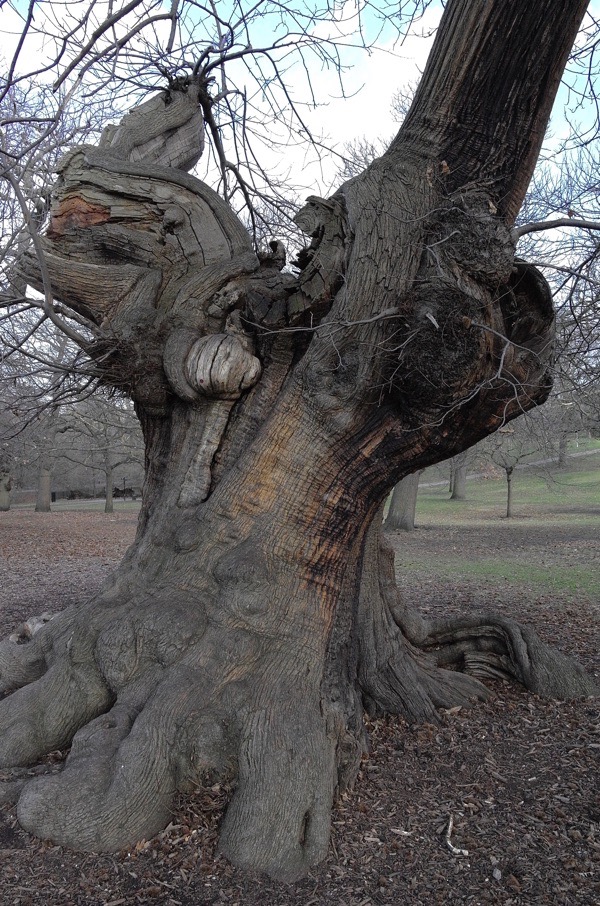
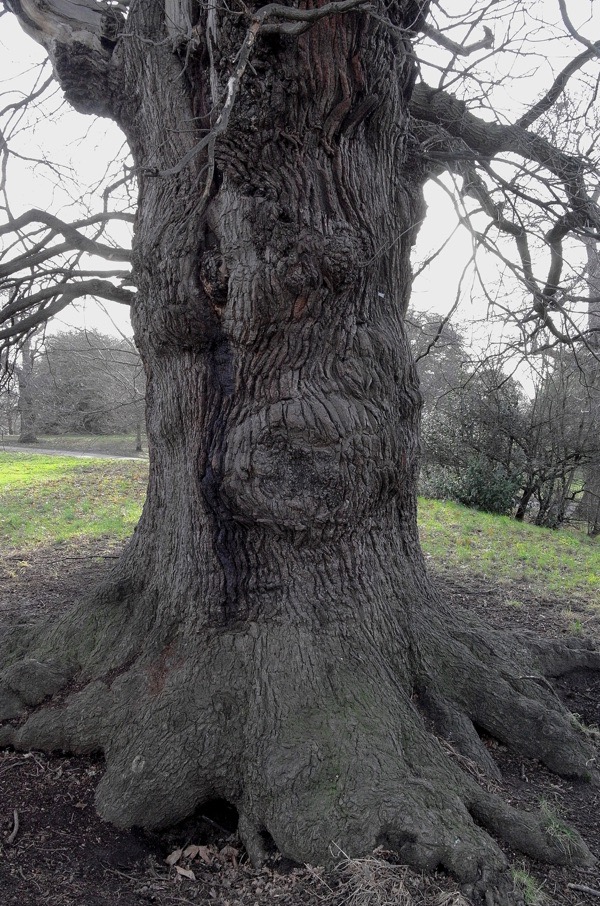
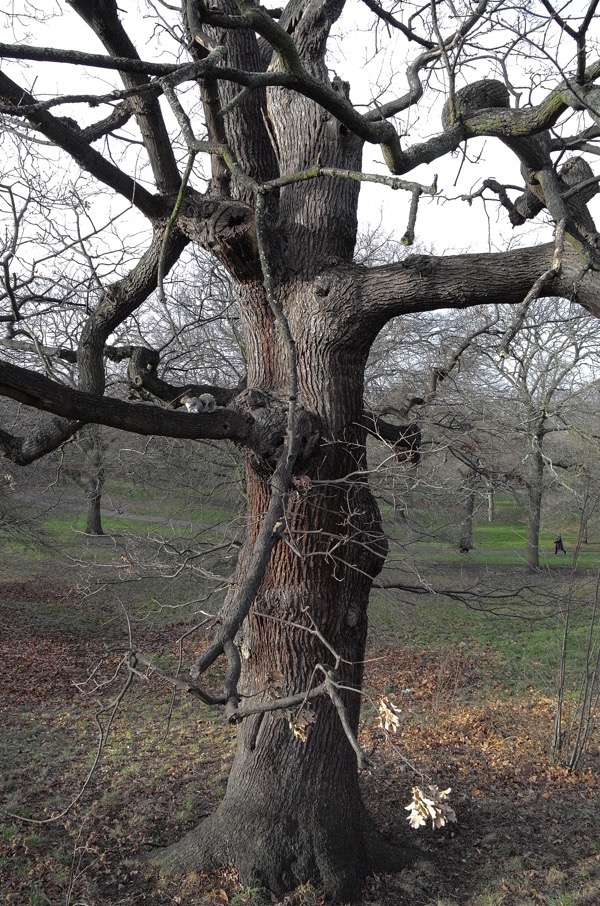
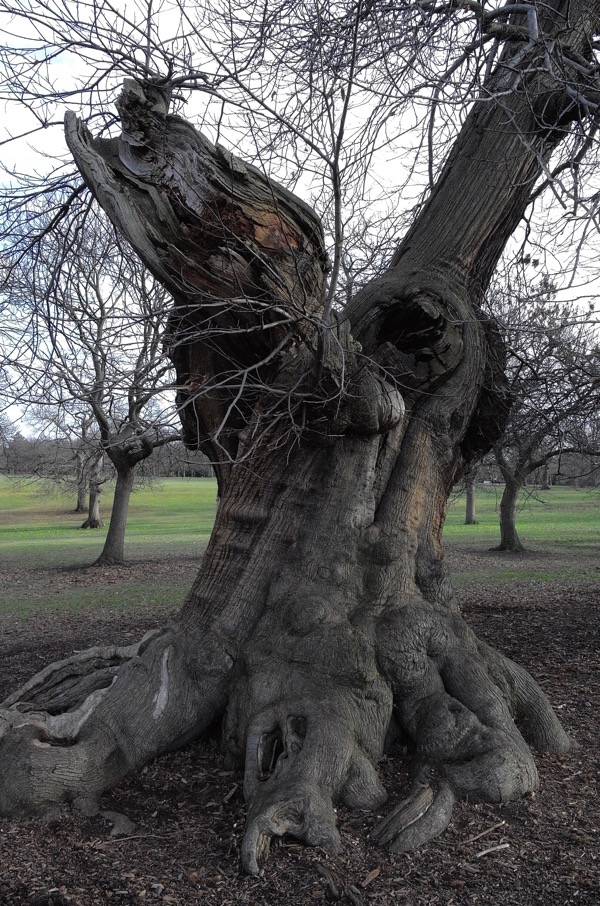
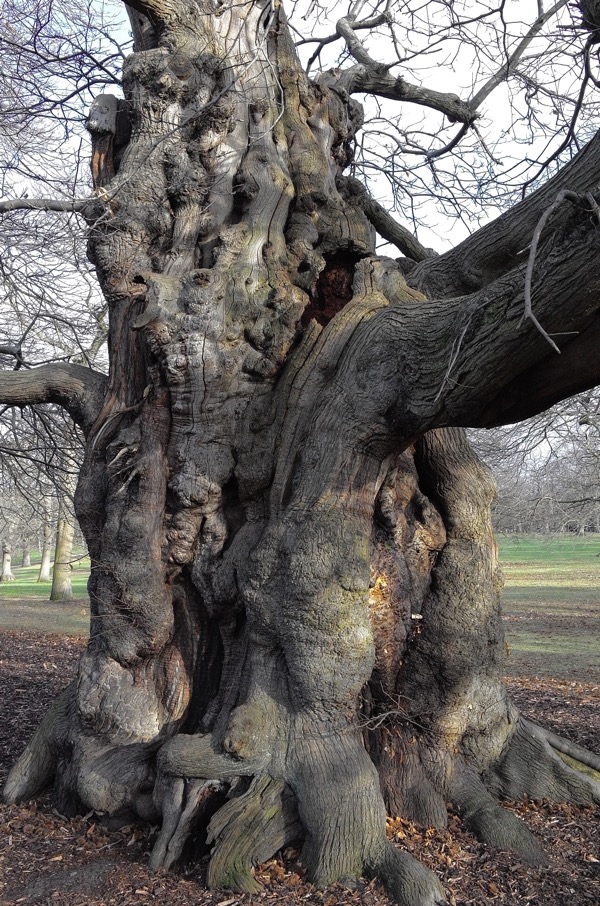
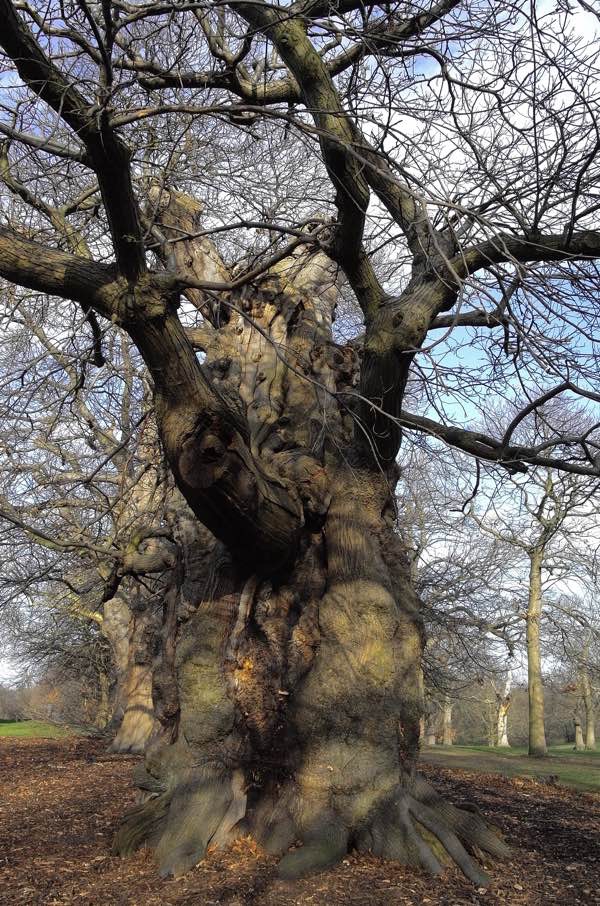
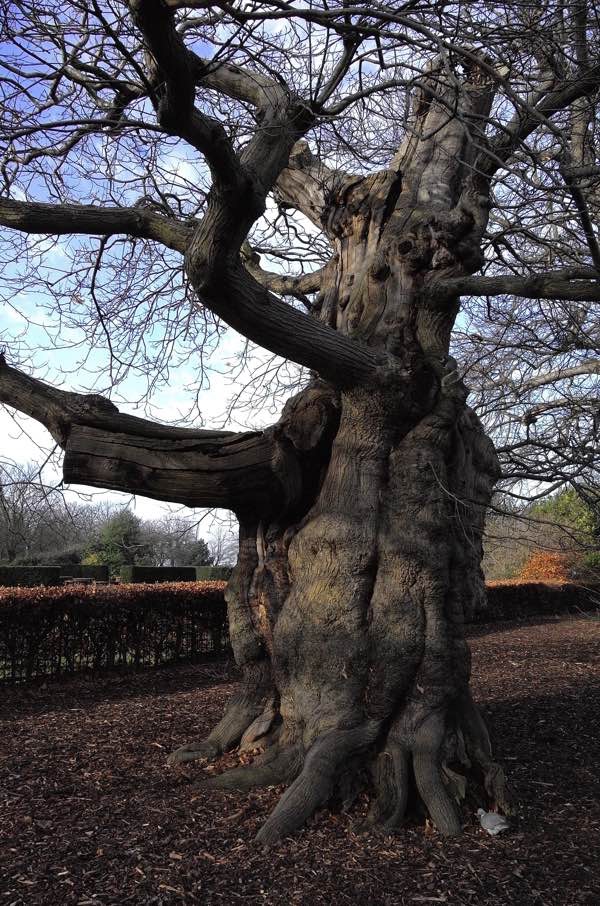
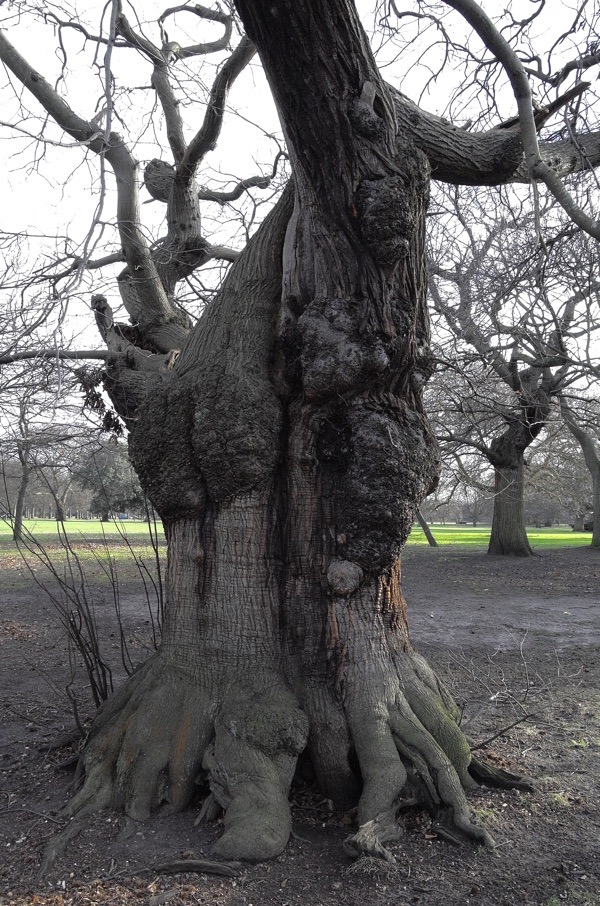
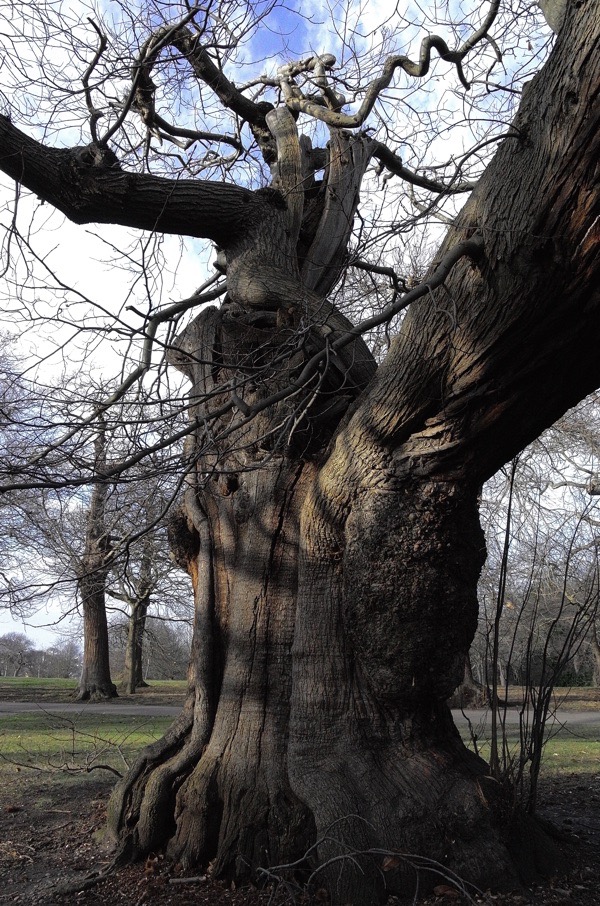
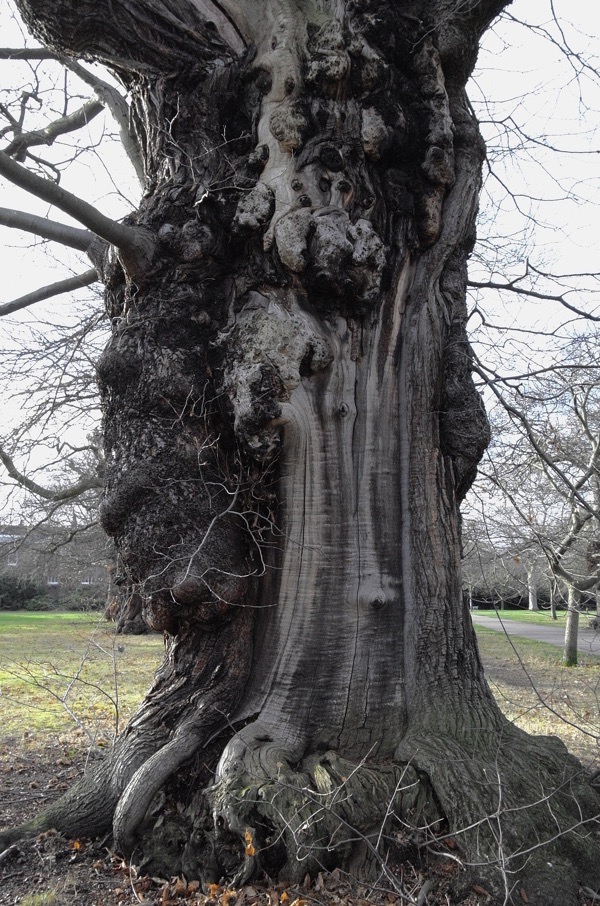
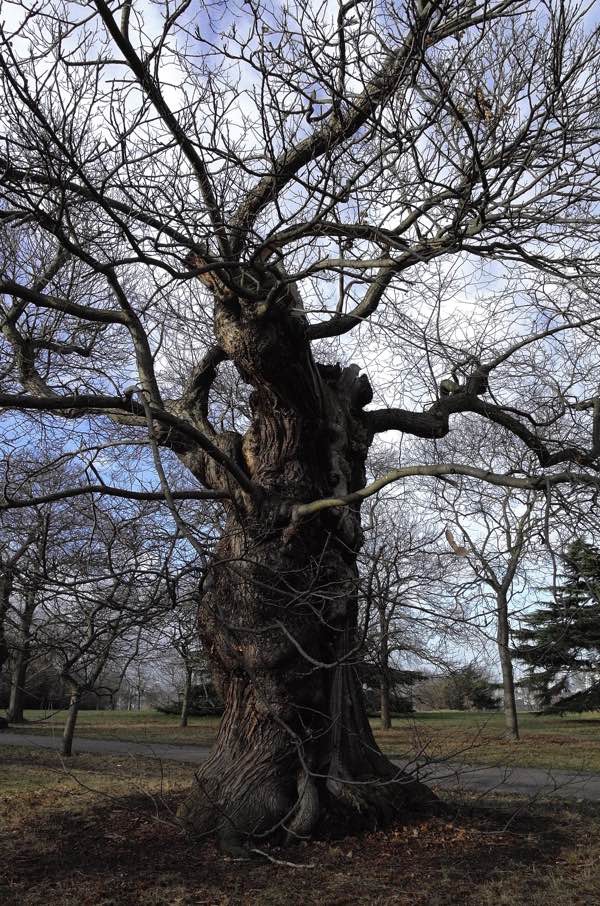
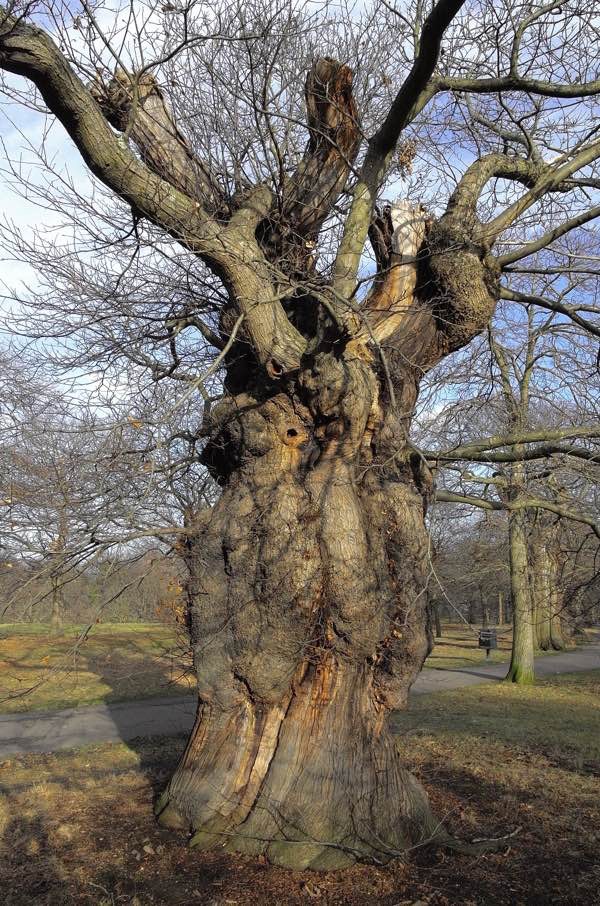
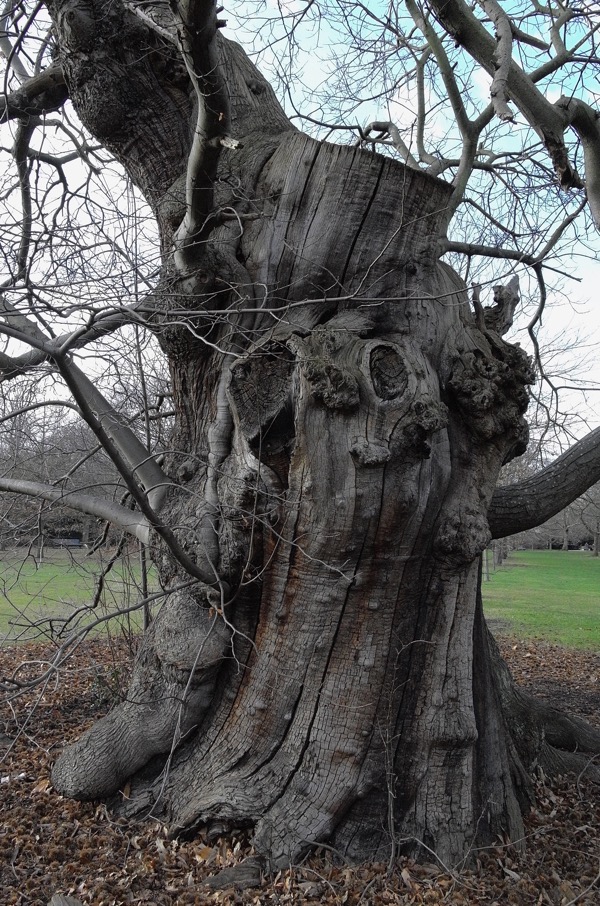
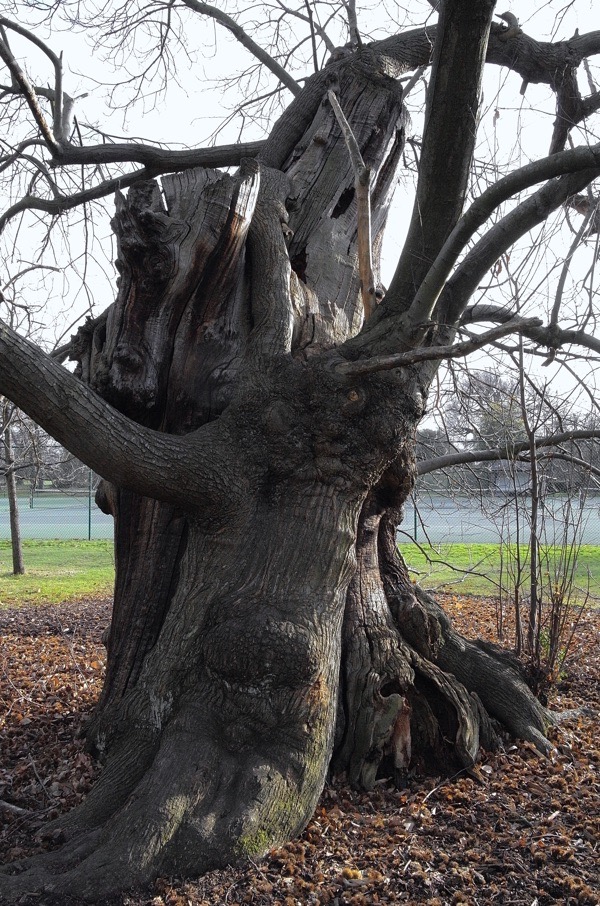
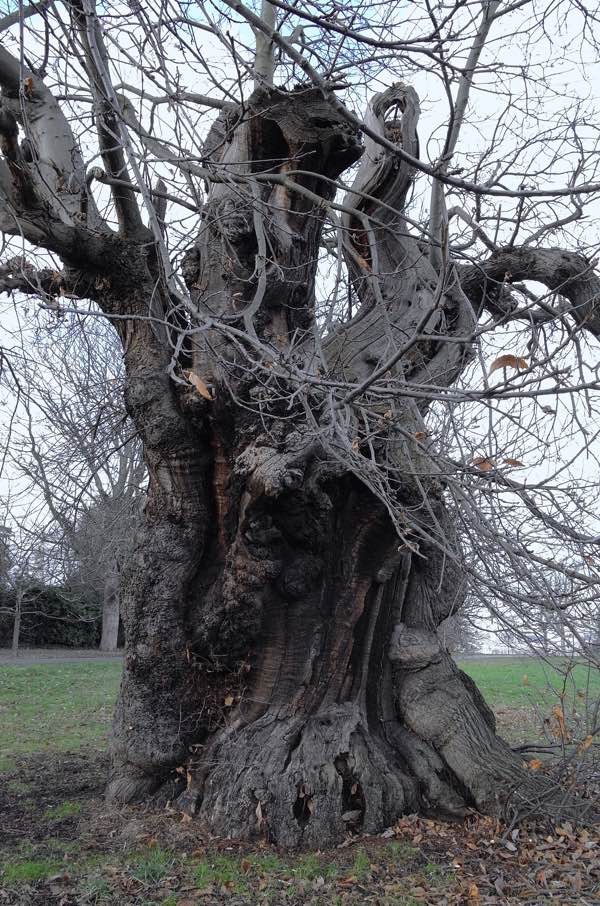
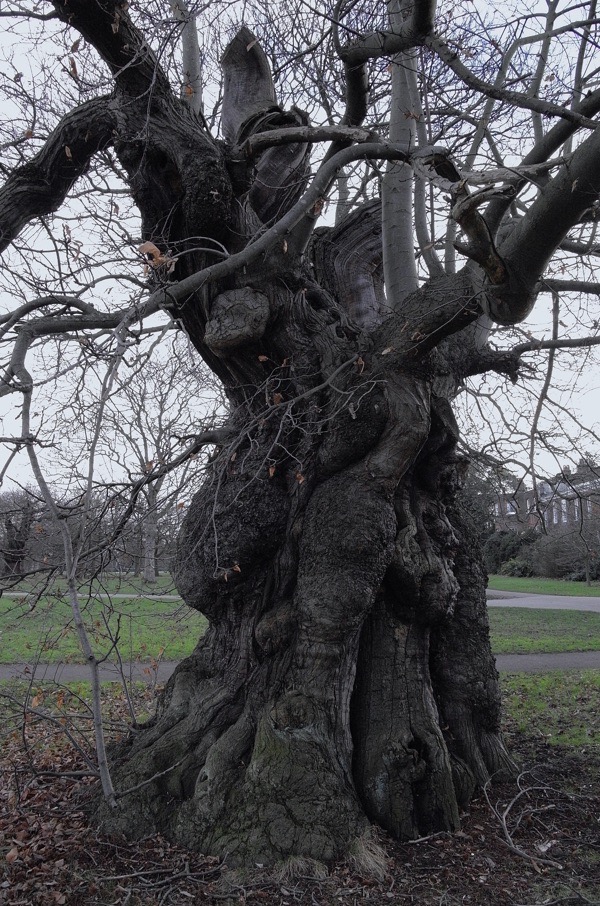
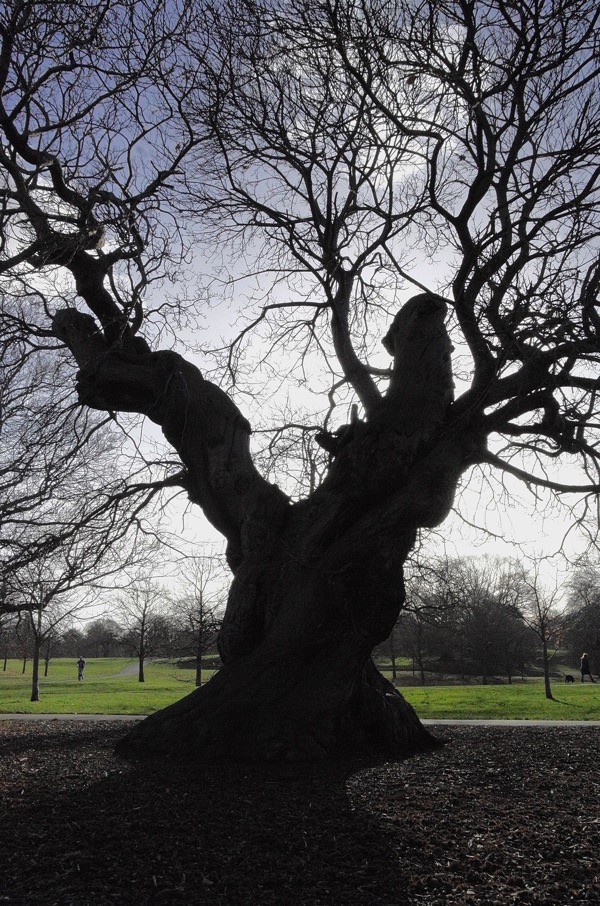
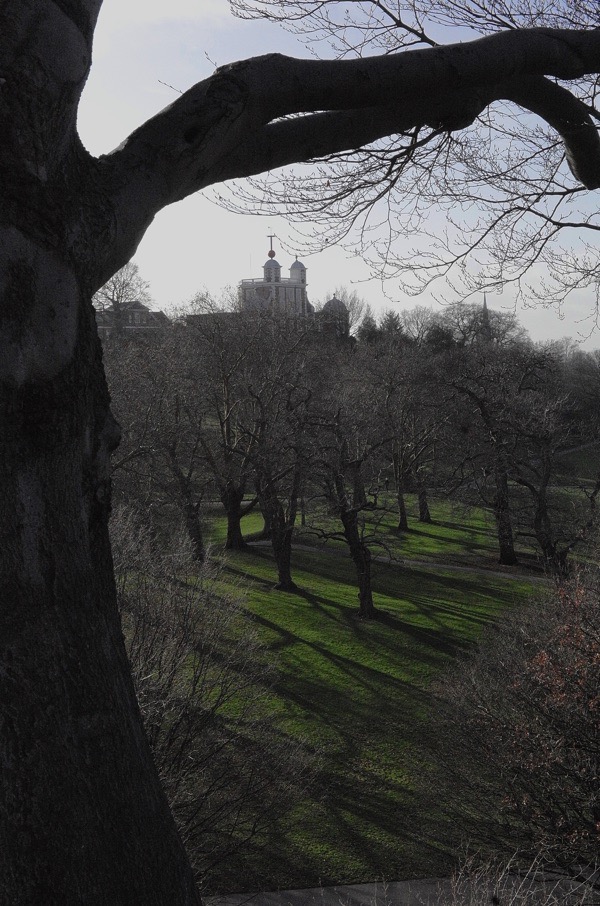
One summer’s day, I went for a walk in Greenwich Park and was uplifted to encounter the awe-inspiring host of ancient trees there. I promised myself I would return in the depths of winter to photograph these magnificent specimens on a clear day when they were bare of leaves. So that was what I did, braving the bitter wind and the plunging temperatures for an afternoon with my camera.
In the early 1660’s, Charles II commissioned Le Notre, gardener to Louis XIV, to design the layout of the landscape and the impressive avenues of sweet chestnuts remain, many now approaching four hundred years old. These ancient trees confront you, rising up in the winter sunlight to cast long shadows over the grass and dominating the lonely park with their powerful gnarly presences worthy of paintings by Arthur Rackham.
I have always been in thrall to the fairy tale allure cast by old trees. As a small child, I drew trees continuously once I discovered how easy they were to conjure into life upon paper, following the sinuous lines where I pleased. This delight persists and, even now, I cannot look at these venerable sweet chestnuts in Greenwich without seeing them in motion, as if my photographs captured frozen moments in their swirling dance.
Throughout my childhood, I delighted to climb trees, taking advantage of the facility of my lanky limbs and proximity of large specimens where I could ascend among the leafy boughs and spend an afternoon reading in seclusion, released from the the quotidian world into an arena of magic and possibility. Since the life span of great trees surpasses that of humans, they remind us of the time that passed before we were born and reassure us that the world will continue to exist when we are gone.
Secreted in a dell in the heart of the park, lies the Queen Elizabeth Oak, planted in the twelfth century. Legend has it, Henry VIII danced with Anne Boleyn beneath its branches and later their daughter, Elizabeth I, picnicked in its shade when this was a hunting ground for the royal palace at Greenwich. After flourishing for eight hundred years, the old oak died in the nineteenth century and then fell over a century later, in 1991, but still survives within a protective enclosure of iron railing for visitors to wonder at.
If any readers seek an excuse to venture out for a bracing walk in the frost, I recommend a pilgrimage to pay homage to the old trees in Greenwich Park. They are witnesses to centuries of history and offer a necessary corrective to restore a sense of proportion and hope in these strange times.
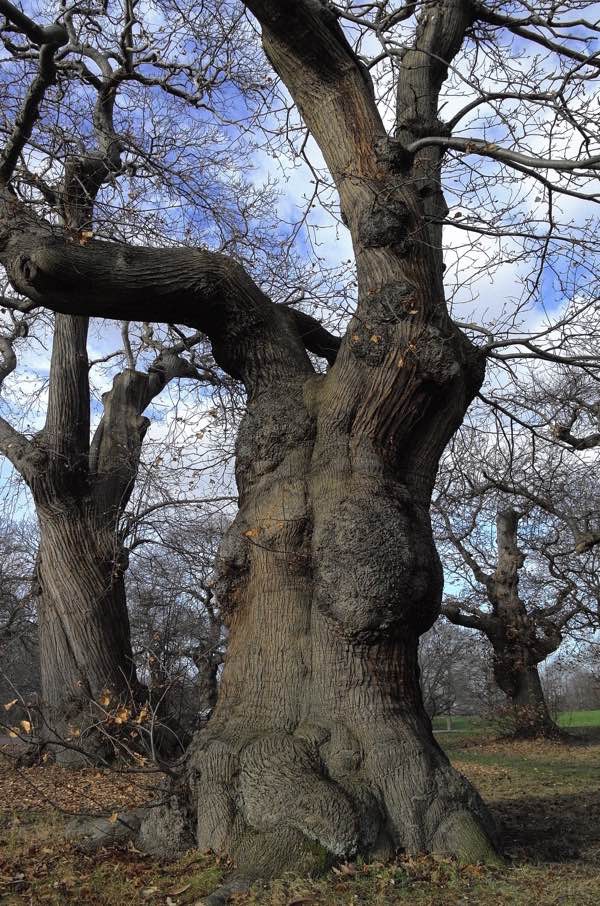


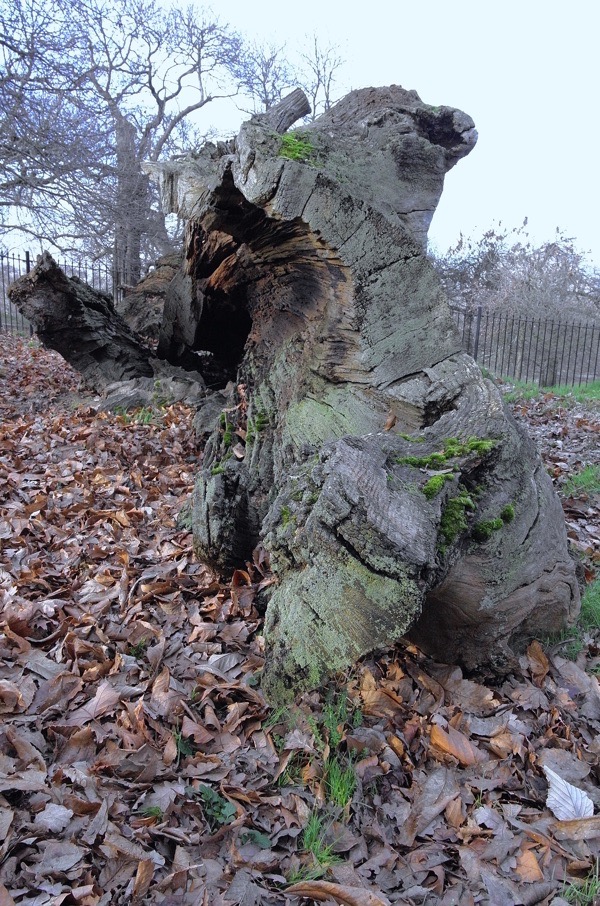
Queen Elizabeth’s Oak dating from the twelfth century
You may also like to read about












