
London Characters
Last week, I supplemented my ever-growing collection of the Cries of London down the ages with this fine set of London Characters, cigarette cards by an unknown artist issued by Lambert & Butler in 1934.
Remarkably, The Chestnut Seller, The Boot Black, The Coffee-Stall Keeper, The Flower-Seller, The Ice-Cream Vendor, The Hyde Park Orator, The Newsboy, The Fish-Stall Keeper and The Pavement Artist survive, in very limited numbers and in differing forms. With references to black-shirts and the depression, these cards speak eloquently of the life of inter-war London, – “these enlightened days of stainless steel ” as they are described here with brash confidence. Yet, only yesterday, I saw a woman standing outside Liverpool St Station with a large handmade placard ,”2 Bedroom Flat to Sell,” which made me wonder if we might be on the brink of a street-selling revival in our capital.
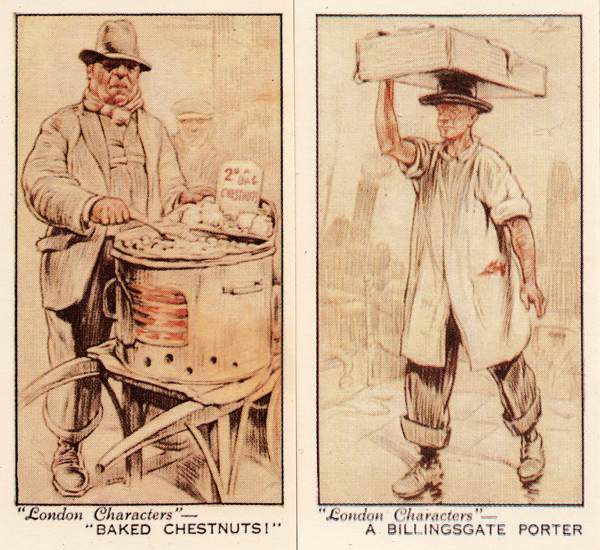
“Baked Chestnuts!” – With the approach of autumn, the Baked Chestnut Man wheels his barrow with its glowing fire – over which the chestnuts pop and sizzle – to a frequented spot where the appetizing smell of his wares tempts pennies from the pockets of the passers-by.
A Billingsgate Porter – Beginning his day’s work at five am, the Billingsgate Porter has nearly finished his labours by the time the trains and buses are unloading hundreds of City workers onto Eastcheap and Fish St Hill – streets which are pervaded by the unmistakable sea-weedy and fishy odours which never entirely depart from the neighbourhood of the Monument.
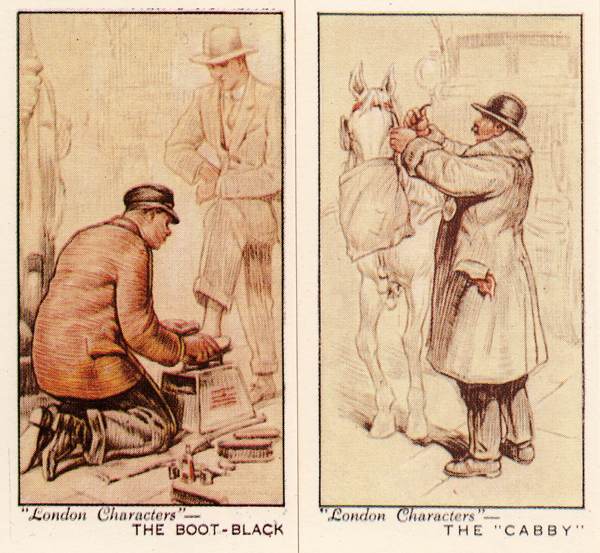
The Boot-Black – In bygone days, the boot-black was found in every street corner. Each man had a large tin kettle for removing mud, two or three brushes and a very old wig – the latter being indispensable in a shoeblack outfit, very useful for whisking away dust and wiping off wet mud.
The “Cabby” – Drivers of “growlers” and “hansom” cabs are still to be seen, and may be recognised by their whole-hearted contempt for motors, their ready wit and and preferences for frequenting places associated with horses, such as Tattersall’s, Barnet Fair and Regent’s Park on Whit Monday.
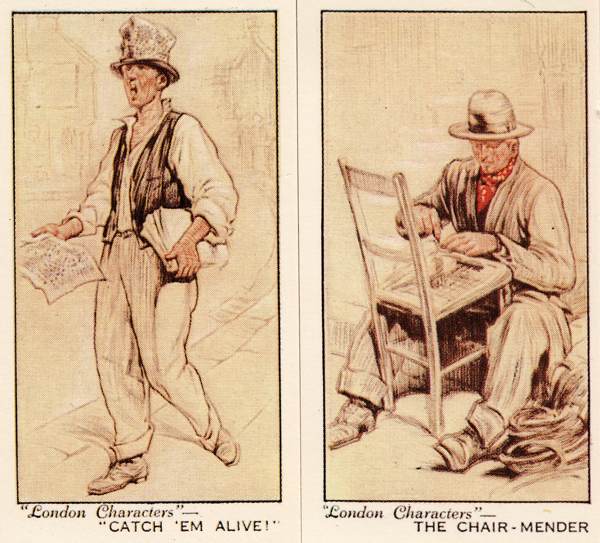
“Catch ‘Em Alive!” – Modern hygiene with its slogan “Swat that fly” has done away forever with, “Catch ’em alive, O!” – the cry of the tall man in the tall hat which displayed a struggling mass of flies on its sticky trimming.
The Chair-Mender – The kerbside mender of chairs, who “if he had more money to spend would not be crying – “Chairs to mend!” is one of the neatest-fingered of street traders. Watch how deftly he weaves his strips of cane in and out – how neatly he finishes off each chair, returning it to the owner, “good as new.”

The Coffee-Stall Keeper – Many a drama of London-in-the-darkness is enacted at the coffee stall, which trundles its way each evening to its pitch where it remains until the city begins to awaken. Men and women of many types seek its hospitality during the hours of darkness, “down and outs” rubbing shoulders with revellers returning home in the early morning – and not a few are gladdened by a copper or two thrust into their hands by comrades a little better off than themselves.
The Cornet Player – A character never lacking in London streets is the Cornet Player, who provides a kind of magic that draws dogs like a magnet to him. He relies chiefly upon the licensed houses for his living, and can usually be recognised by his bulk.

The Covent Garden Porter – The Covent Garden Porter is the “Cockney of all the Cockneys” – good-humoured, hard working and possessed of a ready wit. Like his confrère at Billingsgate, he has been accused of being a “linguist” but although his speech may occasionally be forceful and picturesque, there is doubtless many a fox-hunting squire who might give him points and a licking!
The Crossing Sweeper – In bygone days, the Crossing Sweeper was a veritable “gentleman” of the road, who in many cases inherited his broom and his pitch from his parents. Tradition relates that the profession of a crossing sweeper was at one time a safe road to fortune.
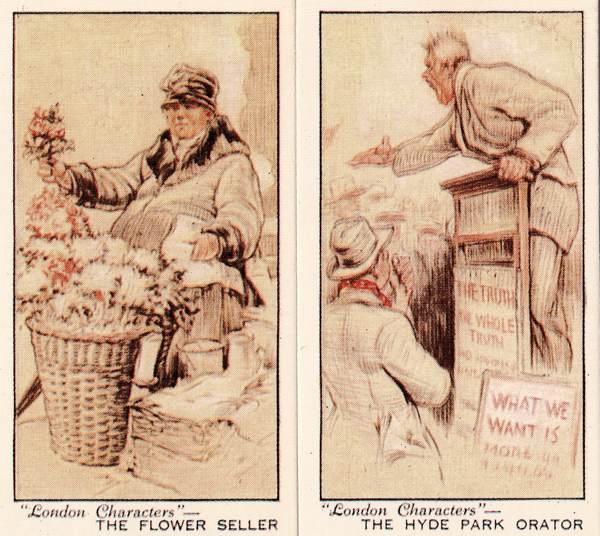
The Flower Seller – The Flowers Sellers or perhaps more correctly “flower-girls” – for flower sellers in London always remain girls irrespective of age – are among the most picturesque of London characters. The flower-girl of Piccadilly, sitting beside her gay and fragrant basket in the shadow of “Eros” is the aristocrat of them all.
The Hyde Park Orator – Red-shirt, black-shirt, green-shirt and others – all are sure of an audience, especially on Sundays, when occupying their rostrums near Marble Arch. they are usually prepared for good-natured heckling – and often get it! Should things take a less friendly turn, there is always a “bobby” to keep his eye on things!

The Ice-Cream Vendor – The old-fashioned ice-cream barrow is dying hard, despite the rivalry of mass-production. Ice-cream “merchants” were usually Italian and the gaudy representations of Lake Como and the Rialto decorating his stall. Invariably called “Johnnie,” he met the demands of his of his youthful clientele, of messenger-boys and the like – to whom ice-cream makes an irresistible appeal – with exemplary patience and good humour.
The Kerbstone Trader – Dignity fails at the sight of the Kerbstone Trader. Aldermen, merchants and mere office-boys “fall” for his latest novelty “all made to wind up.” Red hot from an important board meeting, the Chairman of the Company relaxes on hearing the unspeakable sounds which proceed from the slow collapsing india-rubber pig.

The Newsboy – In some respects, the Newsboy reveals quite remarkable business instincts, chief among them his gift of shouting commonplace news in such a manner to make it sound important. He reads his own papers – how and when is a complete mystery – for his eye is always on a likely customer, but he can always tell you what Arsenal has done, and who is riding the favourite in the “big ‘un.”
The Old Fish-Stall Keeper – Wherever Londoners gather together, the fish-stall is found, whether in the crowded streets or one of the seas-side resorts where Cockneys take their doses of ozone. “Arry” and “Arriet” do much of their courting around the whelk stall, and comic singers owe much amusing patter to its delicacies, winkles and the necessary “extra” in the shape of a pin.

The Organ Grinder – The Organ Grinder and his monkey belong to a less sophisticated age than the present, with its bands of unemployed musicians and “tinned music” in various forms. This organist of the eighties was usually a native of Switzerland and instrument was a worn-out organ, under the weight of which he could sometimes scarcely stagger.
The Pavement Artist – He is above all an optimist – a sudden shower and all his day’s work is in vain! You may find him in any open space – near St Martin-In-The-Fields, Trafalgar Sq or on the Embankment – with his equipment of brightly-coloured chalks and a duster. The pavement artist is said to have been “the cradle” of some successful artists, but is certain that many who have known better days have resorted to this means of making a living.
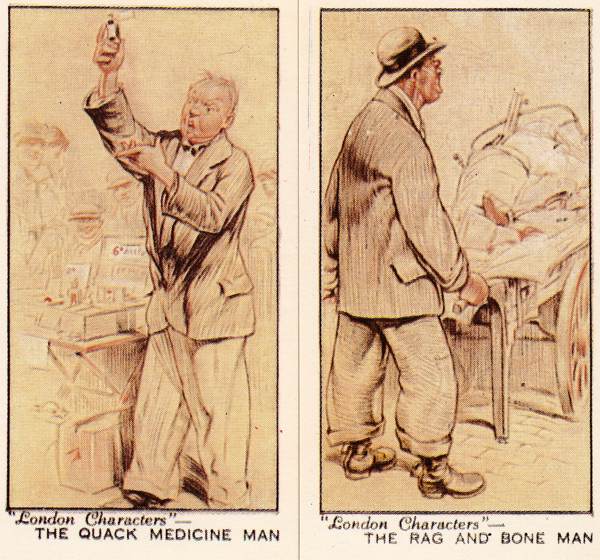
The Quack Medicine Man – The “Medicine Man” of the street corner sells many things, from a cure for toothache to a remedy for broken hearts. Blessed with a wonderful gift of the gab and an endless store of ready wit, he is ready to expose all the secrets of Pharmacopoeia.
The Rag & Bone Man – The cry of “rags and bones” is familiar in the meaner streets, but often it is nit easy to recognise the words! Closely allied with the dealer in “rags” is the dealer of “old clo!” – the lady or gentleman who offers an aspidistra or a pot of ferns for an overcoat or a pair of trousers which has seen better days!

The Knife Grinder – Even in these enlightened days of stainless steel, the old-fashioned Knife Grinder may still be seen plying his trade in the London streets, with his well-known cry, “Knives, scissors, grind!” His lack of wares is more than compensated for by the picturesqueness of his outfit.
The Muffin Man – This is the Muffin Man, his bell clangs out its story of cosy fireside teas, and at the same time announces that summer is over! But history relates that ever since one of the fraternity was summoned for ringing his bell on a Sunday afternoon, the Muffin Man must choose with care the locality in which he goes selling the muffins.
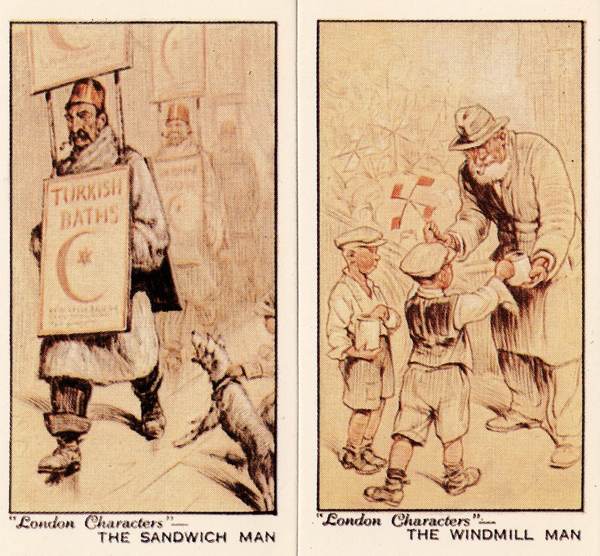
The Sandwich Man – The Sandwich Man strikes a minor note in the great symphony of London life. His is the métier of the unfortunate, and sometimes his role as a perambulating advertisement is tinged with bitter irony. The shabby man directing all and sundry to the smart tailor, and the shaggy man advertising a first-class barber are bad enough, but what is one to say of the poor stray condemned to carry a board advertising the price of a first-class lunch with complete menu?
The Windmill Man – The Windmill Man will go down to posterity as a kind of “Pied Pier” who lured away the children from the noise and squalor of the streets to fairyland. The sound of his voice – for street vendors are still permitted to call their wares in the meaner streets – is a signal for a throng of scampering children to gather round him to exchange old bottles for gaily-painted windmills.
You may also like to take a look at these other sets of the Cries of London
Geoffrey Fletcher’s Pavement Pounders
William Craig Marshall’s Itinerant Traders
H.W.Petherick’s London Characters
John Thomson’s Street Life in London
Aunt Busy Bee’s New London Cries
Marcellus Laroon’s Cries of London
More John Player’s Cries of London
William Nicholson’s London Types
Francis Wheatley’s Cries of London
John Thomas Smith’s Vagabondiana of 1817
John Thomas Smith’s Vagabondiana II
John Thomas Smith’s Vagabondiana III
Thomas Rowlandson’s Lower Orders
Time Out with John Claridge
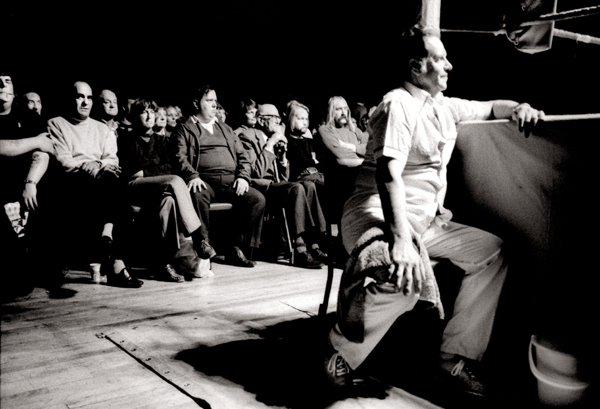
Cornerman, E17 1982.
“People take time out of their lives in all kinds of ways, so I thought I’d explore the spectrum of the things people used to do.” Photographer John Claridge told me, outlining his rationale in selecting this contemplative set of pictures, published here for the first time. Each shows a moment of repose, yet all are dynamic images, charged by the lingering presence of what came before or the anticipation of what lies ahead.
While the photograph of the Cornerman above literally shows“time out” at a boxing match, John was also interested in the cross-section of people watching and taking a breather from their working lives. “With a boxing ring, you’re wondering what’s going to happen. You’re waiting for the episode.” he admitted, “I like that tension and quietness, knowing that you’re going to get boxers flying around the ring in a few minutes.”
Similiarly, speaking of his photograph below of the pub compere, John said to me, “You can’t see anyone on the stage but you know something’s going to happen. I like it that people have to contribute to the picture, it takes you into another environment. You have to enter another world. You have to ask questions.”
John’s pictorial frame equates to the boxing ring or the pub stage, encompassing a space through which life passes – but his is an arena of calm within the relentless clamour of existence, a transient place of both photographic and emotional exposure.
Time out!
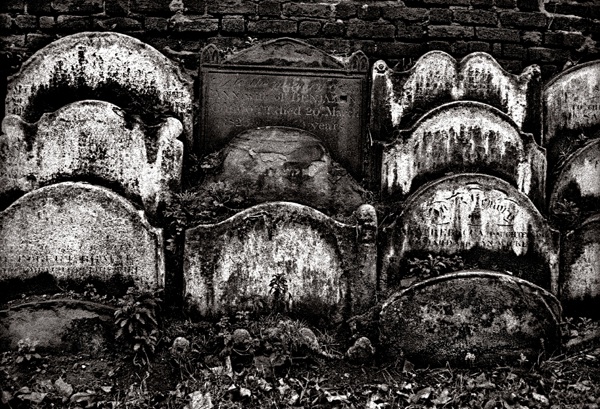
End of the Game, E14 1962 – “When the churchyard was dug up, someone arranged the stones respectfully so they could be seen. Life was over and even the churchyard was gone too.”

Sunday Morning, Spitalfields 1963. “He was leaning out the window having a conversation, it just felt like Sunday morning.”

The Allotment, E14 1959.

Soup Kitchen, Whitechapel 1967. “Time out for a cup of tea and a sandwich, time out from the streets.”

Passports, E16 1968.
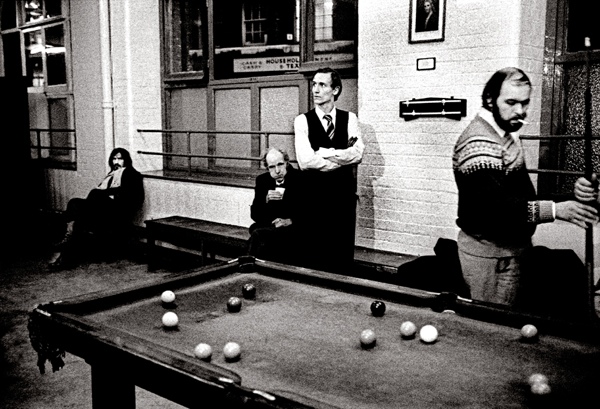
Game at the Hostel, Salvation Army Victoria Homes, Whitechapel 1982.

The Conversation, 1982.

Underworld, Spitalfields 1982. This toilet outside Christ Church is now a night club called Public Life.

Pub Compere, E14 1964.

My Dad Singing At a Pub, E14 1964. – “He had a good voice, very powerful, and he used to play the ukelele banjo as well. My mum got up and sang too. He’d say, ‘Don’t be silly, you can’t sing.’ and she’d say, ‘Yes, I can,’ and get up there. They had a fantastic relationship.”

The Ring, E17 1982.

Wraps, E16 1968. “This is at Terry Lawless’ Gym. I still have a punchbag at home and start by putting my wraps on.”

After Sparring, E16 1968. – “He had just finished, marked up a little but not too bad.”

Dance Class, E7 1982. – “Did people go to learn to dance or because they were lonely?”

Dog Racing, Walthamstow Dog Track 1982.

Some Were Got Rid Of. – “It still looks like it’s running.”

Dart Night, E17 1968. – “We were playing darts and sat down for a break, everyone in their own world. The guy with the sideburns, his wife was jealous and always asked him to bring her a Chinese takeaway. He would remove the prawns, eat them himself and then rearrange the food. ‘She’s not worth all those,’ he said to me. ‘She won’t know,’ I said. ‘She’ll never know, but I do,’ he replied.”

Some People I Knew, Cable St 1969.
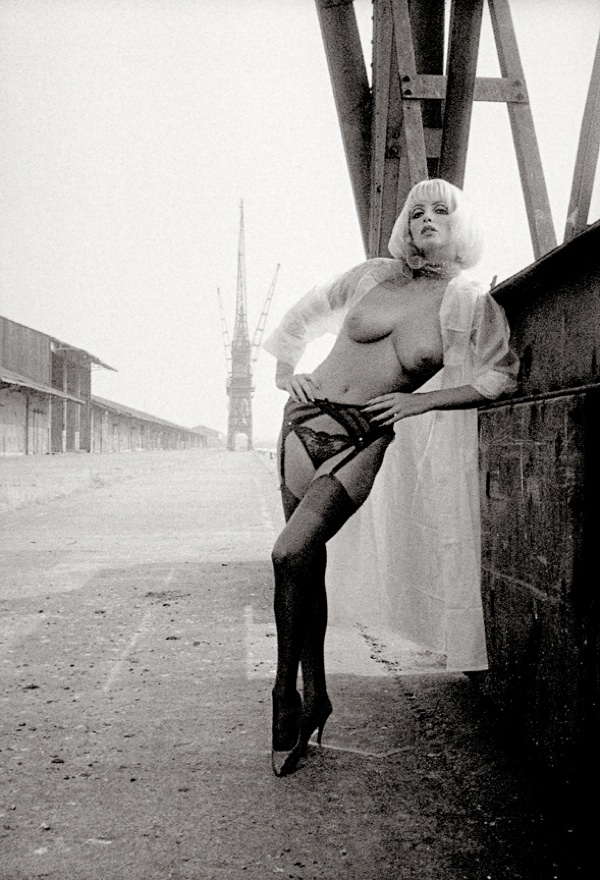
Don’t Ask, Dockside E16 1986.
Photographs copyright © John Claridge
You may also like to take a look at
Along the Thames with John Claridge
At the Salvation Army with John Claridge
A Few Diversions by John Claridge
Madge Darby, Historian of Wapping

“People have always come here, either to convert us or to rip us off.”
No-one knows more about the history of Wapping than Madge Darby, a woman who has made it her life’s imperative to recount the story of her people. And when Madge speaks of Wapping – as she does frequently – she uses the word “us” or she simply says “we.” This is her natural prerogative, because there are records of her family beginning with an Elizabeth Darby, christened there in 1636, while on her mother’s side, her great-great-grandfather, Robert Petley, and his family were turned out of their home at the beginning of in the nineteenth century for the building of St Katherine’s Dock. Thus, the story of the Darbys is the story of the place and it is a narrative with a certain poignancy because, at eighty-five years old, after so many generations, Madge is now the last of the Darbys in Wapping.
Yet Madge is not a sentimentalist and she is very much alive, occupying a central position in the neighbourhood – culturally, as chairman of the History of Wapping Trust and topographically, residing in an old terrace at Wapping Pierhead, cheek by jowl amongst the celebrities and bankers who have come to Wapping in recent years. It was here I visited Madge last week, discovering her in the dining room surrounded by the paperwork from the latest edition of her history of Wapping, “Piety & Piracy.”
“People have always come here, either to convert us or to rip us off,” she declared to me in explanation of the title of her book. And her eyes sparkled with emotion as she waved an estate agent’s circular which revealed that a neighbouring house had just sold for millions, thereby offering evidence of the nature of piracy in contemporary Wapping. Born in 1927 in Old Gravel Lane, five minutes walk from where she lives today, Madge and her family were twice displaced from their home, once for a road widening that never happened and once as part of a slum clearance programme.
“I’m not in favour of the housing policy that has pushed most of the indigenous people out and broken up the community,” she admitted frankly, deeply disappointed that recent generations of her family have been unable to find homes in the neighbourhood. A situation that she ascribes to escalating property prices and a social housing programme which, for decades, made little provision for those without children, forcing them to seek homes elsewhere.
“We were lucky to find this before the prices went up,” she said, casting her eyes around her appealingly dishevelled terrace house that she moved into in 1975 with her brother and mother, both of whom she cared for there until they died. “These houses were built in 1811 for dock staff and when we came there was only one tap. It took us years to save up to get heating installed.” she recalled. As a child, Madge came for piano lessons with a Miss Edith Pack in one of the adjoining buildings, overlooking the entrance to the docks, and was commonly distracted by the ships passing the window. Apart from a brief period of evacuation to Whitchurch, Madge was in London for most of the war, attending Raine’s School which operated in Spital Square before moving up to Dalston where Madge took her school certificates, prior to entering Queen Mary College to study History in 1945. In Madge’s memory, the streets of Wapping always smelled of spices, while in Spitalfields the smell of cabbages from the market prevailed.
Madge explained that her approach to history is based upon the evidence of surviving documentation. “Our dear mother used to say to us,’You’ll have to burn all those old letters in my bureau when I’m gone.'” Madge told me with a twinkle in her eye, “And I always replied, ‘Why? Where are you going dear?'” After her mother’s death, Madge published these letters in five volumes, comprising correspondence and diaries that tell the intertwining histories of her family and Wapping from 1886 until the beginning of our own century. The final volume is Madge’s personal memoir, commencing, “As soon as I became aware of the world around me, I found that I lived in Wapping. Wapping seemed to me a wonderful place and I could never understand how anyone fortunate enough to have been born there could wish to move away.”
We left the house and walked out to take a stroll upon the lawn at the Pierhead, overlooking the Thames, and we sat together overlooking the water in the sunshine. But while I only saw an empty expanse, Madge could remember when the docks were working at capacity and the river was busy with traffic. Madge told me about the previous inhabitants of the Pierhead before the current residents from the world of celebrity chatshows and bankers’ bonuses. Then, searching further in her mind, she spoke with excitement of Captain Bligh and Judge Jefferies in Wapping, both of whom are subjects of her books. “Wapping only became part of London in the seventeenth century,” she informed me with a tinge of regret, “Stowe describes it as one of the suburbs.”
With her thick white hair cropped into nineteen-thirties-style bob and her lively blue eyes, Madge was the picture of animation.“We carry on, we do our best,” she reassured me, speaking both of herself and of Wapping.
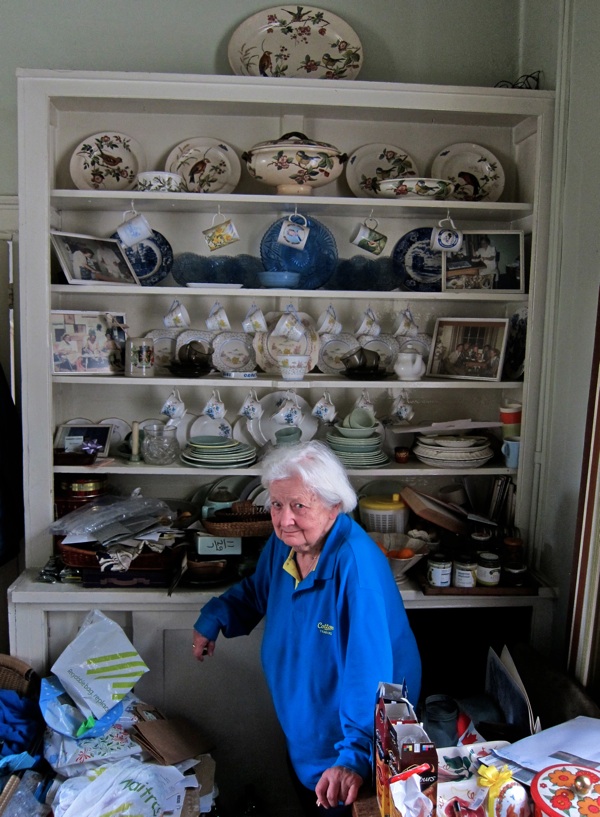
Madge Darby

Madge’s house is one room deep, with windows facing onto the road and towards the river.

Madge in the rose garden at Wapping Pierhead outside the former Dockmaster’s House.
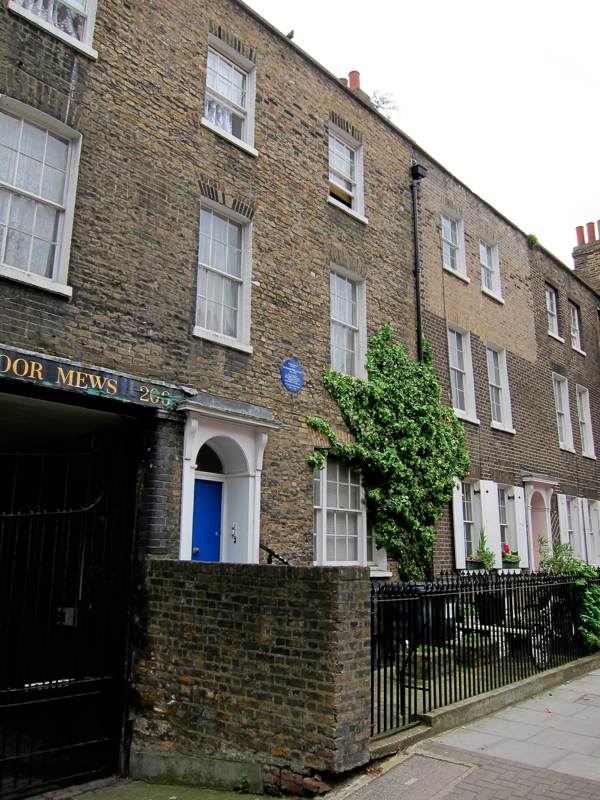
The house in Cable St where Madge’s father, Harry Darby, was born.
Furniture Trade Cards of Old London
Just when I thought I had published all the eighteenth century trade cards there were to be found, I discovered these old furniture trade cards hidden in the secret drawer of a hypothetical cabinet.
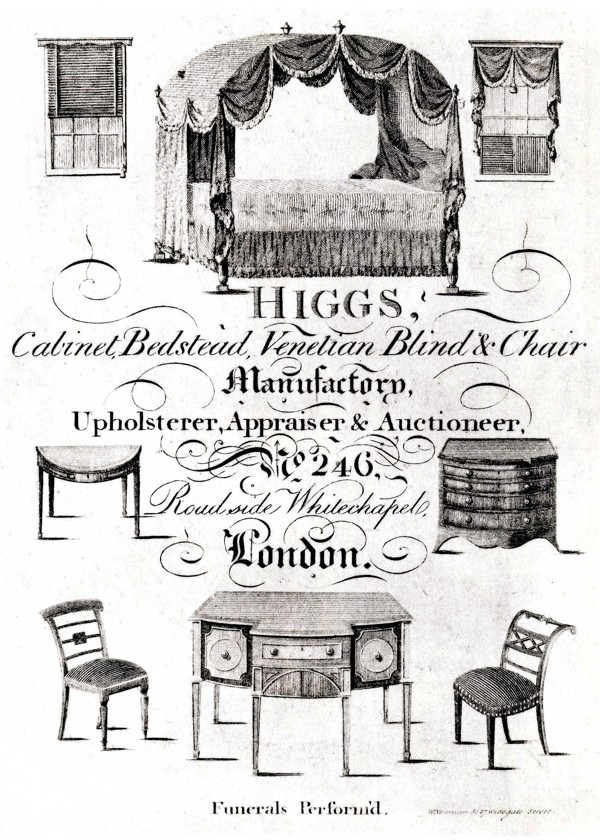
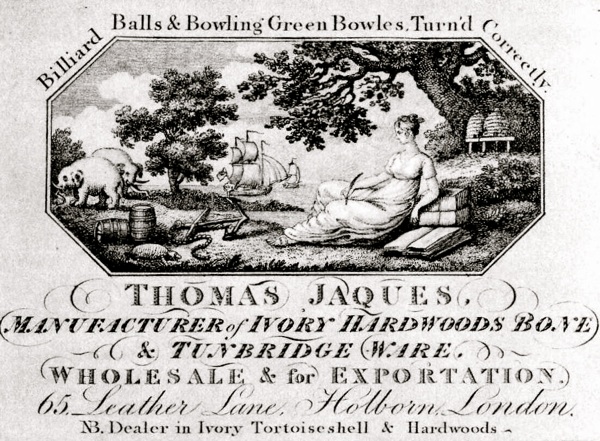
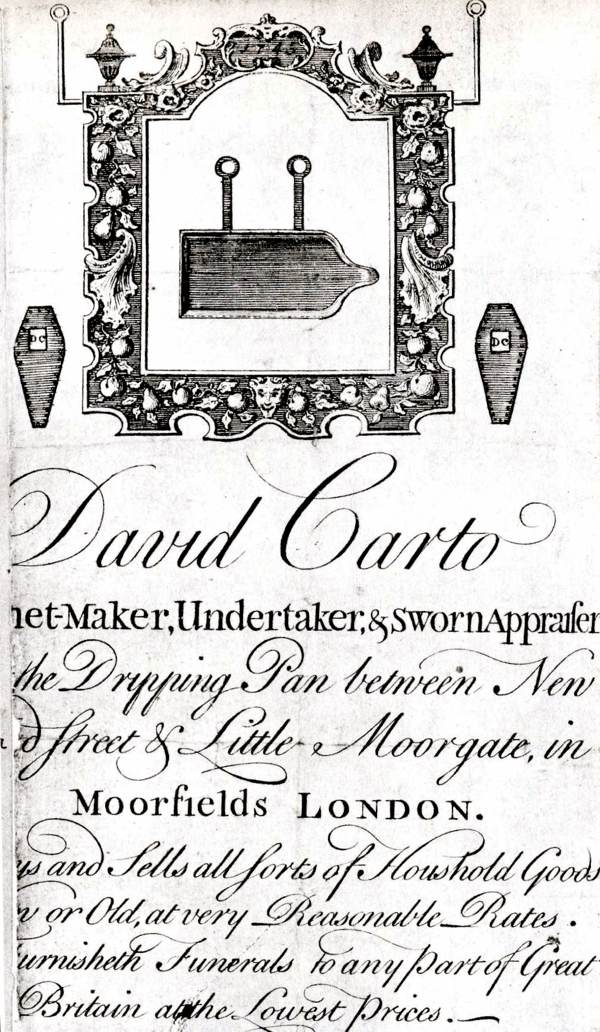
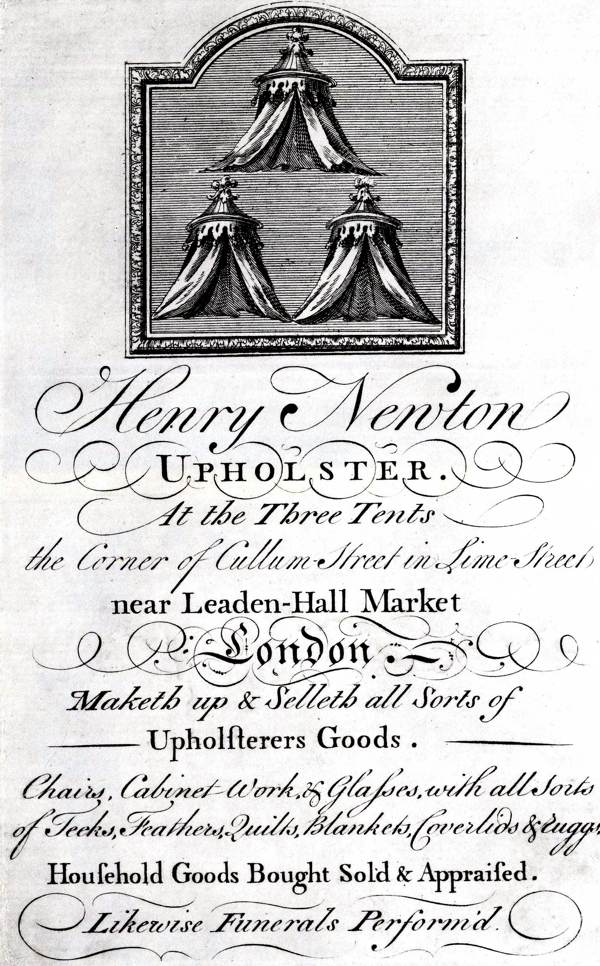

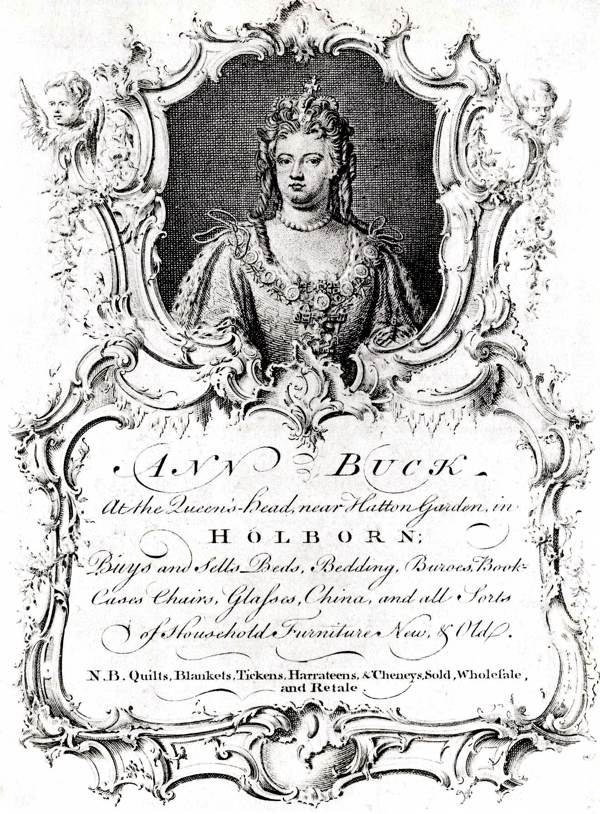

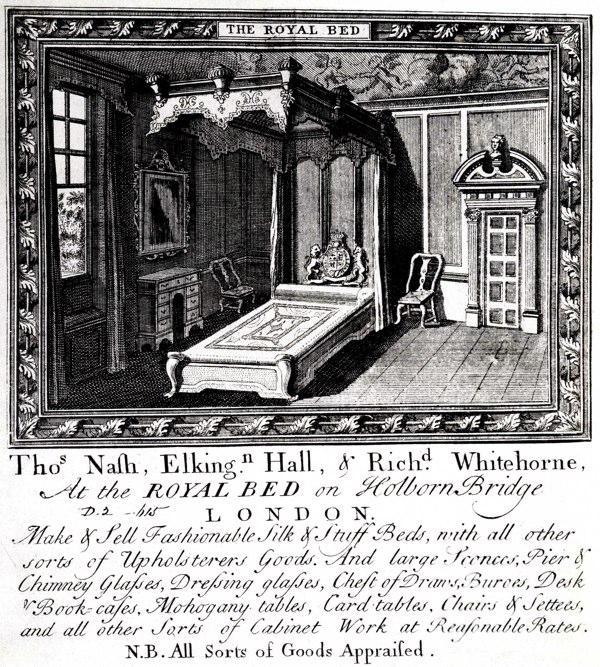

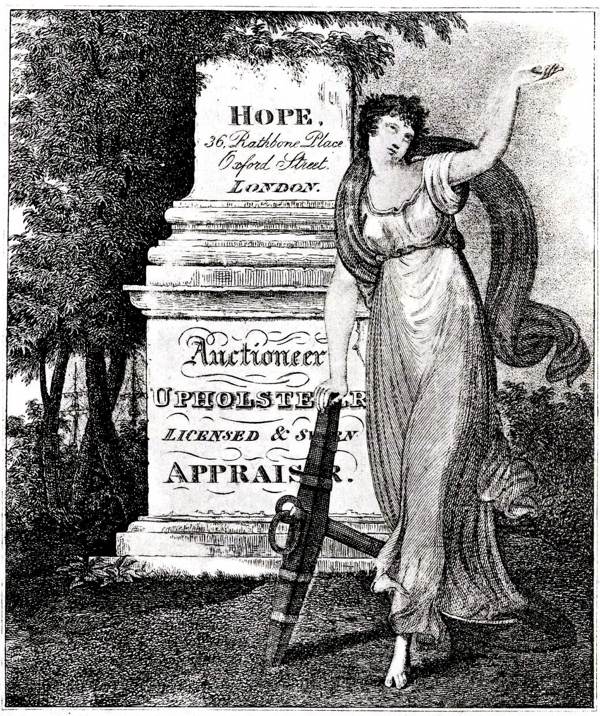
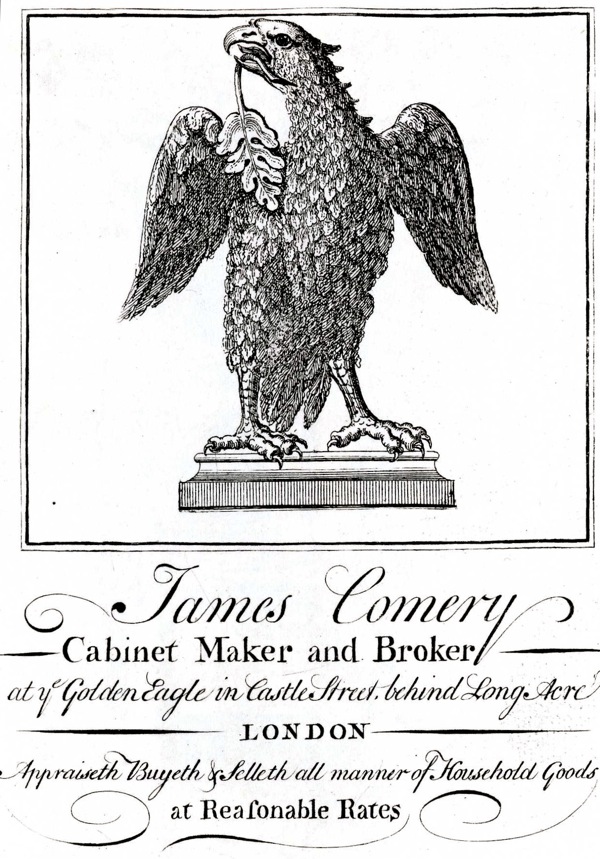

Images courtesy Bishopsgate Institute
You may like to see my earlier selections
More Trade Cards of Old London
Yet More Trade Cards of Old London
Even More Trade Cards of Old London
The Story of the Spitalfields Dioramas

After a little detective work and a trip to Leigh-on Sea, I am able now to tell the full story of the Spitalfields Dioramas, due to be unveiled tonight by Mavis Bullwinkle in their new home at the Bishopsgate Institute.
Truman’s Brewery commissioned the dioramas in 1972 for The Bell in Middlesex St from Howard Karslake, one of the top model makers of his day. They were designed to portray Petticoat Lane Market a century ago and, in the ten weeks they took to make, all the members of the Karslake family contributed to this epic example of the model makers’ art. Howard Karslake died young at the age of just fifty-eight in 1995 and this evening his family will be seeing the newly-restored dioramas for the first time in forty years. So, as well as being a magnificent evocation of Spitalfields in times past, they are a memorial to a uniquely talented man.
Today, Howard Karslake’s son Paul Karslake is a jobbing artist with a rock and roll style. He picked me up from Leigh-on-Sea railway station in a Bentley that he has customised spectacularly with scenes from British history, whisking me away to his studio in a former garage at the top of the hill which in its creative disorder – he told me – approximated closely to his father’s workshop.
“My father was born Michael Howard Karslake in 1932. He became very interested in models of all kinds when he went into the RAF, where he worked as an undercover topographer making incredibly detailed scale models from maps that pilots could study as a reconnaissance before they went off on a secret mission. Later, he went on to make the architect’s working model of the Thames Barrier, the model of the pilot’s seat in Concorde and models of many of the big North Sea oil rigs.
On leaving the RAF, he studied at Kingston College of Art in the same year as Terence Conran, and it was there he decided to become an architectural model maker. Then he fell in love with my mother Rachel who had just come over from South Africa and he got a job as chief model maker to Basildon Development Corporation, which gave him a council house automatically. And that’s where I was born.
But he found the work bureaucratic at the development corporation and when he got in trouble one day for not wearing a tie, he left and set up his own model making business. He had a big shed in the back garden where he worked. Before long, he won the Queen’s Award for Industry for his model of the Piper Alpha oil rig and he was made a Fellow of the Royal Society of Arts. At one time, he had seventeen people working in his business. I used to come in after to school to help and I was honoured because he valued my skills, even though I was only fourteen years old at the time. We were both perfectionists, so we clashed because you could never criticise, but I am so glad that I worked with him.
When the commission from Truman’s Brewery came along, he wasn’t that interested because it was different from his usual work but the rest of the family persuaded him to do it. At that time, Petticoat Lane was the East End equivalent of Carnaby St, it was the place to go for fashion and records. We all went there to have a look, it was bohemian and I loved it. I remember seeing Keith Emerson of Emerson, Lake & Palmer there in a mad coat.
The Bell opened at midday and shut at two-thirty in those days, and they were so strict that I wasn’t even allowed into the pub. I only went in once when the models were being fitted, and the foreman from the brewery came along and said, “How old is he? He’s not allowed to be here.” Truman’s treated The Bell as a showcase. The pub had been beautifully refurbished by the brewery with a new juke box. It was very exciting.
We began with the baseboard and then, using reference photographs, we created false perspectives and worked out where the figures were going to be. We had to set a scale and keep to it. My dad’s rule was, “If it looks right, it is right.” I remember turning the pickle jar in perspex. The biggest part of the job was the mirror behind the bar at The Bell which was etched in acid. I had to learn to do it very quickly, and then I did the gold leaf and the green enamel paint. This was where I first did airbrushing, which is the main technique I use for my paintings today. The entire family, we worked six days a week for ten weeks to complete the models. My mother Rachel made all the figures and I painted the balloon in the sky over Brick Lane and did some of the sign writing, such as my father’s name over a shop, while my little brother Vincent painted all the lettuces.We created portraits of everyone we knew, and I am in there several times.
He was very proud of it. It was a fabulous effort. The whole family worked so hard. I only have a couple of his models to remember him by – a rotary hoe that he made early in his career and one of the tractors he made at the end. I miss him, but I’ve got his eyes so if I need a top-up of my dad, I can just look in the mirror. Considering he died so young, he did quite a lot in his life.“
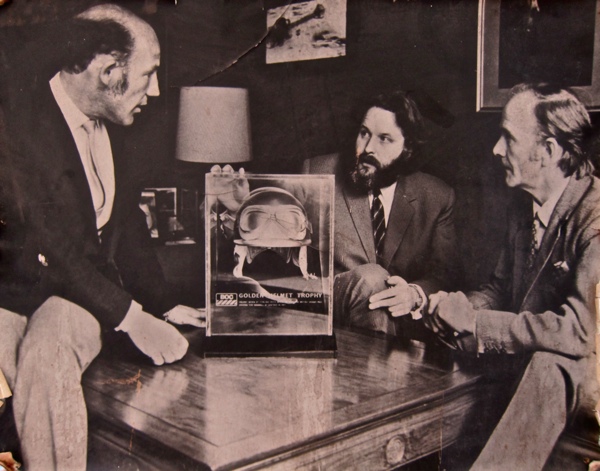
Howard Karslake (centre) presents the trophy he designed to racing driver Stirling Moss (left) in 1967.
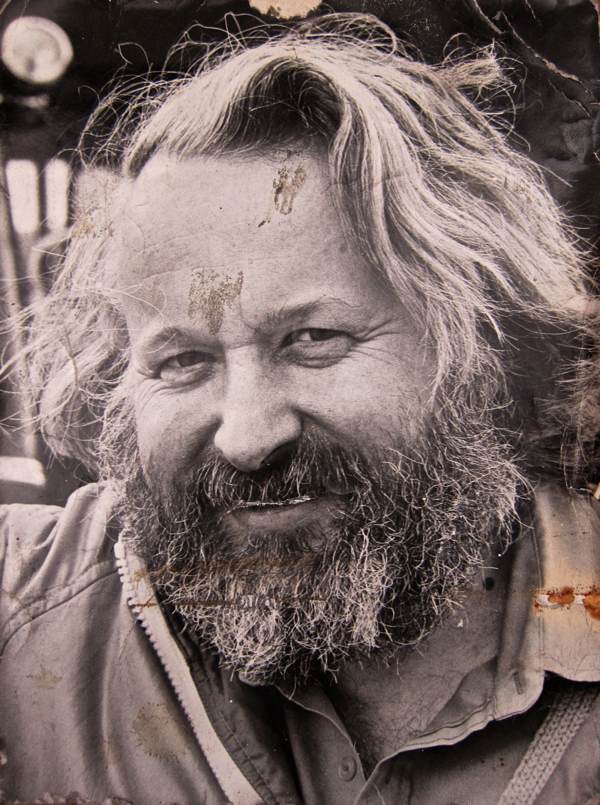
Howard Karslake, modelmaker (1932 – 1995)
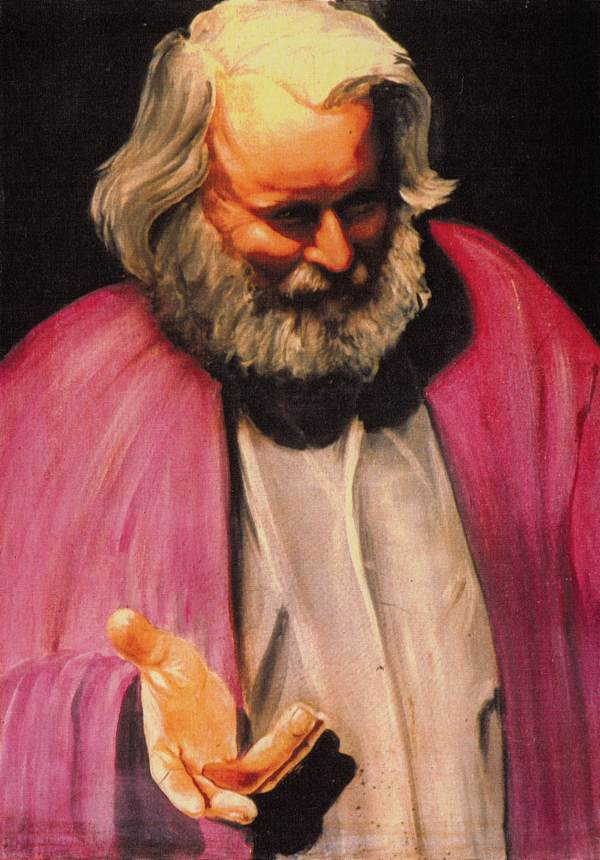
“Telling God a joke.” – Paul Karslake’s portrait of his father, 1997.

Paul has fond memories of making the pickle jar and the fish in a box, which is a roach and is based upon an original in his mother’s possession of 1821. The mirror behind the bar is of etched glass created by the same process as a full-size one. The landlady was made by Rachel Karslake, Howard’s wife, as a self-portrait using her own hair.

Paul Karslake stands outside his studio in Leigh-on-Sea, beside his Bentley recently painted with scenes from British history,
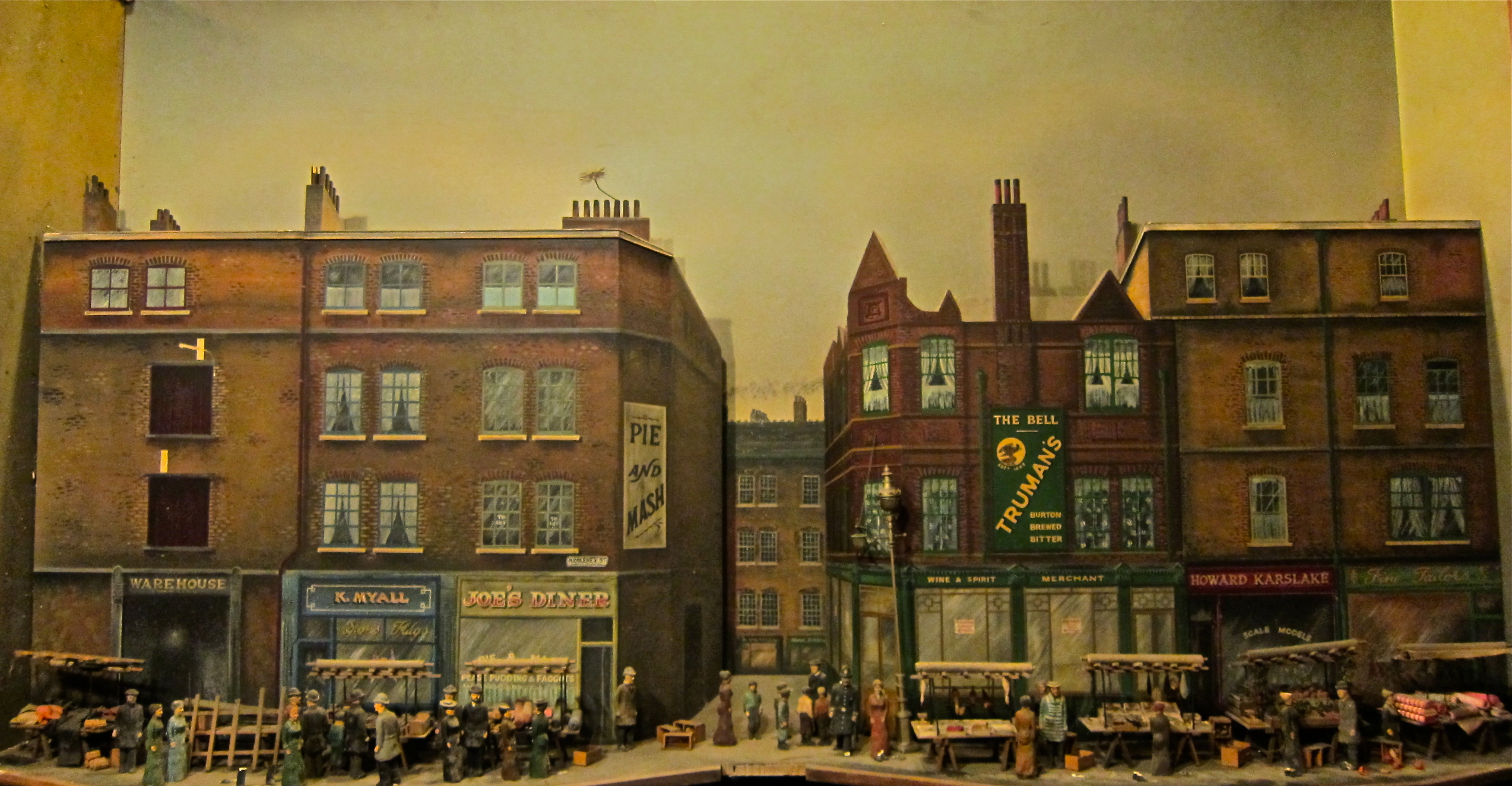
Click on this picture to explore the diorama of Petticoat Lane.
If you would like to attend the unveiling tonight please email Stefan.Dickers@bishopsgate.org.uk to put your name on the list. The dioramas will remain permanently on display in the Bishopsgate Institute Library to be viewed during opening hours.
You may like to read more about
Ron Cooper, Lightweight Champion Boxer
It has been my pleasure to contribute a series of interviews to BOXERS, Photographs of Boxing in London by Alex Sturrock , a large format colour book published next week by Ally Capellino. Here is my interview from the book with Lightweight Champion Ron Cooper, an East Ender who competed in the London Olympics of 1948.

Ron Cooper
I met Ron Cooper at one of the London Ex-Boxers Association reunions, held each first Sunday morning of the month at the William Blake in Old Street. At these events, you encounter hundreds of ex-boxers enjoying the camaraderie that distinguishes their sport.
Every gathering begins with the reading of a list of those who have passed away since last time, followed by a moment of respectful silence, and then it is on to club notices. Speeches and a raffle punctuate the morning and everyone takes comfort in the knowledge that due procedure has been followed in this familiar ritual. Yet, in effect, it is a Sunday service of devotion for all those who love boxing and have devoted their lives to it. And, even though the bar does not open, the sentiment of the occasion is enough to create widespread intoxication. Some of the most senior are the most playful, while handshakes, unselfconscious embraces and posing for yet another group photo, bear witness to the emotion of the moment, recognising that the ties of friendship formed a lifetime ago remain as strong as ever.
Amongst the old timers, all suited and booted, shaven and shorn and well-turned out in dark suits, the youngsters are eager to seek inspiration from their idols. And it was in this environment that I had the privilege to sit down in a quiet corner with East End boxing legend, Ron Cooper, while he told me his story in his own words.
“I was just a little cockney boy from Limehouse. I felt so proud to fight in the Olympics in London in 1948, all the buttons on my shirt busted! I still have the vest, it’s sixty-two years old and I’d probably get in it now if I done a little training.
I was working down in Millwall in the docks, doing welding after I come out the Navy. And when my father died in 1948, soon after I won the ABA lightweight championship, I didn’t want to box anymore, I’d lost all heart. In my first fight after his death, I kept looking around for the old man at the ringside, like he always was. And he wasn’t there.
Then my guvnor said, “You’ve been picked, Ron, for the Olympics.” I said, “Yes guvnor, I’ve been picked for the Olympics.” He said, “Where are you going to train?” I said, “I can’t afford to go away. I’m the breadwinner indoors, I’ve got to go to work.” I was the youngest of ten. But my guvnor was a boxing fan, so the first thing he did – I can see it as if it was yesterday – he said, “Mary, get Ronnie three weeks wages. Here’s your wages Ronnie!” And I went away with the British boxing team to Wargrave.
I can remember going to Switzerland to box for Britain in 1947 and they put a steak in front of me and I said, “What’s that? Is that a steak? I haven’t seen one of them in six years.” We was on rations. We was getting two ounces of bacon, two ounces of sugar, half a loaf of bread and a bottle of milk per person. That’s how we lived. We were starving. We had nothing. Actually, to tell you the truth, I don’t know how we done it. We were skint, weren’t we, in 1948? Food rationing ‘til when? 1954! This was three years after the war. Bomb damage everywhere.
Down at Wargrave, from fly to lightweight was going out on the road to train and from welter to middleweight was stopping in the gym. The next day, we would reverse it, they would go in the gym and we would go out on the road. And for food – I had to laugh – they used to say, “Give Ronnie Cooper the custard and jelly,” because I love custard and jelly. That – to me – was a steak. I used to say, “If there’s any meat, give it to the others” We never had no meat, did we? Everyone had to bring their own meat! But custard and jelly, I loved it, I love it now. When I used to have a fight, I said to my mum, “What you got?” And she used to say, “Your custard and jelly’s right out there, it’s red hot.”
To wear that Olympic blazer with Great Britain on it, that’s the pinnacle of amateur boxing. And you feel proud with the old beret on, little twenty-year-old walking down, still wiping your nose. I boxed at Wembley, I boxed the Dutch champion, Jan Remie, and I beat him. He was like a bull. He wouldn’t leave me alone. He went jab, jab, jab and I went bang, bang, bang.
The second one – I boxed the European champion, Matthew McCullagh – the only thing I remember was when I came round, I’m sitting there and someone was hitting me round the face. I said, “All right, when am I on then?” They said, “Son, you have been on and you’re out.” I said, “How did I get on in the fight?” They said, “You lost!” They said, “Do you remember when you got put down on the floor?” I said, “No.” It was the first time I ever got decked as an amateur. They said, “Do you know you had him on the floor?” I said, “No.”
I got put down in the first round but they told me I had him down in the second round and the third round. They told me, “What a fight! What a fight!” I told them, “I didn’t feel a thing. I don’t remember going in, I don’t remember coming out. I don’t remember it.” They told me, “You’ve lost on points but what a fight you’ve had.” I had a lovely letter from the RSBA telling me what a fantastic fight it was. I’d never got knocked out, only when I got married.
I had twenty-six fights as a pro and won twenty-three, and I’ve fought four area champions and knocked them out. I never done bad. Years ago, I used to have eight rounds in a week, today they wouldn’t do it. We never had the vitamins these kids have today. To be a champion and reach the top noddle, you have to be dedicated. It was through hard work that I got there. I say to kids, “You can be fit as a fiddle but if you want to reach the top, you’ve got have a bit of dedication, a bit of hard work.”
Whether it’s running or swimming, boxing, wrestling, hockey, football – you name it – you have to sacrifice things. You’ve got to do it. And to go in the ring you’ve got to have a bit of heart, haven’t you? Any sport, you’ve to have a bit of heart. When I started boxing, no way in my lifetime did I think that I’d have been boxing in the Olympic Games.”
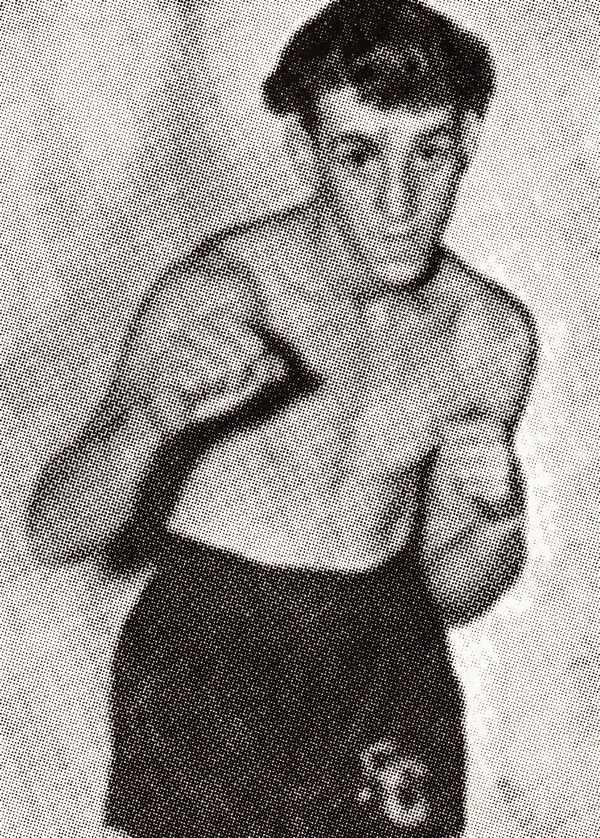
Ron Cooper when he competed in the London Olympics 1948.

Charlie Edwards is nineteen years old and has been training to compete in the 2012 Olympics – “It’s an adrenalin rush when you’re winning, I’ve never felt a buzz like it. I love it, I’ve loved it ever since I first went into the gym. It’s a huge feeling, you want it so bad.”
Photographs copyright © Alex Sturrock
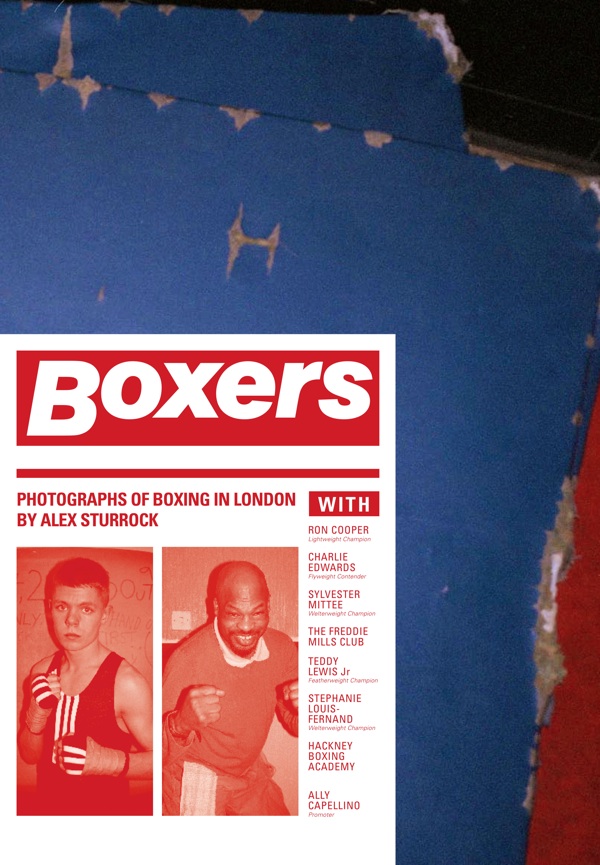
Copies of BOXERS are available from Ally Capellino and Rough Trade in east and west London.
At Stratford le Bow, June 27th 1556
This story contributed by Kate Cole inspired me to go to Stratford yesterday – amidst all the shopping malls and Olympic razzmatazz – to take a picture of the memorial to the thirteen martyrs burnt alive there for their beliefs on this day in 1556.
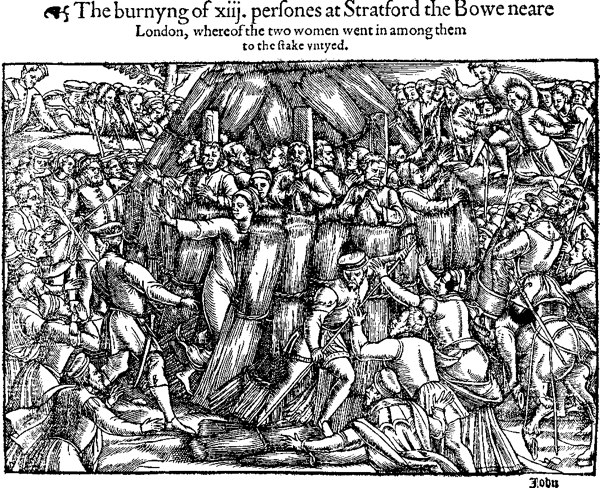
Today is the anniversary of the burning of thirteen people at Stratford le Bow in 1556, executed in the most horrible manner because of their faith. It was the largest burning of a group of people in Tudor times and the grim spectacle was watched by a crowd of over twenty thousand.
For ordinary citizens, the reign of the Tudor monarchs was one of the bloodiest and dangerous of times to live in English history. The country had been in religious turmoil since Henry VIII’s break with Rome in the 1530s, caused by his marriage to Anne Boleyn. And when Henry died on 28th January 1547,the boy-king, Edward VI, imposed even greater religious changes, designed to eradicate Catholicism and embrace Protestantism fully. But then, after Edward’s premature death in July 1553 and, after she had dispelled Lady Jane Grey’s Protestant henchmen’s attempts to seize the throne, Mary, the eldest child of Henry VIII, became queen. She was a devout woman who was determined to restore the English people to the Catholic faith led by the Pope in Rome.
This period of volatile religious policies was a troubled time for members of parishes across the country, in which disobedience to a monarch’s religious edict could quickly lead to a violent death. Burnings such as the 1555 execution of the bishops Hugh Latimer and Nicholas Ridley, followed by the 1556 burning of the Archbishop of Canterbury, Thomas Cranmer, are remembered to this day. However, many that burnt in the fires of Mary’s reign were ordinary people – artisans, craftsman, labourers, and their wives – who are largely forgotten.
Those that died on 27th June 1556 at Stratford le Bow were just such men and women. John Foxe, writing seven years later in 1563 during the Protestant Queen Elizabeth I’s reign, listed those that died that day. From his book The Acts and Monuments (more commonly known as Foxe’s Book of Martyrs), we find they were –
These thirteen were all working men and women with such strong religious convictions that, despite being given the opportunity to renounce their faith in return for their lives, they chose a painful death instead. After they were condemned, John Feckenham, the Dean of St Paul’s, preached against them at Paul’s Cross. He criticised them for all having different Protestant views and the group responded by producing a joint declaration of faith. Originally, the group comprised of sixteen but Feckenham continued to visit them whilst they were in gaol, and three recanted and were released but the rest did not and accepted their fate.
According to a woodcut in the 1570 edition of John Foxe’s Book of Martyrs, the eleven men were tied to wooden stakes but the two women were loose within the pyre. Although no other contemporary account of the burning survives, one can only hope that the authorities permitted the families and friends’ requests to tie bags of gunpowder around the victims’ necks, in an attempt to dispatch them with the least amount of suffering possible.
Three hundred years later, in 1878, a memorial to these thirteen, and other victims of Mary’s burnings, was unveiled in St John’s churchyard, Stratford. There has been much debate amongst historians as to whether this particular appalling event took place in Stratford on Stratford Green or in Bow near Bow Church – and because of the number of spectators, it is more likely to be Bow. So this Victorian Gothic memorial might be in the wrong location. But wherever the burnings actually took place, the memorial rightly commemorates those thirteen unfortunate men and women from Essex, Hertfordshire, Sussex and London who died for their beliefs on 27th June 1556.
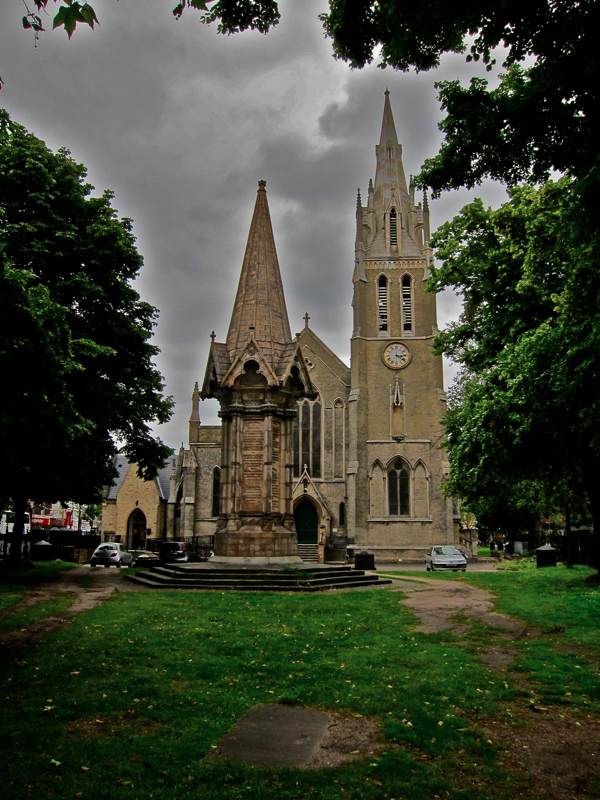
Memorial at Stratford of 1878 to those martyrs who died for their faith in the reign of Mary.
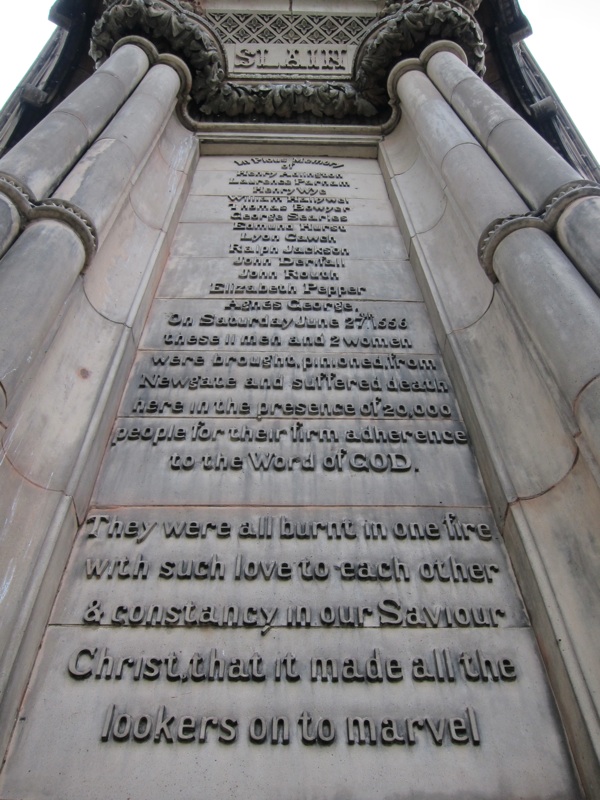
Read Kate Cole’s story of Thomas Bowyer, the martyr from Great Dunmow.
You may also like to read












