
The Streets of Old London
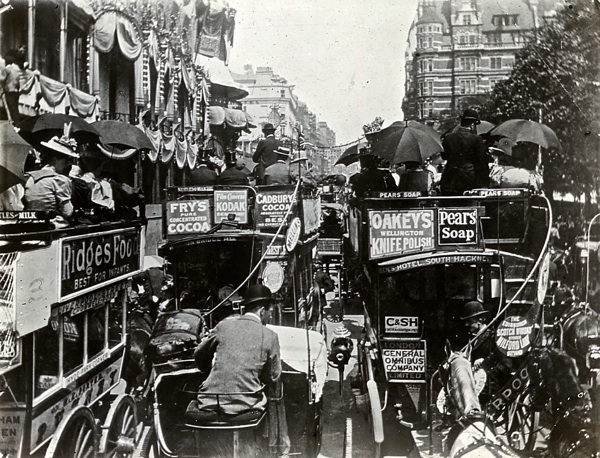
Piccadilly, c. 1900
In my mind, I live in old London as much as I live in the contemporary London of here and now. Maybe I have spent too much time looking at photographs of old London – such as these glass slides once used for magic lantern shows by the London & Middlesex Archaeological Society at the Bishopsgate Institute?
Old London exists to me through photography almost as vividly as if I had actual memory of a century ago. Consequently, when I walk through the streets of London today, I am especially aware of the locations that have changed little over this time. And, in my mind’s eye, these streets of old London are peopled by the inhabitants of the photographs.
Yet I am not haunted by the past, rather it is as if we Londoners in the insubstantial present are the fleeting spirits while – thanks to photography – those people of a century ago occupy these streets of old London eternally. The pictures have frozen their world forever and, walking in these same streets today, my experience can sometimes be akin to that of a visitor exploring the backlot of a film studio long after the actors have gone.
I recall my terror at the incomprehensible nature of London when I first visited the great metropolis from my small city in the provinces. But now I have lived here long enough to have lost that diabolic London I first encountered in which many of the great buildings were black, still coated with soot from the days of coal fires.
Reaching beyond my limited period of residence in the capital, these photographs of the streets of old London reveal a deeper perspective in time, setting my own experience in proportion and allowing me to feel part of the continuum of the ever-changing city.
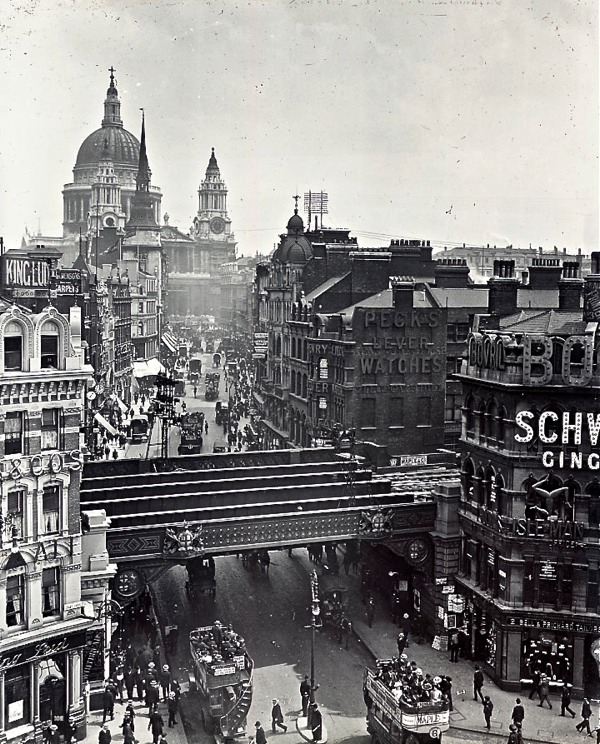
Ludgate Hill, c. 1920

Holborn Viaduct, c. 1910

Woman selling fish from a barrel, c. 1910

Trinity Almshouses, Mile End Rd, c. 1920

Throgmorton St, c. 1920

Highgate Forge, Highgate High St, 1900

Bangor St, Kensington, c. 1900

Ludgate Hill, c. 1910

Walls Ice Cream Vendor, c. 1920
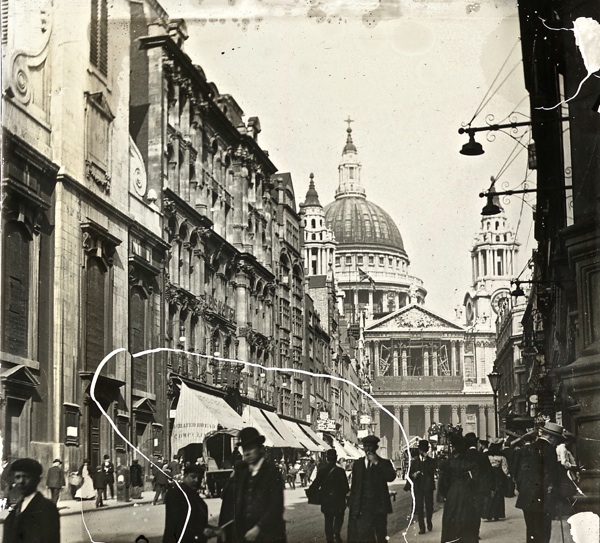
Ludgate Hill, c. 1910
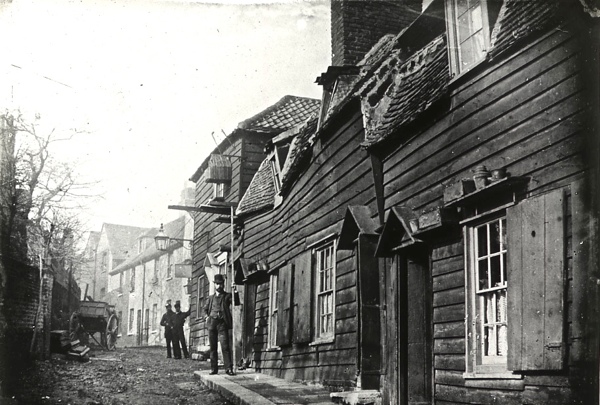
Strand Yard, Highgate, 1900
 Eyre St Hill, Little Italy, c. 1890

Muffin man, c. 1910

Seven Dials, c. 19o0

Fetter Lane, c. 1910

Piccadilly Circus, c. 1900

St Clement Danes, c. 1910

Hoardings in Knightsbridge, c. 1935

Wych St, c.1890

Dustcart, c. 1910

At the foot of the Monument, c. 1900
 Pageantmaster Court, Ludgate Hill, c. 1930

Holborn Circus, 1910

Cheapside, 1890
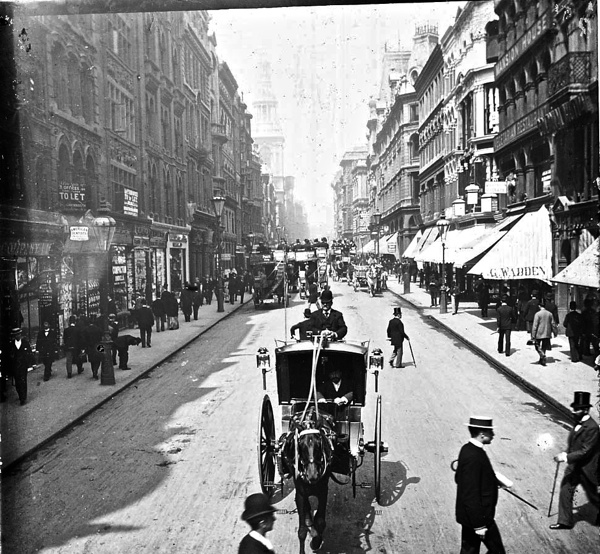
Cheapside ,1892

Cheapside with St Mary Le Bow, 1910

Regent St, 1900
Glass slides copyright © Bishopsgate Institute
You may also like to take a look at
Two Announcements


At the Drapers’ Hall
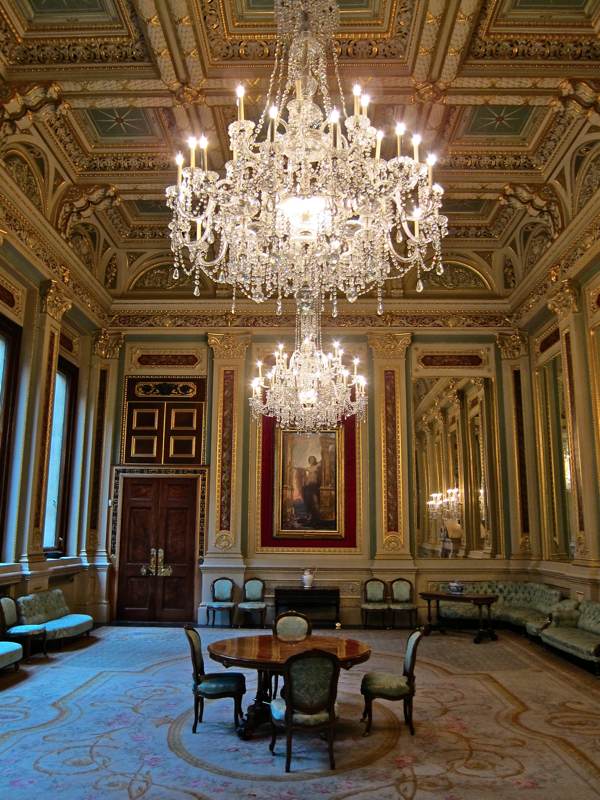
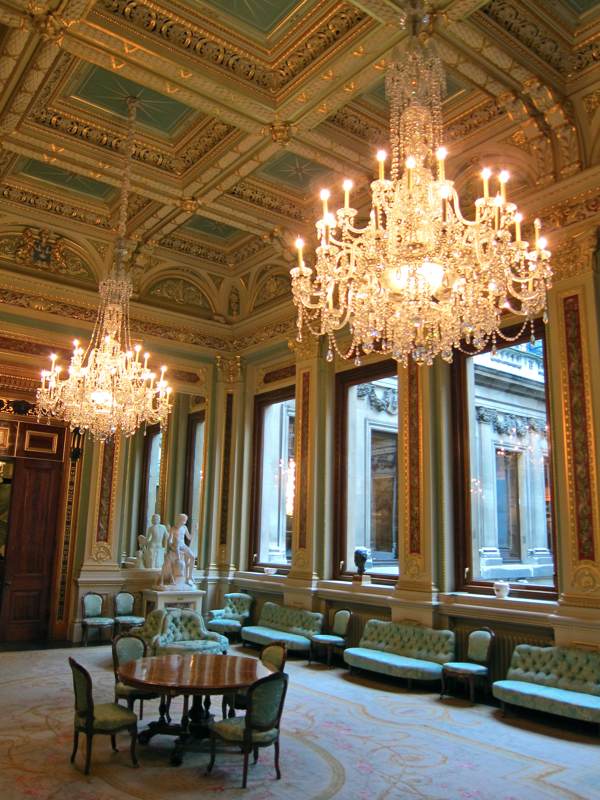
The Drawing Room
As long ago as 1180, the Drapers in the City of London formed a Guild to protect their interests as small traders and help members who fell into distress. The full title of the company was, “The Master and Wardens and Brethren and Sisters of the Guild or Fraternity of the Blessed Mary the Virgin of the Mystery of the Drapers of the City of London.” More than eight hundred years later, it still exists to administer charitable trusts, inheriting headquarters that have been rebuilt over the centuries upon the site of Thomas Cromwell’s house – taken by Henry VIII after Cromwell’s execution at the Tower in 1540 and sold to the Drapers in 1543.
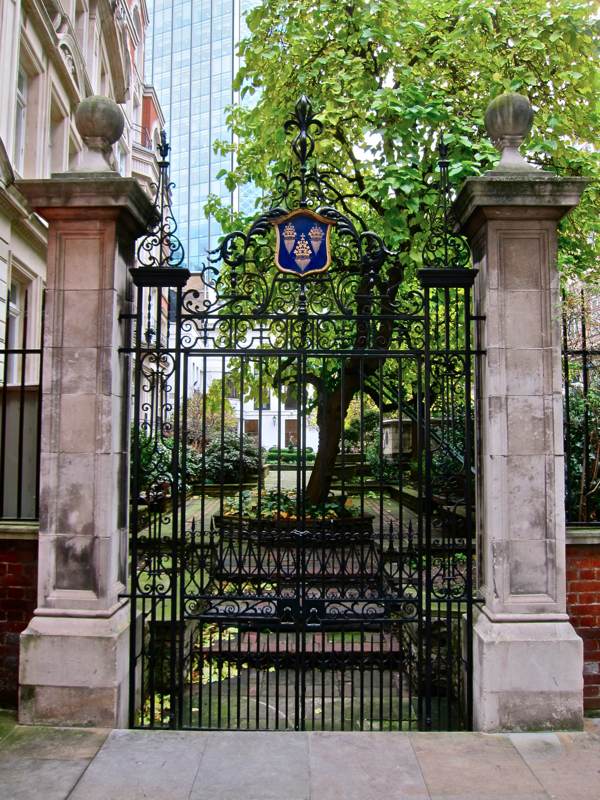
For years, I walked down Throgmorton Avenue and peered through the railings at the Mulberry trees growing there with out knowing that this tiny enclave of greenery in the heart of the city was the last remnant of Thomas Cromwell’s garden. Consequently, I was fascinated to visit the Drapers’ Hall this week and explore the chambers of the ancient livery company arranged around a hidden courtyard, following the ground plan of the great medieval hall that once stood upon this site. Until then, I had no idea that these palatial spaces existed, sequestered from the idle passerby.
Cromwell’s mansion was destroyed by the Great Fire of 1666, then rebuilt to designs by Edward Jarman in the sixteen seventies and later remodelled in each of the subsequent centuries to arrive at the rambling construction I encountered, which delivers some breathtaking architectural contrasts as you walk from one space to another. Offices occupy the ground floor that give no hint of the grandeur above, unless you step into the courtyard and raise your eyes to peer through the tall windows upon the first storey where the gleam of vast chandeliers reveals lofty painted ceilings. Standing there in the stone yard surrounded by an arcade embellished with heads of the prophets, you might be in Venice or Rome.
A magnificent eighteen nineties staircase by Thomas Graham Jackson, lavishly encrusted with alabaster and red emperor and green chipolina marble, and light by a five thousand piece chandelier, offers a suitable introduction to the wonders at the top, where the grand Dining Room awaits on your left and the even grander Drawing Room on your right. Overlooking the garden, the Dining Room is one of the oldest chambers at the Drapers’ Hall, dating from the seventeenth century yet heavily embellished with coats of arms in the mid-nineteenth century to create a shining firmament overhead, glistening in diffuse chandelier light.
Crossing the landing, you enter the Court Room where Nelson and Wellington face each other from full-length portraits at either end. Lit by tall windows overlooking the courtyard, even the grandeur of this space gives no indication of the vast Livery Hall beyond. In the sepulchral gloom, larger than life-size portraits of British monarchs line up around the walls of this cathedral-like space, where no sound of the city penetrates and the depth of silence hums in your ears. Incredibly, the embellishment in this ornate room was simplified in the eighteen nineties because the original decoration was so elaborate that it prevented the entry of light.
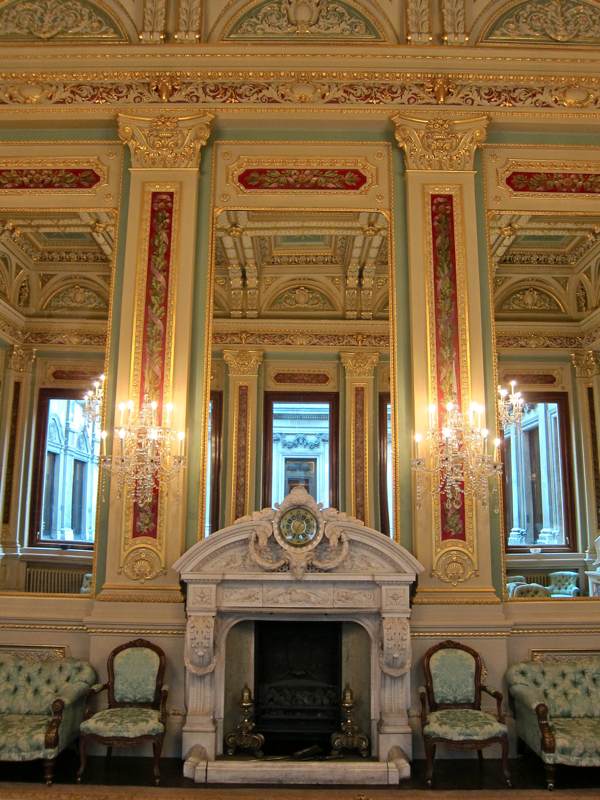
A narrow corridor leading from the hall and overlooking the courtyard holds the company’s succession of charters including Edward III’s Patent of 1364 followed by those granted by James I, Elizabeth I and our own Elizabeth II. Facing the Livery Hall across the courtyard is the Drawing Room, a chamber worthy of any of the royal palaces of Europe. Created by architect Herbert Williams and interior designer John G. Crace, it remains as they left it in 1868, – an exquisitely modulated symphony of gilt panelling and mirrors, glowing golden in the cool northern light.
Over-awed by the majesty of the building and distracted by the collection of old paintings worthy of any museum, I rubbed my bleary eyes when I found myself back in the dusty streets around Liverpool St Station in the grey dusk of a November’s afternoon, and it caused me to question whether my visit to the Drapers’ Hall had, in fact, been an apparition conjured by a daydream.
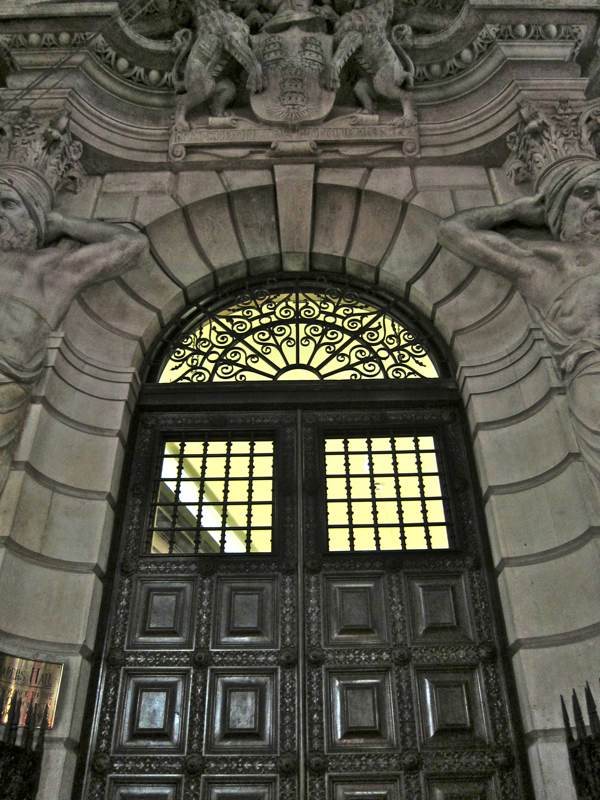
Bearded Persians by Henry Pegram flank the Throgmorton St entrance.
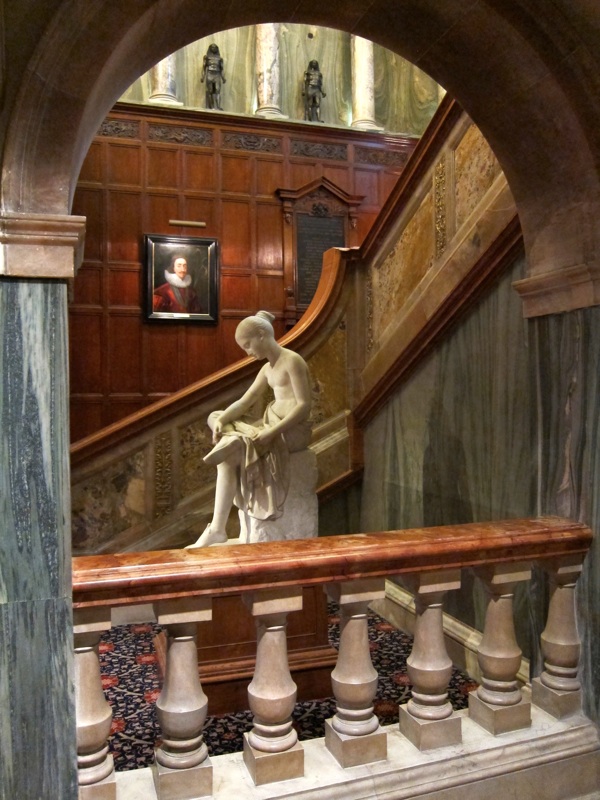
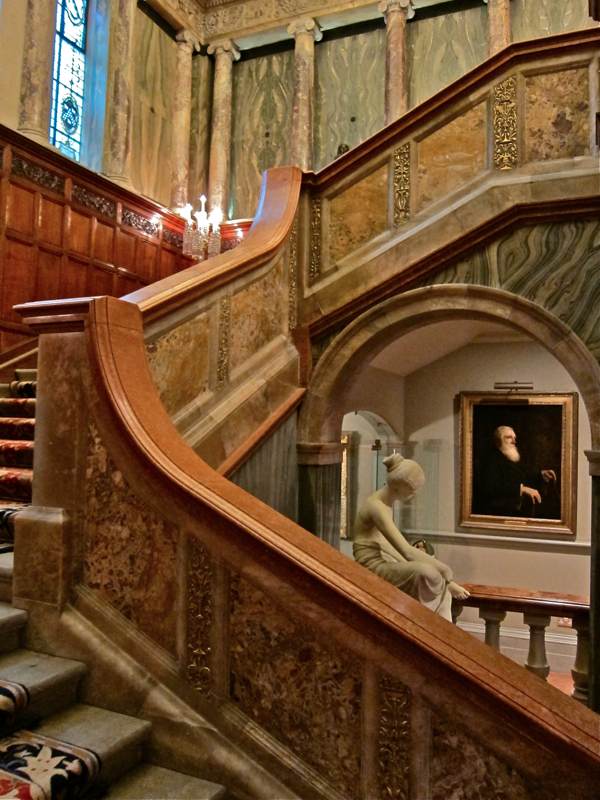
Staircase designed by Thomas Graham Jackson in the eighteen nineties.
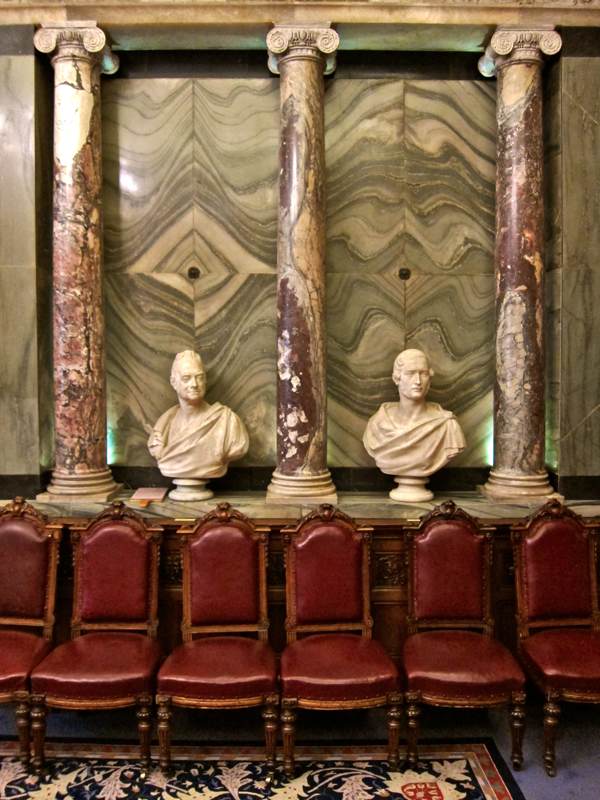
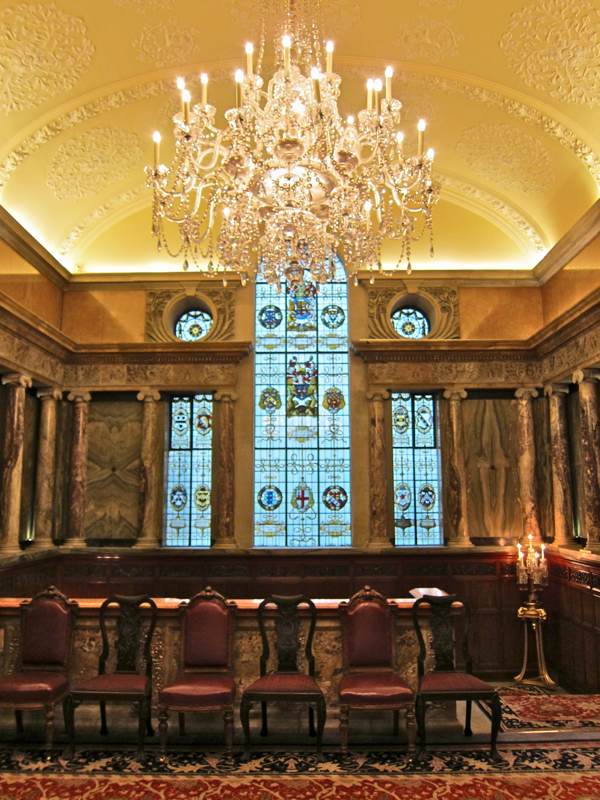
A five thousand piece chandelier lights the staircase.
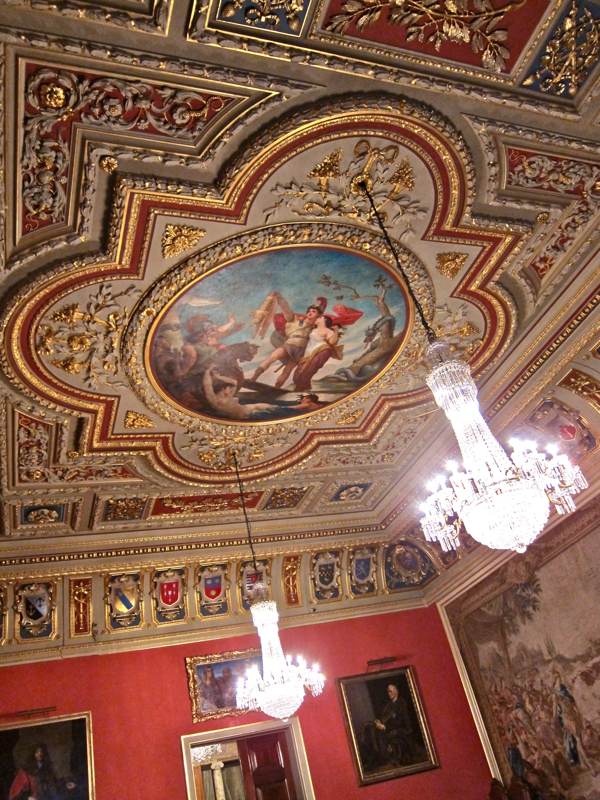
Jason and the Golden Fleece, portrayed upon the celiing of the Court Dining Room
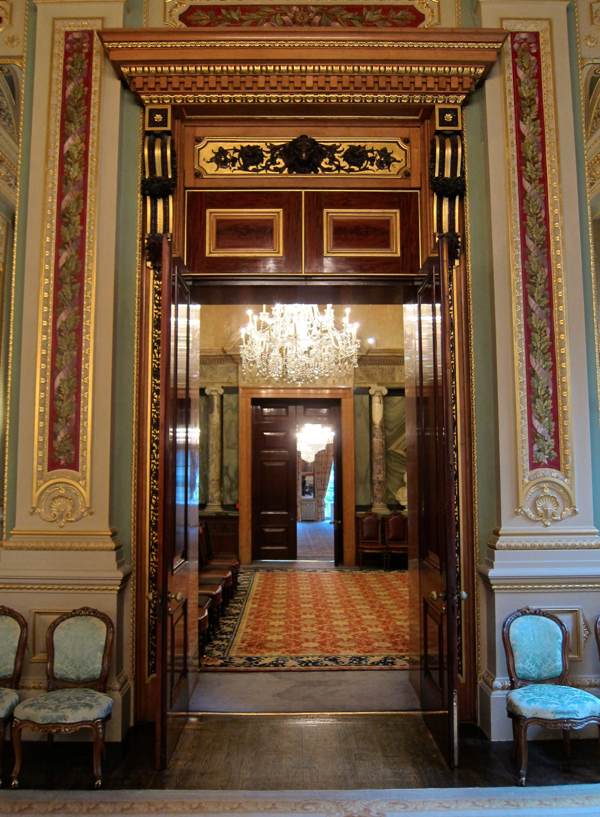
Looking from the Drawing Room through to the Dining Room.
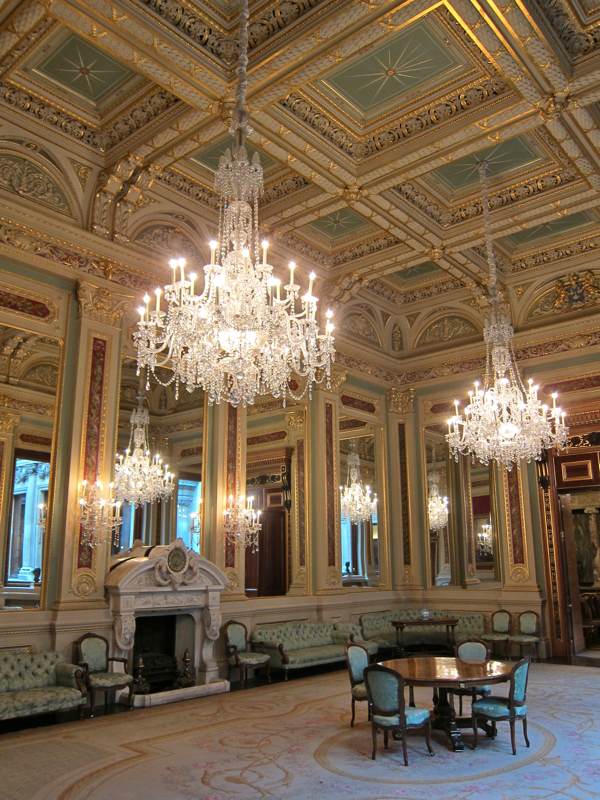
The Drawing Room by architect Herbert Williams and interior designer John G. Crace, 1868.
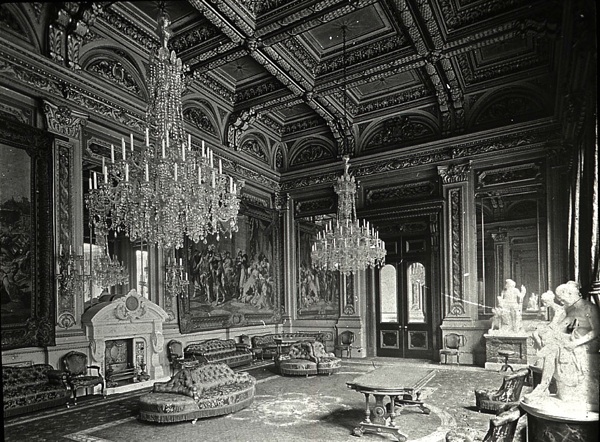
The Drawing Room c. 1920
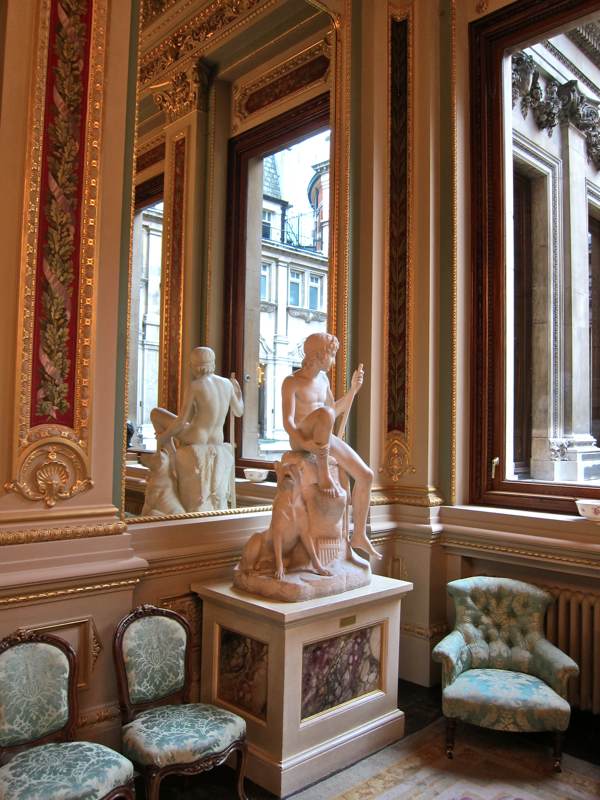
The Shepherd Boy by Thorwaldsen, 1893.
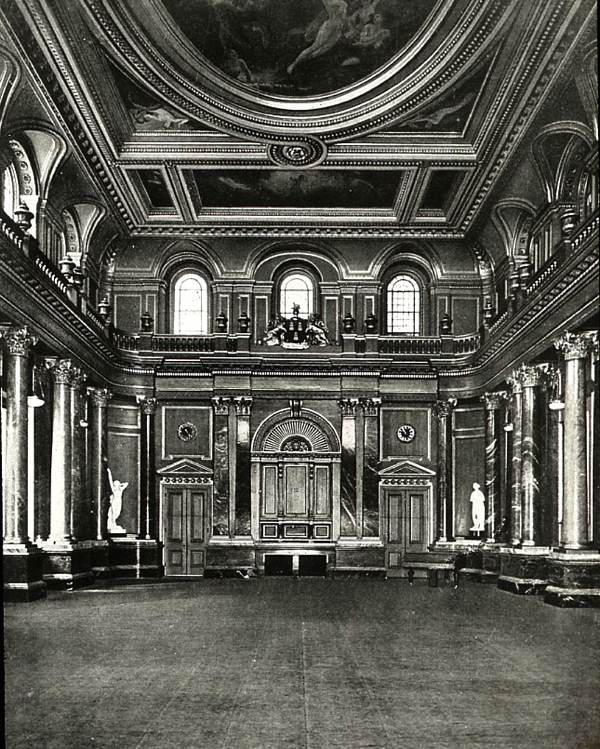
The Livery Hall, c. 1920
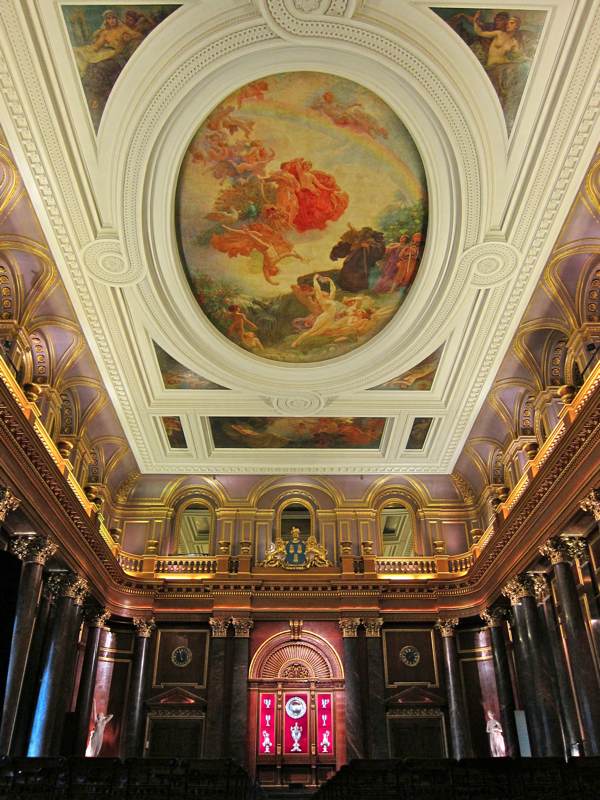
The Livery Hall
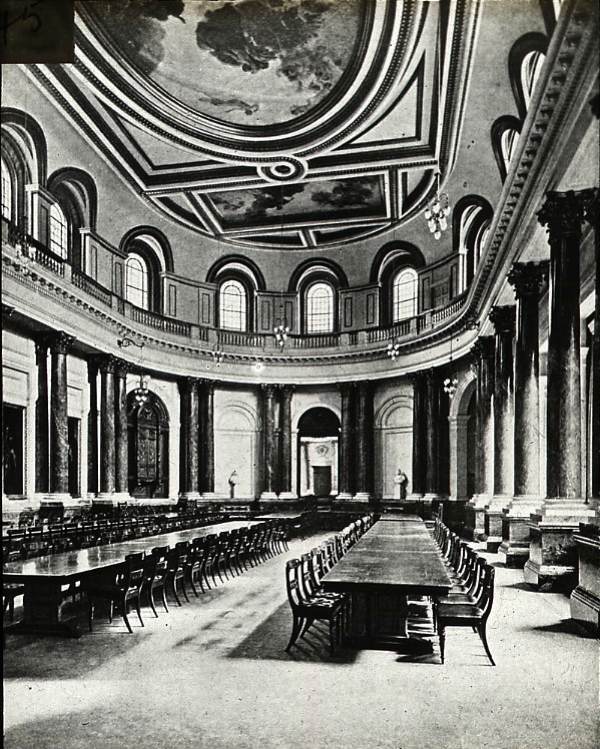
The Livery Hall c.1920
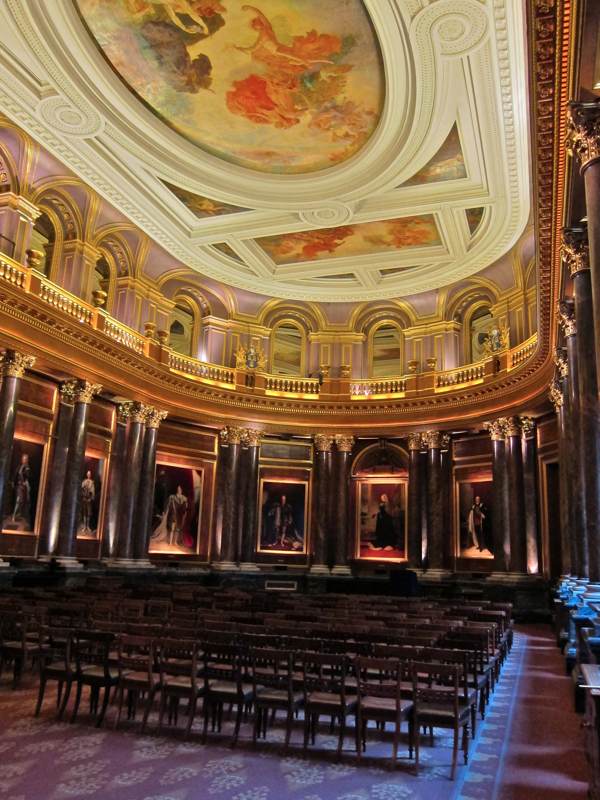
The Livery Hall
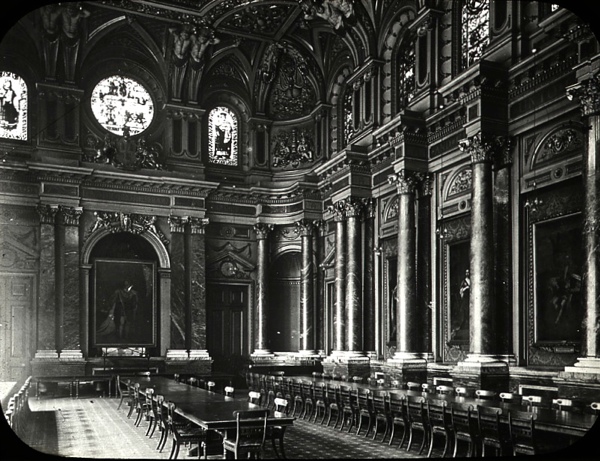
The Livery Hall, c. 1890
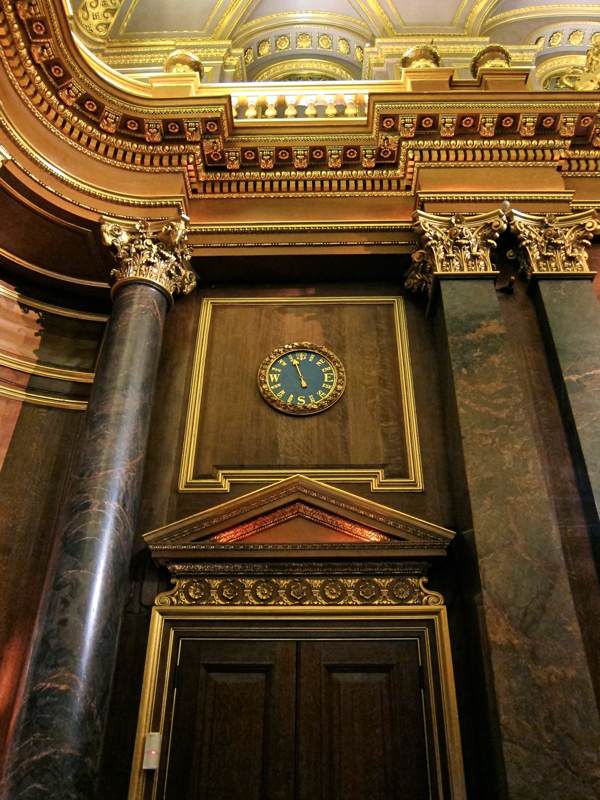
This dial in the Livery Hall indicates the wind direction.
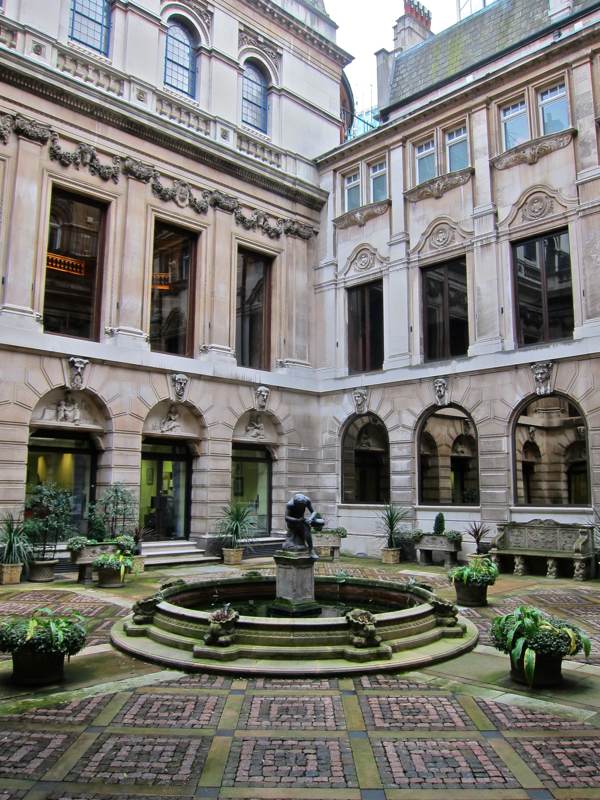
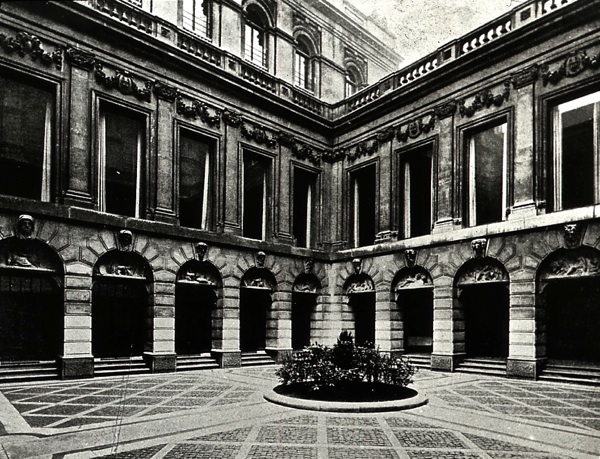
The Courtyard c. 1920
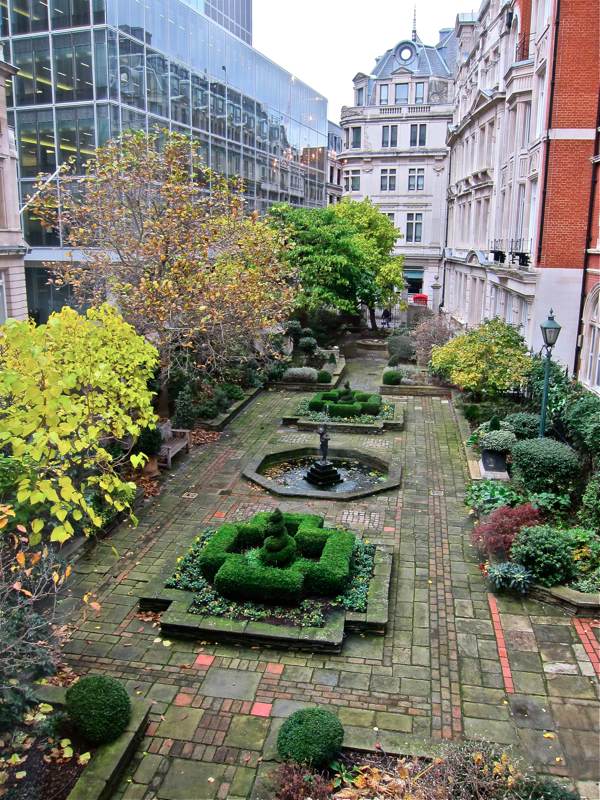
The last remnant of Thomas Cromwell’s garden.
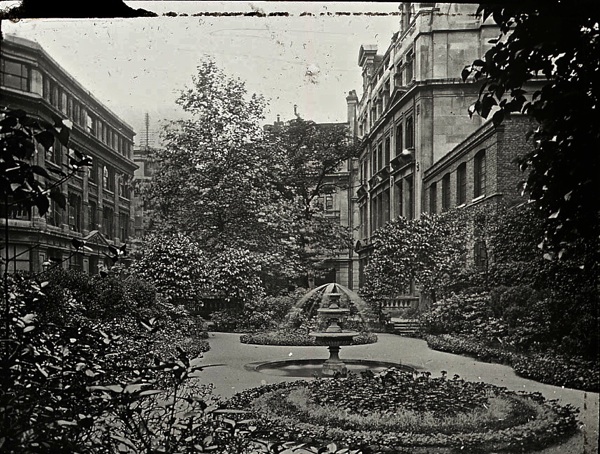
The Garden, c. 1920
Glass slides courtesy Bishopsgate Institute
You can visit the Draper’s Hall on 3rd December for the Wellbeing of Women Christmas Fair 11am-8pm.
You may also like to read about
Together We Are Stronger
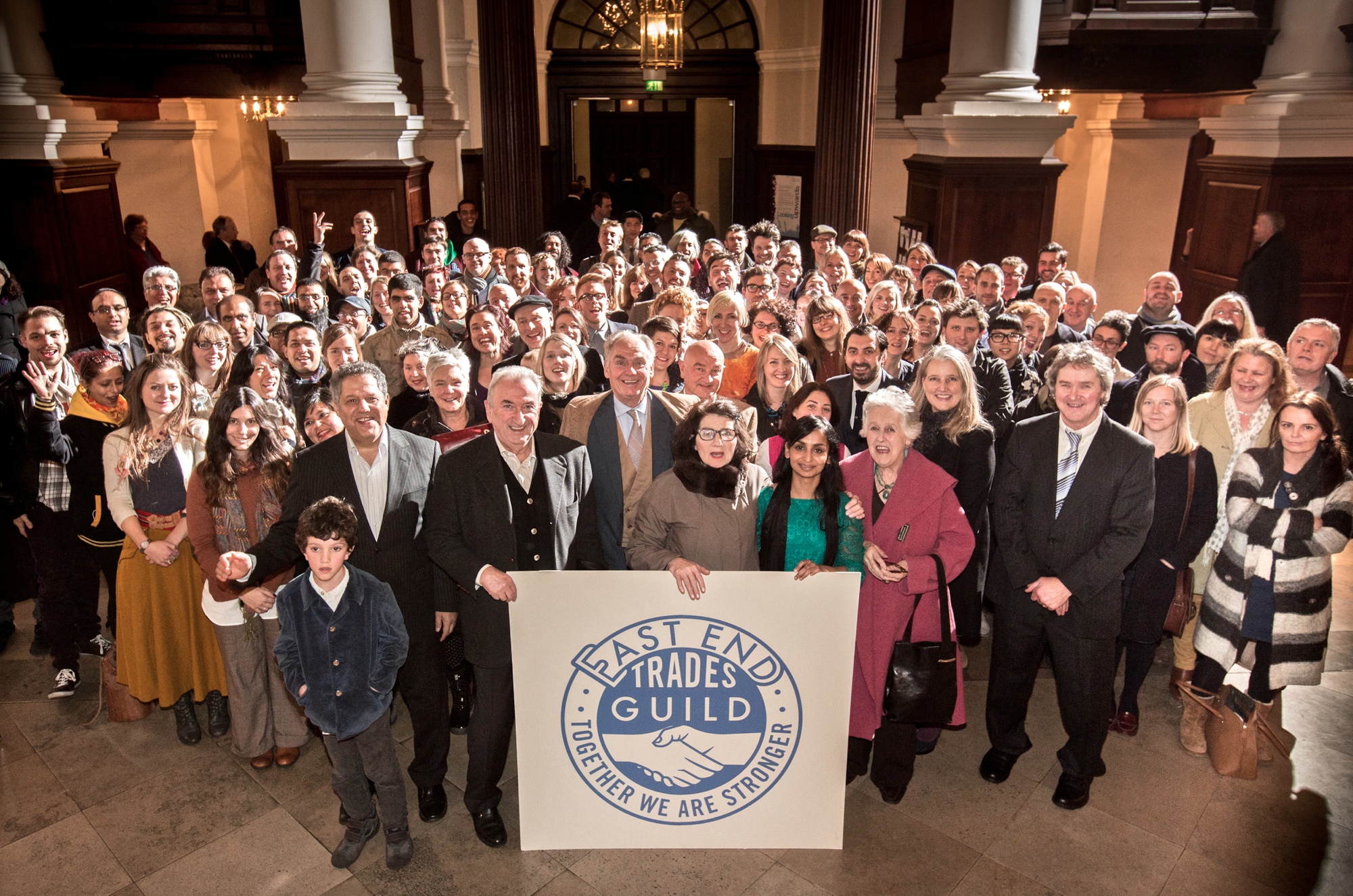
Click to enlarge Martin Usborne’s photograph
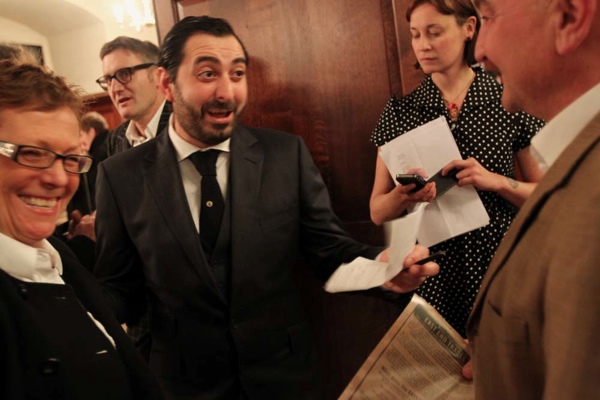
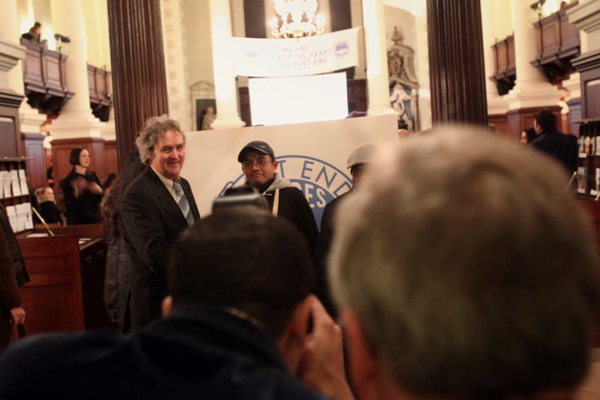
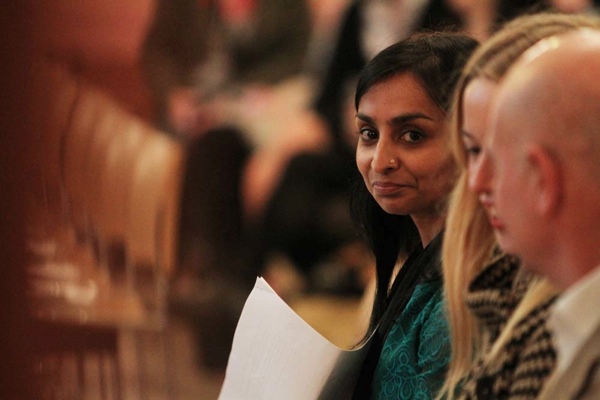
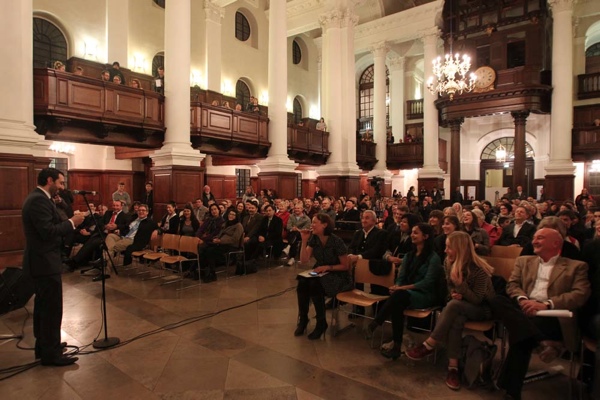
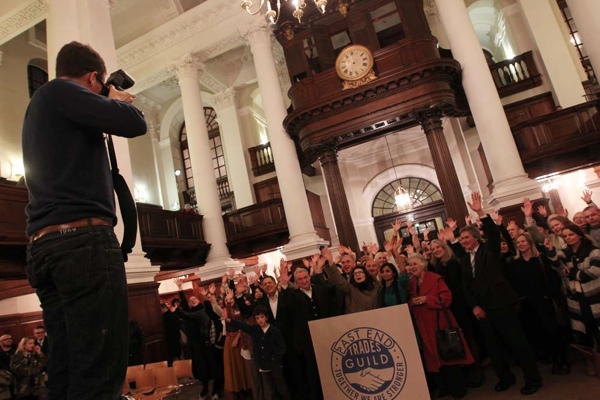
These are the founder members of The East End Trades Guild who gathered at Christ Church, Spitalfields, on Monday night to summon their new organisation into being and speak collectively on behalf of all independent and proprietor-run businesses in the East End.
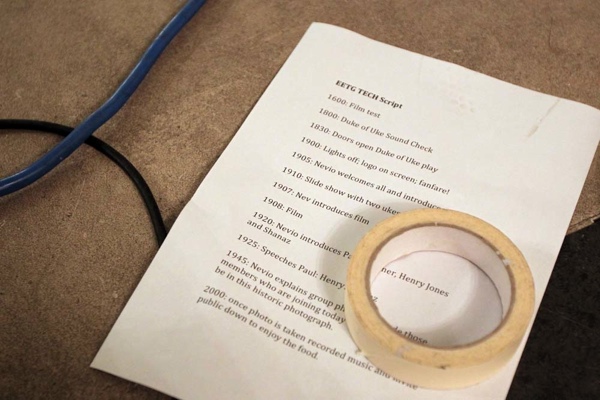
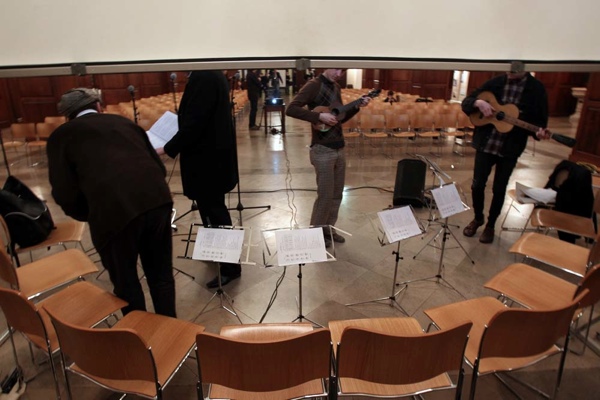
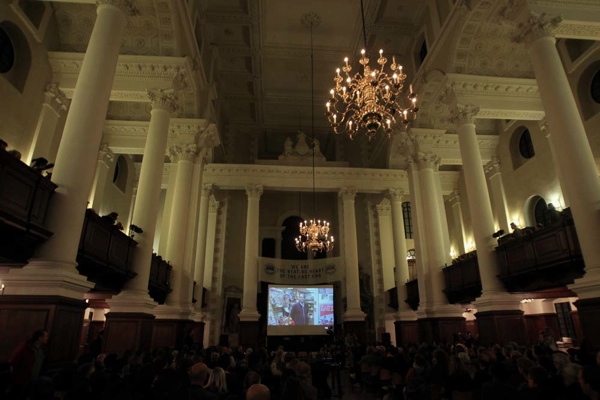
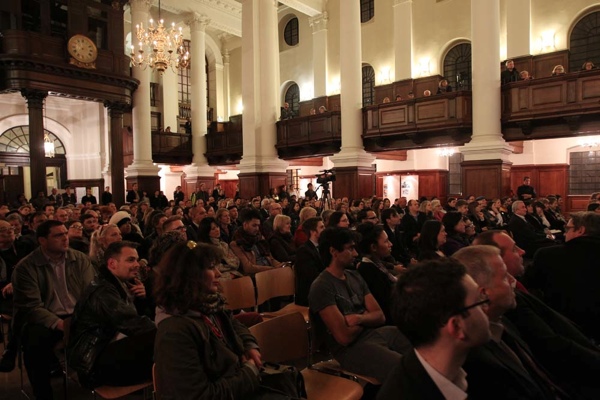
The church was full and the sense of anticipation immense as trumpets sounded in a fanfare from the gallery, resounding throughout Nicholas Hawksmoor’s masterpiece of English baroque, to announce the arrival of this bold endeavour.
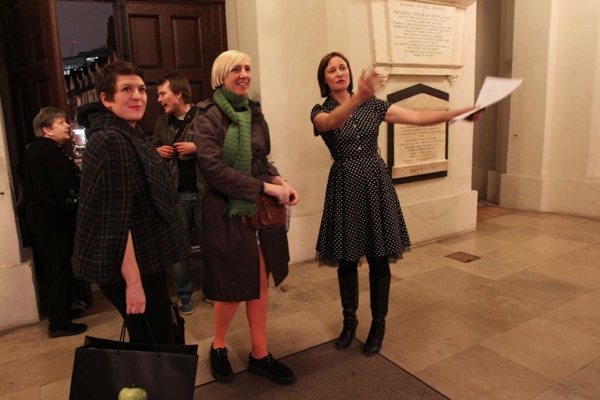
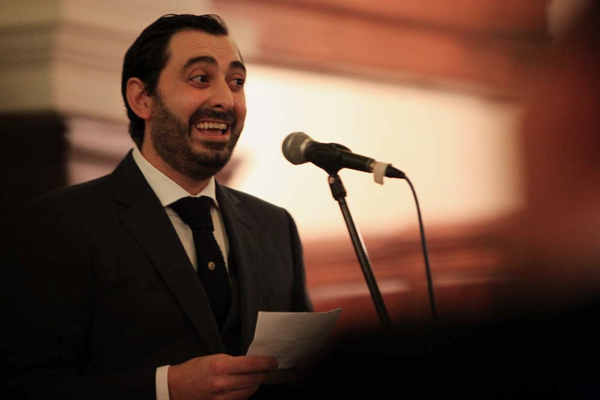
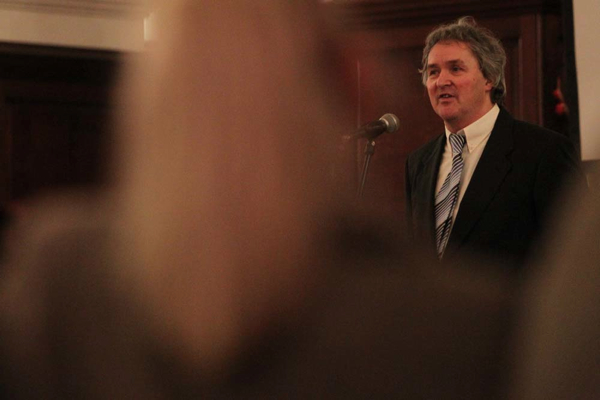
Nevio Pellicci, the East End’s most celebrated host, his dark eyes shining with eagerness and looking flash in a three-piece suit, stepped up to the microphone to welcome everyone by revealing that among the many things the small traders had in common, they could be proud of the fact that none were registered in Luxembourg. He was greeted by a cheer worthy of a rock star.
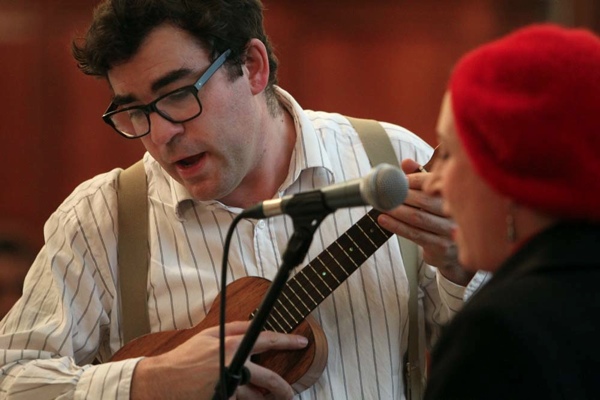
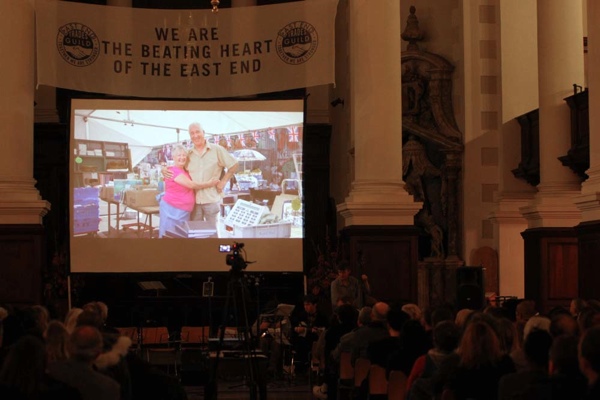
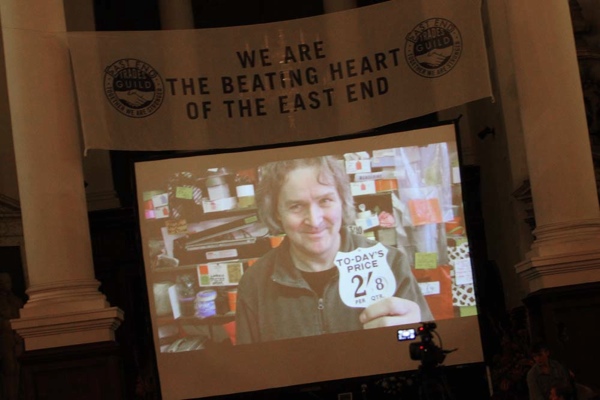
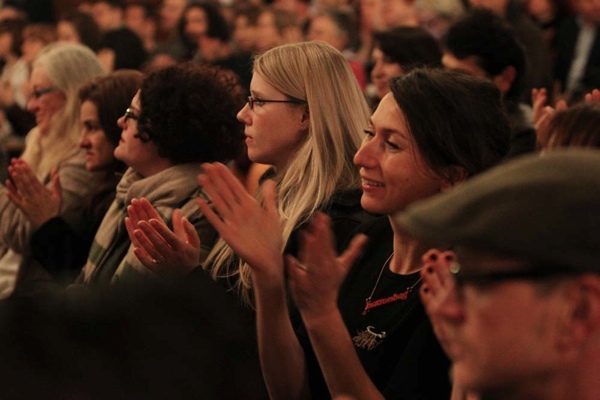
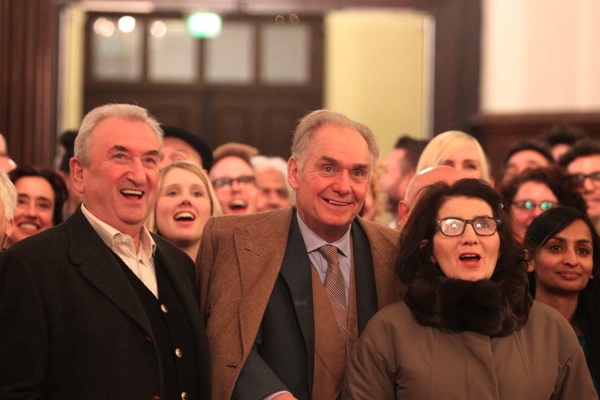
Then came a slide show of the members’ portraits – the work of the Spitalfields Life Contributing Photographers – projected onto a big screen and accompanied by a ukulele orchestra courtesy of the Duke of Uke. As the sequence accumulated, spontaneous cheers and applause broke out among the audience when favourites came up, with the loudest cheer reserved for Paul Gardner of Gardners’ Market Sundriesmen. The cumulative effect of so many pictures was quite overwhelming, to observe the infinite variety of small businesses in the East End. And in the premiere of Sebastian Sharples’ eloquent film “We are the Beating Heart of the East End” that followed, we saw members in their work places speaking of their hopes for the Guild.
As the opening speaker of the evening, Paul Gardner brought the house down by suggesting to the assembly,“I’m sure most of you are here just for the novelty of seeing me in a suit!” The Founder of the Guild, Paul had been shaking hands with guests as they arrived and now he recounted the history of his family business in Spitalfields commencing with his great-grandfather James, a Scalemaker, in 1870.
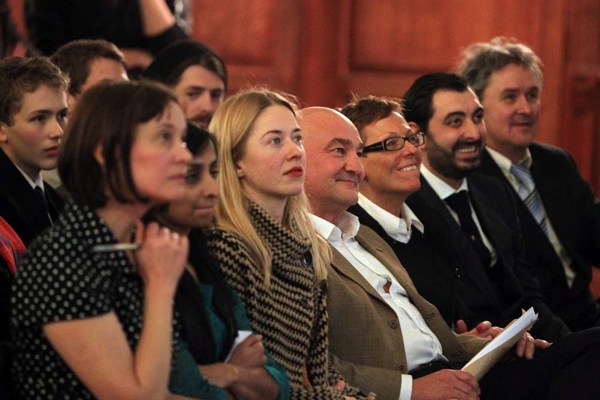
Two years ago, an unrealistic rent demand threatened to put Paul out of business yet the public outcry after my story about this – which caused the landlord to reconsider – became the catalyst for the formation of the Guild. Paul spoke candidly of his own sense of vulnerability as a sole trader and of the struggles experienced by his devoted customers who are all small businesses. In speaking of the Guild, Paul described the elation he felt after attending the first meetings this year and many in the audience nodded their heads in recognition, acknowledging the camaraderie which the Guild has already fostered among the traders.
Next, Henry Jones of Jones Brothers’ Dairy and Shanaz Khan of Chaat Bangladeshi Tea House shared the platform. Born above the shop, Henry Jones told how his great grandfather and namesake drove the cattle from Aberystwyth in 1877 to start the dairy in Middlesex St. Surviving two World Wars and the bombings in the City of London, Henry had to reinvent Jones Bros as a wholesale supplier when supermarkets and chainstores took away his domestic business, and he spoke of the need for independents to share information and to speak with the authority of a collective voice.
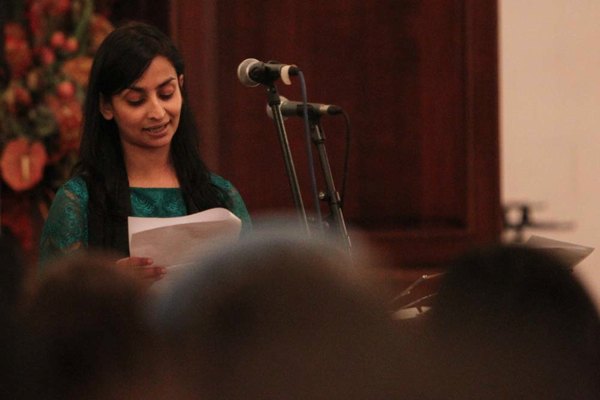
Shanaz Khan had a slightly different story to tell. Like Henry, she grew up above the family business which in her case was an Indian restaurant. Yet, although she only came to the East End ten years ago, she was equally enthusiastic about the opportunity she has found here, and spoke of her commitment to use local suppliers and employ local people. When Shanaz opened up Chaat away from the curry houses of Brick Lane, it seemed a pioneering move, but the fashionability of Redchurch St in recent years – bringing in luxury brands – has led to a punishing rent increase which is, in effect, a penalty for her hard work and success.
Drawing from these personal experiences, it fell to Shanaz to outline the intentions of the Guild – developing campaigns, giving voice to small businesses, creating a network for the members to share information and trade, offering advice, and building the local economy. Her passionate speech was the heartfelt climax of proceedings, and then it was time for Martin Usborne to climb up his step ladder and take the formal group photo that signified the founding of the Guild.
Afterwards, we quaffed Truman’s Beer accompanied by food from Leila’s Cafe, and cakes by Violet Cakes and Morena Bakery, and beigels from Brick Lane Beigel Bakery, and there was euphoria in the air. As I walked through the excited throng where many traders were meeting each other for the first time, I could hear snatches of conversation. There was a lively discussion of the issues that need to be addressed, especially rents and council tax, but I also heard them saying, “I could supply you with that,” and “If you need those I’ve got them in stock.” There was a collective dynamic at work in the room as the traders followed their instincts, discovering ways they could help each other and – in that moment – I realised the Guild existed and had its own life.
Event photographs © Simon Mooney
Group photograph © Martin Usborne
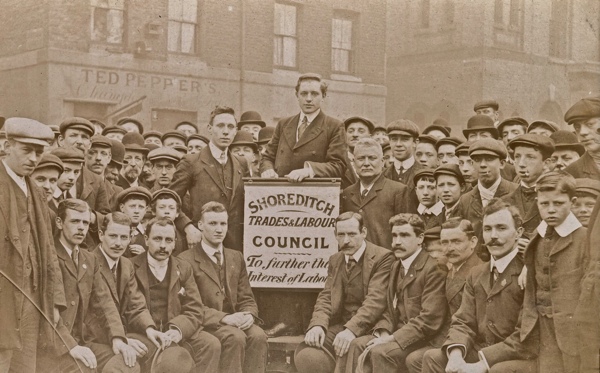
Archive photograph courtesy Bishopsgate Institute
John Claridge’s Boxers (Round Five)
Photographer and Ex-Boxer John Claridge has been making regular trips to the East End to take on members of London Ex-Boxers Association. John distinguished himself with some fine shots in Round One, proved a class act with a bravura display of his singular talent in Round Two, commanded the ring in Round Three with spirit blazing, showed himself as a potential champion in Round Four, and continues his astonishing performance in Round Five.
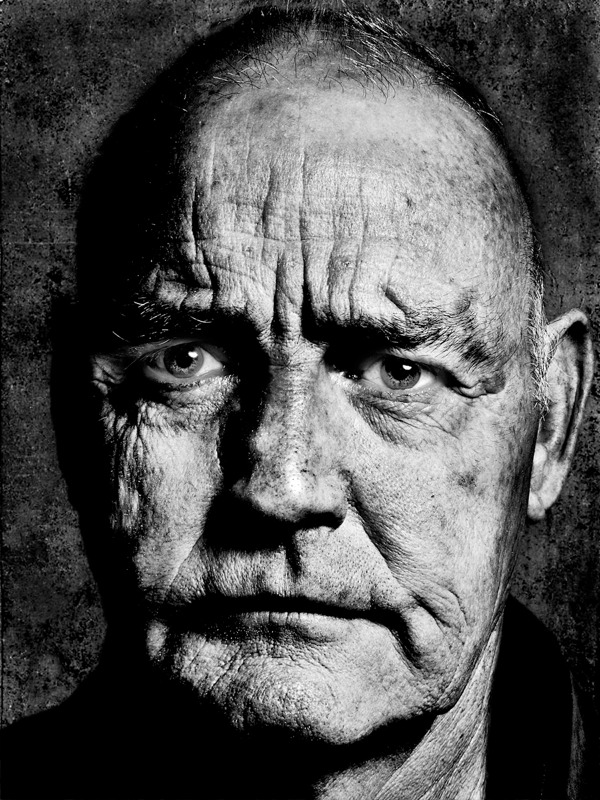
Len Bateman (First fight 1956 – Last fight 1978)
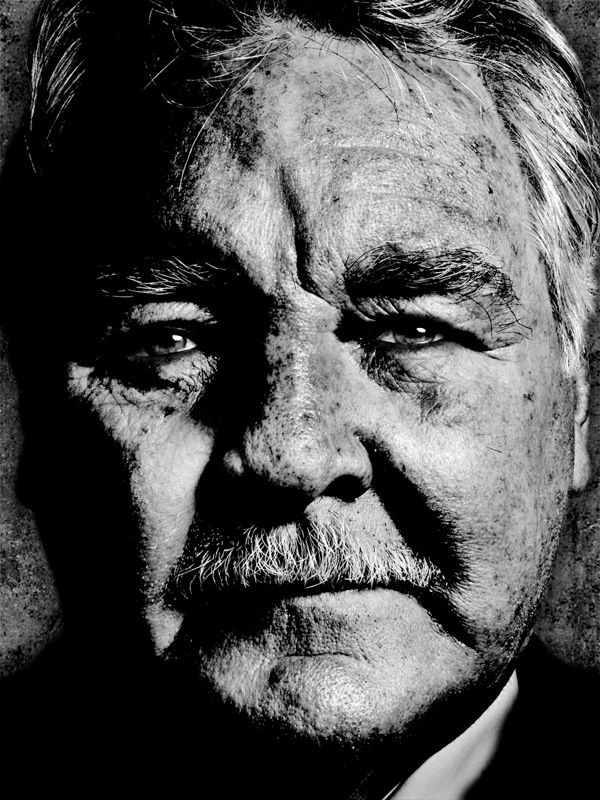
John Kramer (First fight 1959 – Last fight 1970)
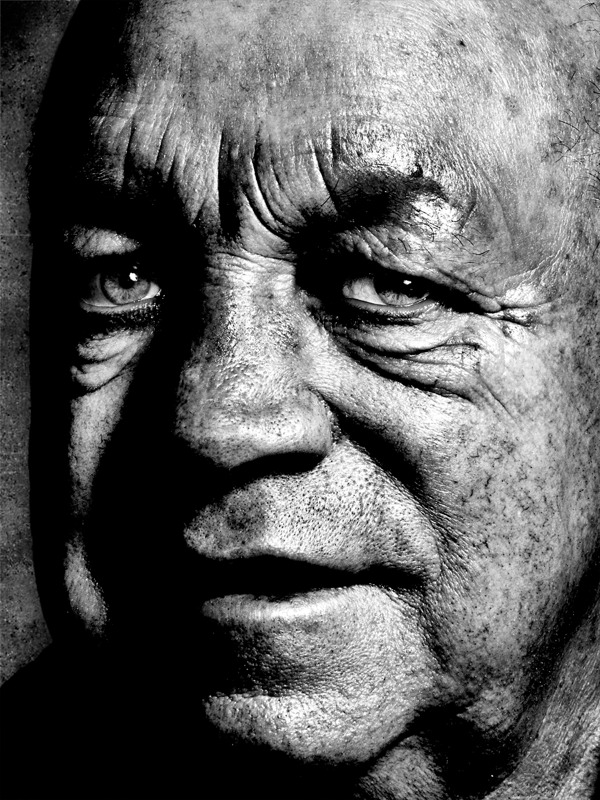
Danny Wells (First fight 1960 – Last fight 1966)

Mark Delaney (First fight 1993 – Last fight 2000)
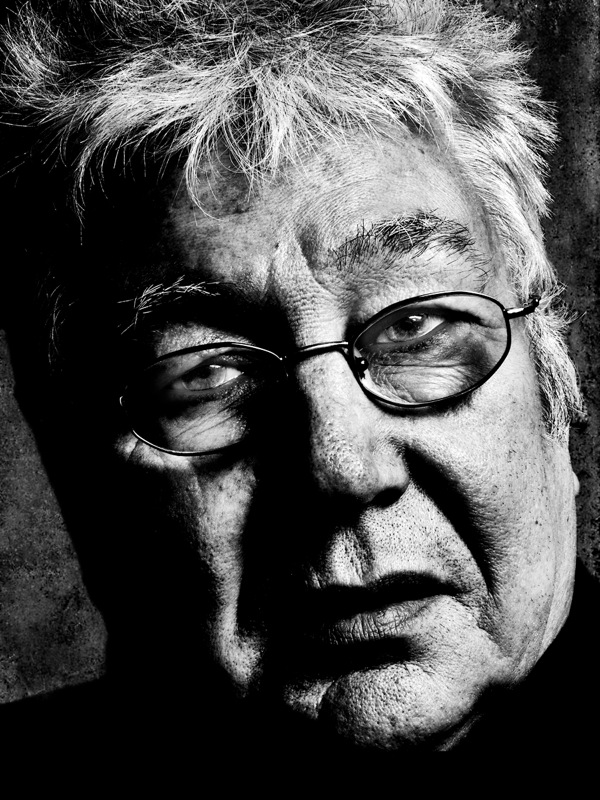
Peter McCann (Time Keeper, British Boxing Board of Control)

Ivor “The Engine” Jones (First fight 1980 – Last fight 1986)

Teddy Lewis (First fight 1947 – Last fight 1952)
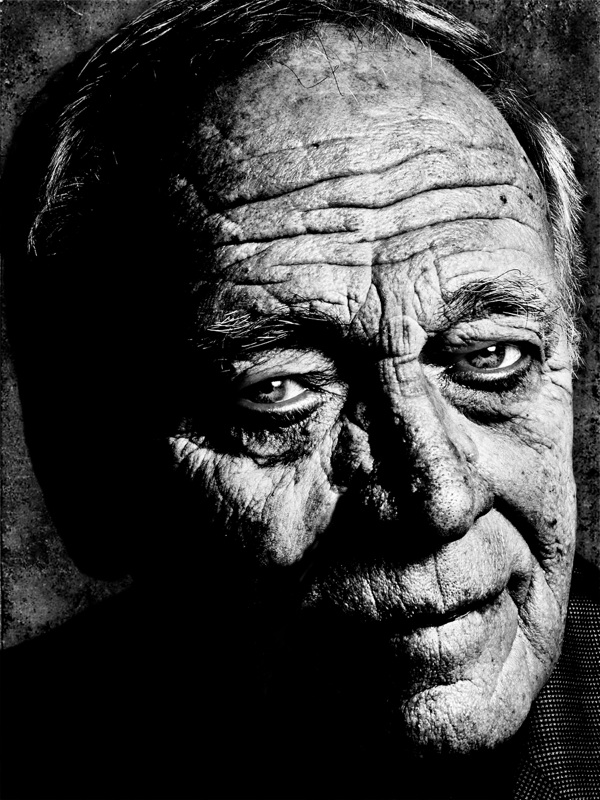
Charlie Pryor (First fight 1947 – Last fight 1950)
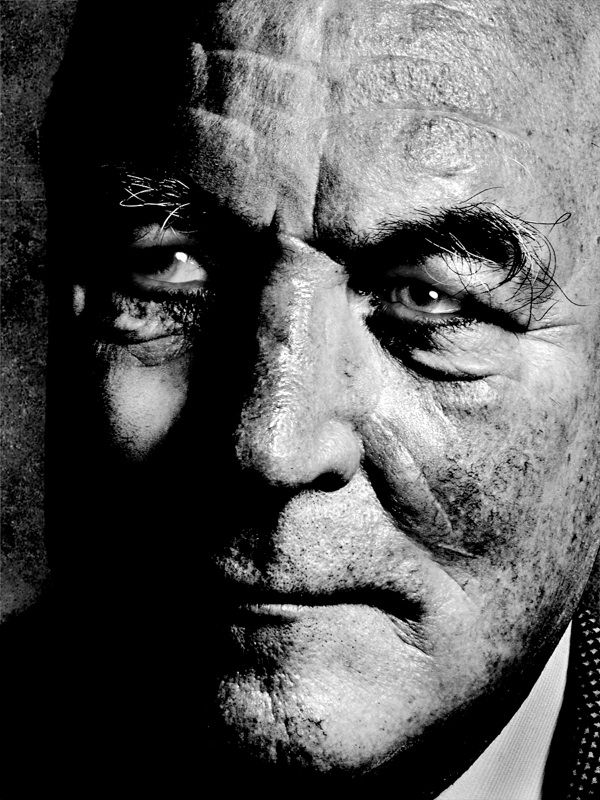
Fred Botham (First fight 1950 – Last fight 1960)
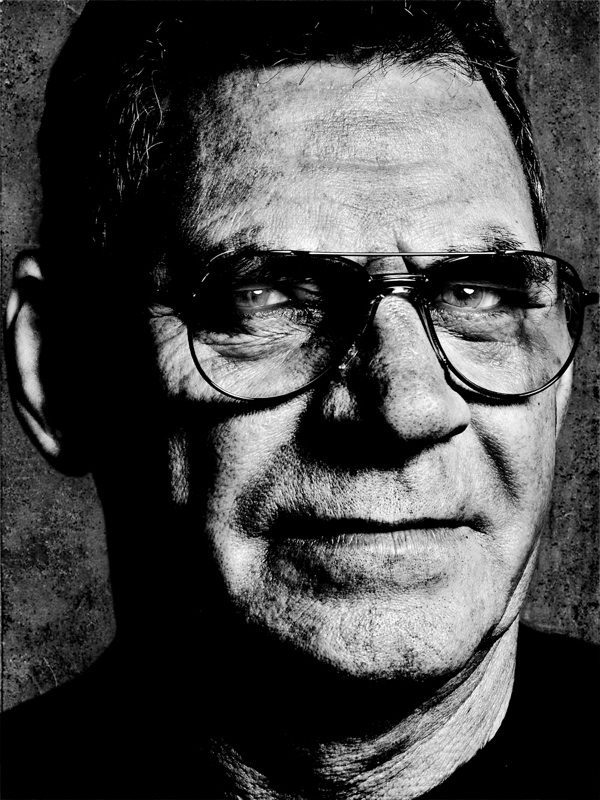
Johnny Oliver (First fight 1955 – Last fight 1970)

Pat Thompson (First fight 1972 – Last fight 1981)
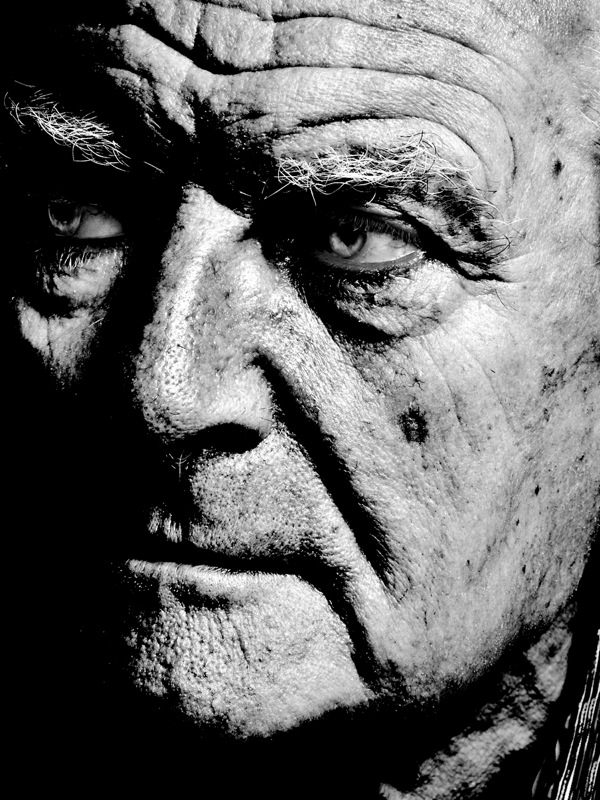
Bill Nankeville (Champion Runner, won AAA mile title four times between 1948 and 1952)
Photographs copyright © John Claridge
Take a look at
John Claridge’s Boxers (Round One)
John Claridge’s Boxers (Round Two)
John Claridge’s Boxers (Round Three)
John Claridge’s Boxers (Round Four)
and these other pictures by John Claridge
Along the Thames with John Claridge
At the Salvation Army with John Claridge
A Few Diversions by John Claridge
Signs, Posters, Typography & Graphics
Views from a Dinghy by John Claridge
In Another World with John Claridge
A Few Pints with John Claridge
Some East End Portraits by John Claridge
Sunday Morning Stroll with John Claridge
The Founding of The East End Trades Guild
Tonight at Christ Church, Spitalfields, more than two hundred small businesses, shopkeepers and independent traders meet in an historic assembly to found The East End Trades Guild.
Spitalfields Life Contributing Photographers Sarah Ainslie, Lucinda Douglas Menzies, Jeremy Freedman, Phil Maxwell, Simon Mooney, Patricia Niven, Colin O’Brien, Alex Pink & Agnese Sanvito have been out taking portraits of every single one of the Founder Members. All these pictures will be shown tonight on a screen with live musical accompaniment and today I publish this selection of fifty to illustrate the wonderful range of traders that have come together to launch this new initiative.
Sebastian Sharples’ film, “We Are The Beating Heart of The East End,” will be premiered. Nevio Pellicci of E.Pellicci will be Master of Ceremonies for the evening. The opening speech will be by Paul Gardner, proprietor of Spitalfields oldest family business and the Founder of the Guild, who will describe how it all came about. Then, Henry Jones of Jones Dairy and Shanaz Khan of Chaat Restarant will introduce the Guild, outlining its purpose and intentions, before a group photograph of the two hundred Founding Members is taken as the culmination of the evening.
Members of the public are welcome to attend tonight as witnesses but must arrive at 6:30pm. And there is still time for traders to become Founder Members of the Guild by contacting organiser Krissie Nicolson today – krissie@eastendtradesguild.co.uk 07910 966738
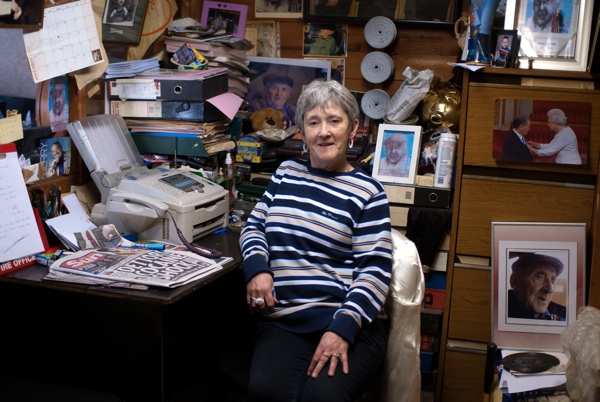
Carol Burns, C.E. Burns Waste Paper Merchants
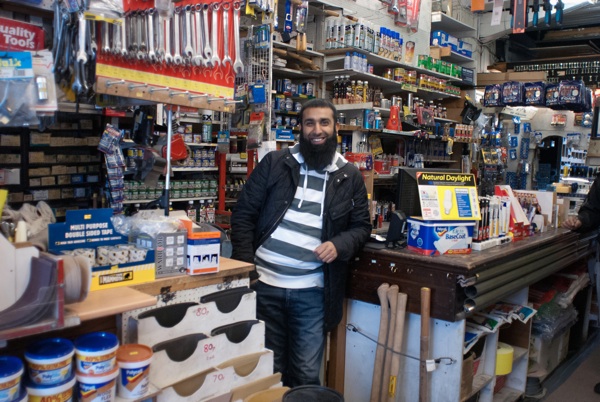
Sarfaraz Loonat, M& G Ironmongery & Building Supplies
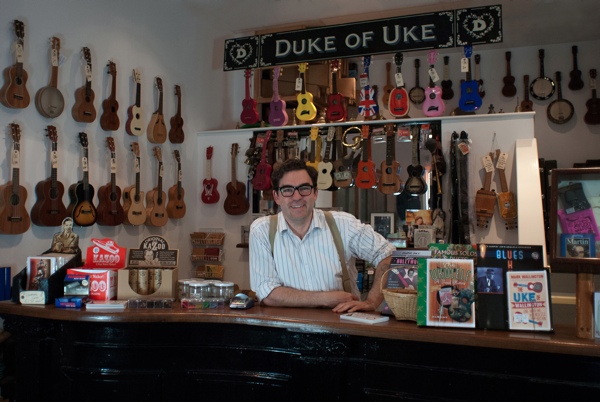
Matthew Reynolds, The Duke of Uke

Violet Cake Shop
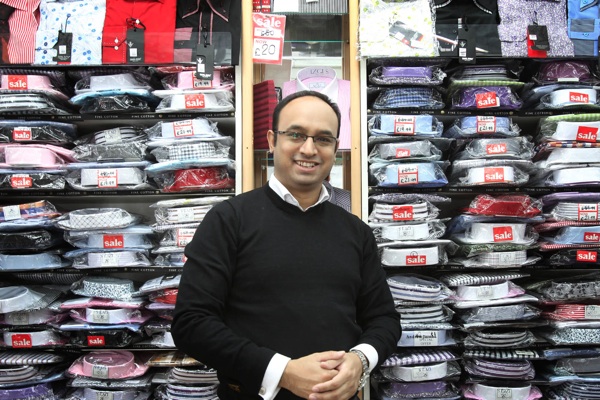
Citywear
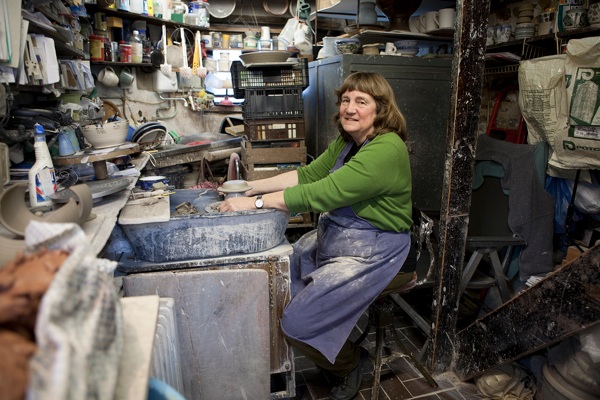
Caroline Bousfield Studio
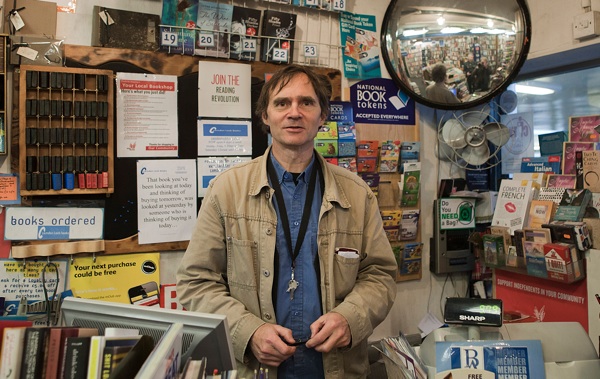
Jason Burley, Camden Lock Books

Robert Boyd Bowman, Alexander Boyd Tailors

Tip Tap Appliances
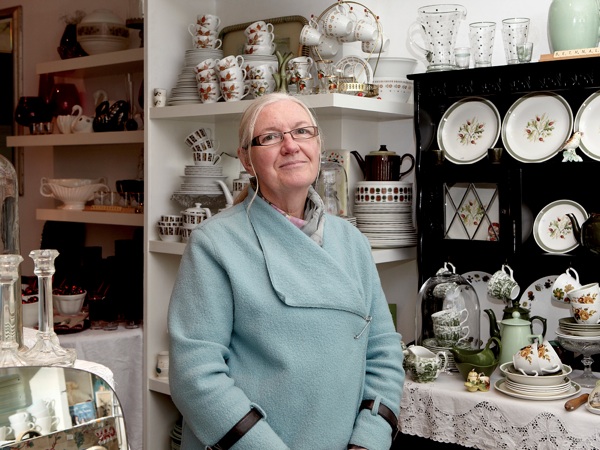
Margaret, Vintage Heaven
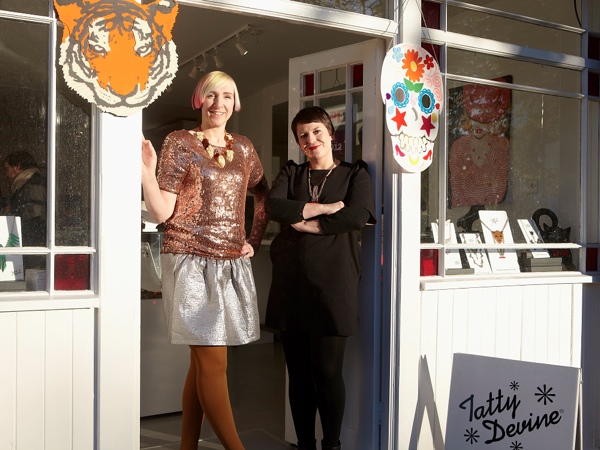
Tatty Devine
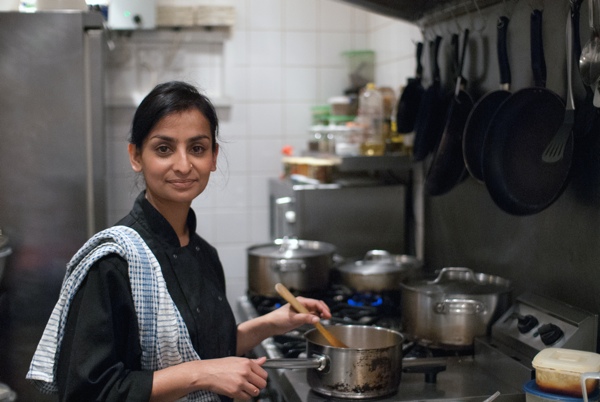
Shanaz Khan, Chaat
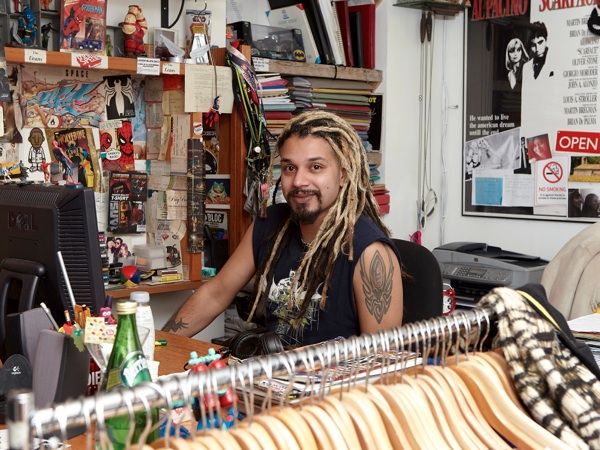
Hash, Urban Species
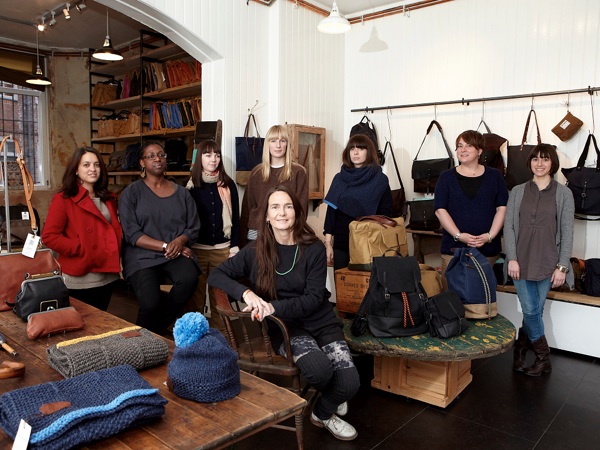
Ally Capellino
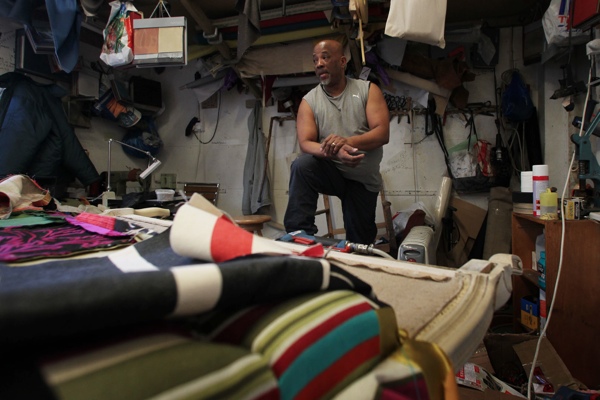
Ainsworth Broughton Upholstery
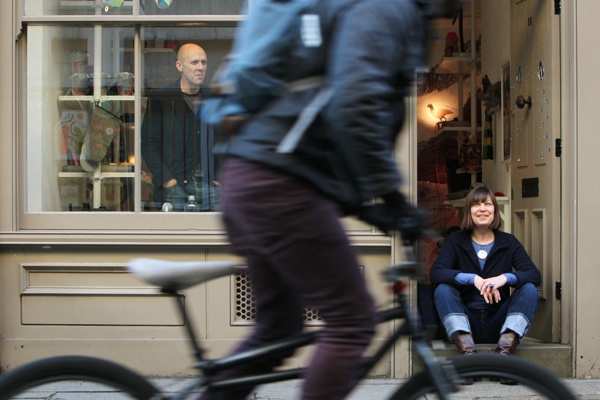
Mar Mar Co
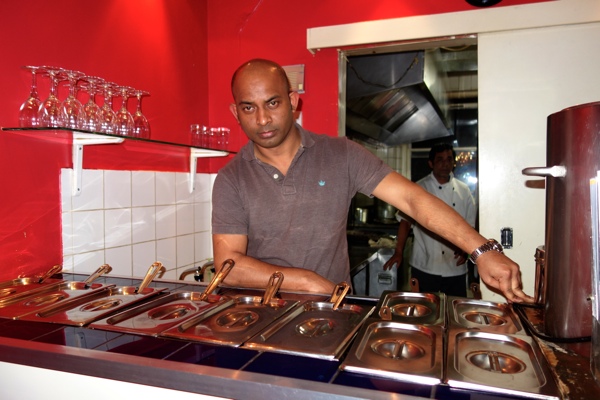
Shamim Ali, Miraz Cafe
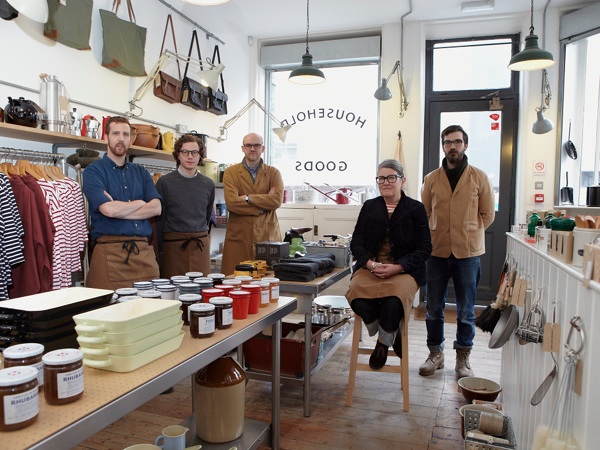
Labour & Wait

Tracey Neuls
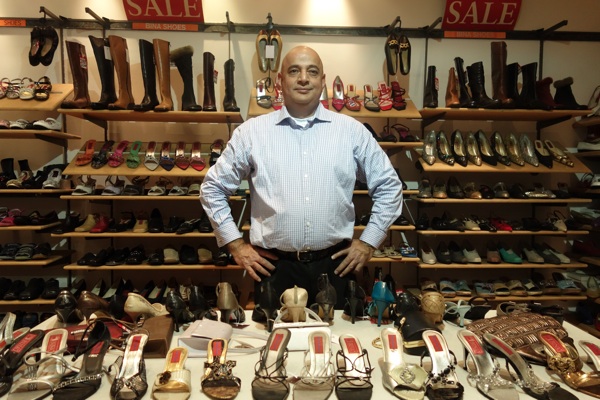
Saeed Malik, Bina Shoes
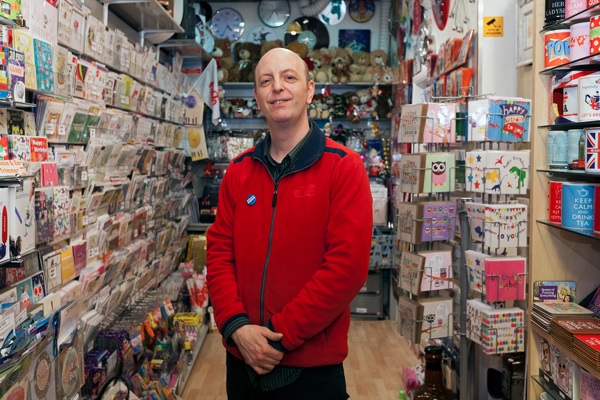
Rosebud Trading
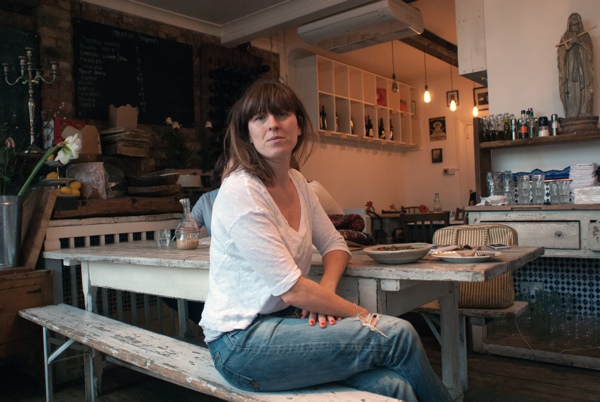
Campania
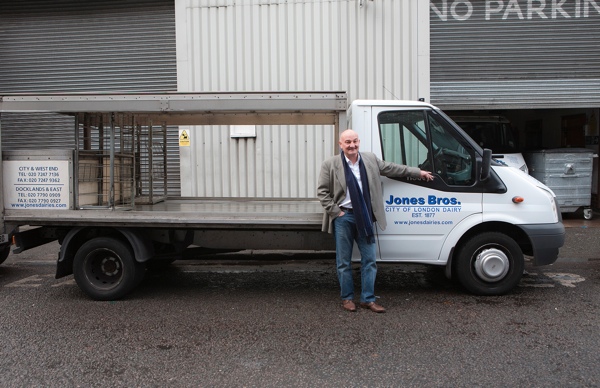
Henry Jones, Jones Bros Dairy
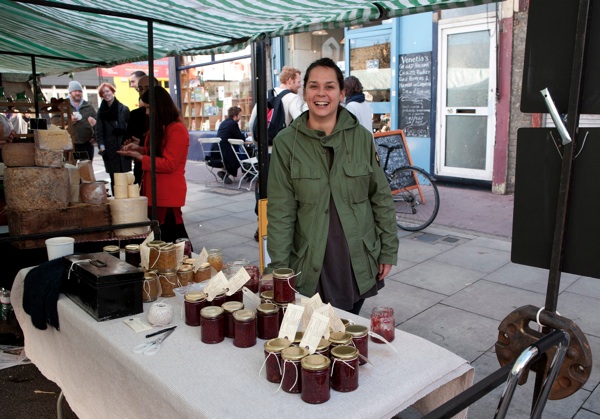
Lillie O’Brien, London Borough of Jam
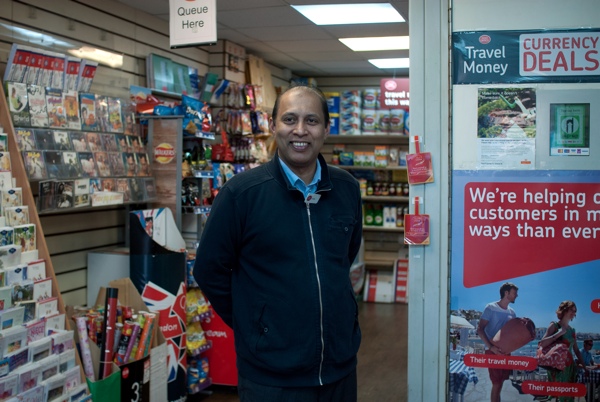
Charlie Amarnath, Bethnal Green Post Office
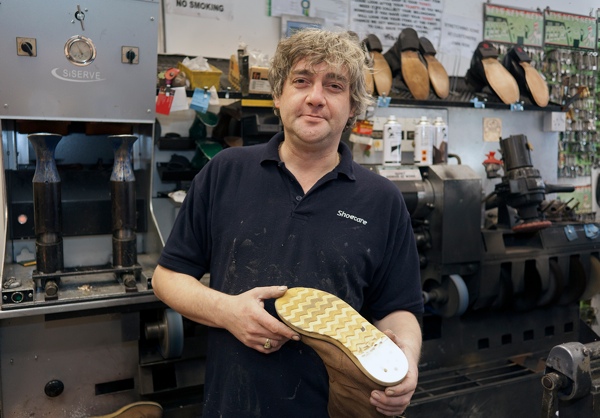
John Shore, Shoe Care
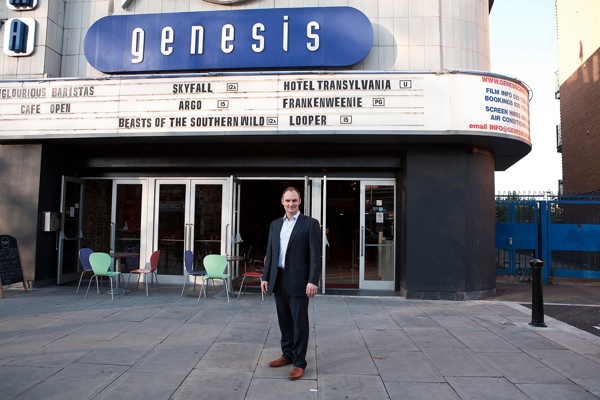
Tyrone Walker-Hebborn, Genesis Cinema
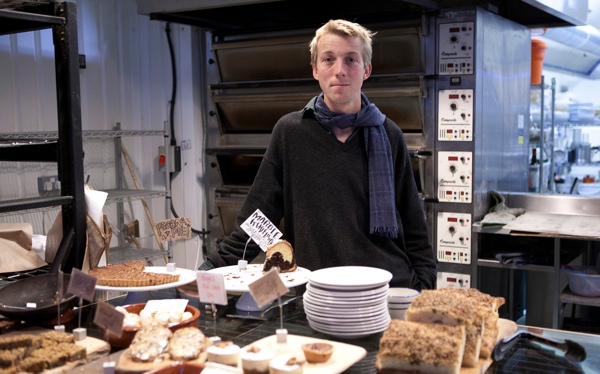
Ben, E5 Bakery
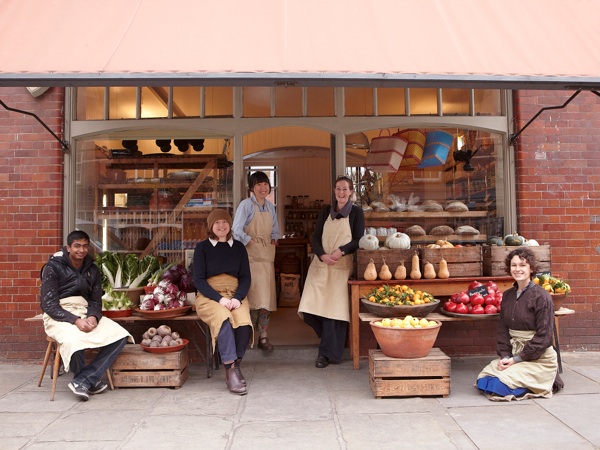
Leila’s Shop
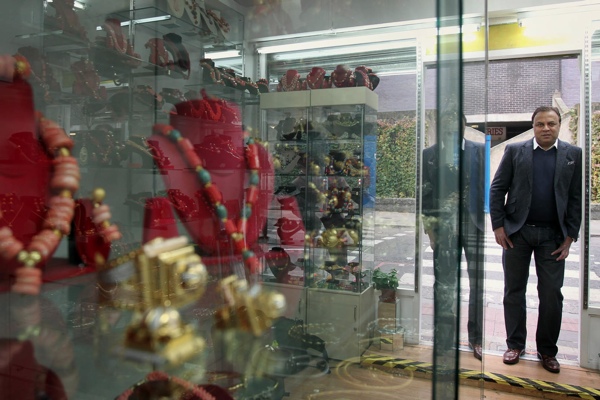
Jay, Manji Beads
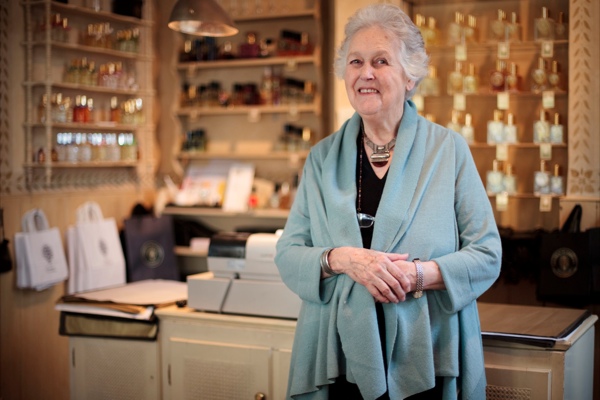
Angela Flanders
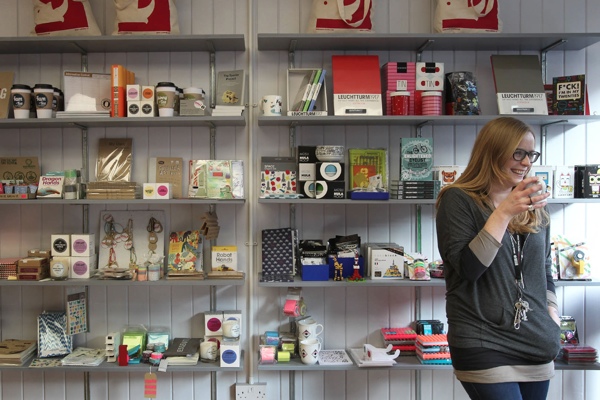
SNAP
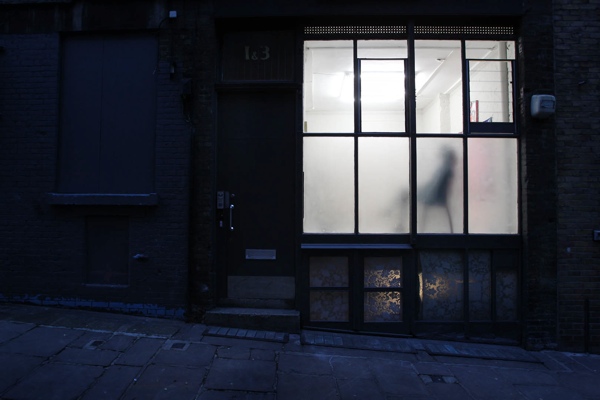
Herrick Gallery
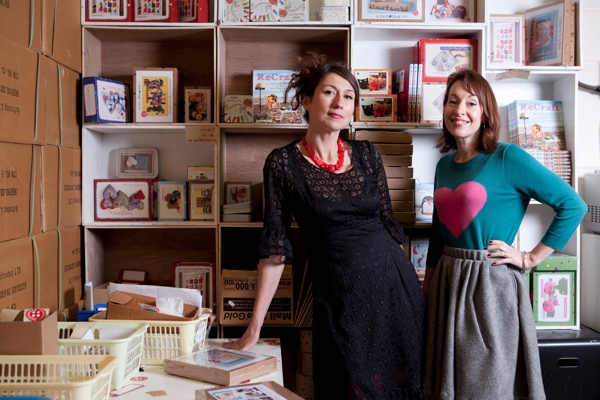
Sarah Marks & Sarah Duchars, Buttonbag

Liam Kelleher, Noble Fine Liquor
www.agnesesanvito.com/
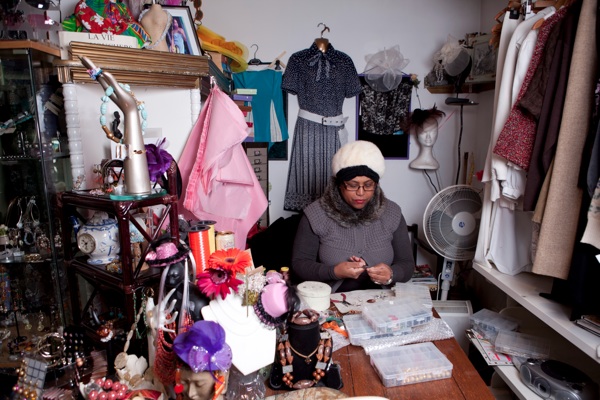
Christiane Victorin, La Vie Boutique

Michael-George Hemus & James Morgan, Truman’s Beer
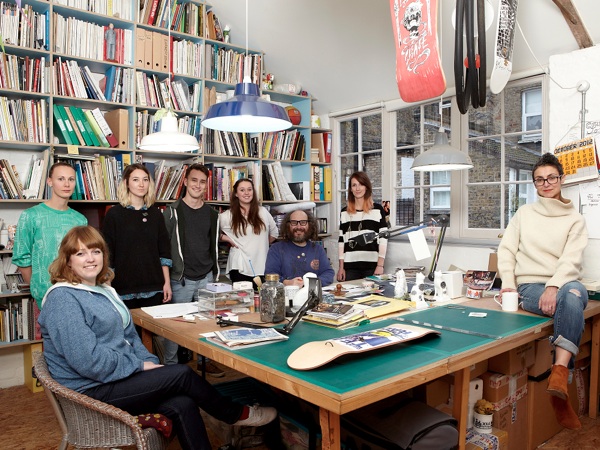
Ryantown
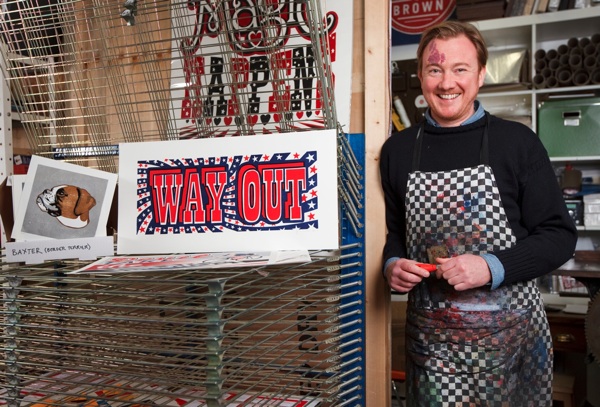
James Brown
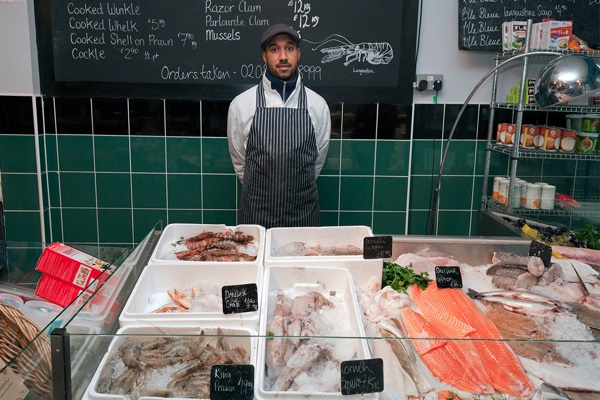
Jonathan Norris Ltd
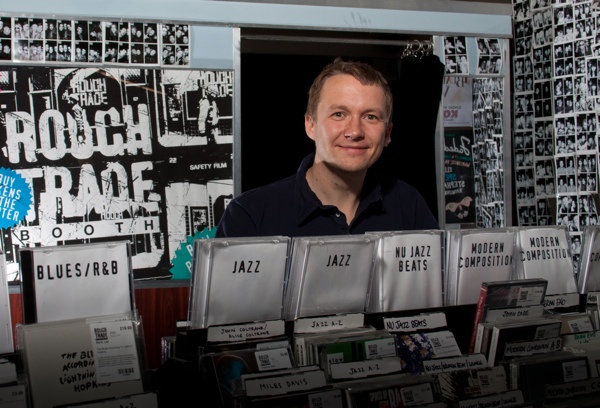
Stephen Godfroy, Rough Trade
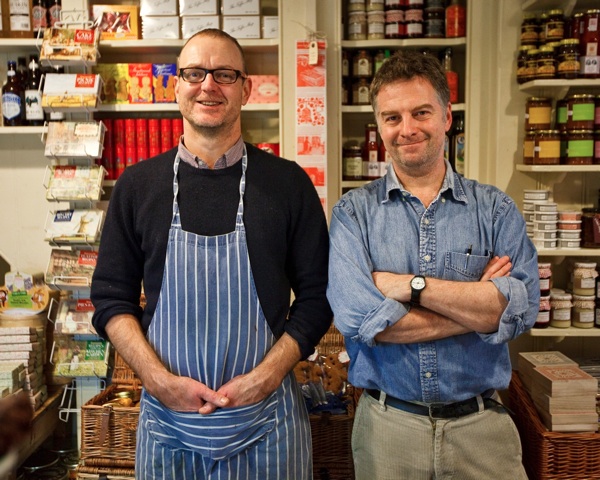
Philip & Paulo, A.Gold
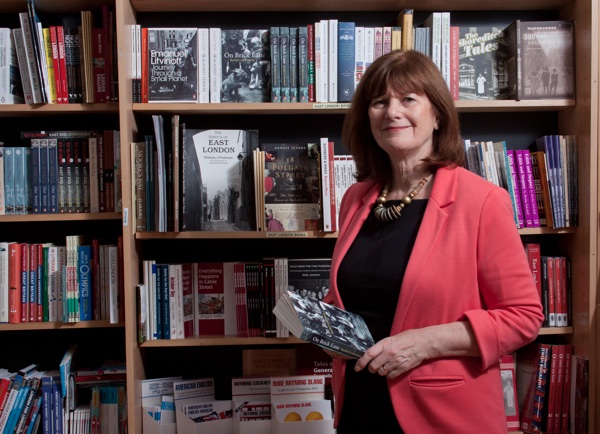
Denise Jones, Brick Lane Bookshop
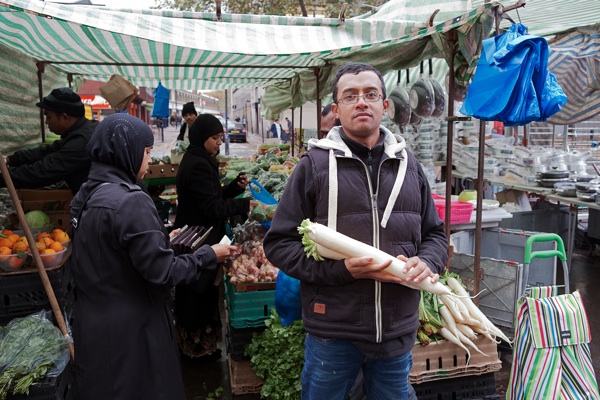
Muhibur Rahman, Fruit & Veg
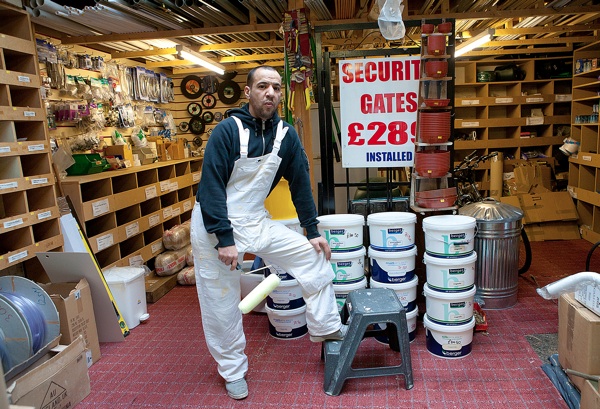
Hitcham, Painter & Decorator
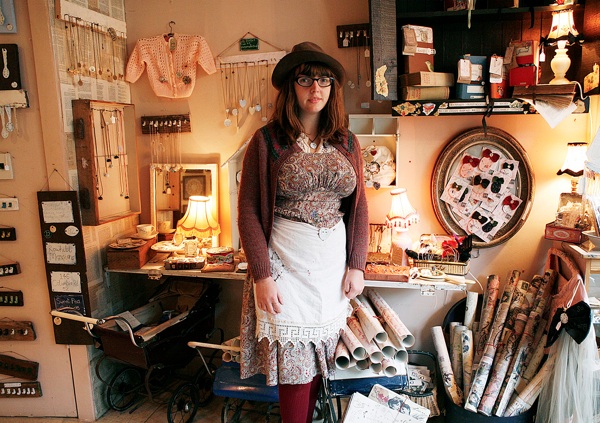
Buddug, J&B Fashion
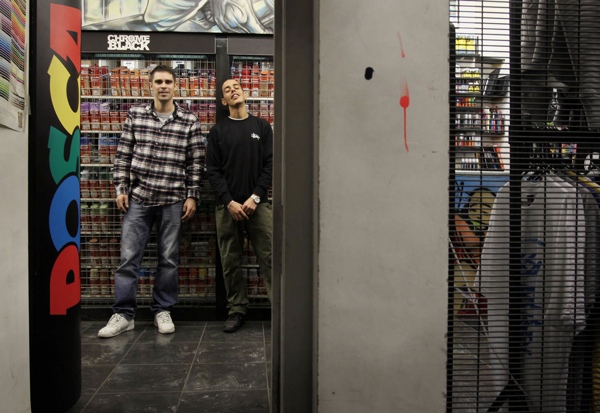
Chrome & Black
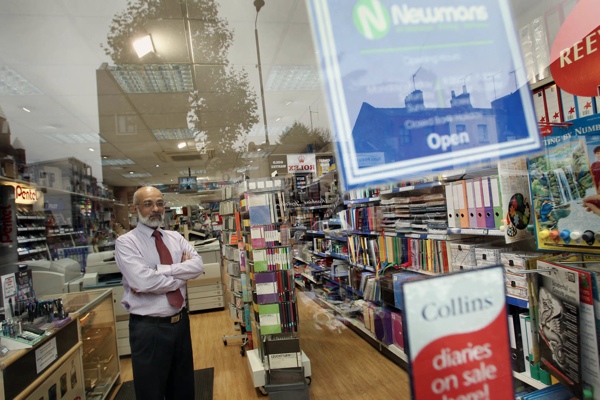
Newmans Stationery
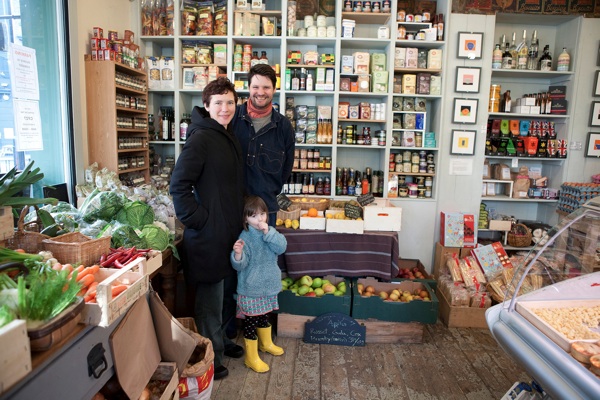
Deli Downstairs
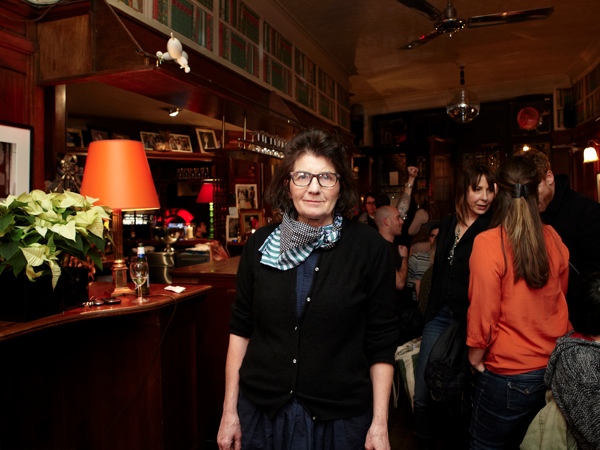
Sandra Esqulant, The Golden Heart
You may like to read about the origin of the East End Trades Guild
Gadsdons of Brushfield St
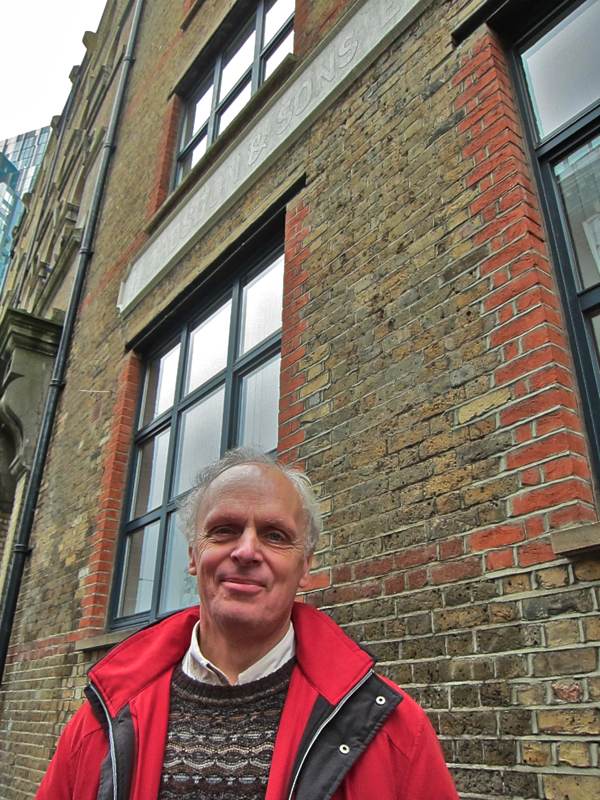
Peter Gadsdon
If you look carefully, can you decipher the words “H.Gadsdon & Sons Established 1835” on this wall in Crispin St ? This feint sign – painted out a generation ago yet still just legible if you know what you are looking for – constitutes the last visible evidence in Spitalfields of the five generations of Gadsdons who lived and worked here over three centuries as silk dyers, coach platers and ironmongers. It was pointed out to me by Peter Gadsdon, who came back recently to see how life has been ticking over in the old neighbourhood since his last relative departed, more than half a century ago.
Working from the starting point of a family tree in an old bible and, by writing to every Gadsdon in the telephone directory, Peter Gadsdon has worked conscientiously, reconstructing the history of his ancestors, over the past ten years. “I wouldn’t say they lived in poverty, but some of the streets they inhabited – where Liverpool St Station is today – were classified as slums, and learning about their lives has made realise how lucky I am,” he admitted to me.
The return of descendants of former residents is a regular and welcome occurrence in Spitalfields. Commonly, I am the one to greet them and often they speak so vividly and with such knowledge that it feels – as it does in Peter’s case – as if they are the actual embodiments of their forebears returning from the past.
“I have always had an interest in the East End since I visited Club Row, Brick Lane and Petticoat Lane when I was a teenager. And although I knew that my father was born in Hoxton, I did not know about the connection with Spitalfields until I started to research my family history.
Henry, my great, great, great grandfather was born in City of London in 1774 and baptised in All Hallows, Lombard St. His father, also Henry, was a framework knitter who had three children and found it “difficult to maintain and educate them without assistance.” So he applied to have his son admitted to Christ’s Hospital charity school in Newgate St in the City of London, where young Henry was accepted. Christ’s Hospital was known as the Blue Coat School and his first year was at their preparatory school based in Hertford before progressing to the senior school in Newgate St where he stayed until his fourteenth birthday
On leaving in 1790, the charity school paid for Henry’s five year apprenticeship as a silk dyer at the cost of five pounds and then he set up his own business in Spitalfields, the centre of the silk industry. The first date we know for his business is 1805 in Holden’s Triennial Directory at 26 Paternoster Row, now known as Brushfield St. On a map from 1799, Brushfield St is shown divided in two – from Bishopsgate to Crispin St was named Union St, and from Crispin St to Christ Church was Paternoster Row. In the eighteen twenties, Henry formed a partnership with a Richard Harmer, listed as Gadsdon & Harmer, dyers, scowerers and calenders in Pigots 1828/1829 Directory.
The next we learn of Henry is in the Old Bailey records when a coat is stolen from his business premises in 1830. On retirement, he moved across the Thames to Deptford and his first wife Elizabeth, née Harvey, passed away shortly afterwards. The custom in those days was commonly to return the body to the parish where they had lived and she was buried in Christ Church, Spitalfields, where eight of her nine children had been baptised and one infant was buried.
In 1839, little more than a year later, Henry married for a second time to Charlotte Benskin and moved out to the hamlet of Hatcham, New Cross. He died in 1849 and is buried in Nunhead Cemetery nearby.
Of Henry’s children two of his sons followed him to Christ’s Hospital School and on the application it states “A wife and eight children, one already at Christ’s, six under the age of fourteen years old, income under one hundred pounds per annum.” They were supported at the school by the Skinners’ Livery Guild of which Henry was a member. Another of his sons followed Henry into the silk dying trade, but by now the silk industry in Spitalfields was in its last throes.
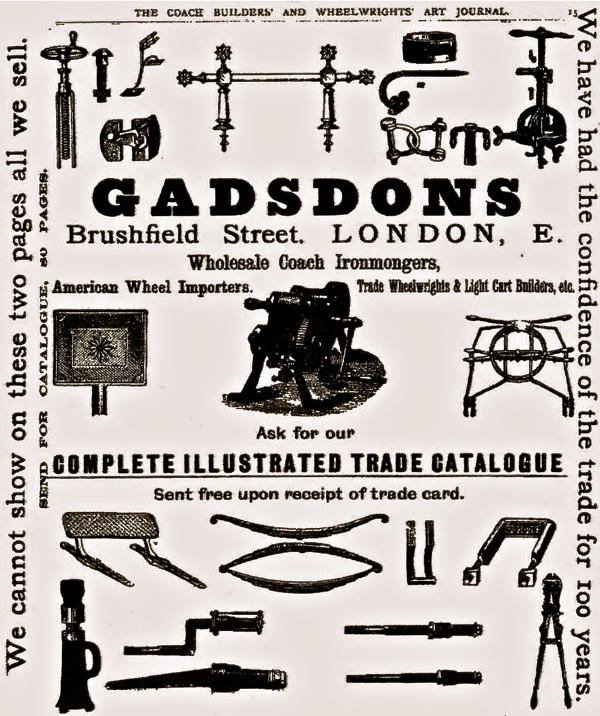
Henry had a younger brother, Richard, who also had a business in Union St. Richard trained as a coachplater, making ironmongery for horse drawn carriages. A description from an encyclopaedia of Carriage Driving is as follows – “His job was to make such parts of the carriage as the door handles. He also prepared metal furniture for the harness. The average wage in the first half of the eighteen hundreds, for a plater, was thirty shillings a week.” Another brother, George. was also a coachplater who lived in nearby Gun St and I would assume that he worked with Richard when he set up his business in the early eighteen hundreds.
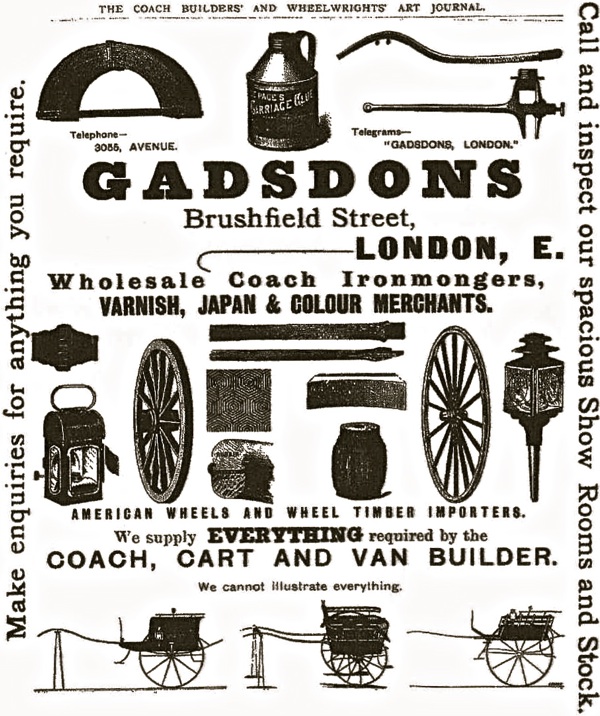
Advertisements show that they sold American wheels for carriages, and varnishes, japan and colours for the carriage trade. As the years progressed, they also moved into the motor car business and an advert from the turn of the century announces Gadsdons selling foot warmers suitable for both carriages and motor cars. Today, there is still a premises with the Gadsdon name on it in Spitalfields at number 49 Crispin St, though I am not sure if this is the carriage firm or if it is another part of the extended family. In 1926, a new Gadsdon premises of four storeys was built at the corner of Brushfield St and Duke St.
Most of Richard’s offspring went into the business of coachplating and saddle-making. One of his grandchildren was fearful of being buried alive – no doubt influenced by sensationalist press reports of the time – starting his will with “In the first place, I direct that my medical attendant at the time of my decease shall sever my jugular vein as soon as he is of opinion that I have ceased to exist, so that there may be an absolute certainty as to my death having taken place.”
My direct Gadsdon ancestors lived in the area in nearby Bishopsgate up and into the nineteen hundreds. When my grandfather, in the third year of his upholstery apprenticeship, married his pregnant wife in Christ Church, Spitalfields they did not use the usual family church of St Botolph’s in the City. So did they marry in Christ Church to avoid prying eyes? He started his own upholstery business in Hoxton and, in 1907, he moved to the expanding hamlet of Highams Park, near Chingford. Living just down the road to the station, he was able to travel to Liverpool St Station to his business each day.”
Peter Gadson would be delighted to hear from anyone connected to his family and you can contact him direct at pgadsdon@yahoo.co.uk
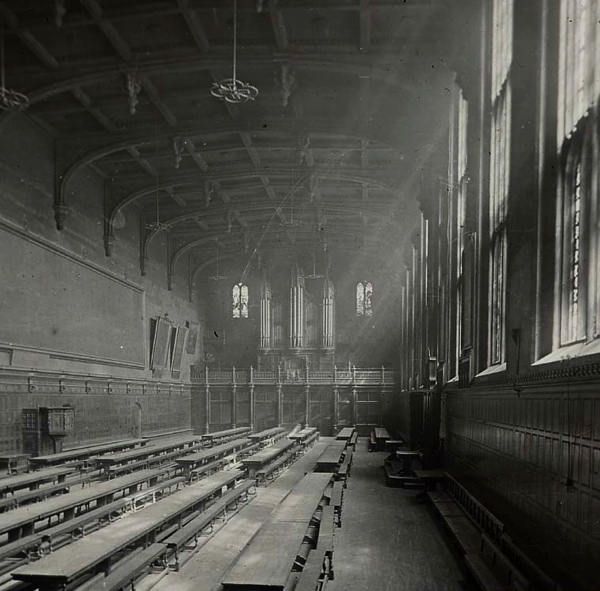
Christ’s Hospital where Henry Gadsdon, Peter’s great, great, great grandfather was a pupil at the beginning of the nineteenth century.
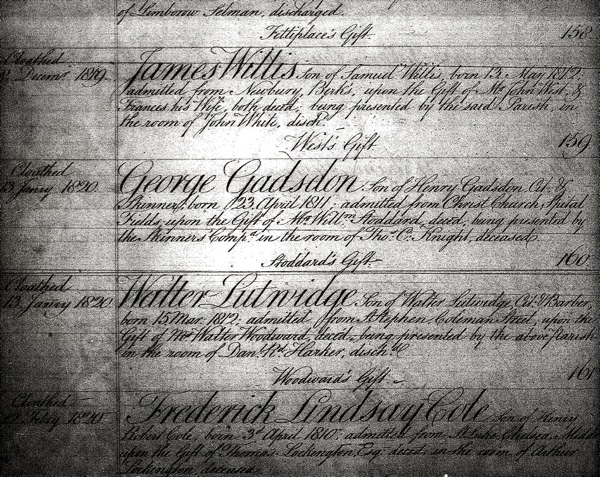
The entry in Christ’s Hospital register recording the admission of Henry Gadsdon’s son George of Spitalfields in 1820.
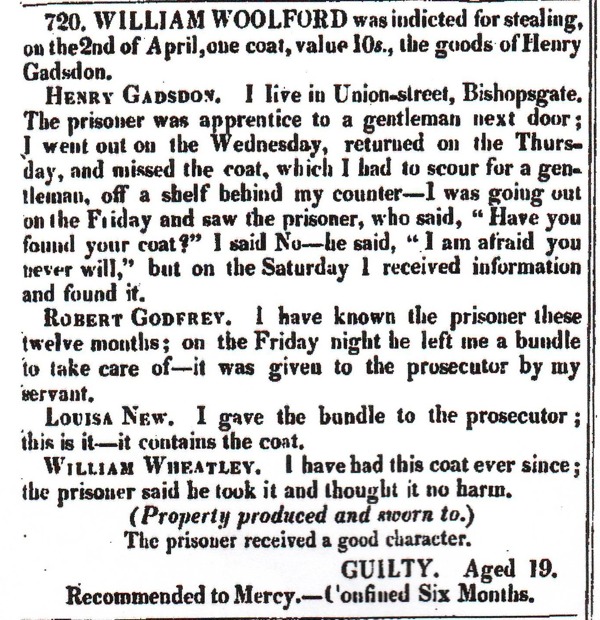
From the Old Bailey records, recording the theft of Henry Gadsdon’s coat in Spitalfields in 1830
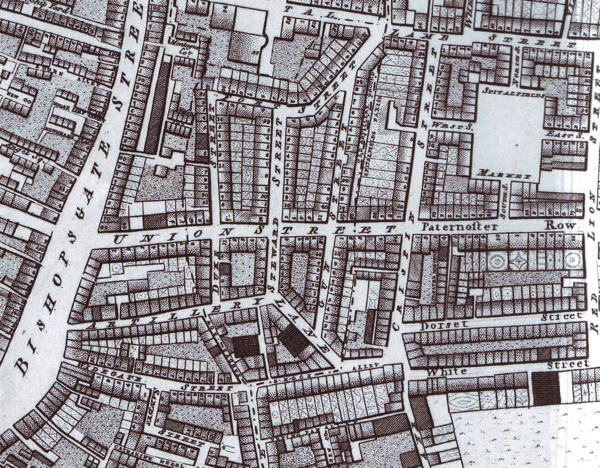
This map of Spitalfields by John Horwood (1794-99) shows the street we know as Brushfield St divided in two and named Union St and Paternoster Row.
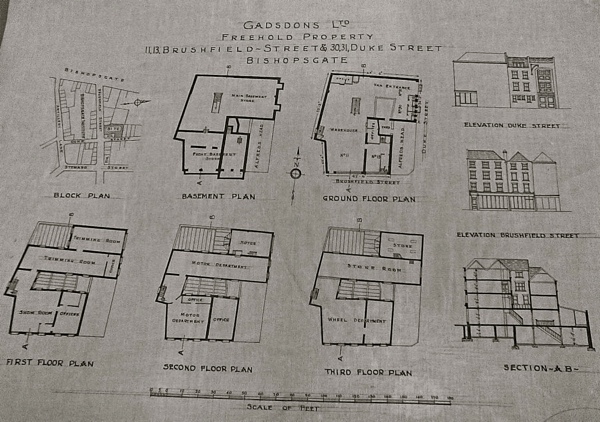
Plans for the construction of Gadsdons on the corner of Brushfield St and Duke St in 1926.
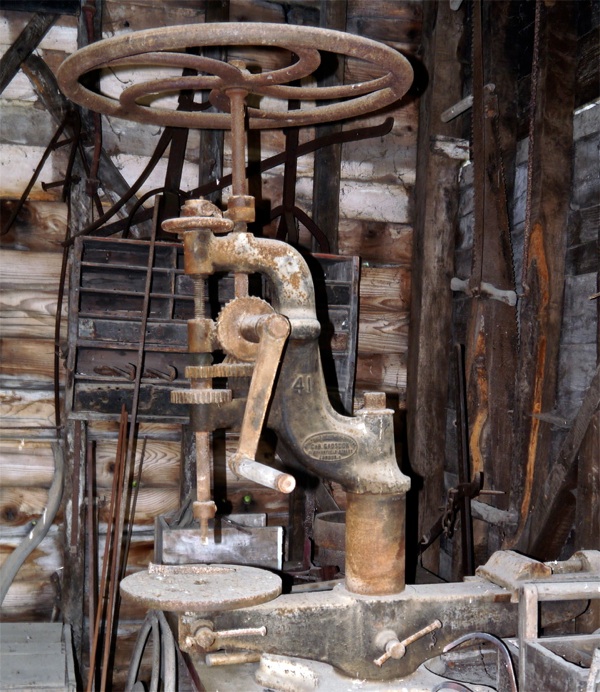
A Gadsdon’s drill at the Museum of East Anglian Life
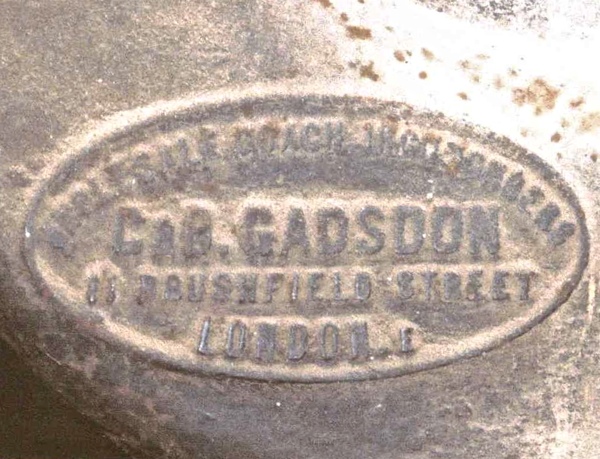
Wholesale Coach Ironmongers, C & B Gadsdon, 11 Brushfield St, London E1.
You may also like to read about












