
The East London Group & Photography
Following the opening of the major retrospective at the Nunnery in Bow last week, David Buckman – whose book From Bow to Biennale recovered the lost history of The East London Group – considers the use of photography by members of the Group.
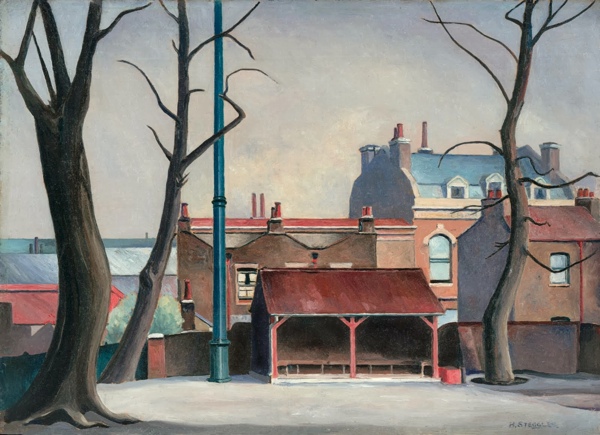
Pavilion in Grove Hall Park, Bow, by Harold Steggles
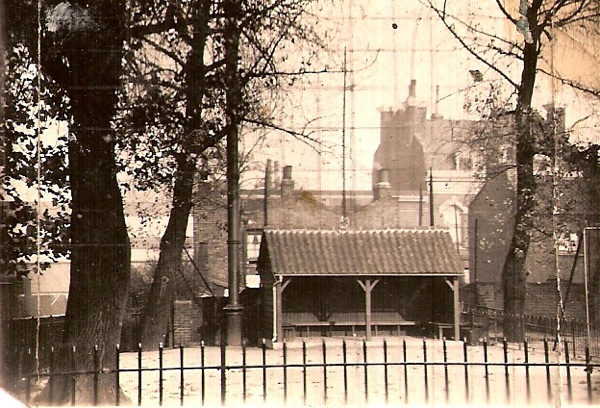
Working photograph by Harold Steggles
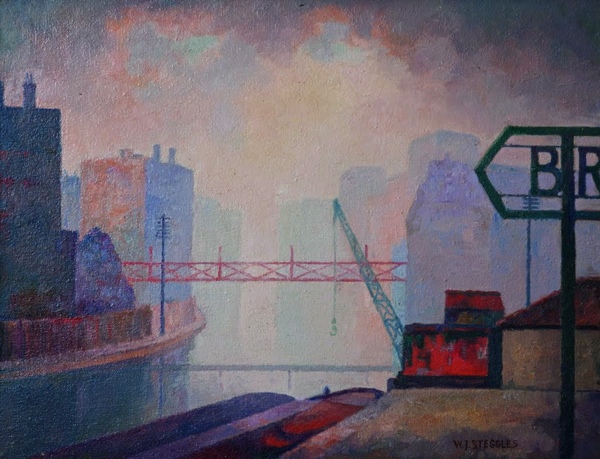
Brymay Wharf by Walter Steggles
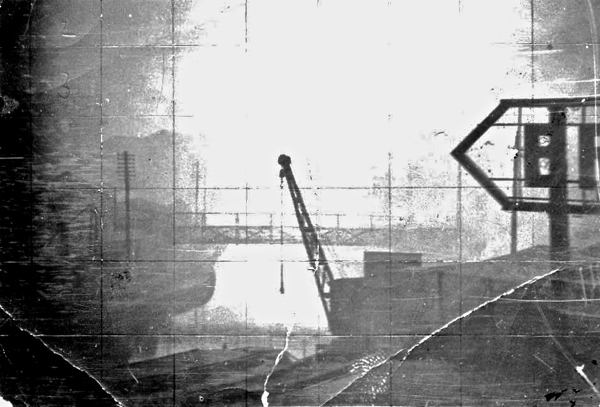
Working photograph by Walter Steggles
I am often asked about the role of photography in the work of the East London Group, particularly in the paintings of Elwin Hawthorne and Harold and Walter Steggles. They were core members of the band of working class men and women that John Cooper taught at evening classes in Bow in the twenties and thirties who came together to form the Group.
Walter Steggles assured me that sketching was “better than a camera. I only did one picture from a photograph and that was dead” and his sister Muriel – who late in life drove him around looking for subjects – insisted that when her brother asked her to stop the car to sketch a cloud formation, he was “better than a camera.”
Nevertheless, Walter and Harold Steggles were both keen photographers, taking it up shortly before their joint show at Lefevre Gallery in 1938. In the thirties, they also took up motoring – as their family photographs confirm – and they travelled around Britain and to the south of France on painting trips with Harold behind the wheel.
When the house where Walter lived was cleared, ten different cameras were found. According to Alan Waltham, who married Walter’s niece Janeta, there were two or three Praktica cameras, a couple by Kodak and Olympus, and several others.
“Most, if not all, were 35mm, but at some point Wally must have owned cameras that took 120-format film, judging some of the contact prints we have,” Alan explained to me. “Most of the early pictures are in black and white but he switched to colour film early on after the war. We found endless copies of potential landscapes that he must have photographed in later life but, sadly, many of the early photos have little or no annotation.”
The role of photography in picture-making is clearly evident in the work of Elwin Hawthorne, the artist who – along with Walter Steggles – achieved star status when they had paintings in the British Pavilion at the 1936 Venice Biennale. Elwin’s son said, having studied a number of squared-up photographs he holds, “my father did use photography as an aid to his work quite regularly…. My mother had disposed of my father’s camera before I developed an interest in photography at the age of thirteen. It was more than an amateur box camera – I remember it had a Dallmeyer lens, but it was not really a high-quality professional camera.”
The absence of people is a common feature of Hawthorne’s paintings, sometimes infused with melancholic even surreal qualities. Elwin junior feels that his father “might have gone out early in the morning, when conditions were misty, as a way of removing fine detail from the scenes he photographed, though I cannot confirm this.” Lilian, Hawthorne’s widow, who also showed with the Cooper group as Lilian Leahy, told me that Elwin “always carried a camera. Once he almost left it behind in a restaurant at Rottingdean, until I reminded him.”
Walter Sickert lectured Cooper’s Bow students, where Hawthorne heard him speak, and the squaring-up of drawings for transfer to canvas was a common practice, one that Hawthorne would have been accustomed to while working as studio assistant to Sickert from 1928-31. Sickert studied for a time at the Slade School of Fine Art, notable for its tradition of fine draughtsmanship, which John Cooper also attended – taught by that master-draughtsman Henry Tonks – and he believed that drawing was the basis of every picture, urging students to carry a notebook wherever they went.
However, from around 1923, according to Sickert’s biographer Robert Emmons, the ageing artist gradually abandoned drawing and “came to rely more and more for his data on old prints and photographs.” Sickert acquired a huge collection of illustrations, some of which formed the basis of his English Echoes exhibition at the Leicester Galleries in 1931. The twenty-two exhibits dismayed some of his admirers, familiar with his earlier, more conventionally conceived works. In a letter to The Times in 1929, in justification of his new practice, Sickert pointed out that Canaletto had based his work on tracings made with the camera lucida, Turner’s studio had been “crammed with negatives,” Millet had used photographs and Degas had taken them. While writing that photographs should be used with caution, he also noted that they could serve as valuable documents of record. Emmons comments “Sickert knew well enough what he wanted and was not likely to be squeamish as to how he got it.”
The invention of Photography in the nineteenth century posed a problem for some artists and their patrons. If the artist’s role had been to depict reality, how could this be better accomplished with pencil, pen or brush than with the camera? Yet this concern ignored such the possibility of individual inspiration and interpretation, and subsequent numerous art movements, such as Cubism, Pointillism and Surrealism, bear witness to this.
John Cooper and his students might appear to have been unaffected by continental developments in their own pictures, yet they were aware of them. This is evident from the Cubist-influenced mosaic that he and students completed at the Wharrie Cabmen’s Shelter, on Rosslyn Hill, Hampstead, in April 1935, where you can still admire it today while you drink your tea.
The accompanying pairs of photographs and pictures indicate how East London Group members employed the camera, astutely reorganising and simplifying untidy photographic reality into unforgettable images that become theirs and theirs alone.
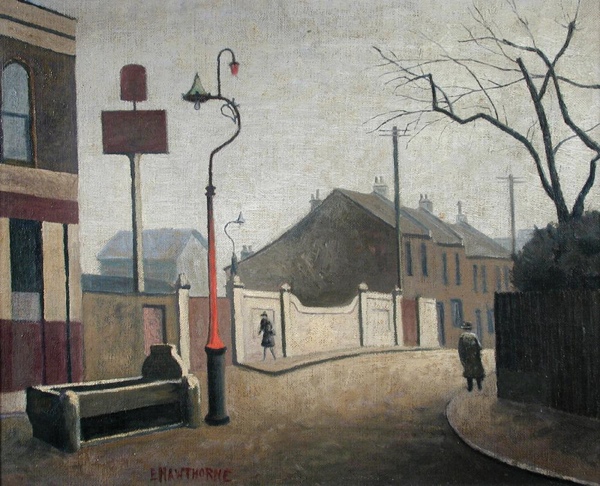
The Mitford Castle, 1931 by Elwin Hawthorne
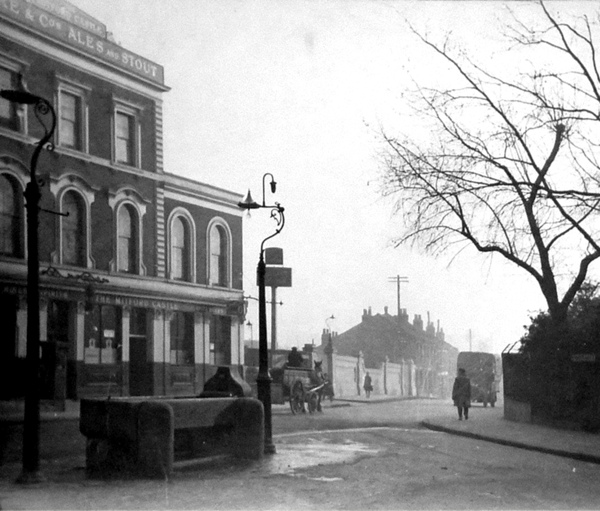
Working photograph by Elwin Hawthorne
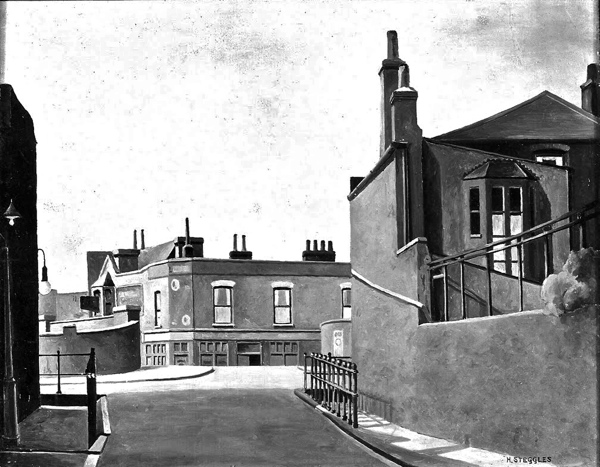
Black & white photograph of a colour painting of The Bridge House, Tredegar Rd by Harold Steggles
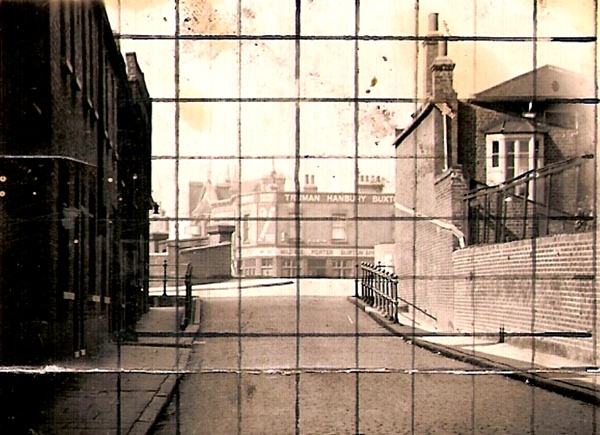
Working photograph by Harold Steggles
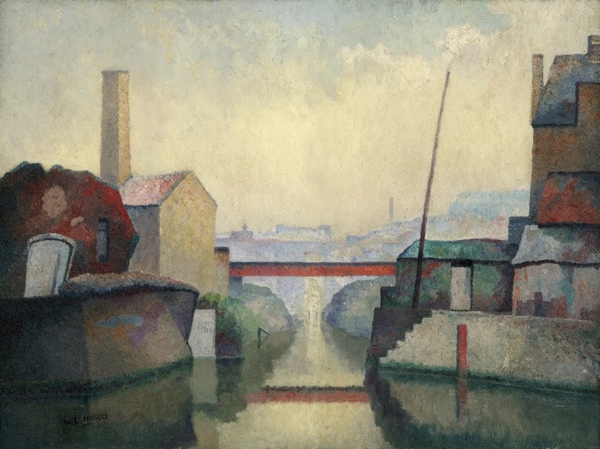
Bow Backwater by Walter Steggles
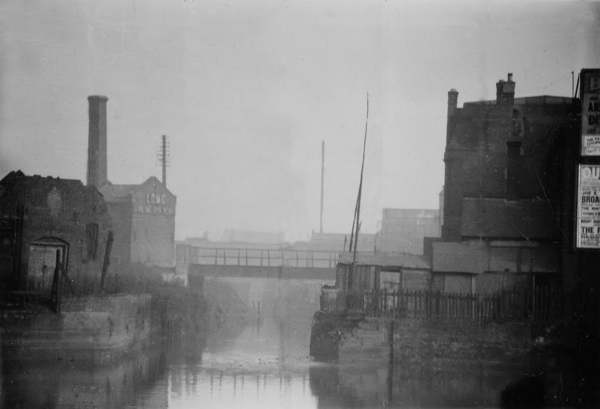
Working photography by Walter Steggles
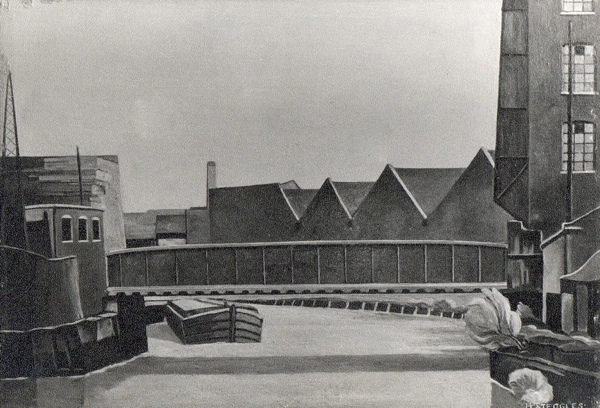
Black and white photograph of a coloured painting of ‘Bridge in Bow’ by Harold Steggles
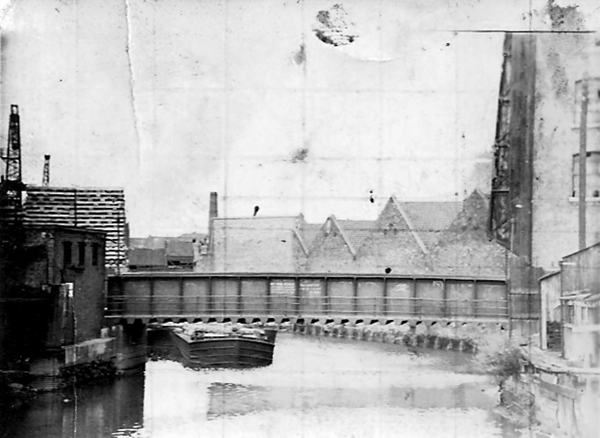
Working photograph by Harold Steggles
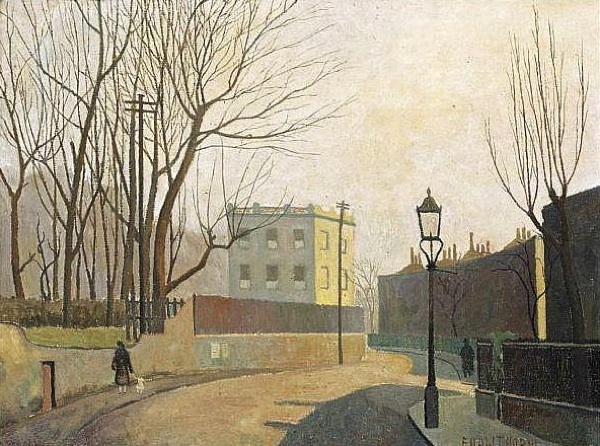
Canonbury Grove by Elwin Hawthorne
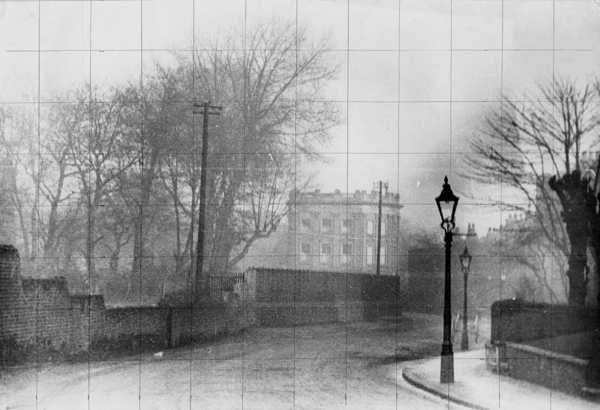
Working photograph by Elwin Hawthorne
You can read more about the East London Group
Albert Turpin, Artist & Mayor of Bethnal Green
Henry Silk, Artist & Basketmaker
From Bow to Biennale: Artists of the East London Group by David Buckman can be ordered direct from the publisher Francis Boutle and copies are on sale in bookshops including Brick Lane Bookshop, Broadway Books, Newham Bookshop, Stoke Newington Bookshop, London Review Bookshop, Town House, Daunt Books, Foyles, Hatchards and Tate Bookshop.
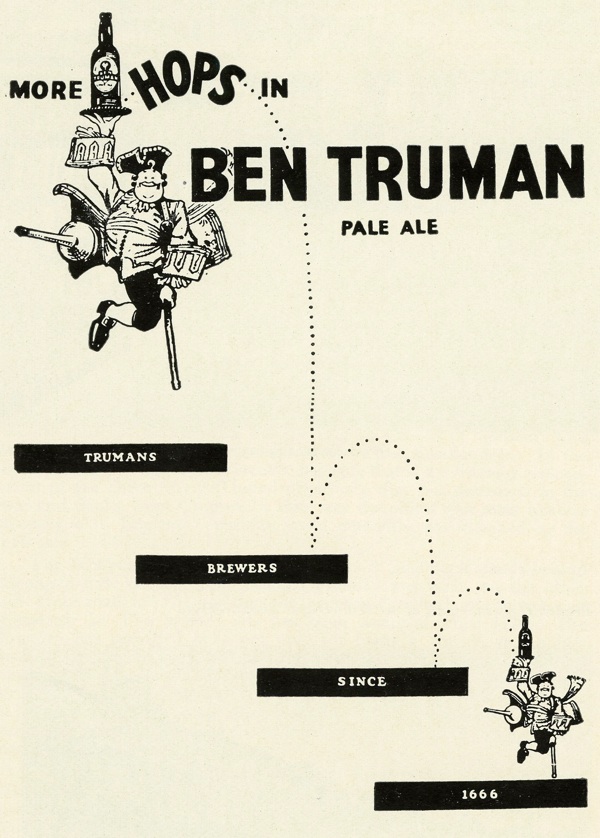
Adverts From The Stepney Borough Guide
From 1900 until 1965, Spitalfields was in the London of Borough of Stepney. Although Stepney has ceased to exist as a political entity long ago, the official guides are still preserved in the Bishopsgate Institute, serving as a reminder of this lost kingdom where – in the thirties – fluffy picture frocks, crude drugs and skulgarde helmets might easily be obtained.
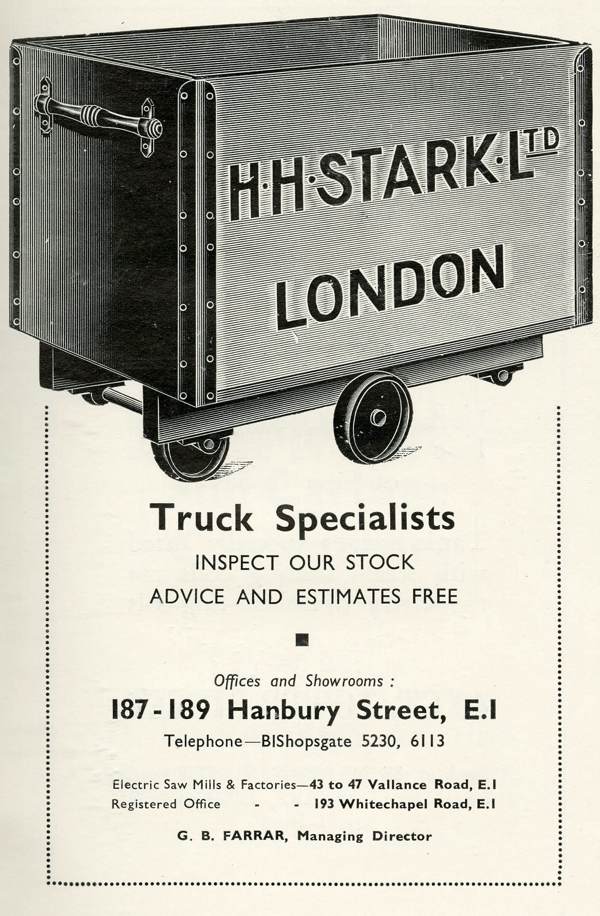
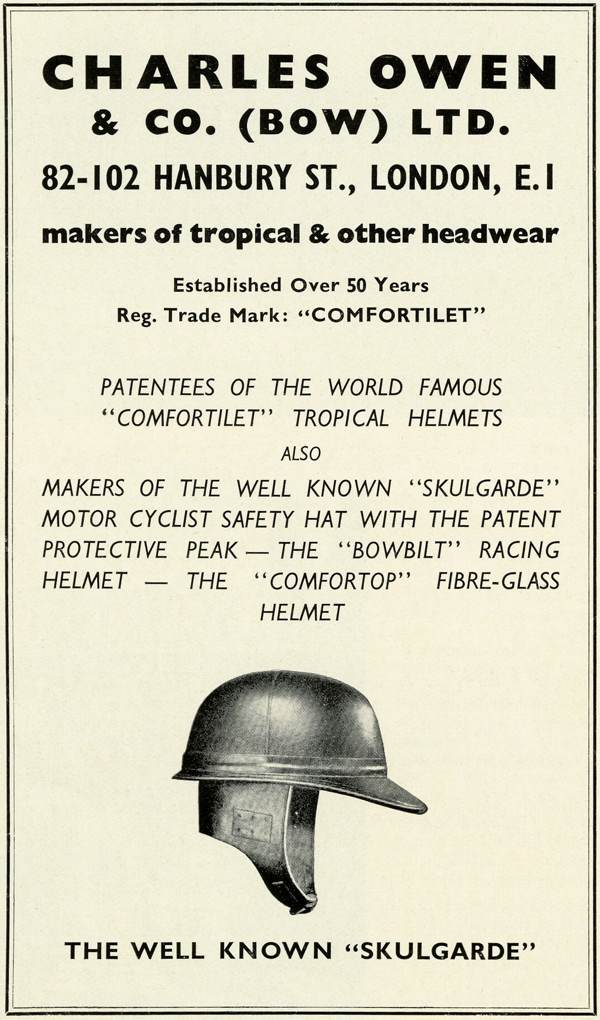
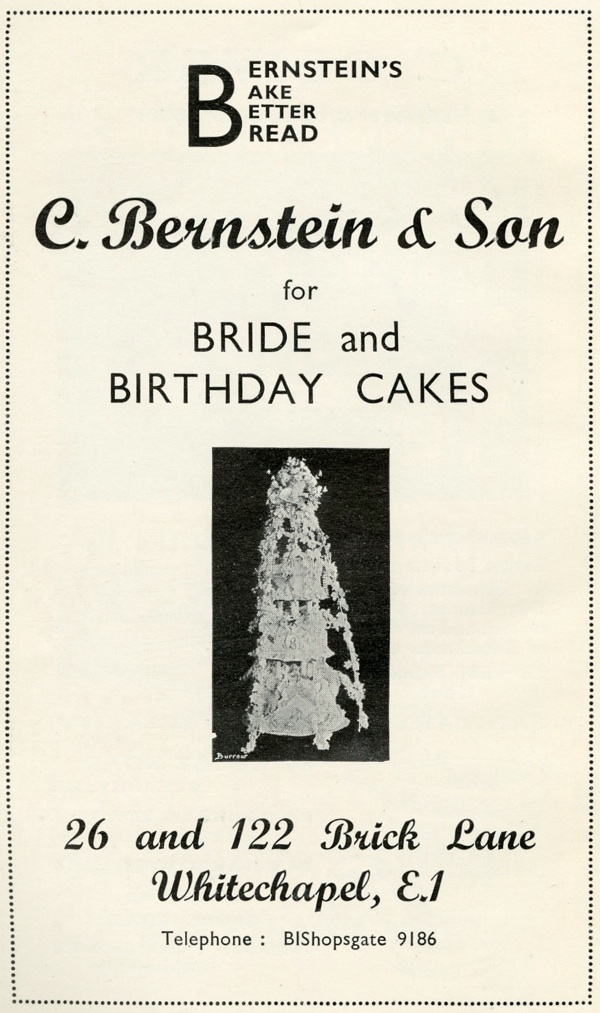
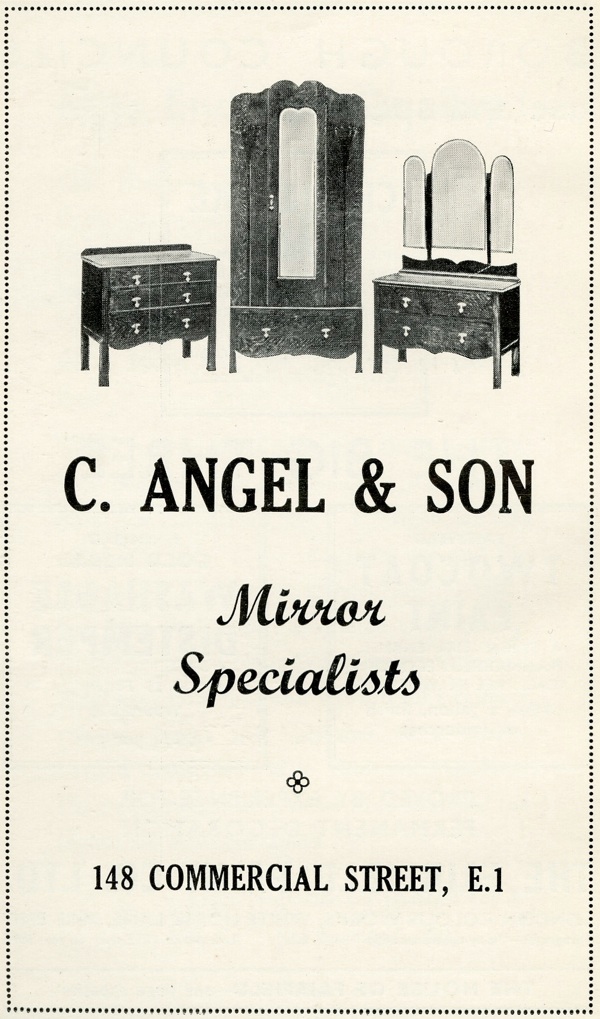
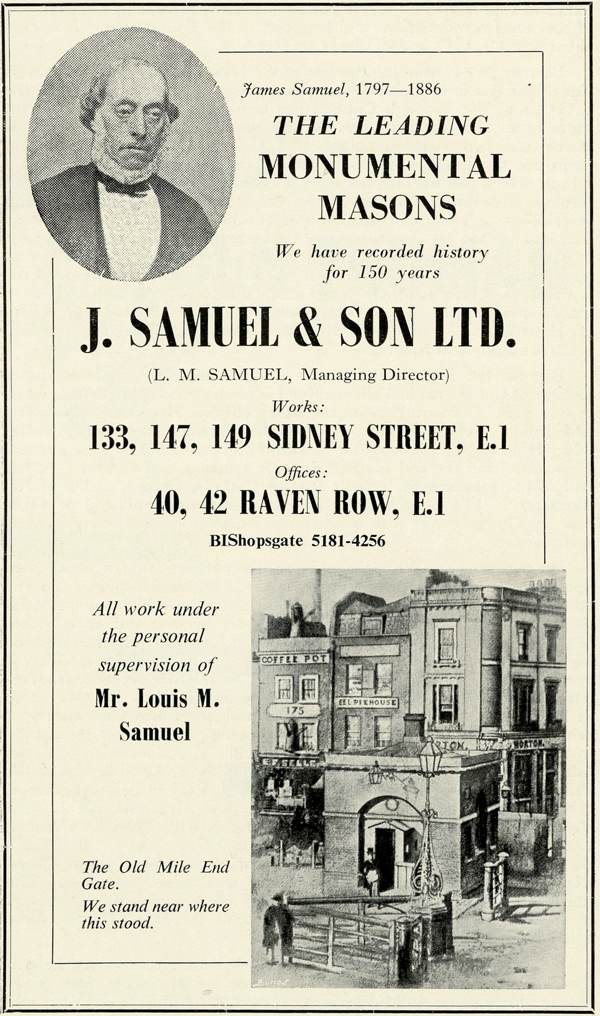
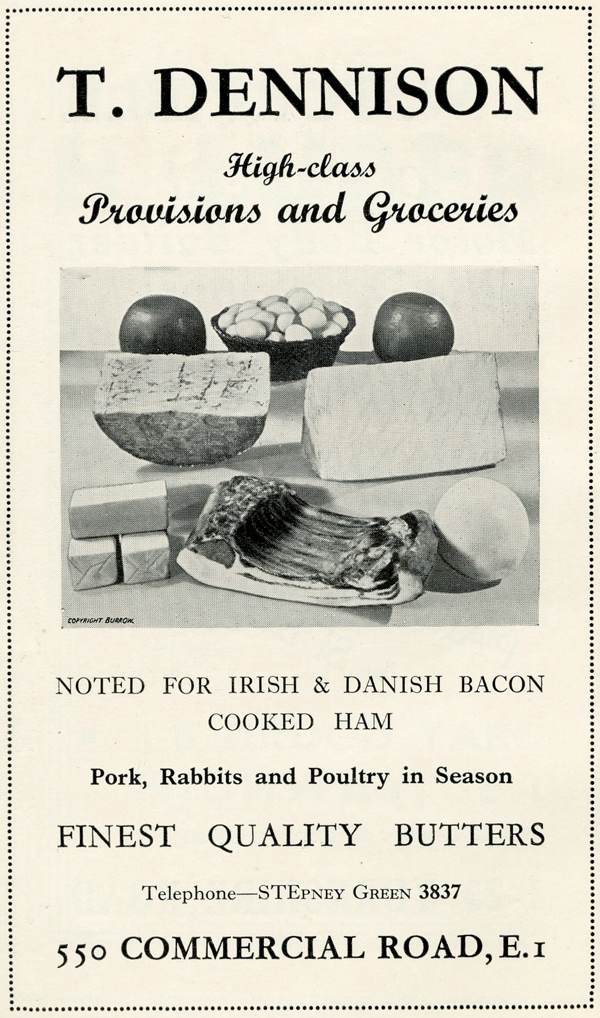
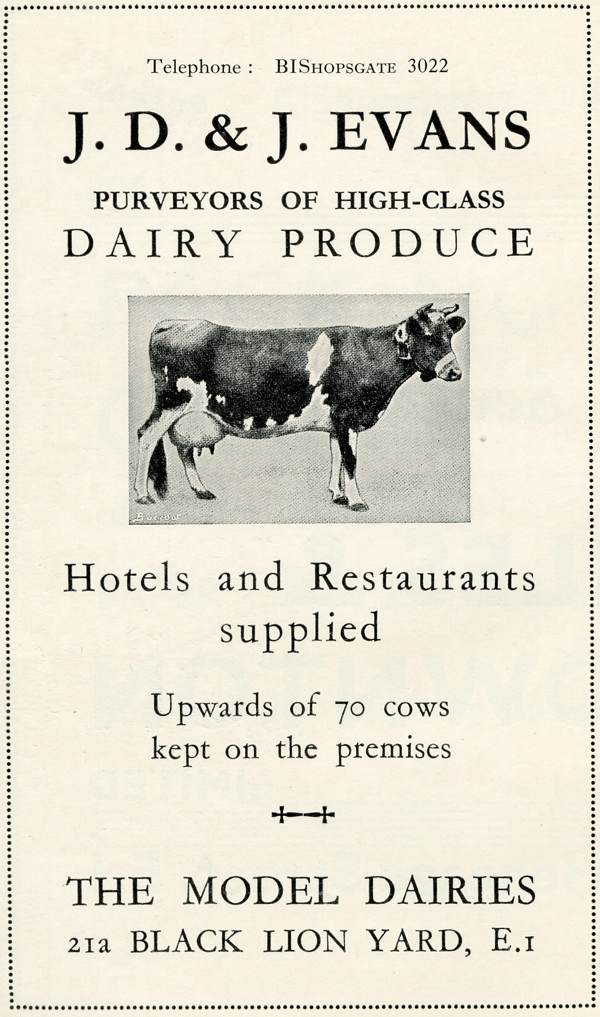
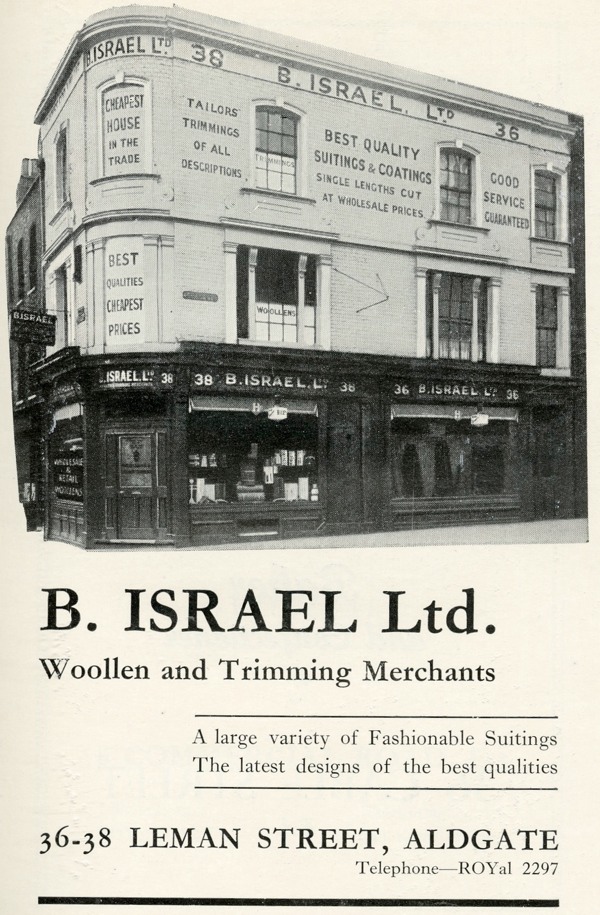
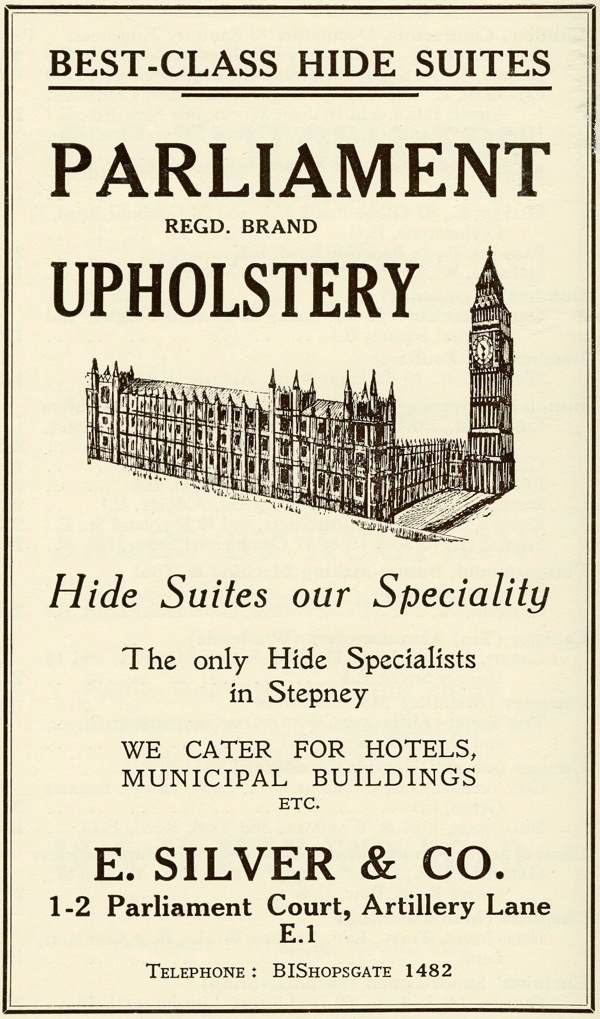
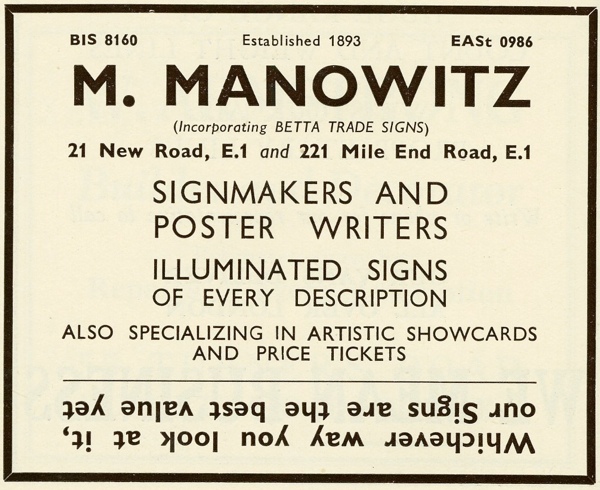
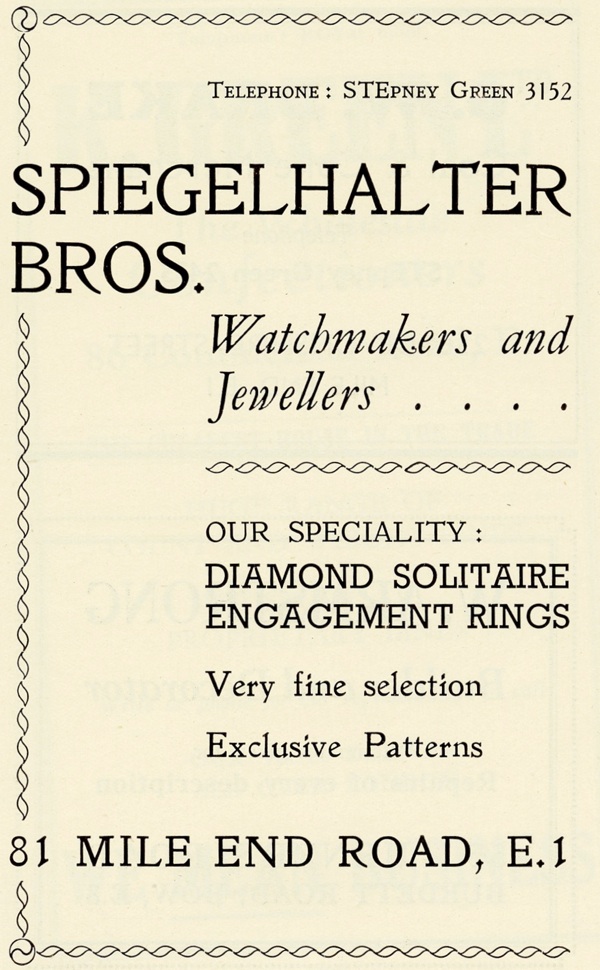
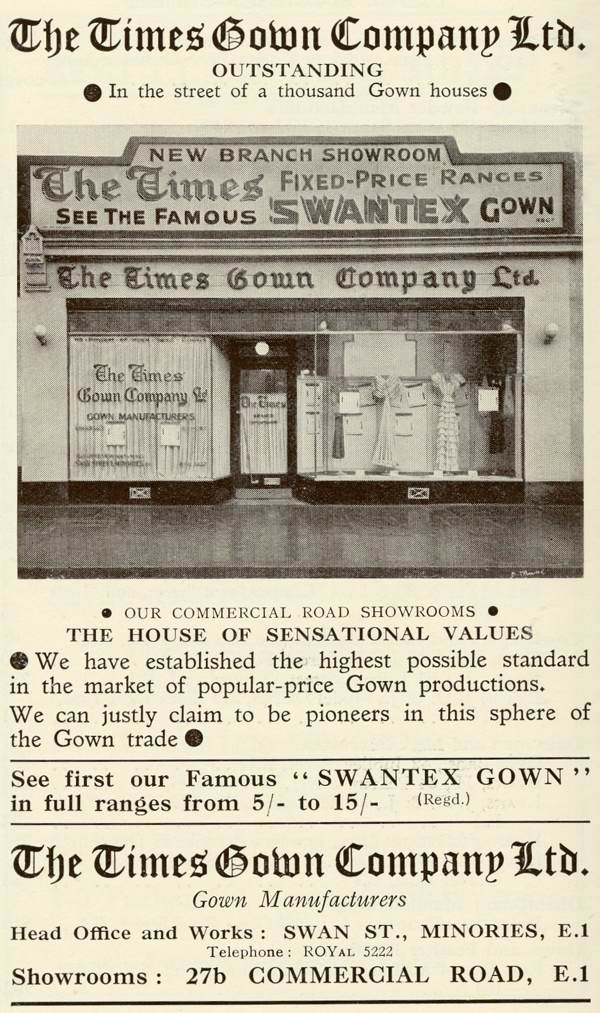
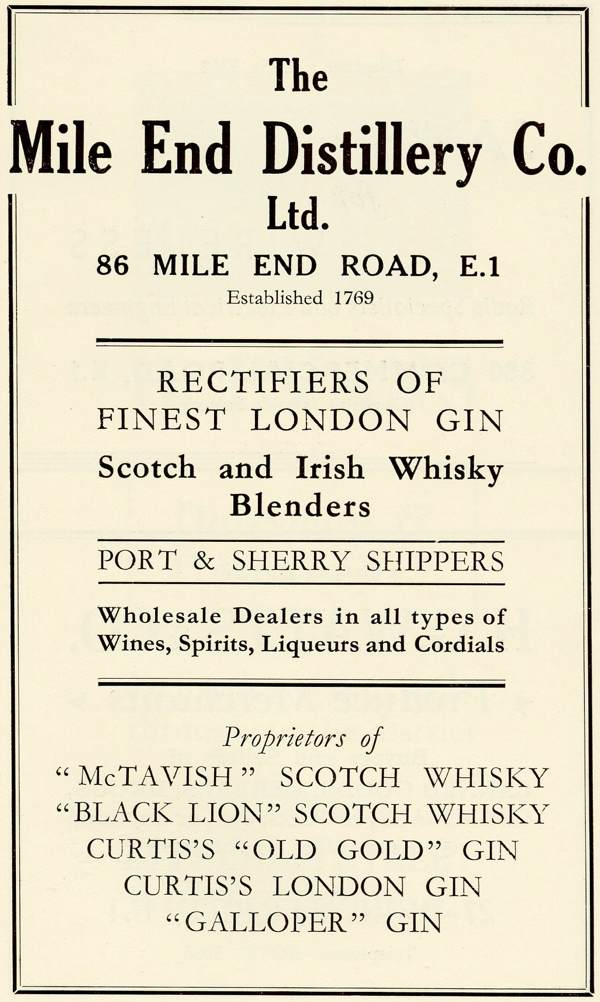
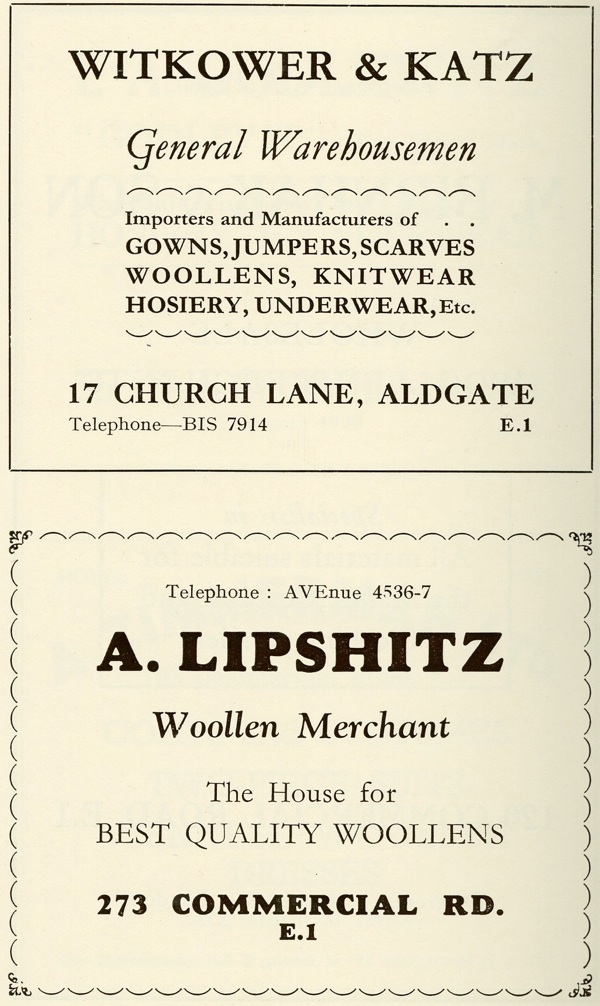
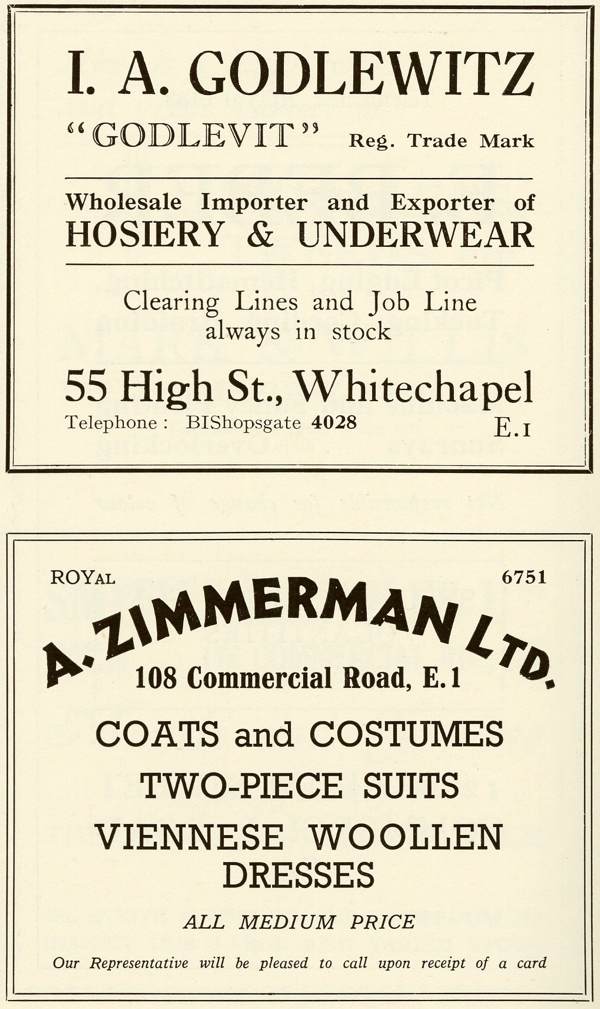
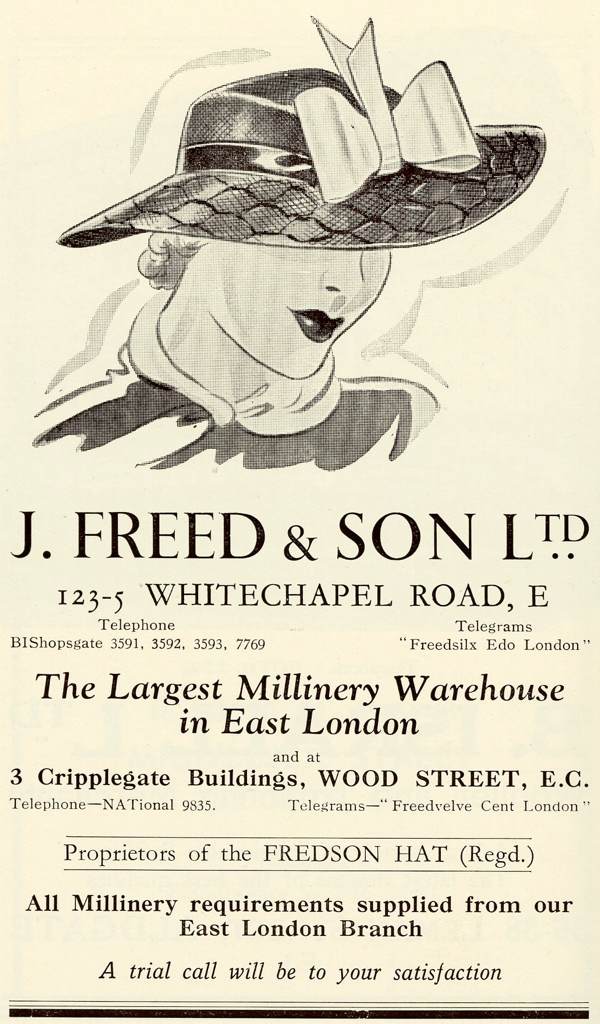
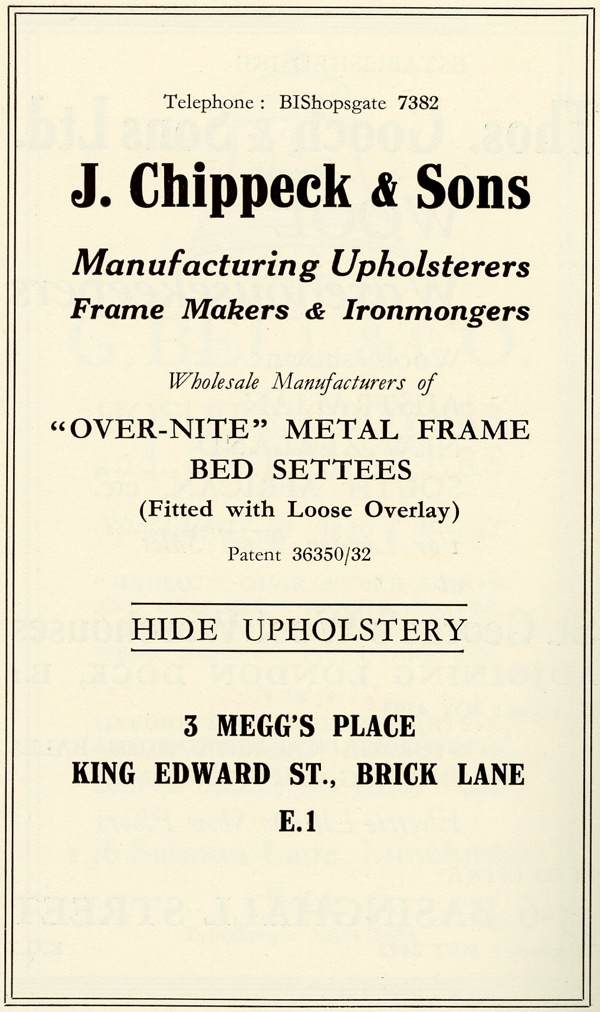
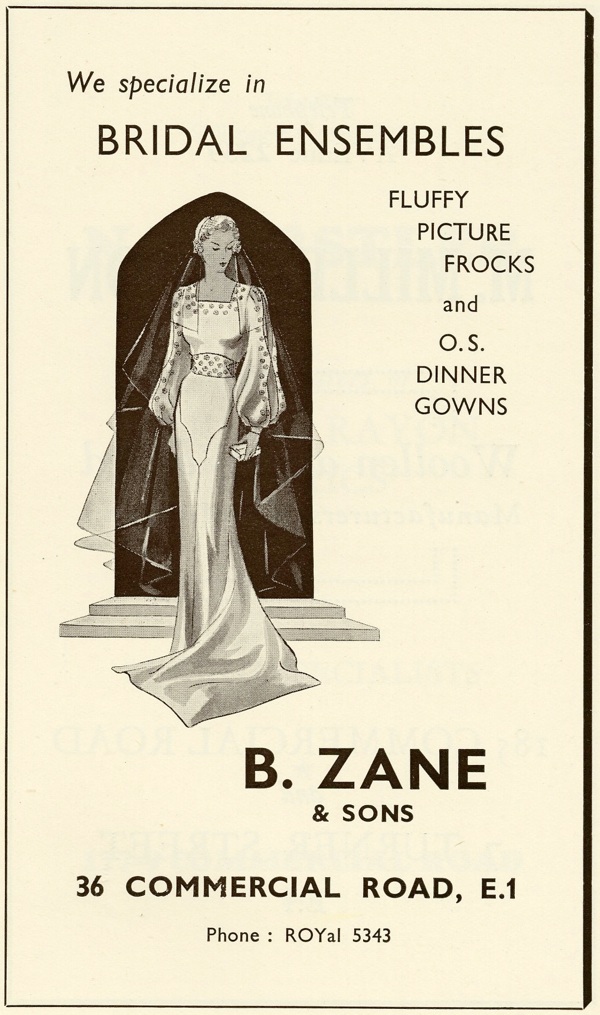
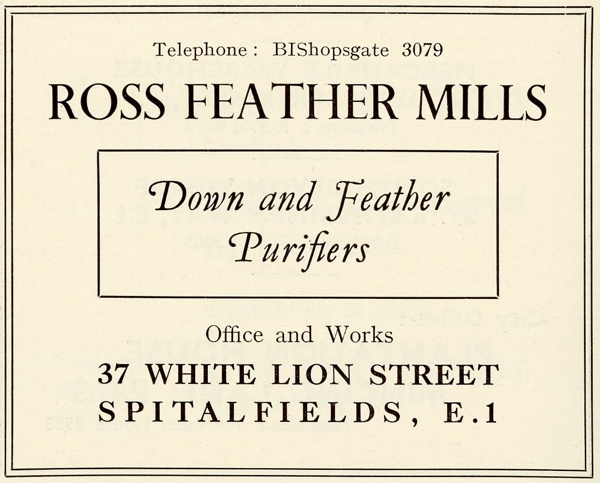
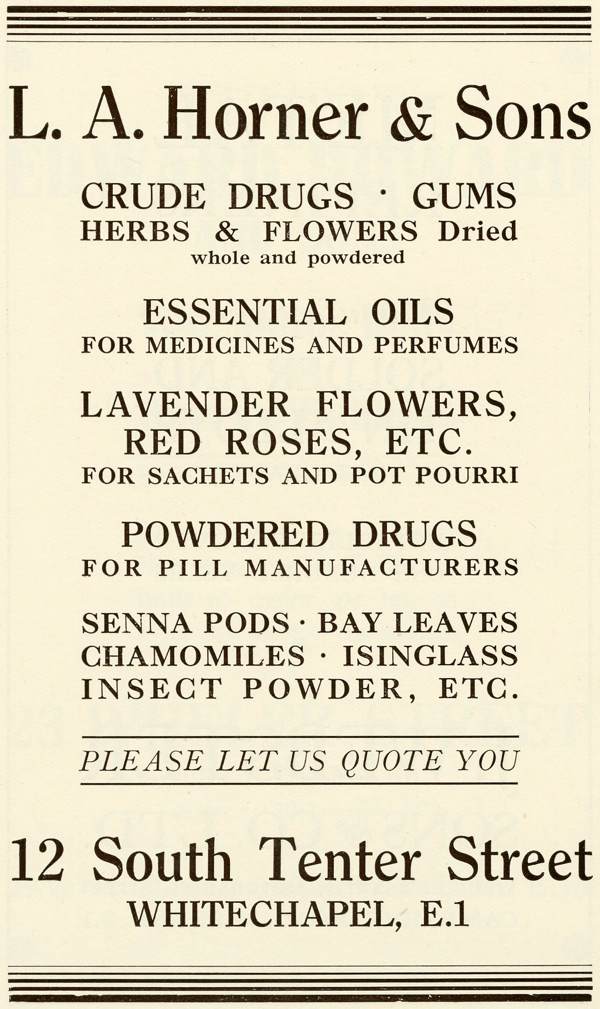
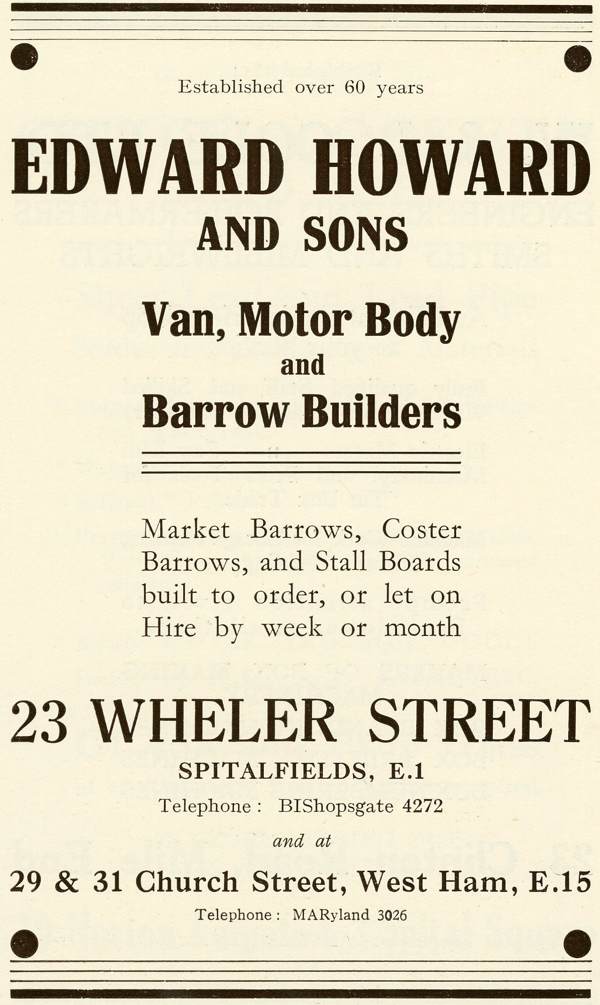
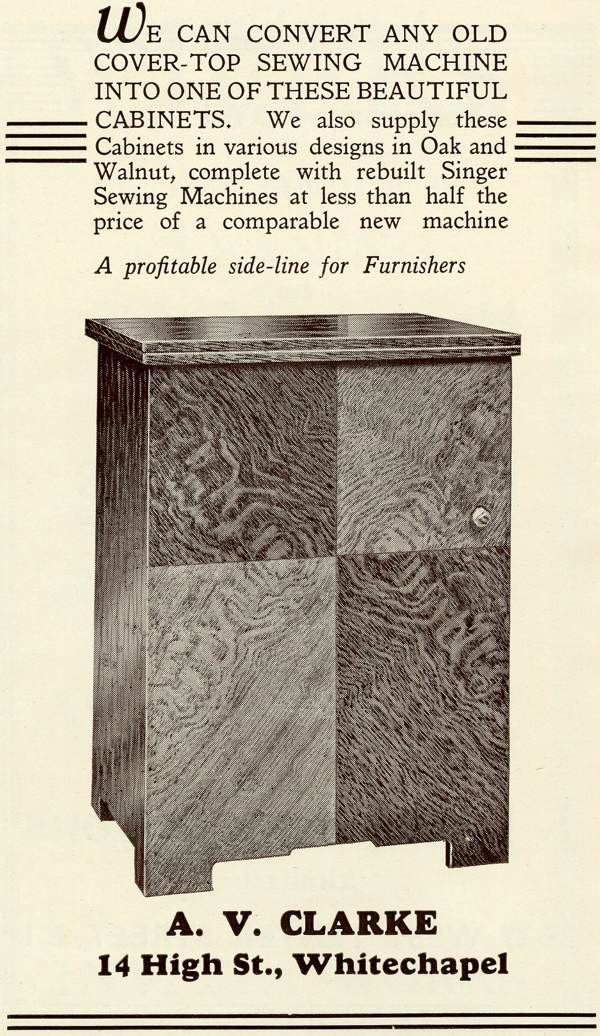
Images courtesy Bishopsgate Institute
You might also like to take a look at
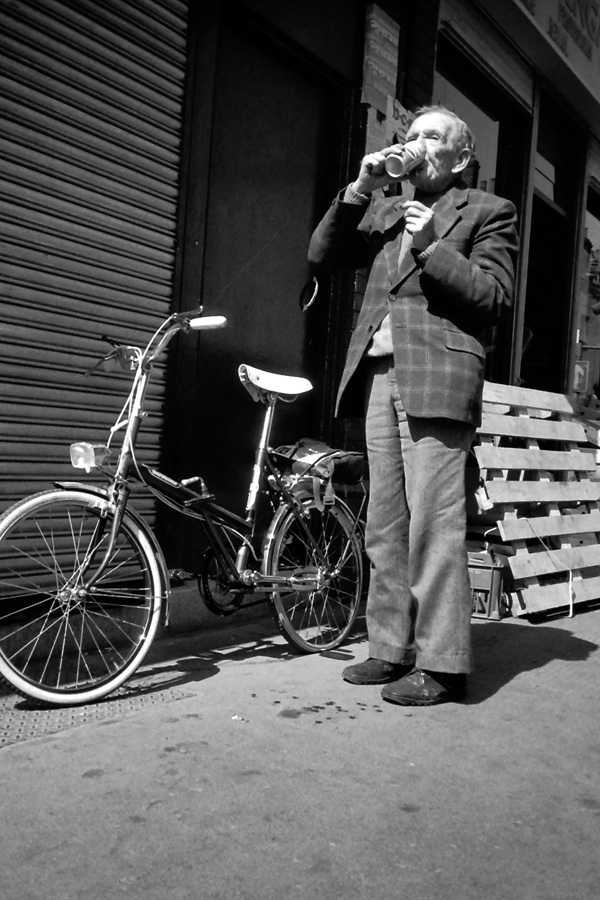
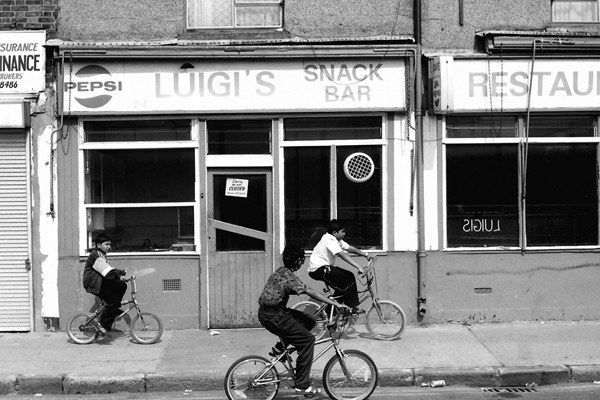
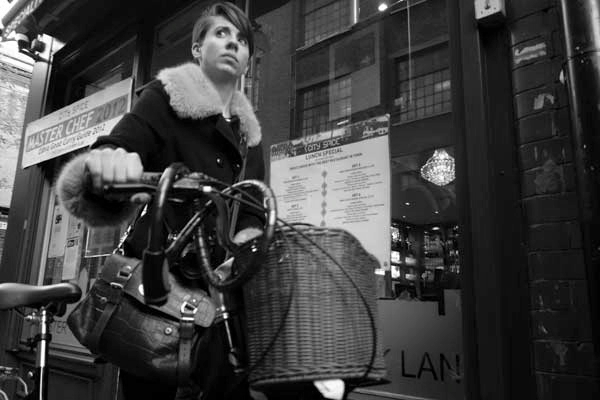
Phil Maxwell’s East End Cyclists
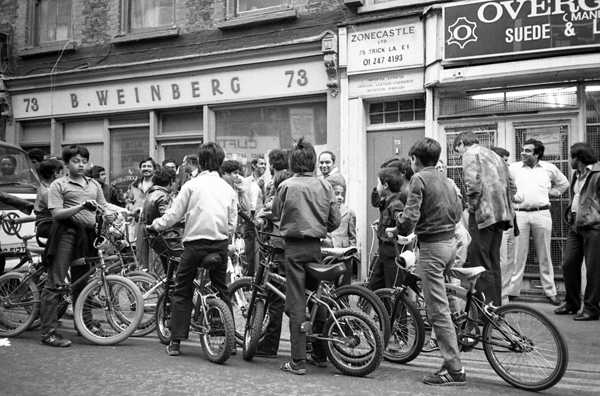
After Rob Wells – the boy on the bicycle pictured on the cover of BRICK LANE – turned up, I realised that bikes were a recurrent theme in Phil Maxwell‘s photography and so I asked him to make this gallery of East End cyclists over the past thirty years.
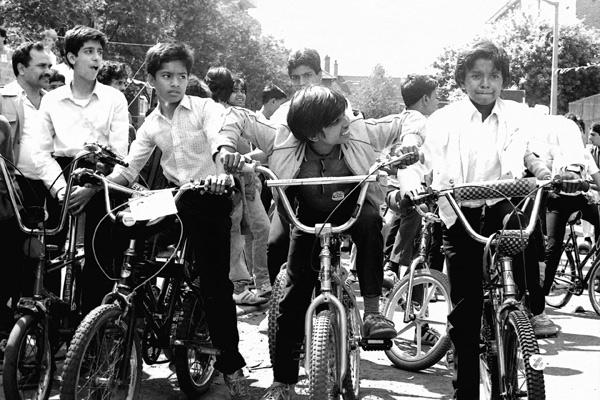
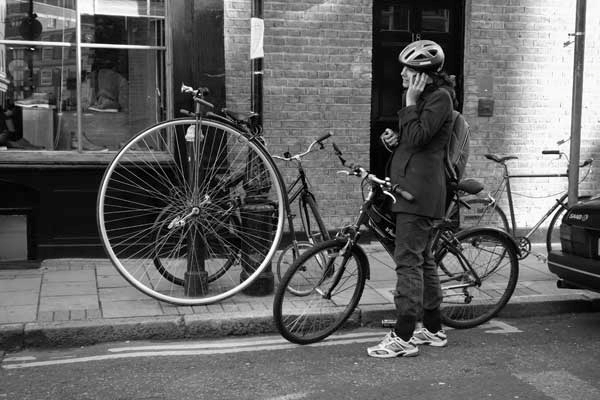
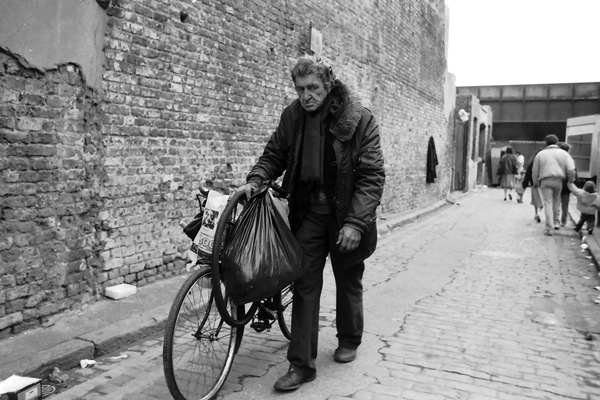
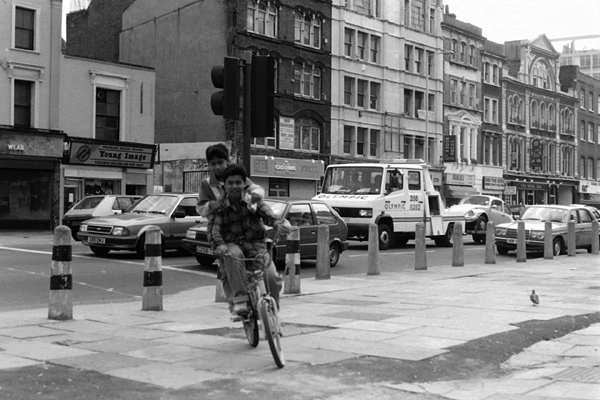
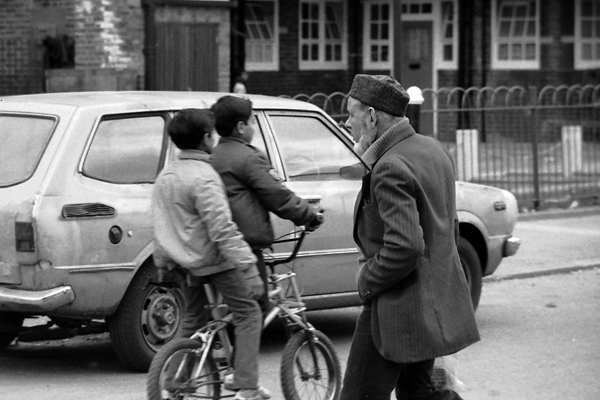
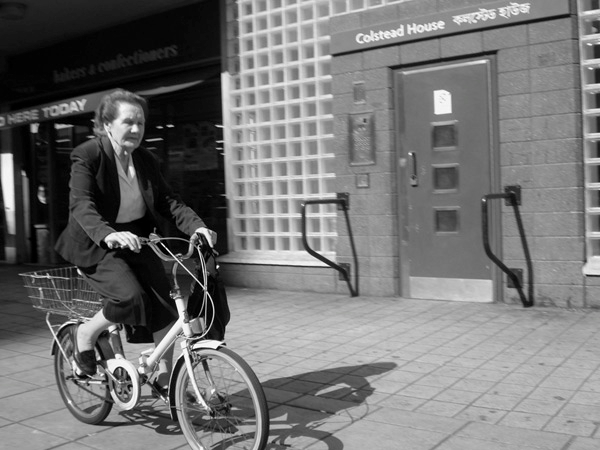
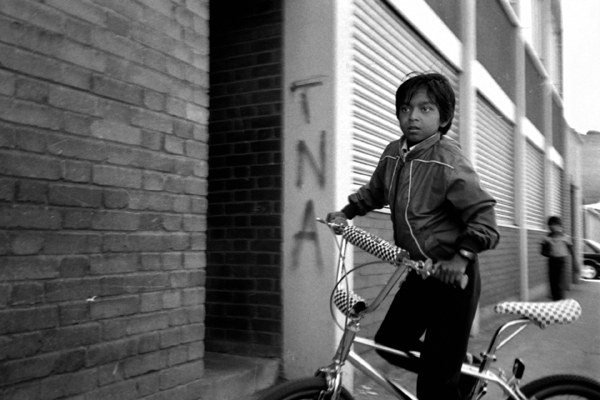
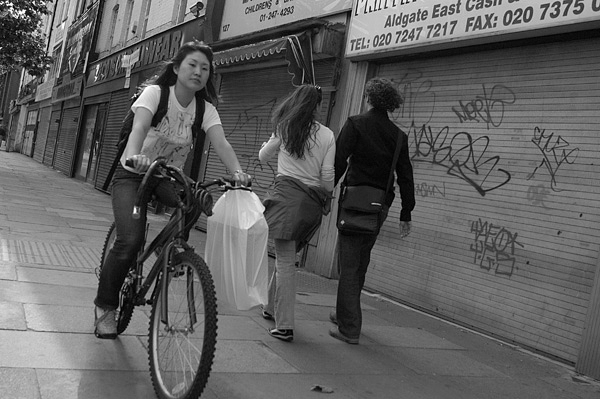
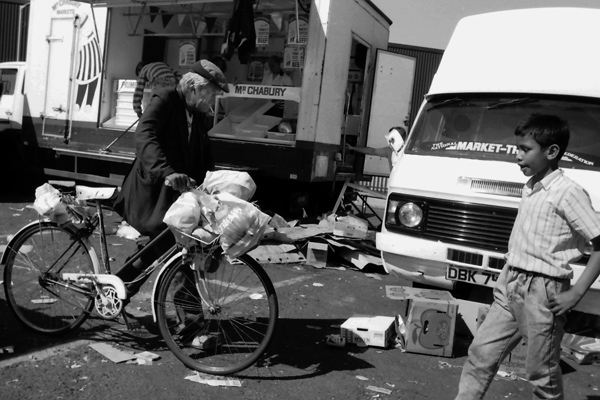
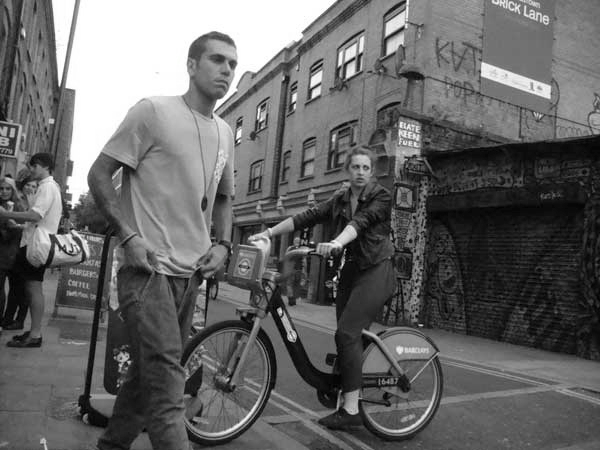
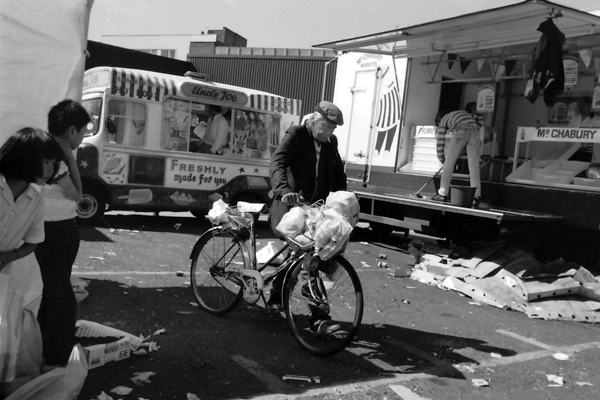
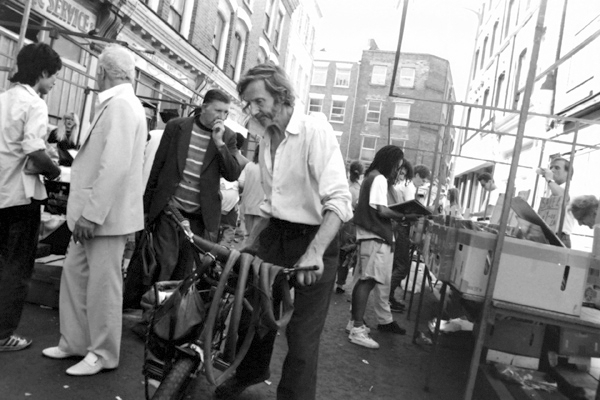
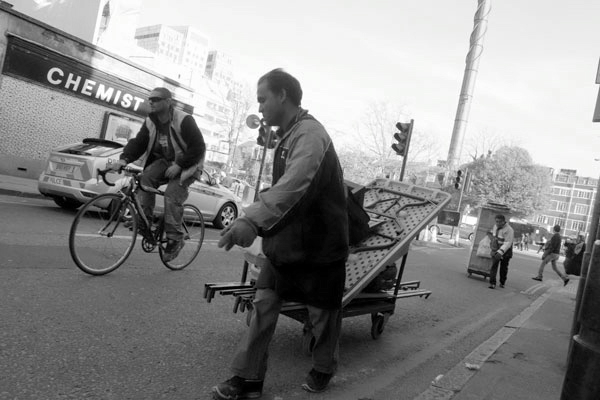
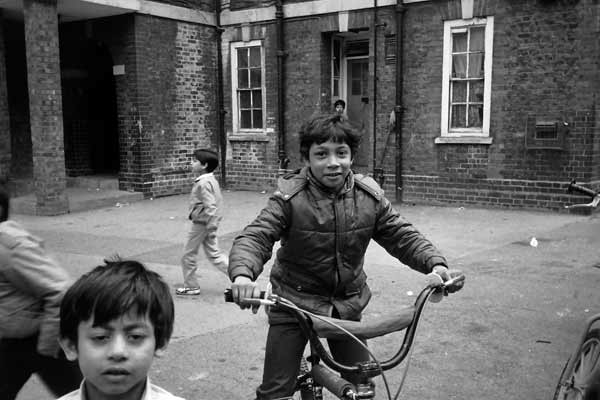
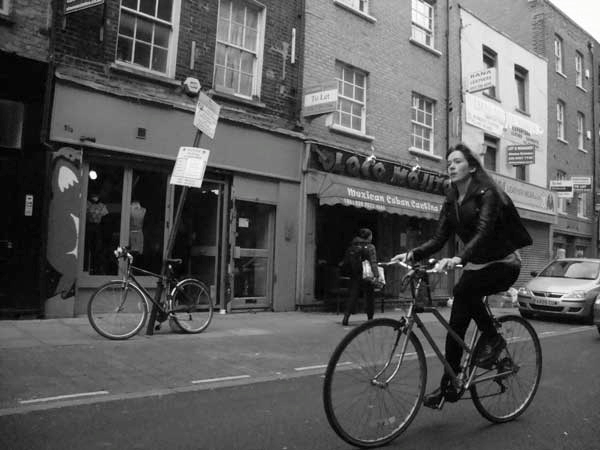
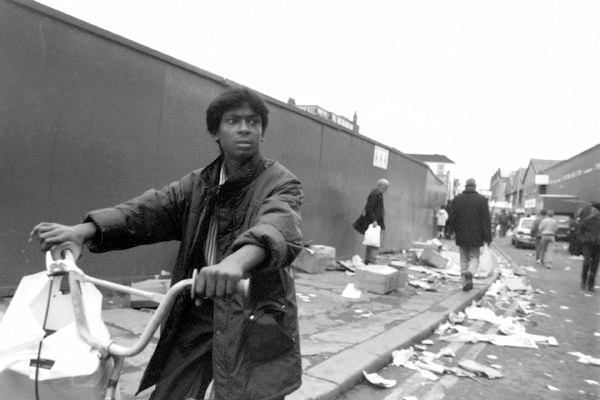
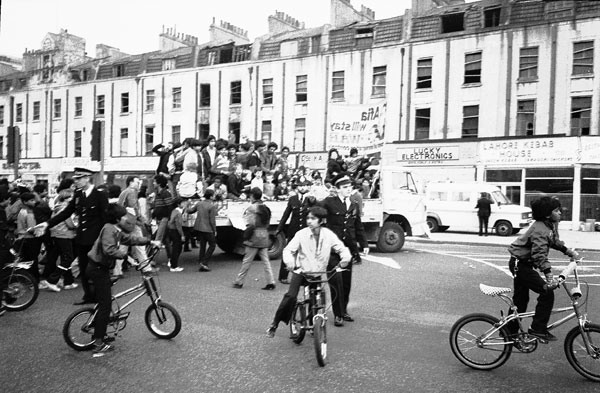
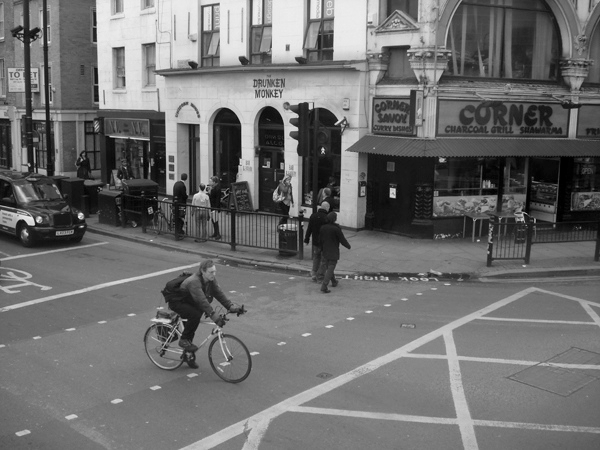
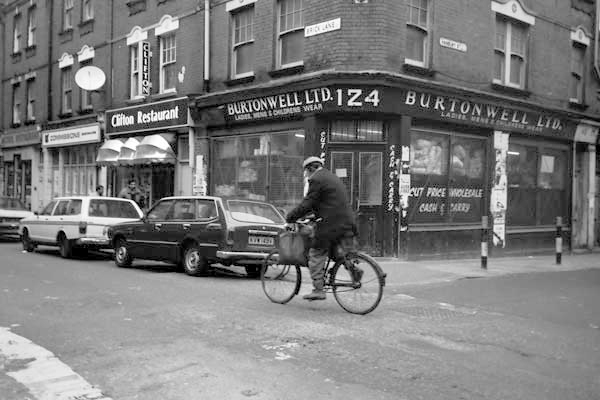
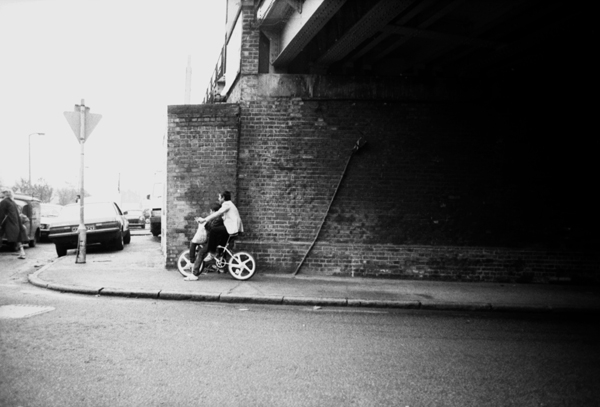
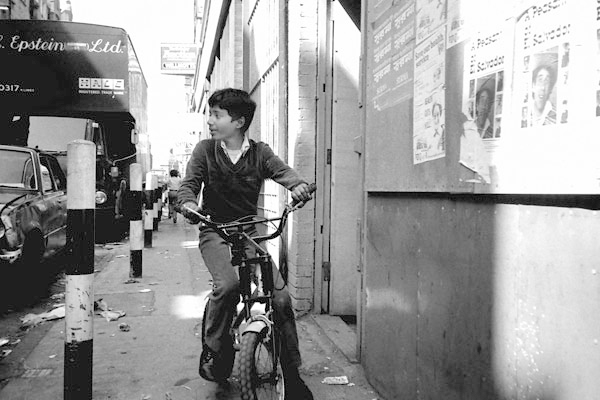
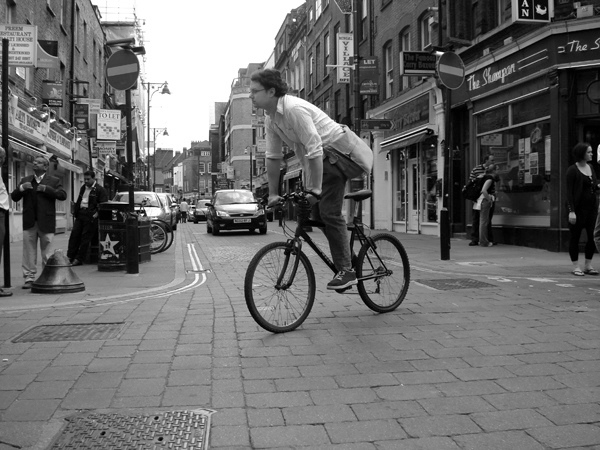
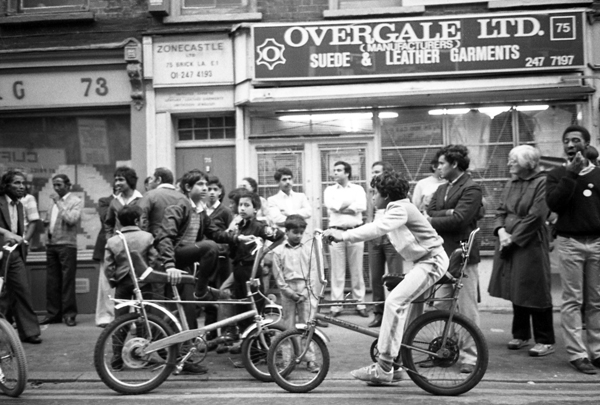
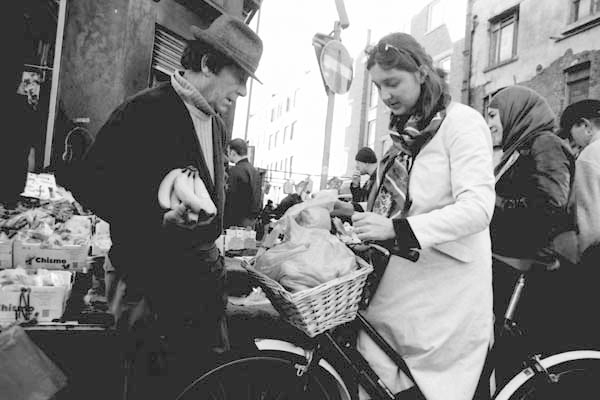
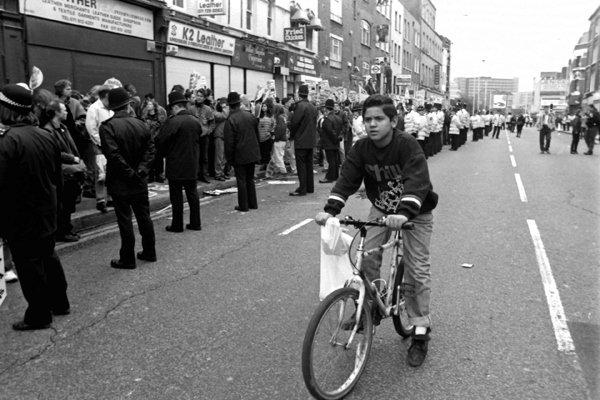
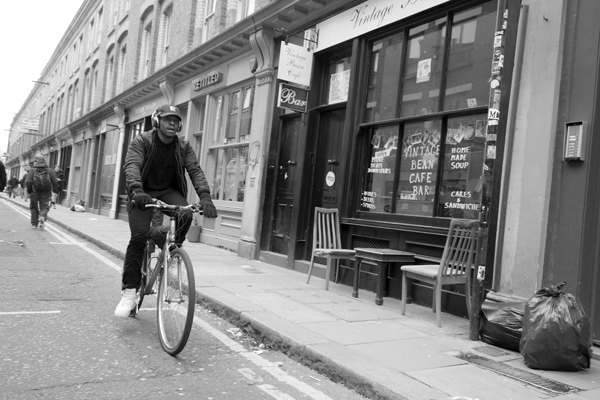
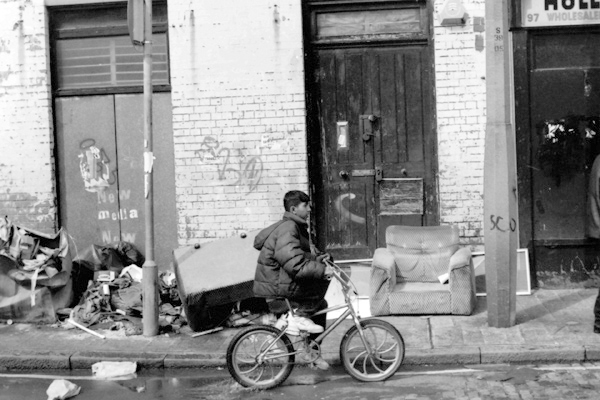
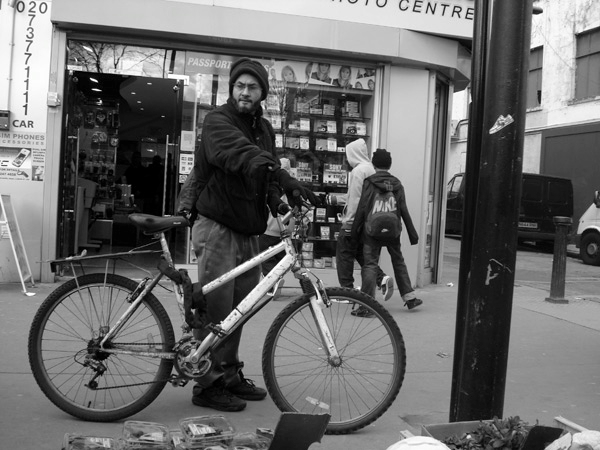
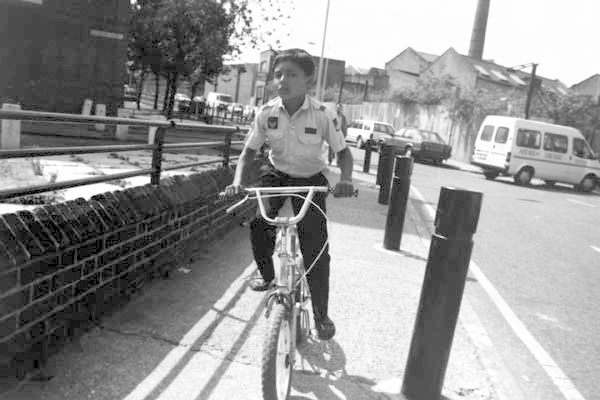
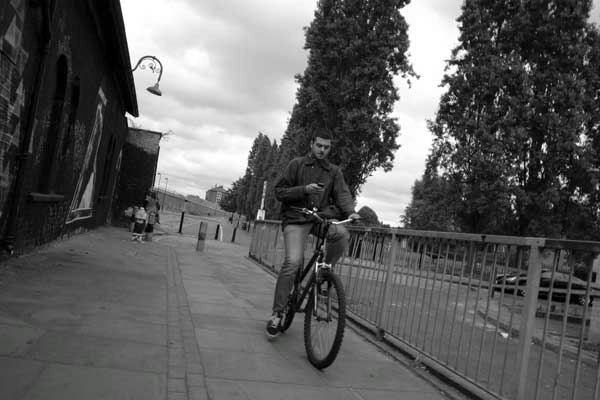
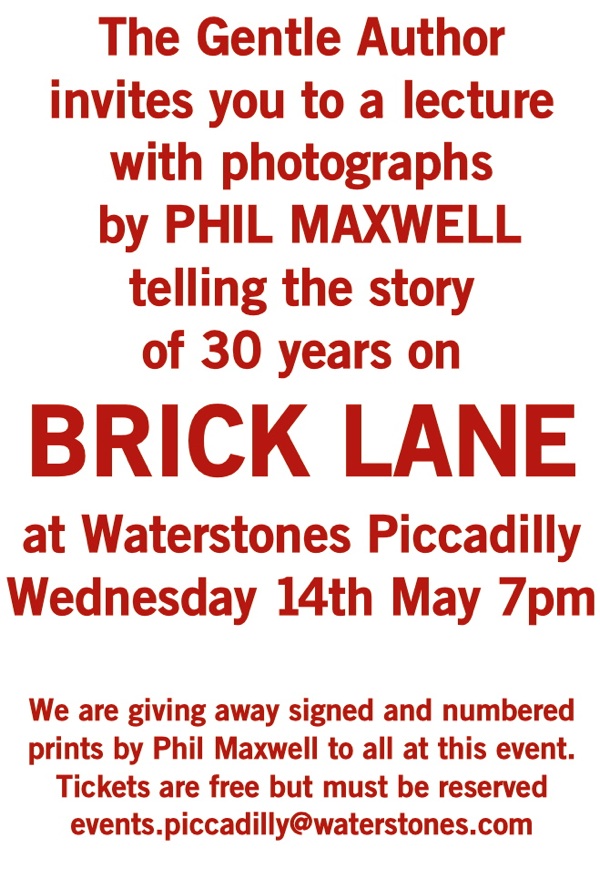
Phil Maxwell will be giving a lecture showing his photographs from BRICK LANE at Waterstones Piccadilly next Wednesday 14th May at 7pm.
We shall be giving away signed and numbered prints by Phil to all at this event. Tickets are free but must be reserved by email events.piccadilly@waterstones.com
You may also like to take a look at
Kitty Jennings, Dressmaker
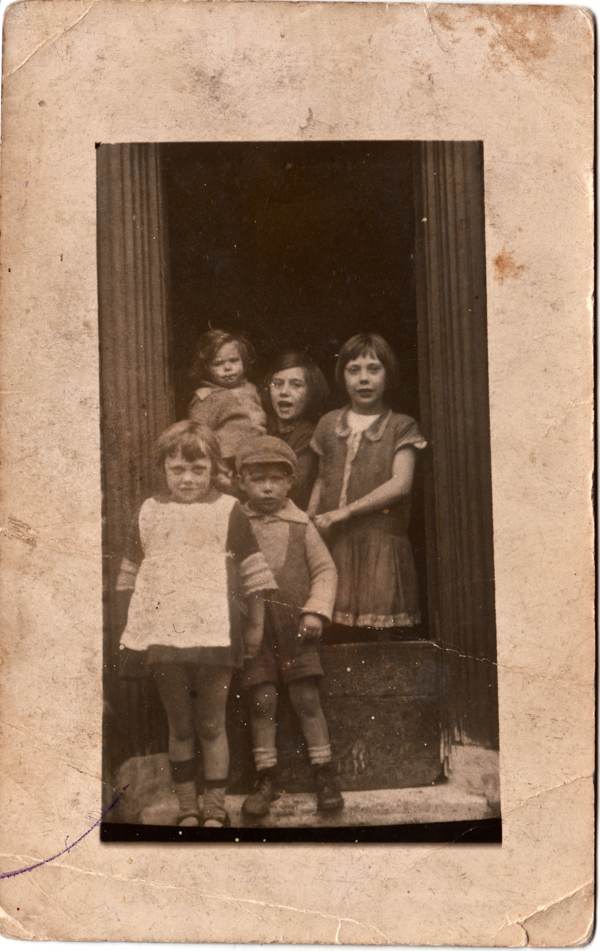
Kitty, Amelia (Doll Doll), Jimmy, Gracie & Patricia Jennings, Gifford St, Hoxton c.1930
On Sunday afternoon, I walked over to Columbia Rd Market to get a bunch of flowers for Kathleen – widely known as Kitty – Jennings, who has lived in Hoxton since 1924. I found her in a neat block of private flats near the canal where for many years she lived with her beloved sister Doll Doll, whose ashes now occupy pride of place in a corner of the sitting room.
Once Barbara Jezewska, who grew up in Spitalfields and was Kitty’s neighbour in this building for seventeen years, had made the introductions, we settled down in the afternoon sun to enjoy beigels with salmon and cream cheese while Kitty regaled us with her memories of old Hoxton.
“Thank God we were lucky, we had a father who had a good job, so we always had a good table. There was not a lot of work when I was a kid, but we always got by. We were lucky that we always had good clothes and never got knocked about.
My father, Jim, he was a Fish Porter at Billingsgate Market and he had to work seven days. He was born in the Vinegar Grounds in Hoxton, where they only had one shared tap in the garden for all the cottages, and he was a friendly man who would help anyone. He left for work at four in the morning each day and came back in the early afternoon. We lived on fish. I’m a fish-mullah, I like plaice, jellied eels, Dover sole and middle skate. My poor old mum used to fry fish night and day, she was always at the gas stove.
I was born in Gifford St, Hoxton. There were five of us, four girls and one boy, and we lived in a little three bedroom house. My mother Grace, her life was cooking, washing and housework. She didn’t know anything else.
When my sister Amelia was born, she was so small they laid her in a drawer and we called her ‘Doll Doll.’ They put her in the Queen Elizabeth Children’s Hospital when she had rheumatic fever and she didn’t go to school because of that. She was happy-go-lucky, she was my Doll Doll.
One day, when she was at school, there was an air raid and all the children hid under the tables. They saw a man’s legs walk in and Doll Doll cried out, ‘That’s my dad!’ and her friend asked, ‘How do you recognise him?’ and Doll Doll said, ‘Because he has such shiny shoes.’ He took Doll Doll and said to the teacher, ‘My daughter’s not coming to school any more.’
I was dressmaking from when I left school at fourteen. My first job was at C&A in Shepherdess Walk but I didn’t like it, so I told my mum and left. I left school at Easter and the war came in August. After that, I didn’t go to work at all for five years. Then I went to work in Bishopsgate sewing soldiers’ trousers, I didn’t like that much either so I stayed at home.
Doll Doll and I, we used to love going to Hoxton Hall for concerts every Saturday. It cost threepence a ticket and there was a man called Harry Walker who’d sling you out if you didn’t behave. Afterwards, we’d go to a stall outside run by my uncle and he’d give us sixpence, and we’d go and buy pie and mash and go home afterwards – and that was our Saturday night. We used to go there in the week too and do gym and see plays.
On Friday nights, we’d go to the mission at Coster’s Hall and they’d give you a jug of cocoa and a biscuit, and the next week you’d get a jug of soup. It didn’t cost anything. We used to go there when we were hungry. In the school holidays, we went down to Tower Hill Beach and we’d cut through the market and see my dad, and he’d give us a few bob to buy ice cream.
Me and Doll Doll, we stayed at home with my mum and dad. The other three got married but I didn’t want to. I couldn’t find anybody that I liked, so I stayed at home with mummy and daddy, and I was quite happy with them. When they got old we cared for them at home, without any extra help, until they died. We had understanding guvnors and, Doll Doll and I took alternate weeks off work to care for them.
Doll Doll and I moved into these private flats more than thirty years ago. In those days, it was only women and once, when my neighbour thought her boiler was going to explode, we called the fire brigade. Doll Doll leaned over the balcony and called, ‘Coo-ee, young man! Up here!’
We never went outside Hoxton much when we were young, but – when we grew up – Doll Doll and I went to Florida and Las Vegas. I finally settled down and I didn’t wander no more. I worked as a dressmaker at Blaines in Petticoat Lane for thirty-five years, until it closed forty years ago and I was made redundant.”
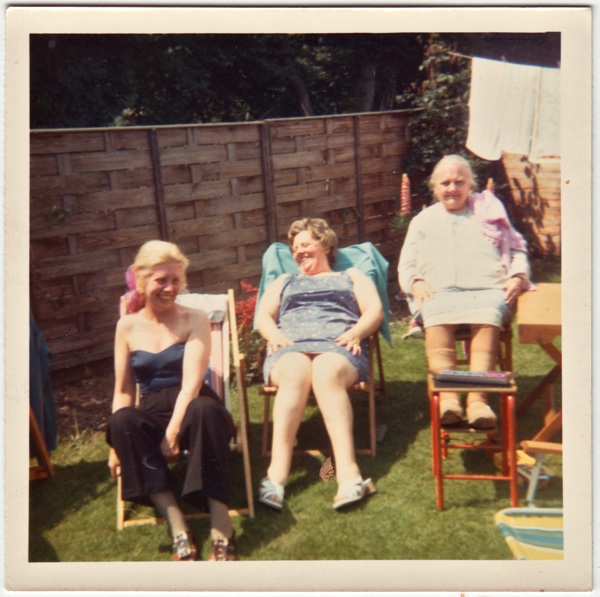
Doll Doll, Kitty and their mother Grace
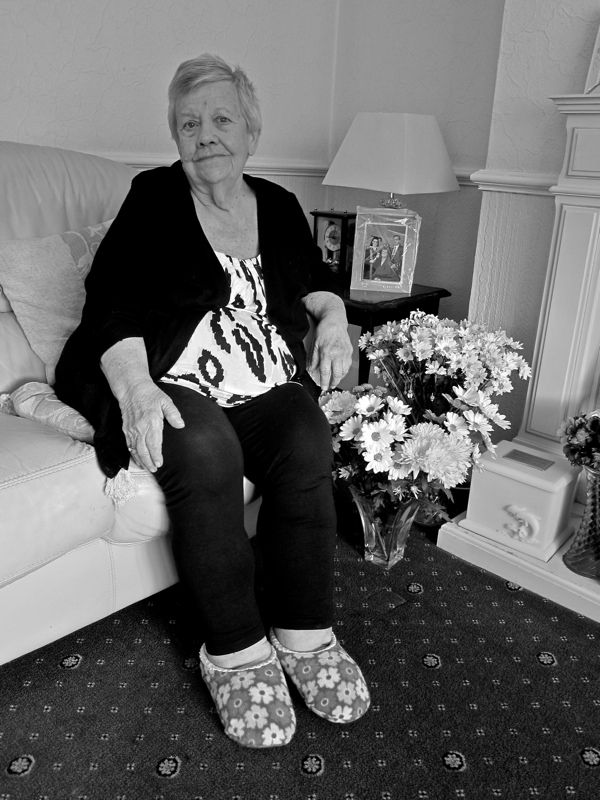
Kitty in her flat in Hoxton
 Doll Doll
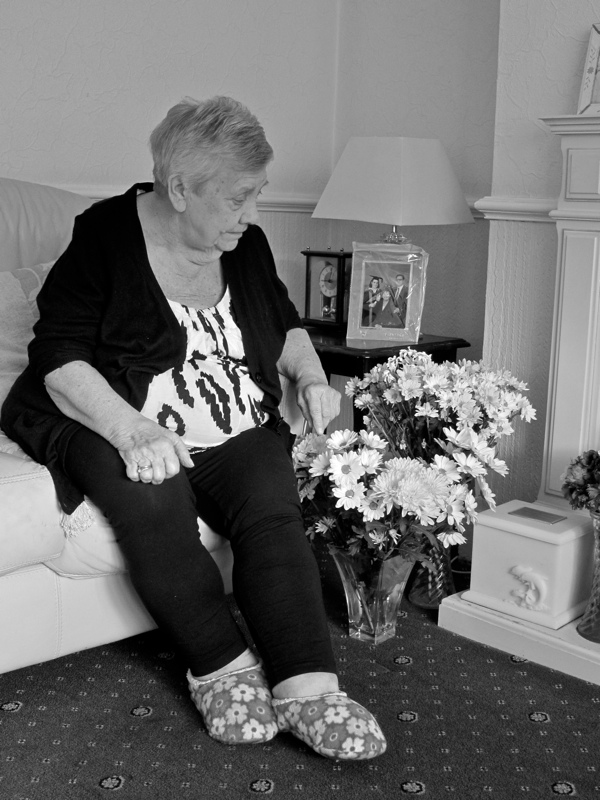
Kitty places fresh flowers next to Doll Doll’s ashes each week
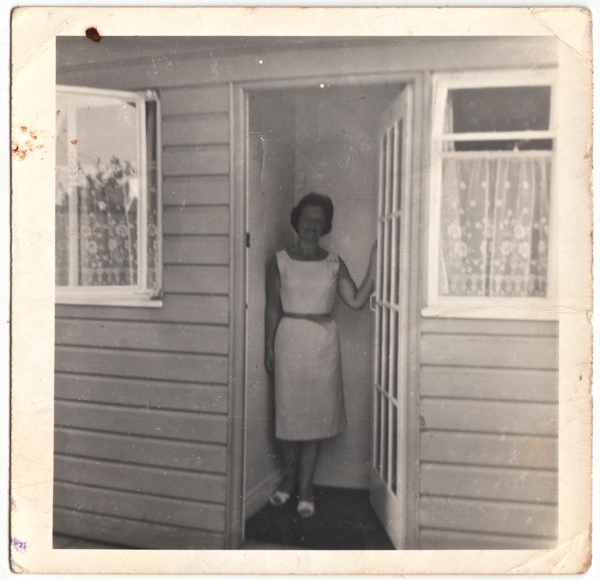
Kitty at a holiday chalet in Guernsey, 1960
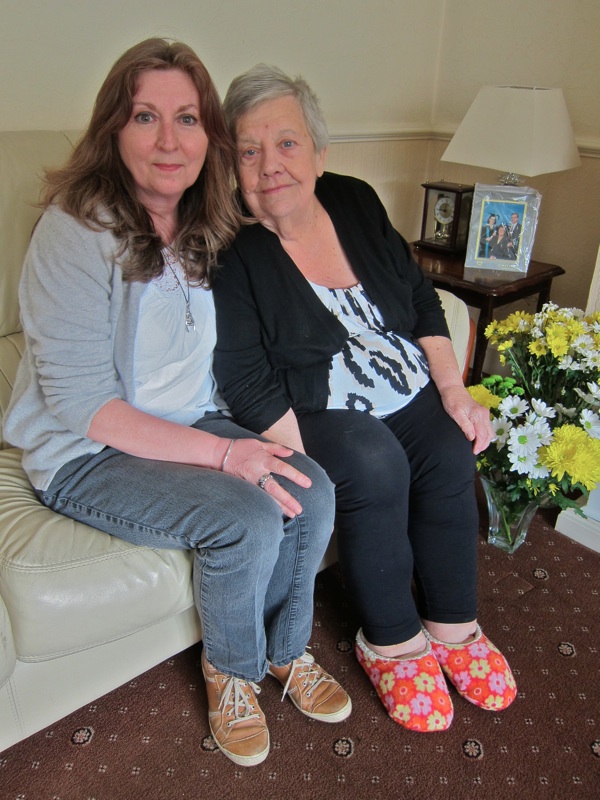
Kitty Jennings with her friend and neighbour of sixteen years, Barbara Jezewska
You may also like to read about
Remembering AS Jasper’s ‘A Hoxton Childhood’
At The Ragged School Museum

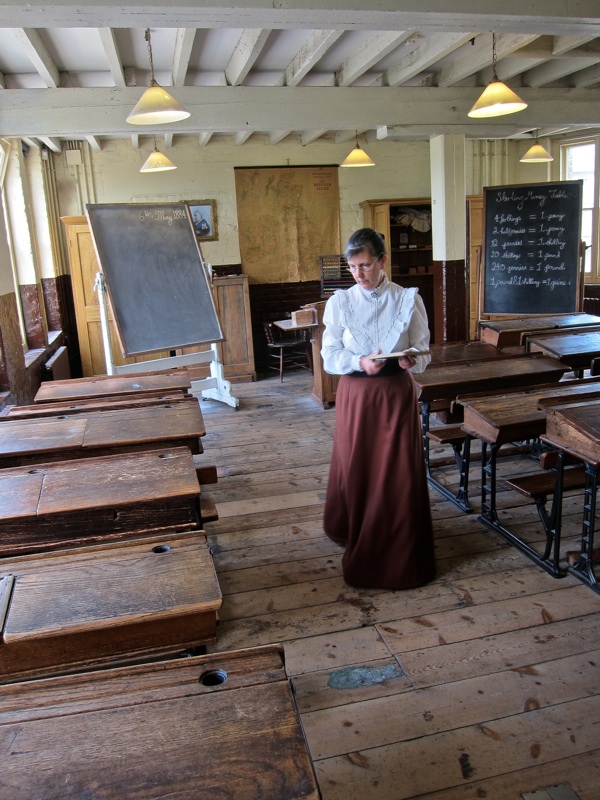
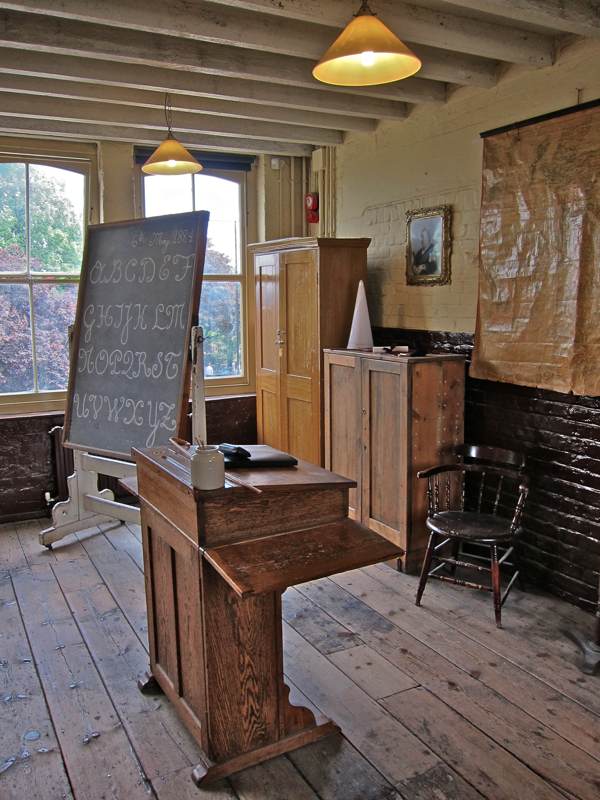
The Ragged School Museum in Bow is a long tall building occupying the narrowest triangular site between the canal and the road, and it is as thin as a meagre slice of cake. In 1876, Dr Thomas Barnardo purchased these premises, originally constructed for warehouses, from a Scottish provisions company and opened a ragged school as one of forty establishments under his supervision in the East End. Within a couple of years, there were three hundred and seventy pupils daily and two thousand five hundred for Sunday school each week.
As well as providing education, children were given food and offered care and support to ameliorate the deprivation they suffered. Reverting to light industrial use after the death of Dr Barnardo at the beginning of the last century, the complex was blighted by a demolition order until the formation of the Ragged School Trust who purchased the building in 1986. An atmospheric structure where the melancholy presence of history still lingers, it is now a museum where school children come to experience Victorian education and learn of the realities of life for the poor in nineteenth century London.

Dr Barnardo’s Ragged School, 1879

Copperfield Rd today

“a long building occupying the narrowest triangular site between the canal and the road, and it is as thin as a meagre slice of cake”

Stairs up to the classrooms




The Boys’ staircase

Behind these screens was the Headmaster’s Office

Bridge over Regent’s Canal


Stairs down to the Regent’s Canal towpath
Cyril Mann, Artist
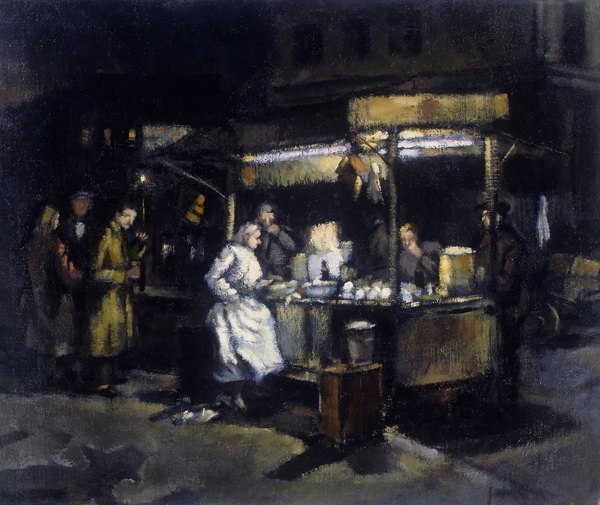
Tubby Isaac’s Jellied Eel Stall, Petticoat Lane, c. 1950
After serving as a Gunner in the Royal Artillery in World War II, Cyril Mann returned to live in a tiny flat in Paul St with his wife Mary and small daughter Sylvia in 1946. Close to where the Barbican stands today, this area at the boundary of the City of London had suffered drastic bomb damage and much of it remained a wasteland for decades. Roving around these desolate streets as far east as Spitalfields, Cyril Mann discovered the subject matter for a body of works which became the focus of a major exhibition at the Wildenstein Gallery in 1948.
Losing his hair in his thirties, Cyril Mann had the look of a man older than his years. Through the Depression he had been unemployed and close to starvation, yet thanks to a trust fund set up by Erica Marx he entered the Royal Academy Schools at twenty years old in 1931. For one so young, he had already seen a great deal of life. At twelve, he had been the youngest boy ever to win a scholarship to Nottingham College of Art, before leaving at fifteen to be a missionary in Canada. Quickly abandoning this ambition, he became a logger, a miner and a printer, until returning to London to renew his pursuit of a career as an artist. Ever restless, he moved to Paris after three years at the Royal Academy and there he met his first wife Mary Jervis Read.
Forced to leave his wife and baby when he was called up in 194o, Cyril Mann did not paint at all for the duration of the war. Back in London and battling ill-health, he set out to make up for lost time. The fragmented urban landscape of bombsites that was familiar to Londoners was new to him and, turning his gaze directly into the sun, he sought to paint it transfigured by light. Channelling his turbulent emotion into these works, Cyril Mann strove to discover an equilibrium in the disparate broken elements he saw before him, and many of these paintings are almost monochromatic, as if the light is dissolving the forms into a mirage.
During these years, Cyril Mann’s life underwent dramatic change. He obtained a teaching job at the Central School of Art in 1947 and exhibited at the prestigious Wildenstein Galery, showing his new works in 1948. Yet at the same time, his marriage broke down and he found himself alone, painting in the tiny flat in Paul St. Whilst critically acclaimed, his exhibition was a commercial failure because, in post-war London, nobody wanted to see images of bombsites and consequently these important works became forgotten.
Yet, through his struggle, Cyril Mann’s work as an artist had acquired a new momentum and, after 1950, a bold use of colour returned to his painting. In 1956, he was offered a flat in the newly-built modernist Bevin Court built by Tecton in Islington, where today a plaque commemorates him. In 1964, he moved east to Leyton and then Walthamstow,where he died in 1980.
At a time when all other artists turned away from painting the London streets, Cyril Mann made it his subject. While these pictures may not have suited the taste of the post-war capital, they comprise a unique body of work that witnesses the spirit and topography of these threadbare years. As his second wife, Renske who met Cyril Mann in 1959, assured me, “I believe he is the most significant London painter of the nineteen-forties, post-war.”
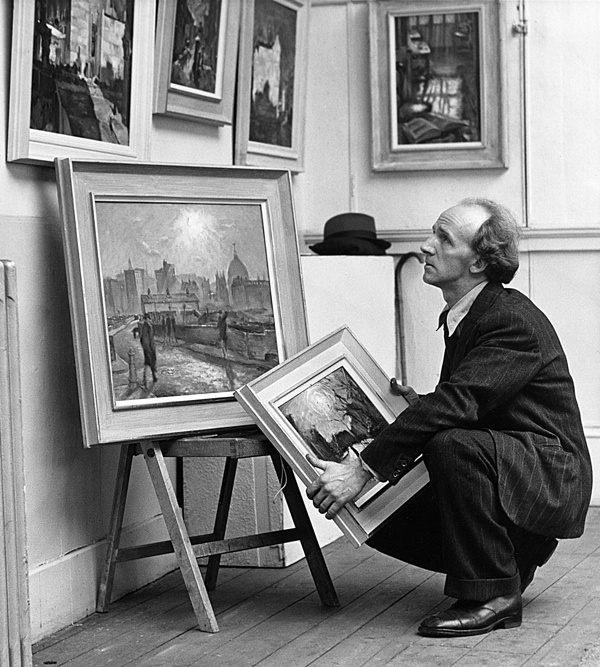
Cyril Mann preparing for his exhibition at Wildenstein Gallery in 1948
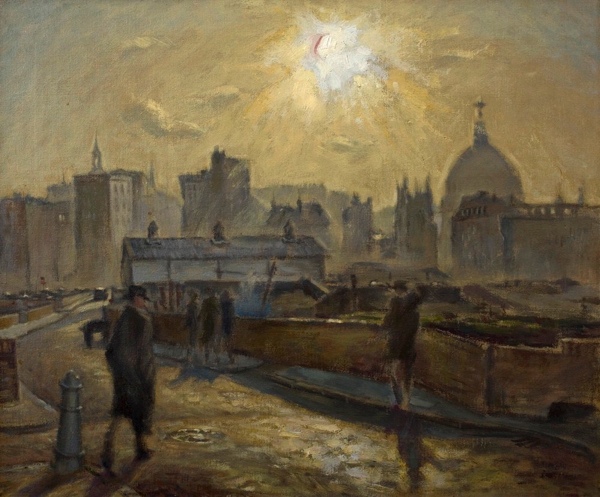
St Paul’s from Moor Lane, 1948
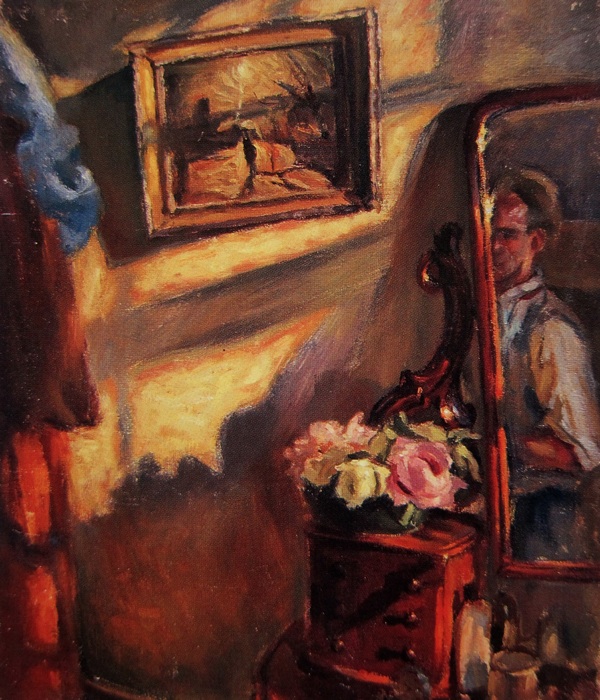
Cyril in his crowded flat in Paul St, c. 1950
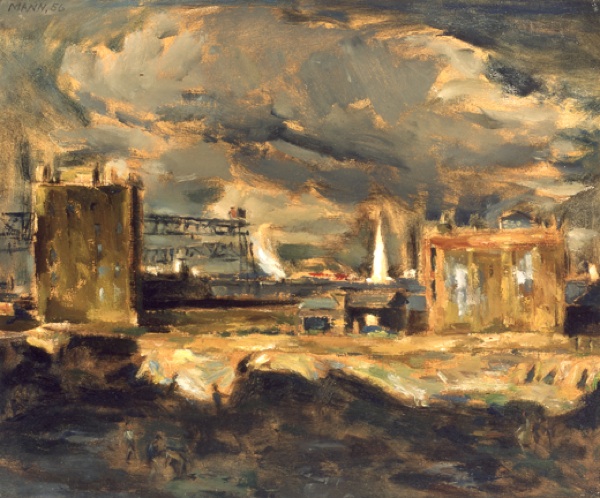
Christ Church Spitalfields seen across bombsites from Scrutton St
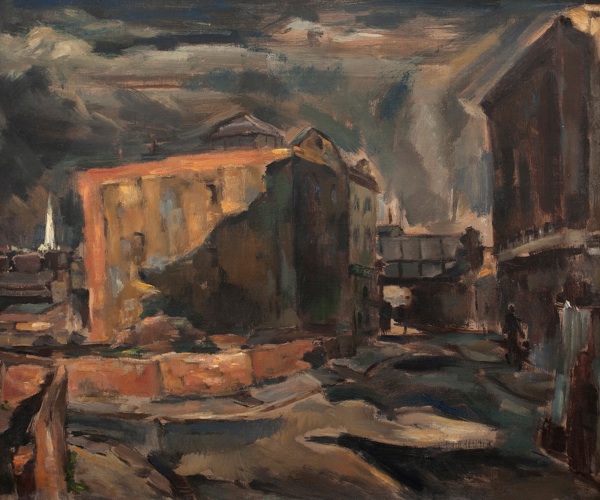
Christ Church Spitalfields seen over bombsites from Redchurch St
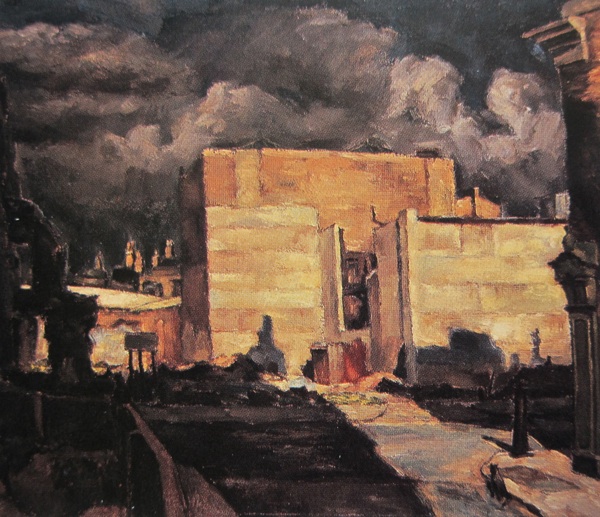
Bomb site in Paul St with cat, c. 1950
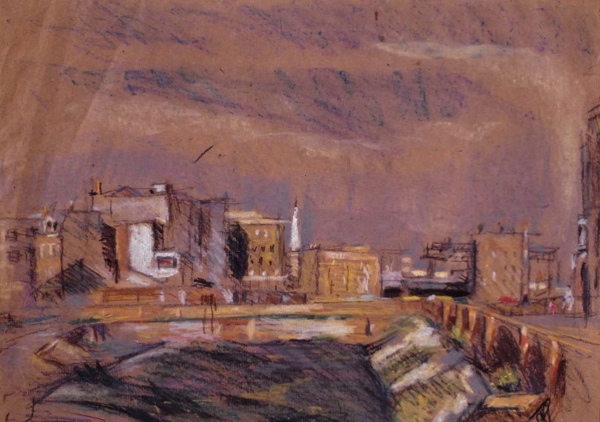
Christ Church Spitalfields seen from Shoreditch
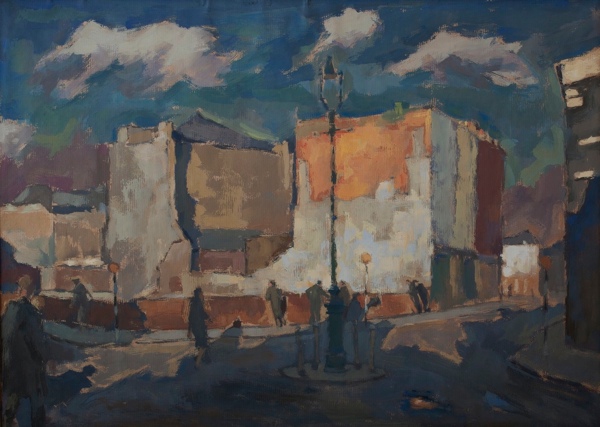
Bomb sites around Paul St, c. 1950
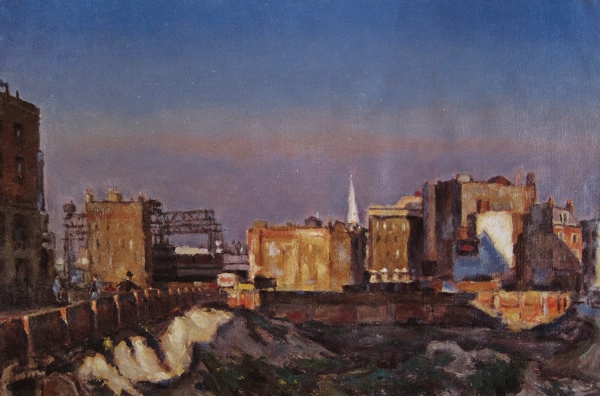
Christ Church Spitalfields from Worship St, c. 1948
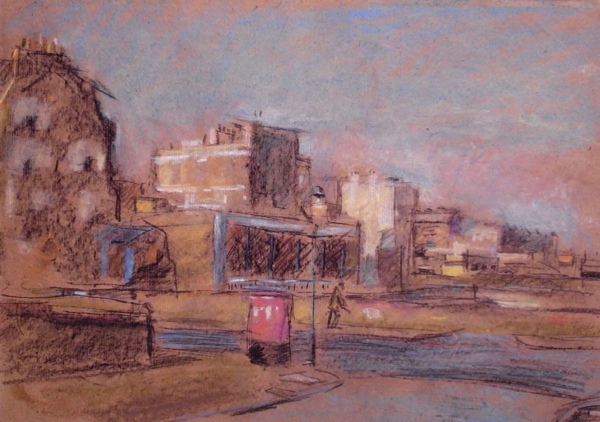
Streetscape with red pillar box
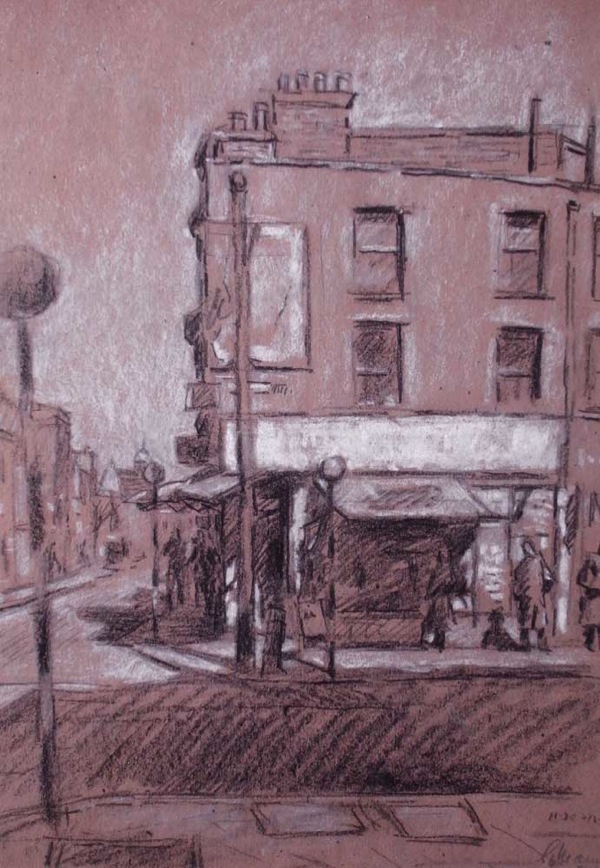
East End shop
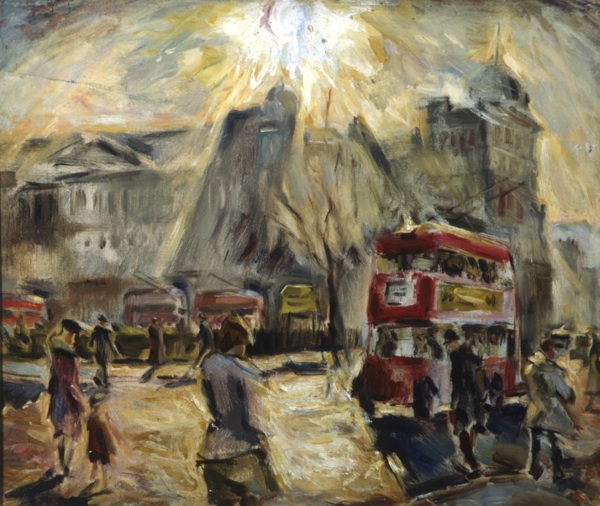
Trolley bus in Finsbury Sq, c. 1949
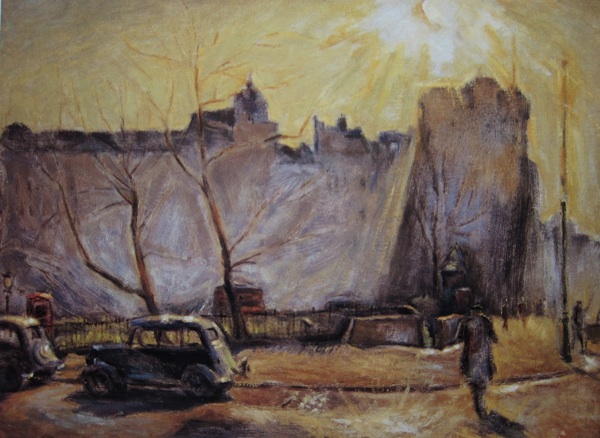
Finsbury Sq, c. 1949
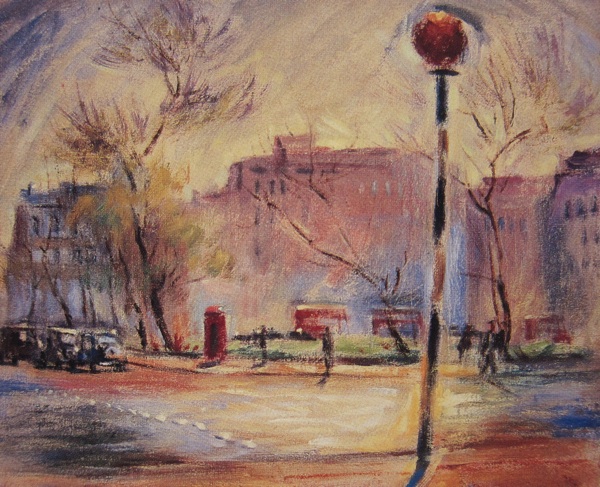
Finsbury Sq, c. 1949

Red lamp post, Old St

Bombsite at Old St
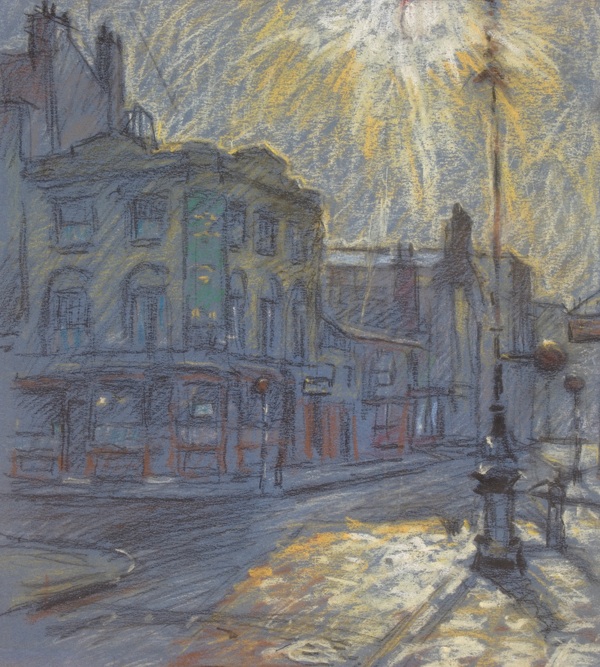
Cock & Magpie, Wilson St, Shoreditch
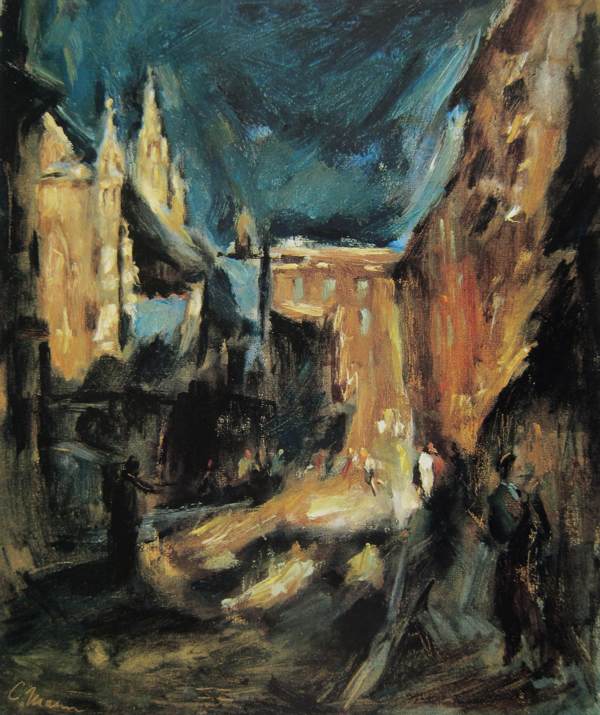
St Michael, Shoreditch, c. 1948
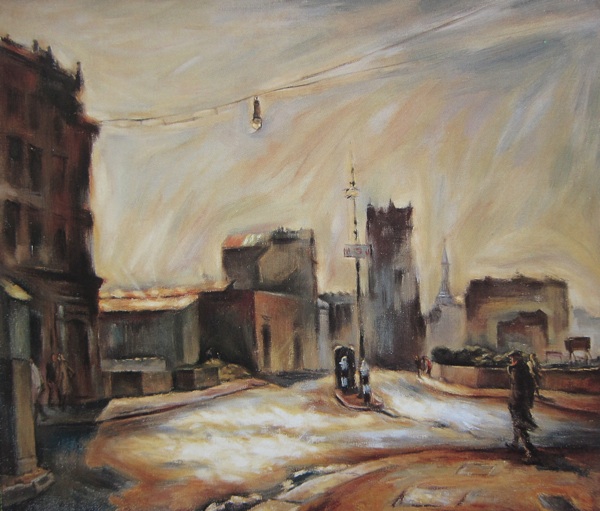
St Michael and St Leonard’s Shoreditch from Leonard St, c. 1950

Angel Islington from City Rd, 1950
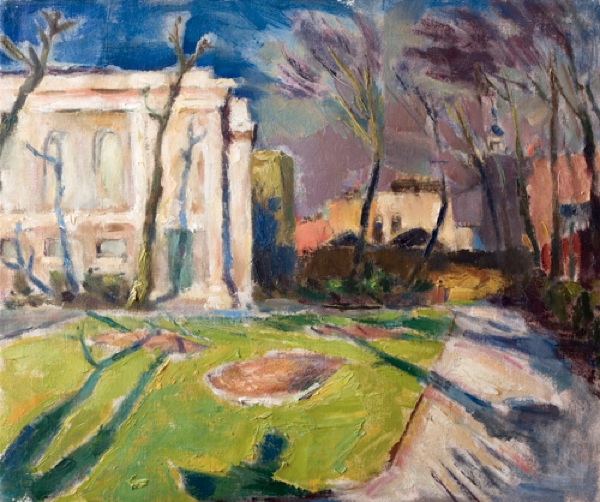
St James Church, Pentonville Rd, Islington, 1950
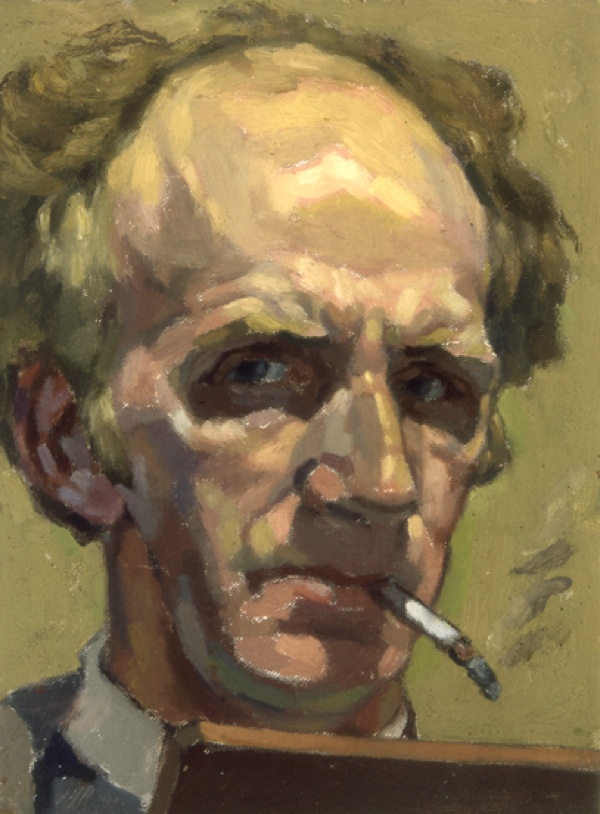
Cyril Mann (1911-1980)
Images copyright © Estate of Cyril Mann
Paintings by Cyril Mann can be seen at Piano Nobile Gallery
Robert Wells, The Boy On The Bicycle
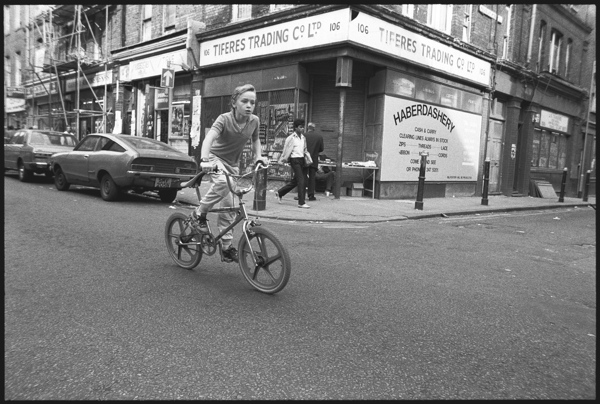
Rob Wells cycles down Brick Lane in 1984
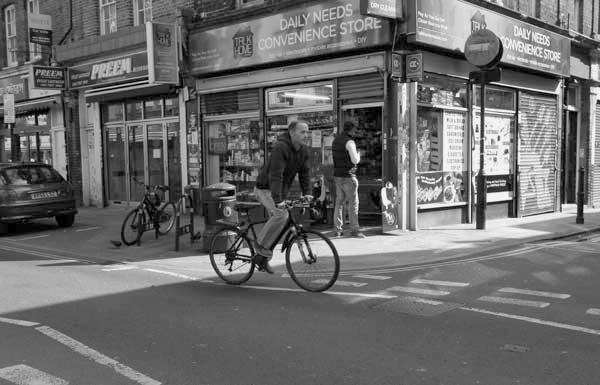
Rob Wells cycles down Brick Lane in 2014
When Robert Wells – or Rob as he is widely known – moved with his family at nine years old from Tomlinson Close at the north end of Brick Lane to Nathaniel Close at the south end of the Lane, he was always cycling back and forth from his new house in Spitalfields on his BMX to visit his old friends in Bethnal Green. One day unawares, Rob cycled into the frame, as Phil Maxwell pressed the button and the shutter fell while Rob crossed the junction of Brick Lane and Princelet St – recording the moment for ever. Yet Rob did not know he had been photographed and Phil soon forgot the picture among the thousands he took of Brick Lane at that time.
Thirty years later, Rob got a call from a friend to say that he was pictured on the cover of Phil Maxwell’s book Brick Lane. “It was just a wow, I was happy!” Rob admitted to me, recalling his surprise when he first saw the photograph recently, “At first, I didn’t believe it – but when I looked at the picture, I began to remember the clothes I was wearing.”
I met Rob when he introduced himself to me.“I’m the boy on the bicycle!” he said proudly. It was an astonishing encounter because at once I recognised Rob from his picture and I saw that he still possessed the same brightness of spirit today which Phil captured in the photograph thirty years ago. Realising this was an opportunity too good to miss, I asked Rob if he would be willing to collaborate with Phil Maxwell to reshoot the photograph and that is what we did at ten o’clock on Saturday morning.
Brick Lane is a one way street and Saturday is the quietest morning, so I watched out for cars while Rob cycled up and down a couple of times, passing Phil standing on the corner of Princelet St. Thus we accomplished our task and you can compare the changes wrought by thirty years in the pair of photographs above. Once the business of the day was concluded, we sought refreshment and Rob revealed more of the background to the picture to us.
“I wish I still had that bike. All my friends had bikes and we were always exchanging parts, so if someone got new wheels then someone else got the hand-me-downs. You’d go round to a friend’s house and they’d have all these spare parts lying around in the garden, and they were like little mechanics. My bike was a mish-mash of bits and pieces, it was probably a hand-me-down from my brother or friends. I used to go everywhere on it. I didn’t tell my mum, but I cycled all the way to King’s Cross to look at trains. Society has changed, children can’t do that anymore.
One day, I went home to go to the toilet and left my bike outside. My mum said it was dinner time and I forgot about it, but half an hour later it was gone. Someone had nicked it – this must have been shortly after the picture was taken.
When I was six or seven there was quite a bit of racial tension here. At the Bethnal Green end of Brick Lane, white kids were in the majority and they picked on the Asian kids but, when I moved to the other end, I got picked on by Asian kids – so I experienced both sides of the situation. In those days, if there was any piece of green, you played football on it and I ended up playing for the BYF – Bengali Youth Football. They said, ‘You can’t play for us, you’re white,’ but I said, ‘I want to play football, does it matter whether I come from Bangladesh or not?’ And that’s what I did.
My mum had three kids with my dad – who was a champion boxer in Bethnal Green – but she left him because he knocked us about. One day he kidnapped us after school, and the police had to come and take us back. For a while, he worked in the amusement arcade next to McDonald’s in Bethnal Green and I used to visit him there. A lot of people I knew in my crowd when I was young got involved in hard drugs and ended up in prison or on the streets, but I turned out all right. I’m a self-employed builder and I only work when I please. I am my own boss and I have two daughters, Eliza and Darcy.
We moved to Stepney when I was thirteen and I live in Epping now, but my family have been around this area a long time. I was born in the Royal London Hospital in 1975 and Brick Lane was my home. I used to go down to the market when I was five. I went to St Matthias School in Bacon St and walked there every day down Brick Lane, and ran to get home by three o’clock to watch Thomas the Tank Engine. I do miss that Brick Lane, but you’ll never get it back. I had a happy childhood there. I love this area and it’ll always be in my heart.”
Rob may not live on Brick Lane any more but, thanks to Phil Maxwell, he will always be there as the boy on the bicycle because, on that day he cycled unwittingly into the photograph thirty years ago, he cycled into eternity.
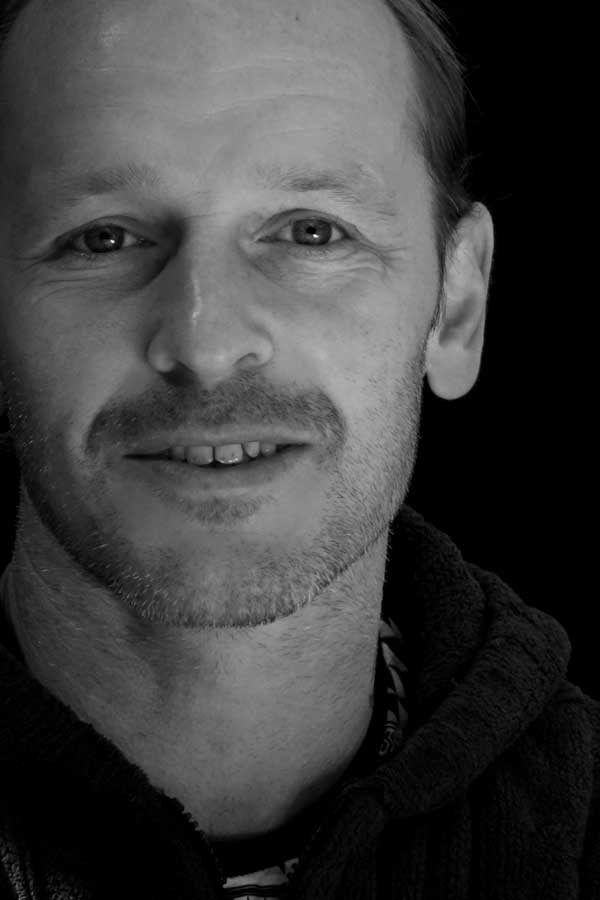
“I wish I still had that bike”
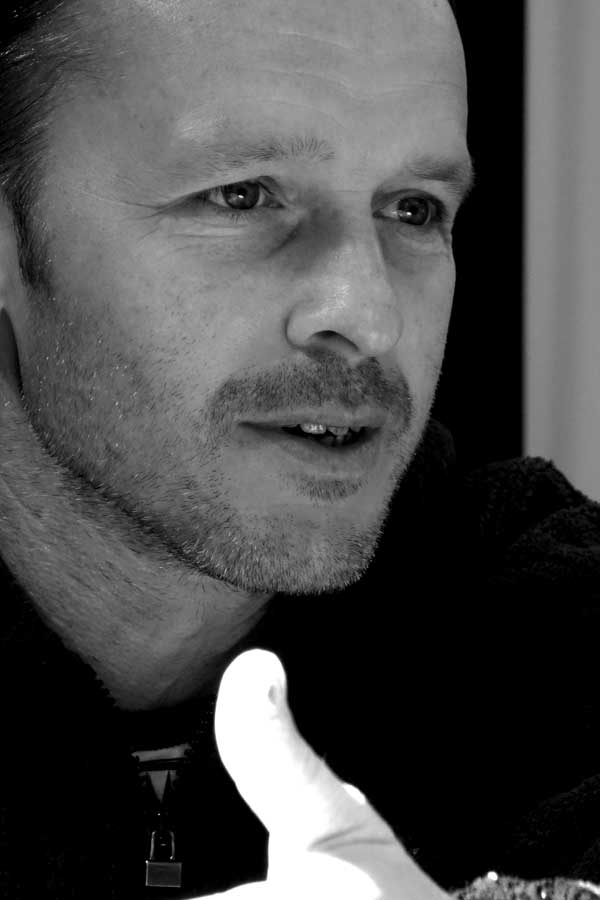
“I love this area and it’ll always be in my heart”
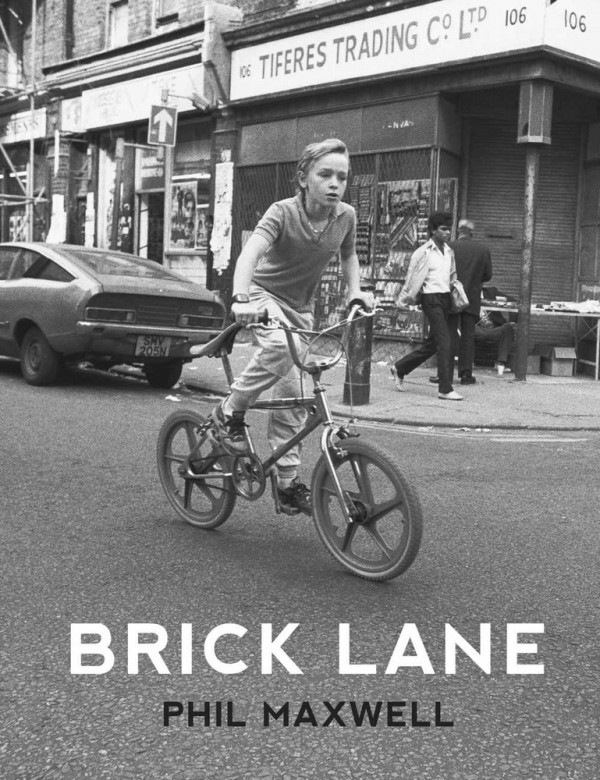
CLICK HERE TO BUY A COPY OF PHIL MAXWELL’S BRICK LANE FOR £10












