
Hop Pickers’ Photographs
This selection of favourite Hop Pickers’ photographs is from the archive of Tower Hamlets Community Housing. Traditionally, this was the time when East Enders headed down to the Hop Farms, embracing the opportunity of a breath of country air and earning a few bob too.

Bill Brownlow, Margie Brownlow, Terry Brownlow & Kate Milchard, with Keith Brownlow & Kevin Locke in front, at Guinness’ Northland’s Farm at Bodiam, Sussex, in 1958. Guinness bought land at Bodiam in 1905 and eight hundred acres were devoted to hop growing at its peak.

Julie Mason, Ted Hart, Edward Hart & friends at Hoathleys Farm, Hook Green, near Lamberhurst, Kent

Lou Osbourn, Derek Protheroe & Kate Day at Goudhurst Farm

Margie Brownlow & Charlie Brownlow with Keith Brownlow, Kate Milchard & Terry Brownlow in front at Guinness’ Northland’s Farm at Bodiam, Sussex, in 1950

Mr & Mrs Gallagher with Kitty Adams & Jackie Gallagher from Westport St, Stepney, in the hop gardens at Pembles Farm, Five Oak Green, Kent in 1959

Jackie Harrop, Joan Day & George Rogers at Whitbread’s Farm, Beltring, Kent in 1949

Mag Day (on the left at the back) in the hop gardens with others at Highwood’s Farm, Collier St, in 1938

Pop Harrop at Whitbread’s Farm, Beltring, Kent in 1949

Sarah Watt, Mrs Hopkins, Steven Allen, Ann Allen, Tom, Albert Allen & Sally Watt in the hop gardens at Jack Thompsett’s Den Farm, Collier St, Kent in 1943

Harry Watt, Tom Shuffle, Mary Shuffle, Sally Watt, Julie Callagher, Ada Watt & Sarah Watt in the hop gardens at Jack Thompsett’s Den Farm, Collier St, Kent in the fifties

Harry Watt, Sally Watt, Sarah Watt holding Terry Ellames in the hop gardens at Jack Thompsett’s Den Farm, Collier St, Kent in 1957

Harry Ayres, a pole puller, in the hop gardens at Diamond Place Farm, Nettlestead, Kent

Emmie Rist, Theresa Webber, Kit Webber & Eileen Ayres in the hop gardens at Diamond Place Farm, Nettlestead, Kent

Kit Webber with her Aunt Mary, her Dad Sam Webber and her Mum, Emmie Ris,t in the hop gardens at Diamond Place Farm, Nettlestead, Kent

Harry Ayres with his wife Kit Webber in the hop gardens at Diamond Place Farm, Nettlestead, Kent.

Richard Pyburn, Mag Day, Patty Seach and Kitty Gray from Kirks Place, Limehouse, in the hop gardens at Highwoods Farm, Collier St, Kent

The Gorst and Webber families at Jack Thompsett’s Farm, Fowle Hall, Kent in the forties

Kitty Waters with sons Terry & John outside the huts at Pembles Farm, Five Oak Green, Kent in 1952

Mr & Mrs Gallagher from Westport St, Stepney, with their grandchildren in the hop gardens at Pembles Farm, Five Oak Green, Kent in 1958

Sybil Ogden, Doris Cossey, Danny Tyrrell & Sally Hawes near Yalding, Kent

John Doree, Alice Thomas, Celia Doree & Mavis Doree in the hop gardens near Cranbrook, Kent

Bill Thomas & his wife Annie, in the hop gardens near Cranbrook, Kent

The Castleman Family from Poplar hop picking in the twenties

Terry & Margie Brownlow at Guinness’ Northland’s Farm at Bodiam in Sussex in 1949

Alfie Raines, Johnny Raines, Charlie Cushway, Les Benjamin & Tommy Webber in the Hop Gardens at Jack Thompsett’s Farm at Fowl Hall near Paddock Wood in Kent
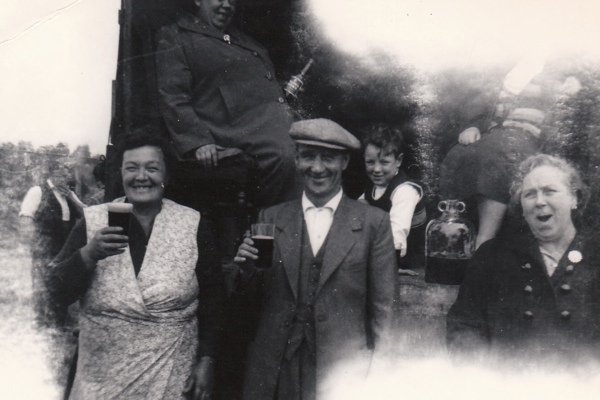
Lal Outram, Wag Outram & Mary Day on the common at Jack Thompsett’s Farm at Fowl Hall near Paddock Wood in Kent in 1955

Taken in September 1958 at Moat Farm, Five Oak Green, Kent. Sitting on the bin is Miss Whitby with Patrick Mahoney, young John Mahoney and Sheila Tarling (now Mahoney) – Sheila & Patrick were picking to save up for their engagement party in October

Maryann Lowry’s Nan, Maggie ,on the left with her Great-Grandmother, Maryann, in the check shirt in the hop gardens, c.1910

Having a rest in hop gardens at Whitbread’s Farm, Beltring, Kent in 1966. In the back row are Mary Brownlow, Sean Locke, Linda Locke, Kate Milchard, Chris Locke & Margie Brownlow with Kevin Locke and Terry Locke in front.

Margie Brownlow & her Mum Kate Milchard at Whitbreads Farm in Beltring, Kent in 1967. These huts were two stories high. The children playing outside are – Timmy Kaylor, Chrissy Locke, Terry Locke, Sean Locke, Linda Locke & Kevin Locke.

Chris Locke, Sally Brownlow, Linda Brownlow, Kate Milchard, Margie Brownlow, Terry Locke & Mary Brownlow at Whitbread’s Farm, Beltring, Kent in 1962

Johnno Mahoney, Superintendant of the Caretakers on the Bancroft Estate in Stepney, driving the “Mahoney Special” at Five Oak Green in 1947

The Clarkson family in the hop gardens in Staplehurst. Gladys Clarkson , Edith Clarkson, William Clarkson, Rose Clarkson & Henry Norris.

John Moore, Ross, Janet Ambler, Maureen Irish & Dennis Mortimer in 1950 at Luck’s Farm, East Peckham, Kent

Kate Fairclough, Mrs Callaghan, Mary Fairclough & Iris Fairclough at Moat Farm, Five Oak Green, Kent in 1972

A gang of Hoppers from Wapping outside the brick huts at Stilstead Farm, Tonbridge, Kent with Jim Tuck & John James in the back. In the middle row the first person on the left is unknown, but the others are Rose Tuck, holding Terry Tuck, Rose Tuck, Danny Tuck & Nell Jenkins. In the front are Alan Jenkins, Brian Tuck, Pat Tuck, Jean Tuck, Terry Taylor & Brian Taylor.

Nanny Barnes, Harriet Hefflin, “Minie” Mahoney & Patsy Mahoney at Ploggs Hall Farm

In the Hop Gardens at Jack Thompsett’s Farm at Fowl Hall, near Paddock Wood in Kent in the late forties. Alfie Raines, Edie Cooper, Margie Gorst & Lizzie Raines

The Day family from Kirks Place, Limehouse, at Highwoods Farm in Collier St, Kent in the fifties

Annie Smith, Bill Daniels, Pearl Brown & Nell Daniels waiting for the measurer in the Hop Garden at Hoathley’s Farm, Hook Green, Kent

On the common outside the huts at at Hoathley’s Farm, Hook Green, Kent – you can see the oasthouses in the distance. Rita Daniels, Colleen Brown, Maureen Brown, Marie Brown, Billy Daniels, Gerald Brown & Teddy Hart , with Sylvie Mason & Pearlie Brown standing.

The Outram family from Arbour Sq outside their huts at Hubbles Farm, Hunton, Kent. Unusually these were detached huts but, like all the others, they made of corrugated tin and all had one small window – simply basic rooms, roughly eleven feet square

Janis Randall being held by her mother Joyce Lee andalongside her is her father, Alfred Lee in a hop garden, near Faversham in September 1950

David & Vivian Lee sitting on a log on the common outside Nissen huts used to house hop pickers

Gerald Brown, Billy Daniels & Dennis Woodham in the hop gardens at Gatehouse Farm near Brenchley, Kent, in the fifties

Nelly Jones from St Paul’s Way with Eileen Mahoney, and in the background is Eileen’s mum, “Minie” Mahoney. Taken in the fifties in the Hop Gardens at Ploggs Hall Farm, between Paddock Wood and Five Oak Green.

At Jack Thompsett’s Farm at Fowl Hall, near Paddock Wood in Kent

Ploggs Hall Farm Ladies Football Team. Back Row – Fred Archer, Lil Callaghan, Harriet Jones, Unknown, Unknown, Nanny Barnes, Liz Weeks, Harriet Hefflin, Johnno Mahoney. Front Row – Doris Hurst Eileen Mahoney & Nellie Jones

John Moore, Ross, Janet Ambler, Maureen Irish & Dennis Mortimer in 1950 at Luck’s Farm, East Peckham, Kent

The Outram and Pyburn families outside a Kent pub in 1957, showing clockwise Kitty Tyrrell, Mary Pyburn, Charlie Protheroe, Rene Protheroe, Wag Outram, Derek Protheroe in the pram, Annie Lazel, Tom Pyburn, Bill Dignum & Nancy Wright.

Sally Watt’s Hop Picker’s account book from Jack Thompsett’s Den Farm, Collier St, Kent in the fifties

You may also like to take a look at
So Long, Jack Corbett
Today would have been Jack Corbett‘s one hundred and sixth birthday, and I publish my interview as a tribute to one of the most remarkable men I have ever had the privilege to meet. Jack died back in May at the grand old age of one hundred and five.
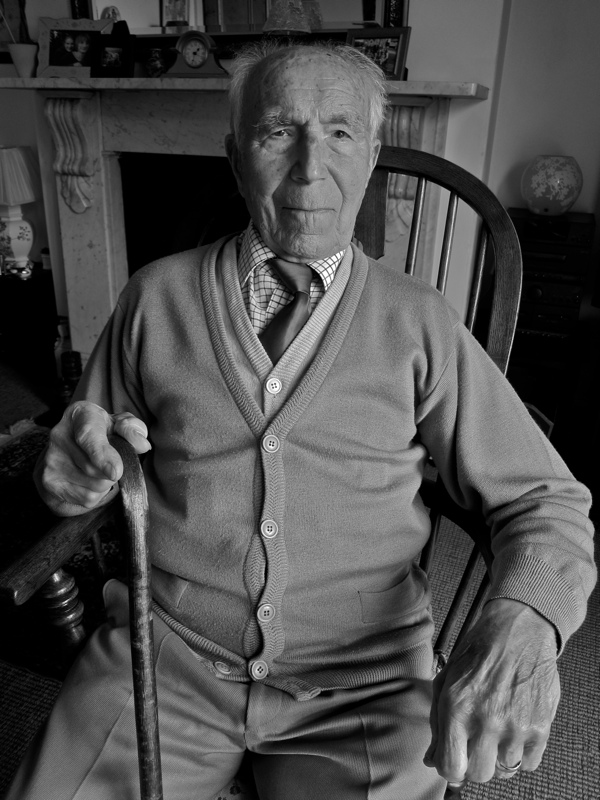
Jack Corbett, born August 12th 1910
“I like the life of a fireman,” boasted Jack Corbett.
When I met him in the summer of 2012, Jack was London’s oldest surviving fireman at one hundred and two years old. Based at Clerkenwell Fire Station for the duration of World War II, his team were fortunate enough to endure the onslaught of the London Blitz without any fatalities. “It was all coincidental because I happened to live within a mile of the station,” he announced dismissively, as if he just fell into it. Yet the same tenacious spirit that sustained him through the bombing also endowed him with exceptional longevity. “You want to go on living,” was what Jack told himself in the midst of the chaos.
“It’s not easy remembering what you did and didn’t do.” he confessed to me vaguely, casting his mind back over more than a century of personal experiences, “It all seems so bitty trying to put it all together, but it all went like clockwork. It was rather wonderful really.” Jack’s father was in the First World War and, after Jack witnessed the Second World War in London, he could not escape disappointment at the constant persistence of warfare. “It’s a shame after what we went through that people have learnt nothing,” he confided to me in regret. The closure of Clerkenwell Fire Station in 2014, the oldest operating station in Britain, met with his disapproval too, “Modern life demands the police, fire service and ambulance yet, if you cut them, the longer it will take for these services to be applied – and that’s foolhardy.” he said, “Clerkenwell Fire Station is well-situated, in one direction is Kings Cross and in the other direction is the City of London.”
In wartime, as one of the firemen responsible for protecting St Paul’s Cathedral from falling bombs, Jack was given access to the entire structure and once he climbed up alone inside the gold cross upon the very top of the dome. Standing in that enclosed space so high over the city, with a single round glass panel to look out at either end of the cross-piece, was an experience of religious intensity for Jack.
At such a venerable age, he was able to look back on his own life from an equally elevated perspective through time. “I don’t know what people think of me but I guess I’m a little on the starchy side. I try to be a man of principle but it’s not easy.” he admitted to me with a shy grin, “I don’t drink, I don’t smoke and I’ve always been a Christian.”
In 2000, Jack retired from London to live with his daughter Pamela in Maldon in an old house up above the river, surrounded by a luxuriant well-kept garden.”My parents were ordinary people but they produced a good commodity in me – my mother lived to ninety-three and my father to ninety-one.” he assured me in satisfaction, as we sat together admiring the herbaceous border from the comfort of his private sitting room. “Some people would have written their life, but I’m not that type. I’m not bothered,” Jack whispered, thinking out loud for my benefit – however, for the sake of the rest of us, I present this account of his story.
“When I left school at fourteen in Woking, I got a job as a guard boy. It was my first proper job, working for a gentleman. But in the thirties there was a financial crisis and quite a lot of people lost their property. So he said to me, ‘I’ll have to let you go.’ I didn’t realise it was the sack. Then, one wet day, I drove him to Woking Station and he said, ‘You probably realise I’ve got a business in London. Would you like to change your job?’ The business was a glass warehouse in Clerkenwell, Pugh Bros off St John St.
Isn’t it strange? I can’t remember the name of the man who gave me my job and brought me up from my lowly life in Woking to London, where I met my wife, and the story of my life proper began there.
I lived at 330 St John St, from my early twenties, when I first came to London and that’s where I met my wife Ivy. I was the lodger and she was the only daughter of the house, and we went to Sadlers’ Wells Theatre for our first date and we got married in 1935 in the Mission Church in Clerkenwell. She worked at a furrier and she was pregnant with our daughter Pamela when the war started. I was keen to get behind an ack-ack gun, but she reminded me I could get assigned anywhere and not to be so quick. My daughter was due in April 1939, not the best time to be born because of the situation with the war, but my baby, my wife and mother-in-law were evacuated to Woking where I had my original home, so that was alright. They couldn’t come back to London – they wanted to but I explained that bombs were dropping.
When I was enlisted, I joined the City of London Auxiliary Fire Service. They trained you up to a certain level but after the London Fire Brigade lost a lot of their men who were ex-army and ex-navy, when they were called back to the forces, they needed to replace them and I was accepted. So eventually I became a professional. We were always on duty, it was continuous duty during the Blitz, then they granted you four hours break, not every day but when circumstances allowed. Clerkenwell was one of eighty fire stations, so you can imagine the immensity of it. In London, there was a separate water system for the fire service but when that became broken, we had to pump water from the Thames.
I never thought about the danger – I just got on with it, like everybody else. You’d be a strange person if you didn’t know fear but in any situation, you go in and do your duty to the letter. Often, what I found exciting was that you didn’t know what kind of fire you were going to. The job consisted of extinguishing the fire and rescuing life, and rescuing life was the most important because a building can be rebuilt – your priority was saving lives.
We were being bombed in the docks where all the food storage was, so we had a job there and ,when we had to go further downstream to extinguish the oil depot, we had to go through the East End where there were lots of houses on fire, and they used to call us names. Once, we heard a group of five bombs approaching Clerkenwell and I thought one must surely be for us, but it hit the building next door. We couldn’t see inside the fire station for the dust and I really thought that one had my name on it.
When things were cooling off, you could take a weekend and I went down to Woking to see my family. Eventually when things quietened, my wife found a house in Finchley and that’s where we had our son and lived for the next sixty years and where my wife died twelve years ago. We’d been married sixty-seven years. We had a grand life if you come to think of it. I wonder what would have happened without the war – I would have continued working at the glassworks. I was moving up, after three years I was appointed manager of the guys who were going out making deliveries of glass.
After the war, I asked for a transfer nearer home, and they transferred me to Hornsey and I stayed in the fire service until 1965. The average person wanted to get back to ordinary life, but there’d been so much change it wasn’t that easy. You want to go on living and when you have two children, they want to have a life. Now I have eight great-grandchildren, it has all grown like a tree of life from Pamela’s mother.”
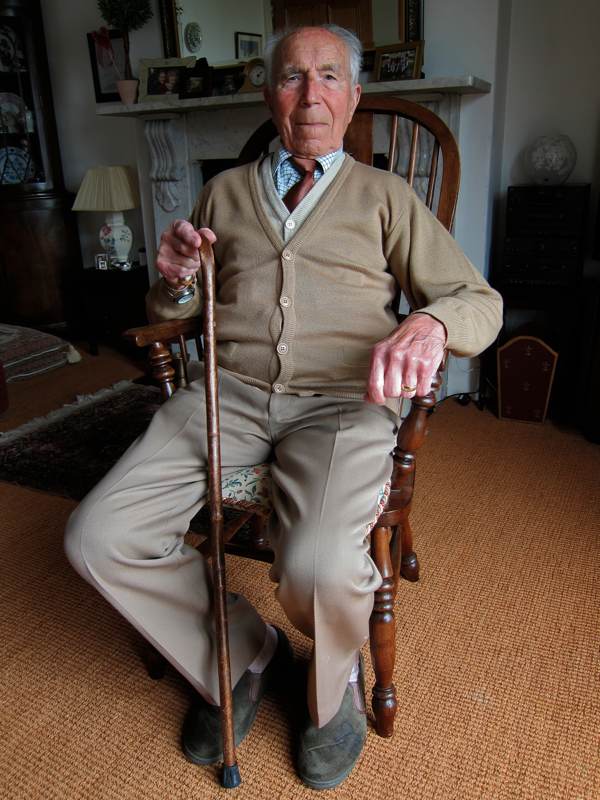
Jack Corbett – “I don’t know what people think of me but I guess I’m a little on the starchy side.”
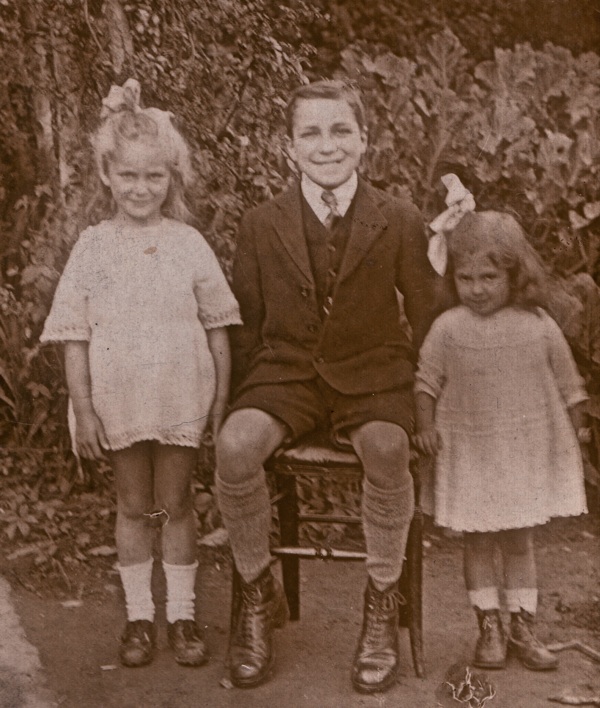
Jack with Freda and Cousin Dot, 1923

Charles Corbett, Jack’s father
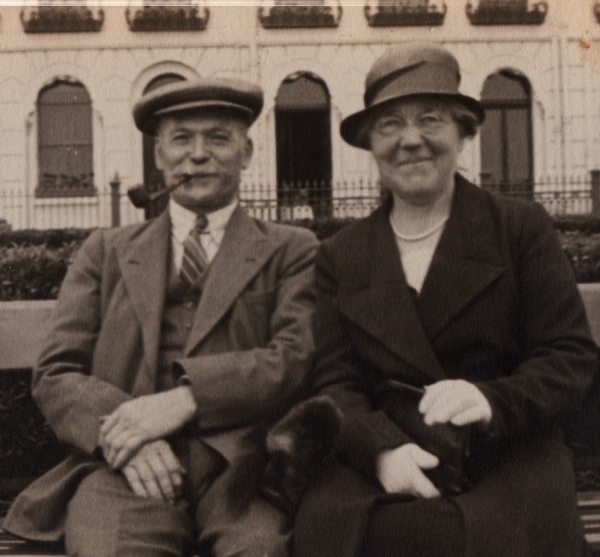
Charles and Ann Corbett, 1944
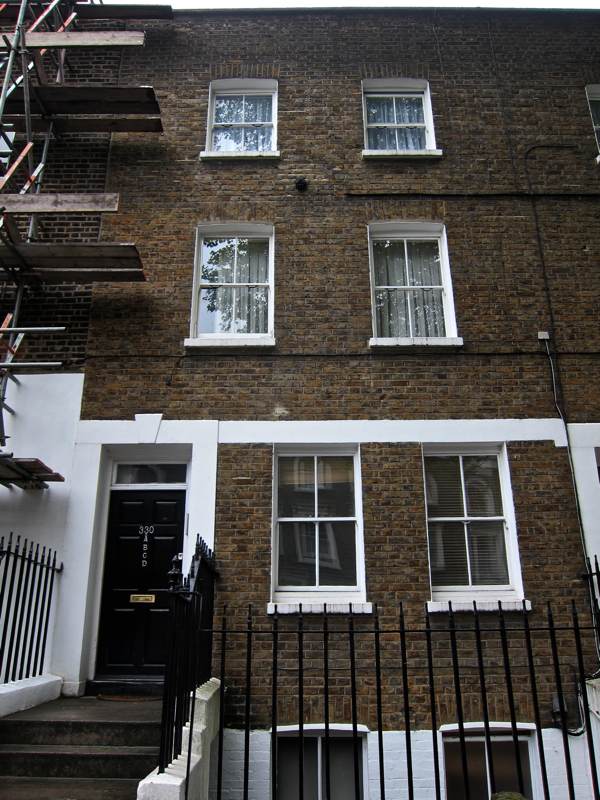
330 St John St where Jack lived when he came to London and met his wife Ivy. Ivy’s parents lived on the ground floor, and Jack and Ivy lived on the first floor after they married.
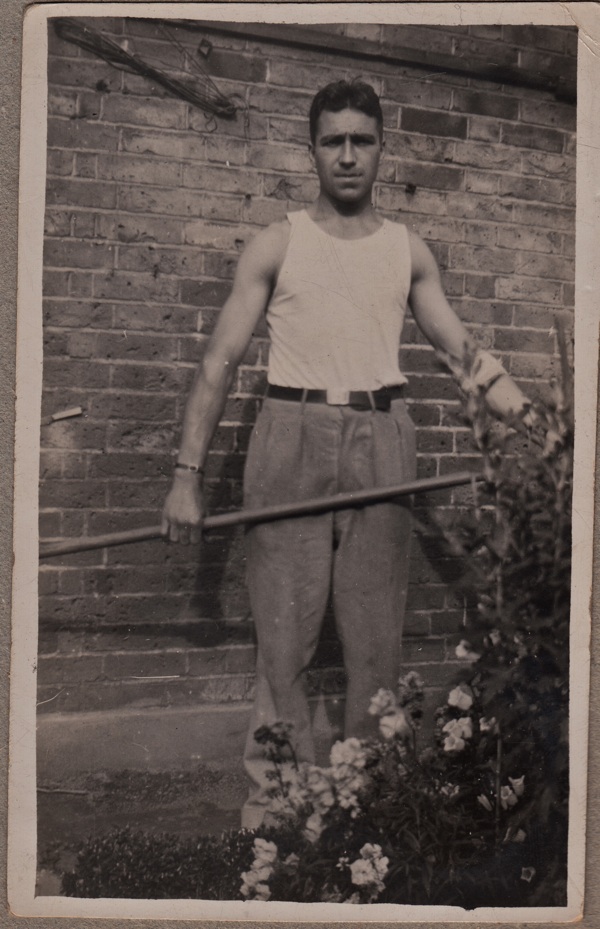
Jack aged twenty, 1930
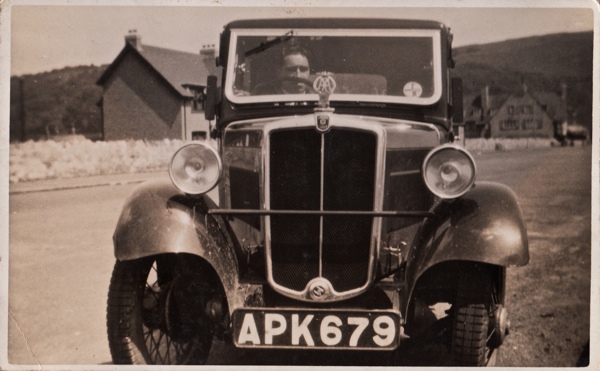
Jack in his first car
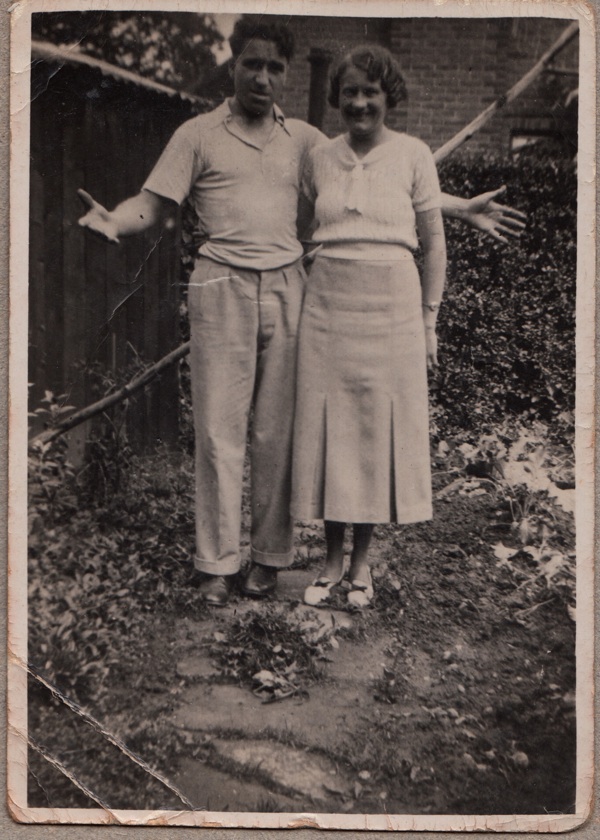
Jack and Ivy, 1934
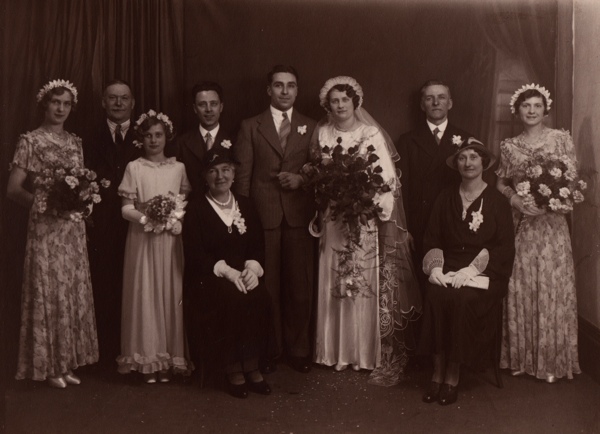
Jack and Ivy’s marriage at Clerkenwell Mission Chapel, 18th May 1934
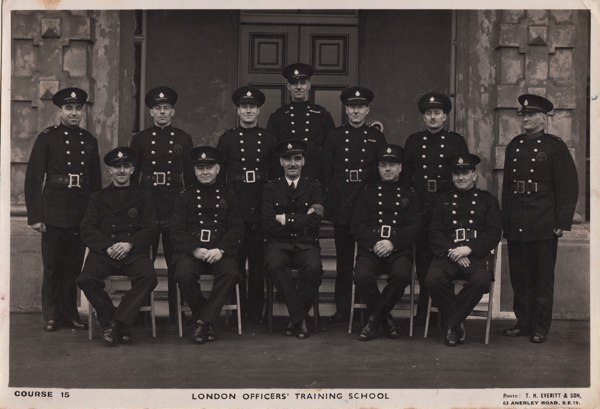
Jack (on the far left) joined the City of London Auxiliary Fire Service, 1939
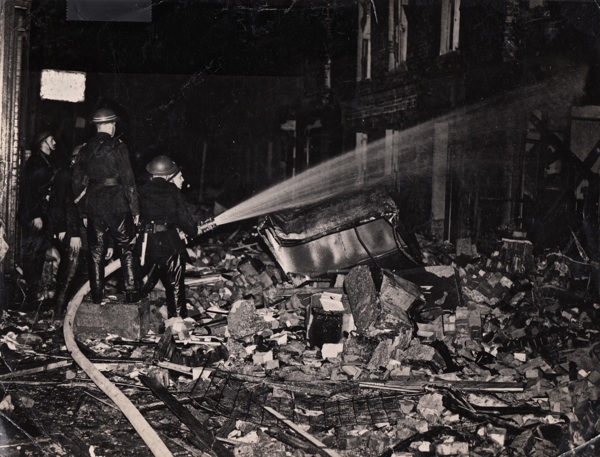
Jack (with his back to the camera) pictured fighting a fire at St Bartholomew’s Hospital during the London Blitz

High Jinks with the Metropolitan Fire Brigade, 1955

Jack returns to Clerkenwell Fire Station, January 2013
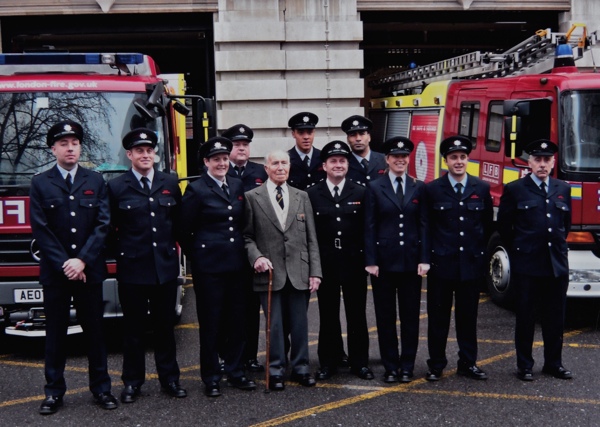
Jack with Green Watch at Clerkenwell Fire Station
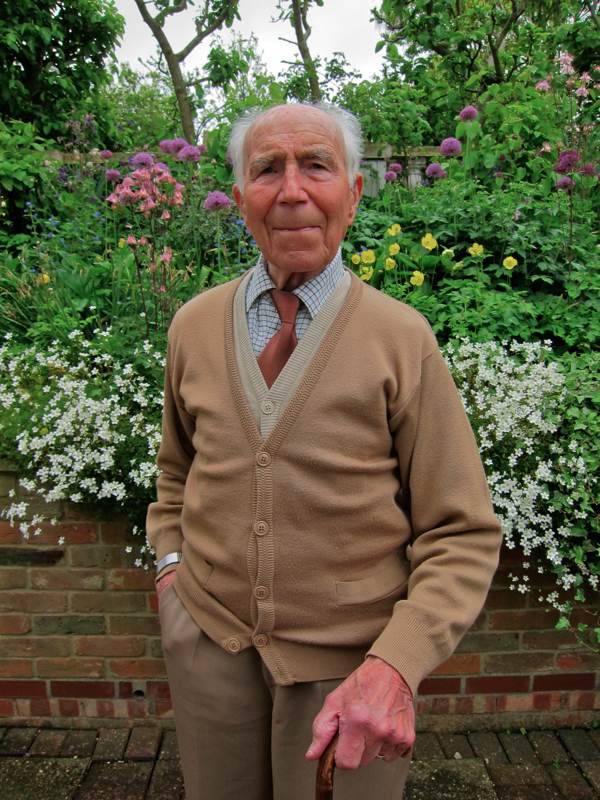
Jack in his garden in Maldon, aged one hundred and two
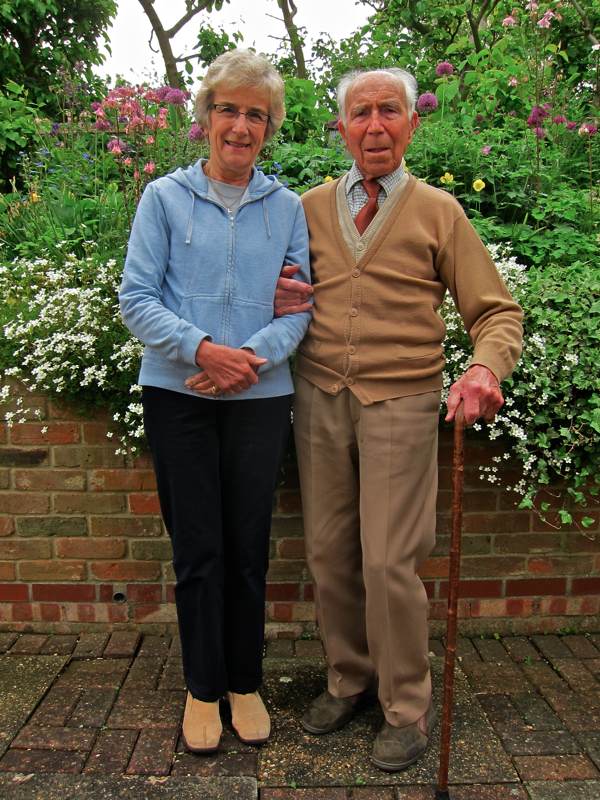
Jack and his daughter Pam
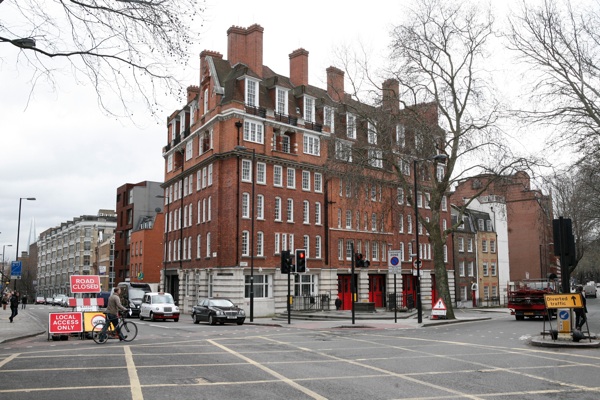
Clerkenwell Fire Station, Britain’s oldest working fire station when it closed in 2014
Photograph of Clerkenwell Fire Station copyright © Colin O’Brien
You may also like to read about
In Denmark St
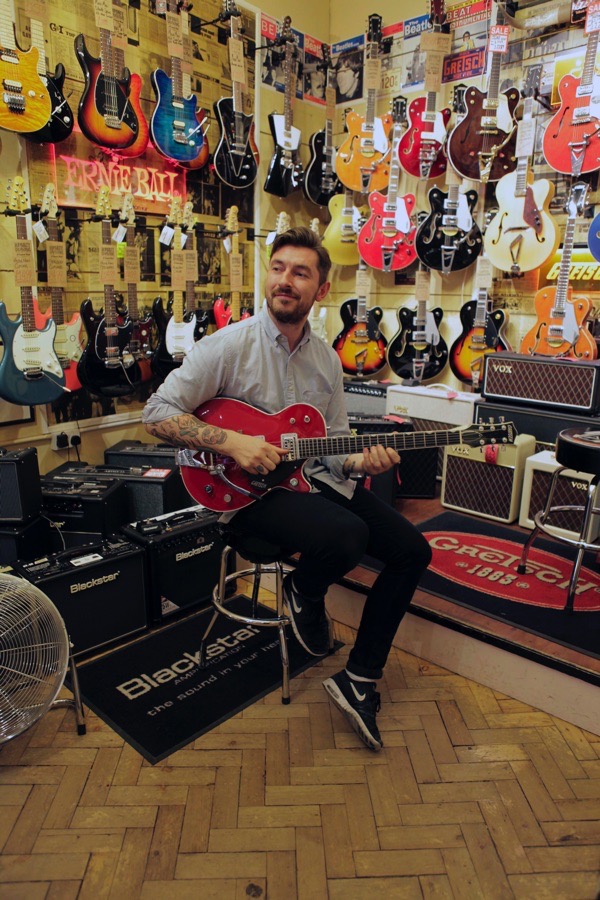
Manager Leon Powell strums his guitar at Regent Sounds in the space once occupied by the studio where the Rolling Stones recorded their first album. This was just one of many wonders that Contributing Photographer Colin O’Brien & I discovered when we spent an afternoon exploring Denmark St recently, in the company of Henry Scott-Irvine of Save Tin Pan Alley. With the vast overbearing Crossrail construction site immediately to the north, this whole place appears to be teetering on the brink, leaving Colin & I fearing we were witnessing the end of Denmark St as we know it.
Named after Prince George of Denmark, this ancient thoroughfare originally led from Charing Cross Rd up to the gates of the leper hospital, that stood upon the site now filled by Renzo Piano’s gaudy citrus-toned corporate plaza, beyond which lay the notorious rookeries of St Giles.
Around half of the houses constructed in the sixteen-eighties still stand, anchoring the street in London’s past even as it became celebrated as a favoured destination for pop musicians in the modern era. Almost everyone you care to name – from The Beatles, Stevie Wonder, Elton John, Jimi Hendrix, Simon & Garfunkel, Bob Marley, Lou Reed, The Clash and David Bowie – frequented Denmark St, recording music, composing songs, collaborating, acquiring instruments and partying. Guitars have been manufactured in this street since the time of Queen Anne and there is still no better place in London to go and buy one.
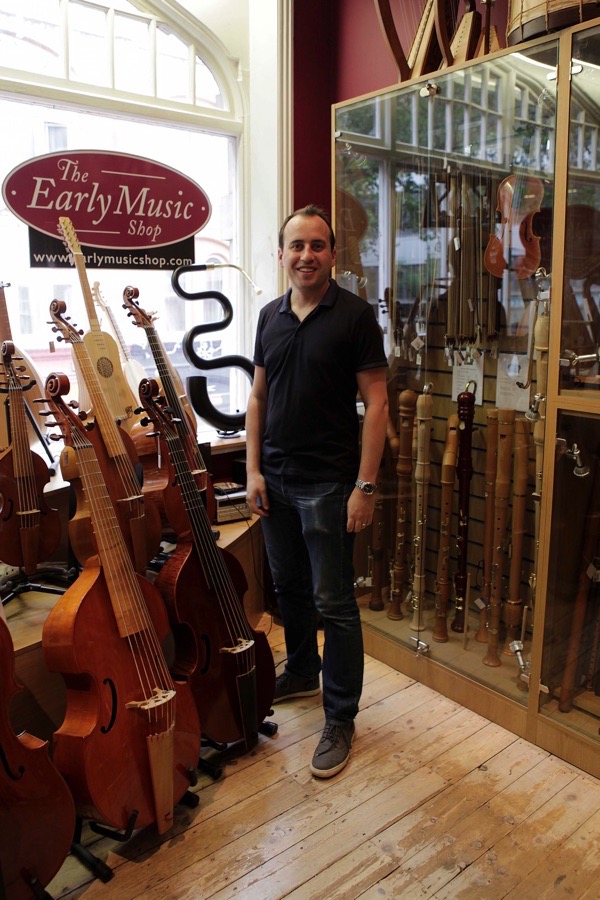
We were entranced by the wonderful displays of old guitars in all shapes, colours and designs, tempting us into the shops, some of which retain their seventeenth century panelling, hung today with instruments from floor to ceiling. Henry introduced us to Tim Marten, the last guitar maker and repairer in Denmark St, who has worked here since 1978. Next door, we visited the Early Music Shop where guitars and lutes and all manner of exotic historical stringed instruments were for sale. Then Henry took us into the back yard to view the shed where the Sex Pistols lived in 1975, before leading us up to the rooftop where Elton John wrote ‘Your Song.’
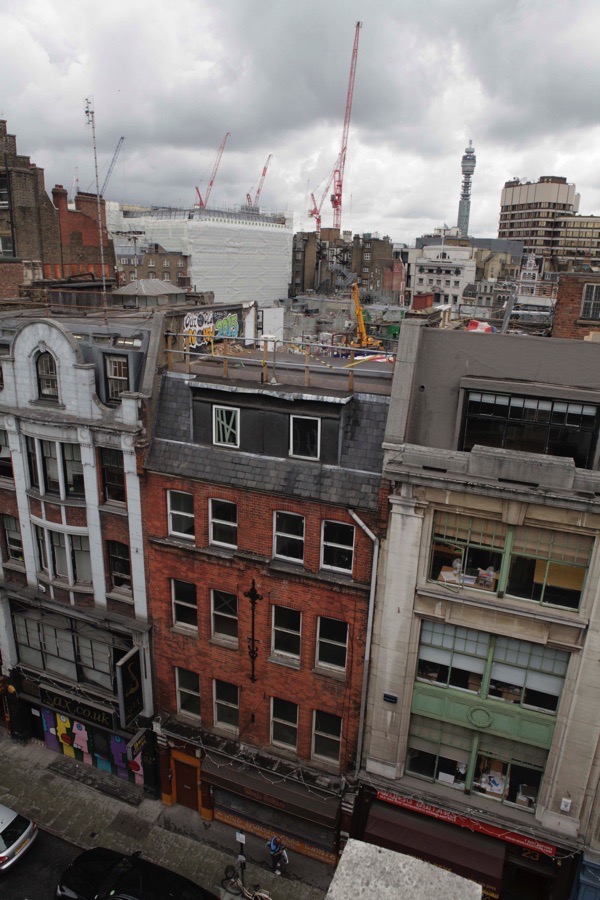
From the roof, we could see how much of the cityscape has already been destroyed, with Denmark Court erased and the backs of buildings on the north side of the street demolished. A seventeenth century forge was surrounded by scaffolding, about to be moved by the developers. We peered into the crater of the construction site, extending to Tottenham Court Rd, with Centrepoint looming overhead and the reverse of the facade of St Giles High St framing the scene. Henry understands the new development will eventually extend as far south as Shaftesbury Avenue, threatening the Odeon Covent Garden distinguished by its elegant stone frieze.
Only a few of the buildings in Denmark St are listed and the cultural life of this street as a centre for the music industry has been thrown into disarray, with some businesses already gone and the lively warren of small office spaces, recording studios, rehearsal spaces, workshops, bars and clubs curtailed.
It was a poignant experience to meet the music enthusiasts, songsters and old rockers of Denmark St and be welcomed into their dens so kindly, even as they are perched upon the precipice of an uncertain future. Yet for the meantime, Tin Pan Alley retains its irresistible charisma. You can still walk into any of the shops and witness impromptu concerts given by performers of significant talent. I was inspired to place my faith in the lyrics of the celebrated song, ‘You can’t stop the music.’
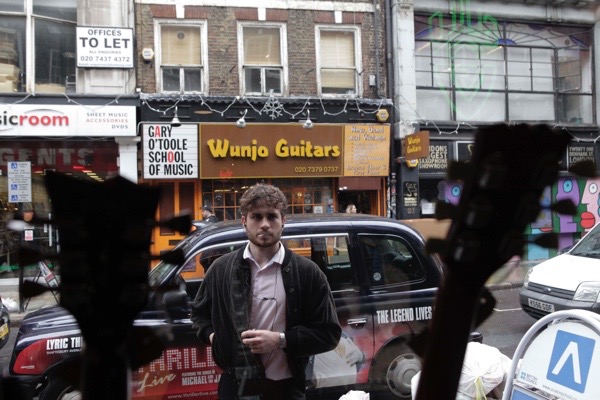
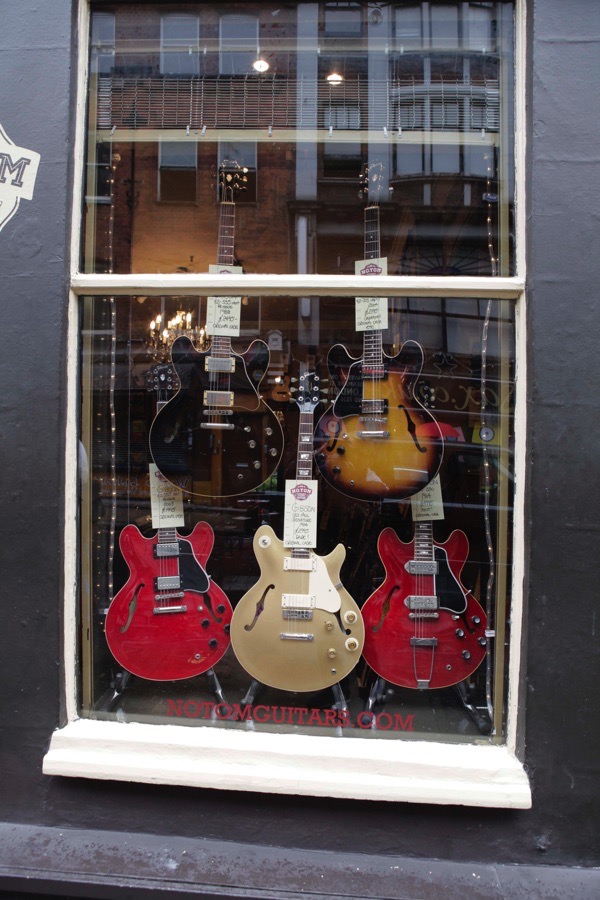
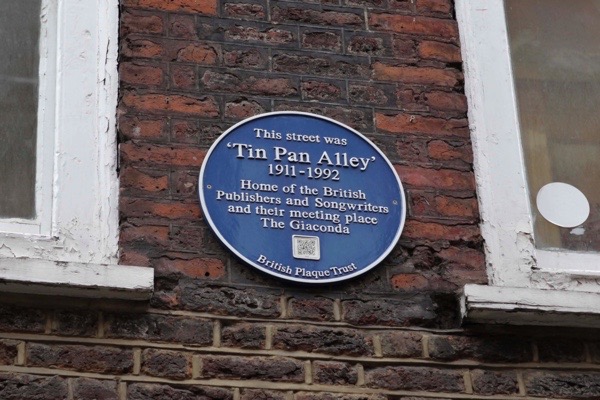
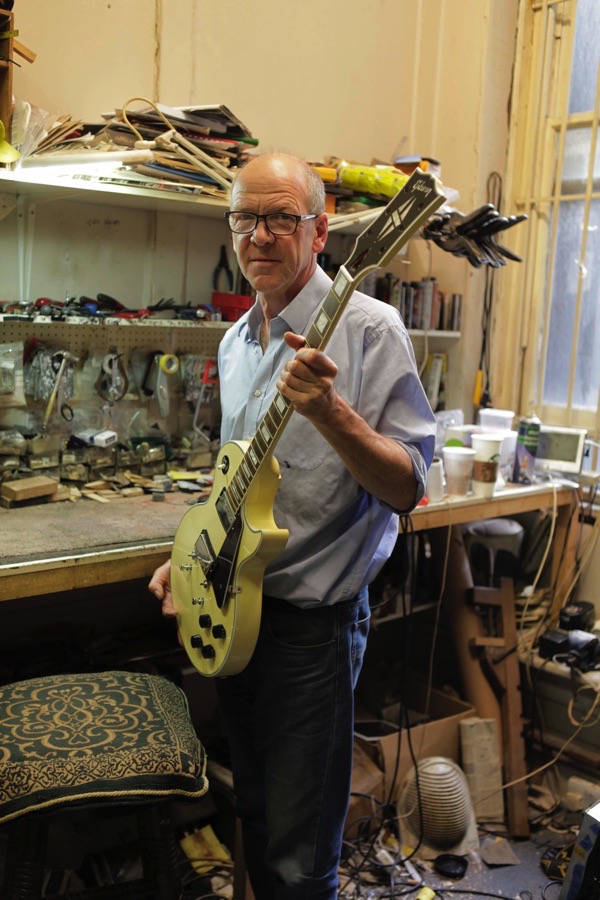
Tim Marten, the last guitar maker in a street where guitars were made since the days of Queen Anne
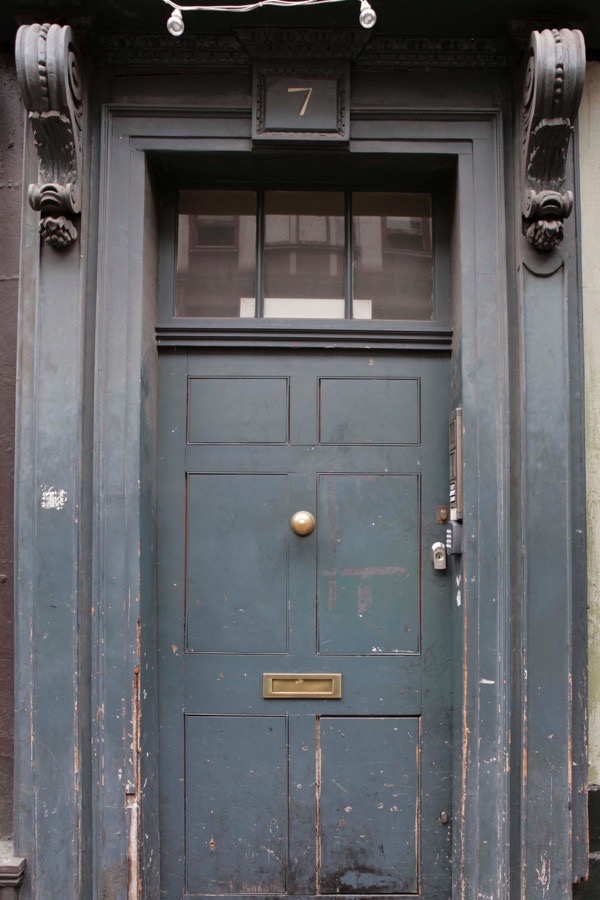
The oldest doorway in the street, dating from the sixteen-nineties
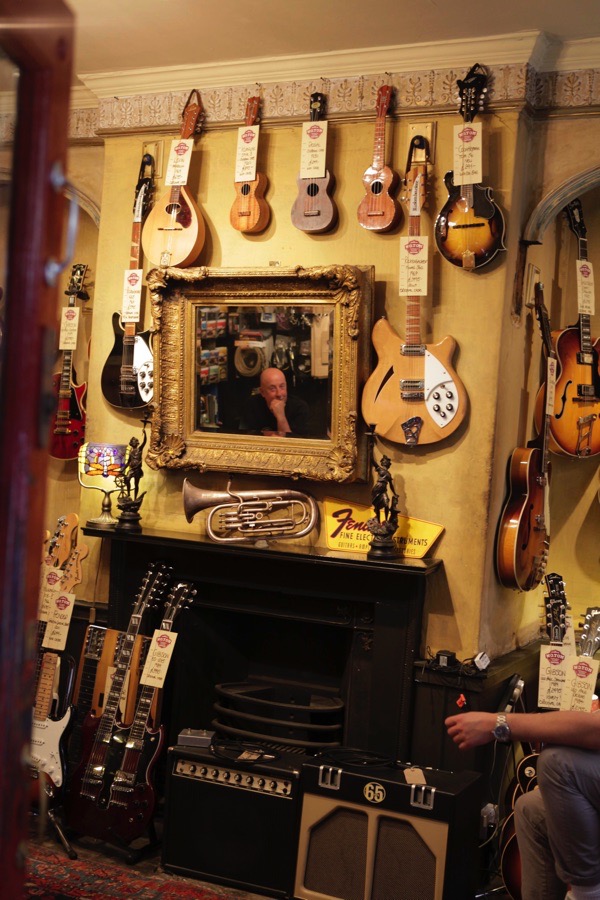
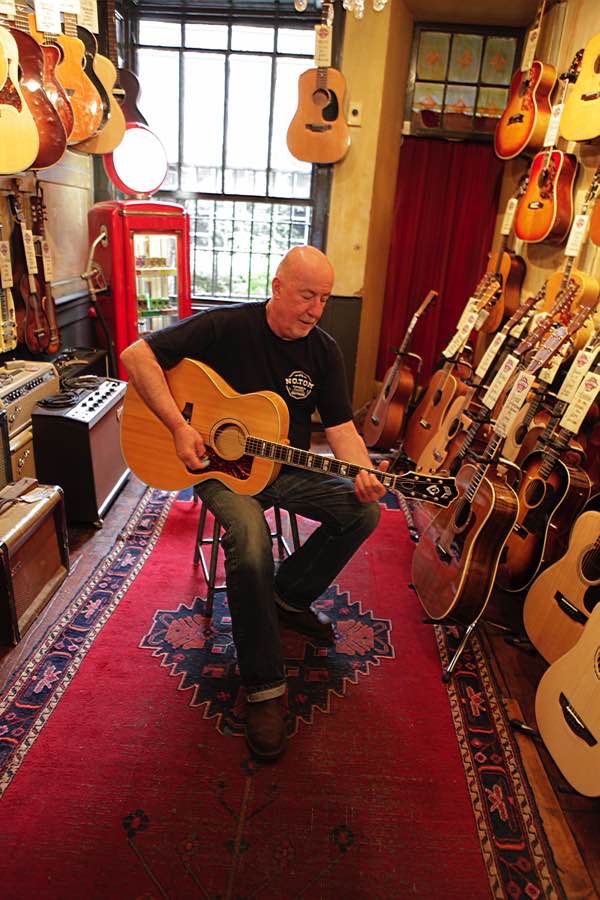
Ron Smith, proprietor of No Tom Guitars
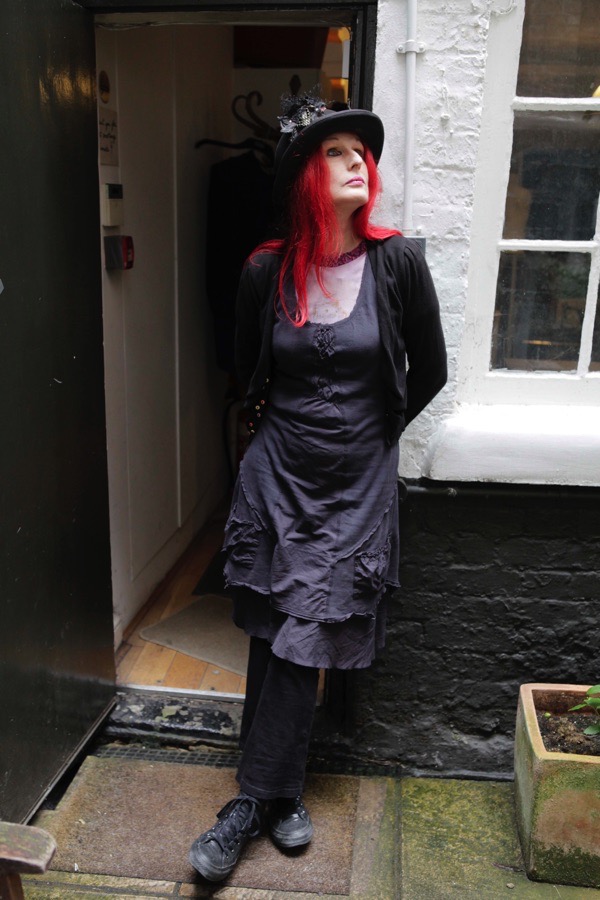
Jane Palm-Gold, Historian of Denmark St, standing outside the eighteenth century silversmith’s workshop where the Sex Pistols lived in 1975
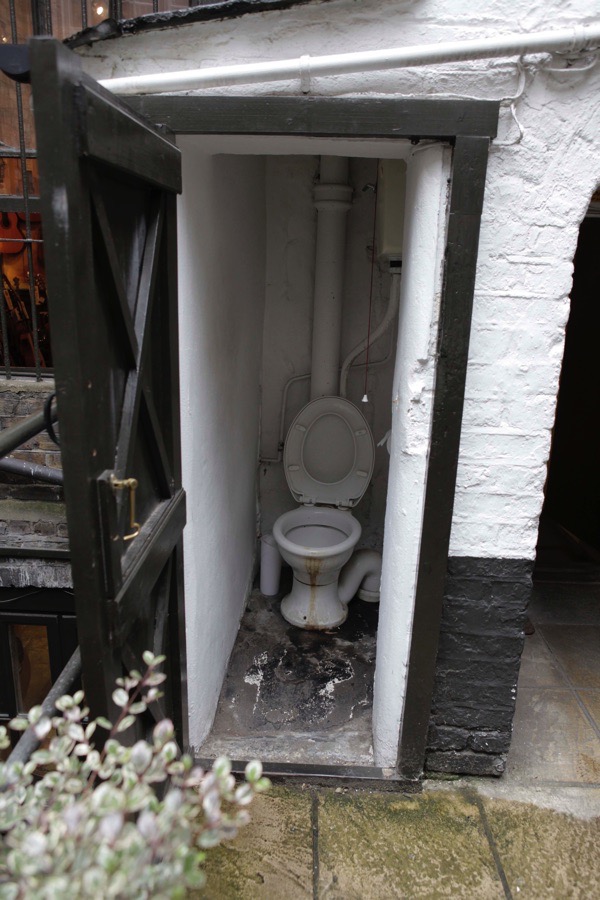
The Sex Pistols toilet, now Grade II listed
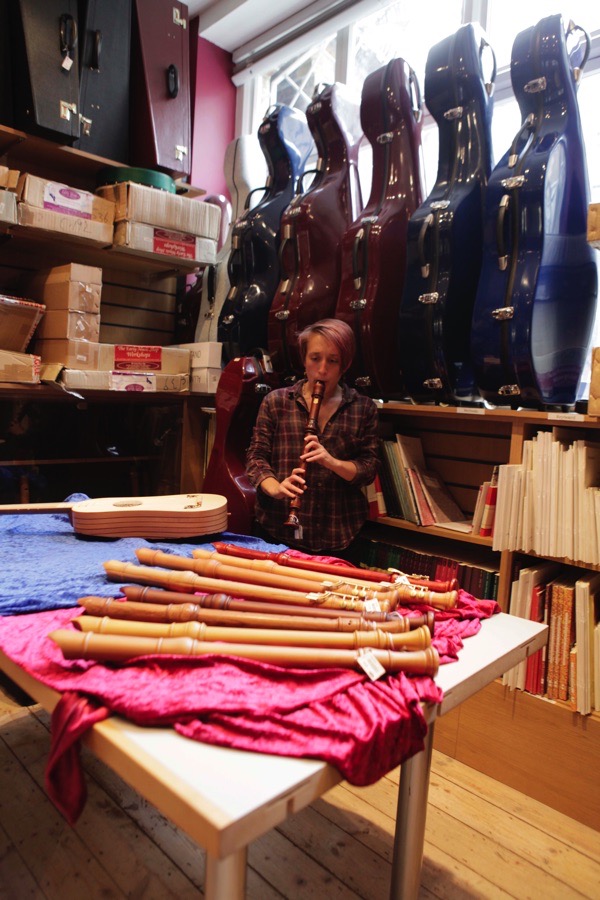
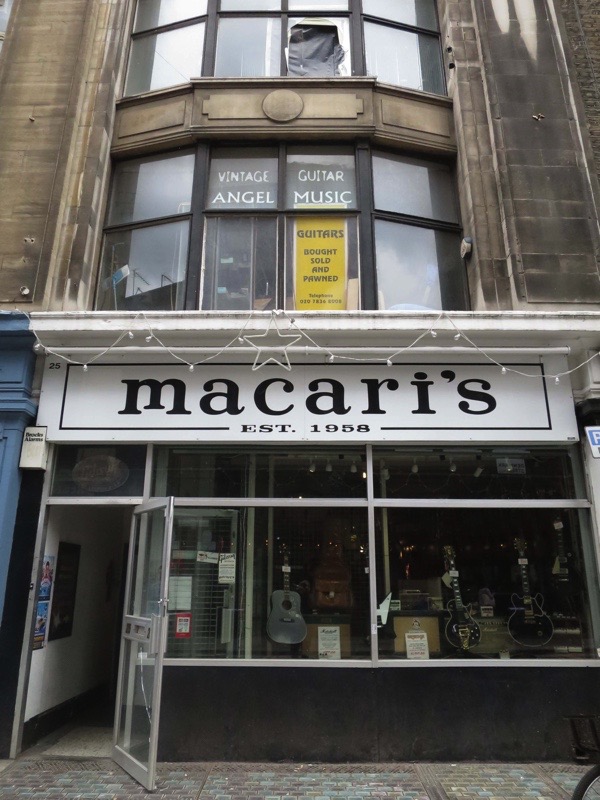
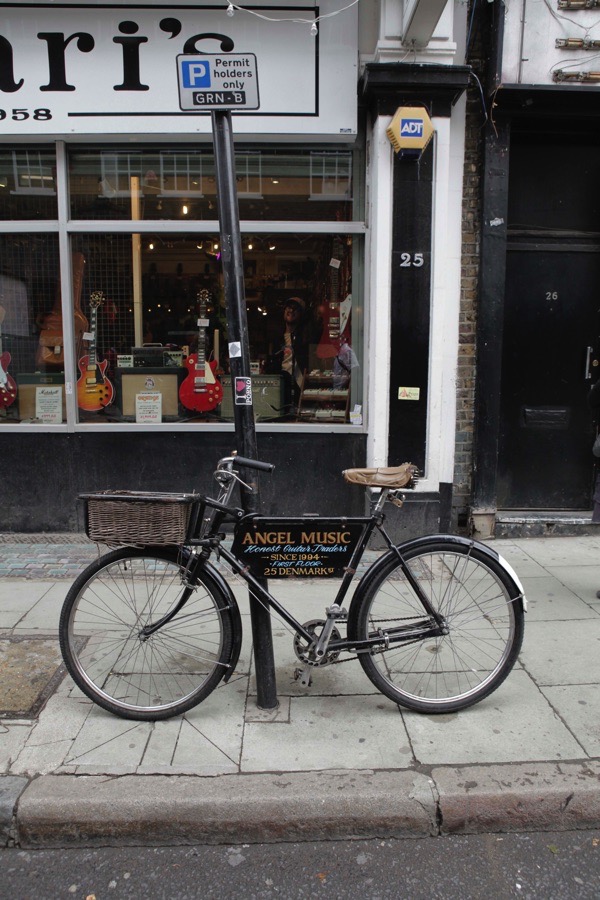
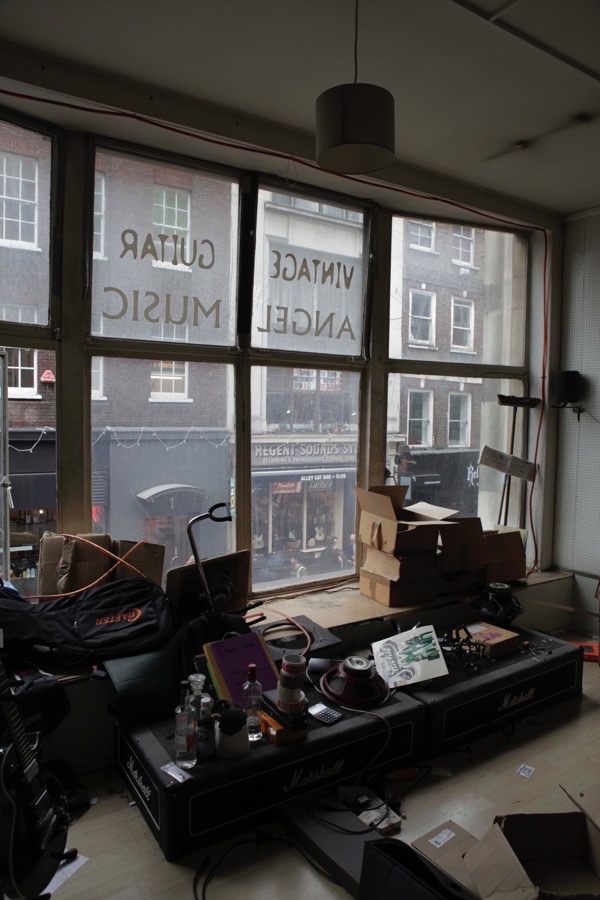
Angel Music was closing for good on the day we visited
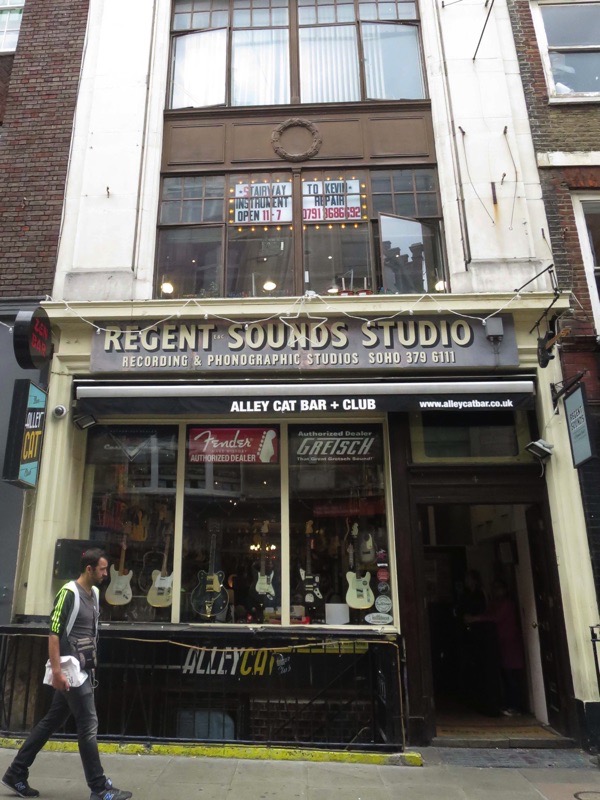

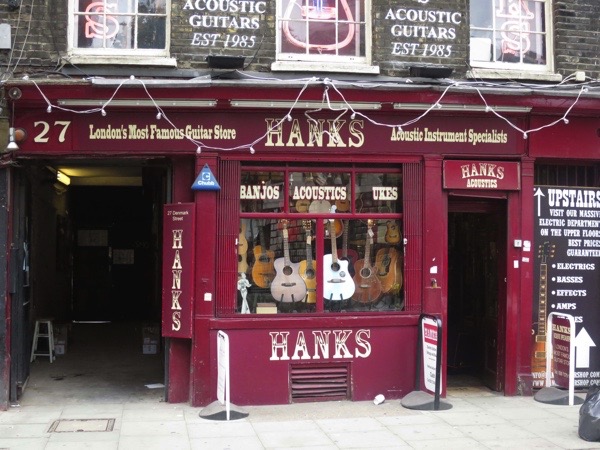
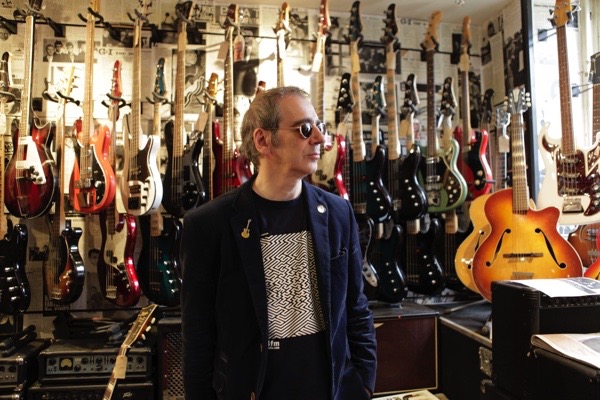
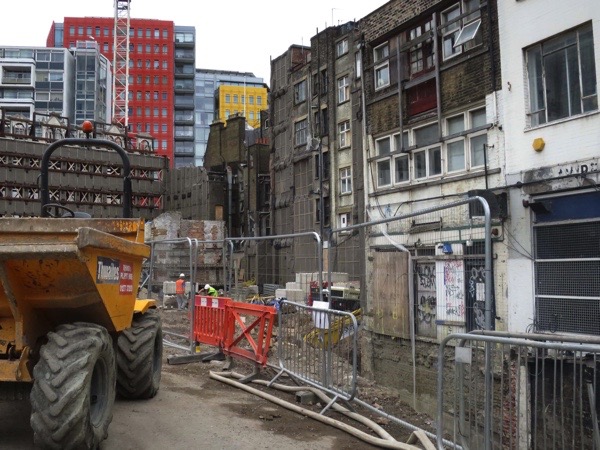
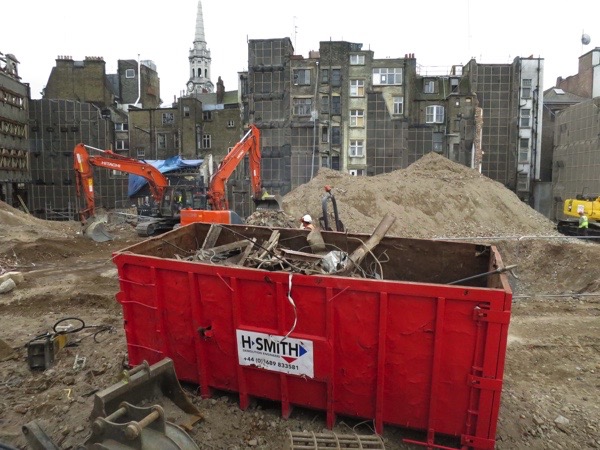
The rear of buildings on the north side of Denmark St

Henry Scott-Irvine, campaigning to Save Tin Pan Alley
Photographs copyright© Colin O’Brien
You may also like to read
The Weathervanes Of Old London
I can think of no more magical sight to glimpse in a London street than that of a gilded weathervane glinting in sunlight high above the rooftops. At once – in spite of all the changes that time has wrought – you know you are sharing in a visual delight enjoyed by three centuries of Londoners before you, and it makes your heart leap.
Consequently, I am grateful to Angelo Hornak who photographed this gallery of golden weathervanes for his magnificent book AFTER THE FIRE, London Churches in the Age of Wren, Hawksmoor & Gibbs published by Pimpernel Press, which I heartily recommend to you.
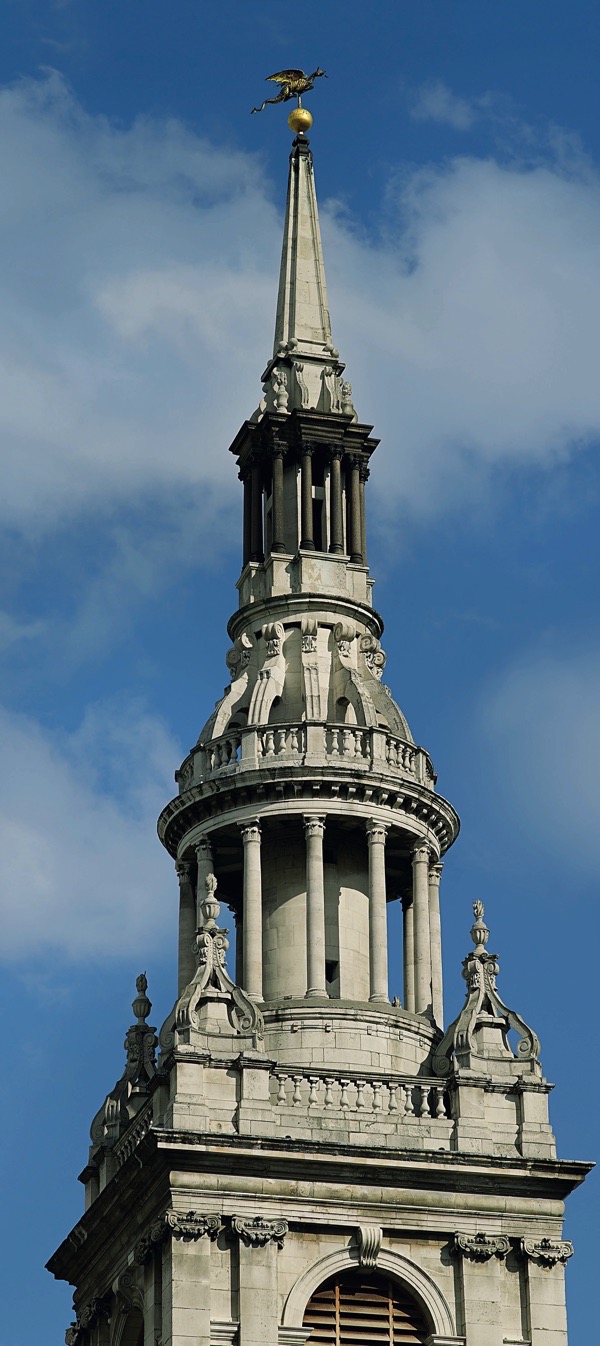
Spire of St Mary-Le-Bow, Cheapside, by Christopher Wren
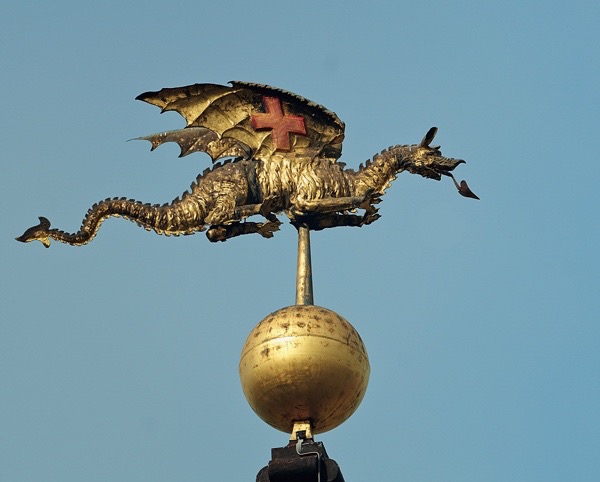
Dragon upon St Mary-Le-Bow, representing the City of London
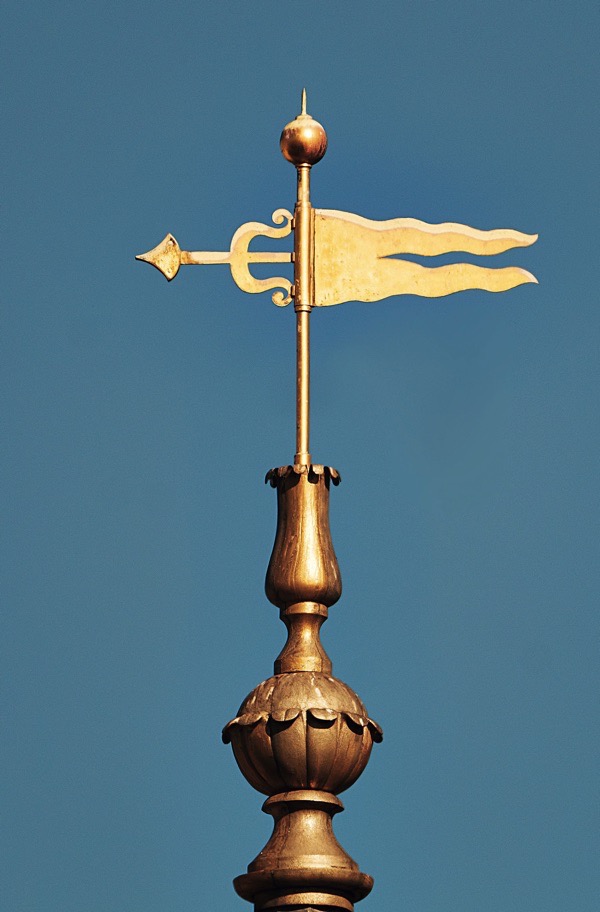
Arrow & pennant on St Augustine, Watling St
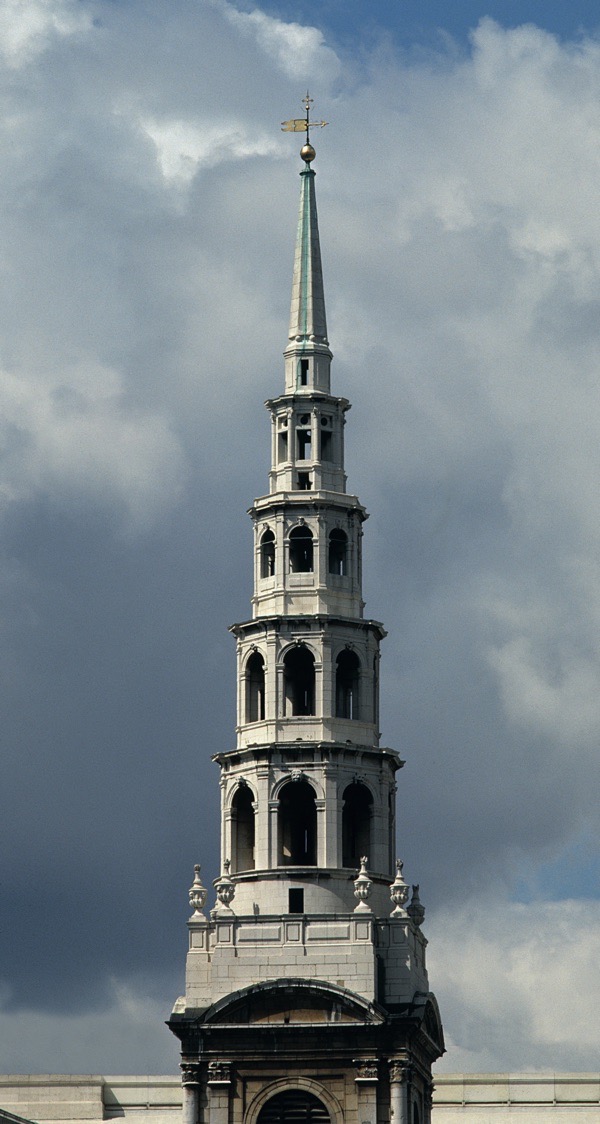
Spire of St Bride’s Fleet St by Christopher Wren
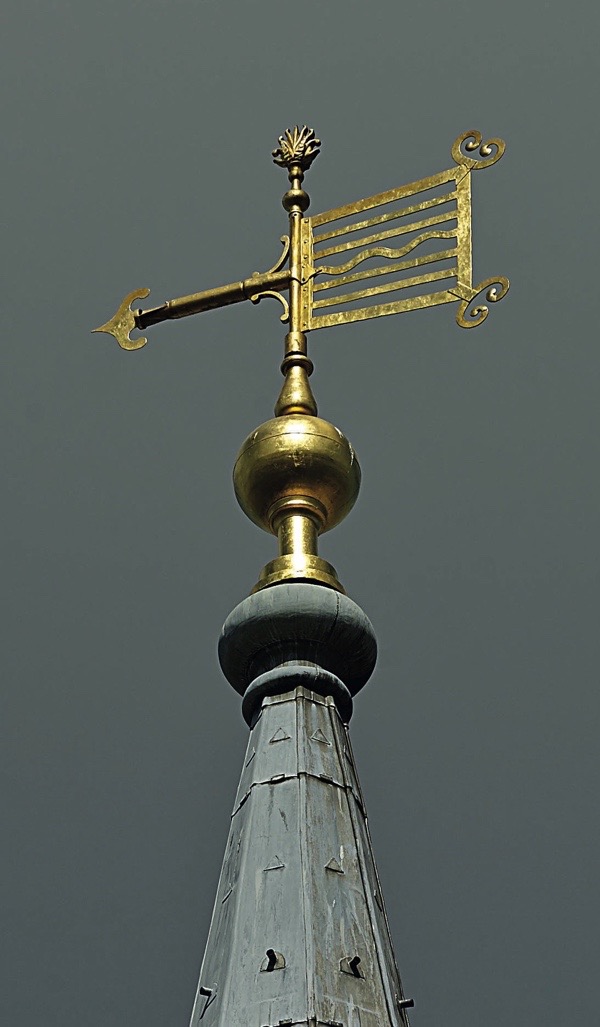
Gridiron on St Lawrence Jewry, symbol of the martyrdom of St Lawrence
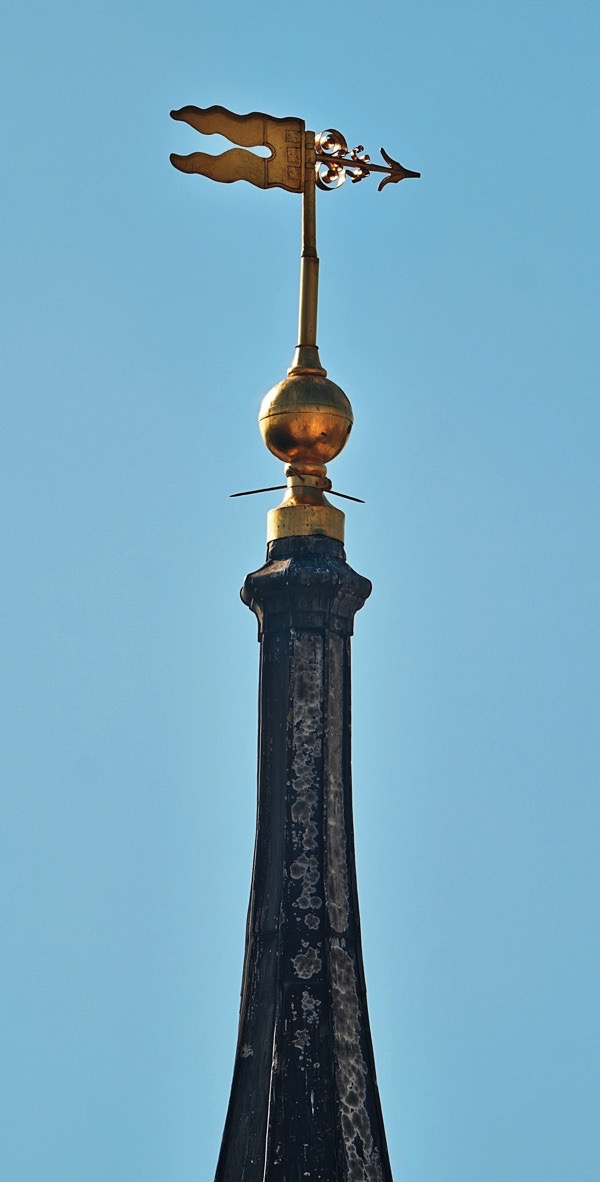
Weathervane on St Magnus the Martyr by Christopher Wren
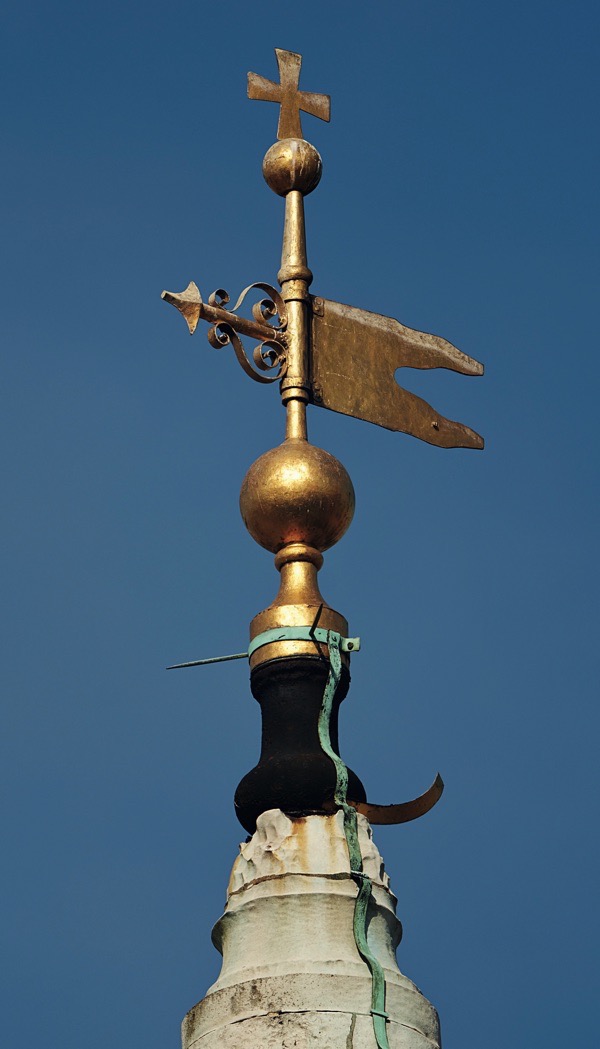
Weathervane on St Michael Paternoster Royal, College St

Galleon on St Nicholas Cole Abbey, moved from St Michael Queenhithe after demolition
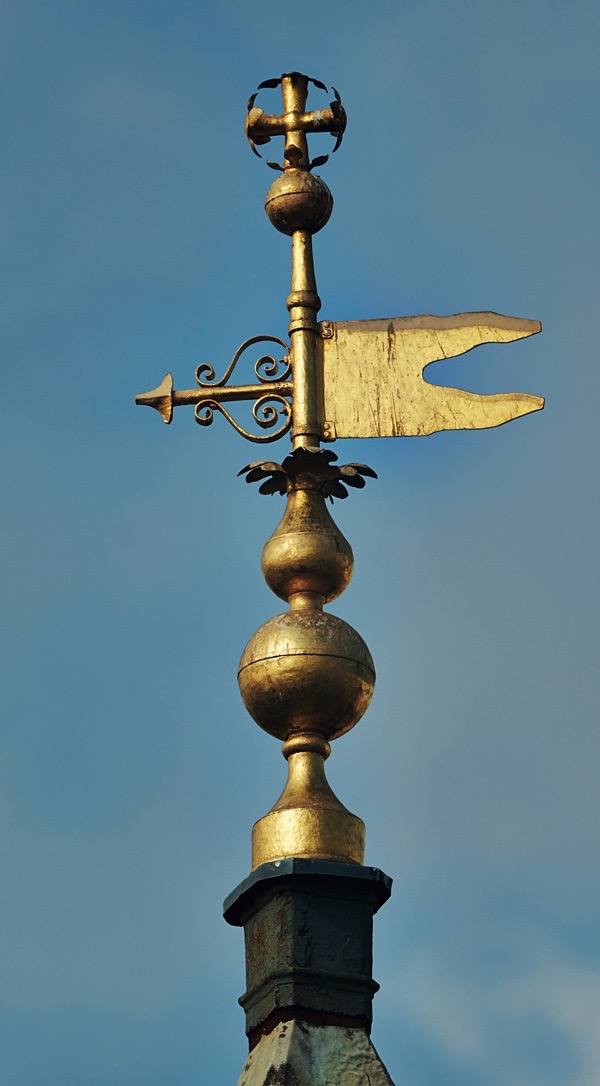
Weathervane on St James Garlickhythe
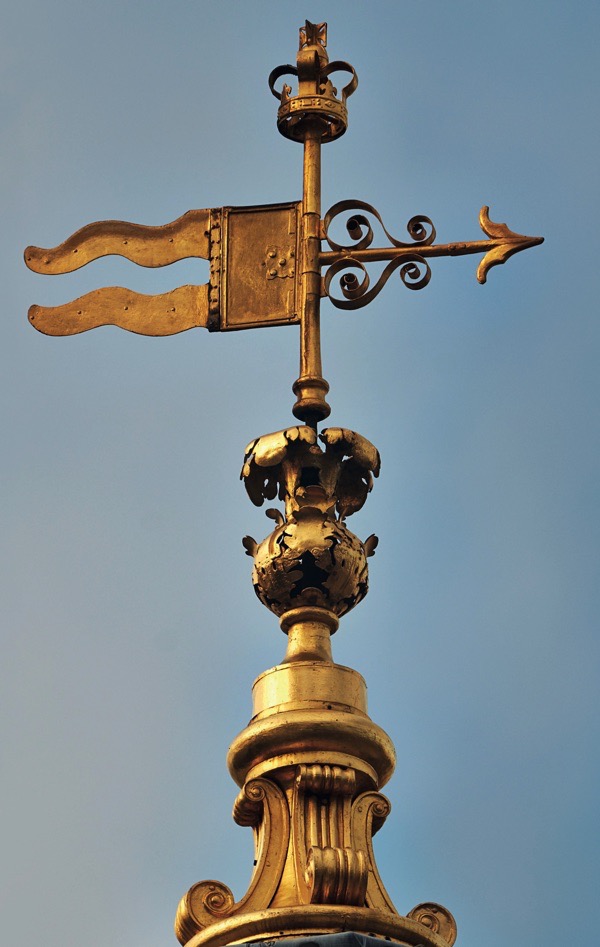
Crown on St Edmund King & Martyr, Lombard St
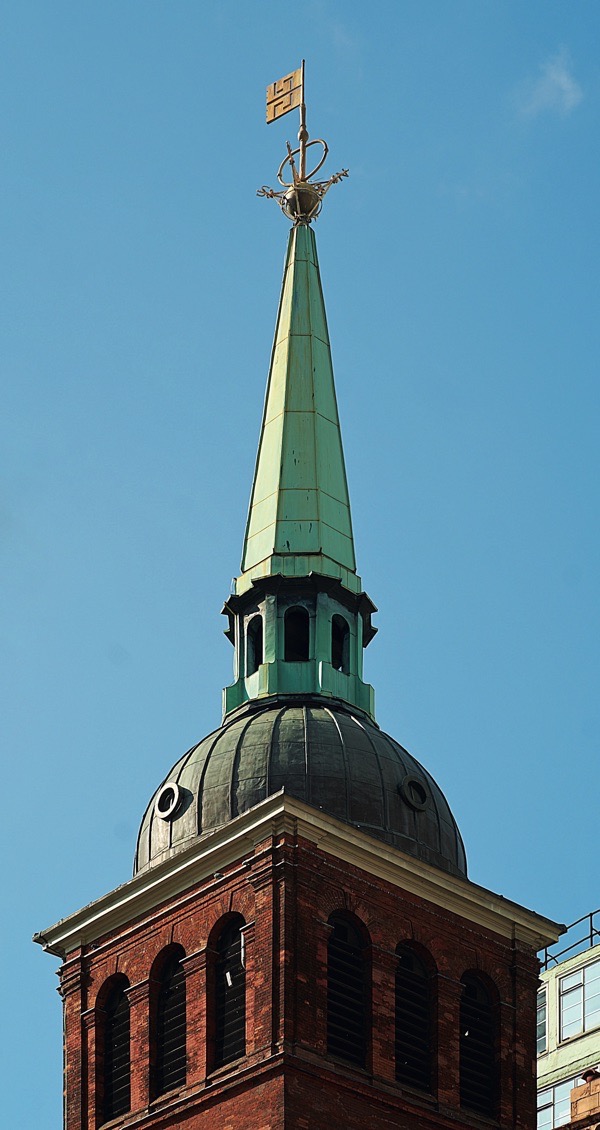
Key on the Tower of St Peter Cornhill
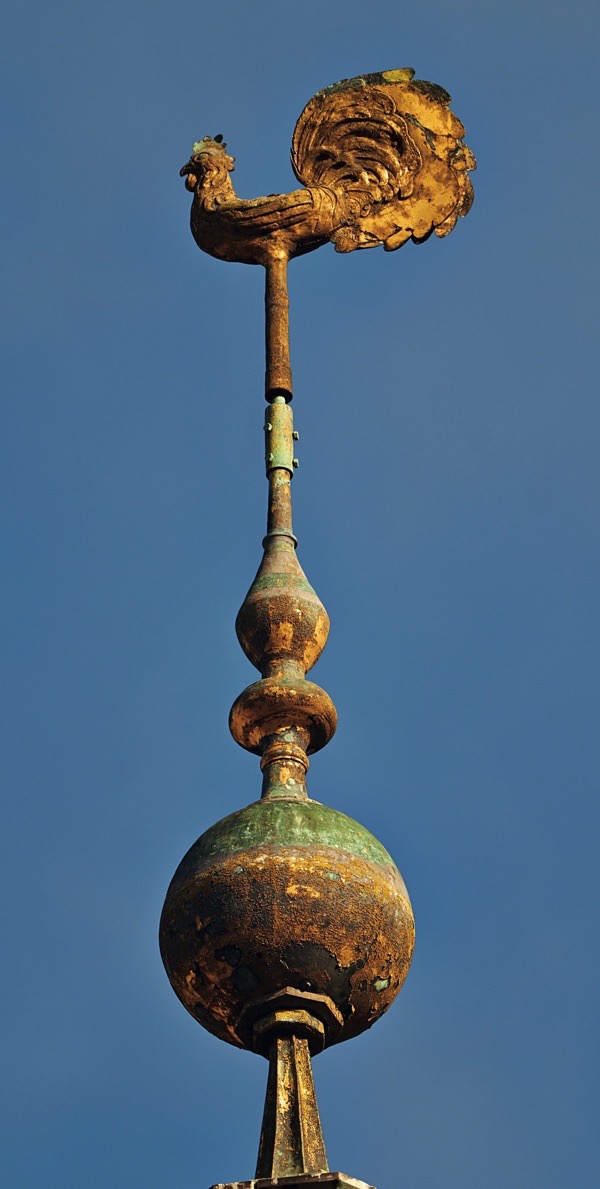
Cockerell on St Dunstan-in-the-East by Christopher Wren
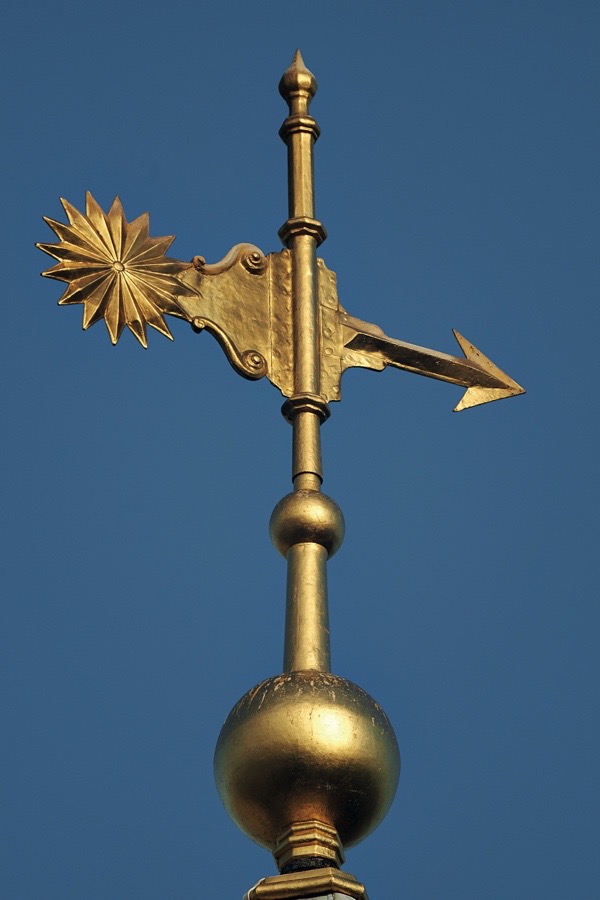
Comet on St Mary-Le-Strand
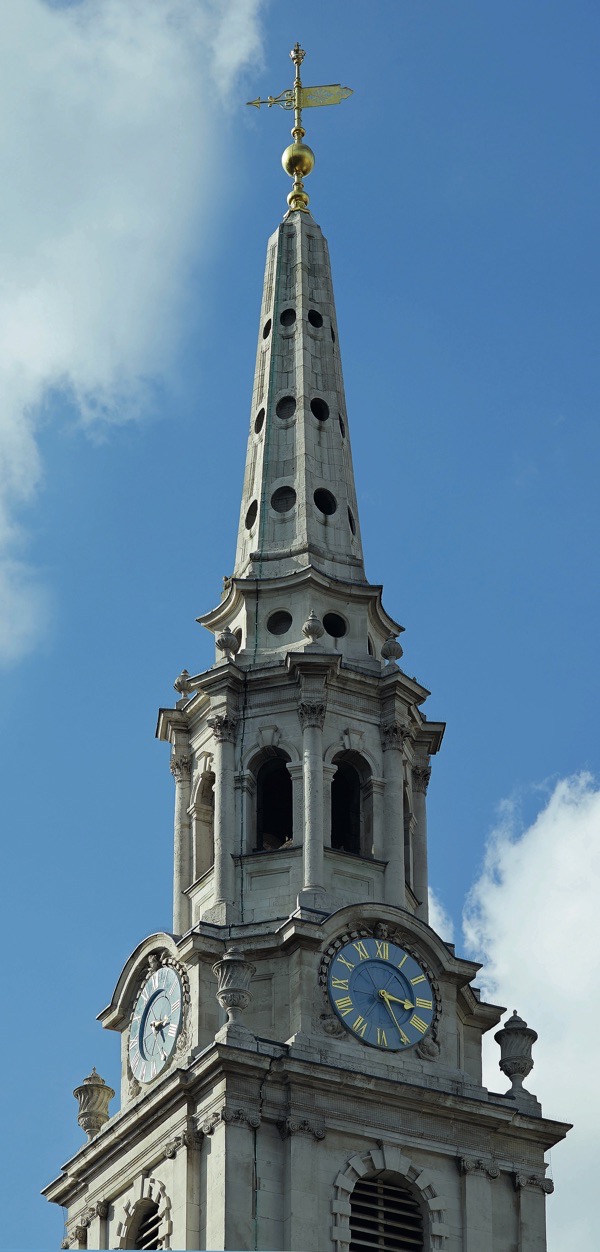
Spire of St Martin in the Fields by James Gibbs
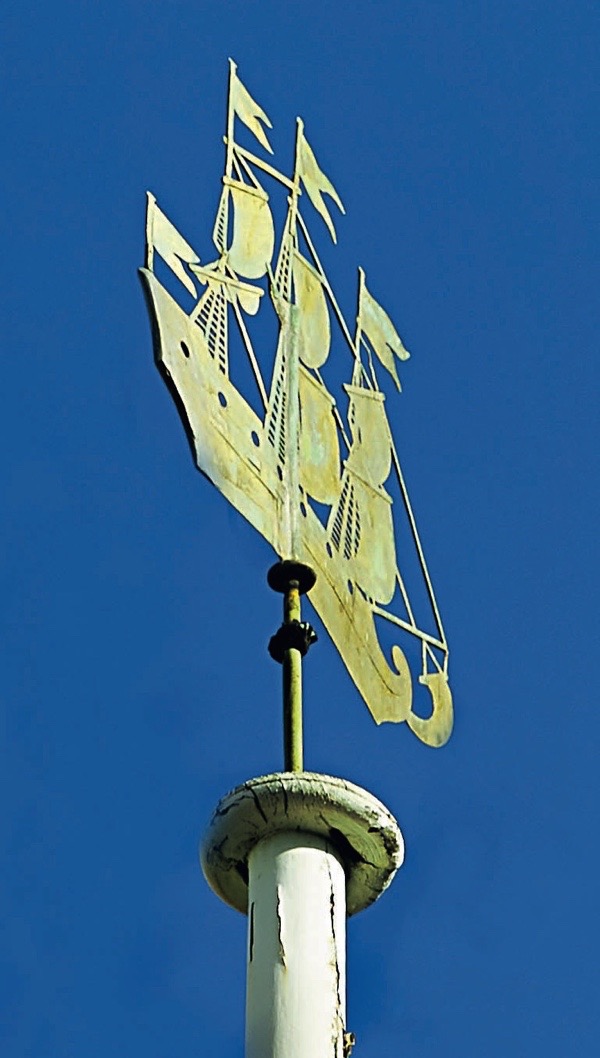
Square-rigged ship on St Olave Old Jewry
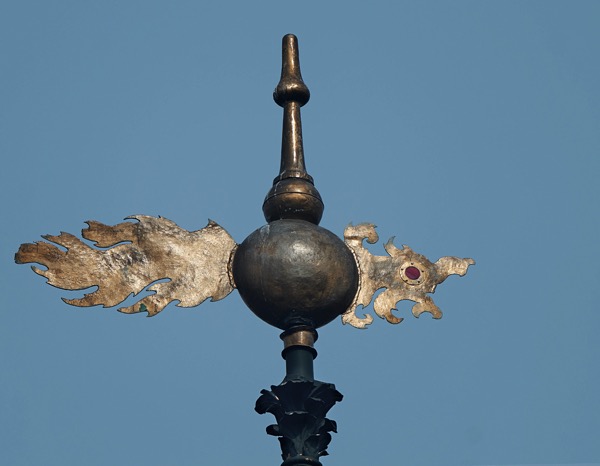
Flaming red-eyed dragon on St Luke, Old St, described as a flea in popular lore
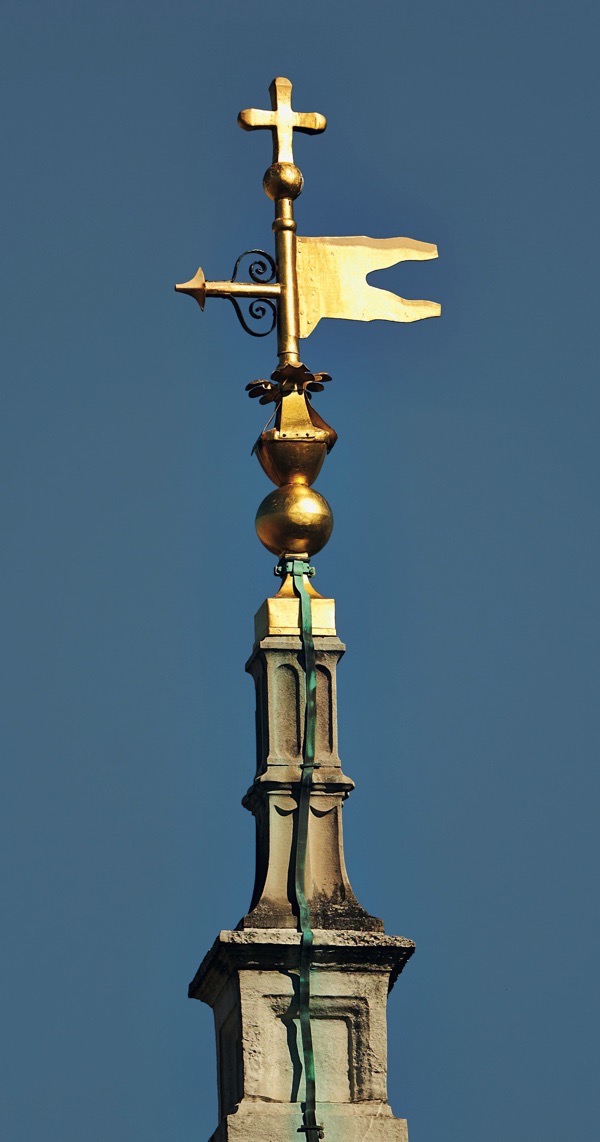
Weathervane on St Stephen Walbrook by Nicholas Hawksmoor
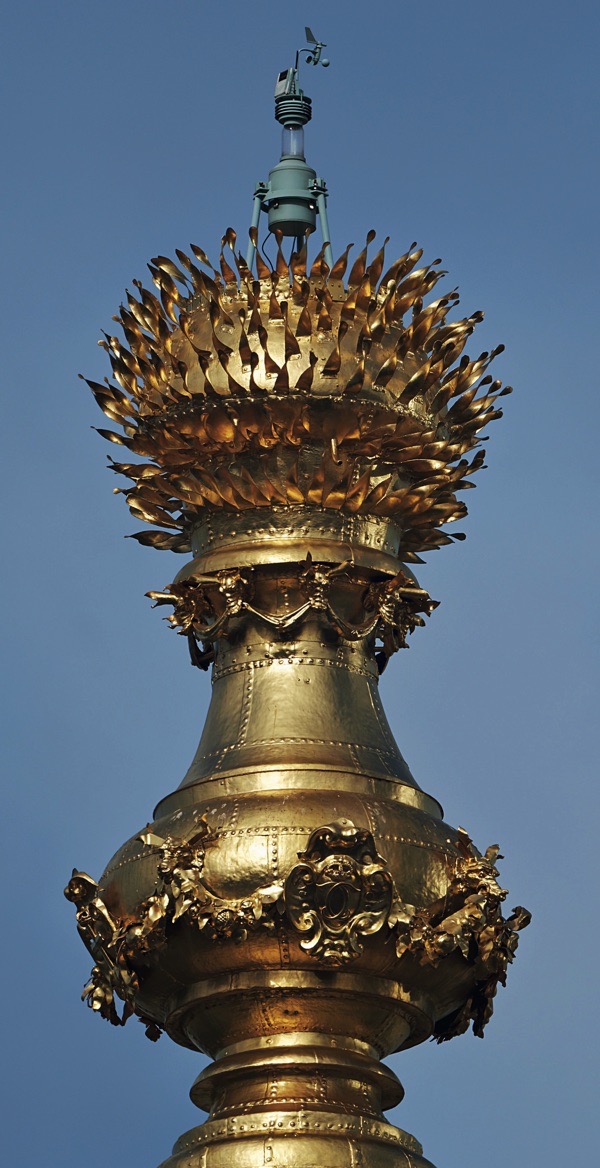
‘Flame’ on the top of the Monument by Christopher Wren
Photographs copyright © Angelo Hornak
You may also like to take a look at
Doorkins Magnificat, Southwark Cathedral Cat
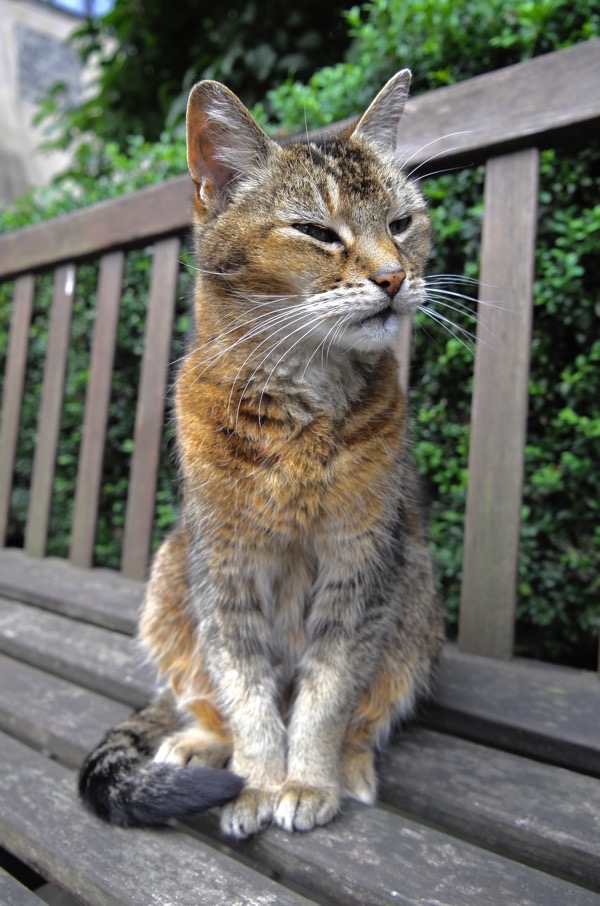
‘Pussycat, pussycat, where have you been? I’ve been up to London to visit the Queen’
When Elizabeth II undertook an official visit to Southwark Cathedral, she stopped in her tracks once she spotted Doorkins Magnificat, the Cathedral Cat. I was informed that her Majesty was fascinated to meet this working feline who embodies the lines of the traditional nursery rhyme but I was not told if Doorkins also frightened a little mouse under her chair.
Verger Paul Timms is responsible for the Cathedral Cat – a duty that he oversees with tender devotion and yesterday morning he led me out into the courtyard where Doorkins likes to spend the quiet hours before noon. Sure enough, Paul only had to call and Doorkins appeared from a conveniently-placed stand of shrubs and shady undergrowth, running enthusiastically to greet us.
Quite a small cat, with delicate features and graceful movement, the gentle creature was happy to be petted and photographed while Paul Timms told me Doorkins’ story
“One of my jobs as Verger is opening the cathedral in the morning and closing it at night, and one particular morning in 2008, a young cat appeared at the door to the courtyard when I opened it at seven. Remarkably, we’d just been having a conversation with the Dean about the mouse problem and we had decided that we should get a cathedral cat, when – lo and behold – Doorkins appeared.
At first, I wouldn’t see him for a couple of days but then he came back and I started feeding him, and he began to present himself every day at the door at seven. I called him ‘Doorkins’ because he was the cat in the doorway, although sometimes people think we named our cat after Professor Richard Dawkins, the Atheist. It was the clergy who came up with ‘Magnificat.’
The congregation are in love with Dookins and give money for food and for visits to the vet. They asked us to produce postcards and greetings cards with pictures of the Cathedral cat, and Doorkins even has a facebook page. The vet discovered Doorkins was a female and of Abyssinian breed. She certainly has her mood swings and, somedays, she will let you pet you pet her but, on other days, you only have to look at her and she’ll scratch you.
They knew Doorkins in the Borough Market, she used to go over there and catch the mice. At first, she had divided loyalty and used to go to both the Market and the Cathedral but nowadays she is solely our Cathedral cat.
In the winter, Doorkins spends all her time in the cathedral. I open the door but she takes one look outside at the weather and walks back inside again. In the summer, she spends all her time outside. In the morning, she is in the courtyard and then in the afternoon she moves round to the churchyard. She’s very popular with visitors, they come to visit her and take her photograph, but when it gets too busy she goes down into the crypt where they can’t follow her, and just comes up every now and again to use her litter tray.
One day, a ginger cat appeared in the cathedral and they began having conversations, screetching at each other during services, so the Dean said, ‘One has to go.’ A Verger took Ginger home and adopted him. Another time, we had an an art installation created by an Artist-in-Residence with beautiful textiles and the Artist was scared what Doorkins might do to it, so she had to go to a cattery for three weeks, but she was quite happy once she came back and fell into her old routine again.
We think Doorkins is about ten or eleven, we’ve had her eight years and she was about two when she arrived.”
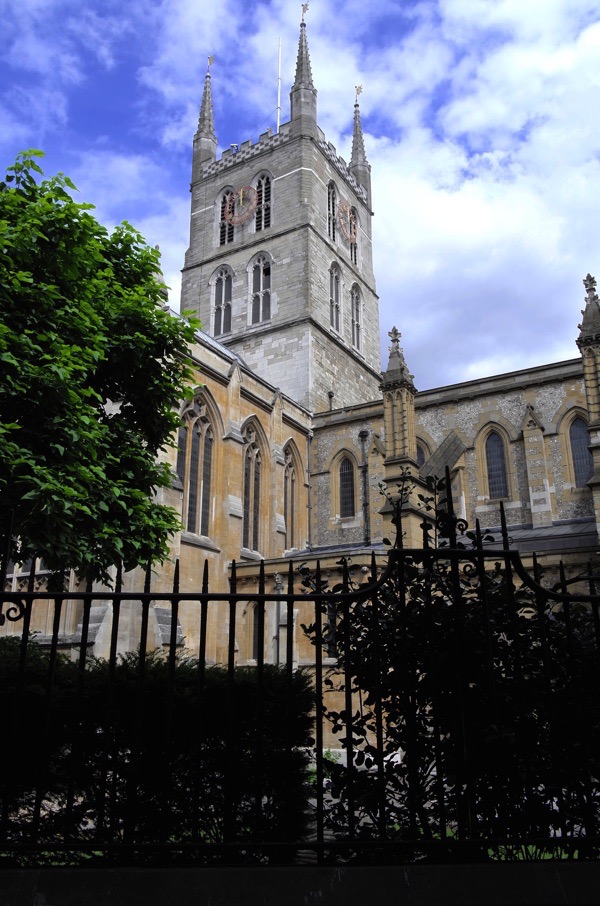
Southwark Cathedral
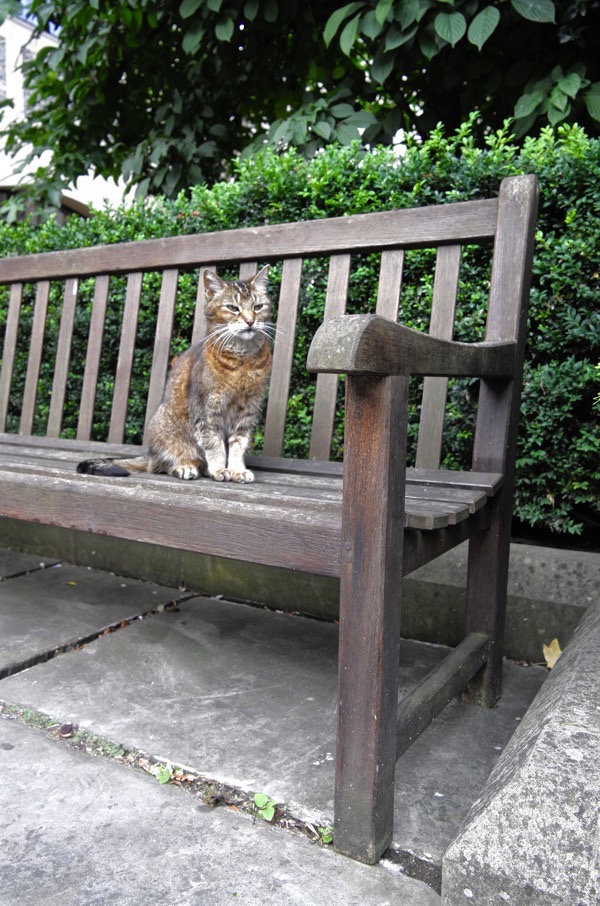
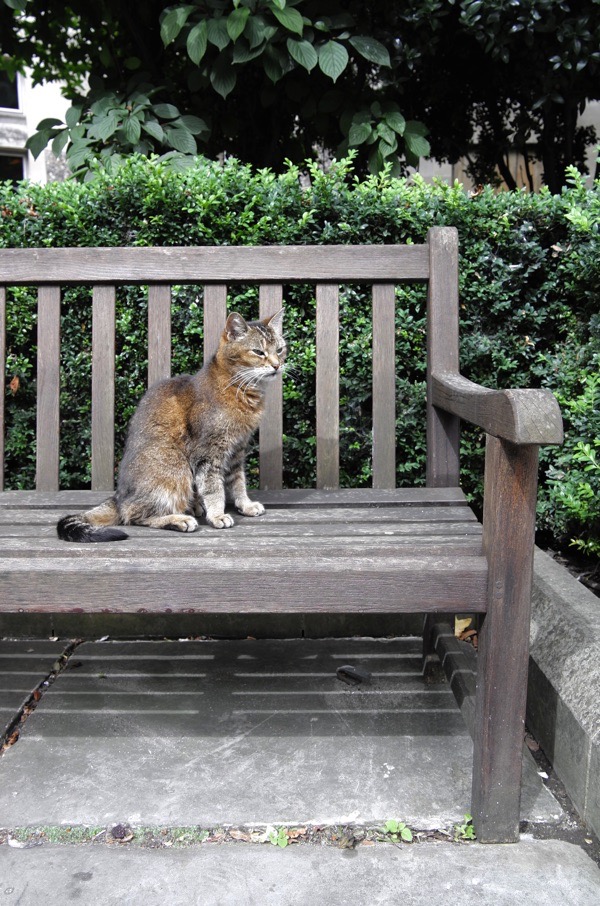
Doorkins Magnificat
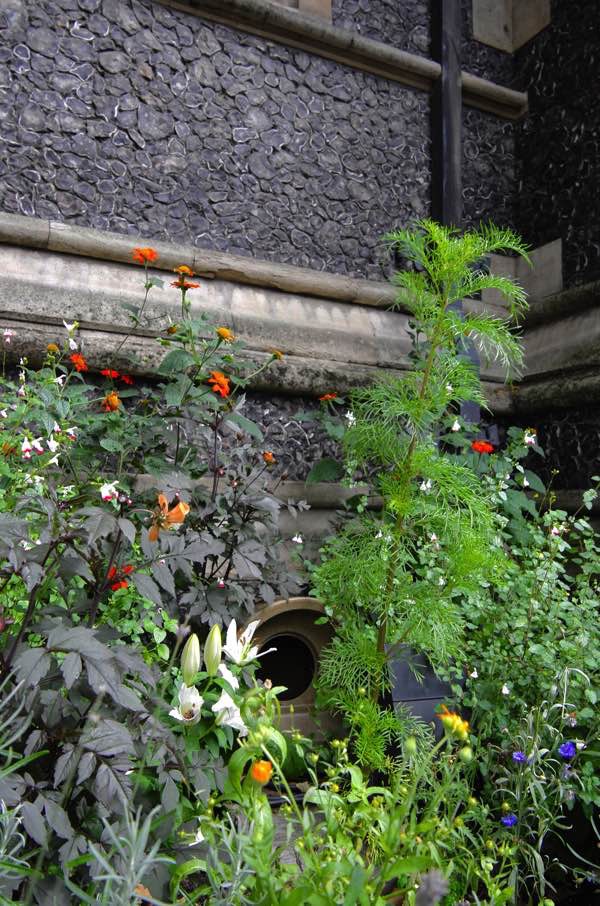
Doorkins’ summerhouse at the south side of the cathedral
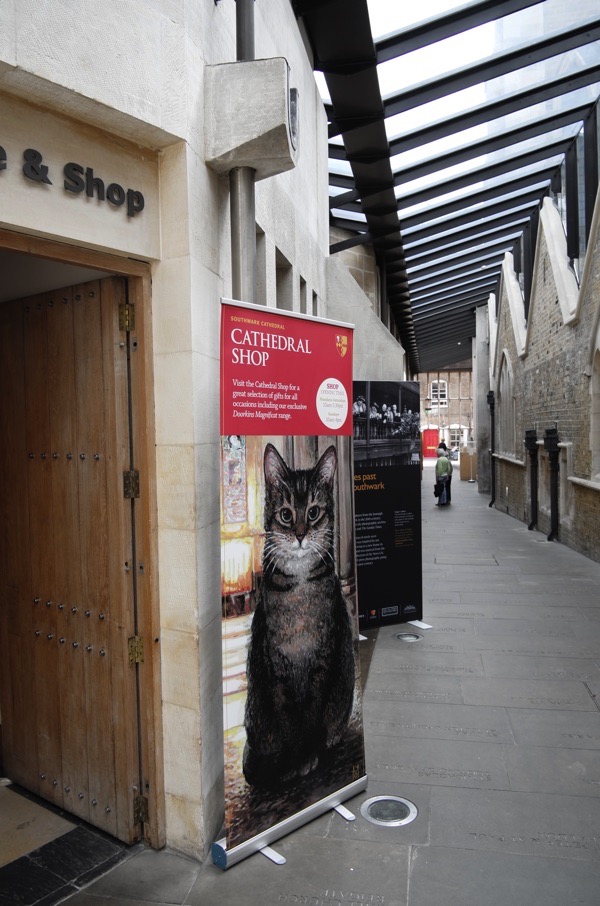
A painting of Doorkins greets visitors to the cathedral
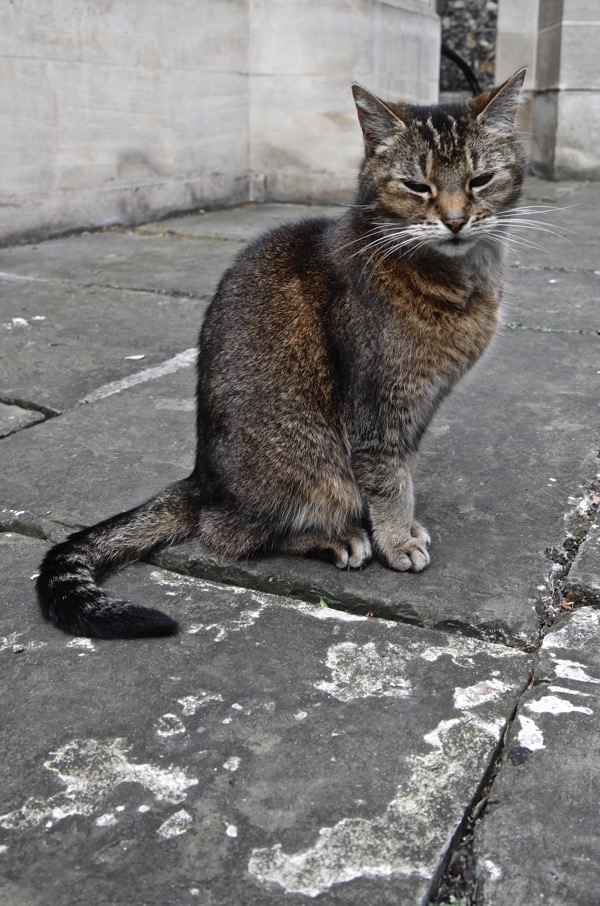
Doorkins shares the same colouration as the cathedral
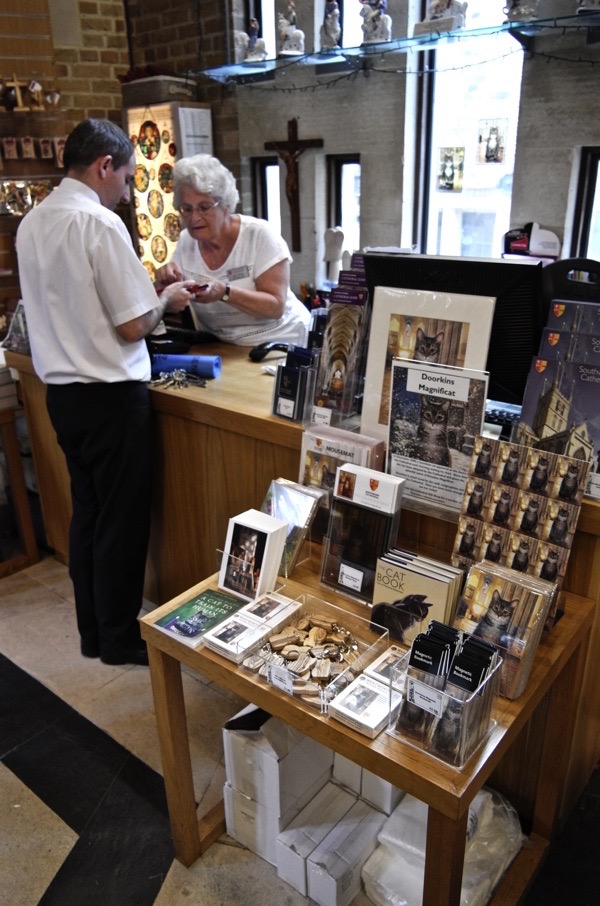
Doorkins merchandise in the cathedral shop
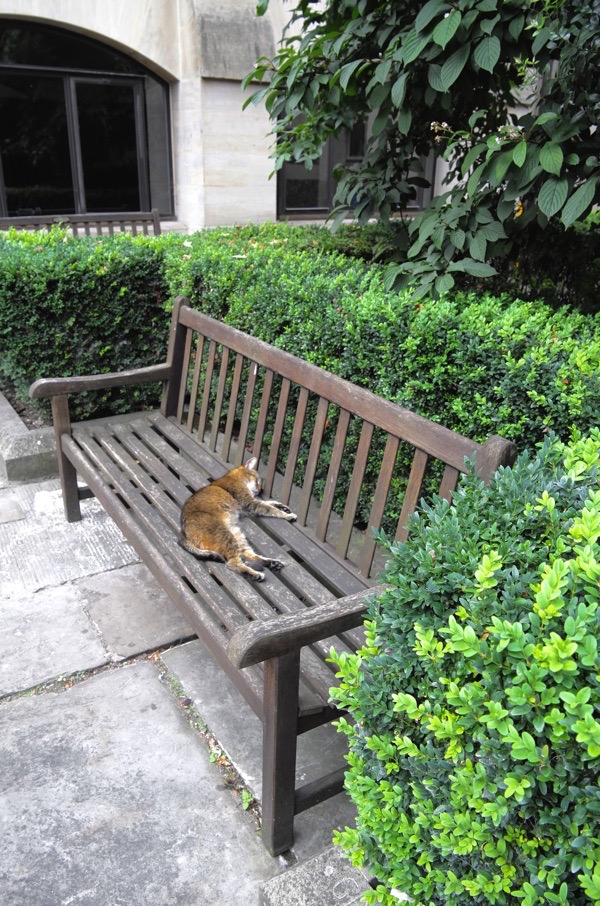
Doorkins recumbent in the cathedral yard
You may also like to read about
Drink-In At The Still & Star
Please join me & The Victorian Society for a drink-in at the Still & Star, Aldgate, from 6:30pm next Tuesday 16th August to celebrate this historic pub and learn how to stop its demolition. Meanwhile you can register your objection online at the City of London Planning website.

Still & Star by Gustave Dore, 1880, and as it is today – montage by Adam Tuck
“Let us pass down Harrow Alley, leading to the City Clothes Exchange. Harrow Alley is Petticoat Lane over again – smaller, and, if possible, dirtier than her neighbour. Bestriding the path, like a greasy Colossus, leaning against the wall, or squatting in the mud, are men and women by the score. Beside, behind, and before them, are spread out their miscellaneous wares, to which they supplicate your notice or imperatively demand your attention.
The various public-houses in Petticoat Lane, Harrow Alley, and elsewhere, are generally crammed to excess. Through the open doorways we look into the back rooms, where some dozen men are always smoking, their faces lost in the clouds of smoke which emanate from their lips. These men are known to the initiated as Petticoat Lane fencers, or receivers of stolen goods. Patiently they sit in these filthy rooms, waiting news from their scouts, who they throw out as antennae to ‘feel the way,’ or for the appearance of the thief’s confederate, who ‘gives the office,’ and tells where the booty may be found.”
from The Wild Tribes of London by Watts Philips, 1855

Gustave Dore’s drawing of the Still & Star, 1880, from ‘London: A Pilgrimage’

The Still & Star
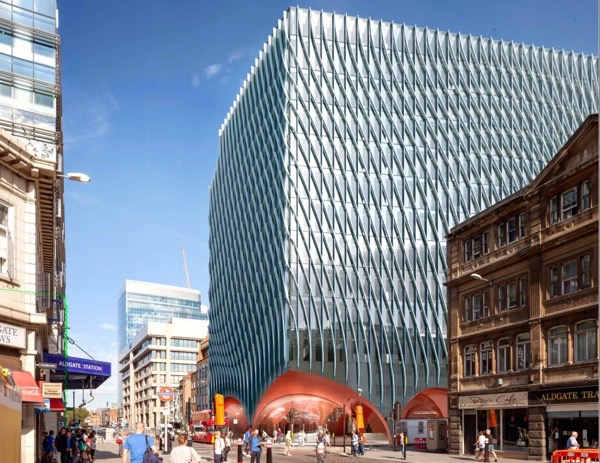
The proposed office block
You may like to read my original story
Tony Hall’s Pub Photography
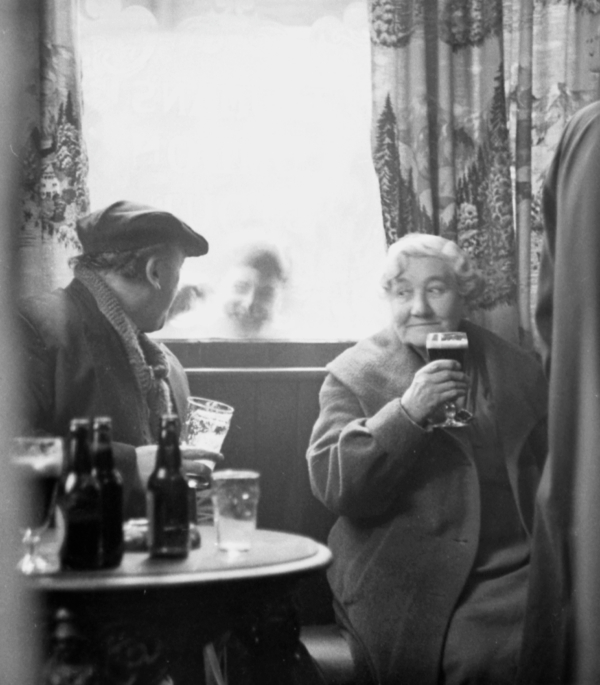
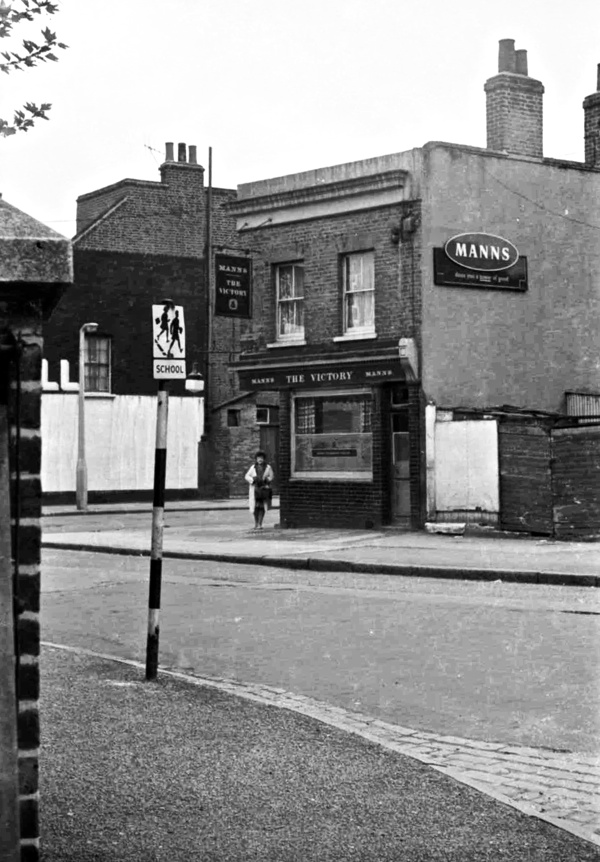
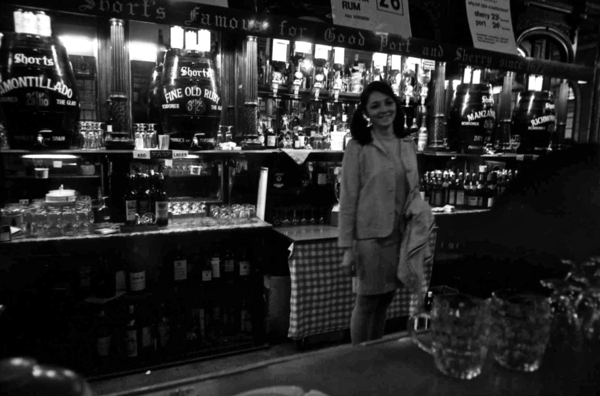
Libby Hall remembers the first time she visited a pub with Tony Hall in the nineteen sixties – because it signalled the beginning of their relationship which lasted until his death in 2008. “We’d been working together at a printer in Cowcross St, Clerkenwell, but our romance began in the pub on the night I was leaving,” Libby confided to me, “It was my going-away drinks and I put my arms around Tony in the pub.”
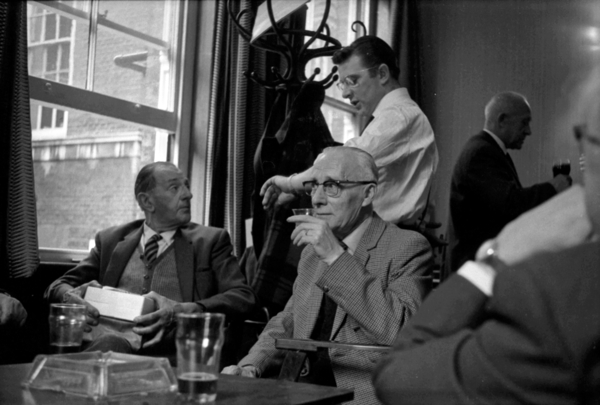
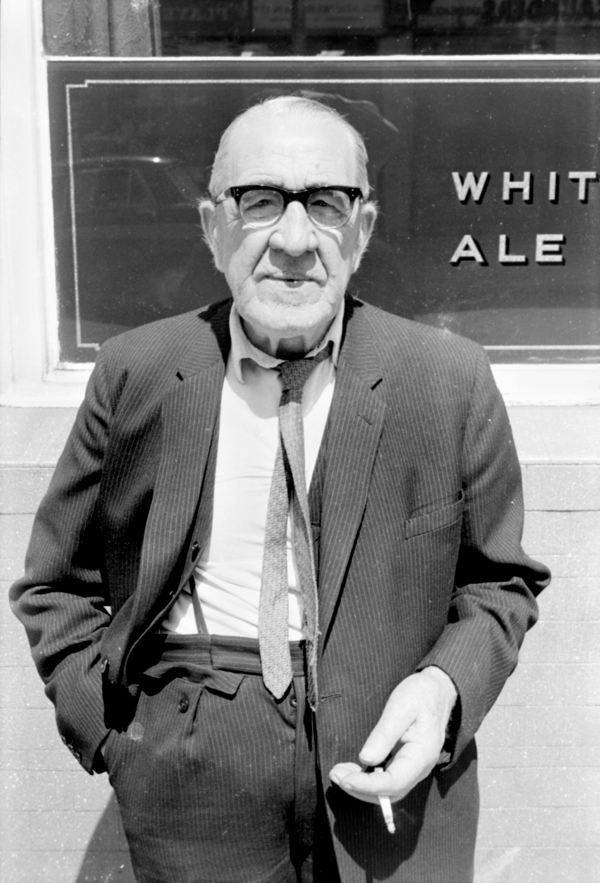
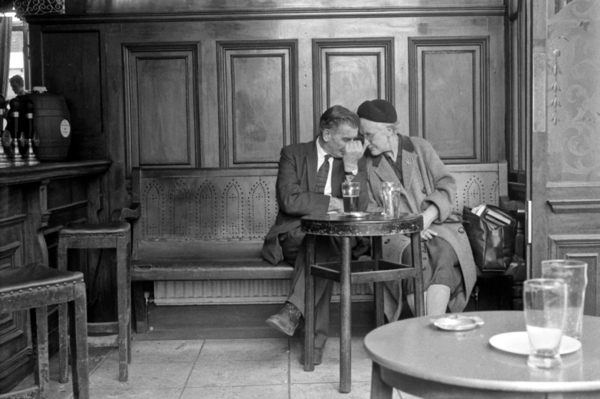
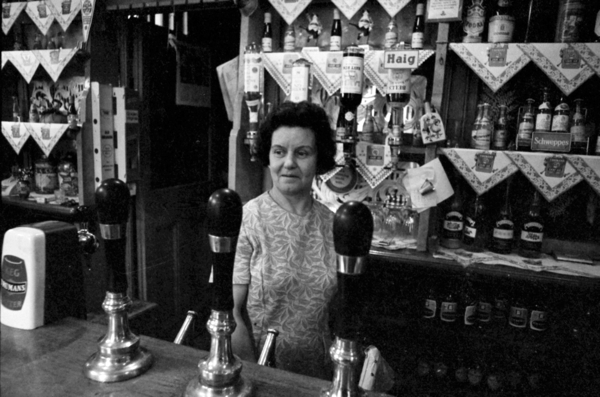
During the late sixties, Tony Hall worked as a newspaper artist in Fleet St for The Evening News and then for The Sun, using his spare time to draw weekly cartoons for The Labour Herald. Yet although he did not see himself as a photographer, Tony took over a thousand photographs that survive as a distinctive testament to his personal vision of life in the East End.
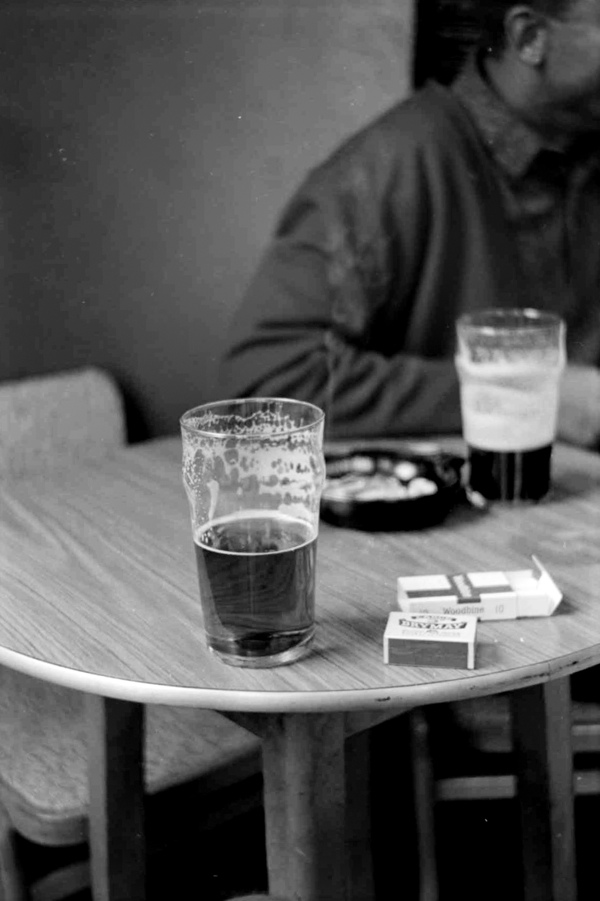
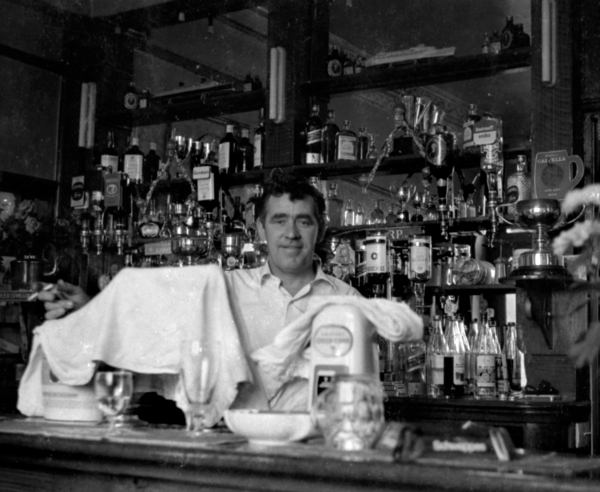
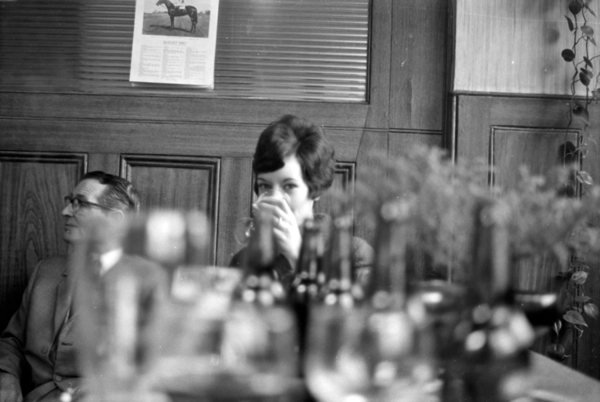
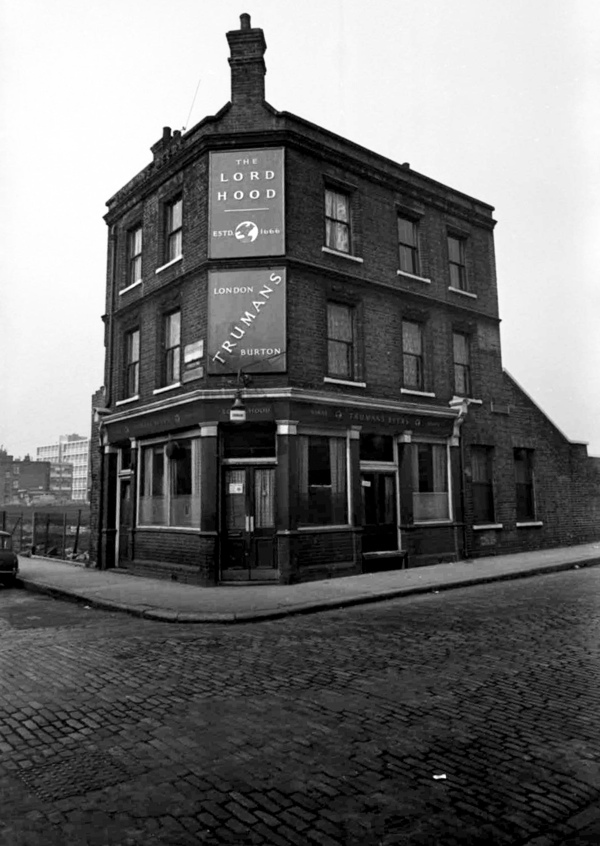
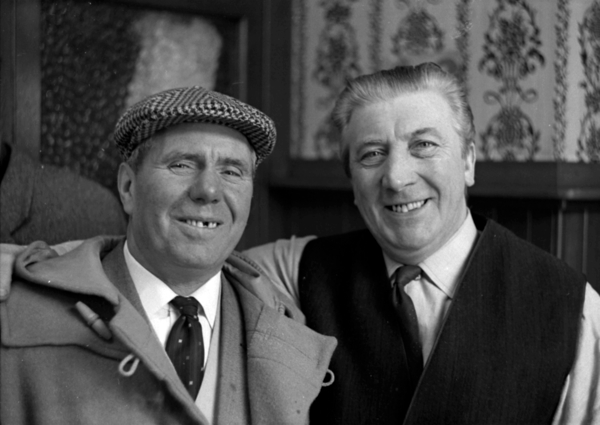
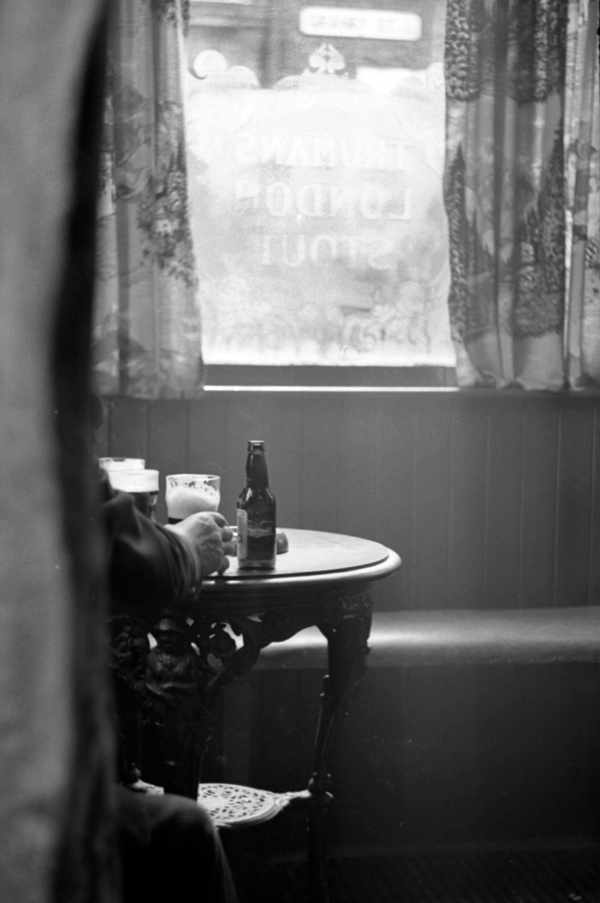
Shift work on Fleet St gave Tony free time in the afternoon that he spent in the pub which was when these photographs, published here for the first time, were taken. “Tony loved East End pubs,” Libby recalled fondly, “He loved the atmosphere. He loved the relationships with the regular customers. If a regular didn’t turn up one night, someone would go round to see if they were alright.”
Tony Hall’s pub pictures record a lost world of the public house as the centre of the community in the nineteen sixties. “On Christmas 1967, I was working as a photographer at the Morning Star and on Christmas Eve I bought an oven-ready turkey at Smithfield Market.” Libby remembered, “After work, Tony and I went into the Metropolitan Tavern, and my turkey was stolen – but before I knew it there had been a whip round and a bigger and better one arrived!”
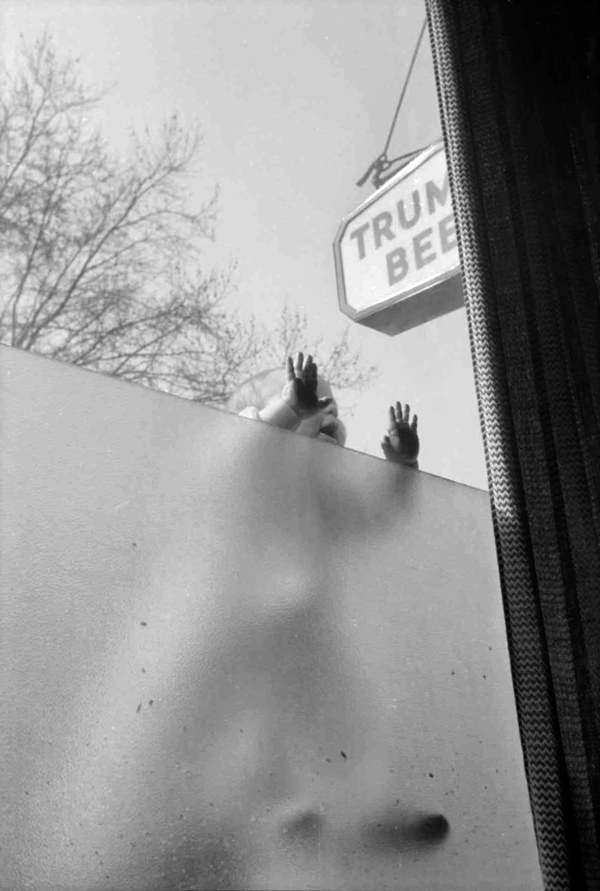
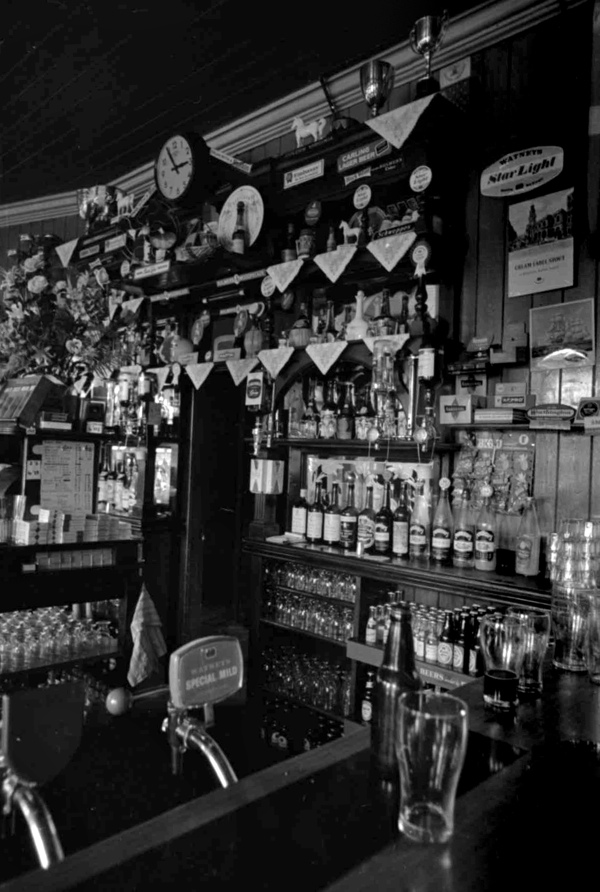
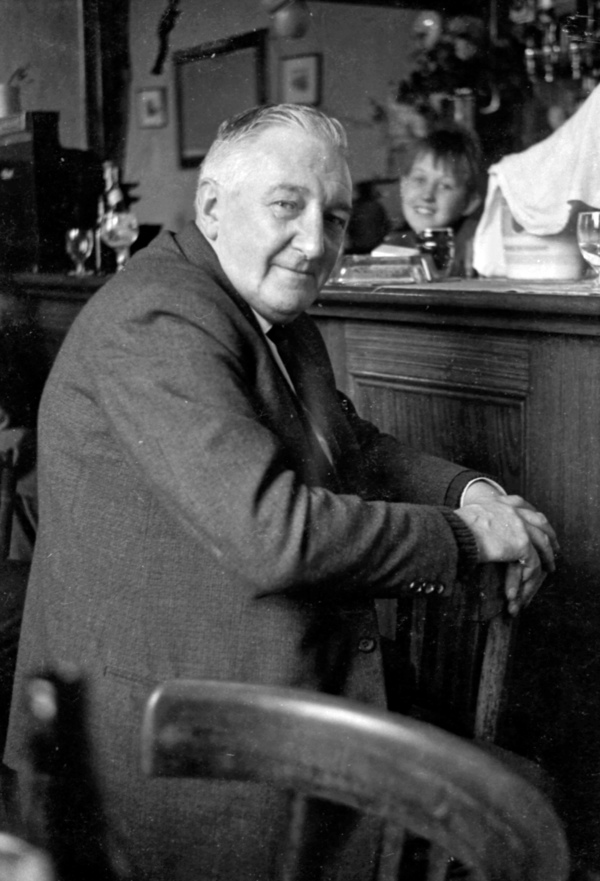
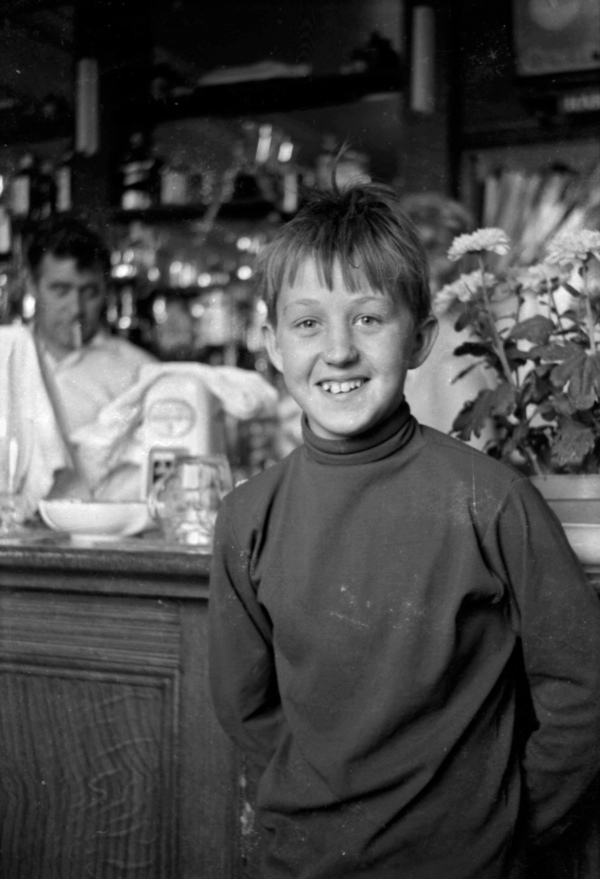
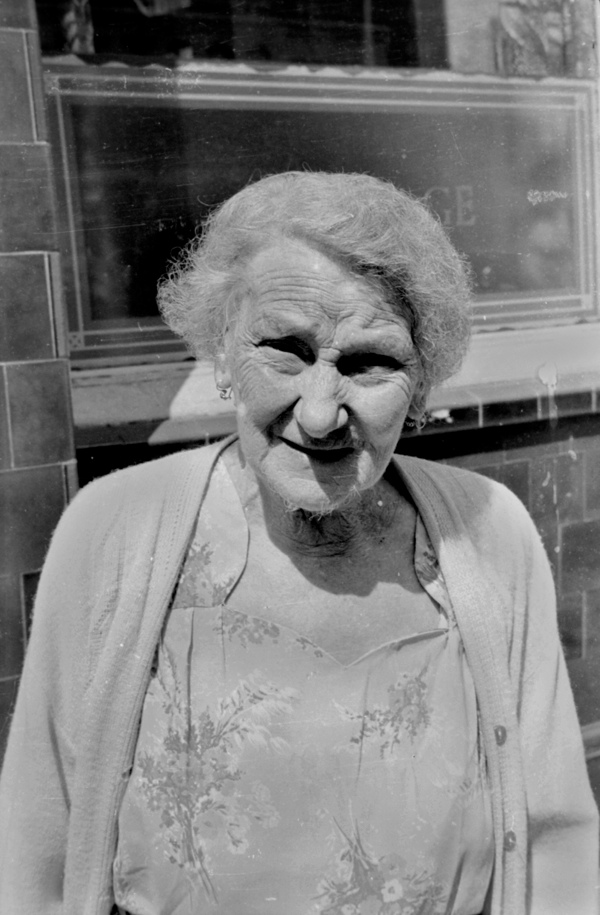
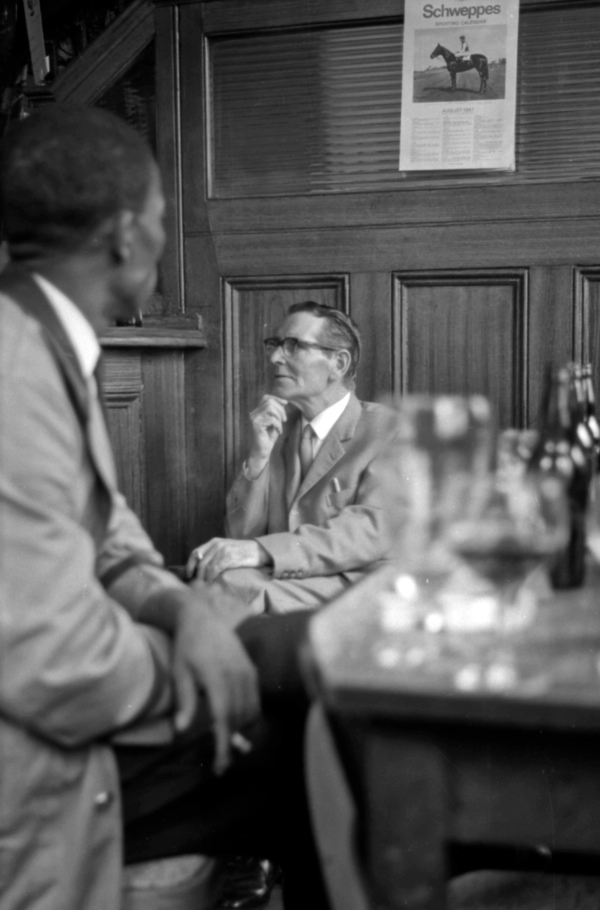

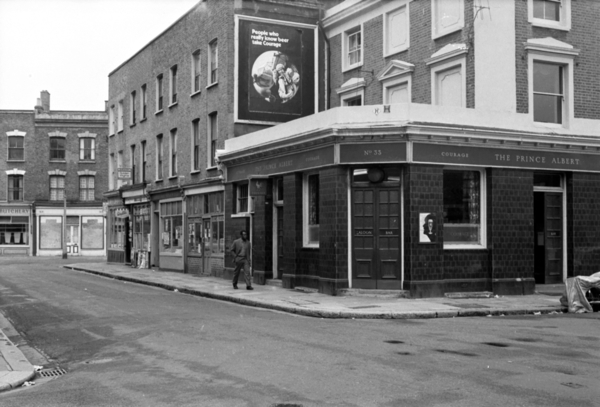
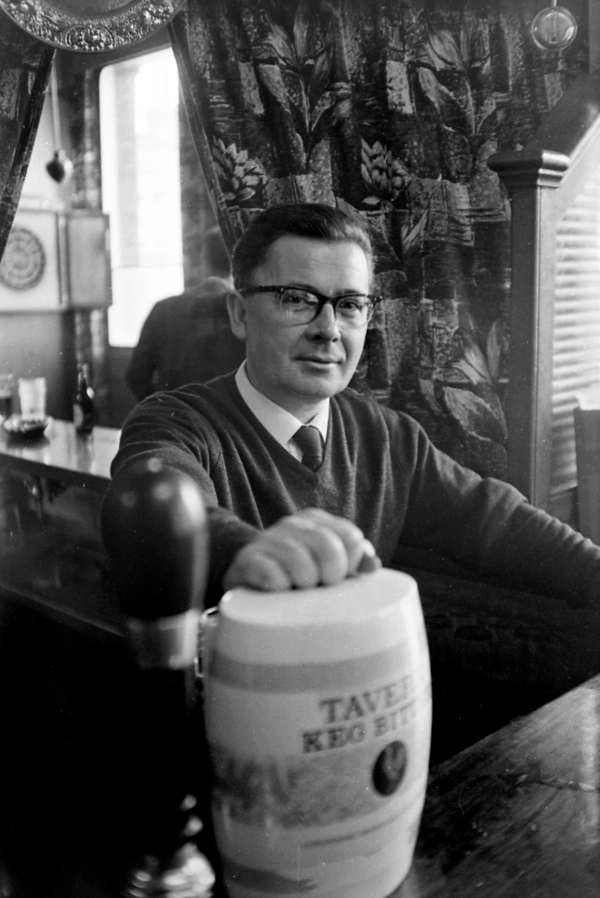
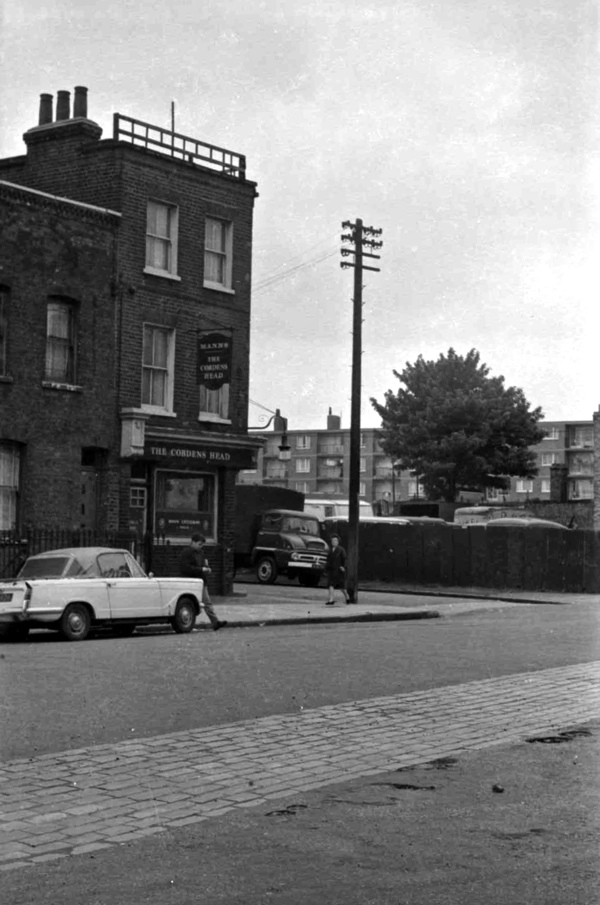
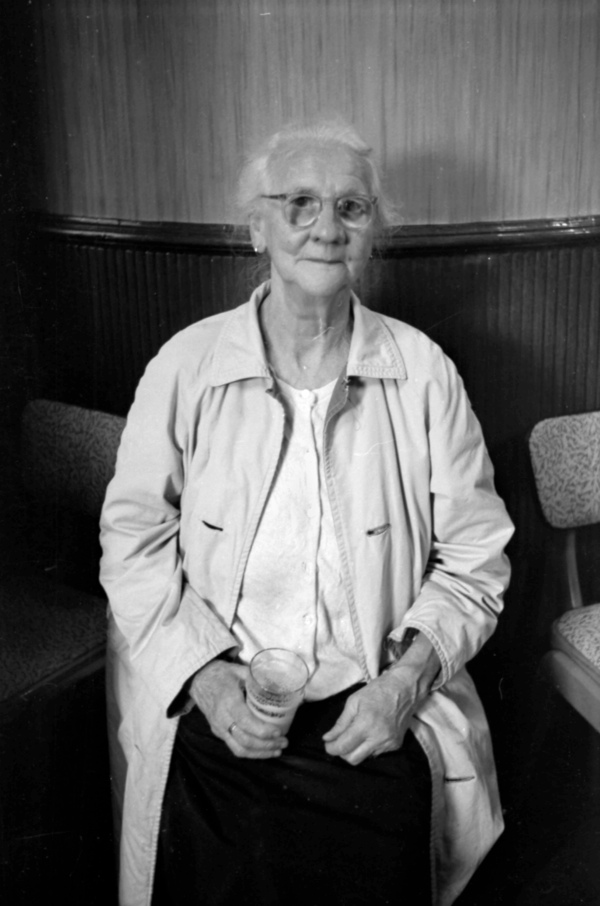
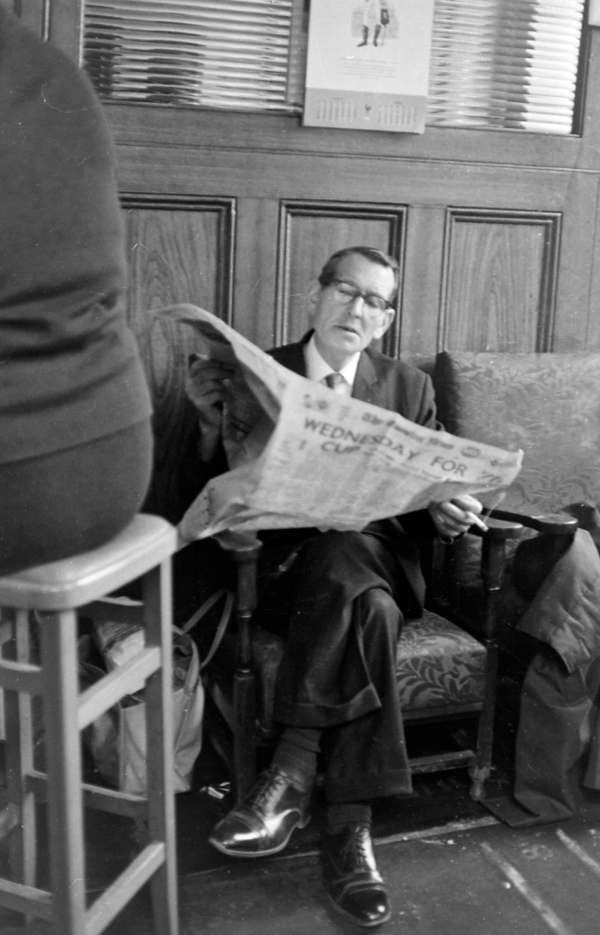
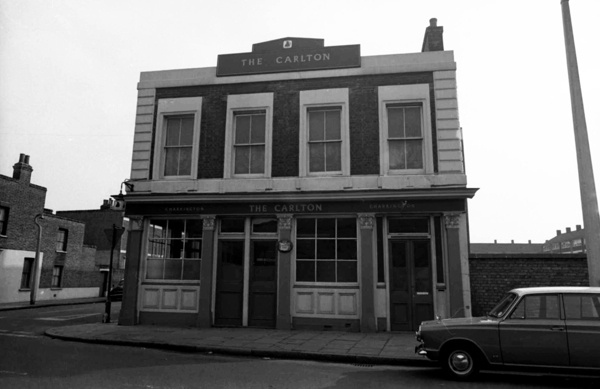
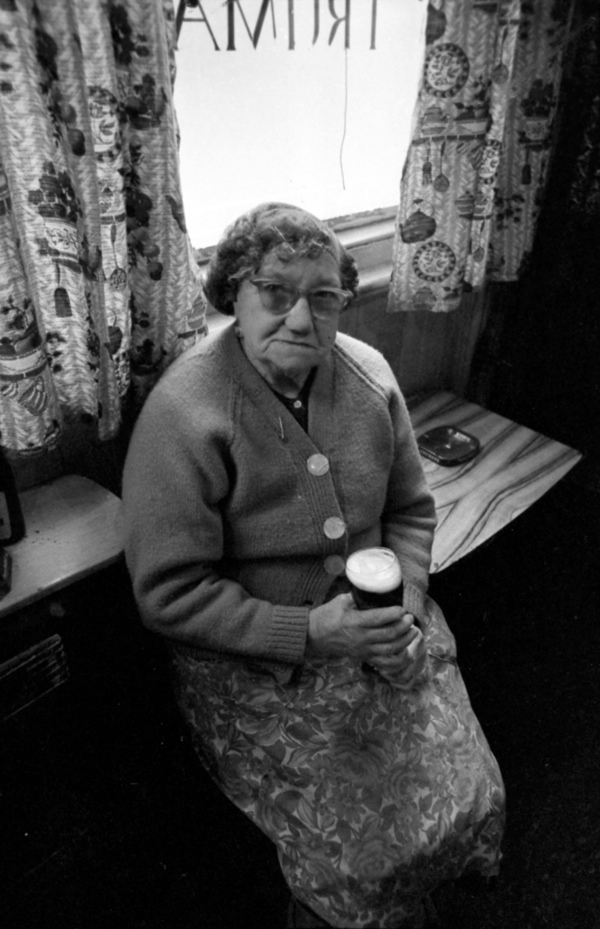
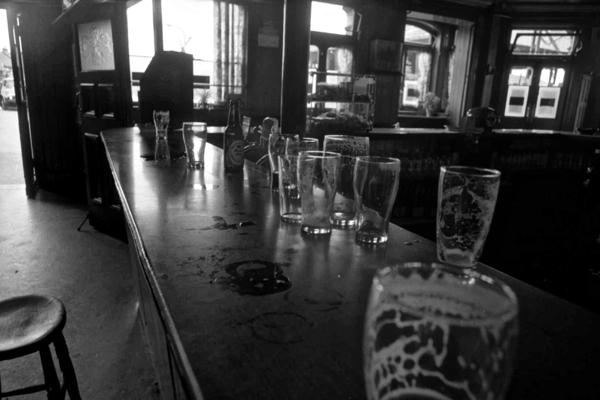
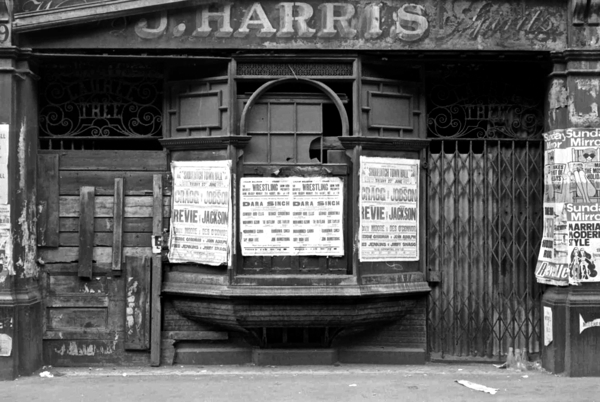
The former “Laurel Tree” on Brick Lane
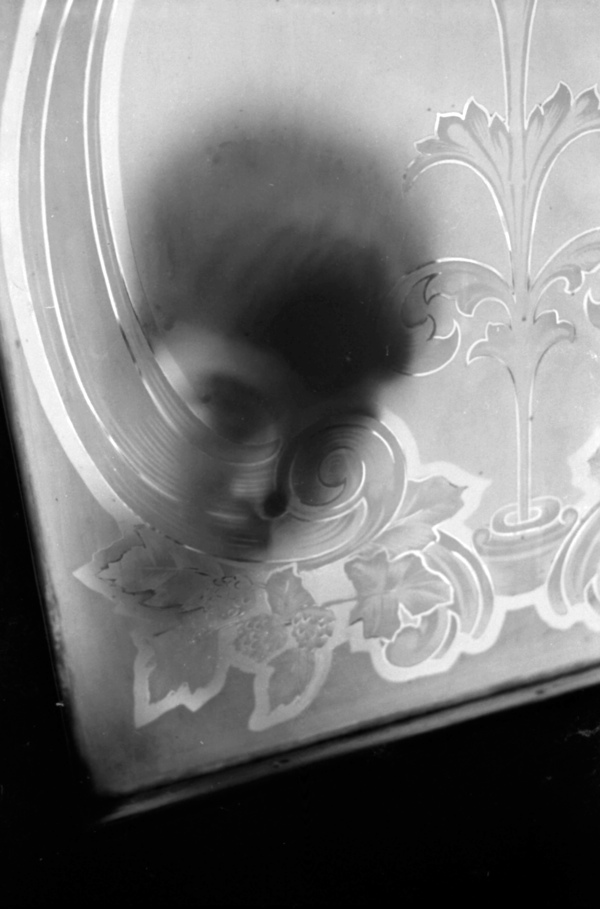
Photographs copyright © Libby Hall
Images Courtesy of the Tony Hall Archive at the Bishopsgate Institute
Libby Hall & I would be delighted if any readers can assist in identifying the locations and subjects of Tony Hall’s photographs.
You may also like to read












