
A Walk With Mavis Bullwinkle
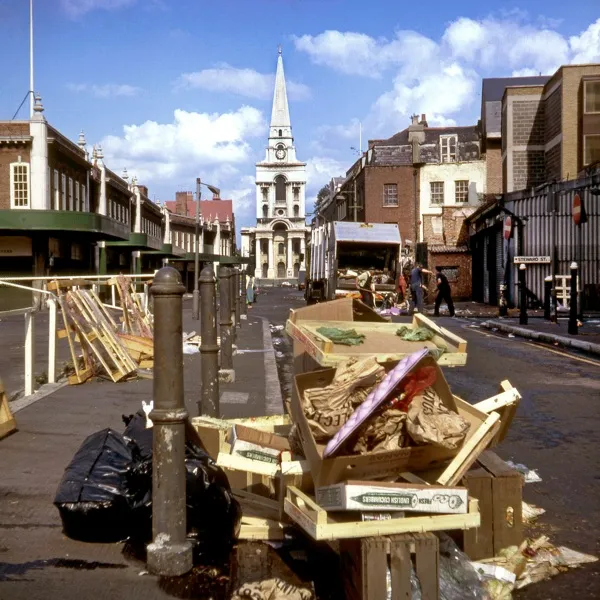
I am giving an illustrated lecture of Spitalfields & Whitechapel in Old Photographs this Thursday 16th October at 7pm at the Hanbury Hall in Hanbury St, E1 6QR. CLICK HERE TO BOOK TICKETS
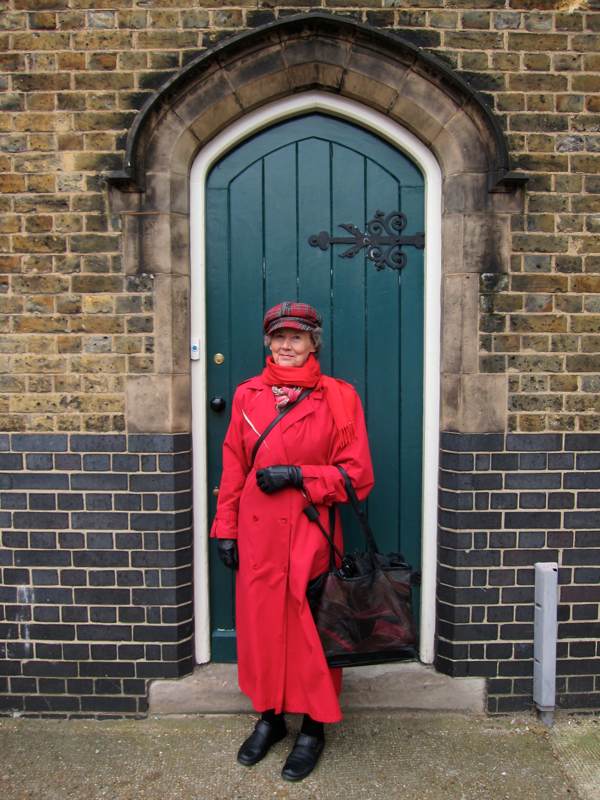
Mavis Bullwinkle
In Spitalfields, we count ourselves favoured that, apart from her six years enforced exile as an evacuee in Aylesbury during World War Two, Mavis Bullwinkle has shown the good sense to spend her entire life here to become our most senior resident. In this picture, you can see her standing at the door of the church house in Buxton St where her grandfather Richard Pugh lived when he came from North Wales as a lay preacher in 1898 to minister to the people of the East End, and it was here that Mavis’ mother Gwen was born in 1899. I regret that we cannot turn back the wheels of time, so that Richard could step through this door to greet his granddaughter, but the unfortunate reality is that he died of pneumonia in 1905 and left Mavis’ grandmother to bring up seven children alone – an event which created repercussions that resonate to this day for Mavis.
Yet Mavis displayed her characteristic good humour, amplified by her bright red ankle-length raincoat, when I met her outside Christ Church after morning prayers on an especially grey and cloudy morning this week. And it was my privilege to take a stroll around the neighbourhood with Mavis, as she pointed out some of the landmarks on her personal landscape, because after her eighty years, there are few who know Spitalfields as well as Mavis.
Although Mavis remembers Christ Church (or “Spitalfields Church” as she knew it) when her Uncle Albert Pugh was caretaker at during the nineteen thirties, she did not come here regularly until 1951 when her local church All Saints in Buxton St was shut. “I found it very gaunt with all that dark masonry,” she recalled, rolling her eyes dramatically and casting her gaze up to the tall spire looming over us. Then, in 1958, death watch beetle was discovered at Christ Church and this was shut too. “They found it on the Thursday and it was closed by the weekend,” Mavis revealed in a disappointed tone, “My sister Margaret was due to be married on the Saturday and she had to make do with the horrible hall in Hanbury St.”
Already the rain was setting in, so we set off briskly towards the Hanbury Hall and Mavis ameliorated her opinion of the place by the time we got there. “My uncle and his family lived here on the ground floor,” she explained, “the bedroom was on the right of the entrance and the living room and kitchen to left.” Mavis told me there was so much unemployment in the nineteen twenties that young men were encouraged to go to Australia and, eager to relieve the burden on his mother, Albert emigrated at nineteen, only to have an accident in the Outback that left him with a curvature of the spine. On his return, he found it even harder to get work until the rector of Christ Church appointed him caretaker. And when he died young in 1943, leaving a wife and two girls, the Rector arranged for them to have a flat in the market building at the corner of Brushfield St. Mavis taught at the Sunday School here at the Hanbury Hall from 1951 until 1981, while the congregation was in exile, and she stood in the rain looking up at the building in disbelief that so much time could have passed.
Then we set off towards the the north-easterly quarter of Spitalfields, once known as Mile End New Town, to the small web of streets which Mavis counts as home and that remains the focus of her existence. Taking a minor detour down Brick Lane to visit the former Mayfair Cinema – once an Odeon and now Cafe Naz – where Mavis came in her teens with her mother during the nineteen forties, “We didn’t come down here much otherwise,” she admitted with a shrug, “We did our shopping in Whitechapel or Bethnal Green.”
The nature of our odyssey caused Mavis to peer in wonder at her familiar streets. “When you live in a place so long you take it for granted, until it’s not there anymore and then you can’t even remember what was there before.” she confessed as we turned from Brick Lane into Buxton St, approaching Allen Gardens. Before the green field that we know today, Mavis recalls a warren of little streets here surrounding All Saints Church, the centre of her emotional and social universe growing up in Albert Family Dwellings in Deal St. This was the block her grandmother moved into in 1905 and Mavis moved out of in 1979 when it was demolished.
“The Reverend Holdstock used to give wonderful Christmas parties, and I had some of the happiest times of my life in here,” she confided to me as we stood outside the square rectory, one of the few old buildings remaining in the street today. “Around 1913, when my aunt Esther was young, she remembered meeting the cows coming up Buxton St to be milked, each morning as she was on her way to work at a factory in Shoreditch.” Mavis informed me, gesturing back towards the Lane and conjuring an image of the herd. When Mavis’ grandfather died, her Aunt Esther had to give up her training to be a teacher, working first as a nanny in the vicarage and then at a clothing factory. “She never got over it that she never got to be a teacher,” recalled Mavis tenderly, “and when she used to go on about it, I’d remind her that if she’d never gone to work in the factory she’d never have met her husband, Uncle John.”
Then we reached the patch of green where the church of All Saints once stood. “It was a very pretty church, late Victorian,” she told me, “built at the same time as the terraces round here. In those days people wouldn’t live somewhere unless there was a church. It was damaged by the bombing and once, when the rain came in the roof, the vicar made a hole in the floor with his umbrella so that it could drain away.”
From here, we walked down Deal St where Albert Family Dwellings formerly stood on the south corner of Underwood Rd. Only the the iron bollards labelled M. E. N. T. remain today to indicate that this was once Mile End New Town. Yet in Mavis’ mind it all still exists – the Prince of Wales pub on the corner of Buxton St, Davis’ Welsh Dairy on the north corner of Underwood Rd and Mrs Finkelstein’s sweetshop opposite, where for penny you could put your hand in a bran tub and get a little thing to put in your dolls’ house. Standing outside the former entrance of Albert Family Dwellings, Mavis recalled the evening of 2nd September 1939 when she and her sister Margaret were summoned to the school to be evacuated without being told where, and Mavis’ mother went home alone clutching a card with her daughters’ address in Aylesbury. Today, Mavis is probably the only witness to the former life of these streets that still resides in this location and the empty pavements are crowded with memories for her.
Mavis gave up a career in the City in preference to a lower paid job as a secretary at the Royal London Hospital because she wanted to be of service to people, and she worked there for forty years. Her grandfather Richard Pugh, the lay preacher from Wales, would have been proud of Mavis, following his example. The last of the Bullwinkles in Tower Hamlets, she fills with delight to speak of Spitalfields, and more than a century of striving and thriving in her family in this corner of the East End. Out of almost everyone I know, Mavis could most be said to be of this place. With a self-effacing nature, she has shown moral courage and selflessness in her work at the hospital, and in caring for her mother and two aunts until they died at ripe old ages. After more than ninety years, Mavis Bullwinkle knows what it means to live, and we salute her example and applaud her spirit.

Gwen Bullwinkle holds up Mavis in Hanbury St in 1933. “Every time my mother saw this picture, she would say, ‘Fancy taking us outside a pub!'”

Mavis by the War Memorial at Christ Church which her father Alf tended. “He used to grow flowers around it and keep it tidy.”
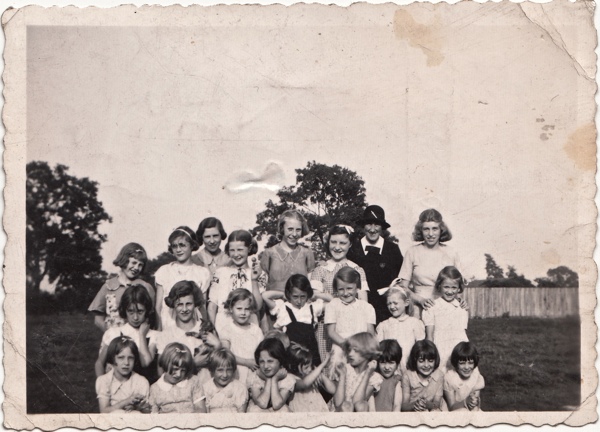
All Saints Sunday School in 1939 – seven year old Mavis is in the second row on the extreme right and her five year old sister Margaret is on her right.

Mavis outside the former rectory of All Saints Church. “I had some of the happiest times of my life here.”
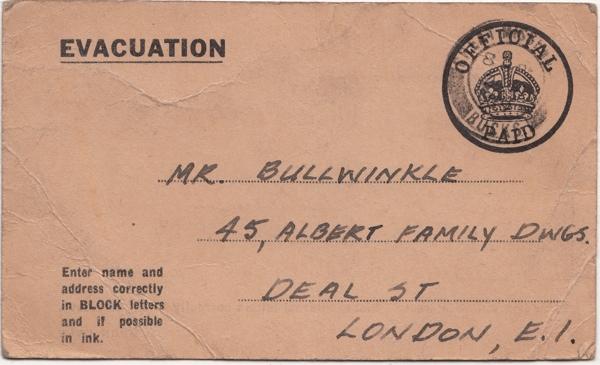
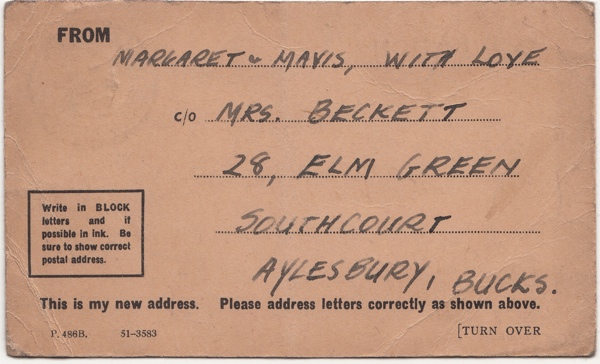
Mavis & Margaret’s evacuation card, 1939.

Mavis stands on the spot where All Saints Church used to be in Buxton St until 1951.
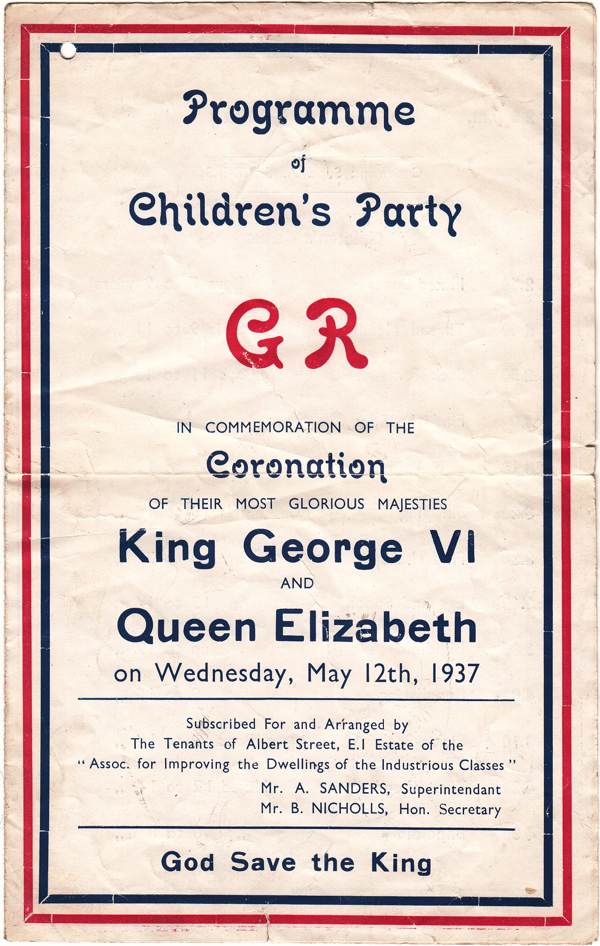


Spitalfields’ celebrations for the coronation of King George VI, 1937.

Mavis in Vallance Rd outside the house of Quaker philanthropist Mary Hughes, daughter of Thomas Hughes. “Mary Hughes came up to my mother pushing me in a pram in the Whitechapel Rd in 1932 and exclaimed ‘Oh you wonderful mother!’ She was a little old lady dressed in black silk, from the nineteenth century, and my mother pulled away in fear. Only later did she learn who it was.”
You may also like to read my original profile
and
Roy Wild, Van Boy
I am giving an illustrated lecture of Spitalfields & Whitechapel in Old Photographs this Thursday 16th October at 7pm at the Hanbury Hall in Hanbury St, E1 6QR. CLICK HERE TO BOOK TICKETS
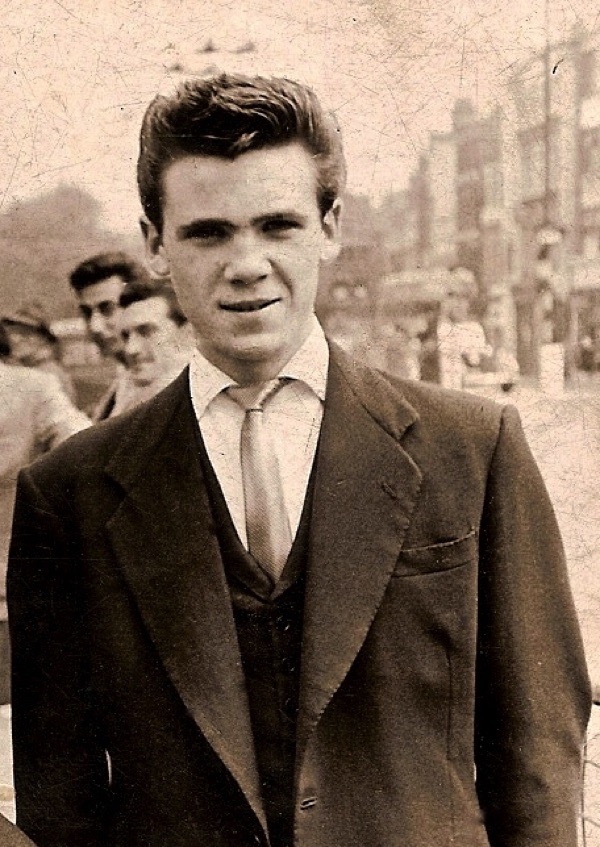
Roy looking sharp in the fifties – “I class myself as an Hoxtonite”
The great goodsyard in Bishopsgate is an empty place these days, home to a pop-up shopping mall of sea containers and temporary football pitches, but Roy Wild knew it in its heyday as a busy rail depot teeming with life and he still keeps a model of the Scammell Scarab that he once drove there as a talisman of those lost times.
A vast nineteenth century construction of brick and stone, the old goodsyard housed railway lines on multiple levels and was a major staging point for freight, with deliveries of fresh agricultural produce coming in from East Anglia to be sold in the London wholesale markets and sent out again across the country. Today only the fragmentary Braithwaite arches of 1839 and the exterior wall of the former Bishopsgate Station remain as the hint of the wonders that once were there.
Roy knew it not as the Bishopsgate Goodsyard but in the familiar parlance of railway workers as ‘B Gate,’ and B Gate remains a fabled place for him. By their very nature, railways are places of transition and, for Roy Wild, B Gate won a permanent place in his affections as the location of formative experiences which became his rite of passage into adulthood.
“At first, after I left school at fifteen, I went to work for City Electrical in Hoxton and I was put as mate with a fitter named Sid Greenhill. One of the jobs they took on was helping to build the Crawley new town. We had to get the bus to London Bridge, take the train to East Croydon and change to another near Gatwick Airport – which didn’t really exist yet. It was a schlep at seven o’clock in the morning all through the winter, but I stuck it for eighteen months.
My dad, Andy, was a capstan operator for the London & North Eastern Railway at the Spitalfields Empty Yard in Pedley St off Vallance Rd, so I said to him, ‘Can’t you get a job for me where you work?’ He said, ‘There’s nothing going at the moment but I can get you a place at B Gate.’
In 1953, at sixteen and a half, I started as van boy for Dick Wiley in the cartage department at B Gate. The old drivers had worked with horses, they were known as ‘pair-horse carmen’ or ‘single-horse carmen’ and, in the late forties when the horses were done away with and the depot became mechanised, the men were all called in and given three-wheeled Scammell Scarabs and licences, no driving tests in those days. There was a fleet of two hundred of them at B Gate and although strictly, as van boys, we weren’t allowed to drive, we flew around the depot in them.
Our round was Stoke Newington and we’d be given a ticket which was the number of your container and a delivery note of anything up to twenty-five destinations. Then we’d have lunch at a small goods yard at Manor Rd, Stoke Newington, and in the afternoon we’d do collections, picking up parcels and taking them back to B Gate, from where they’d be delivered by rail around the country.
I decided I wanted to work with George Holman, a driver who was known as ‘Cisco’ on account of his swarthy features which made him look Mexican. He was an East Ender like me, rough and ready, and always larking about. His round was Rotherhithe which meant driving through the tunnel and he was a bit of a lunatic behind the wheel. Each morning after the round, he would drop me off at my mum’s in Northport St for lunch and pick me up again at 2pm. One day, we had to go back through ‘the pipe’ as they called the tunnel in Mile End and he said to me, ‘You take it through the tunnel, you know how it works.’ I was only seventeen but I drove that great big truck through the tunnel without any harm whatsoever.
Next I went to work with Bill Scola, a driver from Bethnal Green – the deep East End. He used to do Billingsgate, Spitalfields, Borough, Covent Garden, Brentford and Nine Elms Markets. Bill was a rascal and I was nineteen by then. We were doing a bit of skullduggery and I was told that the British Transport Police were watching me, so I said to Bill, ‘Things are getting too hot,” and I left it alone completely.
Then, one day we were having breakfast with at least a dozen others at the table, including Sid Green who was in charge of Bishopsgate football team, in the new canteen at B Gate when the British Transport Police came in, pinned my arms against my side and lifted me out of the chair. I was taken across to Commercial St Police Station and charged with larceny. They told me I had been seen lifting goods into the van that weren’t on the parcels sheet, with the intention of taking and selling them. I said I didn’t know what they were talking about. What were they were alleging was a complete fabrication and I had witnesses. What they were accusing me of was impossible because I had just clocked in – my clocking in number was 1917 – and there was a least a dozen witnesses on my side, but nevertheless I was convicted. I look back on it with great regret even now.
I was taken to Newington Butts Quarter Sessions which was the nearest Crown Court and I received six months sentence, even though I had first class character witnesses. I was taken straight to Wormwood Scrubs but kept apart from the inmates as a Young Prisoner. I couldn’t believe it, this was a for a first offence. I was sent to East Church open prison on the Isle of Sheppey and given a third remission off my sentence for good behaviour. It was like a Butlins Holiday Camp and I came home after four months. After that I did a couple of odd jobs, but I was full of regret – because I loved the railway so much and I made so many friends there, and particularly because I had disappointed my dad. That was the end of me and the LNER.
Then I met this guy, Billy Davis, he and Patsy (Patrick) Murphy held up Luton Post Office, but the postmaster grabbed hold of the gun and they shot and killed him, and they both got twenty-five years. He told me he worked for the railway and I asked, ‘Which depot?’ He said, ‘London, Midlands & Scottish Railway in Camden, why don’t you apply?’ So I did, I went along to Camden Town and was interviewed and told them I’d never worked on the railway before. When I started there as a driver, they gave me a brand new Bantam Carrier with a trailer and my round was Spitalfields Market, and I was paid by tonnage. The more weight you pulled onto the weighbridge at the Camden Town LMS depot, the more you earned.
I did it for some time and I always had plenty of fruit to take home to my mum. I got together with the Goods Agent’s secretary, he was the top man in the depot and I was on good terms with him too. I got very friendly, taking her out for more than a year, until one day she told me her boss wanted to see me in his office. He said to me, ‘I’ve got bad news – you never declared you were dismissed by LNER. Our security have run a check and they found it out. It’s gone above my head and I have to let you go. It’s all out of my hands.’ He told me he was sorry to see me go because of the amount of tonnage I brought in which was more than other driver.
I was only there eighteen months. It was the finest time of my life because of the camaraderie with all the other drivers. It was a lovely, lovely job and I made friends that I still have to this day.”
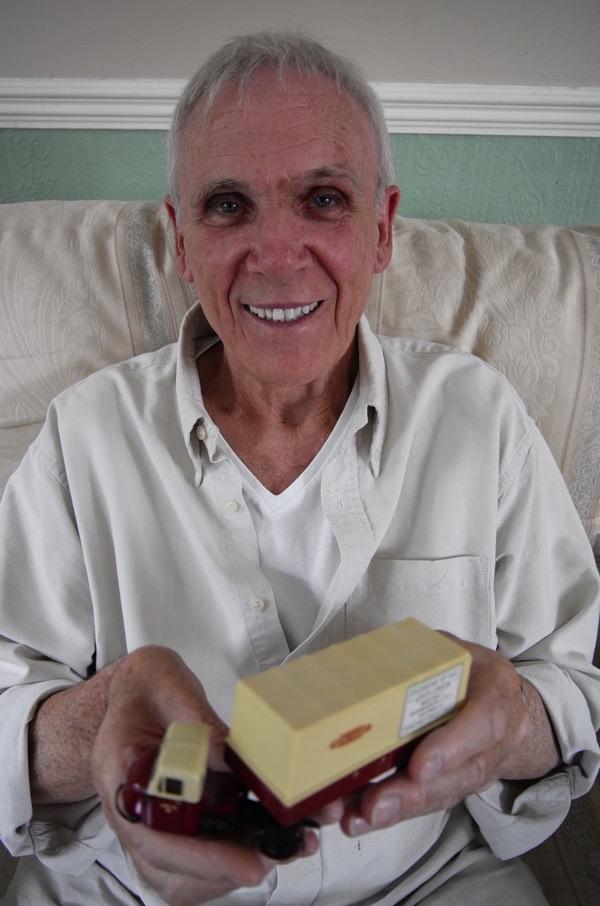
Roy Wild with a model of his beloved Scammell Scarab
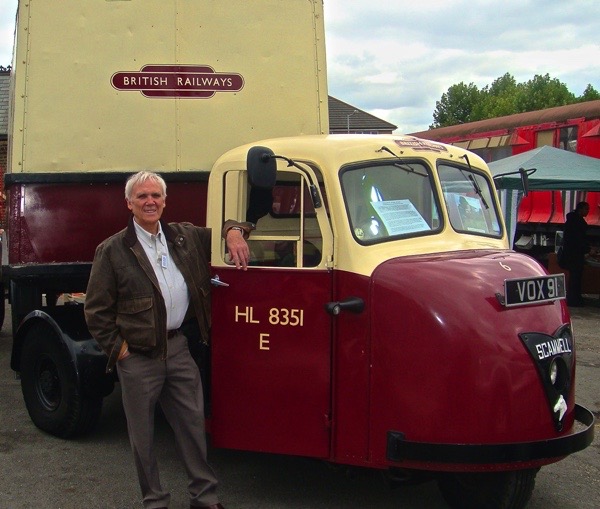
Roy with a Scammell Scarab in British Rail livery
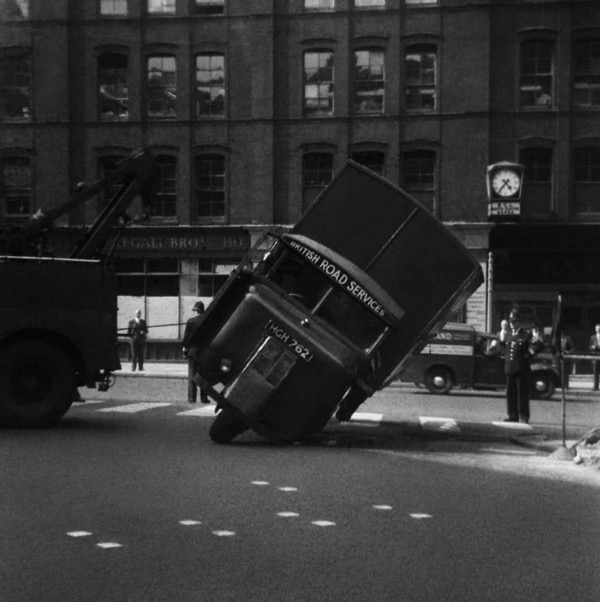
Colin O’Brien’s photograph of a Scammell Scarab tipped over on the Clerkenwell Rd, 1953
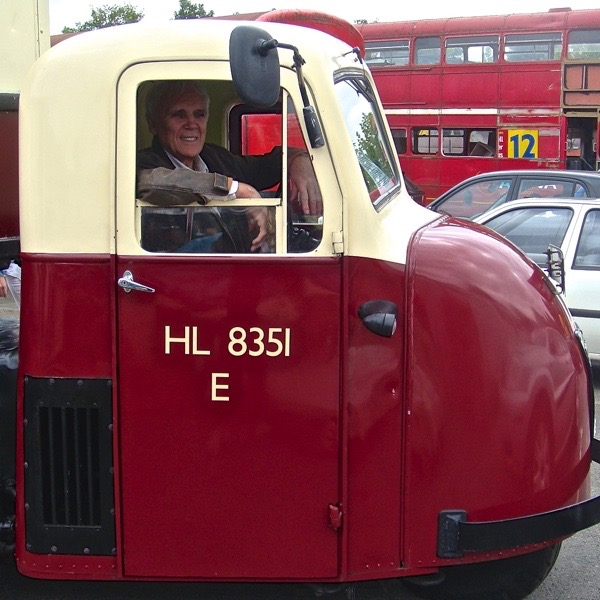
Roy gets into the cabin of a Scamell Scarab of the kind he used to drive at Bishopsgate Goodsyard
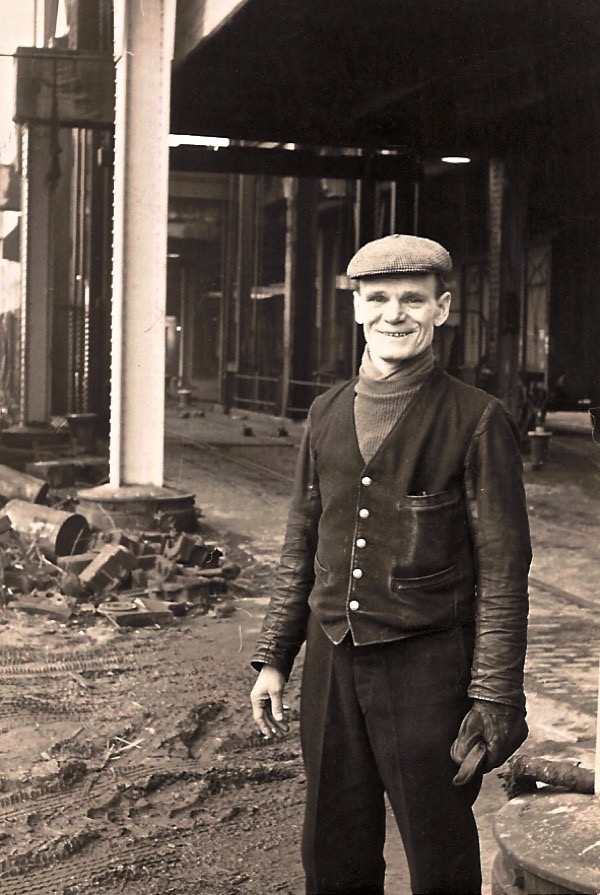
Roy’s father Andy worked as a Capstan Operator at Spitalfields Empty Yard at Pedley St off Vallance Rd
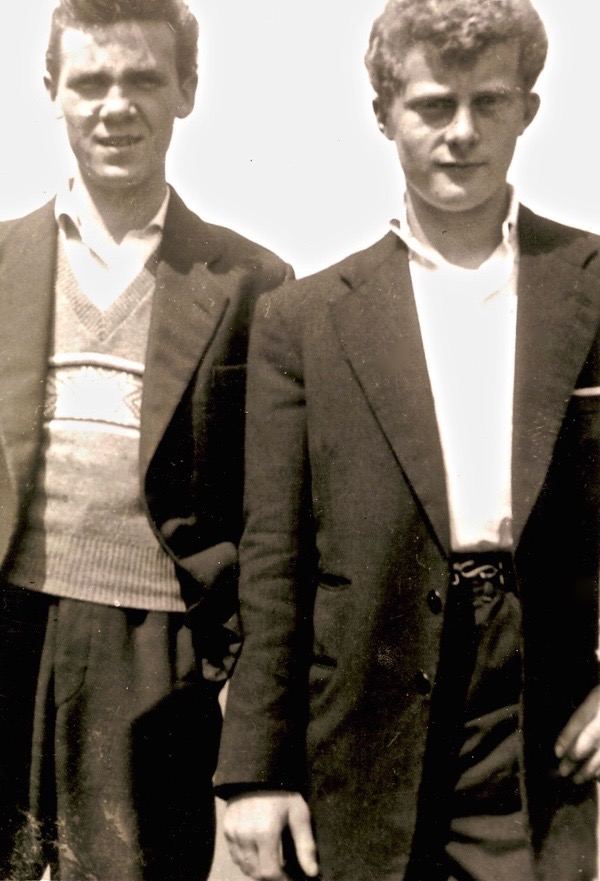
Roy Wild & lifelong pal Derrick Porter, the poet – “I came from Hoxton but he came from Old St”
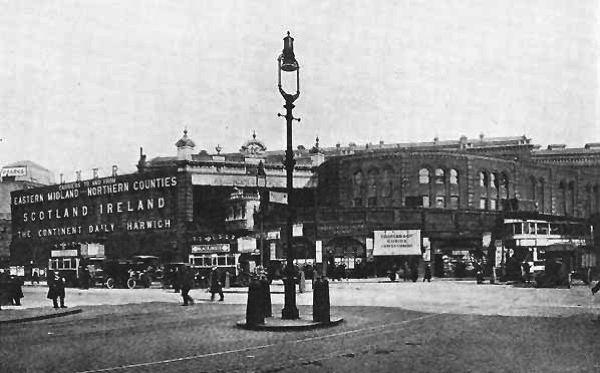
Bishopsgate Station c. 1900
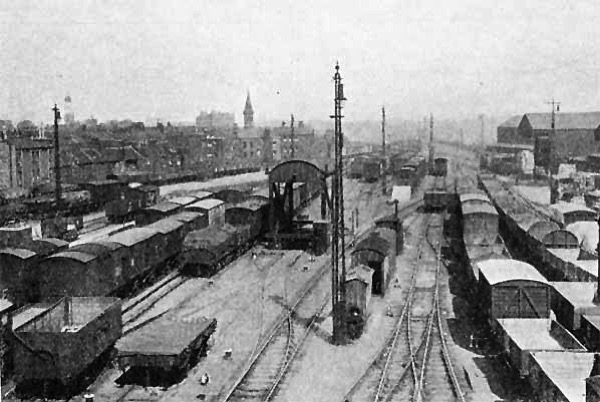
In its heyday the area of tracks at the goodsyard was known as ‘the field’
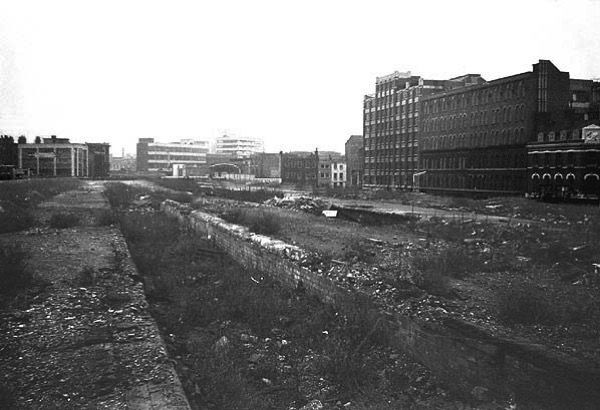
Looking west, the abandoned goodsyard after the fire of 1964
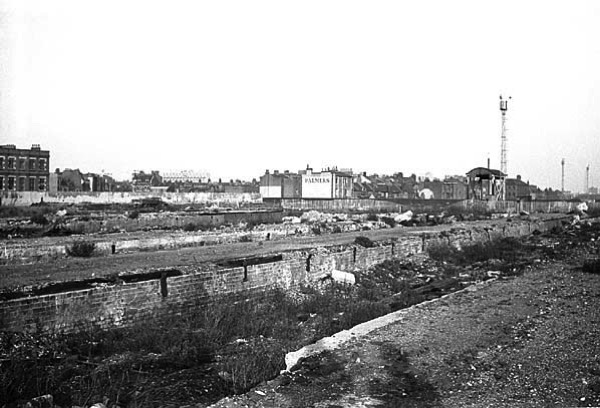
Looking east, the abandoned goodsyard after the fire
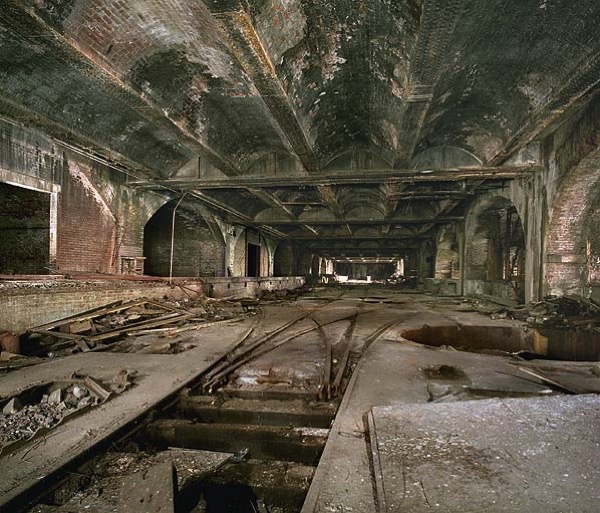
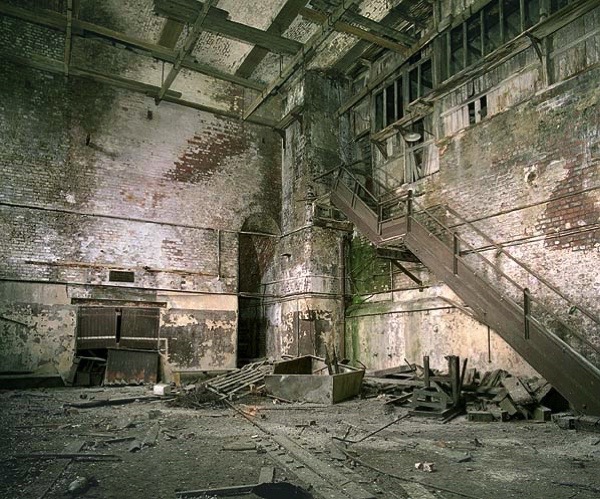
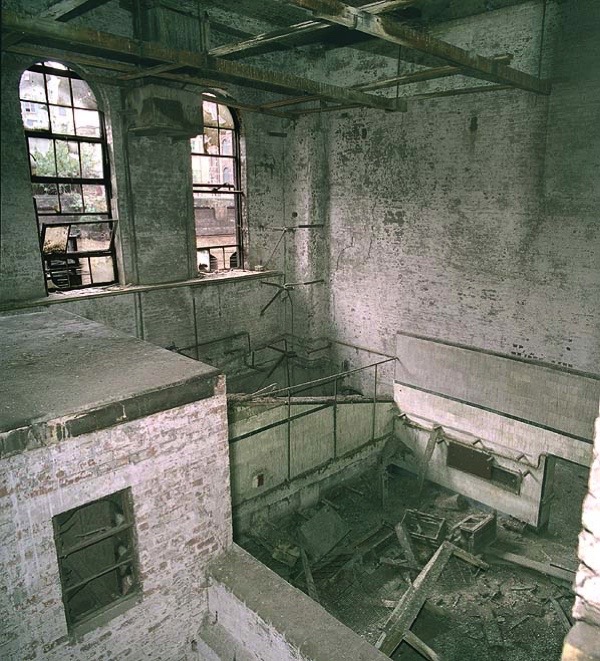
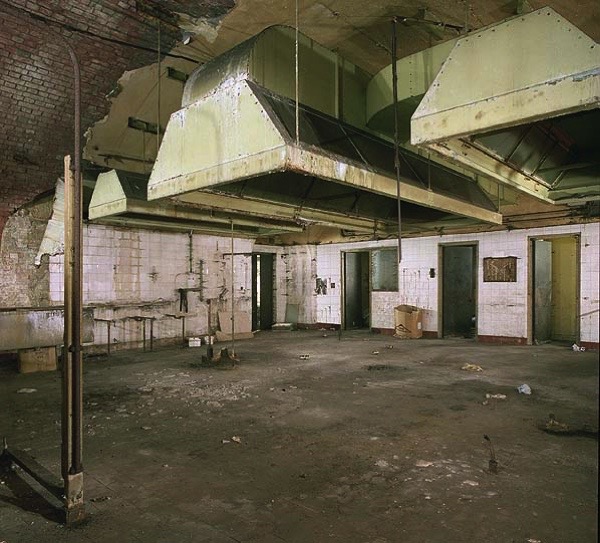
The kitchens of the canteen at the goodsyard
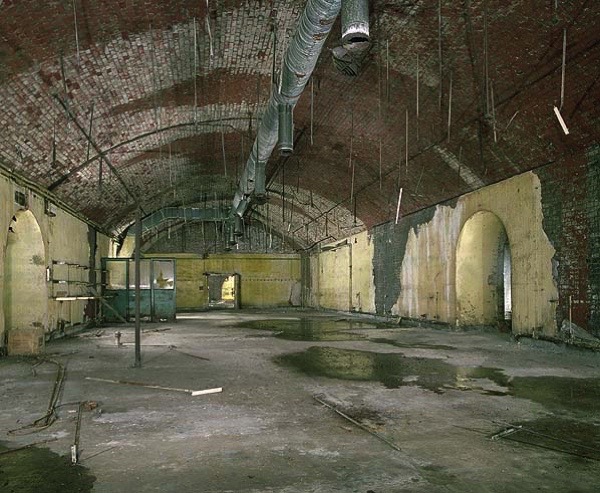
The space of the former canteen where Roy was arrested by the British Transport Police
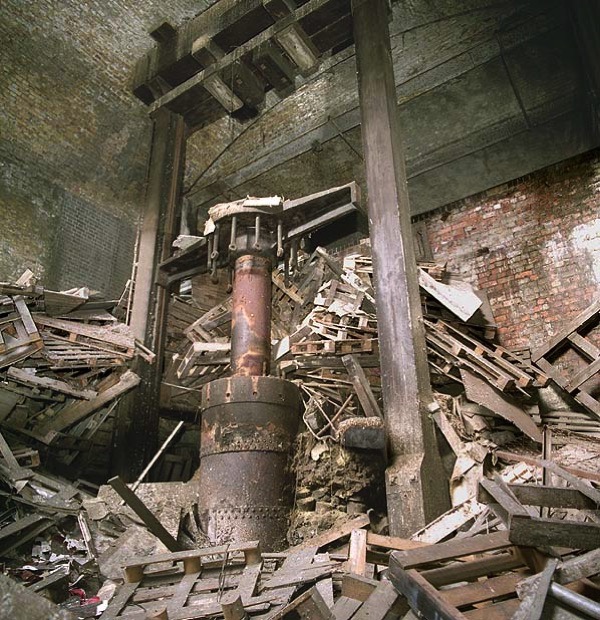
Abandoned hydraulic lift for lifting vehicles at Bishopsgate goodsyard
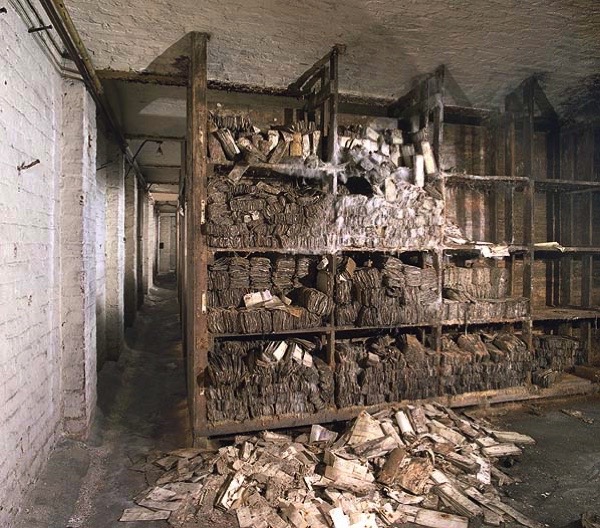
The remains of the records at the Bishopsgate goodsyard
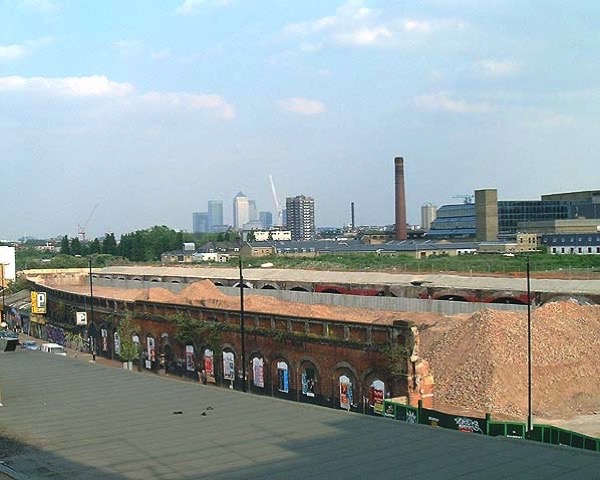
When Roy saw this photograph of the demolished goodsyard, he said, “I wish I could have gone and taken one of those bricks as a souvenir.”
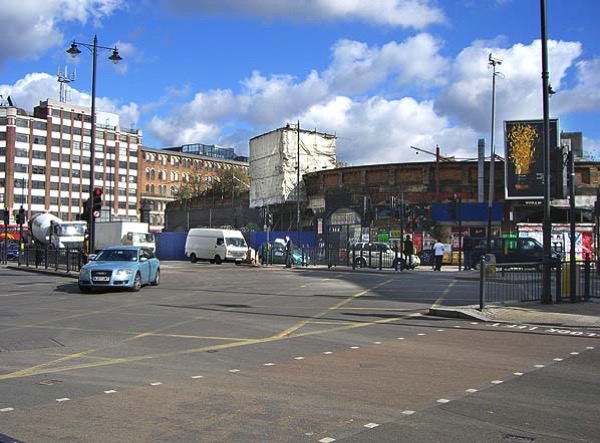
The arch beneath the white tarpaulin was where Roy once drove in and out as a van boy
You may also like to read about
Sarah Ainslie, From Limehouse To Tilbury
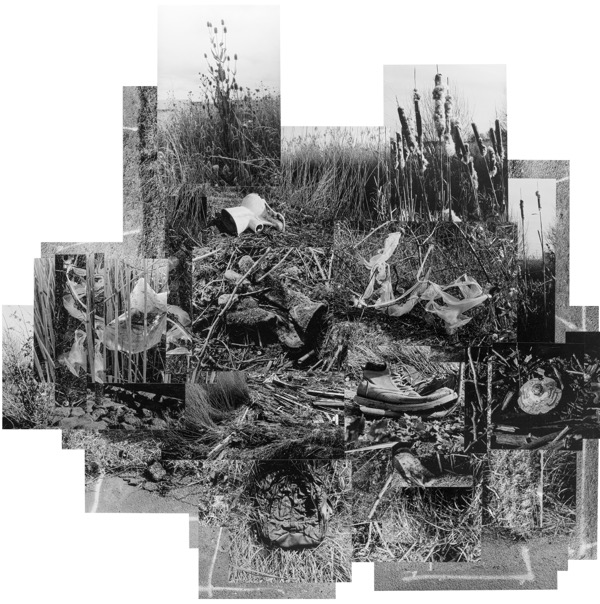
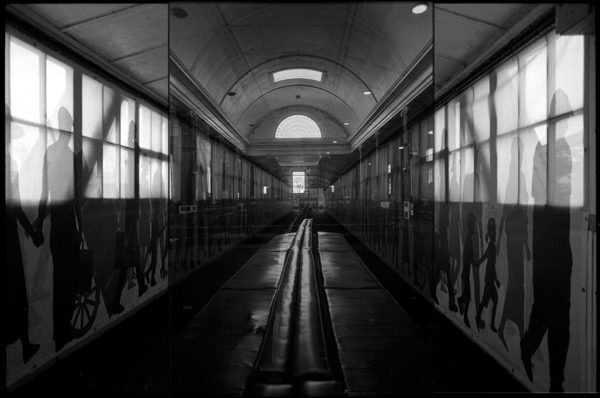
Contributing Photographer Sarah Ainslie’s Drifting in the Peripheries of an Urban Landscape runs at House of Annetta, 25 Princelet St, E1 6QH, from 15th – 28th October, 10am-6pm daily. Sarah’s exhibition features large photomontages like the one above, while below I publish images from her concertina books tracing the path of the river, that will also be on display.
‘In 2018, I started wandering along the Thames from Limehouse to Tilbury documenting the peripheries of London where urban and rural life collide. A disappearing, endlessly changing landscape, so close to the city where vast monuments to late capitalism clash with the detritus of abandoned industry and traces of human life. Once bogs, marshes, farmland, then the docks that serviced the trade of empire in human beings, sugar, tobacco, coffee, rice and cotton along the arterial flow of the River Thames.
I was drawn to this exploration through the life of my grandfather who worked in Chiangmai, Thailand in the early 1900s and travelled to Bangkok from Tilbury. His father and grandfather were functionaries of the East India Company and my walks were part of searching for answers about my own colonial history.
Over the next seven years, I headed out with my camera, rolls of film, a map, a sandwich and water, taking the tube, Dockland Light Railway or train to the next destination and walking for hours and hours through these in-between worlds. No two journeys were the same, the time of day, the season, the weather and changing light transformed minute details. The magic of film meant that I could not see what I had captured until they were developed back in my darkroom.
I printed contact sheets, cut them up and edited these pictures into notebooks that became vessels containing images, maps and notes, along with questions and thoughts that lead to my next walk.’
Sarah Ainslie
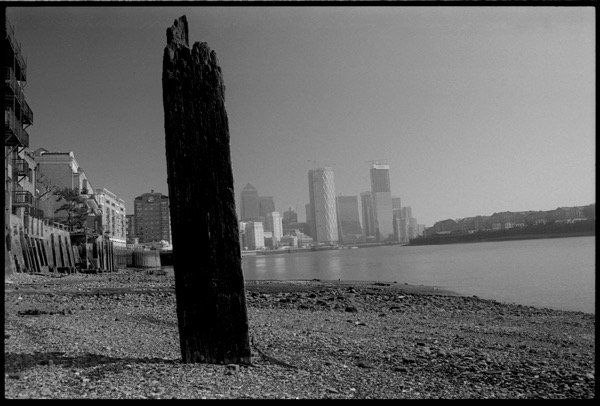
Limehouse
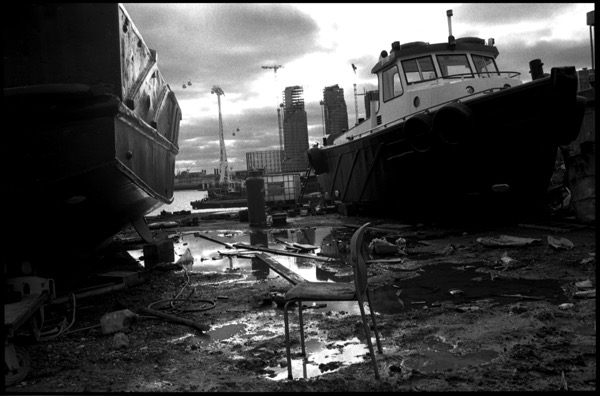
Silvertown
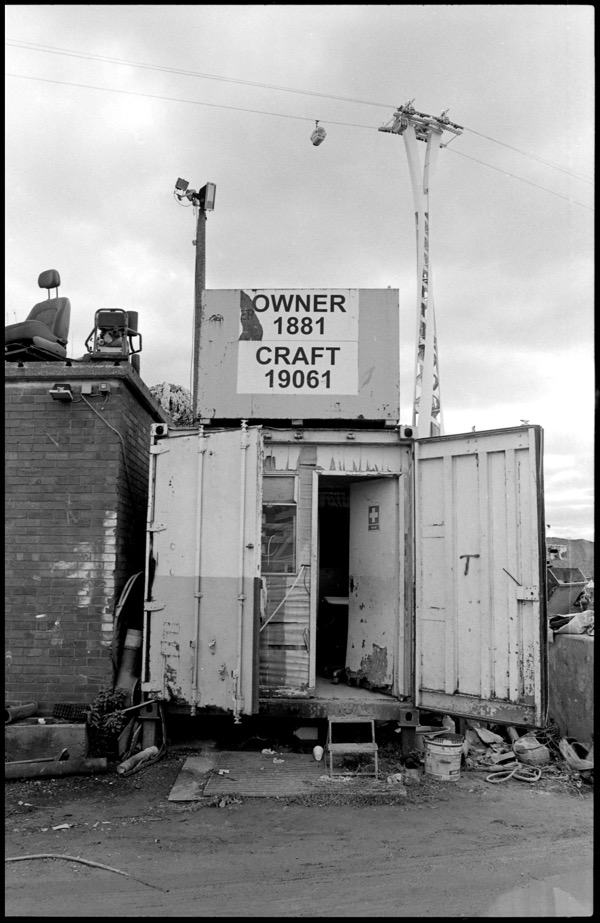
Silvertown
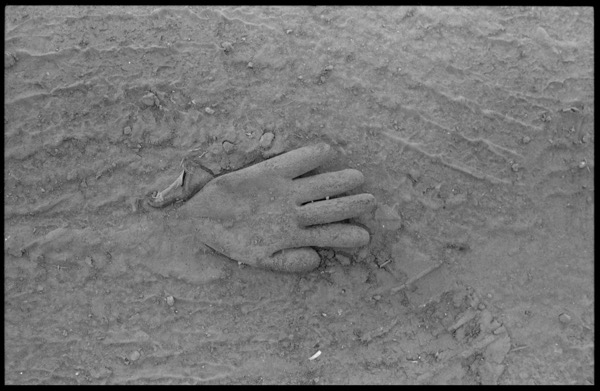
Silvertown
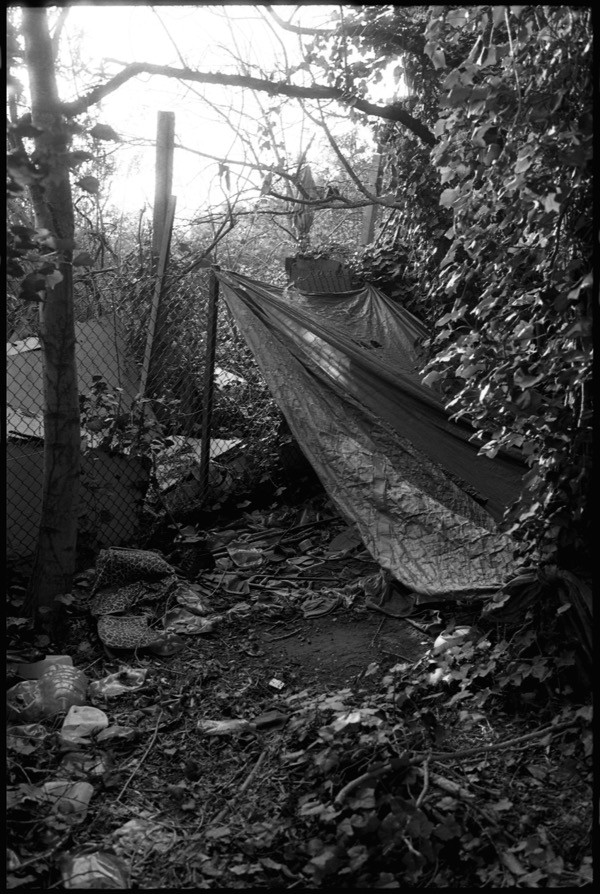
Silvertown
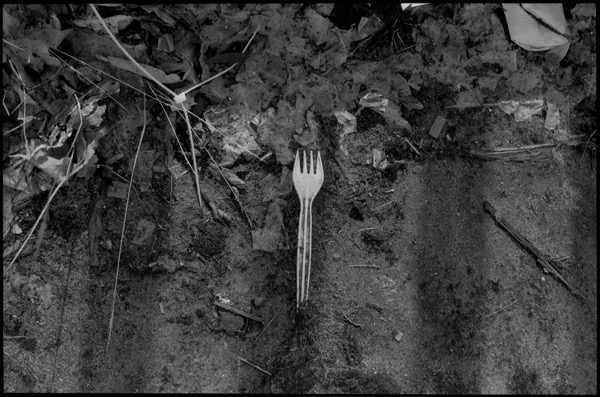
Silvertown
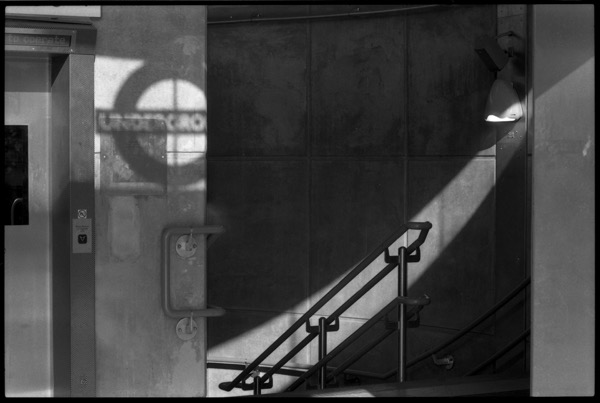
Canning Town
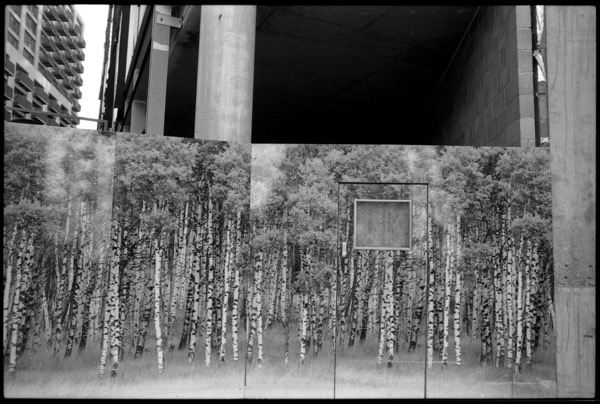
Canning Town
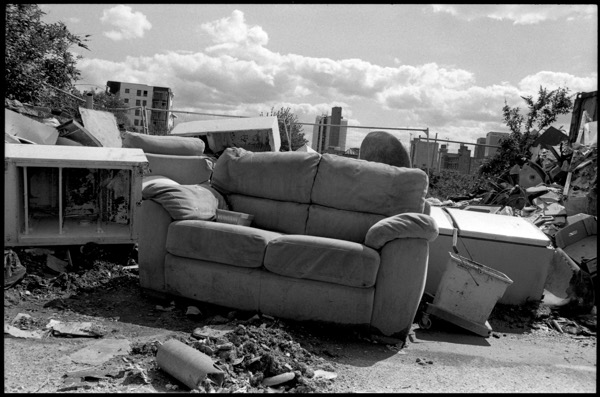
Bow
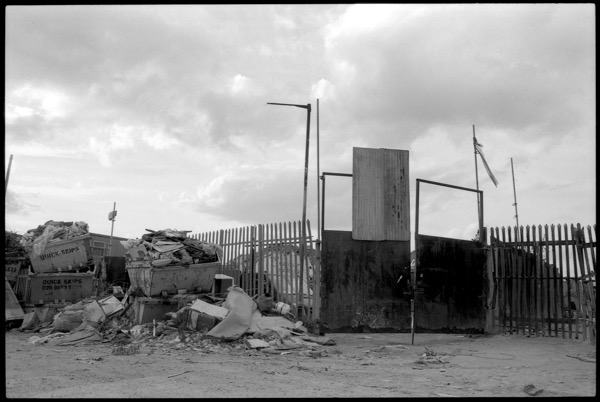
Bow
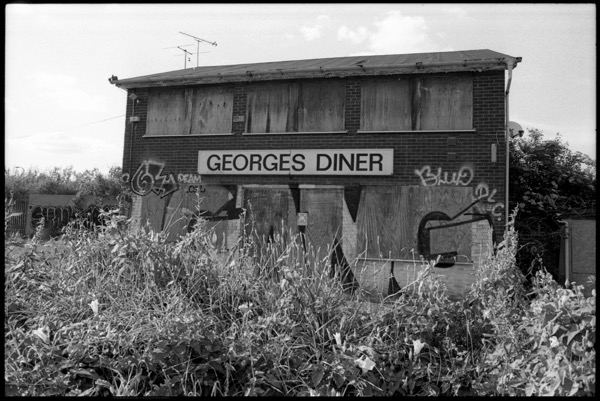
Pontoon Dock
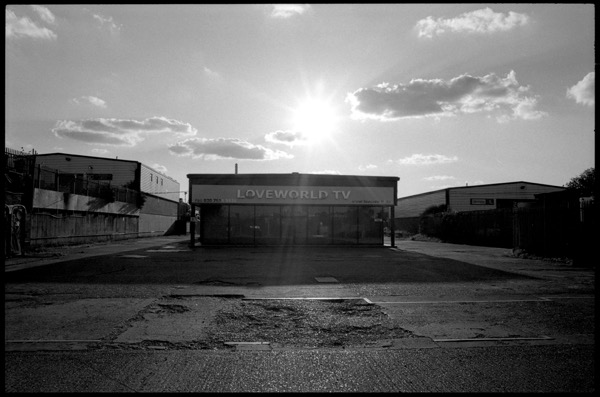
Pontoon Dock
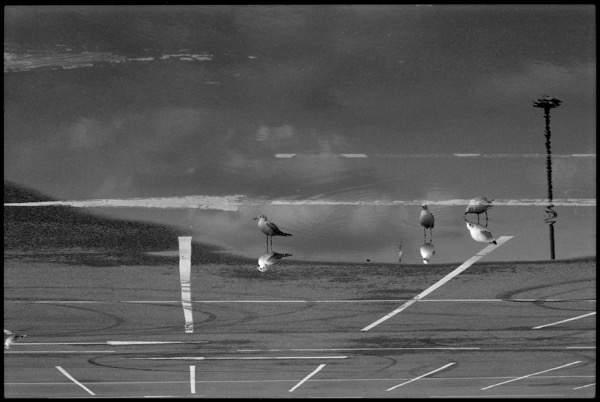
Gallions Reach
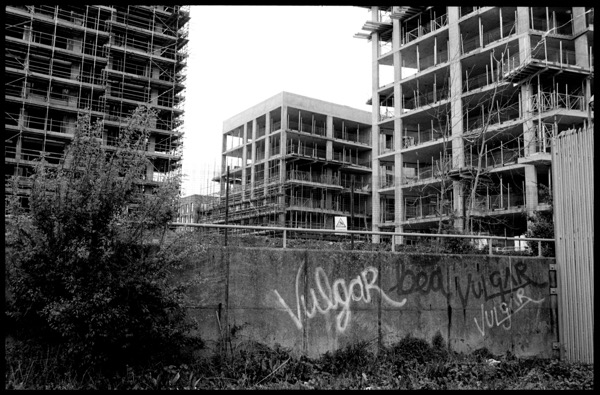
Gallion’s Reach
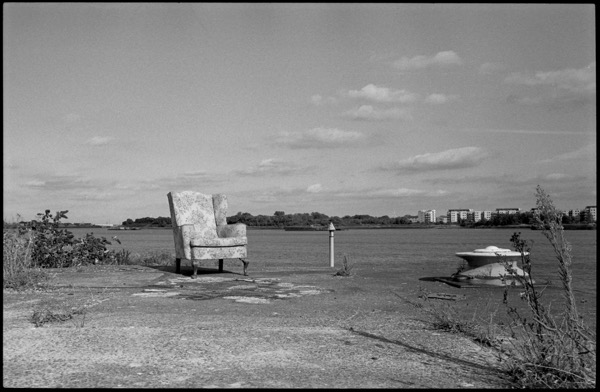
Gallion’s Reach
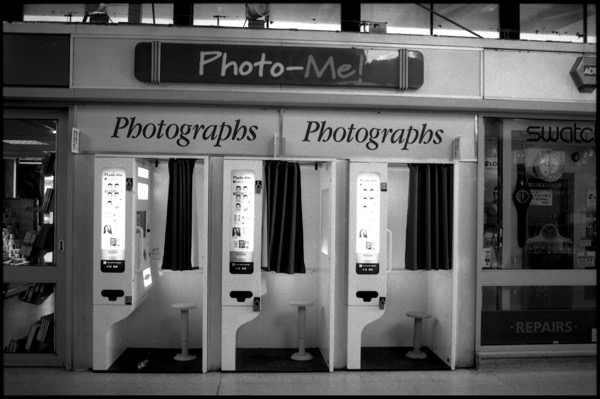
Dagenham
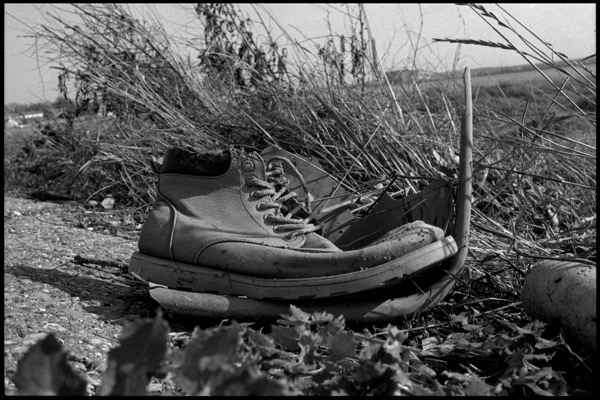
Rainham
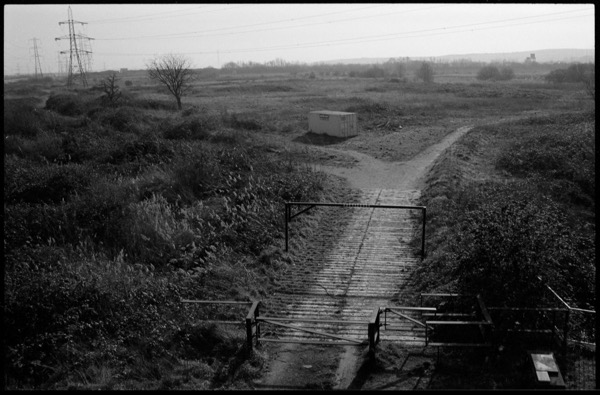
Rainham
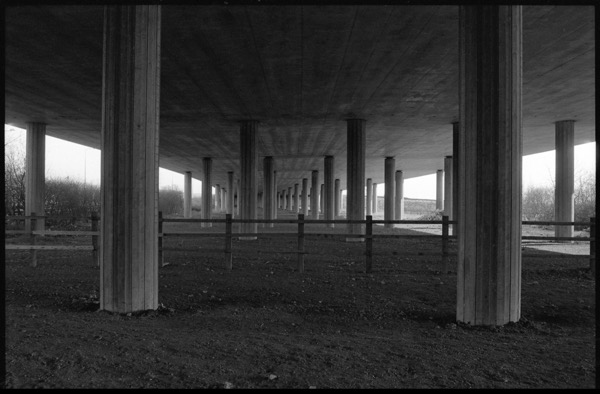
Rainham
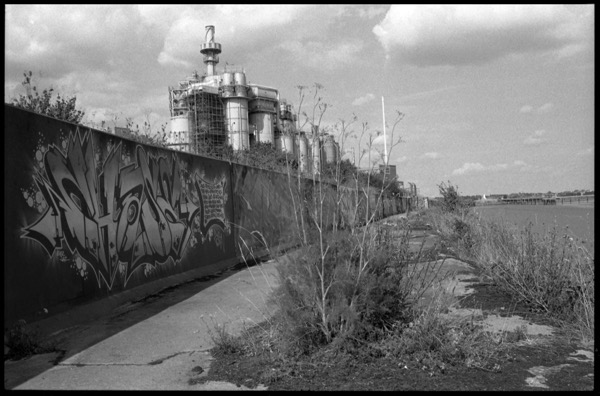
Purfleet
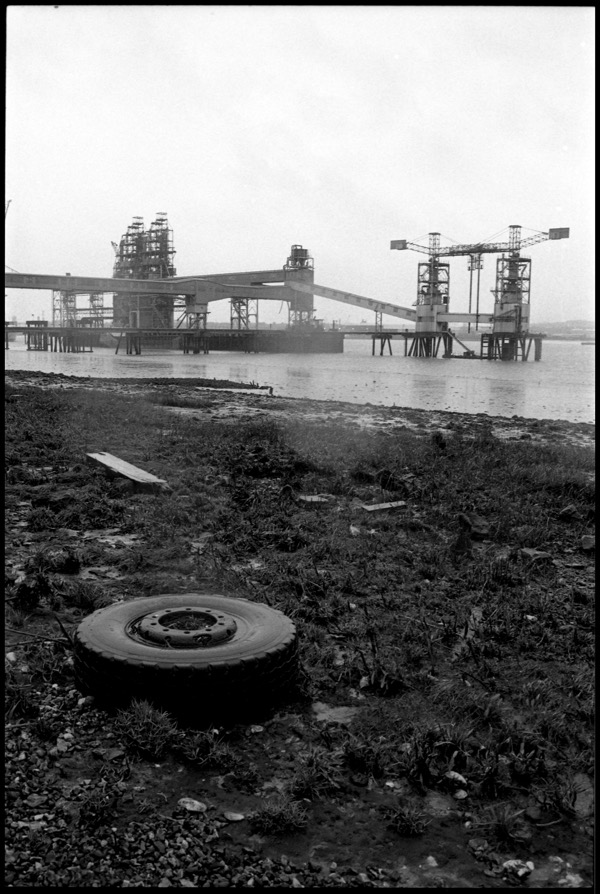
Purfleet
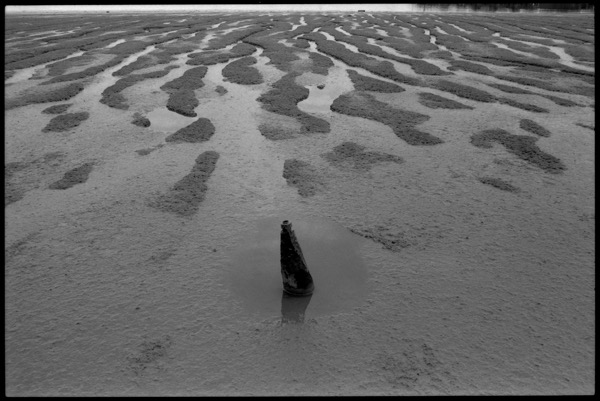
Grays
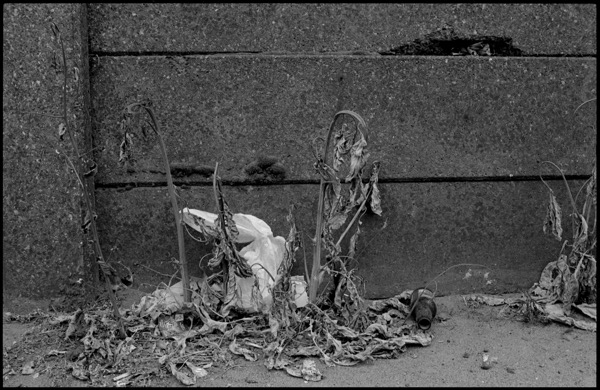
Tilbury
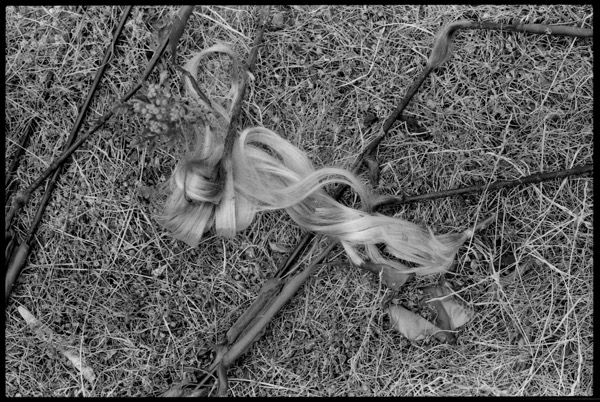
Tilbury
Tilbury
Photographs copyright © Sarah Ainslie
The Staircases Of Old London
I am giving an illustrated lecture of Spitalfields & Whitechapel in Old Photographs on Thursday 16th October at 7pm at the Hanbury Hall in Hanbury St, E1 6QR. CLICK HERE TO BOOK TICKETS

Mercers’ Hall, c.1910
It gives me vertigo just to contemplate the staircases of old London – portrayed in these glass slides once used for magic lantern shows by the London & Middlesex Archaeological Society at the Bishopsgate Institute. Yet I cannot resist the foolish desire to climb every one to discover where it leads, scaling each creaking step and experiencing the sinister chill of the landing where the apparition materialises on moonless nights.
In the Mercers’ Hall and the Cutlers’ Hall, the half-light of a century ago glimmers at the top of the stairs eternally. Is someone standing there at the head of the staircase in the shadows? Did everyone that went up come down again? Or are they all still waiting at the top? These depopulated photographs are charged with the presence of those who ascended and descended through the centuries.
While it is tempting to follow on up, there is a certain grandeur to many of these staircases which presents an unspoken challenge – even a threat – to an interloper such as myself, inviting second thoughts. The question is, do you have the right? Not everybody enjoys the privilege of ascending the wide staircase of power to look down upon the rest of us. I suspect many of these places had a narrow stairway round the back, more suitable for the likes of you and I.
But since there is no-one around to stop us, why should we not walk right up the staircase to the top and take a look to see what is there? It cannot do any harm. You go first, I am right behind you.
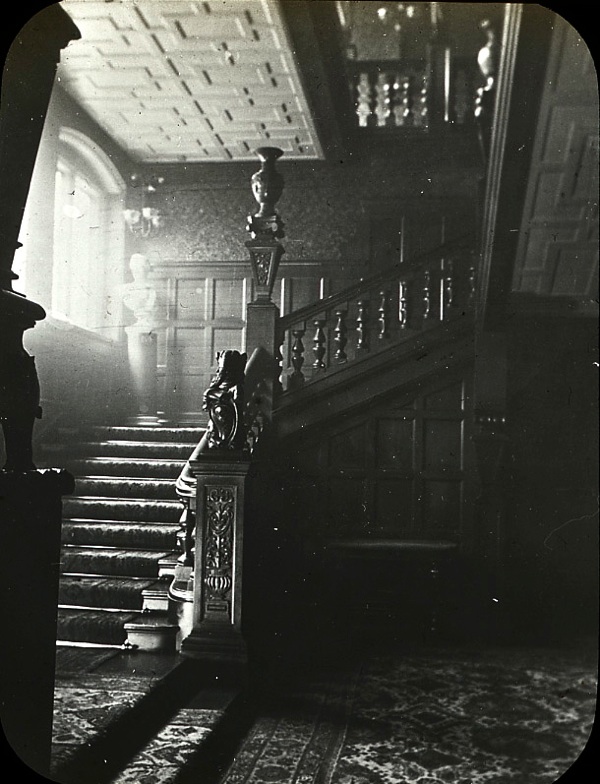
Cutlers’ Hall, c.1920.
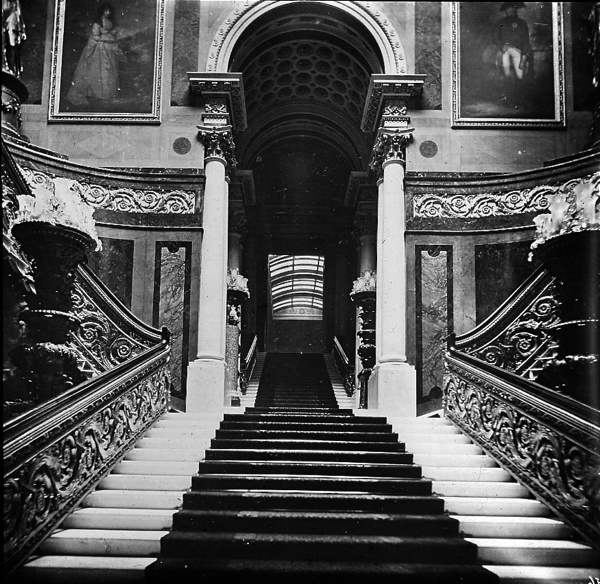
Buckingham Palace, Grand Staircase, c.1910.
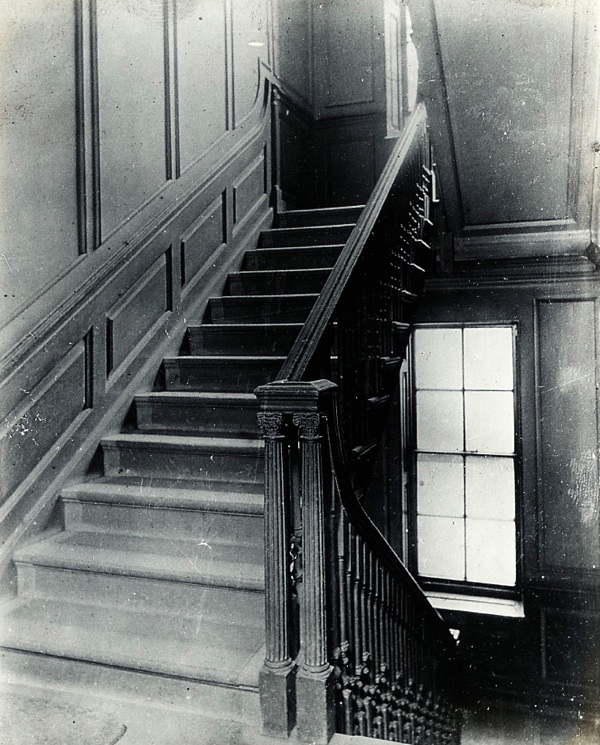
4 Catherine Court, Shadwell c.1900.
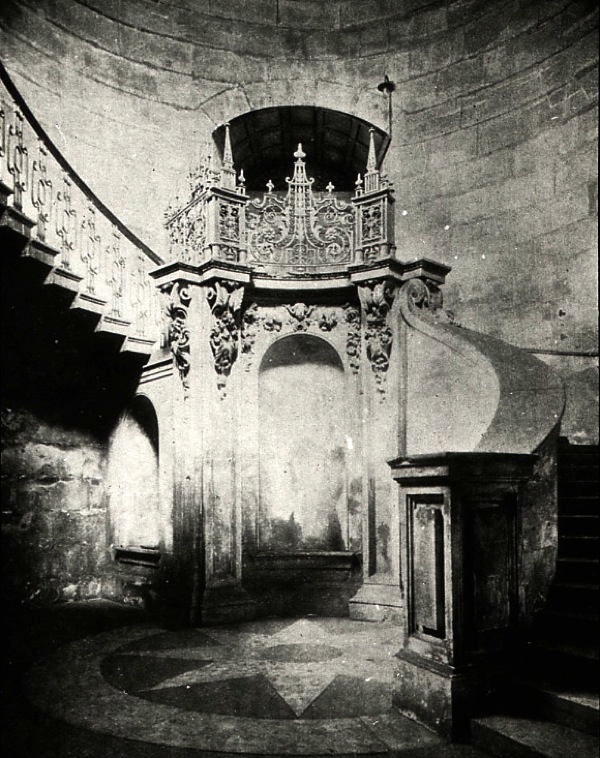
St Paul’s Cathedral, Dean’s staircase, c.1920.
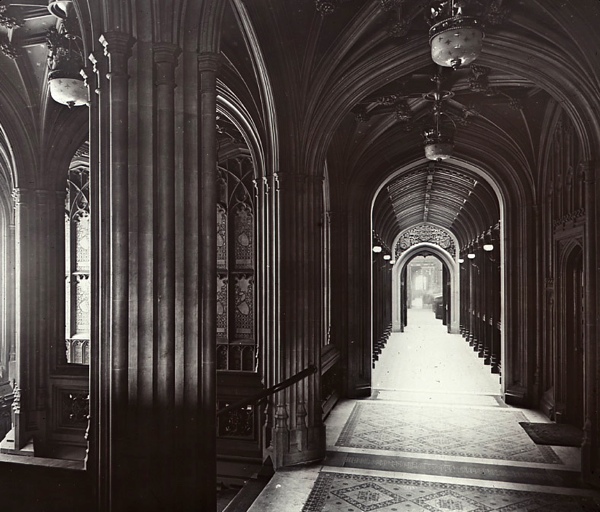
House of Lords, staircase and corridor, c.1920.
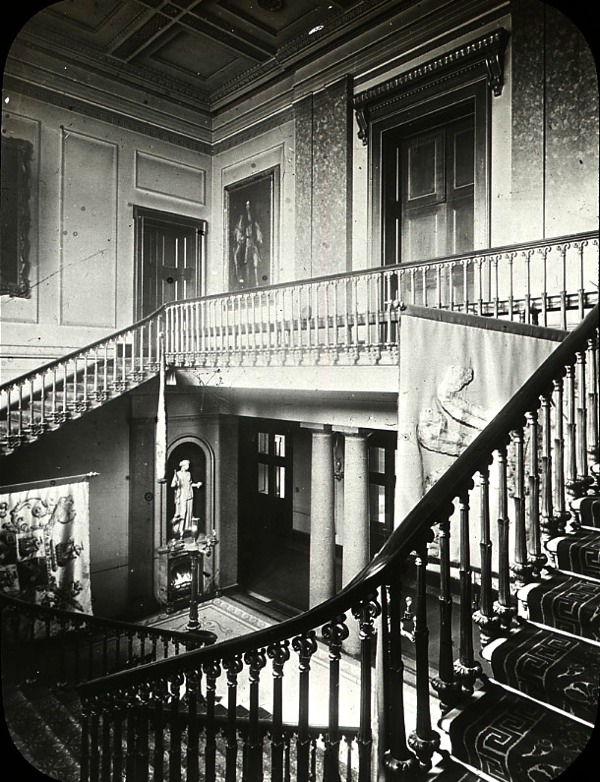
Fishmongers’ Hall, marble staircase, c.1920.
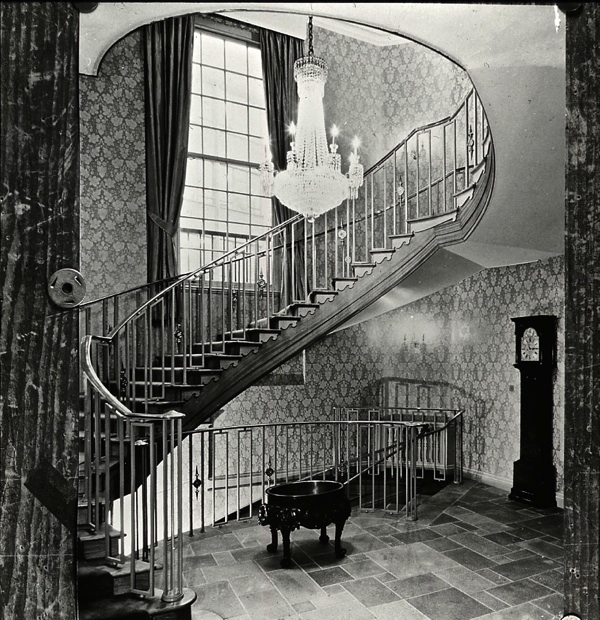
Girdlers’ Hall, c.1920.
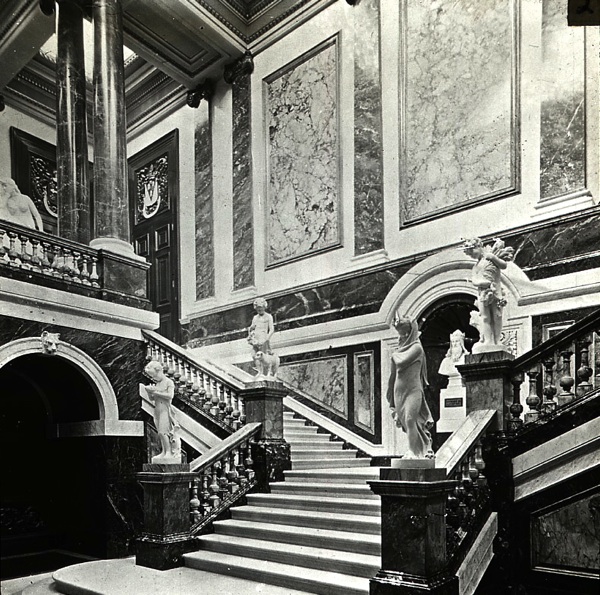
Goldsmiths’ Hall, c.1920.
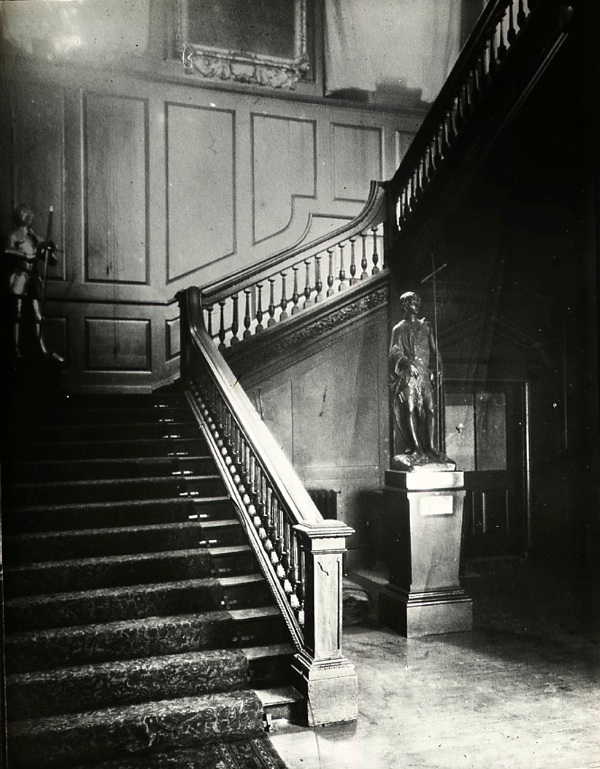
Merchant Taylors’ Hall, c.1920.

Cromwell House Hospital, Highgate Hill, c.1930.
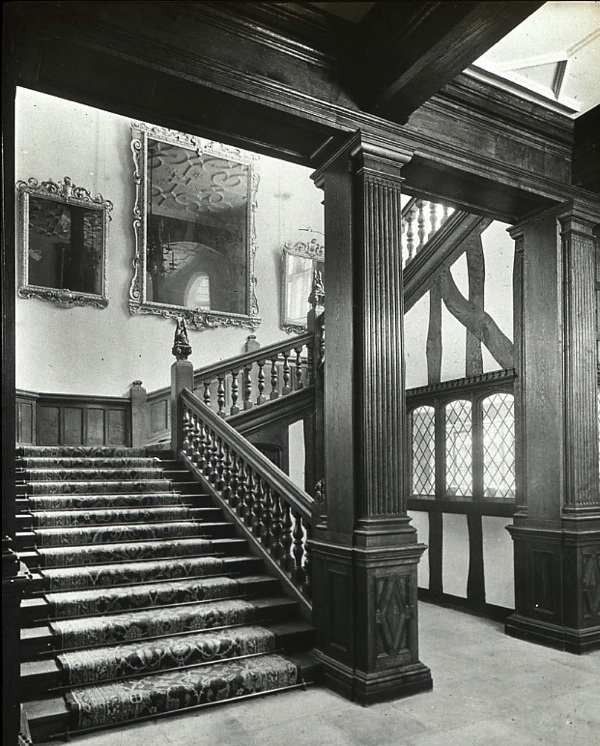
Ironmongers’ Hall, c.1910.
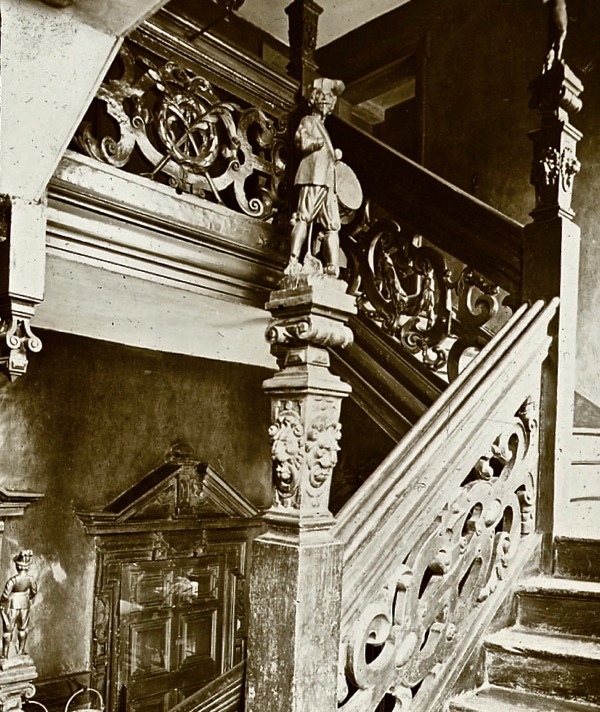
Cromwell House Hospital, Highgate Hill, c.1930.
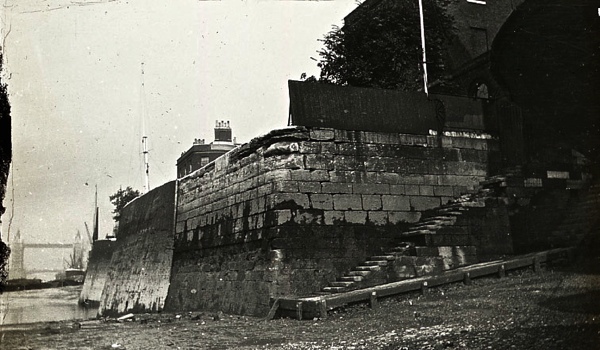
Stairs at Wapping, c.1910.
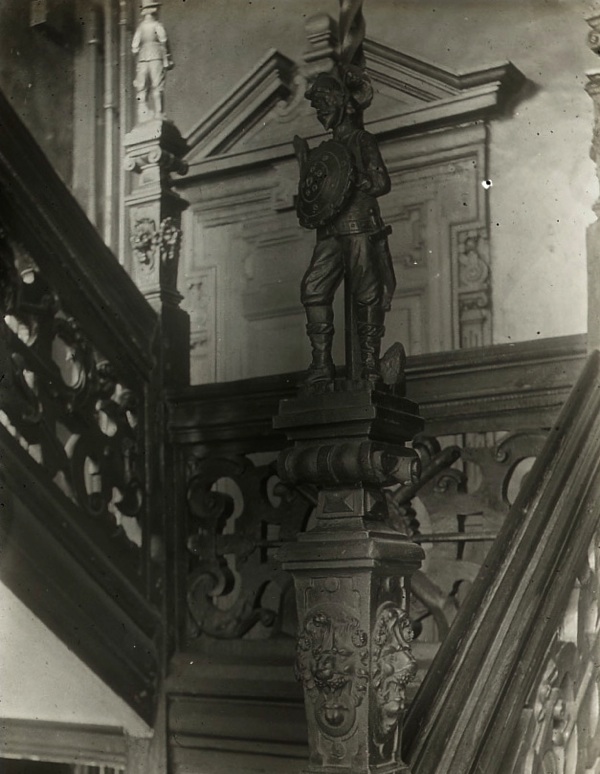
Cromwell House Hospital, Highgate Hill, c.1930.
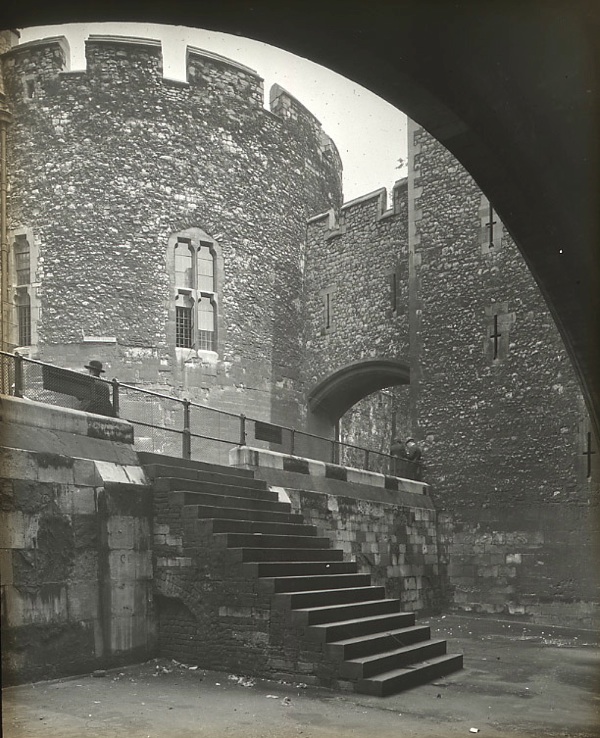
Staircase at the Tower of London, Traitors’ Gate, c.1910.
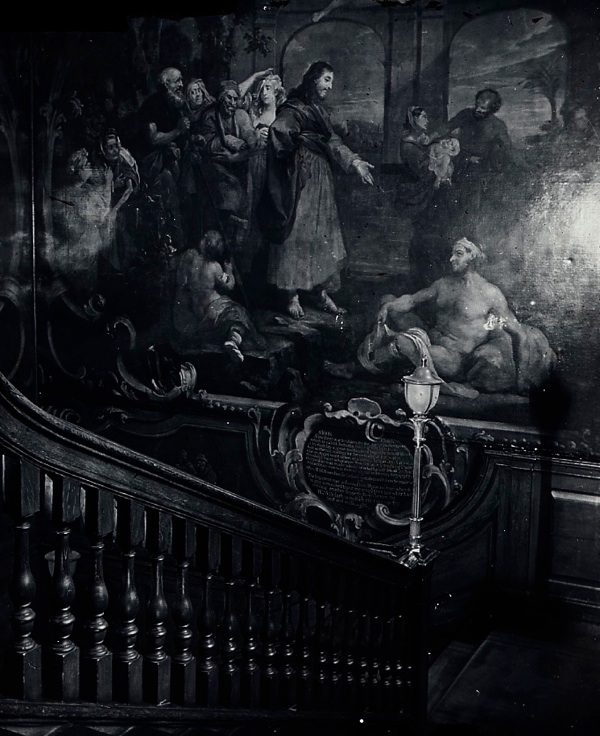
Hogarth’s “Christ at the Pool of Bethesda” on the staircase at Bart’s Hospital, c.1910.
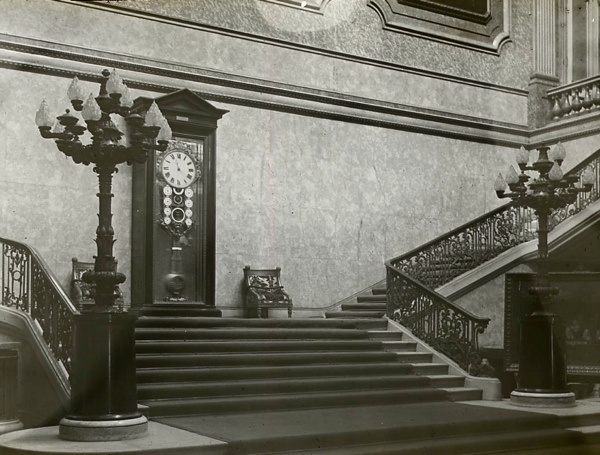
Lancaster House, c.1910.
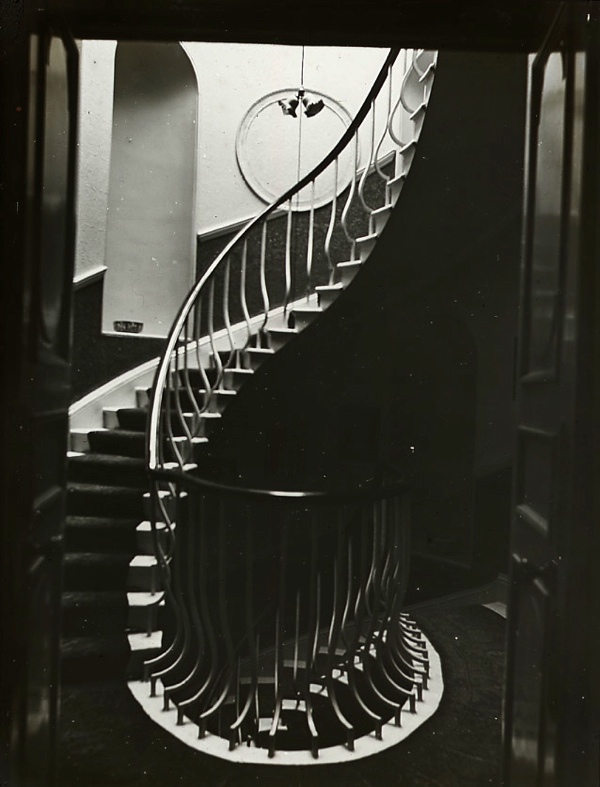
2 Arlington St, c.1915.
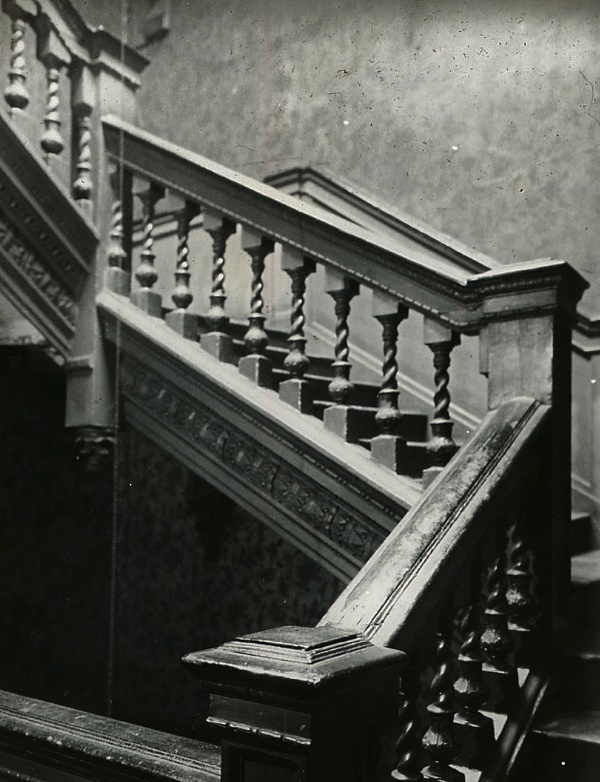
73 Cheapside, c.1910.
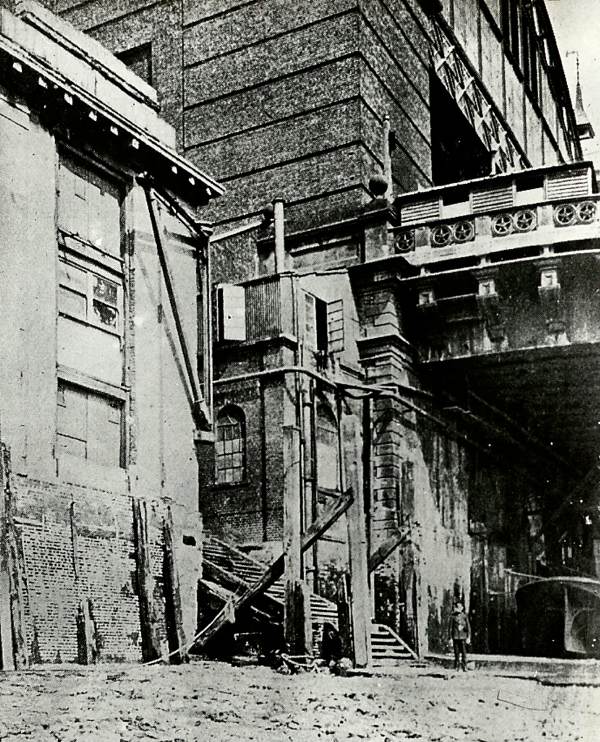
Dowgate stairs, c.1910.
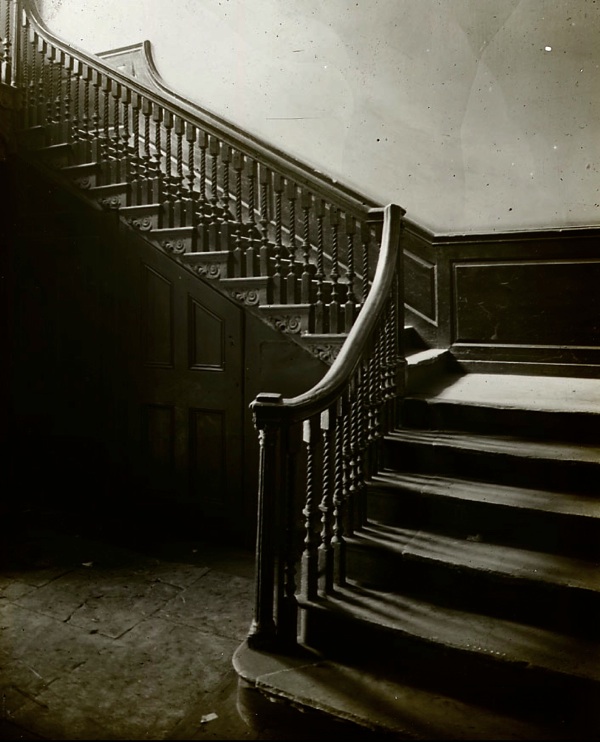
Crutched Friars, 1912.
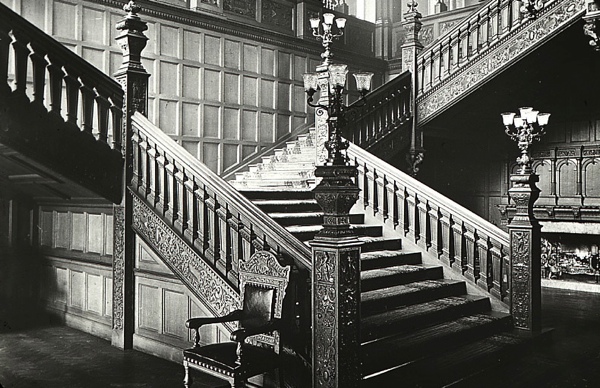
Grocers’ Hall, c.1910.
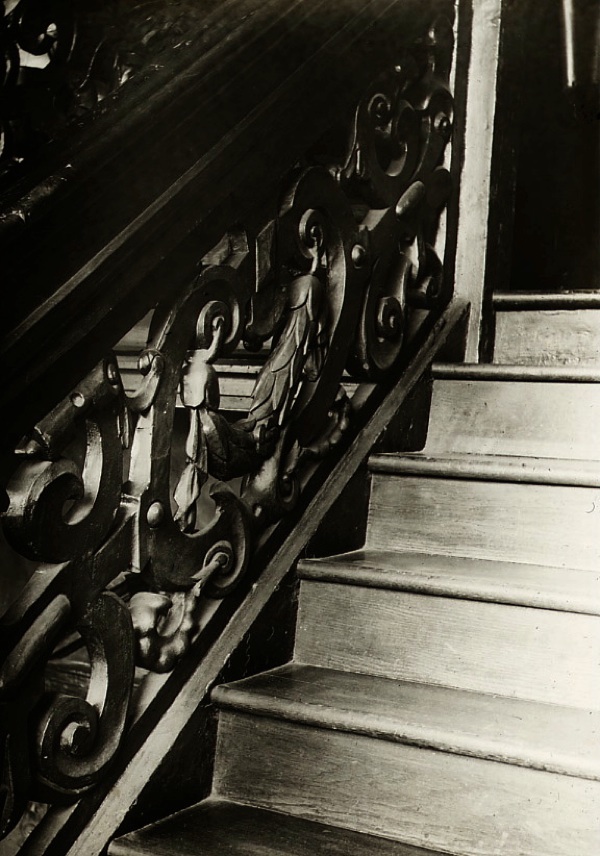
Cromwell House Hospital, Highgate Hill, c.1930.
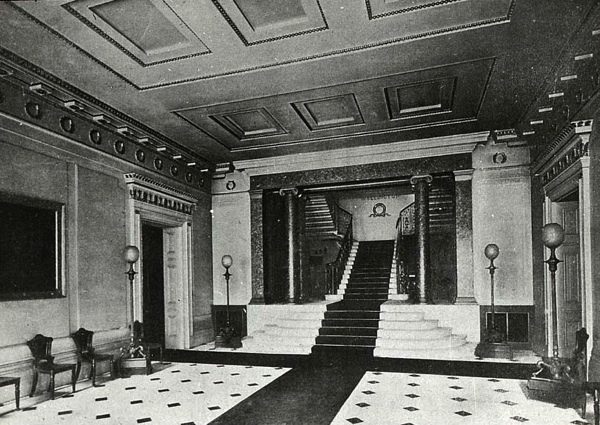
Salters’ Hall, Entrance Hall and Staircase, c.1910.
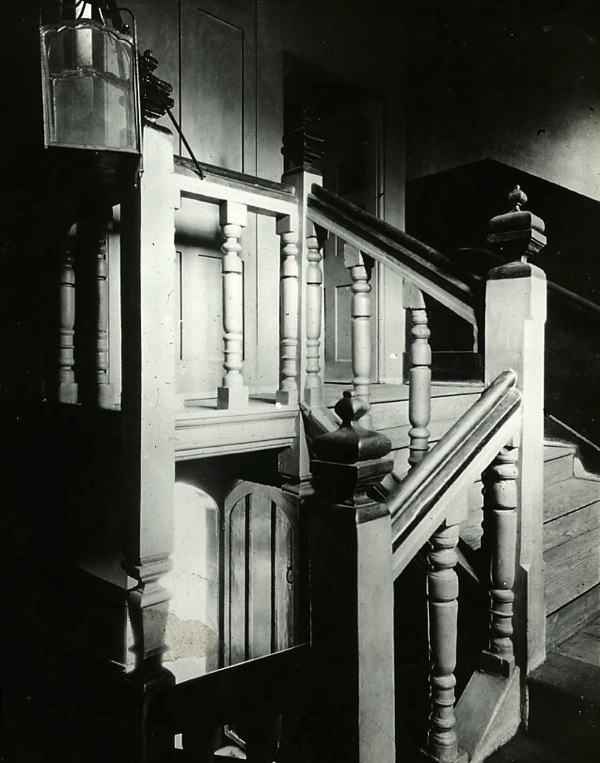
Holy Trinity Hospital, Greenwich, c.1910.
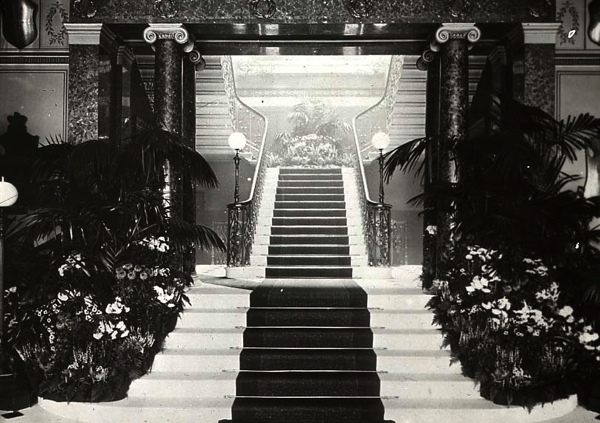
Salter’s Hall, c.1910.
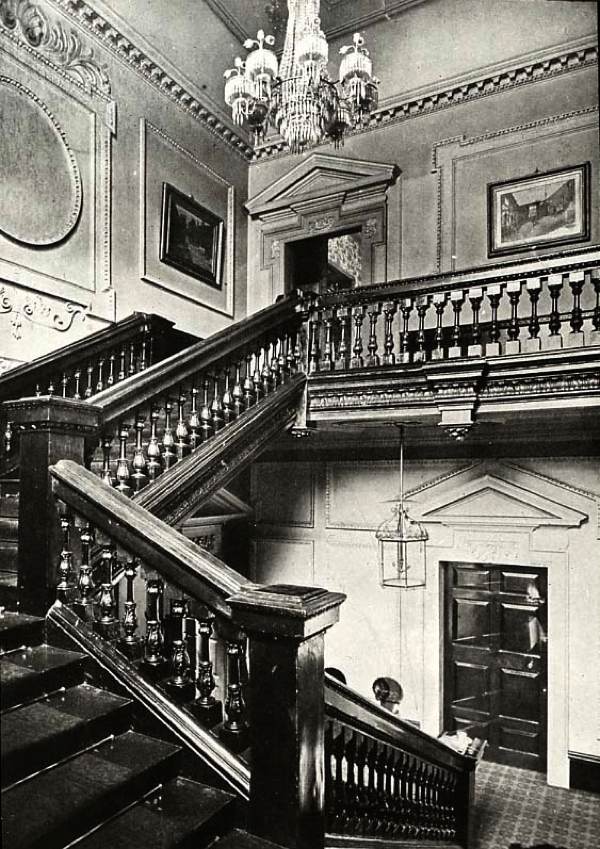
Skinners’ Hall, c.1910.
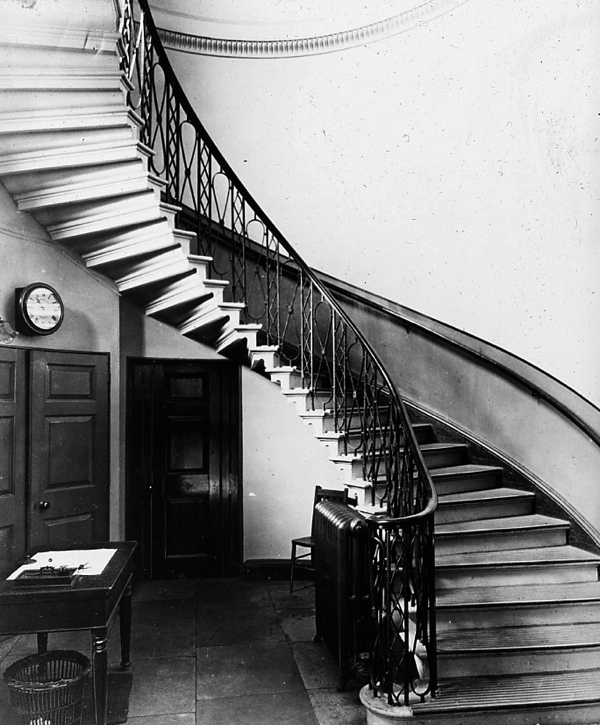
1 Horse Guards Avenue, 1932.
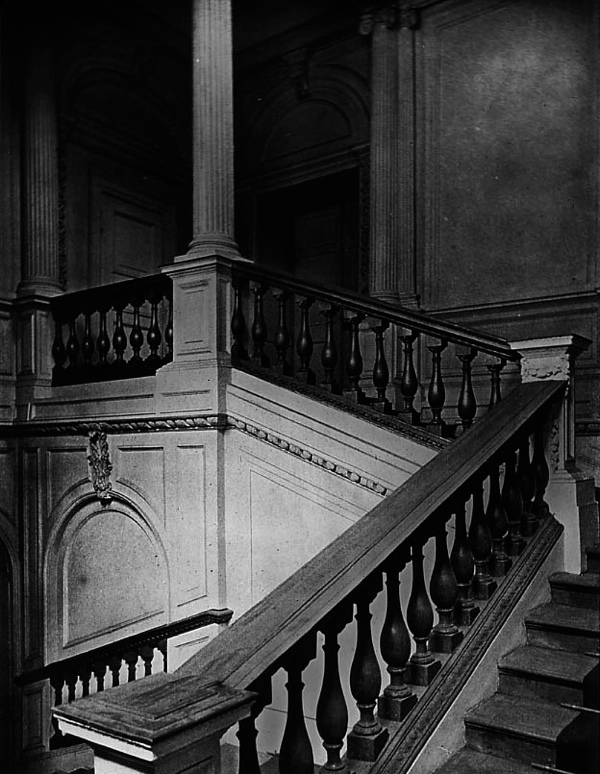
Ashburnham House, Westminster, c.1910.
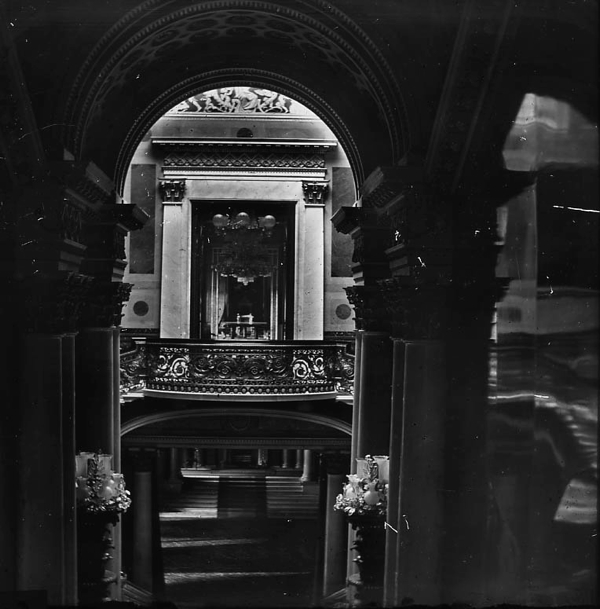
Buckingham Palace, c.1910.
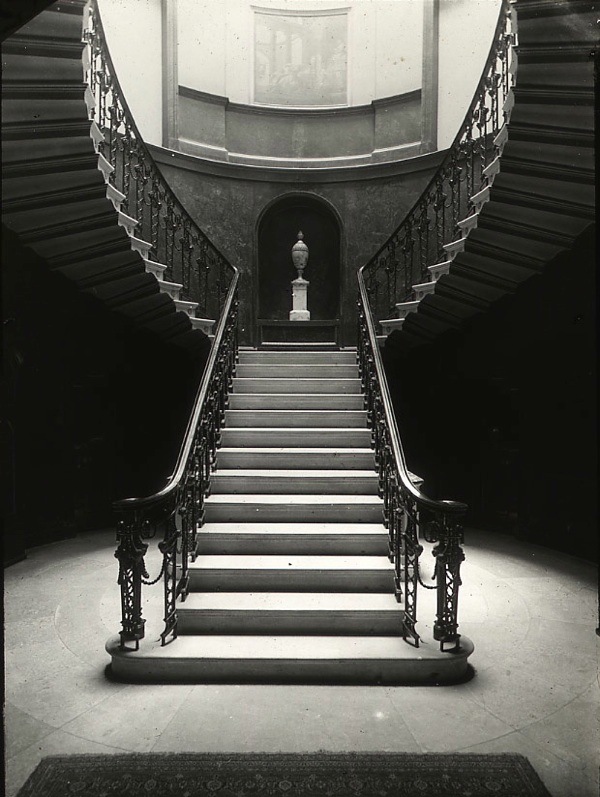
Home House, Portman Sq, c.1910.
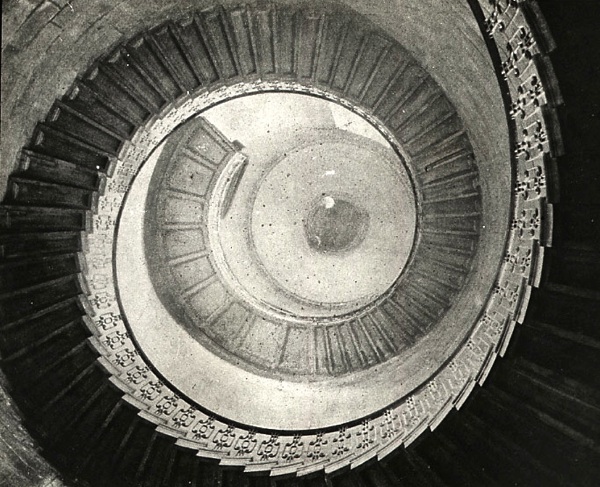
St Paul’s Cathedral, Dean’s Staircase, c.1920.
Glass slides copyright © Bishopsgate Institute
The Broderers Of St Paul’s
I am giving an illustrated lecture of Spitalfields & Whitechapel in Old Photographs on Thursday 16th October at 7pm at the Hanbury Hall in Hanbury St, E1 6QR. CLICK HERE TO BOOK TICKETS
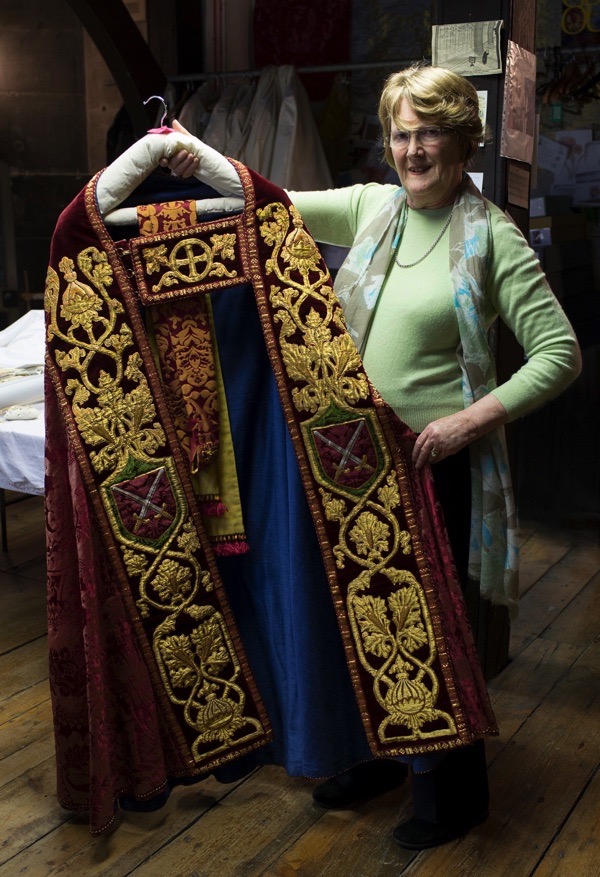
Anita Ferrero
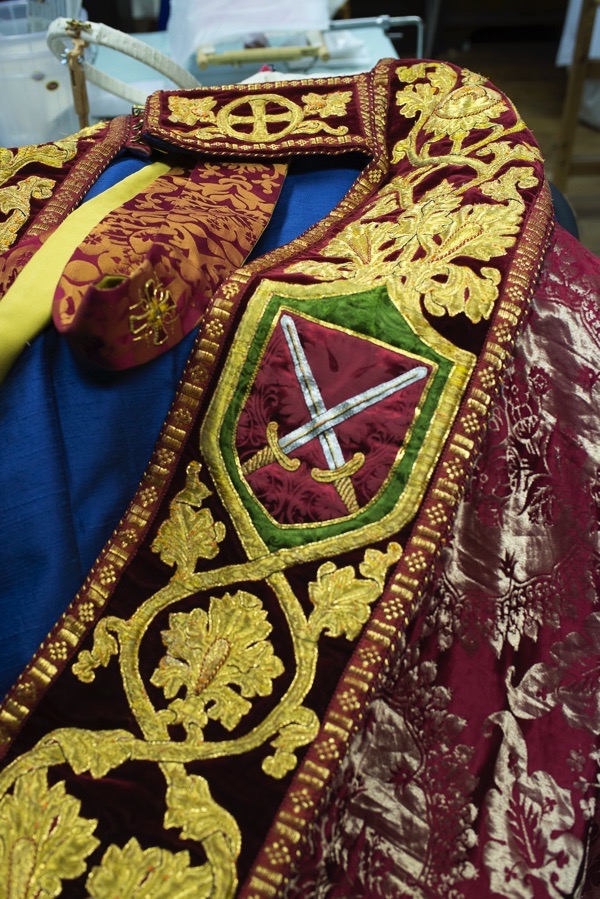
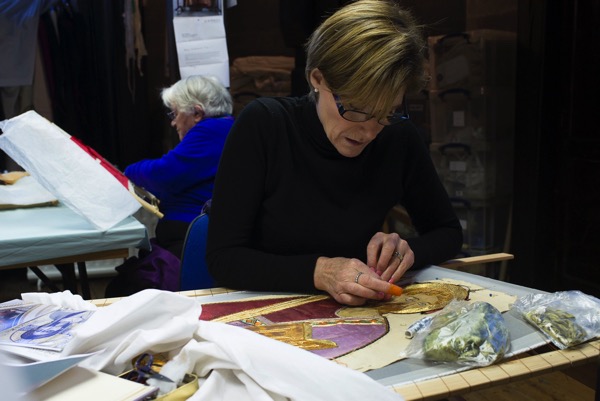
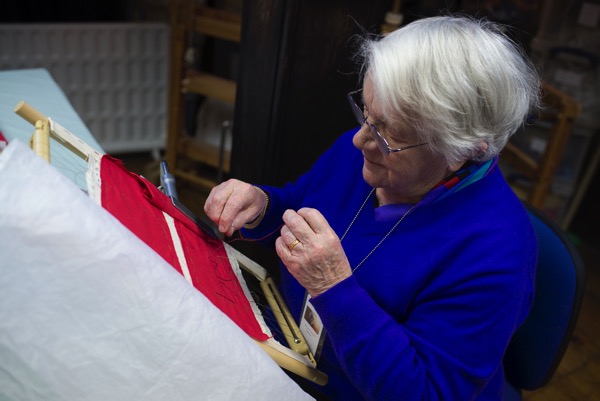
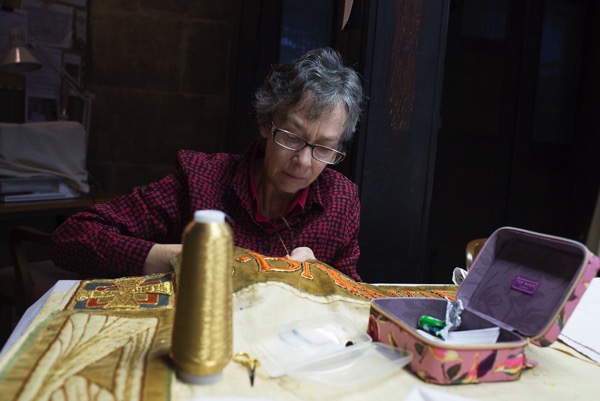
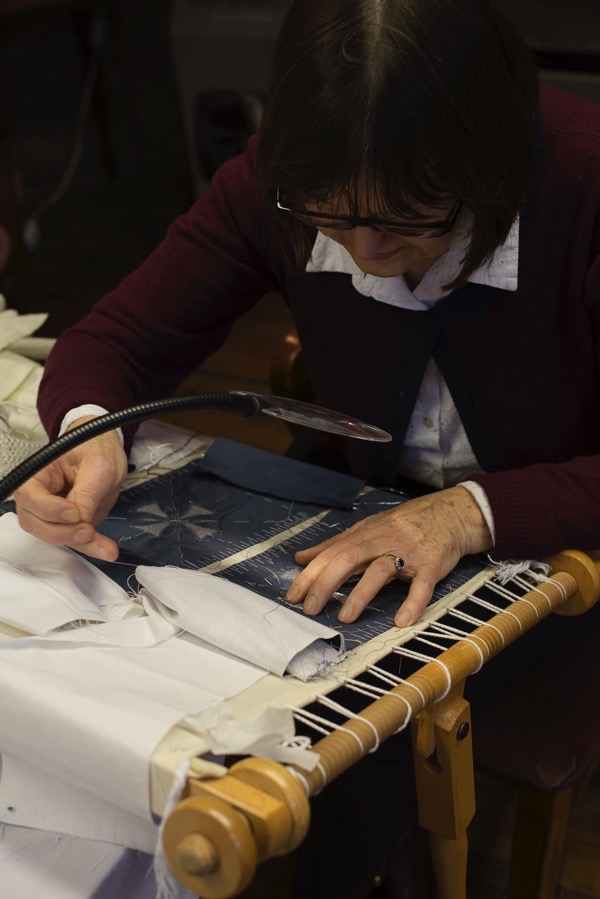
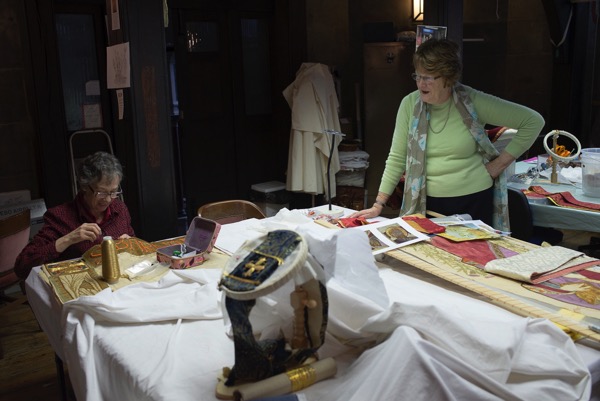
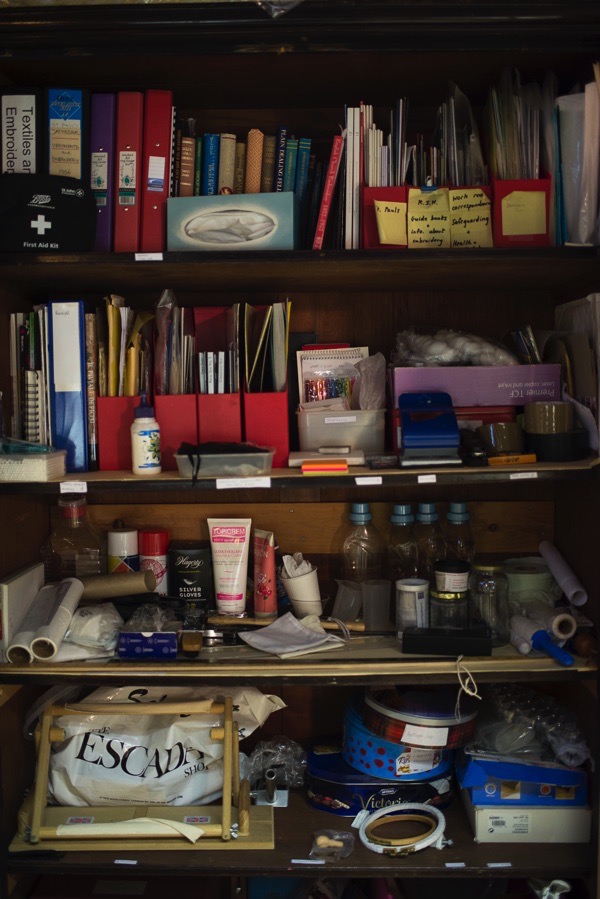
Like princesses from a fairy tale, the Broderers of St Paul’s sit high up in a tower at the great cathedral stitching magnificent creations in their secret garret and, recently, Contributing Photographer Sarah Ainslie & I climbed up one hundred and forty-one steps to pay a visit upon these nimble-fingered needleworkers.
‘There are fourteen of us, we chat, we tell stories and we eat chocolate,’ explained Anita Ferrero by way of modest introduction, as I stood dazzled by the glittering robes and fine embroidery. ‘It’s very intense work because the threads are very bright,’ she added tentatively, lest I should think the chocolate comment revealed undue levity.
I was simply astonished by the windowless chamber filled with gleaming things. ‘There are thirteen tons of bells suspended above us,’ Anita continued with a smile, causing me to cast my eyes to the ceiling in wonder, ‘but it’s a lovely sound that doesn’t trouble us at all.’
Observing my gaze upon the magnificent textiles, Anita drew out a richly-embellished cope from Queen Victoria’s Jubilee. ‘This is cloth of gold’ she indicated, changing her voice to whisper, ‘it ceased production years ago.’
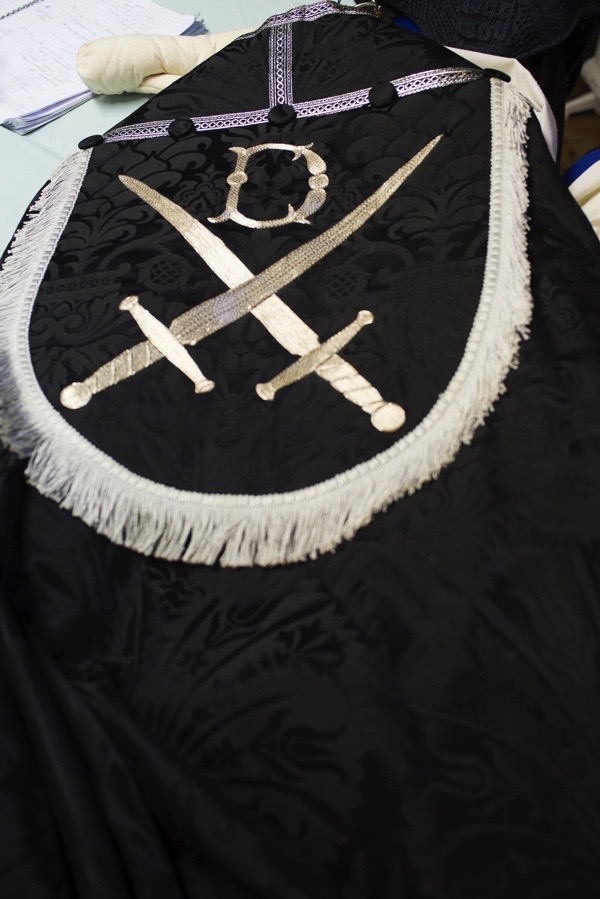
‘There are still wonderful haberdashers in Kuala Lumpur and Aleppo,’ she informed me as if it were a closely-guarded secret, ‘I found this place there that still sold gold thread. If someone’s going to Marrakesh, we give them a shopping list in case they stumble upon a traditional haberdashery.’ Next, Anita produced a sombre cope from Winston Churchill’s funeral, fashioned from an inky black brocade embroidered with silver trim, permitting my eye to accommodate to the subtler tones that can be outshone by tinsel.
In this lofty chamber high above the chaos of the city, an atmosphere of repose prevails in which these needlewomen pursue their exemplary work in a manner unchanged over millennia. I was in awe at their skill and their devotion to their art but Anita said, ‘As embroiderers, we are thankful to have a purpose for our embroidery because there’s only so many cushions you can do.’
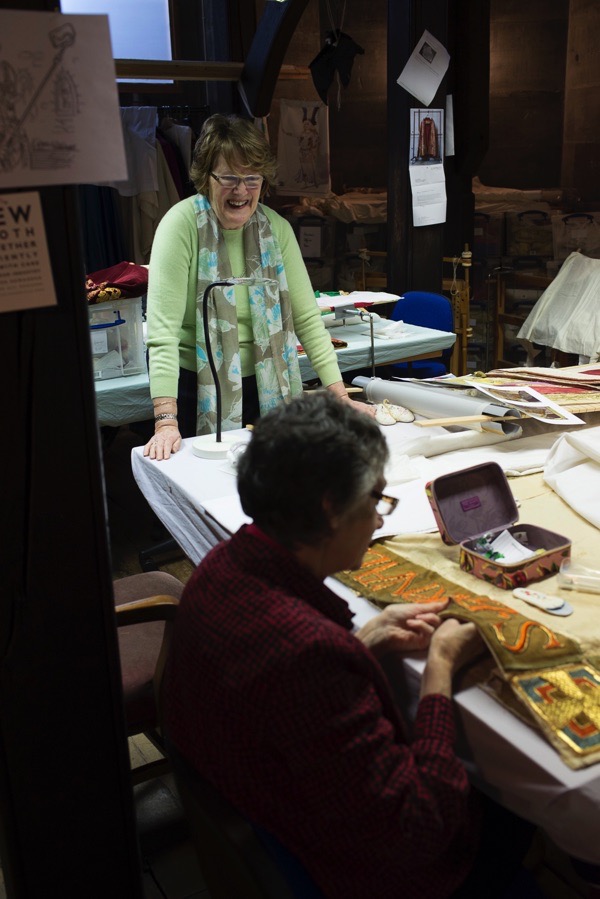
I walked over to a quiet corner where Rachel Rice was stitching an intricate border in gold thread. ‘I learnt my skills from my mother and grandmother, and I always enjoyed sewing and dressmaking but that’s not fine embroidery like this,’ she admitted, revealing the satisfaction of one who has spent a life devoted to needlework. Yet she qualified her pride in her craft by admitting her humanity with a weary shrug, ‘Some of the work is extremely tedious and it’s never seen.’
‘We are all very expert but our eyesight is fading and a few of us are quite elderly,’ confided Anita, thinking out loud for the two of them as she picked up the story and exchanged a philosophical grin with Rachel. Nowhere in London have I visited a sanctum quite like the Broderers chamber or encountered such self-effacing creative talents.
‘We not so isolated up here,’ emphasised Anita, lifting the mood with renewed enthusiasm, ‘Most people who work in the Cathedral know we’re here. We often do favours for members of staff, taking up trouser hems etc – consequently, if we have a problem, we can call maintenance and don’t have to wait long.’
I was curious to learn of the Broderers’ current project, the restoration of a banner of St Barnabas. ‘He’s the one saint I’d like to meet because he’s called ‘The Son of Encouragement’ – he looks like a nice guy,’ confessed Anita fondly, laying an affectionate hand upon the satin, ‘We’re restoring the beard of St Barnabas at present and we’re getting Simon the good-looking Virger up here to photograph his beard.’
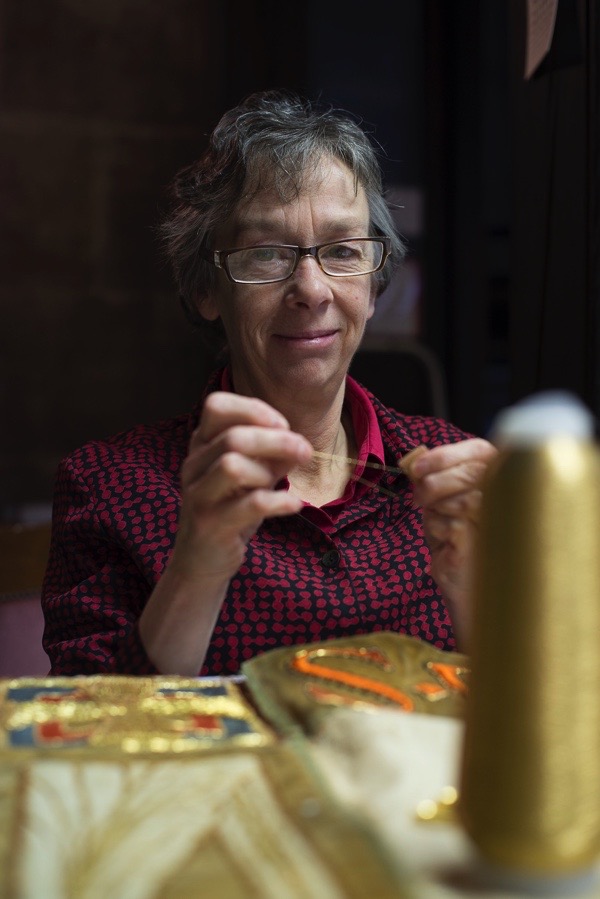
Rachel Rice – ‘I learnt my skills from my mother and grandmother’
Sophia Sladden
Margaret Gibberd

‘As embroiderers, we are thankful to have a purpose for our embroidery because there’s only so many cushions you can do.’
Judy Hardy
‘We chat, we tell stories and we eat chocolate..’
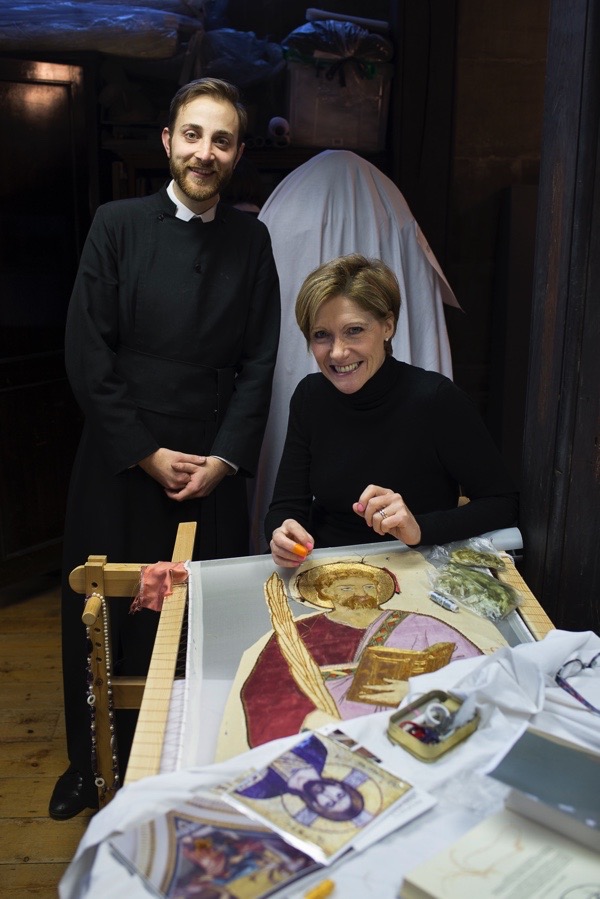
Virger Simon Brears is the model for the beard of St Barnabas
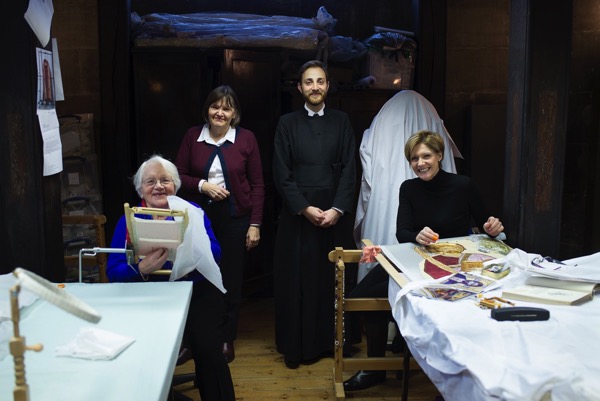
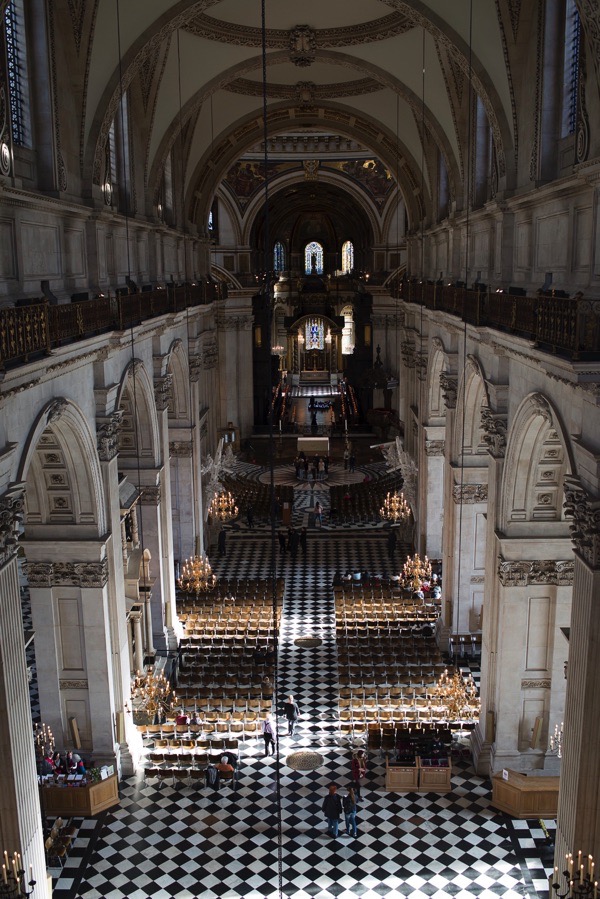
View from the Triforium
Photographs copyright © Sarah Ainslie
You may catch a glimpse of the Broderers for yourself by taking a Triforium Tour at St Paul’s Cathedral.
Jeffrey Johnson’s Favourite Pubs
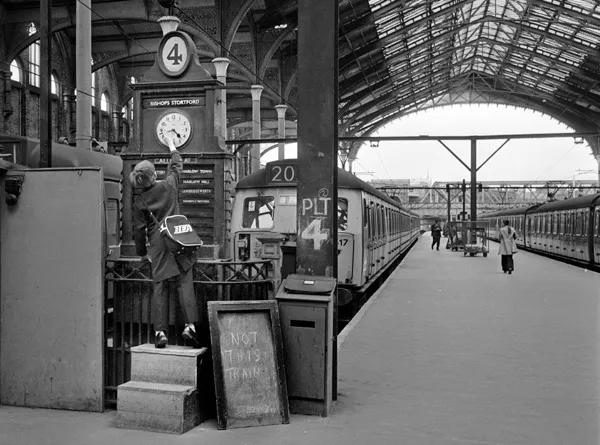
I am giving an illustrated lecture of Spitalfields & Whitechapel in Old Photographs on Thursday 16th October at 7pm at the Hanbury Hall in Hanbury St, E1 6QR. CLICK HERE TO BOOK TICKETS
One day Jeffrey Johnson walked into the Bishopsgate Institute, deposited a stack of his splendid photographs with Archivist Stefan Dickers and left without another word. We can only conclude that these fond pictures from the seventies and eighties record the enigmatic Jeffrey’s favourite pubs. Some are familiar, but for the locations of the others – some of which are long gone – I call upon the superior experience of my readers.
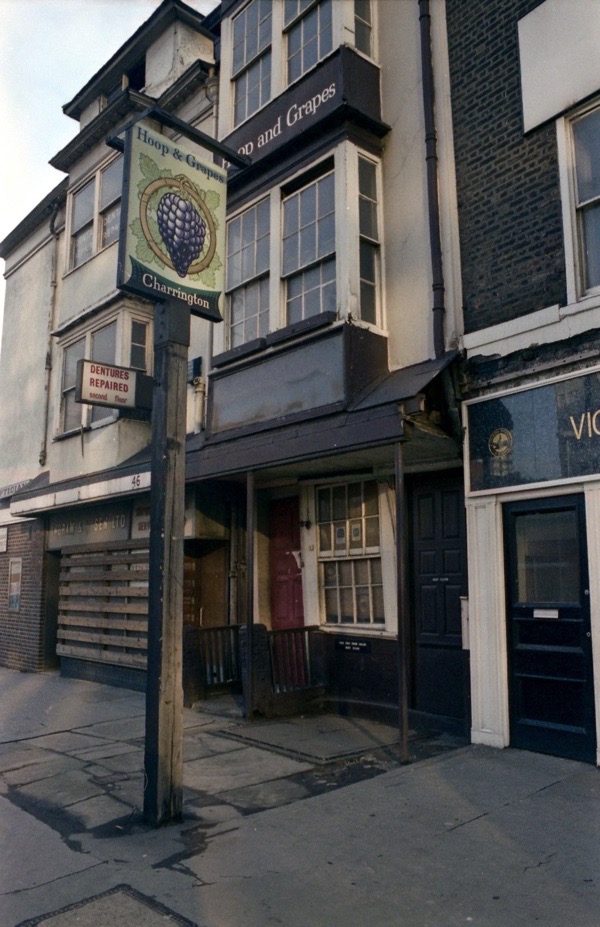
Hoop & Grapes, Aldgate (Dentures Repaired)
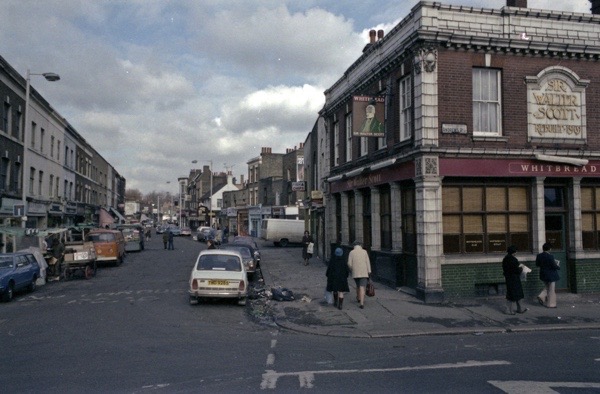
Sir Walter Scott, Broadway Market
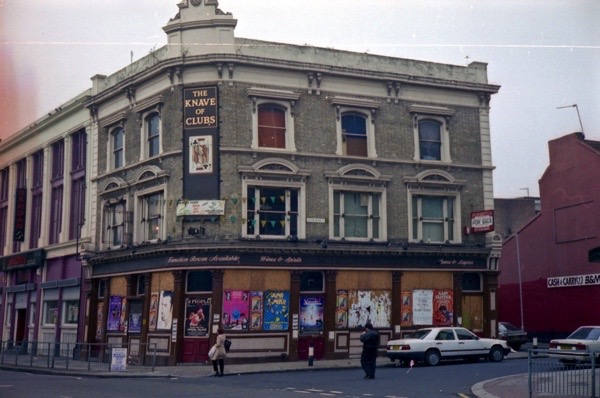
Knave of Clubs, Bethnal Green Rd
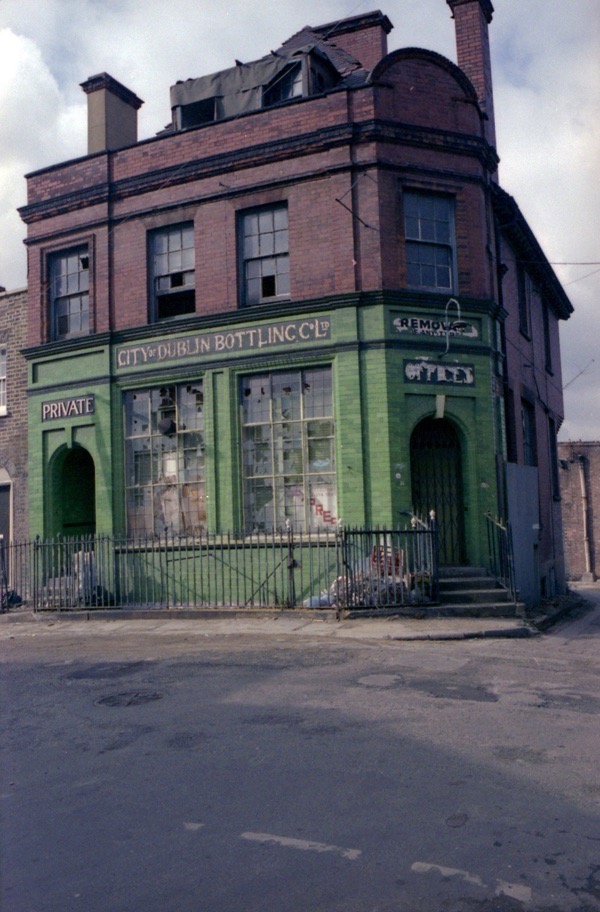
Dericote St, Broadway Market
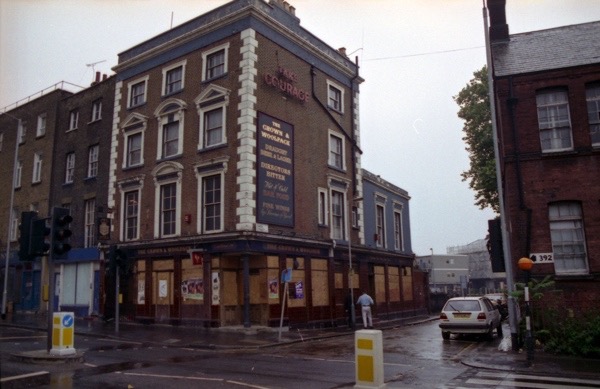
Crown & Woolpack, St John St, Clerkenwell
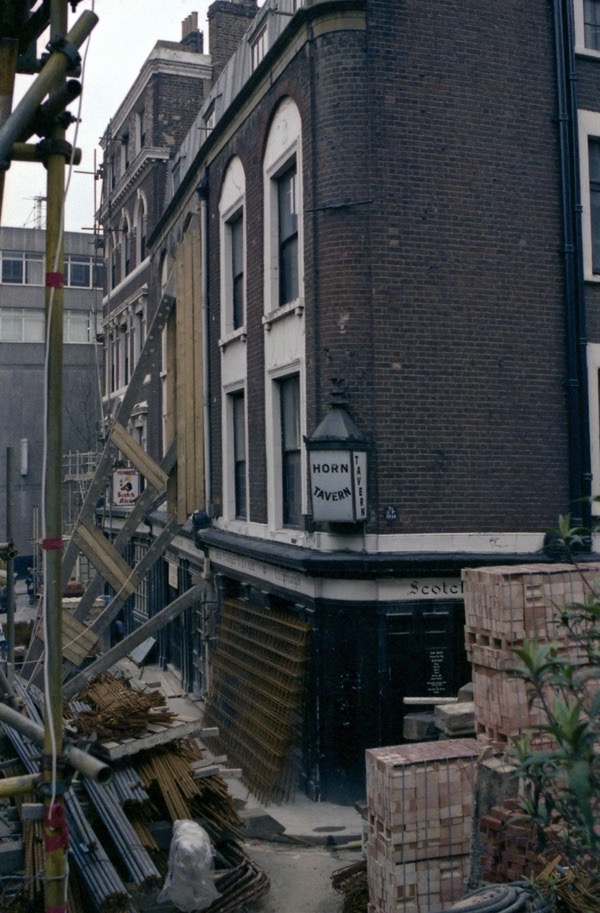
Horn Tavern, Knightrider St, City of London (now known as The Centrepage)
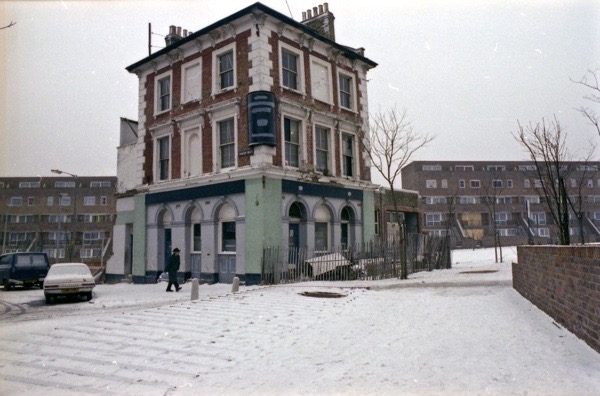
Unknown pub
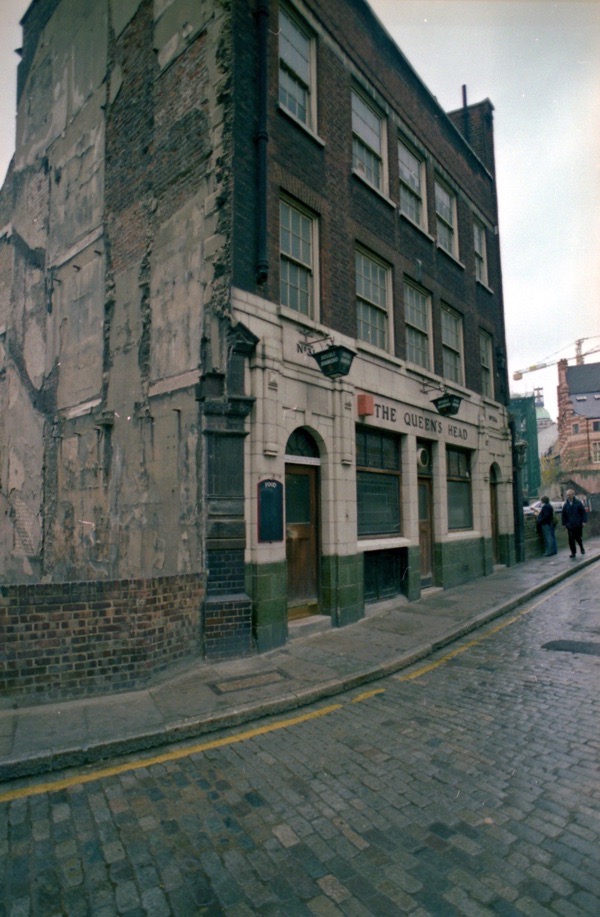
The Queen’s Head, City of London
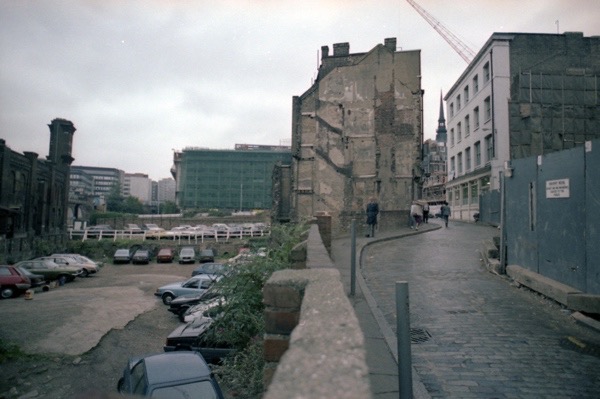
The Queen’s Head, City of London
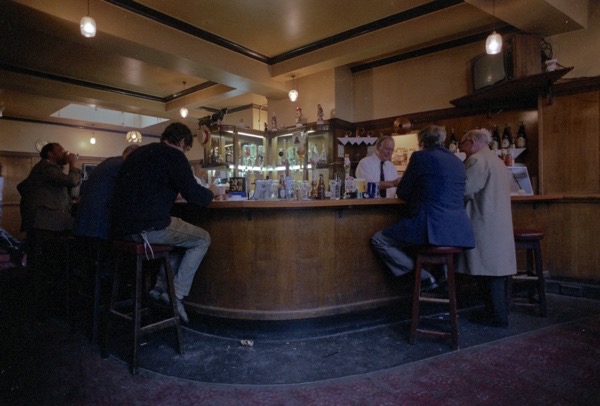
Unknown pub
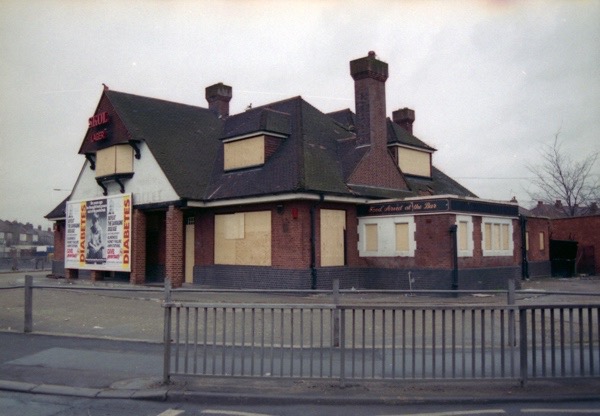
Unknown pub
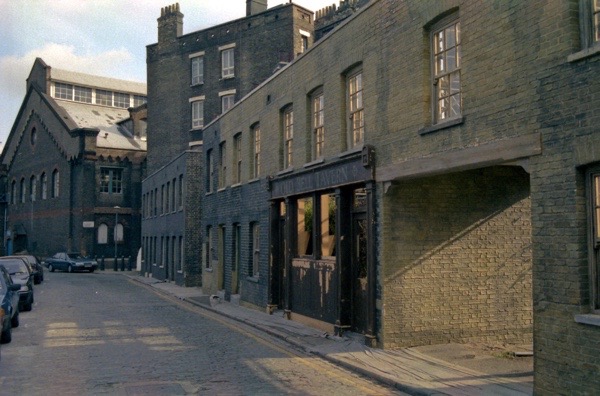
Old Bell Tavern, St Pancras
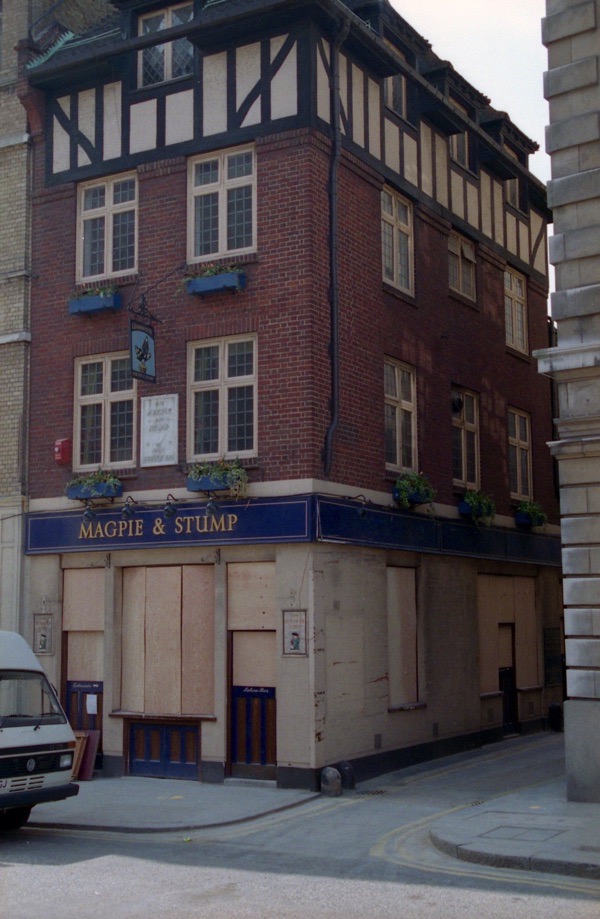
Magpie & Stump, Old Bailey
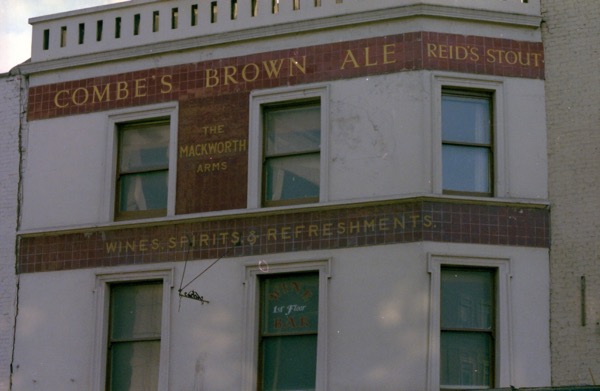
The Mackworth Arms, Commercial Rd
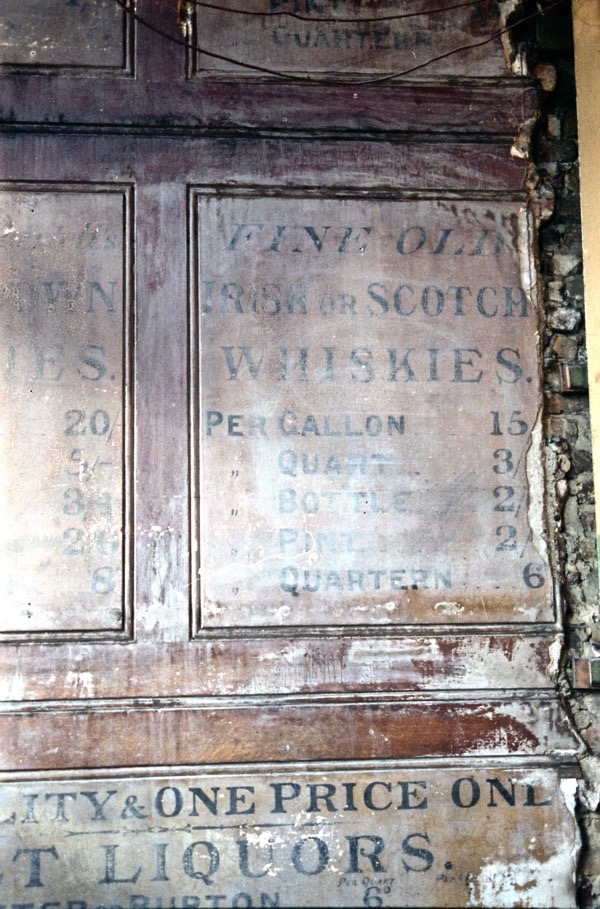
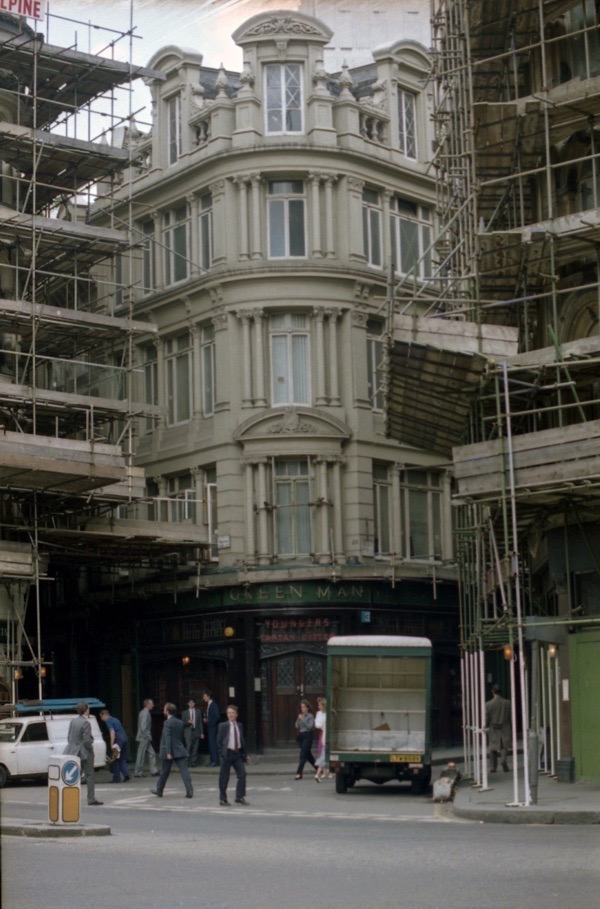
Green Man
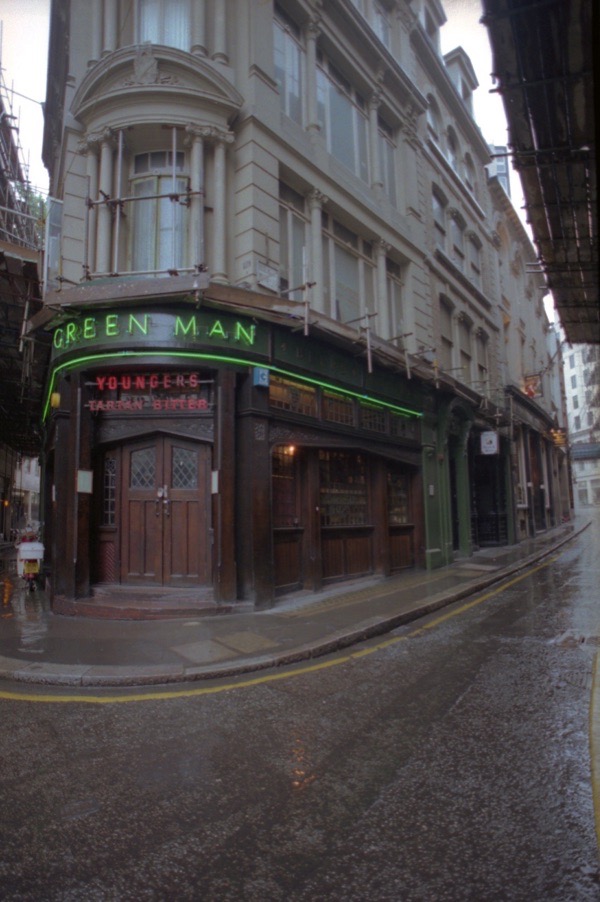
Green Man
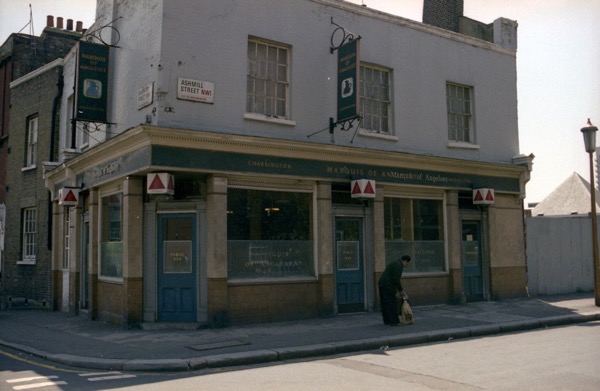
Marquis of Anglesey, Ashmill St
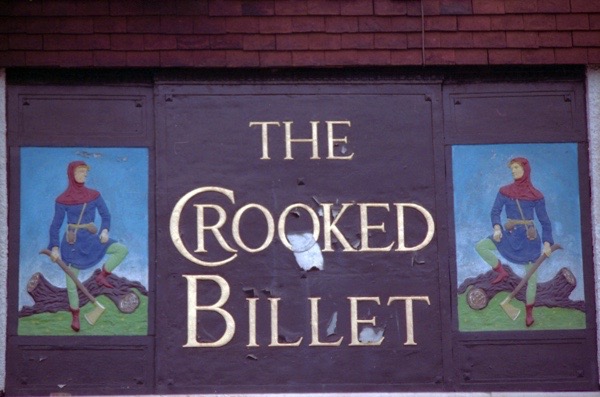
The Crooked Billet
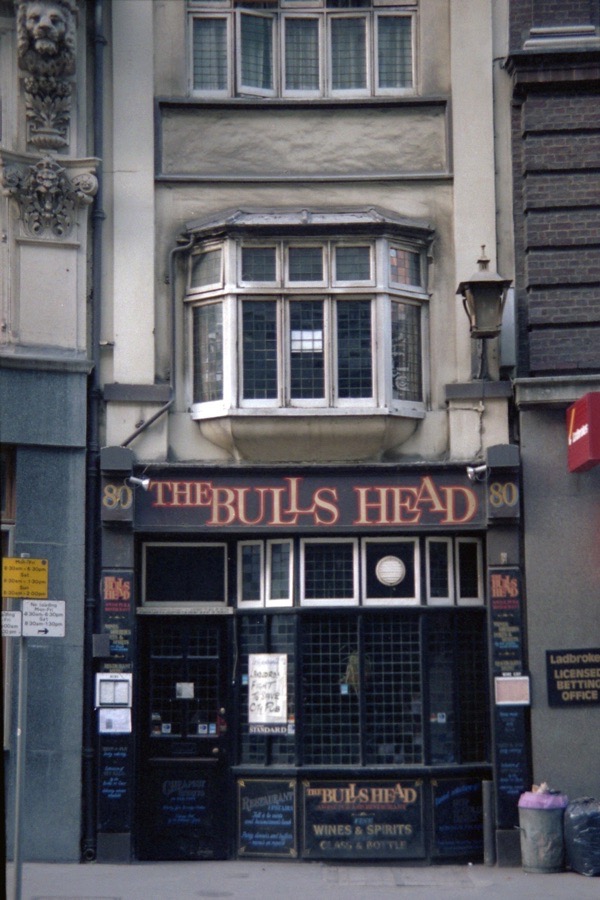
The Bull’s Head (Landlords fight to save City pub)
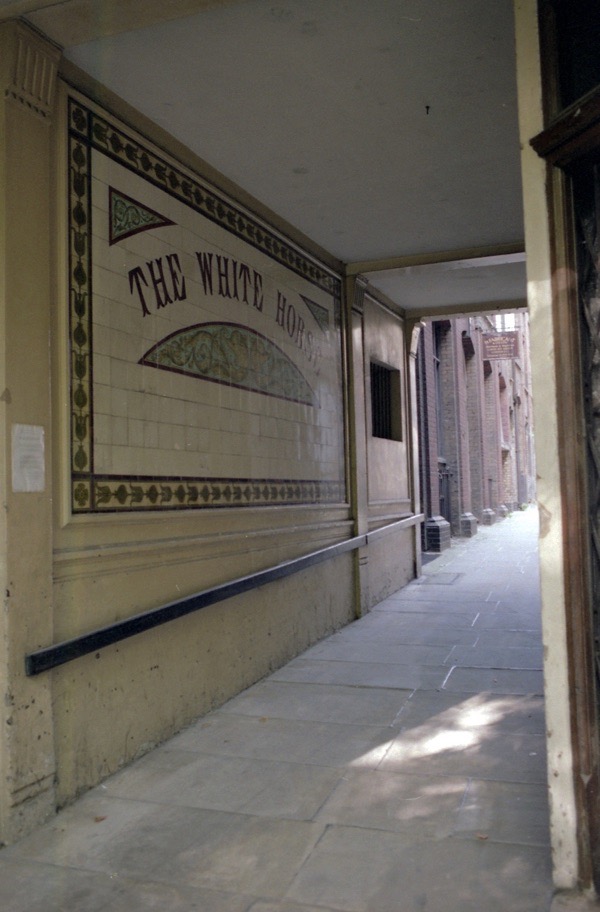
The White Horse
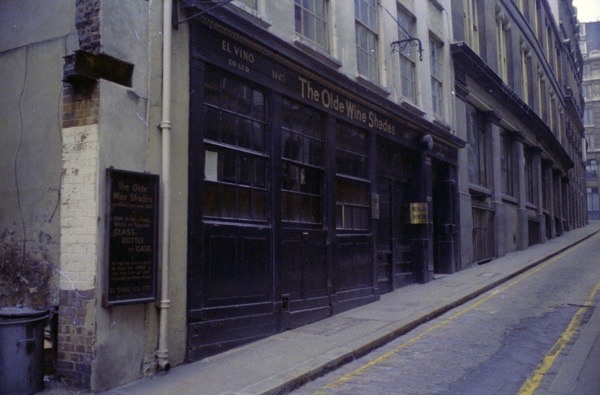
The Olde Wine Shades, City of London

The Crispin, Finsbury Avenue
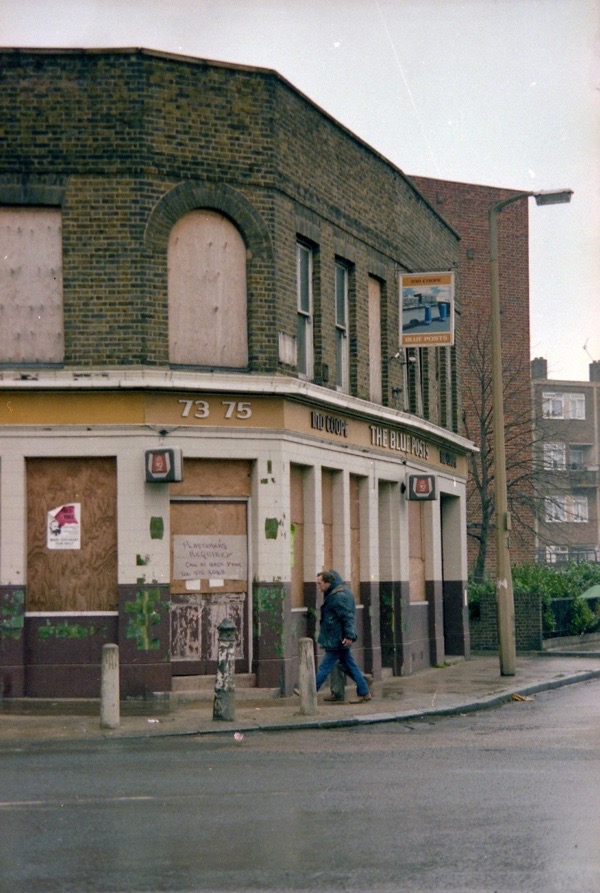
The Blue Posts, West India Dock Rd, Limehouse (Plasterer’s Required – Call at Back Door)
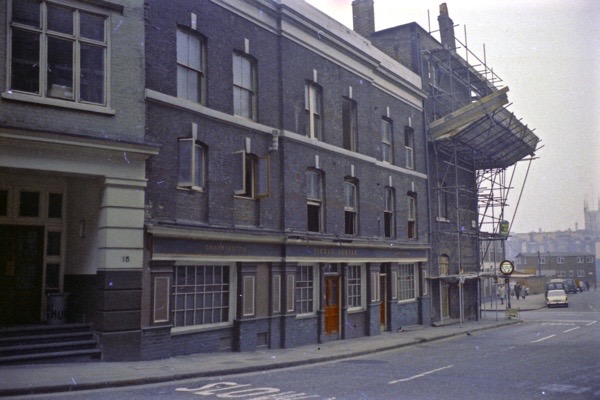
The Ticket Porter, Arthur St, City of London
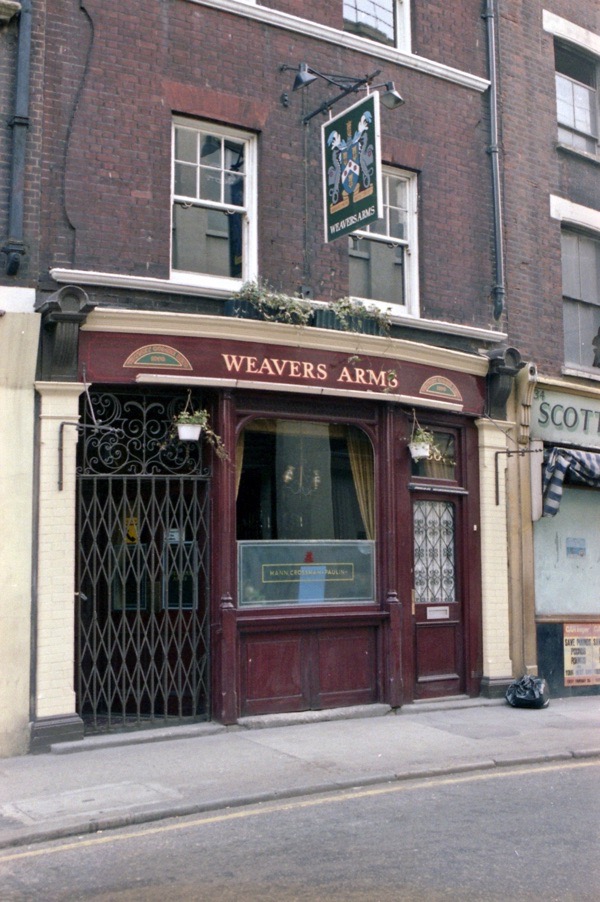
Weavers Arms
Photographs copyright © Jeffrey Johnson
You may also like to take a look at
The Taverns of Long Forgotten London
Alex Pink’s East End Pubs Then & Now
The Gentle Author’s Next Pub Crawl
The Gentle Author’s Spitalfields Pub Crawl
The Gentle Author’s Dead Pubs Crawl
The Gentle Author’s Next Dead Pubs Crawl
At Margolis Silver
I am giving an illustrated lecture of Spitalfields & Whitechapel in Old Photographs on Thursday 16th October at 7pm at the Hanbury Hall in Hanbury St, E1 6QR. CLICK HERE TO BOOK TICKETS
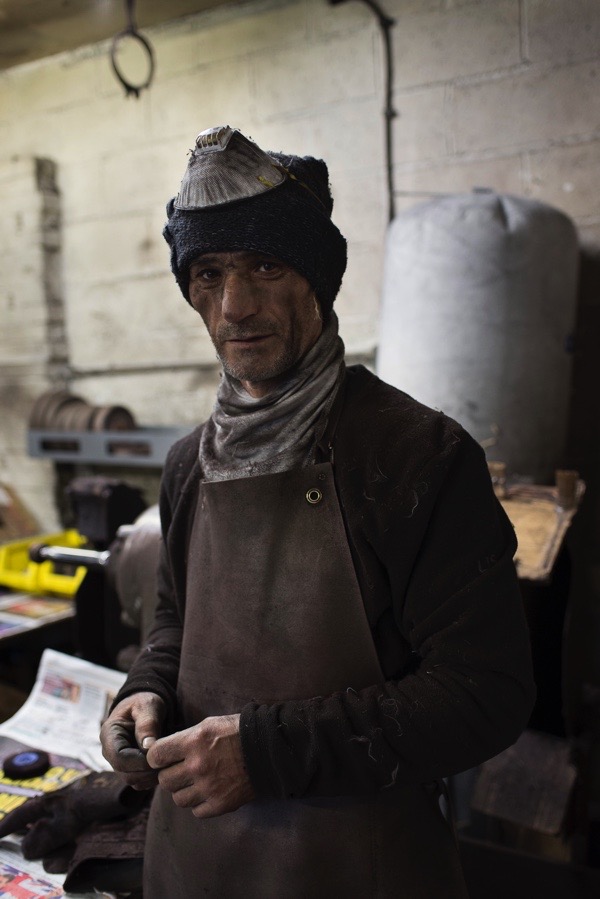
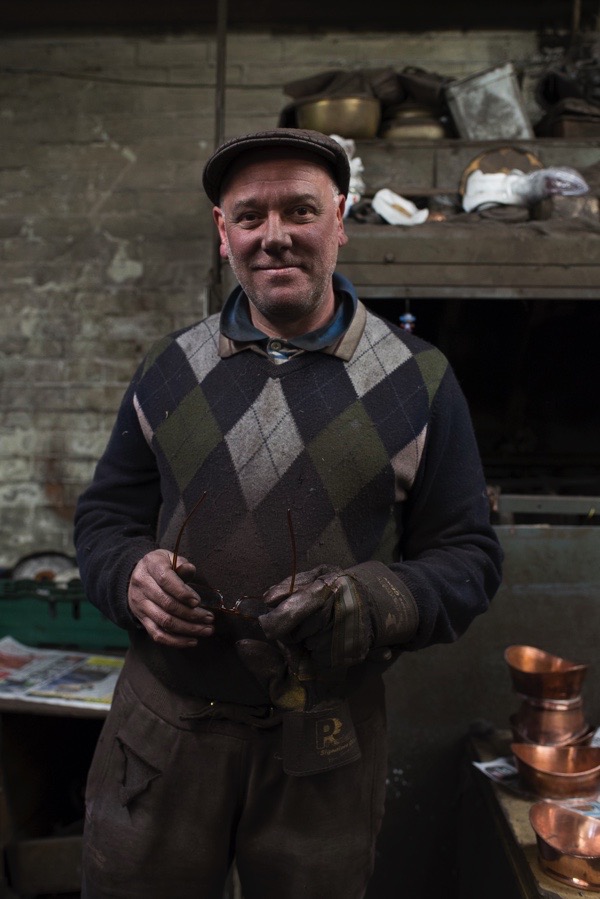
Kudret Yirtici, Polisher
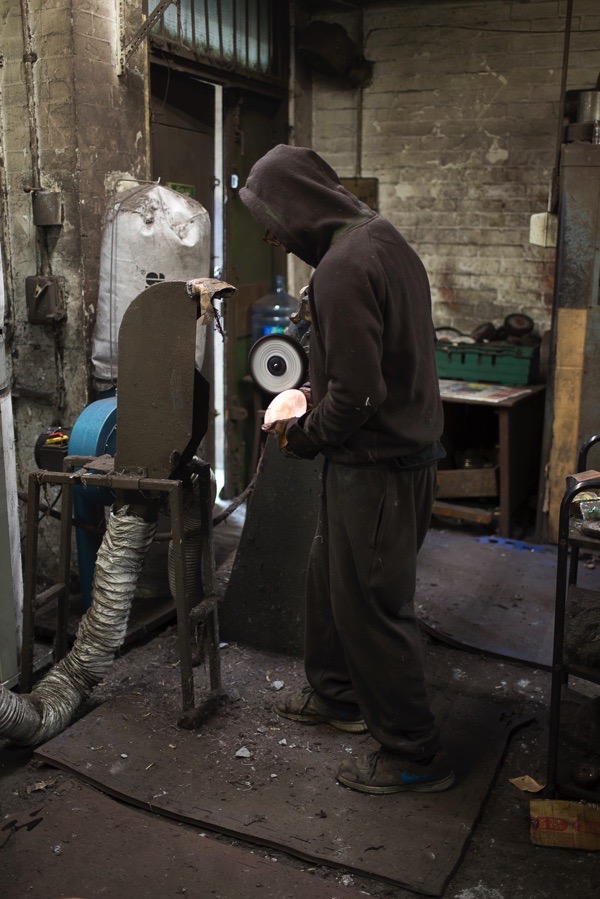
There are still traditional manufacturing industries thriving in the East End – as Contributing Photographer Sarah Ainslie & I were delighted to discover when we visited Margolis Silver, market-leaders in silverware, at their factory in London Fields. Here we found a band of highly-skilled silversmiths with proud dirty faces, designing and manufacturing silverware for the swankiest West End hotels, restaurants and clubs, employing techniques that have not changed in centuries.
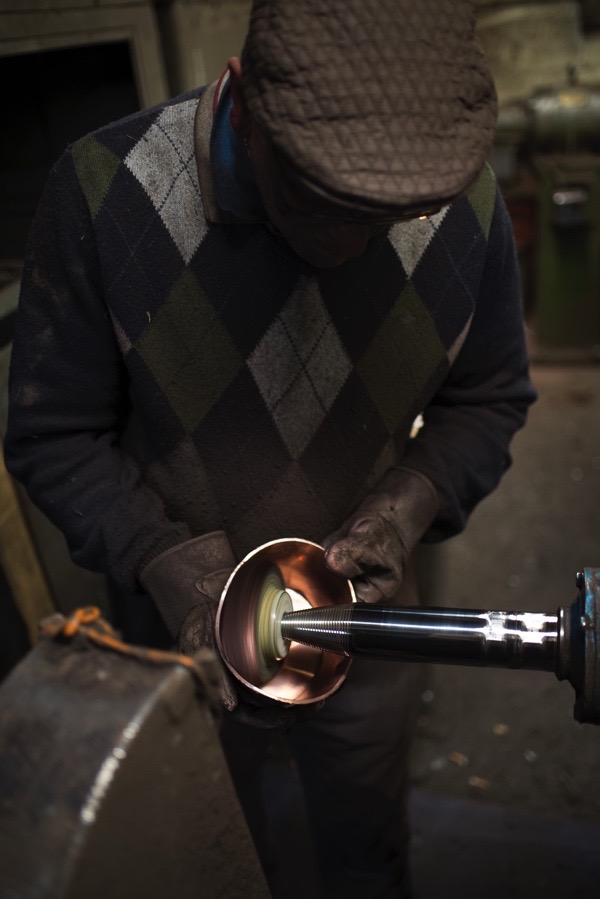
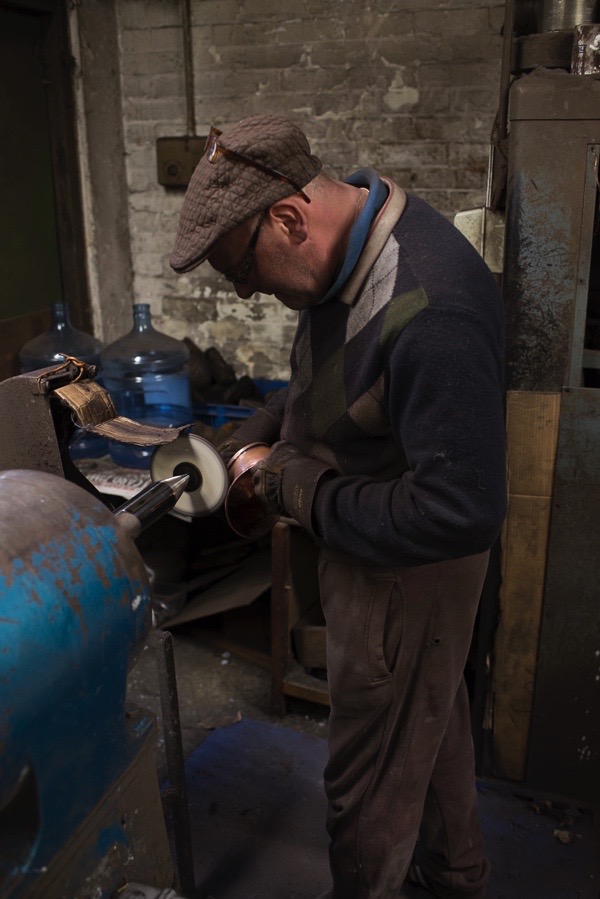
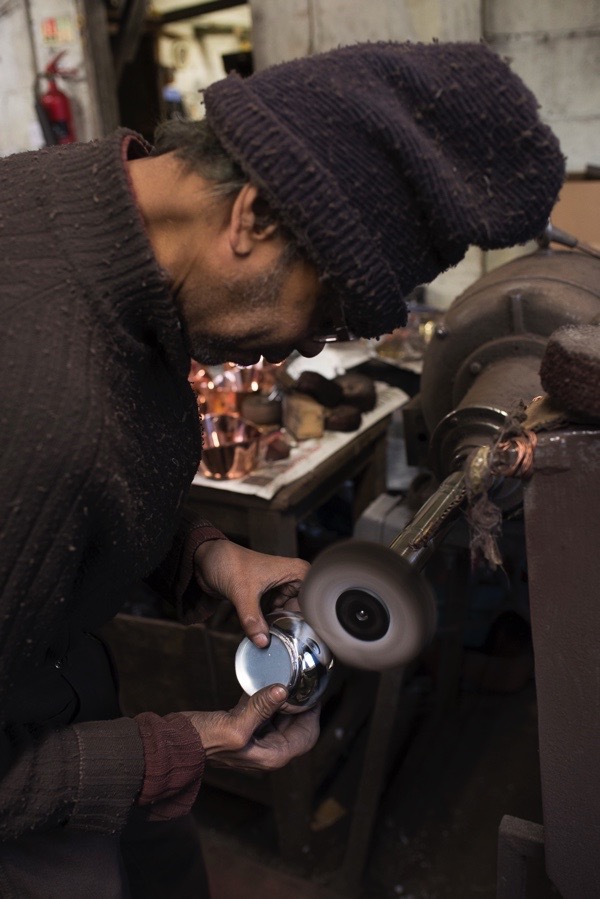
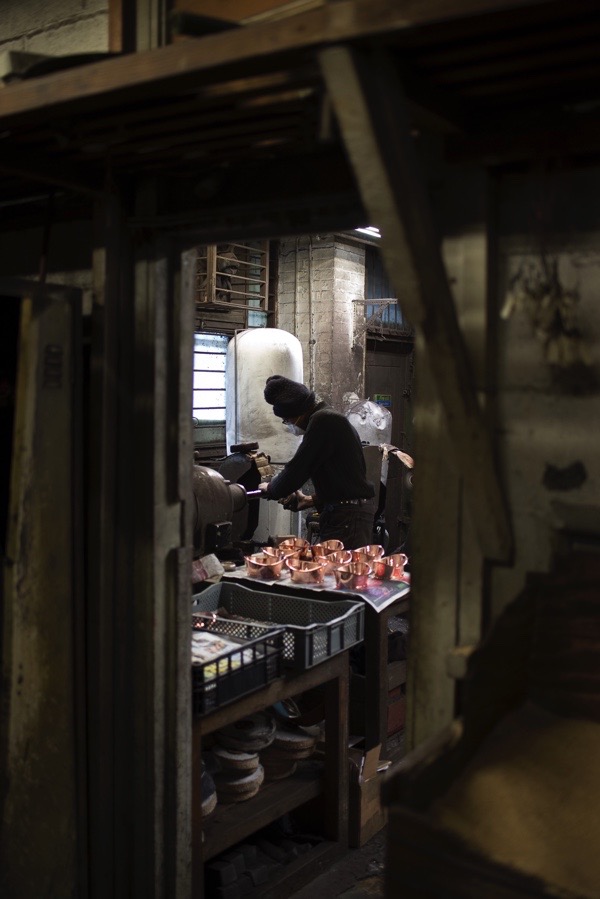
Upstairs in his solitary garret, we met the most senior member of staff, Albert Alot, a virtuoso metal spinner of a lifetime’s experience who can take a disc of copper and expertly spin it into a cup on a lathe with all the flamboyant magic of Rumplestiltskin. Down below, led by Richard Courcha whose father started the company half a century ago, we found the polishers at work, cleaning the copper vessels prior to plating. With their grimy visages and overalls topped off by a characterful array of hats, they were a charismatic band who generously welcomed us into their lair and tolerated our nosy questions with patience and good humour. Next door, Chloe Robertson supervised the electroplating, first with nickel and then silver, cheerfully presiding over two enormous boiling vats of steaming hydrochloric acid and livid green arsenic bubbling away.
There is a compelling alchemy to this fascinating process which, thanks to immense skills of the silversmiths, transforms the raw material of copper sheets into sophisticated gleaming silverware, sufficient to grace the grandest tables with its luxurious allure. It is exceptional to visit a workshop such as this, where everyone takes such obvious delight in their collective achievement.
Away from the workshop, Valerie Lucas runs an office stacked to the roof with myriad examples of silverware, teapots, coffeepots, condiments, basins, bowls and plates of every imaginable design. Here we met director Lawrence Perovetz, who is of Huguenot descent and cherishes the living tradition of Huguenot silversmiths in London through his work.
Yet all these people, machines and processes are crammed into a tiny factory that few in London Fields even know exists. As Polisher Pascal Fernandes quipped, summing it up succinctly for me, “It’s a little house of treasures this is!”
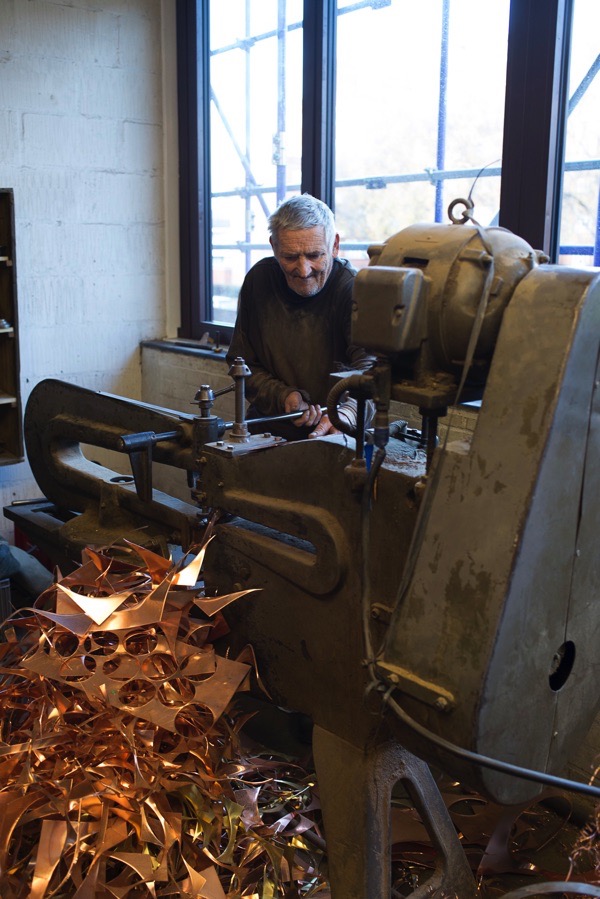
Arthur Alot – “I’m from Plaistow and I was born in the war. I’ve been doing this all my life, since I did an apprenticeship down at Shaw’s Metal Spinners in Stratford years and years ago. They’ve gone now. Years ago in the twenties, the old spinners used to walk in dressed in spats and whatever. I moved to a factory in the Holloway Rd where I met this spinner, a proper one, who had come out of Hungary at the time of the revolution. He had been taught by the sixth best spinner in Hungary and he taught me and my brothers. I have taught a few who are starting on their own.”
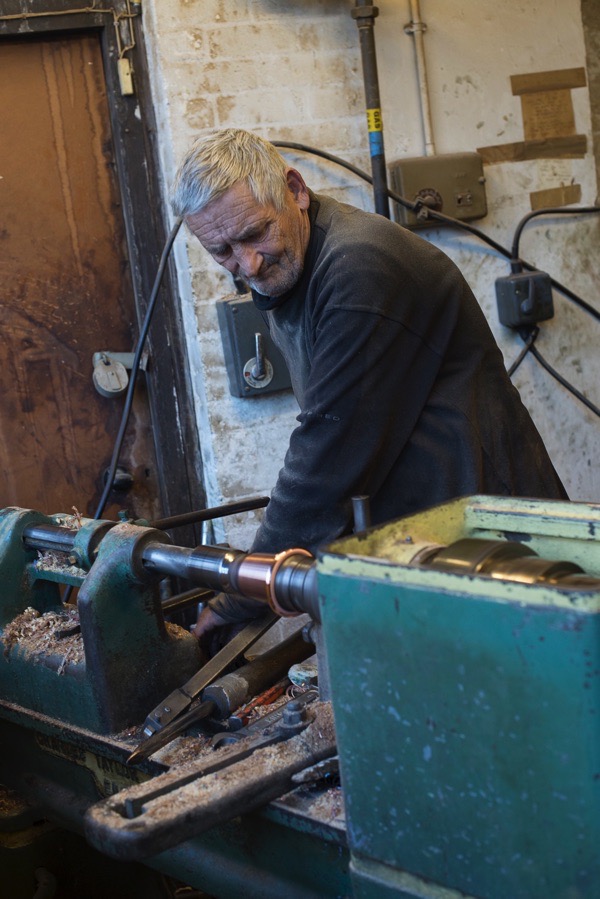
Arthur spins a cup out of a disc of copper
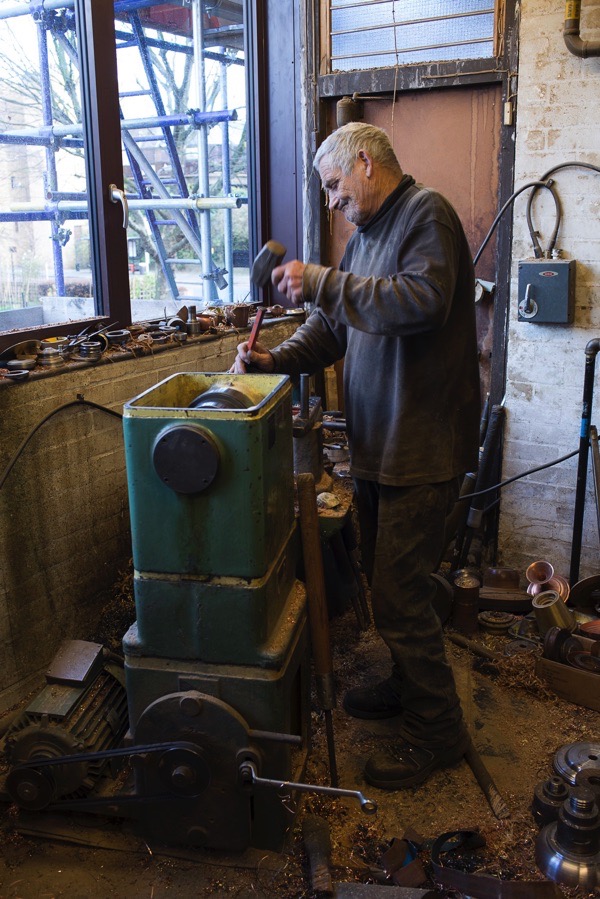
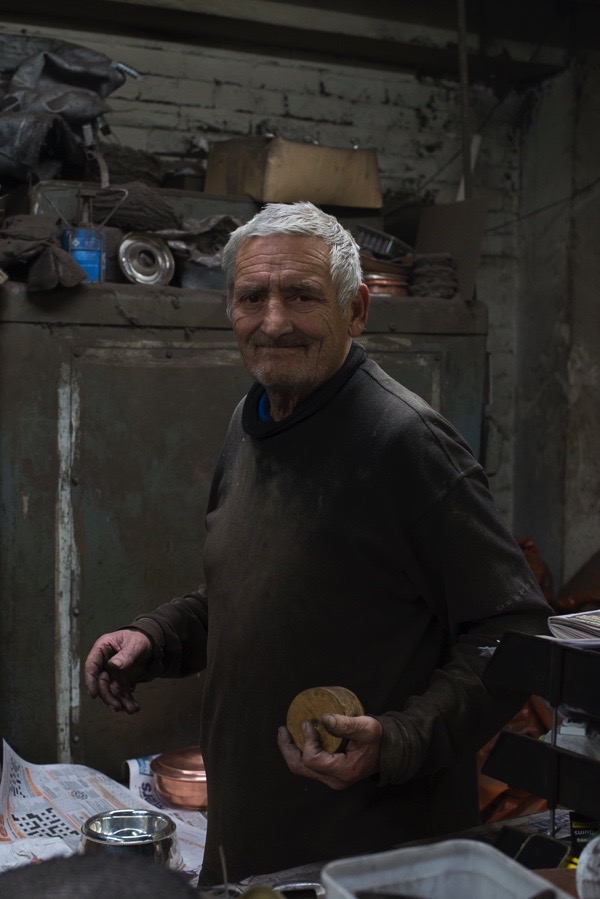
Arthur Alot, Metal Spinner
Richard Courcha – “I am the factory manager and I do polishing. It was my father, Thomas Courcha’s business, he started it in 1968. He was a metal polisher and he went into partnership with Johnny Mansfield in a little factory in North London and then, when this place came up for grabs in 1968, they moved in. The company was called TC Plating Ltd – Tommy Courcha Plating in full.
I came here all the time as child, every other Saturday in the back of my dad’s old red Escort van. It was a bustling place. I used to help out with the makers, there were ten makers working here during the late seventies. In those days we manufactured for the retail market, producing gallery trays, punchbowls and wine coolers that were sold in the West End. Designers would bring in their drawings, and my dad and his team would make the moulds and conjure them up.
The retail side dropped off in the eighties because of cheap products coming in from India. So then we moved into restoring antique silverware. About ten years ago, it all changed again. This was around the time I met Lawrence who had this idea of supplying hotels and now we are joined at the hip.
I came here to work in 1982. I did not have any plans to do anything else. It was a bustling business and my brother was here as well until he retired. I suppose I like the job. It is what I do. It is in my blood. It is what I grew up with. After thirty-six years, I know how to do making.”
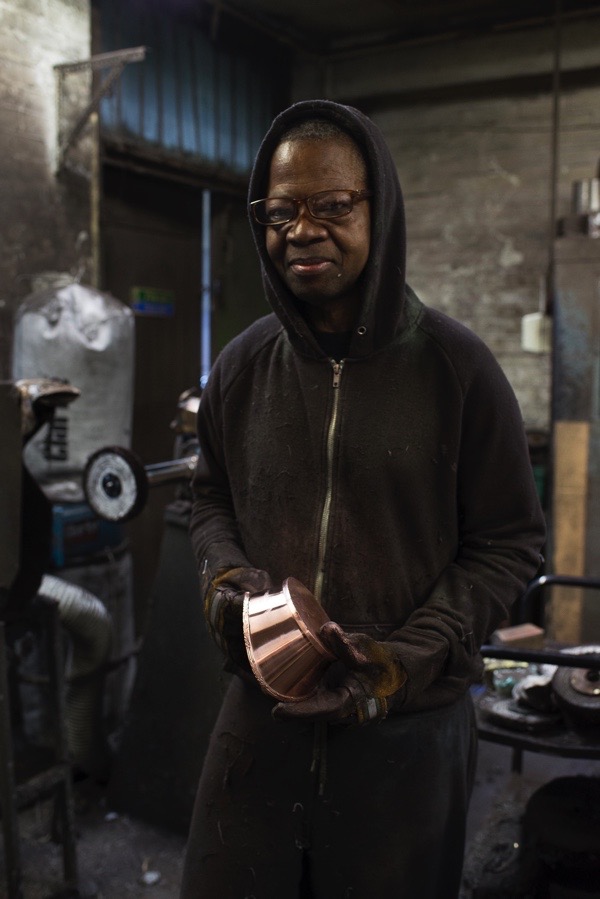
Collin Foru-berkoh, Polisher
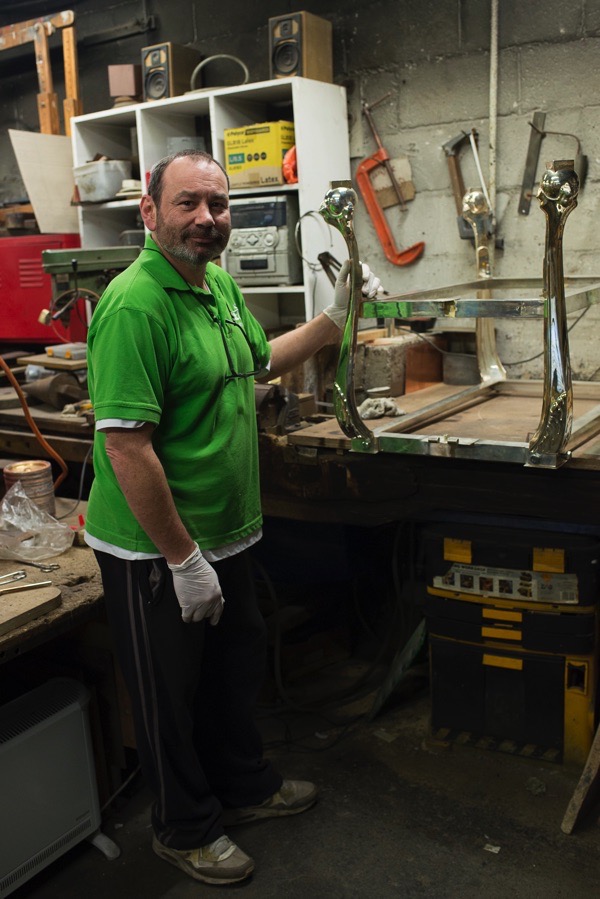
Bradley Hitchman – “I am a silversmith and maker of thirty-four years. When I was thirteen, I moved to Morden and the next door neighbour owned this company. A few years after I left school, I was doing a training scheme to be an engineer but I thought ‘Silversmith’ sounded more glamorous than ‘Engineer.’ So I came here. It was a struggle at first. It was very repetitive, hundreds of this, thousands of that. The same thing over and over again. But when it comes to doing it now it is second nature. Once I got the hang of things and things came easier, it was no longer boring – you just got on with it. I have always liked working with my hands. I like the creative side of this work, you can take a piece of metal and turn it into something – like this dessert trolley! Pretty much everything here is bespoke. ”
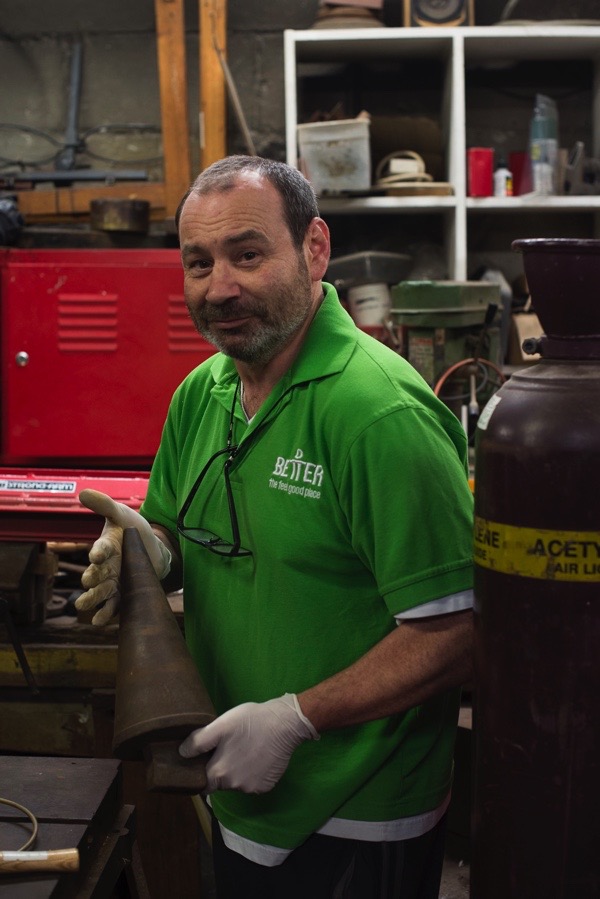
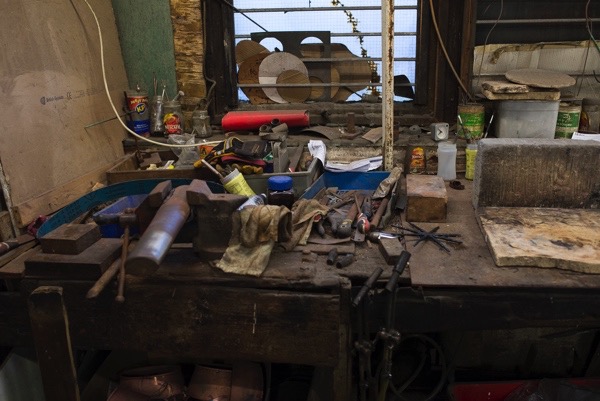
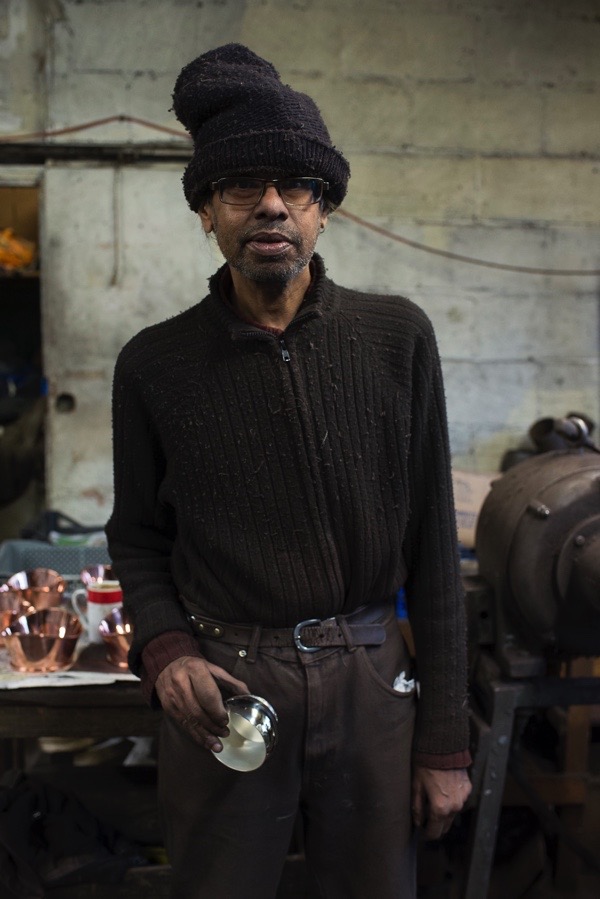
Pascal Fernandes – “I am a polisher and a finisher. Way back in 1976, I got an apprenticeship as a polisher and I was taught by three very good people. It is very dangerous work because the machines show you no mercy, they can take your hand off. At first, I found it boring but over the years you learn from other people who might do something differently. You do not necessarily copy them because each has an art of their own. My way is the way I was taught originally by a man who was taught by the best. It is creative and I took it as my living, so I must like it. You learn your lessons as you go along. You have got to take the good with the bad.”
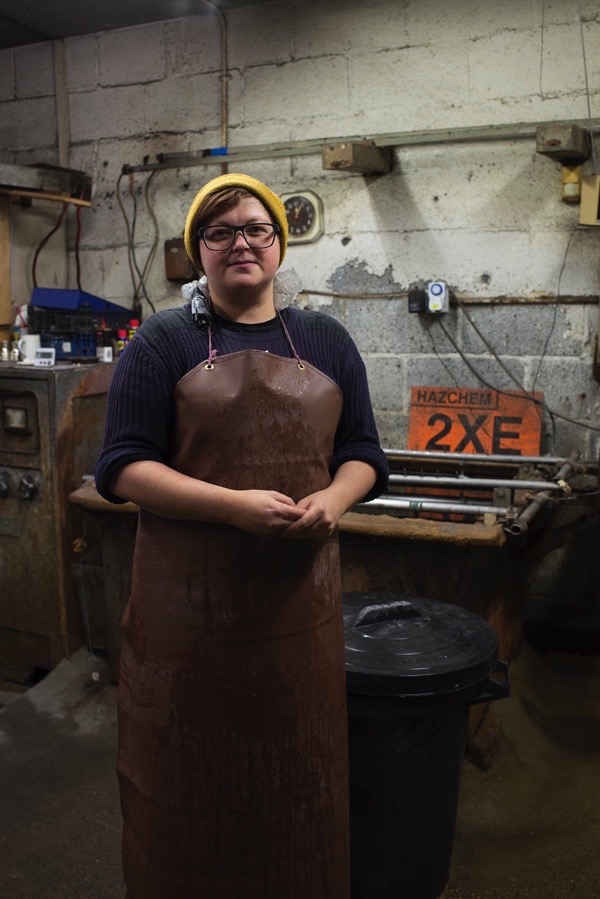
Chloe Robertson – “I am a maker and I do electroplating as well. I did a degree in Design in Liverpool and picked working with metal and wood. I won ten thousand pounds start-up business funding and I funded myself to go to Bishopsland which is a post-graduate college for silversmiths and jewellers, and then I won an award as ‘Woodturner of the Year’ which meant I got a free workshop for a year. Then this job popped up and I have been here two years. I am the newbie, but I love this work and I intend to stay at least ten years. It is fascinating working alongside these guys who have been here for all these years, I learn something new every day. Some of these techniques they know are mind-boggling.”
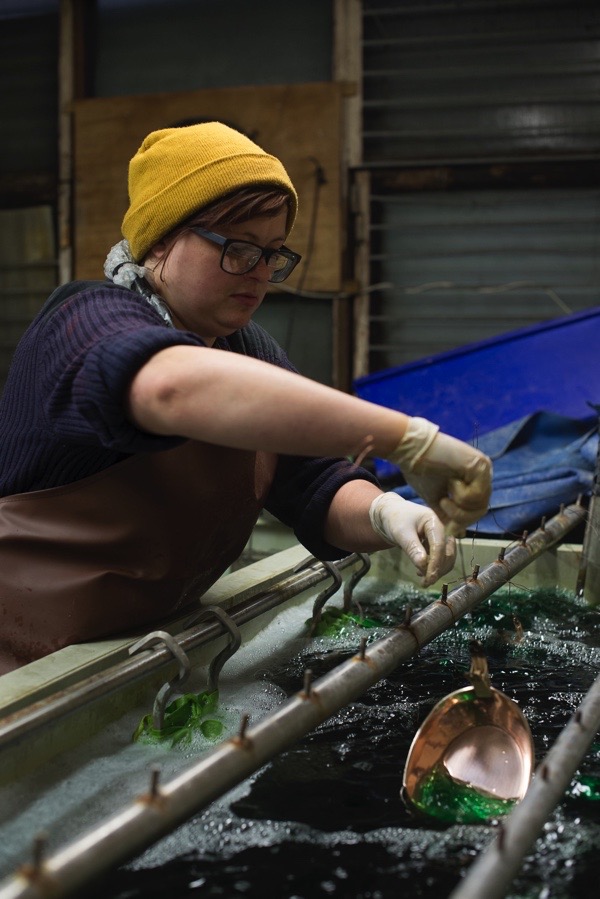
Chloe plates the copper with nickel in a vat of boiling arsenic
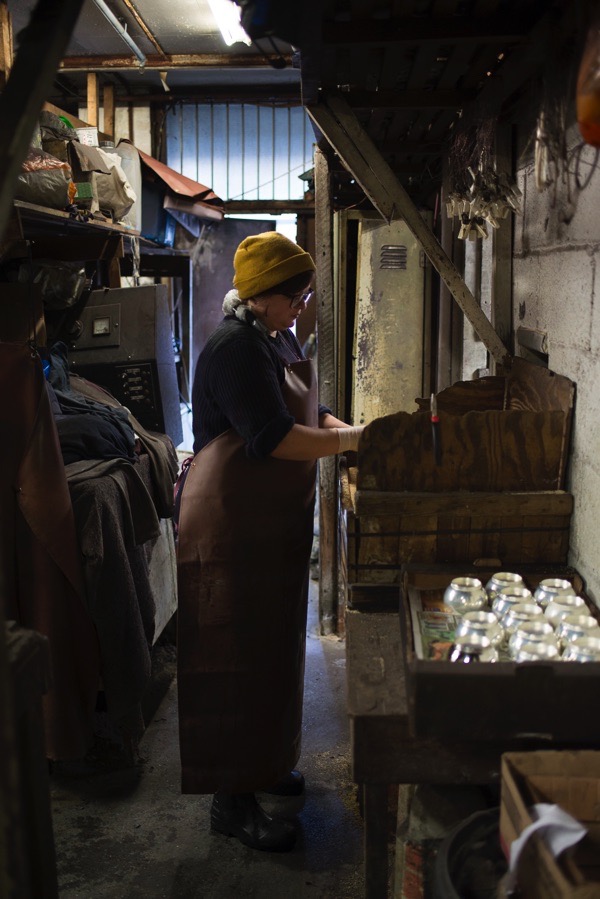
Chloe dries the plated objects in a box of grain
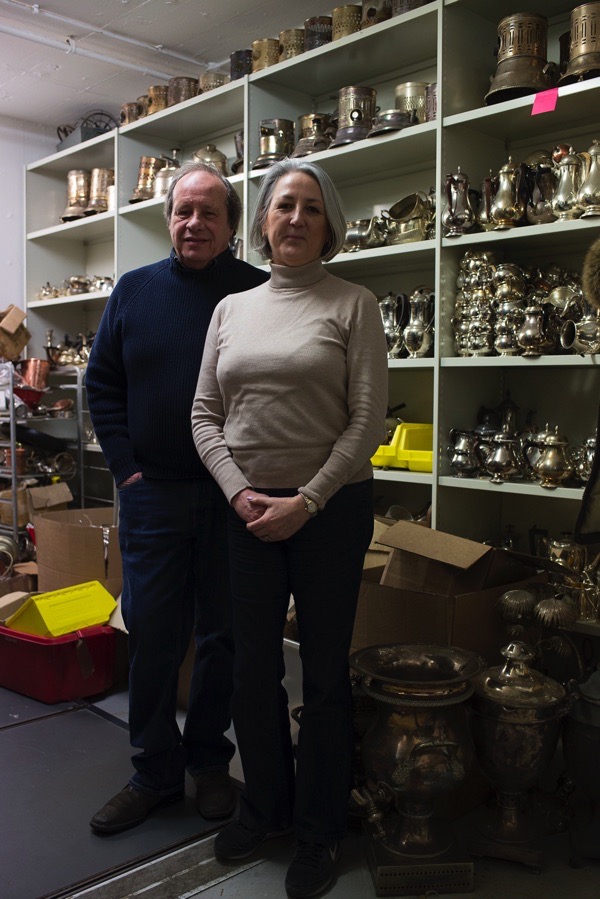
Lawrence Perovetz, Director & Valerie Lucas, Secretary, Margolis Silver
Photographs copyright © Sarah Ainslie
You may also like to look at these nearby manufacturers












