
Happy Birthday, Lilo Blum!
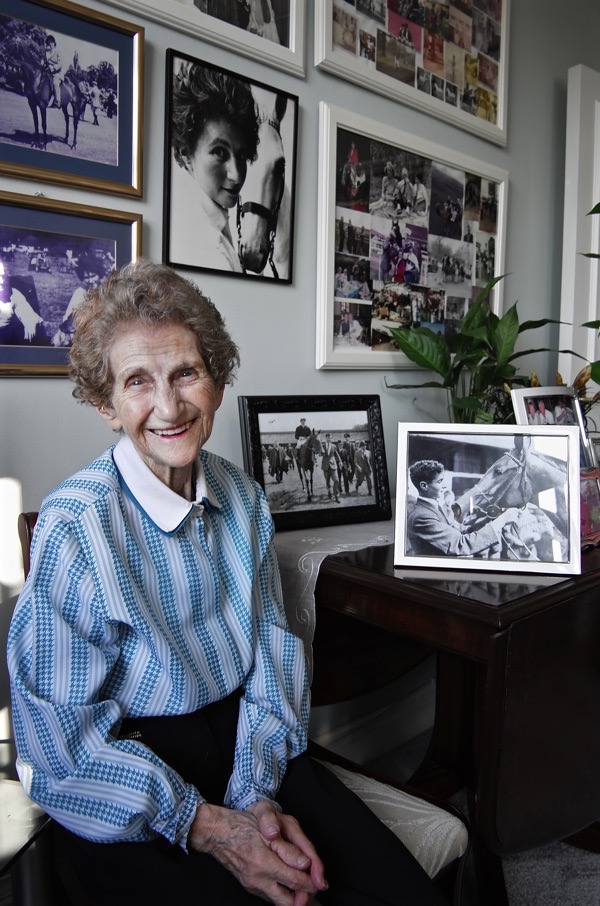
‘The first time I rode in Hyde Park was in 1937…’
I know readers will want to join me in wishing Lilo Blum many happy returns on her ninetieth birthday today. Born in Germany in 1927, Lilo and her family came to London as refugees escaping the Nazis in 1937 when she was just ten years old, but within a couple of years she had set up her own livery stable next to Hyde Park. Lilo Blum’s Riding Stables flourished for forty-five years as a popular London institution, occupying Lilo’s entire working life and proving an irresistible magnet for any celebrity, jetsetter or socialite who enjoyed a canter in the Park.
My meeting with Lilo Blum came about when her nephew Edward recognised a photograph of his aunt’s stables in Grosvenor Park Crescent in 1952 by Israel Bidermanas published on Spitalfields Life recently and wrote to me. Naturally, I jumped at the opportunity to interview Lilo at her swish flat in Park Lane with a magnificent view over Hyde Park and hear her triumphant story in her own words.
“I was four or five when I learnt to ride. My brother was three years older than me and I remember he rode in a pony race, and I cried because I wanted to ride as well. So they got me a quiet pony and I rode round the course, quite a few miles behind the others, but at least it kept me quiet. Working with horses runs in our family and my father was a well-known veterinarian. He could tell at one glance if a horse was lame, because in those days they didn’t have x-rays and you had to be able to just say what was wrong.
I started my riding stables in 1943 when I was sixteen years old. I collected threepenny bits in an old whisky bottle and then I went with my father to the big sales at Newmarket where they sold racehorses. We bought one for fifty-five guineas and I called him ‘Pick-up.’ After I had bought him, I thought ‘What am I going to do with him?’ because he was baby racehorse and unbroken, so I couldn’t use him in a riding school. But I was lucky because I had some friends who worked at Knightsbridge barracks and they agreed to keep him in their stable for me.
The sergeant offered to ask his commanding officer if I would be allowed to take my horse riding from the barracks and, luckily for me, they allowed it during the war. The sergeant broke in my horse, and got him nice and quiet and civilised, so people could eventually ride him and I knew he wouldn’t throw anybody off. Then I sold ‘Pick-up’ to the Huntley & Palmers people and he raced for them and won some races, which was good for me. I can’t remember how much I got but it was enough to buy some ponies and that was how I started my riding stable.
The first time I rode in Hyde Park was in 1937. Before the war, you could see a thousand horses riding down Rotten Row. You had to dress up properly for riding then and the ladies they rode side-saddle – I tried it once, I didn’t like it. There were hundreds and hundreds of stables in the mews around Hyde Park then. I remember when all the mews were horses. It’ll never come back again. After the war, people didn’t dress up for riding any more. Society changed.
I had around twenty horses in my stable and lived for forty-two years in Knightsbridge in Old Barrack Yard, next to The Grenadier. I’ve spent many hours in their with some of our people and I’ve seen a few landlords come and go. If I had a penny for every time people asked me ‘Where’s The Grenadier?’ without question I’d be a millionaire. Most of my friends I met through horses.
I love horses but there were some anxious moments. It was always a gamble because you’d buy a horse in the country yet if it was no good in the traffic you might just as well get rid of it. My father taught me a lot and I had a great friend, an Irish racehorse trainer who was very good at picking out horses.
My favourite horse, we called it ‘Decision’ because we saw it at a sale and my father wasn’t quite sure about it but then the owner asked, ‘What’s your decision?’ He was very popular and he made me a lot of money. He lived to be old and he worked really hard and we thought ‘Well, he’s done well for us,’ so we turned him out in a field but he didn’t like it. He was so used to working and being in the traffic that he died soon after.
With horses, it’s seven days a week, twelve hours a day starting at 5:30am. Often, I would have just locked up and put all the horses away when a whole lot of people would come down, but I would never refuse them. I would unlock the door again, get the horses out and show them all around Hyde Park. It’s nice when people appreciate what you do for them.
Once I started my stable in Grosvenor Crescent Mews, I had loads and loads of famous people coming to ride. Zsa Zsa Gabor kept her horse with us for a little while, but she liked to go one better so she took him down to the Duke of Marlborough in Wiltshire where she galloped all across his lawn and he wasn’t too happy. So she brought her horse back again and rode him out in Hyde Park. Then she decided to go abroad and asked me to sell her horse, and he became the symbol of Lloyds Bank and starred in ‘Black Beauty’ with Vivien Leigh and ‘Knights of the Round Table’ with Robert Taylor and Ava Gardner. A very famous horse.
I remember one day we had our ponies out and the Household Cavalry were training and making an awful lot of noise, so I called Andrew Parker-Bowles, who was officer in charge, and said, ‘You’re upsetting my ponies!’ To be fair he was very nice about it, and he was always very nice to me after that. In fact, one of my horses had an injury and he took it into the barracks to have it treated, so it didn’t do any harm to tell him off.
Topol lived in the house on the corner and we had Jean Simmons & Stewart Grainger at the top of the mews with their daughter Tracy who used to come and mess about with the ponies. Paul Newman came, Raquel Welch was another regular, and Stirling Moss – he lived in our mews, I knew him when he was a kid.
Luciano Pavarotti was a heavy man and he used to sit at the front of the horse, so I said to him, ‘Hey mister, you give my horse a sore back! Sit further back in the saddle.’ Mohammad Ali rode one of our horses in the Park too, but after I shook hands with him I felt mine was going to drop off! Jacqueline Kennedy’s sister’s husband, the Polish Prince Radziwiłł kept his horses with us and that’s how I got to know the Kennedys. I taught the little children, Caroline & John Kennedy to ride but I always had to have a police escort when I took them out.
Sometimes we got these pushy mums. I’ll never forget one lady, she said to me, ‘When are you going to teach my little girl to trot?’ and I said, ‘Give her a bit of a chance, she’s only two years old.’ I told the little kid, ‘Your mummy wants me to teach you to trot,’ and she did it once it, but she couldn’t get the rhythm so she said, ‘Enough now!’ I’ll never forget that but, in time, she turned out good.
I ran my stables until 1988 and it was a great success. Eventually the Duke of Westminster built the Lanesborough Hotel at Hyde Park Corner and he didn’t want any more horses in the mews. It was very disappointing after forty-five years, but life goes on. Everything has changed so much hasn’t it?
It has been an interesting life I must say. You’ve got to make the best of it. I keep telling my friends, ‘It’s a rehearsal not the real thing,’ but they don’t take any notice. I made money and blew money like everybody else. I was lucky I always worked for myself which is a great thing. I’ve done alright. I can’t complain! If I see a horse I like out in the park from my window, I still think ‘That one’s nice, that would have done me nicely.'”

Lilo Blum’s Riding Stables, Grosvenor Park Crescent W1 – as photographed by Israel Bidermanas in 1952. Lilo’s dog Peggy sleeps in the foreground.

The Grenadier, Old Barrack Yard, Lilo Blum’s local for half a century
Archive photographs courtesy © Bishopsgate Institute
You may also like to read about
The World Of The Car Washes

Mohaimenul Islam, Car Washer
Car washes come and go in the East End, opening up in vacant railway arches or disused petrol stations, enjoying a brief flowering and then vanishing as unexpectedly as they appeared. When Contributing Photographer Sarah Ainslie and I drove around in her (unwashed) car, we found several favourites had gone whilst others had sprung up overnight. Yet within the mutable world of the car washes, business goes on relentlessly, because as quickly as vehicles are cleaned, the traffic and the weather and the mud restore the necessity for it to be done all over again. Teams of men work ceaselessly in shifts, twenty-four hours a day, at a job that requires astounding stamina and patience.
It gives me the shivers just to imagine the lot of a car washer, working outside through the damp and cold of a London winter, so I was humbled by the goodwill that we encountered from these men, demonstrating resilience and tenacity in circumstances that few would envy. Arriving at T2 Car Wash under the railway arches at the Western extremity of Cable St, beneath the main line coming out of Fenchurch St Station, the car washers welcomed us into their cosy cubby hole off the main working area, a den where they enjoyed a bowl of porridge and watched satellite TV, toasting their toes by the heater during a rare break from the everlasting parade of taxis which pass through here night and day.
Yet once a vehicle pulled up, they were all over it with a preternatural dexterity and speed. Working in concert, they were spraying shampoo, mopping it with sponges – one in each hand – then rinsing it down and polishing it up with chamois leathers – again one in each hand – until the customer received his charge back, gleaming and spotless. And then the car washers moved on to the next in line with undiminished enthusiasm. While one team attended to the exterior, others were hoovering and cleaning out the interior, and everyone worked round each other – like some elaborate dance in which the moves kept shifting as everyone accommodated to everyone else in the constant imperative to keep things moving. These men are expert at what they do and show grace, in demonstrating the warmth of mutual respect, and excelling in an endeavour which to others might be of little consequence.
All this spectacle takes place within a whitewashed arch lit by fluorescents, open to daylight at either end, where, in a glacial mist, every surface glistens with damp and the floor is awash with water and soap suds draining away through culverts. For the most part these men do not wear gloves, even working with wet sponges and wringing them out in cold water, but when I asked “Don’t you get cold?” – the answer was automatic – “We don’t feel the cold when we’re working, and when we’re not working we’re in by the heater.”
In each car wash, I sought human details – the Christmas baubles, or the plastic birds, or the bunting, or the odd chairs scattered around, or the newspaper cuttings stuck to the wall, indicating that the employees had taken possession of their space. Be aware, the car wash is an arena we entered as guests, because the car washers are rulers of their soapy domain and customers must understand the decorum and necessity which requires a retreat to the waiting room, or to use the facilities, or to stand outside, at a respectful distance from the centre of activity.
Alone in the den at the T2 Car Wash, a room excavated into the thickness of the old brick vault, where I was privileged to hover and warm myself, I realised that I had found the inner sanctum in which the car washers came to regroup, sitting upon the worn couch and old office chairs, wiling away the long dark nights and bolstering each other’s resolve to make it through another winter. In the face of this arduous repetitive work, a group of Ghanaians and Romanians had banded together to make the best of it under an arch in Cable St.
You might say that washing cars is a pointless activity since the vehicles get dirty again at once, yet, as with many human occupations, the nobility lies not in the nature of the task or even in the reward, but in the manner of its execution. And there on the wall in the den, I saw the medal for car washing, awarded to the team for the ever-growing number of customers each month, objective evidence – if it were ever necessary – of the otherwise unacknowledged heroism of the car washers of the East End.


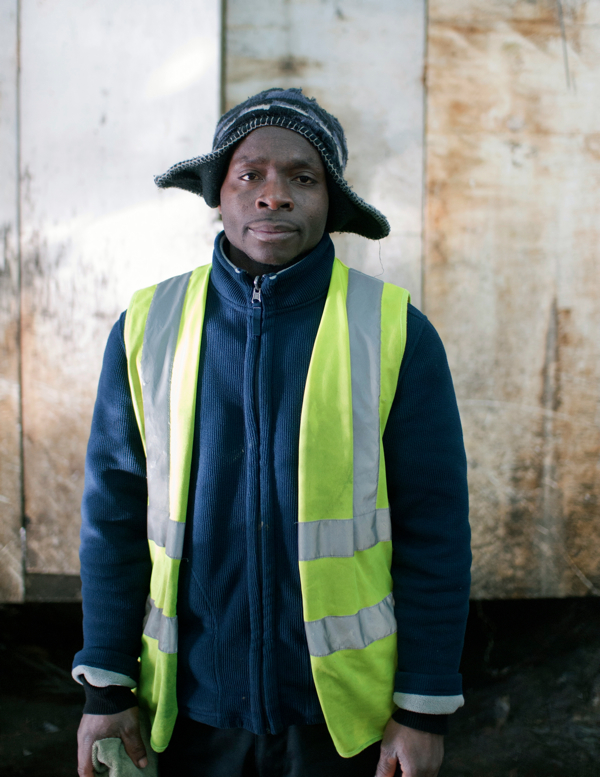
George


The den

Rosoi Lucian

Working without gloves in winter

Kofi shows off the customer facilities

Car washers never cease work, twenty-four hours a day

Albani Cletesteanu
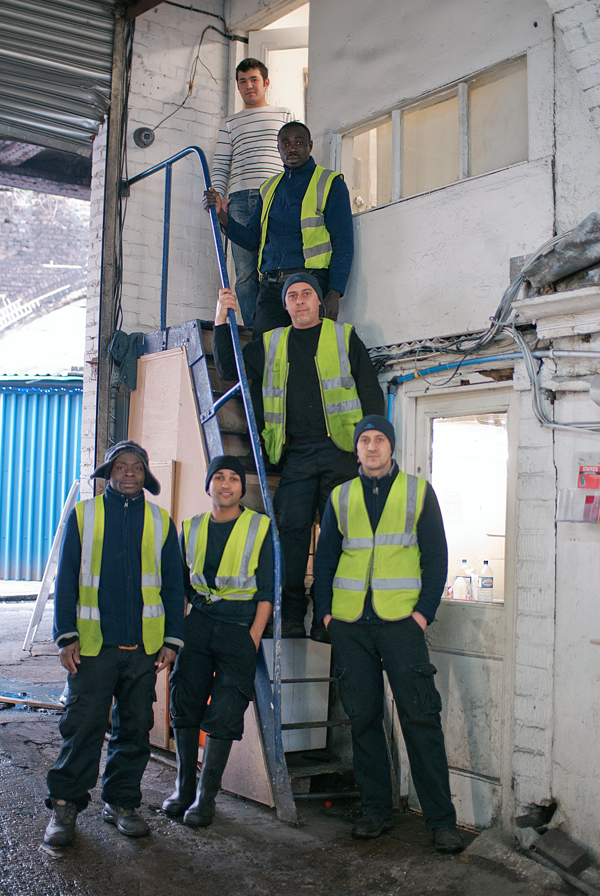
The champion car washers of Cable St

Wet boots and socks


Photographs copyright © Sarah Ainslie
In Search Of The Red Lion Theatre
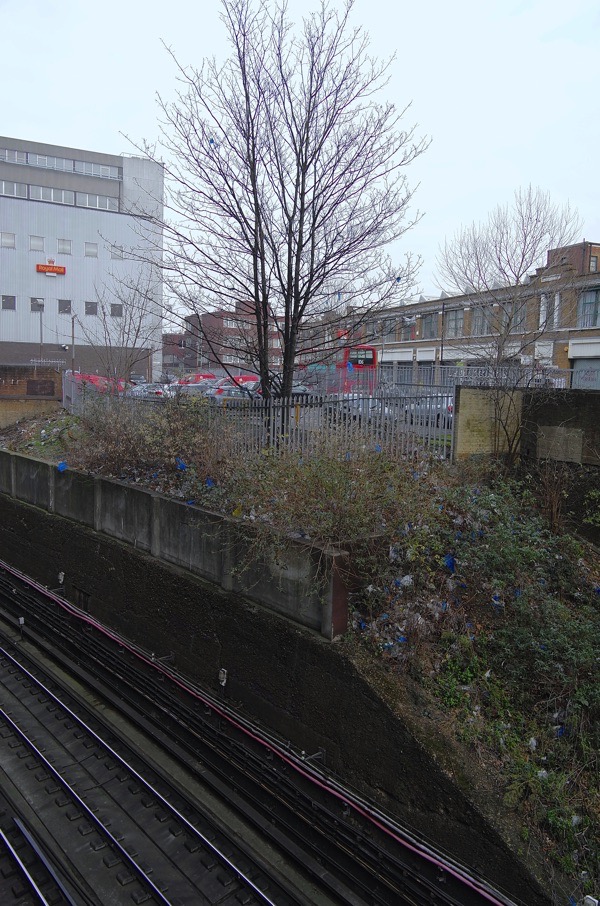
Is this the location of The Red Lion Theatre?
The Red Lion Theatre in Whitechapel was constructed in 1567 by John Brayne and his father-in-law James Burbage as London’s first purpose-built public commercial theatre, predating by some years those in Shoreditch which are celebrated as the home of Shakespeare’s first plays. Now, recent excavations up in Shoreditch have led to a renewed interest in what may be discovered down in Whitechapel, encouraging my own speculation about the location of The Red Lion Theatre.
For centuries, Whitechapel was the point of arrival and departure for those travelling east, where coaching inns – such The Boar’s Head at Aldgate – became venues for the performance of plays, and Henry VII Treasurer’s Accounts book for 1501 includes the entry – ‘6 August 1501: Also to the players at Mile End, 3 shillings, 4 pence.’
Evidence for the existence of The Red Lion Theatre resides in two legal documents which record the nature of disagreements between John Brayne and those who built his theatre. This first extract describes the location of The Red Lion and outlines its dimensions.
‘The condition of this obligation is such that if the within bounden John Reynolds, his executors, or assigns, or any of them, at his or their proper costs and charges do frame, make, or build and set up for the within named John Brayne within the court or yard lying on the south side of the garden belonging to the messuage or farmhouse called and known by the name of the sign of the Red Lion (about the which court there are galleries now building), situate and being at Mile End in the parish of St Mary Matfellon, otherwise called Whitechapel without Aldgate of London, sometime called Stark’s House, one scaffold or stage for interludes or plays of good, new, and well-seasoned timber and boards, which shall contain in height from the ground five feet of assize and shall be in length north and south forty foot of assize and in breadth east and west thirty foot of assize, well and sufficiently stayed bounden and nailed, with a certain space or void part of the same stage left unboarded in such convenient place of the same stage as the said John Brayne shall think convenient; and if the said John Reynolds, his executors, or assigns do make, frame and set up upon the said scaffold one convenient turret of timber and boards which shall contain and be in height from the ground, set upon plates, thirty foot of assize… and also that the said scaffold or stage so to be made be fully finished, wrought and workmanly ended and done before the eighth day of July then next immediately ensuing without fraud or further delay: that then this obligation to be void and of none effect or else to stand and abide in full strength and virtue.’
This second document challenges the quality of the carpenters’ work and names one of the plays performed at the theatre as The Story of Sampson.
‘Court holden the 15th day of July 1567 … by master William Ruddock, Master Richard More, Henry Whreste, and Richard Smarte, wardens, and Master Bradshaw. Be it remembered that … where certain variance, discord, and debate was between William Sylvester, carpenter, on the one party and John Brayne, grocer, on the other party, it is agreed, concluded, and fully determined by the said parties, by the assent and consent of them both with the advice of the master and wardens above said, that William Buttermore, John Lyffe, William Snelling, and Richard Kyrby, carpenters, shall with expedition go and peruse such defaults as are and by them shall be found of, in, and about such scaffolds as he the said William hath made at the house called the Red Lion in the parish of Stepney, and the said William Sylvester shall repair and amend the same with their advice substantially as they shall think good. And that the said John Brayne on Saturday next ensuing the date above written shall pay to the said William Sylvester the sum of £8 10 shillings lawful money of England, and that after the play which is called The Story of Samson be once played at the place aforesaid the said John shall deliver to the said William such bonds as are now in his custody for the performance of the bargain. In witness whereof both parties hereunto hath set their hands.’
It is unknown whether these two scaffolds were used for performances beyond 1567 but it is unlikely that such a large structure with a trapdoor and a turret would be built to serve for just one season. Within a decade, John Brayne entered into a second collaboration with his father-in-law James Burbage, building The Theatre in Shoreditch in 1575. Thus The Red Lion in Whitechapel can be seen as a prototype of The Theatre, the structure which was eventually transported across the river and rebuilt on Bankside as The Globe in 1599.
As part of Before Shakespeare, a project to explore the origins of public playhouses in sixteenth century London, actors from The Dolphin’s Back staged a reading of Robert Wilson’s play The Three Ladies of London (1584) in Whitechapel recently at The Urban Bar – the venue closest to the location of The Red Lion. One of the first playhouse scripts to be printed, this lively allegorical drama exposes the exploitation of the poor and vulnerable, drawing a picture of London as a cosmopolitan city of international trade, where rents are escalating beyond affordable levels and citizens are anxious about the amount of revenue paid to Europe. Plus ça change!
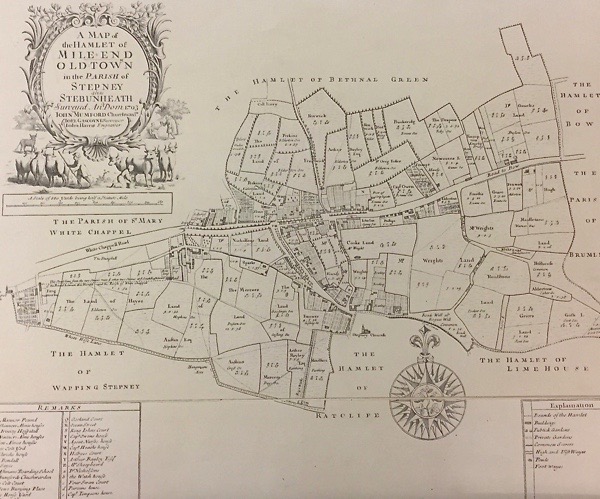
The Gascoyne Map of Stepney (courtesy Before Shakespeare)
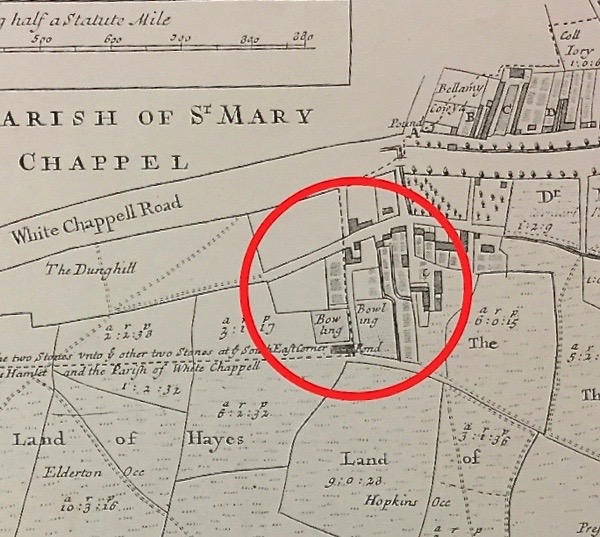
‘…within the court or yard lying on the south side of the garden belonging to the … farmhouse called and known by the name of the sign of the Red Lion…’ The Red Lion Farm is circled and the theatre is believed to have been constructed upon the westerly piece of land labelled ‘Bowling’ . (courtesy Before Shakespeare)
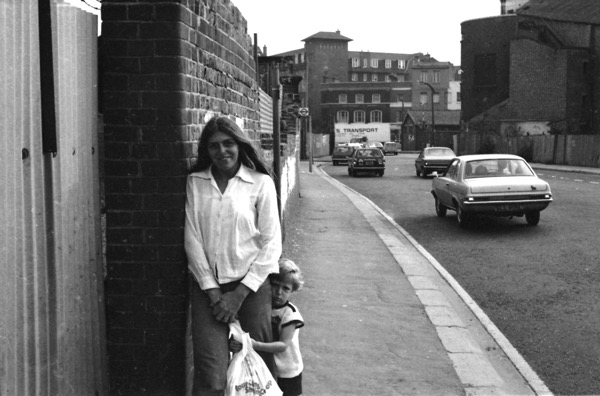
The presumed location of the Red Lion Theatre between Cavell St and Millward St is now occupied by a car park and a railway cutting
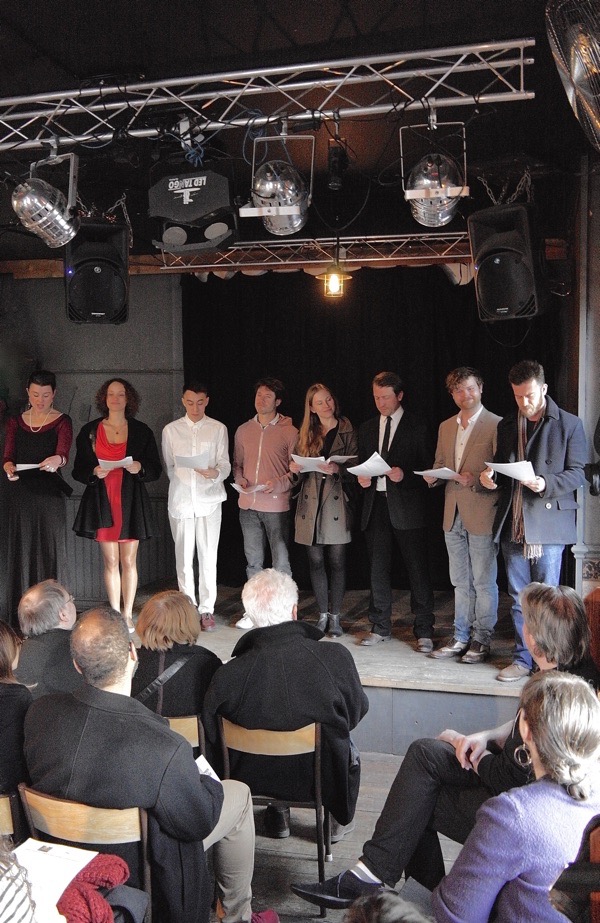
Actors from The Dolphin’s Back read Robert Wilson’s The Three Ladies of London at the Urban Bar in Whitechapel close to the site of the Red Lion Theatre
This vacant lot at the corner of Middlesex St and Aldgate High St was once the site of The Boar’s Head, Whitechapel, 1557: ‘[Privy Council orders the Lord Mayor] to give order forthwith that some of his officers do forthwith repair to the Boar’s Head without Aldgate where the lords are informed a lewd play called A Sack Full of News shall be played this day, the players whereof he is willed to apprehend and to commit to safe ward . . . and to take their playbook from them and to send the same hither.’
For further information consult www.beforeshakespeare.com
You may also like to read about
At Shakespeare’s First Theatre
In Search Of Shakespeare’s London
The Door to Shakespeare’s London
Lew Lessen, Barber
Today it is my pleasure to publish this interview and series of photographs, comprising a portrait of Lew Lessen who opened his barber’s shop in Shacklewell Lane in 1932, undertaken by Neil Martinson forty years ago. “He was a gentle and modest man who was proud of his trade,” Neil admitted to me.
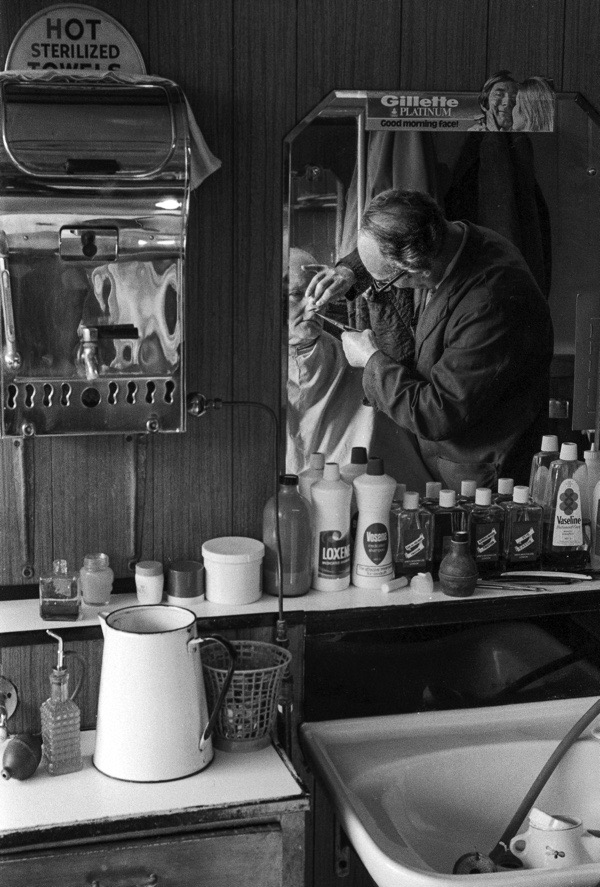
“The craft of barbering is a most honourable profession – even royalty take their hats off to us. I was apprenticed to a barber. My Dad signed an agreement for me to learn the trade for two years at a shop in Southampton St, which is now Conway St. The hours were long. We were open from 8am to 8pm every day with one hour for lunch, and we opened until 9pm on Saturdays. On Sundays we worked from 9am to 2pm and on Mondays from 8am to 1pm.
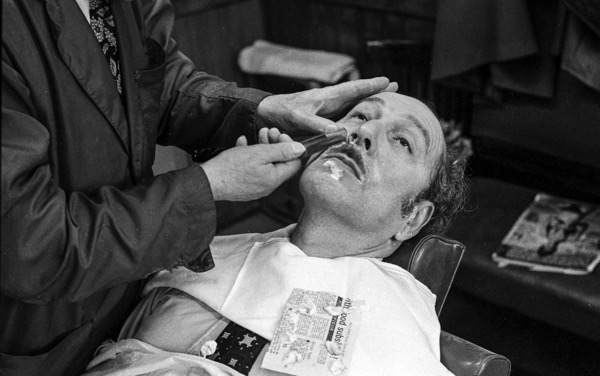
I learned the trade as I went on. I used to practice shaving with an old razor on a bottle – lather the bottle as if it was a chin (a very pointed chin) and shave it off. There was a lot of shaving in those days. Men used to come in regularly for their shave. They would have their own shaving mugs numbered. A man would come in and say ‘My mug is number 20.’ I’d fetch it down and lather him.
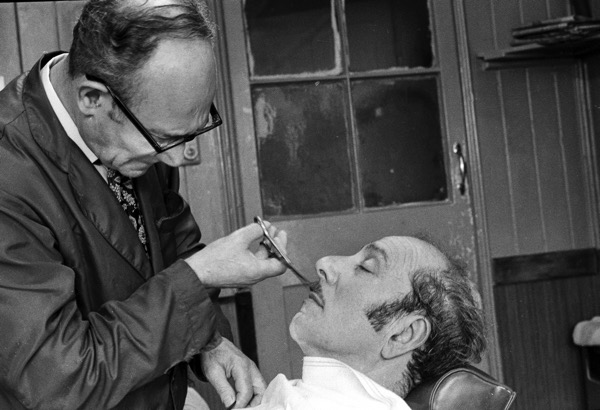
A barber’s shop was like a club in those days. People would sit and talk for hours. Some customers would come in almost every day, just for a chat. One customer I always remember was Prince Monolulu, the famous tipster, with his cry of ‘I’ve got a horse.’ His head was full of small bumps, probably fibroid growths, but his frizzy hair covered it, so that it wasn’t noticeable to the naked eye. He asked me whether I would take away a bet for him to the local street bookmaker. He wanted two shillings each way double on two horses, and he told me he didn’t want the bookmaker to know that it was his bet. Well, naturally, getting such ‘inside information’ from such a source was too good to be missed. So not only myself, but my boss, and I also prevailed upon my Dad, who was not a betting man, to join us in the bet. Needless to say both horses finished well down the field.
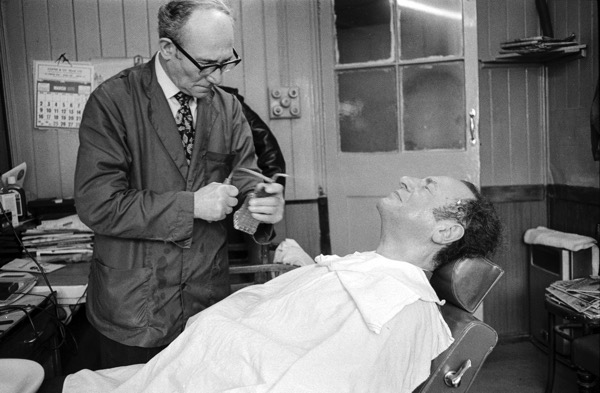
I’ve seen many changes here, both in the neighbourhood and in hairstyles. It used to be just a matter of short back and sides, with the occasional Boston. A Boston means the hair is cut at the back in a line, instead of gradually tapered out. Then Bostons were short, but now they are long. Before the war, of course, people wanted the sleek look. They wanted their hair slicked down. I would have men come in and want their hair brushed like Ronald Coleman’s or Raymond Navarro’s, both of whom had the patent leather look about them.
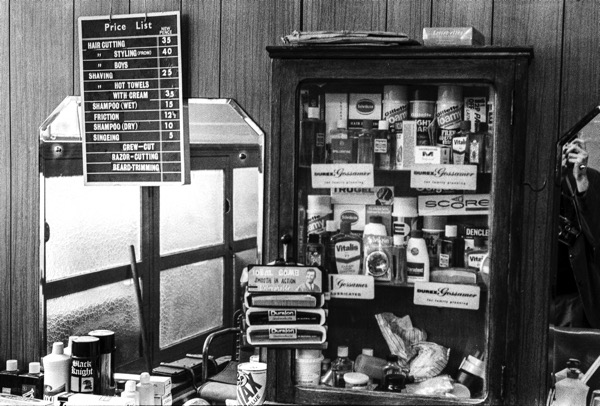
The other change has nothing to do with haircutting or shaving. The role of the barber used not to be tonsorial skills. On occasions he would become the confidant, Father Confessor, mentor and advisor of his customers, especially in sexual matters. Sexual knowledge is nowadays everybody’s right, particularly for the younger generation. But before World War Two sexual ignorance among the young was fairly high. I remember being asked for and giving advice on the functions and duties of a bridegroom. I’ve given quite a lot of advice over the years. Many were the secrets told to me in confidence of men, and their maritial and extra-marital experience, and in confidence they remained. What was more, the barber’s was the only place you could get contraceptives in those days.
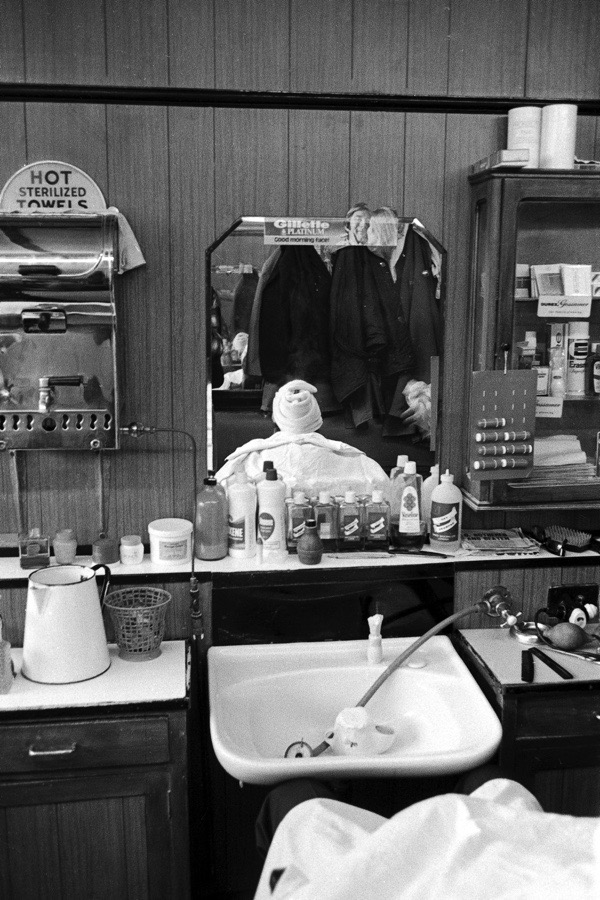
Over the years I have given service to many unusual customers. There was one man who had a serious operation on this throat, with the result that one of the arteries of his throat was covered by a very thin skin, that was more red in colour than the surrounding area. He could not shave himself for fear of cutting into this thin skin and causing the artery to bleed. He warned me to be careful not to cut the thin skin as it would have been impossible for me to stop the bleeding, and he would have to go to hospital. I shaved this man three times every week, and never once did I cut his skin.
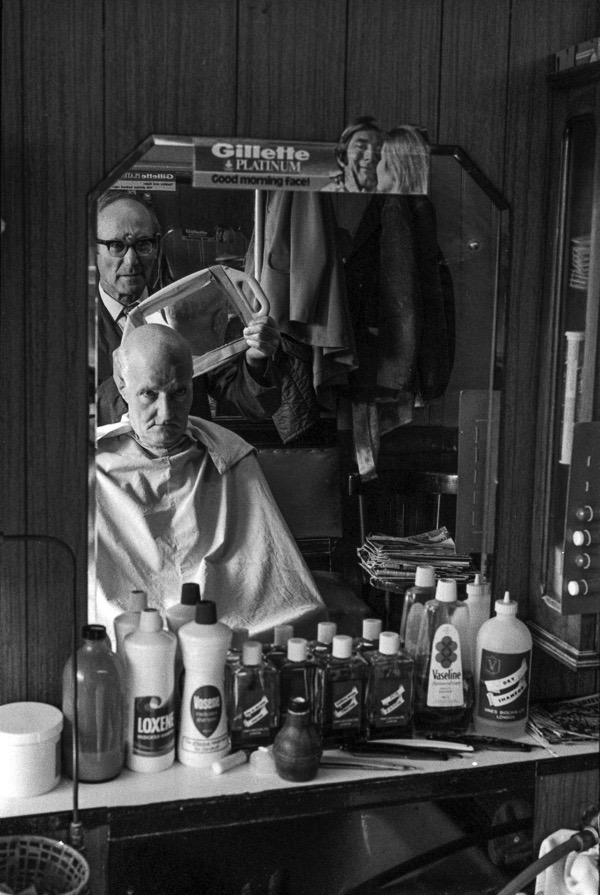
There was one aspect of my profession that always gave me a great deal of personal satisfaction, even if it did not bring me much financial reward. This was whenever it was required of me to go out and give service to customers who could not make the journey to my shop, through illness or disability. I could not leave the shop during working hours, so it meant that after closing the shop, tidying the salon, having my evening meal, then changing to go out, it was after 8pm before I left home to do this service. My charges were always very reasonable, it sometimes meant I was away from home on these evenings for up to one and half hours, and was only a few shillings in pocket. But I never minded this, as I felt it was my small contribution towards helping people who were very unfortunate.”
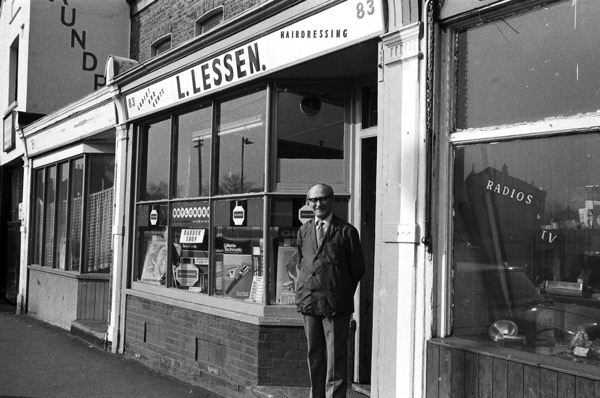
Lew Lessen outside the barber’s shop in Shacklewell Lane that he opened in 1932
Photographs copyright © Neil Martinson
(This interview was originally published by Centreprise as part of Working Lives, Vol 2 1945-77)
You may also like to read about
Aaron Biber, London’s Oldest Barber
Fogs & Smogs In Old London
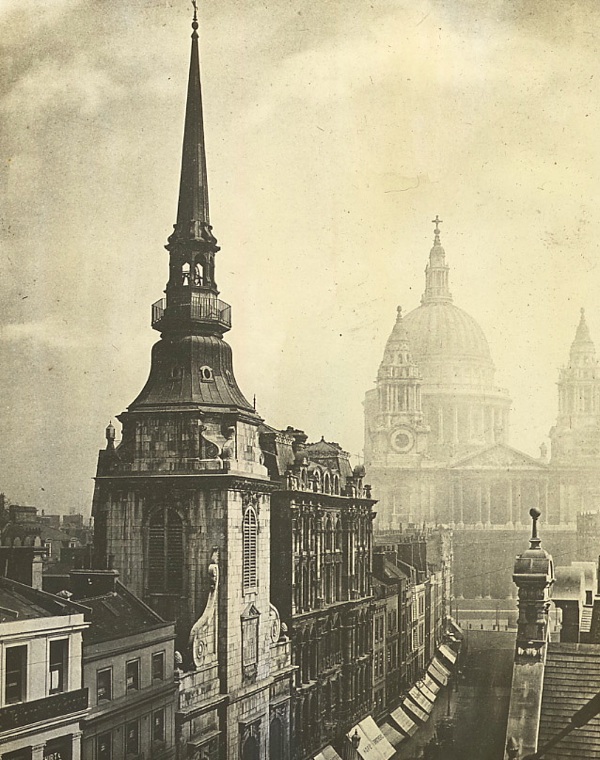
St. Martin, Ludgate with St. Paul’s Cathedral, c. 1900
At this time of year, when dusk gathers in the mid-afternoon, a certain fog drifts into my brain and the city itself grows mutable as the looming buildings outside my window merge into a dark labyrinth of shadows beyond. Yet this is as nothing compared with the smog of old London, when a million coal fires polluted the atmosphere with clouds of filthy black smoke carrying noxious fumes, infections and respiratory diseases. In old London, the city resounded with a symphony of fog horns on the river and thousands of people coughing up their lungs in the street.
Looking at these glass slides of a century ago, once used for magic lantern shows by the London & Middlesex Archaeological Society at the Bishopsgate Institute, the fogs and smogs of old London take on quite another meaning. They manifest the proverbial mythic “mists of time,” the miasma wherein is lost all of human history, save the sketchy outline that some idle writer or other jotted down. Just as gauzes at the pantomime conjure the romance of fairyland, the hazes in these pictures filter and soften the images as if they were faded memories, receding into the past.
The closer I examine these views, the more I wonder whether the fog is, in some cases, an apparition called forth by the photographic process itself – the result of a smeary lens or grime on the glass plate, or simply an accident of exposure. Even so, this photographic fogging is no less evocative of old London than the actual meteorological phenomenon. As long as there is atmosphere, the pictures are irresistibly atmospheric. And old London is a city eternally swathed in mist.
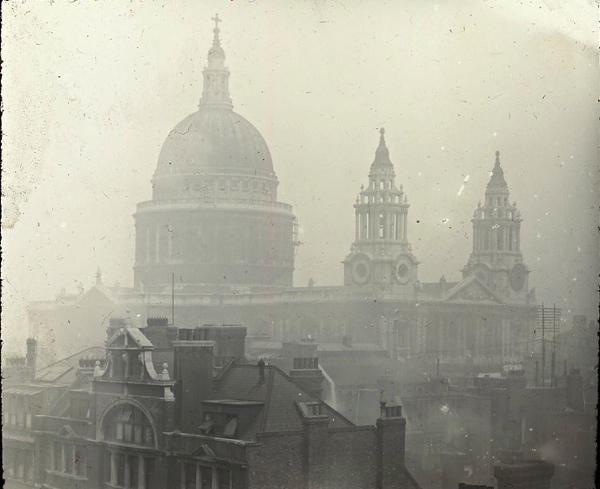
St Paul’s Cathedral from the north-west, c. 1920

Pump at Bedford Row, 1911

Cenotaph, 1919

Upper Thames view, c. 1920
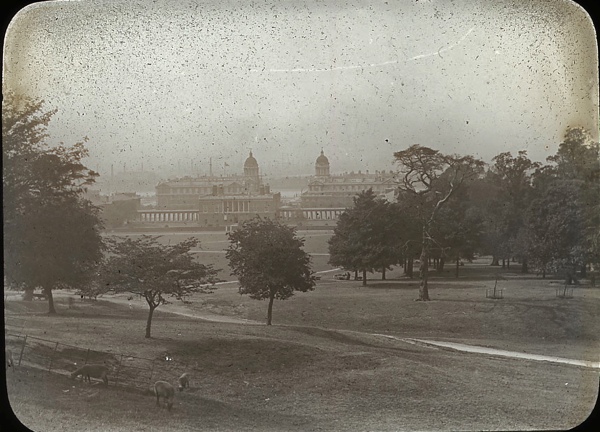
Greenwich Hospital from the Park, c. 1920

City roadworks, 1910

Looking north across the City of London, c. 1920
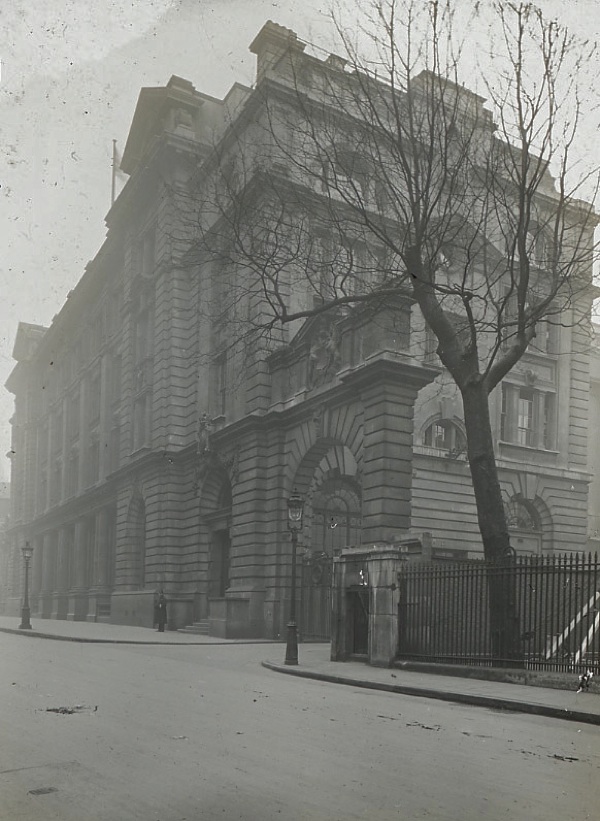
Old General Post Office, c. 1910

View eastwards from St Paul’s, c. 1910

Hertford House, c. 1910

New River Head, c. 1910

The Running Footman public house, c. 1900
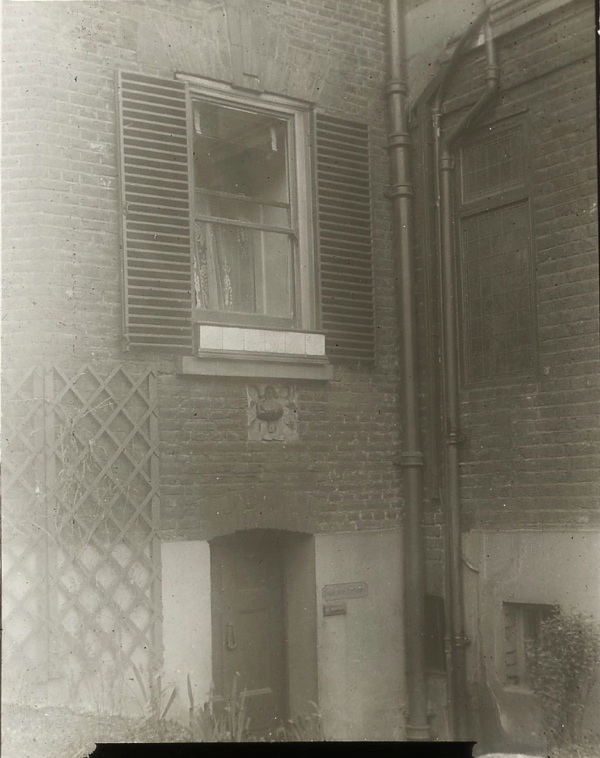
Unidentified building, c 1910

Church Row, Hampstead, c. 1910

Danish Ambassador’s residence, Wellclose Square, Wapping c. 1910

Church of All Hallows, London Wall, c. 1890

Drapers’ Almshouses, Bromley Street, c. 1910

Battersea Bridge, c. 1910

32 Smith Grove, Highgate, in the snow, 1906

Unknown public building, c. 1910
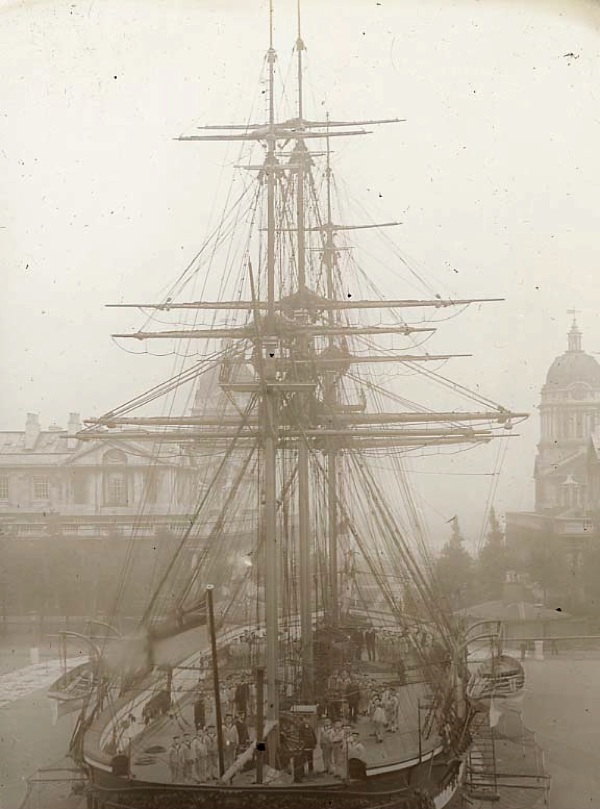
Training ship at Greenwich, c. 1910

Flooded moat at the Tower of London, c. 1910

The Woodman, 1900

Bangor St, North Kensington, c. 1910

Terrace of the Houses of Parliament, c.1910
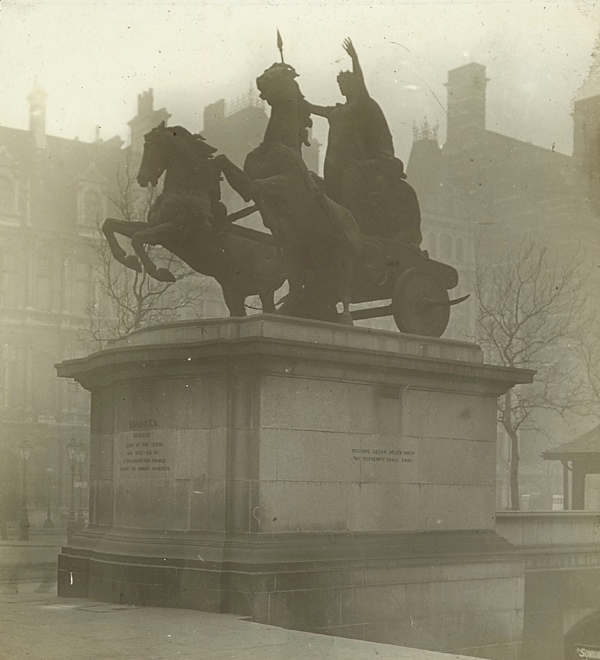
Statue of Boudicca on Westminster Bridge, c. 1910
Glass slides courtesy Bishopsgate Institute
You may also like to take a look at
Crowden & Keeves’ Catalogue
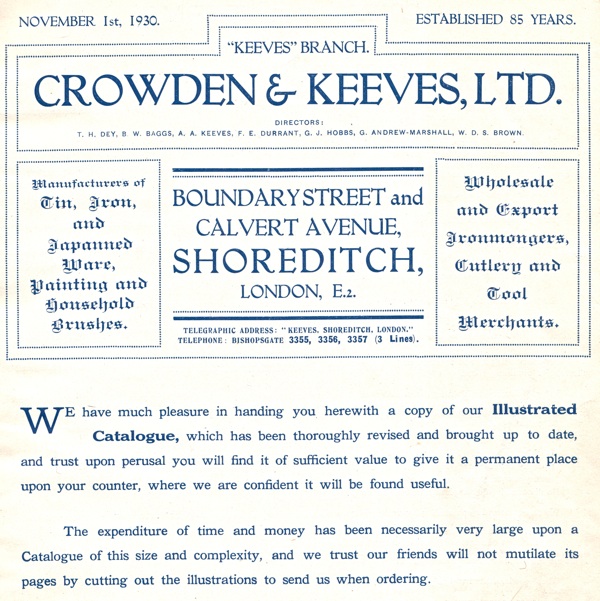
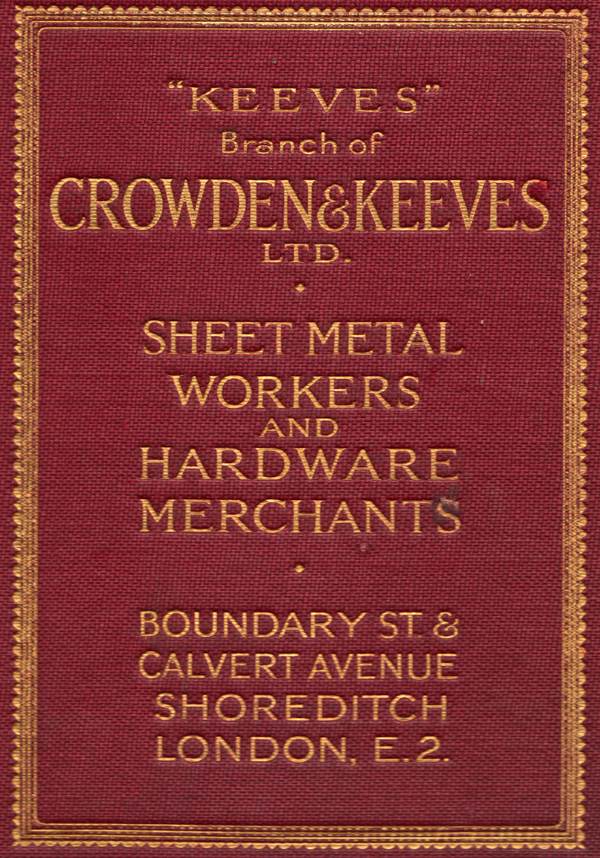
Richard Ince proprietor of James Ince & Sons, Britain’s oldest umbrella manufacturers, showed me this catalogue published by Crowden & Keeves in 1930 which had been knocking around his factory for as long as he could remember. Operating from premises in Calvert Avenue and Boundary St, they were one of the last great hardware suppliers in the East End, yet the quality of their products was such that their letterboxes and door knockers may still be recognised in use around the neighbourhood today.
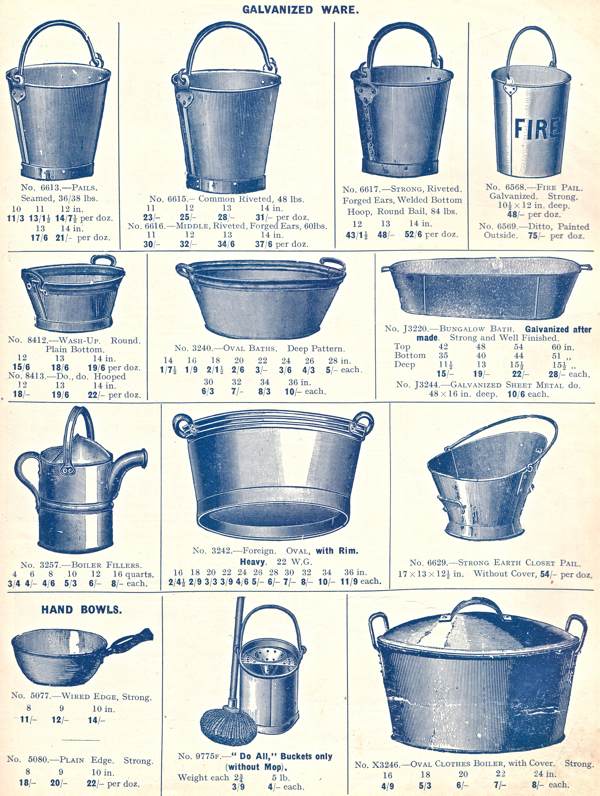
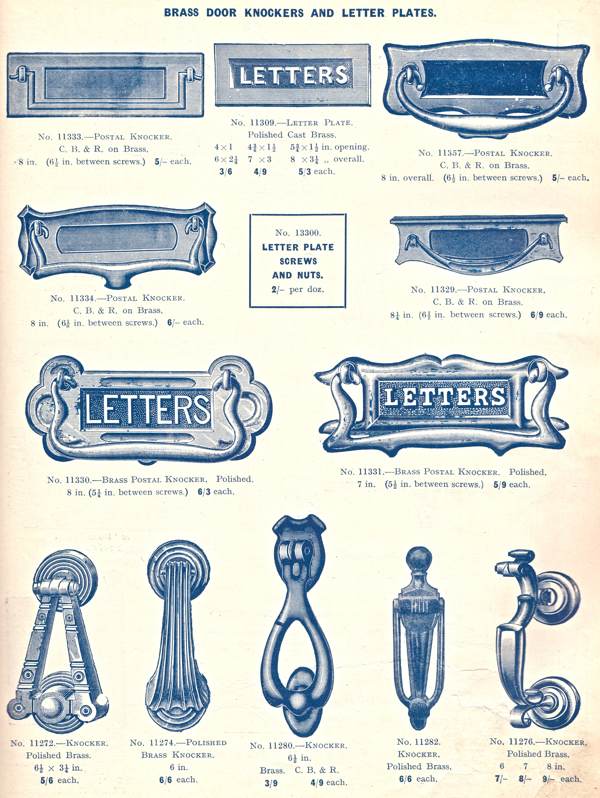
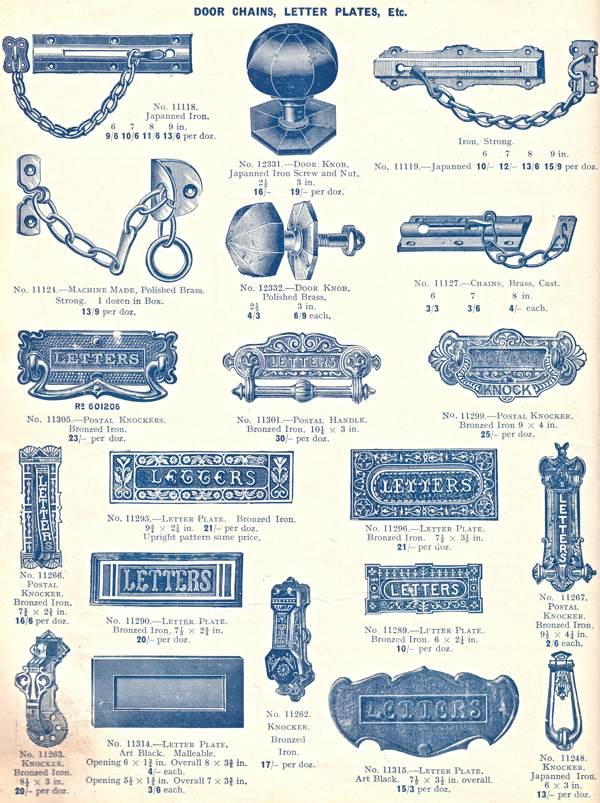
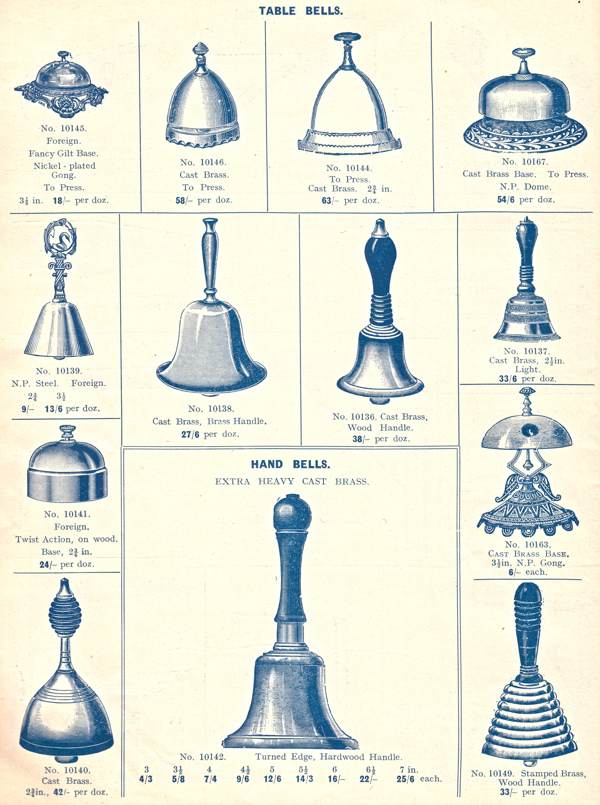
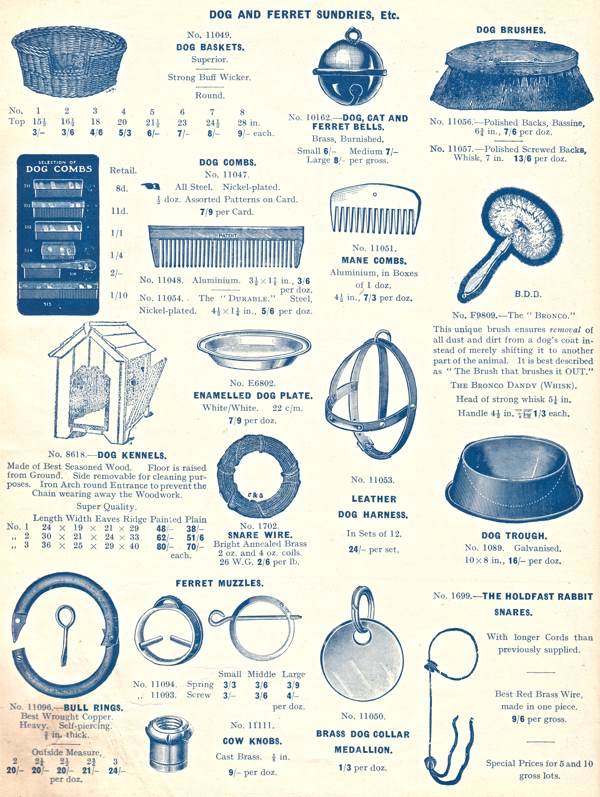
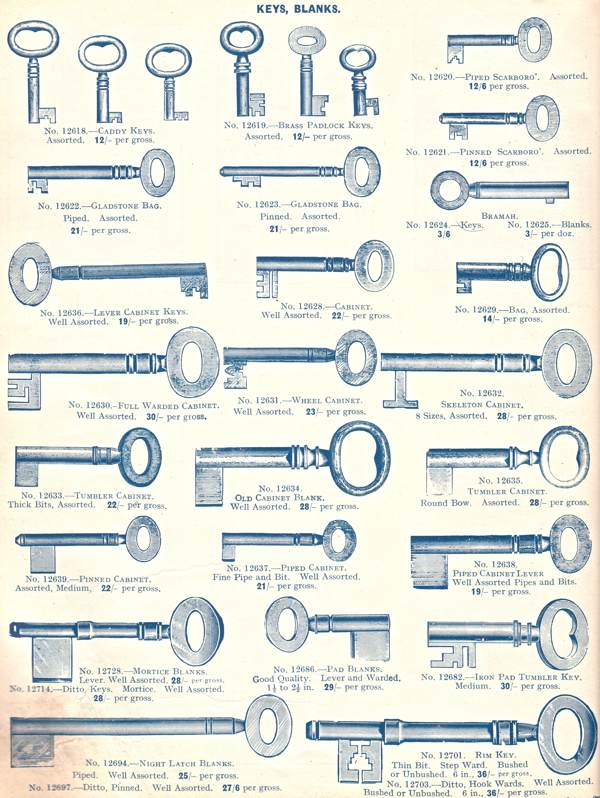
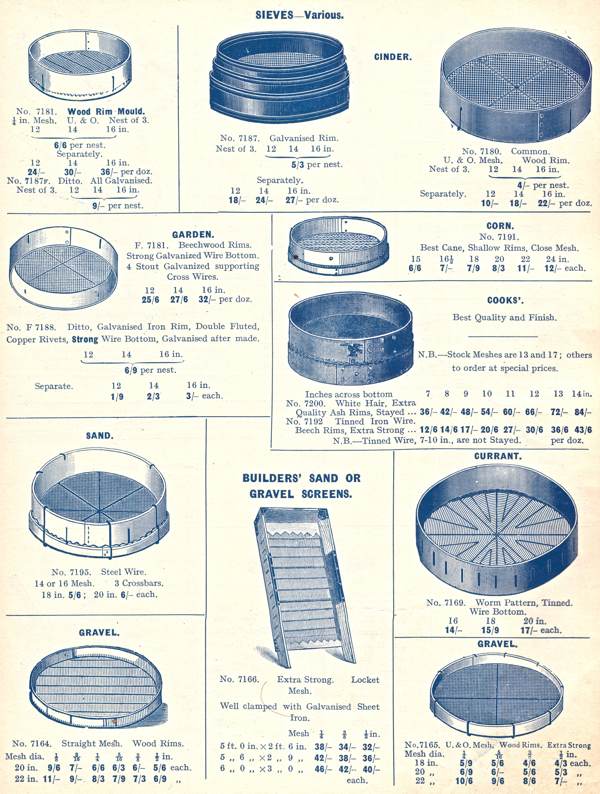
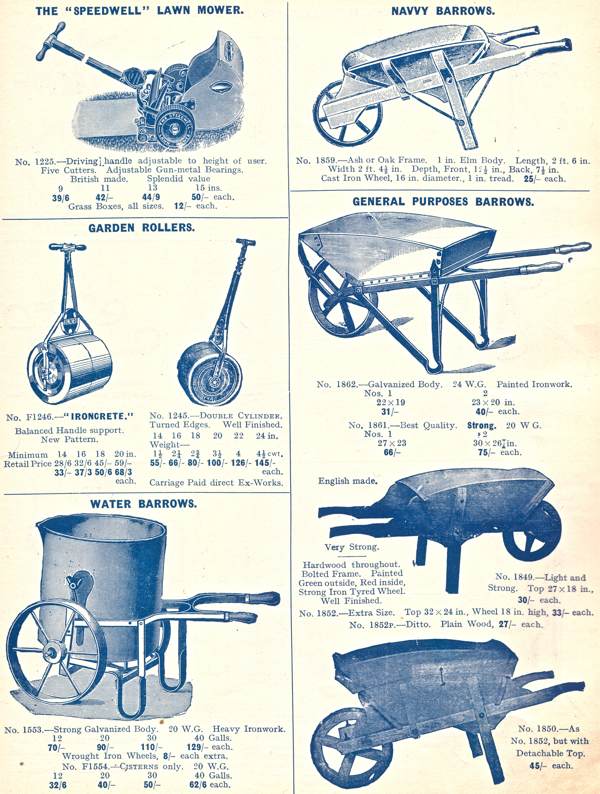
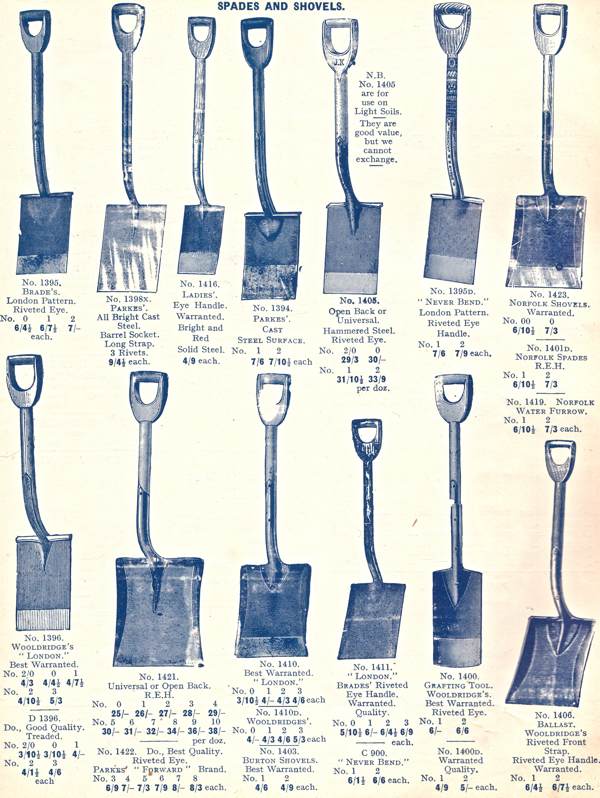
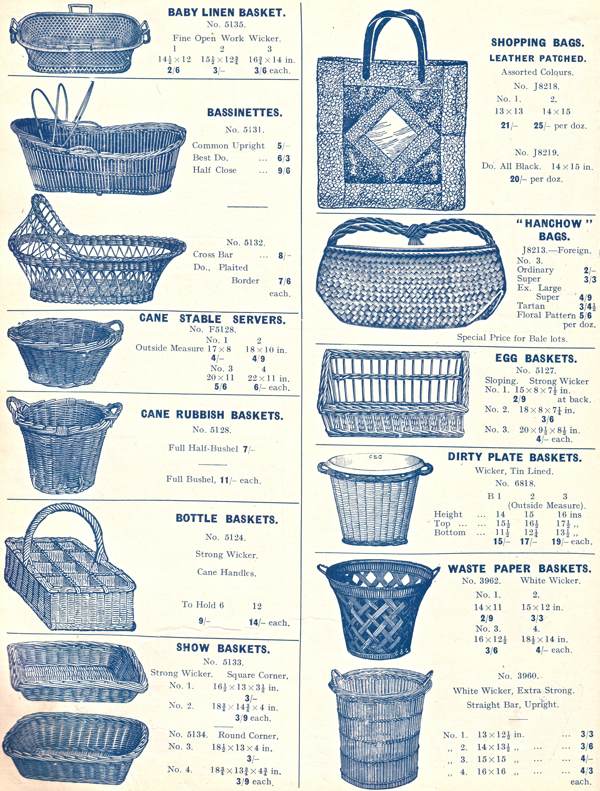
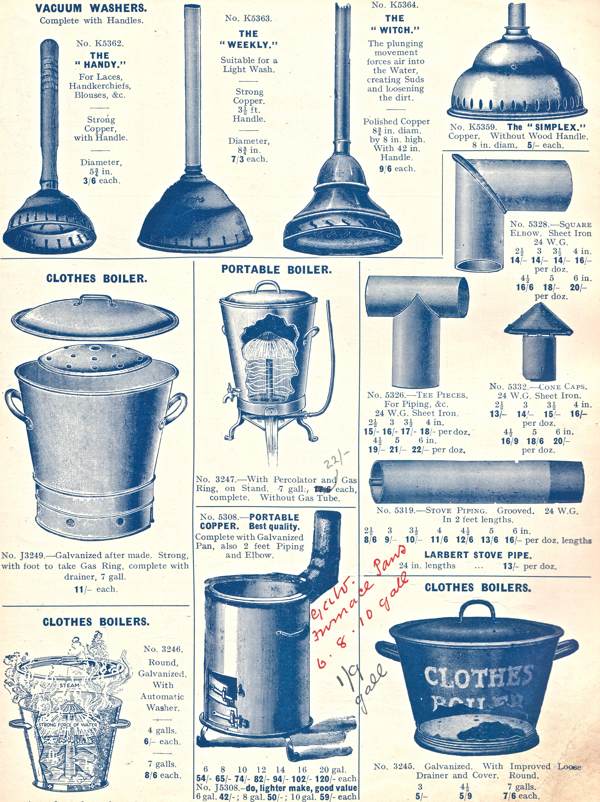
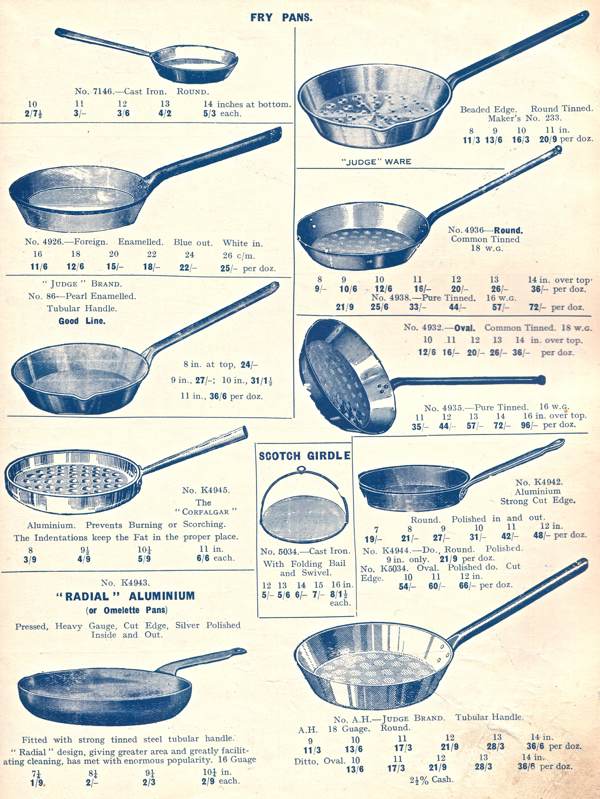
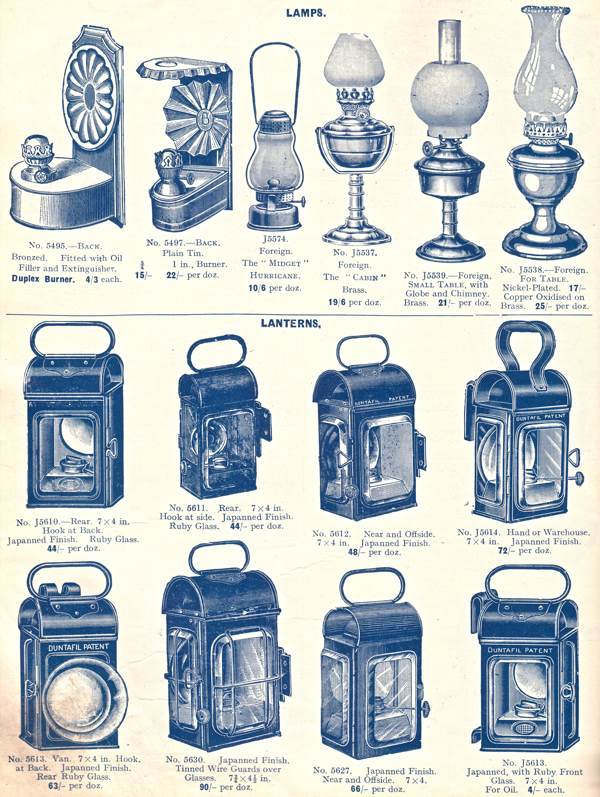
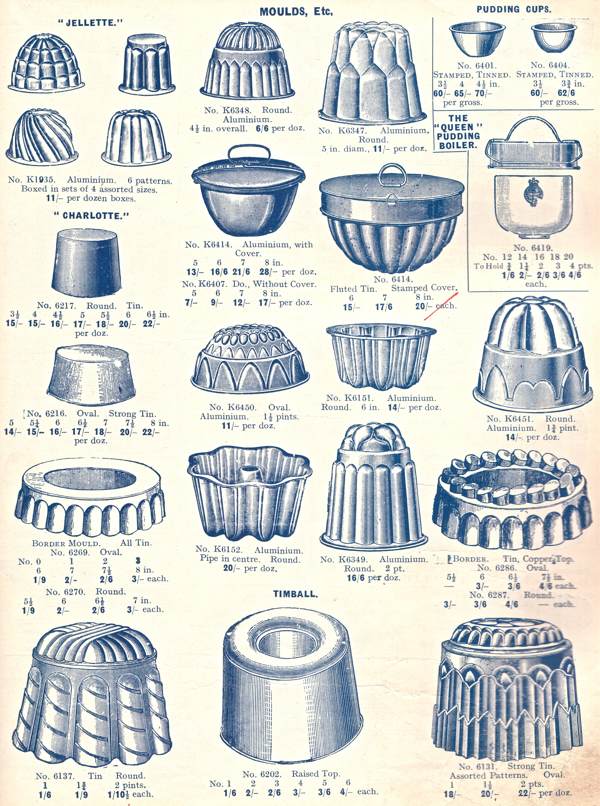
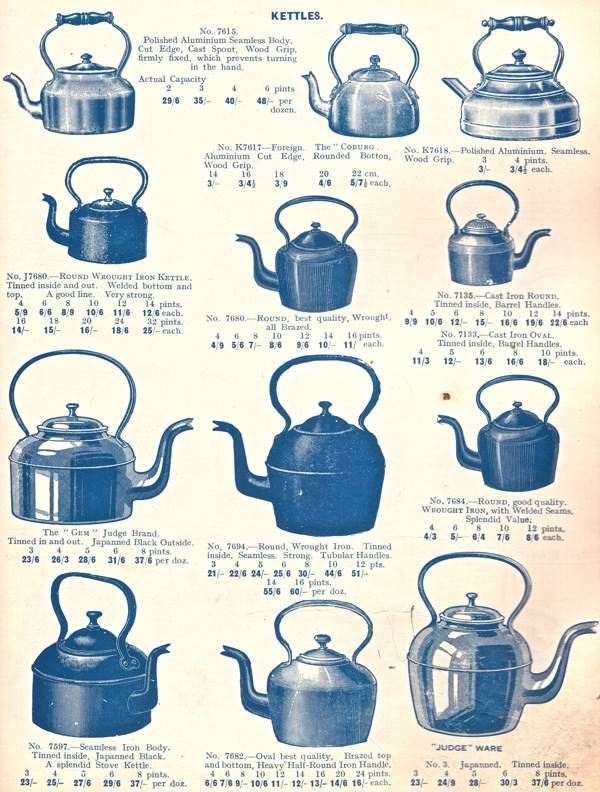
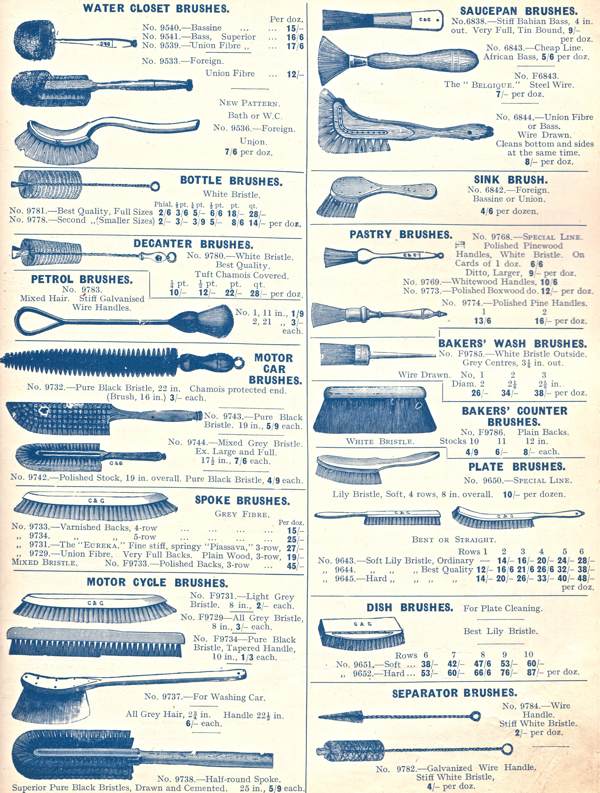
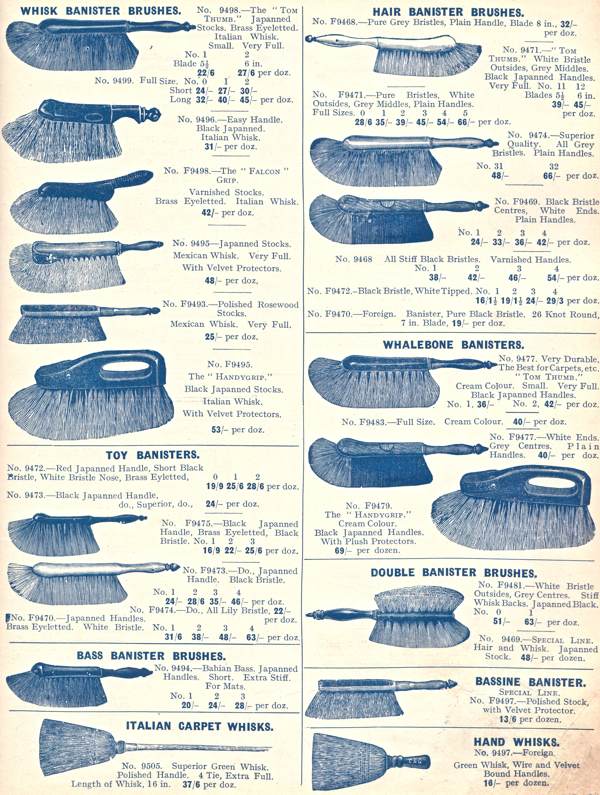
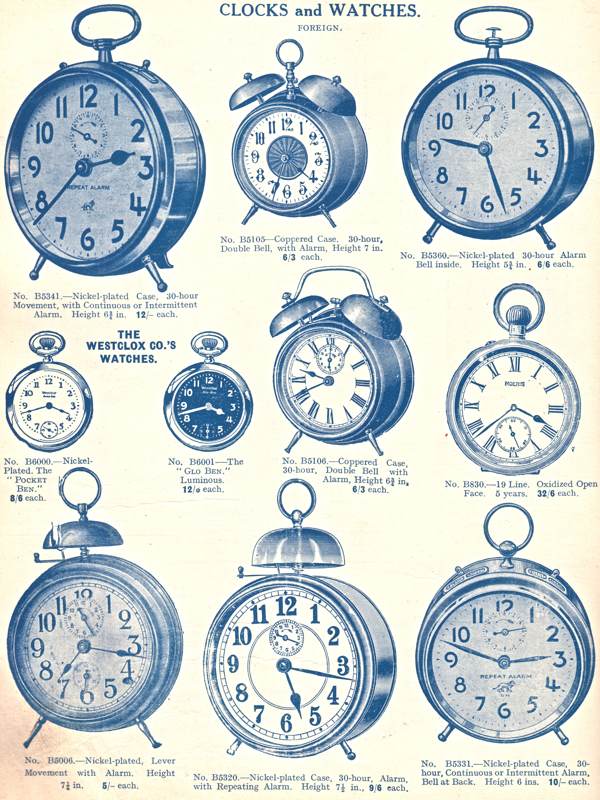
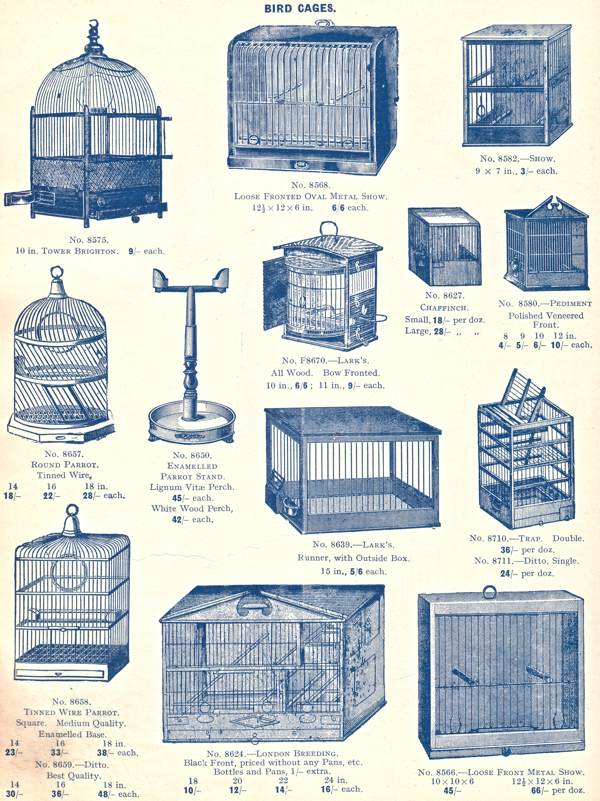
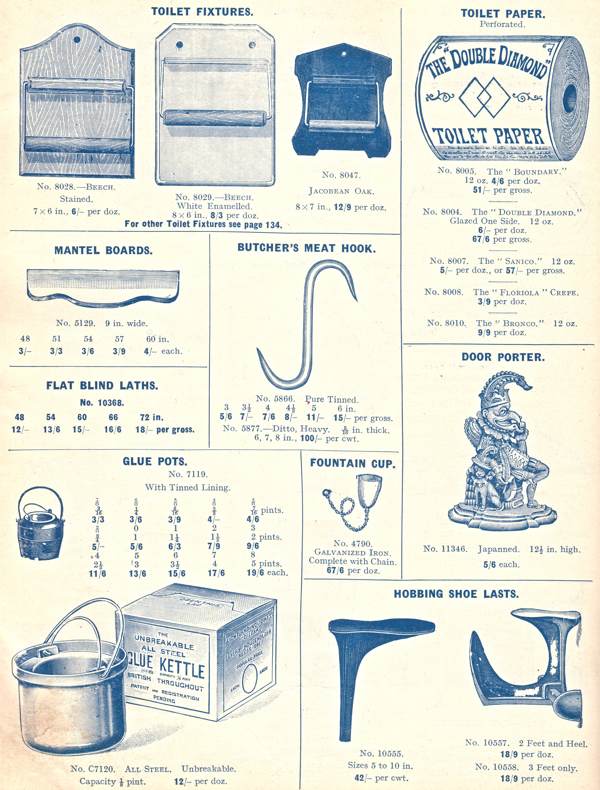
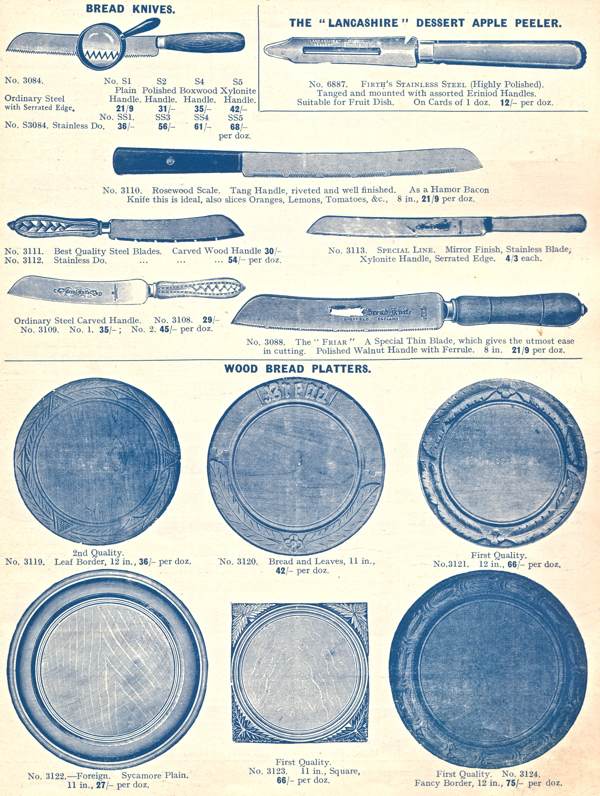
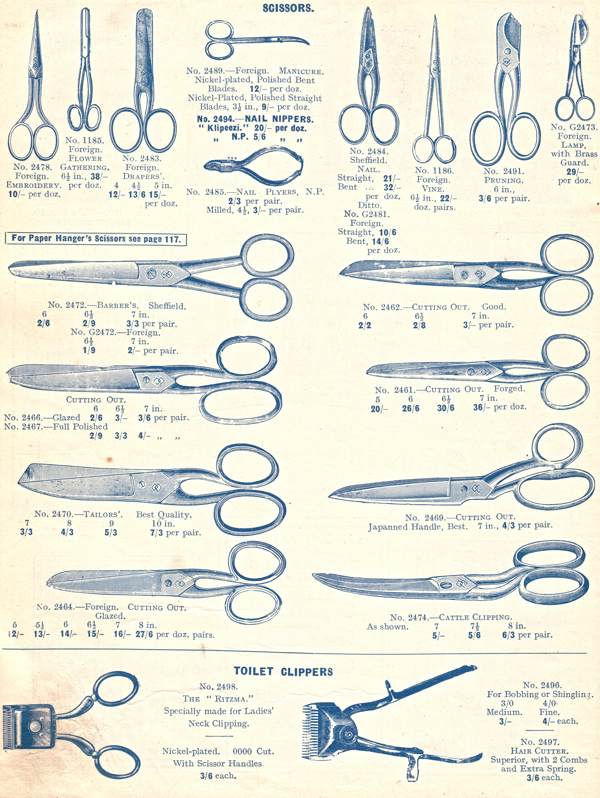
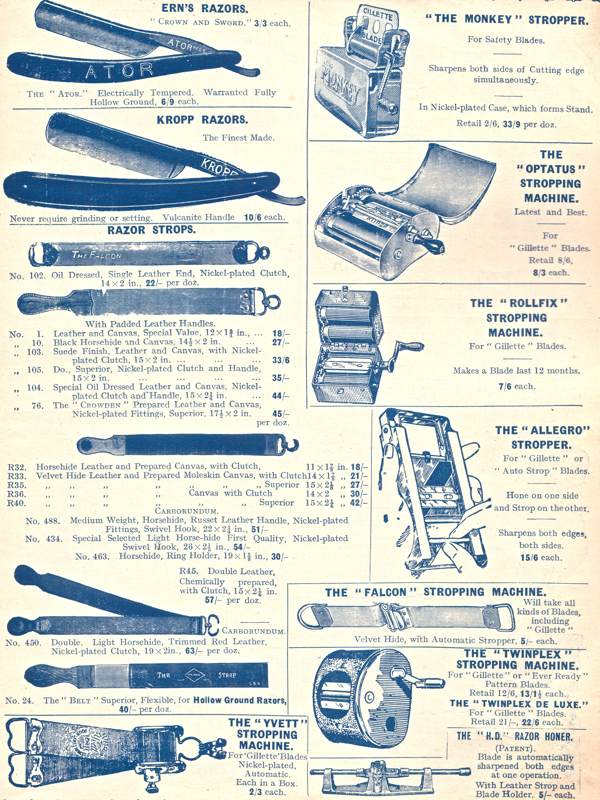
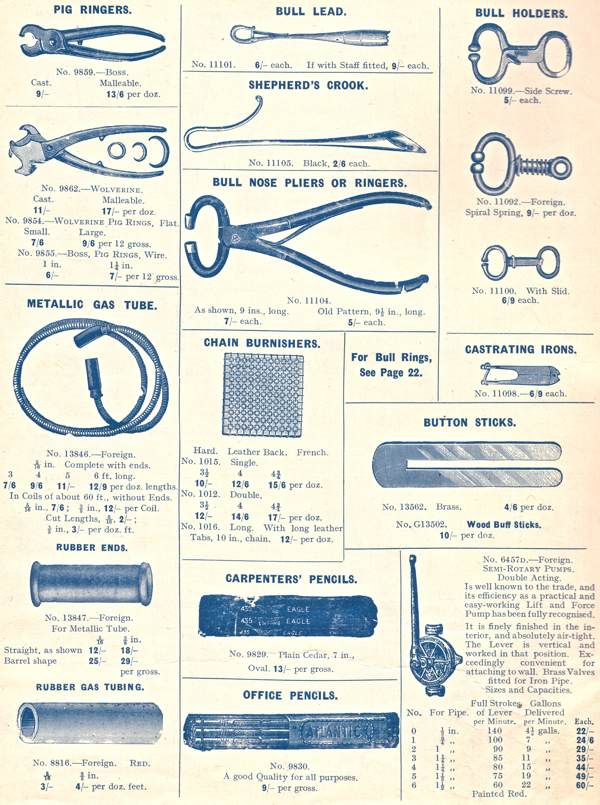
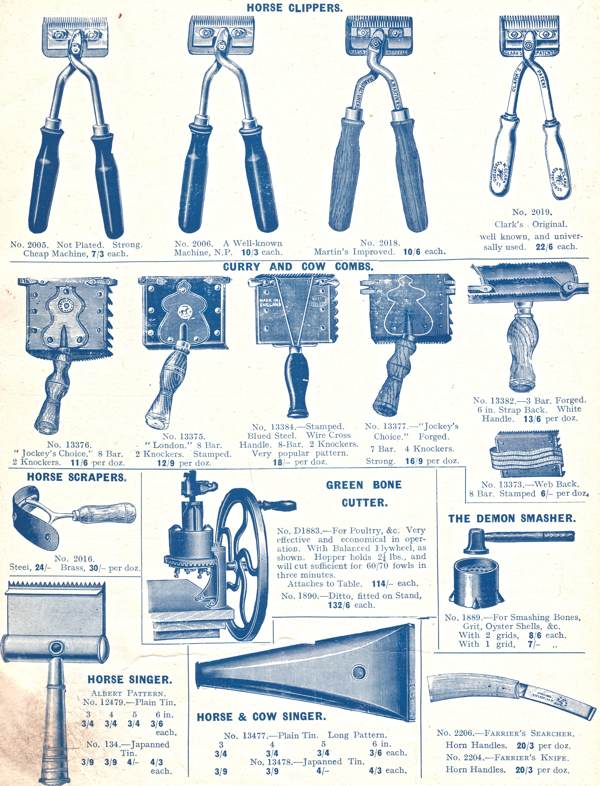
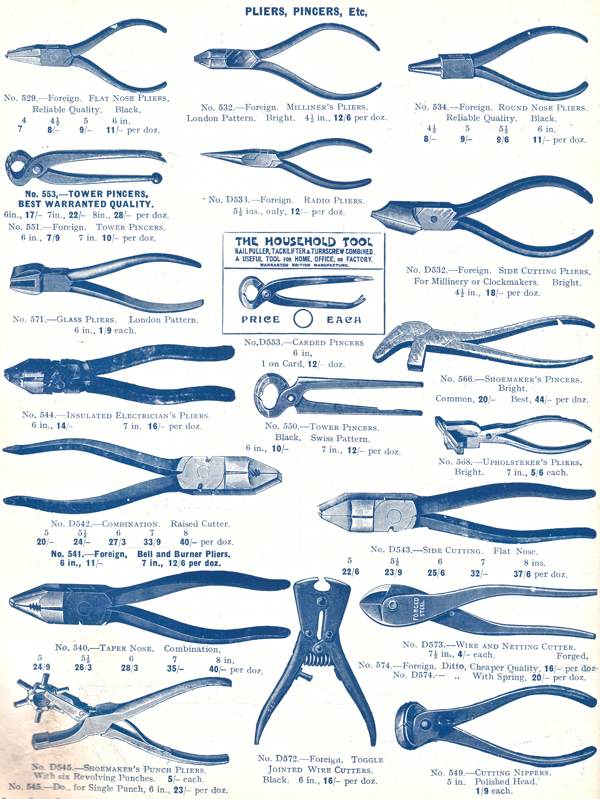
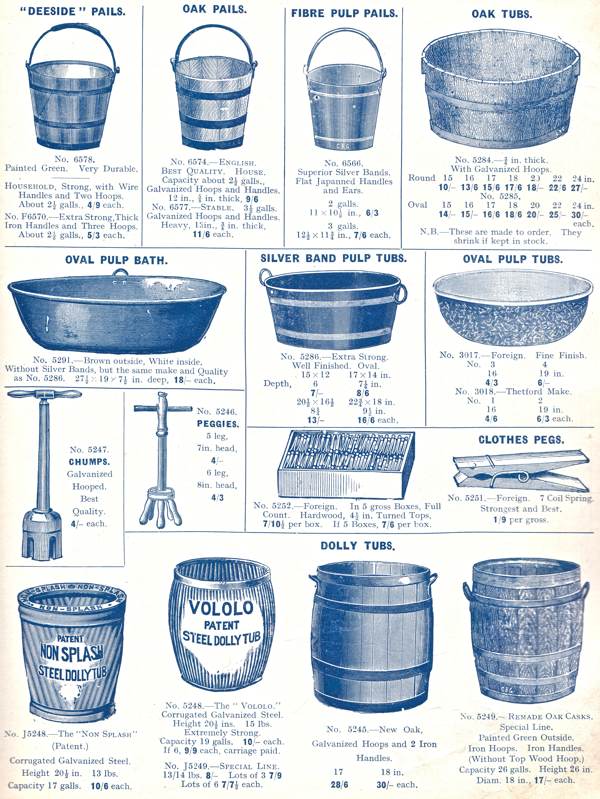
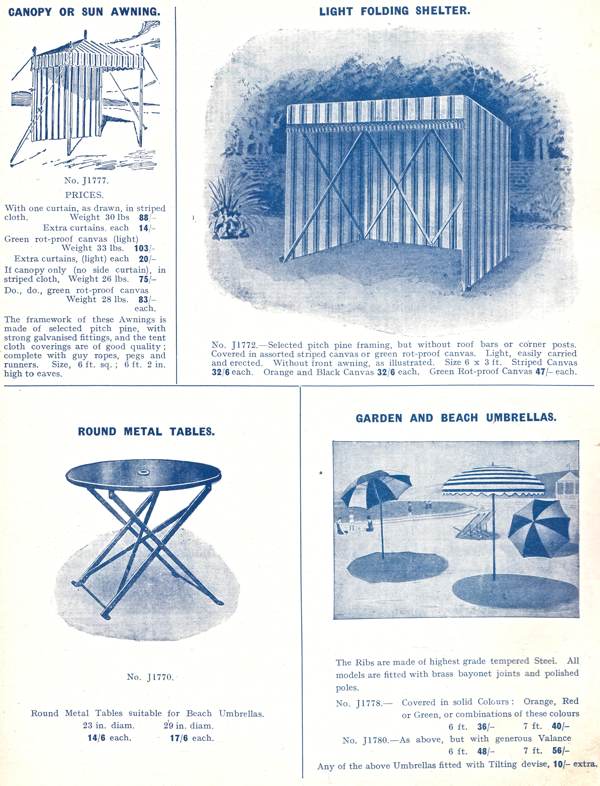
The umbrellas were supplied to Crowden & Keeves by James Ince & Sons
You may like to read about these other favourite hardware shops
Clive Murphy’s Spitalfields

Pauline, Animal Lover, 77 Brick Lane, 16 July 1988
When it comes to photography, Clive Murphy – the novelist, oral historian and writer of ribald rhymes – modestly describes himself as a snapper. Yet although he uses the term to indicate that his taking pictures is merely a casual preoccupation, I prefer to interpret Clive’s appellation as meaning “a snapper up of unconsidered trifles” – one who cherishes what others disregard.
“I carried it around in my shoulder bag and if something interested me, I would pull out my camera and snap it,” Clive informed me plainly, “I am a snapper because I work instinctively and I rely entirely upon my eye for the picture.”
In thousands of snapshots, every one labelled on the reverse in his spidery handwriting and organised into many shelves of numbered volumes, Clive has been chronicling the changing life of Spitalfields, of those around him and of those he knew, since he came to live above the Aladin Restaurant on Brick Lane in 1973. These pictures are not those of a documentary photographer on assignment but the intimate snaps of a member of the community, and it is this personal quality which makes them so compelling and immediate, drawing the viewer into Clive’s particular vivid universe in Spitalfields.
We pulled out a few albums and leafed through the pages together, selecting a few snaps to show you, and Clive told me some of the stories that go with them.

Winos, Brick Lane, May 1988

Komor Uddin, Taj Stores, 7 December 1990

Columbia Rd Market, 13 November 1988

Jasinghe Ranamukadewasa Fernando (known as Vijay Singh), Holy Man with acolyte, Brick Lane, March 1988 – “Many people in Brick Lane thought he was the new Messiah and the press came down in droves. He was regarded as a very holy man, he held court in the Nazrul Restaurant and people took his potions and remedies. When he died, I joined the crowd to see his body at the Co-op Funeral Parlour in Chrisp St.”

Clive Murphy’s cat Pushkin, 132 Brick Lane, July 1988 – “Pushkin followed me down Brick Lane from Fournier St one night and, when I opened my hall door, he came in with me. So he adopted me, when he was only a kitten and could hardly jump up a step. And I had him for twenty years.”

Neighbour’s doves hoping to be fed, 16 March 1991 – “The Nazrul Restaurant used to keep doves and, when they disappeared, Pushkin was blamed but I assure you he had nothing to do with it.”

Kyriacos Kleovoulou, Barber, Puma Court, 23 February 1990 – “I’ve had a few haircuts there in the past.”

Waiter, Nazrul Restaurant, Brick Lane, 29 May 1988
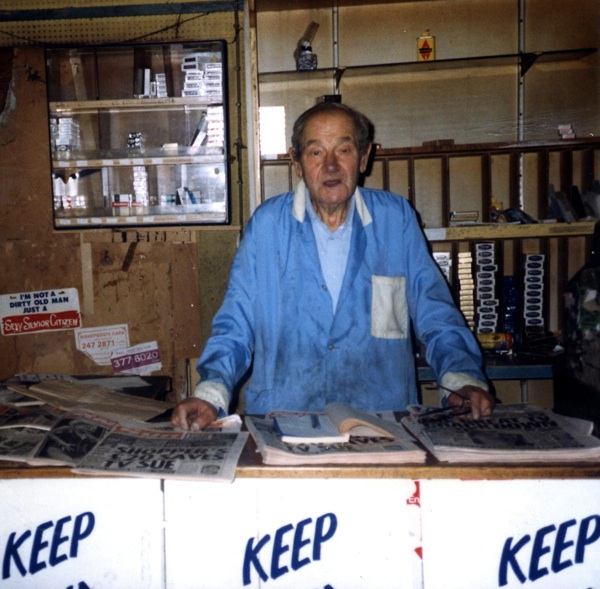
Harry Fishman, 97 Brick Lane, 19 September 1987 – “He was a godsend to everybody because he cashed any cheque on the spot. I think he was used to being robbed, so he wanted to get rid of the cash. Harry Fishman was the most-loved man on Brick Lane in the seventies, his shop was always full of people wanting to be around him, and I often delivered papers to The Golden Heart for him.”
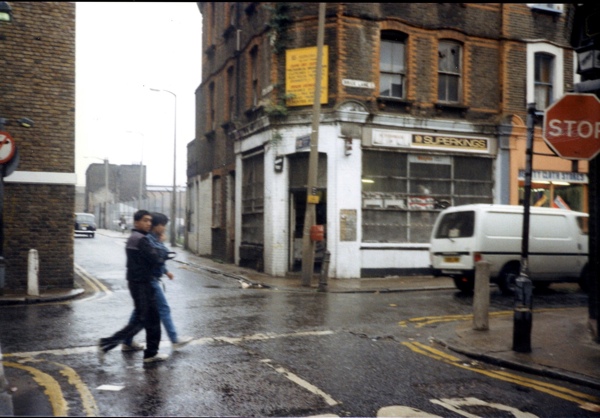
Harry Fishman’s shop, corner of Quaker St, 19 September 1987

Window Cleaning, Woodseer St, March 1988 – “This man used to run an orchestra and, at all dances and Bengali events, they would play.”
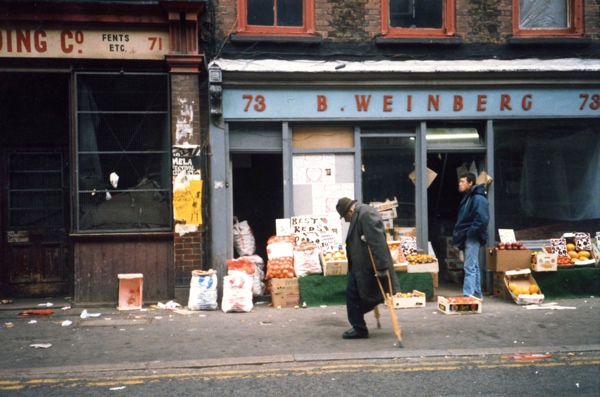
Sunday use of Weinbergs (sold), November 1987 – “It was a printers and when it closed it became a fruit stall. Mr Weinberg was a very jolly fat man, slightly balding, who ordered his staff about. He would say things like, ‘Left, right, left, right, do it properly!’ I dined at his house and I didn’t like the cover of my first novel, so I asked him to redesign it for me. He had a nephew who had never been with a woman and he asked me to find him an escort agency. We all dined in a restaurant behind the Astoria Theatre in the Charing Cross Rd, and then I let them use my front room. But after an hour she came out and said, ‘It’s no use, I give up!’ but we still had to pay, and his nephew never became a man.”

Christ Church Night Tea Stall, October 1987 – “I always went out as the last thing I did before I went to bed, to have a snack.”

Clive’s landlord, Toimus Ali, at The Aladin Restaurant, 6 March 1991 – “He was very taciturn.”

Fournier St, 7 February 1991 – “I used to come here and have lunch with all the taxi-drivers who loved it so much.”

Retired street cleaner, Brick Lane, March 1988

Tramp, Brick Lane, 29 May 1988

Pushkin unwell, Jan 4 1991 – “I was told it would be quite alright to feed my cat on frozen whitebait, but I didn’t thaw it properly and it killed my Pushkin.”

Harry Fishman’s shop after closure, 97 Brick Lane, 27 September 1987

Clive at his desk, 132 Brick Lane, 31 December 1989
Photographs courtesy of the Clive Murphy Archive at the Bishopsgate Institute
You may like to read my other stories about Clive Murphy
Clive Murphy’s oral histories are available from Labour and Wait












