
Alice Pattullo’s Calendar
Favourite illustrator Alice Pattullo kindly sent me a copy of her modest concertina-fold pocket calendar for next year and I was entranced by the beauty of it, and by her inspired choices of flowers, fruit and vegetables for each month


Illustrations copyright © Alice Pattullo
Click here to buy a copy of Alice Pattullo’s IN THE GARDEN 2019 Calendar for £5
You may also like to take a look at
So Long, Max Levitas
I report the passing of an East End hero and veteran of the Battle of Cable St, Max Levitas who died peacefully on Friday at the fine age of one hundred and three

Max Levitas became an East End hero when he was arrested in 1934, at the age of nineteen years old, for writing anti-Fascist slogans on Nelson’s Column in Trafalgar Square. “There were two of us, we did it at midnight and we wrote ‘All out on September 9th to fight Fascism,’ ‘Down with Fascism’ and ‘Fight Fascism,’ on Nelson’s Column in whitewash,” he told me, his eyes shining with pleasure, still fired up with ebullience, “And afterwards we went to Lyons Corner House to have something to eat and wash our hands, but when we had finished our tea we decided to go back to see how good it looked, and we got arrested – the police saw the paint on our shoes.”
On September 9th, Oswald Mosley, the leader of the British Union of Fascists, was due to speak at a rally in Hyde Park but – as Max was happy to remind me – he was drowned out by the people of London who converged to express their contempt. It was both fortuitous and timely that the Times reprinted Max’s slogans on September 7th, two days before the rally, in the account of his appearance at Bow St Magistrates Court, thereby spreading the message.
Yet this event was merely a precursor to the confrontation with Fascists that took place in the East End two years later in October 1936, which became known as the Battle of Cable St, and in which Max is proud to have played a part. It was a story he told as an inspirational example of social solidarity in the face of prejudice and hatred. One day, as we sat in a quiet corner of the Whitechapel Library, watching the rain fall upon the street market outside, he imparted the experience to me at first hand, as one of last left of those who were there.
Politics had always been personal for Max Levitas, based upon family experience of some of the ugliest events of the twentieth century. His father Harry fled from Lithuania and his mother Leah from Latvia in 1913, both escaping the anti-semitic pogroms of Tsarist Russia. They met in Dublin and married but, on the other side of Europe, Harry’s sister Sara was burned to death along with fellow-villagers in the synagogue of Akmeyan, and Leah’s sister Rachel was killed with her family by the Nazis in Riga.
“My father was a tailor and a trade unionist,” Max explained in the lively Dublin brogue that still coloured his speech even after more than eighty years in the East End. “He formed an Irish/Jewish trade union and then employers blacklisted him, making sure he could never get a job,” Max continued with a philosophical grin, “The only option was to leave Dublin and we lived in Glasgow from 1927 until 1930, but my father had two sisters in London, so we came here to Durward St in Whitechapel in 1931 and stayed ever since.”
With this background, you could appreciate the passionate concern of Max – when he was nineteen years old and secretary of the Mile End Young Communist League – at a time when the British Government was supporting the Fascist General Franco in the Spanish Civil War. “Even after Hitler was appointed Chancellor in 1931, the British Government was developing arms with Germany,” Max informed me, widening his eyes in condemnation and bringing events into vivid reality that I had viewed only as history until he filled them with personal reality.
“I was working as a tailor’s presser in a small workshop in Commercial St at the time. Mosley wanted to march through Whitechapel because it was where a large number of Jewish people lived and worked, and I knew the only way to stop him was to have unity of the people. I approached a number of unions, Jewish organisations and the Communist League to band together against the Fascists but although they agreed what I was doing was right, they wouldn’t support me.
But I give credit to the huge number of members of the Jewish and Irish communities and others who turned out that day, October the fourth, 1936. There were thousands that came together in Aldgate, and when we heard that Mosley’s intention was to march along Cable St from Tower Hill into Whitechapel, large numbers of people went to Cable St and barricades were set up. The police attempted to clear Cable St with horses, so he march could go ahead, but the people of Cable St fought back and the police had to give in.
At three o’clock, we heard that police had decided that the march would not take place, because if it did a number of people would be killed. The Fascists were defeated by the ordinary people of Stepney, people who emptied buckets of water and chamber pots out of their houses, and marbles into the street. This was how they stopped Mosley marching through the East End of London. If he had been able to do so, more people would have joined him and he would have become stronger.”
Max Levitas spoke of being at the centre of a definitive moment in the history of the East End in 1936 when three hundred thousand people came together to form a human chain – in the face of three thousand fascists with an escort of ten thousand police – to assert the nature of the territory as a place where Fascism and racism are unacceptable. It was a watershed in resistance to Fascism in Europe and the slogan that echoed around Stepney and Whitechapel that day was “No paseran” – from the Spanish Civil War – “They shall not pass.”
After the war, Max became a highly respected Communist councillor in Stepney for fifteen years and, a natural orator, he remained eloquent about his politics.”It was never an issue to forge a Communist state like in the Soviet Union,” he informed me, just in case I got the wrong idea, “We wanted to ensure that the ordinary working people of England could lead decent lives – not to be unemployed, that people weren’t thrown out of their homes when they couldn’t pay their rent, that people weren’t homeless, as so many are today, living with their parents and crowded together in rooms.”
Max’s lifelong political drive was the manifestation of a tenacious spirit. When Max arrived to meet me in Whitechapel Library, I did not recognise him at first because he could pass for a man thirty years younger. And later, when I returned his photos to his flat nearby, I discovered he lived up five flights of stairs and it became obvious that he walked everywhere in the neighbourhood, living independently even at his astounding age. “I used to smoke,” Max admitted to me shyly, when I complimented him on his energy. “I stopped at eighty-four, when my wife died – until then I used to smoke about twenty cigarettes a day, plus a pipe and cigars.” Max confessed, permitting himself a reckless grin of nostalgia.
“My mother and father both died at sixty-five,” Max revealed, turning contemplative, “I put that down to the way they suffered and poverty. My father worked around the clock to keep the family going. He died two years after my mother. At that time there was no National Health Service, and I phoned the doctor when she was sick, asking him to come, and he said, ‘You owe me some money. Unless you pay me, I won’t come.’ I said, ‘You come and see my mother.’ He said, ‘You will have to pay me extra for coming plus what you owe.’ But she died before he came and I had to get an ambulance.”
It was a story that revealed the personal motivation for Max’s determination to fight for better conditions for the people of the East End – yet remarkably, in spite of the struggle of those around him and that he himself had known, Max was a happy man. “I’m always happy, because I can say that my life was worth living,” he declared to me without qualification.
Max Levitas wanted to live as long as possible to remind us of all the things he had seen. “I believe if racists marched through the East End today, people would stop them in the same way,” he assured me with the unique confidence granted only to those who have known one hundred and three years of life.


Max in 1945

Max campaigning in Stepney in the nineteen sixties


Max with his wife on a trip to Israel in the nineteen seventies
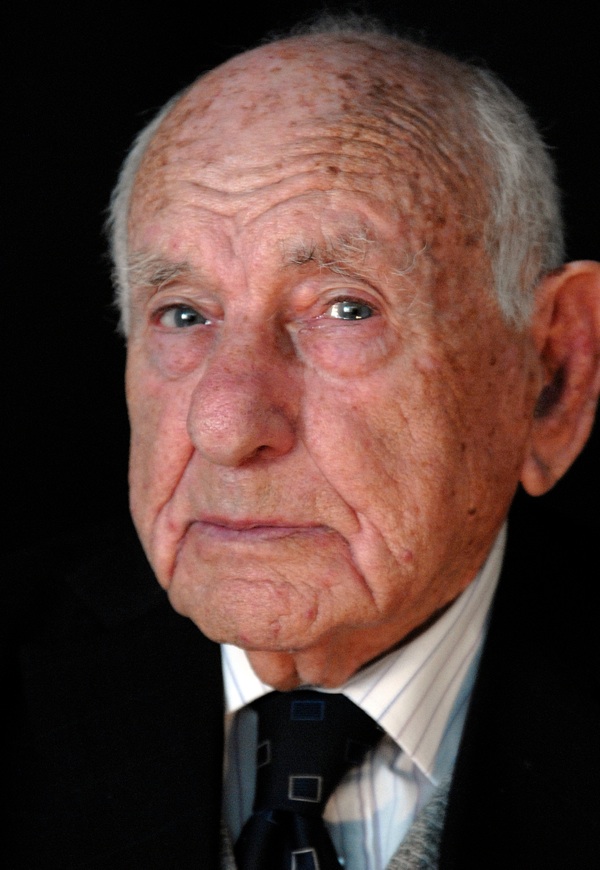
Max Levitas (1915- 2018) by Phil Maxwell
You may also like to read about
The Friends Of Arnold Circus
All are welcome at the Friends of Arnold Circus AGM at Calvert 22 on Wednesday 7th November, which serves as an overture to an illustrated lecture by Adam Dant on his maps of Shoreditch entitled SHOREDITCH IN THE YEAR 3000. Click here for free tickets
Responsible for the spectacular renovation of the bandstand at Arnold Circus in recent years, the Friends now seeks to recruit more volunteers to participate in their work improving the Boundary Estate. If you can help email admin@foac.org.uk
Today Robin Hatton-Gore unravels the mystery of the origin of the mound at Arnold Circus.
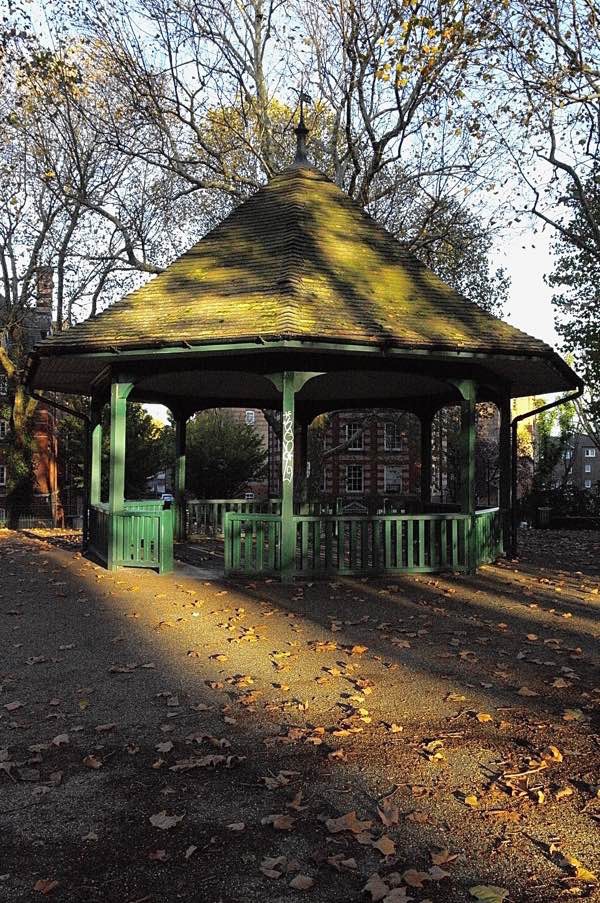
The eight-sided bandstand at Arnold Circus has been a treasured landmark at the centre of the historic Boundary Estate for over a century. The only constant hereabouts is change and the bandstand has witnessed its fair share of changes.
There is an unusual energy in this location that is perhaps preternatural and the raised mound has generated apocryphal tales of ancient myth, suggesting it is on a ley line connected to St Martin the Fields. Other local legends stem from an earlier site called Friars’ Mount nearby, where “a set of fellows lived in laziness and luxury.” A vivid but scurrilous account by the anti-Papist author, George Borrows, in his 1874 Gypsy Dictionary fancifully attributes the name Friars’ Mount to a former friary, but it is more likely derived from a John Fryer who ‘farmed the field around a small hillock on Mount Street’ in the seventeen-twenties. This mound in even earlier times may have formed part of a military rampart – a link in ‘a chain of twenty-three fortifications’ – which Parliamentarians used to defend London against Royalist forces in the English Civil War.
Yet the truth is that the mound is of more recent origin and the historical reality is more interesting than the myth. The Housing of The Working Classes Act of 1890 heralded the dismantling of the Old Nichol, the notorious rookery which stood here before. Arthur Morrison wrote a fictional account of the Old Nichol in 1896 entitled The Child of the Jago. He derived ‘the Jago’ from the name of Rev Osborne Jay, a muscular Christianity with a boxing gym below his Church of Holy Trinity. Morrison had first been invited to the Old Nichol by Rev Jay and the novel was published only after the ramshackle structures of this most scandalous of slums had been razed.
In 1897, The British Architect reported, ‘The London County Council for some years past have been devoting the energies of their staff to the preparation of a grand scheme for the rehousing of the working classes. A site near Shoreditch Church was selected for this purpose, and the Boundary Street Working Class Housing Dwellings are well worth visiting now … the plan is that of a great circus, in the middle of which, on an elevated plateau there is to be a bandstand’.
Owen Fleming became the leader of the LCC’s new Housing of the Working Classes Branch, a group of young progressive architects tasked with the creation of the pioneering collection of buildings to raise the standard of housing for labourers and artisans in one of the poorest districts of the East End. This was to be the very first council housing estate. Social housing had existed previously, funded by charity, but the Boundary was the first financed by the taxpayer. Thomas Blashill, the LCC’s Superintendant Architect, entrusted this group of architects – who were inspired by the Arts & Craft movement – to create twenty-three domestic buildings, each subtly different.
In an inspired move, the architects rejected an already-approved grid for the scheme. Fleming fought “to be allowed to build the central raised garden with its bandstand, around which he had imagined the local courting couples strolling on a summer’s evening while the band played.” Seven streets radiated from the unifying hub of Arnold Circus like the spokes of a wheel and the architectural diversity of the buildings included details and features that were in contrast to the uniformity of style which had formerly marked the housing of the poor.
It was the rubble displaced in digging out the foundations was piled up to become Boundary Gardens, a fact confirmed by Museum of London Archaeology when they excavated in 2012 and discovered artefacts belonging to the former residents of the Old Nichol.
On the Boundary Estate, street names derive from the towns of Huguenot immigrants – Rochelle, Navarre and Montclare – Arnold Circus itself is named after Sir Arthur Arnold, a Liberal and chairman of the London County Council. The surrounding buildings are named after towns along the Thames – Cookham, Chertsey and Henley. The Architects Association Journal said “the central garden…is more than a piece of pattern-making by the architects, it is a strong unifying factor which does much to make of the scheme a community rather than a collection of model dwellings.”
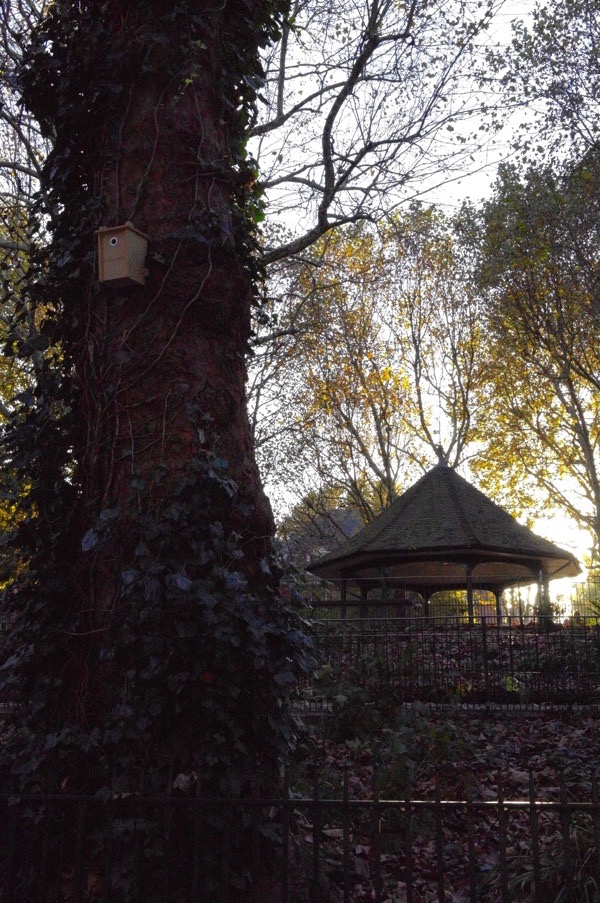
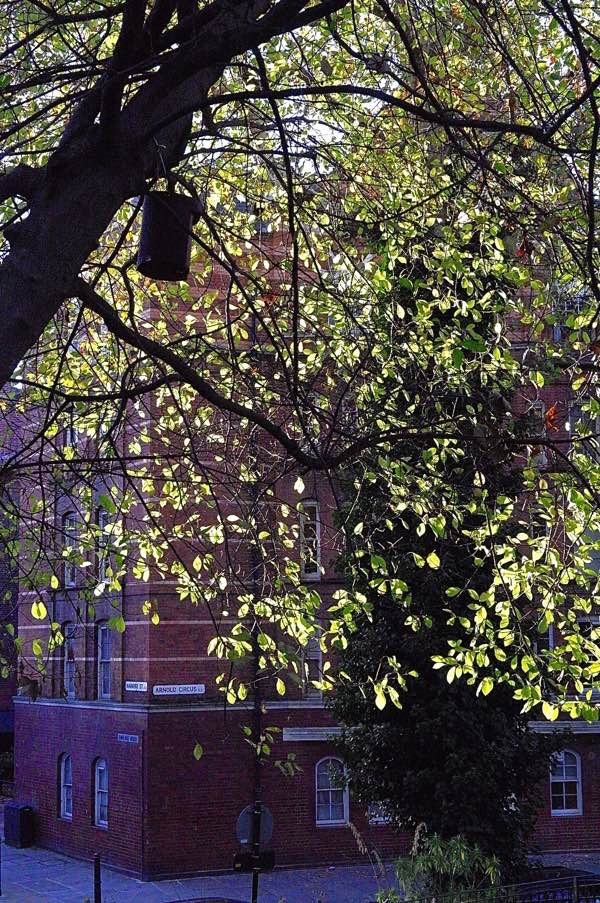
Continuing in this ethos, between May and September of this year Andy Willoughy and the team of volunteer gardeners have been planting new flora in the sloping beds. They are home to a lively community of tiny bugs and insects, wildlife that quietly moves along a natural freeway to the subtle rhythm of seasonal changes. The Friends of Arnold Circus Biodiversity Project also includes the installation of new bird and bat boxes – social housing for our flighted neighbours.

Adam Dant’s Map of Shoreditch in the Year 3000
You may also like to read about
The Gentle Author’s Dead Pubs Crawl
As the darkness closes in, it delights me to go on a dead pubs crawl around Spitalfields and beyond, paying my respects at former hostelries and listening for the clinking glasses of the phantom regulars. In recent years, The Well & Bucket and The Crown & Shuttle have returned to vibrant life, convincing resurrections long after I had given up hope – which permits me to believe there may still be the possibility of life after death for other lost pubs in the neighbourhood.
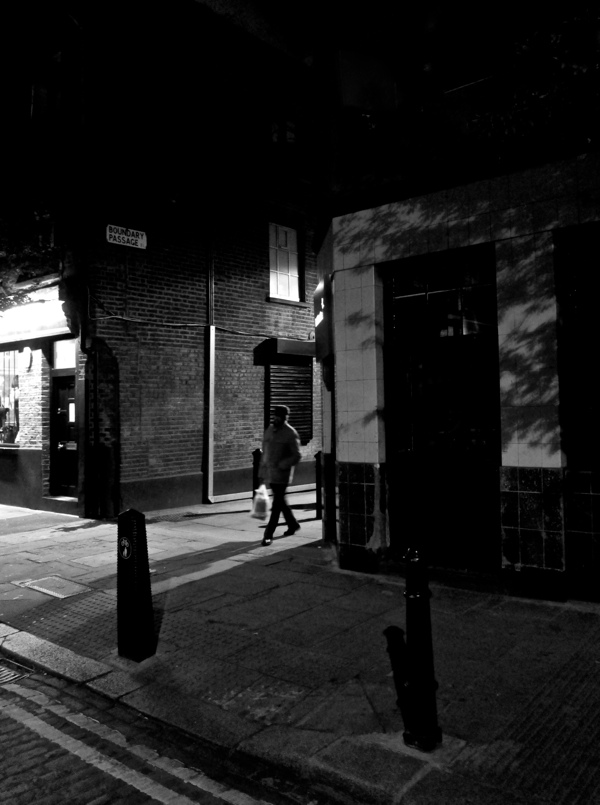
The Ship & Blue Ball, Boundary Passage, where they planned the Great Train Robbery (1851-1994)
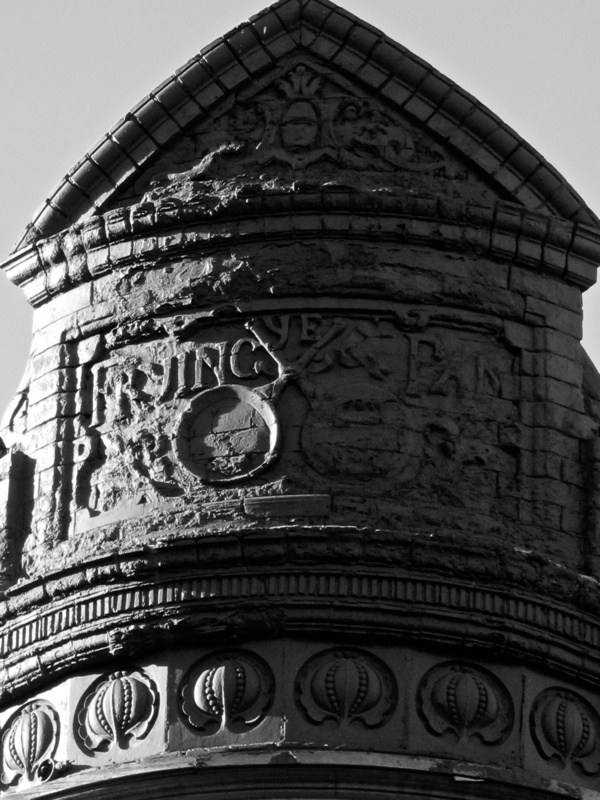
The Frying Pan, Brick Lane (1805-1991)
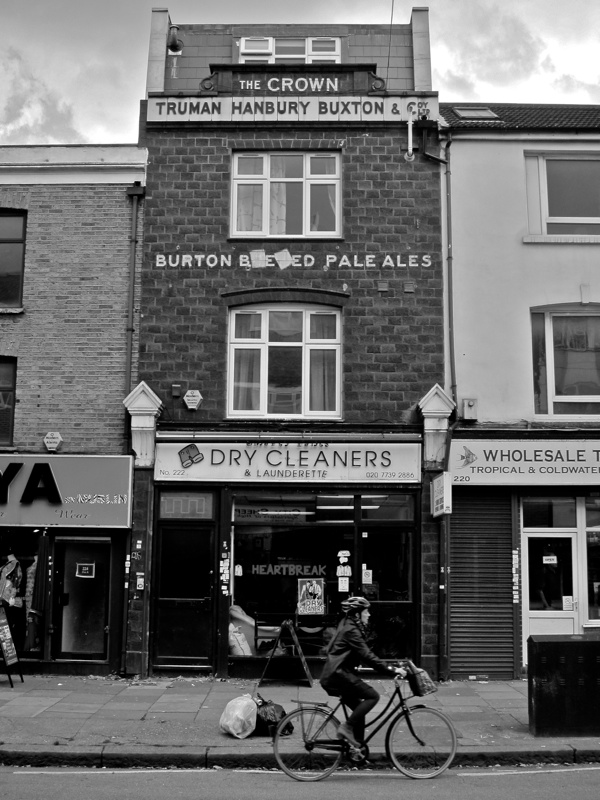
The Crown, Bethnal Green Rd (1869-1922)
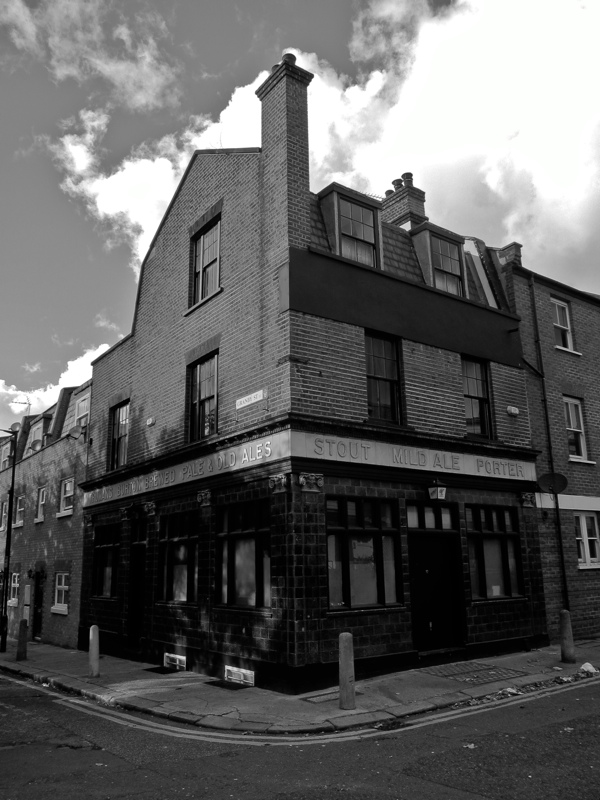
The Britannia, Chilton St (1861-2000)
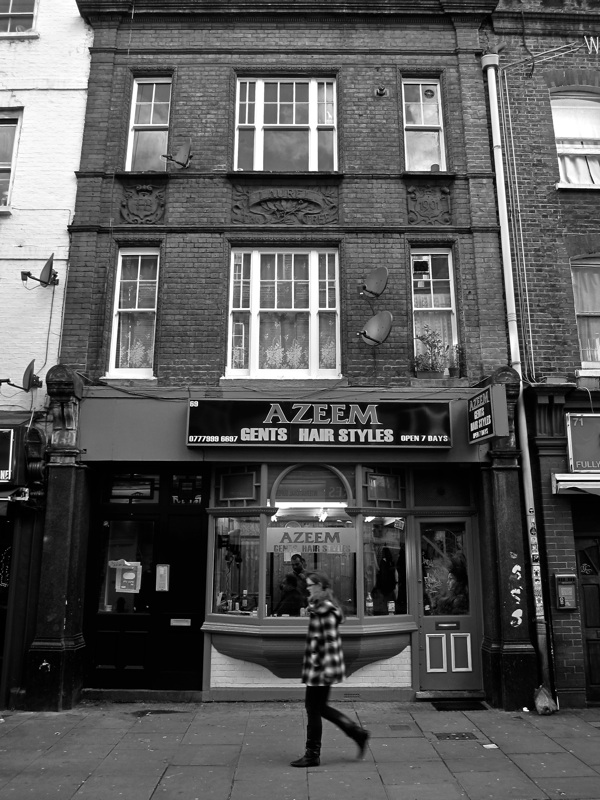
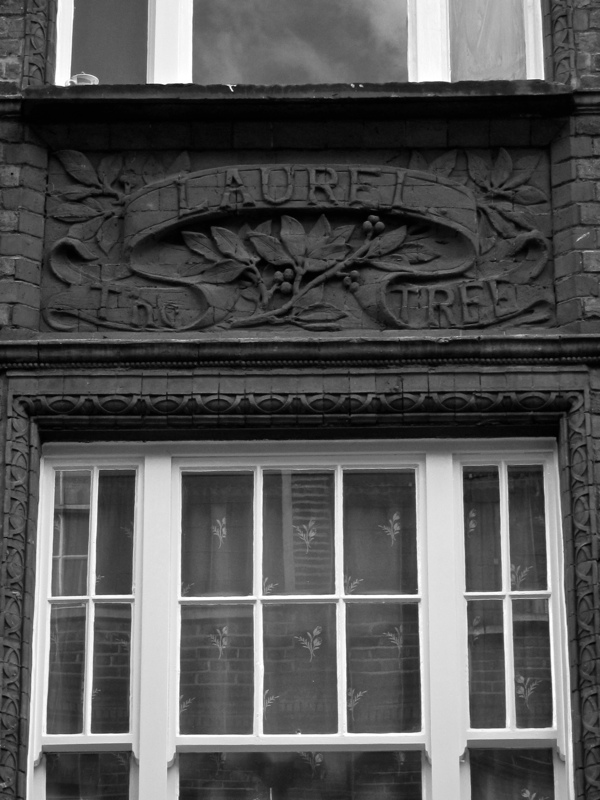
The Laurel Tree, Brick Lane (1813-1983)
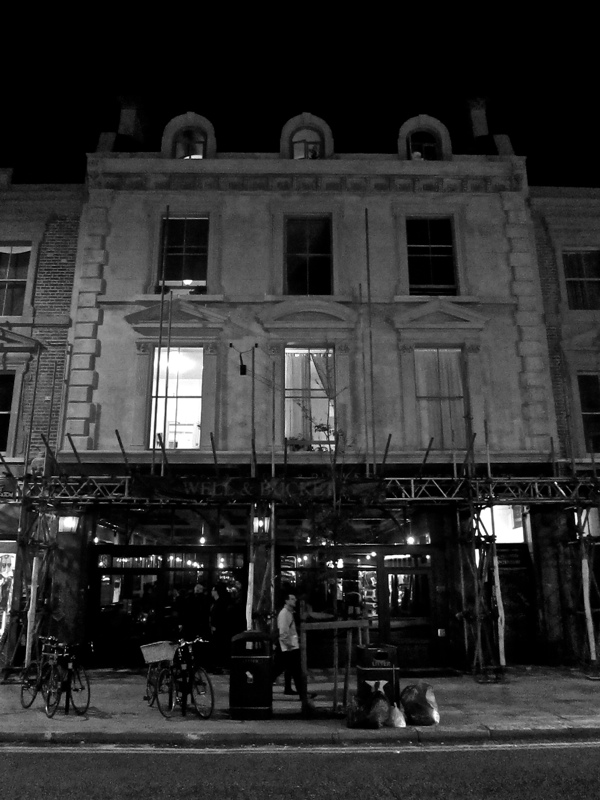
The Well & Bucket, Bethnal Green Rd (1861-1989 & resurrected in 2013)
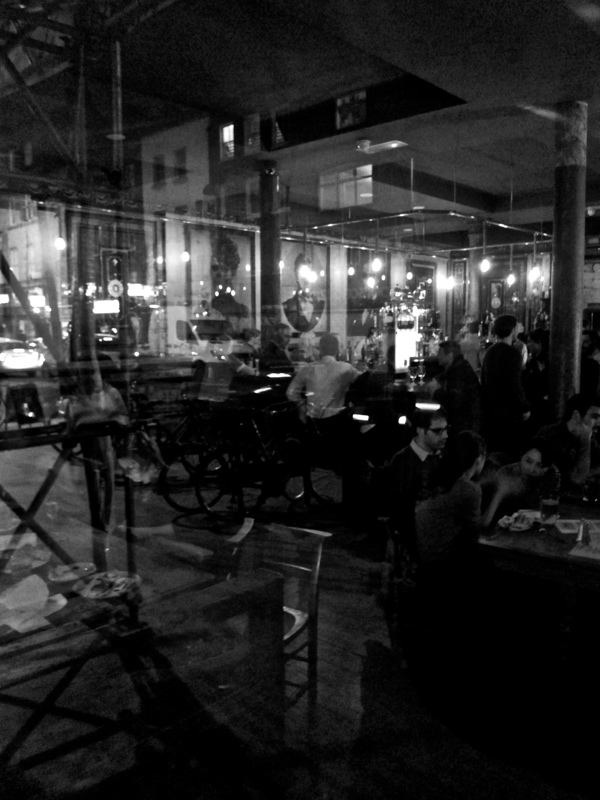
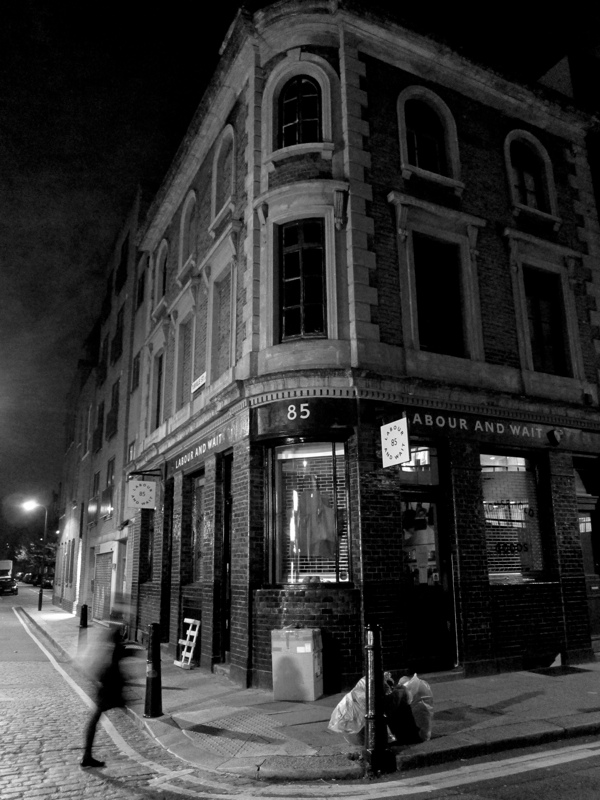
The Dolphin, Redchurch St (1835-2002)
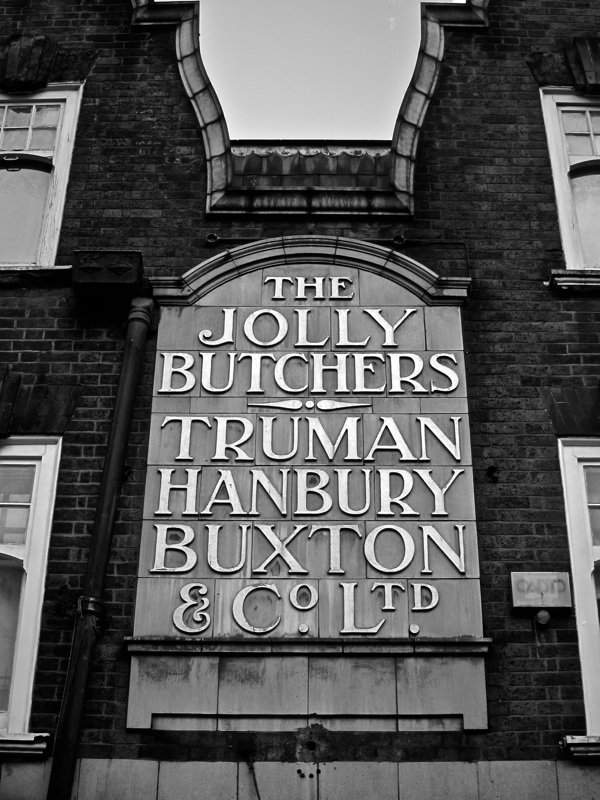
The Jolly Butchers, Brick Lane (1839- 1987)
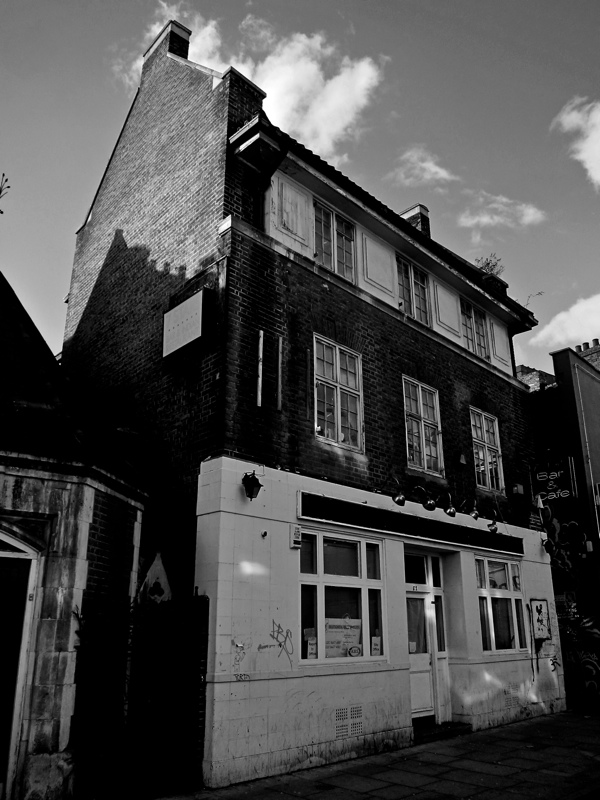
Seven Stars, Brick Lane (1711-2002)
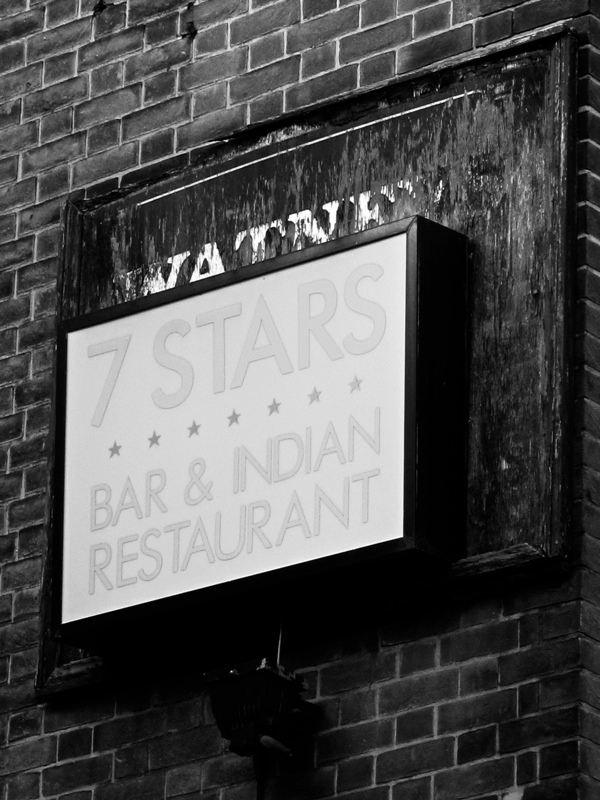

The Duke of Wellington, Toynbee St (1851-2018)

The Queen’s Head, Fashion St (1825-1936)
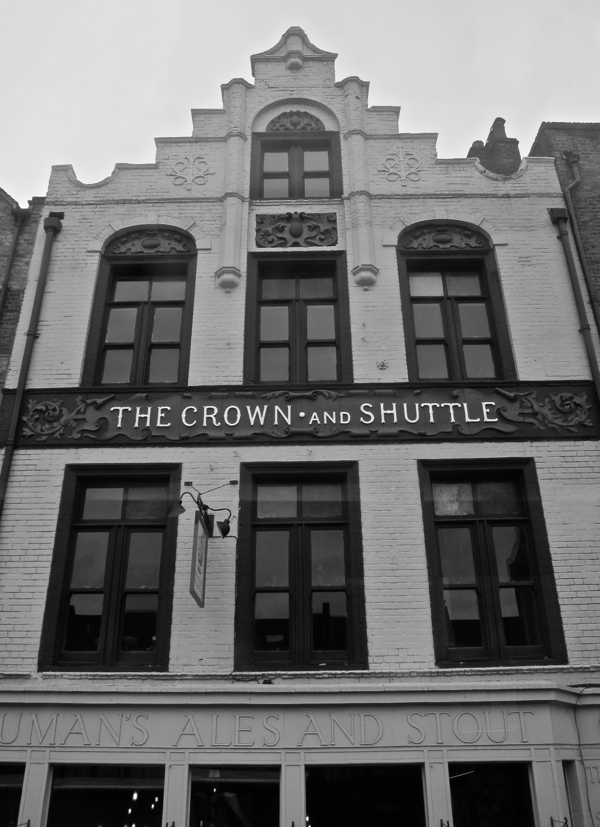
The Crown & Shuttle, Shoreditch High St (1861-2001 & resurrected in 2013)
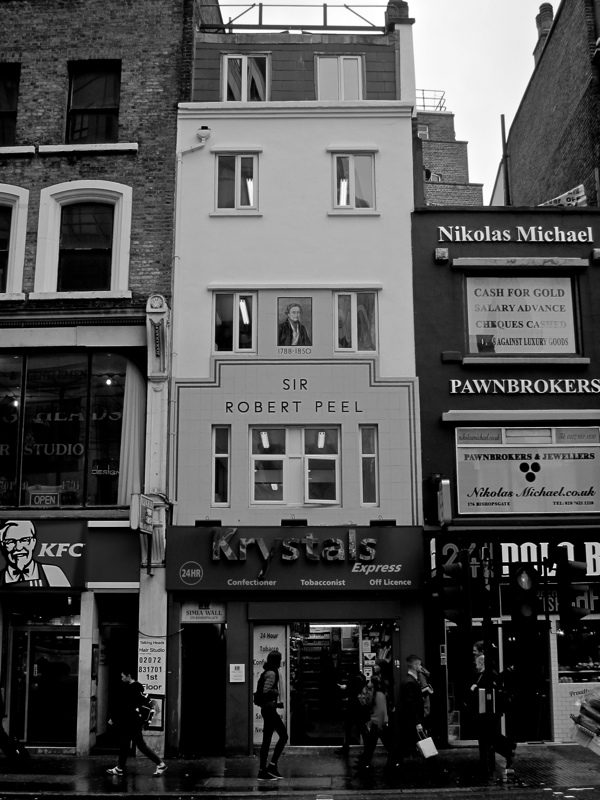
Sir Robert Peel, Bishopsgate Without (1871-1957)
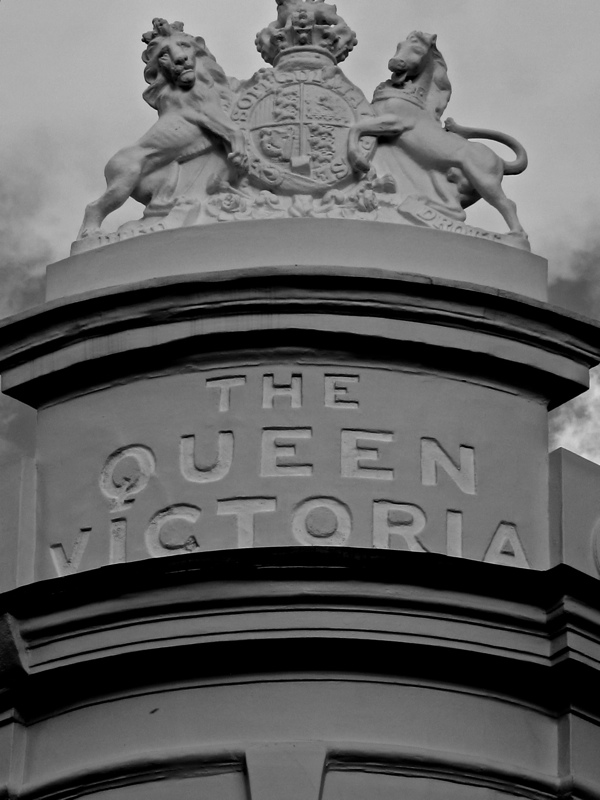
The Queen Victoria, Barnet Grove (1856-1993)
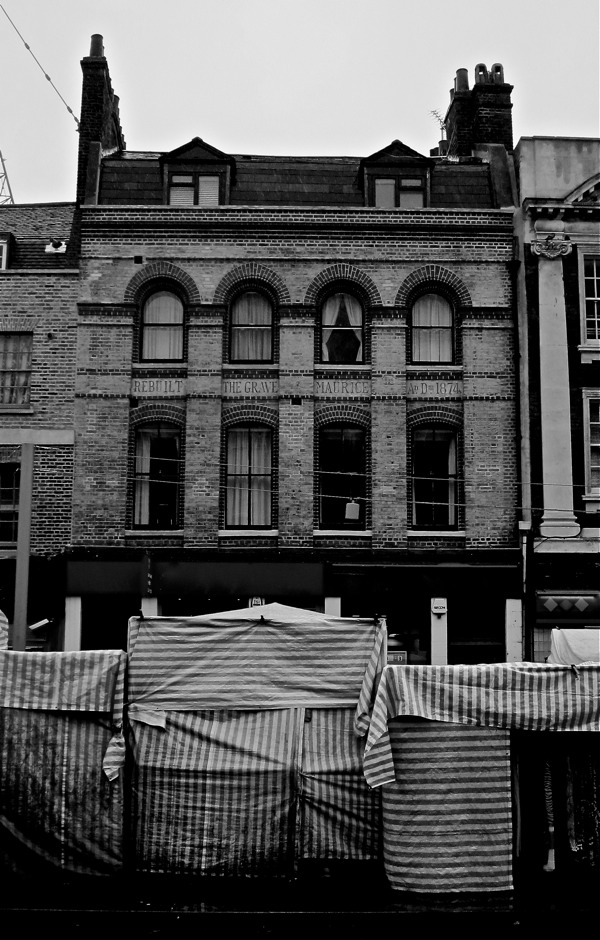
The Grave Maurice, Whitechapel Rd (1723-2010)
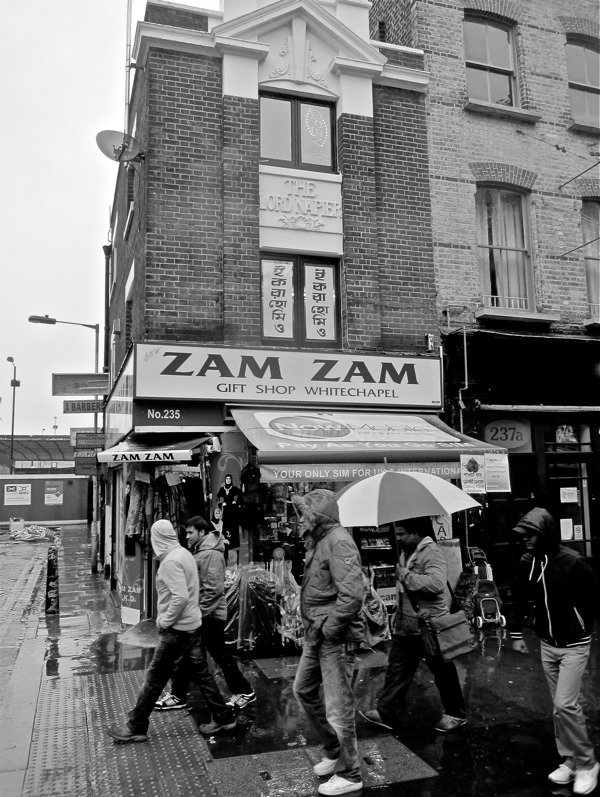
The Lord Napier, Whitechapel Rd (1878-1983)
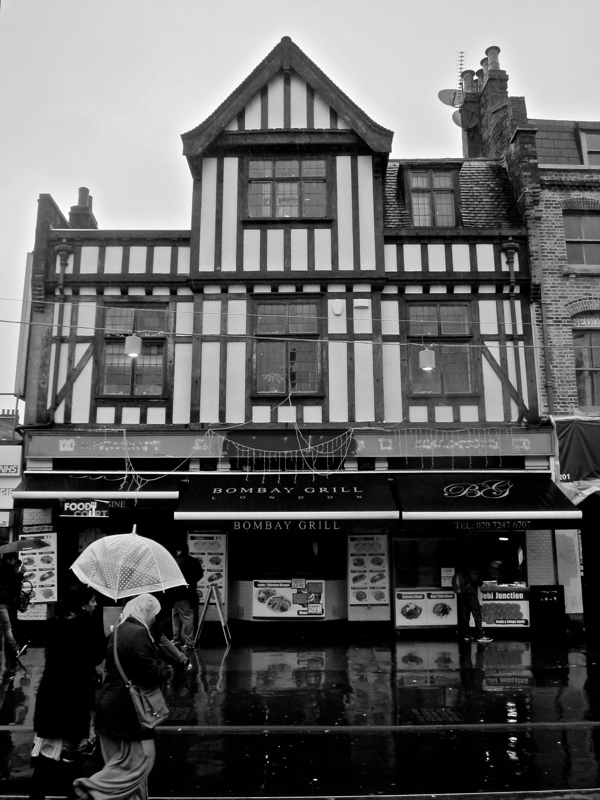
The Black Bull, Whitechapel Rd (1812-2006)
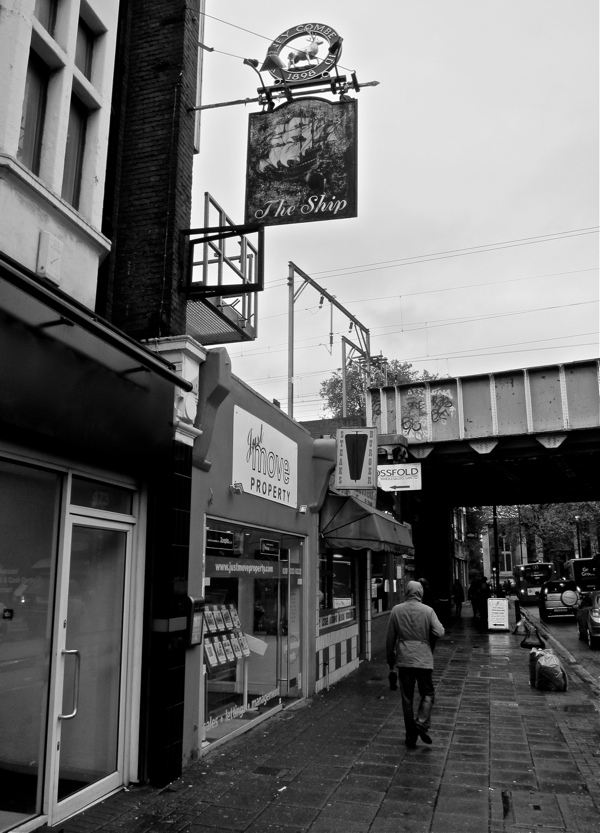
The Ship, Bethnal Green Rd (1856-2000)
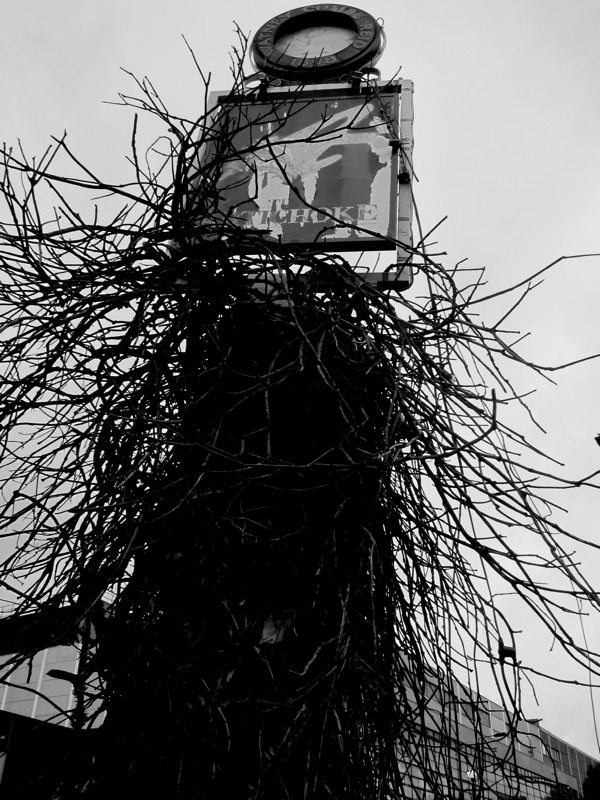
The Artichoke, Jubilee St (1847-2001)
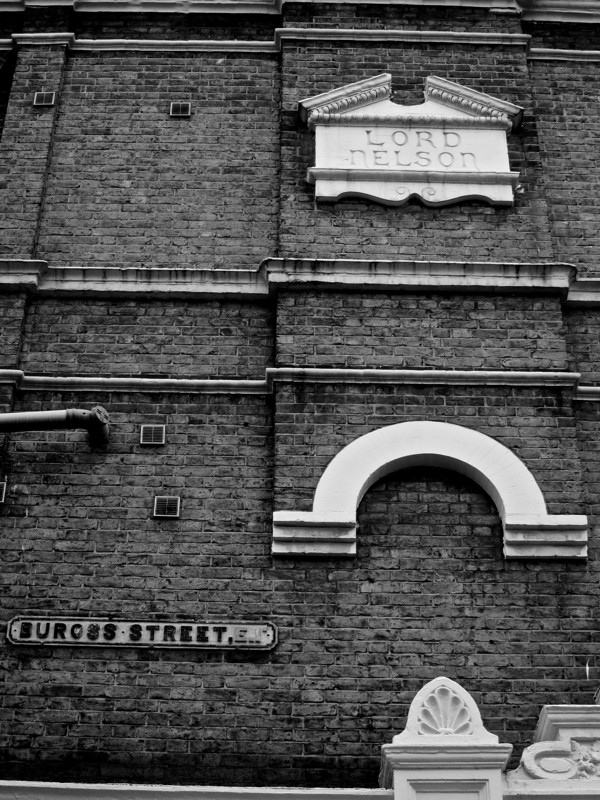
Lord Nelson, Buross St (1869-2005)
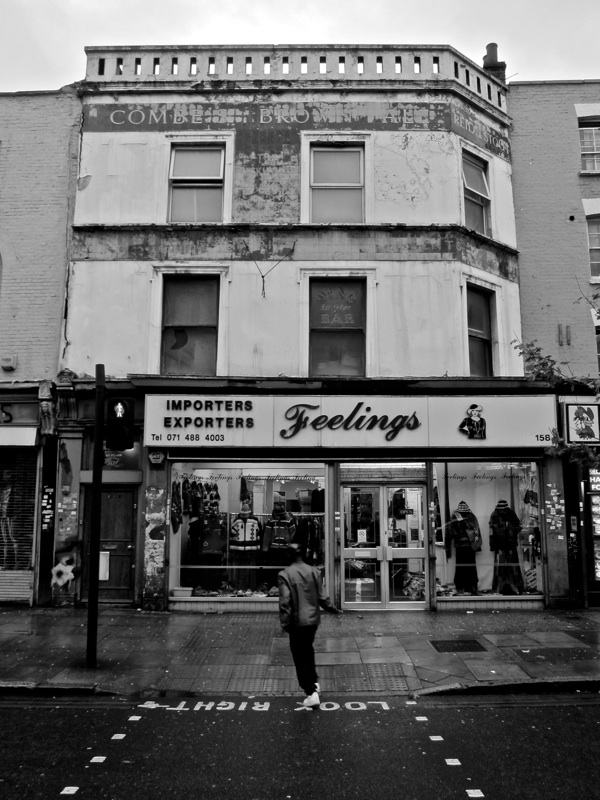
Mackworth Arms, Commercial Rd (1858-1984)
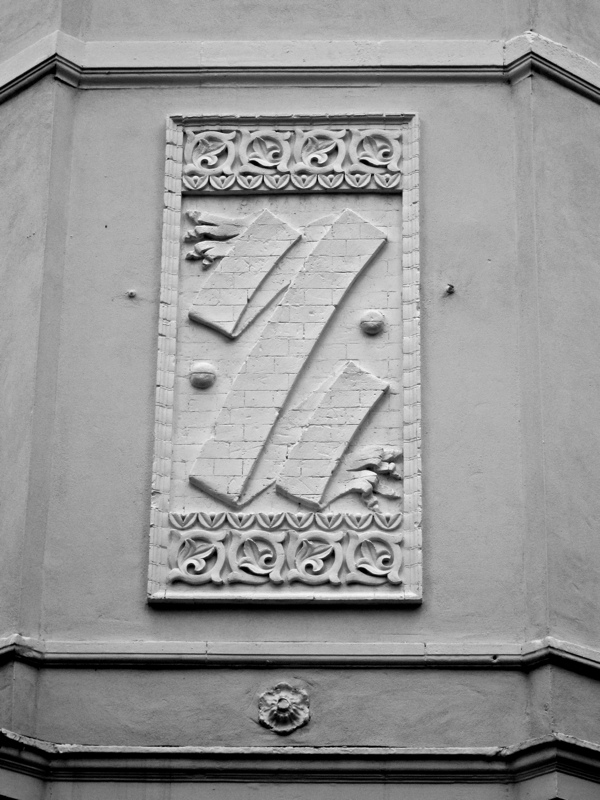
Kinder Arms, Little Turner St (1839-1904)
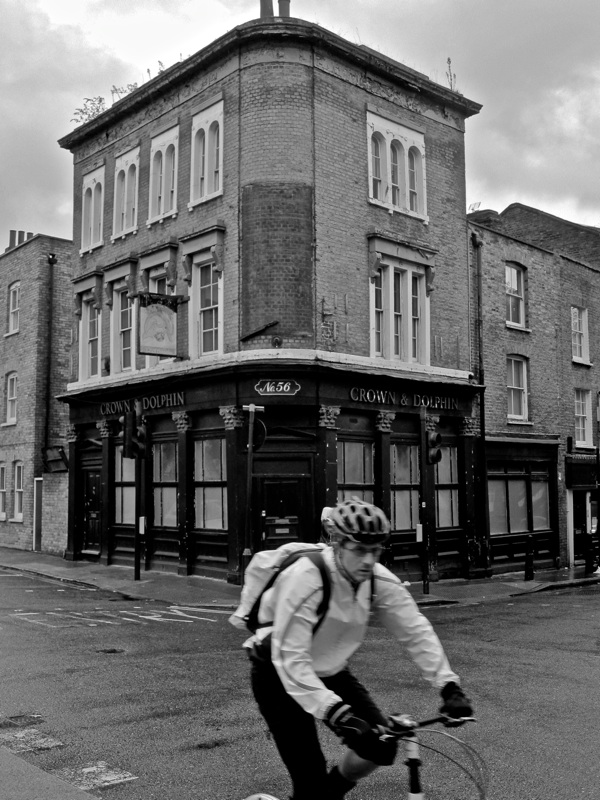
The Crown & Dolphin, Cannon St Row (1851-2002)
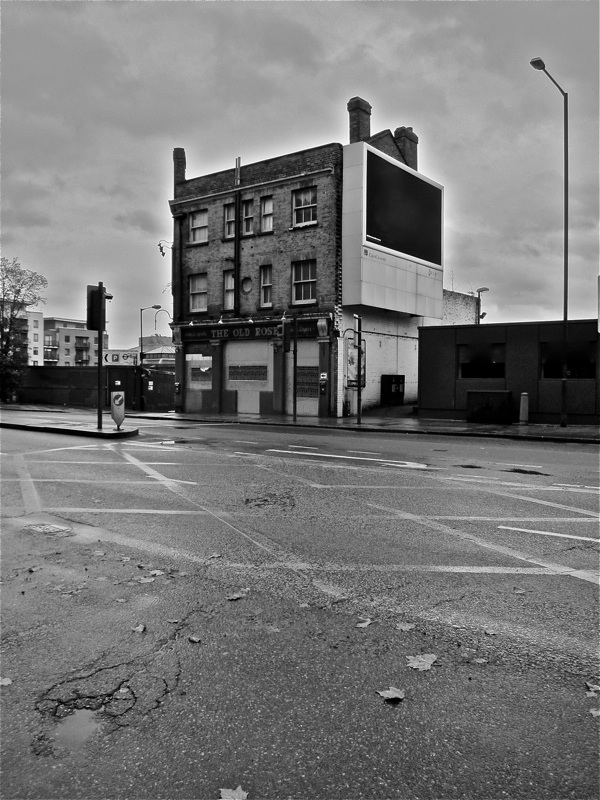
The Old Rose, The Highway (1839-2007)
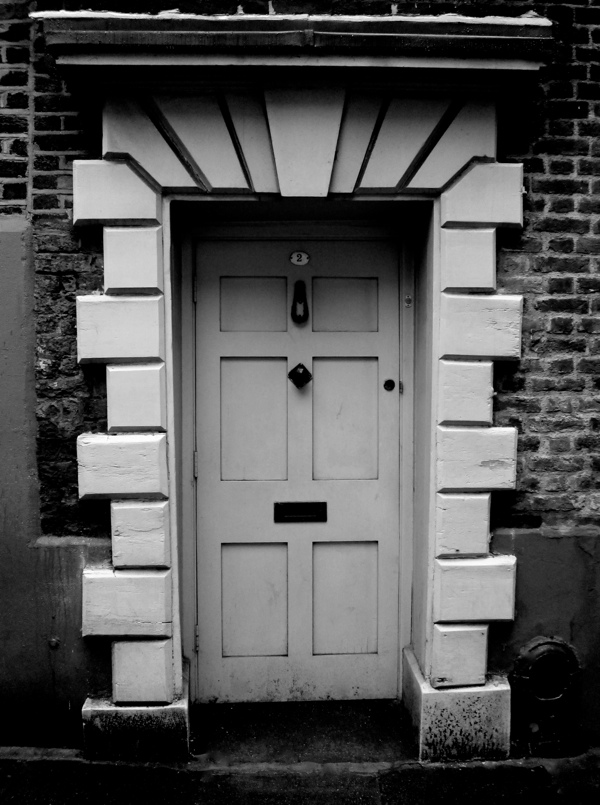
The Whitechapel Bell Foundry was a coaching inn called The Artichoke prior to 1738
You may also like to take a look at
Norah Smyth, Suffragette Photographer
Carla Mitchell, Director of Four Corners, celebrates the photography of Norah Smyth as her work returns to the East End for the first time in over a century for a new exhibition
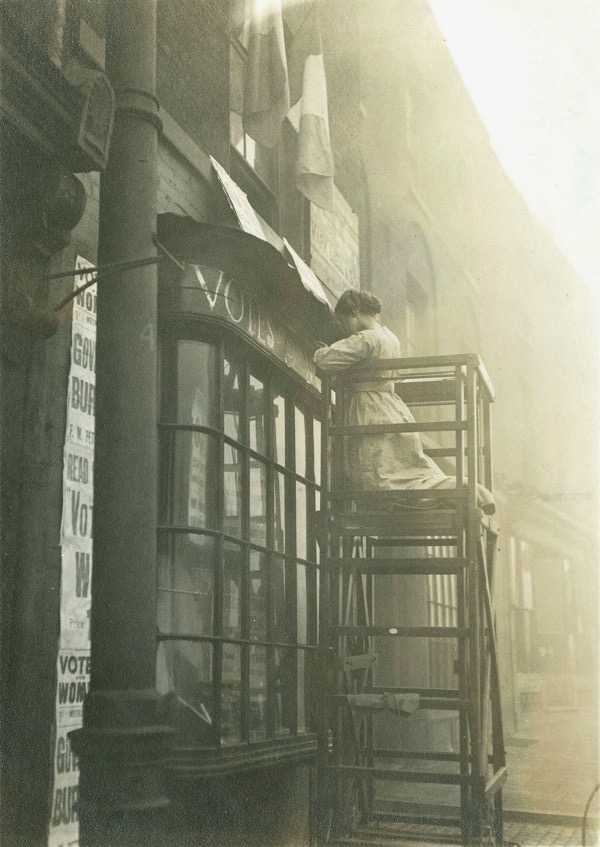
Sylvia Pankhurt paints ‘Votes For Women’ at 198 Bow Rd, 1912
At dawn on 13th July 1912, two women crouched by the wall of Nuneham House, Oxfordshire. They had arrived up the Thames by hired rowboat, aiming to set fire to the eighteenth century home of the vehemently anti-suffrage Lewis ‘Lulu’ Harcourt MP. Helen Craggs was arrested but the other woman escaped over the fields, her identity unknown. Years later, in the early sixties, Norah Smyth confided the truth to her nephew, former diplomat Kenneth Isolani Smyth. He expressed surprise, knowing her love of old paintings and antiques, but Smyth explained that she knew the east wing of the house was uninhabited. It was the only violent action that she undertook as a suffragette.
It is to this remarkable woman that we owe a debt of gratitude for her striking photographs of East London suffragettes, documenting an extraordinary moment in women’s social history. A unique exhibition of her work opens at Four Corners gallery this week, bringing these images back to East End for the first time in a hundred years, generously loaned from the International Institute for Social History in Amsterdam.
Born Norah Veronica Lyle-Smyth in 1874, she was the daughter of a wealthy Liverpool grain merchant, one of eleven children. Her father was kind but overbearing and she did not leave home until after his death. Instead, she developed a talent as a sculptor, carving panels behind the altar in her local church and cutting her own gravestone, with the date left blank. She sometimes smoked a clay pipe and owned a pet monkey called Gnome. In 1911, she moved to London and joined Edith Craig’s Pioneer Players, known for its plays on the subject of women’s suffrage. She also worked as an unpaid chauffeur to Emmeline Pankhurst, the leading figure of the Women’s Social and Political Union. Here she met her daughter Sylvia Pankhurst and they shared a residence in Notting Hill, beginning a friendship that lasted over ten years.
In 1912 Pankhurst, Smyth and supporters set up an East London branch of the WSPU at a baker’s shop at 198 Bow Rd. Smyth took evocative photographs of Pankhurst painting ‘Votes for Women’ in gold letters on the shopfront. Another early photograph shows Pankhurst recovering from hunger strike at the house of Mr & Mrs Payne at 28 Ford Rd in Bow. Pankhurst was regularly imprisoned under the ‘Cat & Mouse’ Act, which allowed the authorities to release hunger striking suffragettes from prison and then re-arrest them once their health had recovered.
The suffragettes found a ready activism among East End women, which had existed since the Bryant & May Match Women’s strike of 1888. They supported George Lansbury, MP for Poplar & Bow, who staged a by-election on women’s suffrage and lost his seat as a result. Pankhurst argued that working-class women had the most to gain from winning the vote as part of the struggle for social reform. Alongside the vote, members called for better housing and working conditions and equal pay. This growing East End movement led to a break with the mainstream WSPU in 1914 and the formation of the East London Federation of the Suffragettes (ELFS).
Smyth’s photographs date from then, suggesting an active decision to promote the work of the new organisation. In particular she used her photographs for the ELFS weekly newspaper, The Woman’s Dreadnought. The name was ‘symbolic of the fact that the women who are fighting for freedom must fear nothing’. Newspapers were publishing photography for the first time and Smyth exploited this to great effect. She also used the hugely popular picture postcard format to disseminate her photographs, sent out through frequent daily postal services.
Pre-First World War photographs show the Women’s May Day procession from East India Dock Gates to Victoria Park, ‘Self Denial’ fundraising week, the weekly stall in Roman Rd and the deputation of East End women to meet Prime Minster Asquith in June 1914. An active ELFS organiser, Smyth was evidently self-effacing and rarely took part in public speeches or debates. Sylvia Pankhurst describes her preparing a march on a rainy day:
‘ “Of course we shall march!” she said, and bustled about fitting up banners, impetuously lifting and wrenching; doing more than any half-dozen men in the crowd.. In grey-black costume, short-skirted for those days, a small, black shovel hat surmounting her long pale face and tight-drawn hair, she dashed about, a slight, thick-shouldered, thin-legged figure, with a trace of elegance.’
The ELFS’ headquarters was the Women’s Hall at 400 Old Ford Rd, also home to Smyth, Pankhurst, and Mr & Mrs Payne. Here they hosted meetings, Sunday socials and a Junior Suffragette’s Club for girls aged fourteen to eighteen. Evidently the roof was the place for socialising in warm weather. Several photographs also show the Lansbury family helping to hoist the Suffragette flag and celebrate Sylvia’s thirty-second birthday.
The outbreak of war in August 1914 threw the East End into turmoil. Factories closed, unemployment and the inflation of food prices caused widespread distress. Desperate women called at The Women’s Hall, begging for help. The ELFS responded by setting up cheap restaurants, free mother and baby clinics, nurseries and a cooperative toy factory with crèche attached. 400 Old Ford Rd became a milk distribution centre for hungry babies, followed by others in Bow, Poplar, Canning Town and Stepney. A disused pub, the ‘Gunmaker’s Arms’, was reopened as a nursery, ‘The Mother’s Arms’, with an innovative Montessori school. Deeply affected by the poverty in East London that was made even worse by the war, Smyth spent her entire inheritance supporting this work.
Smyth’s photographs can be seen within a tradition of Victorian street photography that portrays East London through the eyes of outsiders. Crowds of children in Bow streets stare at the photographer with curious glances, reminiscent of images by John Thomson or John Galt. Yet other depictions differ, girls and boys in the cost price restaurant look at the photographer with an assertive immediacy. Groups of working mothers and their babies pose informally for the camera. Even the shockingly malnourished infant held by Nurse Hebbes or the sleeping child left alone at home are shown without drama or spectacle. Smyth’s intimate, familiar photographs reveal an everyday world of which she was a participant rather than an external observer.
The photographs vary in technique. Some are snapshots, taken perhaps with the Kodak Brownie camera available since 1900. Others suggest the use of older technology: faces blurred by long exposures impart a different quality of time and movement. There are numerous photographs of mothers and children, reflecting their importance within the ELFS’ activities. ‘The hope of the world lies with the children. Help to save the babies’, the Dreadnought’s July 31st 1915 edition headline read. During the war the East London suffragettes sustained their collective spirit, organising children’s festivals such as the New Year’s Pageant at Bow Baths Hall in January 1916. Smyth’s photograph shows a procession of young suffragettes dressed to personify Peace, Liberty and the Spirit of Spring, led by children wearing ‘red caps of liberty’.
In Spring 1916 a million soldiers were conscripted, many of whom did not have the right to vote. This changed the suffrage debate, and the ELFS began calling for universal adult suffrage and campaigning openly against the war. Smyth’s photographs cease around this time. It is possible that later images did not survive. Equally, it seems likely that the efforts of keeping the cost price restaurants, Mother’s Arms, Toy Factory and baby clinics going alongside the growing anti-war campaign meant that photography was put aside.
By the time some women finally gained the vote in 1918, the Russian Revolution had changed everything. The East London suffragettes were calling for international Socialism and trying to keep their vision of East End militancy alive. Yet political debates alongside financial hardships led to a dispersal of its members and the closure of the Dreadnought in 1924.
Smyth left for Florence where she worked for the British Institute, then joined the Times of Malta. In 1945, she went to live with her sister Una in County Donegal, leading a quiet rural life until her death in 1963. Her papers are lost, so we do not know whether she continued to take photographs later in life. One picture taken a few years before her death shows her with a box brownie camera.
The East End suffragettes fought not only for the right to vote but also for a radical transformation of British society. Through self-organised, community action across East London, working class women battled for social justice during the hardships of the First World War. Norah Smyth’s remarkable photography celebrates their history.

Norah Smyth in uniform as Emmeline Pankhurst’s chauffeur, 1913

‘Enjoying our Christmas number’- suffragettes selling The Woman’s Dreadnought, 1915
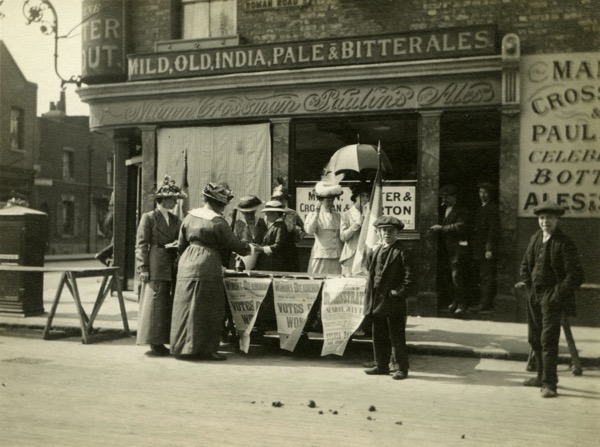
ELFS stall on Roman Rd, announcing a forthcoming demonstration in Canning Town, July 1914
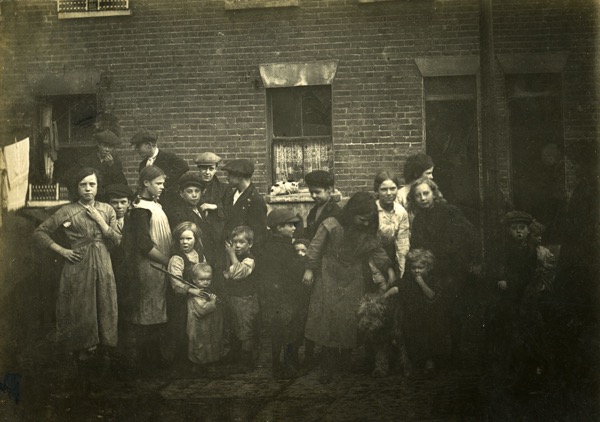
‘The home they fought for’ – children come to play with Sylvia Pankhurst’s dog Jim c 1915
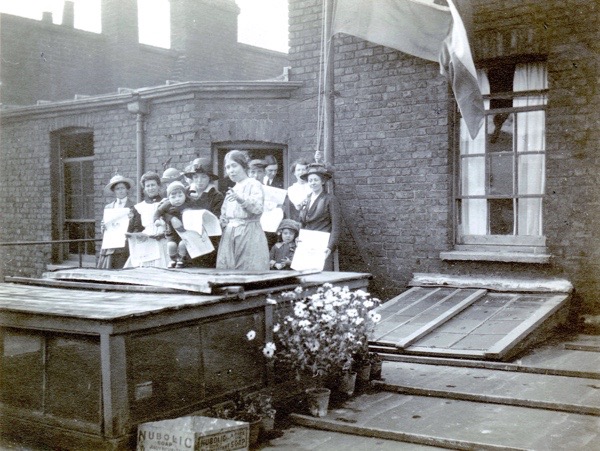
Hoisting the flag at 400 Old Ford Rd for Sylvia Pankhurst’s 32nd birthday. She is pointing at the camera. The little boy is the grandson of George Lansbury, MP for Poplar & Bow. May 1914
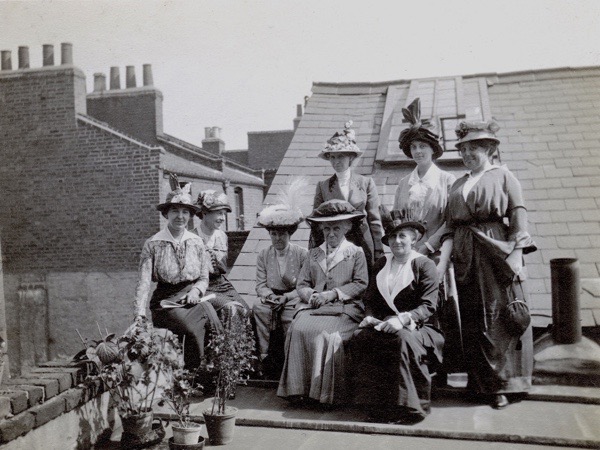
Gathering on the roof of 400 Old Ford Rd, 1914

Sylvia Pankhurst recovering from hunger strike at the home of Mr & Mrs Payne at 28 Ford Rd, Bow. 1913
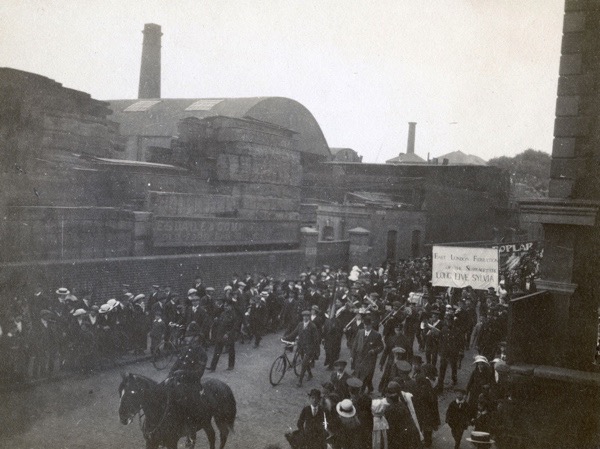
ELFS demonstration on Women’s May day on the Old Ford Road, Bow, 30th May 1915

Outside the war relief clinic at 53 St Leonard’s St, Bromley
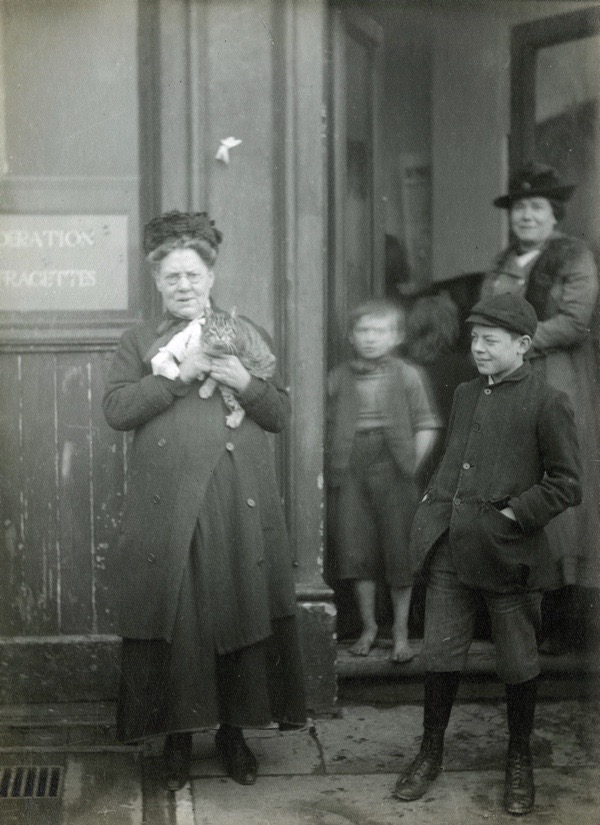
Mrs Schlette holding a cat outside the war relief clinic at 53 St Leonard’s St, Bromley
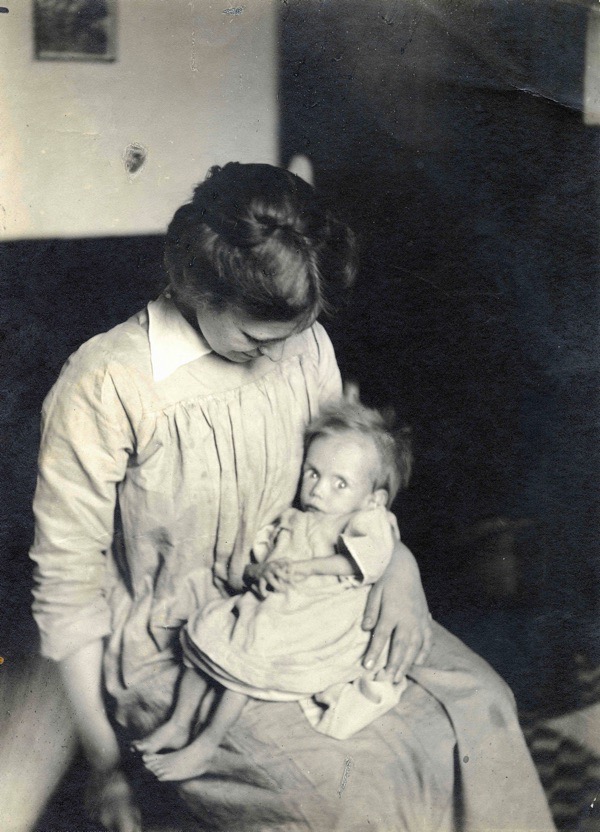
Nurse Hebbes with one of her ‘war sufferers’ at the Mother’s Arms, c1915

Children eating at the cost price restaurant at 20 Railway St, Poplar, 1914
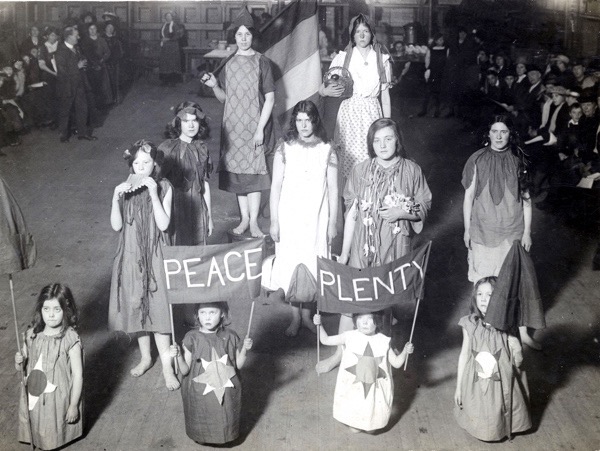
Procession of children at New Year’s Pageant., January 1916
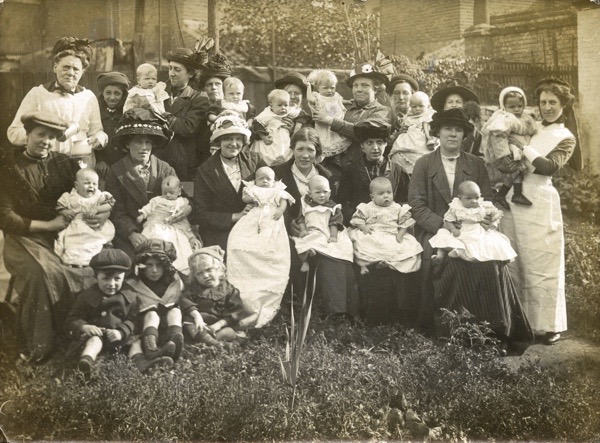
‘With some of our Poplar babies in the garden at 20 Railway St’ Mrs Schlette is on the left. 1914
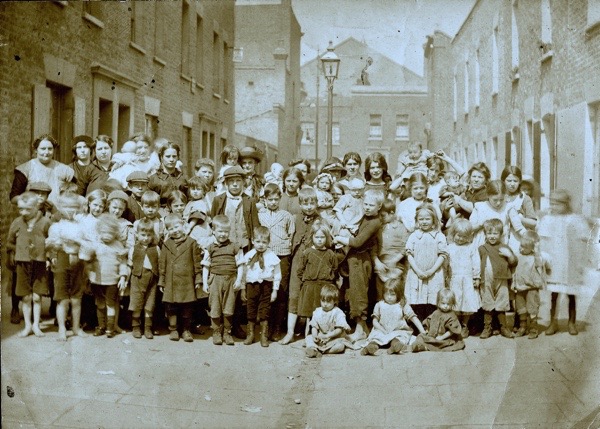
Ranwell St, Bow, c 1914

Children in Bow, c 1914

Children in Bow. c 1914
Photographs courtesy International Institute for Social History
You may also like to take a look at
The Curse Of Vicky’s Ticker
In these pages in 2012, Roger Clarke first revealed the intriguing tale of a gold pocket watch presented by Queen Victoria to an eleven-year-old Shoreditch clairvoyant. The watch – known as Vicky’s Ticker – went missing in 1962 when it was stolen from the London College of Psychic Studies, yet since Roger wrote his story for Spitalfields Life it has inexplicably reappeared.

Once I held it in my hand, I was aware of the weight of it. I was standing in a small downstairs room at Bonhams in South Kensington holding a Victorian gold pocket watch. Yet the weight I felt was not that of the precious metal or the intricate mechanics of its system, but of the significance of those whose hands through which the watch had passed: Queen Victoria, two celebrated psychics, a newspaper editor who went down in the Titanic and the thief who stole it fifty years ago.
Here is the entry in Bonham’s catalogue:
LOT 19: AN 18K GOLD KEY WIND OPEN FACE POCKET WATCH, Circa 1840 (£500–700)
Two engraved inscriptions: ‘Presented by Her Majesty to Miss Georgiana Eagle for her Meritorious & Extraordinary Clairvoyance produced at Osborn House, Isle of Wight, July 15th 1846′ and ‘Presented by W.T Stead to Mrs Etta Wriedt through whose mediumship Queen Victoria’s direct voice was heard in London in July 1911.’
I first came across the name of Georgiana Eagle, Wizard Queen & Mesmerist, while researching my book A Natural History of Ghosts – and as a Shoreditch resident myself – I was naturally intrigued by her. Dalston was a Victorian nexus of young female psychics, including the infamous Florence Cook in the eighteen seventies, and there was a very famous Dalston spiritualist group at the time many of whose members worked on the railways – two recently-built spurs (now the overground) had opened up the area and were instrumental in making Dalston popular for séances. It was a new territory, opening new doors into the other world. However it seems an even younger East London psychic proceeded Miss Cook by several decades amongst the furniture-making factories and leather-working rooms of Shoreditch.
Georgiana Eagle was born on November 28th 1834 and baptised at St Leonard’s Church. Her grandfather owned a pub in the parish and the family were of Huguenot descent. She lived with her father Barnardo Eagle in Holywell Place. He was a professional stage magician and the family led a nomadic existence as travelling players. In 1839, he was describing himself as ‘The Royal Wizard of the South’ and in the Birmingham Journal of November 23rd of that year claimed he had performed for ‘His late Majesty and Queen Adelaide, Duchess of Saxe-Weimar, Her Majesty Queen Victoria, The Duchess of Kent and numbers of the nobility.’
After the death of her mother, eight-year-old Georgiana stayed with her father while the rest of her siblings were packed off to live with their grandparents in 36 Coleman St. She was a willing participant in her father’s stage act of ‘Hundred feats of mighty magic’. He was a sceptic who revealed deception and his show, The Mysterious Lady, which was devoted to exposing the clairvoyance claims of mesmerists – proved immensely popular. Little Georgiana was the star and she performed for Queen Victoria at Osborne House when Prince Albert was still alive, receiving the gift of the gold watch from the monarch. Victoria’s journals show she gave similar watches to other children of Georgiana’s age and I believe Georgiana had it engraved after that event at Osborne House in 1846. This is the ill-fated watch that was subsequently stolen from the College of Psychic Studies in September 1962.
One morning last year, I received a call from a relative in the antiques business who was monitoring sales of objects connected to the Isle of Wight where we both grew up. He had learnt about the sale of a watch. I went in one day in January for a viewing and sat in a small windowless, fortified room as a young man brought it in. There was absolutely no doubt about it. This was Vicky’s Ticker – the watch given to Georgiana by Queen Victoria which has not been seen or heard of since 1962. It had been discovered among the effects of a jeweller from Manchester at his decease by his relatives, who had no idea of its tainted provenance.
There is a contemporary mention of Victoria’s gift of the watch to Georgiana in the Northampton Mercury in 1849. ‘On Monday last, a theatre suddenly upreared its tawdry head in the market square, decorated with pictures representing Miss Georgiana Eagle in trunk hose and flesh tights, in the act of receiving a splendid gold watch from Her Majesty Queen Victoria.’
A remarkable thing happened. In 1850, Barnardo Eagle advertised private clairvoyance sessions ‘to the nobility and gentry’ in Brighton. At a meeting in Edinburgh in November 1852, around sixty people were invited to experience Georgiana’s powers of mediumship and mesmerism. Whether this conversion was heartfelt or genuine, we will probably never know. It could have been simply that Barnardo was commercially savvy and he saw the wind was blowing in favour of psychics. Yet his journey from sceptic to believer is the reason that the watch is so precious to the College of Psychic Studies.
Those who were shocked by Barnardo’s apparent betrayal of his rational beliefs blamed him for dragging his eighteen year-old daughter along with him. It did not go well for either of them. By 1853, he had abandoned the profession and reverted to the family occupation, buying the licence to the Brown Bear Tavern near the British Museum. His infant daughter Rosabel died and was buried in a public grave, indicating the family’s reduced state at this time. Yet by 1855 they were back on the road, offering clairvoyance once again.
There was a late resurgence in their fame. The hiatus appears to have restored their public reputation now belief in psychic phenomena had became widespread. Then tragedy struck when Barnardo died onstage during his act. A few weeks later – while her father was barely cold in the ground – Georgiana married a Drury Lane scene-painter. She was now performing as Madame Card, Wizard Queen and Mesmerist and living happily with her husband in Cheltenham, until he was committed to a lunatic asylum in Sussex where he died seven months later.
She married a music professor from Islington and they toured together. He accompanying her act with musical numbers and they were reviewed quite favourably by the Evening Standard. Georgiana was by now an accomplished hypnotist and ‘performed with a dexterity that is scarcely surpassed by any other male conjurer’ Unfortunately, the music professor – a volatile character who got in trouble with the law over his temper – also died young and Georgiana was widowed for a second time by the age of forty-seven. She married a draper twenty-five years her junior, and eventually died in Muswell Hill of ‘senile decay’ in March 1911.
Within months of Georgiana’s death, the watch fell into the hands of the newspaper editor W.T. Stead who gave it to Etta Wriedt, a medium who used it to channel the spirit and voice of Queen Victoria in London in July 1911. When Stead drowned on the Titanic, Wriedt presented the watch to the London College of Psychic Studies.
The colourful history of this little timepiece might tempt the credulous to believe it has a curse attached to it – though why that should be, I have no explanation. I attended the ceremony marking the return of the watch at the College of Psychic Studies and afterwards talked with a throng of interested parties. ‘We think you were guided,’ suggested a couple of mediums but naturally I could not say. Yet it is very strange that I should write on the subject for Spitalfields Life and then find it.
I do not feel my business with Georgiana Eagle has quite finished yet.
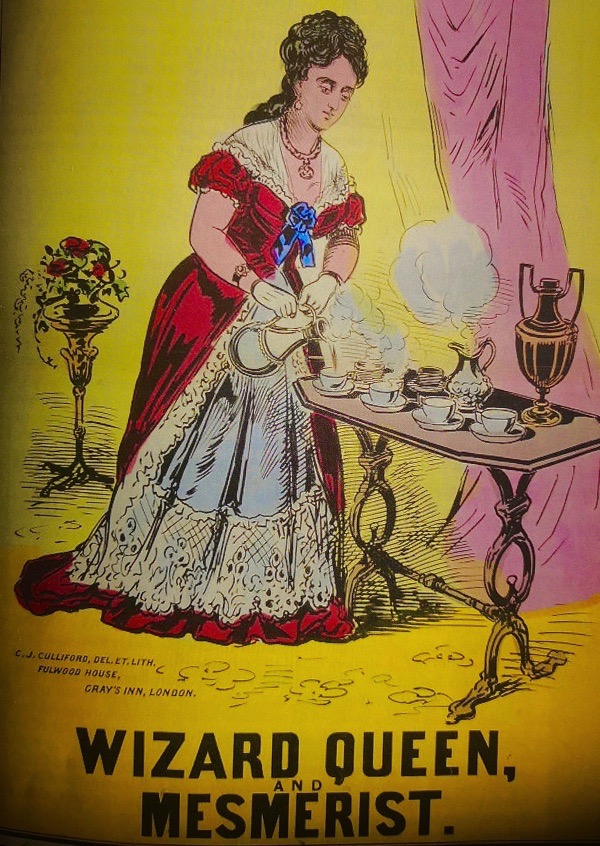
Georgiana Eagle, Wizard Queen & Mersmerist of Shoreditch
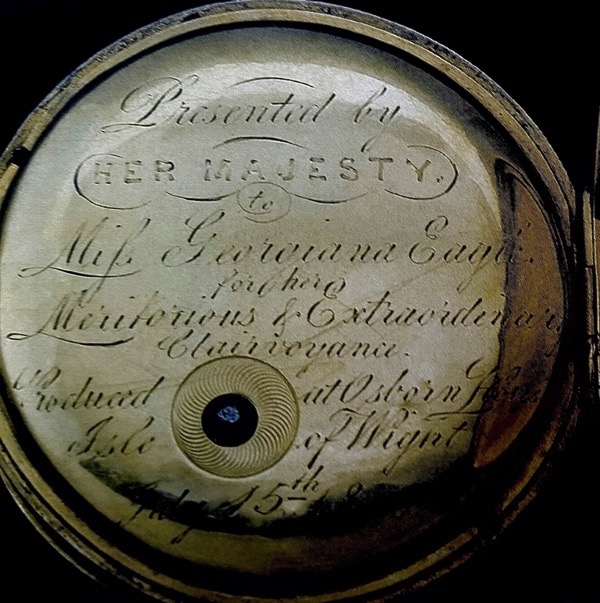
Inscription of July 1846
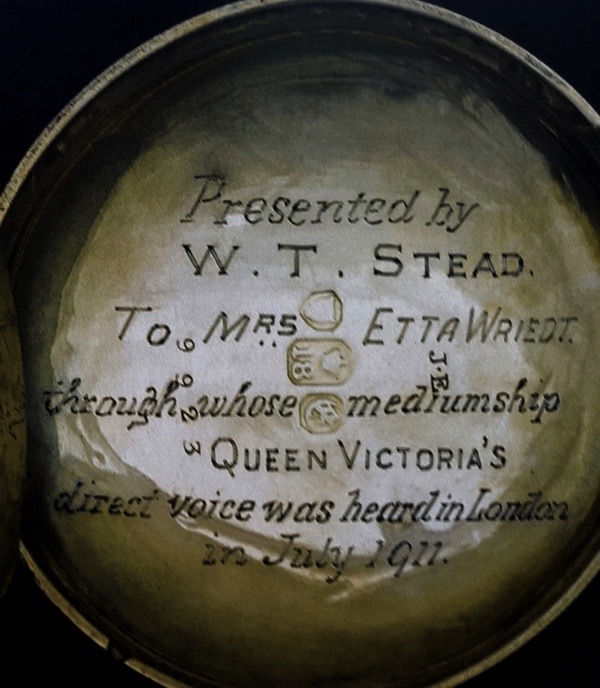
Inscription of July 1911
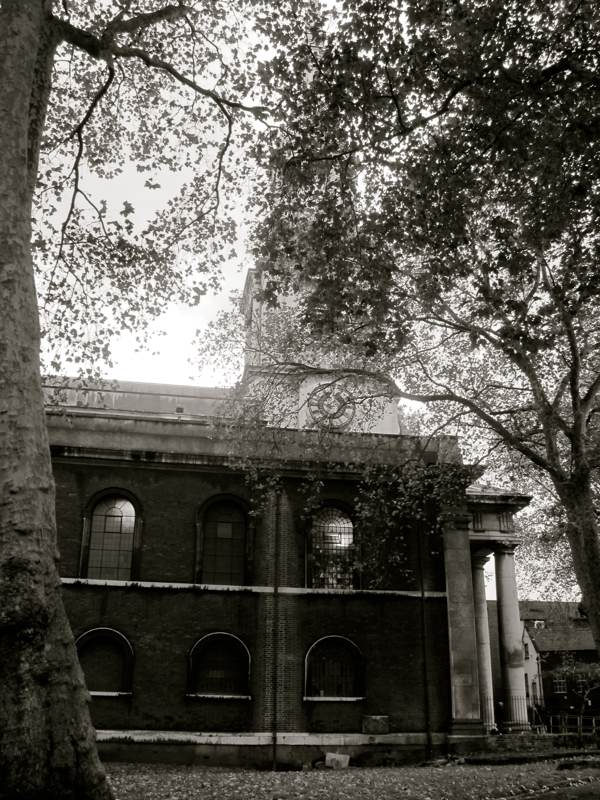
St Leonard’s Church where Georgiana Eagle, Wizard Queen & Clairvoyant Mesmerist, was baptised
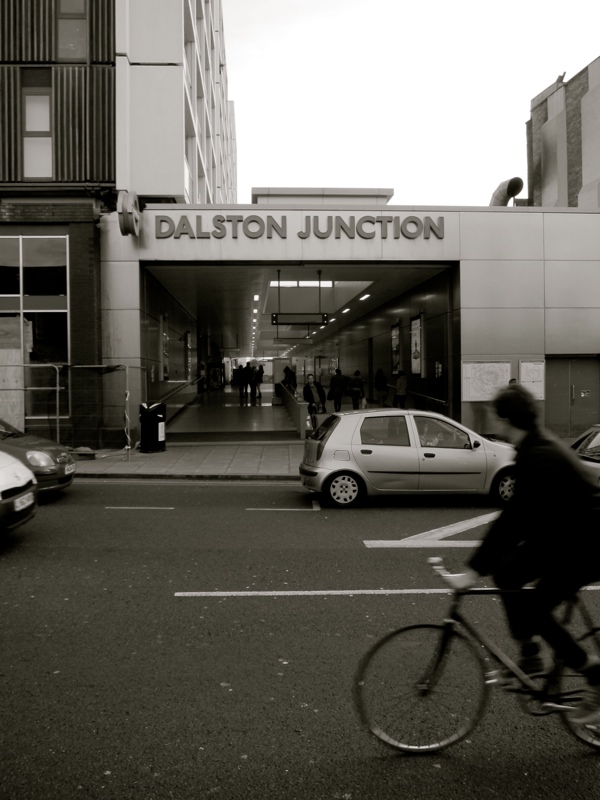
Dalston became a nexus for female psychics in the eighteen seventies due to improved transport links
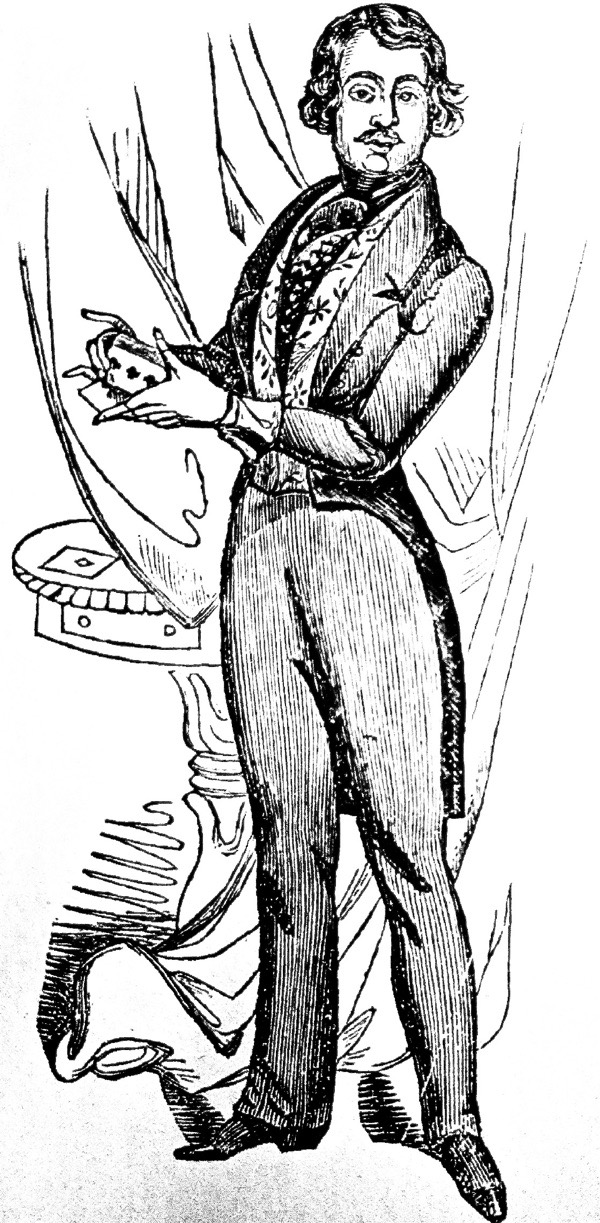
Barnardo Eagle, the Royal Wizard of the South (Courtesy of Senate House Library)
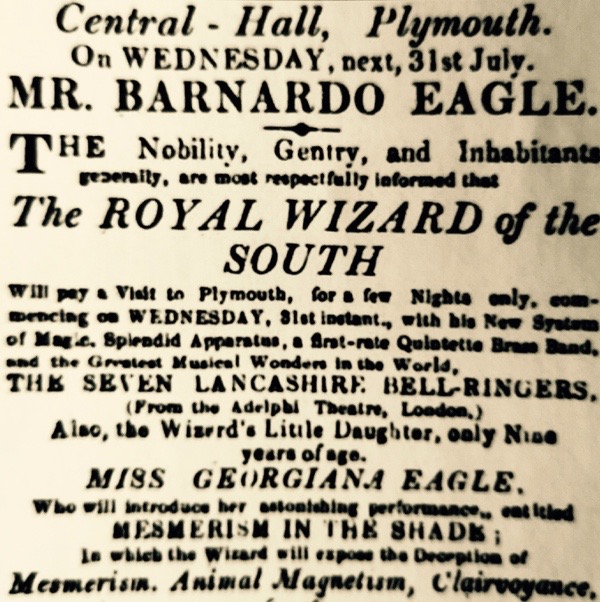
Advertisement for a performance by Barnardo and Georgiana Eagle in Plymouth
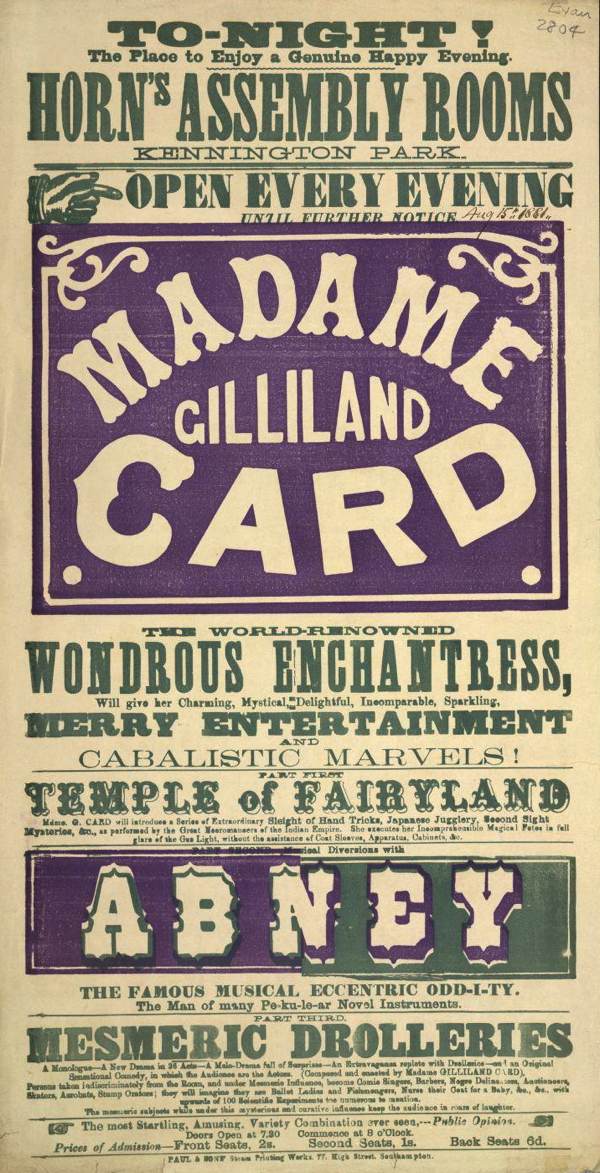
Georgiana Eagle commonly performed under the stage name of Madame Gilliland Card (Poster courtesy of British Museum)
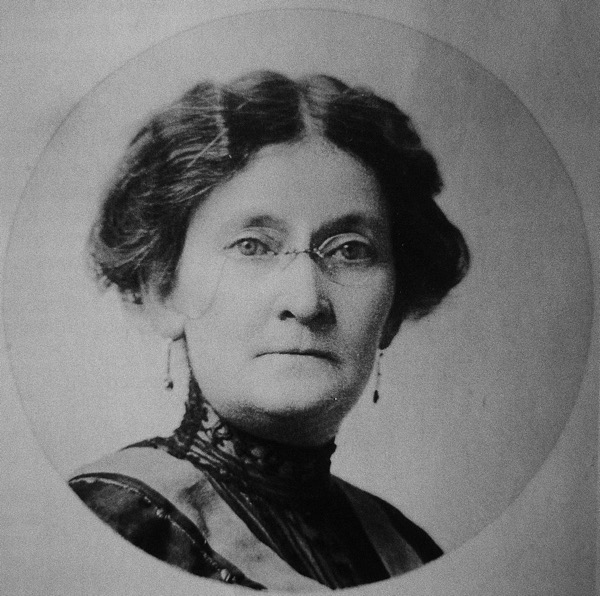
Etta Wriedt used Vicky’s Ticker to channel the spirit and voice of Queen Victoria in London in 1911
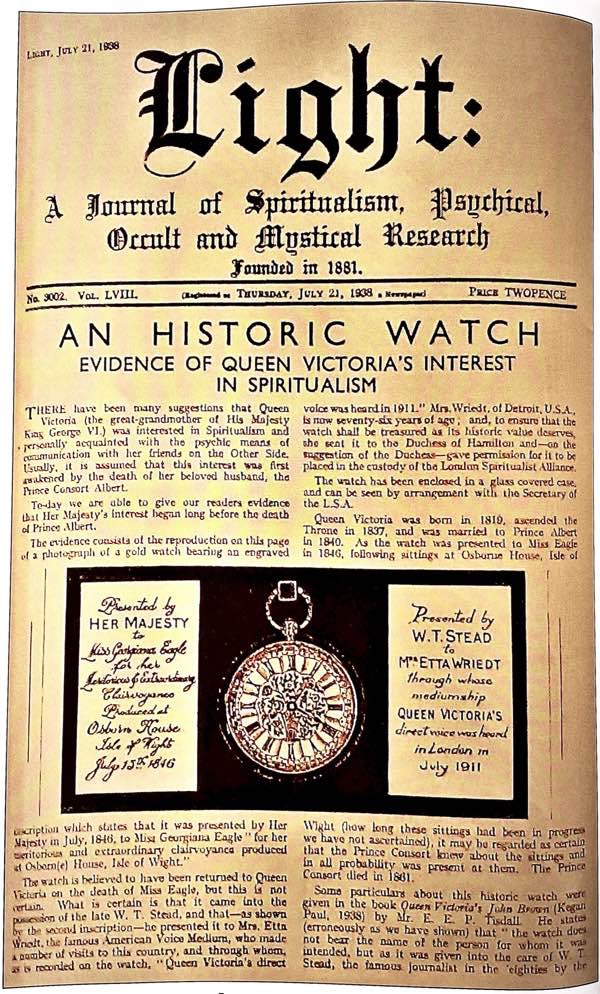
Journal of Spiritualism, Psychical, Occult & Mystical Research (Courtesy London College of Psychic Studies)
Roger Clarke wishes to thank Vivienne Roberts, College Curator & Archivist at the London College of Psychic Studies for her research
You may also like to read about
Upon The Nature Of Gothic Horrors
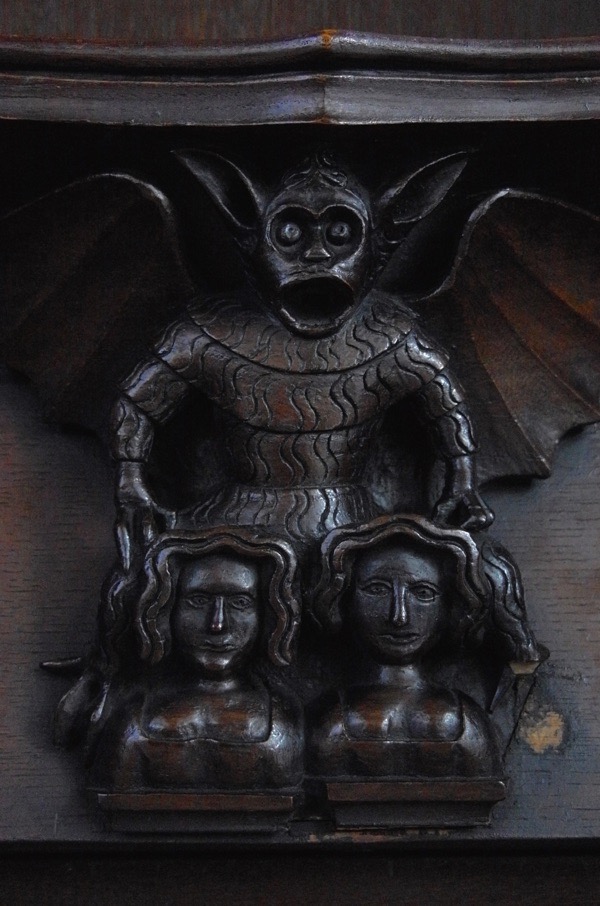
I believe I was born with a medieval imagination. It is the only way I can explain the explicit gothic terrors of my childhood. Even lying in my cradle, I recall observing the monstrous face that emerged from the ceiling lampshade once the light was turned out. This all-seeing creature, peering at me from above, grew more pervasive as years passed, occupying the shadows at the edges of my vision and assuming more concrete manifestations. An unexpected sound in my dark room revealed its presence, causing me to lie still and hold my breath, as if through my petrified silence I could avert the attention of the devil leaning over my bedside.
When I first became aware of gargoyles carved upon churches and illustrated in manuscripts, I recognised these creatures from my own imagination and I made my own paintings of these scaled, clawed, horned, winged beasts, which were as familiar as animals in the natural world. I interpreted any indeterminate sound or movement from the dark as indicating their physical presence in my temporal existence. Consequently, darkness, shadow and gloom were an inescapable source of fear to me on account of the nameless threat they harboured, always lurking there just waiting to pounce. At this time of year, when the dusk glimmers earlier in the day, their power grew as if these creatures of the shades might overrun the earth.
Nothing could have persuaded me to walk into a dark house alone. One teenage summer, I looked after an old cottage while the residents were on their holiday and, returning after work at night, I had to walk a long road that led through a deep wood without street lighting. As I wheeled my bicycle up the steep hill among the trees in dread, it seemed to me they were alive with monsters and any movement of the branches confirmed their teeming presence.
Yet I discovered a love of ghost stories and collected anthologies of tales of the supernatural, which I accepted as real because they extended and explained the uncanny notions of my own imagination. In an attempt to normalise my fears, I made a study of mythical beasts and learnt to distinguish between a griffin and a wyvern. When I discovered the paintings of Hieronymous Bosch and Pieter Breughel, I grew fascinated and strangely reassured that they had seen the apocalyptic visions which haunted the recesses of my own mind.
I made the mistake of going to see Ridley Scott’s The Alien alone and experienced ninety minutes transfixed with terror, unable to move, because – unlike the characters in the drama – I was already familiar with this beast who had been pursuing me my whole life. In retrospect, I recognise the equivocal nature of this experience, because I also sought a screening of The Exorcist with similar results. Perhaps I sought consolation in having my worst fears realised, even if I regretted it too?
Once, walking through a side street at night, I peered into the window of an empty printshop and leapt six feet back when a dark figure rose up from among the machines to confront my face in the glass. My companions found this reaction to my own shadow highly amusing and it was a troubling reminder of the degree to which I was at the mercy of these irrational fears even as an adult.
I woke in the night sometimes, shaking with fear and convinced there were venomous snakes in the foot of my bed. The only solution was to unmake the bed and remake it again before I could climb back in. Imagine my surprise when I visited the aquarium in Berlin and decided to explore the upper floor where I was confronted with glass cases of live tropical snakes. Even as I sprinted away down the street, I felt the need to keep a distance from cars in case a serpent might be lurking underneath. This particular terror reached its nadir when I was walking in the Pyrenees, and stood to bathe beneath a waterfall and cool myself on a hot day. A green snake of several feet in length fell wriggling from above, hit me, bounced off into the pool and swam away, leaving me frozen in shock.
Somewhere all these fears dissolved. I do not know where or when exactly. I no longer read ghost stories or watch horror films and equally I do not seek out dark places or reptile houses. None of these things have purchase upon my psyche or even hold any interest anymore. Those scaly beasts have retreated from the world. For me, the shadows are not inhabited by the spectral and the unfathomable darkness is empty.
Bereavement entered my life and it dispelled these fears which haunted me for so long. My mother and father who used to turn out the light and leave me to sleep in my childhood room at the mercy of medieval phantasms are gone, and I have to live in the knowledge that they can no longer protect me. Once I witnessed the moment of death with my own eyes, it held no mystery for me. The demons became redundant and fled. Now they have lost their power over me, I miss them – or rather, perhaps, I miss the person I used to be – yet I am happy to live a life without supernatural agency.
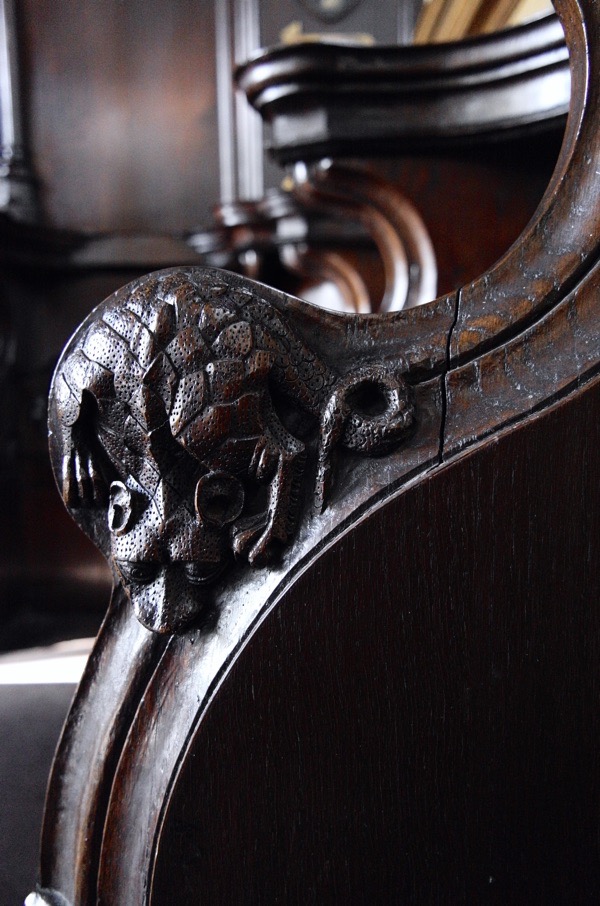
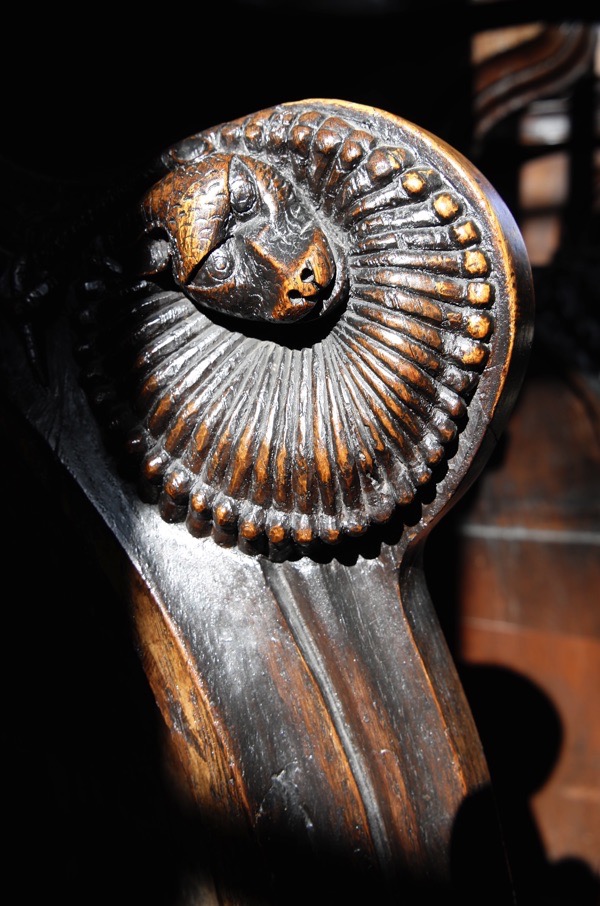
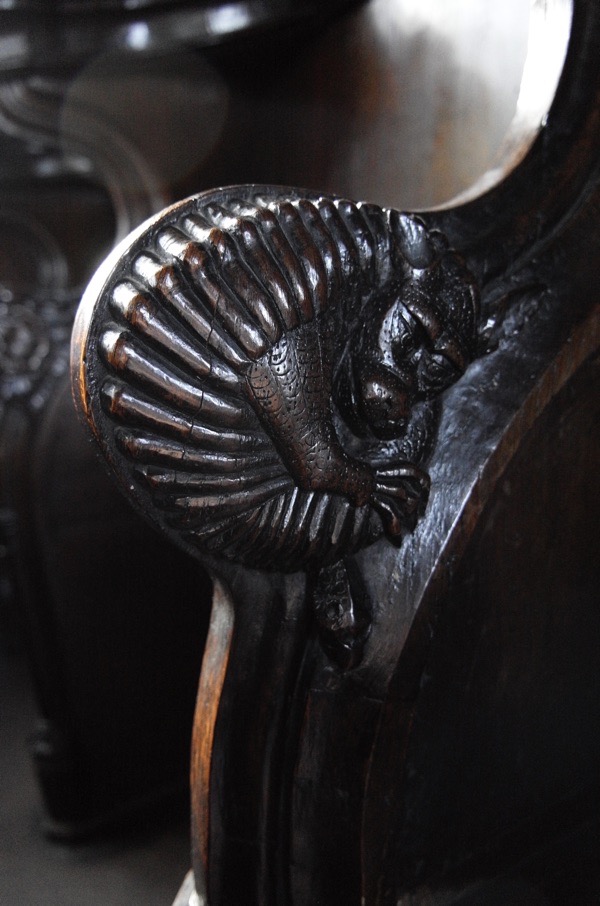
Fourteenth century carvings from St Katherine’s Chapel, Limehouse
You might also like to read about












