
A Room To Let In Old Aldgate

Archivist Stefan Dickers will be giving a lecture at the Hanbury Hall in Spitalfields next Tuesday 9th January at 7pm entitled THE TREASURES OF THE BISHOPSGATE INSTITUTE. As well as its celebrated London photographic collection featured in these pages, the Bishopsgate Archive houses Britain’s largest LBTQ+ collection.
Click here to book your ticket for THE TREASURES OF THE BISHOPSGATE INSTITUTE

I would dearly love to rent the room that is to let in this old building in Aldgate, photographed by Henry Dixon for the Society for Photographing Relics of Old London. Too bad it was demolished in 1882. Instead I must satisfy myself with an imaginary stroll through the streets of that long lost city, with these tantalising glimpses of vanished buildings commissioned by the Society as my points of reference. Founded by a group of friends who wanted to save the Oxford Arms, threatened with demolition in 1875, the Society for Photographing Relics of Old London touched a popular chord with the pictures they published of age-old buildings that seem to incarnate the very soul of the ancient city. London never looked so old as in these atmospheric images of buildings forgotten generations ago.
Yet the melancholy romance of these ramshackle, shabby edifices is irresistible to me. I need to linger in the shadows of their labyrinthine rooms, I want to scrutinise their shop windows, I long to idle in these gloomy streets – because the truth is these photographs illustrate an imaginary old London that I should like to inhabit, at least in my dreams. Even to a nineteenth century eye, these curious photographs would have proposed a heightened reality, because the people are absent. Although the long exposures sometimes captured the few that stood still, working people are mostly present only as shadows or fleeting transparent figures. The transient nature of the human element in these pictures emphasises the solidity of the buildings which, ironically, were portrayed because they were about to disappear too. Thus Henry Dixon’s photographs preserved in the Bishopsgate Insitute are veritable sonnets upon the nature of ephemerality – the people are disappearing from the pictures and the buildings are vanishing from the world, only the photographs themselves printed in the permanent carbon process survive to evidence these poignant visions now.
The absence of people in this lost city allows us to enter these pictures by proxy, and the sharp detail draws us closer to these streets of extravagant tottering old piles with cavernous dour interiors. We know our way around, not simply because the geography remains constant but because Charles Dickens is our guide. This is the London that he knew and which he romanced in his novels, populated by his own versions of the people that he met in its streets. The very buildings in these photographs appear to have personality, presenting dirty faces smirched with soot, pierced with dark eyes and gawping at the street.
How much I should delight to lock the creaky old door, leaving my rented room in Aldgate, so conveniently placed above the business premises of John Robbins, the practical optician, and take a stroll across this magical city, where the dusk gathers eternally. Let us go together now, on this cloudy January day, through the streets of old London. We shall set out from my room in Aldgate over to Smithfield and Clerkenwell, then walk down to cross the Thames, explore the inns of Southwark and discover where our footsteps lead …

This row of shambles was destroyed for the extension of the Metropolitan Railway from Aldgate to Tower Hill, 1883.

Sir Paul Pindar’s House in Bishopsgate was moved to the Victoria & Albert Museum in 1890.
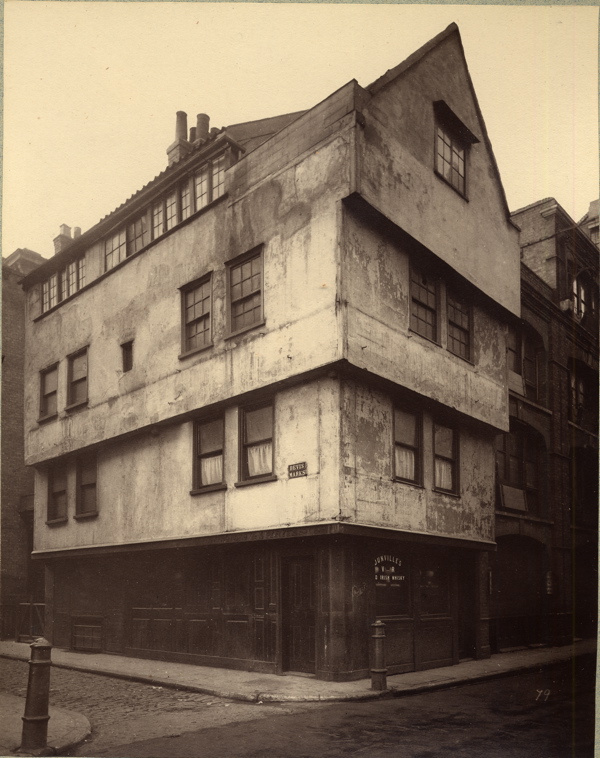
At the corner of St Mary Axe and Bevis Marks, this overhanging gabled house was destroyed in 1882.
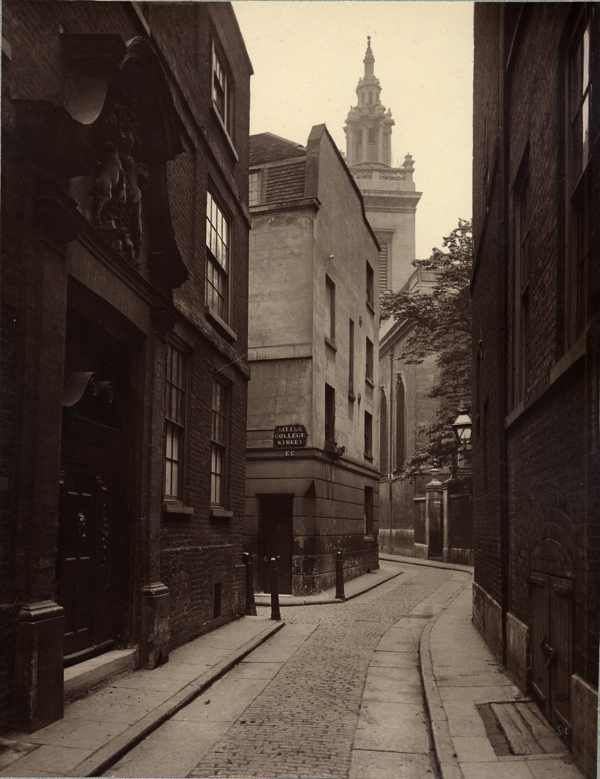
In College Hill.

St Giles Cripplegate, which now stands at the centre of Barbican complex.

Old buildings in Aldersgate St.

Shaftesbury House by Inigo Jones in Aldersgate St, demolished after this photo was taken in 1882.

Chimneypiece in the Sessions House, Clerkenwell Green, where Dickens was once a cub reporter.

In Cloth Fair, next to Smithfield Market.
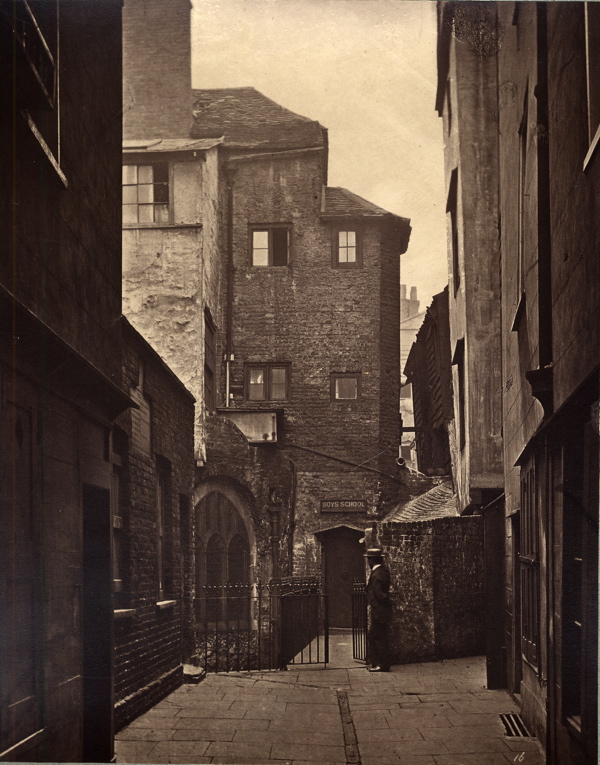
At the rear of St Bartholomew’s Church.
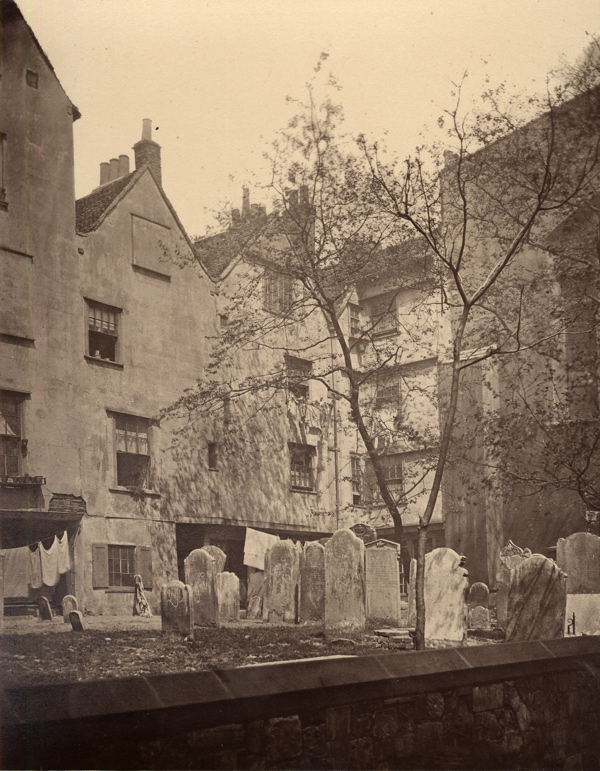
In the graveyard of St Bartholomew the Great.

In Charterhouse, Wash House Court.

The cloisters at Charterhouse.

St Mary Overy’s Dock

Queen’s Head Inn Yard.

White Hart Inn Yard.

King’s Head Inn Yard.
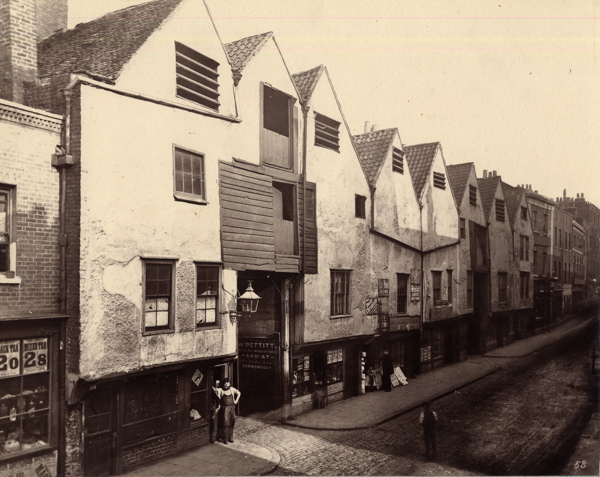
In Bermondsey St.
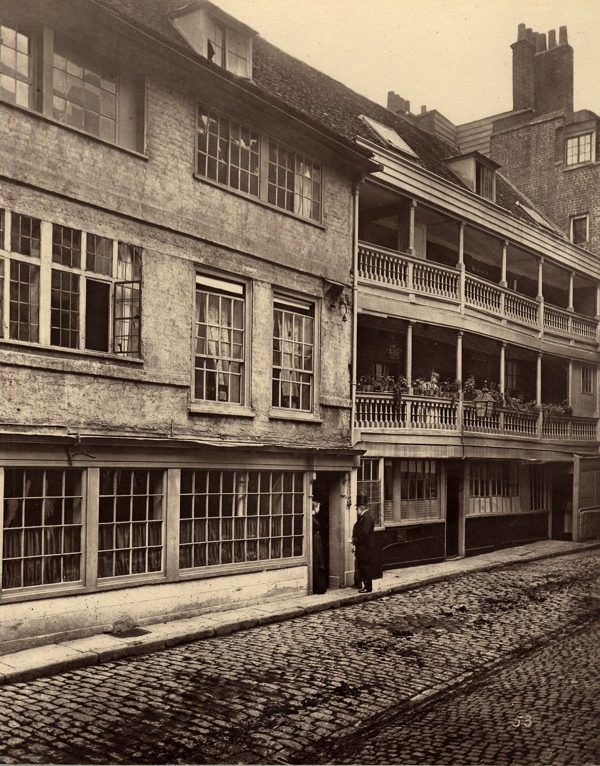
At the George, Borough High St.
You can see more pictures from the Society for Photographing Relics of Old London in The Ghosts of Old London and In Search of Relics of Old London.
Images courtesy Bishopsgate Institute
A Walk Through Time In Spitalfields
Archivist Stefan Dickers will be giving a lecture at the Hanbury Hall in Spitalfields next Tuesday 9th January at 7pm entitled THE TREASURES OF THE BISHOPSGATE INSTITUTE. As well as its celebrated London Collection (including C. A. Mathew’s photographs) featured in these pages, the Bishopsgate Archive houses Britain’s largest LBTQ+ collection.
Click here to book your ticket for THE TREASURES OF THE BISHOPSGATE INSTITUTE

Sandys Row from the north
After seeing the work of photographer C.A.Mathew in these pages, Adam Tuck was inspired to revisit the locations of the pictures taken over a century ago. Subtly blending his own photographs with C.A.Mathew’s images of Spitalfields in 1912, Adam initiated an unlikely collaboration with a photographer of the beginning of the last century and created a new series of images of compelling resonance.
In these montages, people of today co-exist in the same space with people of the past, manifesting a sensation I have always felt in Spitalfields – that all of history is present here. Yet those of the early twentieth century ago knew they were being photographed and many are pictured looking at the camera, whereas passersby in the present day are mostly self-absorbed. The effect is of those from the past wondering at a vision of the future, while those of our own day are entirely unaware of this ghostly audience.
It is hard to conceive of the meaning of time beyond our own lifespan. But these photographs capture something unseen, something usually hidden from human perception – they are pictures of time passing and each one contains more than a hundred years.
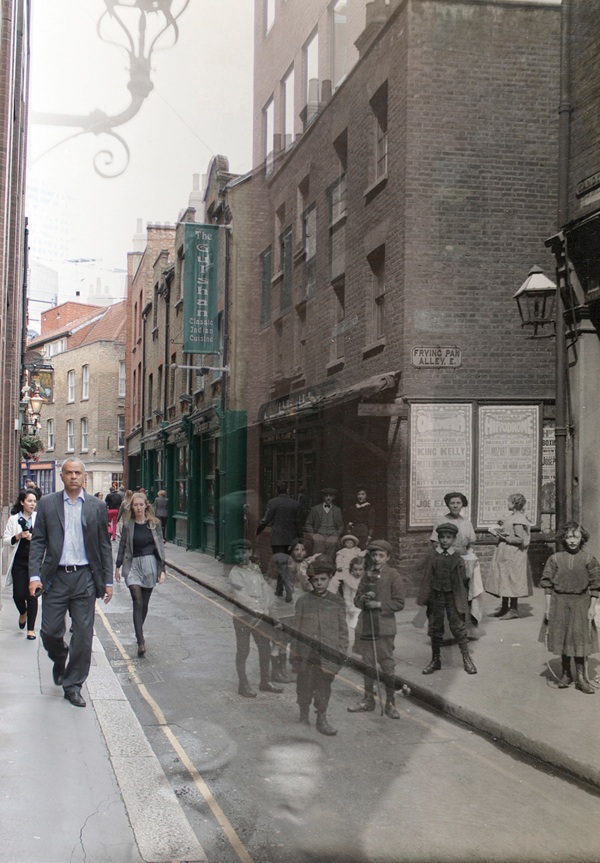
Sandys Row from the south

Looking from Bishopsgate down Brushfield St, towards Christ Church

Looking down Widegate St towards Sandys Row

Looking down Middlesex St towards Bishopsgate

From Bishopsgate looking up Middlesex St

In Bell Lane

In Artillery Lane looking towards Artillery Passage

From Bishopsgate through Spital Sq

Frying Pan Alley
Montages copyright © Adam Tuck
C.A.Mathew photographs courtesy Bishopsgate Institute
You may like to read the original stories
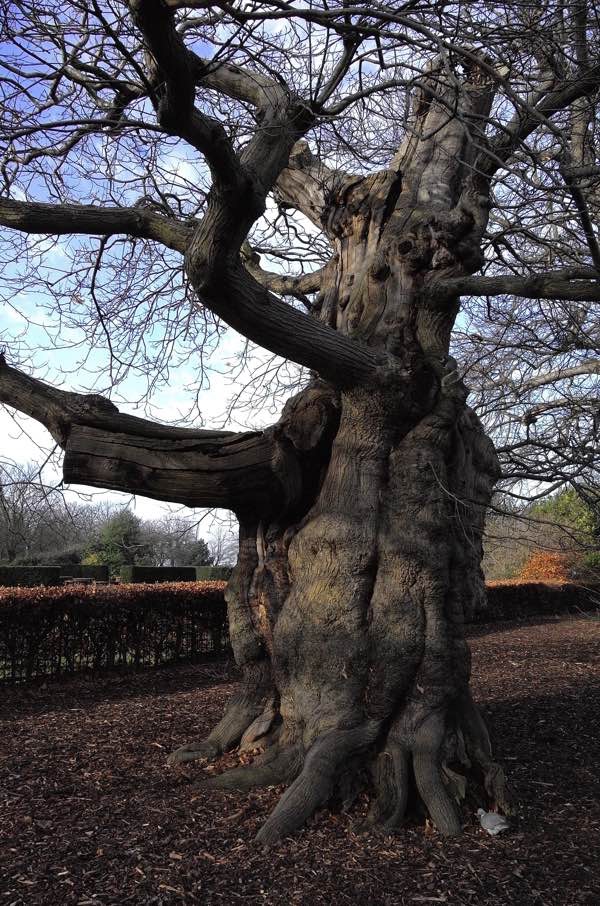
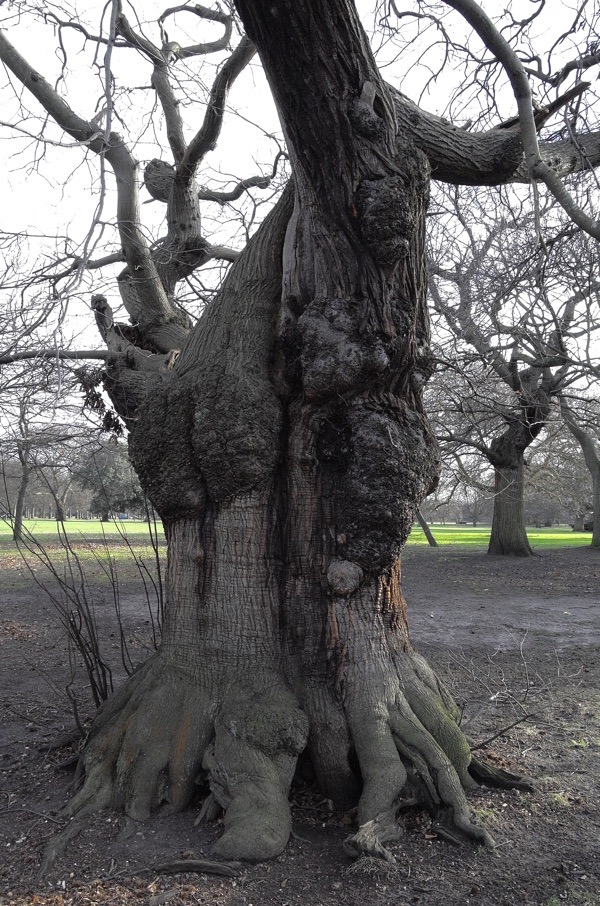
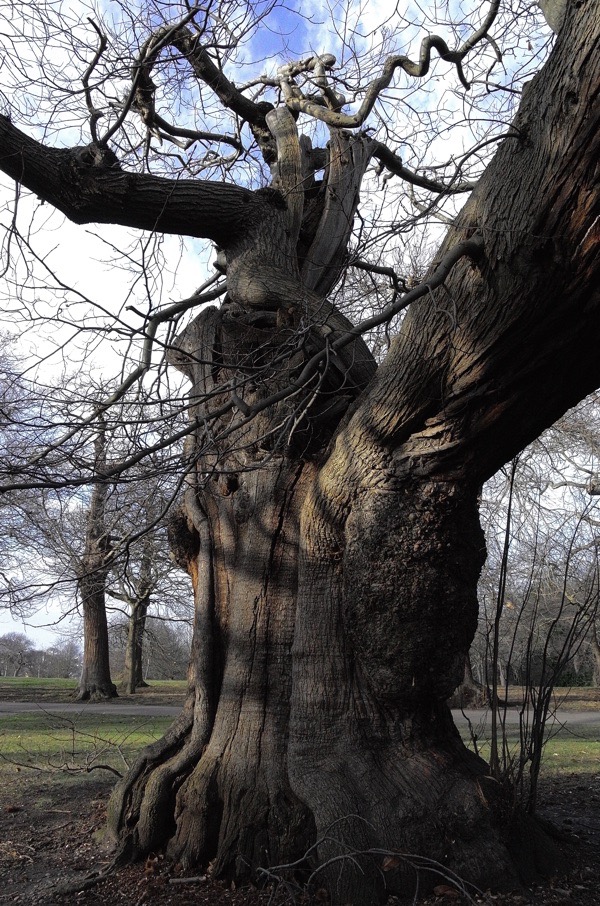
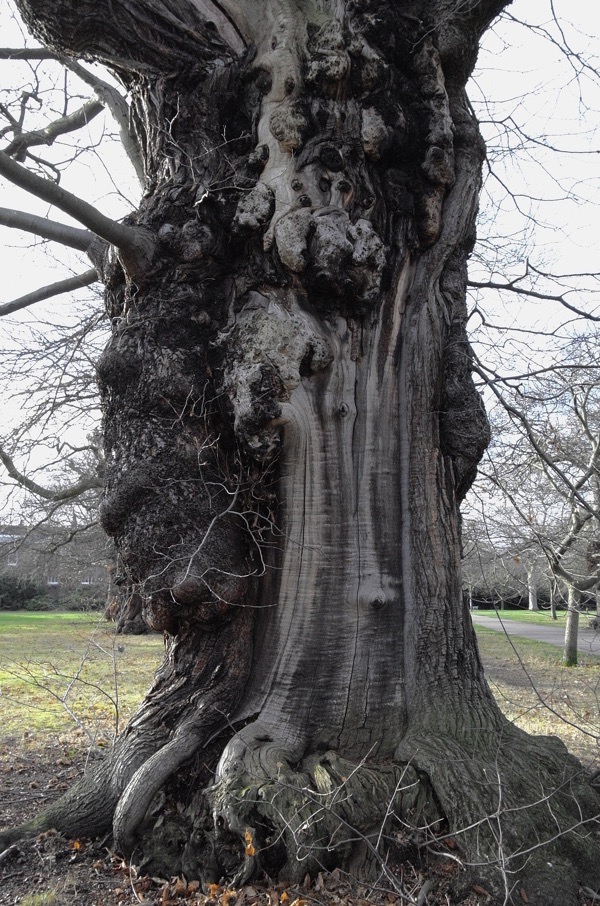
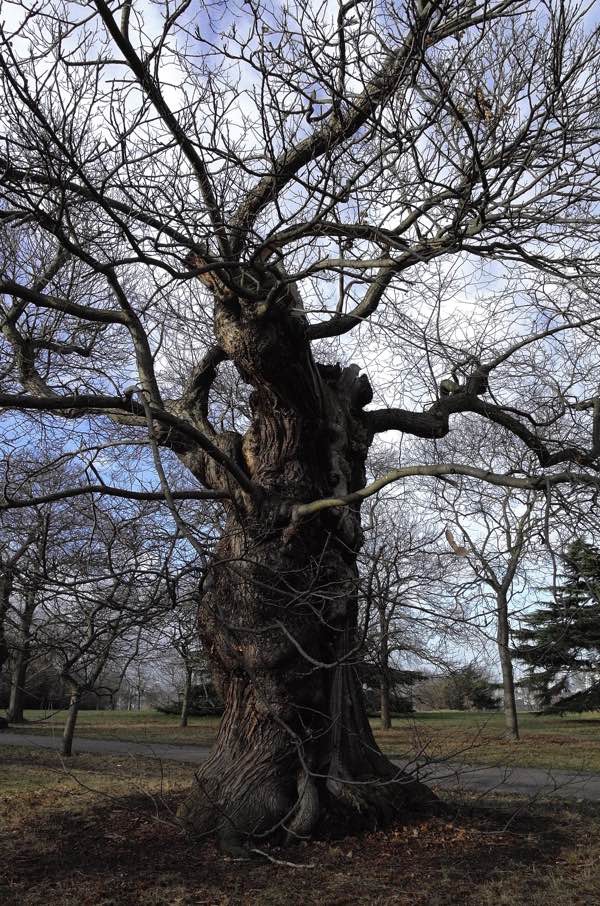
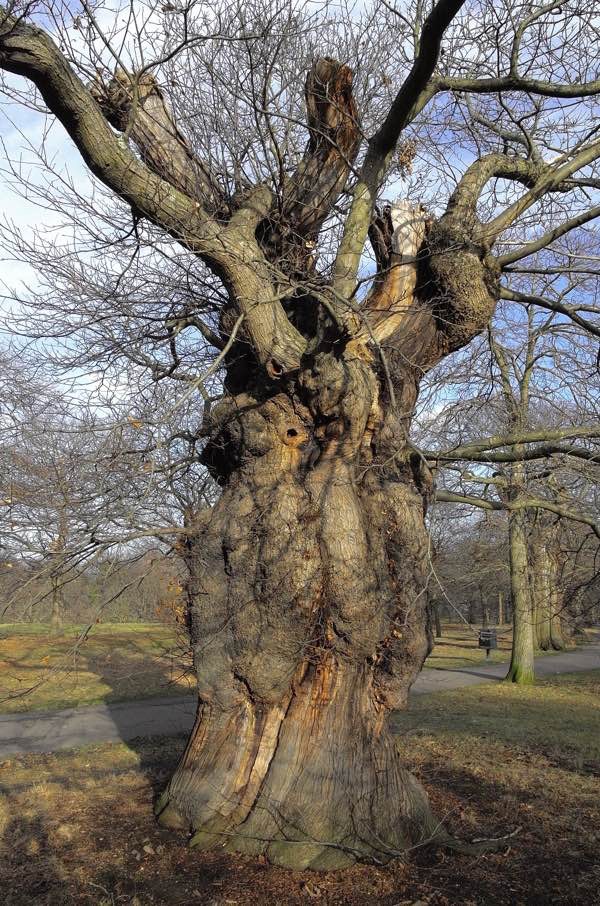
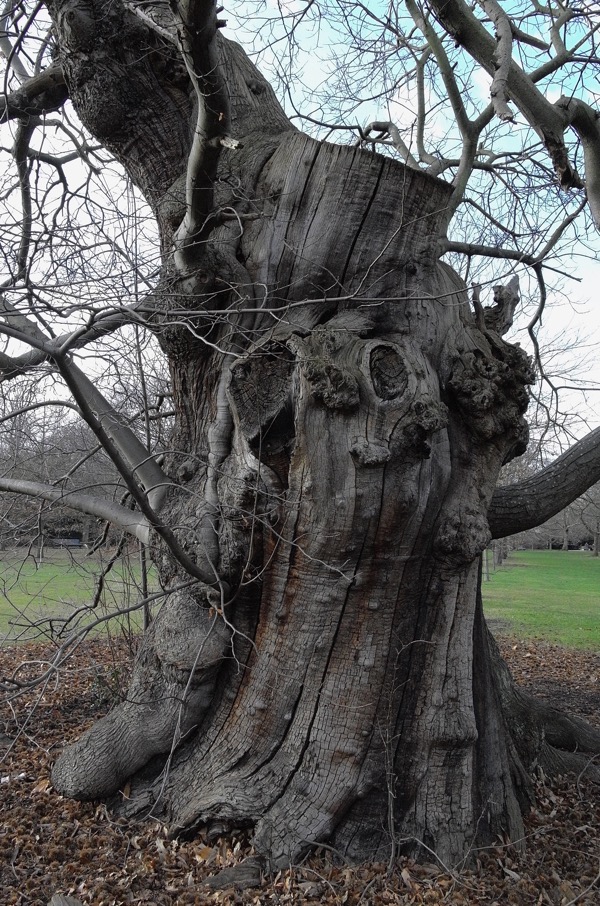
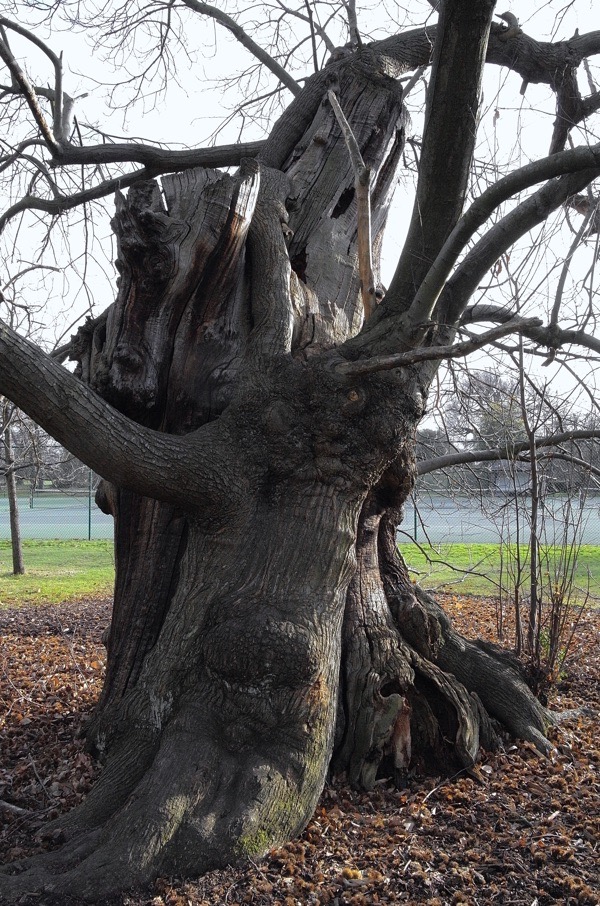
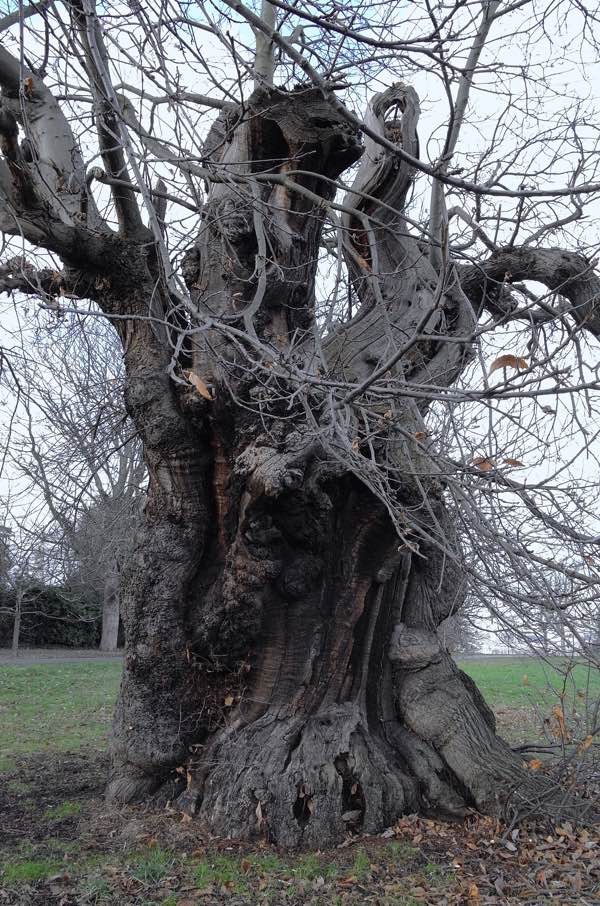
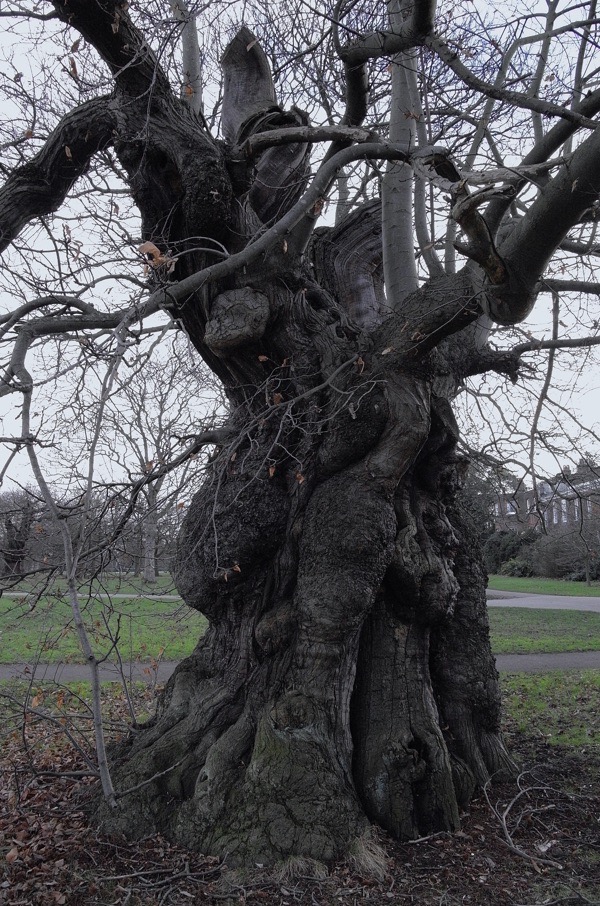
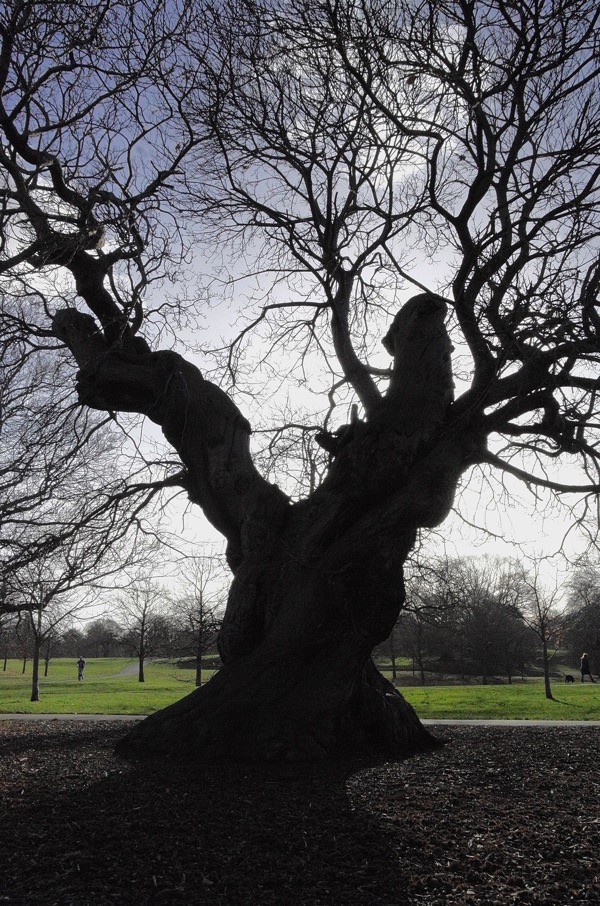
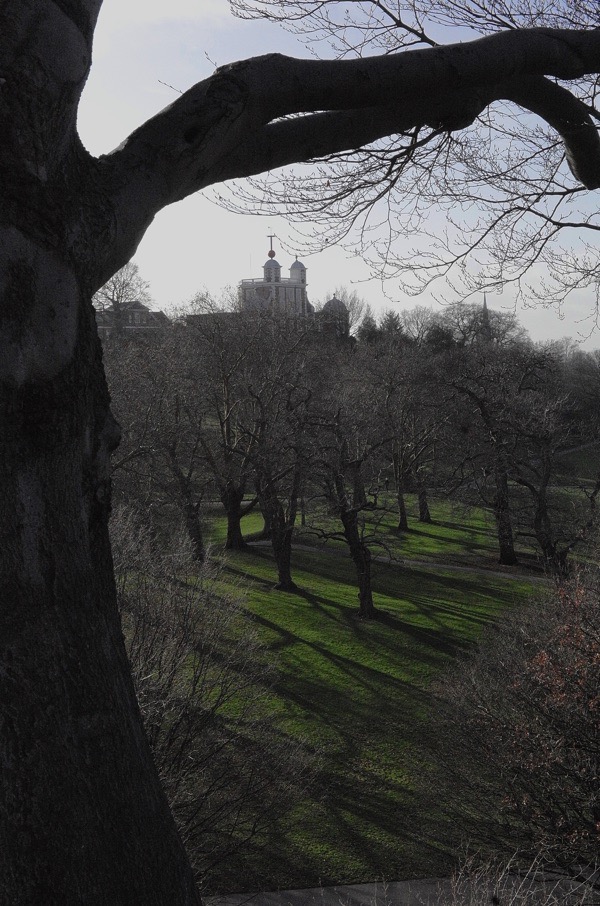
Old Trees In Greenwich Park

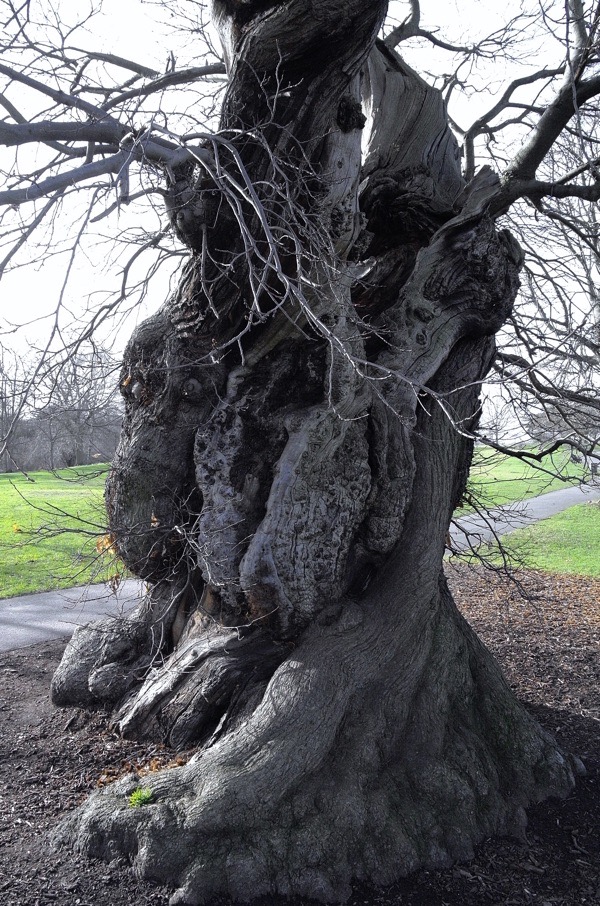
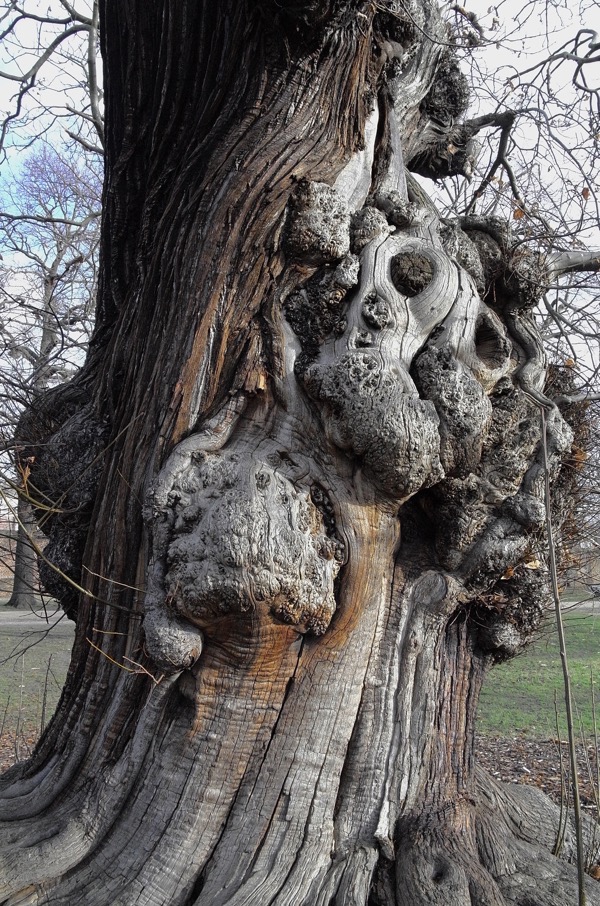
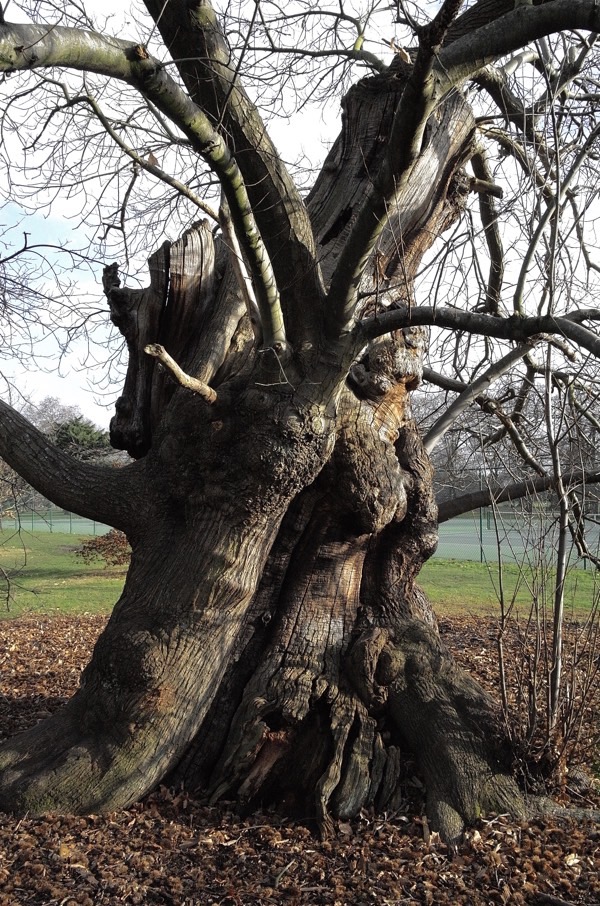
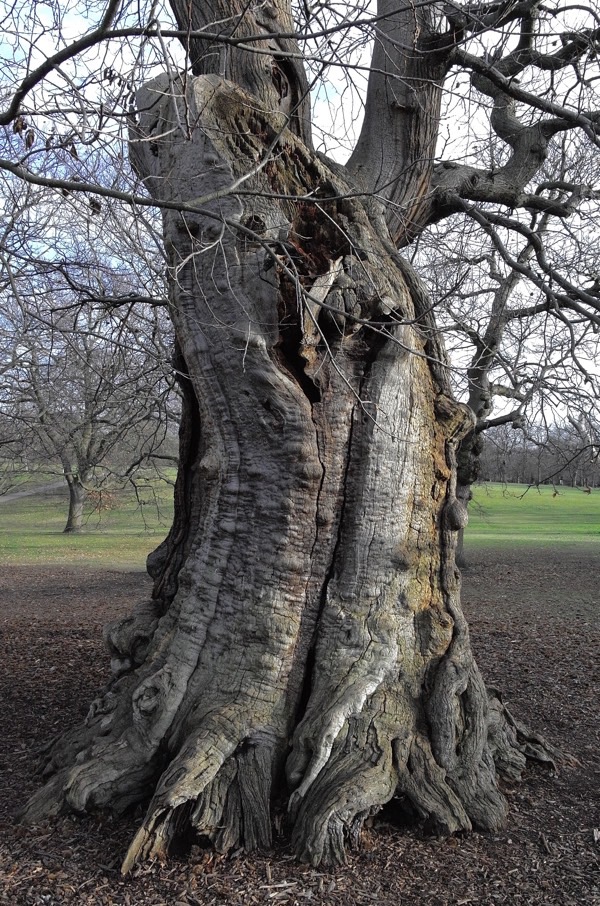
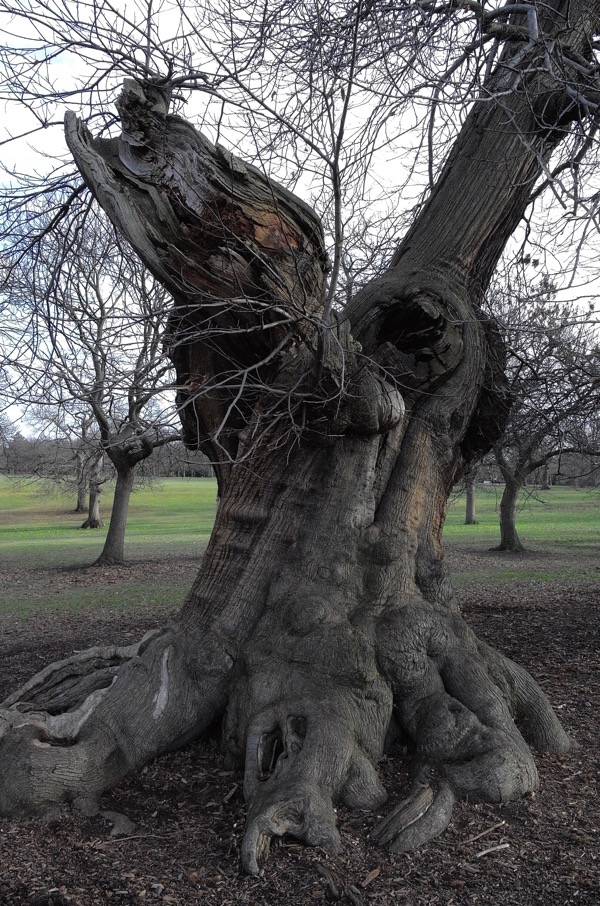
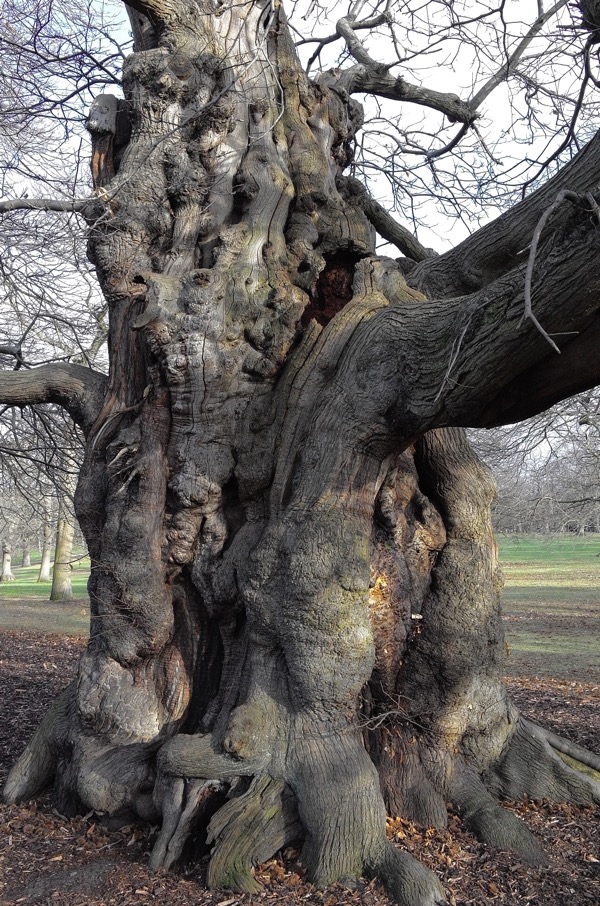
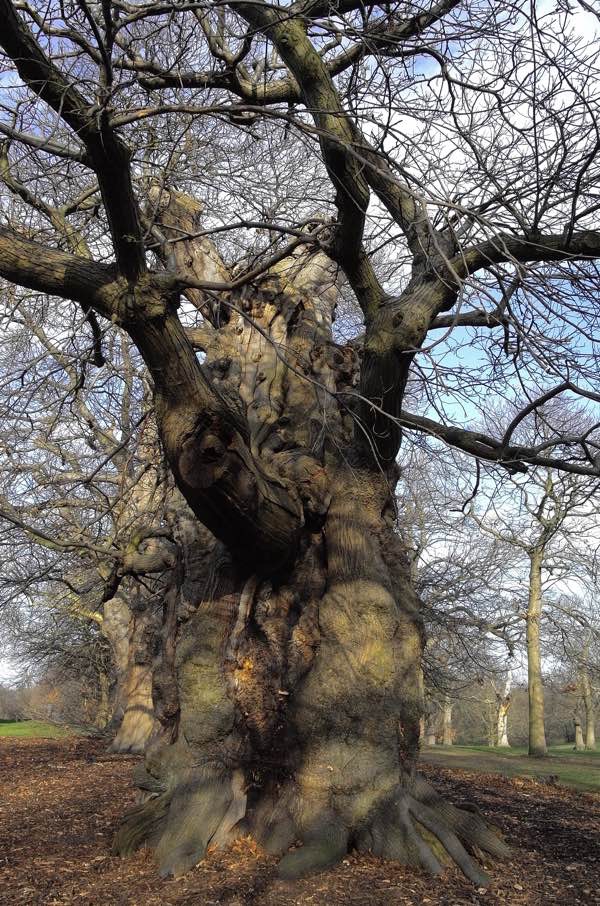
One summer’s day, I went for a walk in Greenwich Park and was uplifted to encounter the awe-inspiring host of ancient trees there. I promised myself I would return in the depths of winter to photograph these magnificent specimens on a clear day when they were bare of leaves. So that was what I did, braving the bitter wind and the plunging temperatures for an afternoon with my camera.
In the early 1660’s, Charles II commissioned Le Notre, gardener to Louis XIV, to design the layout of the landscape and the impressive avenues of sweet chestnuts remain, many now approaching four hundred years old. These ancient trees confront you, rising up in the winter sunlight to cast long shadows over the grass and dominating the lonely park with their powerful gnarly presences worthy of paintings by Arthur Rackham.
I have always been in thrall to the fairy tale allure cast by old trees. As a small child, I drew trees continuously once I discovered how easy they were to conjure into life upon paper, following the sinuous lines where I pleased. This delight persists and, even now, I cannot look at these venerable sweet chestnuts in Greenwich without seeing them in motion, as if my photographs captured frozen moments in their swirling dance.
Throughout my childhood, I delighted to climb trees, taking advantage of the facility of my lanky limbs and proximity of large specimens where I could ascend among the leafy boughs and spend an afternoon reading in seclusion, released from the the quotidian world into an arena of magic and possibility. Since the life span of great trees surpasses that of humans, they remind us of the time that passed before we were born and reassure us that the world will continue to exist when we are gone.
Secreted in a dell in the heart of the park, lies the Queen Elizabeth Oak, planted in the twelfth century. Legend has it, Henry VIII danced with Anne Boleyn beneath its branches and later their daughter, Elizabeth I, picnicked in its shade when this was a hunting ground for the royal palace at Greenwich. After flourishing for eight hundred years, the old oak died in the nineteenth century and then fell over a century later, in 1991, but still survives within a protective enclosure of iron railing for visitors to wonder at.
If any readers seek an excuse to venture out for a bracing walk in the frost, I recommend a pilgrimage to pay homage to the old trees in Greenwich Park. They are witnesses to centuries of history and offer a necessary corrective to restore a sense of proportion and hope in these strange times.
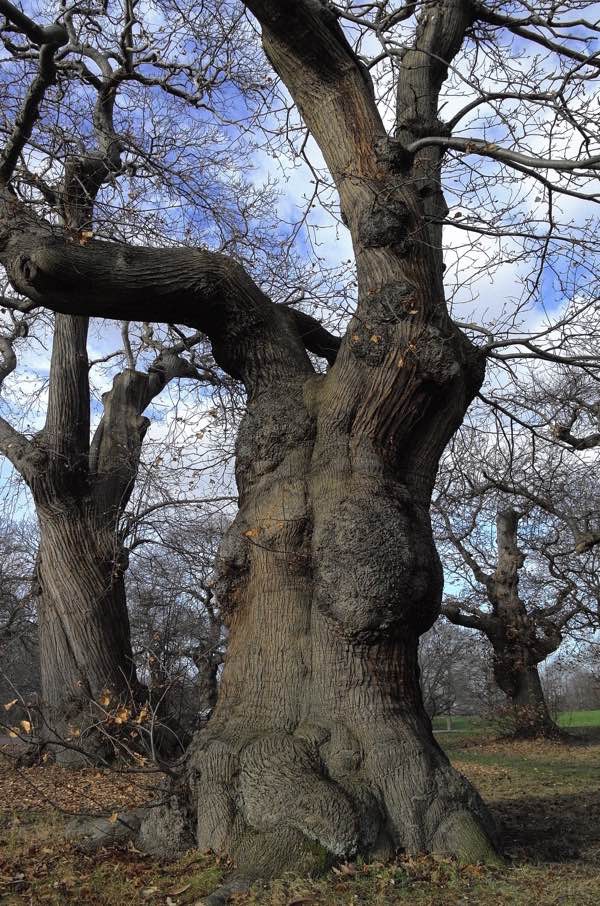

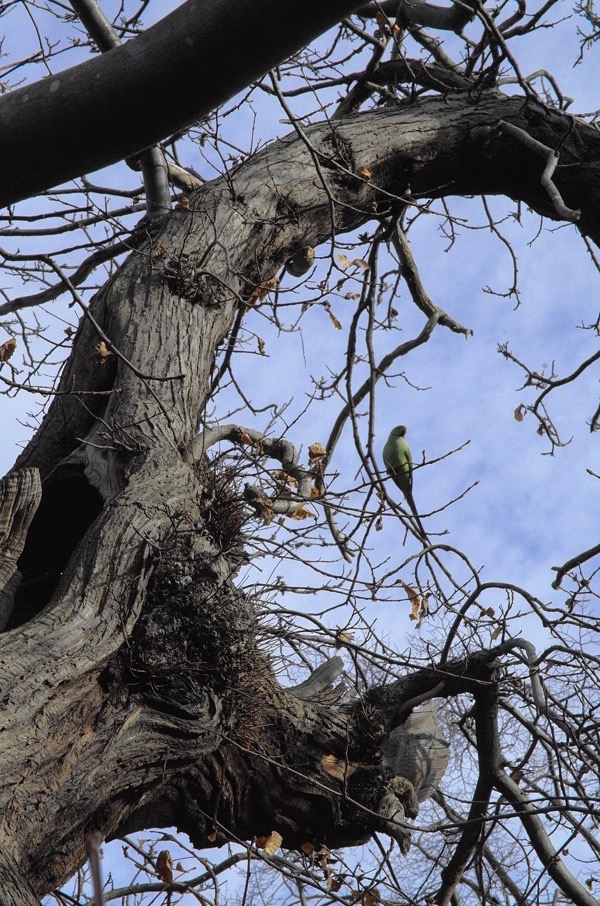
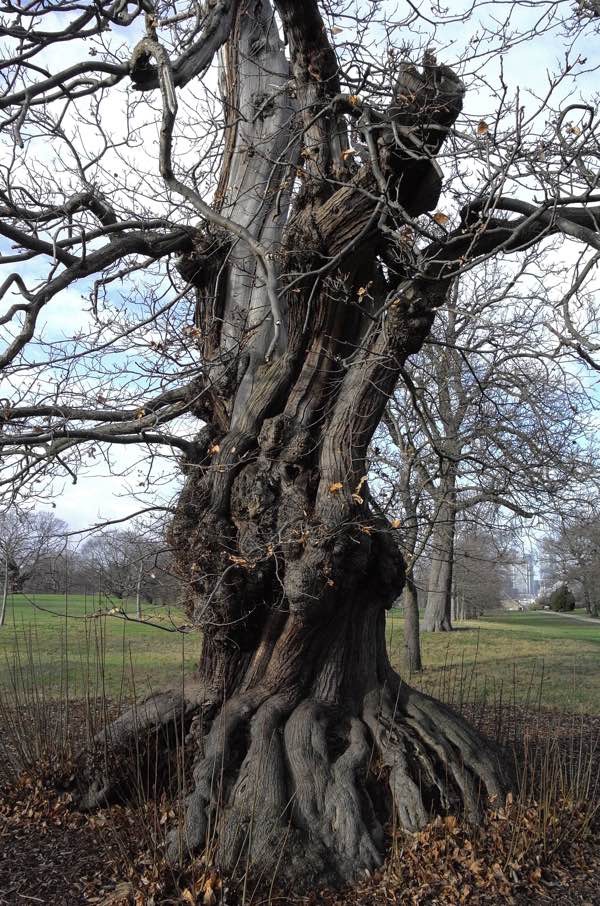
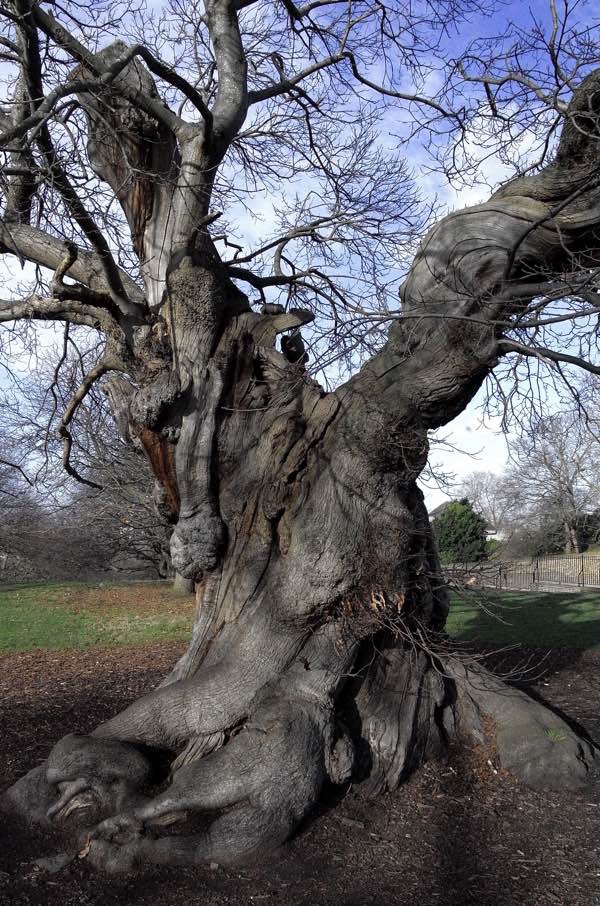


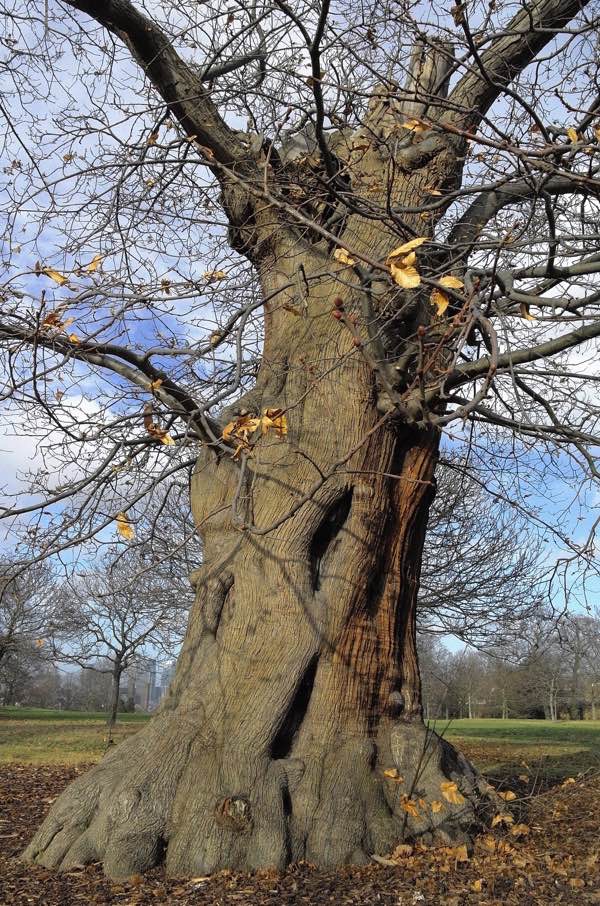
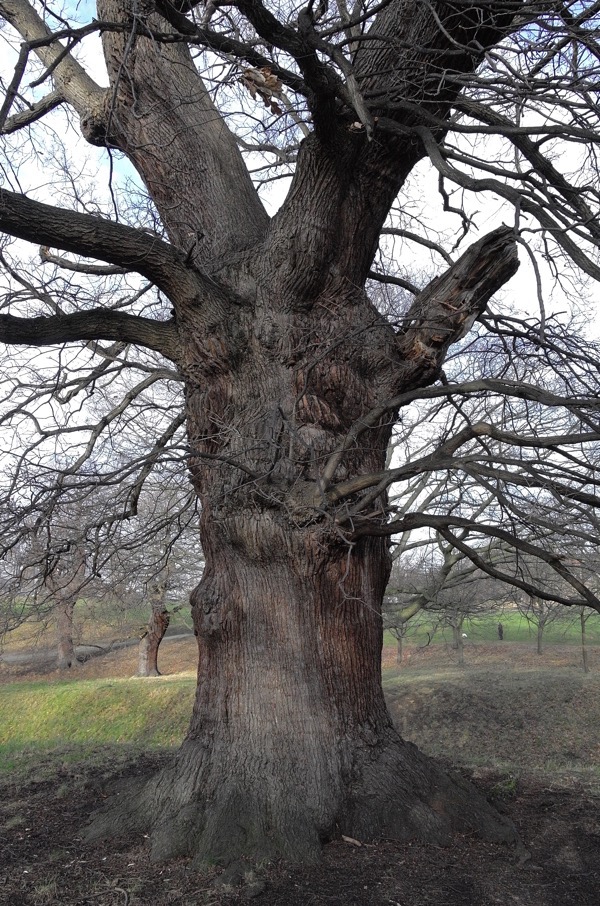
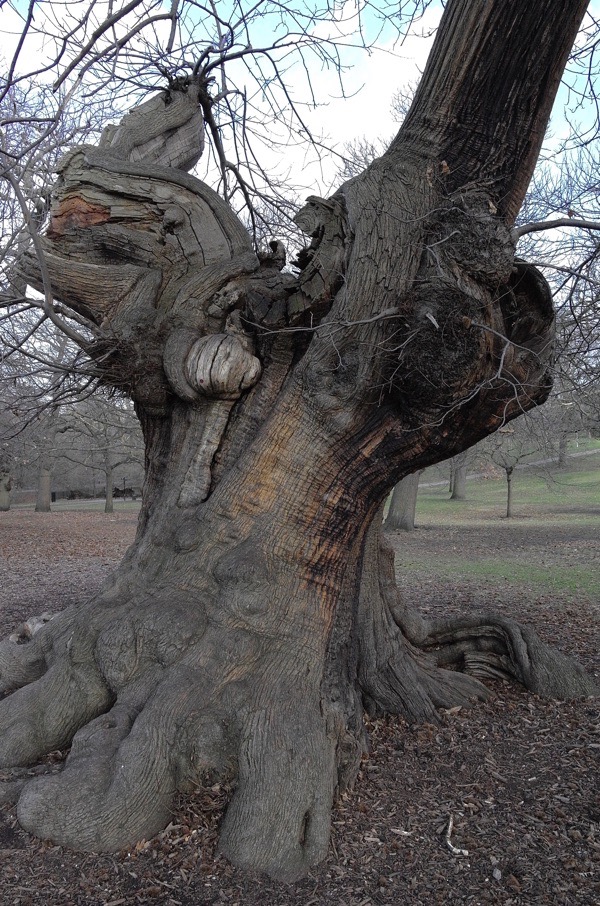
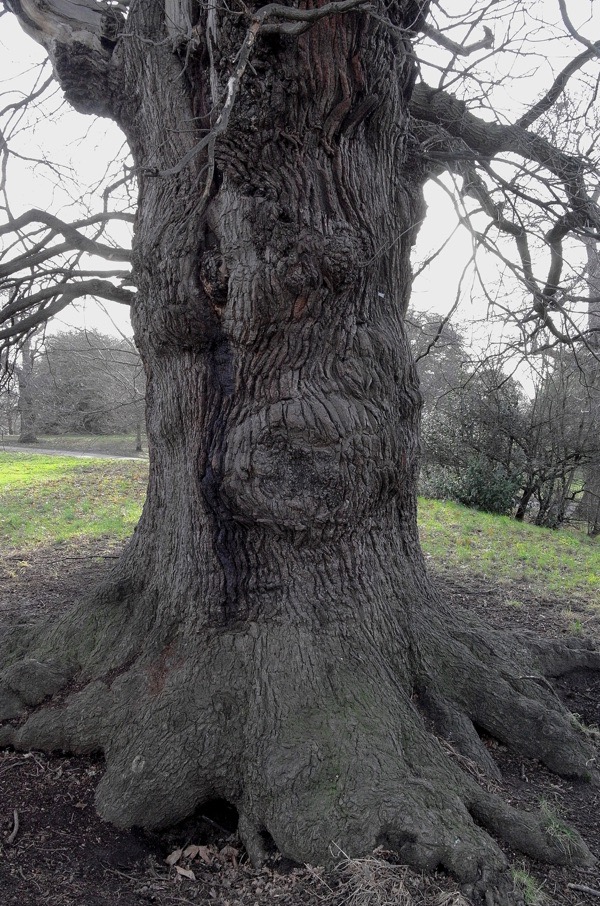
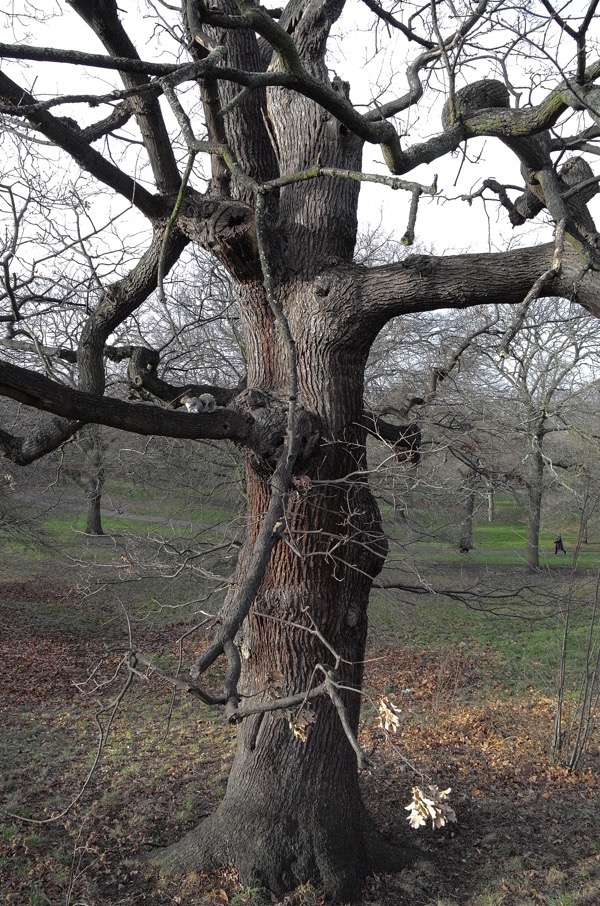
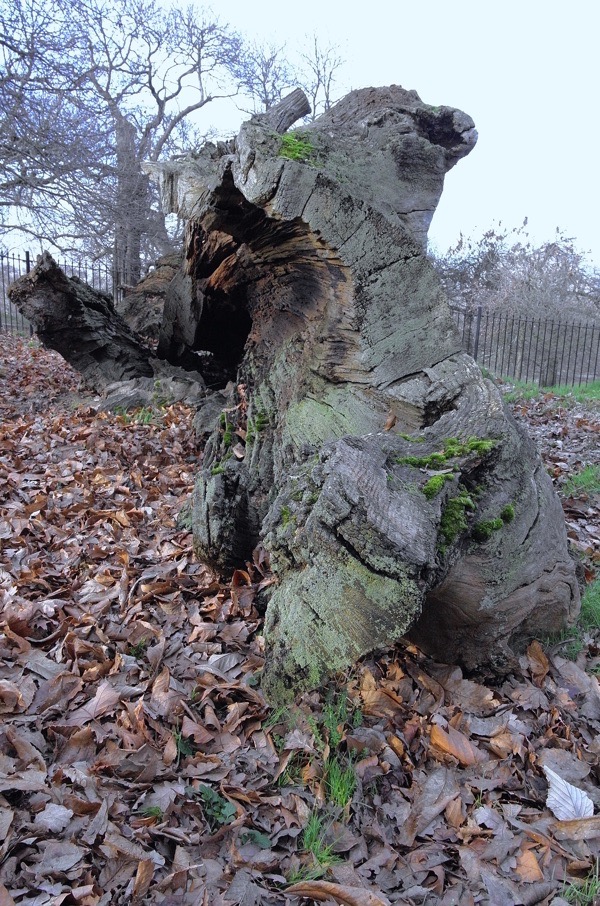
Queen Elizabeth’s Oak dating from the twelfth century
You may also like to read about
The Boundary Estate In Winter

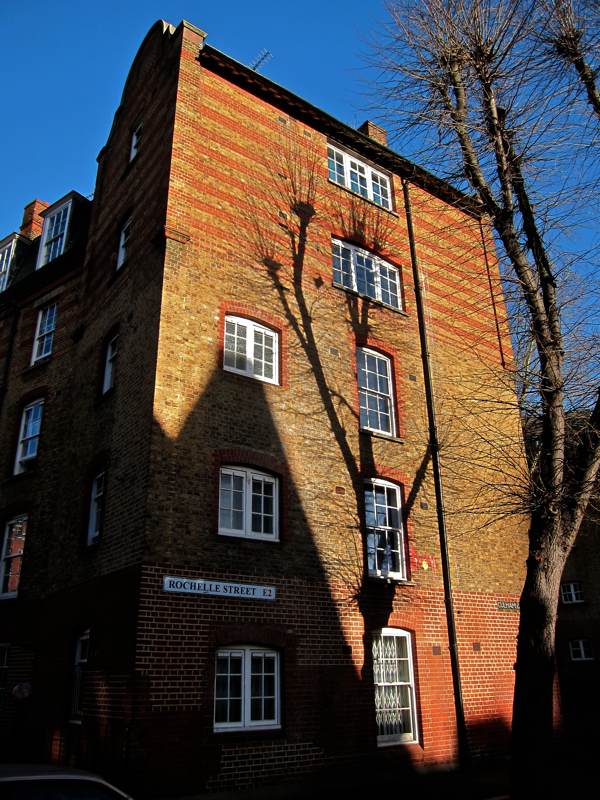
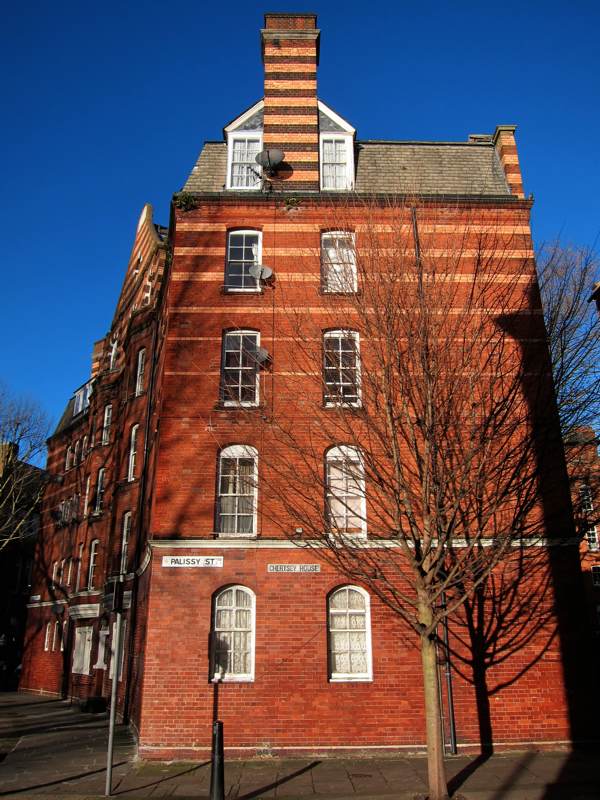
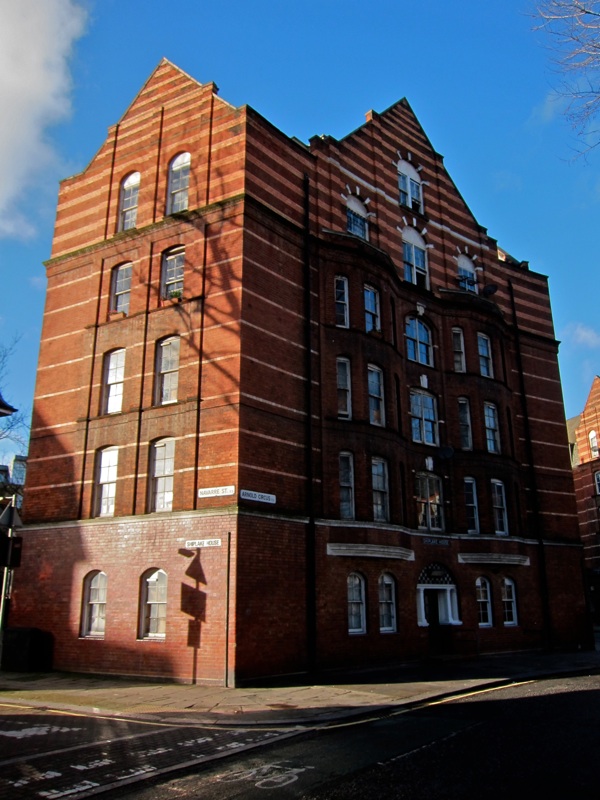
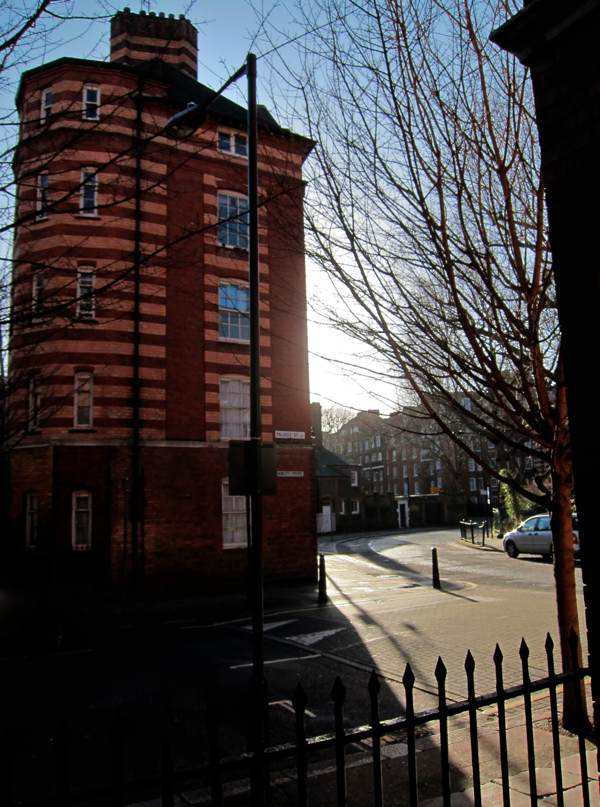
Arnold Circus
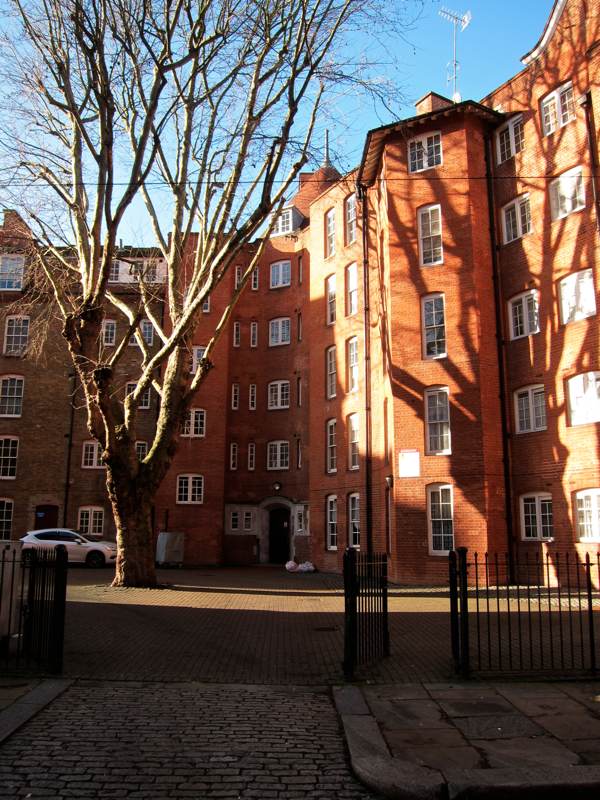
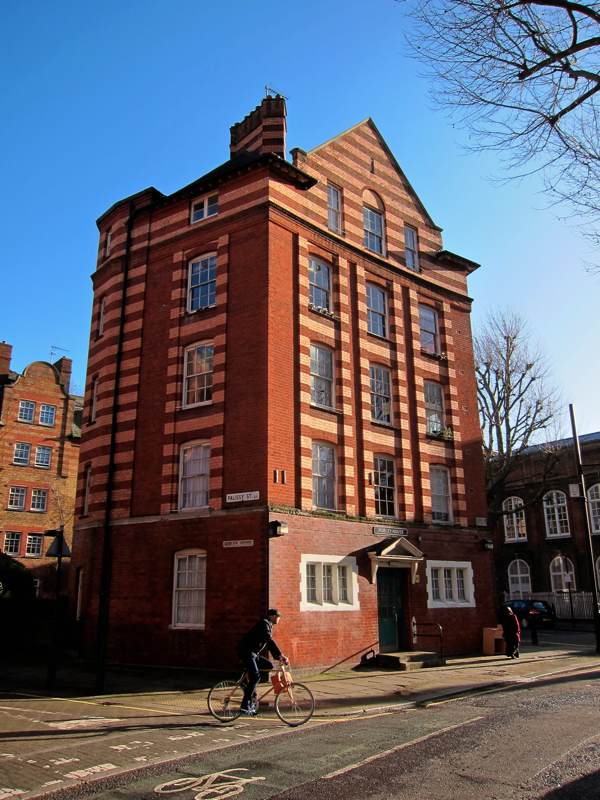
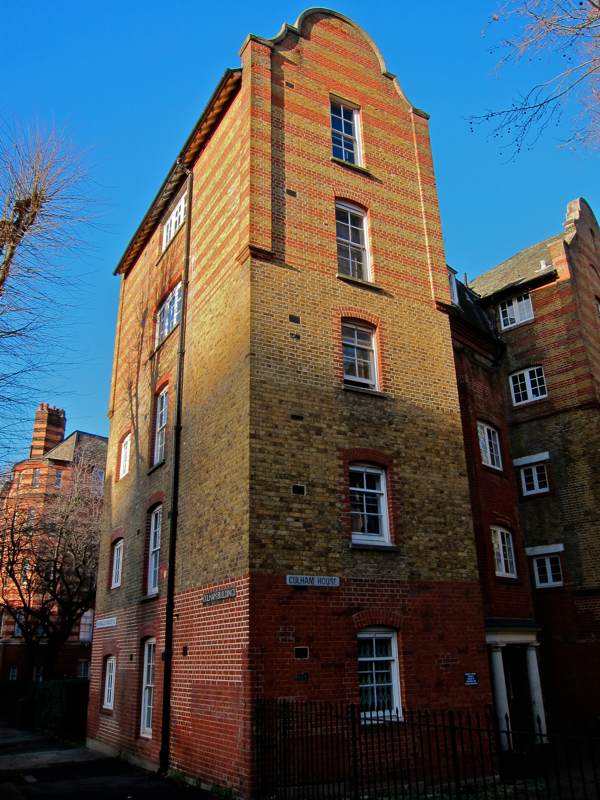
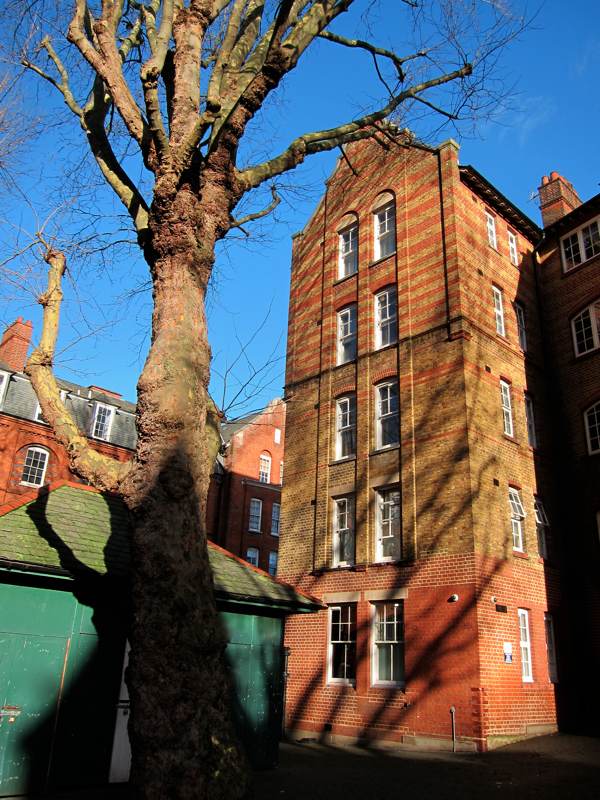
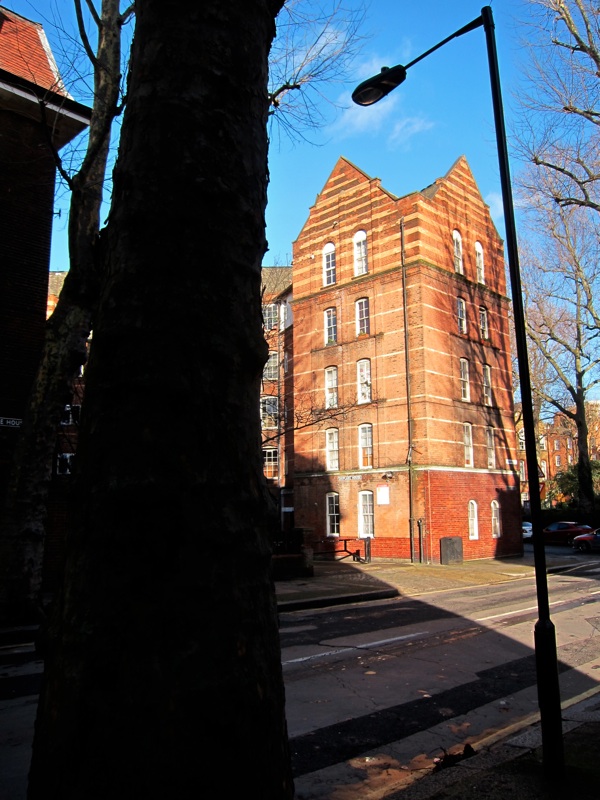
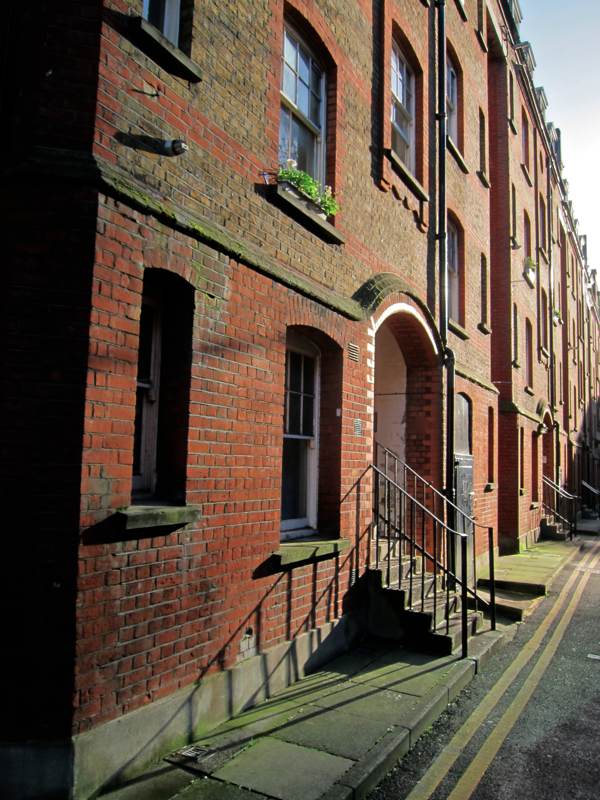
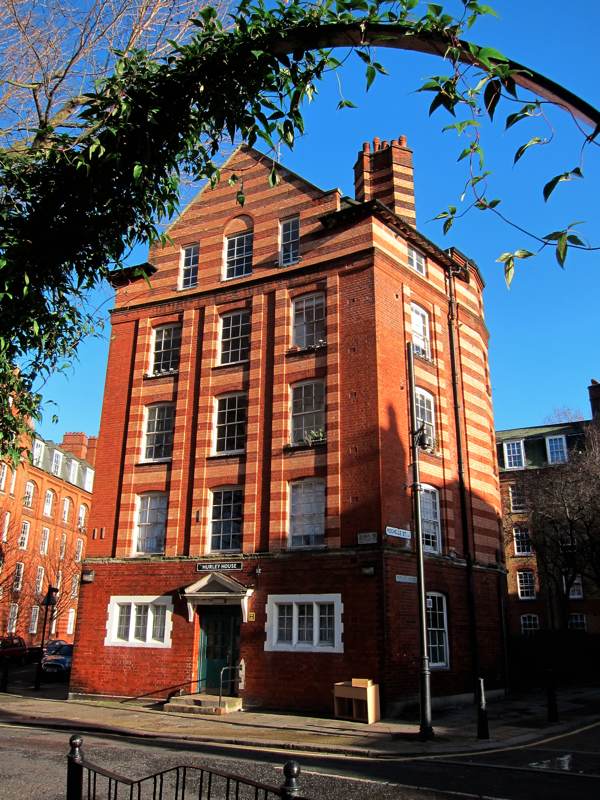
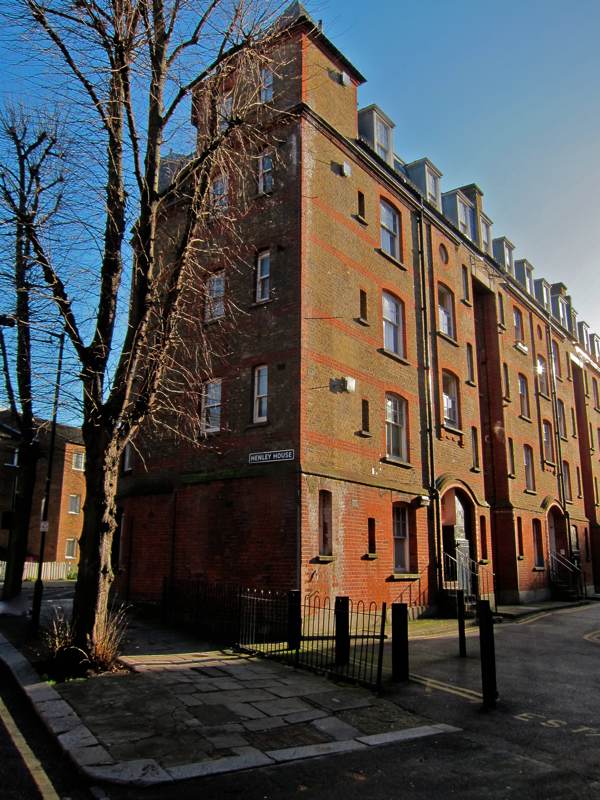
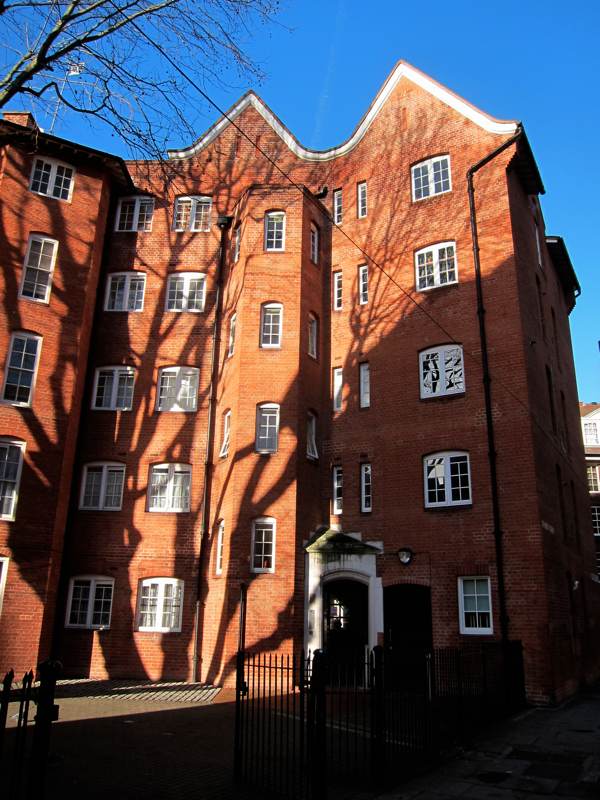
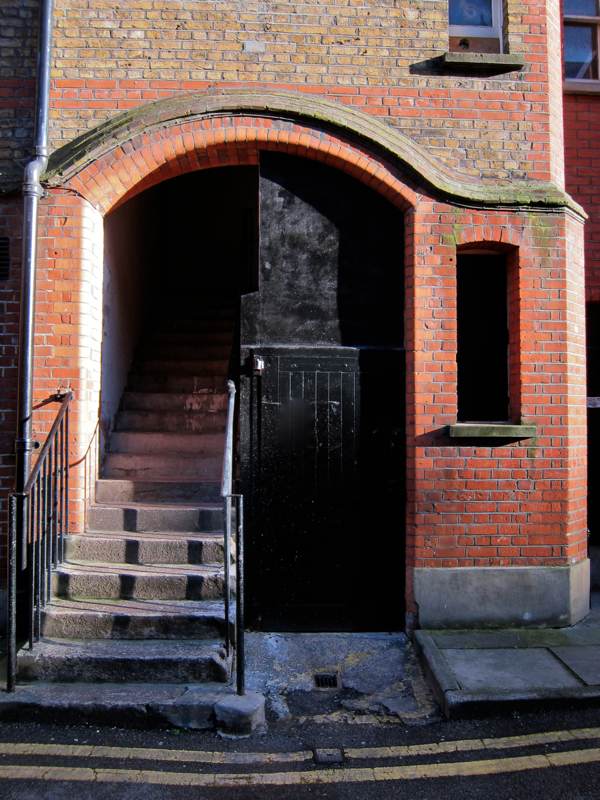
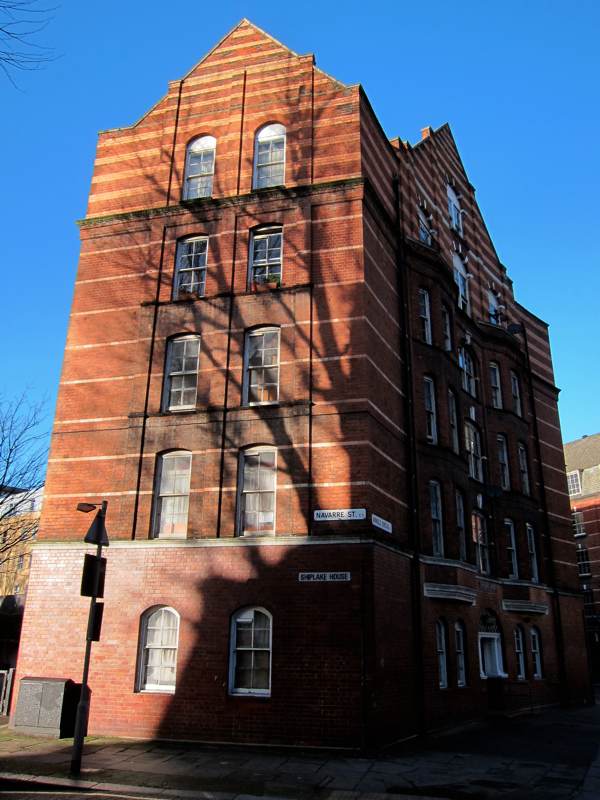
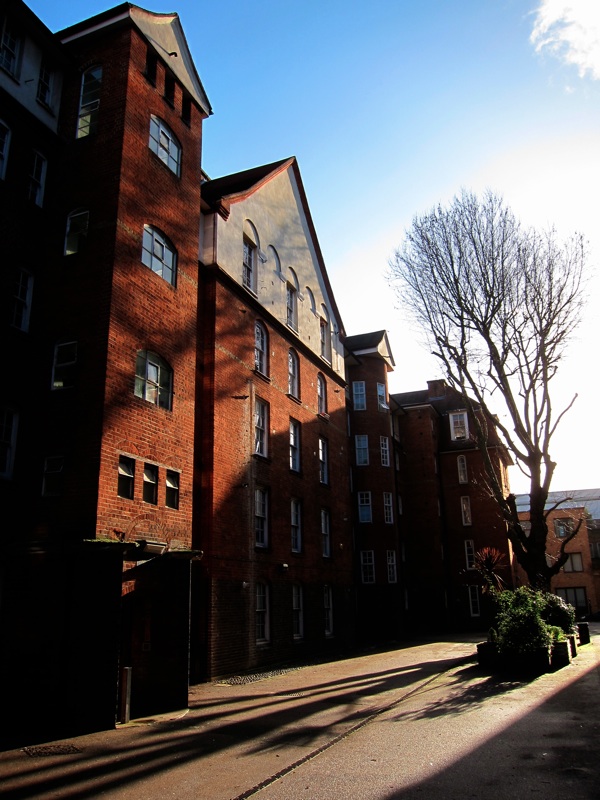
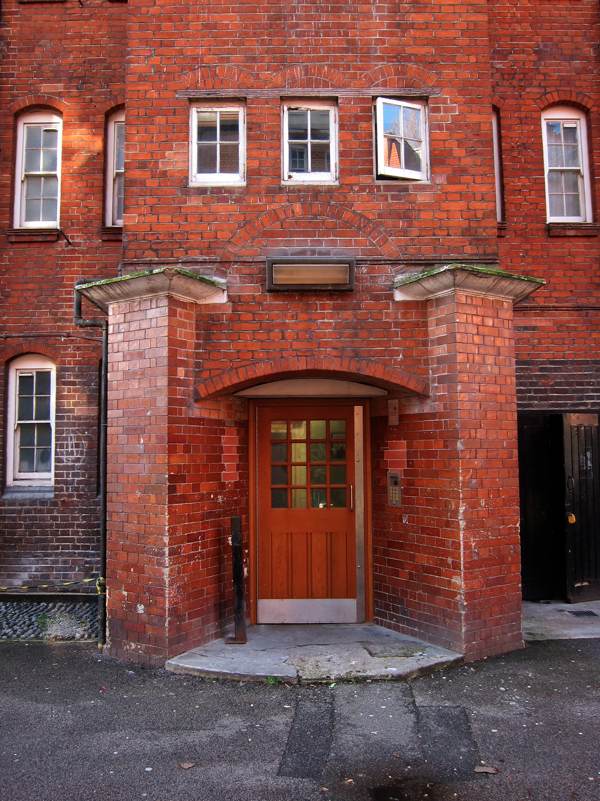
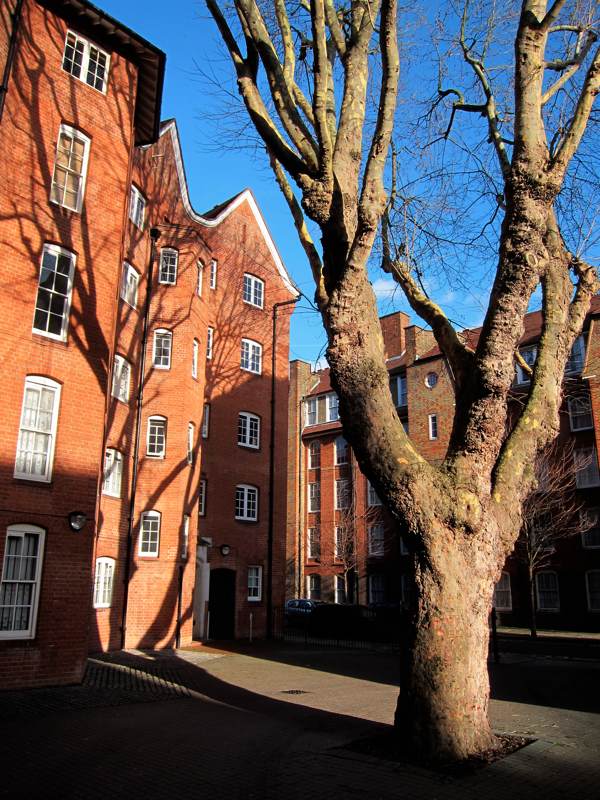
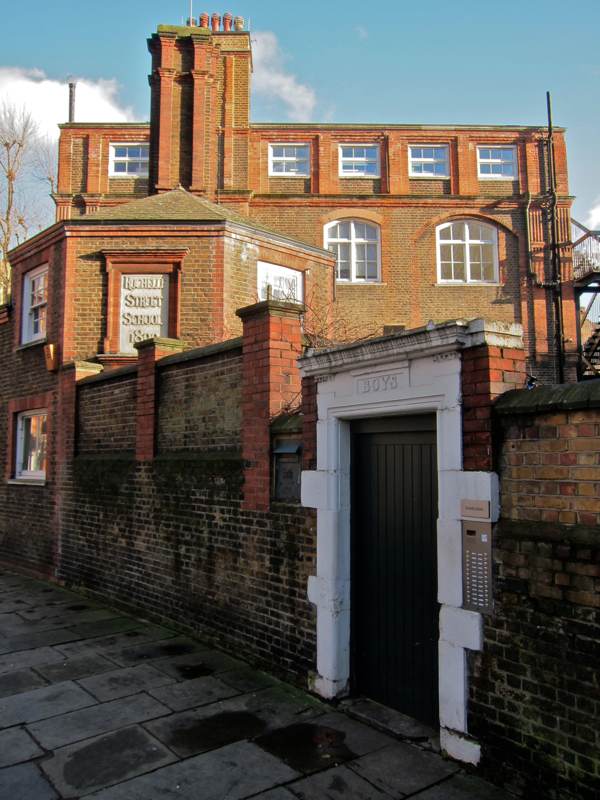
The Boundary Estate is one of the commonplace wonders of the East End. Hundreds live there and thousands pass through, so that over-familiarity may have rendered it invisible to some. Yet the sparkling winter sunlight – that we enjoy as a brief respite from the procession of rainstorms – offered the opportunity to examine its architecture anew.
Completed in 1900 as Britain’s first Council Estate upon the site of the Old Nichol, the Boundary Estate comprises a series of towers of diverse design, linked by the use of red brick and the inventive employment of vernacular architectural forms. Here are turrets and Dutch gables, and steeply pitched roofs that evoke Medieval tithe barns. Named after villages along the Thames and labelled in ceramic signs made by Doulton, there is an unapologetic Romanticism about these structures which, in their modest Arts & Crafts folksiness, would not look out of place in illustrations by Arthur Rackham or Charles Robinson.
More than a century later, the Boundary Estate continues to serve its purpose and to draw the affection of its inhabitants. The attention to detail and use of quality materials in these buildings coalesce in the realisation of an Estate that is domestic and humane, allowing a large number of people to live in close proximity within a civilised environment.









You may also like to read about
The Gates Of The City
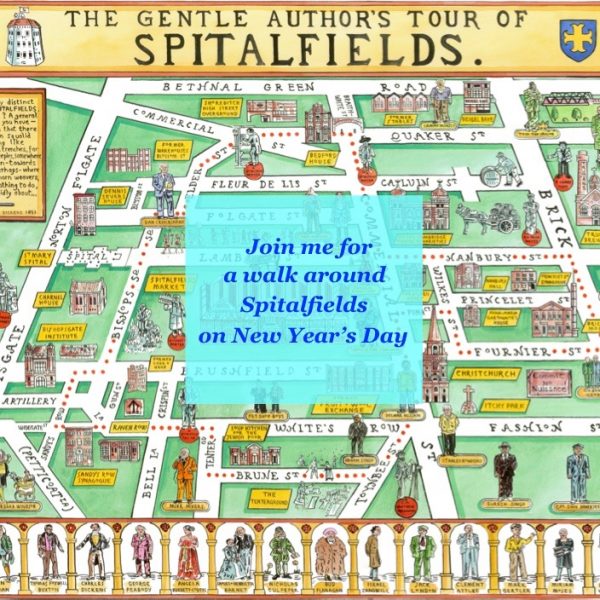
There is still time to join THE GENTLE AUTHOR’S TOUR OF SPITALFIELDS this afternoon at 2pm
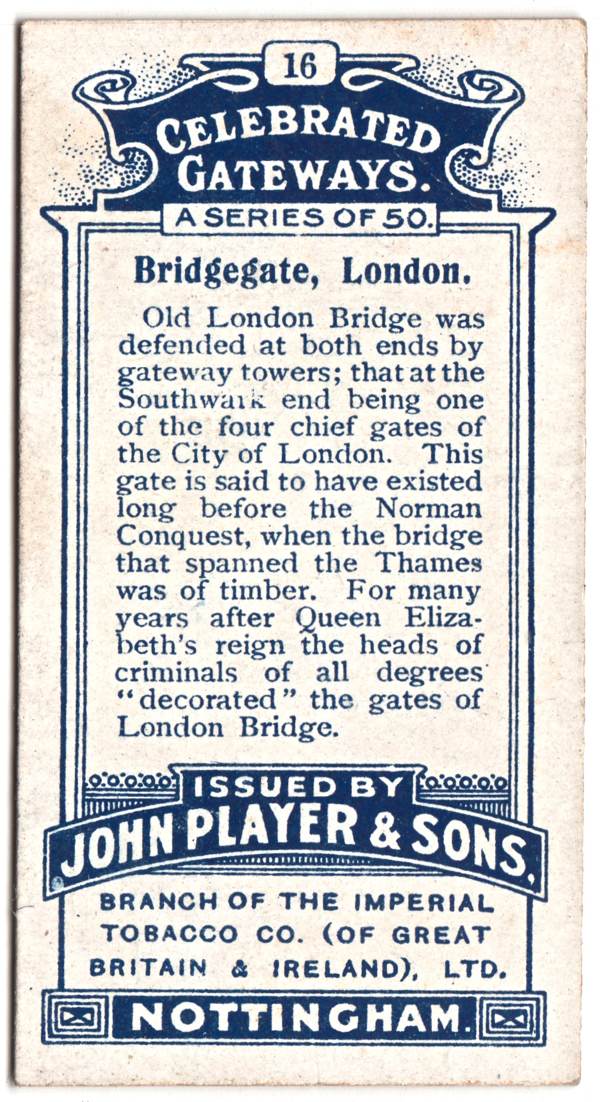
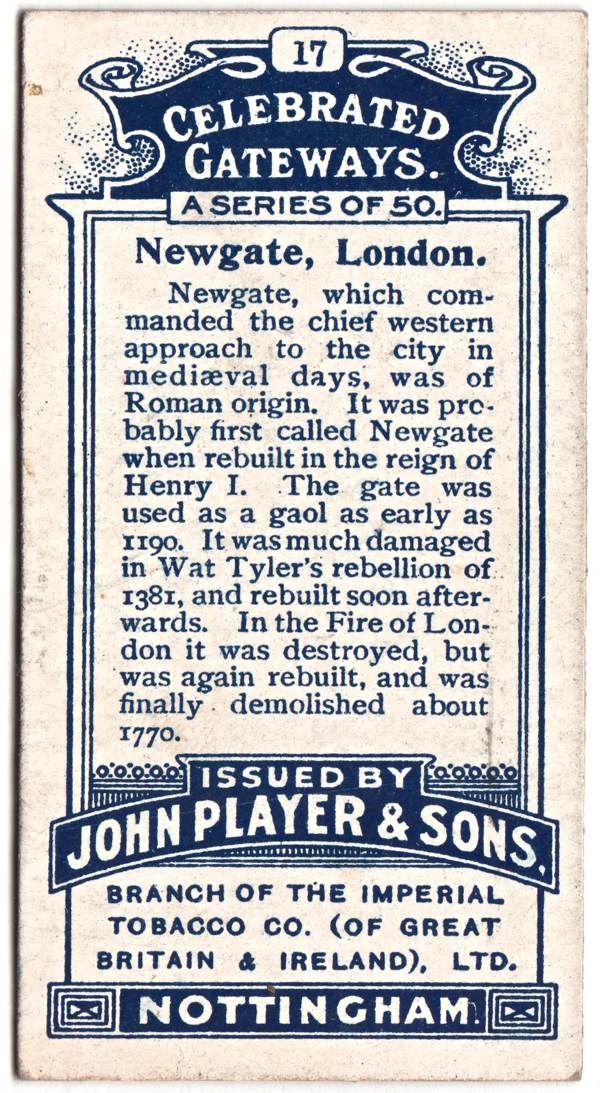
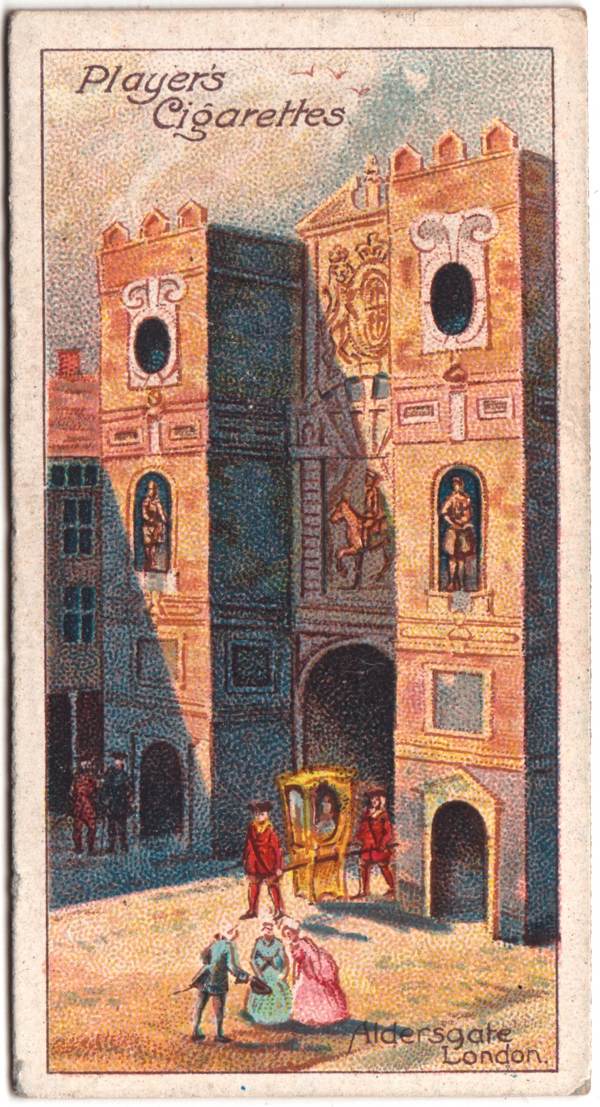
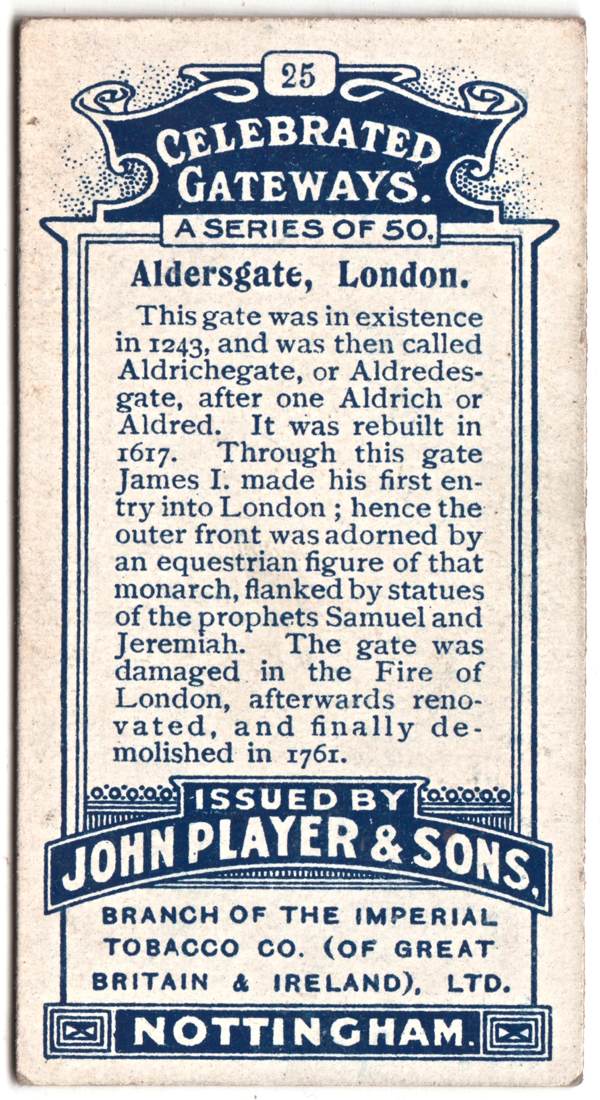
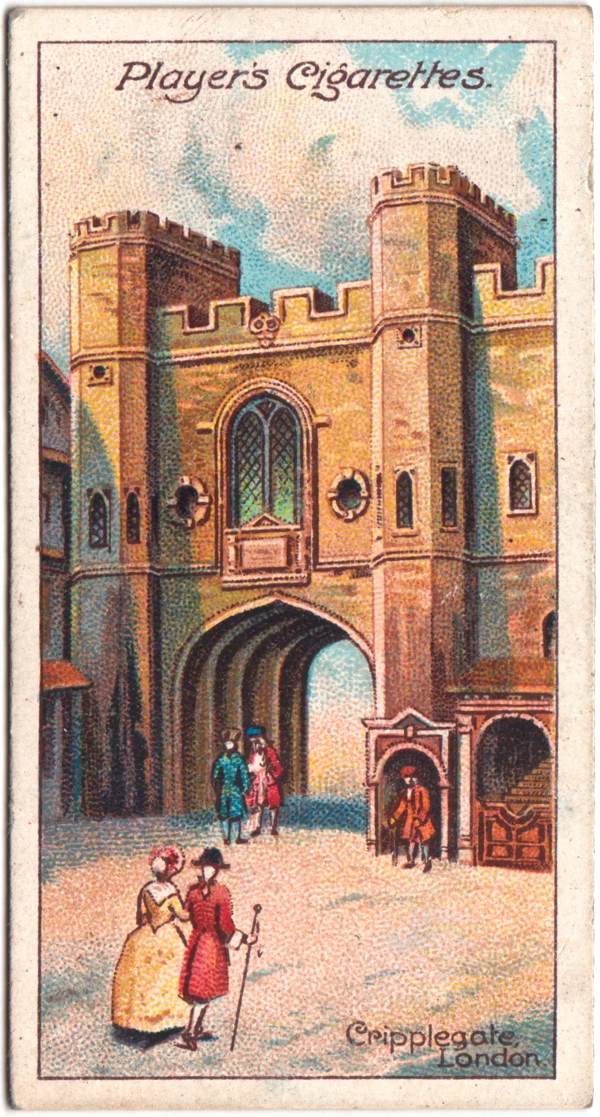
For a while, I have been seeking a set of prints of the City gates to show you and, over the festive period, I came upon these handsome Players Cigarette Cards from the Celebrated Gateways series published in 1907. As we contemplate the going-out of the old year and the coming-in of the new, they give me the ideal opportunity to send you my wishes for your happiness in 2024.









You may also like to take a look at these other sets of cigarette cards
My Flowers Of 2023
Tickets are available for THE GENTLE AUTHOR’S TOUR OF SPITALFIELDS tomorrow
Each Sunday, if I can afford it and have the time, I visit Columbia Rd Market to buy a bunch of flowers, seeking what is in season and avoiding repeats where possible. Here is the story of my year told in flowers. Looking back, I am reminded how much joy they brought me. Which are your favourites?

Mimosa, tulips and paperwhites, Sunday 8th January
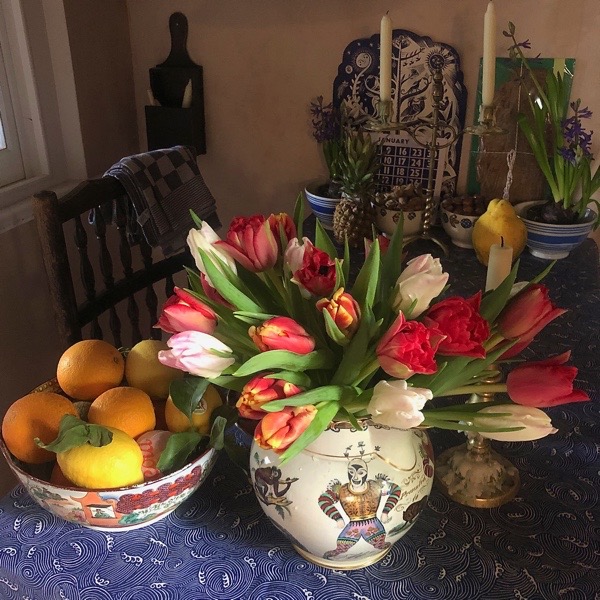
Tulips, Sunday 15th January
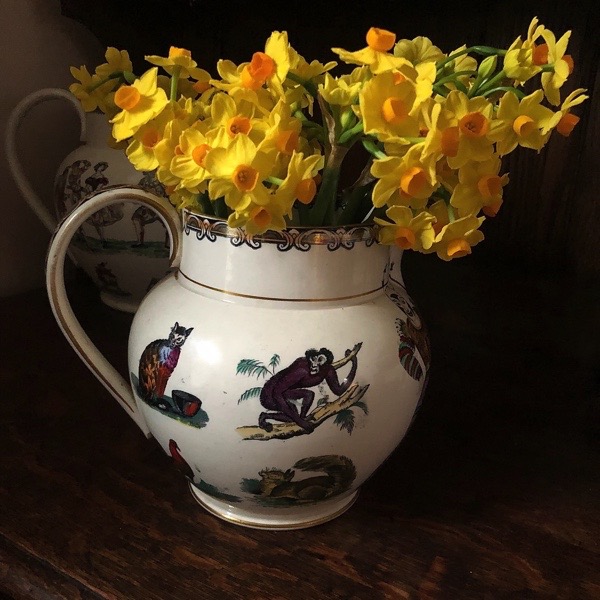
Narcissus, Sunday 29th January
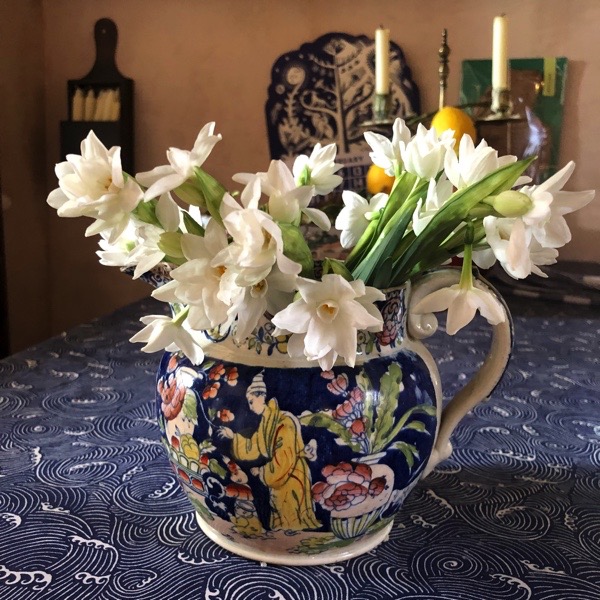
Paperwhites, Sunday 5th February
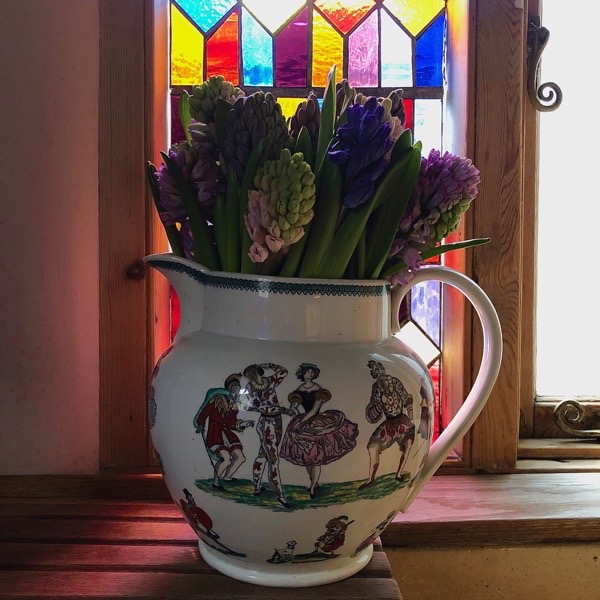
Hyacinths, Sunday 12th February
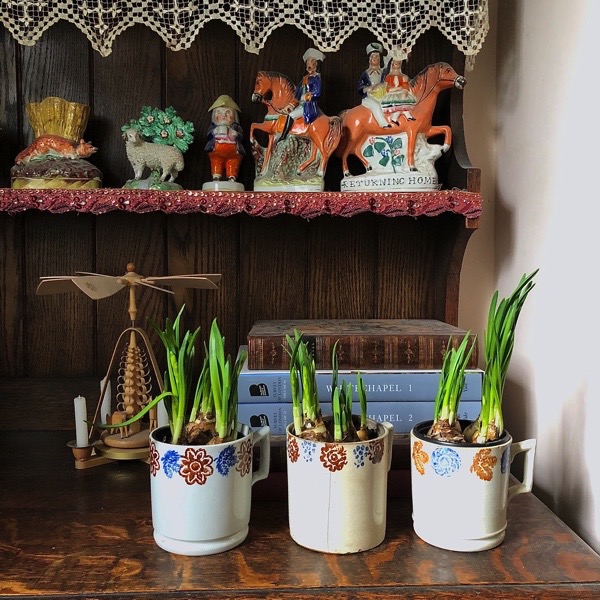
Snowdrops, Sunday 26th February
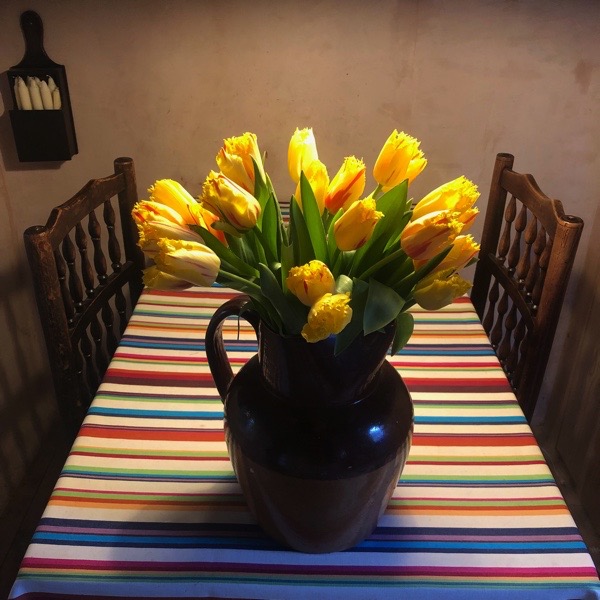
Tulips, Sunday 12th March
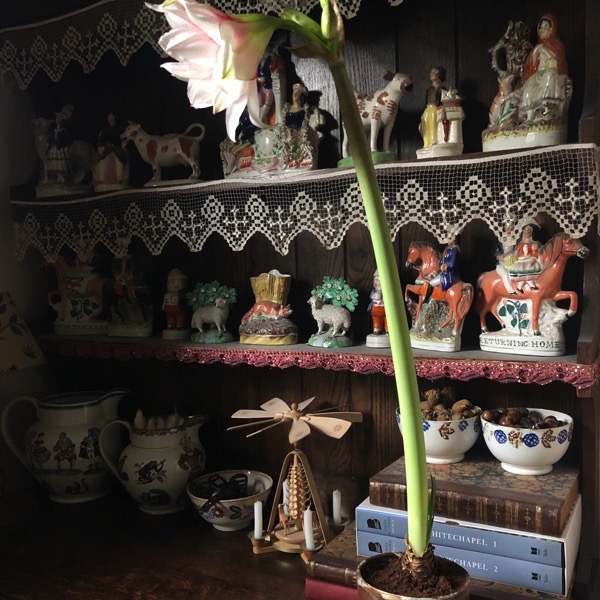
Amaryllis, Sunday 19th March
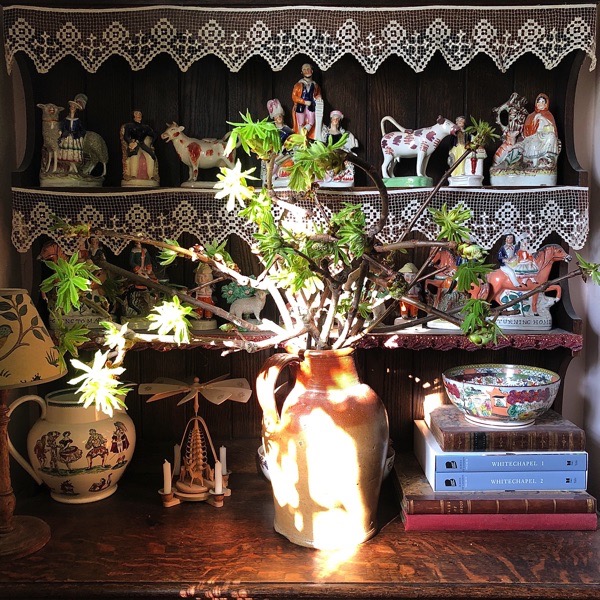
Chestnut buds, Sunday 2nd April
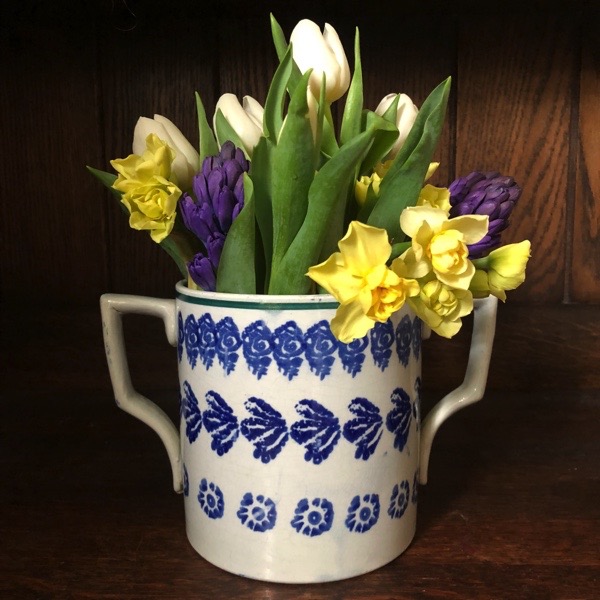
Tulips, narcissi and hyacinths, Sunday 23rd April
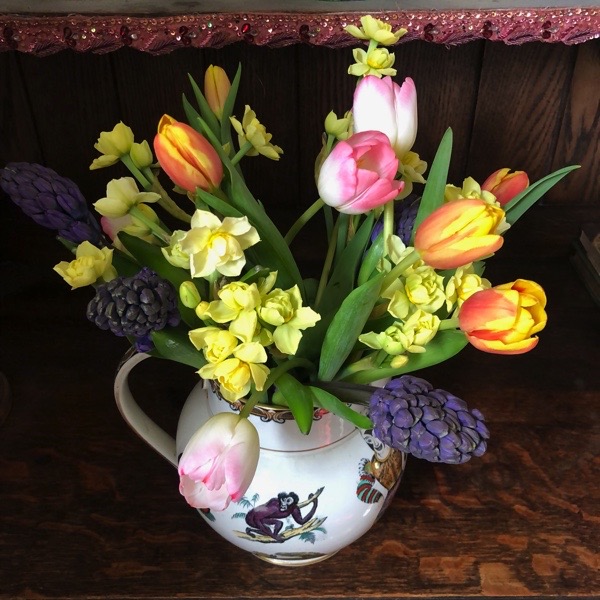
Tulips, narcissi and hyacinths, Sunday 30th April
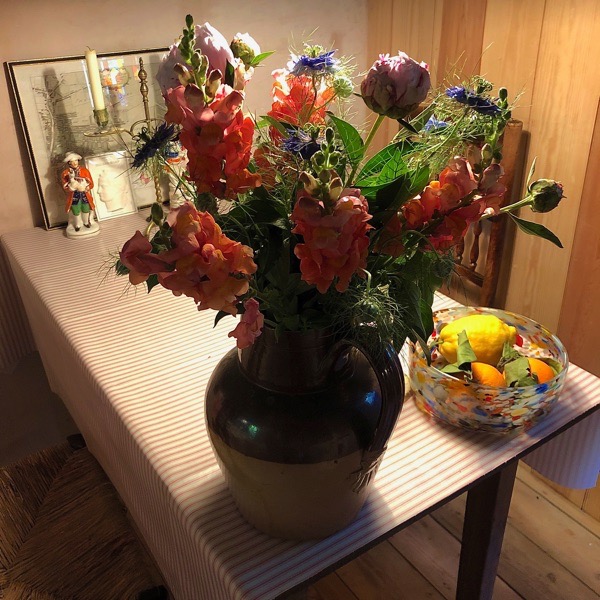
Peonies, love-in-the-mist and antirrhinums, Sunday 22nd May
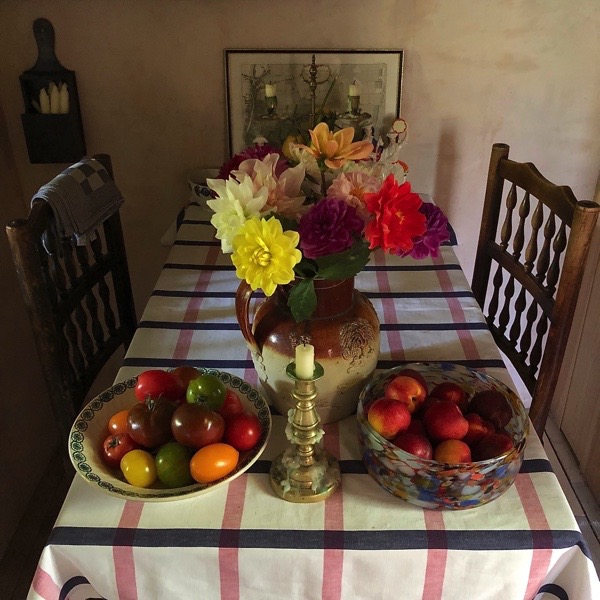
Dahlias, Sunday 11th June

Delphiniums and camomile, Sunday 25th June
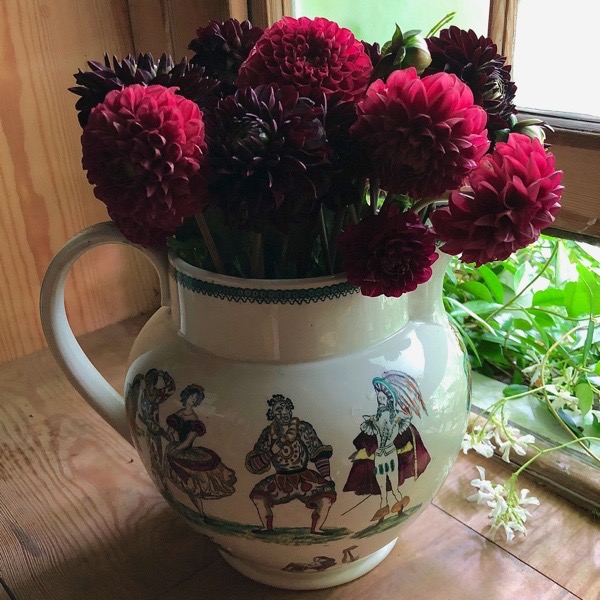
Dahlias, Sunday 2nd July
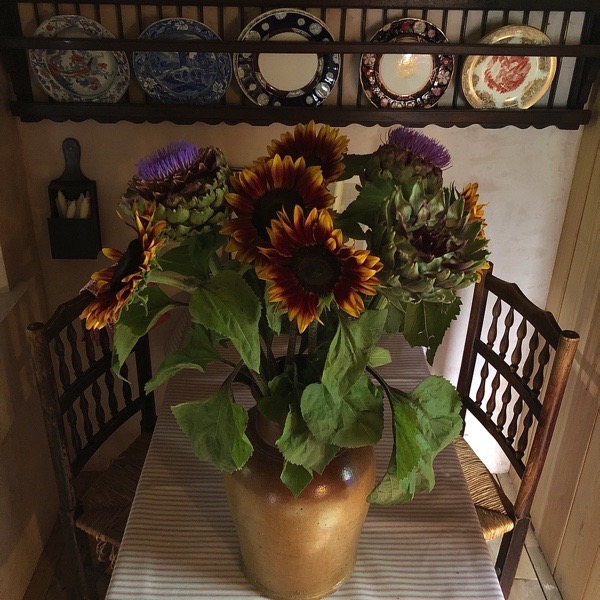
Sunflowers and artichokes, Sunday 9th July
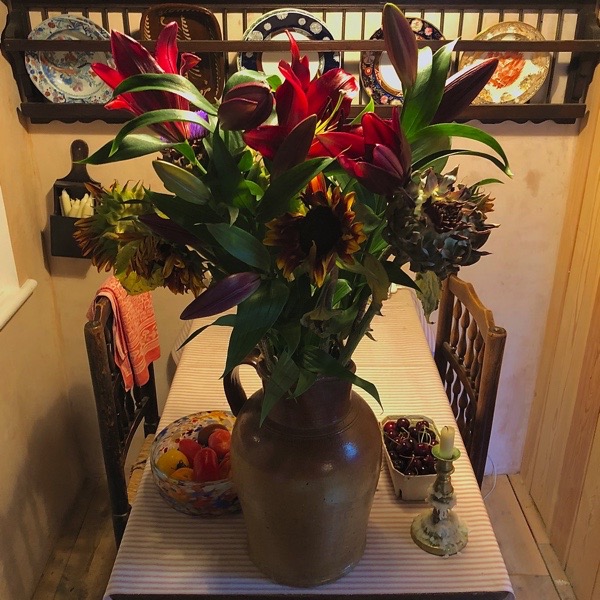
Lilies, sunflowers and artichokes, Sunday 16th July
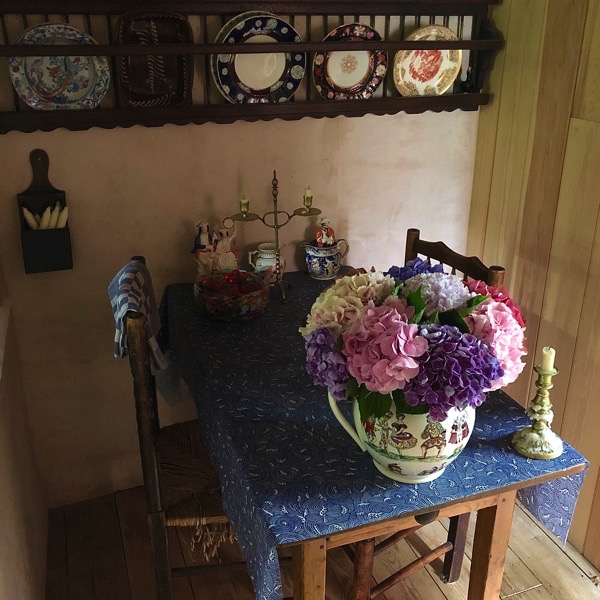
Hydrangeas, Sunday 30th July
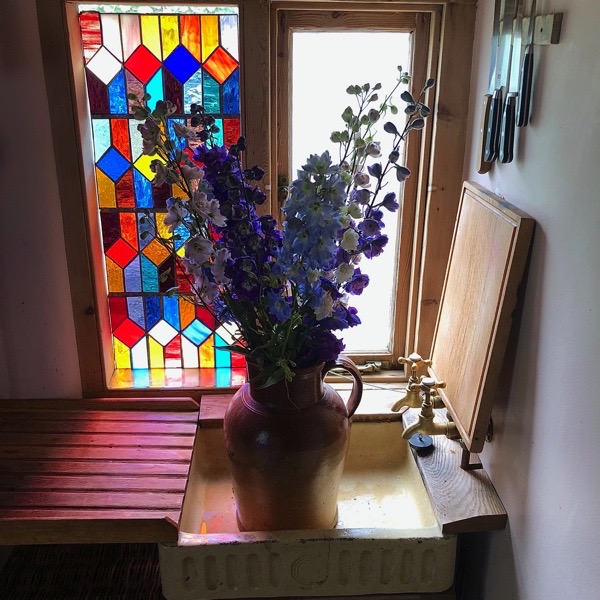
Delphiniums, Sunday 13th August
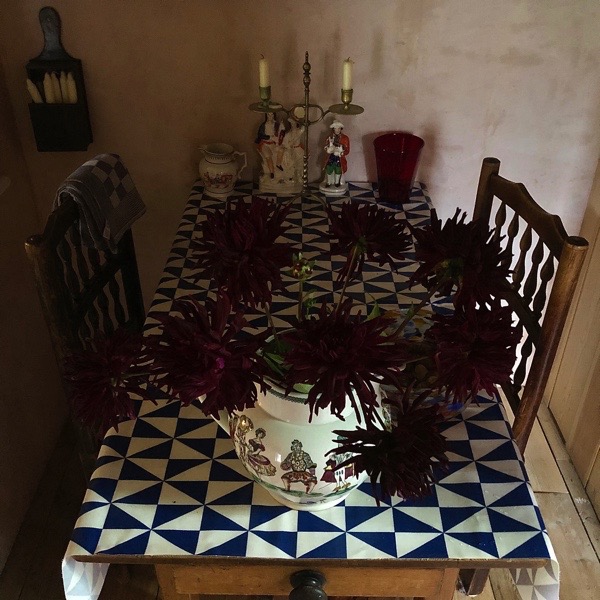
Dahlias, Sunday 20th August
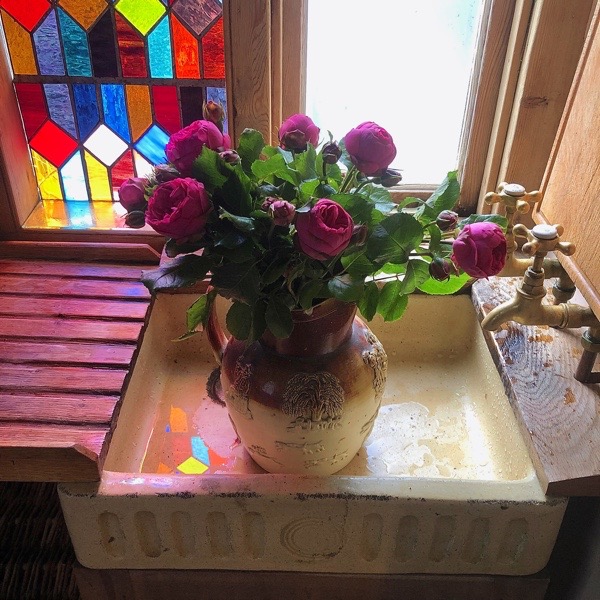
Roses, Sunday 27th August
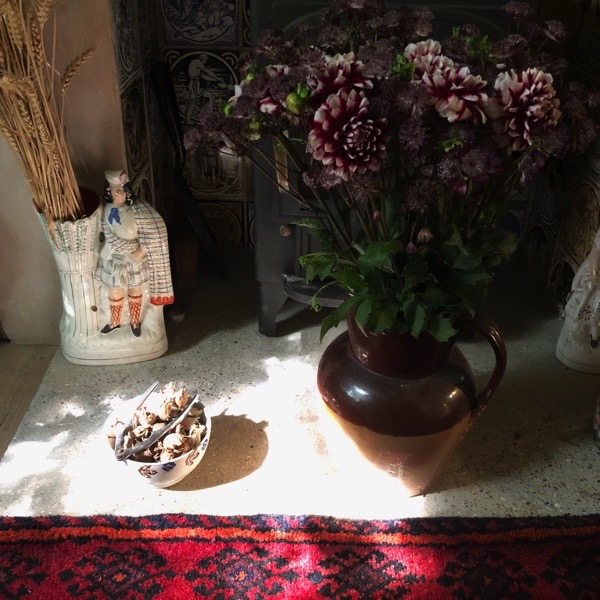
Dahlias and astrantias, Sunday 3rd September
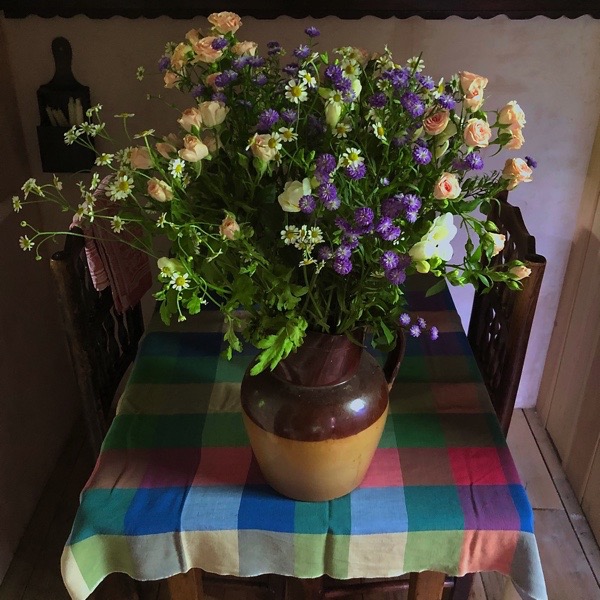
Roses, asters, camomile and freesias, Sunday 10th September
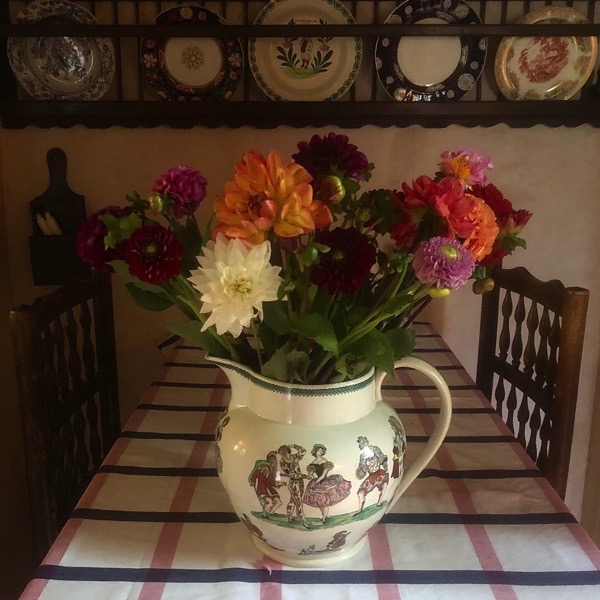
Dahlias, Sunday 17th September
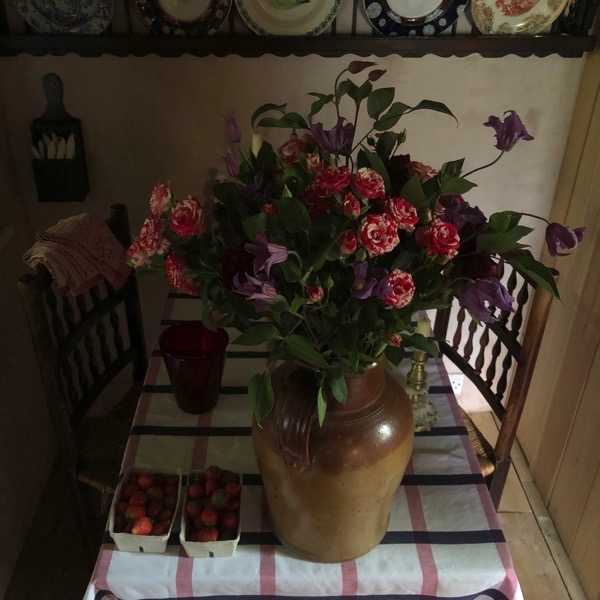
Roses and clematis, Sunday 24th September
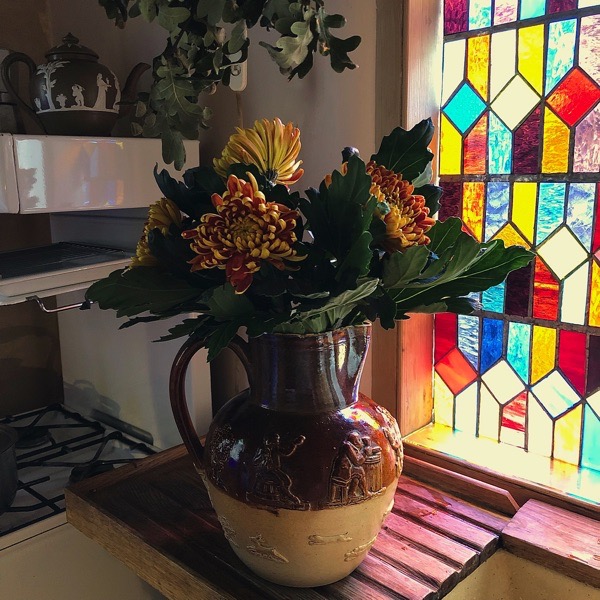
Chrysanthemums, Sunday 1st October
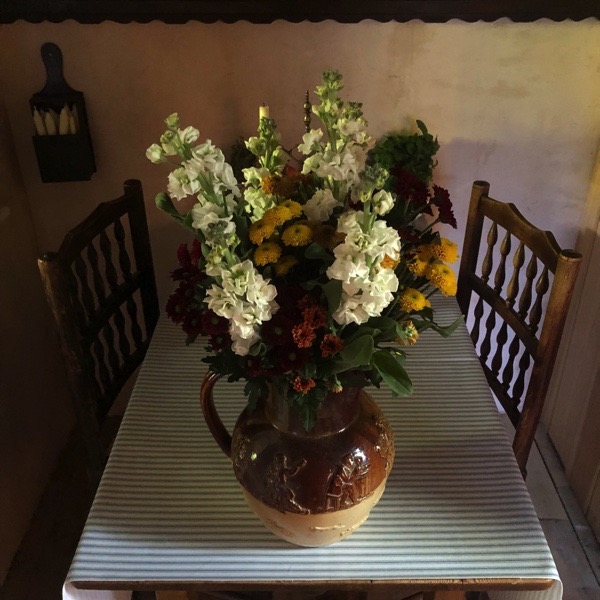
Stocks and chrysanthemums, Sunday 22nd October
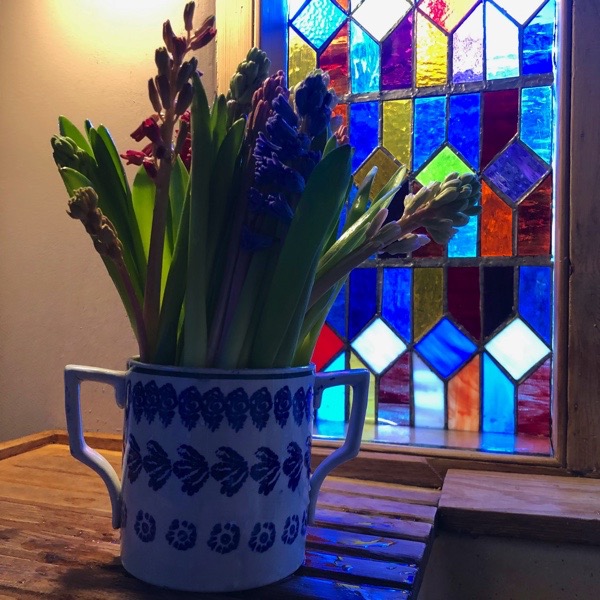
Hyacinths, Sunday 5th November
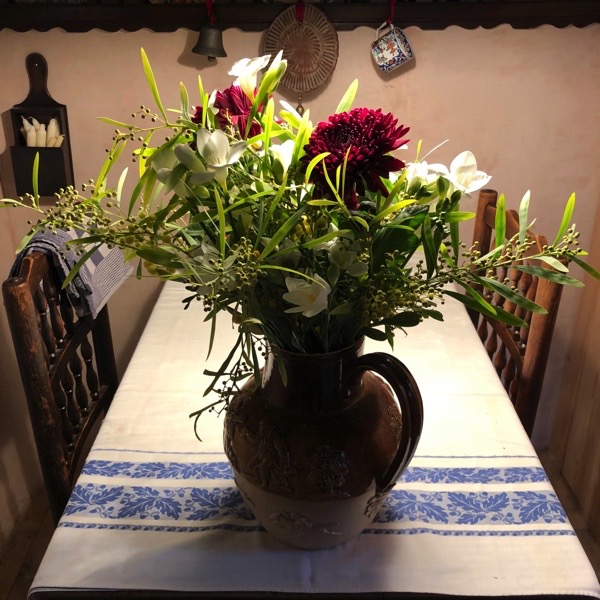
Mimosa, chrysanthemums and freesias, Sunday 12th November
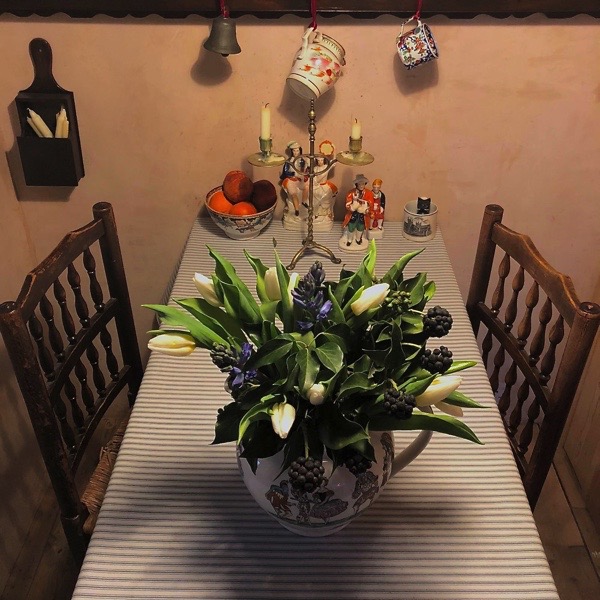
Ivy, tulips and hyacinths, Sunday 10th December
Night At The Beigel Bakery
Join me for THE GENTLE AUTHOR’S TOUR OF SPITALFIELDS on New Year’s Day

New Year’s Eve is always the busiest night of the year at the Brick Lane Beigel Bakery, so a few years ago I chose to spend the night of 30th December accompanying Sammy Minzly, the celebrated manager of this peerless East End institution, to observe the activity through the early hours as the staff braced themselves for the rush. Yet even though it was a quiet night – relatively speaking – there was already helter-skelter in the kitchen when I arrived mid-evening to discover five bakers working at furious pace amongst clouds of steam to produce three thousand beigels, as they do every day of the year between six at night and one in the morning.
At the centre of this tiny bakery which occupies a lean-to at the rear of the shop, beigels boiled in a vat of hot water. From here, the glistening babies were scooped up in a mesh basket, doused mercilessly with cold water, then arranged neatly onto narrow wet planks named ‘shebas,’ and inserted into the ovens by Stephen the skinny garrulous baker who has spent his entire life on Brick Lane, working here in the kitchen since the age of fifteen. Between the ovens sat an ogre of a huge dough-making machine, mixing all the ingredients for the beigels, bread and cakes that are sold here. It was a cold night in Spitalfields, but it was sweltering here in the steamy atmosphere of the kitchen where the speedy bakers exerted themselves to the limit, as they hauled great armfuls of dough out of the big metal basin in a hurry, plonking it down, kneading it vigorously, then chopping it up quickly, and using scales to divide it into lumps sufficient to make twenty beigels – before another machine separated them into beigel-sized spongey balls of dough, ripe for transformation.
In the thick of this frenzied whirl of sweaty masculine endeavour – accompanied by the blare of the football on the radio, and raucous horseplay in different languages – stood Mr Sammy, a white-haired gentleman of diminutive stature, quietly taking the balls of dough and feeding them into the machine which delivers recognisable beigels on a conveyor belt at the other end, ready for immersion in hot water. In spite of the steamy hullabaloo in the kitchen, Mr Sammy carries an aura of calm, working at his own pace and, even at seventy-five years old, still pursues his ceaseless labours all through the night, long after the bakers have departed to their beds. Originally a baker, he has been working here since the beigel bakery opened at these premises in 1976, although he told me proudly that the Brick Lane Beigel Bakery superseded that of Lieberman’s fifty -five years ago. Today it is celebrated as the most visible legacy of the Jewish culture that once defined Spitalfields.
Hovering at the entrance to the kitchen, I had only to turn my head to witness the counterpoint drama of the beigel shop where hordes of hungry East Londoners line up all night, craving spiritual consolation in the form of beigels and hot salt beef. They come in sporadic waves, clubbers and party animals, insomniacs and sleep walkers, hipsters and losers, street people and homeless, cab drivers and firemen, police and dodgy dealers, working girls and binmen. Some can barely stand because they are so drunk, others can barely keep their eyes open because they are so tired, some can barely control their joy and others can barely conceal their misery. At times, it was like the madhouse and other times it was like the morgue. Irrespective, everyone at the beigel bakery keeps working, keeping the beigels coming, slicing them, filling them, counting them and sorting them. And the presiding spirit is Mr Sammy. Standing behind the counter, he checks every beigel personally to maintain quality control and tosses aside any that are too small or too toasted, in unhesitating disdain.
As manager, Mr Sammy is the only one whose work crosses both territories, moving back and forth all night between the kitchen and the shop, where he enjoys affectionate widespread regard from his customers. Every other person calls out “Sammy!” or “Mr Sammy” as they come through the door, if he is in the shop – asking “Where’s Sammy?” if he is not, and wanting their beigels reheated in the oven as a premise to step into the kitchen and enjoy a quiet word with him there. Only once did I find Mr Sammy resting, sitting peacefully on the salt bin in the empty kitchen in the middle of the night, long after all the bakers had left and the shop had emptied out. “I’m getting lazy! I’m not doing nothing.” he exclaimed in alarmed self-recognition, “I’d better do something, I’d better count some beigels.”
Later he boiled one hundred and fifty eggs and peeled them, as he explained me to about Achmed, the cleaner, known as ‘donkey’ – “because he can sleep anywhere” – whose arrival was imminent. “He sleeps upstairs,” revealed Mr Sammy pointing at the ceiling. “He lives upstairs?” I enquired, looking up. “No, he only sleeps there, but he doesn’t like to pay rent, so he works as a cleaner.” explained Mr Sammy with an indulgent grin. Shortly, when a doddery fellow arrived with frowsy eyes and sat eating a hot slice of cake from the oven, I surmised this was the gentlemen in question. “I peeled the eggs for you,” Mr Sammy informed him encouragingly, a gesture that was reciprocated by ‘donkey’ with the merest nod. “He’s seventy-two,” Mr Sammy informed me later in a sympathetic whisper.
Witnessing the homeless man who came to collect a pound coin from Mr Sammy nightly and another of limited faculties who merely sought the reassurance of a regular handshake, I understood that because it is always open, the Beigel Bakery exists as a touchstone for many people who have little else in life, and who come to acknowledge Mr Sammy as the one constant presence. With gentle charisma and understated gesture, Mr Sammy fulfils the role of spiritual leader and keeps the bakery running smoothly too. After a busy Christmas week, he was getting low on bags for beigels and was concerned he had missed his weekly deliver from Paul Gardner because of the holiday. The morning was drawing near and I knew that Paul was opening that day for the first time after the break, so I elected to walk round to Gardners Market Sundriesmen in Commercial St and, sure enough, on the dot of six-thirty Paul arrived full of good humour to discover me and other customers waiting. Once he had dispatched the customers, Paul locked the shop again and we drove round to deliver the twenty-five to thirty thousand brown paper bags that comprise the beigel shop’s weekly order.
Mr Sammy’s eyes lit up to see Paul Gardner carrying the packets of bags through the door in preparation for New Year’s Eve and then, in celebration of the festive season, before I made my farewells and retired to my bed, I took advantage of the opportunity to photograph these two friends and long-term associates together – both representatives of traditional businesses that between them carry significant aspects of the history and identity of Spitalfields.


Old friends, Paul Gardner, Market Sundriesman, and Sammy Minzly, Manager of the Beigel Bakery.












