
Glenys Bristow in Spitalfields
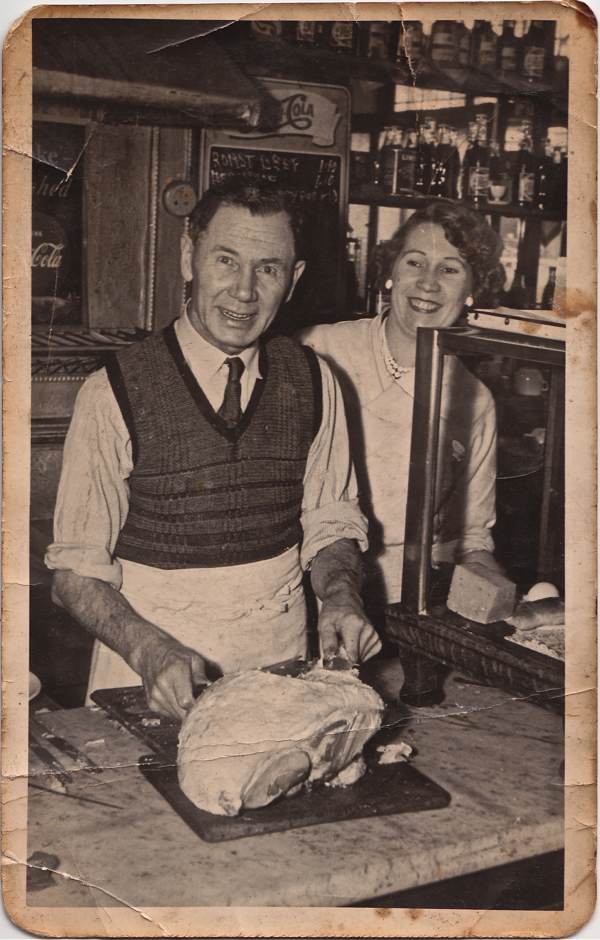
Glenys with her dad Stanley Arnabaldi in their cafe at 100 Commercial St
Glenys Bristow does not live in Spitalfields anymore. Today she lives in a well-kept flat in a quiet corner of Bethnal Green. Glenys might never even have come to Spitalfields if the Germans had not dropped a bomb on her father’s cafe in Mansell St, down below Aldgate. In fact, Glenys would have preferred to stay in Westcliff-on-Sea and never come to London at all, if she had been given the choice. Yet circumstances prevailed to bring Glenys to Spitalfields. And, as you can see from this picture taken in 1943 – in the cafe she ran with her father opposite the market – Glenys embraced her life in Spitalfields wholeheartedly.
“I came to London from Westcliff-on-Sea when I was fifteen. I didn’t like London at all. At first we were in Limehouse, I walked over to Salmon Lane and there was Oswald Mosley making a speech to his blackshirts. The police told us to go home. I was sixteen and I missed Westcliff so, me and my friend, we took a job in a cafe there for the Summer. We were naive. We weren’t streetwise. We didn’t have confidence like kids do today.
The family moved to Mansell St where had a cafe – our first cafe – and we lived above it. My father’s name was Arnabaldi, I used to hate it when I was at school. My father always wanted to have a cafe of his own. His father had come over from Italy and ran a shop in Friern Barnet but died when my father was only eleven, and my father told me his mother died young of a broken heart.
In September 1940, we were bombed out of Mansell St. Luckily no-one was inside at the time because it was the weekend. It was a big shock. My mother, sister Rita and brother Raymond had gone to Wales to visit my grandparents in the Rhonda Valley. I’d left that afternoon with my husband Jack, who was my boyfriend then. We had something to eat at his sister’s then we went by bus to my future in laws at Old St, where we slept in an Anderson shelter. On Monday morning, we were walking back to Mansell St and these people asked, “Where are you going?” I said, “Home, I’m going to change before going to work.” “You’ll be lucky,” they said. When we got there we found the site roped off. It was all gone. Just a pile of rubble.”
Glenys got married at eighteen years old at Arbour Sq Registry Office when Jack was enlisted. “We didn’t know if we were going to be here from one day to the next.” she told me, describing her experience of living through the blitz, suffering the destruction of her home in the bombing and then finding herself alone with a baby while her husband was at war.
“In late 1942, my father got the cafe at 100 Commercial St, Spitalfields, and I was living in a little house in Vallance Rd and had my first baby John and he was just eleven months old. My father bought the cafe and he arranged for me to stay in the top floor flat next door at 102, Commercial St. We just had two rooms above some offices with a cooker on the landing and a toilet. When the air raid sirens went, I didn’t want to get out of bed so my dad fixed up a bell on a string from next door. I used to wrap my baby in an eiderdown and wait until the shrapnel had stopped flying before I went out of the door into the street to the cafe next door.
I did a bit of everything, cooking, serving behind the counter. People came in from the Godfrey & Phillips cigarette factory, the market and all the workshops. The fruit & vegetable market kept going all through the war but, because of the blackout, it started later in the night. We were lucky being close to the market, we were never short of anything.
At the end of the war, Jack came back and worked for my parents until, after a few years, the lease on the cafe ran out and we had to give it up. In 1956, we rented a little cafe in Hanbury St that belonged to the Truman Brewery, but we were only there three years before we had to move again because they had expansion plans. We bought the cafe opposite where Bud Flanagan had been born and called it “Jack’s Cafe.” And we were there from 1960 until 1971.
Because of the market, we had to have dinner ready to serve at nine in the morning, and again from twelve ’til two. Nothing was frozen, everything was cooked daily and Jack used to buy everything fresh from the market. They said we had the best and the cleanest cafe in the Spitalfields Market, and a lot of our customers became friends. My daughter met her husband there, he was a porter – his whole family were porters – and my son went to work as a porter, he was called “an empty boy’ until he got his badge.
I just took it for granted. We used to open at half past four in the morning and I used to try and get cleaned up by half past six at night. It was very hard. Eventually, we sold it because I had back trouble and my husband bought a couple of lorries. In 1976, we moved from Commercial St to Chicksand St. I had four children altogether, only three that lived.
When it all changed, we went back – my daughter and I – to visit our old cafe. It had the same formica on the wall my husband had put up and I kept trying to look in the kitchen. I loved it when we worked for my mum and dad, and when we had our own place. I loved it and I miss it. They said I was the best pastry cook in Spitalfields.”
Glenys Bristow is a woman of astonishing resilience at ninety years old, with quick wits and a bright intelligence. Random events delivered her to Spitalfields in wartime, where she found herself at the centre of a lively working community. Losing everything when the bomb fell on her father’s cafe, and living day-to-day in peril of her life, she summoned extraordinary strength of character, bringing up her family and working long hours too. Glenys had no idea that she would live into another century, and enjoy the advantage of living peacefully in Bethnal Green and be able to look back on it all with affection.

Glenys Bristow
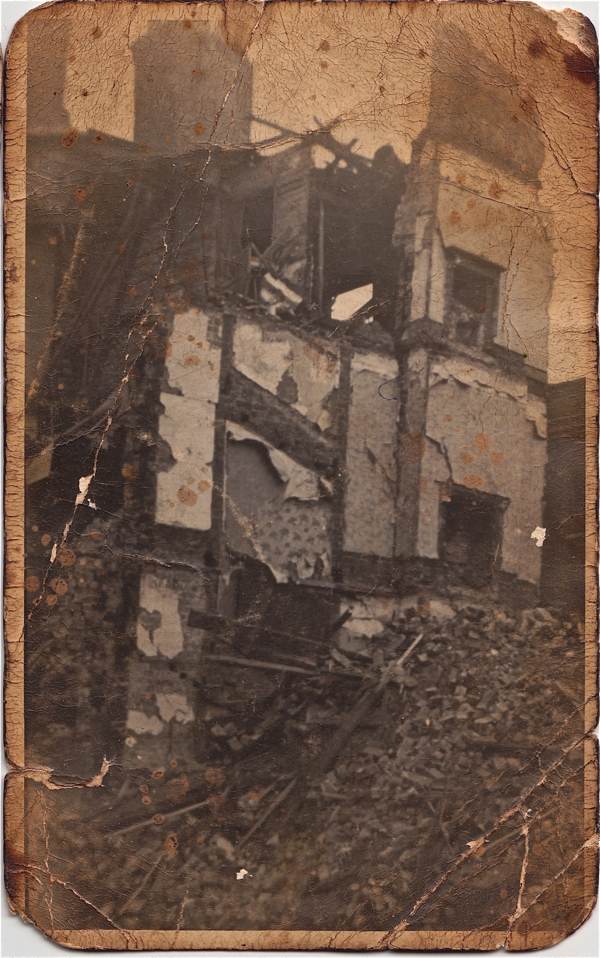
Glenys’ home in Mansell St after the bomb dropped in 1940.
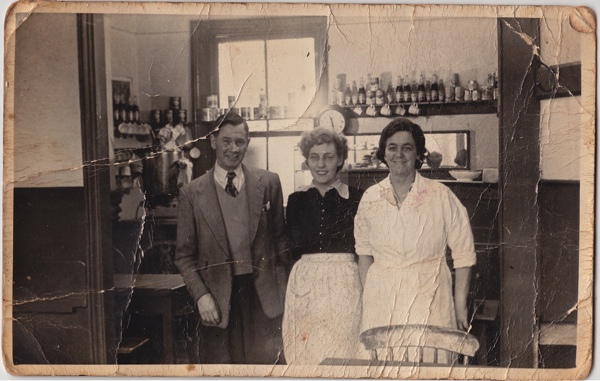
At the cafe in Mansell St.
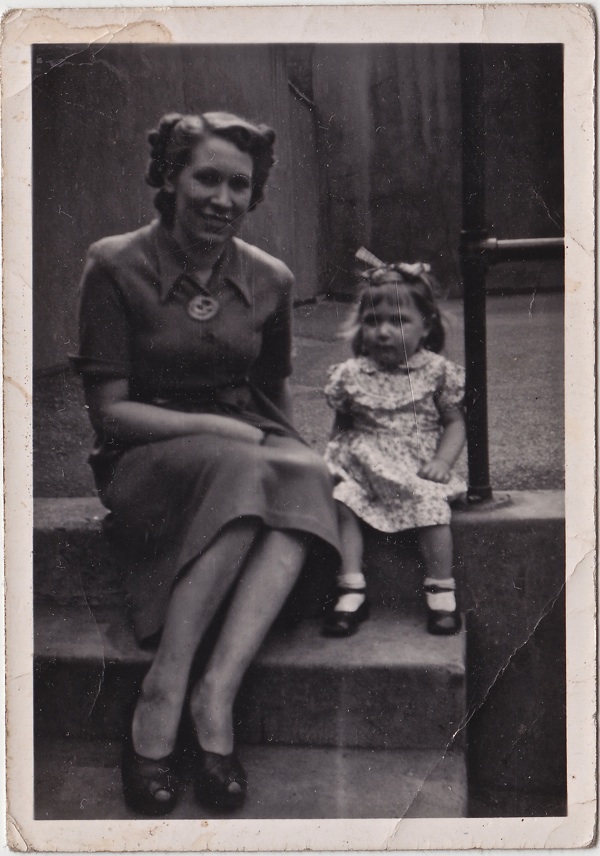
Glenys and her daughter Linda, 1950
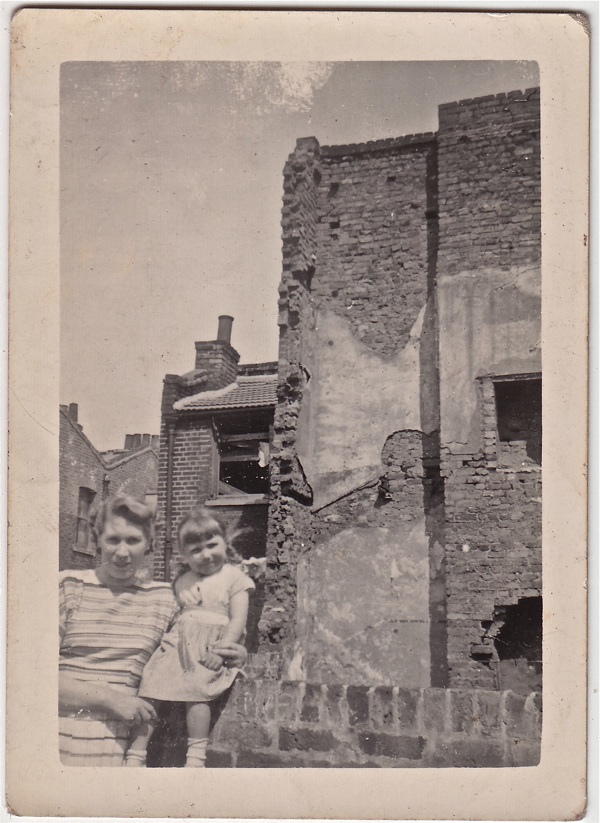
Glenys and Linda visit the site of the former cafe in Mansell St, 1951.
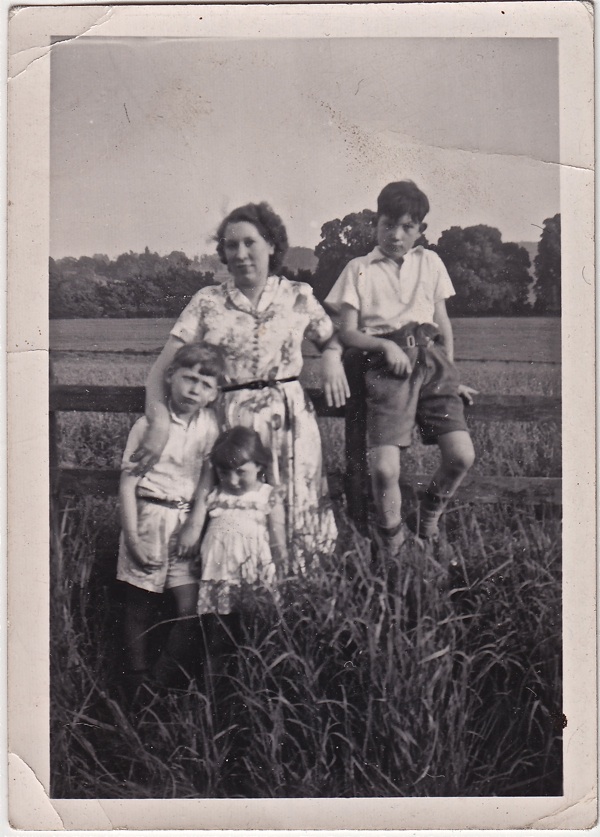
Glenys with her children, John, Linda and Alan.
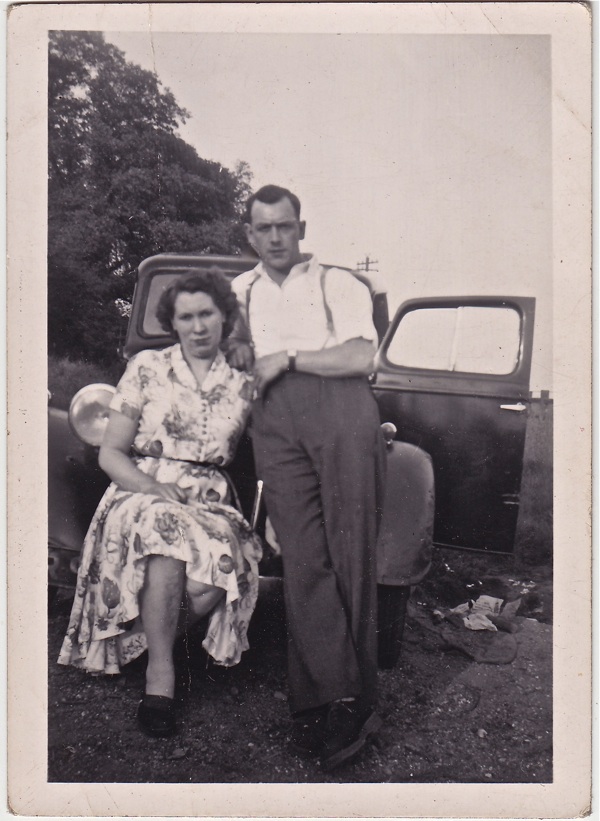
Glenys and her husband Jack with their first car.
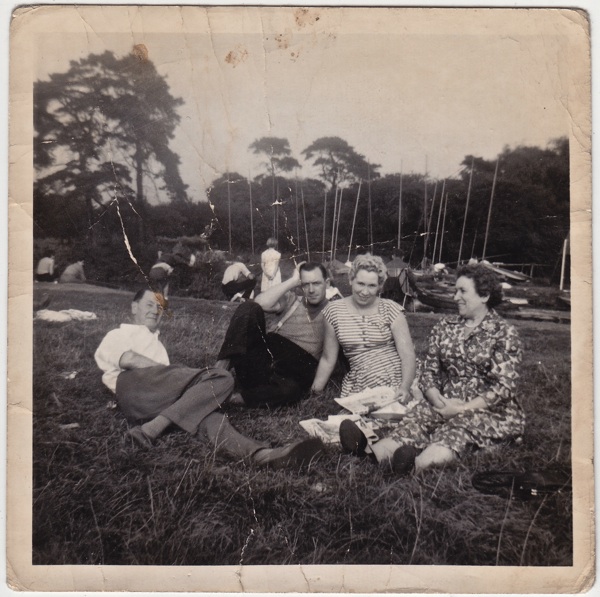
Stan, Jack, Glenys and her mother Anne on a day trip to Broxbourne.
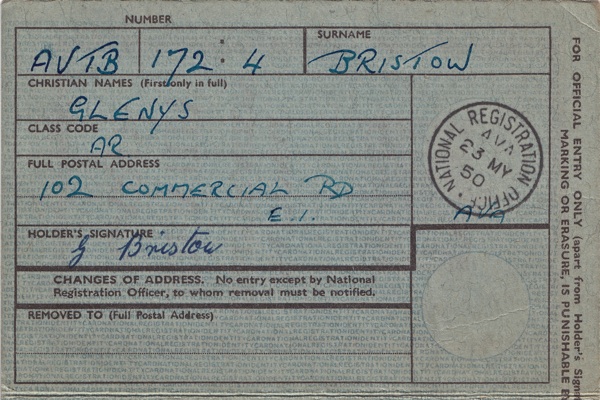
Glenys’ identity card with Commercial Rd mistakenly substituted for Commercial St.
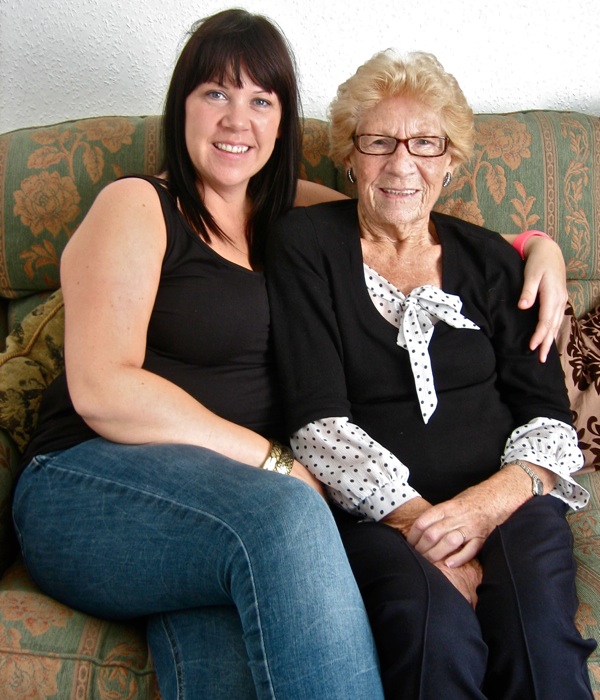
Glenys with her granddaughter Sue Bristow.
You may also like to read about
At the Fish Harvest Festival
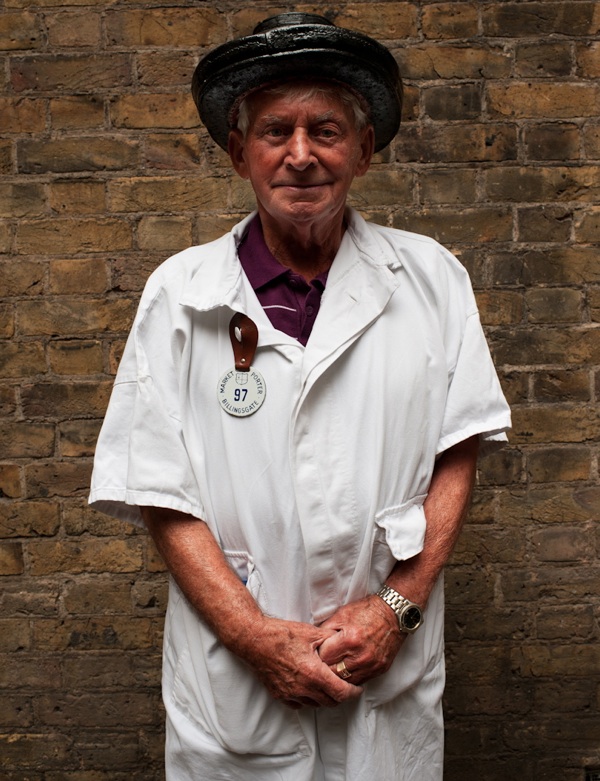
Frank David, Billingsgate Porter for sixty years
Thomas à Becket was the first rector of St Mary-at-Hill in the City of London, the ancient church upon a rise above the old Billingsgate Market, where each year at this season the Harvest Festival of the Sea is celebrated – to give thanks for the fish of the deep that we all delight to eat, and which have sustained a culture of porters and fishmongers here for centuries.
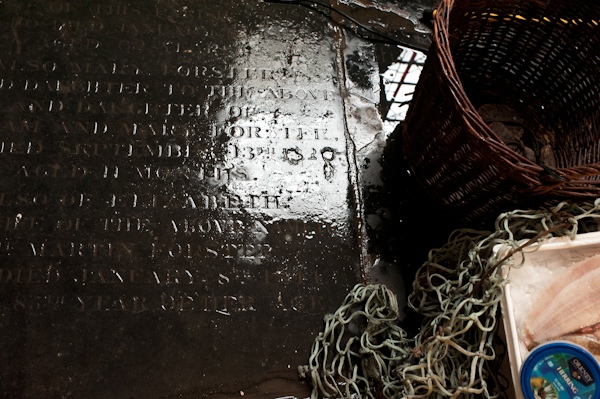
The market itself may have moved out to the Isle of Dogs in 1982, but that does not stop the senior porters and fishmongers making an annual pilgrimage back up the cobbled hill where, as young men, they once wheeled barrows of fish in the dawn. For one day a year, this glorious church designed by Sir Christopher Wren is recast as a fishmongers, with an artful display of gleaming fish and other exotic ocean creatures spilling out of the porch, causing the worn marble tombstones to glisten like slabs in a fish shop, and imparting an unmistakeably fishy aroma to the entire building. Yet it all serves to make the men from Billingsgate feel at home, in their chosen watery element – as Spitalfields Life Contributing Photographer Ashley Jordan Gordon and I discovered when we went along to join the congregation.
Frank David and Billy Hallet, two senior porters in white overalls, both took off their hats – or “bobbins” as they are called – to greet us. These unique pieces of headgear once enabled the porters to balance stacks of fish boxes upon their heads, while the brim protected them from any spillage. Frank – a veteran of eighty-four years old – who was a porter for sixty years from the age of eighteen, showed me the bobbin he had worn throughout his career, originally worn by his grandfather Jim David in Billingsgate in the eighteen nineties and then passed down by his father Tim David.
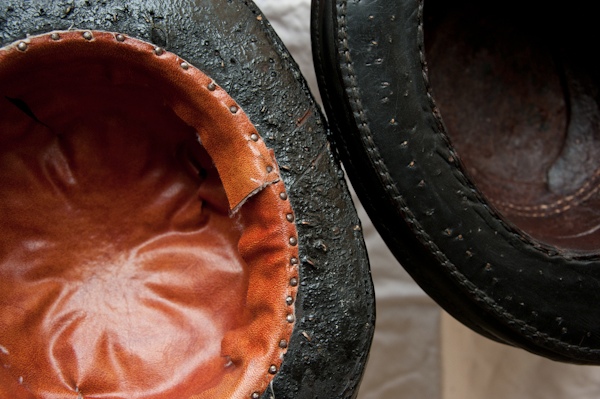
Of sturdy wooden construction, covered with canvas and bitumen, stitched and studded, these curious glossy black artefacts seemed almost to have a life of their own. “When you had twelve boxes of kippers on your head, you knew you’d got it on,” quipped Billy, displaying his “brand new” hat, made only in the nineteen thirties. A mere stripling of sixty-eight, still fit and healthy, Billy continues to work at the new Billingsgate market driving a fork lift truck, having started his career at Christmas 1959 in the old Billingsgate market carrying boxes on his bobbin and wheeling barrows of fish up the incline past St Mary-at-Hill to the trucks waiting in Eastcheap. Caustic that the City of London is revoking the porters’ licences after more than one hundred and thirty years, nevertheless he is “hanging on” as long as he can. “Our traditions are disappearing,” he confided to me in the churchyard, rolling his eyes and striking a suitably elegiac Autumnal note.
Proudly attending the spectacular display of fish in the porch, I met Eddie Hill, a fishmonger who started his career in 1948. He recalled the good times after the war when fish was cheap and you could walk across Lowestoft harbour stepping from one herring boat to the next. “My father said, ‘We’re fishing the ocean dry and one day it’ll be a luxury item,'” he told me, lowering his voice, “And he was right, now it has come to pass.” Charlie Caisey, a fishmonger who once ran the fish shop opposite Harrods, employing thirty-five staff, showed me his daybook from 1967 when he was trading in the old Billingsgate market. “No-one would believe it now!” he exclaimed, wondering at the low prices evidenced by his own handwriting, “We had four people then who made living out of just selling parsley and two who made a living out of just washing fishboxes.”
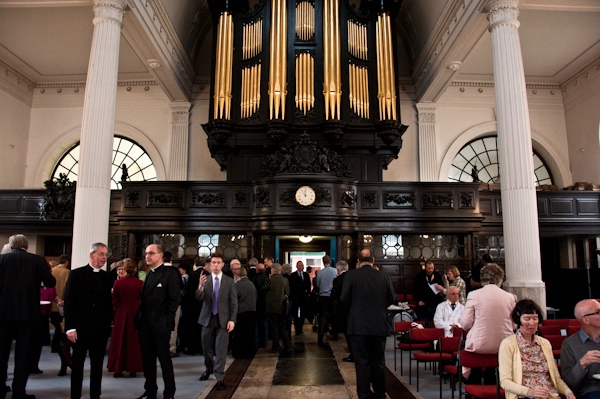
By now, the swelling tones of the organ installed by William Hill in 1848 were summoning us all to sit beneath Wren’s cupola and the Billingsgate men, in their overalls, modestly occupied the back row as the dignitaries of the City, in their dark suits and fur trimmed robes, processed to take their seats at the front. We all sang and prayed together as the church became a great lantern illuminated by shifting patterns of October sunshine, while the bones of the long-dead slumbered peacefully beneath our feet. The verses referring to “those who go down the sea in ships and occupy themselves upon the great waters,” and the lyrics of “For those in peril on the sea” reminded us of the plain reality upon which the trade is based, as we sat in the elegantly proportioned classical space and the smell of fish drifted among us upon the currents of air.
In spite of sombre regrets at the loss of stocks in the ocean and unease over the changes in the industry, all were unified in wonder at miracle of the harvest of our oceans and by their love of fish – manifest in the delight we shared to see such an extravagant variety displayed upon the slab in the church. And I shall be enjoying my own personal Harvest Festival of the Sea in Spitalfields for the next week, thanks to the large bag of fresh fish that Eddie Hill slipped into my hand as I left the church.
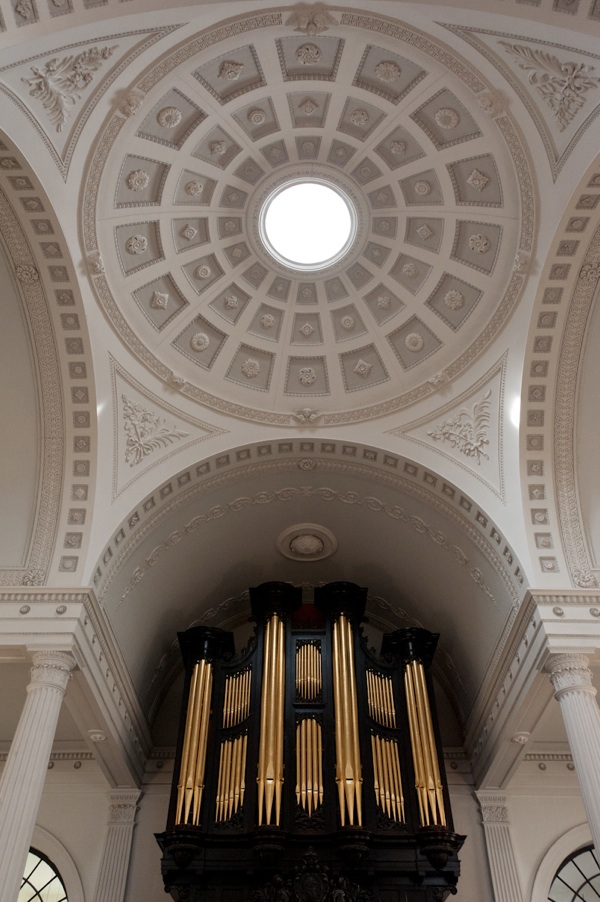
St Mary-at-Hill was rebuilt by Sir Christopher Wren in 1677.
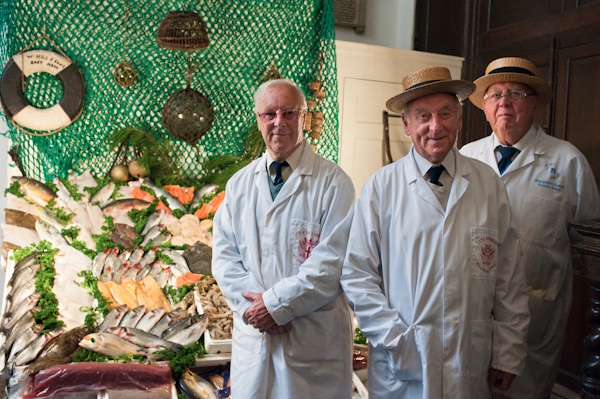
Senior fishmongers from Billingsgate worked from dawn to prepare the display of fish in the church.

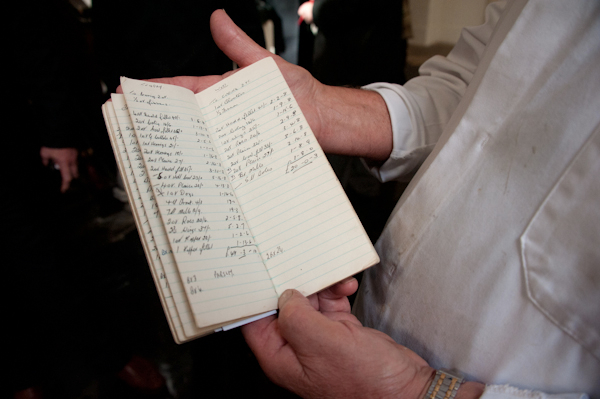
Fishmonger Charlie Caisey’s market book from 1967.
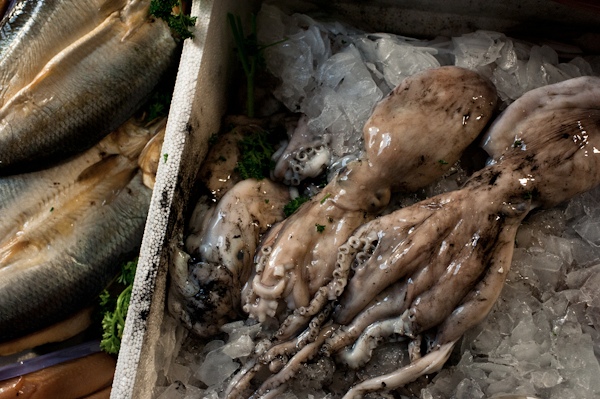
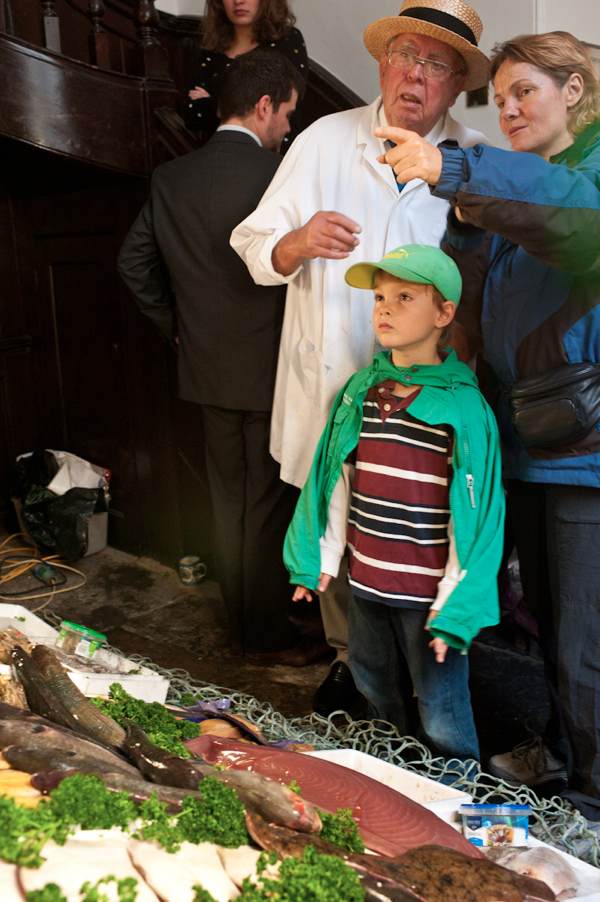
Charlie Caisey explains the varieties of fish to the curious.
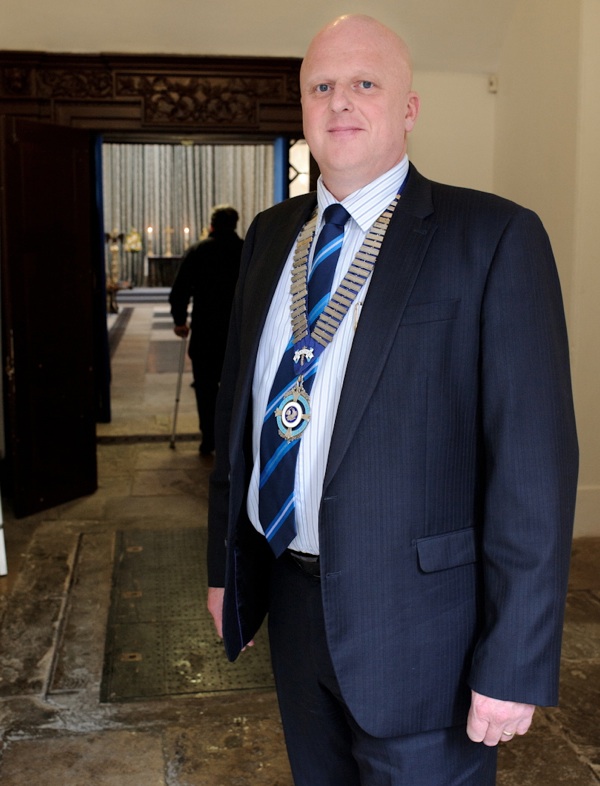
Gary Hooper, President of the National Federation of Fishmongers, welcomes guests to the church.
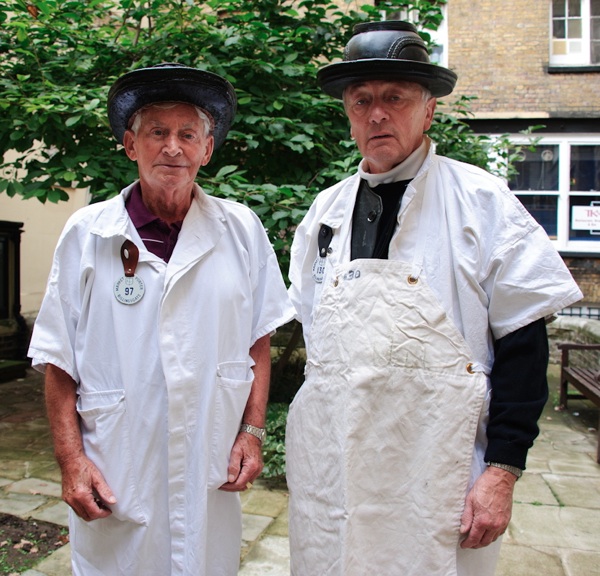
Frank David and Billy Hallet, Billingsgate Porters
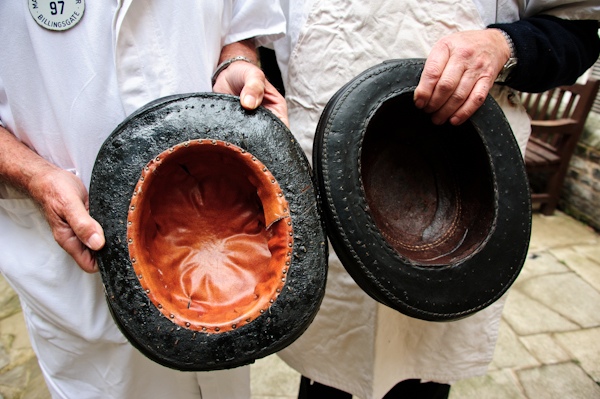
Frank’s “bobbin” is a hundred and twenty years old and Billy’s is “brand new” from the nineteen thirties.
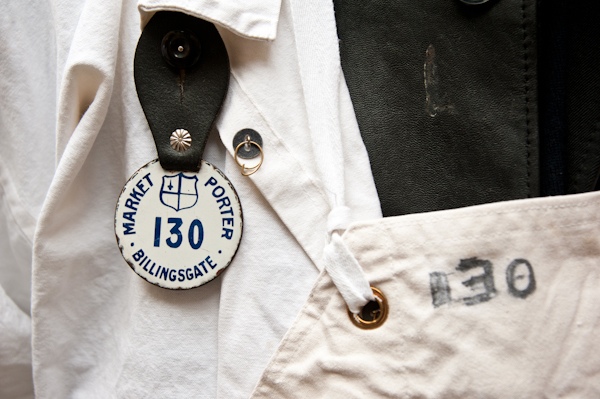
Billy Hallet’s porter’s badge, soon to be revoked by the City of London.
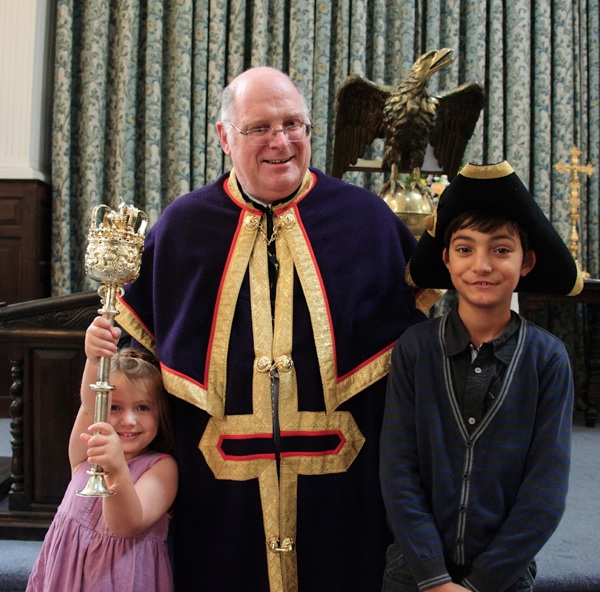
Jim Shrubb, Beadle of Billingsgate with friends.
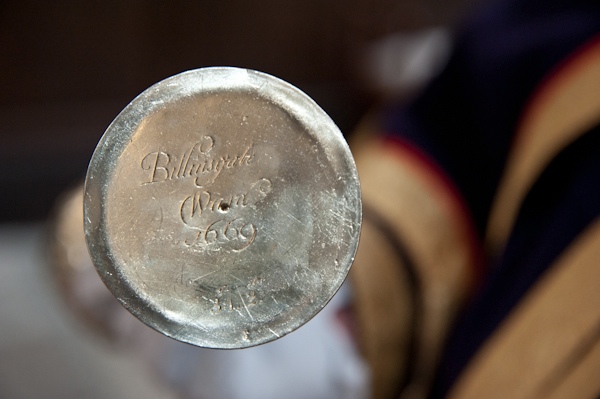
The mace of Billingsgate, made in 1669.
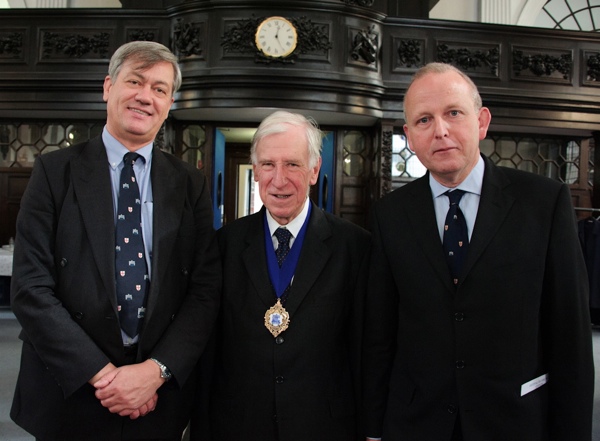
John White (President & Alderman), Michael Welbank (Master) and John Bowman (Secretary) of the Billingsgate Ward Club.
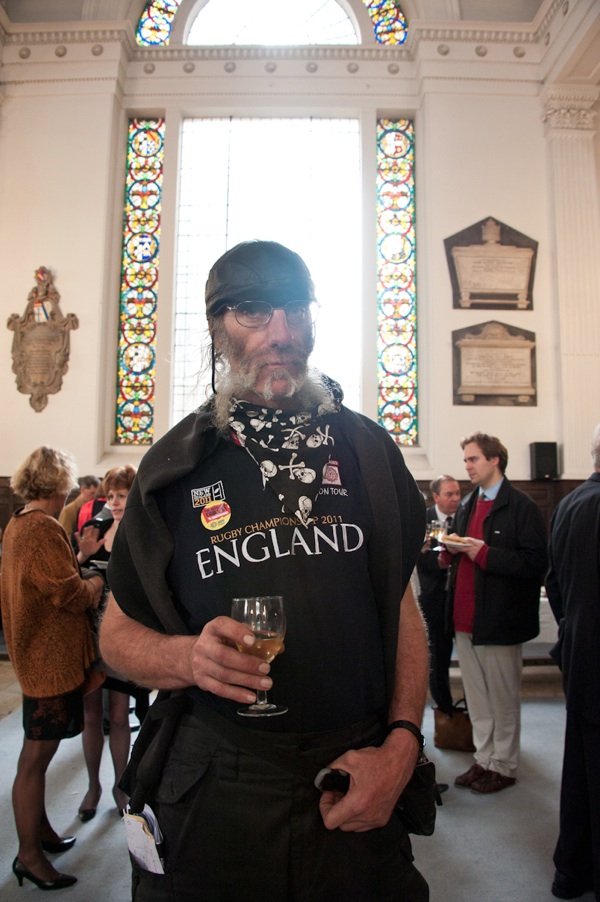
Crudgie, Sailor, Biker and Historian.
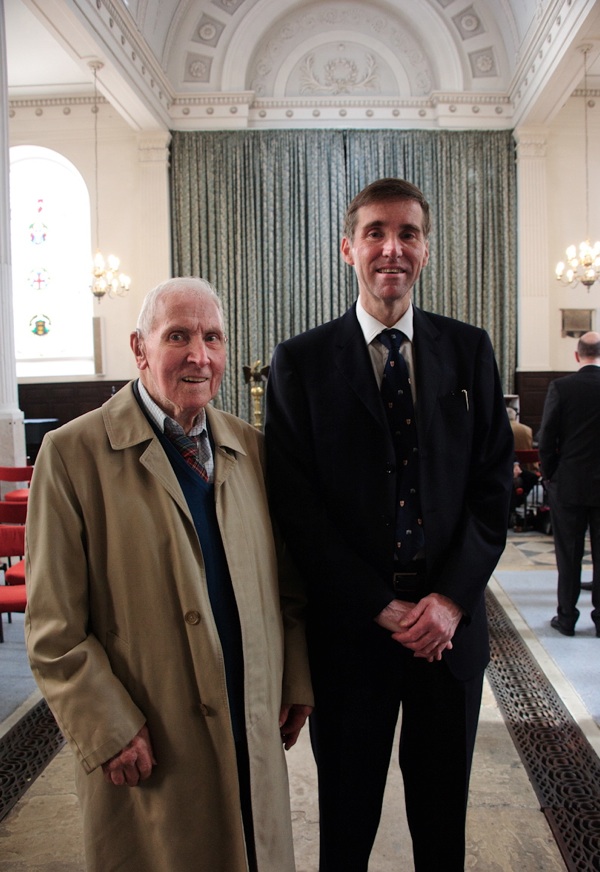
Dennis Ranstead, Sidesman Emeritus and Graham Mundy, Church Warden of St Mary-at-Hill.
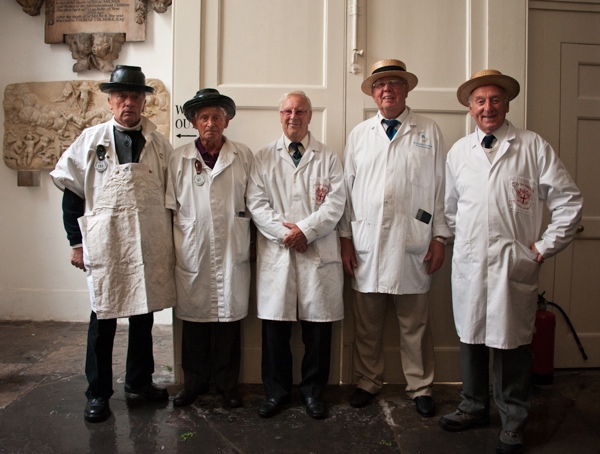
Senior Porters and Fishmongers of Billingsgate.
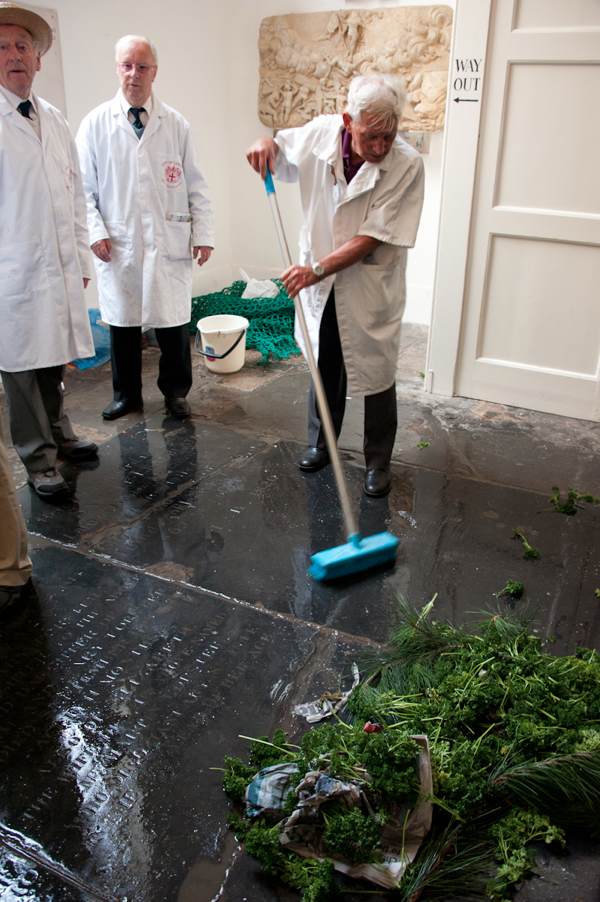
Frank sweeps up the parsley at the end of the service.
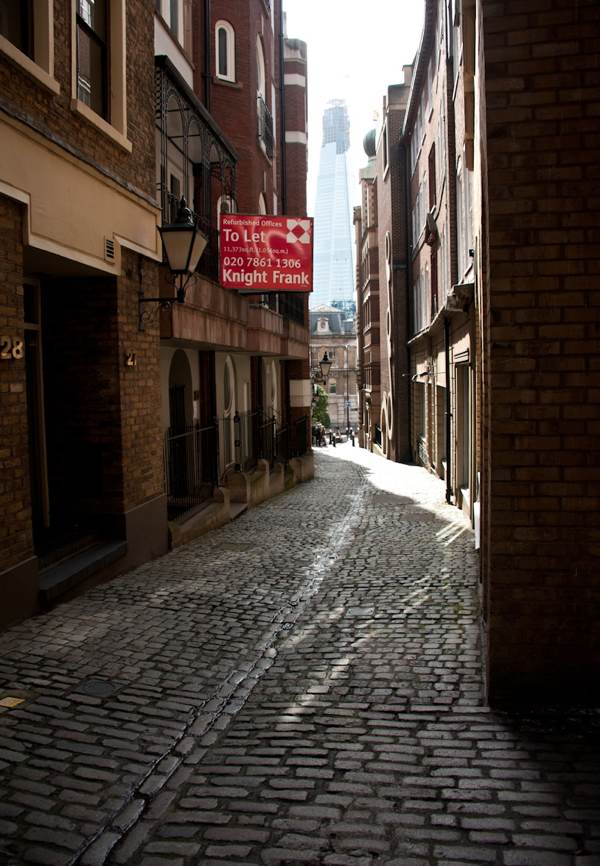
The cobbled hill leading down from the church to the old Billingsgate Market.

Frank David with the “bobbin” first worn by his grandfather Jim David at Billingsgate in the 1890s.
Photographs copyright © Ashley Jordan Gordon
You may also like to read about
At the Pearly Kings & Queens’ Harvest Festival
Or see other photographs by Ashley Jordan Gordon
Brick Lane Market 16
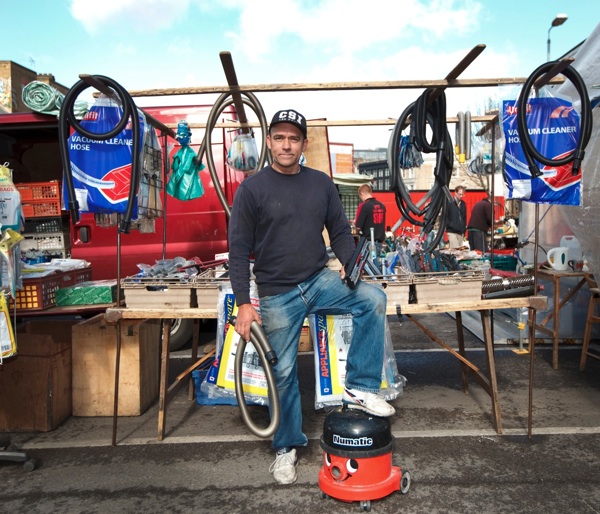
This is Sean who sells vacuum cleaners and spare parts on Sclater St Market. “I’ve been involved in markets since I was twelve and then, in my mid-twenties, I decided to do it full time – and twenty-five years later I am still here,” he informed me with a bemused grin. Sean bought the business from the man he worked for who had been here since the early sixties, which makes half a century of trading in vacuum cleaners every Sunday on the same spot.
“I enjoy the lifestyle because I’ve done it all my life,” he declared – a man of extraordinary resilience, as swarthy as a seaman after working six days a week in markets over all these years. “I’ve been selling people vacuum cleaner bags so long, I’ve now got the children of my original customers coming back and reminding me of when they came here with their mum and dad,” he admitted shyly, “It’s a community, completely different from the High St. If people don’t have enough money, I say, ‘Pay me next week.'”
Like many of the stallholders, Sean is ambivalent about the tall buildings under construction that will soon tower over the market. “I think the new flats will regenerate the area, “ he said optimistically, gazing up to the sky, “unless they decide they don’t want the market anymore because it lowers the tone…”
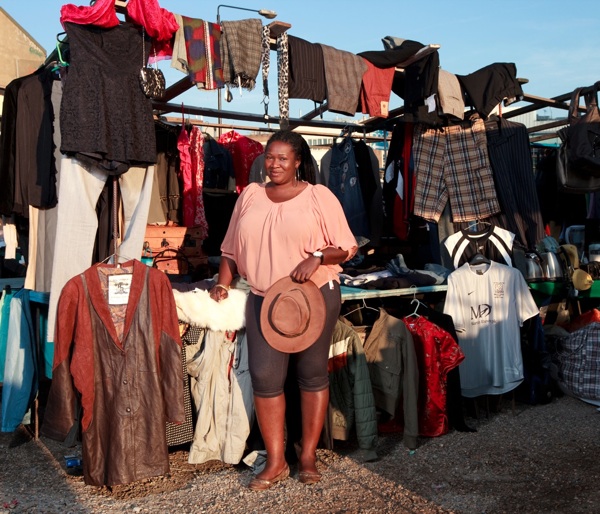
This is Winifred, a part-time psychiatric nurse from Edmonton who is selling her possessions on Sclater St. “It’s the only market I know where I can come and sell what I have,” she said, peering warily over the piles of clothing and shoes.“I have this anxiety – ‘Are they going to buy or are they not going to buy?'” she confessed to me – when I joined her in the private tent-like space she had created behind the stall – adding, “I need money to give my daughter for her school lunches and I’ve got to pay all my bills as well.”
Yet, even as we spoke, eager customers interrupted us to enquire the prices of things. “It’s too much on my own,” Winifred whispered, turning morose, “Parking, offloading, setting up, packing up and loading again.”
But then our chat was halted by the sale of several items, occasioning a change of heart on Winifred’s part. “It’s a good experience to tell the truth,” she concluded with renewed confidence, “A lot of people have too many things in their homes and they need to sell them and use the money for something else.”
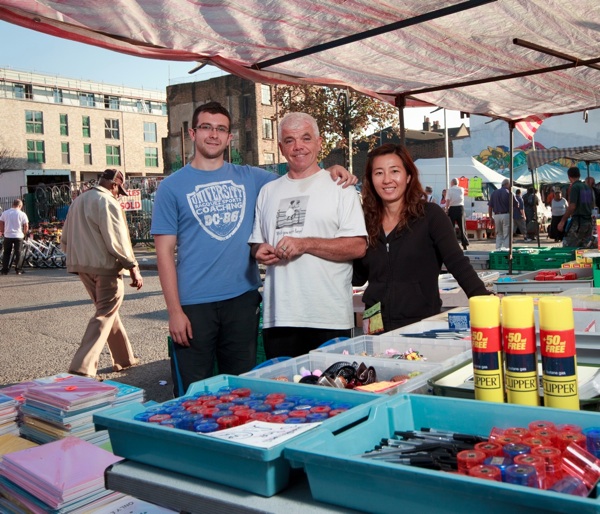
This is Kevin Conlon with his son Ross and wife Pook, who together run a cut-price stationery stall on Sclater St (where I buy all my notebooks). “I started coming at sixteen and fly-pitching in Brick Lane,” explained Kevin who grew up in Stepney, “and then, at eighteen, I passed my driving test and became a market trader – I just fell into it.”
Kevin is passionate about the life of the market, even though it means getting up at half past three in the morning. “I realised I had a gift for buying and selling,” he disclosed, his dark eyes sparkling with emotion, “I was born with it, it’s in my blood.” Kevin is fiercely proud of his independence too. “My father used to say being self-employed is the greatest thing in the world,” he told me, savouring the truth of the statement, “Here you can talk to people. It’s all about communication – I get old ladies who come and say ‘You’re the first person I’ve spoken to this week.'”
Kevin reserves his ire for the market management. “They just sit round a table and work out how to make a market trader’s life hell,” he asserted with a frown, and I would have learnt more – if the kebab stall next door had not caught fire and overwhelmed us with dense smoke.
Photographs copyright © Jeremy Freedman
Taken to the Cleaners
Autumn always brings me back to the dry cleaners. As a child, I was in thrall to the glamorous modernity of these establishments where stains are removed by a sophisticated chemical process yet, as an adult, when I go to collect my Winter coat each year I confront the inescapable melancholy of dry cleaners.
I cannot ascertain whether it is the queasy smell of chemicals, or the plastic shrouds upon the clothes, or the utilitarian anonymity of these places which renders them as temples of sadness in my perception, but – recognising that this is a subject worthy of closer examination – Spitalfields Life contributing photographer Sarah Ainslie and I set out on a bright October morning to visit some of the choicest dry cleaners the East End has to offer. And, in spite of my preconception about the emotional timbre of the profession, every one managed to raise a smile for the camera.
We began our safari in Aldgate High St at “City Slickers,” strategically placed at the boundary with the City of London, where softy-spoken manager Azim Nazir has his work cut out, turning round the dry cleaning in an hour for office workers who expect a rapid service. Even as we were there, a red-faced corporate gentlemen ran in clutching a rumpled shirt and enquiring anxiously if the garment could be ironed at once. “It’s my emergency shirt,” he confided to me breathlessly, by way of explanation – wiping the perspiration from his brow as he waited impatiently at the counter – before declaring, “It’s brilliant, this place!” in childish delight, as his shirt was handed back to him on a hanger with a plastic cover over it and he disappeared out the door again before I could blink.
Such histrionics are all in a day’s work for Azim who remained admirably unperturbed – the calm frontman of this streamlined enterprise tricked out in a sporty livery of yellow and black, where a whirlwind of dry cleaning activity is discreetly hidden from public gaze at the rear of the shop.“My family, my uncle and my cousins are all in dry cleaning,” he told me proudly, revealing the source of his phlegmatic nature and uncovering an unexpected clannish side to the business.
Returning to Spitalfields, we met Shafaqat Hussain at the dry cleaners in Whites Row, just as he was about to leap into the van and make his deliveries. Despite its modest size, this is a shop with large reputation on account of its celebrity customers. “We are Tracey Emin’s dry cleaners,” announced Shafaqat cheerily, his eyes gleaming with excitement indicating that she was a good customer, and then speeding off down Commercial St.
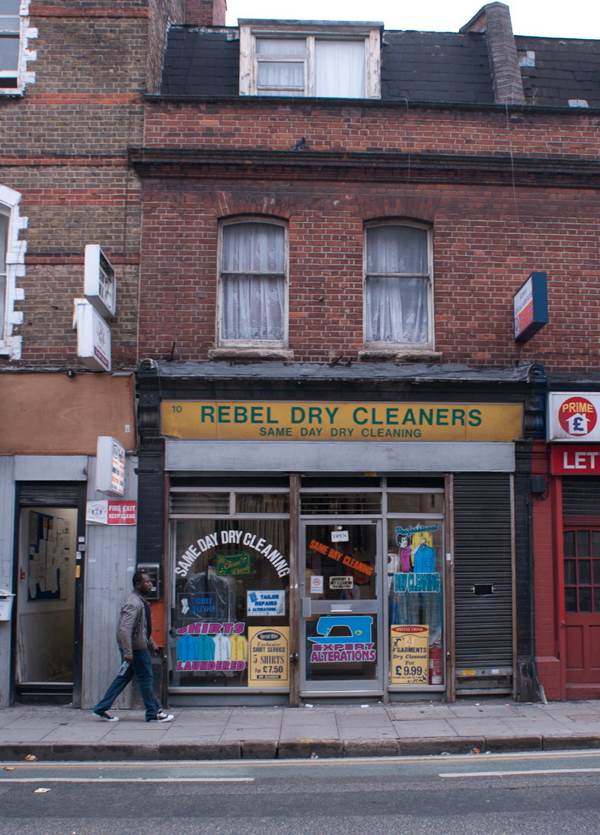
By now, we had reached the mid-morning lull, and over in Whitechapel at “Rebel Dry Cleaners,” we found Shahin Ahmed, amiable custodian of the rails, burning incense to dispel the chemical aroma, and accompanied by his pal from the shop next door. “I enjoy it because of the community that is here,” he confessed to me, “but when it is empty, my friend comes in so I am not alone.” It was a touching admission of the emotional challenge of working in a dry cleaners, where customers mostly drop off their orders on the way to work and the shop can be lonely for hours through the day. In the City, constant activity dispelled such emptiness for Azim and, in Spitalfields, Shafaqat’s deliveries avoided the issue by taking the clothes back to the customers but, in Whitechapel, Shahin faced the void with fortitude and patience.
Our next stop was in the Hackney Rd at “Nazal Dry Cleaners,” where Mrs Mustapha works six days a week, rising at six to leave home at seven and open the shop at eight, then staying until six each night. You might think it a punishing routine, but Mrs Mustapha was unqualified in her enthusiasm. “Any job is something these days, so you should appreciate it if you have one,” she declared , batting her eyelashes with emotion as she stated her personal manifesto, “and as long as you have a job, you must try to make the best of it – it doesn’t cost anything to smile and be polite, and sometimes you get to be friends with the customers and it’s good for business.” With her immaculate make-up and stylish jewellery, Mrs Mustapha is a passionate ambassador for her dry cleaning shop where she always keeps fresh flowers next to the fish tank on the counter. In the over-heated world of dry cleaning, she is a breath of fresh air.
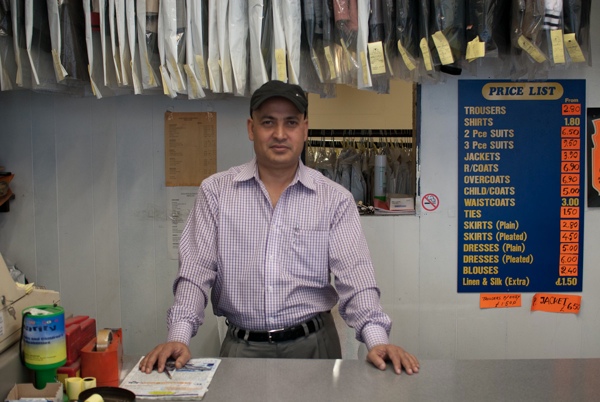
The final destination in the tour was the extravagantly named “Champer’s Dry Cleaning” in the Roman Rd where, when I asked Parvez Malik, the proprietor of this family business, why he got involved in dry cleaning, he declared, with stark yet endearing self-deprecation, “There’s nothing else I can do.” It was apparent that Parvez was a natural comedian, with a droll humour savoured by his loyal customers in this corner of Bow.
Dry cleaners operate on trust, making a undertaking to restore your clothes – an undertaking that is mostly unappreciated, except on the rare occasion it is broken. As the sign in “Champer’s Dry Cleaning” promises, “We spoil out customers not their clothes.” Yet such is the nature of contemporary life, those who work in these places are unacknowledged beyond the inconsequential transaction of passing clothes across the counter. Each one accommodates to the endless waiting and sustaining a professional bonhomie with customers for just a modest financial reward – overcoming the inescapable melancholy of the dry cleaners in their own way.
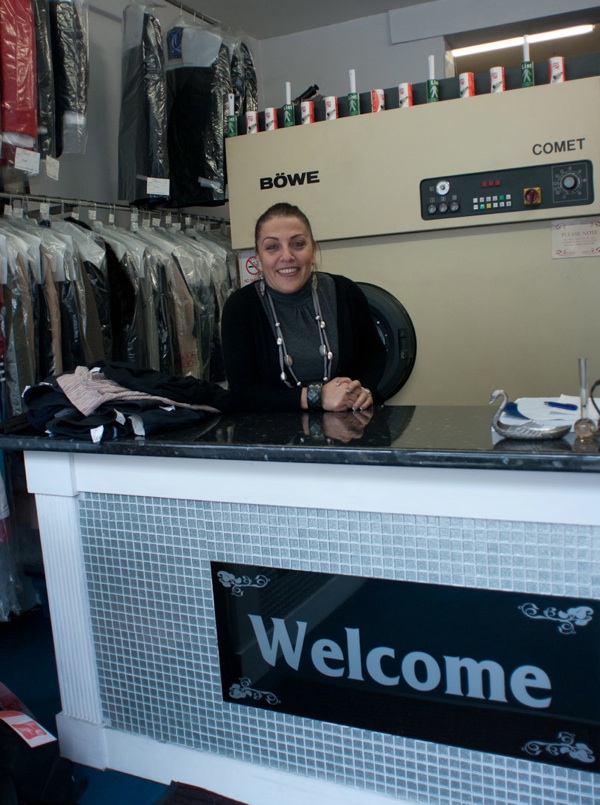
Mrs Mustapha at “Nazal Dry Cleaners” in the Hackney Rd

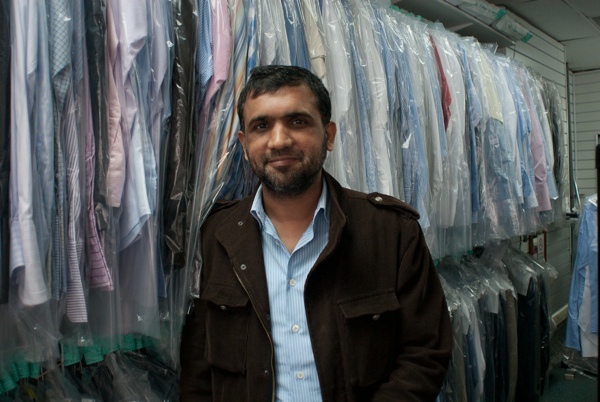
Shafaqat Hussain at “Spitalfields Dry Cleaners” in Whites Row.
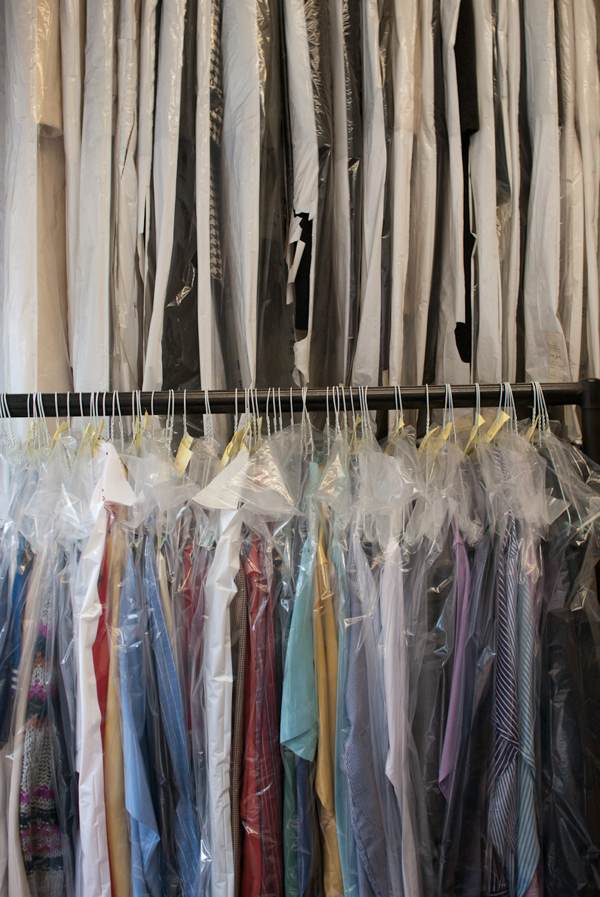
Shahin Ahmed at “Rebel Dry Cleaners” in Vallance Rd, Whitechapel.

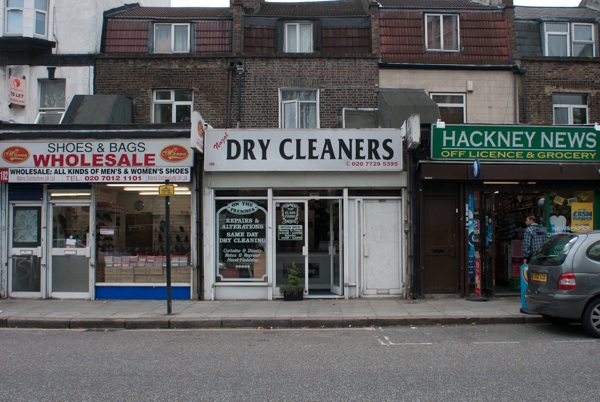
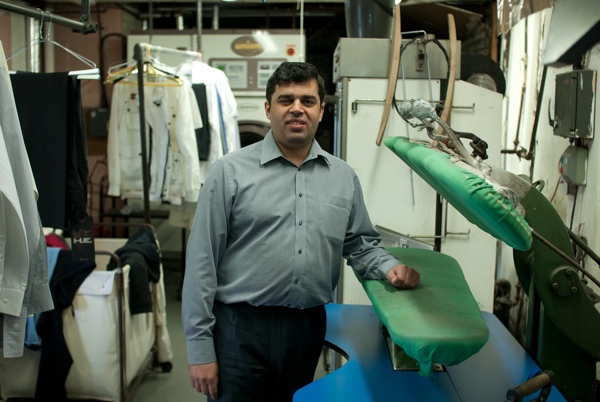
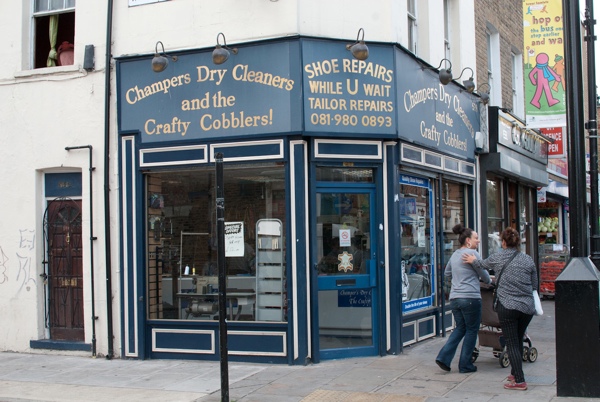
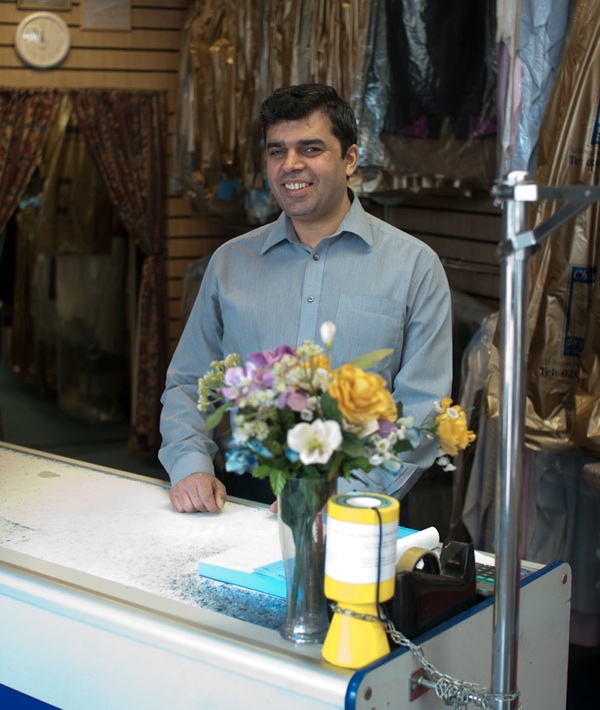
Parvaz Malik at “Champers Dry Cleaners & the Crafty Cobblers” in the Roman Rd.
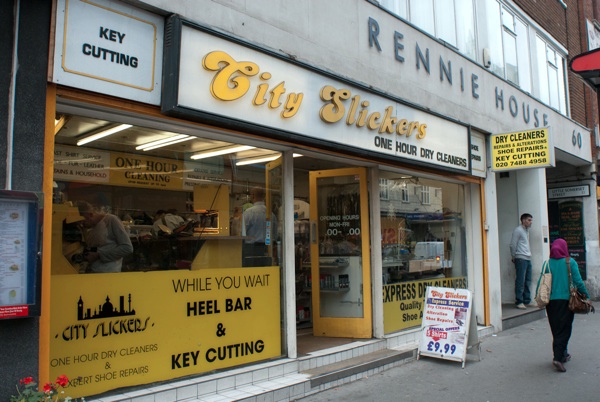
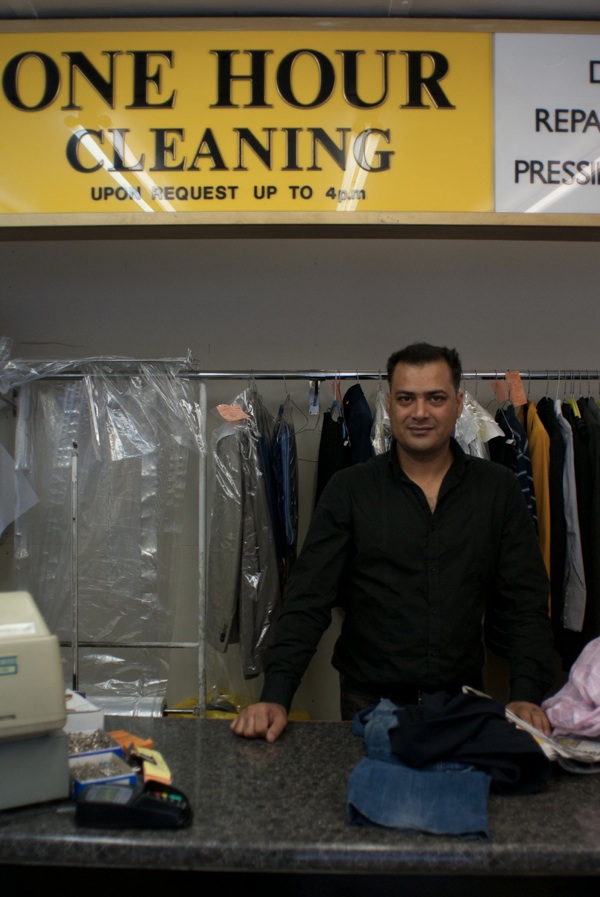
Azim Nazir at “City Slickers” in Aldgate High St.
Photographs copyright © Sarah Ainslie
You may also like to read about
An Old House in Whitechapel

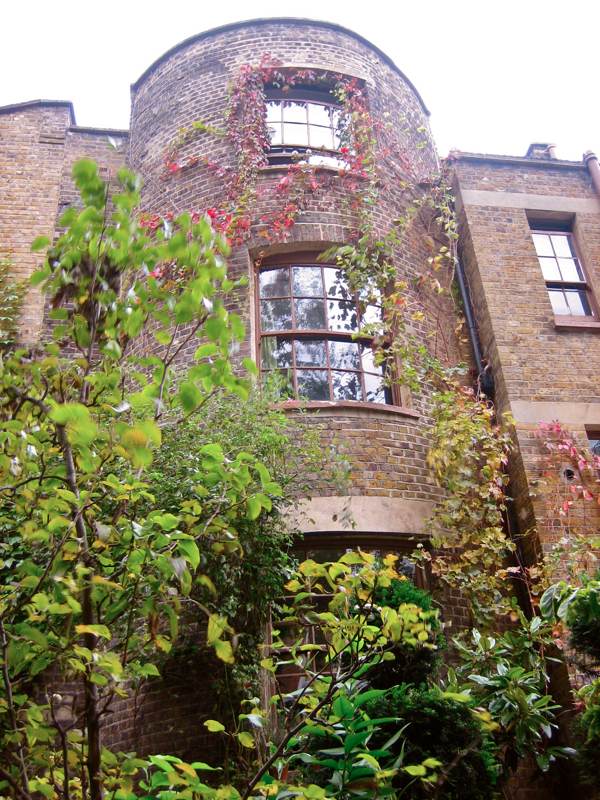
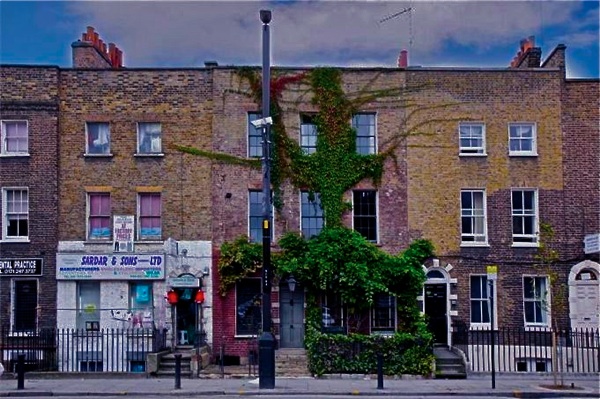
There is a magnificent old house in New Rd in Whitechapel, rich in patina and heavy with creepers, yet surrounded on either side by offices and workshops. It appears an untouched survival from an earlier age, and I half-expect to see an old, old man climbing the worn steps, the original resident of the house where nothing has changed. He is now over two hundred years old and oblivious to the transformation in the world around him. I shall call him Mr Redman.
New Rd follows the line of a rampart constructed as the Eastern defence of the City of London at the time of the English Civil War, and the Whitechapel Mound – which formerly stood upon the site of the Royal London Hospital and to which some infer mystical significance – was a bulwark attached to this earthwork. Around 1750, the rampart was flattened and laid out as New Rd where speculative builders constructed terraces and sold them to sea captains and merchants from the nearby docks. Gloucester Terrace, containing the old house in question, was built in 1797 – facing fields to the East and with mews to the rear, both gone long ago.
The first recorded owners in the early nineteenth century were the Redman family who made their living in the shipping business. They had three sons – a sea captain who became one of the elder brethren at Trinity House on Tower Hill, another who was a ship owner and a third who started a chandlery business in the basement kitchen, establishing independent premises for his enterprise in the 1840s. By the 1850s, the family had prospered and moved to Kentish Town, and by the 1880s the house was Jewish owned, as the surrounding streets became a ghetto for those fleeing for their lives from Eastern Europe. The ground floor was opened up as a tailoring shop and through the twentieth century the upper floors also became clothing workshops as Pakistanis and then Bengalis arrived, creating a reputation for New Rd as the prime location for the manufacture of school uniforms.
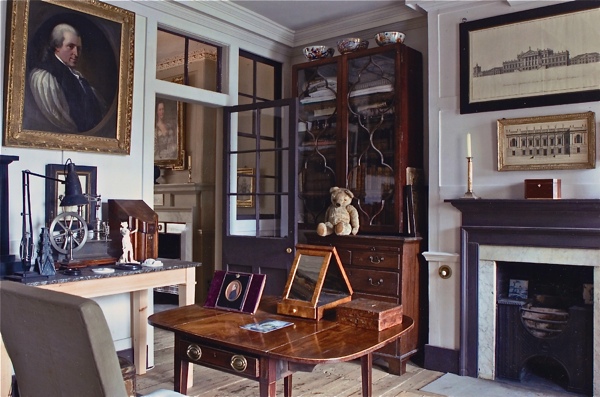
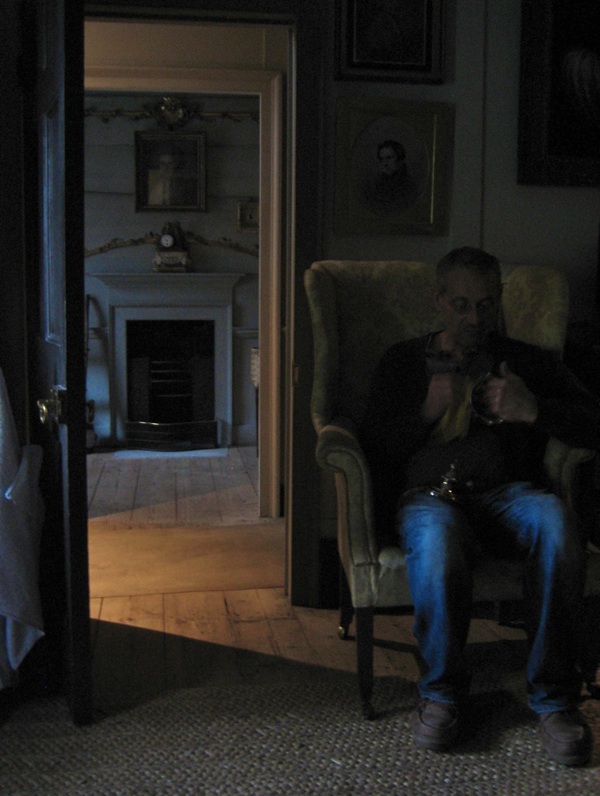
When Tim Whittaker, director of the Spitalfields Trust, bought the old house from a maker of twin sets, it had not been inhabited for more than thirty years. Tim took up the nineteenth century floorboards on the ground floor, laid down when it was converted to a shop, and he found the worn Georgian floor beneath, with lines that indicated the former position of the partition walls, allowing him to reinstate them in an arrangement close to the original. With a lifetime’s experience of working with old buildings, both for the National Trust and more recently in Spitalfields, Tim set out to make no impositions upon the house and, after ten years of renovations, his achievement is to have restored it as a seamless whole.
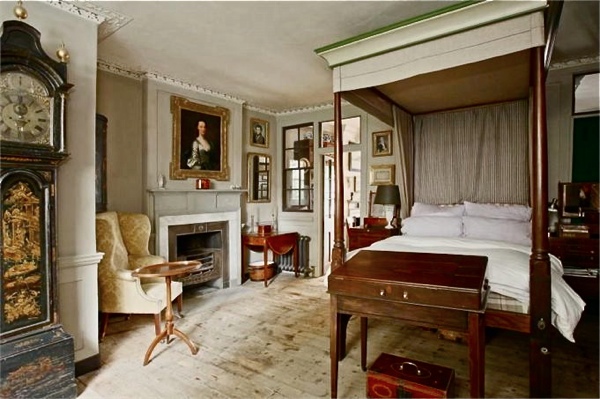
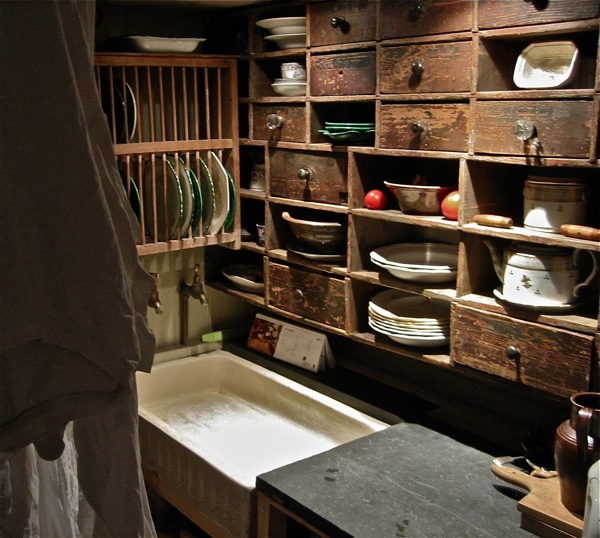
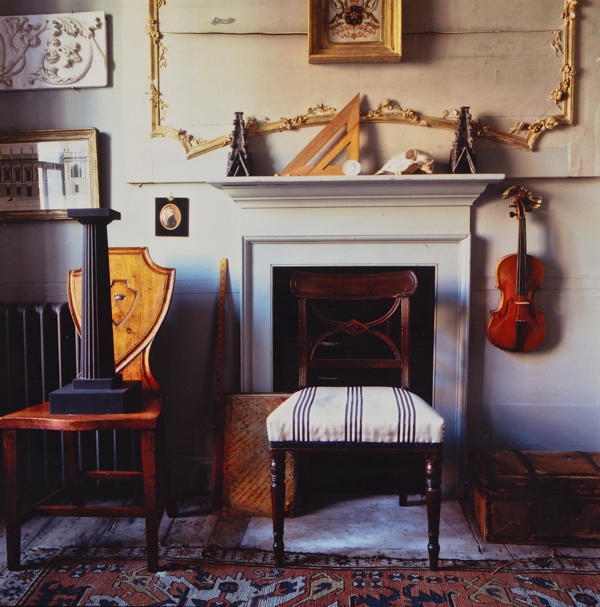
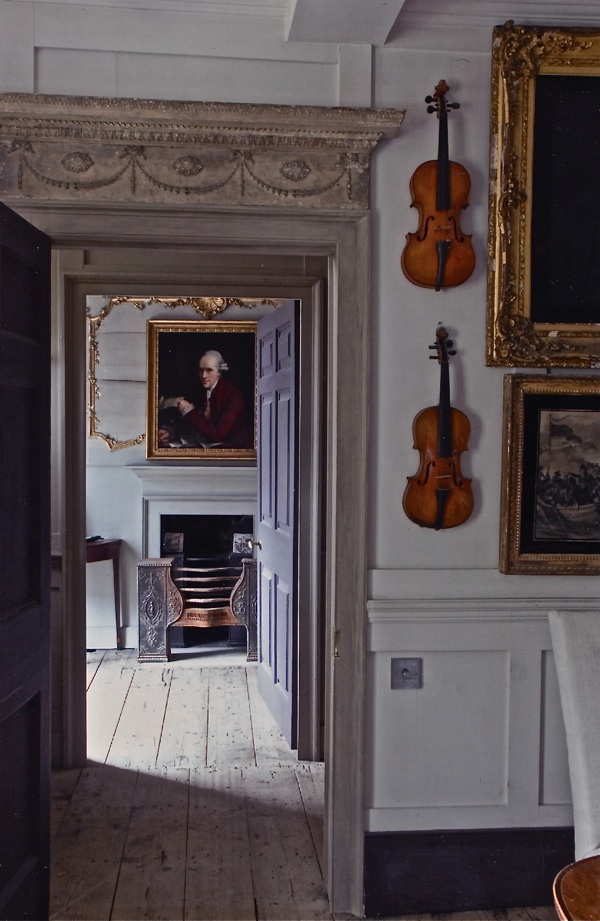
With a trained eye, Tim sought to replace the missing fireplaces with suitable examples of the period and where possible he used salvaged timbers to harmonise with the textures that two centuries of use have imparted to this dignified old edifice, which has been both workplace and dwelling. Offering interesting, idiosyncratic spaces and subtle eye-catching detail, this was never a grand house but an everyday living environment, full of charm.
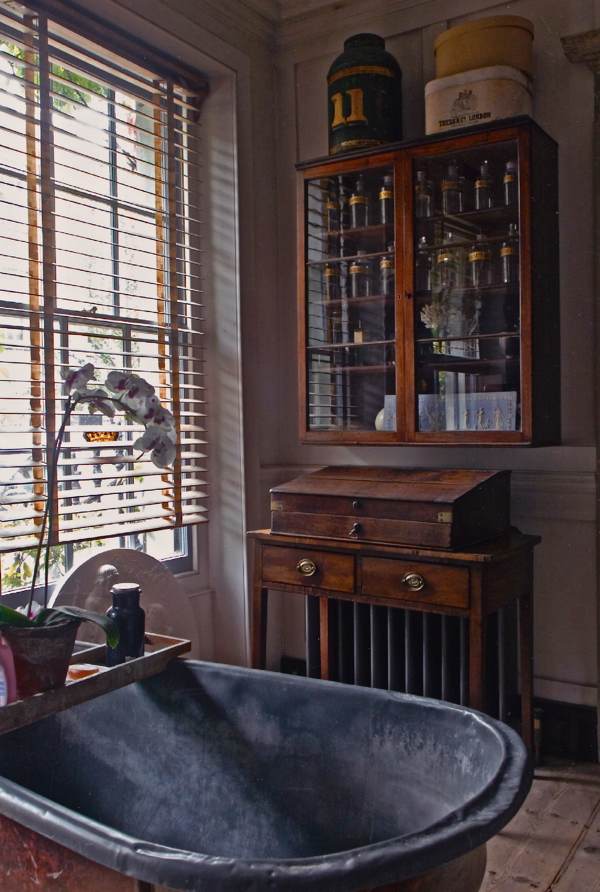
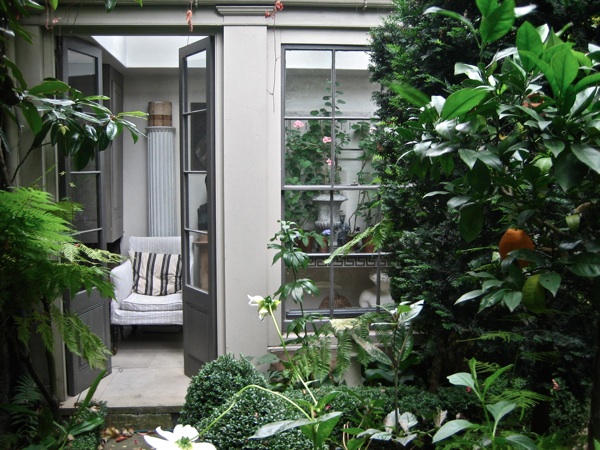
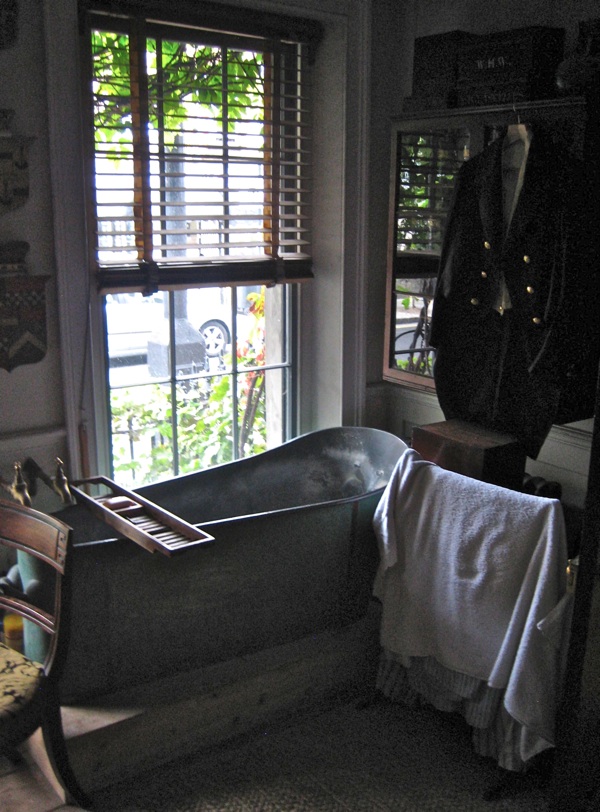
Reflecting this utilitarian spirit, Tim has installed a bath in the first room on the ground floor and delights to sit here, soaking in hot water and peering out the window at the ceaseless parade of life, up and down New Rd. Yet step through into the room at the back and sounds of the street fade away. Here, fine eighteenth century plasterwork – with details of ears of corn and oak leaves – draws your eye, leading you to a drunken bay window, tilted to one side, and creating the distinct impression of being upon a ship. Only, instead of looking upon an expanse of ocean, you discover a dense garden where dahlias grow six feet high and oranges ripen in the climate protected between high walls.
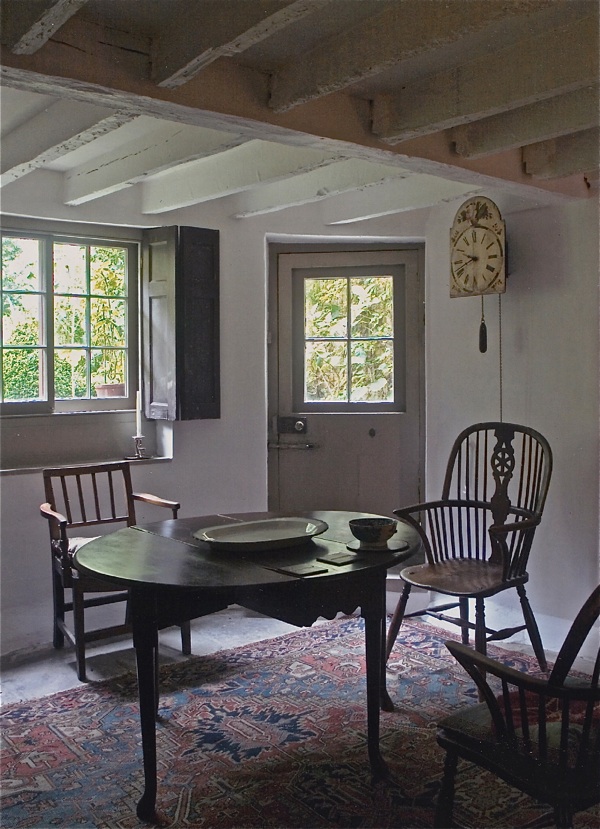
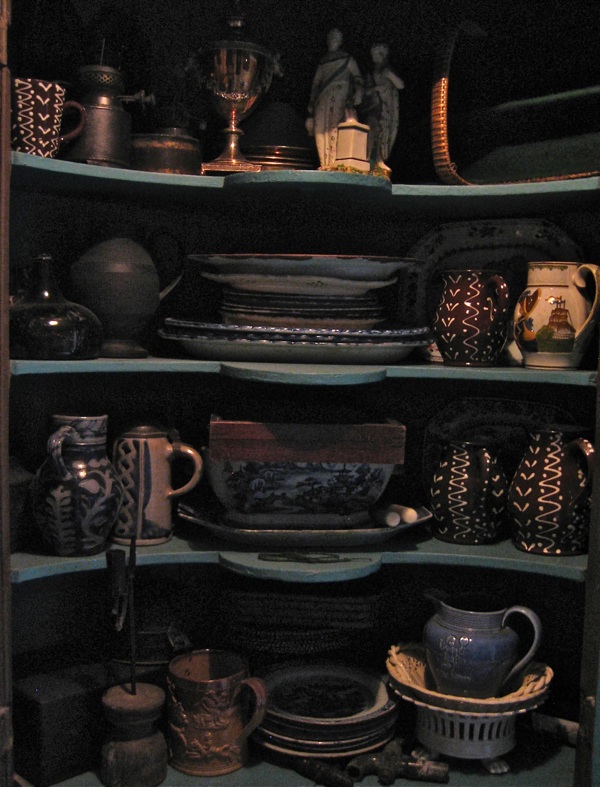
Step down to the basement, where Tim lifted the flagstones that were laid directly upon earth in rooms just six feet high, digging deeper to lay a damp course and lower the floor, before relaying them and creating the cosiest spaces in the house. “When I started, I didn’t have much money, so I took my time and the house told me what it should be like – it led me, and I stopped telling it what it should be,” explained Tim with a bemused smile, as we sipped hot tea at the kitchen table whilst peering out to the dark clouds lowering over Whitechapel that morning. “I wanted the house to work as it did in the early years of its life in the first decades of the nineteenth century, because that was the period I felt romantic about,” he admitted to me with a blush at his own sentiment, casting his eyes around lovingly at his glorious collection of old china and portraits that fills the house.
Amidst the clatter of Whitechapel, the old house in New Rd stands as an enclave of peace where – thanks to Tim Whittaker – the world of two centuries ago still lingers and where, if old, old Mr Redman should return and climb the worn steps to put his key in the lock after a long, long voyage, he would discover his house shipshape and welcoming – just as he might expect it.
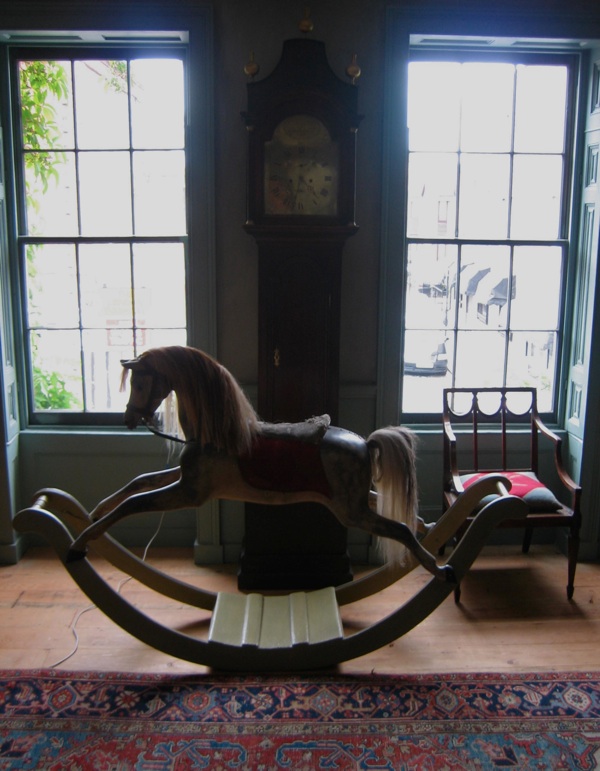
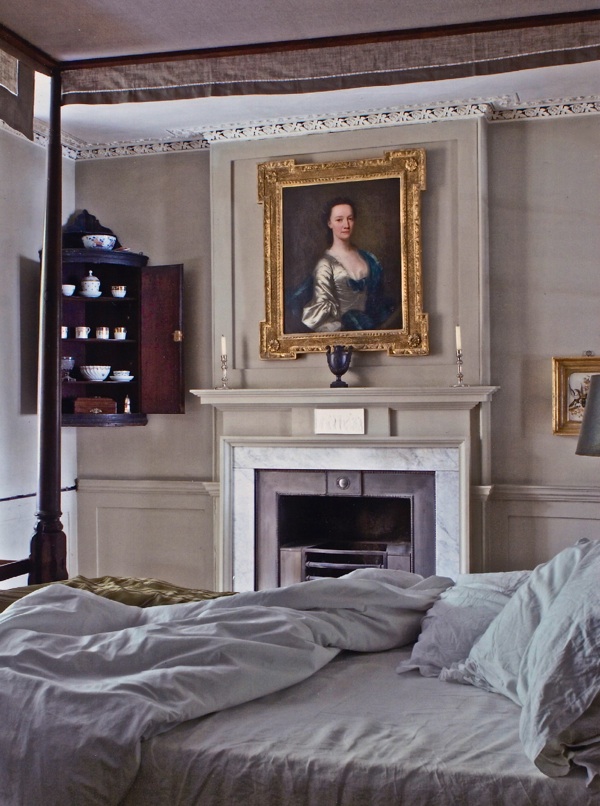

Photographs 3,4,5,9 & 10 © Tim Clinch
You may also like to read about
The Romance of Old Whitechapel
or
Alan Kingshott, Yeoman Gaoler at the Tower

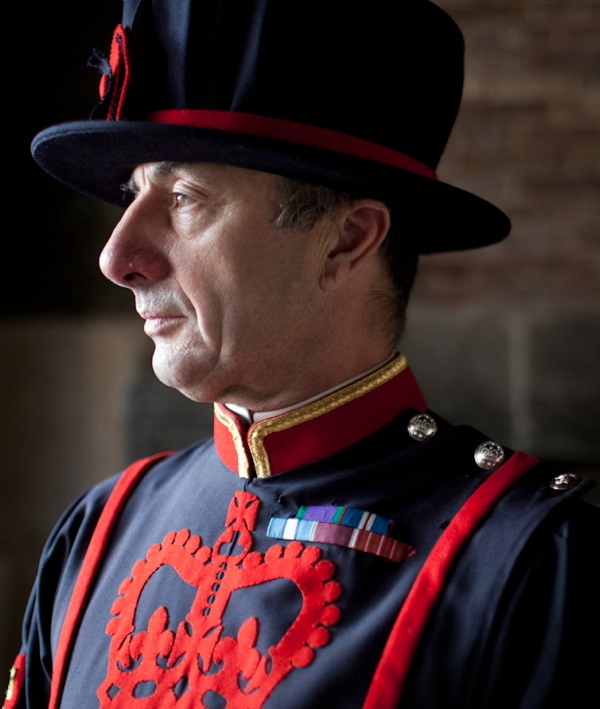
You might think that when a man has reached the position of manager of the Comet store in Bognor Regis, he had reached the summit of his achievement, but Alan Kingshott always knew there was more to life. One day when he was visiting Crawford Butler – a close friend from his twenty-five years in the Royal Hussars, who had become a Yeoman Warder at the Tower of London – Alan learnt there was a vacancy and realised he needed a change.
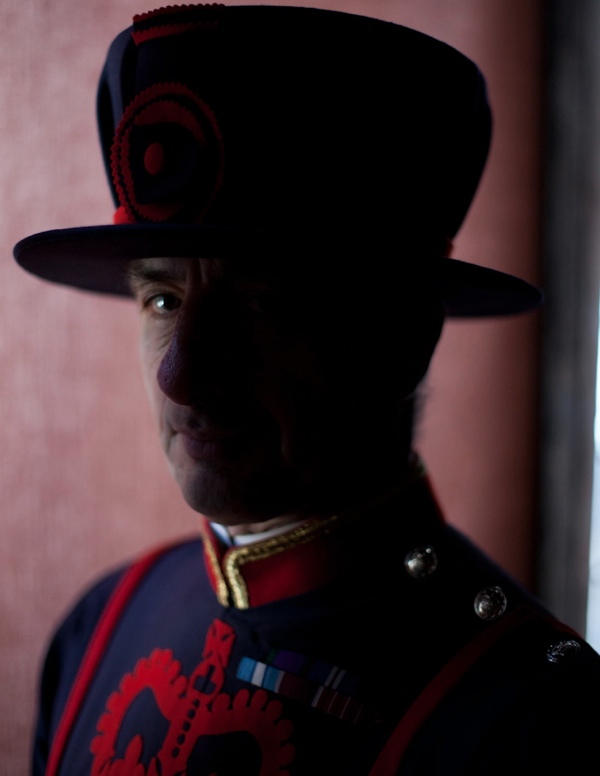
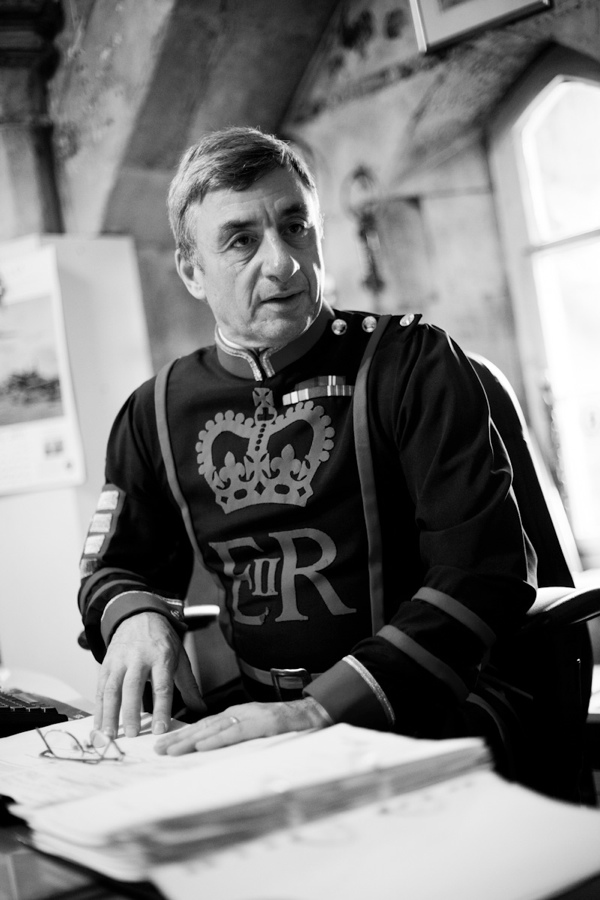
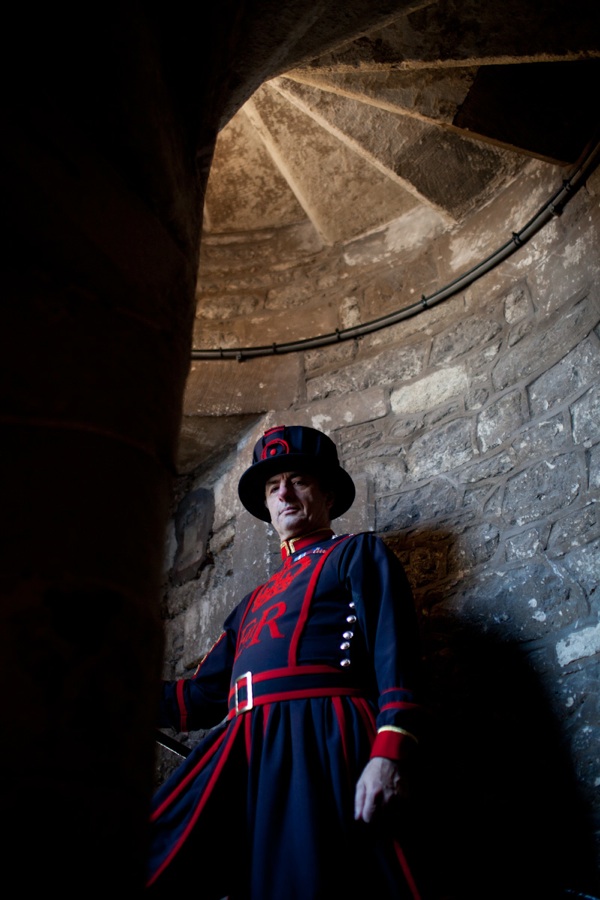
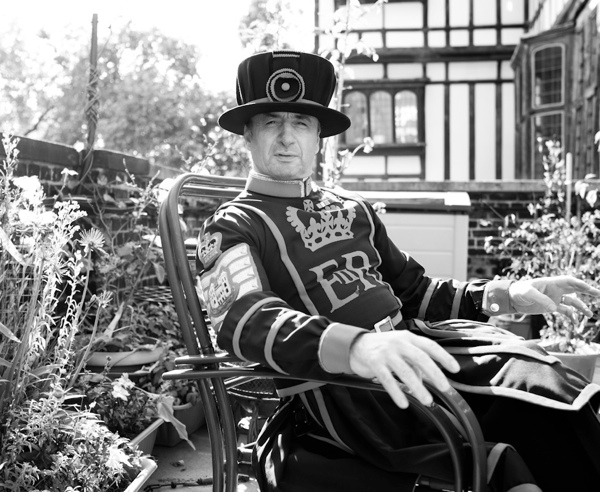
“Crawford said, ‘Apply,’ and I did,” Alan told me, still a little startled even fourteen years later to find himself behind a desk in the twelfth century Byward Tower, in this legendary fortress by the Thames. Yet, from the moment you meet Alan, and he fixes you with his dark, glinting eyes deep-set beneath straggly eyebrows, peering at you over his magnificent specimen of a nose, you are aware of an appealing balance of gravity and levity, as if he were born to this role which requires a lofty hauteur on ceremonial occasions and a playful nature greeting young visitors to the Tower. His sombre poise is such that he appears to have stepped from one of George Cruickshank’s engravings of the Yeoman Warders, with the dramatic possibility that at any moment he might reveal himself as a comic impostor – which is another way of saying that while Alan treats his job with utmost seriousness, he does not take himself too seriously.
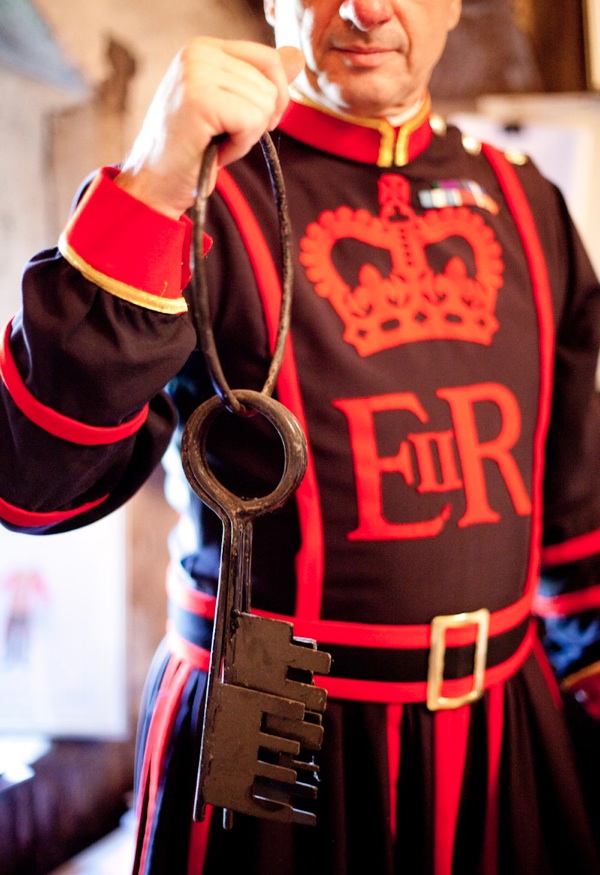
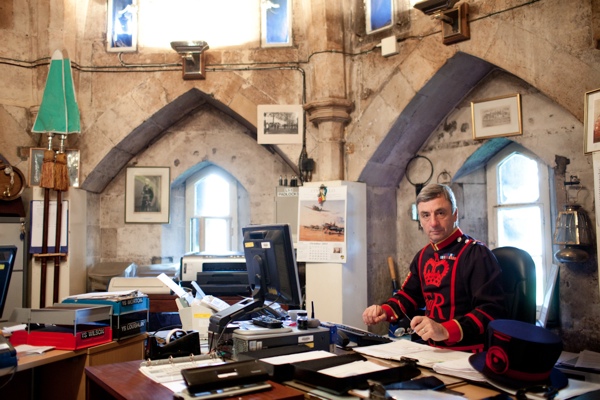
Spitalfields Life Contributing Photographer Martin Usborne and I ducked our heads as we stepped through the low doorway, leaving the clamour of the tourist crowds in the Autumn sunshine and entering the peace and shadow of the octagonal medieval chamber where we found Alan, the Yeoman Gaoler in his red and blue Tudor uniform, enthusiastically tip-tapping at his computer keyboard. The paraphernalia of his job – bunches of huge keys, ceremonial axes in sheaths, and a gleaming brass lantern – complementing the usual office furnishings of filing trays, corporate calendars, telephones and box files.“I look after the day to day running of the Yeoman Warders, keep the diary, prepare for all the ceremonies and corporate events, and I order the uniforms – I’d be fibbing if I didn’t admit there were challenges” admitted Alan, removing his spectacles and reclining in contemplation with the urbane confidence of a senior executive, “It’s a varied job, but the amount of paper that comes at me is massive and it’s coming at me from all angles.”
Much as I was in thrall to the historical romance of gaoler’s role, I was happy learn that this benign managerial job has replaced the incarceration and torture of a bloodier age. In this respect, Alan’s experience at Comet has proved to be as crucial as his time in the forces.“Becoming a retail manager, after twenty-five years in the army,” he recalled, “it was a mountain to climb, learning to deal with customers, yet I quite enjoyed it.” On 1st April 1998, Alan came to the Tower as a Yeoman Warder and was appointed to Yeoman Sergeant in 2004, ascending to the role of Yeoman Gaoler just four months ago. “I don’t get to engage with the public anymore, that’s one of the sadder parts,” Alan confided regretfully, “– to me that was the icing on the cake of this job and I hugely enjoyed it.” An observation which led me to ask why he wore the uniform, an impertinent question that Alan took with good grace. “I could be called out at any moment if there’s a first aid incident,” he explained politely.
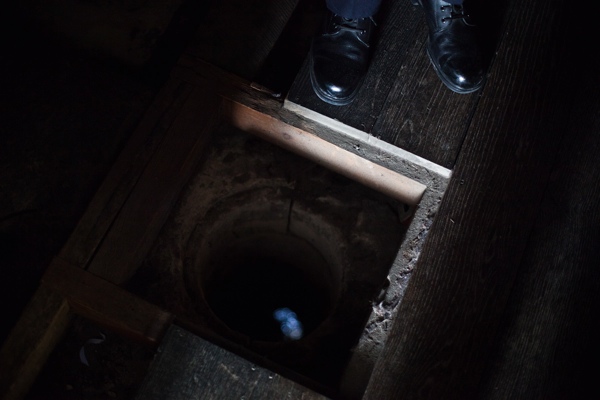
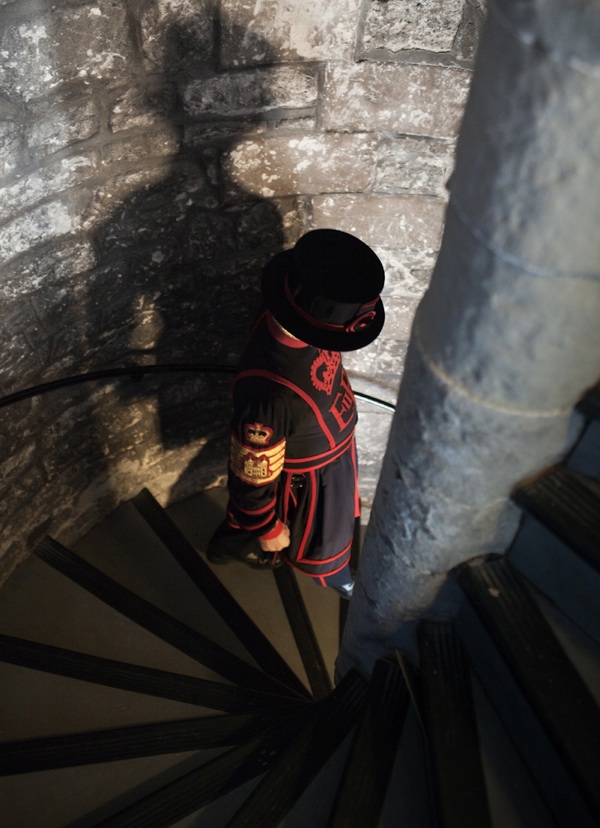
Living up above with his wife, Pat, in the twelfth century apartments at the top of the gatehouse, Alan climbs out of bed each morning early, pulls on his colourful uniform and descends the spiral stone staircase to his office.“I was down here at quarter past seven today and I might finish work at nine in the evening. Some days, I’ll work fifteen or sixteen hours – it’s a long day. My wife works in the Jewel House and we used to get the same days off a week, but now we only get two days off a month together.” he revealed with a frown, outlining the rigours of his task, as we ascended to the room over the gate itself and he pulled up panels in the floor to expose the stone chutes where once boiling liquids were dropped upon unwelcome guests below.
“We’ve been to Parliament, climbed up Big Ben, visited Number 10 and I’ve met the Queen.” Alan informed me in a near whisper, conceding some perks of the job, while indicating the mural painted here in 1300 of angels upon a ground of sage green, emblazoned with fleur de lys and popinjays. We stood in silent awe in the room where the shades are permanently down to protect the mysterious ancient painting, as more figures came into focus from the ether – the Angel Gabriel holding scales with the balance of righteousness tipped against Lucifer, the Virgin Mary and John the Baptist – all shimmering in the half-light.
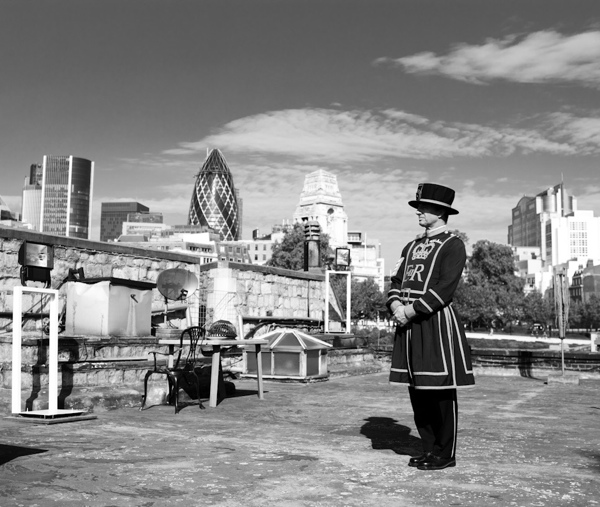
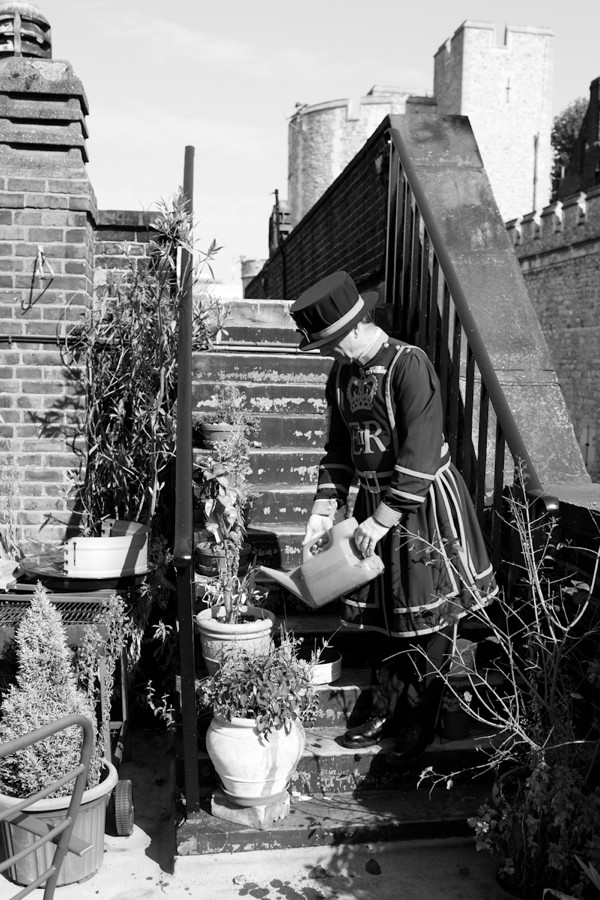
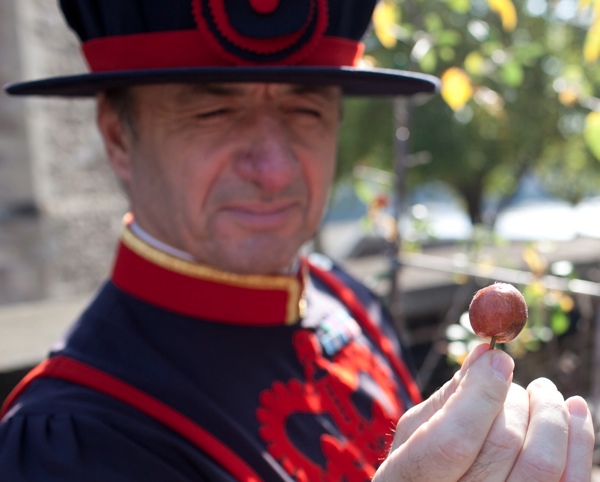
Alan led me through a door onto the perimeter wall where he has cultivated a secret garden with cherry trees, crab apples, azaleas and rhododendrons in pots. An experienced gardener, he explained that these acid-loving shrubs need watering with rainwater, filling a can from the rainwater butt and taking this opportunity to irrigate his precious charges. Then, as we made our farewells down in Water Lane, a crowd of excited visitors formed seeking Alan’s attention and instantly he switched to performance mode. Next year when John Keohane, the current Chief Yeoman Warder retires, Alan is the only one qualified to be his successor. “It’s going to be steep learning curve for me,” he confessed with a grin. Alan Kingshott is a man on the rise at the Tower of London.
Photographs copyright © Martin Usborne
You may also like to read about
The Beating of the Bounds at the Tower of London
The Ceremony of the Lilies & Roses at the Tower of London
The Bloody Romance of the Tower with pictures by George Cruickshank
John Keohane, Chief Yeoman Warder at the Tower of London
The Signs of Old London

The little wooden midshipman outside Solomon Gillis’ chandlery, 157 Leadenhall St
Even though most of the signs of old London were destroyed in the Great Fire of 1666, a few created just after that date survive today in the City – anachronisms affixed to modern buildings, as if they were Penny Blacks stuck onto Jiffy padded envelopes. Yet in the Bishopsgate Institute archive, I found plenty of atmospheric pictures of curious stone plaques which lasted into the era of photography, only to be destroyed by the blitz and subsequent redevelopment.
It was Charles I who gave people the right to hang out signs as they pleased, when once they were restricted to innkeepers – “for the better finding out such citizens’ dwellings, shops, pubs or occupations, without impediment, molestation, or interruption to their heirs or successors.” An elaborate language of symbols quickly grew in the common understanding, such as a dragon for an apothecary, a sugar loaf for a grocer, a wheatsheaf for a baker, a frying pan for a confectioner, and – as still seen in Spitalfields today – a spool for a silk weaver.
As time went by, the meanings of the signs became more complex and arcane as shops changed ownership but retained the signs as identifiers of the buildings. James Maddox, the coffin maker at St Olaves had the symbol of three coffins and a sugarloaf, the sugarloaf because it was a former grocers and three coffins as his personal device. Opposite St Dunstan’s in Fleet St, a sign of three squirrels first put up by Henry Pinkley the goldsmith in 1649, was appropriated by the bankers who moved in afterwards, and this symbol of the three squirrels continued to be used by the National Westminster Bank until the mid-twentieth century.
Lombard St was once famed for its array of magnificent signs, and eighteenth century prints show quaint symbols hung upon elaborate wrought iron brackets outside every single premises in Cornhill and Cheapside. Anticipating our modern concern with brands and logos, these devices suited the city before streets were numbered and when many of the populace did not read. But during heavy weather and in strong wind, these monstrous signs creaked and groaned – and, in 1718, a huge sign in Bride St collapsed killing four people and taking part of the shop front with it. Such was the severity of the problem of the forest of hanging signs crowding the streets of London, that a commission was appointed in 1762 to take them all down and fix them onto the shopfronts – thereby creating the modern notion of the fascia sign declaring the identity of the premises.
“The Commissioners are empowered to take down and remove all signs and emblems, used to denote the trade, occupation or calling – any sign posts, sign boards, sign irons, balconies, penthouses, show boards, spouts and gutters projecting into the streets etc, and all other encroachments and projections whatsoever in the said cities and liberties – and cause the same, or such parts thereof as they think fit to be affixed or placed on the front of the houses, shops, alehouses or buildings to which they belong.”
Street numbers were only in partial use at the beginning of the eighteenth century, becoming widespread by the end of the century as a standardised system to identify properties. Although many were reluctant to give up the language of signs and symbols, by the middle of the nineteenth century, the signs were commonly replaced by the familiar pattern of a board with signwriting above the shopwindow. Most of the decorative signs to found in the City of London today are pastiches created a hundred years ago as nostalgic tributes to a bygone age, though two favourites of mine are the golden owl on the House of Fraser, facing South over London Bridge, and the figure of Atlas holding up the globe on the exterior of Barclays in Cheapside.
Just three signs remain in common usage, the barbers’ pole (with its bloody red and white stripe recalling when barbers were also surgeons), the chemists’ pestle and mortar, and the pawnbrokers’ three balls – originally blue, they turned gold in the early nineteenth century and are said to be based upon the crest of the Dukes of Medici, itself derived from coins taken by Crusaders from Byzantium.

At the sign of the Fox in Lombard St.
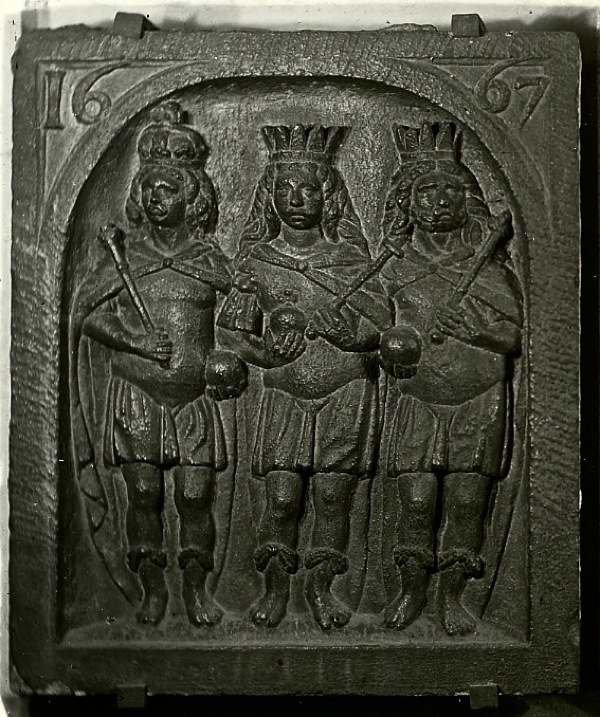
At the sign of the Three Kings in Lombard St.

At the sign of the Half Moon in Holywell St, off the Strand.
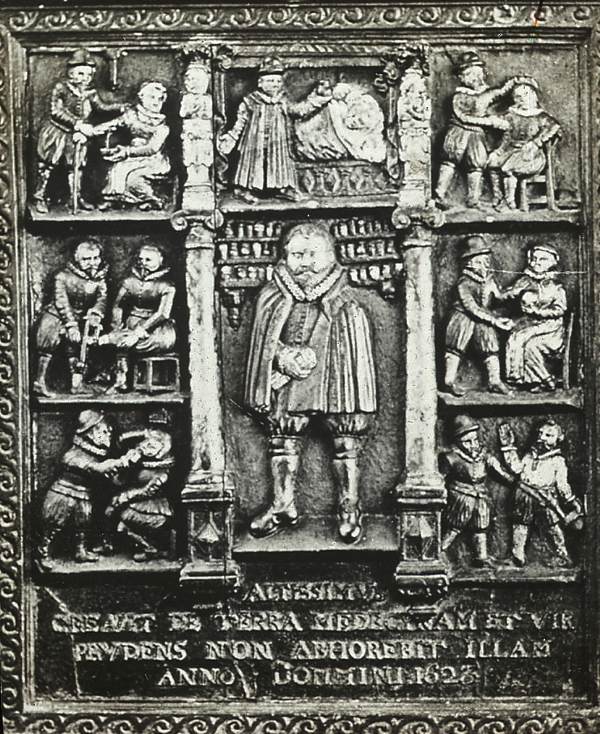
A physician.
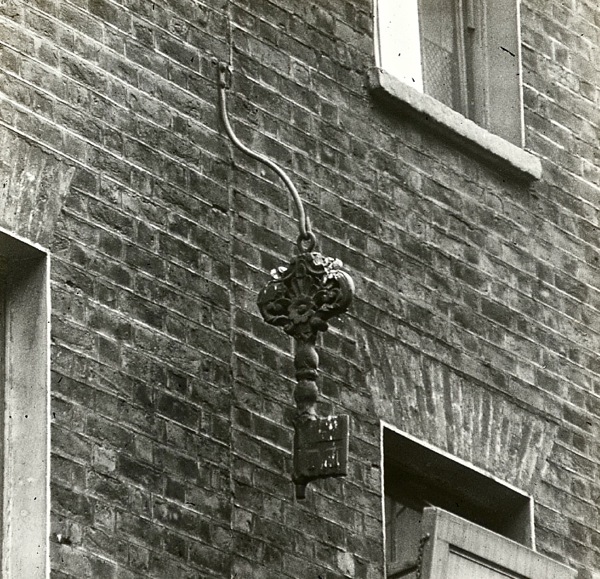
A locksmith.

At the sign of the Lamb & Flag

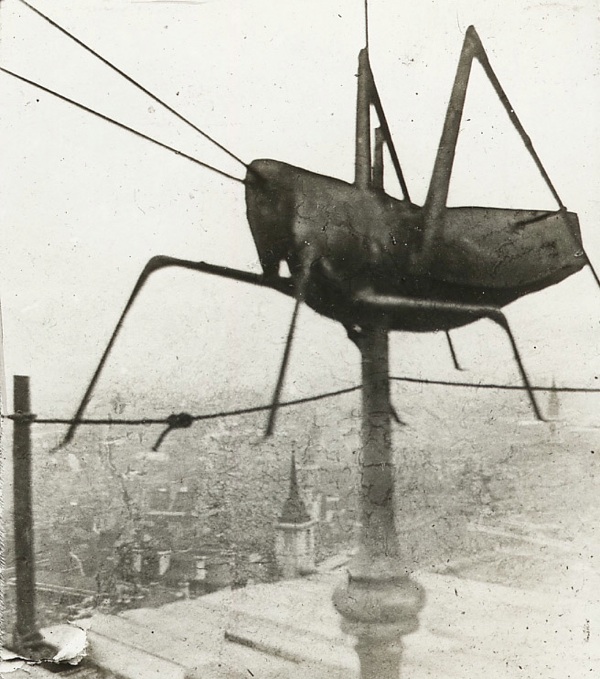
The grasshopper, symbol of industry and personal emblem of Sir Thomas Gresham who founded the Royal Exchange, is to be found all over the City of London even today.

At the sign of Three Squirrels in Fleet St.


At the sign of the Bull & Mouth in Aldgate.


This was the symbol of the Cutlers.
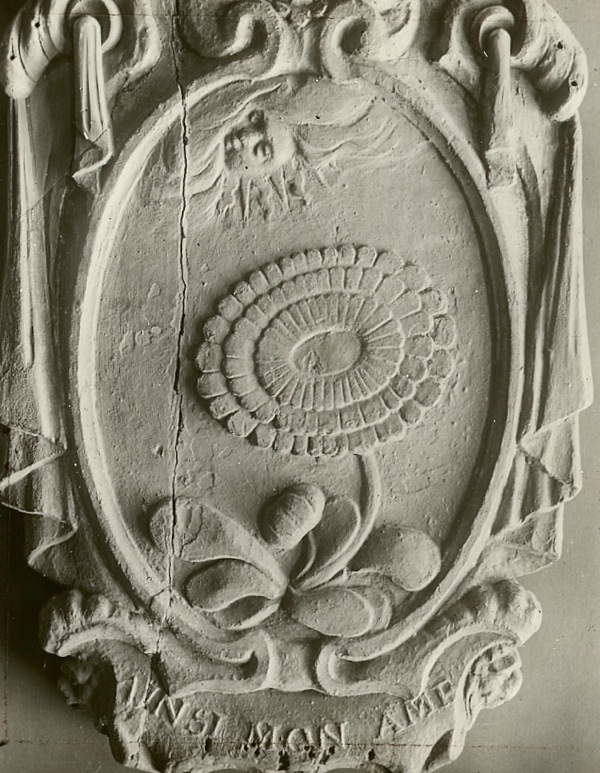
Child’s bank at the sign of the Marigold in Temple Bar.


In Ely Place, off Hatton Garden – this mitre came from an episcopal palace and was set into the wall of a public house.


The maid of the Mercer’s company is still to be seen in Corbet Court off Gracechurch St.

An old sign that remains in situ outside St Paul’s tube station.“When ye have sought the Citty round, yet still this is the highest ground. August 27th 1698”

“- an old sign affixed to a modern building, like a Penny Black stuck onto a Jiffy padded envelope.”
Archive photographs copyright © Bishopsgate Institute
You may also like to read about Peter Hardwicke, Signwriter












