The Trade Cards of Old London
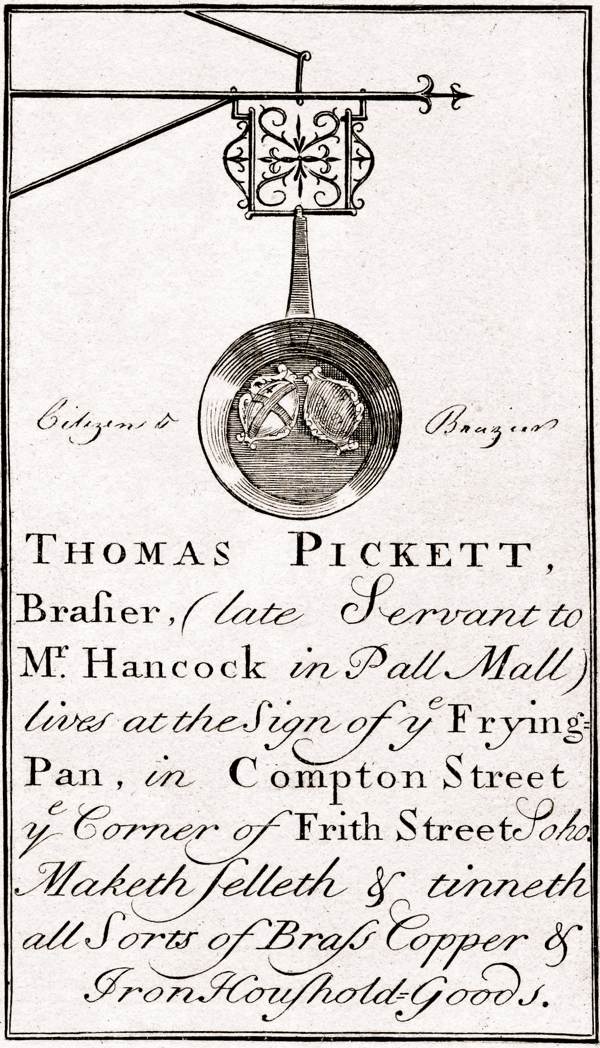
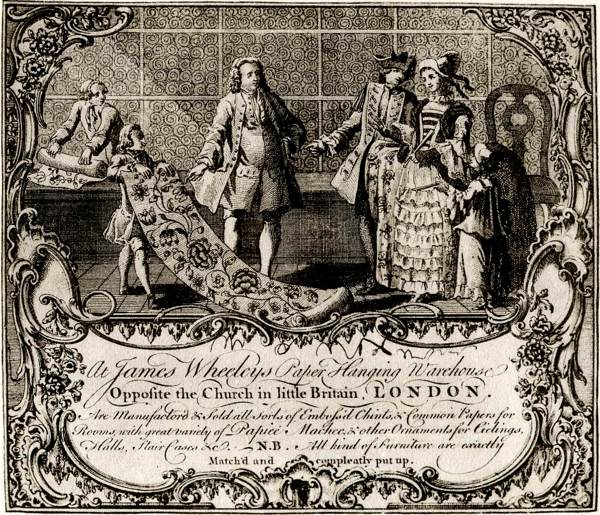
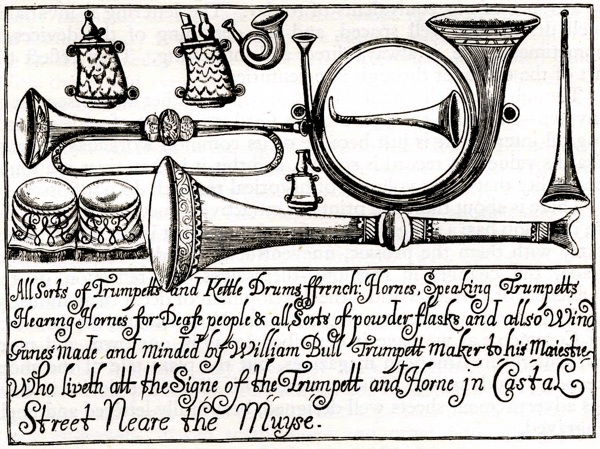
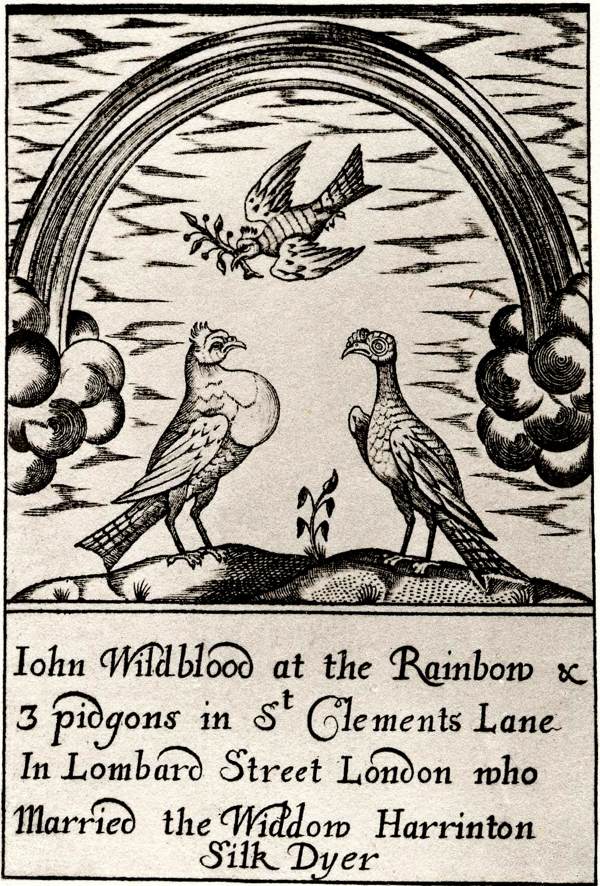
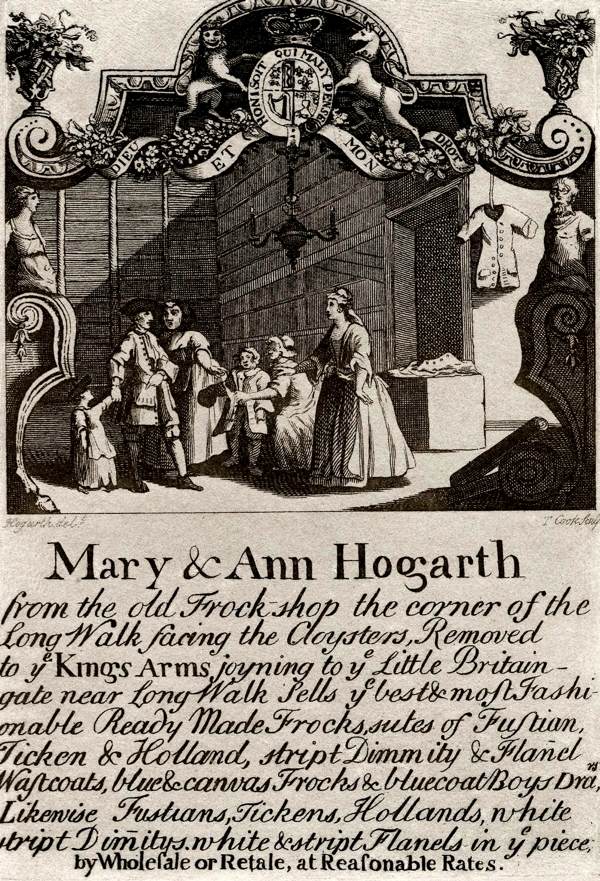
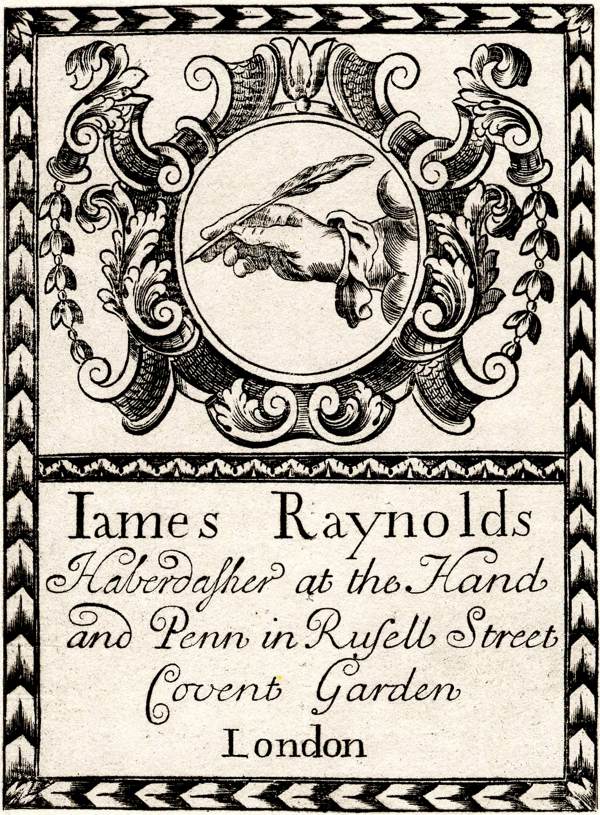
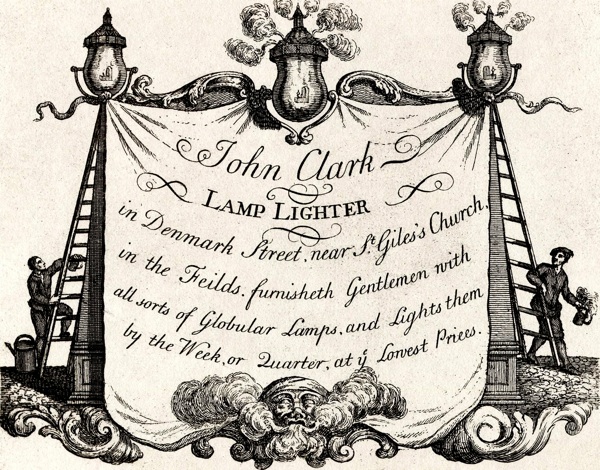
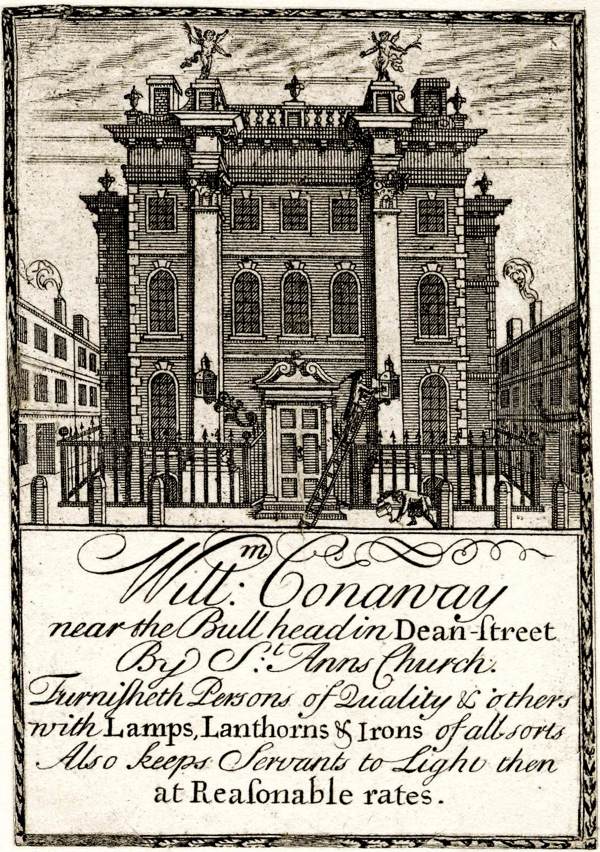
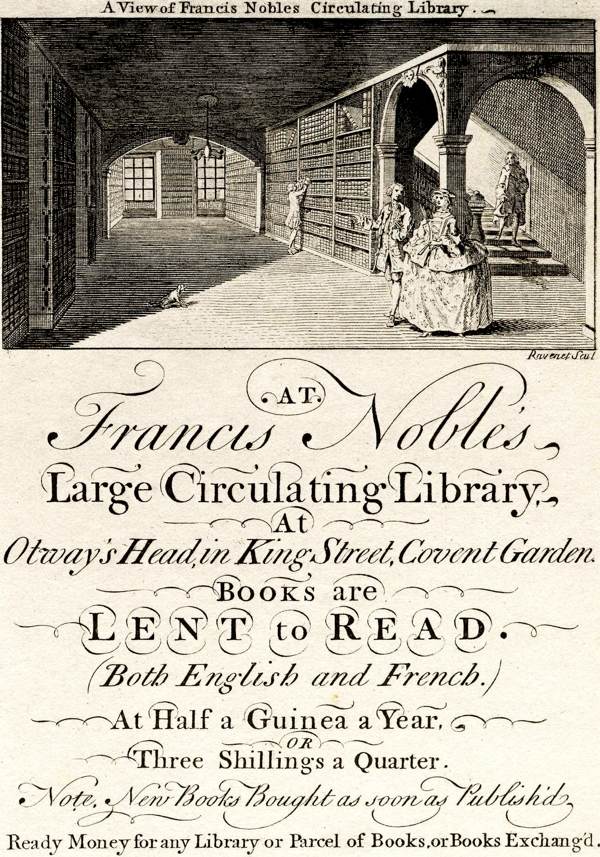
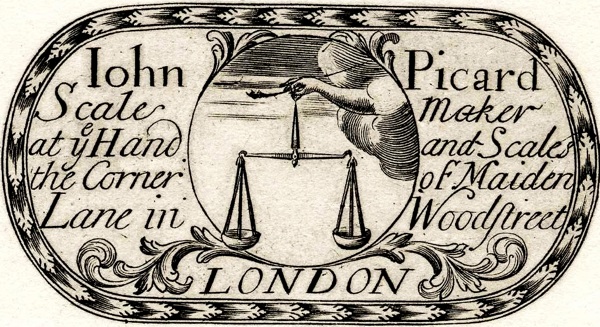
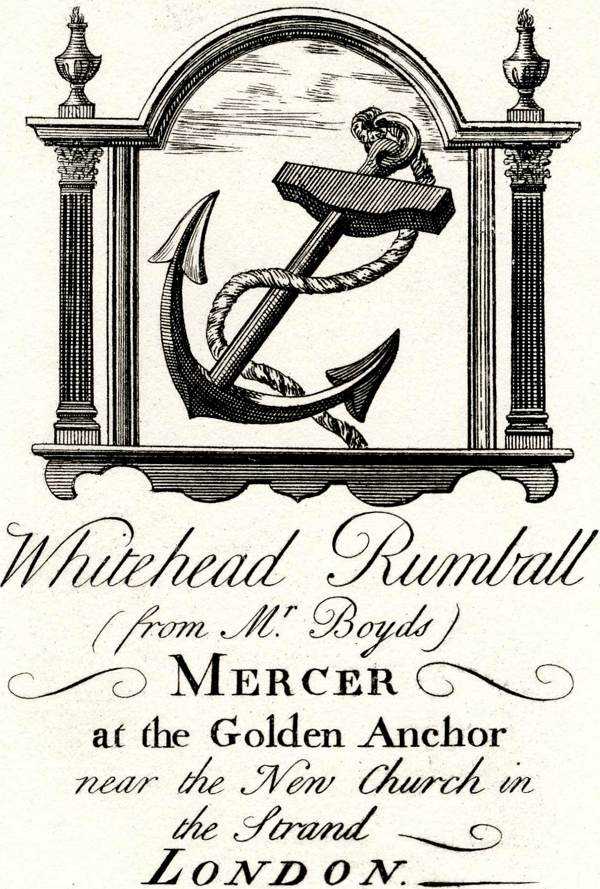
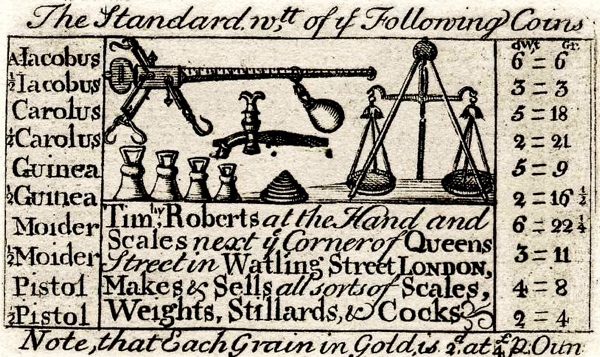
Is your purse or wallet like mine, bulging with old trade cards? Do you always take a card from people handing them out in the street, just to be friendly? Do you pick up interesting cards in idle moments, intending to look at them later, and find them months afterwards in your pocket and wonder how they got there? So it has been for over three hundred years in London, since the beginning of the seventeenth century when trade cards began to be produced as the first advertising. Here is a selection of cards you might find, rummaging through a drawer in the eighteenth century.
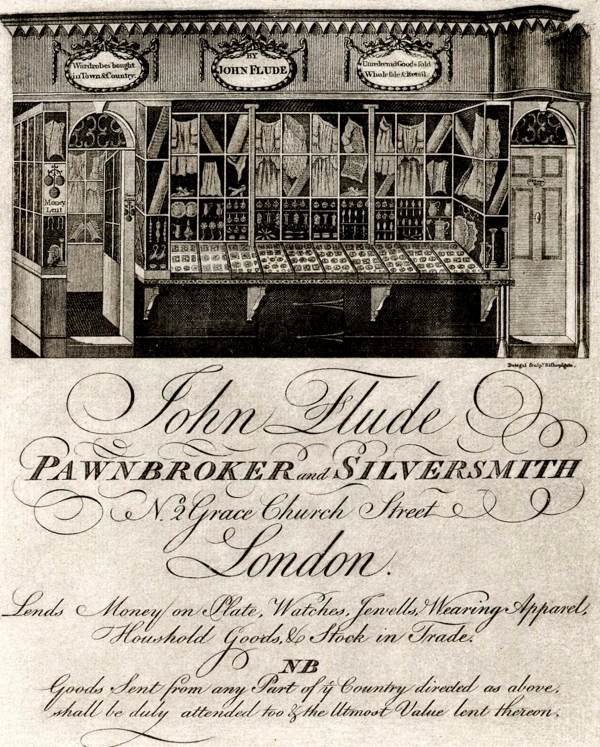
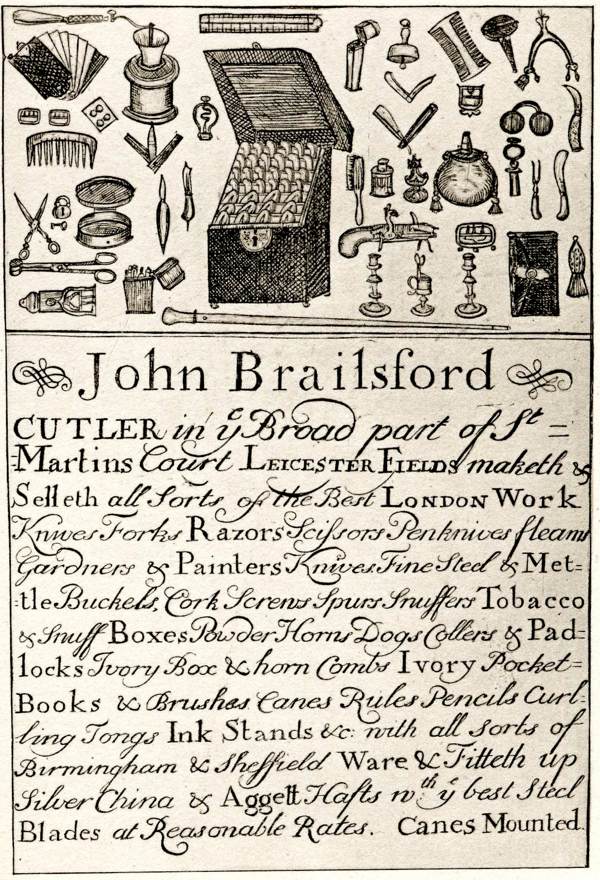
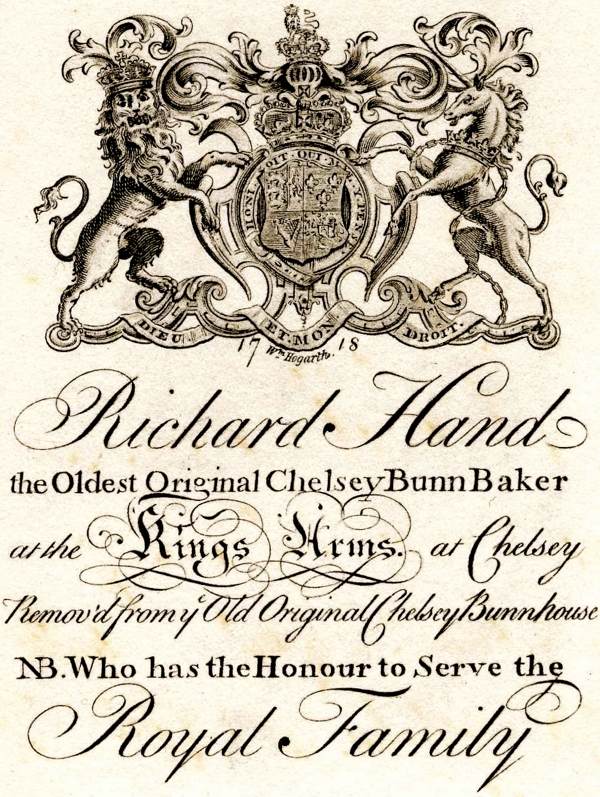









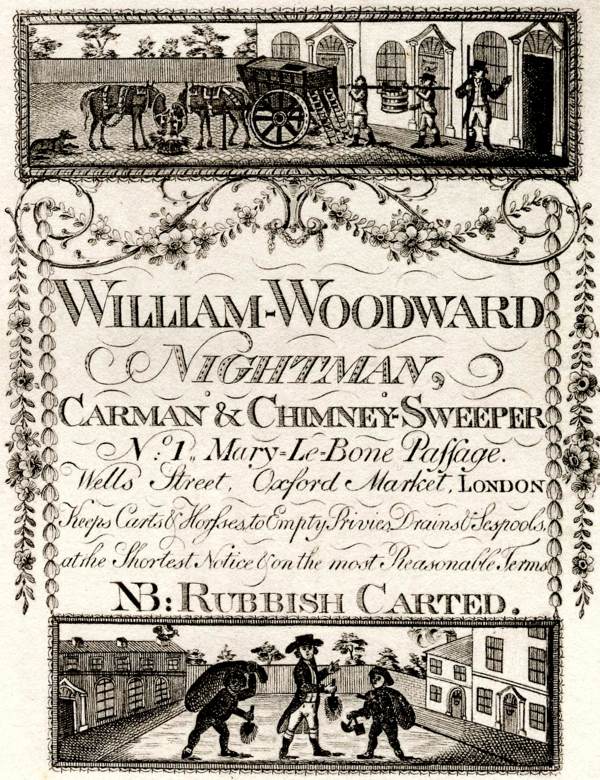

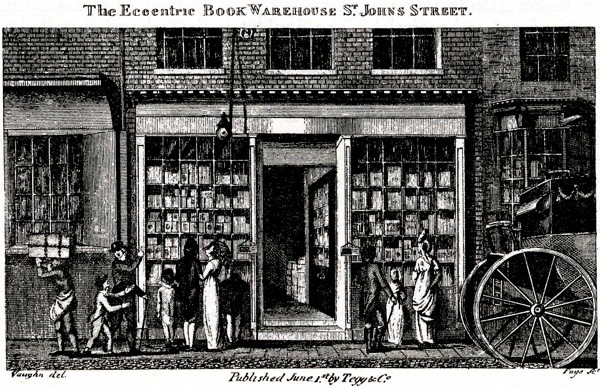
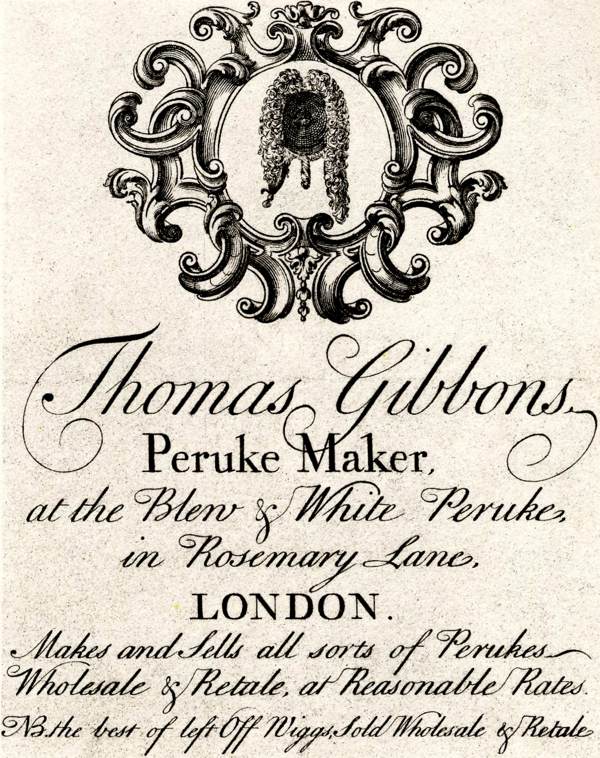
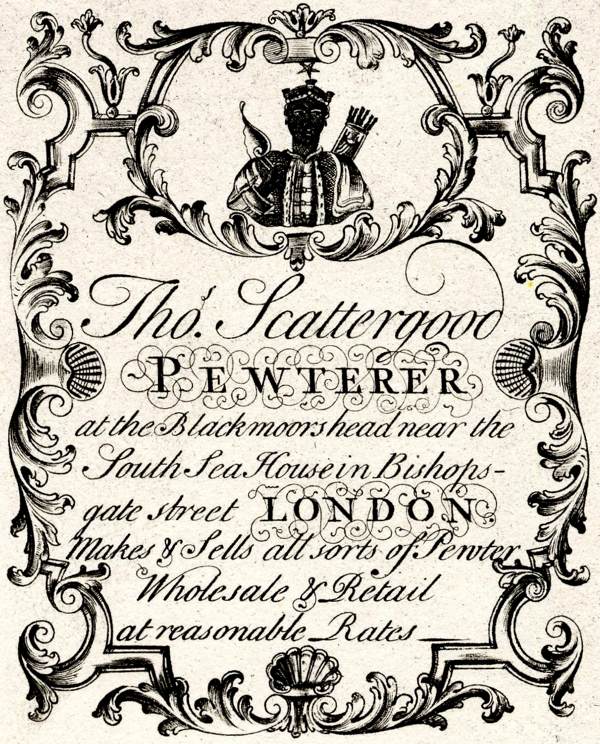
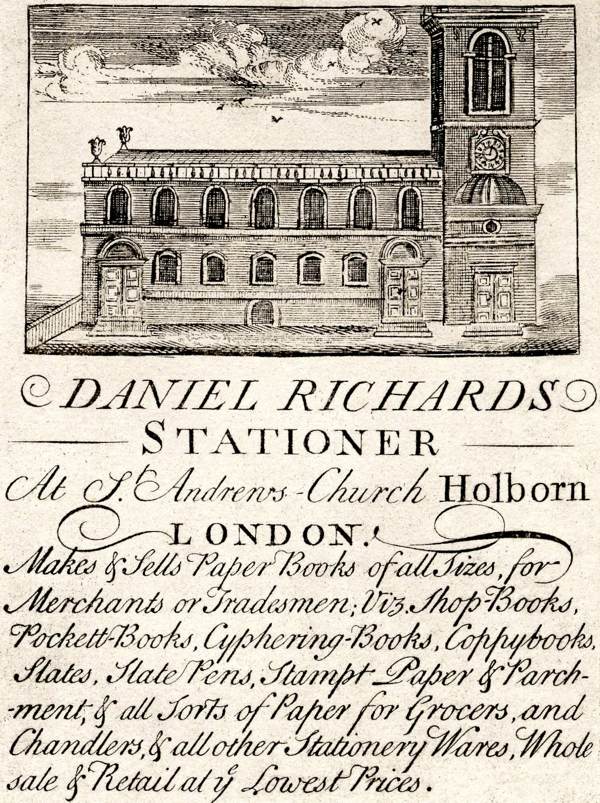


Images courtesy Bishopsgate Institute
You might also like to take a look at
Along the Thames with John Claridge
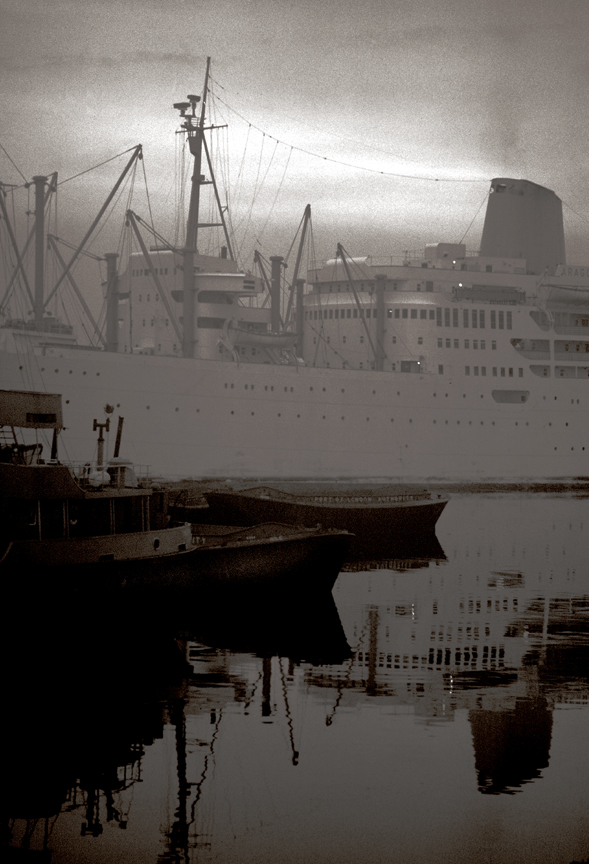
In Silvertown, 1964
These atmospheric photographs of the Thames by John Claridge – published here for the first time – offer a poignant vision of the working river that was once a defining element of the East End. Within living memory, the busiest port in the world was here yet today barely a trace of it remains. And John’s pictures, mostly taken when he was a mere kid photographer, capture the last glimmers of the living docks.“My dad’s friends were saying that the docks were going down, so I was aware of that and I just wanted to grab hold of it,” John told me.
“As a child, from my bedroom in Plaistow, I could see the lights of the docks at night and I used to go to sleep listening to the sound of the horns on the Thames whenever there was fog, which was quite often. You could smell the river if the wind was blowing in the right direction. A lot of the men in my family worked down the docks. My father took me down to the dock gate when he worked for the New Zealand Shipping Company – and I used to go out with my camera at weekends, or any spare time I had, to take pictures. I went out to see what was going on, I reacted to what was there and, if I saw something, I photographed it. It was instinctive, I never thought I was documenting. I had a need to take pictures, it was as natural as breathing.”
John’s photographs convey the epic nature of the docks where once thousands worked to unload vast ships bringing cargos from distant continents, a collective endeavour upon a grand scale. Yet these are personal pictures and, for this reason John has included few people, even if their presence is always tangible. “You can put yourself and your emotions into the photograph if there’s nobody in it,” he confided to me, “These pictures were for myself. I was interested in the quality of the light which was magnificent. Because of the bends of the river, you got it coming in all directions and in each place it was different.”
As a youngster, John was able to get everywhere, creeping through side alleys, climbing over walls, even setting out in a tiny inflatable dinghy on the river, but sometimes, he would just walk right in through the main entrance.“I’d go through the dock gate,” he confessed, “It was much more of an innocent time – I should have got a pass, but I’d just say, ‘I’m doing photographs’ and they’d say, ‘On you go.’ As a kid you could get anywhere.” If you observe the shifting point of view in these pictures, you can see that some are taken from the Thames beach, some from John’s dinghy at water level while others are taken looking down from walls and bridges, where he had climbed up.
The majestic image above was taken in the dawn light in Silvertown in 1964, when John climbed onto the dock wall to photograph the huge cargo ship that had just arrived, and waited for the sun to rise before he took his picture. As a consequence, the vessel filling the background looks like a phantom fading in the first light of day. There is an equally fascinating distinction between the foreground and background in the photograph below, also taken over the dock wall in Silvertown in 1964. The ships in the background appear ethereal as if they were a mirage too, about to vanish. In John’s vision, the docks are haunted by their own disappearance, and the incandescent dreamlike ambiance of his pictures – often taken through fog or mist rising from the river – places them in a pictorial tradition of the Thames which includes Whistler and Turner.
Yet beyond their breathtaking quality as photography, John Claridge’s elegiac photographs of the Thames are special because they are taken by one who grew up with the river and knew the culture of the docks intimately. As he admitted to me, speaking of the river and his relationship with it, “It’s not something you discover, it’s always been there – it’s part of you who you are.”
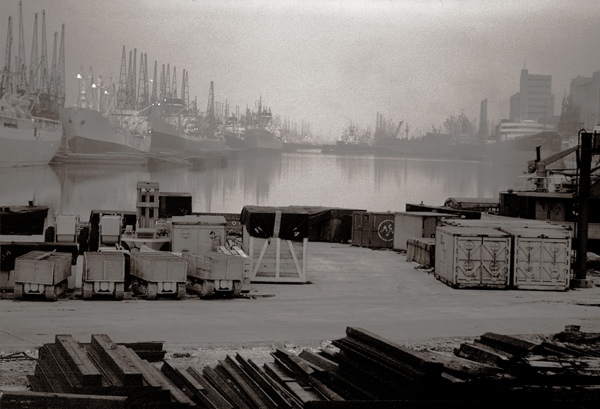
“I climbed over the dock wall to take this picture in New Canning Town. You never expect it to go and then all of a sudden it’s gone.” 1964
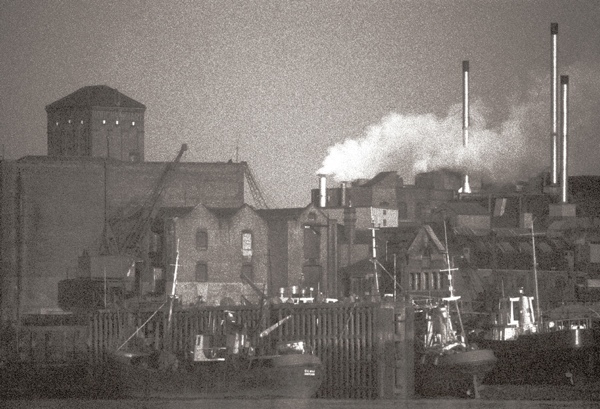
Old warehouses in Silvertown, 1982.
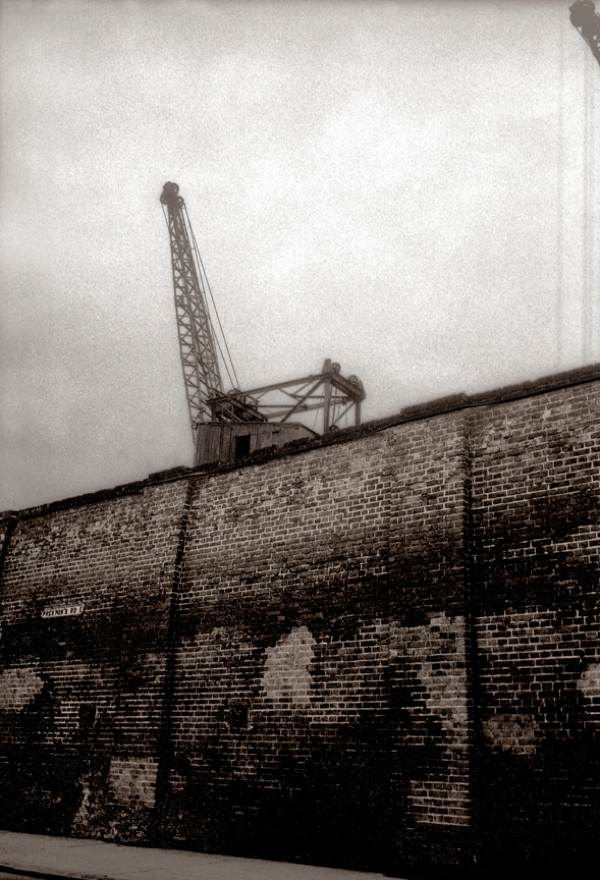
Dock wall, Isle of Dogs, 1982.
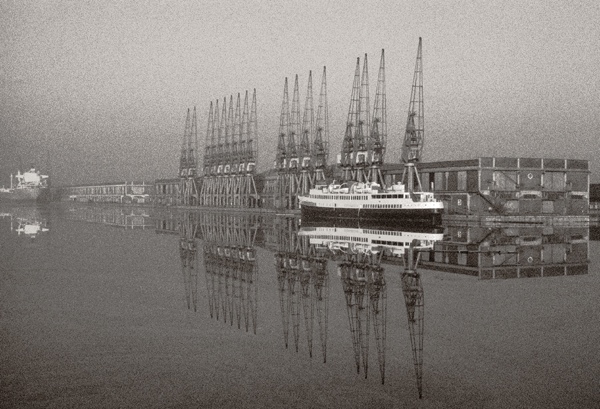
In Poplar, at the very end of the docks, 1982. “You can see how quiet it is.”

1962, a crane driver takes a break for a fag in Silvertown.
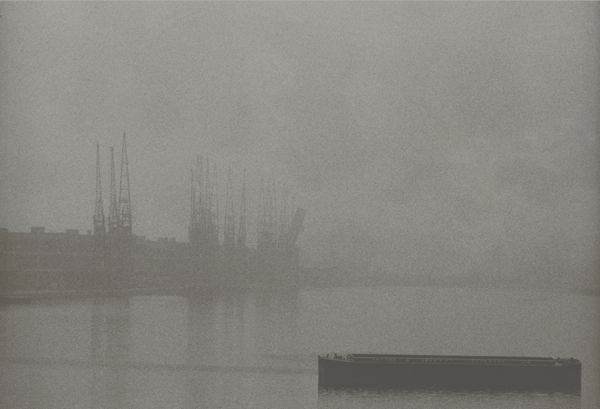
From the river, 1962
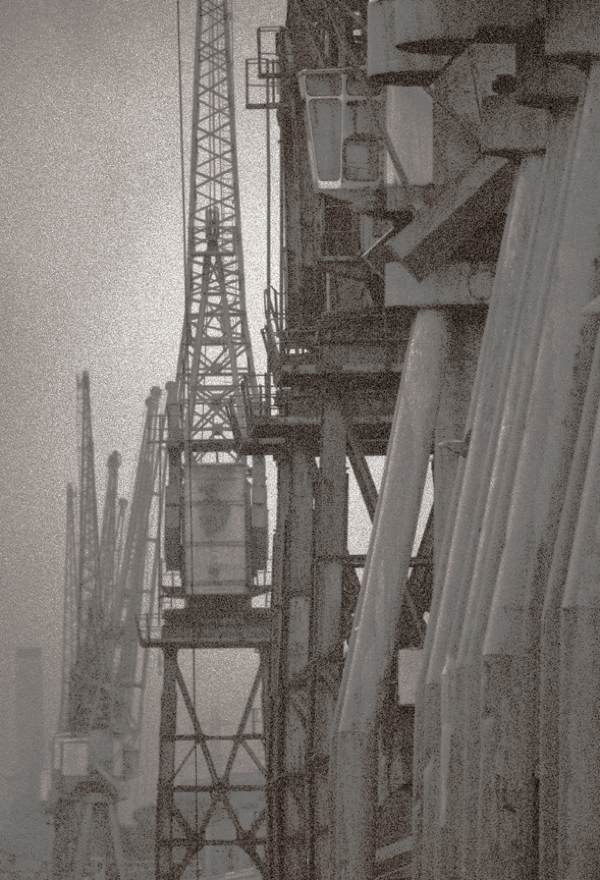
Inside the docks in Canning Town, 1968.“As soon as the containers moved down to Tilbury, you saw it winding down.”
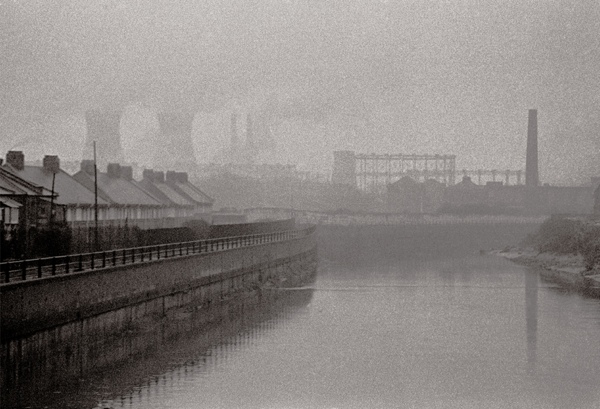
Near Stratford, from road bridge with the canal in the foregound, 1960.
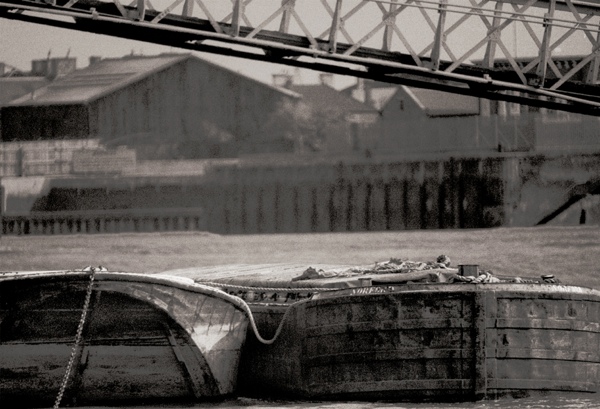
Limehouse, 1972.
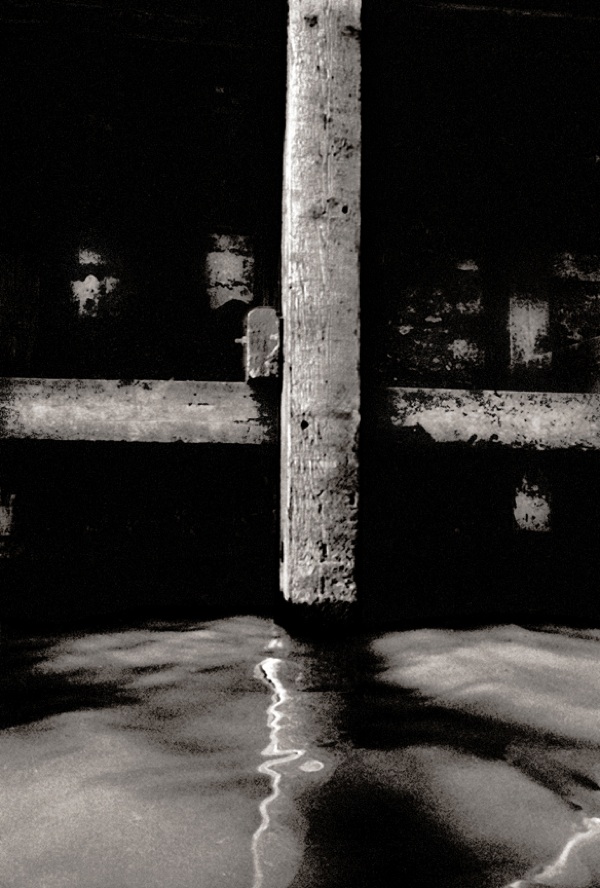
At water level, Wapping, 1964.
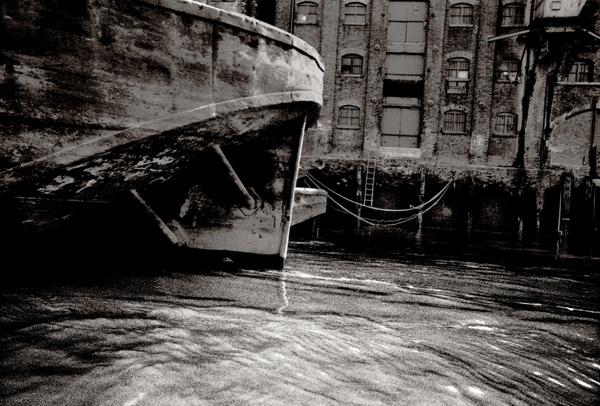
A lighter in Wapping, 1963
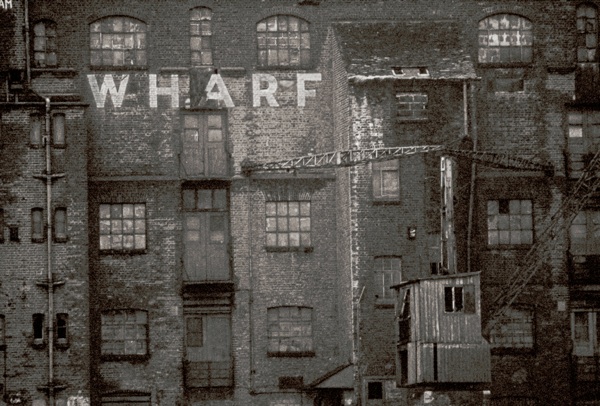
Warehouses in Wapping, 1965
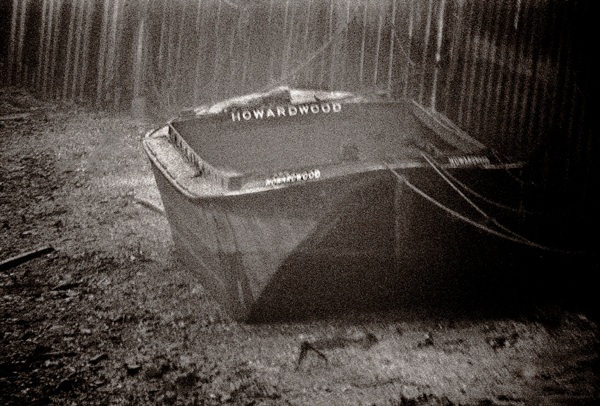
In a tributary at Canning Town, 1962
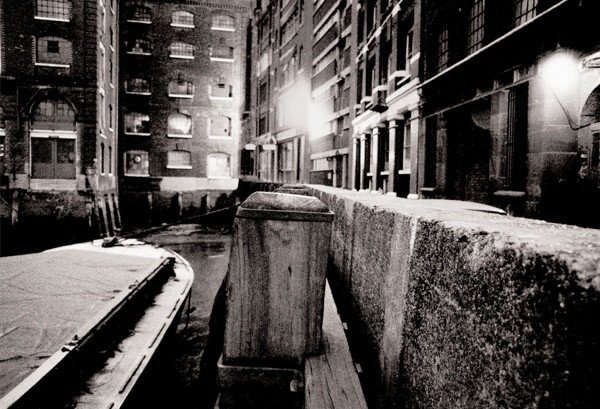
Near St Katherine Dock, 1960. “It was all open then, you could walk around.”
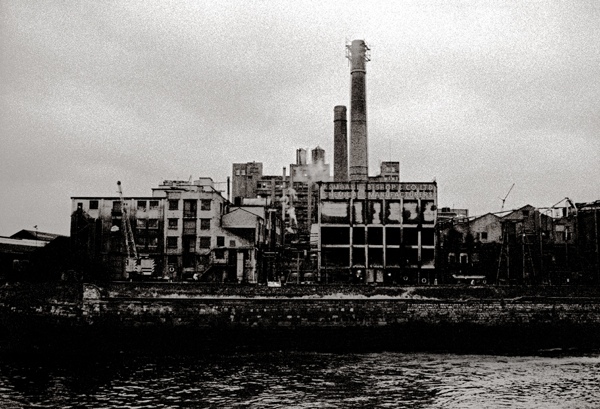
Chemical works near Bow, 1965.
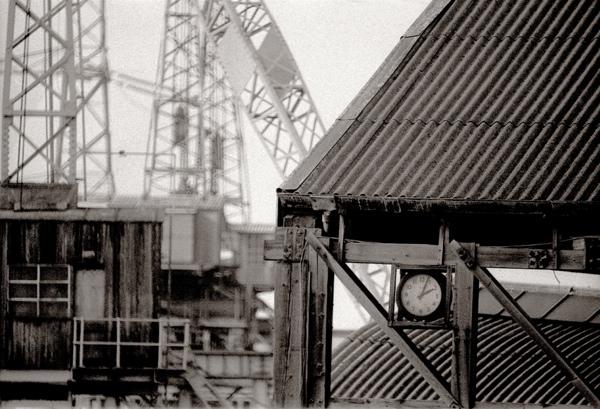
Looking into the dock from a bridge, Silvertown, 1982. “There may have been some manufacturing left but the dockland was dead.”
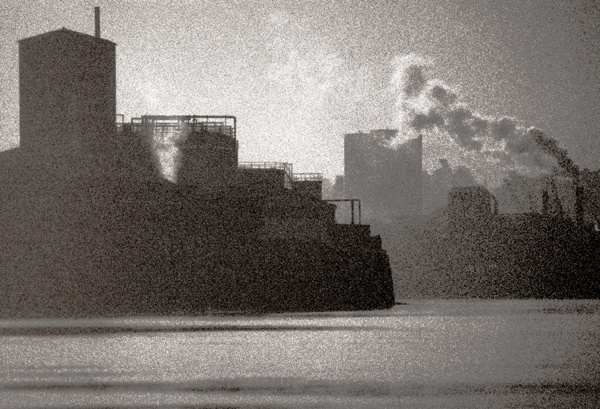
Winter light downriver, 1982
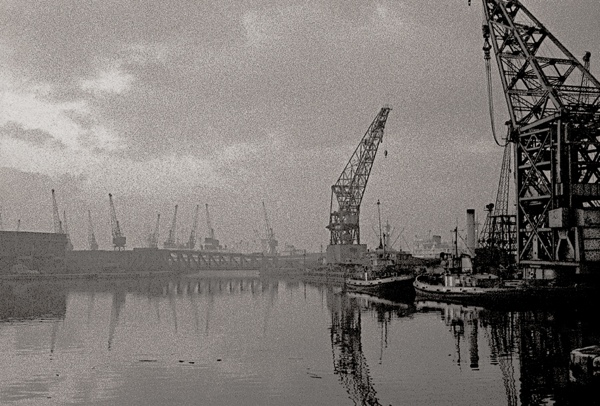
Near Silvertown, with one of the bridges across the dock in the background, 1966.
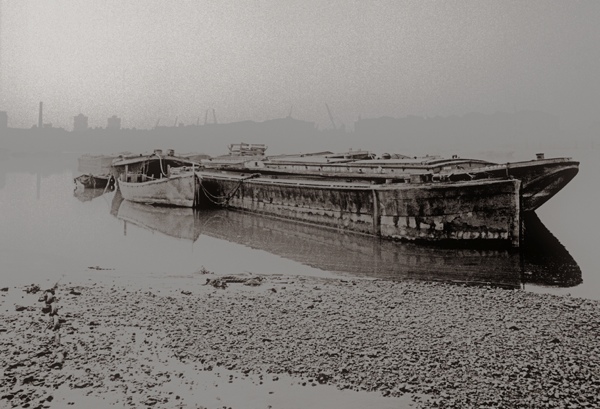
A lighter in Wapping, 1961.
Photographs copyright © John Claridge
You may also like to take a look at
and read these other stories of the Thames
“Old Bob” Prentice, Waterman & Lighterman
More of Paul Bommer’s Delft Tiles
For those who missed Paul Bommer‘s exhibition in Wilkes St last weekend, it my pleasure to publish more of his faux delft tiles, many of which were inspired by stories here in the pages of Spitafields Life.
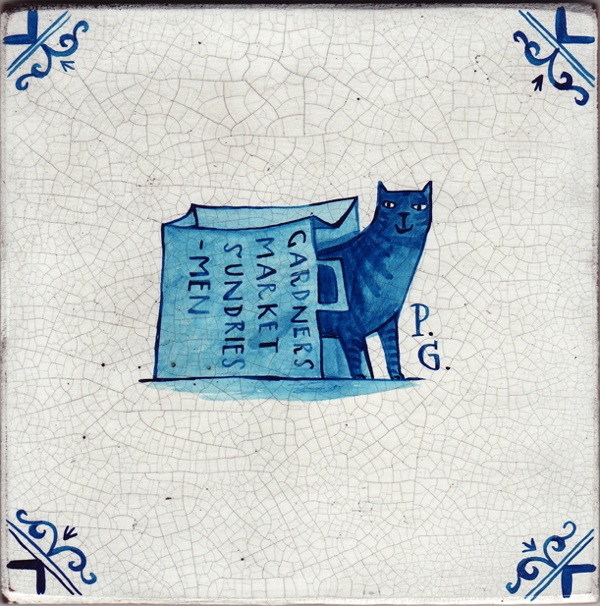
At Gardners’ Market Sundriesmen.
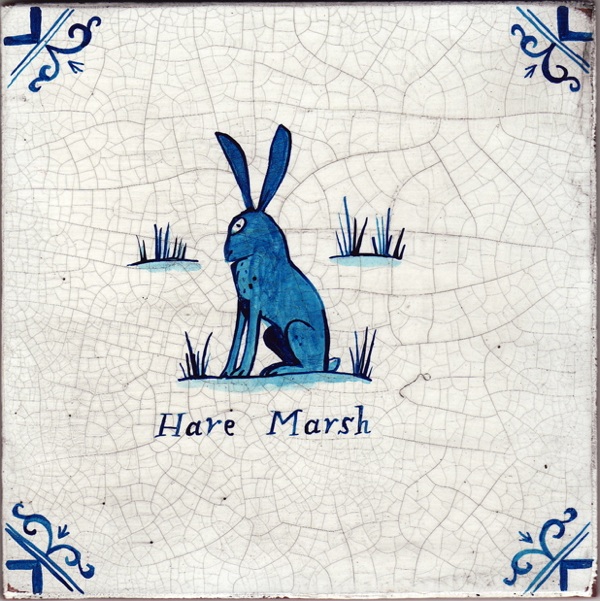
Meet the market traders of Hare Marsh, off Cheshire St.
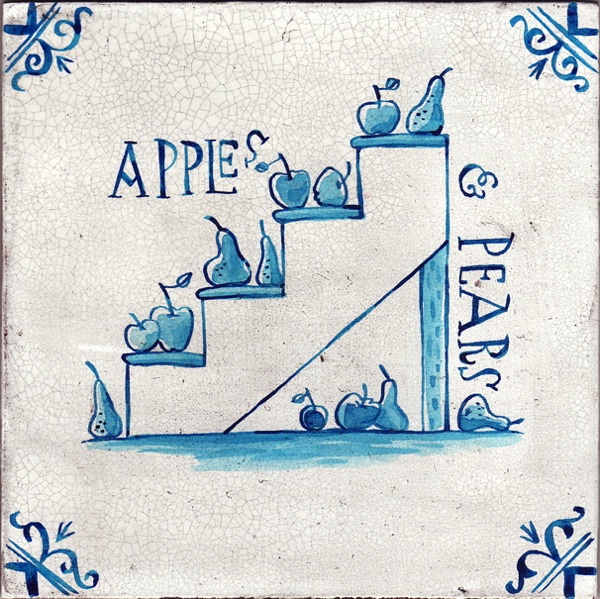
Cockney rhyming slang.

The Whitechapel Bell Foundry includes part of the building of the former Artichoke coaching inn.

Barry the Barber does haircuts in Bedell Coram, Andrew Coram’s antique shop in Commercial St.

Daniel Mendoza, the legendary East End boxer.

Richard Humphries, the Gentleman Boxer.


Donald Parsnips, author of Donald Parsnips’ Daily Journal and alter-ego of Adam Dant.
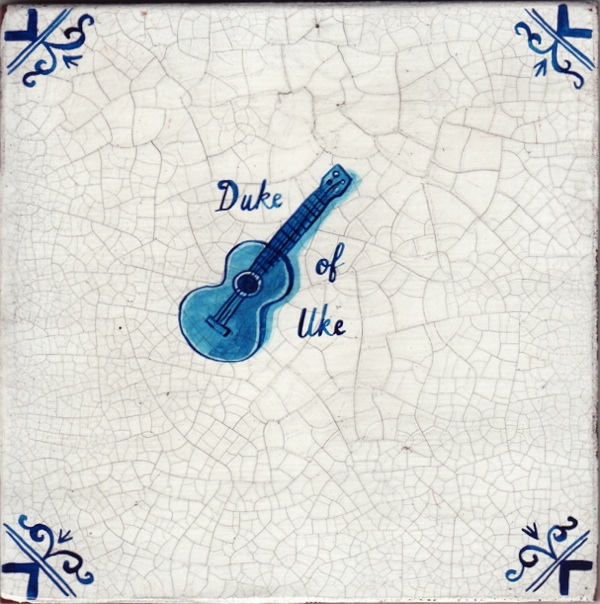
The Duke of Uke, Britain’s only ukulele shop, in Cheshire St.

Bishopsgate follows the line of Ermine St, the Roman road north from the City of London.

Sandra Esqualant, Queen of Spitalfields, landlady of the Golden Heart in Commercial St.
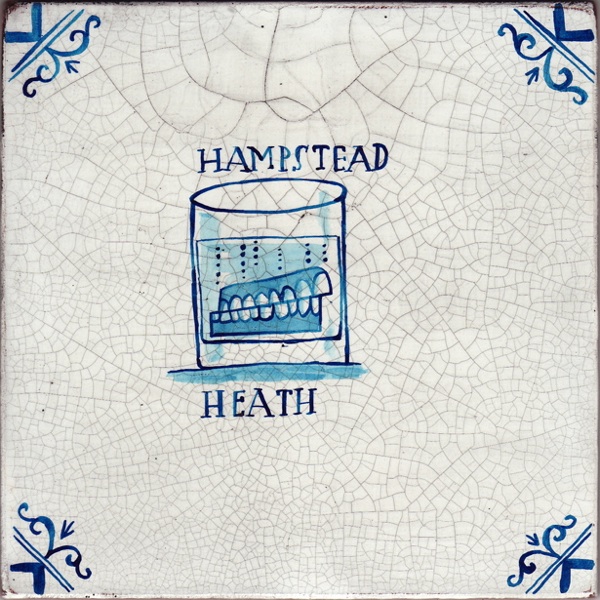
Cockney rhyming slang.

Helmet Row, off Old St, was originally part of the ironmongers’ district.

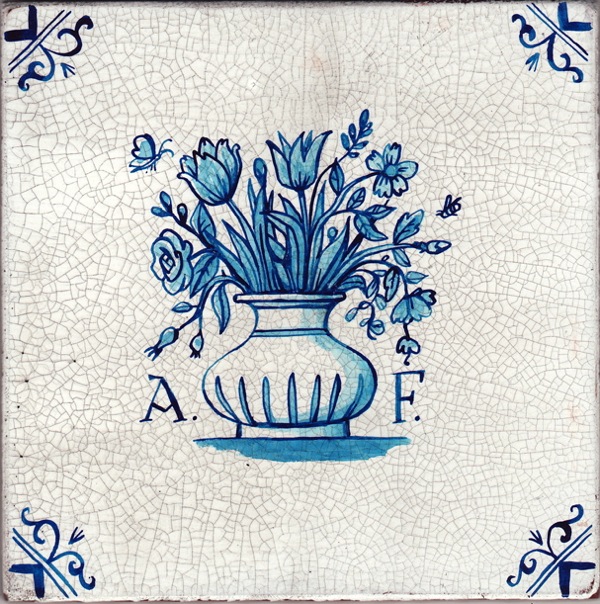
Angela Flanders, perfumer of Columbia Rd.

The Nags Head in the Hackney Rd, a former coaching inn once frequented by Dick Turpin.

Jeanette Winterson, author of “Oranges Are Not The Only Fruit” and “Sexing the Cherry.”

Andrew McCaldon, writer and editor of the popular Dogs of Spitalfields series.

The Phoenix Claw from The Signs of Old London.


Nicholas Culpeper wrote “The Complete Herbal” while living in Red Lion St, Spitalfields.

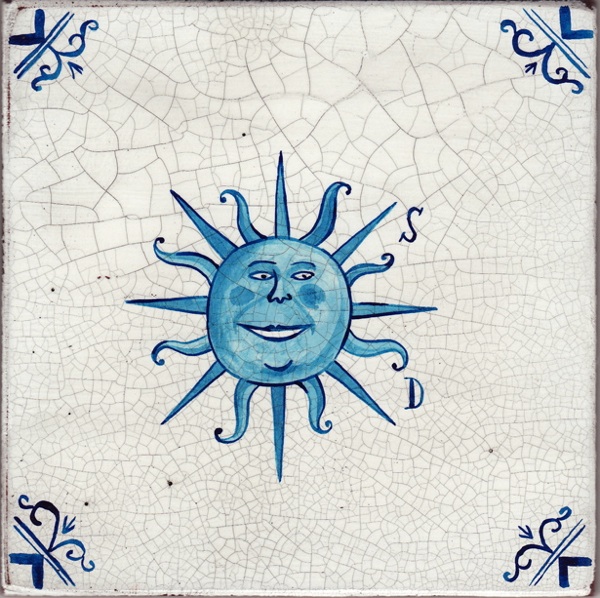
The Sun in Splendour, symbol of the Bishopsgate Institute, home to archivist Stefan Dickers.

The Jolly Sailor, a former pub in Ratcliffe.
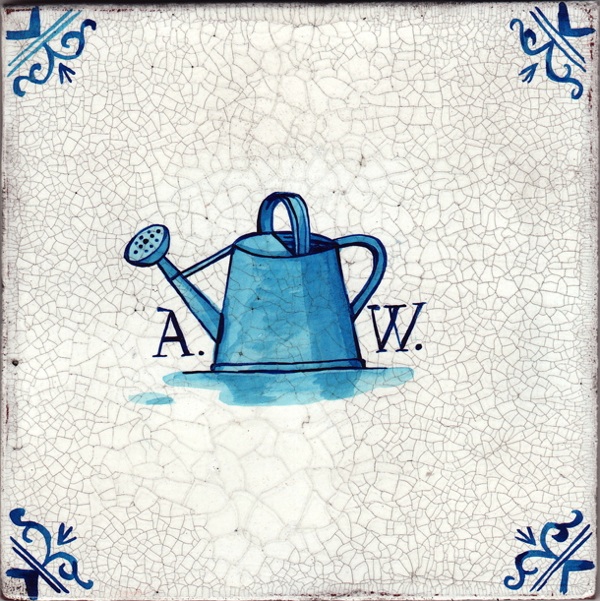
Andy Willoughby, Gardener at Arnold Circus.

This is the full line of “The Snows Have Fled” (Diffugere Nives) by Horace, from which the phrase “Umbra Sumus” upon the sundial in Fournier St comes. It translates as –“We are but dust and shadow.”
Images copyright © Paul Bommer
You may like to see the first selection of
Colin O’Brien at E.Pellicci
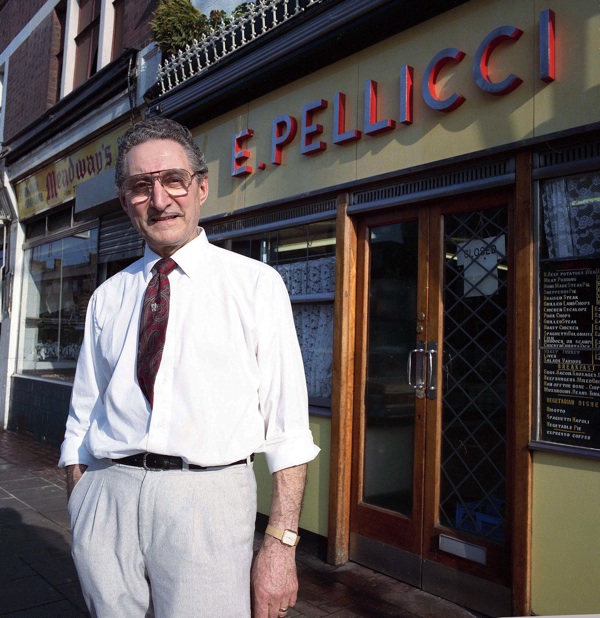
Nevio Pellicci at Pellicci’s Cafe, 1990
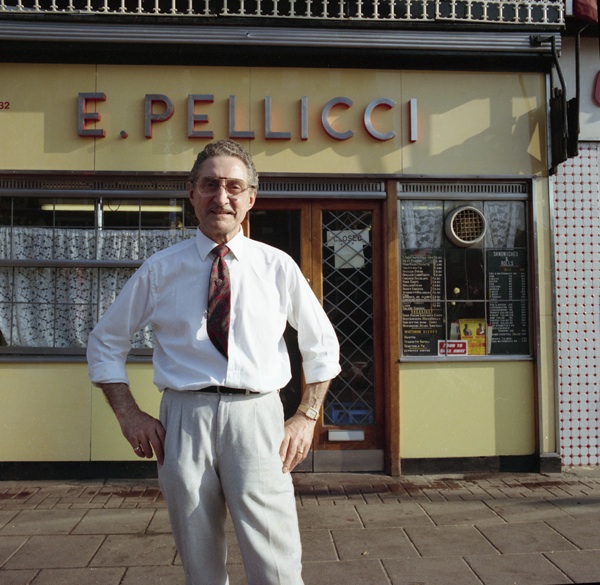
If you were to go to E. Pellicci at 332 Bethnal Green Rd in 1990, you would have been welcomed by Nevio Pellicci and if you were to go back this week you would be greeted by Nevio Pellicci. You would recognise many of the staff from before and the cafe would be almost identical to your previous visit. Yet it would be a different Nevio Pellicci that welcomed you in this new century, working alongside his sister Anna, as one generation has passed away to be succeeded by another at London’s most celebrated family-run cafe, in business since 1900 and still going strong.
Such was the experience of photographer Colin O’Brien when he returned this week to show the Pellicci family the pictures that he took there in 1990 and take a new portrait featuring the Nevio Pellicci that presides today. “I was very interested in cafe culture at the time, so many were closing down” recalled Colin, as he tucked into ham, egg and chips before commencing his photographic assignment, “I’ve always been fascinated by traditional cafes because they’re wonderful social meeting places.”
Taken in the golden sunlight of early evening, Colin’s pictures might have become an elegy to a lost era, yet happily they exist today as a celebration of the continuity which exists at this very special East End institution where everyone meets as equals in the charmed realm of the Pellicci family. “I was scared to ask because it meant they had stay after closing time.” recalled Colin, “If you look at the clock in one of the pictures, it says seven o’clock, but they couldn’t be more welcoming even though I brought in a lot of equipment with me. And I shot on film in those days, which meant taking Polaroids as trial shots too.”
Once the cafe emptied out of customers at four in the afternoon, Colin was able to set up his lights in readiness for the new picture while the Pelliccis, who had now finished work, enjoyed great delight to see his photographs of their former selves for the first time. In 1999, a fire that began in the kitchen nearly destroyed the cafe, but fortunately the irreplaceable art-deco marquetry by Achille Cappocci from 1946 was saved, gaining a deeper golden hue as a consequence of the conflagration in contrast to its paler appearance in Colin’s pictures. Much amusement was had at the prices on the menu in the photographs, Spaghetti Bolognaise £2.40, Liver & Bacon £1.40 and Cheese Salad 70p. These pictures were taken before the coffee machine arrived upon the counter when caffeine culture overtook London in the nineteen nineties while, on the menu, the most significant culinary innovation has been the introduction of toast in 1996. “I asked him why he had bread and butter on the menu not toast,” admitted Nevio, rolling his eyes as he recalled the conversation with his father, humorously nonplussed, ” but he just said, ‘I don’t like it.'”
In Colin’s new picture, Maria Pellicci – who has worked in the kitchen since 1961 – occupies the same spot at the centre of the composition, just as she is at the heart of the Pellicci family, while her nephew Salvatore Zaccaria (known as Tony) supports her on the right with his arms crossed as before. Nevio Pellicci junior takes the position against the counter in which his father stood in 1990. He admitted to me that he had tried wearing a shirt and tie like his father when he first came to work, but it did not suit him. Yet Colin confirmed that, in other important ways, Nevio resembles his father closely. “He was very friendly, just a lovely man,” said Colin, recalling Nevio senior, “Nevio junior has it too, he’s interested in everyone and they become family. It’s just a wonderful way of making people feel at home. It’s an art.”
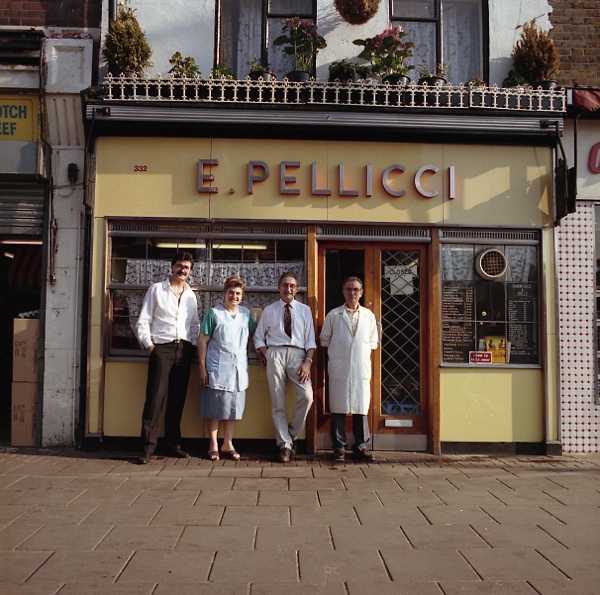
Salvatore (known as Tony), Maria, Nevio and Alfie.
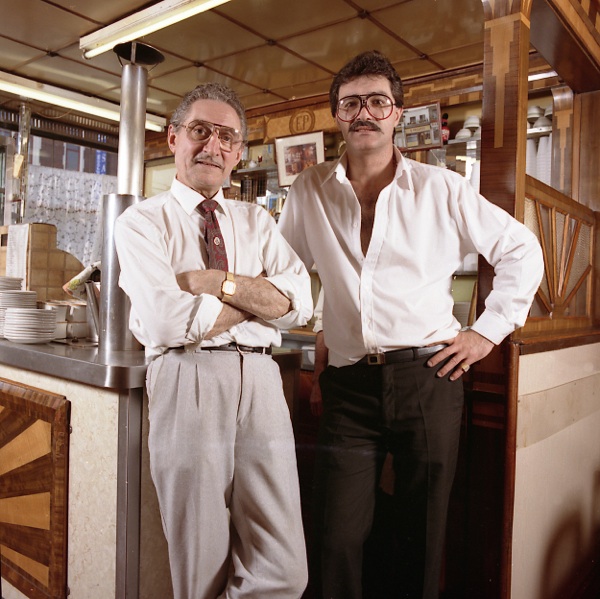
Nevio and Tony.

Alfie, Maria, Tony and Nevio.
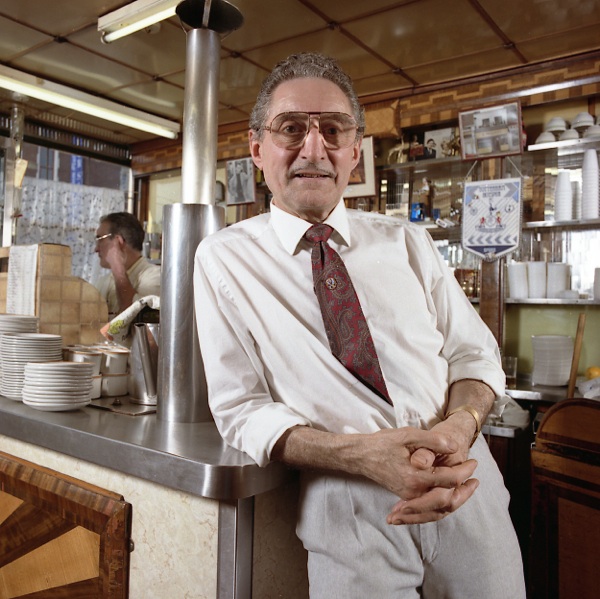
Nevio Pellicci
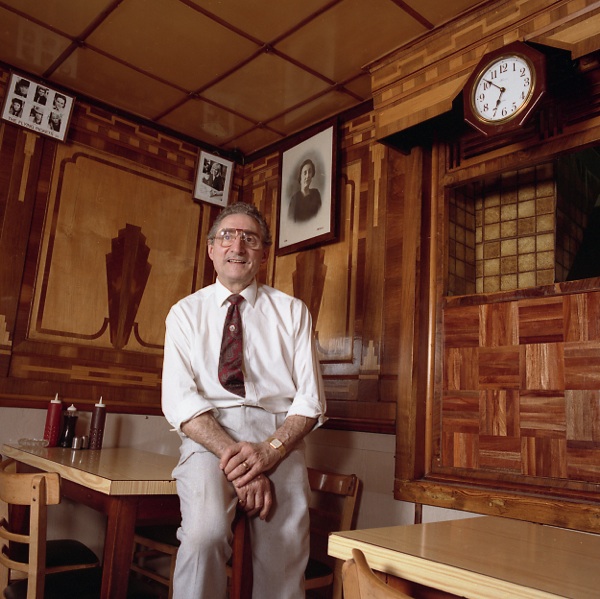
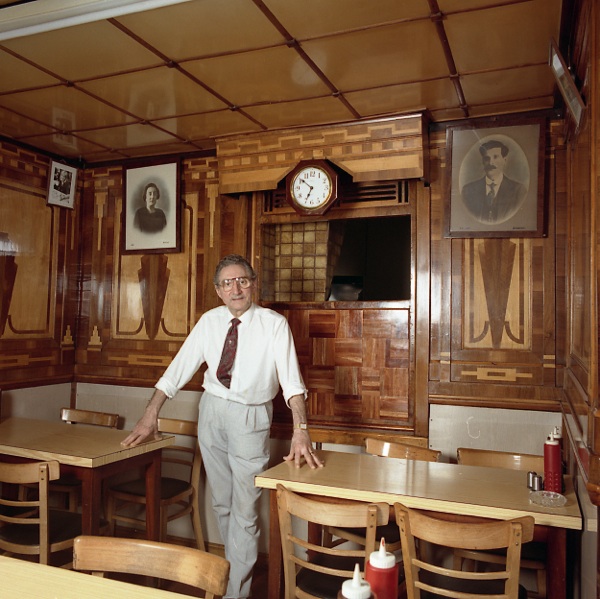
The clock is eternally ten to seven for Nevio Pellicci senior, flanked by his parents, Elide and Primo Pellicci, who ran the cafe before him.

Nevio (senior), Maria and Tony at Pelliccis in 1990.
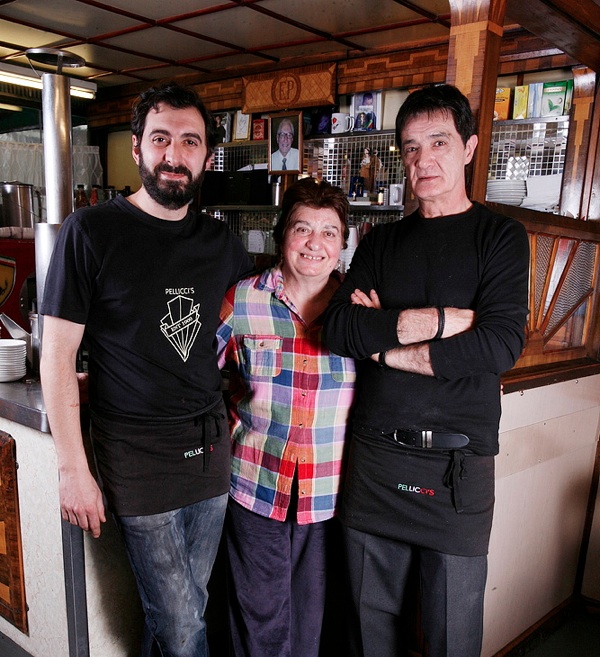
Nevio (junior), Maria and Tony at Pelliccis in 2012.
Photographs copyright © Colin O’Brien
Take a look at these other Pellicci stories
The Meatball Queen of Bethnal Green
or these other Colin O’Brien stories
Colin O’Brien’s Kids on the Street
Travellers’ Children in London Fields
Ian Harper’s Spitalfields Door Parade
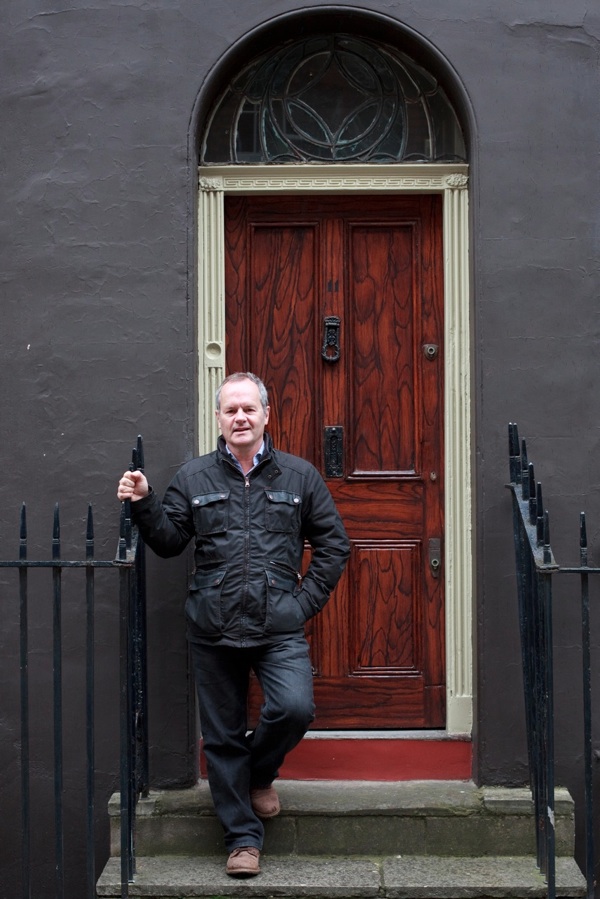
Woodgrainer, Ian Harper, with a rosewood door he painted in Elder St.
If you should ever require an excuse for a stroll around Spitalfields one Sunday, what could be a more relaxing and gently informative diversion than to take a tour of the doors painted by Ian Harper, the woodgrainer? Your journey commences at the ancient Bell Foundry in the Whitechapel Rd where Ian painted the entire facade with a spectacular mid-oak effect.
“I walked in one day, ten years ago,” Ian told me,“and they asked if I could restore the wood-graining because it was damaged, so I said, ‘Yes,’ and since then I’ve repainted it twice.” The graining here dates from the Victorian era with constant repair over the last century, yet such is Ian’s skill in achieving an authentic effect , you would never guess that any maintenance or repainting has been done.
Mid-oak was an effect commonly used by small businesses and trades that wanted to look solid, Ian revealed to me, whereas more ostentatious effects were the preserve of classy private houses such as you find on the next stop of your walking tour, in Princelet St. At number twenty-four, where Chris Dyson has reconstructed an eighteenth century facade to blend with the rest of the street, he commissioned Ian to paint a dark-oak effect on the wooden frontage, and burr walnut upon his front door and that of his neighbour John Alexander at number twenty-two. In such close proximity to Brick Lane, Ian was wary that his work might get tagged but, a year later, it remains pristine. “Some of the roughnecks came along to watch me at work and I think I earned respect,” he confided to me with a relieved smile.
Round the corner at Marianna Kennedy‘s showroom and workshop at three Fournier St, there are a pair of doors in old-oak that Ian has painted and repainted in recent years. “They are much repaired and much loved, patched in keeping with the battered exterior of the house,” Ian admitted, “So many tramps have slept against it and bookbinders battered against it.” Similarly, there is an interior door in mahogany in this house that has been frequently repaired by Ian and coated with multiple coats of Copal varnish to imbue a rich marmalade glow.
Across the marketplace, over in Elder St, you will encounter three beautiful wood-grained front doors displaying contrasting effects – mahogany, rosewood and walnut. Robin Waite, the owner of nine and eleven, commissioned Ian to grain both doors. In each case, Ian was lucky enough to uncover traces of original graining around the edges and regrained them based upon these discoveries, with number nine in mahogany and number eleven in rosewood.
The final stop on your tour in Elder St is Dan Cruickshank’s burr walnut front door, first grained when the house was part of the Isaac Tillard Estate in the early ninetenth century. “It is the most perfect example of traditional graining in Spitalfields” declared Ian, “I’ve repaired parts of it, and occasionally maintain it with new coats of Copal varnish. You can tell it’s early because the style is very loose, very painterly – it’s slightly mad!”
On your walk, you will have wondered at the realism and surrealism of wood graining, learnt to distinguish walnut from rosewood, and maybe you will have succumbed to the paradoxical charm of wood graining which derives from the delight in being deceived by it, even when you know it is fake?
“It’s seen as something expensive today, whereas the whole point of graining done in the past was to put a gloss on poor materials.” Ian explained to me, savouring the irony of the prestige now placed upon wood graining, when once it was a cheap option to fake a bit of class for those who could not afford true quality. Yet it is Ian’s bravura talent that makes his work so fascinating, and the parade of his lush glossy doors in Spitalfields is the public gallery of his mastery. “I’ve done miles of graining for grand interiors, but Spitalfields is where I have most exterior doors.” he assured me proudly.
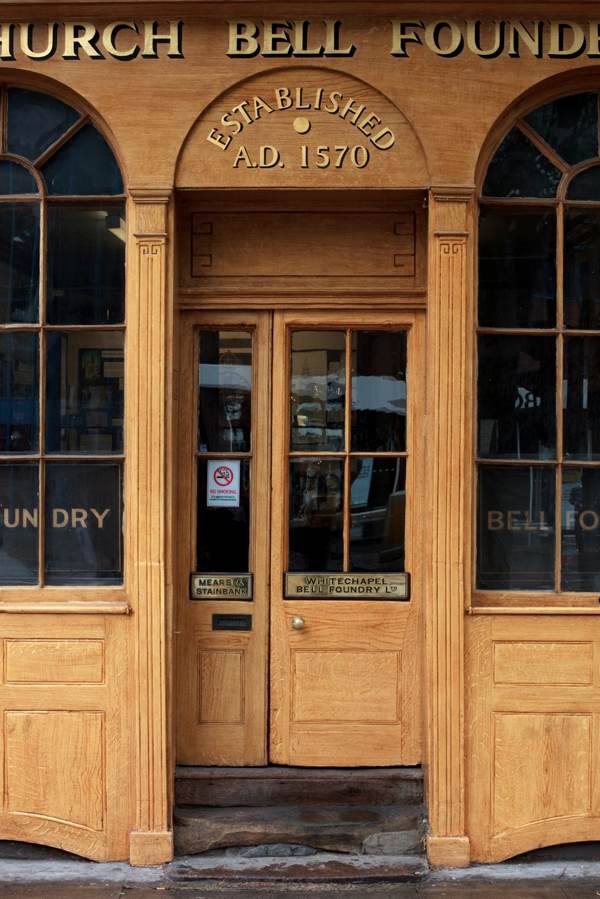
The mid-oak wood graining on the front of the Whitechapel Bell Foundry in the Whitechapel Rd dates from the Victorian era with regular discreet maintenance and repainting by Ian.
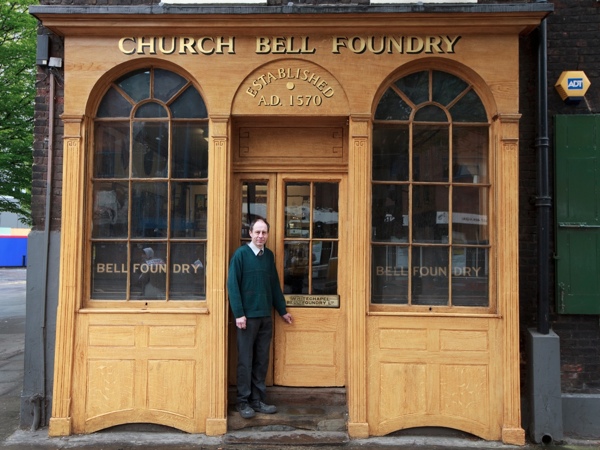
Mark, manager at the Whitechapel Bell Foundry, steps outside to admire the wood-graining.
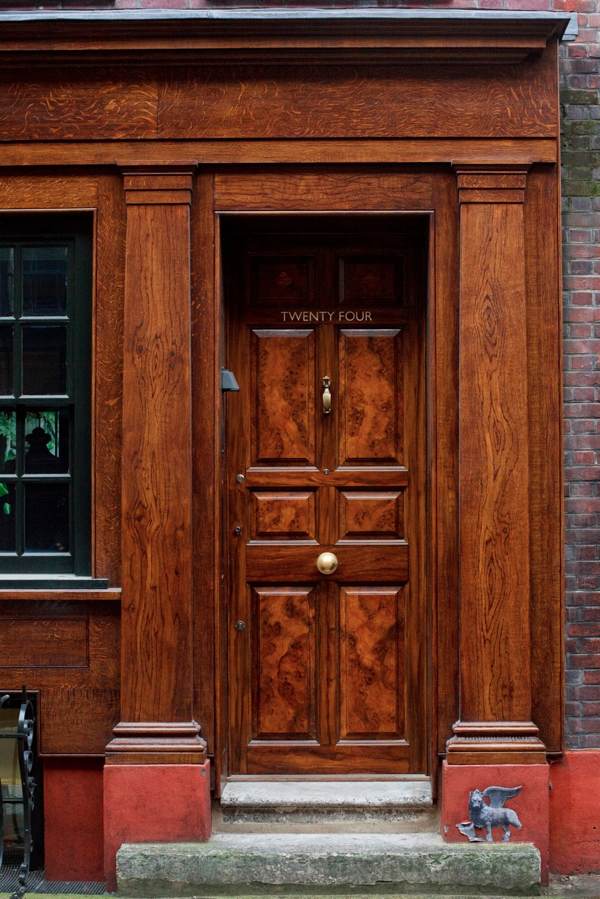
At Chris Dyson’s house, number twenty-four Princelet St, Ian painted dark-oak upon the facade and burr walnut upon the front door.
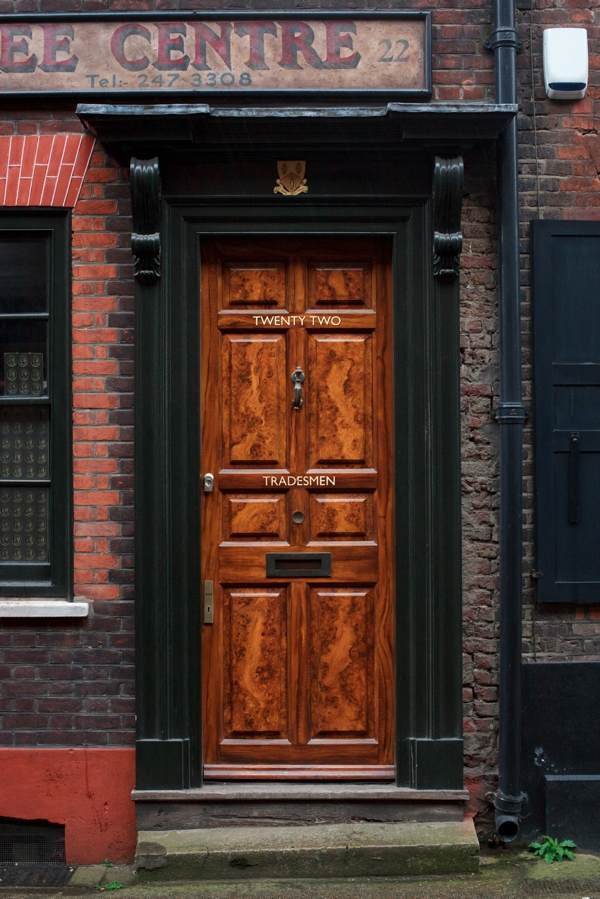
At John Alexander’s house, number twenty-two Princelet St, Ian painted burr walnut.
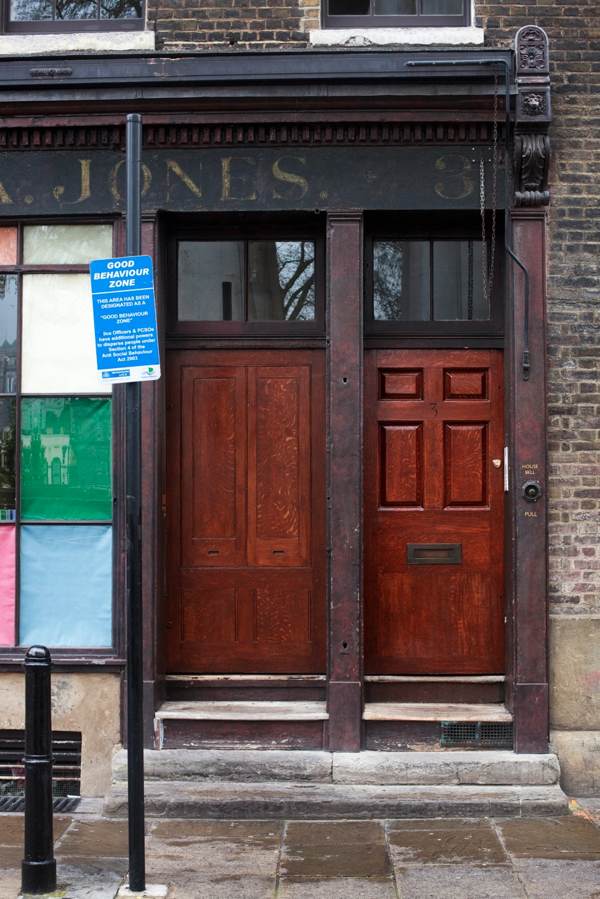
At Marianna Kennedy’s showroom, three Fournier St, Ian has painted old-oak which has been patched up and acquired many coats of Copal varnish.
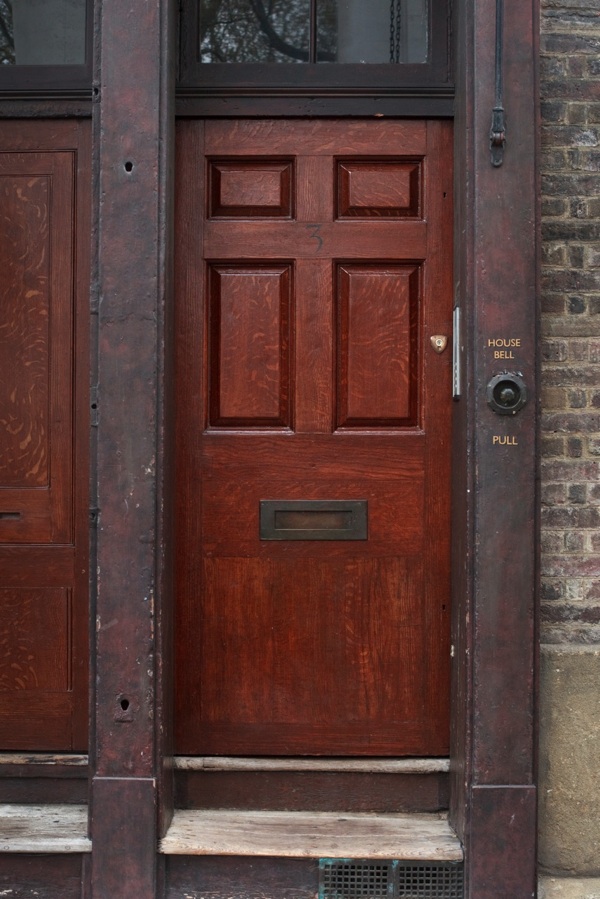
Three Fournier St in old-oak.

Interior door in Marianna Kennedy’s showroom in mahogany.
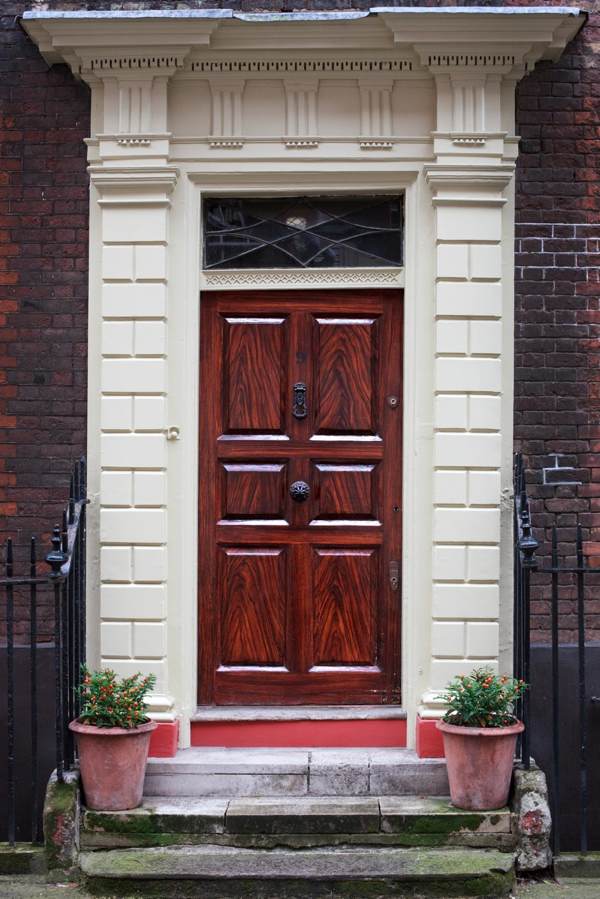
At nine Elder St, Ian painted a mahogany effect inspired by residual fragments of original graining.
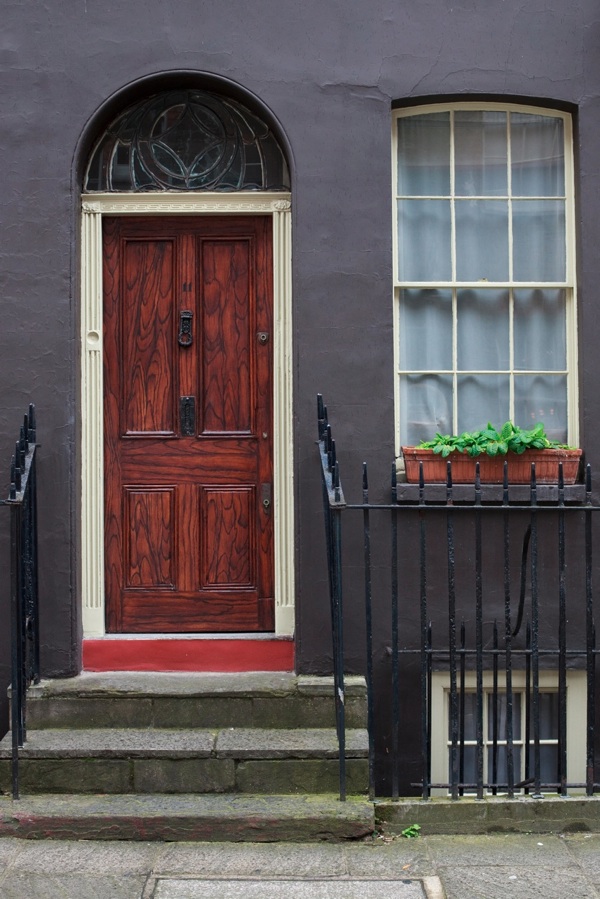
At eleven Elder St, Ian painted rosewood in the loose early-nineteenth century style.

Dan Cruickshank steps out of his front door with original walnut wood graining believed to date from the 1840s when the house was part of the Isaac Tillard Estate.
Photographs copyright © Jeremy Freedman
You may also like to read about
Michael Marriott, Designer
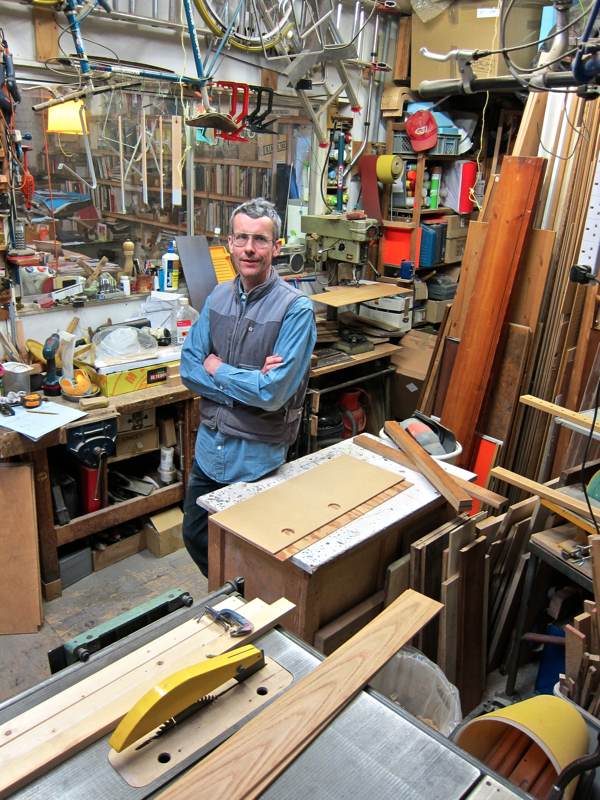
When Leila McAlister commissioned Michael Marriott to design and make a shelf to sell copies of Spitalfields Life at her cafe in Calvert Avenue, it gave me the ideal excuse to walk along the canal to the former Briggs Tarpaulin Factory where Michael has his workshop and pay him a call. Briggs Bros have let their complex of dignified shabby nineteenth century buildings to an assortment of small trades and craftsmen, thereby retaining the chaotic working life of the place, and at the heart of this warren of diverse enterprises is Michael’s den. Anyone would break a into a large smile, as I did, to step into this extraordinarily crowded yet meticulously organised space with myriad bicycle parts hanging from the ceiling and every corner crammed with scraps of salvaged timber, metal and plastic, leaving just enough space for the pair of small workbenches where Michael realises his designs.
With the restless animated energy of a teen and the eccentricity of a favourite uncle, Michael is a designer who excels in what I call “wonky modernism.” In other words, he creates designs of pared-down functionalism in which their form is dictated by their utility and the use of materials is unapologetic, yet as objects they possess something else as well – an undefinable idiosyncrasy which gives his pieces their unmistakeable personality. Michael is no mere bricoleur though, he teaches furniture design at the Royal College of Art and is internationally recognised for his innovative work. So, as you can imagine, I could not wait to discover what the Spitalfields Life shelf was going to look like.
“I always made things when I was a child, but once my mum took me to the Ford factory at Dagenham and I saw this metal pressing machine that was the size of a house and I was totally entranced by it,” Michael told me, recalling his childhood in Essex, when I asked him how it all began. “I’m quite an unusual designer,” he admitted, “in that I make my own designs and I enjoy it.” Trained as a cabinetmaker at the London College of Furniture, Michael recognises that the making can inform the design and that if, for example, you are designing something with a handle then you need to know how it feels to touch. No Luddite, Michael commonly works on a computer and then takes the idea into the workshop to refine it further through realising it in three dimensions.
“I work in lots of different ways, I have designed furniture for SCP on-and-off for fifteen years, I do quite a bit of exhibition design, and lot of other things that are less easy to describe.” Michael explained to me enigmatically. Anyone that has been to Leila’s Shop will recognise the cafe tables that he designed and the counter made of an old chest of drawers. He is especially adept at using found materials and creating poetic juxtapositions in which materials of acknowledged quality such as oak or douglas fir are set in unexpectedly sympathetic contrast with plywood or pegboard, revealing a democratic, craftsman’s appreciation of their relative merit and utility.
For the Spitalfields Life shelf, Michael salvaged some oak drawer fronts that were once part of a thirties chest of drawers, which he artfully mis-matched with some douglas fir scavenged from a packing case and combined with a piece of mdf perforated by two mysterious holes that were the result of its previous use. As we spoke, Michael set to work trimming the pieces to size and placing them side by side to appreciate their contrasts while contemplating the angles of the supports, the proportions of the differently-sized shelves and making all the subtle judgements which would result in a piece with its own consistent rationale. “I often reuse things that have been discarded, I think it’s more interesting to reuse than to recycle.” he said, absorbed in his occupation.
Later, I met with Michael at Leila’s Cafe when he was installing the shelves. At once, it became apparent both that the design fitted the contours of the room and that the individual shelf for copies stacked on their side, counter-balanced the other shelves displaying the book face out. The spectrum of mid-brown wood tones complemented the deep blue of David Pearson’s book jacket nicely and, once in place, the shelf looked as if it had always been there – a continuum with the cafe tables and all the other woodwork in the room.
Then Michael climbed on his Mini-Moulton bicycle with a shopping basket strapped onto the back and, looking for all the world like a latter-day Professor Branestawm in a baseball cap and aviators, he gave an extravagant wave as a flourish and peddled away up Calvert Avenue.
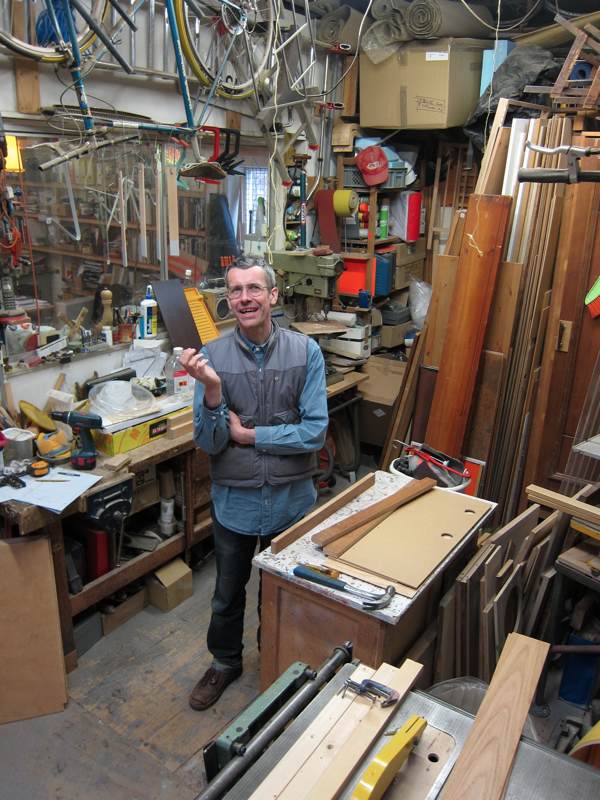
“With the restless animated energy of a teen and the eccentricity of a favourite uncle”
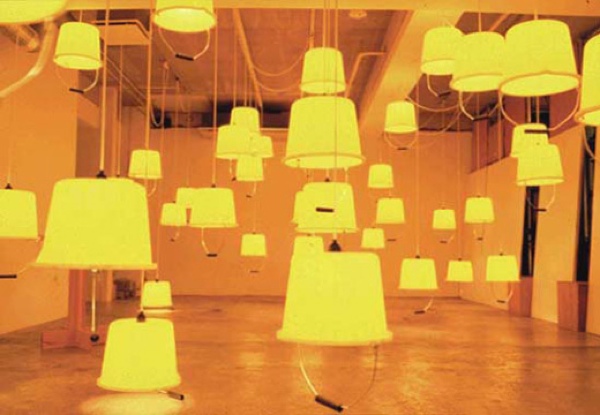
Installation for Tokyo Design Week, 1999. Fifty lampshades hanging from a one metre square grid, and accompanied by a soundtrack of Morecambe and Wise performing ‘Bring Me Sunshine’.
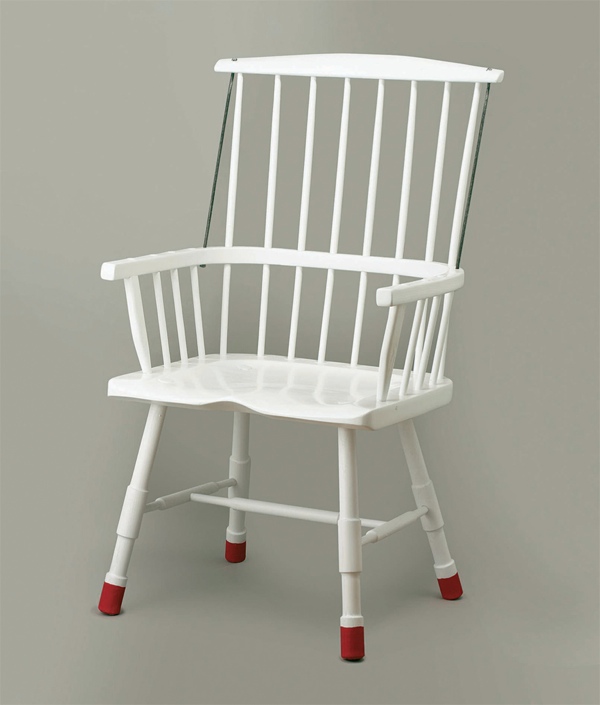
Reworking of the Windsor Chair, manufactured in solid ash in Hereford, and available in natural ash or white finish, with red dipped feet, 2009.
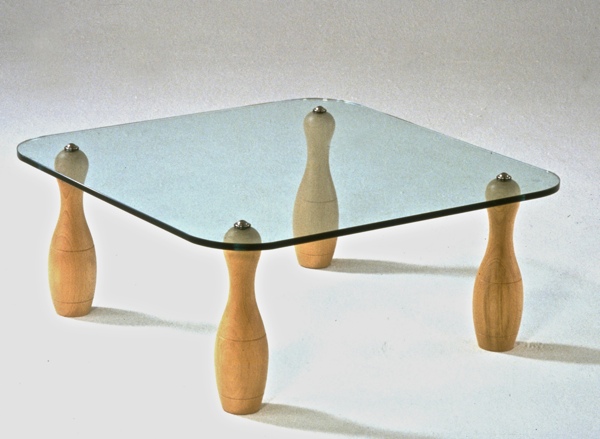
Coffee table with float glass top and four turned beech legs attached directly through the glass top, 1995.

Shoe storage unit. Aluminium and re-claimed wood panels, with painted top and oak feet, 2009.
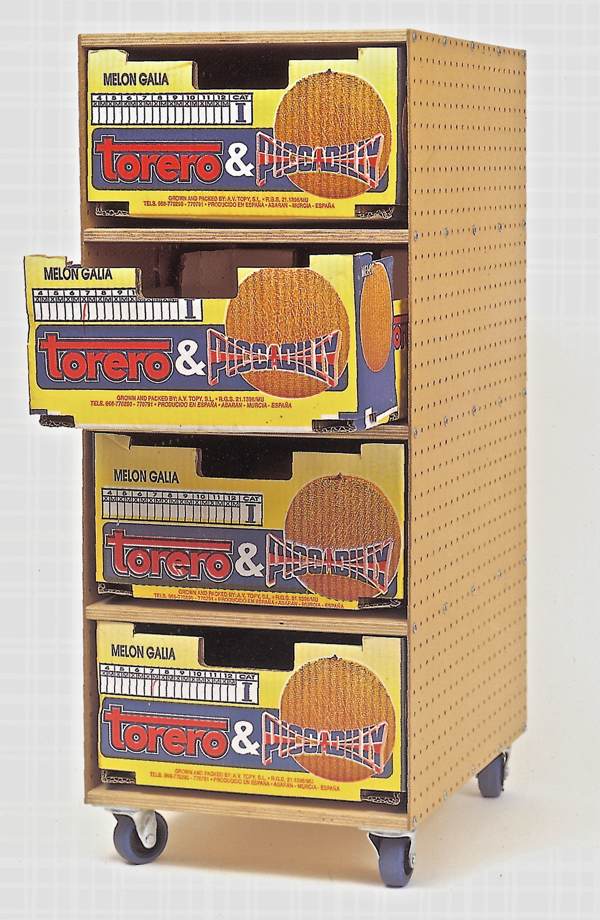
Drawer unit constructed from birch plywood, pegboard and Spanish fruit crates, 1996.

Side table made in Spain with paella dish, 2011.
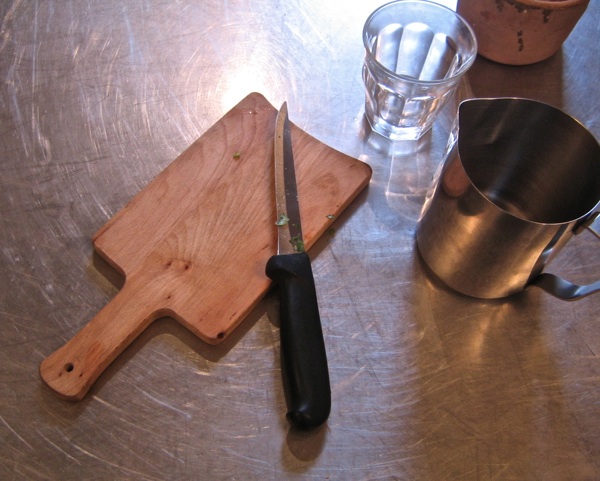
Chopping board for Polish foods producer, Topolski, for chopping and serving Polish sausages in particular, 2006.
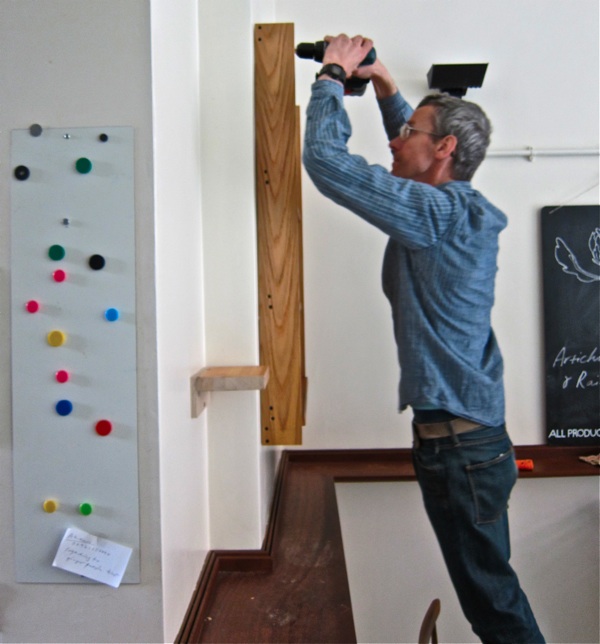
Michael fits the Spitalfields Life bookshelf at Leila’s Cafe.

Michael’s design for the Spitalfields Life bookshelf.
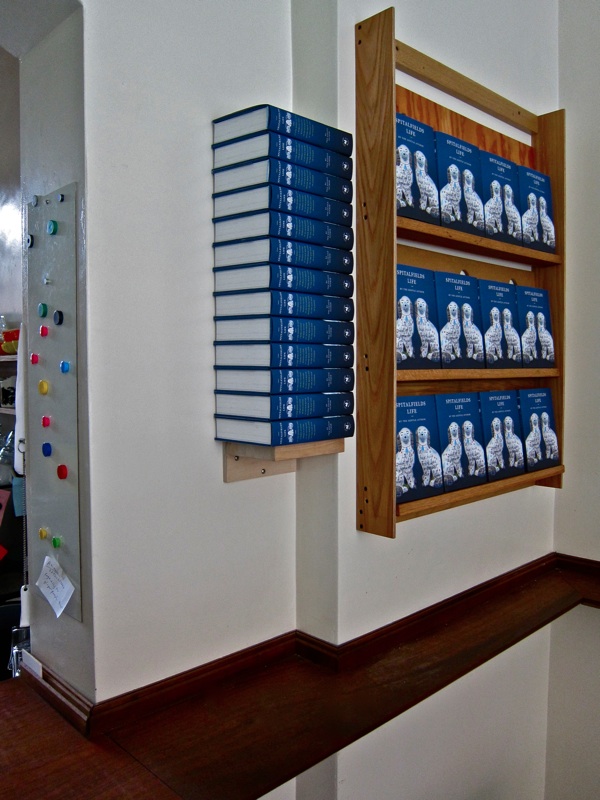
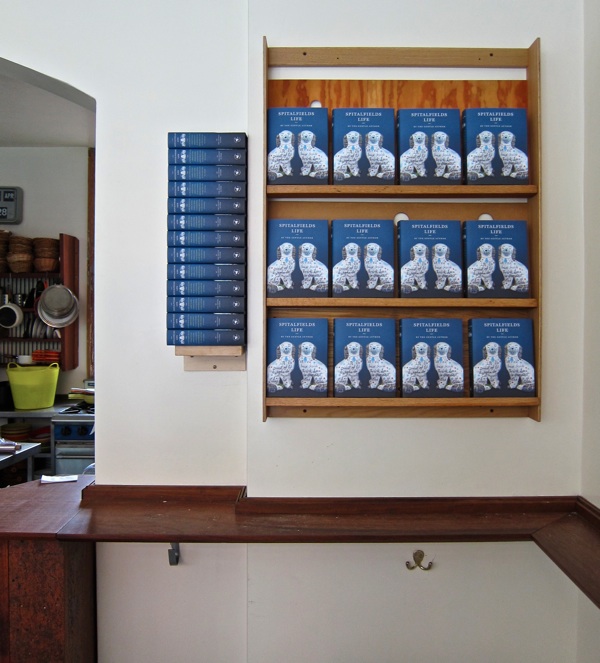
The Spitalfields Life bookshelf at Leila’s Cafe – note the third hole added for compositional effect.
At Mick’s Flat
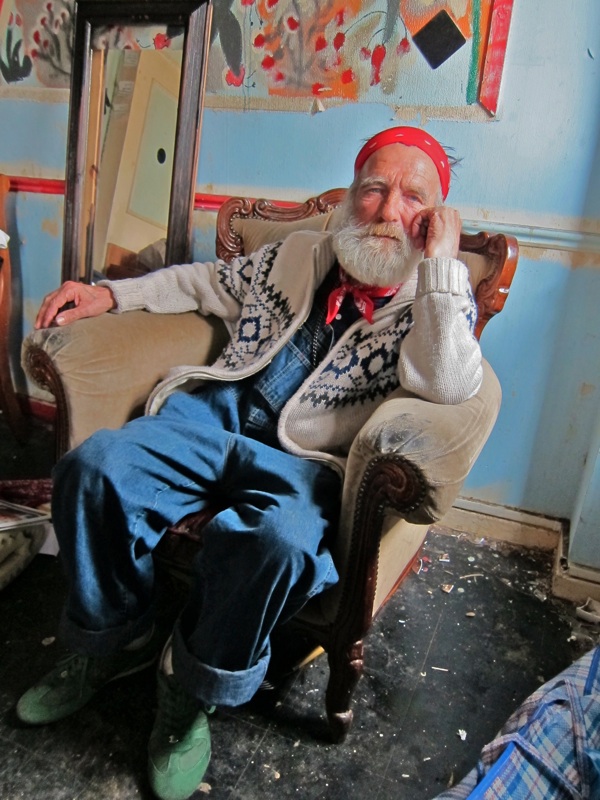
Mick Taylor invited me over to his flat in Whitechapel. After hanging around outside the Beigel Bakery for the last half century, and becoming renowned for his personal sense of style, so familiar is he as a living landmark upon Brick Lane that I was honoured to accept Mick’s invitation and discover his actual place of habitation.
As soon as I entered the large square between the modernist housing blocks, filled with huge trees in blossom, I lifted up my eyes to the top balcony where Mick was waiting, immediately recognising his white beard and red neckerchief, as he sat perched upon a stool outside his front door on that bright April morning. We exchanged salutes and I ascended the concrete stairs quickly, hurrying along the top balcony which gave a panoramic view of the estate, eager to shake his hand and step inside. A skinny cat ran between my legs as I crossed the threshold and walked through into the room at the back, where Mick and I settled ourselves down upon two armchairs to savour the quiet in this hidden corner amidst the clamour of Whitechapel.
The room was almost empty save for the chairs and a wardrobe with a few clothes hung carefully on hangers. Sleeping on a camp bed at one end, was a homeless young woman from the street that Mick had offered shelter and protection to, so we spoke in whispers to avoid waking her. Nevertheless, Mick was keen to talk, relating how he came to the flat and thinking out loud for my benefit, contemplating the nature of his lifelong relationship with Brick Lane.
“I was living in rented accommodation in one room on the ground floor in Fieldgate St for a year before I came here. It was opposite Rowton House – that was a rough place – and sometimes at night young people used to come and take drugs right outside my door. I didn’t know much about that side of life then.
When I went to the housing office, they gave me this flat and, since I came here seven years ago, I never looked back. They said, “If you want this flat, you must view it tomorrow.” It was in a state but I took it at once. I had all the walls done and new fittings, and I had curtains that I got down Wentworth St. I held them out and said, “They’ll do me.” I had a wall of mirrors too, it looked good. Everyone that came liked it. But I’ve cleared the flat out and I’m going to start again. I want to strip the walls and paint the ceiling with a roller. That old lamp’s been there so long, I can’t remember where I got it. Maybe it was Brick Lane?
Originally I went down the “Lane” to find things, you can’t find things there anymore. The days are gone when people used to leave things out to take. I didn’t do anything bad really, I think I’m pretty straight. I’ve grown a beard and it makes me look like a hundred years’ old man but it gives me freedom. I’m sixty-seven. I’ve changed a helluva lot. Maybe it’s going down the Lane has ruined me? I know all the people there in the shops. If I go anywhere else, I’m lost. A girl who works in the coffee shop, she asked me, “Why do you wear that red suit?” I said, “It’s the way I am.” You can only be what you are.
Every day I walk along the Bethnal Green Rd, across Weavers’ Fields, over Vallance Rd and up Cheshire St to Brick Lane. So many places to go looking for things, back alleys and streets where once you could pick up things. It was a funny way of life I had but I enjoyed it. All I know is to go down the Lane. I trust all the people down there, there’s no bad ones. A photographer from New York took more than twenty pictures of me and gave me one pound fifty. I said, “Are you short of money?” and give it back to him. I’ve had a few arguments with people, but things get better. You’ve got to see the good in people. Life’s never what you want it to be, but you learn a little humility along the way.
It’s nice to come back home and sit down in the peace and warm. It’s a good feeling to sit here and know the rent’s paid, and be enjoying a bit of grub. Whereas if you sit in a coffee shop, you wonder what you’re going to do with your life? “
All this time the girl slept, unaware of our conversation. Mick explained that, to give her privacy, he had spent the previous night in the flat below belonging to his friend Johnny. And so, recognising that perhaps this was the reason Mick had sat outside awaiting me and that maybe he intended to visit his neighbour upon my departure, I took my leave. “I’ll go down to Johnny’s flat in a bit,” Mick admitted in a low voice, as we shook hands, “He takes care of me and I take care of him. He’s a good friend, we’ve always got along well. We hit it off when we met on the day I moved in. He takes care of his grandfather who’s ninety-odd.” Walking back down the stairs, I was struck by the modesty of Mick’s frugal dwelling and touched that, when he had so little, he would sacrifice his only room to one more vulnerable than he.
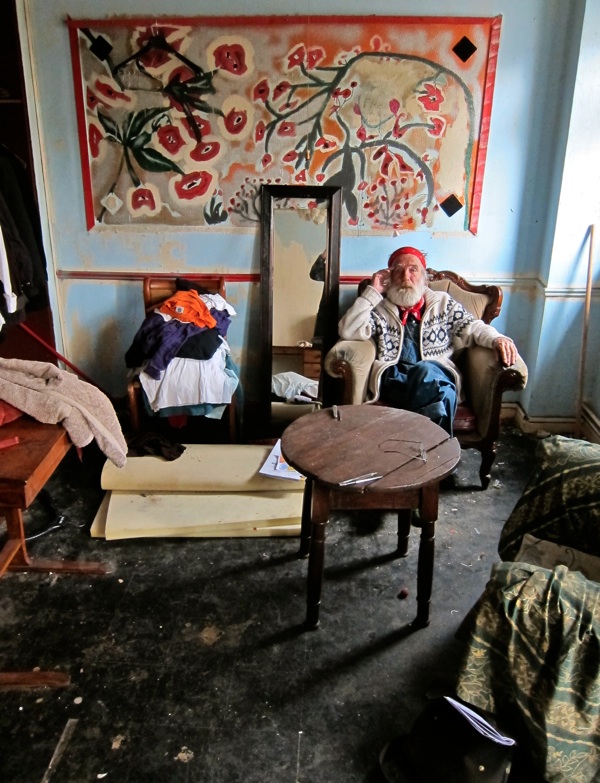
“It’s a good feeling to sit here and know the rent’s paid, and be enjoying a bit of grub.”
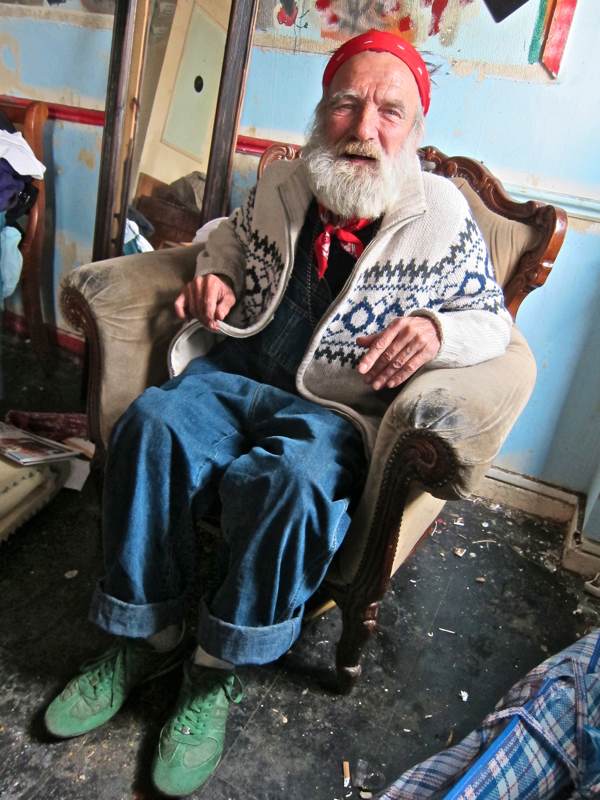
She asked me,“Why do you wear that red suit?” I said, “It’s the way I am.”
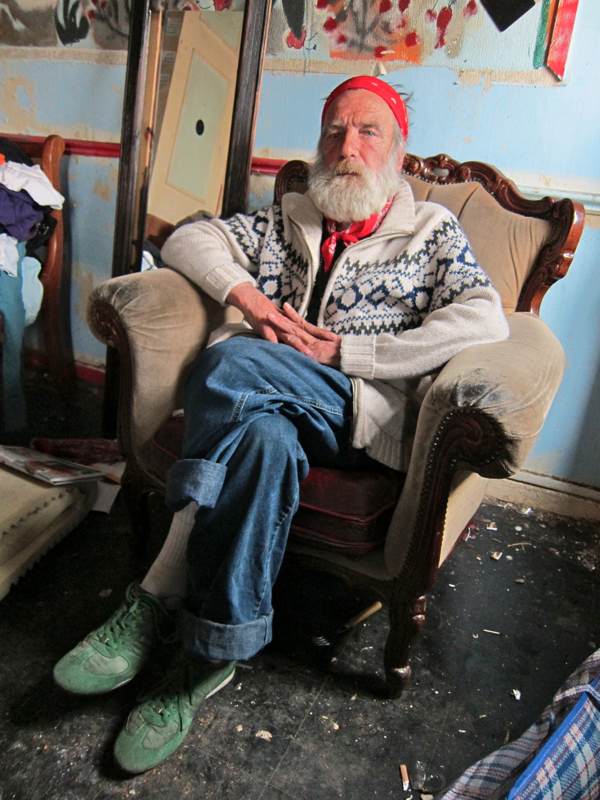
“I’ve grown a beard and it makes me look like a hundred years’ old man but it gives me freedom.”
You may also like to read about