
Winter Dawn At Bow Cemetery
Photographer Duncan George sent me these pictures of Bow Cemetery at dawn, inspiring me to pay a visit at first light yesterday.
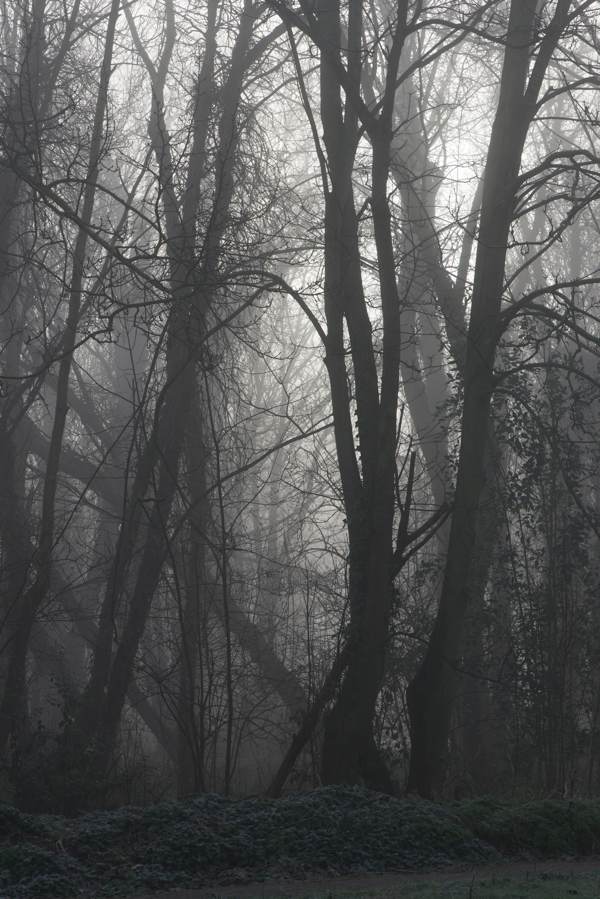
With the passing years, each winter seems to present a greater challenge to my resilience and – sometimes – as I lie in bed pulling the covers closer to keep warm in the cold of the old house, I can almost feel the chill gathering around me at night. Yet rather than cower behind my feeble defences any longer, I decided to venture out before dawn into the freezing mist in the hope of ameliorating my aversion to the grim weather.
A generation ago, Brick Lane would have been alive at six in the morning with people going to work in the clothing factories, and at the brewery and the market, but yesterday no-one was stirring except me. There was an artificial glow to the west from the lights of the City as I set out to walk down the Mile End Rd, but otherwise the low cloud which obscured the sky was grey – turning uniformly luminous by the time I turned into Southern Grove.
Passing between the high walls of Bow Cemetery, I encountered moisture in the air and a pang deep in my stomach. Even at this hour, the trees and the natural life of the place overwhelmed the presence of the tombs, and my first impressions were of wild cherry blossom glowing in the half-light and the first catkins of the year hanging from bare branches. Nevertheless, I could not help myself scanning the gravestones for any signs of movement and, spying a moving figure that I assumed to be an early dog-walker, I turned in the opposite direction walking deeper into the maze of overgrown paths.
Above my head, birds were singing in chorus from the forest canopy, yet it only served to emphasise the stillness at ground level, where I stood among funerary statues that were poised as if ready to spring into movement. Overhead, a subtle balance was shifting as the streetlights, which I saw in every direction, were losing their dominance over the cool gloom of the cemetery where snowdrops sprang luminous in the shadowy haze. In the distance, a disinterested fox barely adjusted his pace upon registering my existence.
In my fantasy, it was the coldest, chillest place – the locus of winter. In reality, there was life there, ticking over and marking the slow advance towards spring. I stood in a clearing, slowly lifting my gaze to the tree tops as the day broke. Once upon a time, I could never have been there to see this. Even well into adulthood, I could not walk into a dark room without switching on the light for fear of unknown horrors. One summer, I lived in a cottage at the end of a wooded lane and, if I returned at night down the dark road through the trees, it would always be with my heart in my mouth. Experiences that are absurd in retrospect as, through the intervening years, these irrational terrors have – inexplicably – receded and vanished from my psyche.
Yet I did not linger that morning and, as I walked, night faded from the cemetery. In spite of the Gothic statuary, I was relieved that my experience was not of the Gothic variety, save the mysterious lone figure moving amidst the stones, that I did not see again. There was no unholy chill. Neither were there dog-walkers or joggers, as I had expected. On such a morning they had stayed at home. I wondered if I was alone, until I reminded myself that you are never alone in a cemetery.
In the Mile End Rd, street lights were flickering out and the first commuters were to be seen upon the glossy damp pavements, making steps to towards the tube. In Vallance Rd, I passed Kevin the Milkman and arrived home to discover his delivery on my doorstep, and thus I was grateful to return to my warm bed again.

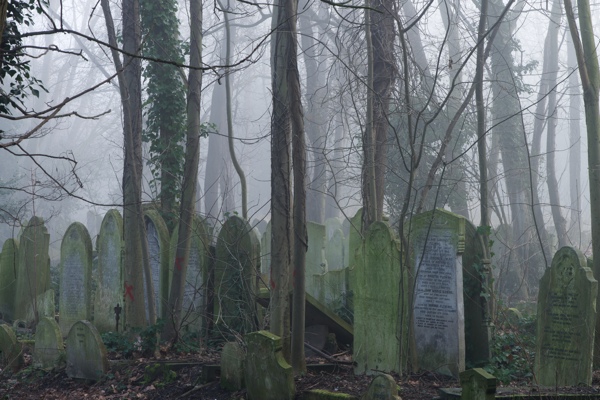
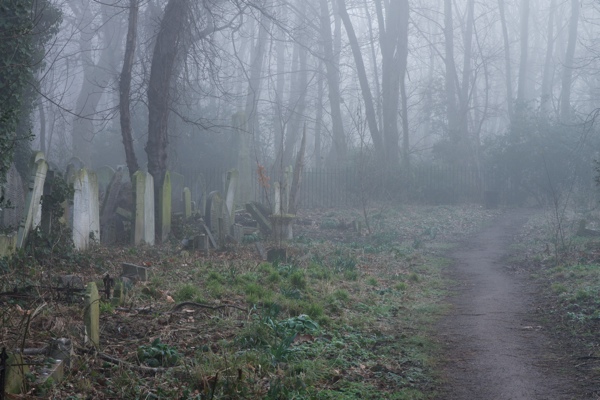
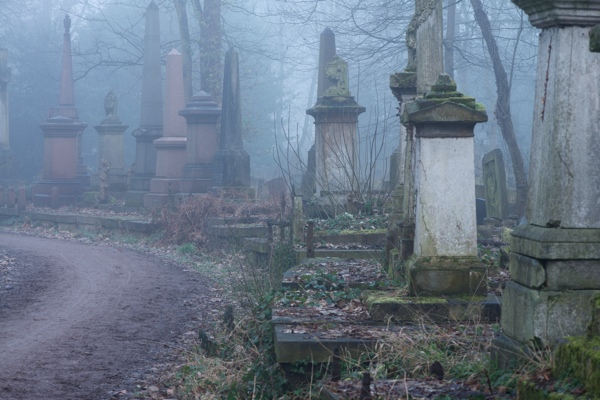
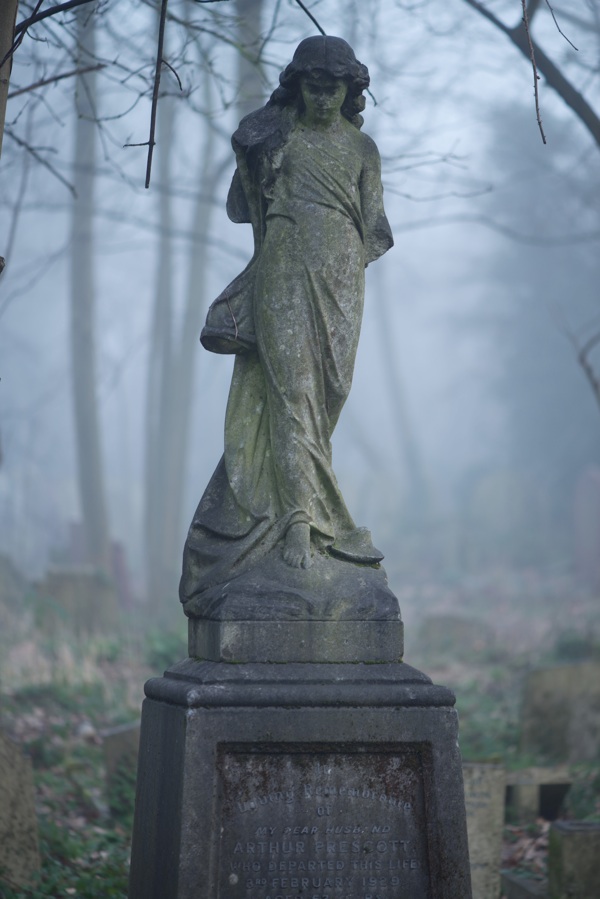
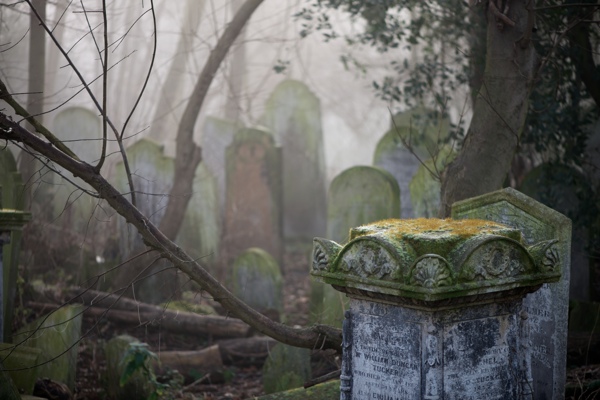
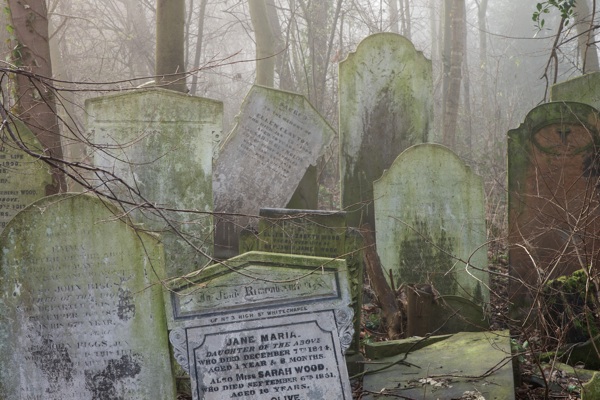
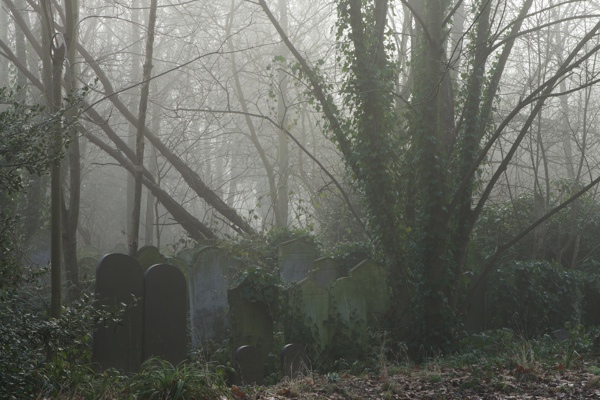
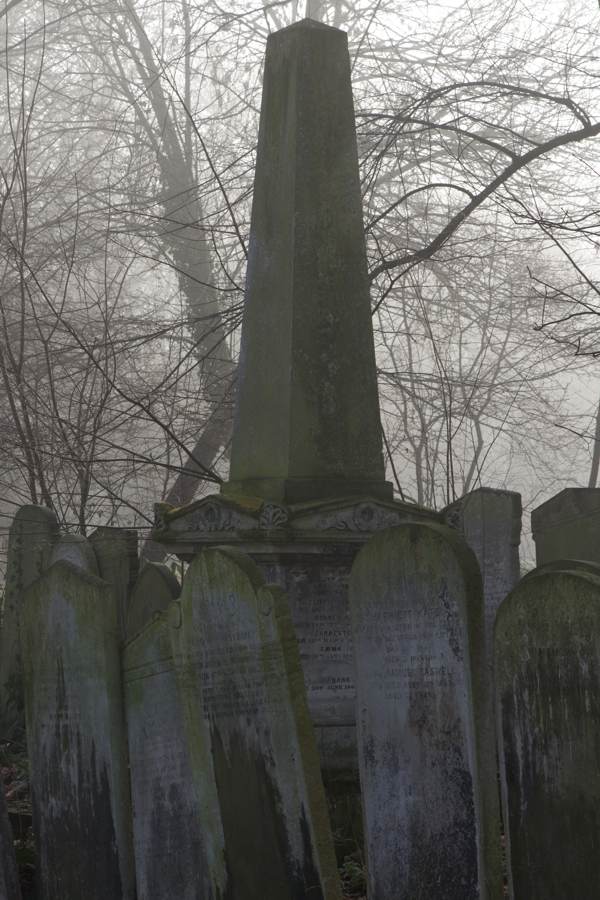
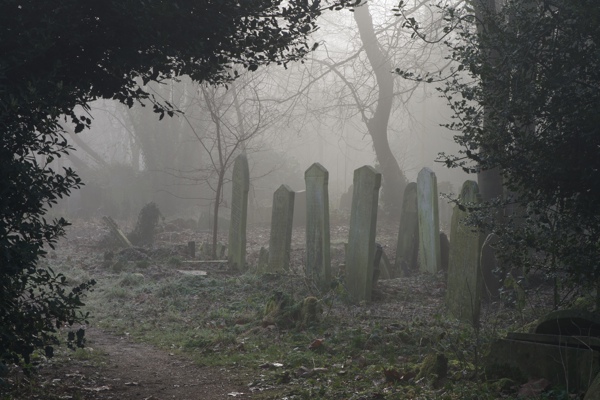
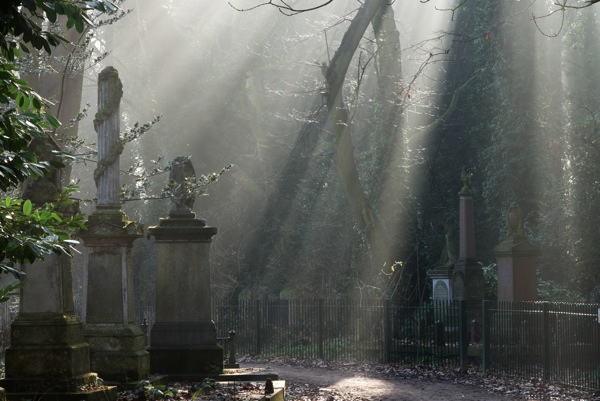
Photographs copyright © Duncan George
You may also like to read these other cemetery stories
At the Cemetery With Barn the Spoon
Find out more at www.towerhamletscemetery.org
At St Clement’s Hospital
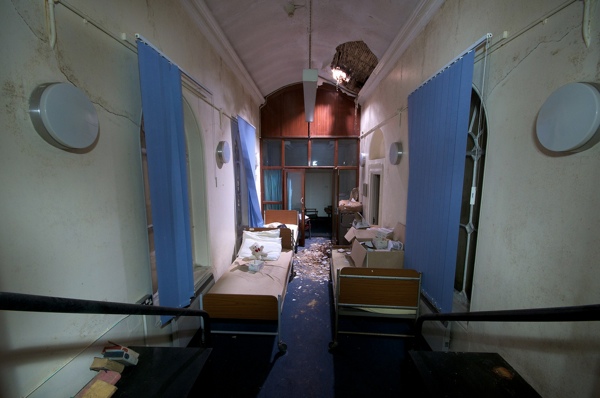
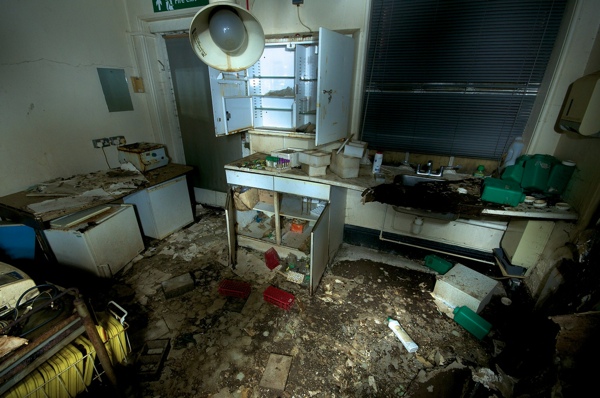
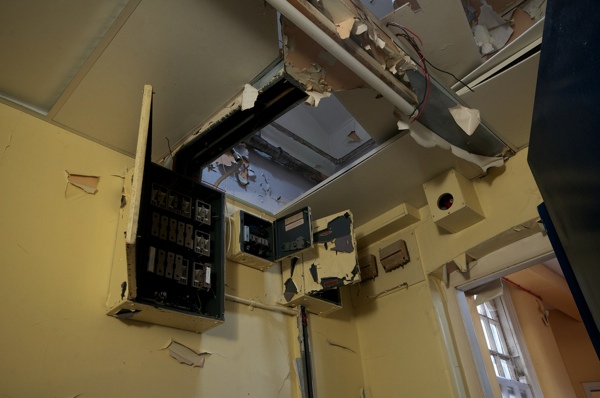
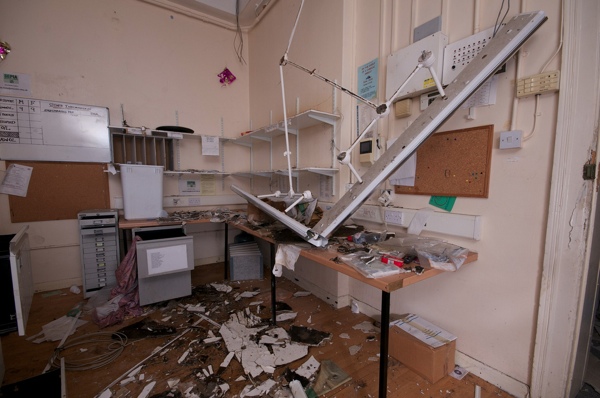
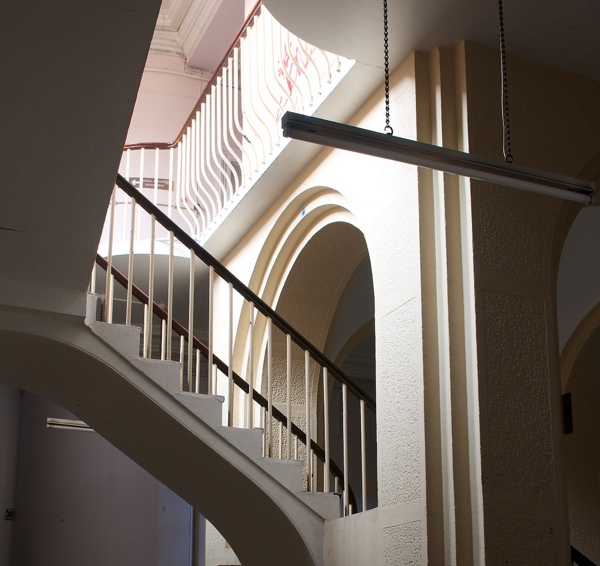
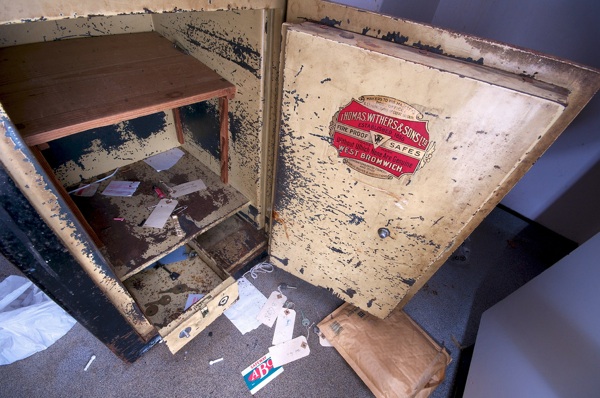
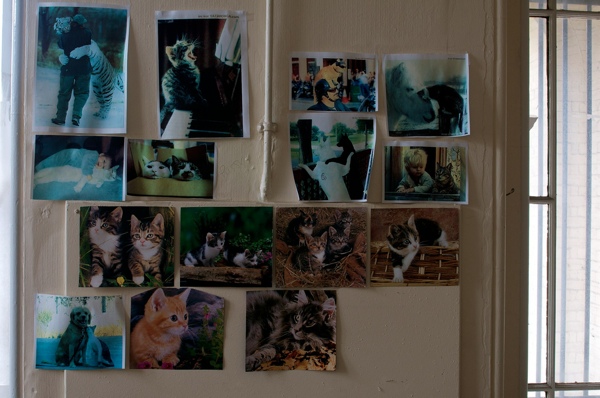
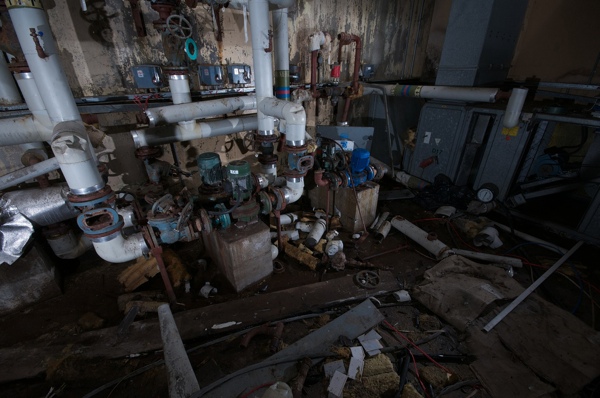
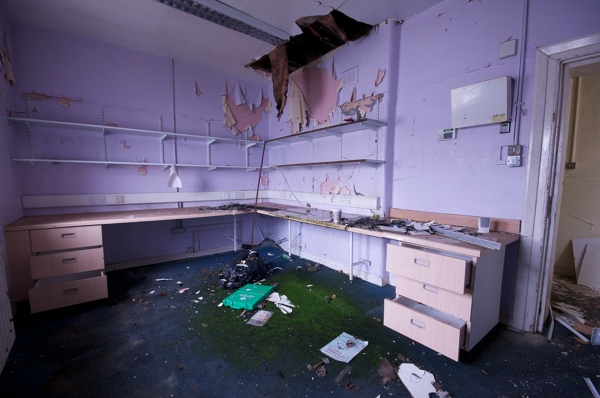
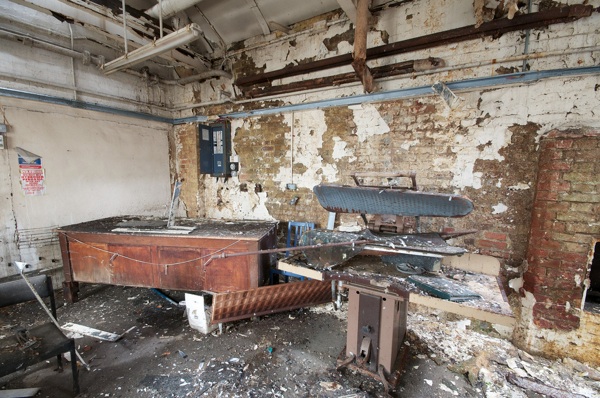
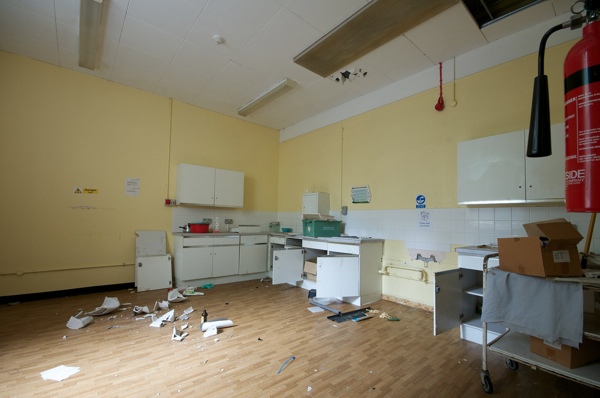
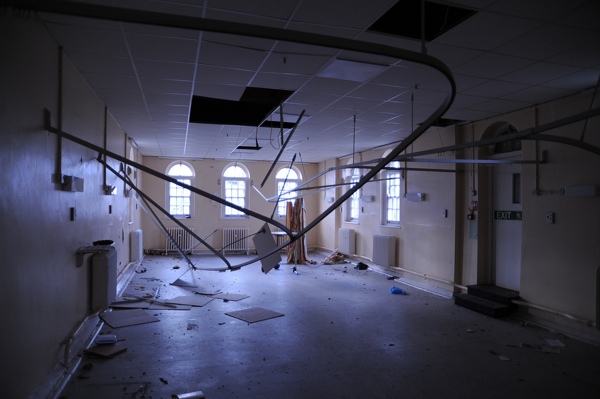
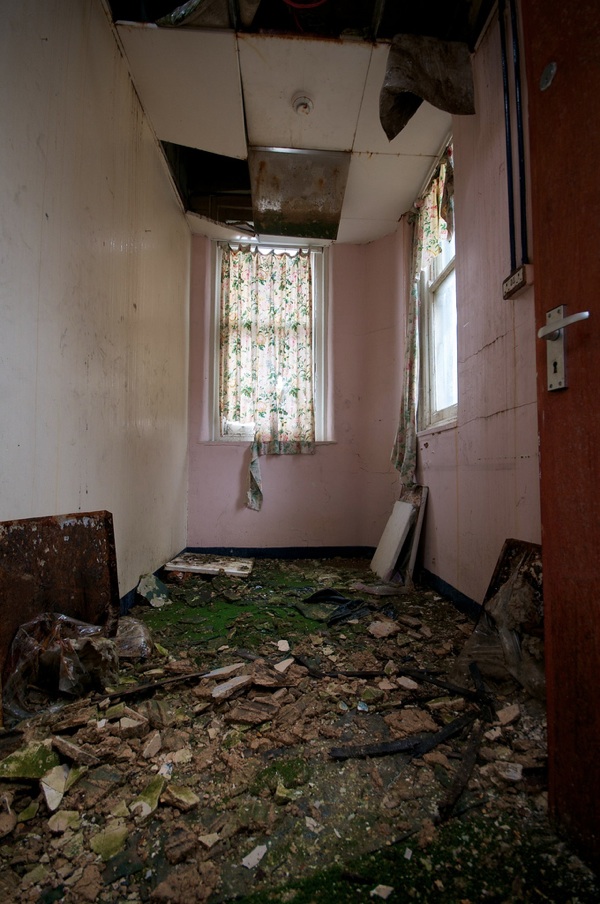
Members of City of London & Cripplegate Photographic Society were invited to record the interior of the disused St Clement’s Hospital in Mile End last year. Originally opened as the City of London Union Workhouse in 1849, it was converted to an Infirmary in 1874 and renamed St Clement’s Hospital in 1936, being used as a psychiatric unit in recent years, before closing finally in 2005.
An initiative is being launched by East London Community Land Trust to convert the building to affordable housing, but in the meantime it lies in magnificent dereliction and an exhibition of these other-wordly photographs opens tomorrow, Thursday 28th February, at the Genesis Cinema.
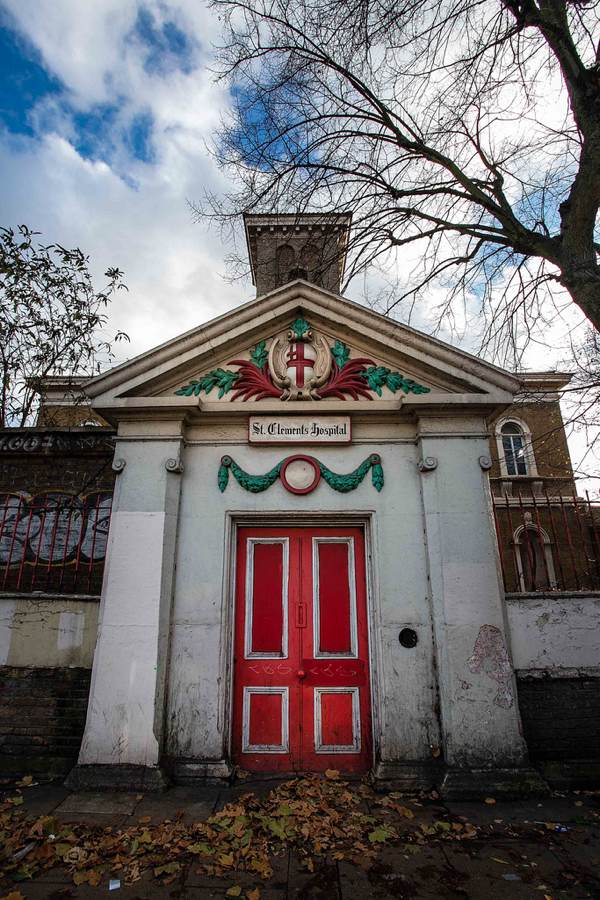
© Hilary Barton
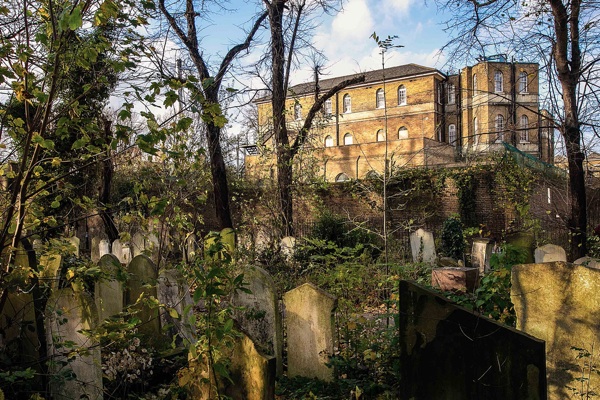
© Hilary Barton
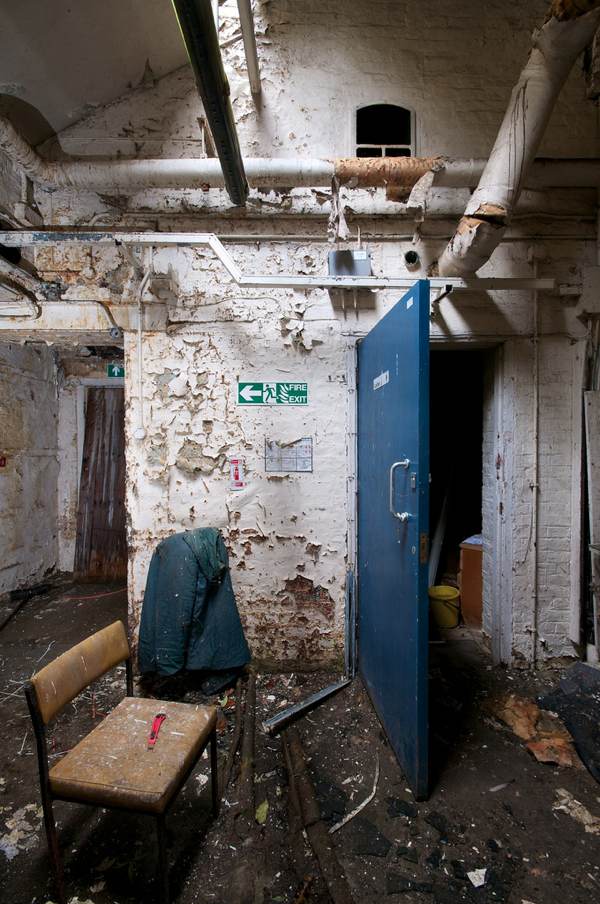
© Pat Mooring
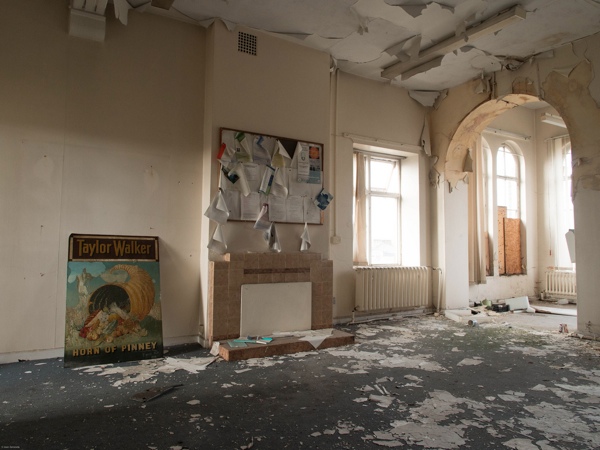
© Jean Jameson
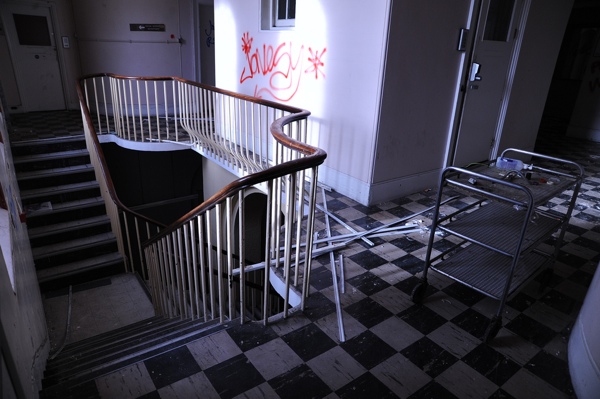
© Bill Gilliam
© Jean Jameson
© Pat Mooring

© Pat Mooring

© Pat Mooring
© Pat Mooring
© Pat Mooring
© Pat Mooring
© Jean Jameson
© Pat Mooring

© Pat Mooring

© Jean Jameson
© Pat Mooring
© Pat Mooring
© Pat Mooring
© Pat Mooring
© Bill Gilliam
© Pat Mooring

© Jean Jameson
Roy Gardner’s Sales Tickets
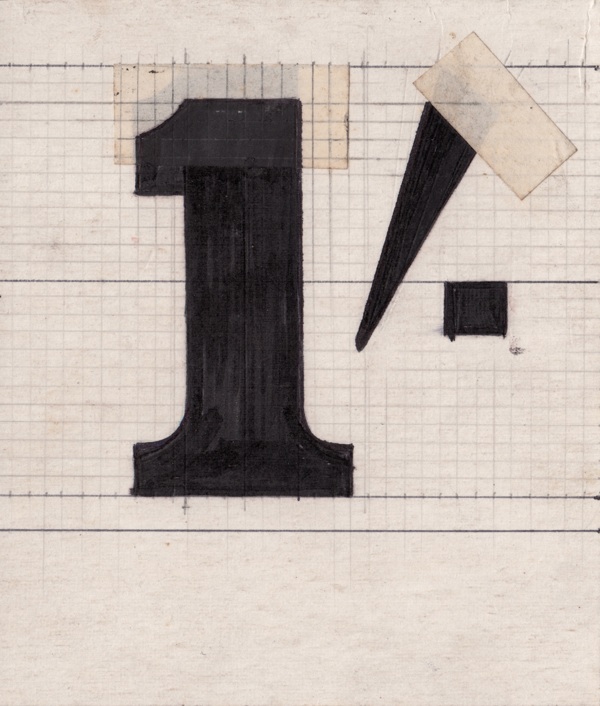
One shilling by Roy Gardner
Paul Gardner, the current incumbent and fourth generation in Spitalfields oldest family business, Gardners’ Market Sundriesmen in Commercial St, was just thirteen when his father Roy died in 1968. So Paul’s mother ran the shop for four years until 1972 when Paul left school and he took over next day – running the business until now without a day off.
In the shop, Paul found these intricate designs of numbers and lettering that his father made for sales tickets and grocers’ signs which, in their accomplishment, express something of his father’s well-balanced and painstaking nature.
At one time, Roy bought small blackboard signs, that were used by greengrocers to price their stock in chalk, from Mr Patson in Artillery Lane. Mr Patson sliced the tickets out of hardboard, cut up motorcycle spokes to make the pins and then riveted the pins to the boards before painting them with blackboard paint.
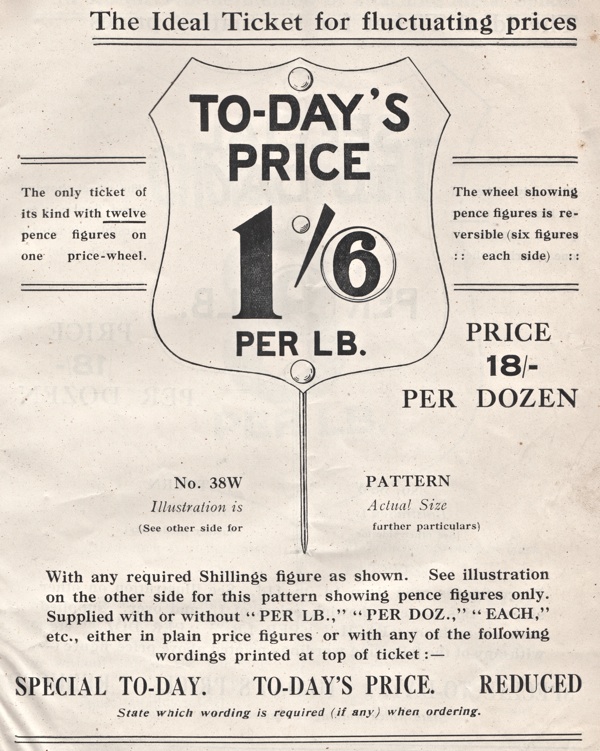
In the same practical spirit of do-it-yourself, Roy bought a machine for silk-screen printing his own sales tickets from designs that he worked up in the shop in his spare time, while waiting for customers. Numbers were drawn freehand onto pencil grids and words were carefully stencilled onto card. From these original designs, Roy made screens and printed onto blank “Ivorine” plastic tickets from Norman Pendred Ltd who also supplied more elaborate styles of sales tickets if customers required.
Blessed with a strong sense of design, Roy was self-critical – cutting the over-statement of his one shilling and its flourish down to size to create the perfectly balanced numeral. The exuberant curves of his five and nine are particular favourites of mine. Elsewhere, Roy was inspired to more ambitious effects, such as the curved text for “Golden Glory Toffee Apples,” and to humour, savouring the innuendo of “Don’t squeeze me until I’m yours.” Today, Paul keeps these designs along with the incomplete invoice book for 1968 which is dated to when Roy died.
No doubt knocking up these sales tickets was all in day’s work to Roy Gardner – just one of the myriad skills required by a Market Sundriesman – yet a close examination of his elegant graphic designs reveals he was also a discriminating and creative typographer.
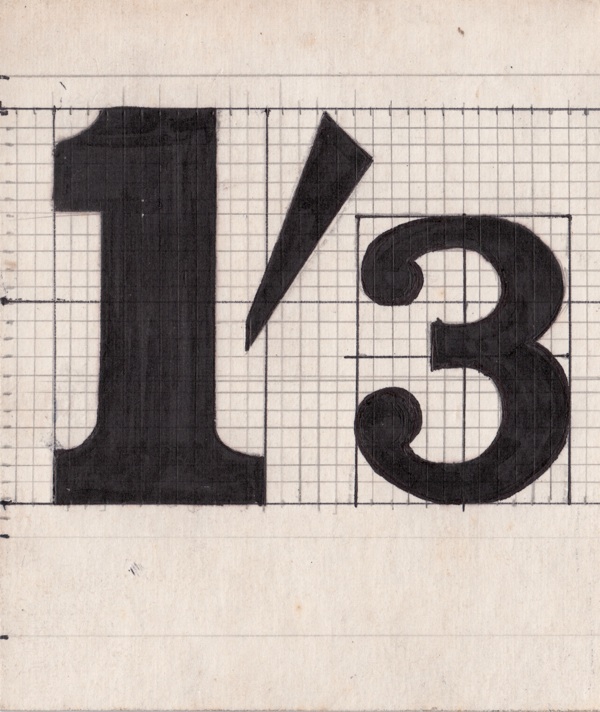


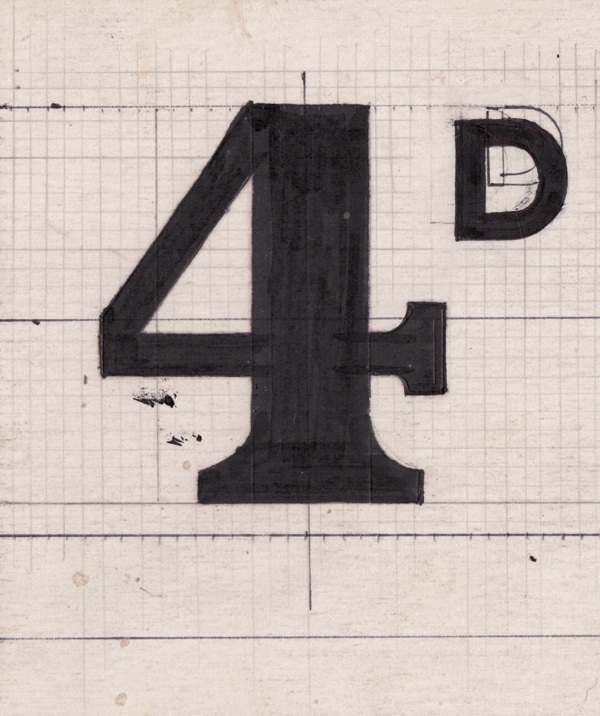


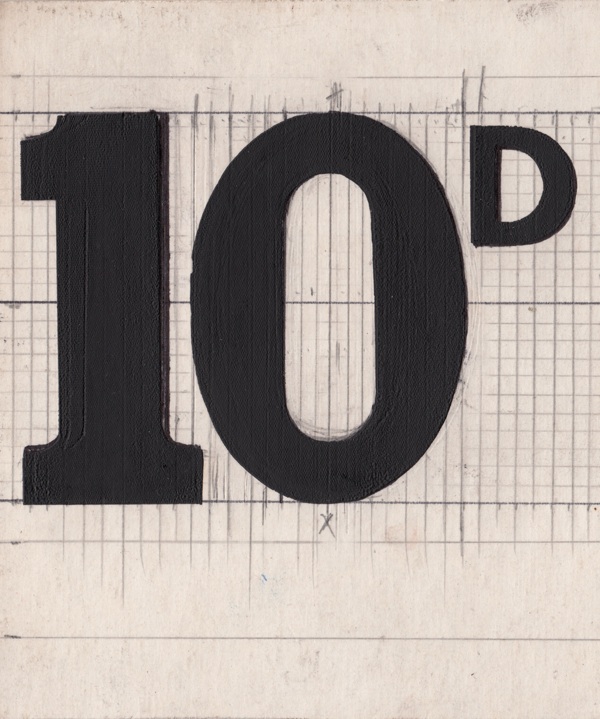
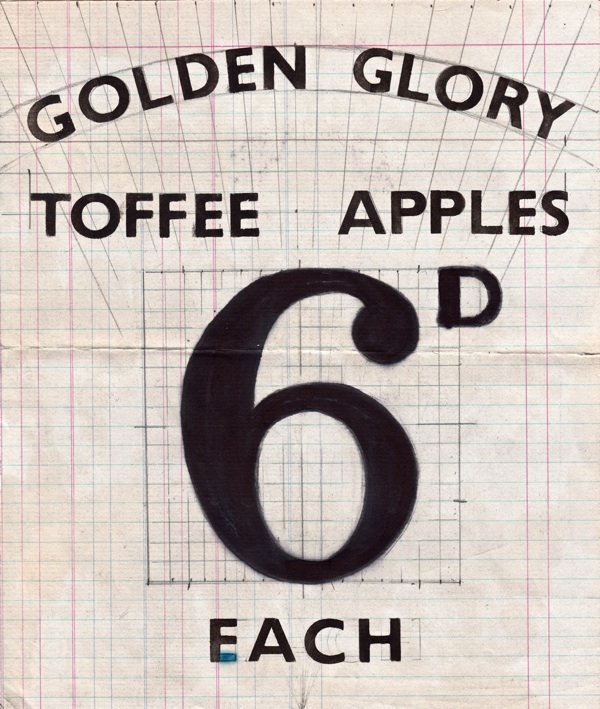


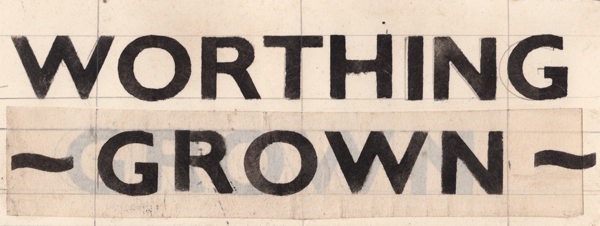


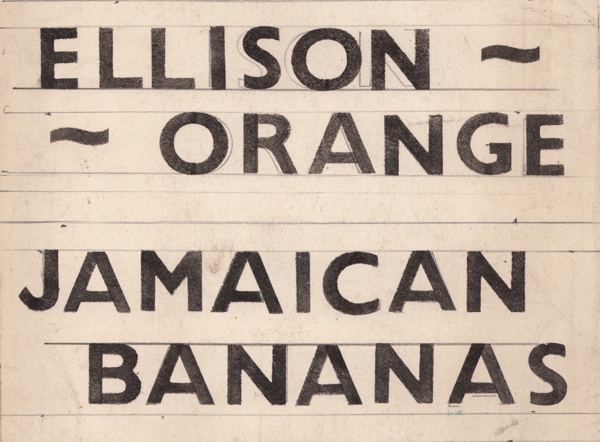
Designs for silk-screen by Roy Gardner

The finished silk-screened signs by Roy Gardner


Pages from the Ivorine products catalogue who could supply Roy’s customers with more complex designs of sales tickets than he was able to produce.



Roy Gardner stands outside Gardners’ Market Sundriesmen in the nineteen forties – note the sales tickets on display inside the shop.
Gardners’ Market Sundriesmen, 149 Commercial St, London E1 6BJ (6:30am – 2:30pm, Monday to Friday)
You may like to read these other stories about Gardners Market Sundriesmen
Paul Gardner, Paper Bag Seller
At Gardners’ Market Sundriesmen
Joan Rose at Gardners’ Market Sundriesmen
Tony Bock At Watney Market

Tony Bock took these pictures of Watney Market – published here for the first time today – while working as a photographer on the East London Advertiser between 1973 and 1978. Within living memory, there had been a thriving street market in Watney St, yet by the late seventies it was blighted by redevelopment and Tony recorded the last stalwarts trading amidst the ruins.
In the nineteenth century, Watney Market had been one of London’s largest markets, rivalling Petticoat Lane. By the turn of the century, there were two hundred stalls and one hundred shops, including an early branch of J.Sainsbury. As a new initiative to revive Watney Market is launched this spring, Tony’s poignant photographs offer a timely reminder of the life of the market before the concrete precinct.
Born in Paddington yet brought up in Canada, Tony Bock came back to London after being thrown out of photography school and lived in the East End where his mother’s family originated, before returning to embark on a thirty-year career as a photojournalist at The Toronto Star. Recalling his sojourn in the East End and contemplating his candid portraits of the traders, Tony described the Watney Market he knew.
“I photographed the shopkeepers and market traders in Watney St in the final year, before the last of it was torn down. Joe the Grocer is shown sitting in his shop, which can be seen in a later photograph, being demolished.
In the late seventies, when Lyn – my wife to be – and I, were living in Wapping, Watney Market was our closest street market, just one stop away on the old East London Line. It was already clear that ‘the end was nigh,’ but there were still some stallholders hanging on. My memory is that there were maybe dozen old-timers, but I don’t think I ever counted.
The north end of Watney St had been demolished in the late sixties when a large redevelopment was promised. Yet, not only did it take longer to build than the Olympic Park in Stratford, but a massive tin fence had been erected around the site which cut off access to Commercial Rd. So foot and road traffic was down, as only those living nearby came to the market any more. The neighbourhood had always been closely tied to the river until 1969 when the shutting of the London Docks signalled the change that was coming.
The remaining buildings in Watney St were badly neglected and it was clear they had no future. Most of the flats above the shops were abandoned and there were derelict lots in the terrace which had been there since the blitz. The market stalls were mostly on the north side of what was then a half-abandoned railway viaduct. This was the old London & Blackwall Railway that would be reborn ten years later as the Docklands Light Railway and prompt the redevelopment we see today.
So the traders were trapped. The new shopping precinct had been under construction for years. But where could they go in the meantime? The new precinct would take several more years before it was ready and business on what was left of the street was fading.
Walking through Watney St last year, apart from a few stalls in the precinct, I could see little evidence there was once a great market there. In the seventies, there were a couple of pubs, The Old House At Home and The Lord Nelson, in the midst of the market. Today there are still a few old shops left on the Cable St end of Watney St, but the only remnant I could spot of the market I knew was the sign from The Old House At Home rendered onto the wall of an Asian grocer.
I remember one day Lyn came home, upset about a cat living on the market that had its whiskers cut off. I went straight back to Watney St and found the beautiful tortoiseshell cat hiding under a parked car. When I called her, she came to me without any hesitation and made herself right at home in our flat. Of course, she was pregnant, giving us five lovely kittens and we kept one of them, taking him to Toronto with us.”


Eileen Armstrong, trader in fruit and vegetables


Joe the Grocer

Gladys McGee, poet and member of the Basement Writers’ group, who wrote eloquently of her life in Wapping and Shadwell. Gladys was living around the corner from the market in Cable St at this time.


Joe the Grocer under demolition.

Frames from a contact sheet showing the new shopping precinct.
Photographs copyright © Tony Bock
You may like to see these other photographs by Tony Bock
London Night

East End Riverside
As you will have realised by now, I am a night bird. In the mornings, I stumble around in a bleary-eyed stupor of incomprehension and in the afternoons I wince at the sun. But as darkness falls my brain begins to focus and, by the time others are heading to their beds, then I am growing alert and settling down to write.
Once I used to go on night rambles – to the railway stations to watch them loading the mail, to the markets to gawp at the hullabaloo and to Fleet St to see the newspaper trucks rolling out with the early editions. These days, such nocturnal excursions are rare unless for the sake of writing a story, yet I still feel the magnetic pull of the dark city streets beckoning, and so it was with a deep pleasure of recognition that I first gazed upon this magnificent series of inky photogravures of “London Night” by Harold Burdekin from 1934 in the Bishopsgate Library.
For many years, it was a subject of wonder for me – as I lay awake in the small hours – to puzzle over the notion of whether the colours which the eye perceives in the night might be rendered in paint. This mystery was resolved when I saw Rembrandt’s “Rest on the Flight into Egypt” in the National Gallery of Ireland, perhaps finest nightscape in Western art.
Almost from the beginning of the medium, night became a subject for photography with John Adams Whipple taking a daguerrotype of the moon through a telescope in 1839, but it was not until the invention of the dry plate negative process in the eighteen eighties that night photography really became possible. Alfred Stieglitz was the first to attempt this in New York in the eighteen nineties, producing atmospheric nocturnal scenes of the city streets under snow.
In Europe, night photography as an idiom in its own right begins with George Brassaï who depicted the sleazy after-hours life of the Paris streets, publishing “Paris de Nuit” in 1932. These pictures influenced British photographers Harold Burdekin and Bill Brandt, creating “London Night” in 1934 and “A Night in London” in 1938, respectively. Harold Burdekin’s work is almost unknown today, though his total eclipse by Bill Brandt may in part be explained by the fact that Burdekin was killed by a flying bomb in Reigate in 1944 and never survived to contribute to the post-war movement in photography.
More painterly and romantic than Brandt, Burdekin’s nightscapes propose an irresistibly soulful vision of the mythic city enfolded within an eternal indigo night. How I long to wander into the frame and lose myself in these ravishing blue nocturnes.

Black Raven Alley, Upper Thames St

Street Corner
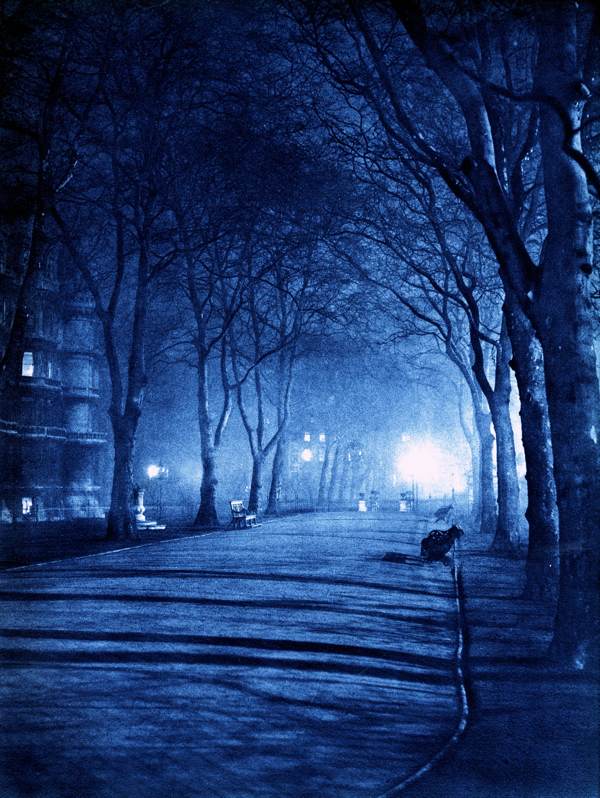
Temple Gardens
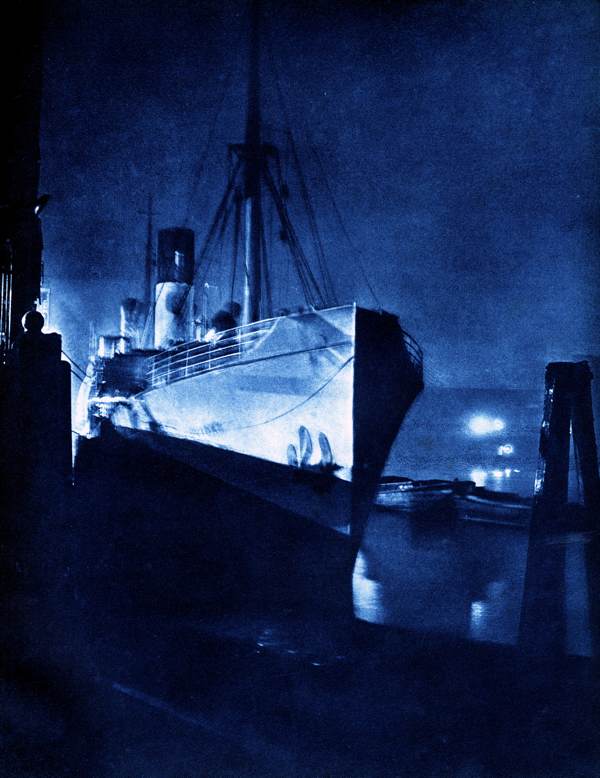
London Docks
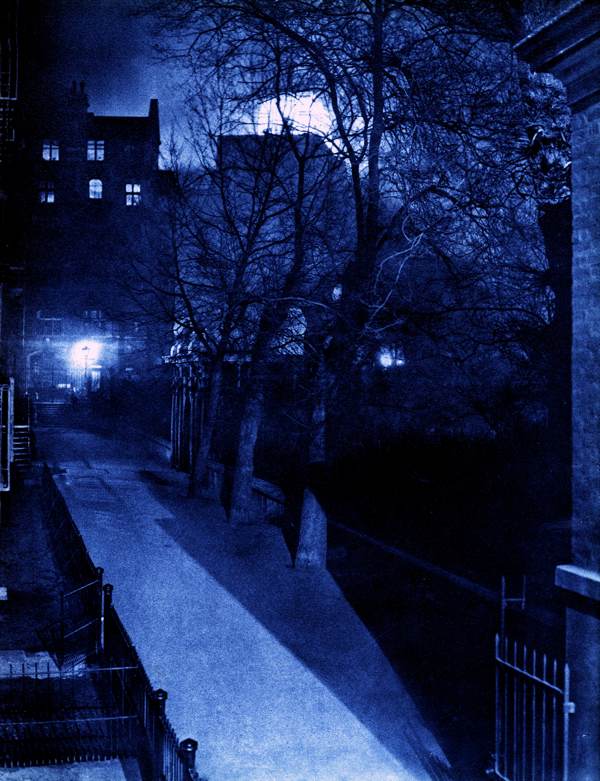
From Villiers St
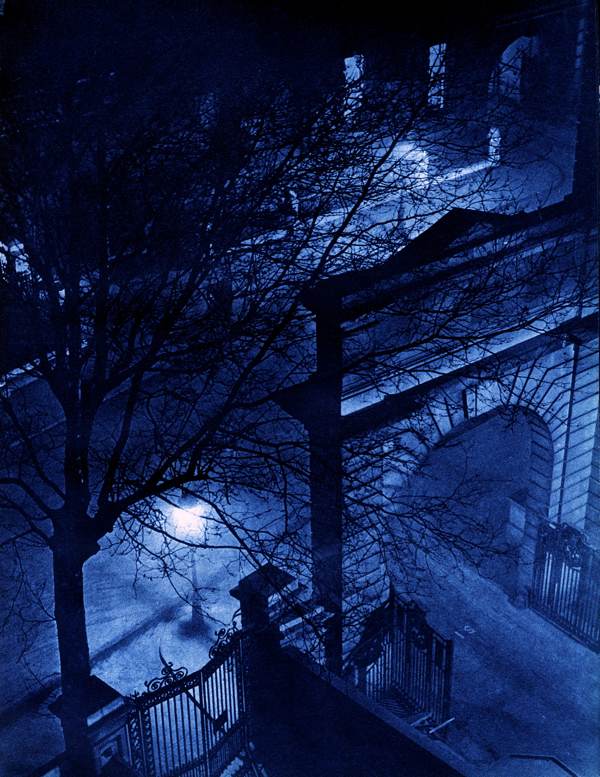
General Post Office, King Edward St
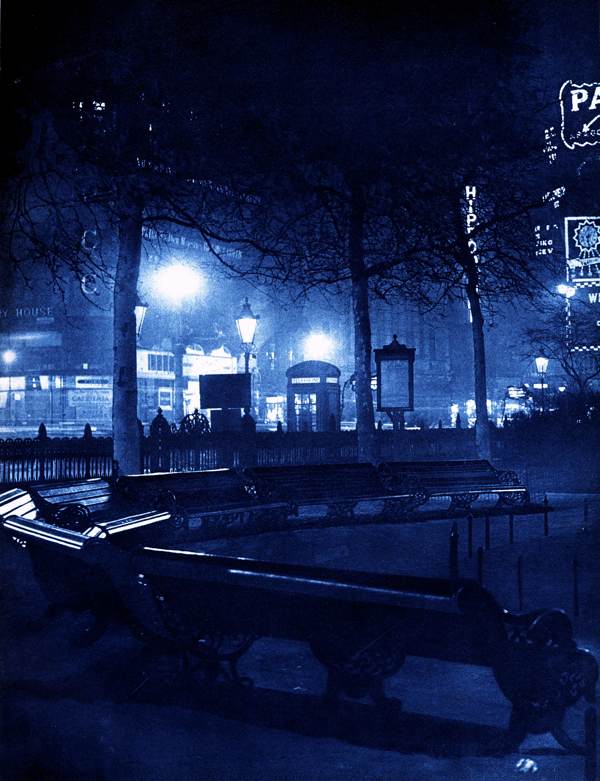
Leicester Sq
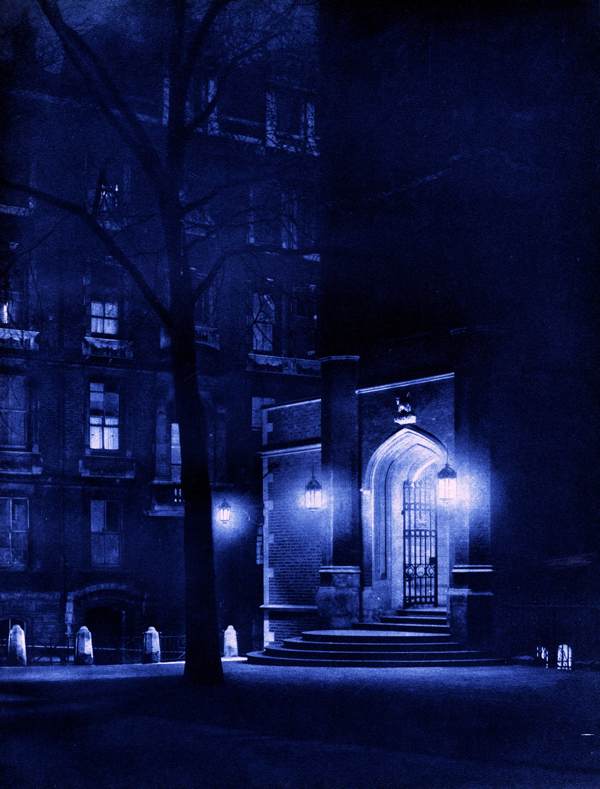
Middle Temple Hall
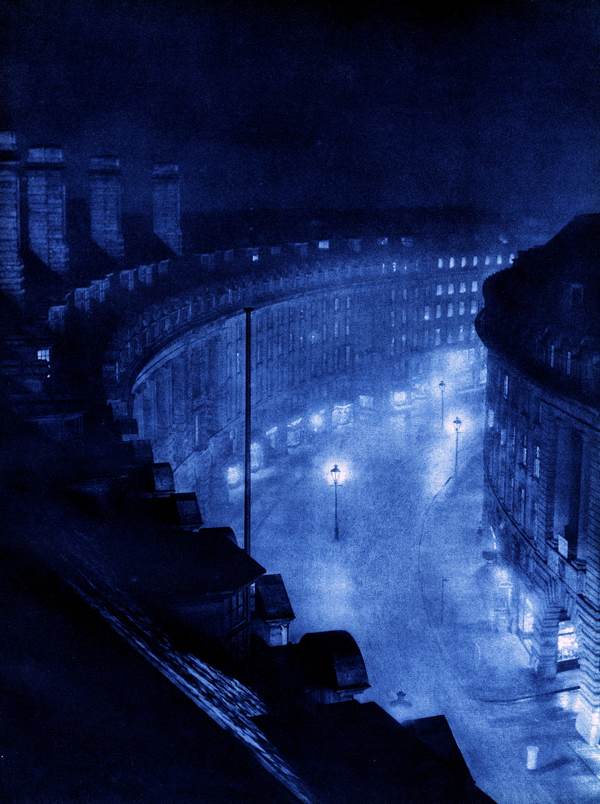
Regent St

St Helen’s Place, Bishopsgate
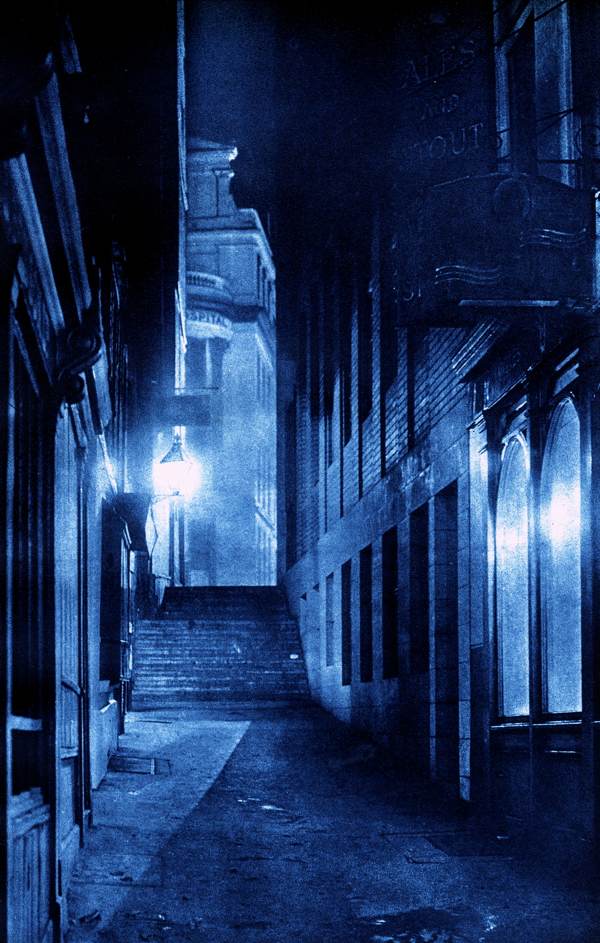
George St, Strand
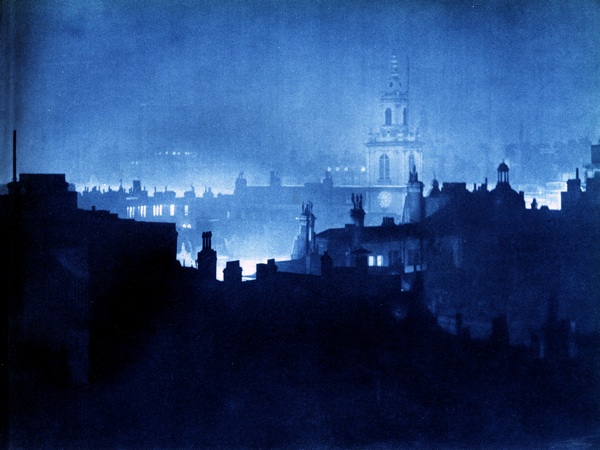
St Botolph’s and the City

St Bartholomew’s Hospital, Smithfield
Images courtesy © Bishopsgate Institute
You might like to read these other nocturnal stories
On Christmas Night in the City
Night at the Brick Lane Beigel Bakery
Night at The Spitalfields Market, 1991
John Claridge’s Boxers (Round Eleven)
Just in case you feared Contributing Photographer & Ex-Boxer John Claridge had substituted slap for punches, swapped the boxing ring for the circus ring and run away to join the Clowns, I am publishing Round Eleven of his monumental series of intimate portraits of Boxers, taken courtesy of our good friends at London Ex-Boxers Association.
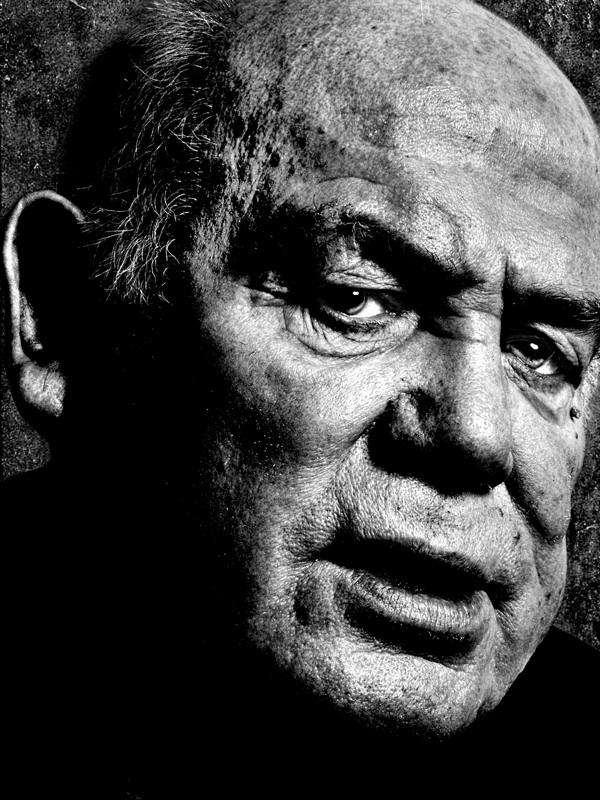
Tim Cowen (First fight 1952 – Last fight 1958)
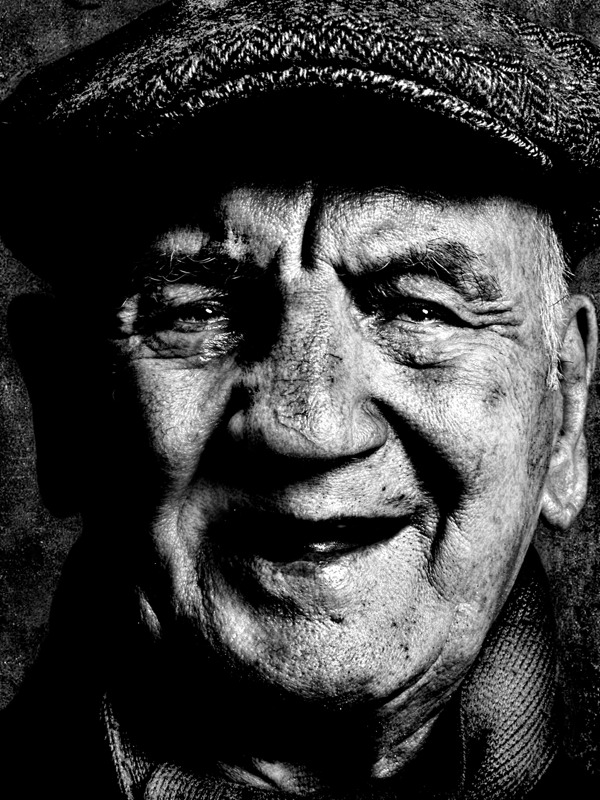
Tony Barrett (First fight 1952 – Last fight 1957)
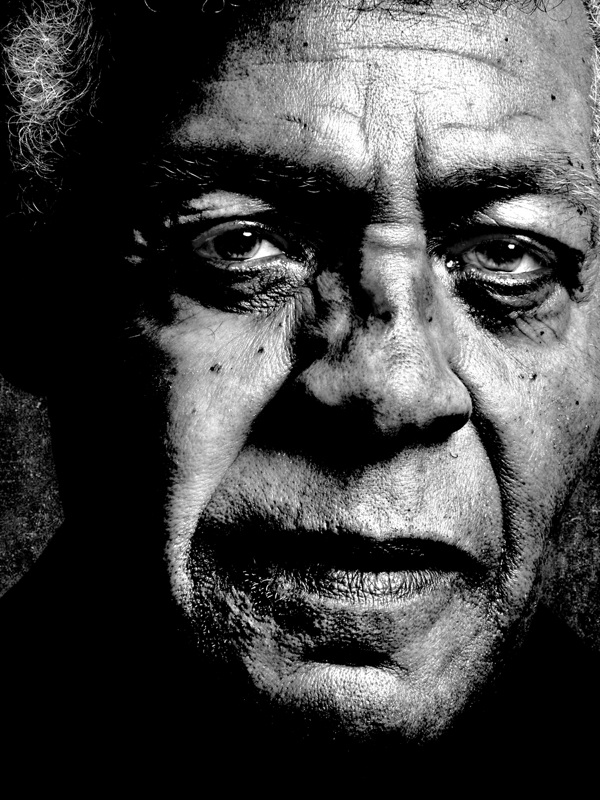
Alan Wood (First fight 1955 – Last fight 1956)
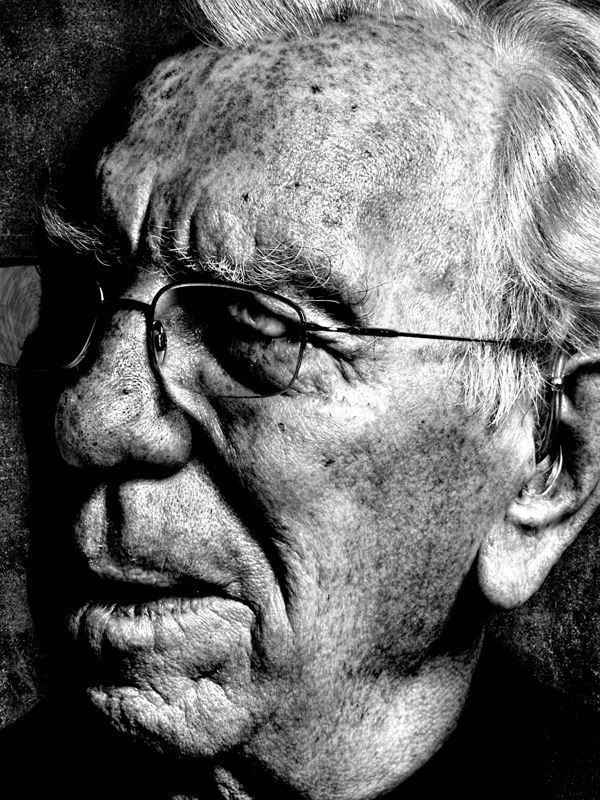
Charles Jeffries (First fight 1946 – Last fight 1952)
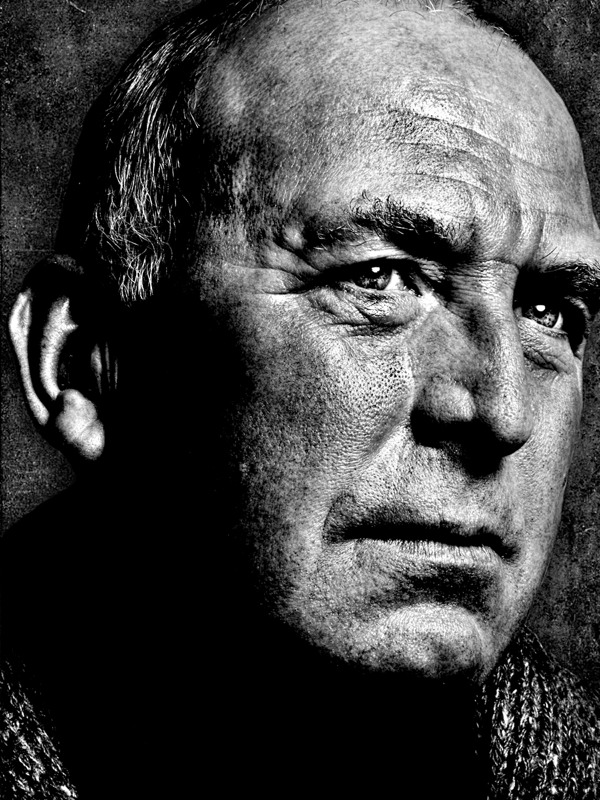
James Wise (Fought in 1968)
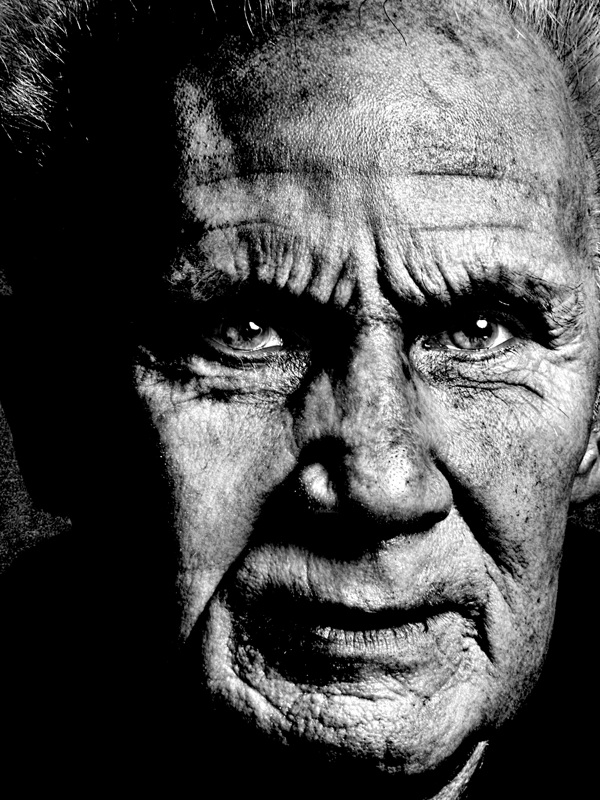
John Micallef –“I’m Maltese, I came here to turn professional but they wouldn’t give me a licence. It was the end of my career.” (First fight 1946 – Last fight 1947)
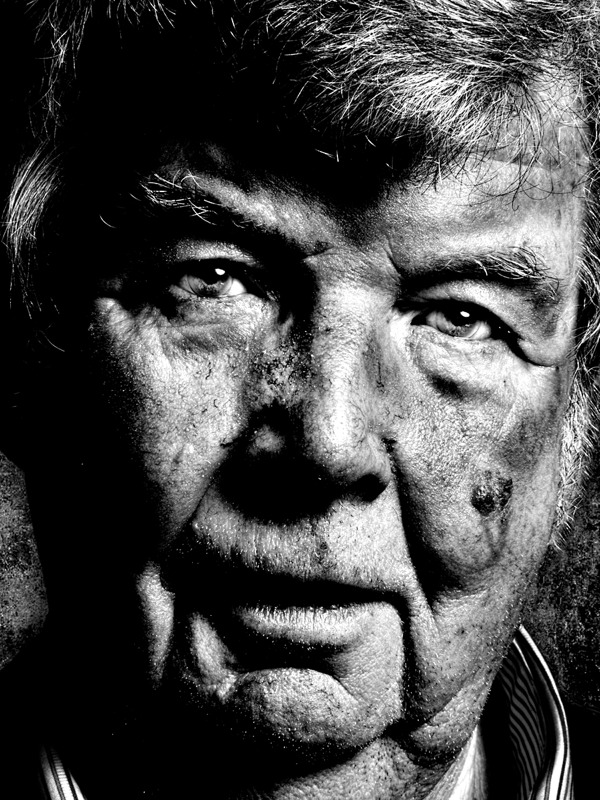
Ken Selleck (Sports Writer, Hackney Gazette, & Boxer in 1956)
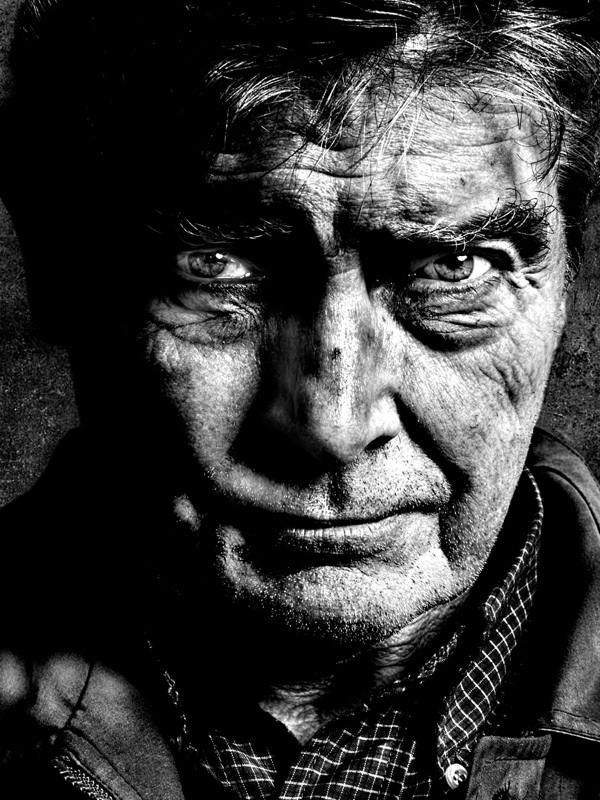
Peter Shevlane (Schoolboy champion 1956)
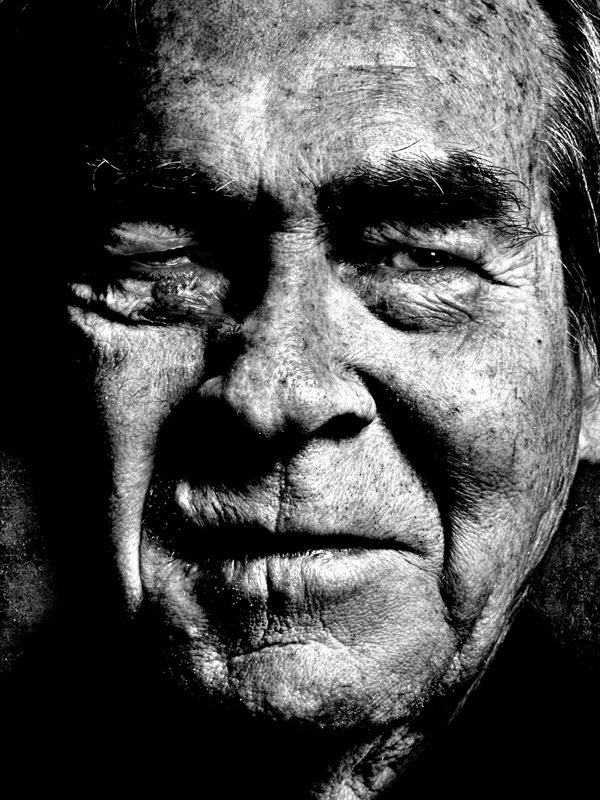
John Madden (First fight 1947 – Last fight 1951)
Photographs copyright © John Claridge
Take a look at
John Claridge’s Boxers (Round One)
John Claridge’s Boxers (Round Two)
John Claridge’s Boxers (Round Three)
John Claridge’s Boxers (Round Four)
John Claridge’s Boxers (Round Five)
John Claridge’s Boxers (Round Six)
John Claridge’s Boxers (Round Seven)
John Claridge’s Boxers (Round Eight)
John Claridge’s Boxers (Round Nine)
and
John Claridge’s Clowns (Act One)
John Claridge’s Clowns (Act Two)
and these other pictures by John Claridge
Along the Thames with John Claridge
At the Salvation Army with John Claridge
A Few Diversions by John Claridge
Signs, Posters, Typography & Graphics
Views from a Dinghy by John Claridge
In Another World with John Claridge
A Few Pints with John Claridge
Some East End Portraits by John Claridge
Sunday Morning Stroll with John Claridge
Nicholas Hawksmoor’s Churches

St George’s, Bloomsbury 1716 – 1731
In 1711 Nicholas Hawksmoor was fifty years old yet, although he had already worked with Christopher Wren on St Paul’s Cathedral and for John Vanbrugh on Castle Howard, the buildings that were to make his name were still to come. In that year, an Act of Parliament created the Commission for Building Fifty New Churches to serve the growing population on the fringes of the growing city. Only twelve of these churches were ever built, but Nicholas Hawksmoor designed six of them and – miraculously – they have all survived, displaying his unique architectural talent to subsequent generations and permitting his reputation to rise as time has passed.
Living in the parish of Christ Church and within easy reach of the other five Hawksmoor churches, I realised that sooner or later I should make a pilgrimage to visit them all. And so, taking advantage of some fleeting spells of sunlight and clear skies in recent days, I set out to the west, the south and to the east from Spitalfields to photograph these curious edifices.
In 1710, the roof of the ancient church of St Alfege in Greenwich collapsed and the parishioners petitioned the Commission to rebuild it and Hawksmoor took this on as the first of his London churches. Exceeding any repair, he remodelled the building entirely, although his design was “improved” and the pilasters added to the exterior by fellow architect Thomas Archer, compromising the clean geometric lines that characterise Hawksmoor’s other churches. His vision was further undermined when the Commission refused to fund replacing the medieval tower with an octagonal lantern as he wished, so he retained the motif, employing it at St George-in-the-East a few years later. Latterly, the tower of St Alfege was refaced and reworked by Hawksmoor’s collaborator John James in 1730. Yet in spite of the different hands at work, the structure presents a satisfyingly harmonious continuity of design today, even if the signature of Hawksmoor is less visible than in his other churches.
Before Hawksmoor’s involvement with St Alfege was complete in 1716, he had already begun designs for St George-in-the-East, St Anne’s Limehouse and Christ Church Spitalfields. In each case, he was constructing new churches without any limitation of pre-existing structures or the meddling hands of other architects. These three churches share many characteristics, of arched doorways counterpointed by arched and circular windows, and towers that ascend telescopically, in graduated steps, resolving into a spire at Christ Church, a lantern at St George-in-the-East and a square tower at St Anne’s. This is an energetic forceful mode of architecture, expressed in bold geometric shapes that could easily become overbearing if the different elements of the design were not balanced within the structure, but the success of these churches is that they are always proportionate to themselves. While the outcome of Hawksmoor’s architecture is that they are awe-inspiring buildings to approach, cutting anyone down to size, conversely they grant an increased sense of power to those stepping from the door. These are churches designed to make you feel small when you go in and big when you come out.
In 1716, Hawksmoor began work on what were to be the last two of his solo designs for churches, St Mary Woolnoth and St George’s, Bloomsbury. Moving beyond the vocabulary of his three East End churches, he took both of these designs in equally ambitious but entirely different and original directions. St Mary Woolnoth in the City of London was constructed upon a restricted site and is the smallest of Hawksmoor’s churches, yet the limitation of space resulted in an intense sombre design, as if the energy of his larger buildings were compressed and it is a dynamic structure held in tense equilibrium, like a coiled spring or a bellows camera held shut.
St George’s Bloomsbury was the last of Hawksmoor’s churches and his most eccentric, completed in 1731 when he was seventy as the culmination of twenty extraordinarily creative years. Working again upon a constricted site, he contrived a building with a portico based upon the Temple of Bacchus in Baalbek and a stepped tower based upon the Mausoleum at Halicarnassus which he adorned with a statue of George I upon the top, flanked by the lion and unicorn to celebrate the recent defeat of the Jacobites. Undertaken with such confidence and panache, Hawksmoor’s design is almost convincing and the enclosed location spares exposure, permitting the viewer to see only ever a portion of the building from any of the available angles.
The brooding presence of Hawksmoor’s churches has inspired all manner of mythologies woven around the man and his edifices. Yet the true paradox of Hawksmoor’s work stems from the fact that while he worked in the Classical style, he could never afford the opportunity to undertake the Grand Tour and see the works of the Renaissance masters and ruins of antiquity for himself. Thus, he fashioned his own English interpretation which was an expression of a Gothic imagination working in the language of Classical architecture. It is this curious disconnection that makes his architecture so fascinating and gives it such power. Nicholas Hawksmoor was incapable of the cool emotional restraint implicit in Classicism, he imbued it with a ferocity that was the quintessence of English Baroque.
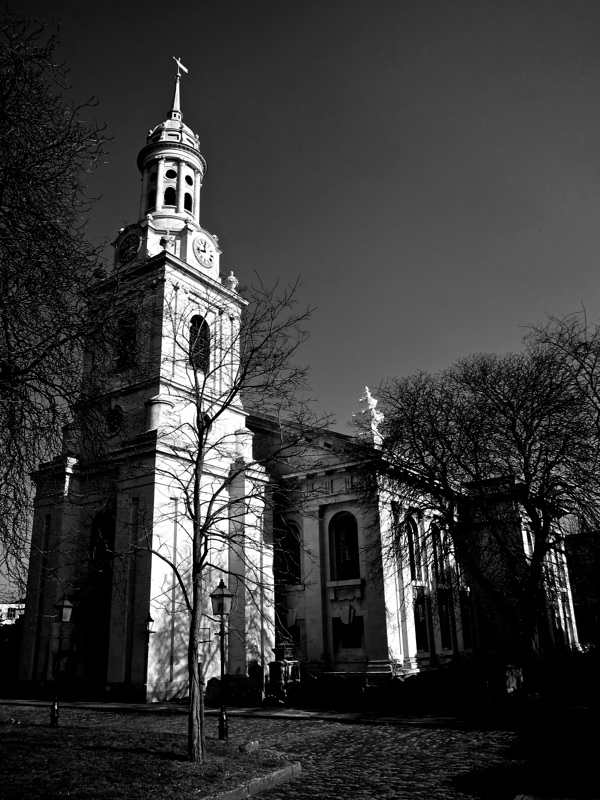
St Alfege, Greenwich 1712-16

St Mary Woolnoth, Bank 1716-24
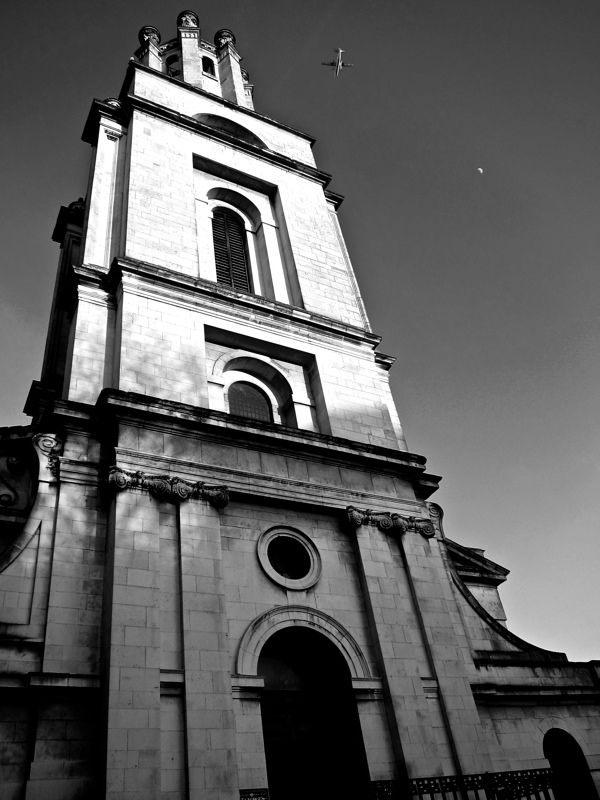
St George-in-the-East, Wapping 1714-1729

St Anne’s, Limehouse 1714-1730

Christ Church, Spitalfields 1714-1729
You may also like to take a look at












