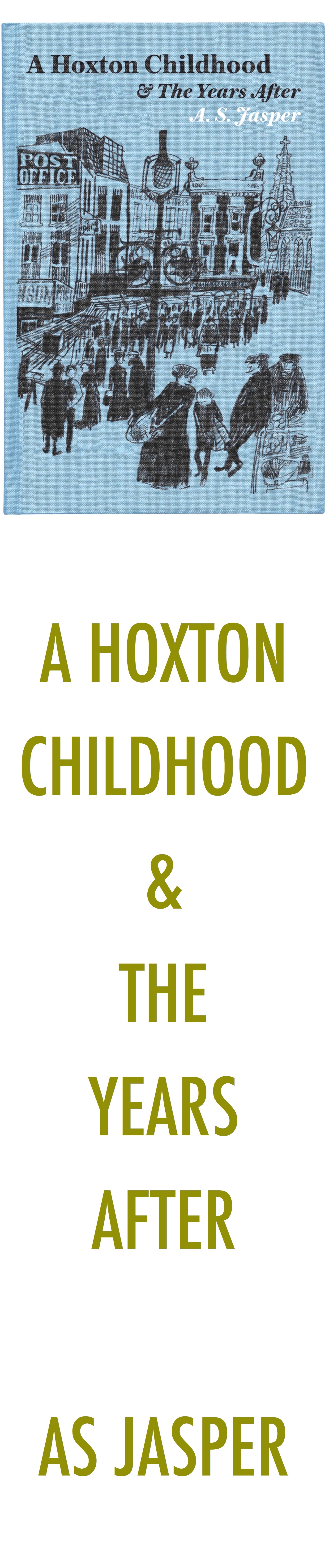
Alfred Hitchcock in Leytonstone
Sebastian Harding, Illustrator & Modelmaker, made these models of buildings in Leytonstone associated with the great director to celebrate Hitchcock’s East End, a year’s worth of events produced by Create London and Barbican Film, commencing Saturday, 28th September, with a screening of ‘Vertigo’ at St Margaret of Antioch Church, just a stone’s throw from where he was born.
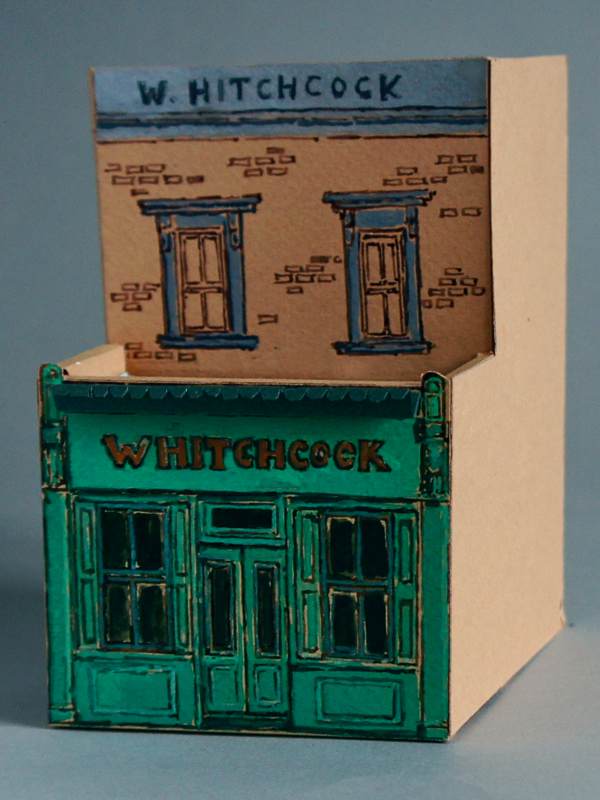
Hitchcock Birthplace, 517 High Rd
Alfred was born above his father William’s greengrocery and poultry shop on 13th August 1899. The prosperity of this thriving family business permitted his parents to enjoy the luxury of regular trips up to see West End shows. Yet, unlike his elder brother and sister, Alfred never worked in the shop and described himself in retrospect as a lonely, complicated child, inhibited by obesity. Unfortunately, the terrace with the Hitchcock family home was demolished in the nineteen-sixties and the birthplace of the world’s most famous director is now the site of the Jet Petrol Station and ‘Chicks’ fried chicken shop.
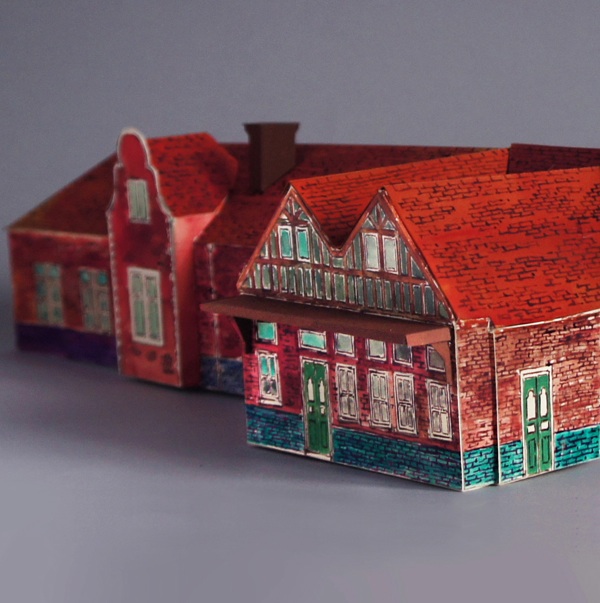
Leytonstone Tube Station, site of the former Eastern Counties Railway Station
When the Eastern Counties Railway arrived in 1856, it transformed Leytonstone, connecting it directly with central London and, in the other direction, to Epping and Essex. In Alfred’s childhood, the horsetrams were being replaced by electric-powered ones and he developed an early fascination with automated transport systems, claiming to have travelled every route and memorised all the timetables by the age of eight. In 1909, just a year after Alfred started school in Battersea, Alliot Vernon Roe made the first British powered flight in his plane over the Walthamstow Marshes. Later, means of transport were to become integral to Hitchcock’s storytelling method as a film director and, in his frequent cameos, he was often getting on or off different forms of transport, or seen at transport termini. The station was rebuilt in the nineteen-forties, before being reopened as part of the Central Line in 1947, and today it contains a series of mosaic murals depicting scenes from Hitchcock’s life and work.
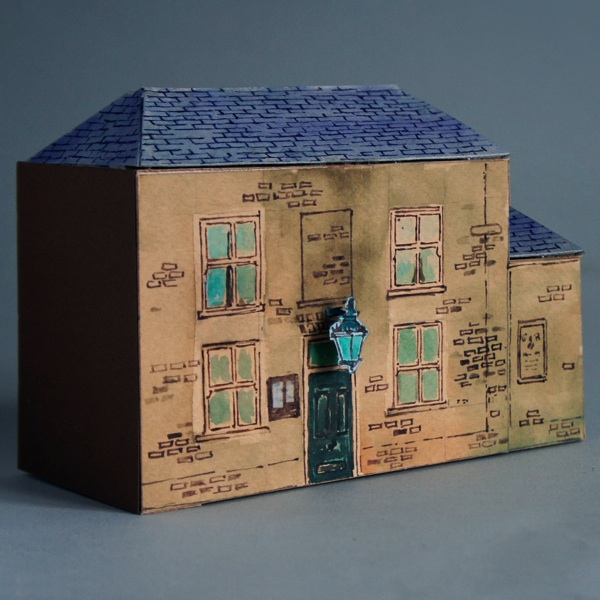
Harrow Rd Police Station, 616-618 High Rd
This is the location of the most famous of Hitchcock’s childhood vignettes, recounted here by François Truffaut in his ‘Definitive Study of Alfred Hitchcock’: “I must have been about four or five years old when my father sent me to the Police Station with a note. The Chief of Police read it and locked me in a cell for five or ten minutes, saying, ‘This is what we do to naughty boys.’ … I haven’t the faintest idea why I was punished. As a matter of fact, my father used to call me his ‘little lamb without a spot,’ so I truly cannot imagine what I did …” It is apparent that William Hitchcock was a strict disciplinarian, instilling the lifelong sense of guilt and fear of the police that underscore his son’s films. The site of Harrow Rd Police Station opposite Harrow Green is now occupied by a Costcutter shop.
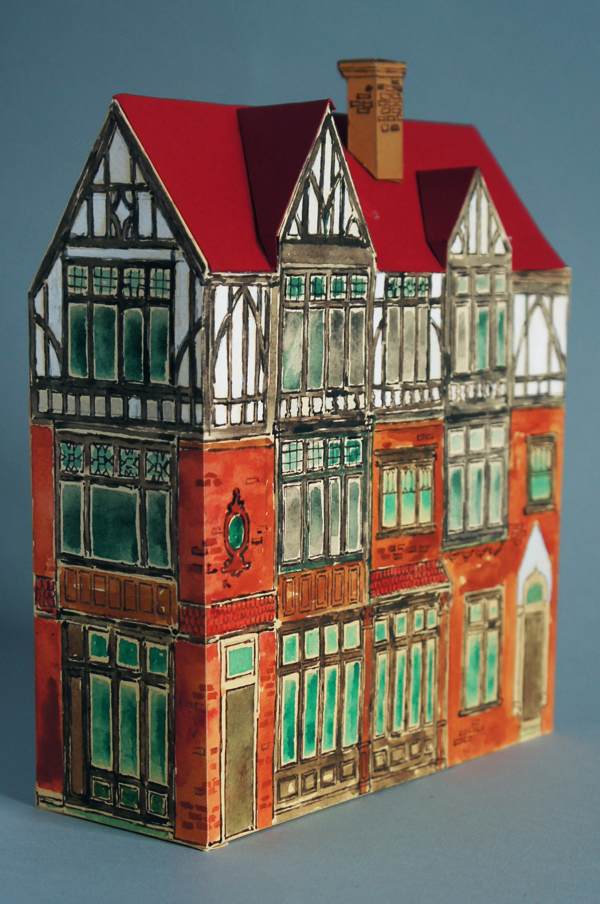
Leytonstone Express & Independent Offices, 6 Church Lane
During Hitchcock’s time, this was the offices of the local paper and a place of great interest to young Alfred who was to get his first job drafting adverts after leaving school, contributing articles to The Henley Telegraph regularly from 1919. Later, journalists and investigative reporting became frequent motifs in his films, reflecting Alfred’s fascination with print media that began here in Leytonstone. Today, this building houses Leytonstone Library and an Argos shop. In 1919, after the death of his father when Alfred was fifteen, he left Leytonstone to work as a draftsman for a cable company, never to return.
Models copyright © Sebastian Harding
You may also like to read about
Sebastian Harding, Illustrator & Modelmaker
Sebastian Harding’s Latest Creations
At St Augustine’s Tower

St Augustine’s Tower
I wonder how many people even notice this old tower, secreted behind the betting office in the centre of Hackney? Without a second glance, it might easily get dismissed as a left-over from a Victorian church that got demolished. Yet few realise St Augustine’s Tower has been here longer than anything else, since 1292 to be precise.
“It is an uncompromising medieval building, the only one we have in Hackney,” Laurie Elks, the custodian of the tower, admitted to me as we ascended its one hundred and thirty-five steps, “and, above all, it is a physical experience.” Climbing the narrowing staircase between rough stone walls, we reached the top of the tower and scattered the indignant crows who, after more than seven centuries, understandably consider it their right to perch uninterrupted upon the weather vane. They have seen all the changes from their vantage point, how the drover’s road became a red route, how London advanced and swallowed up the village as the railway steamed through.
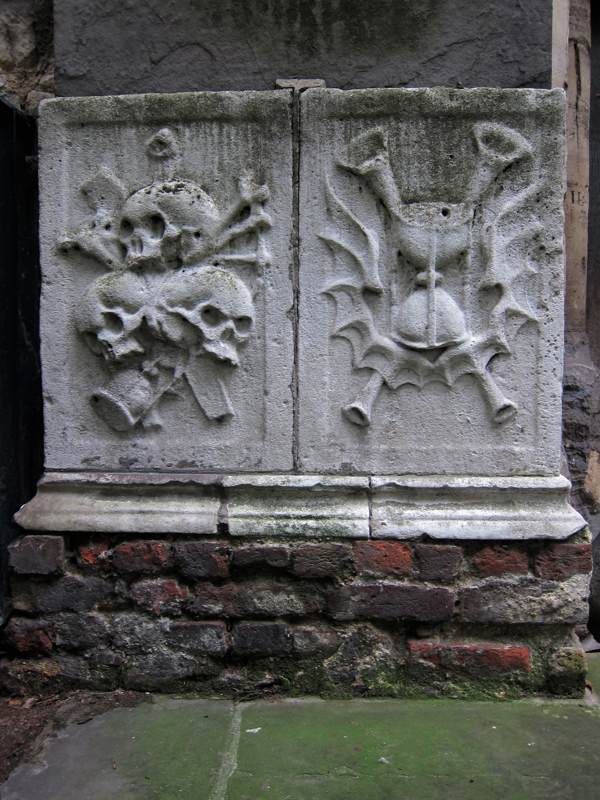
Yet inside the tower, change has been less dramatic and Laurie is proud of the lovingly-preserved cobwebs that festoon the nooks and crevices of his cherished pile, offering a haven for shadows and dust, and garnished with some impressive ancient graffiti. The skulls and hourglasses graven upon stone panels beside the entrance set the tone for this curious melancholic relic, sequestered among old trees just turning colour now as autumn crocuses sprout among the graves. You enter through a makeshift wooden screen, cobbled together at the end of the eighteenth century out of bits and pieces of seventeenth century timber. On the right stands an outsize table tomb with magnificent lettering incised into dark granite recording the death of Capt Robert Deane, on the fourth day of February 1699, and his daughters Mary & Katherine and his son Robert, who all went before him.
“There was no-one to wind the clock,” revealed Laurie with a plaintive grimace, as we stood on the second floor confronting the rare late-sixteenth-century timepiece that was once the only measure of time in Hackney, “so I persuaded my sixteen-year-old daughter, Sam, that she would like to do it and she did – until she grew unreliable – when I realised that I had wanted to wind the clock myself all along. I would come at two in the morning every Saturday and go to the all-night Tesco and buy a can of beans or something. Then I would let myself in and, sometimes, I didn’t put on the light because I know the building so well – and that was when I fell in love with it.” Reluctantly, Laurie has relinquished his nocturnal visits since auto-winding was introduced to preserve the clock’s historic mechanism.
It was the Knights Templar who gave the tower its name when they owned land here, until the order was suppressed in 1308 and their estates passed to the Knights of St John in Clerkenwell who renamed the church that was attached to the tower as St John-at-Hackney. Later, Christopher Urstwick, a confidant of Henry VII before he became king, retired to Hackney as rector of the church and used his wealth to rebuild it. Yet, to the right of the entrance to the tower, rough early medieval stonework is still visible beneath the evenly-laid layers of sixteenth century Kentish ragstone – bounty of the courtier’s wealth – that surmount it.
When the village of Hackney became subsumed into the metropolis, with rows of new houses thrown up by speculators, a new church was built down the road in 1797, but it was done on the cheap and the tower was not strong enough to carry the weight of the bells. Meanwhile, the demolition contractor employed to take down the old church was defeated by the sturdy old tower and it was retained to hold the bells until enough money was raised to strengthen the new one. Years later, once this had been effected, the fashion for Neo-Classical had been supplanted by Gothic and it suited the taste of the day to preserve the old tower as an appealing landmark to remind everyone of centuries gone by.
Thus, no-one can say they live in Hackney until they have made the pilgrimage to St Augustine’s Tower – where Laurie is waiting to greet you – and climbed the narrow stairs to the roof, because this is the epicentre and the receptacle of time, the still place in the midst of the mayhem at the top of Mare St.


The view from the top of the tower towards the City of London.


A bumper crop of conkers in Hackney this year, as seen from the parapet.

Laurie Elks, Custodian of the Tower


St Augustine’s Tower is open next Sunday, 29th September, and on the last Sunday of every month (except December) from 2pm-4:30pm
At Julie Begum’s Group

Julie (top right) and her group
Like those feisty East End pub landladies of yore, Julie Begum calls for order above the din of voices and laughter. She is a formidable figure, despite her size, one who demands attention and one on whose wrong side you would never wish to be.
“Enough of your chat, young lady,” she says with a grin to a sprightly eighty-year-old, who is giggling unaware with her friend. We are all seated in the art room of Hackney Museum. Due to the summer break, many of the fifteen or so women have not seen each other for a while and there is noise and excitement as they catch up on news and gossip. But Julie’s energy never wanes. She has already made everyone steaming mugs of sweet tea, handed out the biscuits and passed around the plump dates that one of the women brought with her (‘to hell with the diabetes’ is the attitude here). She has welcomed latecomers, found them seats and made guests feel welcome too. Eventually, the women heed her calls and calm down, and Julie introduces me to them. “He is here to ask you questions. You can talk to him if you want but you don’t have to, although he is a nice boy.”
“Are you?” one of the women heckles from the other side of the room.
I shake my head from side to side, jokingly.
“There’s so many of us, how will you ever choose?” she asks, cheekily.
For the last seven years, Julie has been working with this group of East End women. But it is more than just another community group, these women are between forty to eighty years of age and from all over the world – Bangladesh, India, Pakistan, South Africa, Sierra Leone, Tanzania and Kenya. They speak a mixture of languages, including English, Bengali, Swahili, Urdu and Hindi. Most came to London to be with husbands who were working here, finding themselves settling and having families. Throughout their lives, they have worked as carers, machinists, arranged-marriage fixers, receptionists, bakers, factory-workers and as teachers. What they have in common is that over the years, they have all made this city their home. Jointly, as well as individually, these women overflow with tales, histories and stories of migration, of creating homes in new places and with new people – of learning, suffering and hard work.
Julie’s gang of women have been asked to work on a project by Hackney Museum which involves putting meaningful items into a suitcase that says something about the lives of their owners. Alongside other suitcases filled by groups who also use the museum, a collective picture will be built up of the lives and inhabitants of the borough in the twenty-first century.
These women are in demand. Before they even have a chance to talk about the items which will represent them in the suitcase, visitors from Stoke Newington Knitting the Common group make an announcement. They would like the women to participate in their own project which involves knitting a model of Stoke Newington Common complete with trees, bushes, houses and railway tracks. Many of these women have been knitting, crocheting and embroidering for decades and, as the visitors explain their idea, the women quizzically inspect the knitted trees, passing them round the room and, as they put their glasses on, peering carefully at the stitches. In a quiet hum, they translate for one another and for those hard of hearing. “How many trees have you made,” one asks on behalf of another. “Seven,” comes the reply, “but we need many more.” They all laugh. “The stitches are really very good, aren’t they?” the woman next to me comments, “What wool do you think they are using?” I shrug my shoulders.
Julie explains the origin of the group and what holds it together. “In 2007, the Geffrye Museum received funds to attract non-traditional visitors to the museum. One of their target groups were Asian women. The Geffrye had never done anything like this and it was all new territory for them but it had to open itself up to local people, so I was brought in to help them do this. One of the things I did was to contact the Asian Women’s Advisory Service, an organisation that provides a range of services to women such as welfare and benefits advice, help with domestic abuse, health and educational training – that sort of thing. I met some of the women there and we have been together ever since.
During our time at the Geffrye, we transformed the garden at the back of the museum. We bought seeds, soil, flowers and plants and got involved with the gardeners to grow a community garden. When there was a glut of produce, the women would share them out. Even the restaurant there made use of our tomatoes. In the autumn and winter, when it became too cold to be outdoors, we did activities in the art room. I invited people to run workshops, doing arts and crafts, photography, using the Geffrye’s own collections for inspiration. Over the years, we did projects with other local community groups too.
The women came on buses to get to the museum, week after week, something not necessarily easy if you are seventy years of age and travelling on your own. They are always bringing food along with them in tupperware for everyone to share. We go on trips to the V&A or the William Morris Gallery, and the tupperware rammed with biryanis, naans, pasta and couscous always come with us. They always have a really good time, enjoying each others company, building up relationships independent of the sessions. They go to each others homes and attend their children and grandchildren’s weddings together.
Deepa, for example. is in her seventies and had an accident on the bus recently. The women all went to visit her in hospital to offer their support, and when Shamena had an operation on her liver, they went round, taking food with them. As they age, loss of mobility is an issue for them, especially for the those who have been working, raising families and being independent for much of their lives. It is particularly sad to see them lose their independence.”
Then the funds that the Geffrye Museum was providing were reduced and the women could not meet as regularly. Nonetheless, they continued seeing one another. But, in order for them to remain together, Julie sought other venues to host their meetings and they found a new home at Hackney Museum. However, they all miss the Geffrye’s garden terribly, because many live in high rise flats and it was their only opportunity for them to get their hands dirty.
Julie explains to me that while they have all been together, there have been any number of illnesses, operations, family traumas and bereavements. Coping with bereavement and loss is an important part of what binds them. Julie says that this is why the experiences that they have together grow more meaningful, because they are trying to have as much fun as possible in the time they have left. “I have become really good friends with these women and, by doing so, am learning to nurture my own relationships with others. My bond with them has made me confront issues in my own life and to not put them to the back of my mind. I’m much more conscious of how ageing will be for myself and my family members, in particular my mother.”

Deepa Bhatt, 69
“I live in Bow. I have done so for the last twenty-five years. I am originally from Delhi but moved to London because of my husband’s work. He worked for the Bombay Taj Hotel as a chef for many years, but he was transferred to London to work for the Bombay Brasserie on Gloucester Rd. He worked there until he passed away. In November, I am going to Delhi where the warmth is better for me and better for my bones. I have had operations on both of my knees and find walking very difficult.”

Shereen Jivaji, 76
“In the fifties, my husband came to London to learn to be a plumber but changed his mind and went back to Kenya where he worked for a suitcase factory. It was very specialised work. I married him in 1952 or 1953 – I can’t remember the exact date. I had been a receptionist but had to stop working to stay at home to cook and look after his very large family. In 1975, my husband and I along with our two young sons moved to London. He worked for a suitcase factory on Commercial St. I started working again, first as a machinist, making skirts and trousers in a factory. I had used a home machine before but not an industrial one – it was totally different. I hardly made ten pounds a week, as it was piecework yet, over time I improved. I then became a packer on St John St, working for Scholl. I would pack athletes foot powder and nail clippers into boxes. I made seventy-two pounds a week. I worked hard then, but now I can’t even pick up a bucket. My husband suffered from cancer. He had good treatment, but died in 2001. One of my sons became a computer scientist and the other a civil engineer. I live by myself and I’m happy.”

Rashida Siddiqui, 65
“I worked as a child minder for thirty years. My husband had been a Charted Accountant but he died young of a heart-attack, so I had to raise my children somehow. I really enjoyed doing the work. One of the children I raised many years ago, came to visit and have dinner at my house recently. She is now twenty-eight years old and doing very well in her life. A Jewish mother I worked for said that when she went out, she never worried for her children when they were with me. My secret for looking after children is patience and calm. I enjoy the company of my English friends. When my husband died, people were very supportive. When they got married, they invited me. I sometimes go to Peshawar where I come from – I love it there, but a lot of people came to Peshawar from Afghanistan during the Russian invasion and it has changed from the way I remember it.”

Jamila Mushtaq, 44
“I have been coming to the group for the last three years and I love it very much. It’s like family. My family are all in Pakistan, so this is my second family.”

Razia Sultan, 78
“I have been coming to Julie’s group for five or six years, mashallah. I enjoy it all: the knitting, cooking, exercising, gardening – there are too many things to list. But I like gardening the most. I like flowers the best, mashallah. My husband was a soldier in the British Army but then moved here in 1960, and I came and joined him in 1961. Initially, we were in Yorkshire and my husband worked for a biscuit factory as an accountant. I would make salwar kameezs at home. Then we moved to London on 14th August 1978, I remember the date – after the biscuit factory closed down. I love London, but I prefer Yorkshire even though it is colder. I’m always very busy, mashallah. I knit, I pray five times a day, read the Quran, magazines and newspapers. I enjoy my health, but I have high blood pressure and I have to use walking sticks now.”
Portraits copyright © Sarah Ainslie

ENVOI FROM DELWAR HUSSAIN
“Though it has only been one week – just seven days – I have been overwhelmed by dozens of lives, decades of history and hundreds of traces of other people’s stories. Now back to The Gentle Author… “
Portrait of Delwar Hussain copyright © Lucinda Douglas-Menzies
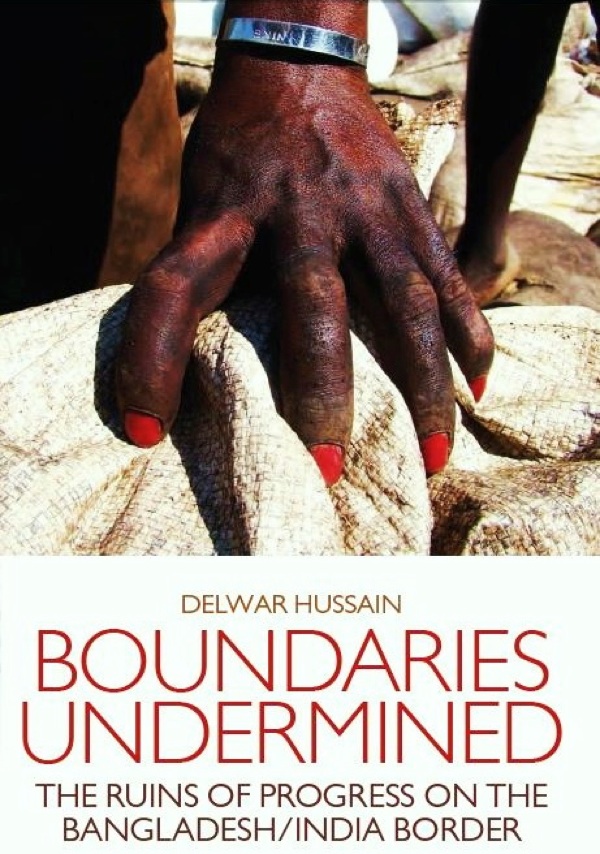
Click here to order a copy of BOUNDARIES UNDERMINED by Delwar Hussain
At the Daneford Trust
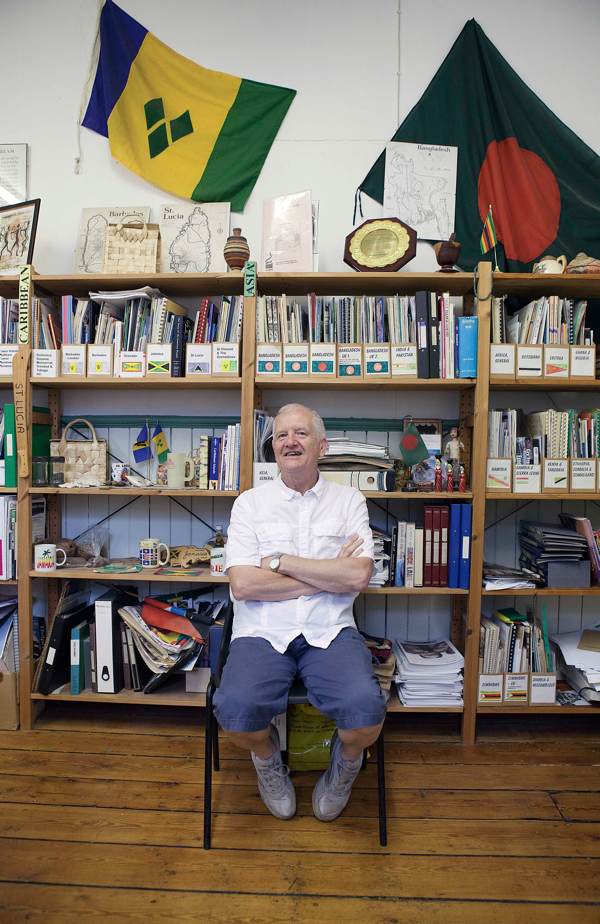
Tony Stevens
It is the thirty-first anniversary of the Daneford Trust. The office, located in a quiet cul-de-sac behind Tesco on Bethnal Green Rd, is as unassuming as the organisation. Nonetheless, over the years, it has enabled hundreds of local young people to volunteer in Africa, Asia and the Caribbean – irrevocably changing their lives and the lives of those they work with. Tony Stevens originally set up the Trust and continues to be its coordinator. He retells its history and, alongside some of its current members, explains why it remains such a vital project for those who have found their way to its doors.
“In 1968 I went to South Africa as a volunteer teacher and the impact that that had on me was immense. So, when I returned to London and took up a position as the sole music teacher at the then Daneford Boys School, I thought it would be wonderful to take some of the boys to Africa to give them an experience similar to mine. At the time, the boys, like the rest of East London were predominantly white, working-class, cockneys. The National Front was rampant in the area and some of the boys from my form would go “paki bashing” at weekends – if you talk to them about it now, they would be quite embarrassed. But I wanted them to see what a black-led country could be like, where there were black doctors, teachers and politicians. We could not go to South Africa because of apartheid, so we chose Botswana and Lesotho. As far as I know, this was the first state school exchange project of its kind.
We began planning in 1976. I gave a talk at assembly and there was some interest in the trip amongst the boys. Eventually, it whittled down to a group of ten who were serious about going. They would turn up to the meetings, did language training and helped with the fundraising. We held a jumble sale in the school hall, a sponsored walk and wrote letters to the London mayor, local companies and the Commonwealth Youth Exchange Council. One day I received a phone call in the staff room from the CYEC. They were offering us two thousand pounds, a third of what we needed. I got off the phone and thought, ‘God, its happening. We are going. There is no going back now.’
We set off in 1977. You can imagine what a surprise southern Africa was for the boys. These were ordinary East Enders who had never been anywhere in their lives. They were fascinated by everything and everyone around them. When one of them saw a mud hut for the first time, a roundaval, he was so taken aback with the realisation that he was actually in Africa. We landed in Gabarone in Botswana. In those days, there was only ten miles of tarred road outside of the city, so getting around with ten boys, five members of staff and a massive amount of luggage, was a nightmare. But the boys stayed positive about everything. We visited schools where they talked to classes about life in London and listened to the youngsters there, we visited people’s homes and went to a coal mine. The boys played football and always lost against the homes teams. In the evenings, they would chat to local kids and make dinner together. Two weeks later, we flew from Gabarone to Lesotho in a tiny forty-seater plane and did more of the same. Few places had electricity in those days, something they were not used to.
Overall, the boys loved the experience, it was all very positive. They were keenly surprised by how different the places were from their imagination and their expectations. In particular, they realised how small their world in Tower Hamlets was in comparison to how big the the world is. It was an important lesson. It was some time later that we managed to get four Botswanan students to come over to London. I was really concerned about how they would be treated in the East End, but they were actually treated like stars. They came for three weeks and we took them to a city farm and to the Tower of London – Brick Lane wasn’t a place tourists wanted to see then.
In 1981, one of the original boys that I took to Botswana and Lesotho, Lee Toman, wanted to go back. I helped him go to Zambia for a year where he worked at a school besides Victoria Falls. He taught maths and helped to train the Zambian Olympic Judo team. Then I helped to send a second Daneford pupil to Zambia. By then I had been teaching for quite a while and I was getting bored of it so decided to go part-time at the school. We received our Charity Commission stamp in that year, opened up a bank account and got the head of the school and the local MP, Ian Mikardo to be on the board.
The Daneford Trust grew organically from that. Since then, we have sent over three hundred kids to fifteen different commonwealth countries. They work in all sorts of places, from street children’s projects to youth clubs, community centres, hospitals and old people’s groups. We have a no-rejection policy which means any young person can be part of the Trust. We currently have two young people working in Nepal, two in St. Lucia and one in St. Vincent and the Grenadines.
There are now, of course, many private companies who do similar sorts of things, where they arrange overseas volunteer placements for gap students, but I think we continue to be different. Working-class kids have always remained excluded from such experiences and many continue to be. I wanted to provide opportunities for such kids to experience and learn about the world in order to come back and help to build the egalitarian, multi-cultural society that we all so want.”
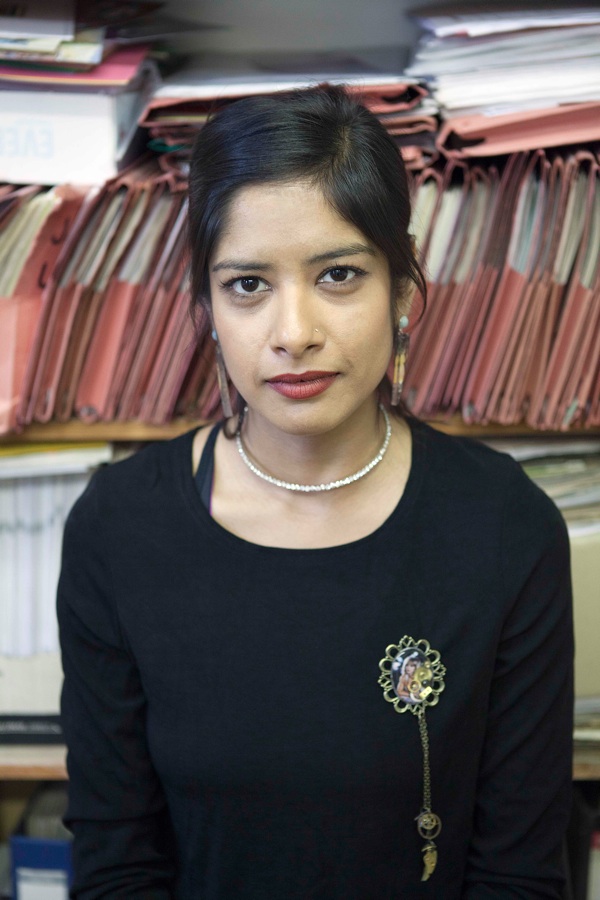
Halima Begum
“In 2009, I went to Dhaka, Bangladesh for a year to work for a street children’s project called Shishu Tori. They run classes on the largest railway station in the city, a public park as well as a market square. The children were all between four and fourteen years of age. Most of them lived in slum villages around the city or in make-shift tents made out of plastic and things they could scavenge. When they weren’t in class, they worked. Every day, they went with their sacks and picked up things to recycle: paper, plastic, cloth and metal, which they would then sell. Some of the kids were on drugs. I taught them English and did Art projects. You can’t help but get really attached to them. Before I went to Dhaka, I was a little lost and didn’t know what I was doing with my life. I wanted to see the world, to gain more experience of it. Since returning, I got back on track. I got myself a degree and now design my own jewellery.”
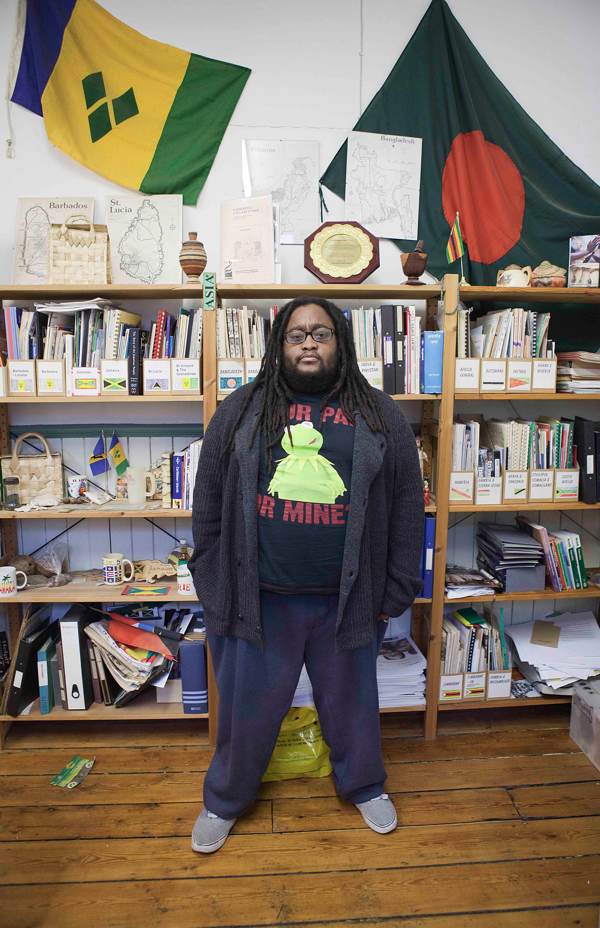
Ayodele Bandele
“In 2008, I went to St Vincent and the Grenadines. Before I left, I didn’t know a huge amount about the place, but I’ve always wanted to go to the Caribbean and this was my opportunity to do so. I worked at Liberty Lodge which is a boy’s home on the island for six-to-eighteen-year-olds. I taught English and literacy skills which for a lot of them was a new thing because they had not been in formal education. I would often Skype my mum to ask her for advice. I set up a reading group in a nearby school as well. The experience has made me want to take up teaching as a profession. I’m now preparing to go to Shanghai to work in a school next year which will be a dream realised.”

Monique Francois
“In 2010, I went to Castries in St Lucia. Initially, I wanted to get a better understanding of my mother’s country of origin, but it became so much more. I was acting and did a BA in Theatre Studies but work was slow in coming. With Tony’s help, I ended up working at the Centre for Adolescent Renewal & Education which is a second-chance rehabilitation centre. The children are taught a trade such as electronics, plumbing or cooking, as well as literacy. I taught remedial English and Drama, helping the kids to put on a show. I loved the experience and would do it again if I could. I was there when a hurricane hit the island. I feel blessed to have had the experience of living and working there.”
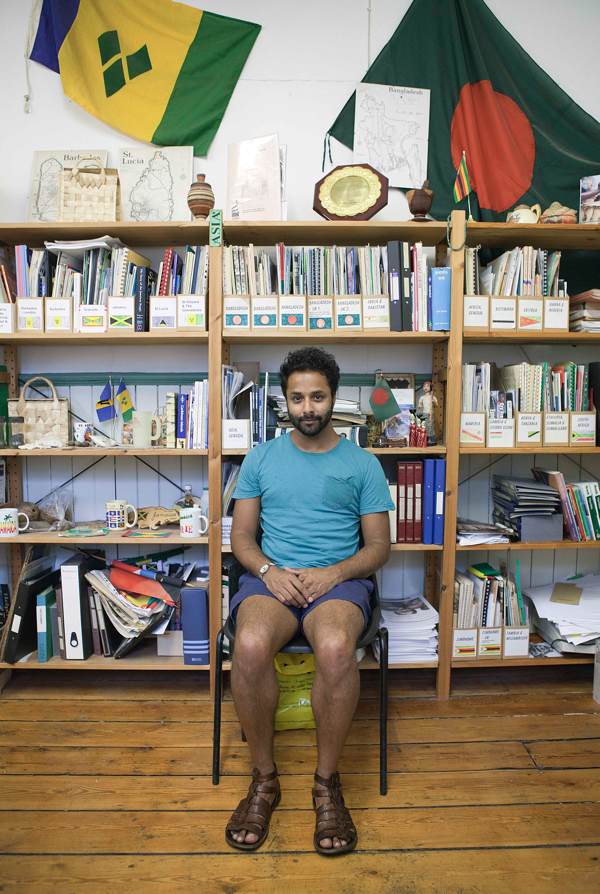
Aiyaz Ahmed
“In 2005, I went to Karachi, Pakistan to work for a Non-Governmental Organisation that did work in sexual health. At the time, Pakistan did not have sexual health on its national educational curriculum. Medical universities didn’t even have one. I wanted to learn more about Pakistan, about its people, culture and history and I thought that living there would be one way to do so. Karachi is a massive city. For my first night, I booked myself into the Beach Luxury Hotel – which was nowhere near a beach nor luxurious. Things slowly got better but the place was hard. I received a huge amount of help with fundraising and organising the project from Tony. On my return, I wanted to stay involved with the Trust and I am now the head of Trustees, helping it to provide valuable placements to more young Londoners.”
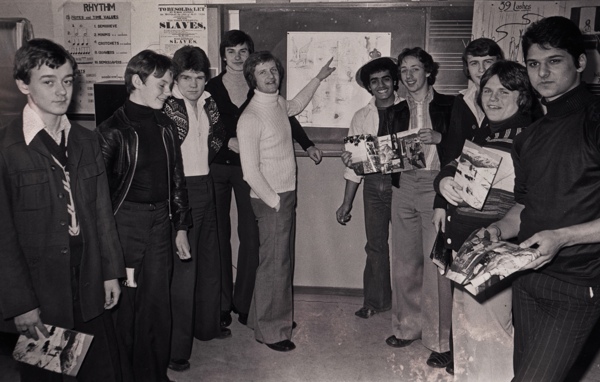
Tony Stevens with pupils from Daneford School, Bethnal Green, prior to their trip to Botswana in 1977.
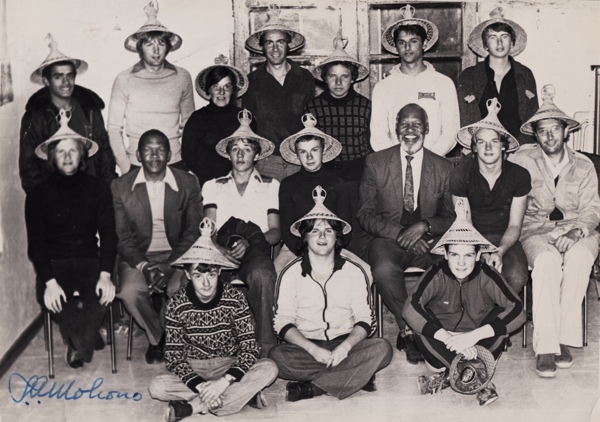
Pupils from Daneford School in Lesotho, 1977
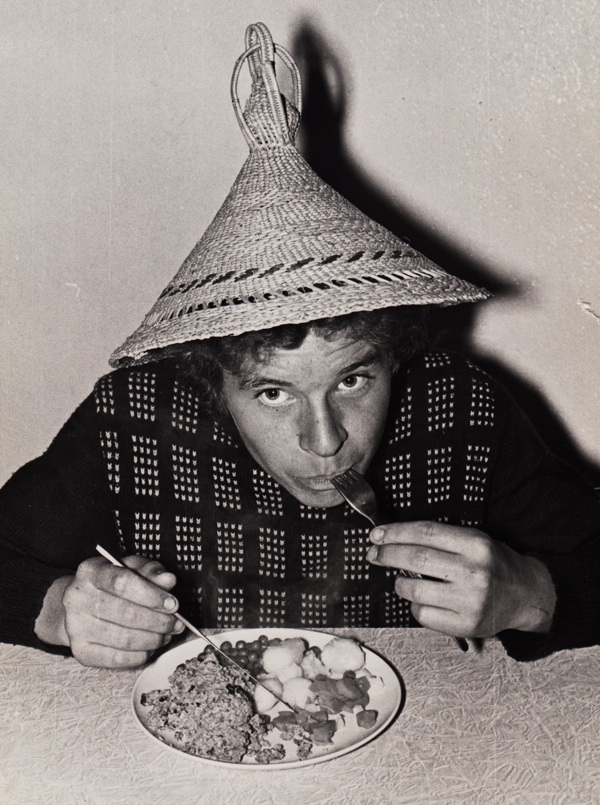
Paul Duck, Fifth Year Daneford School at Phomolong Youth Hostel, Lesotho, 1977
Portraits copyright © Colin O’Brien
Mukul Ahmed, Theatre Director
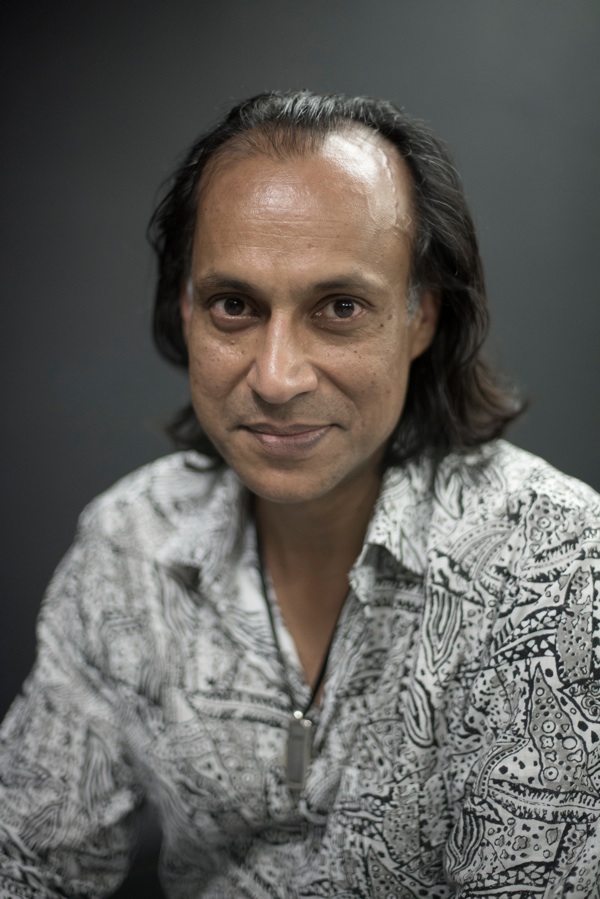
Mukul Ahmed
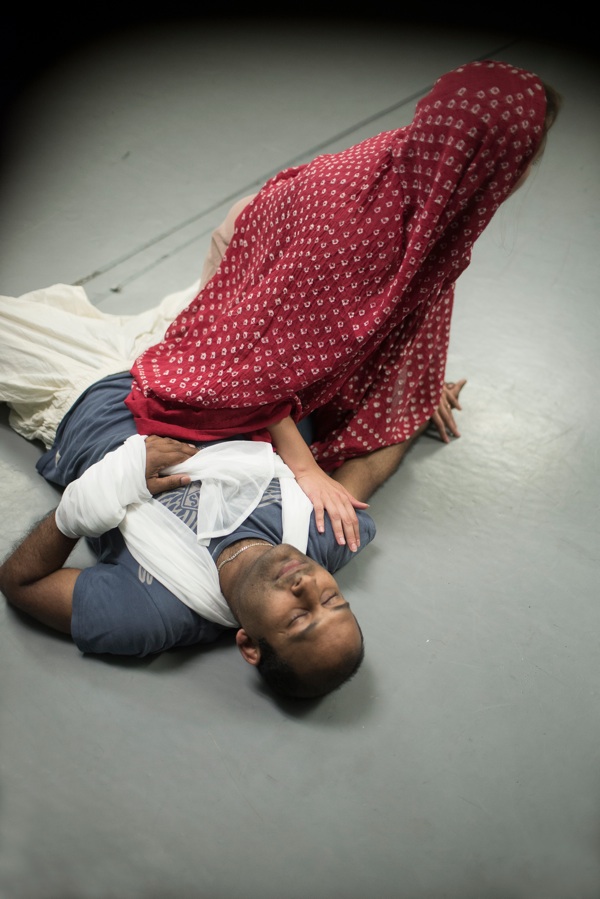
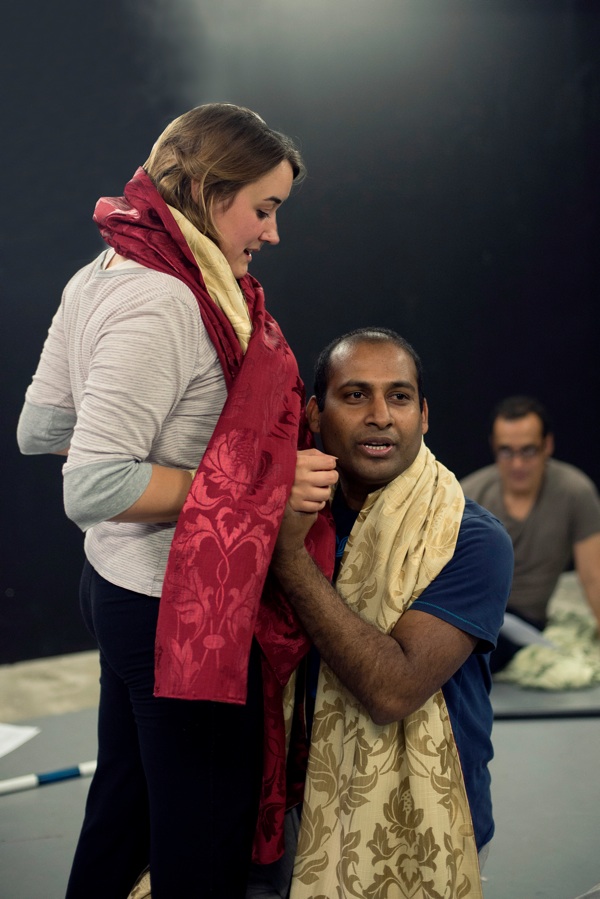
“Romeo, Romeo, Romeo! Here’s drink. I drink to thee,” Juliet calls out to her beloved, with a red scarf enveloping her body – symbolising the love, the union and the fate that has befallen them. She places the invisible vial to her lips, changing the course of the intricate plans the lovers have made, and – slowly – Juliet lowers her head to the ground. The scarf covers her face as a sad, mournful lament fills the room and her body lies motionless.
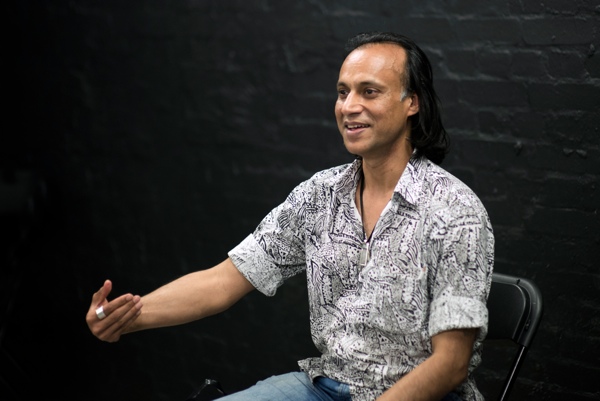
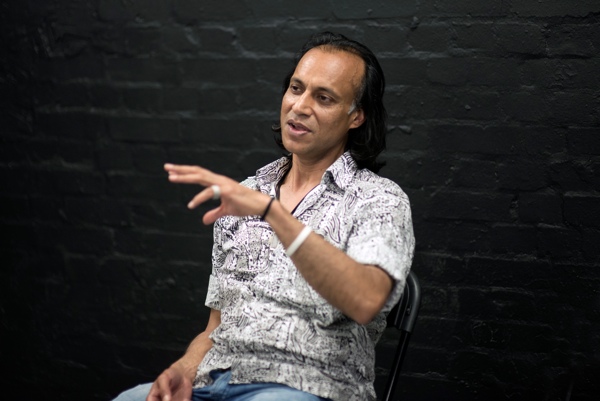
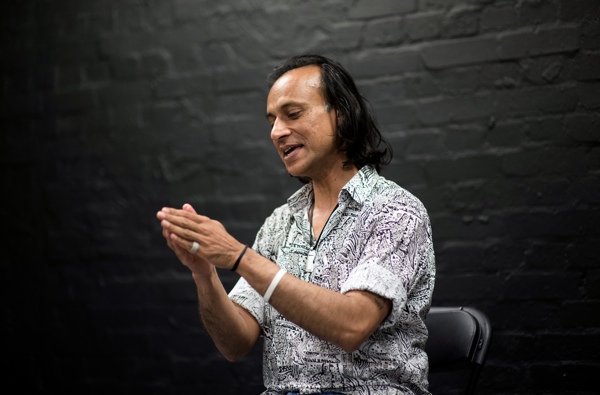
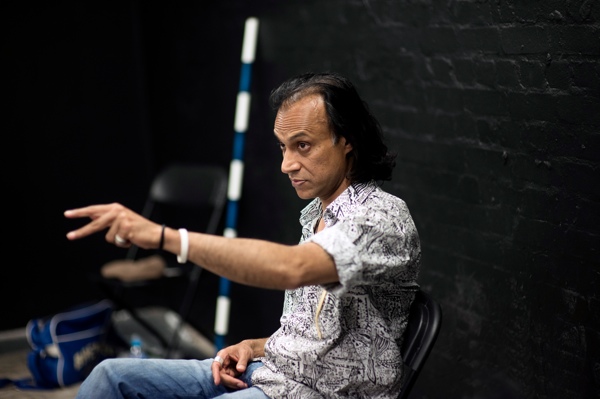
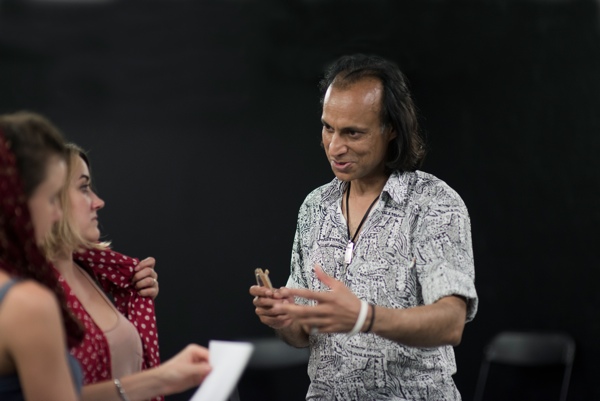
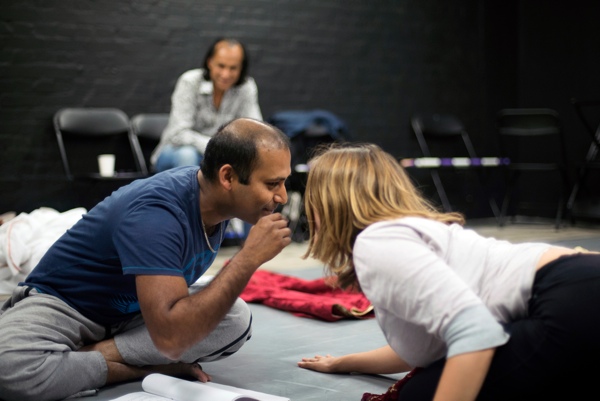
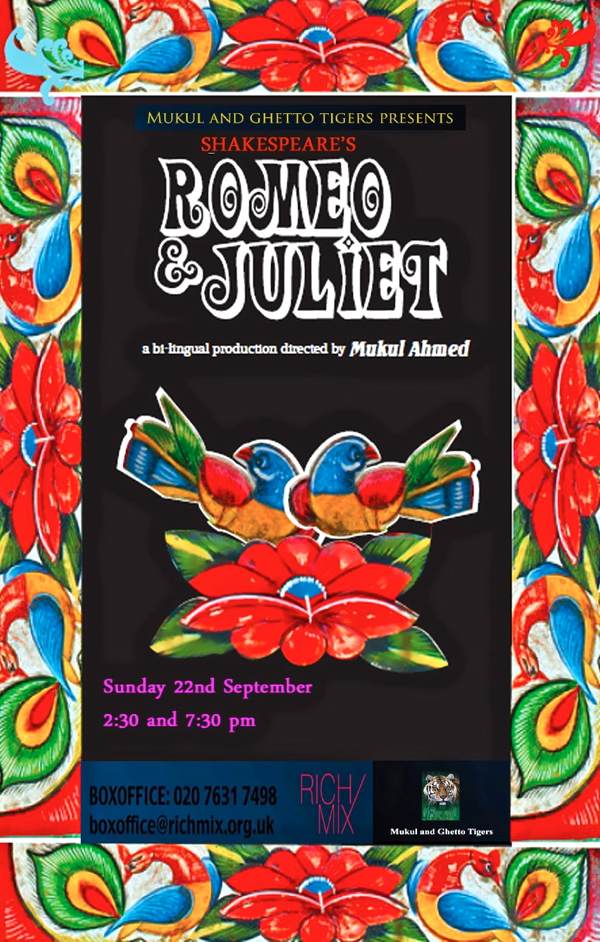
This is only the second rehearsal with the cast and musicians in the airless basement of Rich Mix of a new production of Romeo & Juliet, directed by Mukul Ahmed. Photographer Sarah Ainslie & I watch him as he sits upon a chair behind a tape line indicating the edge of the stage upstairs, where the play is to be performed this Sunday, 22nd September. The actors run through their lines, occasionally stumbling and needing to look at their script. Mukul knows all the soliloquies by heart and he explains the Shakespearean prose in English the actors can understand. He gently corrects, gets them to enunciate and suggests ways to change their delivery or tone.
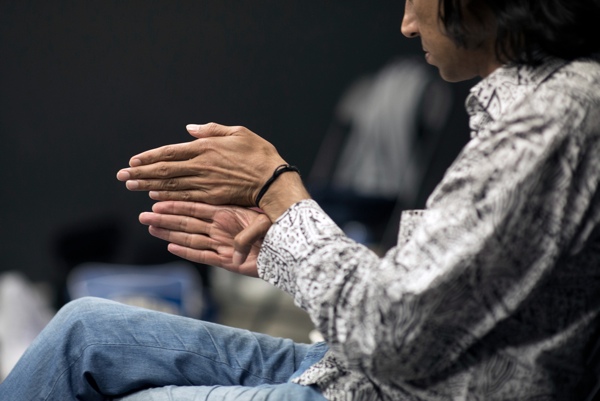
There are many ways to describe him at work: as a kindly, calm, concerned teacher – as a hawk, silently following its prey – or as an intense, self-controlled conductor listening with both eyes and ears. His hands and fingers are central to his method: slim and long, they cut into the air like a Kathak dancer performing. When talking, they flutter around, adding volume and enthusiasm to what he is saying. Watching him in action is as captivating as the final death throes of the hapless lovers.
Mukul’s production of Romeo & Juliet reflects his own mixed cultural interests and background – he is from Bangladesh but London has been home for the last two decades. Mukul’s Shakespearean adaptation incorporates “palaghan,” street theatre that can be seen in busy markets in Bangladesh. These performances include music, song, dance, tales about politicians and the government, wry comments about imams and mosques, and plenty of bawdy jokes.
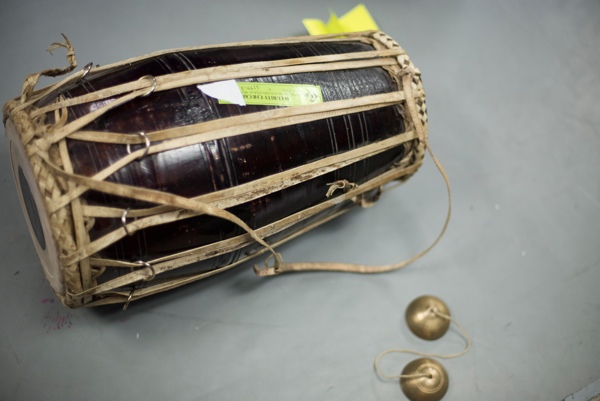
This performance is mostly in English with some Bangla thrown in to the mix. “The music is very important to my production. In Bangladesh, there is so much of it everywhere and I want to share this with a wider audience. I don’t want to call this fusion – fusion is confusion,” he laughs. The East End has become central to who Mukul is now – its mixes, colours and sounds. “I investigate who I am all the time and want to share this with others. I don’t consciously try to bring cultures together, yet that happens anyway. I sow the seeds and then it is the performers, who are from all over the place, who bring themselves to the play. So it is not fusion but simply who I – we – are.
Mukul is taking Romeo & Juliet on tour to India next year and he is also working on a version of Goethe’s epic, Faust, which he is performing in Bangladesh this autumn. “It’s a universal story which is very relevant to that country at this moment. It too is a society that is changing from feudalism to industrialism, and the questions the play asked two hundred years ago are the same ones people there are asking today, about how their society will transform in keeping with these changes.”
“Whilst growing up in Bangladesh, I was always interested in storytelling but I never had the opportunity to see a stage, let alone a play. I did my first degree in Medicine in Bulgaria and was preparing to become a doctor. No one forced me to do so, it was just the classic, middle-class aspirational thing to do. But I remember quite clearly – one brilliant morning in 1993 – I just couldn’t do it anymore. I had moved to London by then and I saw an advert in the local newspaper, the old Half Moon Theatre wanted people to work on a play. I was selected and of course, the production we worked on was Romeo & Juliet. This was exactly twenty years ago and now I find myself doing Romeo & Juliet again, twenty years later. Only this time it is my own production.
My family in Bangladesh did not know what I was doing here, they continued to think I was a doctor. When they found out years later, it came as a total shock to them. Though my parents never accepted it, they never encouraged or discourage me. It was something new to them and they didn’t know anyone in the profession. My father worked as a civil servant all his life and my mother was a housewife. But even here, in the UK, working in theatre is not considered to be a real profession, is it? To tell the truth, I think my parents secretly enjoyed it. But the thing I feel most disappointed by is that they never saw any of my productions before they passed away. I suppose this is what they call fate – the real drama of life.”


Photographs copyright © Sarah Ainslie
You may also like to read about
In Search of William Shakespeare
The Door to Shakespeare’s London
Abdul Shohid, Youth Offending Officer

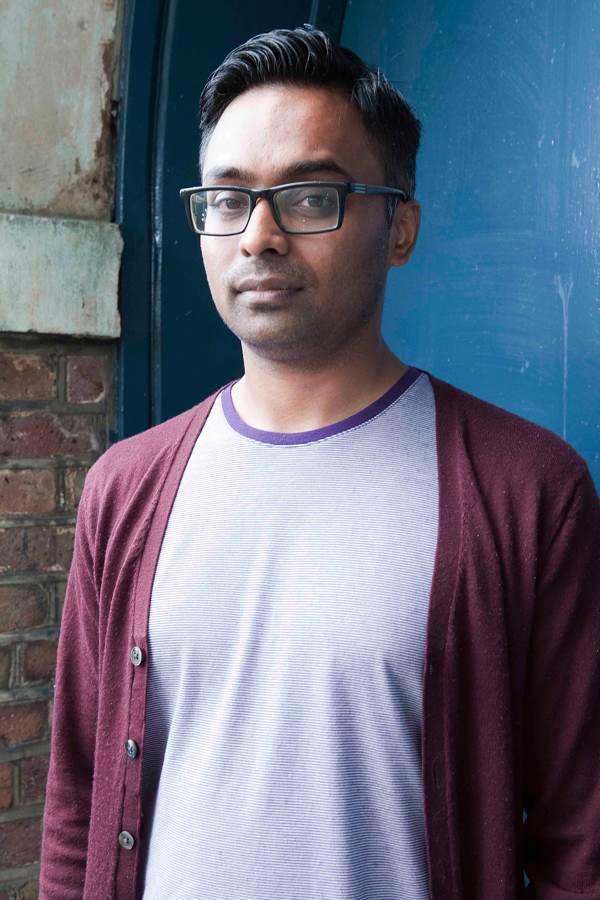
Abdul Shohid asked me to meet in the park that encircles St Matthew’s Church, just off Bethnal Green Road. Gangly, teenage boys in stripy tracksuits from the nearby estates huddle on and around the metal benches. They are totally rapt in themselves, chatting, laughing and enjoying the final squeeze of summer warmth.
Shohid grew up in the nearby Goldman Close where his family still live. As a youngster, he was one of thousands who came out of their houses to watch the funerals of the infamous Kray twins, and he recalls the spectacle of the black cortège leaving the church and feeling proud at being able to witness the moment – recognising the association of the gang with his neighbourhood. Yet these days, he is a Youth Offending Officer working with young people who find themselves on the wrong side of the law.
“I have pretty much grown up in the shadow of this church,” Shohid explains. “It’s part of my childhood and part of the person I am. I used to hang out here with friends just like these boys,” he says, referring to the ones in front of us, “A lot of important events in my life have taken place here. I went to St Matthias Primary School off Brick Lane, and we would be brought to St Matthew’s Church once a week and sing hymns, which I really enjoyed. Once I even took communion, but things have changed now. At the time, we were the only Asian family here. Everyone else was white working class then, that’s who I grew up with.”
Working mostly with young British Bengali offenders, Shohid believes that a lot of the problems they face stem from what is happening at home. In unmistakably East End tones, he reveals the lesson he has learnt over the years is that – commonly – the more difficult the home life, the more difficult the young person.
“Many of the parents of these young people came to London from Bangladesh as children, so they didn’t get a very good education and there was also a lot of racism as well. Many of them found themselves having to work to support their families at a young age and they don’t have adequate tools to deal with the issues that their children are facing today – such as crime, drugs, violence, unstable homes, contact with police and gang-related activities.
Generally, the young people I see have poor educational levels. With the focus upon grades and pressure on schools to increase their position in league tables, young people who are considered trouble simply get left behind. Those with behavioural or emotional problems are kicked out of school and sent to the Pupil Referral Unit. The Unit does a great job, but once you have thirty to forty young people who have all been thrown out of schools from across the borough in one place, then – well, you can imagine – that this is not a good place for anyone to be.
The Youth Offending Team usually encounters a young person between fifteen to eighteen years of age. By then, they might have already done an array of things – from getting into fights and selling drugs to stabbing people. I supervise Community Service or Reparations, which may involve the young people picking up litter from parks and painting walls to sweeping up – that sort of thing. But my main work is “Intensive Support and Surveillance” (ISS). This is an alternative to custody, so the ones I see have done quite serious stuff, which may include Grievous Bodily Harm, selling Class A drugs, gang fights and fraud. ISS is a bit more interesting and productive for the young person than Reparations. I set goals and targets with them, which involves creating a weekly timetable. They may be put on courses and need to see specialists such as Mental Health and Substance Misuse Workers. I ensure that they stick to their timetable and, if they miss three appointments, they go back to court.
I block out what they have done – I have to. If I think this boy in front of me may have nearly killed someone, then it becomes difficult to empathise with him and help him to mend his ways. I need to develop a relationship in which there is a sense of trust and the young person feels they want to engage on a personal level. This is one of the most difficult parts of the job. If they don’t get along with me and choose to recognise where they are coming from, then the chances of us working together and, ultimately, of getting their life back on track becomes extremely difficult.
The success rate of this work is relatively low. We only have a few hours a week with each young person, and then they have to go back to their troubled lives and deal with their issues in their own time. In Tower Hamlets, we are working against years of life experience so the chance of having an impact on the majority is slim. By the time they get to us, it’s usually too late and it’s difficult to change their thinking and behaviour. More resources and time are needed – because it is better to intervene at this stage of a young person’s life than wait until they go to prison, where they will cost the tax payer and society substantially more. Yet in this time of austerity, the extra help that these young people could get is no longer available.
I too was once involved in gangs and drugs, but I managed to get out of it. I went to university, got a degree and then a Masters. I had an urge to broaden my life experiences and I lived in Botswana for a while, helping young people to achieve more. For a lot of the young people I work with here, getting them to go to Oxford Circus is a stretch – so anything else is almost impossible, but I still say to them that it is possible to break away from all of this.”
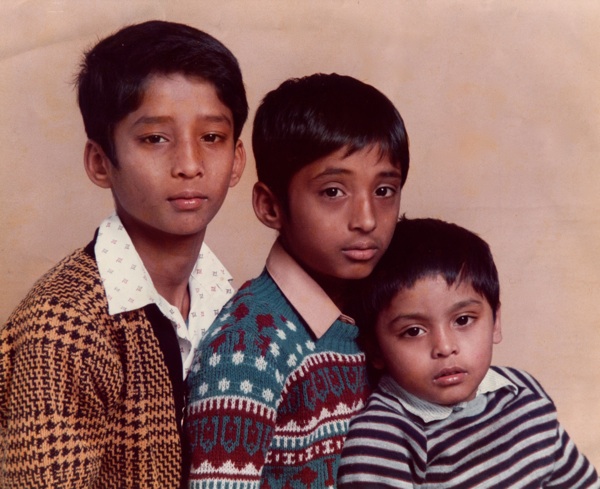
Shohid (right) with his elder brothers, 1985
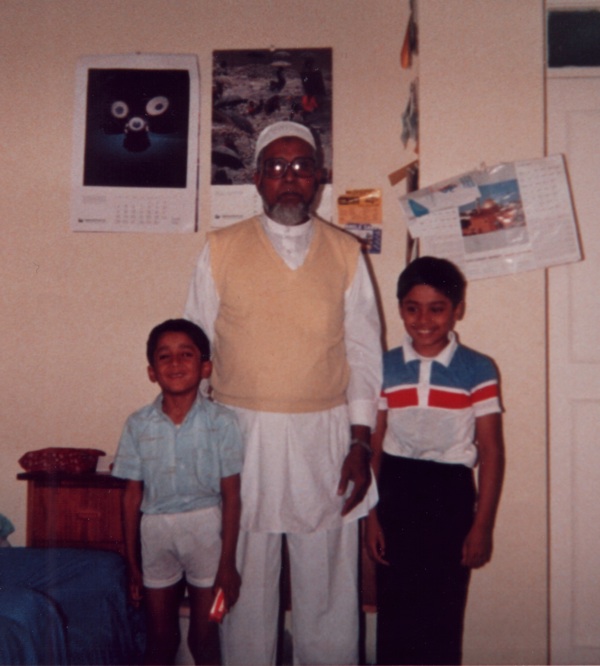
Shohid (right) with his dad and brother Mojid

Shohid and Mojid, 1989

Shohid (centre) skylarking on the beach with friends from Botswana
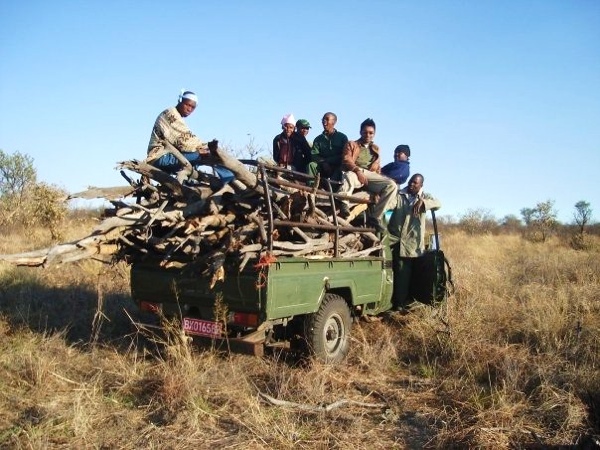
Shohid (sitting centre) in the bush in Botswana

Shohid stands at the tomb of Peter Renvoize, notorious gangster of Bethnal Green
Photographs copyright © Colin O’Brien
You may also like to read about
Manda Helal, Urban Beachcomber

Manda Helal
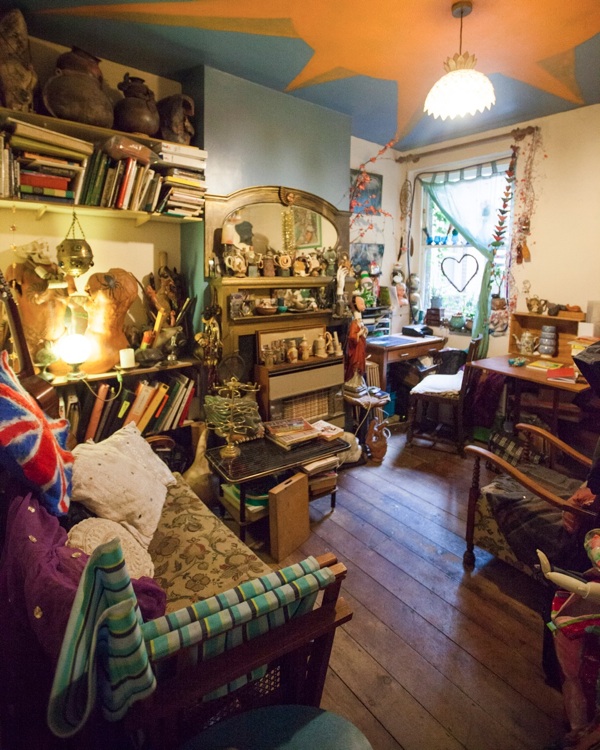
Manda Helal brews tea in her kitchen. The jam she had been making all morning has been decanted into glass jars with neat, handwritten labels on them, “SE23 blackberry and N17 apples.” The postcodes indicate where the fruits were picked. They are packed neatly on top of the cooker. On the table where we sit, there are bulbous tomatoes that she has grown, along with more apples, bowls and cups.
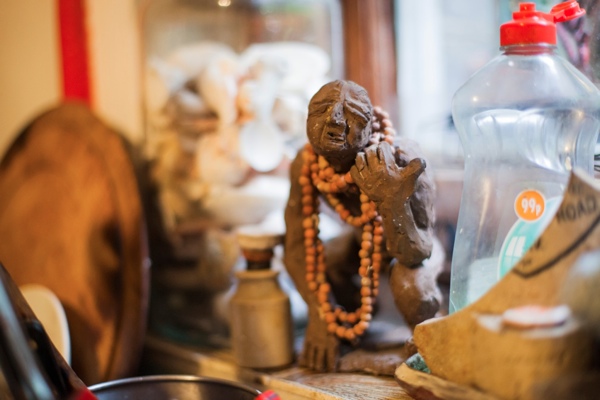
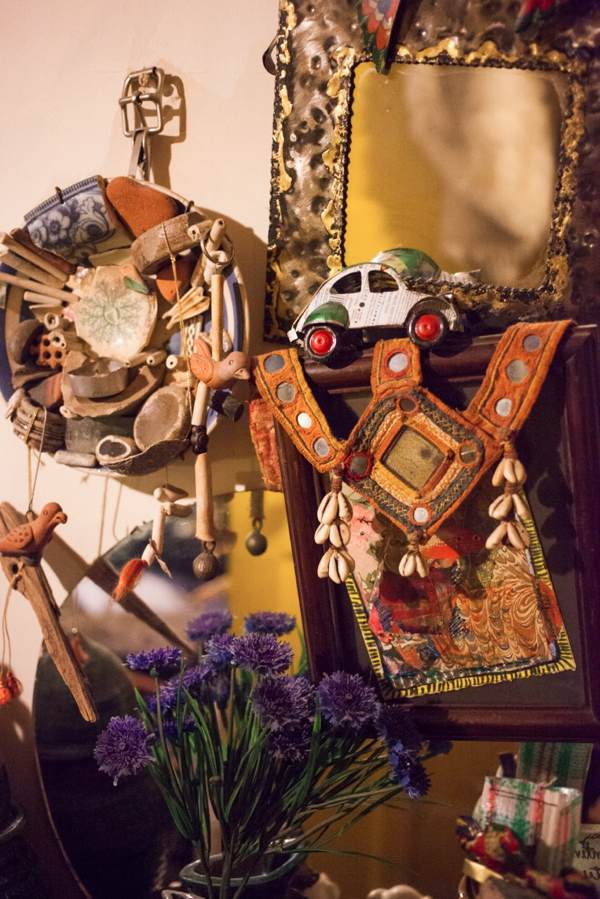
In fact, there is no surface left without something being placed on it. Here, tin-boxes piled on top of one another – there, decades-old postcards and photographs fill an entire wall. Glasses of all shapes and sizes, ceramic vegetables, massive clay heads, vases and teapots cram the room. In the hallway, dainty wind chimes forged out of broken pottery and bits of Lego bricks dangle down. Elsewhere, the severed heads of shop mannequins find themselves attached to rubber skeletons, miniature porcelain cherubs joined to marble columns and colourful feathers emerge from the bodies of Barbie dolls – familiar items put together to create new configurations. Before houses became something to make a profit out of, homes were seen as extensions of ourselves, in essence a metaphor of our lives, histories, experiences, losses, desires, fears and obsessions. In this sense, Manda’s home has a lot to say.
She has lived in the same flat off Whitechapel for the last thirty-four years, which means plenty of time to accumulate quite an assortment of things. Each and every room is packed with her own artwork which includes sculptures, ceramics and loads of teapots. In amongst these, are things she has salvaged from skips, found on street corners, collected, saved from fires, been given, or has simply stored to be used in an indeterminate future. These are the tools of her trade. “I use things I find because I prefer the ruined, unfinished, aged condition of things. I find that they are more interesting than new things,” she explains.
Each item that she collects is a relic of a past. It comes with its own biography and, in turn, rightly commands a story to be told about it – where it was found, how it was once used, who may have owned it and what its new incarnation will be. Take the sculpture of the Sacred Heart in the living room, for example, standing besides the fireplace. Manda found it dumped in a skip outside a school where she works as a gardener. It had had its head accidently decapitated, which is why she thinks it was probably thrown away. The body now has another head attached to it, provisionally – from a child’s plastic doll, something else she found. A miniature teacup is propped delicately on top of the assemblage. The work, like a lot of what she makes, has stories within stories associated with it. While they are often disturbing to look at – troubling and arresting – they are also funny and beautiful.
“I’ve always been like this, I’ve always had a hatred of waste. I was worse before and would get really angry about it, but I’m more mellow now,” she laughs. “It is to do with having a Jewish mother who grew up during the war and learnt to be thrifty, she had the waste-not-want-not culture instilled into her. My mother was a keen gardener as well and I learnt to grow things and compost my food waste from her. Even when I empty my own rubbish, I look around to see what other people in the block have thrown out, sometimes finding some real gems. It’s ridiculous, I know. I can’t help myself. I often can’t believe what people throw away.” Even as a child, Manda collected and made things. She calls herself an urban beach-comber, regularly mud-larking north of the Millennium Bridge when the tide has gone out. “Plastic bags are no good to take with you, something sharp could pierce them and you could loose the best thing you’ve collected that day. I make my own carriers using old rice and laundry sacks that have been thrown away. I find bits of Roman pottery, Victorian pipes, ceramics, old beer mugs that have been chucked and of course, a lot of rubbish,” she laughs. Combining these finds with some of her own clay-work, she gives them a new life, making delicate little figurines and teapots that have stories, creativity and the past infused into them.
Manda’s family history is similar to many Londoners – with features of trans-national travel, colonialism, religious conservatism, generational changes and love thrown in. Manda’s paternal family are Egyptian. Her father’s father, the director of Egyptian Railways in the twenties, arrived at Waterloo Station from Cairo where he met his wife-to-be, a Scottish station mistress. They immediately fell in love and left for Egypt where they got married soon after. Later, their son, (Manda’s father) came to London to study medicine. This is where he met a fellow medic, the daughter of a Russian Jewish cabinet maker who was based on the Cambridge Heath Rd. She fell in love with the man who apparently resembled Omar Sharif and, to the dismay of her orthodox father, ran away to be with him – and consequently found herself disowned by her family.
Manda grew up in Hertfordshire where her mother worked as a GP and her father as an orthopaedic surgeon. She also came down to London to study medicine but, unlike her parents, failed her finals. She laughs when she says that, by the end of the six years, she had had enough of it. It was from her mother that she learnt many of the skills which remain key to her work. “My mother had a pottery wheel at home, it was all very seventies. Because we lived apart, we decided to do a pottery evening-course together, after which I went to Goldsmiths College to study it properly.” Manda says that she has made more than thirty “phantom teapots,” out of old, broken spouts and lids – collaging discarded things. “Teapots are quintessentially English and, once upon a time, England used to make all of its own pottery, but today the schools that taught how to make it – some that I worked in – have closed. Wedgwood and Stoke-on-Trent are no longer what they once were and teabags have made teapots redundant. By making the phantom teapots, I’m invoking the technical achievements of a bygone era and reflecting upon the loss of the English ritual of four o’clock tea. I’m celebrating the past and what it means to be English.”
More obvious than her teapots is Manda’s obsession with bodies, especially as objects of rejection, decay, ruin – things that are disused, refused and, indeed, recycled. “In 1987, my mum died and that was the same year I started studying ceramics. They thought it was breast cancer, but it was a brain tumour – she was in denial of what was happening to her. She didn’t want to tell anyone. She had radiotherapy on her brain in Sheffield and only survived a year after that. I cared for her during her final illness and her death affected me deeply, and became formative to the person I am. Five years after, my life partner also died. I was thirty-five at the time. All these experiences manifest themselves in the work that I make today.”






Teapot with transfers designed by Manda Helal
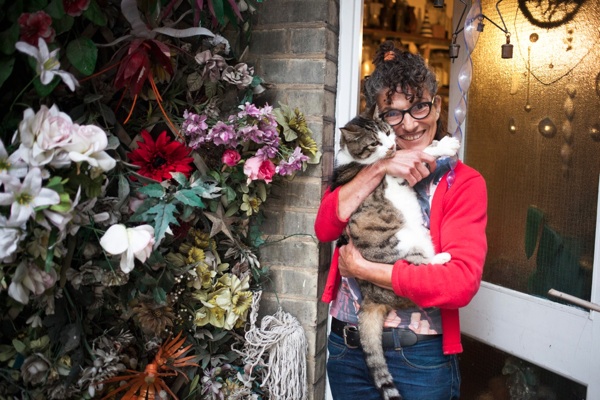
Manda Helal, Urban Beachcomber
Photographs copyright © Jeremy Freedman
Follow Manda Helal’s Blog to see more of her work
You may also like to read about