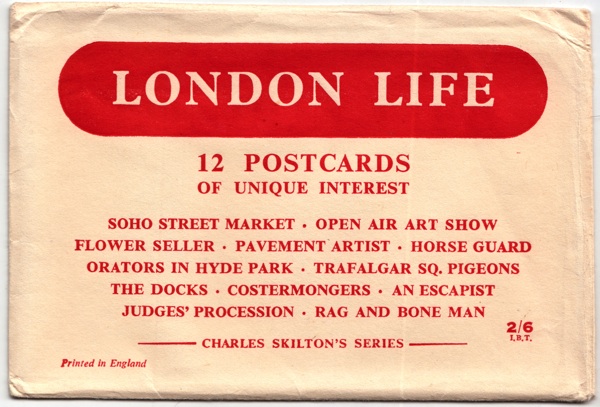
Charles Skilton’s London Life 1950
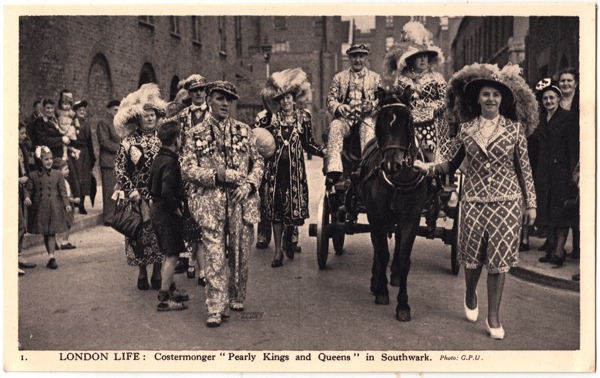
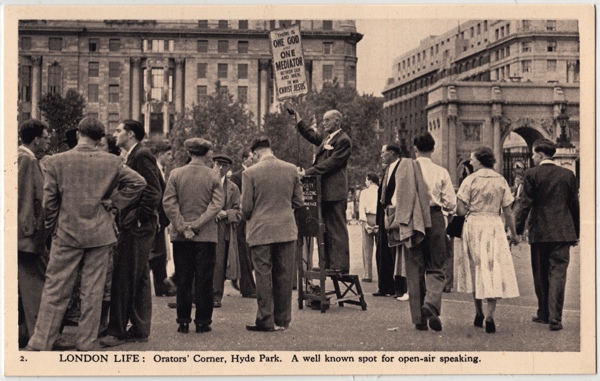
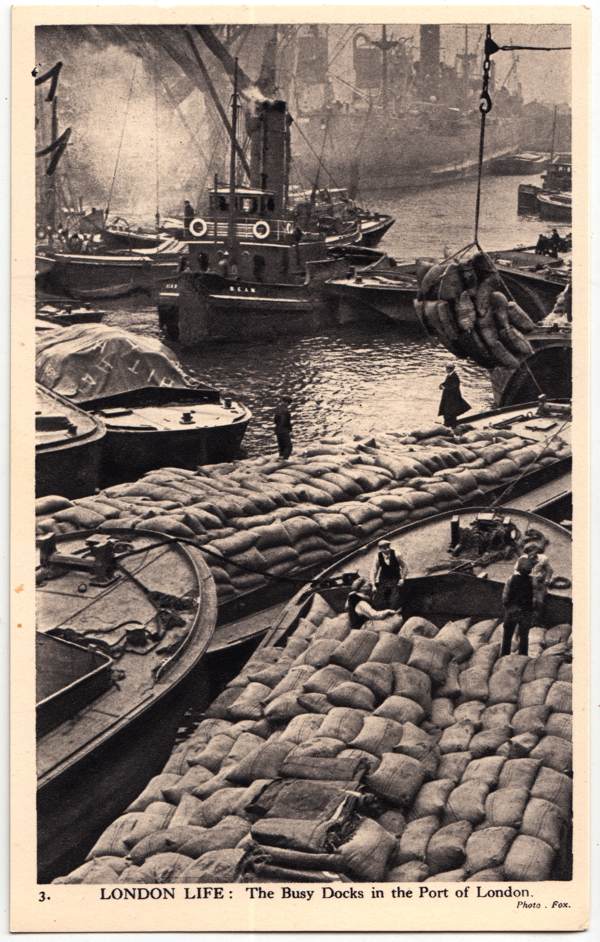
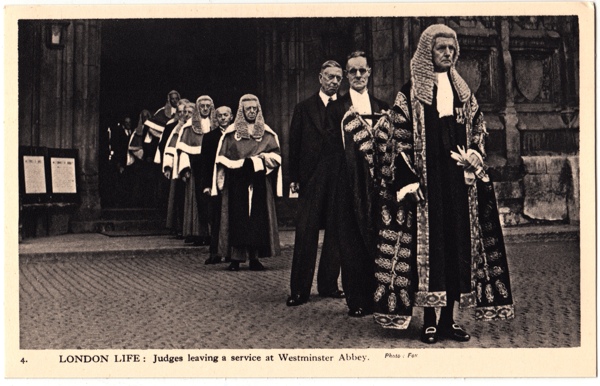
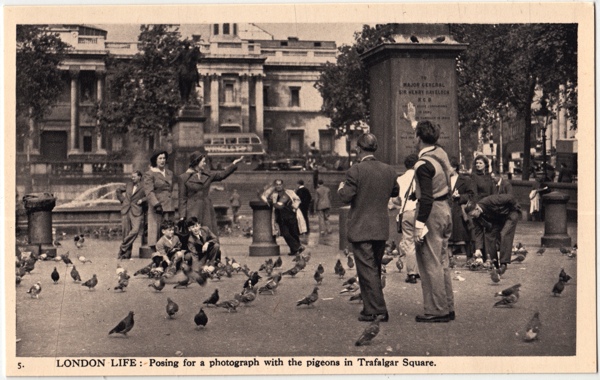
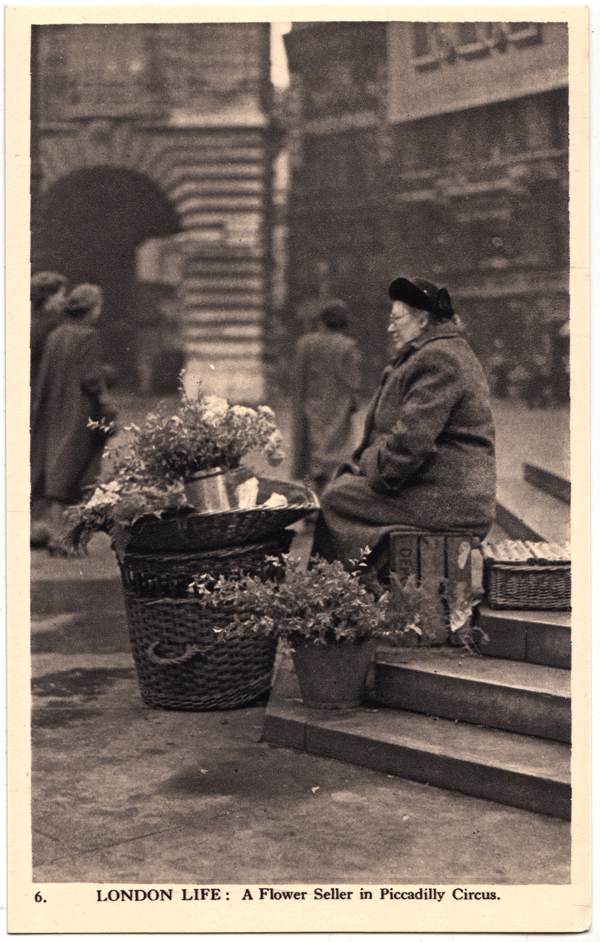
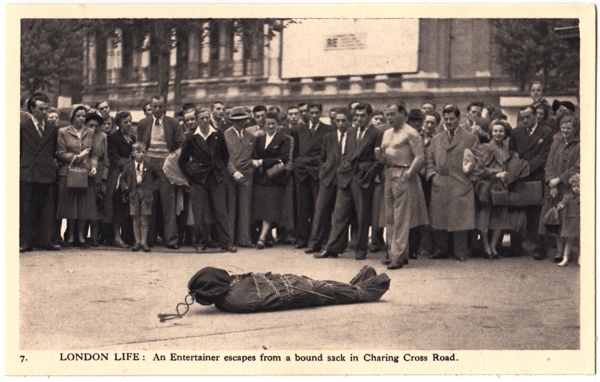
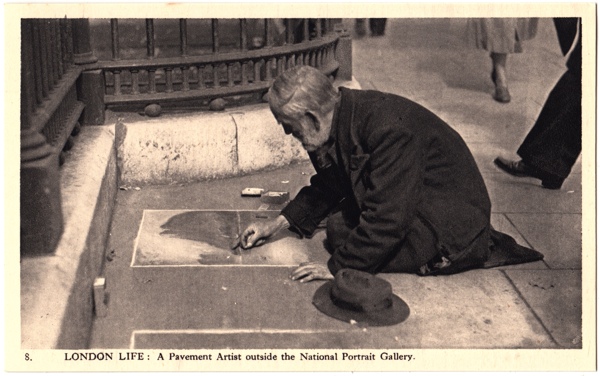
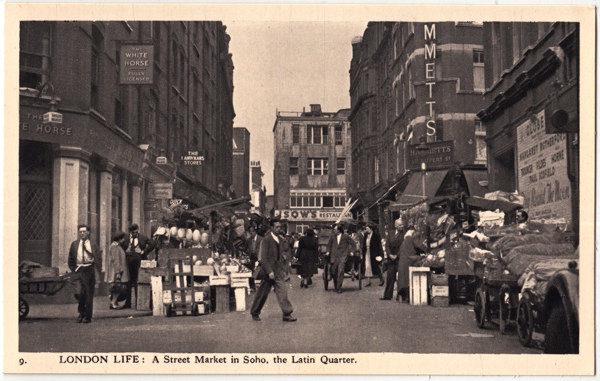
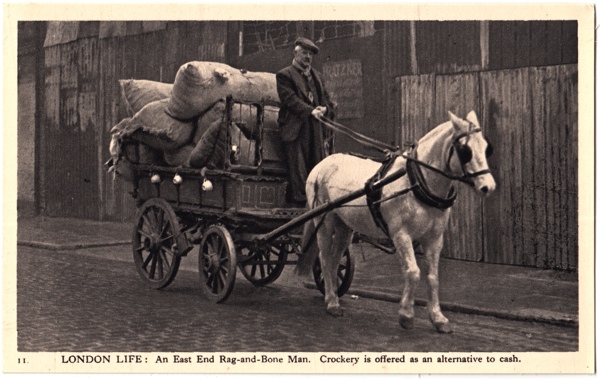
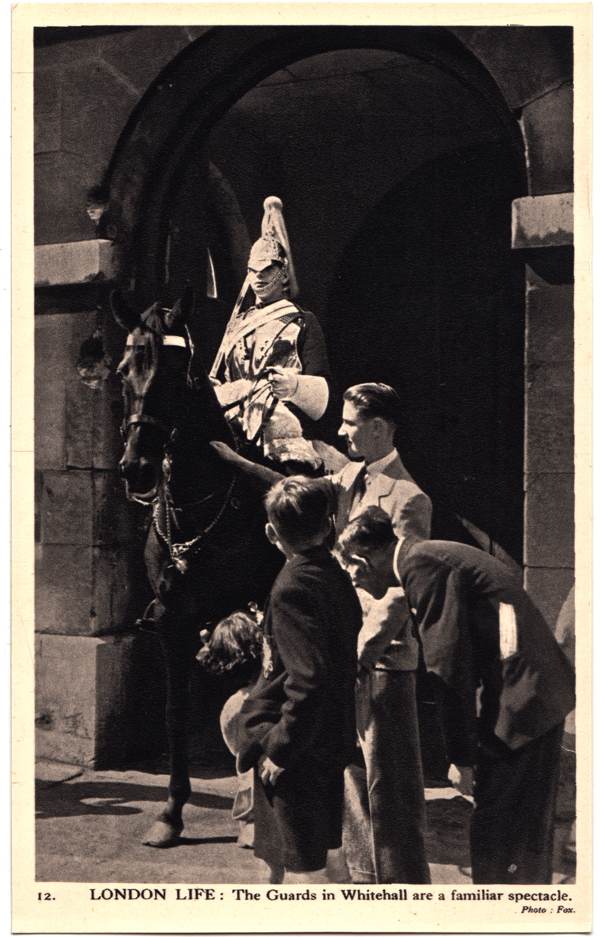
Now that the summer visitors are here and thronging in the capital’s streets and transport systems, I thought I would send you this fine set of postcards published by Charles Skilton, including my special favourites the escapologist and the pavement artist.
Looking at these monochrome images of the threadbare postwar years, you might easily imagine the photographs were earlier – but Margaret Rutherford in ‘Ring Round the Moon’ at The Globe in Shaftesbury Ave in number nine dates them to 1950. Celebrated in his day as publisher of the Billy Bunter stories, Charles Skilton won posthumous notoriety for his underground pornographic publishing empire, Luxor Press.

You may also like to take a look at
Today I tell the strange story of the Aquarium, Menagerie & Wax Works that once stood in Spitalfields upon the site that British Land have earmarked for controversial redevelopment
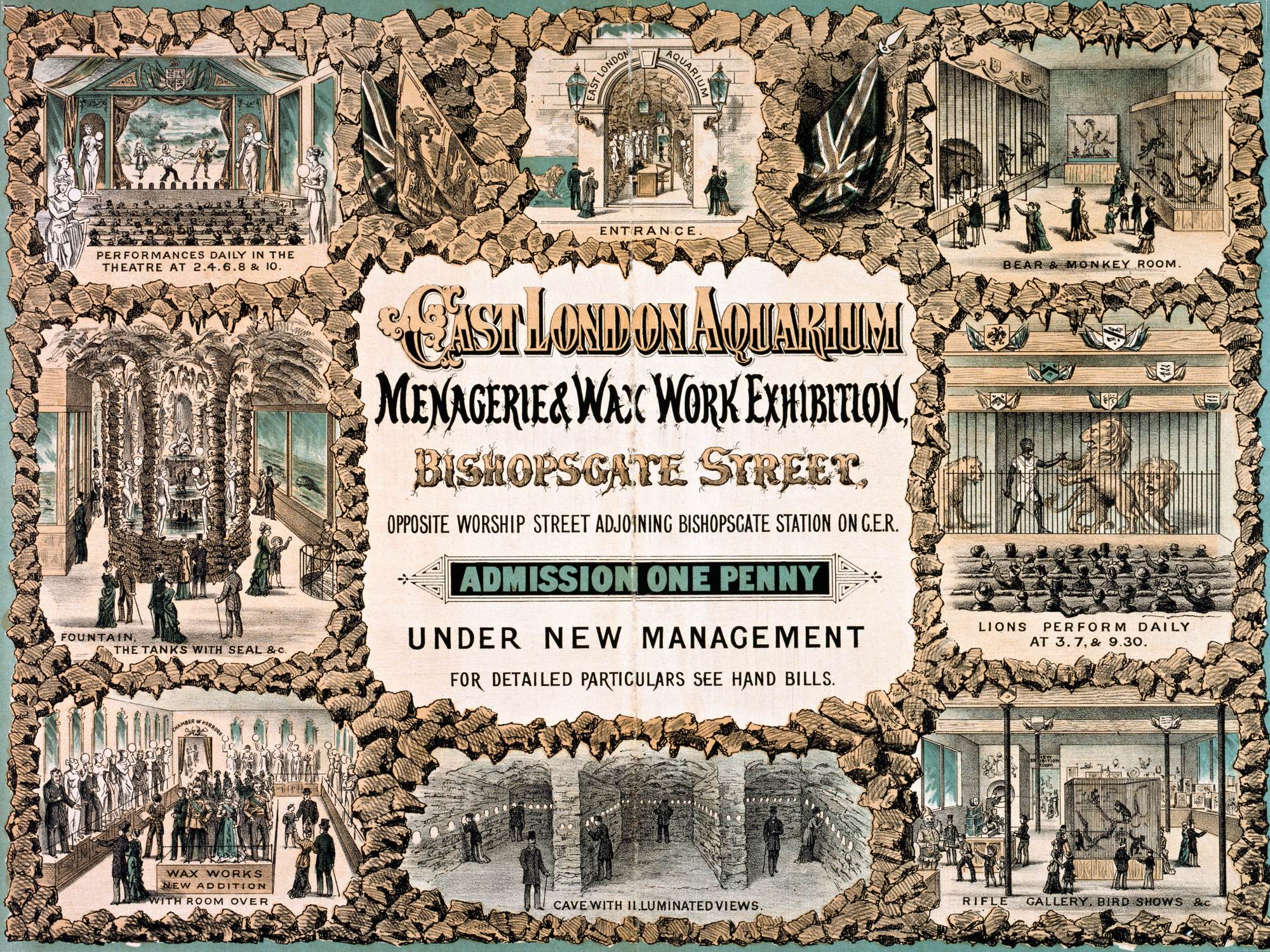
Click to enlarge
You might walk past the Savoy Cafe opposite Worship St in Bishopsgate and not give it a second thought. Yet this building is a salient example of how an extraordinary history may be present without any indication. For here, in 1875, opened the East London Aquarium, Menagerie & Wax Works Exhibition.
You can read the accounts of this popular attraction in the press cuttings below, and marvel at the Victorians and their love of wonders. “The Aquarium was a small, popular pleasure resort on Bishopsgate and contained, amongst other exhibits, a number of zoological specimens including bears, lions, jackals, birds and monkeys,” explained ‘The Police News,’ “The building extended from High St Shoreditch to Blossom St, having a frontage of eleven feet in the former and eighty-four feet in the latter street. The premises were once occupied by a silk merchant and were a few years ago transformed into an Aquarium for the lower classes, the price of admission being only one penny.”
Yet in spite of the celebrity wax figures, the water tanks with seals, the cave with illuminated views, the rifle gallery with bird shows and the arena offering performances by tamed lions three times daily, what was most remarkable about the East London Aquarium, Managerie & Wax Work Exhibition was the bizarre manner of its demise. Early on the morning of 8th June 1884, a fire broke out in the wax exhibition which quickly grew beyond control and entirely gutted the building, destroying the animals. “It does seem somewhat odd that in an Aquarium, of all places in the world, there should not be water enough to put out a fire,” queried one correspondent vainly.
The exoticism of the captive creatures added a level of grotesque surrealism to news reports of the conflagration. “The animals made their appearance at an iron-barred window looking out upon the thoroughfare running at the rear of the menagerie,” reported ‘The Standard’ referring to Blossom St, “Now and again watchers saw a black muzzle appear at the window and soon the form of a huge black bear came into view. The spectators were then horrified by seeing the animal extend its paws and convey to its mouth the large jagged fragments of glass that were scattered before it, but an adventurous bystander left the excited crowd, clambered up the wall and threw down the broken pieces from the window sill.”
Another account reports that, in the area where the seals performed, the fire was less severe – permitting the rescue of some animals. “The fish were destroyed but through the exertions of the firemen, the seals, the ducks, the elk, the jackal and the three bears were saved,” confirmed ‘The Police News.’
“Nature sometimes provides the spectacle of bird, beast and reptile all brought together to one level of helplessness by the tyranny of fire, but in the prairie or in the jungle they could at least run for life,” concluded the Standard’s correspondent in grim resignation, “For very obvious reasons, they could not be released onto the streets of East London.”
Walk down Blossom St today and you will find that warehouses built upon the site of the aquarium – two years later in 1886 – still stand, giving a clear indication of its location. You can imagine the horrified crowd watching the poor black bear clawing at broken glass and you wonder if the caves with illuminated views still exist in the vaults below your feet.
Over coming weeks, I shall be telling more of the stories of these streets at the edge of Spitalfields, unravelling the complex history of an area which has been densely inhabited for more than a thousand years and is currently subject to redevelopment proposals – as you can read below.
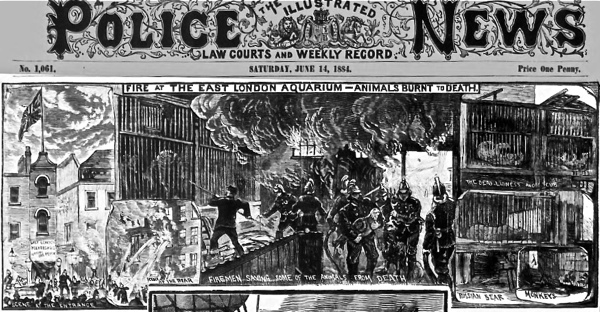
Police News, Saturday June 14th 1884

20 Norton Folgate is the former location of the entrance to the East London Aquarium, Menagerie & Wax Work Exhibition
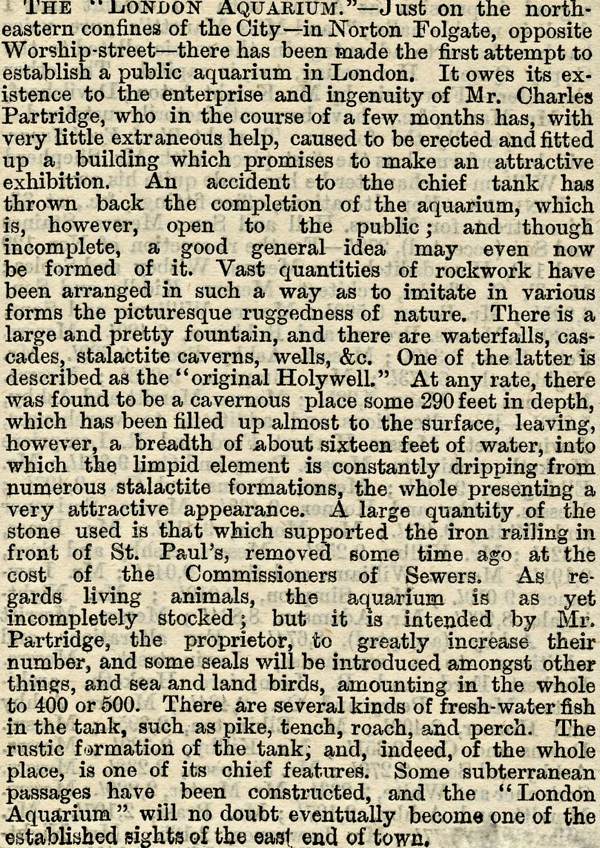
City Press, 13th February 1875


City Press, 17th September 1879

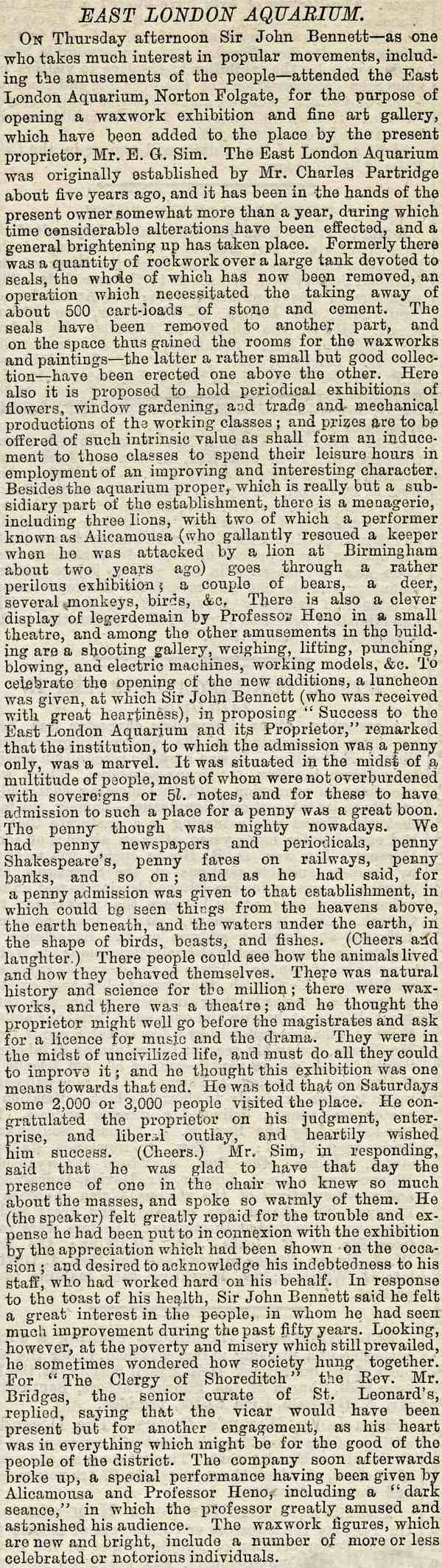
City Press, 3rd December 1881


City Press, January 5th 1884
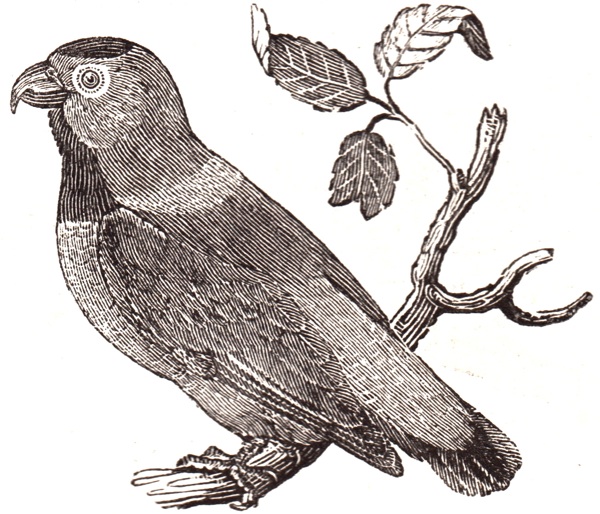

City Press, September 21st 1892
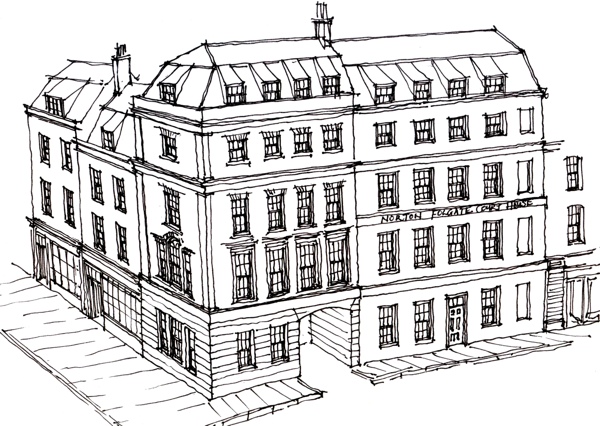
Sketch by Tim Whittaker of Spitalfields Historic Buildings Trust’s proposal to rebuild the corner of Folgate St & Shoreditch High St, linking the surviving nineteenth century terraces and restoring the streetscape while providing an entrance to the new development in the courtyard
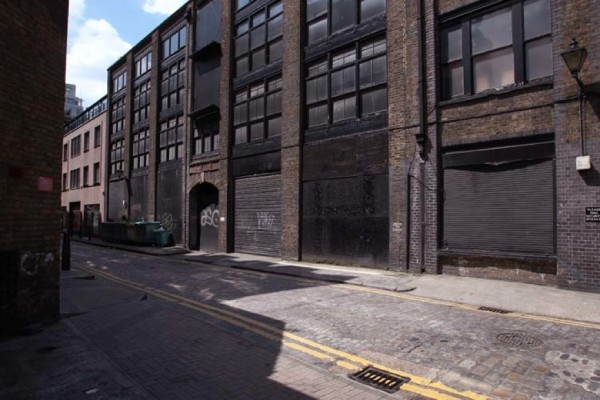
These warehouses in Blossom St were built in 1886 upon the site of the London Aquarium and may include the vaults of the earlier building, but British Land proposes to reduce them to a facade as part of their redevelopment
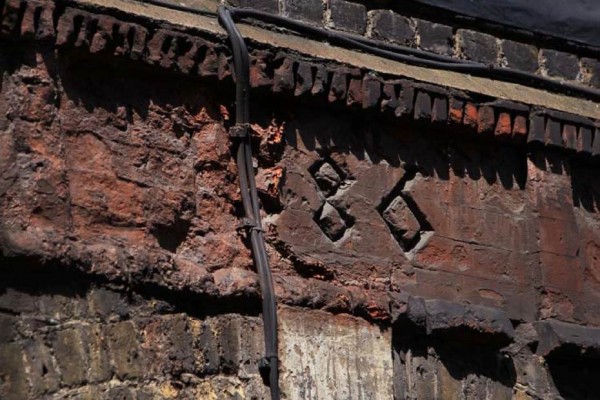
Blossom St Photographs © Simon Mooney
Press cuttings courtesy Bishopsgate Insitute
Aquarium poster courtesy British Library
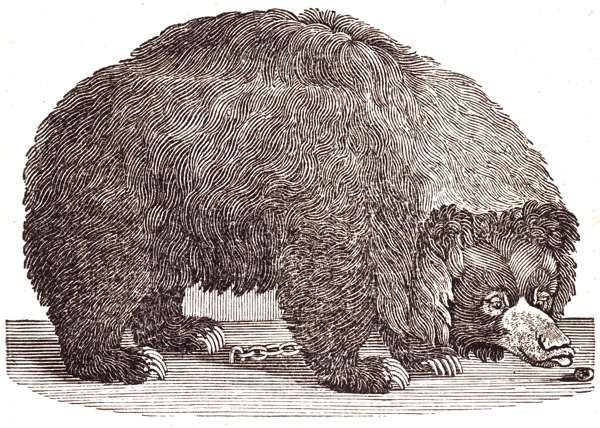
Animal engravings by Thomas Bewick
My grateful thanks to Matt Brown of the Londonist and Hannah Velten author of BEASTLY LONDON – A history of animals in the city for their contributions to this feature
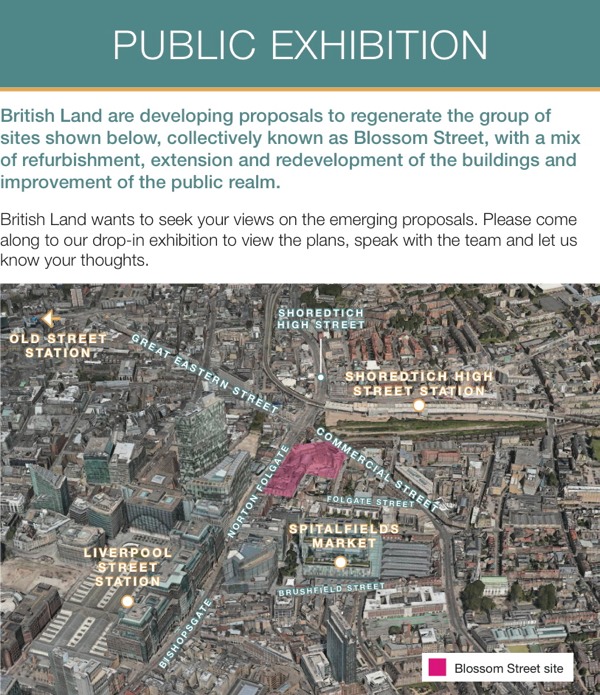
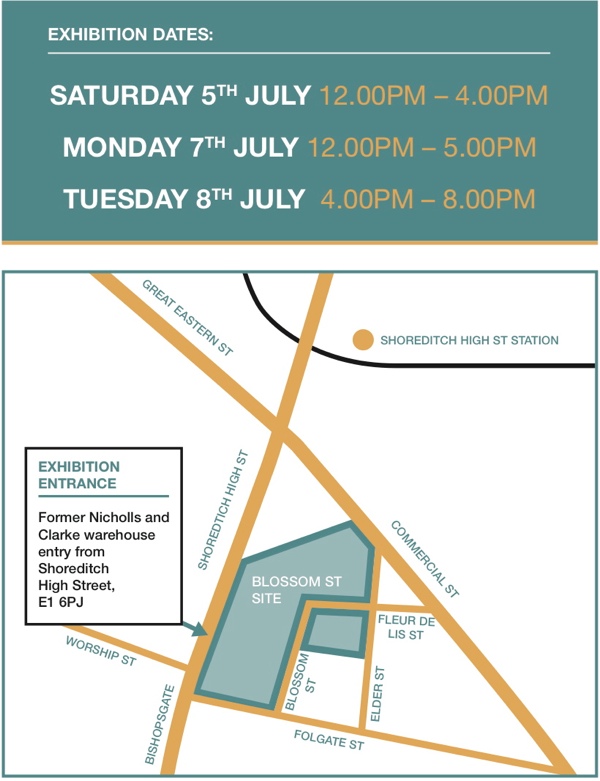
Readers are encouraged to attend and record your comments in writing at the exhibition
You may also like to read about
Thomas Bewick’s Dogs
Inspired by the report on The Dogs of Shoreditch this week, I consulted my copy of Thomas Bewick’s General History of Quadrupeds 1824 that I found in the Spitalfields Market recently to see what breeds were familiar two hundred years ago – and perhaps the major difference I discovered is that many breeds which were working dogs then are domestic now.
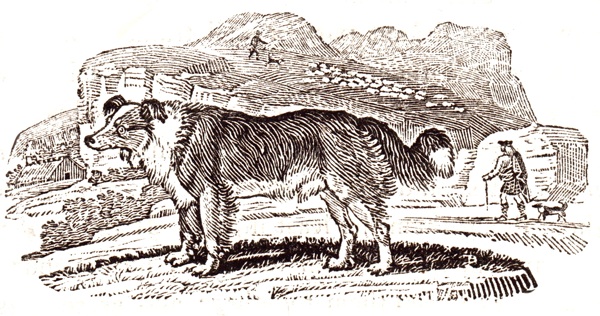 The Shepherd’s Dog
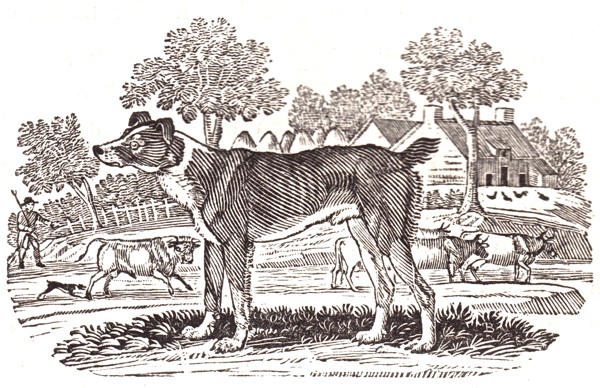
The Cur Dog

The Greenland Dog
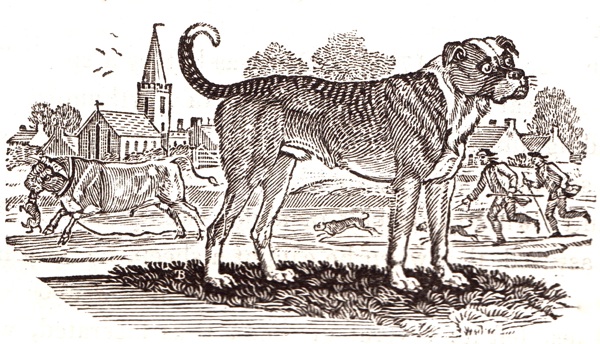
The Bulldog
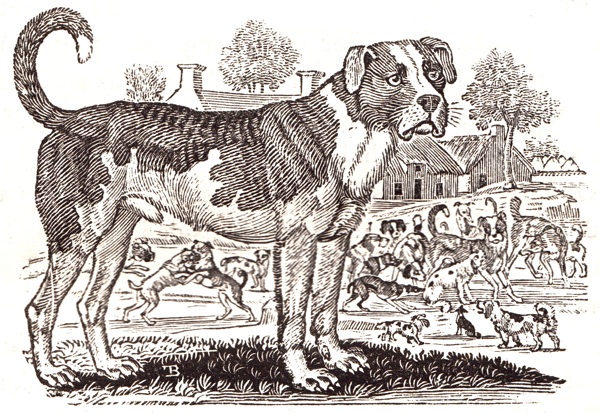
The Mastiff
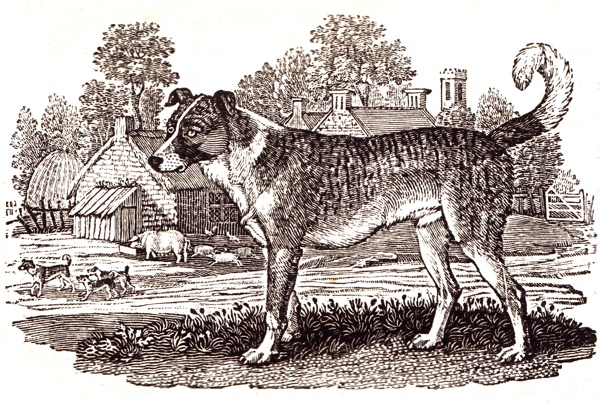
The Ban Dog
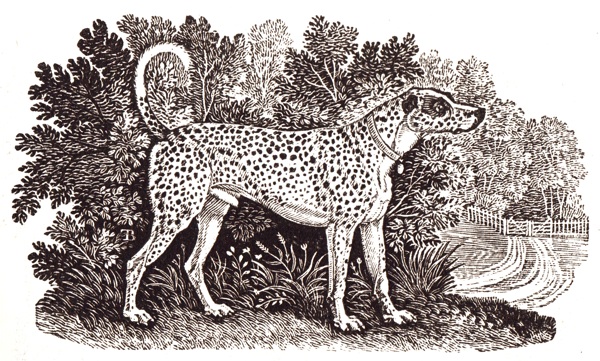
The Dalmatian

The Irish Greyhound
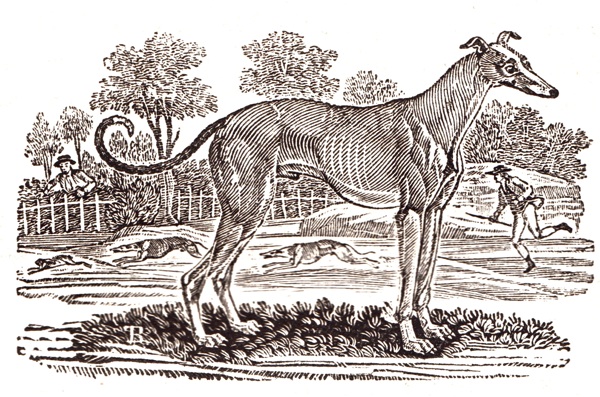
The Greyhound
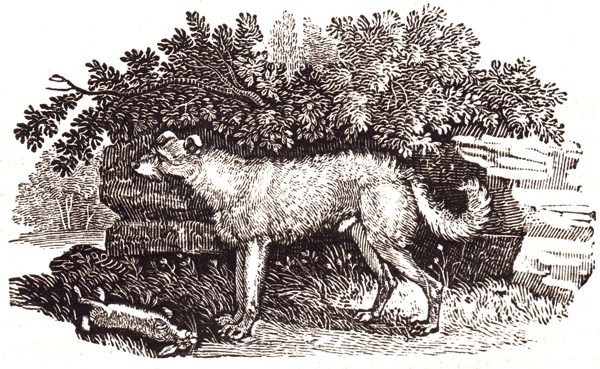
The Lurcher
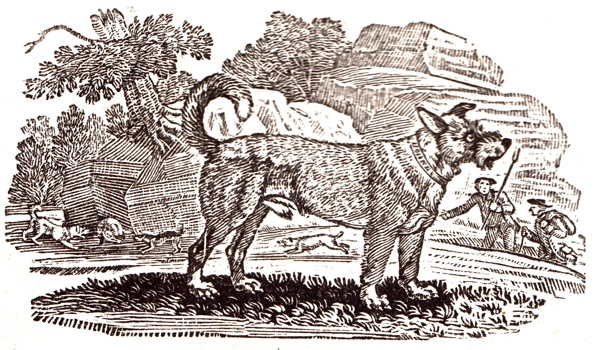
The Terrier
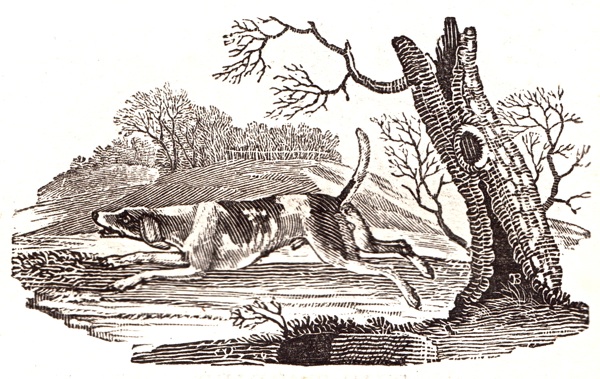
The Beagle
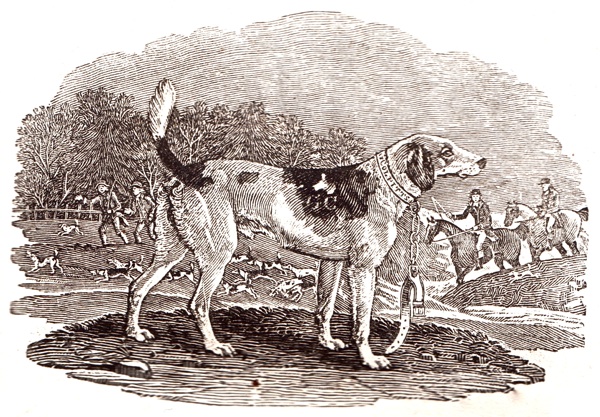
The Harrier
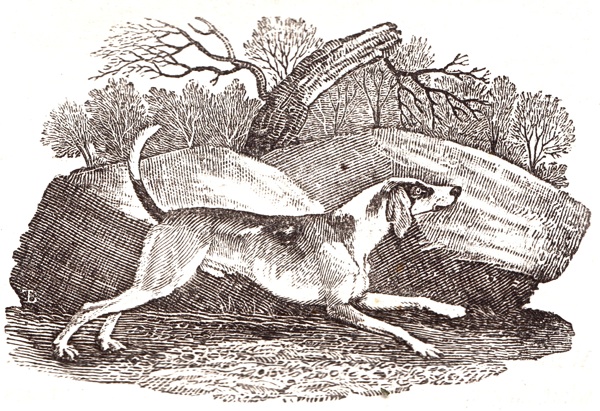
The Fox Hound
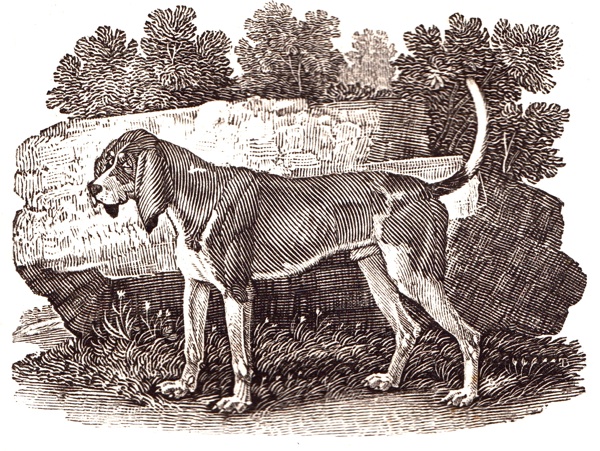
The Old English Hound
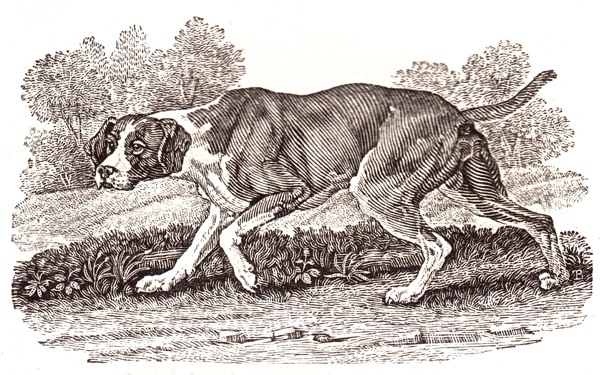
The Spanish Pointer
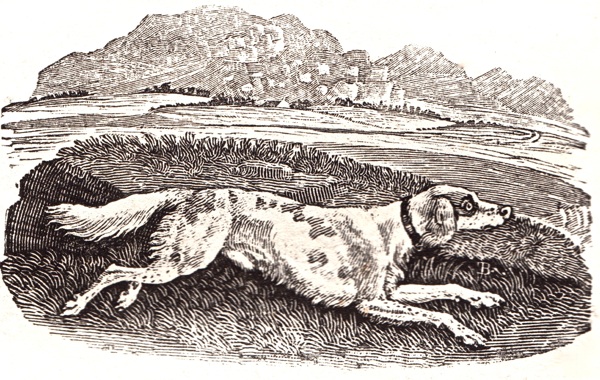
The English Setter
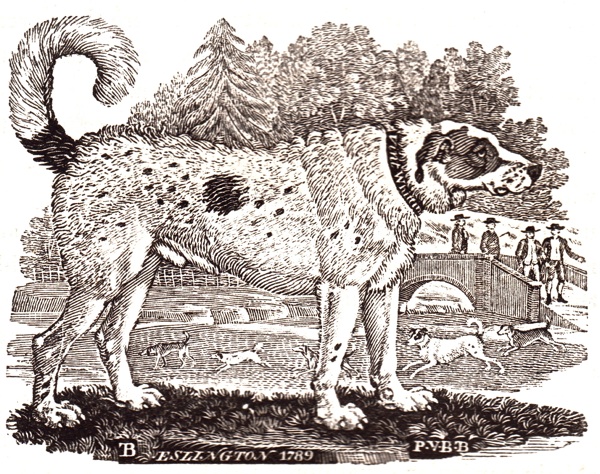
The Newfoundland Dog
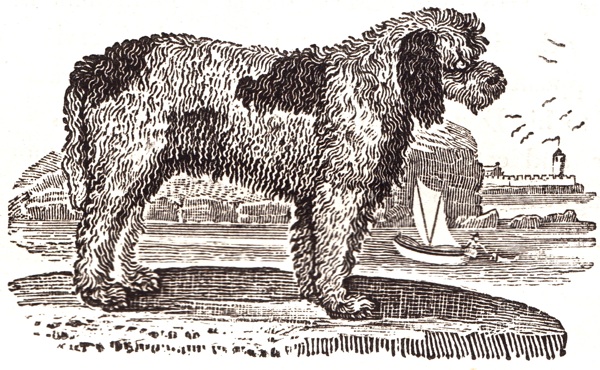
The Large Rough Water Dog
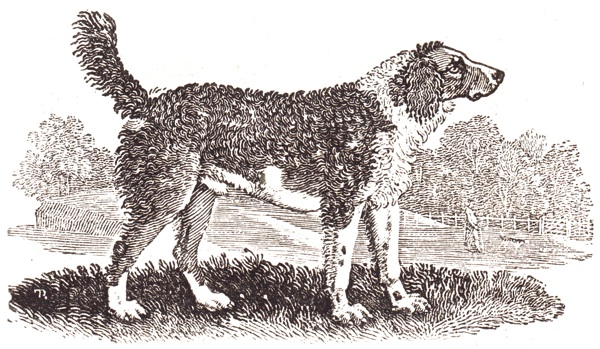
The Large Water Spaniel
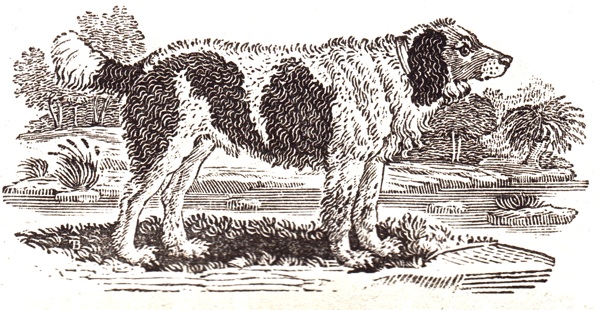
The Small Water Spaniel
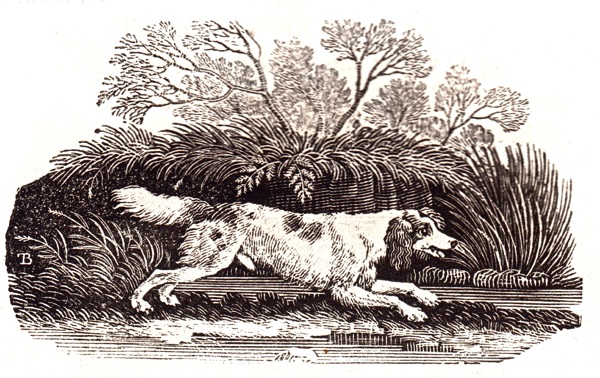
The Springer
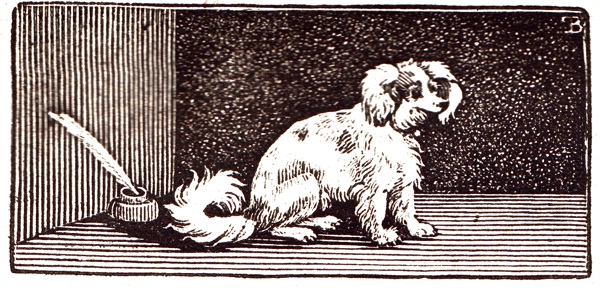
The Comforter
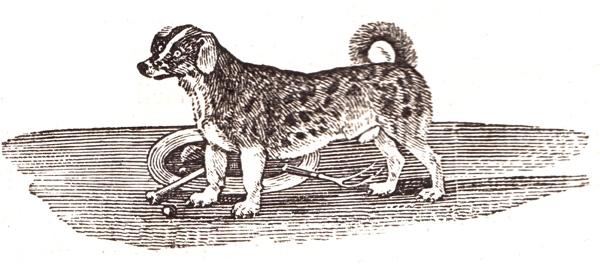
The Turnspit
You may also like to take a look at
Calling All Huguenots!
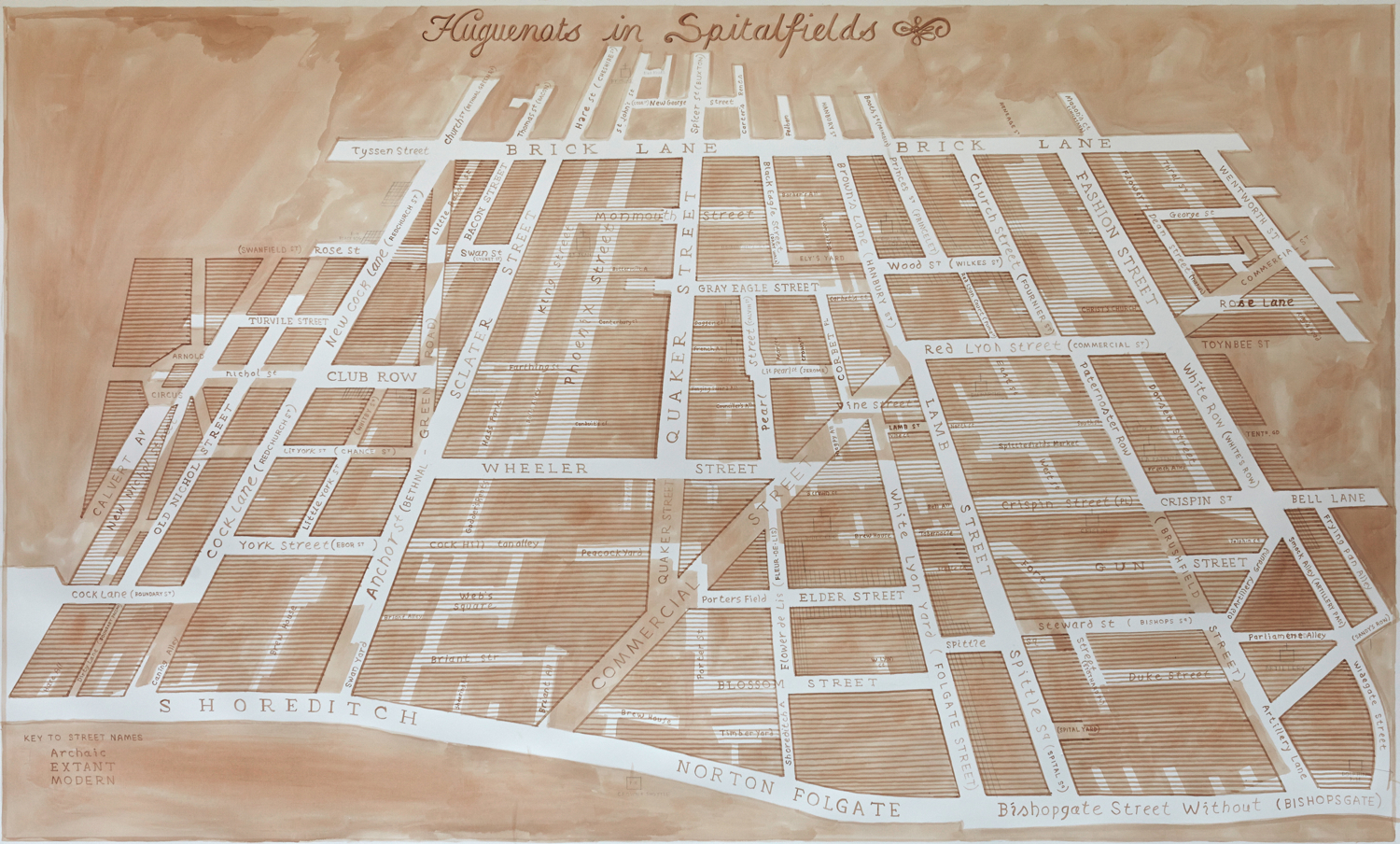
Click to enlarge Adam Dant’s Map of Huguenots in Spitalfields
This week sees the inauguration of the Map of Huguenots in Spitalfields at Townhouse in Fournier St to which anyone with Huguenot ancestors in this neck of the works is invited to come along and add their forebears.
Cartographer extraordinaire Adam Dant has drawn a huge map as big as a wall and Stanley Rondeau, whose great-great-great-great-great-great-grandfather Jean Rondeau arrived as an immigrant in 1685, put a pin in it to mark his ancestor. Undoubtedly, this was the first of many to come as the Huguenots converge upon Spitalfields again next week for the Huguenot Threads festival which runs from 9th until 20th July.
The plan is to collect as many stories of Spitalfields Huguenot ancestry onto the map as possible to create an archive, and the next steps will be an online version and a possible publication. In the meantime, if you are unable to come to Spitalfields in person to make your mark, you can follow the evolution of the map at the facebook page for Townhouse and submit stories of your Huguenot ancestors to be included. Later, everyone with forebears on the map will be invited to a party to meet each other and celebrate their shared history.
Spitalfields was the most concentrated Huguenot settlement in Britain of the twenty-five thousand French Protestants who fled across the Channel, to save their lives after the Revocation of the Act of Nantes, in 1685 – and who thereby introduced the word refugee into the English language.
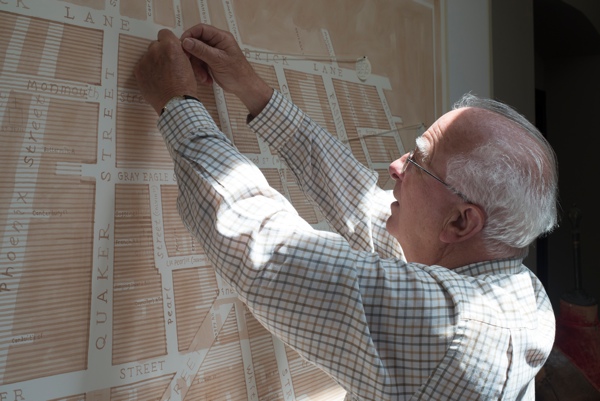
Stanley places his ancestor Jean Rondeau on the map

Stanley Rondeau, Spitalfields’ most celebrated Huguenot
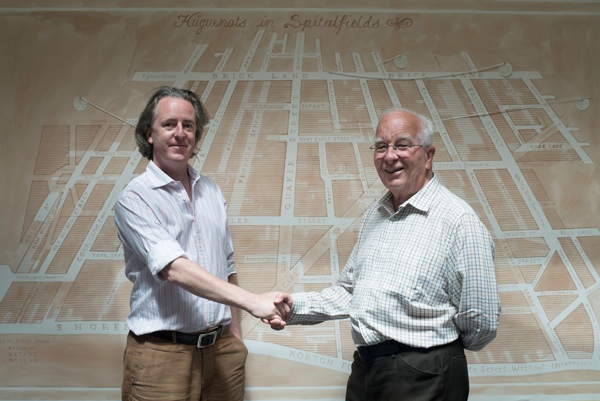
Stanley Rondeau congratulates Adam Dant on his Huguenot Map of Spitalfields
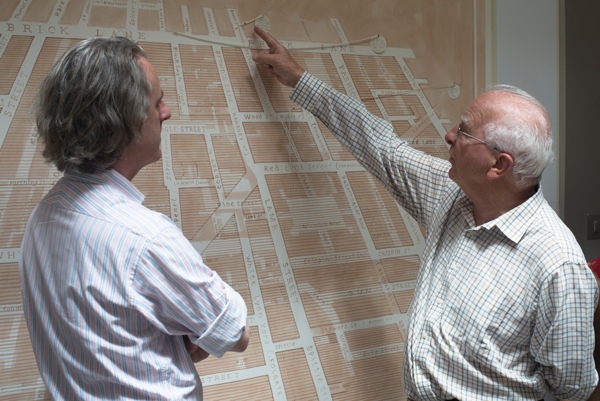
Stanley recounts the tale of the Rondeaus of Spitalfields for Adam
Photograph of map © Patricia Niven
Photographs of Stanley Rondeau & Adam Dant © Sarah Ainslie
The Map of Huguenots is at Townhouse, 5 Fournier St, until the end of August
Click here to learn more about the HUGUENOT THREADS festival
You make also like to read
The Dogs Of Shoreditch
Contributing Writer Sarah Winman & Contributing Photographer Sarah Ainslie went along to the inaugural Shoreditch Dog Show to make this survey of the canine talent on display.
“The assembling rainclouds could not thwart canine ambition last Sunday as owners and their dogs gathered in the grounds of St Leonard’s Shoreditch for the Dog Show. There was plenty of four-legged jostling around the registration table, a cacophony of yelps and barks and woofs shouting “Me! Me! Me!”, as dogs of all shapes and sizes showed their eagerness to be accorded the grand title of Ditch & Bitch or Who’s Who Look-Alike, Waggiest Tail or Handsome Hound – categories that have yet eluded Crufts. A matter of time, one can only say.
The show was organised by Sheona Alexander of the Hanbury Project, part of the Spitalfields Crypt Trust, founded nearly fifty years ago at Christ Church, Spitalfields, to offer shelter to homeless men and help with alcohol addiction. Now located on Shoreditch High St, the Trust remains an inspirational charity, running a drop-in centre, providing food and advice and referrals for those who wish to get clean from alcohol and drugs, as well as managing a hostel situated on the High St.
The Hanbury Project is an abstinence-based scheme for men and women which aims to integrate recovering addicts back into society. It offers classes in art, woodwork, literacy, upholstery, and an ever-popular gardening class that meets twice a week in the grounds of the church. So remember dog owners and walkers, whether you have a champion or a pooch, it is still “poop & scoop” in the well-loved and well-tended grounds of St Leonard’s Church.
And as the day came to a close and the spotlight fell upon Best-in-Show, dogs gathered at the arena to assess their chances of glory. Others were happy to stand back and make new friends, but there were a couple of feral chancers, too – aren’t there always? – sniffing around the throng to take advantage of any unsuspecting haunch … not quite the grand entry the judges had in mind.” – Sarah Winman
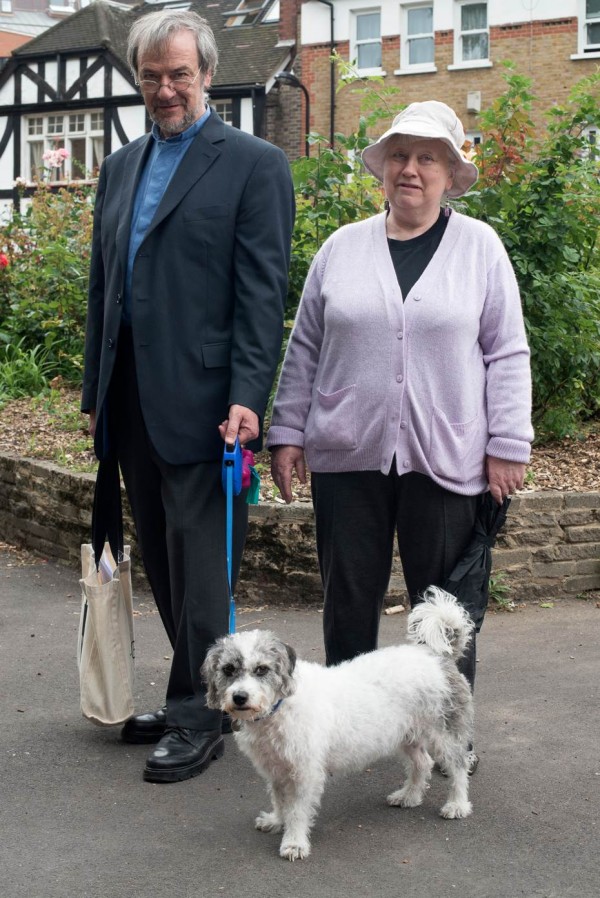
Tink (bit of Bichon Frisé, bit of Jack Russell, bit of Something Else) & Sandra & Paul (the real-life ‘Rev’ of St Leonard’s, Shoreditch)
We’ve had her since November. She was adopted from a refuge and, if I could, I would enter her into the Smelliest Dog in Shoreditch category.
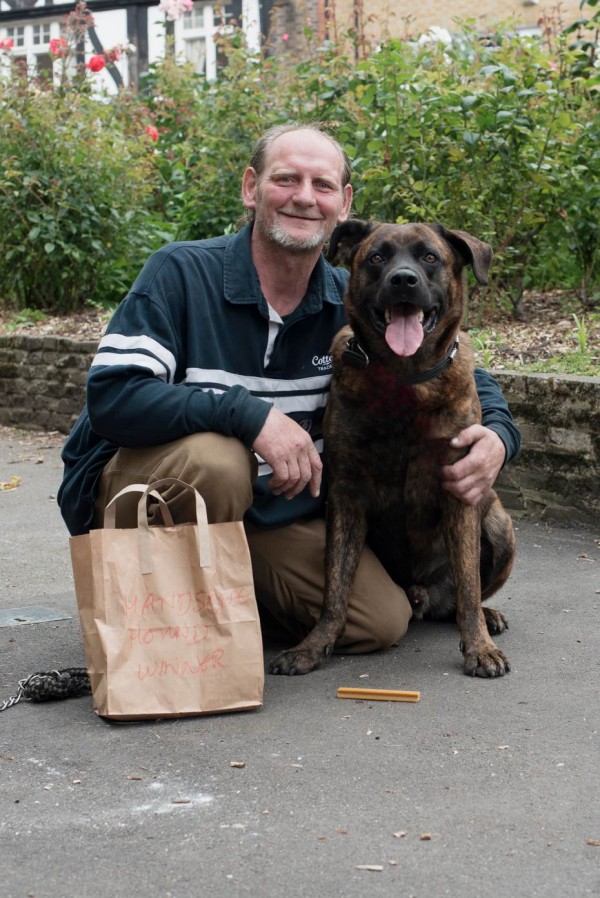
Flopsy (Neapolitan Bull Mastiff crossed with a German Shepherd) & Gary
His full name is Prince Flopsy Tender of the Night Brent. He’s four and a half years old and we’ve been together since he was five weeks. He was fished out of the canal in Bow and I was told to look after him, and we’ve been together ever since. He’s just won Handsome Hound.
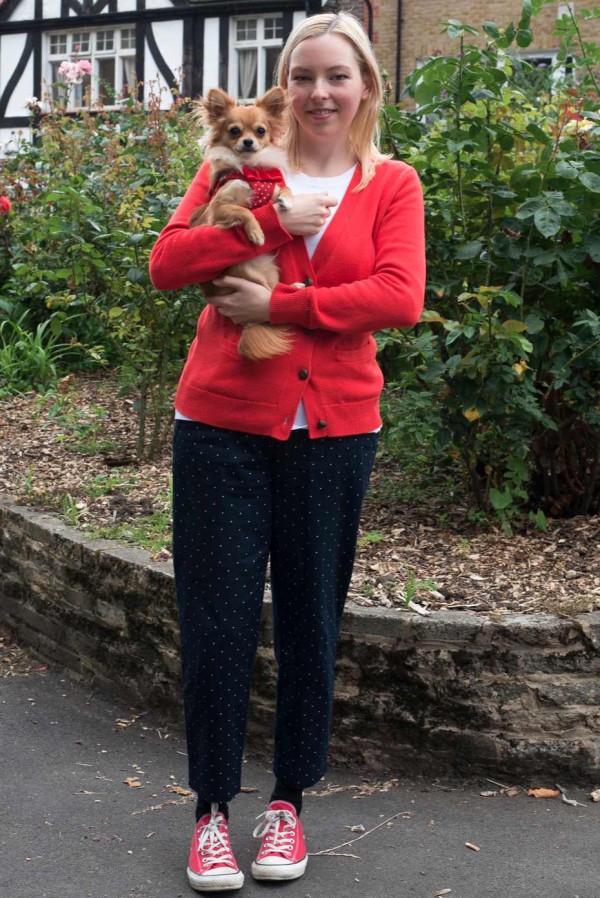
Pippin (Long-Haired Chihuahua) & Joanne
Pippin’s ten months old and is entered into the Handsome Hound, although he’s a little too young to be handsome as he’s still on the cute side. He loves climbing logs so I might get him to try the assault course.

Pipee, Kenji & Buster (Japanese Shiba Inu) & Delia
This is the second oldest breed in the world and the closest DNA to the Wolf. They’re quite feral with a strong hunting instinct, so you don’t want to let them off the lead. They’re entered into Rescue Me, because Pipee and Buster are rescue dogs, and Handsome Hound categories.
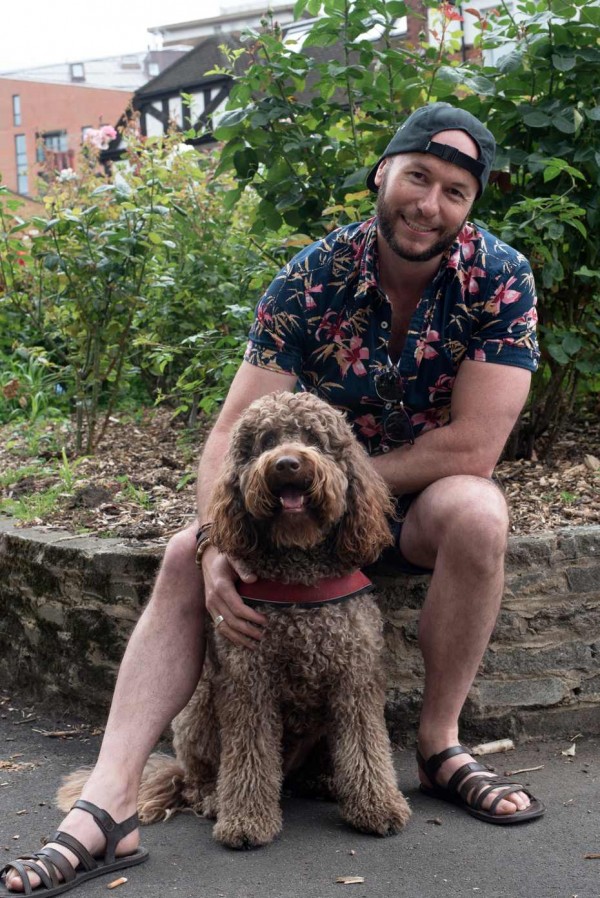
Fozzy Bear (Labradoodle) & Nick
I named him Fozzy Bear because he’s a right old muppet. He’s a hundred per cent Australian Service Dog and loves hanging out with his cat buddies.
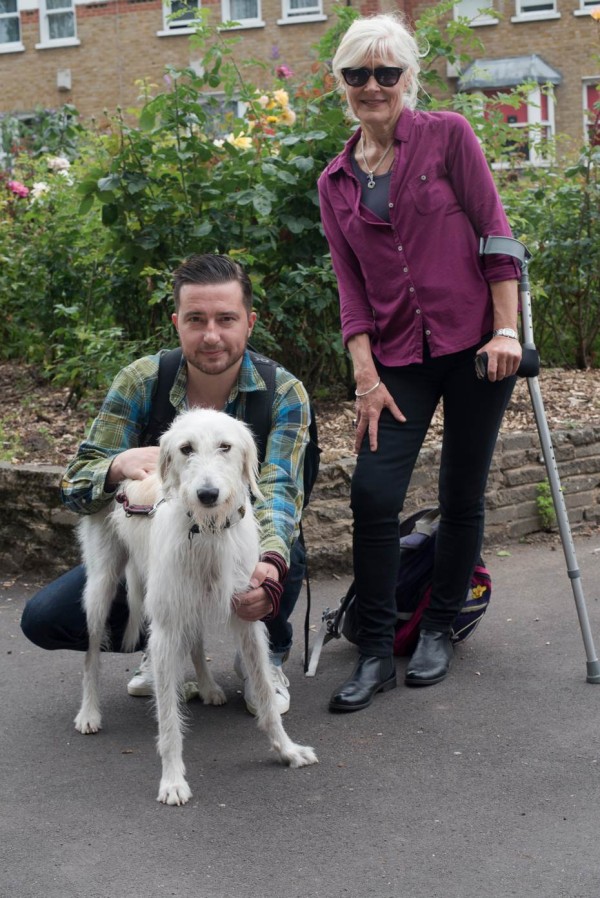
Randall (Lurcher) & James & Debra
We’ve had him a year. He is a rescue dog that we got from the Essex police. He’s entered into the Heinz Variety, Rescue Me and the Handsome Hound. He’s got a good chance in those categories, particularly in the Handsome Hound!
(Went on to win Heinz Variety Cutie and Best in Show)
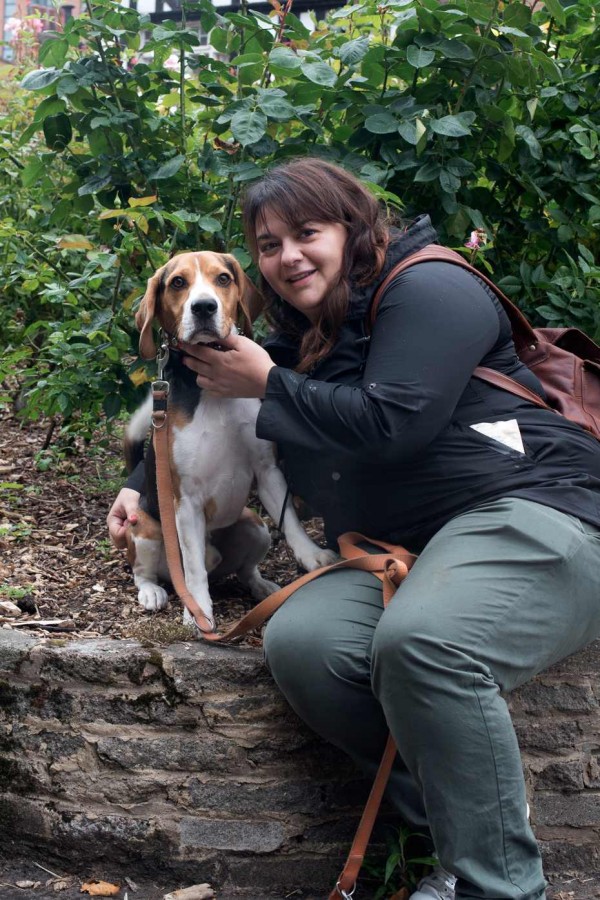
Cosmas (Beagle) & Marina
He’s two and a half years old and is entered into the Waggiest Tail category.
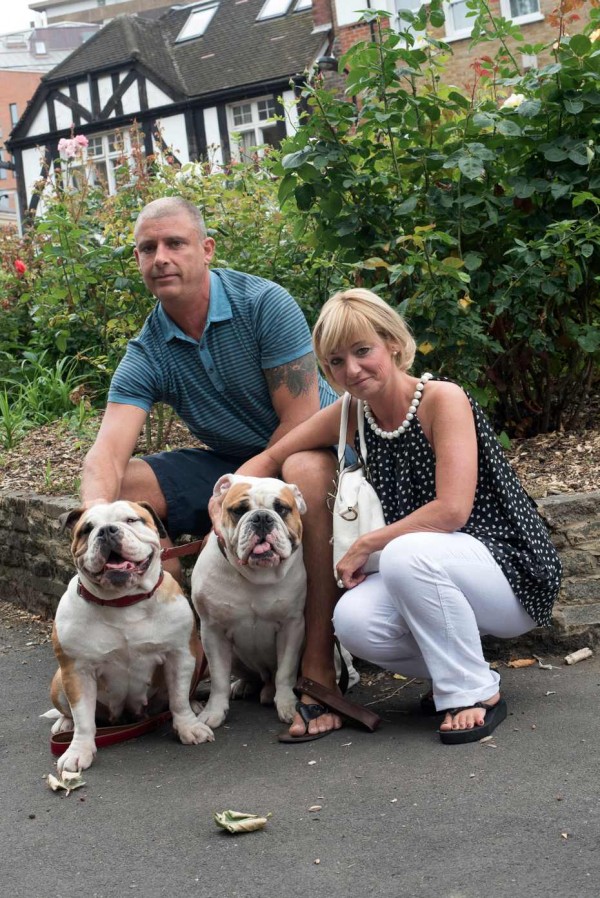
Ruby & Bugsie (Victorian Bulldogs) & Julia & Tony
Bugsie’s four and Ruby’s two years old. They’re boyfriend and girlfriend, and all our friends are waiting for them to mate but I’m holding her back till she’s a bit older. They’re like children, they like to sulk. Pan-fried liver is the secret.
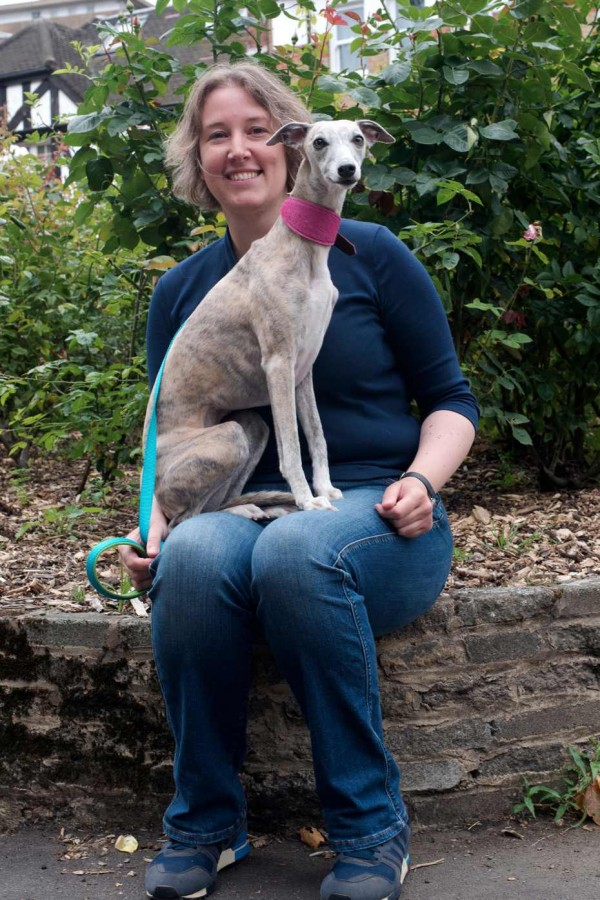
Iris (Whippet) & Penny
I’ve entered her into Ditch & Bitch. She has a fair to good chance of winning, but she’s got her game face on at the moment, not giving too much away.
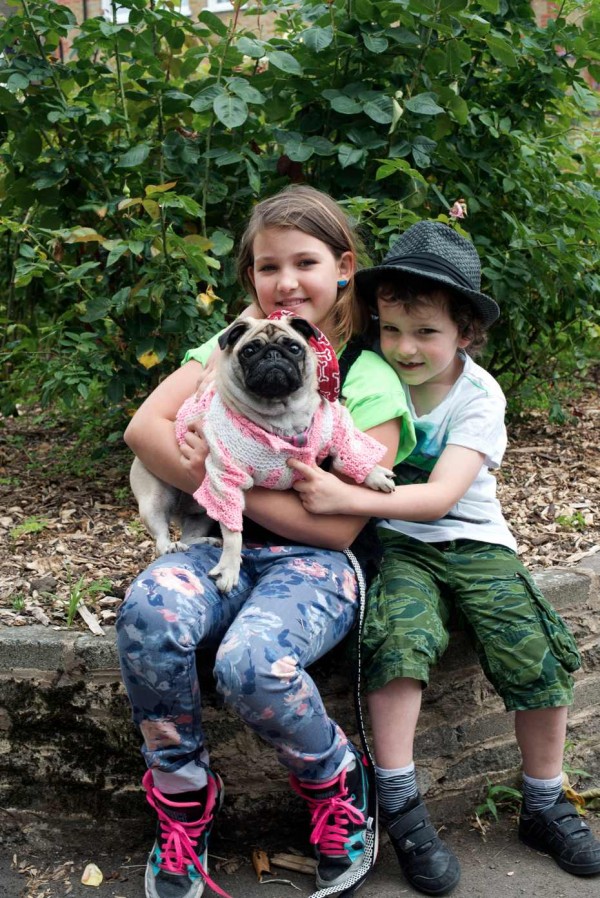
Bobby (Pug crossed with Chihuahua) & Pema and Eddie
She’s two and a half years old. She was entered into Ditch & Bitch and Best Dressed Dog, but it’s not about winning or losing it’s about taking part. We like to count how many “ahhs!” she gets walking along the street.
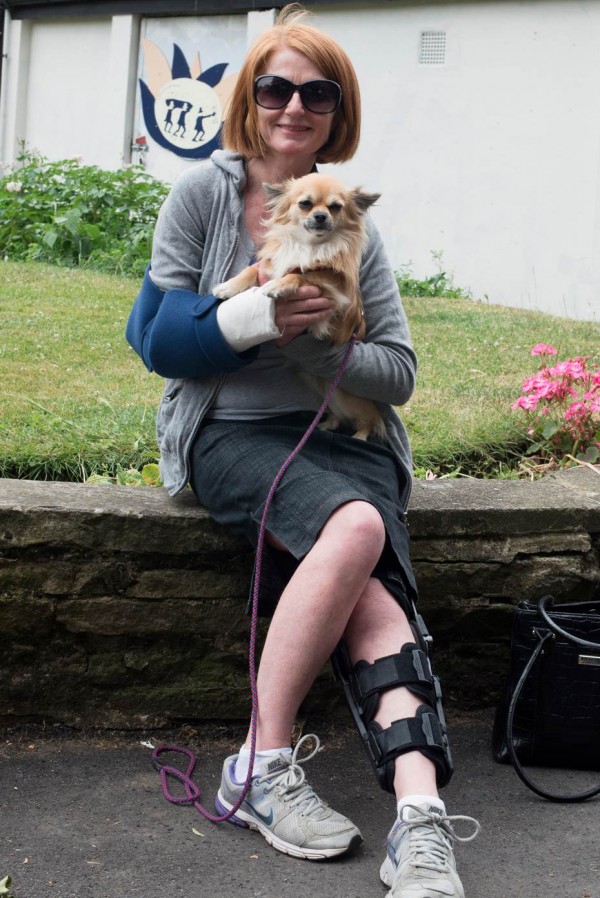
Hunter (lLng-Haired Chihuahua) & Katie
He’s two and a bit. His real name is Knight of the Hunter, and he’s entered into the Handsome Hound and Who’s Who Look-Alike competition.
(Went on to win second place in Handsome Hound)
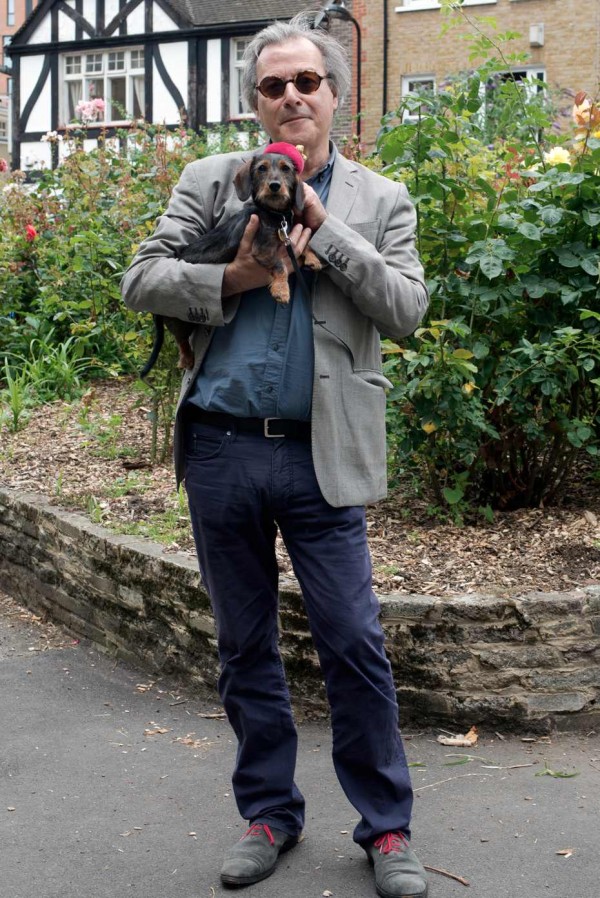
Badger (Dachshund) & Mr Slang
She’s nine months old and lives in Clerkenwell. She’s known as the Belle of the Well but unfortunately didn’t win Ditch & Bitch – money’s obviously changed hands – and she didn’t win Best Dressed either, because she wouldn’t wear her hat with aplomb.
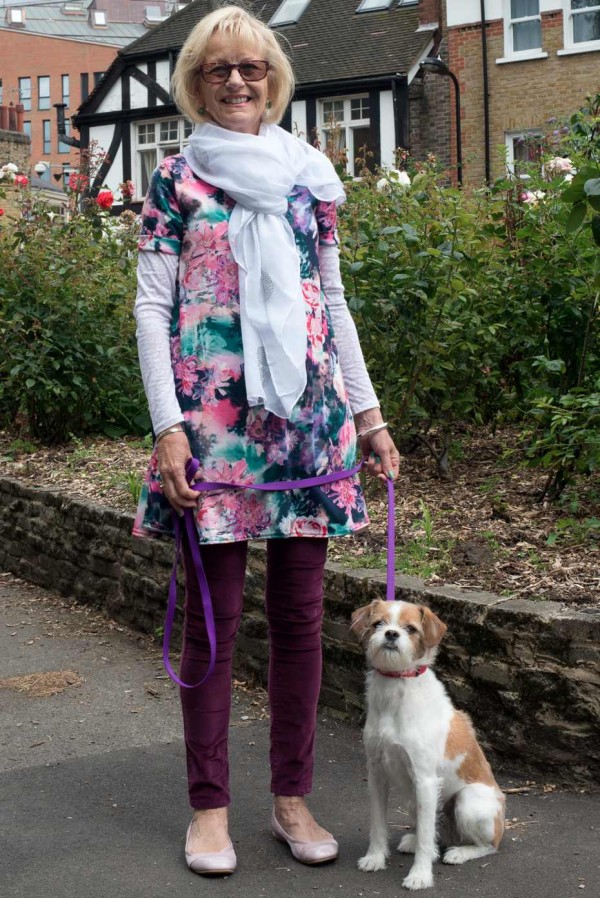
Dotty (Parsons Jack Russell Terrier crossed with Shih Tzu) & Beverly
I entered us into the Who’s Who Look-Alike category because we’re both tall and skinny.
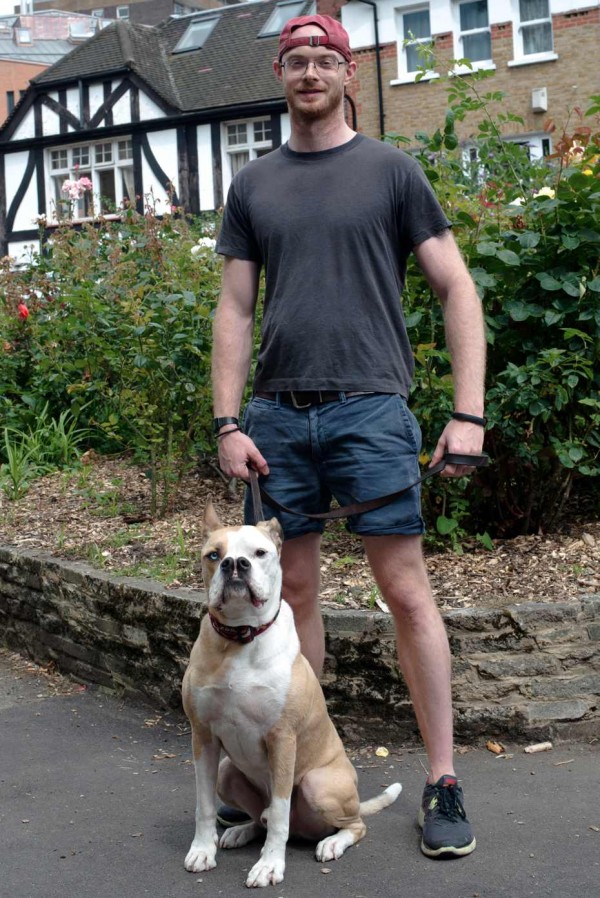
Napoleon (Boxer crossed with American Bulldog) & Christopher
He’s seven years old and is a rescue dog from Battersea. I was going to enter him into Handsome Hound to lead the charge against the super pedigrees but it was full up. So I’ve entered him into Rescue Me. I think he’ll nail it although there’s a cute Staffi over there with a flapping tongue.
(Napoleon went on to win Rescue Me for the best rescue dog)
Photographs copyright © Sarah Ainslie
The Return Of British Land
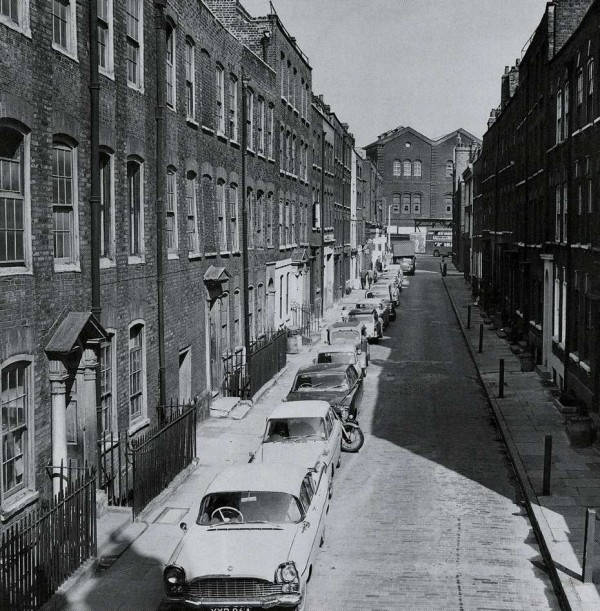
British Land were responsible for the destruction of the northern half of Elder St in the seventies
A famous battle took place here forty years ago between British Land, who wanted to create a large-scale commercial development at the edge of the City, and Conservationists, who believed that there was merit in the existing buildings, both architecturally and as social history – and that people still wanted to live here, given the chance.
Half of one of London’s most beautiful early Georgian streets was demolished before the destruction was halted by a group of young architectural historians, of whom Dan Cruickshank was one. They occupied the buildings to stop the bulldozers and with the support of Sir John Betjeman, then poet laureate, drew national press attention. British Land did not get their way, retreating after they were refused planning consent and the Spitalfields Historic Buildings Trust was born – in a seminal moment – as the tide of public opinion turned away from needless destruction and towards preservation of old buildings.
Now British Land are back and again they want to create a large-scale commercial development, combining a string of sites in this corner of the Liberty of Norton Folgate, which they choose to rebrand as ‘Blossom St.’ Consequently, Writer and Historian Dan Cruickshank, who has lived in Elder St since 1977, faces the unwelcome return of an old enemy to his own doorstep. “They’ve come back and maybe it’s new people at British Land but nothing’s changed – these guys don’t care about anything but money,” Dan assured me when I dropped by to visit him yesterday and we took a stroll around the streets under threat.
To add insult to injury, Dan and many other local residents attended a recent consultation which – as is too frequently the case – turned out to be a consultation in name only, at which British Land and the architects vehemently resisted any genuine debate. “It was simply the presentation of a worked-out design – with the public’s role being to comment on a strategy and details already decided,” Dan admitted to me in disappointment, “British Land, in response to our questioning of the very nature and purpose of the meeting, stated that we could scribble down our thoughts and post them in a box at one end of the room!”
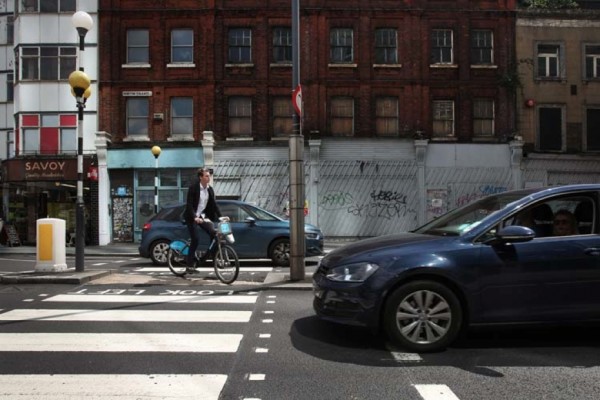
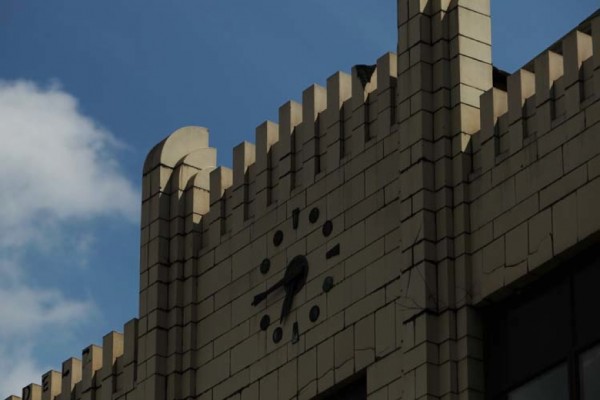
There is a distinctive quality to this ancient web of streets at the edge of Spitalfields, justifying its designation as a Conservation Area. Behind an appealing mixed terrace of shops – a rare fragment of those that formerly lined Bishopsgate – lie old washhouses and yards, indicative of the courtyards and alleys that once laced this area with crowded housing. At the north of this terrace is the fine art deco faience facade of Nicholls & Clarke and a paved alley with worn flags, that appears unchanged since the nineteenth century, leading you back to Spitalfields. At the rear of terrace lies Blossom St, a quiet back street overhung with tall dark brick buildings dated 1886 and formerly in service as warehouses, but possessing large windows suggesting an earlier use for unspecified manufacturing. In between here and Elder St, sits a crude pastiche Georgian block constructed as a bad compromise in the seventies, after the genuine old buildings here were pointlessly demolished.
British Land has employed five architects to work upon different parts of their scheme as a means to introduce diversity, yet they have all come up with mediocre generic designs that betray their primary concern with fulfilling the economic demand of delivering the maximum volume.
They wish to reduce the 1886 warehouse buildings to a mere facade simply for the sake of maximising floor space and destroying their greater value, if repaired, as prestige offices for the Tech firms that have proliferated over the last decade in the former industrial premises of Shoreditch. On Bishopsgate, the art deco facade will be destroyed entirely and they intend to compromise the old brick terraces and dissolve the corner of Folgate St in order to create an entrance to their ‘Blossom St’ development without any respect for the wider architectural geometry of the existing streetscape. Meanwhile, the unspecified nature of the replacement for the block on the western side of Folgate St remains a vexed question and all this damage to the Conservation Area exists within the context of vast swathes of demolition of old buildings.
Thus, the intricate detail of this neighbourhood that has evolved over centuries will be sacrificed for crude commercial development which serves nothing but the interests of capital, if no meaningful dialogue between British Land and the residents of Spitalfields is forthcoming.
The timbre of discourse to date may be characterised by a comment thrown away by the leading architect of the proposed scheme, Paul Monaghan, at a subsequent meeting to the ‘consutation.’ When asked about an adjoining site, he retorted disdainfully, “It’s up for development, along with everything else in your neighbourhood.”
Yet British Land’s disregard for history, both of the buildings and streets they plan to develop, and of the events that occurred here forty years ago could be their downfall. They need to get planning permission quickly and move this scheme forward to satisfy their shareholders, but their imperious approach is provocative, inviting conflict – and there are those in Spitalfields who have fought this fight before and won.

Elder St in 1977 after demolition commenced

Dan Cruickshank shows the destruction to John Betjeman


The deputation by Spitalfields Trust to occupy the headquarters of British Land, Mark Girouard stands centre with social historian Raphael Samuel, second from right.

Nineteenth century Nicholls & Clarke warehouses in Blossom St drawn by Lucinda Rogers

Tallis Street View of houses in Norton Folgate backing on to Blossom St – several are still standing
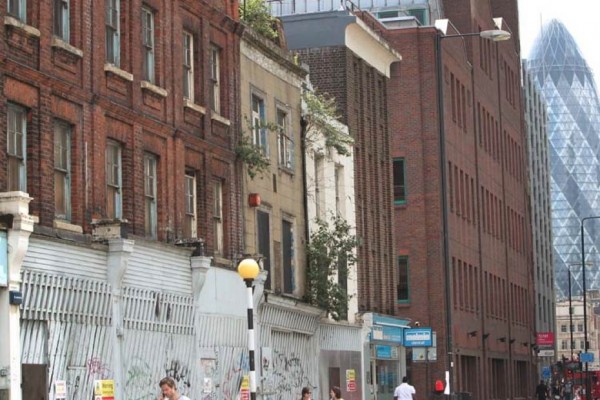
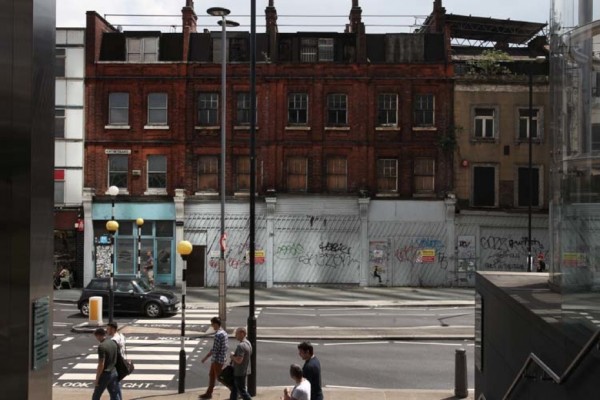
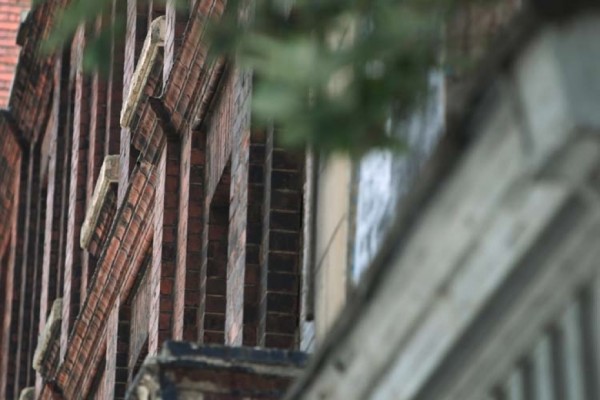
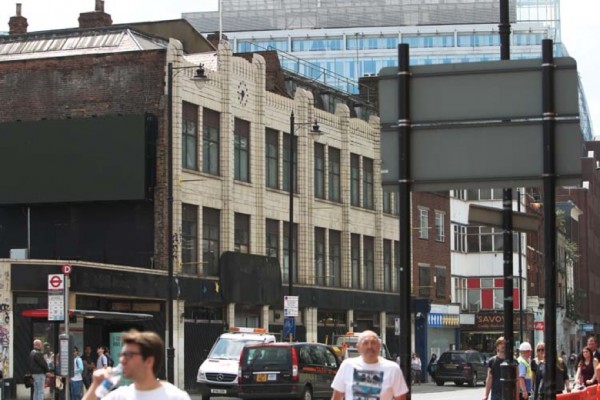
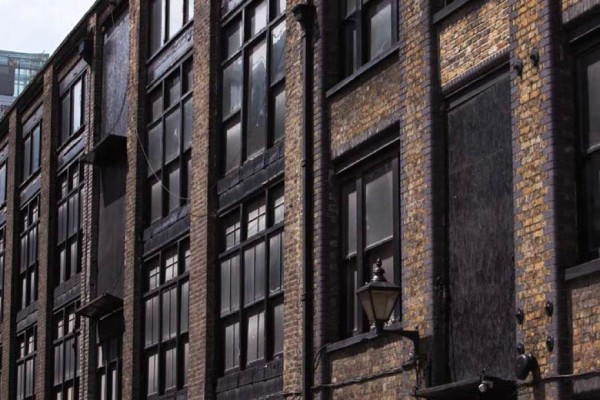
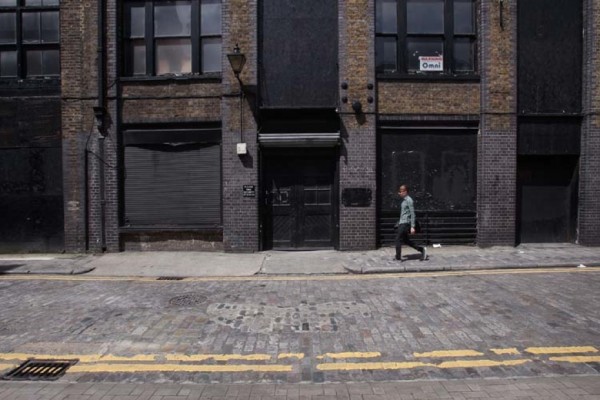
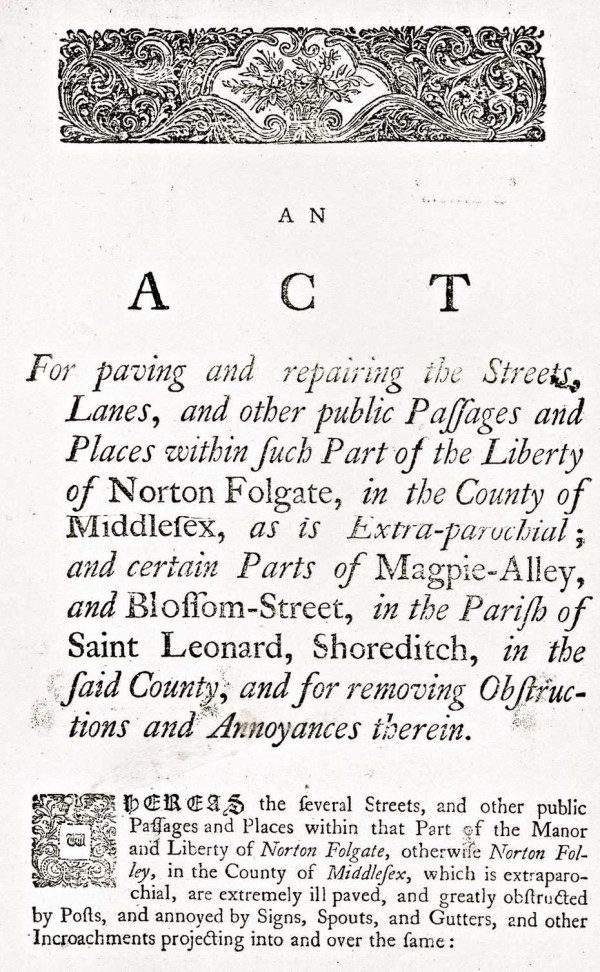
1811 Act for the paving of Norton Folgate including Blossom St – cobbles and paving date from this era

Bishopsgate Without viewed from Norton Folgate, 1912 (Photo by Charles Gosse)
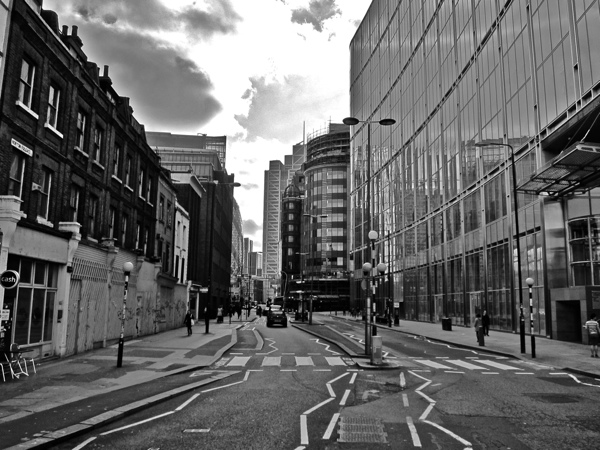
Bishopsgate Without viewed from Norton Folgate, 2012
Colour photographs © Simon Mooney
Archive images courtesy Bishopsgate Institute
In Search of Horace Warner
Yesterday, I revealed the astonishing discovery of the unknown albums of more than a hundred of Horace Warner’s photographs of the Spitalfields Nippers dating from the turn of the nineteenth and twentieth centuries, and today I trace a little of what is known about the photographer.
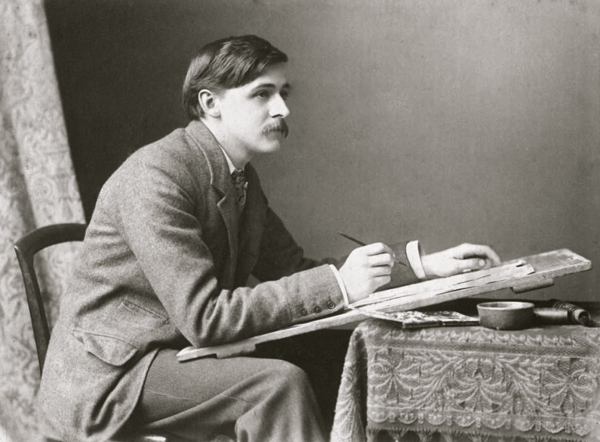
Horace Warner (1871-1939)
This is a self-portrait by Horace Warner taken when he was around thirty years old at the time he was photographing the Spitalfields Nippers, the pictures by which he is remembered and that establish his posthumous reputation as a photographer. If you look closely you can just see the bulb in his left hand to control the shutter, permitting him to capture this image of himself.
With his pale moon-like face, straggly moustache and shiny locks, Horace looks younger than his years and yet there is an intensity in his concentration matched by the poised energy of his right arm. This is how he chose to present himself – wielding a brush, indicative of his profession as a wallpaper designer in the family business of Jeffrey & Co, run by his father Metford Warner (1843-1930), where he and his brother Marcus worked. The company was established in 1836 and Metford was a junior partner who became proprietor by 1869 and, under his leadership, they became a leading manufacturer. He was committed to representing artists’ designs more accurately than had been done before and commissioned William Burges and Walter Crane, among other leading designers of the time – most famously, collaborating with William Morris.
Last week, I set out to visit three places that were familiar to Horace Warner in an attempt to better understand the connections between the different aspects of his life that found their expression in these locations. First, I took the train to Highbury and walked up the hill beside the long eighteenth century terrace bounding the fields, turning off into the quiet crescent of Aberdeen Park, a private estate laid out in the eighteen-fifties.
The turret of the former Warner family house stood out among the other comfortably-appointed villas, as testimony to the success of Jeffrey & Co, supplying wallpaper to the artistic classes in the growing capital at the end of the nineteenth century. A woman pushing a pram along the pavement in front of me turned out to be the nanny employed by the current residents and, when I explained the reason for my visit, she volunteered that there were a series of old photographs still hanging in an upper room, which also retains its turn of the century embossed wallpaper.
Leaving the ghosts of Aberdeen Park, I turned south, following Horace’s route to work by walking for half an hour down through Canonbury, past the Tower and along the route of the New River, to meet the Essex Rd where the Jeffrey & Co wallpaper factory stands. An elegant turn-of-the century utilitarian building with three well-lit floors above for manufacturing and a showroom on the ground floor, it is currently occupied by a wholefood chain. William Morris’ wallpaper designs were all printed here until the thirties when they were taken over by Sandersons and the factory closed in 1940 but, if you go round to the side street, the loading doors remain as if another delivery might arrive at any time.
From here, the East End is a couple of miles south. Now in her nineties, Horace Warner’s surviving daughter, Ruth Finken, still remembers accompanying her father on this journey as a small child to deliver Christmas presents in Quaker St, where he was Sunday School teacher. She recalls how dark, dirty and frightening everything looked, and being told to hold her father’s hand and keep close. Ruth reports that her father was always one for getting the family to pose for his photos and that he spent ages getting everyone in exactly the right position. She also has a memory of one of his photographs of a pair of child’s boots upon the drawing room wall, along with a couple of his portraits of the Spitalfields Nippers, as reminders of those who were less fortunate.
Horace Warner’s participation as Superintendent at the Bedford Institute continued an involvement for his family in Spitalfields that stretched back to the seventeenth century when the Warner Bell Foundry was established. The Warner family were part of the Quaker movement too, almost since its inception, and the naming of Quaker St derives from the Friends Meeting House that opened there in 1656.
Yet the Quaker Mission at the Bedford Institute, that Horace Warner knew, owed its origin to a revival of Quakerism that happened a century later in Spitalfields – encouraged by Peter Bedford (1780-1864), a philanthropist silk merchant who devoted himself to alleviating poor social conditions. Rebuilt in 1893, the handsome red brick Bedford House that stands today would have been familiar to Warner.
In The Condition of The Working Class in England, Frederick Engels referred to the tragedy of a family living in the courtyards south of Quaker St as an example of the degradation of the poor in London and it was these people, living almost upon the doorstep of the Bedford Institute, that Horace Warner befriended and photographed. It was a small area, a narrow rectangle of shabby dwellings circumscribed by roads upon four sides, and no more than a hundred yards wide and five hundreds yards long. Today there is nothing left of it but Horace Warner’s photographs, yet since he annotated them with the names of his subjects we hope we can now discover more about the lives of these people through research into the records. Ultimately, what we can discover about Horace Warner exists in his response to others and their response to him, as manifest in his photographs.
“There isn’t a great deal of information we know about Horace,” his grandson Ian McGilvray admitted to me, “and, in any case, I imagine he would probably have been quite content to have it that way.”
Ruth Finken, Horace Warner’s daughter, is looking forward to seeing all of her father’s Spitalfields Nippers photographs in a book for the first time and – with your help – we mean to publish this on November 1st. As with our other titles, I need to gather a group of readers who are willing to invest £1000 each. Please email Spitalfieldslife@gmail.com if you would like to help bring this exciting project to fruition and I will send you further information.
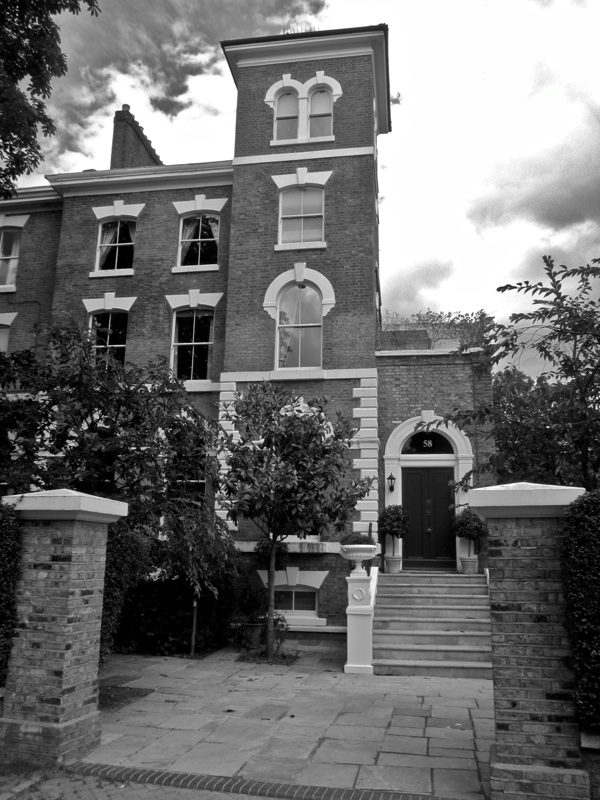
The Warner family home in Aberdeen Park, Highbury

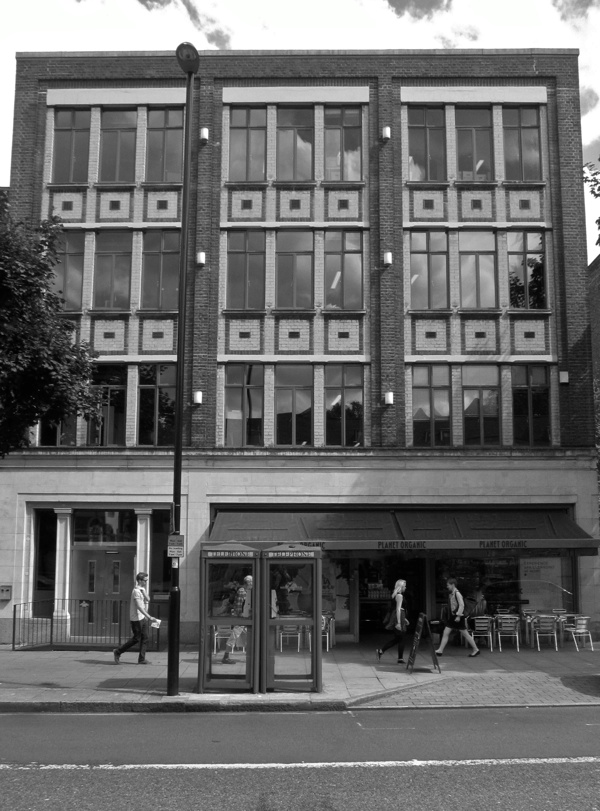
Jeffrey & Co, Wallpaper Factory & Showroom, 64 Essex Rd – the family business run by Metford Warner, where Horace worked with his brother Marcus
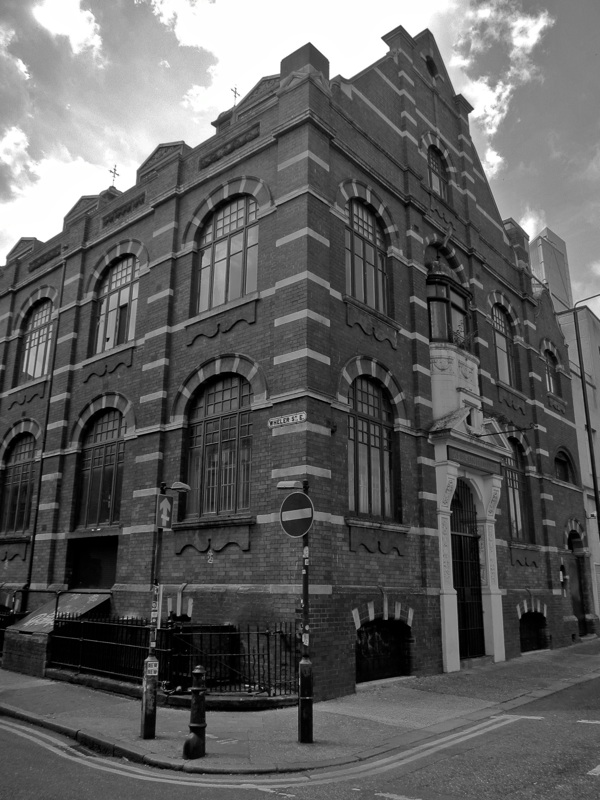
Bedford Institute, Quaker St, Spitafields, where Horace Warner was Sunday School Superintendent
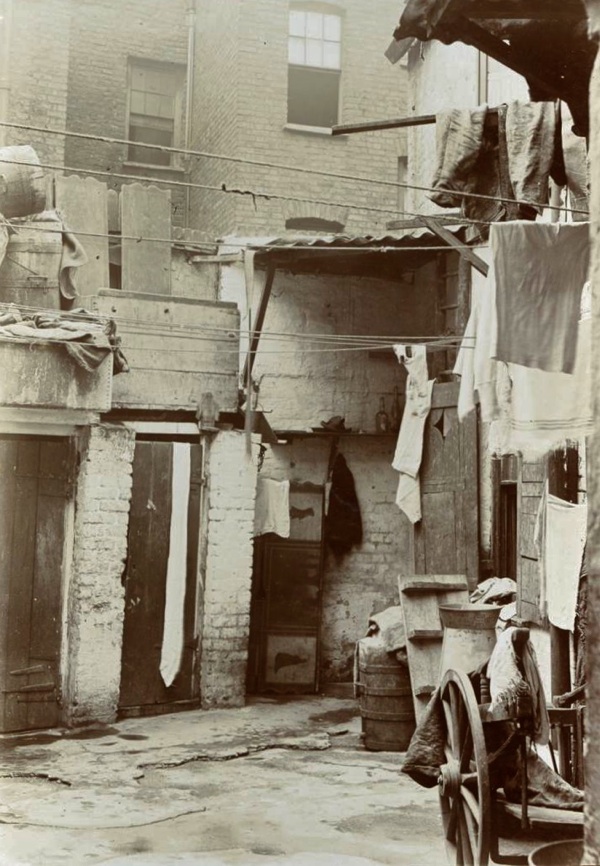
Horace Warner’s photograph of one of the yards off Quaker St
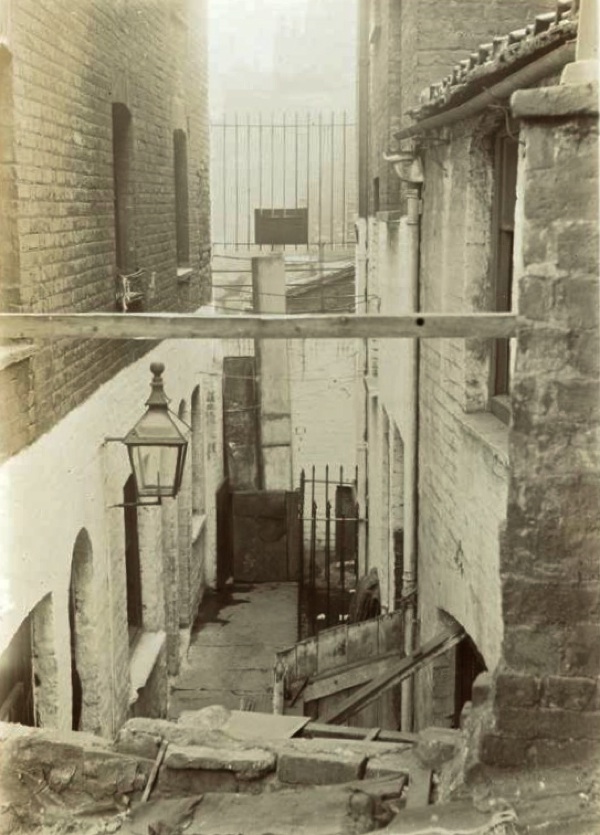
Horace Warner’s photograph of Union Place off Quaker St
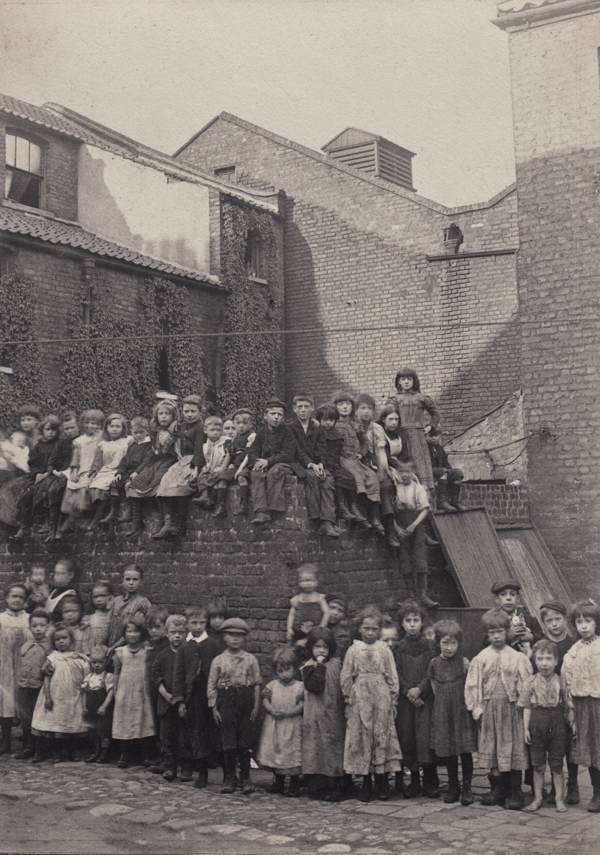
Horace Warner’s photograph of the children who lived in the yards beside Quaker St in 1900
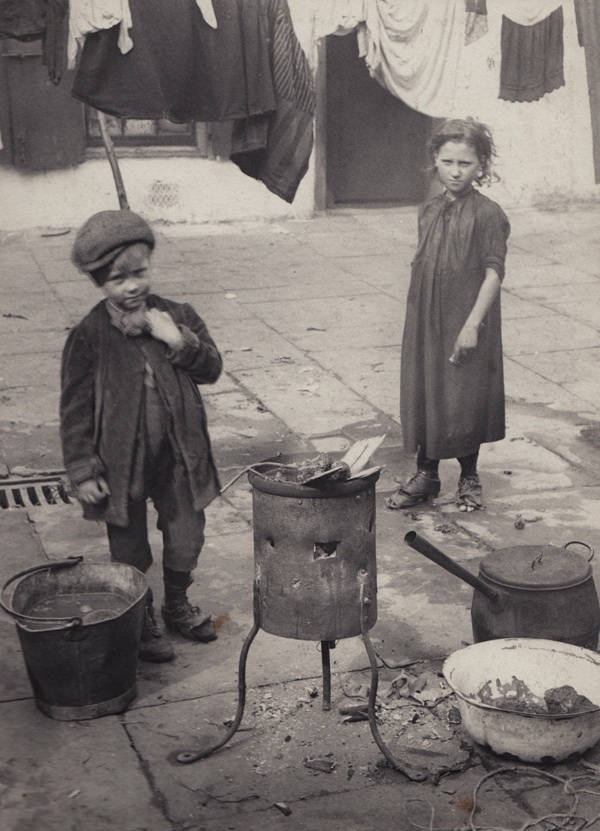
Washing Day, Horace Warner’s photograph of children boiling up hot water for laundry
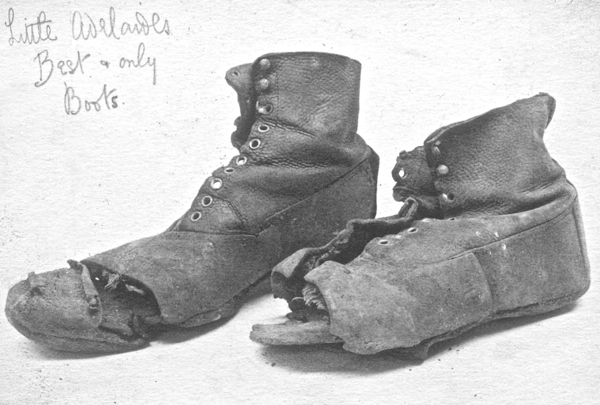
Little Adelaide’s Best & Only Boots – a photograph by Horace Warner that Ruth Finken, his daughter, remembers upon the drawing room wall as a child – the Bedford Institute distributed boots to children

Friederike Huber’s cover design for the book to be published on November 1st
Publication Rights in these Photographs Reserved
Click here to pre-order a copy of SPITALFIELDS NIPPERS by Horace Warner
You can see more of Horace Warner’s photographs here