At The House Of Dreams

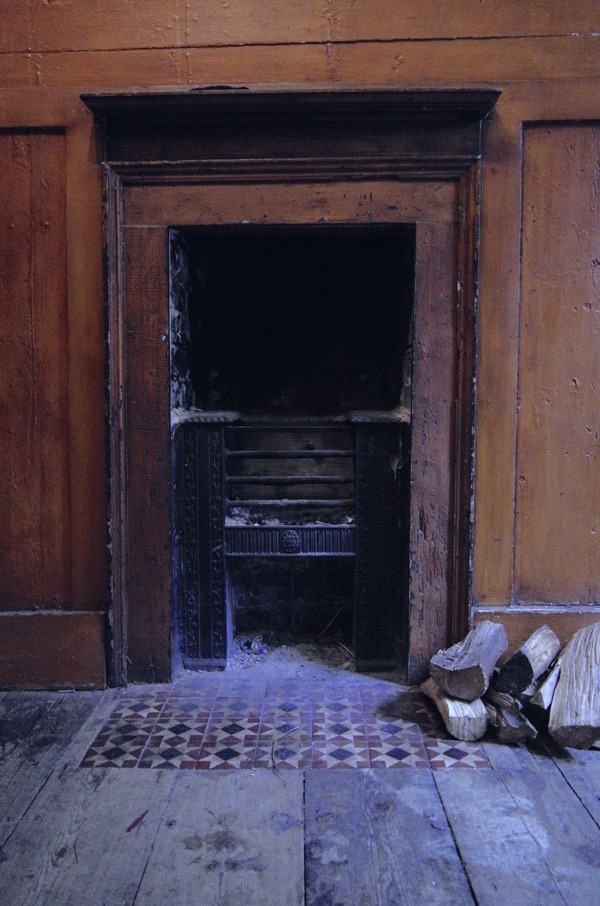
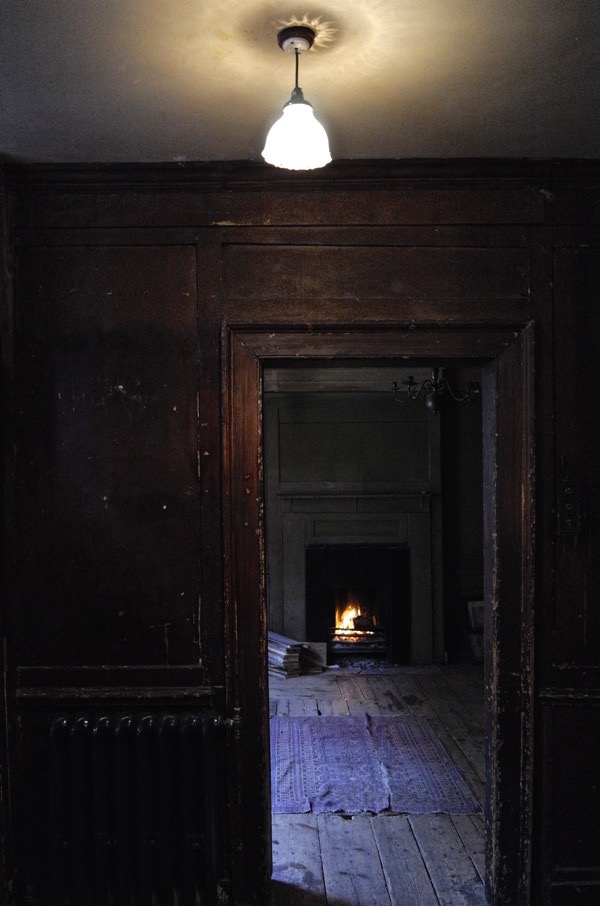
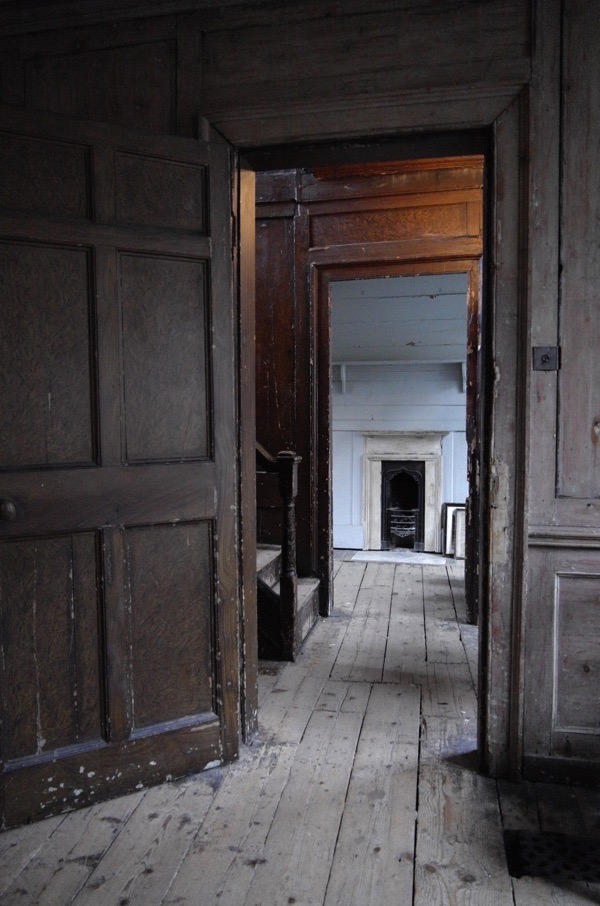
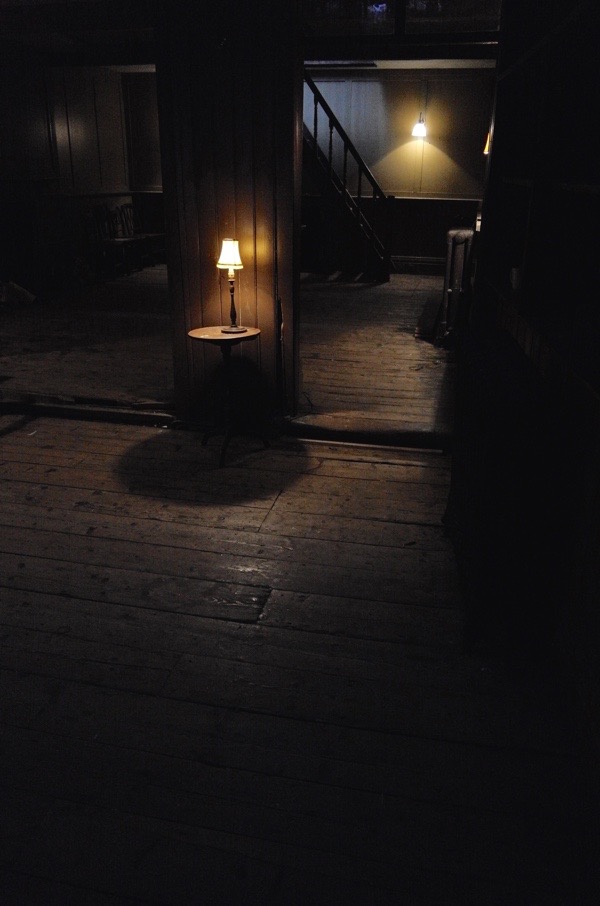
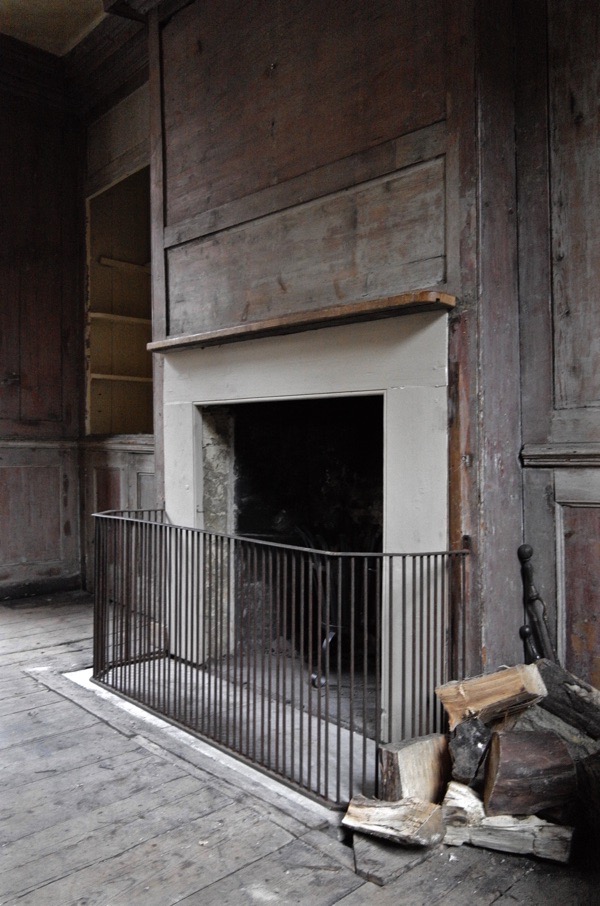
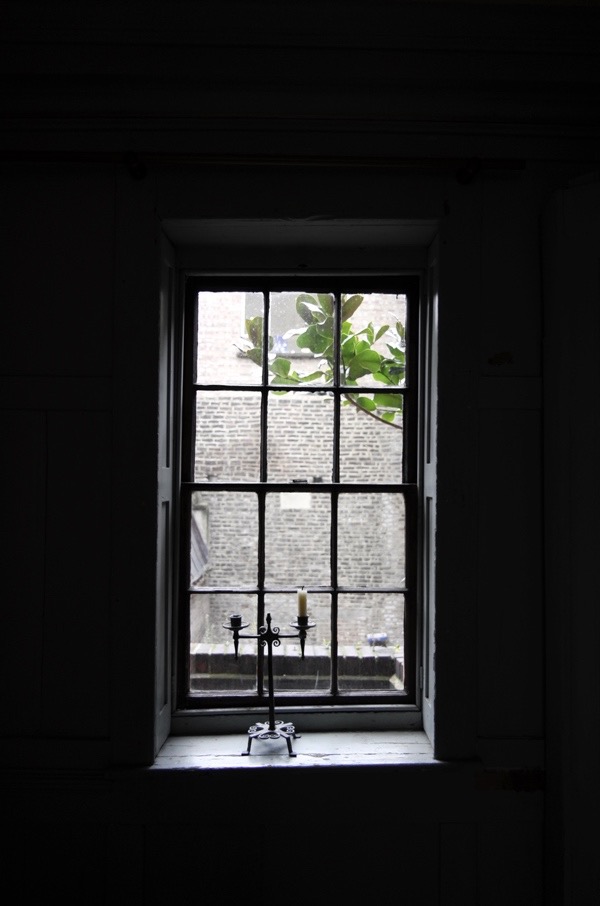
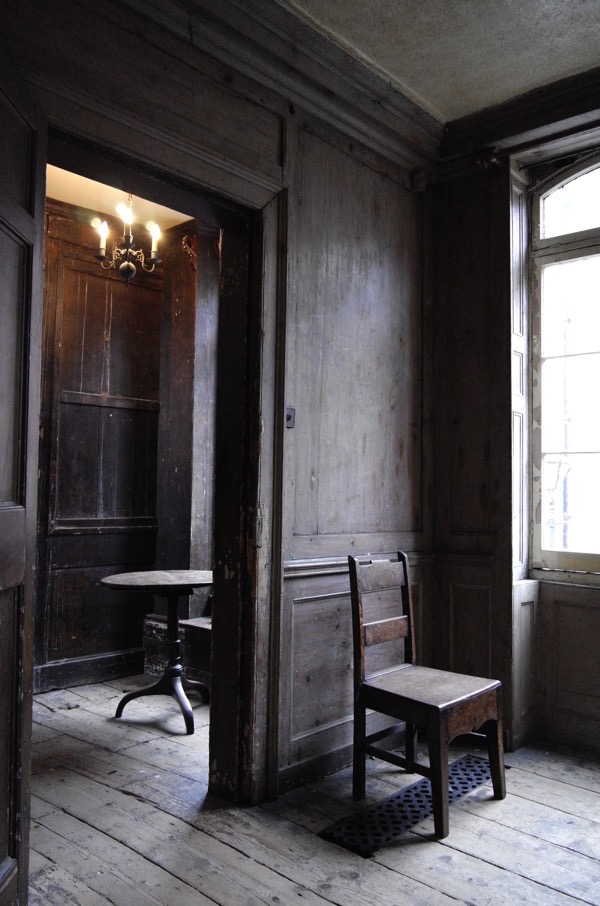
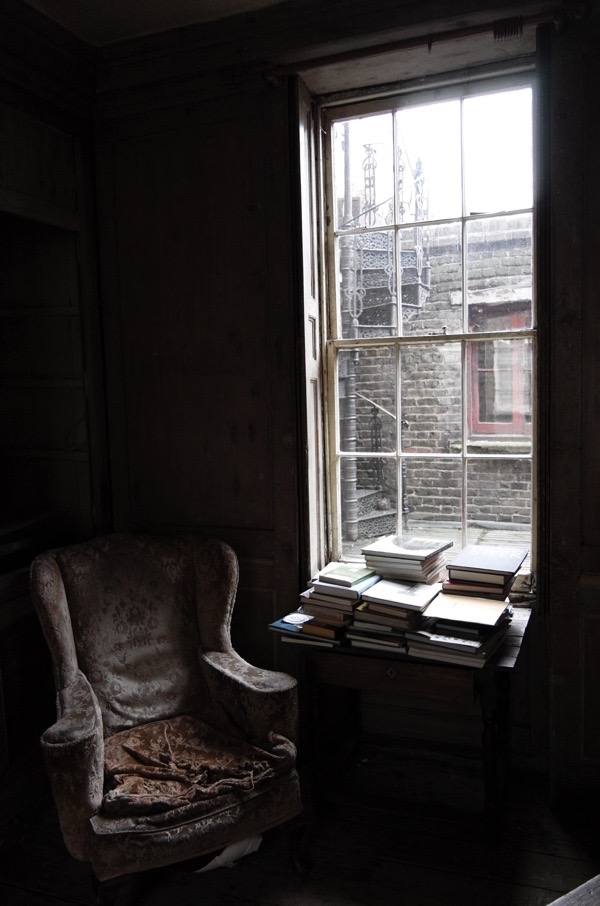
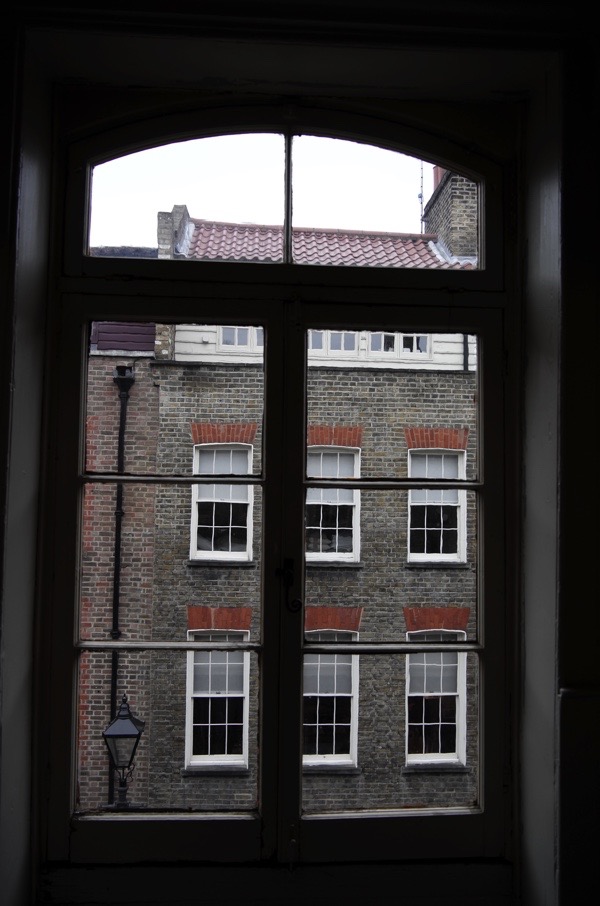
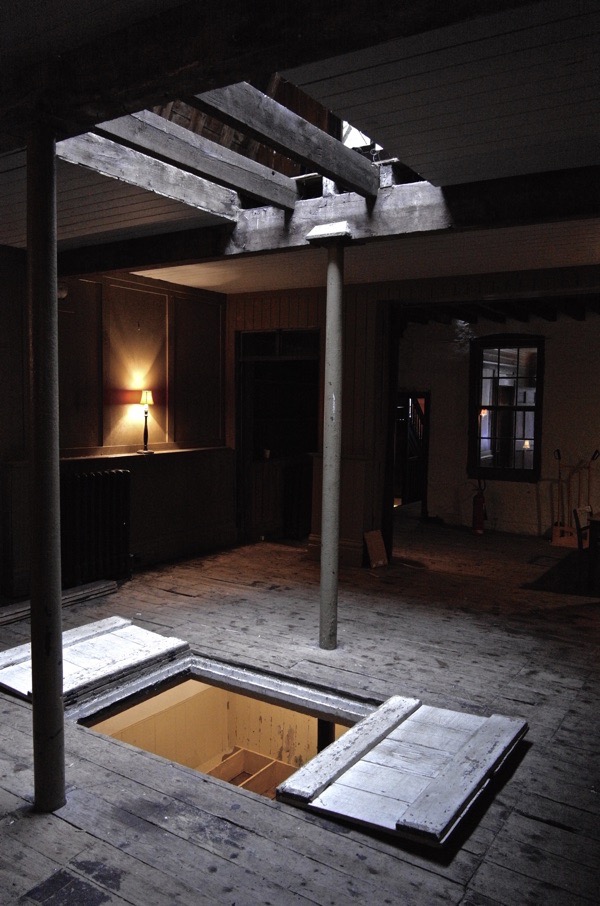
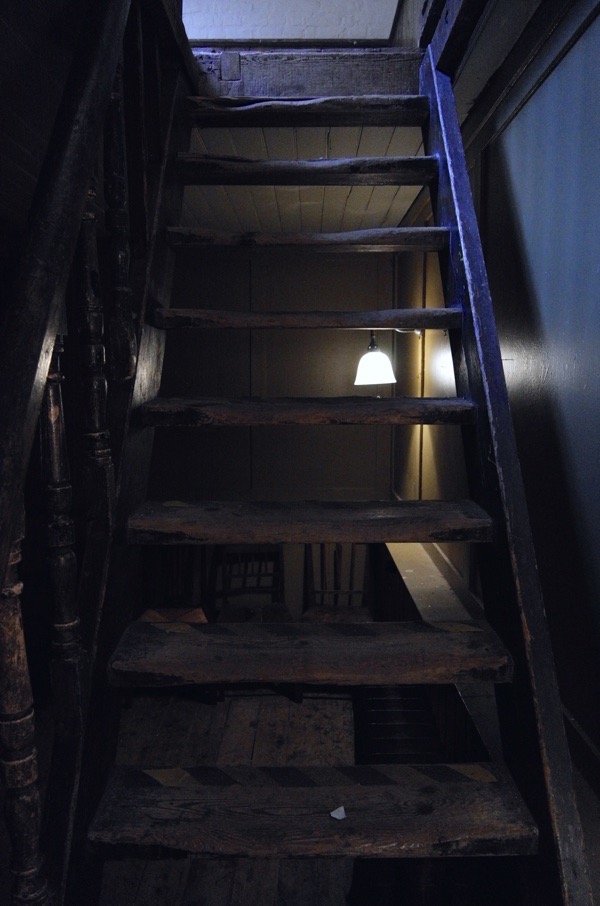
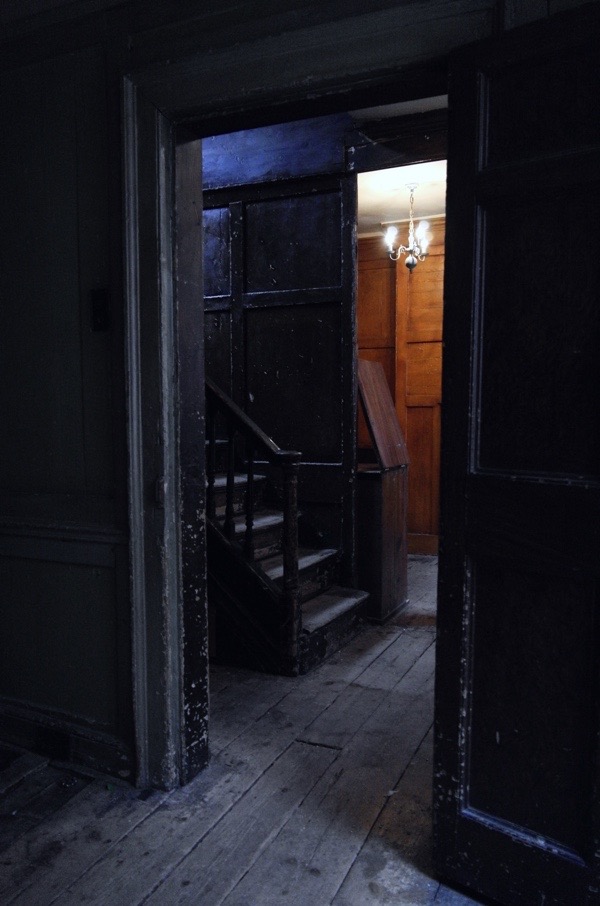
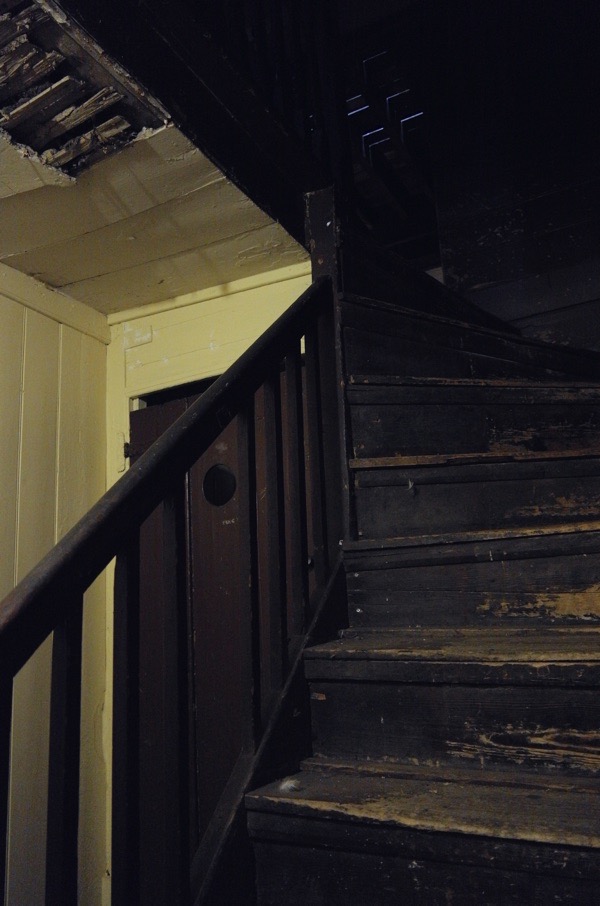
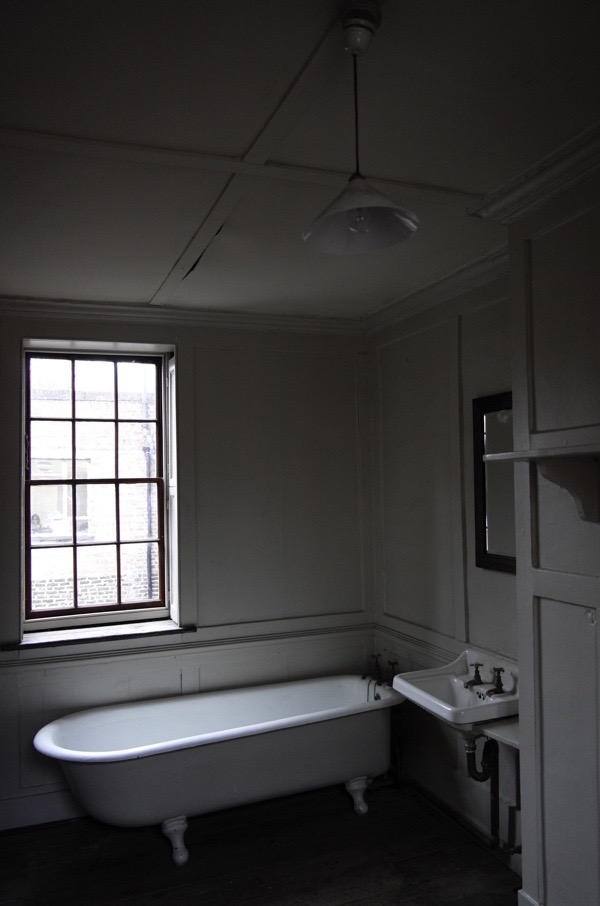
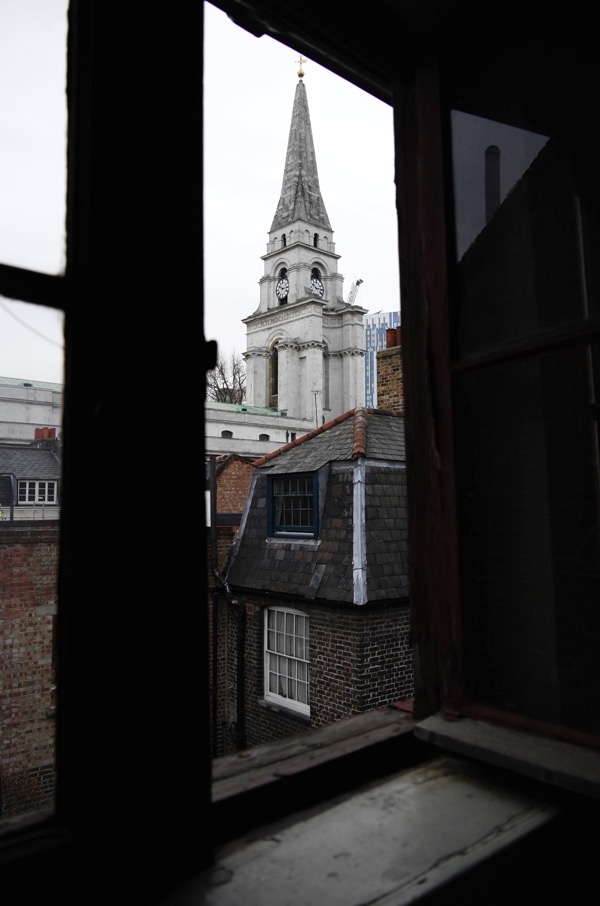
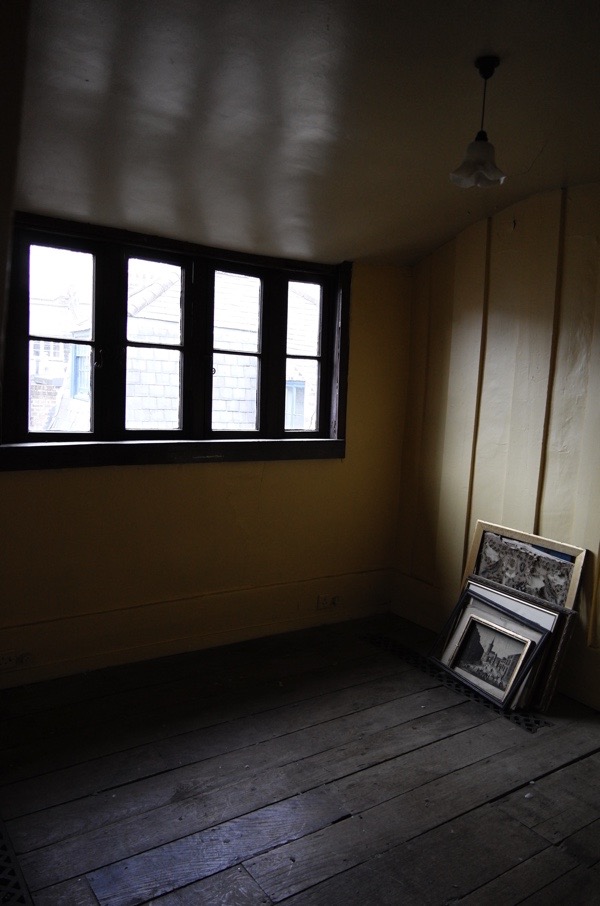
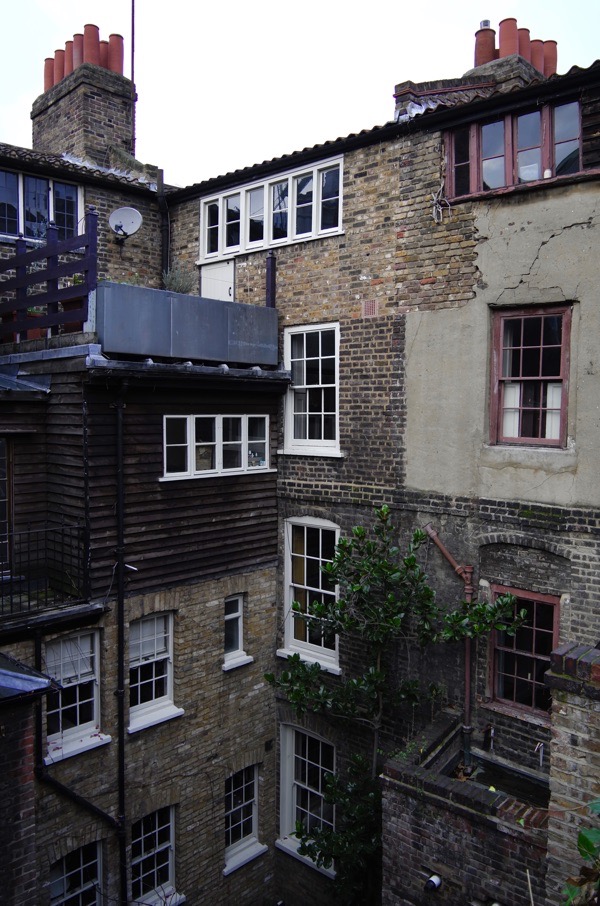
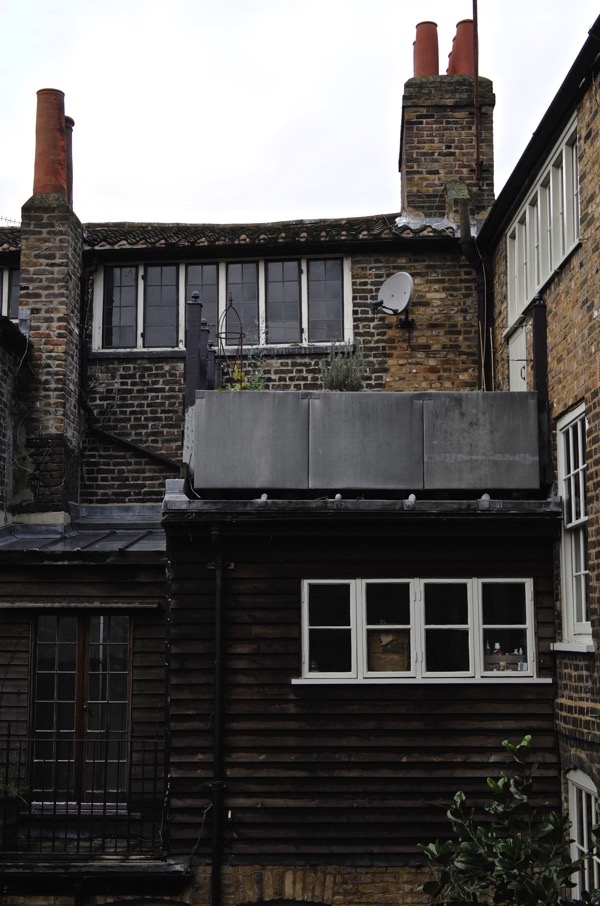
A number forty bus took me from Aldgate to the House of Dreams and it only took half an hour to arrive at the front door. Once across the threshold, an alternative cosmos of colour and eye-popping surreal fantasy awaits, transporting you far from the London rain.
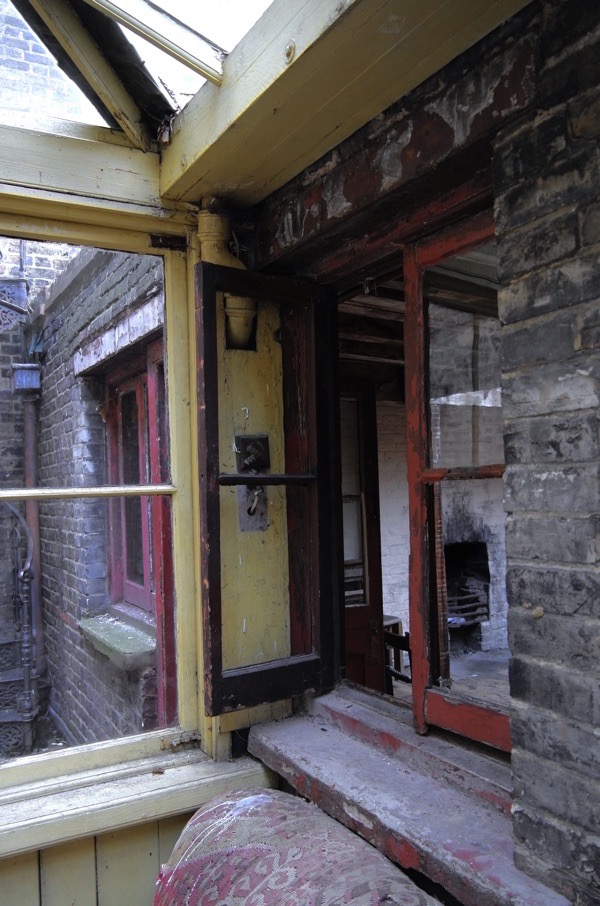
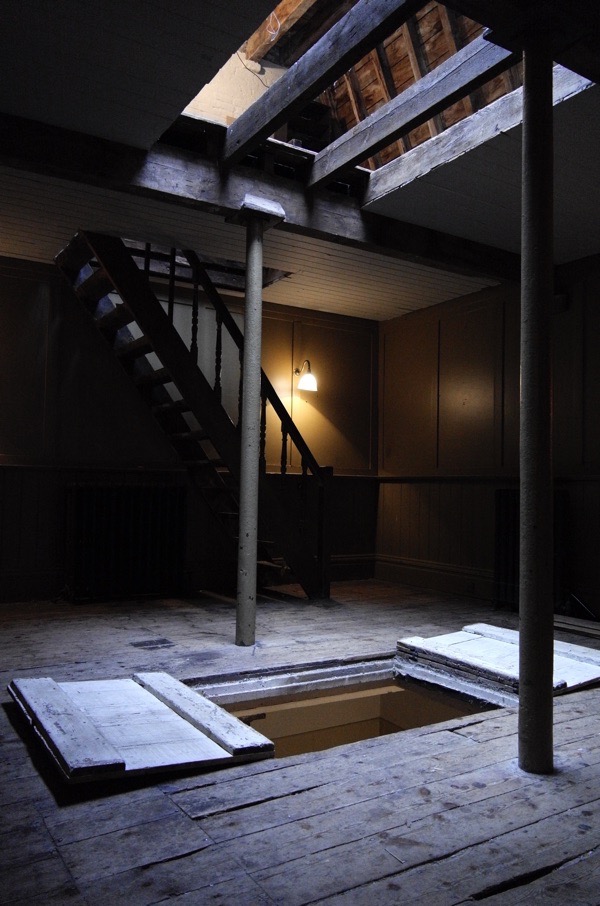
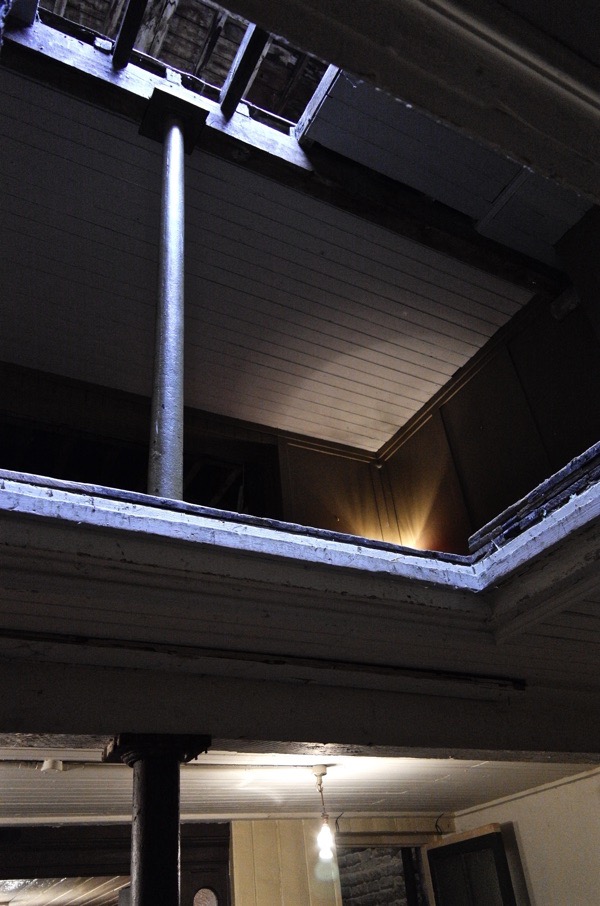
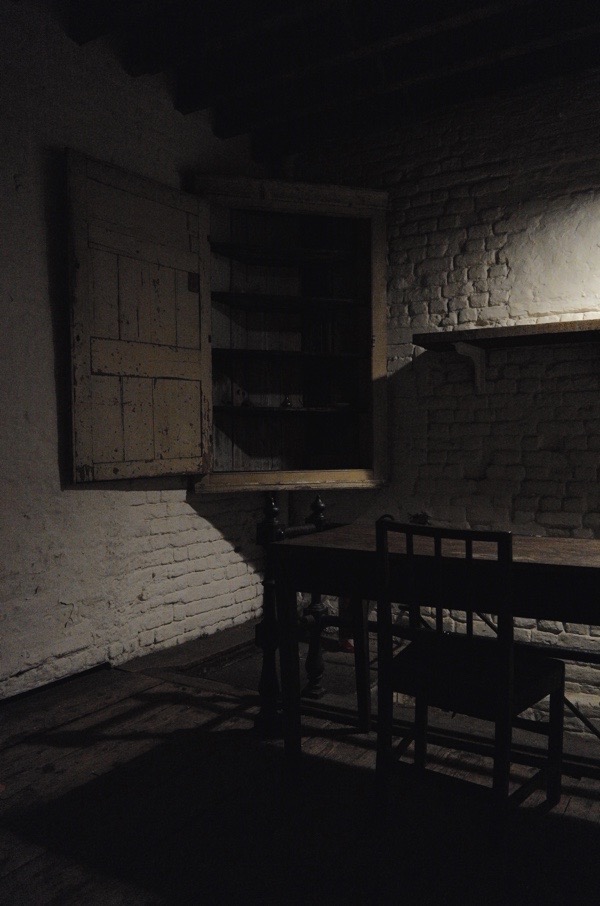
Perhaps one of the happiest people I have met, Stephen Wright delights to share the strange but joyous world of his personal subconscious, peopled with a universe of outlandish celestial beings – all made tangible within the interior of a modest Victorian terrace.
For this ever-growing endeavour is no random installation, but an endearingly intimate diary of Stephen’s emotional and spiritual life in sculptural form – as he was eager to explain when I dropped by last week.
“There is no plan – it’s just evolving, like life itself! My house is like a baby that needs constant feeding. It says, ‘Mama, I need more food!’ and I say, ‘Oh, give me a break.’
It began as a response to a series of programmes by Jarvis Cocker about ‘Outsider Art.’ When I saw those, I thought, ‘I’ve found my family, I’ve found where I fit in.’ So I visited a lot of Outsider Artists in France, they were mostly elderly, and then I began work on my House of Dreams in 1999/2000.
At first it was purely decorative, but then it became a response to the death of my partner Donald, and when – two years into it – both my parents died, I found that difficult to deal with. So my work changed and it became a way of grieving and dealing with loss – because I didn’t have a family this became my way of life. I want to leave something behind. Since then I met Michael, ten years ago, and he’s been very supportive. It’s important to have someone on your side.
I’m from the North and I found it difficult to put down roots in London, so I live in this safe house behind a high wall with a gate where I feel free to be me. All the objects in my house carry a meaning or memory for me and many are from places I consider sacred, like Cornwall, Paris, Barcelona, Madrid & Amsterdam.
The design has a South American style because I’m in touch with spirits from a former life when I was a grave digger in Oaxaca. I’ve been to Mexico to visit the place where I was born.
I’m always amazed that anybody wants to come to my House of Dreams but I love it. People come round all the time to visit and I’ve made a living out of being me. I get up and I’m me. I’m me everyday!”


You may also like to take a look at
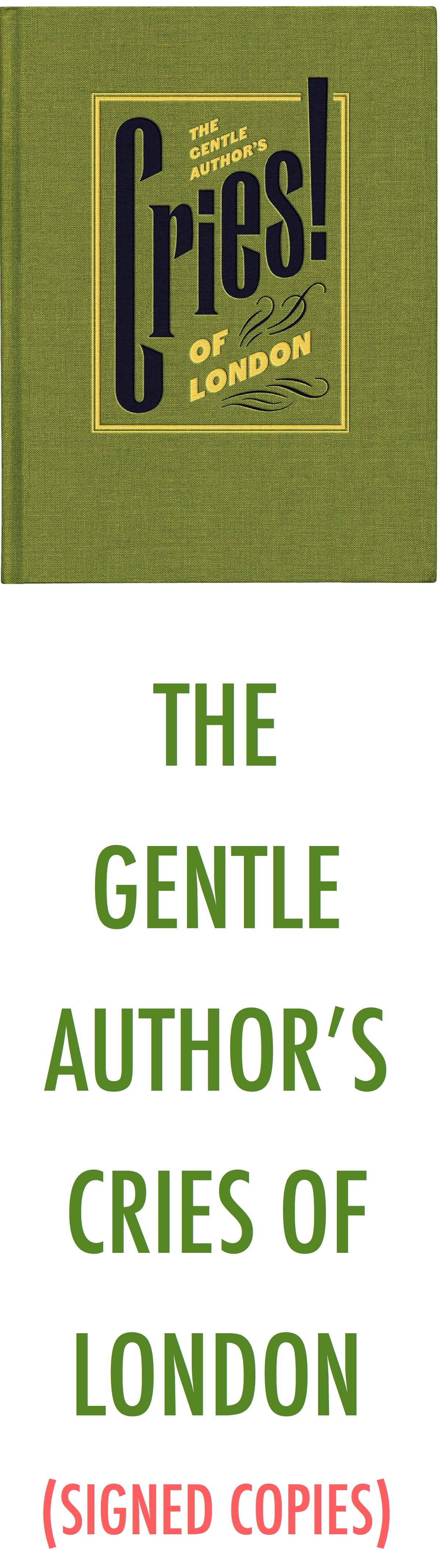
Cries Of London At The NPG
If any of my readers should crave some distraction from the forthcoming Referendum on Europe, I shall be giving a lecture about the history of the CRIES OF LONDON at the National Portrait Gallery at 7pm on Thursday 23rd June. Click here for tickets
[youtube 5z-4zNyHfA0 nolink]
For those who were unable to visit the exhibition last year, here are panels comprising a selection from my personal collection of CRIES OF LONDON memorabilia.
(Click on this image to enlarge)
You may also like to read about
Introducing The Cries of London
The Curious Legacy of Francis Wheatley

A Nation Of Tea-Drinkers
Markman Ellis introduces his talk for the Immigrants of Spitalfields Festival – ‘A Tea-Drinking Nation: How Britain Came to Identify with a Migrant Alien in the Early Eighteenth Century’ on Monday 20th June 3pm, Hanbury Hall, Hanbury St, E1 6QR. (Click here for tickets)

Richard Collins’ ‘The Tea Party’ (c.1727), Courtesy of Goldsmiths’ Hall
Britain has been celebrated as ‘a tea-drinking nation’ since at least the late eighteenth century and a nice cup of tea remains one of life’s most comforting rituals. Tea-drinking has associations with hearth and home, and is emblematic of wider British ideas of both polite society and humble domesticity. How did this little leaf, a migrant from half-way round the world, come to such prominence in Britain?
Although tea-drinking has been almost ubiquitous in Britain for over two hundred years, tea itself is both a migrant and a relative newcomer. Tea first arrived in London in the mid-seventeenth century – too late for Shakespeare ever to have had a cuppa, for example. All tea in the eighteenth century was grown and manufactured in China and Japan. In the nineteenth century, tea growing extended to India and Sri Lanka, and later to Africa. Commercial tea plantations even exist in Britain today, but tea was at first an exotic rarity. Imported by merchants and adventurers, tea was a strange hot drink made from a pale grey-green leaf, producing a subtly-flavoured brightly verdant liquor – aromatic with grassy vegetable aromas – with the ability to aid wakefulness.
Tea-drinking was transformed in the course of the eighteenth century. At the beginning, the migrant leaf was scarce, luxurious and ruinously expensive. At up to ten pounds a pound, it was the equivalent today of about ten thousand pounds a pound. But by the seventeen-eighties – only a century later – tea was ubiquitous in Britain, retailed in every town and city with the cheapest varieties selling for a shilling a pound – still a substantial amount – but within reach of all but the poorest. Tea had become essential to the British way of life.
The East India Company was central to this transformation, just as tea was central to the East India Company. The company had begun as a corporation specializing in the importation of silk and spices from India. The trade in tea began with small and irregular parcels, sent almost as an afterthought, in the seventeenth century. But in the eighteenth century, the East India Company began to find a ready market for tea. Establishing a trading factory in Canton (now Guangzhou) in the early eighteenth century gave the Company access to a steady supply of tea and imports increased exponentially through the rest of the century.
In London, the tea was offloaded from the Company ships and stored in a series of vast warehouses near their headquarters in Leadenhall St, both those in New Street off Bishopsgate St, and those running down towards the Thames, in Crutched Friars and Mincing Lane. Some of these warehouses can still be seen in Devonshire Sq, just south of Spitalfields, though these huge buildings are Victorian replacements. The tea was sold in the vast Sales Room at East India House for distribution though the networks of tea-merchants and grocers. Moving all this tea around employed thousands of men as porters and warehouse men – tea was big business in Shoreditch.
Eighteenth-century tea was different to the beverage normally consumed in Britain today. We are now used a dark and tannic brew, which stains the water quickly, usually made from a teabag, and is consumed with milk. Early eighteenth-century tea was almost always one of various forms of green tea (with names like ‘bing,’ ‘hyson,’ and ‘imperial’). But there was also ‘bohea,’ a form of red or brown tea now identified as a Chinese Oolong tea. All tea is made from the same plant, Camellia sinensis, and the difference between kinds of tea reflects growing conditions and manufacturing process. For darker teas, the leaves are allowed to oxidize before being cured or roasted.
Being green or at most the delicate reddy-brown of an Oolong, eighteenth-century tea was usually consumed without milk. Sugar, when available, was preferred. Richard Collins’ conversation painting ‘The Tea Party’ of 1727 shows an English family taking tea at home, displaying their cultured prosperity through their elaborate display of tea-things. On their lacquered tea-tray is an English silver tea-set, comprising a teapot on a stand, a water jug, a tea canister, a sugar bowl, a pair of sugar tongs, a spoon boat with three tea spoons, and a slops or waste bowl. The mother is dressed in a lustrous black silk gown with a gold apron, with delicate lace cuffs, handkerchief and cap. Her husband relaxes in an unbuttoned shirt and a soft turban-like cap known as a ‘banyan,’ proclaiming his status as a gentleman at leisure. Sheltering under an arm of each parent is a child, with loose hair and dressed in plain clothes. The tea is consumed in fine blue and white china cups and saucers. As was conventional in this period, the teacups are without handles. The family displays the various polite ways to hold a cup of scalding hot tea. The painting depicts three Chinese commodities central to the East India Company -silk, porcelain, and tea. Even in a simple quotidian activity like taking tea, eighteenth-century Londoners participated in the globalized economy.
Collins’ painting of this unnamed English family is a kind of showing off, advertising their success as a prosperous family in the middle stations of life. Tea was the perfect emblem of their success, a status symbol at the center of a complex social ritual. When tea became British, it was associated with both luxury and good health – although it was of course a highly habit forming drug, it did not inebriate. Tea-drinking was further associated with the polite forms of sociability practiced by high-status women, especially the queen and her maids of honour.
Even when tea became ubiquitous in Britain in the second half of the eighteenth century, it retained this association with more refined forms of human interaction – with conversation, with family and with good manners. Tea-drinking seemed to express most clearly a preference for enlightened forms of social behavior, for civic values, for domestic virtue, for tolerance and kindness. Tea, even though it was an alien and exotic commodity, came to express those qualities that British people most admired about themselves.

Morning by Philippe Mercier, 1758 (Courtesy of Yale Centre for British Art)

Camellia Sinensis, engraving by J Miller, 1771 (Courtesy of Wellcome Library)

A tea plantation in China with workers packing the tea into boxes (Courtesy of Wellcome Library)

East India Company warehouses in New St, Spitalfields

Sale Room of East India House by Augustus Charles Pugin & Thomas Rowlandson from the Microcosm of London, 1809 (courtesy of Bishopsgate Institute)

Trade card of Robert Fogg (courtesy of Bishopsgate Institute)

Trade card of Raitt’s Tea Warehouses (courtesy of Lewis Walpole Library, Yale)
The Tea Phrensy by M Smith, 1785 (Click this image to enlarge)
Markman Ellis is co-author (with Richard Coulton & Matthew Mauger) of Empire of Tea: The Asian Leaf that Conquered the World. They teach eighteenth-century studies at Queen Mary University where they blog at Tea in Eighteenth-Century Britain.
East End Film Show
(Due to extraordinary demand this event is SOLD OUT but we will repeat it on Tuesday 21st June at 7pm. Please drop an email to info@vout-o-reenees.co.uk to let us know you are coming.)
In celebration of the John Claridge’s EAST END photography exhibition, you are all invited to a free film show at 7pm next Tuesday 14th June at Vout-O-Reenees in Aldgate with a screening of THE LONDON NOBODY KNOWS and a programme of EAST END short films introduced by DAVID COLLARD, who was responsible for the recent successful campaign to Save Spiegelhalters.

James Mason in Hanbury St
If you wonder what it was like here fifty years ago and would like to be personally escorted around Spitalfields in the spring of 1967 by James Mason, it can be arranged next week. Make your way to Vout-O-Reenees at 30 Prescott St, E1 8BB on Tuesday night.
One day when the first leaves were showing but snow was still piled up in yards, James Mason came knocking on the door of 29 Hanbury St (where the Truman Brewery Upmarket building now stands) and in this picture you see him asking the householder if he can look in her back yard, which was the site of the second Ripper murder. I think she makes a fair show of being surprised at his request, when he can hardly have been the first Ripper tourist to knock on her door. It was all part of the filming of The London Nobody Knows based upon Geoffrey Fletcher’s book of the same title.
In a series of books and a regular column in the Telegraph that added up to a life’s work, Geoffrey Fletcher set out to make an affectionate record of all the corners of old London that were being neglected and devalued while the cultural focus was upon modernity at any cost. He wanted to record these precious fragments of the past before the wrecking ball destroyed them forever. Illustrated with his own delicate line drawings, copies of Geoffrey Fletcher’s books can still be found in public libraries and make fascinating guides today because – in spite of everything – most of the London nobody knows is still there.
He doubted very much that the house I live in today in Spitalfields would survive more than a few years – this was at least thirty years ago. Geoffrey Fletcher was an unashamed sentimentalist and I love him for seeking out the poetry in ordinary common things. In fact, reading his books was one of my inspirations to begin writing these posts to you every day.
Brandished an umbrella, with well-polished handmade brown shoes and a cloth cap to signify class solidarity, James Mason makes an amiable guide to Geoffrey Fletcher’s sixties London. He takes us from an old railway goods yard and a tragically abandoned music hall in Camden Town to the perky Kings Rd fashion parade, by way of a Salvation Army hostel and Kensal Green Cemetery, before ending up in Spitalfields. Here they filmed meths drinkers fighting on the steps of the synagogue in Brick Lane, old men collecting discarded cabbages at the Market, garment workers outside their workplaces in Fournier St, and tenement children playing raucous singing games and scrapping on the pavement.
Director Norman Cohen’s film is an unlikely charismatic amalgam of sixties whimsy and realist documentary footage of markets, street performers, hostel dwellers and drunks. These last two subjects are the most memorable, as candid yet humane testimonies of the hopeless and the dispossessed. It is in this rare footage that the film achieves its lasting value, tenderly witnessing the existence of these seemingly-innocent refugees from an earlier world who became casualties in the post-war years.

DAVID COLLARD WRITES:
Look up The London Nobody Knows on the International Movie Database and in the section devoted to ‘plot keywords’ you’ll find the following: River Thames, chains, whip, pub, dancing, lavatory, haggling, catacombs and (somewhat more respectably) ‘reference to Christopher Wren’. That last reference is – we shall discover at the screening on 14th June – wrong in every detail. But the other words give an idea of what a very very strange documentary this is.
I know of nothing remotely like it – imagine Ian Nairn’s topographical excursions directed by Ken Loach. Presented by the Huddersfield-born Hollywood leading man James Mason, this 1969 was briefly circulated as a support feature to the big screen version of the BBC television comedy Till Death Us Do Part. What audiences keen to hear Alf Garnett’s bilious rants made of it at the time is hard to imagine – apart from a couple of heavy-handed slapstick sequences staged for the camera what we get, for much of the time, is harrowing reportage: we encounter the buskers and dossers and meths drinkers of Spitalfields, we enter the squalid slums around Fournier St and meet the inmates of the Salvation Army hostel.
The spectacle of Mason strolling through street markets as heads turn, or loitering in a dank urinal, or uttering a fastidious ‘yick’ at some modern blot on the skyline is one that will stay with you. He is brilliantly empathetic sharing a mug of tea with hostel inmates, wonderfully sad in the wreck of an abandoned music hall. How he came to be involved in the project – well, you’ll find out at the screening. That the film today is something of a cult is hardly surprising – it ticks all the boxes and creates some new ones to tick.
Other plot keywords for The London Nobody Knows are ‘decay’ and ‘Camden Town’ – if Withnail and I had been shot as a documentary it might have looked something like this.

John Claridge’s EAST END exhibition runs at Vout-O-Reenees until 21st July
You may also like to read about
Doreen Fletcher, Landscape Painter
On the eve of Doreen Fletcher’s exhibition LOST TIME which opens this Friday 10th June at Townhouse, Spitalfields, I visited Doreen in her studio to learn the story behind her remarkable series of urban landscape paintings of the East End, created over twenty years between 1983 and 2003

Turner’s Rd, 1998
Doreen Fletcher – Looking back, I suppose I was very spoiled. From a young age I liked painting and my dad used to take me to the toy shop and we had to buy the best, most expensive paints. I was an only child, born into a working class family, and my parents, Colin & Alice, were semi-literate, I guess you would say.
I was a bit of a loner, I liked going for long walks. I passed the eleven-plus but I had a very difficult time at Grammar School because, although I was clever, I came from the wrong side of the tracks. I used to have to wear this hat and every morning, as I was walking to school, the Secondary Modern kids would come and knock it off my head. When I got to school, I had to pretend I was from somewhere else, because all the other kids they came from families who were doctors, solicitors, and so I felt, you know… odd.
The Gentle Author – What was the first landscape that you knew?
Doreen Fletcher – It was grey. Grey, brown streets with sparrows, lots of sparrows and pigeons. I used to long for colour. I grew up in a two-up, two-down terrace in Stoke-on-Trent, but every Sunday my parents used to take me on a bus into the country and I just loved colour.
I remember, when I was five, I was bought a set of encyclopaedias from the guy who came round knocking on street doors and it had colour pictures in it – paintings – and I thought they were wonderful. And I suppose that was when I started to be interested in visual things – plus at Grammar School, when we were doing Art, I did not have to talk and my accent in those days was quite broad. All the other girls spoke with posh accents, so I would paint in silence and it was something I was good at, so I got praise for that.
The Gentle Author – What work did your parents do?
Doreen Fletcher – Oh Alice, my mother, she was a servant. She worked in a munitions factory during the war and then she became a servant afterwards. It gave her ideas about not having the newspaper on the table and no tomato ketchup, and healthy eating. So in her case, there was a slight social mobility. She was very very fussy about the front step being clean. Colin, my dad, started off as a farm worker, he had wanted to be a vet but the fact that he did not like school – could hardly read or write – stood in the way.
After I was born, they moved to the town because he could earn more money and, in the late fifties, when they started putting up pylons he worked on that, and then later he worked putting in pipes for North Sea Gas too. When he was fifty-seven, he had a brain haemorrhage when he was working, probably because of the pneumatic drills, and he did not work again after that.
The Gentle Author – So what took you away from the Potteries?
Doreen Fletcher – I did not like living in a small town. I hated the constrictions and the pettiness. I wanted to go to Art School in London, and I met a boy who got a place in one and I moved with him to London.
The Gentle Author– But did you apply to Art School yourself?
Doreen Fletcher – Yes, I did a Foundation Course in Newcastle but after that I became a model. I did that for a long time.
The Gentle Author – Where did you live when you came to London?
Doreen Fletcher – I moved to Colliers Wood in South West London and I got a job at an Art School as a model. Gradually, I started taking photographs and doing drawings but – at that point – I did not really know what I wanted to paint, except that it was almost a compulsive activity.
I did quite a lot of self portraits and still lives. It was only when I moved to Bayswater in 1976 that I developed a strong interest in urban landscape. For me, it was a very exciting place to be – having come from this small town – and it was close to the Serpentine Gallery, Kensington Gardens, Notting Hill Gate and Portobello Rd. I started painting the local streets – the Electric Cinema, the Serpentine Boathouse – and then I became interested in Underground stations at night – Bayswater, Paddington – and this continued when I moved to the East End.
The Gentle Author – What brought you to the East End?
Doreen Fletcher – Simply that the relationship I was in broke up and I met someone new and the housing was cheap in the East End. It was relatively cheap to rent at that time because lots of people were moving away, so artists were still moving in to places like Bow and Mile End.
The Gentle Author – How do you remember the East End as it was then?
Doreen Fletcher – There was corrugated iron everywhere! I loved it here because I had had enough of the sophistication of the West End. It seemed to me like coming back home here – lots of corner shops and tiny pubs. There was a community but, after a couple of years, I realised that they were not staying, and the corner shops and pubs were closing.

Bus Stop, Mile End, 1983
The Gentle Author – Why did you start painting the East End?
Doreen Fletcher – I was visually excited by being somewhere new. The first painting I did in the East End was the bus stop in Mile End in 1983, and then I think I did Renee’s Café next. Once I realised they were going, it triggered this idea of painting the pubs and the shops.
The Gentle Author – Was this your full time occupation?
Doreen Fletcher – No, I was working as a model. It was the most boring job you could imagine but I just stuck at it during term time, so I would have periods of full-time painting and I could keep myself by working three days a week as model.
The Gentle Author – How central to your life were your paintings at that time?
Doreen Fletcher – Very. That was my focal point. My studio was a small room at the top of a run-down three-storey house in Clements St. It faced north so the lighting was good in the day time.
I spent a lot of time just walking around at all times of day and in different weather conditions. Eventually a specific scene imprinted itself on my mind which I felt could have potential as a painting. I would make thumbnail sketches sketches on the spot and take a picture with my camera.
Once I had gathered as much information as I could, I would make a highly detailed drawing which acted as a basis for the painting. This might evolve gradually over a period of months or even years, as a tension built up between my need to represent reality and the demands made by the painting itself. I always struggled to resolve it in an abstract and objective way as well as recording a recognisable subject.
I used to try and work twenty-eight hours a week, I never wanted to become a Sunday painter.
The Gentle Author – Did you have ambition for this work?
Doreen Fletcher – Yes and I did have some limited success in the eighties. I had a show at Spitalfields Health Centre on Brick Lane and then at Tower Hamlets Library in Bancroft Rd. Local people loved my paintings but there was limited interest from any critics.
The Gentle Author – Did you pursue other avenues to get recognition for your work?
Doreen Fletcher – Once a month, I used to send off for lots of slides in response to competitions and requests for submissions in Artists’ Newsletter but it never seemed to go anywhere.
The Gentle Author – How did you maintain morale through that twenty year period?
Doreen Fletcher – I have an optimistic nature and I remained optimistic up until the late nineties when my interest in the genre waned and I think it affected the quality of what I was doing. I realised I was coming to the end of the series I was doing of the East End.
The Gentle Author – What told you that you were coming to the end?
Doreen Fletcher – The East End was changing and I was not really interested any more. The new build made it very dense, taking away the individuality and the sense of community. At first, I was interested while it was being built – on the Isle of Dogs, for instance – but once it became functional there were just too many people.
The Gentle Author – At the time you concluded the series, were there changes in your life?
Doreen Fletcher – I became more involved in teaching Art to kids with special needs. I grew more interested too, because I appeared to be good at it and my work was successful. Gradually, I became involved in the tutorial side of it as well and supporting other lecturers.
The Gentle Author – Did you find that rewarding?
Doreen Fletcher – Yes, I was earning money from it and it was rewarding working with other people, so I became more and more involved in that.
The Gentle Author – Once you had completed nearly twenty years of painting the East End, what were your feelings about that series of work?
Doreen Fletcher – I felt that I had tried very hard to be successful, to get my work out there and get it seen. I had hoped for some kind of recognition. I was never ambitious in terms of international recognition or anything like that, but I did feel that the work was good enough to be recognised more than it was
The Gentle Author – Were you disappointed?
Doreen Fletcher – Yes. I remember the day I made a conscious decision to pack away my paints. It was November 16th 2004. I said, ‘That’s it!’ I am not going to paint again.
The Gentle Author – Do you think your project reached its culmination?
Doreen Fletcher – At the time I thought not, but looking at the work again, I am very very glad I did it now – what I think was important was that I recorded something which has gone.
The Gentle Author – Do you think that you evolved as a painter by doing this work?
Doreen Fletcher – I think, if I had I been taken on by a gallery, I would have developed more as a painter. Instead, I think I found a method of working that suited what I was doing and I stayed with it. Maybe with a bit more encouragement I would have done what I am doing now – since I have come back to painting – which is pushing the boundaries?
The Gentle Author – Do you have a criterion for judging if one of your paintings is successful?
Doreen Fletcher – Yes, a painting is successful for me when I believe I have captured a moment.
Transcript by Louisa Carpenter

Portrait of Doreen Fletcher by Lucinda Douglas Menzies
Doreen Fletcher’s exhibition LOST TIME opens on Friday 10th June at Townhouse, 5 Fournier St, Spitalfields and runs daily until 26th June. Catalogues are available for £5.
You may also like to take a look at
So Long, Billy Frost
Today I recall meeting Billy Frost who was the Krays’ driver for eighteen years and died last week

Billy Frost
After my conversation with Lenny Hamilton the jewel thief, I went back on another afternoon to The Carpenters Arms in Cheshire St – the pub that once belonged to the Kray twins – to meet Billy Frost who was Ronnie & Reggie Kray’s driver. I recognised him at once by his pinstripe suit, which must be the preferred uniform for senior reprobates and, sure enough, he asked for a double Corvoisier & lemonade too, exactly as Lenny had done.
Already, Billy had discovered through the grapevine that I had been consorting with Lenny, so he went straight for the jugular, challenging me,“You’ve been talking with Lenny, haven’t you? “ I could not deny it, so Billy put me straight, “Lenny’s very prejudiced, just because Ronnie burnt him a bit with a poker, but the twins, they could be very kind to a lot of people – like old people and kids – and they did a lot of charitable work.” Then Billy clarified his statement, for the sake of a balanced argument, “Obviously, they could be very nasty too, if you got on the wrong side of them.”
Vividly outlining the full extent of his experience, “I knew them over a period of twenty years from when they were very young boxers, and Ronnie hit the referee and quit the boxing club.” Billy said, including an inconsequential detail that appeared entirely characteristic of his former employer, before setting out a lively account of his own conscientiously thorough apprenticeship in crime.
“When I was young I used to go to a dance hall in Tottenham called the Royal and that’s where I first met Ronnie & Reggie. Everyone used to go there each weekend. That’s when Ronnie got his first conviction – he beat up a fellow with a chain off a machine for manufacturing furniture (there were a lot of furniture factories in Bethnal Green at the time). When I met him I was on the run from the army. Saturday night at the Royal was the top night, people came from all over and we used to hang around the dance floor.
Then I lost touch with them because I had to go back to the army and I deserted again and I got caught stealing a truck load of metal and I got sent to borstal and from borstal I went back to the army and then I was arrested for stealing a car. I was on a licence from borstal and after I done my prison sentence they revoked my licence from borstal and I done a further eleven months.
When I come out, I was in the 181 Club in Gerrard St in the West End where I met Charlie Kray by chance. I asked him how Ronnie & Reggie were, and he said they were working with Jack Scott and Billy Hill. Later, I met the twins in the West End and they told me they didn’t want to be used by Jack and Billy any more and they were going out on their own. And that’s what they did.
I used to be with them. And I got arrested for something I actually never did! I was trying to help someone out, selling a bit of gear – cigarettes which came from Lee Green in South London. And then, mysteriously, the police found the same red glass substance in my trouser turn-ups from the rear of a Wolsey car that was used to ram the shop the cigarettes came from. It was a fellow called Terry Barnes who pleaded guilty to it, but I was found guilty and I got two years. When I came out, I caught up with Ronnie and Reggie again, by then they were involved in the race tracks, protection rackets and all that.”
Once he had dictated thus far, I had acquired a good sense of the general picture and was in awe of Billy’s ability to spin a sentence too. Though occasionally, to my alarm, he became a little impatient when I did not quite follow his drift. There was an attractive young couple at the next table who were curious of my charismatic guest speaking in such animated fashion. When they went out to the garden to have a smoke, leaving all their valuables, the young woman leaned across sweetly, asking Billy “Would you mind watching our things?”
But now that Billy had declared himself to me, fair and square, it was time for me to get him another Corvoisier & lemonade before he settled down to recount the story of the murder of Georgie Cornell – whom Lenny Hamilton described to me as “the hardest man on the cobbles.”
“The argument was over a fellow named Mickey Morris. Georgie Cornell told Nicky’s mum, May, that Ronnie was after Mickey and ‘You know he’s a fat pouf,’ and this got back to Ronnie and Ronnie was furious. He had word with Georgie about it, but then Georgie started telling other people, ignoring Ronnie.
One night, I drove Ronnie & Reggie to The Stork Club in Swallow St. When they got inside , Georgie Cornell was sitting at a table on his own. Reggie went over and spoke to Georgie, but Ronnie wouldn’t go and sit with him (I never knew what it was really about at the time). Me and Ronnie sat at another table opposite and we got a couple of drinks. Ronnie was mumbling but he was incoherent and I couldn’t hear a word he said. Then we left The Stork Club after thirty minutes and went back to The Grave Maurice in Whitechapel. As we were driving back, they never said a word to each other, Ronnie & Reggie, and when we got into The Grave Maurice, they sat on their own and had a private conversation.
The day that Ronnie shot Georgie I had a day off. It was about a week later, when Ronnie and Scotch Jack were driving round to the widow’s pub in Bethnal Green, Ronnie saw Georgie Cornell’s car parked outside The Blind Beggar in Whitechapel High St. And he told Scotch Jack to turn round and go to the Green Dragon where someone was keeping a gun for him. Then Ronnie walked into The Blind Beggar and shot Georgie Cornell in the head.
Afterwards, I was present when Ronnie said ‘Has anyone got Mickey Morris’ phone number? Will you tell him to come over, I want to give him a nightcap?’ Nicky came over and I personally poured him out a gin and tonic. The next thing I knew, Ronnie punched Mickey in the face. And Mickey said, ‘I thought you was my friend, Ronnie?’ Reggie got hold of him and I expected he was going to let him go, but instead Reggie pushed Mickey into a storeroom. Then Ronnie got Mickey in a headlock and Reggie pulled out a big hunting knife and pushed it straight through Mickey’s arm. Ronnie said to Reggie, ‘Do it properly, stick it up his fucking guts!‘ Mickey howled when the knife went through his arm.
I said to Reggie, ‘Look, there’s people on the balcony opposite looking over and there’s people in the bar who can hear, they’re wondering what’s going on.’ I wanted to save the guy, I liked him, he was a nice boy. I said, ‘Come into the bathroom, Mickey, and I’ll do you up in some towels,’ but he was scared because he was bleeding buckets. I couldn’t take him to the London Hospital myself, in case the police got involved, because I had a warrant out for my arrest. Another member took him to the hospital.
A couple of days later, I was driving along the Lea Bridge Rd and Ronnie asked me to stop at Mickey Morris’ house and he said to Mickey, ‘Next time, it’ll be done properly.'”
Strangely, Billy appeared not to comprehend Mickey Morris’ reluctance to enter the bathroom. I thought of asking Billy if, in retrospect, he thought his logic for not taking Mickey Morris to the London Hospital was admirable but it was a redundant question, so instead I asked Billy if he was ever scared of Ronnie & Reggie.“Once I stayed the night at their house in Vallance Rd and I fell asleep on Reggie’s bed, and I woke to find him standing over me with a big Wilkinson’s sword that he had.” he replied, enacting the fierce gesture of raising the sword with the practised conviction of a Shakespearean actor.
As someone with an aversion to violence, I barely knew how to react to Billy’s stories and I think he could read it in my face at that moment, because he admitted quietly with a gentle smile, “They were good times, though personally I didn’t like all the violence, but if you’re going to do protection and be a villain then it comes naturally.” – as if it was the most normal thing in the world.
Billy was on his third Corvoisier & lemonade, and I was beginning to feel uncomfortable. He was polite and he was personable, and it was decent of him to grant me an interview but, considering what he had told me, I could not but wonder what there was that did not bear telling. I respected Billy greatly for his nerve – having the guts to survive the viper’s nest – living through so much brutality to reach his current point of benign equilibrium. Equally, I could never know whether those experiences induced in Billy a certain degree of acceptance of the long pitiful catalogue of cruelty that was inflicted by his employers, the psychopathic twins Ronnie & Reggie Kray. It was a private question for Billy to reconcile with his conscience and we shall never be party to it.
I left Billy Frost in conversation with the young couple from the next table who were captivated by his charms. Running back in the dusk, through the rainy streets, thankful to arrive at the safety of my home in Spitalfields, the afternoon’s experience grew strangely familiar in my mind. It touched a chord of familiar unease, and I realised that I could now better appreciate Pip’s mixed emotions when he met the enigmatically fearsome convict Abel Magwitch in those brilliant early terrifying chapters of ‘Great Expectations.’

You may also like to read about
A Walk With Rachel Lichtenstein
Join Rachel Lichtenstein on Sunday June 19th for a walk around the Jewish East End as part of the Immigrants of Spitalfields Festival. Rachel is a writer and artist whose books include ‘Rodinsky’s Room’ (with Iain Sinclair) and ‘On Brick Lane.’ (Click here to book your ticket)

Spitalfields Great Synagogue by John Allin
I have been working as a guide in the East End for over twenty-five years, although I am not old enough to remember before the war when it was still known as ‘Little Jerusalem.’ Back then every street sign was written in Yiddish and over one hundred thousand Jewish people lived here. My paternal grandparents were part of this vibrant but poor migrant community. They met at English speaking classes in Brick Lane in 1930 when settling in Whitechapel after escaping religious persecution in Poland. They had their first watchmaking shop, Gedaliah Lichtenstein’s on Brick Lane.
I moved to the area in 1991 to find out more about the thriving world of the Jewish East End my grandparents had described but, by the time I arrived, most traces of this vibrant community had already started to disappear.
Without expert guides, it is almost impossible to get any sense of the Jewish past in Brick Lane. I learnt everything I know from the person who single-handedly put the story of the Jewish East End on the map – the legendary historian Professor Bill Fishman who grew up in the area, had great affection for the place and died last year. I met Bill shortly after I moved to Whitechapel and he quickly became my mentor and my friend.
Whenever I had the opportunity, I would join him on a walk around Spitalfields. I loved to watch him standing on a street corner, enthralling a group with personal memories and anecdotes about the characters and events that made up the mythology of the area. Every time I talked with Bill, he brought the streets of Whitechapel alive for me with stories from his own childhood, myths from before he was born and tales from his contemporary walks.
He talked about the fabled Yiddish poet Avram Stencl who had been a great friend of my grandparents and established the Friends of Yiddish Literary Society, of which my grandfather was a lifelong member. As we wandered down Brick Lane, he would point out places he remembered from childhood, like the site of the Russian Steam Baths opposite the mosque. ‘I can see them now’ he would say, ‘the devout men with their side-locks and long beards, freshly scrubbed, with towels round their necks and the women in heavy skirts and wigs, lined up waiting to get into the mikvah (ritual bath).’
He took me to the sites of the first Yiddish Theatre in London, the old Jewish soup kitchen and the Hanbury Hall where Anarchists met. He remembered the area when it had been filled with workshops where Jewish tailors, pressers and cutters worked. ‘You could hear the hum of the machinery from early morning till late at night’ he said. ‘In the summer the women with their headscarves on would sit outside doorways keeping out of the indoor heat. Everywhere the old Jewish ghetto dwellers were going off to their evening services. The Huguenot houses were all sweatshops, steibles (synagogues) and homes then, it was one big working Jewish settlement.’
We would stop on the corner of Brick Lane and Old Montague St where Blooms was once located. Bill remembered seeing, ‘Communists, Socialists and the Labour party putting up a platform there on a Sunday and speaking passionately in Yiddish to the crowds of Jewish immigrants gathered there.’ He told me ‘my whole East End childhood was set against a background of radical politics which influenced my political orientation all my life.’
Another regular stop on any walk with Bill would be the site of the Jamme Masjid Mosque on the corner of Brick Lane and Fournier St, that was once the Spitalfields Great Mackzikei Hadas Synagogue. Many times I heard him say, ‘this building exemplifies the whole immigrant experience to the area. Once where the Kol Nidre services intoned on Yom Kippur, you now hear the sound of Muslims praying on Ramadan.’
We would stop in Fashion St, Bill showing me the flat where the eminent post-war playwright, Arnold Wesker, was born or reading the description of the street in the opening chapter of Izrael Zangwill’s classic Children of The Ghetto. But his favourite stop was the East London Mosque in Fieldgate St situated directly next door to one of the last functioning synagogues in Whitechapel, which sadly has now closed down. ‘This is a unique phenomenon’ he said to me the last time we were there together, ‘to have a Muslim settlement and a Jewish settlement check by jowl, the only other place in the world you might find this combination is in Jerusalem.’ Bill was touched by the fact that during Yom Kippur a few years ago, the Imam ordered the builders at the mosque to stop work out of respect for the worshippers at the synagogue. ‘The world should learn from this example’ he said.
Bill’s walks were always far more than just historical tours. He was engaged with the contemporary world around him and constantly interacted with people on the street, whether it was interested tourists stopping to catch the tail end of his talk or older Bengali people on their way home from the shops. Bill spoke fluent Urdu, learnt during his seven years in the British Army in India and he never missed an opportunity to use the language. ‘Salaam Alekium’ he would shout, whilst waving his walking stick about, before launching into a conversation with a bewildered Bangladeshi elder he stopped on the street. With a twinkle in his eye he told me, ‘when I walk these streets it’s like being back in Bombay and I love speaking Urdu to the older people here, they are always so surprised to hear an old white man who can talk their language.’ Laughing, he said, ‘It’s the madness in my soul – I can’t help it.’ When I asked him how he felt about the place now and he told me ‘the last of the Mohicans have gone, the old ones with their beards and kaftans, the Anarchists and Communists, the radicals and poets. It’s a different place.’
He described himself as ‘one hundred-percent East End Jew and a Cockney too.’
Back in the nineteen-thirties when Bill was a child, the area could be dangerous. As a young man, he was involved in numerous skirmishes with blackshirt gangs. On the 4th October 1936, Bill was witness to the legendary Battle of Cable St – ‘I was at Gardiner’s Corner at Aldgate and I watched the Irish and the Jews pour from every corner of East London to unite to stop Mosley and his Blackshirts marching down Cable St. Catholic Dockers walked side by side with bearded Jews, shouting in unison ‘they shall not pass’ before building and manning barricades that prevented Mosley’s incursion and culminated in a day long battle with the police who tried to clear the way to let the fascists through.’
Every Friday night as a child Bill accompanied his grandfather to the local synagogue – ‘if noise came from the congregation whilst the rabbi was talking Zaida would bang his hands on the bench and shout, “sha sha” and people would keep quiet he commanded respect.’ His grandfather instilled the Jewish principles of rachmones, (compassion) and tzedoka, (charity) to Bill – ‘On many occasions I’d walk with him and his immediate response when being stopped by someone less fortunate than himself was to press a handful of coins into their hand with a solemn declaration in the Yiddish vernacular, ‘thank you for asking me.’ These simple acts of kindness summed up for Bill the ‘spirit of the Jewish East End.’ His writings and memories leave a legacy for future generations, he really was the last of the Mohicans, we can only attempt to follow in his footsteps.

Malka & Gedaliah Lichtenstein, Rachel Lichtenstein’s grandparents on their wedding day in 1931

Jewish Soup Kitchen by John Allin

Photograph of Bill Fishman outside Fieldgate St Synagogue by Rachel Lichtenstein

Coles’ Chicken Shop, Cobb St

Portrait of Bill Fishman by Rachel Lichtenstein

Young Communist League rally, corner of Brick Lane and Old Montague St
As part of the Immigrants of Spitalfields Festival Rachel will be leading a walking tour on Sunday 19th June at 11am, and telling tales from the Jewish East End at 4pm at Sandys Row Synagogue with music and song from Khlezmer Klub.
You may also like to read about