
Dinners Of Old London
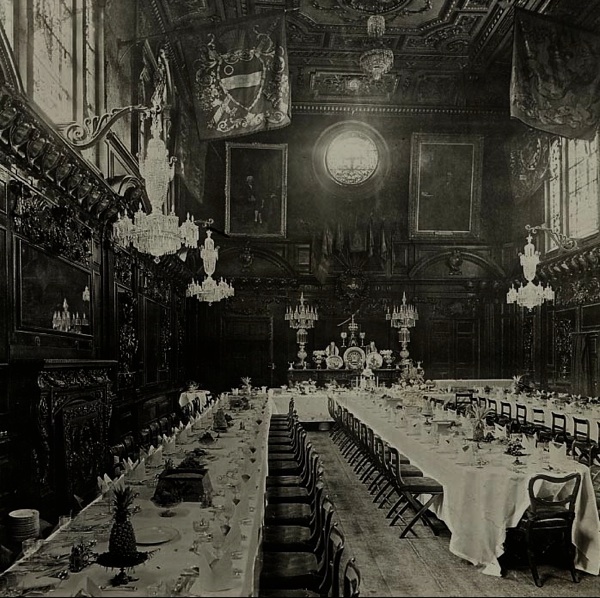
Dinner at the Mercers’ Hall, c.1910
Is that your stomach rumbling or is it the sound of distant thunder I hear? To assuage your hunger, let us pass the time until we eat by studying these old glass slides once used for magic lantern shows by the London & Middlesex Archaeological Society at the Bishopsgate Insititute. Observe the architecture of gastronomy as expressed in the number and variety of ancient halls – the dining halls, the banquet halls and the luncheon rooms – where grand people once met for lengthy meals. Let us consider the dinners of old London.
The choicest meat from Smithfield, the finest fish from Billingsgate, and the freshest vegetables from Covent Garden and Spitalfields, they all found their way onto these long tables – such as the one in Middle Temple Hall which is twenty-seven feet long and made of single oak tree donated by Elizabeth I. The trunk was floated down the river from Windsor Great Park and the table was constructed in the hall almost half millennium ago. It has never been moved and through all the intervening centuries – through the Plague and the Fire and the Blitz – it has groaned beneath the weight of the dinners of old London.
Dinners and politics have always been inextricable in London but, whether these meals were a premise to do business, make connections and forge allegiances, or whether these frequent civic gatherings were, in fact, merely the excuse for an endless catalogue of slap-up feasts and beanos, remains open to question. John Keohane, former Chief Yeoman Warder at the Tower of London told me that his troupe acquired their colloquial name of “beefeaters” because – as royal bodyguards – Henry VII granted them the privilege of dining at his table and eating the red meat which was denied to commonfolk. In the medieval world, your place at dinner corresponded literally to your place in society, whether at top table or among the lower orders.
Contemplating all these empty halls where the table has not been laid yet and where rays of sunlight illuminate the particles of dust floating in the silence, I think we may have to wait a while longer before dinner is served in old London.
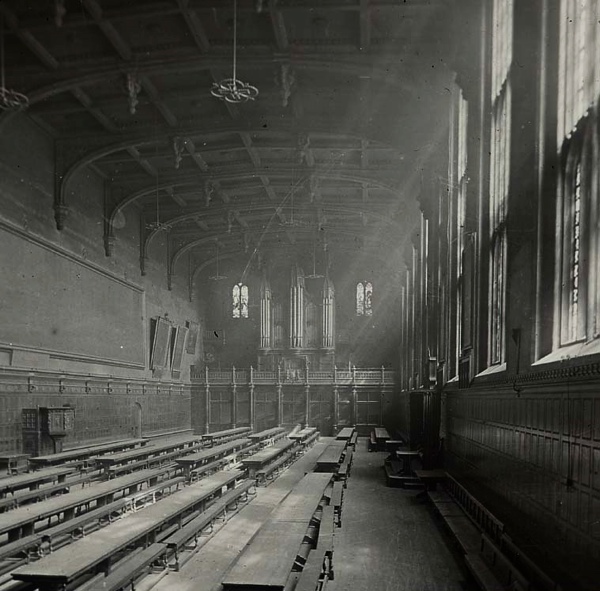
Christ’s Hospital Hall, c.1910
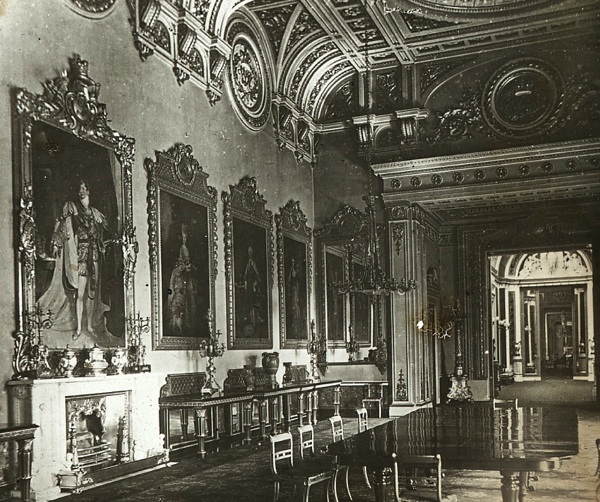
Buckingham Palace, State Dining Room, c.1910
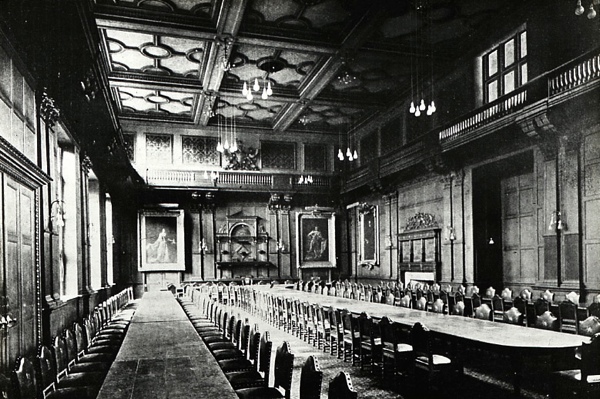
Grocers’ Hall, c.1910
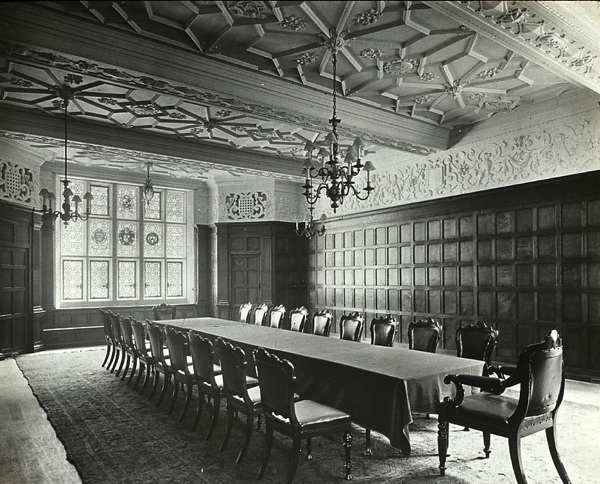
Ironmongers’ Hall, Court Luncheon Room, c.1910
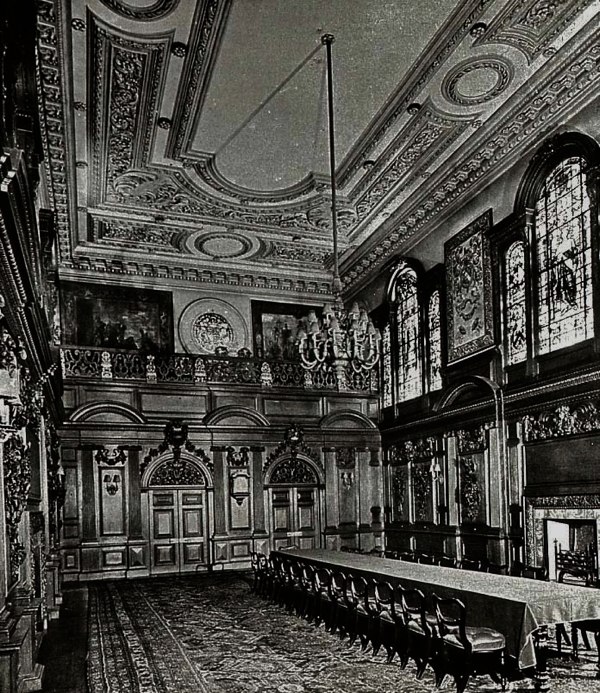
Mercers’ Livery Hall, 1932
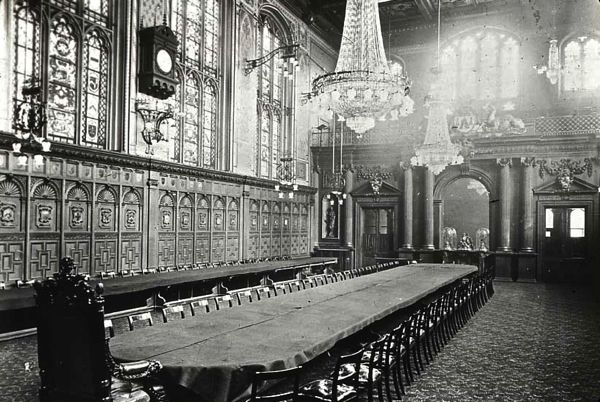
Merchant Taylors’ Hall, c.1910
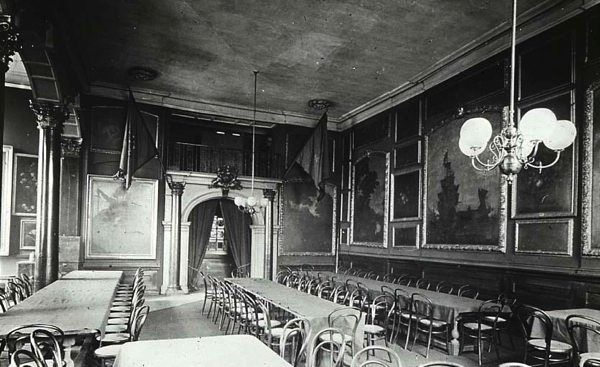
Painters’ Hall, c.1910
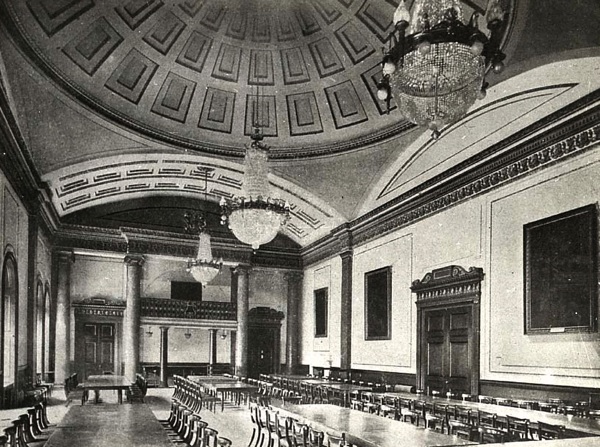
Salters’ Livery Hall, c.1910
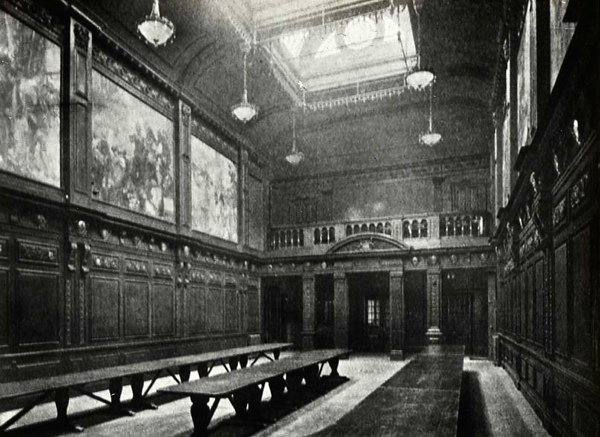
Skinners’ Hall, c.1910
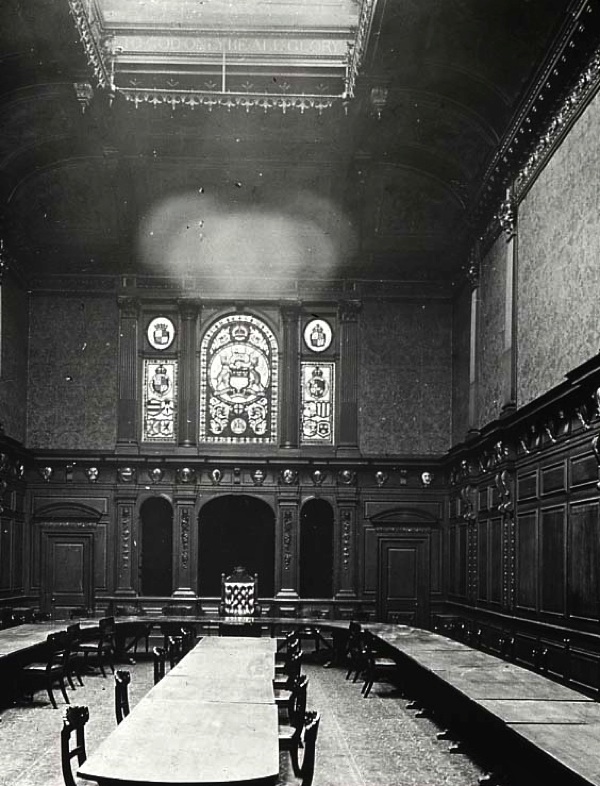
Skinners’ Hall, c.1910
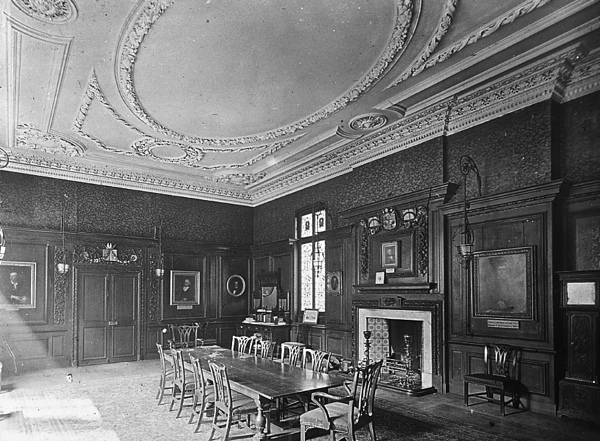
Stationers’ Hall, Stock Room, c.1910
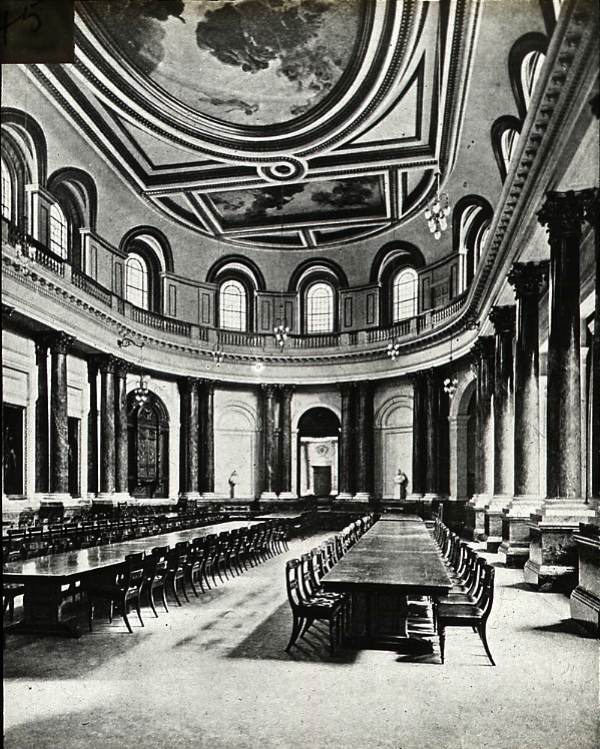
Drapers’ Hall, c.1920
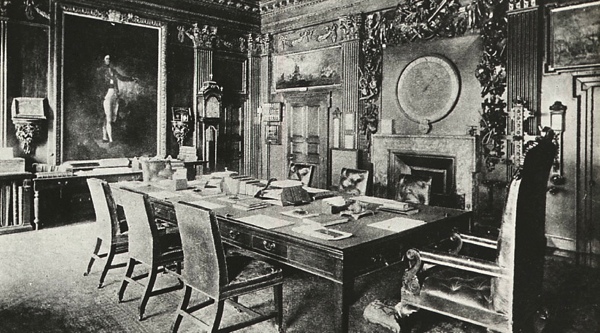
The Admiralty Board Room, c.1910
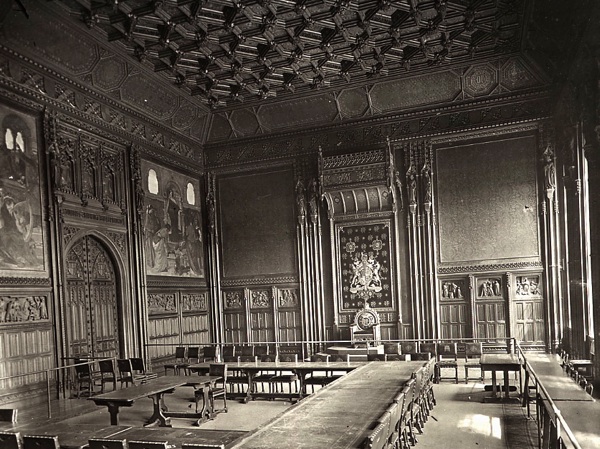
King’s Robing Room, Palace of Westminster, c.1910
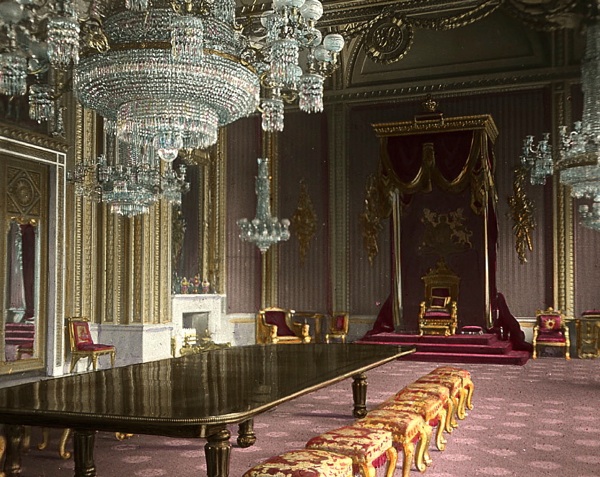
Buckingham Palace, Throne Room, c.1910
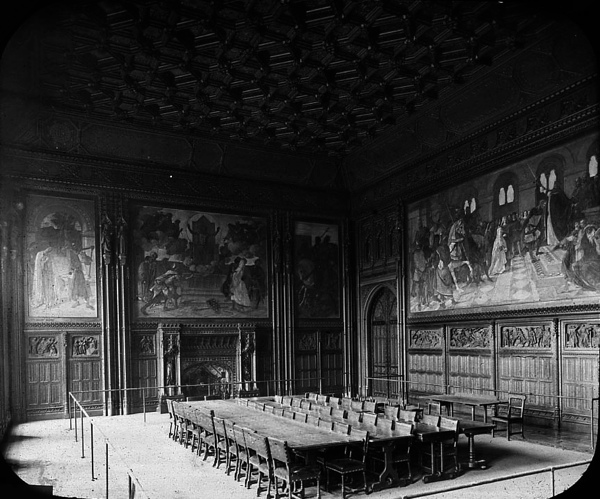
Houses of Parliament, Robing Room, c.1910
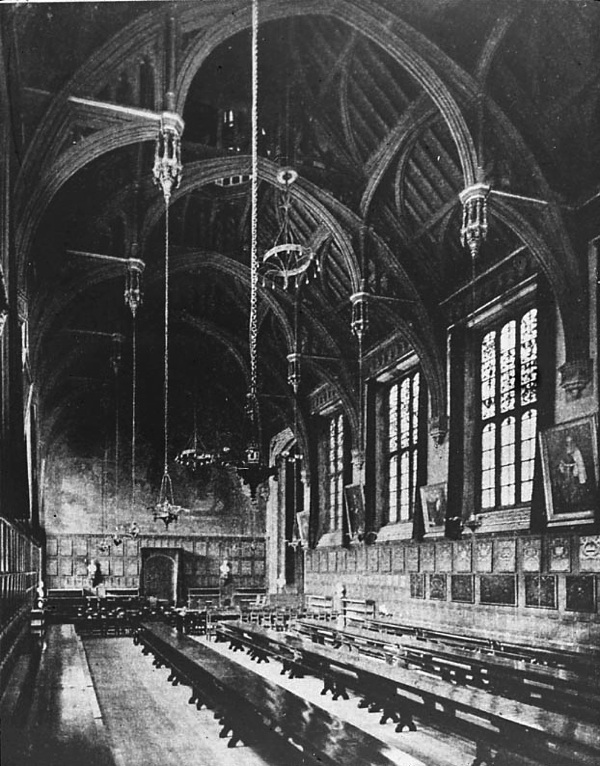
Lincoln’s Inn, Great Hall, c.1910
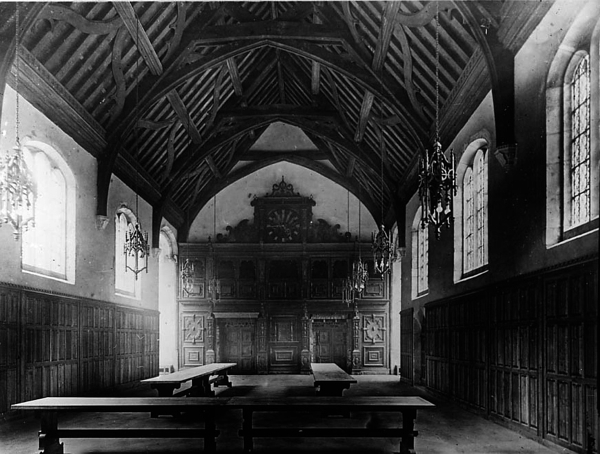
Lincoln’s Inn Old Hall, c.1928
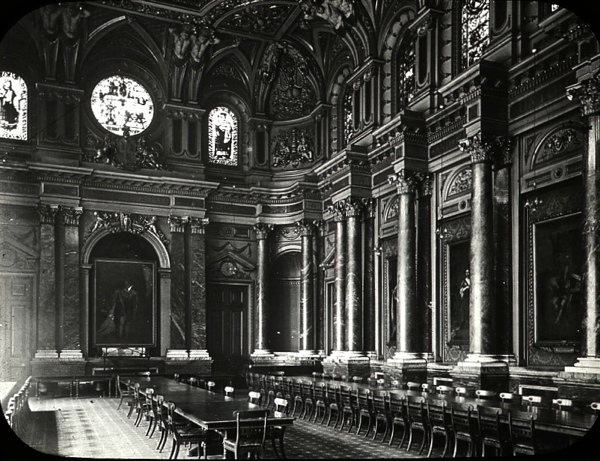
Drapers’ Hall, c.1920
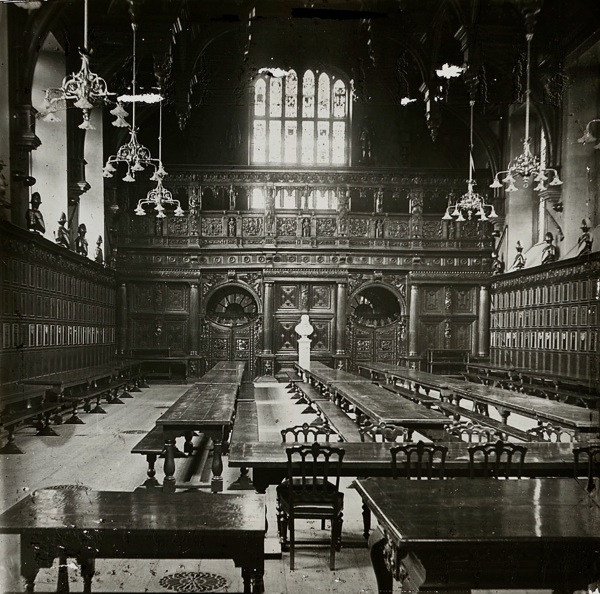
Middle Temple Hall, c.1910
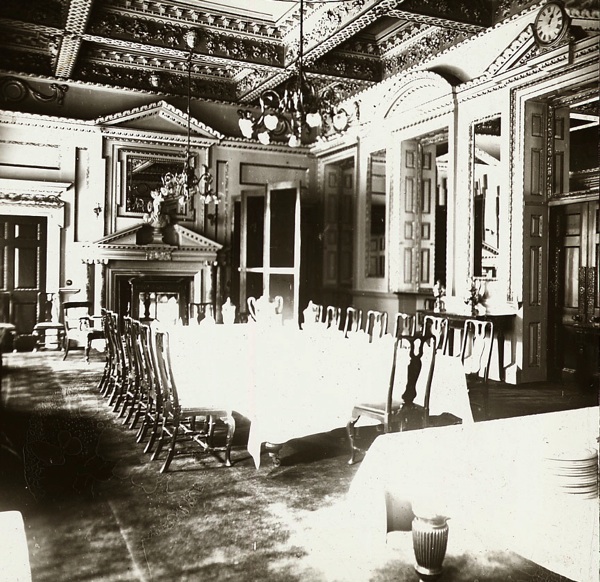
Mansion House Dining Room, c.1910

Ironmongers’ Hall, Banqueting Room, c.1910
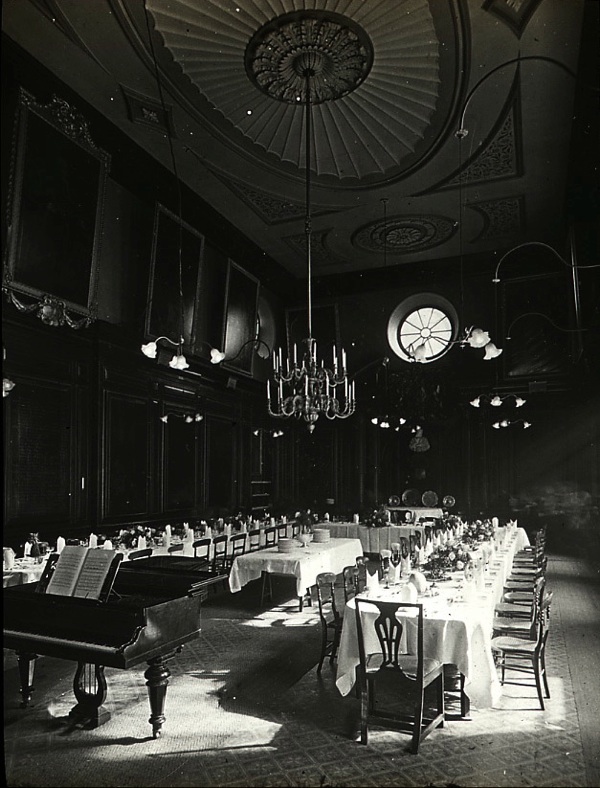
Apothecaries’ Hall, Banquet in the Great Hall, c.1920
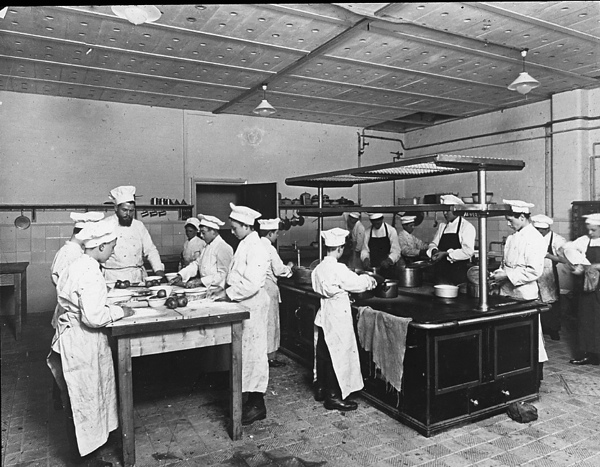
Boys preparing to cook, c.1910
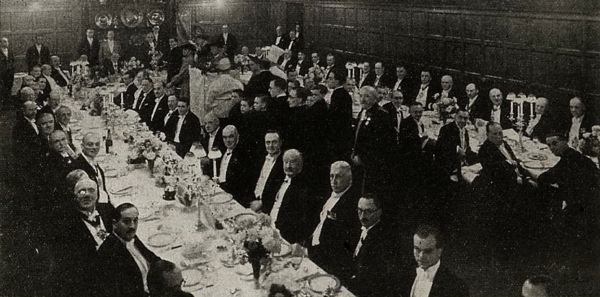
Boar’s Head Dinner at Cutler’s Hall, c.1910

Lord Mayor’s Banquet at the Guildhall, 1933
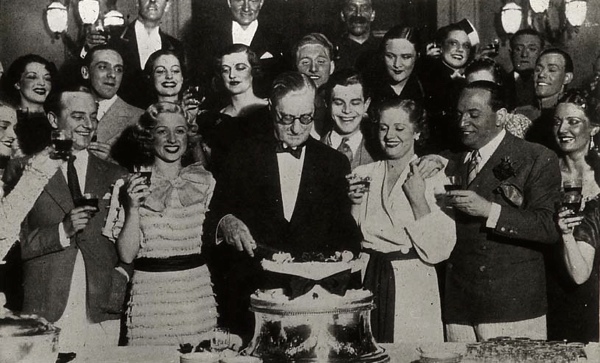
Baddeley Cake & Wine, Drury Lane, c.1930
Glass slides courtesy Bishopsgate Institute
You may also like to take a look at
Some Christmas Baubles
Each year on Christmas Eve, I bring in the tree at dusk, fetch the box of old glass decorations from the roof to hang upon its boughs, and set to work, decorating the tree as darkness falls

I do not know when my grandmother bought this glass decoration and I cannot ask her because she died more than twenty years ago. All I can do is hang it on my tree and admire it gleaming amongst the deep green boughs, along with all the others that were once hers, or were bought by my parents, or that I have acquired myself, which together form the collection I bring out each year – accepting that not knowing or no longer remembering their origin is part of their charm.
Although I have many that are more elaborate, I especially admire this golden one for its simplicity of form and I like to think its ridged profile derives from the nineteen thirties when my mother was a child, because my grandmother took the art of Christmas decoration very seriously. She would be standing beech leaves in water laced with glycerine in October, pressing them under the carpet in November and then in December arranging the preserved leaves in copper jugs with teazles sprayed gold and branches of larch, as one of many contrivances that she pursued each year to celebrate the season in fastidious style.
Given the fragility of these glass ornaments, it is extraordinary that this particular decoration has survived, since every year there are a few casualties resulting in silvery shards among the needles under the tree. Recognising that a Christmas tree is a tremendous source of amusement for a cat – making great sport out of knocking the baubles to the ground and kicking them around like footballs – I hang the most cherished decorations upon the higher branches. Yet since it is in the natural course of things that some get broken every year and, as I should not wish to inhibit the curiosity of children wishing to handle them, I always buy a couple more each Christmas to preserve the equilibrium of my collection.
Everlasting baubles are available – they do not smash, they bounce – but this shatterproof technological advance entirely lacks the poetry of these fragile beauties that can survive for generations as vessels of emotional memory and then be lost in a moment. In widespread recognition of this essential frailty of existence, there has been a welcome revival of glass ornaments in recent years.
They owe their origins to the glassblowers of the Thuringian Forest on the border of Germany and the Czech Republic where, in Lauscha, glass beads, drinking glasses, flasks, bowls and even glass eyes were manufactured since the twelfth century. The town is favoured to lie in a wooded river valley, providing both the sand and timber required for making glass and in 1847 Hans Greiner – a descendant of his namesake Hans Greiner who set up the glassworks in 1597 with Christoph Muller – began producing ornaments by blowing glass into wooden moulds. The inside of these ornaments was at first coloured to appear silvery with mercury or lead and then later by using a compound of silver nitrate and sugar water. In 1863, when a gas supply became available to the town, glass could be blown thinner without bursting and by the eighteen seventies the factory at Lauscha was exporting tree ornaments throughout Europe and America, signing a deal with F.W.Woolworth in the eighteen eighties, after he discovered them on a trip to Germany.
Bauble is a byword for the inconsequential, so I do not quite know why these small glass decorations inspire so much passion in me, keeping their romance even as other illusions have dissolved. Maybe it is because I collect images that resonate personally? As well as Father Christmas and Snowmen, I have the Sun, Moon and Stars, Clocks and even a Demon to create a shining poem about time, mortality and joy upon my Christmas tree. I cannot resist the allure of these exquisite glass sculptures in old-fashioned designs glinting at dusk amongst the dark needles of fir, because they still retain the power to evoke the rich unassailable magic of Christmas for me.

This pierrot dates from the nineteen eighties.

Three of my grandmother’s decorations. The basket on the left has a piece of florists’ wire that she placed there in the nineteen fifties.

This snowman is one of the oldest of my grandmother’s collection.

Bought in the nineteen eighties, but possibly from a much older mould.

Baubles enhanced with painted stripes and glitter.

The moon, sun and stars were acquired from a shop in Greenwich Avenue on my first visit to New York in 1990, amazingly they survived the journey home intact.


These two from my grandmother’s collection make a fine contrast of colour.

Even Christmas has its dark side, this demon usually hangs at the back of the tree.

It is always going to be nine o’clock on Christmas Eve.

Three new decorations purchased at Columbia Rd recently.

A stash of glittering beauties, stored like rare eggs in cardboard trays.

My first bicycle, that I found under the tree one Christmas and still keep in my attic
The Alphabet Of Lost Pubs U-Z
As we arrive at the end of this series, I am delighted to report that since my last installment The Still & Star in Aldgate has been granted Asset of Community Value Status by the City of London Corporation. Equally, I am filled with dread by the prospect of the imminent unveiling of The White Hart, dating from the thirteenth century in Bishopsgate, which has been facaded and replaced by a cylindrical office block by Sir Alan Sugar. My time-travelling pub crawl is presented in collaboration with Heritage Assets who work in partnership with The National Brewery Heritage Trust, publishing these historic photographs of the myriad pubs of the East End from Charrington’s archive for the first time.
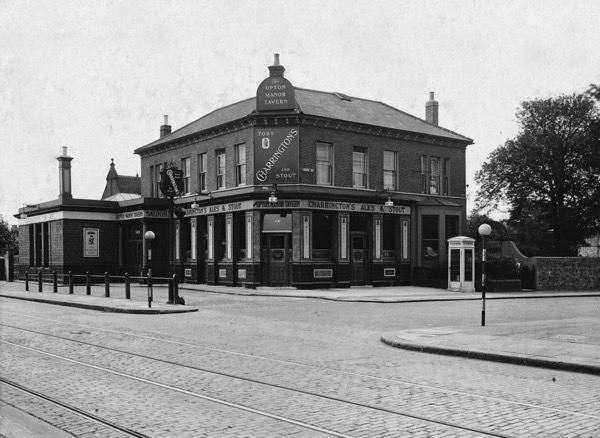
The Upton Manor Tavern, 48 Plashet Rd, West Ham, E13 (Opened before 1896 but demolished after 1980)
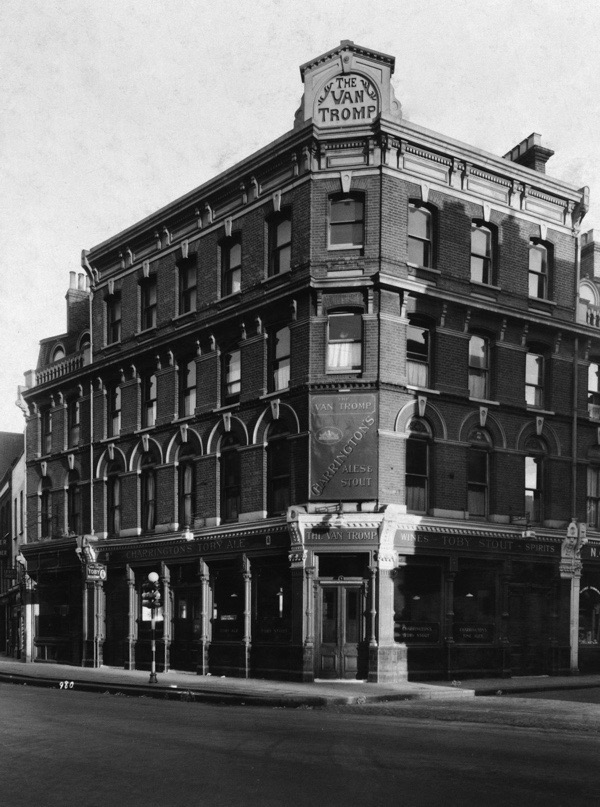
The Van Tromp, 121 Bethnal Green Rd, E1 (Opened 1827, closed 1990 and now a Pret A Manger)
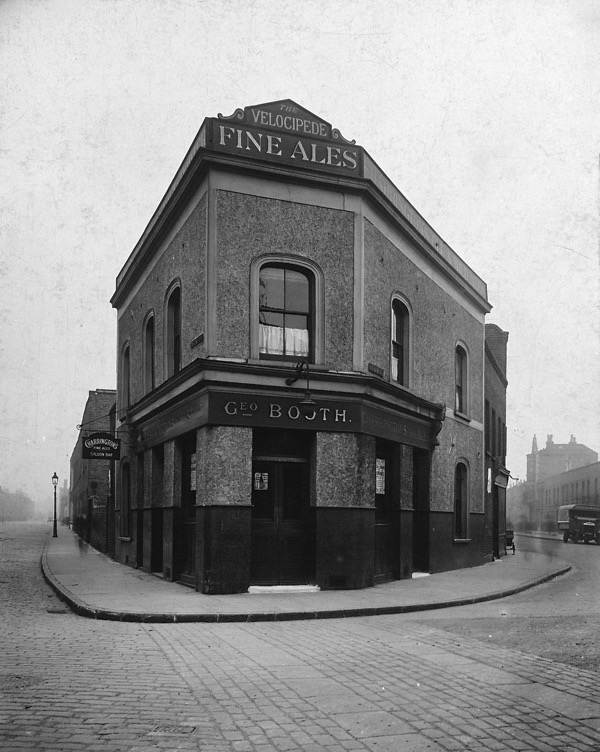
The Velocipede, 80 Coutts Rd, Mile End, E1 (Opened before 1891 and demolished after 1921)
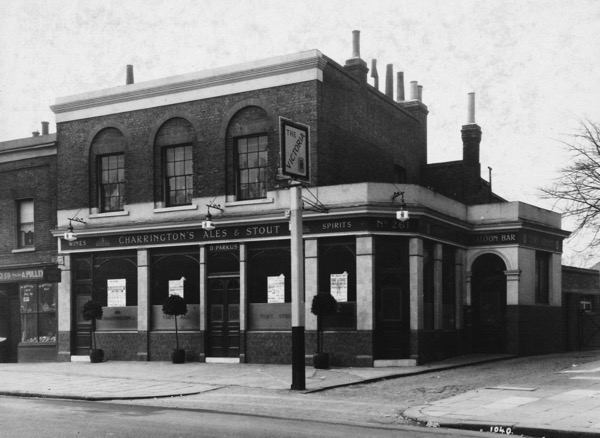
The Victoria, 451 Queensbridge Rd, Dalston, E8 (Opened before 1856 and open today)
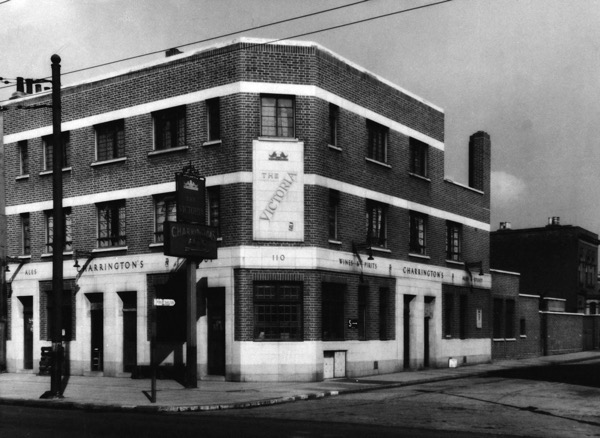
The Victoria, 110 Grove Rd, Mile End, E1 (Opened before 1865, rebuilt in the twentieth century and open today)
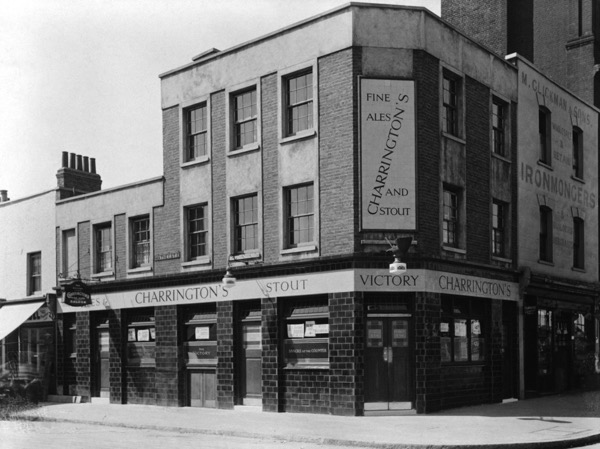
The Victory, 266 Commercial Rd, E1 (Opened before 1877, damaged in 1941 but rebuilt and reopened, closed in 1959 and now demolished)
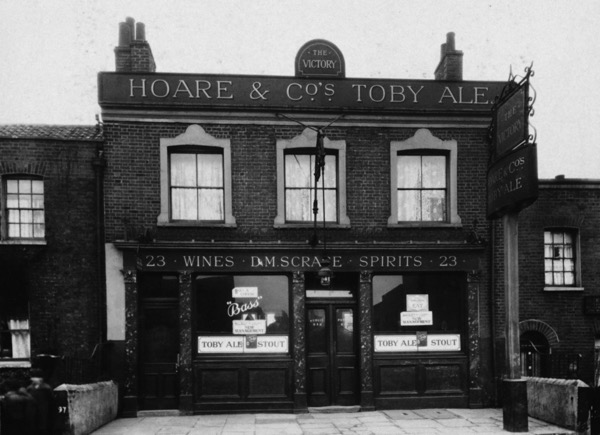
The Victory, 23 Tottenham Rd, Hackney, N1 (Opened before 1848, closed 1938 and now demolished)
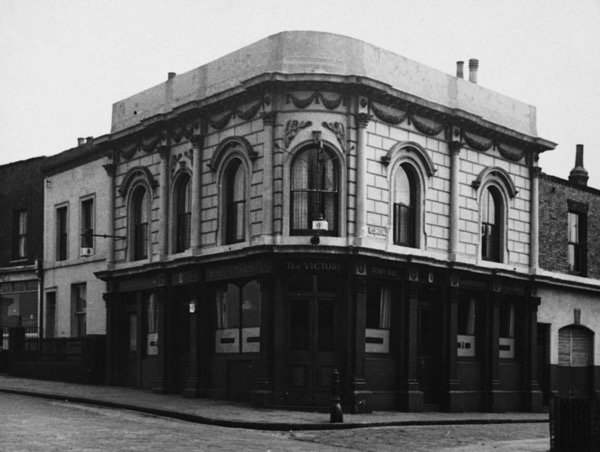
The Victory, 144 Ben Jonson Rd, Stepney (Opened before listed 1973, delisted 1976 and now demolished)
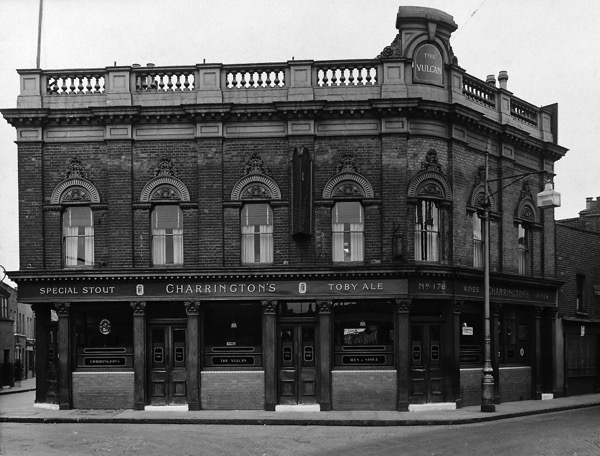
The Vulcan, 178 Rhodeswell St, Limehouse, E14 (Opened before 1856, closed 1967 and now demolished)
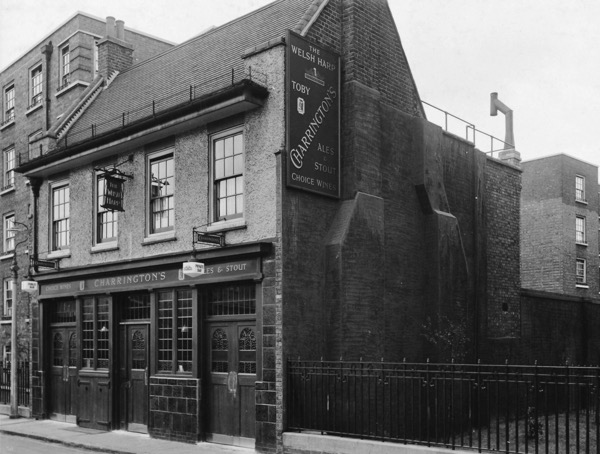
The Welsh Harp, 32 Homerton Row, E9 (Opened before 1901, renamed ‘The Hospital Tavern’ in 2006, closed in 2013 and demolished in 2015)
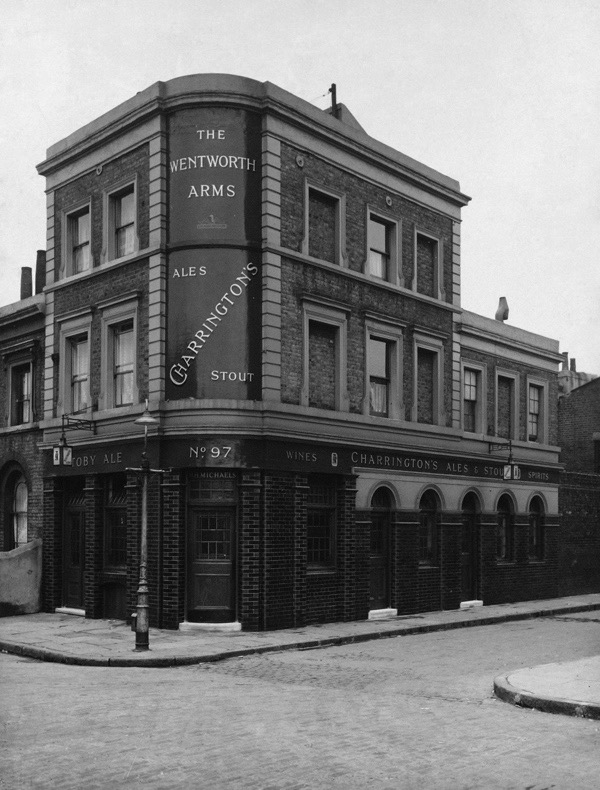
The Wentworth Arms, 127 Eric St, Mile End, E1 (Opened before 1864 and open today)
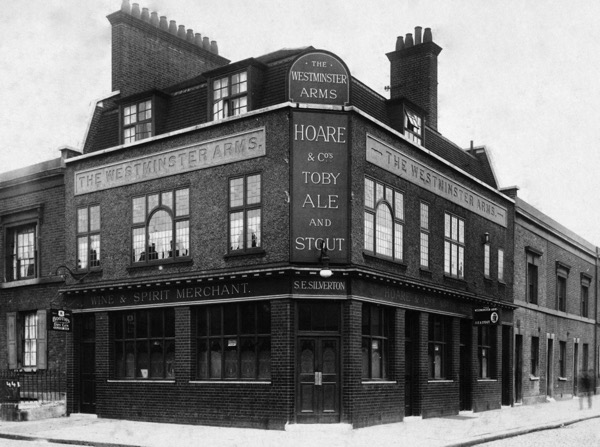
The Westminster Arms, 163 Gosset St, Bethnal Green, E2 (Opened before 1865 but closed in the nineties and now flats)
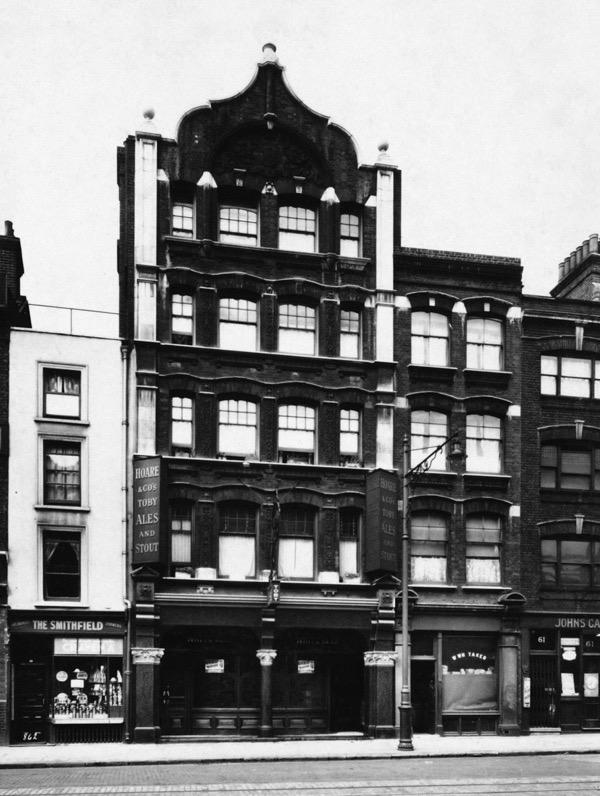
The White Bear, 57 St John St, Clerkenwell, EC1 (Opened before 1849 and open today)
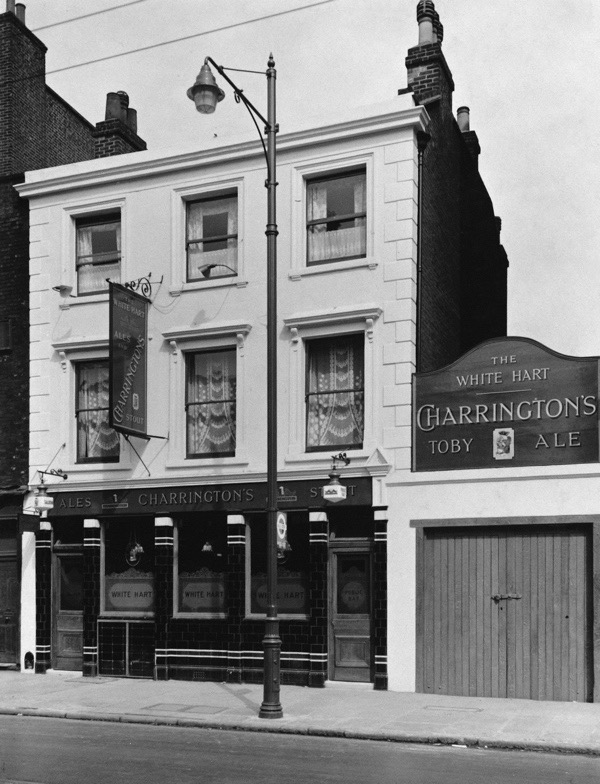
The White Hart, 74 Kingsland Rd, E2 (Opened before 1659 and demolished in 2004 although locally listed)
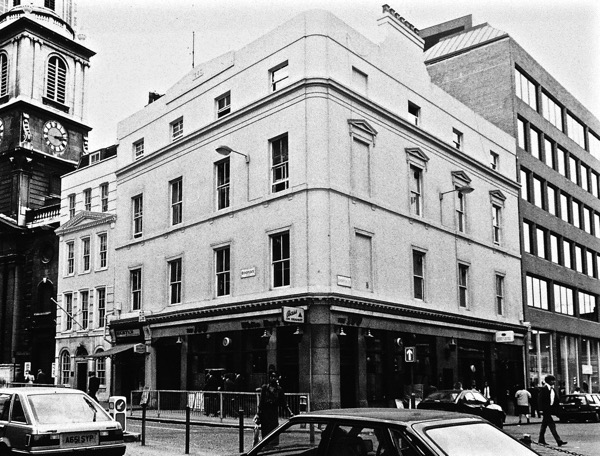
The White Hart, 121 Bishopsgate, E1 (Opened 1240, rebuilt 1490 and 1827, closed 2014 and facaded as part of an office development)
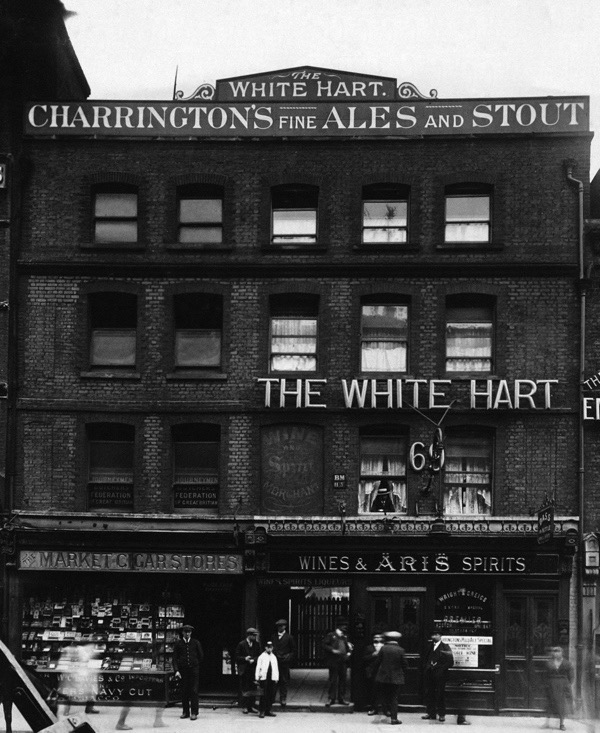
The White Hart, 69 Long Lane, Smithfield, EC1 (Opened before 1802 and now a barber’s shop)
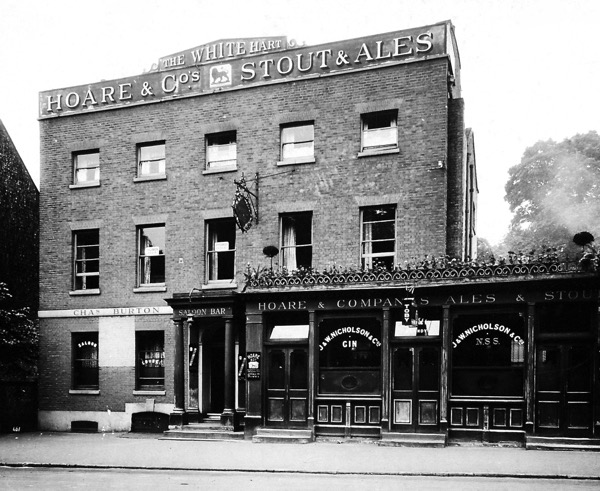
The White Hart, 159 – 161 High Road, South Woodford, E18 (Opened before 1826, listed since 1979, renamed ‘Funkymojoe’ in 2009 and now reopened as ‘The Woodford.’)
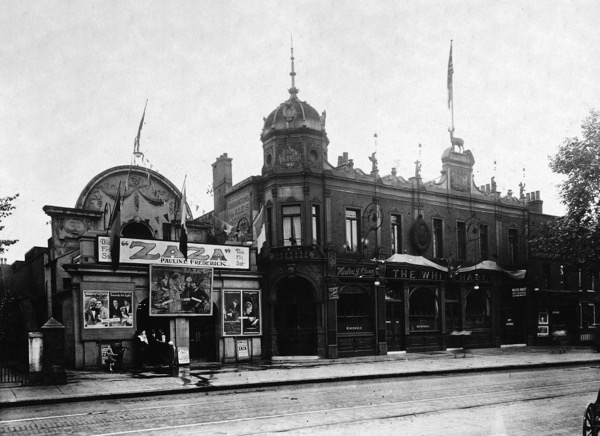
The White Hart Hotel, 231 Lower Clapton Rd, E5 (Opened before 1722, rebuilt around 1830 and again around 1890, closed in 2008 but reopened as ‘The Clapton Hart’ and open today)
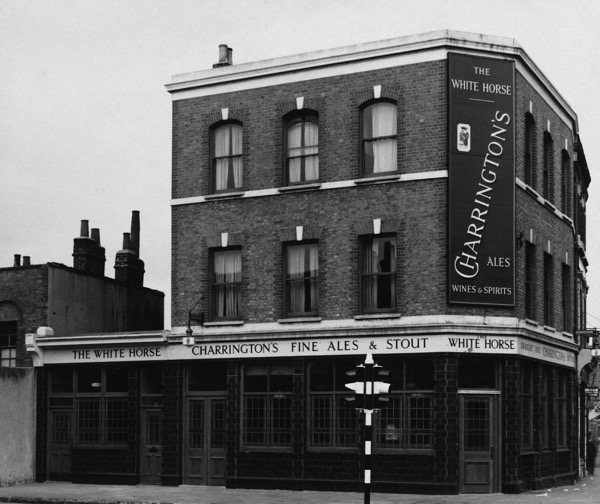
The White Horse, 106 Burdett Rd, E3 (Opened before 1860 and now demolished)
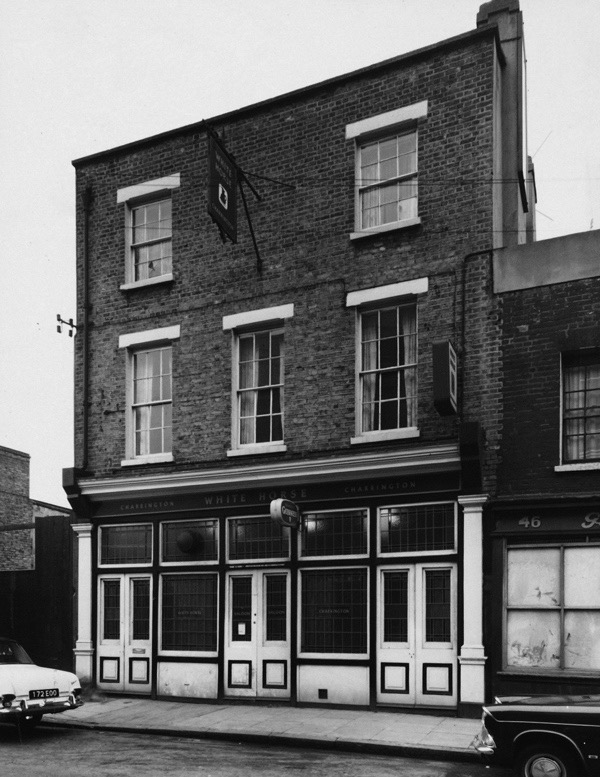
The White Horse, 48 White Horse Rd, Stepney, E1 (Opened before 1856 and open today)
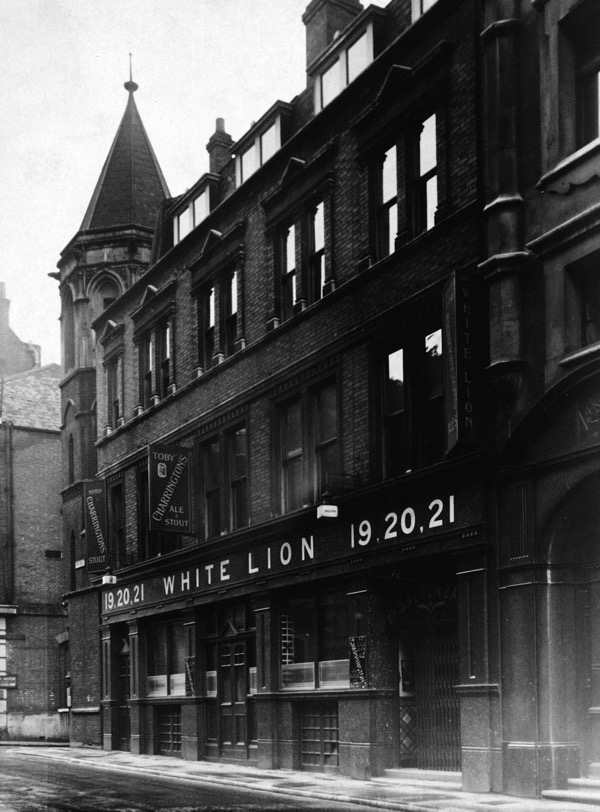
The White Lion, 19 Upper Thames St, City of London, EC4 (Opened before 1802 and demolished after 1948)
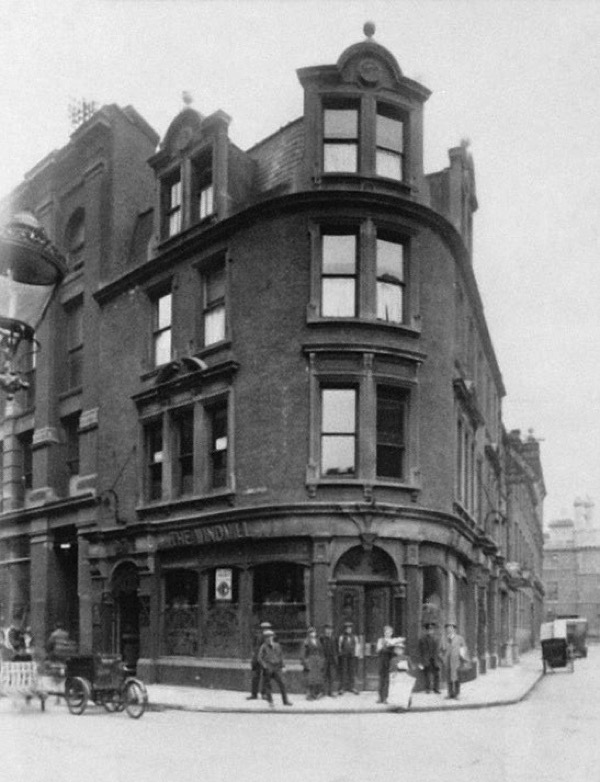
The Windmill, 27 Tabernacle St, Finsbury, EC2 (Opened before 1869 and open today)
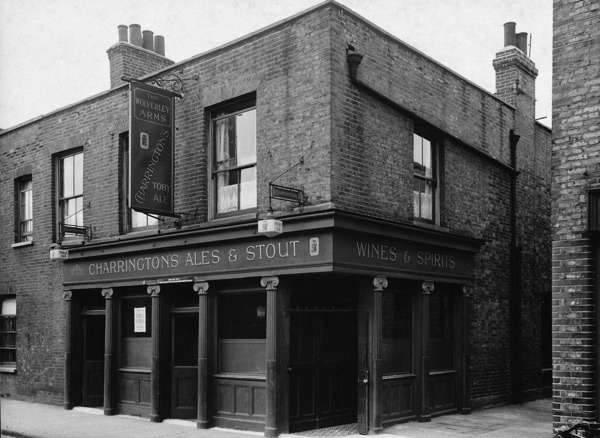
The Woverley Arms, 62 Viaduct St, Bethnal Green, E2 (Opened before 1854 and demolished after 1944)
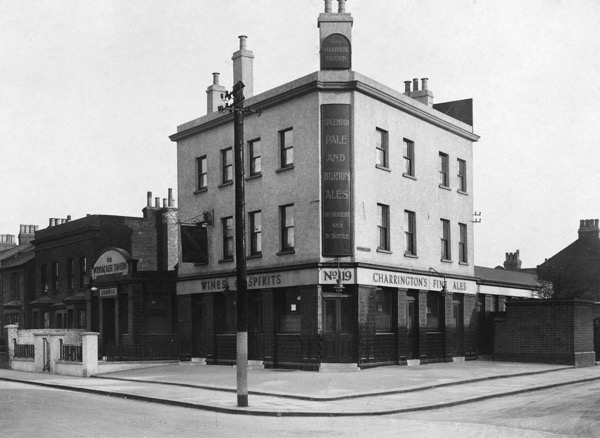
The Woodhouse Tavern, 119 Harrow Rd, Leytonstone, E11 (Opened before 1881 and open today)
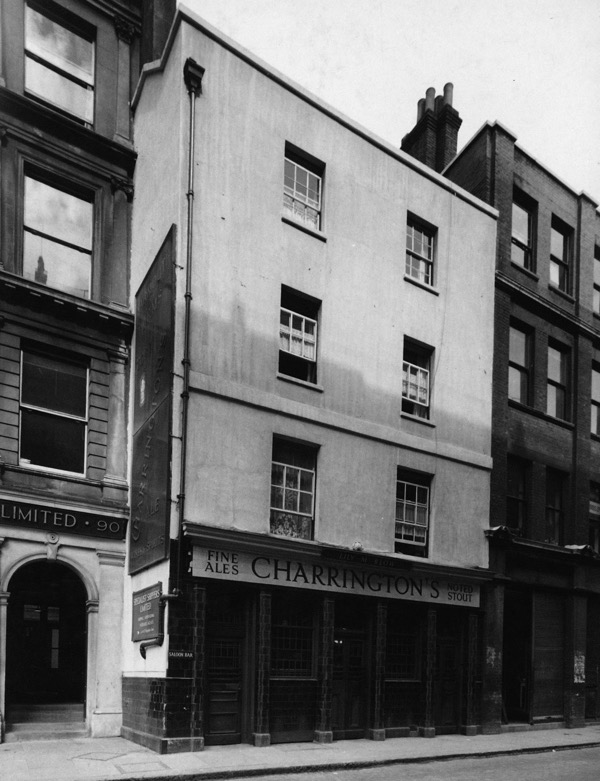
The Yarmouth Arms, 88 Lower Thames St, City of London, EC4 (Opened before 1816 and demolished after 1944)
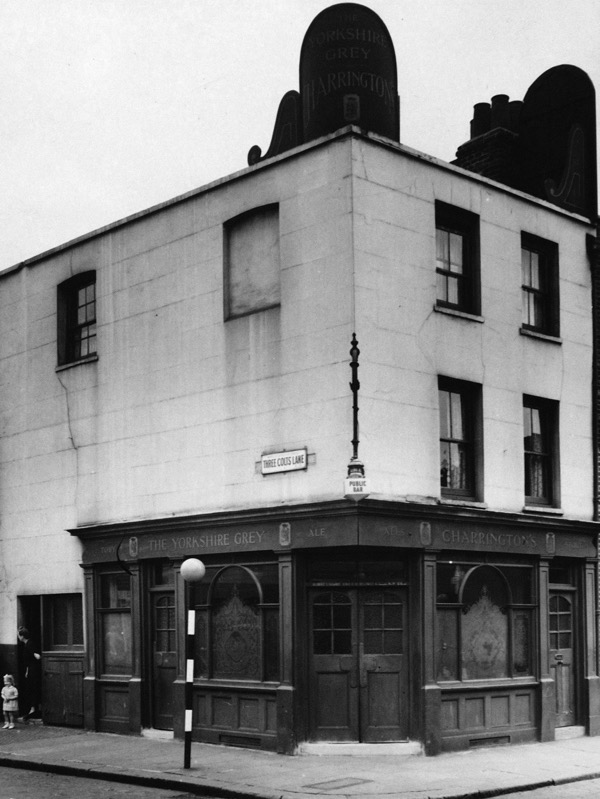
The Yorkshire Grey, 180 Brady St, Bethnal Green, E1 (Opened before 1869, closed 1996 and now flats)
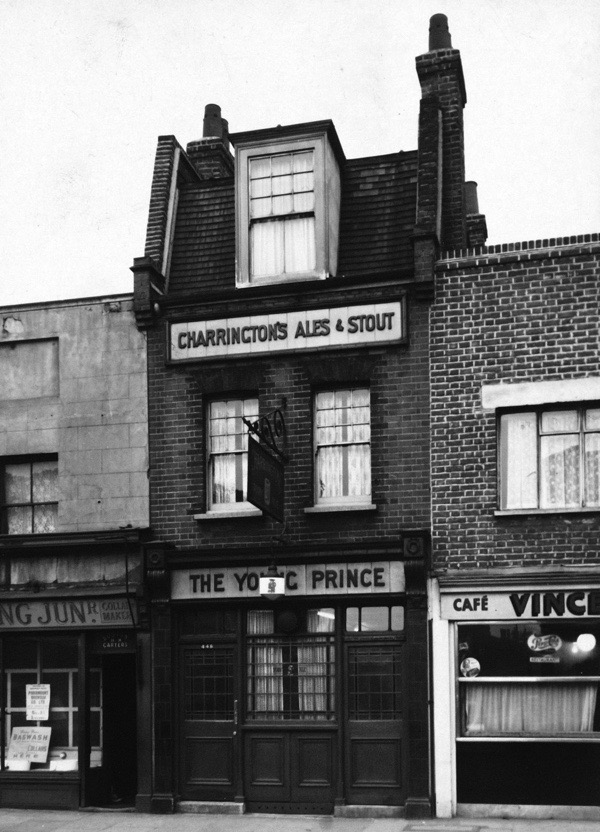
The Young Prince, 448 Roman Rd, E3 (Opened before 1872 and open today)
Photographs courtesy Heritage Assets/The National Brewery Heritage Trust

You may also like to take a look at
Mr Pussy In Midwinter
At Midwinter, I publish this favourite tale of my beloved old cat, Mr Pussy

It is Midwinter’s Day, and tonight – the longest night of the year – Mr Pussy will not stir from the chimney corner. Warmed by the fire of burning pallets, he has no need of whisky to bring him solace through the dark hours, instead he frazzles his brain in a heat-induced trance. Outside in the streets, Spitalfields may lie under snow, the paths may be coated in sheet ice and icicles may hang from the gutters, but this spectacle holds no interest for Mr Pussy. Like the cavemen of ancient times, his sole fascination is with the mesmerising dance of flames in the grate. And as the season descends towards its nadir in the plunging temperatures of the frozen byways, at home Mr Pussy falls into his own warm darkness of stupefaction.
Mr Pussy is getting old. The world is no longer new to him and his curiosity is ameliorated now by his love of sleeping. Once he was a brat in jet black, now he is a gentleman in a chenille velvet suit, and tufts of white hairs increasingly fleck his glossy pelt. Toward the end of summer, I noticed he was getting skinny, and then I discovered that his teeth have gone which meant he could no longer crunch the hard biscuits that were always his delight. Extraordinarily, he made little protest at his starvation diet, even as he lost weight through lack of food. Now I fill his dish with biscuits and top it up with water, so that he may satisfy his hunger by supping the resulting slush. And through this simple accommodation – plus a supplement of raw meat – his weight is restored to normal and he purrs in gratification while eating again.
Once Mr Pussy was a wild rover, ranging over the fields in Devon, disappearing for days on end and returning proudly with a dead rabbit in his mouth. Now he does not step beyond the end of the alley in Spitalfields and in these sub-zero temperatures only goes outside to do his necessary business. Sprinting up the stairs, and calling impatiently outside the door of the living room, he is ever eager to return to the fireside and warm his cold toes afterwards, sore from scraping at the frost in the vain attempt to dig a hole in the frozen earth. Like a visionary poet, Mr Pussy has acquired a vivid internal life to insulate himself against the rigours of the world and, in the absence of sunlight, the fire provides his imaginative refuge, engendering a sublime reverie of peace and physical ease.
Yet Mr Pussy still loves to fight. If he hears cats screeching in the yard, he will race from the house to join the fray unless I can shut the door first and prevent him. And even when he has been injured and comes back leaking blood from huge wounds, he appears quite unconcerned. Only two small notches in his ears exist as permanent evidence of this violent tendency, although today I regularly check his brow for tell-tale scratches and recently he has acquired some deep bloody furrows that have caused swelling around his eyes. But I cannot stop him going out, even though it is a matter of concern to me that – as he ages and his reflexes lessen – he might get blinded in a fight one day, losing one of his soulful golden eyes. Since he is blissfully unaware of this possibility, I must take consolation from his response when he could not eat, revealing that Mr Pussy has no expectations of life and consequently no fear of loss. His nature is to make his best accommodation to any exigency with grace.
And be assured, Mr Pussy can still leap up onto the kitchen counter in a single bound. He can still bring in a live mouse from the garden when he pleases and delightedly crunch its skull between his jaws on the bedroom floor. If I work late into the night, he will still cry and tug on the bed sheets to waken me in the early morning to see the falling snow. When the fancy seizes him, he can be as a sprightly as a kitten. Come the spring, he will be running up trees again, even if now – in the darkest depth of winter – he only wants to sleep by the fire.
Alone here in the old house in Spitalfields tonight, Mr Pussy is my sole companion, the perfect accomplice for a writer. When I take to my bed to keep warm while writing my stories, he is always there as the silent assistant, curled into a ball upon the sheepskin coverlet. As the years have gone by and Mr Pussy strays less from the house, I have grown accustomed to his constant presence. He has taught me that, rather than fear for his well-being, I need to embrace all the circumstances and seasons that life sends, just as he does.

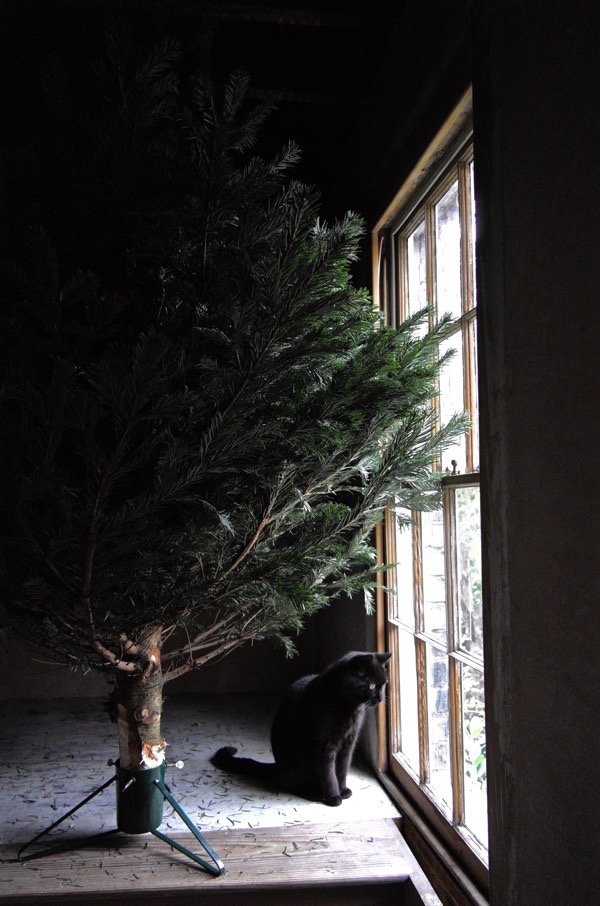
You can read more about Mr Pussy here
More Of Sarah Ainslie’s Bingo Portraits
Ever since the bingo hall in the Hackney Rd was closed and sold by Mecca for redevelopment into luxury flats last year, a chartered bus has been departing most nights of the week to ferry the bingo stalwarts of Bethnal Green over to Camden Town. Contributing Photographer Sarah Ainslie & I loved our first trip to the bingo in such lively company so much that we could not resist going back again to meet more devotees of this compelling passtime and take their portraits.
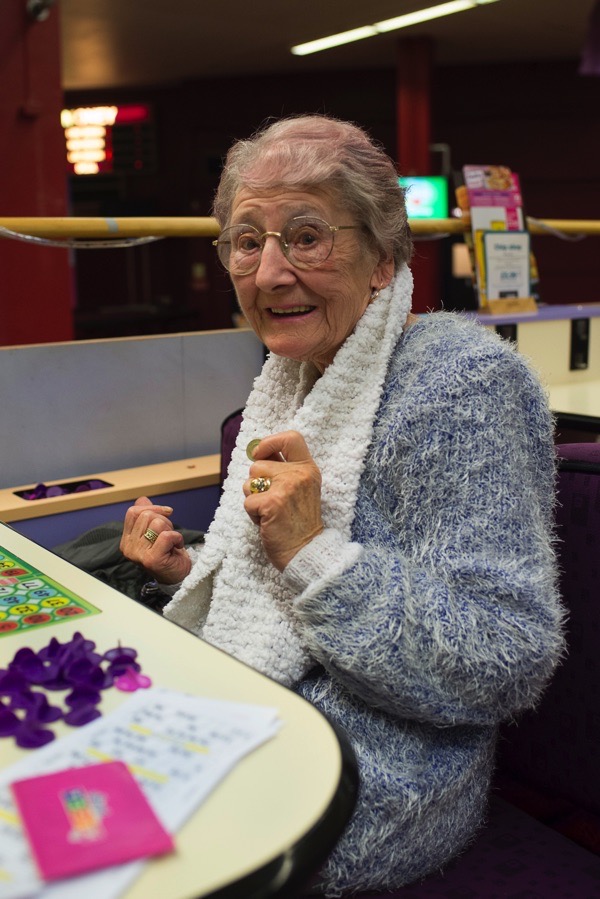
Joyce Furness – “I’m eighty-seven and my grandaughter encouraged me to start playing bingo ten years ago because otherwise I don’t go out.”
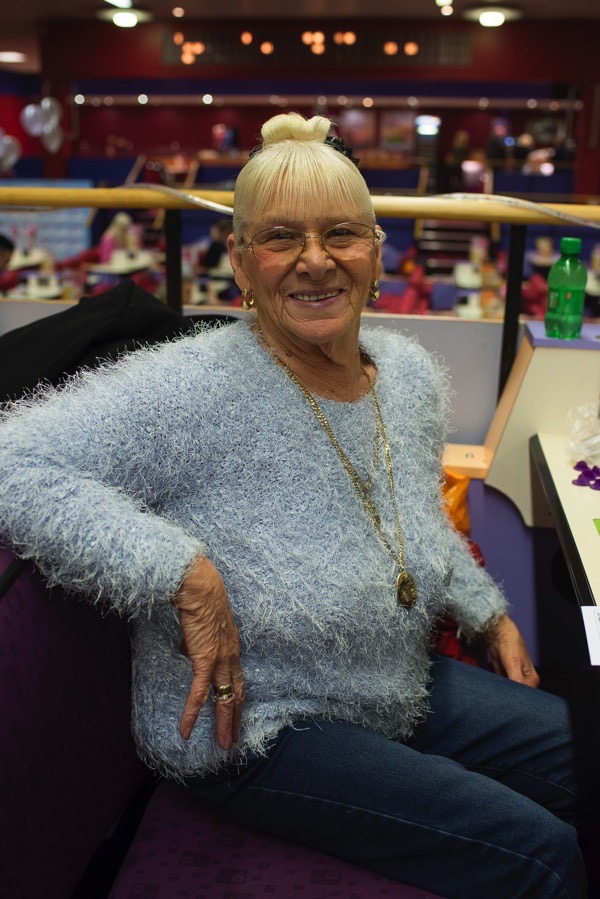
Florence Anderson – “I’m eighty-one and I’ve been playing for sixty years. I used to go four times a week, it keeps your brain ticking over.”
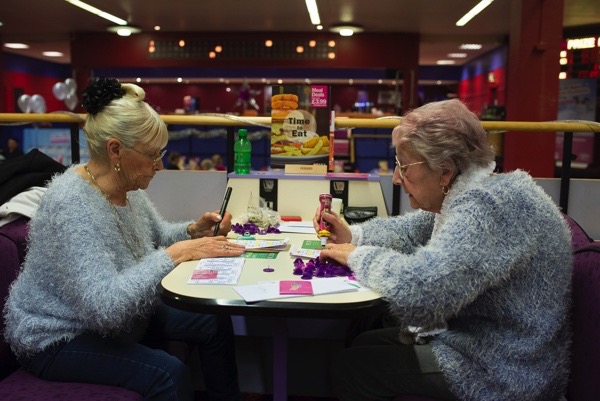
Florence & Joyce – “It was brilliant at the hall in the Hackney Rd”
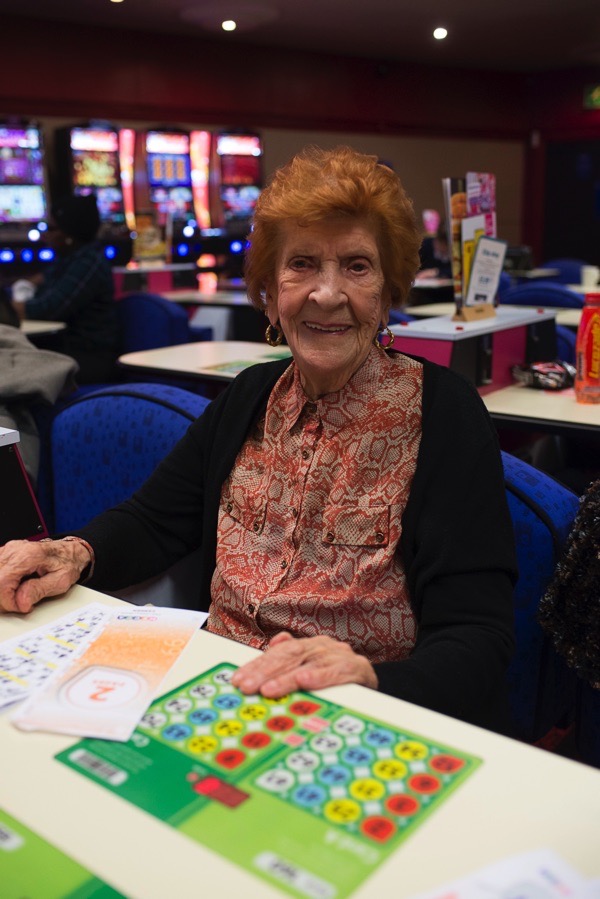
Patricia Rawlings – “I’m ninety-eight but I first started bingo at seventeen.”
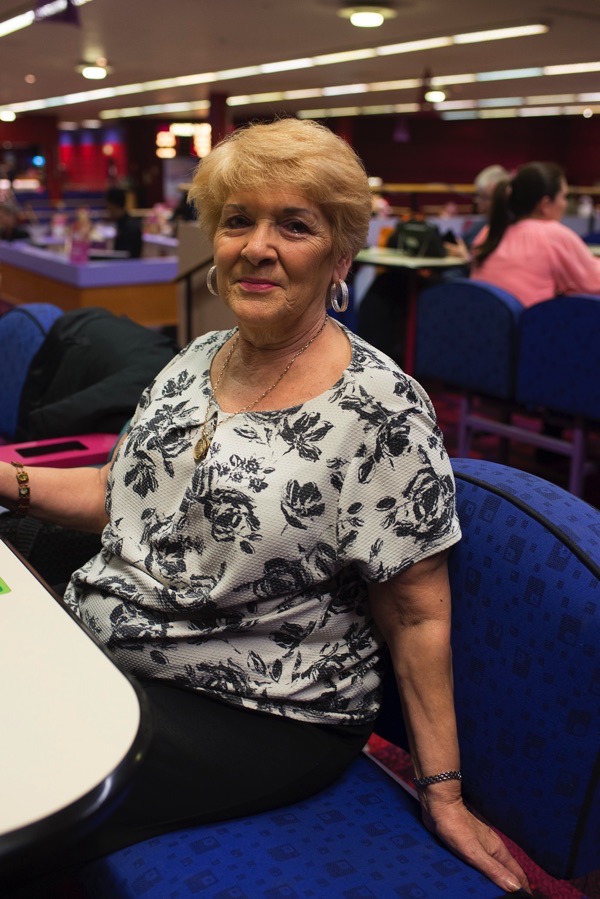
Carmen Clarke – “I started coming to bingo with my mother twenty years ago.”
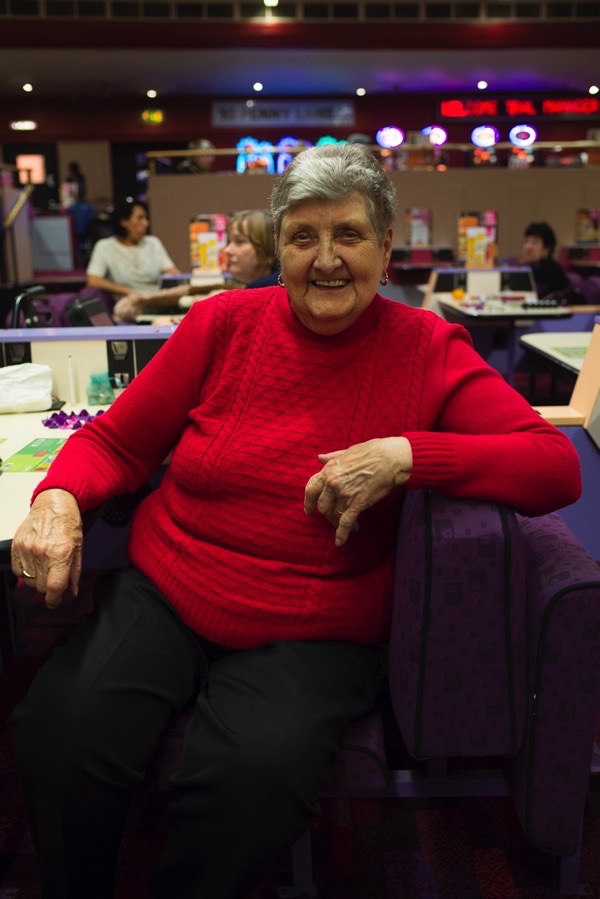
Pat Marr – “I’m ninety-one, I lost my son four years ago. I come here four nights a week because I’m not a stay-at-home-person. I don’t smoke, I don’t drink – what else is there to do?”
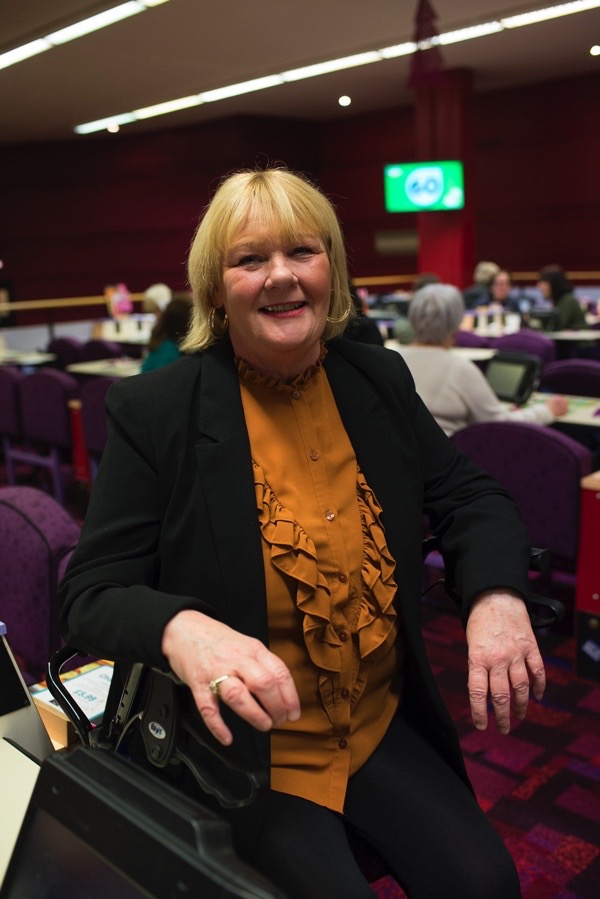
Susan Powell – “I’ve been coming to bingo for twenty years. You shouldn’t come here to win but, if you do, that’s a bonus.”
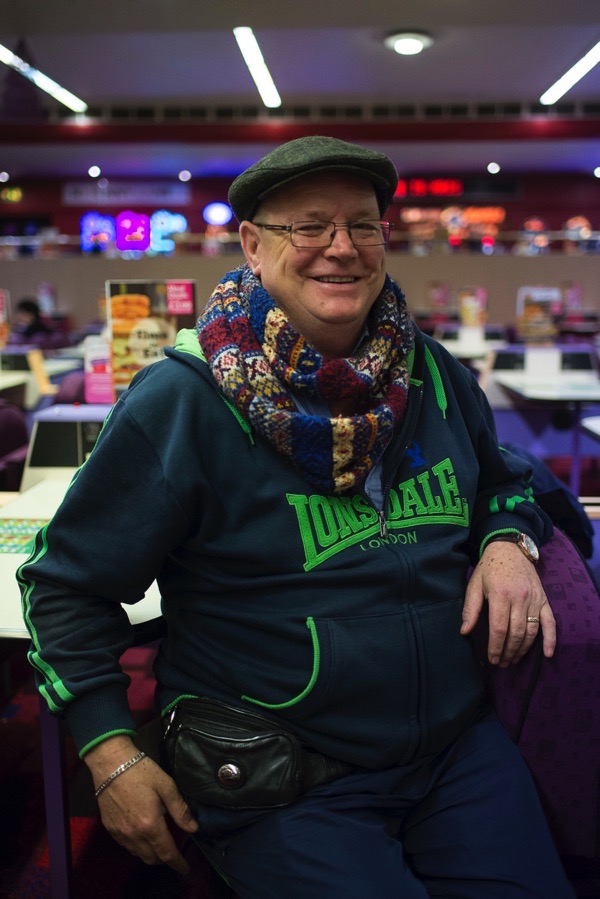
George Durant – “I used to go to the bingo hall in the Essex Rd and Wood Green before they closed, so now I come here.”
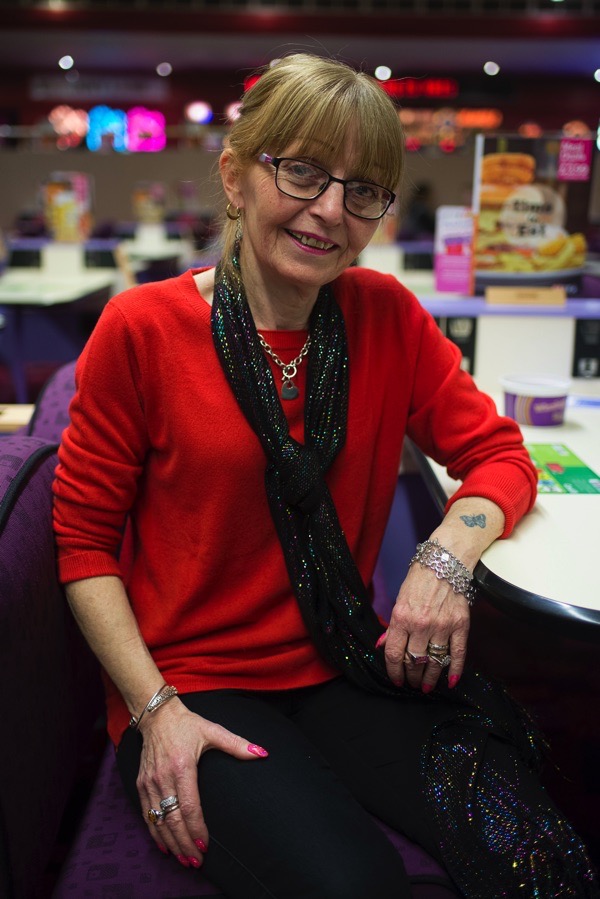
Mary Durant – “£300 was the most I ever won!”
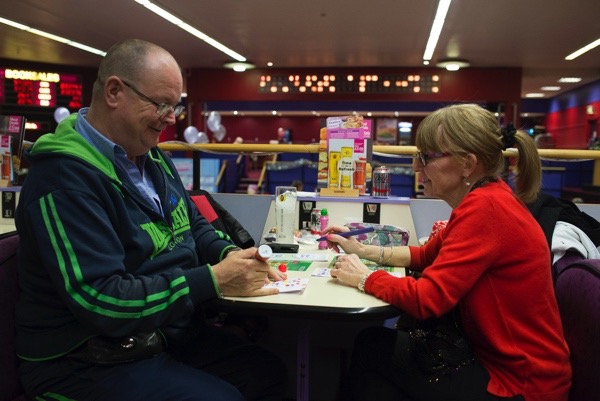
George & Mary
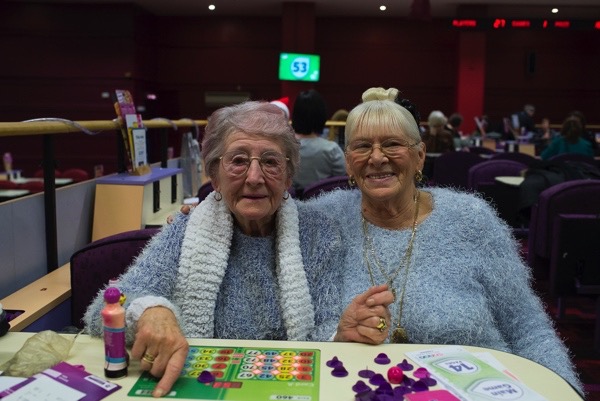
Joyce & Florence -“We love our bingo”
Photographs copyright © Sarah Ainslie
You may also like to see the first set of
Sarah Ainslie’s Bingo Portraits
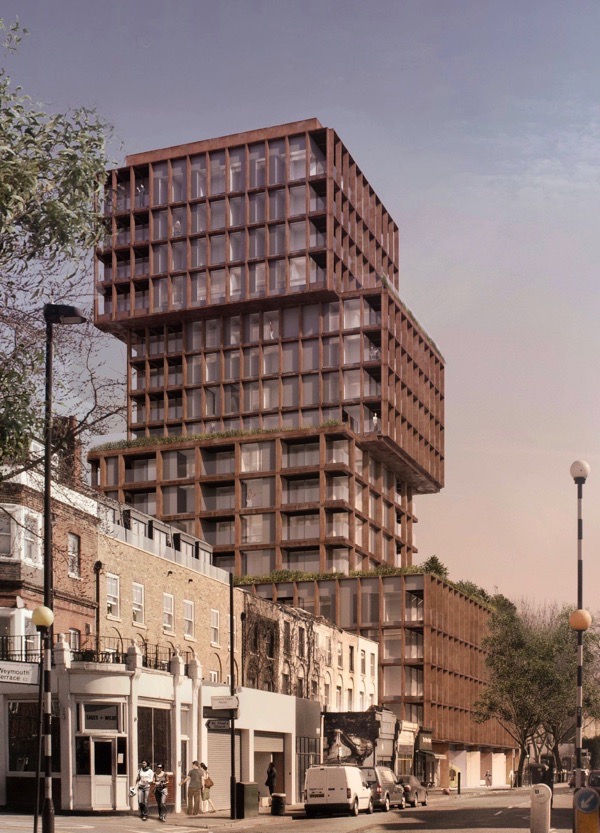
Luxury housing development proposed to replace the bingo hall in the Hackney Rd
Stephen Armstrong, Whitechapel Postman
Occasionally, people write correspondence addressed simply to “The Gentle Author, Spitalfields” and it is to the credit of the East End postal service that these letters arrive on my doormat. So today I return the favour with this interview of Whitechapel Postman, Stephen Armstrong, accompanied by a set of pictures from 2013 by Contributing Photographer Colin O’Brien whom we said farewell to this year.
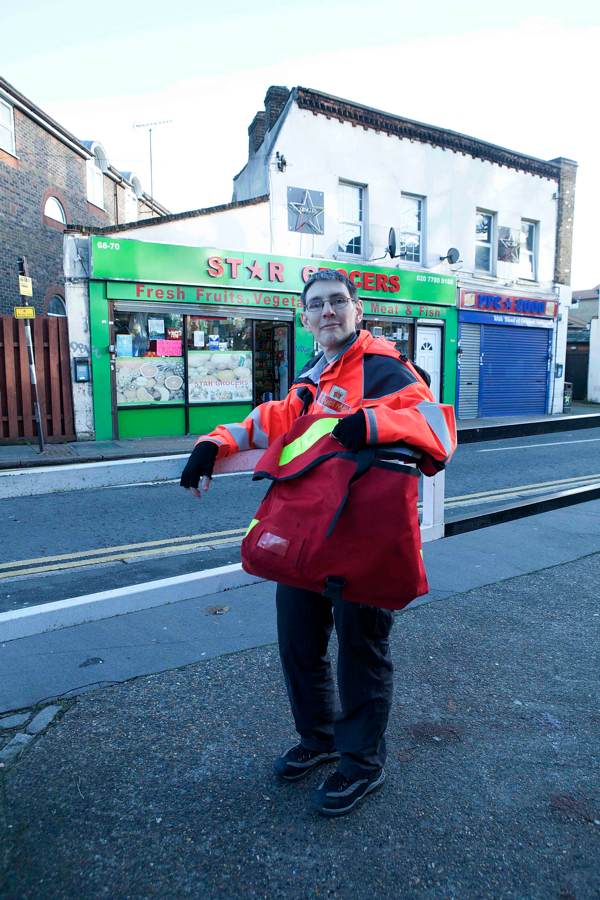
Stephen Armstrong
Stephen Armstrong and I met in the early afternoon in Whitechapel, once the day’s round was done, and he ate mince pies with hot chocolate to revive his flagging spirits, after being awake since before dawn.
We were just across the road from sorting office which is only five minutes walk away from where he lives to the south and ten minutes walk from his round, which is to the north.
Steve spends a lot of time pounding the pavements of Whitechapel and it is unlikely that anyone knows the minutiae of these streets better than he. Reserved in manners yet resilient in spirit, Stephen has found his metier in delivering letters and becoming the spiritual guardian of his particular corner of the East End.
“I’ve been up since five this morning, that’s late for me! It gives me a little time to myself, to get ready and pootle around – because six o’ clock is when I start.
I always remember when I joined the Post Office, because it was the the day after the Poll Tax Riot, 1st April 1990. I got myself sacked from an oil refinery for edible oils for not working hard enough, then I did thirteen months training to be be a Dispensing Optician. That was all because I had mucked up my A Levels and was a general under-acheiver all round. Then I failed my Optician exams, so I needed a way out and the Post Office seemed like the ideal place to get my head together. It started as a temporary job but I’ve been here ever since.
I grew up in Dartford and worked in Dartford, until they more or less shut down the sorting office there. By then, I had met my wife Karen and moved to Whitechapel and I’d been trying to get a job in the Whitechapel Sorting Office for years. It was very difficult for me to get from Whitechapel to Dartford to start work at five in the morning, so they offered me the possibility of a transfer to Rochester. Eventually they said, ‘We might be able to transfer you to Whitechapel but you’ve said you don’t like going out doing deliveries.’ I said, ‘I don’t know because I’ve never tried it,’ and when I did it was a baptism of fire, but I absolutely loved it. That was just last year, 2012.
I like being outdoors and walking across the same piece of ground everyday, you see the changes that people in the city are normally cut off from, the flowers opening and leaves falling. You are in touch with time passing.
I walk five minutes from my home in Adelina Grove and kick off at Whitechapel Sorting Office at six each morning. The machine will have sorted everything from yesterday in order, there is a slot for every letterbox in the frame. Then it’s ‘walk sorted’ and you sort whatever mail has come in during the night – that’s about an hour’s work. At nine o’clock, it is breakfast time. You go off and have breakfast, by which time anything from the other East End districts will come in and we sort that.
Once you have got all your work, you make it into bundles with those elastic bands – the notorious ones that we drop all over the place. You pack your bag with the first bundle of work, it cannot be more than sixteen kilos. Some postmen have a trolley but I don’t, instead I have dropboxes where the rest of the mail is dropped off to me at each end of my area. Generally, it takes about two and a half to three hours walking to make my deliveries. There are lots of streets where no-one notices you, you become part of the street furniture. A few old ladies ask you to do this and that and I don’t mind. I’m not a friend, I’m an acquaintance – but I like to think I can be trusted.
I don’t mind the weather, though I can’t really handle the heat because you can’t take off any more than the minimum. I’ve got a collection of silly hats – a sou’wester for rain and a sunhat for summer. I love dogs though there are a couple who jump up to take the letters out of your hands but, if you are careful, you can save your fingers. I desperately try to make friends with all the dogs on my route. I had a dog of my own, Laika, for seven years and I miss her a lot, so I’m borrowing other people’s dogs briefly.
I think there’s going to be more post in future but it’ll be more parcels not letters. A lot more comes through mail order these days, but all business is done by emails so there’s fewer letters. It would be a sad thing if the regular post goes, yet nobody writes anymore they just send texts and emails. Even I don’t receive any mail anymore.”

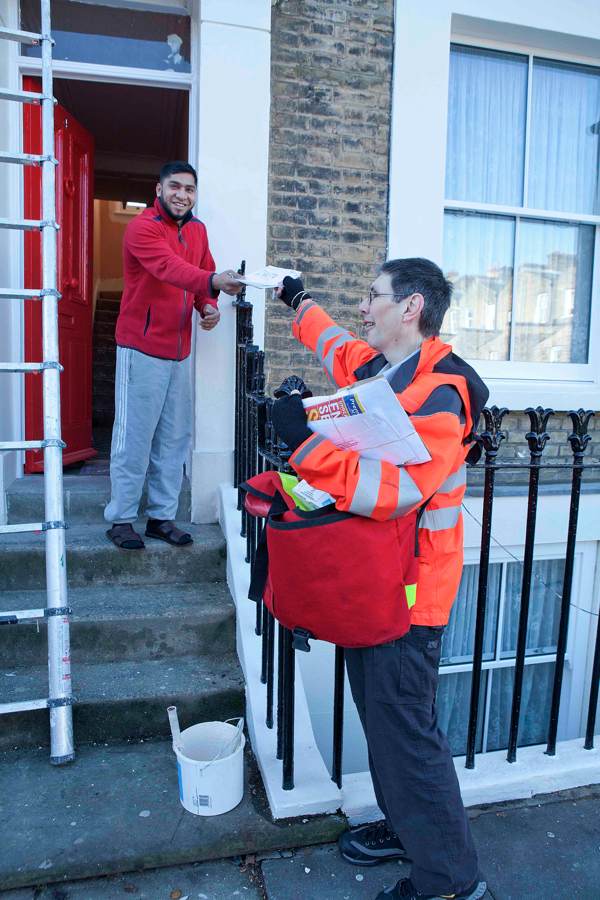
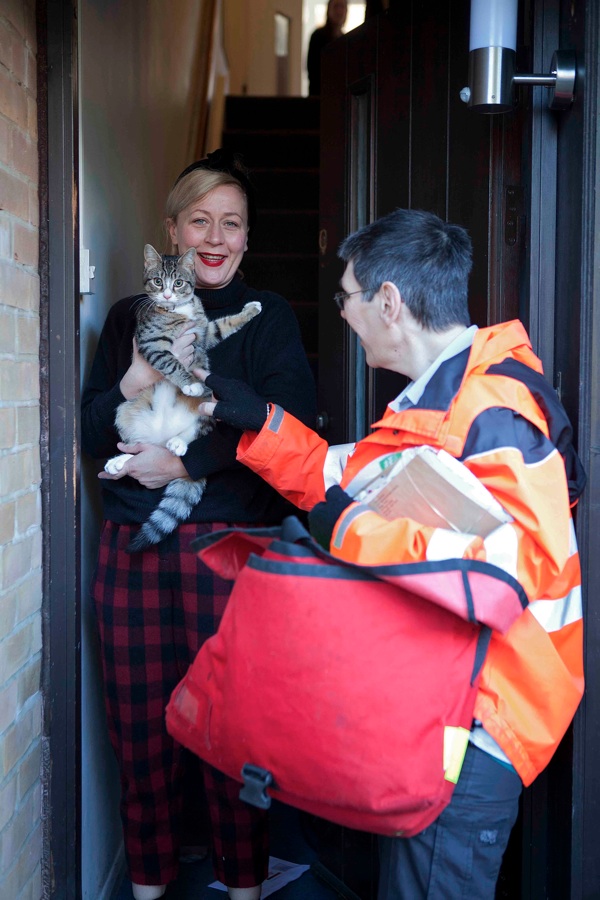
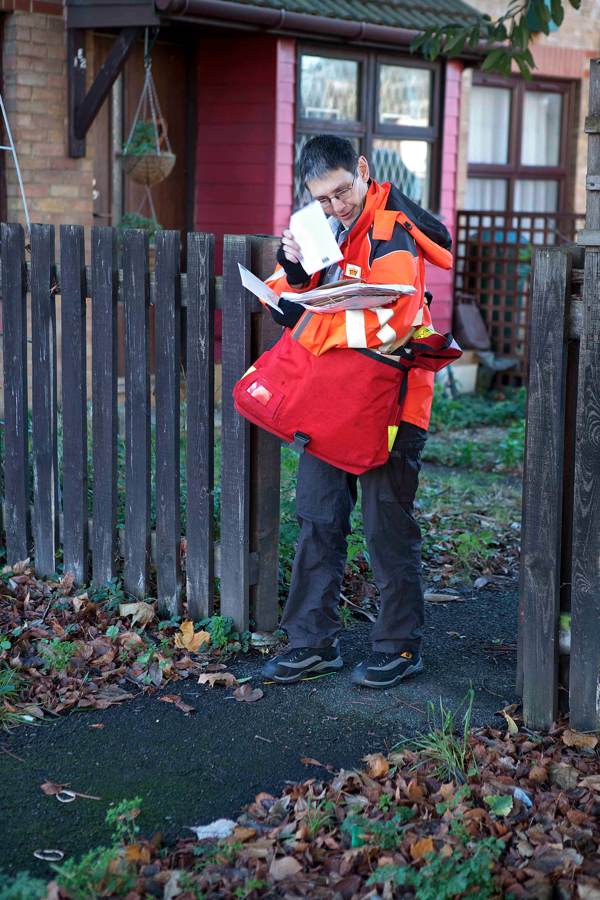
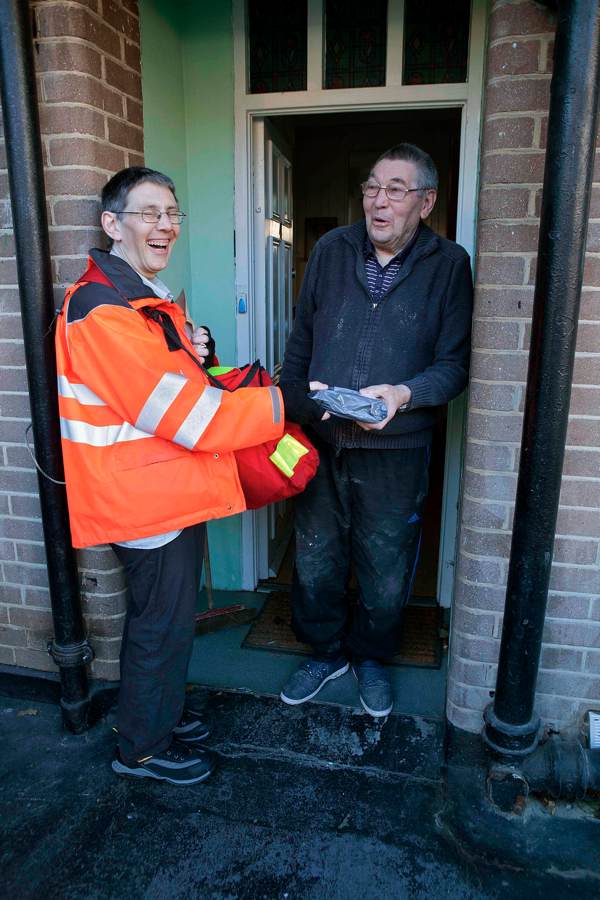

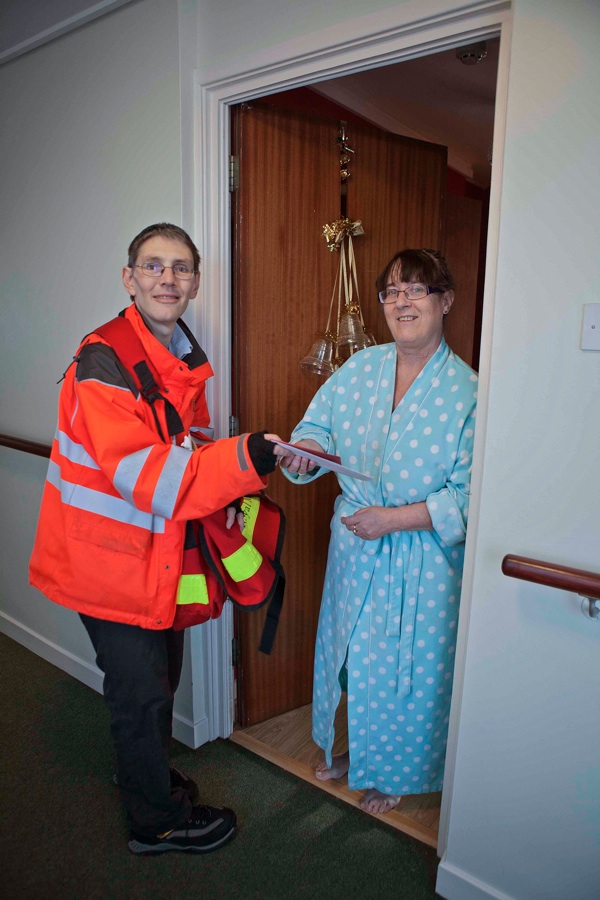
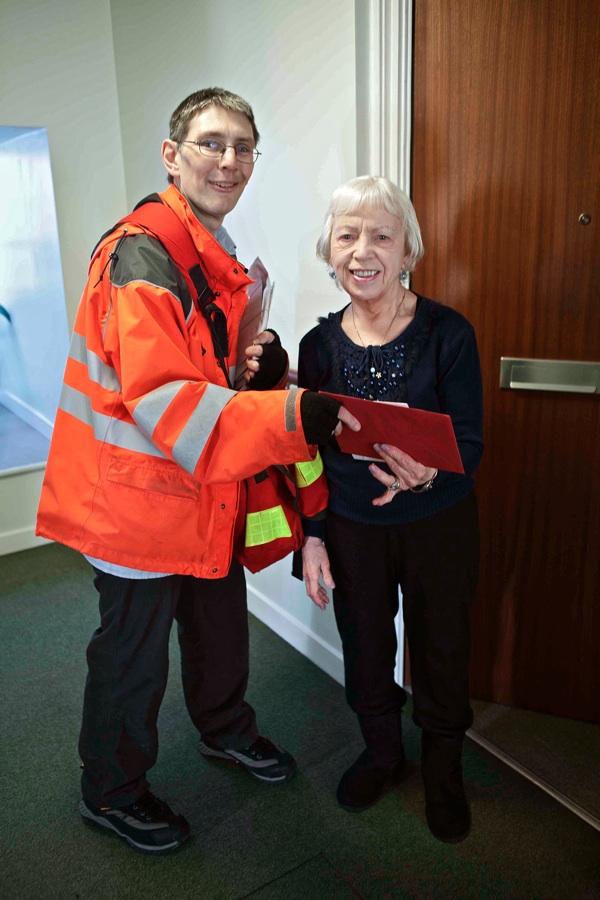
Steve delivers to Henrietta Keeper, Ballad Singer of Bethnal Green
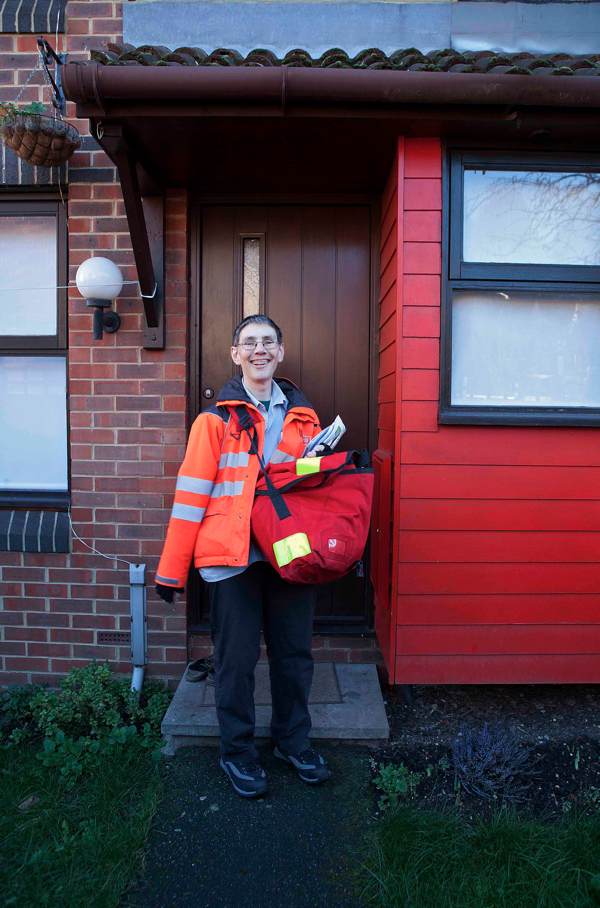

Back to the drop box to pick up another load of letters
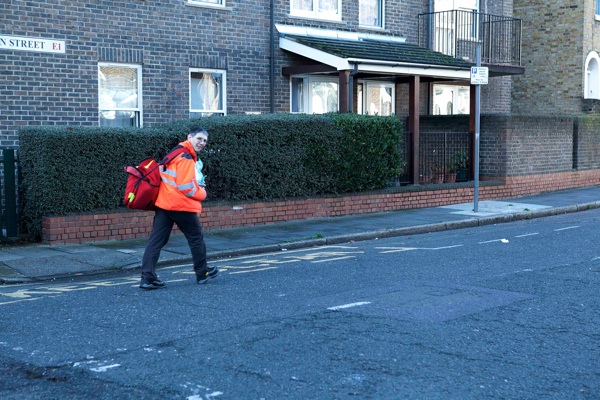
Off on the rounds again …
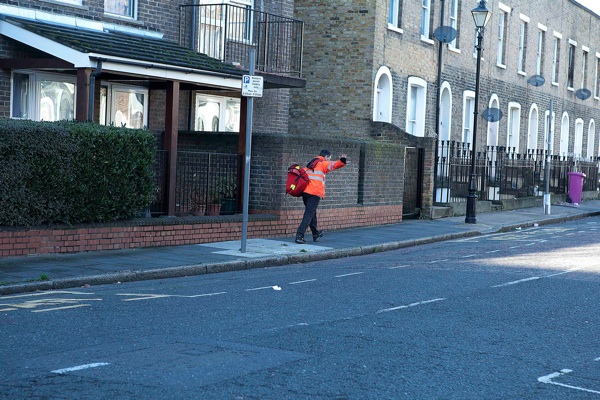
Bye!
Photographs copyright © Estate of Colin O’Brien
You may also like to read about
Spitalfields Market Parties Of Yesteryear
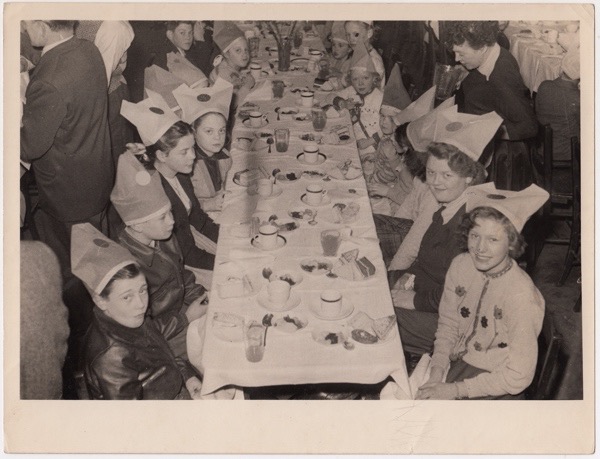
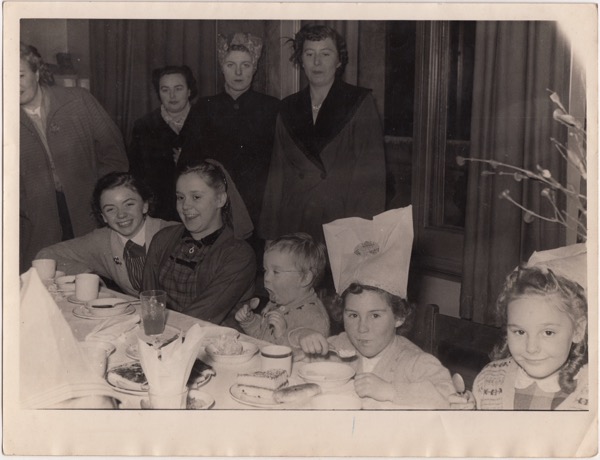
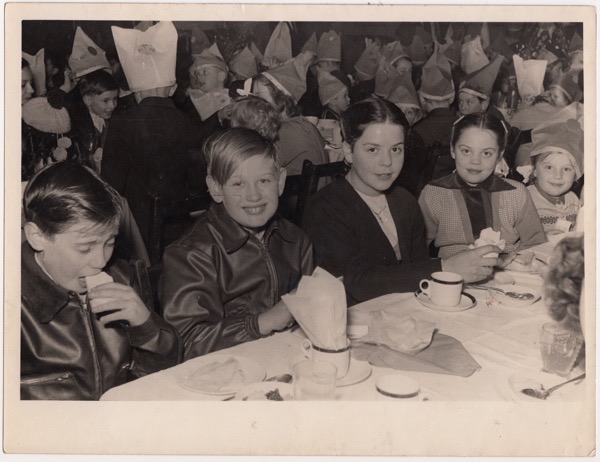
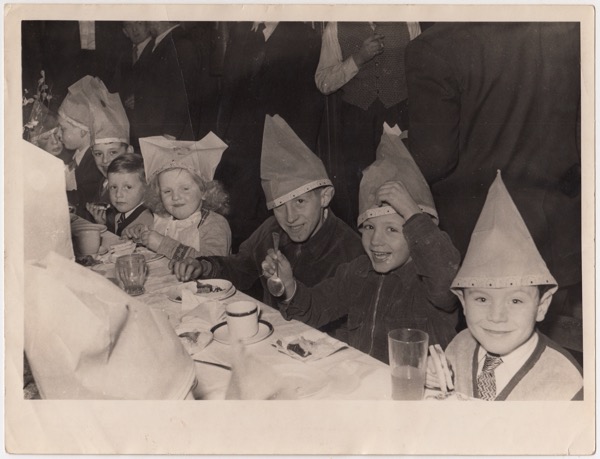
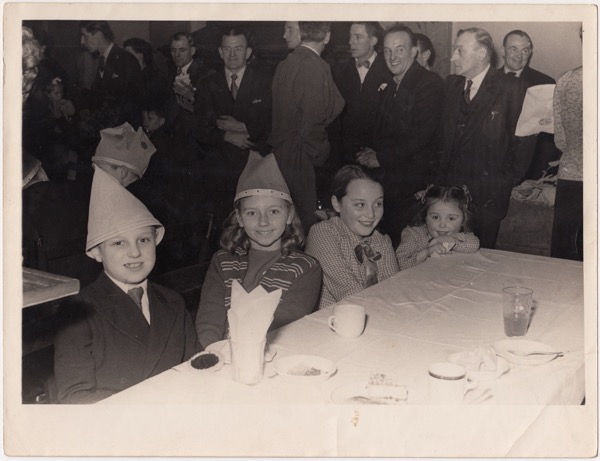
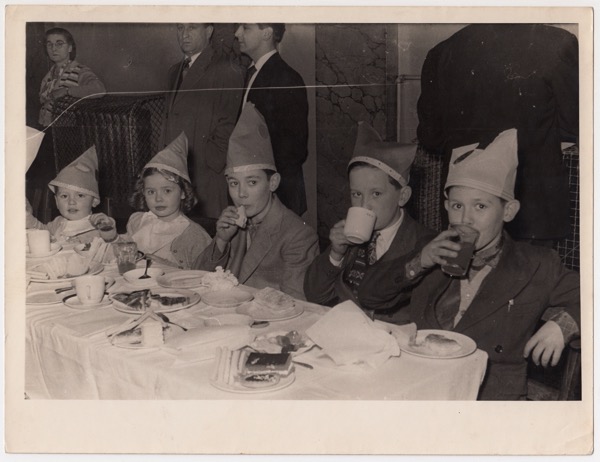
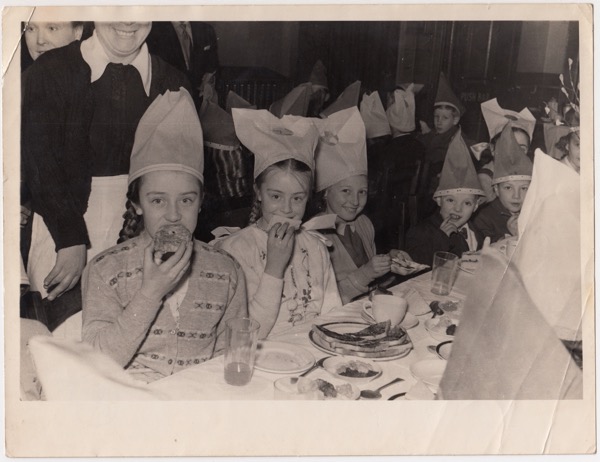
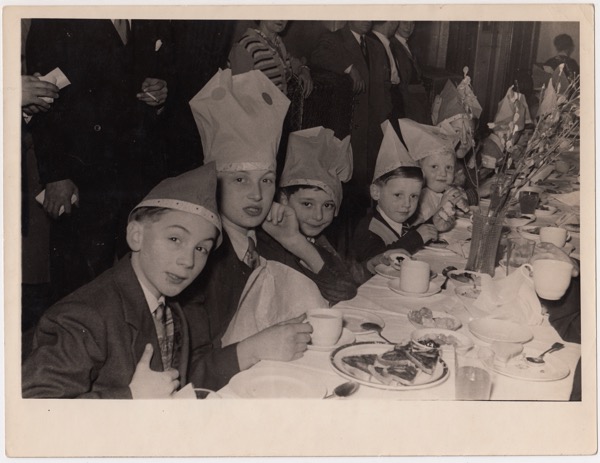
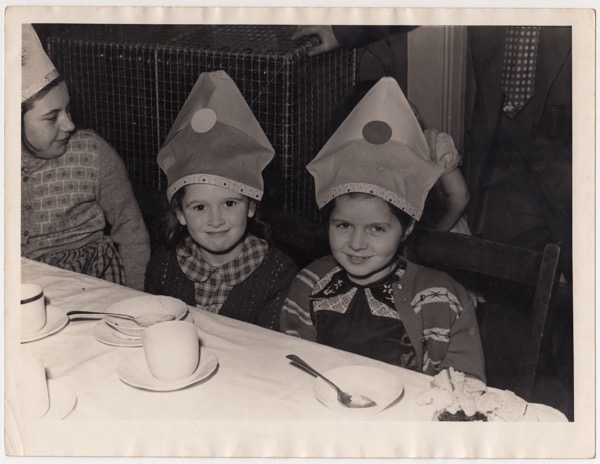
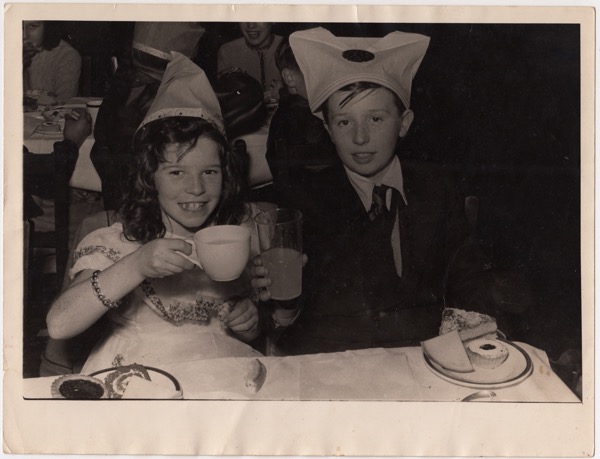
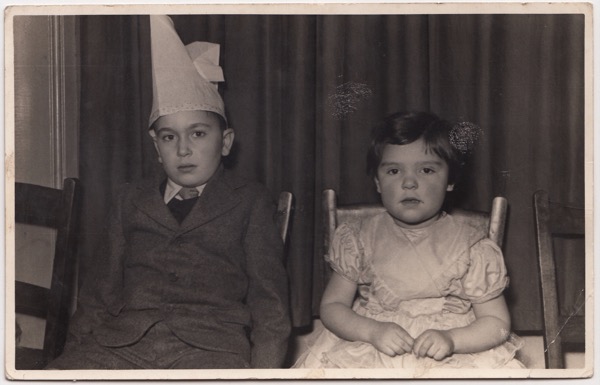
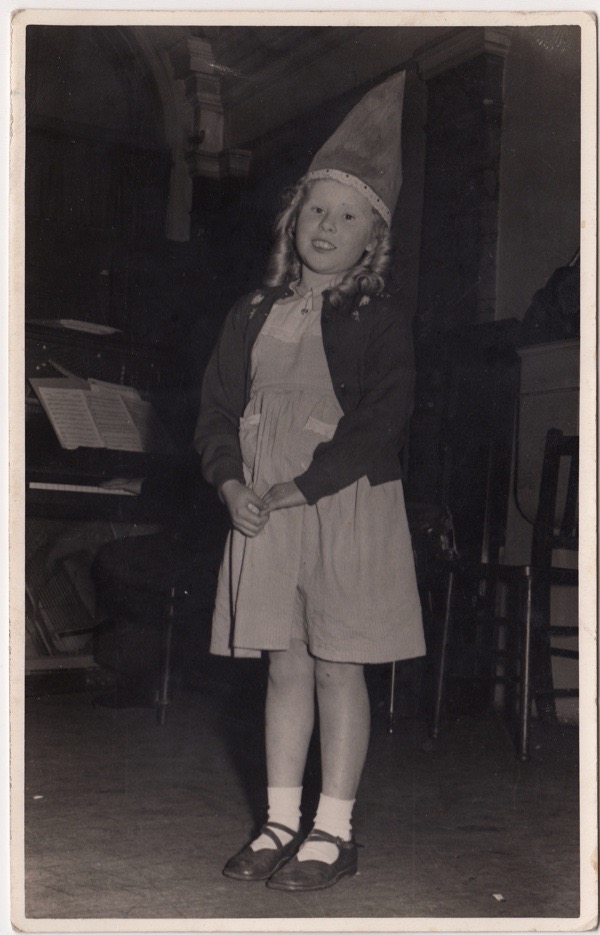
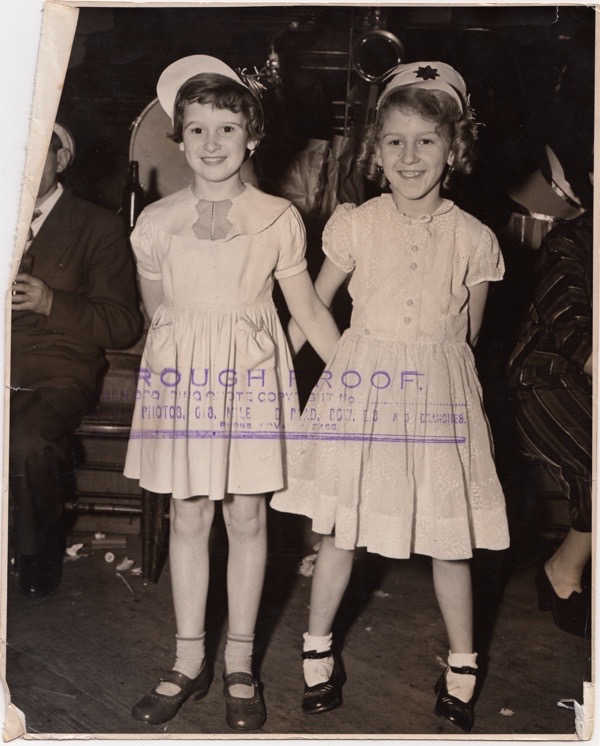
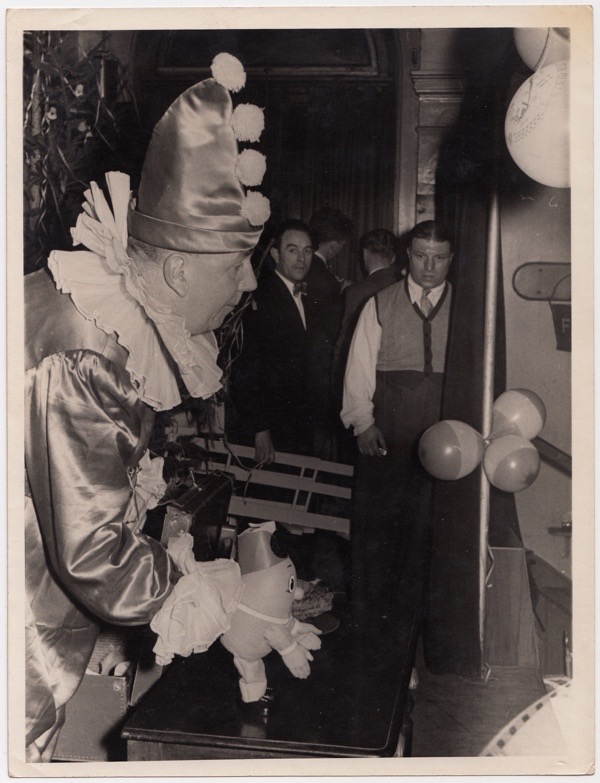
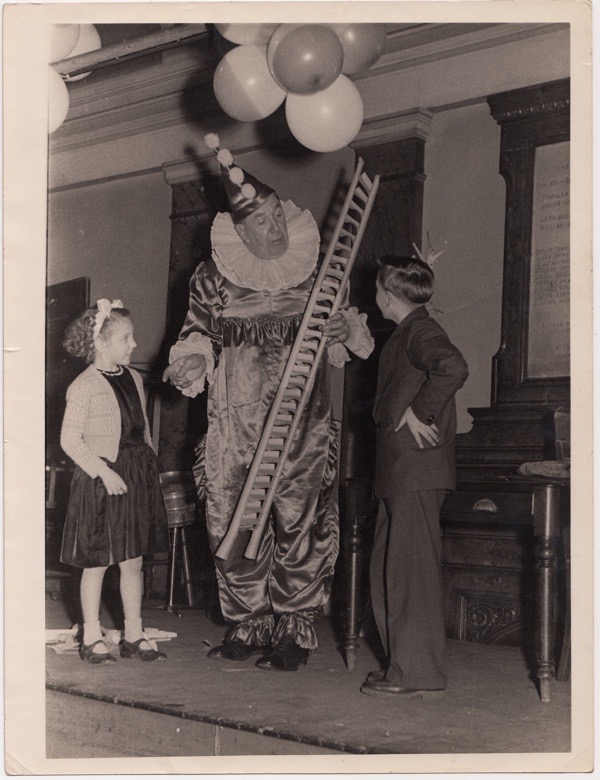
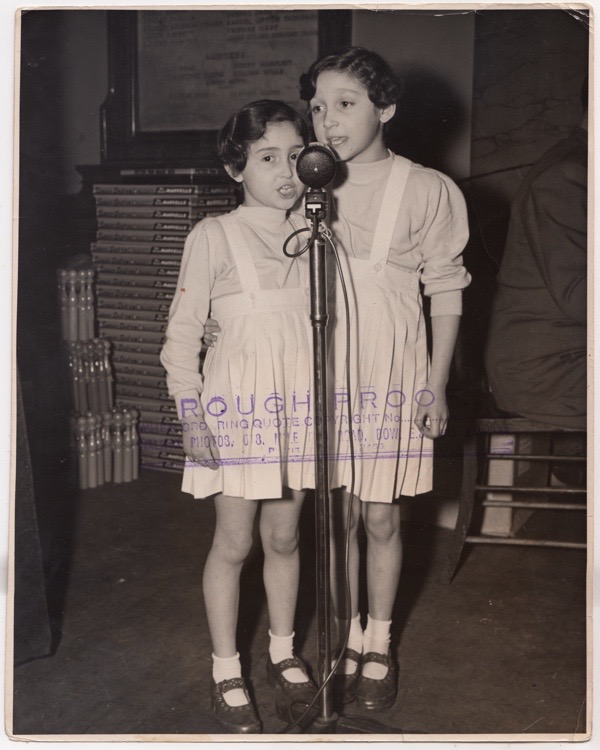
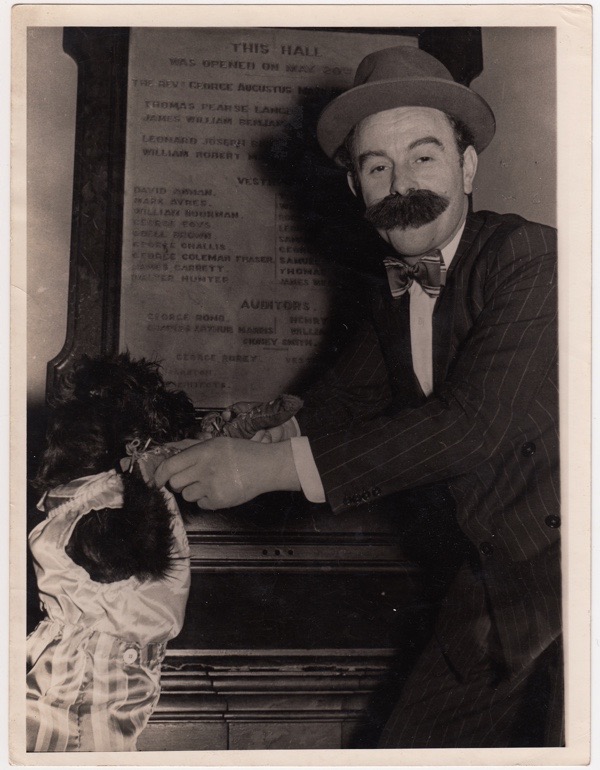
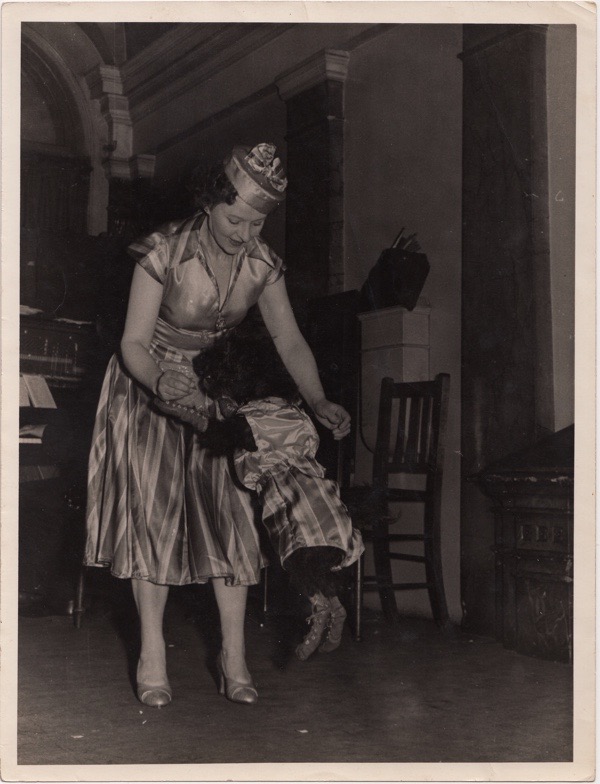
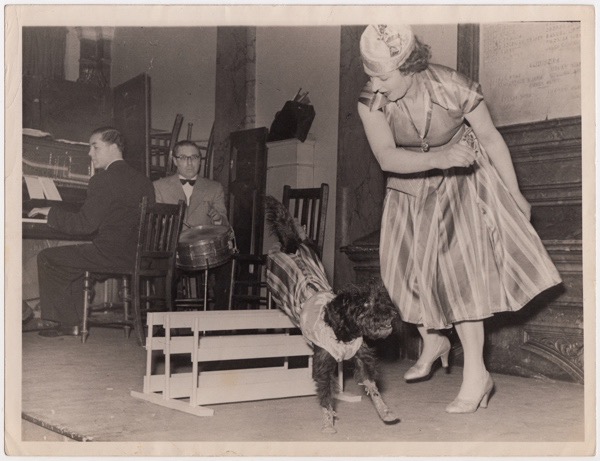
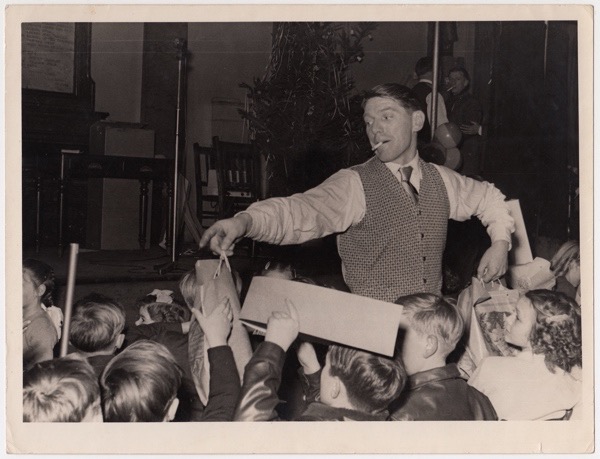
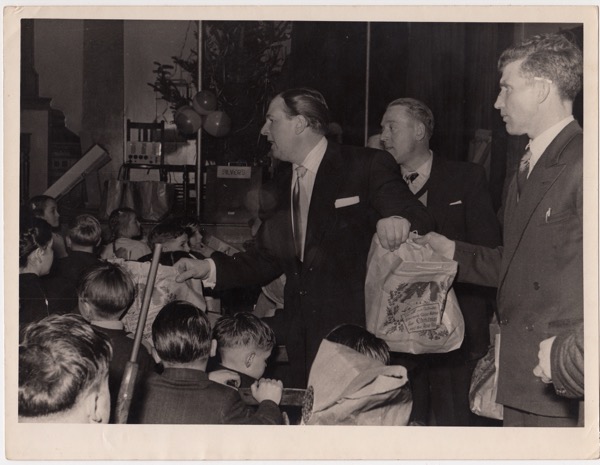
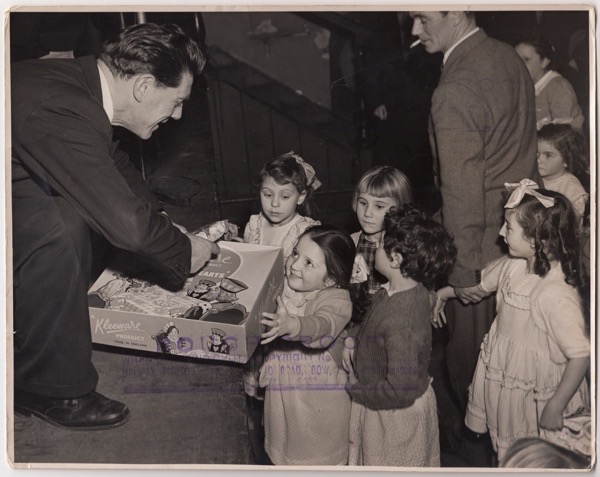
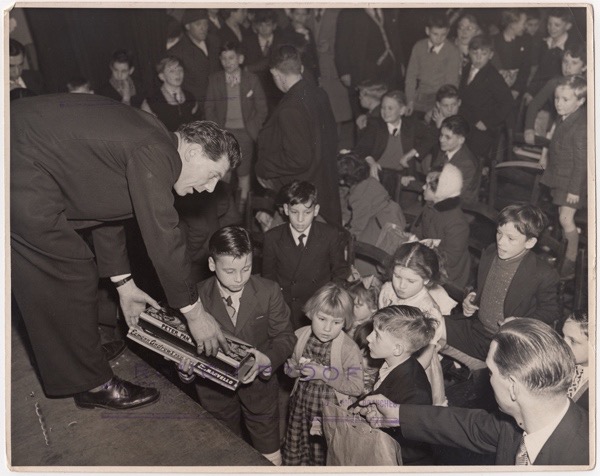
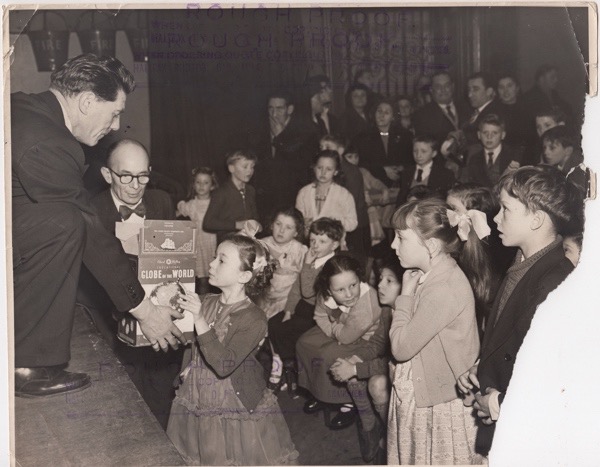
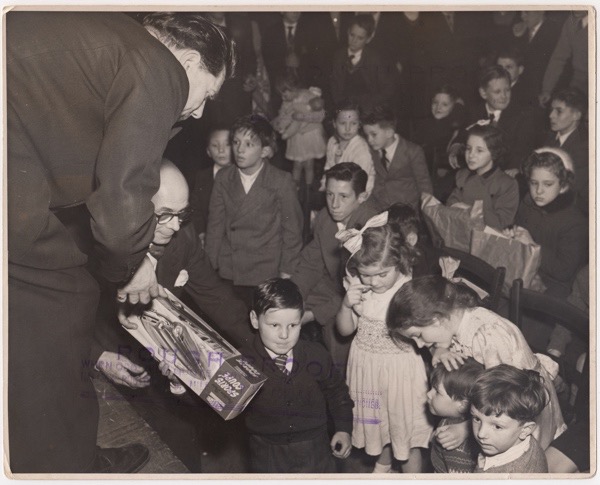
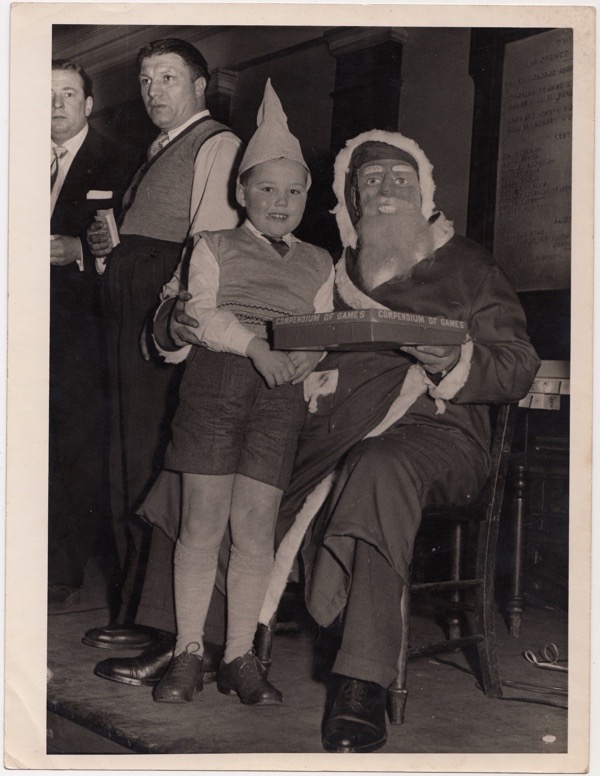
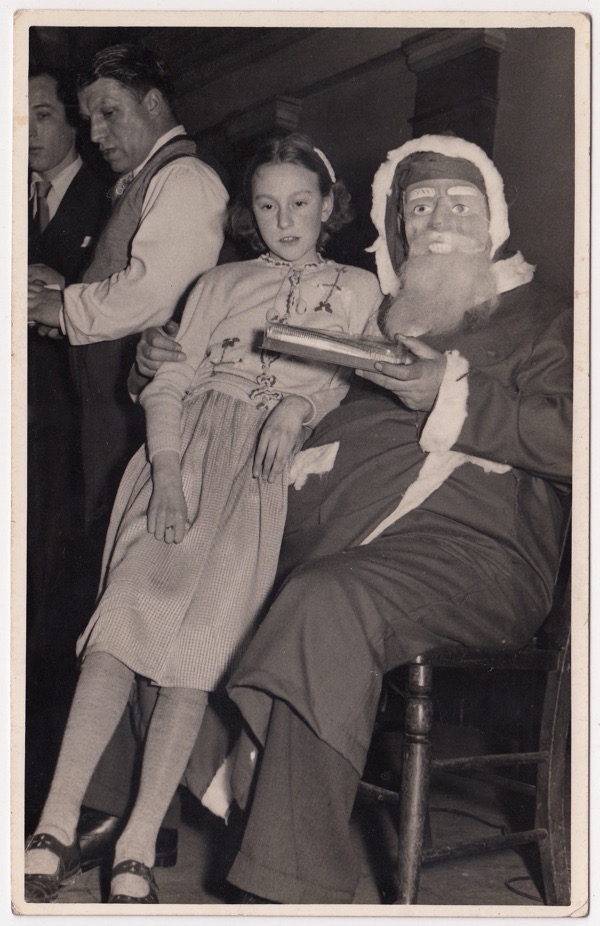
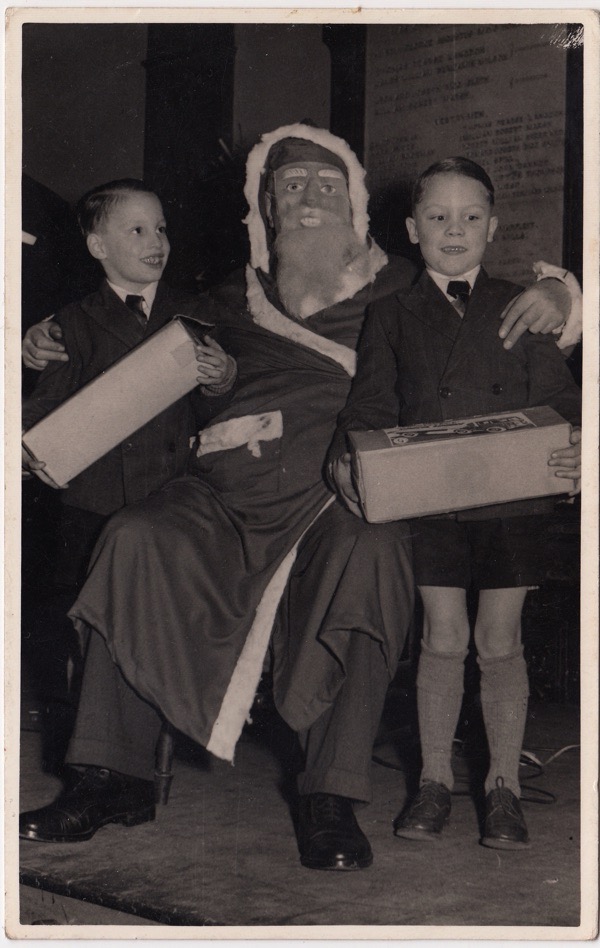
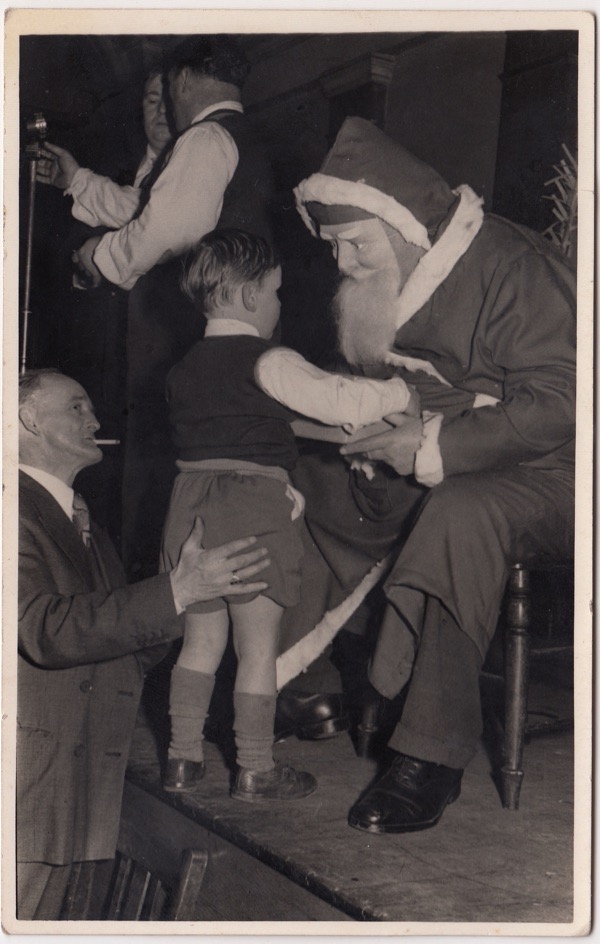
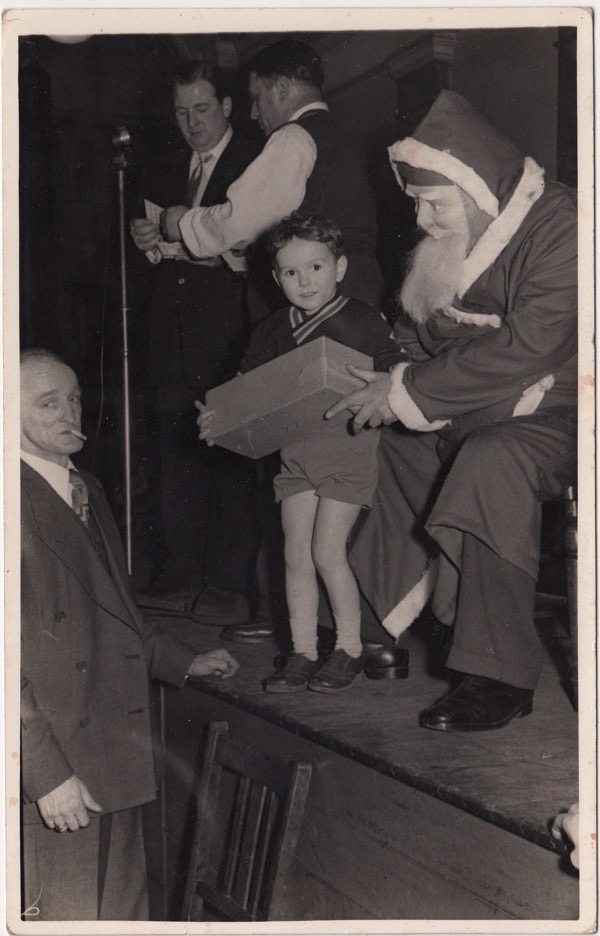
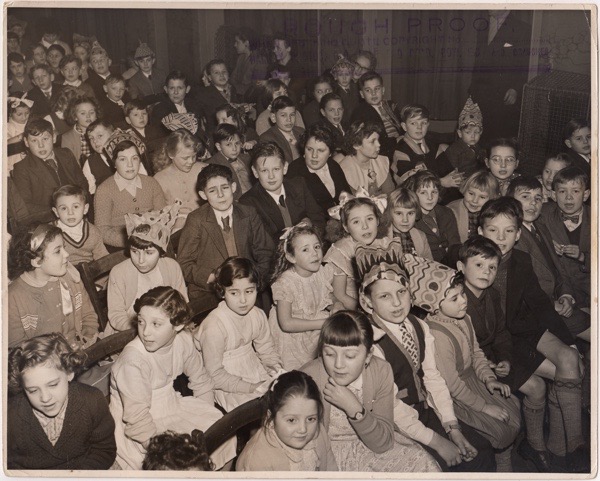
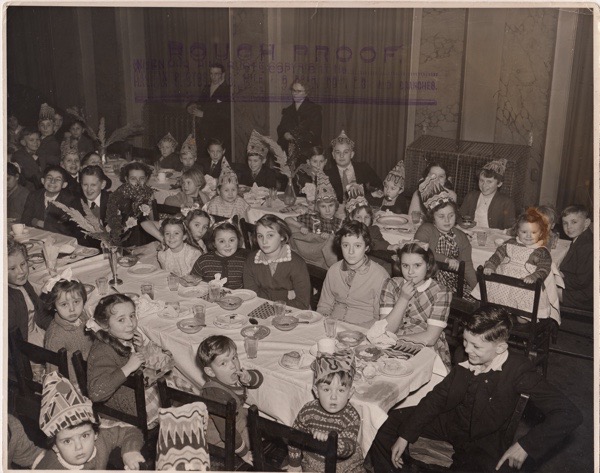
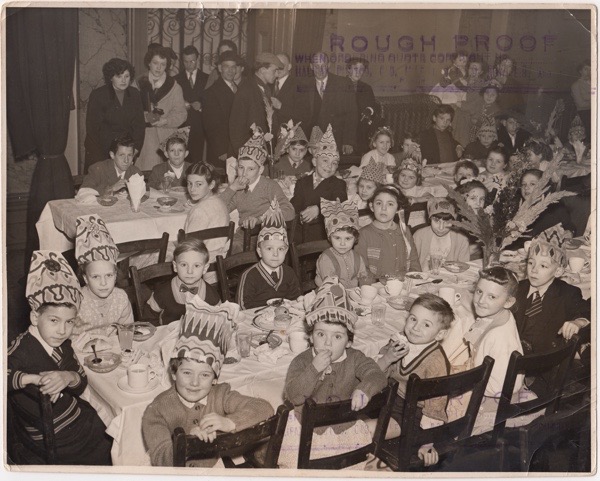
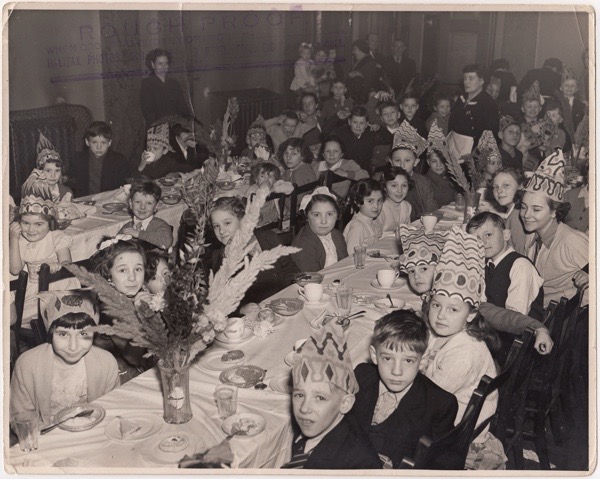
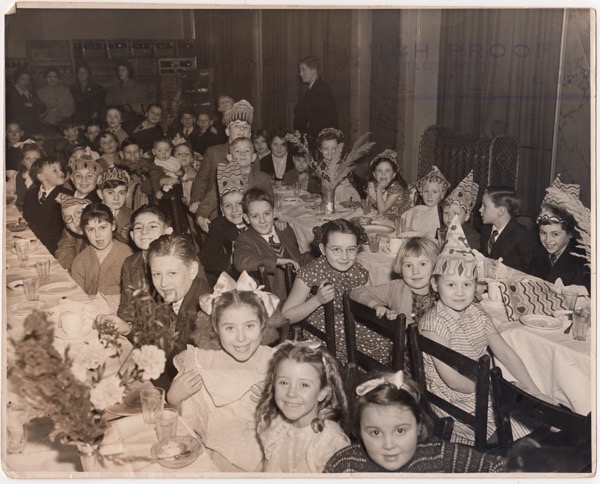
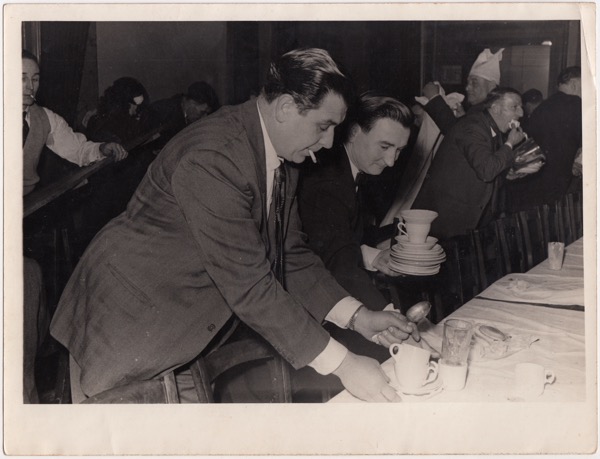
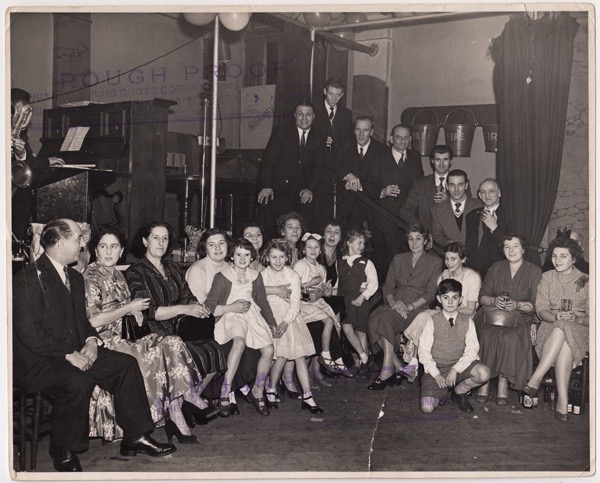
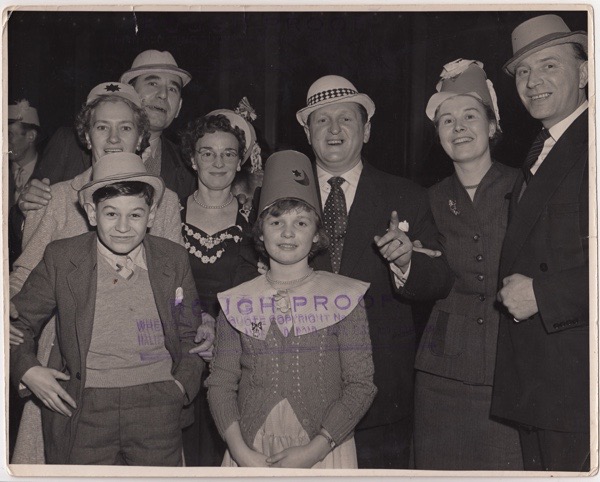
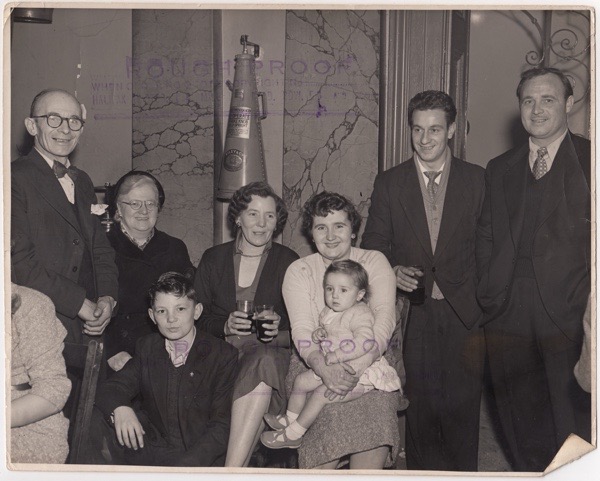
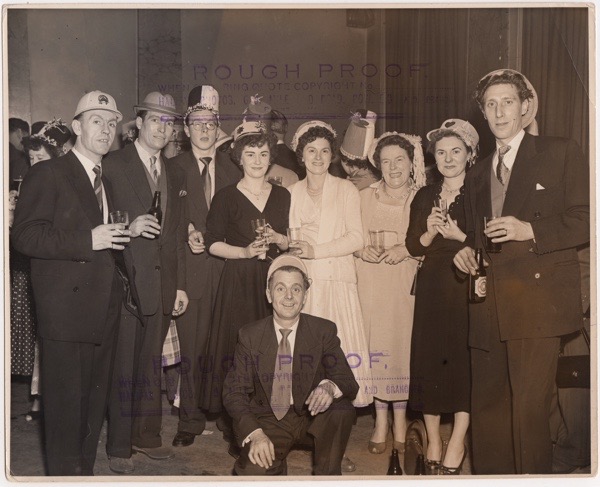
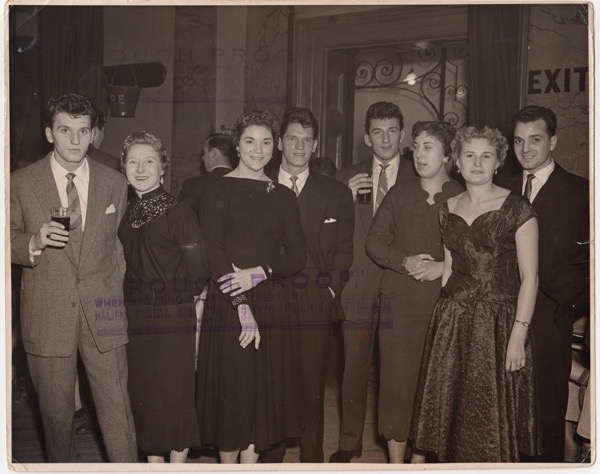
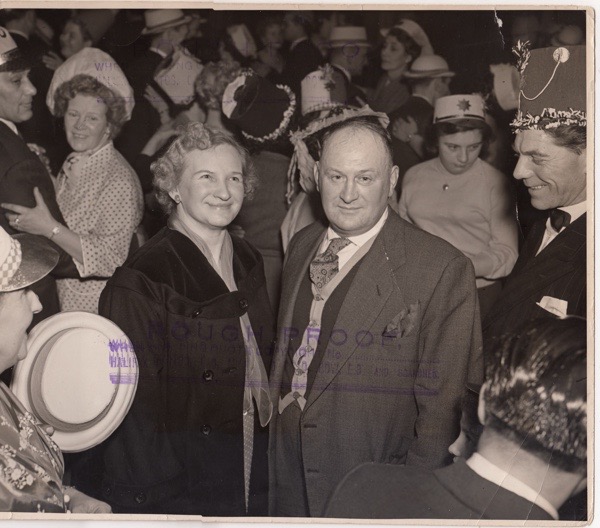
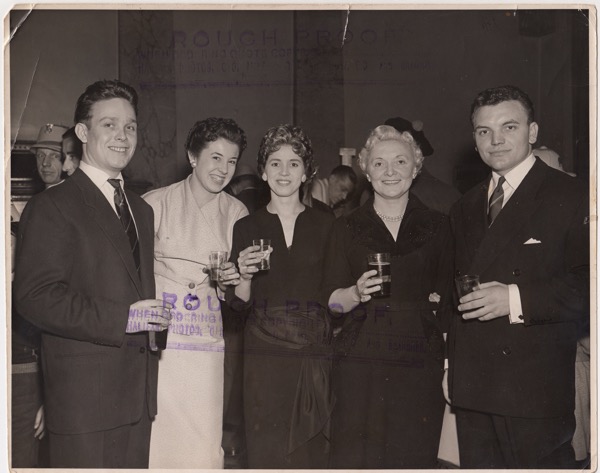
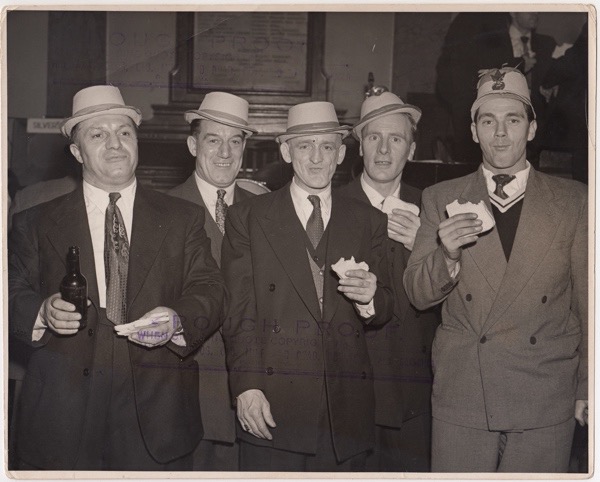
The van drivers of the Spitalfields Market certainly knew how to throw a party, as illustrated by this magnificent collection of photographs in the possession of George Bardwell who worked in the market from 1946 until the late seventies. George explained to me how the drivers saved up all year in a Christmas Club and hired Poplar Town Hall to stage shindigs for their families at this season. Everyone got togged up and tables overflowed with sponge cakes and jam tarts, there were presents for all and entertainments galore. Then, once the tables were cleared and the children safely despatched to their beds, it was time for some adult entertainment in the form of drinks and dancing until the early hours…
You may also like to take a look at












