
Stuart Goodman In Broadway Market
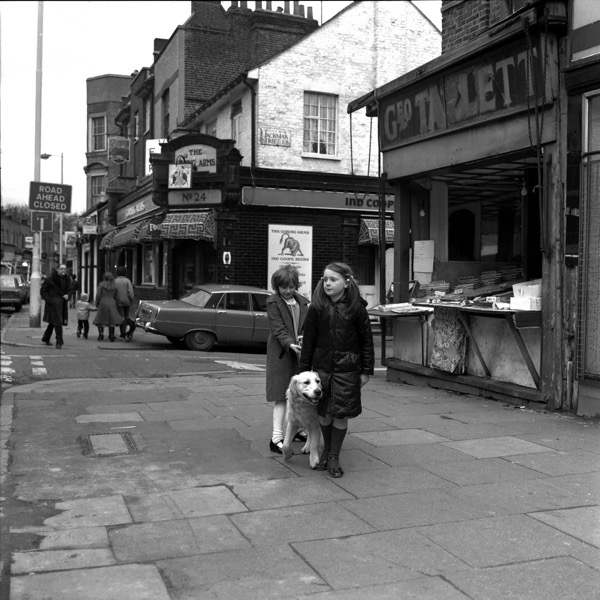
Broadway Market 1982
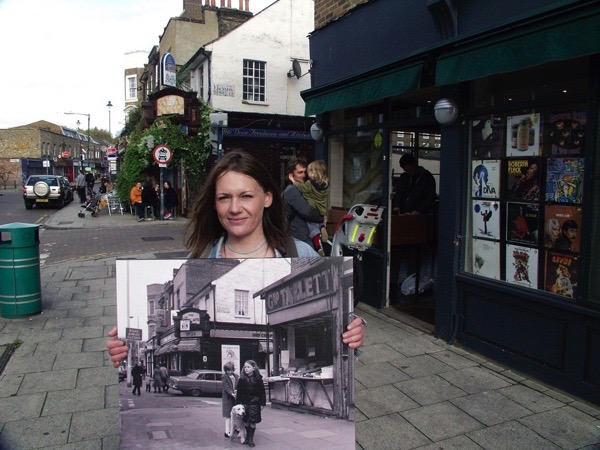
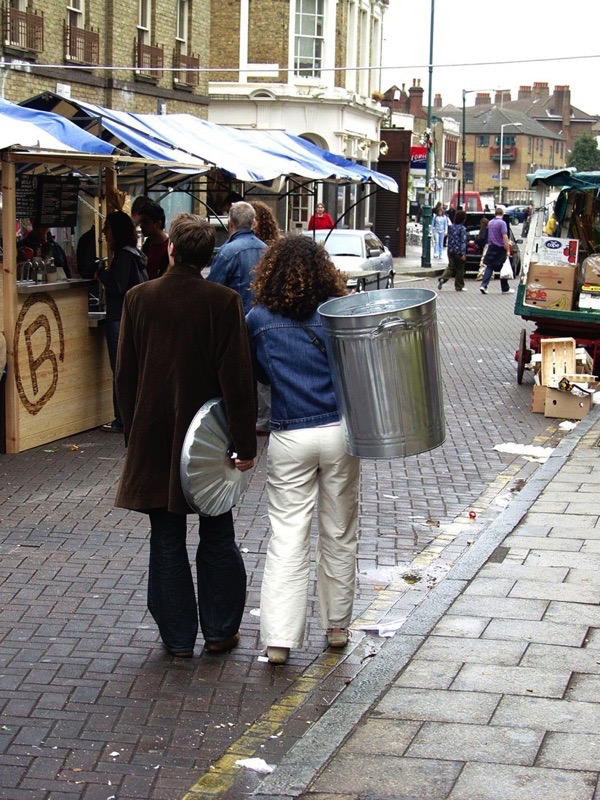
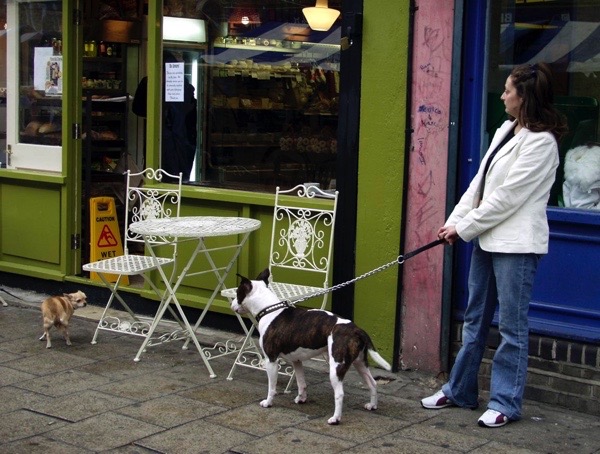
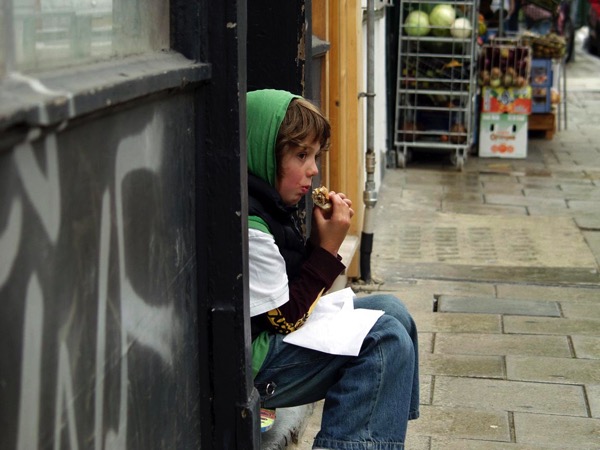
Broadway Market 2004
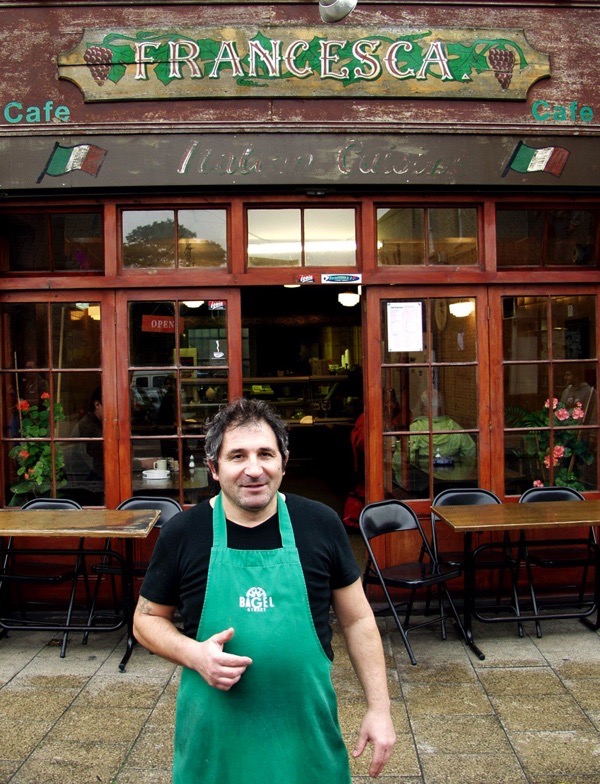
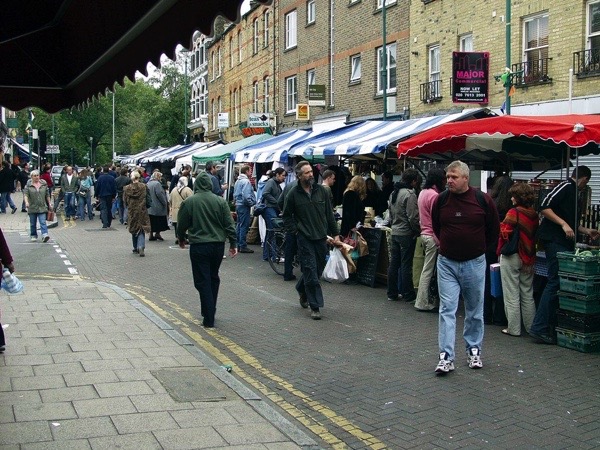
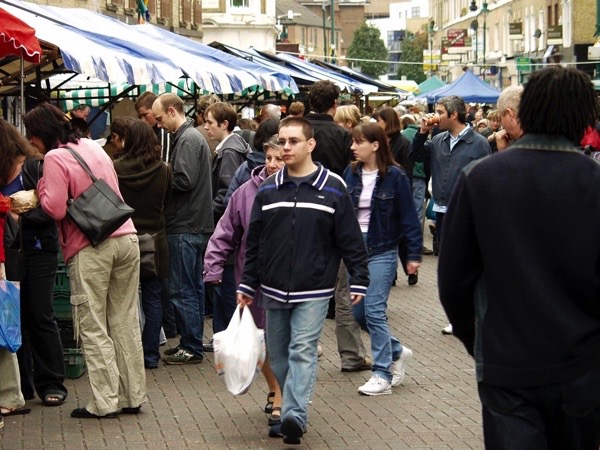
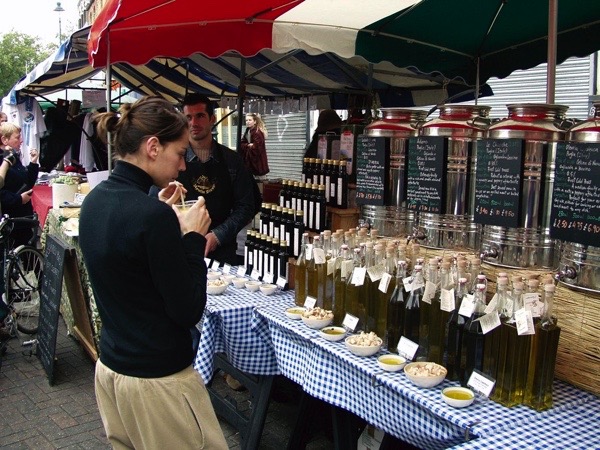
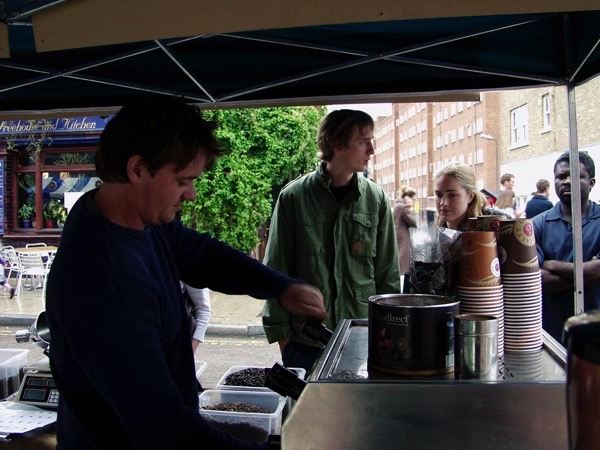
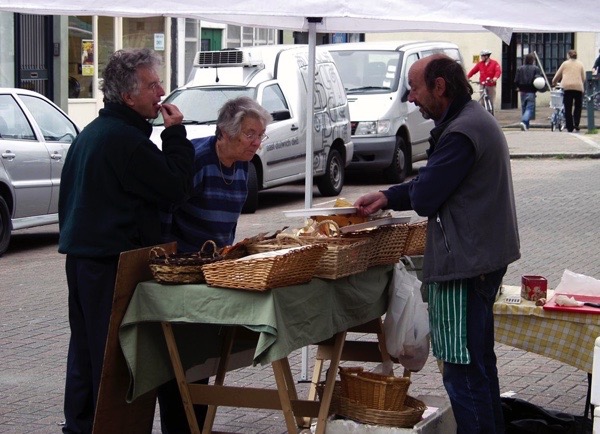
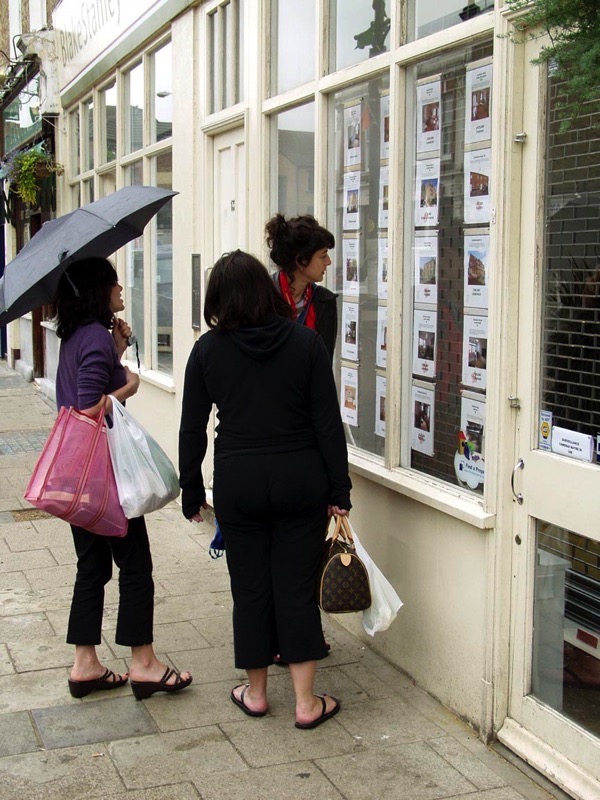
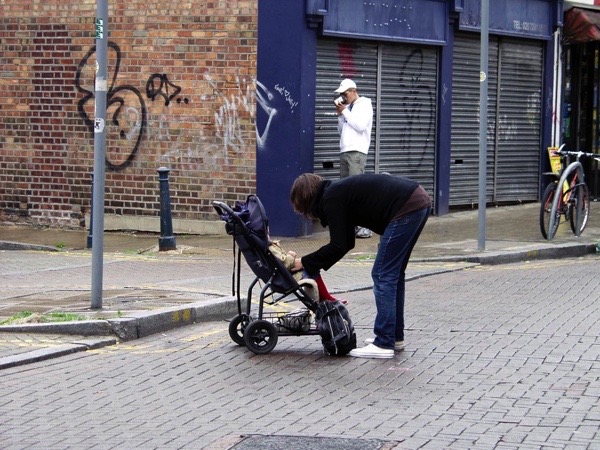
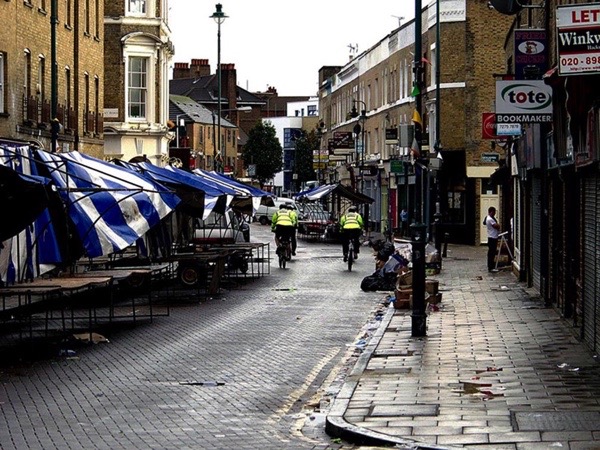
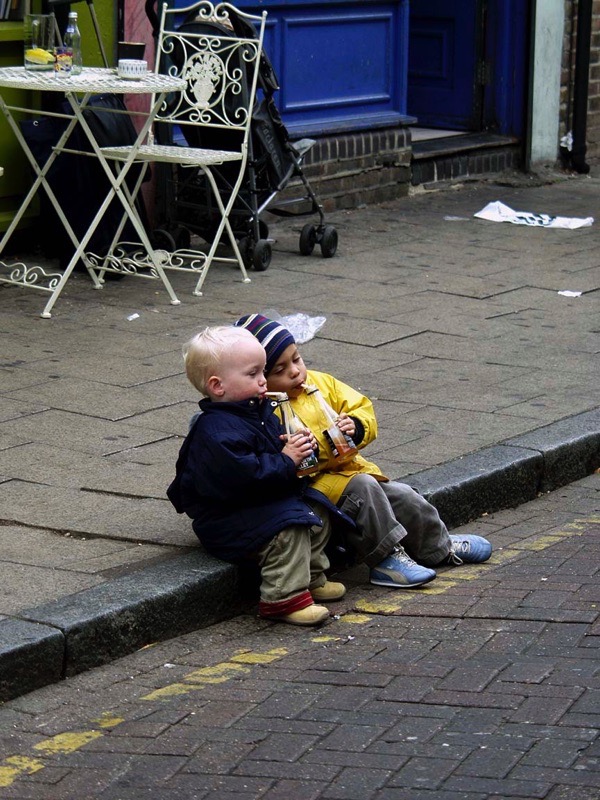
Last year, I published Stuart Goodman’s photographs of Broadway Market in 1982 and today I present his pictures of the Market in 2004 accompanied with poems by Caroline Gilfillan. A former Fleet St Photographer, Stuart Goodman lived in Broadway Market from 1976 before moving in the eighties to Norwich, where he lives today.
In the twenty years between Stuart Goodman’s two sets of photographs, the Market transformed – both in the nature of the merchandise and the range of customers coming to buy. Yet even these pictures from 2004 seem to belong to another age, now that Broadway Market has become a fashionable destination, teeming with tourists from all over Europe – a place to see and be seen each Saturday morning.
“These pictures were first shown at Stephen Selby’s Off Broadway Gallery in Broadway Market in 2005. Stephen & I set up the Broadway Market Preservation Society in a moment of drunken youthful exuberance in the Cat & Mutton one night in the late seventies and this developed into the Broadway Market Action Group, which begat the Residents & Traders Association.
The cobbles had already gone by then, replaced by the awful brickwave, and there was an air of excitement about the market although it had not yet developed the sophisticated glitz of today. I was in the market recently and, while I love the buskers and the buzz, it feels like a film set to me now.
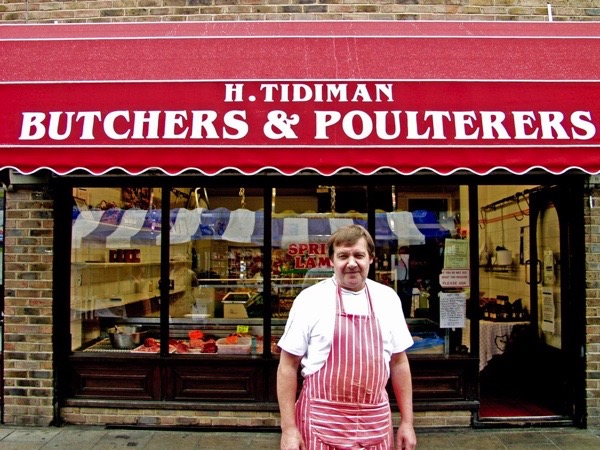
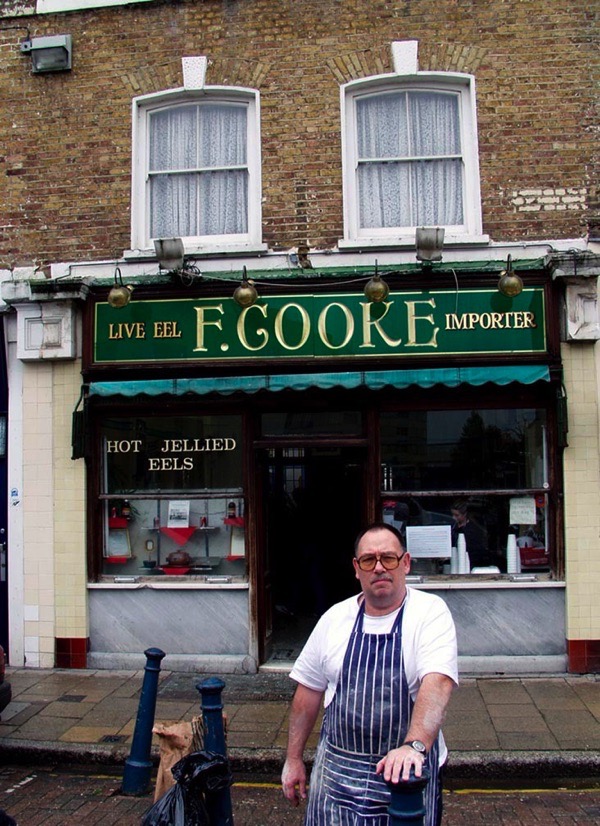
In 2004, there were just four of the market people still around from when I took the 1982 photos, John from the fruit & veg stall, Henry Tidiman from the butchers, Stephen Selby leaning out of his window and Joe Cooke from the pie & mash shop. Today there is only Stephen Selby and Joe Cooke.
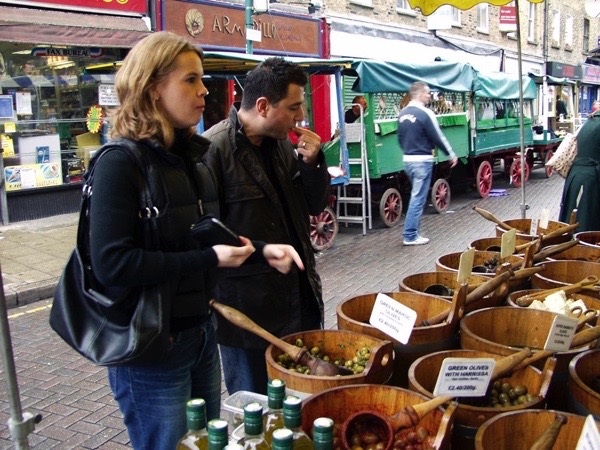
In 2004 when I spent a day wandering around the market taking these photos, I stopped to buy a cup of coffee. “What are you doing?” the guy on the coffee stall asked, so I told him about my market project. “That’s funny,” he said, “I’ve got a stall in Norwich Market too and last year, there was a bloke showing his photos on a stall near me.”
“That was me” I said.”
– Stuart Goodman
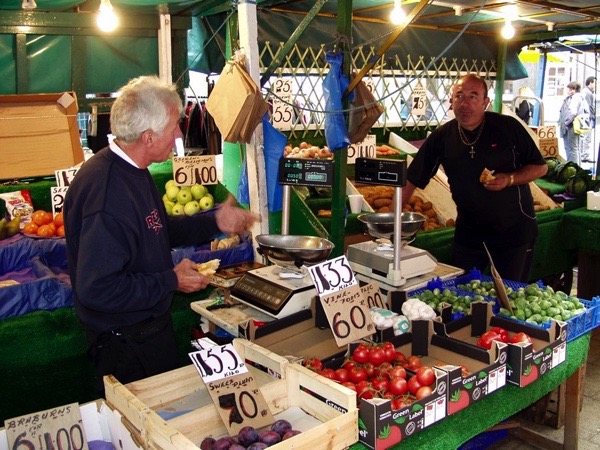
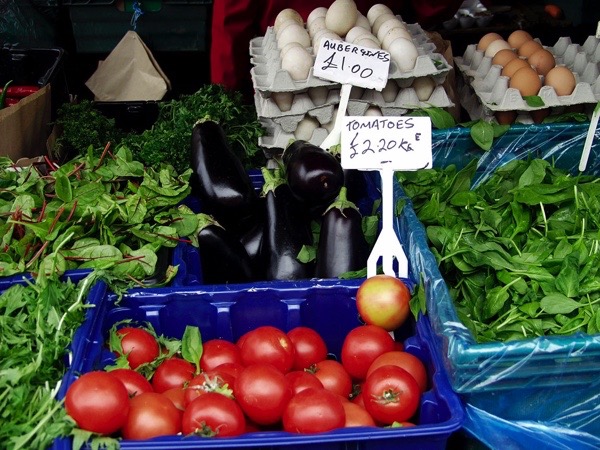
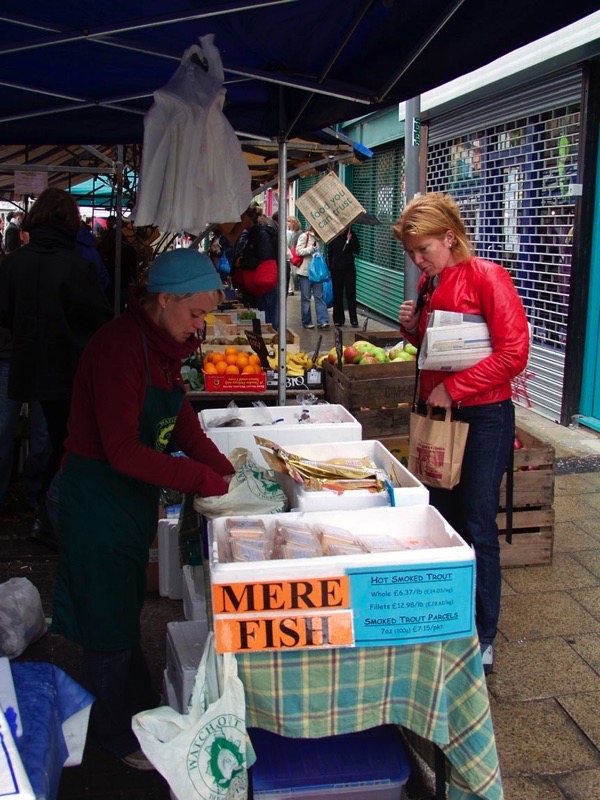
Tomatoes
Walking down the market you point out
Isle of Wight tomatoes, firm fleshed,
lined up on plastic greensward
in scarlet overcoats.
When we lived here, our skins were tighter,
our pith more closely packed.
And now? We’re a little bruised, a little ripe,
but thick as jam with taste and sap.
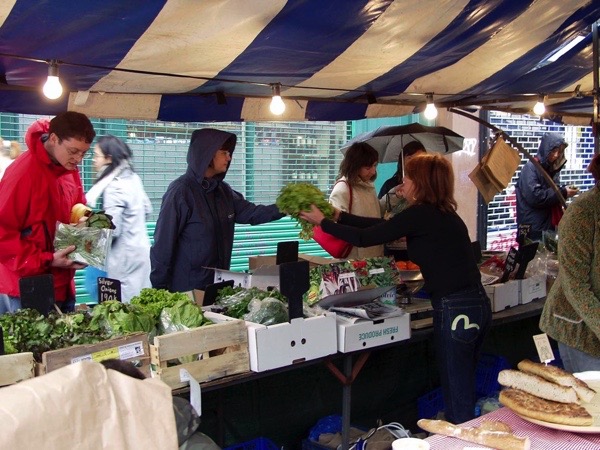
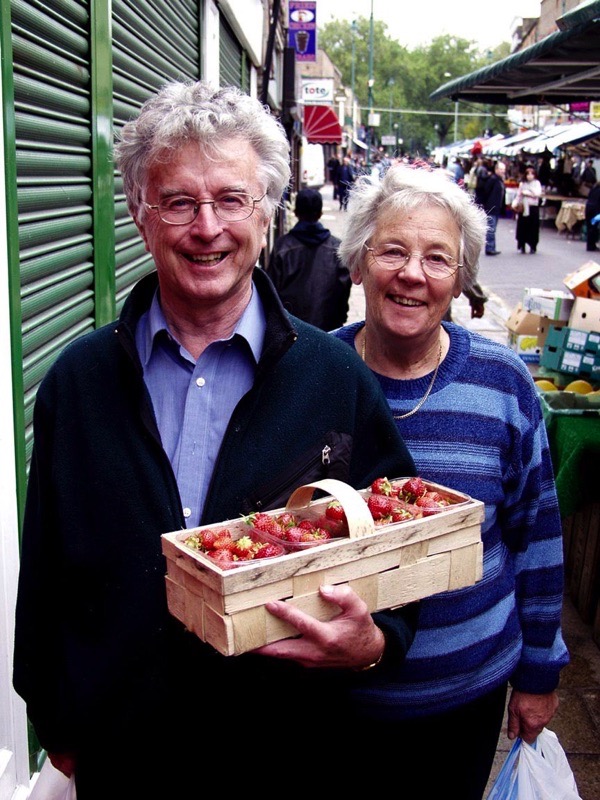
Broadway Market Feet
In 1600 porters ferried heavy packs
of city goods from Shoreditch to the broad
way where now the wooden stalls are stacked,
heading for Clapton’s ale-houses and beds.
Later, shepherds guided sheep from the weald
of Aeger Londiniensis – thigh-deep
pasture now enclosed as London Fields –
to this market street. Bloody butchers’ feet
ripe with fleece and meat tramped sawdust
in the Side of Mutton bar.
Now pointed toes
prowl the bricks, and foxy trainers rush
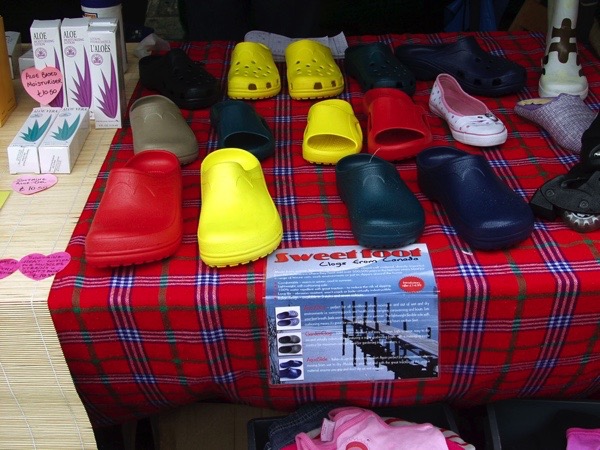
for café seats. Sweet foot, reads the sign below
a docile flock of moulded plastic shoes
blinking primary yellow, red and blue.

Broadway Market Buildings
Their flat flanks line up, shop-front trousers
patched with plum and lime paint.
These old boys held their ground when the
London sky spat bombs that splintered
brick and bone. Side-stepped the Council’s
wrecking ball. In drab carpet slippers
they watched women fill shopping trollies
with onions, spuds carrots, toms: savoury,
sensible stuff. This March morning sweeter
tastes are on their tongues: blue and white
candy stripes; the market police cycling
in jackets sharp as sherbet lemons.
Broadway Market Pubs
The Perseverance overlooked a canal
that served up cans, crisp packets, plastic bags,
and wire trolleys wearing weed shawls.
In winter she shivered in a dress of worn bricks.
The Market House growled through tonsils
roughed up by Players Number Six.
Black and blue, white-fronted, she
smelt of damp overcoats and bitter.
The red brick face of the Goring Arms
blinked lights the colour of pop,
beckoned you in to wooden benches
and a soft spot in her velvet lap.
The Cat and Mutton faced two ways,
had two signs stuck on her like
enamel brooches. Big-boned, loud,
her halls were full of gas and gab.
Now the first’s been sold up. The second’s
boarded up. The third’s Doved up.
And the fourth is loved up, as rampant with
custom as nasturtiums in bloom.
Broadway Market 1982
Photographs copyright © Stuart Goodman
Poems copyright © Caroline Gilfillan
You may also like to take a look at
Stuart Goodman at Broadway Market, 1982
Tony Bock’s East End Portraits

Clock Winder at Christ Church, Spitalfields
Here are the East Enders of the nineteen seventies as pictured by photographer Tony Bock in the days when he worked for the East London Advertiser – the poncey dignitaries, the comb-over tories, the kids on the street, the market porters, the fascists, the anti-fascists, the shopkeepers, the sheet metal workers, the unions, the management, the lone dancers, the Saturday shoppers, the Saturday drinkers, the loving family, the West Ham supporters, the late bride, the wedding photographer, the kneeling politician and the clock winder.
Welcome to the teeming masses. Welcome to the infinite variety of life. Welcome to the exuberant clear-eyed vision of Tony Bock. Welcome to the East End of forty years ago.
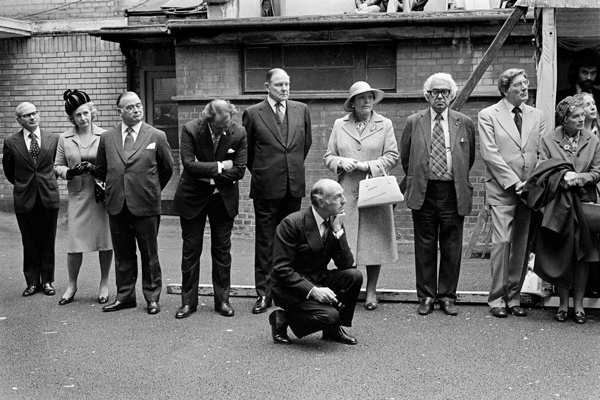
Dignitaries await the arrival of the Queen Mother at Toynbee Hall. John Profumo kneels

On the steps of St Paul’s Cathedral
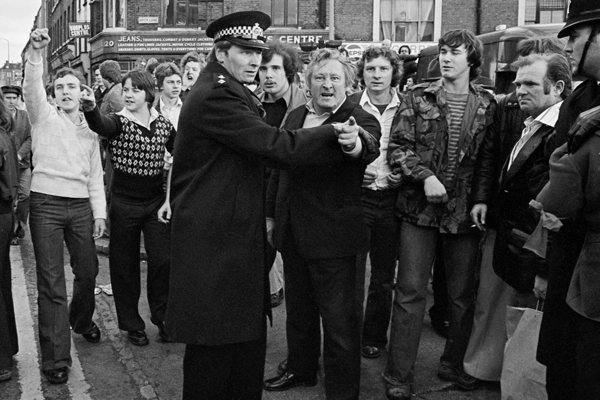
National Front supporters gather at Brick Lane

Watching a National Front march in Hackney
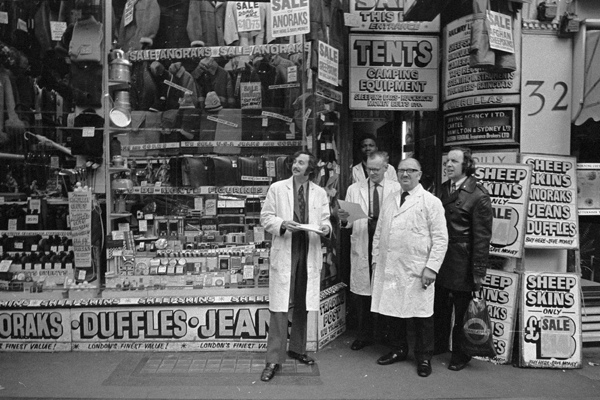
Shopkeepers come out to watch an anti-racism march in Hackney
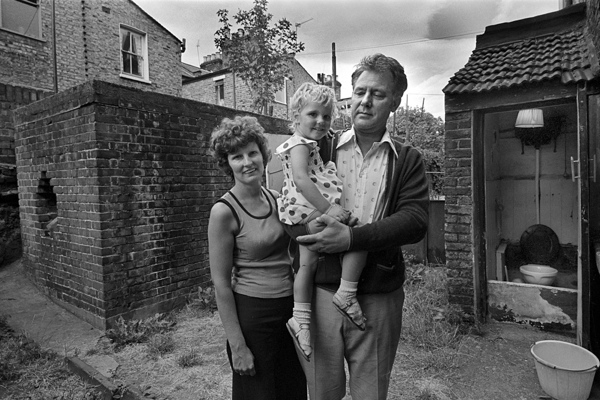
A family in Stratford pose in their back yard
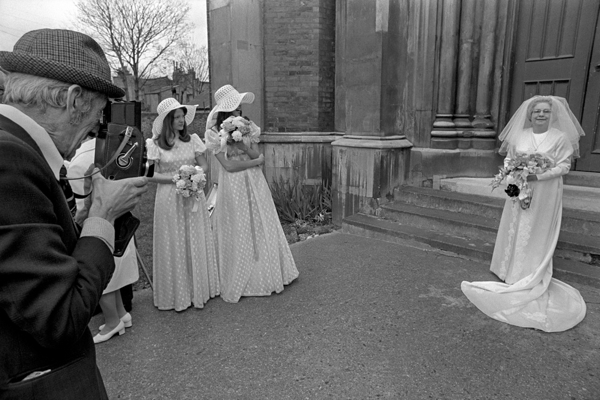
Wedding photographer in Hackney – the couple had been engaged many years

West Ham fans at Upton Park, not a woman to be seen

Sports club awards night in Hackney

Dancers in Victoria Park
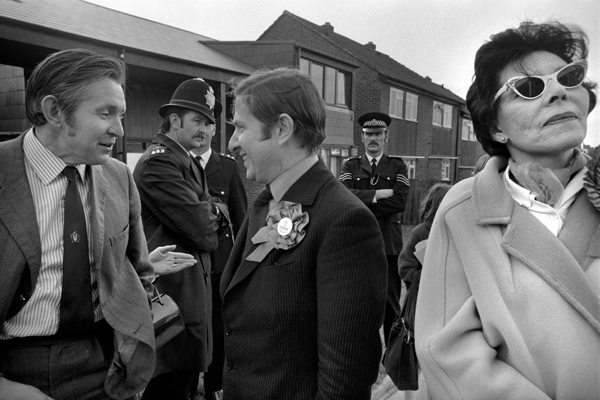
Conservative party workers in the 1974 electoral campaign, Ilford

Ted Heath campaigns in Ilford for the General Election of 1974
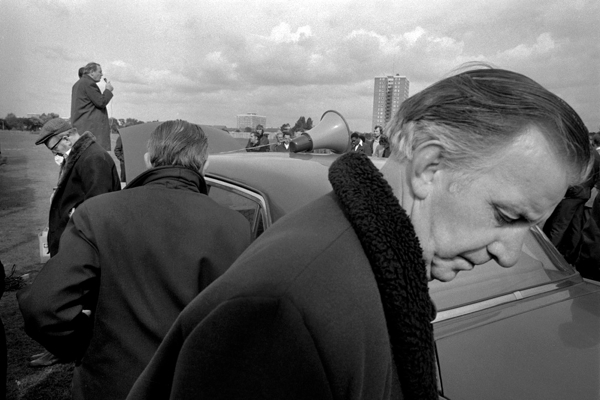
Ford workers union meeting, Dagenham
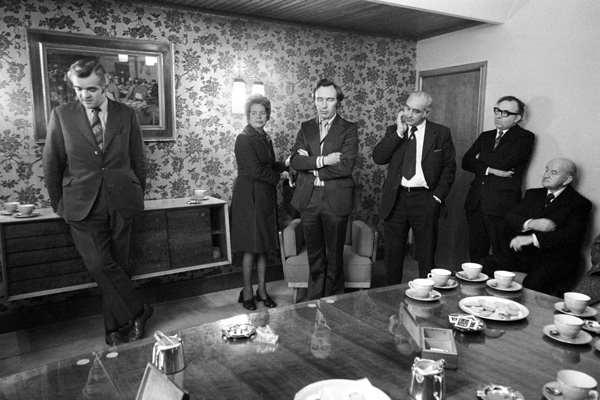
Ford managers, Dagenham
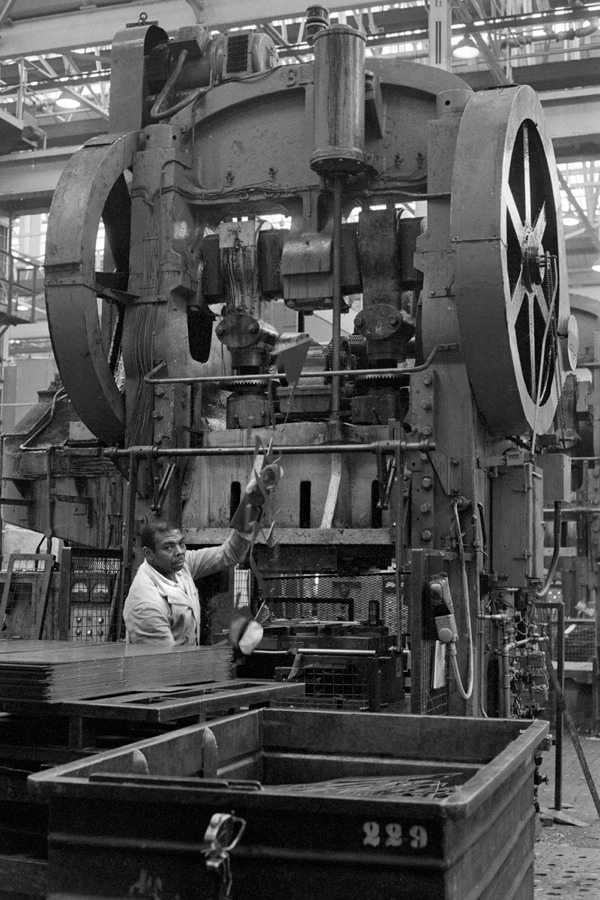
Press operator at Ford plant, Dagenham
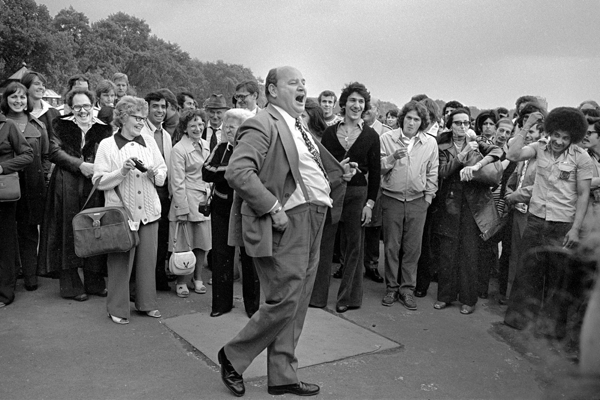
At Speakers’ Corner, Hyde Park
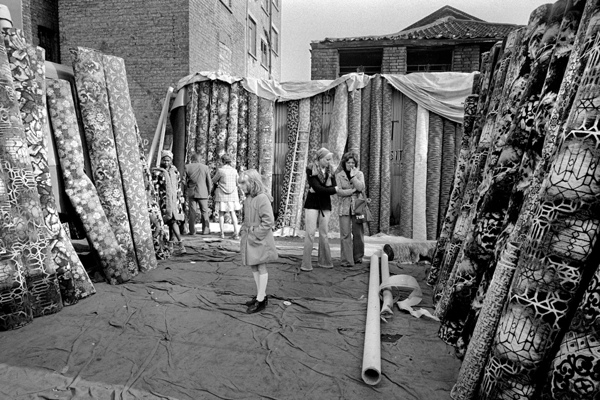
Brick Lane Sunday Market
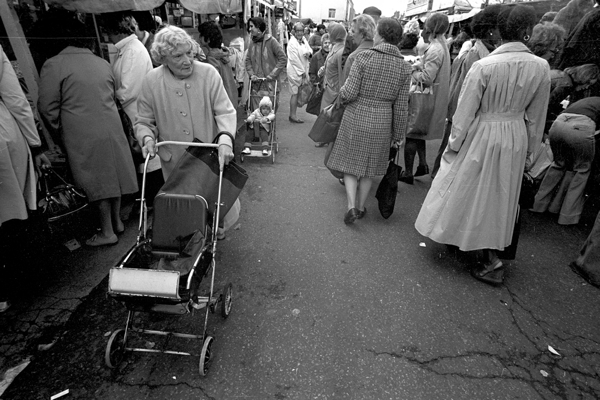
Saturday morning at Roman Rd Market
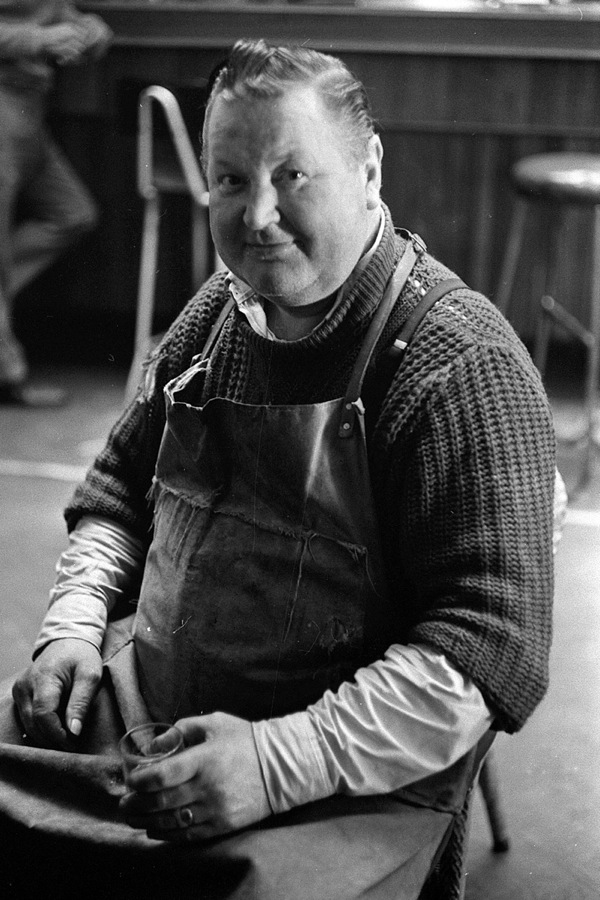
Spitalfields Market porter in the workers’ club
Photographs copyright © Tony Bock
You may like to see these other photographs by Tony Bock
Tony Bock’s East End

At The Royal Oak, Bethnal Green
These pictures are a selection from those taken in the five years between 1973 and 1978, when Tony Bock lived in the East End working as a photographer for the East London Advertiser. “Britain in the nineteen seventies never seemed comfortable with itself,” Tony admitted to me, “caught between the post-war years that hung on too long and the late twentieth century that seemed late in arriving.”
Although he was brought up in Canada where his parents emigrated in 1952, Tony was born in Paddington and, after being thrown out of photography school in Toronto in 1972, he decided to return to his country of birth and the East End where his mother’s family came from. “My grandfather was a docker his entire working life, working at Hay’s Wharf near London Bridge in the nineteen twenties then moving on to ‘The Royals’ (as the Royal Docks were known) until he retired.” he explained.
Yet Tony’s return was destined to be short-lived and there is an ambivalence which runs through these eloquent photographs. While he had a personal connection to the world that he portrayed, equally Tony was a stranger to it. In many of these pictures a dramatic tension exists between the empathy of the photographer and an underlying sense of dislocation – though it was not simply the dislocation of an outsider, but that of a world undergoing transition and fragmentation. In these photographs, Tony explored his relationship to the culture of his own origin, yet he discovered it was a troubled society in which he could never feel at home.
“I lived in Wapping for several years and met Lyn, my wife-to-be, who was also a journalist at the East London Advertiser.” Tony recalled, “But in 1978, I was offered work at The Toronto Star, the largest paper in Canada. The racism and pollution in the East End were getting me down and when Maggie Thatcher was elected – well – that was enough to send me back home.”
Tony’s spell at photography school granted him an awareness of the work of the great international photographers of the twentieth century and this knowledge informed the confident aesthetic of his East End pictures, with their strong compositions and deftly-balanced multiple points of focus within a single frame. For Tony Bock, his sojourn in the East End delivered the opportunity he needed to take a clear-eyed look at his roots before returning to pursue a career as a photojournalist in Toronto. Today, these pictures from the mid-seventies offer us an invaluable personal vision of a not-so-distant world that is rapidly fading from memory.
“I worked at The Star for over thirty years, it was a great place to be a photojournalist. It was a paper that cared about photography, had the budget to undertake long term projects, sent staff around the world, and dealt with social issues.” he told me, “Oddly, my life in East London followed the route my mother’s family had taken years earlier.”

Saturday night out, Dagenham

Children playing in Poplar

Clown at Stratford Broadway

At J.Kelly, Pie & Mash, Bethnal Green

At The White Swan, Poplar

At the E1 Festival, Stepney

Train departing Liverpool St Station

In Watney Market

Corner Shop, Sidney St

Boy with a gun and his sister, Pearl St, Wapping

Wapping Stairs

Demolition at Tiller Rd, Isle of Dogs

Commercial Docks, Rotherhithe

No remuneration to Place-keepers.
Photographs copyright © Tony Bock
Trussing The Cooper At Truman’s Brewery

Cooperage in Spital St
More than a quarter century has passed since the Truman brewery closed in Brick Lane in 1989 and it is hard now to imagine the teeming life of the place that sustained itself over three centuries of brewing on this site. But thanks to the British Pathe archive of news footage, I was permitted a startling glimpse of the lively community that was once here. Trussing the Cooper records a traditional apprentice’s initiation ritual of humiliation in 1954. The apprentice, Gordon Wright of Bromley in Kent, is put in a barrel, covered with all kinds of filth and rolled around until he emerges coated in grime to be presented with a pint of ale, now a fully fledged cooper. It is a powerful cinematic cameo with a gleeful Dionysiac energy that cuts across the intervening half century, thrusting us into the joyful heart of their world. Whatever else was going on, these people certainly knew how to make their own fun – but I am glad I was not the one in the barrel. To his eternal credit, Gordon takes it all in great spirit. Maybe he had a couple of pints already to give him some Dutch courage?
[youtube kWHC4qLPisI nolink]


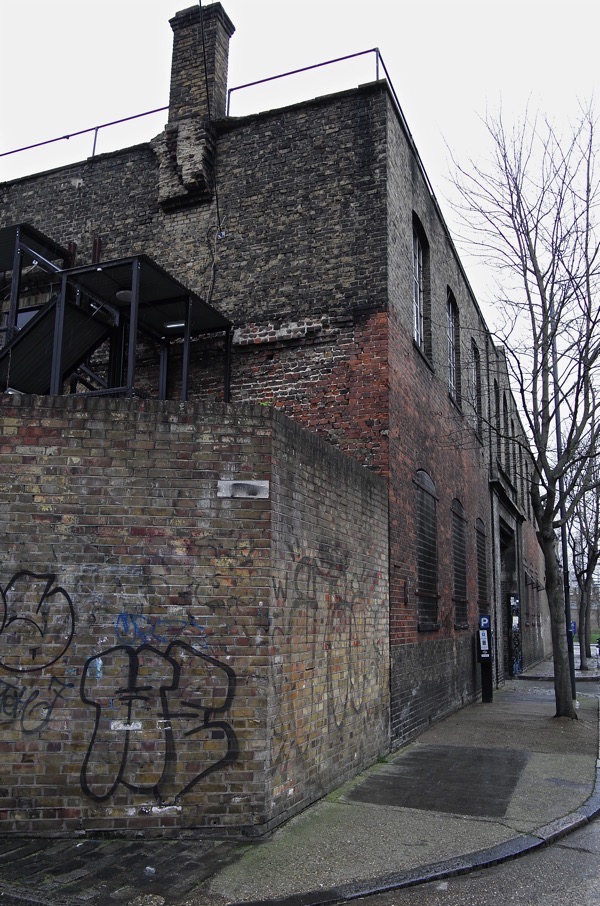
The former Truman’s Cooperage
You also like to read about
Nippers At The Museum of Childhood
I am talking about Horace Warner’s SPITALFIELDS NIPPERS at 6:30pm on Thursday 16th March at the V&A’s Museum of Childhood in Bethnal Green. Click here for tickets
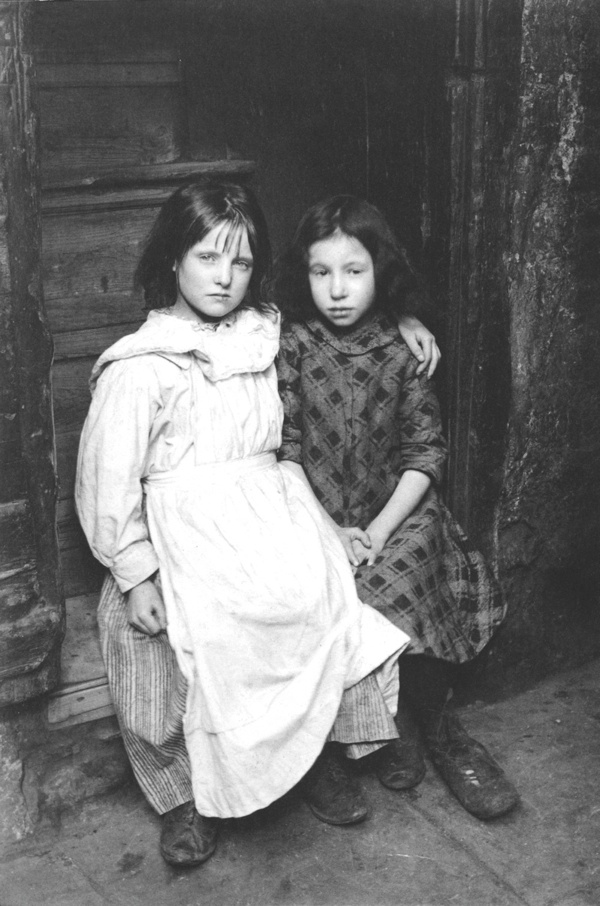
Wakefield Sisters
In his Spitalfields albums, Horace Warner collected together the portraits that he made of the people who lived in Quaker St around 1900 and, because he captioned some of them with their names, we have been able to trace the biographies of his subjects in the public records.
When you see this tender portrait of Jessica Wakefield in her clean apron and her younger sister Rosalie in her check dress, it is impossible not to wonder what happened to these two and thus it imbues the photograph with an even greater resonance to discover that they lived to the ages of ninety-four and eighty-four respectively. I can no longer look at this picture without seeing it as an image of Jessica & Rosalie poised upon the threshold of life itself.
Observe how Jessica places her arm protectively around her little sister who was four years and half years younger than she. Jessica had been born in Camden on January 16th 1891 and Rosalie at 47 Hamilton Buildings, Great Eastern St, Shoreditch on July 4th 1895. They were the second and last of four children born to William, a printer’s assistant, and Alice, a housewife.It seems likely they were living in Great Eastern St at the time Horace Warner photographed them, when Jessica was ten or eleven and Rosalie was five or six.
Jessica married Stanley Taylor in 1915 and they lived in Wandsworth, where she died in 1985, aged ninety-four. On July 31st 1918 at the age of twenty-three, Rosalie married Ewart Osborne, a typewriter dealer, who was also twenty-three years old, at St Mary, Balham. After five years of marriage, they had a son named Robert, in 1923, but Ewart left her and she was reported as being deaf. Eventually the couple divorced in 1927 and both married again. Rosalie died aged eighty-four in 1979, six years before her elder sister Jessica, in Waltham Forest.
Once we know what life had in store for the Wakefield Sisters, these bare facts deliver a poignant dramatic irony to their photograph. We hope they remained close and were able to support each other through the travails and joys of existence. Once Jessica & Rosalie come alive to us as individuals, we are left to contemplate the moment of stillness that was captured for eternity by Horace Warner in 1900.
[youtube WOJlJ0qfFrs nolink]
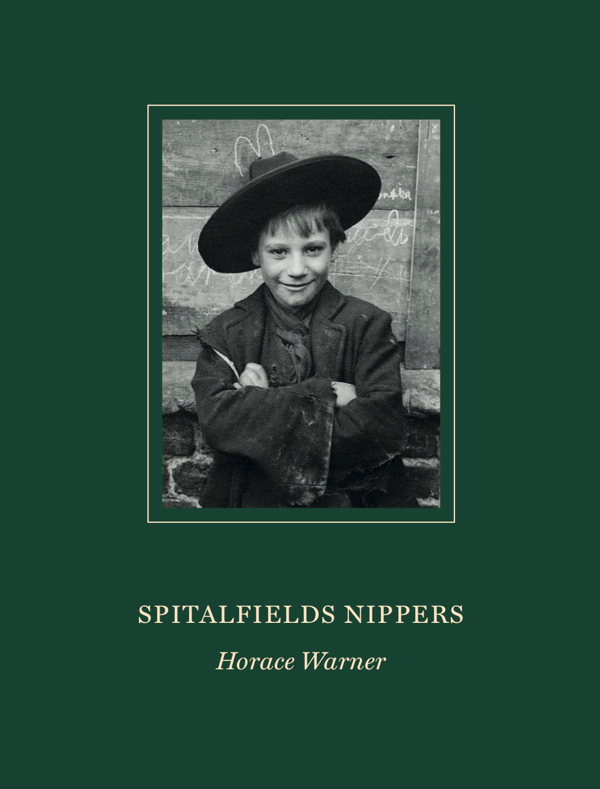
Click here to order a copy of SPITALFIELDS NIPPERS by Horace Warner
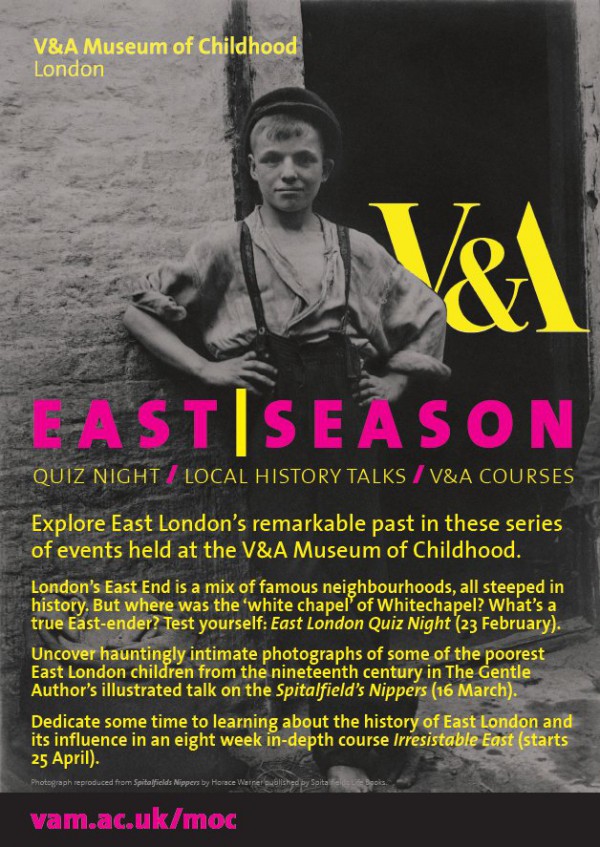
You may also like to read about
An Astonishing Photographic Discovery
Tony Hall’s East End

There is little traffic on the road, children are at play, housewives linger in doorways, old men doze outside the library and, in the distance, a rag and bone man’s cart clatters down the street. This is the East End in the afternoon, as photographed by newspaper artist Tony Hall in the nineteen sixties while wandering with his camera in the quiet hours between shifts on The Evening News in Fleet St.
“Tony cared very much about the sense of community here.” Libby Hall, Tony’s wife, recalled, “He loved the warmth of the East End. And when he photographed buildings it was always for the human element, not just the aesthetic.”
Contemplating Tony’s clear-eyed photos – half a century after they were taken – raises questions about the changes enacted upon the East End in the intervening years. Most obviously, the loss of the pubs and corner shops which Tony portrayed with such affection in pictures that remind us of the importance of these meeting places, drawing people into a close relationship with their immediate environment.
“He photographed the pubs and little shops that he knew were on the edge of disappearing,” Libby Hall confirmed for me, ‘He loved the history of the East End, the Victorian overlap, and the sense that it was the last of Dickens’ London.”
In 1972, Tony Hall left The Evening News and with his new job came a new shift pattern which did not grant him afternoons off – thus drawing his East End photographic odyssey to a close. Yet for one who did not consider himself a photographer, Tony Hall’s opus comprises a tender vision of breathtaking clarity, constructed with purpose and insight as a social record. Speaking of her late husband, Libby Hall emphasises the prescience that lay behind Tony’s wanderings with his camera in the afternoon. “He knew what he was photographing and he recognised the significance of it.” she admitted.
These beautiful streetscapes complete my selection of pictures from the legacy of approximately one thousand photographs by Tony Hall held in the archive at the Bishopsgate Institute.


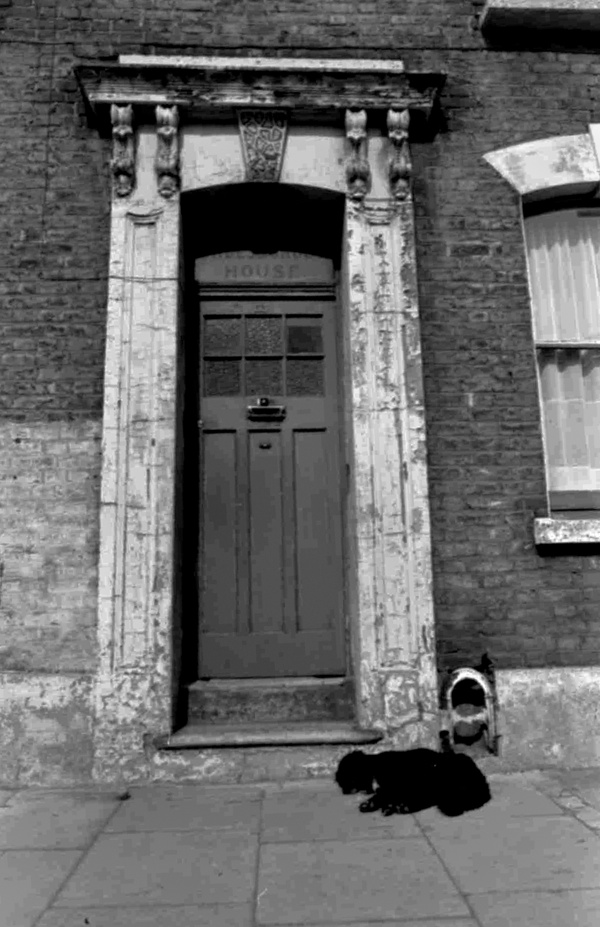


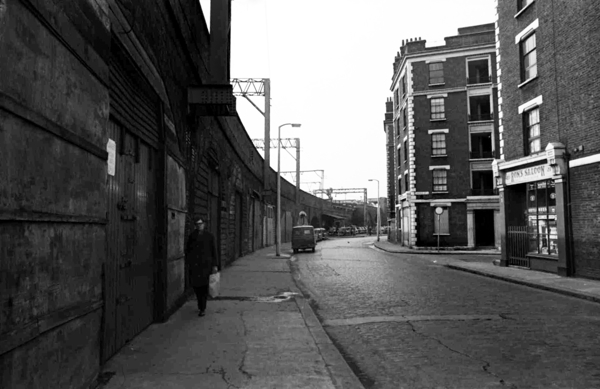
Three Colts Lane

Gunthorpe St


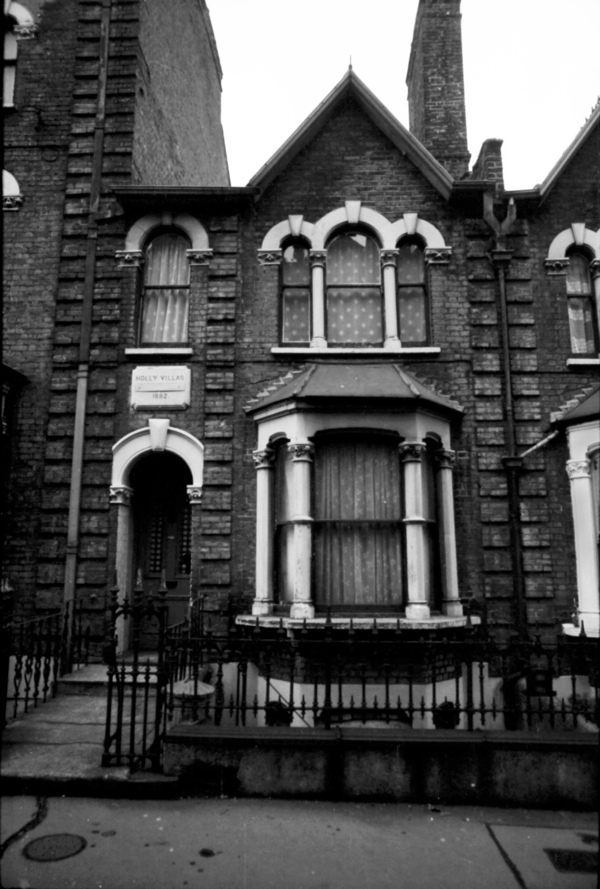


Ridley Rd Market


Stepney Green


Photographs copyright © Libby Hall
Images Courtesy of the Tony Hall Archive at the Bishopsgate Institute
You may also like to read
Tony Hall’s East End Panoramas
At London Fields Railway Arches

Bill Waldon, Westgate Motor Centre
‘I used to have five arches but I was priced out and ended up in this dark hole!’
Contributing Photographer Sarah Ainslie & I spent a day last week visiting the occupants of the railway arches in London Fields where an atmosphere of crisis prevails currently. Thirty years ago, these crumbling old arches were empty and derelict but, over time, a diverse economy of small businesses has grown up here – chiefly car repairs, cabinet-making and secondhand furniture dealing, supplemented more recently by brewers, bakers and coffee roasters.
Yet now the owner Network Rail is demanding 200% and 300+% rent increases which threaten to destabilise this small community and drive out those have been longest established in this location offering invaluable services to local residents.
‘We feel we are the guardians of the arches,’ explained Nivinh Chu whose father started Chu’s Garage twenty-eight years ago, ’Yet we are being driven out by these increases, when small businesses are the heart and soul of Hackney.’ In common with some of their neighbours, Chu’s Garage faces a back-dated rent hike from £18,000 to £40,000 per annum while for others the increases are even higher.
‘Bricks were falling out of the roof for the first twenty years but Network Rail did nothing, so we had to built this temporary roof so nobody gets injured,’ Nivinh admitted to me with a grin at the absurdity of the situation.
In response to these adverse circumstances, the occupants of the railway arches are banding together to form the London Fields Traders Action Group to challenge Network Rail’s excessive rent increases and we wish them all the best in their fight to stay in business. Follow their endeavours at www.facebook/londonfieldsguardiansofthearches
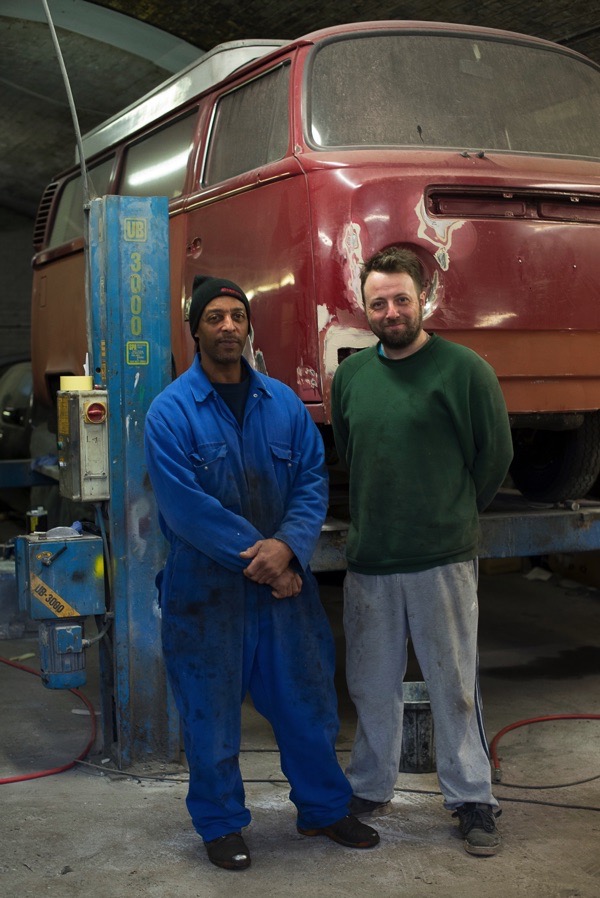
John Lucien and John ‘boy’ Griffin of Westgate Motor Centre, established twenty-four years under the arches – ‘We do general repairs and we try to look after everybody’
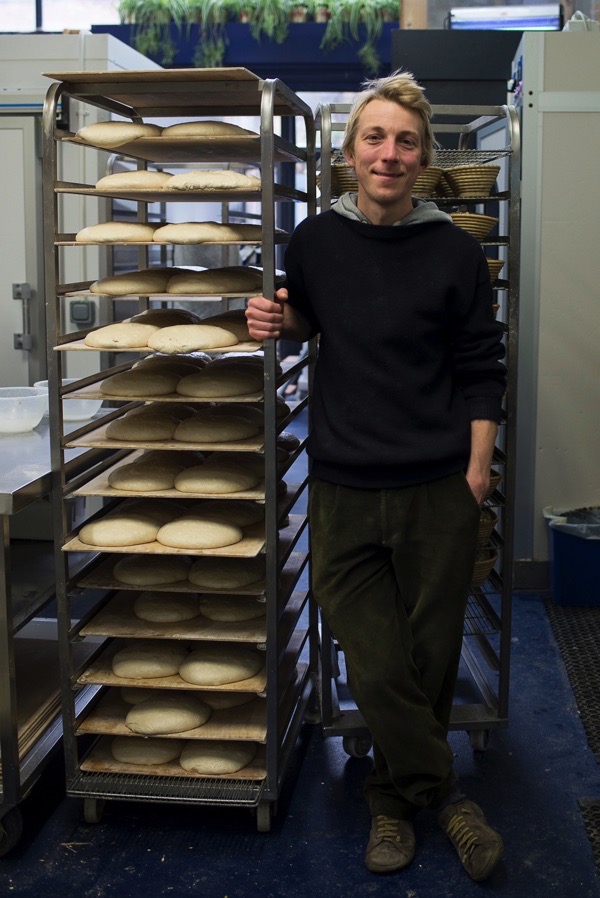
Ben Mackinnon, Founder of E5 Bakehouse
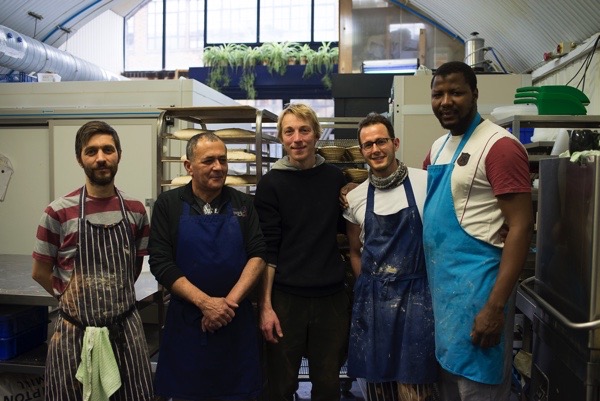
Ben Mackinnon and fellow bakers at E5 Bakehouse
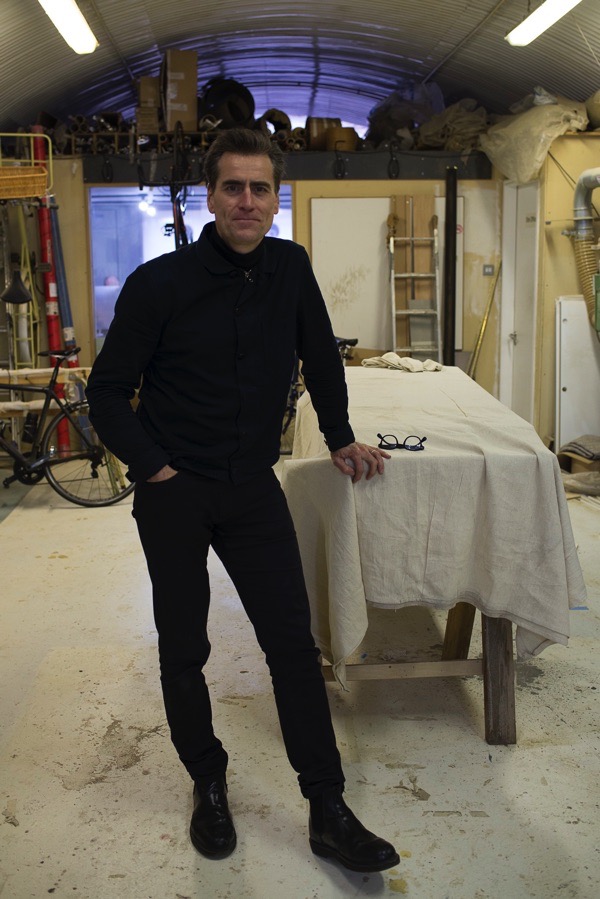
Stephen Maxwell of Maxwell Pinborough, bespoke furniture
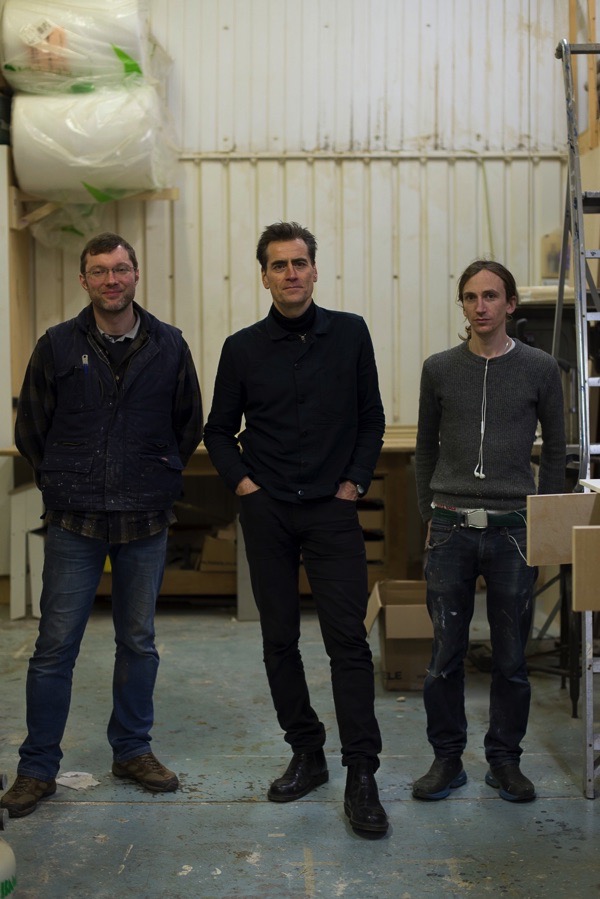
Stephen Maxwell and colleagues at Maxwell Pinborough
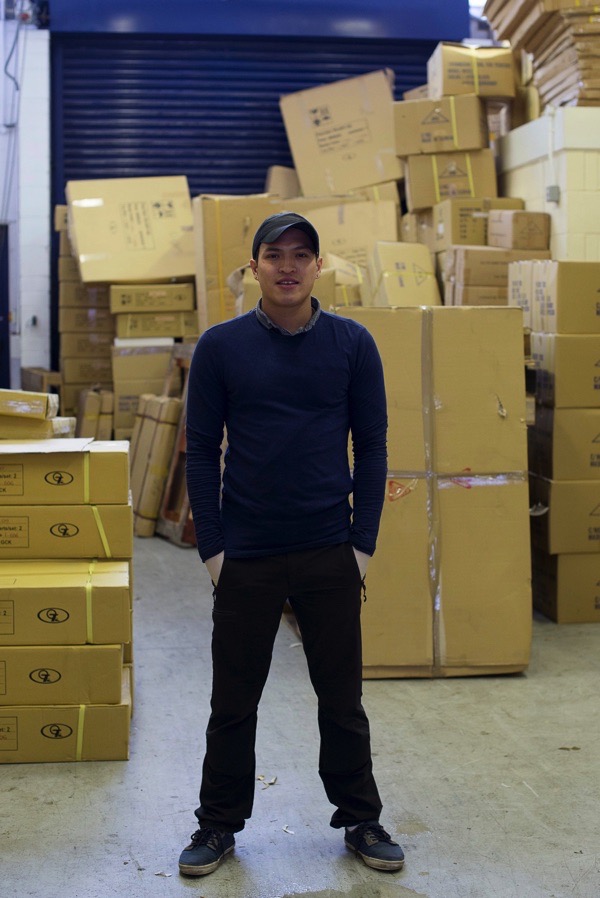
Vict Anhu Vu of USA Nails Beauty Supply – ‘For fifteen years, we have had three warehouses under the arches and a shop in Mare St’
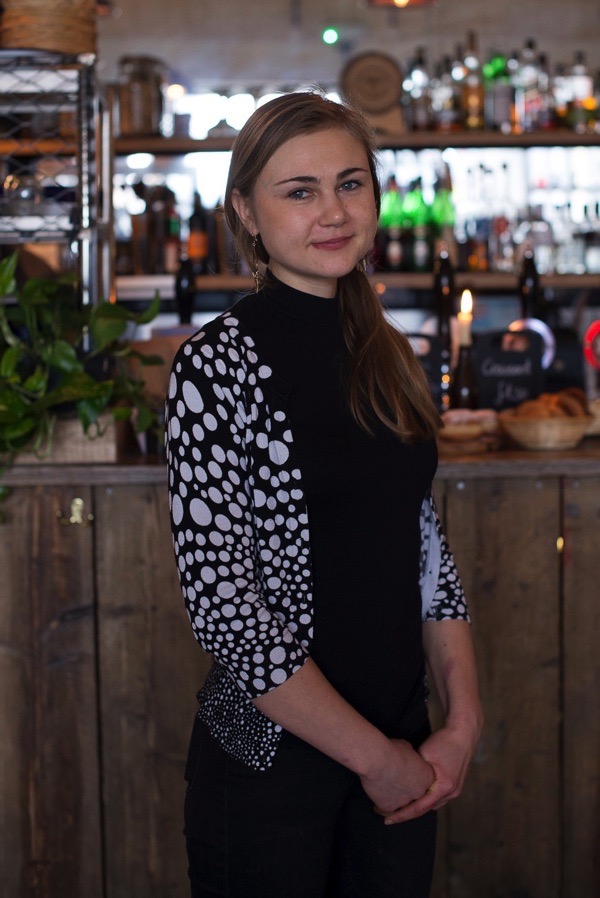
Noemi Dulischewski, founder of Brunch, a pop-up restaurant in the the London Fields Brewery Tap Room which has been running for two years
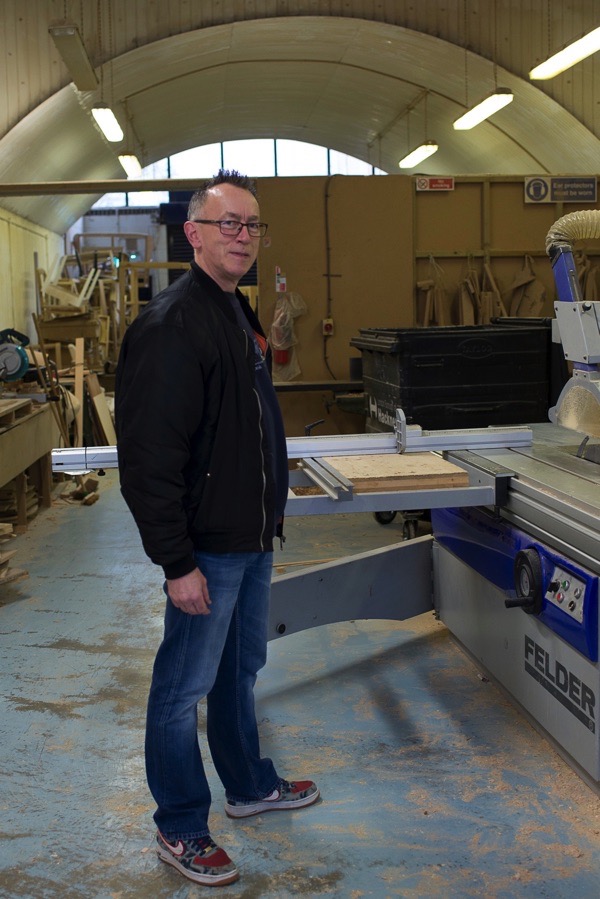
Charlie Fox, Proprietor of Poetstyle bespoke furniture and upholstery – ‘We moved in on Christmas eve thirty years ago and now we are facing 250% rent increase’
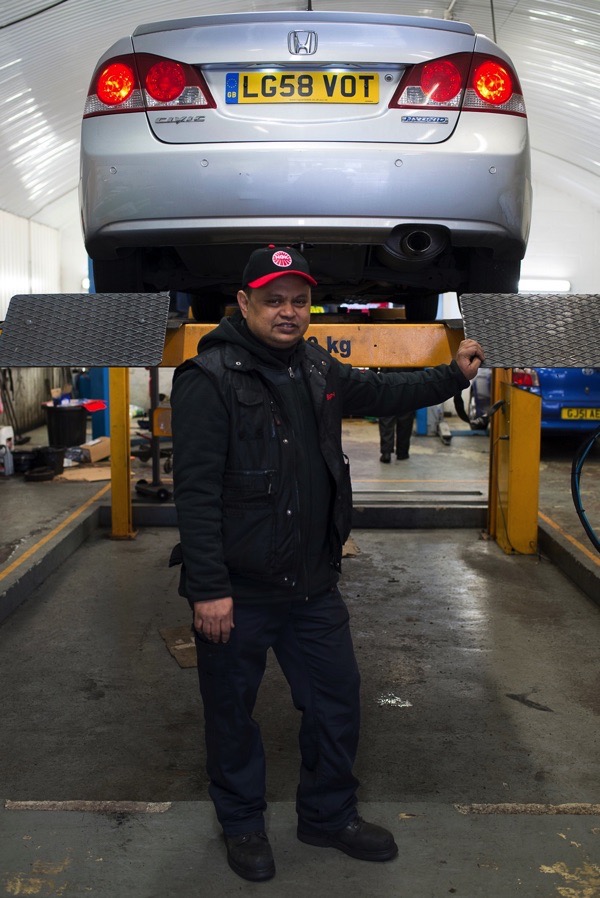
Ali Sharif of Sharif Auto Services has been operating under the London Fields arches for seven years. Currently he pays £30,000 but Network Rail want £100,000
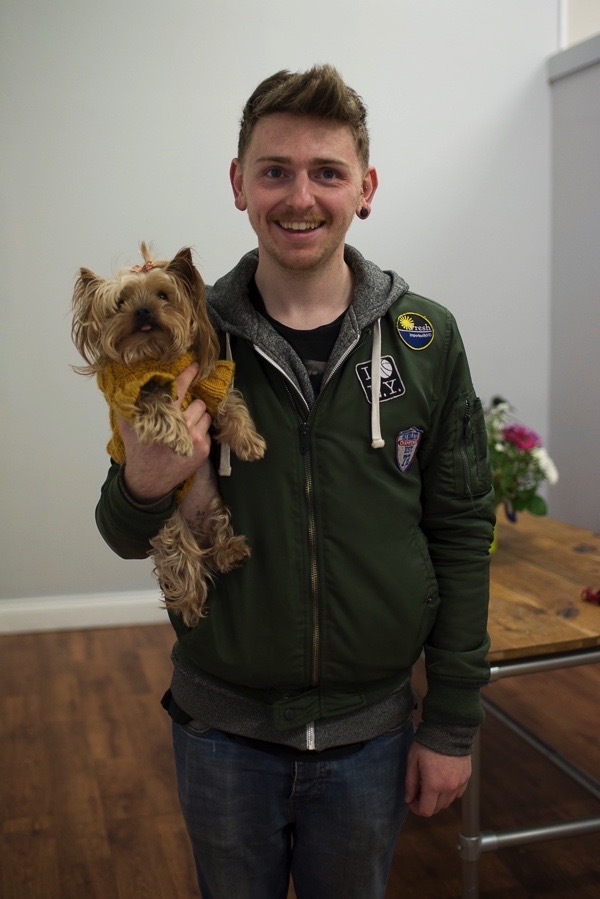
Charles Woodward and ‘Popsy’ of London Doggies, pet grooming business established six years
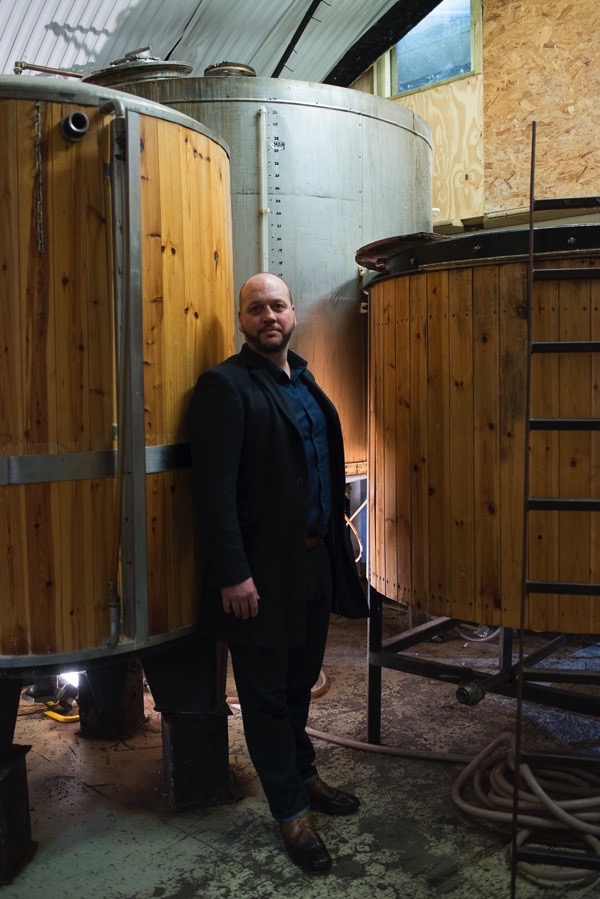
Ian Rutter, Company Manager of London Fields Brewery
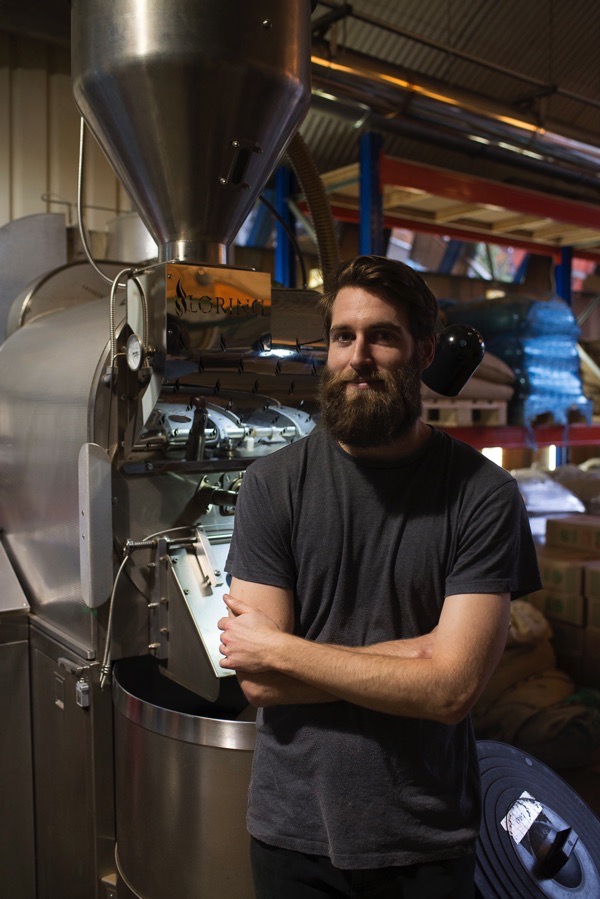
Simon Clark, Coffee Roaster at Climpson’s Coffee
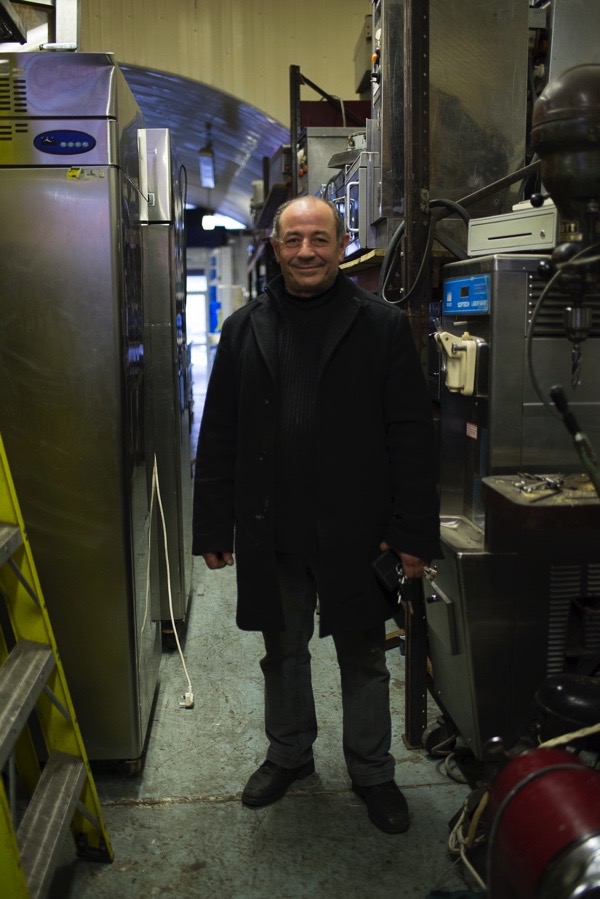
Ahmet Ozer has been dealing in secondhand catering equipment for seventeen years from his arch
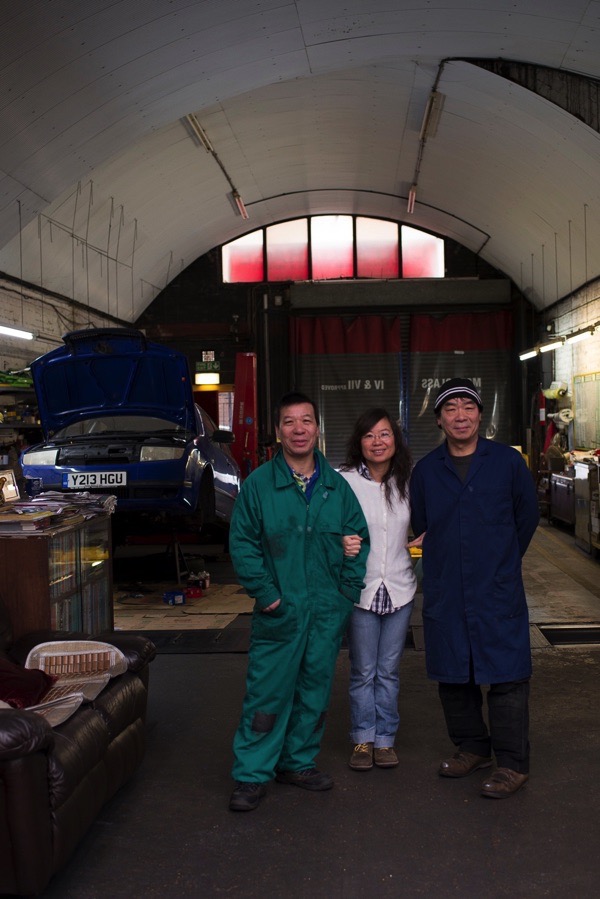
Quang Chu, Nivinh Chu and Jimmy Chu of Chu’s Garage
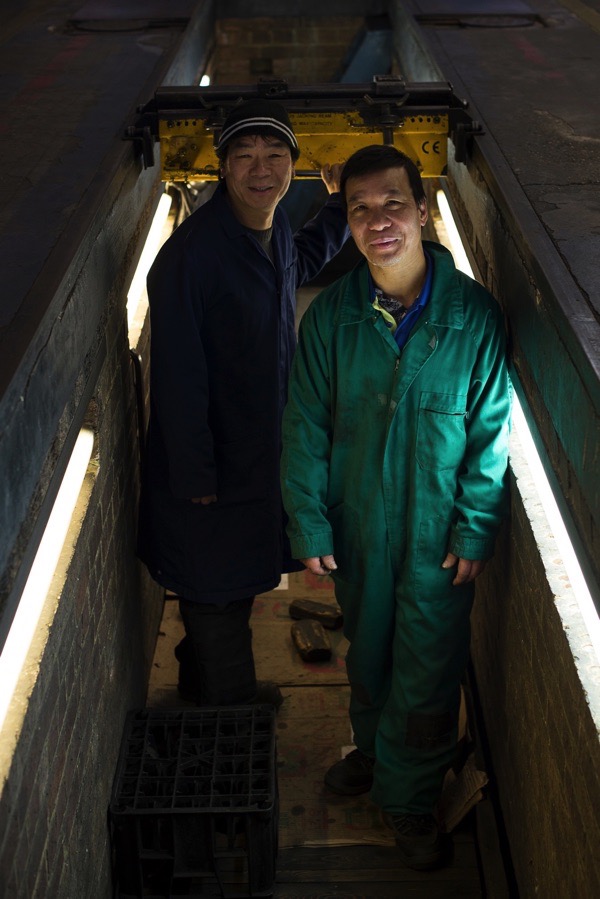
Quang Chu and Jimmy Chu of Chu’s Garage, opened by their father twenty-eight years ago
Photographs copyright © Sarah Ainslie
You may also like to read about












