A Petition To Save The Bell Foundry

Bell by Rob Ryan
Today the East End Preservation Society launches a petition to Karen Bradley, Secretary of State for Culture, Media & Sport to SAVE THE WHITECHAPEL BELL FOUNDRY which is due to shut forever in May after five centuries in the East End.
CLICK HERE TO SIGN
“We the undersigned wish to publicly register our very serious concern about the imminent loss of the Whitechapel Bell Foundry.
Bells have been made continuously in Whitechapel since the 1570s. The business has been on its present site since the mid 1740s. It is one of just two remaining bell foundries in Britain, and the foundry is reportedly the oldest manufacturing company in the UK.
This is the foundry that made Big Ben in 1858, the world famous US Liberty Bell and many many more. The foundry is set to close at the end of March, and its contents sold at auction..
We are very concerned that we will lose not only specialized jobs and skills, but that this type of business and trade is part of the historic essence of our towns and cities. How is Britain allowing this national treasure to slip through our fingers?”
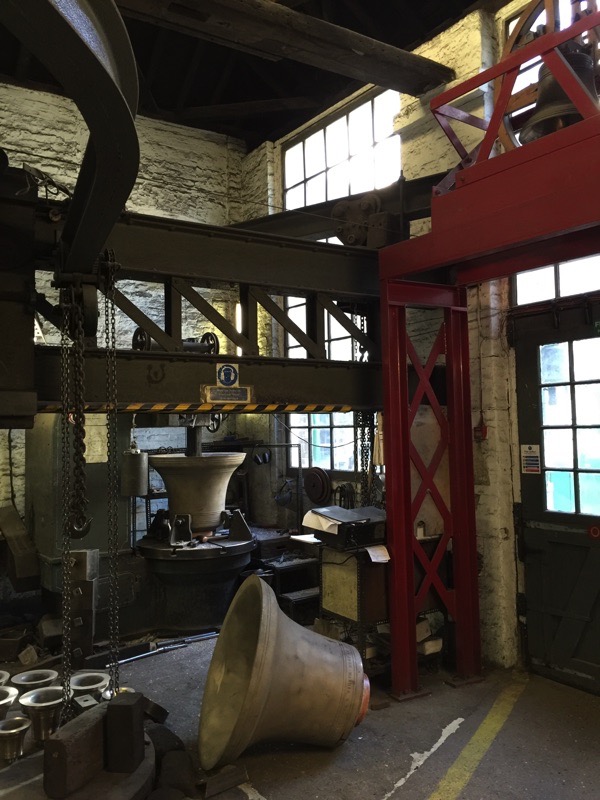
Photograph copyright © Shahed Saleem
Follow the East End Preservation Society
Facebook/eastendpsociety
Twitter/eastendpsociety
Click here to join the East End Preservation Society
You may also like to read about
Philip Cunningham’s Pub Crawl
Shall we join Photographer Philip Cunningham for a pub crawl around the East End a generation ago? It starts at Phil’s local, The Three Crowns in Mile End Rd, very convenient for a quick pint when he was living in his grandfather’s house in Mile End Place in the seventies.
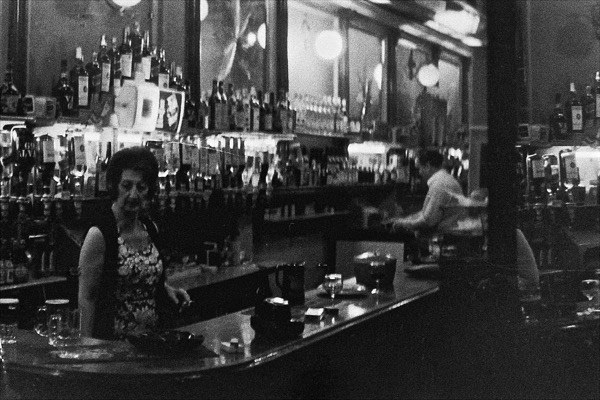
Ada & Polo, 1973
“When we moved to Mile End Place in 1971 our local pub, The Three Crowns, was just round the corner. We would go there often. Everyone used to go to the pub in those days, it was almost an extension of home. The Three Crowns was pretty rough.
It was run by a Jewish lady called Ada. Her elderly father helped behind the bar and she had a young Palestinian barman known as ‘Toffee.’ There was another barman, known as ‘Polo,’ who had a terrible stammer yet was very popular. And they all lived together above the pub.
There was a small snug in the middle of The Three Crowns which was highly sought after. It held about six people and was like being in your own private room. If it was occupied, you kept an eye out and, when it became vacant, you would run in quickly and take it.
One night, while I was drinking with my pal ‘John Boy,’ we were both potless and decided to pool our money, but found we did not have enough for another drink so we put it in the slot machine instead. To our amazement, we won the jackpot! Ada was not happy. She stormed over and unplugged the machine. She usually knew when the machine was about to give up the jackpot and would have it for herself. We spent all our winnings in her pub but, if Ada gave you a withering look, you knew you’d upset her.
There was a gambling club, The 81 Club, two doors away and people would often run in and hand Ada a bundle of notes, which she would stuff in her apron pocket. I think she was some type of banker. Ada made the best beef sandwiches I ever tasted. She was a fabulous character surrounded by other characters at The Crowns, real solid people that lived hard lives and knew who they were.
When Ada retired, The Three Crowns was taken over by Terry (known as ‘Turksie’) & Brenda Green. Terry had been a Docker and he and Brenda had a lot of work done on it, I believe out of his severance pay. I became friends with Terry’s brother, Jimmy. We would wander round the borough together and he would tell me tales of the old days, and van dragging – jumping on the back of a moving goods wagon and pulling off packages.
The Three Crowns was a successful pub but Terry & Brenda left to live in Portugal. The picture of Jimmy, the unnamed photographer and John the Fruit was taken just before they left. I cannot remember the photographer’s name but he told me I should buy a Zenza Bronica camera, which I did and have been using it ever since.
After the Greens’ departure, The Three Crowns changed entirely and the deafening music drove us away. The new tenants did not stay long and the place went down the tubes. When I returned years later, I was shocked to see that the fabulous tiled mural of the ‘field of the cloth of gold’ which adorned the entrance had been smashed up. Someone had tried to remove it from the wall but with the most destructive consequences. Only half the mural was left and the rest had been replaced by rendered cement. I doubt if they even got a single intact tile. It was the most pointless greedy vandalism.
I loved the East End, rough, tough, and mad – there was an energy about the place, but I think the East End I knew has mostly gone.” – Philip Cunningham
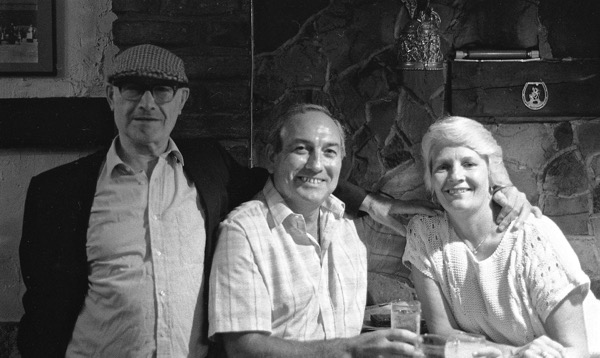
Jimmy, Terry & Brenda Green at The Three Crowns 1983
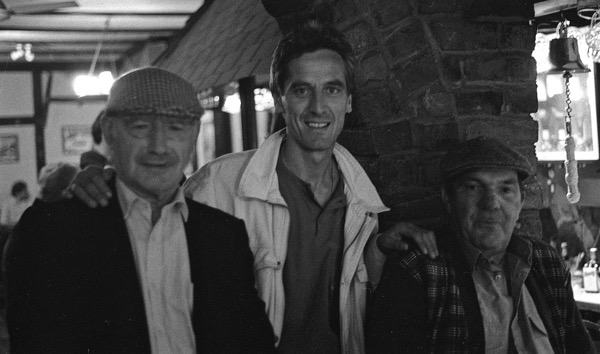
Jimmy Green, Unnamed Photographer & John The Fruit at The Three Crowns 1983
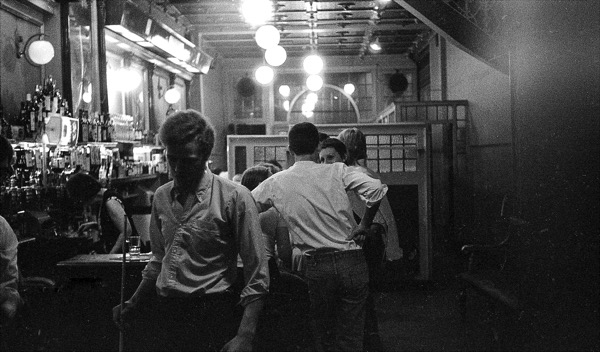
Interior at The Three Crowns 1983
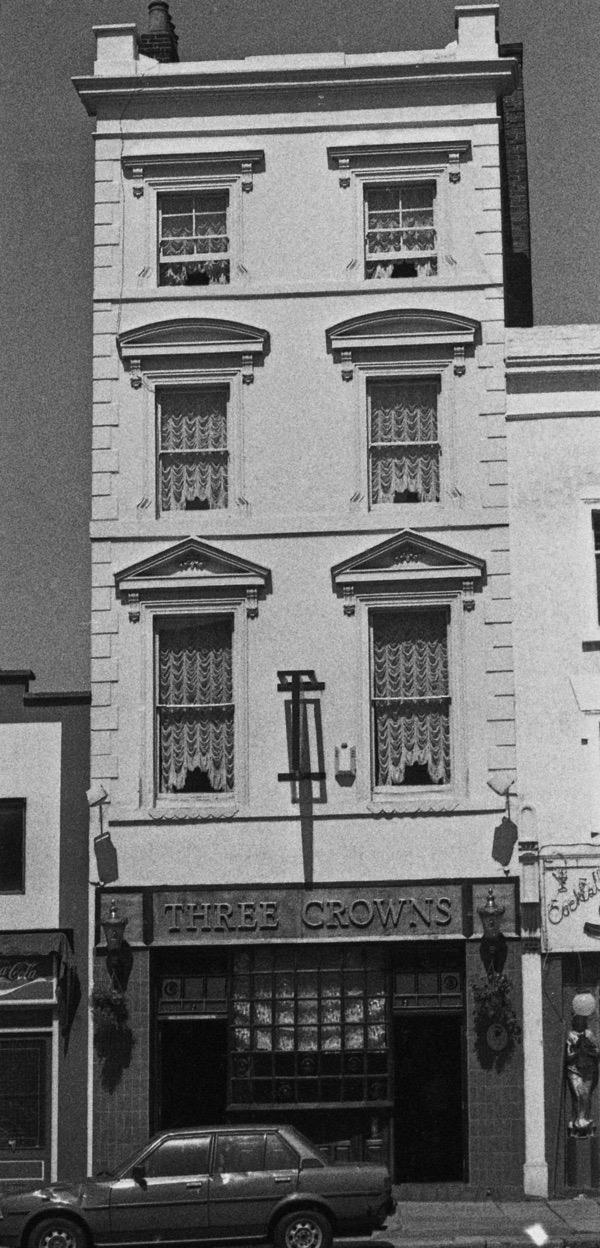
The Three Crowns, Mile End Rd, 1983
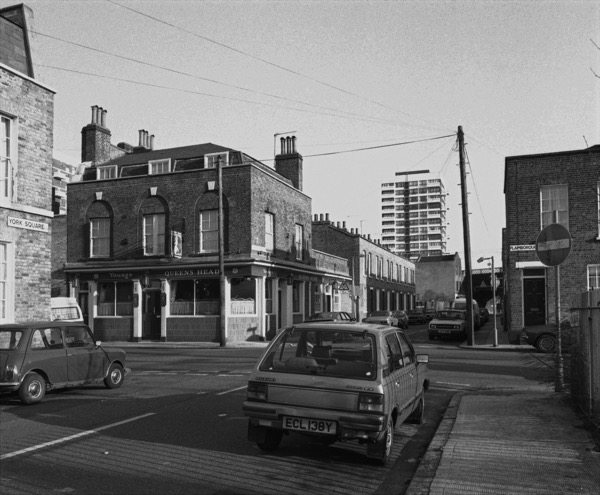
The Queen’s Head, York Sq, Stepney, 1983 (Recently sold to property developers)
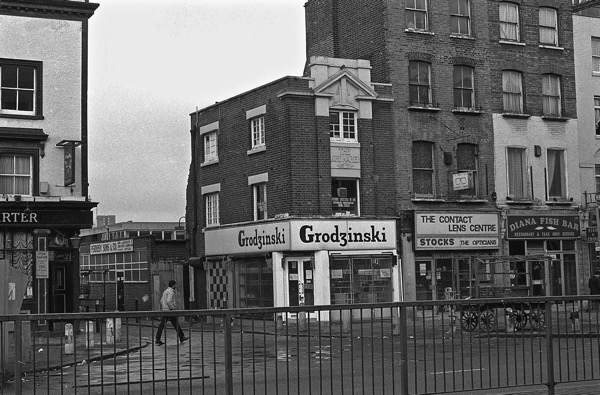
The former Lord Napier, Whitechapel -‘The Lord Napier was never a pub in my time’ 1979
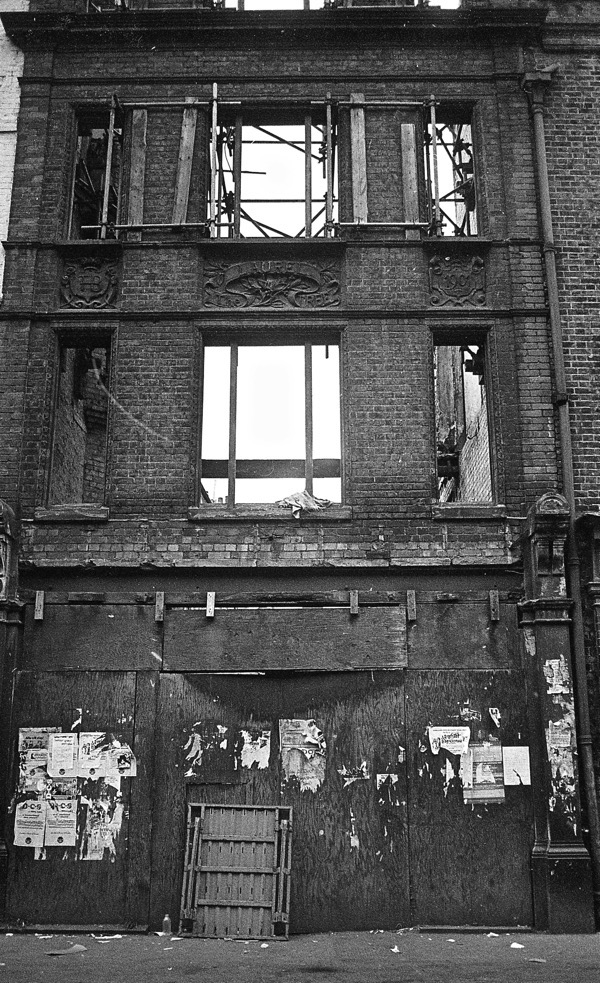
Formerly The Laurel Tree, Brick Lane, c.1985
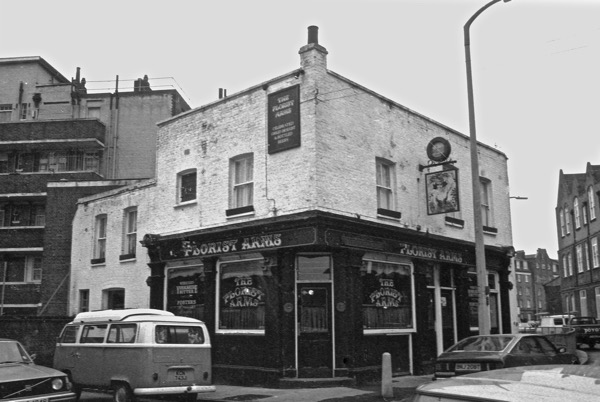
‘I have never been into The Florist Arms in Globe Rd but I am determined to visit because I am told it is good fun’ c.1983
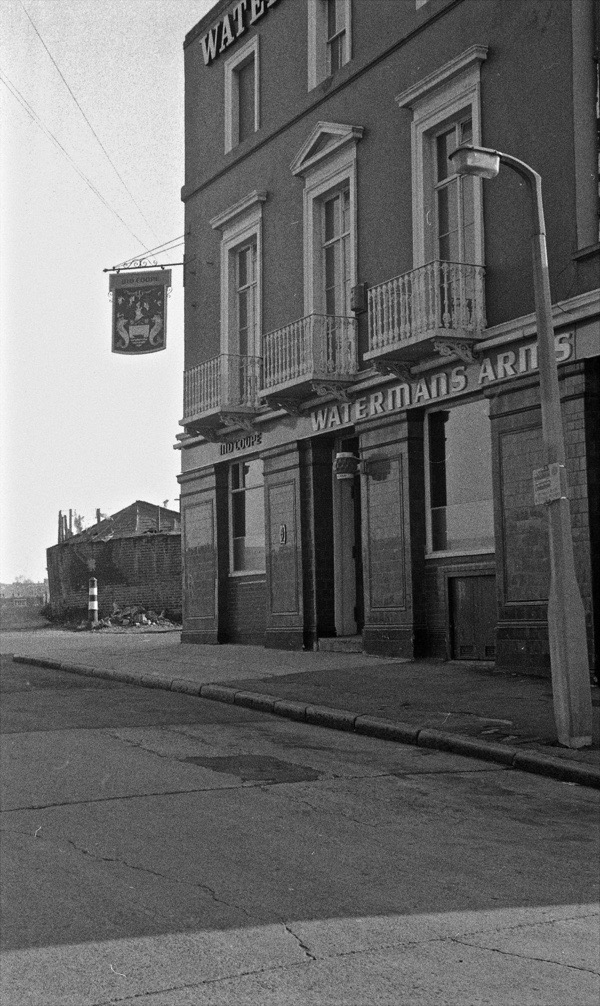
‘The Waterman’s Arms was just next to the school I was teaching in on the Isle of Dogs and I went in quite a lot. It was once owned by Daniel Farson and Shirley Bassey would come and sing there.”
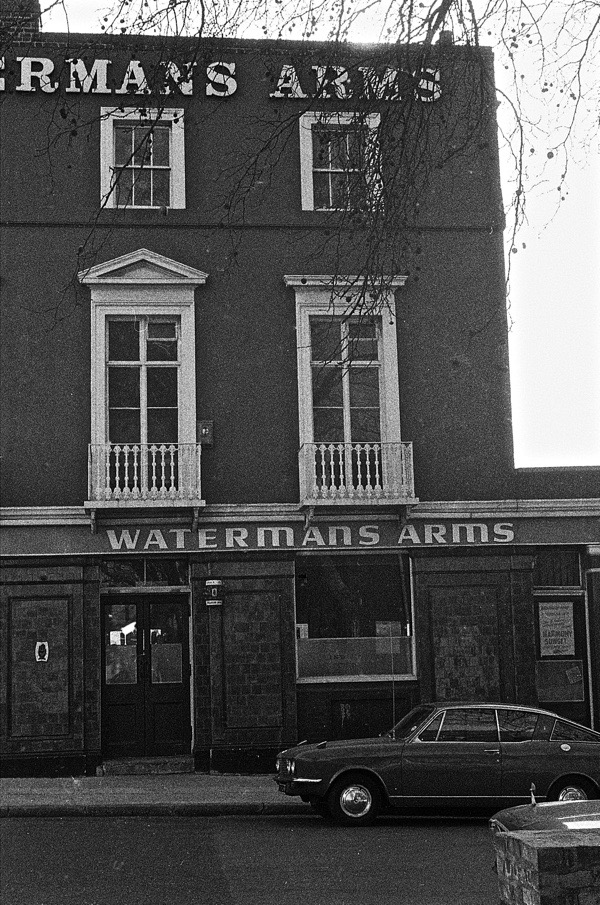
Waterman’s Arms, c.1984
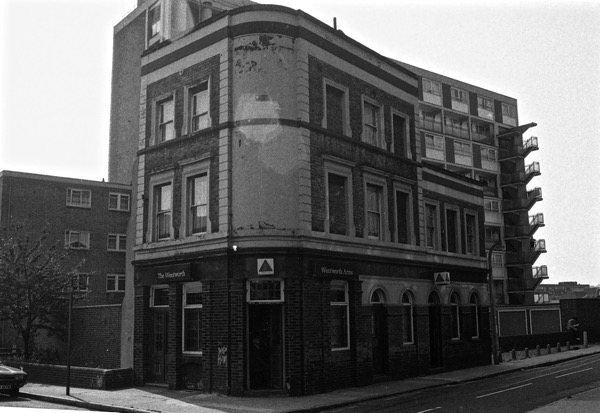
‘The Wentworth in Eric St was an OK pub but it always reminded me of my dealings with the District Surveyor, which was depressing’ 1980
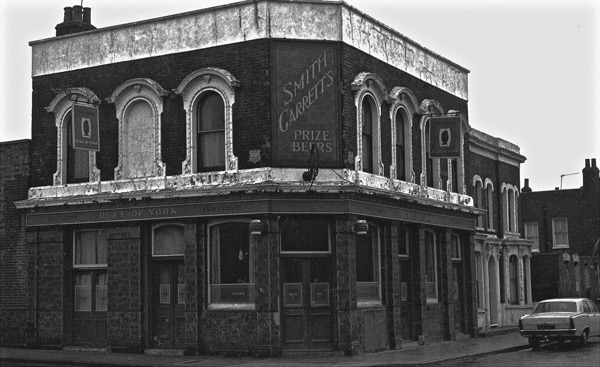
‘I went into the Duke of York a lot as friends of mine lived in Antill Rd’ c.1980
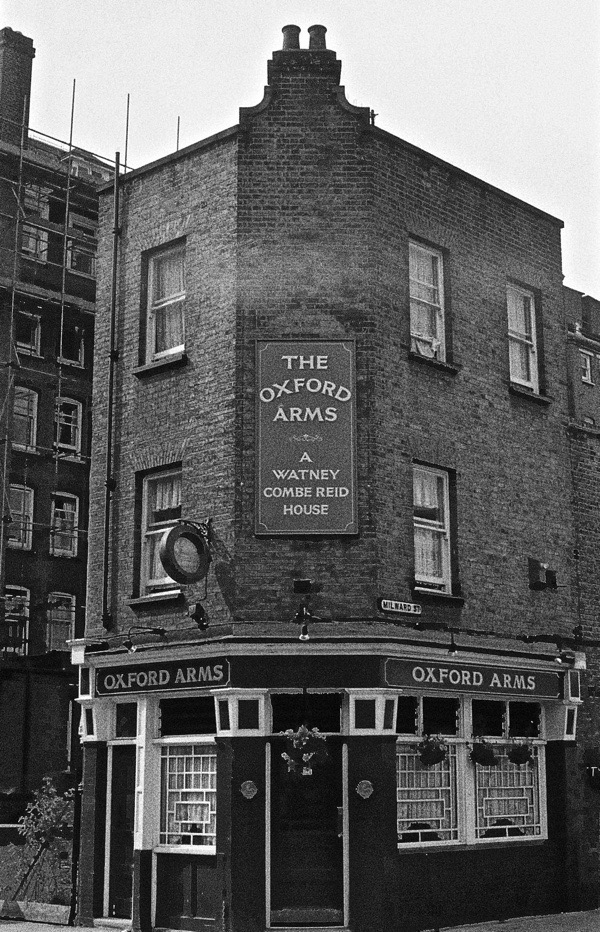
‘The Oxford Arms in Milward St behind the London Hospital was always full of nurses and medics, very popular’ c.1984
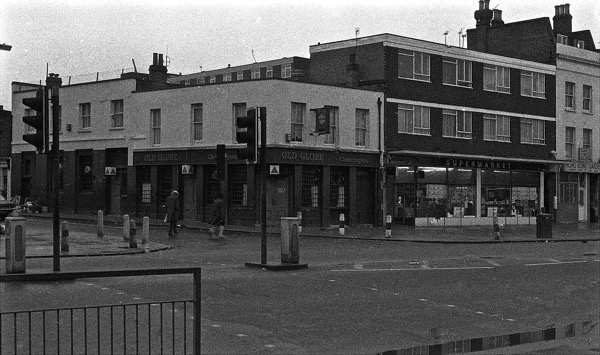
‘The Old Globe in Globe Rd was a disaster in my time. The loud music they played could probably have been heard on the moon. There was always massive overspill onto the pavement and, in the morning, the entire area was covered in broken glass. It was a young people’s pub.’ 1979
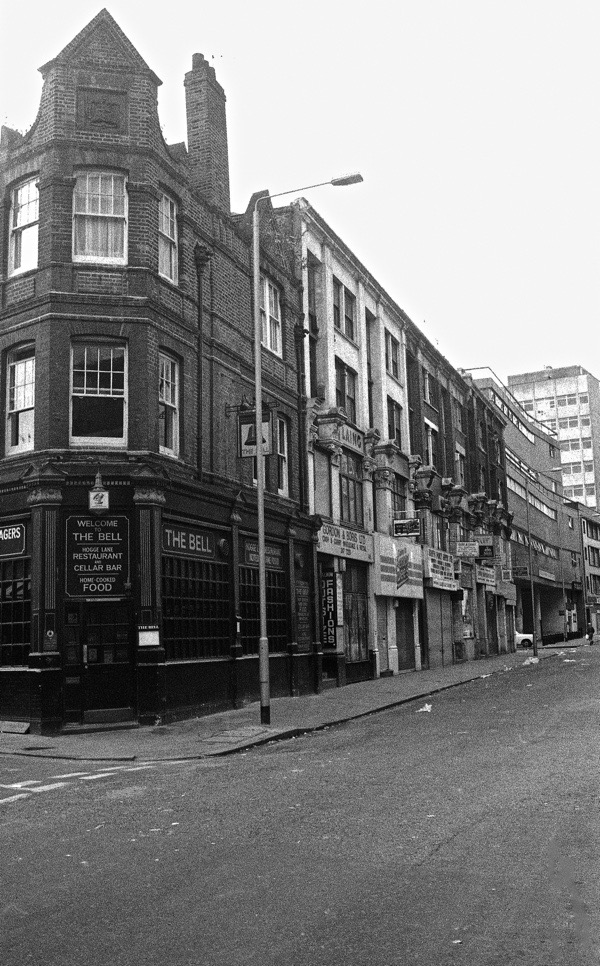
The Bell, Middlesex St, c.1985
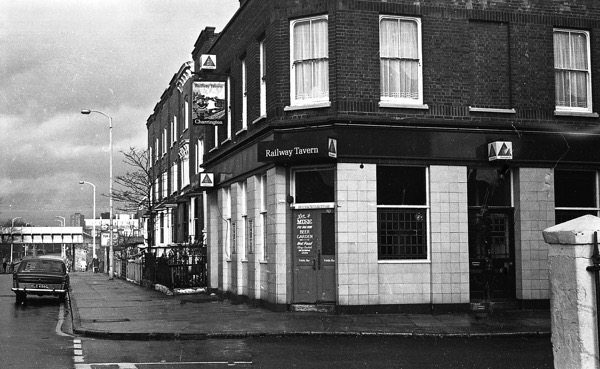
‘The Railway Tavern in Grove Rd was a nice pub and played a lot of jazz in my time’ c.1984
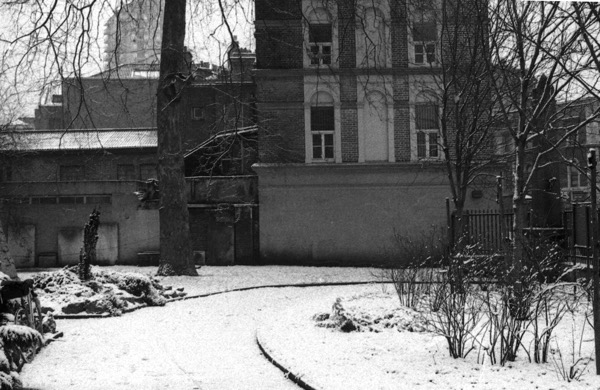
The Beehive, Commercial St, Spitalfields – seen from Christ Church yard
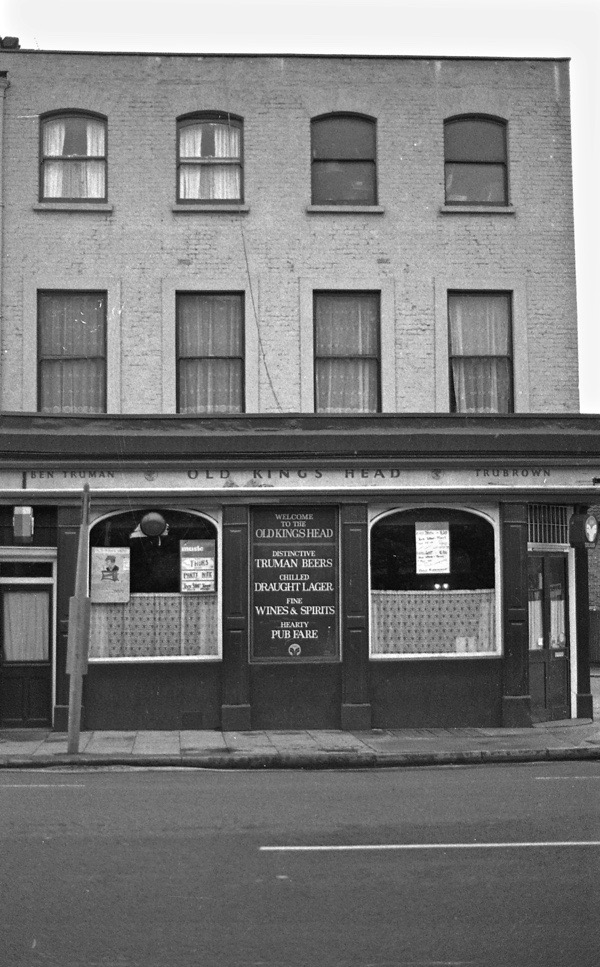
‘I thought The Old King’s Head was on Burdett Rd but I can’t find a trace of it, yet I do remember from my two visits that it was a nice pub’
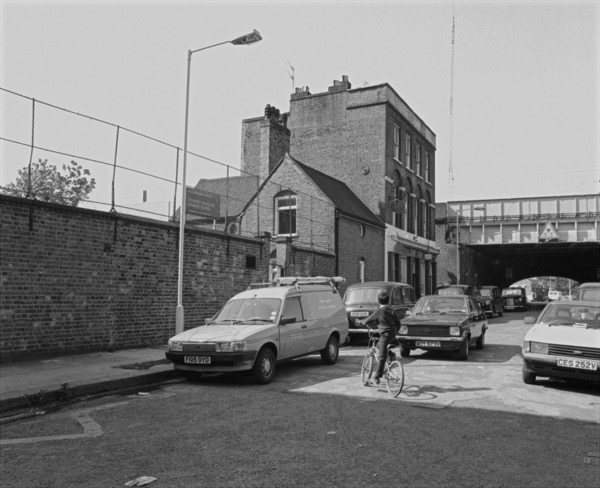
‘The Lion in Tapp St was one of the grottiest pubs I’ve been into. If it still exists, I hope it’s changed. There were holes in the lino and the floor was sticky with beer. The beer was good but not much else.’ c.1985/6
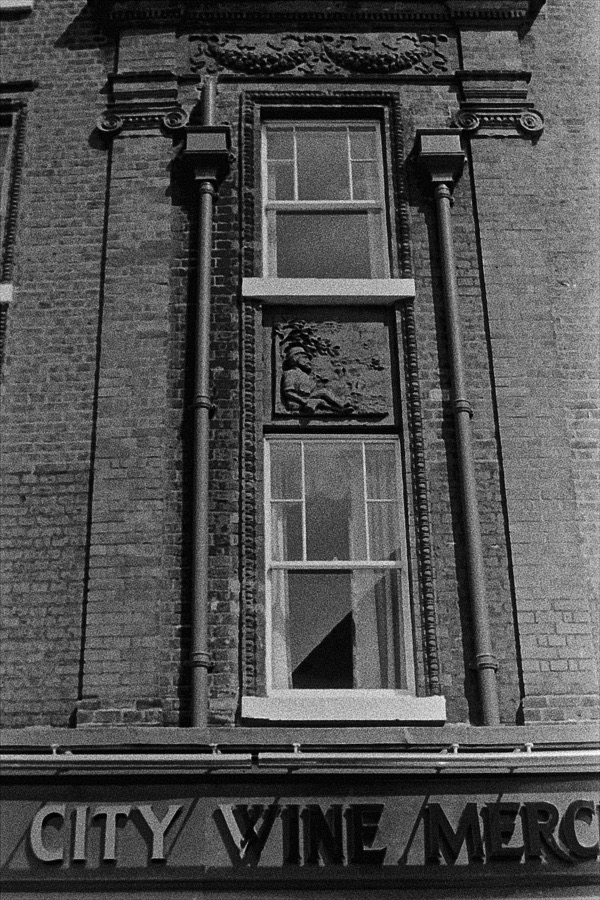
‘The Three Suns in Aldgate had elaborate brickwork on it, but I could never understand this panel. It seemed to have something to do with a Shakespeare play.’ c.1986
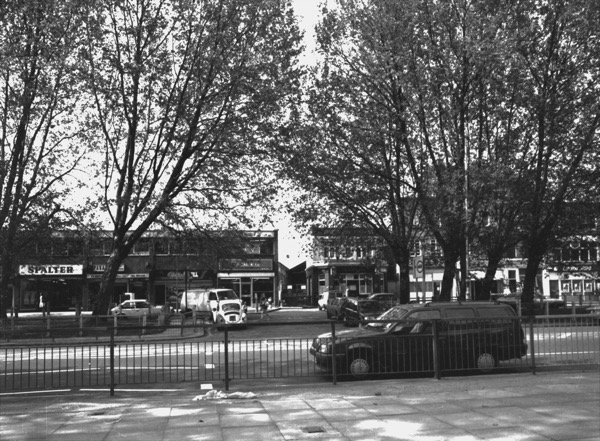
‘I only went into the Forty Fives in Mile End Rd once with my friend Grahame, the window cleaner. We wanted to have a drink in every pub from The Three Crowns to the Whitechapel Art Gallery, but I don’t think we made it.’ 1985/6
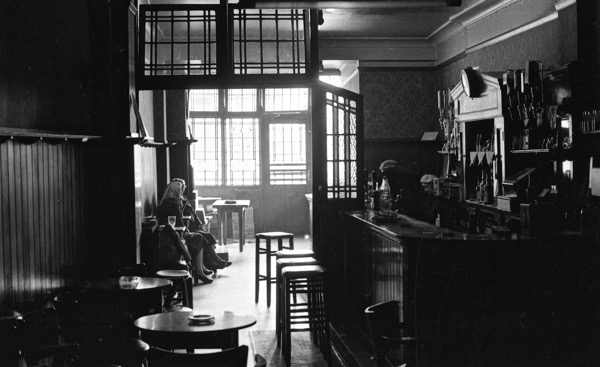
‘The Albion in Bethnal Green Rd was one of my favourite pubs’
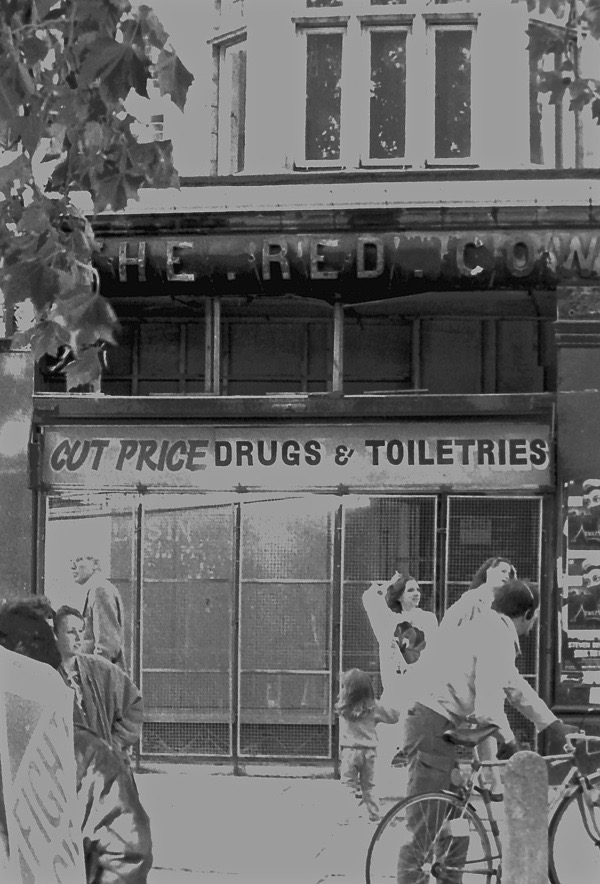
The Red Cow, Mile End Rd, 1986
Photographs copyright © Philip Cunningham
You may also like to take a look at
Philip Cunningham’s East End Portraits
More of Philip Cunningham’s Portraits
A Drink At The Hoop & Grapes

David Milne, curator at Dennis Severs’ House in Folgate St, took me along to the Hoop & Grapes in Aldgate for a drink yesterday, revisiting a special haunt that he was introduced to by Dennis Severs back in the nineteen eighties.
We walked together from Spitalfields up through Petticoat Lane until we arrived at the busy junction in Aldgate where traffic careers in every direction.“This was the major road in and out of London and it would always have been as full of people as it is now.” said David, as he peered down the road towards Whitechapel, wrinkling his brow to imagine centuries of travellers, before fixing his gaze directly across the road at three of the last remaining timber frame buildings surviving from before the fire of London. The central building, squeezed between its neighbours like a skinny waif sat between two fat people on a bus, was the Hoop & Grapes.
It is the oldest licensed house in the City, built in 1593 and originally called The Castle, then the Angel & Crown, then Christopher Hills, finally becoming the Hoop & Grapes – referring to the sale of both beer and wine – in the nineteen twenties. The first impression when you turn your back on the traffic to enter, is of the appealingly crooked Tudor frontage with sash windows fitted in the seventeen twenties at eccentric angles, and of two ancient oak posts guarding the entrance, each with primitive designs of vines incised upon them.
Stepping through the heavy door patched together over centuries, the plan of the narrow house is still apparent even though the partition walls have been removed. A narrow passageway ran ahead down the left of the building with small rooms leading off to the right, a structure which is revealed today by the placing of the beams in the ceiling and the bulges in the wall where the fireplaces in each room have been sealed up. Opening to your left is the bar, where the premises have expanded into the next house and to the back is flagged floor next to the largest chimney breast in a space that was a kitchen in the sixteenth century.
David and I enjoyed the privilege of access to the cellar where the landlady led us through a sequence of narrowing brick vaults built in the thirteenth century, until we reached the front of the building where she pointed out an old iron hook in the ceiling, held back by a lead catch. “No-one knows what this was for,” she admitted, prompting David to look down at his feet where a metal cover was set into the floor.“There was a well beneath,” he said, speculating,“the Aldgate pump was not far from here and the water table is high.” Then the landlady released the hook to hang vertical and it hung directly over the centre of the cover, perfect for hauling up a bucket. We all exchanged a smile of triumph at solving the puzzle, and stood together to appreciate this rare medieval space, essentially unchanged since Elizabeth I met Mary Tudor fifty yards away at Aldgate in 1553.
Upstairs, the landlady pointed out the site of a listening tube, centuries old yet covered over when a speaker system was fitted recently. This tube enabled whoever was in the cellar to hear what was spoken in the bar and vice versa. David believes it was used in the days of Oliver Cromwell by the landlord, who was in the pay of the authorities, to eavesdrop upon conspirators who chose this pub just outside the City gate for illicit liaisons, and there is no doubt that – thanks to the sparse renovations – once you have been here for a while you can begin to imagine the picture.
We sat down at the quiet corner table next to the crooked window with our drinks. “Dennis and I had this way of looking at things and making it more than it is,” confessed David to me with a contemplative affectionate smile “and that’s what we called ‘the theatre of life’. I used to come and visit him, and we’d go for walks around Spitalfields and end up here for a pint. We were looking for what remains – the signposts to the great City of old – the street that ran down to the City of London was full of houses like this. We would sit here and create a story about the merchants who lived in these ancient houses.”
In this no-man’s land between the City and Whitechapel, the Hoop & Grapes is a reliably peaceful place to go where just a few commuters drop in for a pint and tourists rarely appear – because it does not readily declare its history. Yet time gathers here in the stillness of this modest Tudor building – constructed atop a medieval foundation with eighteenth, nineteenth and twentieth century accretions – while the world rushes past as it always has done.
Through his house in Folgate St, Dennis Severs’ reinvented the way that historic buildings are presented. When David Milne came here with Dennis Severs thirty-five years ago, all that was in the future, and today more than fifteen years after his death, David is one of those who maintains Dennis Severs’ creation. “He was a remarkable man,” confided David, as we took our leave of the Hoop & Grapes, “and now this place is a signpost to my past with him.”


David Milne first came here with Dennis Severs thirty-five years ago

The thirteenth century cellars

An ancient hook above the well in the cellar

Two venerable oak posts carved with vines guard the door, and sash windows added in the seventeen twenties sit within a crooked sixteenth century structure

An insurance plate from 1782 still adorns the frontage

The three sixteenth century timber frame houses in Aldgate, predating the fire of London which came within fifty yards. The house on the right was refaced in brick in the eighteenth century
Archive photograph of the Hoop & Grapes courtesy Bishopsgate Institute
You may also like to read about
Sandra Esqulant at the Golden Heart
Other Dennis Severs’ House stories
A Shirt By Frank Foster
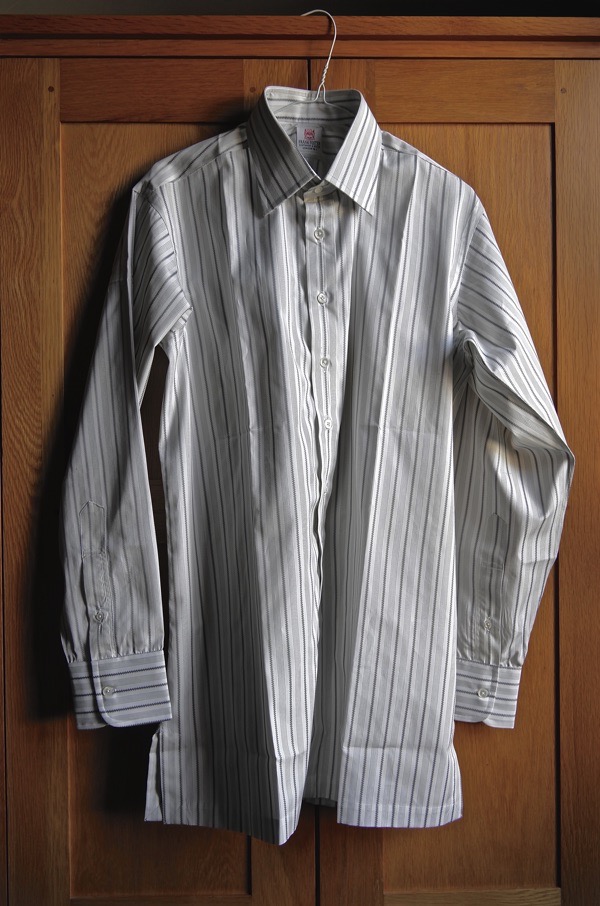
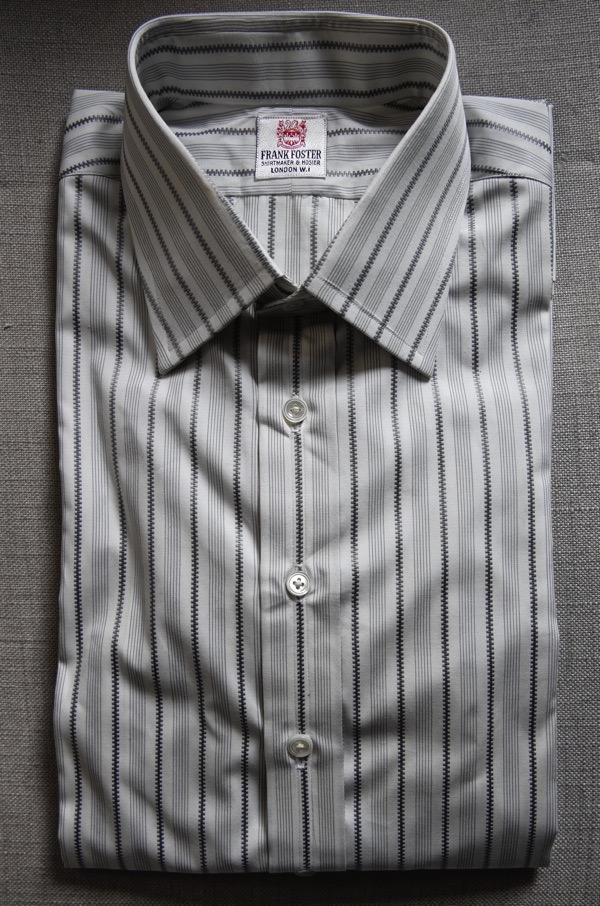
The shirt Frank Foster made for me
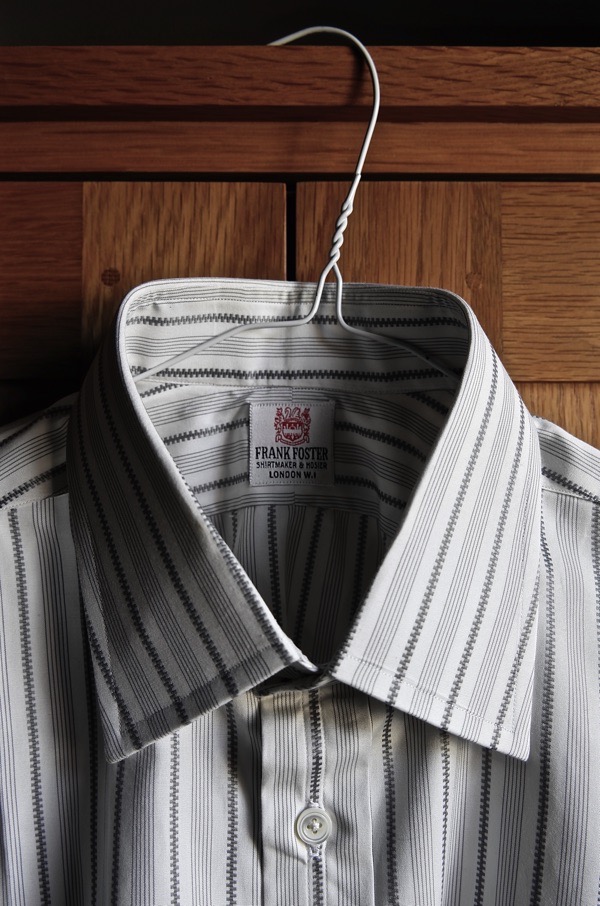
Frank Foster was the shirtmaker to the stars. Among other luminaries, he made shirts for Marlon Brando, Gary Cooper, Cary Grant and John Lennon, so you can imagine my astonishment and delight that Frank Foster made a shirt for me. The one you see above.
Yet for a long time I did not think that I would be the lucky recipient of such a treat, even though Frank offered to make a shirt for me when I first visited his workshop with photographer Colin O’Brien to undertake the interview which you can find elsewhere in these pages. I had to admit that his price of £175 for a top quality handmade shirt cut-to-fit was beyond my budget, so Frank insisted that he would do it as a gift as long as I wrote about it. This seemed like an extremely good deal to me, and Frank said that he would make one for Colin too.
A few weeks later, I went back to be measured by Frank and to choose a shirting fabric that I liked. It was a lustrous off-white with woven stripes in mid-grey, alternating between a zig-zag and five fine parallel lines. I chose this because it reminded of those designs for papers by Edward Bawden and Eric Ravilious printed by the Curwen Press. I have always thought that grey and white make an attractive combination.
Frank presented me with a tiny pair of scissors that he produced from his desk drawer which had ‘David & John Anderson Ltd’ engraved on them. He explained this was the name of a cotton mill in Glasgow that closed down in 1979 and from which he acquired a number of old bolts of fine shirting woven in the nineteen-thirties. The fabric I had chosen was one of these.
I left Frank’s basement workshop and walked up Pall Mall in a state of excited anticipation that day. Then fate intervened. My friend Colin O’Brien died unexpectedly which entirely cast a shadow over the proposition. Yet I steeled myself and returned a few months later to ring Frank’s bell, only to be frustrated by lack of any reply. A week after came the news that Frank Foster had died at ninety-three years old. I had just missed seeing him again by a matter of days and this compounded my sadness over the loss of Colin. In these circumstances, my notional shirt sank into insignificance as a frippery and I let go of any disappointment, recognising how privileged I had been to interview Frank and record his story.
Then I received an unexpected phone message early this year from Frank’s daughter Sam to say that my shirt was in the workshop, awaiting a fitting. Frank had made my shirt! All this time, it had been waiting for me. I called back immediately and Frank’s wife Mary answered. ‘Shall I come down tomorrow?’ I asked. I wish you would,‘ she answered.
Even though only one sleeve had been completed and the collar was yet to be added, it was immediately apparent that the shirt fitted perfectly. Two weeks later, I collected my finished shirt and I wear it now for the first time as I write these words. What a curious experience to wear a shirt that fits my body for the first time in my life. It is more substantially made with a sturdier collar and cuffs, stronger seams and more robust buttonholes than any shirt I ever had before. It also has long tails, so it can never come untucked from my waist.
Mary and her daughter Sam welcomed me to Frank’s workshop, newly spring-cleaned and organised from when I first visited. I was overjoyed to learn they are going to carry on the business, for the sake of their many long term customers and for anyone else who might like a Frank Foster shirt. Mary revealed that she joined Frank as a seamstress at fifteen years old and, after fifty-three years of working alongside him, she is more than qualified to continue his work.
‘Wear it lots,’ said Mary with a smile, as she handed me the beautiful shirt folded up in a bag. I certainly will. And now that she has the pattern, I shall start saving up for another one.
Frank Foster Shirts, 40 Pall Mall, St James, London, SW1 5JG
No appointment is necessary, just ring the bell between 11am and 5pm any weekday
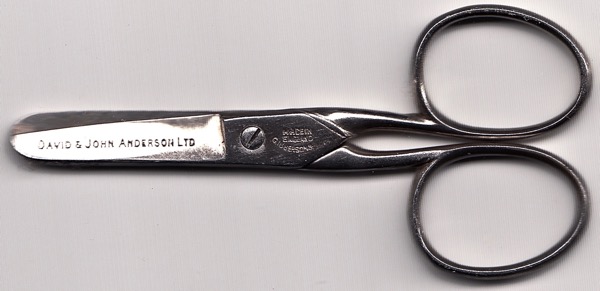
The scissors that Frank gave me – David & John Anderson Ltd
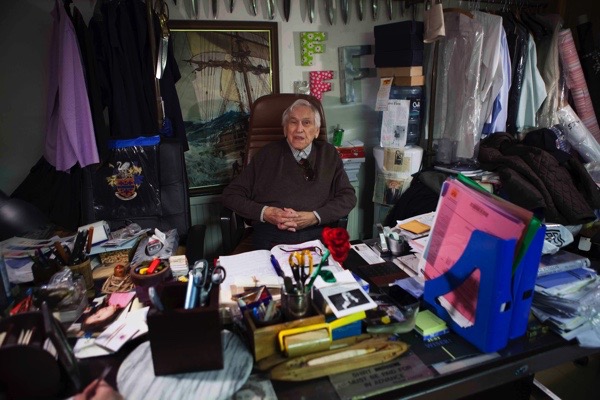
Frank Foster at his desk by Colin O’Brien
“The secret of making a good shirt is skill, patience and knowing about textiles. Every piece of cloth we sell is high quality. We charge £175 per shirt. If you want a silk shirt made out of fine quality Macclesfield silk, we charge you the same money as a cotton one. We’re not a greedy company – I’d like to be greedy but it’s not in my nature. Coming from a poor family, I know what money means.
I love making shirts, I can look at an individual and when I measure him, I can see all the problems and the build. So when you leave here, I’ll remember your build and how you stand and hold your head. That’s not me trying, it comes – I can’t tell you how. I remember fine details about people, their eye colour, and their hair, how it grows. It’s a strange thing, I suppose the eye becomes accustomed to noticing these things.
When someone comes in, first you measure the neck. You have to notice the space between the shoulder and the bottom of the ear. People with thin necks can take a deeper collar. People who are fat with a short neck need a collar that balances with the shirt. You then measure the front shoulder to see how wide that is and from there you go down to the half-chest, across the top of the chest. From there you go to the abdomen and then to the hips and then to the waist. We don’t use shirt tails, we cut shirts with square bottoms and side vents. Our shirt tails are very smart, especially when men like to disrobe in front of their females. Then you have to do the cuffs, and cuffs have to be measured according to wrists. Where watches are concerned, you have to make allowances for rich people who have bulky complicated watches. We then do what is called a ‘button gauntlet’ to enable rich men to have the choice – if need be – to have the choice of rolling their sleeves up. Workers don’t have button gauntlets because no-one gives them the choice or option to roll their sleeves.” – Frank Foster
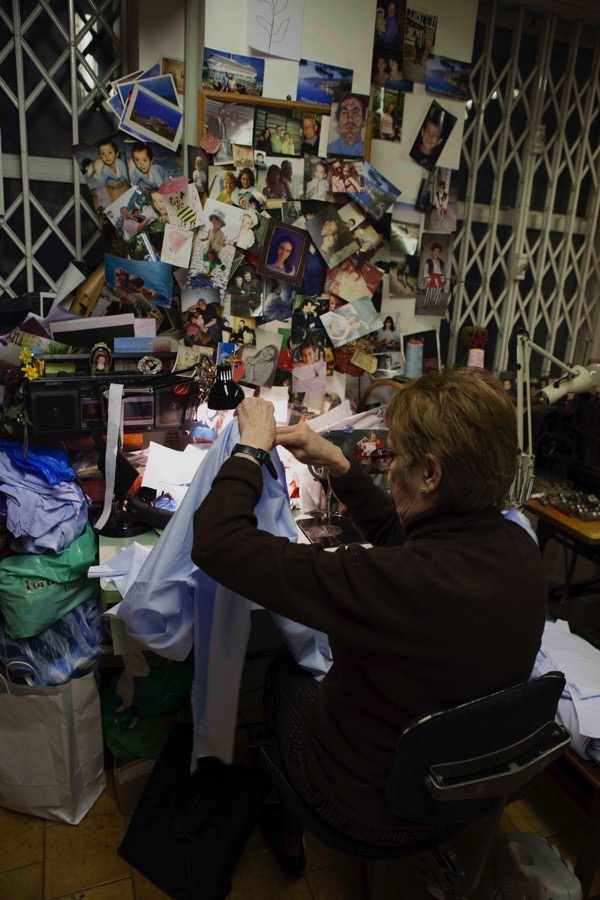
Mary Foster by Colin O’Brien
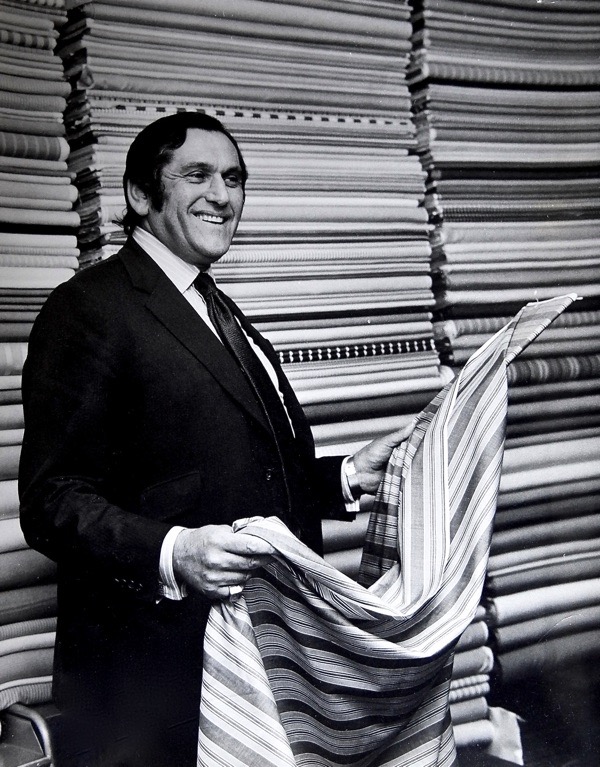
Frank in his heyday
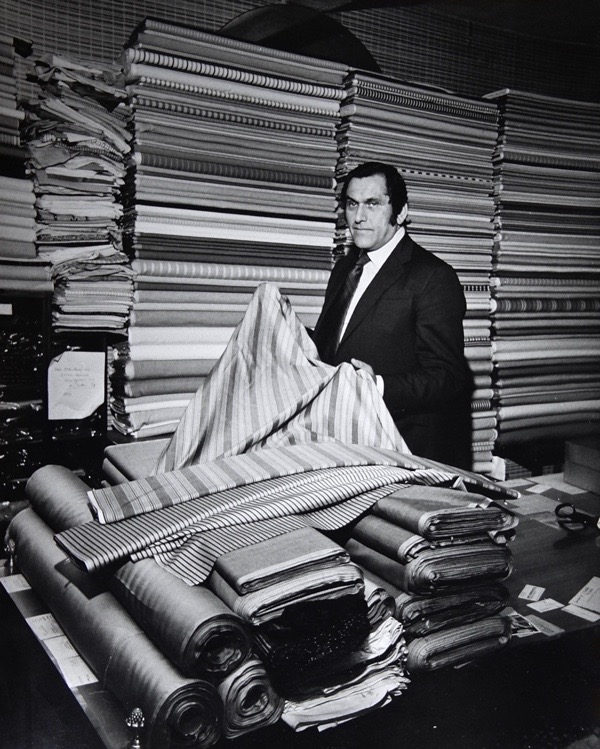
Frank with his wonderful collection of shirting
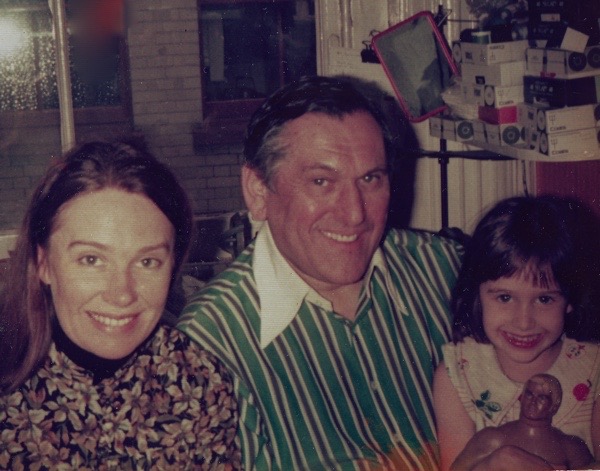
Mary and Frank with their daughter Sam
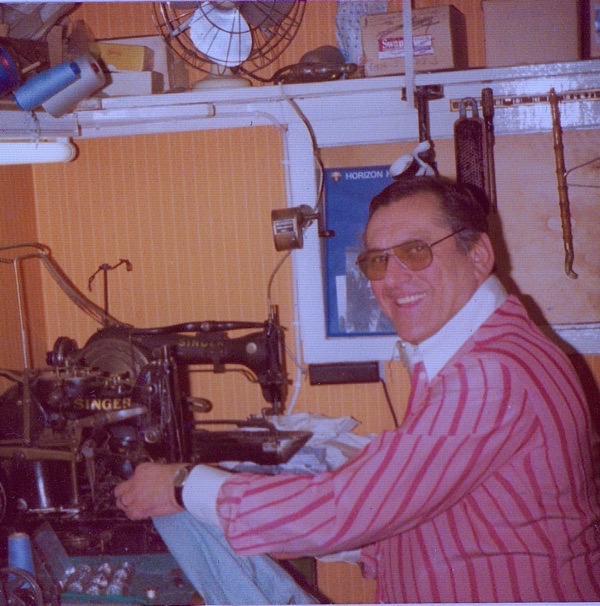
Frank shows off his hundred-year-old buttonhole machine
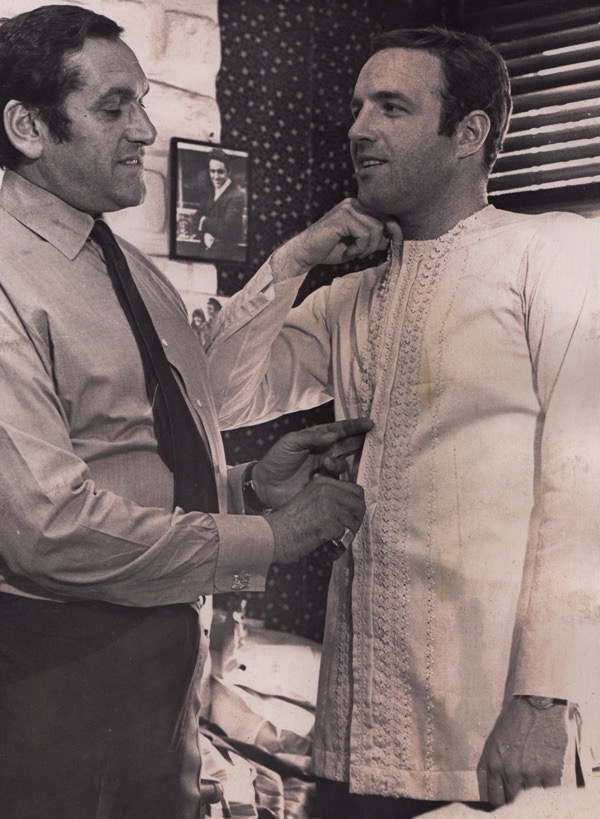
Frank fits James Caan for a formal shirt
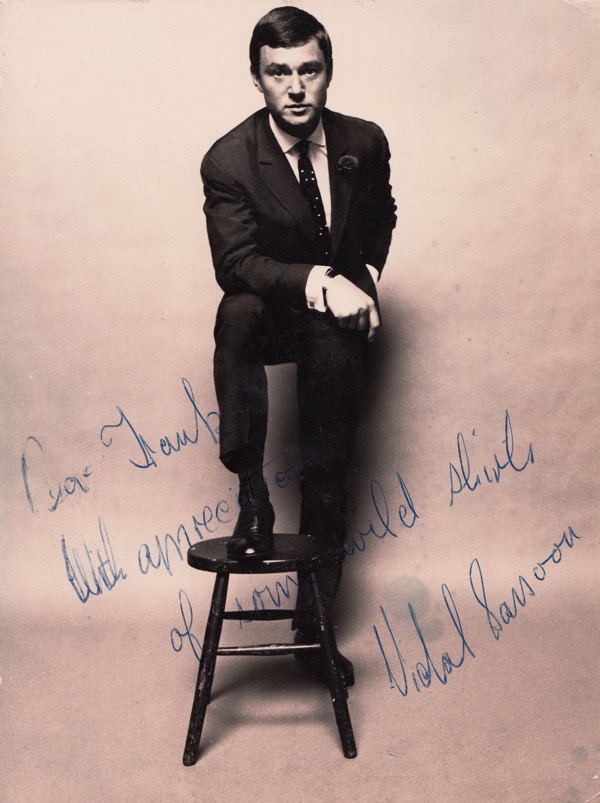
Dear Frank, With appreciation of some wild shirts, Vidal Sassoon
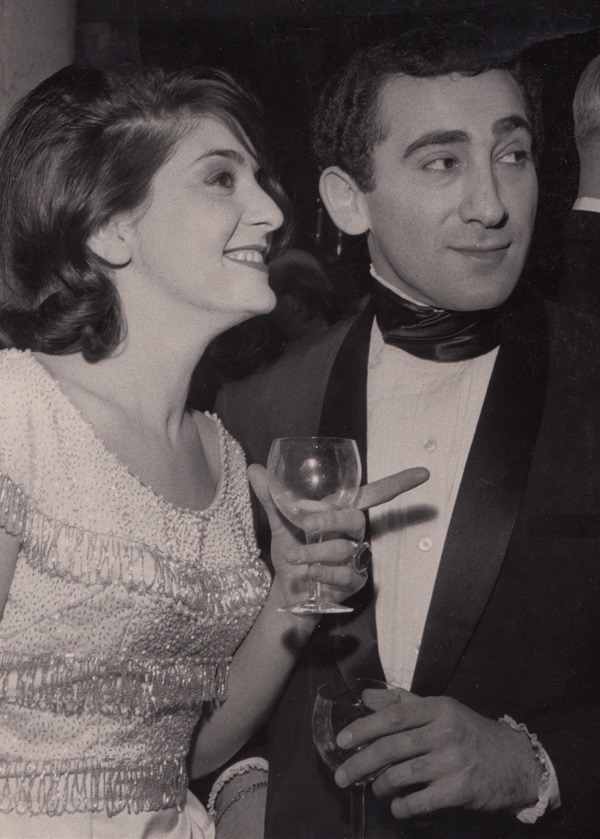
Georgia Brown with Lionel Bart in a Frank Foster shirt
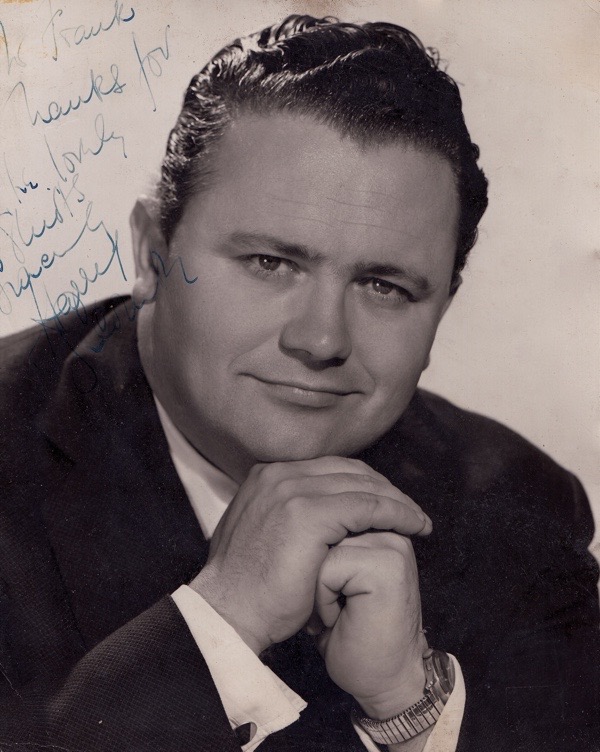
To Frank, Thankyou for the lovely shirts, sincerely Harry Secombe
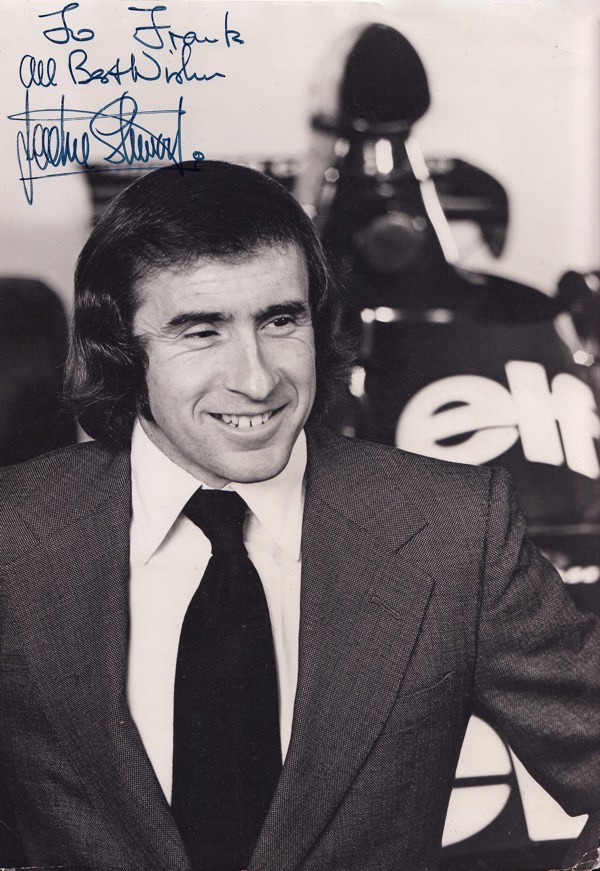
Racing Driver, Jackie Stewart in a Frank Foster shirt
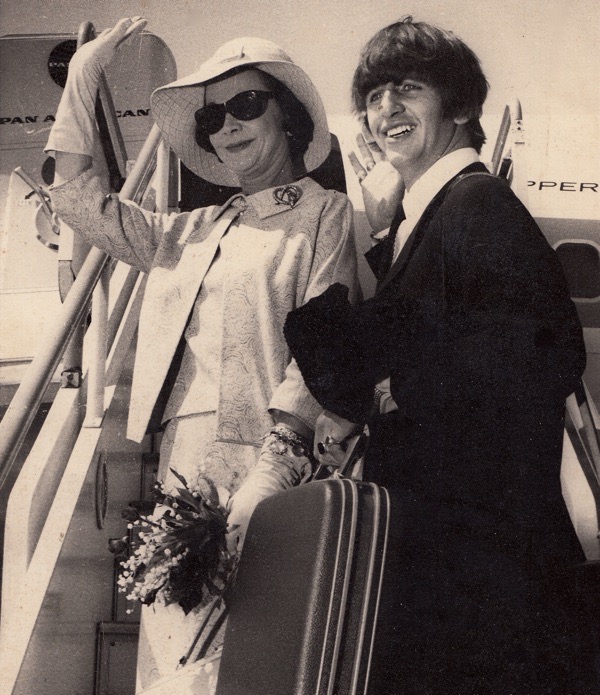
Ringo Starr wears a Frank Foster shirt while flying PanAm with Vivien Leigh
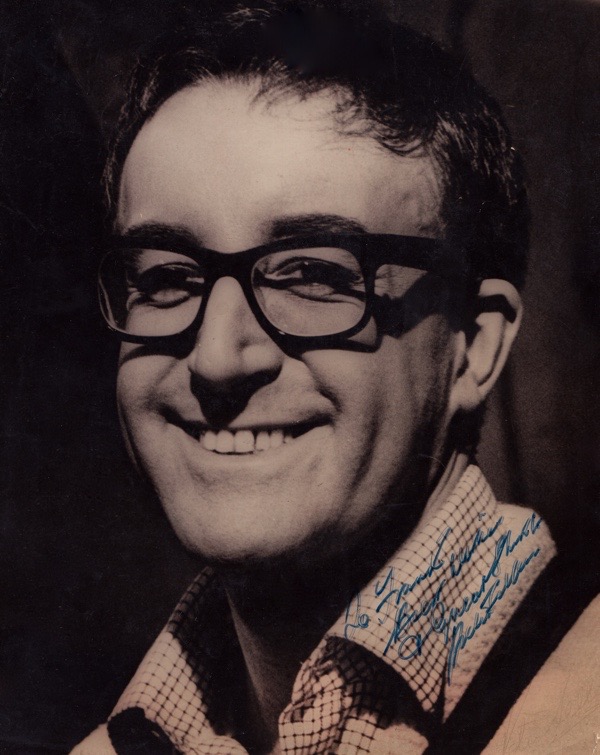
Peter Sellers in a Frank Foster shirt
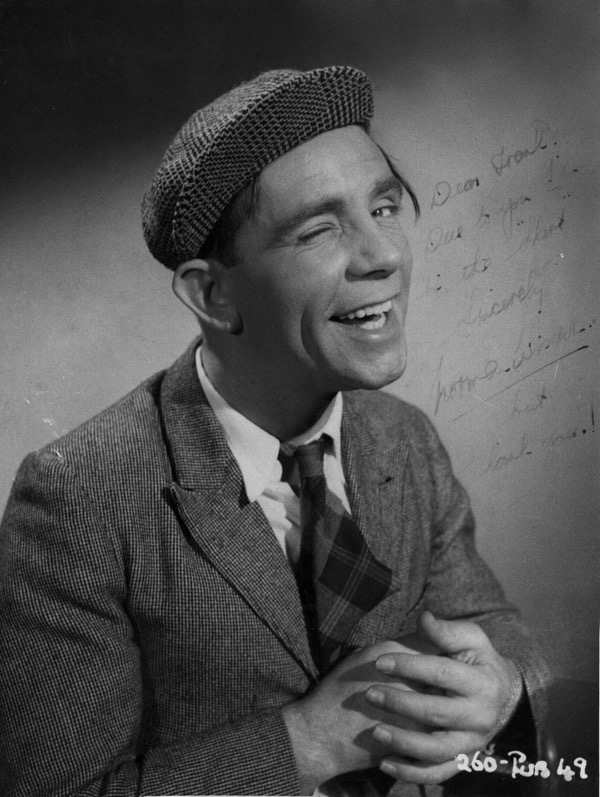
Due to the you, I’m ‘in the shirt’ – Norman Wisdom
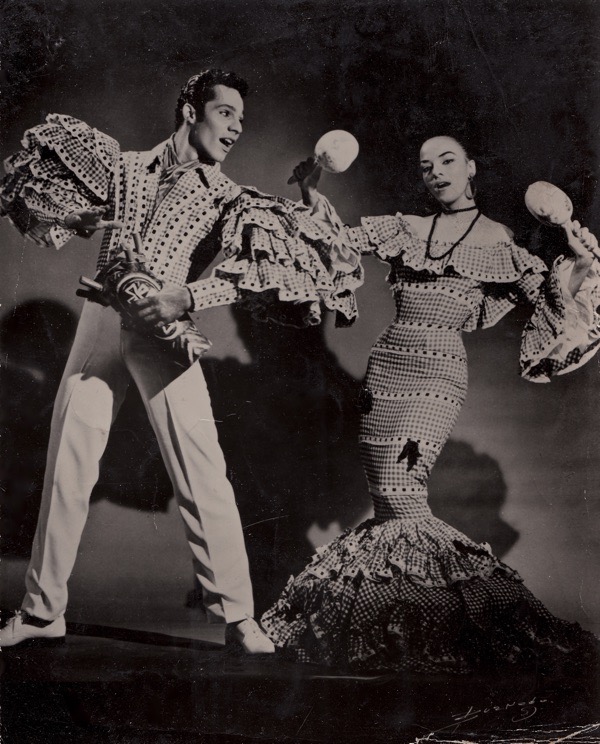
This shirt is flamboyant even by Frank’s standards
You may also like to read my original piece
Terry’s Tropicals
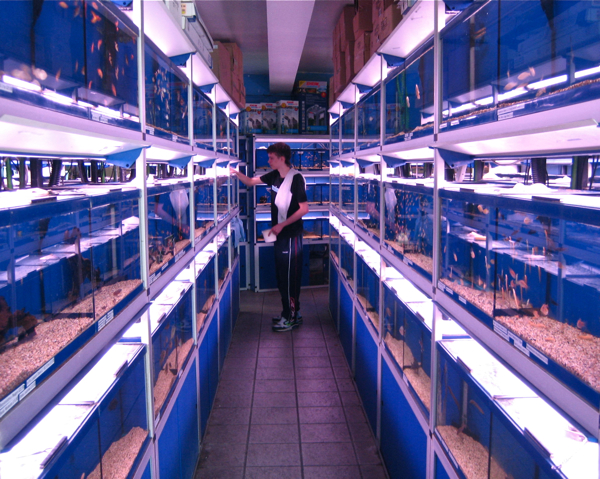
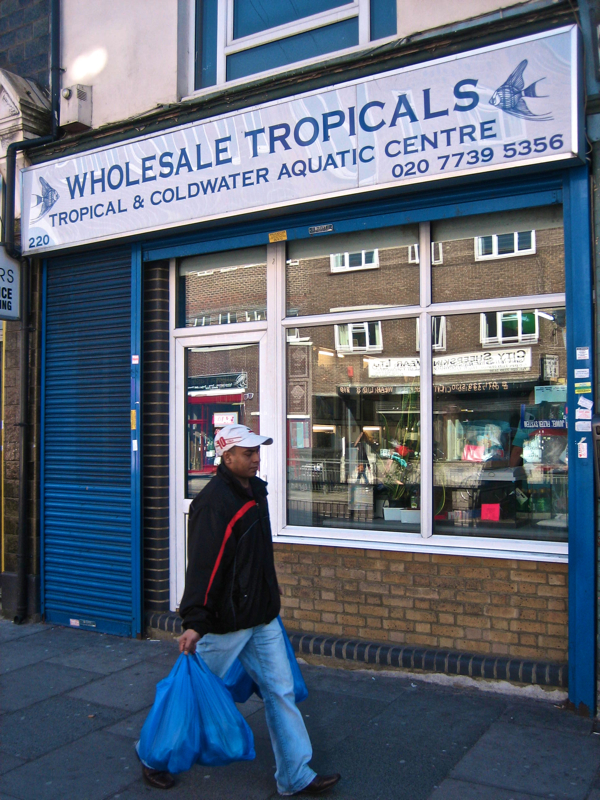
What better refuge from the hurly-burly of the Bethnal Green Rd, than to step into the sub-aquatic glow of Wholesale Tropicals (universally known as Terry’s Tropicals) and lose yourself in contemplation amongst the banks of illuminated fish tanks, as if you were taking a stroll upon the bed of a vast river in an exotic sunlit land? Here three generations of the Jones family work ceaselessly – Christmas not excepted – to maintain the population of up to ten thousand tropical freshwater fish that are their charge and their passion. Like those ethereal creatures which inhabit the depths, the family share a pallor evident of their lives tending fish in the gloom – where today, Jordan Jones, the youngest member pursues the never-ending feeding round that was begun by his grandfather Terry in 1961.
Once you have enjoyed a turn around the magnificent aquatic display, it is time to meet the two Terrys, the father and son that run the place, holding court at the front of the shop with Archie, who comes in each day (and has his own chair next to the tanks of aquarium plants), on all subjects tropical fish related. “We are known as the cheeky chappies of the fishkeeping world because of the banter that goes on,” bragged Terry the younger, revealing, “I’ve been here twenty-five years with the old bugger, since the day I left school at sixteen,” and proud to inform me that they used to have eighty tanks in the back garden when he was a child and won multiple awards for breeding South American catfish. “We specialised in getting all the different types,” he informed me enigmatically, “We searched high and low.” Adding helpfully, “We still sell the red-tailed catfish – the king of the Amazon – capable of growing to a metre long.”
You can learn a lot just by hanging on the words of these wily specialists gathered at the counter, like always wear a pair of rubber gloves when changing the water for your electric eel, like many of the fish here are extinct in the wild due to pollution, like Africans are the most aggressive of freshwater fish and require caves at the rear of their tanks to escape when fights break out, like how you must always put piranhas together in pairs of either sex to avoid a blood bath, and how the African Tiger fish is the most lethal, on account of its articulated jaw lined with sharp teeth and propensity to grow to five feet long. I was shown a six-inch specimen currently available for seventy-five pounds – it may look as benign as a stickleback, but its precisely serrated fangs are framed by an expression of primeval antagonism.
“Fishkeeping is more keeping the water than keeping the fish,” confided Terry the younger later, turning philosophical in the back office as he revealed a trick of the trade, “If you can keep the water just right, clean and the correct temperature and pH, they more or less keep themselves.” Yet I was not convinced of Terry’s dispassionate posturing, watching him chuckle affectionately as the Koi carp came to suck the food off his fingers. “Can you have a relationship with a fish?” I queried, “Do they respond to you?” Terry blinked at me as if to discreetly conceal his surprise at my under-estimate of the sweet nature of his beloved creatures. “They recognise you if you gesture through the glass to them,” he informed me and, as he spread his fingers, caressing the air beside a tank, a whole shoal of little fish swam up to meet his shadow playfully and passed by, turning away with a flick of their tails in unison.
Once upon a time, Terry Jones senior, a native of Bethnal Green, made a fish tank at school, gluing the pieces of glass together and using a slate for the base, heated with night-lights burning beneath. Years later, when he completed National Service, he started out breeding tropical fish with a pal from the Bethnal Green Working Men’s Angling Club. When he began, there were twenty-five fish shops in the East End and now there are only two, but Terry persevered to create the phenomenon that is Wholesale Tropicals, drawing fish fanciers from as far as Fife. “Because we committed to something we do it properly, that’s why we work here seven days a week and all hours if necessary,” Terry junior assured me, as a loyal advocate of his father’s vision.
“I used to get home at eight each night, and then I’d be out in the shed with the seventy tanks I had there until midnight,” recalled Terry senior fondly, “- until the roof fell in, and I committed myself to building this extension ten years ago.” And he raised his eyes in pride at his creation, the serried rows of burbling tanks in aisles surrounding us. Standing there in one of the East End’s secret marvels – a temple devoted to the sublime wonders of the deep – beside the unassuming man who kept fifteen-inch piranhas for pets, the discreet genius behind the tropical fish shop that won every award going including the Practical Fishkeeping award for the Best Shop in the South of England, years running – I knew I was in the presence of a big fish.

Terry Jones who started the company in 1961
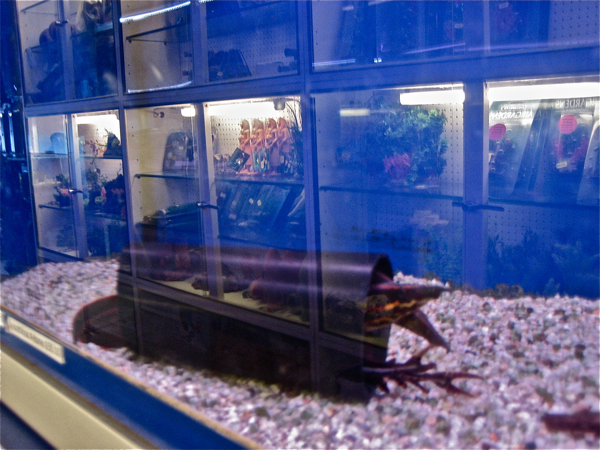
One of Bethnal Green’s most reclusive residents
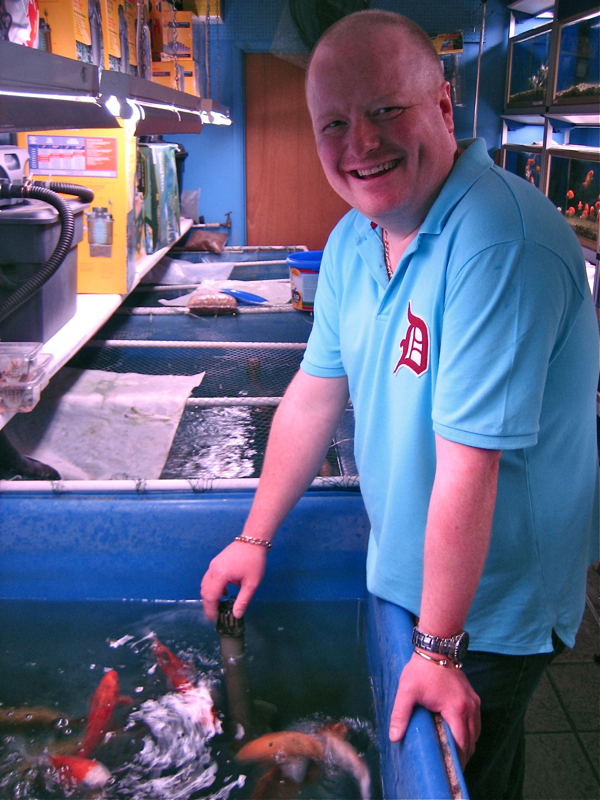
Terry Jones, junior, with his beloved Koi
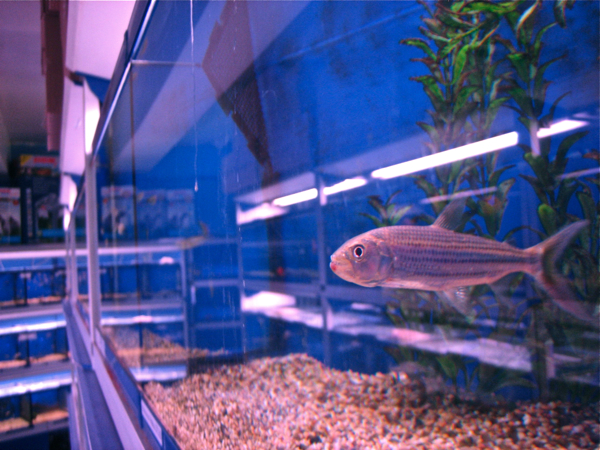
One of Bethnal Green’s most dangerous residents, the African Tiger fish
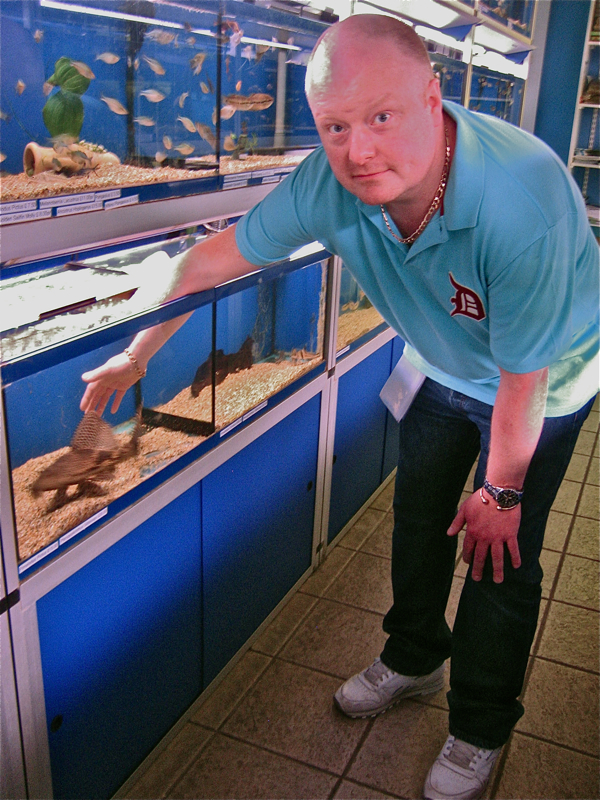
Terry caresses a cherished specimen of a South American catfish
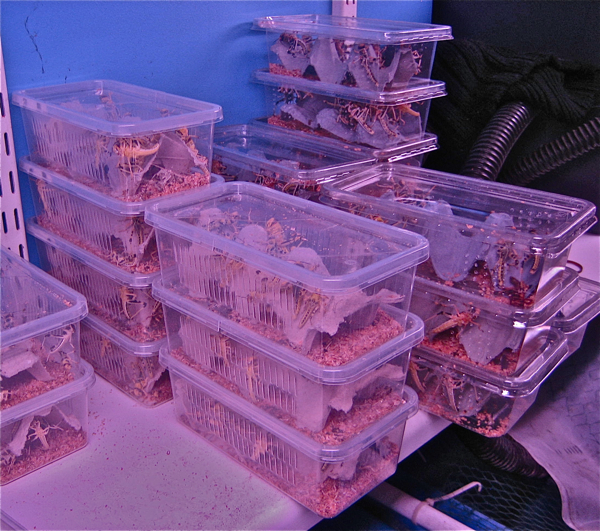
Live locusts for sale off the shelf for the lizard-fanciers of Bethnal Green.
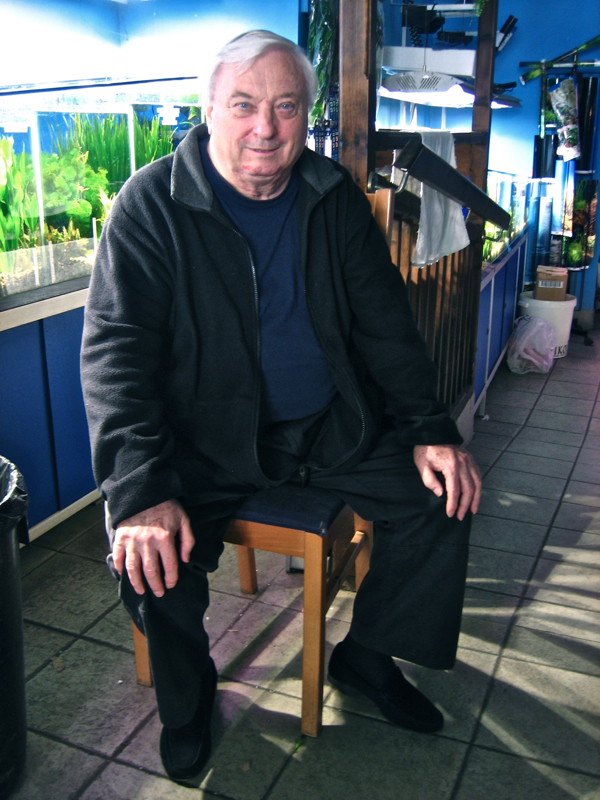
Archie, a regular customer, has a collection of three hundred goldfish, tropicals and toads at home
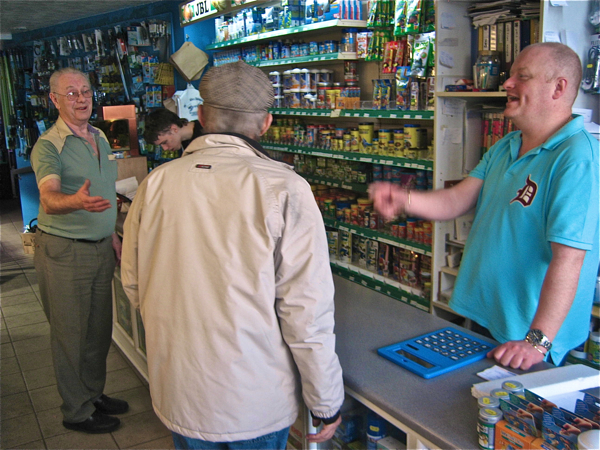
The two Terrys at work
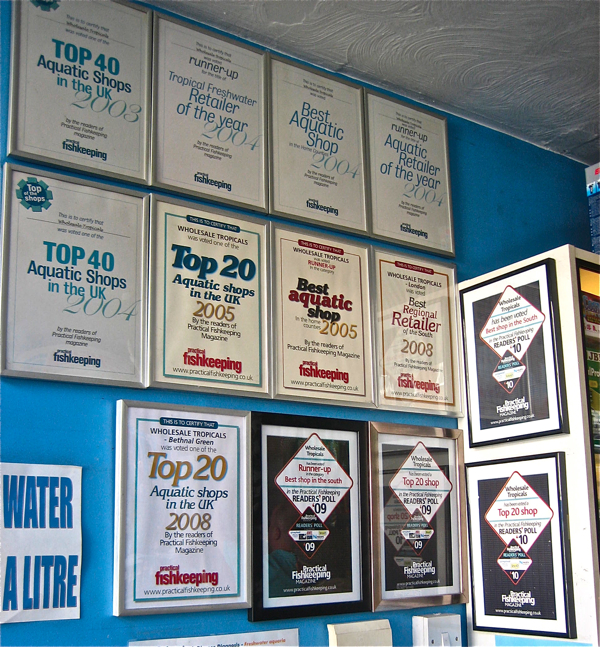
The wall of fame
Tim Marten, Guitar Repairs in Denmark St
When the late and greatly-missed photographer Colin O’Brien & I visited Denmark St last summer, Colin took these portraits of guitar maker & repairer, Tim Marten – so recently I went back to interview Tim and today I publish his story accompanied by Colin’s pictures.
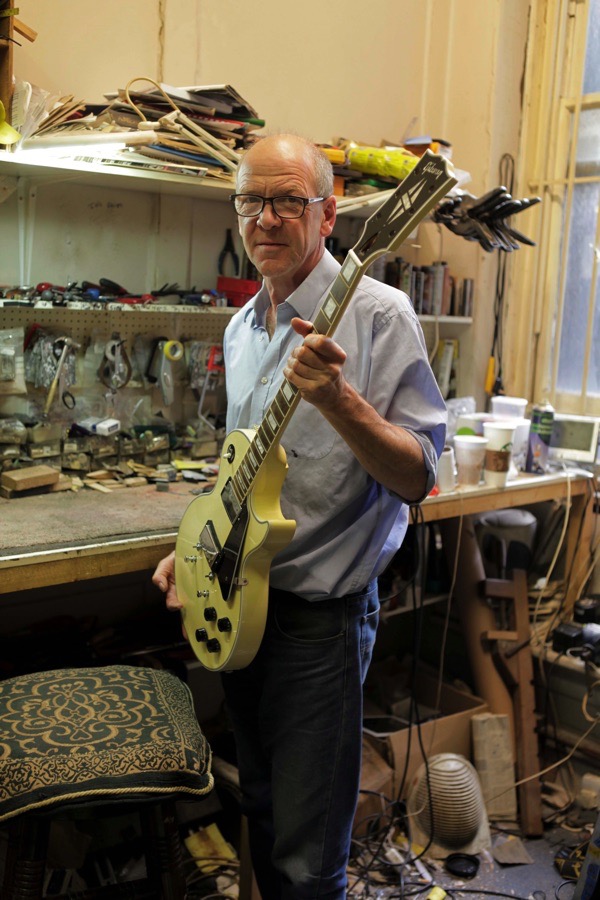
Tim Marten by Colin O’Brien
Guitars have been manufactured in Denmark St since the days of Queen Anne but now – thanks to the redevelopment of the neighbourhood – Tim Marten is one of the very last to make and repair instruments in this corner of Soho. I visited Tim in the tiny panelled workshop in the beautiful sixteen-nineties house where he pursues his trade, pending three months’ notice to quit at any time.
“When I was a teenager I wanted to learn to play guitar, and I couldn’t afford to buy one and I was reasonably good at woodwork, so I made one. It was horrible! As soon as I’d finished it, I began to understand where I’d gone wrong, so I embarked on my second one and I cured some of the mistakes I’d made the first time round. After about eighteen months – maybe longer – with the help of various other people, I’d finished my third, curing the mistakes I’d made the second time round. I refined it down and down, until I had a guitar I could actually go out and play. It held its own against factory-made bought guitars. That was quite a reasonable instrument, and I went from there!
I came from an engineering background. My father and my uncle were both very good engineers and I used to build Airfix kits and fly model aeroplanes. I was always interested in mechanics and quite good at understanding how things worked. I was one of those small boys whose immediate reaction after Christmas lunch was to start taking their toys apart to see how they worked.
I spent my late teens and early twenties playing in bands round London and Bristol and, if anyone had problems, I’d fix their guitars. It just escalated from there. I was fortunate to meet someone who worked behind the counter at Andy’s Guitar Workshop in Denmark St, just across the road from where I am now. It was the first specific guitar repair workshop in Central London. That was in 1979.
It was run by Andy Preston but it was called ‘Andy’s‘ because that was the name of the Greek greengrocers on the ground floor and we were in the basement. There were quite a few music shops in the street but Andy’s had flats above and a greengrocer at street level. Our customers had to go round the back and down the stairs to our workshop below. I was twenty-two and I had some ideas I was working on for designs for guitars, and my friend who was the counter hand said, ‘Why don’t you come down and speak to the guys I work with?’ So I did and we had a long chat, and I was offered my first job and I’ve been doing it ever since.
Then I joined Led Zeppelin as a guitar technician and went off touring for ten years. I worked for various other bands and had a shop of my own up in Church Lane, Hornsey, just underneath The Kinks‘ studio. So I got to know Ray Davies and did a lot of touring with The Kinks. I played guitar professionally and found I earned more money gigging three nights a week than I did mending guitars in my little workshop, so it became a necessity to go out each Thursday, Friday and Saturday and play. Back in those days, it was quite a lucrative thing to do.
Things went spectacularly wrong in 2000, and I lost the shop and my business. But within a couple of days of realising that was going to happen and wondering what on earth I was going to do with myself, Andy Preston rang up from his hugely-expanded guitar shop which had become internationally known and taken over the whole building. He asked me to come back and run his repair department because they needed somebody with experience. So the door opened and I walked into it.
I stayed there until Andy went bust and sold his shop onto Rick Harrison, when I started working independently and I’ve been independent ever since. I’ve had my workshop in this room for about six years, before that it was Central Sound recording studios. I have no proof but I have been told that David Gray recorded Babylon in this very room. The building has listed status and is as it was constructed after the Great Fire of London, one of four remaining buildings in Denmark St from that time. This was originally intended as housing and it is slated to be returned to housing. I am going to be booted out and this is going to be turned into luxury flats. I am on two months’ notice, so that could happen as soon as six months from now.
I don’t think the ethos of Denmark St has changed very much at all since I first came here in 1979. Up until four or five years ago, when Cliff Cooper sold out the leases to the current owners who are property developers, there was very little change in the street apart from the signs above the shops as businesses came and went. Denmark St has always been a bit of a shabby sideshow in very nice way.
From the fifties, it was always the centre for music, when the music publishers started moving in and then the recording studios followed. There were three recording studios here in the sixties. From the eighties, shops came and went but they were always music shops, and the place was in need of a lick of paint. It has always been like that and, to a certain extent, that is its charm. Now restaurants are moving in, the developers are taking over and we are being moved out. It’s coming to an end despite our loudest protests.
We got hit very hard by the internet and it took the industry a while to adapt. I think that was one of the reasons Andy got into financial difficulties. For the repair side of the business, the internet helps no end. I get a lot of work from people who have bought guitars online. They come in the door, I take one look at it and say, ‘You just got this on ebay, didn’t you?’ and they ask, ‘Yes, how did you know?’ and I say, ‘Because if you’d played it before you bought it, you’ never have bought it!’ I tell them, ‘Yes I can fix it for you but it’s going to cost more money than if you had bought it properly from a shop in the first place.’ So I view the internet as a mixed blessing, although I do make a lot of money out of people who buy stuff and find that it is not as described. I end up sorting it out.
It’s the tinkering side of things, the satisfaction of getting things right, that I like. I do mostly repairs now and only a little design work. There’s a lot of satisfaction in getting something working properly and you give it back to the customer, and a big smile comes over them. ‘Oh wow, that’s brilliant! I’ve been fighting this thing for years – if only I’d known you ten years ago!’
Like any job, it can become repetitive. There are certain repairs you do in your sleep. That’s what I call the bread-and-butter work. It’s well paid, so – if I spend three days a week doing that – I know that I’ve made enough to sit down and do something a bit more creative.
In this industry, it’s a great way to spend a day but it’s a lousy way to make a living. Especially making guitars, because it is so time-consuming and you can’t compete with the guys who have got all the machinery and industrial spraying facilities. The quality of the stuff coming out of the far east now is so good that you have to be able to charge a disproportionate amount of money for a guitar because it is handmade. Or you do bespoke work, I enjoy making things that you couldn’t buy in a shop.
If you look around my workshop, you will see that I am surrounded by projects that I have got halfway through but never got around to finishing. It’s what I do in the quiet periods, but I’ve acquired a reputation for being good at repairs and it’s getting to the point where I have more work than I can do. If you look around, there’s thirty guitars here waiting to be repaired. They are numbered up to fifty-seven and I am working on number twenty-six at the moment. Some of them will take five minutes but others will take me three weeks to fix.
I’ve always got three or four jobs on the go at once and, as you can see, there there are guitars lying around in various stages of repair. While I am waiting for glue or lacquer to dry, I will put it on one side and return to it tomorrow. Repairing instruments is a job where you don’t work on one at a time and finish it.
When I was running the repair department at Andy’s Guitar Workshop, I had four people working under my supervision and I enjoyed the responsibility and the teaching and the social life as well. Now it’s just me yet I am not alone because I have a constant stream of customers and the phone never stops ringing.”
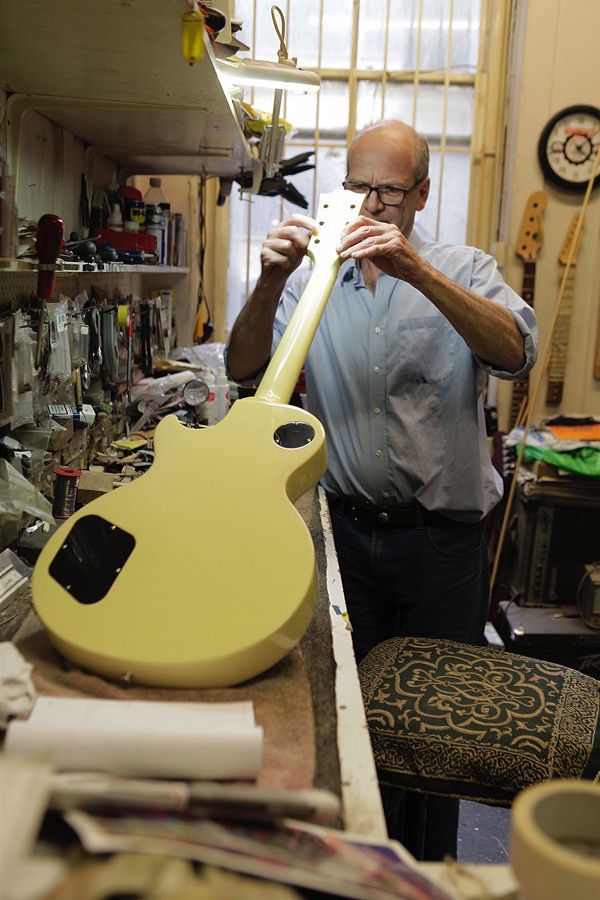
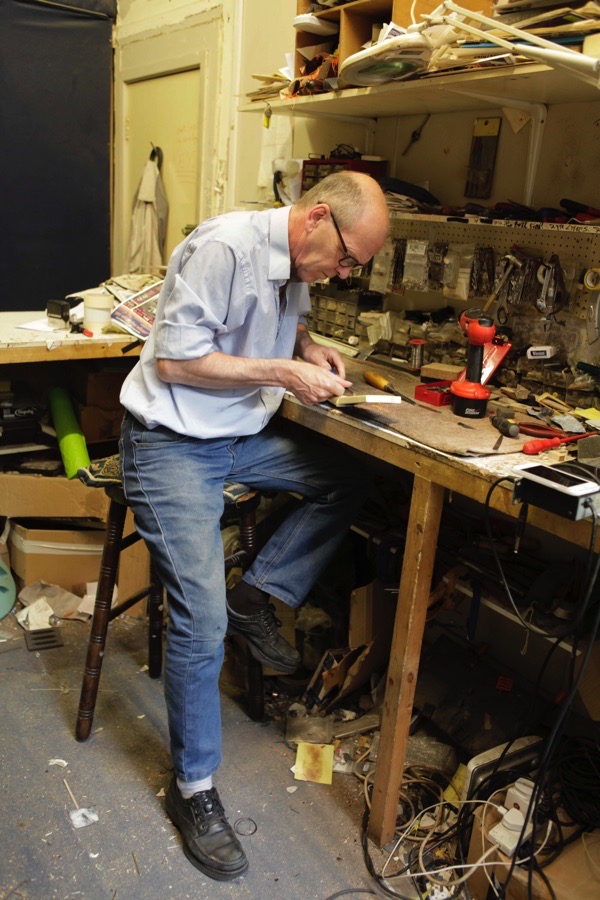
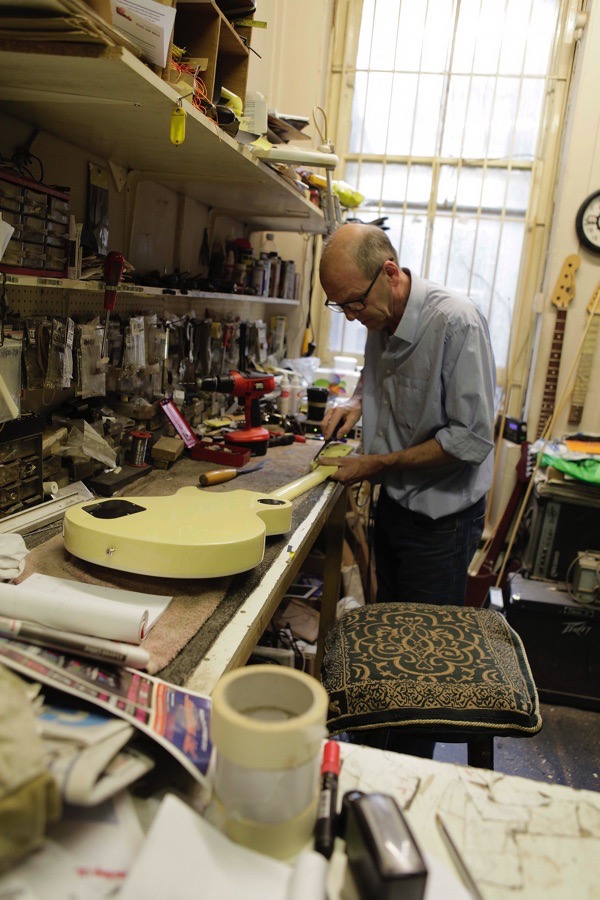
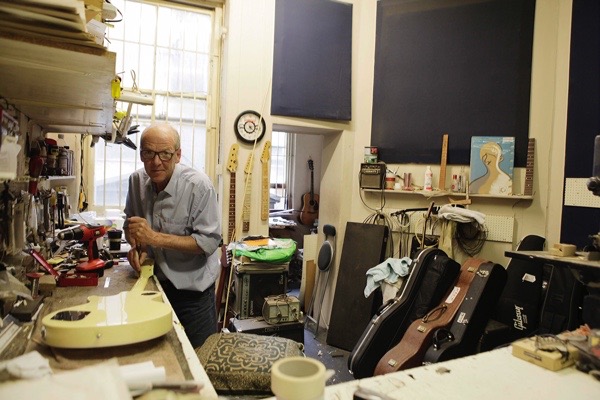
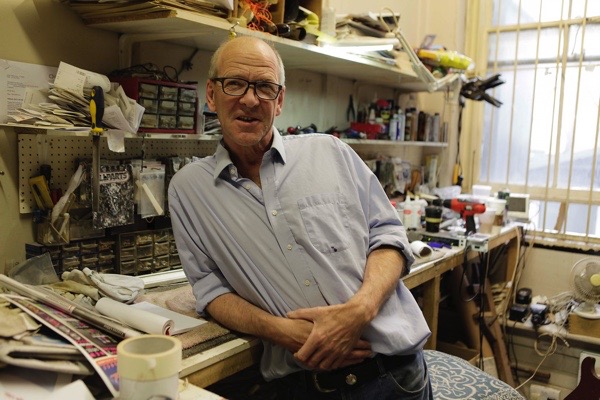
Photographs copyright © Estate of Colin O’Brien
Tim Marten, Guitar Repairs, 9 Denmark Street, London, WC2H 8LS
You may also like to read about
Nigel Henderson’s East End
Between 1948 and 1953, Artist & Photographer Nigel Henderson lived in Bethnal Green and documented the life that surrounded him in photographs which have now been published for the first time in Nigel Henderson’s Streets by Tate.
Born into London’s literary and artistic world – his mother managed Peggy Guggenheim’s gallery – Henderson married Virginia Woolf’s niece and escorted Henri Cartier-Bresson around the East End while in Bethnal Green.
Henderson’s photographs of Bethnal Green comprise an invaluable testimony, many of subjects that are not recorded elsewhere, and their astonishing detail offers hours of delight for the curious.
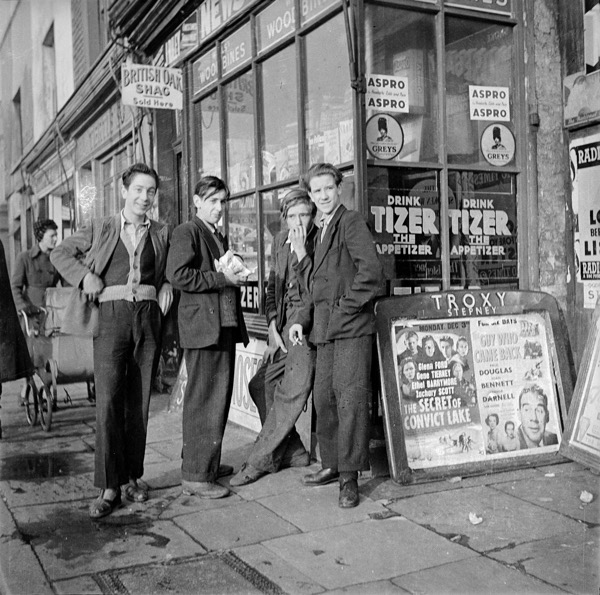
Boys outside W&F Riley newsagent, 76 Cleveland Way, Bethnal Green, E2
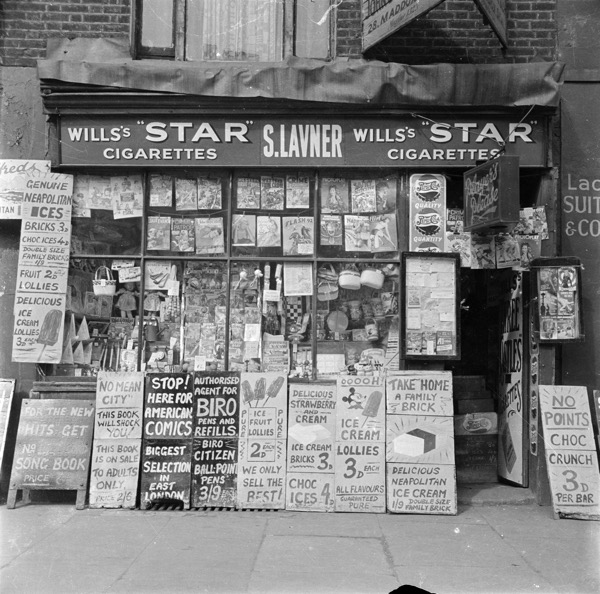
S Lavner, newsagent and tobacconist, 241 Bethnal Green Rd, E2
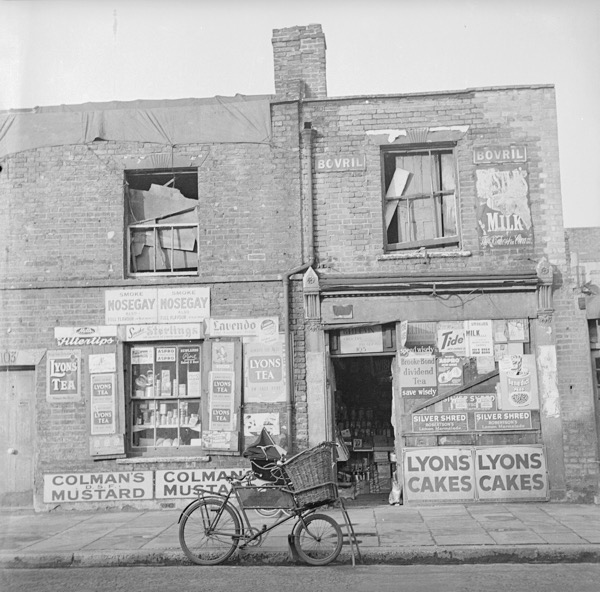
Benjamin Myer Levin, chandlers’ shop, 105 Cephas St, Bethnal Green, E2
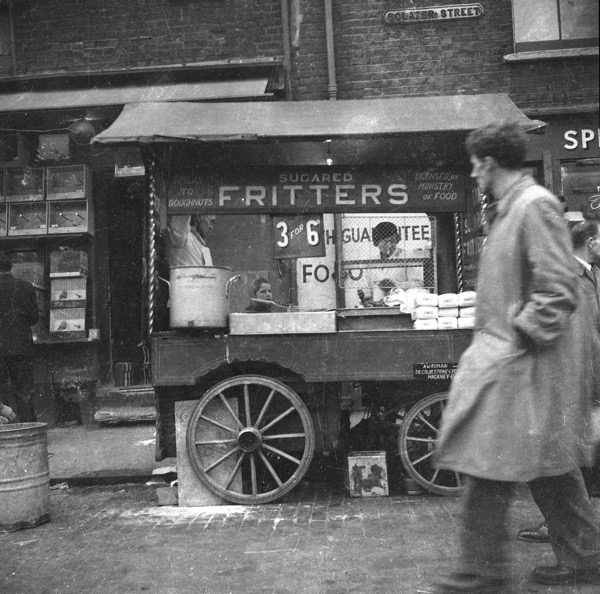
AW Roman, sugared fritter seller, Sclater St, Spitalfields E1
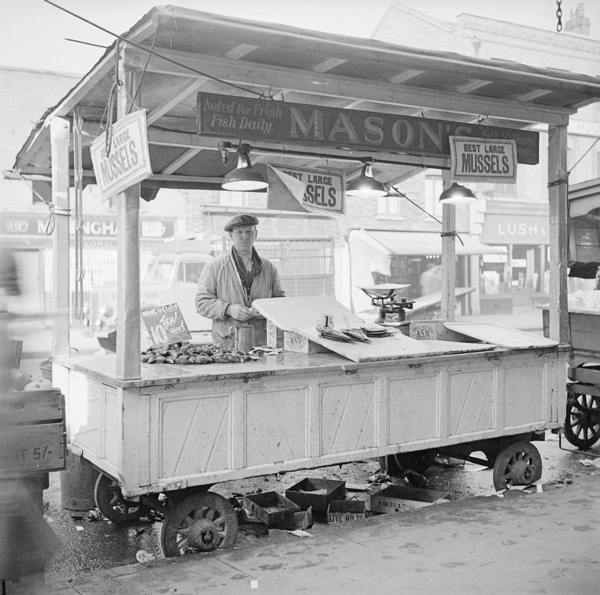
Mason’s fresh fish stall, Bethnal Green Rd, E2
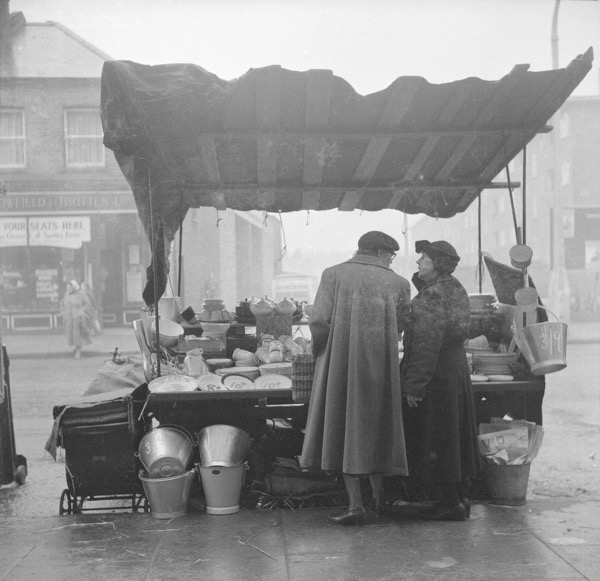
Kitchenware stall, Bethnal Green Rd, E2
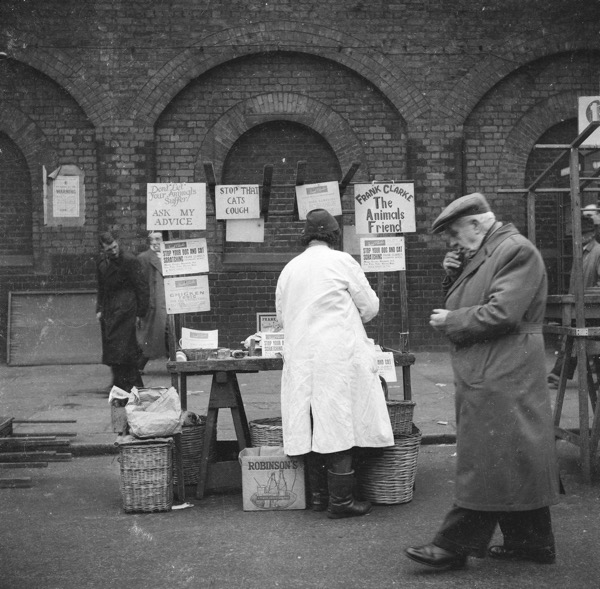
Frank Clarke’s pet medecine stall, Sclater St, Spitalfields, E1
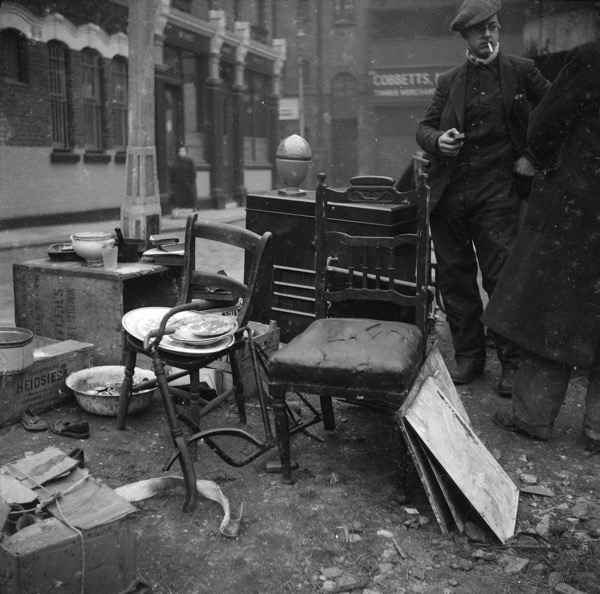
Junk market, off Virginia Rd, Bethnal Green, E2
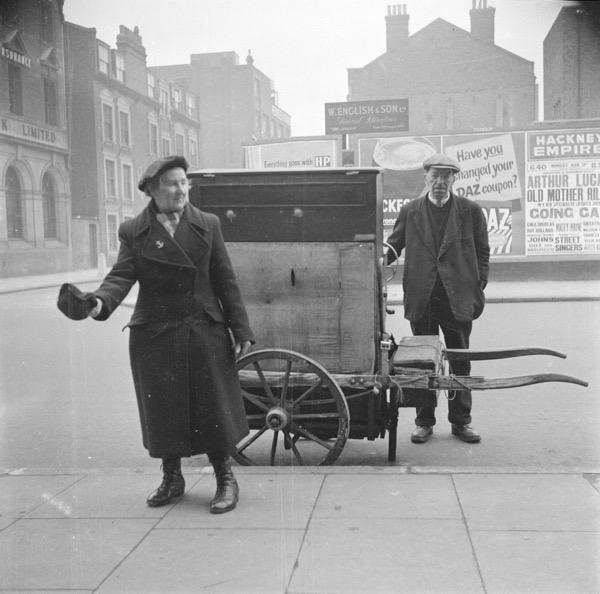
Barrel organ, Bethnal Green Rd, E2
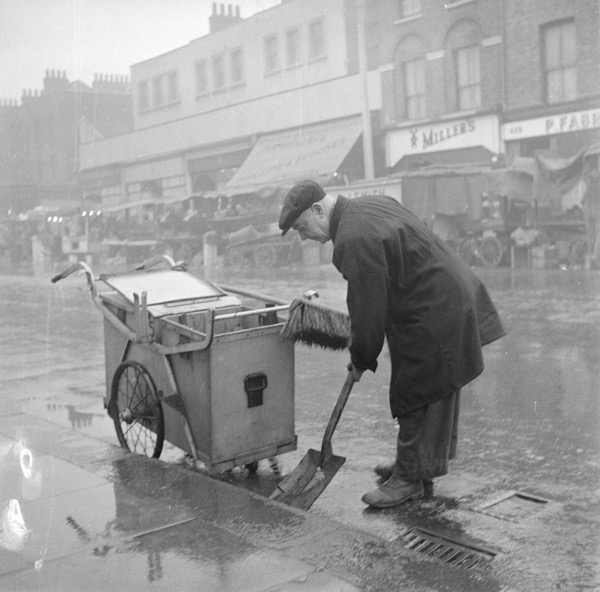
Street sweeper, Bethnal Green Rd, E2
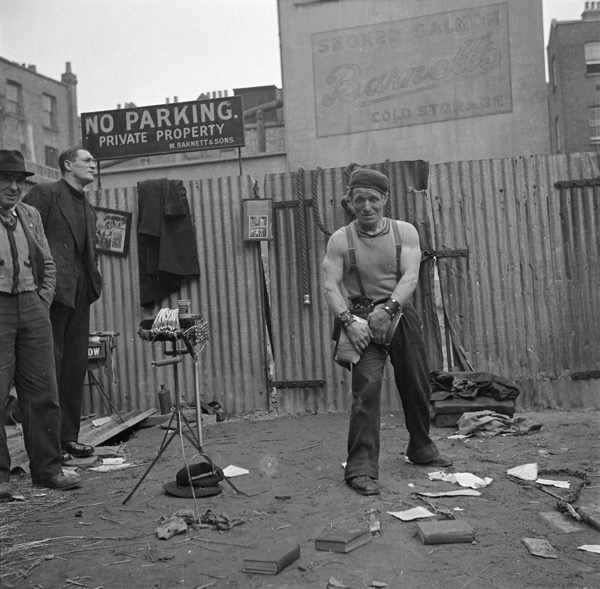
Kendow the strongman, wasteland off Petticoat Lane, Spitalfields, E1
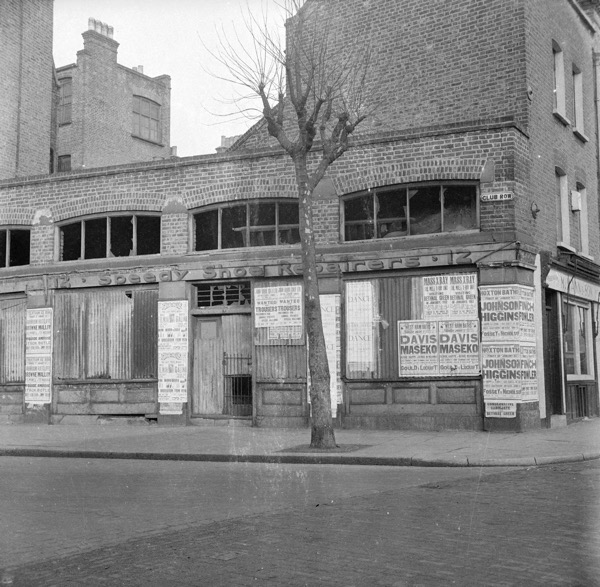
Speedy Shoe Repairs, junction of Club Row and Redchurch St, E2

Boys on bicycles, Derbyshire St, Bethnal Green, E2
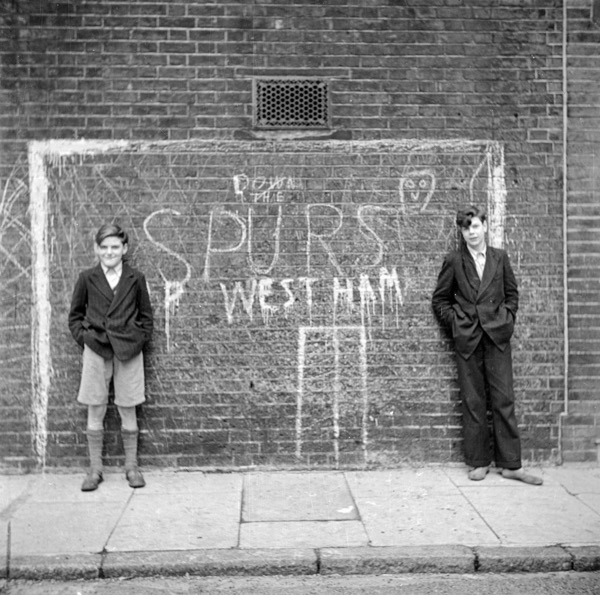
Boys in Chisenhale Rd, Bow, E3
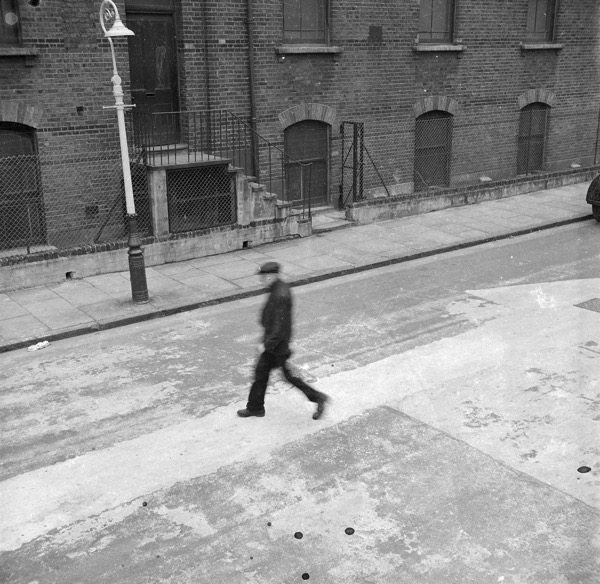
In Bunsen St, Bethnal Green, E2
Photographs copyright © Estate of Nigel Henderson