
Milly Abrahams, Dressmaker
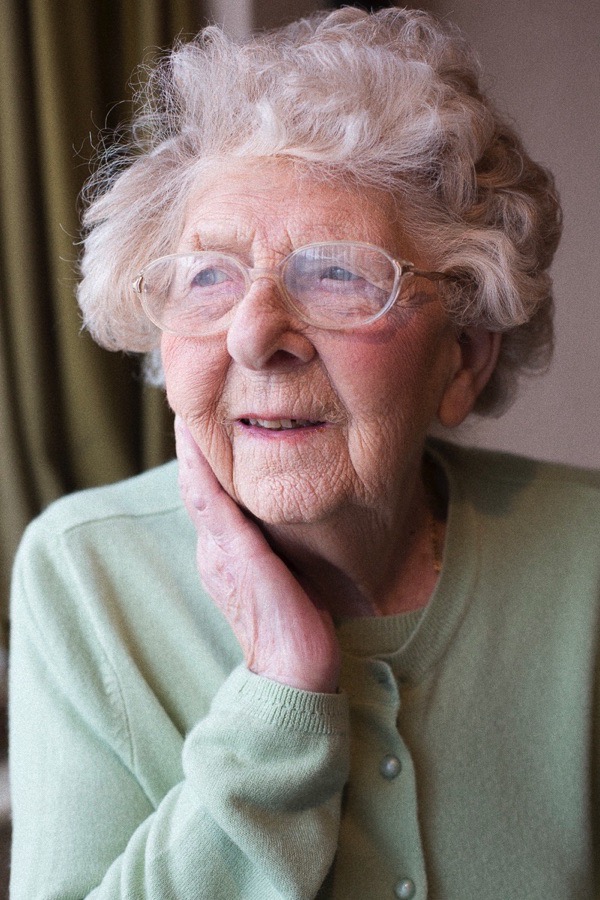
Milly Abrahams (nee Markovitch)
Contributing Photographer Martin Usborne & I took the trip to Wembley to visit Milly Abrahams, whose late brother Joseph Markovitch was the subject of Martin’s book I’ve Lived In East London for Eighty-Six & A Half Years. Milly left the East End seventy years ago but, hale and hearty in her ninety-seventh year, her childhood remains vivid to her today.
“I was born in a tenement house in Gosset St, Bethnal Green, but my mother got very ill and we were taken to Mother Levy’s Maternity Home in Underwood Rd, and we stayed there a little while – so my mother told me. In those days parents never told you much. If you asked questions, they’d say in Yiddish ‘What do you want to know for?’
I asked my mother, ‘How did you come over here?’ Somebody brought her over from Krakow and left her here and she went into service – that’s what she said. Krakow was Austria when she was born, but now it’s Poland. Neither of my parents knew what age they were when they came over. My mother had nobody here, though my father came over with his sisters and a brother who died, so I knew all the aunts. My father came from Kiev, which was Russia then and now it’s Ukraine. He tried to trace my mother’s side of the family because she said something about them going to America, yet he never found anything. So she had nobody.
They met here when she was in service and he lived next door with his sisters. They liked chicken soup but they had to water it down to make it go round. My parents got married with nothing. My father was a sick man who was always ill, he was a presser in the tailoring trade. He had trouble with his hands and I remember my mother putting cream on for him and bandaging them up. So he never really worked, but the Jewish community in the East End were very good. We were never a burden on the State, because we had all these Jewish charities – the Jewish Board of Guardians, the Jewish Soup Kitchen and all that. I went to the Jewish Free School in Bell Lane where I got free uniform, meals and seaside holidays. We used to stay in these big houses by the sea and they brought kosher food from London
Where I lived, we had the Catholics, the Protestants and the Jewish but we were all together. Nobody had any money. The non-Jewish people were very good, they used to sit outside in the street and drink tea with us. We were so happy, we didn’t know anything else. Nowadays people expect to have bathrooms ensuite and three toilets, we had a toilet in the yard. Among Jewish people, if you lived next door and you had a little bit more, you would knock on your neighbour’s door on Friday or Saturday and give them some money, yet nobody would know about it. It was kept quiet.
My father wasn’t religious at all, he was a Communist more-or-less. When we used to smell the neighbours’ bacon and want to run upstair to have some, my mother would tell us we couldn’t have bacon. When the Yiddish Theatre in Whitechapel staged benefits, we used to go along. My parents only spoke Yiddish or broken English and, even now, sometimes I mix up my words. We saw plays with well-known actors entirely in Yiddish but we all understood it.
My mother had four children and she lost one – two girls, Leah and me, two boys, Morrie and Joey, Joseph. Leah was the eldest and I was second, then Morrie and Joey, he was the last. I have to say, my mother did the right thing with Joey. He couldn’t speak clearly, but we understood him because we were used to it. They called them ‘backward’ in those days. My mother sent him to a special school and that’s where he learnt to read and write, but people used to say, ‘Why are you sending him there? It’s the madhouse!’
From Gosset St, we moved to Sonning Buildings on the Boundary Estate where we had more room and it was much better. In Gosset St, we slept in one room, my mum and dad and the four of us children. In bed, two of us slept one way and two the other. On Fridays, we used to get out the bath and all have a wash. My father used to help my mother, bathing us with the same water – that’s how it was then.
After I left school at fourteen, I worked as a machinist in a factory in Fournier St making ladieswear. The manager was a nice young bloke but it was hard work. If you talked, they said, ‘Stop talking and get on with your work.’
I belonged to the Brady Club in Hanbury St. We were kept separate and the boys’ club was round the corner somewhere, yet they used to come on their bikes to meet us and take us home on the crossbar. We only got together on Sunday nights when they had dancing.
I met my husband, David, after the war and we married when I was twenty-seven. He was a gunner and he had been in the army for six years, fighting. He was wounded, he went deaf from the gunfire and he got dysentry, but he never had a penny in compensation or a war pension, just a basic state pension.
David was a tailor in ladies tailoring, he didn’t want to be one but in those days you did what your parents told you. So when I got married, I helped my husband as a machinist because his family had a factory. At first, we lived with my mother-in-law in Old Montague St because we couldn’t afford a place of our own.
At last, when my son Alan was three, we moved here to Wembley. I missed the East End but I got used to it here, all these houses were brand new and inhabited by newly-weds from wealthy Jewish families – although we weren’t in that category. They all started having babies, and I had my second son Anthony and my daughter Shelley. The grandparents used to come to visit and bring expensive toys and, as the gardens were open, the children ran into each others’ gardens, saying ‘This is was what my grandma and pa brought me!’ My kids weren’t jealous, they just used to say, ‘Bubba and Nanny are poor.’
Joey never left home, he lived with my mother in Sonning Buildings and they used to come here to visit at weekends. He was lovely little kid, he was the only one of us that wasn’t ginger, he was blond. He never had a proper job, only odd jobs. It was very difficult, but my mother never put him in an institution like a lot of people did in those days. He was always unwell, with chest problems, yet he was always chatty speaking to everyone. He was very interested in Politics and always talking about Money and the Country. Joey and me used to go to the cinema in Hoxton together to see Dick Powell and Ingrid Bergman films. We saw Gone With The Wind and came out crying.”
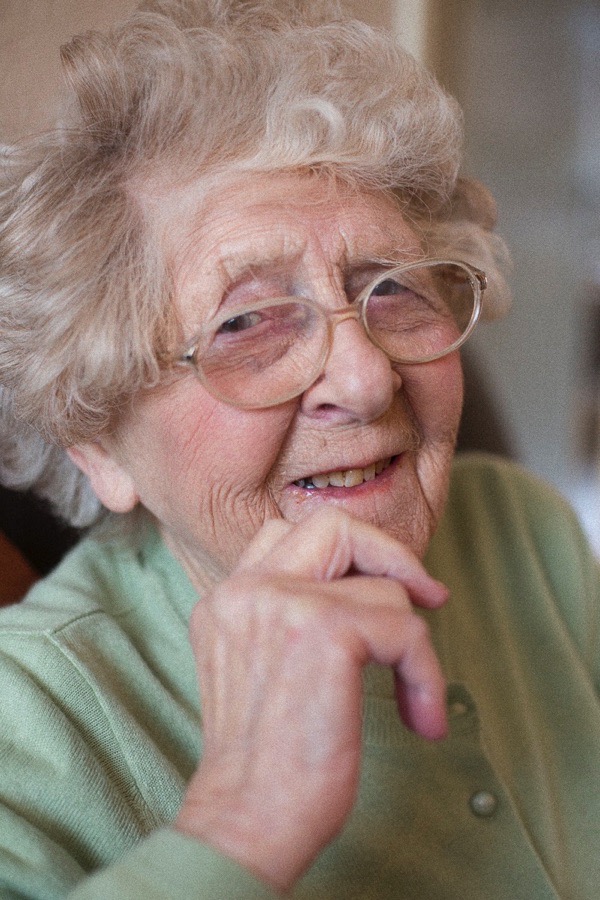
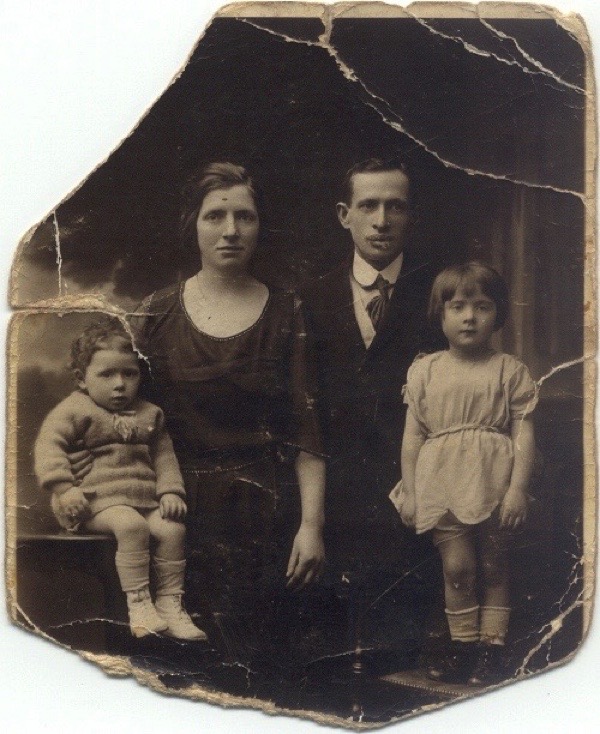
Milly is on the left and her sister Leah on the right of this family group from the twenties
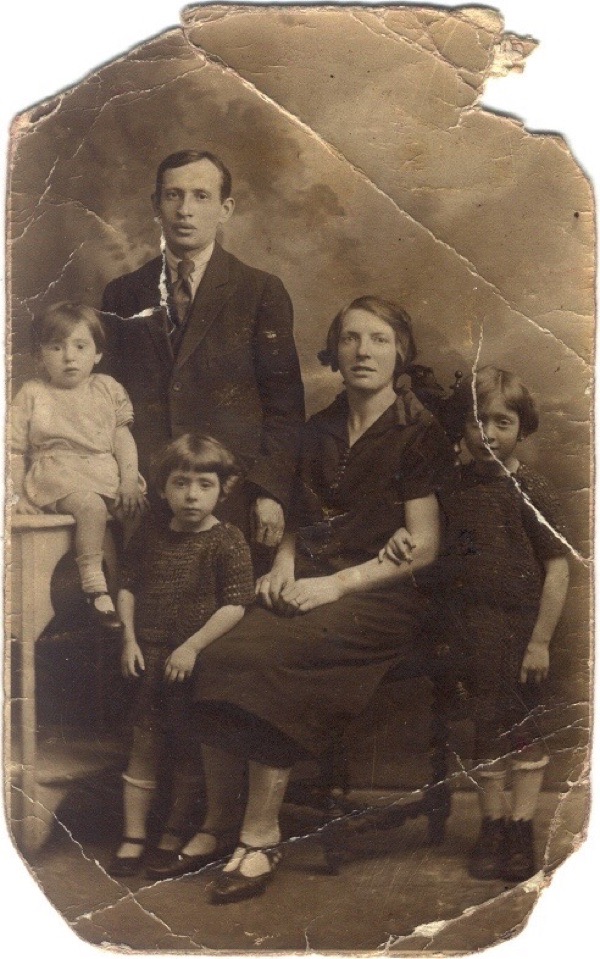
Milly is in the centre, Leah on the right and Maurice on the left of this family group
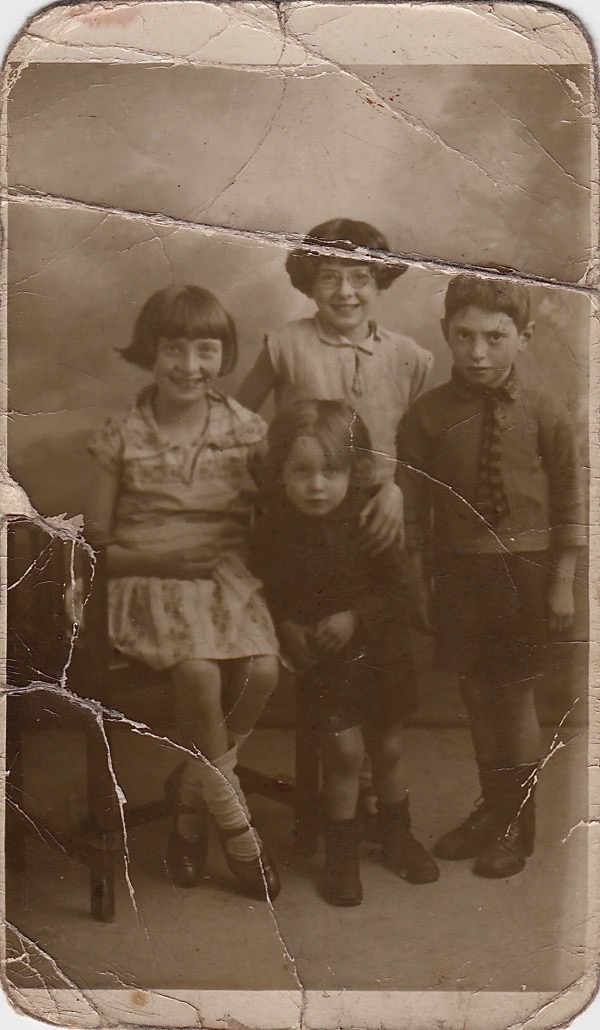
Joseph is in the centre, Milly on the left, Leah at the top and Maurice on the right
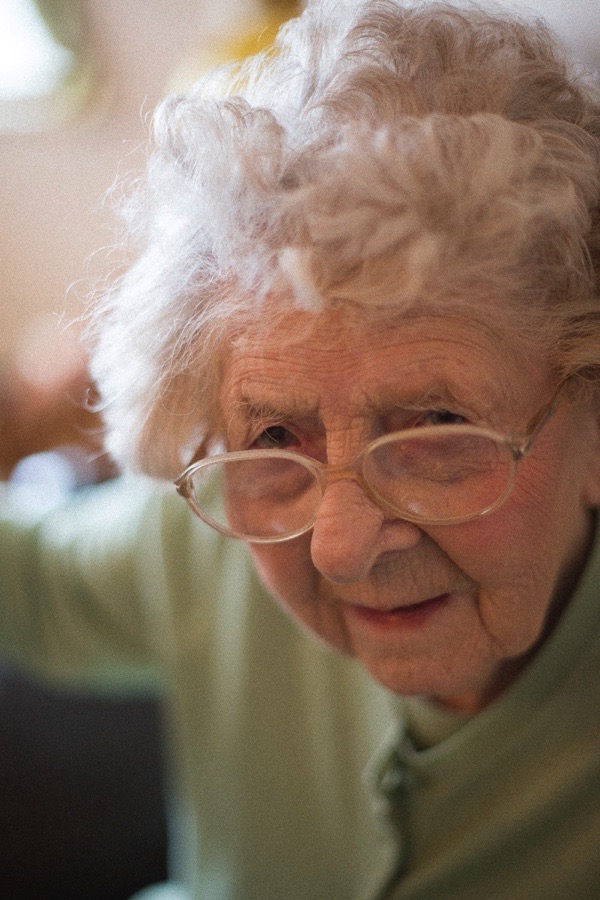
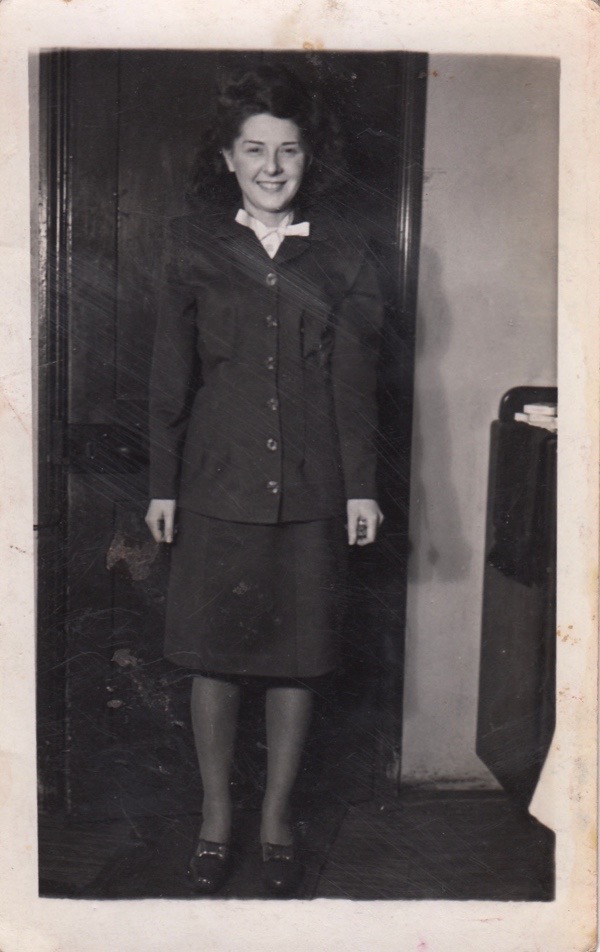
Milly as a young woman
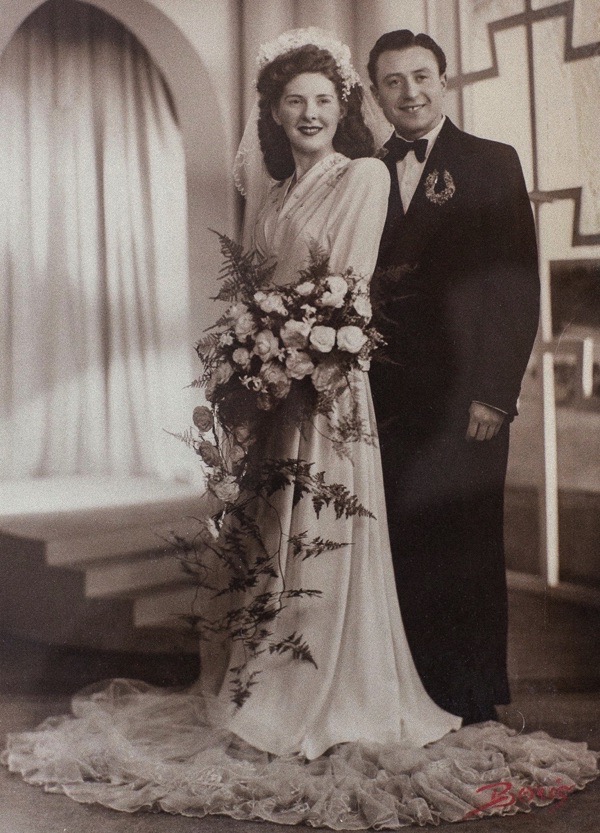
Milly and her husband David Abrahams, as photographed by Boris of Whitechapel
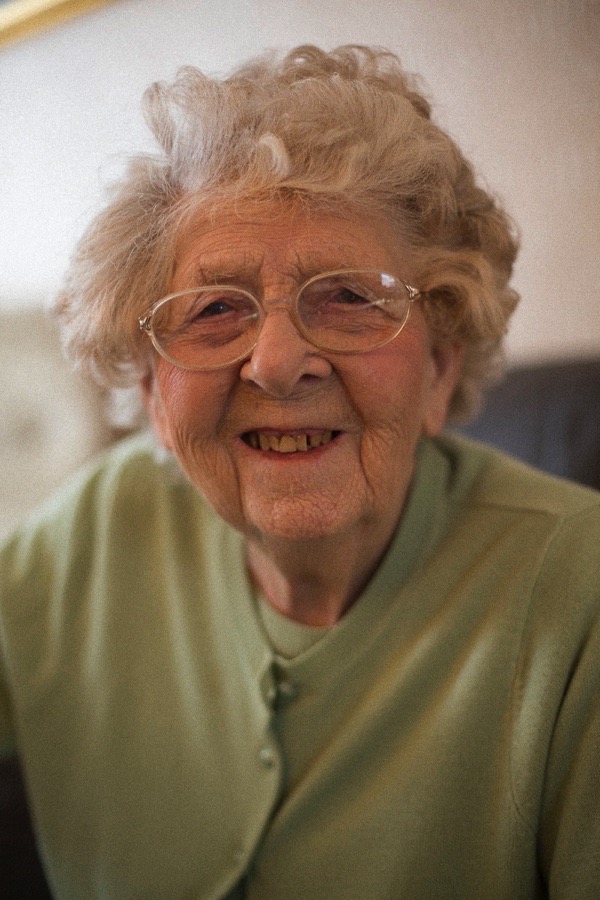
Milly Abrahams, Dressmaker
Portraits copyright © Martin Usborne
You may also like to read about
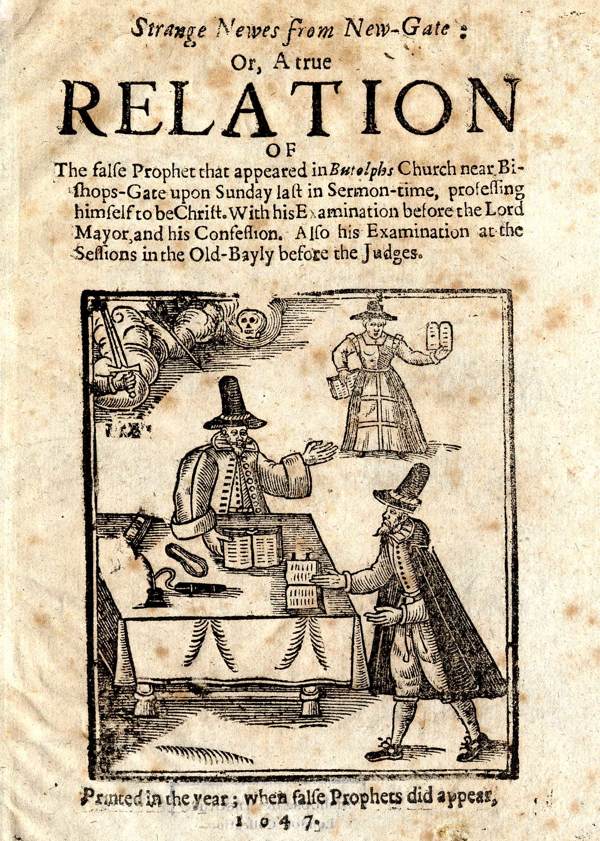
Strange News From Spitalfields


Bob Mazzer At The Model Railway Show
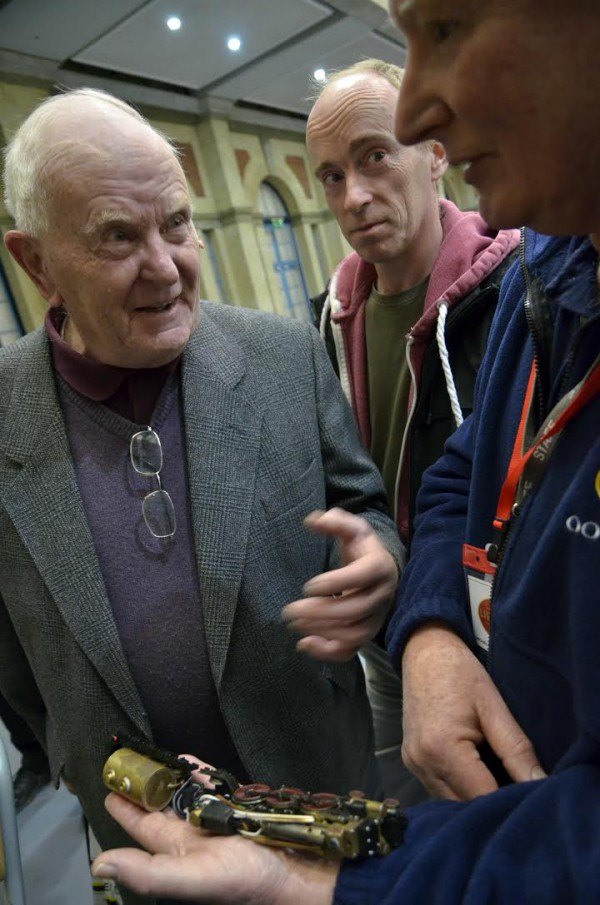
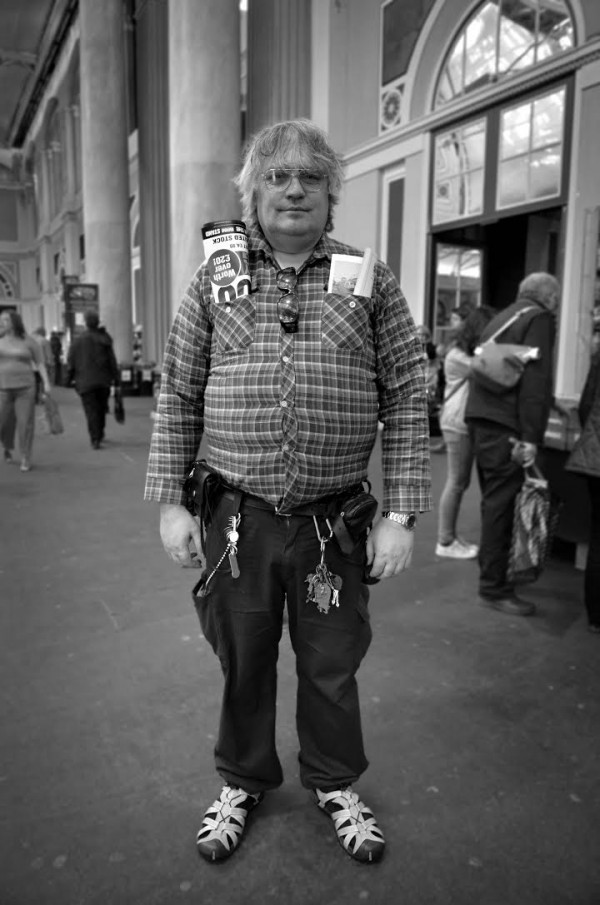
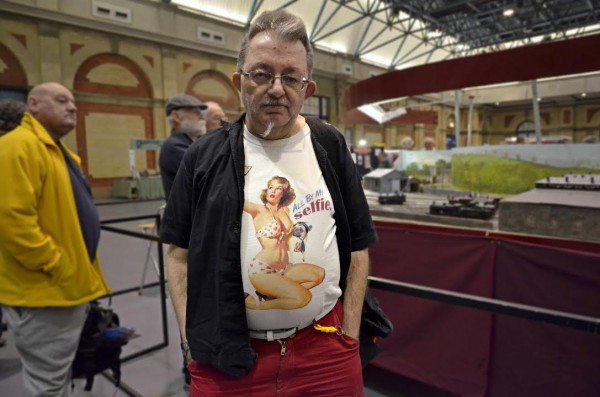
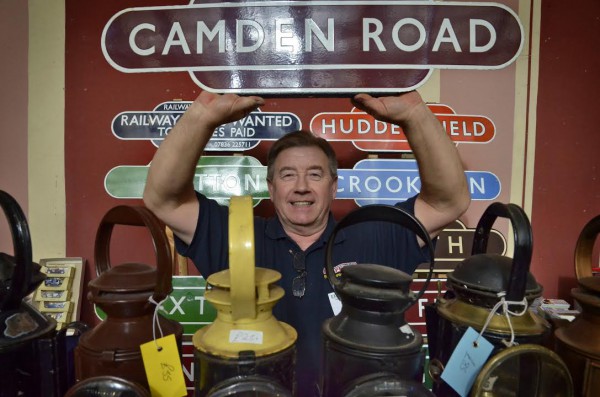
Contributing Photographer Bob Mazzer, celebrated for his pictures taken on the Underground, recently spent the weekend at the London Festival of Railway Modelling at Alexandra Palace to create this photoessay for your delight
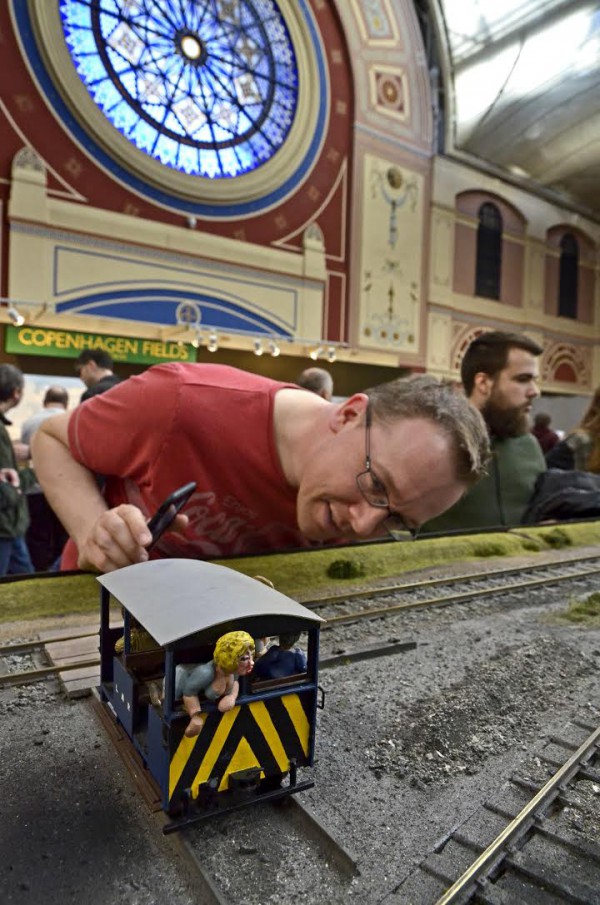
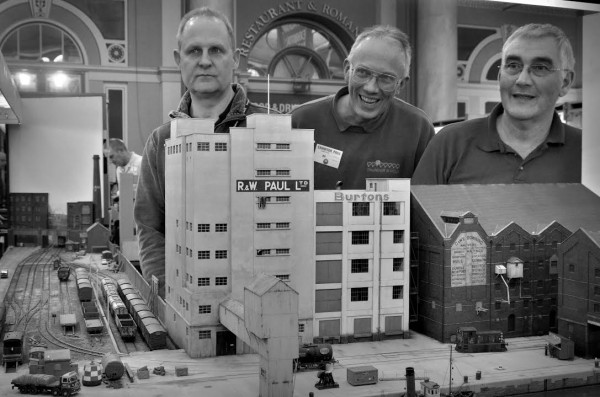

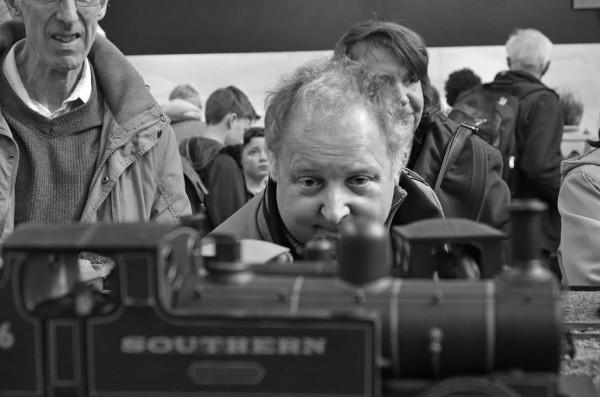
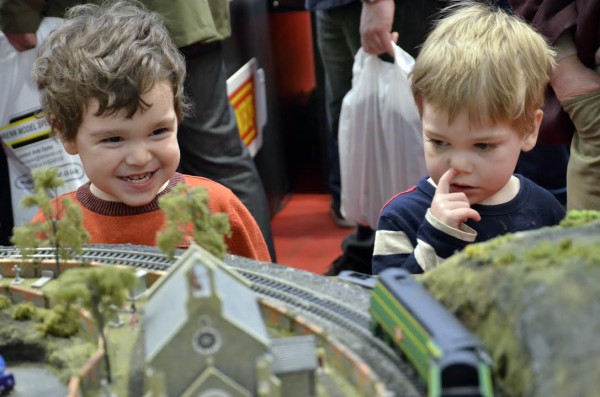
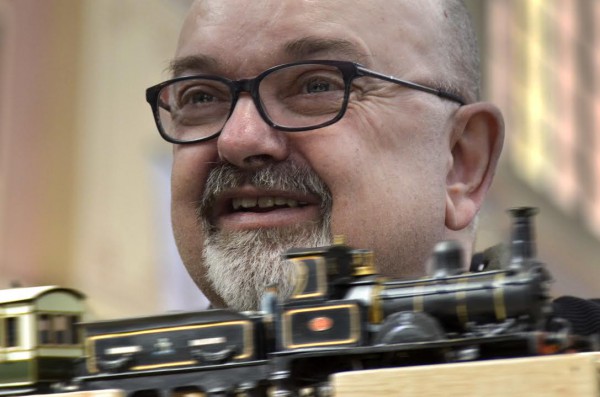
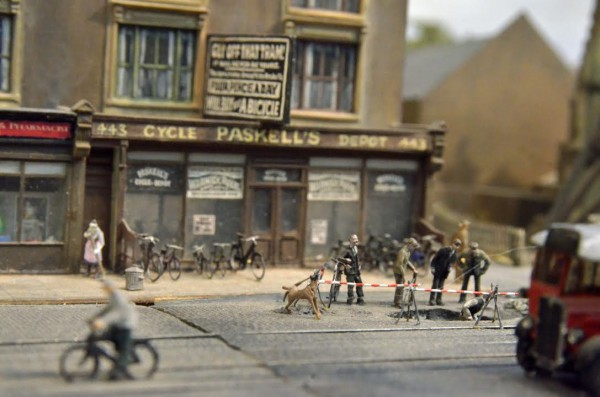
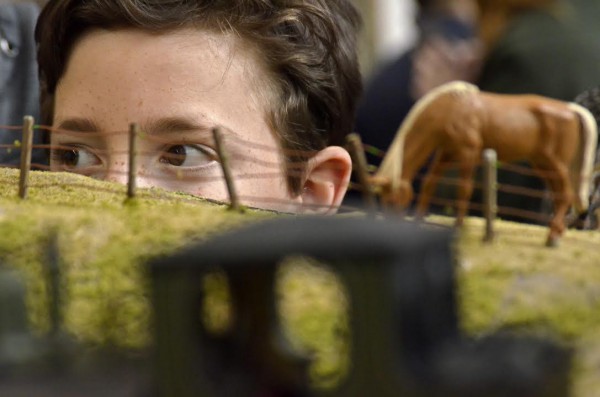
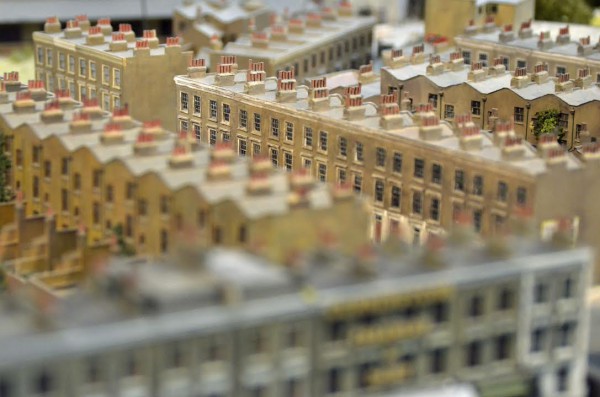
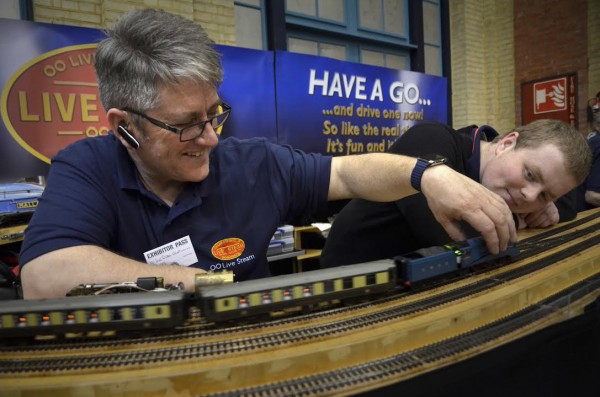
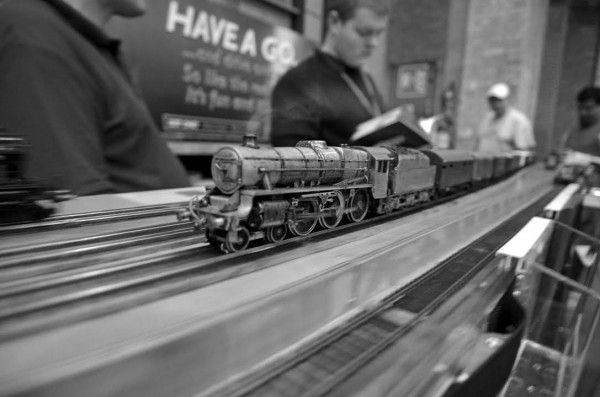
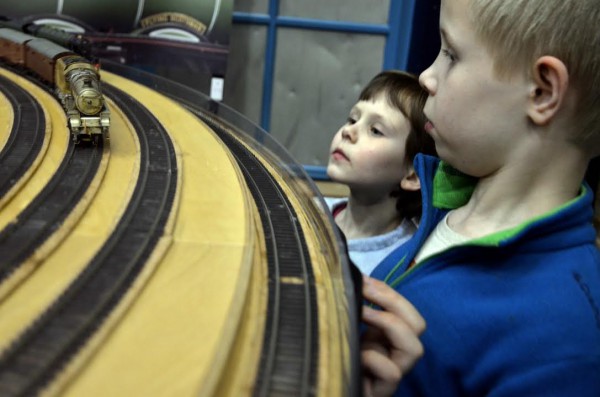
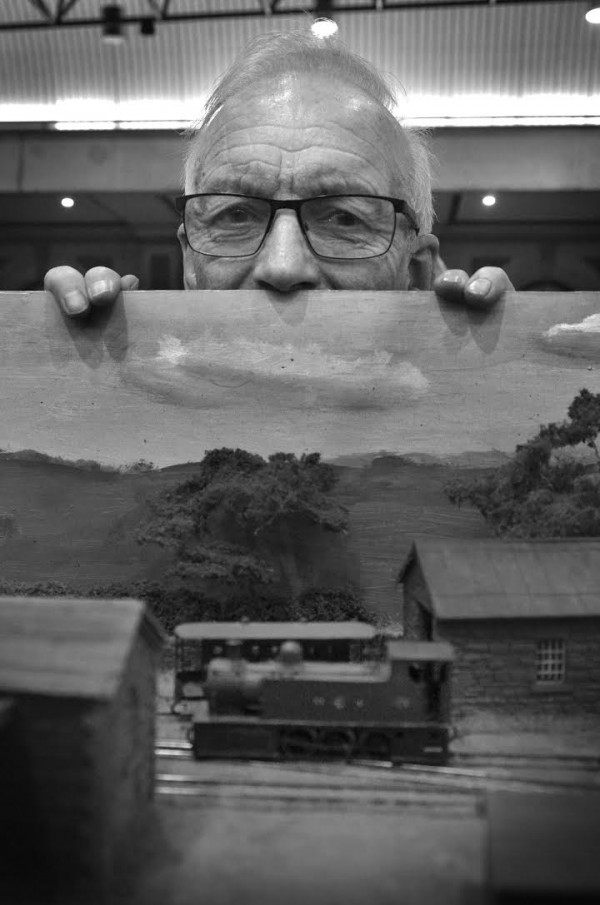
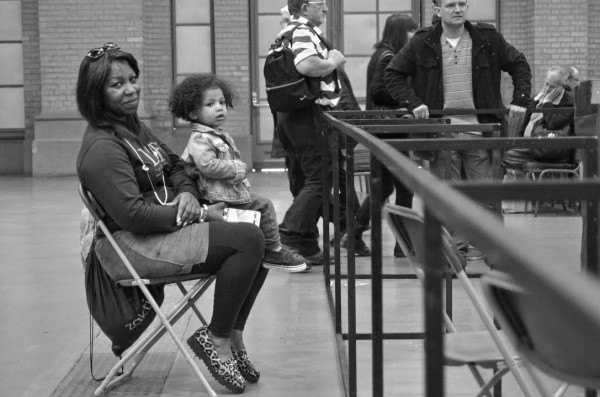
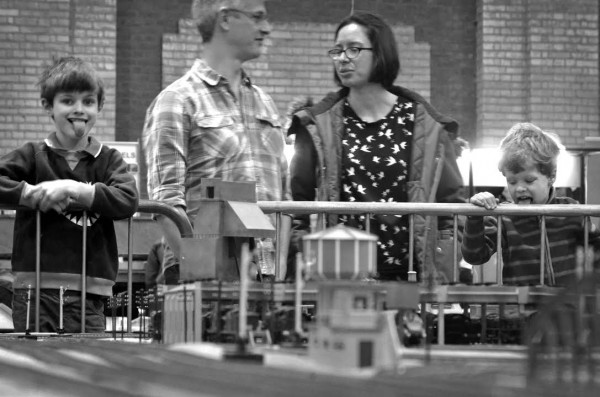
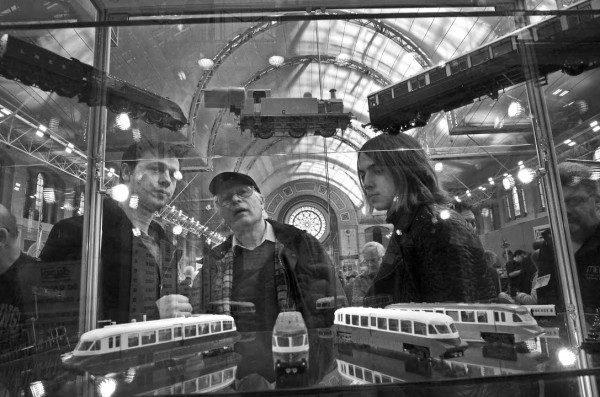
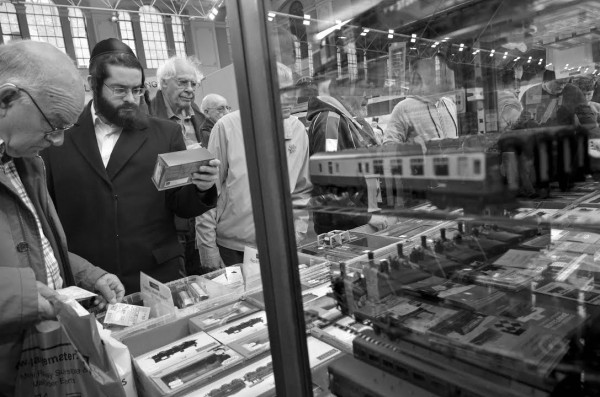
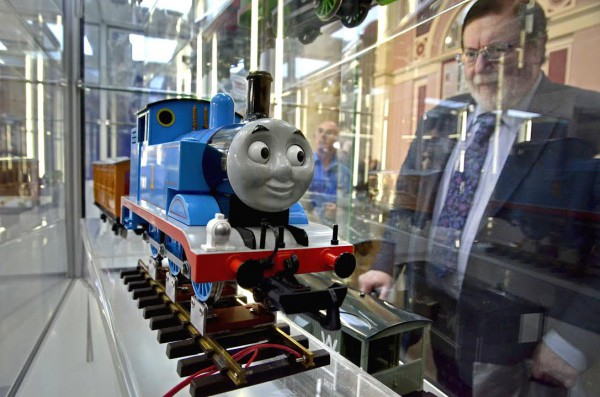
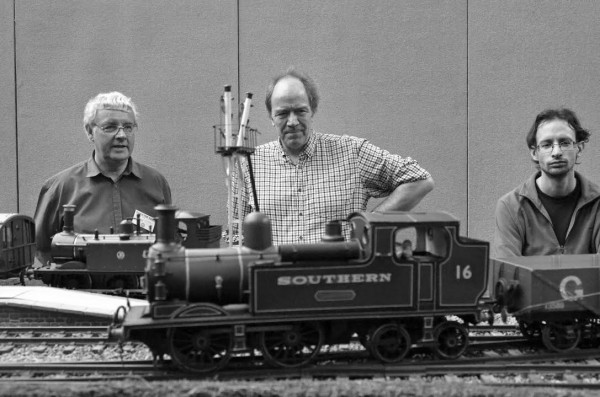
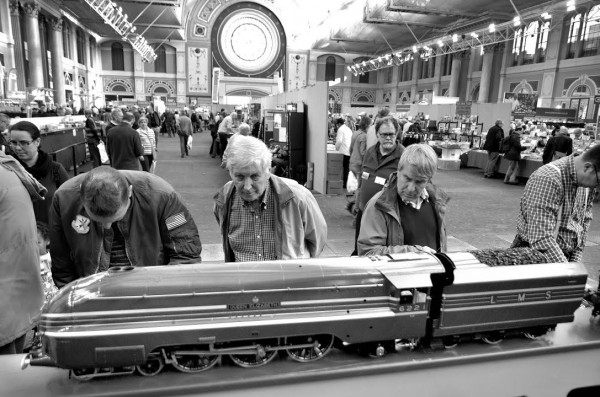
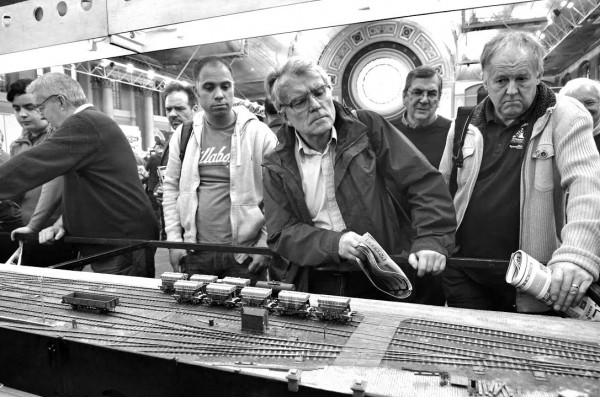
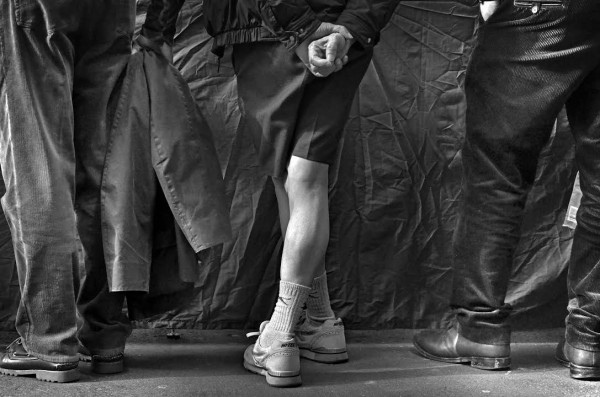
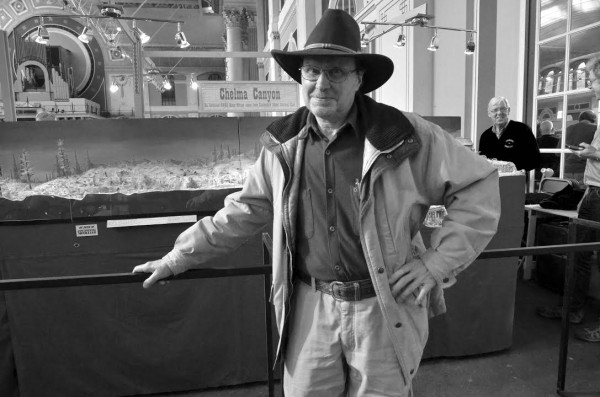
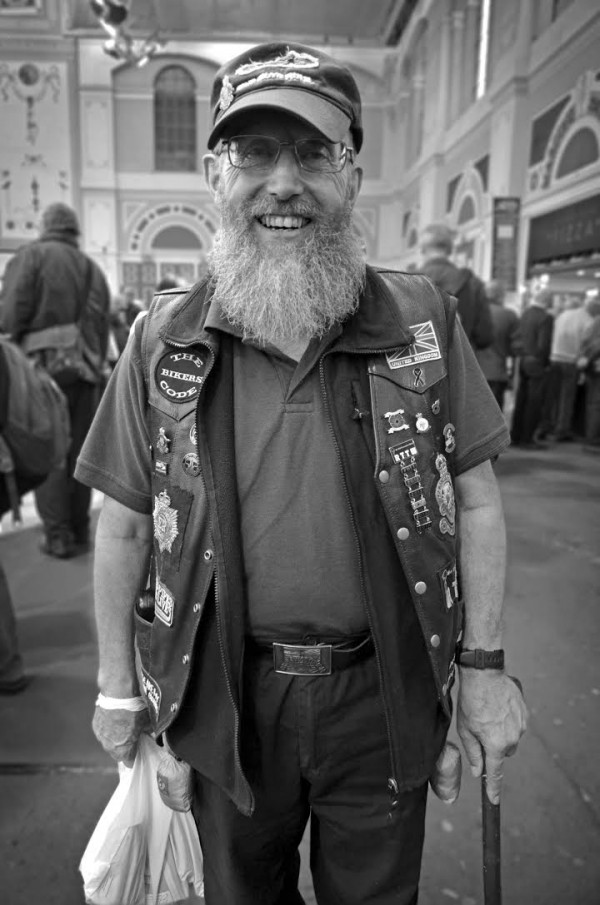
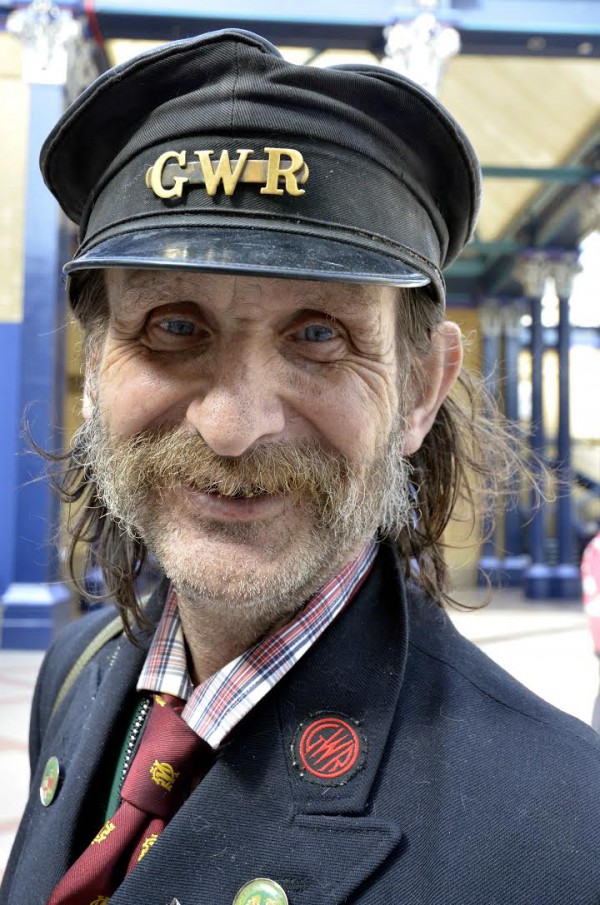
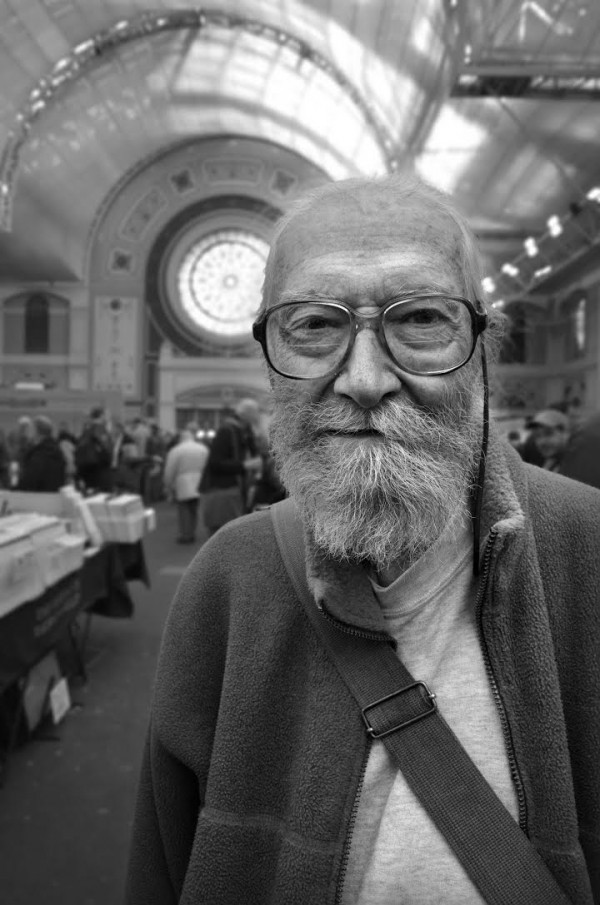
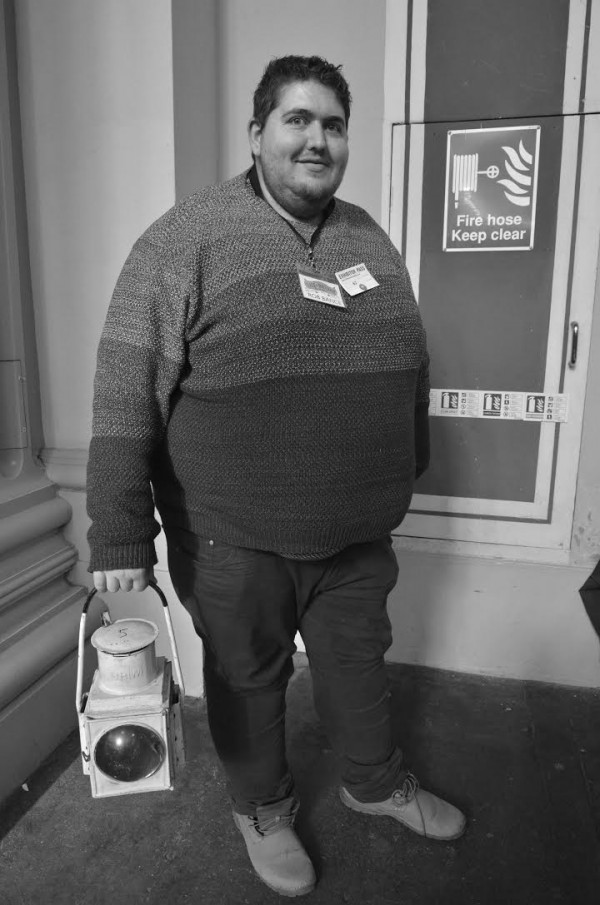
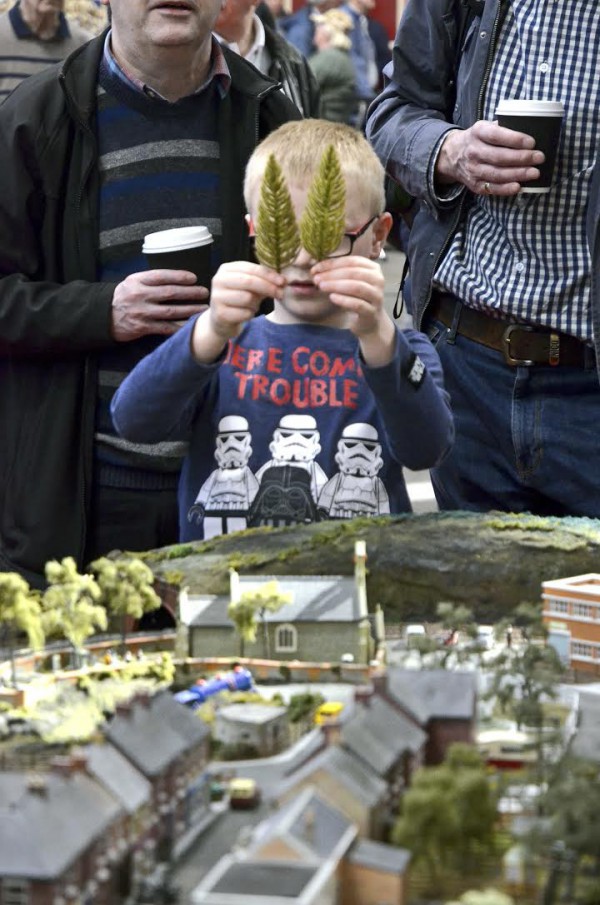
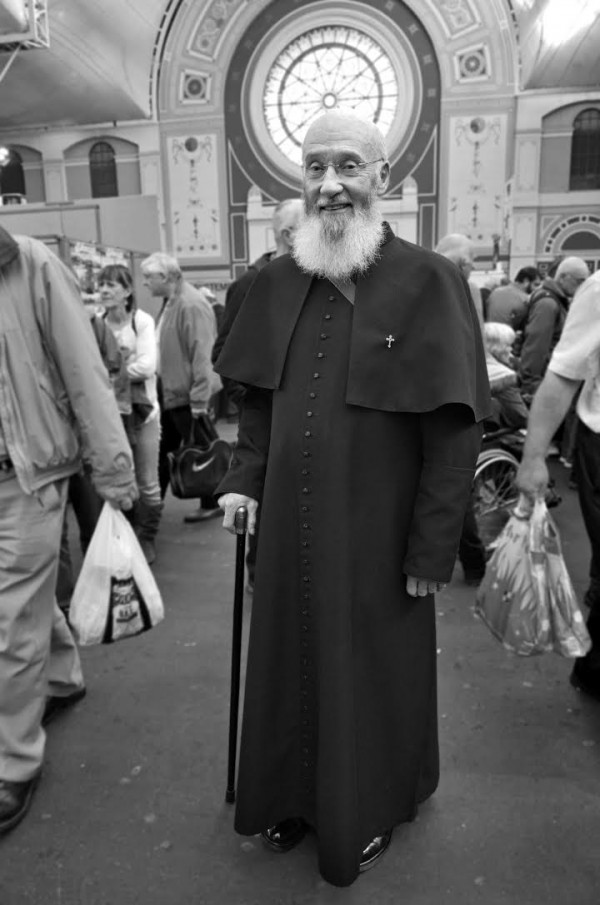

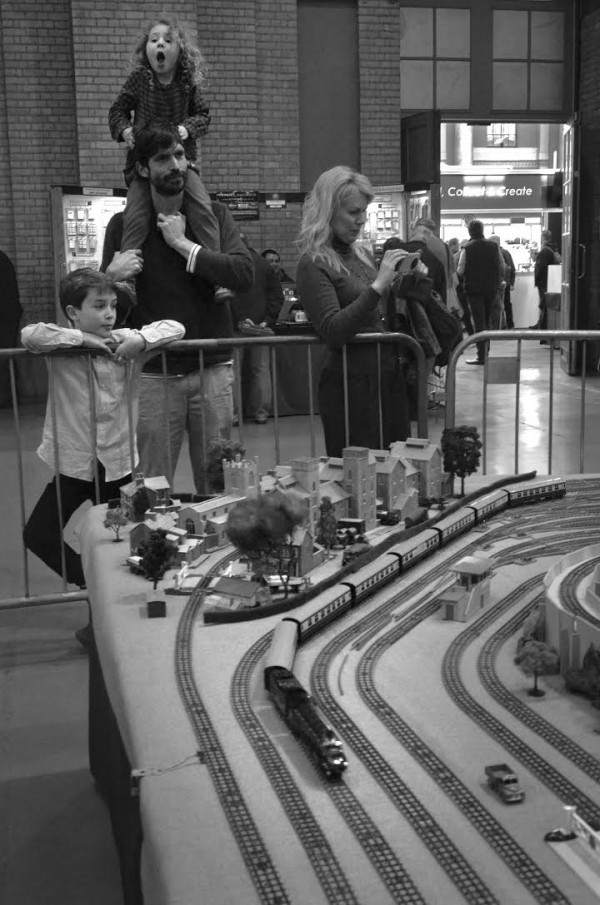
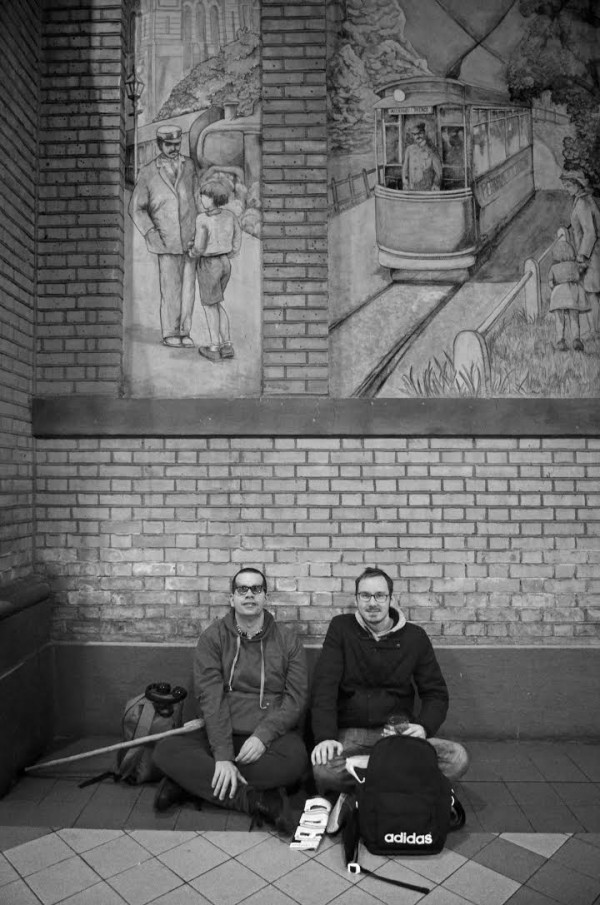
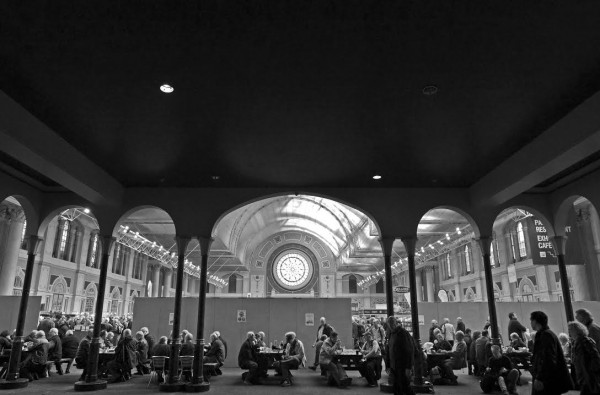
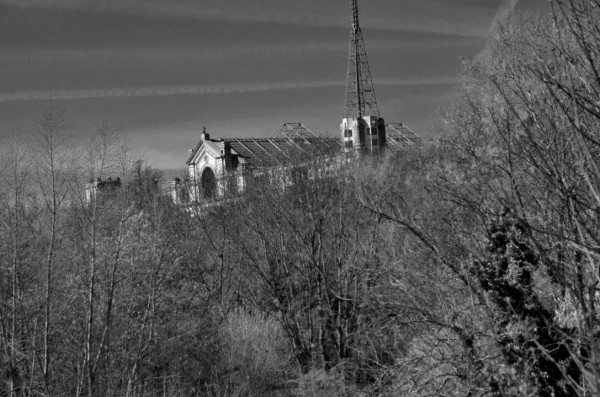
Photographs copyright © Bob Mazzer
You may also like to take a look at these other photographs by Bob Mazzer
Bob Mazzer’s Street Photography
The Ceremony Of The Widow’s Sixpence
Free hot cross buns will be distributed at St Bartholomew the Great in Smithfield tomorrow at 11:30am

Distribution of buns to widows in the churchyard of St Bartholomew the Great
St Bartholomew the Great is one of my favourite churches in the City, a rare survivor of the Great Fire, it boasts the best Norman interior in London. Composed of ancient rough-hewn stonework, riven with deep shadow where feint daylight barely illuminates the accumulated dust of ages, this is one of those rare atmospheric places where you can still get a sense of the medieval world glimmering. Founded by Rahere in 1123, the current structure is the last vestige of an Augustinian Priory upon the edge of Smithfield, where once martyrs were burnt at the stake as public entertainment and the notorious St Bartholomew Fair was celebrated each summer from 1133 until 1855.
In such a location, the Good Friday tradition of the distribution of charity in the churchyard to poor widows of the parish sits naturally. Once known as the ‘Widow’s Sixpence,’ this custom was institutionalised by Joshua Butterworth in 1887, who created a trust in his name with an investment of twenty-one pounds and ten shillings. The declaration of the trust states its purpose thus – “On Good Friday in each year to distribute in the churchyard of St. Bartholomew the Great the sum of 6d. to twenty-one poor widows, and to expend the remainder of such dividends in buns to be given to children attending such distribution, and he desired that the Charity intended to be thereby created should be called ‘the Butterworth Charity.'”
Those of use who gathered at St Bartholomew the Great on the Good Friday I visited were blessed with sunlight to ameliorate the chill as we shivered in the churchyard. Yet we could not resist a twinge of envy for the clerics in their heavy cassocks and warm velvet capes as they processed from the church in a formal column, with priests at the head attended by vergers bearing wicker baskets of freshly buttered Hot Cross Buns, and a full choir bringing up the rear.
In the nineteen twenties, the sum distributed to each recipient was increased to two shillings and sixpence, and later to four shillings. Resplendent in his scarlet robes, Rev Martin Dudley, Rector of St Bartholomew the Great climbed upon the table tomb at the centre of the churchyard traditionally used for that purpose and enacted the motions of this arcane ceremony – enquiring of the assembly if there were a poor widow of the parish in need of twenty shillings. To his surprise, a senior female raised her hand. “That’s never happened before!” he declared to the easy amusement of the crowd, “But then, it’s never been so cold at Easter before.” Having instructed the woman to consult with the churchwarden afterwards, he explained that it was usual to preach a sermon upon this hallowed occasion, before qualifying himself by revealing that it would be brief this year, owing to the adverse meteorological conditions. “God’s blessing upon the frosts and cold!” he announced with a grin, raising his hands into the sunlight, “That’s it.”
I detected a certain haste to get to the heart of the proceedings – the distribution of the Hot Cross Buns. Rev Dudley directed the vergers to start with the choir, who exercised admirable self-control in only taking one each. Then, as soon as the choir had been fed, the vergers set out around the boundaries of the yard where senior females with healthy appetites, induced by waiting in the cold, reached forward eagerly to take their allotted Hot Cross Buns in hand.
The tense anticipation induced by the chill gave way to good humour as everyone delighted in the strangeness of the ritual which rendered ordinary buns exotic. Reaching the end of the line at the furthest extent of the churchyard, the priests wasted no time in satisfying their own appetites and, for a few minutes, silence prevailed as the entire assembly munched their buns.
Then Rev Martin returned to his central position upon the table tomb. “And now, because there is no such thing as free buns,” he announced, “we’re going to sing a hymn.” Yet we were more than happy to oblige, standing replete with buns on Good Friday.

The Priory Church of St Bartholomew the Great, a century ago


John Betjeman once lived in this house overlooking the churchyard.


The ceremony of the Widow’s Sixpence in the nineteen twenties.
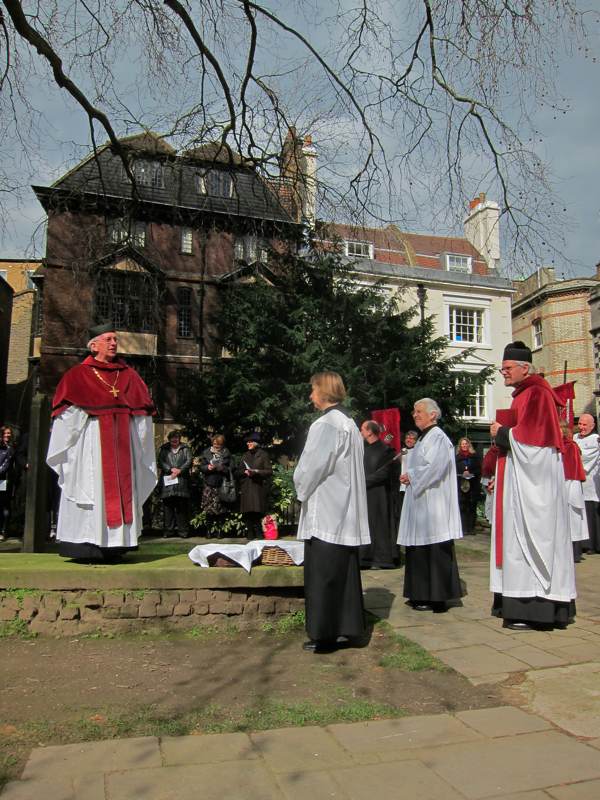
“God’s blessing upon the frosts and cold!”

A crowd gathers for the ceremony a hundred years ago

Hungry widows line up for buns

The churchyard in the nineteenth century


Rev Martin Dudley BD MSc MTh PhD FSA FRHistS AKC is the 25th Rector since the Reformation

Testing the buns


The clerics ensure no buns go to waste

Hymns in the cold – “There is a green hill far away without a city wall…”


The Norman interior of St Bartholomew the Great at the beginning of the twentieth century

The Gatehouse prior to bombing in World War I and reconstruction

Archive images courtesy Bishopsgate Institute
You may also like to read about
Digging Up the Oldest Tree In The East End
On Friday, Tower Hamlets Council granted Crest Nicholson, the developers of the former London Chest Hospital, permission to dig up the oldest Mulberry in the East End, which is subject to a Tree Protection Order, and move it out of the way for their proposed development of the site, even though they do not yet have planning permission for construction.
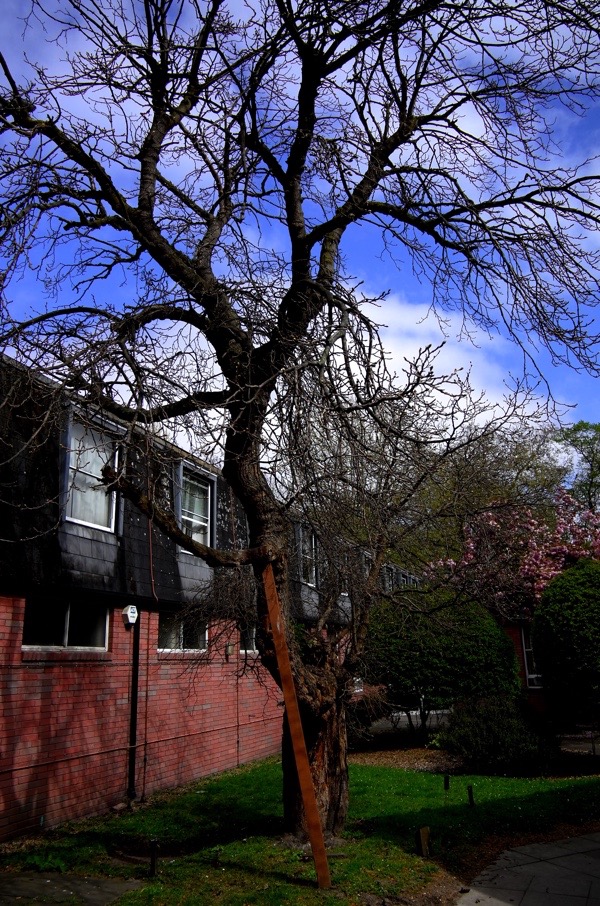
Thanks to an invitation from one of the readers, I had the opportunity of making the acquaintance of the oldest tree in the East End two years ago, a dignified tottering specimen known as the Bethnal Green Mulberry. It is more than four hundred years old and its leaves were intended to feed silkworms cultivated by weavers.
The Black Mulberry originally grew within the grounds of Bishop Bonner’s Palace that stood on this site and an inkwell in the museum of the Royal London Hospital, made in 1915 from a bough, has a brass plate engraved with the sardonic yarn that the Bishop sat beneath it to enjoy shelter in the cool of the evening while deciding which heretics to execute. Once upon a time, the Mulberry stood next to a chapel that was destroyed by a bomb in World War II, leaving the tree’s bark with charred scars to remind us of its history.
My visit was a poignant occasion since the Mulberry stands today in the grounds of the former London Chest Hospital which opened in 1855 and closed forever the week I visited, prior to being handed over by the National Health Service in advance of redevelopment. My only previous visit to the Hospital was as a patient struggling with pneumonia, when I was grateful to come here for treatment and feel reassured by its gracious architecture surrounded by trees. Of palatial design, the London Chest Hospital was a magnificent Victorian philanthropic institution where the successful campaign to rid the East End of tuberculosis in the last century was masterminded.
It was a sombre spectacle to see workmen carrying out desks and stripping the Hospital of its furniture, and when a security guard informed me that building had been sold for twenty-five million and would be demolished since “it’s not listed,” I was shocked at the potential loss of this beloved structure and the threat to the historic tree too.
Subsequently, the Chest Hospital has been listed by Historic England. Yet this appears not to be sufficient protection against proposed destructive alteration to the main building, as part of a gross over-development of luxury flats priced far beyond the pockets of local people. In their haste, without even having planning permission for this development, the developers intend to dig up the ancient Mulberry, even though it is subject to a Tree Preservation Order, and move it out of their way.
Gainly supported by struts that have become absorbed into the fibre of the tree over the years, it was heartening to see this ancient organism in spring, coming into leaf once more and renewing itself again after four centuries. The Bethnal Green Mulberry has seen palaces and hospitals come and go, but it continues to bear fruit every summer regardless.
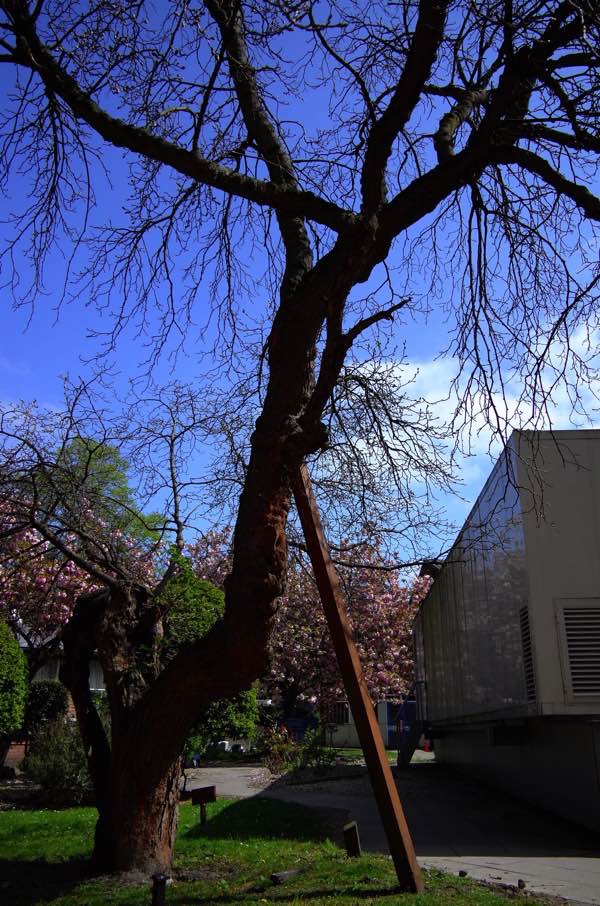
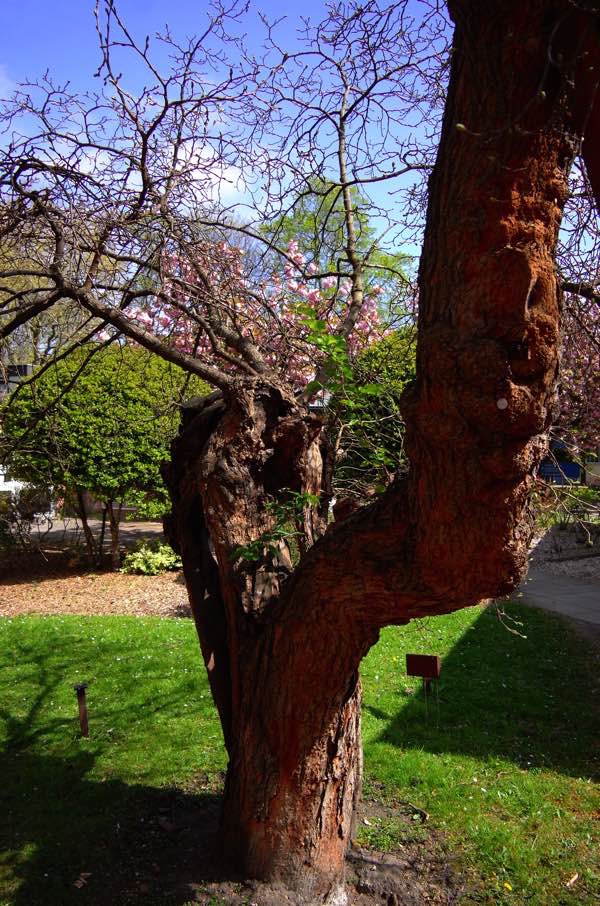
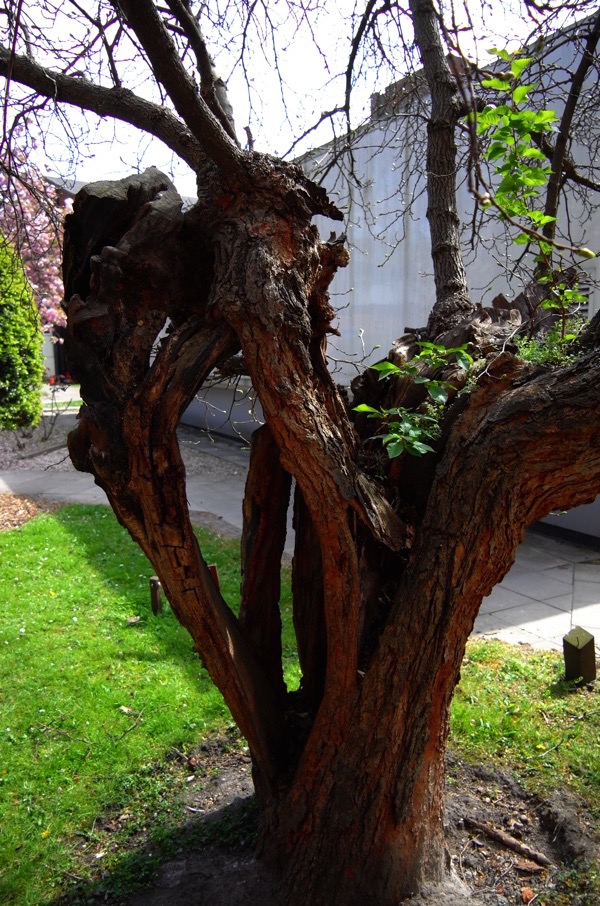
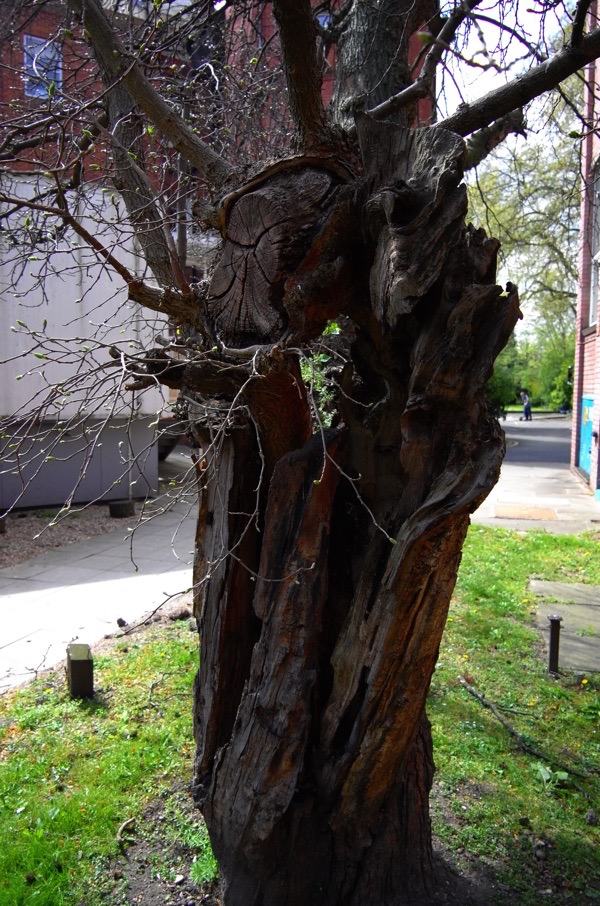
The Mulberry narrowly escaped destruction in World War II and charring from the bomb is still visible
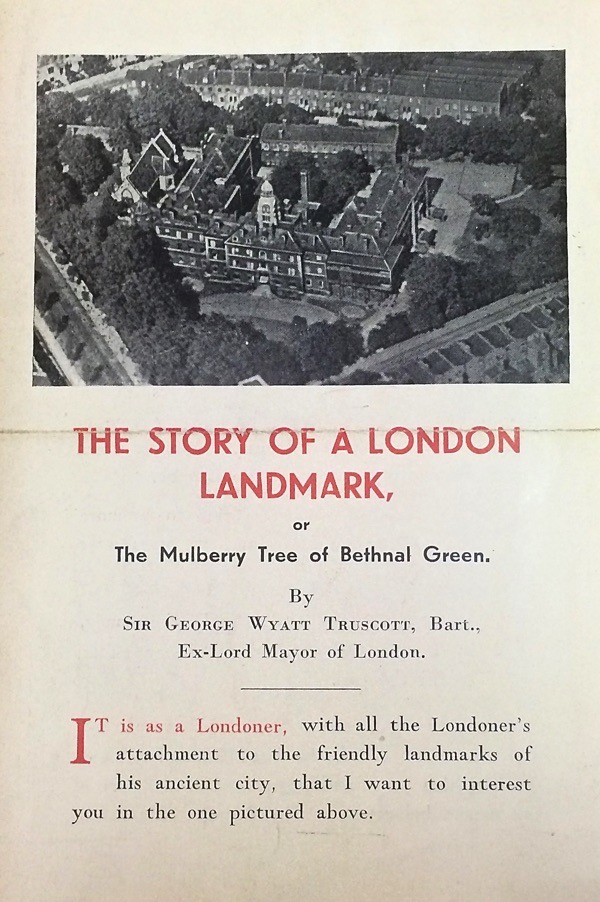
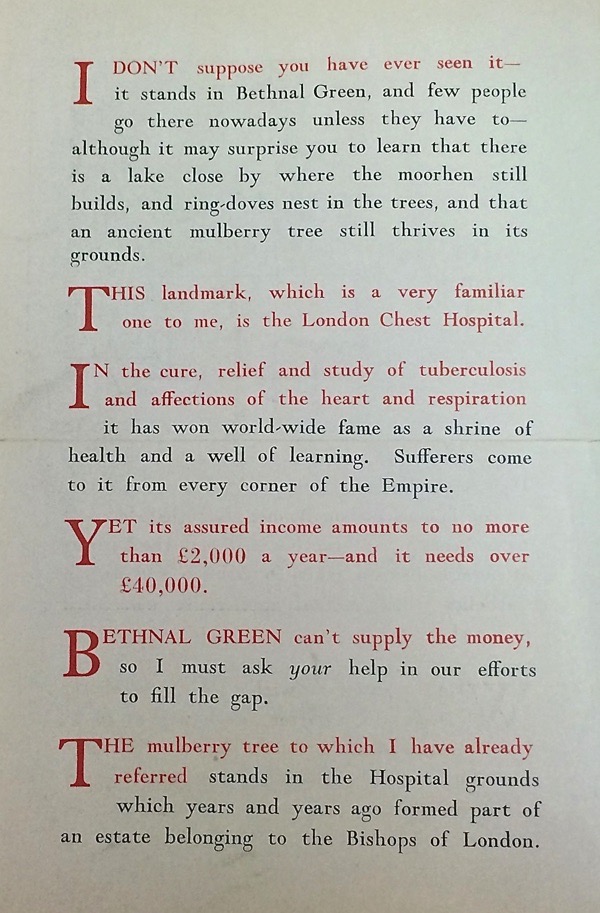
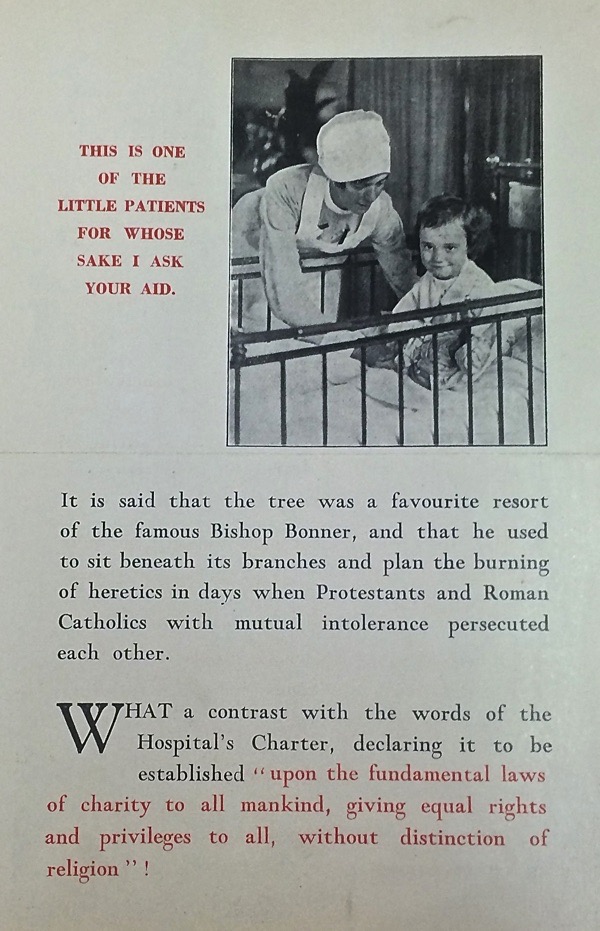
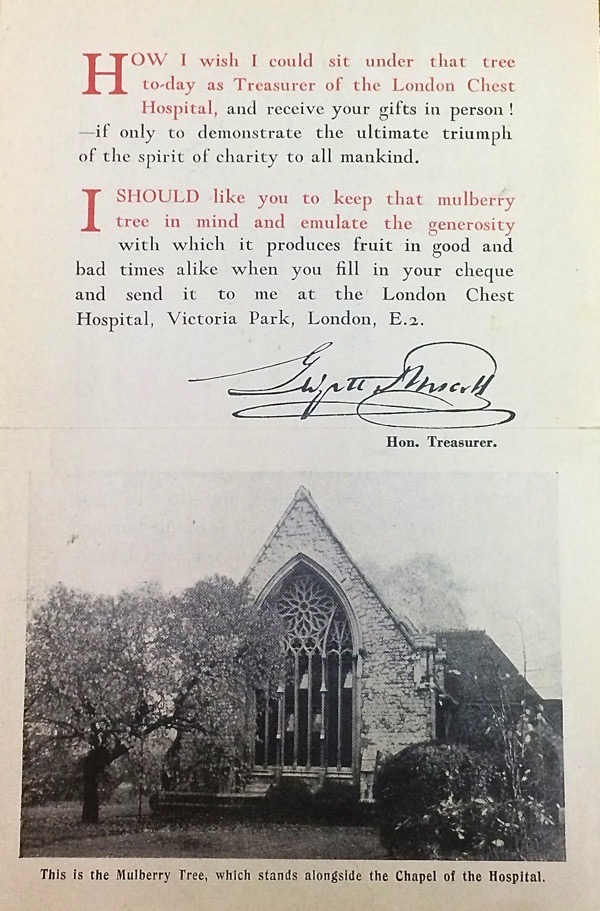
This pre-war fund-raising leaflet for the Chest Hospital shows the Mulberry tree standing next to the chapel which was destroyed by a bomb during World War II when the Mulberry itself just escaped destruction by a few feet
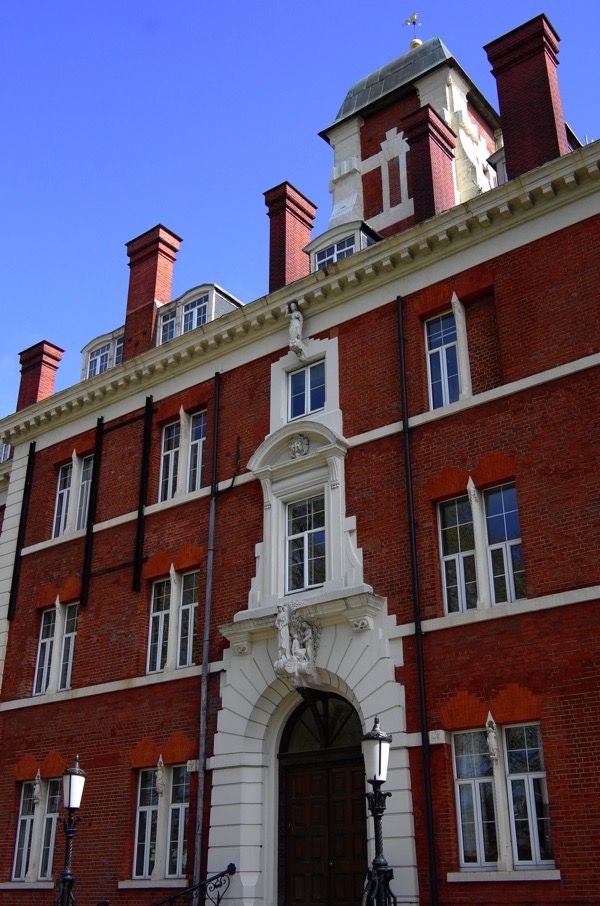
The London Chest Hospital opened in 1855 and closed in 2015
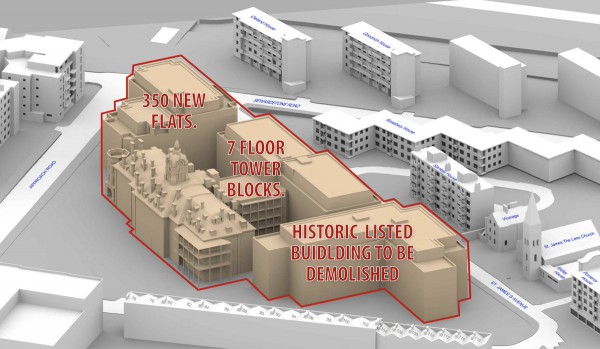
The proposed redevelopment
Click here to read about the Save The Chest Hospital campaign
You may like to read my other stories about Mulberry trees
The Oldest Mulberry in Britain
A Brief History of London Mulberries
A.S. Jasper, Author & Cabinet-Maker
Join me at the launch party for A.S. Jasper’s A Hoxton Childhood & The Years After on Tuesday 25th April 7pm at the Labour and Wait Workroom, 29-32 The Oval, Off Hackney Rd, Bethnal Green, E2 9DT. There will be live music, readings and refreshments. Tickets are £5, including £5 discount off the cover price. Click here to book
Together, A.S. Jasper’s A Hoxton Childhood & The Years After comprise an authentic testimony of the survival and eventual triumph of a protagonist who retains his sense of decency against all the odds. A Hoxton Childhood is a tender memoir of growing up in Hoxton before the First World War, while The Years After details the author’s struggles and successes in the Shoreditch cabinet-making trade.
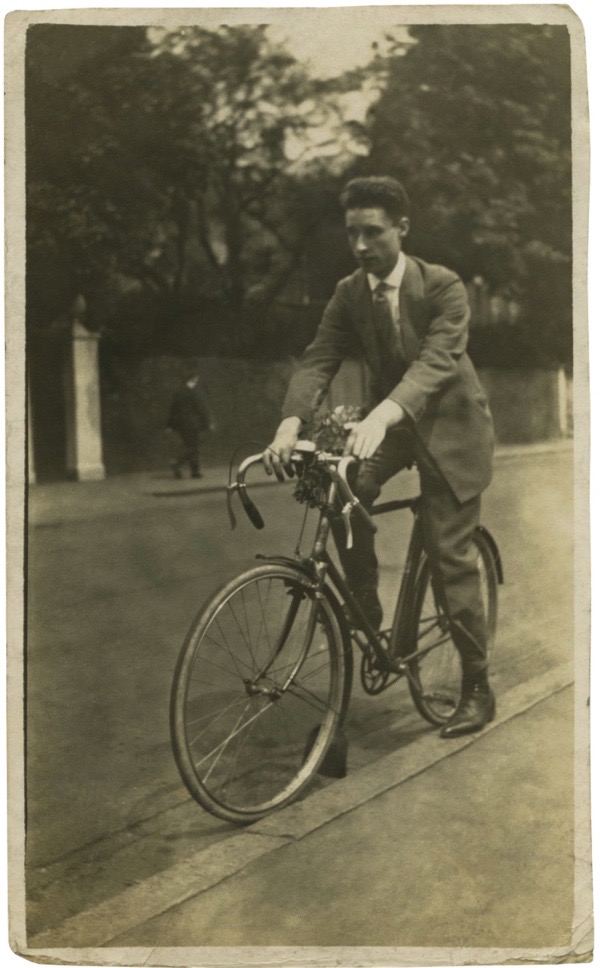
Albert Stanley Jasper
“The initials stand for Albert Stanley, but he was always know as Stan, never Albert,” admitted Terry Jasper, speaking of his father when we met at F. Cooke’s Pie & Mash Shop in Hoxton Market. A.S. Jasper’s A Hoxton Childhood was immediately acclaimed as a classic in 1969 when The Observer described it as “Zola without the trimmings,” and now Spitalfields Life Books is publishing a handsome new definitive edition accompanied for the first time by the sequel, The Years After.
“In the late sixties, my mum and dad lived in a small ground floor flat. Looking out of the window onto the garden one morning, he saw a tramp laying on the grass who had been there all night. My dad took him out a sandwich and a cup of tea, and told him that he wouldn’t be able to stay there” Terry recalled, “I think most people in that situation would have just phoned the police and left it at that.” It is an anecdote that speaks eloquently of Stan Jasper’s compassionate nature, informing his writing and making him a kind father, revered by his son all these years later.
Yet it is in direct contrast to the brutal treatment that Stan received at the hands of his own alcoholic father William, causing the family to descend in a spiral of poverty as they moved from one rented home to another, while his mother Johanna struggled heroically against the odds to maintain domestic equilibrium for her children. “My grandmother, I only met her a couple of times, but once I was alone with her in the room and she said, ‘Your dad, he was my best boy, he took care of me.'” Terry remembered.
“There are a million things I’d like to have asked him when he was alive but I didn’t,” Terry confided to me, contemplating his treasured copy of his father’s book that sat on the table between us, “My dad died in 1970, he was sixty-five – It was just a year after publication but he saw it was a success.”
“When he was a teenager, he was a wood machinist and the sawdust got on on his lungs and he got very bad bronchitis. When I was eight years old, the doctor told him he must give up his job, otherwise the dust would kill him. My mum said to him that this was something he had to do and he just broke down. It was very strange feeling, because I didn’t think then that grown-ups cried.”
Stan started his own business manufacturing wooden cases for radios in the forties, employing more than seventy people at one point until it ran into difficulties during the credit squeeze of the fifties. Offered a lucrative buy-out, Stan turned it down out of a concern that his employees might lose their jobs but, shortly after, the business went into liquidation.”He should have thought of his family rather his workers,” commented Terry regretfully, “He lost his factory and his home and had to live in a council flat for the rest of his life.”
“My dad used to talk about his childhood quite a lot, he never forgot it – so my uncle Bob said, ‘Why don’t you write it all down?’ And he did, but he tried to get it published without success. Then a friend where I worked in the City Rd took it to someone he knew in publishing, and they really liked it and that’s how it got published. When the book came out in 1969, he wanted to go back to Hoxton to see what was still left, but his health wasn’t good enough.”
Terry ‘s memories of his father’s struggles are counterbalanced by warm recollections of family celebrations.”He always enjoyed throwing a party, especially if he was in the company of my mother’s family. It wasn’t easy obtaining beer and spirits during the warm but somehow he managed to find a supply. He was always generous where money was concerned, sometimes to a fault, and he had a nice voice and didn’t need much persuading to get up and sing a song or two.”
Stan Jasper only became an author in the final years of his life when he could no longer work, and the success of A Hoxton Childhood encouraged him to write The Years After, which was found among his papers after his death and is published now more than forty years later. The two works exist as companion pieces, tracing the dramatic journey of the author from the insecurity of his early years in Hoxton to the comfortable suburban existence he created for his family as an adult. The moral lessons he learnt in childhood became the guidelines by which he lived his life.
Together, A.S. Jasper’s A Hoxton Childhood & The Years After comprise an authentic testimony of the survival and eventual triumph of a protagonist who retains his sense of decency against all the odds. “He said he would always settle for the way life turned out,” Terry concluded fondly.
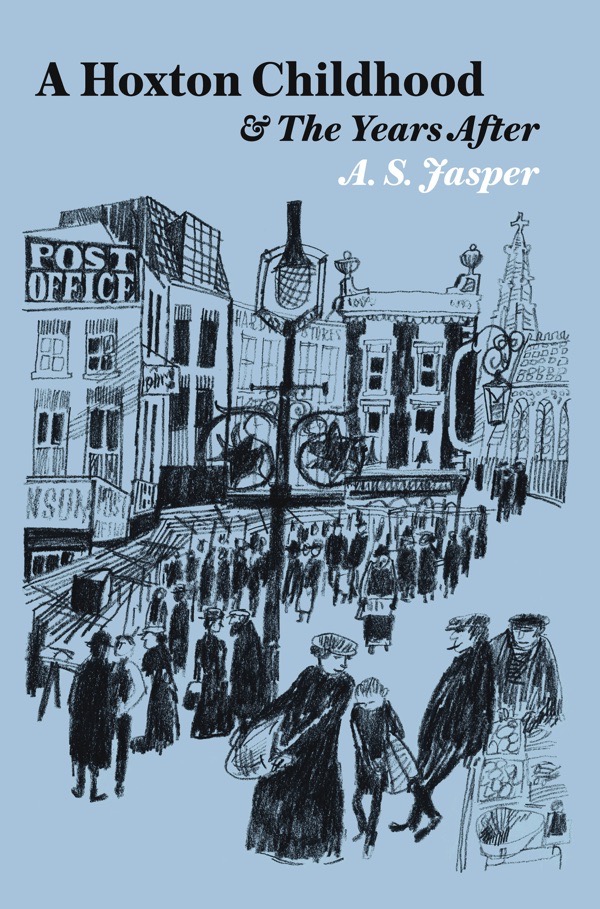
Click here to pre-order a copy for £20

Stan (on the right) with his brother Fred

Stan and his wife Lydia

Terry as a boy

Terry with his dad Stan

Stan and his sister Flo
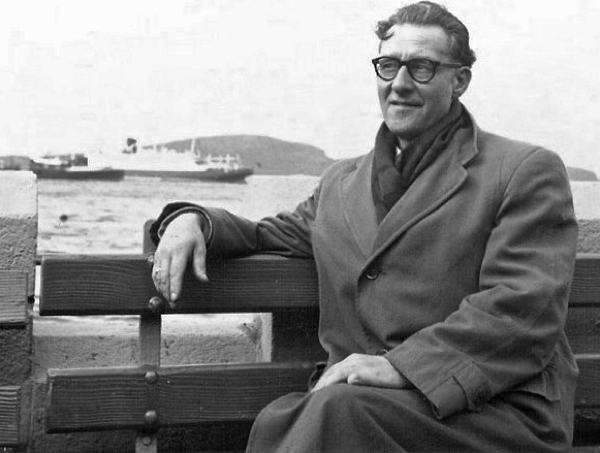
Stan Jasper

Terry with his mum and dad at Christmas
[youtube blfONuzyfRQ nolink]
Stan Jasper with his dog Nipper
You may also like to read about
A Hoxton Childhood & The Years After
James Boswell, Artist & Illustrator


The Gentle Author is delighted to collaborate with Labour and Wait to present a SPITALFIELDS LIFE BOOKSHOP for ten days at the WORKROOM, 29-32 The Oval, Off Hackney Rd, Bethnal Green, E2 9DT, in the shadow of the magnificent gasometers. This will be a rare chance to take a look at all Spitalfields Life Books titles in one place and have a peek behind the scenes at Labour and Wait too.
(Wednesday 26th April – Saturday, May 6th, 11am-6pm. Closed Sunday 30th April)
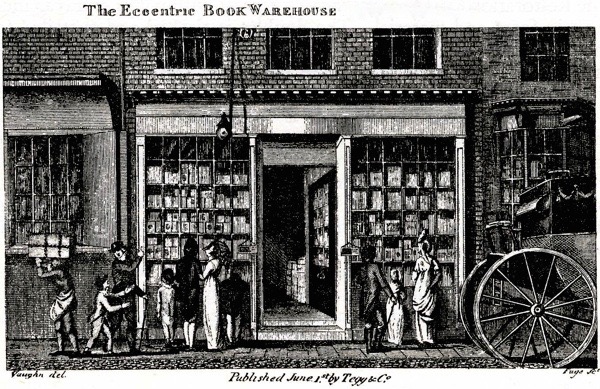
The Facading Of The White Hart
Over the past year, a carbuncle has appeared on top of the ancient White Hart in Bishopsgate. It is the creation of Amsprop, a company belonging to entrepreneur Sir Alan Sugar, who began his career nearby in Petticoat Lane and for whom this will serve as his monument in the East End.
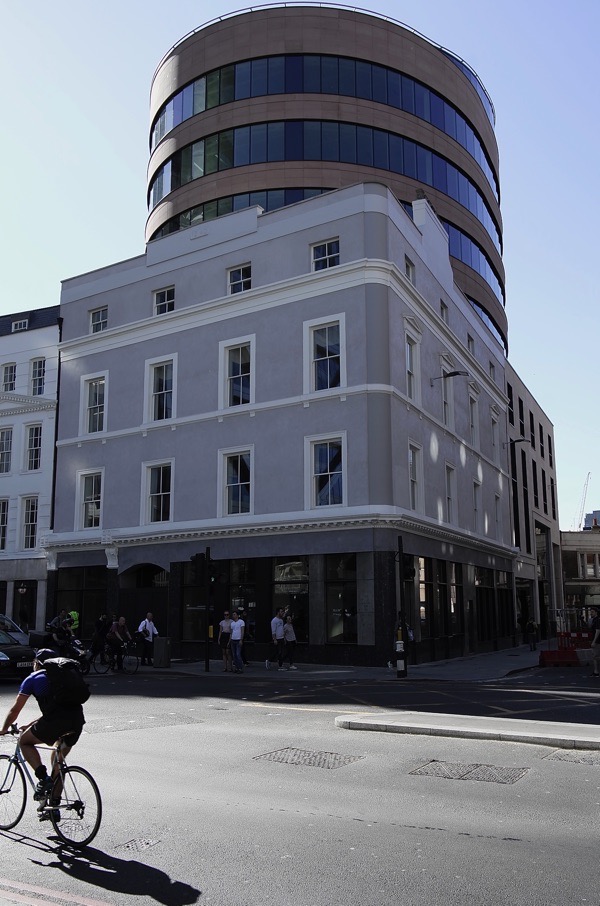
The White Hart (1246-2015)
Charles Goss, one of the first archivists at the Bishopsgate Institute, was in thrall to the romance of old Bishopsgate and in 1930 he wrote a lyrical history of The White Hart, which he believed to be its most ancient tavern – originating as early as 1246. “Its history as an inn can be of little less antiquity than that of the Tabard, the lodging house of the feast-loving Chaucer and the Canterbury pilgrims, or the Boar’s Head in Eastcheap, the rendezvous of Prince Henry and his lewd companions.” – Charles Goss
In Goss’ time, Bishopsgate still contained medieval shambles that were spared by the Fire of London and he recalled the era before the coming of the railway, when the street was lined with old coaching inns, serving as points of departure and arrival for travellers to and from the metropolis. “During the seventeenth and eighteenth centuries, The White Hart tavern was at the height of its prosperity.” he wrote fondly, “It was a general meeting place of literary men of the neighbourhood and the rendezvous of politicians and traders, and even noblemen visited it.”
The White Hart’s history is interwoven with the founding of the Hospital of St Mary Bethlehem in 1246 by Simon Fitz Mary, whose house once stood upon the site of the tavern. He endowed his land in Bishopsgate, extending beneath the current Liverpool St Station, to the monastery and Goss believed the Brothers stayed in Fitz Mary’s mansion once they first arrived from Palestine, until the hospital was constructed in 1257 with the gatehouse situated where Liverpool St meets Bishopsgate today. This dwelling may have subsequently became a boarding house for pilgrims outside the City gate and when the first licences to sell sweet wines were issued to three taverns in Bishopsgate in August 1365, this is likely to have been the origin of the White Hart’s status as a tavern.
Yet, ten years later in 1375, Edward III took possession of the monastery as an ‘alien priory’ and turned it over to become a hospital for the insane. The gateway was replaced in the reign of Richard II and the date ‘1480’ that adorned the front of the inn until the nineteenth century suggests it was rebuilt with a galleried yard at the same time and renamed The White Hart, acquiring Richard’s badge as its own symbol. The galleried yard offered the opportunity for theatrical performances, while increased traffic in Bishopsgate and the reputation of Shoreditch as a place of entertainments drew the audience.
“Vast numbers of stage coaches, wagons, chaises and carriages passed through Bishopsgate St at this time,” wrote Goss excitedly, “Travellers and carriers arriving near the City after the gates had been closed or those who for other reasons desired to remain outside the City wall until the morning, would naturally put up at one of the galleried inns, or taverns near the City gate and The White Hart was esteemed to be one of the most important taverns at that time. Here they would find small private rooms, where the visitors not only took their meals but transacted all manner of business and, if the food dispensed was good enough, the wine strong, the feather beds deep and heavily curtained, the bedrooms were certainly cold and draughty, for the doors opened onto unprotected galleries – but apparently they were comfortable enough for travellers in former days.”
The occasion of Charles Goss’ history of The White Hart was the centenary of its rebuilding upon its original foundations in 1829, yet although the medieval structure above ground was replaced, Goss was keen to emphasise that, “When the tavern was taken down it was found to be built upon cellars constructed in earlier centuries. Those were not destroyed, but were again used in the construction of the present house.” This rebuilding coincided with Bedlam Gate being removed and the road widened and renamed Liverpool St, after the Hospital of St Mary Bethlehem had transferred to Lambeth in 1815. At this time, the date ‘1246 ‘- referring to the founding of the monastery – was placed upon the pediment on The White Hart where it may be seen to this day.
“This tavern which claims to be endowed with the oldest licence in London, is still popular, for its various compartments appear always to be well patronised during the legal hours they are open for refreshment and there can be none of London’s present-day inns which can trace its history as far back as The White Hart, Bishopsgate,” concluded Goss in satisfaction in 1930.
In 2011, permission was granted by the City of London to demolish all but the facade of The White Hart and in 2015 the pub shut for the last time to permit the construction of a nine storey cylindrical office block of questionable design, developed by Sir Alan Sugar’s company Amsprop. Thus passes The White Hart after more than seven centuries in Bishopsgate, and I am glad Charles Goss is not here to see it.

The White Hart by John Thomas Smith c. 1800

The White Hart from a drawing by George Shepherd, 1810

White Hart Court, where the coaches once drove through to the galleried yard of the White Hart
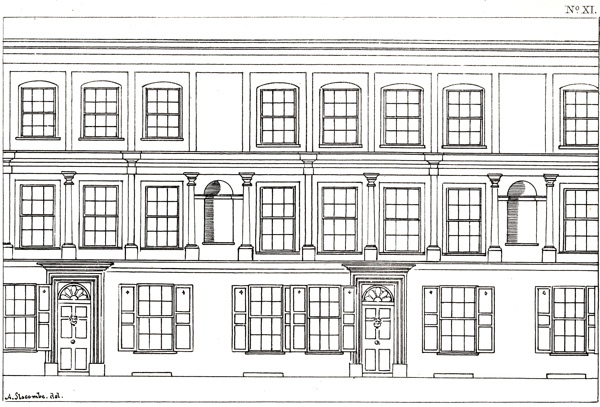
Design by Inigo Jones for buildings constructed in White Hart Court in 1610

Seventeenth century tavern token, “At The White Hart”

Reverse of the Tavern Token ” At Bedlam Gate 1637″

The White Hart as it appeared in 1787

The White Hart, prior to the rebuilding of 1829
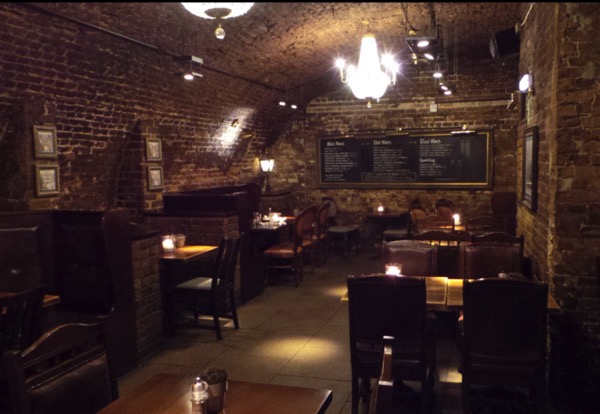
“When the tavern was taken down it was found to be built upon cellars constructed in earlier centuries. Those were not destroyed, but were again used in the construction of the present house.” Charles Goss describing the rebuilding of 1829. These ancient vaults were destroyed in the current redevelopment.

The White Hart in 2015
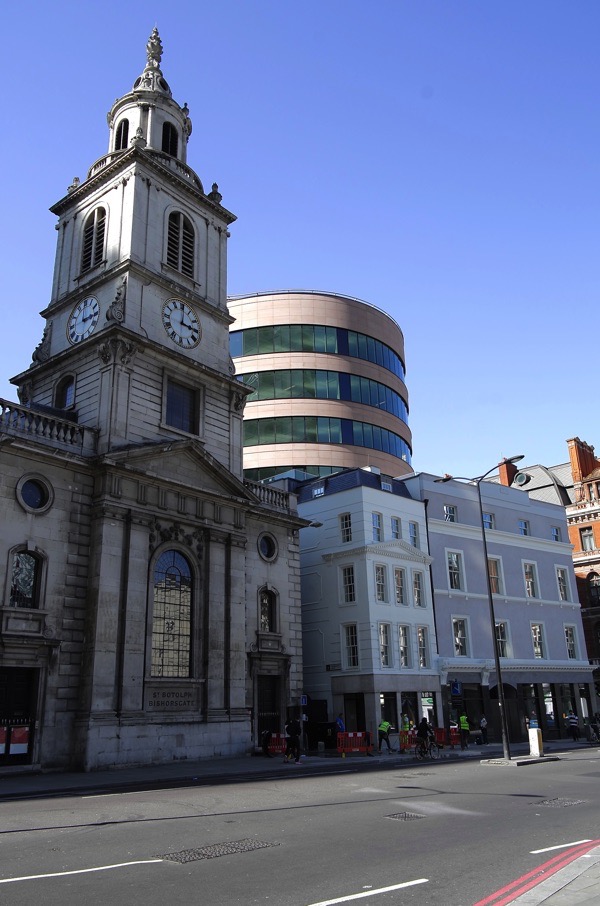
The White Hart in 2017
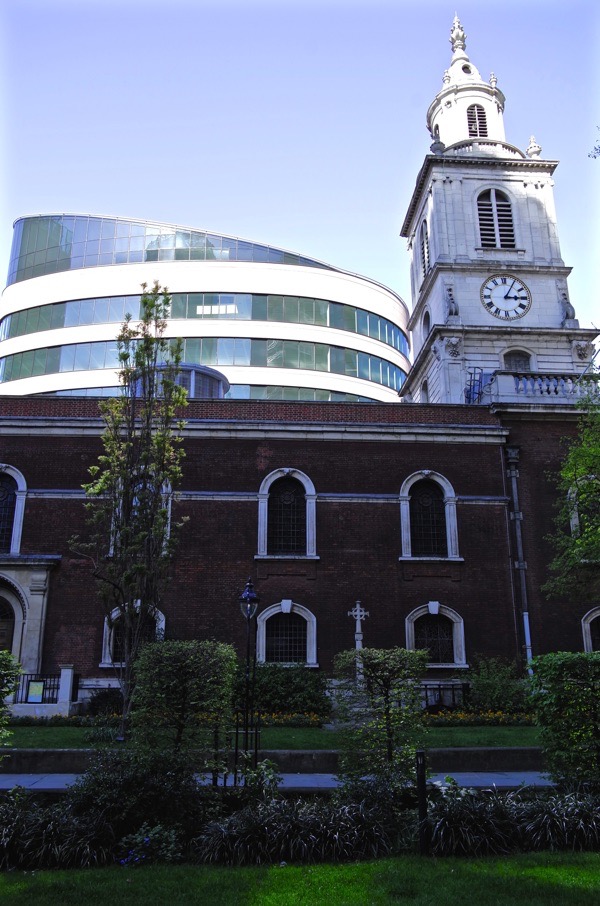
Seen from the churchyard of St Botolph’s Bishopsgate by James Gold, 1728
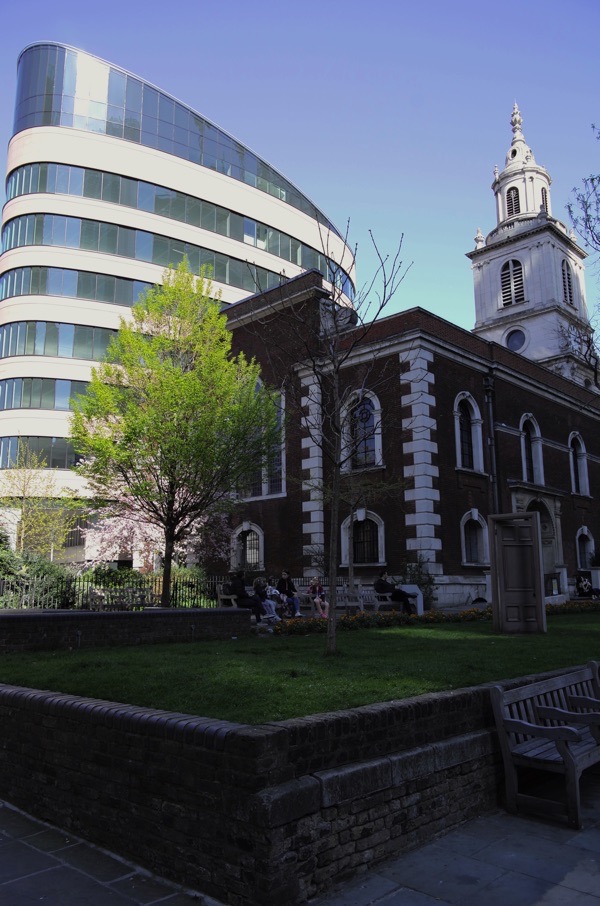
Seen from the south west
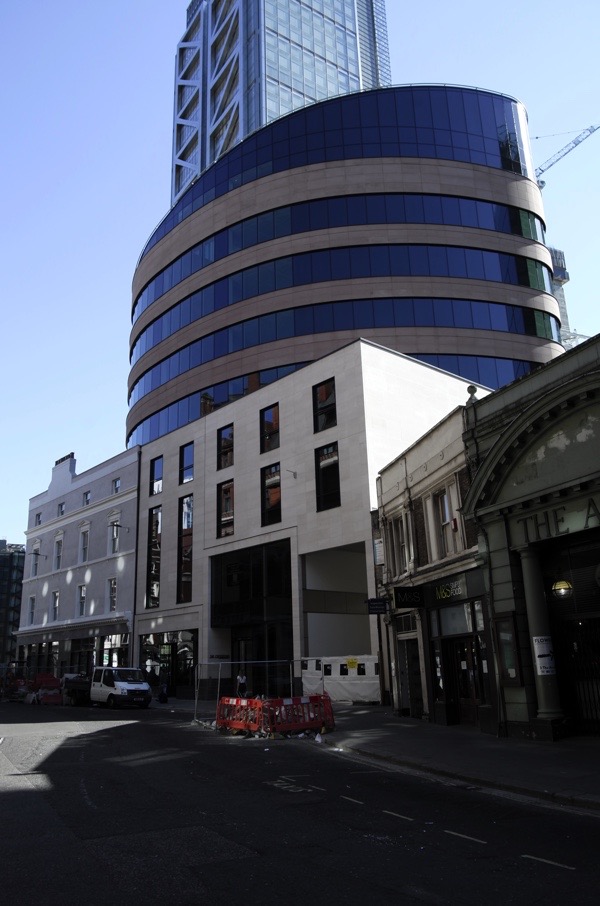
Seen from Liverpool St
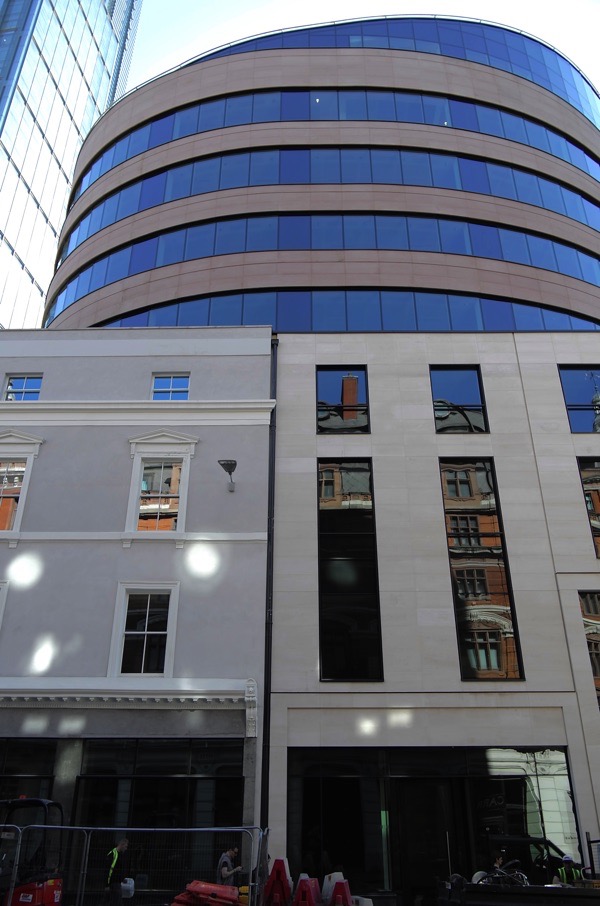
The meeting of the old and new in Liverpool St
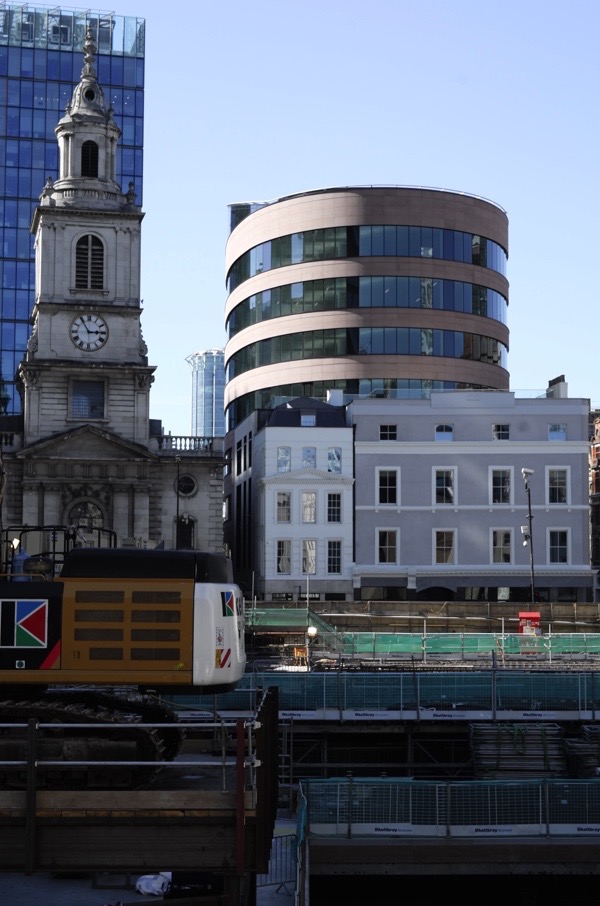
The development seen from Houndsditch
Archive images courtesy Bishopsgate Institute
You may also like to read about
The Creeping Plague of Ghastly Facadism
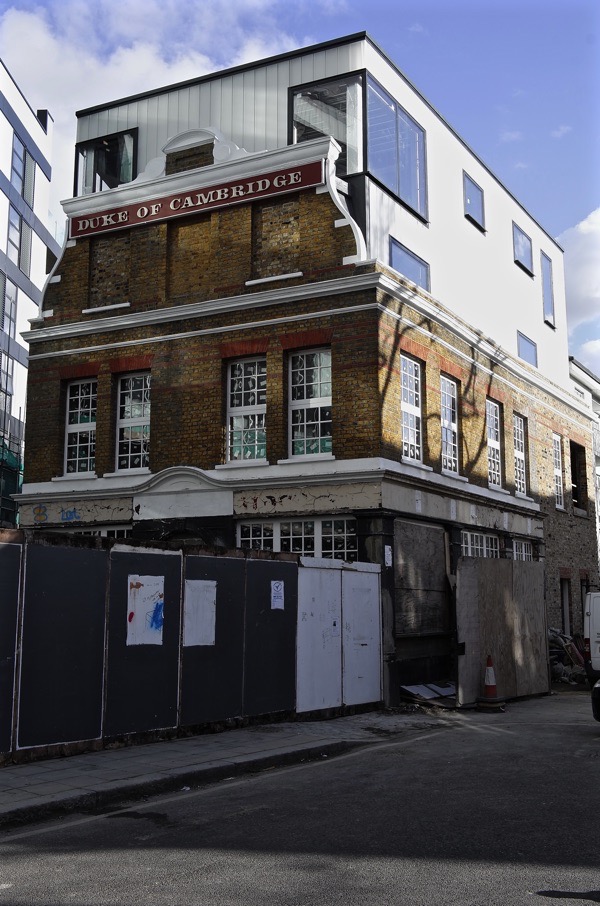
Meanwhile in Felix St, Bethnal Green, The Duke of Cambridge (1839-1998 ) gets similar treatment












