
Benjamin Shapiro Of Quaker St
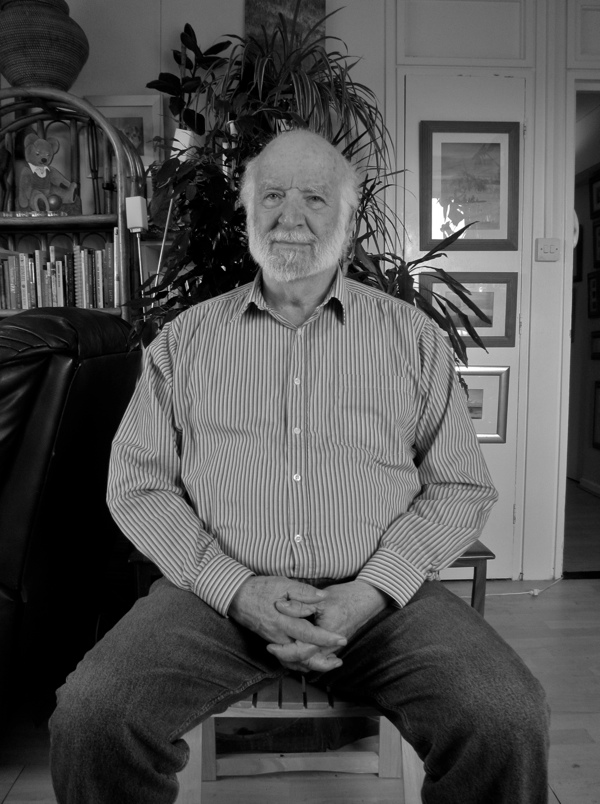
Ben Shapiro
In the East End, you are constantly reminded of the people who have left and of the countless thousands who never settled but for whom the place only offered a contingent existence at best, as a staging post on their journey to a better life elsewhere. Ben Shapiro has lived much of his life outside this country, since he left as a youth with his family to go to America where they found the healthier existence they sought, and escaped the racism and poor housing of the East End. Yet now, in later life, after working for many years as a social worker and living in several different continents, he has chosen to return to the country of his formative experience. “I’ve discovered I like England,” he admitted to me simply, almost surprised by his own words.
“I was born in the London Hospital, Whitechapel, in 1934. My mother, Rebecca, was born in Manchester but her parents came from Romania and my father, Isaac (known as Jack), was born in Odessa. He left to go to Austria and met my mother in Belgium. He was a German soldier in World War I and, in 1930, he come to London and worked as a cook and kosher caterer. I discovered that immediately after the war, he went to Ellis Island but he was sent home. In the War, he had been a radio operator whose lungs had been damaged by gas. He spoke four or five languages and became a chef, cooking in expensive hotels and it was from him I learnt never to sign a contract, that a man’s word is his bond. He had an unconscionable temper and by today’s standards we would be called abused children. I once asked my mother if she would leave him and she said, ‘Where would I go with three children?’ I have a younger brother, Charles, who lives in New York now and a younger sister, Frieda, who died three years ago in Los Angeles.
My parents lived in a flat in Brick Lane opposite the Mayfair Cinema, until they got bombed out in World War II. We got bombed out three times. My first school was the Jewish Free School, I went to it until I was four and the war broke out when I was five. My father was in Brick Lane when Mosley tried to march through in 1936 and the Battle of Cable St happened. He remembered throwing bricks at the police. When the war broke, we became luggage tag children and one of my earliest memories was travelling on a train with hundreds of other children to Wales. We lived with a coal miner’s family and, at four or five, he would come home covered in coal dust. His wife would prepare a tin bath of hot water and he would sit in it and she would wash him clean, and then we could all have supper.
Me and my brother were sent back to London when the Blitz was in full swing, but my sister stayed in Aylesbury for the entire duration of the war and the family wanted to adopt her. When I returned with her fifty years later, she met the daughter of the family, her ‘step-sister’ – for the first time since then – and they recognised each other immediately, and fell into each other’s arms.
In London, the four of us lived in a two bedroom flat and my brother and I slept together in one bed. My parents talked Yiddish but they never taught me. In the raids, we took shelter in Whitechapel Underground but my father would never go. He said, ‘I’ve been through one war – if I’m going to die, I’ll die in my bed.’ My father gave me sixpence once to go and see ‘For Whom The Bell Tolls’ at the cinema, but we got to the steps just as the siren sounded and I waited thirty years to see that film.
Then I was sent off again, evacuated to a Jewish family in Liverpool. On the train there, I met a boy and we decided to ask to be billeted together. We were eight or nine years old and we slept together and, every night, he wet the bed. So we had to hang out our mattress and pyjamas every day to dry them, they didn’t get washed just dried. Once Liverpool became a target for bombing, I got sent home again. After the war, he contacted me and said, he’d had an operation to correct his bladder.
I have distant memories of being sent away again to the countryside, to Ely. When we got to the village green at Haddenham, a man came up to me and asked, ‘Are you Jewish’ and I said, ‘No’ so he said, ‘You can come and live with me then.’ All the children in the school knew I was Jewish and asked ‘Where’s your horns?‘ but I was well cared for and didn’t want to leave in the end. My father never visited or wrote letters, I think it was because he had been in World War I and he was familiar with death, and he could have been killed in the Blitz at any time. If he died, I would have stayed. We were always well fed and I have a theory that my father sent them Black Market food.
Towards end of the war, we were housed by London County Council in Cookham Buildings on the Boundary Estate. I remember looking out of the window and seeing German planes coming overhead. There was flat that was turned into a shelter but we all realised that it would not protect us and, if a bomb dropped, we should all be killed. Above us, there was an obese woman with two children and she never got to the shelter before the all clear sounded.
Our flat was damp due to bomb damage and I caught Rheumatic Fever, and was admitted to the Mildmay Mission Hospital and was at death’s door for two months, and then sent to Greyshall Manor, a convalescent home. After that, we qualified for rehousing and we were the first tenants to move into the newly-built Wheler House in Quaker St in 1949. It was comfortable and centrally heated and we had a bathroom. From there, at fourteen years old, I went to Deal St School. It was where I first experienced racial intimidation and bullying, so I told the teacher and he said, ‘You’re a Jew, aren’t you?’ Eventually, I became Head Prefect, which gave me carte blanche to discipline the other pupils.
During the years at Wheler House, I became friendly with the bottling girls from the Truman Bewery who walked past at six in the morning and six at night. I knew some of the Draymen too and they let me feed the horses. Soon after we moved in, my father wouldn’t give me any pocket money, he said, ‘You’ve got to earn it.’ I went down Brick Lane and enquired at a couple of stalls for a job and I had a strong voice, so a trader said, ‘I need a barker,’ and, for about a year, I became a barker each weekend in Petticoat Lane, crying ‘Get your lovely toys here!’ I was opposite the plate man who threw crockery in the air and next to the chicken plucker.
I worked in the City of London as a junior clerk in Gracechurch St, near the Monument, but I feel – if I had stayed – I would still be junior clerk.
The lady next door, she had a friend from America and she sponsored my brother to go there. So then we all wanted to go and, on June 6th 1953, we went down to Southampton and took a boat to New York and then travelled to Los Angeles. It was for health reasons. My mother had been unwell and my father said it would be a better life, which it turned out to be. I was seventeen years old.”
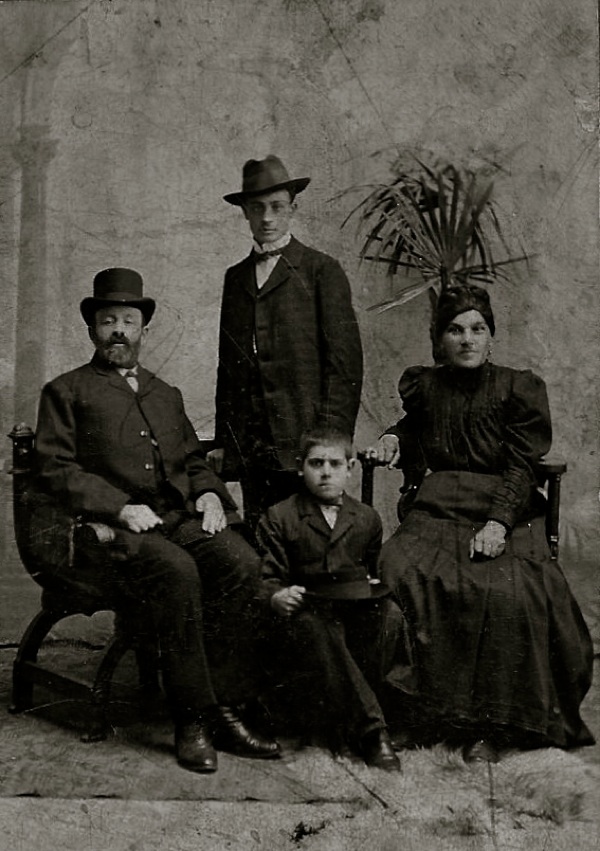
c.1900, Odessa – My father Isaac is sitting in the centre, he was born around 1896 and left in 1906, during the last great pogrom, to go to Vienna
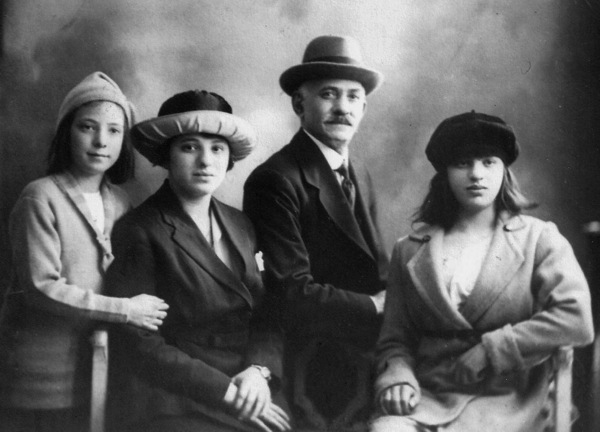
c. 1920, London – My mother Rebecca is on the right with her sister on the left. Her parents were known as Yetta & Maurice
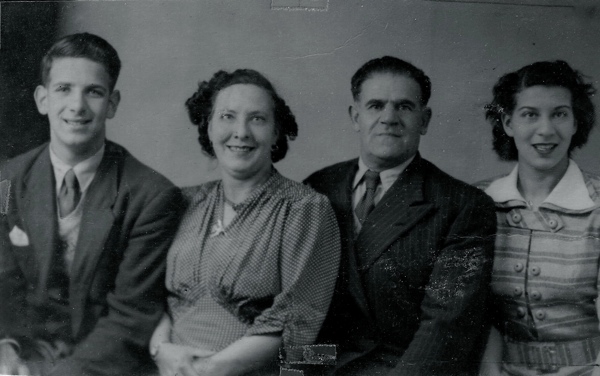
Ben on the left, aged seventeen years old, photographed with his family on the boat going to a new life in America in 1953
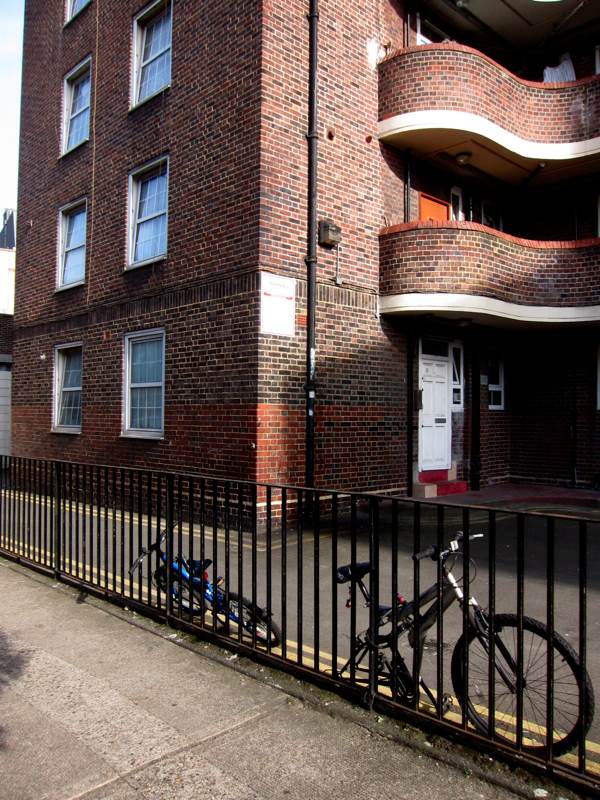
Ben and his family were the first people to move into this flat in Wheler House, Quaker St, when the building was newly completed in 1949
Street Sellers of Plants, Fruit, Veg & Flowers
It is my pleasure to publish this piece by David Marsh of The Gardens Trust who was inspired by my writing on the Cries of London to do further research into horticultural street traders

Copeman, Gardener, Yarmouth by John Dempsey from the eighteen-twenties reproduced courtesy of Tasmanian Museum & Art Gallery
Listening to the stallholders in Columbia Rd Flower Market crying their wares strikes a poignant note for me. It is the last gasp of a centuries-old sales technique that is still in use in much of the rest of the world, reminding us that most goods and services used to be sold here by hawkers walking the streets. These days in London, it is only in markets where traders catch the attention of buyers in this way.
The Cries themselves, often simple rhymes or short bursts of song, are the equivalent of advertising jingles performed to a live audience. They are first documented in England by John Lydgate, the fourteenth century poet, although they do not appear in printed form in England until the early seventeenth century when they became popular subjects for a new genre of broadsheet. It was the beginning of a tradition that evolved from prints into children’s books, even printed on cigarette cards and lasting well into the last century.
Images like that of “John Honeysuckle, the industrious gardener” give an insight into how gardeners and gardening were perceived. He is described as “with a myrtle in his hand, the produce of his garden. He is justly celebrated for his beautiful bowpots and nosegays all round the country.” Other images show the range of foodstuffs and flowers available, and the ways in which they were sold.
Printed street Cries were generally small in scale productions, making them cheap to collect, and their low price gave them the widest appeal. Samuel Pepys was a collector of books and topographic prints, but he also collected popular images of hawkers and street vendors. His library contained a file labelled “Cryes consisting of Several Setts thereof, Antient & Moderne: with the differ Stiles us’d therein by the Cryers” where he had three different sets of the Cries of London, together with two sets of Cries from Bologna, and others from Paris and Rome. His collection is the only surviving contemporary visual record of the street life of these places.
What these street Cries also reflect is the increase in availability of goods and how, by the last part of the sixteenth century, fruit like oranges and lemons, which were once luxury imports, had become commonplace – moving from expensive shops in the Royal Exchange to markets with open stalls and then to itinerant street traders.
By the mid-eighteenth Dr Johnson was able to write ”The attention of a newcomer is generally first struck by the multiplicity of Cries that stun him in the streets, and the variety of merchandize and manufactures which the shopkeepers expose on every hand…” On the trades of London, The Adventurer, 27th June 1753.
Nowhere is this more obvious than in the choice of fruit and vegetables that could be bought by ordinary Londoners. Common vegetables like onions, carrots and turnips were joined by cucumbers, and all sorts of greens – with peas being especially popular. Potatoes too, especially new ones, were hawked on the streets and there are often revealing notes included in the accompanying text, “About the latter end of June and July, they become sufficiently plentiful to be cried at a tolerable rate in the streets. They are sold wholesale in markets by the bushel and retail by the pound. Three halfpence or a penny per pound is the average price from a barrow.”
Asparagus became affordable, although as Marcellus Laroon reveals this was not the soft juicy young shoots we expect but rather overgrown and stringy ones, probably the leftovers from those available to the better-off. Whilst strawberries and cherries were seasonally popular and are the most commonly recorded, oranges and lemon are regularly shown too.
Images of working gardeners selling plants are much less common and tend to be much later in period than those of street hawkers selling basic foodstuffs. It is obviously difficult to assess the accuracy of the images of the plants they are selling: tulips in bloom, an orange tree, what looks like ivy on a small trellis and a miniature conifer. But taken collectively they do give an indication of the range of plants available for both indoors and outdoors.
What is perhaps surprising is that street hawkers were also able to sell one of the ultimate non-essential goods, cut flowers. There was clearly a limited range at the cheap end of the market and, while we know that nurserymen were growing roses and other ornamentals for the cut-flower market, what appears in the Cries are those that could be picked in the hedgerows.
While some lavender or rosemary have several uses, such as perfuming clothes or masking less pleasant smells others, primroses or sweetbriar, were bought simply because they were pretty and would bring joy to the buyer.
Whereas most of the cries depict generic types, some are known to depict individuals. Anthony Antonini (illustrated below by John Thomas Smith) was an Italian immigrant, from Lucca, one of many driven abroad by poor economic conditions after the Napoleonic Wars. He is shown with a tray of potted plants and flowers. But, unlike John Honeysuckle’s plants, Anthony Antonini’s are artificial with wax birds perched amongst them. His goods would almost certainly have been made at home by his family, including his children.
Another familiar character, depicted in several books, was “The Turk, whose portrait is accurately given in this plate.” He “has sold Rhubarb in the streets of the metropolis during many years. He constantly appears in his turban, trousers and mustachios and deals in no other article. As his drug has been found to be of the most genuine quality, the sale affords him a comfortable livelihood.”
Cries vary in quality of imagery and detail but the poses and costumes remain much the same. What emerges over time is the change in the underlying attitude of the artists to those they were portraying. In the early cries, the hawkers and sellers are usually portrayed as respectable working people, reasonably dressed with little sign of drudgery or hard work. Thereafter there is a division between images that show something of the reality of street life which have the feel of being based on real people and those that sentimentalize or romanticize their subjects.
The Cries of London have gradually disappeared from our streets. Their numbers declined after the First World war and although some – like flower girls – survived until comparatively recently, in the twentieth century there was an element of nostalgia in the images. Yet the reality was markedly different for these workers, enduring extremely hard and difficult lives with little romance.
To this end, I quote a paragraph The Gentle Author wrote on Luke Clennell’s London Melodies which nails the contradiction between the harsh reality and nostalgia:
“Commonly in the popular prints illustrating Cries of London, the peddlers are sentimentalised, portrayed with cheerful faces and rosy cheeks, ever jaunty as they ply their honest trades. These lively wood engravings could not be more different. These people look filthy, with bad skin and teeth, dressed in ragged clothes, either skinny as cadavers or fat as thieves, and with hands as scrawny as rats’ claws. You can almost smell their bad breath and sweaty unwashed bodies, pushing themselves up against you in the crowd to make a hard sell. These Cries of London are never going to be illustrated on a tea caddy or tin of Yardley Talcum Powder and they don’t give a toss. They are a rough bunch with ready fists, that you would not wish to encounter in a narrow byway on a dark night, yet they are survivors who know the lore of the streets and how to turn a shilling as easily as a groat. With unrivalled spirit, savage humour, profane vocabulary and a rapacious appetite, they are the most human of all the Cries of London I have come across.”
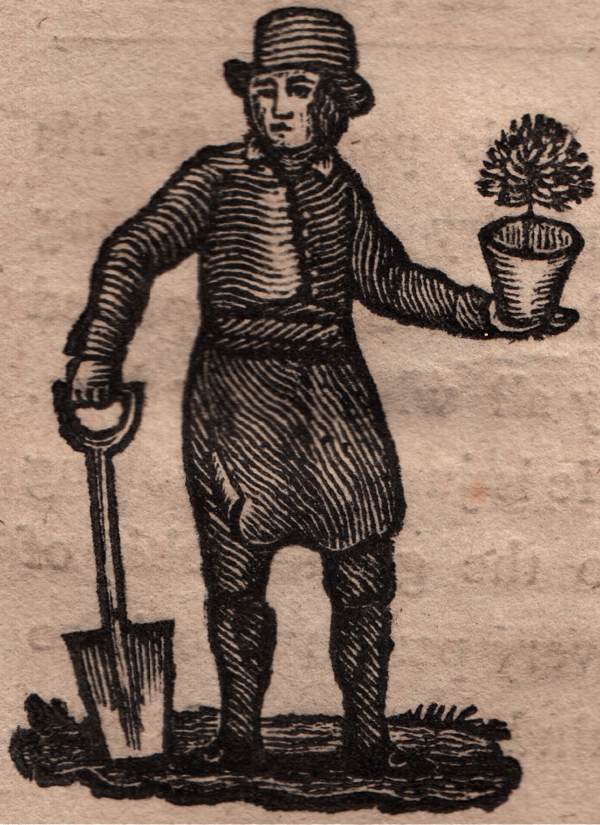
This is John Honeysuckle, the industrious gardener, with a myrtle in his hand, the produce of his garden. He is justly celebrated for his beautiful bowpots and nosegays all round the country. (From Pictures Of Real Life For Children, 1819)
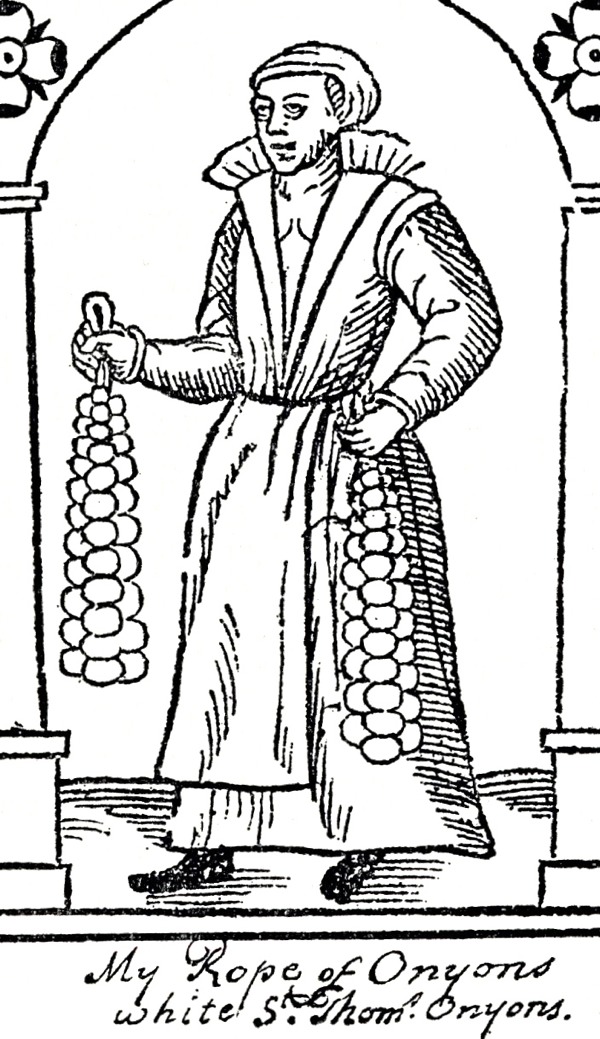
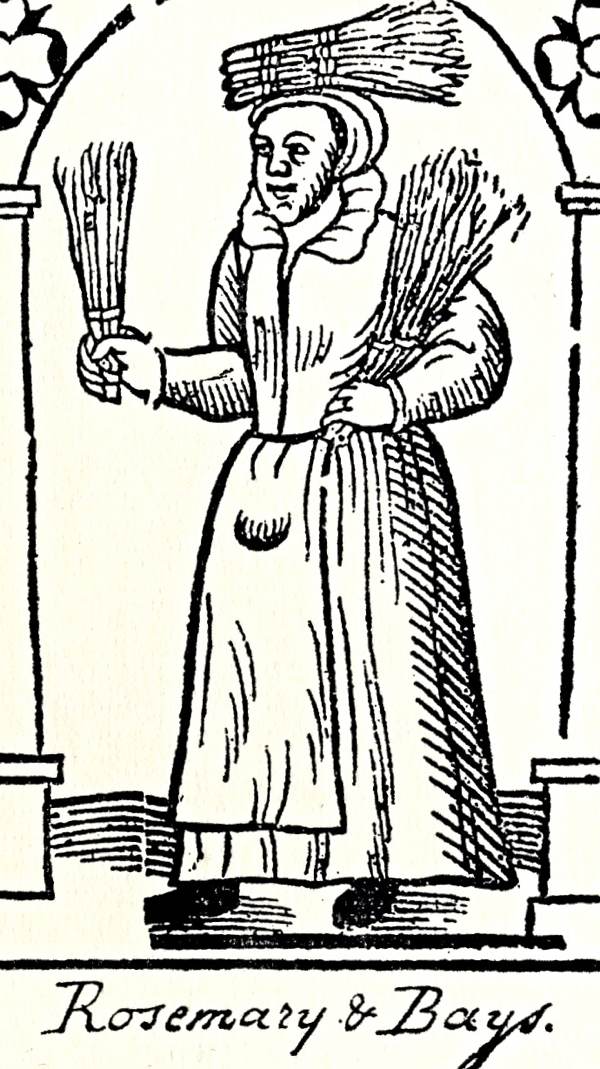
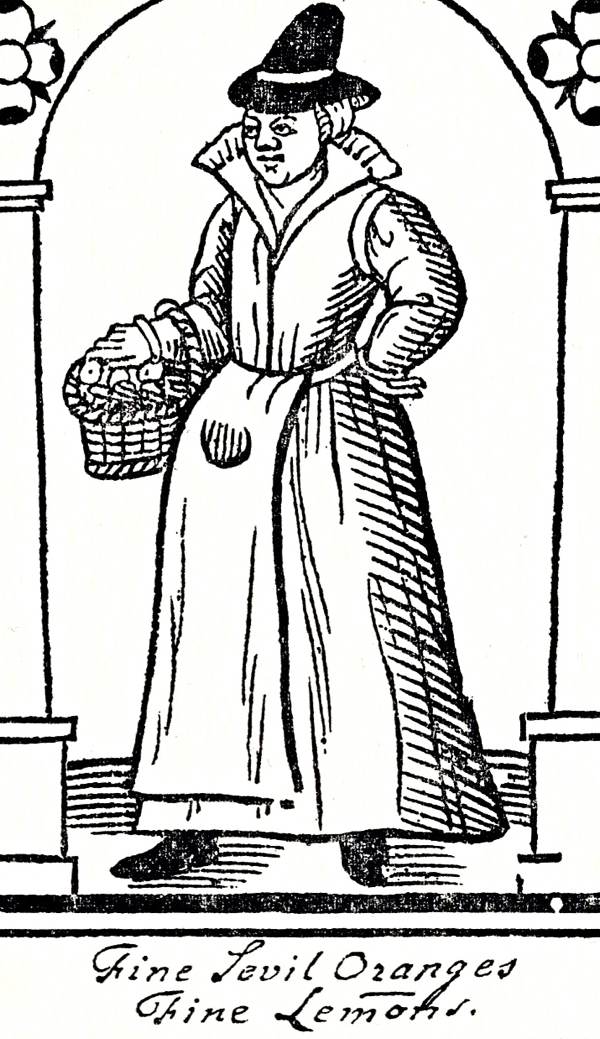
Three Cries dating from around 1600 as collected by Samual Pepys in his scrapbook, “A very antient Sett thereof, in Wood, with the Words then used by the Cryers.”
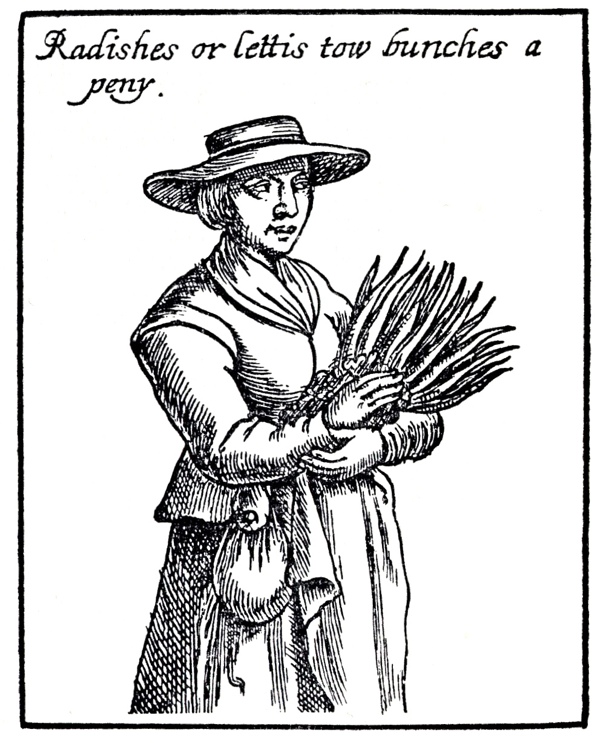
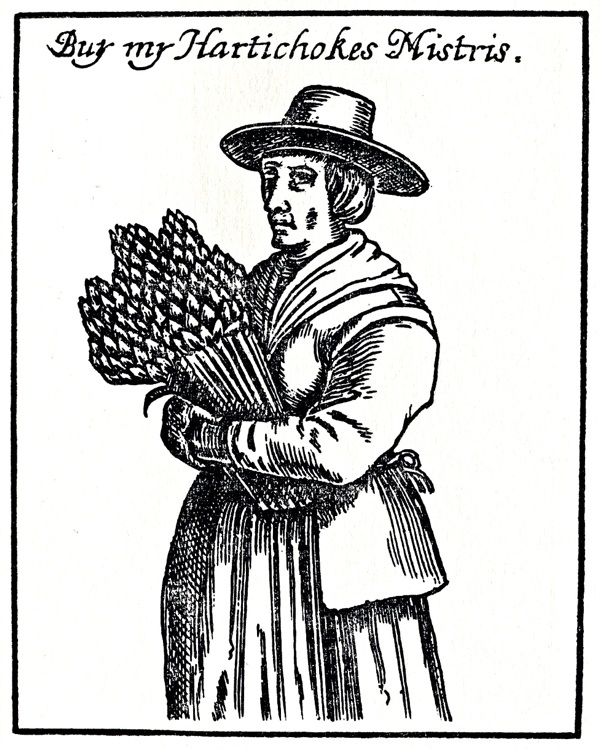
Two Cries from the mid-sixteenth century from Samuel Pepys scrapbook, described as, “A later Sett, in Wood – with the Words also then in use.”
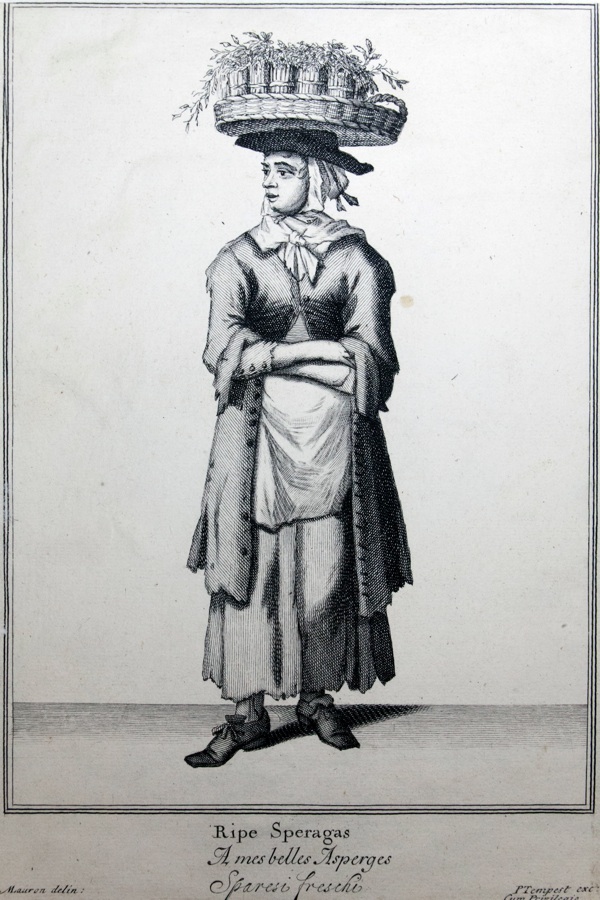
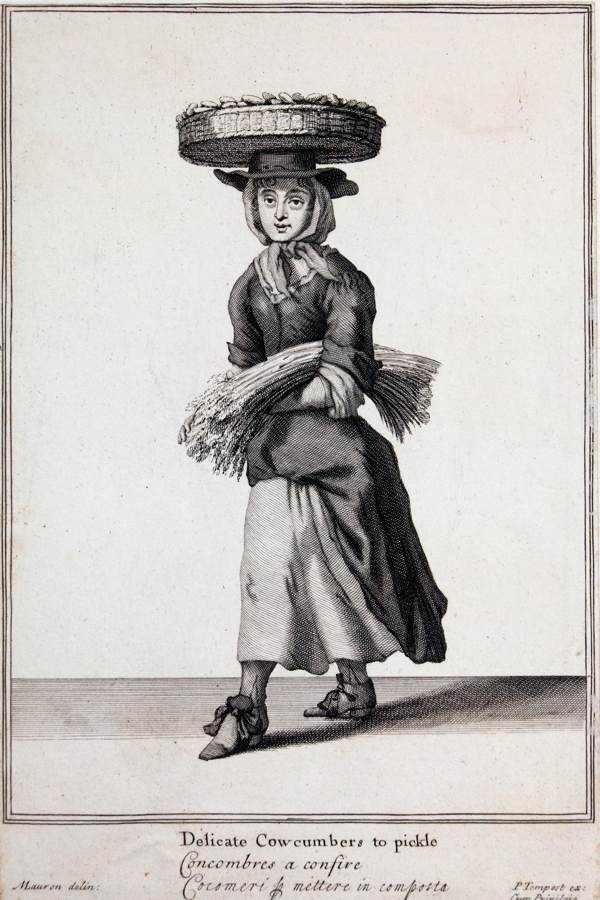
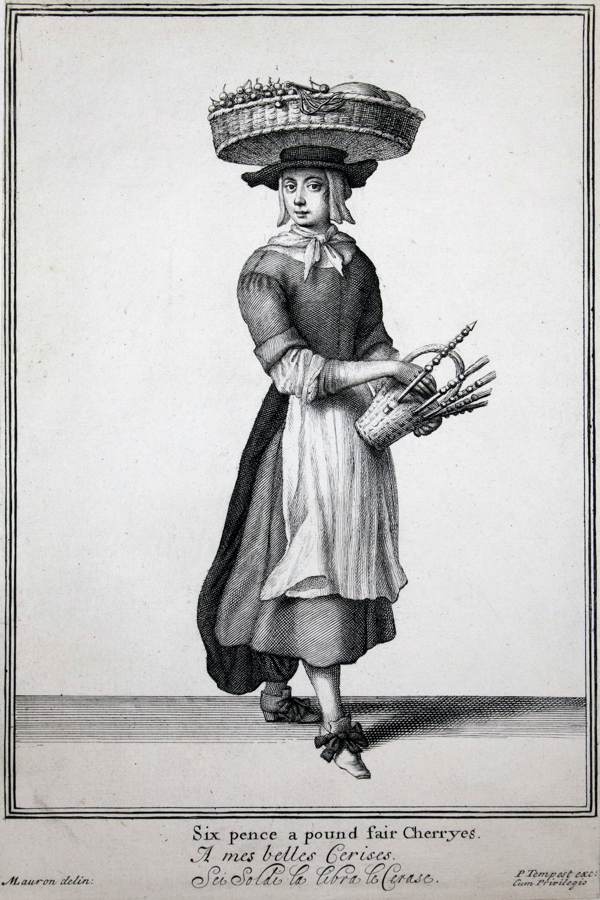
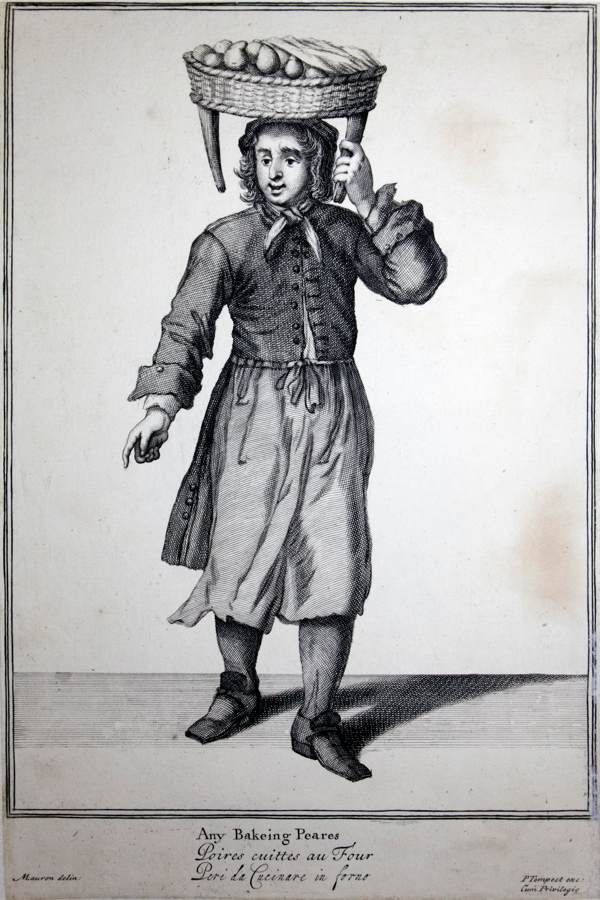
Four Cries by Marcellus Laroon from Samuel Pepys’ scrapbook, 1687

“Two Bunches a Penny, Primroses, Two Bunches a Penny!” by Francis Wheatley, 1790
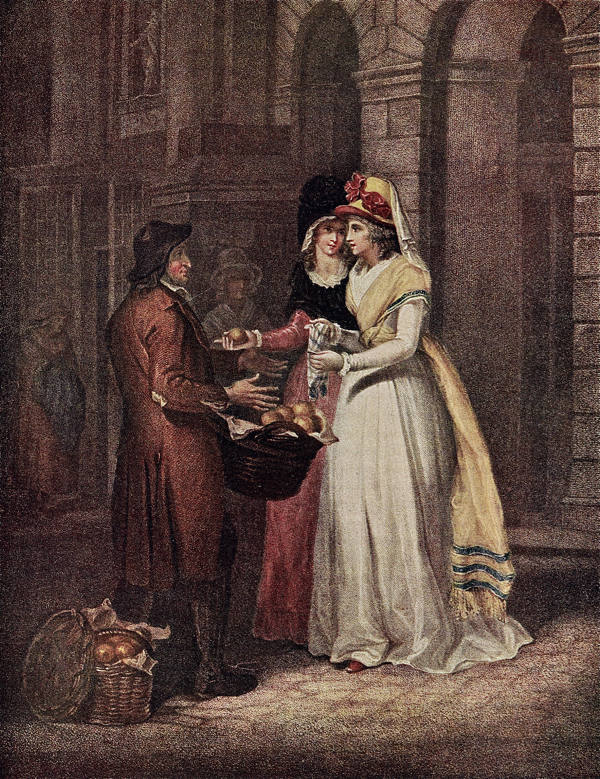
‘Sweet China Oranges, Sweet China’ by Francis Wheatley, 1790
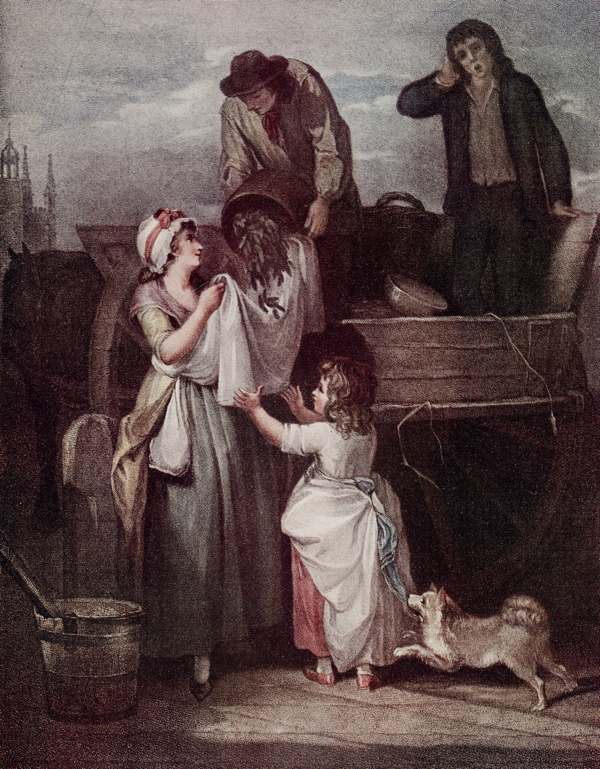
“Fresh Gathered Peas, Young Hastings” by Francis Wheatley, 1790
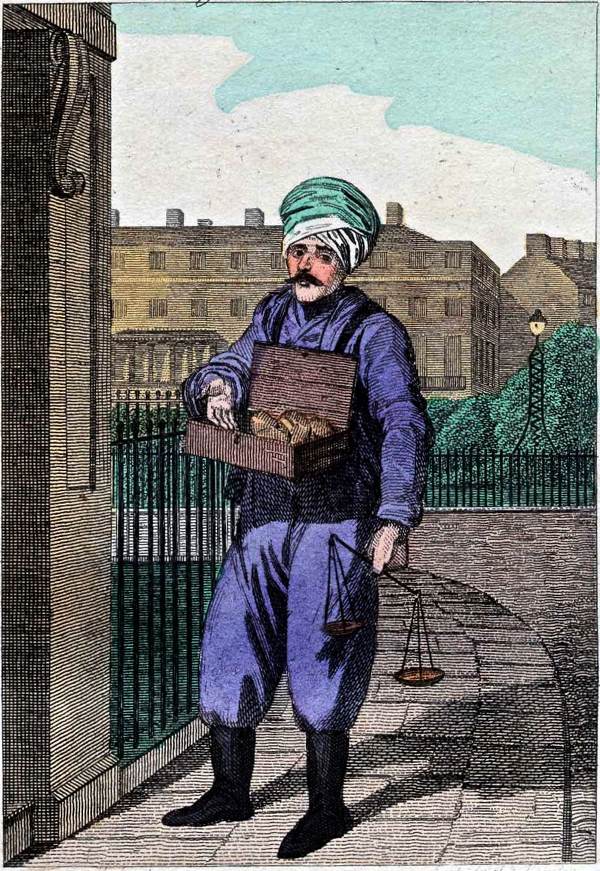
Rhubarb! – The Turk, whose portrait is accurately given in this plate, has sold Rhubarb in the streets of the metropolis during many years – by William Marshall Craig, 1804

Baking & boiling apples are cried in the streets of the metropolis from their earliest appearance in sumer throughout the whole winter – by William Marshall Craig, 1804
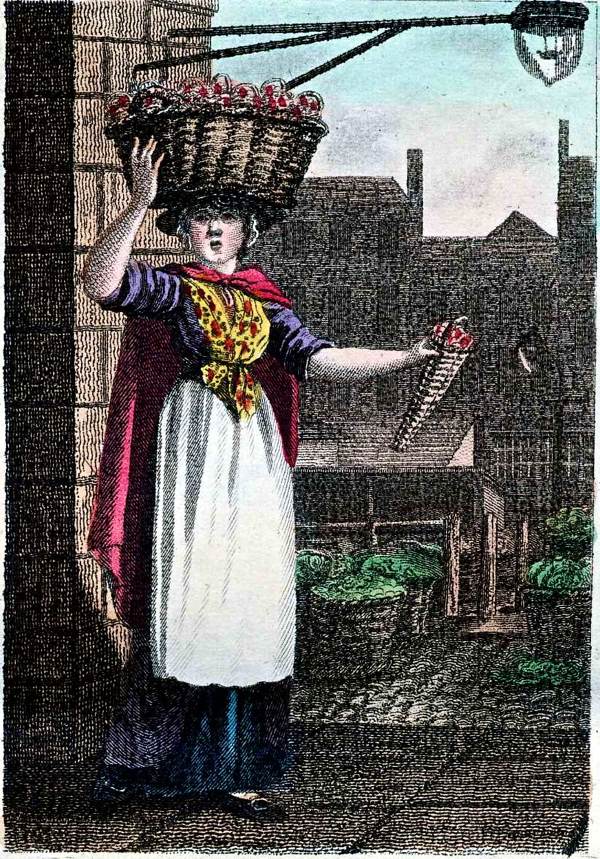
Strawberries – Brought fresh gathered to the markets in the height of their season, both morning and afternoon, they are sold in pottles containing something less than a quart each – by William Marshall Craig, 1804
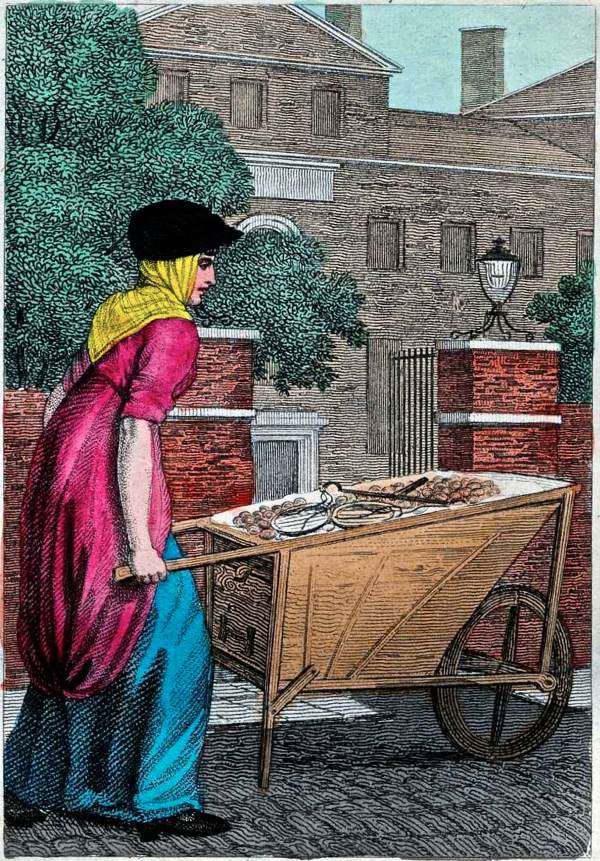
New potatoes – About the latter end of June and July, they become sufficiently plentiful to be cried at a tolerable rate in the streets – by William Marshall Craig, 1804

From The New Cries of London, 1803

From March’s New Cries of London, early nineteenth century

The Vegetable Man, 1852

Lilies of the Valley, Sweet Lilies of the Valley by Luke Clennell, eighteen-twenties
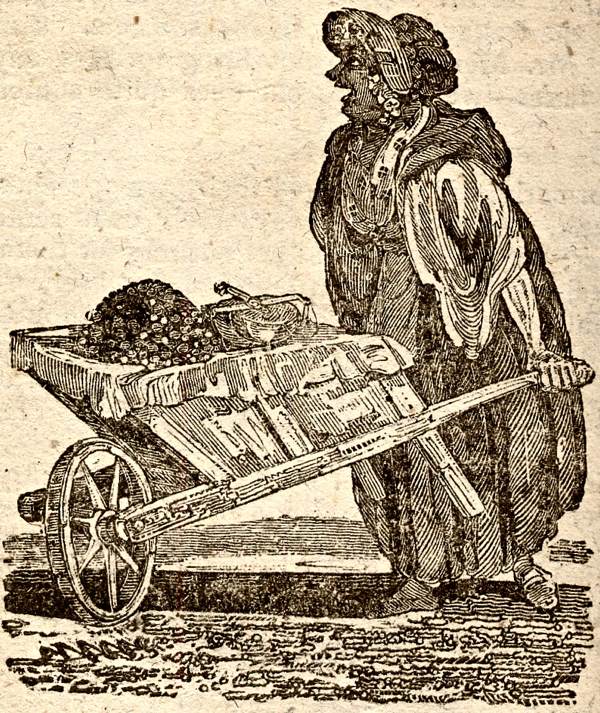
All Round & Sound, Full Weight, Threepence a Pound, my Ripe Kentish Cherries by Luke Clennell, eighteen-twenties

Here’s all a Blowing, Alive and Growing – Choice Shrubs and Plants, Alive and Growing by Luke Clennell, eighteen-twenties
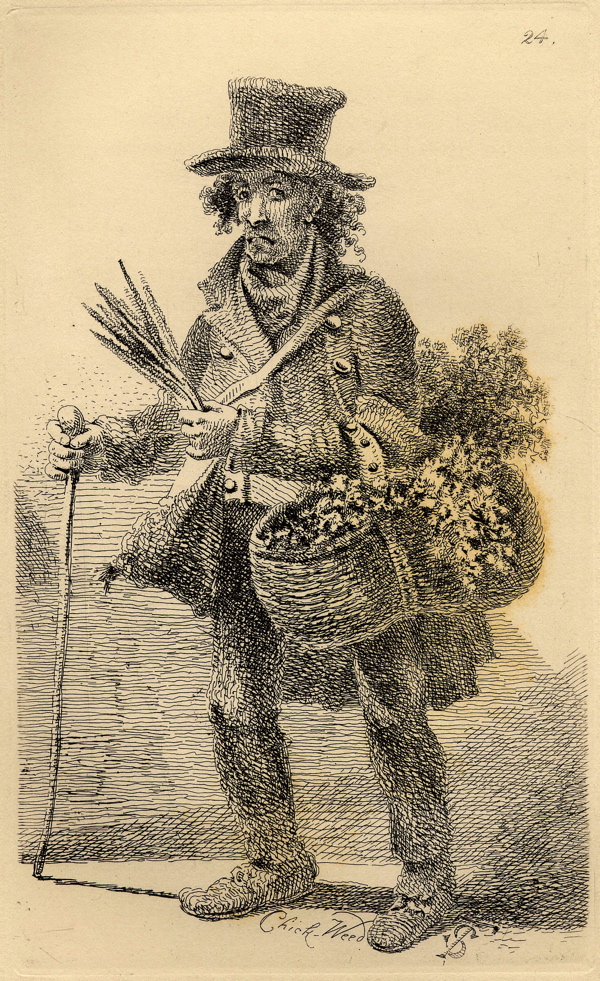
George Smith, a brush maker afflicted with rheumatism who sold chickweed as bird food by John Thomas Smith, 1819
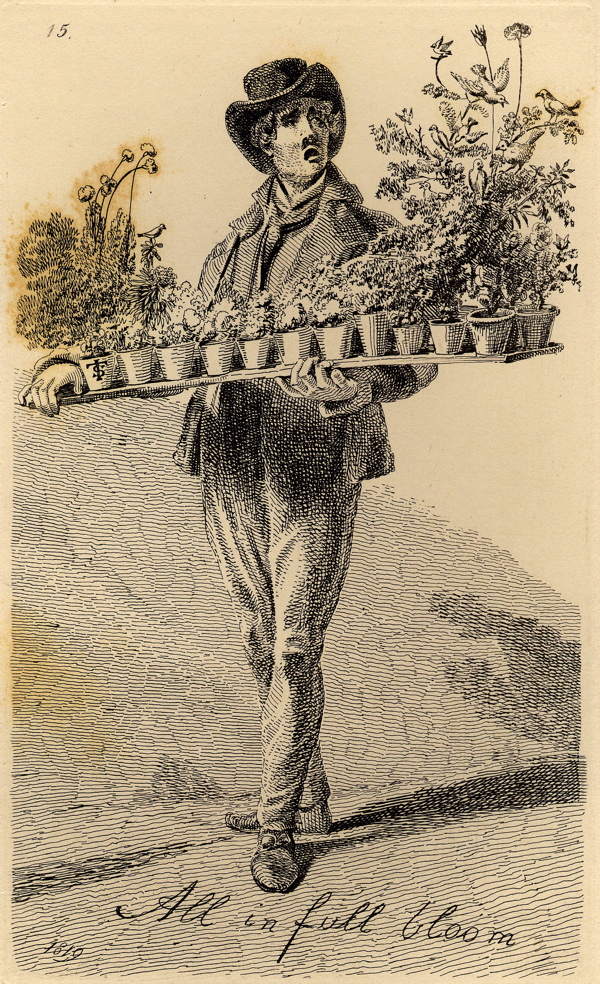
Anthony Antonini, selling artificial silk flowers adorned with birds cast in wax by John Thomas Smith, 1819
CLICK TO BUY A SIGNED COPY OF THE GENTLE AUTHOR’S CRIES OF LONDON FOR £20
Leonard Maloney, Garage Mechanic
We celebrate Leonard Maloney, a prominent member of East End Trades Guild, on Small Business Saturday – to be launched by Paul Gardner, proprietor of Gardners’ Market Sundriesmen, & John Biggs, Mayor of Tower Hamlets, at 11am in the Spitalfields Market today
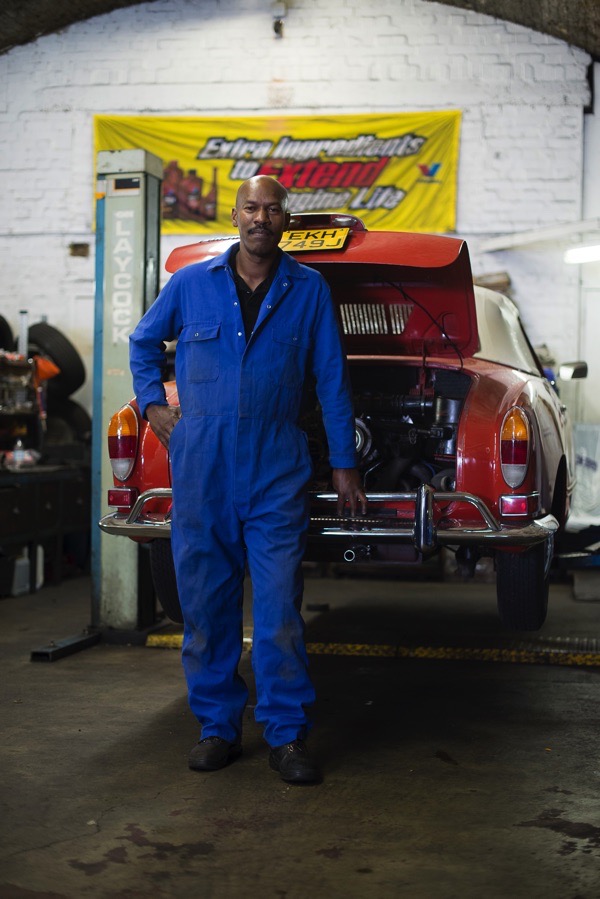
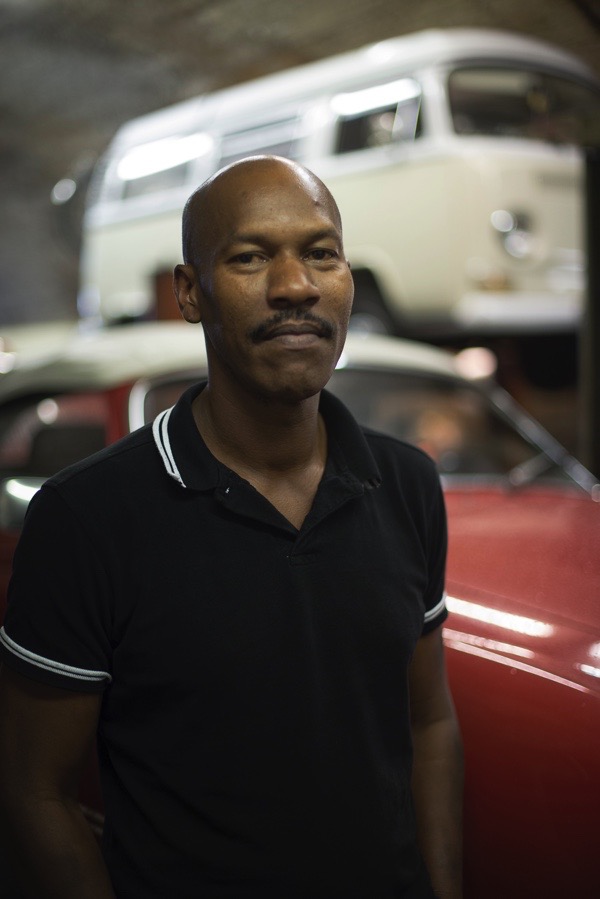
Leonard Maloney
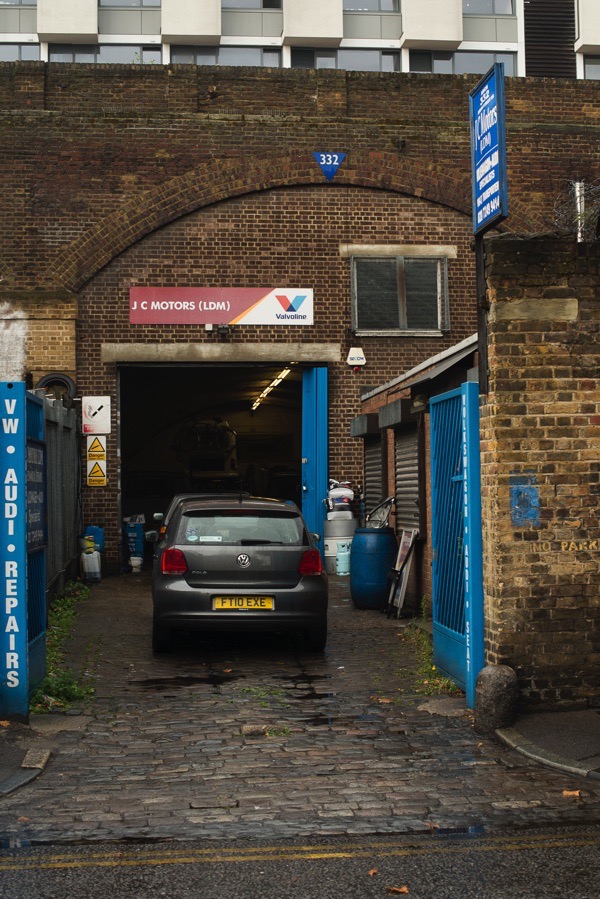
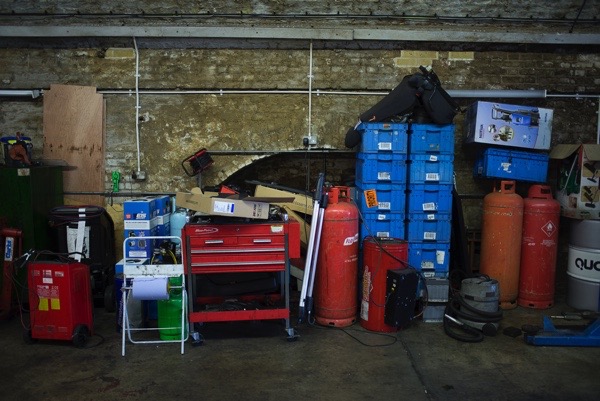
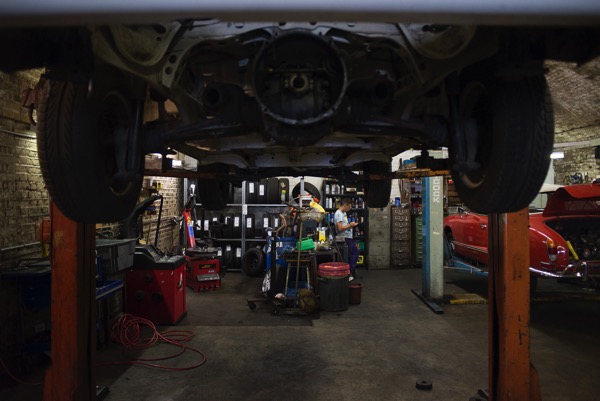
“I’ve spent my whole working life here in the arches,” Leonard Maloney admitted to me, when Contributing Photographer Sarah Ainslie & I went to visit him at JC Motors in Haggerston which specialises in repair of Volkswagen cars and vans. Len spoke placidly, shook our hands in welcome and made relaxed eye contact when we arrived at his garage, and I was immediately aware how tidy and ordered the place was.
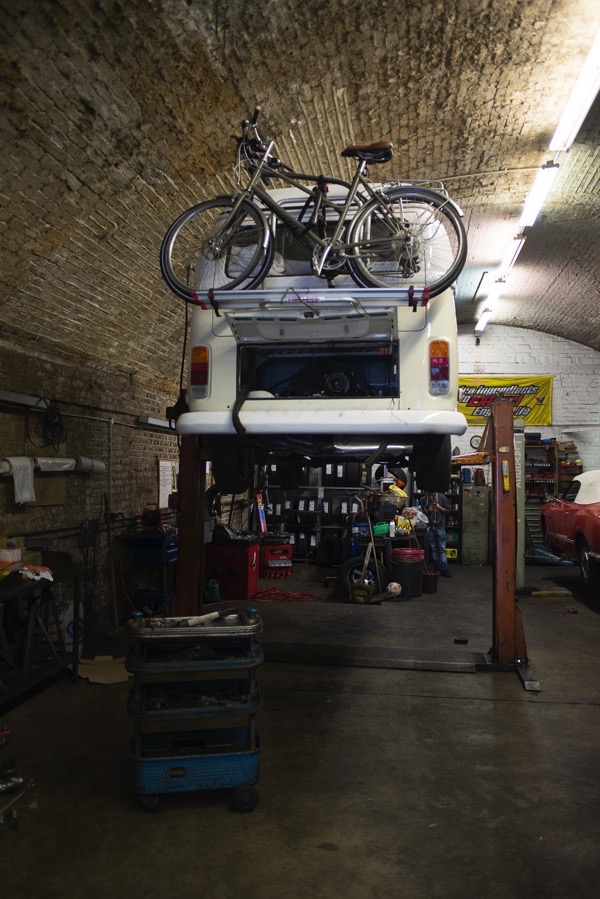
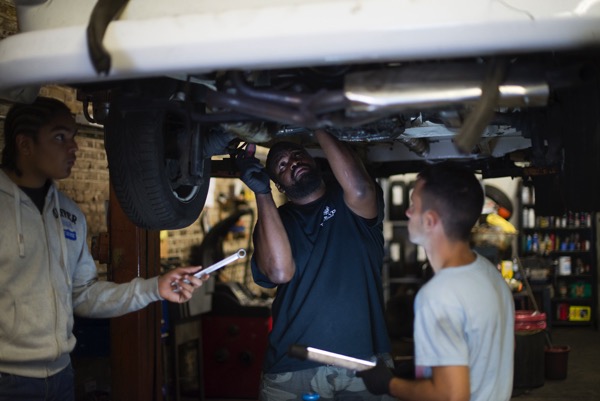
A peaceful atmosphere of mutual respect and concentration prevailed – a white camper van was up in the air undergoing maintenance beneath and the boot of a red sports car was open while repair was undertaken. Len & I sat on two car seats at the rear of the arch to chat while Sarah photographed the motor engineers at work.
JC Motors has been serving customers for more than decade at this location and earned a reputation in the neighbourhood for honest pricing and reliability, and many of his mechanics are local people who have joined through placements and schemes. Everything might appear as it should be, yet there is an air of poignancy since Len – in common with many other businesses under the railways arches – lives with uncertainty since all the arches were sold off.
“Everything is becoming coffee bars around here now,” Len informed me in regret, “and it seems our job has become seen as ‘dirty’ and we’re no longer wanted any more now that it’s become posh.”
“My dad had an old Austin Cambridge that he used to repair at weekends and that gave me a taste for this work. I’ve always loved taking things apart and putting them back together, and the smell of diesel oil has been attractive to me for as long as I can remember.
In 1981, I was sent on a day release from Danesford School to Hackney College where I met Barry Carlisle who specialised in repairing minis, and in the evenings I came to work for him in an arch here in Haggerston. Then Joe Chee came long and saw me working on a Volkswagen Camper van and he said, ‘If ever you need a job, come and see me.’
At first when I left school, I went to work for Barry but he had an accident and lost an eye, so then I had to go back to Joe Chee and we began working together in 1982. He was foreman at a Volkswagen garage in St John’s Wood. We made a great team and I learnt a lot from him. We started a body shop off the Kingsland Rd and a shop selling Volkswagen parts. That was fantastic and it carried on until 1999. He did the paperwork and sold the parts and I ran the bodyshop, and we collected lots of customers and took on three apprentices. But eventually Joe Chee got ill and passed away and I couldn’t run the whole business, so I closed the shop and continued with the garage.
I began taking on local young people through the Inspire Hackney scheme and now my son Miles is working with me. Everyone has their job to do and they know where the parts are and I have taught them what to do. Some customers bring their cars in and just tell me to repair whatever needs doing, but I also get single mums who don’t have a lot of money and I can just repair what is necessary to keep the car safe. I’ve had mums bring in their kids in prams and then the kids come back to me to ask advice when the time comes to get their first car.”
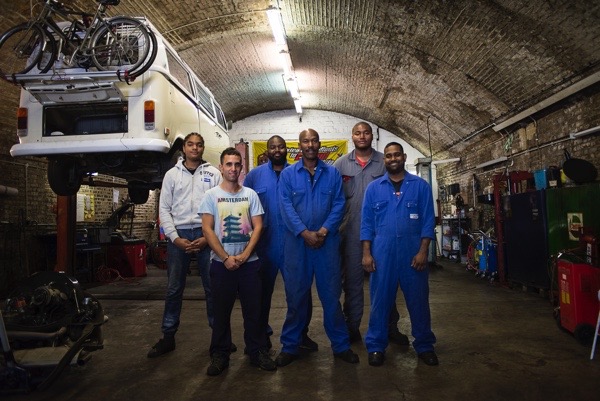
The team at J C Motors
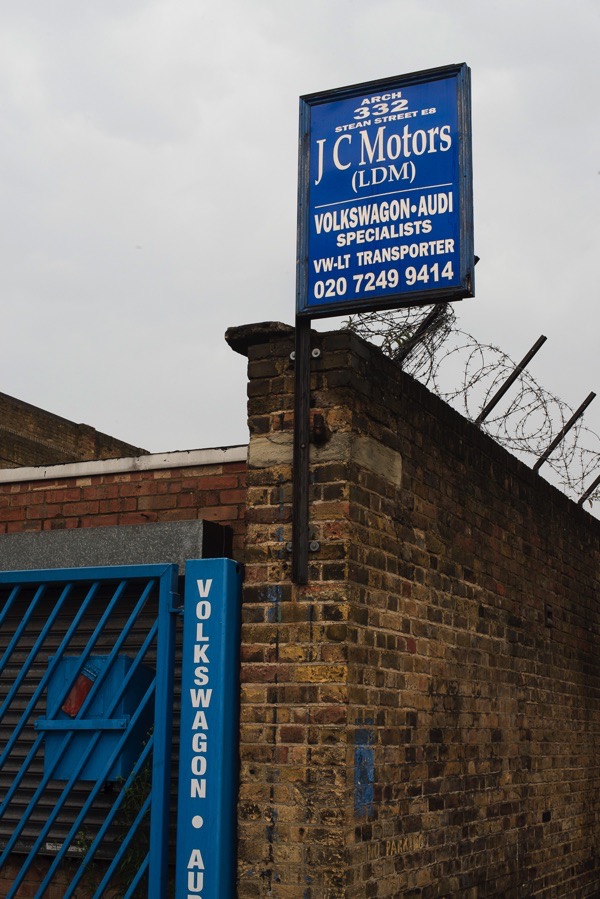
Joe Chee is commemorated in the name of the company ‘JC Motors’, followed by Leonard’s initials
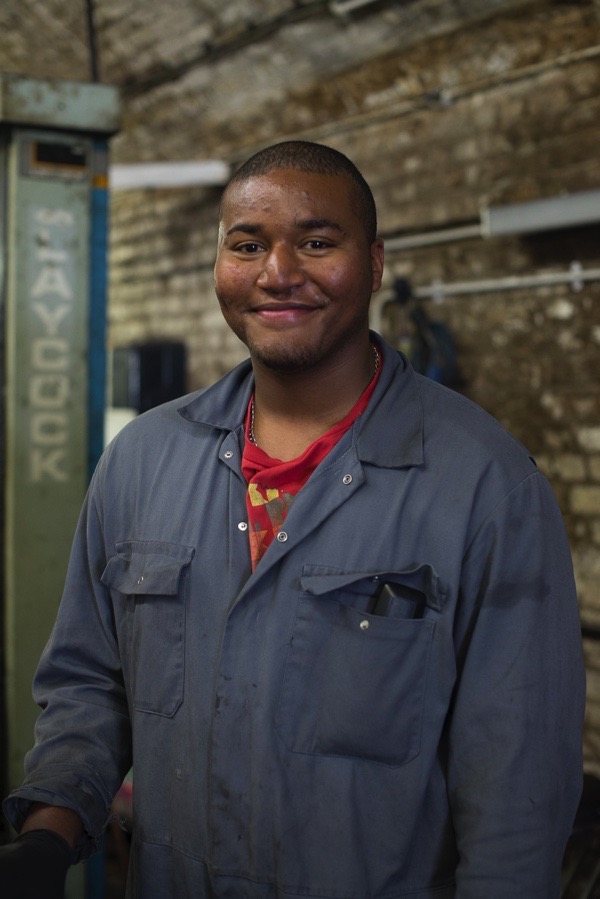
Miles Maloney
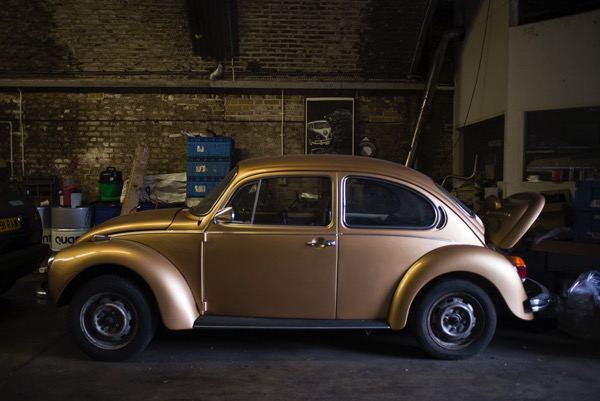
Len’s own beetle that he hopes to restore one day
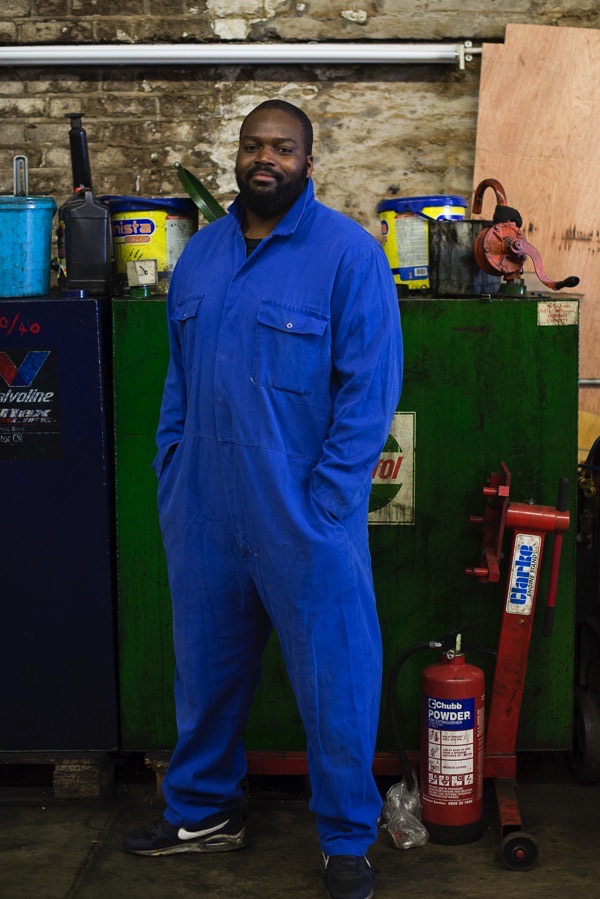
Mr Bramble, Motor Engineer
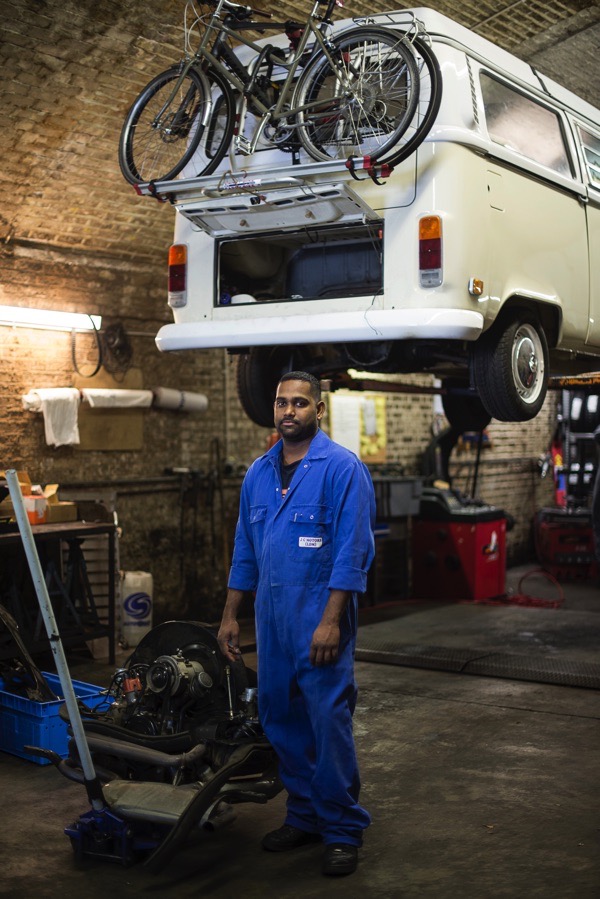
Mr Singh, Motor Engineer
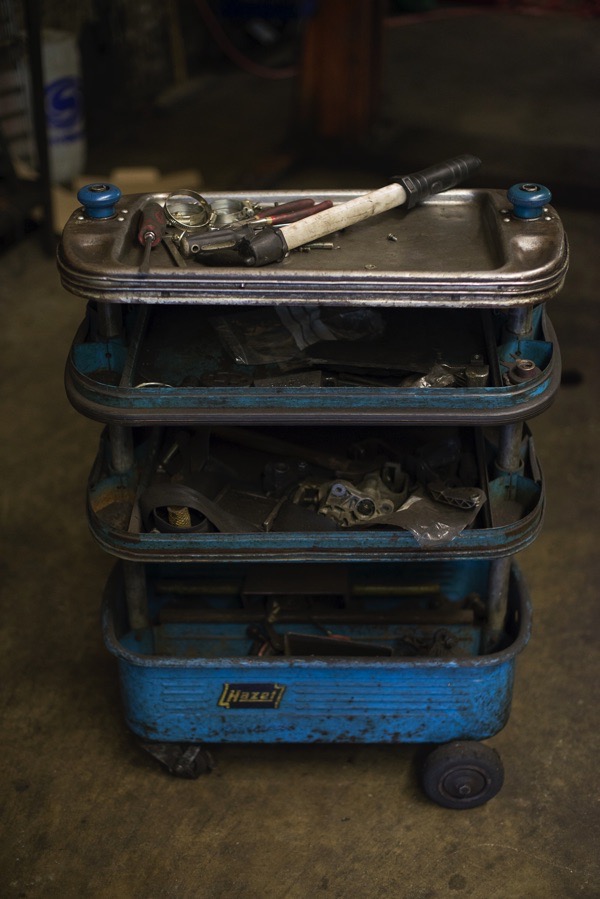
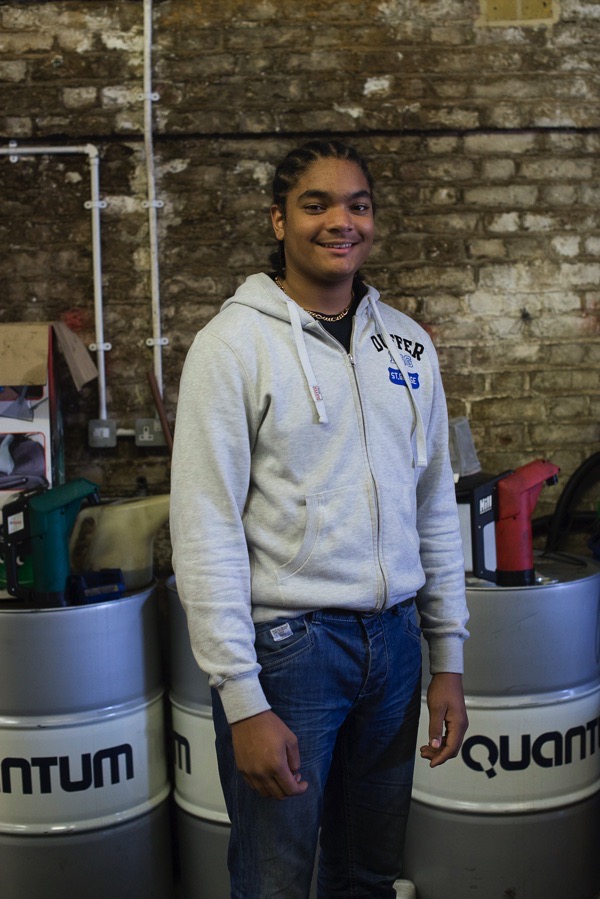
Hakeem Saunders – “I’ve been here since I was thirteen”
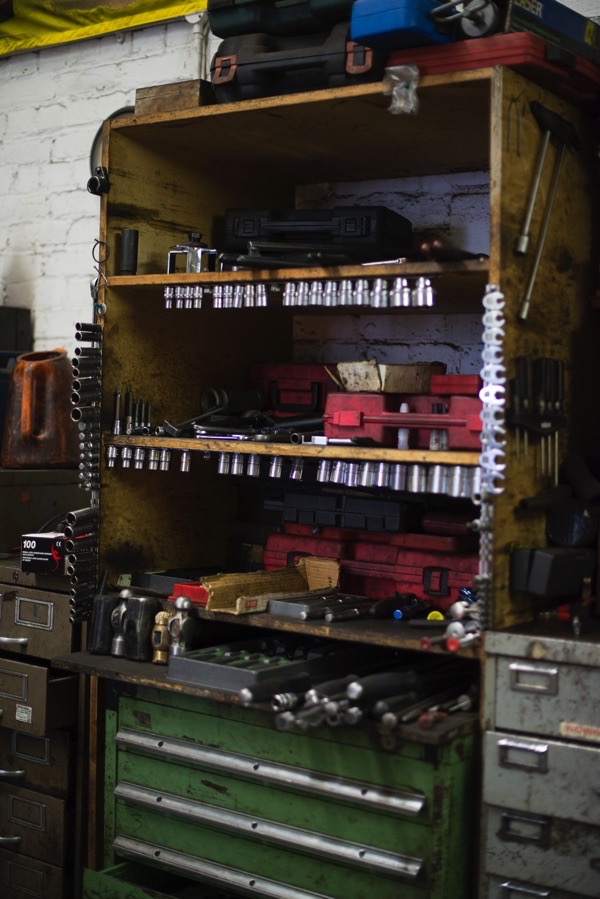
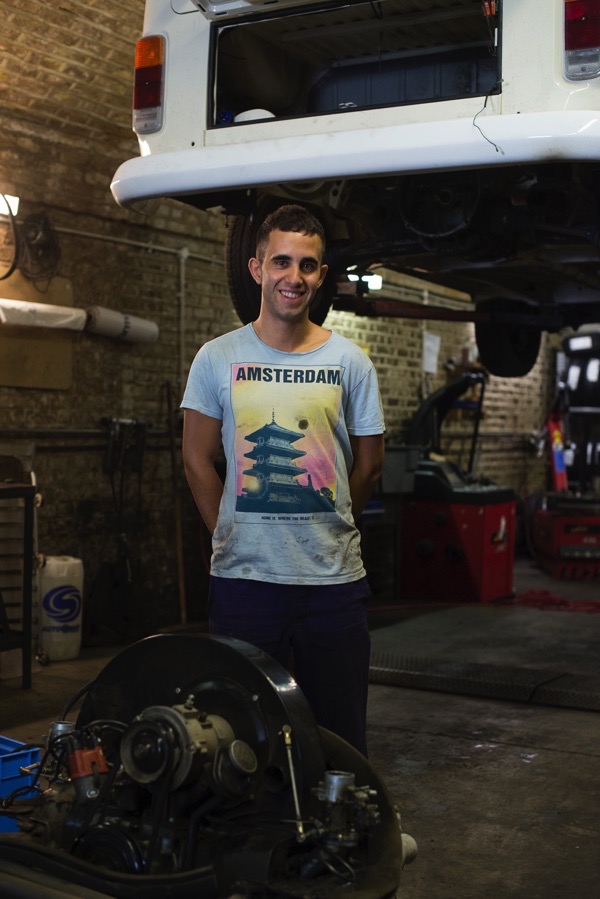
Adnan Leal
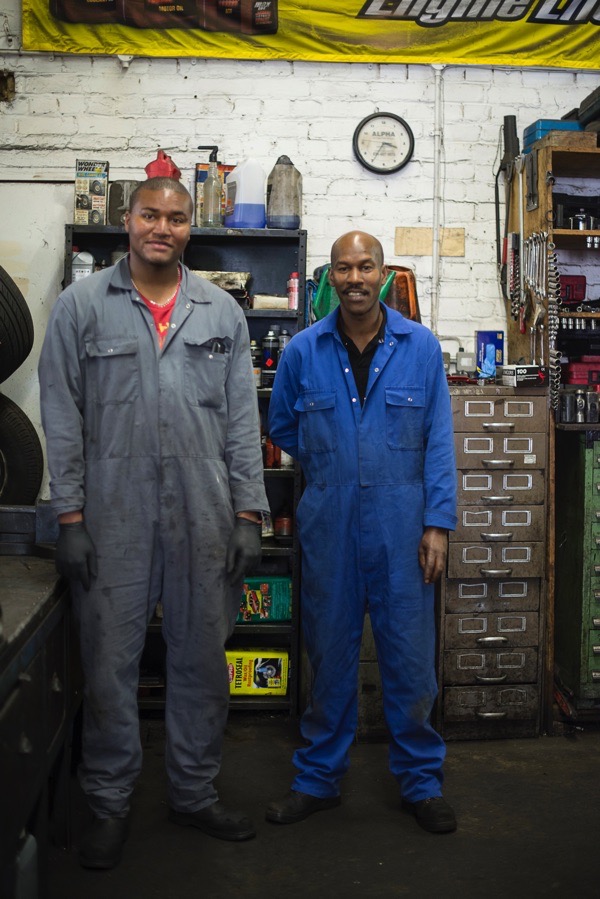
Leonard & his son Miles
Leonard Maloney
Photographs copyright © Sarah Ainslie
J C Motors LDM, 332 Stean St, Haggerston, E8 4ED
You may also like to read about
Adam Dant’s Map Of East End Trades
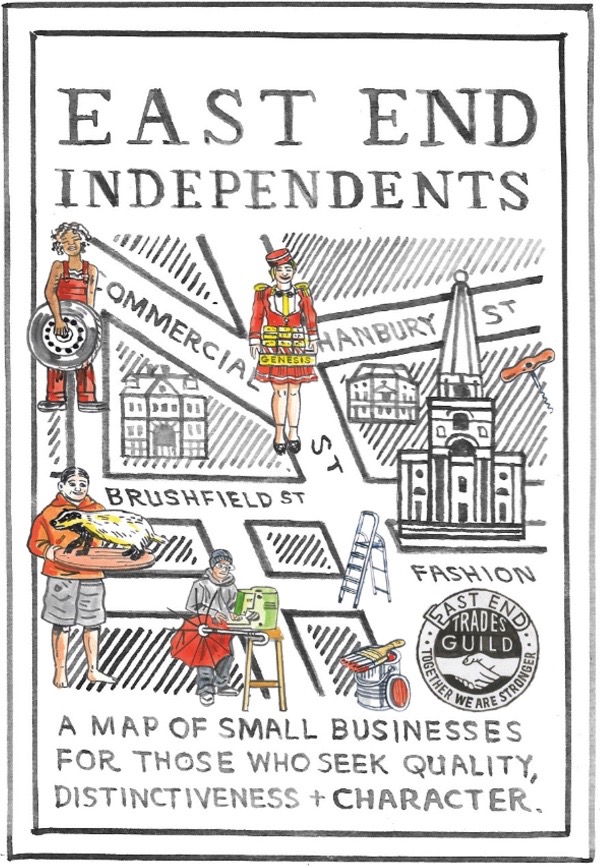
Celebrating Small Business Saturday tomorrow, the East End Trades Guild commissioned Adam Dant to draw this map showing the location of their members – the small shops, family businesses and independent traders. Pick up your free copy from any of the places listed on the map.
Adam Dant will be showing his maps and talking about them at 7pm next Tuesday 4th December as part of Type Tuesday at St Bride Foundation, EC4Y 8EQ. Click here for tickets
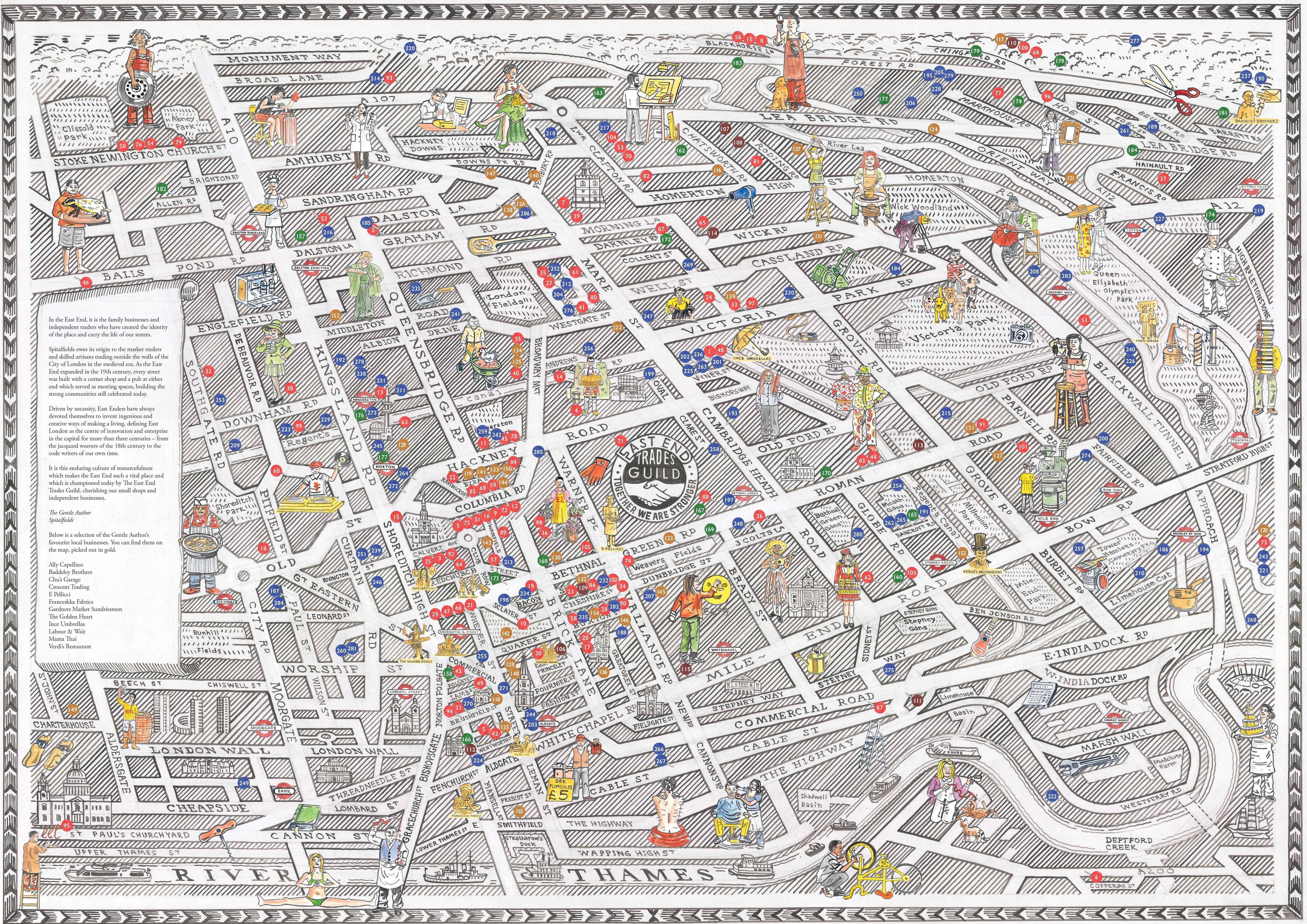
Click on the map to enlarge
In the East End, it is the family businesses and independent traders who have created the identity of the place and carry the life of our streets.
Spitalfields owes its origin to the market traders and skilled artisans trading outside the walls of the City of London in the medieval era. As the East End expanded in the nineteenth century, every street was built with a corner shop and a pub at either end which served as meeting spaces, building the strong communities still celebrated today.
Driven by necessity, East Enders have always devoted themselves to invent ingenious and creative ways of making a living, defining East London as the centre of innovation and enterprise in the capital for more than three centuries – from the jacquard weavers of the eighteenth century to the code writers of our own time.
It is this enduring culture of resourcefulness which makes the East End such a vital place and which is championed today by The East End Trades Guild, cherishing our small shops and independent businesses.
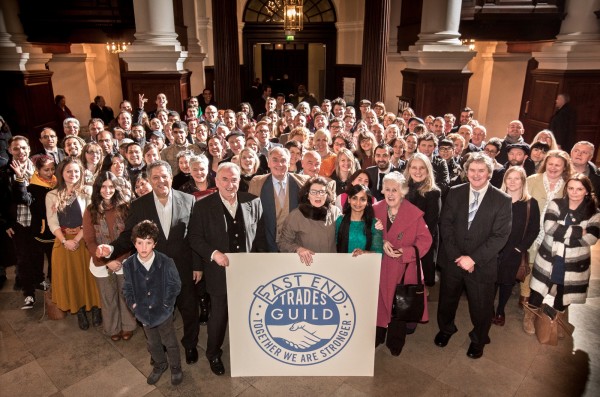
The founding members of the East End Trades Guild photographed by Martin Usborne

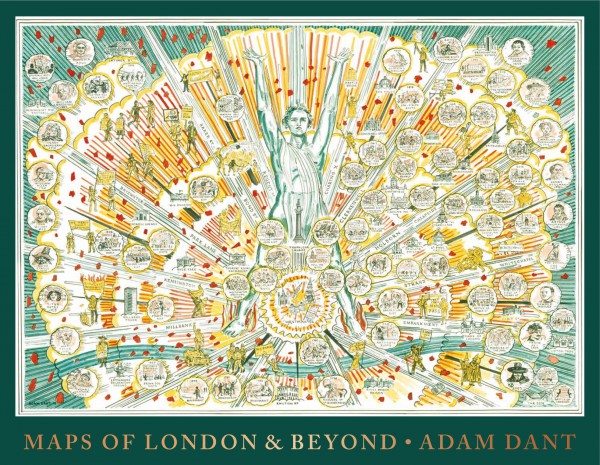
CLICK TO ORDER A SIGNED COPY OF MAPS OF LONDON & BEYOND BY ADAM DANT
Adam Dant’s MAPS OF LONDON & BEYOND is a mighty monograph collecting together all your favourite works by Spitalfields Life‘s cartographer extraordinaire in a beautiful big hardback book.
Including a map of London riots, the locations of early coffee houses and a colourful depiction of slang through the centuries, Adam Dant’s vision of city life and our prevailing obsessions with money, power and the pursuit of pleasure may genuinely be described as ‘Hogarthian.’
Unparalleled in his draughtsmanship and inventiveness, Adam Dant explores the byways of English cultural history in his ingenious drawings, annotated with erudite commentary and offering hours of fascination for the curious.
The book includes an extensive interview with Adam Dant by The Gentle Author.
Adam Dant’s limited edition prints are available to purchase through TAG Fine Arts
Cries Of London Snap Cards
It has been a while since I added to my collection of Cries of London down the ages, so I was delighted to acquire these beautiful cards for a mere couple of pounds. For me, their patina after more than century of use in games of Snap only enhances the appeal of these characterful portraits of industrious Londoners of the eighteen-nineties.


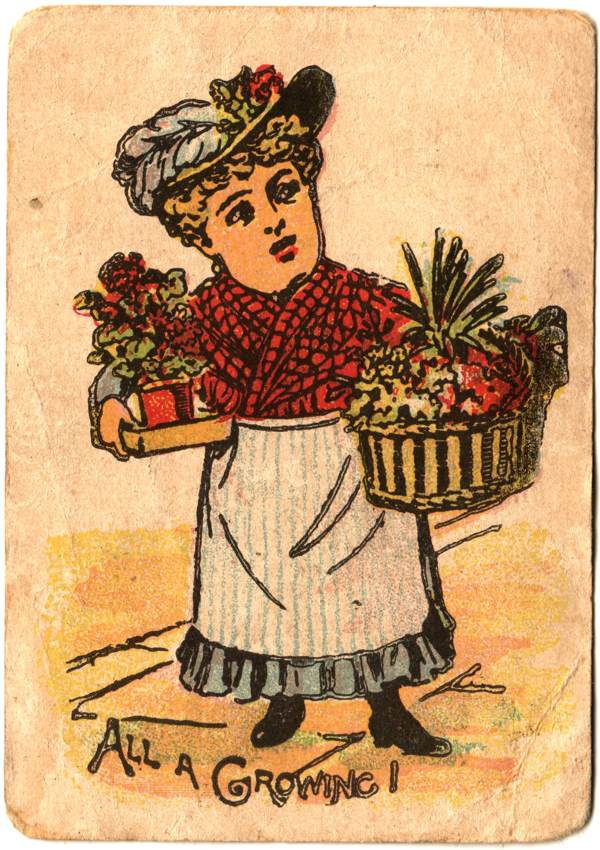


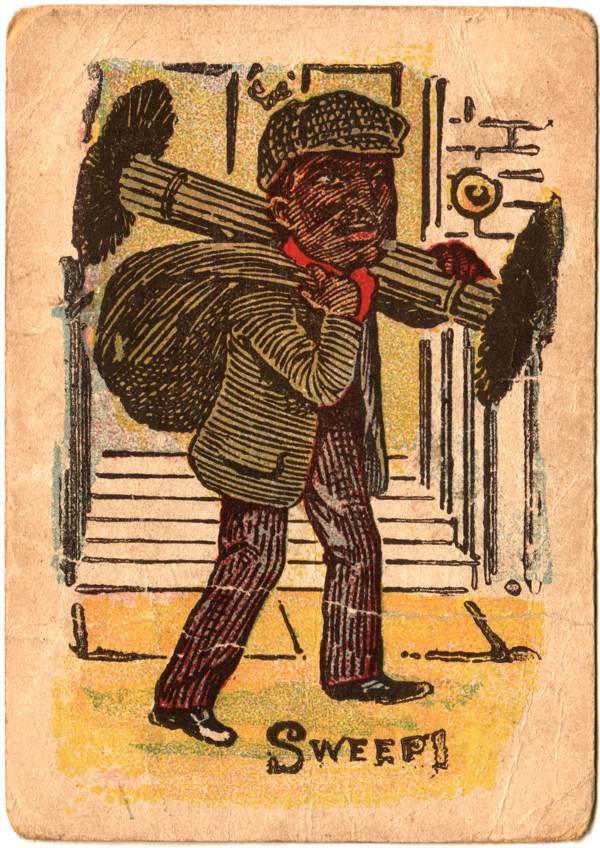

You may also like to take a look at these other sets of the Cries of London
Geoffrey Fletcher’s Pavement Pounders
William Craig Marshall’s Itinerant Traders
H.W.Petherick’s London Characters
John Thomson’s Street Life in London
Aunt Busy Bee’s New London Cries
Marcellus Laroon’s Cries of London
More John Player’s Cries of London
William Nicholson’s London Types
Francis Wheatley’s Cries of London
John Thomas Smith’s Vagabondiana of 1817
John Thomas Smith’s Vagabondiana II
John Thomas Smith’s Vagabondiana III
Thomas Rowlandson’s Lower Orders
At The Boar’s Head Parade
The annual Boar’s Head Parade in the City of London takes place this afternoon at 3pm
When I arrived at The Worshipful Company of Butchers, I was greeted outside their Hall in St Bartholomew’s Close by Neil Hunt, the Beadle. Already a small crowd were gathered, eagerly awaiting the annual appearance of the celebrated Boar’s Head, marking the beginning on the Christmas season in London.
This arcane tradition has its origin in 1343 when the Lord Mayor, John Hamond, granted the Butchers of the City of London use of a piece of land by the Fleet River, where they could slaughter and clean their beasts, for the token yearly payment of a Boar’s Head at Christmas.
To pass the time in the drizzle, the Beadle showed me his magnificent staff of office dating from 1716, upon which may be discerned a Boar’s Head. “Years ago, they had a robbery and this was the only thing that wasn’t stolen,” he confided to me helpfully, ” – it had a cover and the thieves mistook it for a mop.”
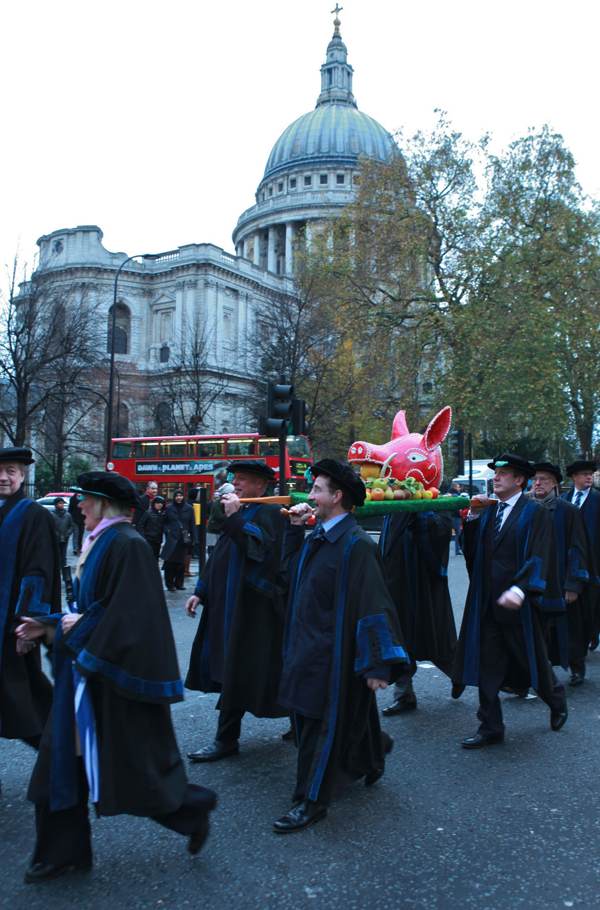
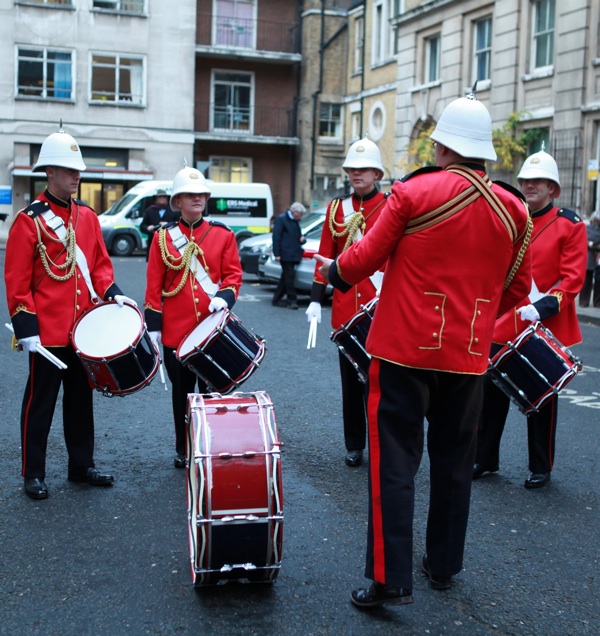
Before another word was spoken, a posse of members of the Butcher’s Company emerged triumphant from the Hall in blue robes and velvet hats, with a livid red Boar’s Head carried aloft at shoulder height, to the delighted applause of those waiting in the street. Behind me, drummers of the Royal Logistics Corps in red uniforms gathered and City of London Police motorcyclists in fluorescent garb lined up to receive instructions from Ian Kelly, the Master of the Company.
Everyone assembled to pose for official photographs with the perky red ears of the Boar sticking up above the crowd, providing the opportunity for a closer examination of this gloss-painted paper mache creation, sitting upon a base of Covent Garden grass and surrounded by plastic fruit. As recently as 1968, a real Boar’s Head was paraded but these days Health & Safety concerns about hygiene require the use of this colourful replica for ceremonial purposes.
The drummers set a brisk pace and before I knew it, the parade was off down Little Britain, preceded by the police motorcyclists halting the traffic. For a couple of minutes, the City stopped – astonished passengers leaned out of buses and taxis, and office workers reached for their phones to capture the moment. It made a fine spectacle advancing down Cheapside, past St Mary Le Bow, with the sound of drums echoing and reverberating off the tall buildings.
The rhythmic clamour accompanying the procession in their dark robes, with the Boar’s Head bobbing above, evoked the ancient drama of the City of London and, as they paraded through the gathering dusk towards the Mansion House looming in the east on that occluded winter afternoon, I could not resist the feeling that they were marching through time as well as space.

Neil Hunt, Beadle of The Worshipful Company of Butchers
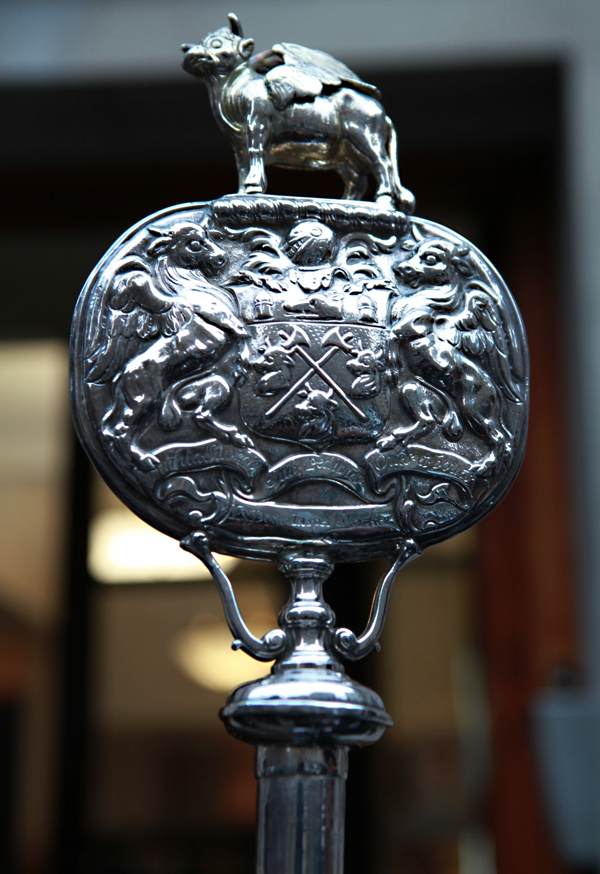
The Beadle’s staff dates from 1716
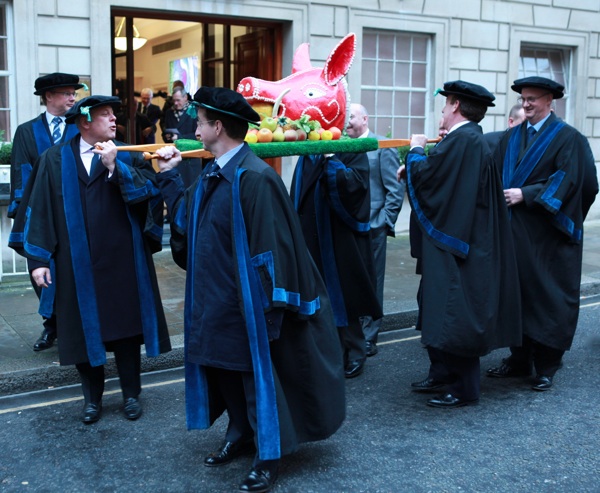
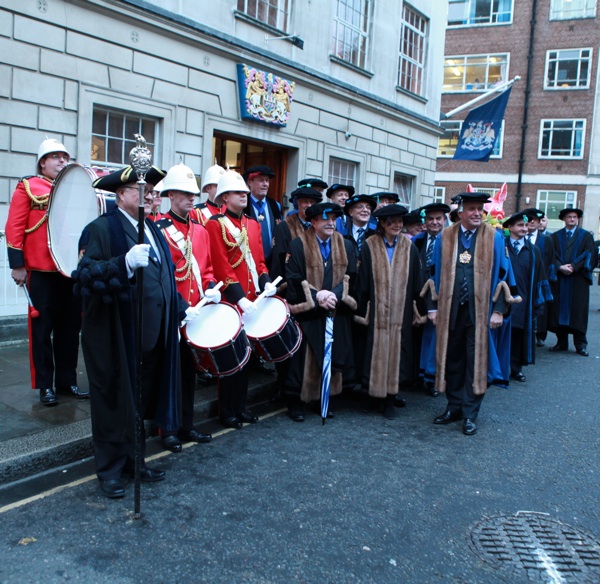
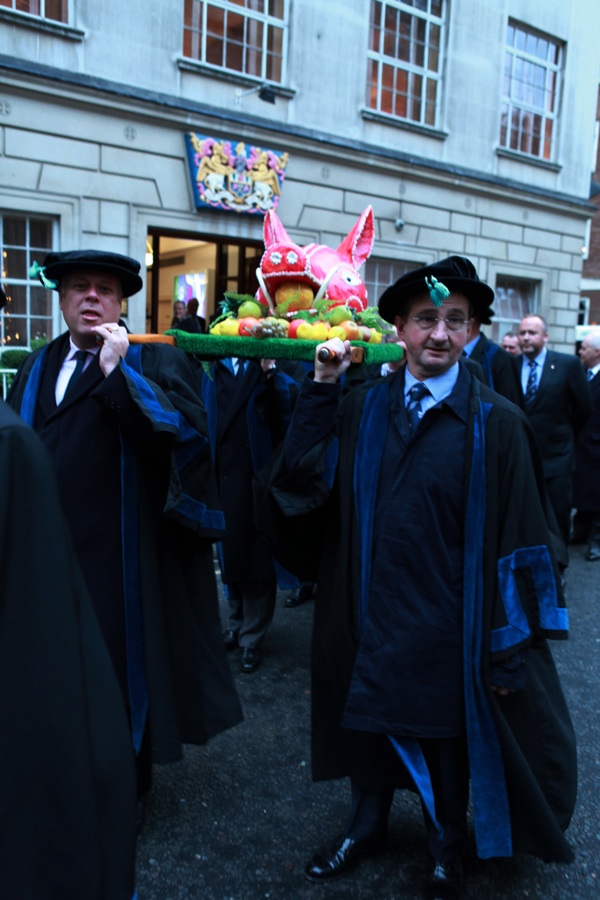
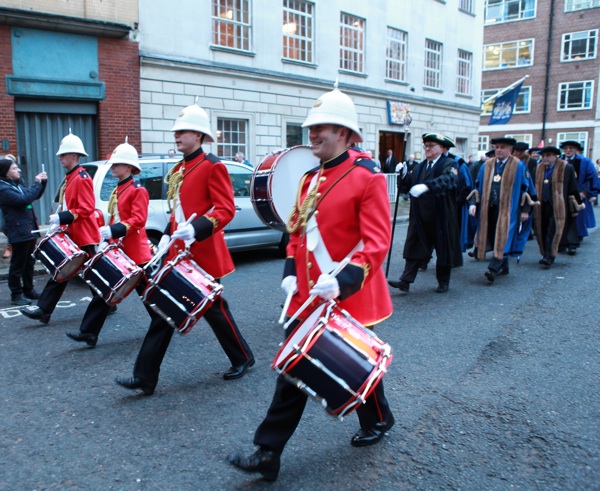
Leaving St Bartholomew’s Close
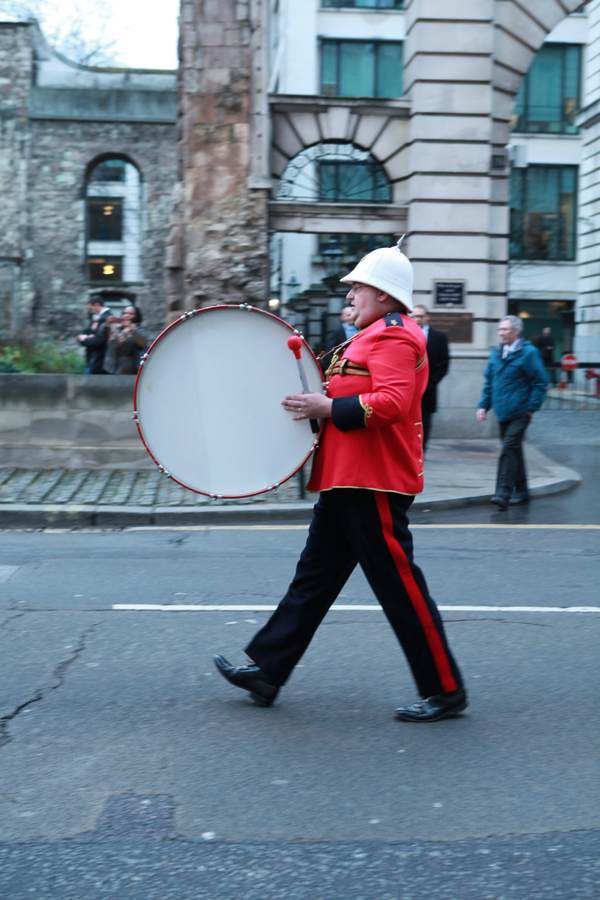
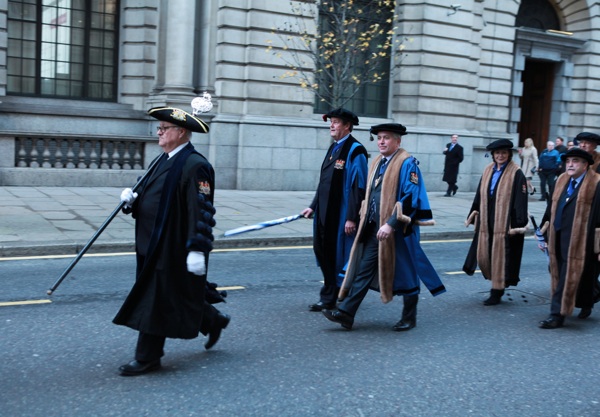
Advancing through Little Britain
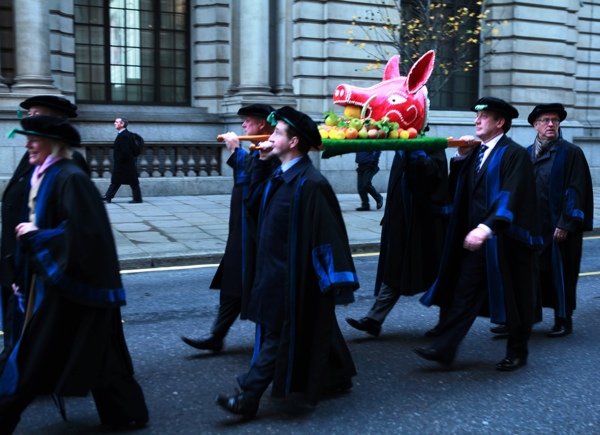
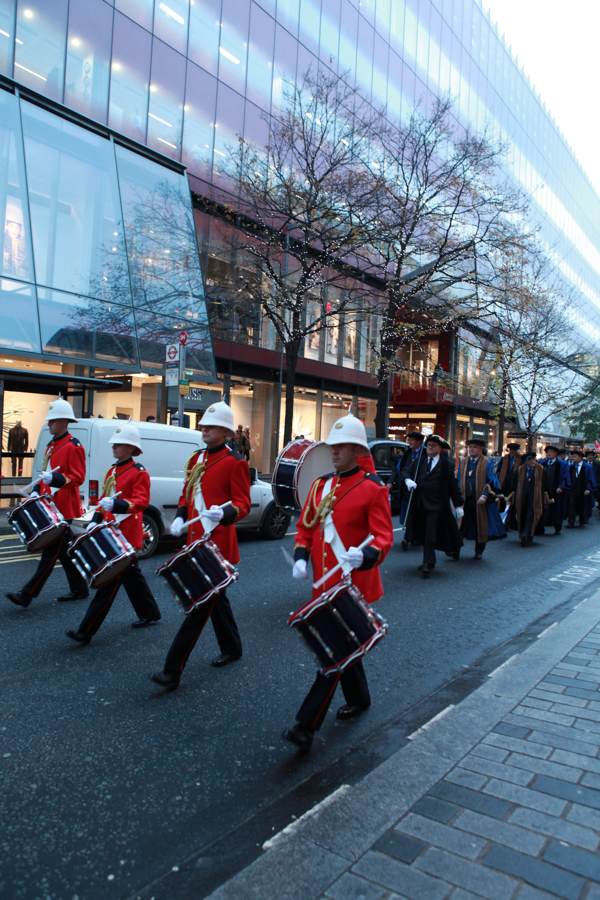
Entering Cheapside

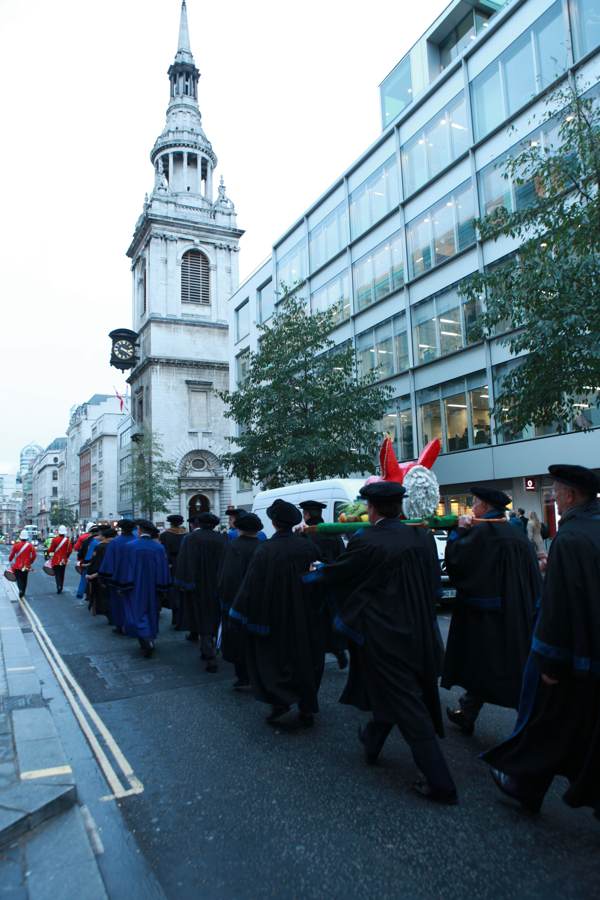
Passing St Mary Le Bow
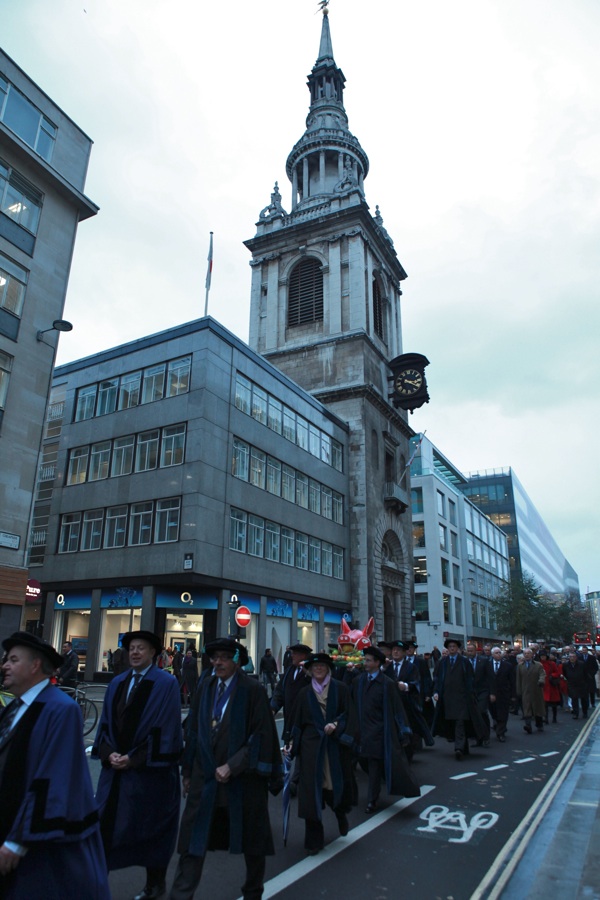
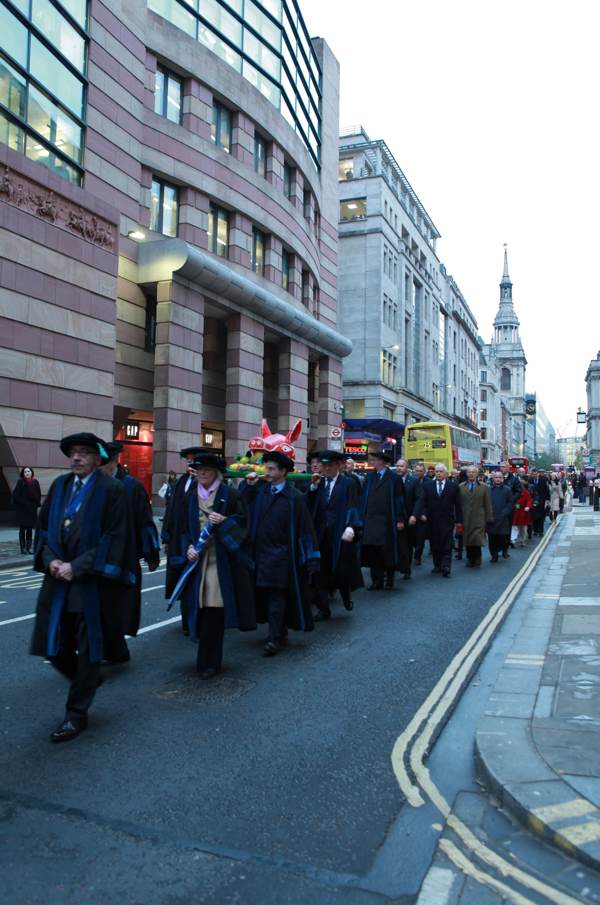
In Cheapside
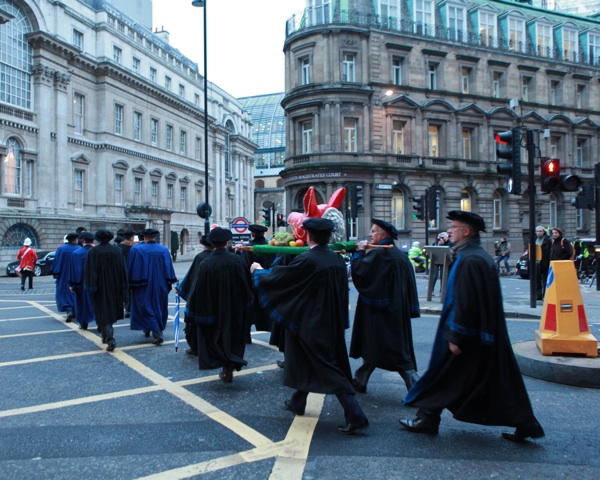
Approaching the Mansion House
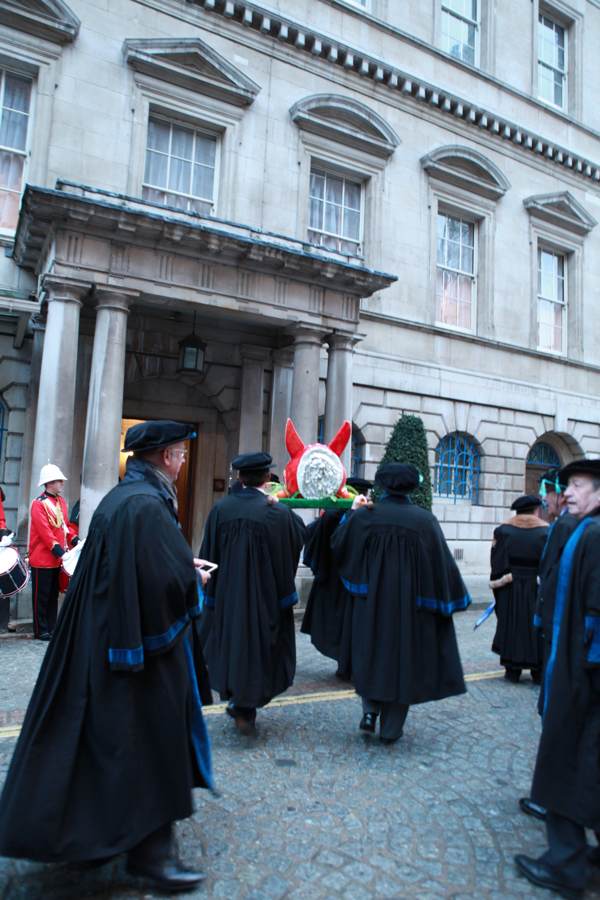
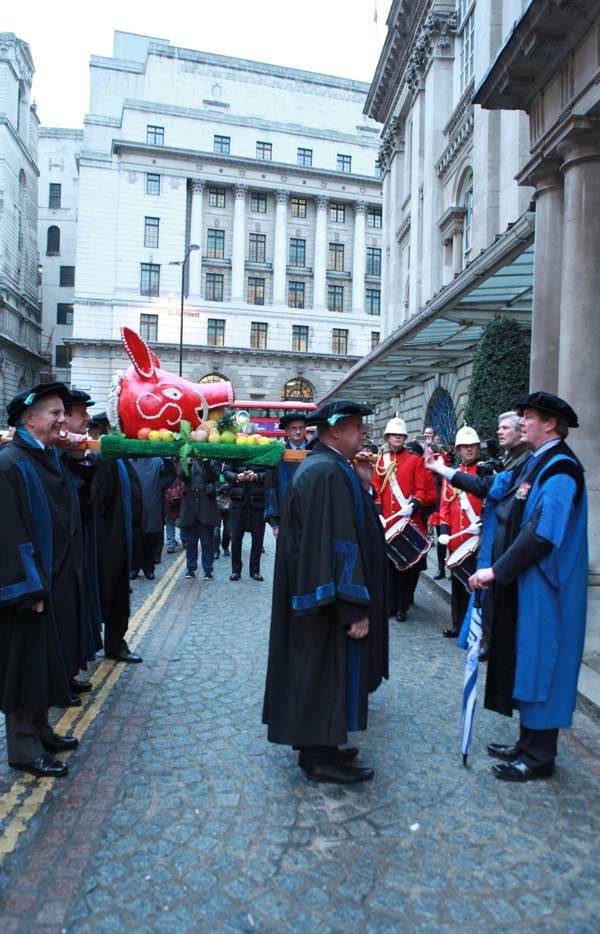
The Boar’s Head arrives at the Mansion House
Photographs copyright © Estate of Colin O’Brien
You may also like to read about
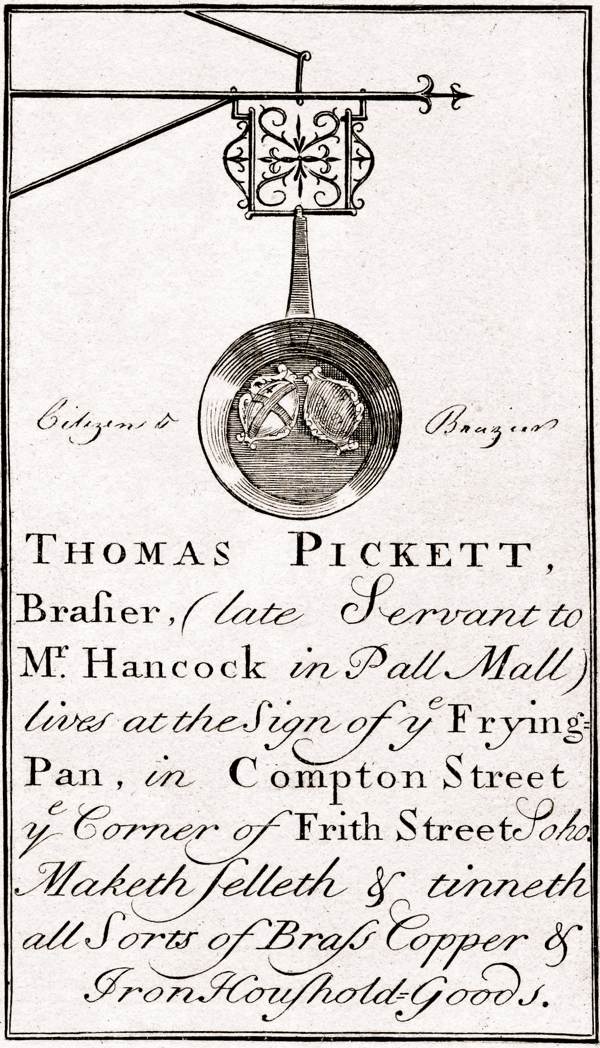
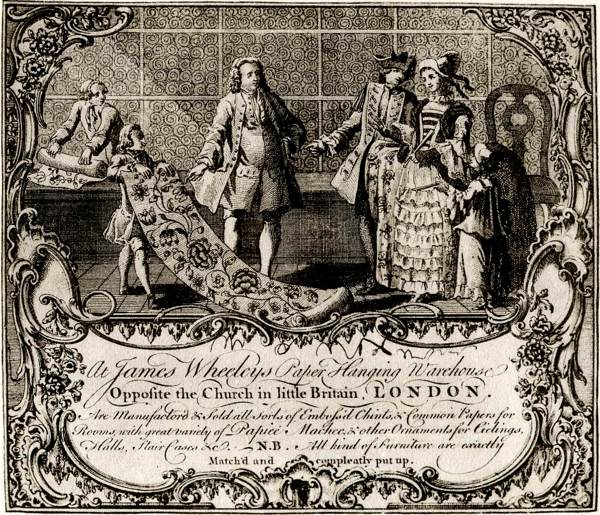
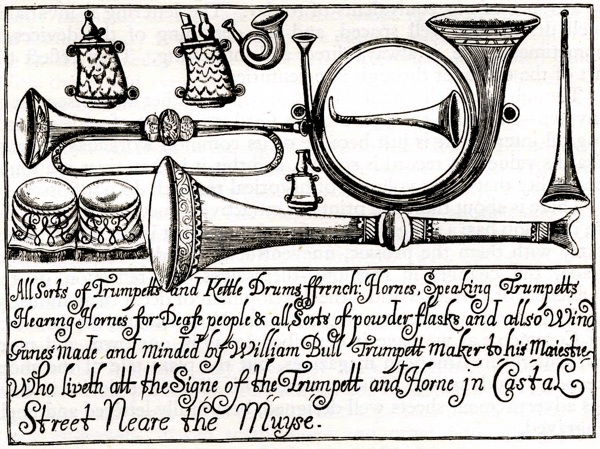
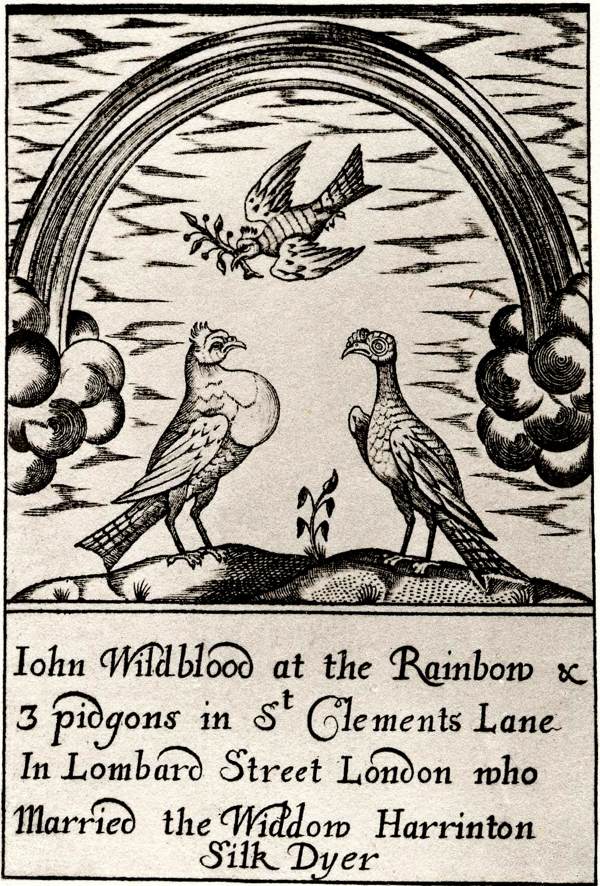
The Trade Cards Of Old London
Is your purse or wallet like mine, bulging with old trade cards? Do you always take a card from people handing them out in the street, just to be friendly? Do you pick up interesting cards in idle moments, intending to look at them later, and find them months afterwards in your pocket and wonder how they got there? So it has been for over three hundred years in London, since the beginning of the seventeenth century when trade cards began to be produced as the first advertising. Here is a selection of cards you might find, rummaging through a drawer in the eighteenth century.
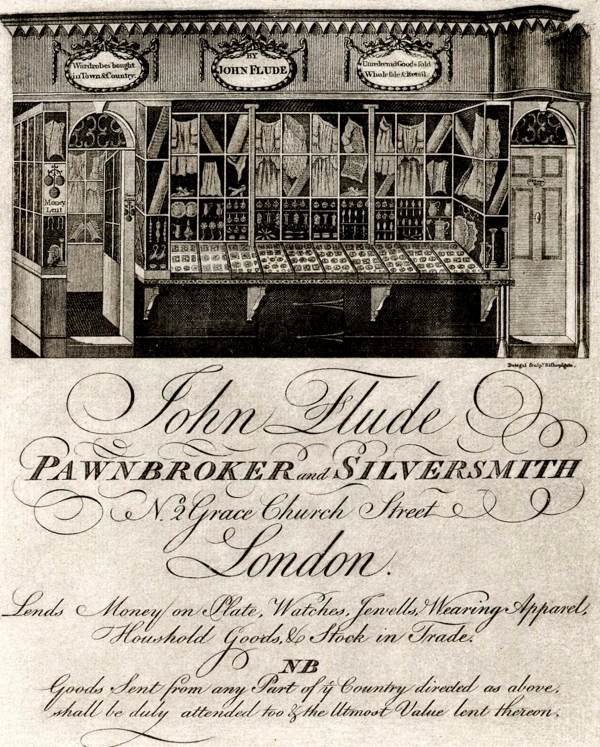
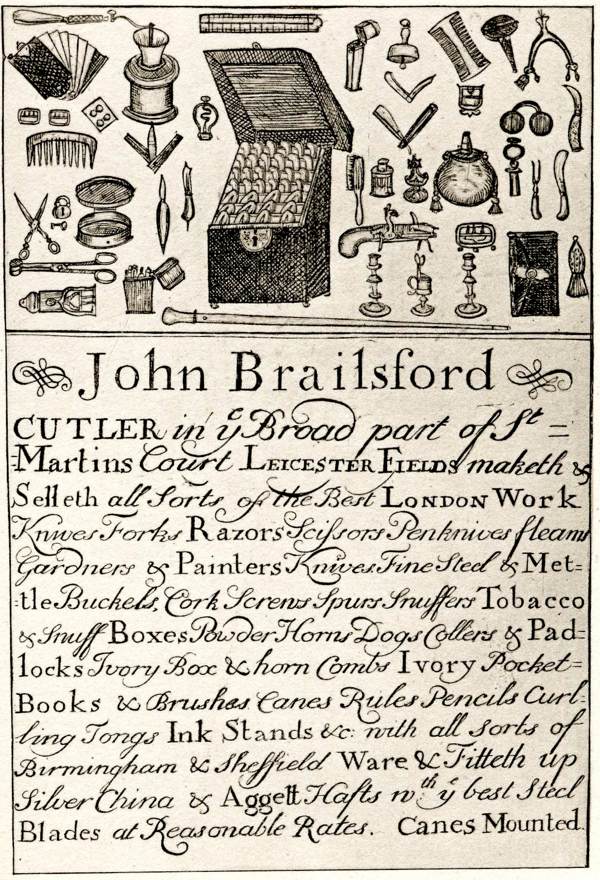
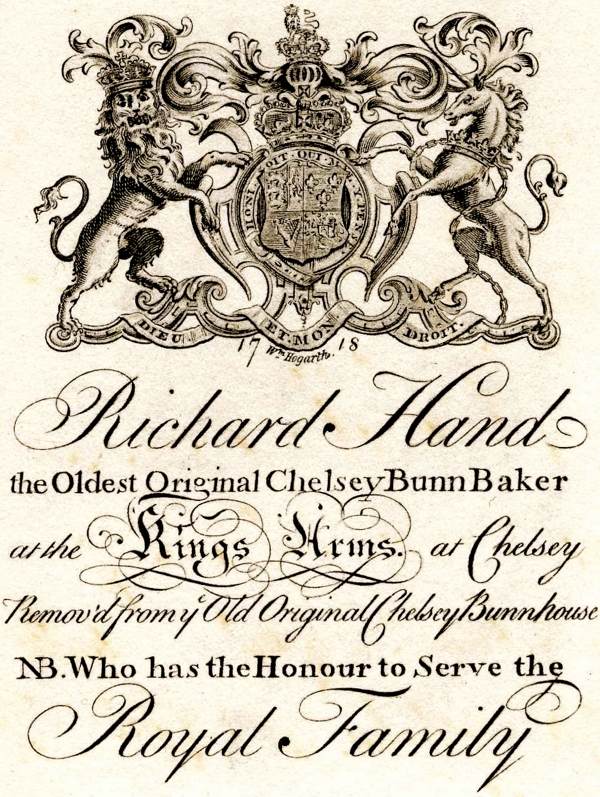






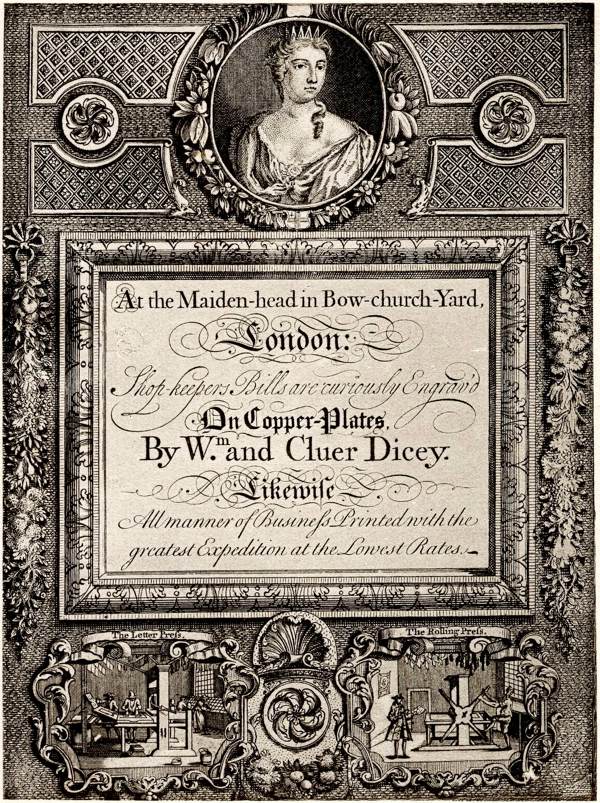

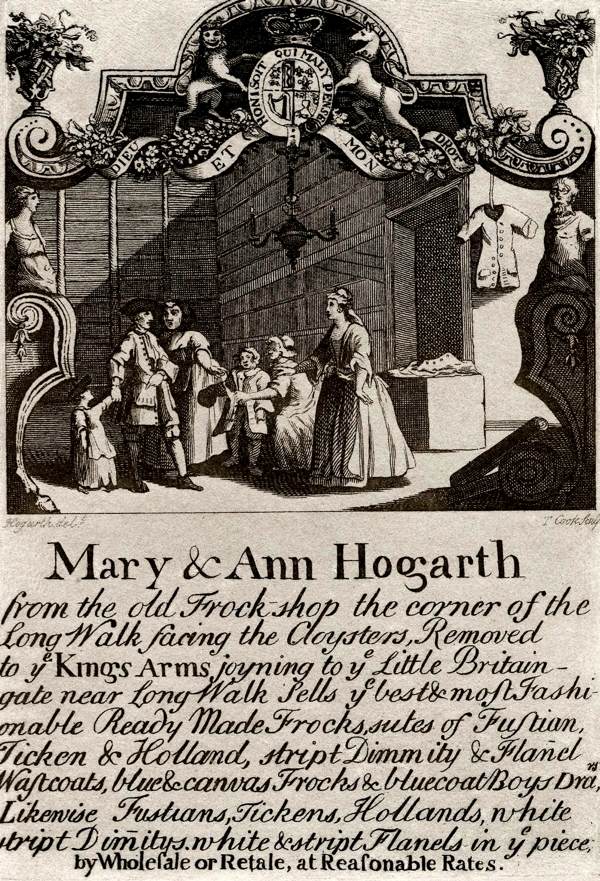
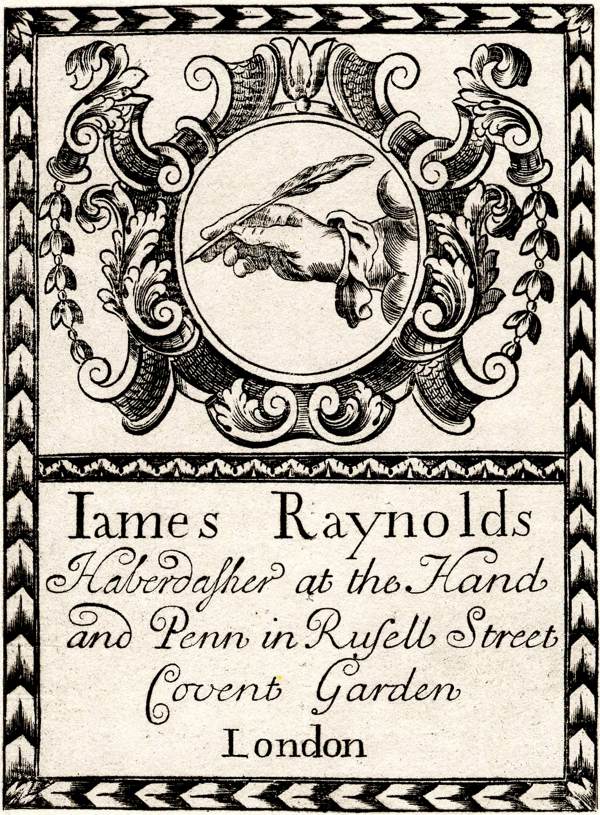
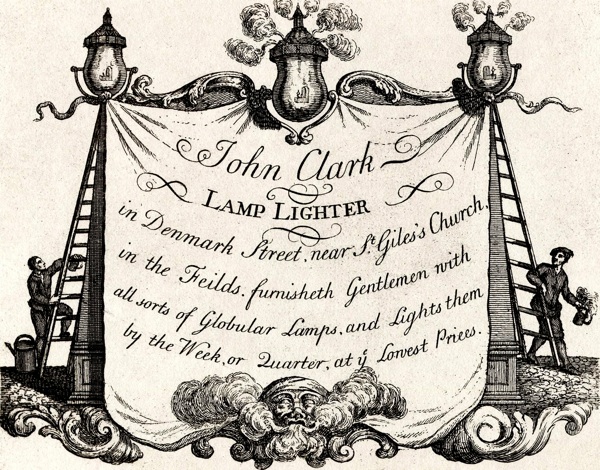
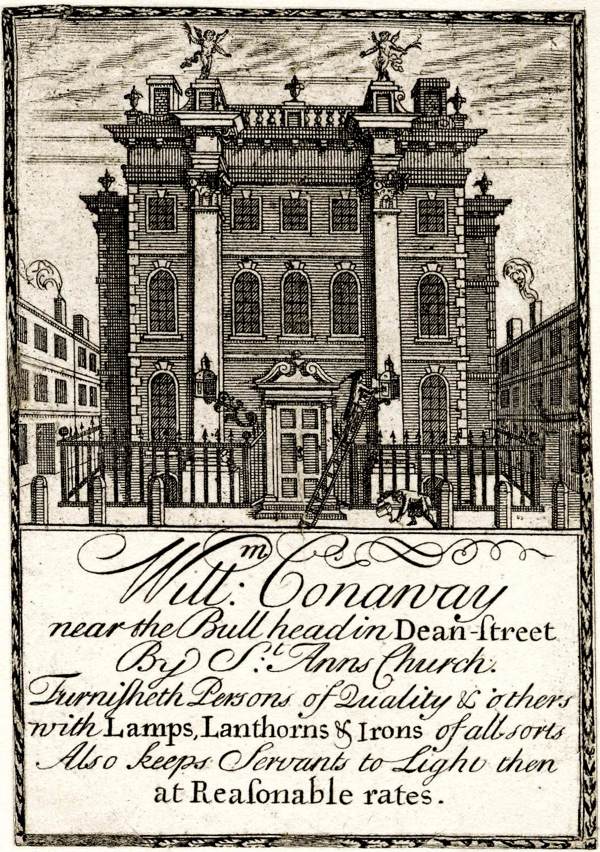
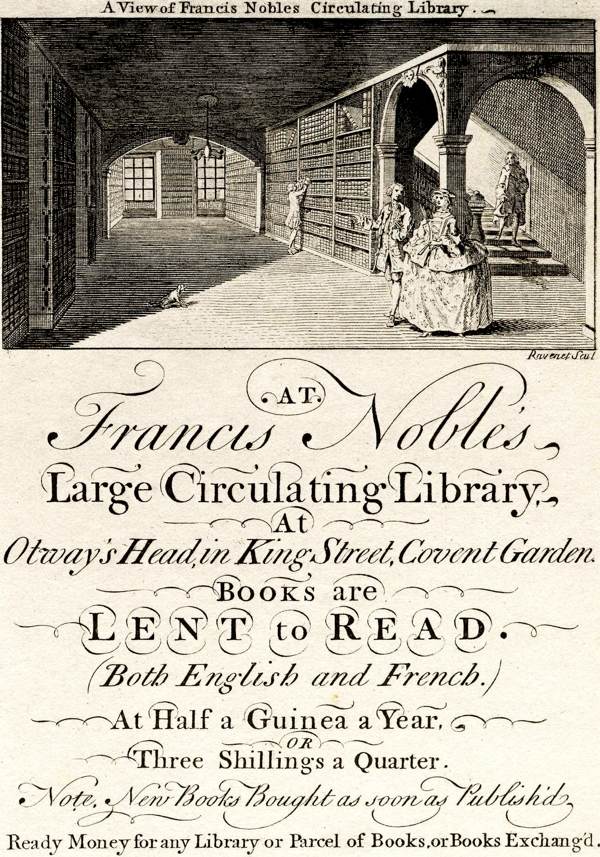
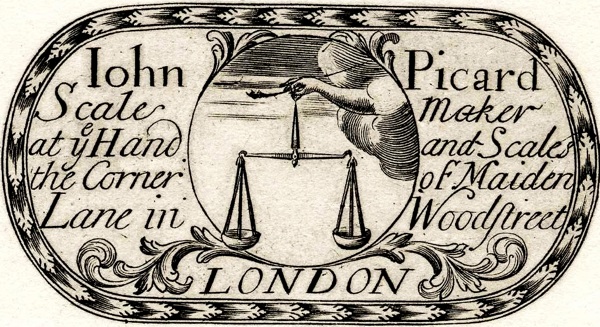

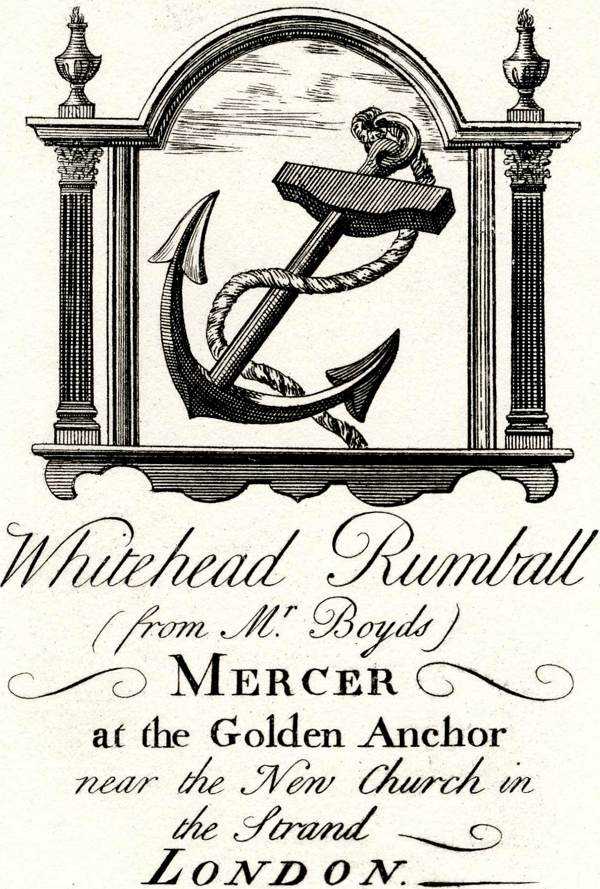
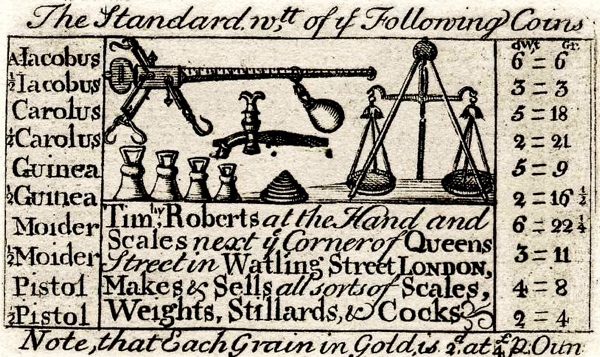
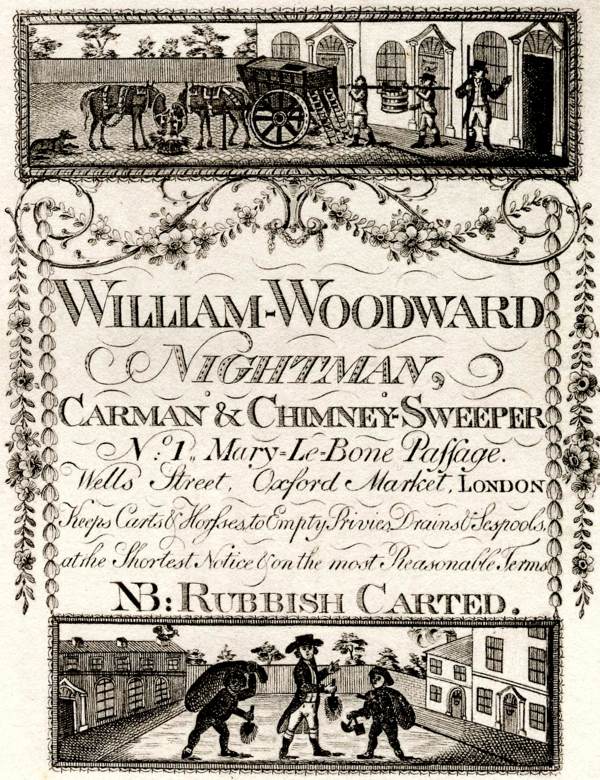
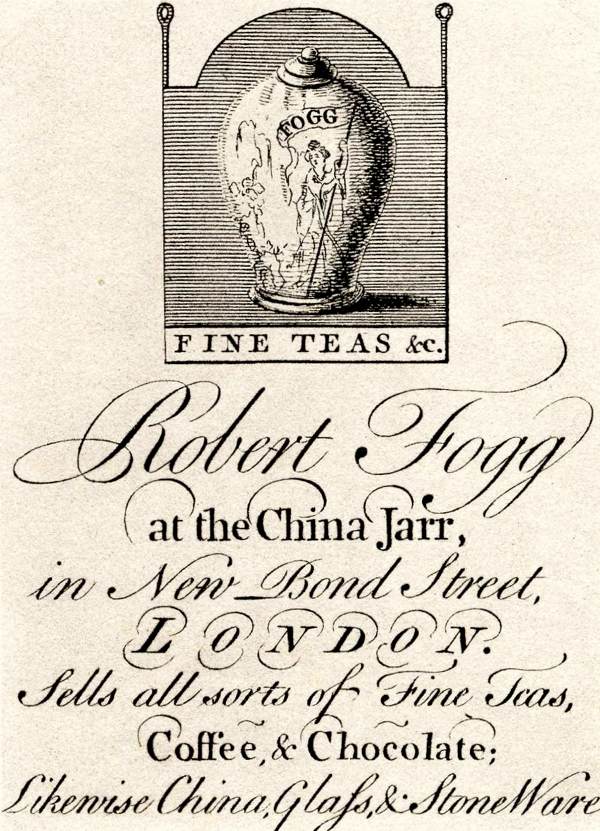
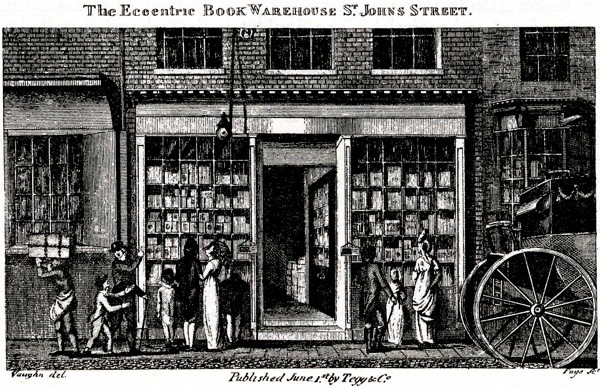
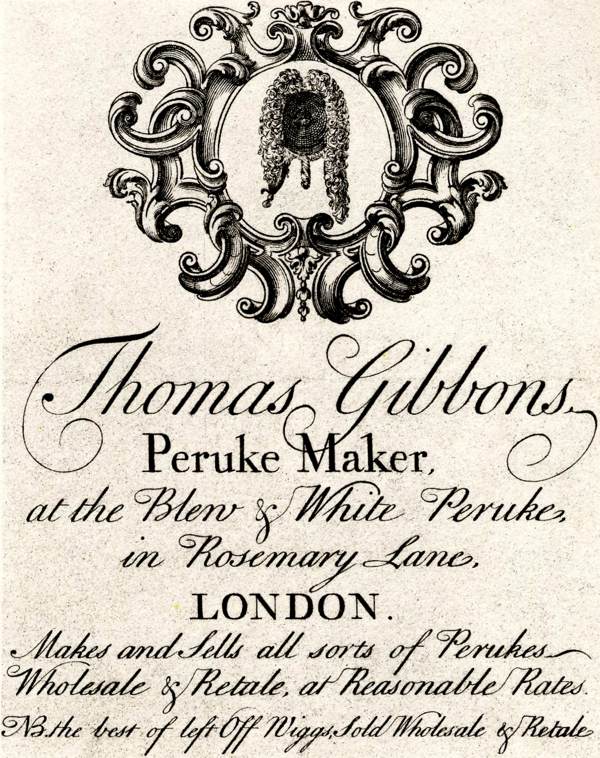
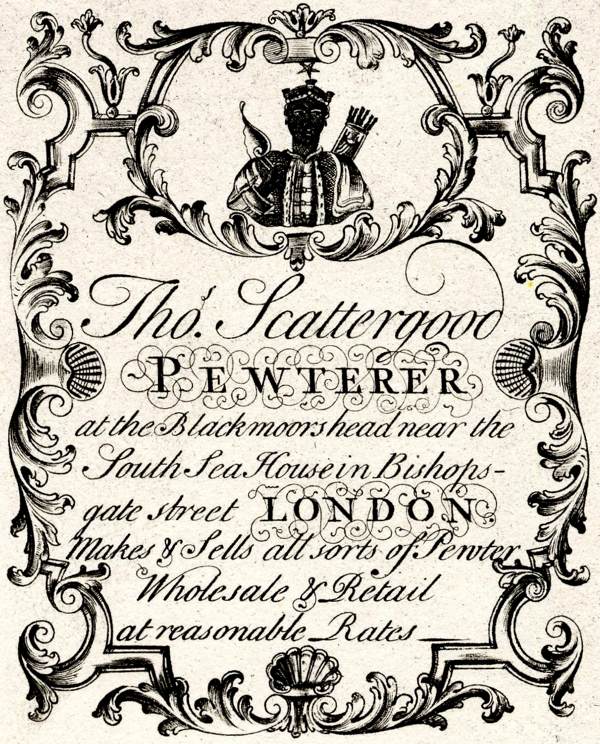
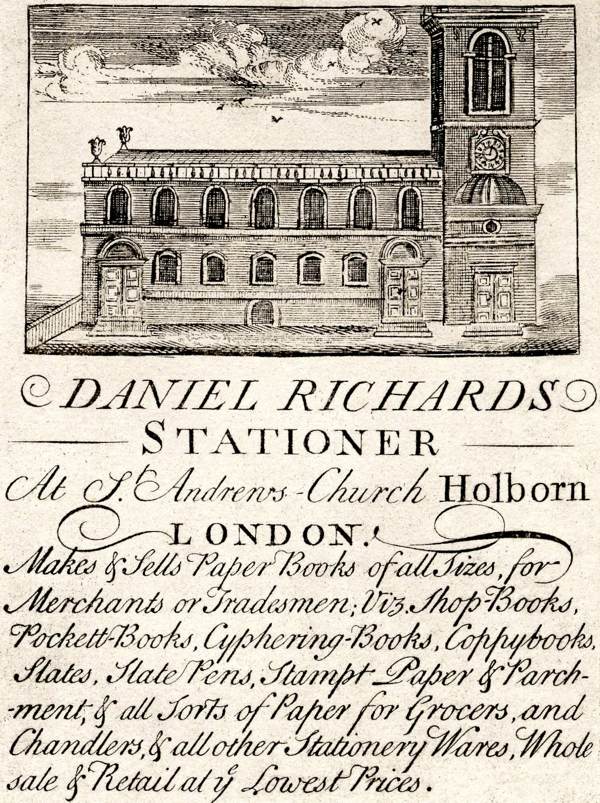
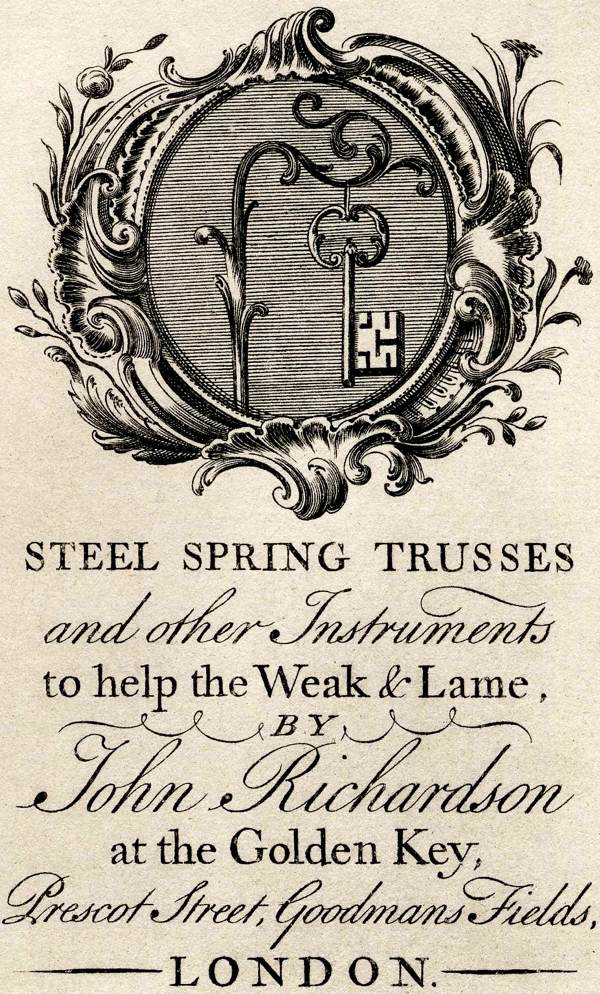

Images courtesy Bishopsgate Institute
You might also like to take a look at












