
Terry Smith, Envelope Cutter
Today we celebrate Terry Smith who cut the beautiful handmade envelopes donated by Baddeley Brothers for our Spitalfields Life 2022 calendar in support of Spitalfields City Farm
CLICK HERE TO ORDER YOUR SPITALFIELDS CITY FARM CALENDAR FOR £10

There is not much that Terry Smith does not know about envelopes. He has been cutting them for sixty years at Baddeley Brothers, the longest-established family firm of fine stationery manufacturers in London. “When I tell people I make envelopes, sometimes they look at you and ask, ‘What does it take to make envelopes?’ Terry revealed to me with a knowing smile, “So I tell them to get hold of a piece of paper and a knife and a ruler, and try to cut out the shape – because that is the trade of envelope making.”
Envelopes, especially of the brown manila variety, are mostly mundane objects that people prefer not to think about too much. But, at Baddeley Brothers, they make the envelopes of luxury and the envelopes of pleasure, envelopes with gilt crests embossed upon the flap, envelopes with enticing windows to peer through and envelopes lined with deep-coloured tissue – envelopes to lose yourself in. This is envelope-making as an art form, and Terry Smith is the supreme master of it.
Did you know there are only four types of envelope in the world? Thanks to Terry, the morning post will never be the same as I shall be categorising my mail according to styles of envelope. Firstly, there is the Diamond Shape, made from a diamond-shaped template and in which all four points meet in the middle – once this is opened, it cannot be resealed. Secondly, there is the “T” Style, which is the same as the Diamond Shape, only the lower flap ends in a straight edge rather than a point – permitting the top flap to be tucked underneath, which means the envelope can be reused. Thirdly, there is the Wallet, which is a rectangular envelope that opens on the long side. And lastly, the Pocket – which is a rectangular envelope that opens upon the short side.
“The skill of it is to make all the points meet in the middle,” confided Terry, speaking of the Diamond Shape, and I nodded in unthinking agreement – because by then I was already enraptured by the intriguing world of bespoke envelope-making.
“I was born in Shoreditch, and my mother and father were both born in Hackney. My dad was a telephone operator until the war and then he became a chauffeur afterwards. My first job, after I left school at fifteen, was at a carton maker but I was only there for three or four weeks when a friend came along and said to me, would I like to work in a ladies clothing warehouse? And I did that for a year until it got a bit iffy. The Employment Exchange sent me along to Baddeley Brothers and I joined when I was seventeen, and stayed ever since.
The company was in Tabernacle St then and I worked in the warehouse alongside the envelope cutters. It was a good thing because as somebody left another one joined and I worked with them, and I picked stuff up. Eventually when one left, they said to me, ‘Do you think you can do it?’ And I said, ‘Oh yes, give me a try.’ At first, I did the easy ones, punching out envelopes, and then I started to learn how to make the patterns and got into bespoke envelopes.
It is something that I should like to pass on myself, but I have not found anyone that can handle the paper. Once you have got the paper under the guillotine, it can be hard to get just the shape you want. And it can be quite difficult, because if the stack shifts beneath the pattern it can be very tricky to get it straight again. After you have trimmed the paper in the guillotine, then you put it in the adjustable press, and set up your pattern to cut through the paper and give you the exact shape of the envelope. I design all the patterns and, if we need a new knife, I design the shape and make the pattern myself. All of this can be done on a computer – the trade is dying, but this firm is thriving because we do bespoke. If a customer comes to us, I will always make a sample and nine times out of ten we get the job. You won’t find many people like me, because there’s not many left who know how to make bespoke envelopes.
I retired at sixty-five after I trained somebody up, but two months later I got the phone call saying, ‘Will you please come back?’ That was two years ago nearly and I was pleased to come back because I was getting a bit bored. It’s a great pleasure producing envelopes, because I can do work that others would struggle with. There’s a lot of pressure put upon you, you’ve got a couple of machines waiting and a few ladies making up the finished envelopes.
I was brought up with sport and I ran for London, I am a good all-rounder. I am a swimming instructor with disabled people at Ironmonger’s Row Baths. Every morning, I do press ups and sit ups to keep in shape – a good hour’s work out. I know that when I come into work, I’m ready to go. I’m probably fitter than most of the people here.
They’ve asked me how long can I go on making envelopes and I answer, ‘As long as I am able and as long as I am needed.'”
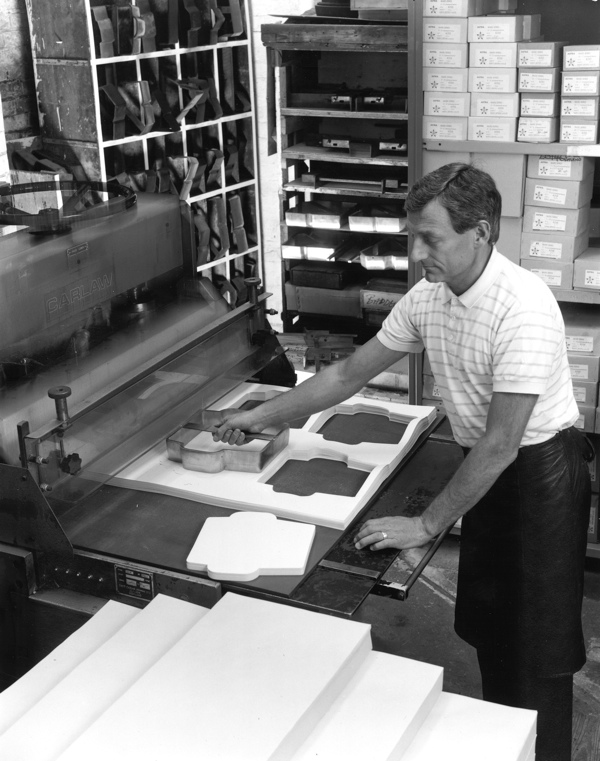
Terry at work making envelopes in 1990 in Boundary St

Terry sets a knife to cut the final shape of a stack of envelopes

Die cutting, 1990
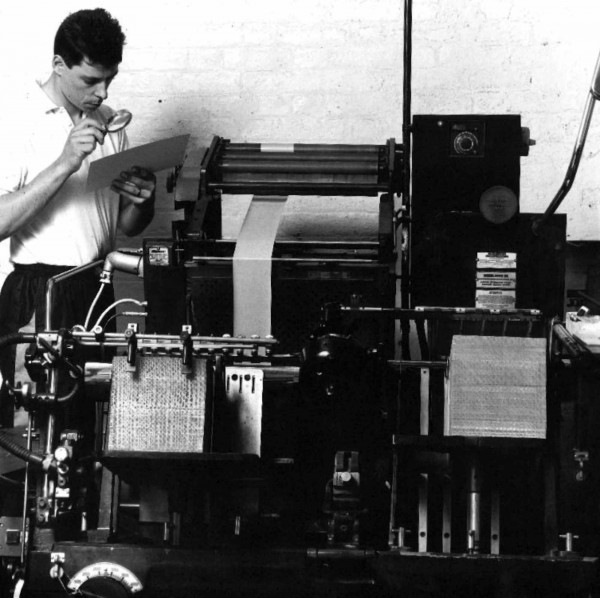
Checking the quality of foiling, 1990

Alan Reeves and envelope machine, 1990

Die press proofing, 1990

Folding envelopes by hand, 1990

Proofing Press, 1990

Baddeley Brothers at Boundary St in the building that is now the Boundary Hotel, 1990
Colour photographs copyright © Estate of Colin O’Brien
Black & white photographs copyright © Baddeley Brothers
You may also like to read about
At Newmans Stationery
Today we celebrate the wonderful Newmans Stationery in Bethnal Green who printed our Spitalfields Life 2022 calendar in support of Spitalfields City Farm
CLICK HERE TO ORDER YOUR SPITALFIELDS CITY FARM CALENDAR FOR £10
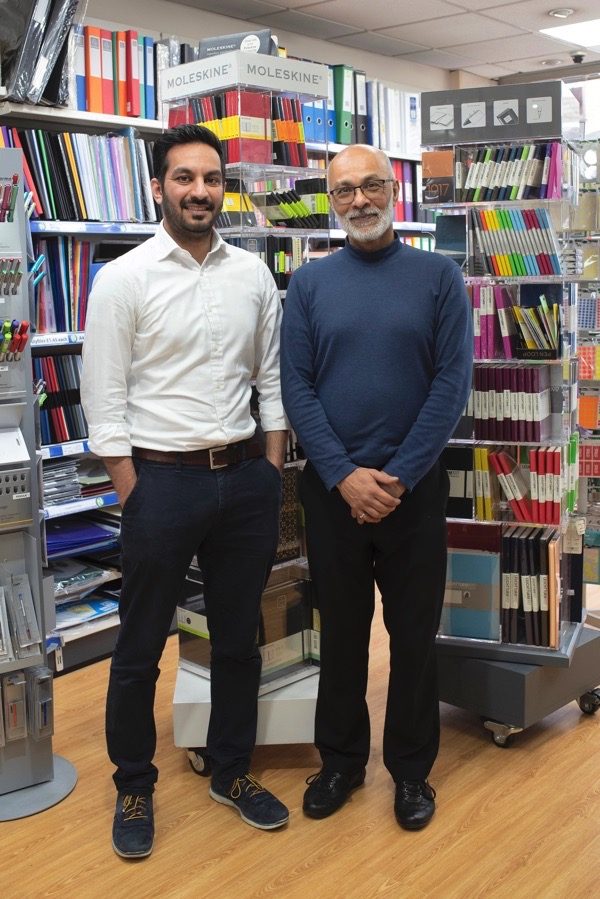
Qusai & Hafiz Jafferji
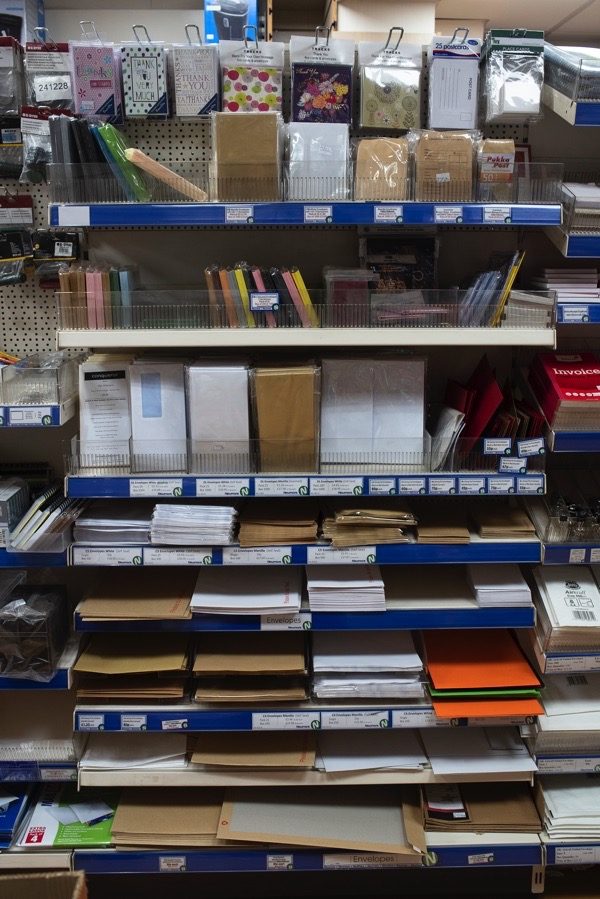
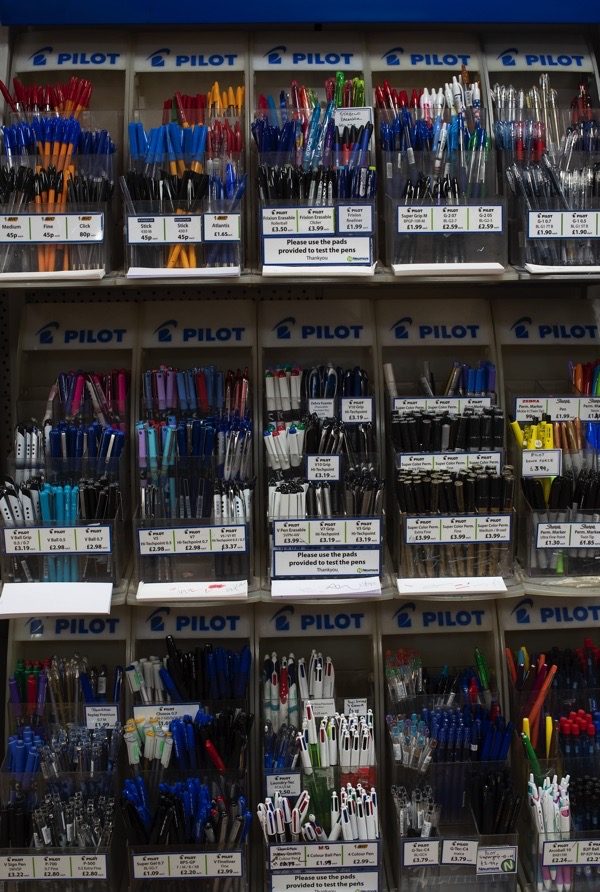
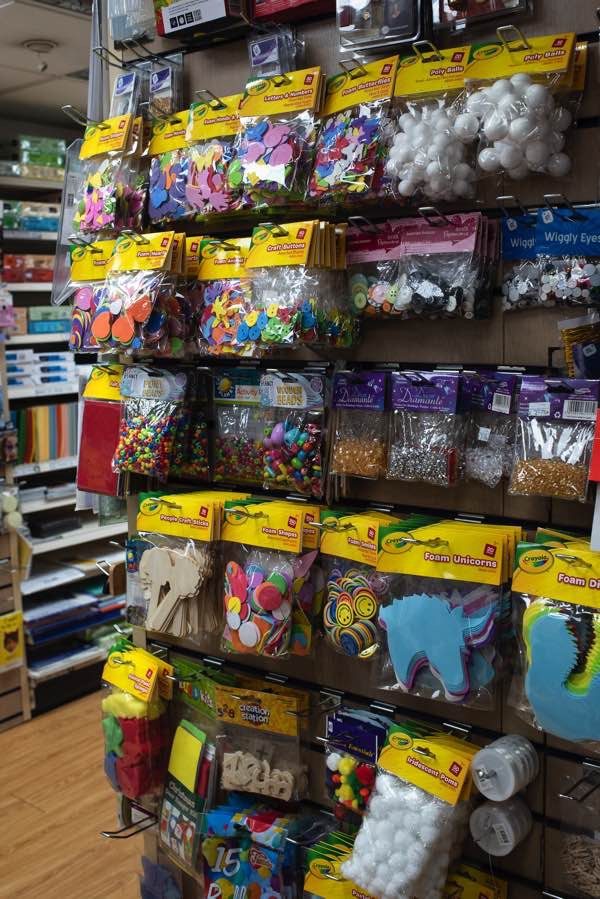
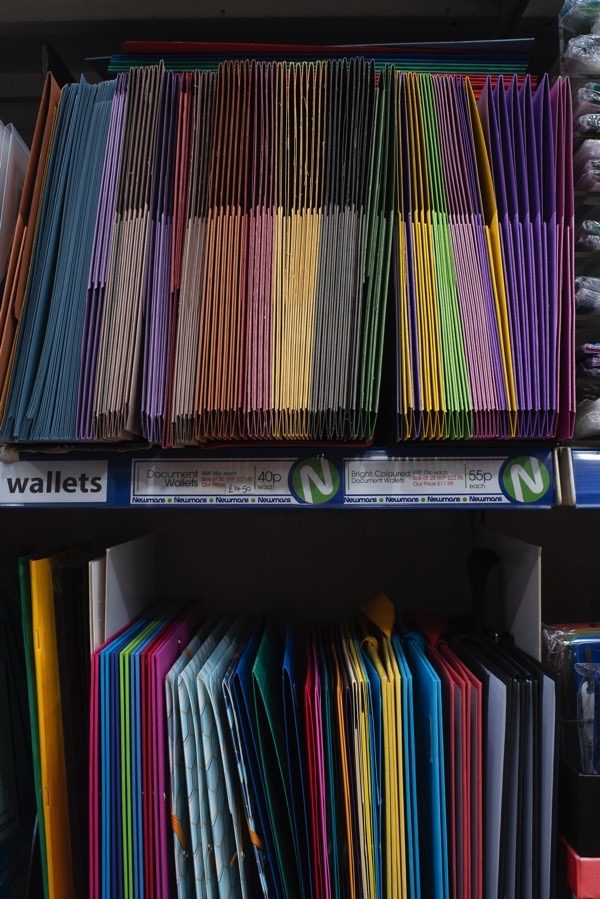
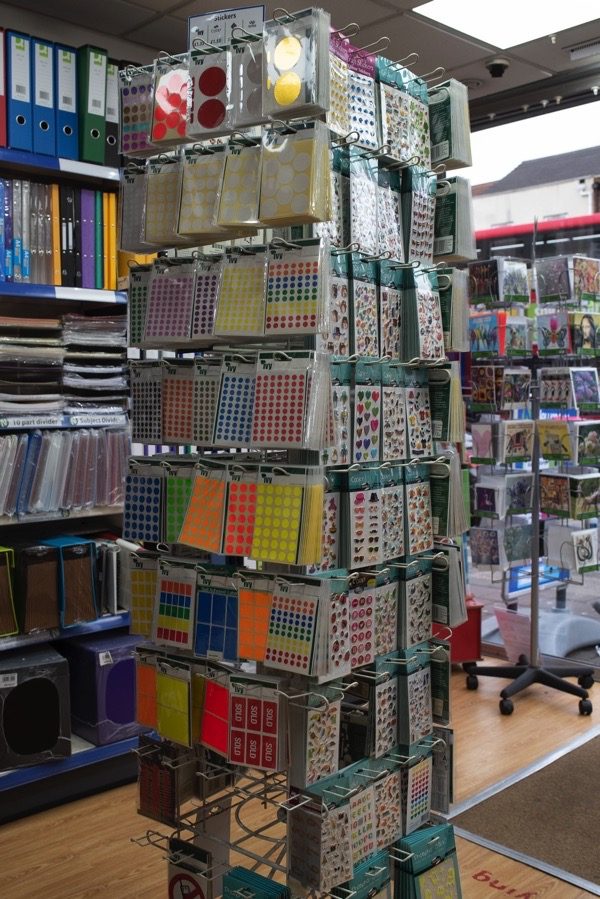
Barely a week passes without at least one visit to Newmans Stationery, a magnificent shop in Bethnal Green devoted to pristine displays of more pens, envelopes, folders and notebooks than you ever dreamed of. All writers love stationery and this place is an irresistible destination whenever I need to stock up on paper products. With more than five thousand items in stock, if you – like me – are a connoisseur of writing implements and all the attendant sundries then you can easily lose yourself in here. This is where I come for digital printing, permitting me the pleasure of browsing the aisles while the hi-tech copiers whirr and buzz as they fulfil their appointed tasks.
Swapping the murky January streets for the brightly-lit colourful universe of Newmans Stationers, Contributing Photographer Sarah Ainslie & I went along to meet the Jafferjis and learn more about their cherished family business – simply as an excuse to spend more time within the hallowed walls of this heartwarming East End institution.
We thought we would never leave when we were shown the mysterious and labyrinthine cellar beneath, which serves as the stock room, crammed with even more stationery than the shop above. Yet proprietor Hafiz Jafferji and his son Qusai managed to tempt us out of it with the offer of a cup of tea in the innermost sanctum, the tiny office at the rear of the shop which serves as the headquarters of their personal empire of paper, pens and printing. Here Hafiz regaled us with his epic story.
“I bought this business in October 1996, prior to that I worked in printing for fifteen years. It was well paid and I was quite happy, but my father and my family had been in business and that was my goal too. I am originally from Tanzania and I was born in Zanzibar where most of my relatives have small businesses selling hardware.
I began my career as a typesetter, working for a cousin of mine in Highgate, then I studied for a year at London College of Printing in Elephant & Castle. My father told me to start up a business running a Post Office in Cambridge in partnership with another cousin. They sold a little bit of stationery so I thought it was a good idea but my mind was always in printing. Every single day, I came back after working behind the counter in Cambridge to work at printing in Highgate, before returning to Cambridge at maybe one or two in the morning. I did that for almost two years, but then I said, ‘I’m not really enjoying this’ and decided to come back to London and work full time with my cousin in Highgate again.
I wondered, ‘Shall I go back to Tanzania where my dad is and start a business there or just carry on here?’ After I paid off my mortgage on my tiny flat, I left the print works and I was doing part time jobs and working a hotel but I thought, ‘Let’s try the army!’ Yet by the time I got to the third interview, I managed to find a job working for a printer in Crouch End. Then I had my mother pushing me to get married. ‘You’ve got a flat and you’ve got a job,’ she said but I could not even afford basic amenities in my house. If I wanted to eat something nice, I had to go to aunt’s house.
I realised I needed a decent job and I joined a printing firm in the Farringdon Rd as a colour planner, joining a team of four planners. Although I had learnt a lot from my previous jobs, I was not one of the most experienced workers there and I found that the others chaps would not teach me because I was the only Asian in the workforce. I used to do my work and watch the others with one eye, so I could pick up what they were doing and get better. I think I was a bit slow and so, for a long time, I would sign out and carry on working after hours to show that I was fulfilling my duties.
We did a lot of printing at short notice for the City and my boss always needed people to stay on and work late. Sometimes he would ring me at midnight and ask. ‘Hafiz, a plate has gone down, can you come in and redo it?’ I always used to do that, I never said ‘No.’
After five years, the boss asked me to become manager but I realised that I wasn’t happy because there were communication difficulties – people would not listen to me. My colleagues did not like the fact that I never said ‘No’ to any job. So I felt uncomfortable and had to refuse the promotion. When I decided to leave they offered me 50% pay rise.
Then a friend of mine who was an accountant told me about Newmans, he said was not doing very well but it was an opportunity. We looked at the figures and it did not make sense financially, compared to what I had been earning, yet me and wife decided to give it a go anyway. It took us seven years to re-establish the business.
I am still in touch with Mr & Mrs Newman who were here in Bethnal Green twelve years before we came along in 1996. Before that, they were in Hackney Rd, trading as ‘Newmans’ Business Machinery’ selling typewriters. I remember when we started there were stacks of typewriter ribbons everywhere! Digital was coming in and typewriters were disappearing so that business was as dead as a Dodo.
It was always in my mind to go into business. My idea was simply that I would be the boss and I would have people working for me taking the money. After working fourteen hours a day for six days a week, I thought it would be easy. Of course, it was not.
We refurbished the shop and increased the range of stock. We had a local actor who played Robin Hood when we re-opened. We wanted an elephant but we had to make do with a horse. We announced that a knight on horseback was coming to our shop.
We deal directly with manufacturers so we can get better discounts and sell at competitive prices. I concentrate on local needs, the demands of people within half a mile of my shop. I go to exhibitions in Frankfurt and Dubai looking for new products and new ideas, I have become so passionate about stationery…”
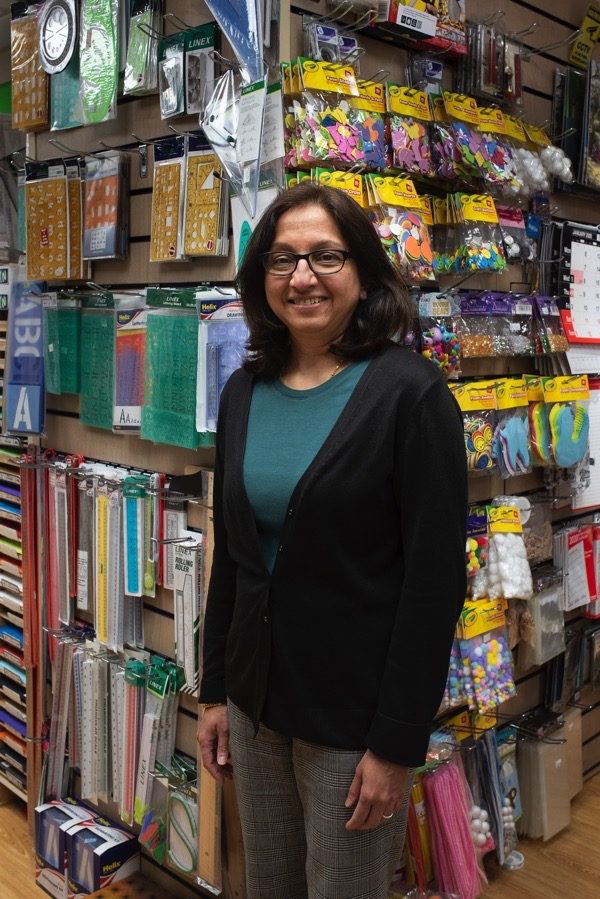
Nafisa Jafferji
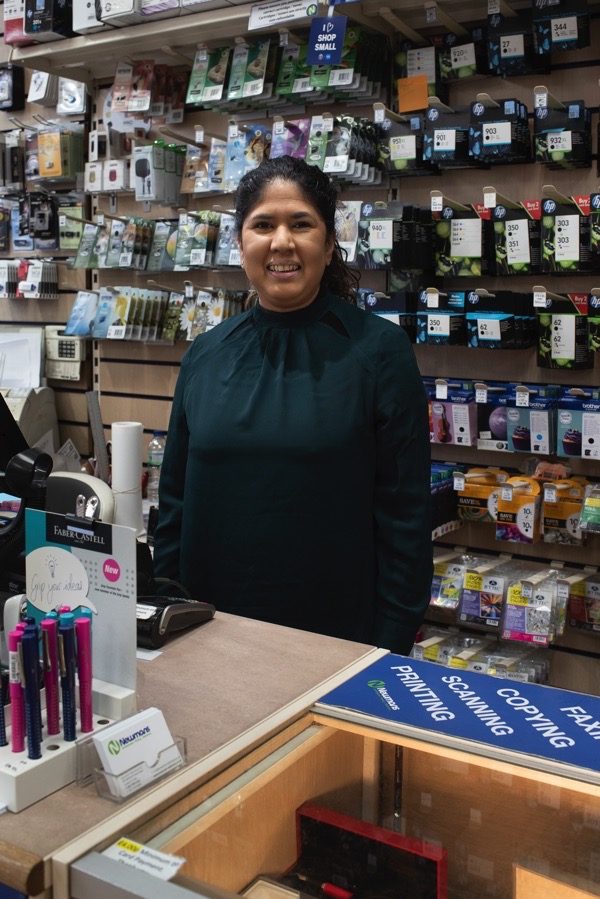
Marlene Harrilal
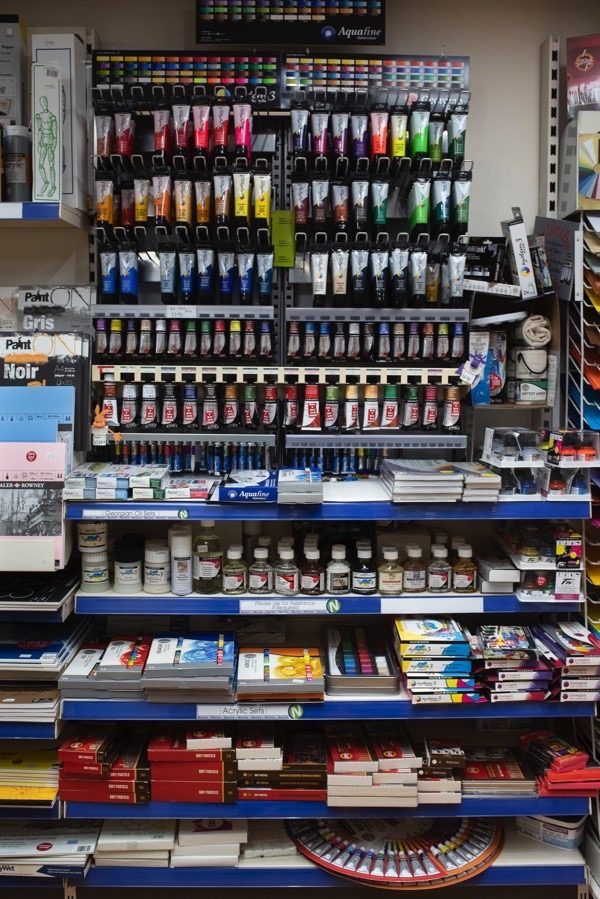
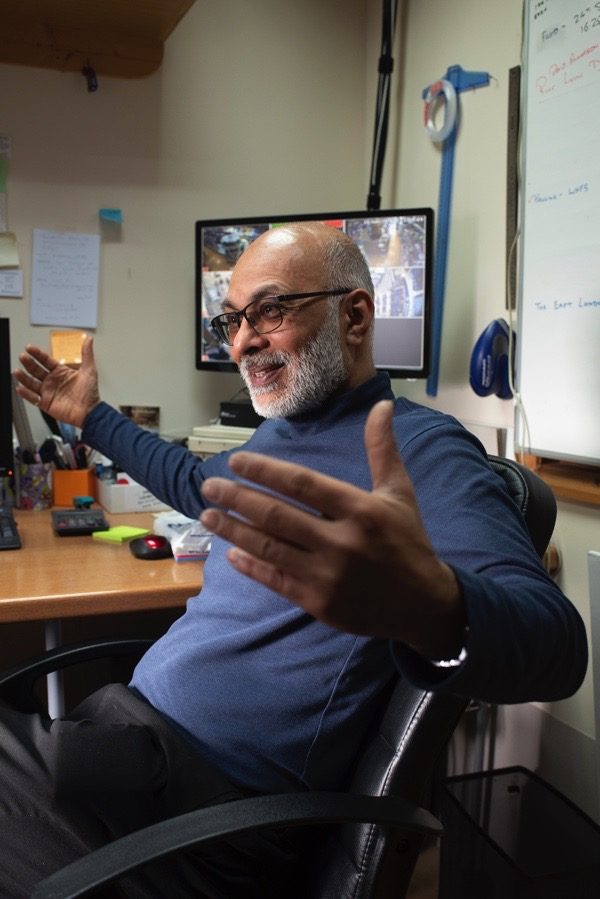
‘We wanted an elephant but we had to make do with a horse’
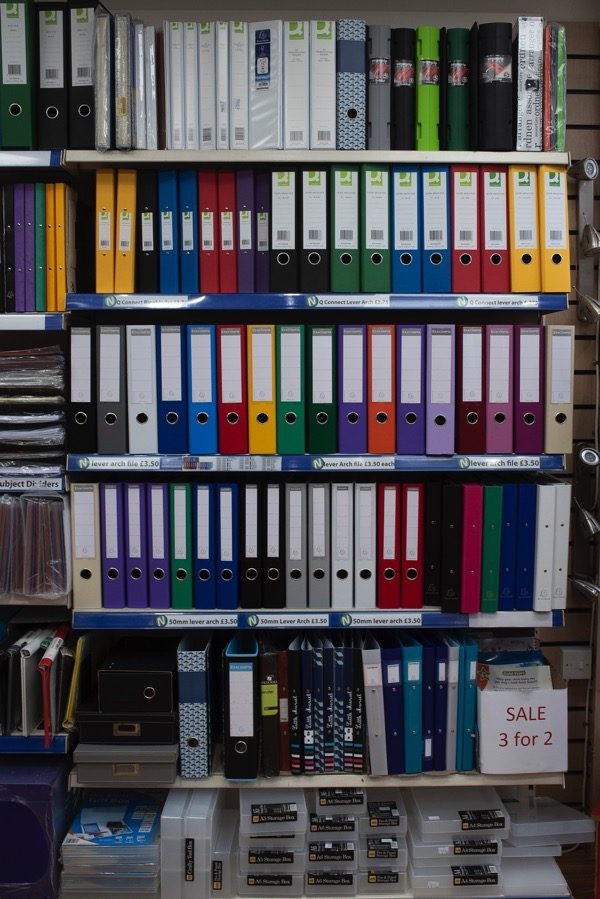
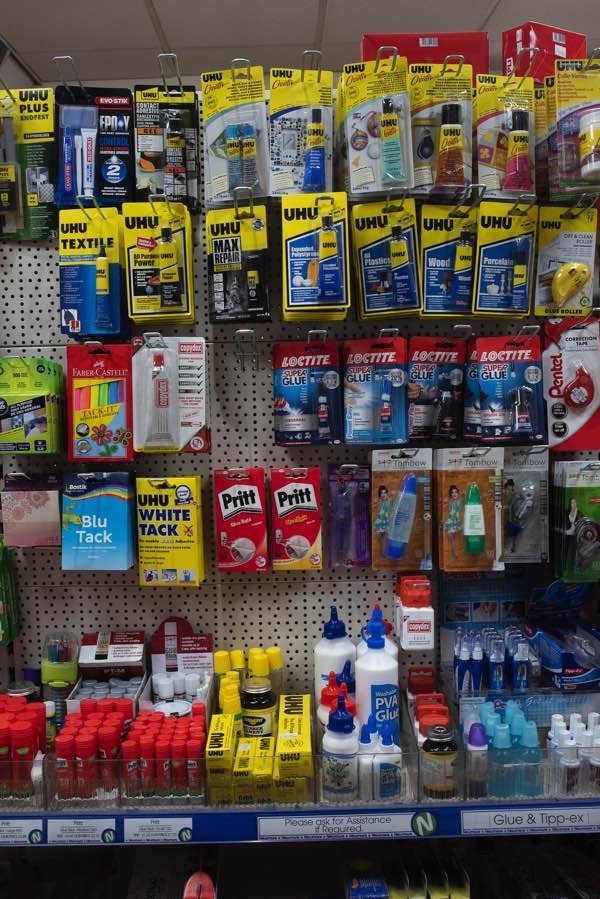
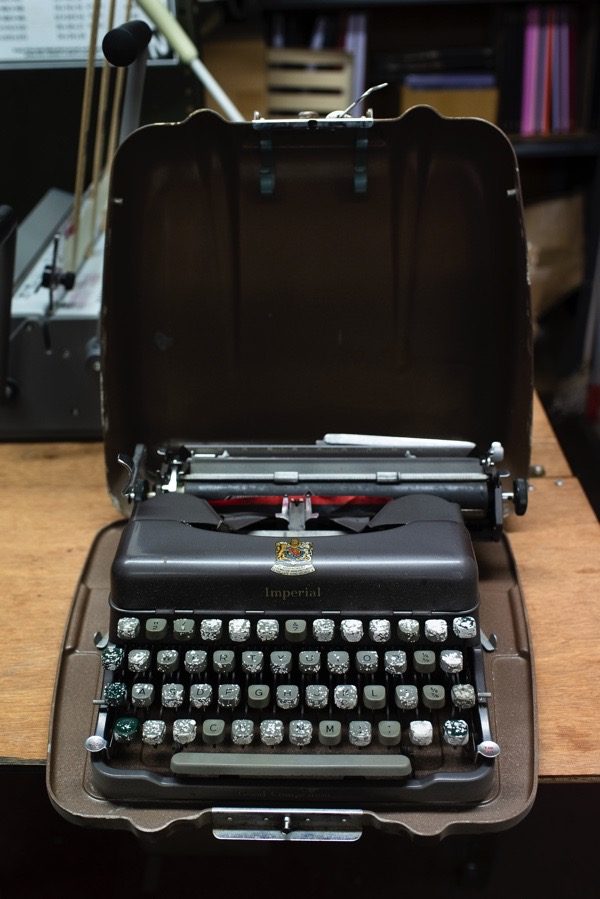
The original Mr Newman left his Imperial typewriter behind in 1996
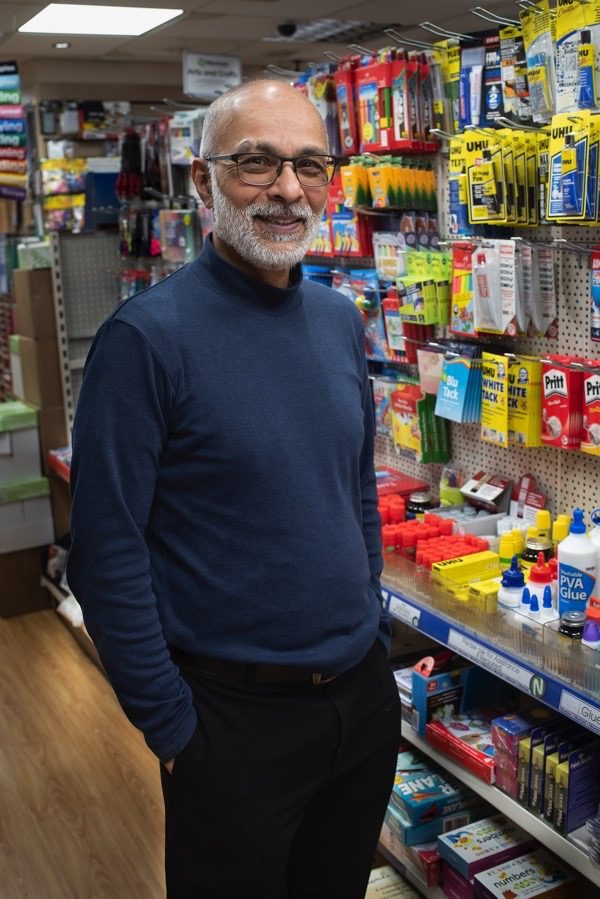
Hafiz Jafferji
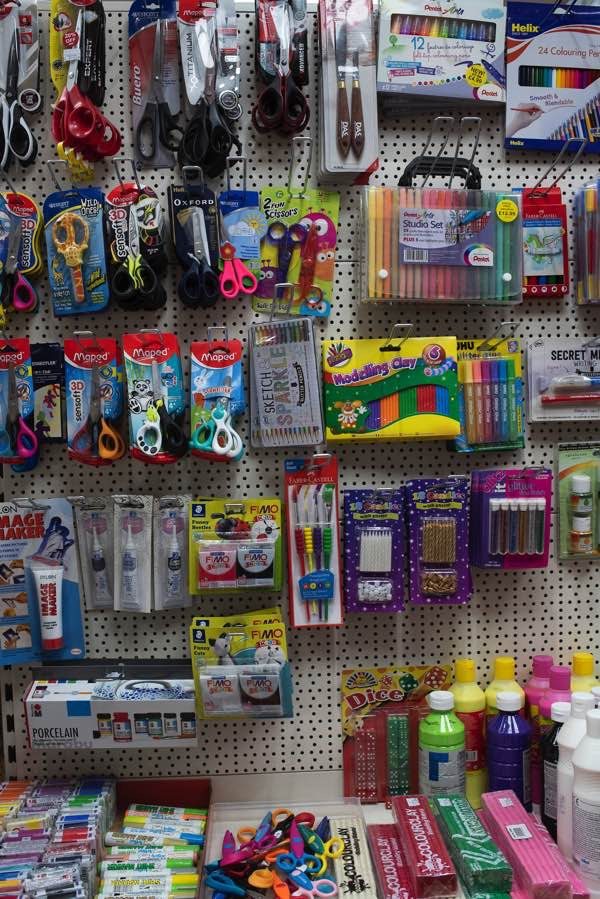
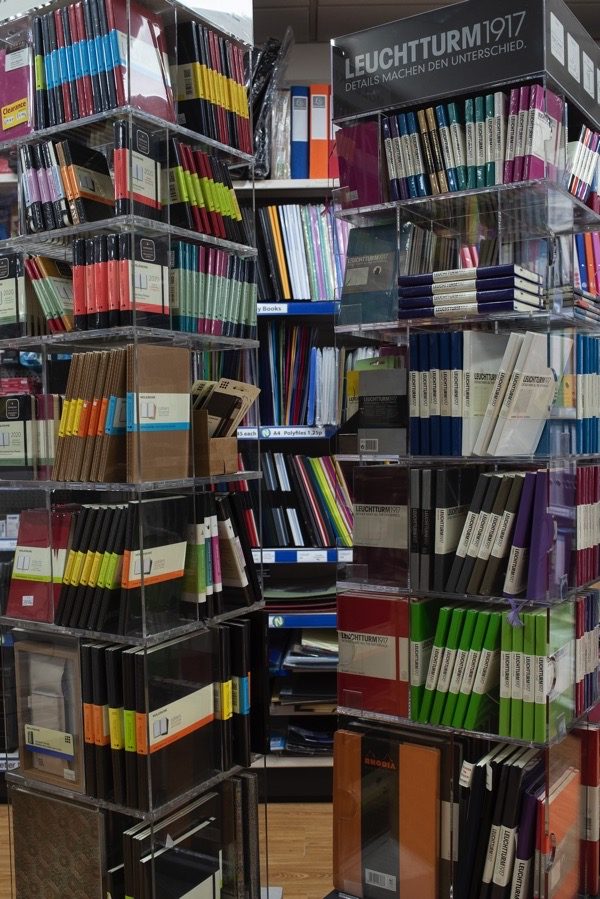
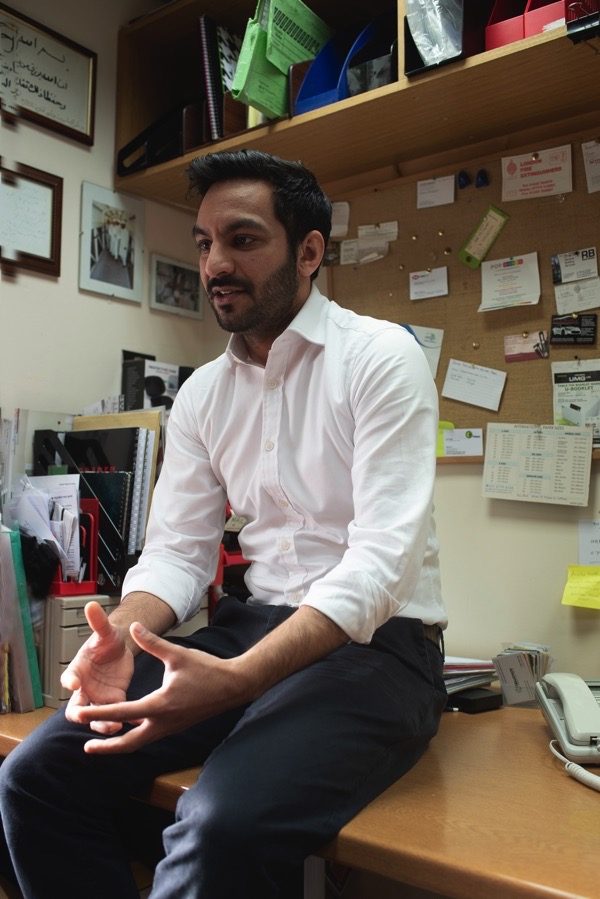
Qusai Jafferji quit his job in the City to join the family business
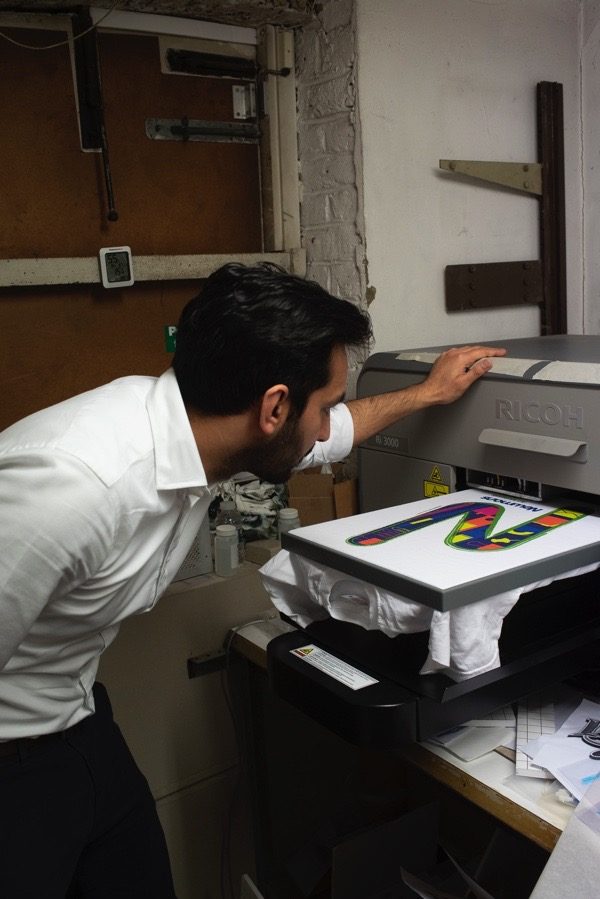
Qusai Jafferji prints a t-shirt in the recesses of the cellar
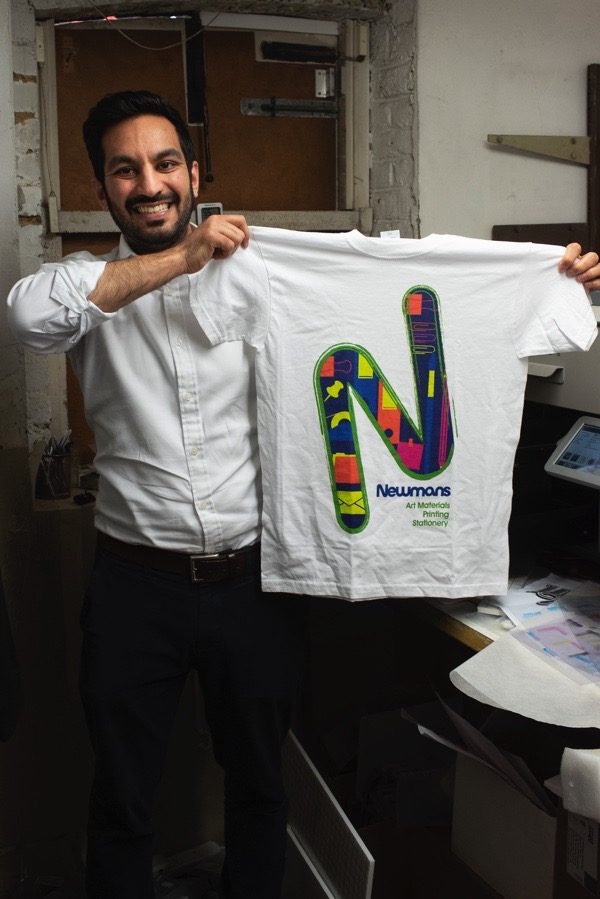
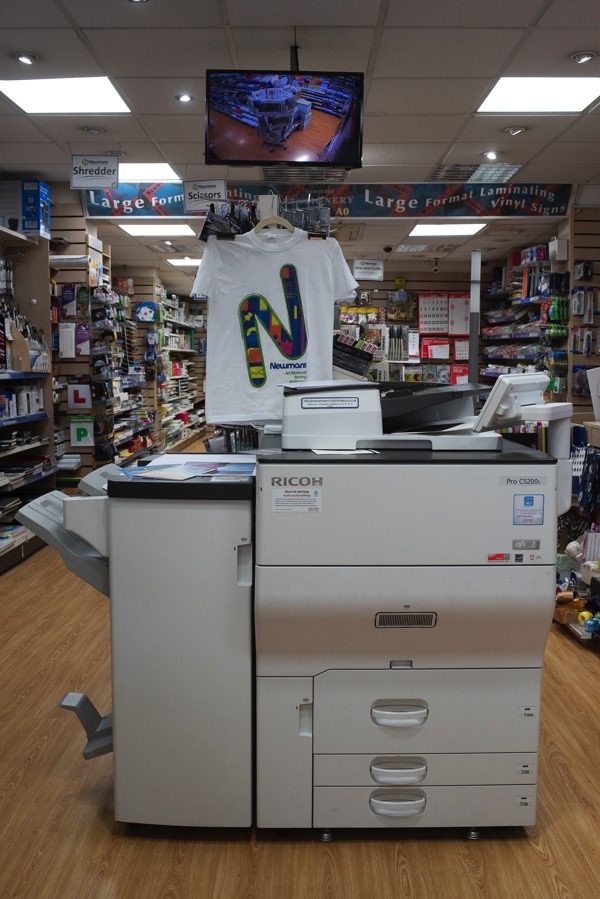
Photographs copyright © Sarah Ainslie
Newmans Stationery (Retail, Wholesale & Printing), 324 Bethnal Green Rd, E2 0AG
You may also like to read about
Spitalfields City Farm Calendar
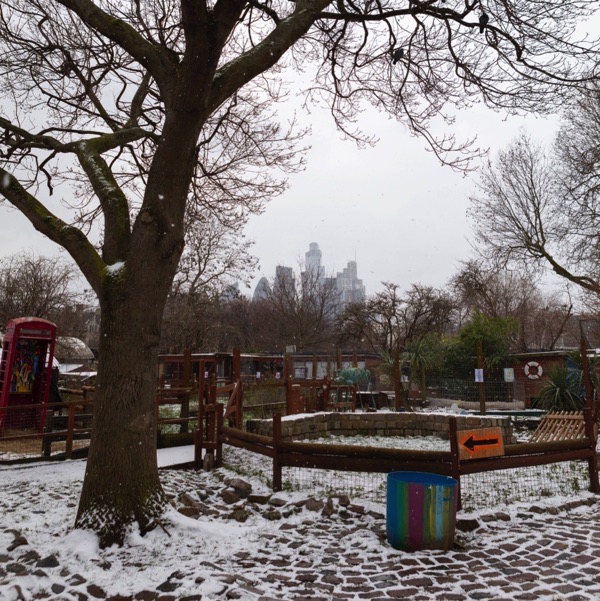
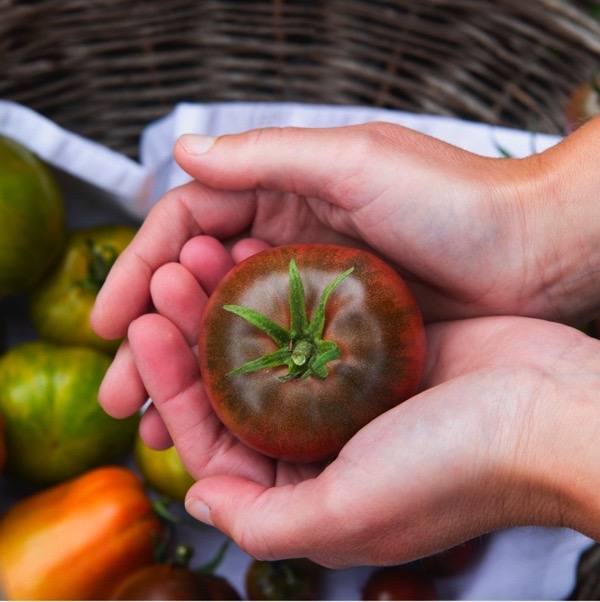
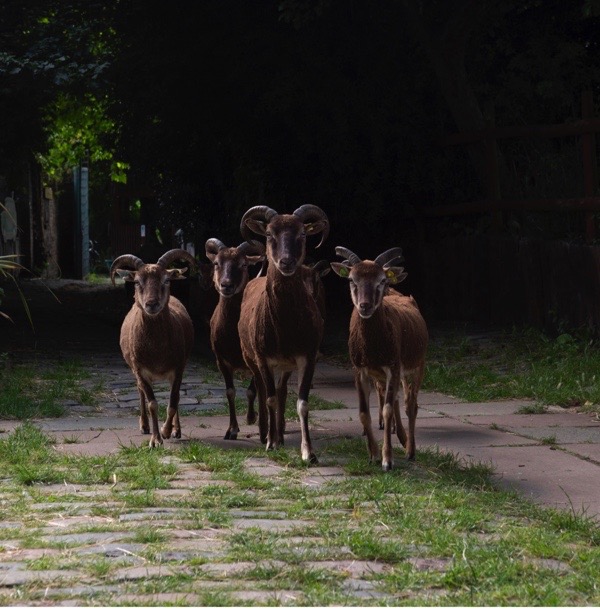
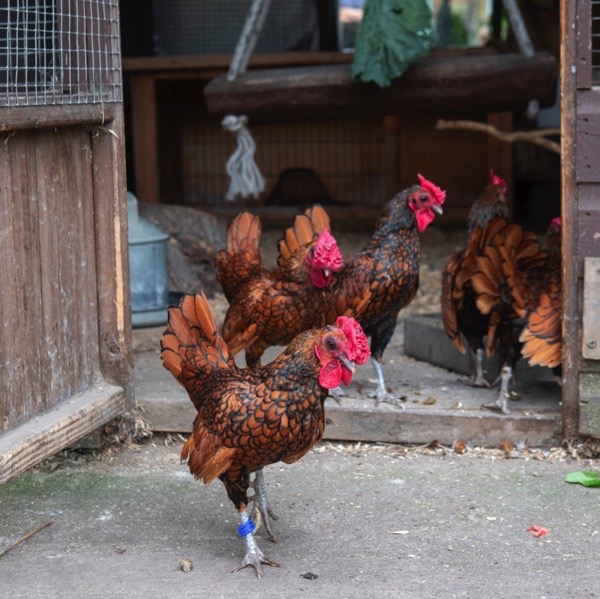
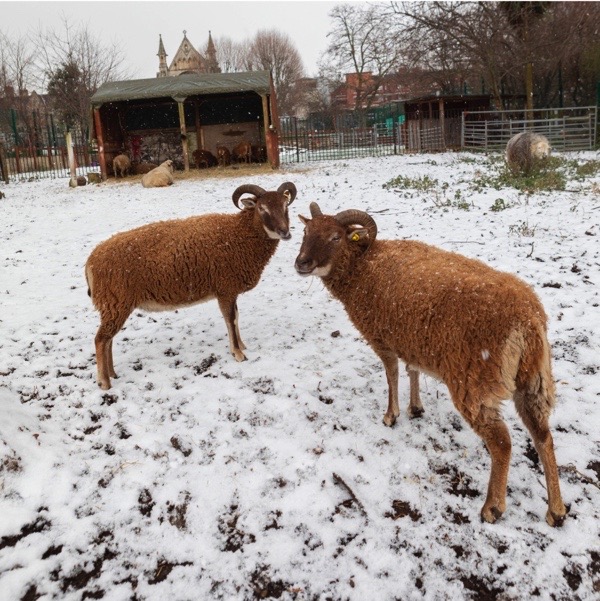
“There is poetry in the unexpected presence of agriculture in the city and it always makes my heart leap to hear animal cries in this urban setting, connecting me to the rural landscape beyond and reminding us of the fields that were here before the streets were built up. Despite the tower blocks visible through the greenery at Spitalfields City Farm, it is nature that prevails here.”
The Gentle Author
I am delighted to announce the first Spitalfields Life calendar, produced in support of our beloved Spitalfields City Farm and featuring Rachel Ferriman‘s splendid photographs from her features published in these pages.
This handsome wall calendar is a collaboration between our friends Newmans Stationers who have done the printing, Baddeley Brothers who have donated handmade envelopes and Gardners Bags who have donated paper bags.
ORDER YOUR SPITALFIELDS LIFE 2022 CALENDAR NOW FOR £10
January
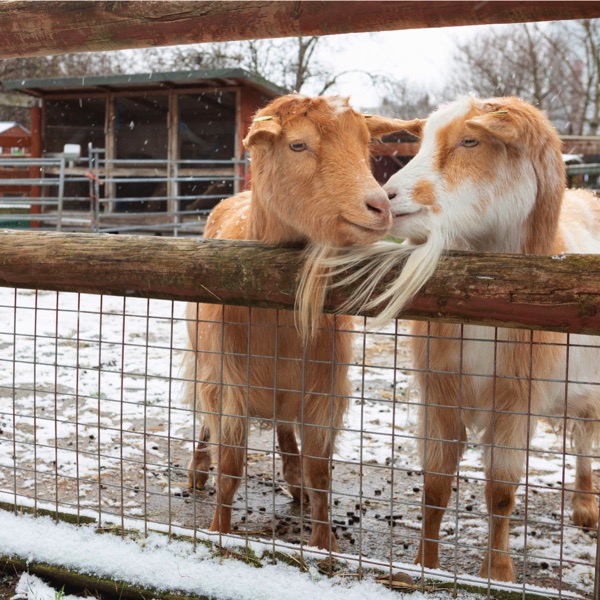
February

March

April
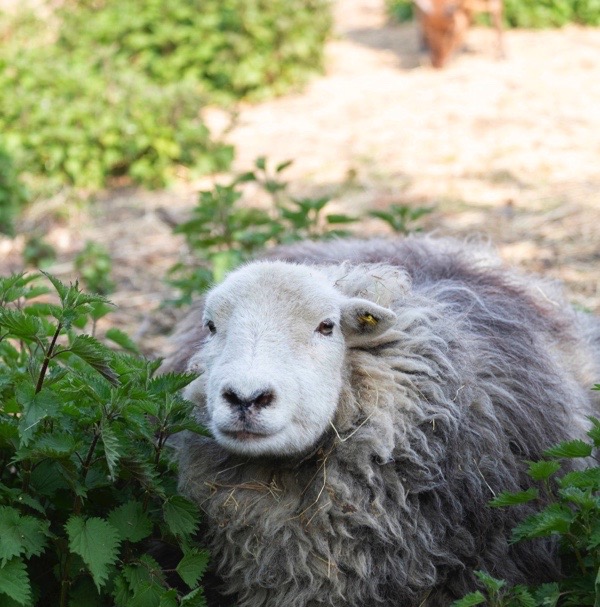
May
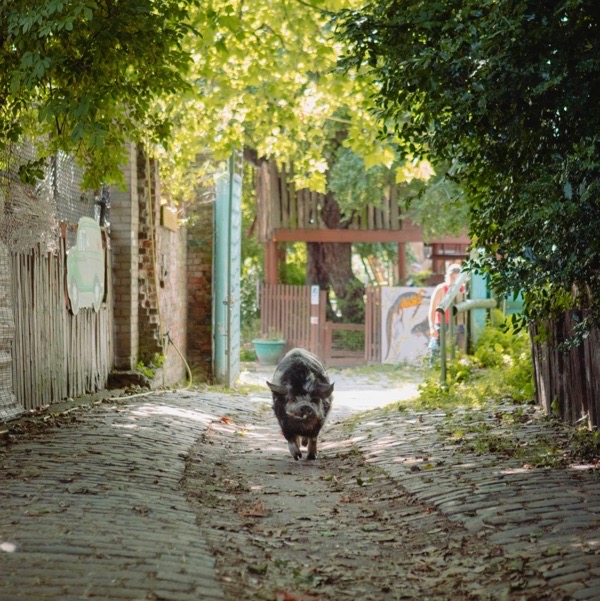
June
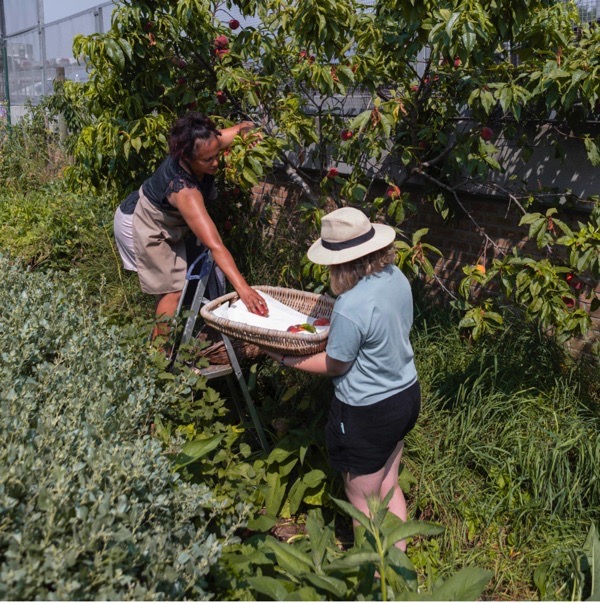
July
August
September

October
November
December
Photographs copyright © Rachel Ferriman
Retailers can order wholesale copies direct from q@newmans-stationery.co.uk
You may also like to take a look at
Winter At Spitalfields City Farm
Alan Dein’s East End Shops
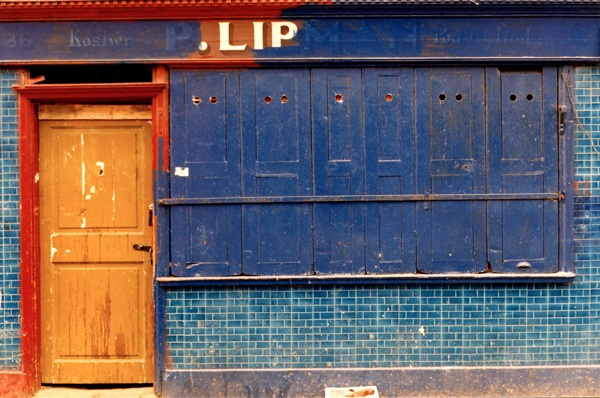
P.Lipman, Kosher Poultry Dealers, Hessel St
“In my twenties, I’d been doing a number of oral history recordings, working for the Museum of the Jewish East End which was very active recording stories of the life of Jewish people who had settled here.”explained Alan Dein, broadcaster and oral historian, outlining the background to his unique collection of more than a hundred photographs of East End shopfronts.
“My photographs of the derelict shopfronts record the last moments of the Jewish community in the area. The bustling world of the inter-war years had been moved into the suburbs, and the community that stayed behind was less identifiable. In the nineteen eighties they were just hanging on, some premises had been empty for more than five years. They were like a mouthful of broken teeth, a boxer’s mouth that had been thumped, with holes where teeth once were.”
Feeding his twin passions for photography and collecting, Alan took these pictures in 1988 while walking around the streets of the East End at a time when dereliction prevailed. Although his family came from the Jewish East End and his Uncle Lou was a waiter at Blooms, Alan was born elsewhere and first came to study. “As a student at the City of London Polytechnic in Old Castle St, I spent a lot of time hanging out here – though the heart of the area for me at that time was the student common room and bar.” he told me.
“Afterwards, in 1988, I moved back to live in a co-operative housing scheme in Whitehorse Rd in Stepney and then I had more time to walk around in this landscape that evoked the fragmentary tales I knew of my grandparents’ lives in the East End. The story I heard from their generation of the ‘monkey parade’, when once people walked up and down the Mile End Road to admire the gleaming shopfronts and goods on display. My family thought I was mad to move back because when they left the East End they put it behind them, and it didn’t reflect their aspirations for me.
The eighties were a terrible time for removing everything, comparable to what the Victorians had done a century earlier. But I have always loved peeling paint, paint that has been weathered and worn seafront textures, and this was just at the last moment before these buildings were going to be redeveloped, so I photographed the shopfronts because this landscape was not going to last.”
In many of these pictures, there is an uneasy contradiction between the proud facades and the tale of disappointment which time and humanity has written upon them. This is the source of the emotionalism in these photographs, seeing faded optimism still manifest in the confident choice of colours and the sprightly signwriting, becoming a palimpsest overwritten by the elements, human neglect and graffiti. In spite of the flatness of these impermeable surfaces, in each case we know a story has been enclosed that is now shut off from us for ever. Beyond their obvious importance as an architectural and a social record, Alan’s library of shopfronts are also a map of his exploration of his own cultural history – their cumulative heartbreak exposing an unlocated grief that is easily overlooked in the wider social narrative of the movement of people from the East End to better housing in the suburbs.
Yet Alan sees hope in these tantalising pictures too, in particular the photo at the top, of Lipman’s Kosher Poultry Dealers, in which the unknown painter ran out of paint while erasing the name of the business, leaving the word “Lip” visible. “A little bit of lip!” as Alan Dein terms it brightly, emblematic of an undying resilience in the face of turbulent social change.
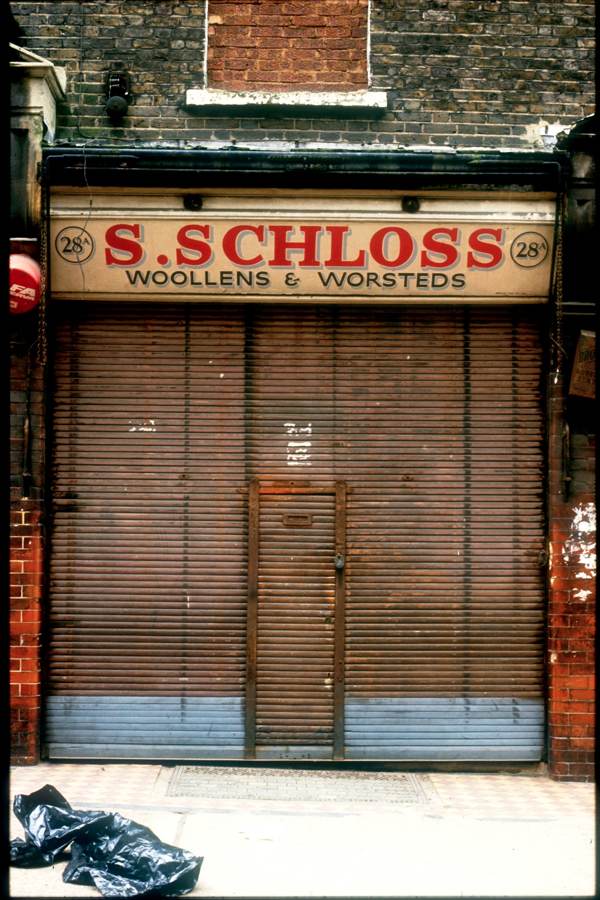
Goulston St
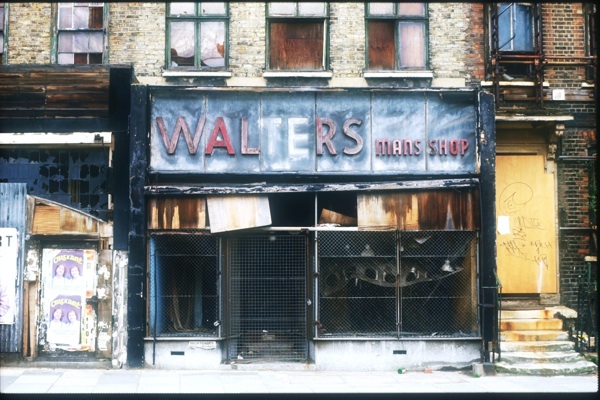
In Whitechapel
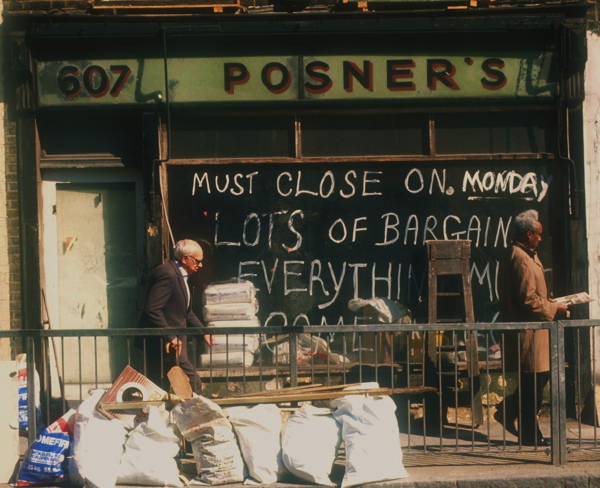
Commercial Rd
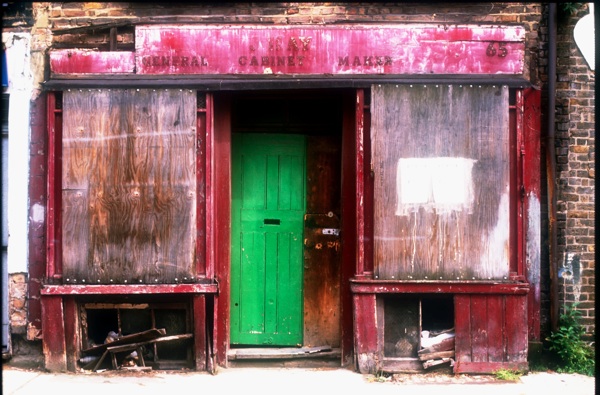
Redchurch St

Stepney Green
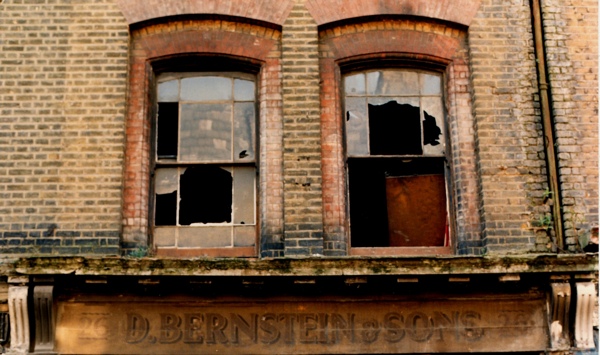
Cheshire St

Alie St
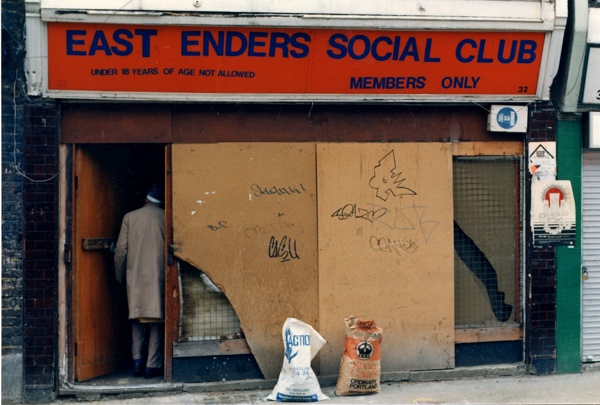
Hessel St

Hackney Rd
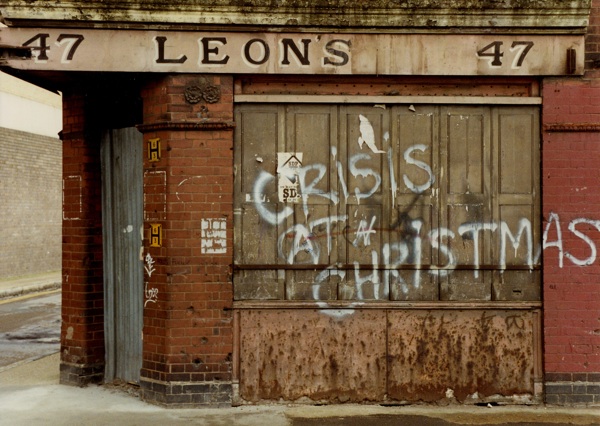
Quaker St

Mile End Rd
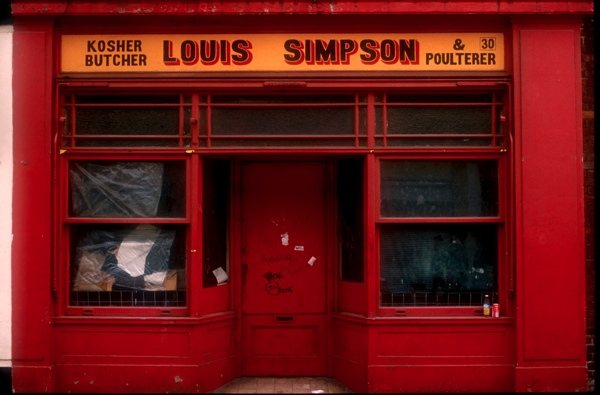
Toynbee St

Alie St

In E2

Brick Lane
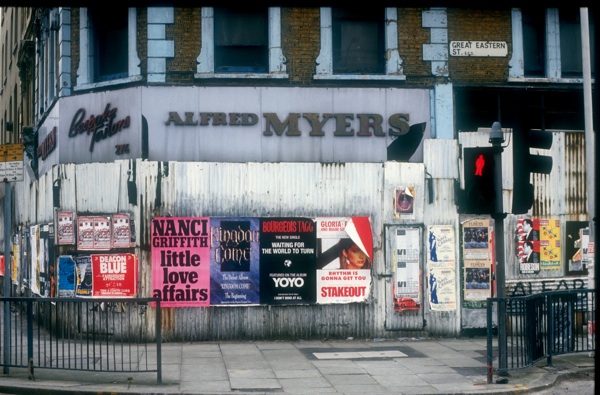
Great Eastern St

Commercial St
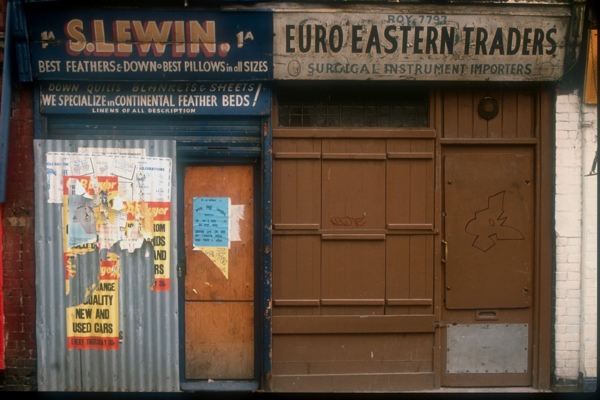
Hessel St

Mile End Rd
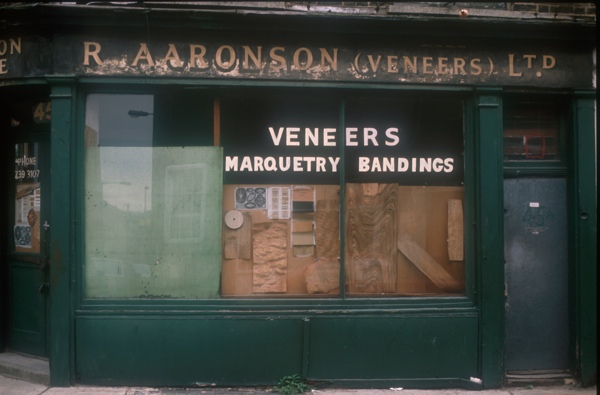
Relocated to Edgeware

Bow Common Lane
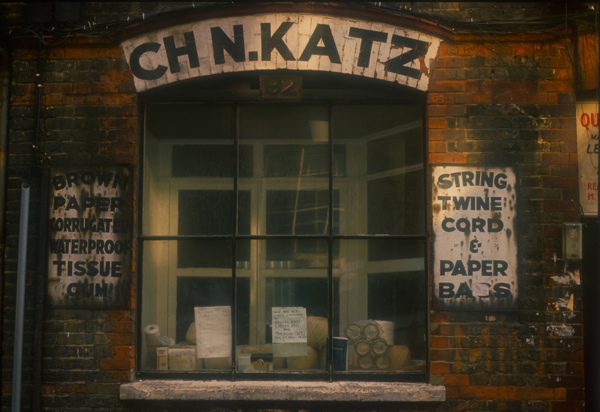
Brick Lane

Ben Jonson Rd
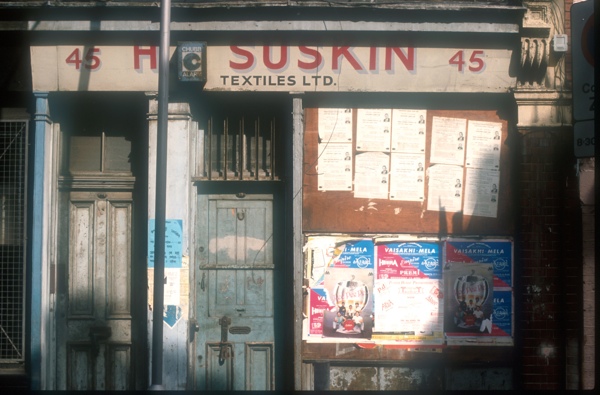
Wilkes St

Bow Rd

Ridley Rd

New Goulston St.
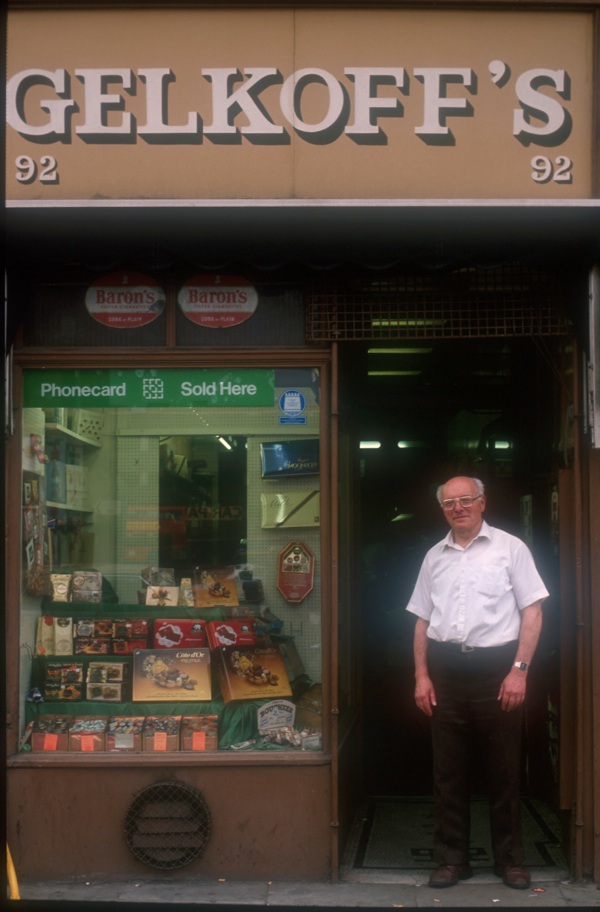
Whitechapel High St

Alderney Rd, Stepney
Photographs copyright © Alan Dein
You may also like to take a look at
In The Orchards Of Kent
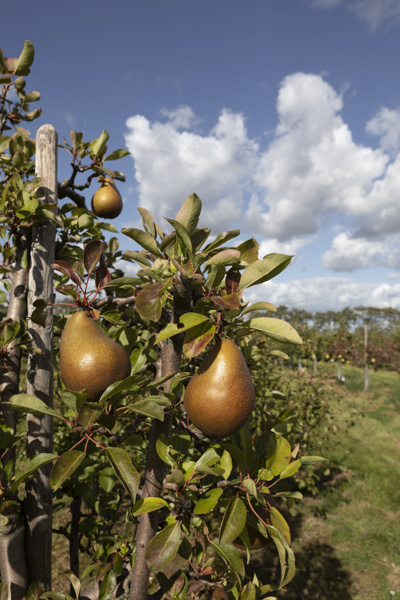
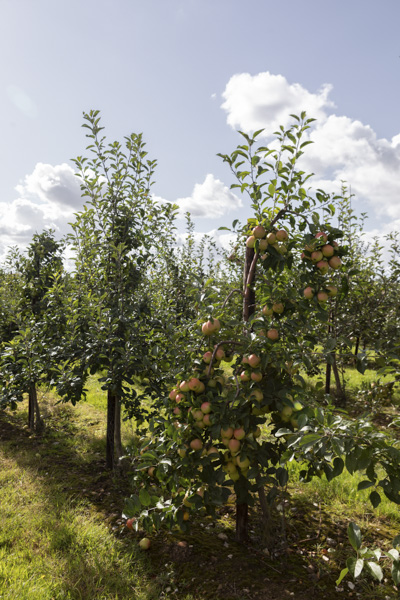
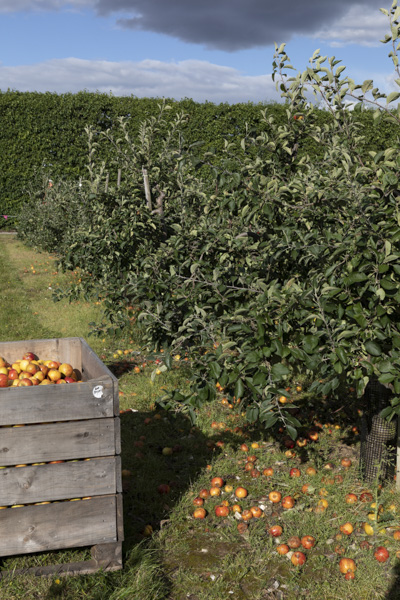
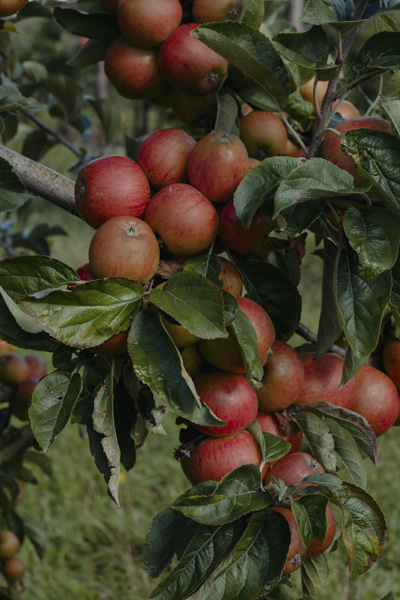
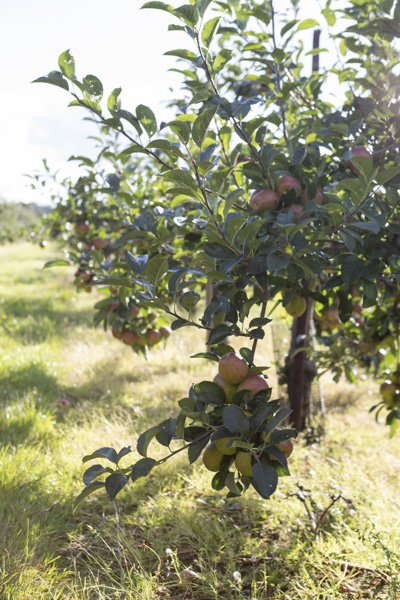
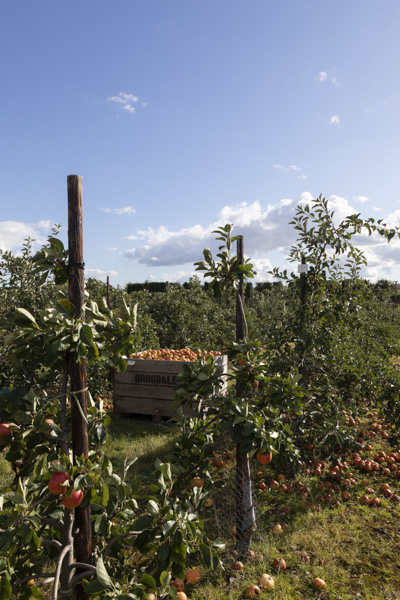
Five years ago, when I first visited the National Collection of Fruit Trees at Brogdale outside Faversham in Kent to enjoy the spring blossom, I vowed to go back in the autumn to admire the crop. This year, I fulfilled my ambition in the company of Contributing Photographer Rachel Ferriman and we were blessed with a golden October afternoon in the North Kent Fruit Belt.
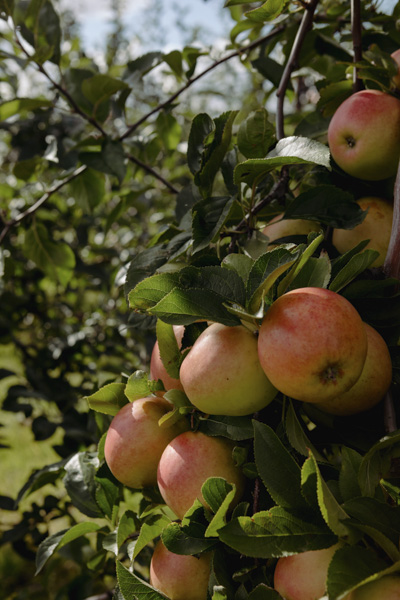
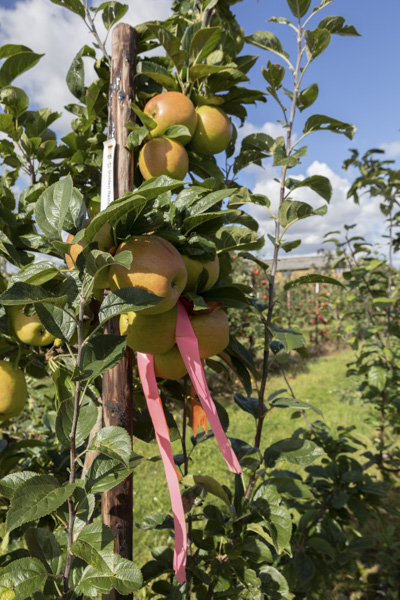
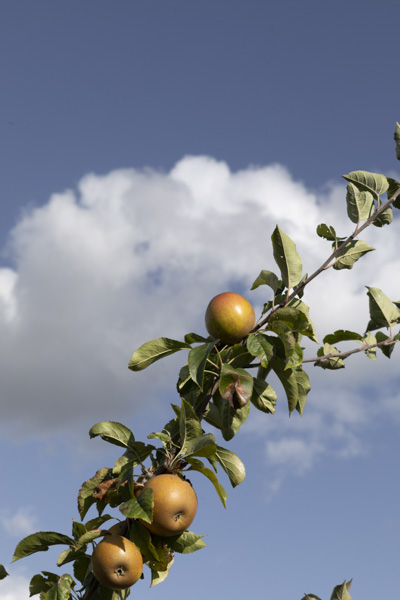
Nothing prepared me for the seemingly infinite variety of fruit that exists in nature. Walking into an orchard of two-thousand-two-hundred varieties of apple, all in fruit, is a vertiginous prospect that is only compounded by your guide who informs you this is merely a fraction of the over ten thousand varieties in existence.
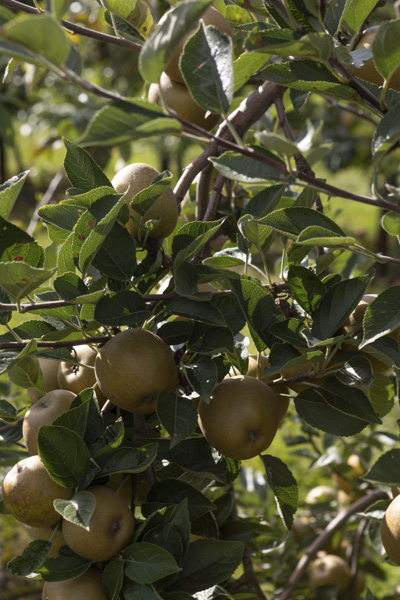
What can you do? Your heart leaps and your mind boggles at the different colours and sizes of fruit. You recognise russets, laxtons and allingtons. Even if you had all day, you could not taste them all. Despite the cold spring, it has been a good year for apples. You stand wonderstruck at the bounty and resilience of nature. Then you start to get huffy at the pitiful few varieties of mostly-bitter green apples available to buy in shops, always sold unripe for longer shelf life. How is this progress?
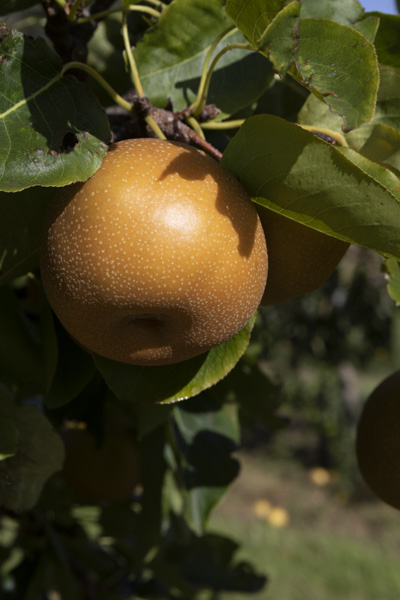
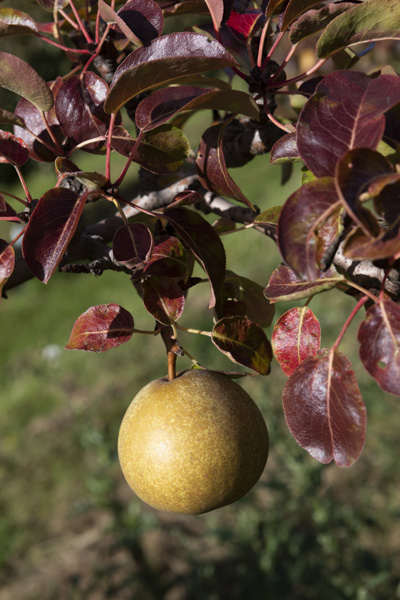
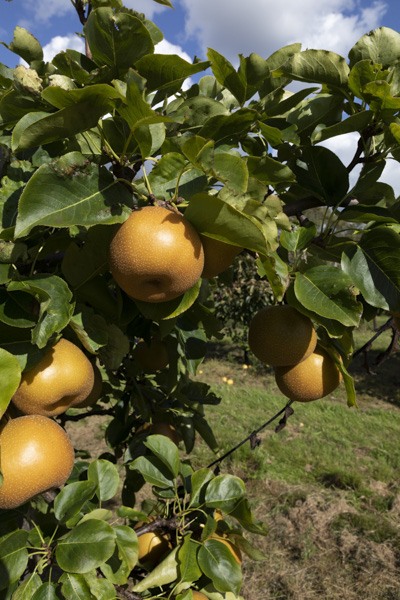
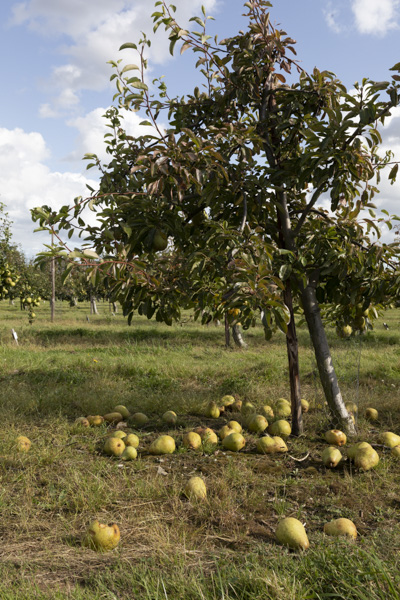
Yet this thought evaporates as you are led through a windbreak into another orchard where five hundred varieties of pear are in fruit. By now your vocabulary of superlatives has failed you and you can only wander wide-eyed through this latter day Eden.
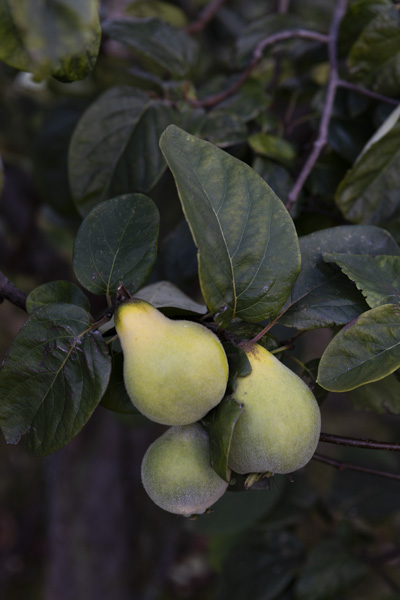
That afternoon there was no-one there but me, Rachel and the guide. We were delighted to have the orchards to ourselves. But this is when you realise the world has gone mad if no-one else is interested to witness this annual spectacle that verges on the miraculous. Walking on, as if in a medieval dream poem, you discover an orchard of medlars and another of quinces.
By now, your feet are barely touching the ground and you hatch a plan – as you munch an apple – to return at this same time of year, decide upon your favourite varieties and then plant your own orchard of soft fruit. When you stumble upon such an ambition, you realise that life is short yet we are all still permitted to dream.

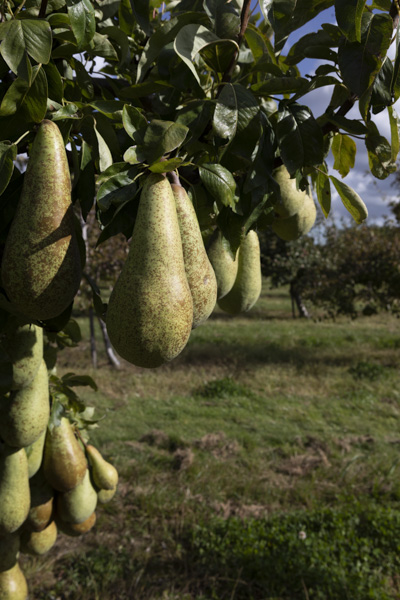
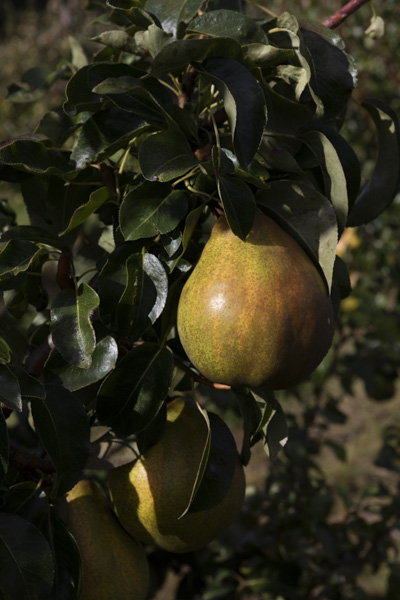
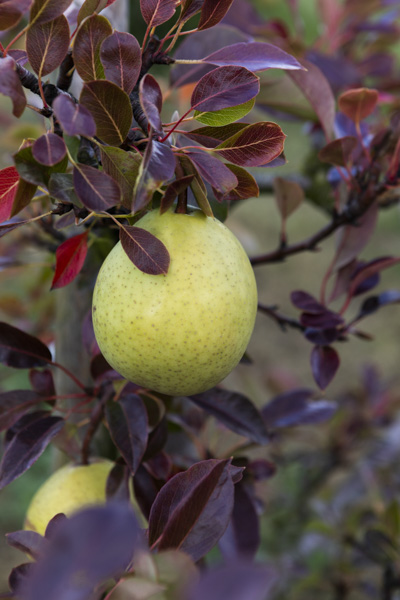
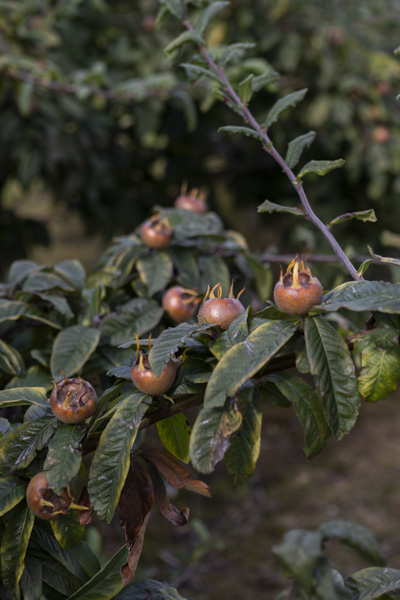
Medlars
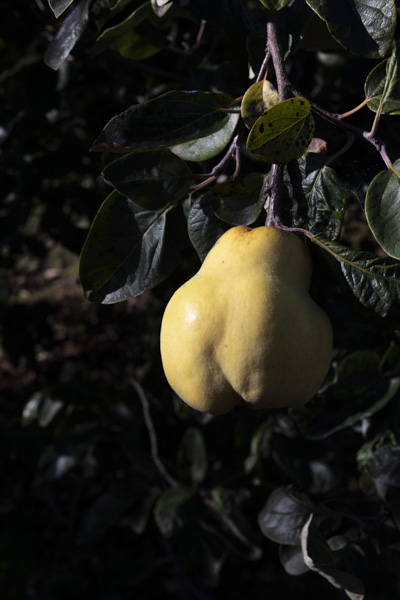
Quince
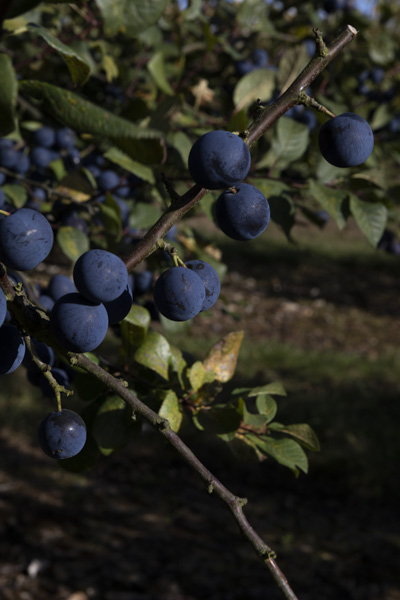
Plum
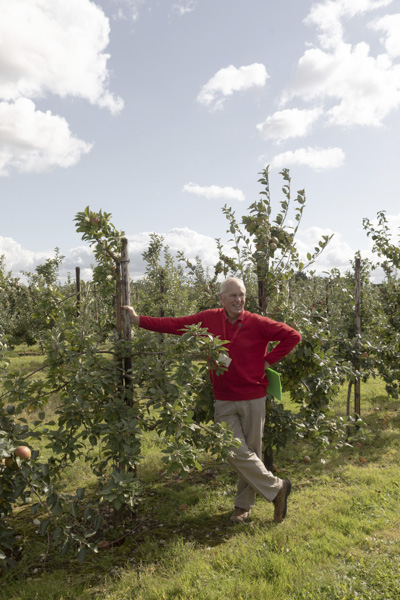
Mike Austen, our guide
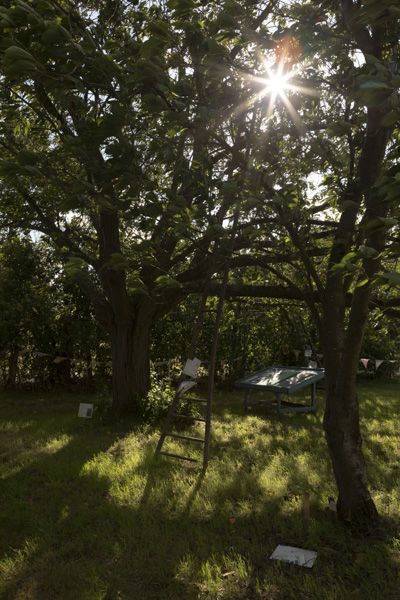
Photographs copyright © Rachel Ferriman
The National Collection of Fruit Trees at Brogdale
You may like to read about my first visit
At Gardners’ Bags
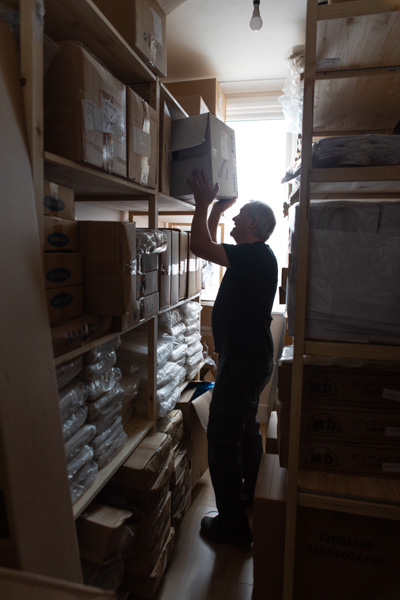
The new stockroom
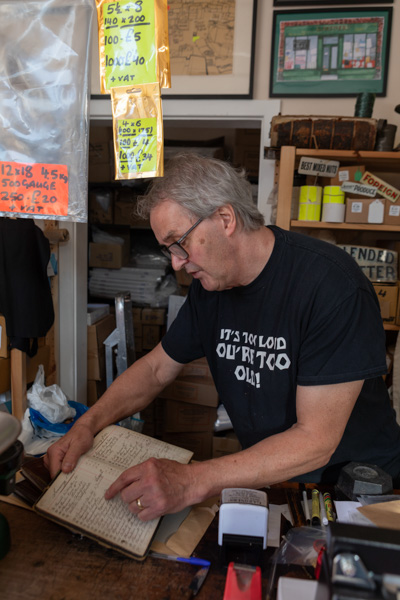
Paper bag seller Paul Gardner is a happy man these days. He has a new shop where he no longer has to pay rent and he is now free of the vile clutches of his greedy landlord in Spitalfields. Although there was widespread regret when Gardners Bags left Commercial St in early 2020, after one hundred and fifty years, it turned out to be perfect timing.
Such is the universal affection with which this family business, stretching over four generations, is cherished in the East End that Paul has kept most of his customers and now earns a profit from his labours rather than working merely to pay the rent.
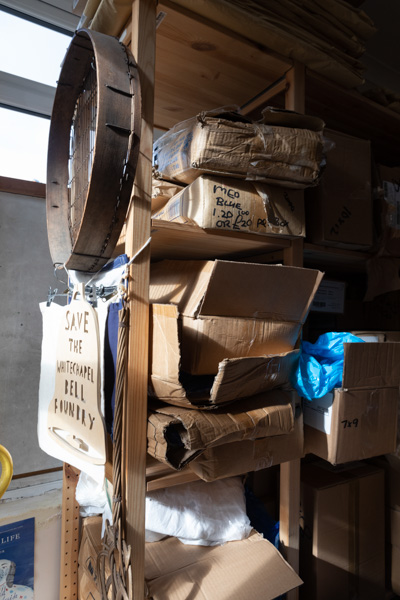
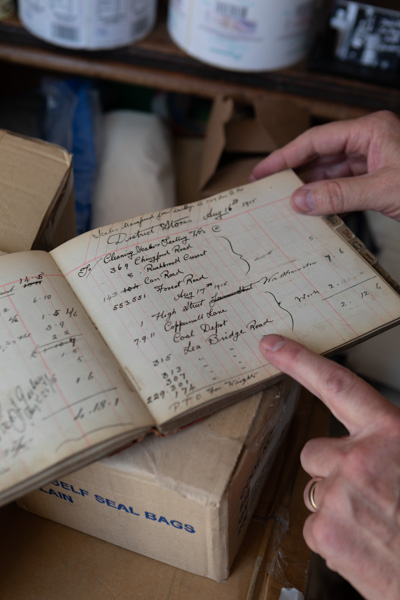
Regulars will recognise Paul’s old counter, now installed in his new shop in Leyton along with the paraphernalia of previous generations – the block of wood for coins carved by his great-grandfather, the nineteenth century account books, the old photographs, his father’s designs for sales tickets, the wooden sieve, and all the various tributes from his loyal customers.
Wonder of wonders! Paul now has a tidy stockroom, organised by his son Robert in between studying for a PhD in Quantum Physics at Imperial College. In addition, Paul’s new shop is centrally-heated – gone are the days of shivering in sub-zero temperatures – and at the back is a cosy parlour with a sofa where Paul can relax and put his feet up in between customers.
Here Paul & I settled down with a cup of tea and a packet of custard creams while he outlined the changes for me.
“I wanted to reach one hundred and fifty years in our premises in Spitalfields, and we did. But I could not have timed my departure any better – it was unbelievable! I negotiated a deal with my landlord to leave and they let me out of my lease. That worked out very well in my favour and I moved over to this shop on January 6th 2020. It was sad going to hand the keys back and leaving, but no-one knew what was round the corner.
When I arrived here, I did not have any shelves, everything was just piled up, so we began organising. Within about six weeks of me leaving Spitalfields, the pandemic began and my old shop sat empty for a year and a half. Coming over to Leyton was a god-send because I would have gone bankrupt if I had stayed put. My overheads are next to nothing now compared to what they were before and I even received some grants.
Obviously, it has been a terrible time for a lot of my customers but I was permitted to stay open during the lockdown because I sell bags for food. Some of my customer pre-pack food for sale. I get a lot of customers from the New Spitalfields Fruit & Vegetable Market, here in Leyton, mainly Africans who have been the mainstay of my business for the past twenty or thirty years.
Apart from during the lockdown, I have kept about 70% of my customers. The only ones I have lost are the passing trade in Spitalfields but that would not have been there over the last eighteen months during the lockdown anyway. So it’s neither here nor there.
I have gained new customers from the New Spitalfields Fruit & Vegetable Market, not traditional greengrocers but Africans who run food shops as family businesses. So I have done well out of that. Today I had a guy come from Harlow to buy bags from me, I am still picking up new customers.
My son Robert lives upstairs and is helping me now while completing his PhD in Quantum Physics. He sees the people come through the shop and likes the concept of the family business. He has put everything on a computer so we can see if we are actually making any money whereas in the past I was in the dark, yet I used to get by. Because everything’s in my head, I have never done a stocktake in fifty years but now everything’s on a system. While I am going to keep on going as I always have done, Robert has brought us into the twenty-first century.
We have a new logo because it used to be four generations in the family business but now it’s five. So there is no way we will be packing it in any time soon.”
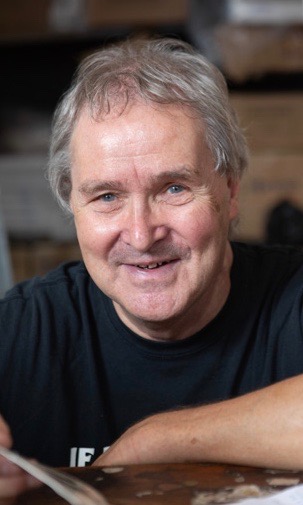
Paul Gardner, paper bag baron & founder of East End Trades Guild
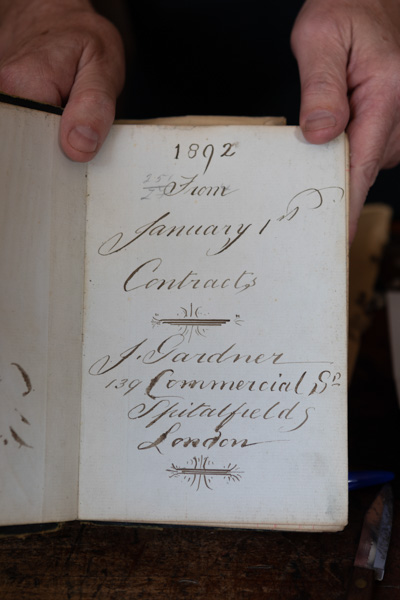
Nineteenth century account books
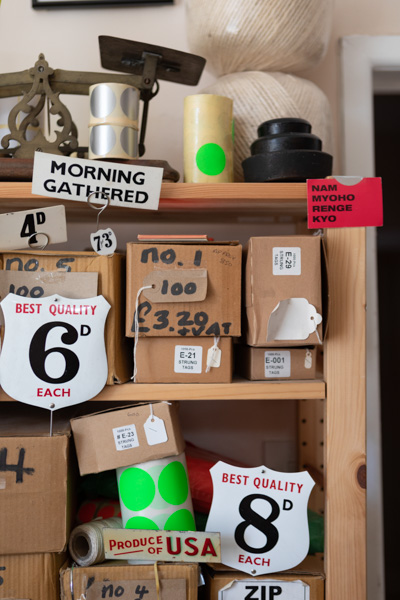
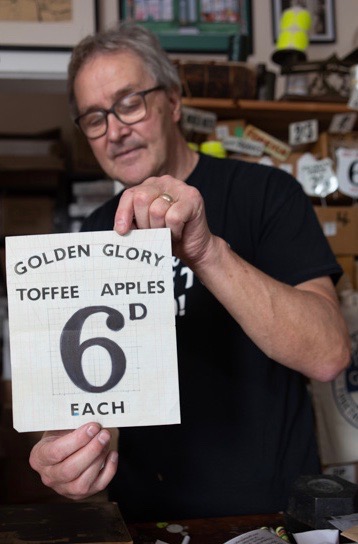
Design for sales ticket by Paul’s father, Ray Gardner
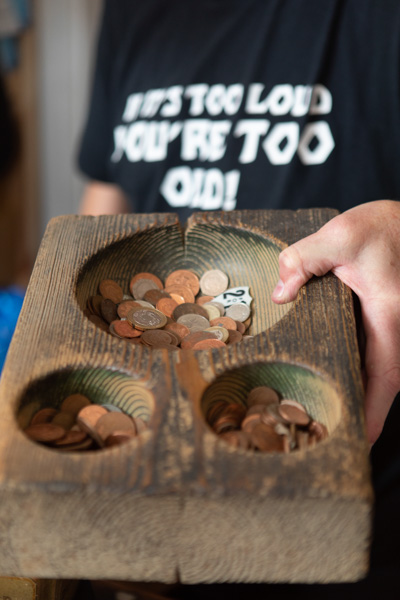
Wooden block for coins, carved by Paul’s great-grandfather James in 1870
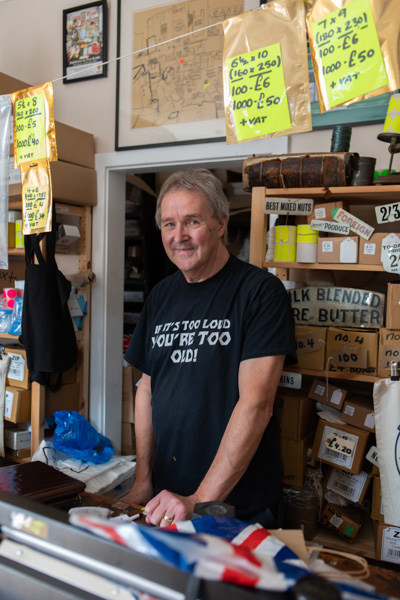
“I wanted to reach one hundred and fifty years in our premises in Spitalfields, and we did”
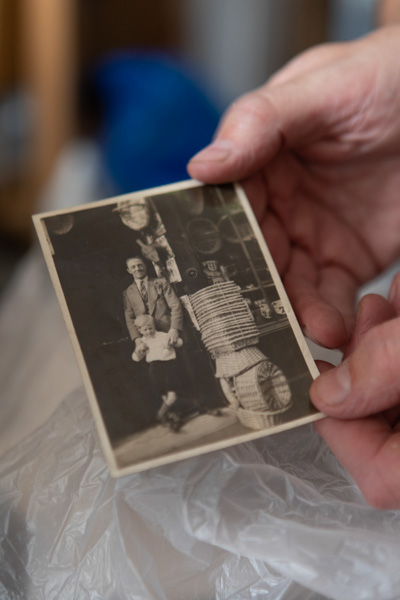
Paul’s grandfather Bertie with Paul’s father Ray outside the Commercial St shop
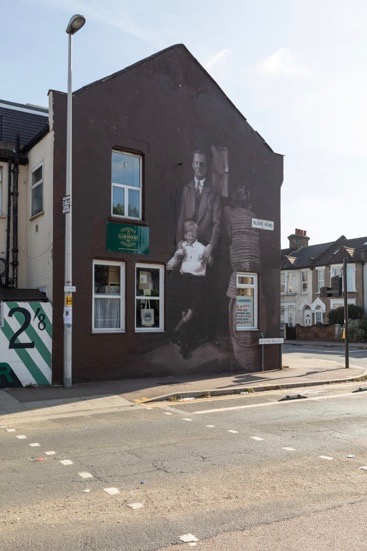
Mural on the side of Paul Gardner’s shop in Leytonstone

Photographs copyright © Rachel Ferriman
Gardners’ Bags, 78 Ruckholt Rd, Leyton, E10 5NP
You may like to read my other stories about Paul Gardner
At Gardners’ Market Sundriesmen
Paul Gardner Goes To Downing St
Paul Gardner Returns to Downing St
Joan Rose at Gardners’ Market Sundriesmen
James Brown at Gardners’ Market Sundriesmen
Vigil at Gardners’ Market Sundriesmen
Rodney Holt, Designer & Set Builder

It was my great delight to meet Rodney Holt of Mojo Productions, the creative mastermind responsible for London’s most famous window displays, at Fortnum & Mason for the past thirty years. This bright-eyed genius with a shock of white hair flits around his workshop in Brentwood, Essex, grinning excitedly as he oversees his extravagant creations and encourages his minions just like Father Christmas in that other fabled workshop at the North Pole.
Rod and his team of specialists were putting the finishing touches to the Christmas window displays before they were transported to Piccadilly. The walls were lined with huge wooden frames, the same size as the shop windows, and each one was filled with a sequence of exotic animated confections, rotating lobsters, flying puddings, champagne fountains, exploding crackers and a train set circling eternally. All around lay fragments of former displays, including golden carriages, giant nutcracker dolls and the man in the moon.
Wandering around this bizarre interior was like exploring the unconscious imagination of Santa himself – the workshop where dreams and fantasies are manufactured. Yet Rod’s crew of painters and model makers worked placidly at their tasks despite the phantasmagoric contents of their workplace. Readers will be relieved to learn that everything is under control for Christmas.
Rod & I retreated to his office, where a row of miniature shop windows contained the working models for this year’s displays. Here Rod told me his story and I was fascinated to learn how this overflowing of flamboyant creativity has its origins in the craft traditions of old East End.
“I was born in Bethnal Green but my family moved out to Essex after the war, when I was still a baby. There were jobs in Essex and my dad went to work at Ford’s in Dagenham and was there for forty years. Mum had ten children, so she was quite busy too. Her full name was Amy Rosina Goldring, so we think she might be Jewish. She came from an interesting family – one of her brothers was in the film industry in the early days, one did back-to-front sign writing with gold leaf, another had an accordion band in West End, The Accordionnaires, and her mother was a court dressmaker.
Dad was one of ten brothers and most of them worked in Spitalfields Market, some were traders but others used to make carts and barrows in the Hackney Rd. My dad was a French Polisher who kept a horse in Gibraltar Walk and used to make furniture deliveries on a flatbed cart. I remember him telling me that he used to deliver as far as Hampstead.
I left school and went to Hartley Green College, doing a course in Display & Exhibition Design. My career officer told me I should be a council tiler, that was the nearest they could get to an artistic career. So I said, ‘That’s no good,’ and I think it was my art teacher at school who suggested I do this. To be honest, I wanted to be a sculptor or a potter, but there were not many options then. If you wanted to be a potter, you worked on an assembly line in a pottery. I was at college for a couple of years and I did not learn a lot but I sorted out what I wanted to do. They did a day release scheme and I got sent to Selfridges in Oxford St. I got on well with everybody there and they said, ‘You’ve got a job here after you’ve taken your diploma.’ But I went to Paris instead of taking my diploma. I stole a mate’s bike out of an alleyway while he was away at university in Manchester and cycled off to France. When I came back, I went straight to Selfridges.
At Selfridges, I told them I knew nothing about fashion, so I could not be fashion dresser. I said, ‘I’d like to do all the toy windows and all the gardening windows,’ because those were the things I thought I could be more creative with. I was nineteen years old and they let me loose. I did one display where I had all the teddy bears marching out of the window which everybody liked. My idea was they were fed up and walking out. I got on alright there but I thought I do not really like this much. I wanted to join the team in the big studio up in the roof. I used to get on very well with all the guys there. After eighteen months, a couple of Australians who worked there and had come over land said, ‘We’re all fed up now, we think we should go off somewhere on a trip.’ I said, ‘That sounds good to me,’ and we went off to India. Mr Millard, the Managing Director, asked me, ‘Are you sure? Because the others have gone, you could move up the ladder.’ But I said, ‘No, I don’t want to go up the ladder, I’d rather go to India.’ He wished me all the luck in the world.
I only had a hundred quid but I made it to Kashmir by hitch-hiking, where my sister sent me another thirty quid to get home. It cost me six quid to get from Istanbul to London and I sold my blood to do it. When I got back, it all fell into place. Selfridges welcomed me back to work on the Christmas windows. I was lucky because it was the first time they were trying a different type of window. They did a set of windows that had no stock in them but told a story instead. The designer Peter Howitt had just finished the film of Alice in Wonderland and he was able to buy the sets. They gave us an old factory in Kensington where we sorted the scheme out. Pete asked for me, he said, ‘I’d like Rod because he doesn’t want to do window dressing really.’
Working freelance, I did all sorts – shops in the Kings Rd and themed pubs, clubs and bars. I worked for Peter on the original London Dungeon too. They gave me a mini with ‘London Dungeon’ on the side and an iron coffin on the roof! I had to be careful how I drove that about. I had quite a few contacts at Pinewood and Shepperton so I was able to purchase some great old props. We used to work overnight in the Dungeon and the stuff that happened was unbelievable.”


Rodney Holt, Designer, Set Builder & Model Maker
You may also like to read about












