
The Pied Wagtails Of Bishopsgate
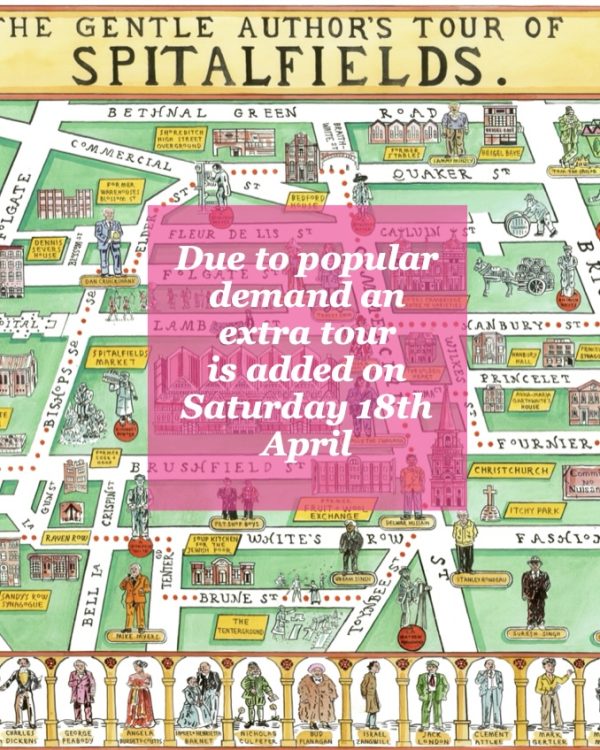
Today’s tour is sold out and those on Saturday 11th and Saturday 25th April only have a few tickets left, so I have added an extra Spitalfields tour on Saturday 18th April. Click here to book
Today music writer, Mat Smith, contemplates the pied wagtails of Bishopsgate. Please leave a message in the comments below if you have also observed these tenacious creatures
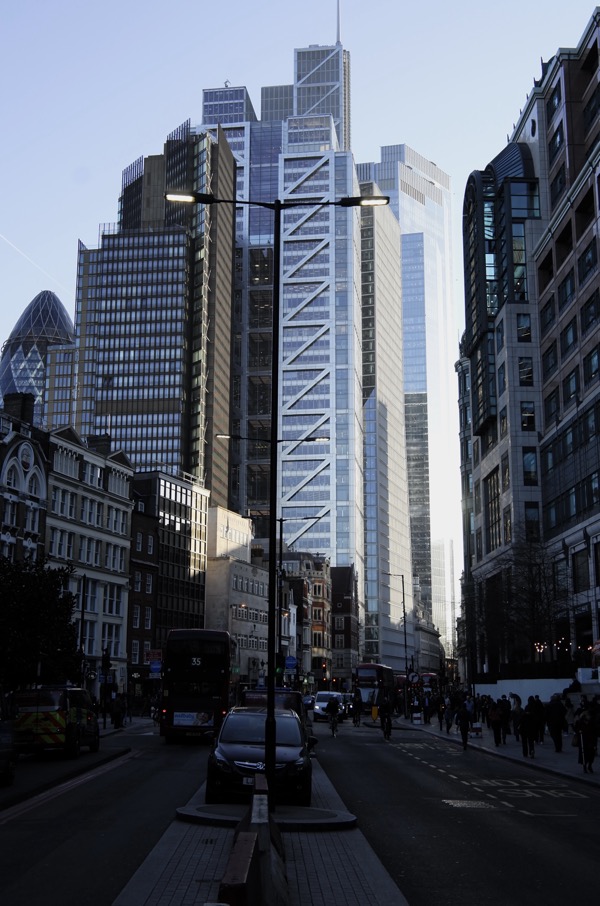
Bishopsgate
During the dark days of the recently-departed winter, I would see two pied wagtails fluttering and strutting their way playfully along Bishopsgate. They were usually to be found between the corner of Liverpool St Station and the entrance to Brushfield St.
Spotting them became an important part of my walk to the office each morning, just after 7am. Seeing them flying across the road or scurrying comedically along the pavement among the sleepy pedestrians was something I depended on to ensure my day started off on the right foot. They were as much a part of the street scene of my morning as Alleynaut’s poetry stickers placed mischievously on street furniture, or weary travellers being deposited from a bus bringing them in from Stansted, or the caffeine-fixated people waiting in line at Store St Espresso, or the construction workers attending to the remodelling of one of the Broadgate office buildings. These two birds were, during winter, part of my London.
Without them, London did not feel right. If I had not seen them by the time I reached the revolving doors of our office, I would begin to panic. I often worried about them flying across Bishopsgate into the path of a bus. Or getting squashed by an angry, over-tired traveller with a wonky trolley bag. Or becoming trapped inside the mechanism of the service lift clinging to the outside of the Broadgate building remodel. And yet, the next day, they were still there and I would breathe a quiet sigh of relief. All was right in my London and all was right in my world.
I noticed that people did not quite know what to make of these two plucky avian characters. One day, I passed a bus stop where a teenage girl in school uniform was idly watching noisy TikTok videos on her phone while sitting on the bench under the shelter. She had one eye on her phone screen and the other on the wagtail that was pecking occasionally at the strap of her rucksack, its long fan tail moving in concert with its inquisitive beak. It was as if the bird was trying to get her attention, and ever-so-slightly failing to do so. Another day, a guy in a suit stopped dead in his tracks as the two birds chased each other along the pavement in front of him. Another day, a street-sweeper in a yellow City of London high-visibility jacket was pushing his cart along when one of the birds landed on the edge of the cart furthest from him. The wagtail cocked its head to one side and allowed the street-sweeper to give it a breather from expending the energy it would have otherwise used tearing along the uneven paving stones outside the Bishopsgate Institute.
I have always loved pied wagtails. I think it is their tiny stature, their diminutive faces and short beaks, their ridiculously long legs and their monochrome colours. I attribute the latter to being a lover of minimalism but also because colour blindness has left me perpetually unsure of what colours I am seeing. Black and white things are, figuratively and literally, much more certain and solid for me. They inspire a sense of confidence that I can – occasionally – see the world in the same way that others are able to.
Whenever I saw this pair of pied wagtails, I would be reminded of two things. The first was a small book that my maternal grandmother gave me, a hardback volume from The Observer’s Pocket Series which surveyed the British avian population, devoting a page to each bird. I still have that book, and each page is often accompanied by sumptuous illustrations. Like most people, I have seen very few of the birds it describes. The wagtail, however, was one that I had seen. We had a regular visitor to our back garden where I grew up in Stratford-upon-Avon and it felt like a privilege to see it exploring the lawn. I do not remember seeing one anywhere else while I was growing up and that is why it felt special.
Much more than that book, seeing the Bishopsgate pied wagtails reminds me of my father, who passed away two years ago. As I come to terms with a world without him, I have begun to reflect on precisely what legacy he left me with. He never taught me how to hammer a nail into a wall, how to change a tyre, how to wire a plug, how to paint a skirting board, or how to wash a car. In fact, there are lots of things I wished he had taught me, but which he chose not to, for reasons I will now never understand.
He did, however, leave me with a solid work ethic, which explains why I can be found walking along Bishopsgate just after 7am each day to start my job, despite me living almost fifty miles away from London. The other thing he gave me was an ability to identify certain birds. He was born in a Warwickshire village after his mother had moved from her beloved East End during the Second World War. He had an undying love and passion for the East End – the area around Bell Lane, where she had gone to school in particular – and the kinetic hustle and bustle of London, all because of his mother.
But while his heart may have been forever yearning after the London he was never able to live or work in, his feet were very much planted on the ground of the Warwickshire countryside. He accumulated an enviable knowledge of wildlife, including birds, and this is undoubtedly one thing he left with me. It was my father who told me what the tiny black and white bird was when it landed in our Stratford-upon-Avon back garden. I am fairly certain I would not be able to name this species of bird today if it was not for him telling me.
And thus, whenever I would see this pair of pied wagtails on Bishopsgate, I felt a mix of emotions. I would feel joy and a lightness of spirit, the kind of uplifting, energising feeling that I needed in order to carry me through my day at work. It was like a shot of espresso carried to my lips on the monochrome wings of these funny little creatures.
For all that levity, the sighting of these two birds was also filled with a sense of enduring, poignant sadness at my father’s absence. They were a reminder that he will never again be able to excitedly identify a species of bird for me, that making my way in this complicated world is now all up to me, that I have reached the terminal limit of the knowledge he could impart to me.
As spring fought and then won its battle against the preceding season, I began to see the two birds less and less, until finally sporadic sightings gave way to a permanent absence. I assumed they were still there and still nesting nearby, and it was merely that the timing of my walk to the office from Liverpool St, and their morning routine, had become less synchronised. I did not want to think it was because of the myriad other fates that could have befallen them.
It occurred to me that their presence during the winter months, when the melancholy at my father’s absence was often at its heaviest, might indicate a sort of impending closure, that their disappearance might imply that the grieving process for my father was now complete. Maybe it is. Maybe it is not. I cannot tell. I will wait for the dark mornings on Bishopsgate to return when another autumn gives way to another winter and perhaps then I will know for certain.
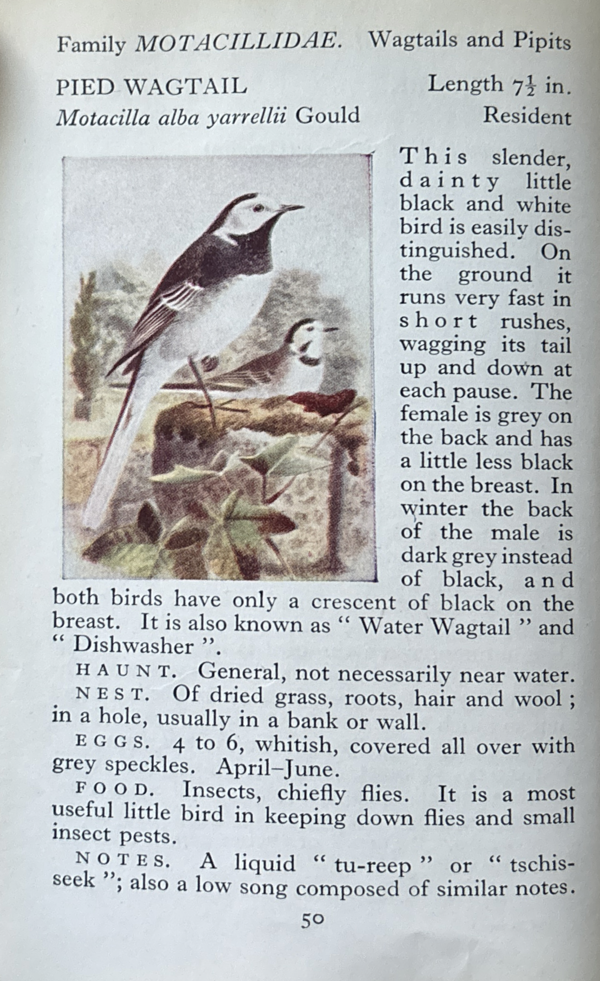
From The Observer’s Book of Birds
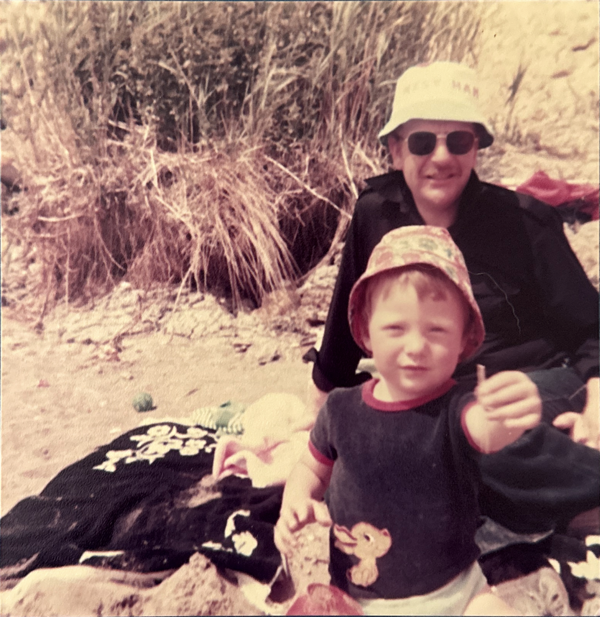
James & Mathew Smith
Mat Smith is a music writer for Electronic Sound, Clash, Further. Pooleyville.city and Documentary Evidence. Mat has written sleeve notes for Mute, Cherry Red, BMG and Our Silent Canvas. Since 2019 he has overseen the collaborative arts project Mortality Tables
Charles Spurgeon’s Street Traders
Click here to book for my tours

Champion Pie Man – W.Thompson, Pie Maker of fifty years, outside his shop in the alley behind Greenwich Church
Charles Spurgeon the Younger, son of the Evangelist Charles Haddon Spurgeon, took over the South St Baptist Chapel in Greenwich in the eighteen-eighties and commissioned an unknown photographer to make lantern slides of the street traders of Greenwich that he could use in his preaching. We shall never know exactly how Spurgeon showed these pictures, taken between 1884 and 1887, but – perhaps inadvertently – they became responsible for the creation of one of the earliest series of documentary portraits of Londoners.
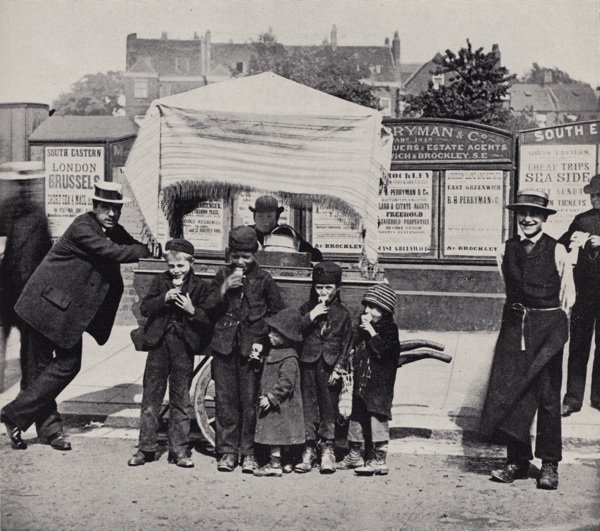
Hokey-Pokey Boy – August Bank Holiday, Stockwell St, Greenwich
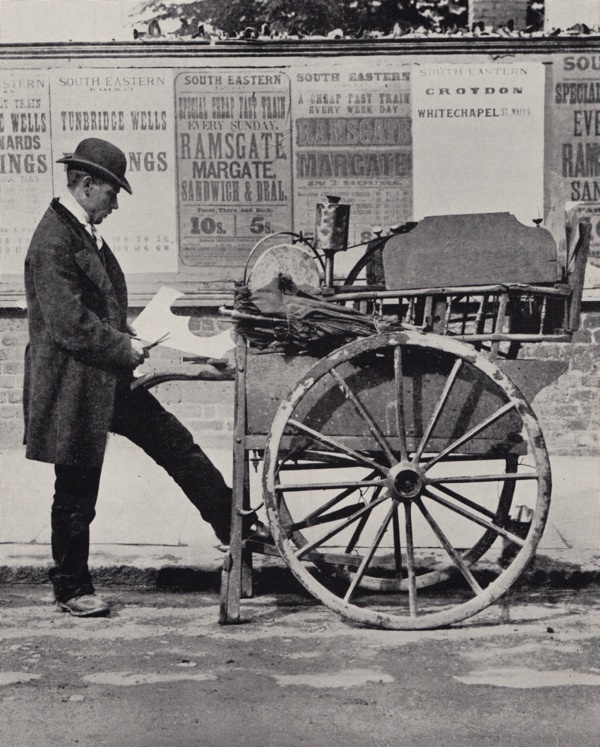
Knife Grinder – posed cutting out a kettle bottom from a tin sheet
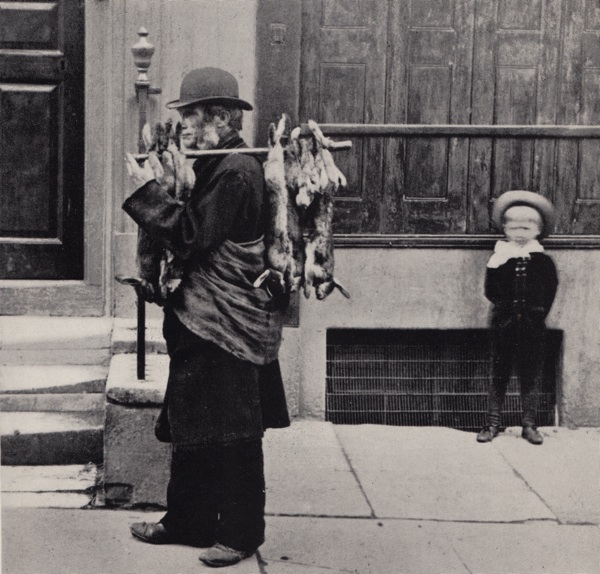
Rabbit Seller

Toy Seller – King William St outside Royal Naval College, Greenwich
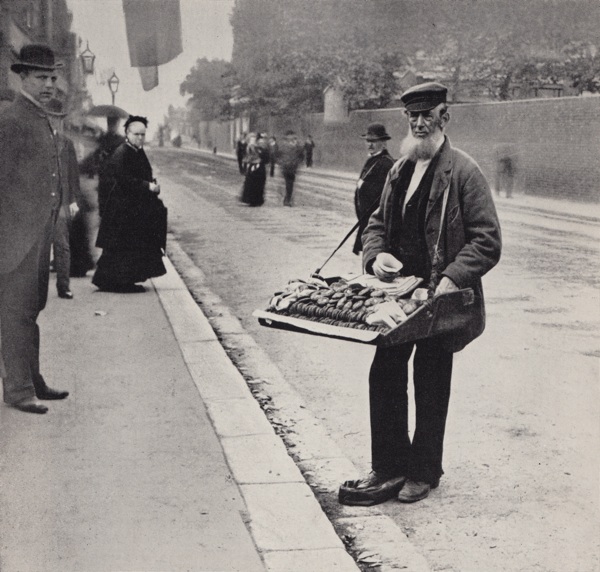
Ginger Cakes Seller – King St, near Greenwich Park
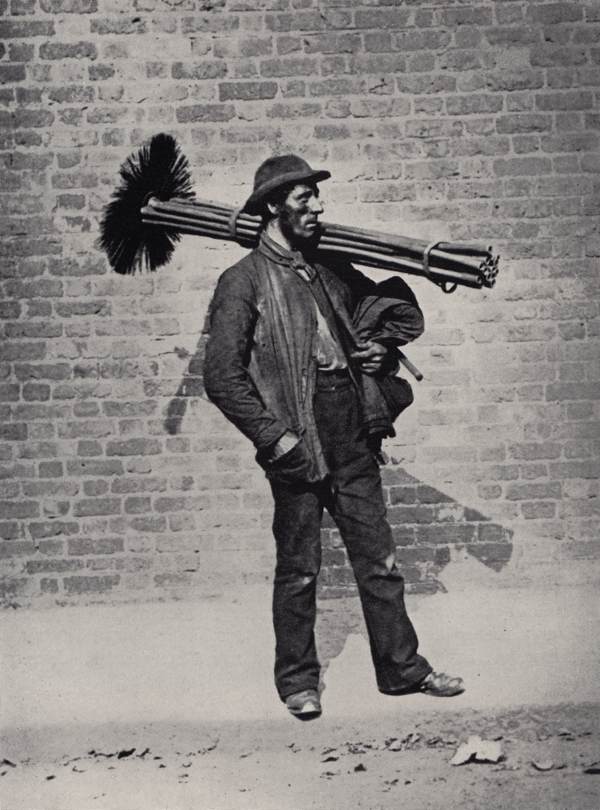
Sweep
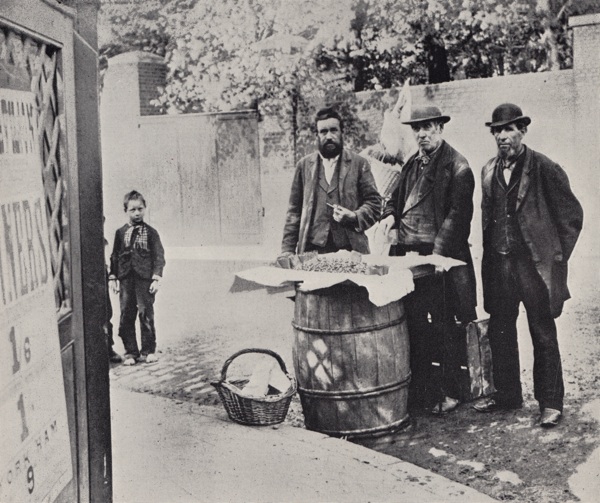
Shrimp Sellers – outside Greenwich Park
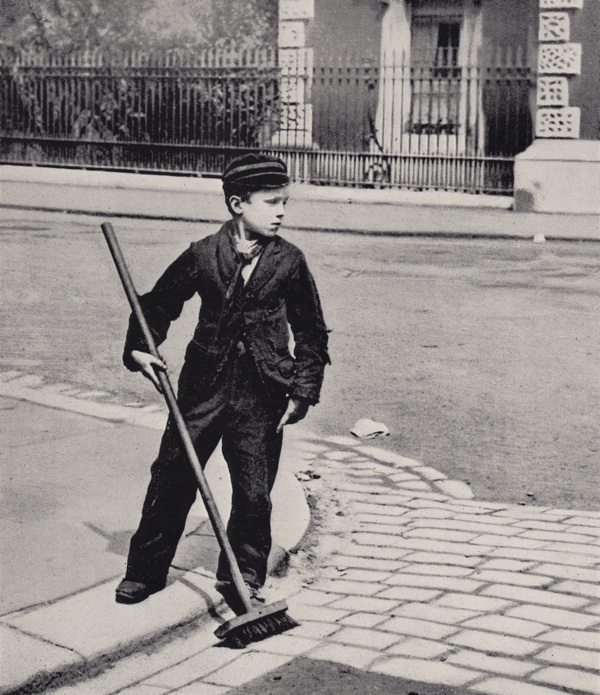
Crossing Sweeper (& News Boy) – Clarence St, Greenwich
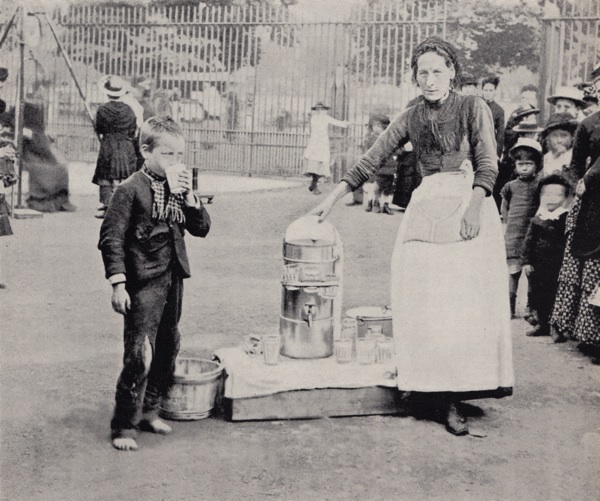
Sherbert Seller – outside Greenwich Park

Third Class Milkman – carrying two four-gallon cans on a yoke, King William’s Walk, Greenwich
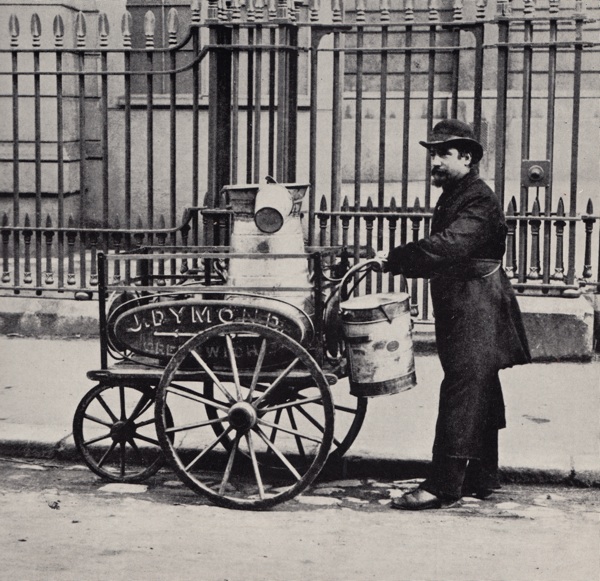
Second Class Milkman – with a hand cart and seventeen-gallon churn
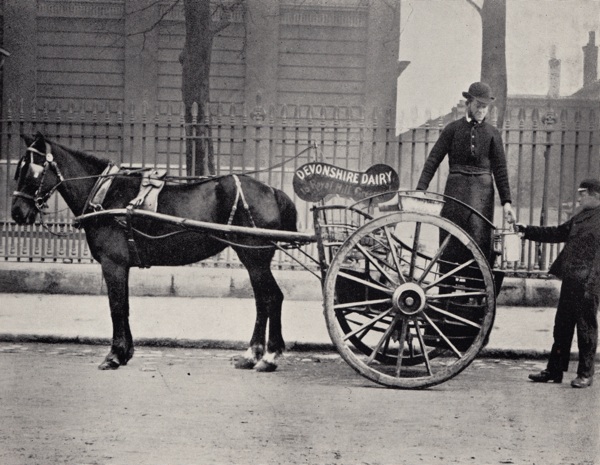
Master Milkman – in his uniform, outside Royal Naval College, Greenwich
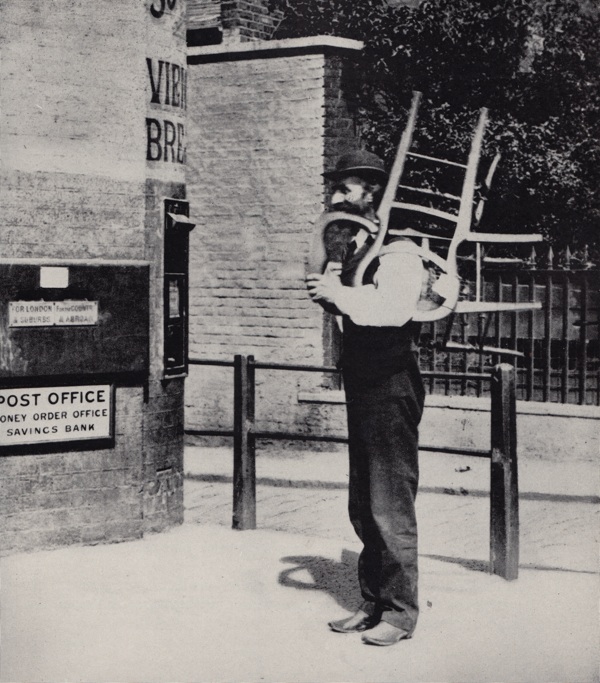
Chairmender – Corner of Prince Orange Lane, Greenwich
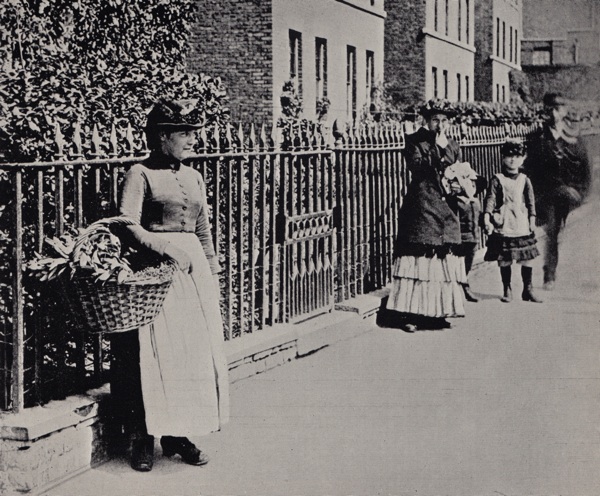
Kentish Herb Woman – Greenwich High Rd
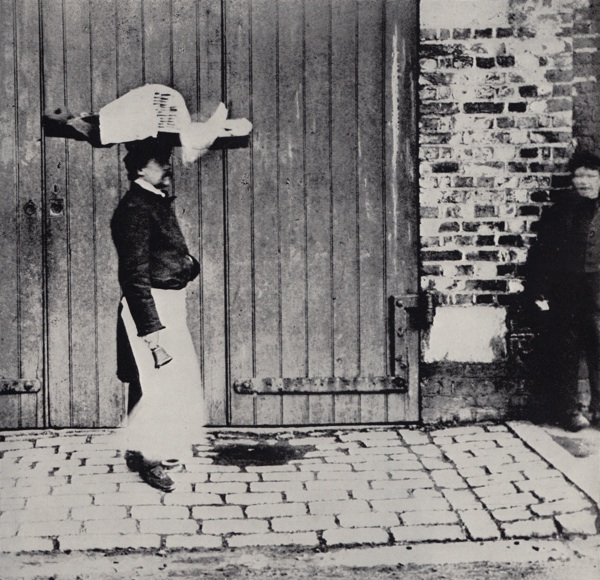
Muffin Man
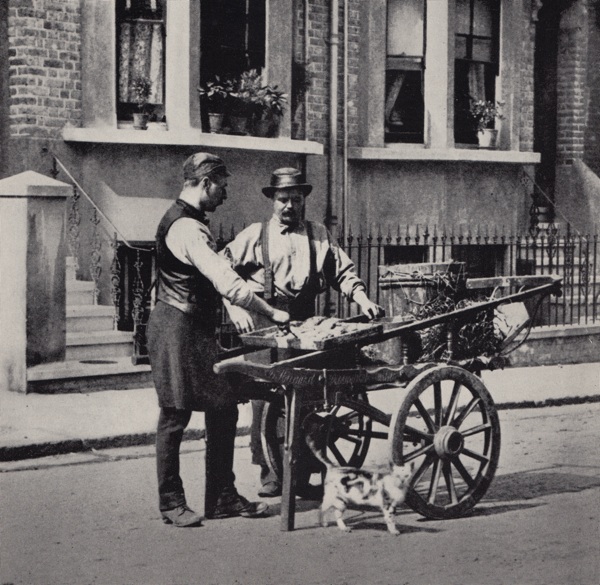
Fishmongers
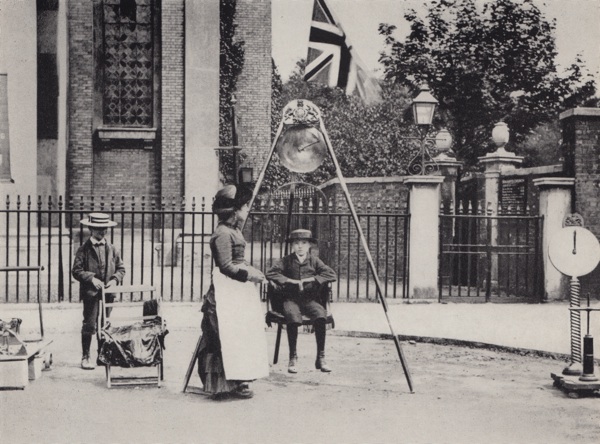
Try Your Weight – outside Greenwich Park
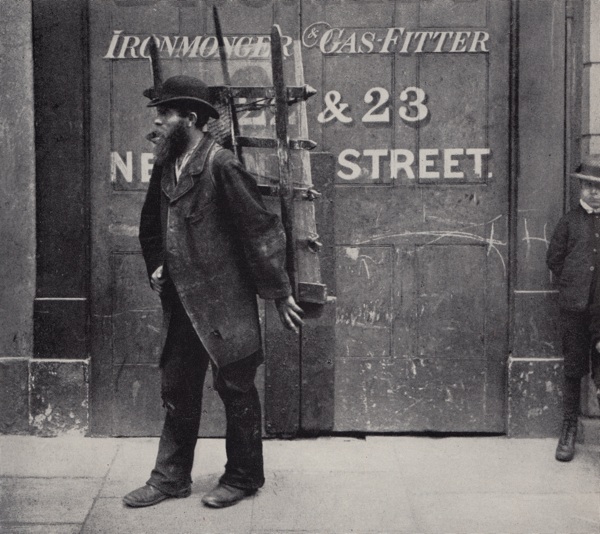
Glazier
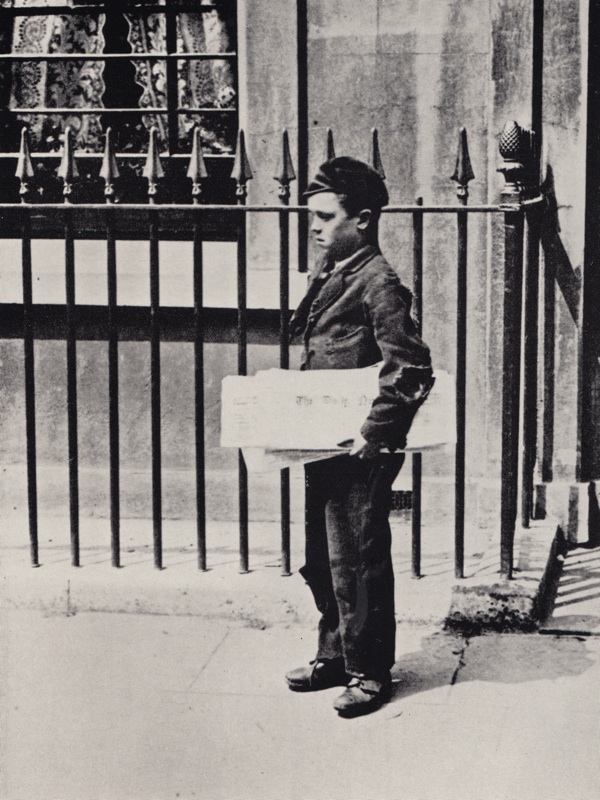
News Boy (& Crossing Sweeper) – delivering The Daily News at 7:30am near Greenwich Pier
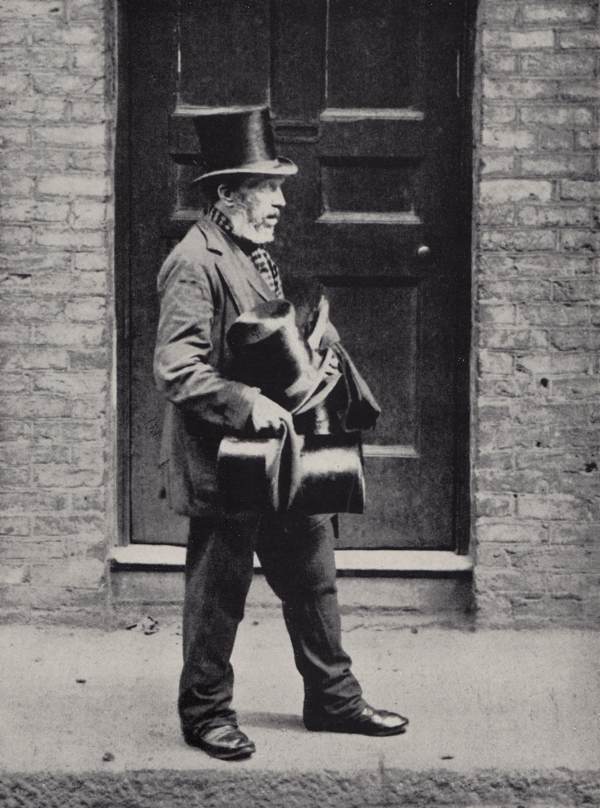
Old Clo’ Man – it was a crime to dispose of infected clothing during the Smallpox epidemics of the eighteen-eighties and the Old Clo’ Man plied a risky trade.
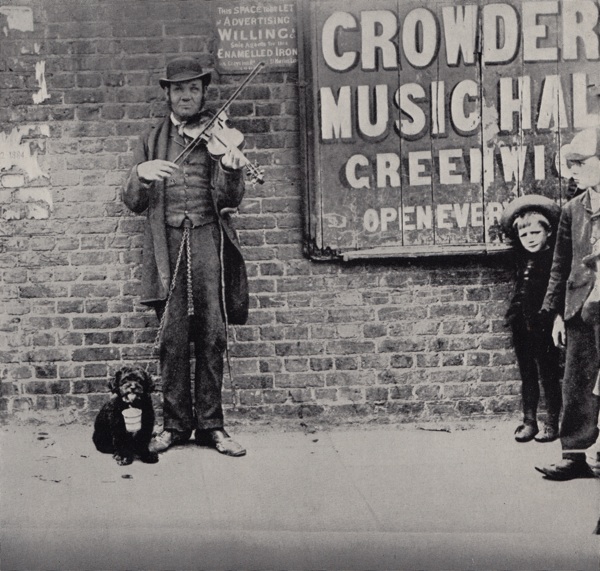
Blind Fiddler – outside Crowders’ Music Hall Greenwich
You may also like to take a look at
East End Blossom Time
Join me for ramble through 2000 years of culture and history in SPITALFIELDS followed by tea and cakes freshly baked to recipe of 1720 served in a 300 year old house. This Saturday is sold out but tickets are available on Saturday 11th, Saturday 18th and Saturday 25th April, and through the spring.
Some tickets also available for my TOUR OF THE CITY OF LONDON on EASTER MONDAY.

In Bethnal Green
Let me admit, this is my favourite moment in the year – when the new leaves are opening fresh and green, and the streets are full of trees in flower. Several times, in recent days, I have been halted in my tracks by the shimmering intensity of the blossom. And so, each spring, I enact my own version of the eighth-century Japanese custom of hanami or flower viewing, setting out on a pilgrimage through the East End with my camera to record the wonders of this fleeting season that marks the end of winter incontrovertibly.
In his last interview, Dennis Potter famously eulogised the glory of cherry blossom as an incarnation of the overwhelming vividness of human experience. “The nowness of everything is absolutely wondrous … The fact is, if you see the present tense, boy do you see it! And boy can you celebrate it.” he said and, standing in front of these trees, I succumbed to the same rapture at the excess of nature.
In the post-war period, cherry trees became a fashionable option for town planners and it seemed that the brightness of pink increased over the years as more colourful varieties were propagated. “Look at it, it’s so beautiful, just like at an advert,” I overheard someone say yesterday, in admiration of a tree in blossom, and I could not resist the thought that it would be an advertisement for sanitary products, since the colour of the tree in question was the exact familiar tone of pink toilet paper.
Yet I do not want my blossom muted, I want it bright and heavy and shining and full. I love to be awestruck by the incomprehensible detail of a million flower petals, each one a marvel of freshly-opened perfection and glowing in a technicolour hue.

In Whitechapel
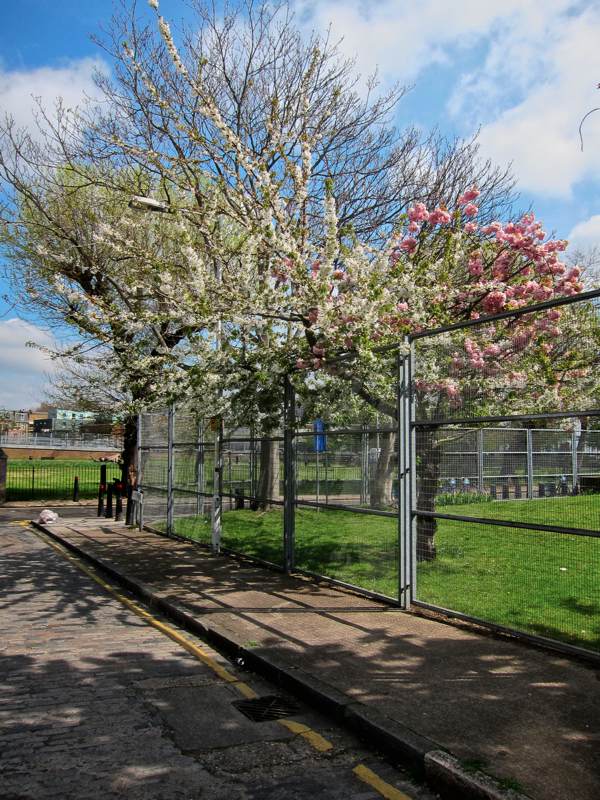
In Spitalfields
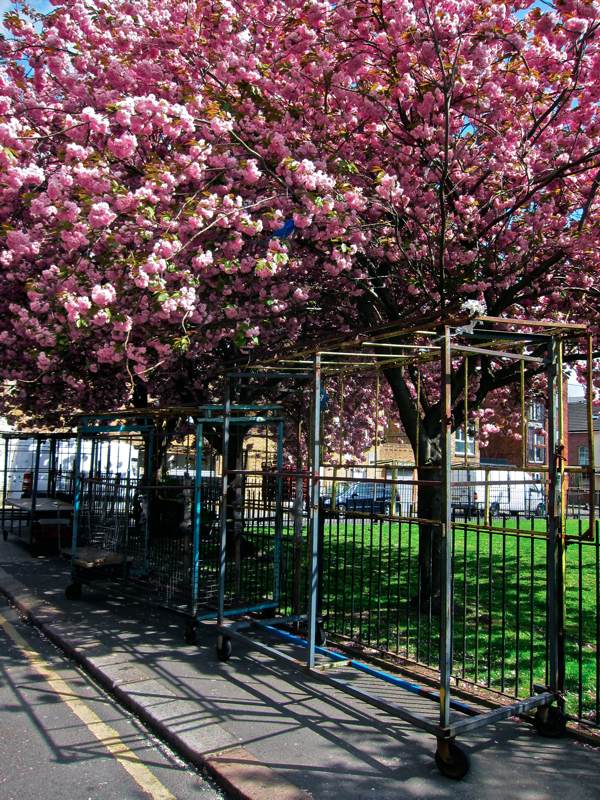
In Weavers’ Fields
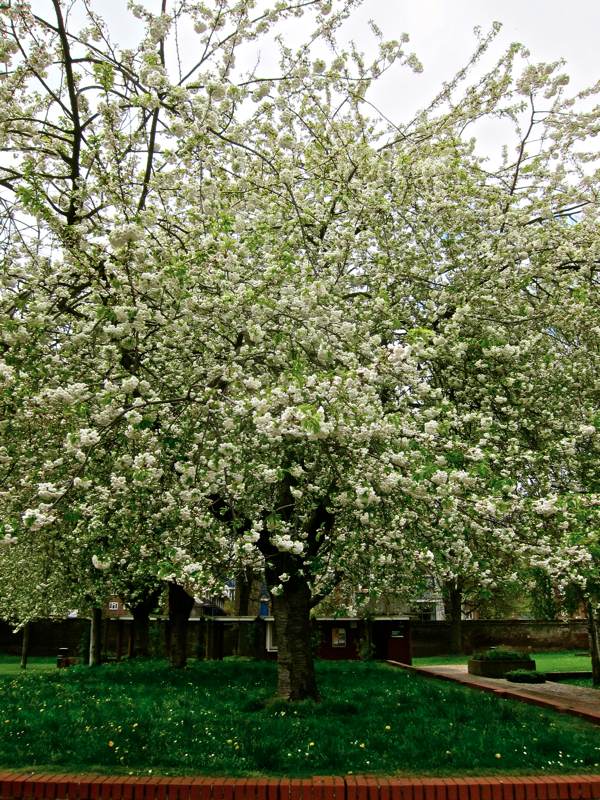
In Haggerston

In Weavers’ Fields
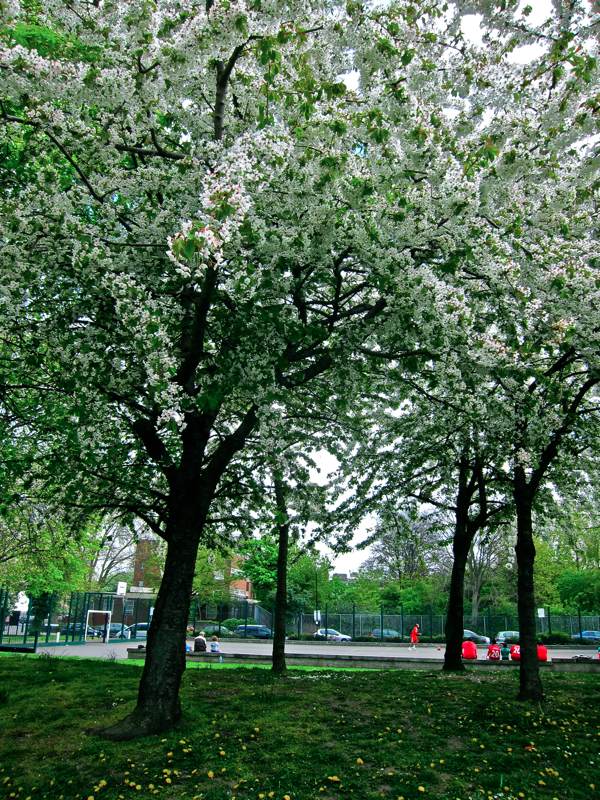
In Bethnal Green
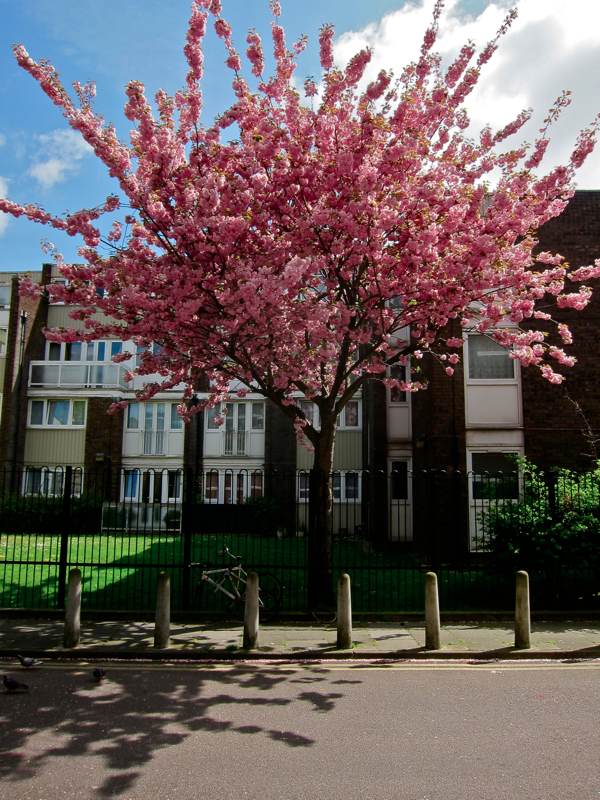
In Pott St

Outside Bethnal Green Library

In Spitalfields
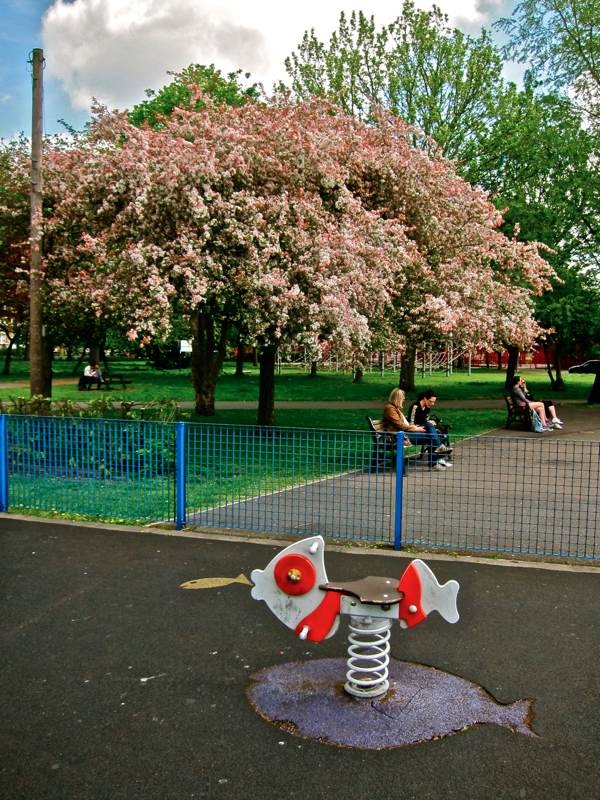
In Bethnal Green Gardens

In Museum Gardens

In Museum Gardens
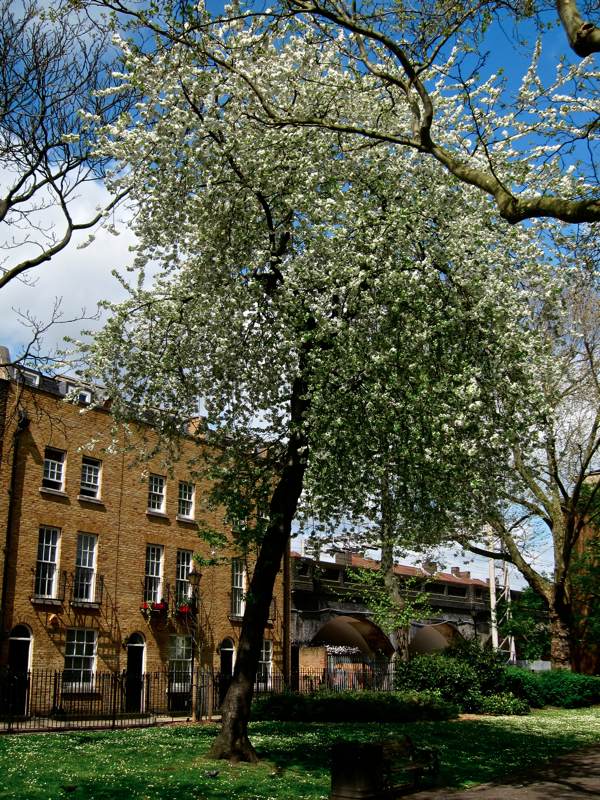
In Paradise Gardens

In Old Bethnal Green Rd
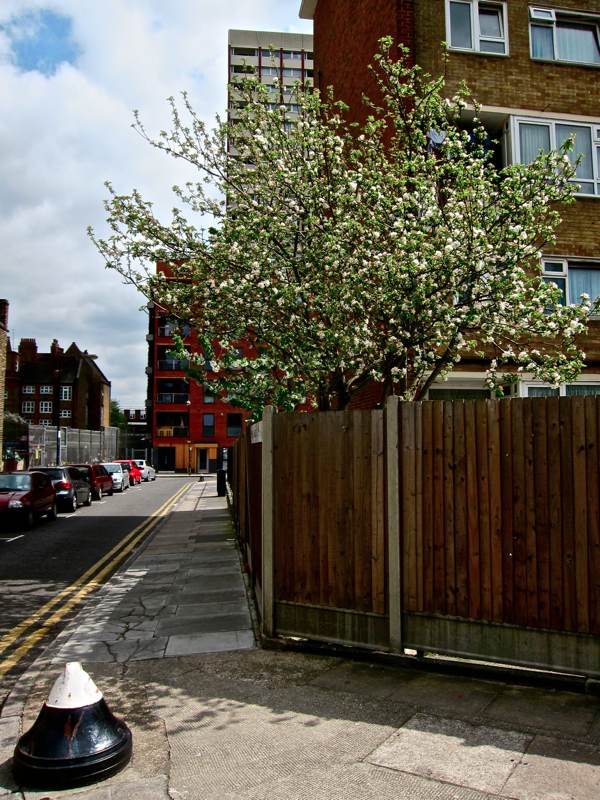
In Pollard Row
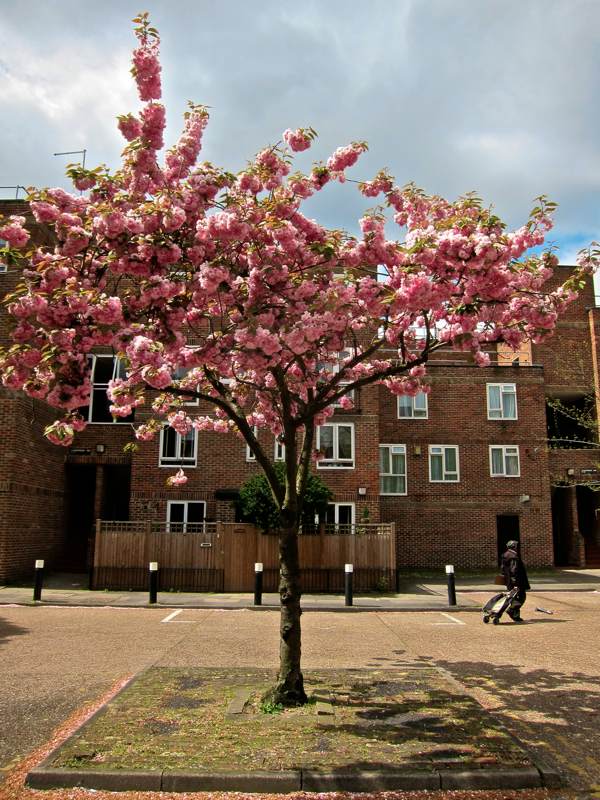
In Nelson Gardens

In Canrobert St

In the Hackney Rd
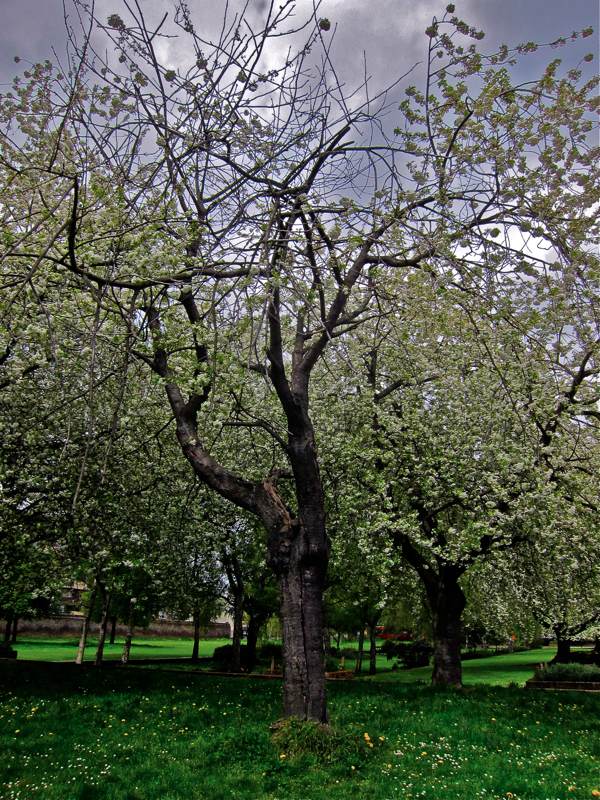
In Haggerston Park
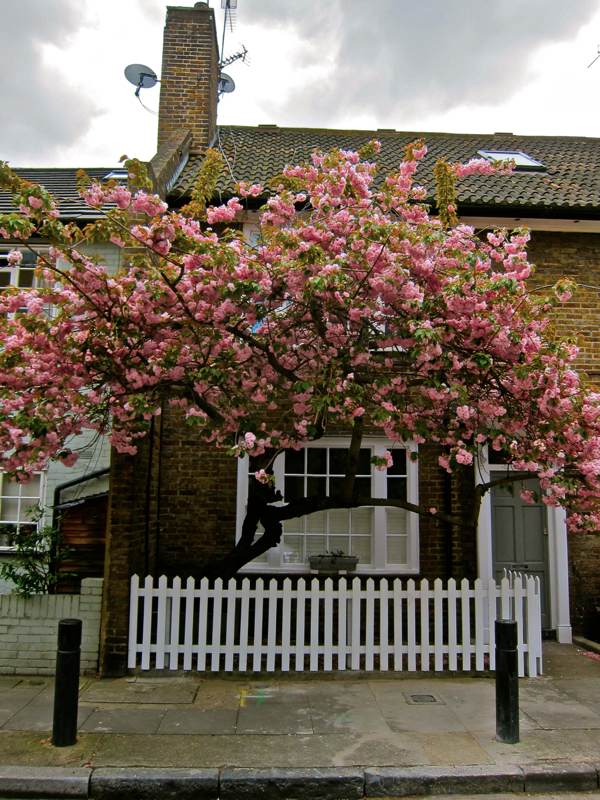
In Shipton St

In Bethnal Green Gardens

In Haggerston
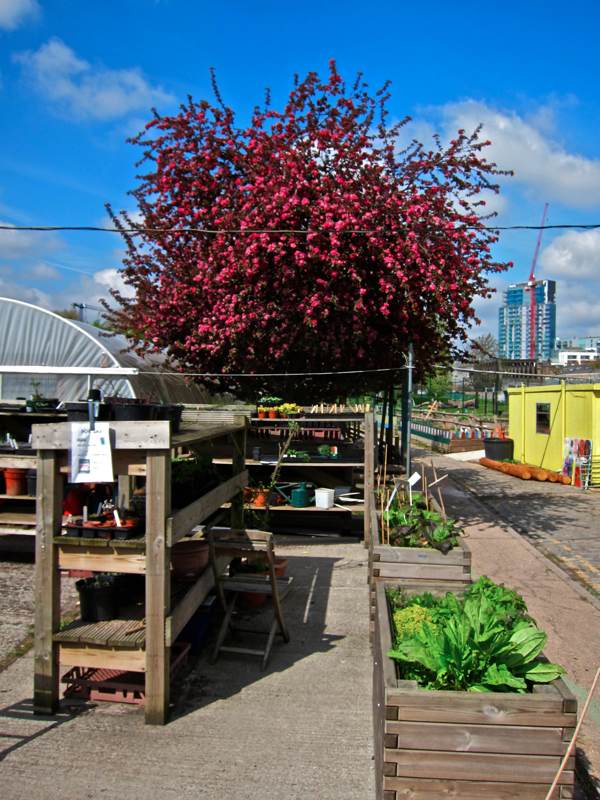
At Spitalfields City Farm
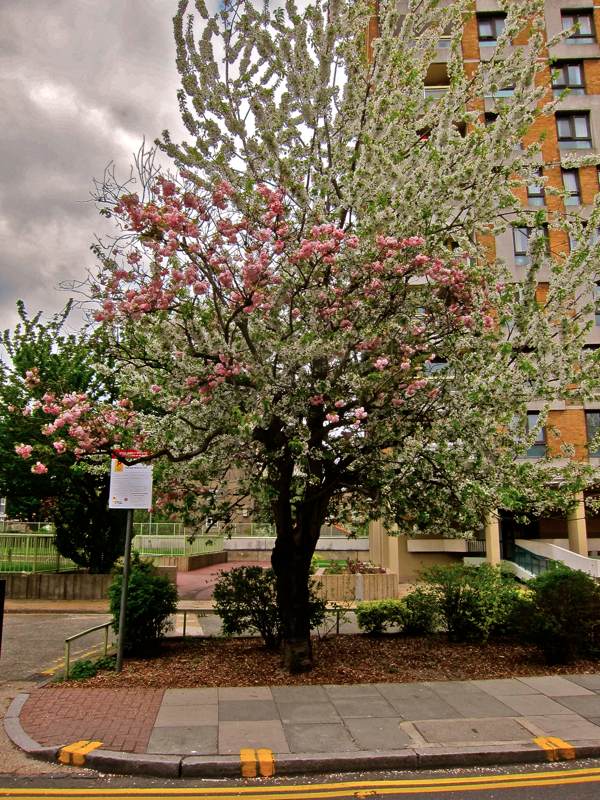
In Columbia Rd
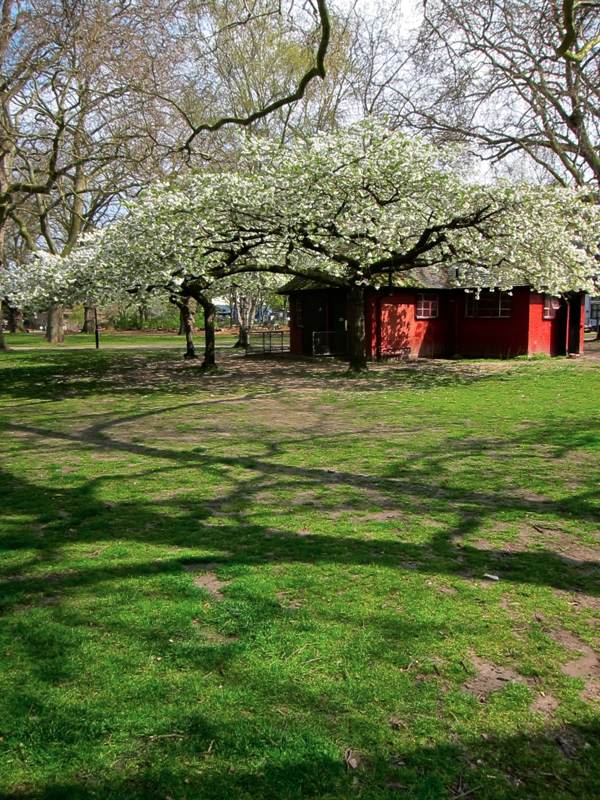
In London Fields
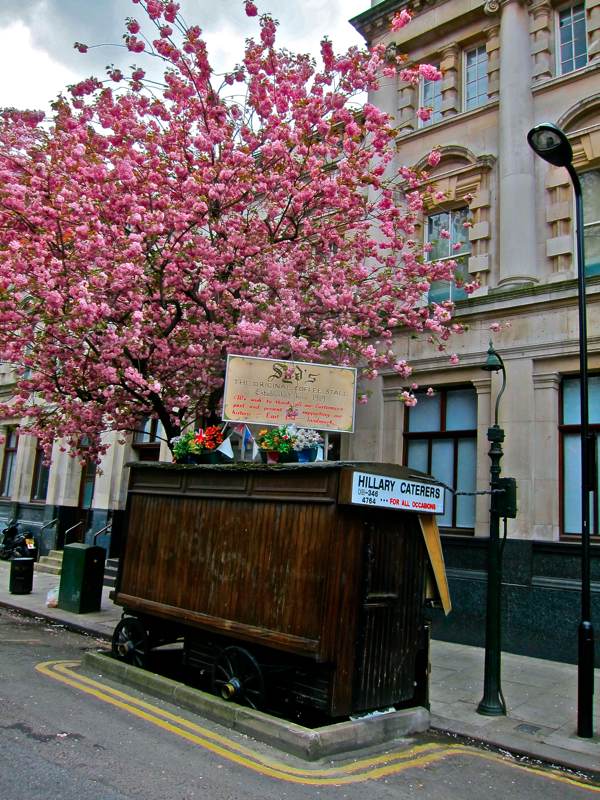
Once upon a time …. Syd’s Coffee Stall, Calvert Avenue
The Hackney Yearbook, 1906
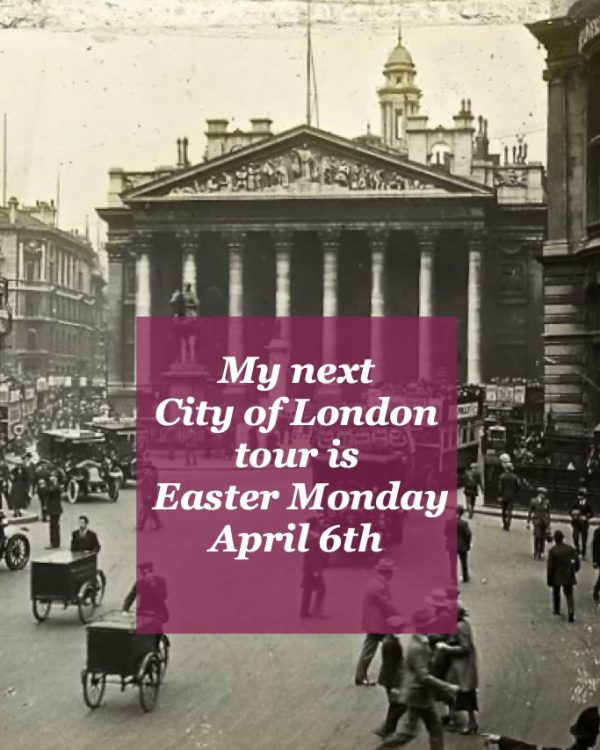
Meet me on the steps of St Paul’s for a tour of sightseeing and storytelling, rambling through the alleys and byways of the Square Mile in search of the wonders and the wickedness of the City of London.
Behold the wonders of commerce and retail over a century ago, courtesy of the Hackney Year Book 1906 from the archive at the Bishopsgate Institute!

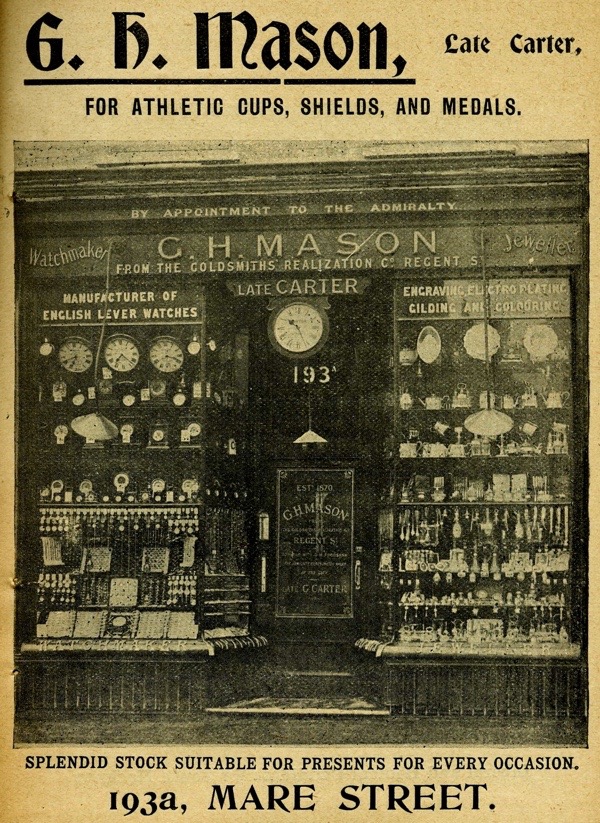






Images courtesy Bishopsgate Institute
You may also like to take a look at
Adverts from Shoreditch Borough Guide
Pedro Da Costa, Lacquer & Paint Specialist

This Saturday’s tour is sold out but some tickets are available for Saturday 11th & Saturday 25th April and in May.
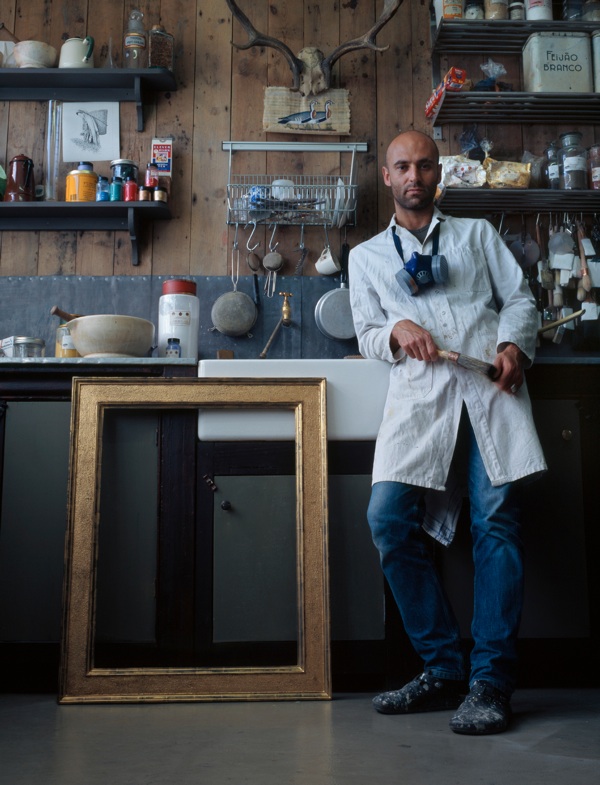
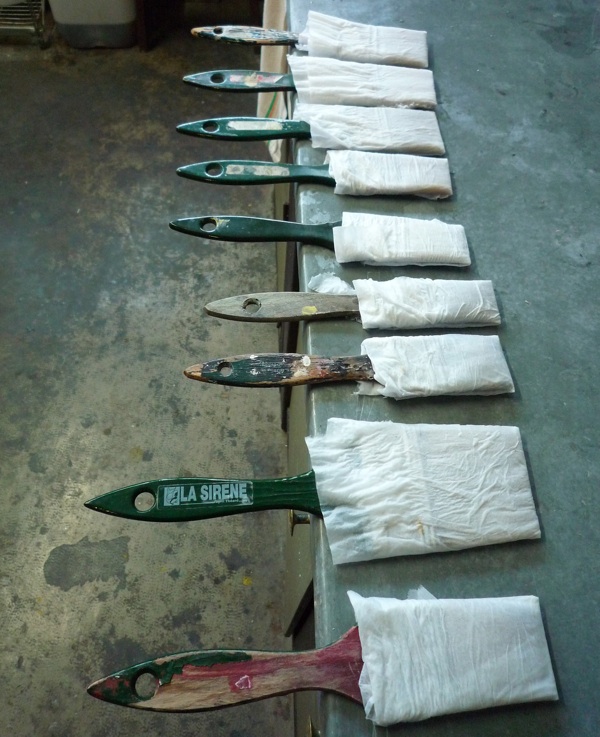
Pedro da Costa Felgueiras will tell you that he is a lacquer and paint specialist, or japanner – but I think he is an alchemist. In his secret workshop in a Hoxton backstreet, Pedro has so many old glass jars filled with mysterious coloured substances, all immaculately arranged, and such a diverse array of brushes, that you know everything has its purpose and its method. Yet even as Pedro begins to explain, you realise that he is party to an arcane universe of knowledge which defies the limits of any interview.
Pedro showed me Cochineal, the lush red pigment made from crushed beetles – very expensive at present due to floods in Asia. Pedro showed me Shellac, which is created by the Kerria lacca beetle as a coating to protect its eggs and, once harvested, is melted down and stretched out in huge transparent sheets like caramel – and is commonly used to make chocolate bars shiny. Pedro showed me Caput Mortuum, a subdued purple first produced by grinding up Egyptian mummies – Whistler was so horrified when he discovered the origin that he buried the paintings in which he used this pigment in his back garden. Pedro showed me his broad Japanese lacquer brush, of the kind made from the hair of pearl divers, selected as the finest and densest fibre. Pedro showed me his fine Japanese lacquer brush made from the tail of a rat, as he delighted to explain, once he had put it in his mouth to wet it.
“I find it very difficult to get excited about new paints,” he confided to me in his hushed yet melodious Portuguese accent, as the epilogue to this catalogue of wonders, “modern colours are brighter, but they will not last, they will flake away in twenty-five years.”
“Sometimes I feel I was born a hundred years after my time.” Pedro mused, “My earliest memories are of Sunday church, and of the gold and coloured marble, which I found quite overwhelming. But everybody else wanted new things – because they were surrounded by old things, they wanted plastic.” Growing up in Queluz just outside Lisbon, it was the Baroque palace covered in statues that cast its spell upon Pedro and when he discovered the statues had been made in Whitechapel, then he knew he had found his spiritual home. “I don’t know why I ended up here,” he admitted, “I had the desire to do something with my life and I would not have been able to do that if I stayed in Portugal.”
“When I first came to Spitalfields I used to walk around and look at the old houses, and now I have ended up working in many of them.” he continued, thinking back, “In London, I was fascinated by the junk markets and I bought things, and I wanted to restore them – it all came from that.” Pedro undertook a B Sc in restoration and was inspired by the work of Margaret Balardi who inducted him into the elaborate culture of japanning. “The first thing she taught me was how to wash my brush,” Pedro recalled with a grin.
“In the eighteenth century when they imported lacquer ware from the East, they started imitating it and used European techniques to do it. At first, they imported the ingredients from Japan but they couldn’t do it here and people died of it because it is poisonous,” Pedro explained, adding that he studied lacquer work in Japan and can do both Eastern and European styles. “I keep everything clean and I don’t touch it,” he assured me.
In the centre of the workshop was a fine eighteenth century lacquered case for a grandfather clock that had been cut down for a cottage when it went out of fashion in the nineteenth century. Pedro was painting the newly-made base and top, using the same paints as the original and adding decoration from an old pattern book. To reveal the finish, he wiped a damp swab across the old japanning and it instantly glowed with its true colour, as it will do again when he applies a new coat of shellac to unify the old and the new.
Using old manuals, Pedro taught himself to mix pigments and blend them with a medium, and now his talent and expertise are in demand at the highest level to work with architects and designers, creating paint that is unique for each commission. In the eighteenth century, every house had a book which recorded the paint colours used in the property and Pedro brought some of these out to show me that he makes for his customers today, with samples of the colours that he contrived to suit. There is a tangible magic to these natural pigments which possess a presence, a depth, a subtlety, and a texture all their own.
“I remember when it was a hobby and now it has become a job.” said Pedro, gazing in satisfaction around his intricately organised workshop,“You have to be diligent without cutting corners. It’s all about time. You grind the pigment by hand and it takes hours. It’s hard work. You can’t expect to paint a room in a week. It takes three days for the paint to dry and it will change colour over time – it’s alive really!”
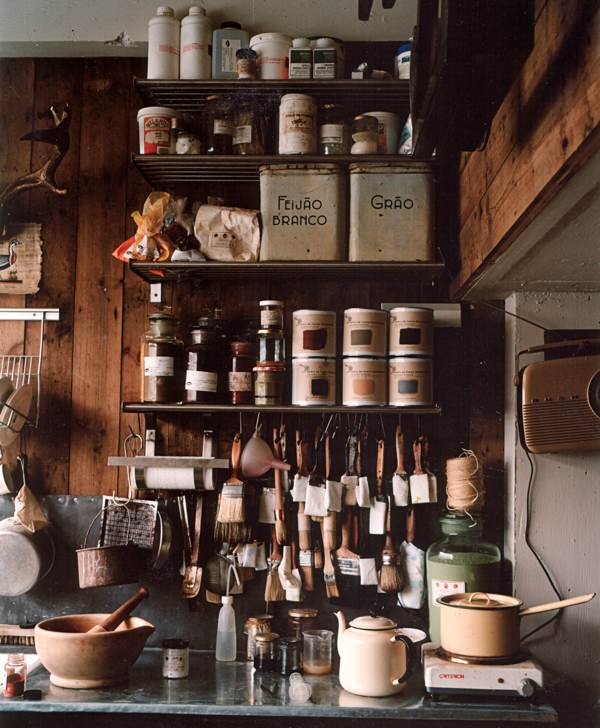
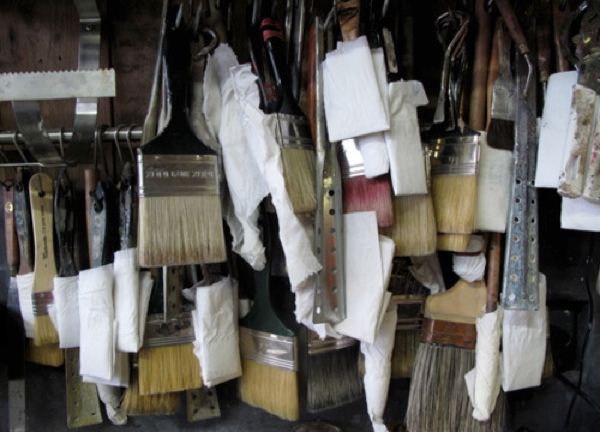
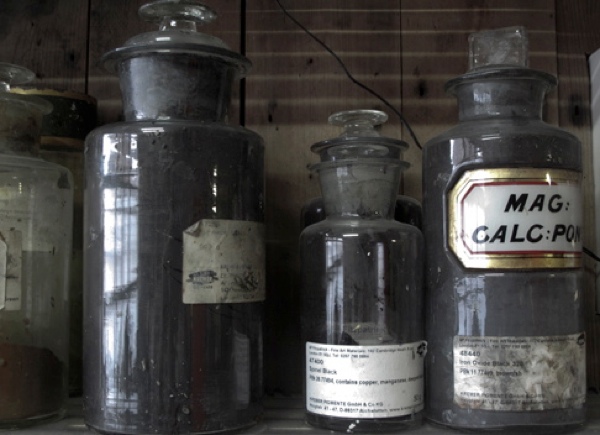
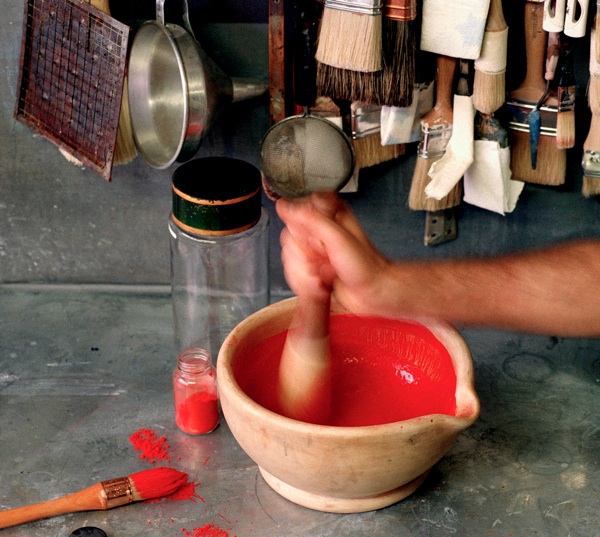
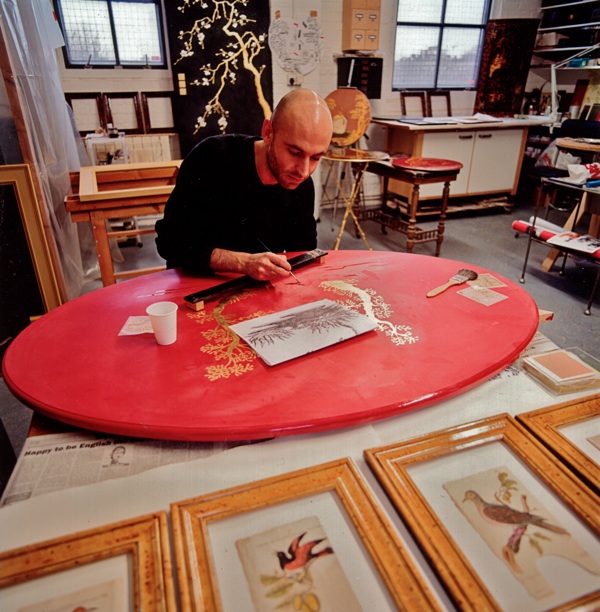
Pedro paints a lacquer table to a design by Marianna Kennedy.
You may also like to read about
William Whiffin, Photographer
Meet me on Easter Monday on the steps of St Paul’s for a tour of sightseeing and storytelling, rambling through the alleys and byways of the Square Mile in search of the wonders and the wickedness of the City of London.
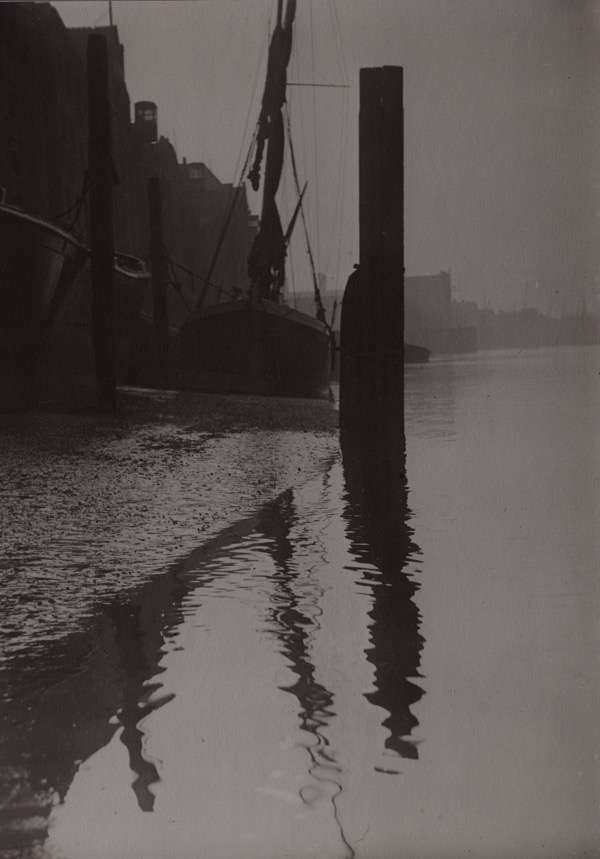
William Whiffin (1878-1957) is one of the great unsung London photographers, which makes it a rare pleasure to present this gallery of his pictures from the collection of his granddaughter Hellen Martin, many of which have never been published before. Born into a family of photographers in the East End, Whiffin made his living with studio portraits and commercial commissions, yet he strove to be recognised for his more artistic photography.
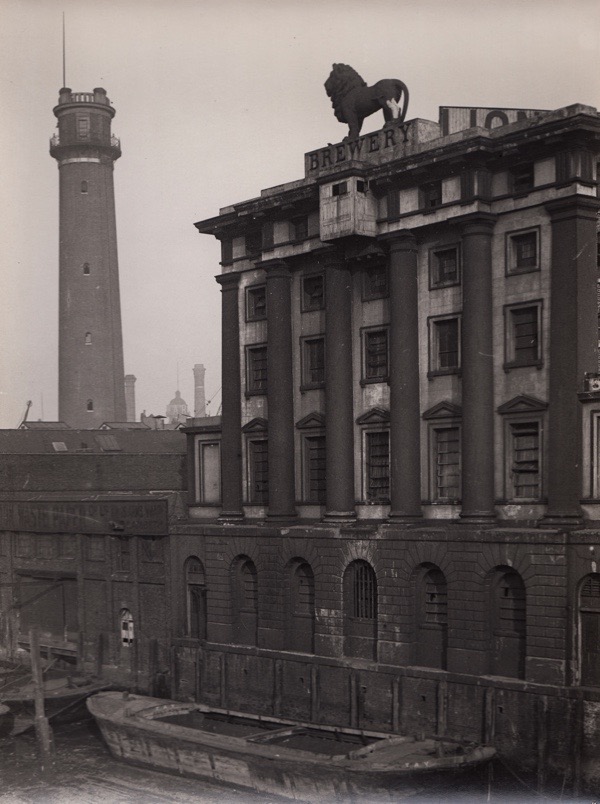
Lion Brewery and the Shot Tower, South Bank
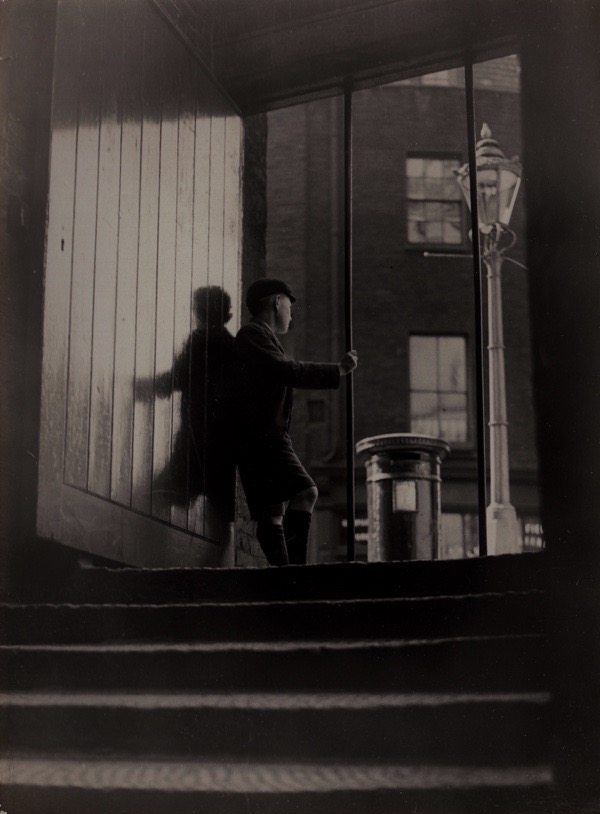
The photographer’s son Sid Whiffin at Cooper’s Stairs, Old Queen St
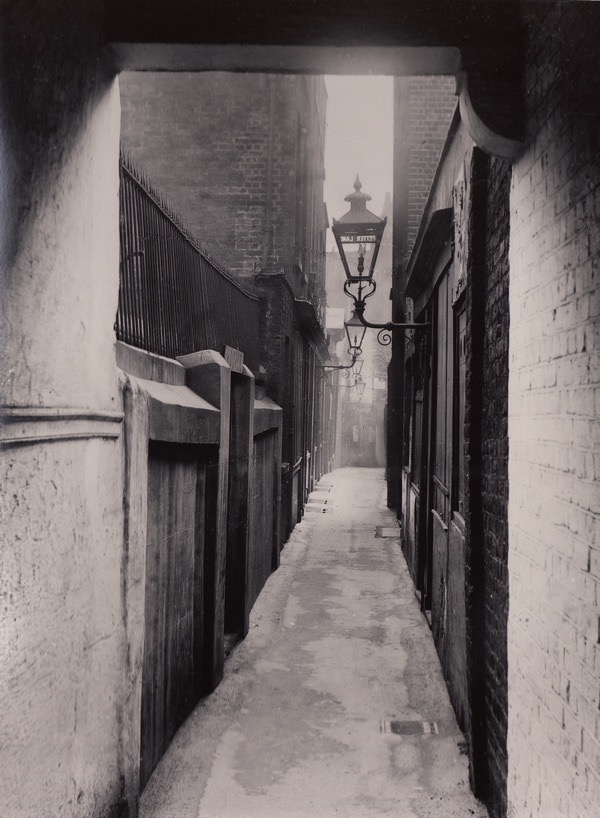
Off Fetter Lane
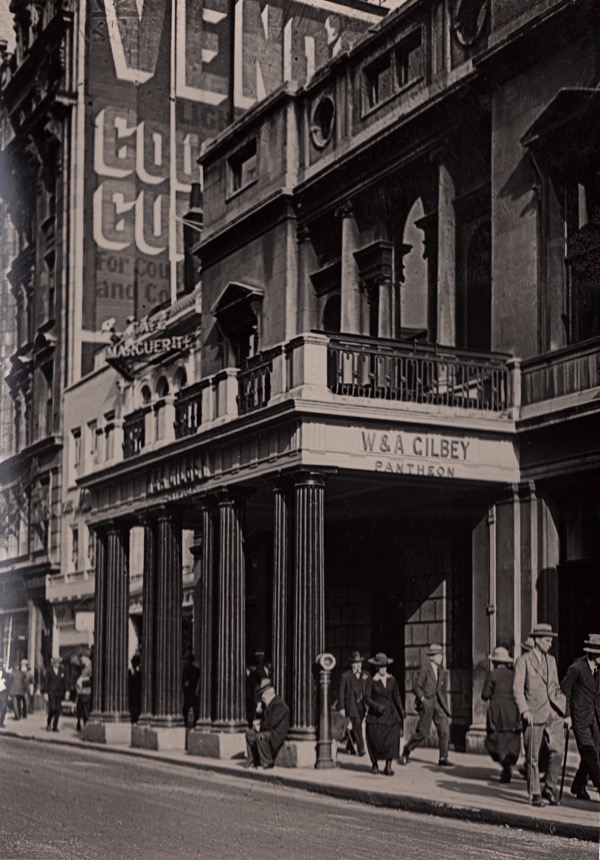
The Pantheon, Oxford St
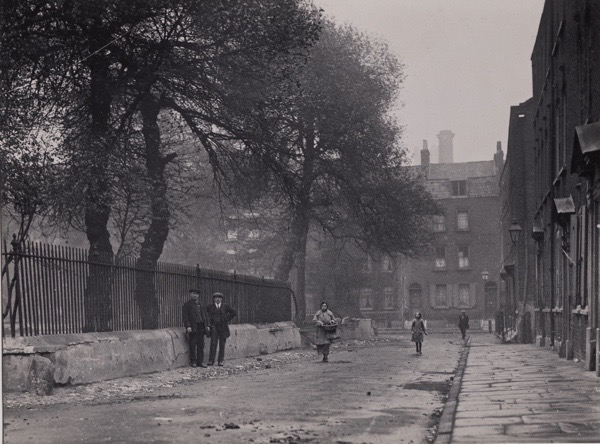
In Princes Sq, Stepney
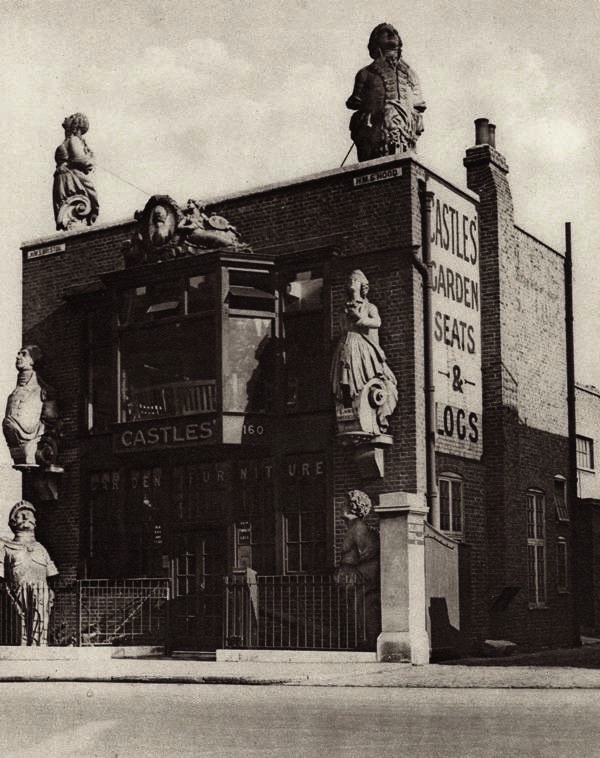
Figureheads of fighting ships in Grosvenor Rd
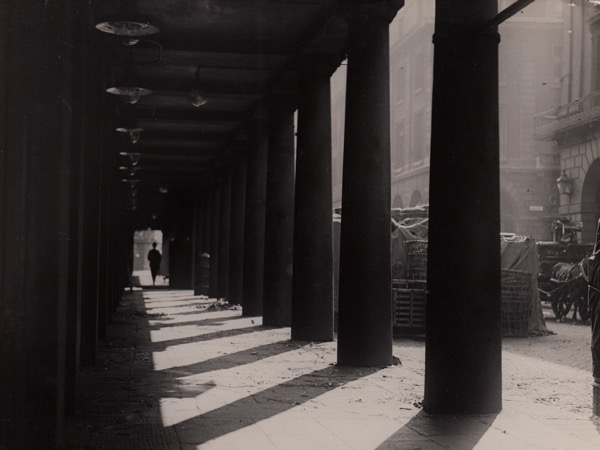
At Covent Garden Market
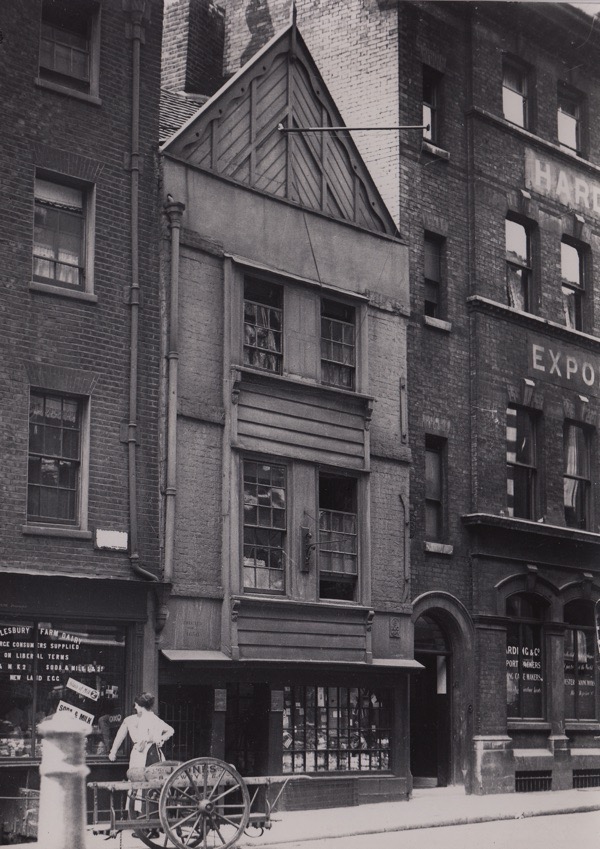
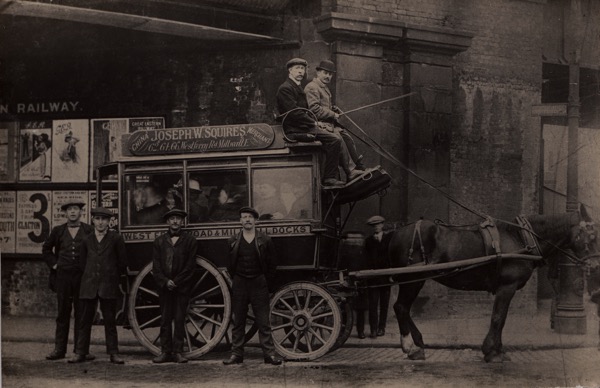
Milwall & the Island Horse Omnibus, c.1910
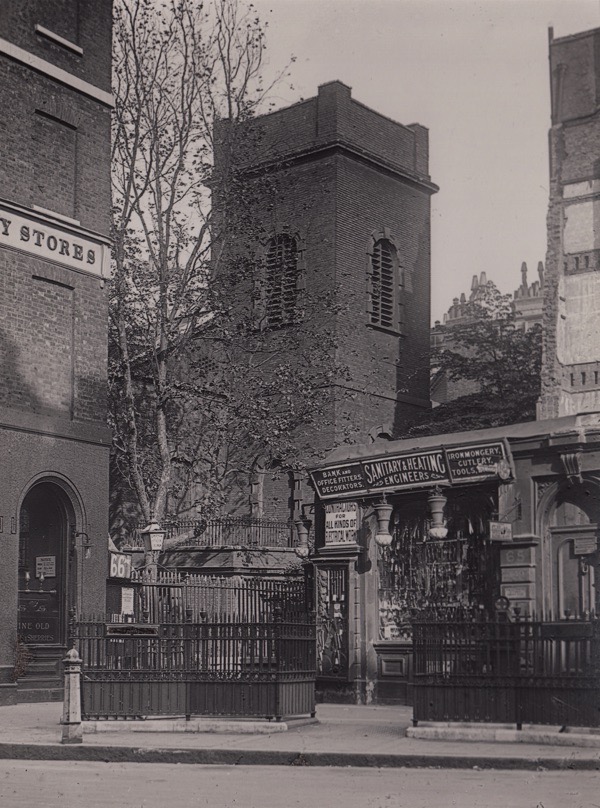
St Catherine Coleman next to Fenchurch St Station
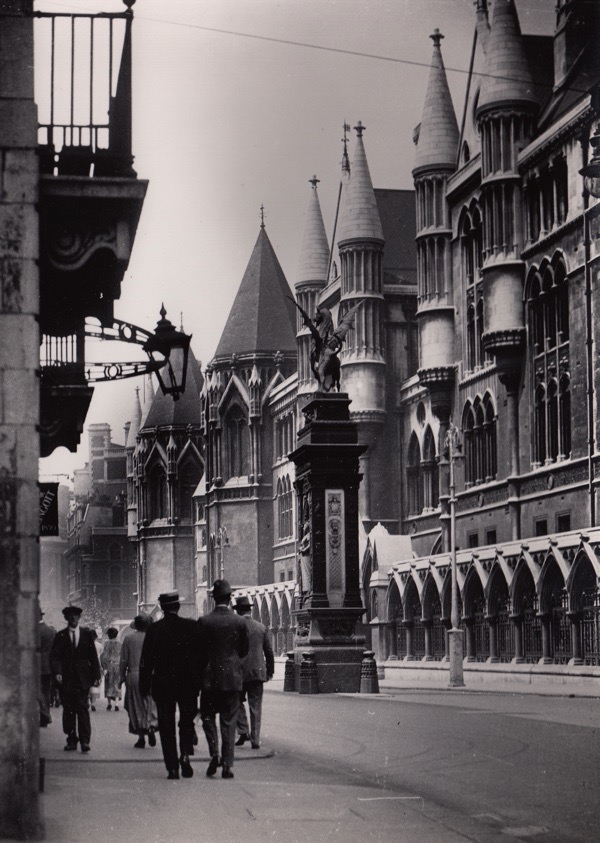
In Fleet St
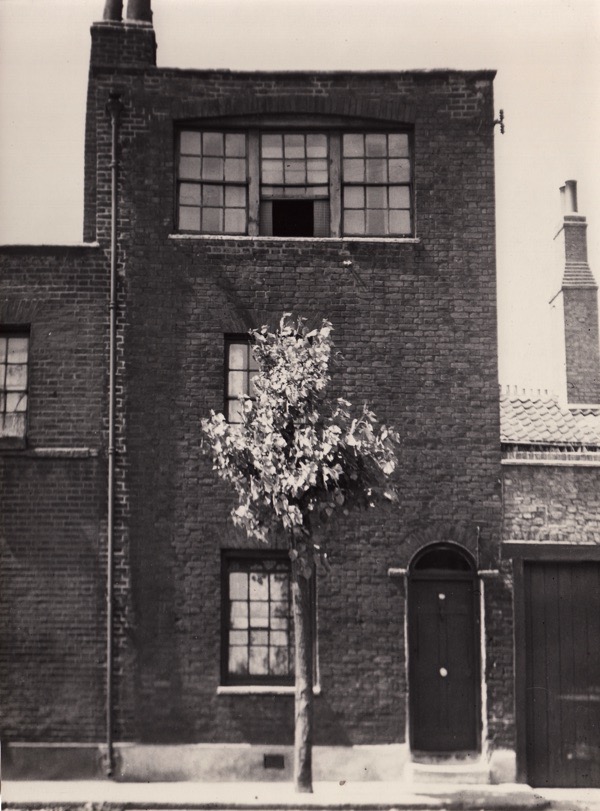
In Buckfast St, Bethnal Green
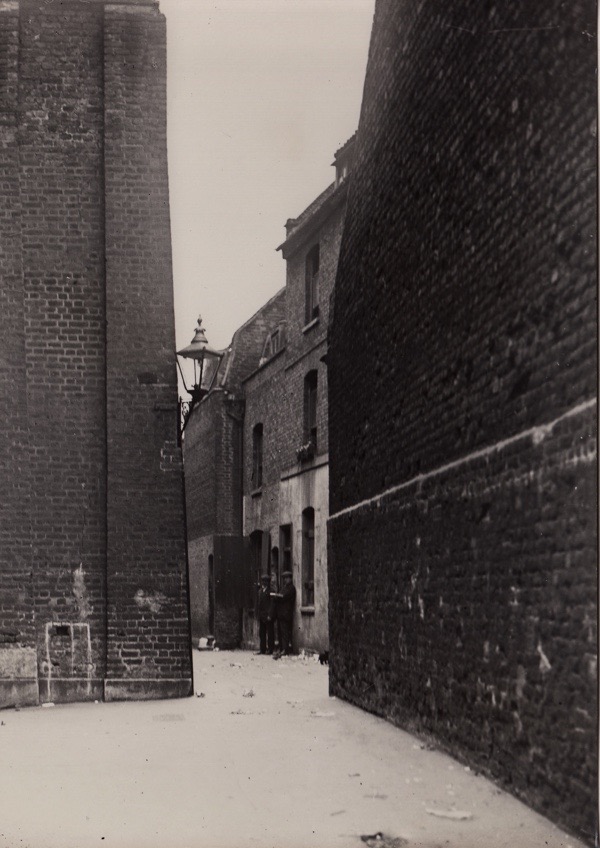
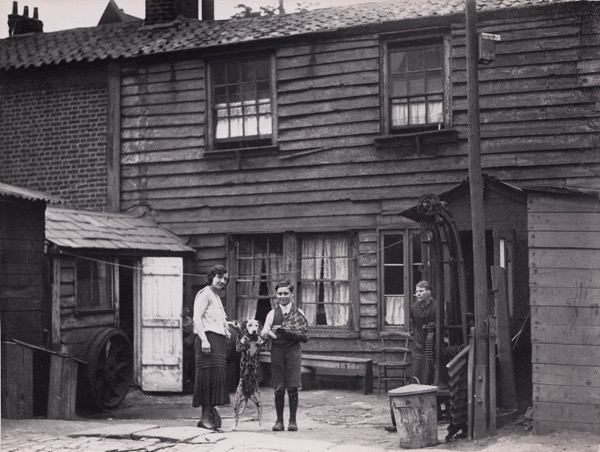
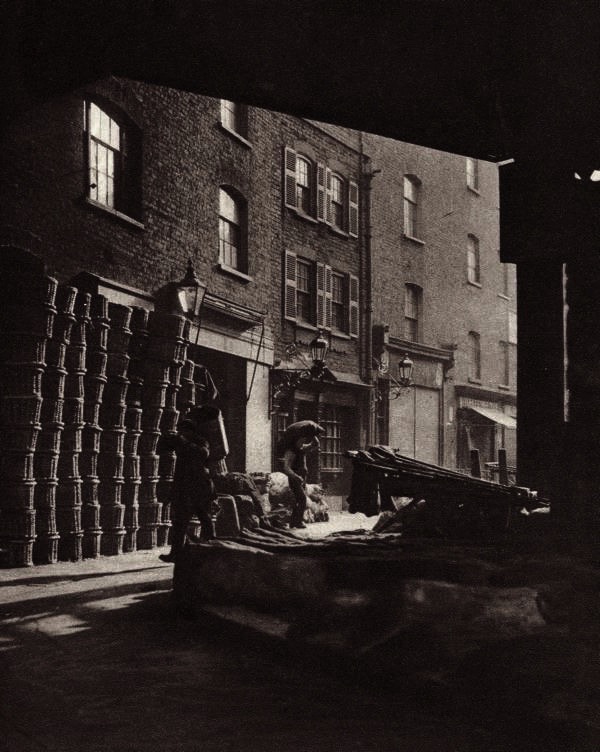
At Borough Market
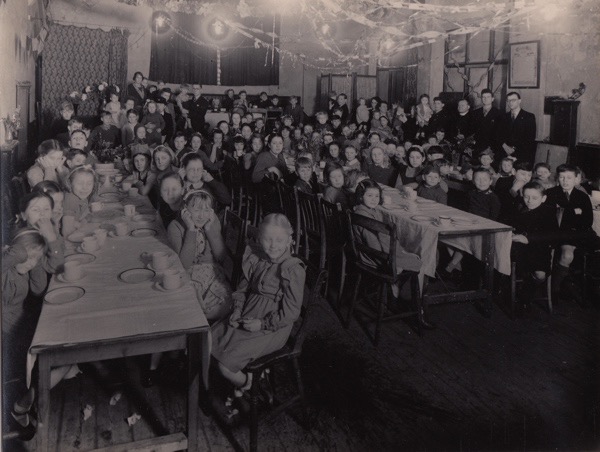

In Lombard St
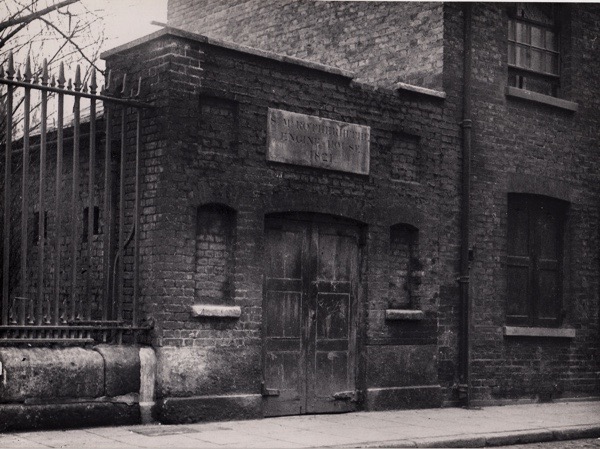
Rotherhithe Watch House
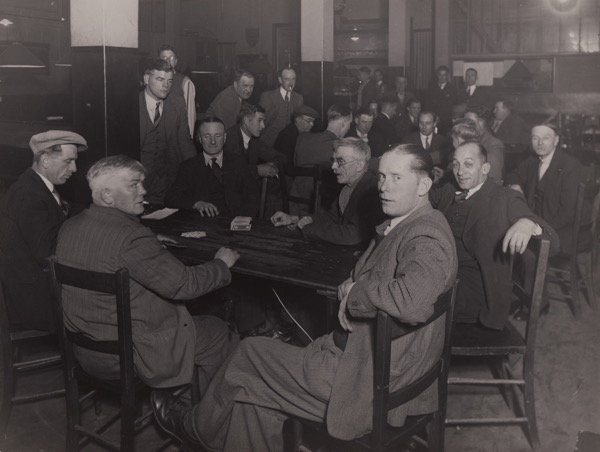
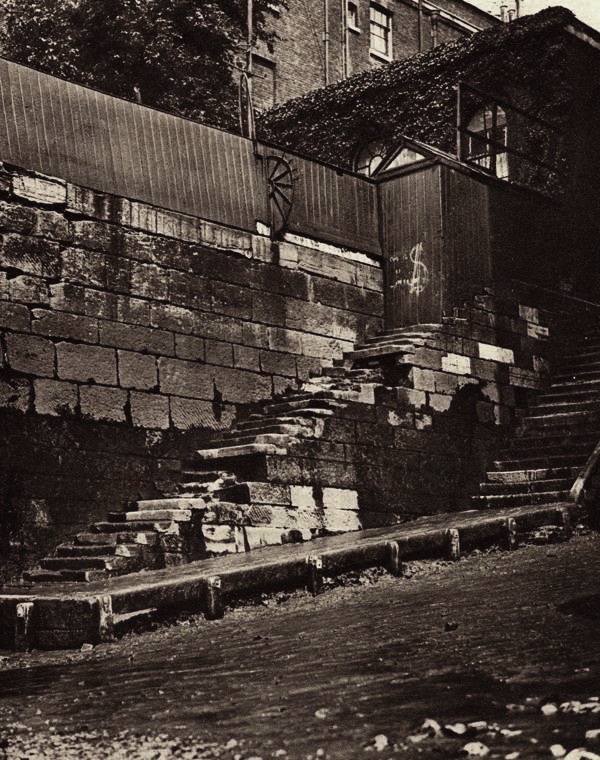
Wapping Old Stairs
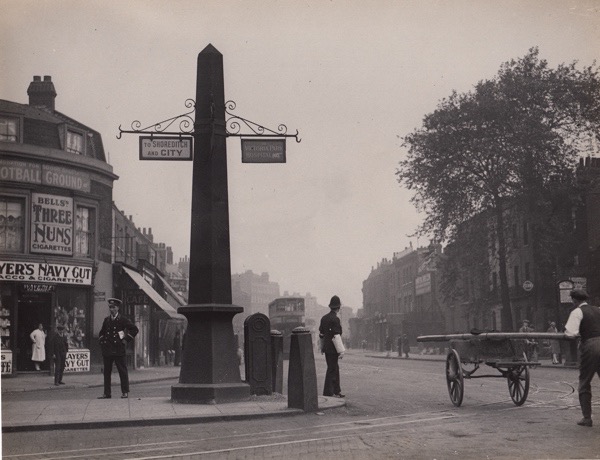
Junction of Cambridge Heath Rd & Hackney Rd
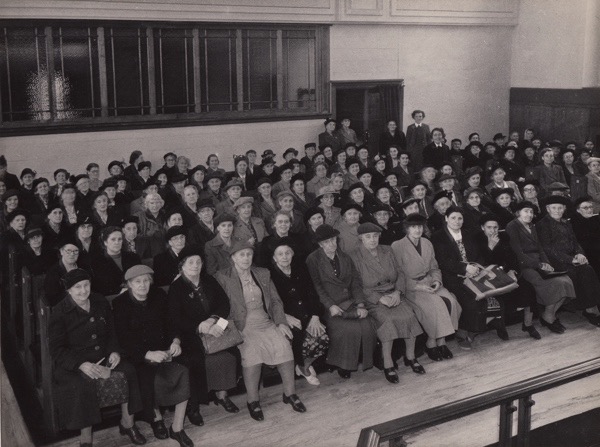
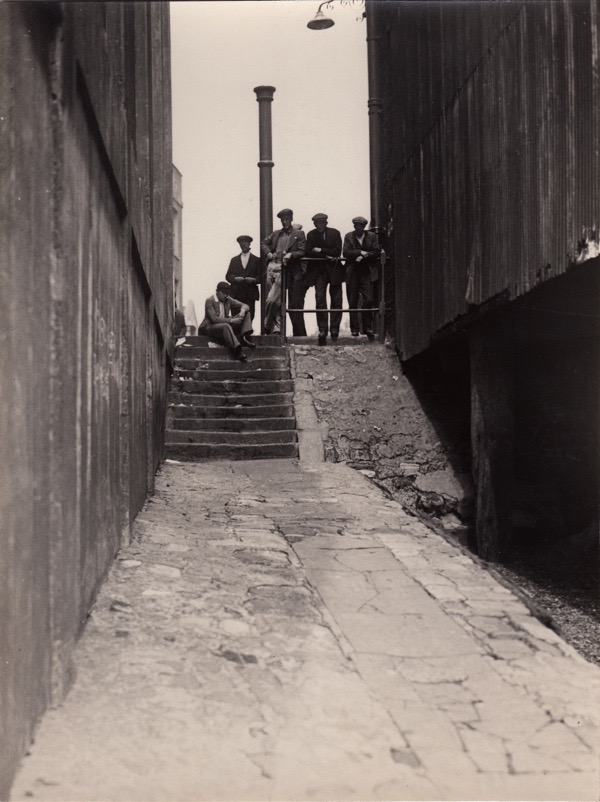
Ratcliff Stairs, Limehouse
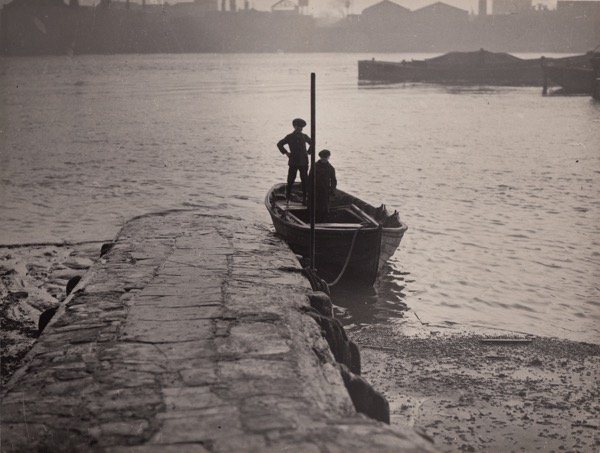
Ratcliff Causeway, Limehouse
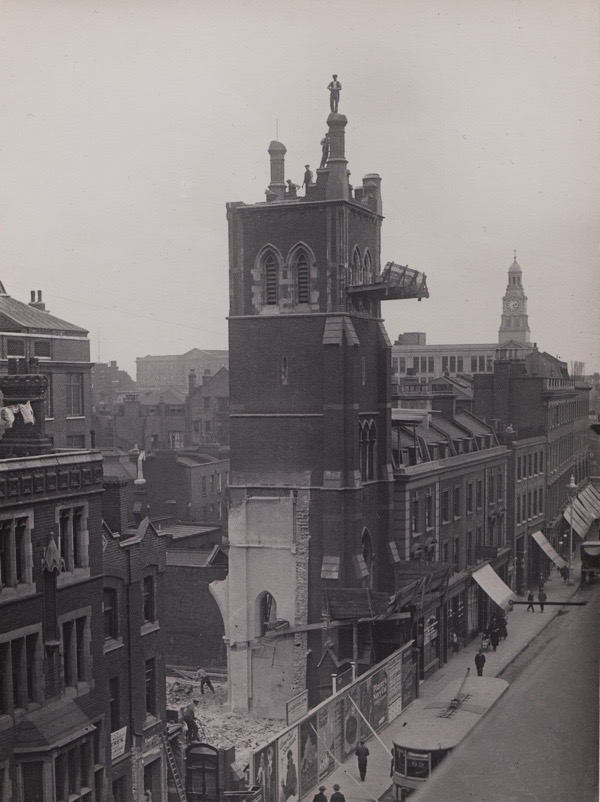
St Jude’s, Commercial St
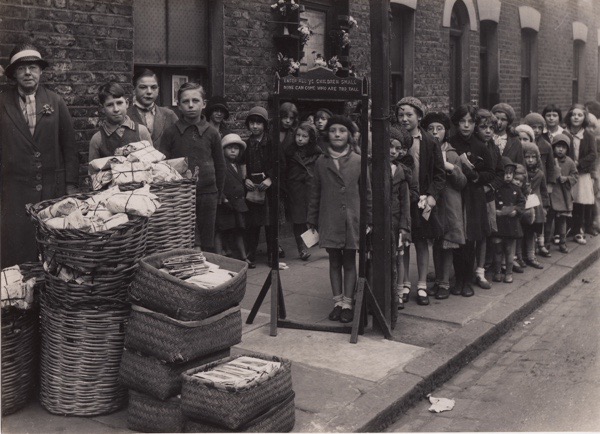
Farthing Bundles at the Fern St Settlement, Bow
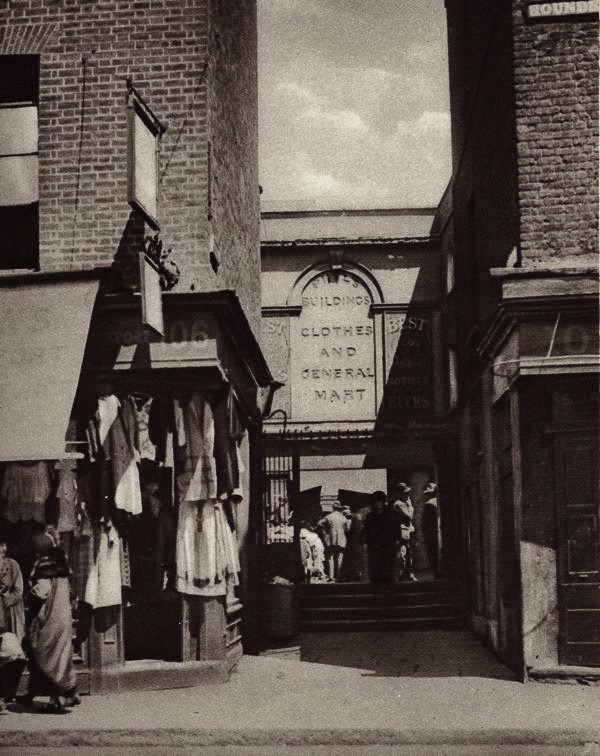
Houndsditch Rag Fair
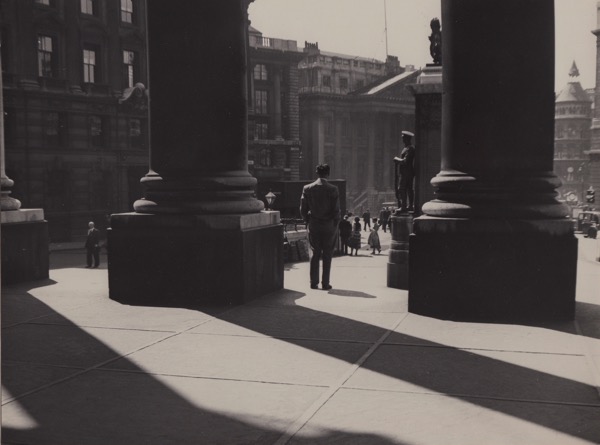
At the Royal Exchange, City of London
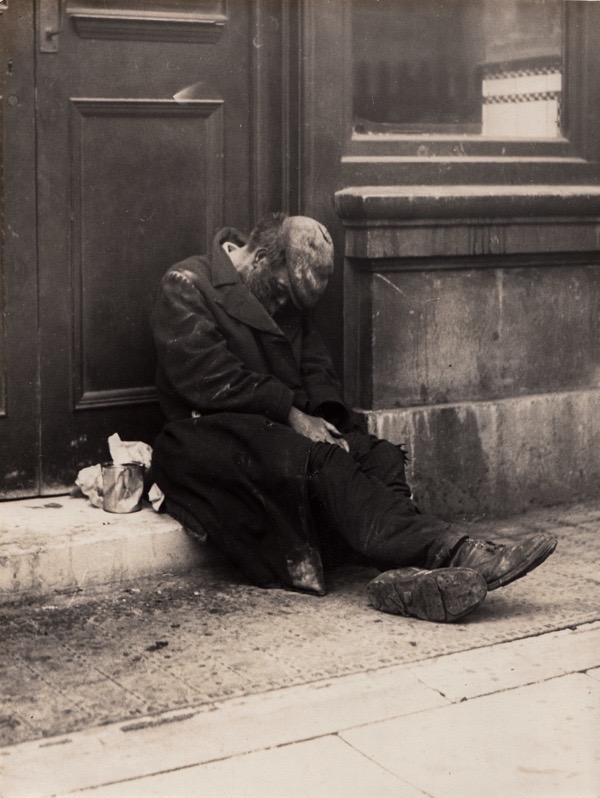
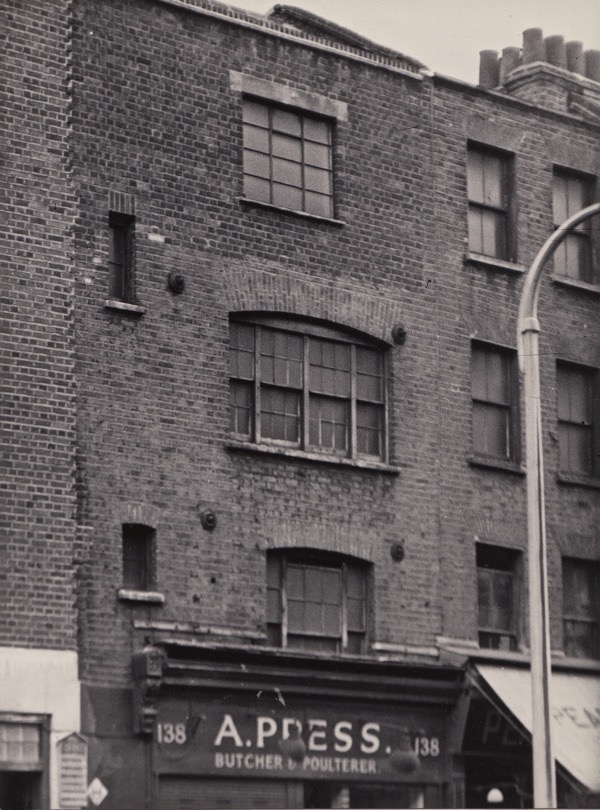
Weavers’ House, Bethnal Green Rd
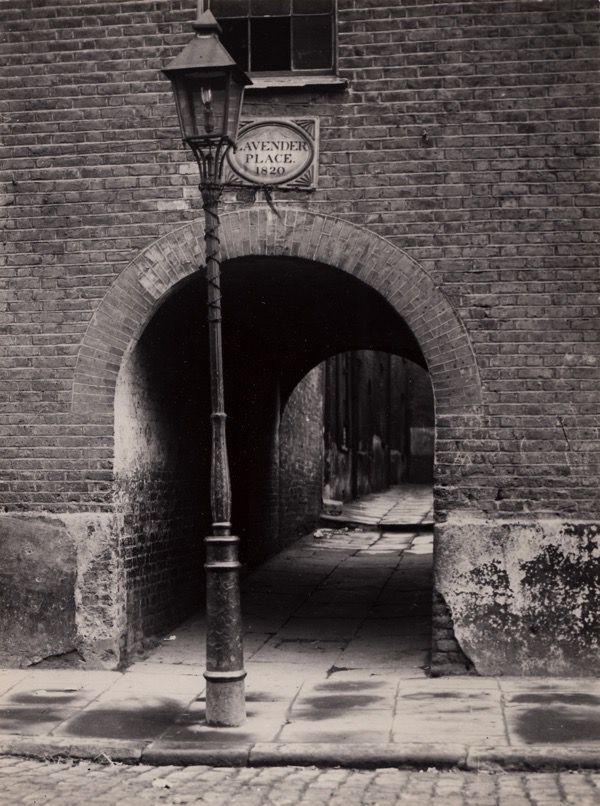
Off Pennington St, Wapping
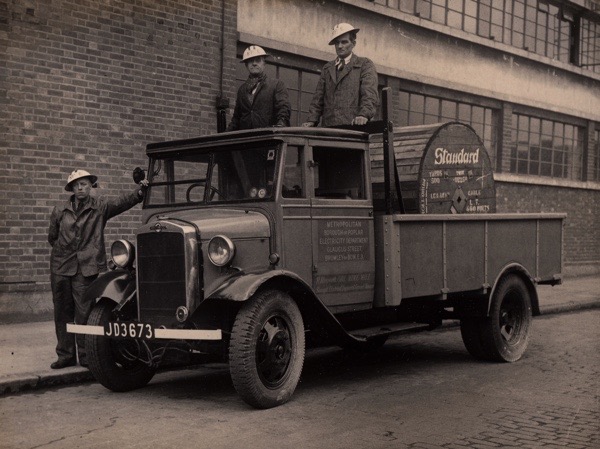
Borough of Poplar Electricity Dept
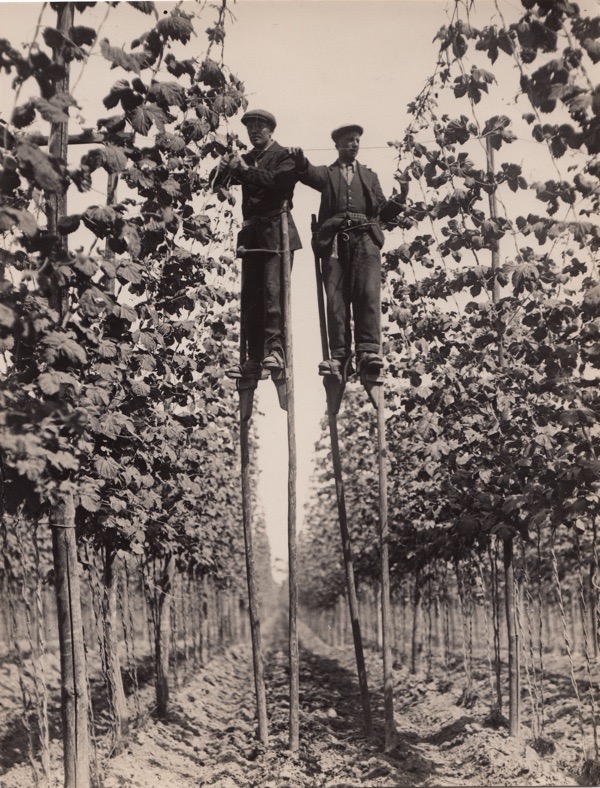
Pruning in the hop gardens of Faversham
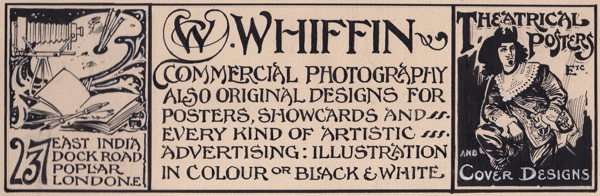
Photographs copyright © Estate of William Whiffin
Hellen Martin & I should be very grateful if readers can identify any of the uncaptioned photographs
You may also like to read about
John Dempsey’s Street Portraits

To celebrate the arrival of spring, all our books are on sale until tonight (Sunday) at midnight and we are including a free copy of THE MAP OF THE GENTLE AUTHOR’S TOUR OF SPITALFIELDS with every order.
CLICK HERE TO VISIT THE SPITALFIELDS LIFE BOOKSHOP
Simply add the code SPRINGSALE at checkout to get 50% discount
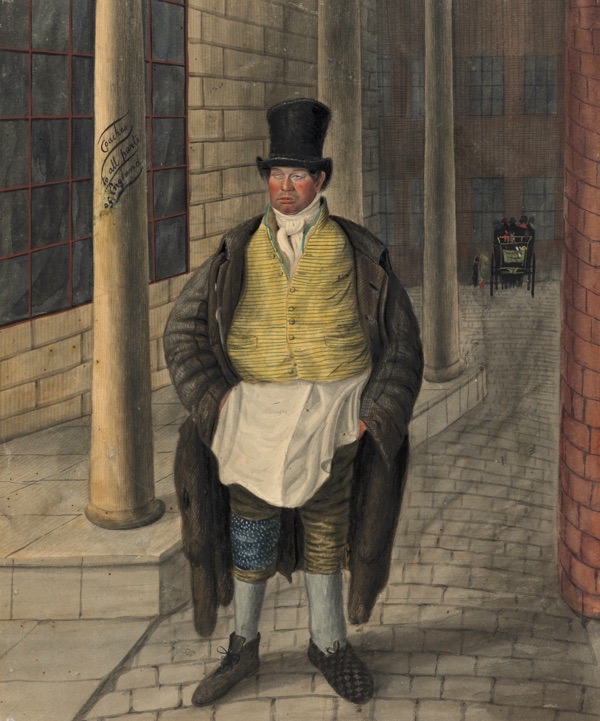
Fifty Years Porter, Charing Cross, 1824
It is my delight to present John Dempsey’s street portraits from the eighteen-twenties held in the collection of the Tasmanian Museum & Art Gallery. Originally attributed to George Scharf, they were identified as the work of John Dempsey (1802-74) by curator David Hansen who discovered a folio of fifty-one portraits in 1996 in a drawer labelled ‘U’ for unknown.
Dempsey was an itinerant jobbing artist without any formal training who created ‘Likenesses of Public Characters’ in London and the provincial cities of England, as he travelled around in search of commissions for portrait miniatures and silhouettes. No record exists of any exhibitions and in 1845, he was declared bankrupt. Yet his achievement is unique and enduring.
In spite of Dempsey’s unconventional perspective and disproportionate figures, he created portraits full of humanity that evoke the presence of street people and the outcast poor with compassion and vitality. These are portraits of individuals and they are full of life. As an itinerant artist in an age that did not distinguish between street traders and beggars, he dignified his fellow travellers through his portraits. He understood their lives because he shared their precarious existence.
When I first saw these pictures, I was startled by how familiar they appeared to me and I assumed this was because I have spent so much time looking at prints of The Cries of London. But then I realised that I recognised the demeanour and expression of John Dempsey’s portraits because I see them, their crew and their kin, every day as I walk around the streets of London two centuries later.
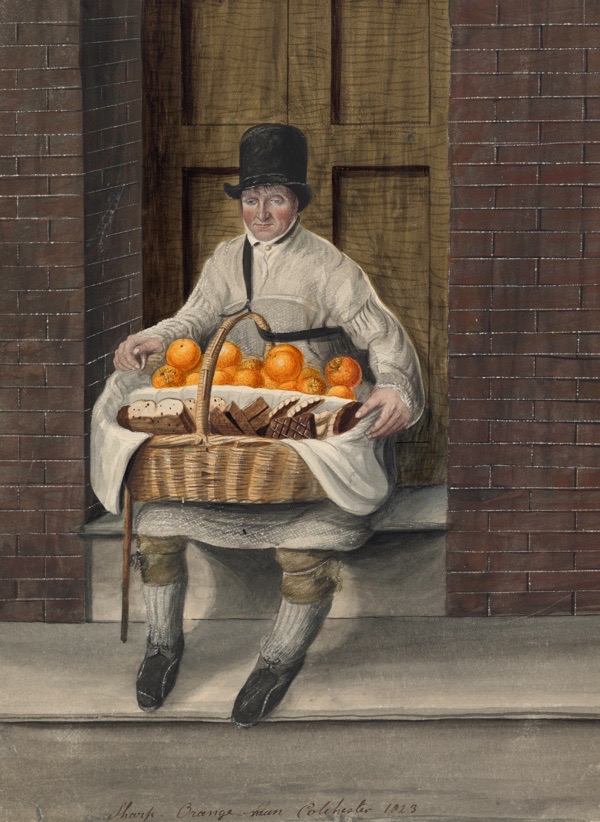
Sharp, Orange Man, Colchester, 1823
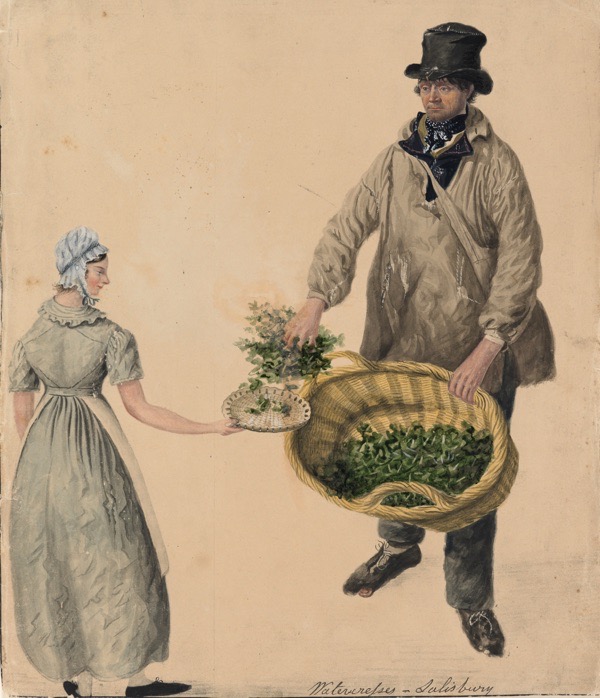
Watercress, Salisbury
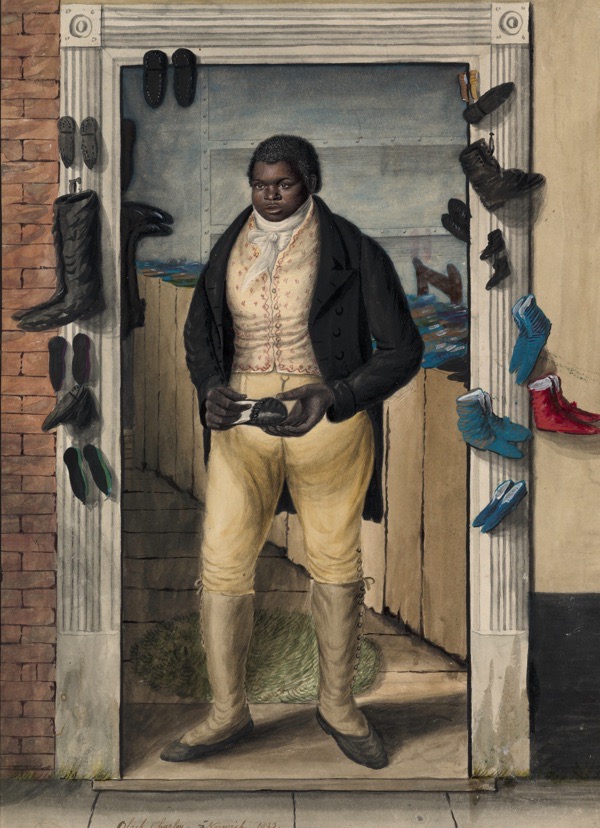
Black Charley, Bootmaker, Norwich, 1823
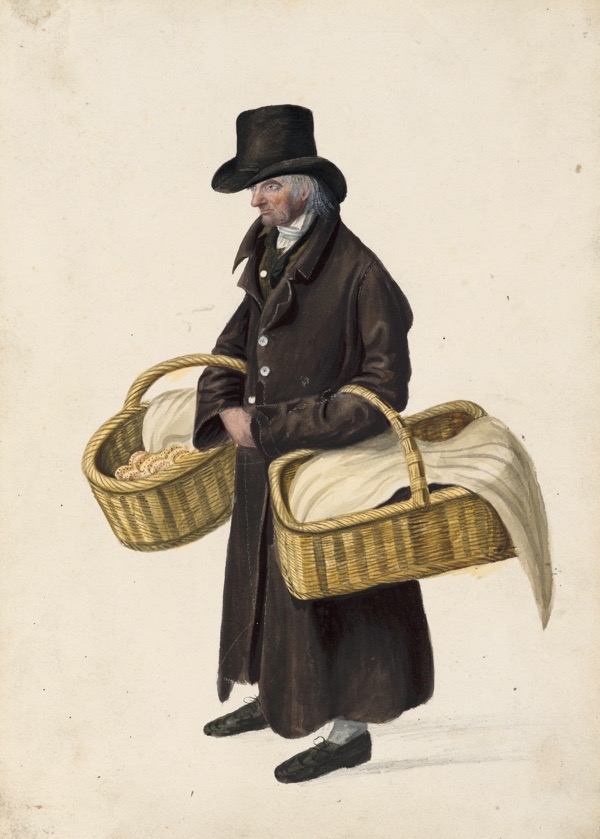
Muffin Man
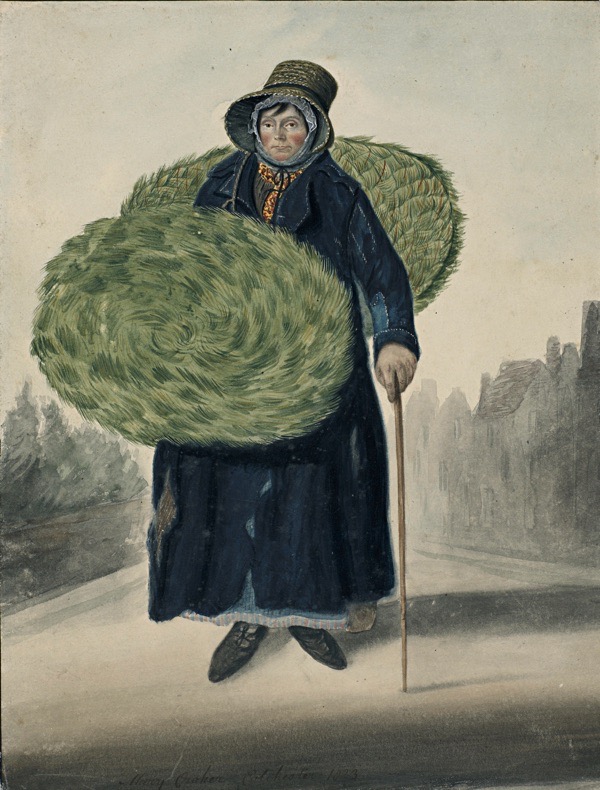
Mary Croker, Mat Woman, Colchester, 1823

Sam’l Hevens, Old Jew, 1824

Charles M’Gee, Crossing Sweeper, London, c 1824

Old Bishop, Pieman, Harwich
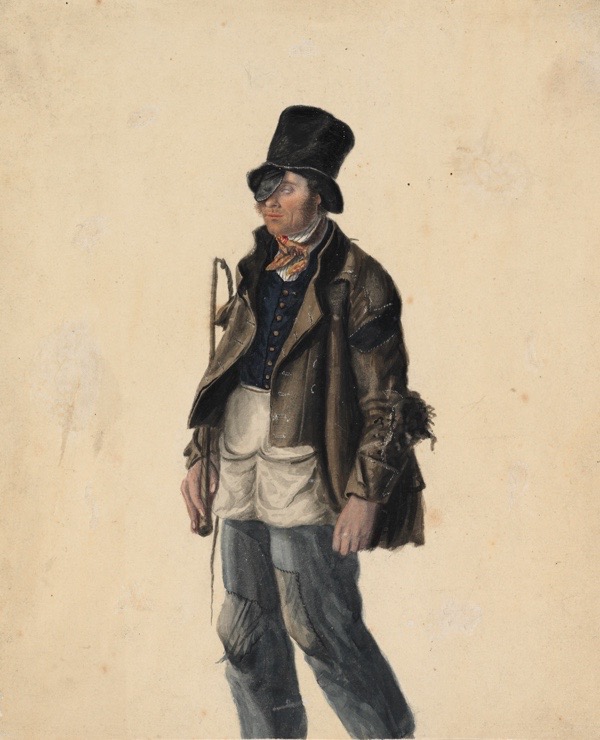
Woolwich, 1824
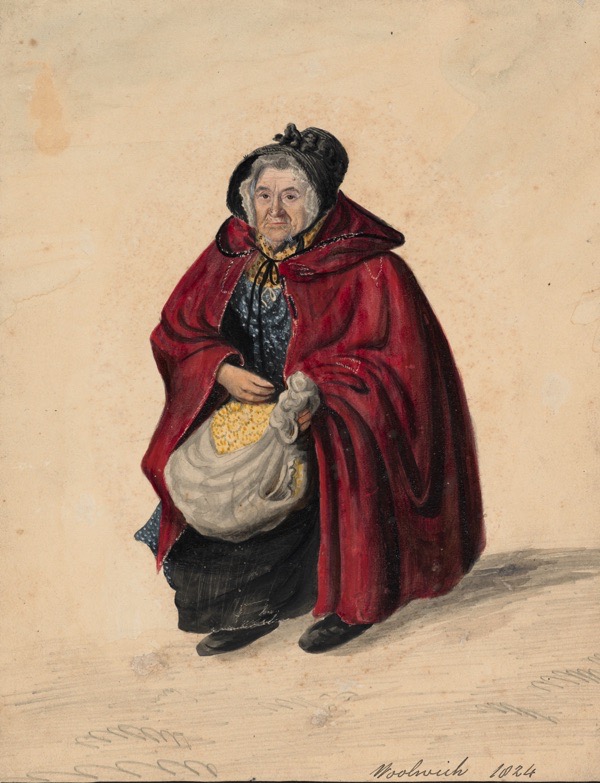
Match Woman, Woolwich, 1824
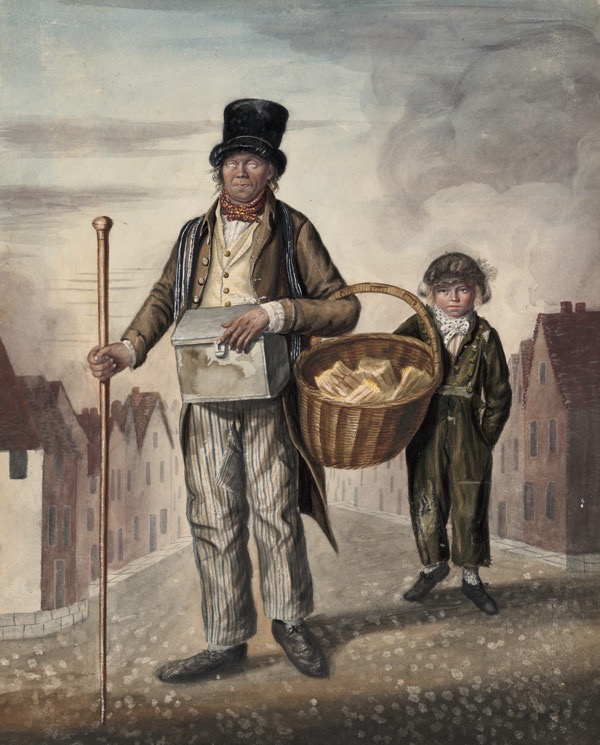
Mark Custings (commonly called Blind Peter) and his boy, Norwich, 1823

Copeman, Gardener, Yarmouth

A Bill Poster, 1825
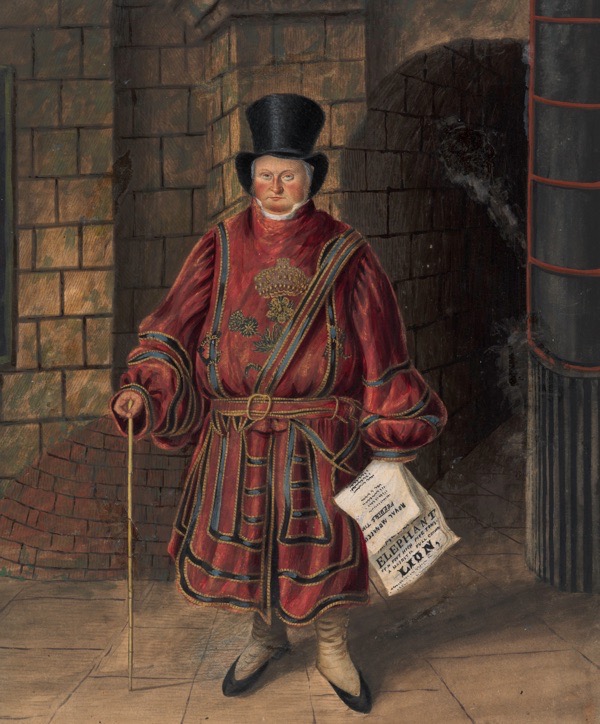
The Doorkeeper, Royal Managerie, Exeter ‘Change, (London) 1824
Images reproduced courtesy of Tasmanian Museum & Art Gallery
You may also like to take a look at












