Nicholas Hawksmoor’s Churches
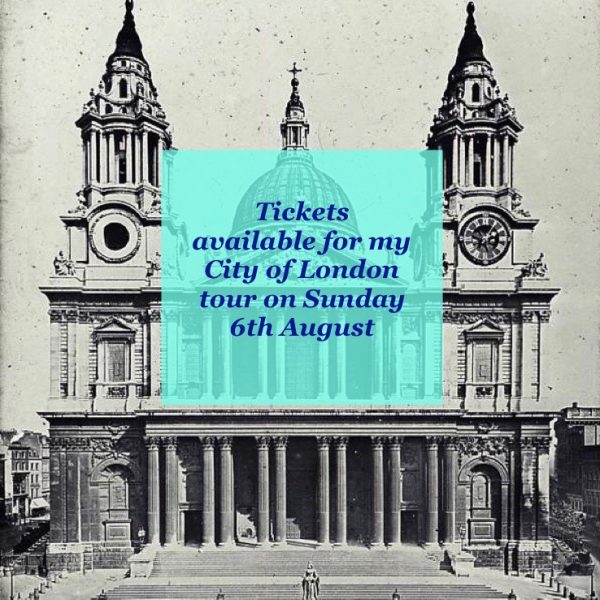
Click here to book for my tours through July, August and September

St George’s, Bloomsbury 1716 – 1731
In 1711 Nicholas Hawksmoor was fifty years old yet, although he had already worked with Christopher Wren on St Paul’s Cathedral and for John Vanbrugh on Castle Howard, the buildings that were to make his name were still to come. In that year, an Act of Parliament created the Commission for Building Fifty New Churches to serve the growing population on the fringes of the expanding city. Only twelve of these churches were ever built, but Nicholas Hawksmoor designed six of them and – miraculously – they have all survived (of the two he designed in collaboration with John James, only St Luke’s, Old St, and St John Horsleydown, only St Lukes still stands), displaying his unique architectural talent to subsequent generations and permitting his reputation to rise as time has passed.
Living in the parish of Christ Church and within easy reach of the other five Hawksmoor churches, I realised that sooner or later I should make a pilgrimage to visit them all. And so, taking advantage of some fleeting spells of sunlight and clear skies in recent days, I set out to the west, the south and to the east from Spitalfields to photograph these curious edifices.
In 1710, the roof of the ancient church of St Alfege in Greenwich collapsed and the parishioners petitioned the Commission to rebuild it and Hawksmoor took this on as the first of his London churches. Exceeding any repair, he remodelled the building entirely, although his design was “improved” and the pilasters added to the exterior by fellow architect Thomas Archer, compromising the clean geometric lines that characterise Hawksmoor’s other churches. His vision was further undermined when the Commission refused to fund replacing the medieval tower with an octagonal lantern as he wished, so he retained the motif, employing it at St George-in-the-East a few years later. Latterly, the tower of St Alfege was refaced and reworked by Hawksmoor’s collaborator John James in 1730. Yet in spite of the different hands at work, the structure presents a satisfyingly harmonious continuity of design today, even if the signature of Hawksmoor is less visible than in his other churches.
Before Hawksmoor’s involvement with St Alfege was complete in 1716, he had already begun designs for St George-in-the-East, St Anne’s Limehouse and Christ Church Spitalfields. In each case, he was constructing new churches without any limitation of pre-existing structures or the meddling hands of other architects. These three churches share many characteristics, of arched doorways counterpointed by arched and circular windows, and towers that ascend telescopically, in graduated steps, resolving into a spire at Christ Church, a lantern at St George-in-the-East and a square tower at St Anne’s. This is an energetic forceful mode of architecture, expressed in bold geometric shapes that could easily become overbearing if the different elements of the design were not balanced within the structure, but the success of these churches is that they are always proportionate to themselves. While the outcome of Hawksmoor’s architecture is that they are awe-inspiring buildings to approach, cutting anyone down to size, conversely they grant an increased sense of power to those stepping from the door. These are churches designed to make you feel small when you go in and big when you come out.
In 1716, Hawksmoor began work on what were to be the last two of his solo designs for churches, St Mary Woolnoth and St George’s, Bloomsbury. Moving beyond the vocabulary of his three East End churches, he took both of these designs in equally ambitious but entirely different and original directions. St Mary Woolnoth in the City of London was constructed upon a restricted site and is the smallest of Hawksmoor’s churches, yet the limitation of space resulted in an intense sombre design, as if the energy of his larger buildings were compressed and it is a dynamic structure held in tense equilibrium, like a coiled spring or a bellows camera held shut.
St George’s Bloomsbury was the last of Hawksmoor’s churches and his most eccentric, completed in 1731 when he was seventy as the culmination of twenty extraordinarily creative years. Working again upon a constricted site, he contrived a building with a portico based upon the Temple of Bacchus in Baalbek and a stepped tower based upon the Mausoleum at Halicarnassus which he adorned with a statue of George I upon the top, flanked by the lion and unicorn to celebrate the recent defeat of the Jacobites. Undertaken with such confidence and panache, Hawksmoor’s design is almost convincing and the enclosed location spares exposure, permitting the viewer to see only ever a portion of the building from any of the available angles.
The brooding presence of Hawksmoor’s churches has inspired all manner of mythologies woven around the man and his edifices. Yet the true paradox of Hawksmoor’s work stems from the fact that while he worked in the Classical style, he could never afford the opportunity to undertake the Grand Tour and see the works of the Renaissance masters and ruins of antiquity for himself. Thus, he fashioned his own English interpretation which was an expression of a Gothic imagination working in the language of Classical architecture. It is this curious disconnection that makes his architecture so fascinating and gives it such power. Nicholas Hawksmoor was incapable of the cool emotional restraint implicit in Classicism, he imbued it with a ferocity that was the quintessence of English Baroque.
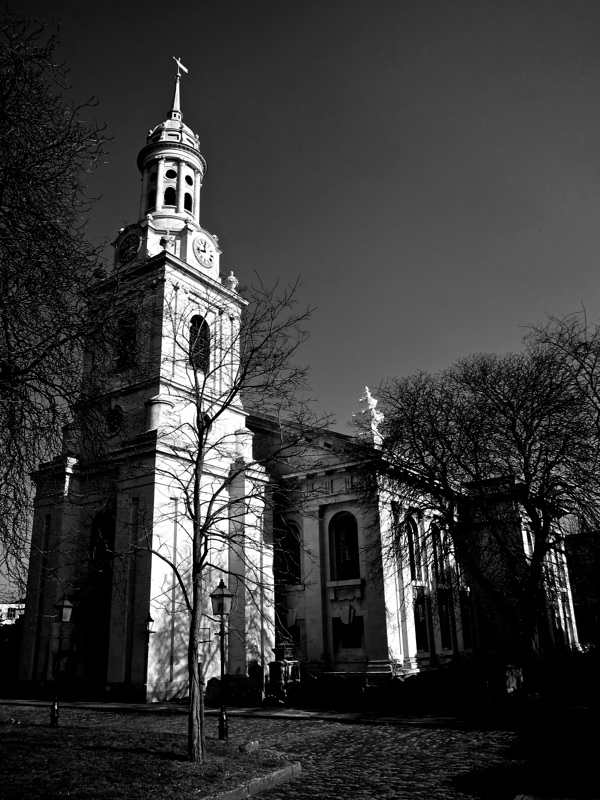
St Alfege, Greenwich 1712-16

St Mary Woolnoth, Bank 1716-24
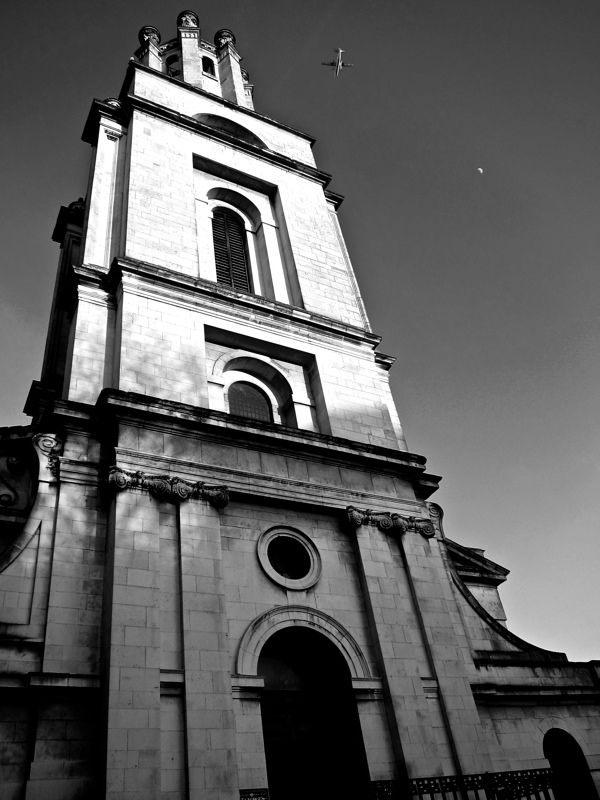
St George-in-the-East, Wapping 1714-1729

St Anne’s, Limehouse 1714-1730

Christ Church, Spitalfields 1714-1729
You may also like to take a look at
John Dempsey’s Portraits
Click here to book for my tours through July, August and September
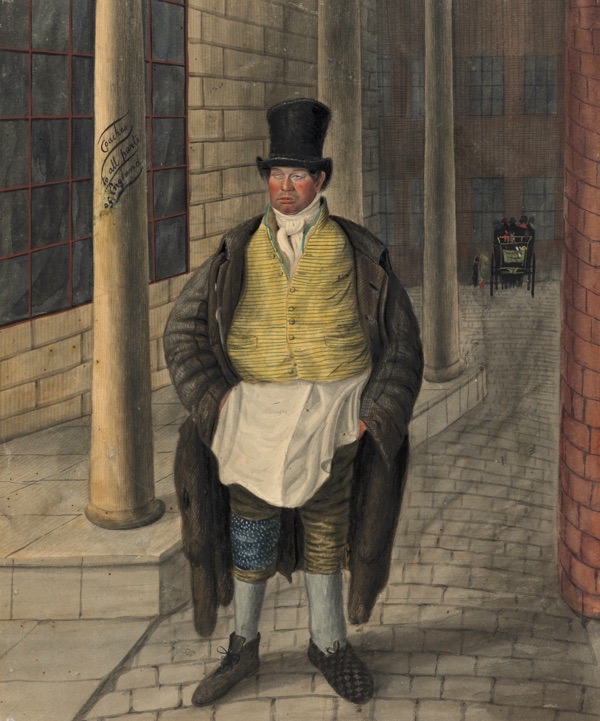
Fifty Years Porter, Charing Cross, 1824
It is my delight to present John Dempsey’s street portraits from the eighteen-twenties held in the collection of the Tasmanian Museum & Art Gallery. Originally attributed to George Scharf, they were identified as the work of John Dempsey (1802-74) by curator David Hansen who discovered a folio of fifty-one portraits in 1996 in a drawer labelled ‘U’ for unknown.
Dempsey was an itinerant jobbing artist without any formal training who created ‘Likenesses of Public Characters’ in London and the provincial cities of England, as he travelled around in search of commissions for portrait miniatures and silhouettes. No record exists of any exhibitions and in 1845, he was declared bankrupt. Yet his achievement is unique and enduring.
In spite of Dempsey’s unconventional perspective and disproportionate figures, he created portraits full of humanity that evoke the presence of street people and the outcast poor with compassion and vitality. These are portraits of individuals and they are full of life. As an itinerant artist in an age that did not distinguish between street traders and beggars, he dignified his fellow travellers through his portraits. He understood their lives because he shared their precarious existence.
When I first saw these pictures, I was startled by how familiar they appeared to me and I assumed this was because I have spent so much time looking at prints of The Cries of London. But then I realised that I recognised the demeanour and expression of John Dempsey’s portraits because I see them, their crew and their kin, every day as I walk around the streets of London two centuries later.
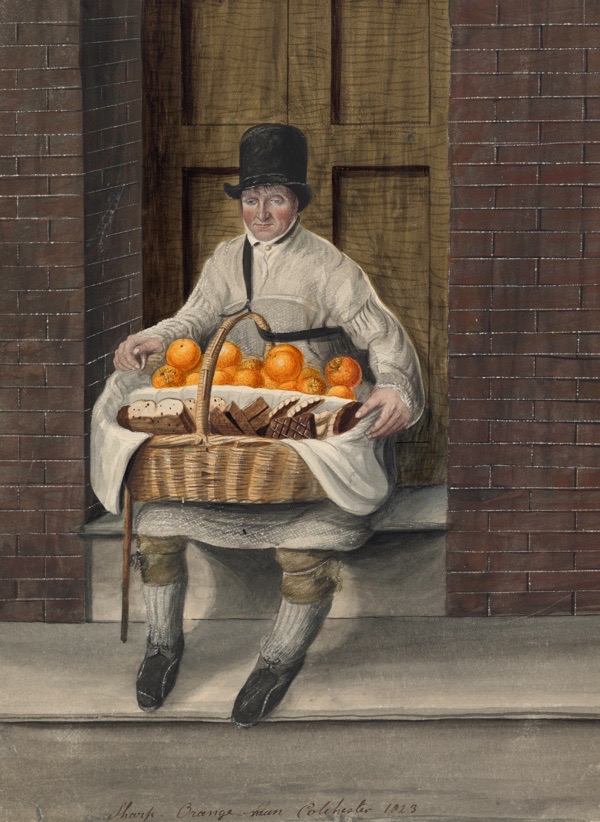
Sharp, Orange Man, Colchester, 1823
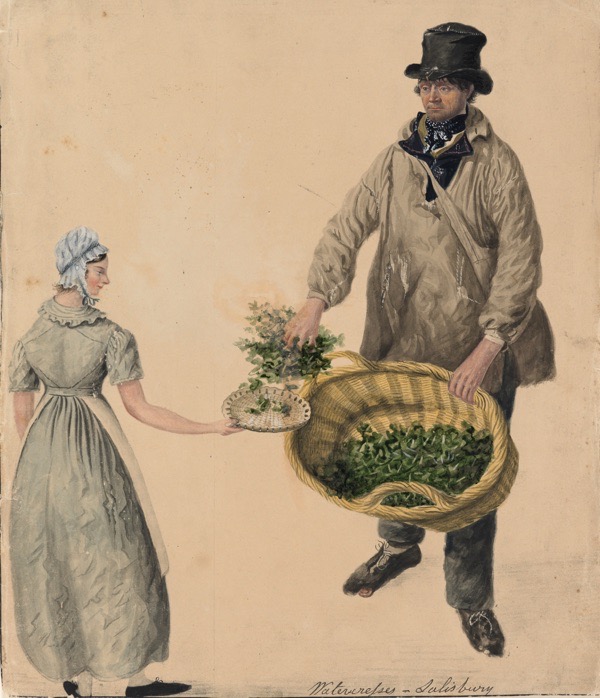
Watercress, Salisbury
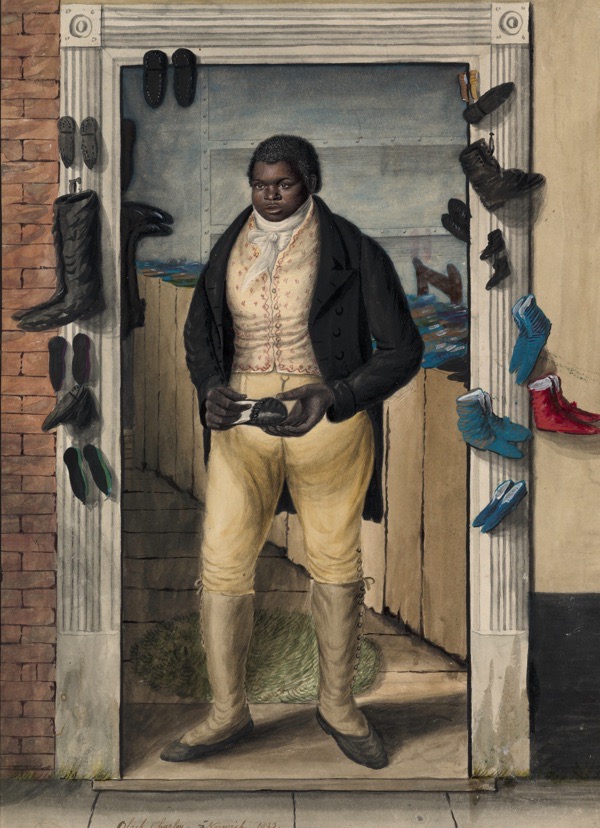
Black Charley, Bootmaker, Norwich, 1823
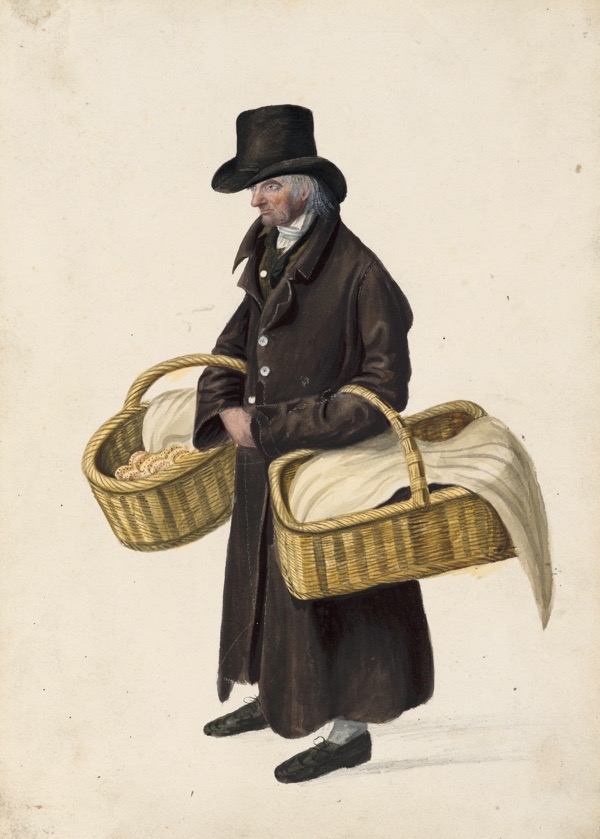
Muffin Man
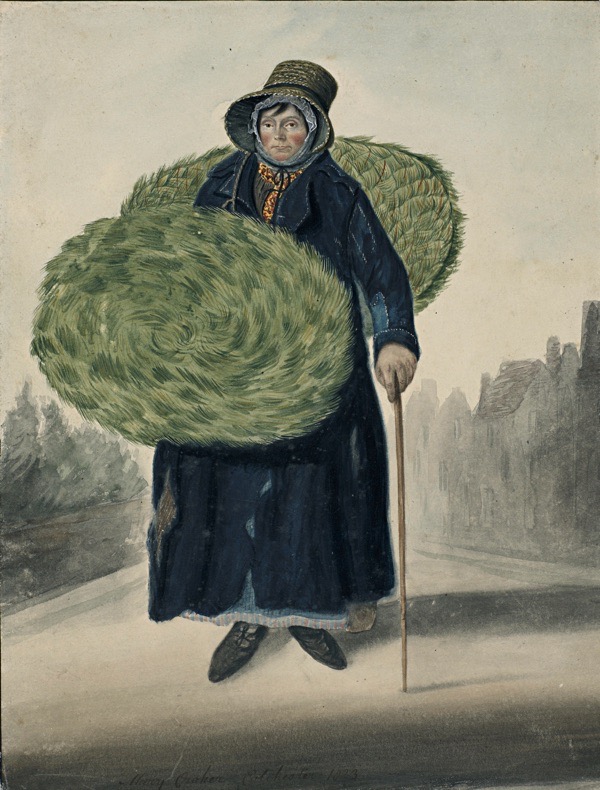
Mary Croker, Mat Woman, Colchester, 1823

Sam’l Hevens, Old Jew, 1824

Charles M’Gee, Crossing Sweeper, London, c 1824

Old Bishop, Pieman, Harwich
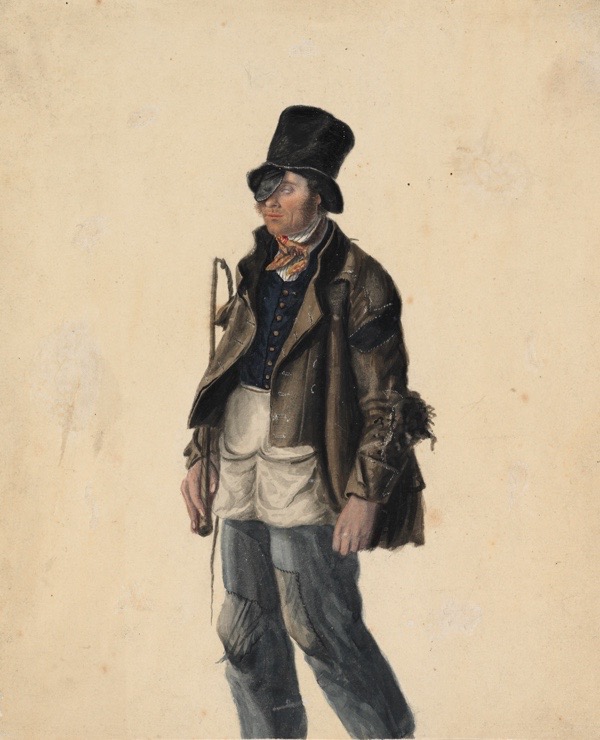
Woolwich, 1824
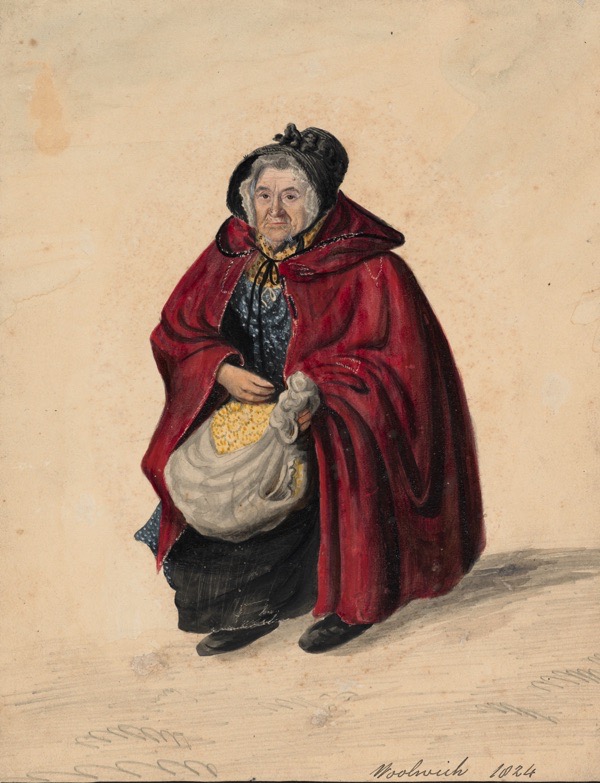
Match Woman, Woolwich, 1824
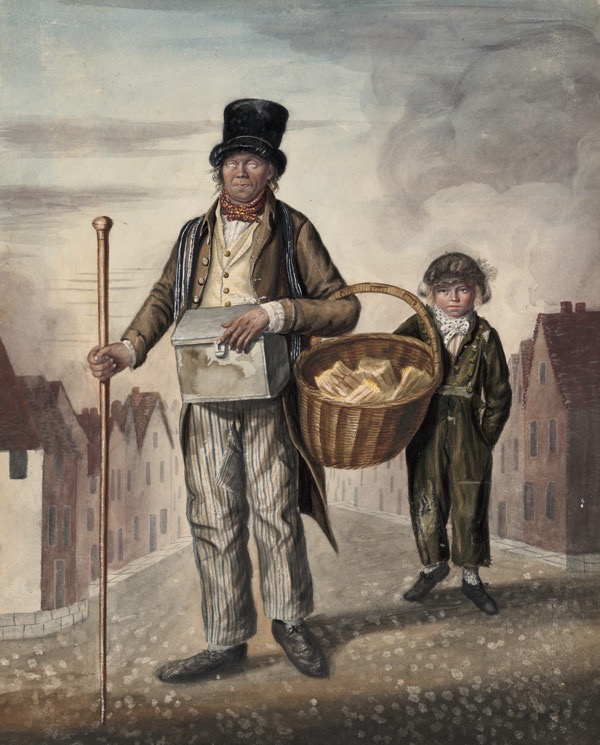
Mark Custings (commonly called Blind Peter) and his boy, Norwich, 1823

Copeman, Gardener, Yarmouth

A Bill Poster, 1825
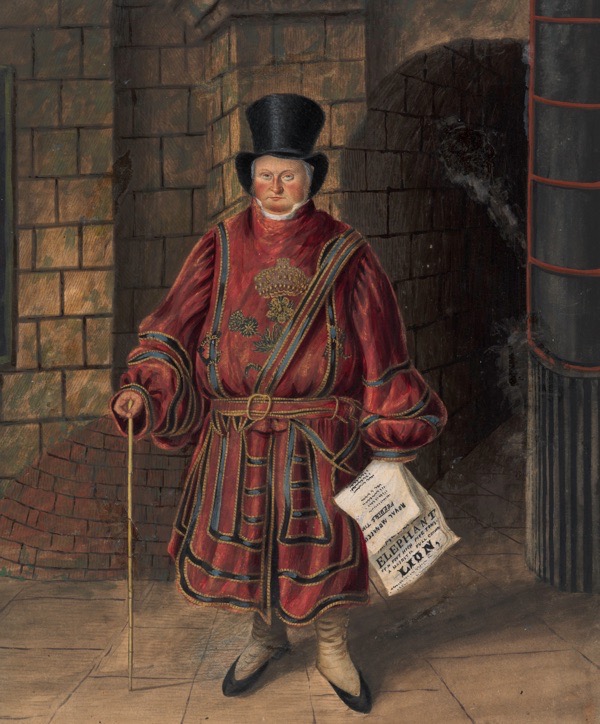
The Doorkeeper, Royal Managerie, Exeter ‘Change, (London) 1824
Images reproduced courtesy of Tasmanian Museum & Art Gallery
You may also like to take a look at
Alan Stapleton’s Alleys, Byways & Courts
Click here to book for tours through July, August and September
In the archive at the Bishopsgate Institute, I had the good fortune to come across a copy of Alan Stapleton’s London’s Alleys, Byways & Courts, 1923. A title guaranteed to send anyone as susceptible as myself meandering through the capital’s forgotten thoroughfares, yet the great discovery is how many of these have survived in recognisable form today. Clearly a kindred spirit, Stapleton prefaces his work with the following quote from Dr Johnson (who lived in a square at the end of an alley) – ‘If you wish to have a notion of the magnitude of this great city, you must not be satisfied with seeing its great streets and squares, but survey its innumerable little lanes and courts.’
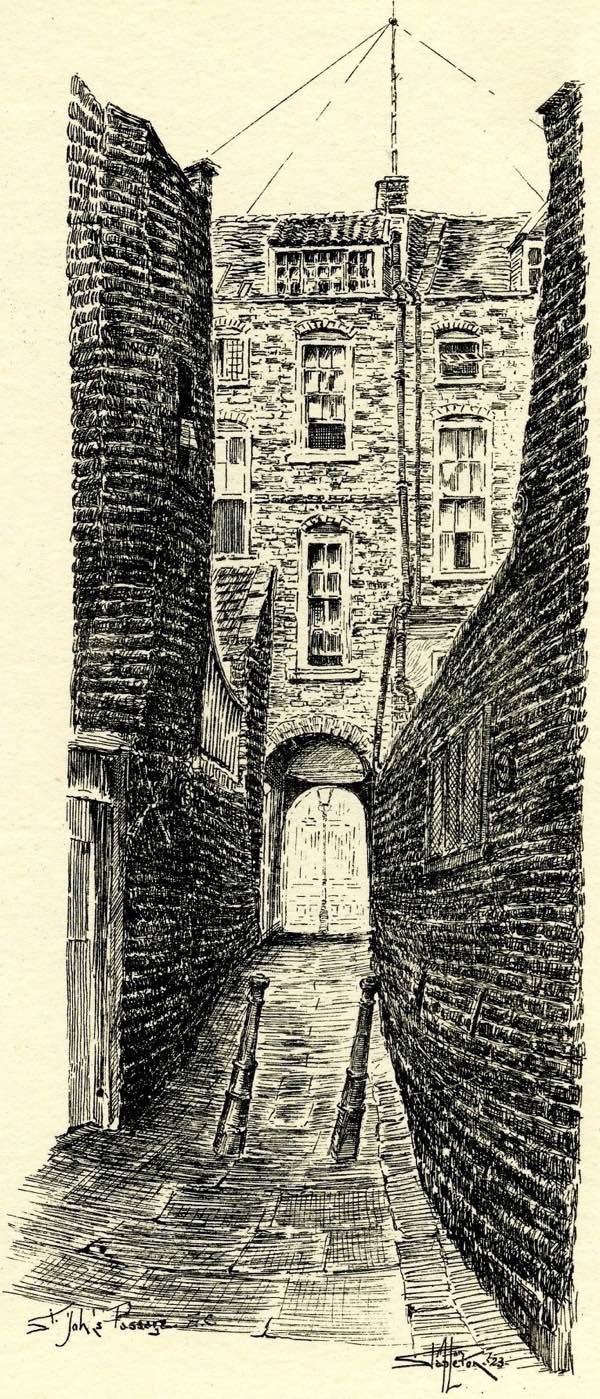
St John’s Passage, EC1
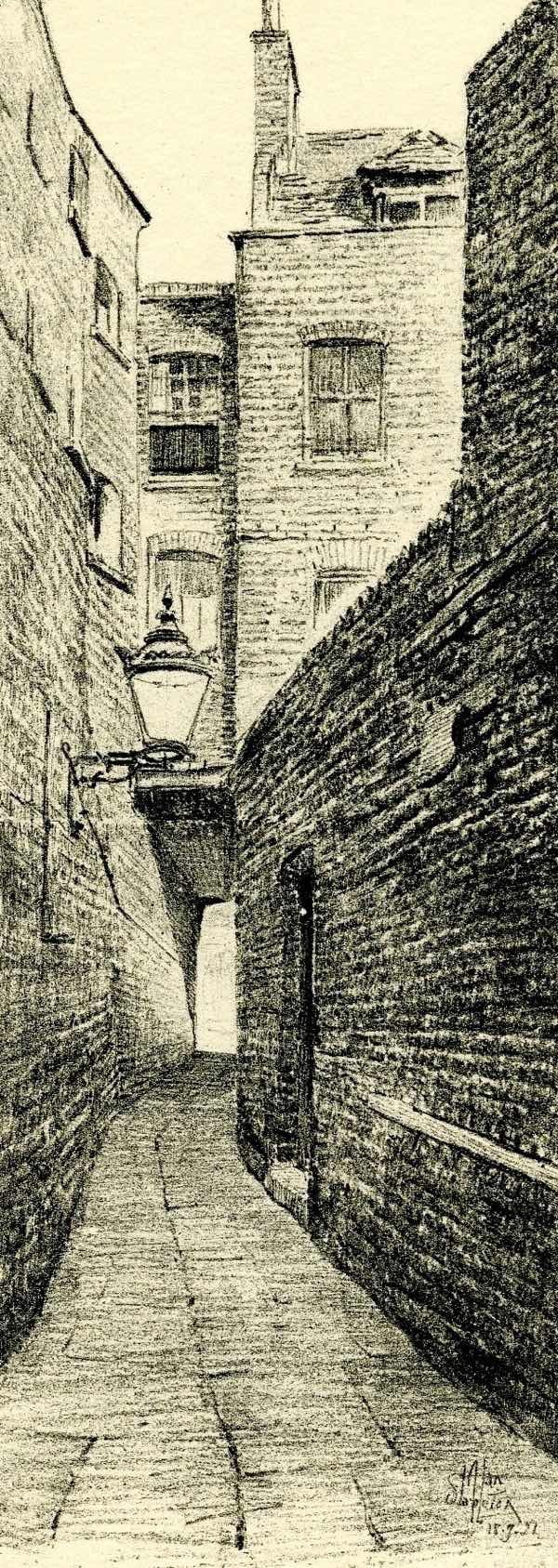
Passing Alley, EC1
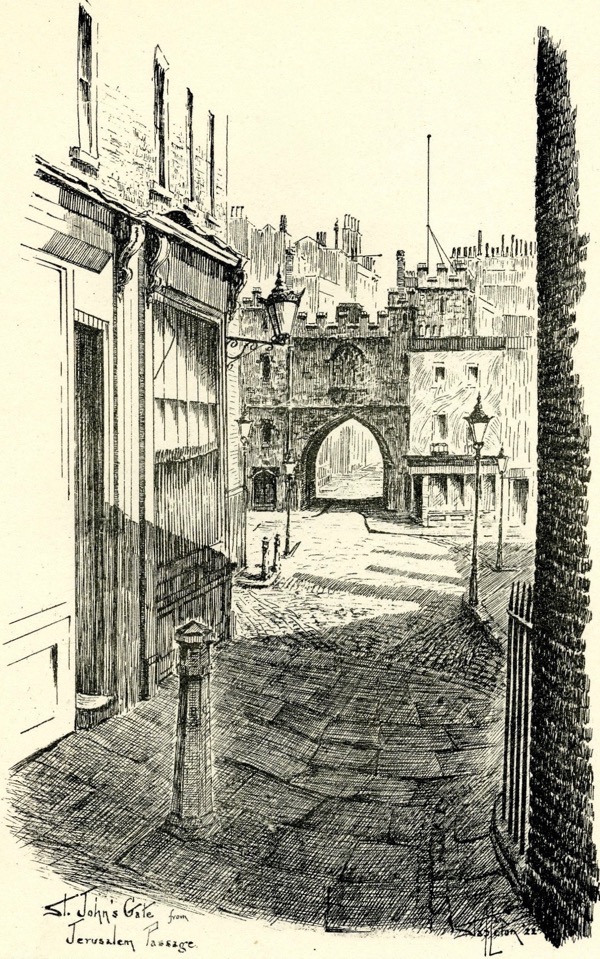
St John’s Gate from Jerusalem Passage, EC1
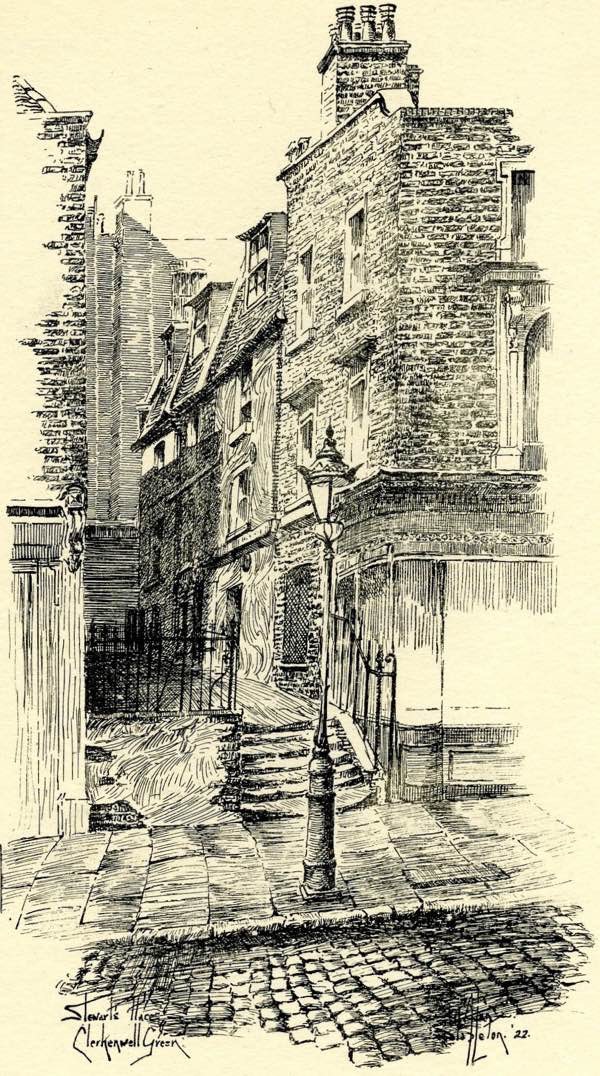
Stewart’s Place, Clerkenwell Green, EC1
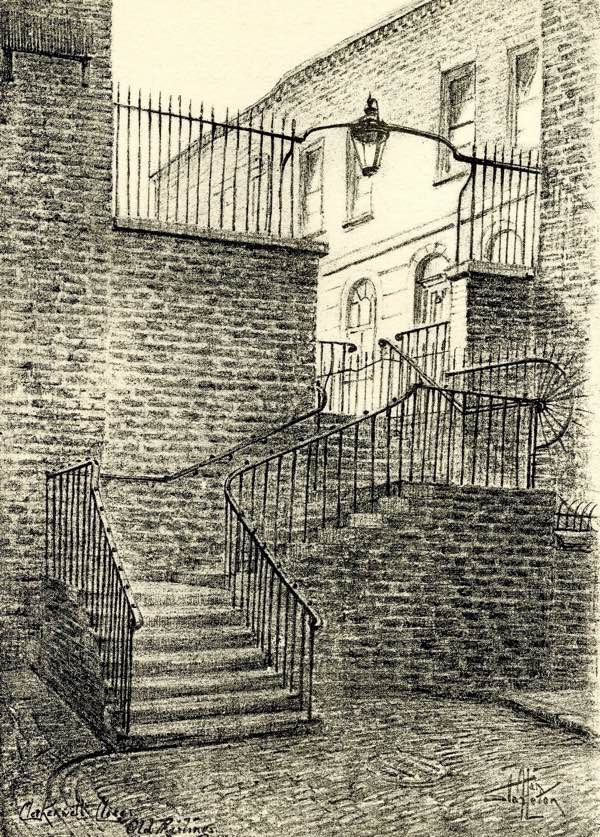
Clerkenwell Close, EC1
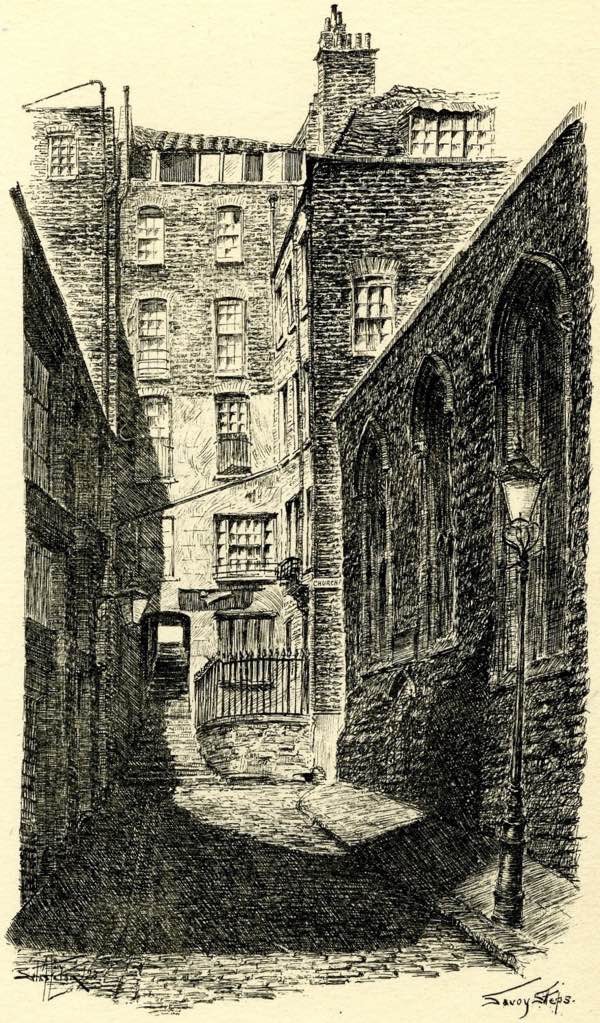
Savoy Steps, Strand, WC2
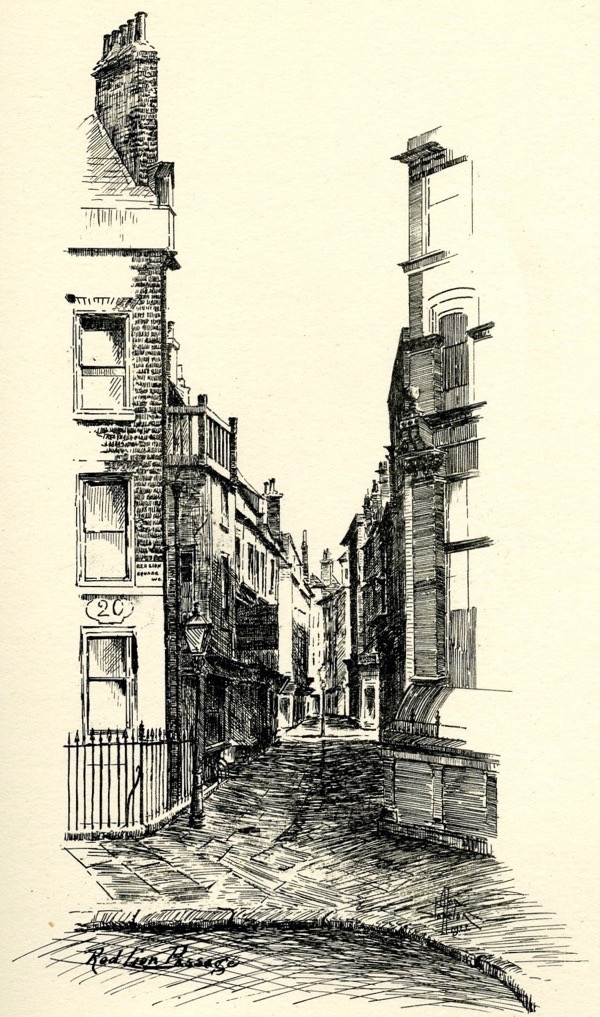
Red Lion Passage, Red Lion Sq, WC1
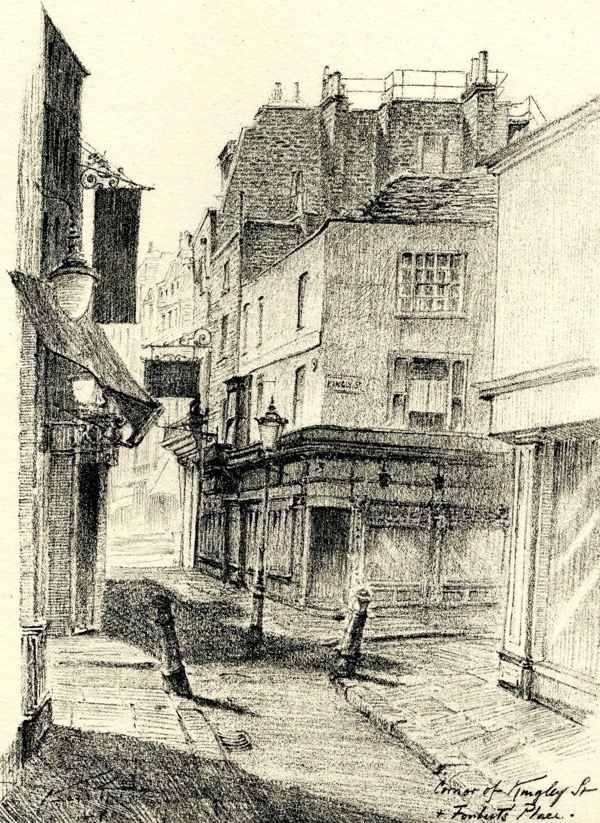
Corner of Kingley St & Foubert’s Place, W1
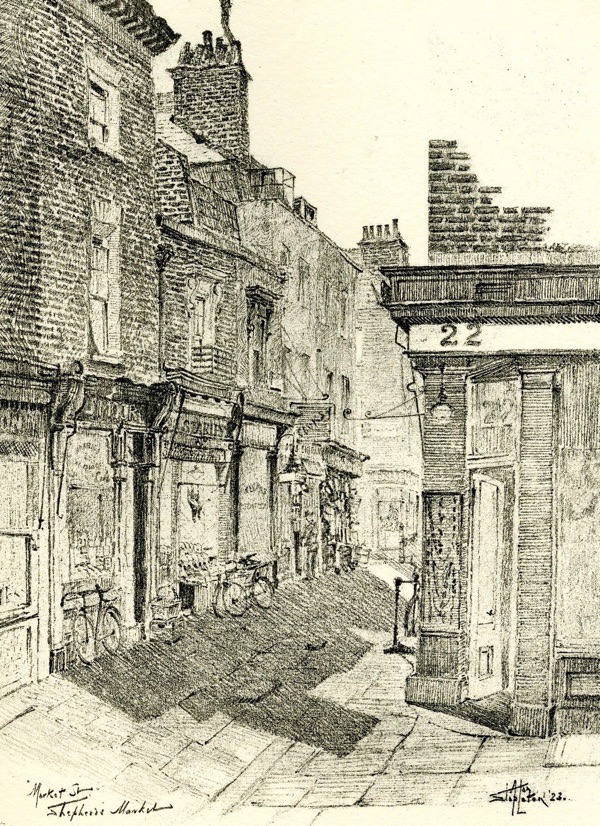
Market St, Shepherd Market, W1
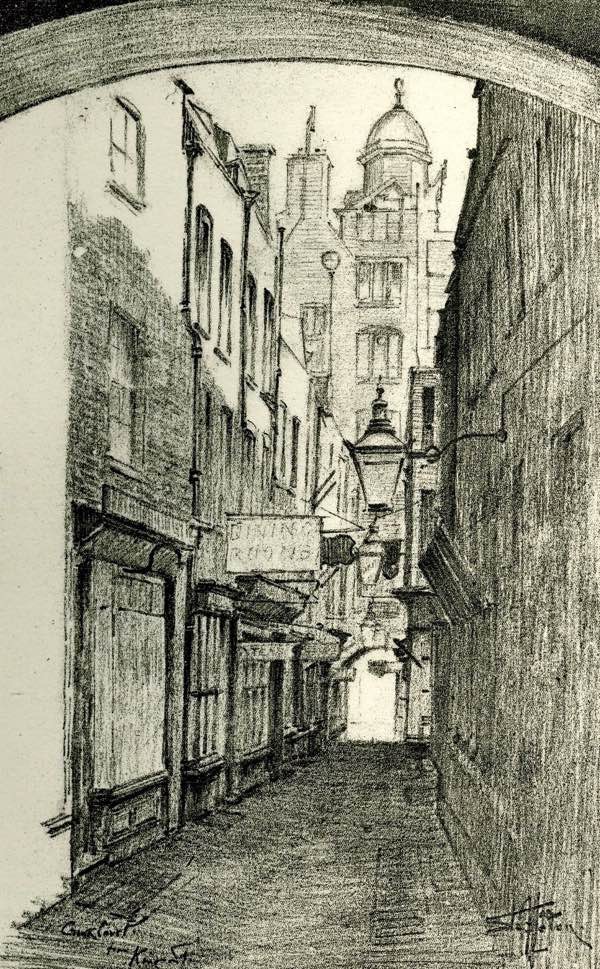
Crown Court, Pall Mall, SW1
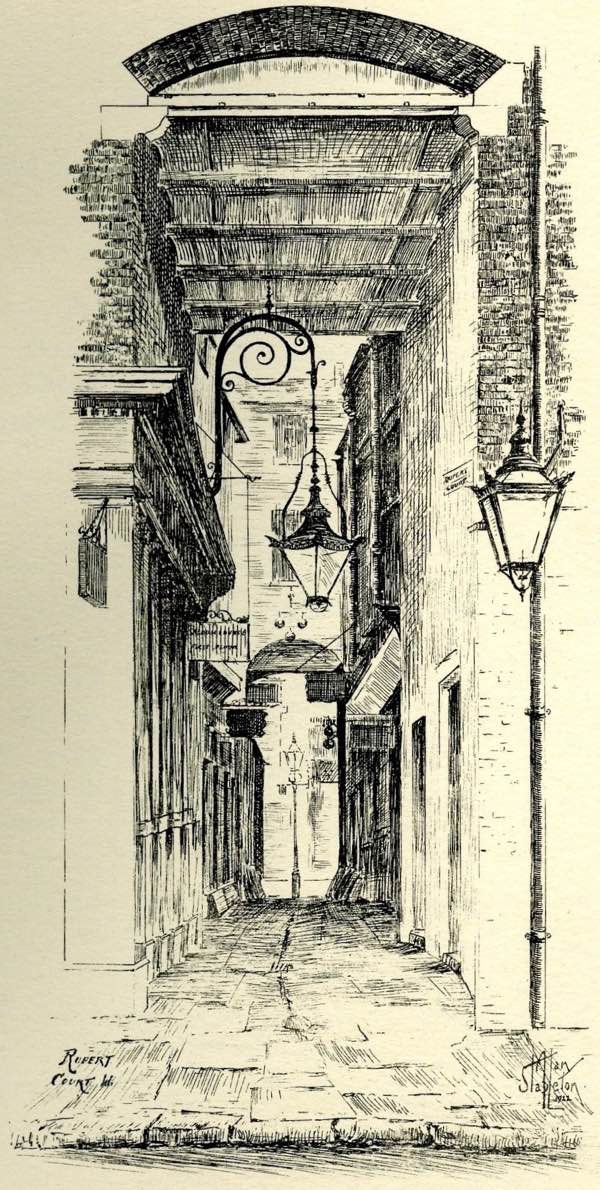
Rupert Court, W1
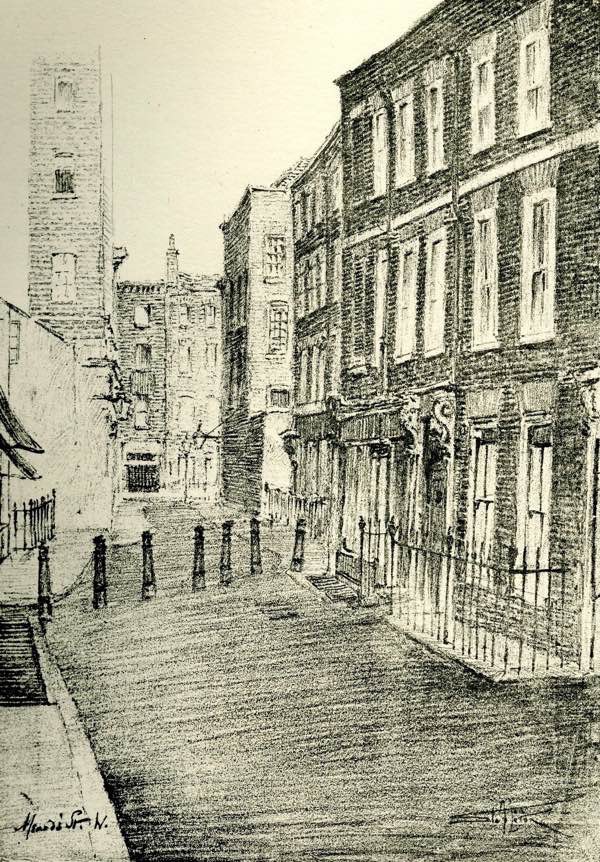
Meard’s St, W1
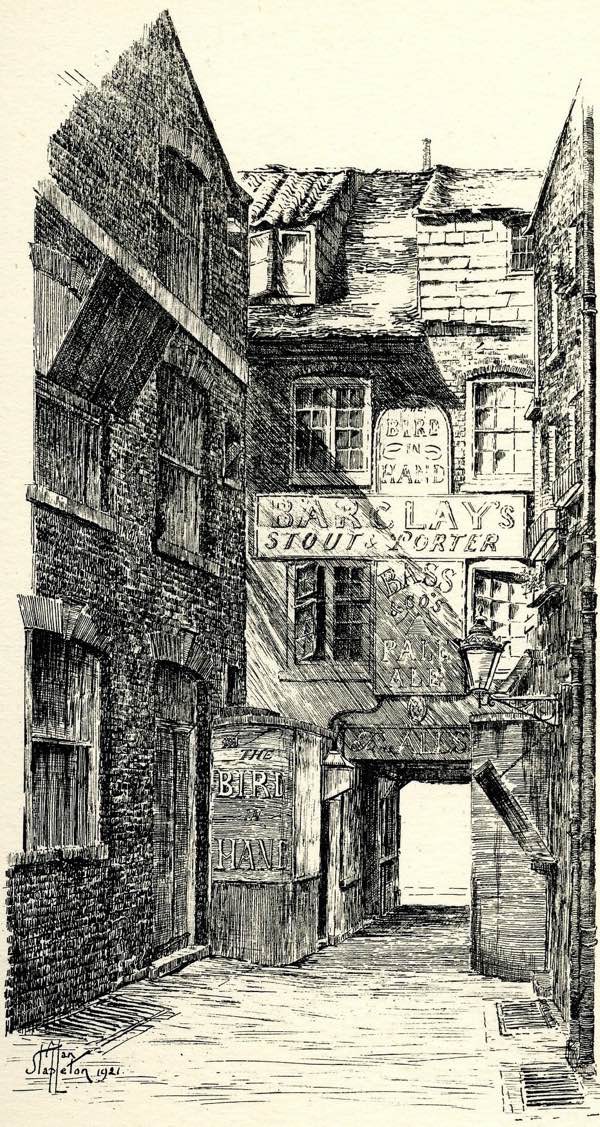
Conduit Court, Long Acre, WC2
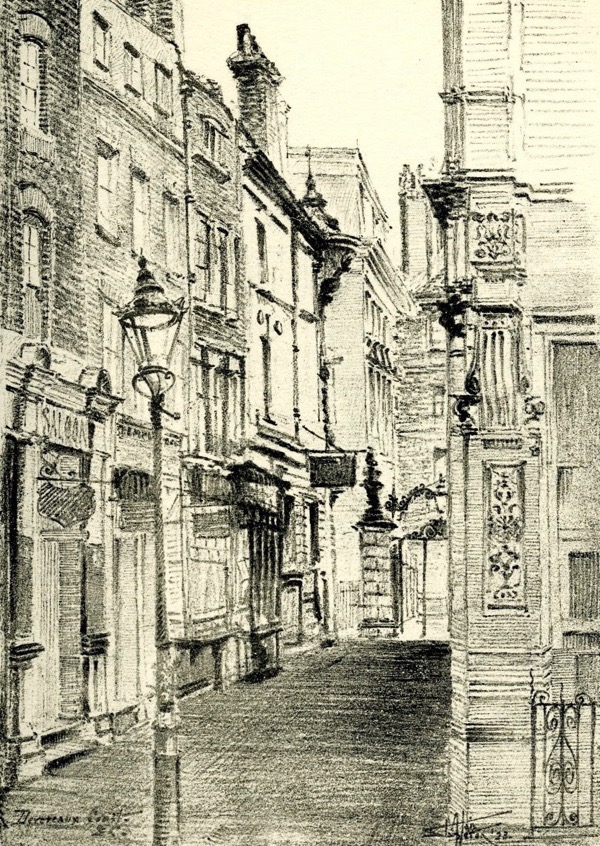
Devereaux Court, Strand, WC2
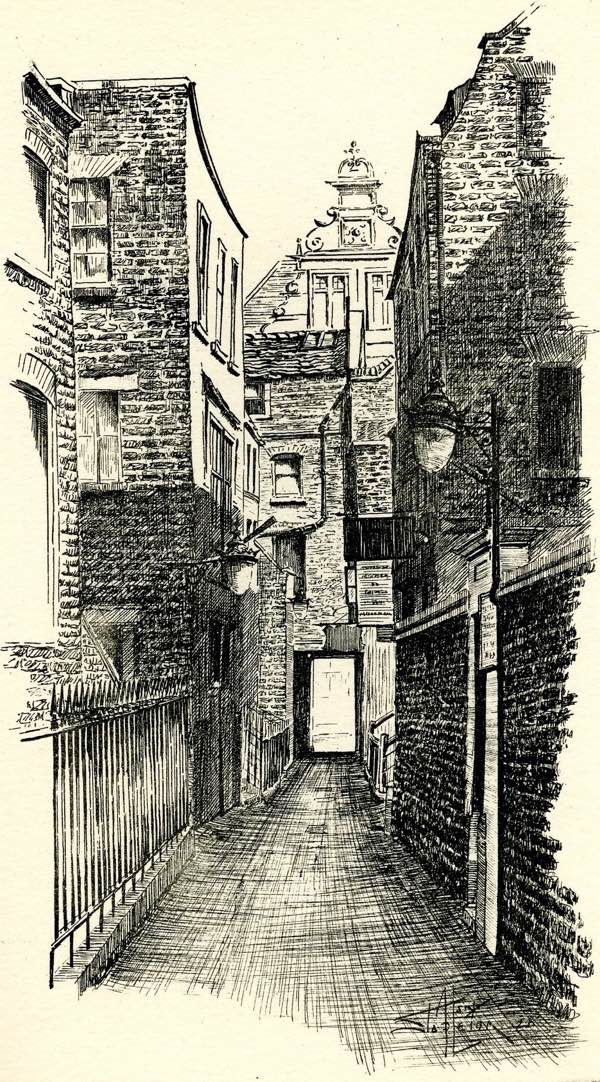
Greystoke Place, Chancery Lane, EC4
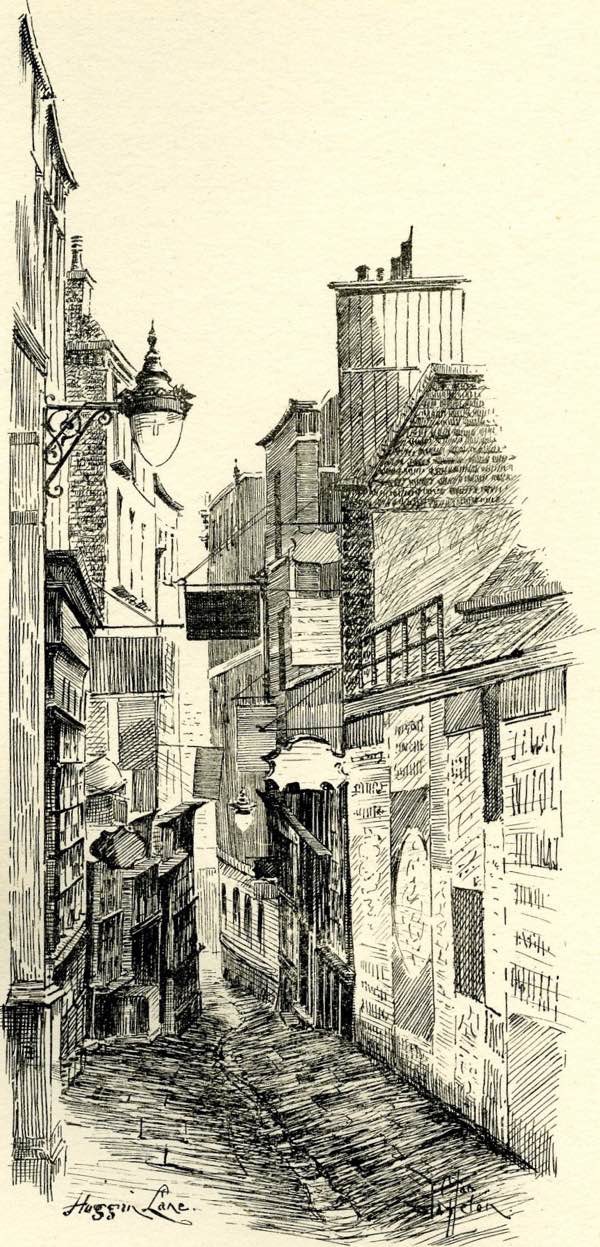
Huggin Lane, Cannon St, EC4
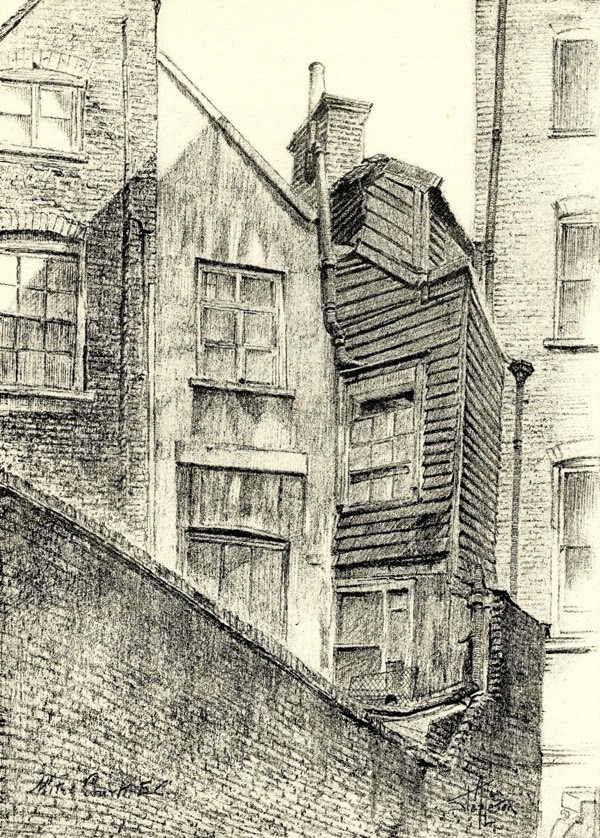
Mitre Court, EC1
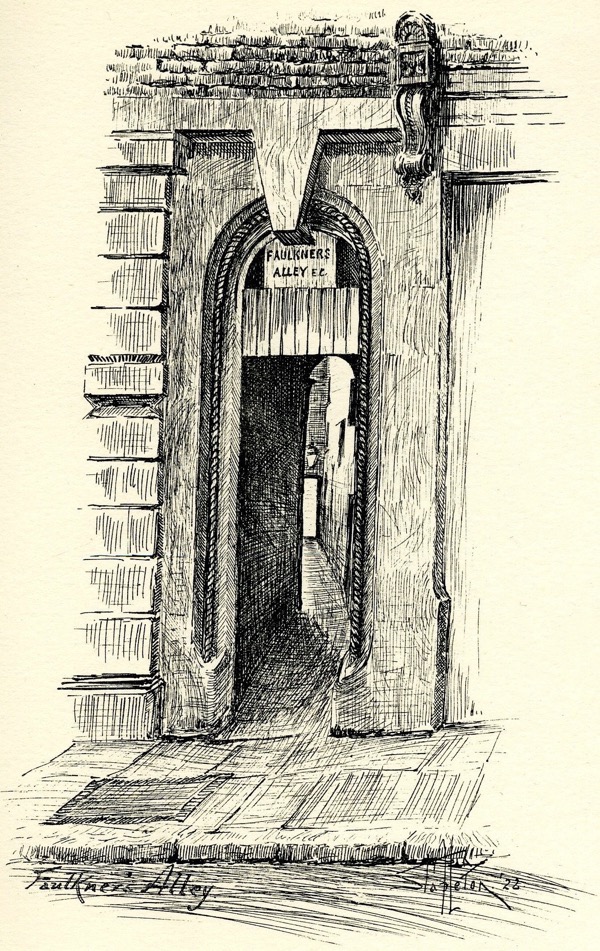
Faulkner’s Alley, Cow Cross St, EC1
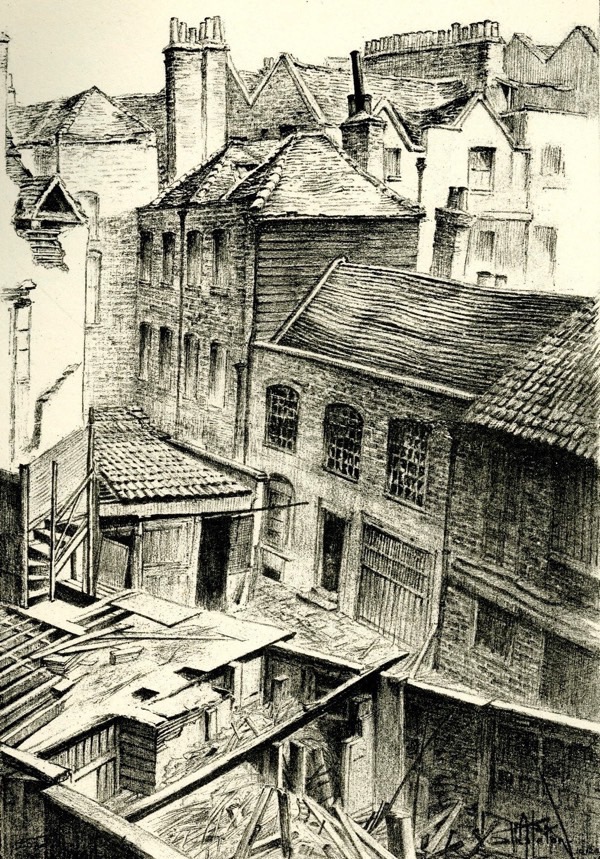
Last of Snatcher’s Island, Drury Lane, WC2
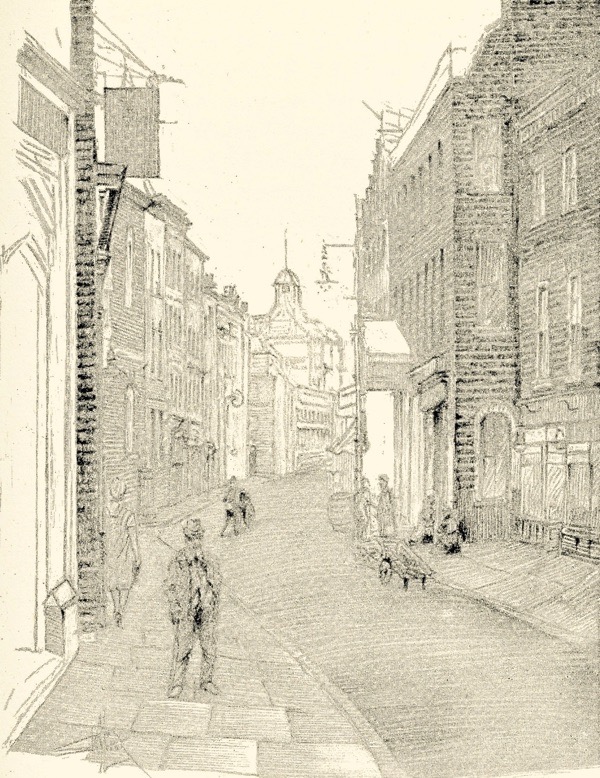
Brick Lane looking north
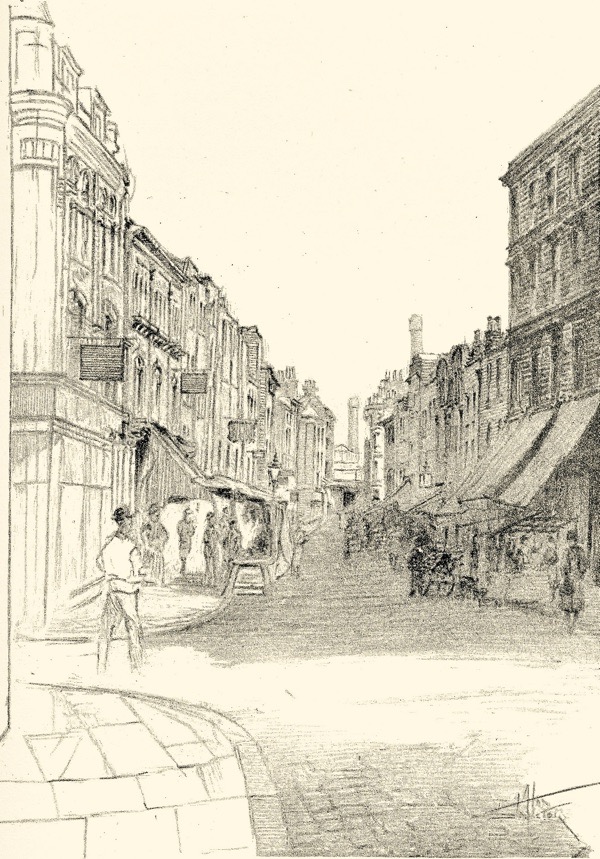
Brick Lane looking south
‘Hatton in 1708 called Brick Lane the longest lane in London, being nearly three quarters of a mile long. But Park Lane by Hyde Park was then six furlongs thirteen poles in length, so it had the advantage of Brick Lane, the length of which was five furlongs four poles. Today, Brick Lane by taking in its length its old continuations, Tyssen St and Turk’s St now beats it by thirteen poles. Tyssen St measuring one furlong fourteen poles and Turk’s St eight poles, thus bringing the length of the current Brick Lane to six furlongs twenty-six poles. Yet White HorseLane was undoubtedly the longest in London when it existed’ – Alan Stapelton 1923
Images courtesy Bishopsgate Institute
You may also like to take a look at
Dragan Novaković’s Club Row
Click here to book for my tours through July, August and September
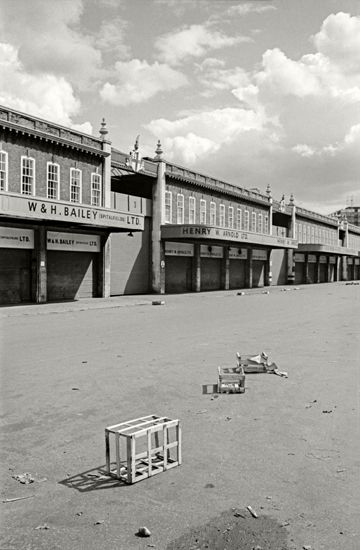
These photographs of the Club Row animal and bird market were taken by Dragan Novaković in the late seventies – the market closed in 1983 when street trading in live animals became outlawed
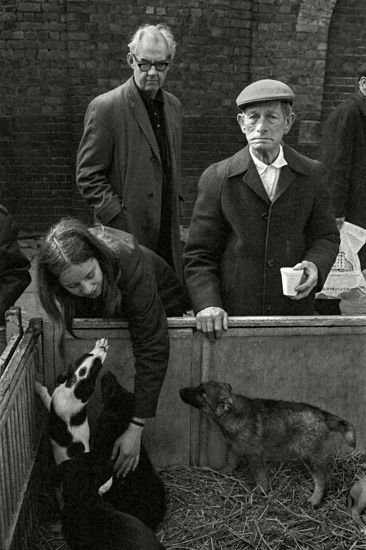
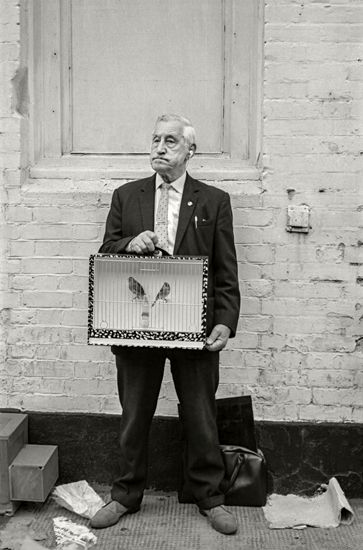
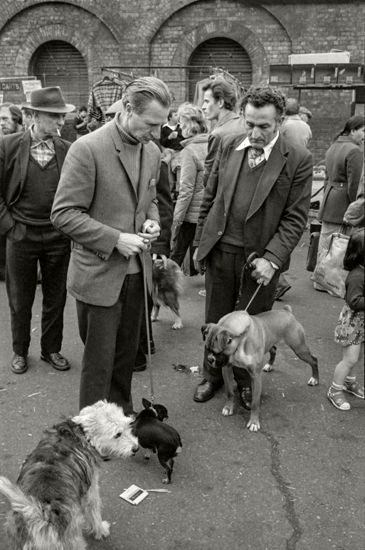
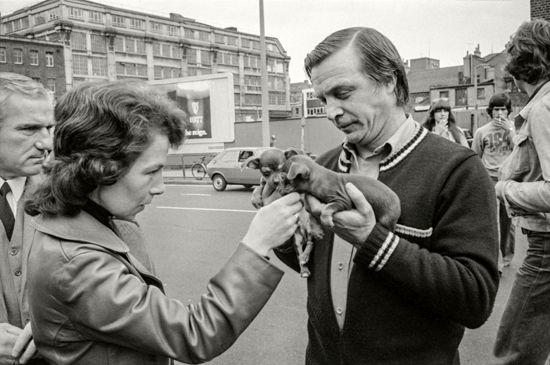
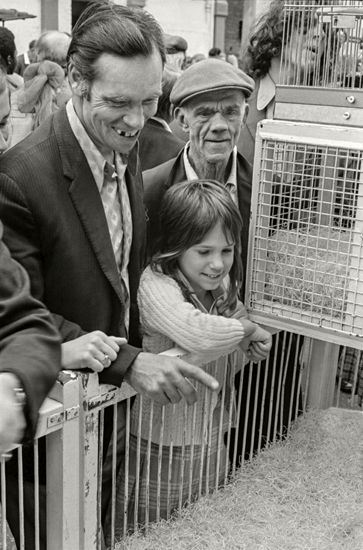
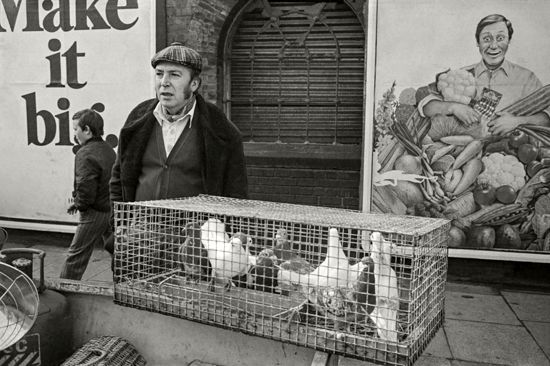
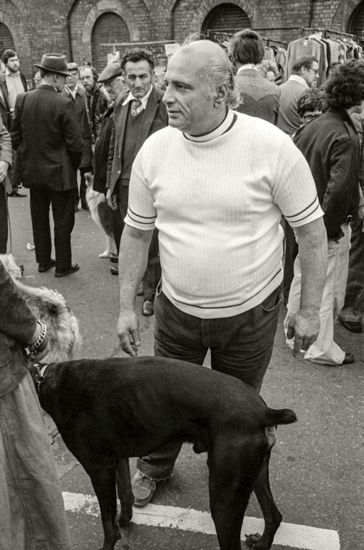
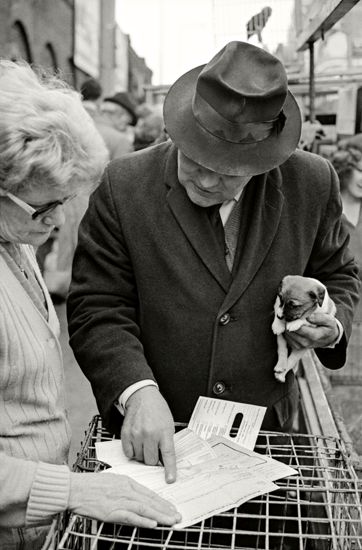
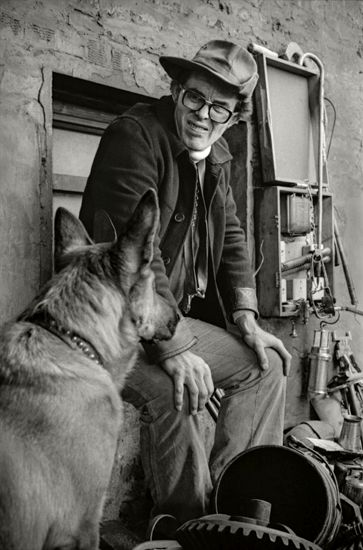
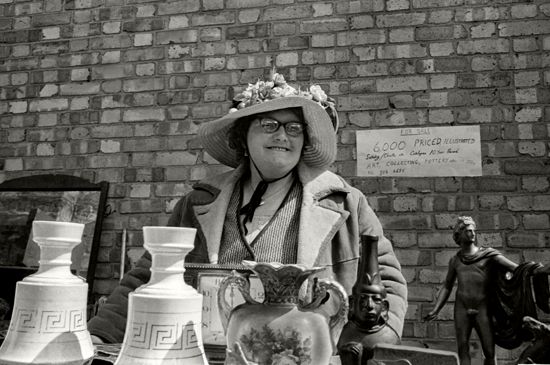
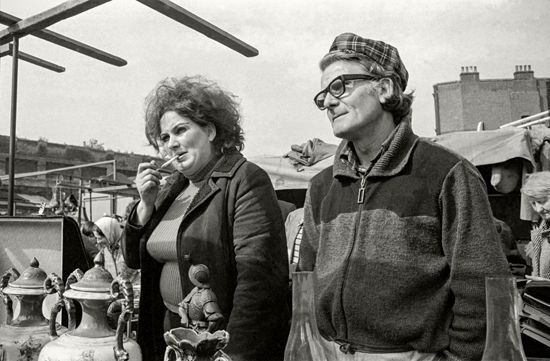
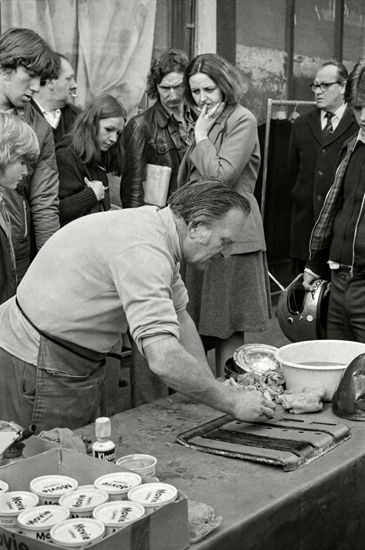
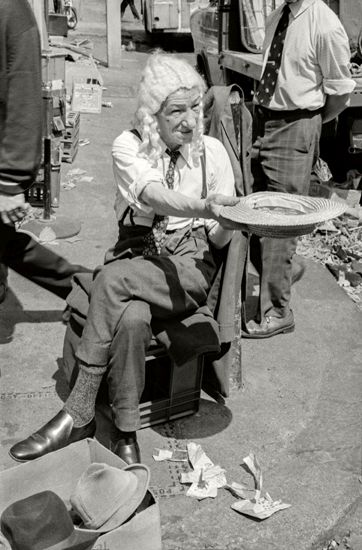
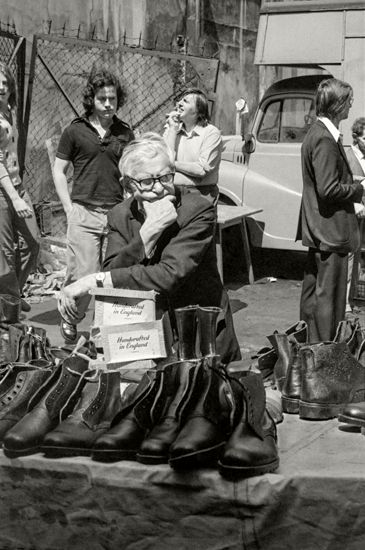
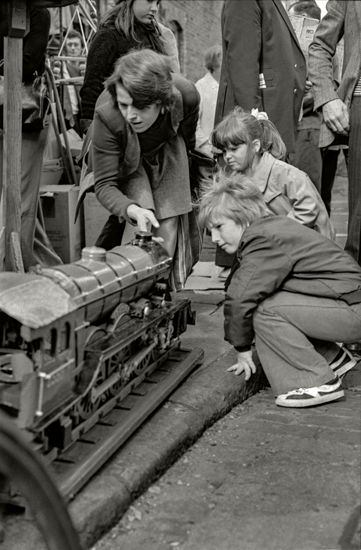
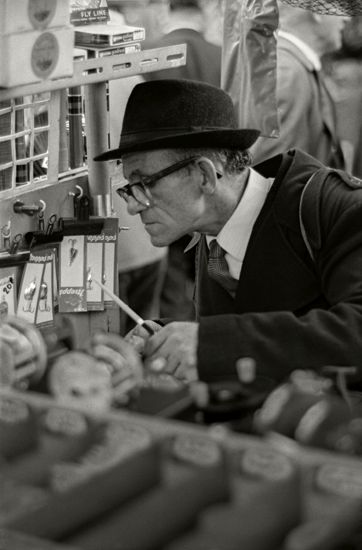
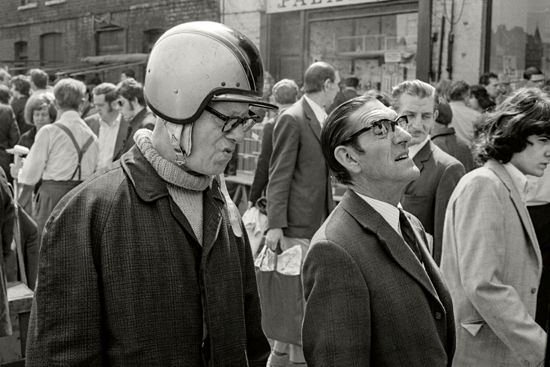
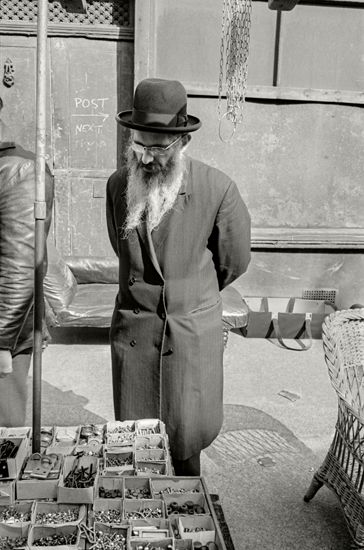
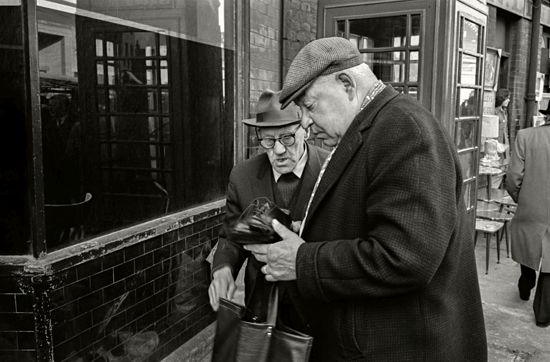
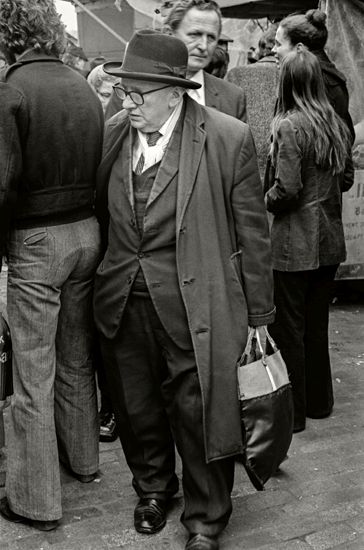
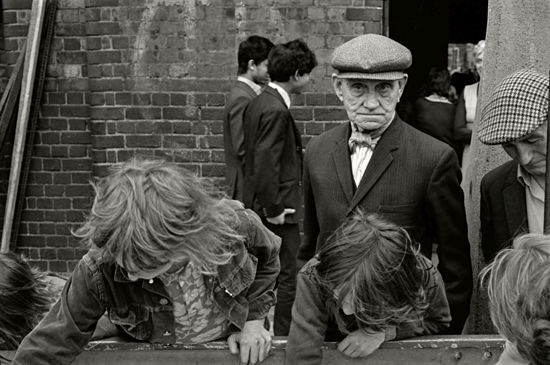
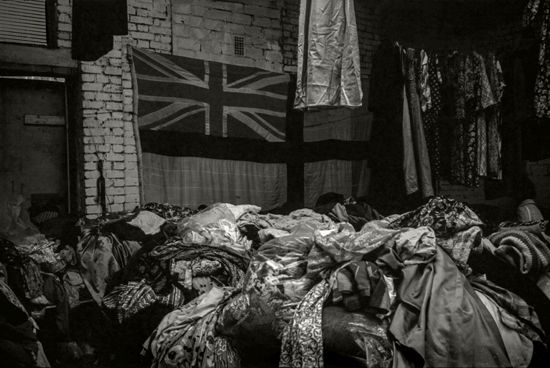
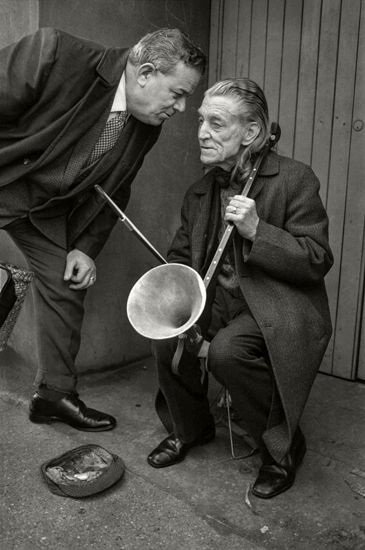
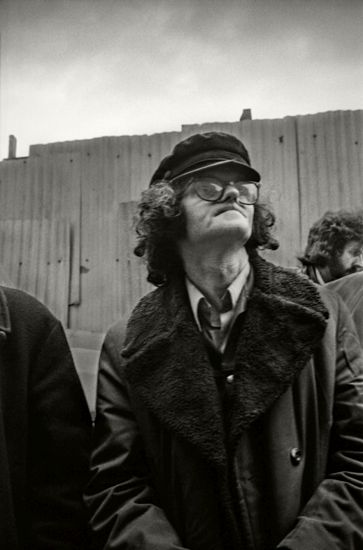
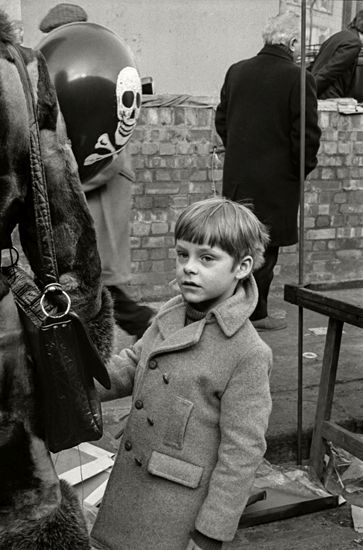
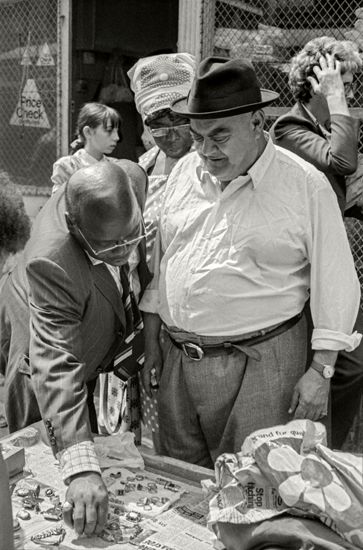
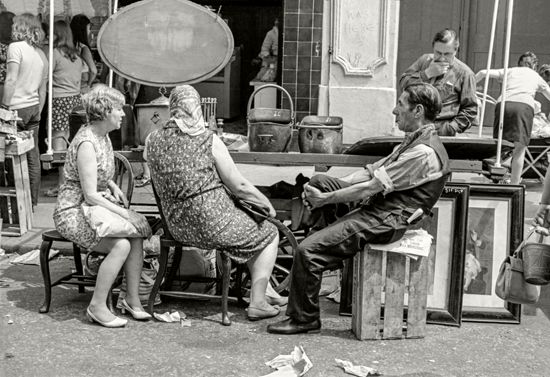
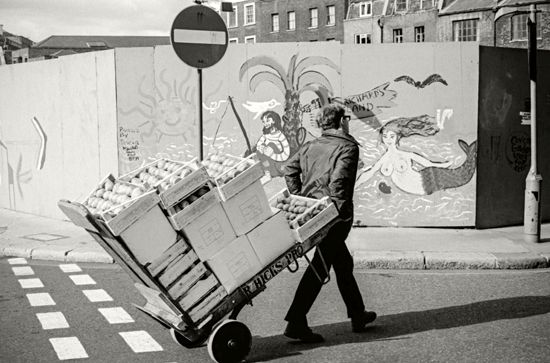
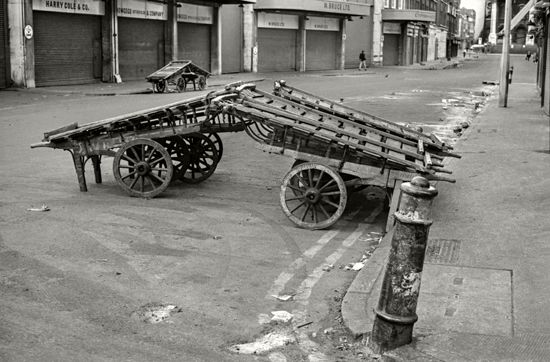
Photographs copyright © Dragan Novaković
You also might like to take a look
In Old Haggerston
Click here to book for my tours through July, August and September
William Palin recalls the lost wonders of the once coherent and distinctive neighbourhood of Haggerston
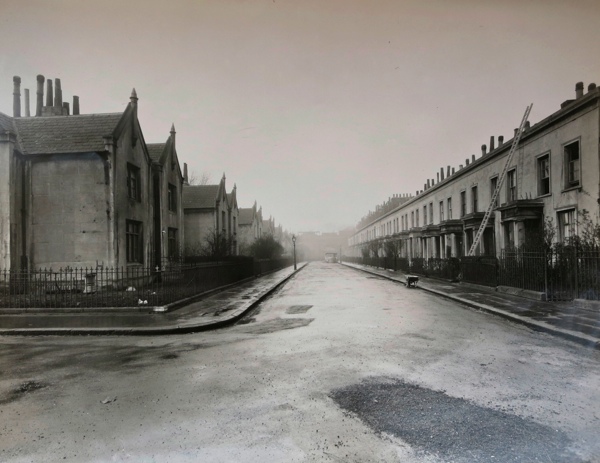
Tudor Gothic Villas in Nichols Sq, 1945
Haggerston, in the Borough of Hackney, remains one of those ‘lost’ districts of London’s inner suburbs. Even the boundaries of this elusive locale have fluctuated, yet although the current electoral ward extends deep into Shoreditch, I would draw the borders of Haggerston at Hackney Rd to the south, Queensbridge Rd to the east, Kingsland Rd to the west and Regent’s Canal to the north.
Just a few important public buildings remain in Haggerston, including the old Haggerston Library – which was left to rot in the seventies before being facaded in the nineties – and the magnificent Haggerston Baths on Whiston St with its gilded Golden Hind weather vane. Poignant indicators of the glories that once were here.
Although Haggerston suffered some bomb damage – St Mary’s Church by John Nash was completely destroyed in 1941 – it was the post-war planners who erased most of the superior nineteenth century terraces, with streets of sound houses succumbing to the bulldozers as late as 1978. While the estates that replaced them may have provided superior accommodation and new amenities, they were brutal and uncompromising in their disregard for the intimacy, cohesion, humanity and community spirit of the old streets – attributes embraced in other similar London neighbourhoods wherever the terraces were retained.
As London’s population grew rapidly in the nineteenth century, Haggerston became a densely populated industrial suburb. In many eastern districts, land ownership tended to be fragmented, resulting in a series of relatively small-scale building speculations that eventually came together to form a coherent if quirky network of streets with pubs, shops and small industry, all adding to the diverse character of the streetscape. Although individual speculators – whether a few houses or a whole street – imposed a uniformity of design, there was surprising and delightful variation between streets with even modest houses exhibiting decorative flourishes in their brickwork, fanlights, shutters and front doors. Where streets met, the junctions were resolved with an effortless dexterity which was one of the striking characteristics of the London speculative builder and, on the rare occasion a pub was absent, a corner house was built with a side entrance.
In common with most of south Hackney and Shoreditch, the dominant industries of the area were the furniture and finishing trades. An insurance map of 1930 shows timber yards, French polishers, enamellers, cabinet factories, mirror frame factories, wood carvers and a plethora of other related trades. Interestingly, the legacy of these industries is still evident today in the Hackney Rd, where Maurice Franklin the ninety-three year old wood turner works at The Spindle Shop and D.J.Simons maintain their thriving business supplying mouldings for picture framing after more than a century, as well as in the handful of second hand shops trading in the furniture once made locally.
Unquestionably, the centrepiece of Haggerston’s nineteenth century development was Nichols Sq, situated east of the Geffrye Museum beyond the railway viaduct. Built in 1841 and featuring two outward facing rows of picturesque Tudor gothic villas at its centre, Nichols Sq was further enhanced in 1867-9 by a splendid church and vicarage – St Chad’s – by the architect James Brooks. Surviving in good condition until blighted by a Compulsory Purchase Order, the square was swept away in 1963 for the Fellows Court Estate. Geoffrey Fletcher, author of ‘The London Nobody Knows,’ lamented the impending loss in 1962 by illustrating the houses in the Daily Telegraph, and describing “the delightful Gothic villas … in excellent condition [which] if they were in Chelsea would fetch anything from £10,000 to £15,000.” Savouring the architectural detail, he comments “Typical of the finesse of the period is that, while the terrace railings have a Classic flavour, the similar ones of the cottages have a Tudor outline. But after next year none of this will matter any more.”
The London County Council planning files record no evidence of any robust defence of Nichols Sq. The principal concern – ironic in the context of the current plans to demolish the Marquis of Lansdowne pub – was the effect of the new tower blocks upon the setting of the Geffrye Museum. Nichols Sq had only one entrance, which led from Hackney Rd at the south east corner, and this was guarded by a Tudor lodge. The secluded location had helped it retain an isolated respectability until the very end, despite the incursion of the railway viaduct across its western extremity just a few years after completion.
To the south of Fellows Court Estate is Cremer St, the only direct link between Hackney Rd and Kingsland Rd, which was once graced by a series of modest but elegant semi-detached villas (a building type that became a defining characteristic of Hackney). These villas are captured in a beautiful series of LCC photographs of 1946, which also show a double-fronted detached house with a wide fanlight, where an old man perches on the high front steps, lighting a pipe. In Cremer St, The Flying Scud pub, with its distinctive blue Truman’s livery survived until only a few years ago, while running south from there – now reached via a rubbish-strewn alley – is Long St, whose distinctive yellow brick houses are also illustrated in the LLC old photographs. Of these, only a few paving stones survive.
To the north of the Fellows Court Estate is Dunloe Street, once lined by neat terraces, now bleak save for St Chad’s Church – the last fragment of Nichols Sq. Dunloe St linked into a network of small streets, including Appleby St and Ormsby St, where well-maintained and well-loved terraces endured until 1978 when they were controversially emptied of their occupants and demolished. A handful of houses on the west end of Pearson St are now the only reminders we have of this once vibrant and homogenous neighbourhood.
In 1966, architectural critic Ian Nairn spoke eloquently of the lost opportunities of the rebuilding of the East End, in words that perfectly describe the fate of old Haggerston – “All the raucous, homely places go and are replaced by well-designed estates which would fit a New Town but are hopelessly out of place here. This is a hive of individualists, and the last place to be subjected to this kind of large-scale planning. Fragments survive, and the East Enders are irrepressible …but they could have had so much more, so easily.”
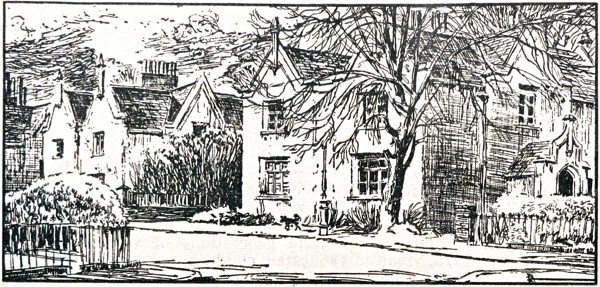
Nichols Sq by Geoffrey Fletcher, 1963
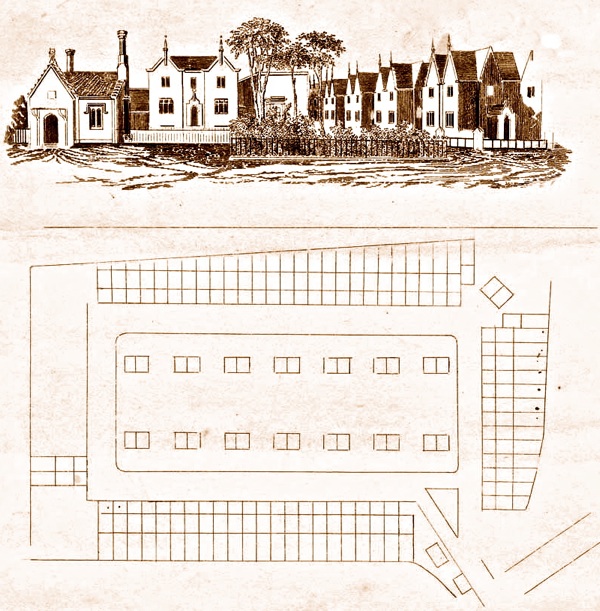
Plan and perspective of Nichols Sq, 1845 – not really a square at all but highly picturesque. (Copyright Hackney Archives Department)
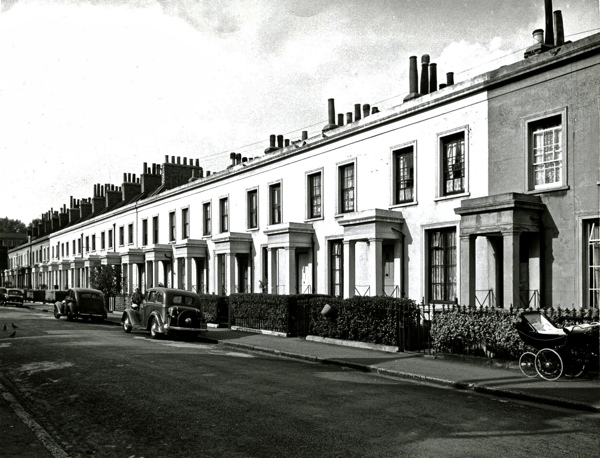
North side of Nichols Sq, 1960.
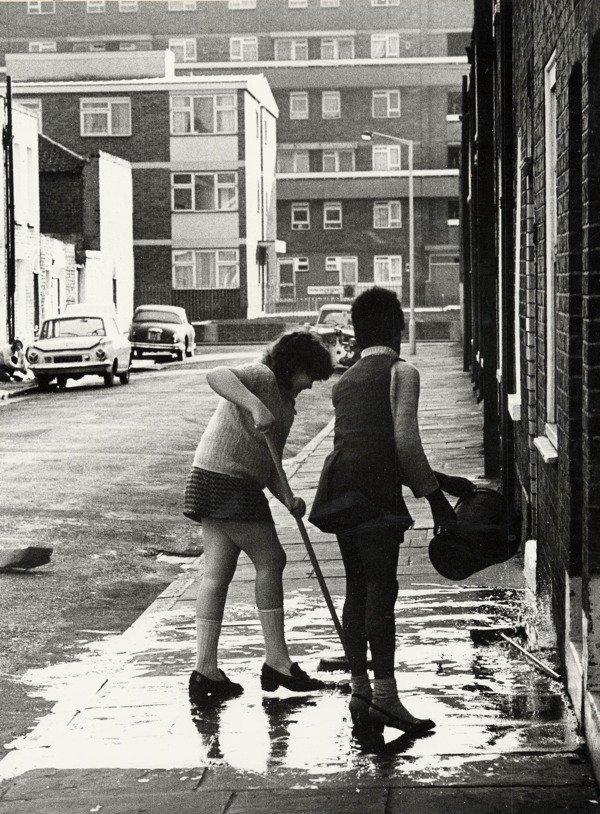
Washing the doorstep in Shap St with the Fellows Court Estate beyond, 1974. (Copyright Hackney Archives Department)
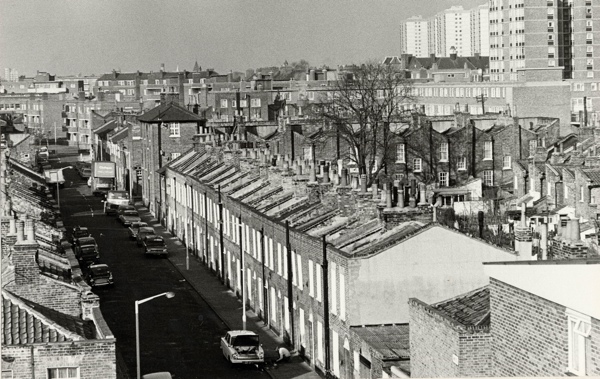
A rich and coherent cityscape – Shap St, looking north, 1974. (Copyright Hackney Archives Department)
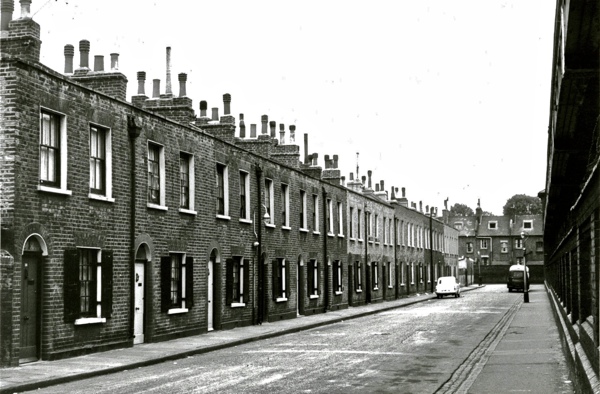
Elegant dark-painted sashes and immaculately maintained shutters in Ormsby St, 1965. (Copyright Hackney Archives Department)
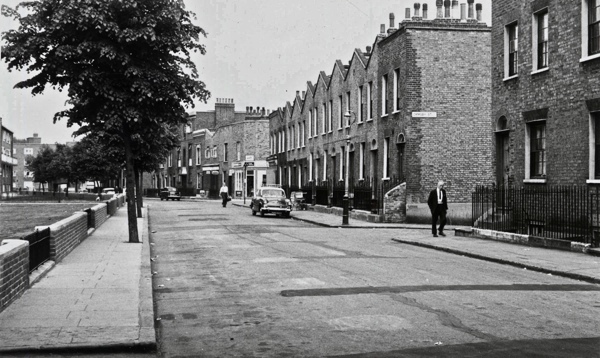
Hows St, c.1960. (Copyright Hackney Archives Department)
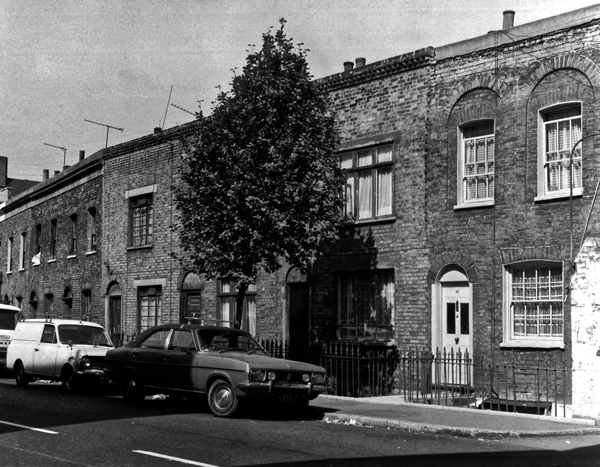
Whiston St in the hot summer of 1976, just before demolition. (Copyright Hackney Archives Department)
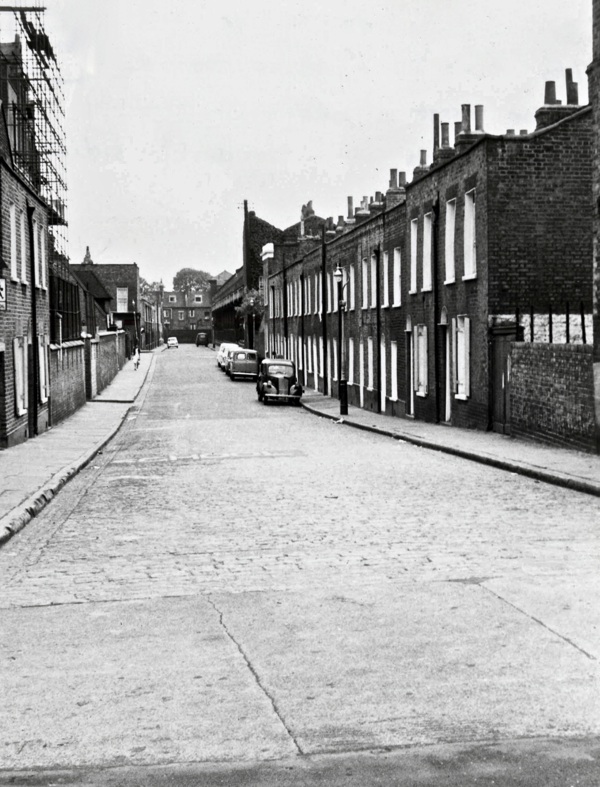
Intimate streetscape – Ormsby St, 1965. (Copyright Hackney Archives Department)
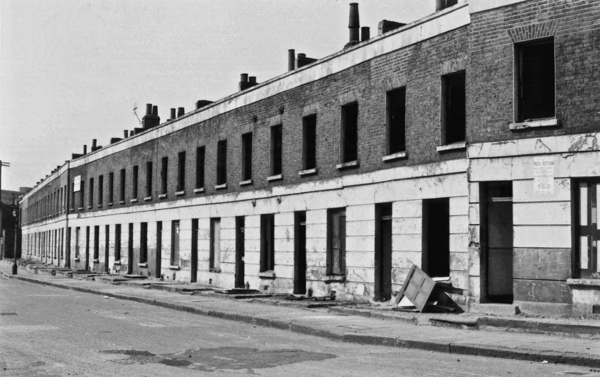
Weymouth Terrace shortly before demolition, 1964. Note the stuccoed ground floor facade. (Copyright Hackney Archives Department)
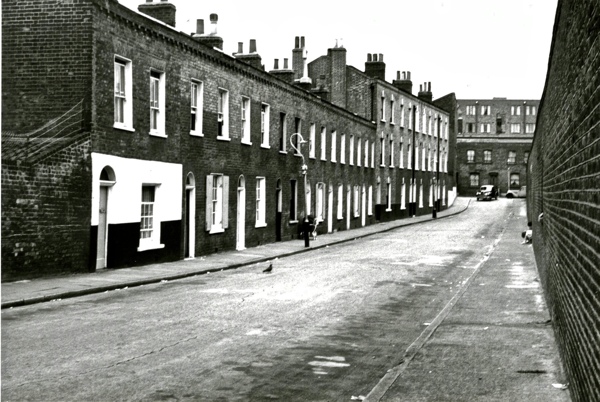
Geffrye St, 1960s (Copyright Hackney Archives Department)
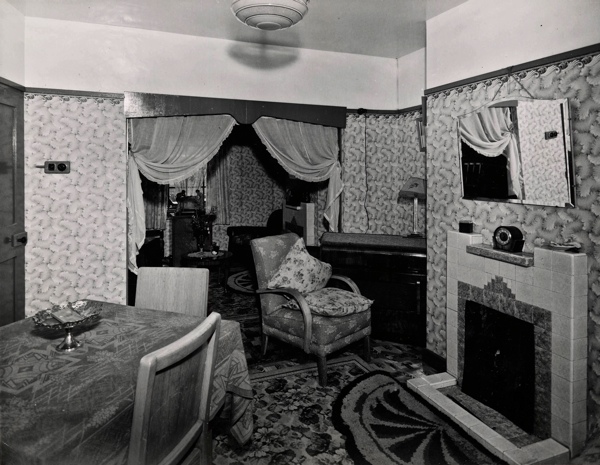
“All the homely places have gone”– Sitting room at 50 Shap St c.1959. (Copyright Hackney Archives Department)
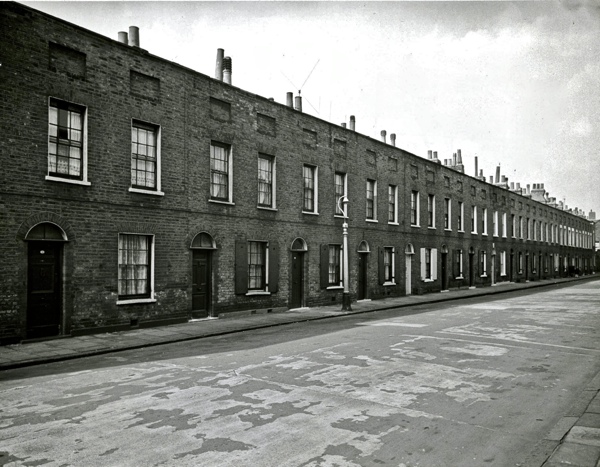
Fellows Rd, 1959. Neat terraces with blank panels at parapet level. (Copyright Hackney Archives Department)
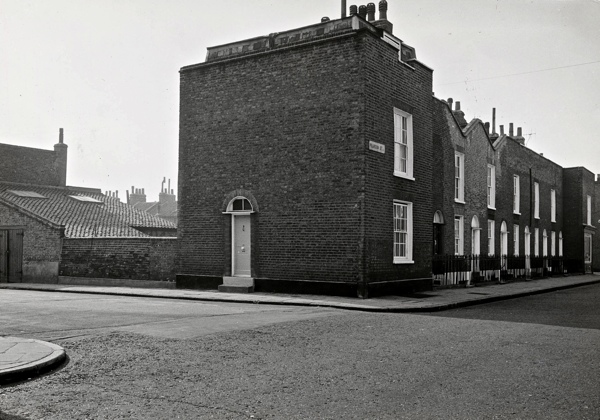
A perfect corner, courtesy of the London speculative builder. Pearson St and Fellows St, 1951. (Copyright Hackney Archives Department)
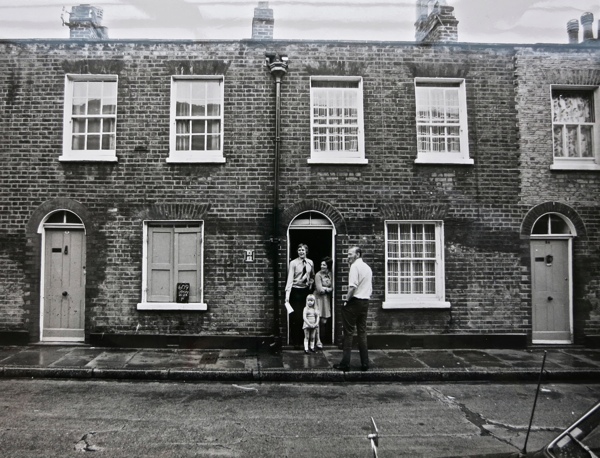
Ormsby St before demolition, 1978 – note the photographer’s blackboard on the window ledge. (City of London, London Metropolitan Archives)
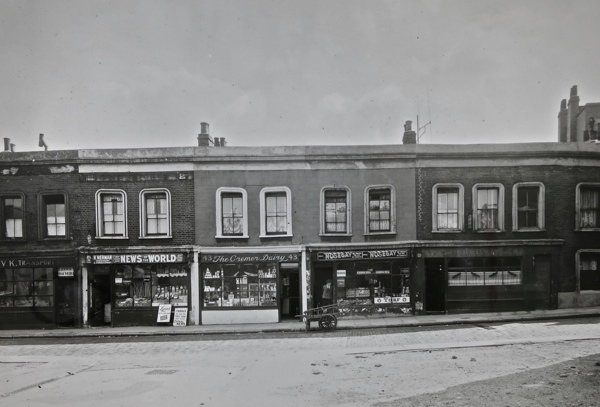
Cremer St, 1946. (City of London, London Metropolitan Archives)
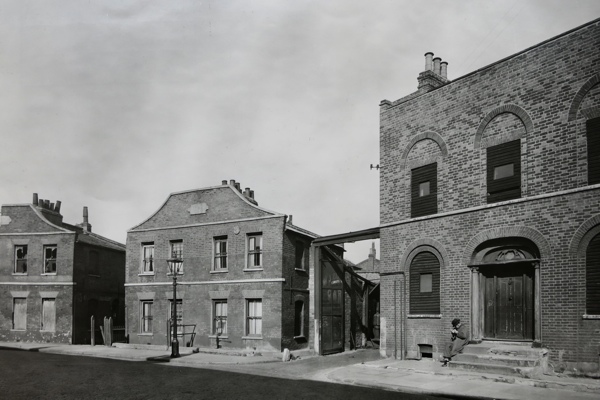
Cremer St, 1946. (City of London, London Metropolitan Archives)
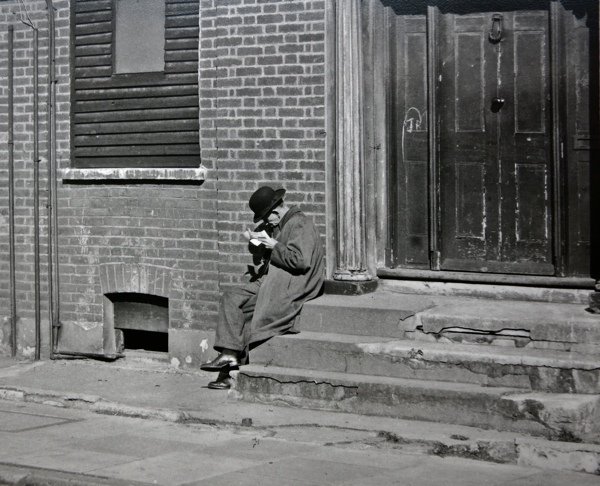
Detail – Man lights a pipe in Cremer St, 1946. (City of London, London Metropolitan Archives)
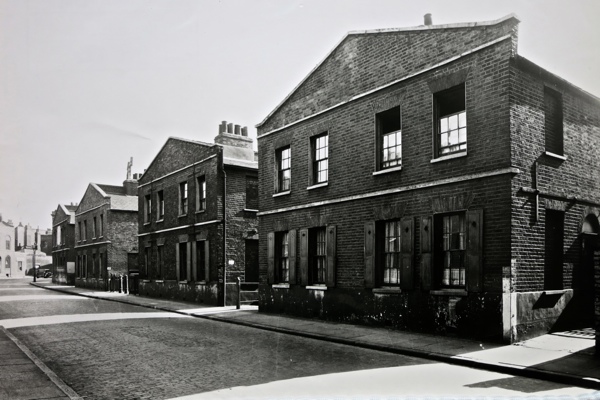
Cremer St, 1946. (City of London, London Metropolitan Archives)
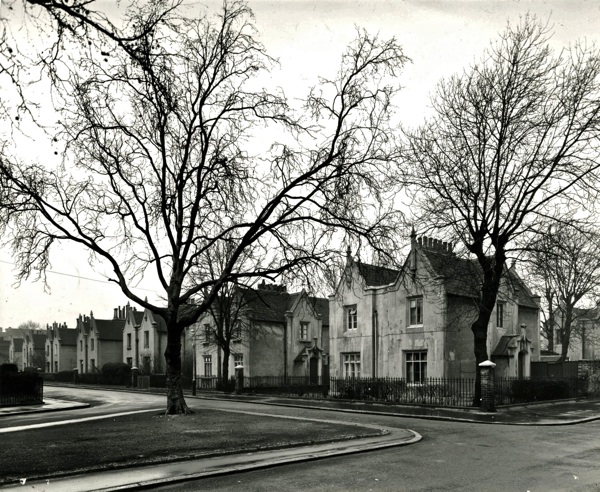
Tudor Gothic villas in Nichols Sq, 1950. (City of London, London Metropolitan Archives)
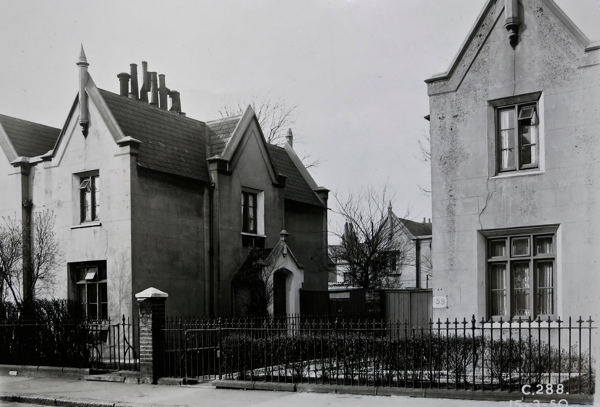
Tudor Gothic villas in Nichols Sq with fleur de lis railings, 1950. (City of London, London Metropolitan Archives)
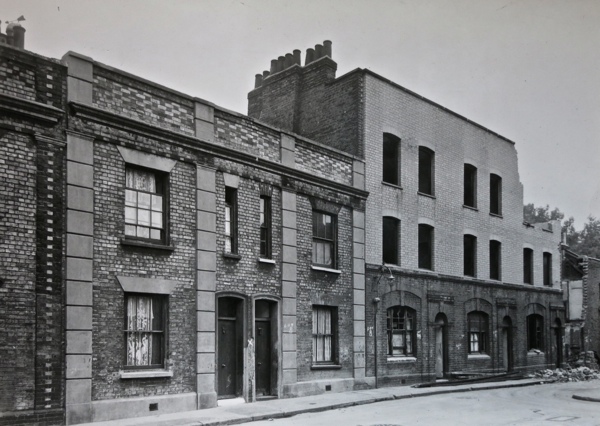
Iain Nairn described the East End as “a hive of individualists” – this applied to the builders too, as shown in the delightfully quirky design of these houses in Long St, photographed in 1951. (City of London, London Metropolitan Archives)
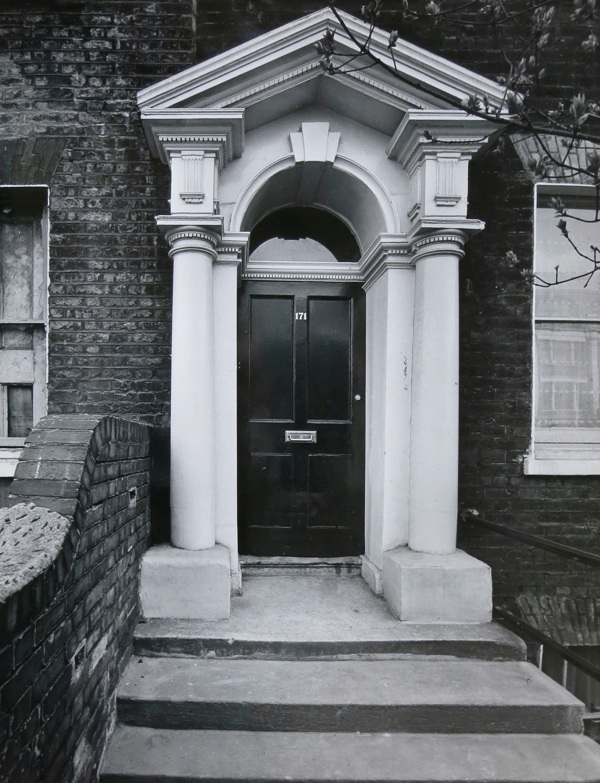
Fine eighteenth century doorcase at 171 Kingsland Road. The house and its neighbours came down in the late sixties. (City of London, London Metropolitan Archives)
A Gift From Libby Hall
Click here to book for my tours through July, August and September
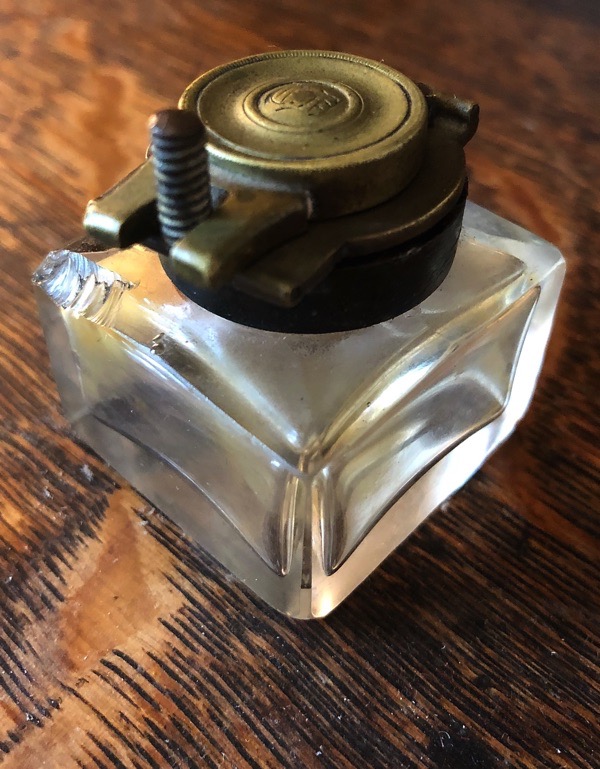
Five Christmases ago, I received the most extraordinary present I ever expect to receive. It is Charles Dickens’ inkwell.
In the week before Christmas, I paid a seasonal visit to photographer & collector Libby Hall in Clapton and, as we sat there beside a table groaning with festive treats, she handed me a parcel with the words, ‘I thought you should have this.’ It is a phrase often used when gifts are presented but it was only when I unwrapped it that I discovered the true meaning of her words. What better gift could there be for a writer than an inkwell that once belonged to Charles Dickens?
It is a small travelling inkwell which screws shut and that a writer might easily carry in a pocket or bag, as Dickens did with this one when he visited America in 1842 and left it behind. Barely larger than a pocket watch, it is a modest utilitarian item comprising a square glass bottle and a hinged brass top with a screw fixture to hold it shut. What distinguishes this specimen are the initials engraved on the lid in tentative gothic capitals, C.D.
Libby told me that it was a gift from her friend Cinda in New York whose father had been given it in 1949/50 by a Dr Rhodebeck. All Cinda can remember is that the Rhodebecks were a long-established family in Manhattan who lived in Park Avenue near 86th St. She understood they had been custodians of the inkwell since the eighteen-forties.
Charles Dickens’ first visit to America, which he described in his American Notes, proved a great source of disappointment to the young writer. Although his books were bestsellers and he received universal adulation, there was no law of copyright and he earned no income whatsoever from his sales there. He arrived with an idealistic view of America, imagining a democratic, progressive society without the handicap of decayed old-world aristocracy. What he discovered was the brutal reality of slavery, inhuman prisons and rampant gangsterism.
It was also the first time that Dickens encountered the full wattage of his own celebrity, forced to flee through the streets of Manhattan with crowds of over-enthusiastic fans in pursuit. Yet he rose to the occasion by acquiring an ostentatious wardrobe of new outfits, even if he was spooked by the fanaticism of those who wanted to steal the fluff from his coat as souvenirs.
This raises the question whether Dickens mislaid the inkwell or whether it was appropriated? A chip on the top left corner of the bottle suggests it might have been dropped and then discarded. The wing-nut which secures the lid is missing too and the brass top has come adrift, perhaps indicating that the inkwell was damaged and was no longer considered of use? At this time in his career, Dickens used black iron gall ink which is a corrosive, explaining why the metal top came off the bottle.
Seeking further information about the inkwell, I took it along to the Charles Dickens Museum in Doughty St where curator Louisa Price agreed to take a look and she confirmed that it is an inkwell of the correct period. We searched the Collected Letters and back numbers of the Dickensian to no avail for any mentions of a lost inkwell in America or the Rhodebeck family. Then Louisa brought out a selection of engraved personal items belonging to Dickens from this era for comparison and we could see that he preferred his initials in gothic capitals over the roman or cursive alternatives that would have been available.
The most persuasive evidence was an inkwell from Dickens writing box which once sat upon his desk. Less utilitarian than the travelling version, this example nevertheless had an almost identical bottle in size and design, and although the large brass screw top was more elaborate, including his symbol of the lion recumbent, the gothic capitals were similar to those on the travelling inkwell.
Louisa Price concluded that the inkwell feels right and there is no evidence to suggest it is not authentic, but it would be helpful to uncover evidence linking Charles Dickens and the Rhodebeck family. So this is where I need your help, dear readers. I know that many of you are researchers and some of you are in America. Can anyone tell me more about the Rhodebecks or find any literary connections which might link them to Charles Dickens and establish the provenance of the inkwell?
UPDATE
With thanks to Linda Granfield & Theresa Musgrove for locating Dr Rhodebeck
Dr. Edmund Jean Rhodebeck, b. 1894 had an office at 1040 Park Ave (near 86th St) and a residential address nearby at 1361 Madison Ave. He was a collector of literary materials, including a copy of The Works of William D’Avenant with Herman Melville marginalia. He also wrote an article about Kateri Takakwitha, a Mohawk woman considered for sainthood, for a 1963 newsletter. His father was Frederick, born in the 1860s and his grandfather was a Peter Rhodebeck, born c. 1830 who worked as a saloon keeper on Broadway c 1880, but in New York directories for 1867 and 1868 is listed as a ‘driver’ at 124 West First Avenue and then West 49th St.
Can anyone tell us more about Dr Rhodebeck and his literary collection?
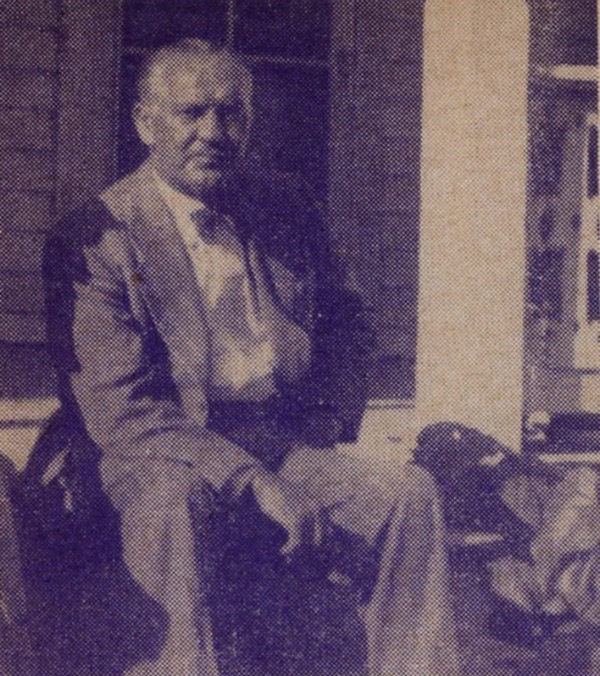
Dr Edmund Rhodebeck, former owner of the inkwell
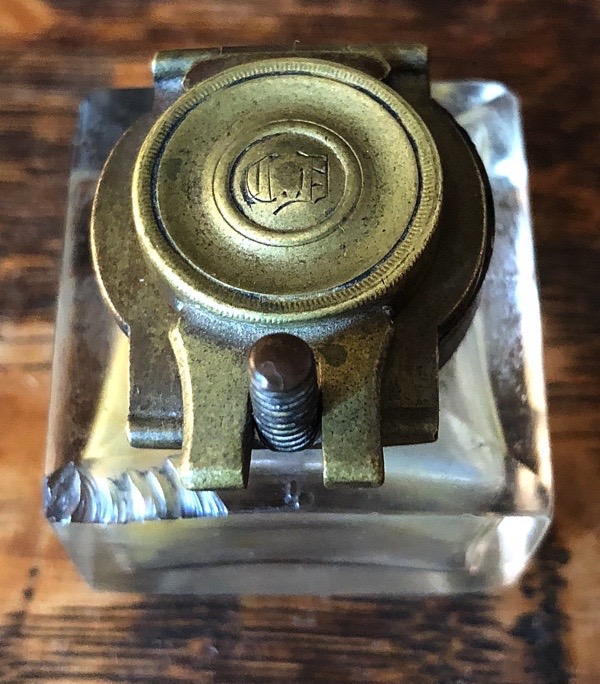
Charles Dickens’ inkwell sits upon my desk
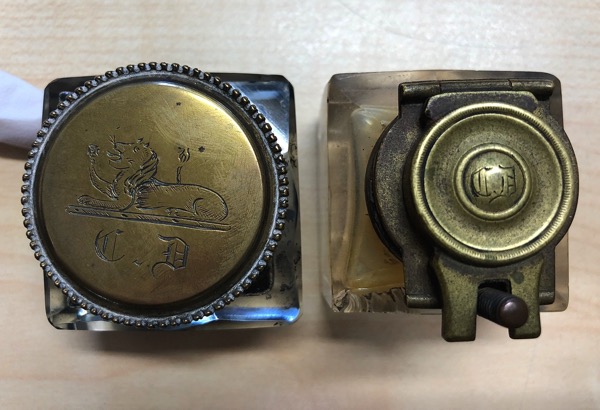
Comparative photograph showing an inkwell from Dickens’ writing box in the collection of the Dickens House Museum on the left and the travelling inkwell on the right. Note similarity of the glass bottles and the gothic capitals. (Writing box inkwell reproduced courtesy of Charles Dickens Museum)
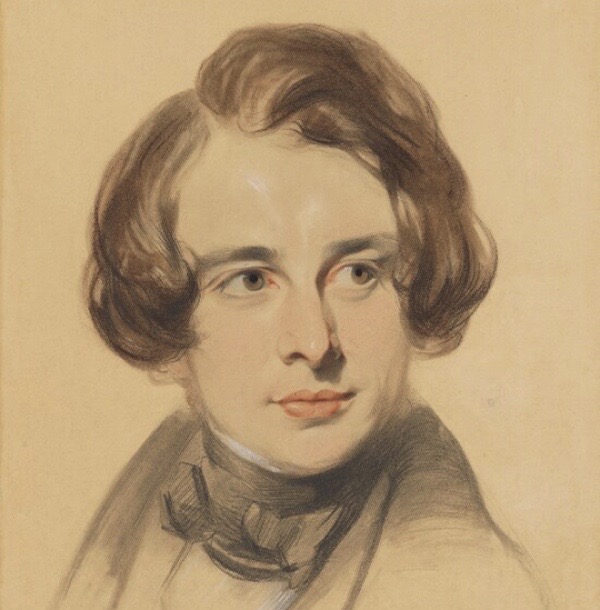
Charles Dicken in 1838 (Reproduced courtesy of National Portrait Gallery)
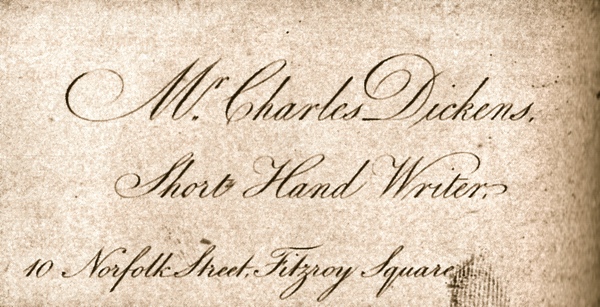
Dickens’ calling card as a young man (Reproduced courtesy of Dan Calinescu)
You may also like to read about
Charles Dickens in Spitalfields
Libby Hall’s Outtakes
Click here to book for my tours through July, August and September
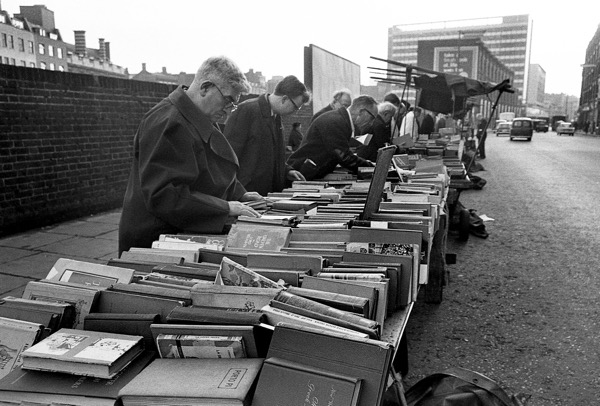
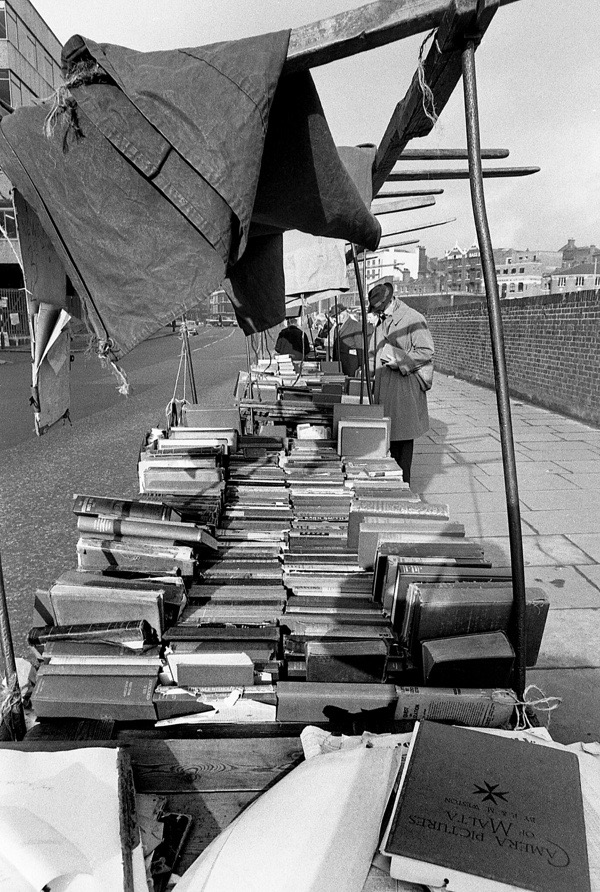
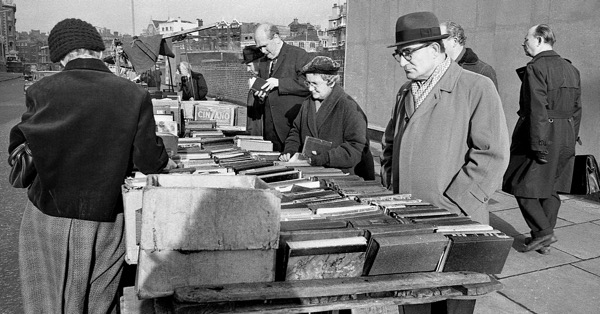
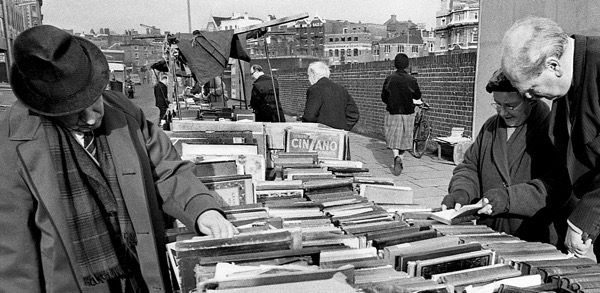
When Libby Hall (1941-2023) was a press photographer in the sixties, based in Clerkenwell and travelling back and forth from her home in Clapton, she occasionally photographed her immediate surroundings as a diversion from her daily work. Yet half a century later these almost inconsequential outtakes have transformed into a powerful evocation of a lost era.
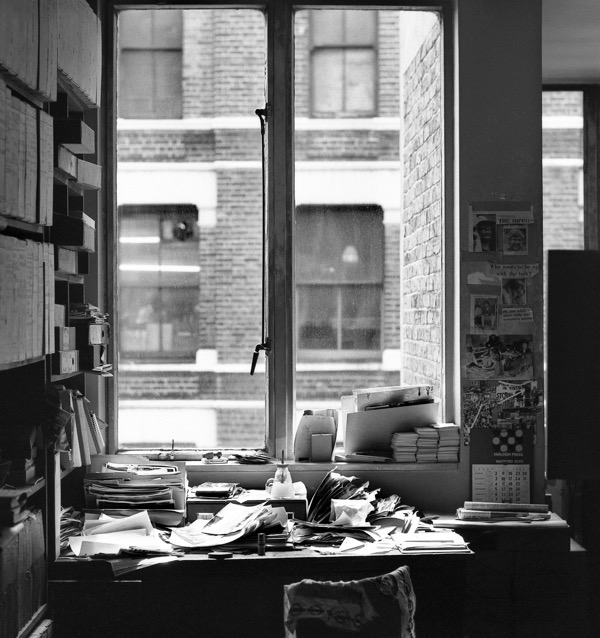
Libby Hall’s desk In Farringdon Rd
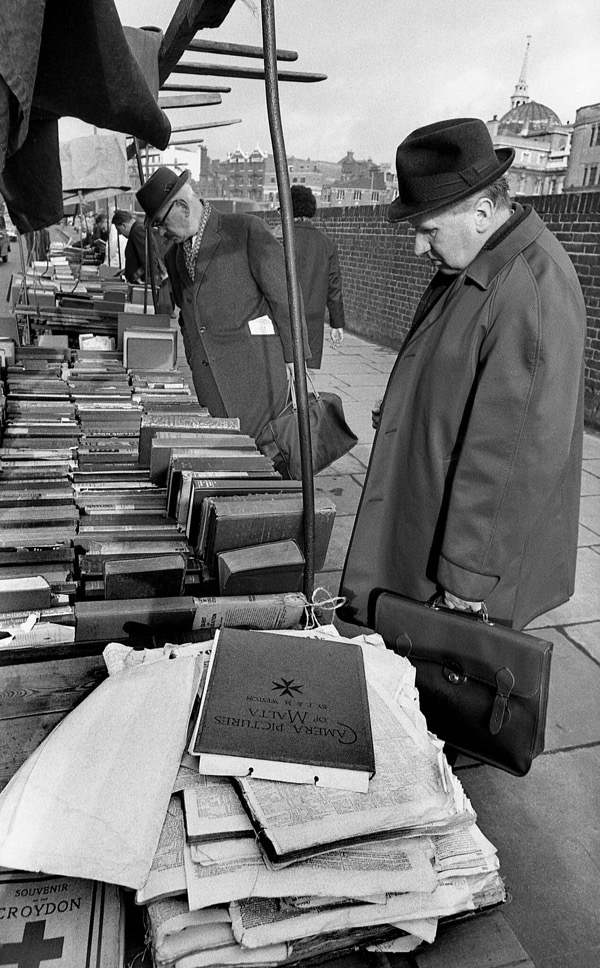
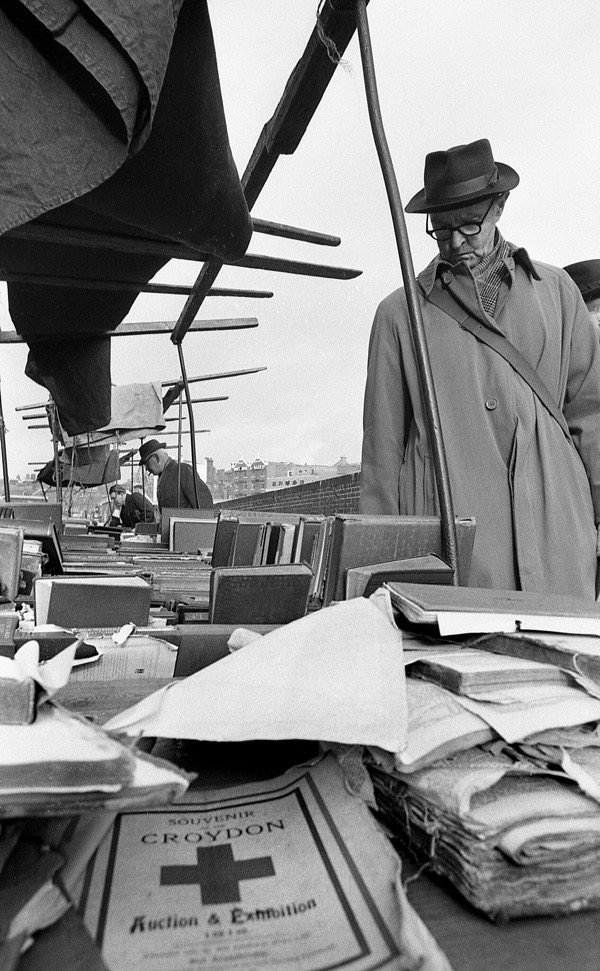
‘These photographs were mostly just lens tests, or moments of light that appealed to me on my journeys back and forth to work as a press photographer. The bookstalls were immediately across the street from the newspaper I worked for. I do miss those wonderful bookstalls even though they used up a considerable chunk of my then meagre wages. It was impossible to pass by without having a look – but then what treasures there were to be found!’ – Libby Hall
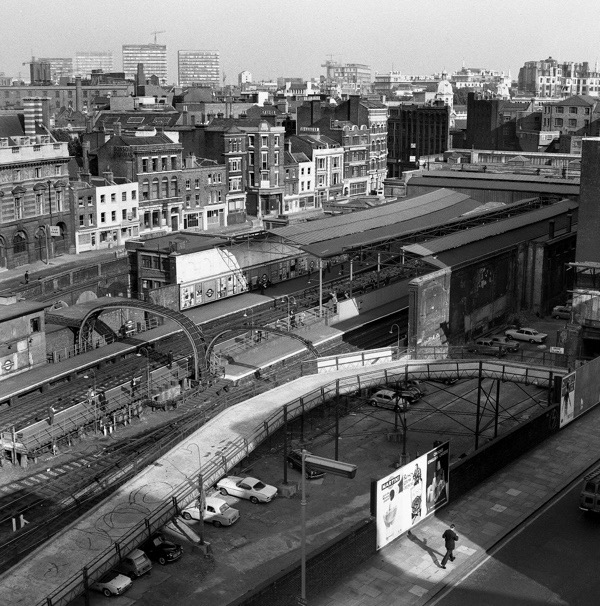
Looking down onto Farringdon Rd
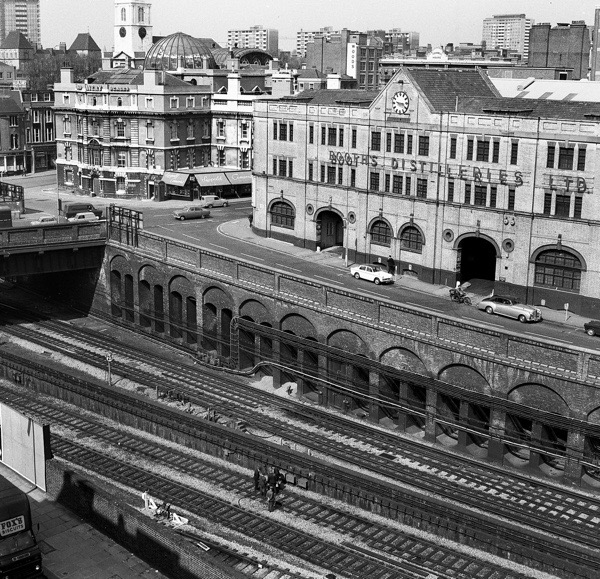
Looking across to Turnmills St, Clerkenwell Session House and Booth’s Gin Distillery
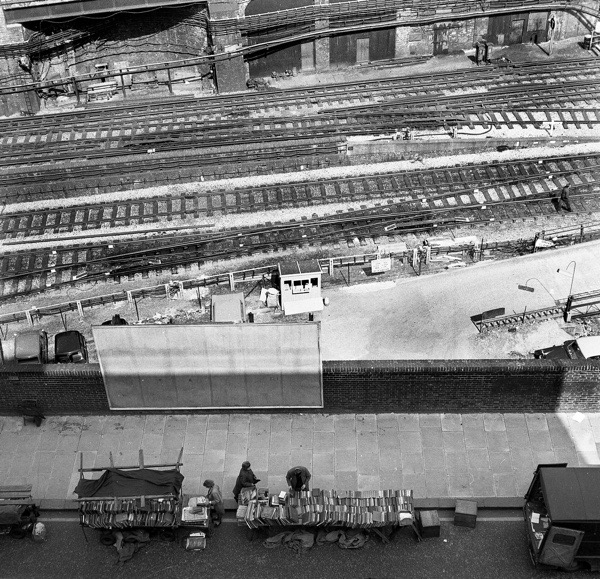
Bookstalls in Farringdon Rd
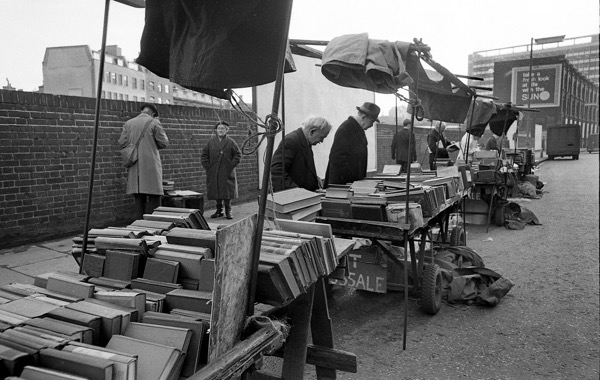
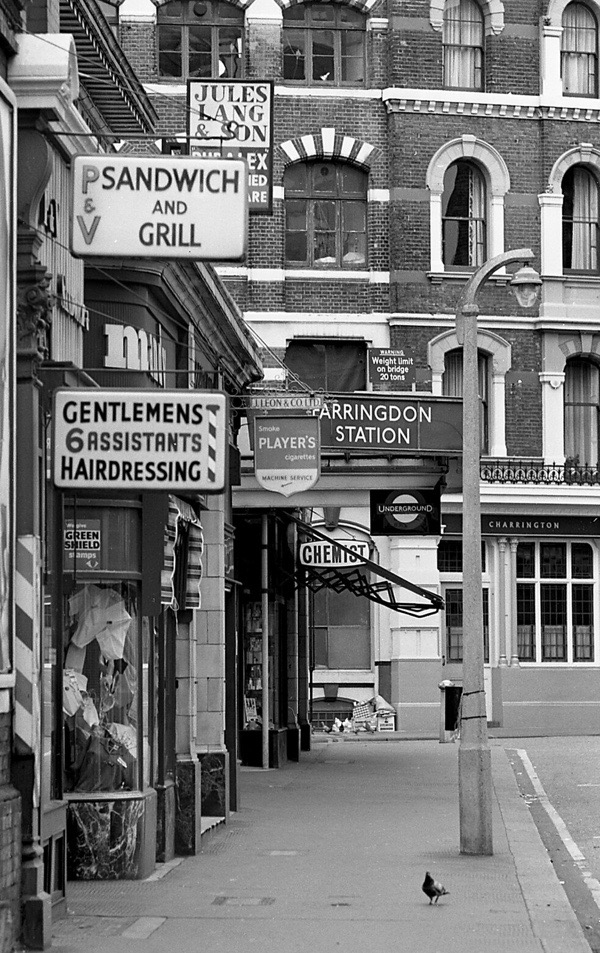
Farringdon Station
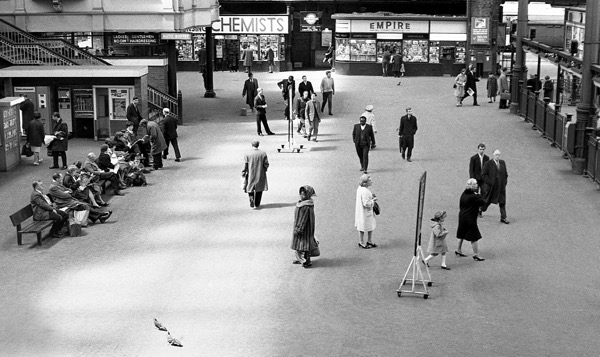
Liverpool St Station
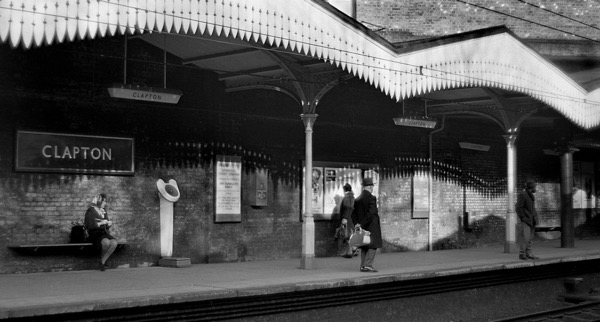
Clapton Station
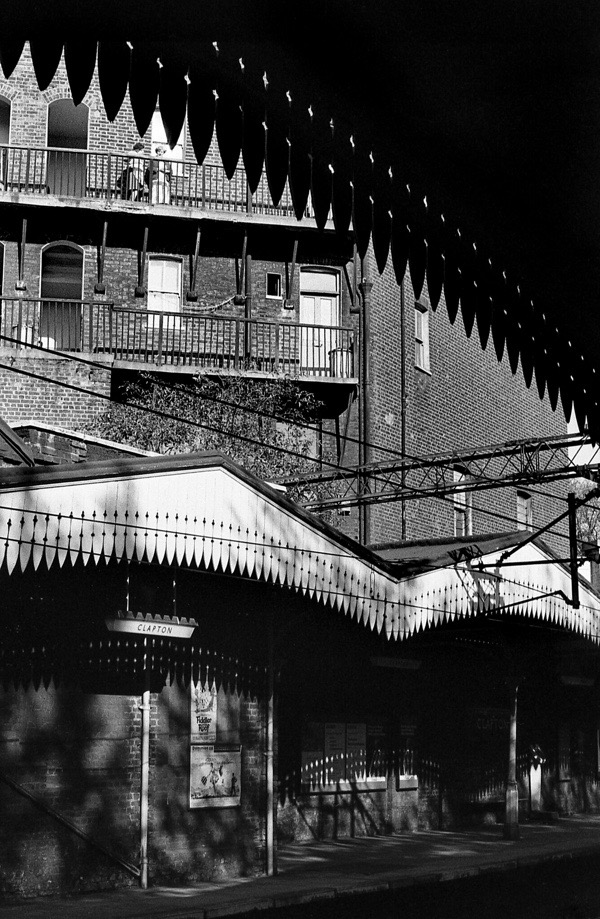
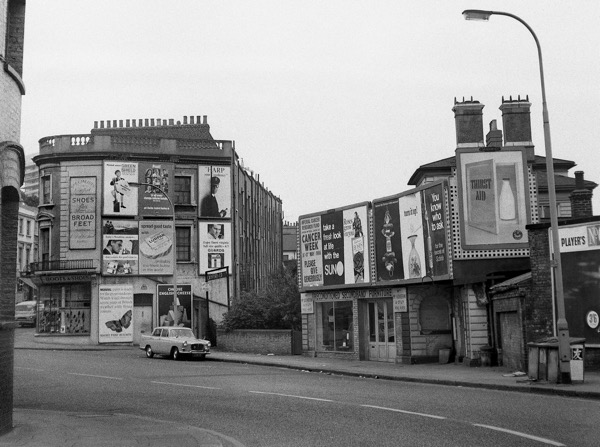
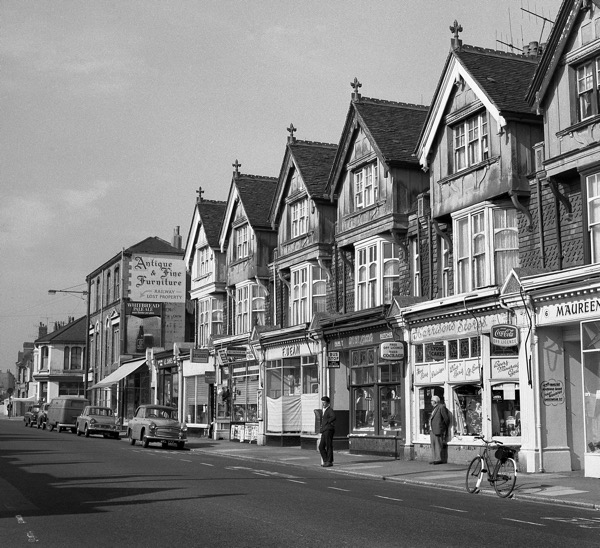
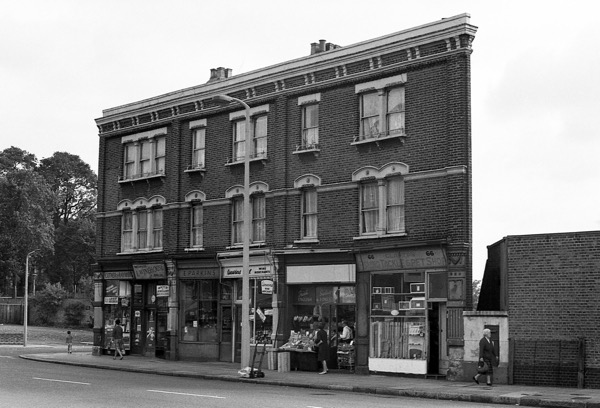
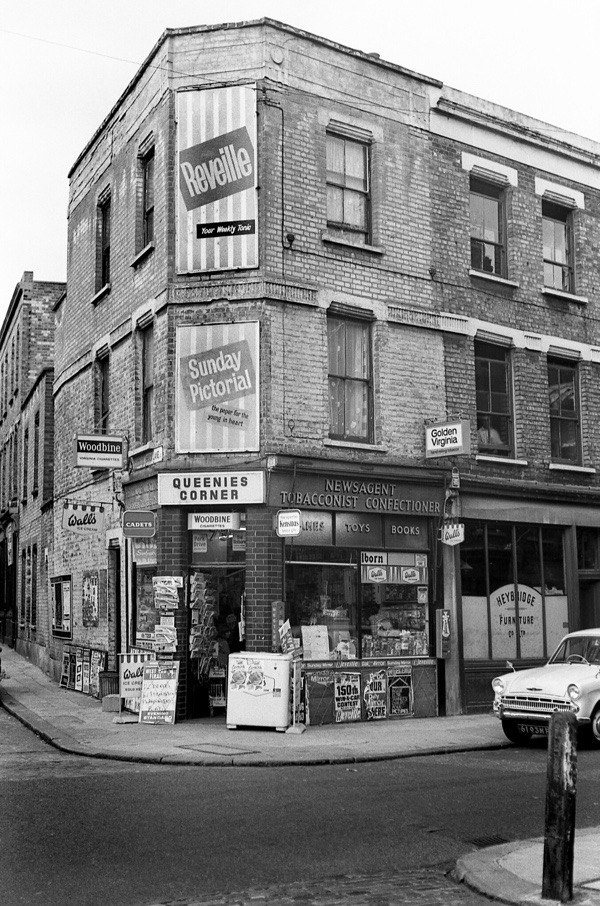
Photographs copyright © Estate of Libby Hall
You may also like to take a look at