
At Gina’s Restaurant
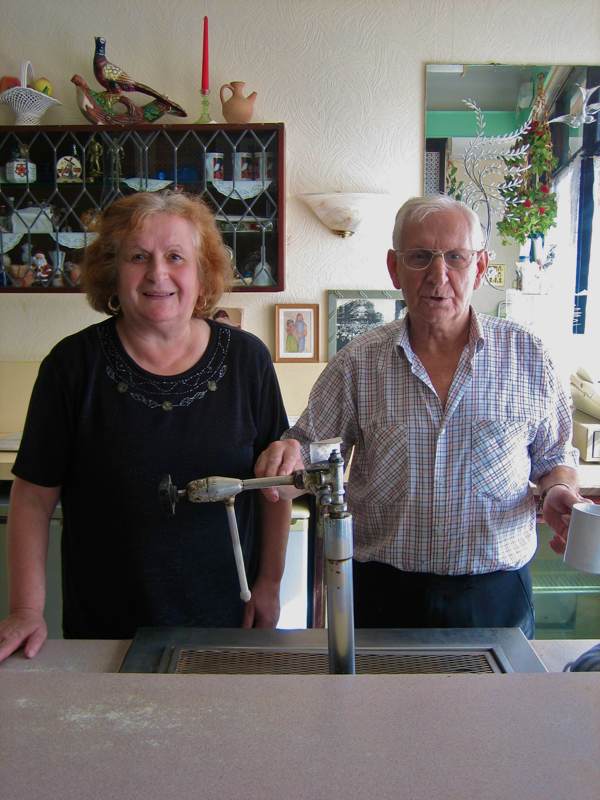
If you are looking for a Sunday roast in the East End, then you can do no better than to go along to Gina’s Restaurant at 17 Bethnal Green Rd where today Gina & Philip Christou open just one day a week out of loyalty to their longstanding customers, many of whom have been coming since Gina & Philip first opened in Brick Lane in 1961.
“We used to open every day,” Philip explained to me with startling frankness, “but what’s the point in killing yourself when you only have a few years left?”
Looking back over half a century, Gina confessed that she cried when she first saw the Hungarian Restaurant in Brick Lane, with three filthy rooms above it, that Philip bought. “I said ‘Jesus Christ! What I have we got here? I can’t live in this,'” she shrieked, growing visibly emotional at the mere recollection of moving with her one-month-old son into a flat with no bathroom and a rat infested toilet in the yard. Gina’s father had paid for her to train for six months as a hairdresser in Regent St and Philip had set out to buy her a salon, but he could not afford one and bought the lease on a restaurant instead. “I was going to buy her a hairdressing salon but it didn’t work out,” Philip admitted to me with a shrug, “so I said, “I’ll buy a cafe, I know how to cook, how to serve customers, how to do the shopping, and my wife can be a waitress!”
“I bought it from a Hungarian Jew and people used to come in and ask ‘Are you kosher?’ So I said, ‘Yes, I am kosher,’ And I used to offer them ‘kosher’ bacon sandwiches.” continued Philip with a twinkle in his eye. “My father told him he wasn’t good enough, when he asked if he could marry me,” interrupted Gina, raising a hand and turning sentimental as she recalled how they met when she joined her father for lunch at the Kennington restaurant where Philip was a waiter – adding, “but afterwards, he said, ‘As long as it’s alright with her.'”
“When we moved in, I went to Gostins, the timber merchants across the road and said, ‘Excuse me, I’m looking for old wallpaper books that you’re going to give away. I ‘ve got no money but I need wallpaper.'” Philip told me, amazed at his own resourcefulness “I papered the cafe with all the different coloured squares of wallpaper and painted the woodwork with some old blue paint my brother gave me. We opened up the cafe and we made a few bob, five pounds on the first day. It was good.”
“We had no furniture,” Gina announced with a gleeful smile, “My parents moved in, so I cleaned up a room for them and gave them our bed. The baby slept with them and we slept on the floor. ” When Gina & Philip came to Brick Lane in 1961 it was a Jewish neighbourhood with a few Indians, but by 1975 when they left it was mostly Bengali people. “We all used to help each other,” Gina explained, “Mrs Sagar across the road was an Indian lady married to a Jewish gentleman. When she learnt I had to sleep on the floor, she said, ‘I’ve got a bed, I’ll give it to you’ and later she gave me a wardrobe too.'”
Gina & Philip found themselves at the centre of a self-supporting community. “I couldn’t afford a van, so the chicken shop across the road leant me their bicycle to go to Smithfield Market each morning to buy chops, steak and sausages, and I used to be back by six thirty to open at seven every day.” Philip remembered fondly, amazed at his former vitality.
“Every Christmas, I used to open only for the old people and give them lunch,” Gina confessed to me, almost in a whisper, as if she did not want the word to get round, “I did it for years because I felt sorry for them. And I remember it was two shillings and sixpence to stay at the Salvation Army Hostel, and they charged a penny for hot water for their hot water bottles on top, so I told the hostellers to bring their bottles round to me and I gave them hot water for free.”
Yet in these unpromising circumstances, Gina & Philip’s Hungarian Restaurant became a unlikely commercial success when some long-distance lorry drivers, who parked their trucks at Aldgate, discovered it as they walked up Brick Lane on their way to the Well & Bucket public house. “One day these men came in and asked for a ‘Mixed Grill.'” Gina said, recalling the auspicious moment that changed her life, “So I went into the kitchen and said, ‘We’ve got new customers and they want a “Mixed Grill.” He made up a big plate of meat, and they ate it all and said, ‘Thankyou very much, we’ll see you again.’ The next day there was six, and ten the day after. In a month’s time, we had a multitude and a queue outside. I became famous for lorry drivers!”
On the basis of their new-found income, Gina & Philip were able to buy a house in Haringey, permitting extra space for their growing family of four children – exceedingly fortunate, because in 1972 the council served a compulsory purchase order on the restaurant to demolish it. “I cried when we had to leave!” declared Gina with a helpless smile, confessing the lachrymose parentheses to her sojourn in Brick Lane.
“I didn’t want to buy a cafe again, so I went to work at Blooms restaurant in Whitechapel,” said Philip. “And I wanted to be a machinist, but I couldn’t do it – I was always crying!” said Gina, eagerly carrying the narrative forward, “They asked me, ‘Why are you crying?’ I said, it’s not a restaurant, there’s no people in it.’ I missed all the people, they were so friendly.”
Gina & Philip borrowed money from the bank to buy the cafe they run today in the Bethnal Green Rd and all the regulars from Brick Lane and the long-distance lorry drivers followed them – especially as they now offered bed and breakfast above the cafe too. When they arrived, the Sunday animal market was still in full swing, filling the surrounding streets, selling birds and all kinds of creatures – “We bought a goat and called it Billy, but the neighbours complained about it eating their cabbages and we had to give it back,” Gina told me, as an aside. They originally opened up as G’N’T’S, changing it to “The Steakhouse” on a whim, only to discover this attracted a crowd that was too posh, which led to the current, ultimate incarnation as Gina’s Restaurant.
“I’ve got one old boy, he comes every week from Croydon. He’ll always have sausage, chips and beans – and eight to ten coffees.” Gina told me in affectionate reminiscence, “I’m a very soft woman, I talk to him and I feel good. I’m happy to listen to him because he lives by himself and has no-one to talk to but me.”
Sundays at Gina’s Restaurant are a long-standing ritual in this corner of the East End, the focus of a particular world and one of the last places you can get a good cup of tea for 80p. Gina told me that many of the fly-pitchers who trade on the pavement outside – constantly hassled by council officials – are pensioners who have lived their whole lives in the neighbourhood and come to sell a few of their possessions simply to afford a Sunday lunch. Gina & Philip open every weekend to offer a safe haven to these people, and to anyone else that wants an honest roast dinner.

Gina’s favourite teapot.
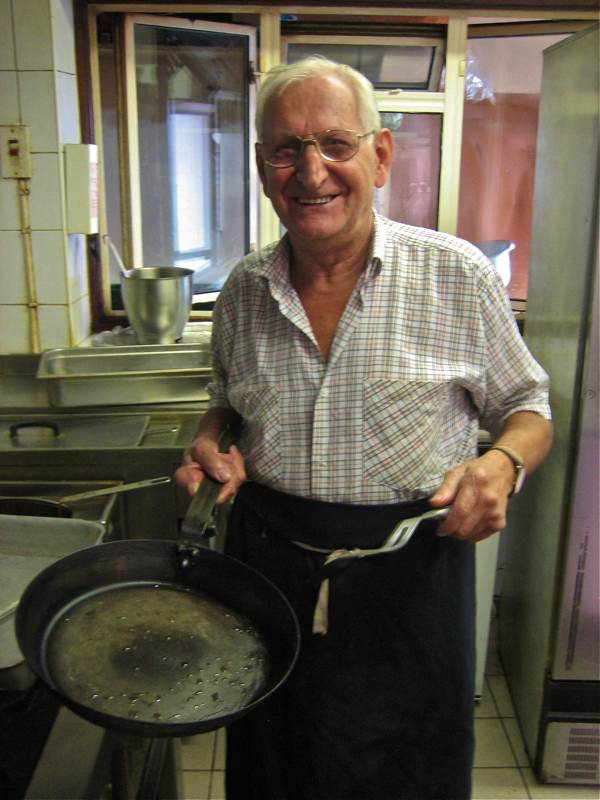
Philip’s preferred frying pan.
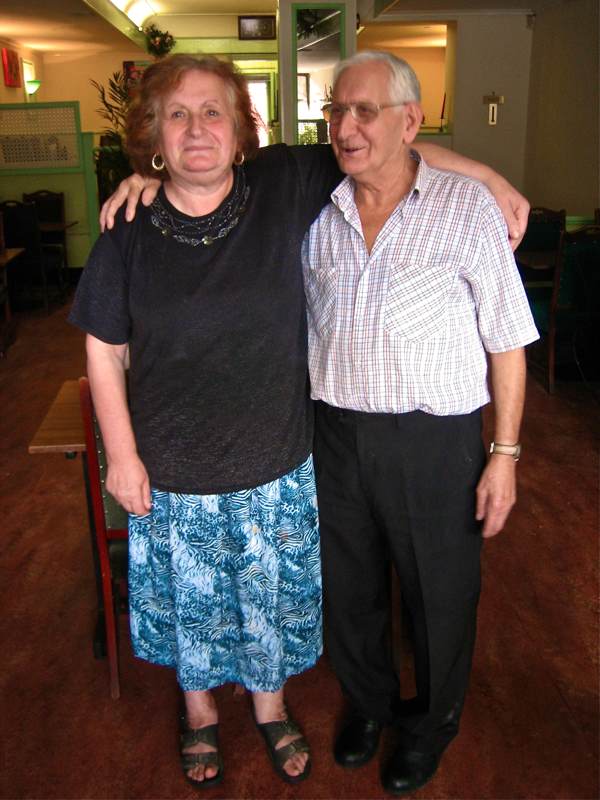
Gina & Philip Christou
You may also like to read about
Spitalfields Antiques Market 27
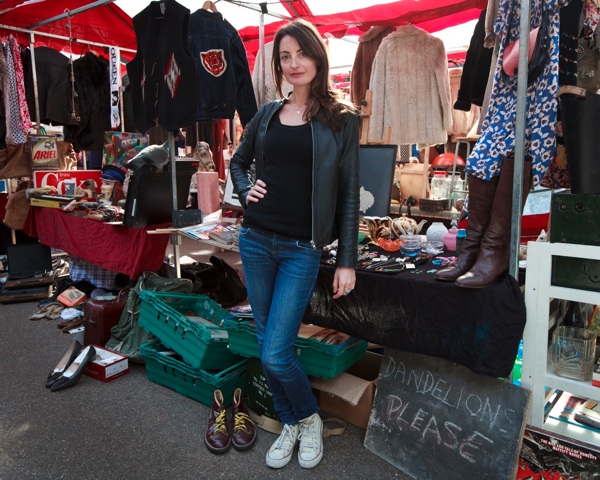
This is the stylish Lula Camus who came to London from France seventeen years ago and stayed. “I think there is a certain freedom of expression here that you don’t get in my country,” she admitted to me with an enigmatic smile, while reclining nonchalantly in front of a sign that read “Dandelions Please.” Years ago, Lula worked in the Savonerie in the Spitalfields Market before the rebuilding and now she has returned. “I decided to give it a go in the Antiques Market and this is my second week, but I’m still deciding whether to make it a full time job.” she confessed, rolling her dark eyes in equivocation and looking at me questioningly. I have my fingers crossed for Lula’s return.
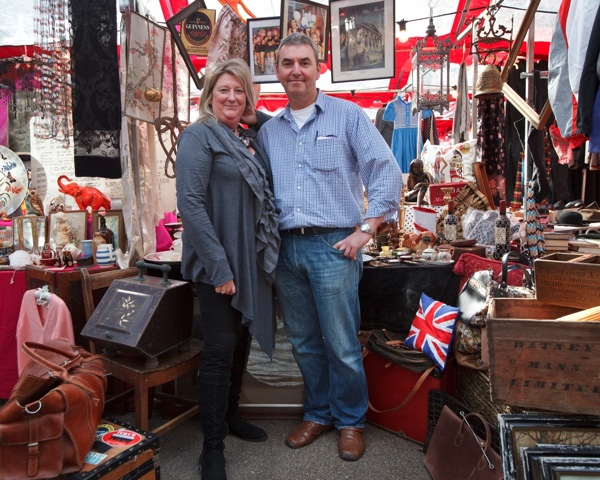
This is Hazel & Keith Townsend, a couple who both travel for a living as flight attendants. They flit in and out of the Spitalfields Market like migratory birds, selling the excess of unusual artefacts they collect in their globetrotting. “We get up at four thirty to come up from Sussex,” Hazel informed me while Keith ferried boxes from the car. “He does all the fetching and carrying, and helps me a lot,” she added in whisper, once he was out of earshot. “It’s all very new and there’s a novelty element but it’s still good fun.” announced Keith enthusiastically when he returned, “sometimes, we buy new things but the collection is going down.” And they exchanged a private smile of happy contentment. I wish Hazel & Keith safe flights.
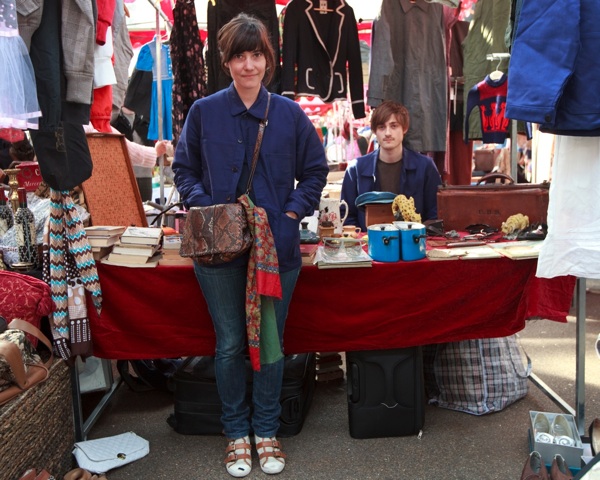
This is the charming Charlotte Marionneau & her handsome helper Sam. Charlotte came to London from Paris sixteen years ago and met her fellow ex-patriot Lula Camus for the first time on the day this photo was taken. “People are doers here,” she informed me with a respectful nod, “whereas in France, they just talk about it.” Charlotte began trading in Portobello fifteen years ago and started here in Spitalfields last year, selling an eclectic mix. A musician by profession, Charlotte has just completed her second album Theodorus Rex with her band Le Volume Courbe and, when not on the market, she works at Lucky 7, the record shop in Stoke Newington. So, for Charlotte, life is either music or markets. I hope the album is a big success.
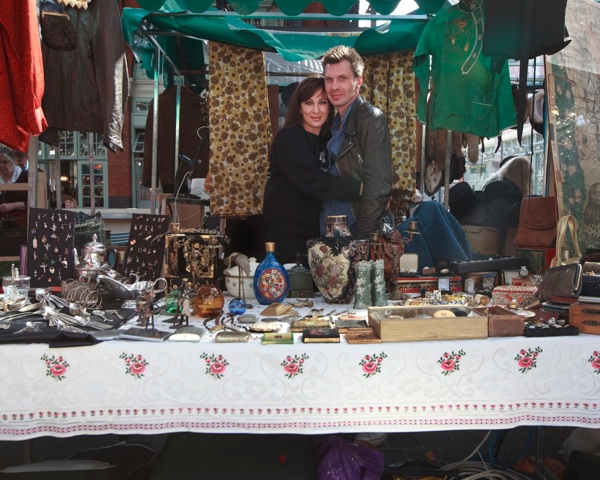
This is Jany Thomas & Marcin Cybukski enjoying a cuddle. “I grew up in markets, my mum traded at the stables in Camden and under the bridge in Portobello,” explained Jany, “I started last year, because I am an artist and I wanted to work for myself.” In fact, Jany & Marcin’s romance blossomed on the market and now they are engaged to be married. “I’ve always had a passion for antiques,” Marcin revealed, gesturing to the magnificent display upon the table,”and this is happened when we got together.” Next month, both commence a Fine Art Degree at the University of Middlesex and they plan to marry afterwards. I wish Jany & Marcin happiness in their marriage.
Photographs copyright @ Jeremy Freedman
Sue Bristow, The White Horse
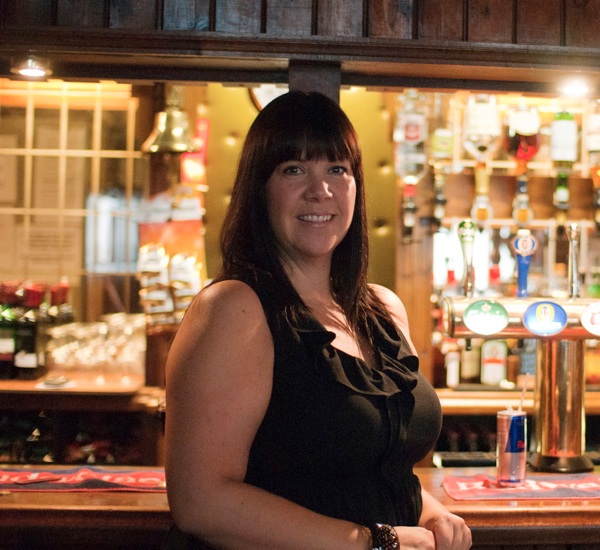
Many in Spitalfields enjoy spending time at The White Horse on the corner of Redchurch St and Shoreditch High St. Even on a midweek afternoon, when the pavements are empty, you can rely upon stepping inside the barroom and finding an enthusiastic crowd. It is an expectedly democratic place in which City workers and constructions workers rub shoulders, all mesmerised by the astounding balletics of the pole dancers at this celebrated East End strip pub where – unusually for such an establishment – women are welcome too.
No-one is more at home in The White House than Sue Bristow who has lived above the premises since 1978 and grew up there. With a life that would be envy of her customers, Sue is the presiding goddess in a little black dress, constantly surrounded by attendant Aphrodites in skimpy exotic outfits. Even as I chatted with Sue at the bar, glamorous creatures were flitting around catching her eye with a wink and nod, as they brandished their pint pots which the customers take such delight in filling with pound coins – merely for the opportunity of being in the same room with these nubile lovelies who cavort for the pleasure of their silent admirers.
With its blank facade and windows shielded from the street, this public house might appear mysterious to anyone who has never been through the door but, as Sue spoke, I realised there was nothing to hide beyond that certain discretion which is the strippers’ prerogative.
My dad, John Bristow, and his family are from Chicksand St. He and my uncles all worked in the Spitalfields Market together, and my nan, Glenys Bristow, ran a cafe in Commercial St opposite the market until they was bombed out in the war. She lives in Bethnal Green now and when we take her around Spitalfields she points out where everything used to be.
In 1978, we moved here to The White Horse. My mum and dad got the place and I was brought up above the pub. My dad was a lorry driver and my mum was a secretary, and they had to learn how to run a pub as they went along. When we first started, we had dancers here only on Thursday and Friday evenings, and Sunday lunchtimes. You had Robinsons that sold electric pumps across the road then, the betting shop on the corner, and there were a lot of banks, Lloyds, Barclays and Nat West, and the Post Office. But gradually all the people went away and even the banks shut. This was in the first recession and, although I was really young, I remember they were rough times – but we somehow managed to stay open throughout.
I started working here before I should of. In my school holidays I used to do the cleaning and the tills. Now I have a daughter of my own who’s fourteen, she always asking if she can work behind the bar and at Christmas she helps the girls to cash up all their pound coins from their pint pots. When I was eighteen, I was put in my own pub – The Crown, overlooking Victoria Park. I was one of the youngest licensees in the country. It was very hard work, your whole life is the pub. I did two and a half years at The Crown.
I don’t think I’ve ever left home completely. This pub is like my front room. It’s my home, isn’t it? I’ve been brought up in it, I’ve lived and breathed it. My dad retired eight years ago to Murcia near Alicante in Spain but Pauline, my mum, she didn’t want to go to Spain or leave the pub. She is very much the backbone here, and now she and I run it together. She takes care of the pub side, makes sure it’s open in the morning, does the tills, orders the beer, checks in the cellar and does the bookwork. She’s very meticulous, she doesn’t miss a thing. I do the girls, they check in with with me every morning when they begin their shifts. I do the booking sheets – we plan six weeks in advance. We find girls through word of mouth and we have a lot coming in to audition, but I only need the best of performers. I’ve been watching the dancers since I was fourteen, so I know who’s a good dancer.
The girls get to keep all their pounds in the pot here, we don’t take commission like some pubs do. I like to take care of the girls – to give them a safe and clean environment, and nice changing rooms. I get on with the girls very well and quite a few of them are my friends, and the girls all get on well together too. There are only five on each shift and they each do five performances. When we opened Blush – the table dancing venue upstairs – we had a meeting and let all the girls speak, in order to work out the fairest way to run it. I always oversee the girls personally, and I want it to be relaxed and not a competitive atmosphere.
People who have never been inside a strip pub sometimes presume that the men are in control but the opposite is true – the woman on stage has the most power, she has all the men under her control. Many of the girls say they enjoy that it’s run by women here. We only employ men to do the security. On Saturday night, we had a group of youngsters in and I decided they were not going to stay. I went over to them and said, “Right lads, this is my pub and I’ve told the staff that you’re not going to be served. You’ve got to leave. When you’re more mature, you’re more than welcome to come back.” And a few of them apologised. Not everyone knows how to talk to people, but if you make a little joke and they laugh. then you can get them on your side. It’s something you learn.
The doormen say, “If it kicks off, it’s not the customers you have to look out for, it’s Sue!”
This last comment was accompanied by a self-deprecatory laugh and roll of the eyes from Sue, before our conversation was concluded by the return of her daughter from school, exchanging greetings with the girls, all smiles and eager to tell her mother of her day. Glowing with maternal pride, Sue introduced me, demonstrating the enviable ease which permits her to inhabit the role of strip pub manager and mother simultaneously.

Sue Bristow – “I’ve been watching the dancers since I was fourteen, so I know who’s a good dancer.”
Photographs copyright © Sarah Ainslie
You may also like to read about The Strippers of Shoreditch
Max Lea MBE, Football Referee

Maxie Lea – Ready for training!
At the top of Brick Lane, there was once a nest of densely populated streets where a group of young boys became friends in the nineteen thirties and although the topography has changed beyond all recognition, their friendship remains alive today. Max Lea was one of those who shared in the lively camaraderie engendered at the Cambridge & Bethnal Green Boys’ Club, which was based nearby in Chance St, where the boys met each evening to let off steam and enjoy high jinks, while escaping their crowded homes.
“Maxie,” as he is commonly known, became a member in 1941 and then a club manager in 1947, a post that he held until it closed in 1989. In fact, Maxie still organises the annual reunions and, in 2000, the Queen gave him an MBE for his stalwart devotion to the heroic boys’ club. Of diminutive stature and playful by nature, with his pebble glasses and exuberant humour, Maxie was always a popular figure, but his experiences at the Cambridge & Bethnal Green Boys’ Club encouraged his gregarious personality and his respect for justice – finding equal expression in the sporting life he has pursued both as player and as referee.
I was born in the Royal London Hospital Whitechapel on 29th June 1930 as a twin, with a blue baby that died after eight hours. My parents lived at 265 Brick Lane in a small grocery shop. My mother’s family came from Lodz in Poland and they had a tailoring business in Plumbers Row, Stepney. My father’s family were from Russia but I don’t know where, he came with his family to Portsmouth in the nineteen twenties. They met through friends. My father travelled up from Portsmouth and they got married and lived on Brick Lane where he started a tailoring business in the house. Mum ran the grocery shop, which was opposite Gossett St. There were five children, we all slept in the two upstairs rooms and we kept ourselves together, we were never short of food.
At nine, I was evacuated, at first to Soham and then to Stoke Hammond for eighteen months. The thing that always comes back to me was when we had a big snowfall, I was walking to school with my sister and the next thing she said was, “Where are you?” I fell into a ditch. Life was good, quite peaceful and I played football and cricket with the other boys. It taught me a lot about friendship.
At thirteen years, I came back for my Bar Mitzvah but on the day of the service I had Quinsy, a swelling of the throat. I was lying in bed and I could hardly speak. I heard my mother and father downstairs, saying,“What are we going to do?” At that moment, it burst! We went along but I could only say a portion of the Torah – just the pages in the front – and after that I went back to bed.
Then, at fourteen, I left school and, as my brother was a pastry cook, I decided I was going to do the same and I went to work at Joe Lyons in Coventry St, Piccadilly. Going to work so early in the mornings, the good-time girls used to take my arm and say “Come with me.” But I said, “I’m on my way to work!” I didn’t hardly know what it was all about – I was just a little fella.
In 1941, I joined the Cambridge & Bethnal Green Boys Club in Chance St. Until then, the only holiday I ever had was Southend, staying in Mrs Lewis’ boarding house for a week while my father travelled back and forth to work each day. Joining the club, I got to go on camps and Harry Tichener, the club manager known as “T,” became like a second father to me. He was a photographer by profession and an Associate of the Royal Photographic Society. At fourteen, I joined the committee as a junior officer. It built a life of comradeship for us. And it taught me how to deal with others and how to talk to people. It taught me management, that you don’t say, “Oi, Can you do this?” You say, “Can you please help me?”
I moved out of Brick Lane in 1960, when they pulled the shop down and offered us a place in Vallance Rd. But it was under the railway, so we moved to Rostrevor Avenue instead and eventually to Stamford Hill. My mother ran the shop all this time and I lived with her until she died at seventy-seven in 1976. From being a pastry chef, I became a stock keeper for sportswear company and then I worked for Tower Hamlets Housing Office, staying until I retired in 1995. When I was working for Tower Hamlets, I used to deal with new properties and, one day, a lady came in to present the papers of 265 Brick Lane and my heart stopped. “What’s the matter?” she asked, and I said, “Before they pulled it down, I used to live at that number.”
Maxie has been back only twice to Brick Lane since 1960. “Each time, I went for walk and got lost,” he admitted to me with a crazy grin of self-parody, “but it’s just as mixed now as it ever was.” Yet although the streets are changed and the building in Chance St is gone long ago, Harry Tichener’s affectionate and beautiful photographs survive to witness the vibrant world of the Cambridge & Bethnal Green Boys’ Club – which once offered an invaluable taste of freedom to so many young men from the East End.
Today, Maxie is in regular contact with the friends he made in Brick Lane in the nineteen thirties, and he lives now in an immaculate flat in Stanmore surrounded by trophies and certificates, commemorating his meritorious services to refereeing football matches. At first, I couldn’t quite understand the appeal of refereeing until Maxie confided, “As a player you only make acquaintances, but as a referee you make many more lasting friendships. It has given me a very fruitful and interesting life.”

Max enjoys a casual cigarette at age eleven, pictured here with Victor Monger, 1941.

Boat trip, Max raises his fingers to his chin in the centre left of the picture.
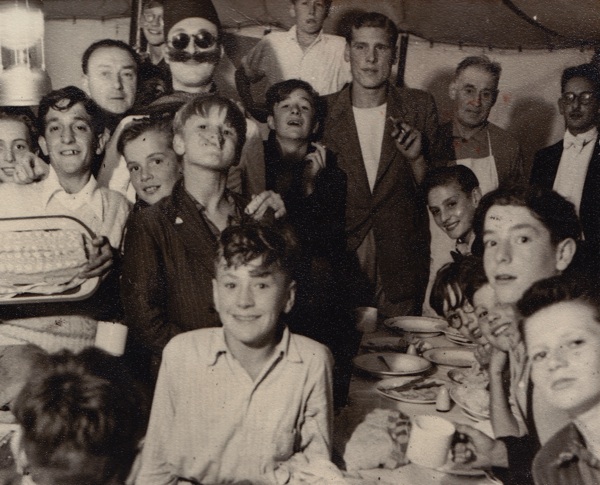
Camp Banquet, Max is on the far left.

On Herne Bay Sands, Max stands in profile on the right.

Looking down on Dover, Max is on the left of the group.

Max is in the chef’s hat with a pipe on the left of this picture.

Max is pictured doing the washing up on the left of the table.

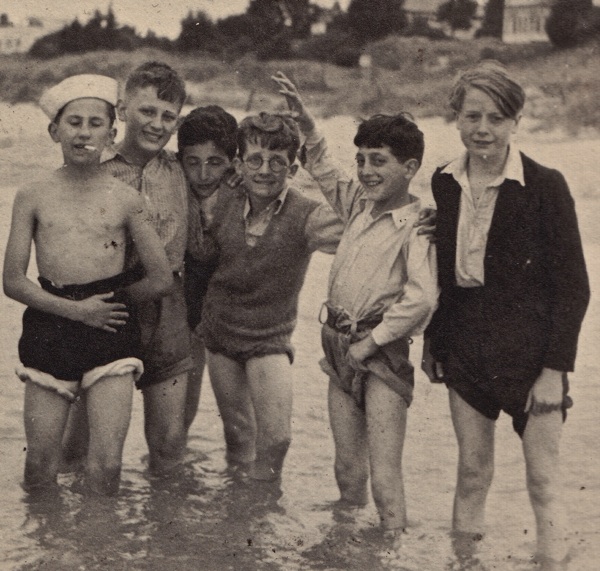
Max is in the centre right, paddling with his pals, Stanley, Manny, Butch & Ken.

Max & Stanley go boating.

Treasure Hunt, Max is centre left beneath the tree.

The Treasure Hunt continues, Max is on the right.
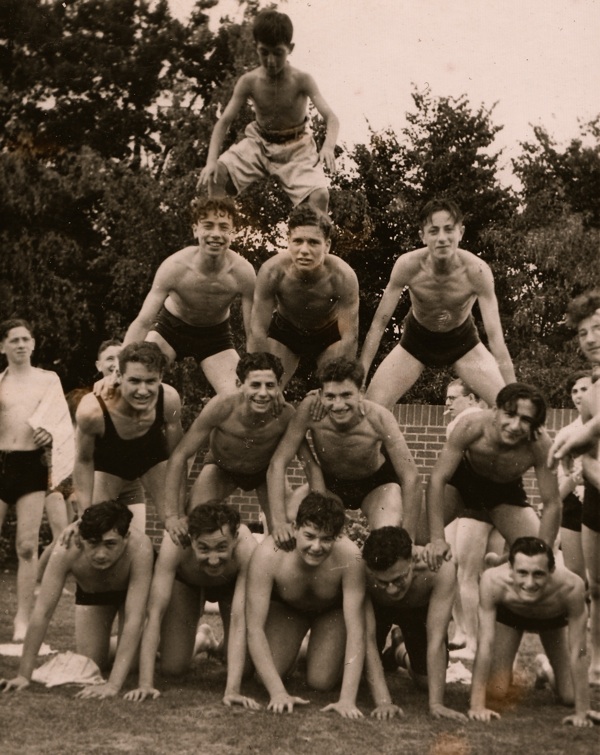
A Human Pyramid with Max at the top.

Tea in the orchard 1942, Max sits on the right drinking a mug of tea.

Max peels the spuds at the centre of this picture.

Harold goes for breakfast while Paul & Max look on.

1950, Shackelford. Max, Roy & Albert get water.


Weekend Camp, Easter 1955. Max with his head in his pal’s lap.

France, 1959, Max at the centre of this group.

France 1959, Max is seen in profile, waving at the centre left of this picture.

France, 1959, Max is at the centre of this happy group.

Easter, 1955.

Weekend Course at Amersham, Max at the centre.

Hastings, 1957, Max and his scooter.


Max & pals at Middelkerne Beach.

In 2000, Max receives his MBE for services to the Cambridge & Bethnal Green Boys’ Club.

Max Lea MBE –“The sporting life has kept me fit for all these years.”
Cambridge & Bethnal Green Boys’ Club photographs by Harry Tichener ARPS
Portrait copyright © Jeremy Freedman
Read my other Cambridge & Bethnal Green Boys Club Stories
At the Cambridge & Bethnal Green Boys Club 86th Annual Reunion
Unveiling the Map of Spitalfields Life
[youtube mvq38fBhGDI nolink]
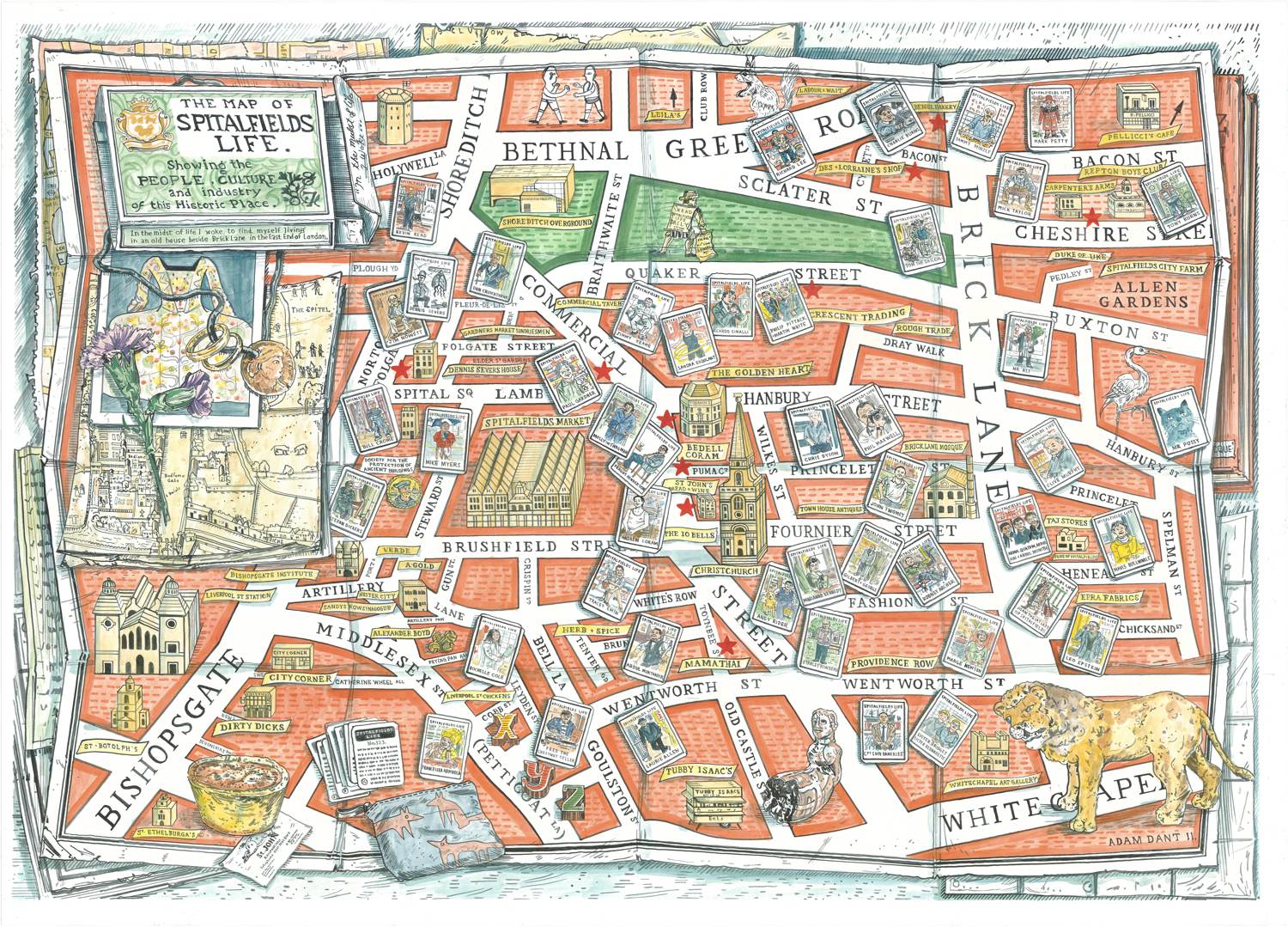 Click to enlarge the map
There was a hullabaloo in Fournier St on Thursday night as the people of Spitalfields crowded excitedly into the Town House at number five for the unveiling of The Map of Spitalfields Life by Sandra Esqulant, landlady of the Golden Heart in Commercial St. Fortunately, Leila McAlister was on hand to provide steadying glasses of Gin Fizz to the assembled throng as they gathered in the eighteen twenties’ doctor’s surgery at the rear of this tottering eighteenth century weavers’ house.
Once, if there was an accident at the brewery in Brick Lane or in the Spitalfields Market, the unfortunate victim was ferried on a stretcher to this surgery for the necessary amputation. Yet although Thursday night’s event was of a far lighter nature, the anticipation reached fever pitch and some were seen to dab perspiration from their brows, as the crowd parted upon Sandra Esqulant ‘s arrival, regal in a couture gown, to draw back the golden silk cloth and reveal the map.
The walls were lined with the extraordinary maps of the East End which Adam Dant has drawn over the past ten years – works that have established him as London’s Cartographer Extraordinaire. And there at the centre of the gallery was Adam’s latest creation The Map of Spitalfields Life under its silken drape glistening in the light, ready to delight the crowds and take its place among his other masterpieces of cartographic ingenuity.
It was only in the preceding days, as I delivered the invitations in person, that I discovered how this metaphor of being “on the map” acquired real meaning, and the most commonly heard line of Thursday evening was the critical question, “Are you on the map?”
A great number of those you have read about here in the pages of Spitalfields Life are on the map and, at the unveiling, it was exciting to welcome Molly the Swagman, Andy Rider the Rector of Spitalfields, Mick Taylor the Sartorialist of Brick Lane, Rochelle Cole the Poulterer, Paul Gardner the Market Sundriesman (proprietor of Spitalfields’ oldest family business), Clive Murphy the Oral Historian, Philip Pittack & Martin White of Crescent Trading, Mark Petty the Trendsetter, Dan Cruickshank the Architectural Historian, Mike Myers the Spitalfields Crooner, Robson Cezar the King of the Bottletops, Simon Watkins & Rachel Wythe-Moran of Labour & Wait, Roy Emmins the Whitechapel Sculptor, Philippa Stockley the Historical Novelist, Rodney Archer the Aesthete, Gary Arber the Printer from the Roman Rd, Mick Pedroli & David Milne of Dennis Severs House, Laurie Allen of Petticoat Lane, Cecile Loyez of Agnès b Spitalfields, Bill Crome the Window Cleaner who sees ghosts, Andrew Coram the Antique Dealer, Chris Dyson the Architect, Pam & Raj Chawla of Mama Thai Noodle Bar, Paul Bommer the Illustrator, Marge Hewson the Nursery Nurse from Christ Church School, Sarah Winman the Novelist, Leo Epstein the last Jewish trader on Brick Lane, Cynthia Grandfield the Queen of Ryantown, Mavis Bullwinkle the Secretary, Boyd Bowman of Alexander Boyd, Stefan Dickers the Archivist at the Bishopsgate Institute, Marianna Kennedy the Arbiter of Elegance, and Jim Howett who is responsible for many of the best renovations in Spitalfields. As you can imagine, I took great pleasure in making introductions, especially between those who had known each other by sight for years but not spoken before.
Adam Dant raised a hand to silence the hubbub and then – with a few plain words from the heart – Sandra Esqulant pulled back the gold silk cloth. It slid from the picture with a satisfying rustle and fell to the floor in silence before a collective gasp of wonder arose from the room. Then Adam Dant’s daughter Grace presented a bouquet of exotic roses to Sandra for performing the honours and the crowd surged forward in excitement, with index fingers extended to seek their portraits upon the map.
The Map of Spitalfields Life is published by Herb Lester in a pocket-sized edition with Adam’s cartography on the front and my stories of the people of Spitalfields on the reverse. A hand-tinted limited edition is also available suitable for framing, signed by Adam Dant and yours truly. Both can be purchased directly from www.spitalfieldslife.com as well as limited editions of many of Adam’s most popular maps featured in his exhibition, including The Map of Hoxton Square and The Map of Shoreditch as New York.
The exhibition Adam Dant – Unusual Cartography of East London runs at the Town House, 5 Fournier St, until Sunday 2nd October. Open every day except Monday, from 11:30 am – 5:30pm and at other times by arrangement with Town House.
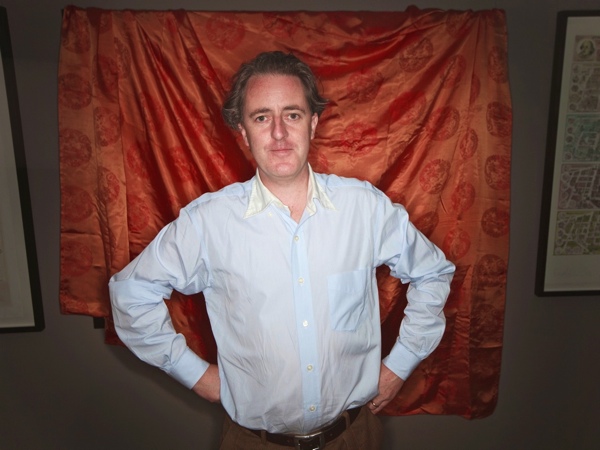
Artist Adam Dant, the Hero of the Hour.
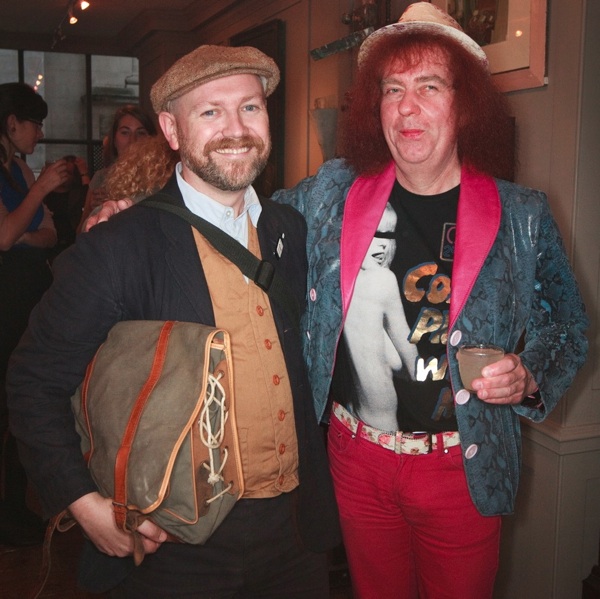
Illustrator Paul Bommer & Trendsetter Mark Petty
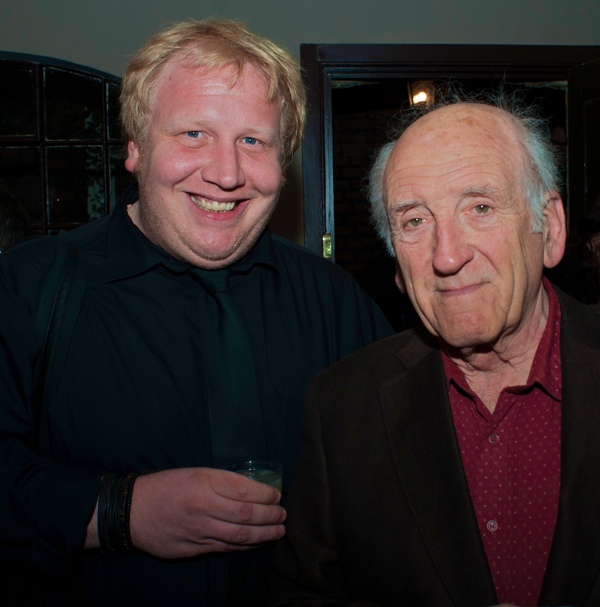
Archivist of the Bishopsgate Institute Stefan Dickers & Mike Myers the Spitalfields Crooner.
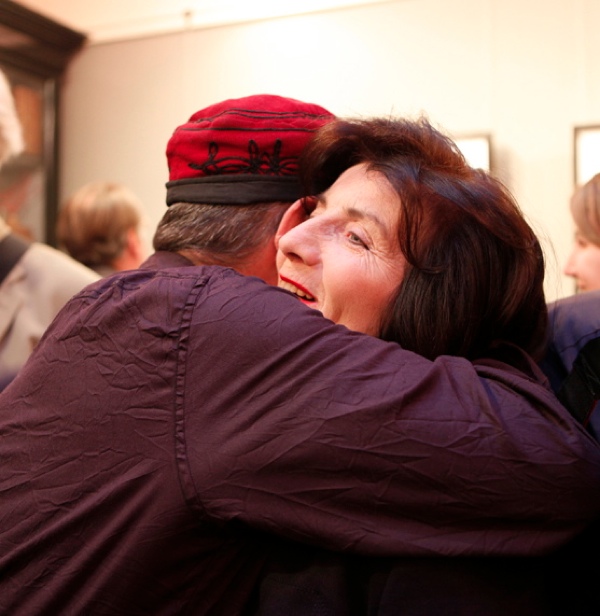
Rodney Archer, the Aesthete, embraces Sandra Esqulant.
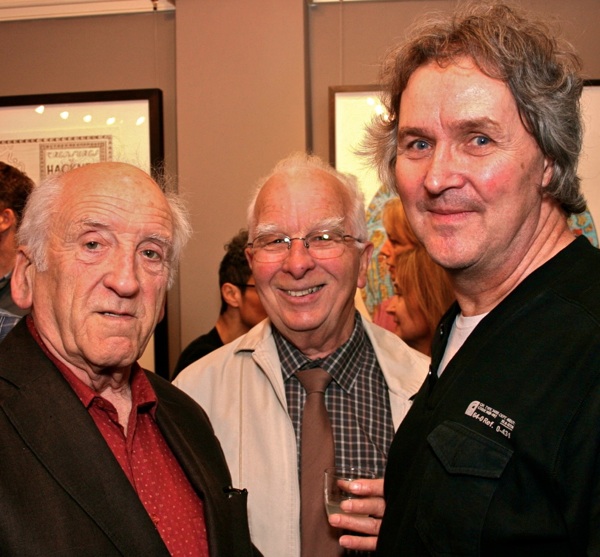
Mike Myers, Stanley Rondeau the Ninth Generation Huguenot & Paul Gardner, Market Sundriesman.
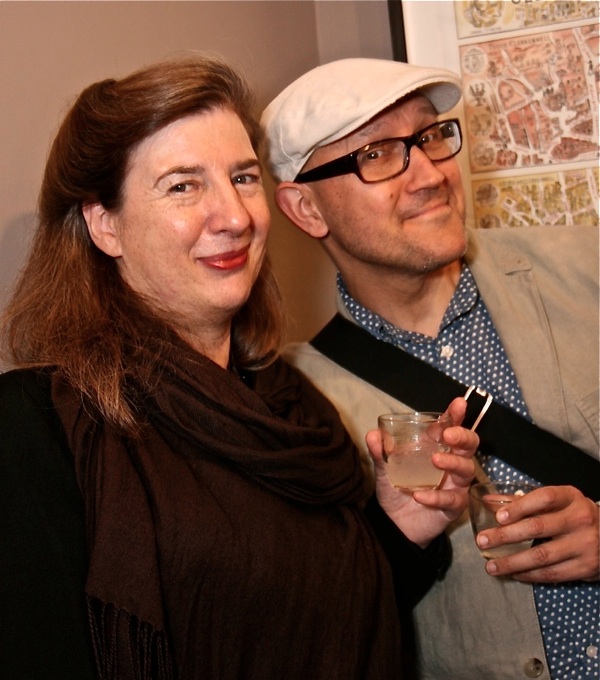
Jane Wildgoose of the Wildgoose Memorial Library & Simon Costin of the Museum of British Folklore.
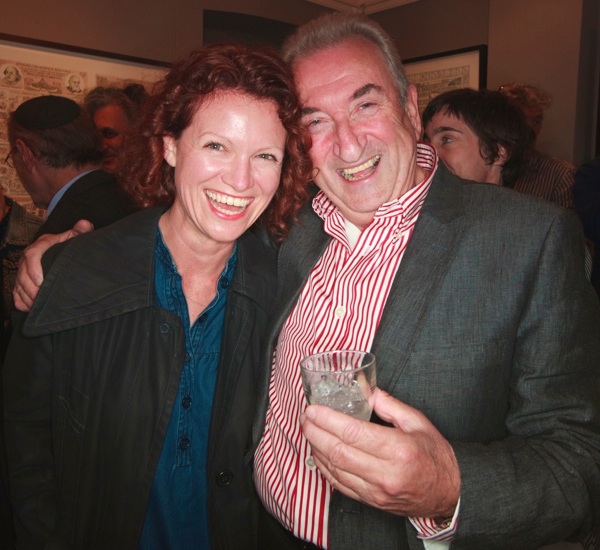
Photographer Patricia Niven with Phillip Pittack, Cloth Merchant of Crescent Trading.
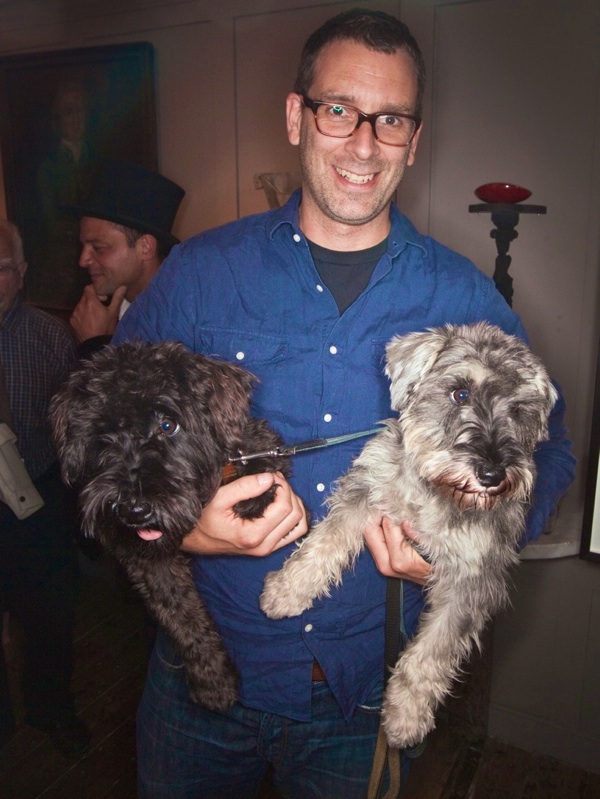
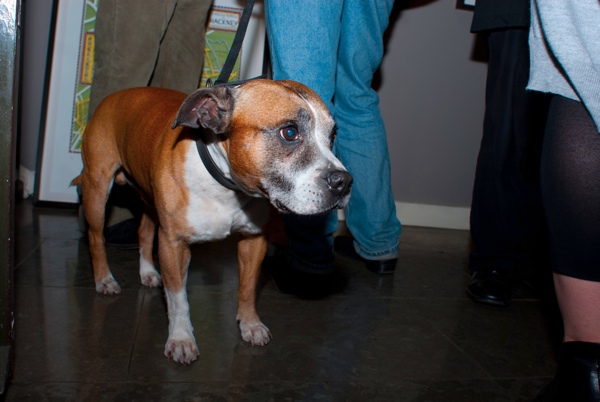
Photographer Martin Usborne with canine friends.
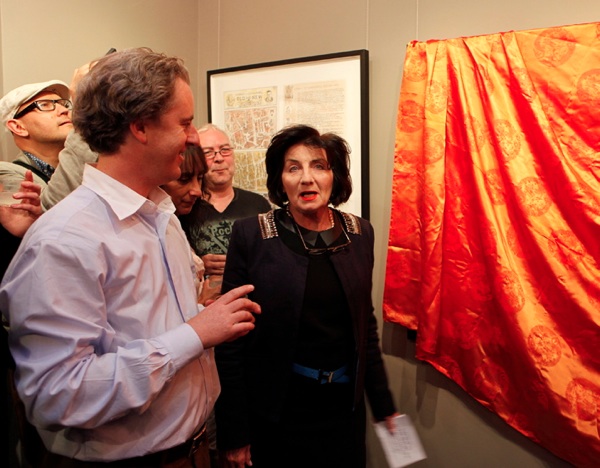
Adam Dant & Sandra Esqulant
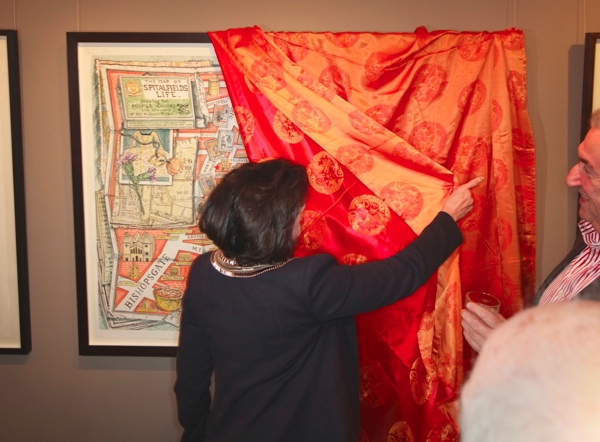
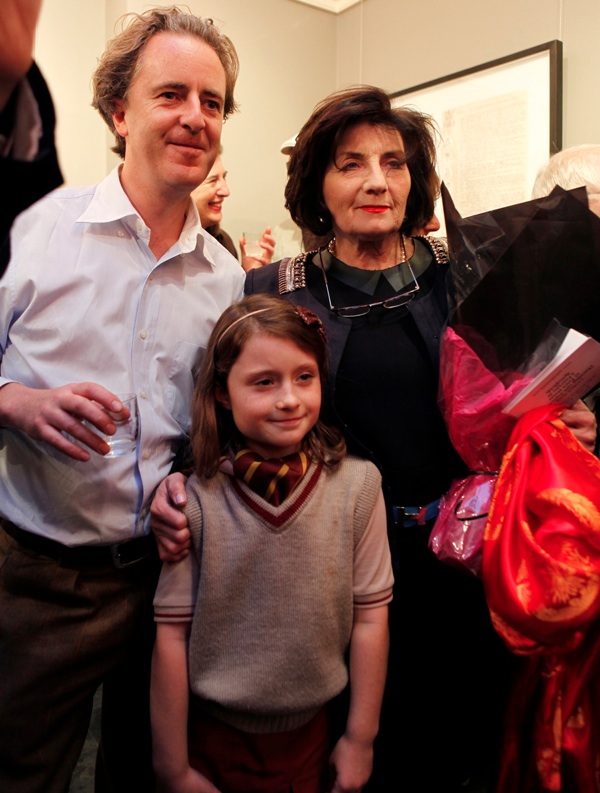
Adam Dant, Sandra Esqulant & Grace Dant
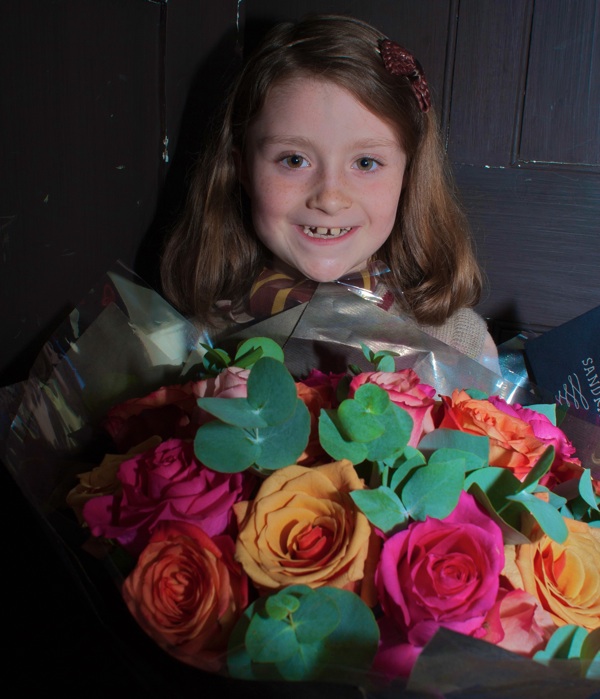
Grace Dant with the bouquet she presented to Sandra Esqulant.
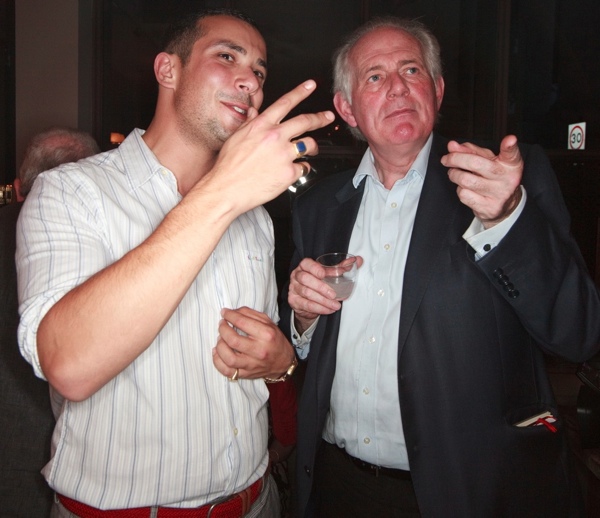
Photographer Jeremy Freedman & Architectural Historian Dan Cruickshank admire the map.
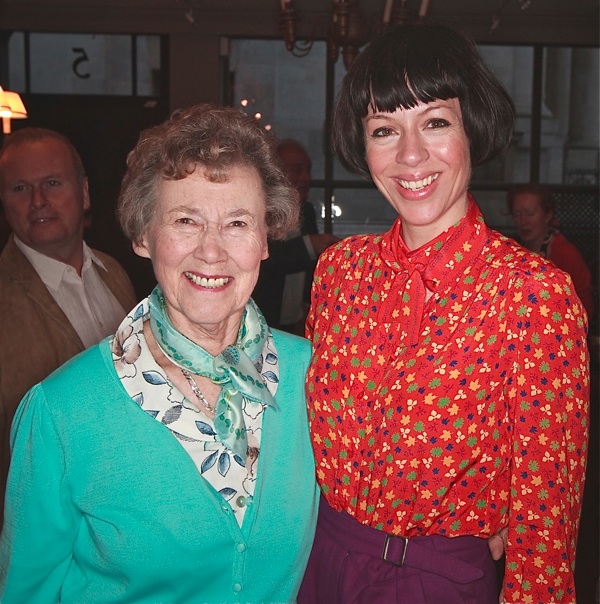
Secretary Mavis Bullwinkle makes a new friend.
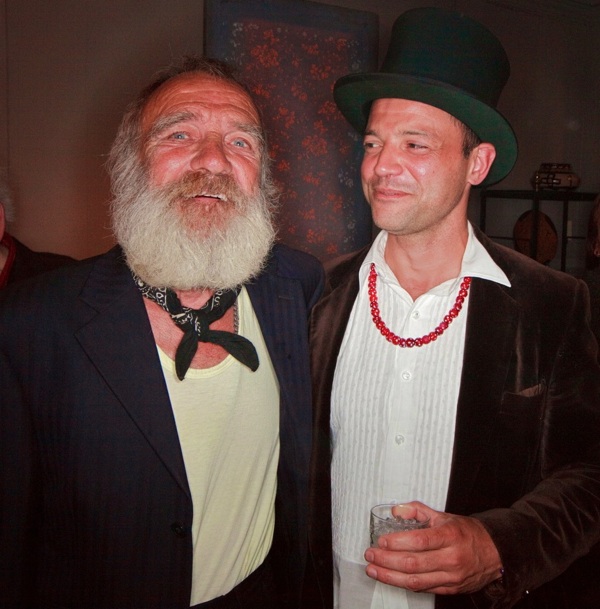
Mick Taylor the Sartorialist of Brick Lane & Robson Cezar, King of the Bottletops.
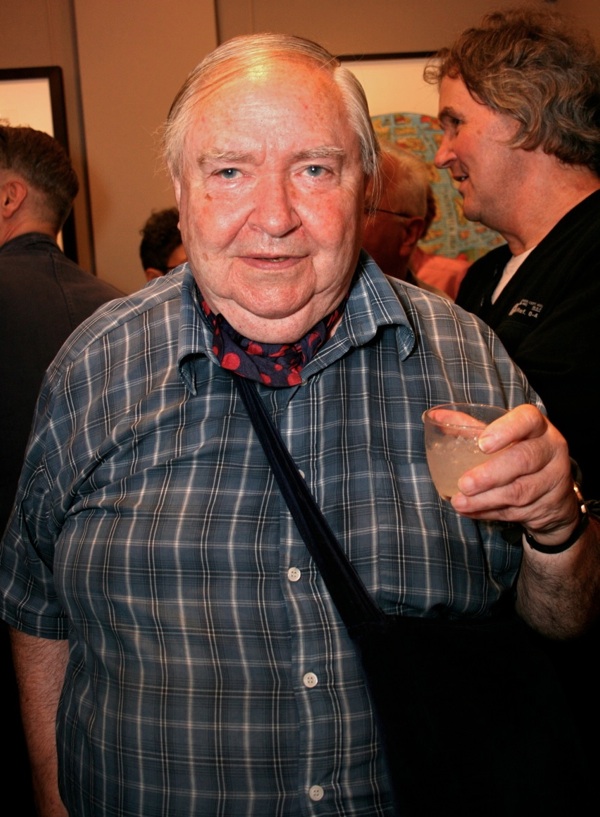
Clive Murphy, Oral Historian & Writer of Ribald Rhymes.
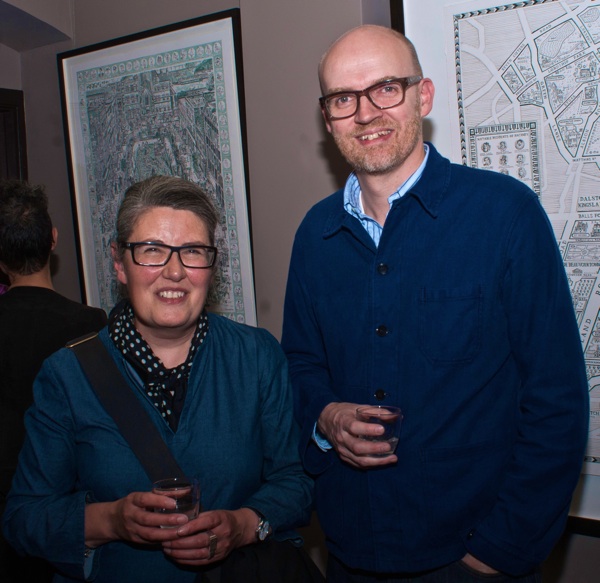
Rachel Wythe-Moran & Simon Watkins of Labour & Wait.

Martin White, Cloth Merchant of Crescent Trading.
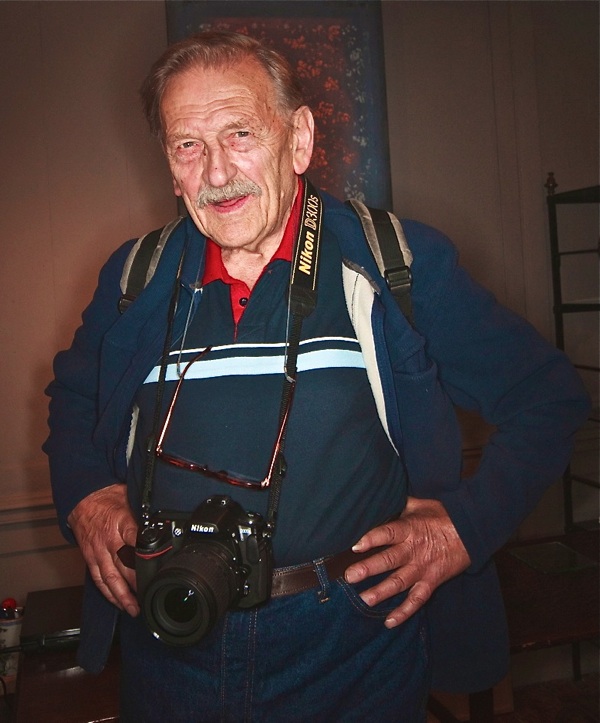
Gary Arber, of W.F.Arber & Co Ltd Printers in the Roman Rd
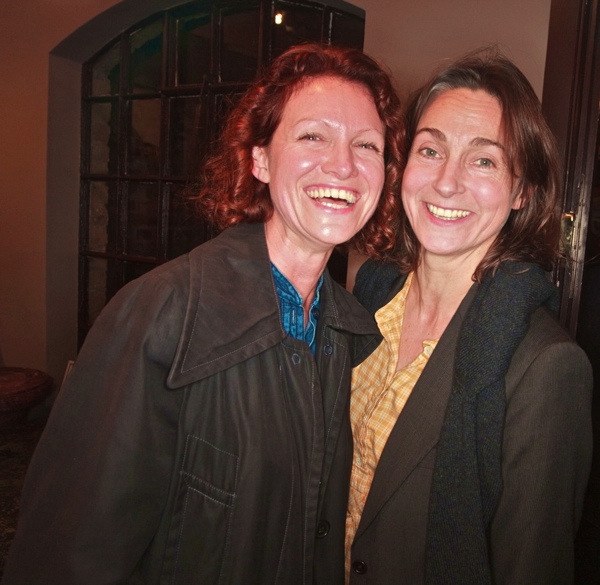
Photographer Patricia Niven & Novelist Sarah Winman.
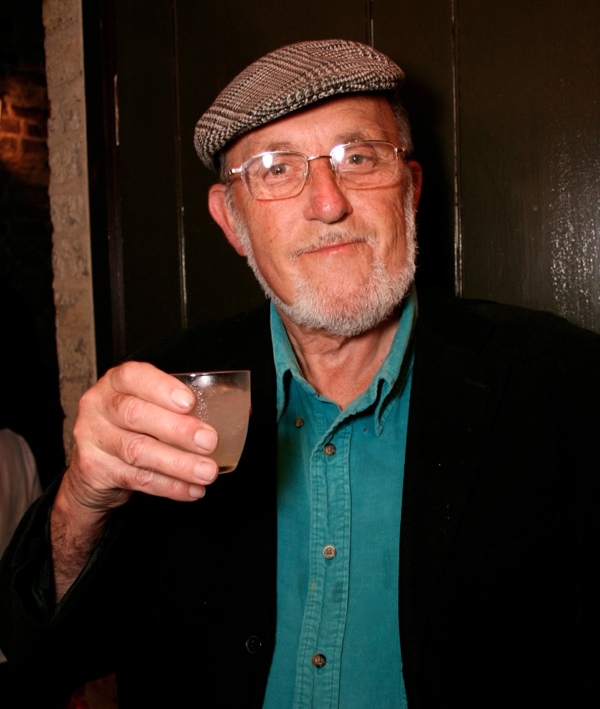
Roy Emmins, Sculptor of Whitechapel.
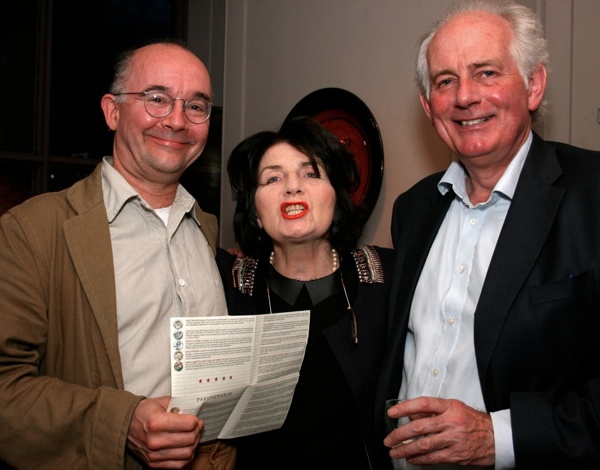
Jim Howett, Sandra Esqulant & Dan Cruickshank.

Robson Cezar & Cynthia Grandfield, Queen of Ryantown.
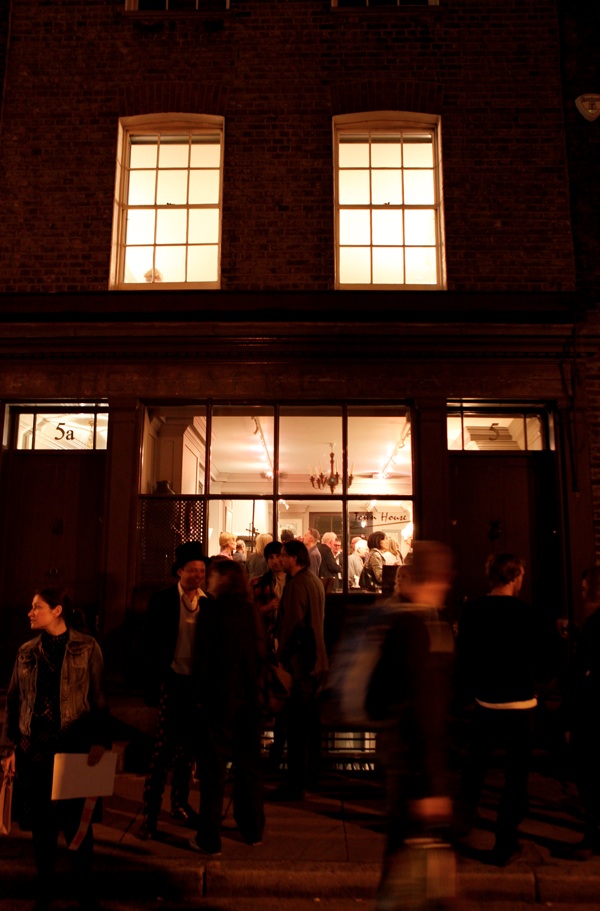
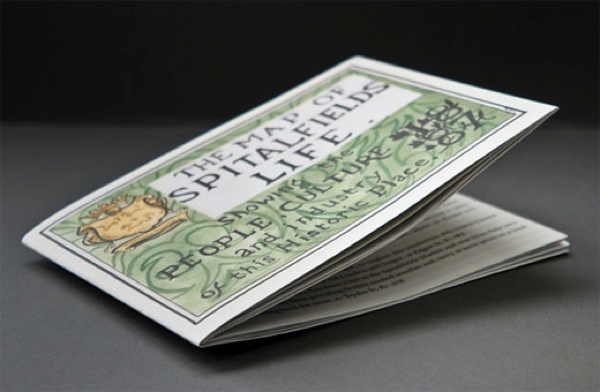
Photographs by Spitalfields Life Contributing Photographers Sarah Ainslie, Lucinda Douglas Menzies, Jeremy Freedman & Patricia Niven. Photograph of the folded map by Stepanie Lynn
Brick Lane Market 15

This is the genial Bob Barrance who has been selling cut-price prepacked food from the same spot in Bacon St for over forty years. Suiting its name, this street was formerly reserved exclusively for food stalls and – pointing out the empty pitches of his long-gone neighbours – Bob recalled the stall that sold hot pineapple fritters, another which dealt in every kind of pickled onion and Tubby Isaacs Jellied Eels, all once keeping him company in the place where today he is the lone trader.
I had intended to interview several stallholders that Sunday morning on the Lane, but when I asked Bob how he came to be there trading on Bacon St, the answer was so extraordinary that I realised his testimony must stand alone.
“I enjoy the people, I’ve sold to the same people for thirty years. I’ve attended three funerals of my customers. They all know me as Bob and I know a lot of them by their first names too. I absolutely fell into it, my dad was doing this before me and I took over at twenty-one. I come from the Portobello Rd and I used to help out the stallholders, but I never thought I’d do this for life.
My dad was a compulsive gambler and we emigrated to Australia to escape his debts when I was fifteen. We were called “Ten Pound Poms,” the Australian government paid your boat fare if you emigrated. We were waiting on the wharf at Southampton when he disappeared, so we got on the boat without him. My mum and seven brothers and sisters, we didn’t even know whether he was on board or not but, an hour after departure, we discovered he had been carried on board on a stretcher and was in the ship’s hospital. The little bit of money we had, he had gambled it away and then had a mild heart attack at the bookmakers. We went six weeks without a penny in our pockets.
He won the football pools in 1963 and blew it all on a greyhound that he ran at Stamford Bridge, instead of buying a house.
He was the manager of a betting shop, and he ran the tobacco kiosk at the Trocadero in Piccadilly and lost all the takings on the dogs, but as they hadn’t done a stock take before he took over the kiosk, they couldn’t pin it on him. He worked in Hamleys and in Selfridges and he gave us all toys, but they were stolen – three detectives turned up at our house one Christmas Eve and stripped it completely of toys. He worked as a baggage handler for BOAC and he went through all the suitcases. He got a job as paymaster and, on his way to the bank, he’d take all the cash to the betting shop. We’d go to White City every Sunday and Thursday, betting, and he’d come out of there without a penny and we’d get on the bus to go home without any fare. If the inspector came, he said “Two tickets to Acton, please,” which was in the opposite direction, so then we’d have to get off and walk the rest of the way. He’d do lots of silly things like that.
He was so clever it was unbelievable, he had so many incredible jobs and he blew them all. He couldn’t help himself. I felt sorry for my mother, he caused her a lot of upset.
He used to have the keys to the ICI building in Melbourne, and he went in when it was empty and took all the money from the desks. When I was nineteen, I wanted to come back to Britain to do National Service. I was sick of him, so I took the boat back alone. But when I arrived he was already here to greet me. He asked to be repatriated, he wrote to Harold Wilson, the Queen and the Australian Prime Minister. They flew him back for nothing and had two Rolls Royces waiting at Heathrow for him and the family. He was the only man to go the Australia and back for free! The News of the World were going to do his story and they offered him a nice few bob, but he asked for more money and they dropped it.
He was working for the man who ran this stall on Bacon St, until he had a heart attack and ended up in the Royal London Hospital. So then I asked the stallholder for the job, but he was worried I would steal from him like my dad did, but I proved myself and eventually I took over the pitch from him. Now I do five markets a week and the rest of the time I am running around getting the stock, selling it is the easiest part compared to that. Two of my kids work for me, though I wish they didn’t because it’s got so tough. Yet I wouldn’t have done it for forty years if I didn’t enjoy it. Even when you wake up and there’s six feet of snow, you still do it.
My dad – he taught me a lot of good things – he instilled morals and values in me.”
Photograph copyright © Jeremy Freedman
Bobby Prentice, Waterman & Lighterman
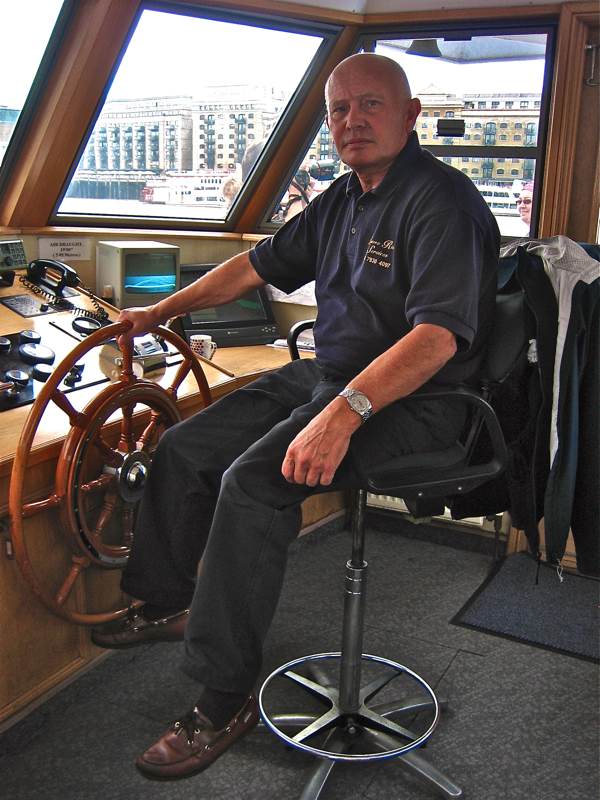
Bobby Prentice, Waterman & Lighterman, is a well respected personality along the river. Today he is the skipper of a pleasure boat ferrying tourists between Hungerford Bridge and Greenwich, but his relationship with the Thames is lifelong and profound. Bobby holds the record for the Doggett’s Coat & Badge Race, is one of the Vintner’s Company Swan Upping Team, and his legendary prowess as a rower even includes successive attempts to row the Atlantic Ocean. Amiable and possessing a striking natural gravity, there is no doubt that Bobby is a hardy soul.
Originally, Watermen were those who took passengers across the river, and today it is necessary to win your Doggett’s Coat and Badge – in the annual race held each June – to be able to call yourself a true Waterman. In a critical distinction, Lightermen were those who transported goods, lightening the load of cargo vessels with their barges which were called “Lighters.” Both professions are of ancient origin upon the Thames and, in his career, Bobby has been both a Waterman & a Lighterman.
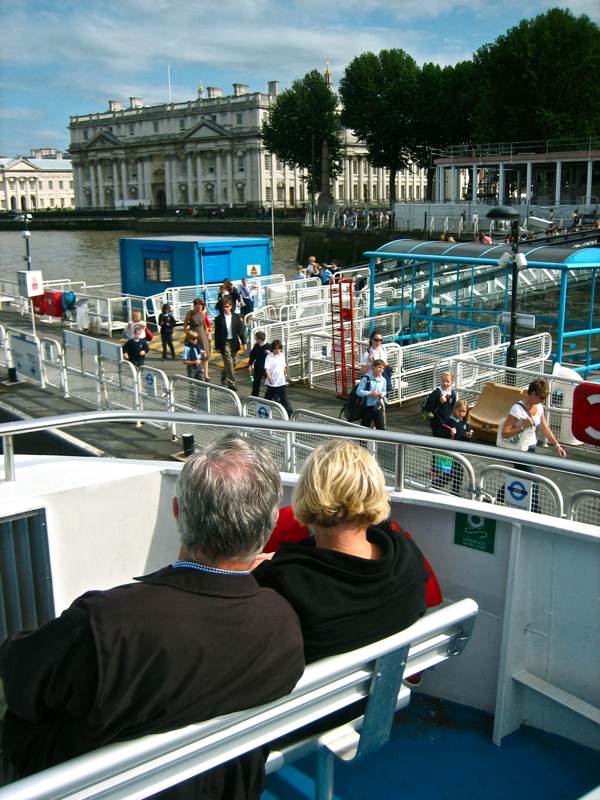
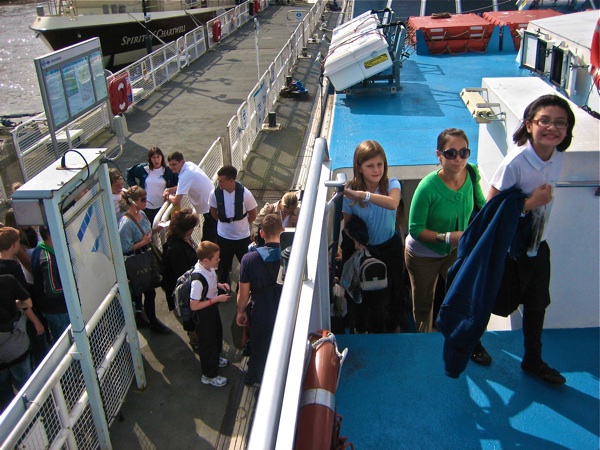
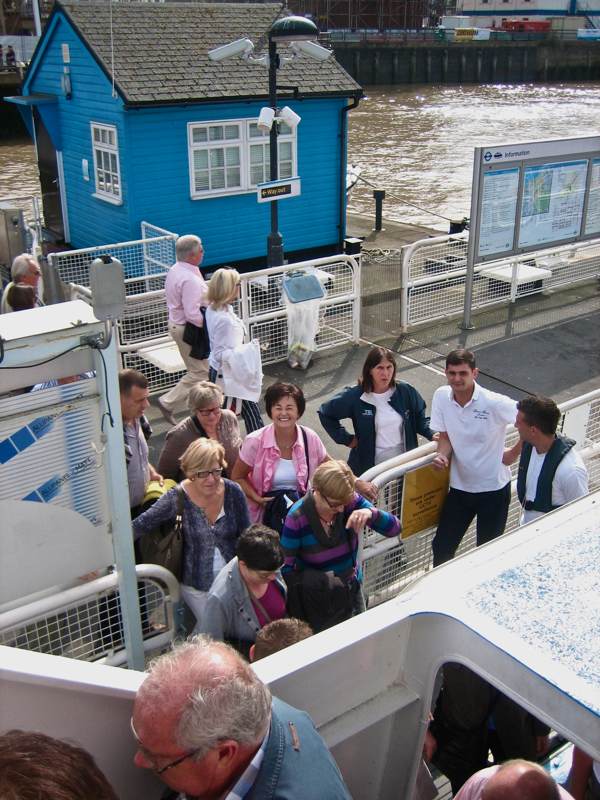
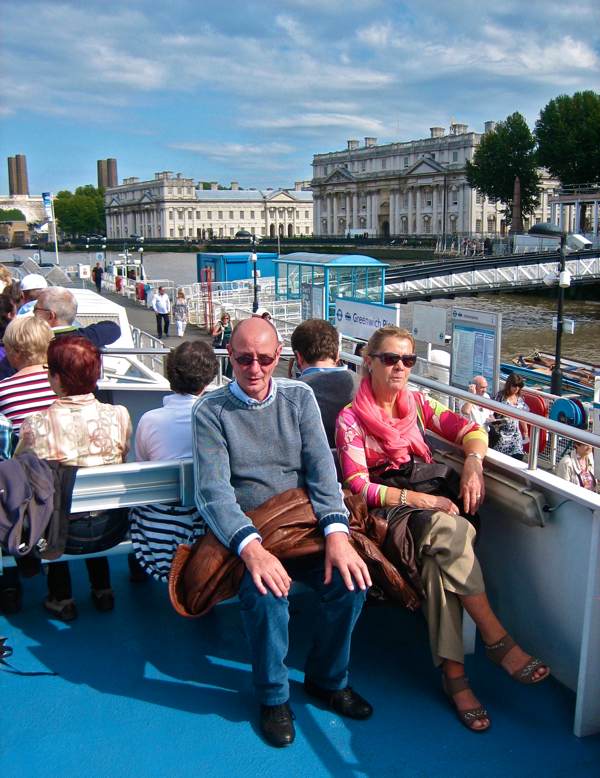
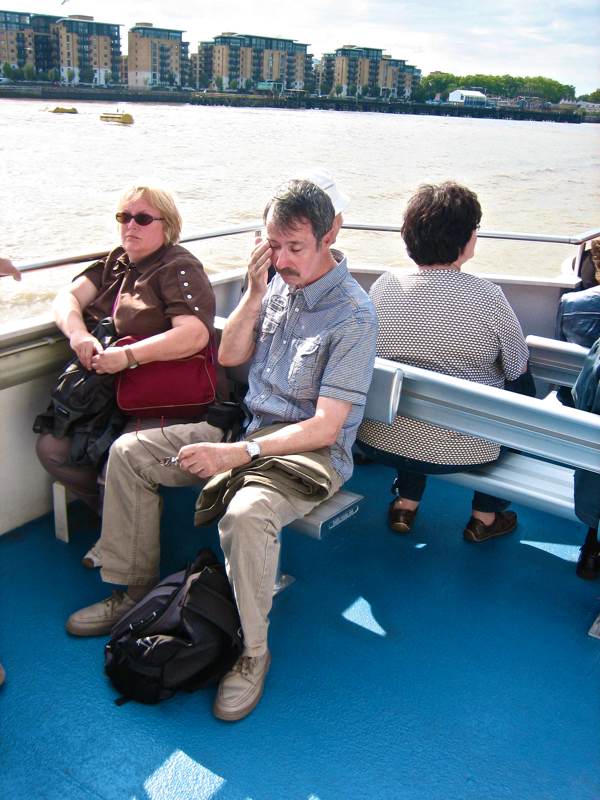
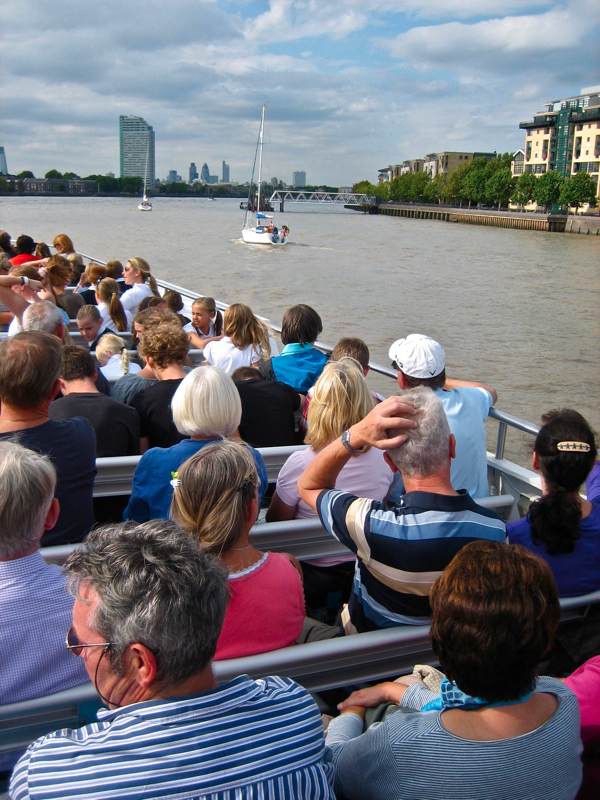
On a sparkling September afternoon, I joined Bobby and his son Robert in the cabin of the Sarpenden and – as we slid down river from Hungerford Bridge along King’s Reach and through the Pool of London, passing under Tower Bridge – he outlined his relationship with this powerful watercourse that defines our city.
I was born and bred in Wapping, all my family come from Wapping. In 1969, at the age of sixteen, I was apprenticed to my father Robert. His father Robert was a Lighterman before him and his father Robert before that, which makes me the fourth as far as we know – there may well have been other Robert Prentices before – and my son Robert is also a Lighterman. We worked for the Mercantile Lighterage Co and in those days Fords at Dagenham did a lot of manufacturing, and we used to deliver knocked down kit ( that’s all the parts to assemble a car) to West India Dock, London Docks, Royal Albert Docks, Victoria Docks, Tilbury Docks and to Sheerness on the Medway for export.
I chose to do it, but my father didn’t want me to because the docks were already closing. When I wanted to leave school at fifteen, he encouraged me to stay on a year to get my exams. But I loved every minute of being on the river. I joined Poplar & Blackwall Rowing Club at ten and I spent all my youth on the river. I had the river in me. I used to go and work with my father as a little boy, just as children do today – I often have my grandchildren on the boat with me.
I did a five year apprenticeship, and a lot of Watermen & Lightermen still apprentice their children for five years, even though you can get a boat driver’s licence in two. My grandfather bought me my first sculling boat for £100 in 1968 and I won the Junior International Championship in 1970 and 1971, and represented Britain in the Youth World Championships. I won the Doggett’s Coat & Badge in 1973, then the double sculls at Henley with Martin Spencer, and subsequently Martin & I won three Home Internationals for England and two National Championships.
When I finished my apprenticeship, I spent my first two years in West India Dock. Once I got my licence, it enabled me to tow barges behind tugs and much more. I was one of the “jazz hands,” which is like being a journeyman. At twenty-two I got moved down to Grays in Essex and became a Tug Skipper, but in 1982 the Mercantile Lighterage Co folded as a consequence of the decline of the docks. The only lighterage left now is “rough goods’ – London’s waste, and my youngest son does that – towing the barges down to Mucky Flats and Pitsea Creek. This current business, Crown River Cruises, started in 1986, we began with one boat and we’ve got five now, and we do scheduled services. I still row.
Yet no-one who works on the Thames can ultimately resist the tidal pull of that great expanse of water beyond and in Bobby Prentice’s case this attraction led him to try to cross the Atlantic in a rowing boat.
Like most nutty things I’ve done it started in a pub. We’d been to a Doggett’s function and one of the lads suggesting rowing the Atlantic and I said , “No, I’ve finished serious rowing.” But then I went for a walk along Hadrian’s Wall and came back, and I decided to do it. We entered the Atlantic Race in 2005 from Gomera in the Canary Islands to Antigua and we set off a fortnight before Christmas in bad weather. It was hard mentally, but I made an agreement with my wife that I’d call her every Sunday at six on the satellite phone and I looked forward to it.
After seven weeks rowing, it became a lottery who was going to capsize next – “bombing” we call it. The boat was so small, you’re literally living in a coffin. Then, early one morning, we bombed out and spent forty-nine hours in a life raft. My wife handled it very well when they called to say I was “lost” – “He’s done that before,” she said, “He’ll be back.” When I was in the life raft I’d just had my weekly call and the satellite phone was at the bottom of the ocean. They didn’t know where we were and the beacon we had was faulty, we didn’t know if it worked. I was lying in the raft and my elbow blistered from trying to hold the beacon up the satellite. I was trying not to sleep because of the hypothermia and hoping someone had picked up my signal, which only gave a seven mile vicinity of my position. We were picked up by 160,000 ton tanker called “The Towman.” The ship was searching an area of 1500 square miles. It was an oil tanker with an Indian crew, they were lovely people. After ten days on the ship, we ended up in Gabon and were repatriated to Heathrow.
We decided to have another go in 2008, this time with four in the crew, but we had several breakdowns and aborted after ten days, ending up in the Verde Islands. So I thought, “That’s the end of it, I’m never going to do it again.” Then Simon Chalke approached me and said, “We’re building a twelve man boat. and we want to go for the Atlantic record.” I had turned fifty-six at the time and I said, “It’s not fair on those in the crew who are twenty,” because the rota was six hours rowing and six hours rest. But Ian Couch, the skipper, had already rowed the Atlantic and the Indian Ocean, and he wanted me on board, so I went for it. It was hard to tell my wife, but when I broke the news, she said, “Tell me something I didn’t know.”
I’d gone out in late November for training and come back again for Christmas. We were on standby waiting for the weather to clear, and then I got the call on Boxing Day and we set out a few days later in very early January. We didn’t break any records but we landed in Barbados after thirty-eight days, further South than we intended because of the weather conditions. I still haven’t been to Antigua.
And then, even as I was still reeling from this account, Bobby shook hands and hopped off the boat at Tower Bridge leaving me in the company of his son Robert, the skipper of the ship, for the rest of the trip to the Thames Barrier. “So are you planning to row the Atlantic too?” I asked, wondering if this challenge might now become a rite of passage for successive Robert Prentices. “I wouldn’t discount the possibility,” he declared with relish as he stood with hands upon the wheel, his beady eyes twinkling excitedly at this enticing possibility.
I sat beside Robert on the bridge and he spoke animatedly as we travelled on through Limehouse Reach, Greenwich Reach, Blackwall Reach, Bugsby’s Reach and Woolwich Reach. He told me about the porpoises, dolphins and hundreds of seals he sees on the river, and how the whale in Westminster was not the first on the Thames because he saw one at Purfleet.
One Robert Prentice had disembarked, another Robert Prentice took his place at the wheel – the fourth and fifth Robert Prentices respectively – Watermen & Lightermen steering vessels through time as the mighty Thames flowed on.
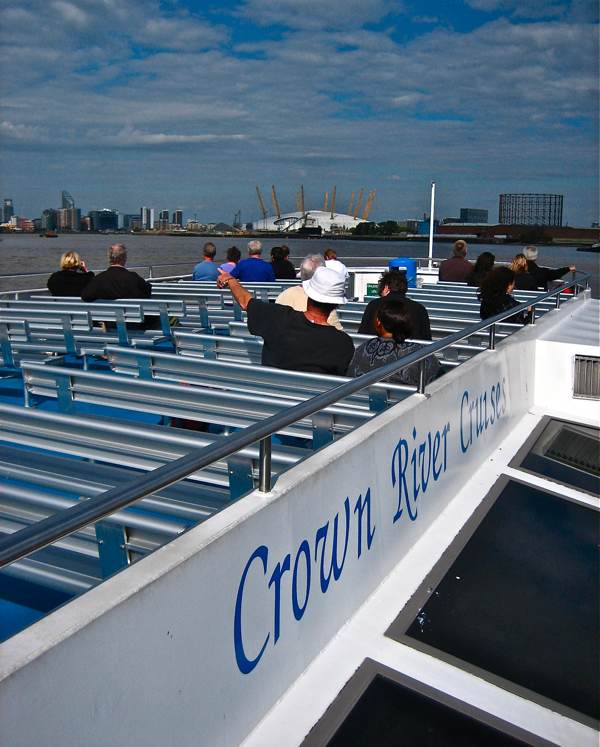
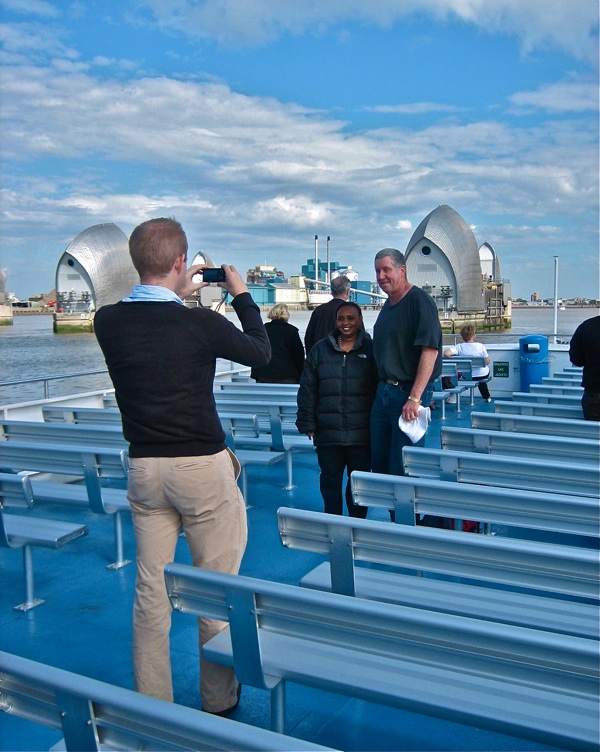
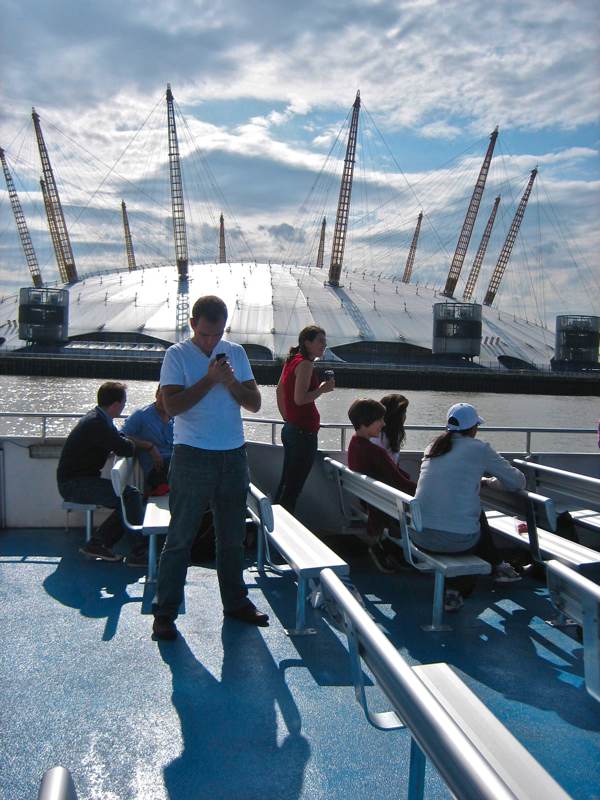
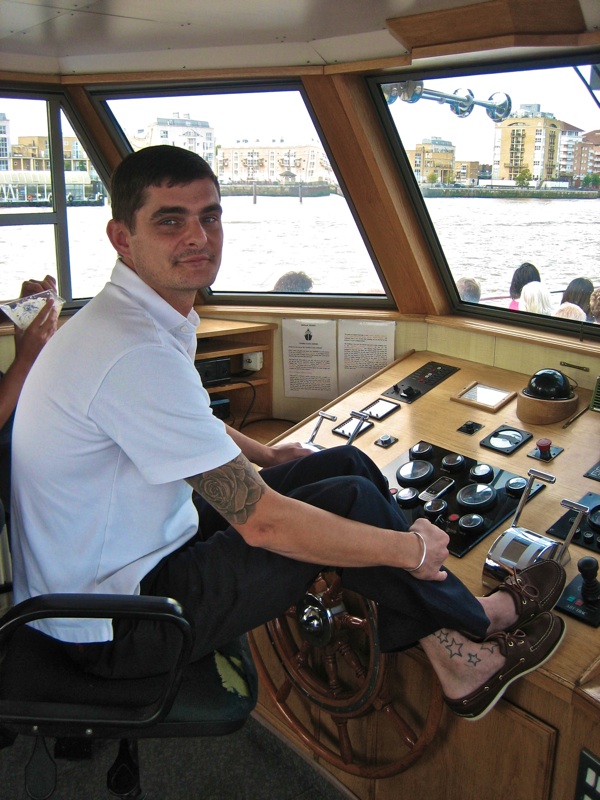
Robert Prentice, fifth generation Waterman & Lighterman.
You may also like to read about Swan Upping on the Thames












