
John Claridge’s Boxers (Round Three)
Photographer and Ex-Boxer John Claridge took on members of London Ex-Boxers Association when he returned to the East End recently. John distinguished himself with some fine shots in Round One, proved himself a class act with a bravura display of his singular talent in Round Two, and enters the ring for Round Three with his spirit blazing.
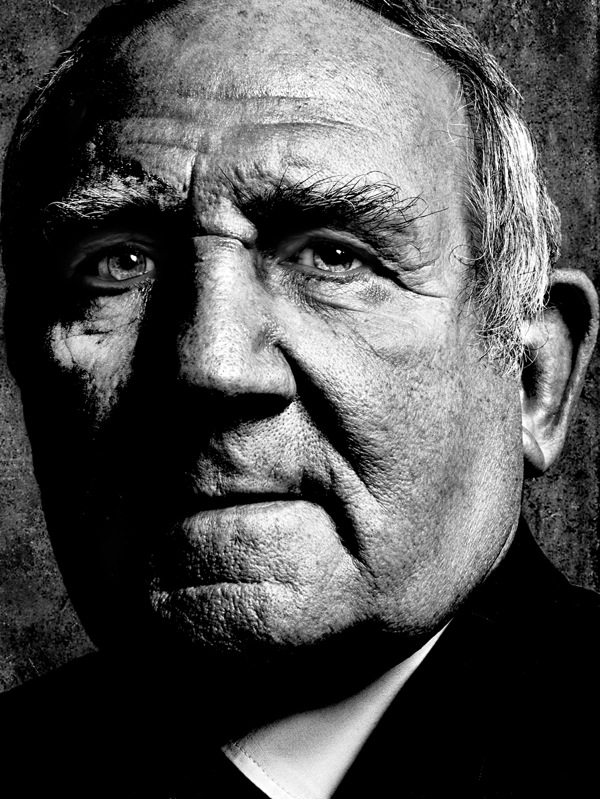
Nat Rodgers (First fight 1959 – last fight 1964)

George Bracken (First fight 1960 – last fight 1964)
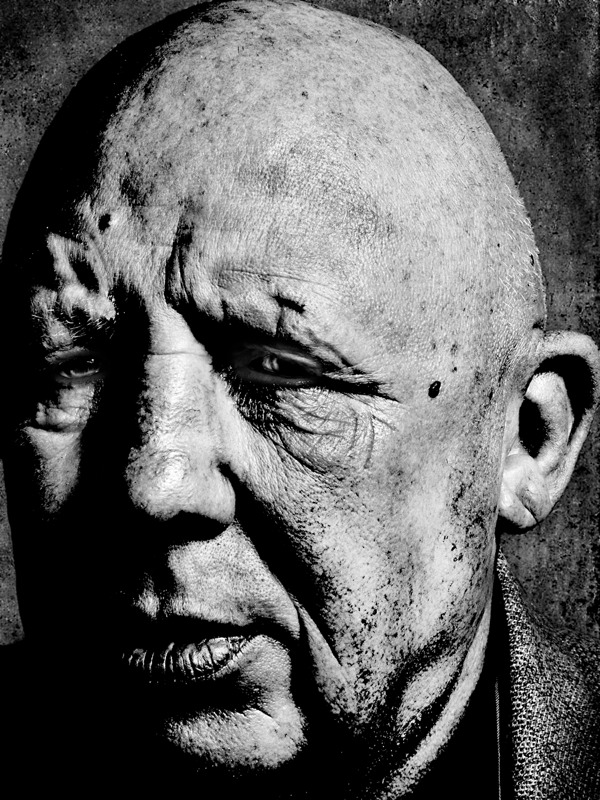
George Hollister (First fight 1962 – last fight 1965)
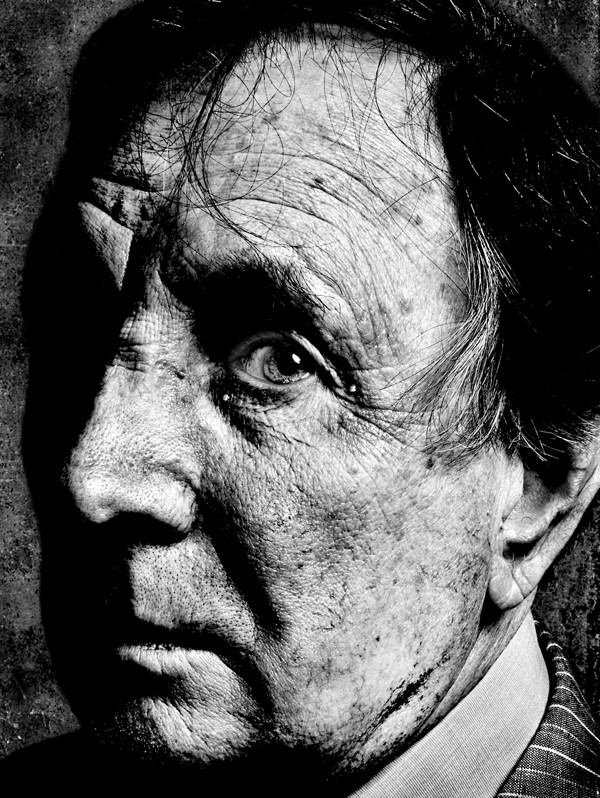
Terry Bay (First fight 1949- last fight 1956)
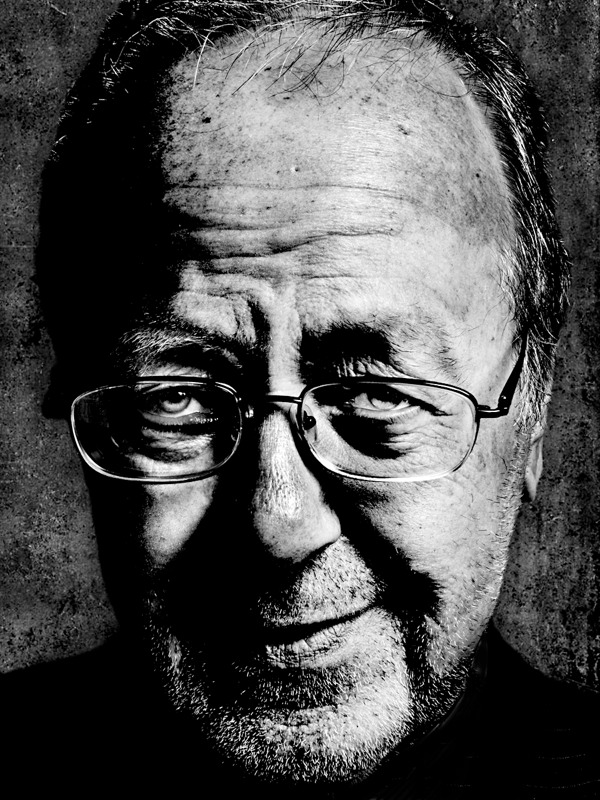
Mike Taub (Boxing writer since 1960)
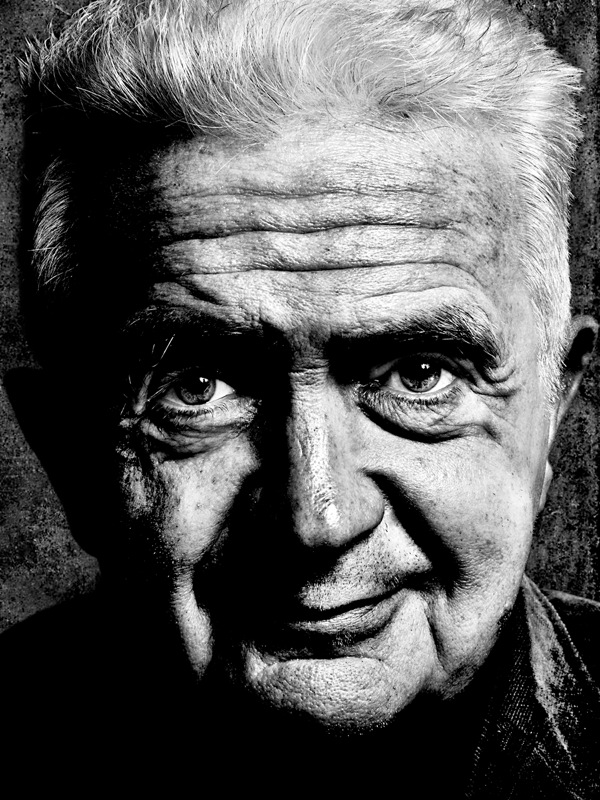
George McManus (Boxing fan since 1944)
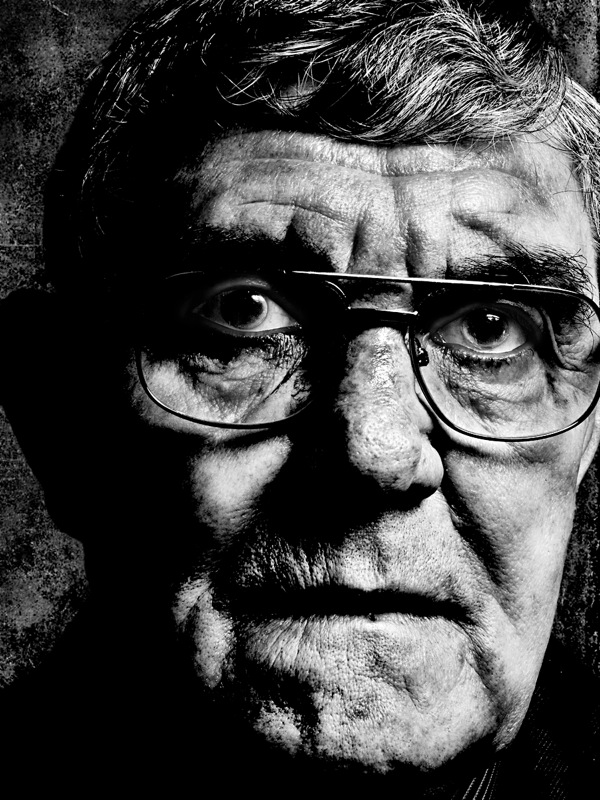
Tommy Mellis (President Surrey Ex-Boxers Association)
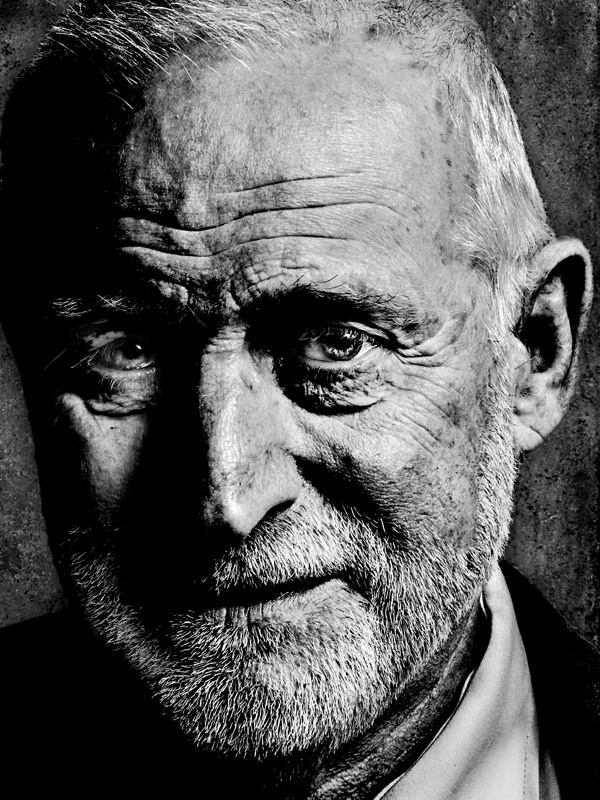
Terry Clarke (Boxing writer since the nineties)
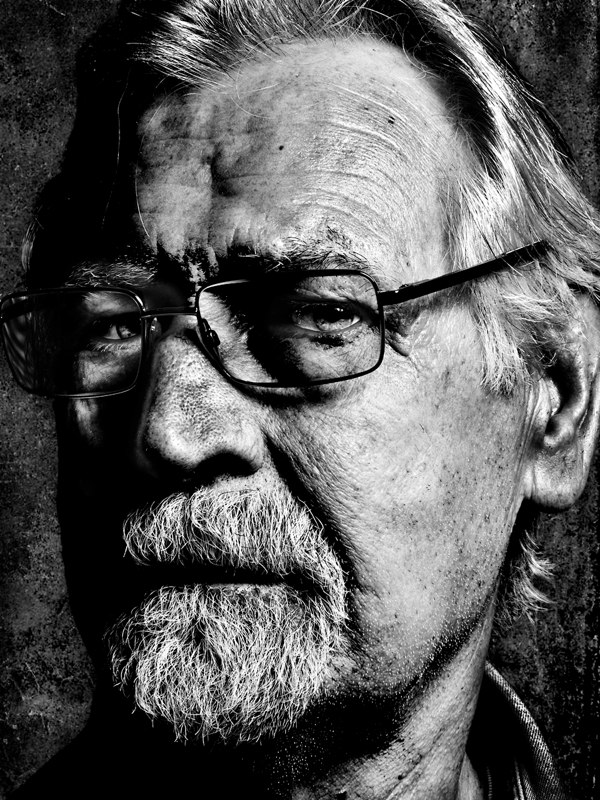
Don Ewing (First fight 1966 – last fight 1972)
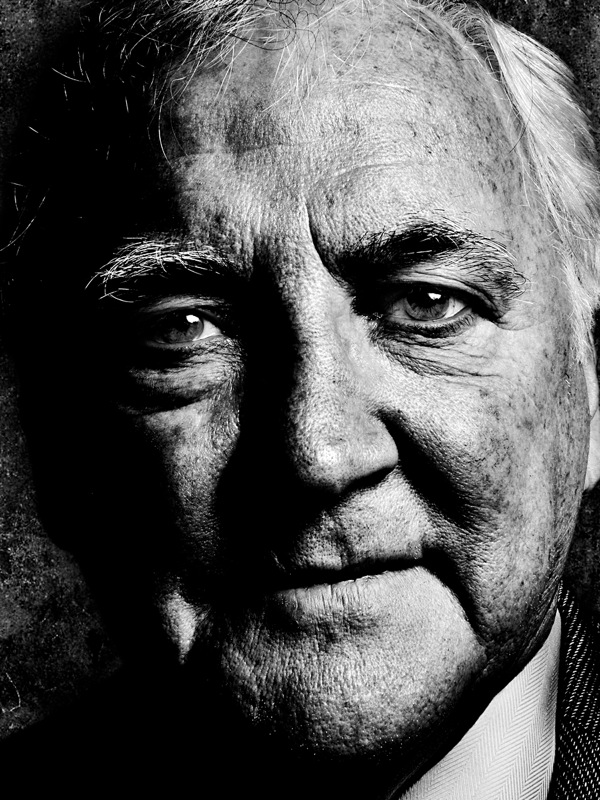
Ray Caulfield (First fight 1964 – last fight 1970)
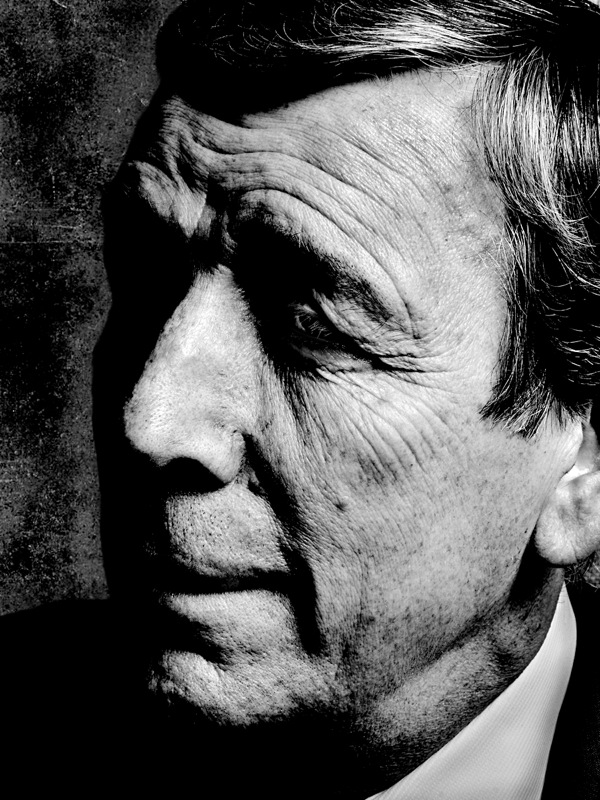
Stephen Powell (President of London Ex-Boxers Association & Landlord of The Globe)
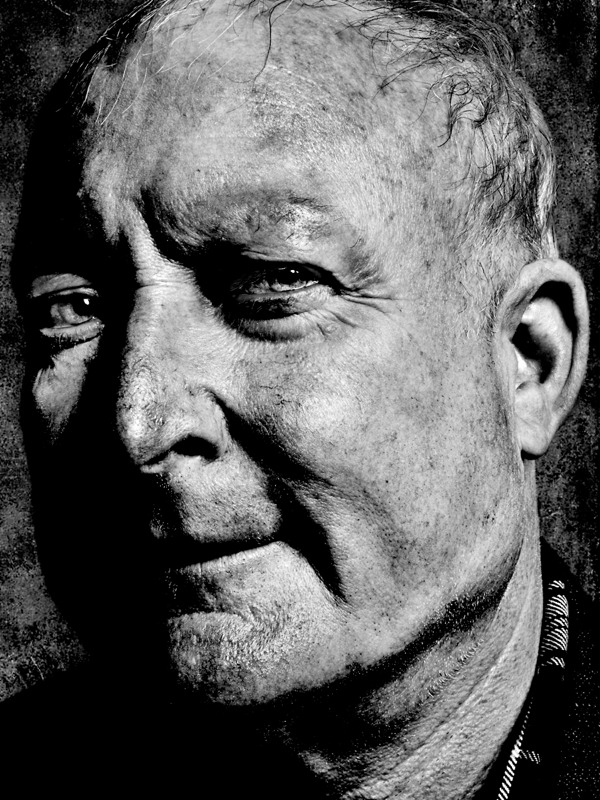
Willie Hudson (First fight 1967 – last fight 1972)
Photographs copyright © John Claridge
Take a look at
John Claridge’s Boxers (Round One)
John Claridge’s Boxers (Round Two)
and these other pictures by John Claridge
Along the Thames with John Claridge
At the Salvation Army with John Claridge
A Few Diversions by John Claridge
Signs, Posters, Typography & Graphics
Views from a Dinghy by John Claridge
In Another World with John Claridge
A Few Pints with John Claridge
Some East End Portraits by John Claridge
Sunday Morning Stroll with John Claridge
The High Days & Holidays of Old London

Boys lining up at The Oval, c.1930
School is out. Work is out. All of London is on the lam. Everyone is on the streets. Everyone is in the parks. What is going on? Is it a jamboree? Is it a wingding? Is it a shindig? Is it a bevy? Is it a bash?
These are the high days and holidays of old London, as recorded on glass slides by the London & Middlesex Archaeological Society and once used for magic lantern shows at the Bishopsgate Institute.
No doubt these lectures had an educational purpose, elucidating the remote origins of London’s quaint old ceremonies. No doubt they had a patriotic purpose to encourage wonder and sentiment at the marvel of royal pageantry. Yet the simple truth is that Londoners – in common with the rest of humanity – are always eager for novelty, entertainment and spectacle, always seeking any excuse to have fun. And London is a city ripe with all kinds of opportunities for amusement, as illustrated by these magnificent photographs of its citizens at play.
Are you ready? Are you togged up? Did you brush your hair? Did you polish your shoes? There is no time to lose. We need the make the most of our high days and holidays. And we need to get there before the parade passes by.

At Hampstead Heath, c.1910.

Walls Ice Cream vendor, c.1920.

At Hampstead Heath, c.1910.

At Hampstead Heath, c.1910.

Balloon ascent at Crystal Palace, Sydenham, c.1930.

At the Round Pond in Kensington Gardens, 1896.

Christ’s Hospital Procession across bridge on St Matthews Day, 1936.

A cycle excursion to The Spotted Dog in West Ham, 1930.

Pancake Greaze at Westminster School on Shrove Tuesday, c.1910.

Variety at the Shepherds Bush Empire, c.1920.

Dignitaries visit the Chelsea Royal Hospital, c.1920.

Games at the Foundling Hospital, Bloomsbury, c.1920.

Riders in Rotten Row, Hyde Park, c.1910.

Physiotherapy at a Sanatorium, 1916.

Vintners’ Company, Master’s Installation procession, City of London, c.1920.
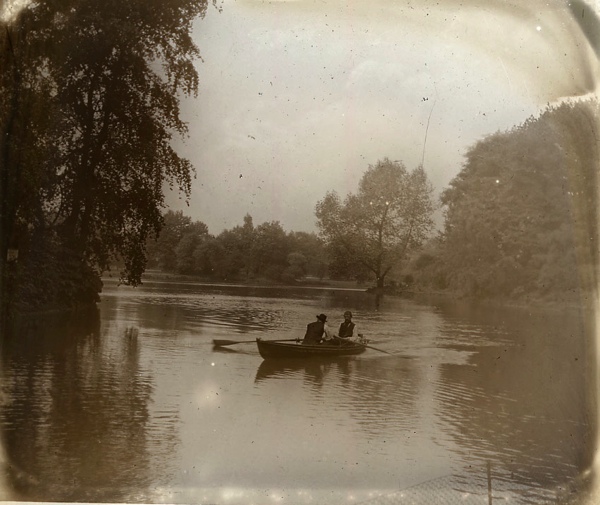
Boating on the lake in Battersea Park, c.1920.

The King’s Coach, c.1911.

Queen Victoria’s Diamond Jubilee procession, 1897.

Lord Mayor’s Procession passing St Paul’s, 1933.

Policemen gives directions to ladies at the coronation of Edward VII, 1902.
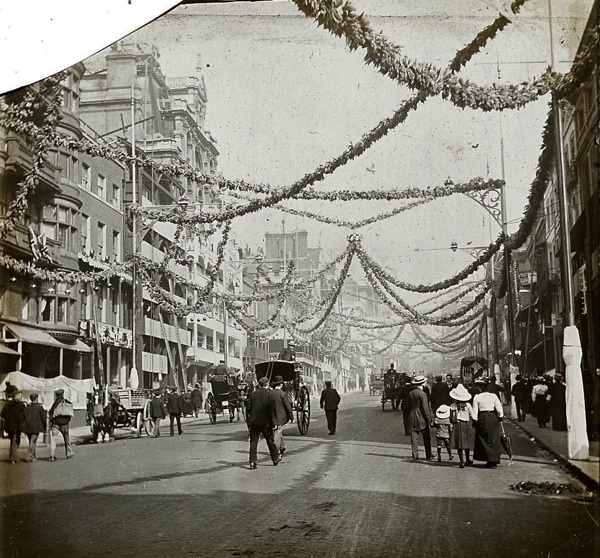
After the procession for the coronation of George V, c.1911.
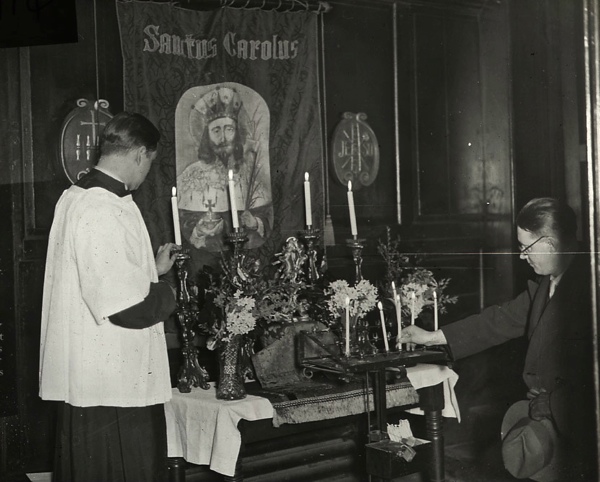
Observance of the feast of Charles I at Church of St. Andrew-by-the-Wardrobe, 1932.

Chief Yeoman Warder oversees the Beating of the Bounds at the Tower of London, 1920.

Schoolchildren Beating the Bounds at the Tower of London, 1920.

A cycle excursion to Chingford Old Church, c.1910.

Litterbugs at Hampstead Heath, c.1930.

The Foundling Hospital Anti-Litter Band, c.1930.

Distribution of sixpences to widows at St Bartholomew the Great on Good Friday, c.1920.

Visiting the Cast Court to see Trajan’s Column at the Victoria & Albert Museum, c.1920.

A trip from Chelsea Pier, c.1910.

Doggett’s Coat & Badge Race, c.1920.
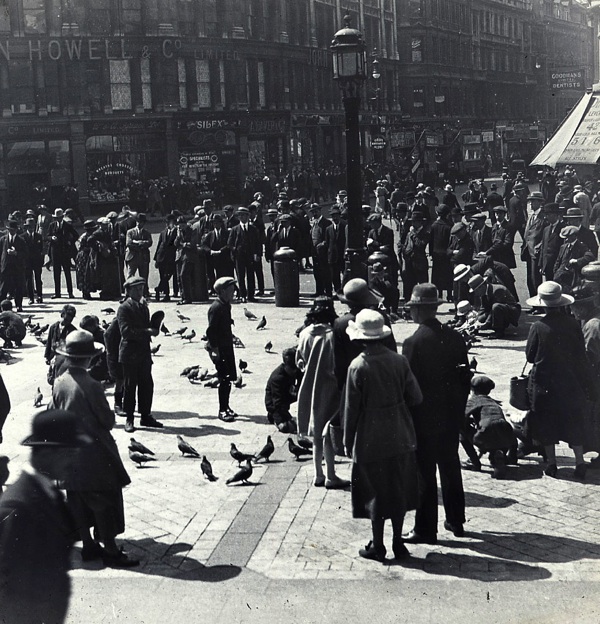
Feeding pigeons outside St Paul’s, c.1910.

Building the Great Wheel, Earls Court, c.1910.
Glass slides copyright © Bishopsgate Institute
You may also like to take a look at
Mike Tsang’s Chinese East Enders
“What interests me is what happens to people who exist between cultures,” admitted Mike Tsang introducing his forthcoming exhibition of portraits, “I am a documentary photographer and I do unusual portraits, but I also love doing interviews as well.”
Mike lives on Brick Lane and grew up in Harrow, but his parents came from Mauritius and their parents were from Guangzhou in South China – so he has a vivid personal relationship to his subject.
“When I was tidying up my childhood room, I found all these old photos but I didn’t know the stories and, when I showed them to my parents, it unlocked memories that they had not spoken of in years,” Mike explained, revealing the origin of his ongoing project to document the lives of British Chinese people, from which I publish this East End selection.
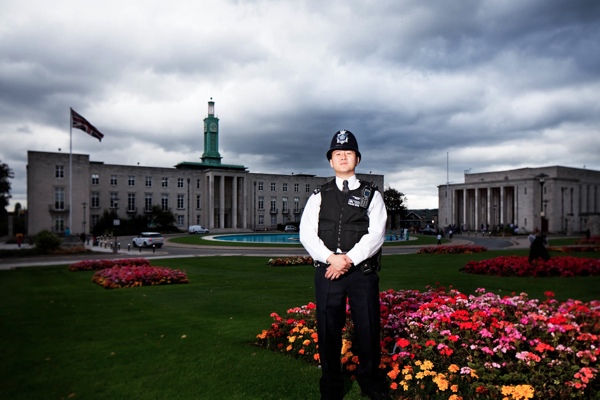
PC William Wong of Poplar
“I was born in Hong Kong and came to the United Kingdom when I was three years old.
My mother’s family grew up as subsistence farmers in a village called Lai Chi Wo near the border of China. My grandfather was in the Merchant Navy and he landed in England, which is how we came to be here. He saved up enough money while he was travelling to open up a restaurant in Cumbria. At first, he would send money back to my mother in Lai Chi Wo but eventually she came over to join him.
If you have ever been to the museum in Hong Kong with a traditional Hakka village rebuilt, it’s pretty much what ours is like – with walls on the outside and in the way people would dress. When I went back there last year, I had a chance to walk around the hills in the village. It is still what my parents saw when they were young. Because I’ve always lived in cities, it was a very big step just to imagine the way they used to live. Every ten years in the village, there’s a get-together where everyone who’s overseas returns. There’s traditional dancing to celebrate people who’ve spread out all over the world but who have come back to the village to remember their heritage. My mother bumped into someone who she used to know when she was younger. It was amazing to see, and it gave me a stronger sense of identity.
We were in East London first of all, in Poplar. I was the only Chinese person at primary and at secondary school. Everyone knew who you were and you had to learn to stick up for yourself, shall we say. I mean, it’s the same with working life actually – there are not many Chinese police officers in the Met police.”
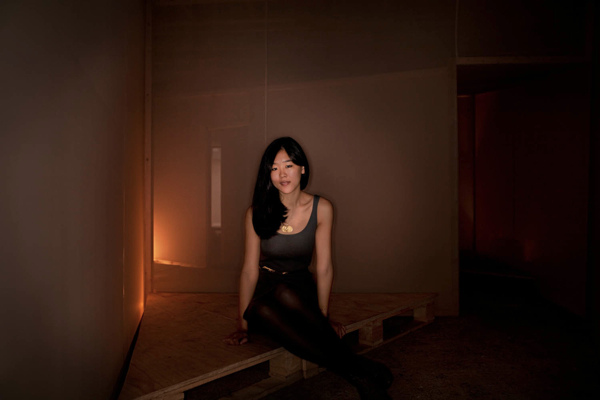
Zoe Chan of Dalston
“I’ve lived in London my whole life. I’m an artist and architectural designer and I’ve just set up my practice, Atelier ChanChan.
My mother’s father grew up as a peasant and became a precious metal carrier between provinces, so he was quite a tough guy but he was completely uneducated. They moved to Hong Kong and, when it became occupied by the Japanese, they hoarded as much currency as possible because at the time it was worth absolutely nothing. When the Japanese left, they made millions and started their own bank. My grandma was my grandfather’s third wife, so on my mum’s side I have a massive family.
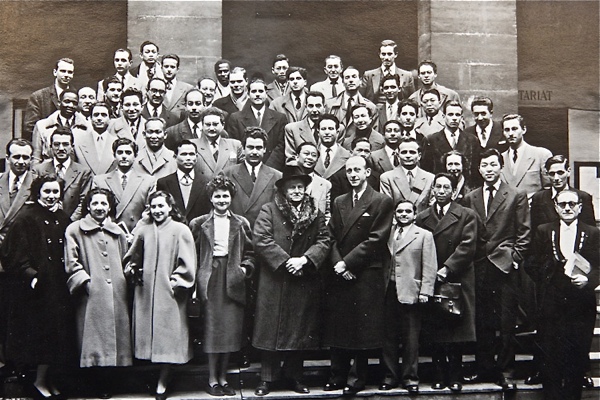
Zoe Chan’s grandfather at the centre of his graduating class at the Institut des Hautes Etudes Internationales in Paris in 1953.
On my dad’s side, my great-grandfather was a judge in the Qing dynasty but, when the whole regime changed after the revolution, he became a lawyer in Shanghai. My grandfather followed in his footsteps and became a lawyer too but, when the regime changed, he moved to Paris and got his doctorate in International Law. From there he became a businessman and also went into property. When he started making a lot of money he sent all his kids – my father and my aunts and uncles – to a British school in Madrid, then from there they went to school in England because the education was better.
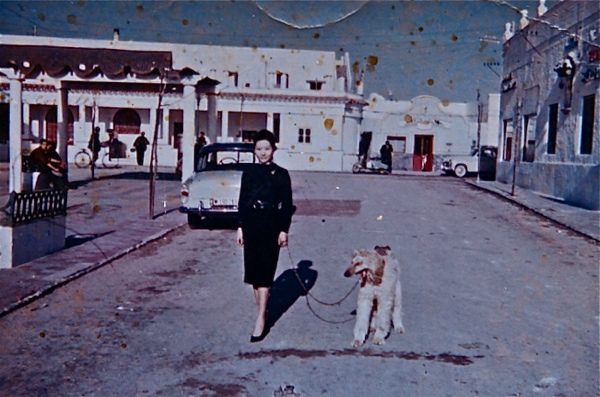
Zoe Chan’s grandmother with Kiki the Afghan.
So, both my parents went to boarding school in the UK and grew up here. After university, they actually both went to Hong Kong for a few years but when they wanted to start a family they came back here. I think, because all my friends at school were British and I never really talked about my identity, I felt British. At school I didn’t have any Chinese friends, so from a young age I would have said I was British because it was easier and I could just avoid the subject. But when I finished high school, I went to Beijing to try to learn Chinese and I met a lot of international Chinese people who I really connected with. It made me realise that I was a lot more Chinese than I thought. All of the cultural and family values that I have are very Chinese but I had never realised that – I just thought it was my family.”
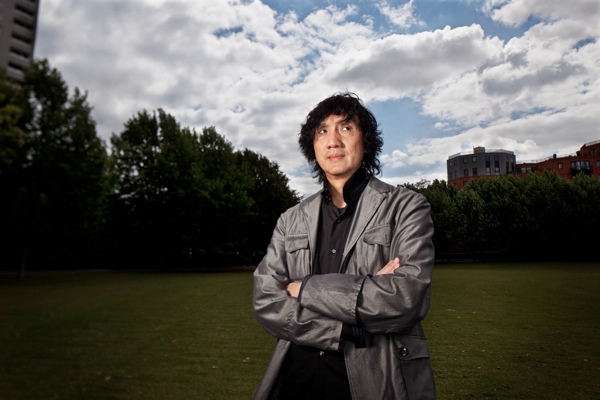
Hi Ching of Isle of Dogs
“I was born in London, then was brought up in Singapore, but I came back here to study and have lived here ever since.
My great-grandparents on my dad’s side came to Penang, in Malaysia, from a village in Fujian. My paternal grandmother was Hakka, from British Guyana, and there is a very interesting story about how she met my grandfather. Her family were moneylenders and her parents used to keep her wealth in gold ingots in a safe. Grandmother was a pretty rebellious spirit. One night, she managed to get hold of the key to the safe by snipping the necklace that the key was attached to as great-grandma was asleep. She took one gold ingot and used it to flee British Guyana for London, where she met my grandfather who was studying at Cambridge.
My mum’s adoptive mother was a nurse and adopted her two girls from destitute families. Mum’s parents were supposedly also Fujianese emigrants, but she could never find them. Mum was the first generation of girls that were educated in Penang and she became a teacher. My great-grandparents were very keen on education and I think this has been passed down the family, as most of my paternal aunts and uncles have had some sort of university education.
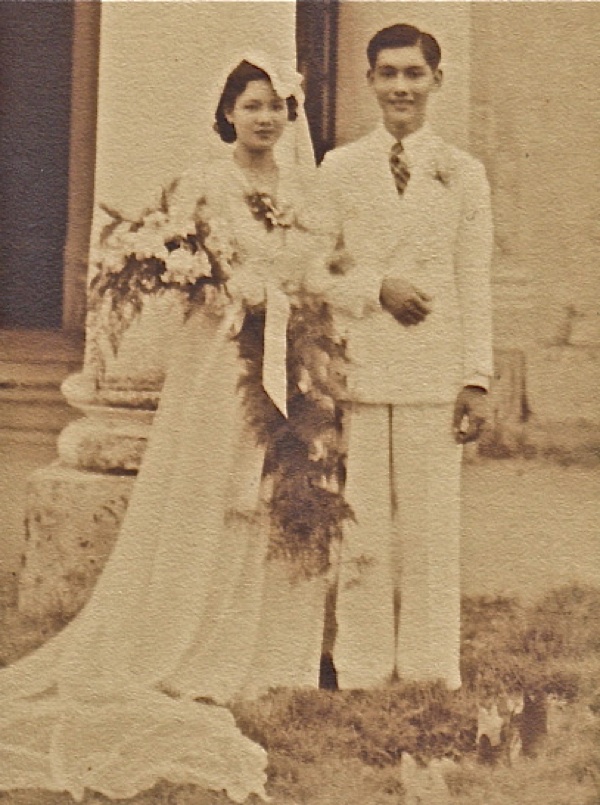
The wedding of Hi Ching’s mother and father in Penang in 1944.
My parents were brought up in strikingly different households. One was affluent and influential and the other was humble and grass roots. They didn’t get on! So when I was around two, as soon as mum had got her degree, she upped and left home. She drove all the way from Penang to Singapore on her own with me. This journey was very difficult in those days. I would consider her extremely brave to have done what she did. When she arrived in Singapore, she got a job and met my step-dad who married her. He was a doctor and Queen’s Scholar, a socialist, and set up his clinic in the poorest part of Singapore, called Rakyat Clinic – the People’s Clinic.
I always knew I was Chinese, but now I feel more British, especially after I came to live in the Isle of Dogs during the eighties. The first Chinatown in London was down here and that fascinated me. Even though it is no more, the history of the area makes it feel more familiar to me.”
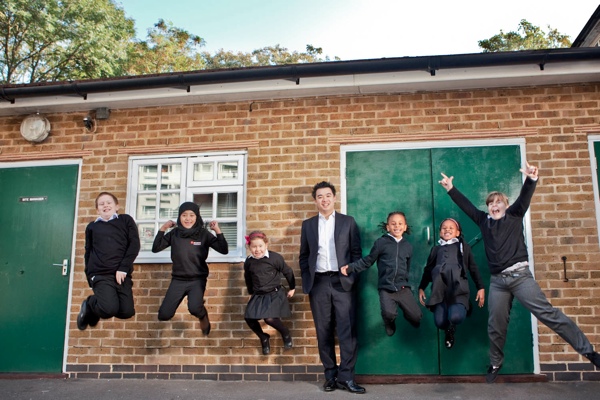
Alan Mak of Bow
“I’m originally from Yorkshire but now I live in London and work as a lawyer.
Both my parents are from Guangdong in Southern China. They are from small, rural villages and their families were involved in subsistence farming and fishing – pretty poor backgrounds. My dad came to England in the sixties after a stint at Hong Kong airport as an aircraft fitter, just as Mao’s cultural revolution was getting going. He came to Britain to work as a waiter in takeaways and restaurants, starting off in London, then Edinburgh, Scarborough, Leeds and finally settled in York where he eventually started his own takeaway – our small family business. My mum joined him a bit later on. She’s from a big family with lots of brothers and sisters. She came to join my dad and they started the shop and that was going for about twenty-five years until they retired in 2006.
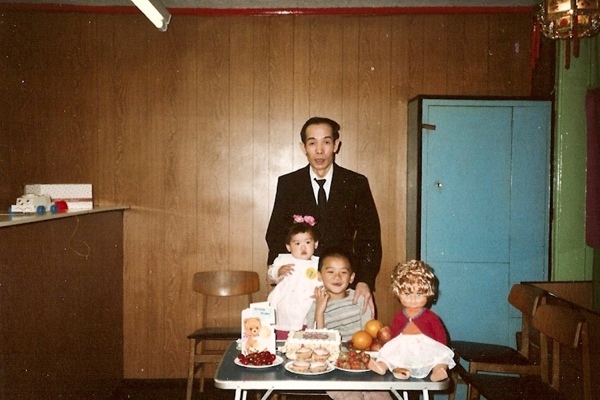
Alan Mak, as a child, celebrating a birthday with his father and sister Lisa in York.
I think they were coming for a better life, like lots of people of his generation. They left everything behind and came to an unfamiliar country to make a new life for themselves. They were very keen that their children would grow up to have a better future and a better lifestyle than they did and they thought Britain was a great place to come – a real open country where they could make the best of themselves. They worked very long hours. They made huge sacrifices for us and they are a great inspiration to me.
My upbringing and childhood were heavily influenced by the life that I lived in our takeaway shop and actually working in it all the time. The shop was five minutes from the Minster in the centre of York, and we served a largely working-class community. A lot of the people who came into the shop were people from local council housing estates, passing trade and also from the two pubs that were opposite the shop. I’d meet a whole range of people from all walks of life and society, but they did tend to be White British rather than Chinese. Most of my childhood was spent working in the shop, from about seven or eight years old, and it gave me the experience of talking to people of all social backgrounds.
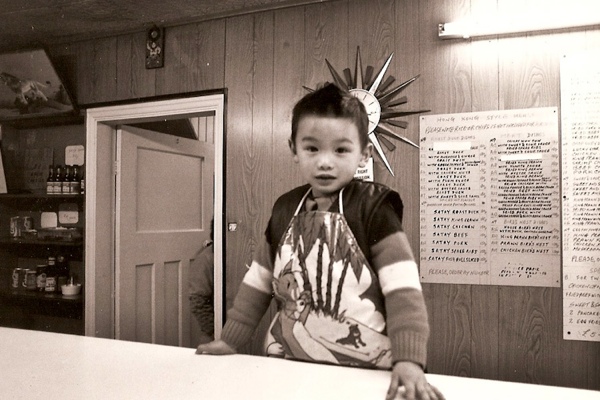
Alan Mak worked in the family takeaway.
I sometimes travel to America for work, and have noticed the American Chinese have been very successful in becoming much more influential in American society over time. There have been American Chinese cabinet members. The American Chinese are a lot more established in their country than we as British Chinese are. Most arrived in America at the end of the eighteenth Century with The Gold Rush, so they have been there a lot longer, whereas in Britain the biggest waves of Chinese migration only came the sixties and seventies.”
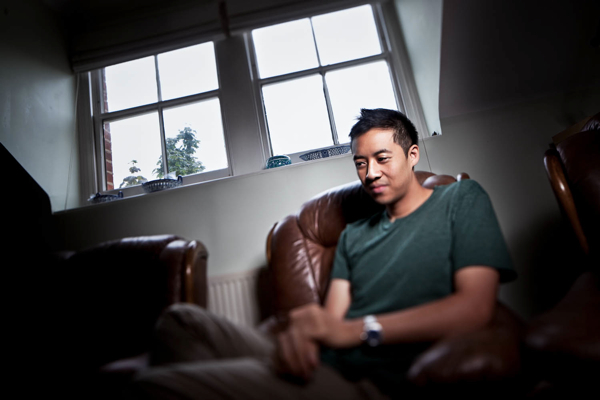
Eric Lau of Stoke Newington
“I’m a music producer and I’m British-born Chinese.
My parents are from Hong Kong and they moved to the UK in the 1960s to find work. There wasn’t much hope in Hong Kong during that era because of the civil unrest. My uncle helped them out initially. He sent over my dad first and then my mother joined afterwards. Immediately after arriving, they worked in the food industry in Chinatown which then led on to separate private takeaways and businesses that were run by cousins and uncles.
I was born in Hertford, then moved to Ely when I was three, and stayed there until I was eighteen, after which I moved to London. Growing up in Cambridgeshire wasn’t very multicultural, I was one of only a handful of Chinese people in the school. Whether I got treated differently or not is hard for me to say. Sometimes, I felt maybe you get teased a little bit or people may come across differently to you because you are Chinese, or some people haven’t experienced being around Chinese people – or even any other races – before. It’s a subtle thing. You can sense that when you’re a child, but you try and not let it affect you in the way you are.
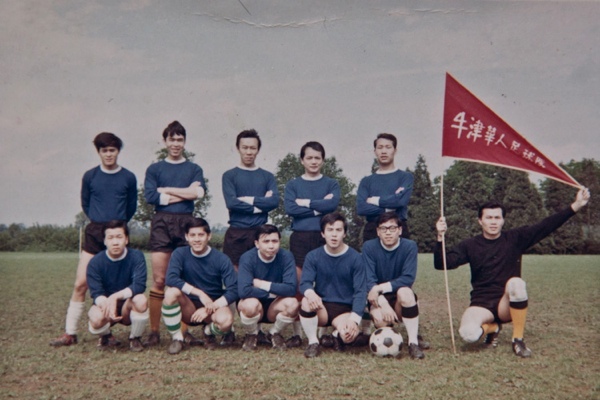
Eric Lau’s father and the football team he played for in Hong Kong.
Since my parents came from Hong Kong, they’ve been in survival mode since day one. That’s all they know – family first, make money, save money – anything else is secondary, so for me to do something like music, it’s not a career path that my parents would even comprehend how to make a living from. So it was understandably very difficult for them to get a grasp of, because no-one close to us had done that before.
My father and I found it very hard to communicate when I was young, because there was a language barrier – with my Cantonese – so it was very hard for me to articulate things, and he would get the wrong end of the stick sometimes. Recently, and because he can now see what I stand for as a human being, he has a lot of questions and he’s interested in what I’m doing. So that opens up a lot of conversations about my music. And I have so many questions to ask him: about certain Chinese proverbs, or why a word is made up like that, or what is it like back home in Hong Kong, growing up there, what were they doing in that time. I’m beginning to realise how lucky I am, so that’s why I’m embracing the fact that I am Chinese more as I get older.”
Portraits copyright © Mike Tsang
Between East and West: The British Chinese is at SW1 Gallery from 6th until 16th November. Tuesday – Friday 12-6pm, and Saturday 12-4pm.
You may like to see these other pictures by Mike Tsang
At Colin O’Brien’s Flat

Colin O’Brien at Michael Cliffe House in Clerkenwell
Photographer Colin O’Brien enjoyed a happy childhood growing up during the forties and fifties in Victoria Dwellings on the corner of the Clerkenwell Rd and the Farringdon Rd. Yet the dilapidated nineteenth century tenement was considered a slum and whenever politicians came round canvassing for votes, Colin’s father Edward would ask them to build better homes for the residents.
The promise was finally delivered by Finsbury Borough Council in 1965 when Colin’s parents were offered the pick of the flats in newly-built, Michael Cliffe House, just a quarter of a mile away on the other side of Clerkenwell. Modestly, Colin’s parents suggested choosing a flat halfway up the soaring modernist tower but Colin, who was now in his twenties, had other ideas and he persuaded them to take the very top flat, which offered the most spectacular panoramic views.
In Victoria Dwellings, Colin’s nascent photographic imagination had been fired by the frequent car crashes which took place beneath his window whenever the traffic lights all turned green at once. There were no car crashes to be seen at Michael Cliffe House but, unfortunately, in its early years it became a magnet for suicides. “You’d hear them going down and there’d be an almighty thump,” Colin recalled with a frown, rolling his eyes, “I walked in once and there as a body under a blanket but, even as a photographer, I didn’t want to see.”
Instead, at Michael Cliffe House, Colin’s new source of inspiration was the heart-stopping spectacle of forked lightning over the City of London – a phenomenon that he was ideally placed to photograph from his favoured vantage point at cloud level in Clerkenwell. When he took his first photograph of lightning, Colin delivered his print in person to Fleet St the next morning to the offices of the Daily Express and sold the picture at once. It was subsequently used in adverts by Brown-Boveri Ltd, a company that manufactured lightning conductors. And, the next year, Colin took another even more dramatic picture of lighting descending from the heavens towards St Paul’s and sold that one to the Evening Standard.
Michael Cliffe House was named in honour of the local Labour MP, an ex-Mayor of Finsbury , who had been Chairman of the Housing Committee and famously wrote to President Kennedy and Nikita Kruschev in 1961, at the peak of the Cold War, urging a moratorium on nuclear testing. One of the last high-rise developments in the borough, its towering structure expressed the optimism of its time, and Colin and his parents were delighted with their brand new home in the clouds. They had moved so far up in the world, they could now amuse themselves watching people tobogganing on Parliament Hill each winter.
“I could look down on Northampton Buildings where I was born in 1940 and from where we moved to Victoria Dwellings, both of which I saw demolished once we moved into Michael Cliffe House.” Colin explained to me, as I stood with him on the balcony of his flat last week. From this lofty perch, Colin’s entire childhood landscape was visible even if he has now witnessed it change beyond all recognition. Yet this height also grants a liberating sense of perspective, confronting the viewer with the overwhelming wonder of the city. “There’s supposed to be no money and we’re in a recession, but look at all the cranes,” declared Colin with a bemused grin, gesturing to the new structures that punctuate the skyline, evidencing London’s continuing transformation.
“My father lived here for ten years alone after my mother died, and I got really close to him,” confided Colin, as we returned inside to the shelter of the domestic space, “He was a nice hardworking man who worked twelve hours a day sorting letters at the Mount Pleasant Post Office. After he died, I found a diary that said, ‘We’re five shillings short on the rent this week, I don’t know what we’ll do.'” Once it became possible, Colin’s parents bought their beautiful flat in the sky and Colin keeps it now as a haven containing his memories of them and as a vantage point to keep an eye upon his home territory.
Just one item of furniture survives in Colin’s flat from the Victoria Dwellings days, a small wooden table that was the only piece he ever made at school in woodwork class. Once upon a time, Colin brought it home proudly on the tube from Sir John Cass School in Aldgate to Victoria Dwellings in Farringdon. Yet, with its clean modern lines and unfussy design, it matches the aesthetic of the new flat better than it could ever have suited Victoria Dwellings. Colin O’Brien’s table is at home in Michael Cliffe House.

The view from Colin O’Brien’s flat looking towards the City of London.

At dusk.

In the sixties, when the Tate Modern building was still operating as a power station.

The building of the Barbican towers in the seventies.

Michael Cliffe House today – Colin’s flat is the top one on the right.

The entrance.

Colin’s photograph of lightning over St Paul’s taken from the flat in 1971.

As published in the Daily Express next day.

As used in an advert for lightning conductors.

Colin’s second, even more spectacular, photograph of lightning over St Paul’s from 1972.

As published in the Evening Standard next day.

Northampton Buildings in Clerkenwell where Colin was born.

Looking down in Northampton Dwellings from Michael Cliffe House.

Colin’s childhood flat was the top window on the far right of Victoria Dwellings in the Clerkenwell Rd.

Victoria Dwellings were demolished in the seventies.

The Rio Cinema where Colin used to sneak in to watch films as a child.

The site of the Rio Cinema today, with Michael Cliffe House in the background, photographed by Sam Nightingale.

Colin’s mother Edith relaxes in the new flat at Michael Cliffe House.
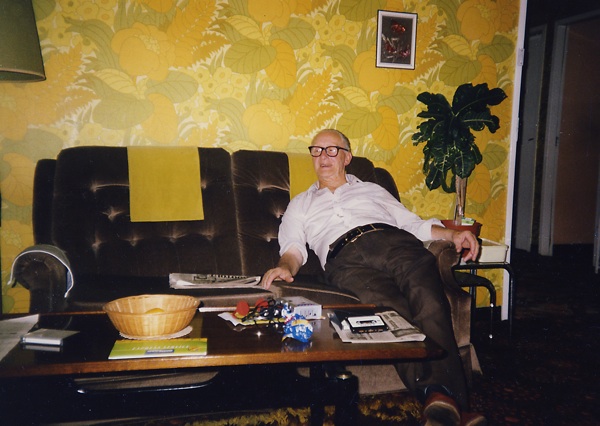
Colin’s father Edward in the lounge of the flat in Michael Cliffe House.

Colin O’Brien sits in his room in Michael Cliffe House that he moved into in 1965, with the table he made in woodwork classes at Sir John Cass School – the only piece of furniture left from the previous flat in Victoria Dwellings.
Photographs copyright © Colin O’Brien
Take a look at these other Colin O’Brien stories
Colin O’Brien’s Clerkenwell Car Crashes
Colin O’Brien’s Kids on the Street
Travellers’ Children in London Fields
Adam Dant’s Map of Stories from the History of Rotherhithe
Undertaking a rare trip south of the river, cartographer extraordinaire Adam Dant presents this map of that fabled ‘terra incognita’ once known as Redriff.

1. (Twelfth century) The name of the village of Rotherhithe or “Rederheia” is thought to mean “cattle-landing place.”
2. (1016) King Cnut begins digging a trench from Rotherhithe to Vauxhall to lay seige to London, according to myth.
3. (c.1370) During the reign of Edward III a fleet is fitted out at Rotherhithe by order of the Black Prince and John of Gaunt.
4. (c.1400) Henry IV lives in an old stone house in Rotherhithe while suffering from leprosy.
5. (1485) The Lovell family, owners of the Manor at Rotherhithe distinguish themselves during the Wars of the Roses. Francis Lovell is made Lord Chamberlain – “The cat, the rat and Lovell the dog rule all England under a hog.”
6. (1587) The Queen grants Thomas Brickett “Le Gone Powder Mill Pond,” formerly possession of Bermondsey Abbey and source of Guy Fawkes’ gunpowder.
7. (1605) Shipwrights of England are incorporated under Royal Charter, so that ships “will not be made slenderlie and deceitfullie.”
8. (1620) The Mayflower is brought to Rotherhithe by its master Christopher Jones.
9. (1635) Reclaimed land and “inclosed” wharfs are claimed by poor tenants over preference to kings, lords and rich men.
10. (1684) Christopher Monck, Duke of Albemarle receives a grant for Saturday goods and merchandise market, and for a ferry at Rotherhithe.

11. (1699) John Evelyn records in his diary, “a dreadful fire destroying three hundred houses and divers ships.”
12. ( 1699) 18th October, revellers en route to the The Charlton Horn Fair disembark at Cuckold’s Point, marked by a tall pole topped by a pair of horns.
13. (1770) The St Helena Tea Gardens open in Deptford where evening music and dancing is supported by the lower classes and shipyard workers’ families.
14. (1725) The South Sea Company take the lease of the The Howland Great Wet Dock and plan unsuccessfully to revive fishing in Greenland. The dock is renamed Greenland Dock.
15. (1725) One thousand tons of “unfragrant” whale blubber are boiled and processed annually at Greenland Dock.
16. (1726) Lemuel Gulliver, Jonathan Swift’s sailor protagonist in “Gulliver’s Travels” is born at Redriff.
17. (1792) Eleven shipyards are recorded in the parish of Rotherhithe.
18. (1680) Charles II makes a “frolicksome excursion” to Rotherhithe.
19. (1777) The China Hall, previously “The Cock & Pye,” opens as a theatre with plays “The Wonder,” “Love in a Village,” “The Comical Courtship” and “The Lying Valet,” before burning down in 1778.
20. (1725) A nurseryman named Warner cultivates cuttings of Burgundy vines in the vicinity of Rotherhithe. He is – in time – rewarded with one hundred gallons of wine annually.

21. (1792) Forty acres of the parish are occupied by market gardeners famous for their produce, four hundred and seventy acres by pasture.
22. (1802) Work begins on Ralph Dodd’s ship canal, “The Grand Surrey Canal.”
23. (1809) The decline in the whaling trade and the increase in timber importing accounts for Greenland Dock being named “Baltic Dock,” later enlarged and reopened as “The Commercial Dock.”
24. (1825-42) The Thames Tunnel is bored by Sir Marc Brunel.
25. (1832) Raw materials such as hemp, iron, tar and corn from many Baltic countries, as well as timber, arrive at Surrey & Commercial Docks.
26.(1869) Rotherhithe Underground Station is opened to Wapping.
27. (1869) Dockers strike in Surrey Dicks for “the Dockers’ Tanner” a rate of sixpence an hour. The strike drew public attention to issues of poverty in Victorian London.
28. (1830) Ship breaking begins to take over from ship building in Rotherhithe with many ships built to fight in the Napoleonic Wars meeting their end.
29. (1850) Charles Lungley builds The Dane at Greenland Dock North Shipyard chartered by the French Government as transport during the Crimean War.
30. (1909) Surey Docks is taken over and reinvigorated by the newly formed Port of London Authority.

31. (1926) Only seven people arrive for work out of two thousand on the first day of the General Strike.
32. (1940) September 7th, Surrey Docks are set on fire in the first raid of the Blitz.
33. (1940) King Haakon VII, with the Norwegian government in exile and Norwegian resistance during World War II, came to worship at St Olav’s.
34.( 1940s) Dock workers play “The down the slot game” in social clubs such as “The Gordon Club.”
35. (1900-1950) Cunard white star liners trade from Greenland Dock to Canada and North America.
36. (1960) Princess Margaret meets her future husband, photographer Anthony Armstrong-Jones, in Rotherhithe.
37. (1970) Surrey Docks close.
38. (19810 Michael Heseltine, Secretary of State, forms “The Docklands Development Corporation” to redevelop the area of the former docks. It causes controversy, accused of favouring luxury developments over affordable housing.
39. (2000) Mudlarking on the foreshore yields clay pipes, oyster shells and the occasional Saxon or Roman coin.
40.( 2011) The new “super library” opens in Canada Water.

Images copyright © Adam Dant
You may like to take a look at some of Adam Dant’s other maps
Map of the History of Shoreditch
Map of Shoreditch in the Year 3000
Map of Shoreditch as the Globe
Map of the History of Clerkenwell
Map of the Journey to the Heart of the East End
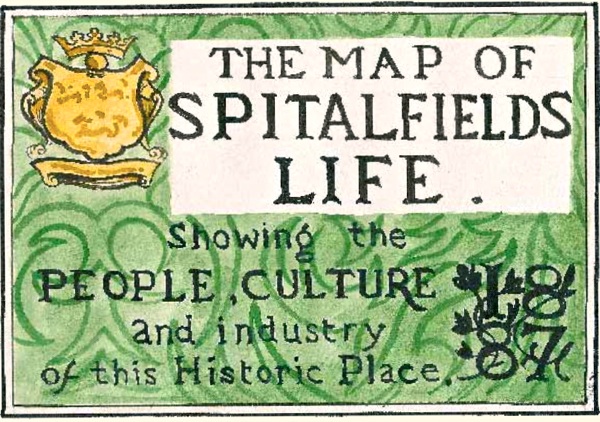
Click here to buy a copy of The Map of Spitalfields Life drawn by Adam Dant with descriptions by The Gentle Author
We Are The Beating Heart Of The East End
[youtube Y4C7hjMCqG4 nolink]
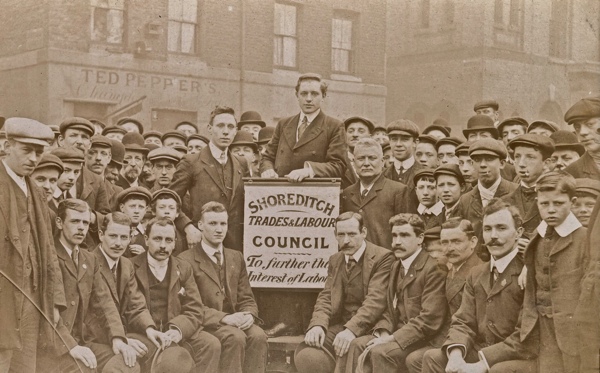
After a year of planning, THE EAST END TRADES GUILD launches on Monday 19th November at Christ Church, Spitalfields, with an assembly of two hundred founding members declaring “WE ARE THE BEATING HEART OF THE EAST END.”
It seems incredible now to think back to the time when I first interviewed Paul Gardner, fourth generation paper seller and proprietor of Spitalfields’ oldest family business. Although I knew at once that Gardners’ Market Sundriesmen was an extraordinary endeavour, supplying cheap paper bags to the smallest businesses and traders in the East End for over a century, I could never have recognised the outcome of writing the story of it.
Paul Gardner was being faced with an excessive rent increase at the time which threatened to put him out of business, yet the public expression of support was such that the landlord relented and the point was made – that small proprietor-owned businesses like this are the essence of the East End. If property pieces have gone up and multiples choose to come here, it is because of the distinctive appeal of businesses like Gardners. And, in the hundreds of features that I have written since then about the small tradesmen, market traders and independent shops, it became obvious that the potential existed for them come together to find a collective voice, asserting their importance and working collaboratively to ensure their survival.
Community organiser Krissie Nicolson spoke with Paul Gardner and some other traders, arranging meetings at the Bishopsgate Institute throughout the last year at which people met to pool ideas. Attending these gatherings, it was fascinating to observe the notion take flight and observe new members arriving at every meeting bringing new energy, until this autumn it was obvious that the Guild had acquired its own momentum. And already, membership badges have started going up in shop windows around the East End announcing the presence of the Guild.
The culmination of this process is the event on 19th November which constitutes the founding of The East End Trades Guild as a new co-operative of small independent traders working together in the interests of all proprietor-owned-and-run-businesses in the East End. The ceremony will commence at 7pm sharp with a trumpet fanfare for The East End Trades Guild by Tim Davy accompanied by a presentation of photographic portraits of all the founding members, followed by the premiere of a film by Sebastian Sharples entitled “We Are the Beating Heart of the East End” featuring the traders and celebrating the infinite variety of small businesses in the East End.
If you are a trader and you would like to join the East End Trades Guild, please email krissie@eastendtradesguild.org.uk Members of the public are invited to attend to be witnesses to the founding of the Guild – please arrive at 6:30pm.
EETG logo designed by James Brown
Calling all brass players! We need you to help launch the EAST END TRADES GUILD on Monday 19th November. Tim Davy will be creating a fanfare with as many brass players as possible to announce the founding of the Guild.
All brass players are welcome that can read music. Email spitalfieldsbrass@gmail.com to sign up, giving information about your level of experience, and be prepared to come to the rehearsal at 5pm on Monday 19th November at Christ Church, Spitalfields, ready for the performance at 7pm.
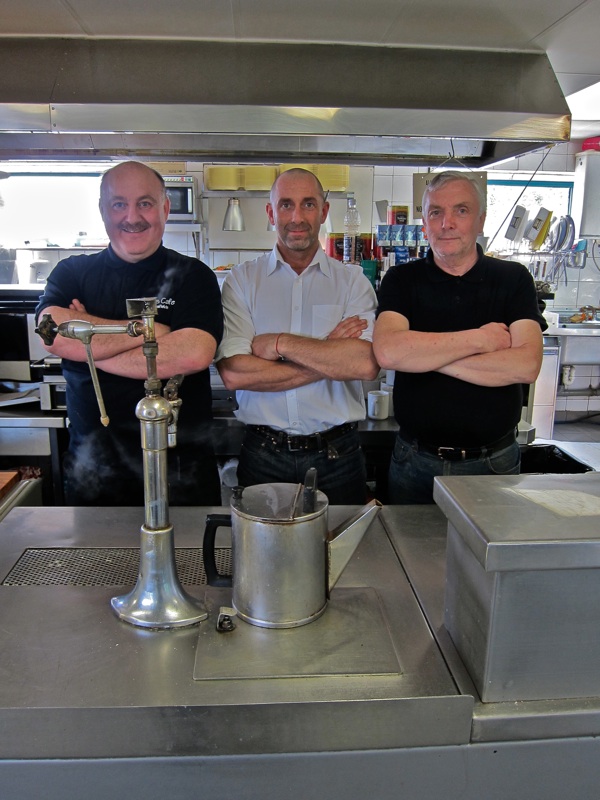
Paul Gardner, the founder member of The East End Trades Guild
Read my orginal story about Gardners’ Market Sundriesmen
John Claridge’s Boxers (Round Two)
Photographer and Ex-Boxer John Claridge took on members of London Ex-Boxers Association on a recent visit to the East End. John distinguished himself with some fine shots in Round One and now, after a quick rub down with a towel and a hasty gulp of water, he is back in the ring with an intensified energy for Round Two.
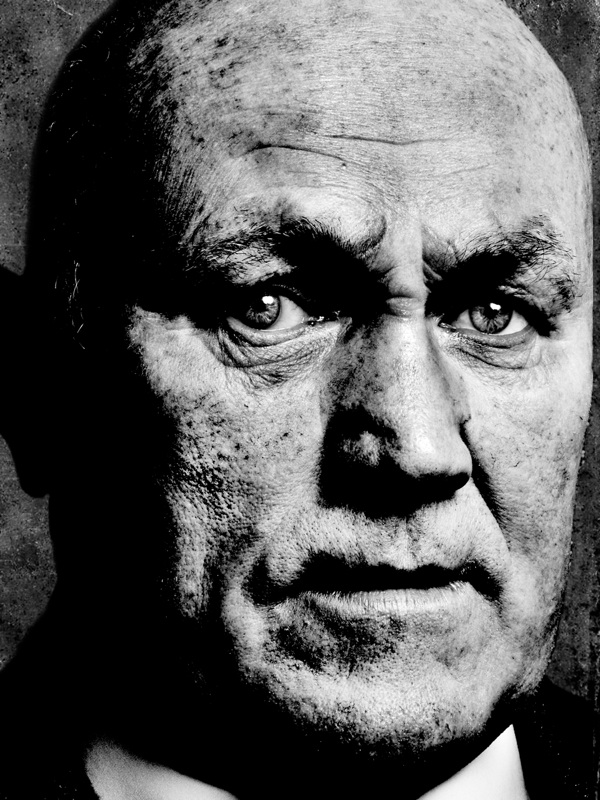
Brian Hudson (First fight 1956 – last fight 1967)
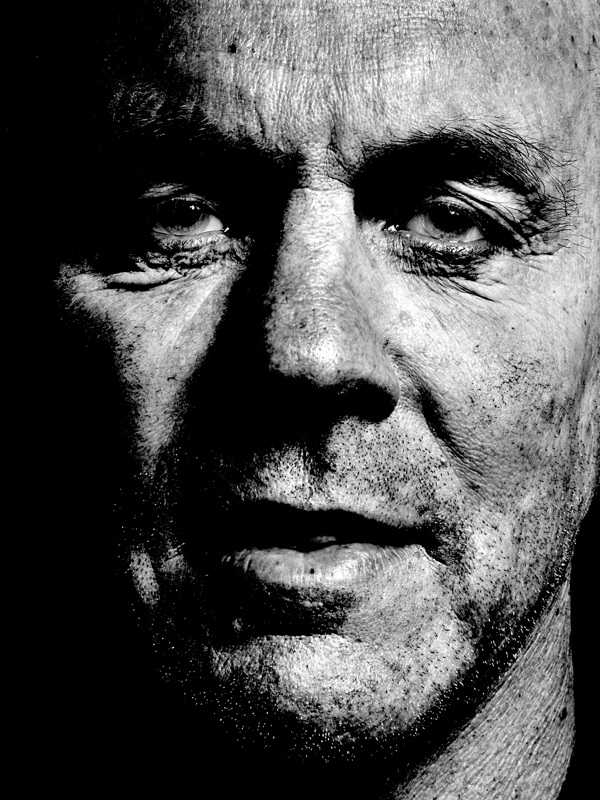
Stan Kennedy (First fight 1961 – last fight 1966)
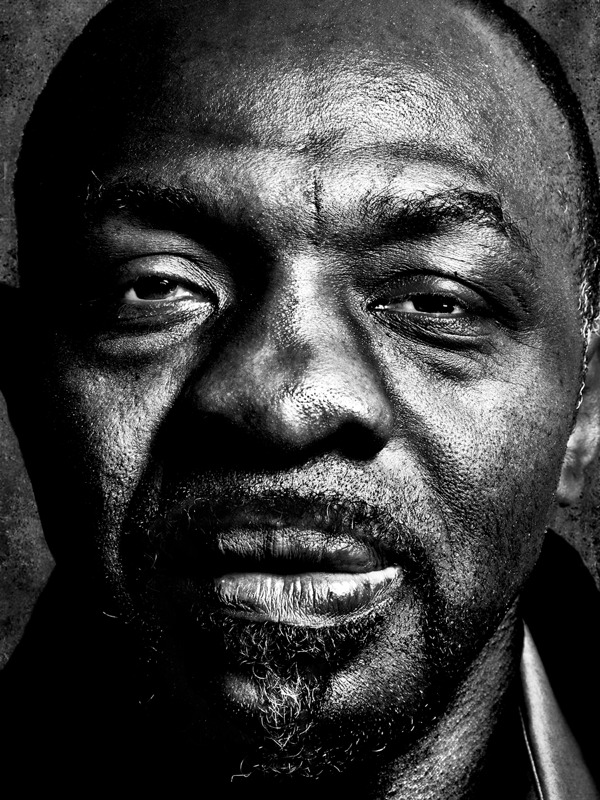
James Cook MBE (First fight 1982 – last fight 1994)
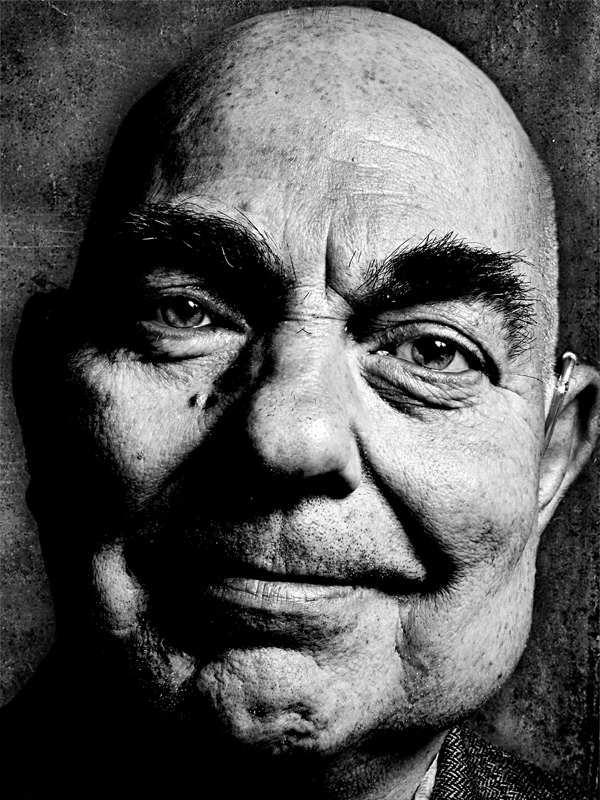
Terry Austin (Boxing fan)
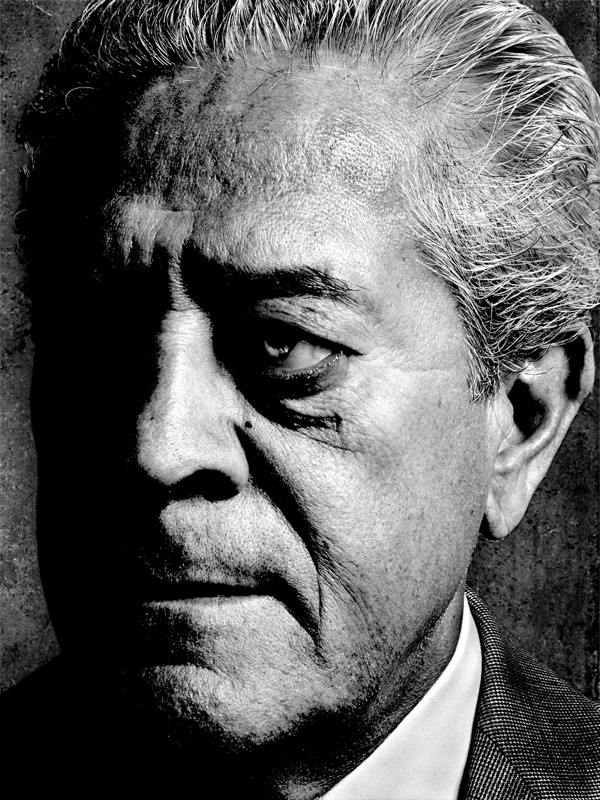
Bernie Khan (Boxed in the sixties)
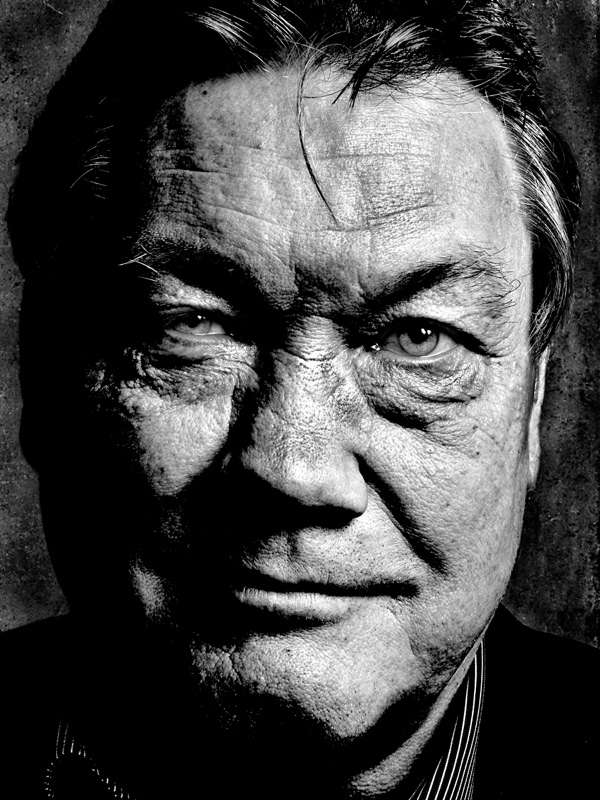
Mickey Oats (First fight 1969 – last fight 1972)
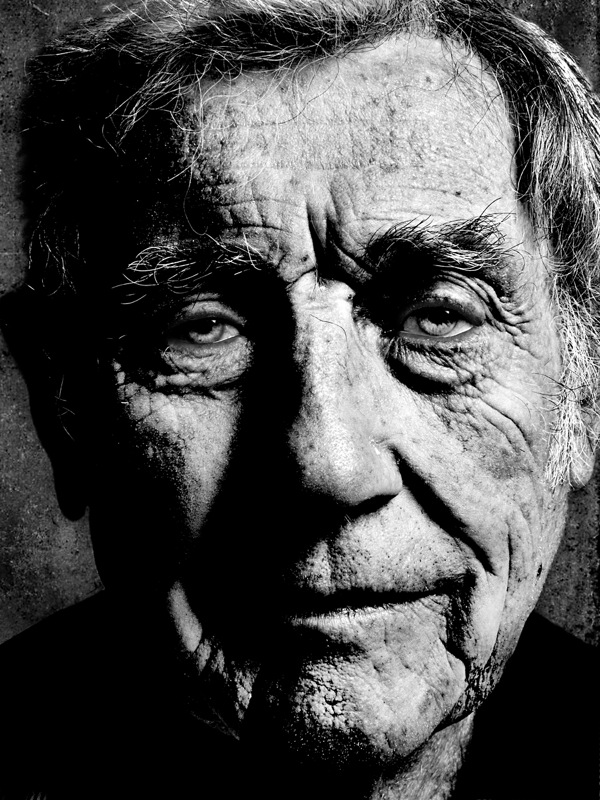
Mick Hayes (First fight 1945 – last fight 1958)

Roby Cameron (First fight 1948 – last fight 1956)
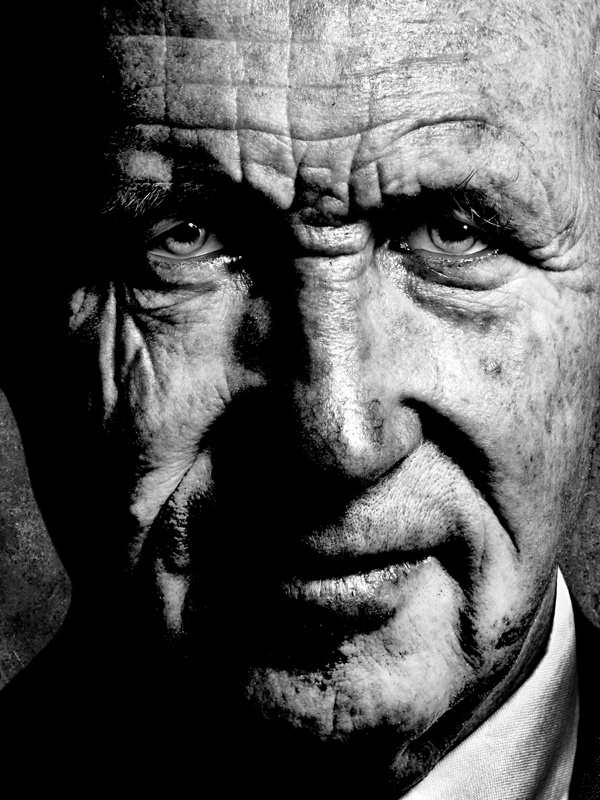
George Day (First fight 1942 – last fight 1951)
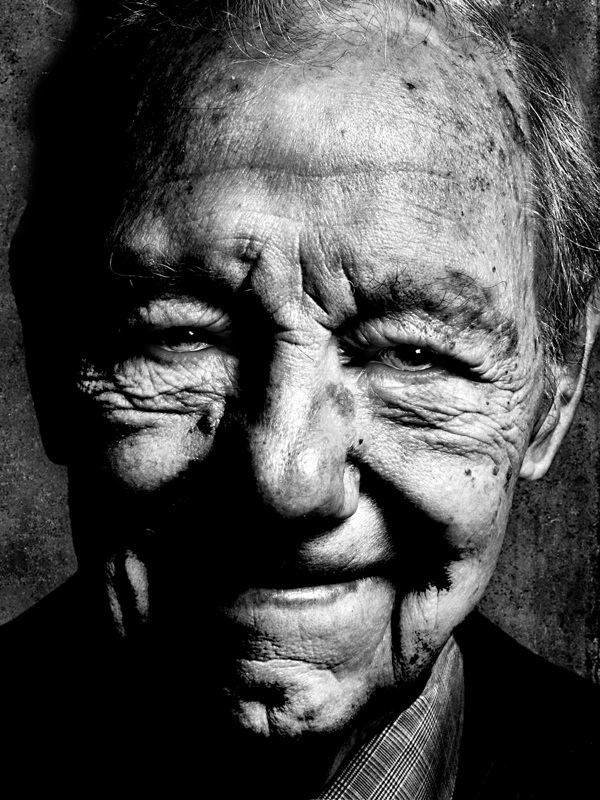
John Smallwood (First fight 1934 – last fight 1949)

Colin Hayday (First fight 1955 – last fight 1959)

John O’Callaghan (First fight 1942 – last fight 1957)
Photographs copyright © John Claridge
Take a look at
John Claridge’s Boxers (Round One)
and these other pictures by John Claridge
Along the Thames with John Claridge
At the Salvation Army with John Claridge
A Few Diversions by John Claridge
Signs, Posters, Typography & Graphics
Views from a Dinghy by John Claridge
In Another World with John Claridge
A Few Pints with John Claridge
Some East End Portraits by John Claridge
Sunday Morning Stroll with John Claridge












