
From Bow To Biennale
David Buckman introduces his new book which recovers the lost history of The East London Group, one of the major artistic movements to come out of the East End in the last century yet – extraordinarily – almost forgotten until now.

The Arches, Mare St by Albert Turpin
How is it that one of the most innovative, commercially successful, and – in its time – hugely publicized British art groups of the twentieth century became neglected? That was the case until my book From Bow to Biennale: Artists of the East London Group was published last month. During the writing of it, whenever I mentioned the Group to experts in this period, the response was usually – East London Group, just a name.
My curiosity about the East London Group was aroused many years ago when I read an illustrated feature about it in the April 1931 issue of “Studio” magazine. As a private interest in early twentieth-century art developed over time and as I earned a living as a freelance journalist in a largely unrelated field, I would occasionally return to a photocopy of that article, which acted like a maggot in my mind.
At the end of the eighties, when I was researching my dictionary “Artists in Britain since 1945” in my spare time, I decided to call at the last known address in Hampstead of the painter Phyllis Bray to check if she was still active. By then Phyllis was suffering from Parkinson’s Disease but, as we chatted, the East London Group was mentioned. She had been a member and, for several years, was married to its founder, John Cooper. She directed me to her daughter, Philippa, also an artist, who held the Red Book of press cuttings about the Group’s activities during the twenties and thirties.
Thus began – when I could afford the time – the long, painstaking research to tell the Group’s story. As a start, the book of cuttings was photocopied to ensure a second copy existed and it became a collection that expanded as more cuttings were found. One of the problems for a researcher is that people who save cuttings sometimes do not date or source them or, if they do, someone else decides to tidy them up years later by snipping off these essential details. The Red Book had been subject to this treatment at some stage and, consequently, many weeks were spent in correspondence with likely helpers and in microfilm booths at the newspaper library in Colindale, pursuing clues on the back of the cuttings or the choice of typeface employed.
It emerged that the Group had achieved enormous, largely flattering press coverage, for its exhibitions, with the “Daily Mail” covering one show three times. Writing in the “Studio” in 1929 – as the Group forayed into the West End – F. G. Stone commented how its painters had found “beauty about the streets of the district that is known to the Post Office as E.3.” Just over a year later, the distinguished critic T. W. Earp in the “New Statesman” thought these artists “furnish the best exhibition of young English contemporary painting which has been shown in London this year.” Early in 1933, American writer Helen McCloy in the “Boston Evening Transcript,” judged that “Never has there been so peculiarly English a group in modern art as these young workingmen” who had been able to convey “the very spirit of the Cockney, the happy robust soul who is England.” By end, in 1936, when the Group was holding its eighth annual show at Lefevre Galleries, the “Sunday Times” termed it “the most interesting and promising of our younger art societies.”
By then, John Cooper was middle-aged and had only a few years to live, dying in 1943. As a charismatic young painter from Yorkshire, he had inspired such raw material as errand boys, shopgirls, basket-makers and window cleaners to give up their precious spare time several days a week to attend his East End classes. After teaching in Bethnal Green, he moved to a school in Bow where he attracted several dozen students. Many of these painters, showing as the East London Art Club, had an exhibition at the Whitechapel Art Gallery in December 1928. This prompted Charles Aitken, its former director, then in charge of what is now Tate Britain, to display some of the pictures at the Millbank gallery early in 1929, and that show lead to the Lefevre Galleries series, provincial shows, participation in mixed exhibitions in Britain and abroad, plus solo shows for many of the members.
At the 1936 Venice Biennale, two East London Group members, Elwin Hawthorne and Walter Steggles, participated alongside luminaries such as Frank Brangwyn, Barbara Hepworth, Gilbert Spencer and Philip Wilson Steer. Walter was one of the six surviving East London Group members that I traced, providing unique memories that otherwise would have died with him. When a small reunion was organized at Phyllis Bray’s house, Walter told her daughter Philippa – “John Cooper should have been decorated for what he did for artists.”
Walter, like his brother Harold, was grateful for the variety of teaching provided at Bow. John Cooper had been at the Slade School of Fine Art just after World War I and decided that a number of ex-Slade friends could aid his work and a few would later exhibit with the Group too. Phyllis Bray was one, William Coldstream another, but his real coup was to get Walter Sickert to make the trip into this unfashionable part of London to impart unique and often eccentric wisdom. Here was artistic royalty, and Lilian Leahy, who eventually married Elwin Hawthorne, recalled to me how as Sickert sat expounding, dressed in plus-fours and diamond-patterned socks, shopgirls would giggle with their hands over their mouths.
The East London Group website lists the thirty-five artists I claim as members. In addition to the history of the Group, the book contains biographical essays on more than twenty of these, including such colourful characters as Murroe FitzGerald, Irish Civil War death sentence escapee, eventually managing director in London of the Acme Flooring & Paving Co – and Albert Turpin, professional window cleaner, Anti-Fascist protestor and Labour mayor of Bethnal Green, whose passion was to record the disappearing End End that he grew up in. Yet many of the other members remain ghostly figures, despite my research into their personal histories.
As well as attracting Walter Sickert, John Cooper involve dozens of celebrities in his project. Charles Aitken encouraged the influential art dealer Joseph Duveen to buy paintings. Samuel Courtauld, Lord Melchett, Lord Burnham and the writer Arnold Bennett gave early financial help. Lady Cynthia Mosley and Osbert Sitwell opened exhibitions. The Prime Minister Ramsay MacDonald and Labour Party stalwart George Lansbury attended exhibitions and gave moral support. As their reputation developed over the years, the Group sold to influential collectors with the Lefevre Galleries welcoming extra, non-catalogue pictures, as sales rose and, on occasion, an exhibition’s term was extended.
As I investigated, I found that John Cooper and his Group became involved in more than exhibitions of paintings. It was these multifarious non-gallery activities that consumed my time, calling for detective work. It emerged that the Group was involved in making a documentary film about their activities. Also, members also painted pictures for stage plays and contributed to Shell’s popular range of posters. Phyllis Bray created three huge murals for the New People’s Palace in Mile End Rd and John Cooper revived mosaic teaching at the Central School of Art, becoming director of Courtauld-Cooper Studios and producing exciting Modernist work.
With such a large body of diverse work to its credit and dozens of works in public collections, the Group must take its place in any history of British Art in the first half of the century. Its omission would be scholarly negligence. And the story did not end with World War II as – thanks to the enduring inspiration of John Cooper – many members continued painting, long after the East London Group expired.
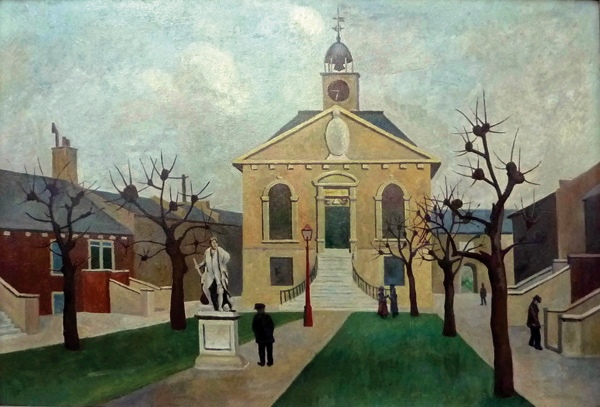
Trinity Almshouses, Mile End Rd by Elwin Hawthorne, c.1935 (Private collection)
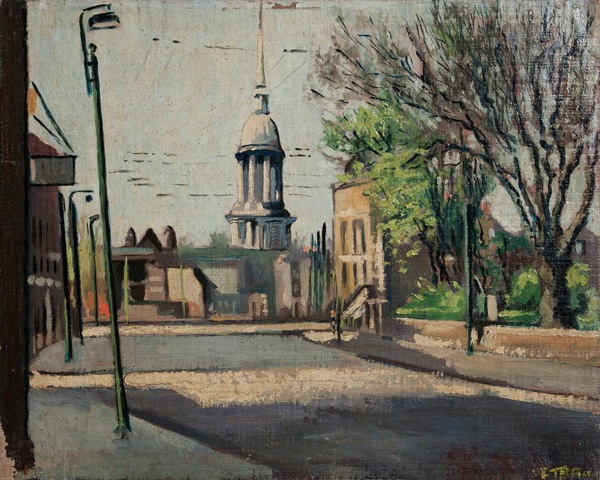
Shoreditch Church from Hackney Rd by Albert Turpin, c.1955 (Private collection)
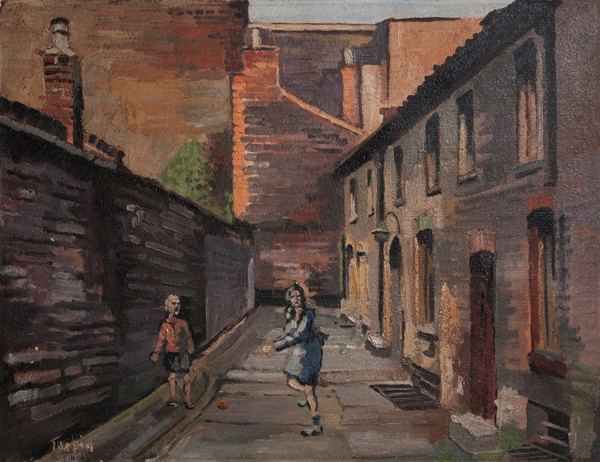
Cable St by Albert Turpin (Private collection)
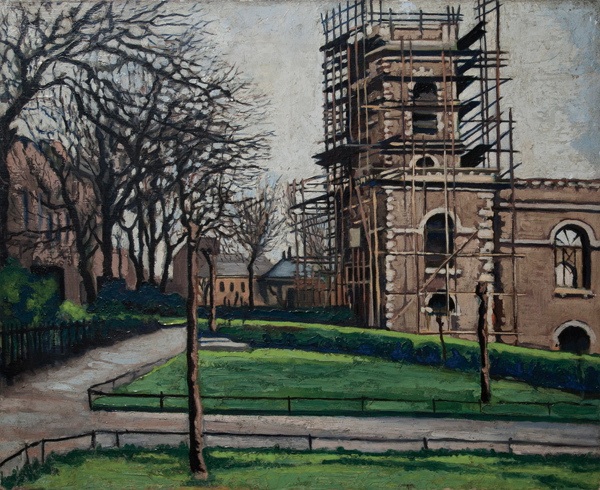
Rebuilding St Matthew’s Church, Bethnal Green by Albert Turpin, c.1956 (Private collection)
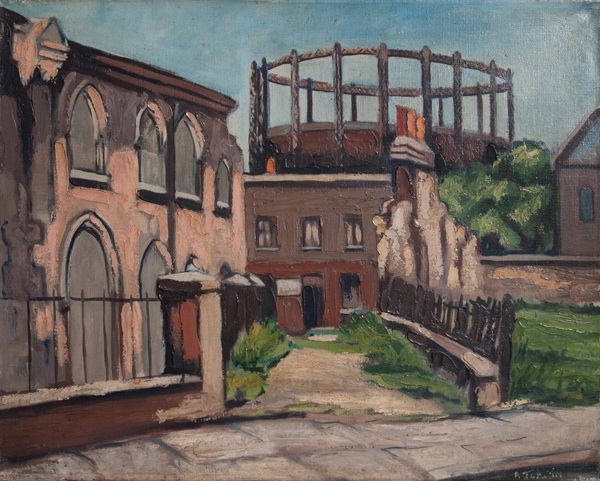
Marian Square, Hackney by Albert Turpin, 1952 (Private collection)
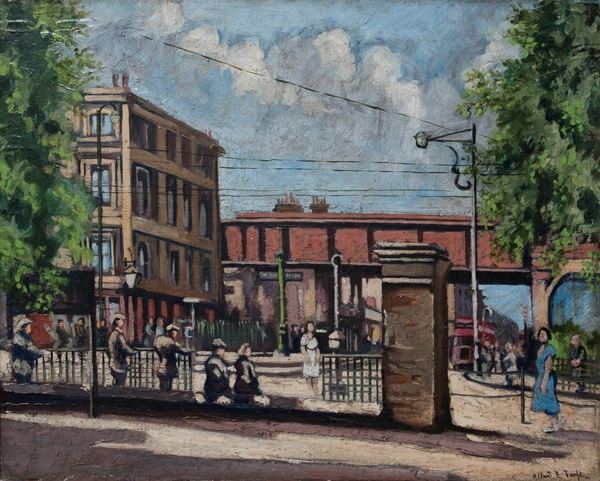
Salmon and Ball, Bethnal Green by Albert Turpin, c.1955 (Private collection)
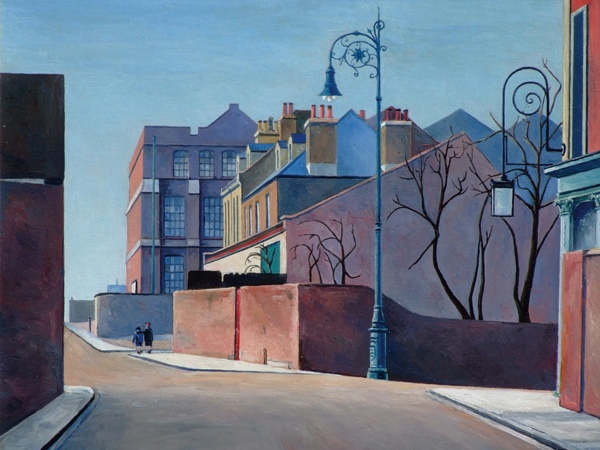
Old Ford Rd by Harold Steggles, c.1932 (Private collection)

Bow Rd by Elwin Hawthorne, 1931 (Walter Steggles Bequest)
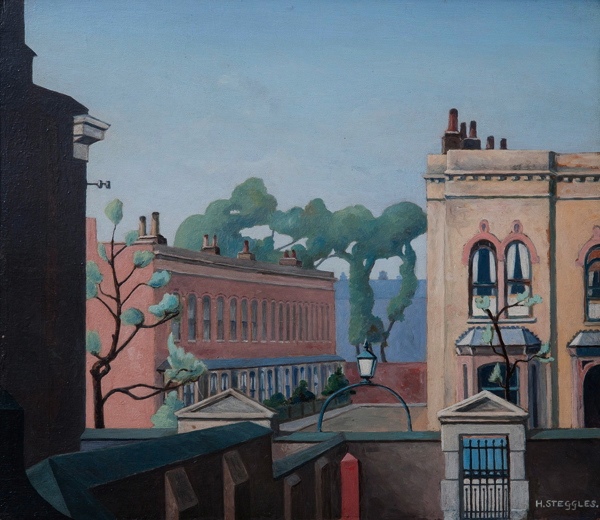
Grove Rd, Bow by Harold Steggles (Private collection)
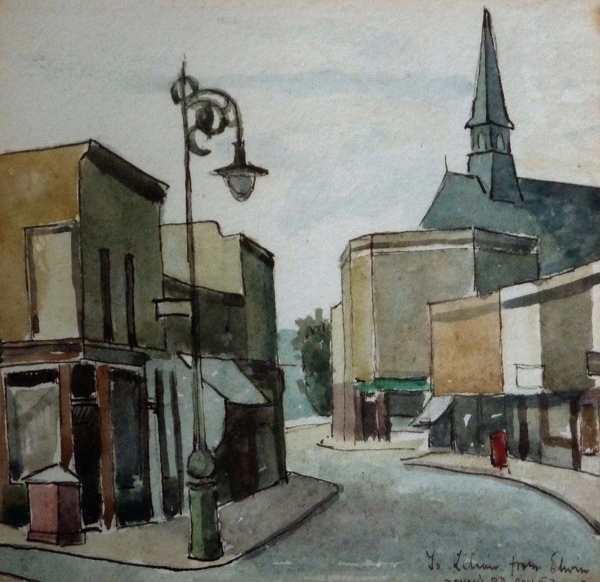
Devons Rd, Bow, E3 by Elwin Hawthorne, c.1931 (Private collection)

Sunday Morning, Farringdon Rd by Cecil Osborne, c.1929 (Royal Pavilion and Museums, Brighton & Hove)
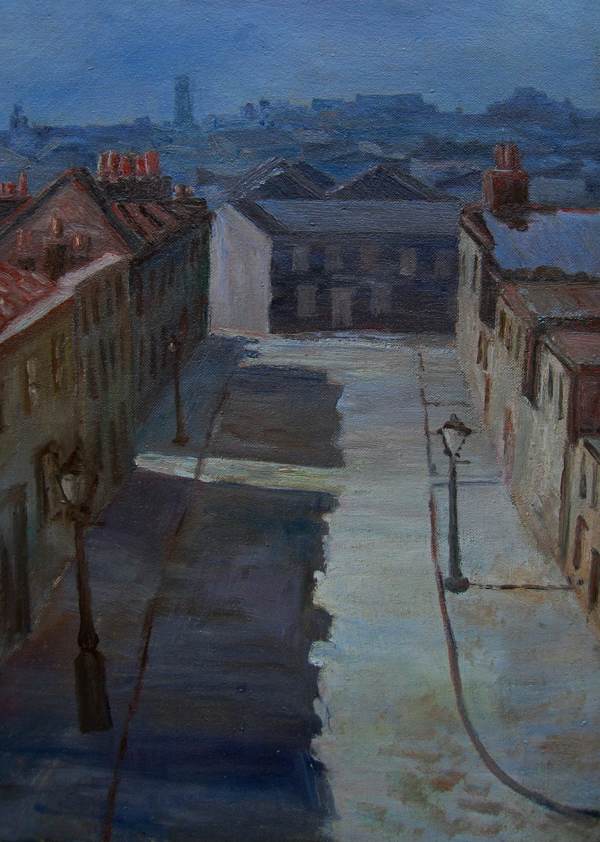
North East Bethnal Green by George Board, c.1930, oil on canvas (Walter Steggles Bequest)
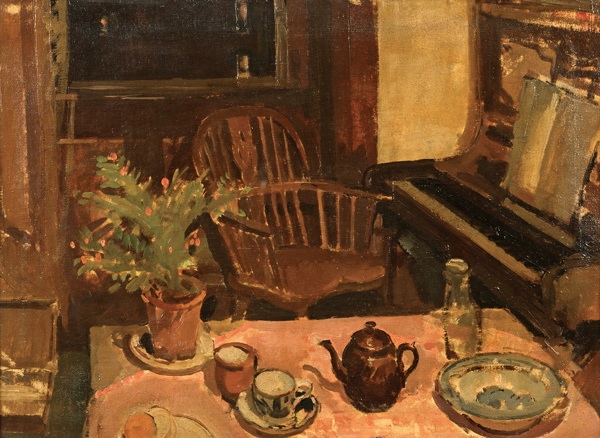
Interior by Brynhild Parker (Cheltenham Art Gallery & Museum)
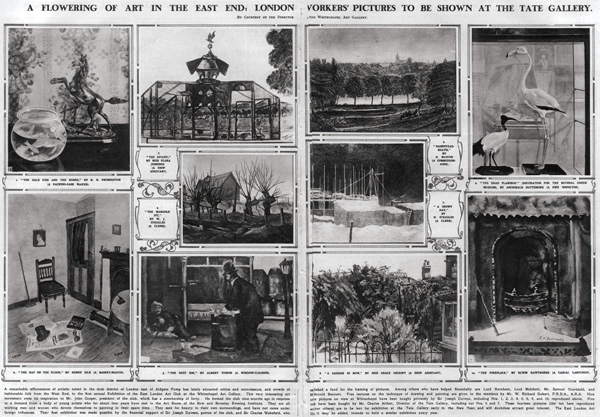
Illustrated London News, December 29th, 1928.
From Bow to Biennale: Artists of the East London Group by David Buckman can be ordered direct from the publisher Francis Boutle and copies are on sale in bookshops including Brick Lane Bookshop, Broadway Books, Newham Bookshop, Stoke Newington Bookshop and London Review Bookshop.
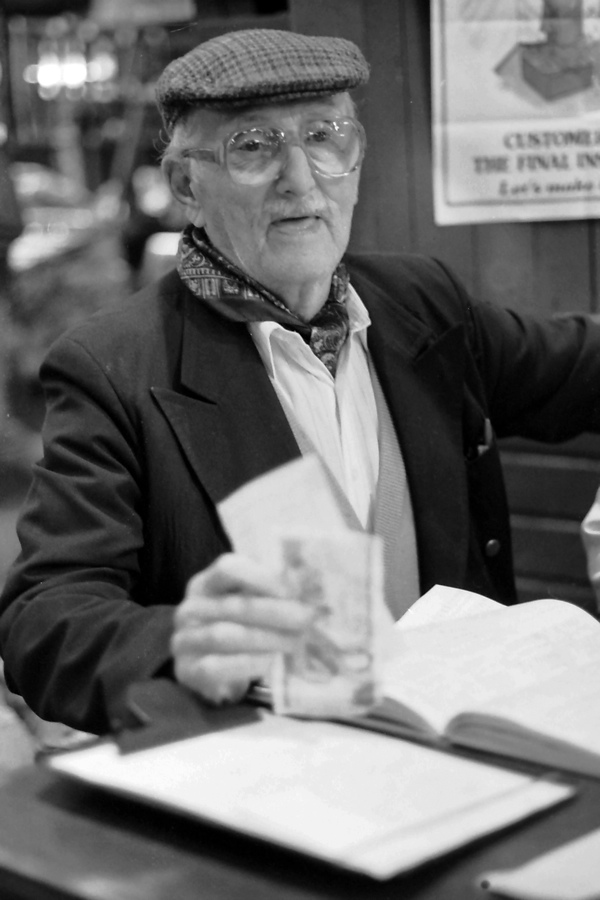
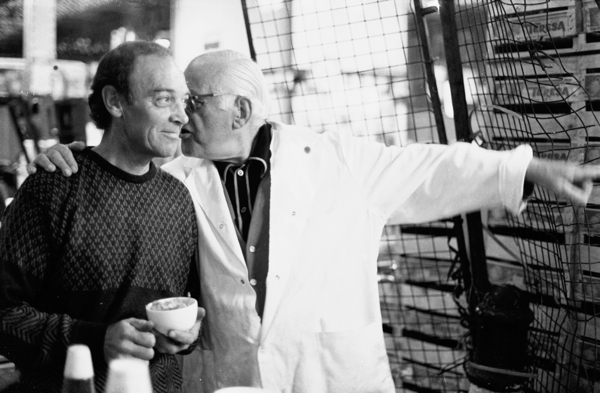
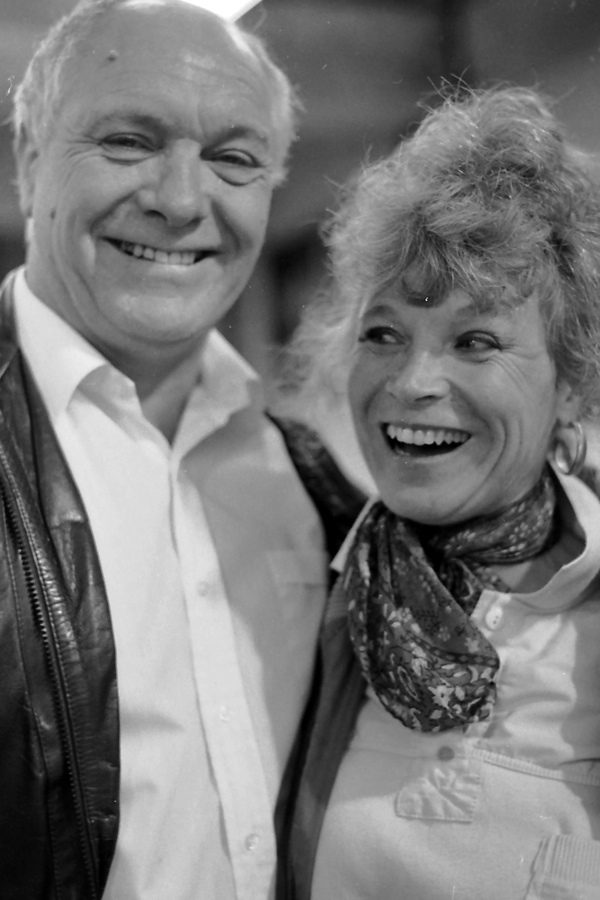
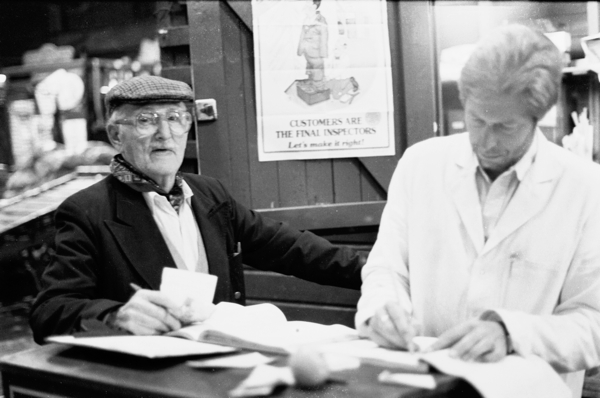
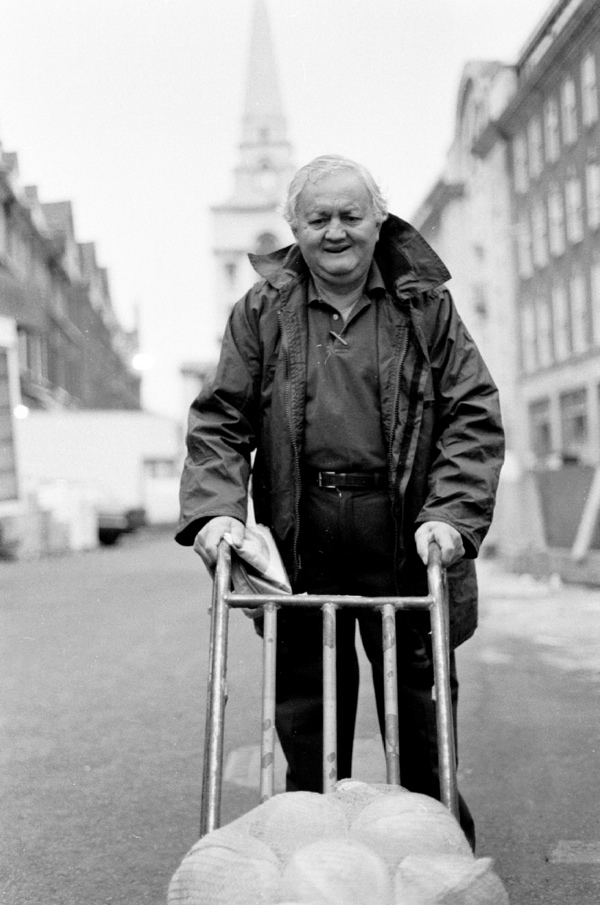
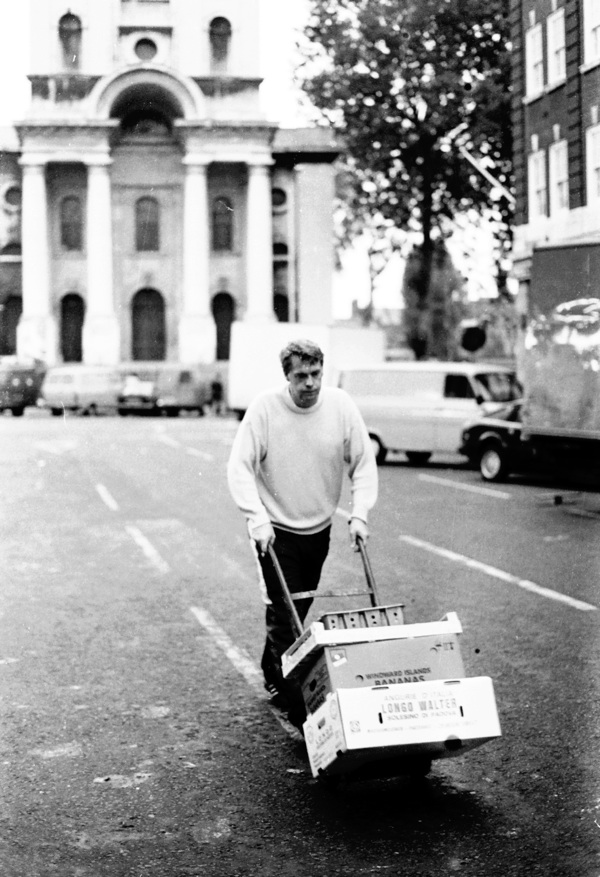
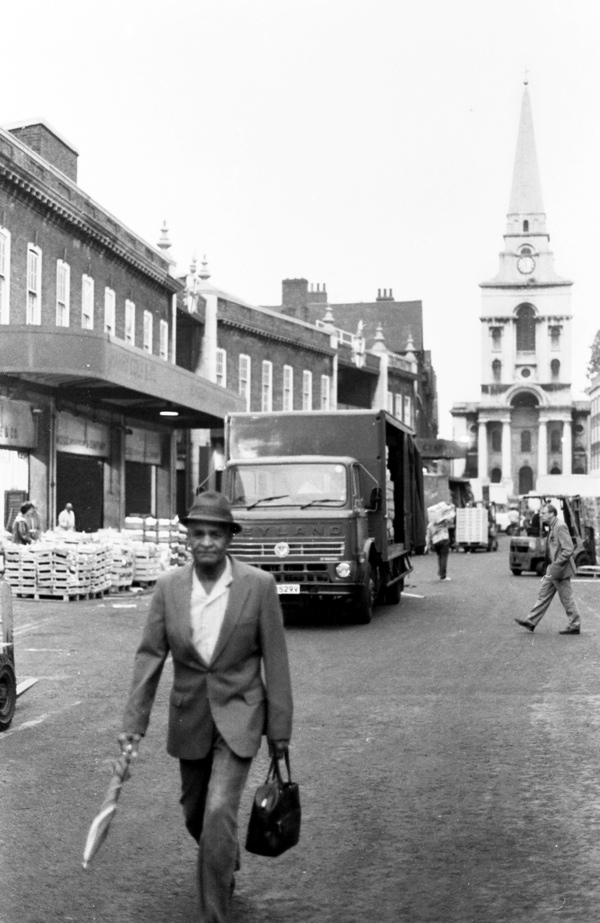
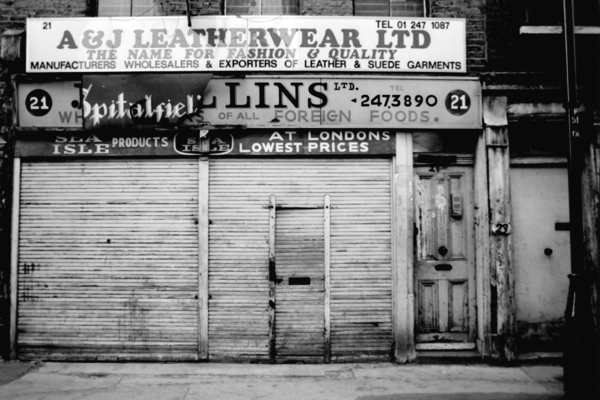
Phil Maxwell At The Old Spitalfields Market
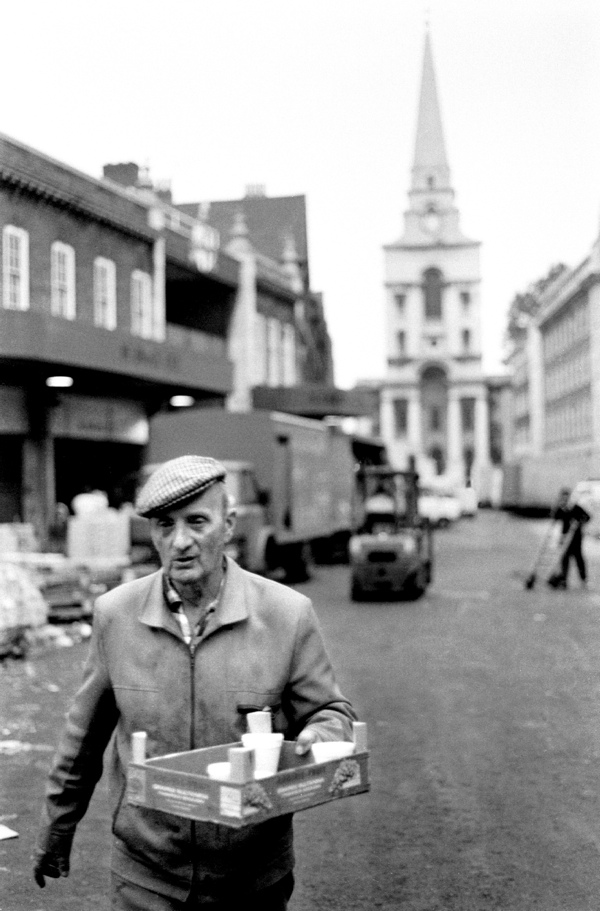
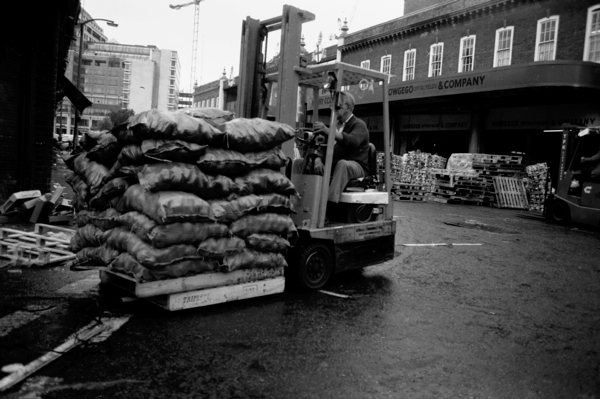
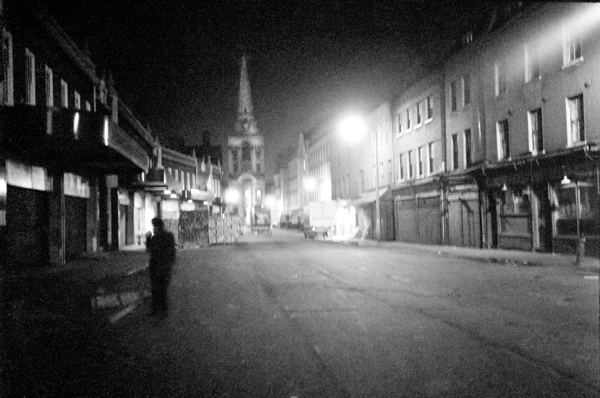
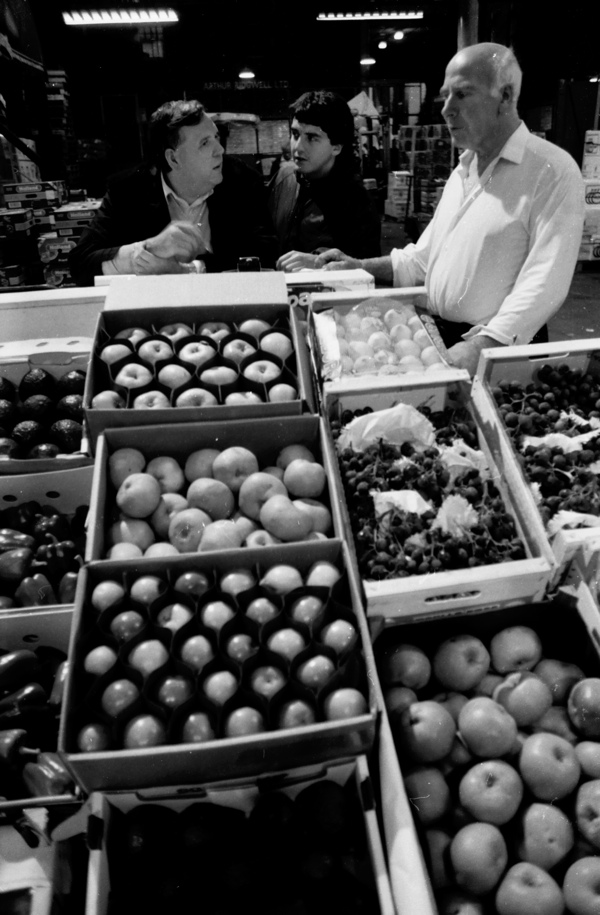
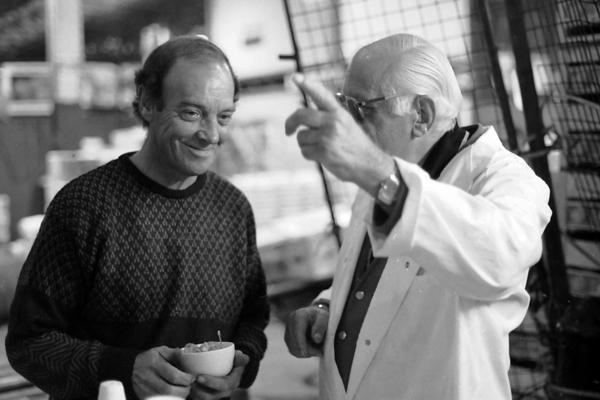
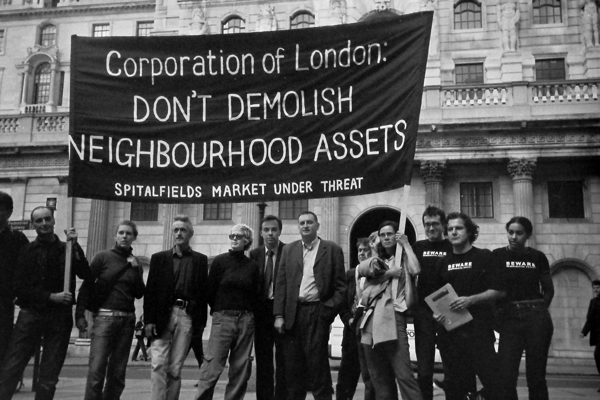
Since 1981, when he moved to London from Liverpool, Phil Maxwell has been taking pictures daily on Brick Lane, creating an unparalleled canon of photography that records the changing face of Spitalfields over the last thirty years.
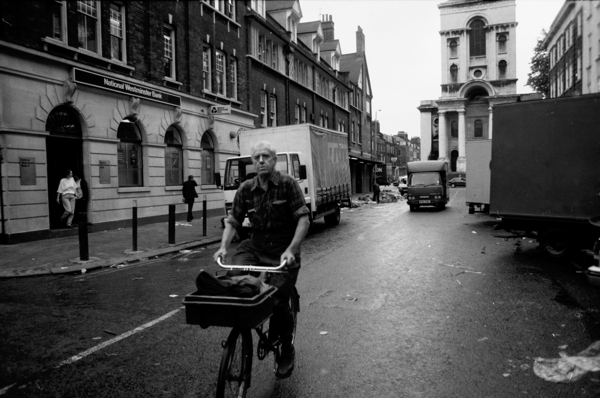
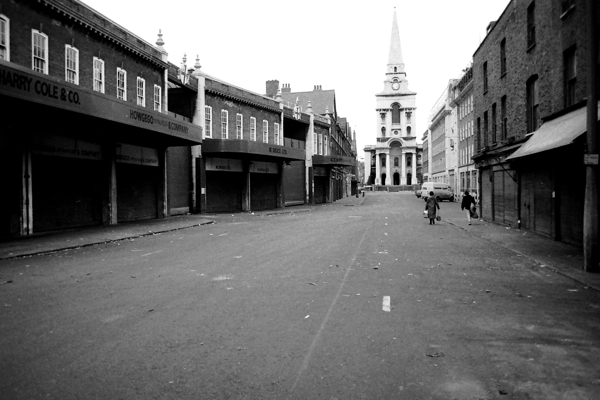
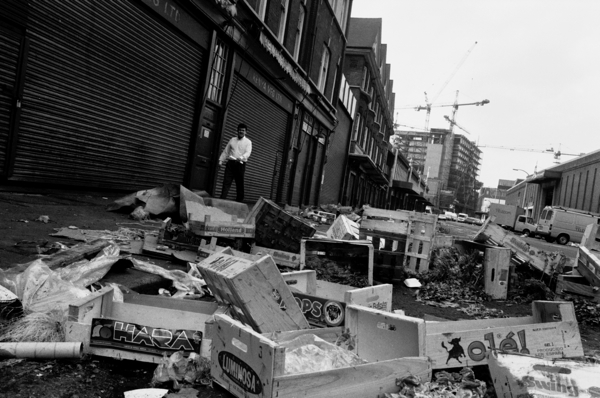
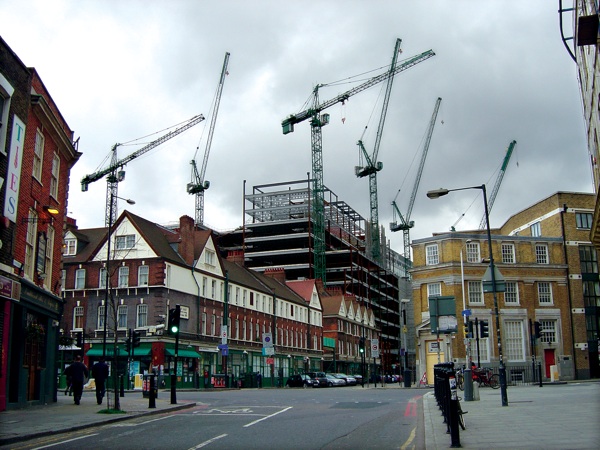
So, in 1991, when the nocturnal Fruit & Vegetable Market which flourished here for more than three centuries was to be moved out, Phil turned his attention to capturing the last days of this unique phenomenon. These pictures compose Phil’s personal elegy to the Market which – along with the Truman Brewery – once comprised the core of Spitalfields’ historic identity as London’s first industrial suburb.
“It was a great place to wander around because there was so much life in it,” Phil recalled fondly, “The Market had its own ecosystem that surrounded it, including the homeless people who gravitated there, the ladies of the night who ran a cottage industry servicing the lorry drivers, the women from Hackney who came every day to scavenge discarded vegetables, and the twenty-four hour pub and cafe trade. A lot of different people came through Spitalfields then.
I think of the Fruit & Vegetable Market as a dynamic and energetic place in contrast to the City of London next door. It was a barrier, as if there was a wall preventing the City expanding any further. But since the Market left the City has moved closer, causing a large increase in the price of property and land which increases rents. You can see the result today – it’s become very difficult for small businesses to survive because rents have become so high. There is no comparison between the liveliness of the Fruit & Vegetable Market and what you have now”
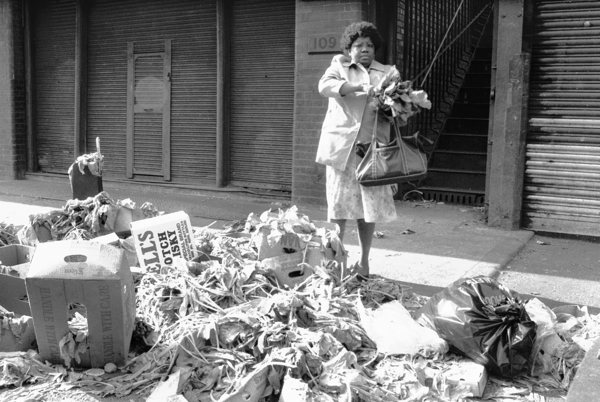
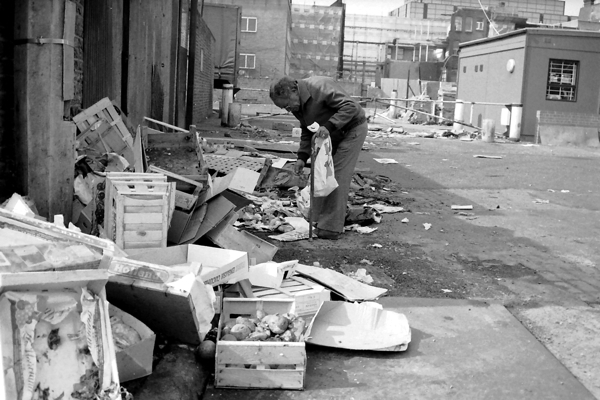
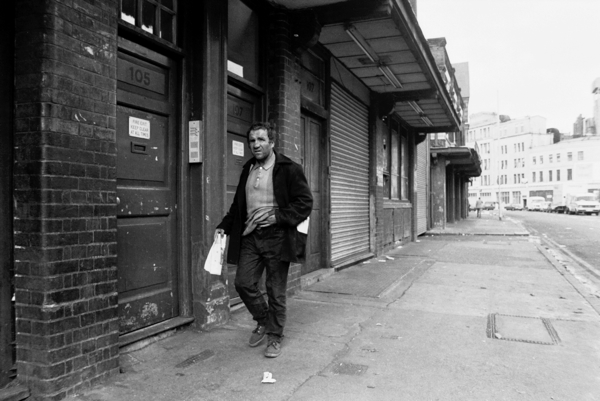
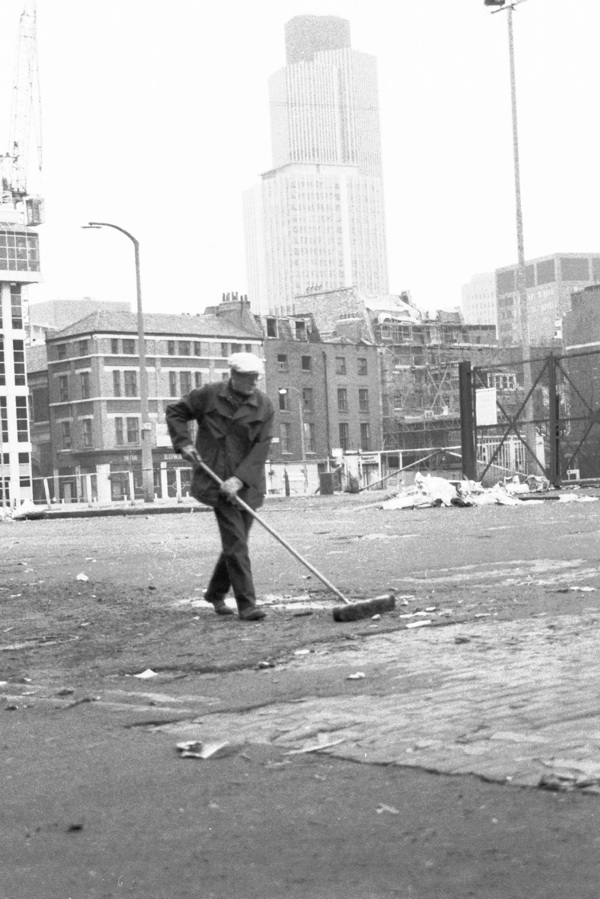
Photographs copyright © Phil Maxwell
Follow Phil Maxwell’s blog Playground of an East End Photographer
See more of Phil Maxwell’s work here
Phil Maxwell & Sandra Esqulant, Photographer & Muse
More of Phil Maxwell’s Old Ladies
Phil Maxwell’s Old Ladies in Colour
and more pictures of the old Fruit & Vegetable Market here
Mark Jackson & Huw Davies’ Photographs of the Spitalfields Market
John Claridge’s Boxers (Round Eight)
And still they come, the members of London Ex-Boxers Association – like an endless horde of pirates out of Peter Pan. Yet Contributing Photographer & Ex-Boxer John Claridge is more than a match for them, as you can see from this latest gallery of handsome rogues comprising the Eighth Round in his ongoing portrait project.
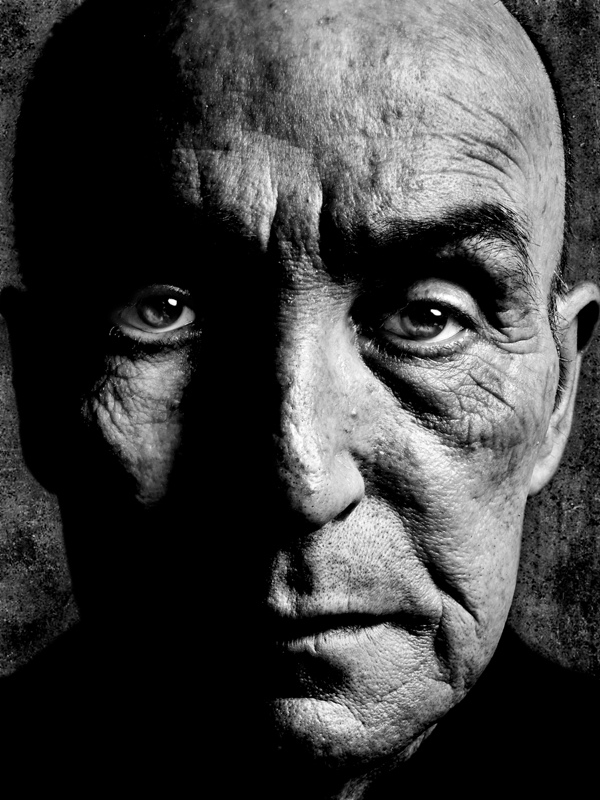
Tony Garrett (First fight 1964 – Last fight 1971)
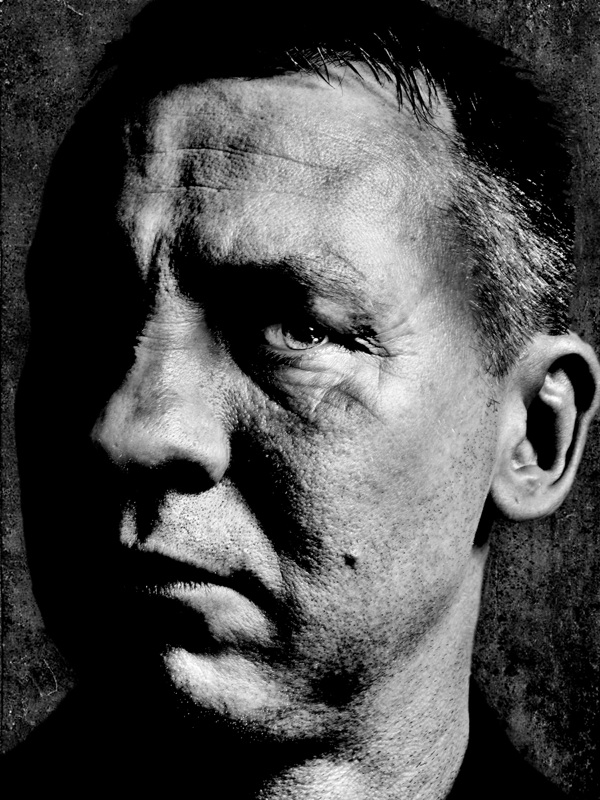
Bob Williams (First fight 1976 – Last fight 1987)
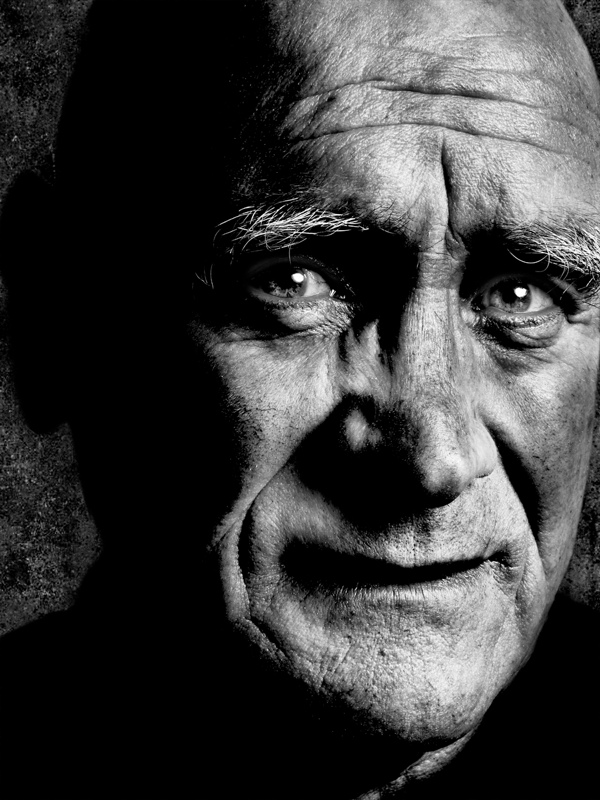
Chas Monksfield (First & last fight 1956)
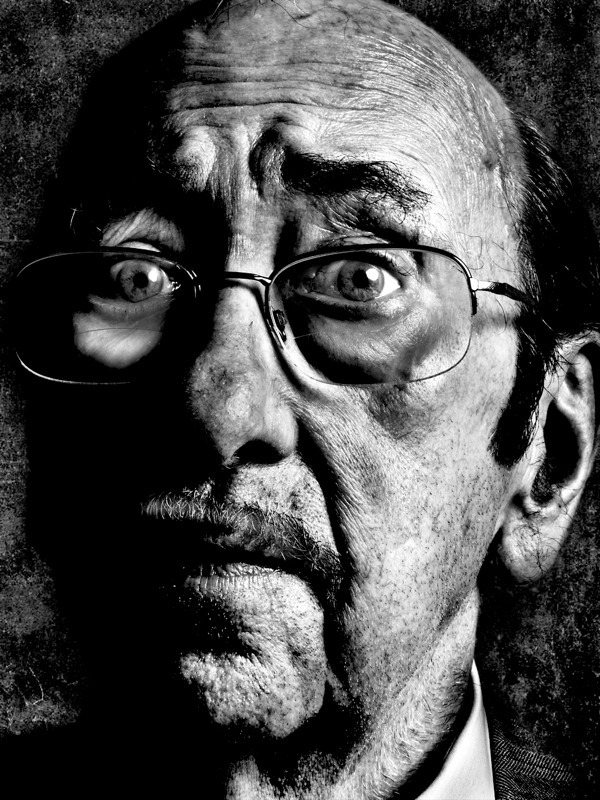
James Clegg (Member of LEBA for forty-one years)
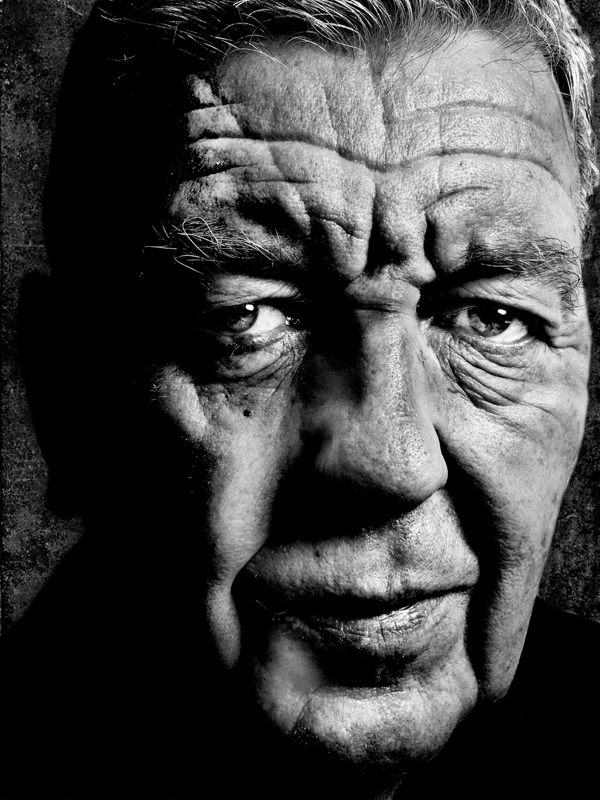
Dave Potton (First fight 1957 – Last fight 1959)
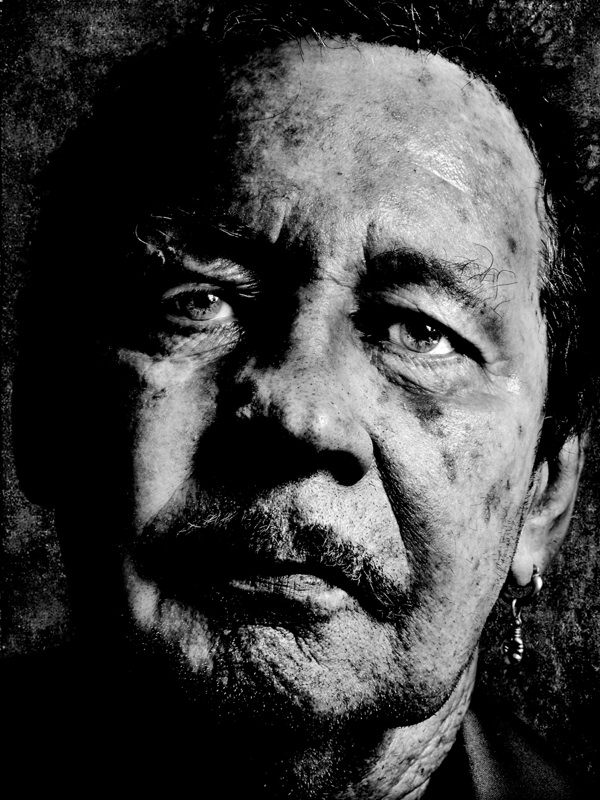
Frank Rock (First fight 1970 – Last fight 1985)
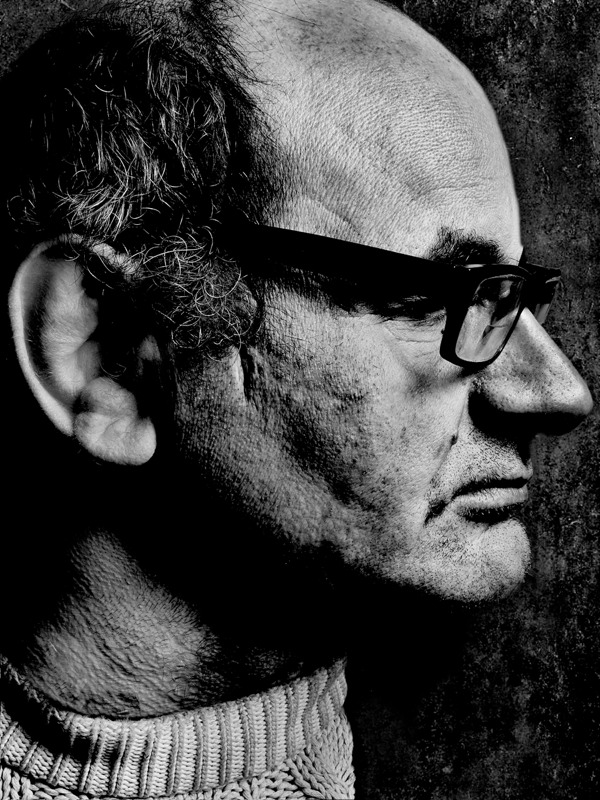
Mark Taha (Boxing enthusiast & LEBA member for nine years)
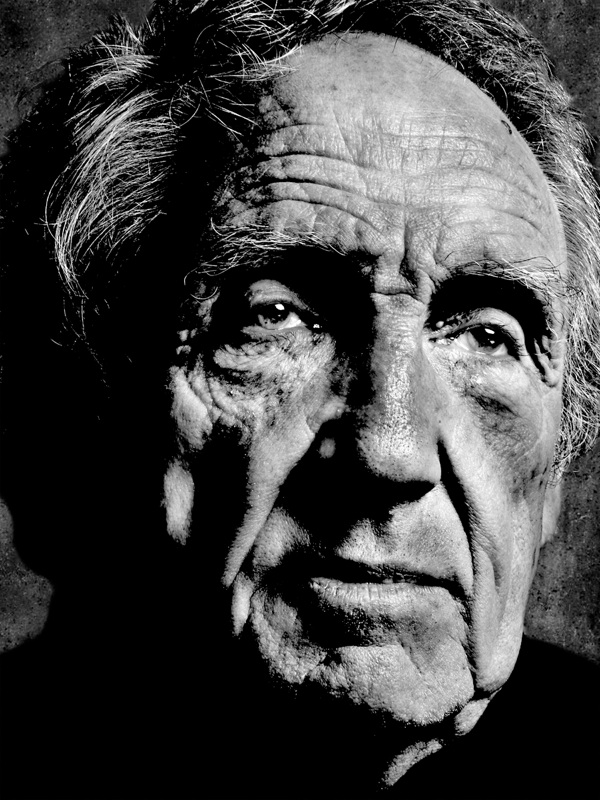
Dave Stone(First fight 1948 – Last fight 1964)
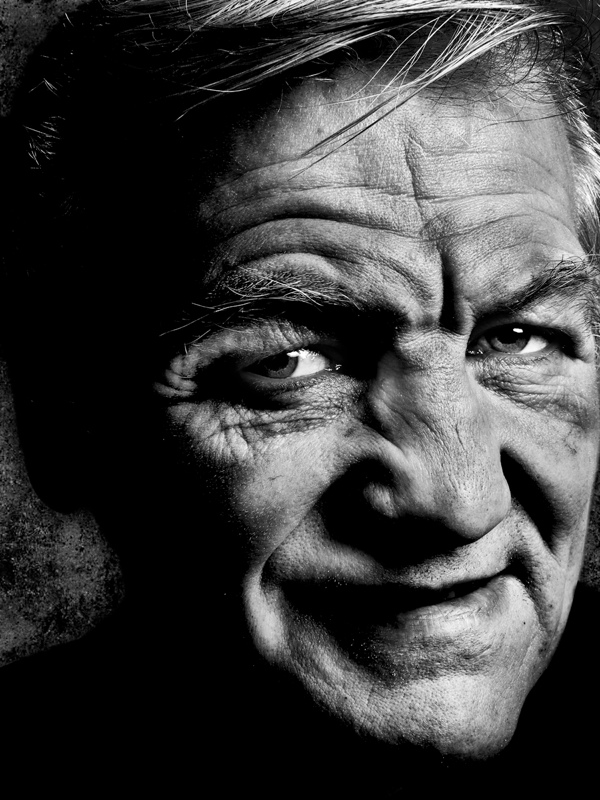
Eric Blake (First fight 1957 – Last fight 1973)
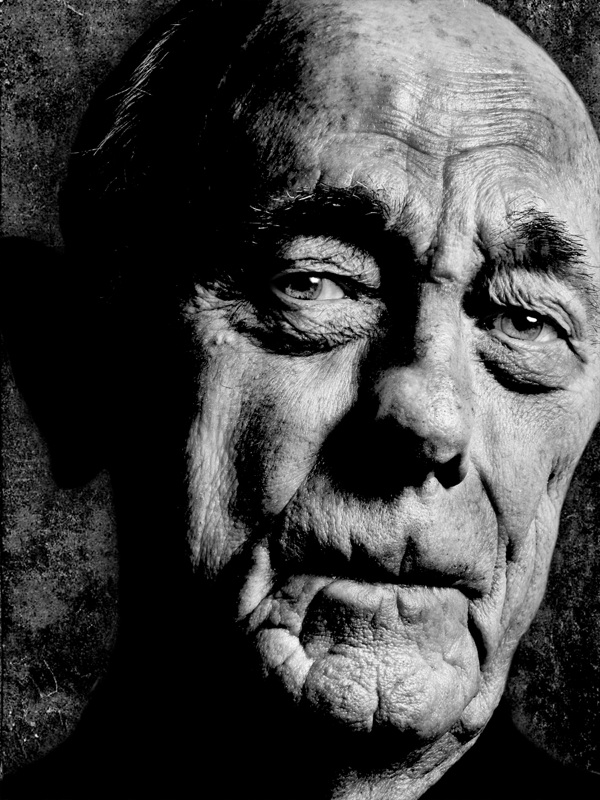
Alfie Hills (First fight 1943 – last fight 1951)
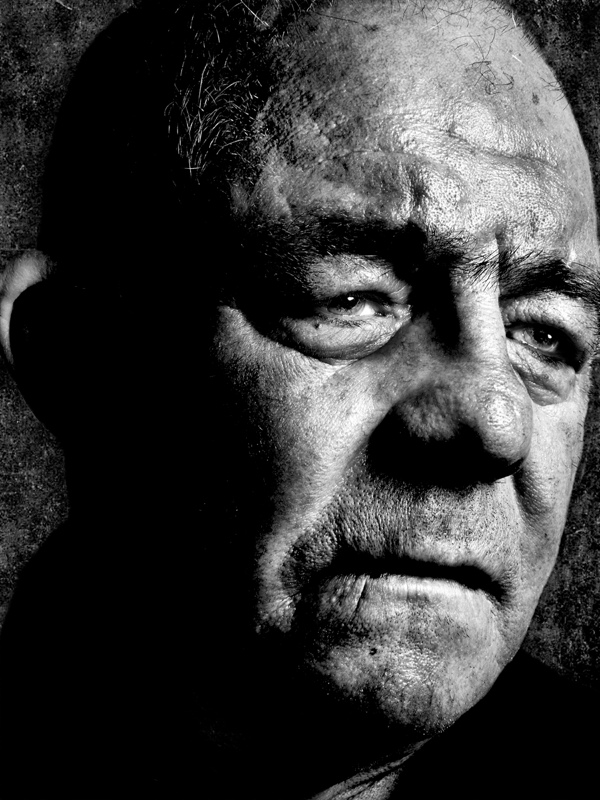
Roger Smith (First fight 1948 – Last fight 1958)
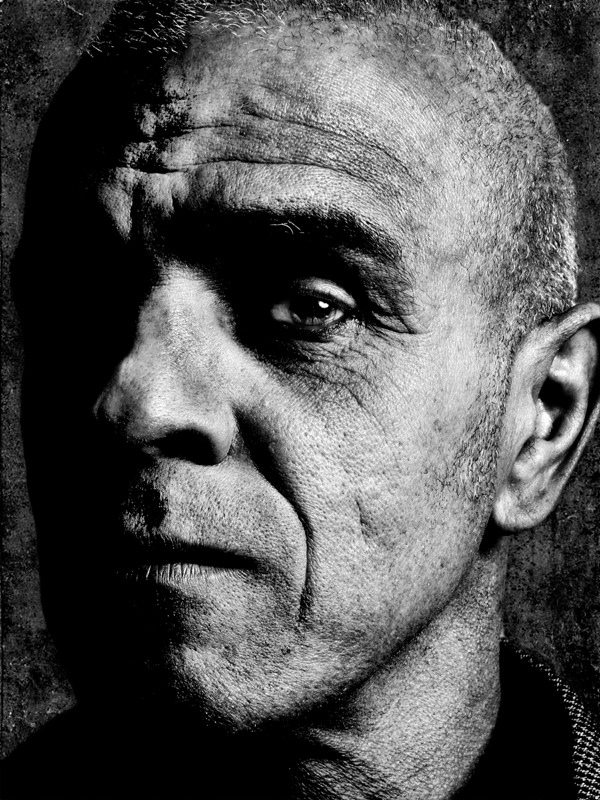
Vernon Sollars (First fight 1963 – Last fight 1974)
Photographs copyright © John Claridge
Take a look at
John Claridge’s Boxers (Round One)
John Claridge’s Boxers (Round Two)
John Claridge’s Boxers (Round Three)
John Claridge’s Boxers (Round Four)
John Claridge’s Boxers (Round Five)
John Claridge’s Boxers (Round Six)
John Claridge’s Boxers (Round Seven)
and these other pictures by John Claridge
Along the Thames with John Claridge
At the Salvation Army with John Claridge
A Few Diversions by John Claridge
Signs, Posters, Typography & Graphics
Views from a Dinghy by John Claridge
In Another World with John Claridge
A Few Pints with John Claridge
Some East End Portraits by John Claridge
Sunday Morning Stroll with John Claridge
Tony Hall, Photographer
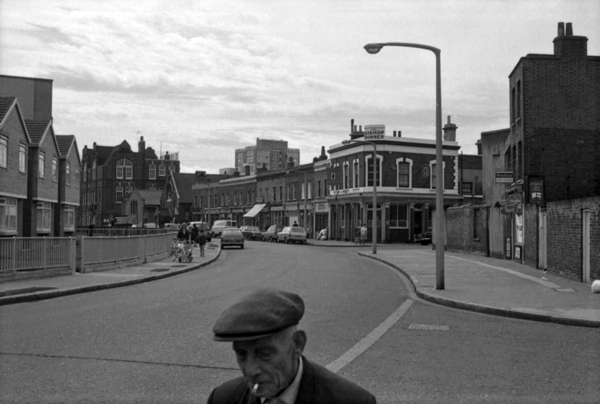
Bonner St, Bethnal Green
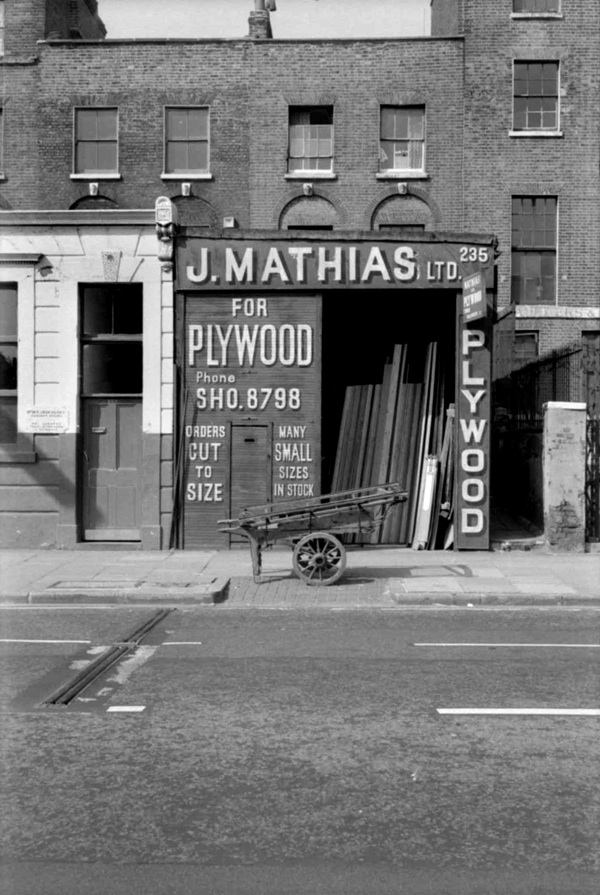
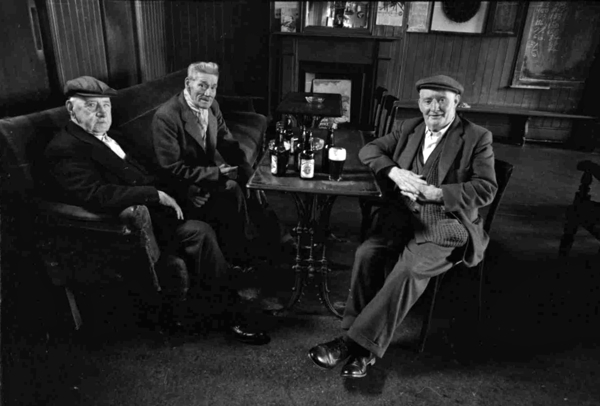
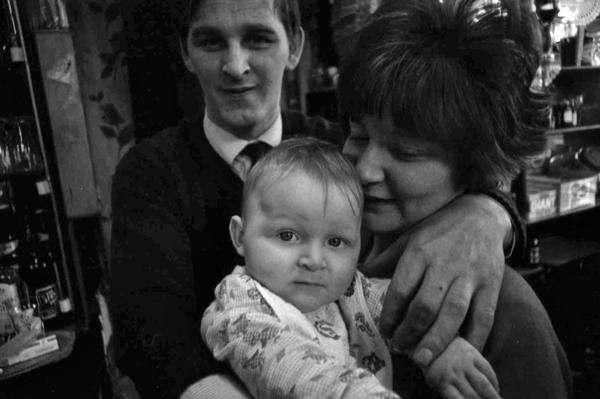
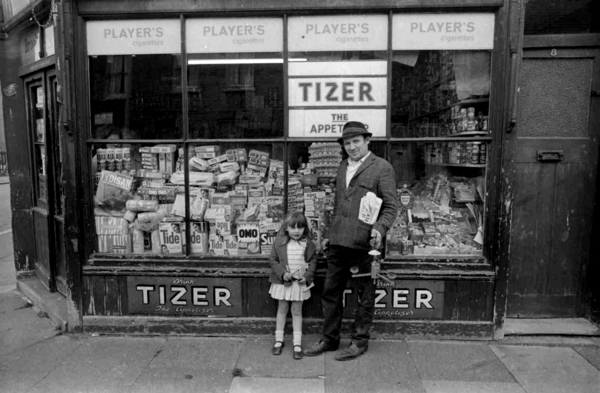
Tony Hall (1936-2008) would not have described himself as a photographer – his life’s work was that of a graphic designer, political cartoonist and illustrator. Yet on the basis of the legacy of around a thousand photographs that he took – of which I publish a first selection of East End images today – he was unquestionably a photographer, blessed with a natural empathy for his subjects and possessing a bold aesthetic sensibility too.
Recently Tony’s wife Libby Hall, known as a collector of dog photography, has revisited her husband’s photographs before giving them to the Bishopsgate Institute where they will be held in the archive permanently. “It was an extraordinary experience because there were many that I had never seen before and I wanted to ask him about them.” Libby confessed to me, “I noticed Tony reflected in the glass of J.Barker, the butcher’s shop, and then to my surprise I saw myself standing next to him.”
“I was often with him but, from the mid-sixties to the early seventies, he worked shifts and wandered around taking photographs on weekday afternoons.” she reflected, “He loved roaming in the East End and photographing it.”
Born in Ealing, Tony Hall studied painting at the Royal College of Art under Ruskin Spear. But although he quickly acquired a reputation as a talented portrait painter, he chose to reject the medium, deciding that he did not want to create pictures which could only be afforded by the wealthy, turning his abilities instead towards graphic works that could be mass-produced for a wider audience.
Originally from New York, Libby met Tony when she went to work at a printers in Cowcross St, Clerkenwell, where he was employed as a graphic artist. “The boss was member of the Communist Party yet he resented it when we tried to start a union and he was always running out of money to pay our wages, giving us ‘subs’ bit by bit.” she recalled with fond indignation, “I was supposed to manage the office and type things, but the place was such a mess that the typewriter was on top of a filing cabinet and they expected me to type standing up. There were twelve of us working there and we did mail order catalogues. Tony and the others used to compete to see who could get the most appalling designs into the catalogues.”
“Then Tony went to work for the Evening News as a newspaper artist on Fleet St and I joined the Morning Star as a press photographer.” Libby continued,” I remember he refused to draw a graphic of a black man as a mugger and, when the High Wizard of the Klu Klux Klan came to London, Tony draw a little ice cream badge onto his uniform on the photograph and it was published!” After the Evening News, Tony worked at The Sun until the move to Wapping, using this opportunity of short shifts to develop his career as a graphic artist by drawing weekly cartoons for the Labour Herald.
This was the moment when Tony also had the time to pursue his photography, recording an affectionate chronicle of the daily life of the East End where he lived from 1960 until the end of his life – first in Barbauld Rd, Stoke Newington, then in Nevill Rd above a butchers shop, before making a home with Libby in 1967 at Ickburgh Rd, Clapton. “It is the England I first loved …” Libby confided, surveying Tony’s pictures that record his tender personal vision for perpetuity,“… the smell of tobacco, wet tweed and coal fires.”
“He’d say to me sometimes, ‘I must do something with those photographs,'” Libby told me, which makes it a special delight to publish Tony Hall’s pictures today for the first time.
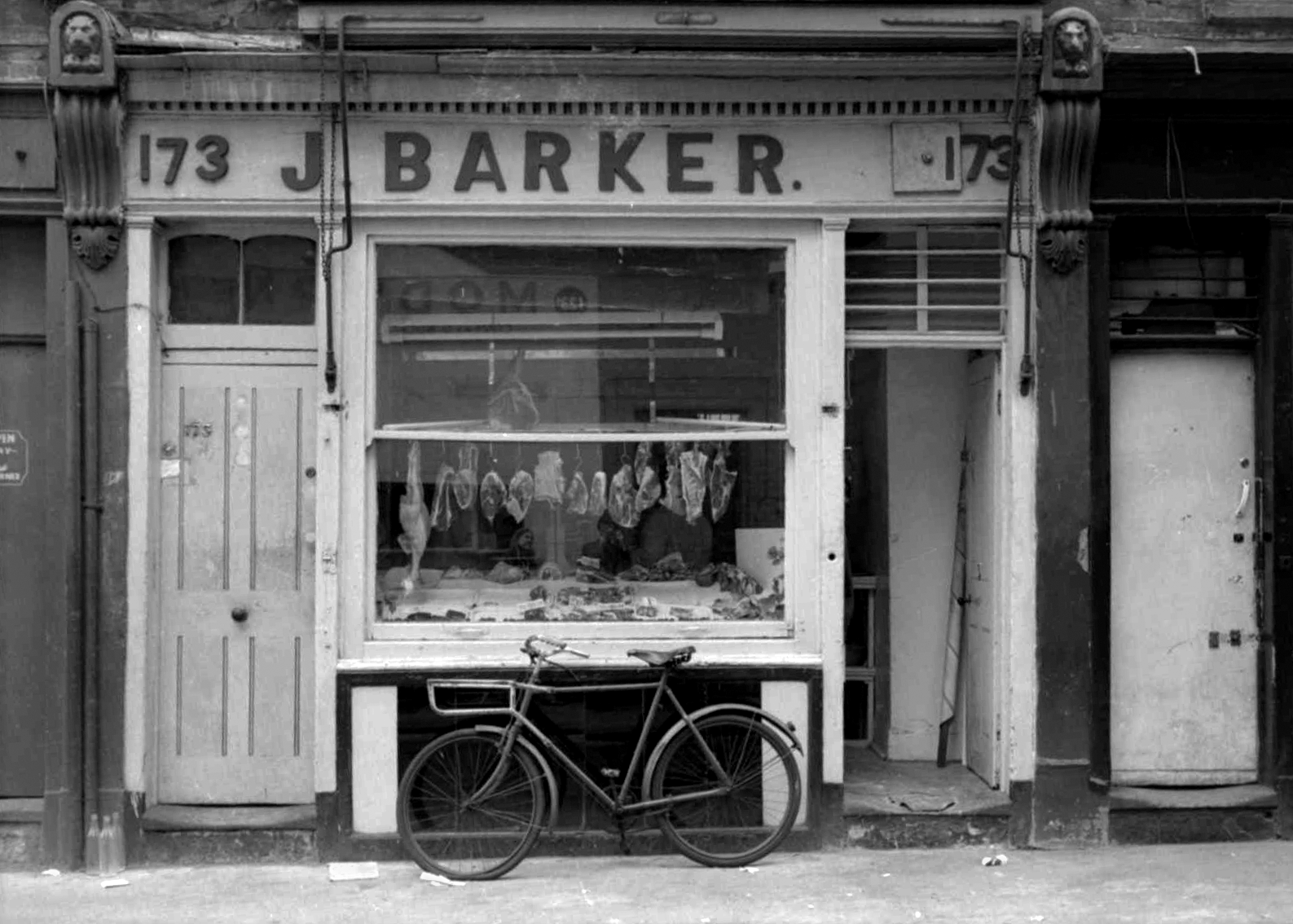
Click this picture to enlarge and see the reflection of Tony & Libby Hall in the window of J. Barker.

Children with their bonfire for Guy Fawkes

In the Hackney Rd

“I love the way these women are looking at Tony in this picture, they’re looking at him with such trust – it’s the way he’s made them feel. He would have been in his early thirties then.”
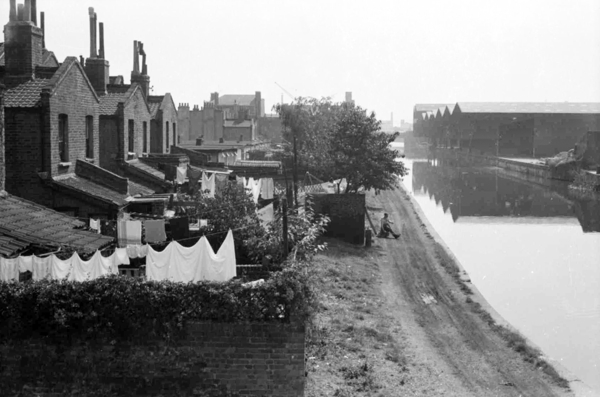

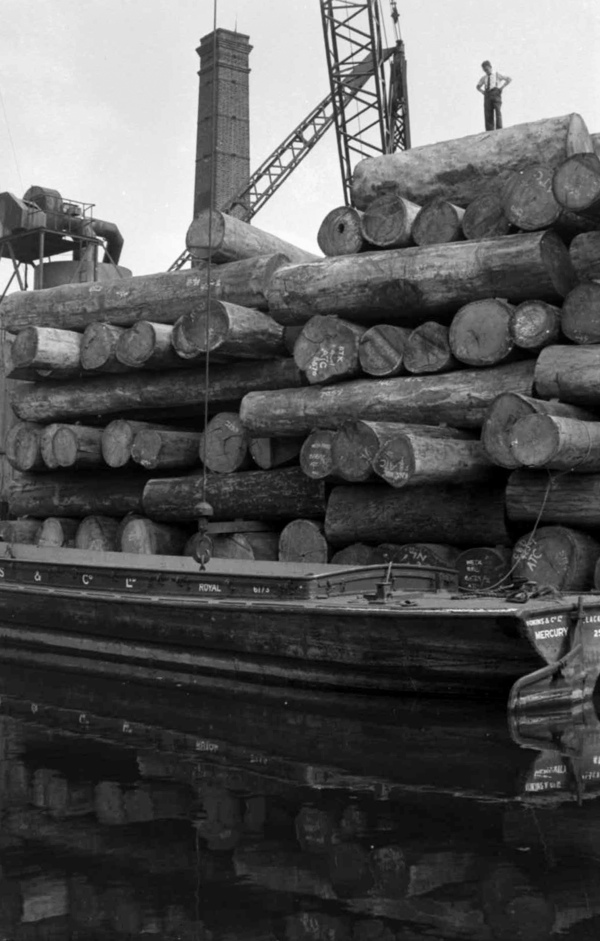
On the Regent’s Canal near Grove Rd
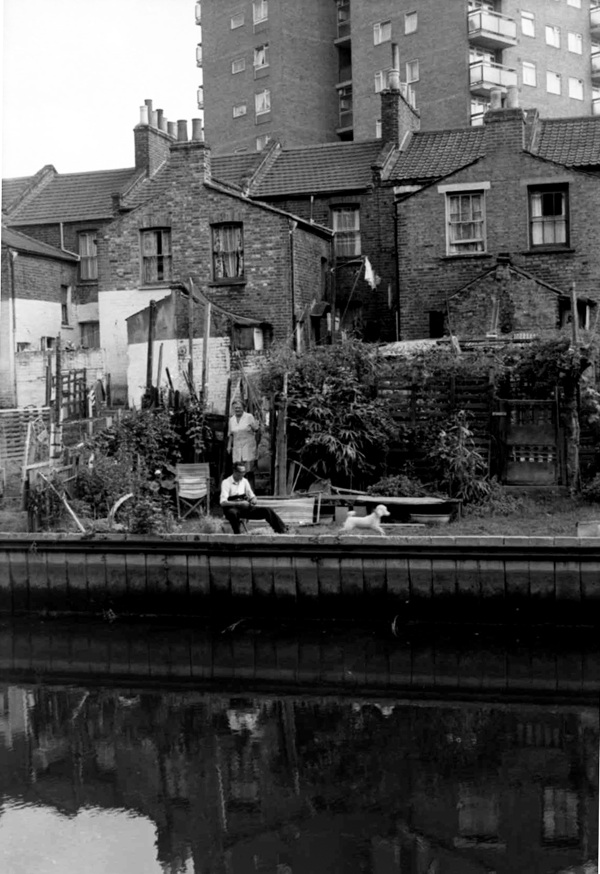
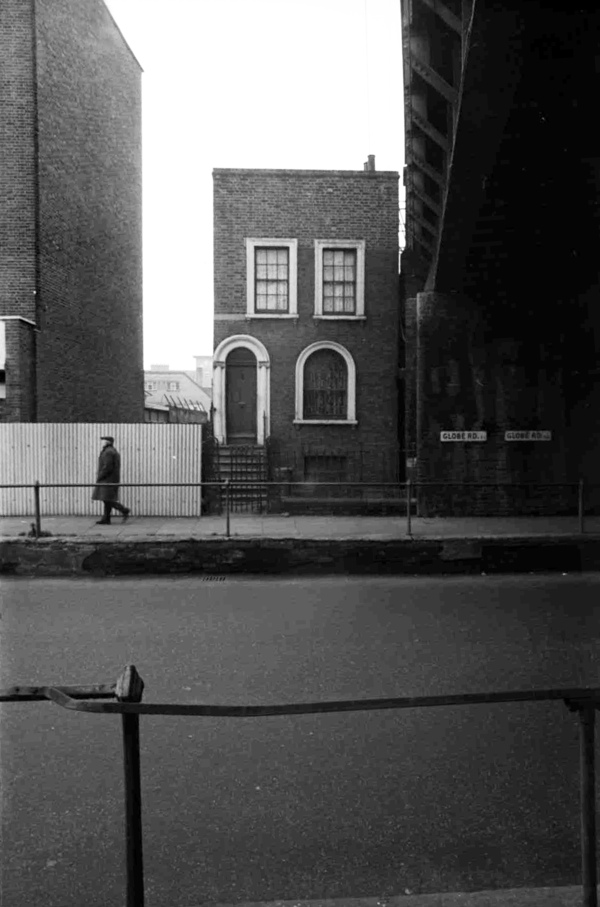
On Globe Rd

In Old Montague St
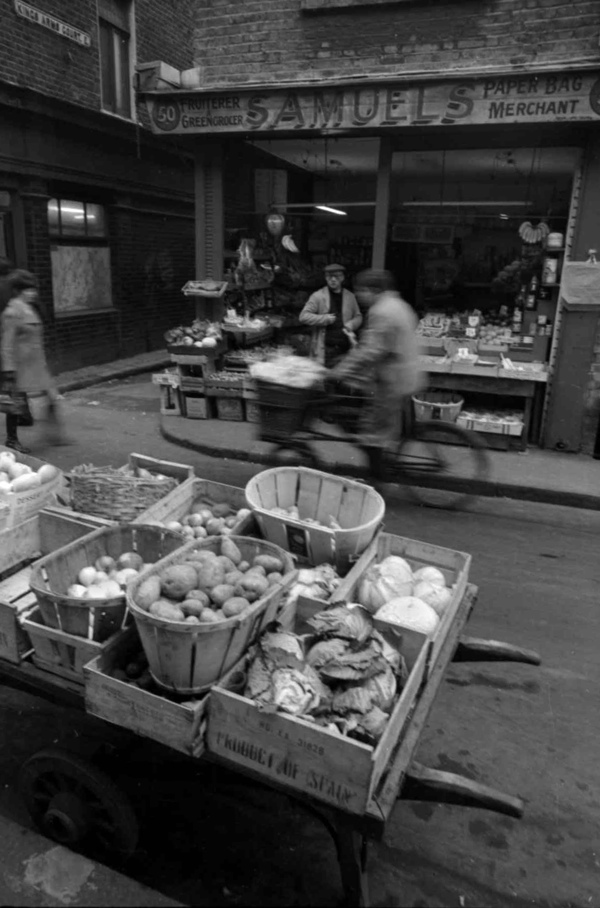
In Old Montague St
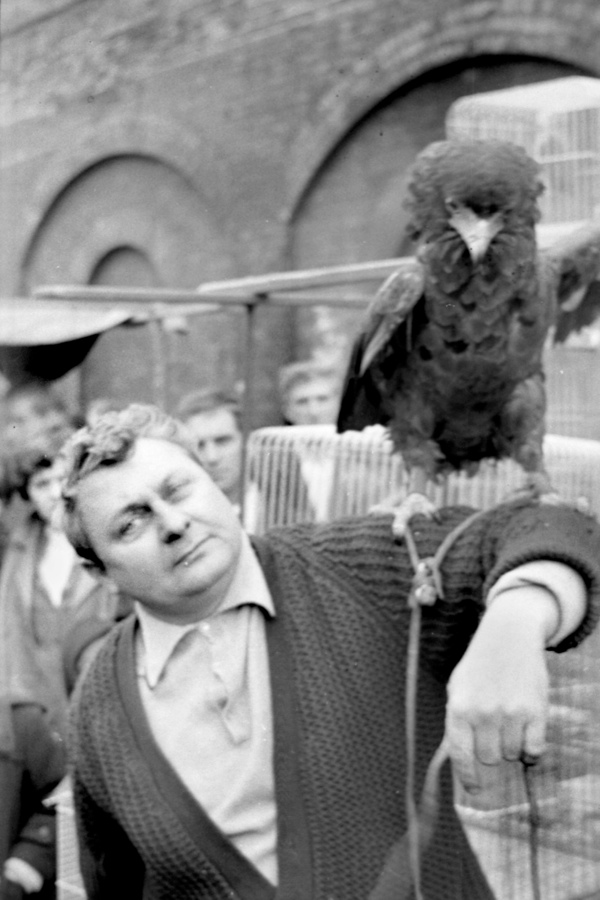
In Club Row Market
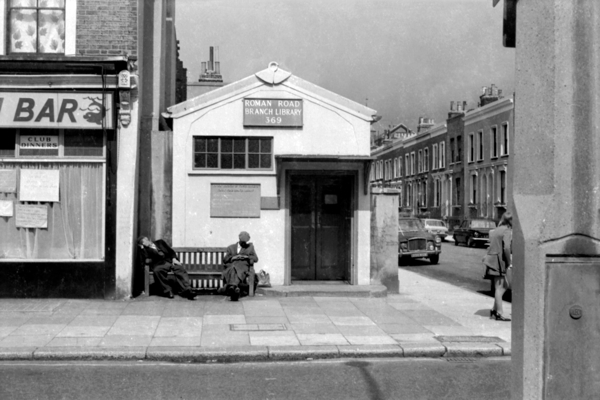
On the Roman Rd
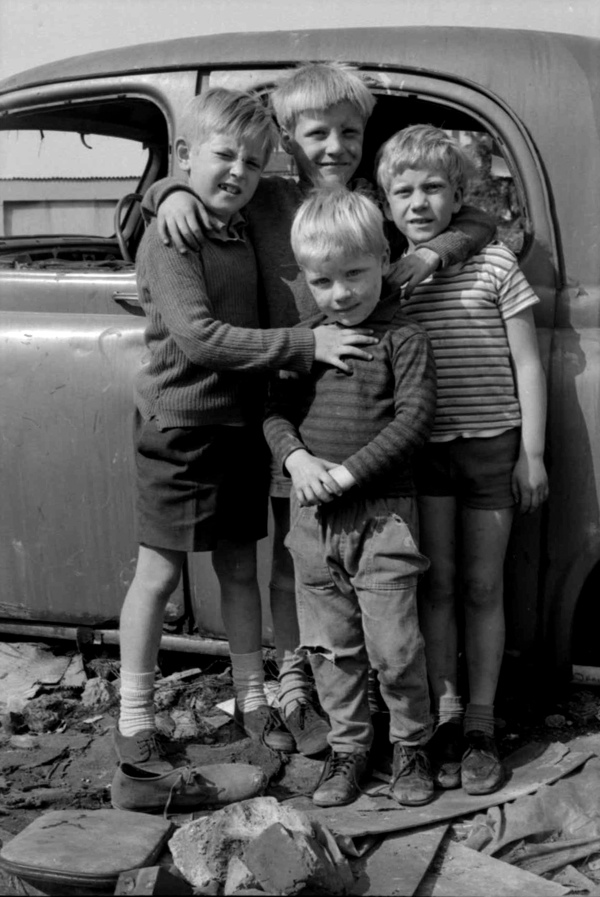
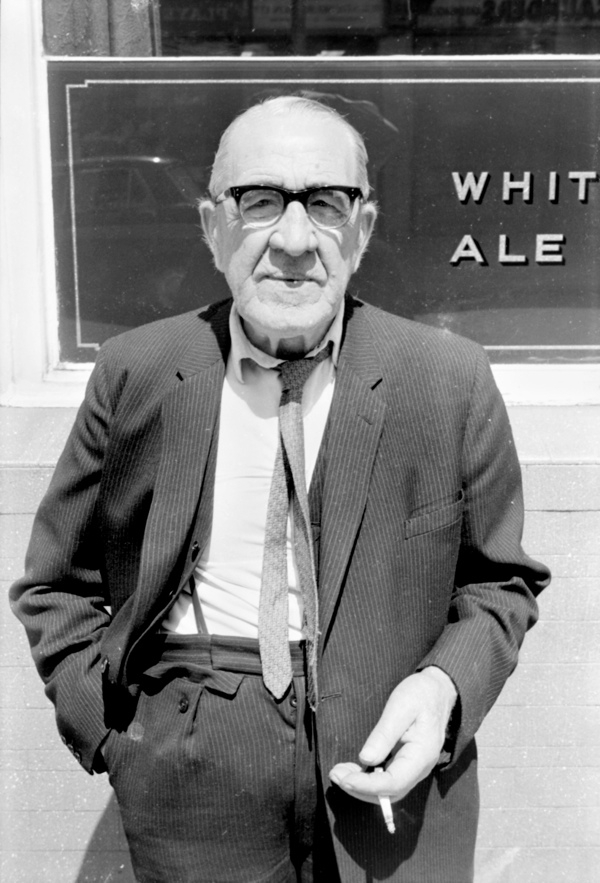
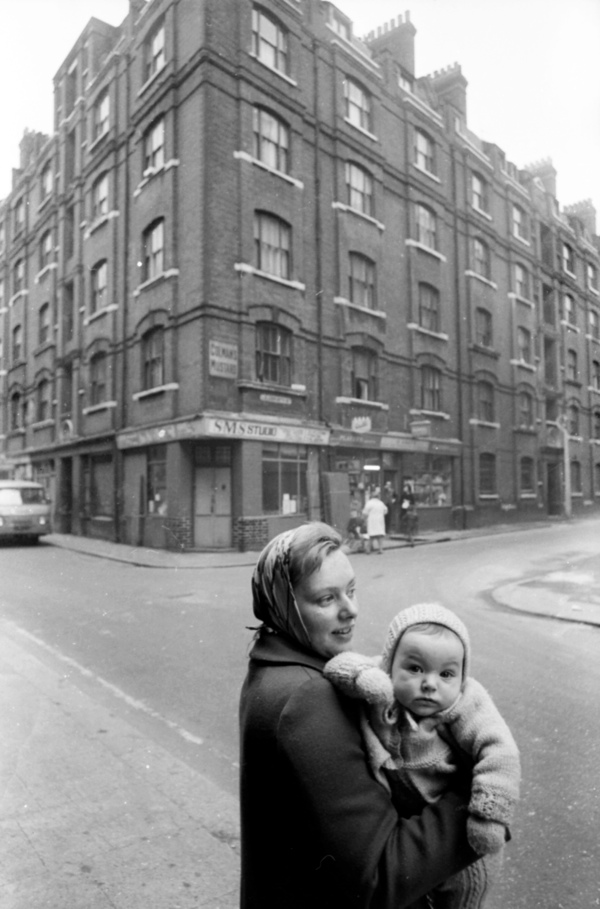
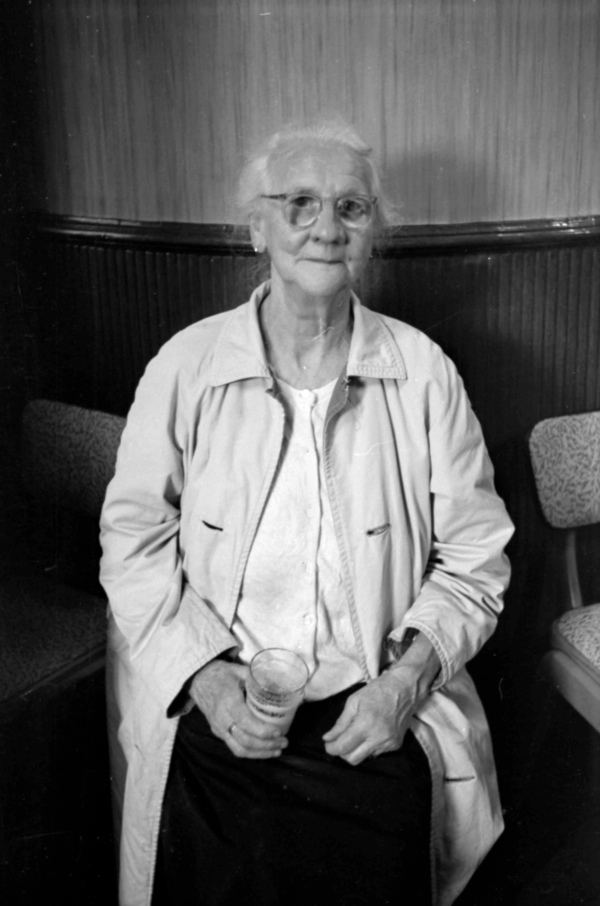
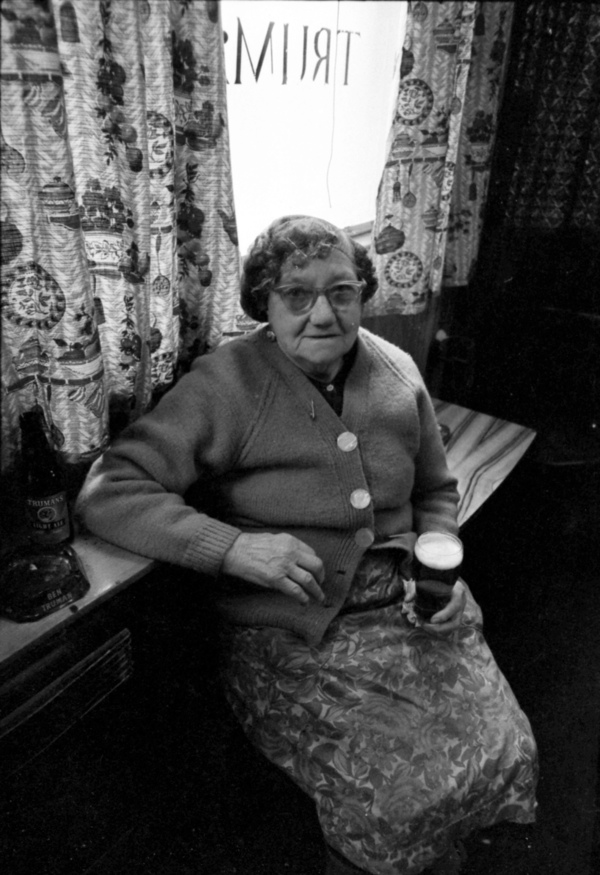
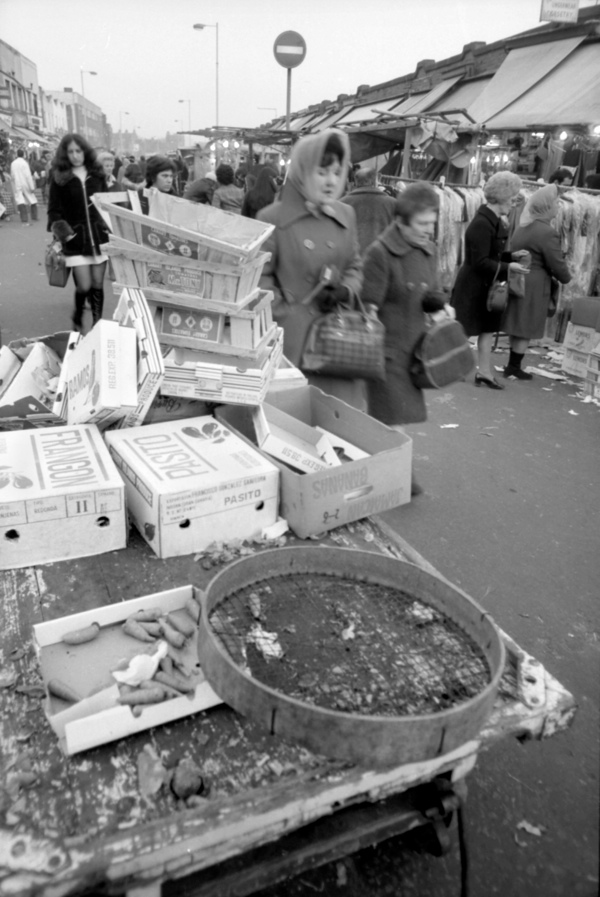
In Ridley Rd Market

In Ridley Rd Market
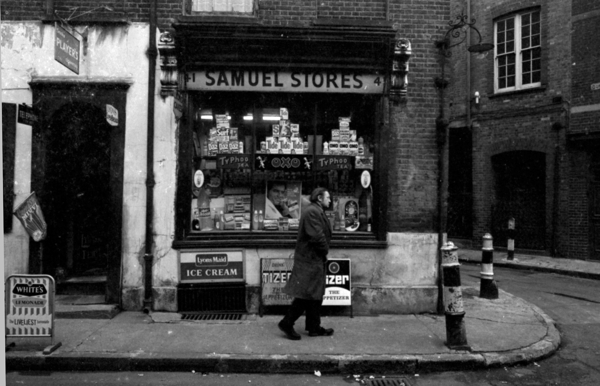
In Artillery Lane, Spitalfields
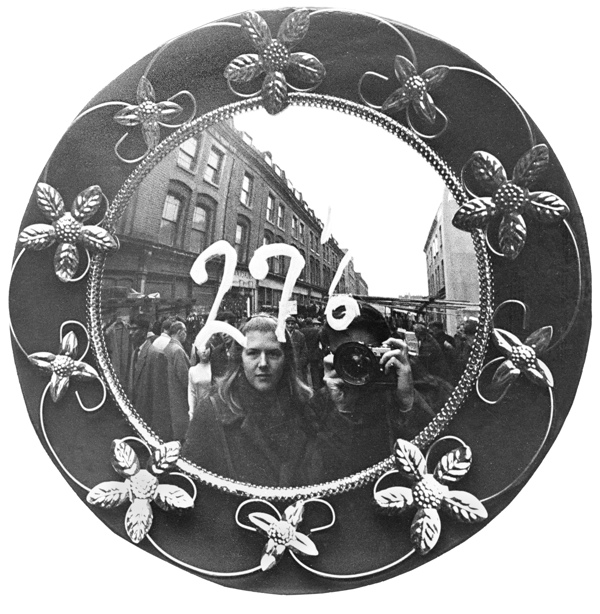 Tony & Libby Hall in Cheshire St
Photographs copyright © Libby Hall
Images Courtesy of the Tony Hall Archive at the Bishopsgate Institute
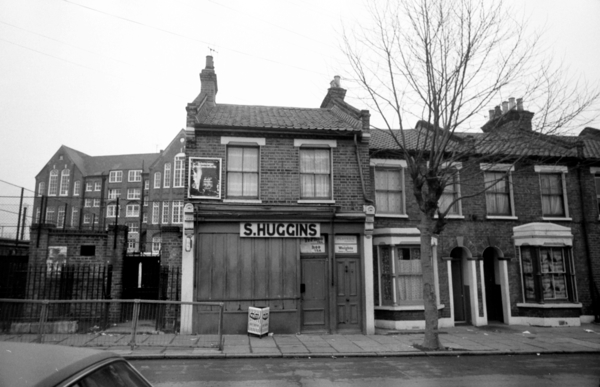
Libby Hall & I would be delighted if any readers can assist in identifying the locations and subjects of Tony Hall’s photographs.
You may also like to read
James Brown at W.F.Arber & Co Ltd
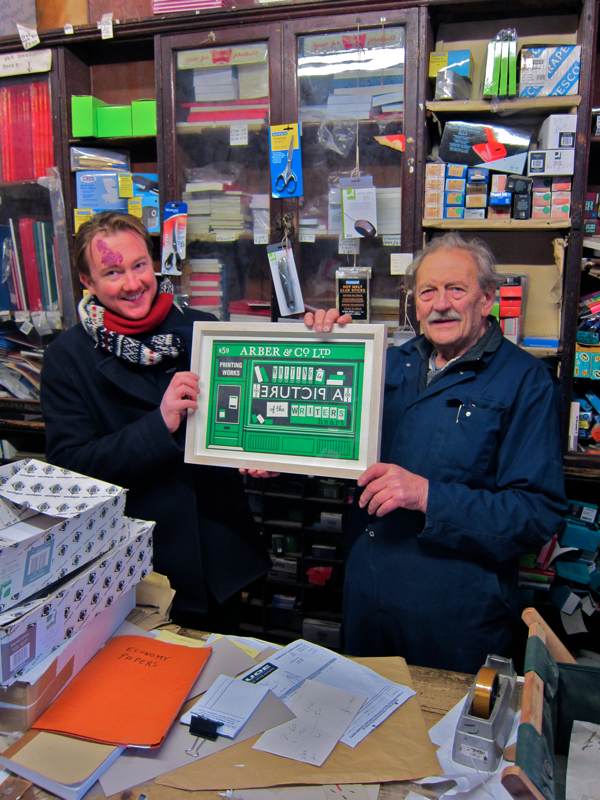
James Brown & Gary Arber
In the week before Christmas, I always want to go and visit my friend Gary Arber, the custodian of W.F.Arber & Co Ltd, the family printing business and former toy shop at 459 Roman Rd started by his grandfather in 1897. This year, James Brown furnished my excuse for a visit, as I accompanied him when he called round to present Gary Arber with the print of the famous green W.F.Arber shopfront which he has created as a tribute to this celebrated business where once the suffragettes’ handbills were printed in the basement.
James rang the bell and Gary emerged to greet us from behind a pile of boxes in his blue boiler suit that is subtly reminiscent of his former career as a flying ace. An experienced third-generation printer, Gary immediately pointed out the quoins on either side of the phrase “A PICTURE” and I think I noticed a barely-concealed sigh of relief from James when Gary gave the work his approval. We were informed that when Gary’s grandfather originally did the sign-writing in 1897, the number 459 flanked the name on both sides of the fascia but when Gary repainted it in 1947 and again last year, he found it sufficient to paint it just once, cocking a snook at the paltry demands of symmetry.
In former times, there would be queues outside W.F.Arber & Co Ltd at this time of year as East Enders lined up to collect the toys they had been saving for all year through the Christmas Club. Nowadays, Gary is able to enjoy peace and quiet in December since chain stores took the toy trade away. But he keeps the age-old posters for Triang and Scalextrics upon the counter and century-old wooden display cases for dolls still line the walls today, and he delighted to show us his nineteen fifties Mr Happy wallpaper in the former toy showroom at the back. Sometimes collectors come in to make Gary offers for his residual stock of toys and memorabilia, yet he wisely chooses to keep everything for his personal enjoyment.
One year, a thief broke in and stole a box of toys including a handsome train that had been in for repairs. When the box was recovered in an abandoned house nearby, the train was still there – but, by the time the police returned the box to Gary, the train was missing. Imagine Gary’s surprise when the Chief Constable’s son brought the train in for repair the next year and Gary recognised it from the serial number he scratched upon the inside of the case when it was first mended. Characteristically, Gary kept this information to himself until now, choosing instead to savour the knowledge that had been granted to him privately.
Do not make the foolish mistake of going to W.F.Arber & Co Ltd Printing Works and asking for printing, because Gary does not take on printing jobs. Instead, he keeps the business ticking over with a few sales of stationery while focussing upon his primary interest – that of maintaining the premises as a receptacle for stories. His big achievement this year has been the repair of the roof, creating another bulwark against the passage of time at his extraordinary shop. And it was my great delight make the call, deliver the print, present Gary Arber with the compliments of the season and know that all is well at W.F.Arber & Co Ltd.
James Brown’s “Arber & Co Ltd” is one of a series of screenprints of shopfronts currently displayed in his exhibition LOVE & WORK at the Town House, 4 Fournier St, Spitalfields until 23rd December.
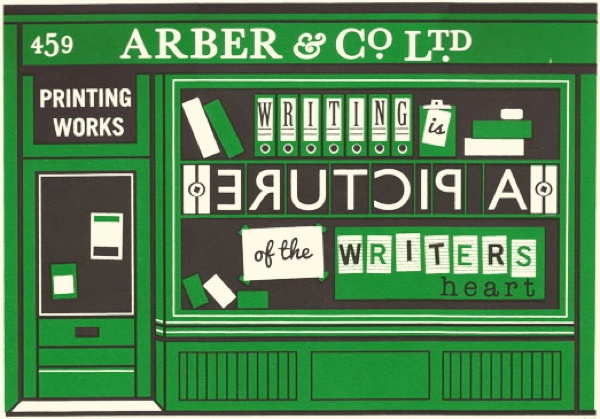
James Brown’s print – “Writing is a picture of the writer’s heart.”
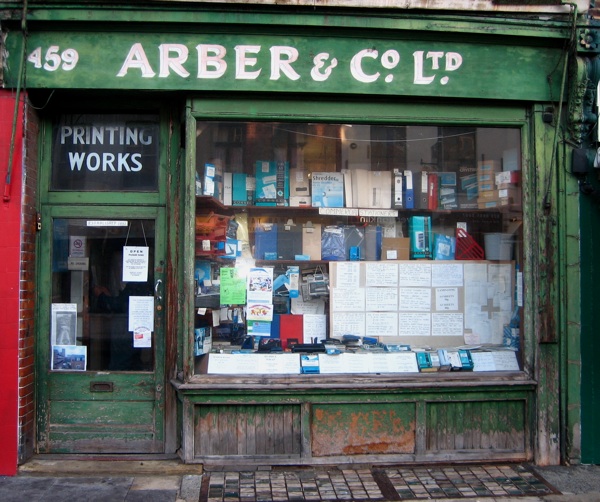
Gary Arber’s shopfront before the Olympics

Gary’s Arber’s shopfront after the Olympics
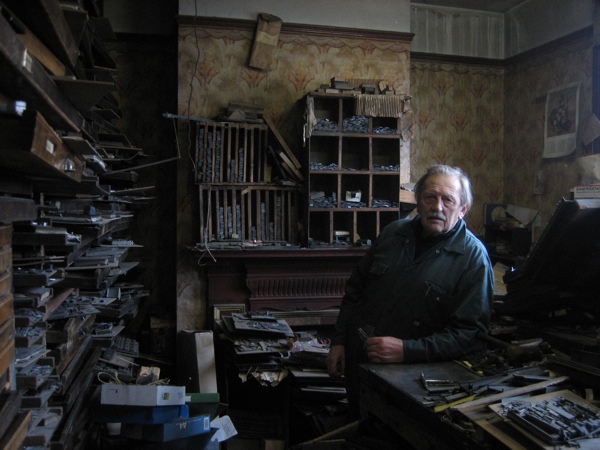
My portrait of Gary Arber in the Comp Room at W.F.Arber & Co Ltd
You may like to read these other stories about W.F.Arber & Co Ltd
and
and
Colin O’Brien’s Pellicci Portraits (Part 3)
Contributing Photographer Colin O’Brien & I were back at E. Pellicci, 332 Bethnal Green Rd this week. Colin had ham, egg & chips and I had steak pie with mash, then we both finished it off with syrup pudding & custard. Yet somehow we also managed to fit in these portraits of the other diners at London’s best-loved family-run cafe, our fellow refugees from the frost outside.

Thomas Felton – “I come to Pelliccis a couple of times every week for a fry-up – especially when I have a hangover, like today.”
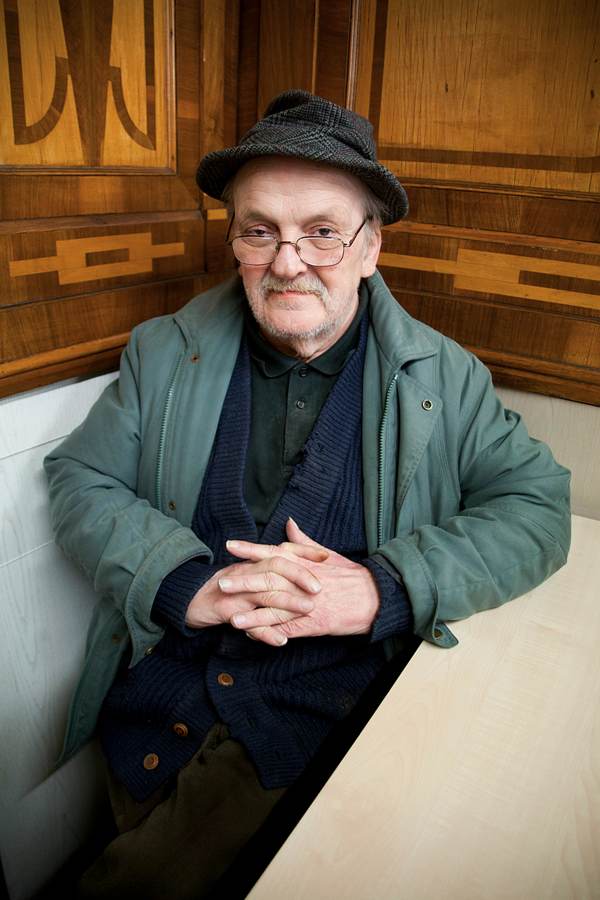
Giles Allen – “I’ve been coming to Pelliccis once a month for five years.”
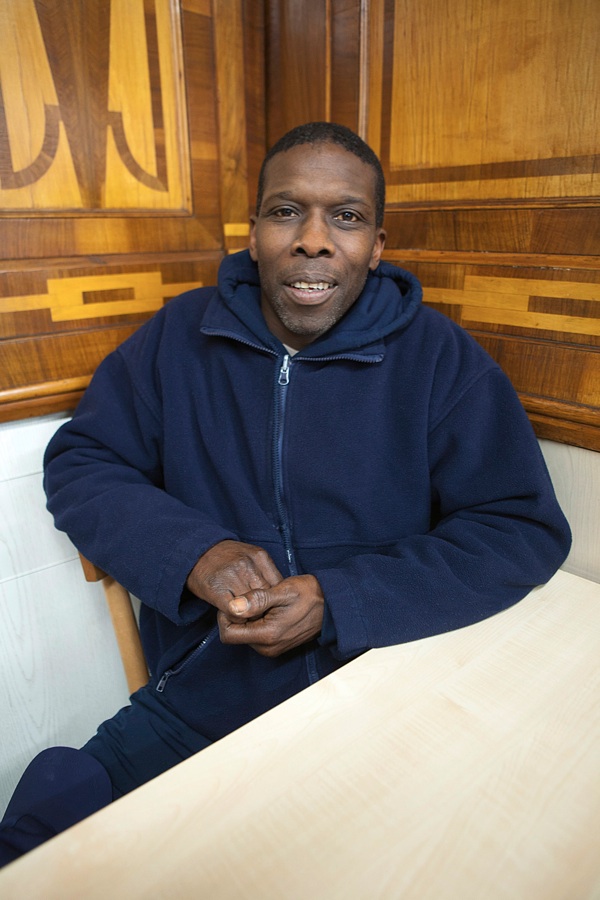
Frankie Charles – “I’ve been coming to Pelliccis for twenty-five years. I’m local and I’ve been coming here all my life, I come every day when I can.”
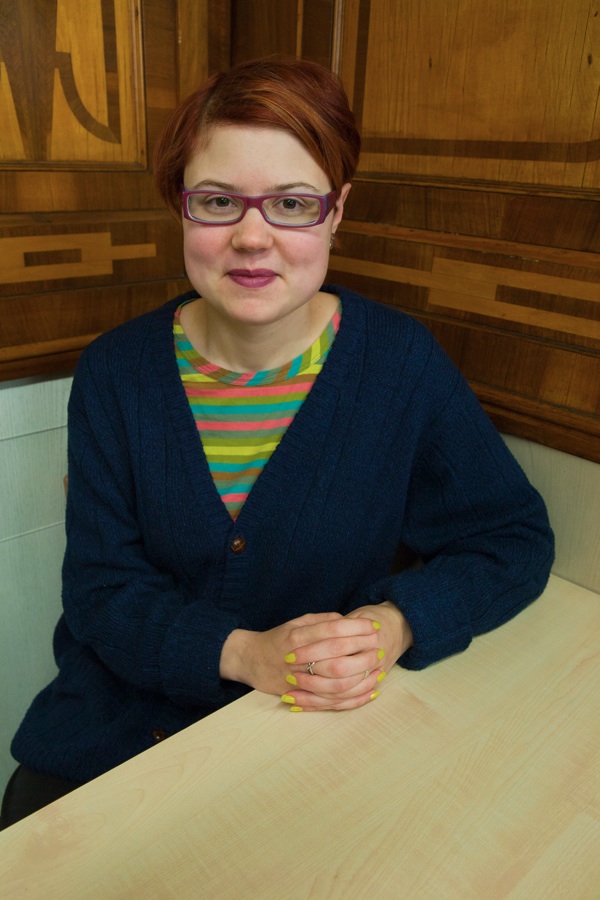
Vicky Prior – “This is just my second time but I can see I’m going to become a regular.”
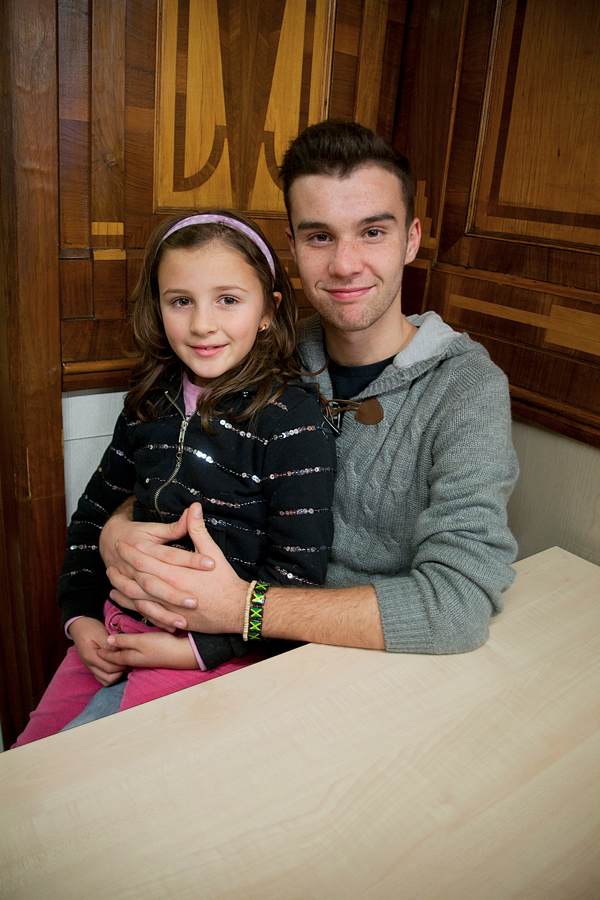
Samuele Mori & Elena Andreucci – “We are Maria Pellicci’s cousins and we just arrived from Tuscany.”
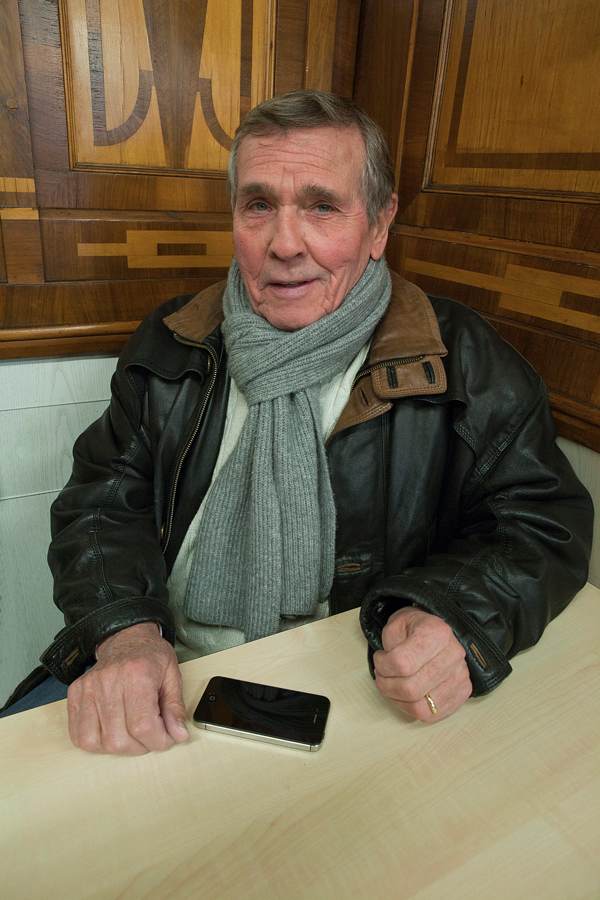
Edward Andrews – “I’ve been coming to Pelliccis nearly every day for thirty years.”
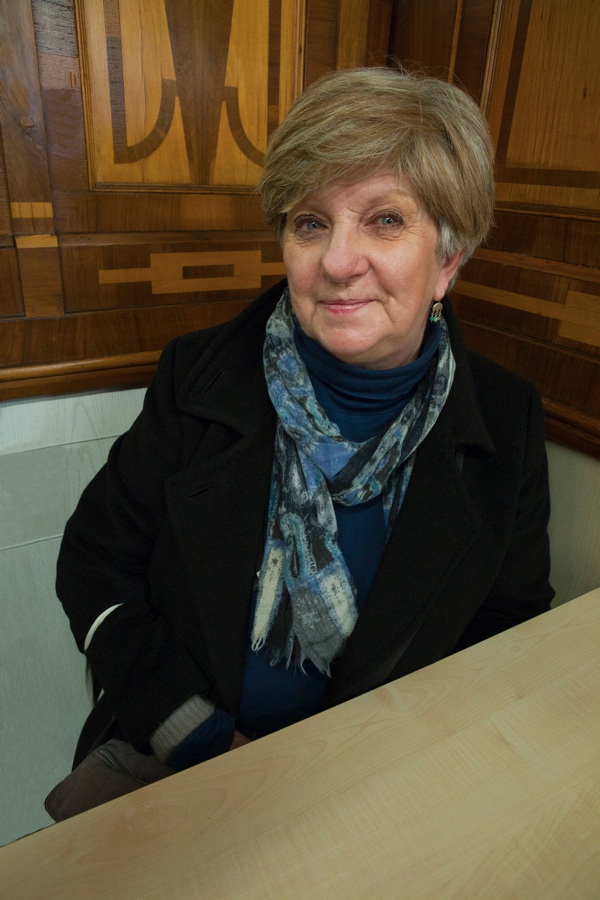
Helen Radia – “I live in North London and I first came to Pelliccis five years ago, so now I come every three or four weeks.”
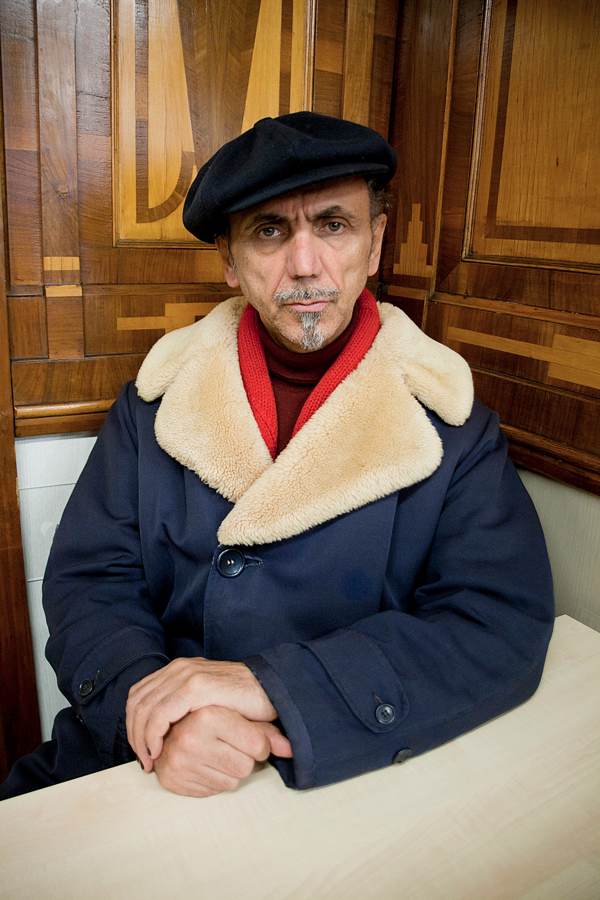
Kevin Rowland of Dexy’s Midnight Runners – “I first came in here in the eighties.”
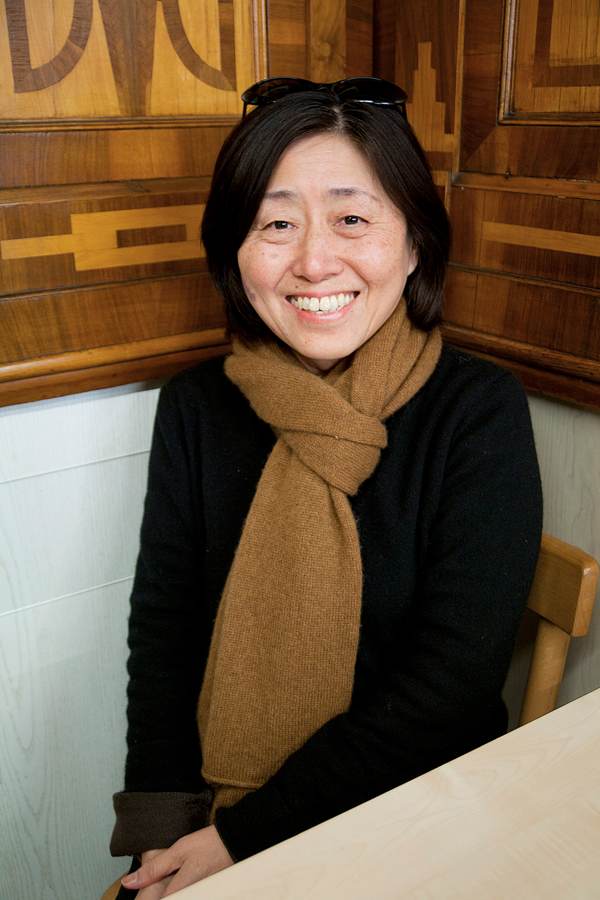
Ling Chang – “My second time at Pelliccis, I like it very much.”
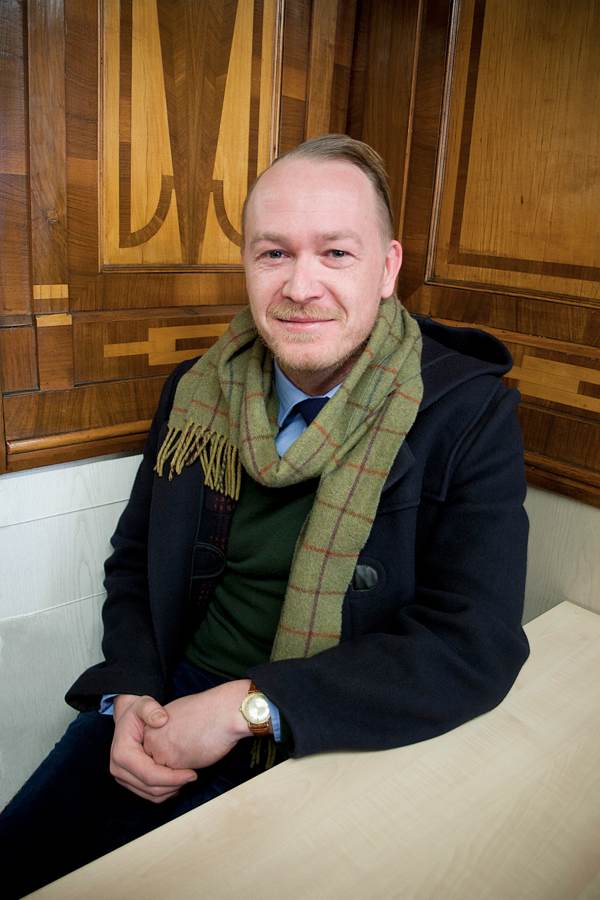
Frank Østervold – “I’m a Norwegian from Bergen, so every time I am in London I come here. I work in the music industry and I’m a Tottenham fan.”
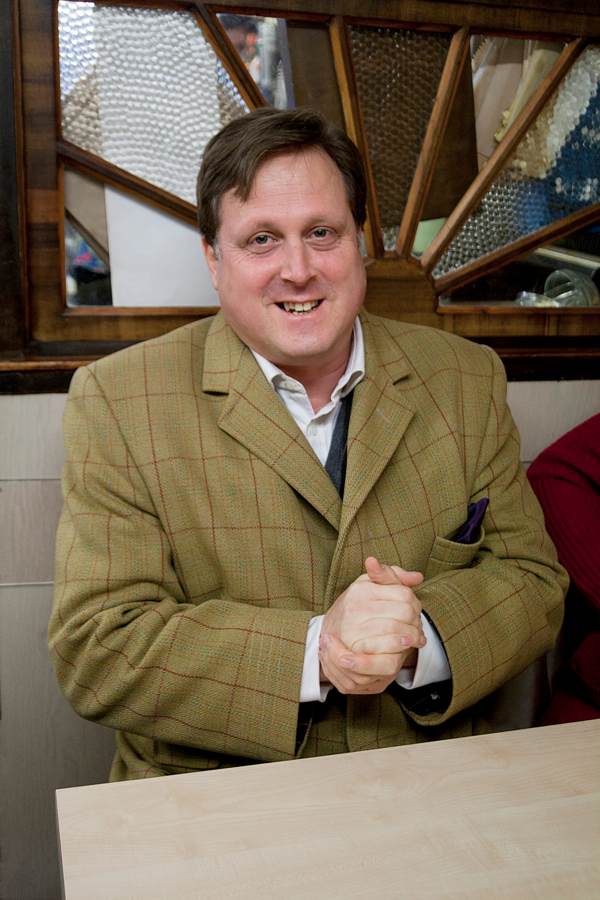
“Posh Malcolm” Browning – “My first time in here!”
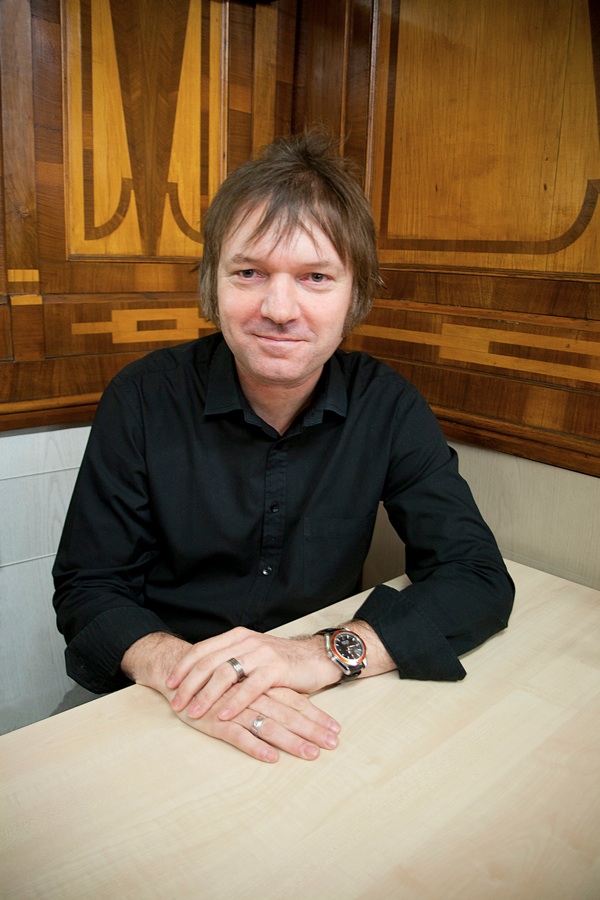
Mr Mondo, also known as “Meatballs Dave” – “I come to Pelliccis for the social and the best chips in London. I’ve only been coming for two years but it feels like a lifetime – in a nice way…”
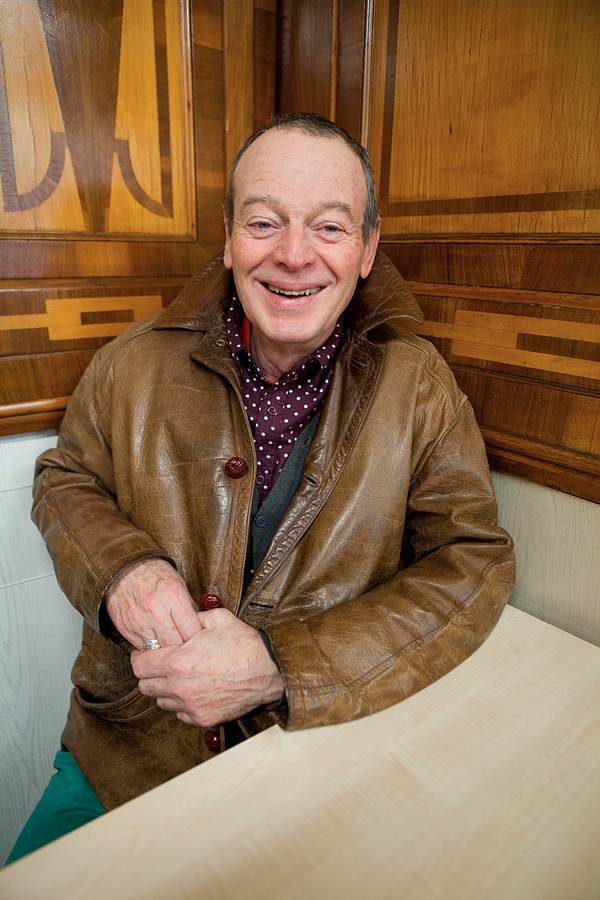
Rodney Archer – “I come to Pelliccis every Wednesday and Saturday. On Wednesday I am the gay mascot for the Repton Boxers and on Saturday we bet on the horses.”
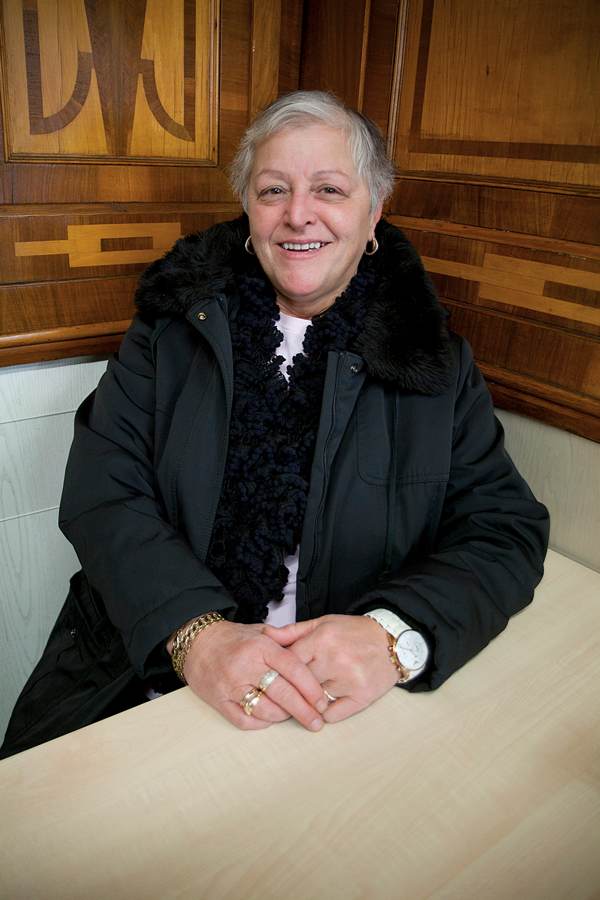
Pauline Harris – “I’ve been coming to Pelliccis once a week for over forty years.”
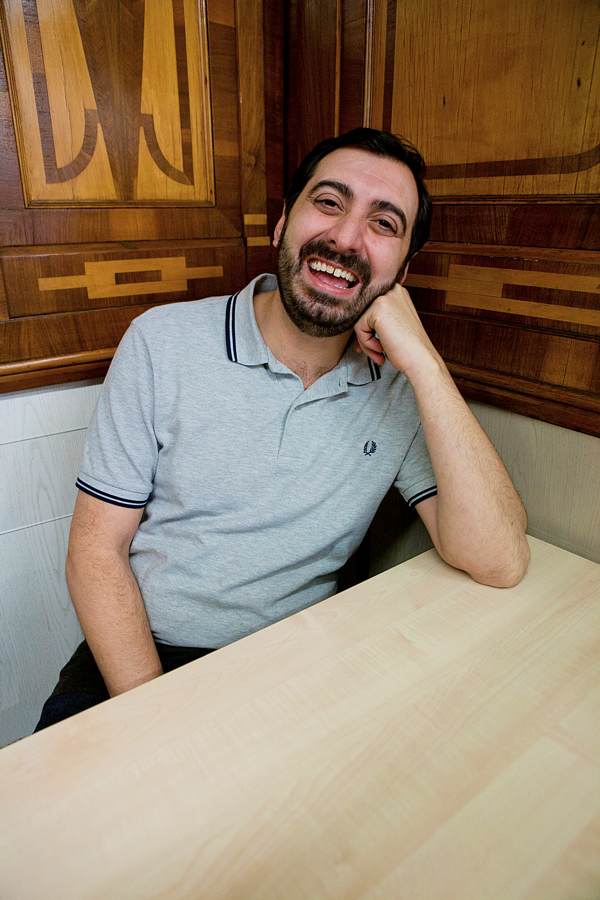
Nevio Pellicci – “I started coming here on Saturdays when I was ten, and all the old folks would give me a pound and I’d go home loaded.”
Photographs copyright © Colin O’Brien
You may like to take a look at
Colin O’Brien’s Pellicci Portraits ( Part One)
Colin O’Brien’s Pellicci Portraits (Part Two)
and read these other Pellicci stories
Maria Pellicci, The Meatball Queen of Bethnal Green
and see these other Colin O’Brien stories
Colin O’Brien’s Clerkenwell Car Crashes
Colin O’Brien’s Kids on the Street
Travellers’ Children in London Fields
Colin O’Brien’s Brick Lane Market
Eleanor Crow’s East End Cafes
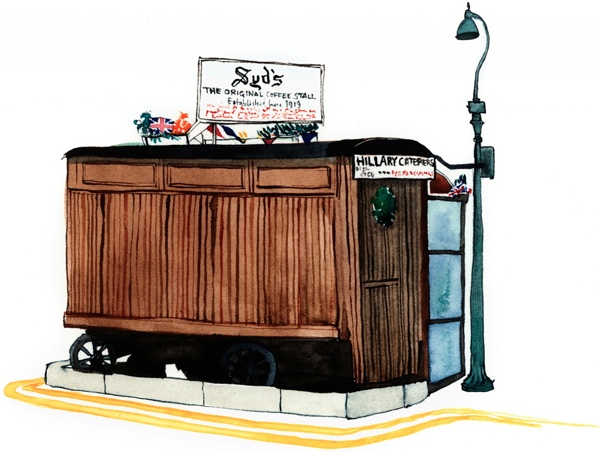
Syd’s Coffee Stall, Shoreditch High St
Illustrator Eleanor Crow made this set of watercolour portraits of cafes as a tribute to those cherished institutions which incarnate the essence of civility in the East End. “It’s because they’re individual concerns, often owned by families across generations who get to know all their customers,” admitted Eleanor, revealing the source of her devotion to cafe culture ,“I like the frontages because each is designed uniquely for that café with wonderful sign-writing or lettering and eye-catching colours. Some of these cafés have been here for a very long time and everyone in the area is familiar with them, and is very fond of them. They make the streets into a better place and are landmarks upon the landscape of the East End.”
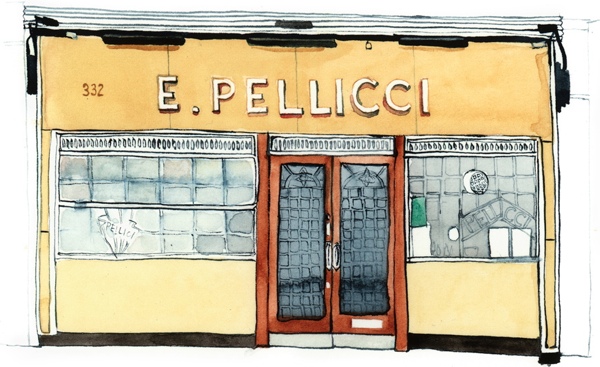
E. Pellicci, Bethnal Green Rd
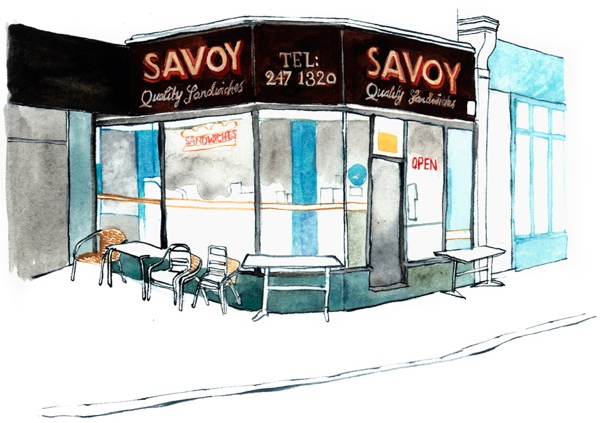
Savoy, Norton Folgate
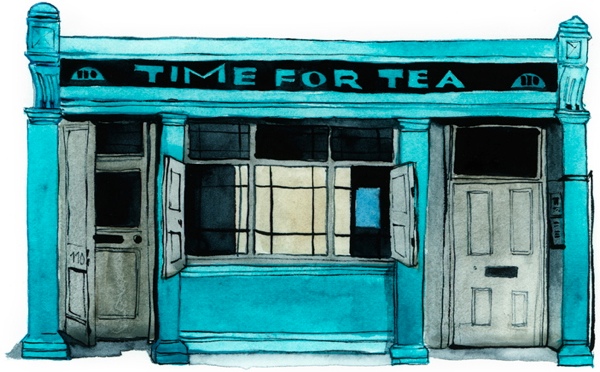
Time for Tea, Shoreditch High St
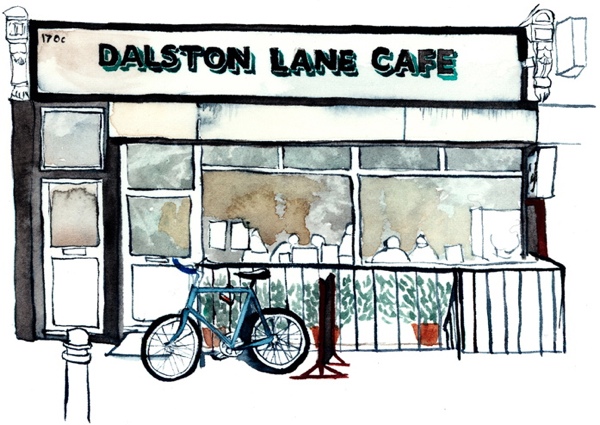
Dalston Lane Cafe
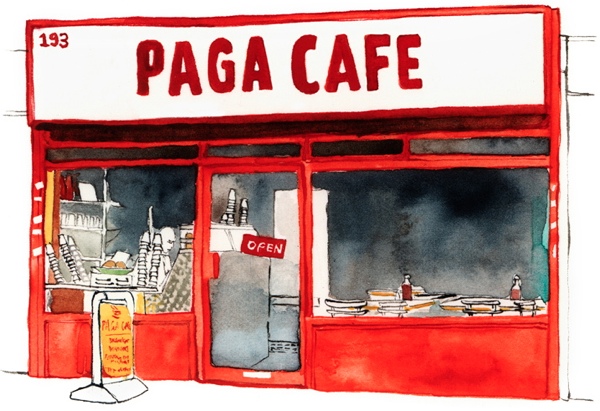
Paga Cafe, Lea Bridge Rd
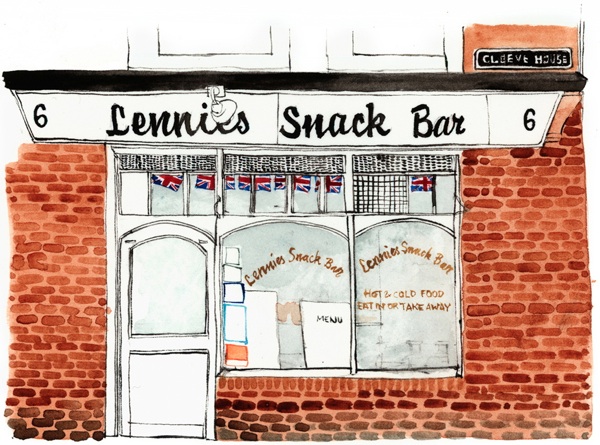
Lennies Snack Bar, Calvert Avenue
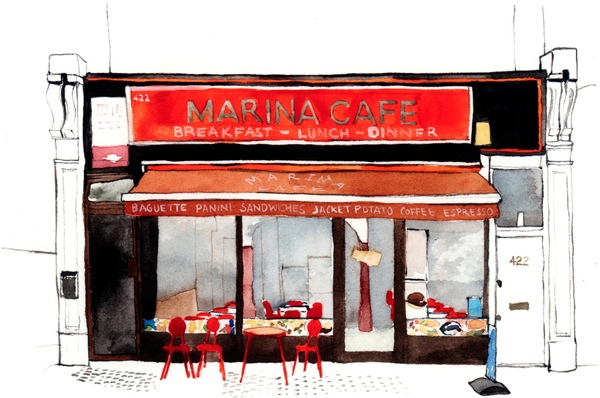
Marina Cafe, Mare St
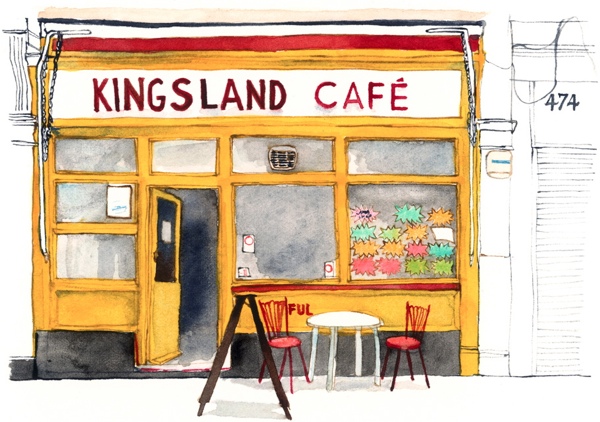
Kingsland Cafe, Kingsland Rd
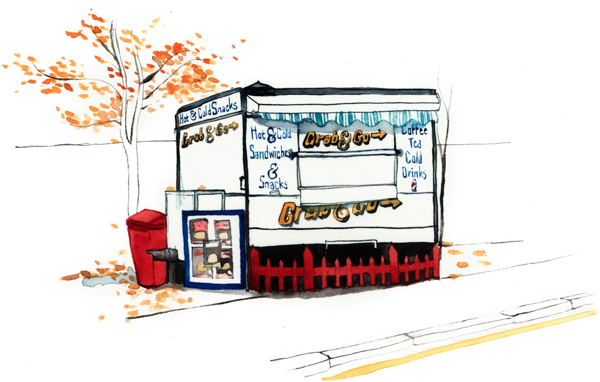
Grab & Go, Blackhorse Lane
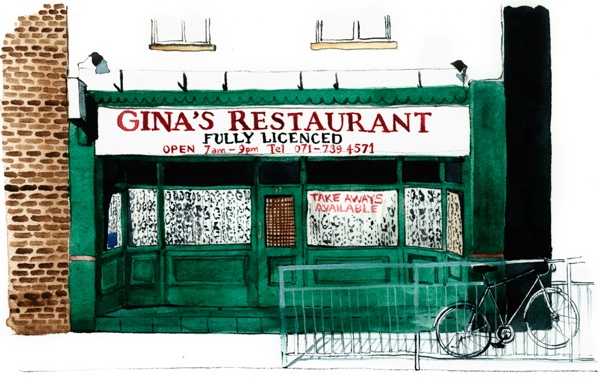
Gina’s Restaurant, Bethnal Green Rd

Copper Grill, Eldon St

Billy Bunter’s Snack Bar, Mile End Rd
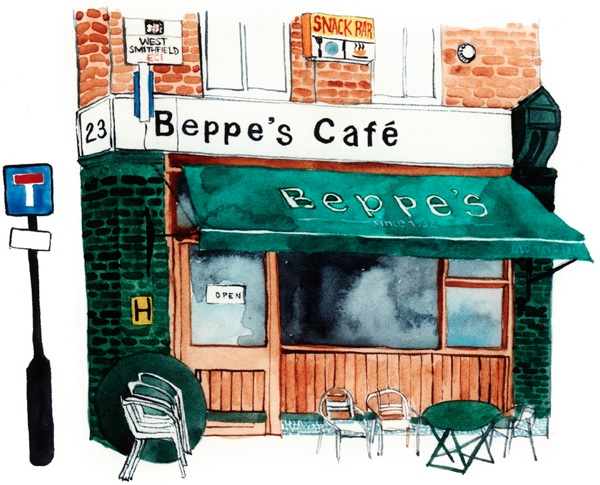
Beppe’s Cafe, West Smithfield
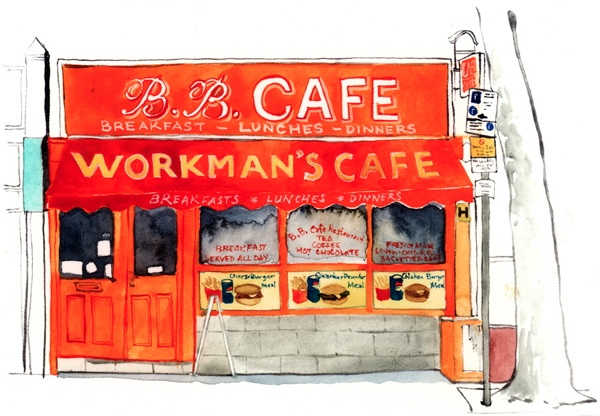
B.B. Cafe, Lea Bridge Rd

Savoy Cafe, Graham Rd

A.Gold, Brushfield St
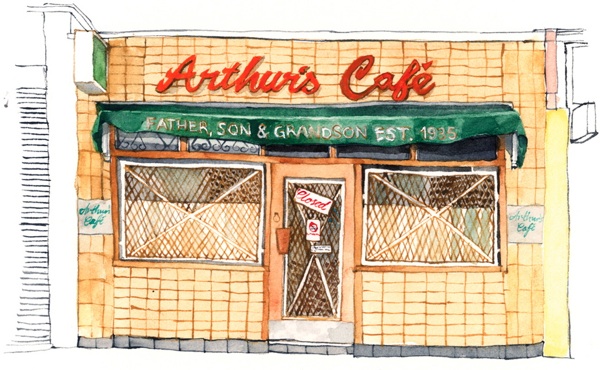
Arthur’s Cafe, Kingsland Rd
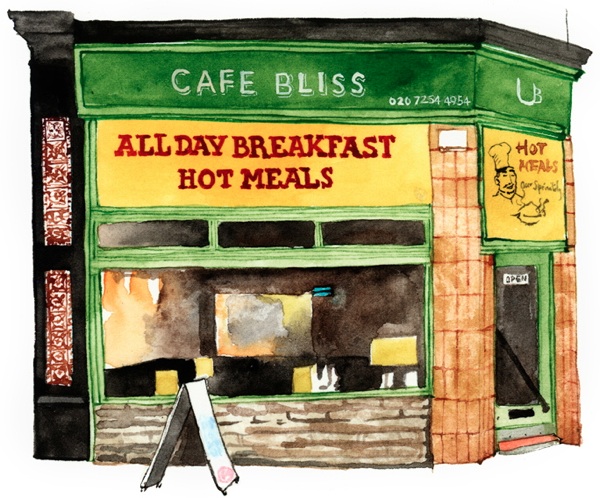
Cafe Bliss, Dalston Lane
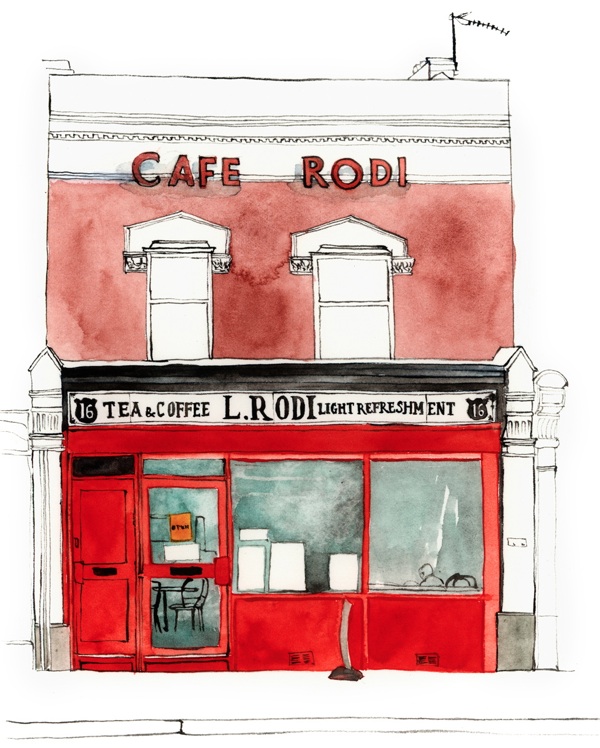
Cafe Rodi, Blackhorse Lane
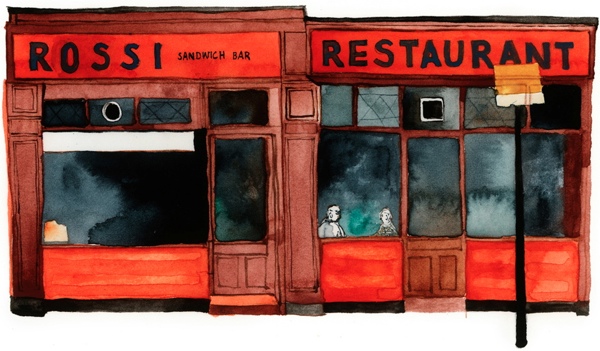 Rossi Restaurant, Hanbury St (Gone but not forgotten)
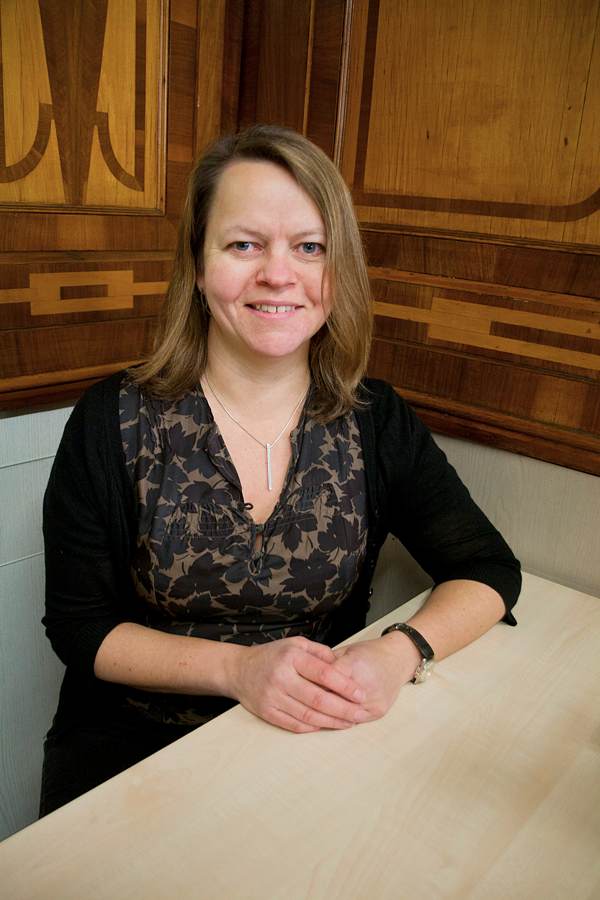
Eleanor Crow at E.Pellicci
Drawings copyright © Eleanor Crow
Portrait copyright © Colin O’Brien
You may also like to read
At Regis Cafe, Leadenhall Market
At Syd’s Coffee Stall, Shoreditch High St












