
Soerditch by Dant (Chapter Five)
Another instalment of SOERDITCH, Diary of a Neighbourhood, Adam Dant’s satire upon the ironies of life in the “New” East End – each cartoon a beautifully rendered view of the neighbourhood, captioned with a clueless thing overheard on the street.

“I’ve got a couple of quid on me, are we far enough East for that to stretch to a cup of tea each?”

“It’s from Murad … says he can’t come in to work … he’s got his hand stuck in a Pringles tube … ”

“Yeah, like a kind of street-art-converted-dustcart. You know, like the ones the roadsweepers use …. that’s my plan.”

“I’m tired all the time – it’s the seagulls, they come for the chicken boxes every morning as soon as the sun comes up.”

“You load your picture into the app and it shows you what you’ d look like if you had a beard.” … “Wow, cool!”

“Yes, ever so cosmopolitan it is round here! I met my first Uruguayan in the coffee shop this morning.”

“Abjol! Abjol! Where’s our guard cat?”

<< Estate Agnt sez S-Ditch 2 expnsv try Thamesmead xxx 🙂 >>

“OK, see you back in Chelsea, can I bring anything from E1? … bagels?”

“Do you take pictures of anything other than these scribbles?” … “Like what?”

“Yeah, Sarah’s found an OK warehouse space for the exhibition, it’s just that it’s the kinda-Stamford-Hill-end-of-Shoreditch.”

“Two of you? For fifty? What do you think I am f**king Tescos?”
Soerditch is the old name for Shoreditch, quoted by the historian John Stow in his Survey of London 1598, as “so called more than four hundred yeares.” It means sewer ditch, in reference to the spring beside Shoreditch Church, once the source of the lost River Walbrook which flowed from there towards the City of London.
Drawing from a pair of unlikely inspirations, namely Giles‘ cartoons for the Daily Express and Hiroshige‘s ‘One Hundred Famous Views of Edo,’ Adam Dant pulls off an astonishing sleight of hand – simultaneously portraying the urban landscape of Shoreditch with spare lines and flat tones that evoke the woodcuts of Hiroshige, while also satirising the manners and mores of the people through witty social observations in the manner of Giles.
The exhibition runs at Eleven Spitalfields Gallery until 26th April and all one hundred and twenty-five cartoons are published in an album with an introduction by Jarvis Cocker, produced in the style of Giles’ celebrated annuals and available to buy online from Spitalfields Life Shop.
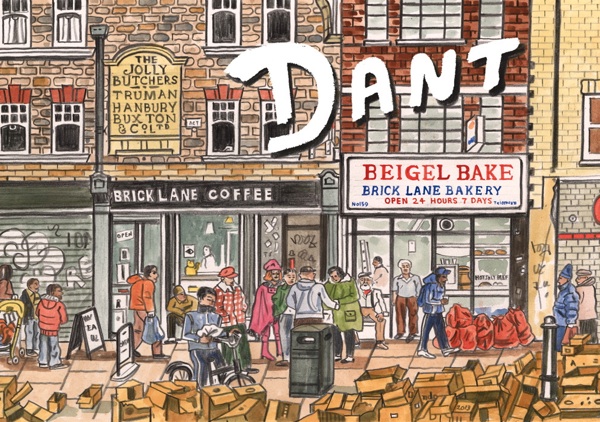
Click here to buy your copy of SOERDITCH by DANT – Diary of a Neighbourhood (125 Views of Shoreditch) – while stocks last!
Cartoons copyright © Adam Dant
Adam Dant is represented by Hales Gallery
You may also like to see these earlier selection of cartoons by Dant
Soerditch by Dant (Chapter One)
Soerditch by Dant (Chapter Two)
So Long, Sweet & Spicy
As a tribute to Sweet & Spicy, which closed yesterday, I am republishing my feature celebrating a beloved Spitalfields institution on Brick Lane since 1969.

If you ever stood in Brick Lane, baffled by the array of curry houses and harangued by the touts, and wondered “Where do the locals eat?” then you could always seek out Sweet & Spicy down on the corner of Chicksand St. There proprietor Omar Butt worked conscientiously from eleven until eleven every day in this celebrated Spitalfields institution opened by his father Ikram Butt in 1969. Established originally as a cafe, Sweet & Spicy was only the third curry house to open on Brick Lane and, such was the popularity of its menu, it remained largely unchanged through all the years.
You could come for lunch or dinner and you would always meet Omar Butt, tall with lively dark eyes and a stature that befits an ex-wrestler, yet modest and eager to greet customers. You chose your food at the counter, let Omar stack up your tray, then took your place in the cafeteria-style dining room at the back, lined with posters reflecting the Butt family’s involvement in wrestling over generations, and enjoyed your meal in peace and quiet.
Sweet & Spicy offered a simple menu of curry dishes complemented by two house specialities, both popular since 1969. Halva puri with chana (spicy chickpeas) which Omar described as the “Pakistani breakfast,” – traditionally the food of wrestlers who, he says, were characteristically “big rough men that ate halva all day.” Omar made the halva personally twice a week exactly as it is done in the halva shops of Pakistan where they also display the same wrestling posters that he had on his wall. And the warm halva made a very tasty counterpoint to the spicy chana – sweet and spicy, just as the name over the door promised. Most customers popped in as they passed along Brick Lane for the famous kebab roll – Omar’s other speciality – a shish kebab served in a deep-fried chapati with onions and chili sauce. “It has so many dimensions of flavour that people really like,” waxed Omar, his eyes gleaming with culinary pride.
There was an appealingly egalitarian quality to this restaurant where anyone could afford to eat, where Omar oversaw every aspect of the food with scrupulous care and where people of all the races that live in Spitalfields could meet in a relaxed environment, unified by their love of curry – honestly cooked, keenly priced and served without pretensions. Twice a day, Sweet & Spicy filled up with the lunch and dinner rush, but you could drop by late morning for a Pakistani breakfast, or visit in the afternoon, and you would discover Omar taking a well-deserved break to read his newspaper and eager to chat. With an understated authority, he presided over a unique community hub that had evolved naturally, offering a refuge of calm and civility amidst the clamour of Brick Lane.
“I used to come here at six years old. I guess I was be the youngest busboy on Brick Lane, serving and clearing tables for quite a few years. My family have always been involved in wrestling. My grandfather Allah Ditta, he was professional wrestler in Pakistan and my uncle, Aslam Butt, was National Champion. I have done international freestyle wrestling and I’ve tried very hard at an Indian style where you wrestle in a sand pit. I have travelled and wrestled in America, here and in Pakistan.
I studied business after I left school and then I came to work here full -time at twenty-four years old. I am a self-taught cook and I taught myself how to cook everything. Each morning I do a little cooking when I arrive and then I spend the rest of the day upstairs serving customers. It’s important to me, to attend to everything. For a restaurant to have long life-cycle, the owner has to be able to cook as well.
We open seven days a week and I am here seven days, from eleven in the morning until eleven at night. It’s been non-stop lately because of the economic situation. No-one likes a recession, but it shows you what you are capable of. Before, I didn’t know that I was able to work seventy hour weeks, but it is possible. I have a wife and two kids and I live on the Isle of Dogs but, because I have spent so much of my time on Brick Lane, it’s like I live here as well.
We were always a cafe, whereas the others became restaurants serving English customers but here it has always been a mixed clientele. People used to come for snacks after the visiting the Naz cinema next door and we served the machinists working in the clothing factories. We have a long loyal gallery of locals. It’s a cosmopolitan place. Today I had an Asian sea captain who first came forty years ago, Bengali businessmen, a table of Cubans, and some born and bred East Enders who have been coming all their lives. We run the business off our regular customers. I often get young men who say their father brought them here as a child. There’s something about this place, it’s a father and son place.”

One of Omar’s collection of wrestling posters. His uncle and grandfather were champions in Pakistan.

In the cool of the curry house in the afternoon.
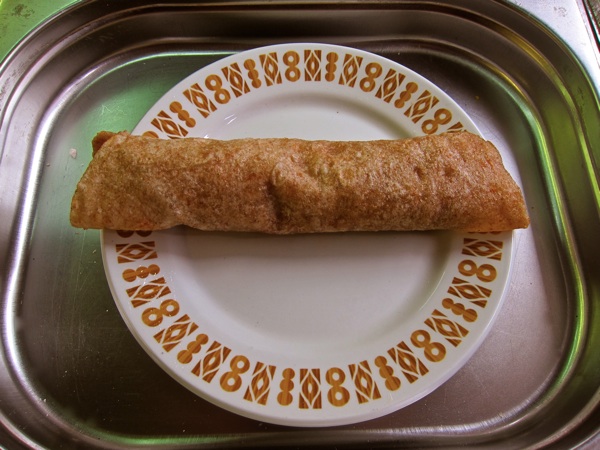
Sweet & Spicy’s celebrated £2 kebab roll – the burrito of Brick Lane.

Halva with puri £1.45 – traditionally the food of wrestlers. Served hot with chana as ‘the Pakistani breakfast.’


Faraz

You may also like to read about
East End Cats
Last year, Spitalfields Life Contributing Photographer, Chris Kelly made a survey of the esteemed cats of Spitalfields, but now she has widened her horizons to include the entire East End. So today it is my delight to publish more of her portraits of famous cockney felines and their human slaves – from Bethnal Green, Whitechapel and Stepney.
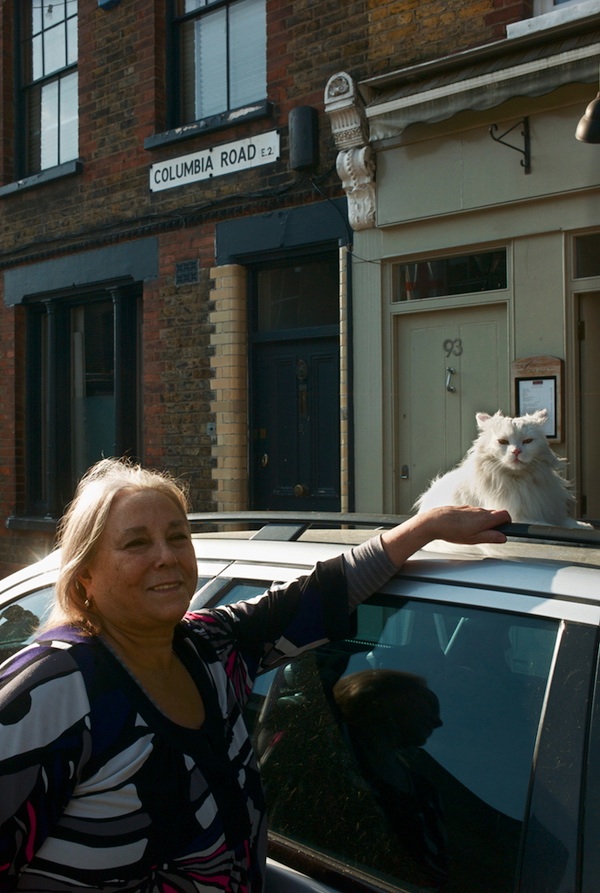
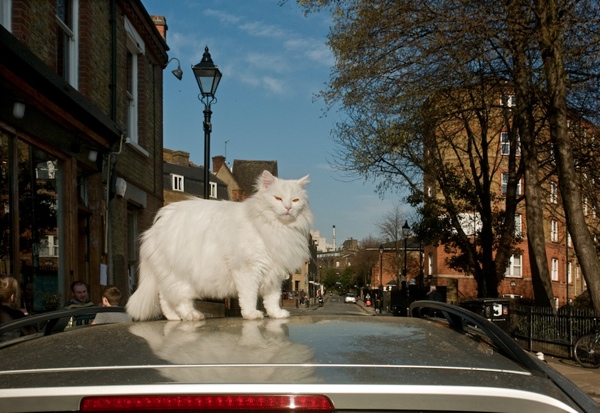
The magnificent Gilbert is a legend in Columbia Rd – pictured here with proud owner Isabel Rios.
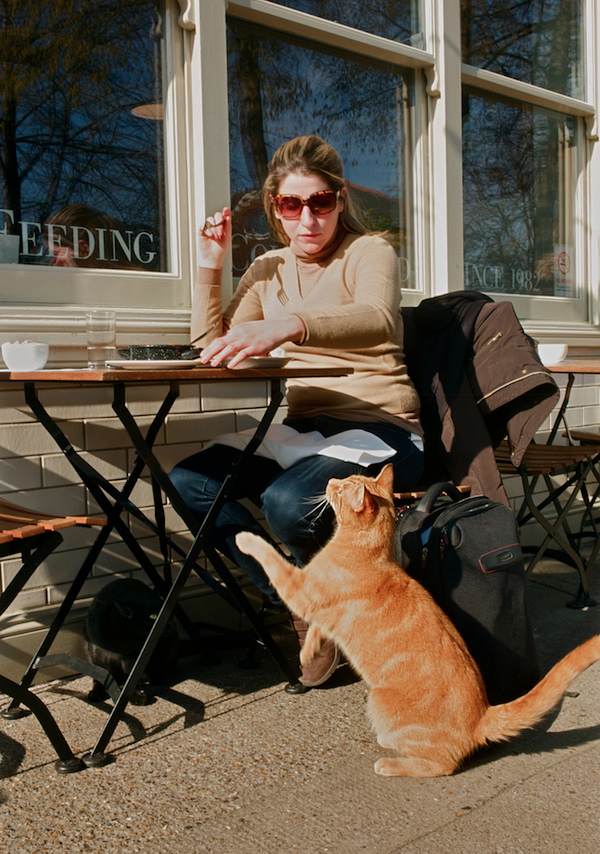
Spring in Bethnal Green and while Alice is lunching at Laxeiro, Monkey the ginger cat from next door, tries his luck. “You have two cats in this picture,” Alice told me, “My name is Alice Gatto.”
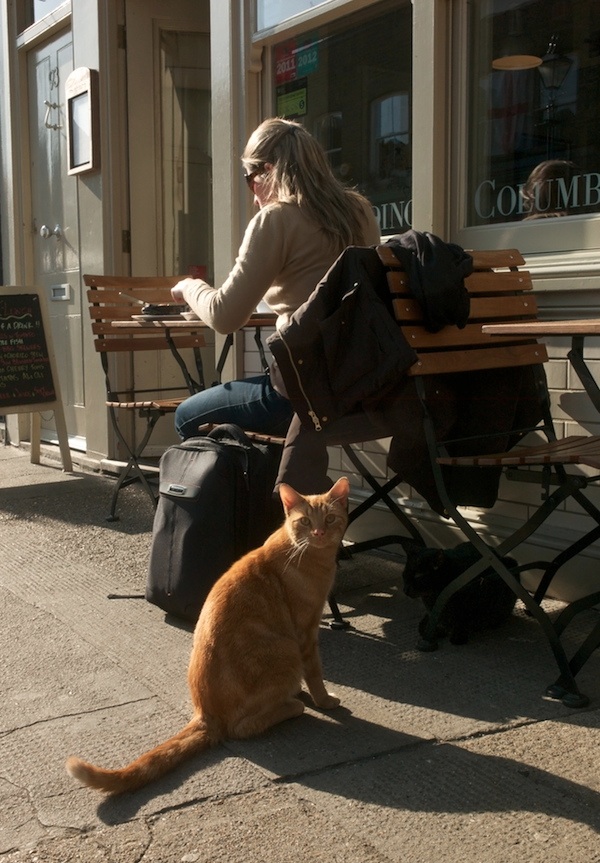
Monkey, the ginger tom from Columbia Rd.
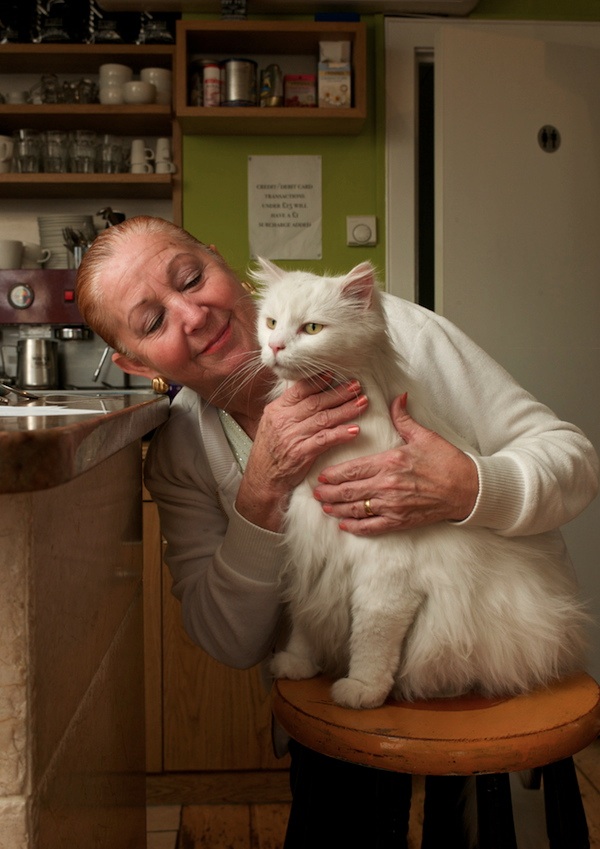
Gilbert at Laxeiro with Leo who has worked there many years.
Gilbert & Isabel Rios – Restaurateur at Laxeiro on Columbia Rd
“Weʼve had Gilbert about five years. He belonged to our neighbours but would always come mooching along the street to see us – he likes the company. Then we looked after him once when his people went on holiday and he didnʼt want to go back home. They even tried to keep him in, but he was scratching at the door all day. So we shared him for a while but he just wanted to be here. Eventually, they moved to Scotland and asked us if weʼd like to keep him.
Gilbert is deaf and heʼs wary of dogs, which is why one of his favourite places to sit is on the roofs of cars. He loves people though and some of our customers come just to see Gilbert – heʼs quite a tourist attraction. We know someone who lives in Canada and comes to visit her son here. Iʼm told the first thing she says when she gets off the plane is “Howʼs Gilbert?”
There was a film crew here during the election and all the cameras were on Gilbert sitting on the car. Heʼs become so famous that he has his own facebook page – Gilbert Laxeiro.”
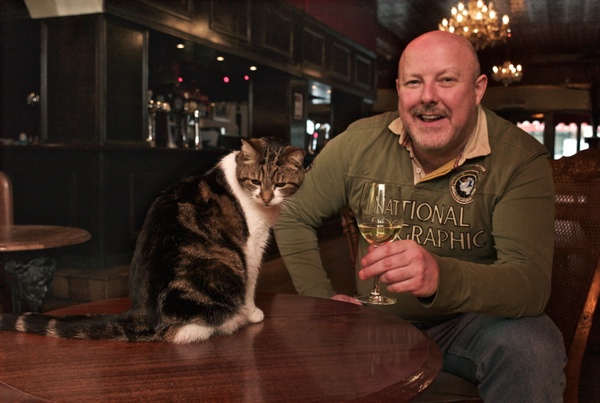
Molly has been at The Blind Beggar in Whitechapel longer that landlord David Dobson
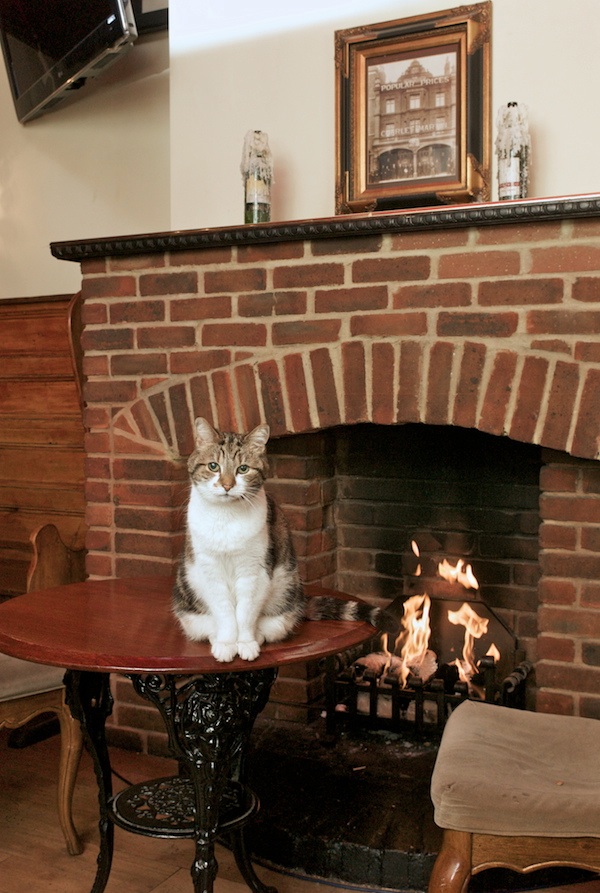
Molly was seventeen years old on 21st December 2012.
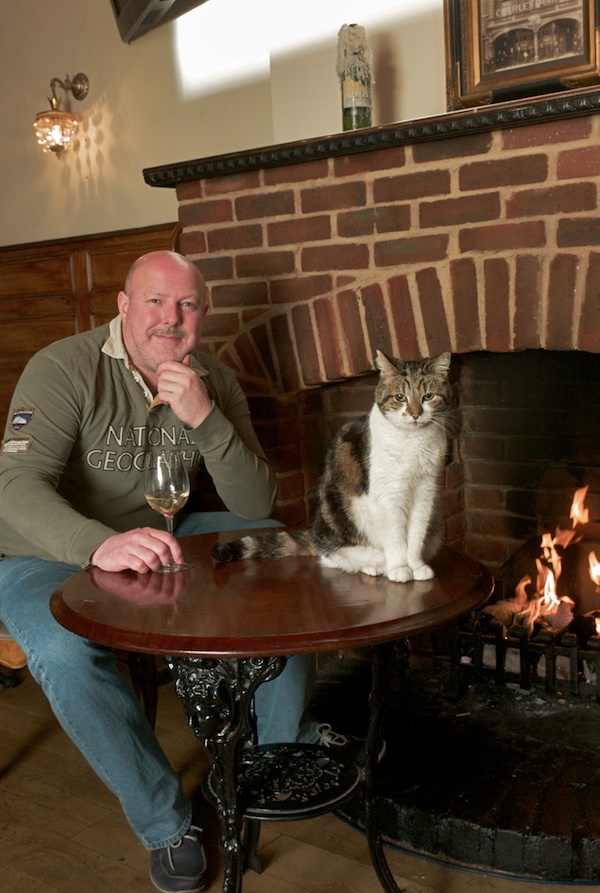
Molly & David Dobson – Landlord of The Blind Beggar in Whitechapel
“Iʼve never been a cat lover but you could say Iʼm learning to love them. The cats came with the pub – when I took over they were on the inventory under pest control. There were two – Molly & Pip, brother & sister. There used to be a big rat problem but itʼs becoming cleaner now.
A few years ago, when I was living here on my own, the alarm went off during the night and I was scared. I grabbed Pip – he was a big cat – and went down to the cellar with him under my arm. There was a pile of newspapers in the corner and a huge rat leapt out. So I squealed and dropped Pip who shot back upstairs.
They were both good mousers when they were younger. Sadly, Pip died before Christmas and Molly missed him for a few days, she would look round the places where he used to sit. She was seventeen years old on 21st December, and now her favourite place is in front of the fire and she doesnʼt do much mousing. In summer, she goes in the garden and watches the fish in the pond.
They were both popular with customers, although people have tried to steal them once or twice, but never got further than the door. It was as though there was a force-field – the cats would go crazy when they reached the door. Itʼs a mad thing to steal a cat but sometimes I find when people are drunk they think theyʼre invisible!”
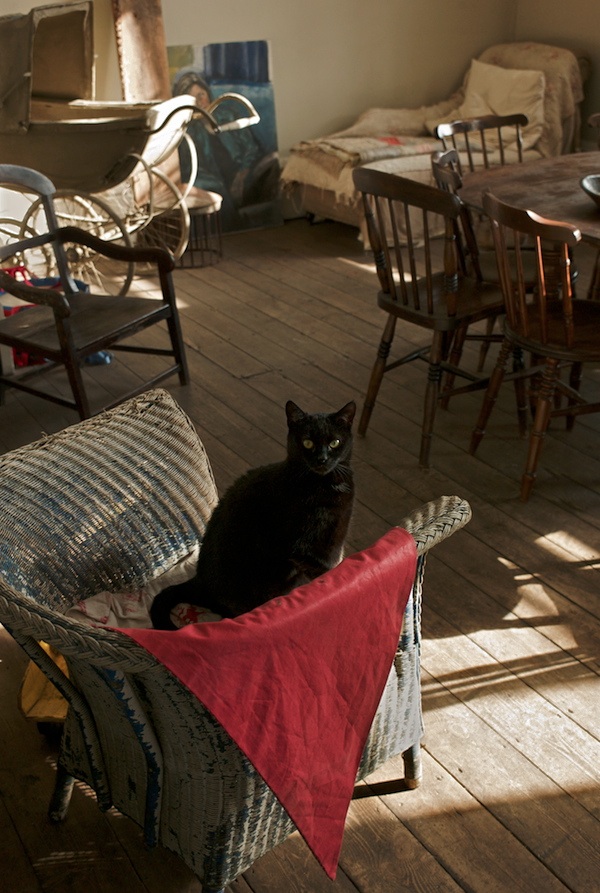
One of Spider’s kittens went to Amy Winehouse who christened it ‘Bleeder.’
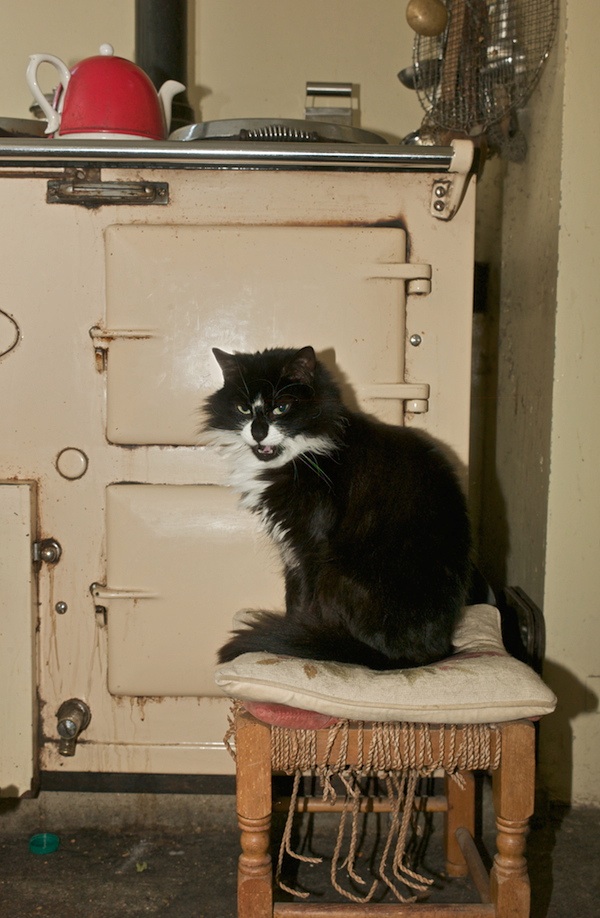
Professor dislikes film crews.
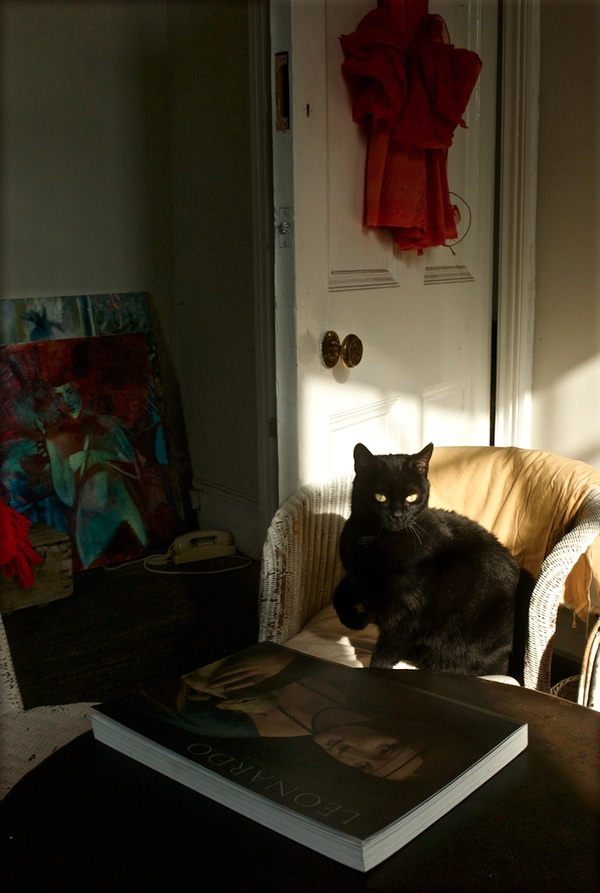
Spider likes culture and attention from film crews.
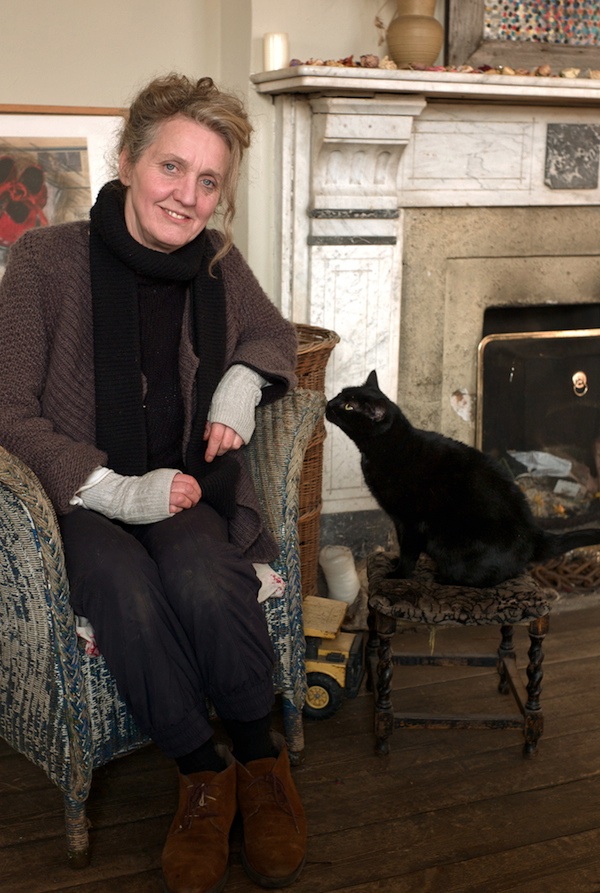
Spider & Professor & Pauline Forster – Publican at The George in Commercial Rd
“I used to have three canaries here. I love to see birds flying around and when they sang I remembered the dawn chorus in the countryside where I was brought up. They used to sit on my hand and on my shoulders. But we have film crews in here for location work and they would open the windows, so one by one we lost the birds. The last to go was Muffin.
Then, because Iʼd been leaving seed around for the birds, the mice moved in. They were getting far too familiar, running across the beams over my bed at night – which meant I had to find a cat to kill the mice. Fortunately, a friendʼs cat in Cable St had just had kittens so we got one of those. Tiddle was a sweet looking cat, but one day he disappeared – we put up reward signs everywhere but we think someone took him.
Next we had Luna, a big cat found scavenging in Sidney St when one of the children took her in. She was a really scary cat, she looked totally mad – thatʼs why I called her ‘Luna.’ She had kittens and we kept one, thatʼs Spider. When Spider had kittens, we kept one of those and thatʼs Professor. One of Professorʼs siblings went to Amy Winehouse. She called it ‘Bleeder’ and I think she gave it to her niece.
Professor (with the white beard) is quite nervous now. I think one of the film crews must have upset him because he always disappears when thereʼs filming these days. By contrast, Spider likes lots of attention from the film crews. Sheʼs solid and greedy, and she wonʼt stop eating until all her foodʼs gone. Both cats go into the bar in summer when the doorʼs open.”
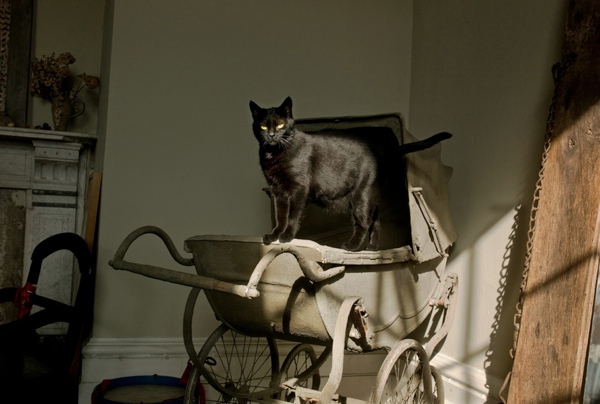
Photographs copyright © Chris Kelly
Chris Kelly’s THE NECESSARY CAT – A PHOTOGRAPHER’S MEMOIR is available from many independent bookshops including Brick Lane Books, Broadway Books & Newham Bookshop.
You may also like to see
The Cats of Spitalfields (Part One)
The Cats of Spitalfields (Part Two)
Blackie, the Last Spitalfields Market Cat
and read about
More Of Samuel Pepys’ Cries Of London
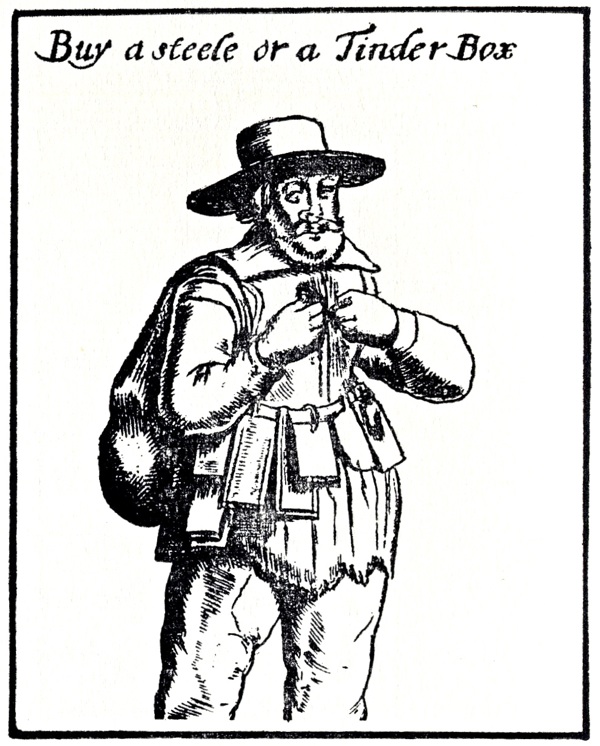
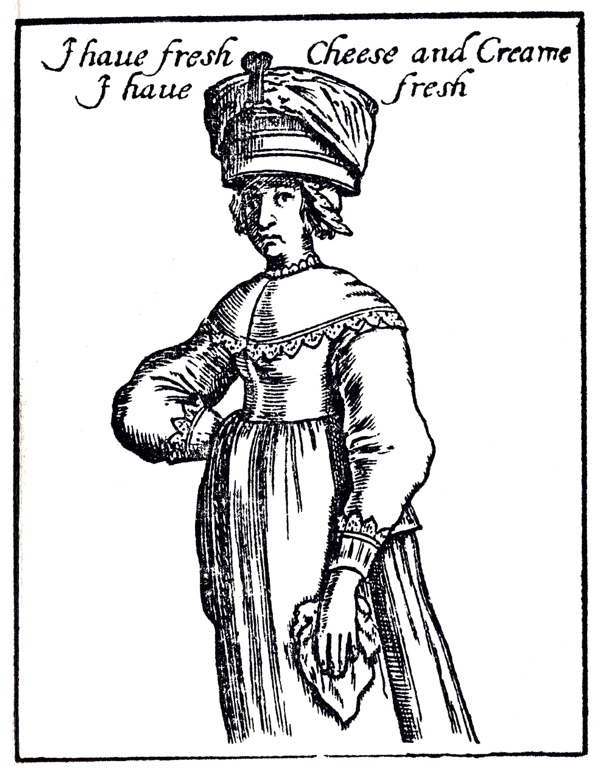
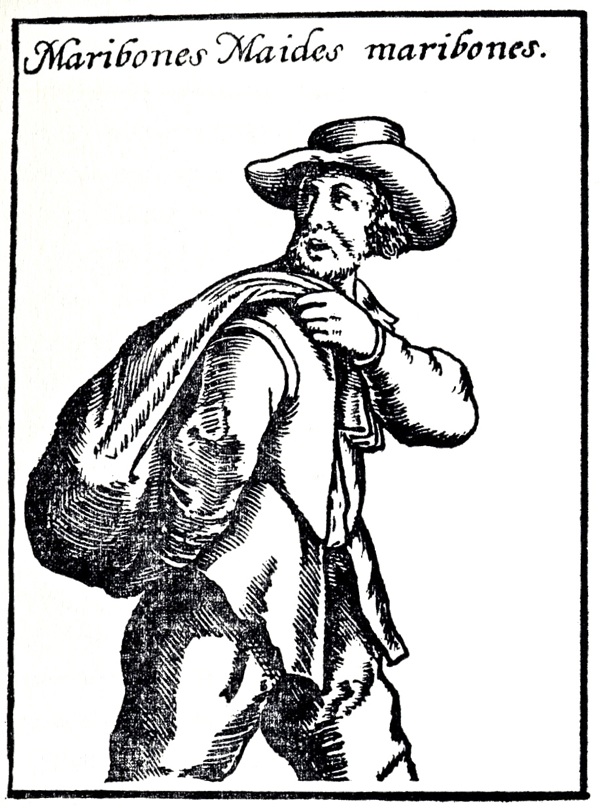
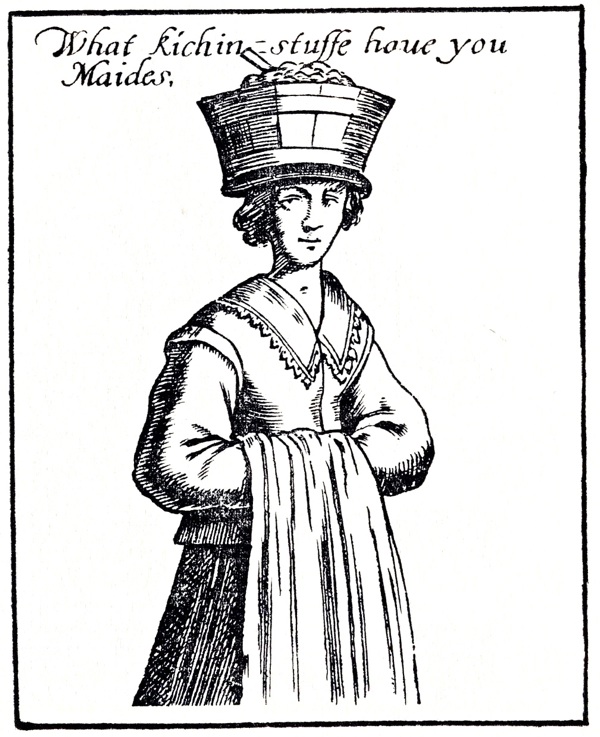
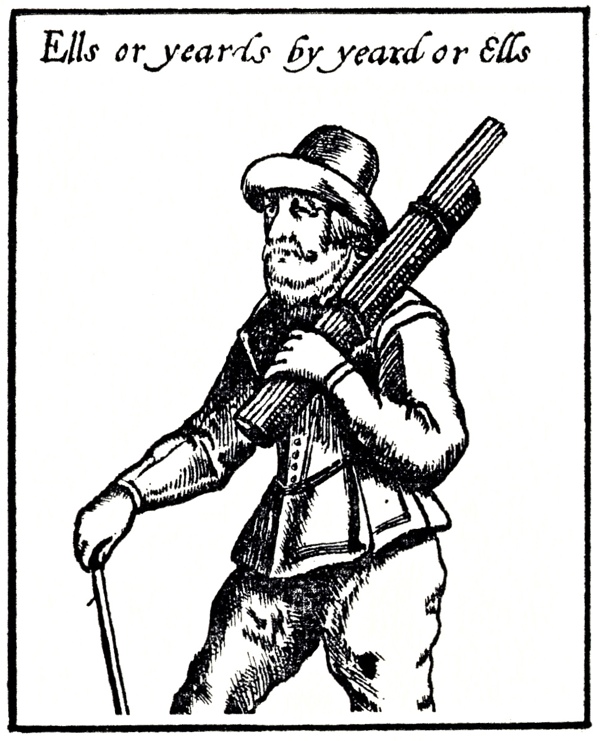
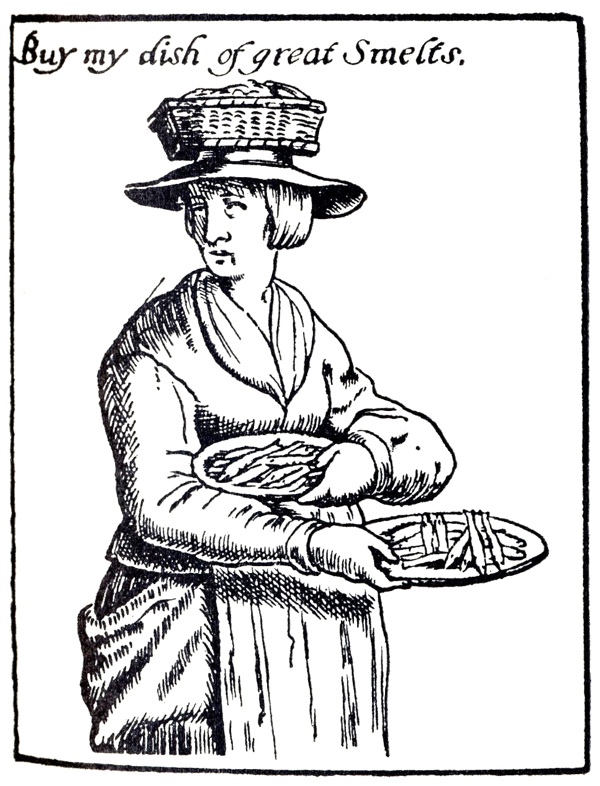
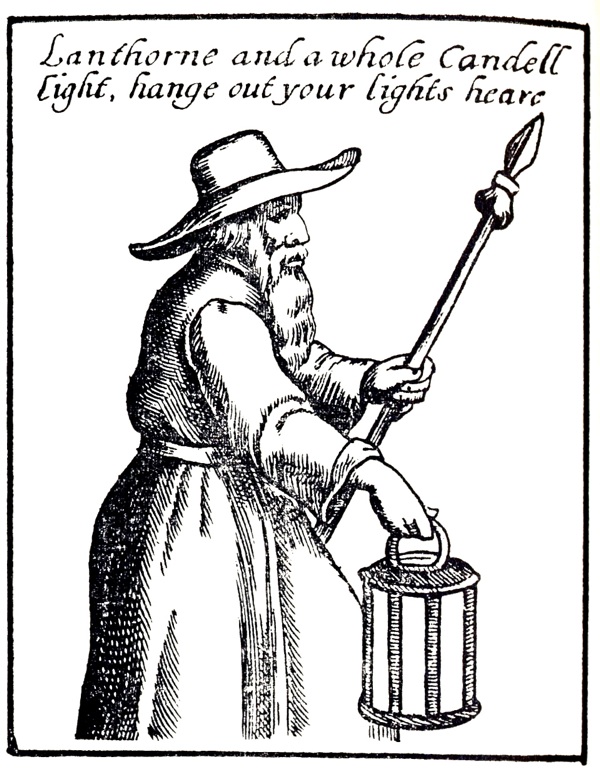
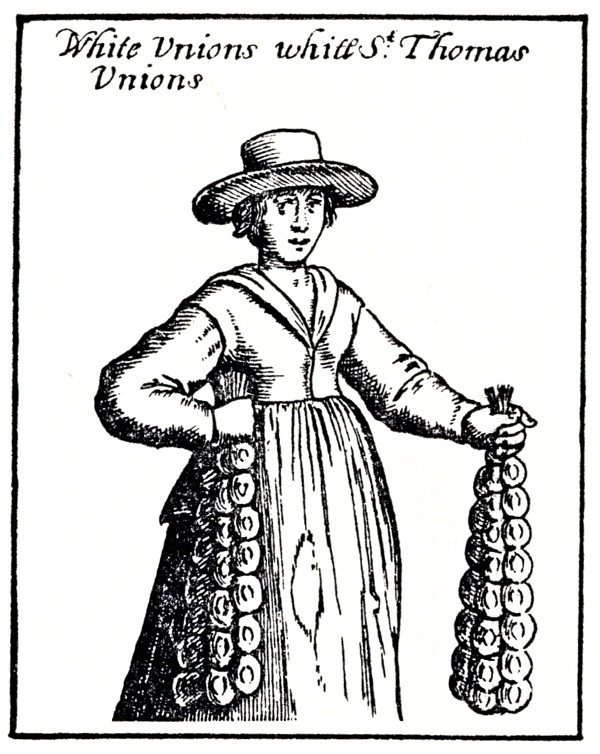
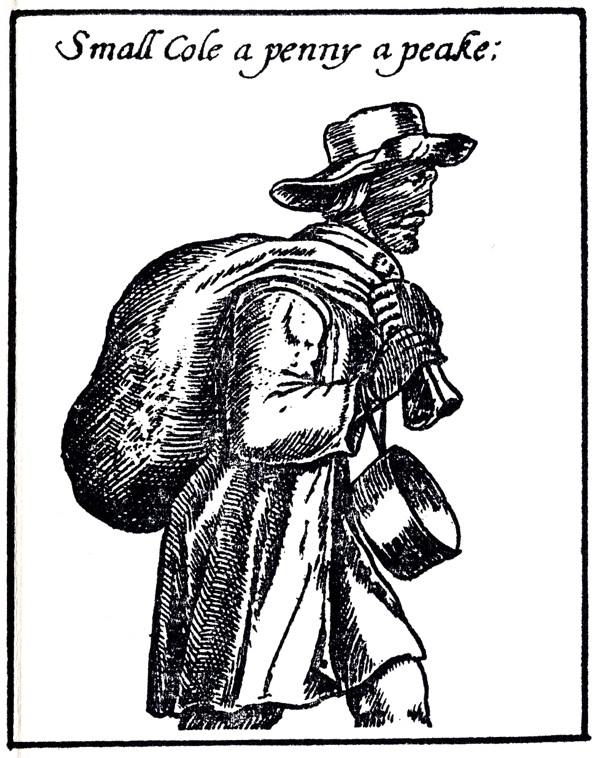
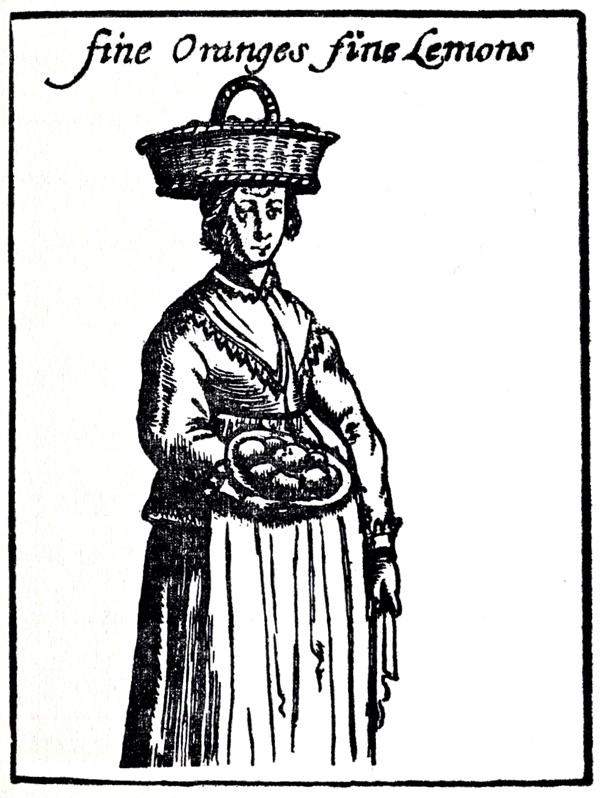
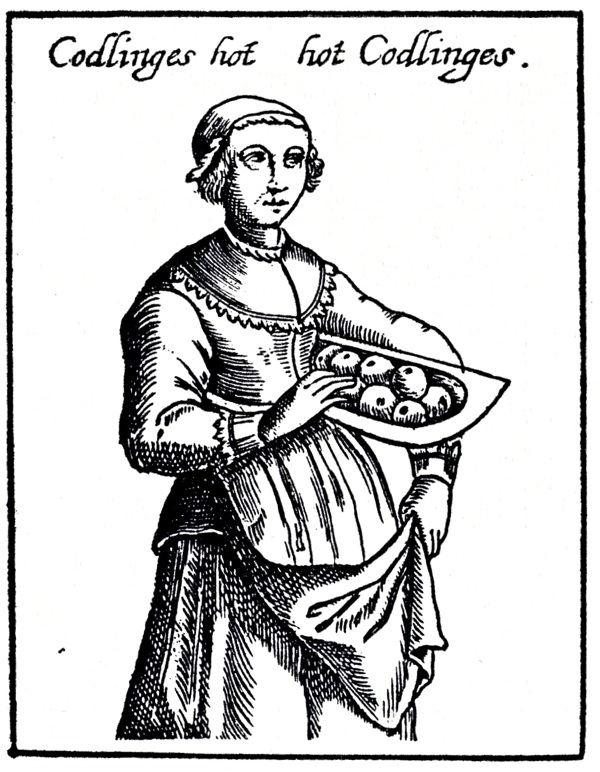
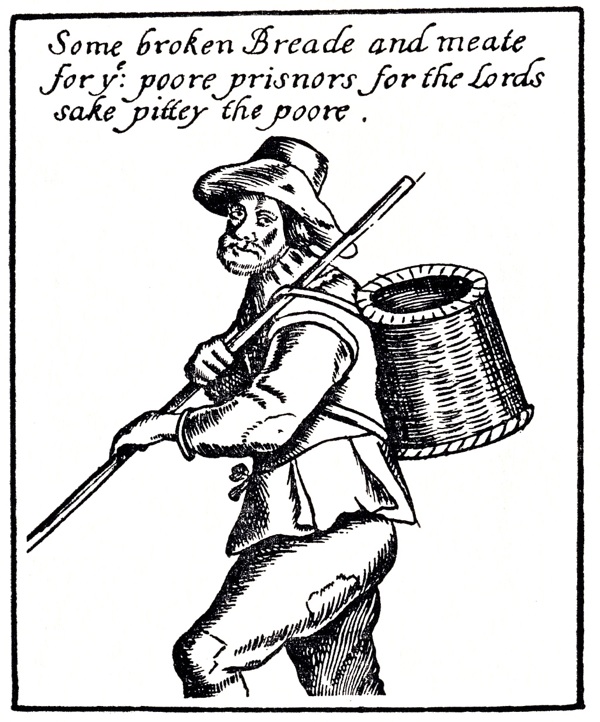
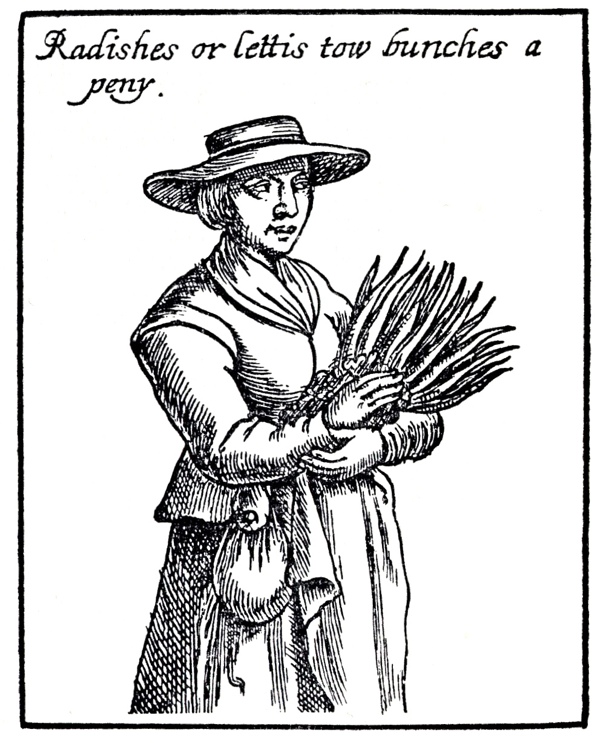
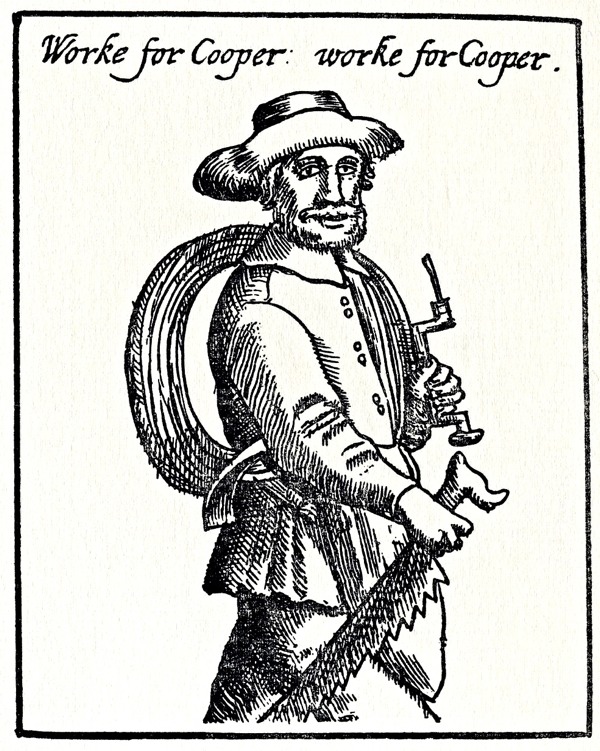
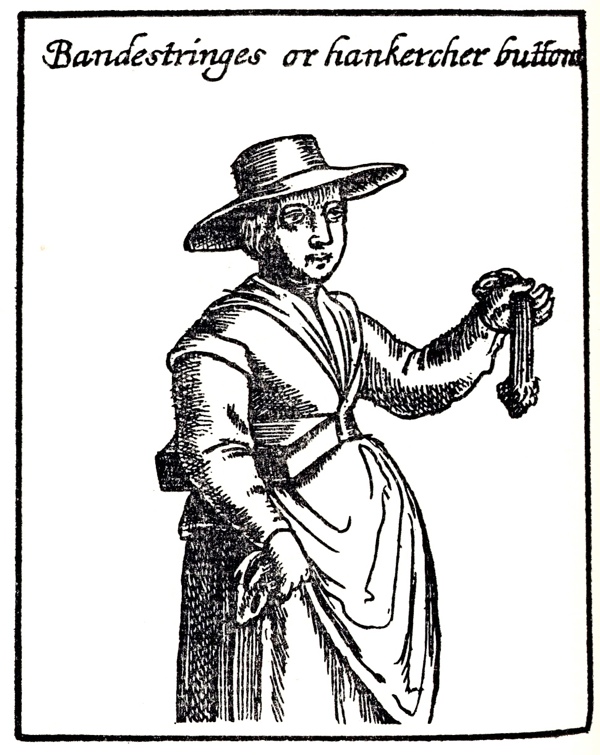
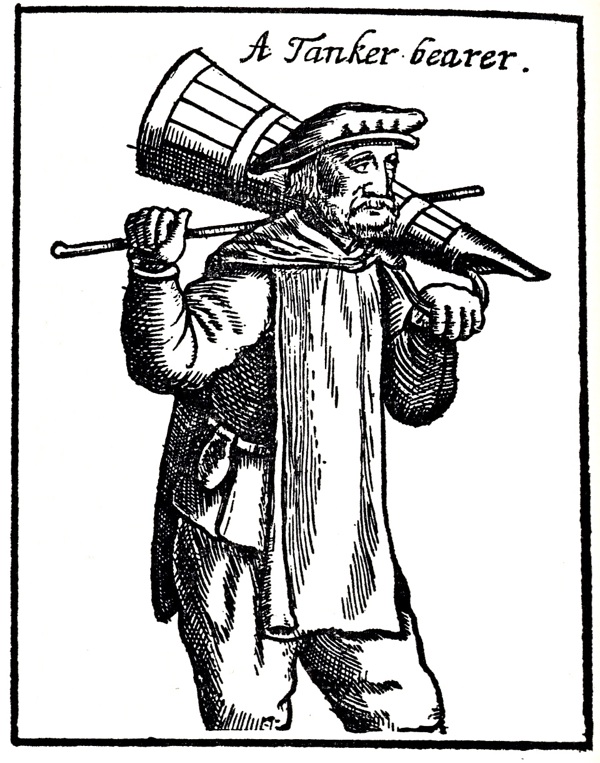
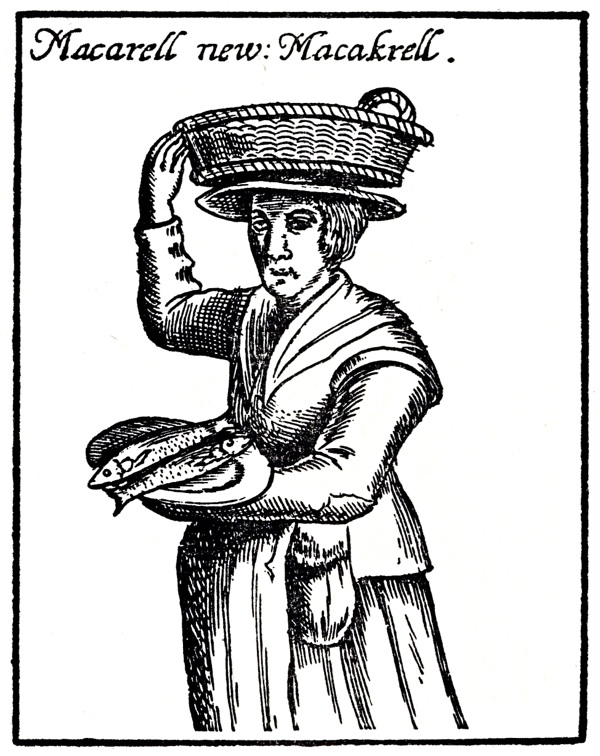
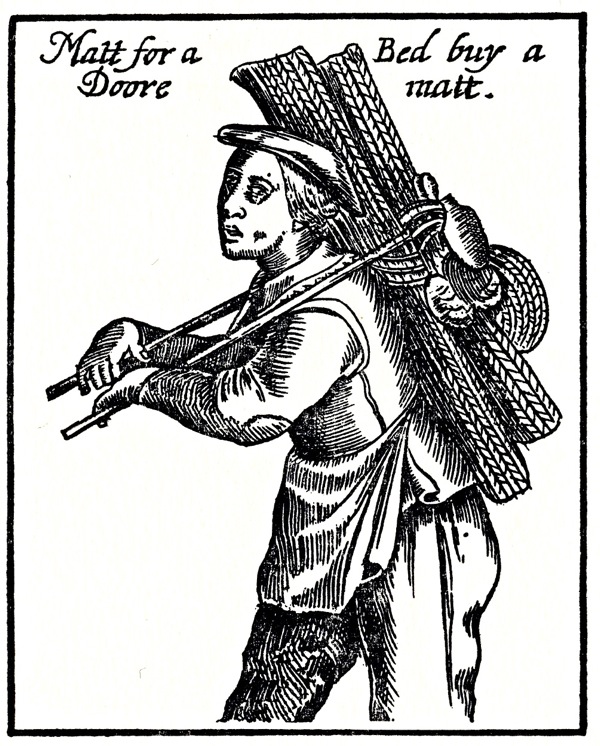
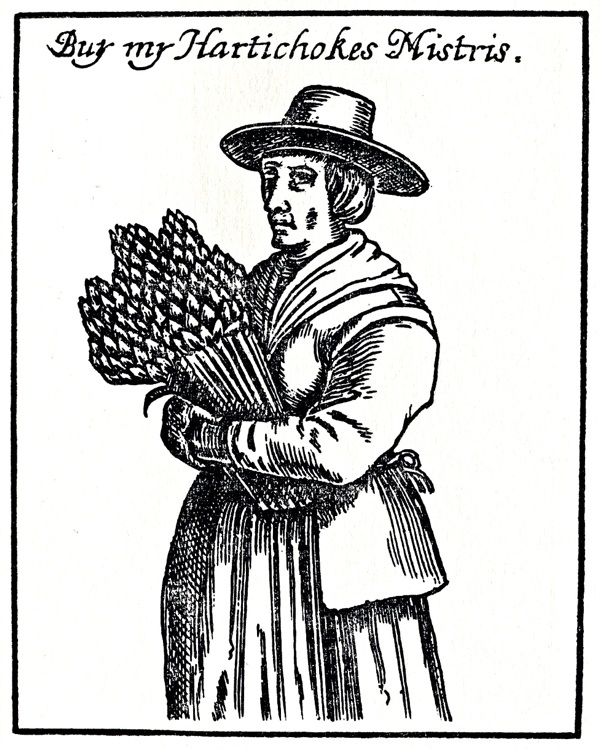
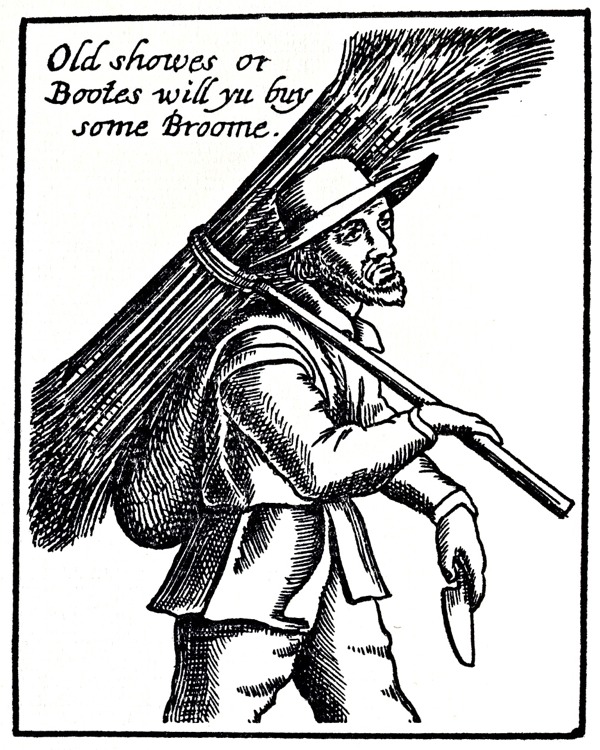
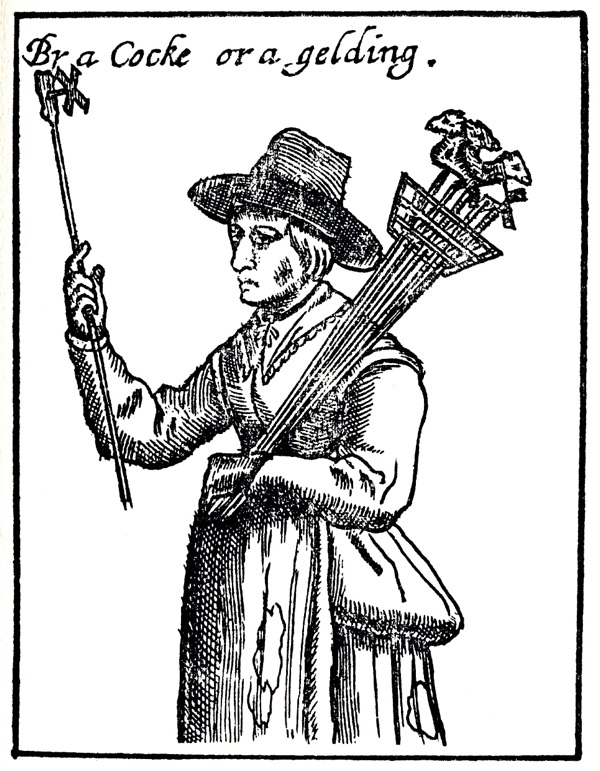
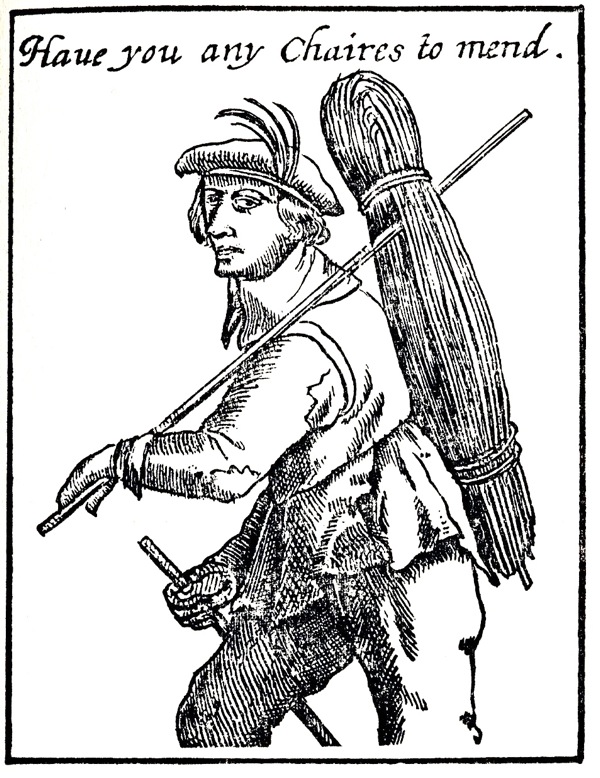
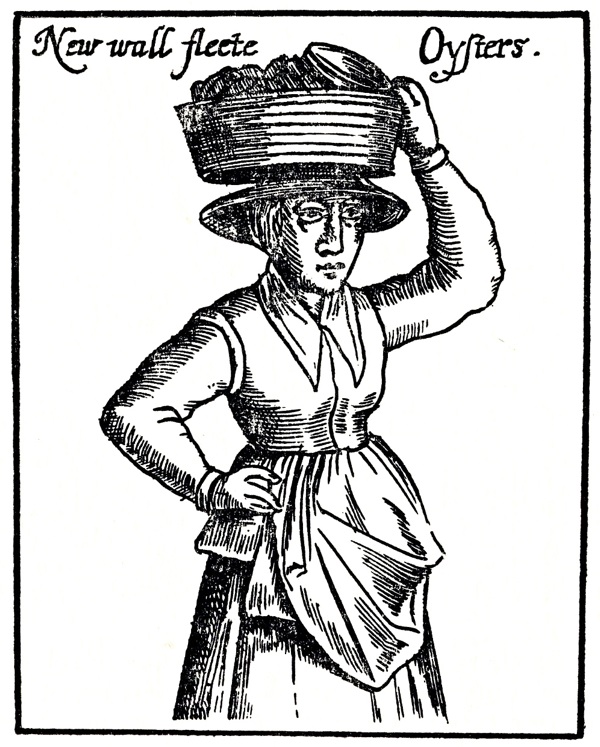
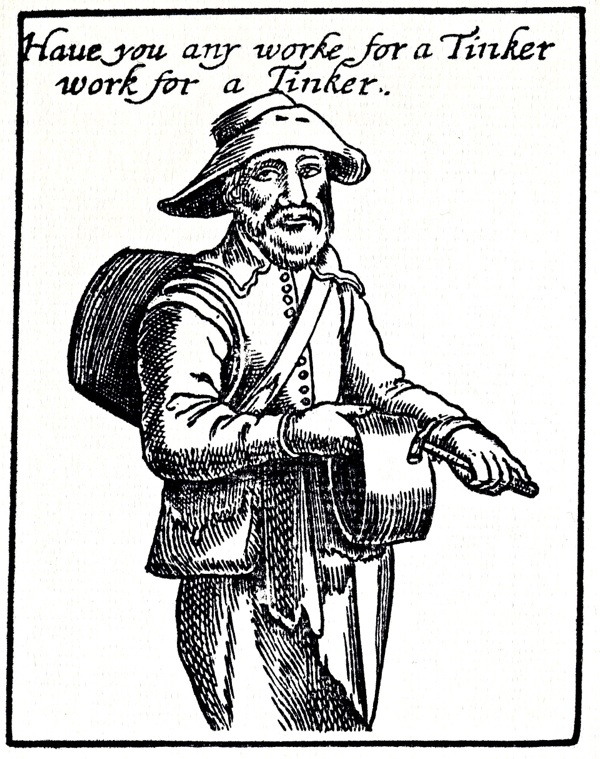
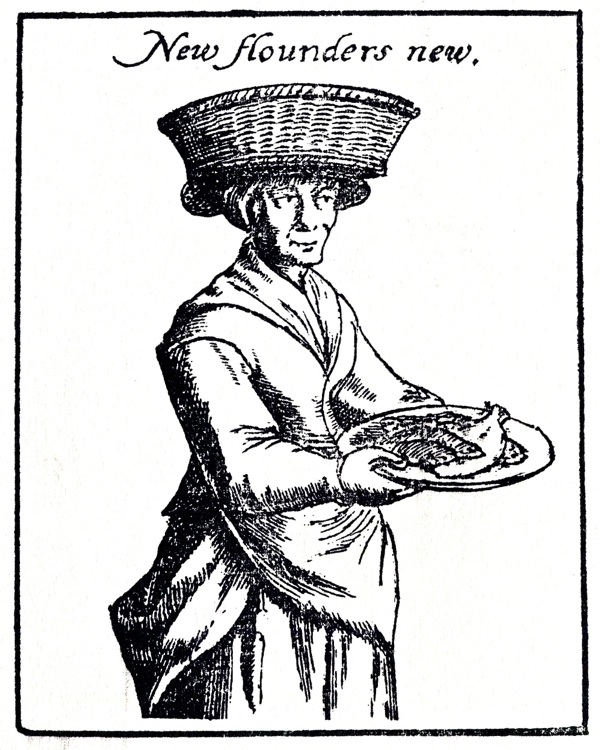 It was a startling delight when I discovered that Samuel Pepys shared my own interest in the Cries of London and made a collection of these prints which still exist in his library, preserved at Cambridge. These three thousand volumes in total, which Pepys had bound and catalogued according to his own system, can be seen as both an extension of and a complement to his personal writings – gathering together significant texts and images just as his diary recorded every detail of the life he knew.
The oldest set of Cries in Pepys’ collection – which I published here a month ago – dated from the sixteenth century and was a hundred years old when he acquired it, whereas those published today are believed to date from around 1640. Pepys described them as “A later Sett, in Wood – with the Words also then in use.”
Did Pepys look at these prints from his grandparents’ generation with nostalgia, imagining the hawkers that once populated the streets of the city before he was born, and wondering at how the world had changed? Spanning over a century and three different cities, Pepys’ collection of ephemeral prints are the only visual record of the street life of these places at these times to have survived.
By comparison with Pepys’ earliest sixteenth century set of crude woodcuts, these figures from 1640 possess a more complex humanity – though close examination reveals that the same models recur, posing in a variety of guises as different street vendors. Yet, in spite of this sense of enacted tableaux, there exists a convincing presence of personalities here, enough to permit me to imagine the street life of mid-seventeenth London, thanks to Samuel Pepys – my most esteemed predecessor in collecting the Cries of London.

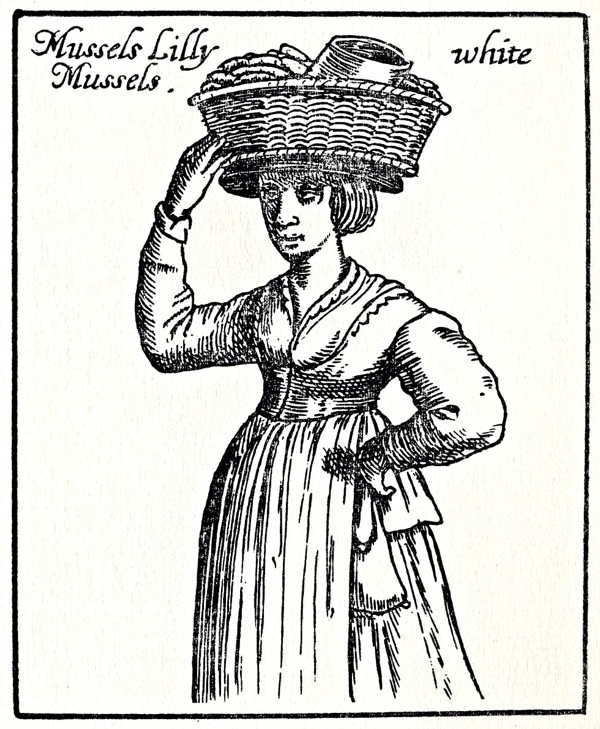
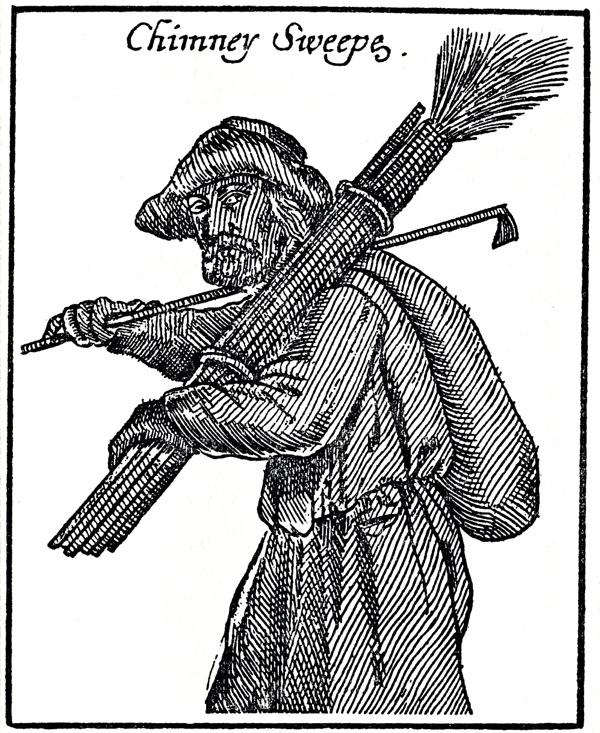
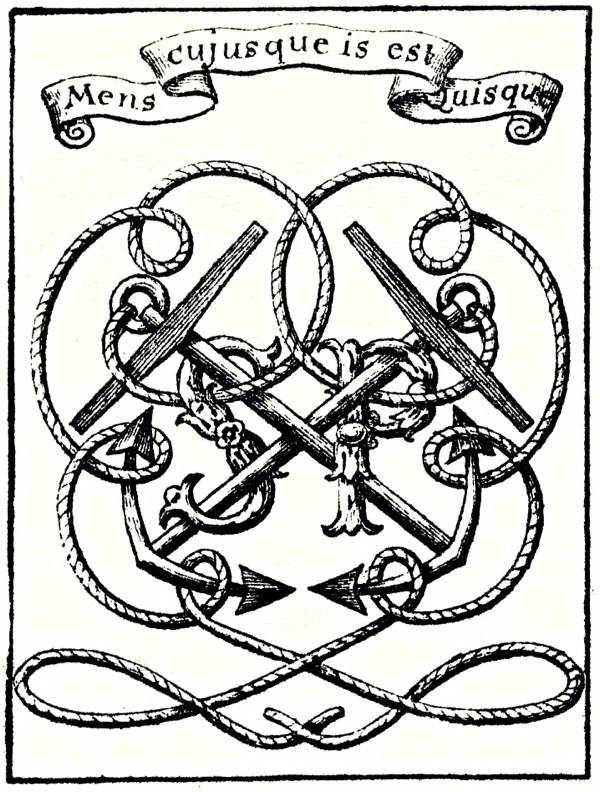
Samuel Pepys’ book plate
Images courtesy Bishopsgate Institute
You may also like to take a look at the sixteenth century Cries of London from Samuel Pepys’ collection
and these other sets down through the ages
Geoffrey Fletcher’s Pavement Pounders
William Craig Marshall’s Itinerant Traders
H.W.Petherick’s London Characters
John Thomson’s Street Life in London
Aunt Busy Bee’s New London Cries
Marcellus Laroon’s Cries of London
More John Player’s Cries of London
William Nicholson’s London Types
Francis Wheatley’s Cries of London
John Thomas Smith’s Vagabondiana of 1817
John Thomas Smith’s Vagabondiana II
John Thomas Smith’s Vagabondiana III
Thomas Rowlandson’s Lower Orders
Tony Bock’s Farewell To The East End
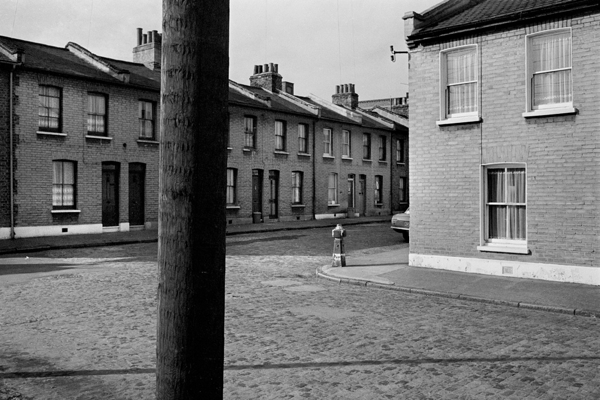
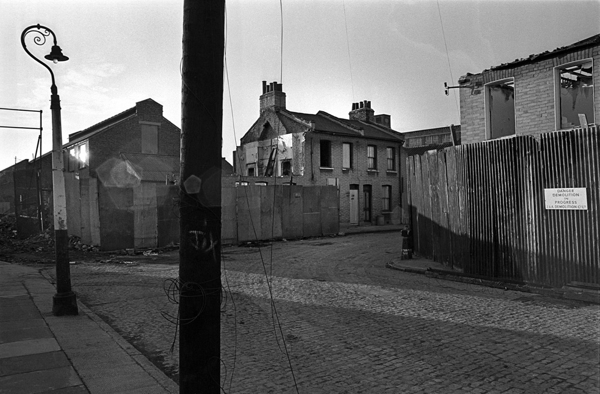
Belhaven St – before & during demolition
Photographer Tony Bock left the East End in 1978, and this is the East End he left behind – witnessed in these haunting pictures published for the first time today.
After dropping out of photography school in Toronto, Tony came to the East End and worked as a staff photographer for the East London Advertiser between 1973 and 1978. He encountered a world in upheaval and only just managed to photograph Belhaven St, Mile End – where his mother’s family had once lived – before it was demolished.
Born in Paddington but brought up in Canada, Tony’s quest to explore his East End roots found expression in these soulful streetscapes, largely unpopulated save for sparse, fleeting figures, a boy with a gun, and the photographer’s own shadow. “Much of the East End seemed to be clad in corrugated tin, often covering buildings that had once shown the enthusiasm and optimism of architects and artisan builders.” Tony confided, “The very fabric of the community was disregarded with little consideration of its true value.”
Yet there is a subtle poetry in each of Tony’s pictures that never fails to acknowledge the human presence, even in seemingly abandoned places. They are the poignant memories that he carried away with him when he left after his brief years in the East End, returning to make his life in Canada.
“The buildings were reflections of the communities they housed, where the domestic scale of architecture made the streets feel like home.” Tony concluded, “Those I photographed on Stepney Green exhibit a wonderfully diverse collection of styles, the simple humane beauty of an unplanned group of buildings.”
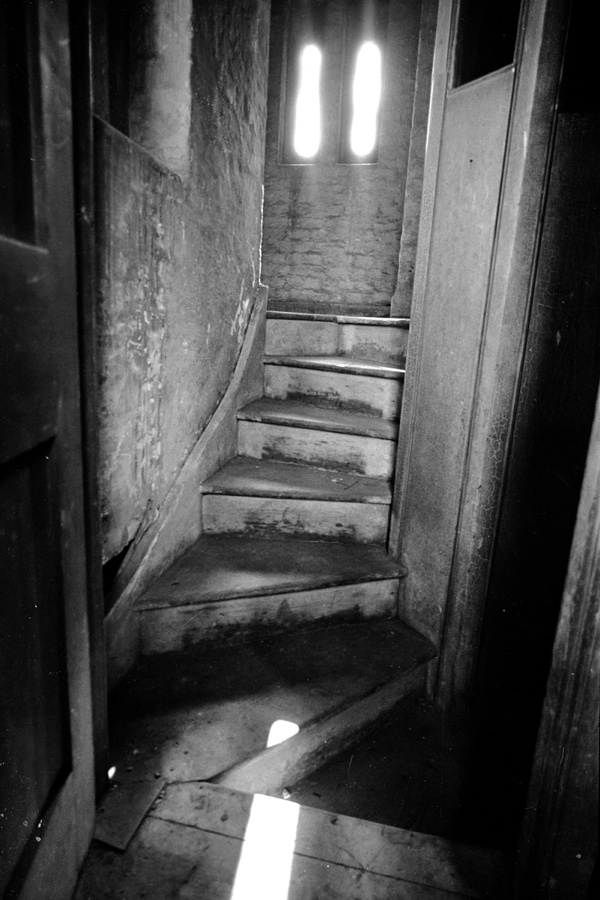
In old Bethnal Green Fire Station
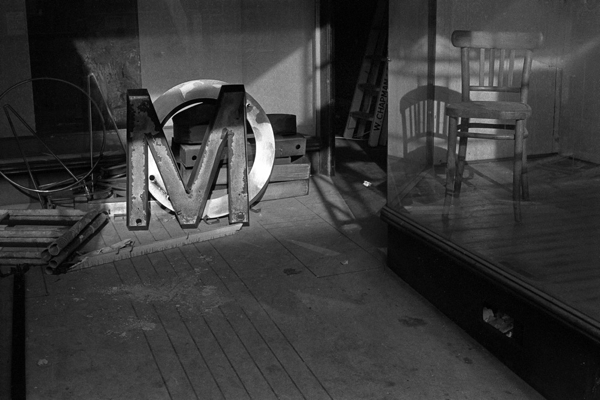
Shopfront
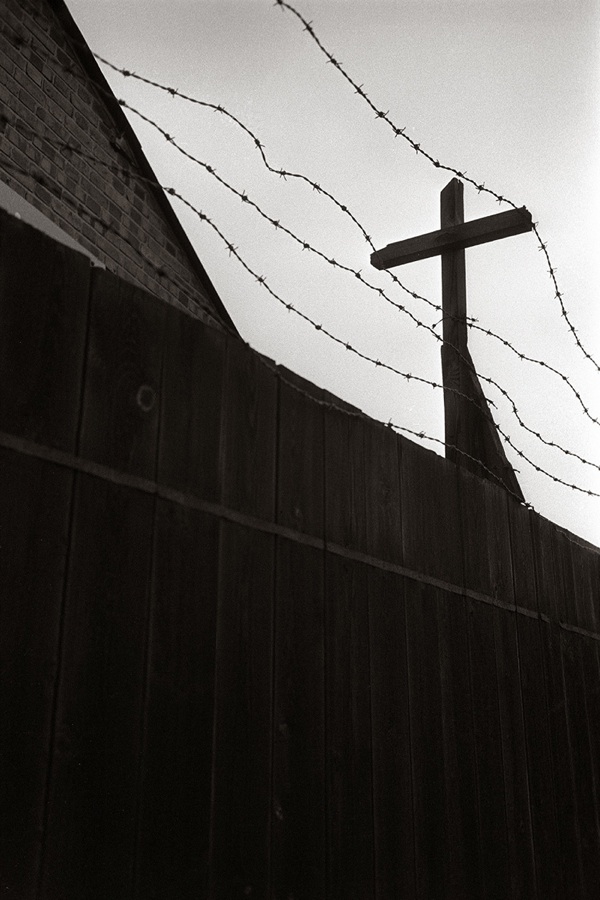
In Barking
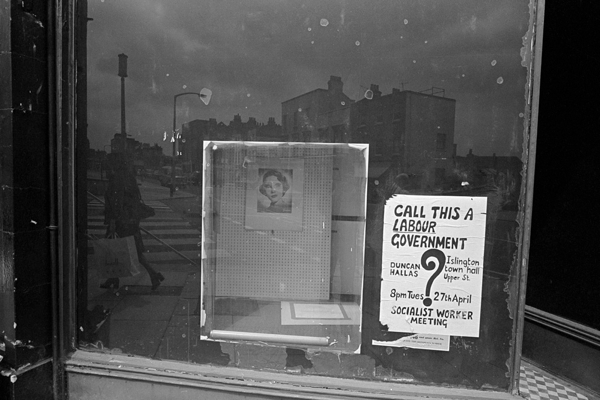
Shopfront
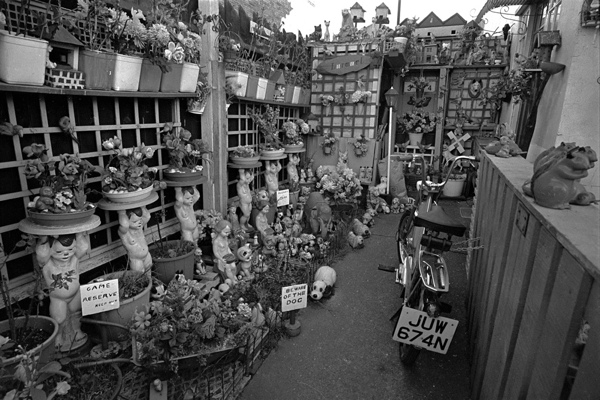
Backyard
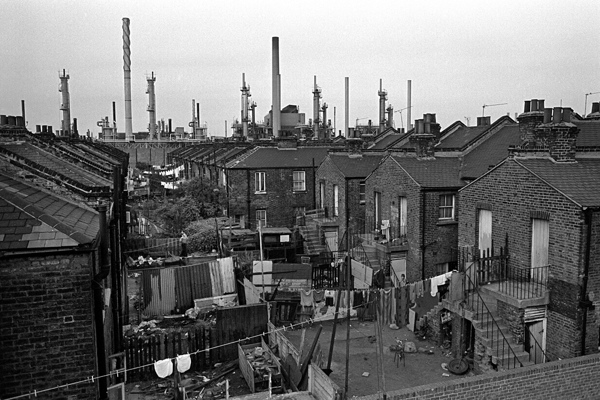
Backyard
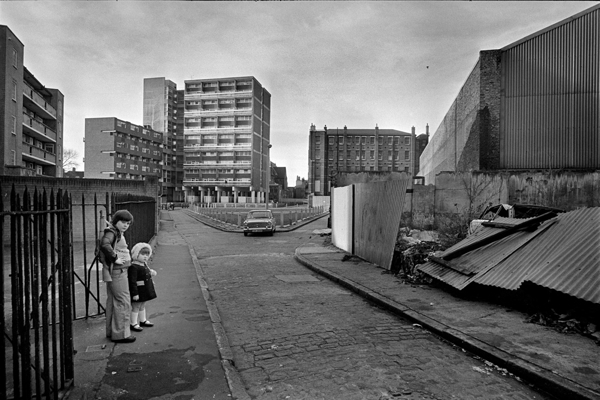
Children with a gun, Pearl St, Wapping
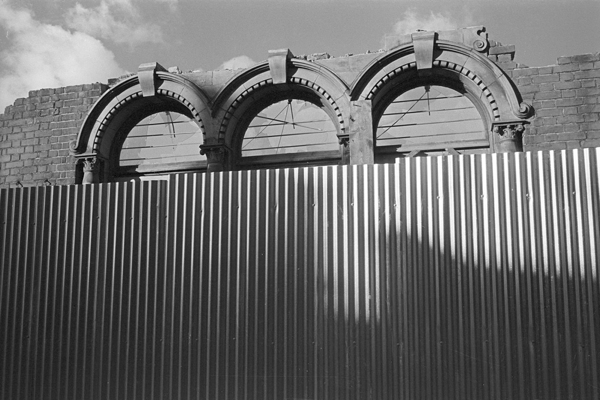
Tin wall, Hackney
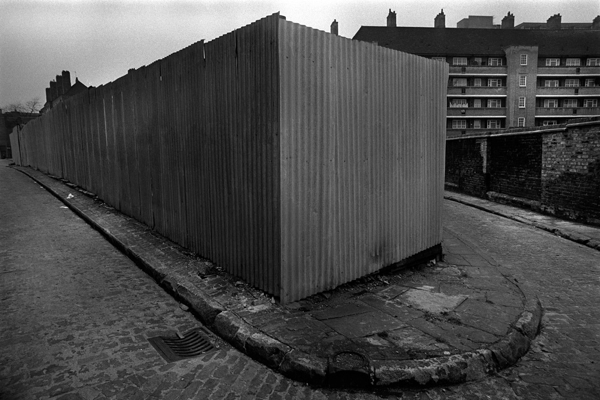
Tin wall, Wapping
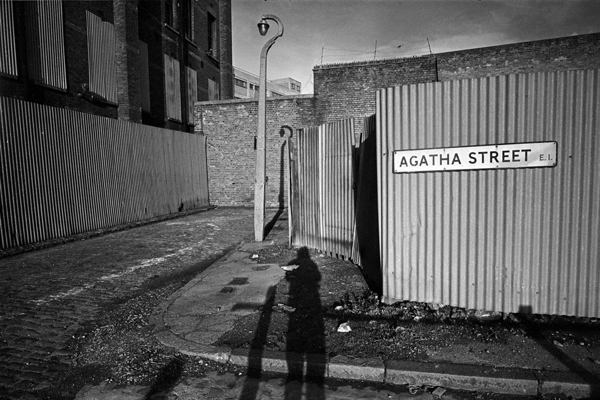
Tin wall, Agatha St – with photographer’s shadow
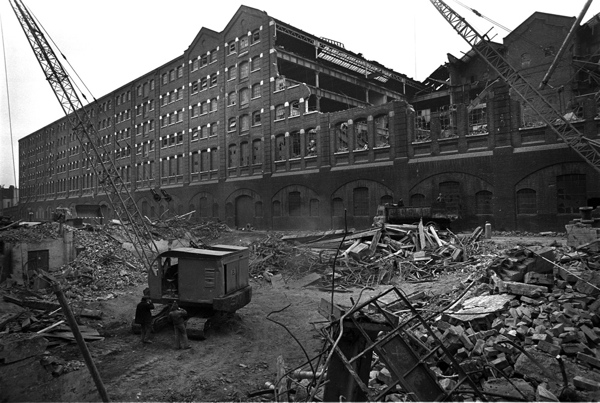
Demolition of Tilbury & Southend Warehouse, Aldgate

Demolition 0f Tobacco Dock with tower of St George-in-the-East
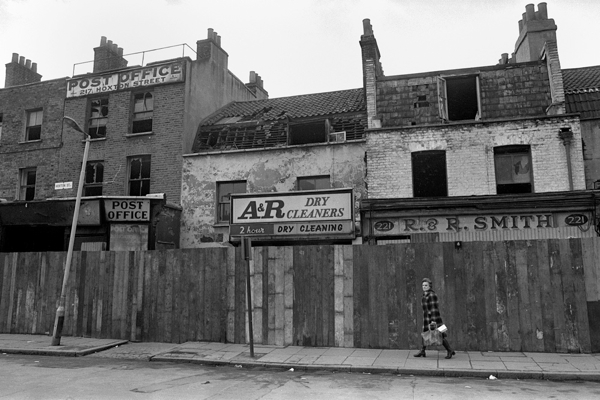
In Hoxton St
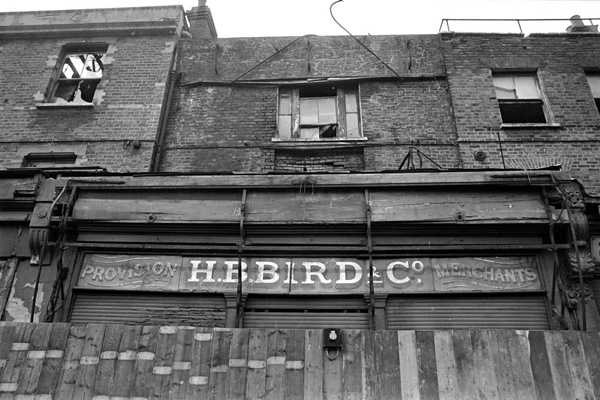
Shopfront

In Bethnal Green
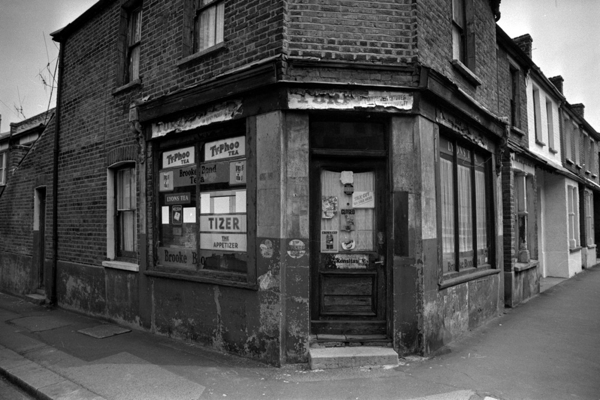
In Plaistow
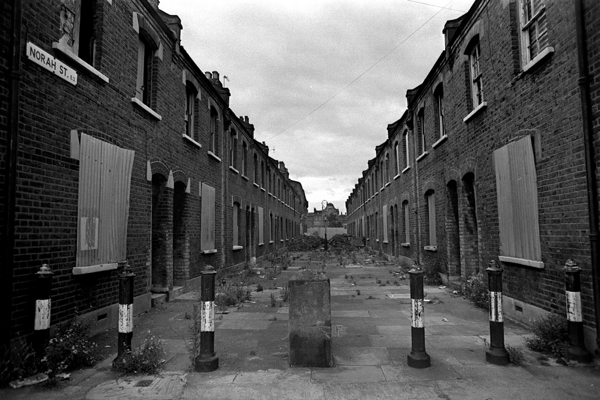
Norah St, Bethnal Green
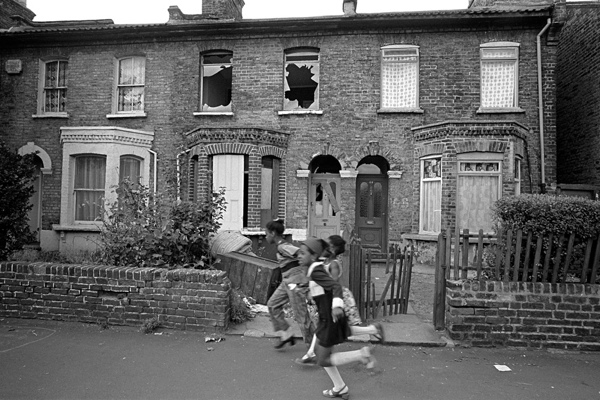
Stanley Terrace, Stratford
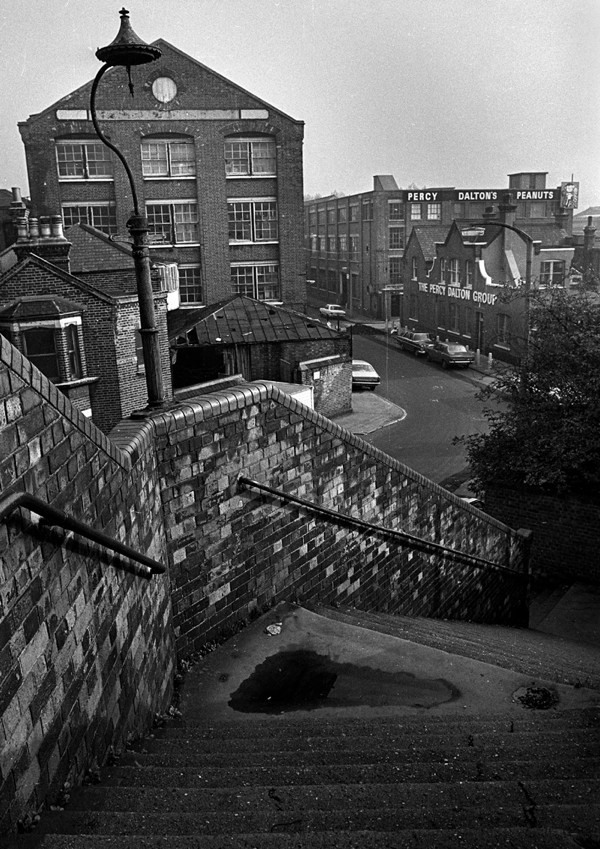
In Hackney Wick
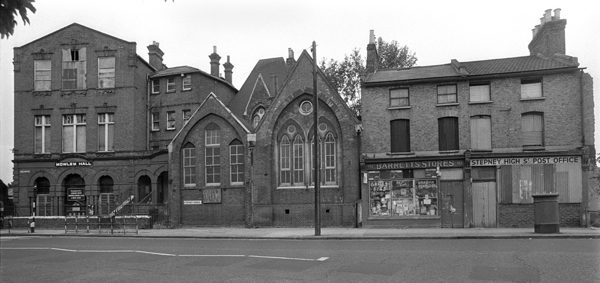
On Stepney Green
Photographs copyright © Tony Bock
You may like to see these other photographs by Tony Bock
More Somali Portraits
Contributing Photographer Sarah Ainslie has been working on a series of Somali portraits in recent months and we publish more today, accompanied with eloquent testimonies dictated by the subjects.
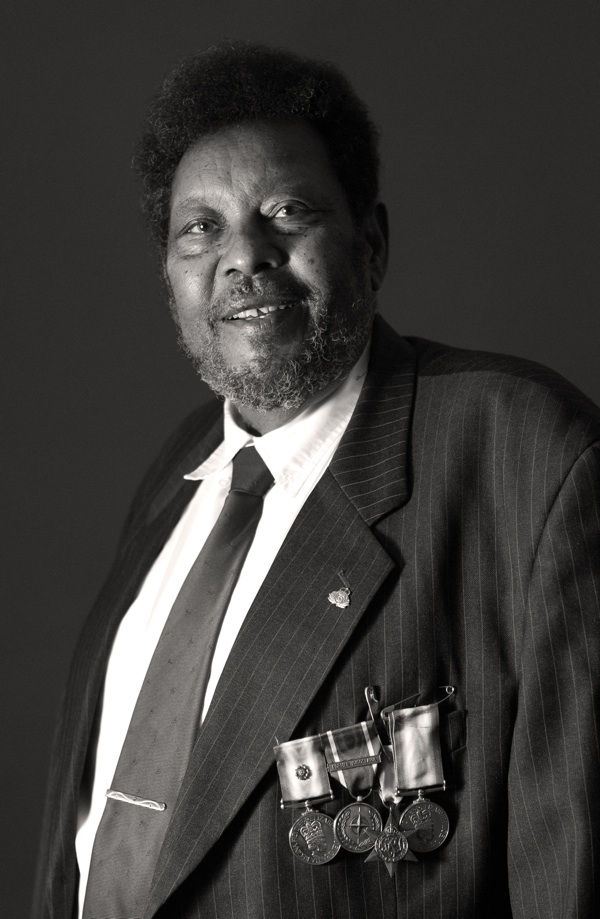
Ismail Ibrahim – Seaman
“I came to this country in 1958 from the South Yemen which was a British colony. I was born a British subject and I am still a British subject. They say to me, ‘Why do you like it so much?’ I say, ‘I don’t know any other government.’ I joined the Merchant Navy in 1960. After we fought in the Falkland Islands in 1982, I came back and joined the Ministry of Defence from 1983 until 2000. I was in Czechoslovakia with the United Nation Forces from 1984-89, then I was in Georgia. I was in Cyprus but when they were going into Iraq, I said, ‘I’m not going.’ I retired four years ago. In the Navy, I worked in the engine room and in the Merchant Navy, I was coxswain.
I was born in British Somaliland, in the city of Berbera, one of six brothers and four sisters. In 1960, we got independence and they joined British Somaliland to Somalia which had been an Italian colony and was run by the mafia – they rape, they kill. So we decided to get our land back and have self-government, and we fought for twelve years. They killed my father, they killed my brother and they killed my children.
In 1991, we got independence again, and we settled down and all was ok in Somaliland. The country needs European help because there are no roads and no facilities. So what can I do now? – I’m ok but a bit old. I’ve got four boys and two girls, and an ex-wife in Somlia that my brother took on, and a wife here in the City Rd that I don’t live with. I was away on a ship while my children were being born, I was always at sea not here with my children as they grew up. They don’t know me. My life was sea, sea, sea.”

Ahmed Esa – Seaman
“I joined the Navy in 1953 in Aden, I was a young guy and I just wanted to work and visit other countries. I came to Plymouth in 1953 and stayed with the Navy until 1969 when I joined the Merchant Navy. I retired in 1988 after thirty-nine years. My brother was in the Merchant Navy too, he was younger than me. He came to London and enlisted, but I never worked in London. All that time, my family was at home, so I fetched them here and they live in London now. I haven’t been back to Somalia since 1996, I can’t afford to cost of the trip. Being in the Navy, it was a hard life – all that time at sea, even if you got to different countries. I’ve have no home, I’m living here in the Seaman’s Mission and waiting for flat of my own. I’m a single man again, now my children have grown up. My brother caught a virus and died in Forest Gate. Life in London is solitary, though I have a few friends at the Mission from the Merchant Navy. I was a deck hand, a carpenter and an able-bodied seaman, an odd-jobs man.”

Yurub Qalib Farah – Day Care Officer
“I came to this country on my own as an asylum seeker in 2001. I had friends here to stay with and I went to college in Haringey, studying English Language and Computers – before I came this country I was working as a secretary. In 2002, I started searching for work, and people said Tower Hamlets is the best place to find a job and I learned that Mayfield House was advertising for a Day Care Worker. I called up the number and came for an interview with the manager at 2pm on November 11th 2002, and I have worked here ever since. My ambition is to help people and be a good care worker, and in this job I am using the experience I have had to help others. I got married in February 2004, and we don’t have children but my sister came to join us. I went back to visit my family in Somalia for the first time in ten years last Christmas. There had been some changes and my friends had moved to a different area, so it was like another country to the one I knew. It was safe but so hot. I think I have two homes, here and there – and I’m glad to have that. When I said to my friends, ‘I’m going home,’ they say,‘Which home?’ And then they say, ‘Can we come with you?'”

Ahmed Awad Yusuf – Seaman
“I first came here in 1959 at nineteen years old. At that time Somalia was a British colony and I had a British passport. Seven of us, we took a ship to Marseilles and caught a train to Dover and then arrived at Liverpool St. There were a couple of Somali coffee shops in Leman St and I stayed at one for three days. A friend of mine lived in Newport so I took a train from Paddington and stayed with him for four weeks, and then I lived in Cardiff for three years. First of all, I went to the Social Security and they gave me £2.10 a week, while I was looking for a job. I worked three years in Cardiff Dock. The Merchant Navy were looking for seamen and they gave me a job for twenty six and a half years. I moved back over here to London in 1965, and I lived in Leman St, Cable St and at the Seamen’s Mission in East India Dock Rd, and in 1984, I returned to Somaliland. But in 1990, I came back here with my wife and children. I live in Leman St, it’s the place I first came and it’s where the people I know are. I’ve been all over the world, Africa, Canada, Australia, New Zealand, Gulf States, China, Japan – all the places the British ruled.”

Ruquiya Egeh – Housing Association Manager
“I came here in 1988 as refugee from Somalia at the age of fourteen. I came speaking not a word of English. I was one of twelve children, but both of my parents were teachers and my father was able to send money to support us. Fortunately, my elder sister who I came with was nineteen, that’s why we weren’t fostered, she was old enough to be my guardian. At first, we were taken to the Home Office and then sent to a refugees’ hostel somewhere in London, before being taken to temporary accommodation in Forest Gate. We met some Saudi people at the mosque and I was able to go to Swanley School in Whitechapel. But the other pupils treated me as a stupid person because I couldn’t speak the language and I had playground fights because I thought they were swearing at me. Within a space of two years, I managed to learn enough English to pass seven GCSEs. I came from a good educational background and I wanted to prove I knew something.
I found college much more difficult because there was less support yet I managed to pass Health & Social Care, but I hated it and my sister went through depression at that time too. In the second year of college, I changed courses so that I could use my strengths and I did Arabic, Maths, Chemistry, Biology and Physics, and I did well and applied to University. Getting into University was a big deal and I studied Biomedical Science at Greenwich University. I got married in my second year of college and became pregnant with my first child, which let me down because I was so exhausted I fell asleep in classes. But my husband supported me and his parents looked after the baby so I could work. By the third year of University, I had three children. It made me want to achieve, I was the first person in my family to get a University degree and, when I rang my father, he said, ‘Well done, you made me proud. You were my first child to go University, now I can hold my head up.’
When I work with people who have got language problems, I know their frustration. Now I’m pushing my children. I say,‘You’ve got to be first in the class,’ just like my father said to me. I tell them, ‘If you have a good education, you can get a good job and earn good money. Knowledge is power.'”
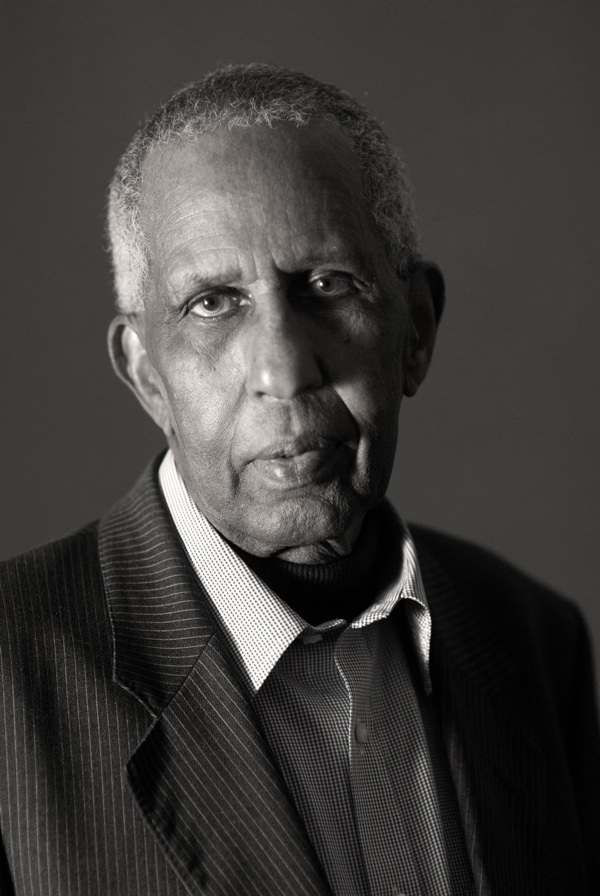
Mahoumed Ali Mohammed – Seaman
“I came to London in 1948 and I stayed here at Seaman’s Mission for a while and for four months at the Strand Palace Hotel. I worked for the British railways for twenty years, as a porter, as an assistant lorry driver and in signalling in the Underground. Then, in the seventies, I joined the Merchant Navy and the Royal Navy for another twenty years until I retired in 1992. I was based in Cardiff but I came back to London in 1996. I have a girl and boy and my wife lives in Cardiff. When I called and said,‘I’m going to London,’ she said, ‘I’m staying here with my kids.’ I’m eighty-eight now and I live in Bethnal Green.”
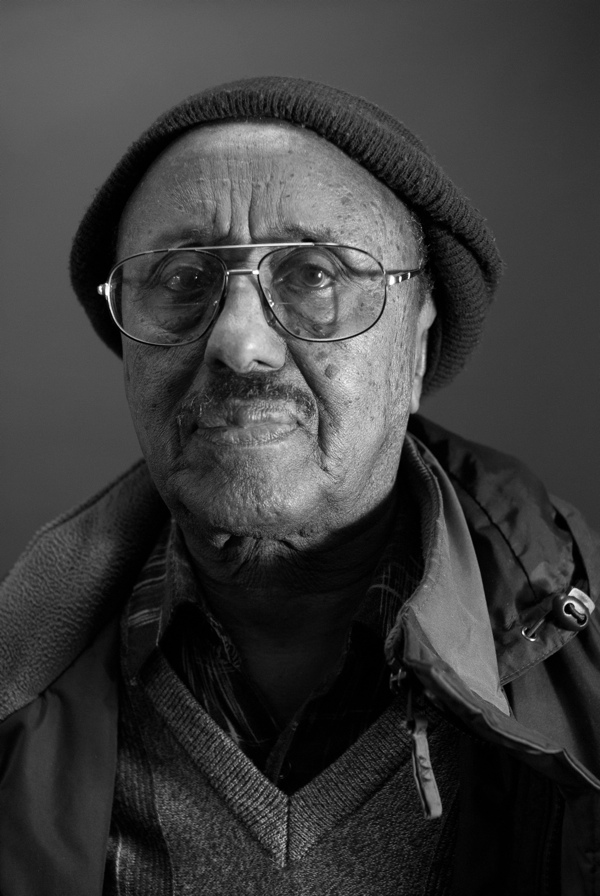
Ibrahim Abdullah – Surveyor of Works
“I first came to London in 1956 and studied at the Brixton School of Building for a Diploma in Civil Engineering and then I went back home. At that time, the British ruled the country and I became a Surveyor of Works. I did not return to Britain until 15th June 1990, fleeing the Civil War, and then I brought my wife and family with me. We became British Citizens and now I come regularly to Mayfield House Day Centre to meet other Somalis who were seamen, and there are lots of them. I find it calm and cool, no problems here.”
Photographs copyright © Sarah Ainslie

These pictures form part of the new exhibition Don’t Just Live, Live To Be Remembered: the Somali East End produced by Tower Hamlets Local History Library & Archives. On view at Oxford House, Derbyshire St, Bethnal Green E2 6HG until 31st March, with a programme of events and activities hosted at Idea Stores and other venues throughout the month.
You may also like to take a look at
Soerditch by Dant (Chapter Four)
Time for this week’s instalment from SOERDITCH, Diary of a Neighbourhood, Adam Dant’s acerbic cartoon satire of the culture of our dearly-beloved Shoreditch – each picture a beautifully rendered view of the neighbourhood , captioned with a clueless thing overheard on the street.
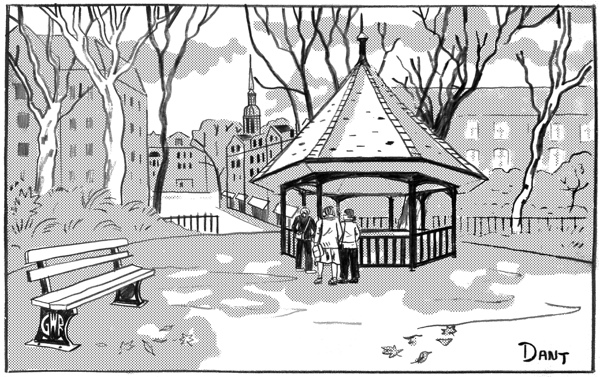
“There’s a naked man asleep in here!” … “Ooh! Do you think it’s ‘a piece’?”

“Sweet Jesus, there you are! When you told me the name of this place I thought I was looking for an Irish pub …”
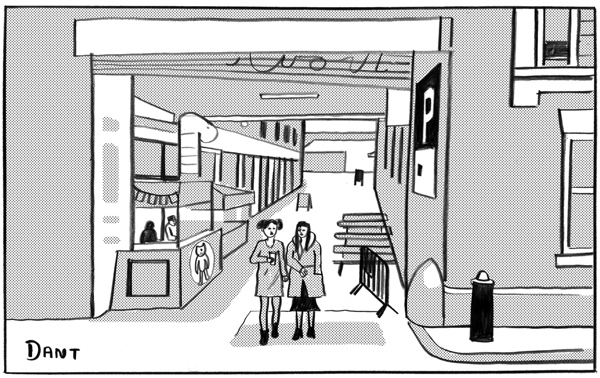
“The flat’s so bloody small, I’m starting to worry that Simon’s getting that stupid ‘let’s build a platform to sleep on’ look … ”

“Yeah, living in Roma … is okay, but … here in Shoreditch … is much nicer.”

“What are you two doing?” … “We’re watching that old building there and waiting for it to fall down.”

“Do they let dogs in this place?” … “Oh, they let anything in anywhere round here!”

“Do you know anything about art? … Someone graffitied my garage door last night, I thought it might be worth something!”

“Miss … Miss, my grandad still wants to know when he can come in for our History project to talk about his memories from when he was friends with Oswald Mosley & his blackshirts.”

” I suppose one man’s ‘stinking banana warehouse’ is another man’s ‘luxury loft’.”

“You can almost feel the presence of Ben Jonson & Shakespeare in these streets can’t you?”

“I picked up the wrong box of aerosols in the dark … these are your mum’s air fresheners.”

“Ooh listen! … Is that a magpie?” … “No, I think it’s that homeless guy over there, retching.”
Soerditch is the old name for Shoreditch, quoted by the historian John Stow in his Survey of London 1598, as “so called more than four hundred yeares.” It means sewer ditch, in reference to the spring beside Shoreditch Church, once the source of the lost River Walbrook which flowed from there towards the City of London.
Drawing from a pair of unlikely inspirations, namely Giles‘ cartoons for the Daily Express and Hiroshige‘s ‘One Hundred Famous Views of Edo,’ Adam Dant pulls off an astonishing sleight of hand – simultaneously portraying the urban landscape of Shoreditch with spare lines and flat tones that evoke the woodcuts of Hiroshige, while also satirising the manners and mores of the people through witty social observations in the manner of Giles.
The exhibition runs at Eleven Spitalfields Gallery until 26th April and all one hundred and twenty-five cartoons are published in an album with an introduction by Jarvis Cocker, produced in the style of Giles’ celebrated annuals and available to buy online from Spitalfields Life Shop.
Click here to buy your copy of SOERDITCH by DANT – Diary of a Neighbourhood (125 Views of Shoreditch) – while stocks last!
Cartoons copyright © Adam Dant
Adam Dant is represented by Hales Gallery
You may also like to see these earlier selection of cartoons by Dant
Soerditch by Dant (Chapter One)












