
Kendrew’s Cries of London
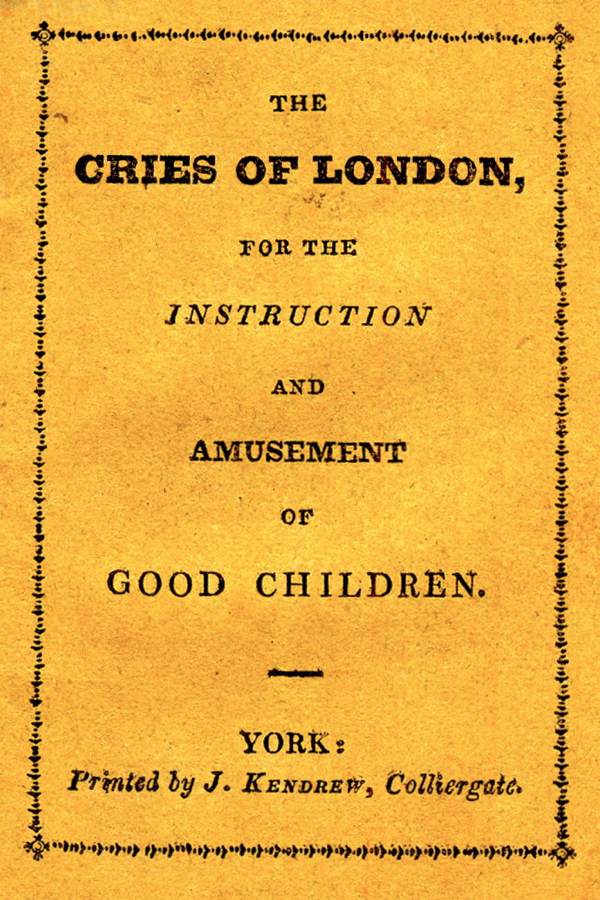
The latest discovery at the Bishopsgate Institute in my ever-growing collection of The Cries of London is this set of woodcuts printed by J. Kendrew of Colliergate, York, at the beginning of the nineteenth century.
The popularity of the series was such that even publishers in York and Banbury produced their own versions of the Cries of London. Unusually, in an age when hawkers were often considered vagabonds, this chapbook for children illustrates the street sellers as paragons of virtue, as expressed by their industriousness. Yet, for me, the most exciting phrase in this volume is the text ‘from the life’ which allows the possibility that some of these evocative and characterful cuts may be portraits of individual traders from the streets of London two centuries ago.
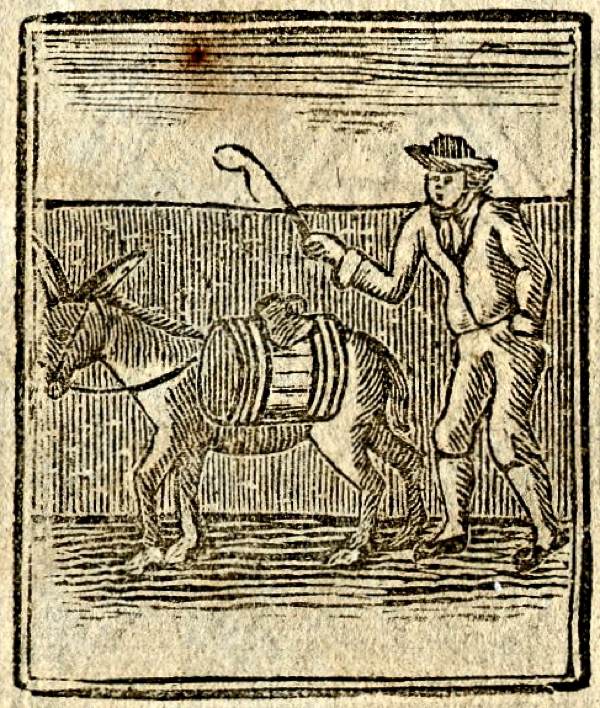
Come buy my fine Writing Ink!
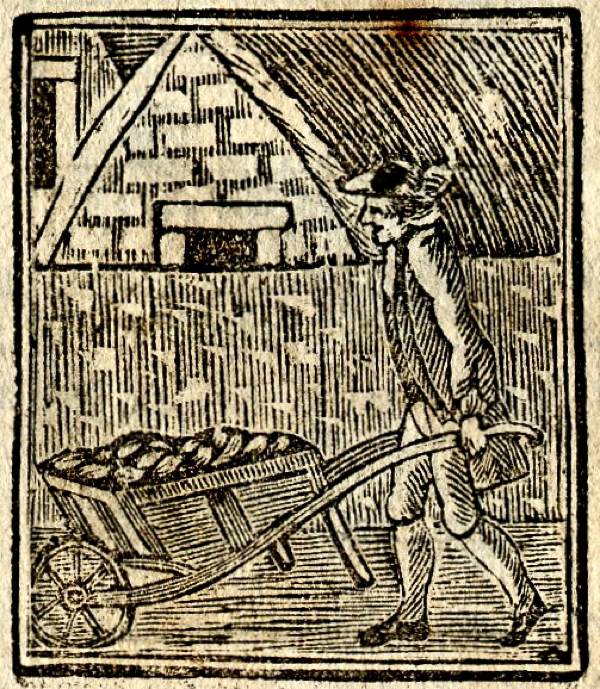
Green large Cucumbers twelve a penny!
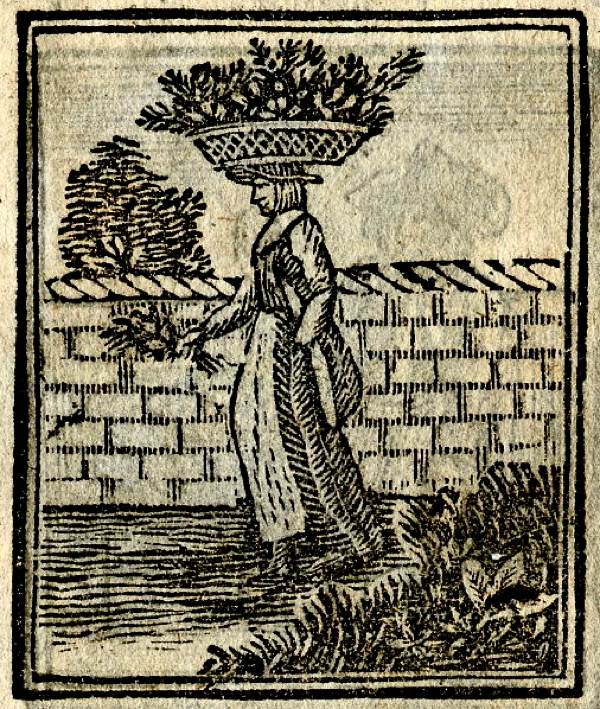
Dainty Sweet Briar!
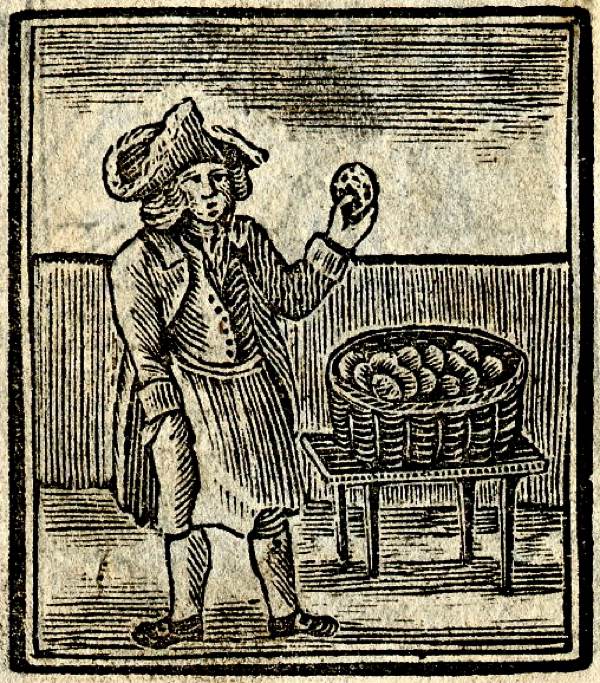
Mary, Mary, where are you now, Mary? Tiddy dol, tol drol, tiddy dol.
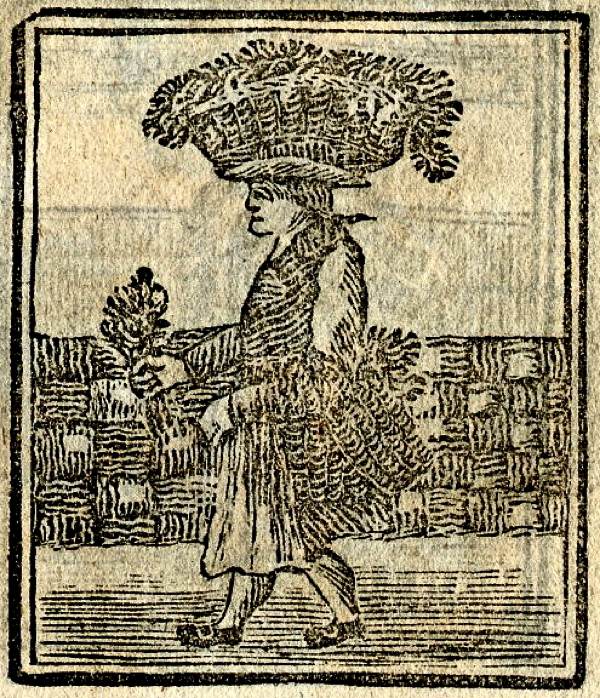
Rue, Sage and Mint, a farthing a bunch!
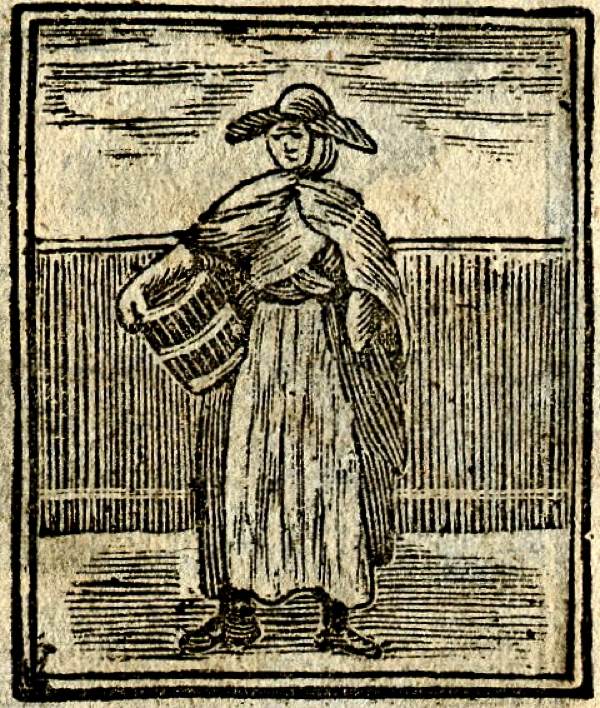
Diddle, diddle ,Dumplings, Oh!
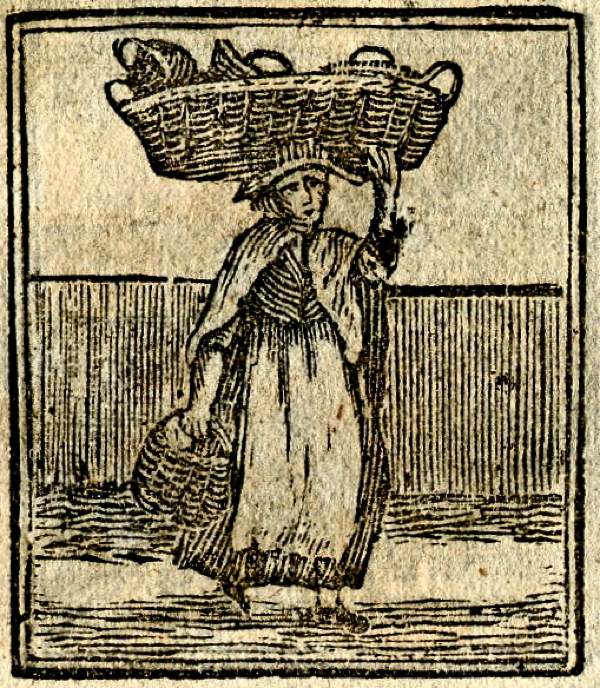
Buy a fine Bread Basket or Work Basket!
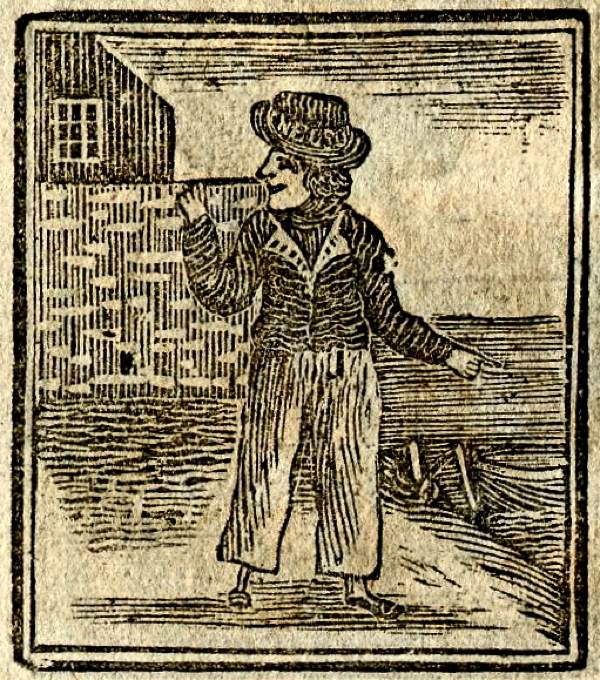
Oars, Sir! Oars or Scullers, Madam, do you want a Boat?
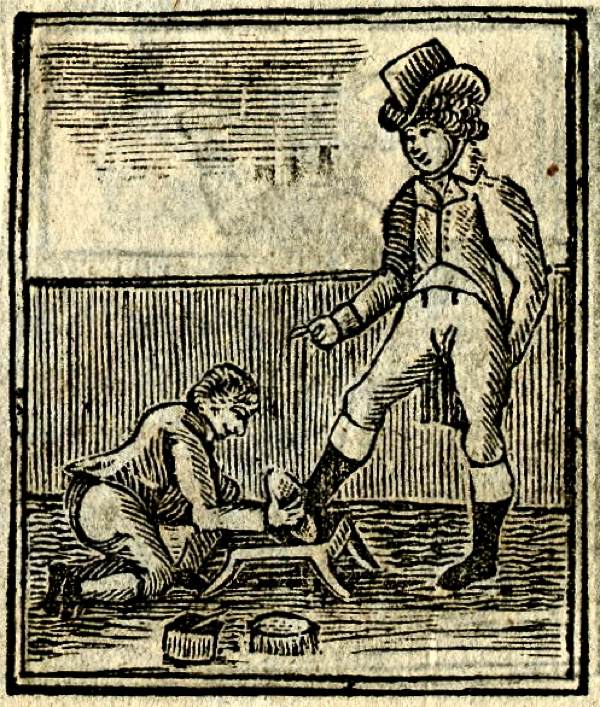
Black your Shoes, your Honour?

Nice Yorkshire Muffins!
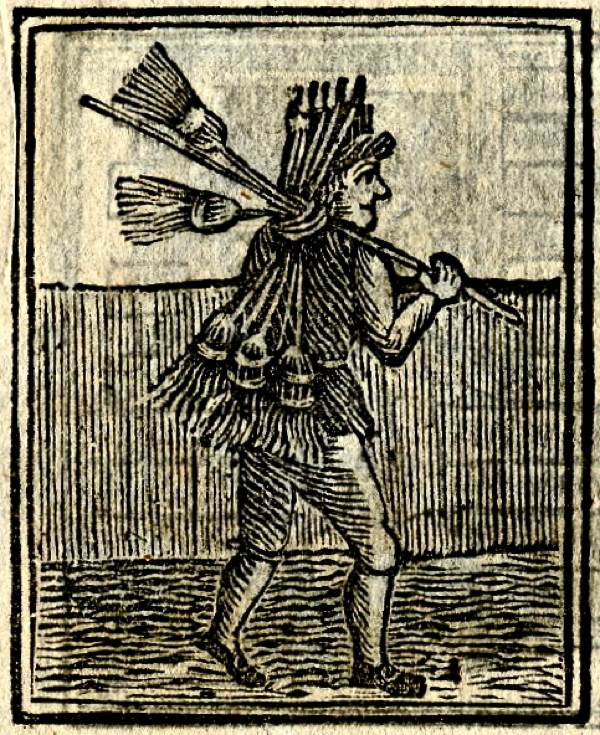
Buy a Broom! Buy a Birch Broom!
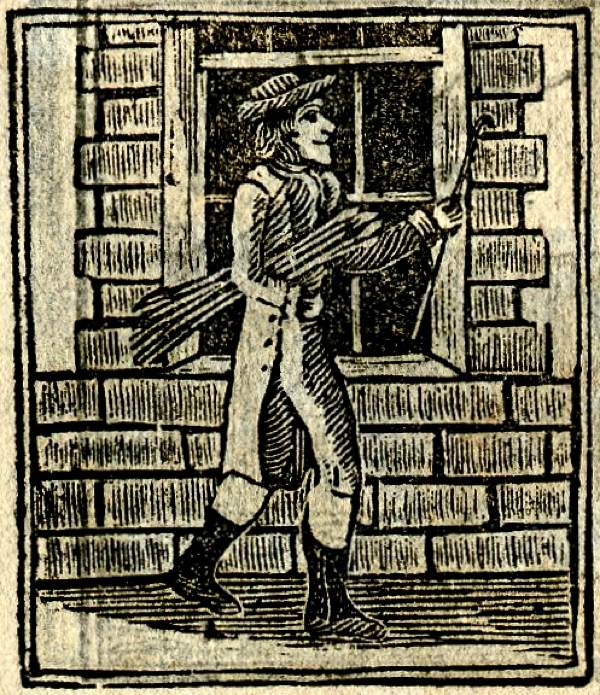
Come, but my little Jemmies, my little Tartars, but half-penny a piece!
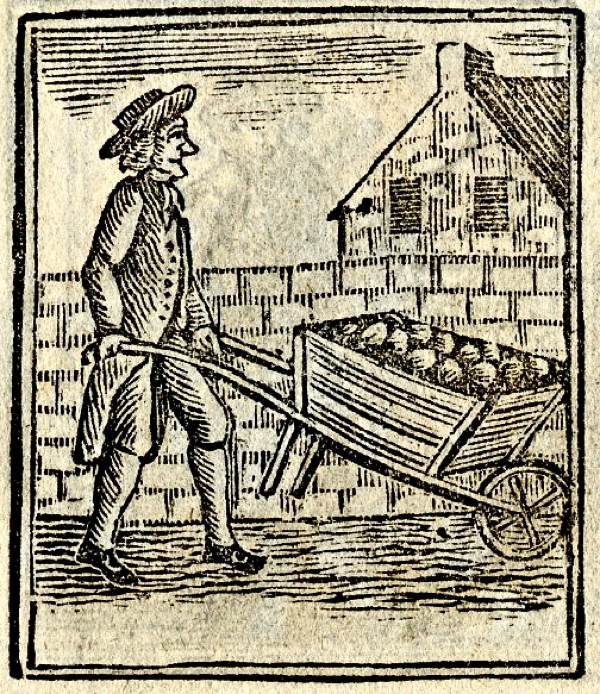
Twelve pence a peck, Oysters!
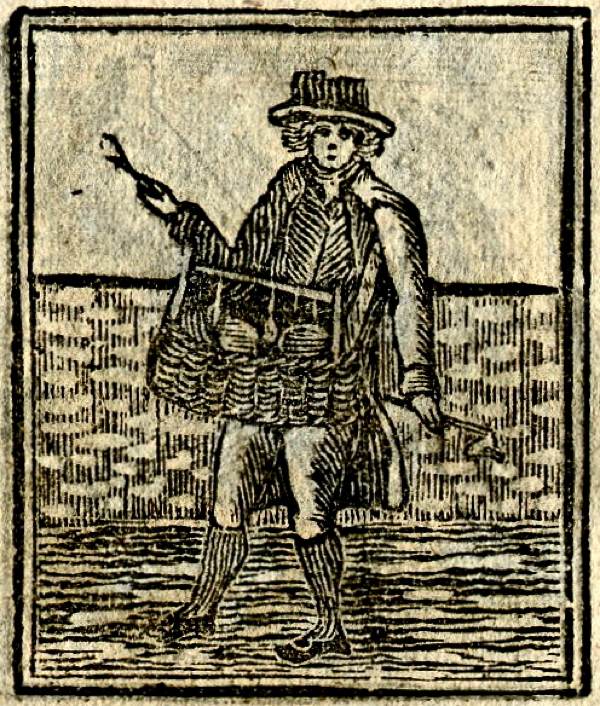
My good soul, will you buy a Bowl?
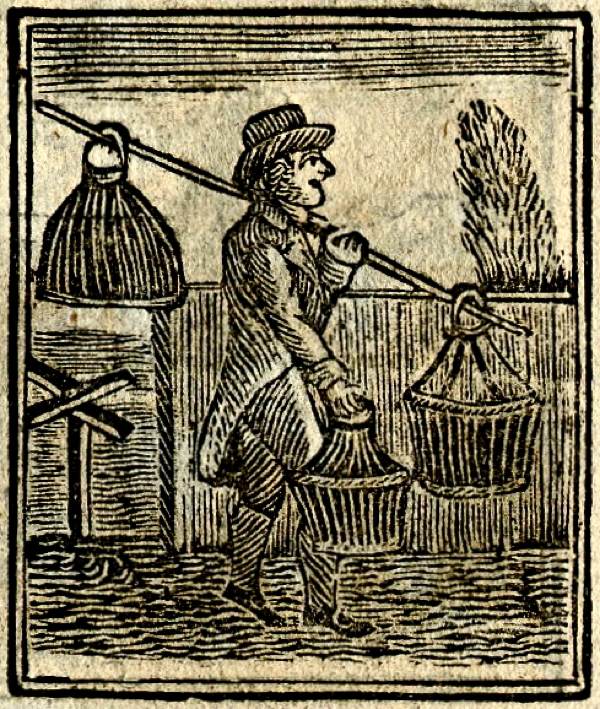
Buy a young Chicken or Fowl!
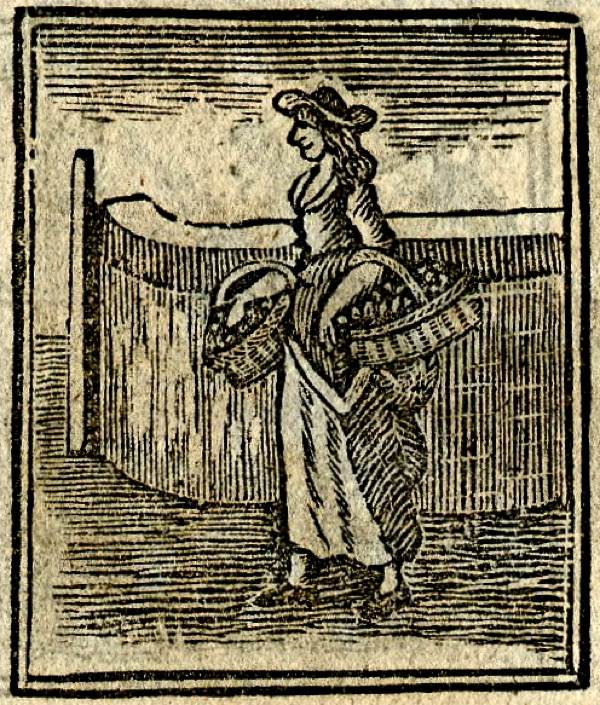
Ripe Strawberries!
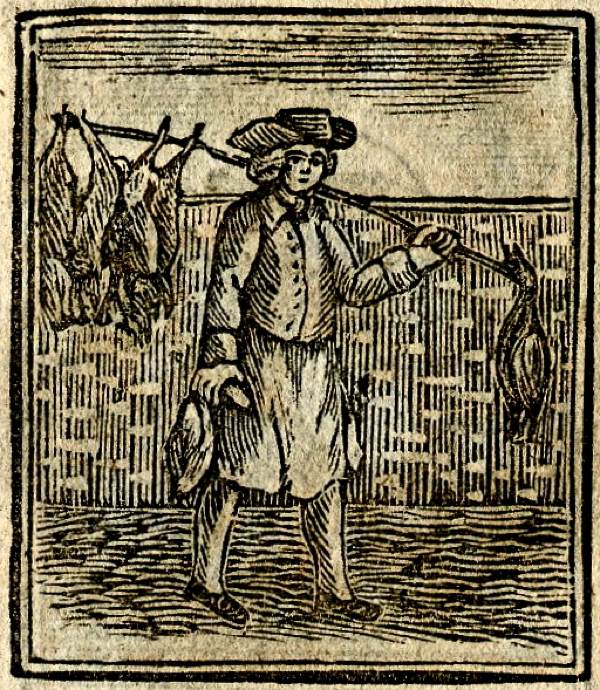
Rabbit! Rabbit!
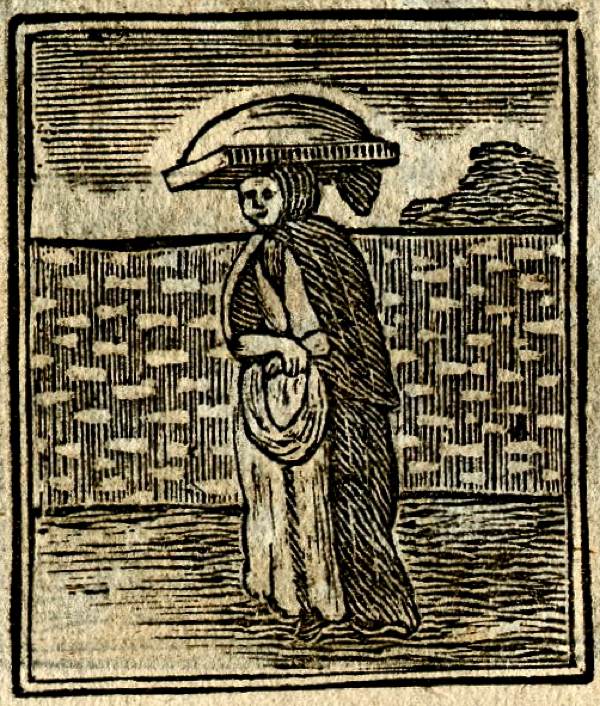
One a penny, Two a penny, Hot Cross Buns!
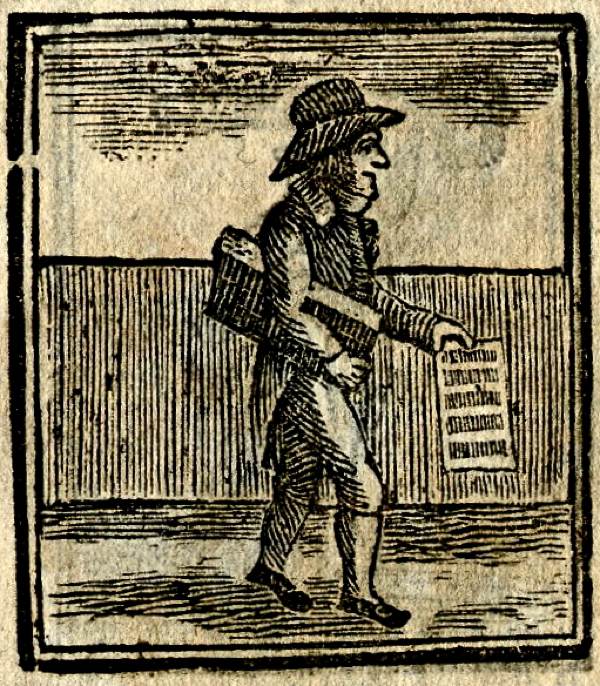
Pretty Maid, Pretty Pins!
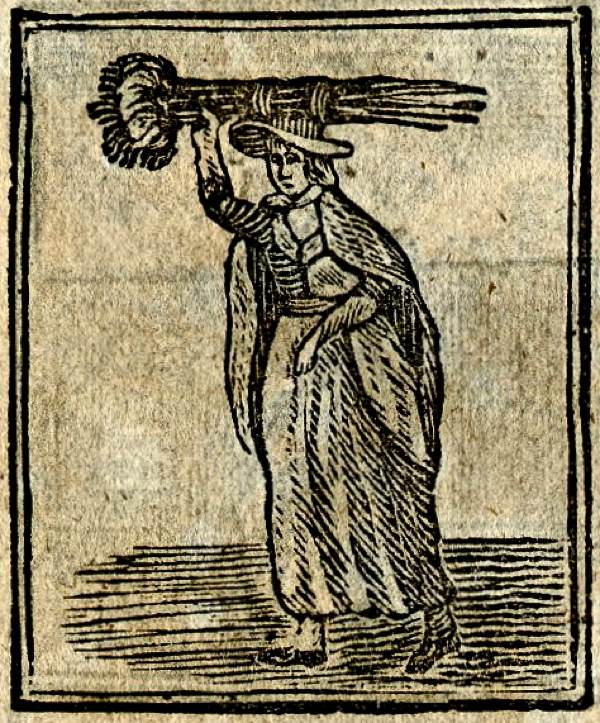
Maids, buy a Mop!
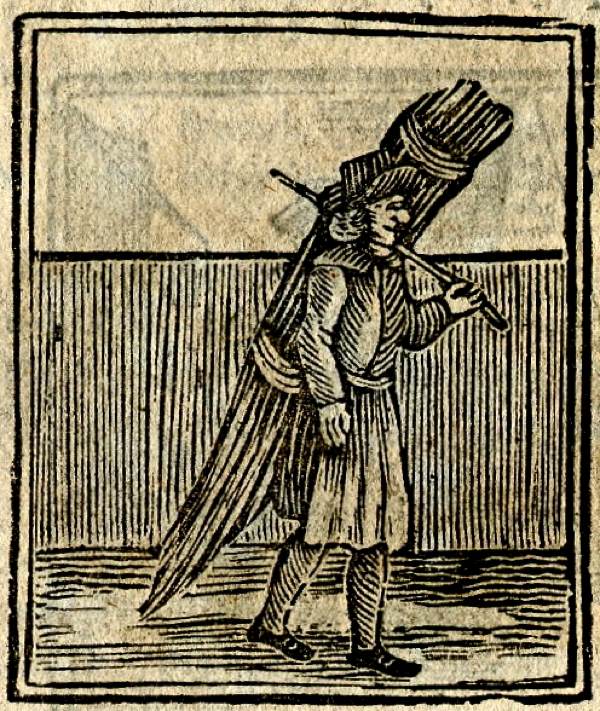
Old Chairs to mend, Old Chairs to Mend!
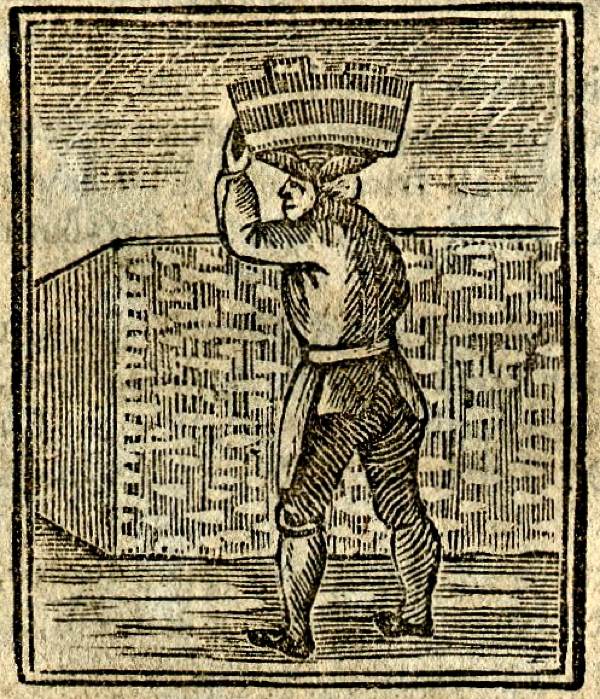
Buy my Flounders!
Images courtesy Bishopsgate Institute
You may also like to take a look at these other sets of the Cries of London down through the ages
More Samuel Pepys’ Cries of London
Geoffrey Fletcher’s Pavement Pounders
William Craig Marshall’s Itinerant Traders
H.W.Petherick’s London Characters
John Thomson’s Street Life in London
Aunt Busy Bee’s New London Cries
Marcellus Laroon’s Cries of London
More John Player’s Cries of London
William Nicholson’s London Types
Francis Wheatley’s Cries of London
John Thomas Smith’s Vagabondiana of 1817
John Thomas Smith’s Vagabondiana II
John Thomas Smith’s Vagabondiana III
Thomas Rowlandson’s Lower Orders
On the Thames Sailing Barge ‘Repertor’
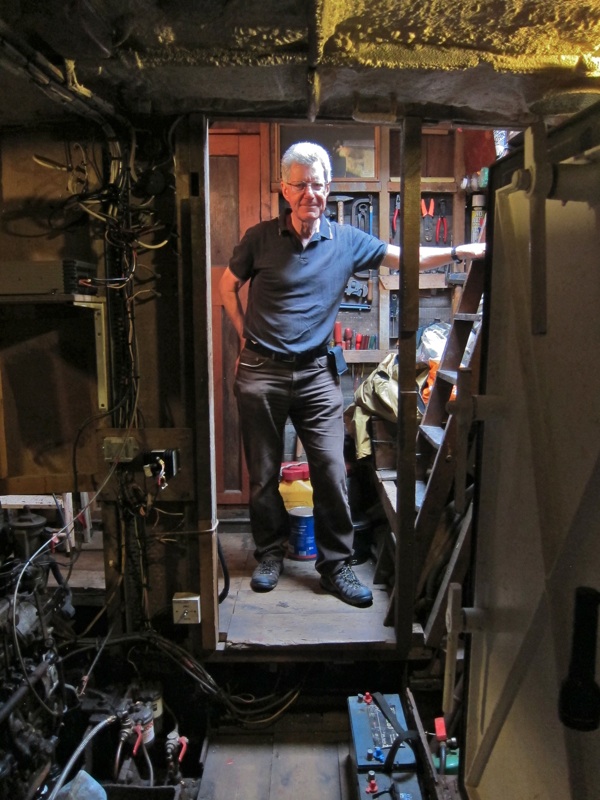
David Pollock, skipper of S B Repertor
“It’s all my wife’s fault,” admitted David Pollock of the Thames Sailing Barge Repertor with a grin of pure delight, when I asked how he came to be the owner of such a fine vessel. “She was an avid reader of the property pages and small ads, and one day she said, ‘There’s a Thames Barge for sale in The Times, let’s go and take a look.'” David continued, rolling his eyes, “I said, ‘You don’t know anything about Thames Barges,’ and she said, ‘I’ve been to a party on one!’ Well, one thing led to another and we bought it, and here we are twenty-seven years later.”
Our conversation took place in the engine room of Repertor, currently moored in St Katharine Docks for a few days in the midst of a busy summer of charter trips and races. Looking trim with its green, yellow and red paintwork, ropes coiled and russet sail neatly furled – the barge welcomes you with an appealing mixed aroma of engine oil and yacht varnish, as you step below deck. In the hold, where once the cargo was stored, there is now a large panelled galley with small cabins leading off a narrow passage. In its working days, Repertor was manned by a skipper and mate, with the skipper sleeping in the stern and the mate in the foc’sle next to the engine room.
“My twin brothers, Ben and Leo, and me, we’d shimmy up the rigging to the crosstrees to show off,” admitted Amy, David’s daughter, fondly recalling childhood summers on the barge, “People were horrified, but nothing terrible ever happened to us.” As a child, Amy spent every weekend and holiday on the boat, at first on the Isle of Dogs where it was repaired and then on extended coastal cruises. “My parents had three children in a tiny two bedroom flat in North London yet when they got a little money, rather than investing in it bricks and mortar, they invested it in steel and sail – and it was well worthwhile,” Amy confirmed to me, as she sat cradling her one-and-a-half-year-old daughter Rosa, who is herself now being introduced to the ways of maritime life.
The Repertor was one of the last Thames Sailing Barges, built in 1924 by the famous barge-masters Horlocks, based in Mistley on the River Stour in Essex. Such barges were the workhorses of coastal transport, making deliveries up and down the Thames and along the East Coast, their flat hulls enabling them to navigate the shallow creeks where larger vessels could not go.
“I’ve always sailed and my father was in the navy, he was a keen sailor,” David confided, revealing that he was not quite the dilettante he had first implied, “We did most of the work repairing the barge ourselves.” These days, David enters many of the nine barge races that happen at locations around the Thames estuary each summer from the River Medway at Chatham in May until the River Colne at Brightlingsea in September, and he has a reputation for winning a significant number, as the lines of trophies in the galley testify.
“It’s a way to refine the rigging as well as a test of skill – traditionally, barges had to race to get the ports to be the the first to get work delivering cargo, so it was a commercial imperative,” David explained, “The matches were begun in 1863 by Henry Dodds, a barge owner from Hackney who became known as The Golden Dustman by making a fortune transporting rubbish from London to Kent, where it was used in manufacture of bricks that were transported back again.”
Readers will be interested to learn that David Pollock has invited me to join his crew for one of these matches next month. Involving as many as twenty-five traditional sailing barges over a day-long course, they can be dramatic races and it will be my pleasure to report to you from the deck of the S B Repertor, which has won the annually-awarded title of ‘Champion Barge’ five times.

Amy Pollock

Repertor moored in St Katharine Docks


Amy brings her baby daughter on board.


Amy Pollock and her daughter Rosa
Click here if you would like to take a trip on Thames Sailing Barge ‘Repertor’
You may also like to read about
More East End Pubs, Then & Now
I am spending the whole weekend in the pub – publishing this second instalment of the collaboration with Tower Hamlets Local History Library & Archive in which Spitalfields Life Contributing Photographer Alex Pink selected photographs of public houses from the collection, and then set out with his camera to pay them a visit and see what he discovered.

The Vine Tavern, Whitechapel 1903
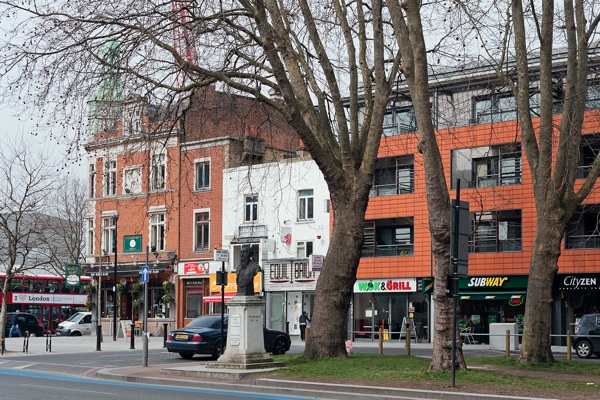
The Vine Tavern, Whitechapel 2013

The White Hart, Whitechapel 1960
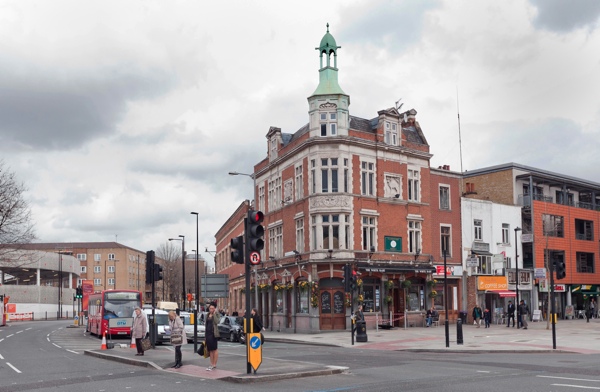
The White Hart, Whitechapel 2013
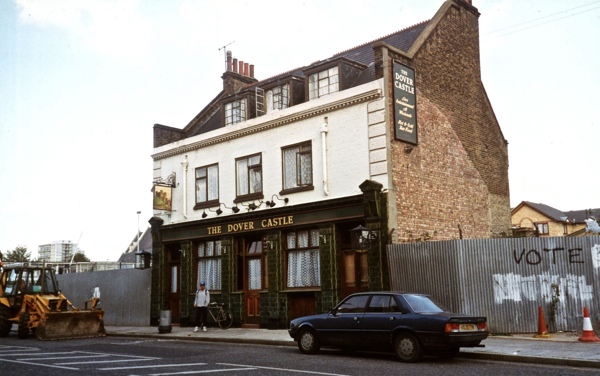
The Dover Castle, Shadwell 1992
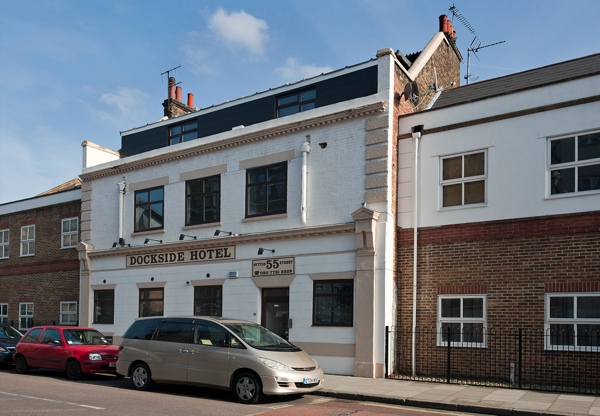
The Dover Castle, Shadwell 2013

The Londoner, Limehouse 1974
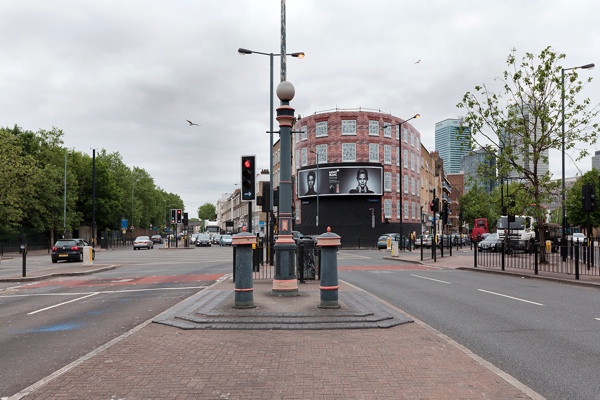
The Londoner, Limehouse 2013
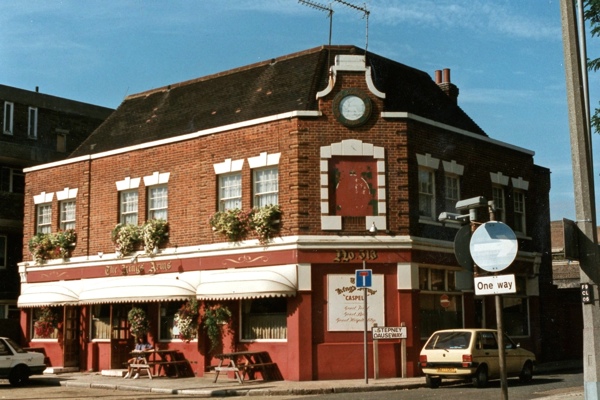
The Kings Arms, Cable St 1994
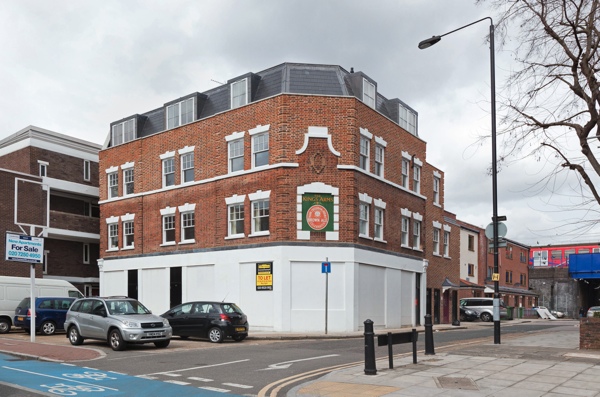
The Kings Arms, Cable St 2013
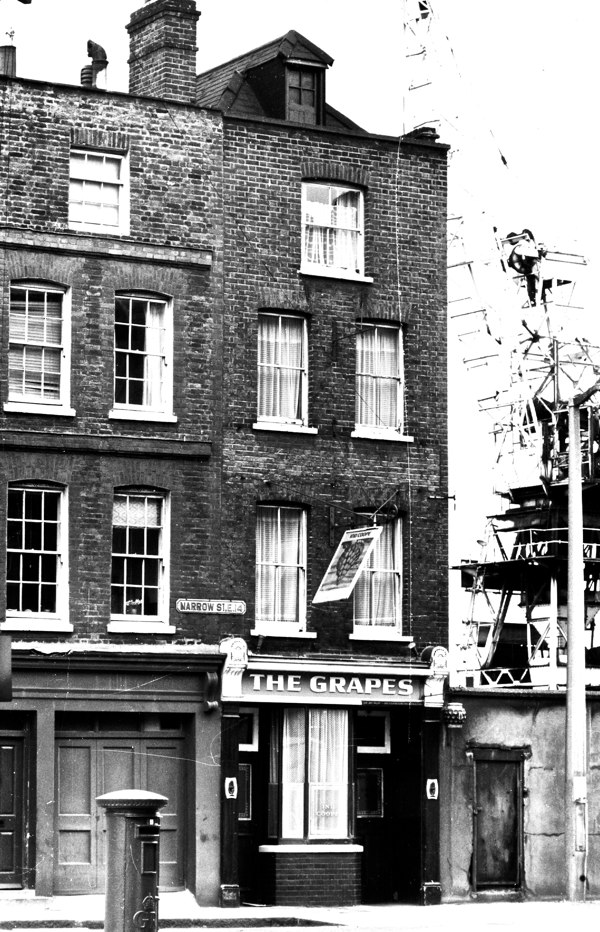
The Grapes, Limehouse 1975
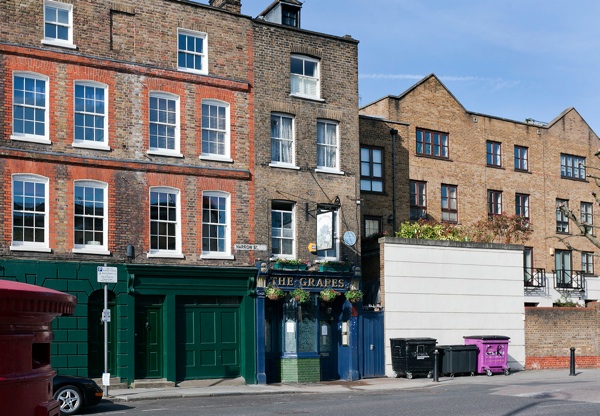
The Grapes, Limehouse 2013
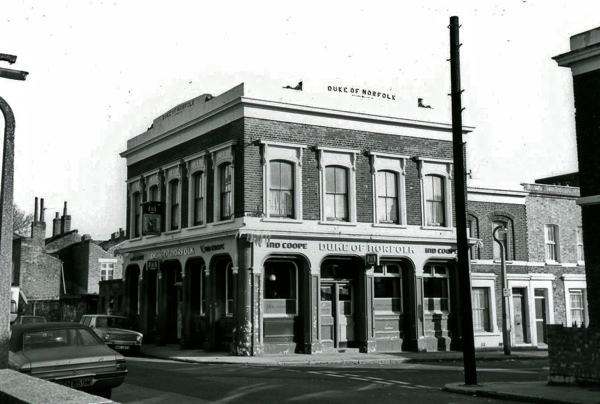
Duke of Norfolk, Globe Rd 1985
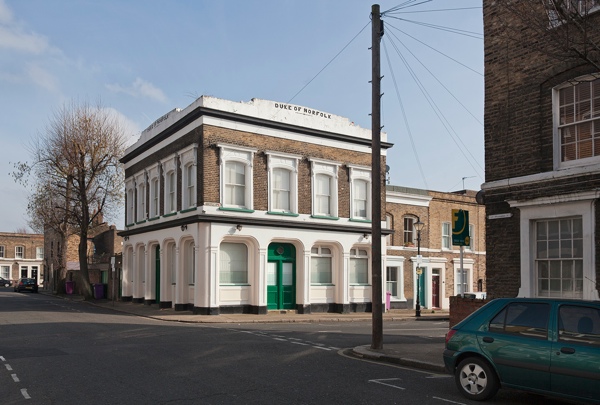
Duke of Norfolk, Globe Rd 2013
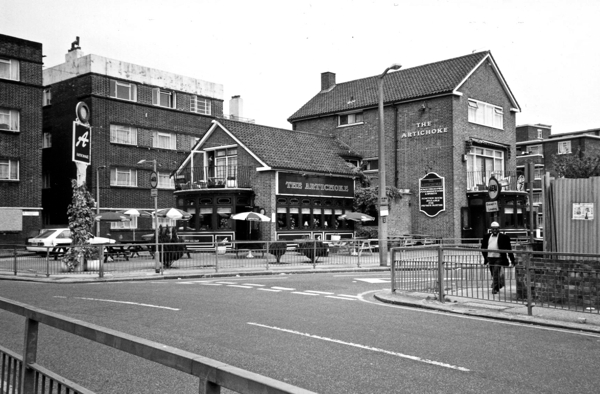
The Artichoke, Whitechapel 1990
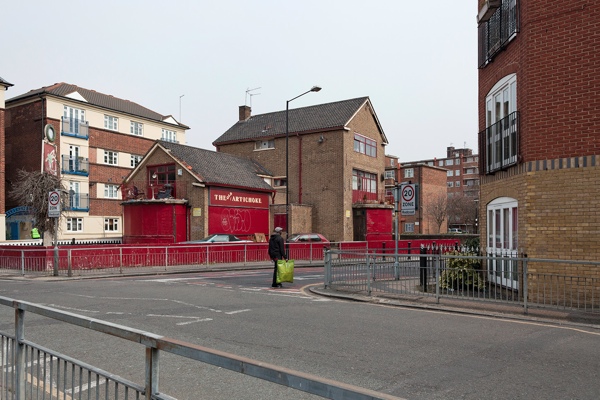
The Artichoke, Whitechapel 2013
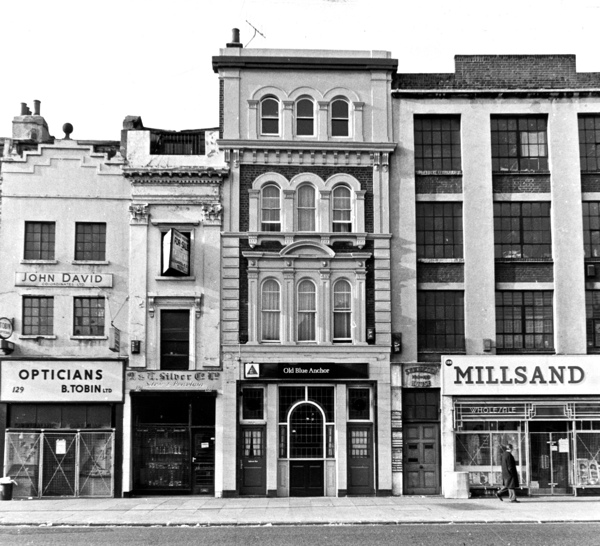
The Old Blue Anchor, Whitechapel 1973
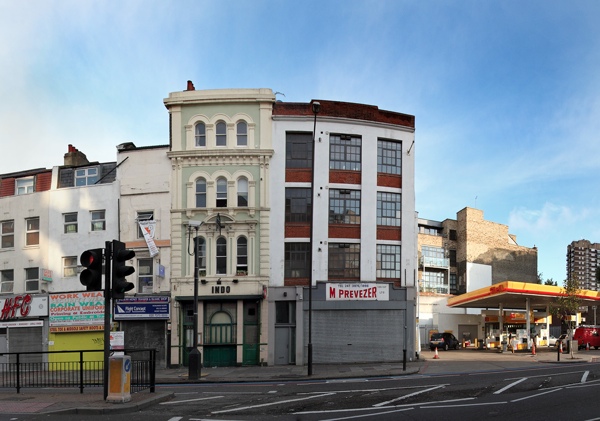
The Old Blue Anchor, Whitechapel 2013
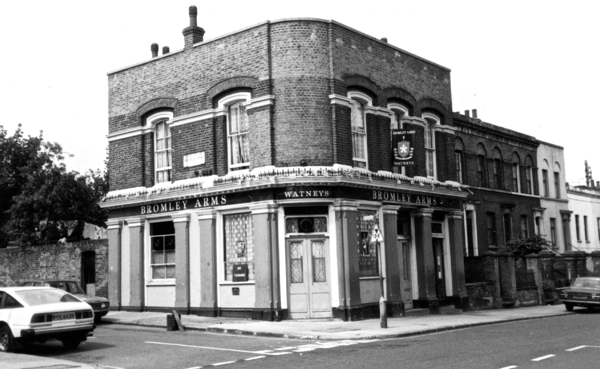
Bromley Arms, Bow 1981
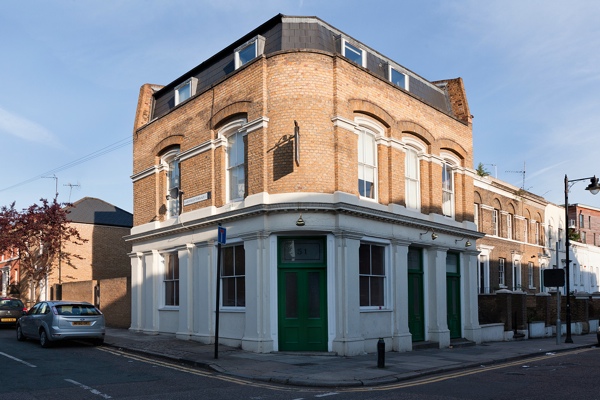
Bromley Arms, Bow 2013
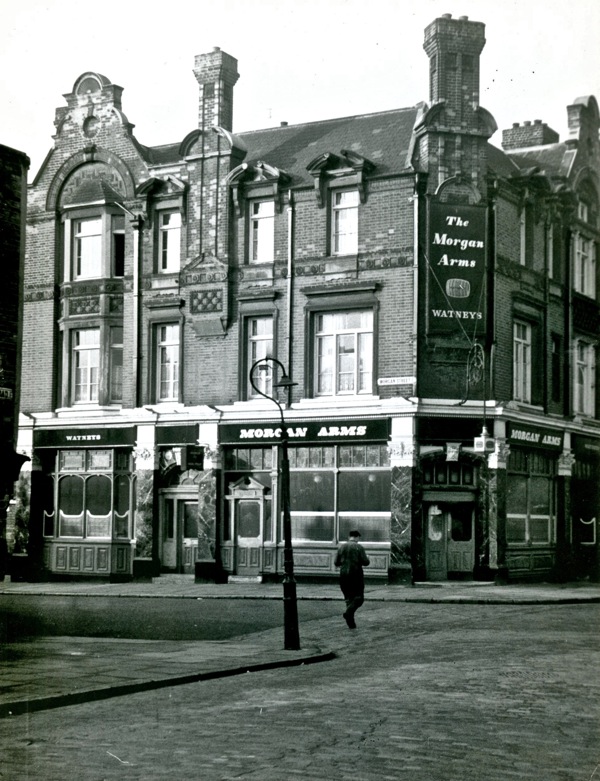
The Morgan Arms, Bow 1961
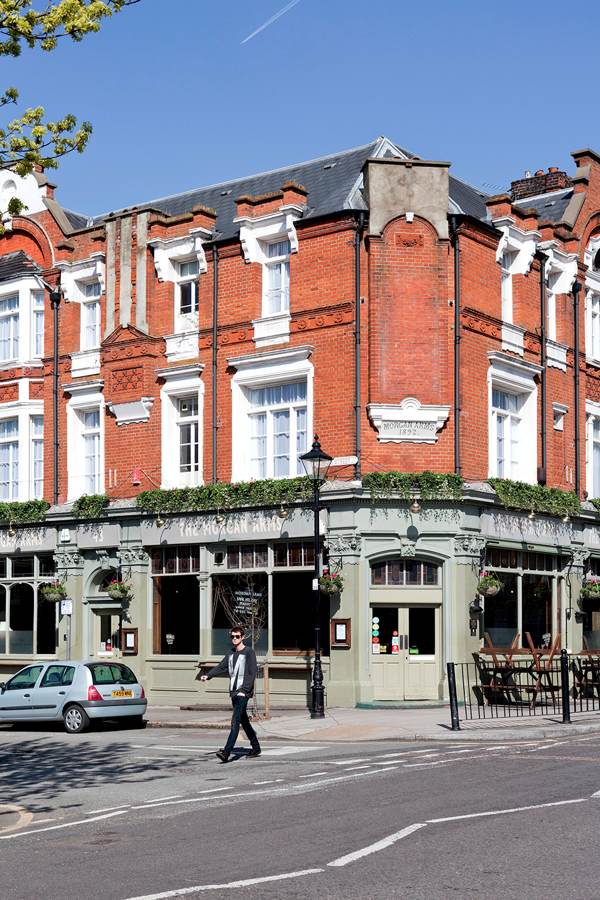
The Morgan Arms, Bow 2013
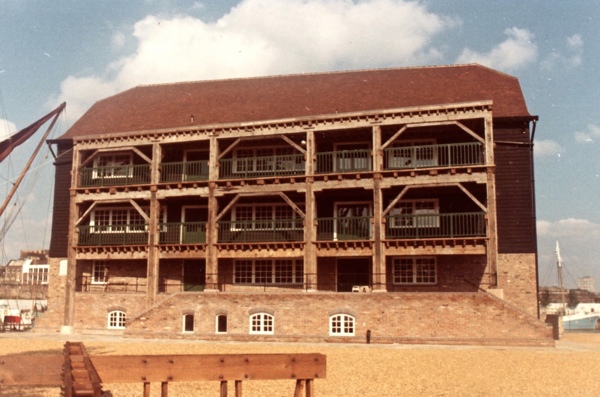
The Dickens Inn, St Katharine Docks, 1975
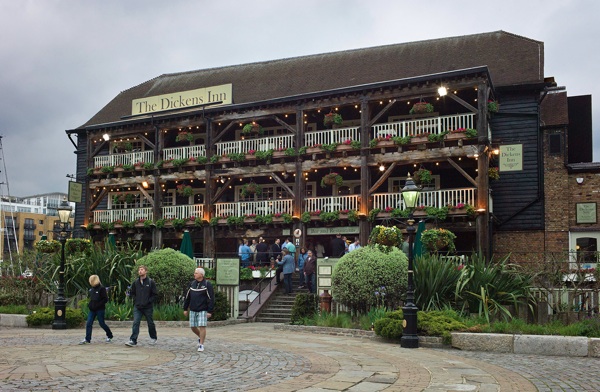
The Dickens Inn, St Katharine Docks 2013
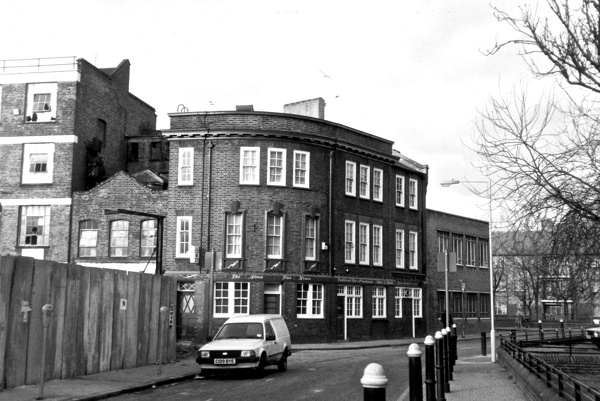
The Alma, Spitalfields 1989
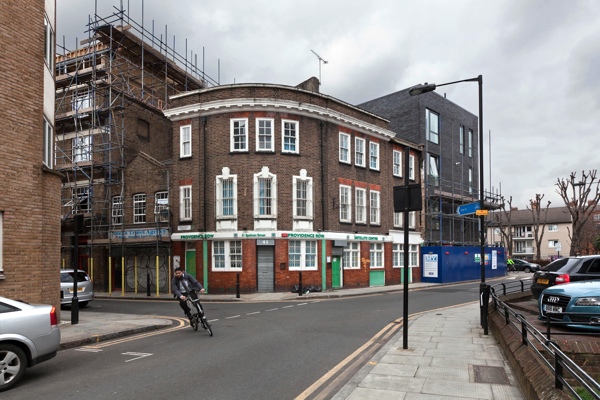
The Alma, Spitalfields 2013

Prospect of Whitby, Wapping nineteen-eighties
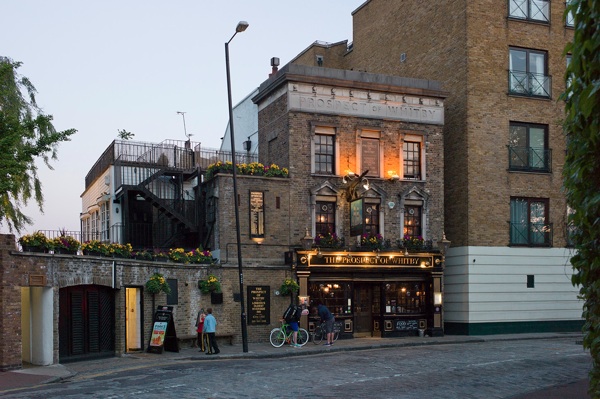
Prospect of Whitby, Wapping 2013
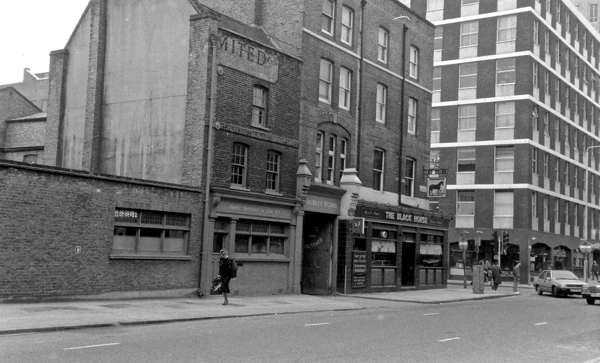
The Black Horse,Leman St nineteen-eighties
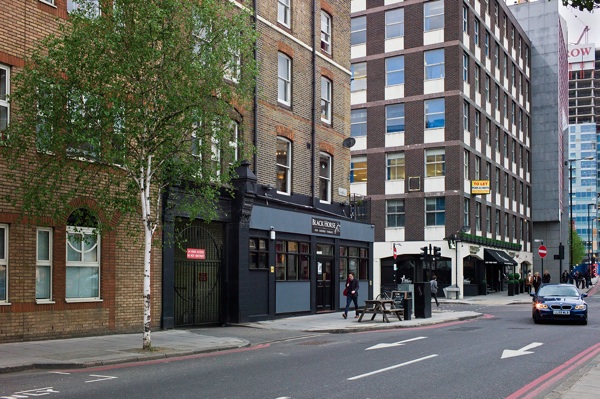
The Black Horse, Leman St 2013
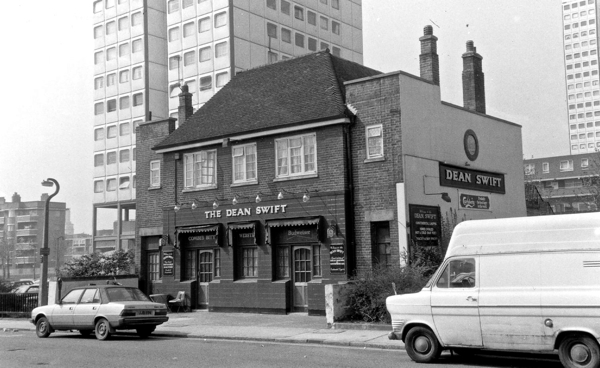
The Dean Swift, nineteen-eighties
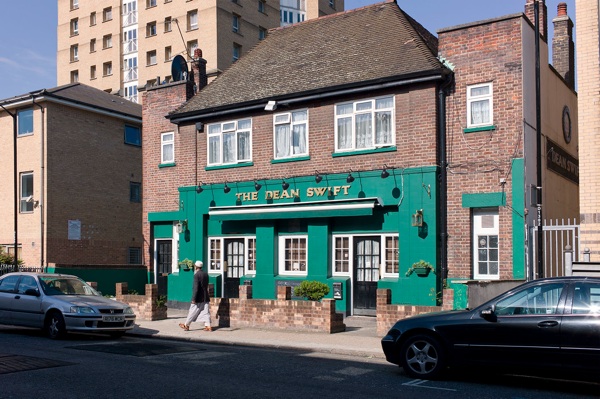
The Dean Swift, 2013
Archive images courtesy Tower Hamlets Local History Library & Archives
New photographs copyright © Alex Pink
Visit Tower Hamlets Local History Library & Archives for opening times, collections & events.
You may also like to take a look at
Alex Pink’s East End Pubs, Then & Now
It is my pleasure to publish this second collaboration with Tower Hamlets Local History Library & Archive in which Spitalfields Life Contributing Photographer Alex Pink selected photographs of pubs from the collection, and then set out with his camera to discover which ones were still serving.
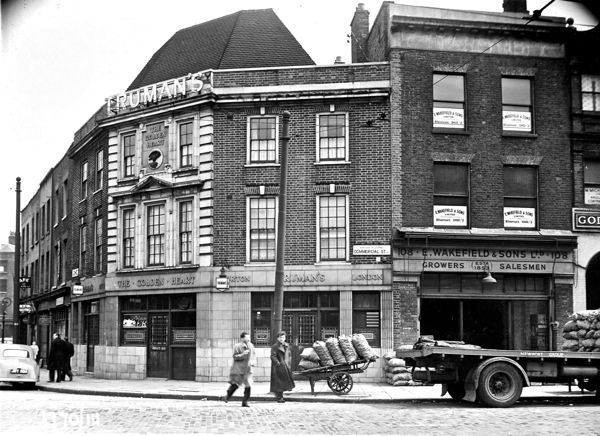 The Golden Heart, Spitalfields 1953
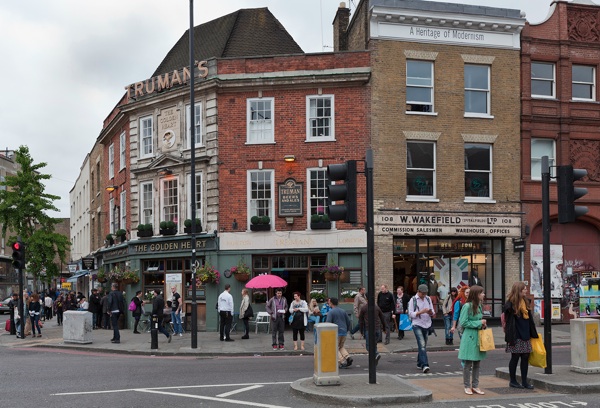
The Golden Heart, Spitalfields 2013
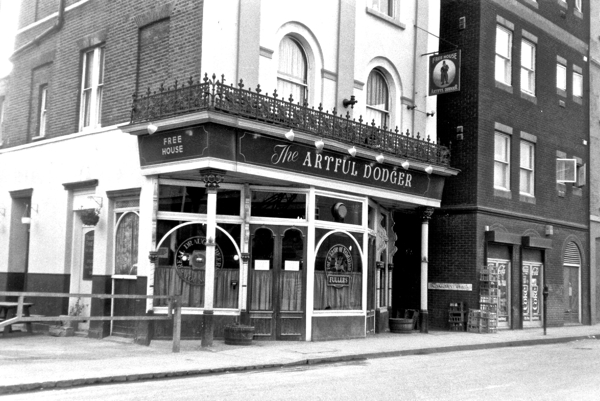
The Artful Dodger, Royal Mint St 1989
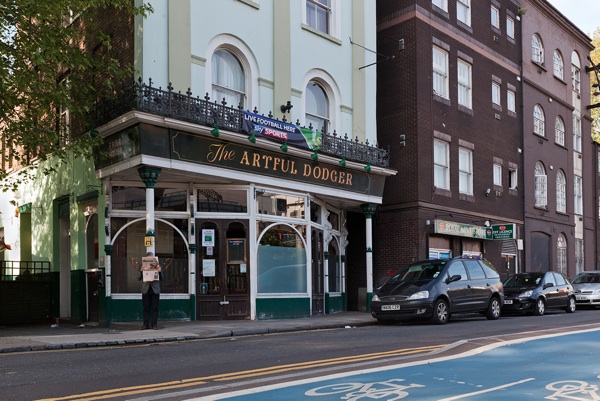
The Artful Dodger, Royal Mint St 2013
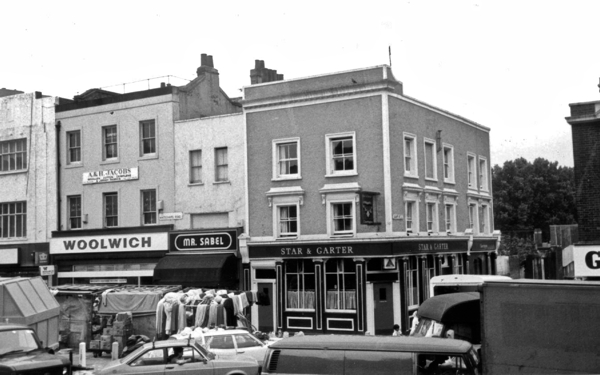
The Star & Garter, Whitechapel 1982
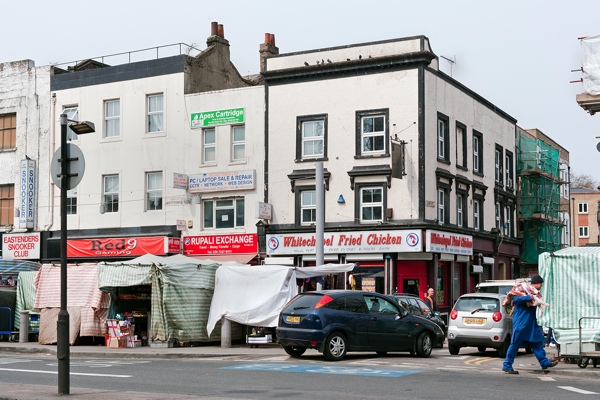
The Star & Garter, Whitechapel 2013

The Wentworth Arms, Mile End 1966
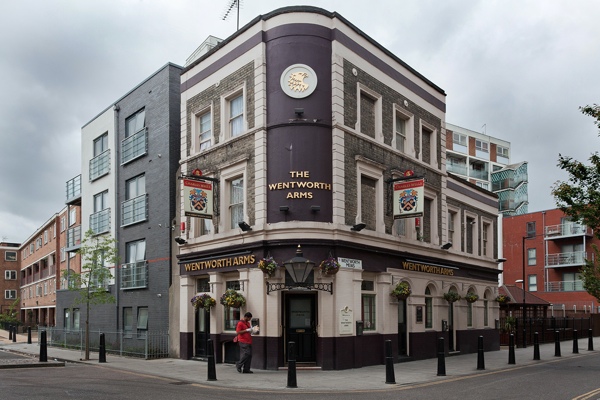
The Wentworth Arms, Mile End 2013
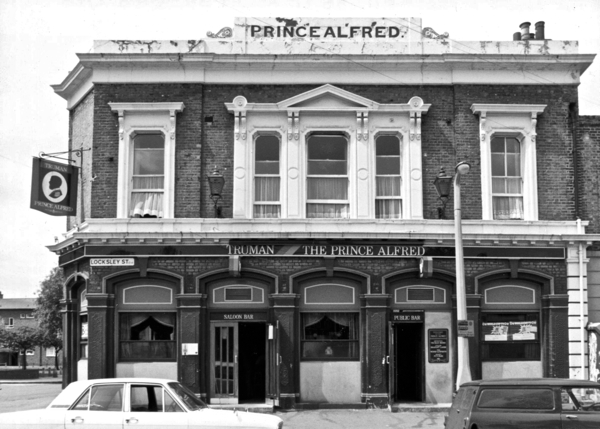
The Prince Alfred, Limehouse 1978
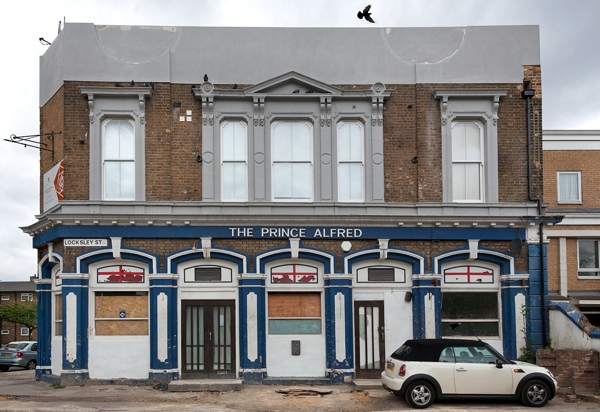
The Prince Alfred, Limehouse 2013
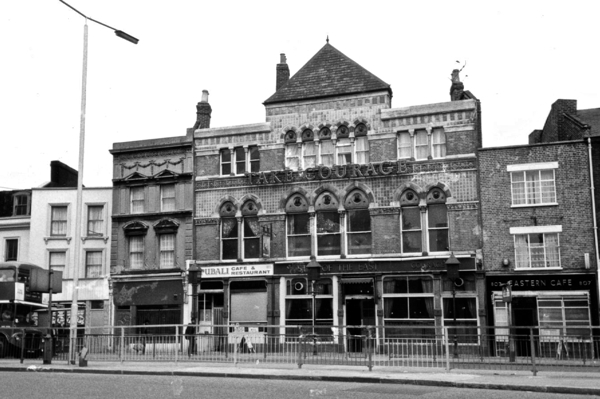
The Star of the East, Limehouse 1981
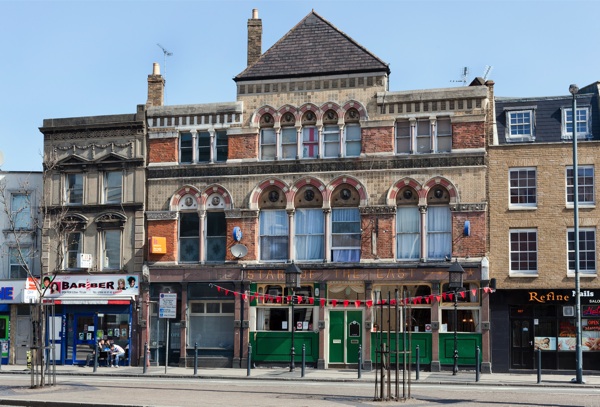
The Star of the East, Limehouse 2013
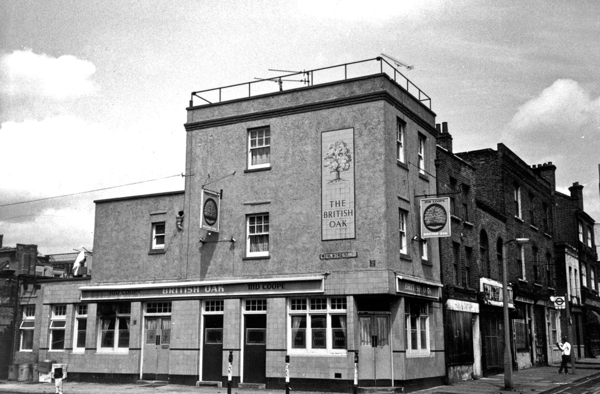
The British Oak, Poplar 1981
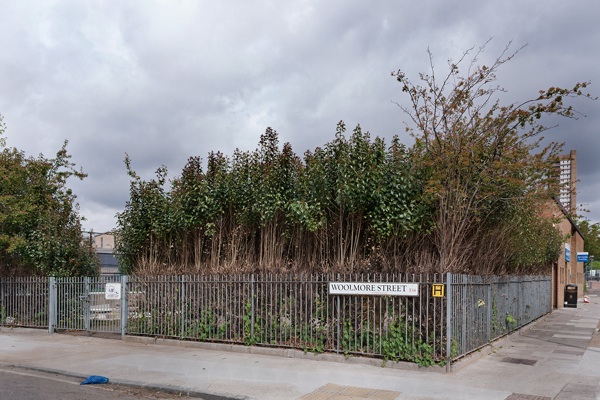
The British Oak, Poplar 2013
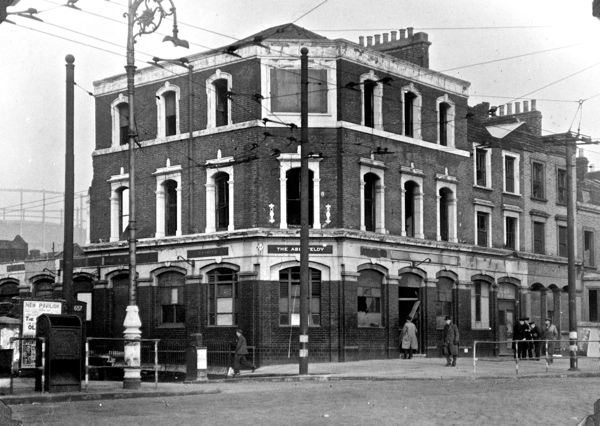
The Aberfeldy, Canary Wharf 1941
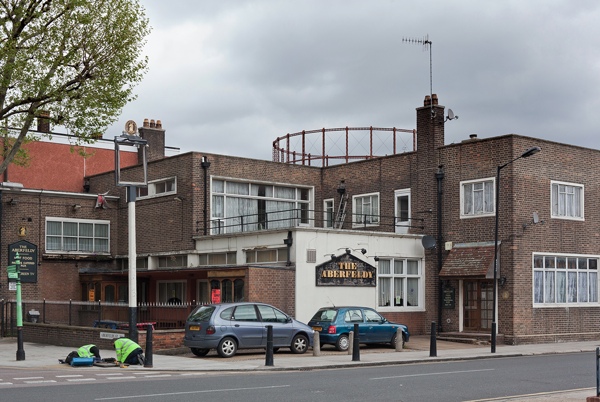
The Aberfeldy, Canary Wharf 2013
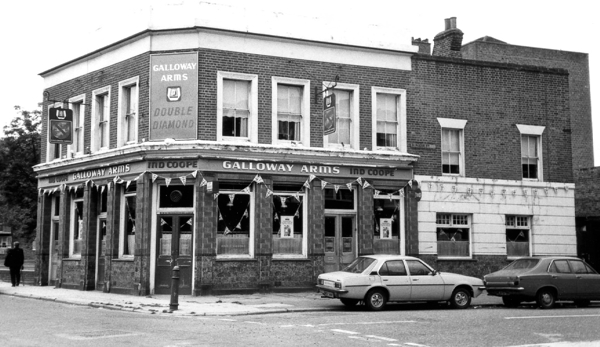
Galloway Arms, Limehouse 1981
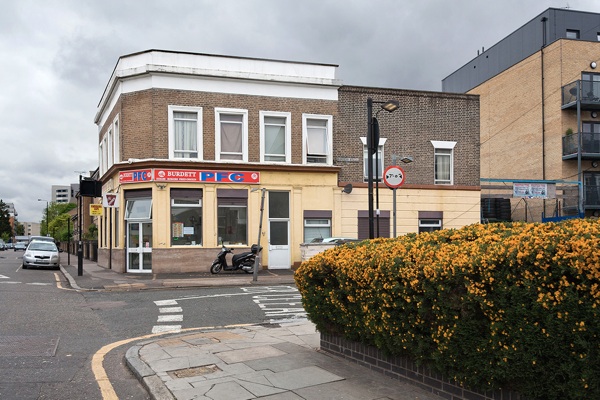
Galloway Arms, Limehouse 2013

The New Globe, Mile End 1954

The New Globe, Mile End 2013

The Prospect of Whitby, Wapping c.1900
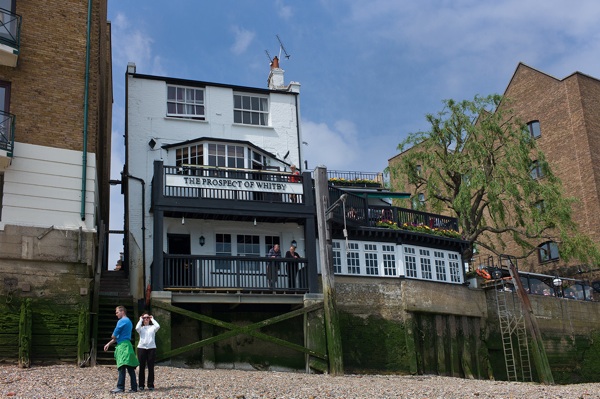
The Prospect of Whitby, Wapping 2013
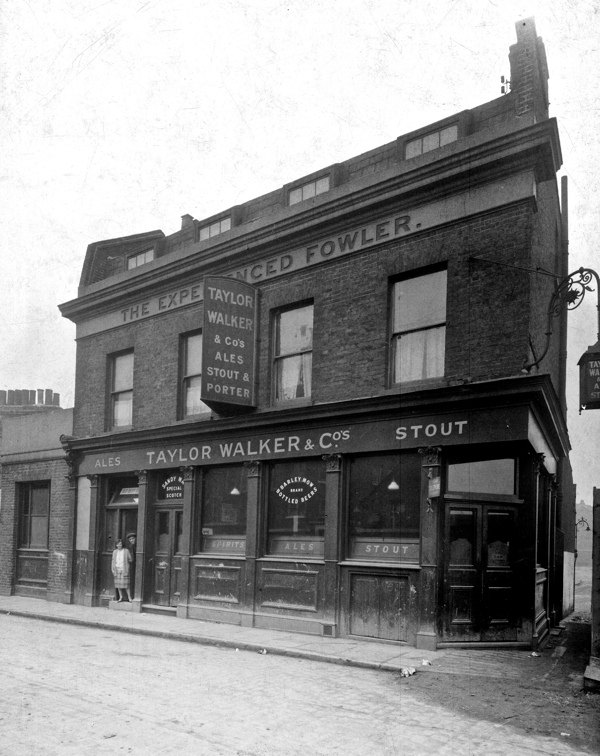
The Experienced Fowler, Limehouse 1931
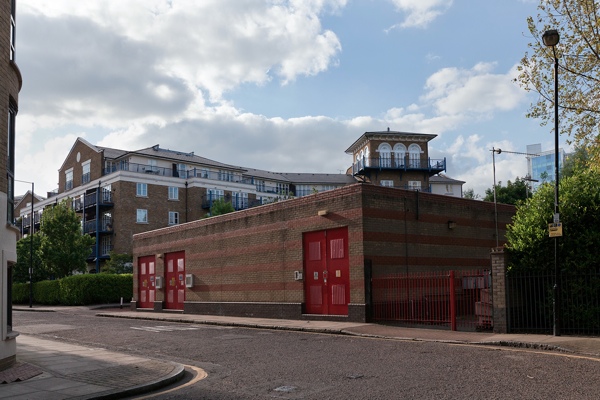
The Experienced Fowler, Limehouse 2013
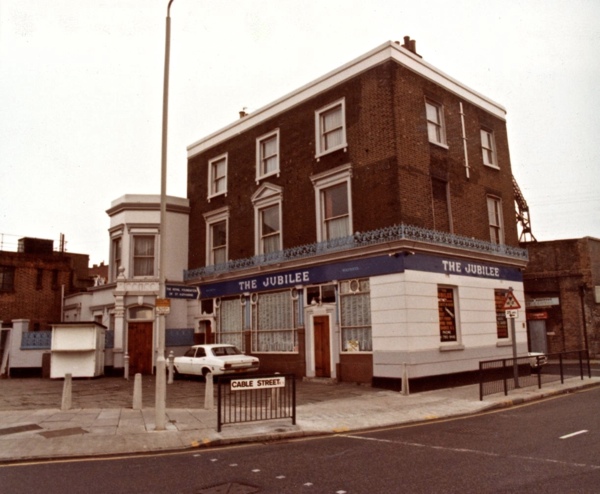
The Jubilee, Limehouse 1978

The White Swan, Limehouse 2013
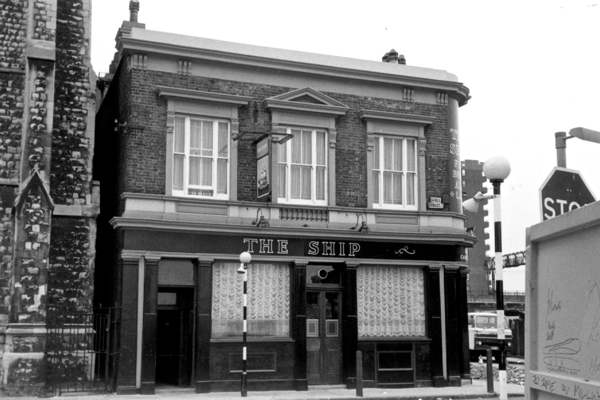
The Ship, Cable St 1981
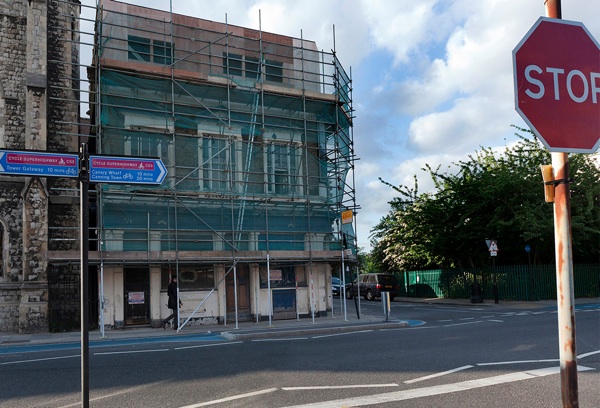
The Ship, Cable St 2013
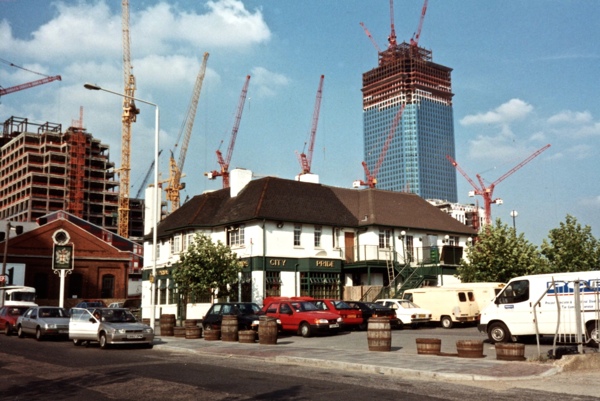
The City Pride, Isle of Dogs 1990
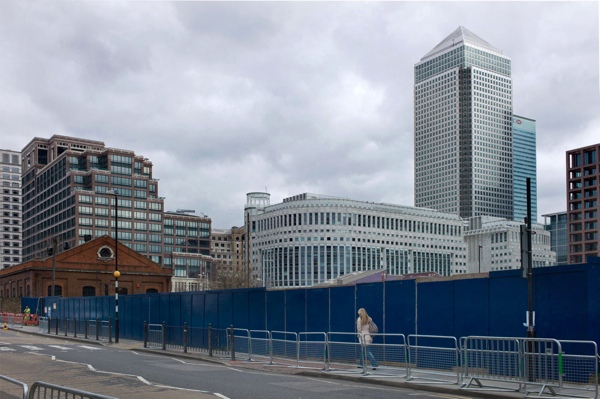
The City Pride, Isle of Dogs 2013
Archive images courtesy Tower Hamlets Local History Library & Archives
New photographs copyright © Alex Pink
Visit Tower Hamlets Local History Library & Archives for opening times, collections & events.
You may also like to take a look at
Cockney Beanos

A beano from Stepney in the twenties (courtesy Irene Sheath)
It is Midsummer, and we have reached that time of year when a certain clamminess prevails in the city and East Enders turn restless, yearning for a trip to the sea or at the very least an excursion to glimpse some green fields. In the last century, pubs, workplaces and clubs organised annual summer beanos, which gave everyone the opportunity to pile into a coach and enjoy a day out, usually with liberal opportunity for refreshment and sing-songs on the way home.
Tower Hamlets Community Housing is celebrating this joyous phenomenon by gathering a collection of beano photographs of which a selection is published here. All the pictures will be displayed in an exhibition from 18th until 27th July at 285 Commercial Rd, as part of next month’s Cockney Festival. To contribute a photograph, please email it to michael.tyrrell@thch.org.uk with details of who it is, when it was taken and where they are going – and, if there are enough, we will publish another set.

Ladies’ beano from The Globe in Hartley St, Bethnal Green, in the fifties. Chris Dixon, who submitted the picture, recognises his grandmother, Flo Beazley, furthest left in the front row beside her next door neighbour Flo Wheeler, who had a fruit and vegetable stall on Green St. (courtesy Chris Dixon)
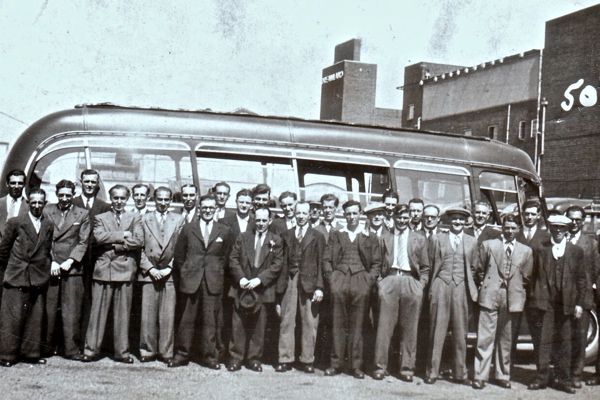
Another beano from the fifties – eighth from the left is Jim Tyrrell (1908-1991) who worked at Stepney Power Station in Limehouse and drank at the Rainbow on the Highway in Ratcliff.
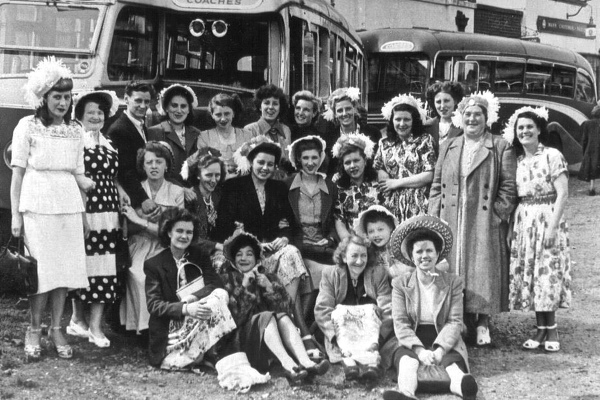
Mid-twentieth century beano from the archive of Britton’s Coaches in Cable St. (courtesy Martin Harris)
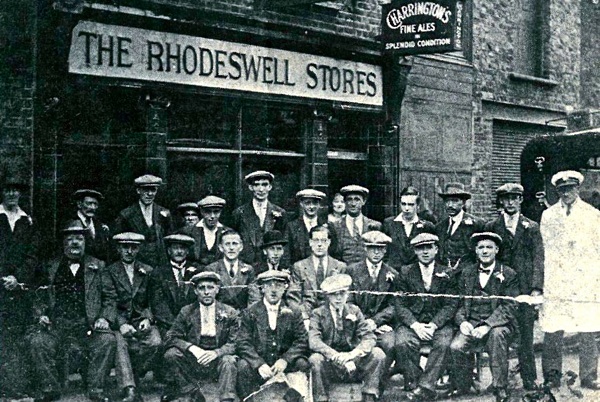
Beano from the Rhodeswell Stores, Rhodeswell Rd, Limehouse in the mid-twenties.
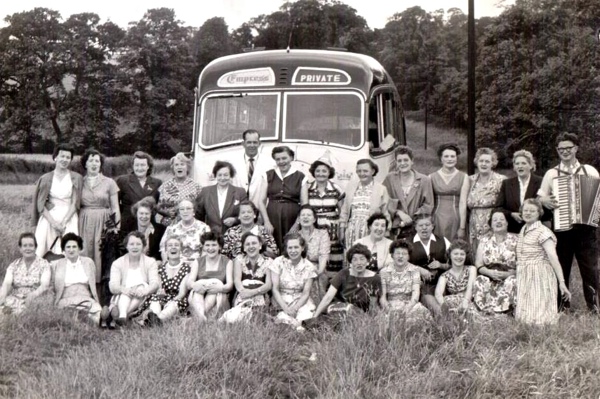
Taken on the way to Southend, this is a ladies’ beano from The Beehive in the Roman Rd during the fifties or sixties in a coach from Empress Coaches. The only men in the photo are the driver and the accordionist. Joan Lord (née Collins) who submitted the photo is the daughter of the publicans of The Beehive. (Courtesy Joan Lord)
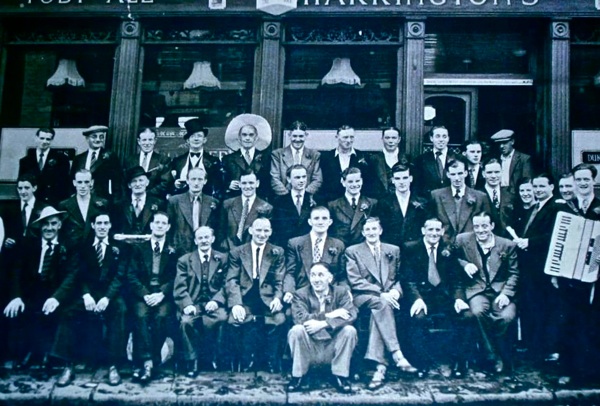
Terrie Conway Driver, who submitted this picture of a beano from The Duke of Gloucester, Seabright St, Bethnal Green, points out that her grandfather is seventh from the left in the back row. (Courtesy Terrie Conway Driver)
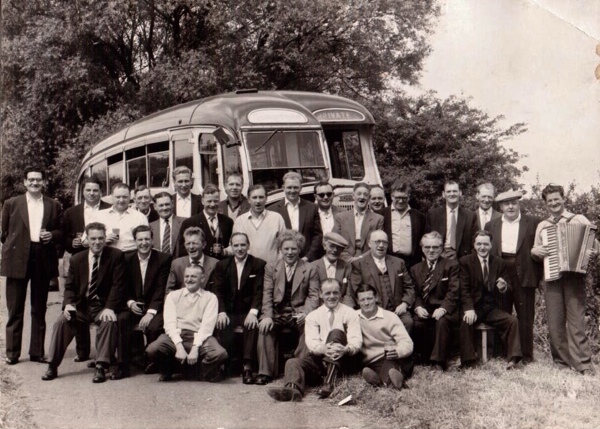
Taken on the way to Southend, this is a men’s beano from The Beehive in the Roman Rd in the fifties or sixties in a coach from Empress Coaches. (Courtesy Joan Lord)

Beano in the twenties from the Victory Public House in Ben Jonson Rd, on the corner with Carr St. Note the charabanc – the name derives from the French char à bancs (“carriage with wooden benches”) and they were originally horse-drawn.

A crowd gathers before a beano from The Queens’ Head in Chicksand St in the early fifties. John Charlton who submitted the photograph pointed out his grandfather George standing in the flat cap holding a bottle of beer on the right with John’s father Bill on the left of him, while John stands directly in front of the man in the straw hat. (Courtesy John Charlton)
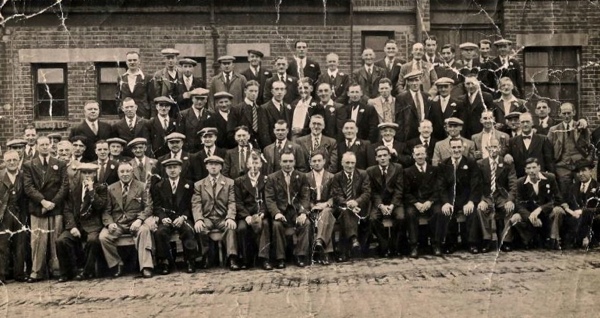
Beano for Stepney Borough Council workers in the mid-twentieth century. (Courtesy Susan Armstrong)

Martin Harris, who submitted this picture, indicated that the driver, standing second from the left, is Teddy Britton, his second cousin. (Courtesy Martin Harris)
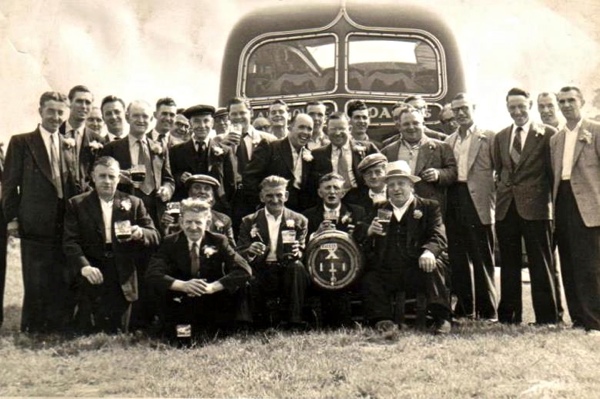
In the Panama hat is Ted Marks who owned the fish place at the side of the Martin Frobisher School, and is seen here taking his staff out on their annual beano.
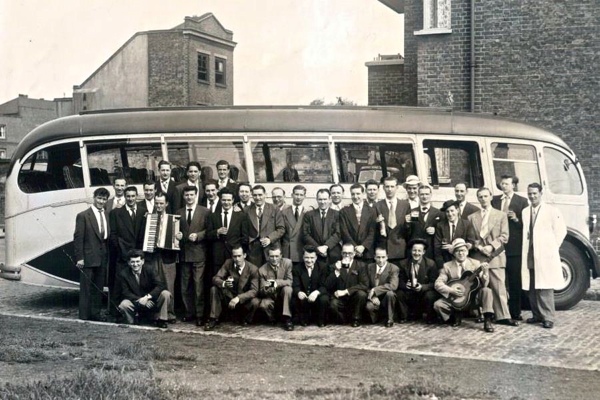
George, the father of Colin Watson who submitted this photo, is among those who went on this beano from the Taylor Walker brewery in Limehouse. (Courtesy Colin Watson)
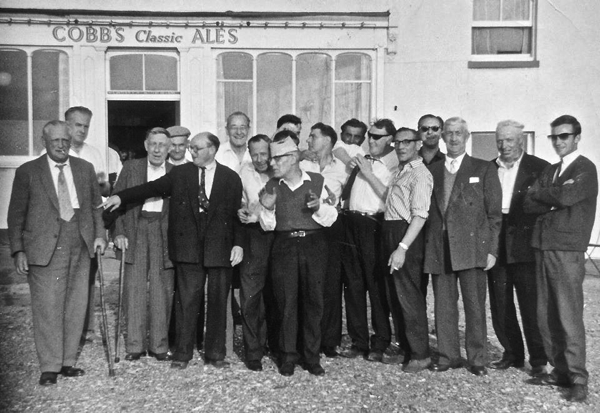
Pub beano setting out for Margate or Southend. (Courtesy John McCarthy)
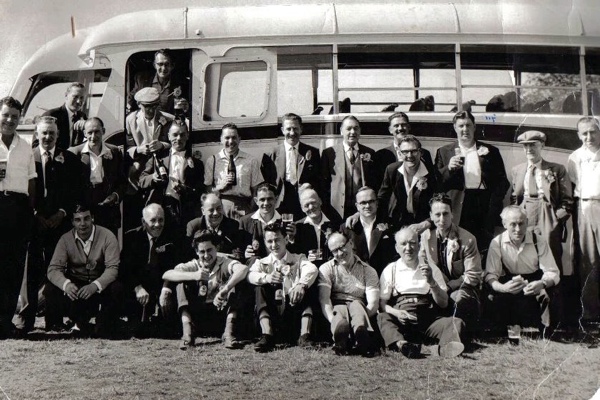
Men’s beano from c. 1960 (courtesy Cathy Cocline)
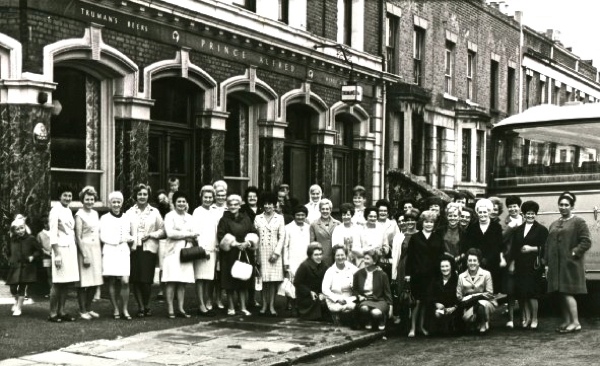
Late sixties or early seventies ladies’ beano organised by the Locksley Estate Tenants Association in Limehouse, leaving from outside The Prince Alfred in Locksley St.
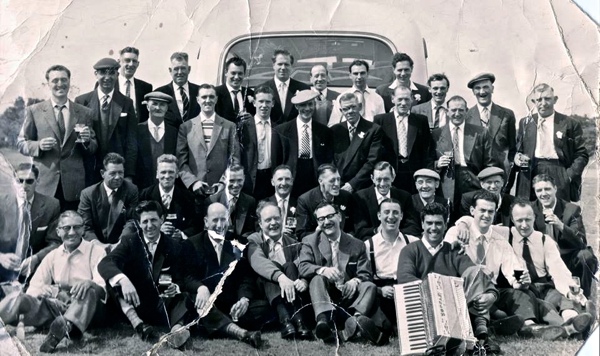
The father of John McCarthy, who submitted this photo, is on the far right squatting down with a beer in his hand, in this beano photo taken in the early sixties, which may be from his local, The Shakespeare in Bethnal Green Rd. Equally, it could be a works’ outing, as he was a dustman working for Bethnal Green Council. Typically, the men are wearing button holes and an accordionist accompanies them. Accordionists earned a fortune every summer weekend, playing at beanos. (courtesy John McCarthy)

John Sheehan, who submitted this picture, remembers it was taken on a beano to Clacton in the sixties. From left to right, you can seee John Driscoll who lived in Grosvenor Buildings, Dan Daley of Constant House, outsider Johnny Gamm from Hackney, alongside his cousin, John Sheehan from Constant House and Bill Britton from Holmsdale House. (Courtesy John Sheehan)
You may also like to read about
The Return of Truman’s Yeast
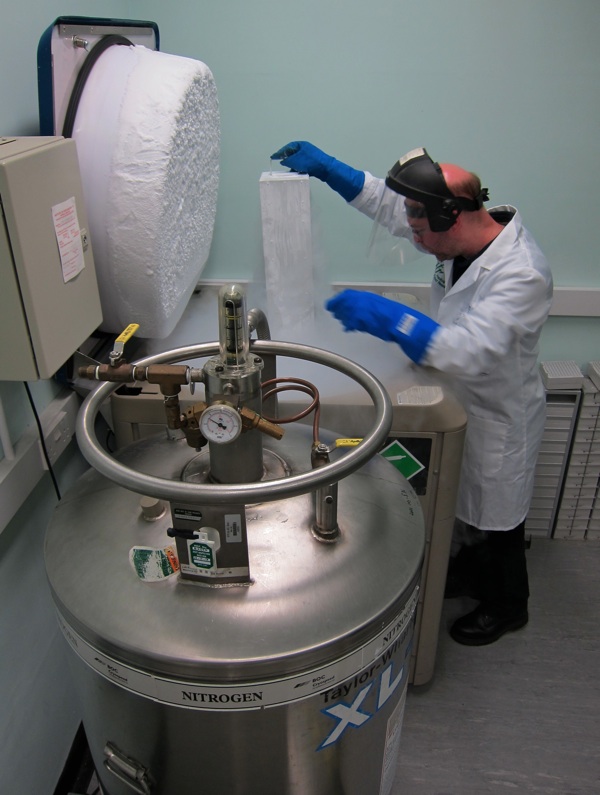
Truman’s yeast from the old brewery has been cryogenically preserved since 1958
For more than half a century, the yeast from the heyday of Truman’s Brewery in Brick Lane in the nineteen-fifties has been in suspended animation, stored in liquid nitrogen at a temperature of one hundred and ninety-six degrees below zero as part of the National Collection of Yeast Cultures. Yet at last the time has come for the yeast to return to the world and work its magic again, as the new Truman’s Brewery in Hackney Wick nears completion and Truman’s Beer will be brewed in the East End once more.
“Anyone can follow a recipe but it is the yeast that makes the beer great,” explained Jack Hibberd, the General Manager of Truman’s, gripped with feverish anticipation as we sped up the M11 towards the Yeast Bank in Norwich yesterday, “All the great brewers have their own yeast and we want to be great brewers, so we need our own yeast too.“
Confronted with an anonymous concrete facility in rolling parkland on the outskirt of the town, we were whisked through security to meet the yeast geeks within. “Our aim is to collect a specimen of each yeast strain upon the planet,” revealed Chris Bond, the Collection Manager, “Yet the fifteen hundred species that have been identified are perhaps less than one hundredth of those that exist, so we still have a way to go.” Nevertheless, as the loving guardian of micro-organisms, Chris is personally responsible for tending more than four thousand strains in the collection.
As well as yeast, the technicians here are guardians of secrets, since they offer a confidential deposit service that allows the country’s brewing industry, from multi-nationals to micro-breweries, to preserve its distinctive and precious yeast against mishap – whether through contamination or some other calamity. “One brewery was on the phone last year as the flood waters were rising,” recalled Chris,“it showed the value of the collection.” Apart from these secret deposits, the national collection is open to the brewing industry, seeking to explore the possibilities of the different yeasts available. “We preserve yeast that is useful, or that’s potentially useful, or to prevent it becoming extinct,” Chris admitted, leading us into the narrow windowless room where the history of human civilisation is preserved through thousands of yeasts that have evolved through usage for brewing and baking down the ages.
Chris donned a visor and protective gloves before opening the refrigerated chest, setting wafts of dry ice floating and revealing his precious charges sleeping peacefully in their frosty beds. In here, six different yeasts from Spitalfields are preserved – four bottom cropping and two top cropping varieties. Each very different from modern yeasts. “What you want is character and that’s what a yeast gives us – ownership of the beer, so that it belongs to Truman’s and the history of Truman’s.” Jack Hibberd emphasised, turning proud and paternal. The two top cropping yeasts will be used by Truman’s Beer at the new brewery and it has been suggested that their different qualities may reflect the company’s practice in the nineteenth century, producing mainly porter and light ale.
I was enraptured to learn of the romance of yeast – of the story of the founder of Carlsberg who carried his yeast back from Munich in his stove-pipe hat, of the yeast recently discovered in a Welsh slate mine that is resistant to heavy metal, of the yeast discovered by a yeast hunter in a gall growing upon oaks in Patagonia, and of the theory that yeast may have originated in China where primitive wild yeasts are still to be found. “We never get two days the same here,” enthused Chris, “I had a little soirée in bacteria but then I saw the light. Yeast is always interesting, there’s nowhere on the planet where you can’t isolate samples – from the depths of the ocean to Antarctica.”
“We get promises of beer and trips to breweries but it never happens,” Chris confessed to me with barely concealed disappointment once we returned to the laboratory, adding “I spend my evenings drinking beer and producing music.” So before we departed, Jack Hibberd extended an invitation to all the staff to visit the new Truman’s Brewery.
Back in Hackney Wick, the brewery awaits the arrival of the mash tuns and other large equipment, currently indicated by chalk circles upon the floor. Yet already, Ben Ott, the new Master Brewer, has been making small test brews to explore the potential of the Truman’s yeast from Brick Lane and, when we removed the top from a bucket, we discovered the yeast undulating of its own accord. After decades of suspended animation, it was truly alive again.
As the conclusion to our day trip, it was necessary to sample the trial brews to gain refreshment, and I found the beer fragrant and soft to taste with a subtle complexity of flavour that was compelling. “We’re trying to put the soul back into our beer,” confided Jack between sips, “and so far the yeast has exceeded our expectations.”
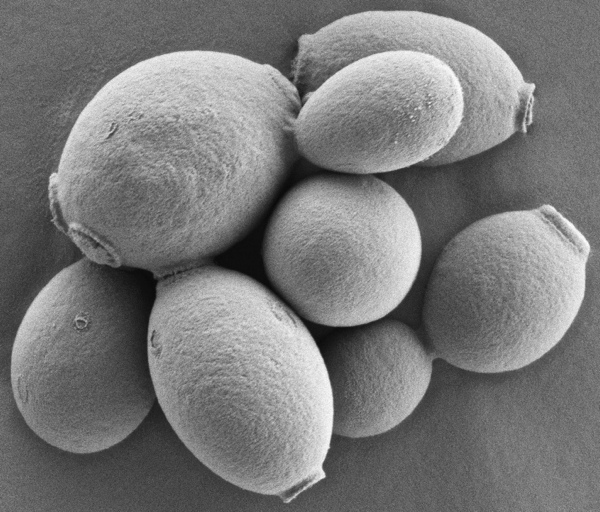
A flocculent ale-producing strain of cerevisiae.

Chris Bond, Collections Manager tends to his cache of more than four thousand strains of yeast
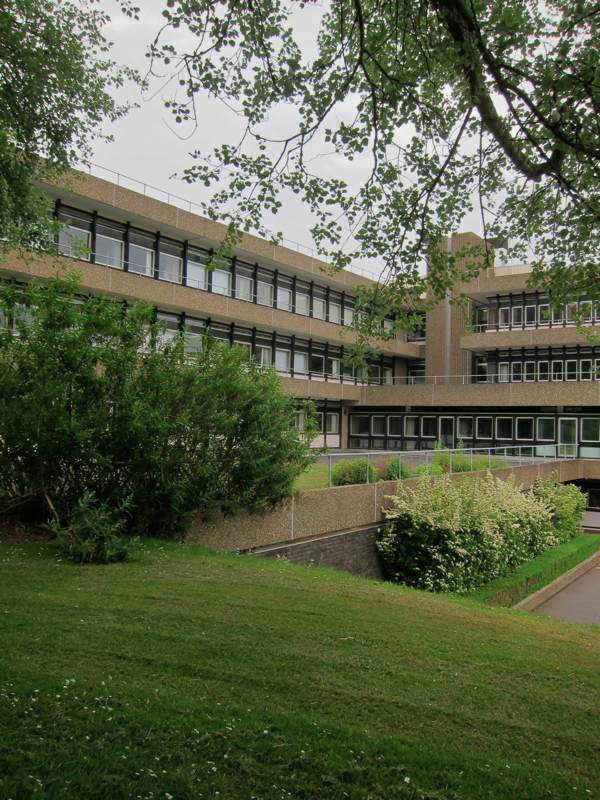
‘Jurassic Park’ for yeast – this building in Norwich contains the National Collection of Yeast Cultures.

The new Truman’s Brewery in Hackney Wick awaits the brewing vessels.

Truman’s yeast from the old brewery undulates as it ferments at the new brewery.

Casks stand ready to be filled with beer.

Truman’s van stands ready to deliver the beer.

The last Truman’s Beer brewed at the old brewery in Brick Lane, initialled by each of the brewers.
You may also like to read about
The Gentle Author Turns Publisher

Published by Spitalfields Life Books on 3rd July
After months of preparation, it is my delight to announce that I am to become a publisher and I hope you will join me on the evening of Wednesday 3rd July in celebrating the launch of this auspicious new endeavour. It may seem a curious decision to supplement publishing on the web with publishing between hard covers, but in writing more than a thirteen hundred stories here in the pages of Spitalfields Life, I constantly encounter exciting material that inspires me to create books of all kinds.
The first title I am publishing under the Spitalfields Life Books imprint will be a photography book of Colin O’Brien’s pictures of Travellers’ Children in London Fields. In 1987, Colin O’Brien was photographing buildings in London Fields when he was approached by some Irish travellers’ children who asked him to take their pictures. He gave them Polaroids to take back to their parents and, on the next day, the parents dressed up their children, requesting that Colin take more photographs. Over the following weeks, Colin took an exceptional series of over one hundred portrait photographs of the children and their parents.
The small selection of these spell-binding pictures that I first published here two years ago is one of my favourites and has long been one of the most popular sets of photographs on Spitalfields Life. So it was a great pleasure to take the complete set of images to distinguished book designer Friederike Huber, who designed Don McCullin’s books of photography, and give her carte blanche to create a volume of Colin’s pictures. With exemplary skill, Friederike has arranged the pictures in an elegant sequence that permits them be read like a novel, with recurring characters, with multiple story lines and with dramatic set pieces.
The result is a handsome hardback book bound in yellow cloth and printed in Spitalfields by The Aldgate Press with a cover price of £10. We are working in collaboration with The Broadway Bookshop to stage a launch two weeks today on Wednesday 3rd July from 6-9pm at the E5 Bakehouse beside London Fields Station, just fifty yards from where Colin took the photographs. At the E5 Bakehouse, there will be an exhibition of prints from the book, as well as drinks and Irish music, and an opportunity to join Colin O’Brien as he revisits the locations of his photographs and talks about their origins.
Copies will available online through this site and in the East End’s independent bookshops from 3rd July. Faber Factory Plus part of Faber & Faber are distributing Travellers’ Children in London Fields nationwide, so if you are a retailer and would like to sell copies in your shop please contact bridgetlj@faber.co.uk who deals with trade orders.


The logo of Spitalfields Life Books designed by David Pearson, drawn by Joe McLaren

“These pictures record an extraordinary meeting between a photographer and a group of Irish travellers’ children in London Fields in 1987, yet the subject of Colin O’Brien’s tender and clear-eyed photographs is no less than the elusive drama of childhood itself.”


Colin O’Brien at The Aldgate Press in Brick Lane with the jacket of his book.
Travellers’ Children Photographs © Colin O’Brien
Photograph of Colin O’Brien © Alex Pink
You may also like to read about












