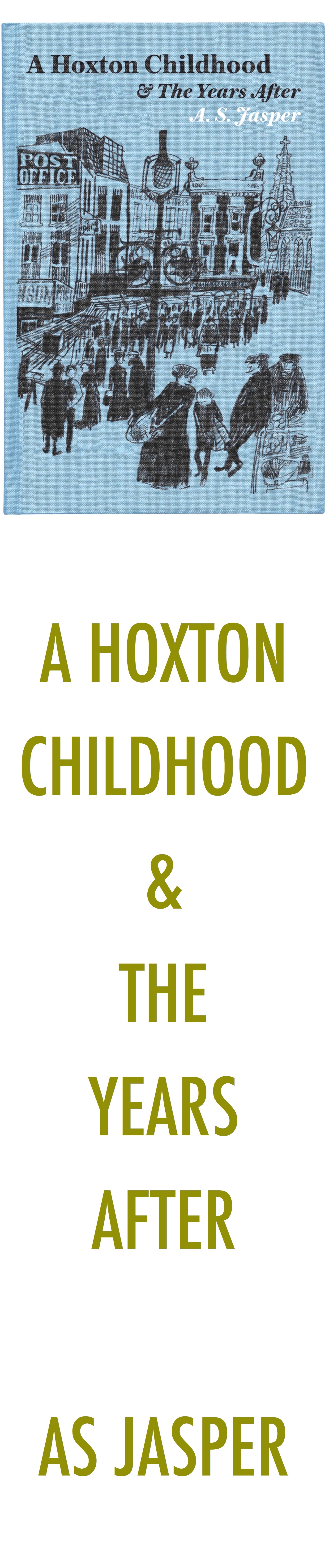
This Is Jimmy’s London, 1944
Excerpts from ‘This is London‘ produced as a guide for servicemen & women in 1944
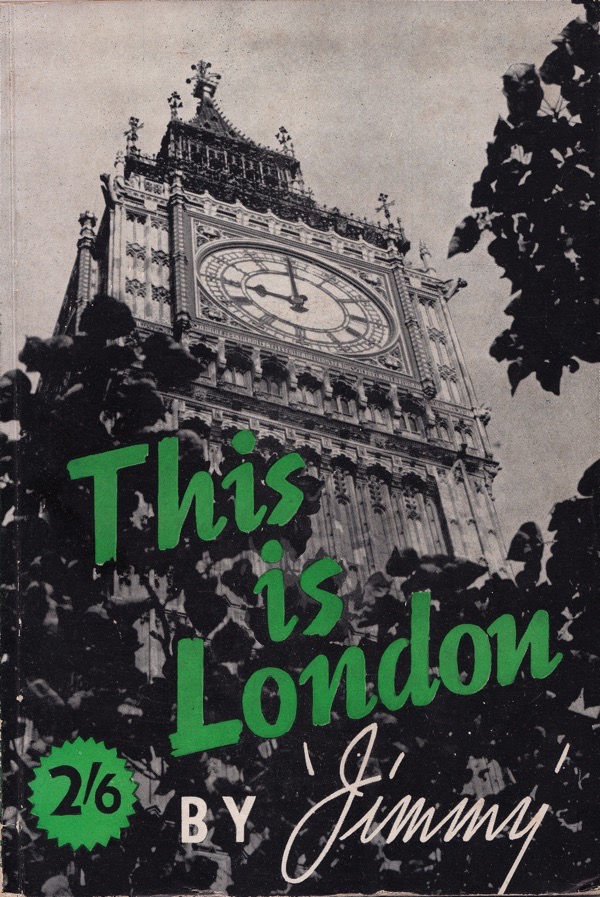
In these war-time days, when official guide books are not obtainable, a quiet perusal of ‘This is London’ will be of inestimable service to visitors, making a ‘leave in London’ something memorable and, as Jimmy says, well worth keeping a diary of.
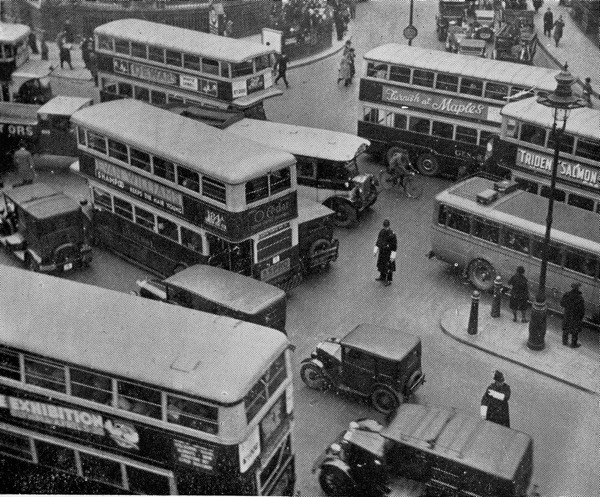
“..to the Bank..”
I don’t know anything about London and the sooner I set out to learn the better and the quicker I’ll know it. There’s only one way to learn about any town and that is to walk as much as you can. It’ll knock some of the strangeness out of you. You won’t feel you’re a stranger in the place. You won’t feel as if everyone is looking at you and telling themselves that you are a stranger. Believe me, it’ll help you feel a lot better.
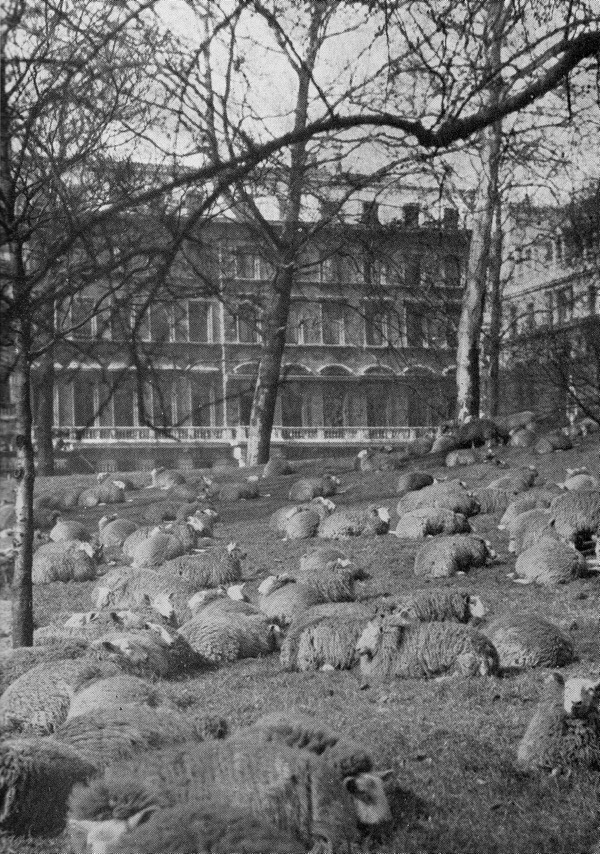
The Green Park
I wanted to walk along the pavements, to watch the people, to visit places whose names were so familiar to everyone in the world. Talk about walking the paths of history, I was tickled pink.
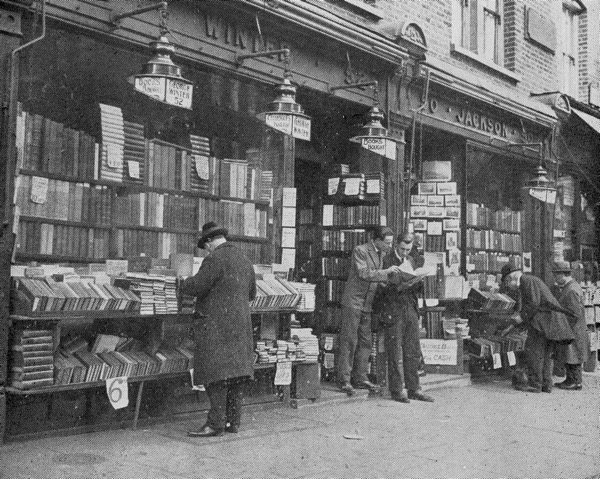
“…Charing Cross Rd as a Free Library…”
Whether you are a reader on no, it is well worth spending a few minutes, few hours for that matter, watching the various types of people who stand, hour after hour, at the bookshops, browsing. I’m firmly convinced that very many Londoners regard Charing Cross Rd as a Free Library, and I’m equally certain that booksellers look benignly on these non-profitable customers.
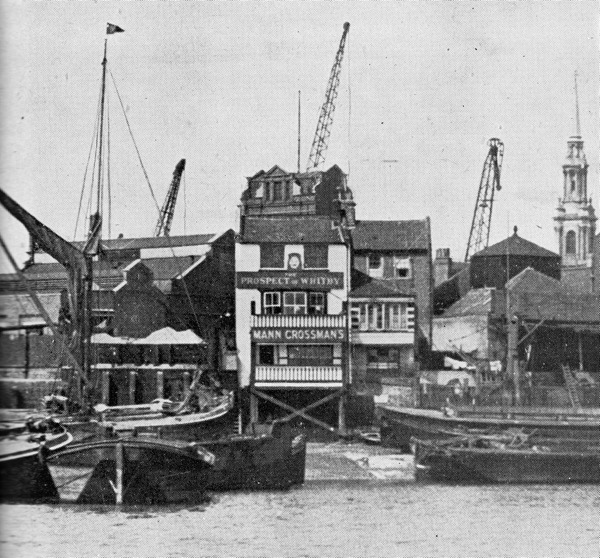
“…down Wapping Way..”
To find funny little pubs with funny little bars and mix with all kinds of people, I think it’s the wisest thing anyone could do and it’s what I’ve always longed to try. There are no tough spots. Go to the poorest quarter in the East End and you’ll meet with politeness. Go into a pub down by the docks. It may not be luxurious, but you’ll find that everyone is nice there. You’ll hear the occasional ‘damn’ and, if there’s no women in the place, you’ll hear much worse.
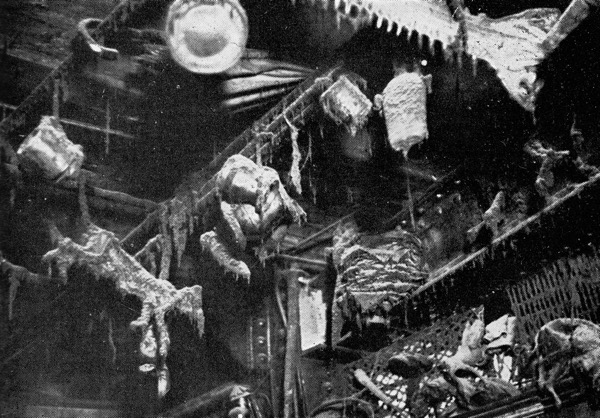
Dirty Dick’s I won’t forget in a hurry. A unique place if ever there was one. I think the story of the original landlord who allowed everything to get into such a disgusting state of dirt and cobwebs is more or less fictitious. It’s quite close to Liverpool St Station and, although it, like many other place, received some damage during the blitz, the landlord still carries on, just as do all other Londoners.
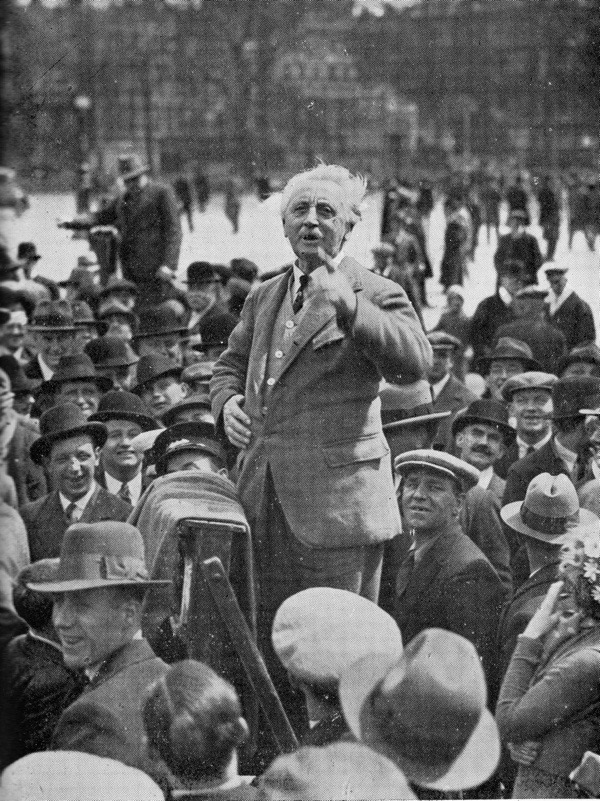
In Hyde Park, some of the orators take their job very seriously, others look upon it as a kind of rag, entering into cross-talk with their audiences with such obvious pleasure. I don’t think I would like to be an earnest speaker there for occasionally the heckling is terrific. How these speakers can possibly hope to make themselves heard, speaking as they do one against the other, is more than I can understand.
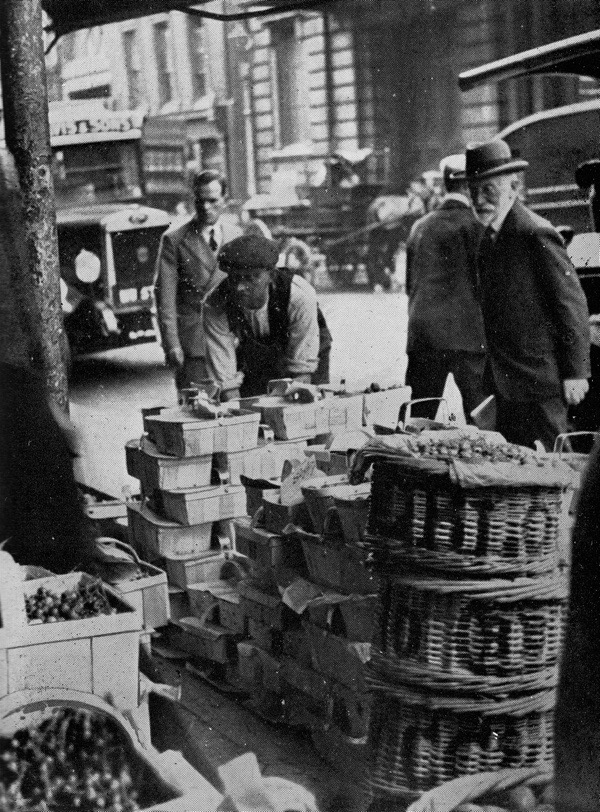
I went to Covent Garden Market and tried to understand what it was all about, tried to make sense of what the salesmen were saying. They have a jargon all their own while the porters astonished me by throwing enormous weights about with a nonchalance that is truly amazing.
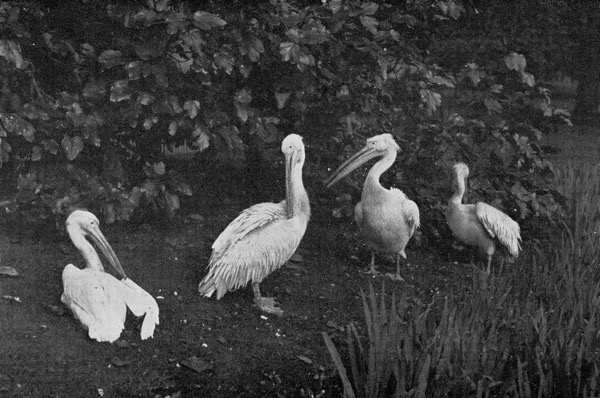
In St James’ Park
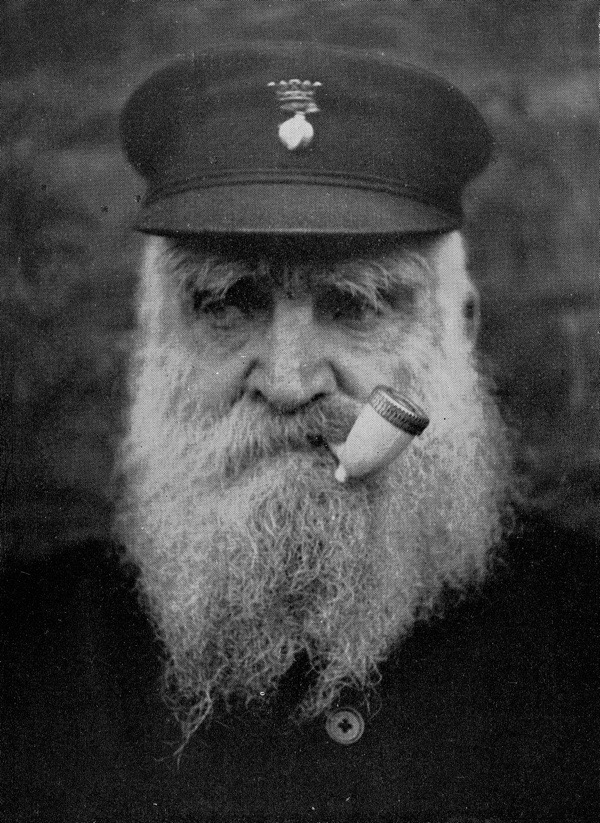
Where else but in London could one see the unexpected glimpse of a State trumpeter, his tunic, the scarlet and gold of medieval pageantry, glinting in the sun – and the inscrutable eyes of an aged Chelsea Pensioner who watched him fixedly?
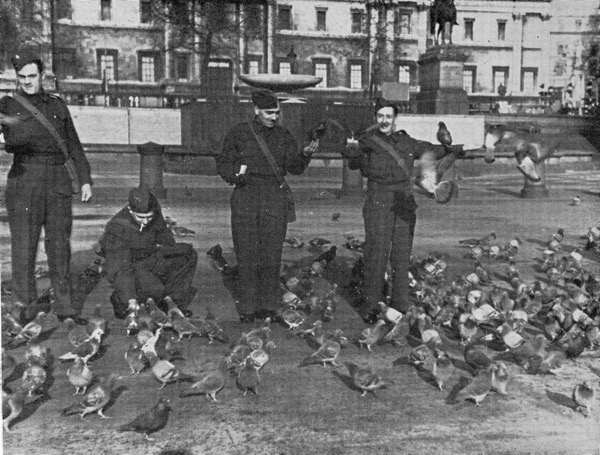
Of course, I’ve read my Pepys and that gives a very fair picture, but while I’m fond of seeing historical buildings, links with the past so to speak, I much prefer the present.
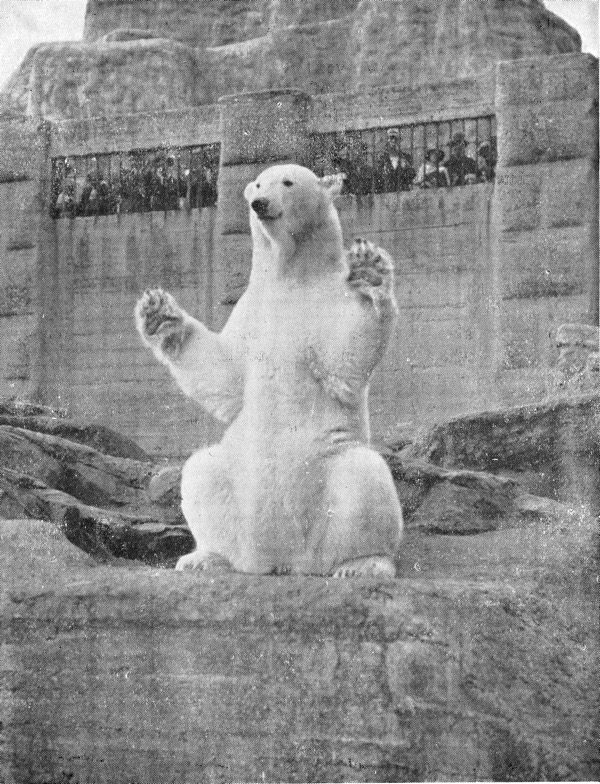
A fellow would have to be dead from the neck up if he couldn’t enjoy the London Zoo. The Zoo is obviously a Londoner’s playground, everyone is eager to see as much as possible and the groups around each cage or enclosure become, for the moment, a band of friends.
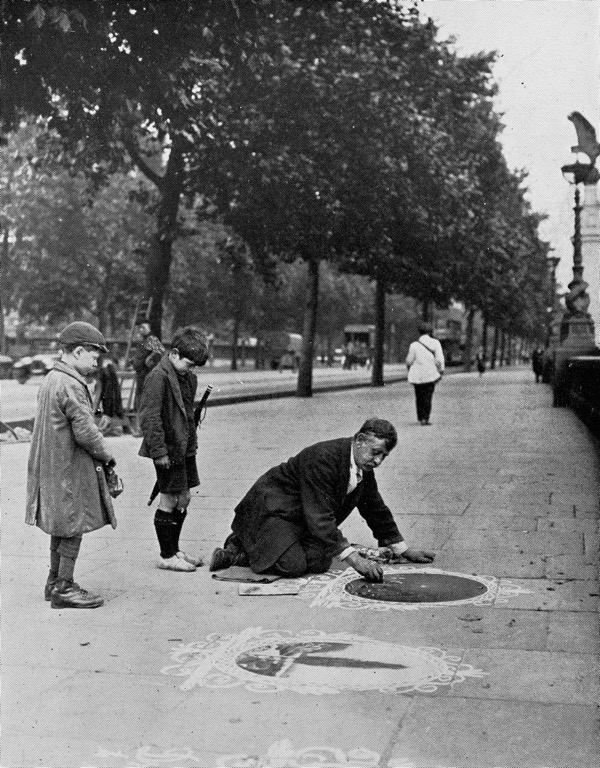
The Embankment where artists in chalk ply their trade and pray for fair weather …
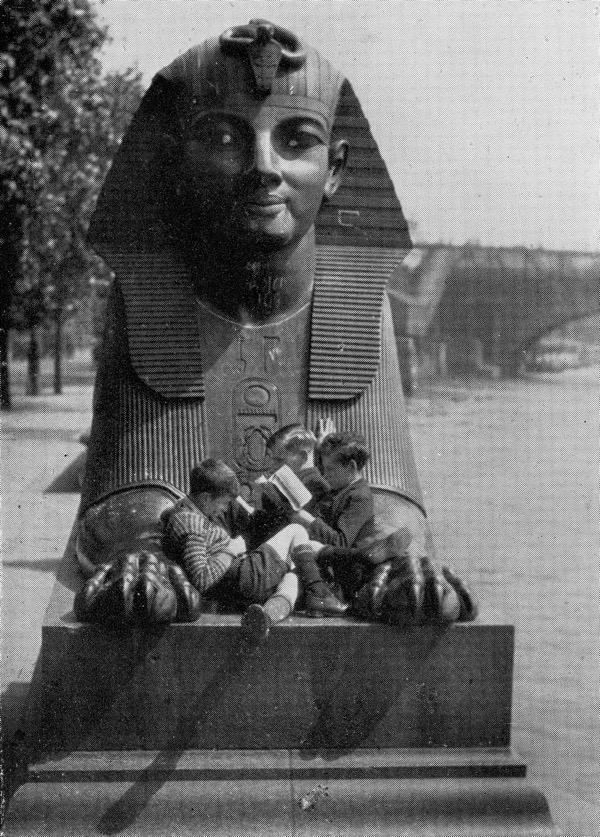
… and schoolboys read ‘penny dreadfuls’ in the shadow of mysterious Egypt.
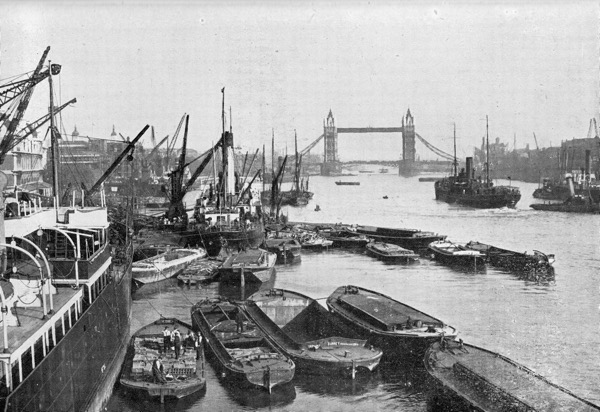
Thankyou London, for all those memories. Thankyou London!
Tex Ajetunmobi, Photographer
Click here for details of Black History Month in Tower Hamlets this October
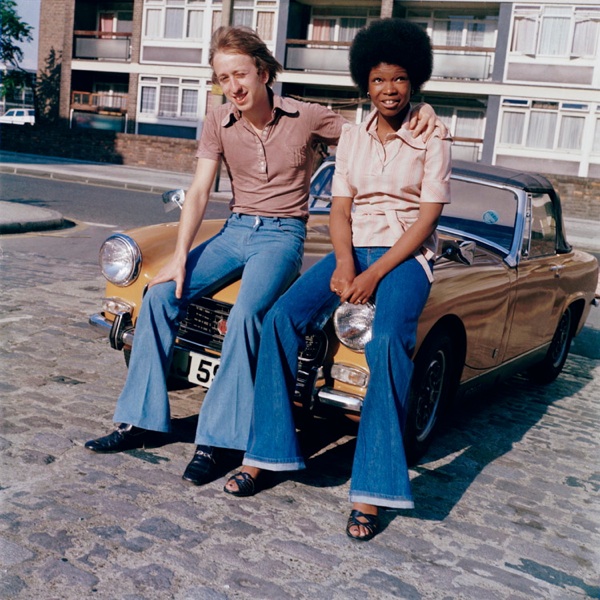
Bandele Ajetunmobi – widely known as Tex – took photographs in the East End for almost half a century, starting in the late forties. He recorded a tender vision of interracial cameradarie, notably as manifest in a glamorous underground nightlife culture yet sometimes underscored with melancholy too – creating poignant portraits that witness an almost-forgotten era of recent history.
In 1947, at twenty-six years old, he stowed away on a boat from Nigeria – where he found himself an outcast on account of the disability he acquired from polio as a child – and in East London he discovered the freedom to pursue his life’s passion for photography, not for money or reputation but for the love of it.
He was one of Britain’s first black photographers and he lived here in Commercial St, Spitalfields, yet most of his work was destroyed when he died in 1994 and, if his niece had not rescued a couple of hundred negatives from a skip, we should have no evidence of his breathtaking talent.
Fortunately, Tex’s photographs found a home at Autograph ABP where they are preserved in the permanent archive and it was there I met with Victoria Loughran, who had the brave insight to appreciate the quality of her uncle’s work and make it her mission to achieve recognition for him posthumously.
“He was the youngest brother and he was disabled as well but he was very good at art, so they apprenticed him to a portrait photographer in Lagos. It suited him yet it wasn’t enough, so he packed up and, without anything much, left for England with my Uncle Chris.
Juliana, my mum had already come from Nigeria and, when I was born, she lived in Brick Lane but, after a gas explosion, we had to move out – that’s how we ended up in Newham. When I was a child, we didn’t come over here much – except sometimes to visit Brick Lane and Petticoat Lane on a Sunday – because we had moved to a better place. I understood I was born in Bethnal Green but I grew up in a better class of neighbourhood.
I knew that she didn’t approve of my uncle’s lifestyle, she didn’t approve of the drinking and probably there were drugs too. They were lots of rifts and falling out that I didn’t understand at the time. When everything became about having jobs to survive, she couldn’t comprehend doing something which didn’t make money. In another life, she might have understood his ideals – but we were immigrants and you have to feed yourself. She thought, ‘Why are you doing something that doesn’t sit comfortably with being poor?’
He did all this photography yet he didn’t do it to make money, he did it for pleasure and for artistic purposes. He was doing it for art’s sake.He had lots of books of photography and he studied it. He was doing it because those things needed to be recorded. You fall in love with a medium and that’s what happened to him. He spent all his money on photography. He had expensive cameras, Hasselblads and Leicas. My mother said, ‘If you sold one, you could make a visit to Nigeria.’ But he never went back, he was probably a bit of an outcast because of his polio as a child and it suited him to be somewhere people didn’t judge him for that.
He used to come and visit regularly when we lived in Stratford and there are family pictures that he took of us. His pictures pop out at me and remind me of my childhood, they prove to me that it really was that colourful. He was fun. Cissy was his girlfriend, they were together. She was white. When Cissy separated from her husband, he got custody of her children because she was with a black man – and her family stopped talking to her. She and Tex really wanted to have children of their own but they weren’t able to. They were Uncle Tex and Aunty Cissy, they would come round with presents and sweets, and they were a model couple to us as children. To see a mixed race couple wasn’t strange to us – where we lived it was full of immigrants and we were poor people and we just got on with life, and helped each other out.
He used to do buying and selling from a stall in Brick Lane. When he died, they found so much stuff in his flat, art equipment, pens, old records and fountain pens. He had a very good eye for things. Everybody knew him, he was always with his camera and they stopped him in the street and asked him to take their picture. He was able to take photographs in clubs, so he must have been a trusted and respected figure. Even if the subjects are poor, they are strutting their stuff for the camera. He gave them their pride and I like that.
He was not extreme in his vices. He died of a heart attack after being for a night out with his card-playing friends. He lived alone by then, he and Cissy were separated. But he was able to go to his neighbour’s flat and they called an ambulance so, although he lived alone, he didn’t die alone.
I thought he deserved more, that he was important. I just got bloody-minded. It wasn’t just because he was my uncle, it’s because it was brilliant photography. He deserved for people to see his work. There were thousands of pictures but only about three hundred have survived. Just one plastic bag of photos from a life’s work.”
Tex was generous with his photographs, giving away many pictures taken for friends and acquaintances in the East End – so if anybody knows of the existence of any more of his photos please get in touch so that we may extend the slim yet precious canon of Bandele “Tex” Ajetunmobi’s photography.
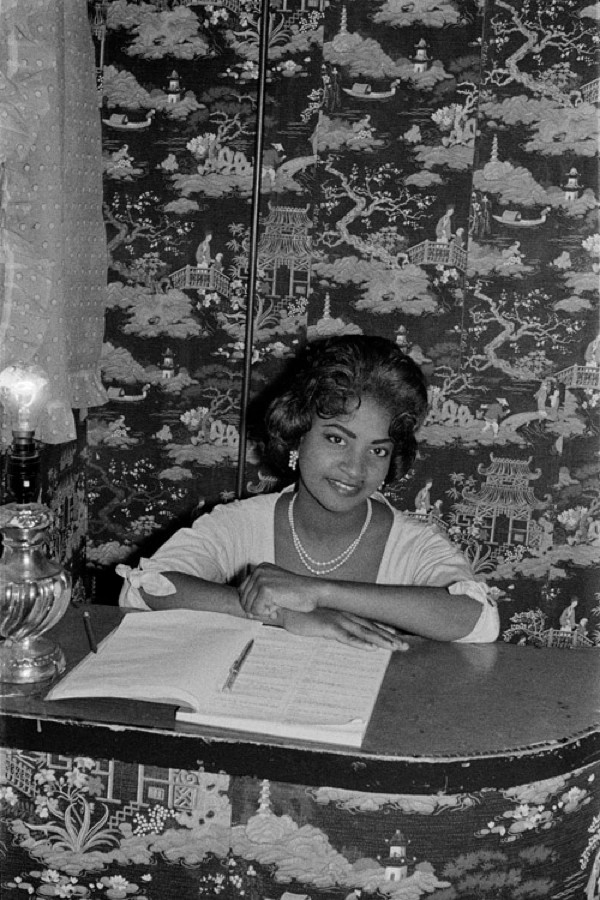
Whitechapel night club, nineteen-fifties
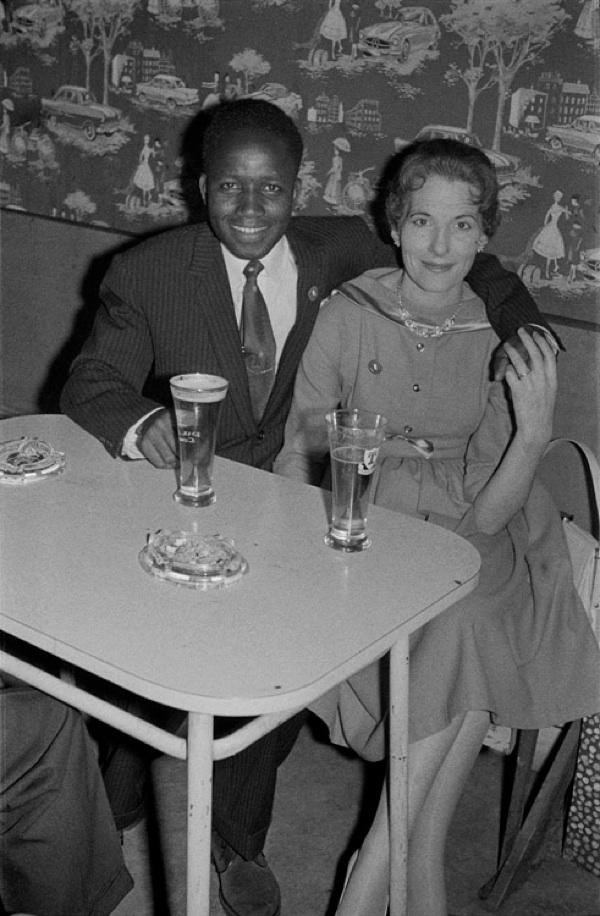
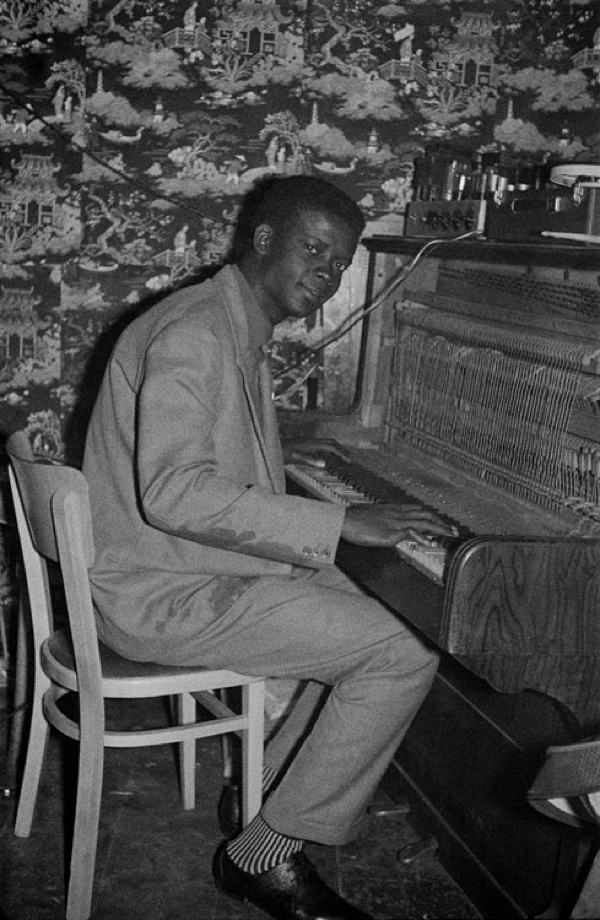
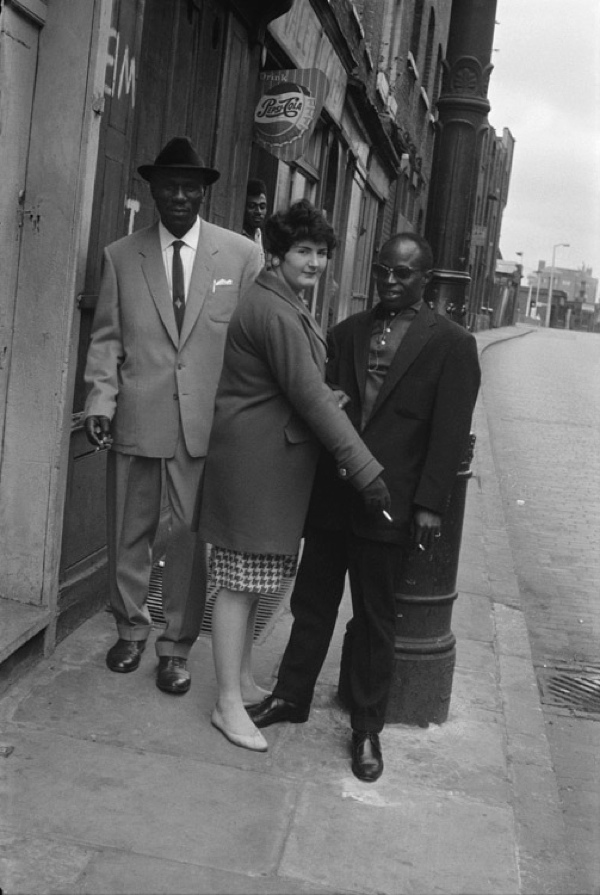
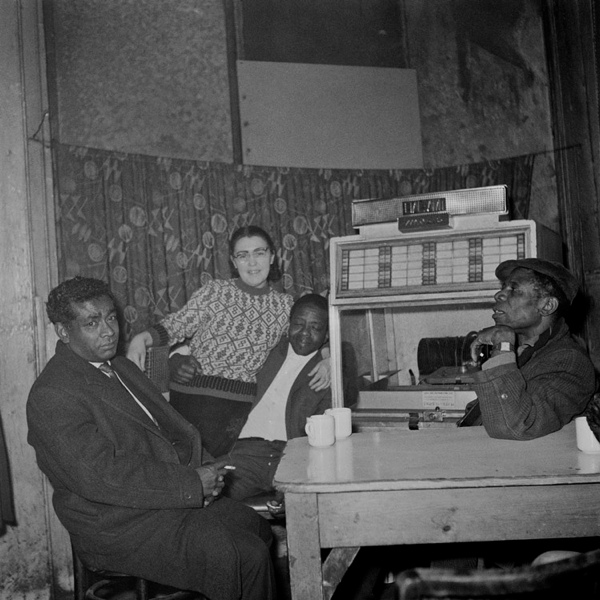
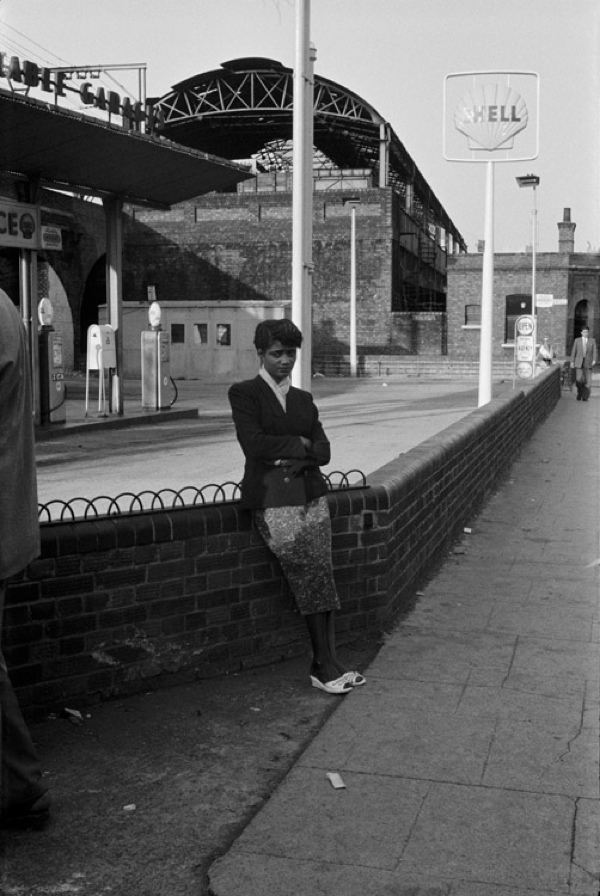
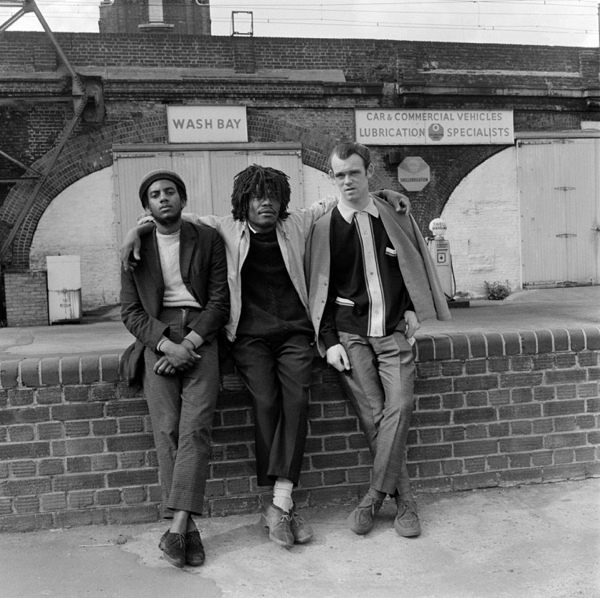
East End, nineteen seventies
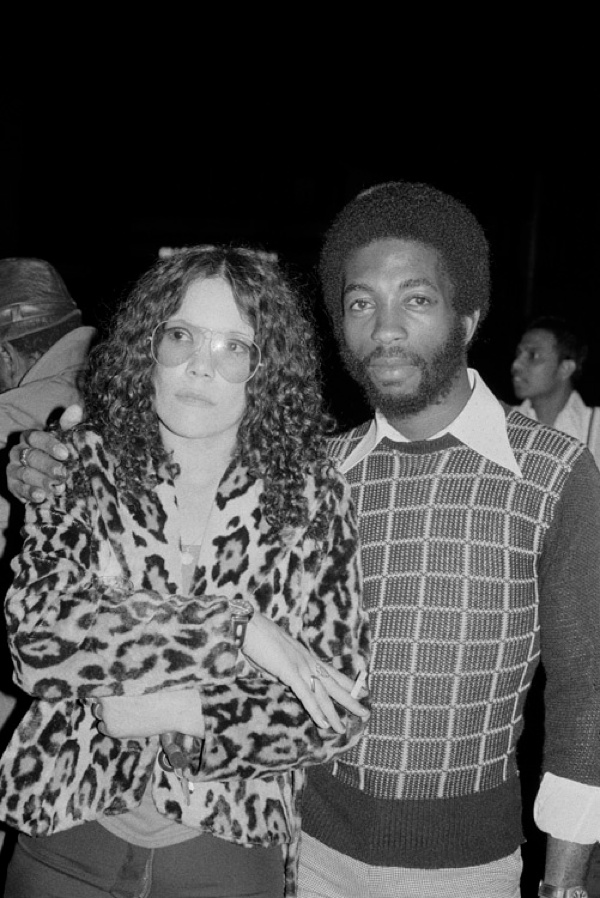
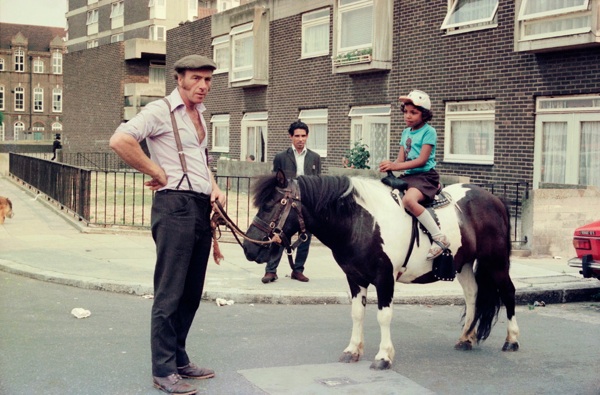
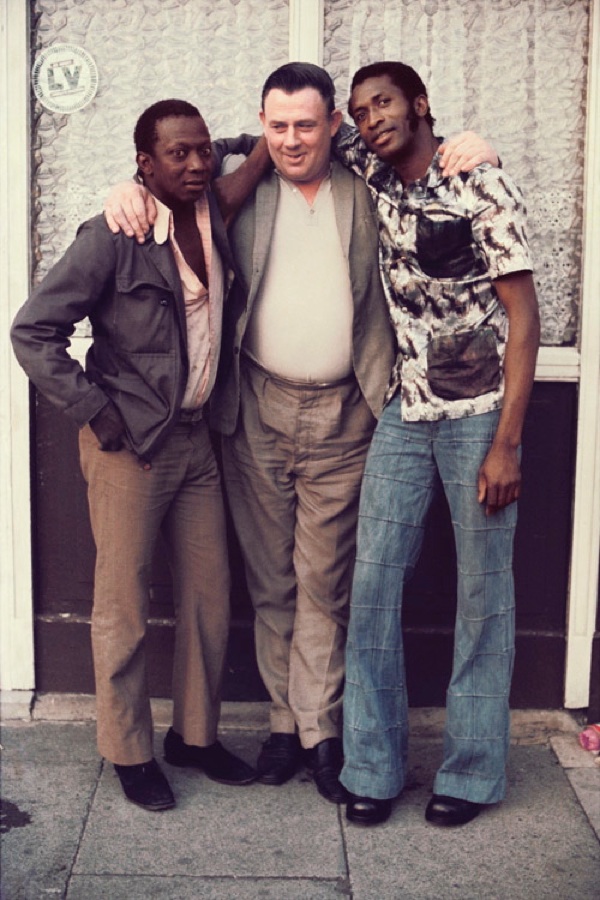
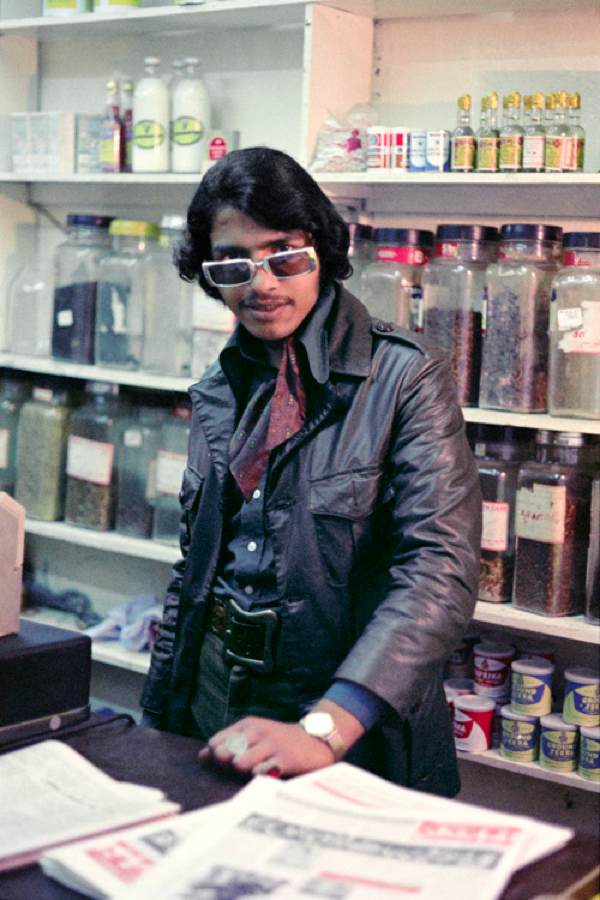
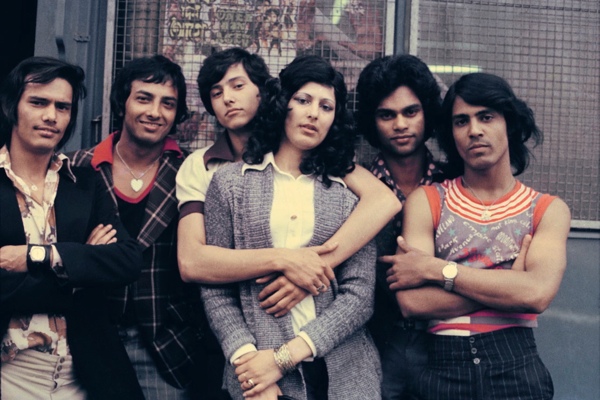
On Brick Lane, seventies
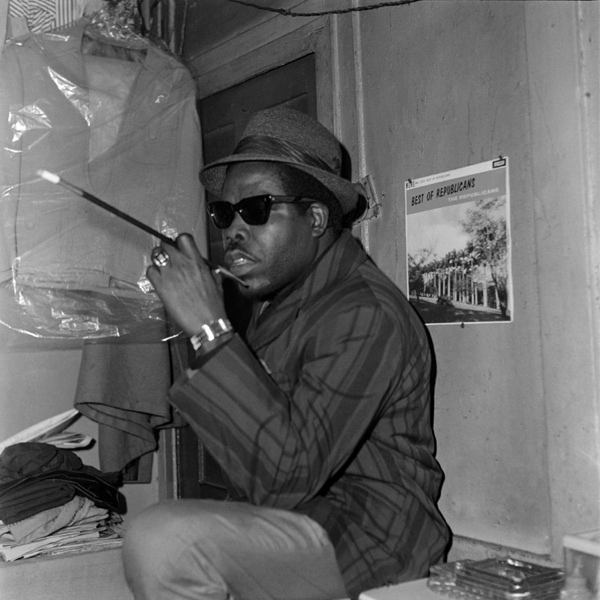
Bandele “Tex” Ajetunmobi, self portrait
The C R Ashbee Lecture 2016
On Monday 24th October, The East End Preservation Society presents the C R ASHBEE MEMORIAL LECTURE 2016, delivered by Rowan Moore, Architecture Critic of the Observer, at Shoreditch Church, speaking about THE FUTURE OF LONDON. Tickets are free but must be booked in advance by clicking here
Today, I trace a brief outline of the life and work of the man who inspired this annual lecture and who deserves to be celebrated in the East End for his prescient thinking and creativity.
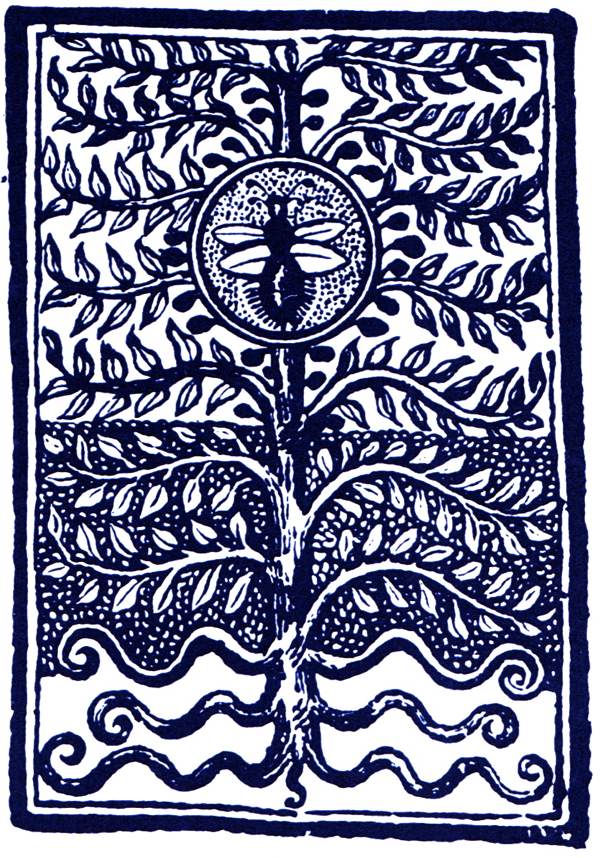
Rebus of Charles Robert Ashbee (1863 – 1942)
Very few in the East End are aware of CR Ashbee today and even those that recognise the name have only a vague idea of his achievements. Yet in recent years, as I have come upon his work, it has fostered a curiosity about the man and his concerns – and I have found that they reflect those of our own time with unexpected relevance.
Perhaps the ‘Ashbee Room’ at Toynbee Hall is where most people become aware of his presence. It was over six weeks in the summer of 1887 that Ashbee worked there with the students of his Ruskin class to create an elaborate mural of trees, punctuated by golden rondels to his design and bordered with a frieze of the crests of Oxford & Cambridge colleges. The rondels contained a letter ‘T’ in the form of a tree which remains the symbol of Toynbee Hall, even if the mural is long-gone. A battered low-level table survives, manufactured to Ashbee’s design, it was conceived as a means to encourage debate by placing those seated around it in an informal relationship.
Born into an affluent liberal family, while an undergraduate at Cambridge, Ashbee had acquired the friendship of Roger Fry and Edward Carpenter, and embraced their common enthusiasm for Romantic Socialism and the Arts & Crafts Movement. At first, while training in the office of Bodley & Garner, Gothic Revival church architects, Ashbee travelled to Toynbee Hall at the end of each working day but, encouraged by the collaborative experience of creating the mural, he consulted Edward Burne-Jones and William Morris, regarding his notion to found his own workshop and school of arts and crafts in the East End.
On 23rd June 1888, Ashbee’s School & Guild of Handicraft opened under Samuel Barnett’s supervision at 34 Commercial St next to Toynbee Hall as a workers’ co-operative with just four members. By 1890, the Guild moved to Essex House on the Mile End Rd in Bow, where it operated as an independent entity. Thanks to the skill of the craftsmen and their apprentices, executing Ashbee’s fashionable Arts & Crafts designs, the Guild enjoyed a degree of success, creating works to private commission and selling furniture and metalwork through a shop in Brook St. When William Morris died, he left the machinery from his Kelmscott Press to the Guild and more than a thousand books were published under the imprint of the Essex House Press.
Yet an event on the Guild’s doorstep was to take Ashbee’s interests in a new direction. In 1893, the London School Board bought an old brick house nearby on St Leonard’s St and commenced demolishing it to construct a new school on the site. Ashbee realised that the structure was part of a former Palace of James I but was only able to save the panelling of the state room which was transferred to the Victoria & Albert Museum. He saw that if the existing building could have been included within the structure of the new school, it would have been an inspirational educational resource for the pupils.
Grieved by this loss, Ashbee realised that a register of significant historic buildings was required if they were to be saved from destruction and he established a Watch Committee to record all those in East London. Meanwhile, in September 1895, Ashbee learnt that the seventeenth century Trinity Green Almshouses in Whitechapel were threatened with demolition and he led a campaign to save them, not just for their architectural merit but as manifestation of the charity and fellowship of past ages – and it is thanks to Ashbee’s initiative that these buildings survive. In fact, his Watch Committee of 1894 became the Survey of London which continues to publish today.
Saving old buildings and establishing the Guild were integral beliefs for Ashbee. Beyond his own career as a designer and architect, he was concerned with the dignity of craftsmanship as a means to liberate individuals, permitting them financial and moral independence through working in an environment which was collectively managed with shared profits. Similarly, regarding old buildings, he believed these were the shared legacy of all and that we need to preserve structures of quality, in order to better appreciate our own past and have a perspective upon our own time.
An architect and designer of significant talent, CR Ashbee lived out his progressive beliefs in his work, whether collaborating with a metalworker in the design of a piece of jewellery or conceiving a plan for a garden city that would give the best quality of life to its inhabitants. As a measure of the respect he drew, when he transferred the Guild of Handicrafts from Bow to Chipping Campden in 1902, one hundred and fifty East Enders moved with him and, astonishingly, there are practising silversmiths in the Cotswolds today who are the grandchildren of those who moved there with Ashbee. Ultimately, the Guild was disbanded and the participants went their separate ways, but his was a worthy endeavour that we do well to remember in the East End.
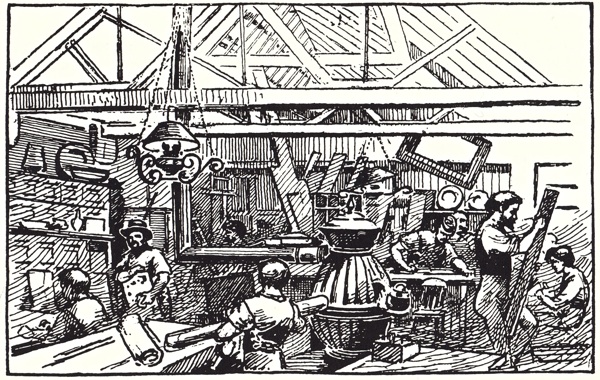
The first Guild of Handicraft workshop at 34 Commercial St

Essex House in Bow, opposite Mile End Tube, became the headquarters of the Guild of Handicrafts
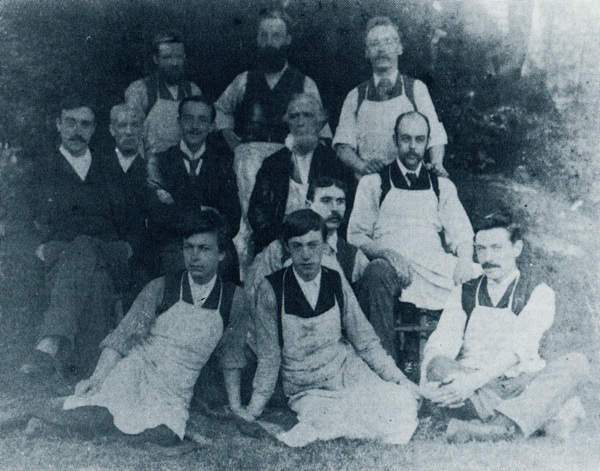
Members of the Guild of Handicraft in 1892

The cabinet making workshop at Bow
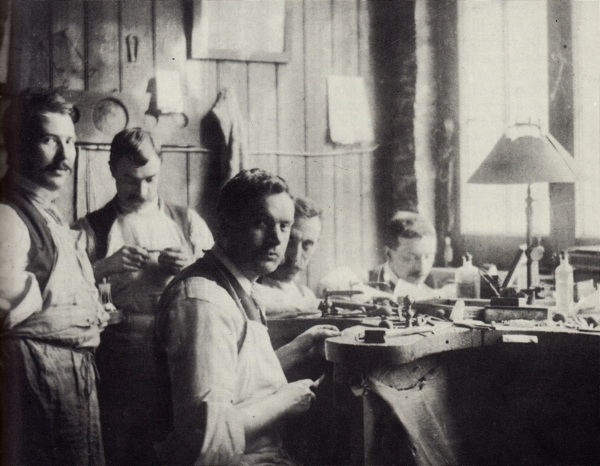
Jewellery workshop
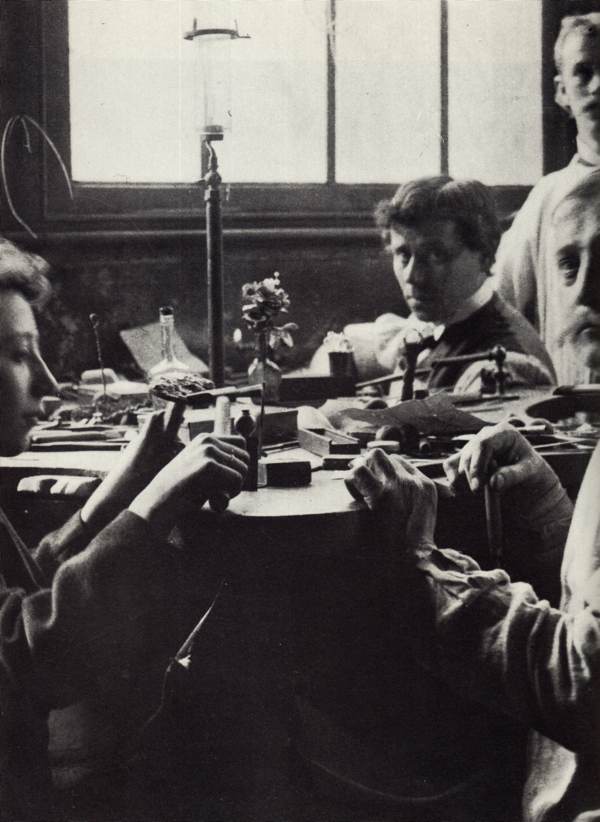
Jewellery workshop
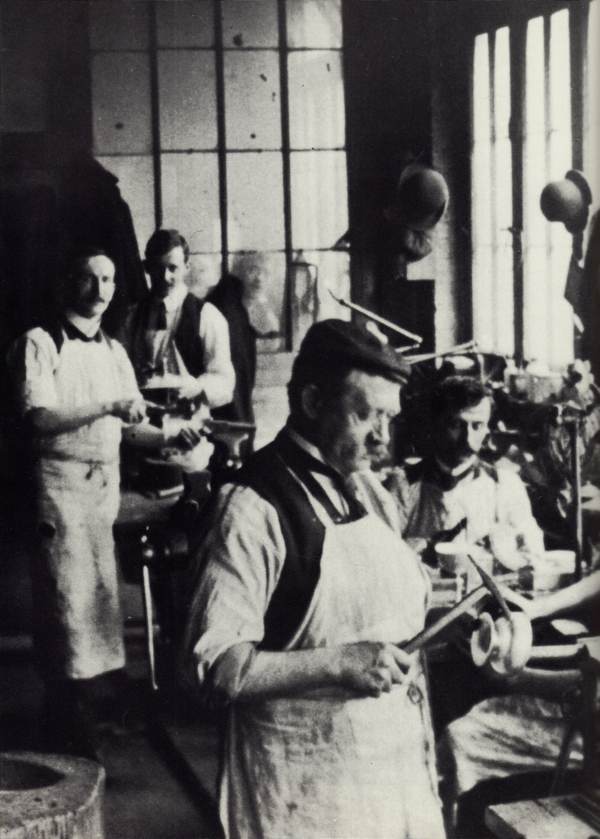
Metal workshop
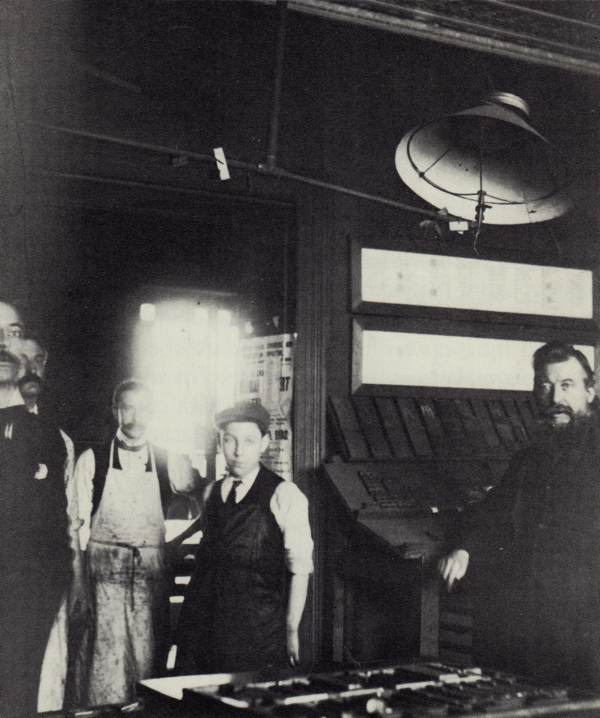
In the print shop
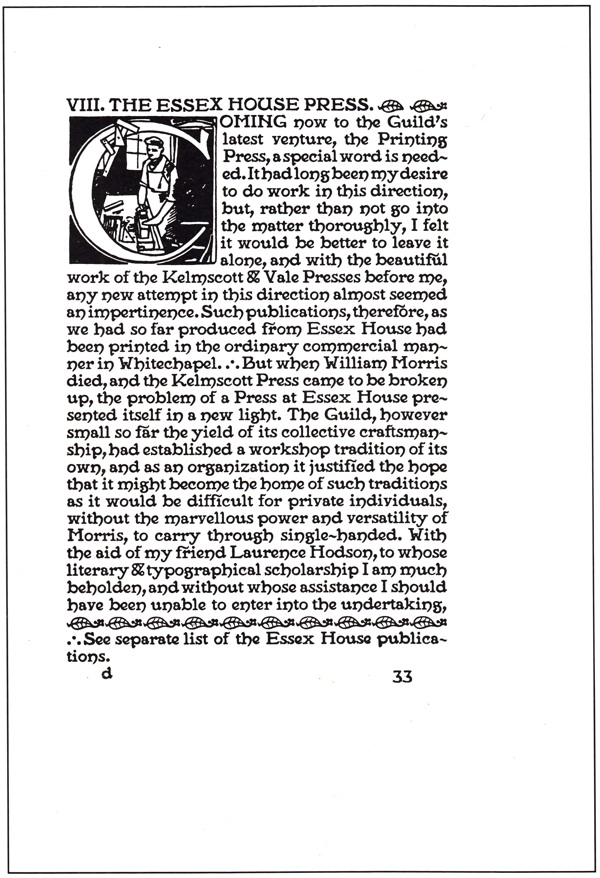
A page set in the ‘Endeavour’ typeface designed by CR Ashbee and printed at Essex House, 1901
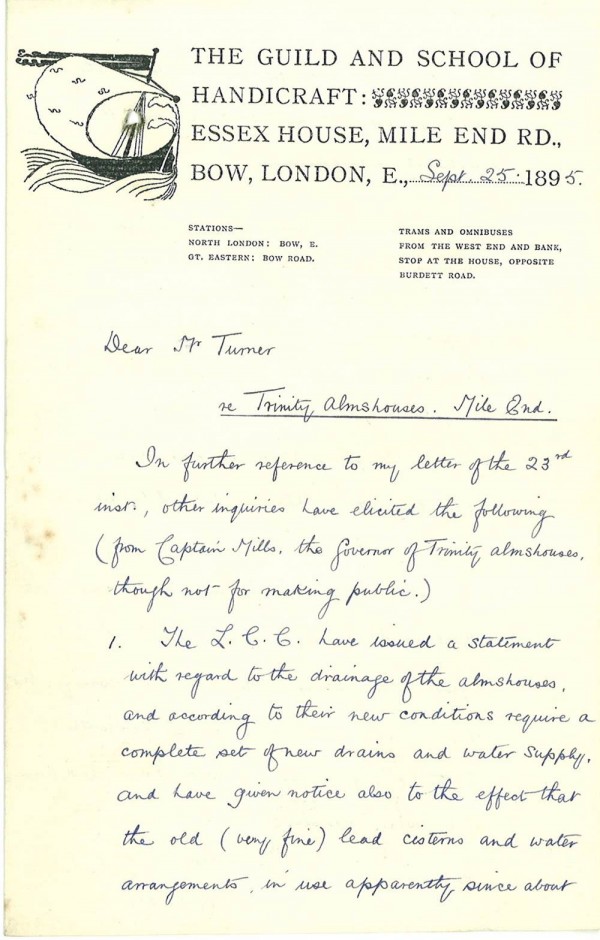
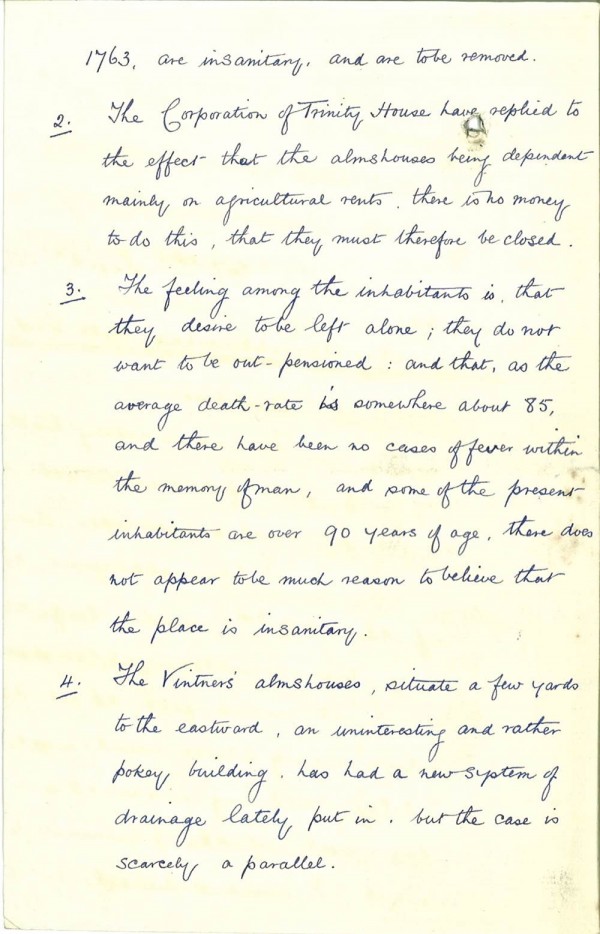
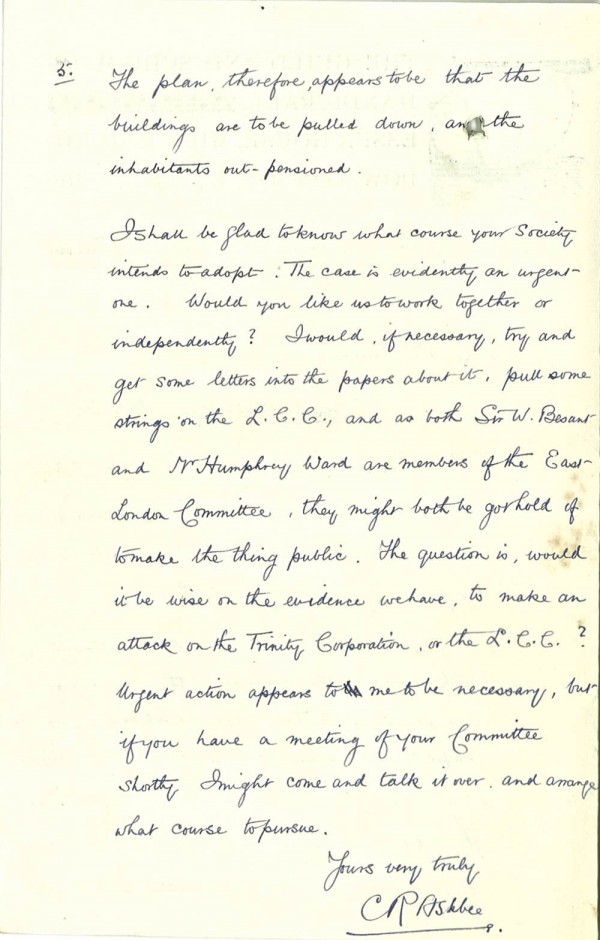
CR Ashbee writes a campaigning letter to the Society for Protection of Ancient Buildings enlisting their support to save Trinity Green Almshouses in Whitechapel from demolition, 1895
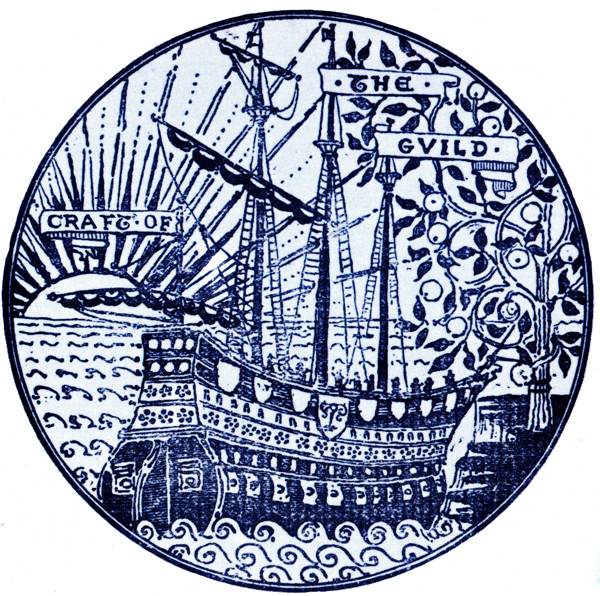
CR Ashbee’s symbol for the Guild Of Handicraft, 1889
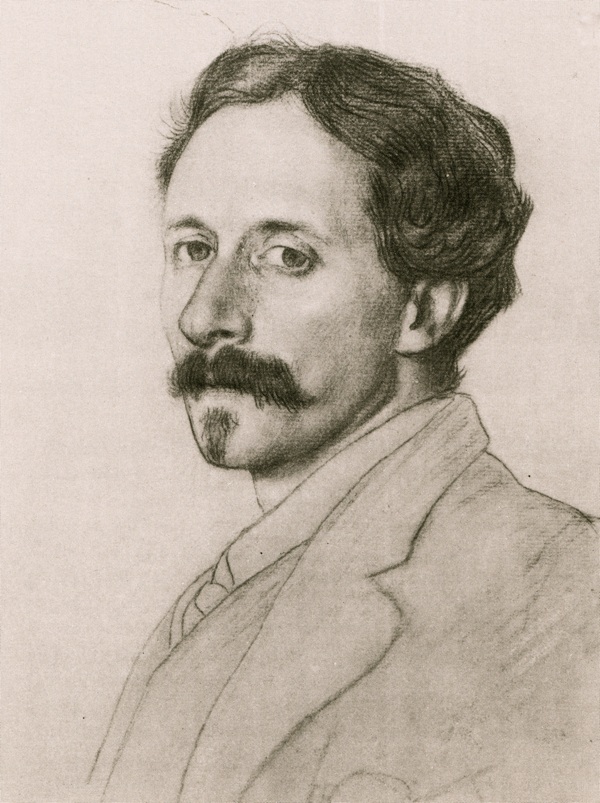
CR Ashbee by William Strang, 1903
THE EAST END PRESERVATION SOCIETY presents the C R ASHBEE MEMORIAL LECTURE 2016 on Monday 24th October at 7:30pm at St Leonard’s, Shoreditch, E1 6JN

Rowan Moore explores ‘The Future of London.’ Drawing on his recent book ‘Slow Burn City: London in the Twenty-First Century,’ Moore looks at the physical fabric of contemporary London as a site of social and cultural struggle, connecting the political and architectural decisions of London’s enfeebled and reactive government with the built environment that affects its inhabitants’ everyday lives.
London has always been a city of trade, exploitation and opportunity. But London has an equal history of public interventions, like the Clean Air Act, the creation of the green belt and council housing, and the innovation of infrastructure projects like the sewers and embankments that removed the threat of water-born cholera. The responses to the challenge of a transforming London were creative and unprecedented – huge in scale and often controversial. So while London must change, Moore explains why it should do so with a ‘slow burn,’ through the interplay of private investment, public good and legislative action.
Rowan Moore is architecture critic for the Observer and previously for the Evening Standard. He is a trained architect, and was Director of the Architecture Foundation until 2008.
Tickets are free but must be booked in advance by clicking here

You may also like to read about
The East End Preservation Society
Thomas Newington’s Recipes
At this harvest season, I thought you might take inspiration from these recipes – culinary and medicinal – from Thomas Newington‘s book that he wrote in 1715 while in domestic service in Brighton, illustrated with wood engravings by Reynolds Stone. Do let me know how you get on.
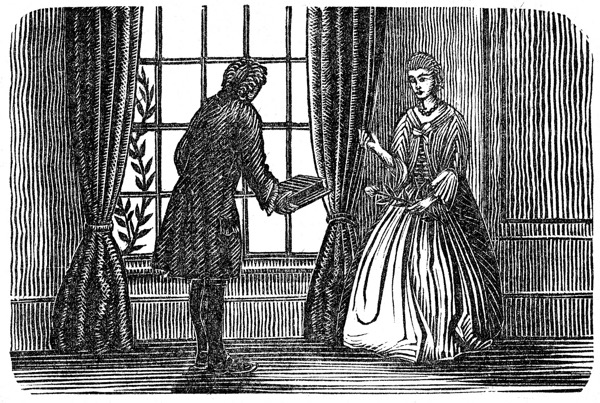
Madam, Perhaps you may wonder to see your Receipts thus increased in Bulk and Number, Especily when you consider that they come from me who cannot make pretentions to things of thy nature, but haveing in my hands some Excelent Manuscripts of Phisick, Cookery, Preserves &c which were the Palladium of Many Noble Familyes, I did imagine that by blending them together, which in themselves were so choice and valuable, they woud magnifie and Illustrate each other.
Madam, I might well fear lest these rude and unpolished lines should offend you but that I hope your goodness will rather smile at the faults commited than censure them.
However I desire your Ladyships pardon for presenting things so unworthy to your View and except the goodwill of him who in all Duty is bound to be.
Your Ladyships Most Humble & most Obeiant Sarvant,
Thomas Newington
Brighthelmstone, May the 20: 1719
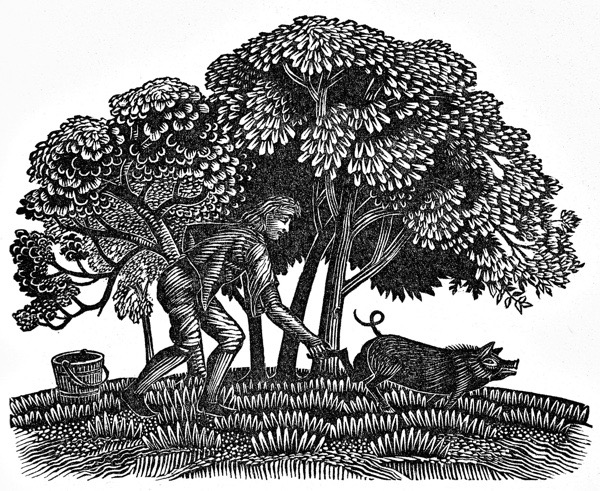
HOW TO KILL & ROAST A PIGG
Take your Pigg and hold the head down in a Payle of cold Watter untill strangeled, then hang him up buy the heals and fley him, then open him, then chine him down the back as you doe a porker first cuting of his head, then cut him in fower quarters, then lard two of the quarters with lemon peele and other two with tops of Time, then spit and roast them. The head requeares more roasting than the braines with a little Sage and grave for sauce.
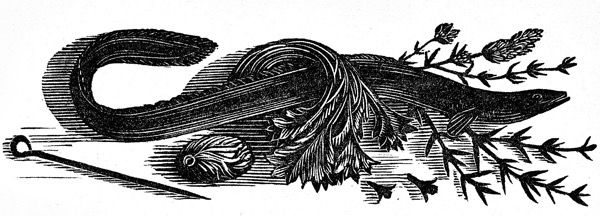
TO SPITCHCOCK EELS
Pull of the skins to the taile, then strow on them a little cloves, Mace, peper & salt, a little time and savory and parsly shred very fine. Then draw up the skinn and turn them up in the shape of S, and some round. Run a skure through them, then frye or boyle them and lay them round other fish.
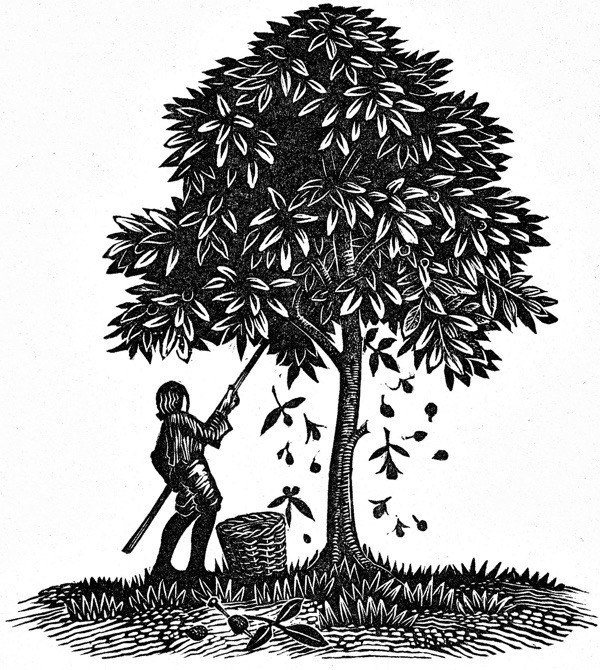
TO PRESERVE GREENE WALNUTS
Take your wallnuts when they be so young that a pin will go through them, then set them on fire and let them boyle in fair Watter till the bitterness go out, shifting it once or twice. Then take to every pound of Walnuts a pound of lofe sugar, half a pint of watter, boyleing till they be tender in this surrupe. Then let them stand to soak in this surrupe 3 or 4 dayes, then take them out and prick 3 or 4 holes in each sticking half a Clove and a little Cynament in each, but if you fear it will be to strong of the spice omit some of them. Then set on your surrupe and skim it, adding a pound more of sugar. Boyle them therein to thick syrrupe and let them stand for a fortnight or three Weekes, then boyle them up and add more sugar if you see Occasion. They are Cordial to take in a Morning, good for the stomach and Loosen the Body.
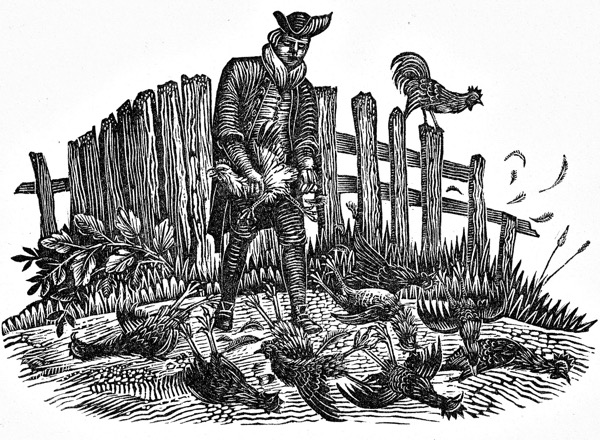
A REMEDY FOR THE PLAGUE
Among the excelent and aproved medecines for the Pestilence, there is none worthy and avaylable when the sore appeareth. Then take a Cock Pullet and pluck of the fethers of the taile or hinderpart till the rump be bare, then hold the bare of the said Pullet to the sore and the pullet will gape and labour for life and in the end he will dye. Then take another Pullet and doe the like and so another as the Pullets do dye, for when the Poyson is Drawn out the last Pullet that is offered therto will live. The sore Presently is assuaged and the party recovereth.
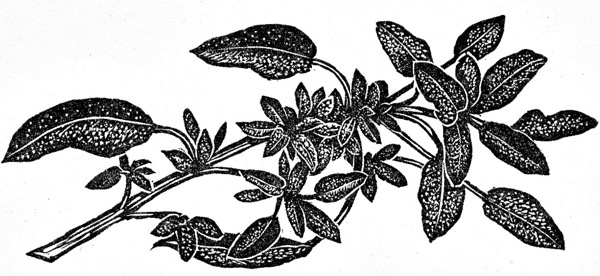
A SURRUP FOR THE PRESERVATION OF LONG LIFE RECOMMENDD TO THE RIGHT HONBLE MARY COUNTESS OF FEVERSHAM BY DR PETER DUMOULIN OF CANTERBURY JUNE YE 2, 1682
An Eminent Officer in the great Army with the Emperour Charles the 5th sent into Barbary had his quarters there Assigned him in an Old Gentlemans House with whom by mutall offices of Humanity he soone contracted a singular Freindship. Seeing him looke very Old yet very Fresh and Vigourous he asked him how old he was – he answerd he was 132 years old, that till Sixty Yeares of Age he had been a good Fellow takeing little care of his health but that then he had begun to take a spoonfull of surrup every morning fasting, which ever since has keept him in health. Being Desired to impart that receipt to his Guest he freely granted it and the Officer being returned to his Cuntry made use of that surrup and with it Preserved himself and many more, yet kept the Receipt secret till haveing attained by this surrupe ninety two years of Age, he made a scruple to keep it secret any longer and publisht for the Common good.
Take of the juices of mercurial eight pounds, of the juice of Burridg two pounds, of the juice of Buglosse two pounds. Mingle these with twelve pounds of clarrified Honey, the whitest you can gett, let them boyle together aboyling and paas them through a Hypocras Bag of new flannell. Infuse in three pints of White Wine, a quarter of a pound Gentian Root and half a pound of Irish root or blew Flower de Lis. Let them be infused twenty fower houers then straind without squeezing, put the liquor to that of the herbs and Hony, boyle them well together to constistence of a surrup. You must order the matter so that one thing stays not for the other but that all be ready together. A spoonfull of this surrup is to be taken every morning Fasting.
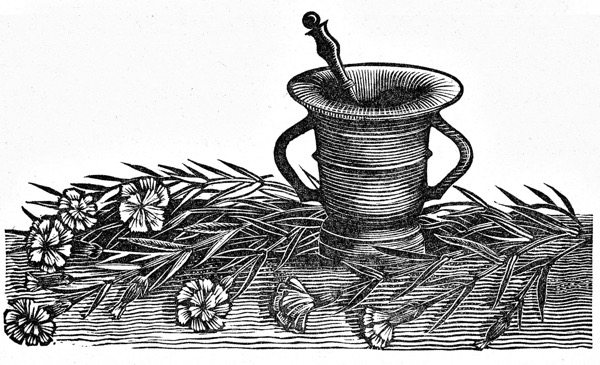
TO MAKE SURRUPE OF CLOVE GILY FLOWERS
Take a pound of the flowers when they are cleane cut from their white bottom and beat them into a stone Mortar till they be very fine all. Then haveing Fair watter very well boyled, take a quart of it boyling hott and pour it to them in the Mortar, then cover it close and let it stand all night, and the next dat streyne them out and to every pint of this Liquor take a pound and a half of Duble Refine Lofe Sugar beaten, then put your sugar and set it on the fire and boyle it and, when it is clean scimed, take it of and pour it into a silver or Earthen Bason and so let it stand uncovered till the next day, then glass it up and stop it close and set it not but where it may stand coole & it will keep the better.
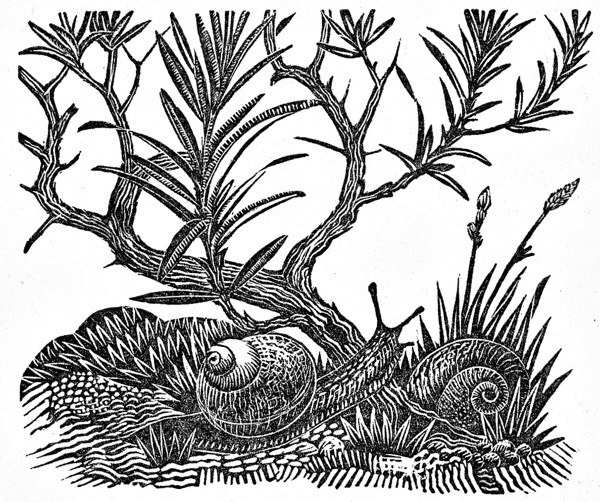
A SNAYLE WATTER IS GOOD IN A CONSUMPTION OR JAUNDICE TO CLEAR THE SKIN OR REVIVE YE SPIRRITS
Take a Peck of Garden Snayles in their Shells. Gather them as near as you can out of lavender or Rosemary and not in trees or grass. Wash them in a Tubb three times in Beere, then make your Chimney very clean and power out a bushall of charcole and, when they are well kindled, make a great hole with a fire shovell and put in your Snayles and Put in some of your cleane burnt coals among them and let roast till they leave makeing a noise. Then you must take them forth with a knife and clean them with a cleane Cloathpick and wipe away the coales and green froth that will be upon them. Then beat them in a mortar shells and all.
Take also a Quart of Earthworms, slitt and scower them with salt, then wash them in whitewine till you have taken away all the filth from them, and put them into a stone Mortar and beat them to peices. Then take a sweet, clean Iron pott which you will sett your limbeck on, then take 2 Ms. of Angellica and lay it in the bottome of your Pott and 2 Ms. of Sallendine, on the top of that putt in 2 quarts of Rosemary Flowers, Bearsfoot, Egrimony, the redest Dock roots you can get, the barbery bark, Wood Sorrell, bettony, of each three handfulls, 1 handfull of Rue, of Flengreek and Turmerick, of each one ounce well beaten.
Then lay your Snayles and wormes on top of your herbs and flowers and power upon them the strongest Ale you can gett fower gallons, and two gallons of the best sack and let it stand all night or longer, stirring Divers times. In the morning put in two ounces of Cloves, twelve ounces of hartshorne, six ounces of ivory, the waight of two shillings of Saffron. The Cloves must be bruised. You must not stir it after these last things are in.
Then set it on your limbeck and close it fast with Rye Past and receive your water in Pintes. The first is the strongest and so smaller, the smallest may be mended by puting in some of the strongest. When you use it, take three spoonfulls of beere or Ale to two spoonfulls of the strongest and to this three quarts of cowslips flowers, one quart of Buglose and buridg flowers and 3 Ms. of liverworth.
If you will, you should feed your Snayles with sallendine and barbery leaves and bough, and the wash them in new milk fower times and then in a Tubb of strong Ale so that they may be very cleane, and then burn them.
You may also like to read about
Return To Sandwich
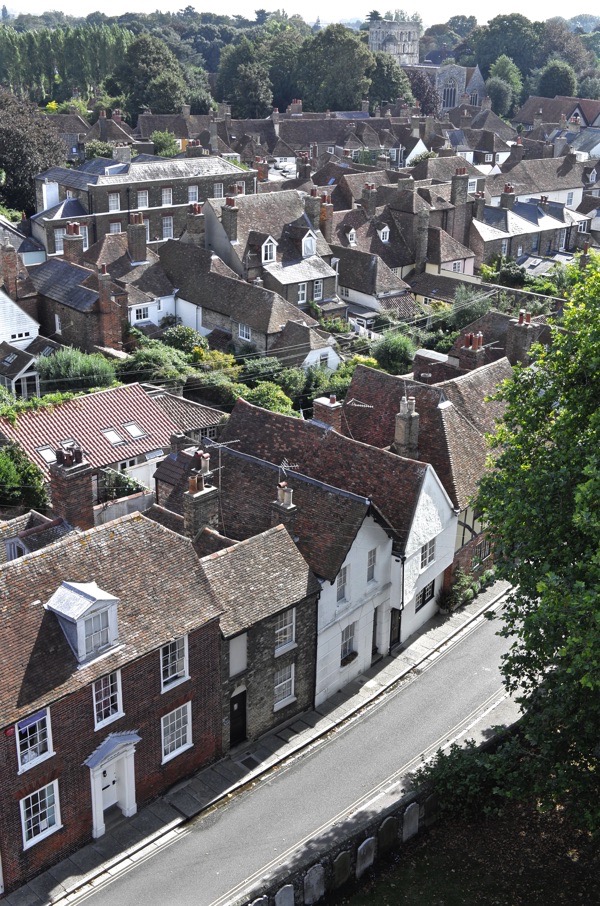
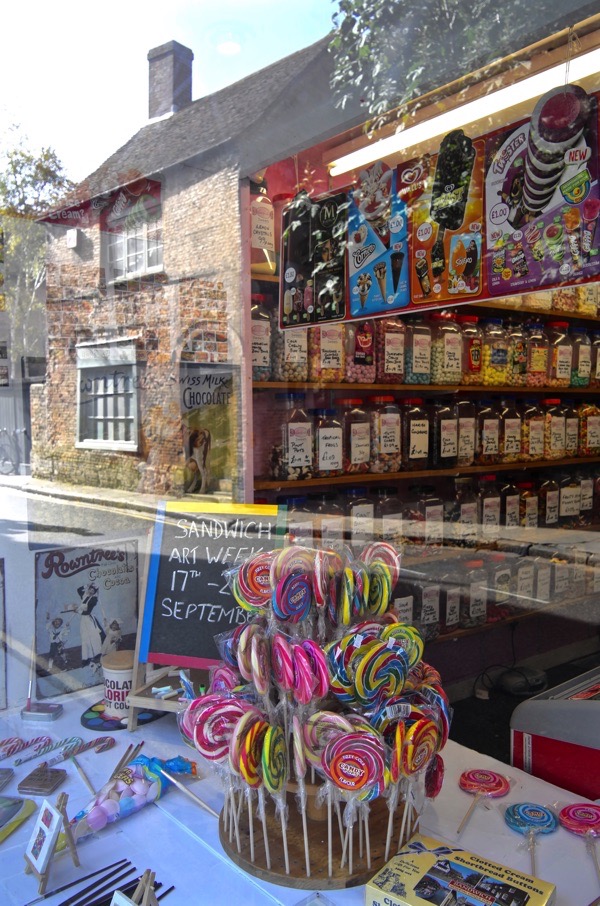
A year ago, I enjoyed a day trip to the ancient town of Sandwich and wrote a eulogy in these pages, outlining the wonders of the borough. Before long, an invitation to return was forthcoming from the citizens of Sandwich and, consequently, I had the pleasure of giving a lecture there in the Elizabethan courthouse last Friday as part of Sandwich Arts Week.
Again, I was blessed with a golden autumn day for my visit which, I was reliably informed, was on account of the Sandwich micro-climate. After spending a quiet night at the Fleur De Lis Hotel in Delft St, I woke early on Saturday morning and followed the narrow path down to the sea which has retreated a mile since the days when Sandwich was Britain’s second largest port, after London.
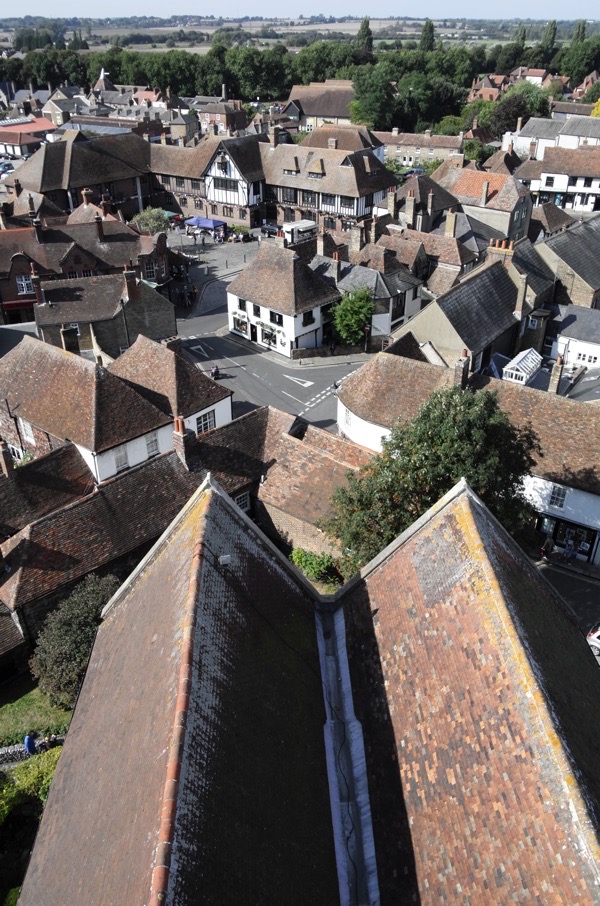
Sandwich Courthouse where I gave my lecture may be seen at the centre of this photograph taken from the tower of St Peter’s church
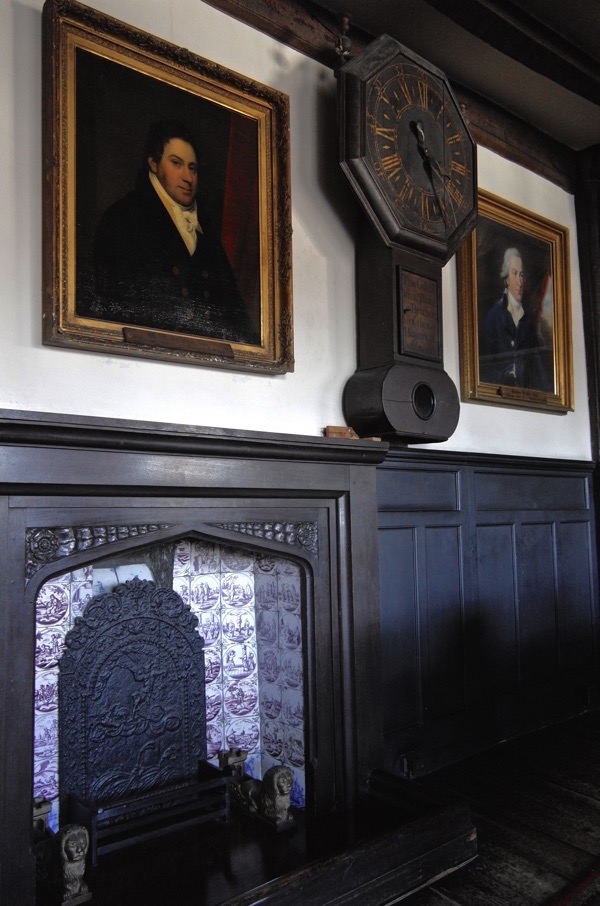
Manganese Delft fireplace in the courthouse
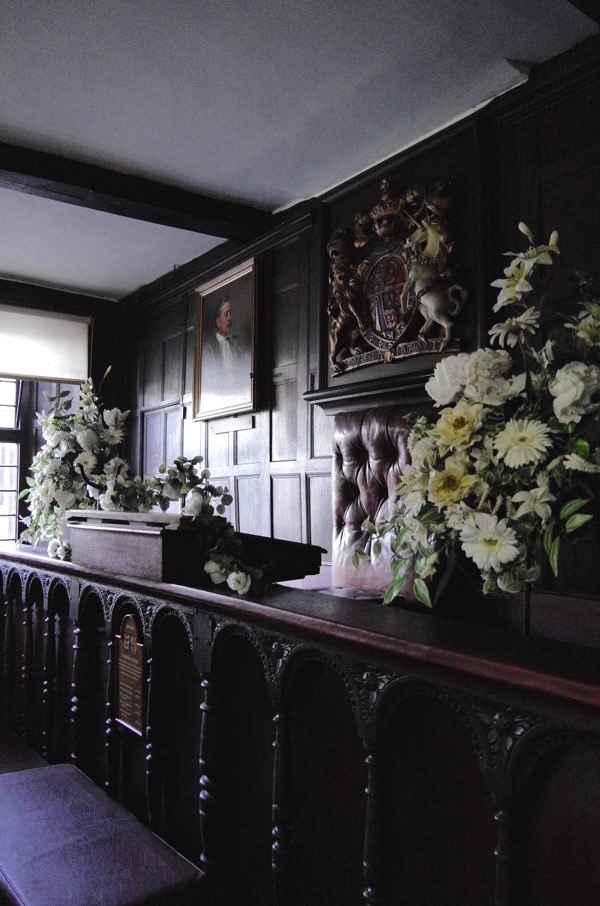
The courtroom where I gave my lecture
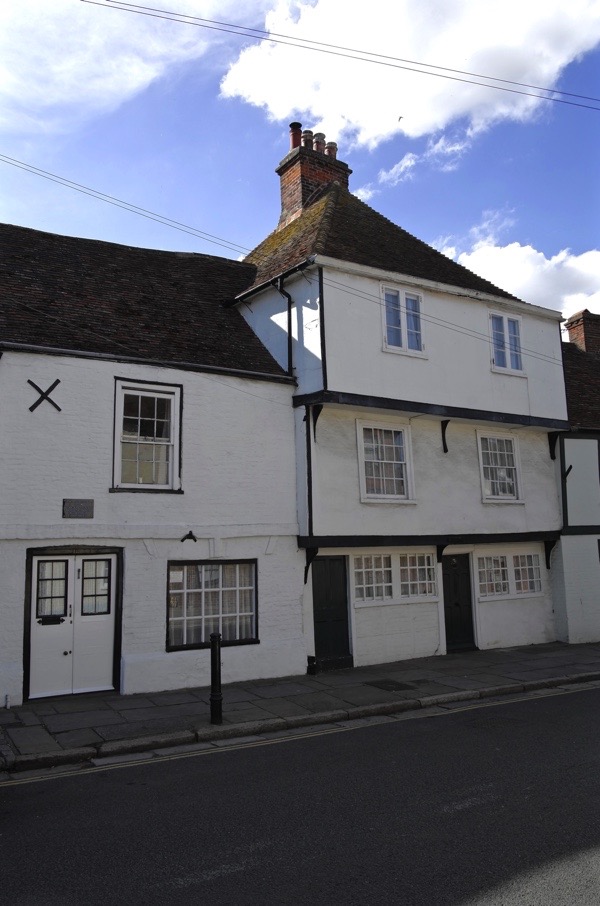
The house on the left is the birthplace of Thomas Paine, author of the ‘Rights of Man’
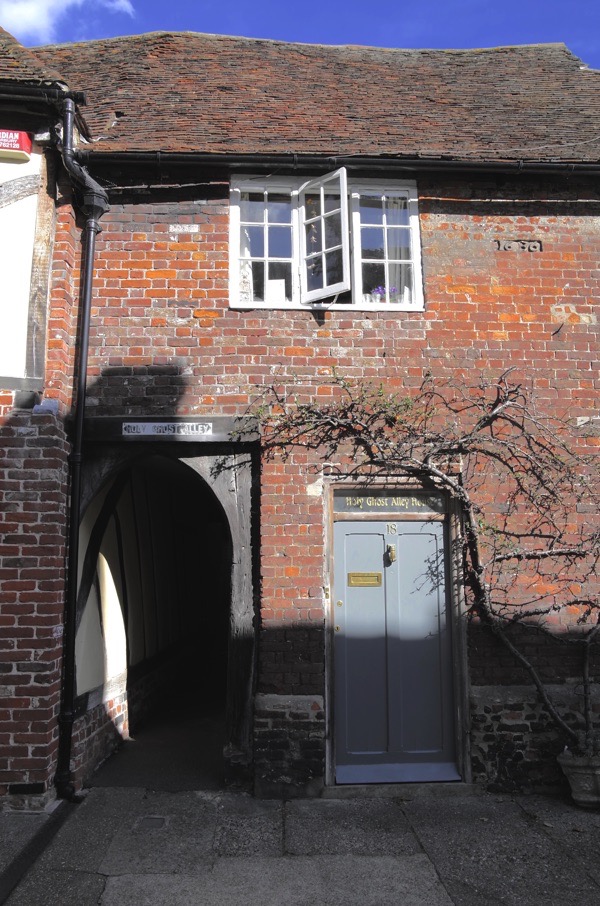
Holy Ghost House, dated to 1636 and Holy Ghost Alley
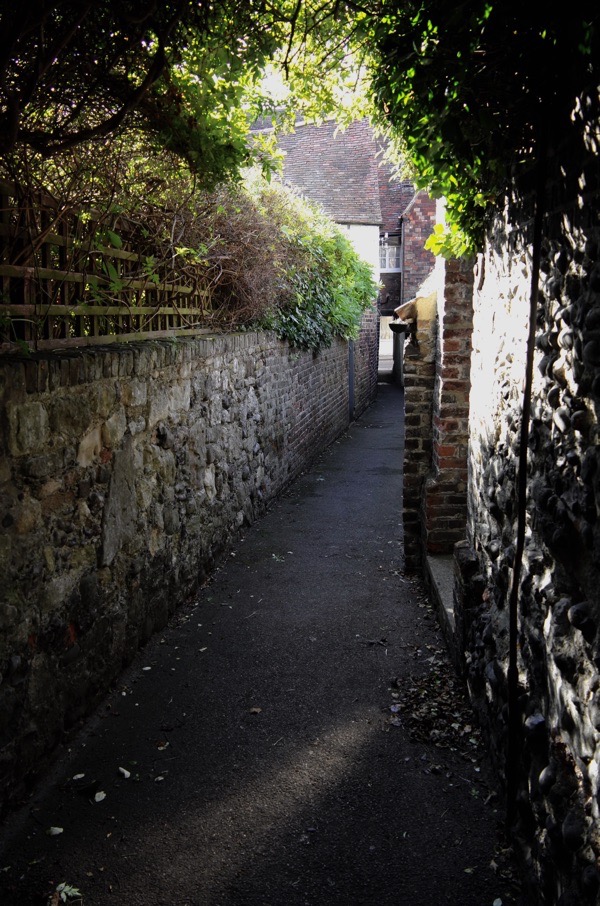
Looking back down Holy Ghost Alley
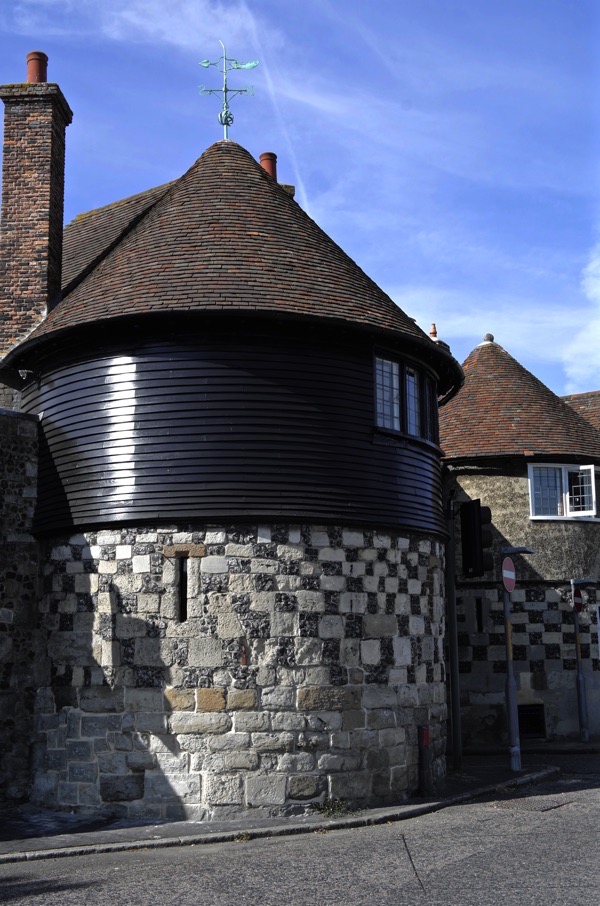
Medieval bastions of the Water Gate
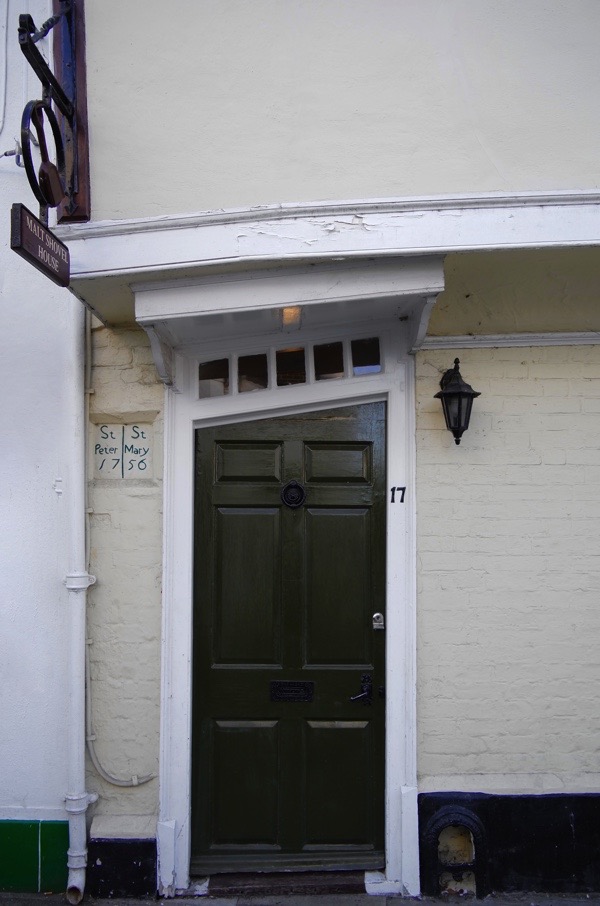
Malt Shovel House
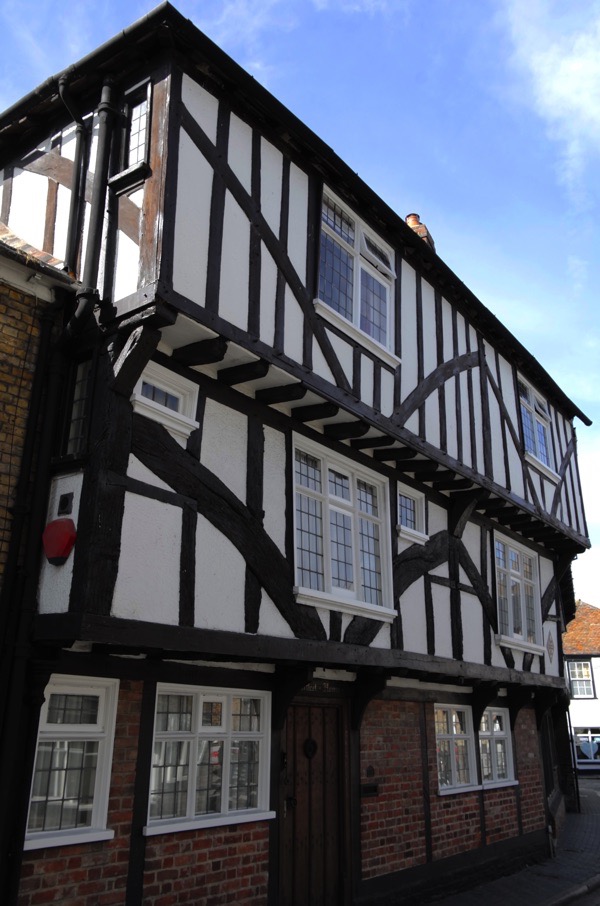
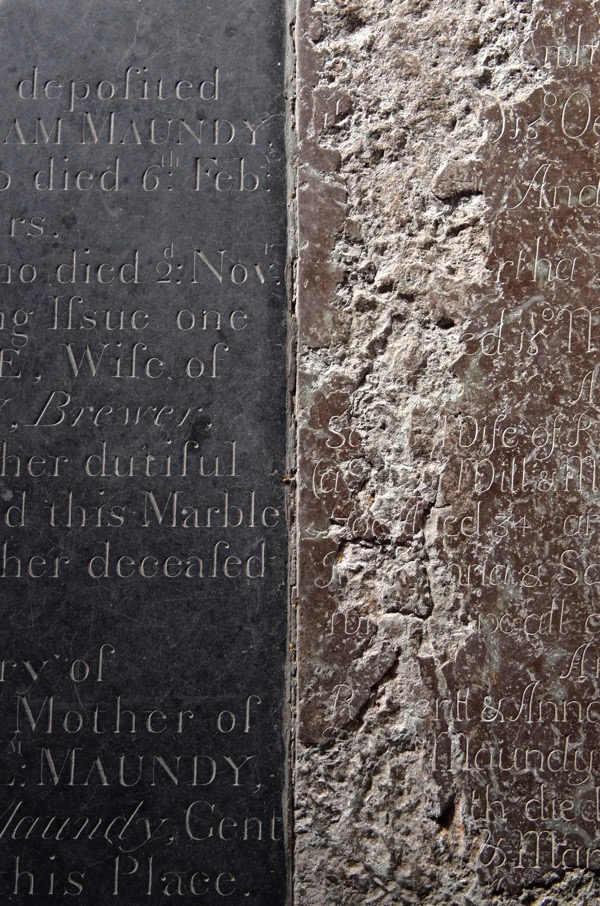
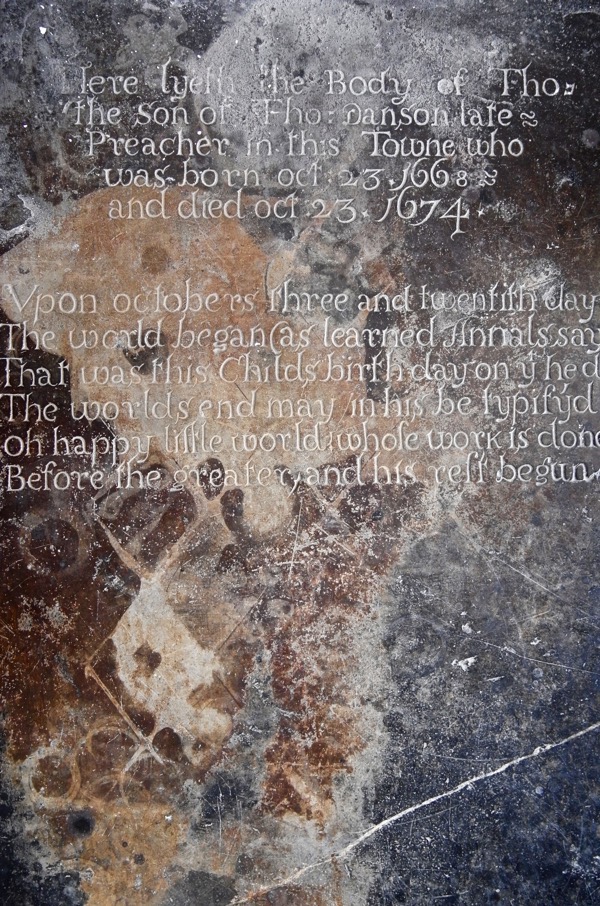
Thanks to the generosity of the owner, I was able to visit the rambling Harfleet House which has graffiti dated 1411 and a window from a medieval galleon built into the structure
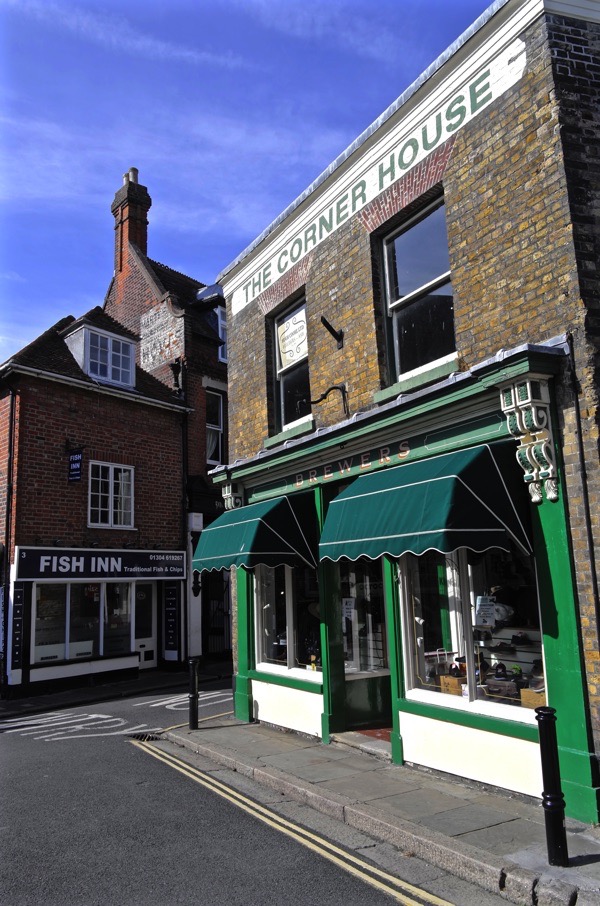
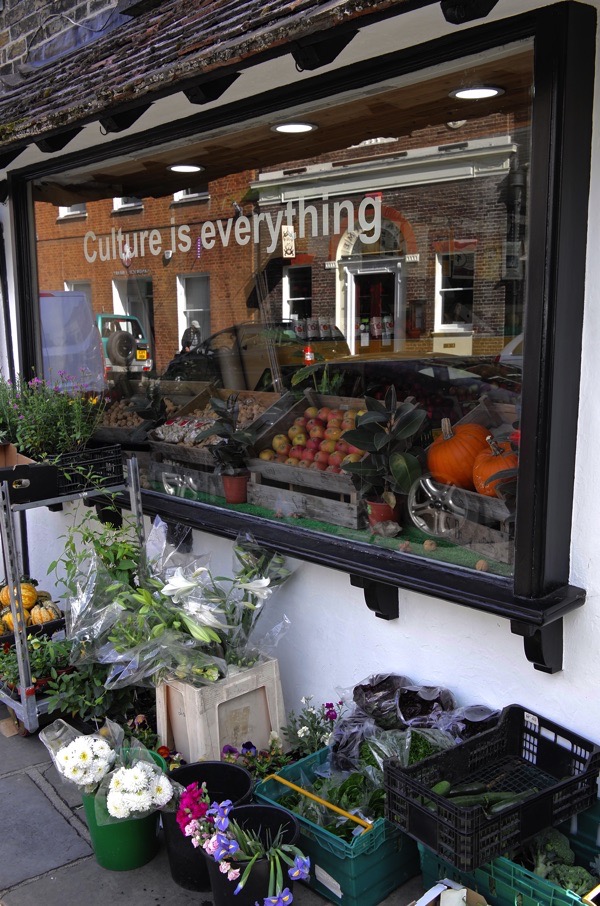
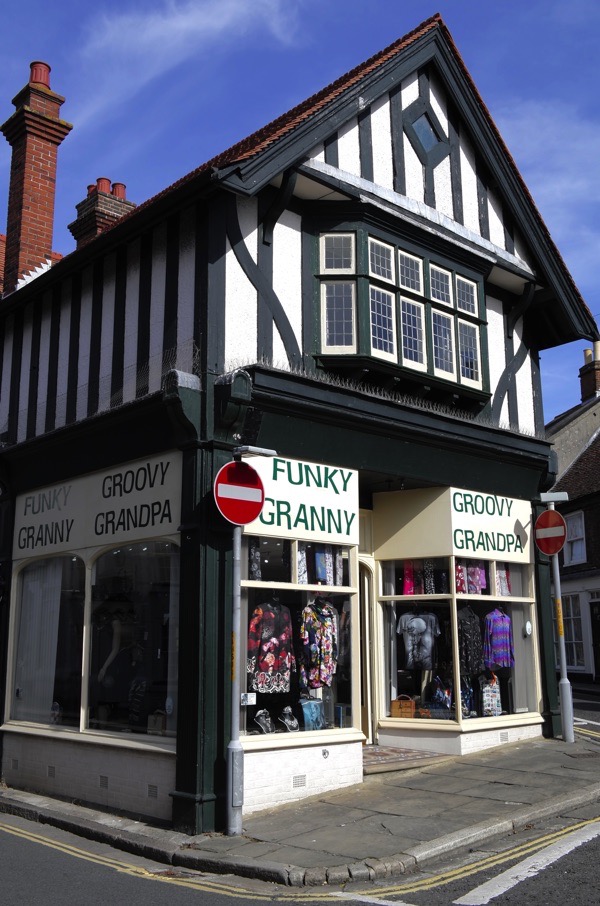
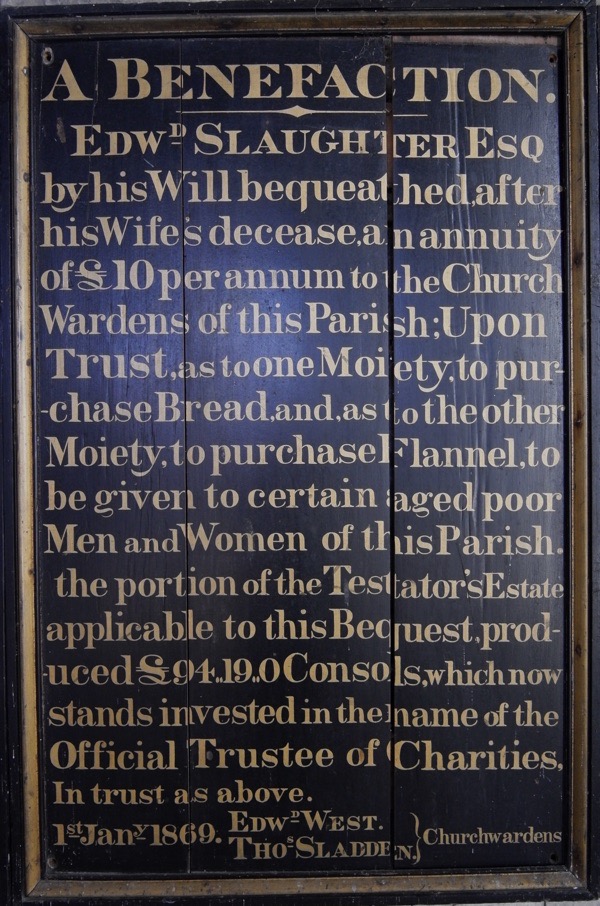
At St Mary’s Church
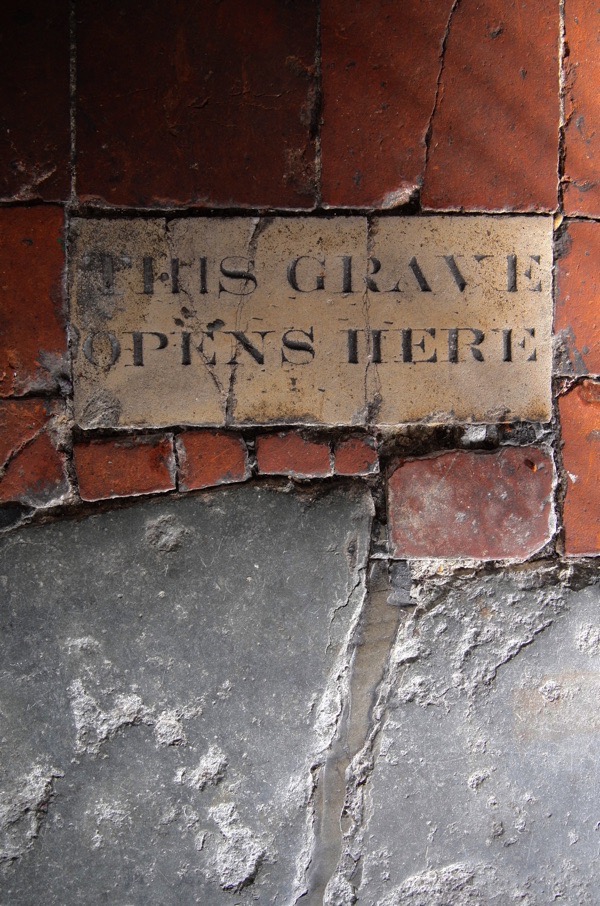
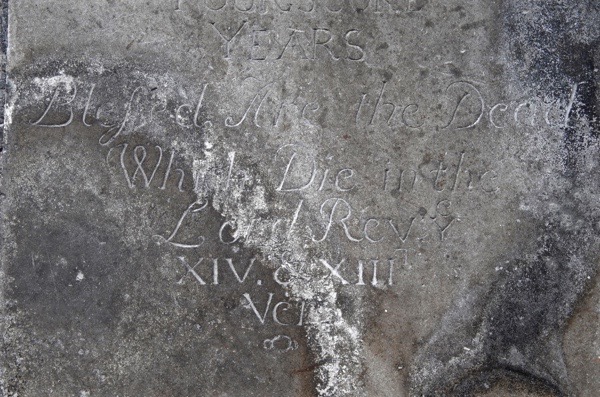
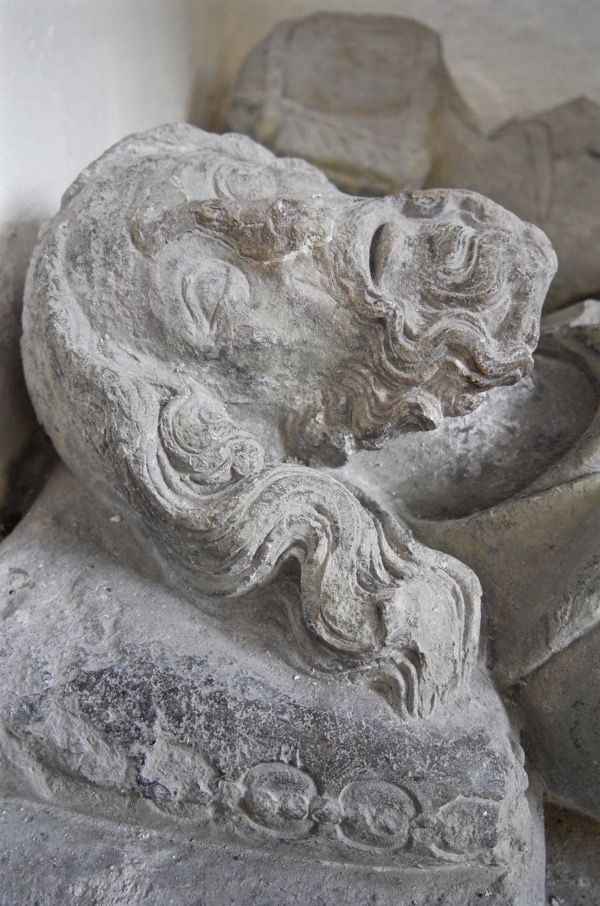
Effigy at St Peter’s Church
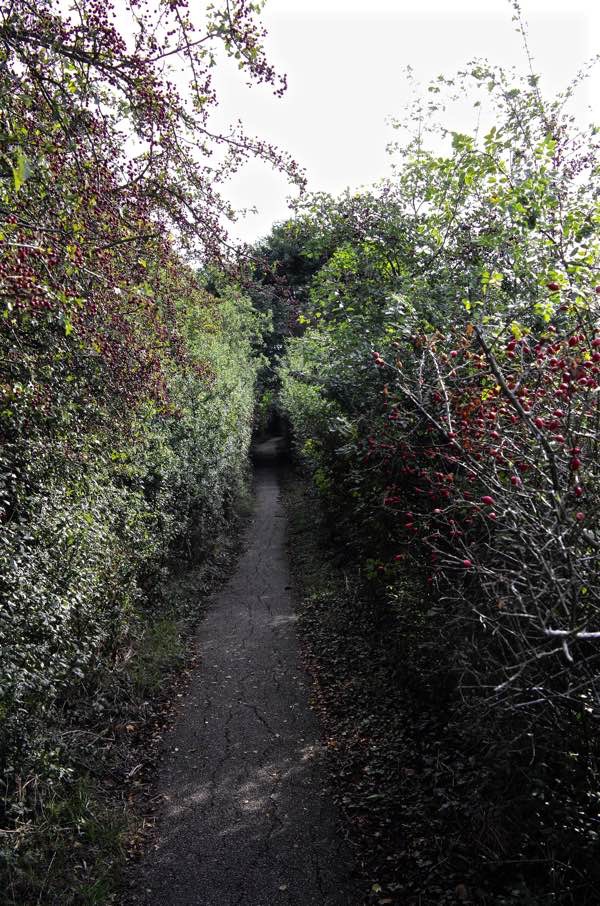
The path to the sea
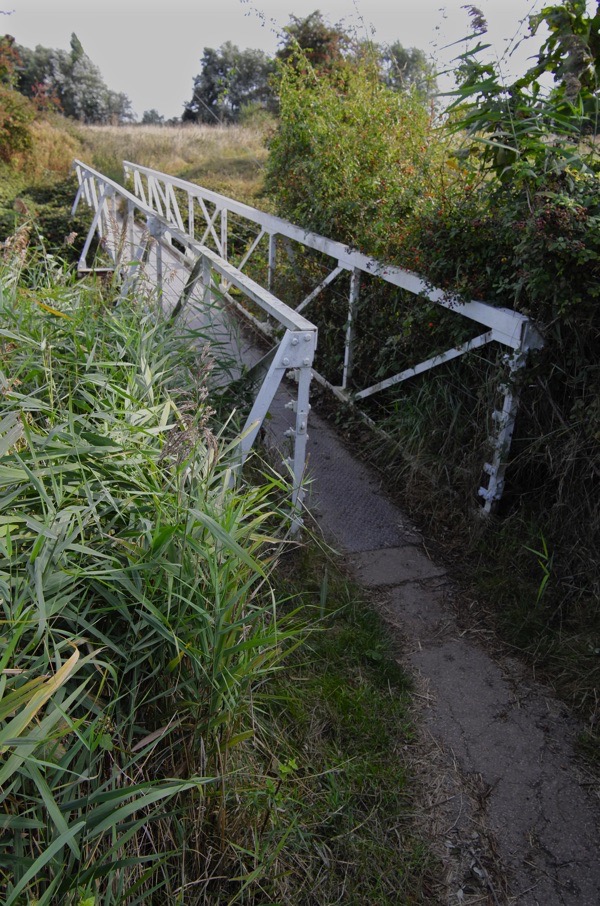
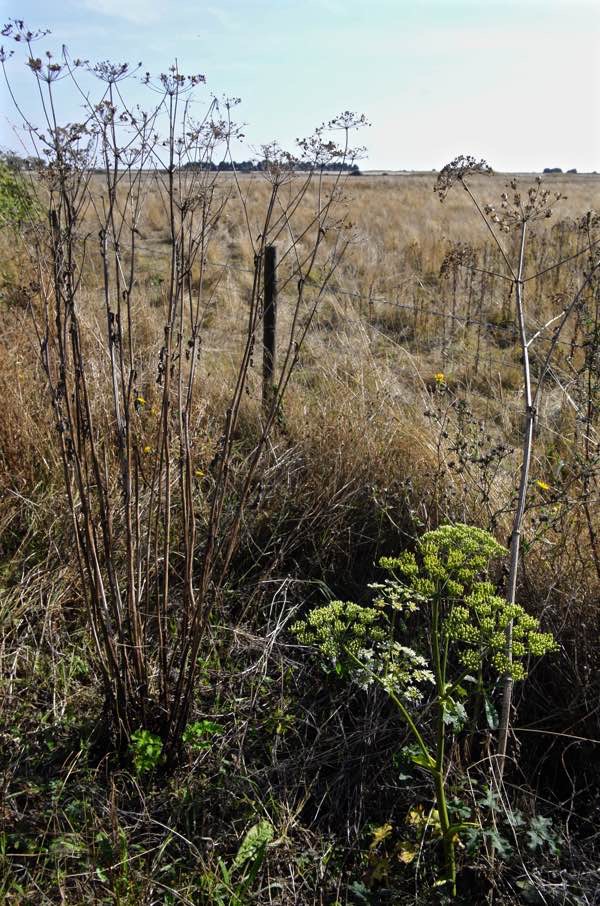
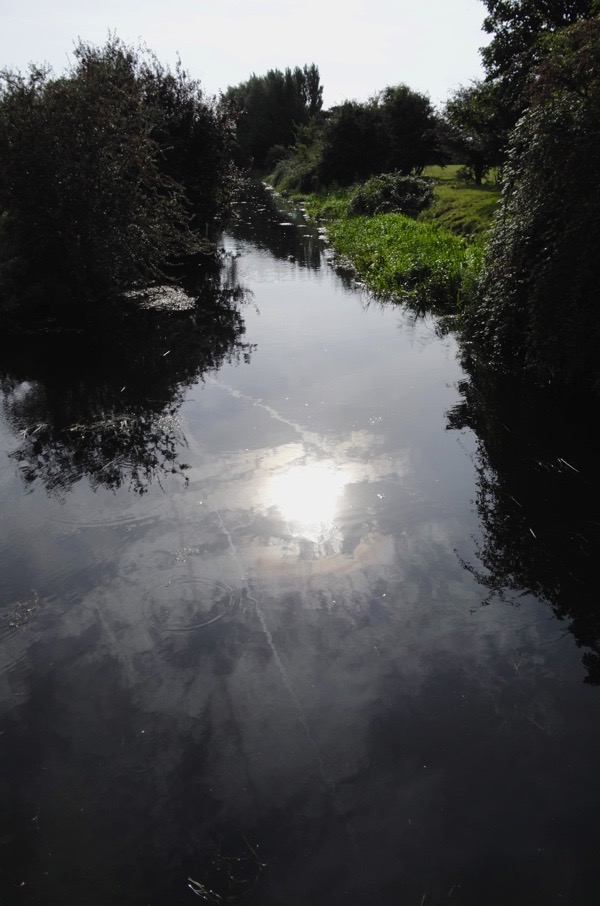
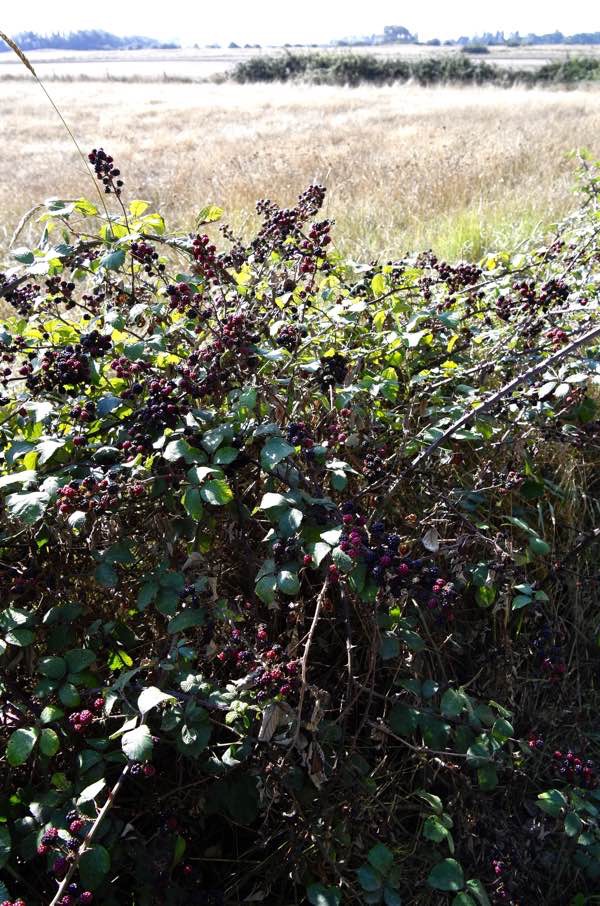
The last blackberries
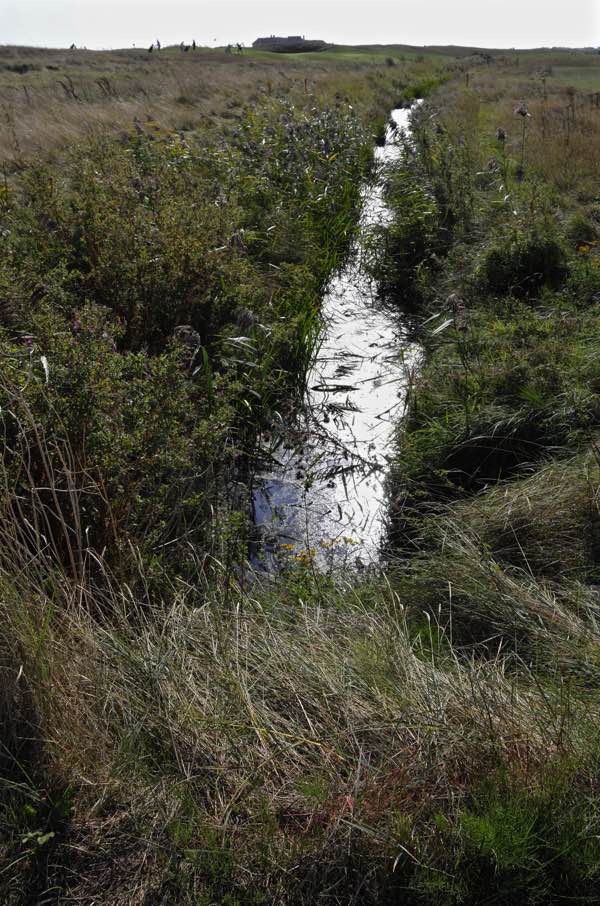
Golfers on the dunes
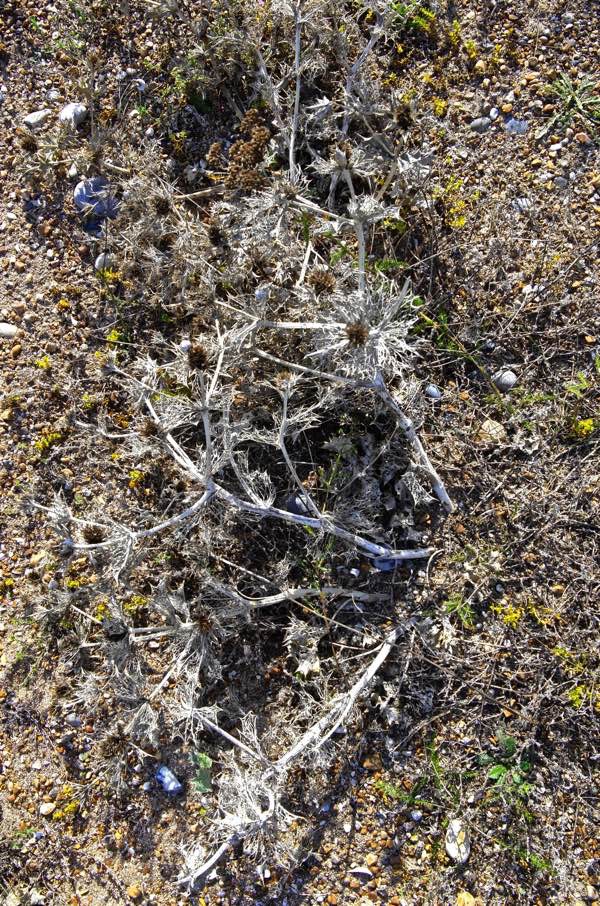
Sea Holly
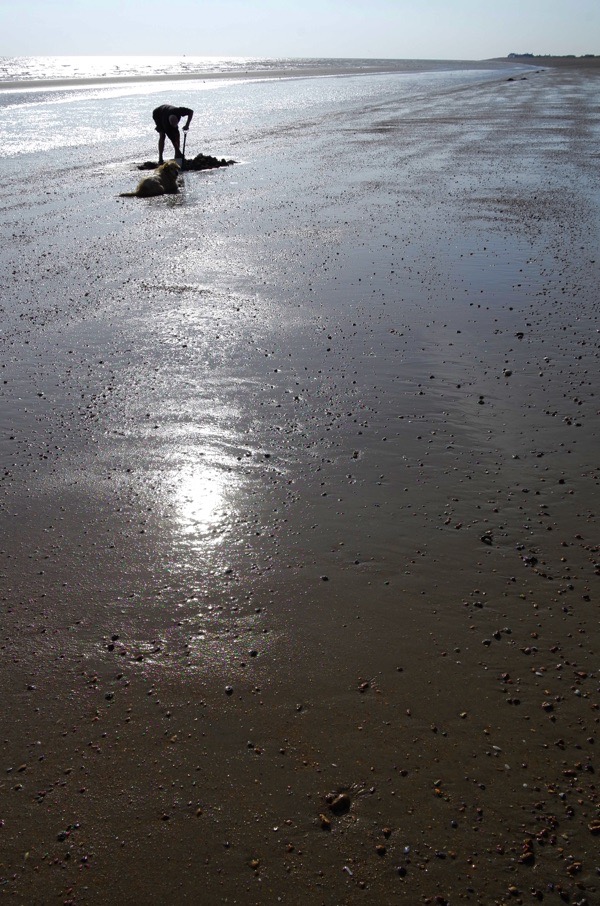
Digging for whelks at Sandwich
You may like to read my original story
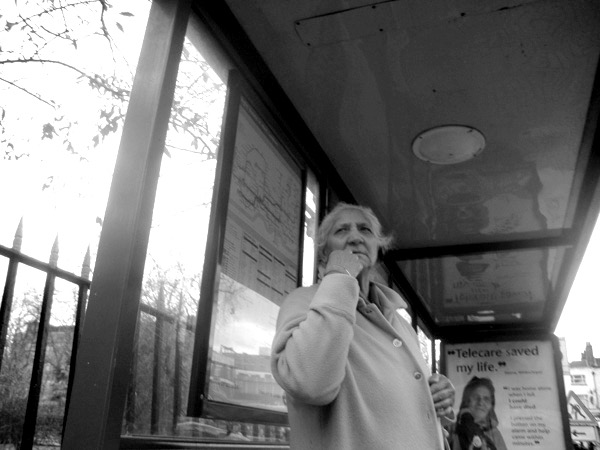
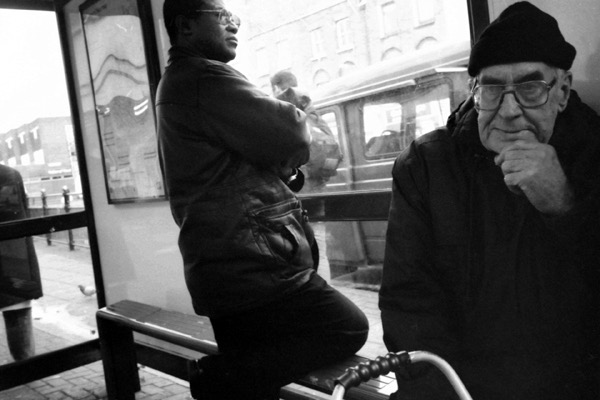
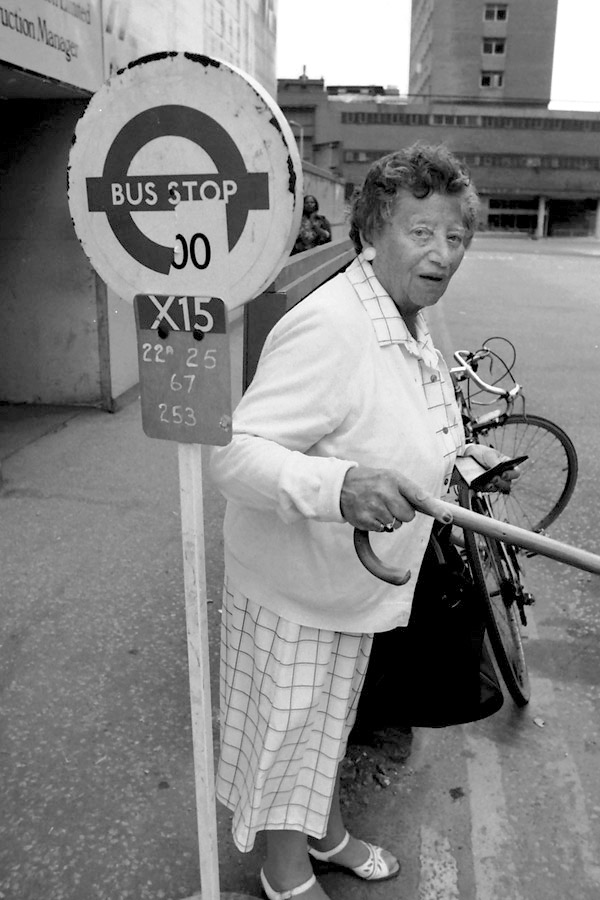
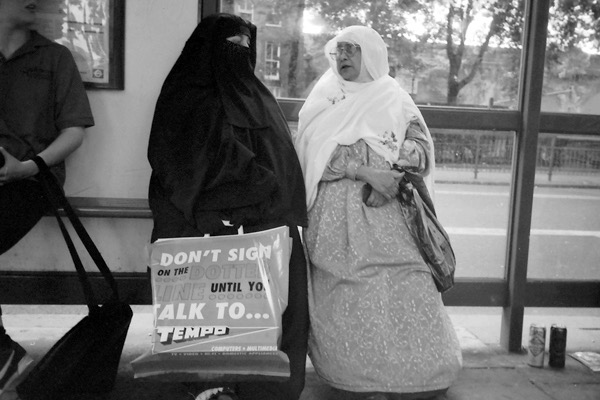
Phil Maxwell At The Bus Stop
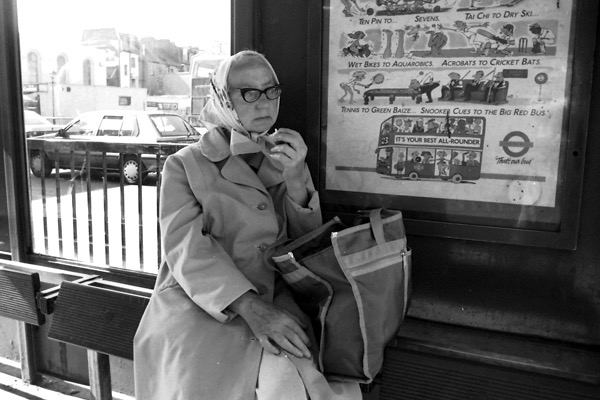
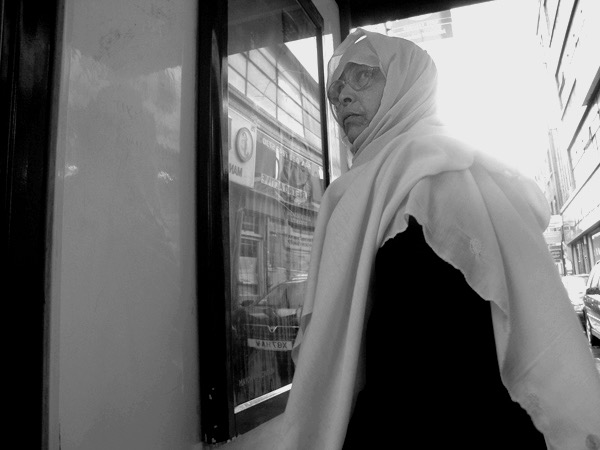
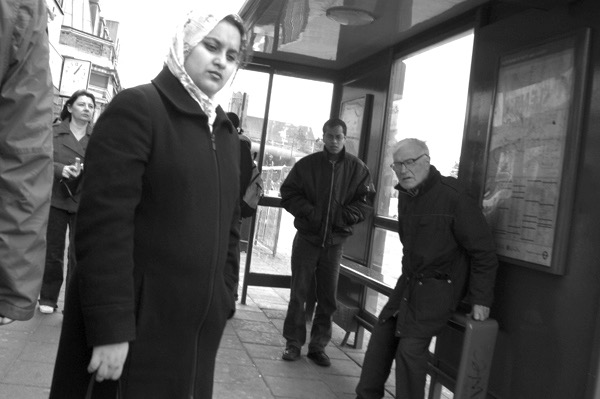
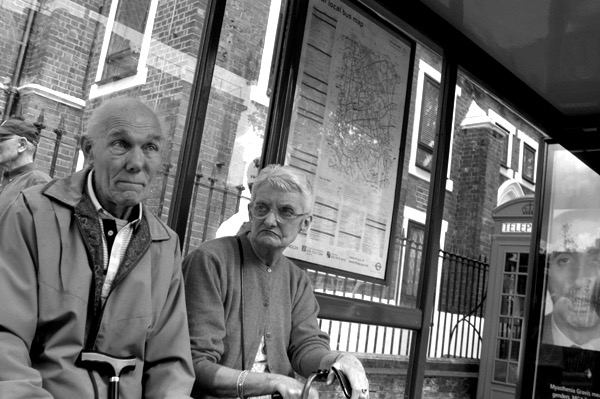
Contributing Photographer Phil Maxwell sent me this series of photographs taken in the East End over the last twenty years which succeed in capturing both the existential langueurs and intense emotional drama of collective anticipation which may be experienced every day at the bus stop

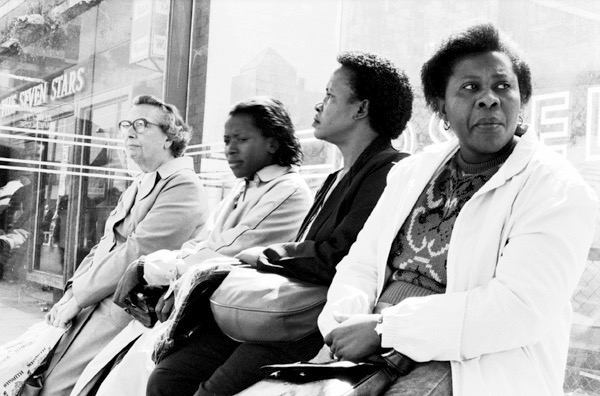
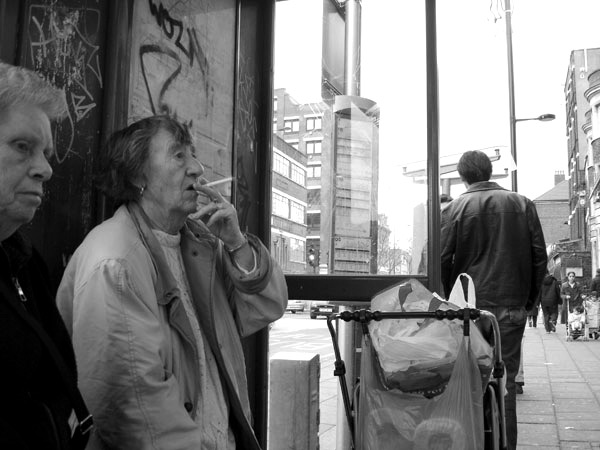
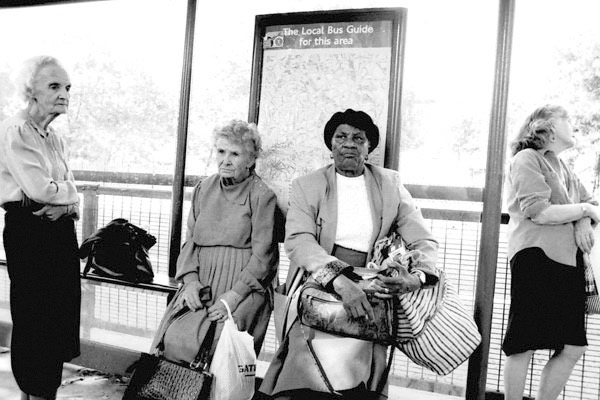
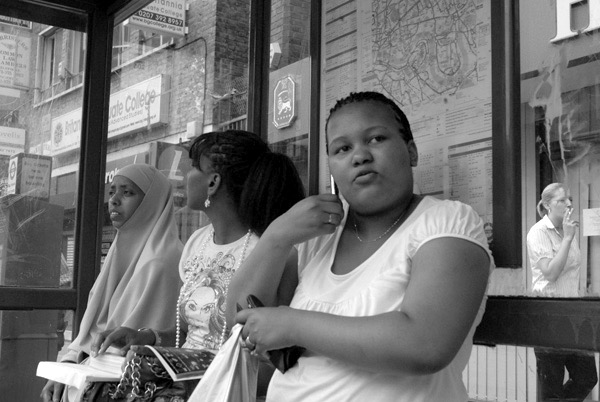
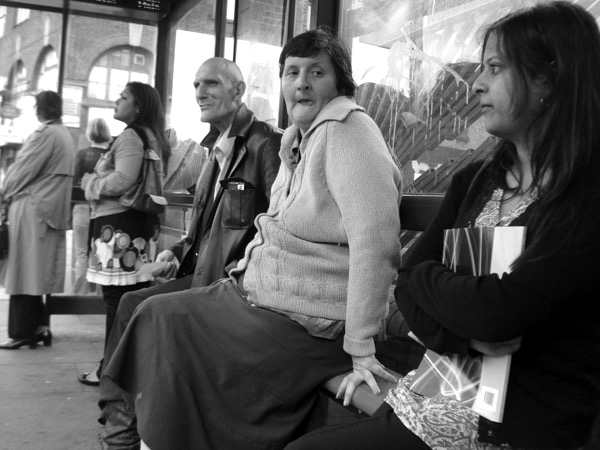
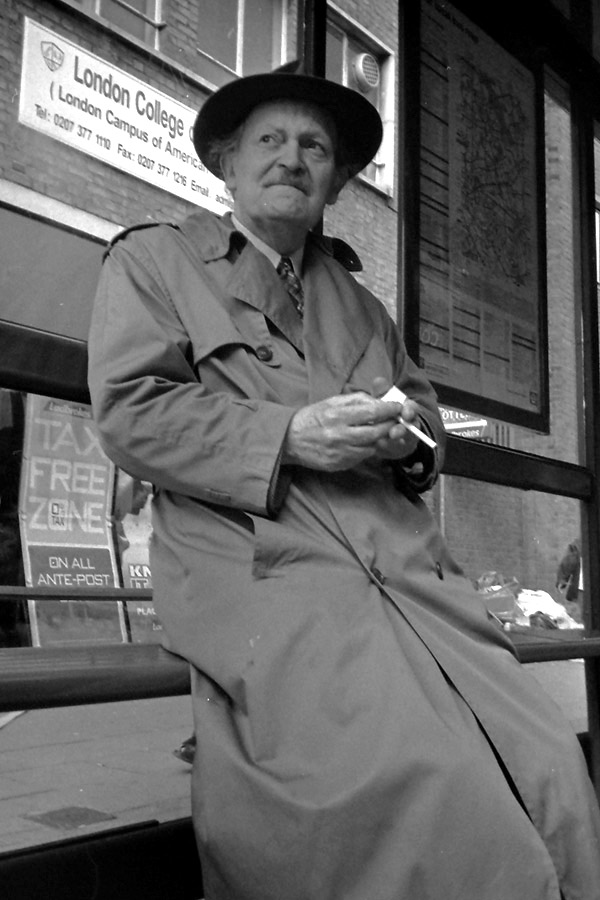
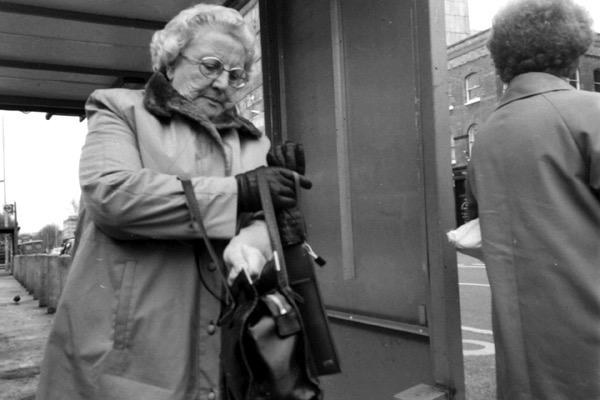
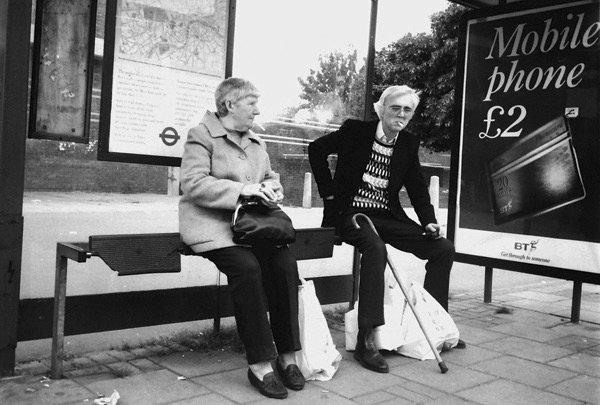
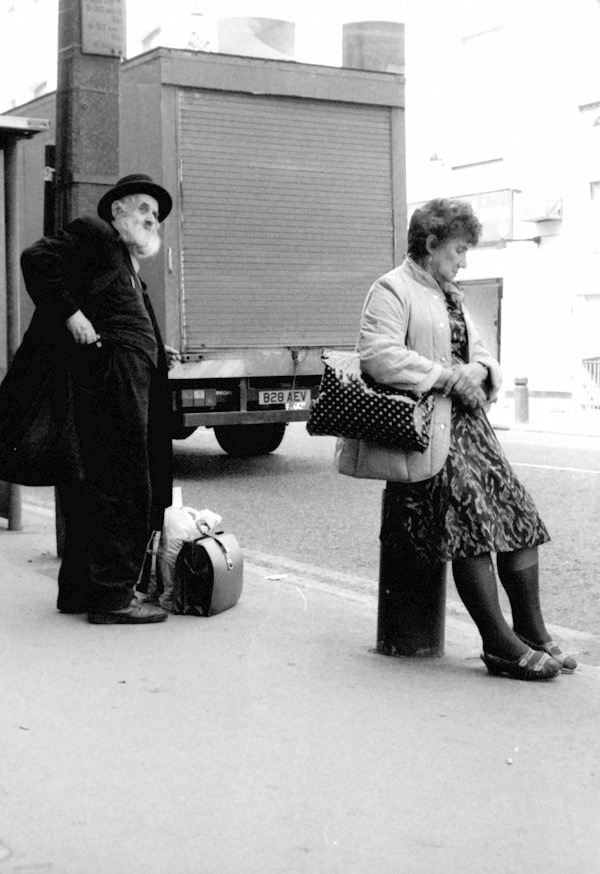
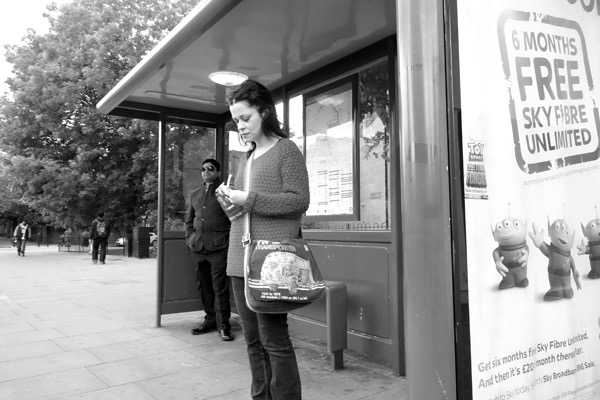
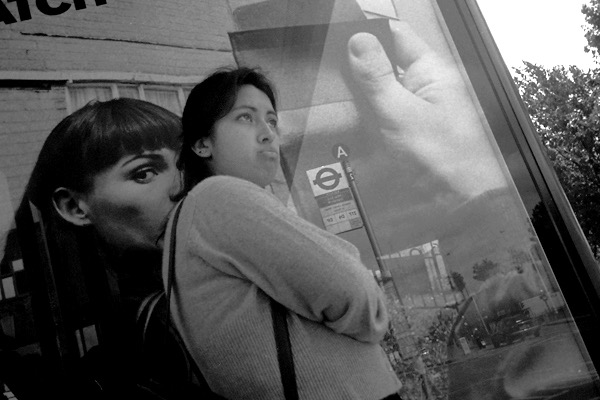
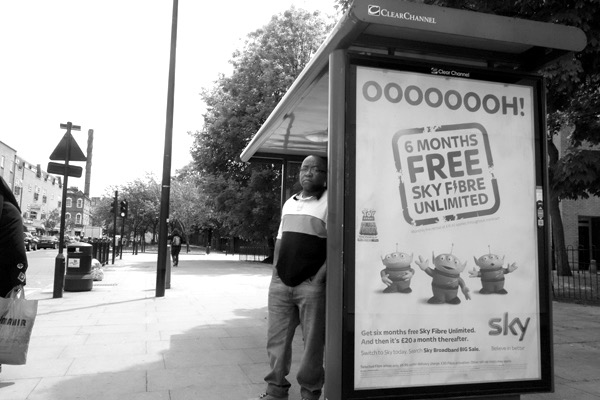
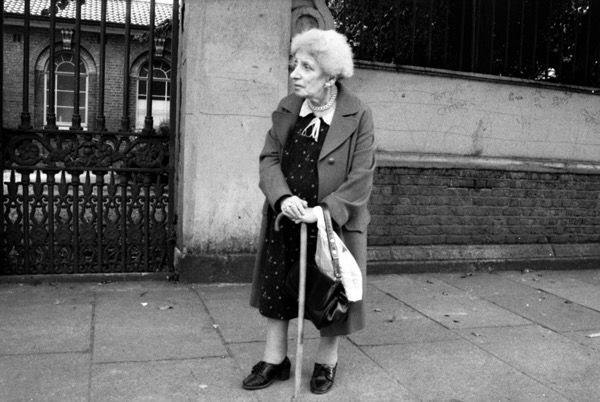

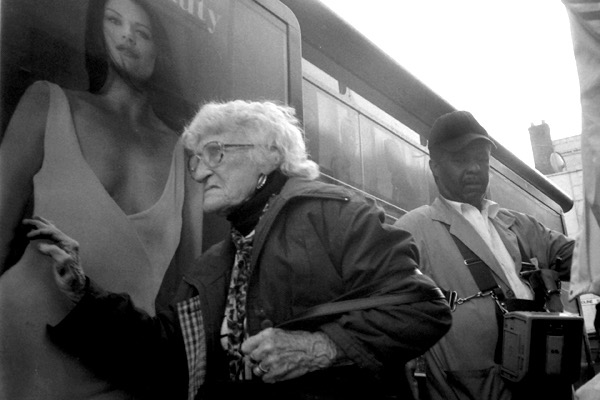
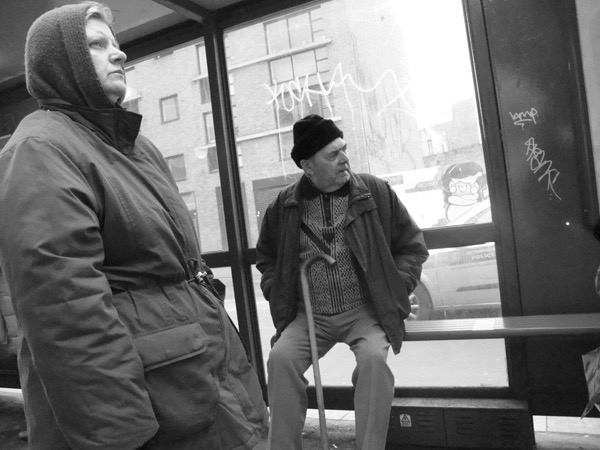
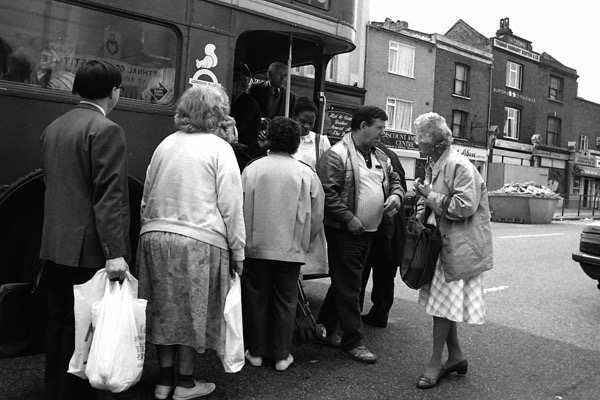
Photographs copyright © Phil Maxwell
You may also like to take a look at
John Gillman’s Bus Ticket Collection
Five Buildings In Whitechapel
Photographer Louis Berk & writer Rachel Kolsky let me pick these five buildings that interest me from their new book WHITECHAPEL IN FIFTY BUILDINGS. (Click here to buy a copy for £12)
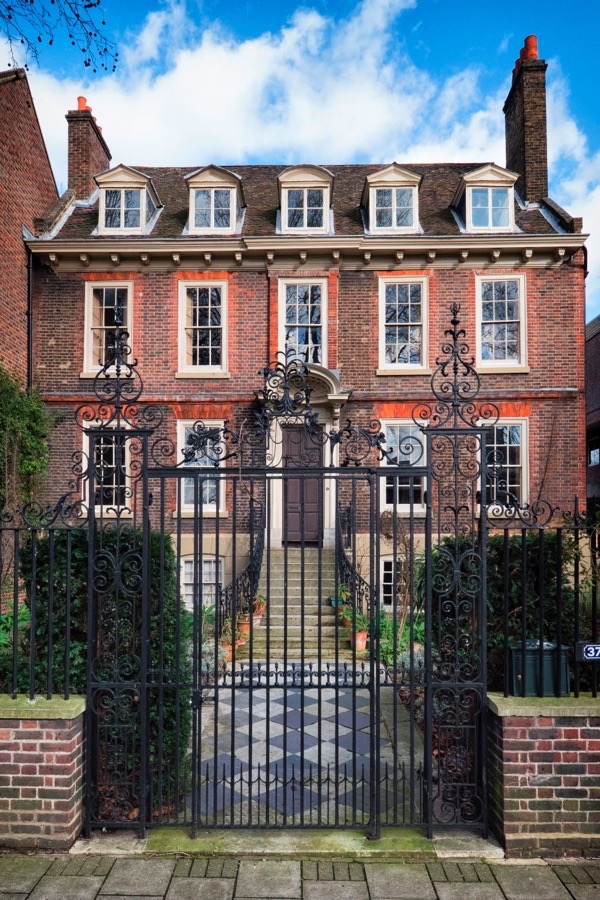
37 Stepney Green, the oldest house on the green, built 1694
37 Stepney Green was built for Dormer Sheppherd, a slave owner and merchant. In 1714, Mary Gayer, the widow of the East India Company’s Governor of Bombay, Sir John Gayer, moved in and it is her initials, ‘MG’, that are visible on the gates. Such houses are a reminder of when this was ‘Millionaire’s Row’ – their wealth derived from mercantile trade on the Thames. Later residents included a Chairman of the East India Company and Nicholas Charrington, a member of the brewing family. From 1875 until 1907, the house became a Jewish retirement home. Thereafter, it was briefly a Craft School before passing into the hands of the local authority in 1916. In 1998, Spitalfields Historic Housing Trust took ownership and it was fully restored by the new private owner.
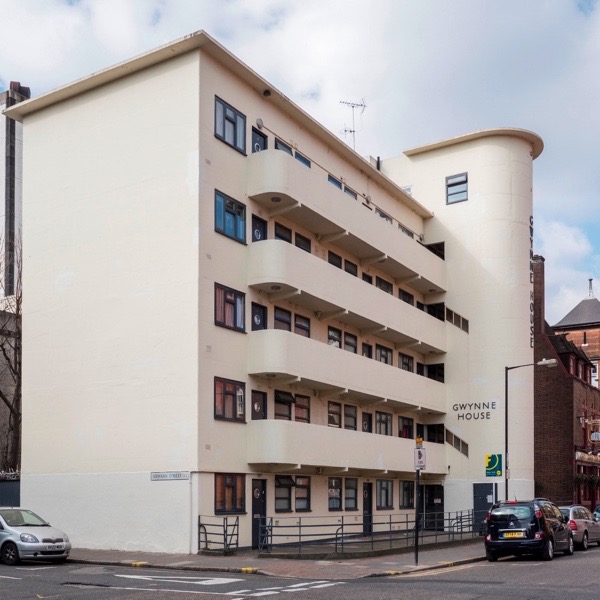
Gwynne House, Turner St – built 1934
In a quiet street behind the Royal London Hospital is one of Whitechapel’s most unusual buildings. Surrounded by eighteenth and nineteenth century buildings, the modernist Gwynne House appears like a landlocked ocean liner.
Designed by Hume Victor Kerr, it consists of twenty-one flats over five storeys, linked by a rounded external staircase on which the name is displayed in art deco lettering. The design has an undeniable nautical flavour, with rounded windows in the front doors like portholes and the original white finish of the building survives.
Originally owned by the Royal London Hospital, it was built for as accommodation doctors and nurses but, in 2012, the owners decided to sell it to developers, citing that medical staff no longer expect or want to live in hospital-owned accommodation.
Unusually for an architect, Kerr also had a prolific military career. After lying about his age to fight in the First World War, he went from private to major between 1914 and 1919 and from gunner to colonel between 1939 and 1942.
Between and after the wars, he was a prolific architect. Also in Turner St is a factory he designed for M. Levy and in New Rd is his imposing Empire House, a warehouse and showroom, sold for redevelopment in 2015. Over in Middlesex St, he built Commerce House, which was demolished in the nineties, but the surviving buildings in Whitechapel ensure Hume has left his mark on the area.
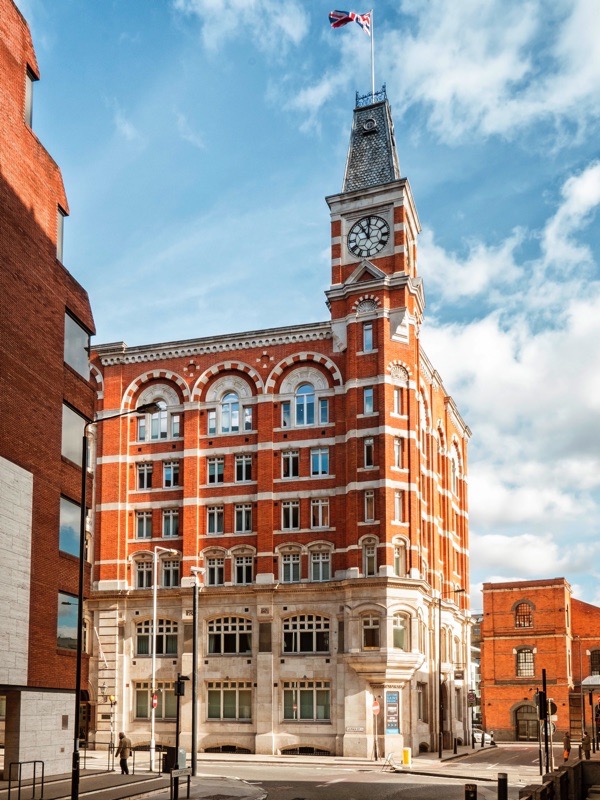
The Co-operative Wholesale Society, 99 Leman St – built 1885-87
The impressive red-brick building on the corner of Leman St & Hooper St, complete with an imposing clock tower, was built for the CWS as its London headquarters. The name is still visible on the recessed brick, alongside the wheat sheaf motif and the ‘Labor and Wait’, motto – with the American spelling to show support for the anti-slavery campaign.
By 1900, Leman St became lined with warehouses for sugar and tea and coffee roasting and the CWS became known as the ‘Larder of Leman St.’ With its proximity to the docks, the CWS operated speedy transport links to its national headquarters in Manchester. The London headquarters remained in use until the late sixties, when nearby St Katharine and London Docks closed and the need for storage and offices declined.
The beautiful ceilings, inlaid woodwork and fireplaces of the original CWS London headquarters are no longer to be seen as the building was converted into luxury apartments in 20o9. Yet the clock tower remains, said to be a replica of Big Ben, though a quarter of the size. The makers, Thwaites & Read, restored it to working order with a digital mechanism, though it no longer chimes, which is obviously an advantage for residents.
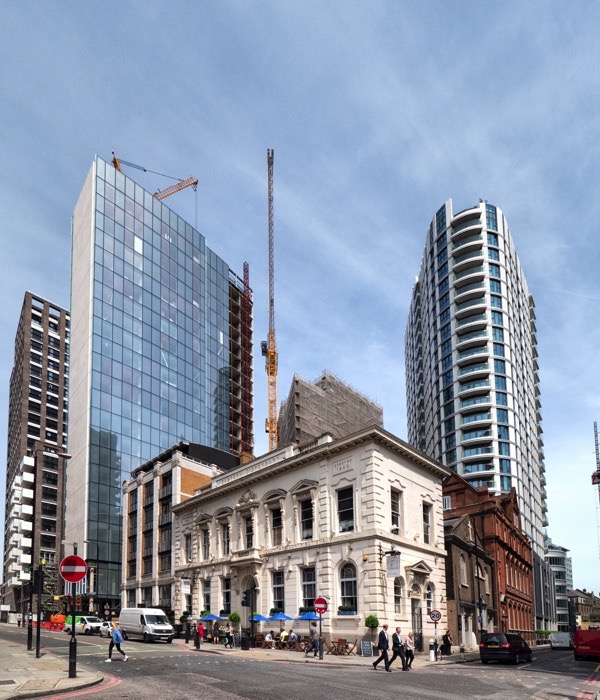
The Eastern Dispensary, Leman St – built 1858
At the top of Leman St, a gleaming white Italianate building built in 1858 proclaims itself proudly as the ‘Eastern Dispensary’ with ‘Supported by Voluntary Contributions’ on either side of its ornate porch.
Prior to the National Health Service, public dispensaries provided medicines free of charge and provident dispensaries were run on a self-help basis via subscription. Founded in 1782 by doctors in the City, the Eastern Dispensary was originally located on Great Alie St. In 1858, it moved into this building designed by G. H Simmonds, a local surveyor and secretary to the dispensary.
Remaining as a dispensary until the Second World War, afterwards it was leased to various charities before falling into disuse. To protect it from redevelopment, the dispensary was listed by English Heritage and sold only when the new owner would ensure refurbishment. In 1998, it was restored and reopened as a pub with a mezzanine gallery overlooking the former consulting room.
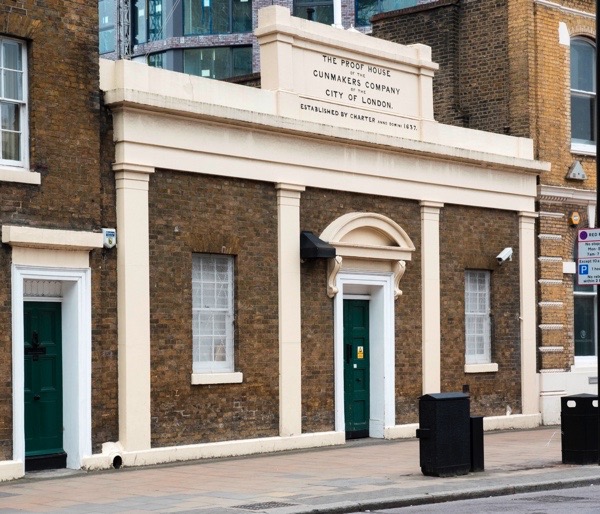
The Proof House, 48/50 Commercial Rd – built 1757
This small, unassuming yellow brick building belonging to the Worshipful Company of Gunmakers has few distinguishing marks and is easily missed by the traffic hurtling down Commercial Rd.
Granted its royal charter in 1637 to promote and regulate gun making, the Company has continued this work to the present day. All guns sold must be tested to confirm soundness of barrel and action. Originally sited alongside the Aldgate, in 1675 the Proof House moved to a less-populated area just outside the City following an explosion that damaged the City wall.
The current London Proof House dates from 1757 and the Livery Hall alongside from 1872. The Receiving Room, where guns are delivered, and the Proof Master’s House to the left of the building were both built in 1826.
It is here that the London gun mark ‘GP,’ beneath a crown, is placed on guns suitable for firing and those, following deactivation, safe for collectors. For over three hundred years guns for private and military use have been inspected, proved and marked here.
Photographs copyright © Louis Berk