
Invitation To The Launch Of Tessa Hunkin’s Hackney Mosaic Project Book
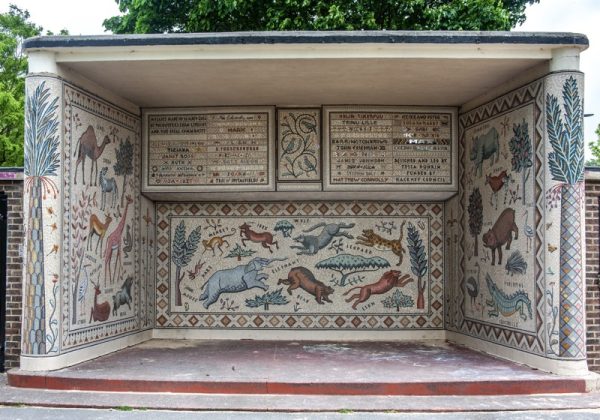
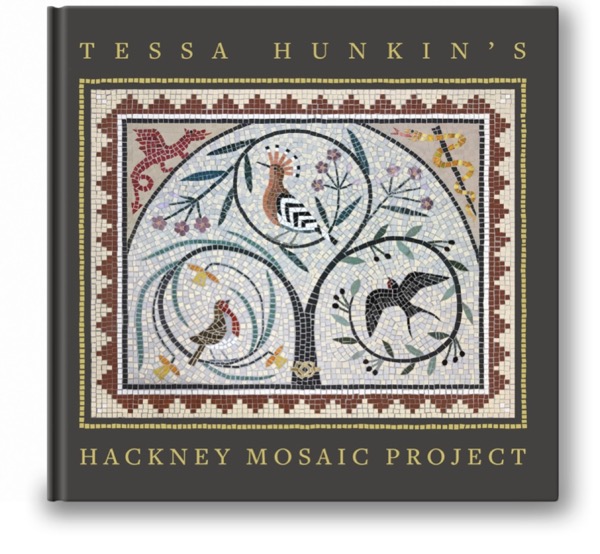
You are invited to join us at the private launch party for Tessa Hunkin’s Hackney Mosaic Project on Saturday 27th September from 2-5pm at the mosaic workshop in the Pavilion on Hackney Downs, Downs Park Rd, Lower Clapton, London, E5 8NP.
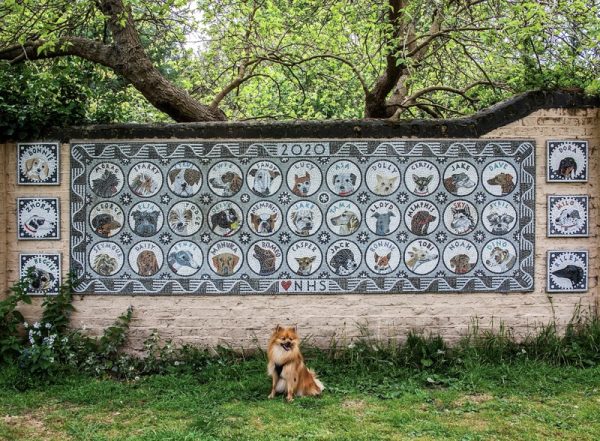
There will exhibitions of the sample pieces for each of the project’s mosaic works over the past thirteen years and of mosaics by members of the project. You will be able to visit the workshop, meet the makers and see how mosaics are made, and view the mosaics in the park, the Hounds of Hackney Downs and the magnificent Playground Shelter.
Tessa Hunkin will be signing copies.
Complimentary soft drinks will be supplied by our good friends at Company Drinks in Poplar.
Please register in advance if you wish to attend by emailing spitalfieldslife@gmail.com as numbers are strictly limited at the Pavilion.
CLICK HERE TO ORDER A SIGNED COPY OF TESSA HUNKIN’S HACKNEY MOSAIC PROJECT
We are including a complimentary copy of ‘A Hoxton Childhood’ with all pre-orders to United Kingdom addresses.

The Bookshops Of Old London
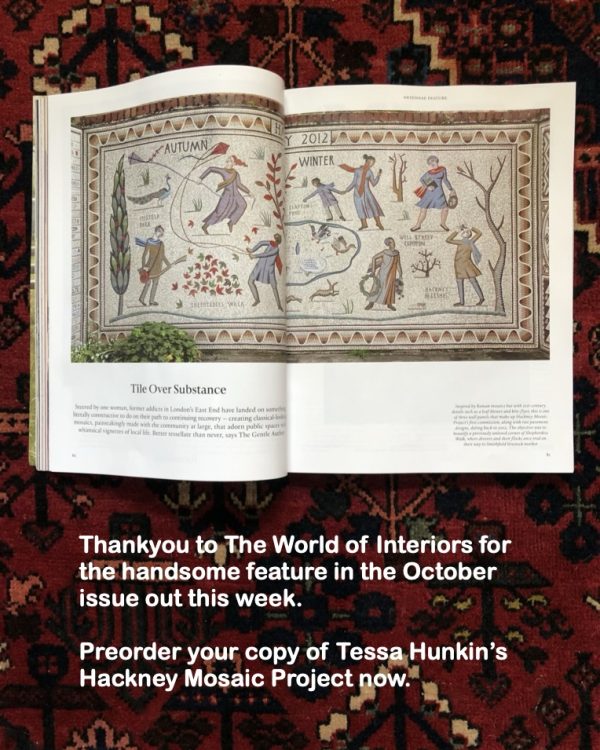
Help publication by preordering now and we will post you a copy signed by Tessa Hunkin at the end of September in advance of publication on October 2nd. Additionally, we are including a complimentary copy of A Hoxton Childhood (cover price £20) with all pre-orders in the United Kingdom. CLICK HERE TO ORDER YOUR COPY
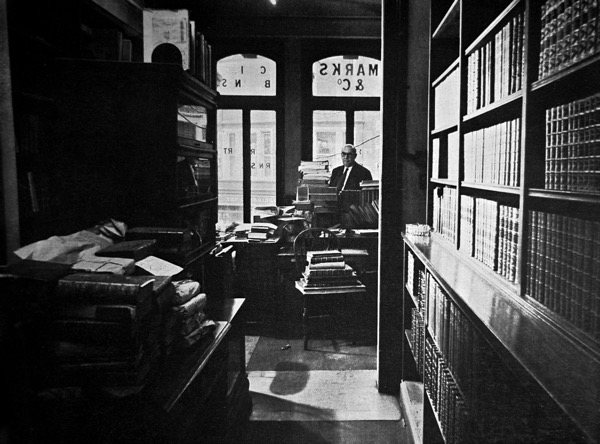
At Marks & Co, 84 Charing Cross Rd
When Mike Henbrey reminisced for me about his time working at Sawyer Antiquarian Booksellers in Grafton St and showed me these evocative photographs of London’s secondhand bookshops taken in 1971 by Richard Brown, it made me realise how much I miss them all now that they have mostly vanished from the streets.
After I left college and came to London, I rented a small windowless room in a basement off the Portobello Rd and I spent a lot of time trudging the streets. I believed the city was mine and I used to plan my walks of exploration around the capital by visiting all the old bookshops. They were such havens of peace from the clamour of the streets that I wished I could retreat from the world and move into one, setting up a hidden bedroom to sleep between the shelves and read all day in secret.
Frustrated by my pitiful lack of income, it was not long before I began carrying boxes of my textbooks to bookshops in the Charing Cross Rd and swapping them for a few banknotes that would give me a night at the theatre or some other treat. I recall the wrench of guilt when I first sold books off my shelves but I found I was more than compensated by the joy of the experiences that were granted to me in exchange.
Inevitably, I soon began acquiring more books that I discovered in these shops and, on occasion, making deals that gave me a little cash and a single volume from the shelves in return for a box of my own books. In this way, I obtained some early Hogarth Press titles and a first edition of To The Lighthouse with a sticker in the back revealing that it had been bought new at Shakespeare & Co in Paris. How I would like to have been there in 1927 to make that purchase myself.
Once, I opened a two volume copy of Tristram Shandy and realised it was an eighteenth century edition rebound in nineteenth century bindings, which accounted for the low price of eighteen pounds. Yet even this sum was beyond my means at the time. So I took the pair of volumes and concealed them at the back of the shelf hidden behind the other books and vowed to return.
More than six months later, I earned an advance for a piece of writing and – to my delight when I came back – I discovered the books were still there where I had hidden them. No question about the price was raised at the desk and I have those eighteenth century volumes of Tristram Shandy with me today. Copies of a favourite book, rendered more precious by the way I obtained them and now a souvenir of those dusty old secondhand bookshops that were once my landmarks to navigate around the city.
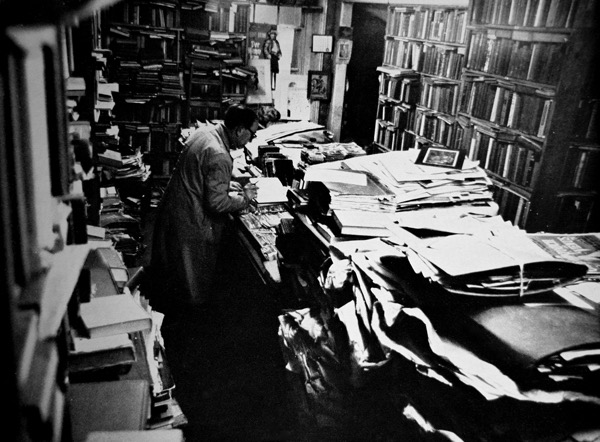
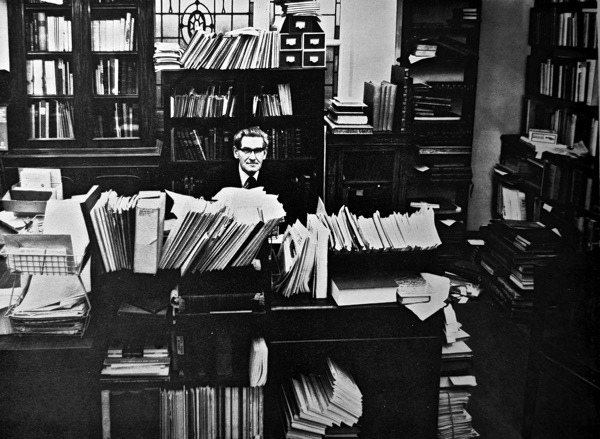
Frank Hollings of Cloth Fair, established 1892
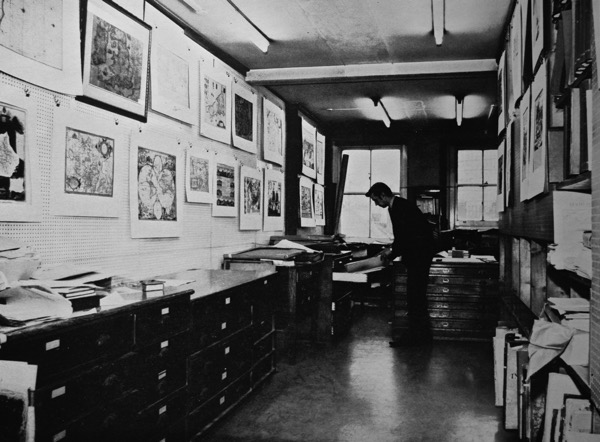
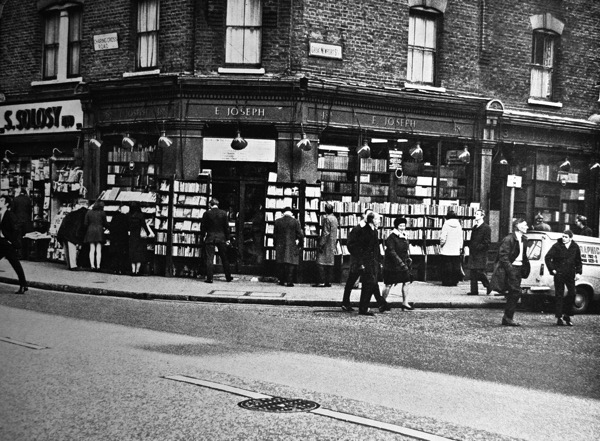
E. Joseph of Charing Cross Rd, established 1885
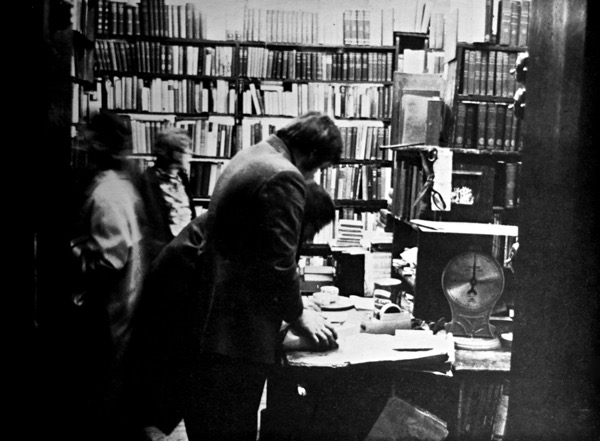
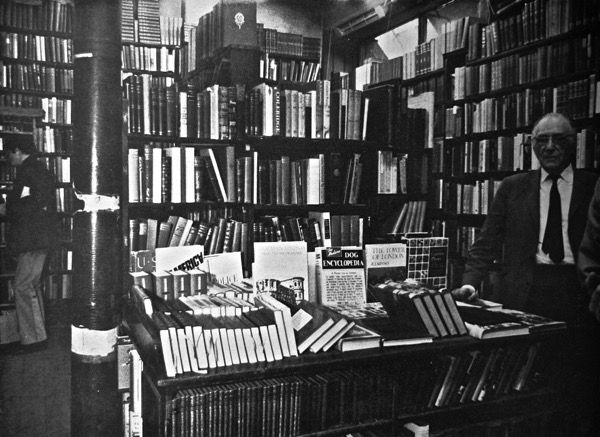
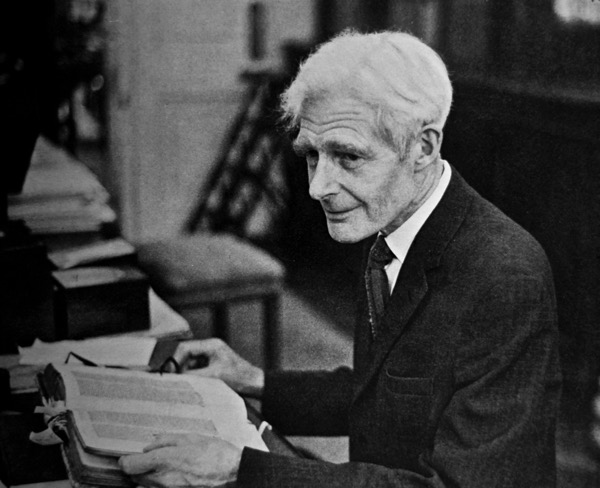
Mr Maggs of Maggs Brothers of Berkeley Sq, established 1855
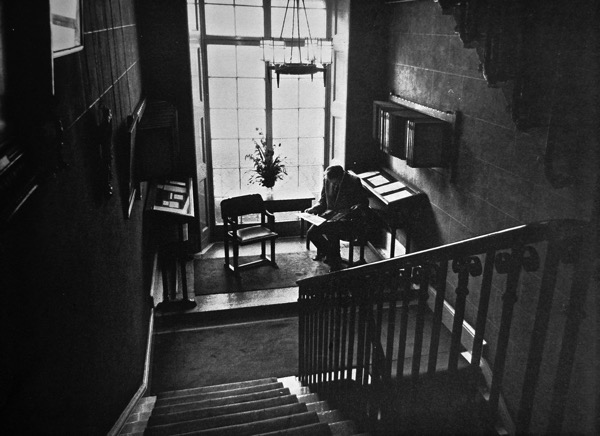
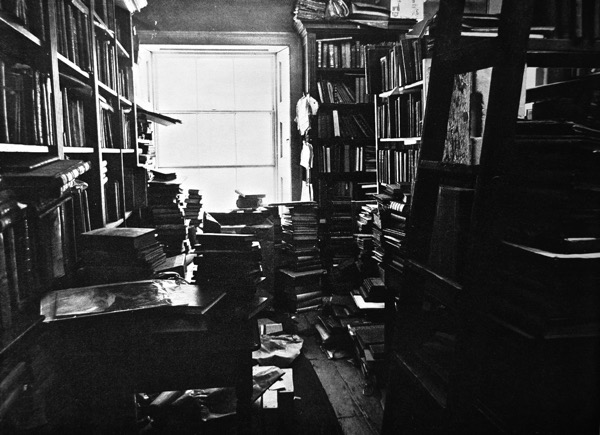
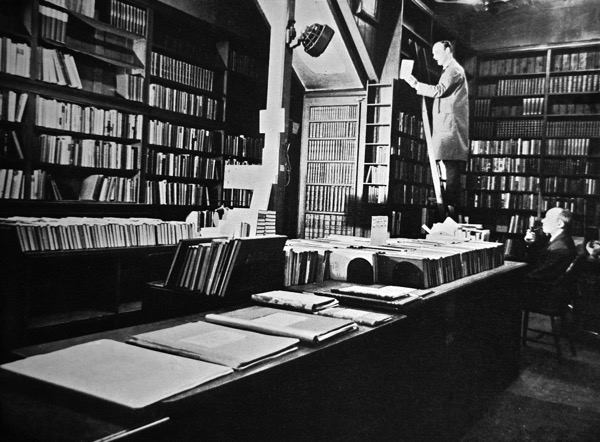
Marks & Co of Charing Cross Rd, established 1904
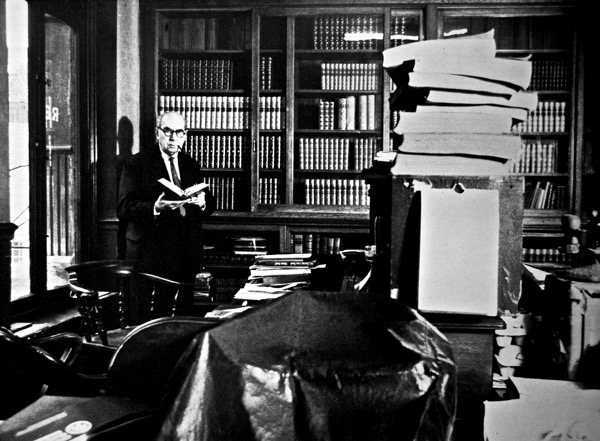
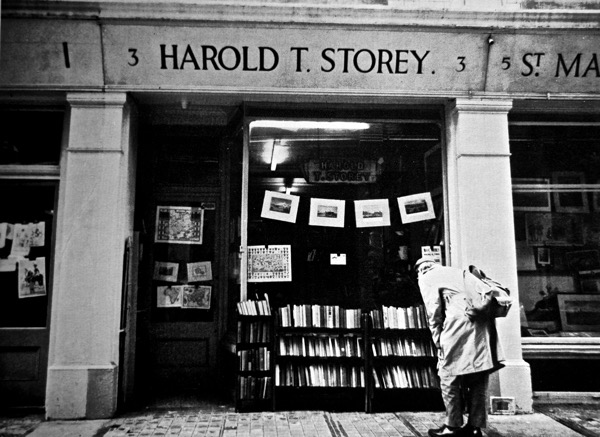
Harold T. Storey of Cecil Court, established 1928
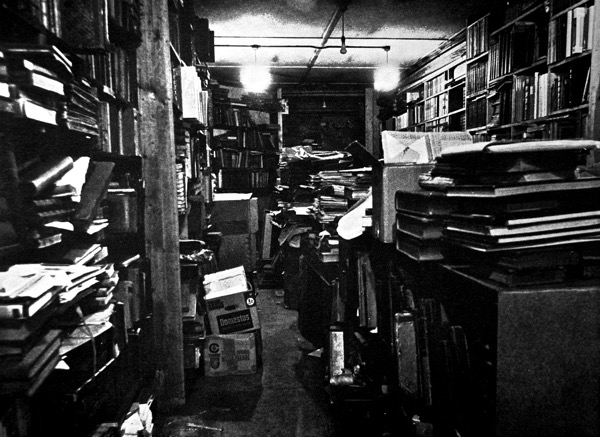
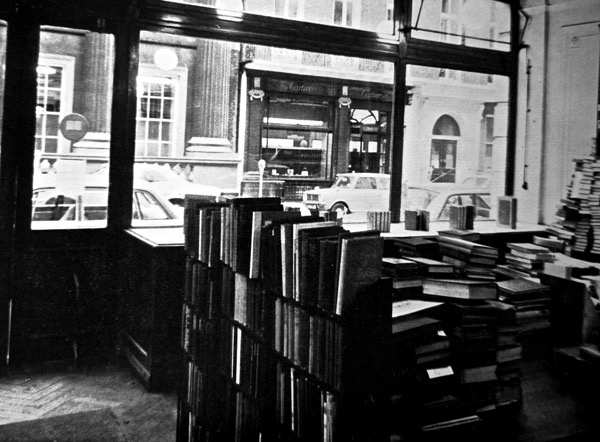
Henry Sotheran of Sackville St, established 1760
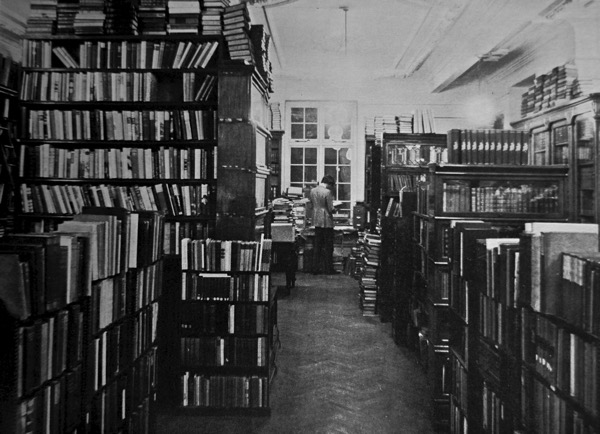
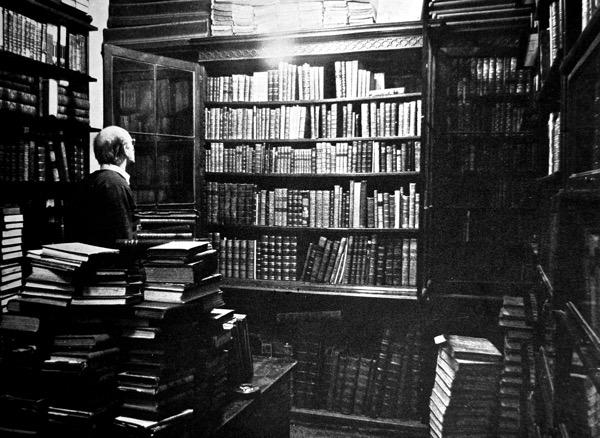
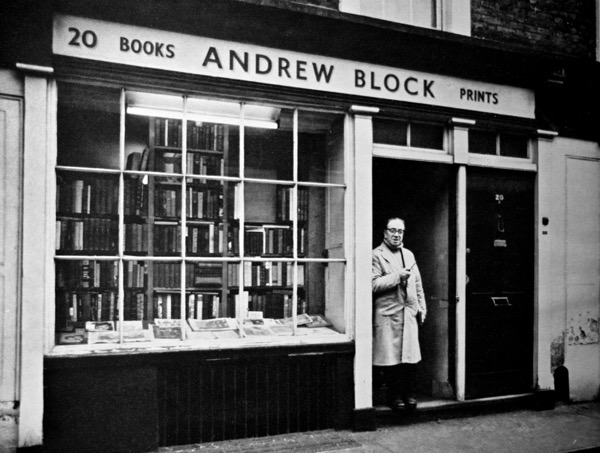
Andrew Block of Barter St, established 1911

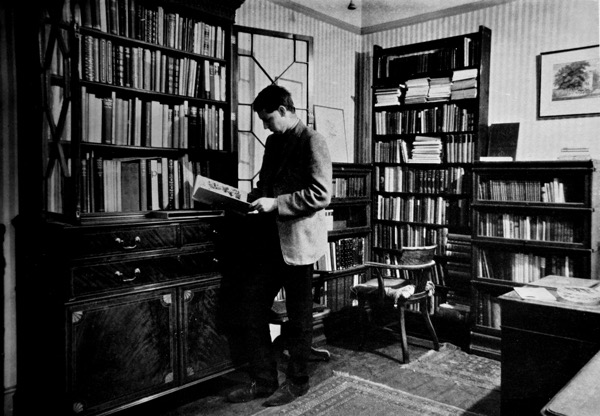
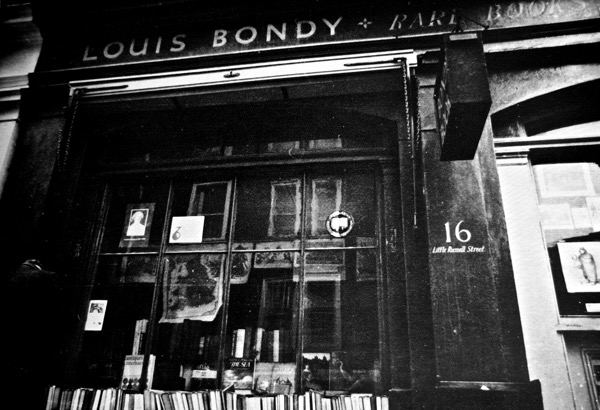
Louis W. Bondy of Little Russell St, established 1946
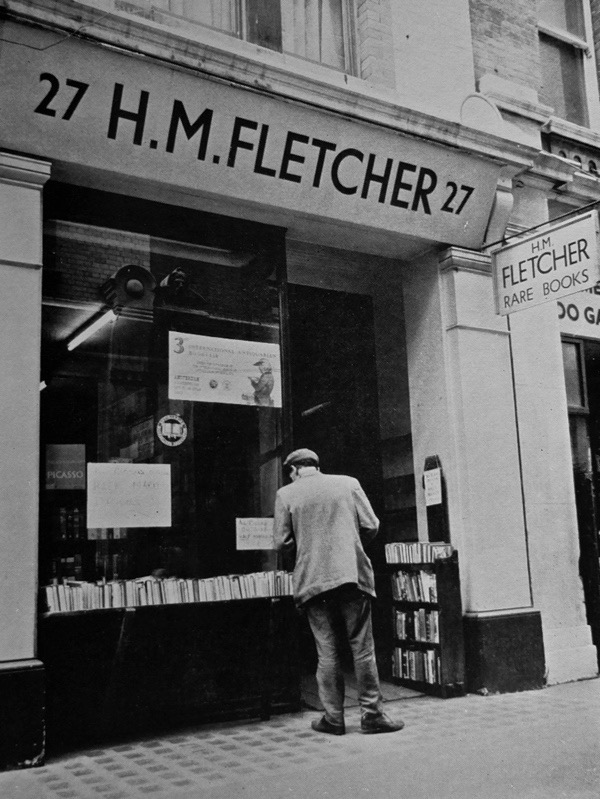
H.M. Fletcher, Cecil Court
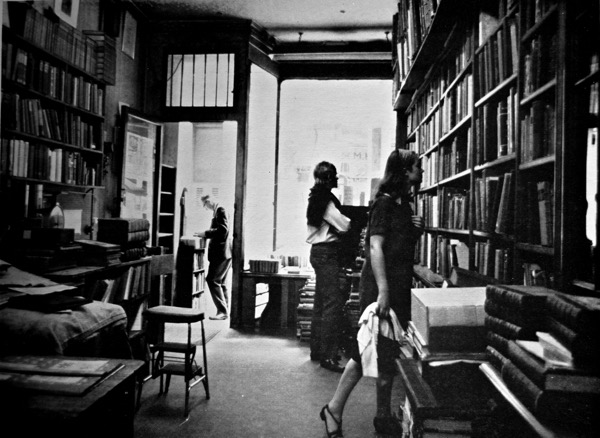
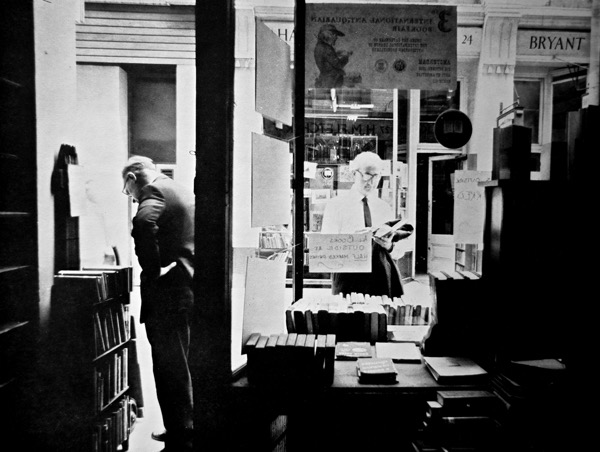
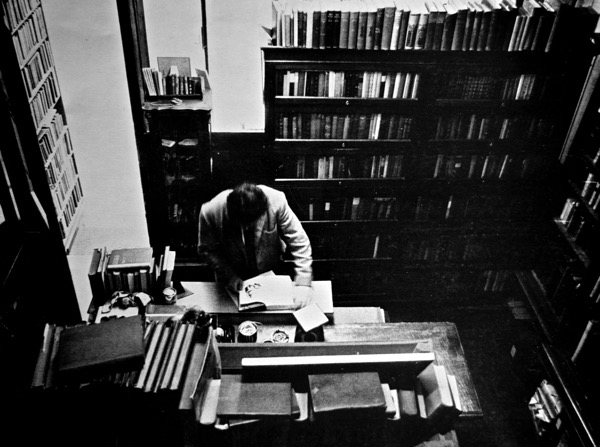
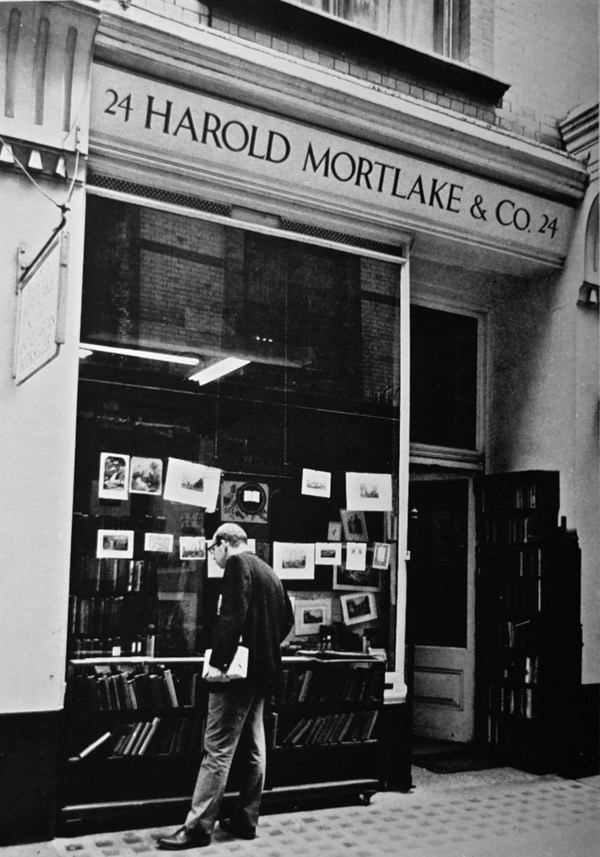
Harold Mortlake, Cecil Court
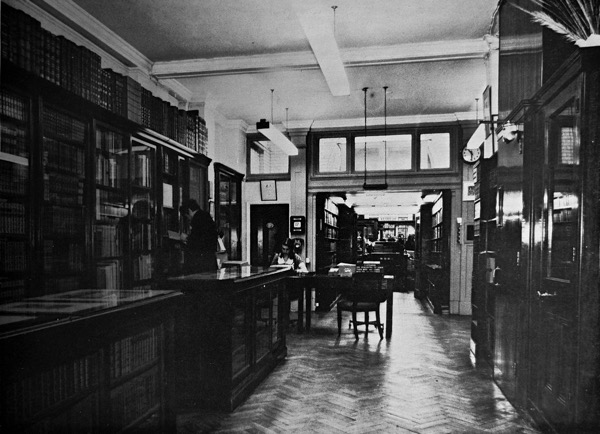
Francis Edwards of Marylebone High St, founded 1855

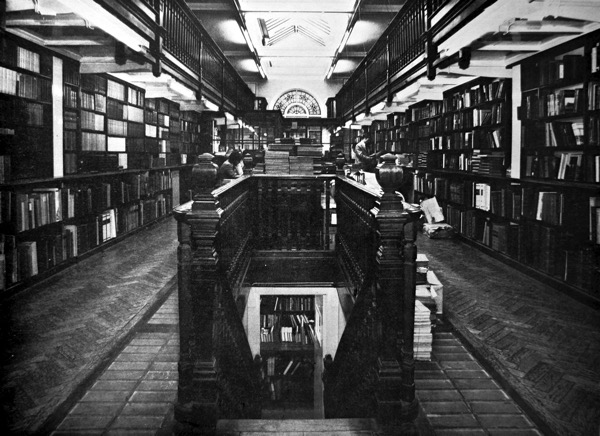
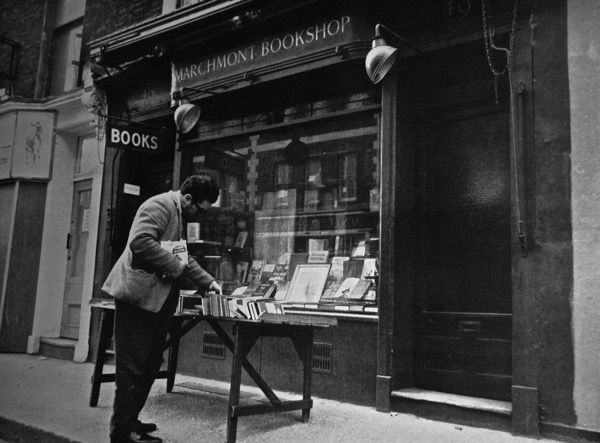
Stanley Smith of Marchmont St, established 1935

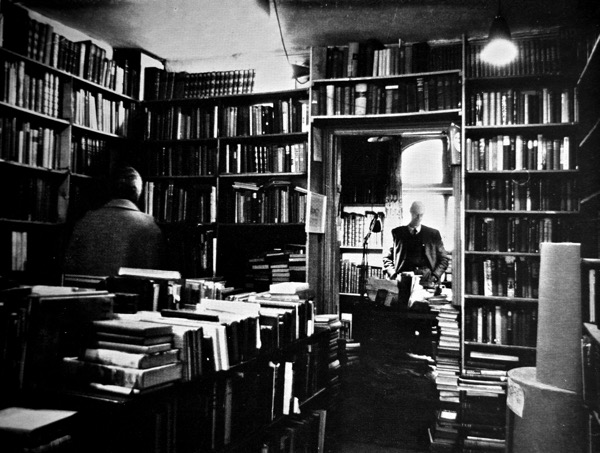

Suckling & Co of Cecil Court, established 1889
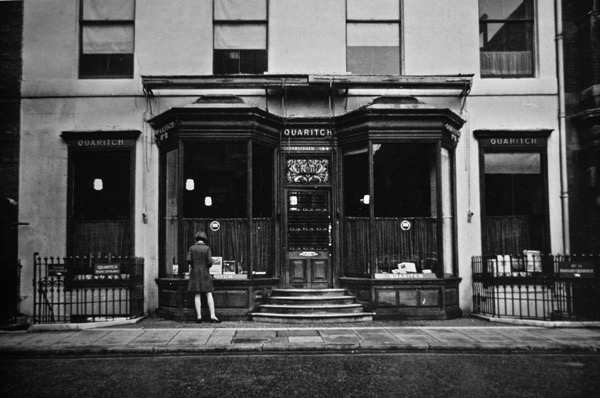
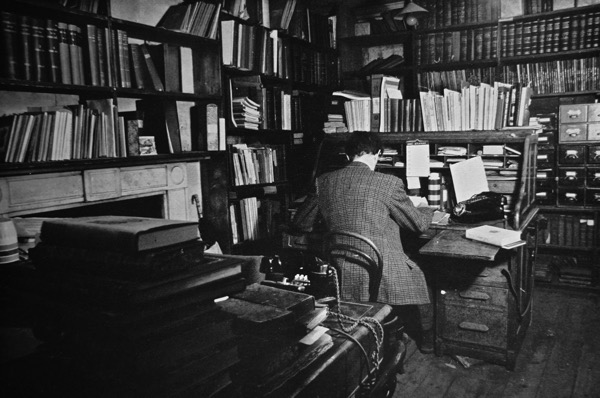
Images from The London Bookshop, published by the Private Libraries Association, 1971
You might also like to read about
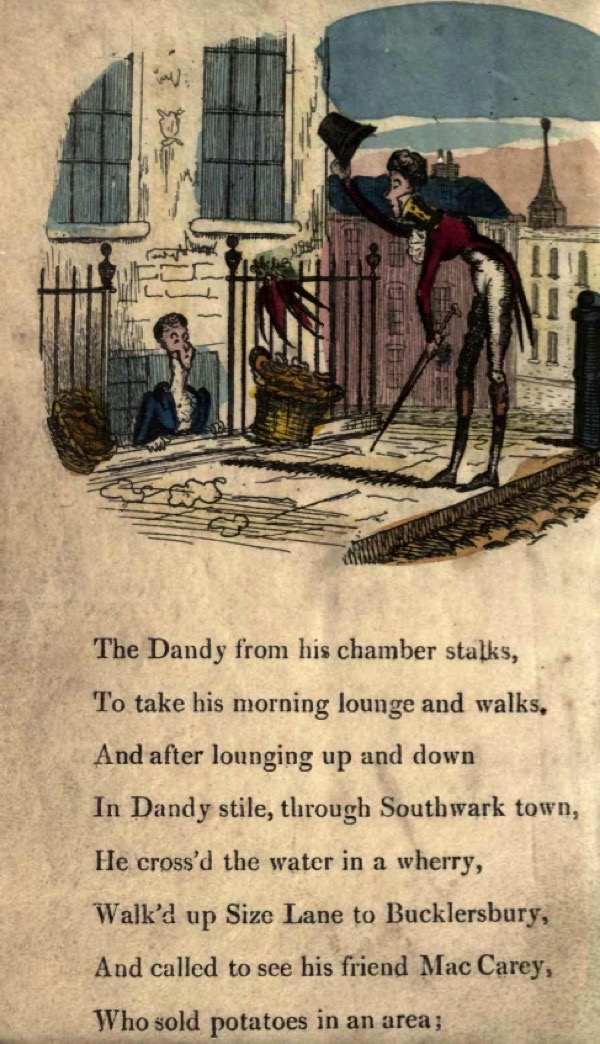
The Dandy’s Perambulations
I am grateful to Sian Rees for kindly drawing my attention to The Dandy’s Perambulations by Robert Cruickshank, being an account of a trip to Kew Gardens in 1819




You may also like to take a look at
In The Orchards Of Kent
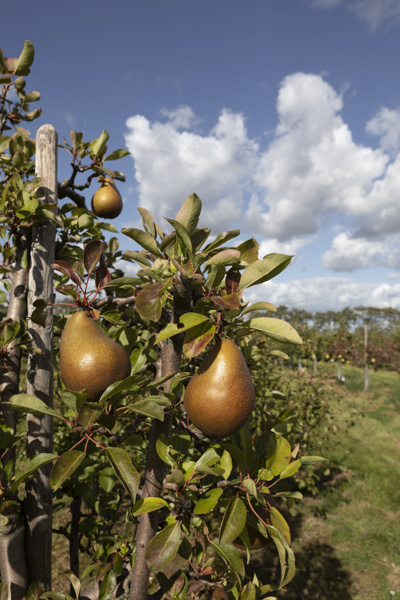
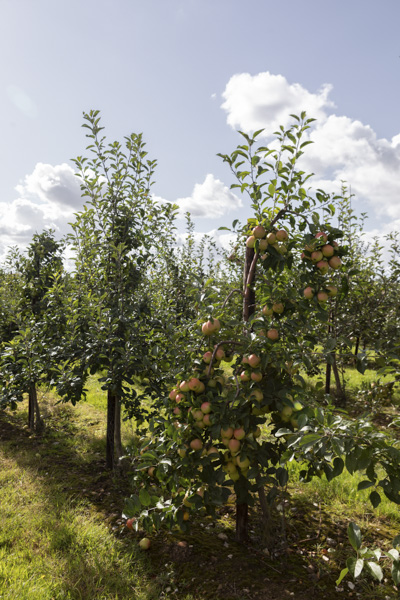
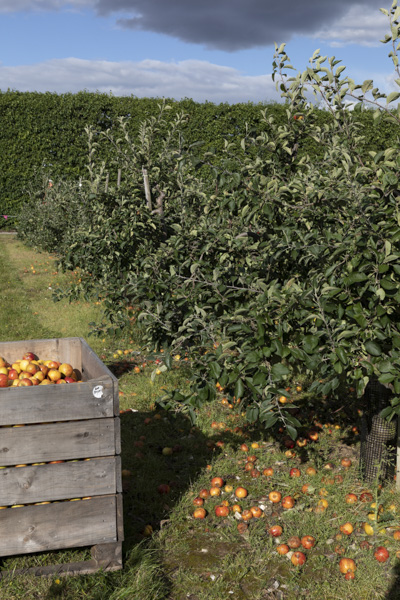
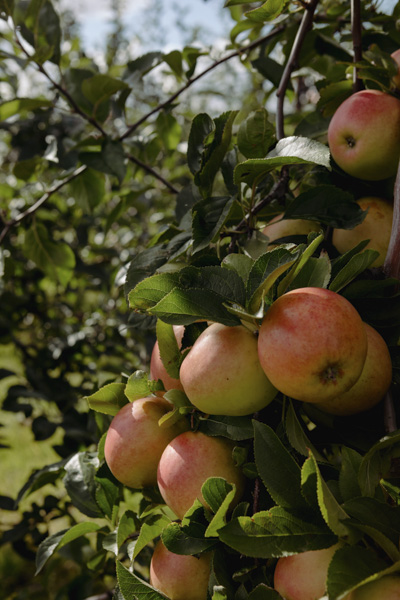
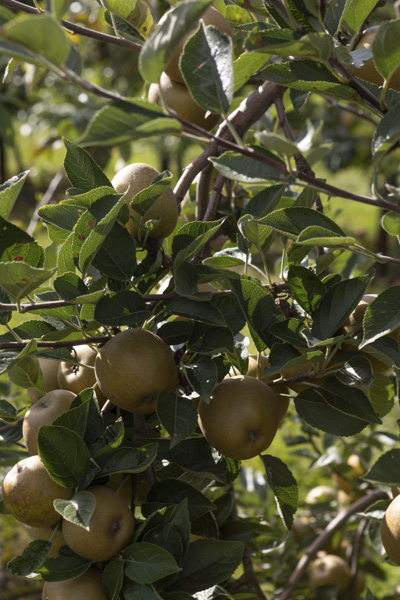
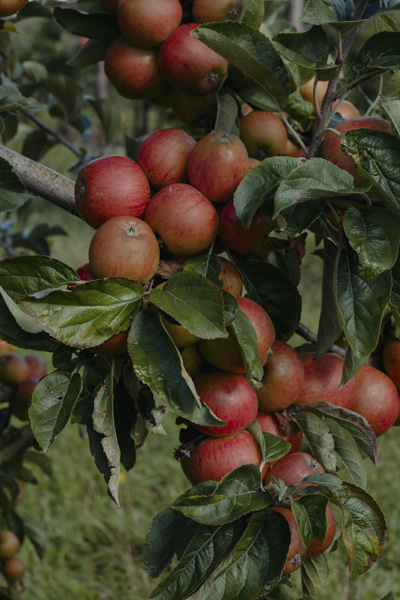
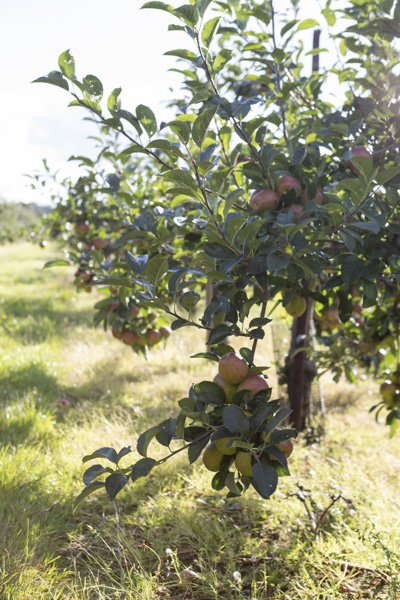
Years ago when I first visited the National Collection of Fruit Trees at Brogdale outside Faversham in Kent to enjoy the spring blossom, I vowed to go back in the autumn to admire the crop. This year, I fulfilled my ambition in the company of Contributing Photographer Rachel Ferriman and we were blessed with a golden afternoon in the North Kent Fruit Belt.
Nothing prepared me for the seemingly infinite variety of fruit that exists in nature. Walking into an orchard of two-thousand-two-hundred varieties of apple, all in fruit, is a vertiginous prospect that is only compounded by your guide who informs you this is merely a fraction of the over ten thousand varieties in existence.
What can you do? Your heart leaps and your mind boggles at the different colours and sizes of fruit. You recognise russets, laxtons and allingtons. Even if you had all day, you could not taste them all. Despite the cold spring, it has been a good year for apples. You stand wonderstruck at the bounty and resilience of nature. Then you start to get huffy at the pitiful few varieties of mostly-bitter green apples available to buy in shops, always sold unripe for longer shelf life. How is this progress?
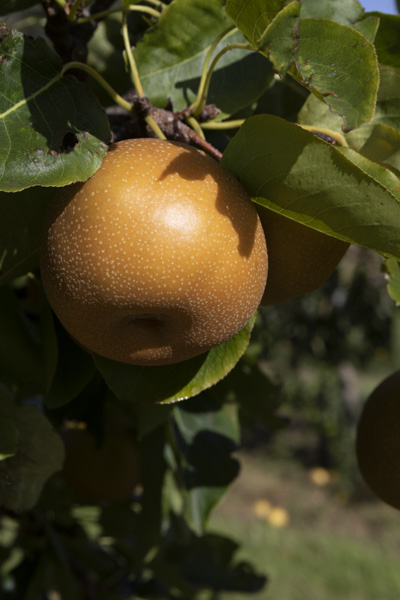
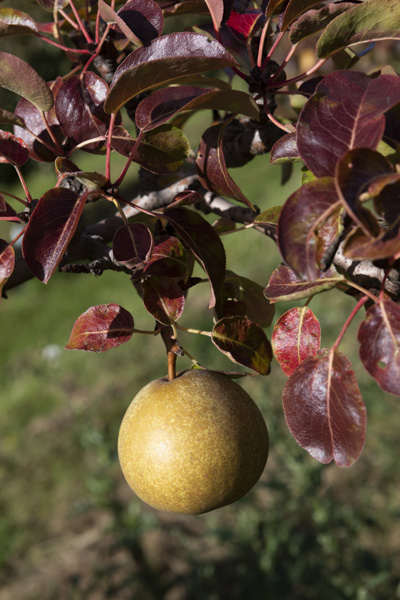
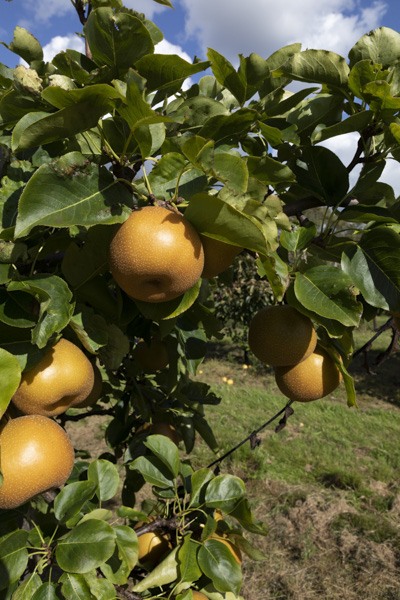
Yet this thought evaporates as you are led through a windbreak into another orchard where five hundred varieties of pear are in fruit. By now your vocabulary of superlatives has failed you and you can only wander wide-eyed through this latter day Eden.
That afternoon there was no-one there but me, Rachel and the guide. We were delighted to have the orchards to ourselves. But this is when you realise the world has gone mad if no-one else is interested to witness this annual spectacle that verges on the miraculous. Walking on, as if in a medieval dream poem, you discover an orchard of medlars and another of quinces.
By now, your feet are barely touching the ground and you hatch a plan – as you munch an apple – to return at this same time of year, decide upon your favourite varieties and then plant your own orchard of soft fruit. When you stumble upon such an ambition, you realise that life is short yet we are all still permitted to dream.

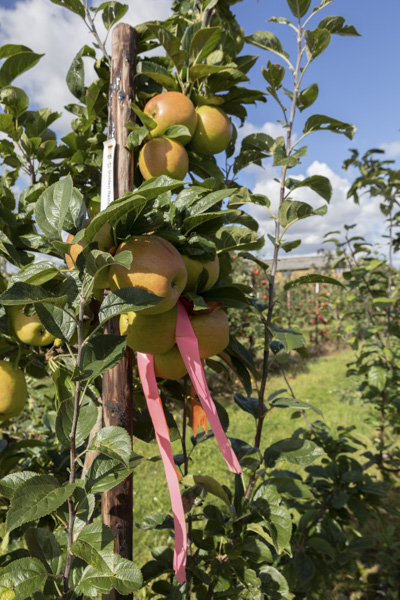
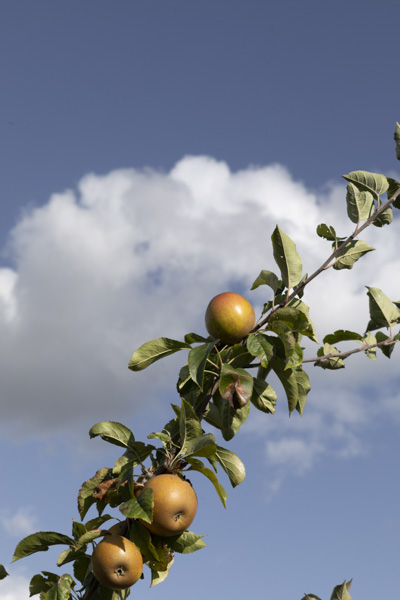
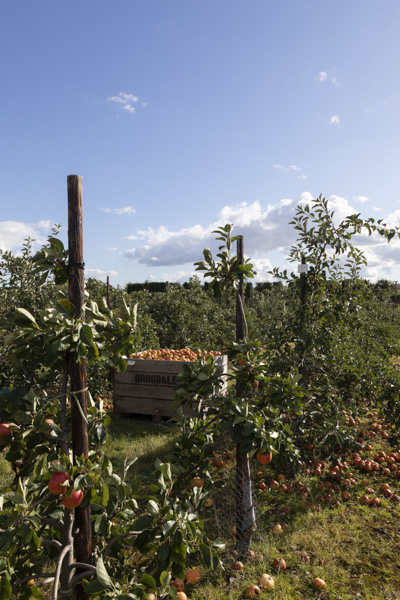
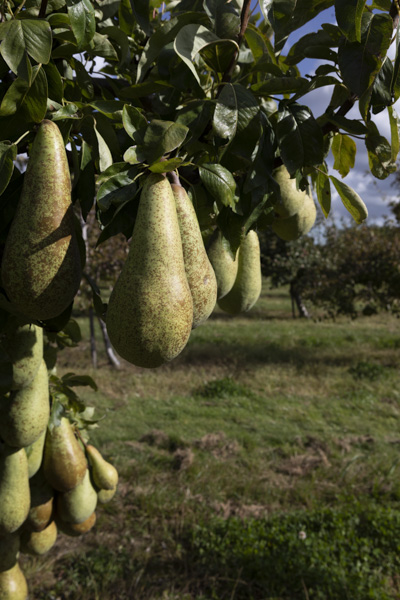
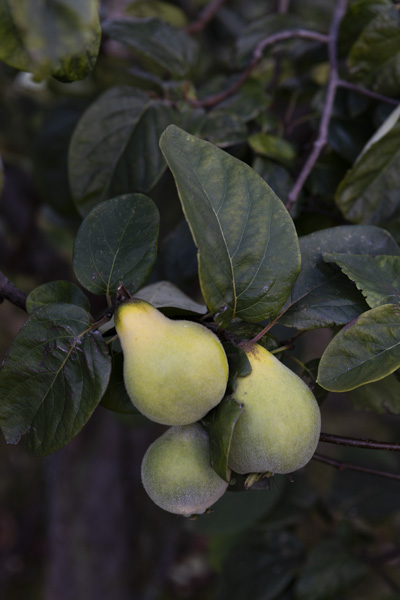
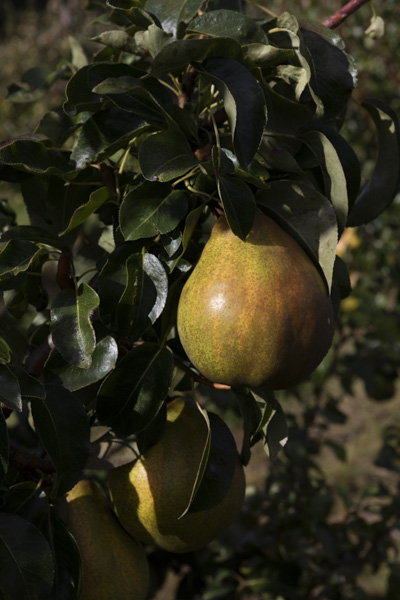
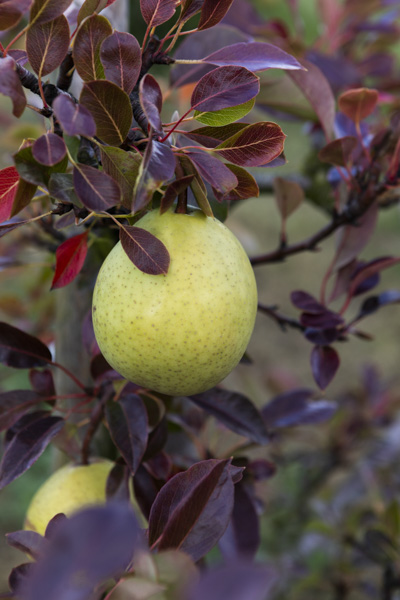
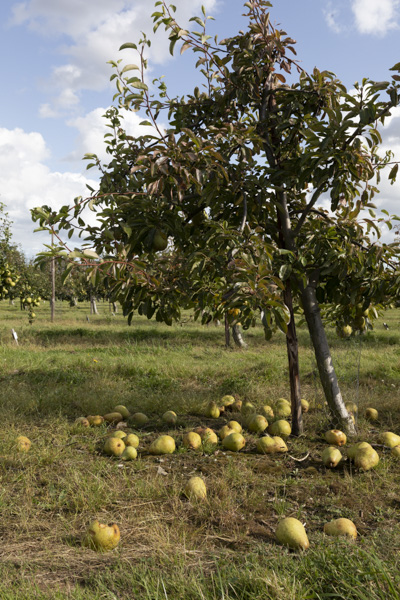
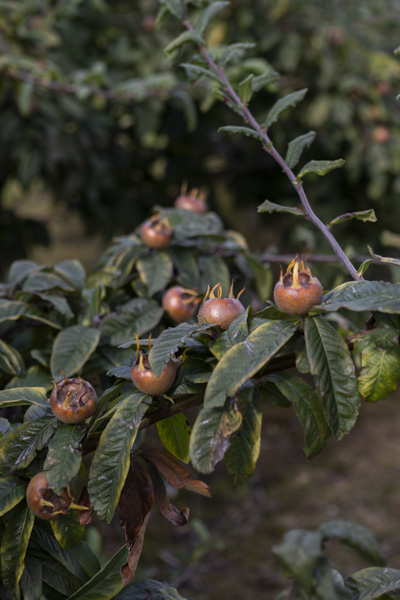
Medlars
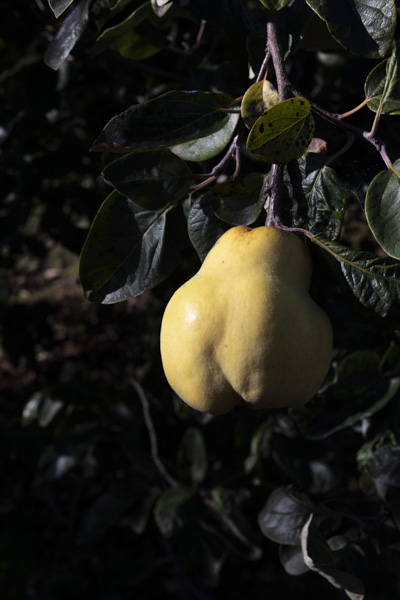
Quince
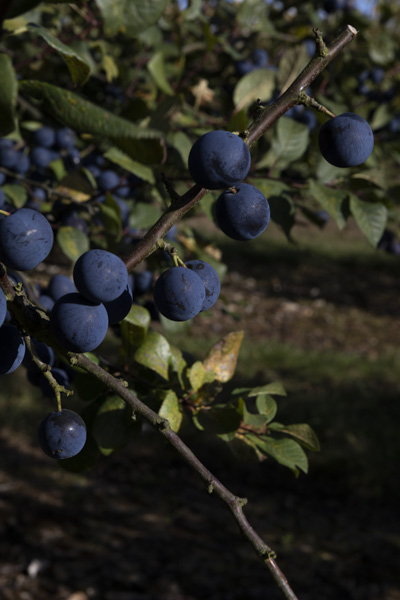
Plum
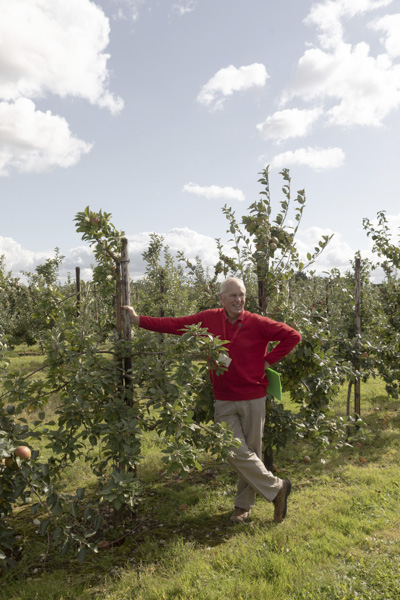
Mike Austen, our guide
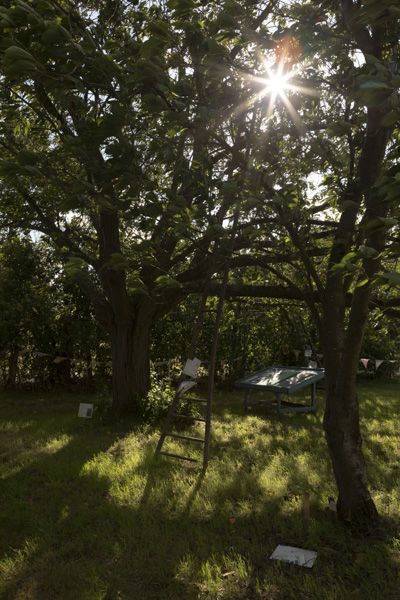
Photographs copyright © Rachel Ferriman
The National Collection of Fruit Trees at Brogdale
You may like to read about my first visit
Sarah Ainslie’s Power Of Food Portraits
Help publication by preordering now and we will post you a copy signed by Tessa Hunkin at the end of September in advance of publication on October 2nd. Additionally, we are including a complimentary copy of A Hoxton Childhood (cover price £20) with all pre-orders in the United Kingdom. CLICK HERE TO ORDER YOUR COPY
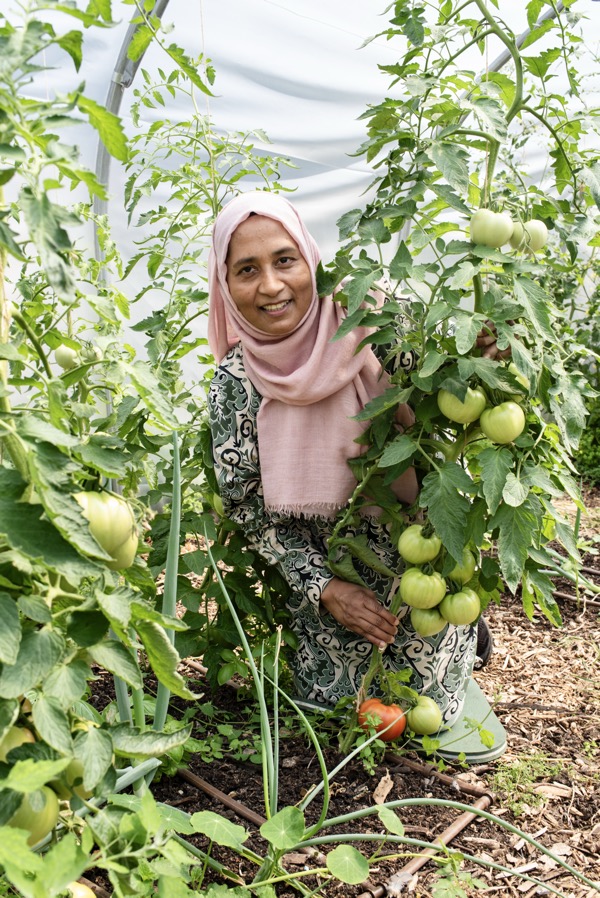
Sajia Nessa harvesting tomatoes at Stepney City Farm
Historically, the East End was the centre of food production for London, abounding in market gardens and small holdings. Today, a new wave of food producers has arisen to challenge the dominance of fast-food and supermarkets. Contributing Photographer Sarah Ainslie has documented this movement in a series of portraits to be exhibited as part of the forthcoming Power of Food Festival. Running from 18th until 28th September, it celebrates the borough’s community and food culture, showcasing local projects building fairer, more sustainable food systems.
Sarah’s portraits will be shown at St Paul’s Way Community Centre, 12th September – 14th October, at Rich Mix in Bethnal Green Rd, 18th – 28th September and at Tower Hamlets Town Hall, 18th – 30th September.
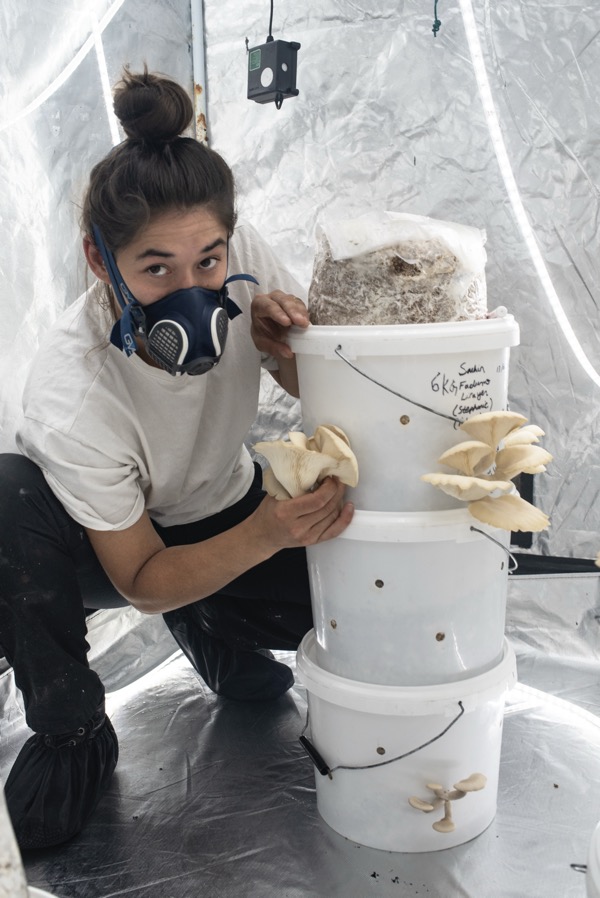
Alani Shafiq, mushroom grower for MadLeap, cultivating oyster mushrooms in a converted car garage turned controlled environment studio at R-Urban eco-civic hub in Poplar. ‘I hope to leave a legacy of the fungi, diverse, resilient, adaptable, detoxifying, mutualistic, dramatic, beautiful, complex.’
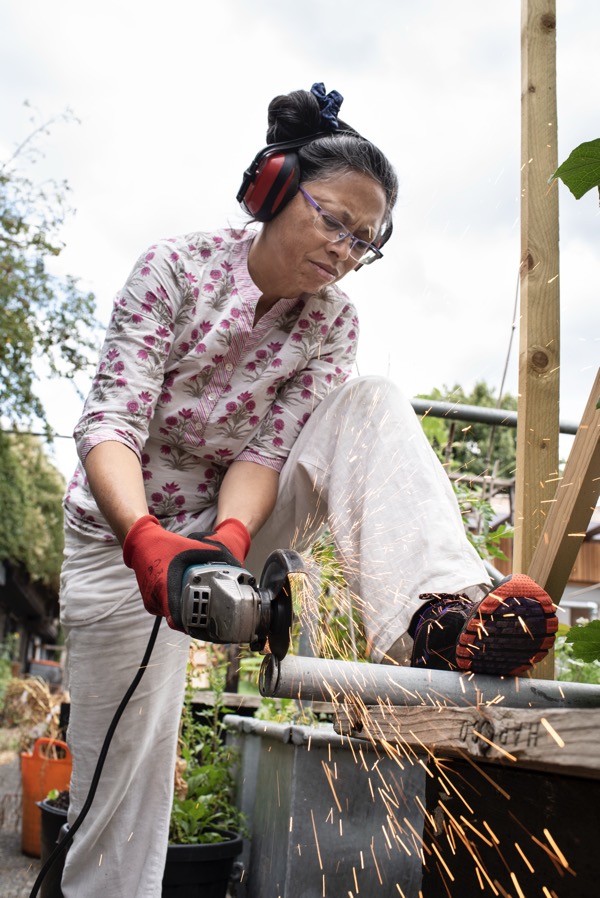
Rokiah Yaman, co-founder of MadLeap, likes working with power tools on site when she is not fundraising, project managing or developing partnerships. ‘We want to share our enthusiasm for microbes and fungi. We hope to give people a better understanding of how they play a key role in supporting our digestion, health, and breaking down our biopresources – there is no such thing as waste in nature!’
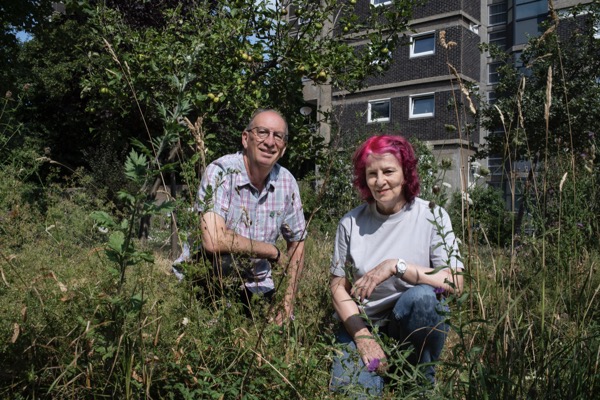
Jim Ford & Genia Leontowitsch, custodians of a Swedenborg Square Orchard, a community orchard that is part of E1 Community Gardeners. Genia: ‘I’m really proud of it, this is the difference I’ve made.’
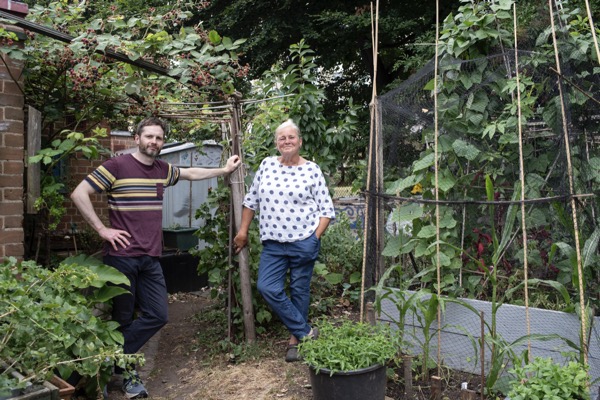
Liam Williams & Laura Buckley, co-ordinators at Cranbrook Community Food Garden, working to engage people on the Cranbrook Estate in Bethnal Green with food growing. Laura: ‘It’s attracted a lot more people to the garden, people feel more likely to come in, it’s really added to our estate.’
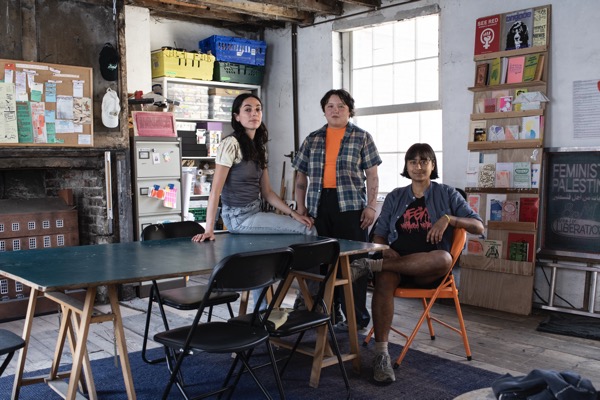
Fawzi Rahman, Aska Welford & Anna Corf Isehayek, stewards of House of Annetta, a spatial justice project in Princelet St, learning about localised and diverse approaches to surplus food. Anna: ‘Here it always starts with food, so it also makes it more accessible, and more relaxed, more welcoming.’
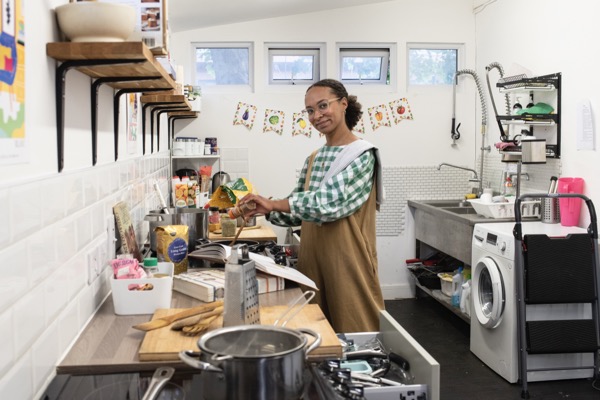
Rebecca Evans-Merritt , operations manager at Limborough Hub in Poplar, a garden and cooking space that offers the resources to cook, grow, learn about all things food and climate related, as well as social gatherings and celebrations. ‘We’re able to have that flow – growing food, cooking food, eating food.’
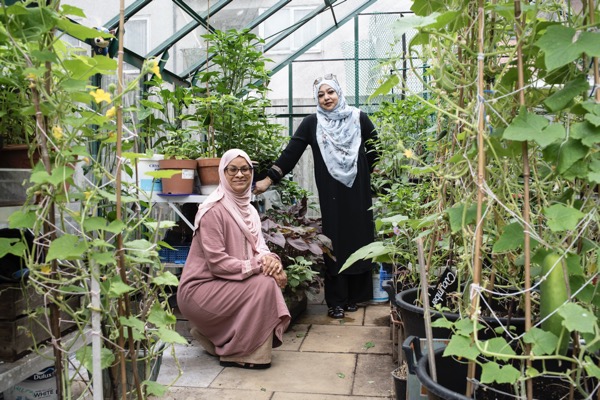
Shazna Hussain & Sajna Miah are the Food Lives team, a research group running a podcast looking into communities’ eating choices. Shazna: ‘It’s giving a voice to those women that have never been asked, or never really thought of, being able to share their knowledge and expertise around food.’
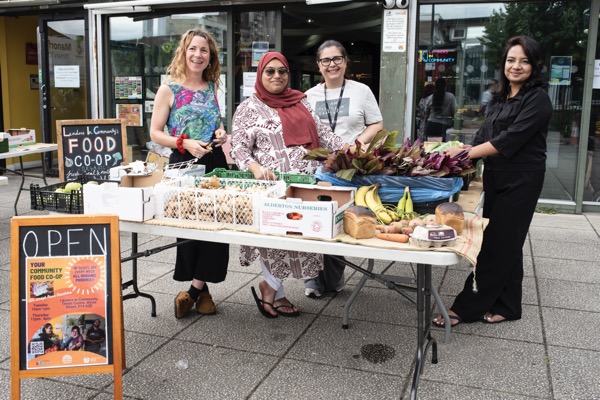
Melly, Shamima, Sabina, Marisa of Teviot Food Co-op, providing subsided organic produce with support from Alexandra Rose Charity and the Bridging the Gap initiative, making shopping for healthy and affordable food easier.
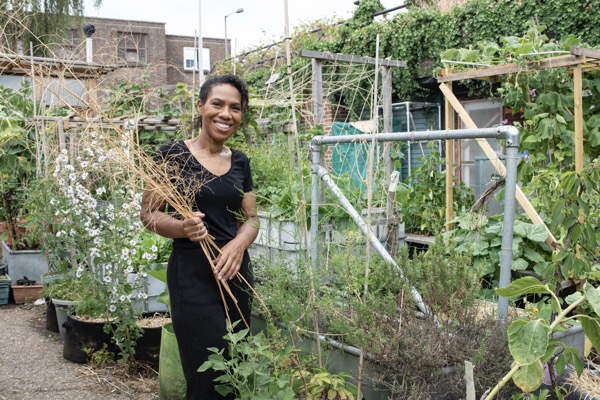
Katrina Wright, a local food grower who is part of the Right to Grow campaign in Tower Hamlets has lots of horticultural knowledge at her disposal, a gardening and growing expert. ‘It has a kind of ripple effect, so you are impacting people’s lives and creating a legacy’
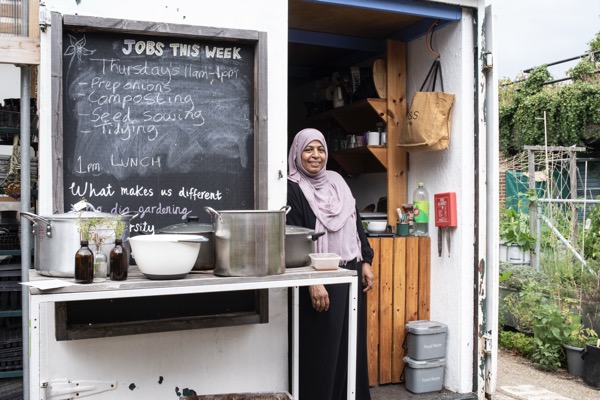
Aleya Taher, cook and community organiser, heads Teviot People’s Kitchen, bringing together local residents for regular meals, run from the R-Urban community garden in Poplar.
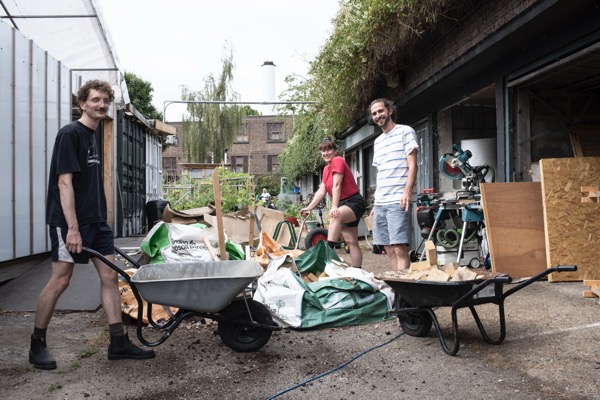
Cameron Bray, Angharad Davies & Andy Belfield are part of the R-Urban/Public Works team, operating an eco-civic hub that explores sustainable ways of working with food waste from tower blocks, turning it into nutrient rich soil – as well as running workshops, gardening sessions, foraging walks and more. Cameron: ‘It’s a space for learning, sometimes in a traditional sense, but also learning from each other, listening to each other, learning the stuff people already know.’
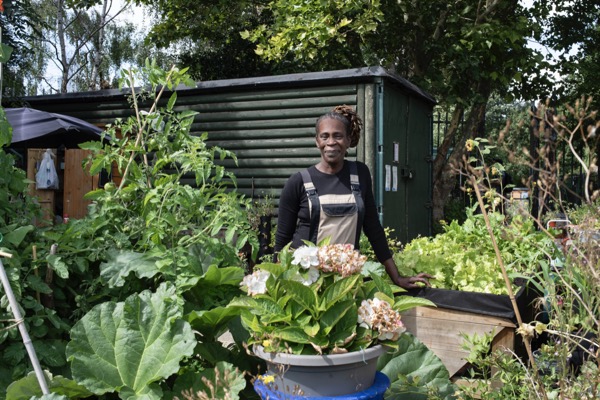
Rita Attille, local grower interested in the connection between mental wellbeing and nature, works with health services to get local people gardening.
Photographs copyright © Sarah Ainslie
You may also like to take a look at
Two New Courses For Winter
As we begin to look ahead to the winter months I am delighted to announce two new dates for courses, offering the opportunity to come to Spitalfields and spend a convivial weekend in an eighteenth century weaver’s house in Fournier St, eat cakes freshly baked to historic recipes by Townhouse and enjoy delicious lunches catered by Richard Fuest.
Walter Donohue’s Screenwriting Course that sold out in the spring returns in November and the ever-popular How to Write a Blog That People Will Want to Read course, tutored by The Gentle Author returns in February 2026.
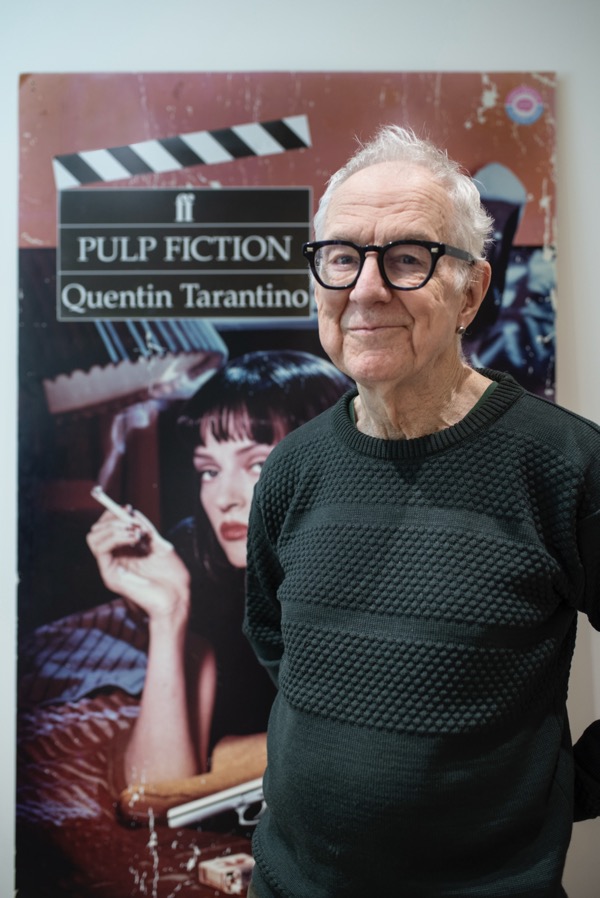
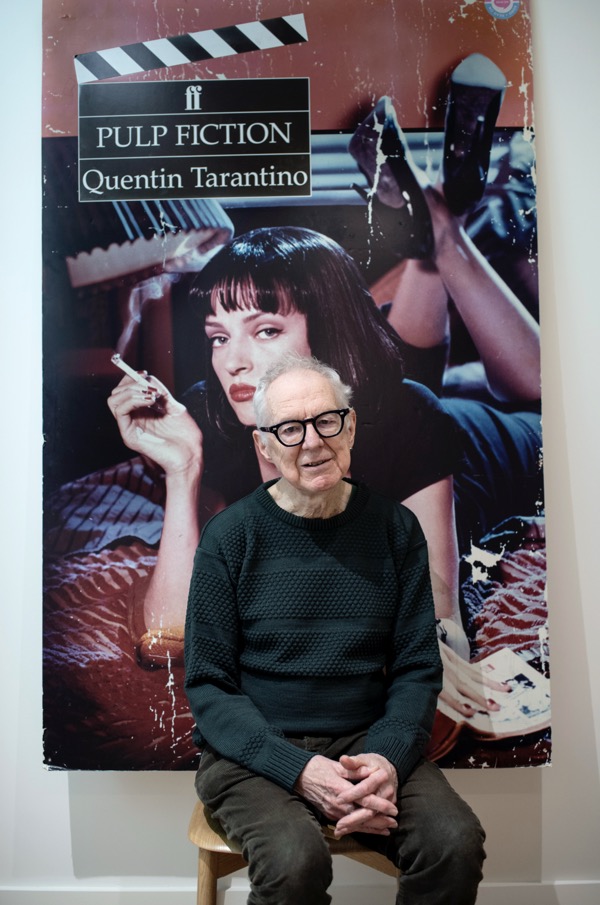
Walter Donohue by Sarah Ainslie
WALTER DONOHUE’S SCREENWRITING COURSE: 8th-9th November 2025
Script editor, producer and luminary of the British cinema, Walter Donohue has agreed to teach a two-day screenwriting course at Townhouse in Spitalfields on the weekend of 8th and 9th November.
In the eighties, Walter began working as a script editor, starting with Wim Wenders’ Paris, Texas and Sally Potter’s Orlando. Since then he has worked with some major filmmakers including Joel & Ethan Coen, Wim Wenders, Sally Potter, David Byrne, John Boorman, Viggo Mortensen, Alex Garland, Kevin Macdonald, and László Nemes.
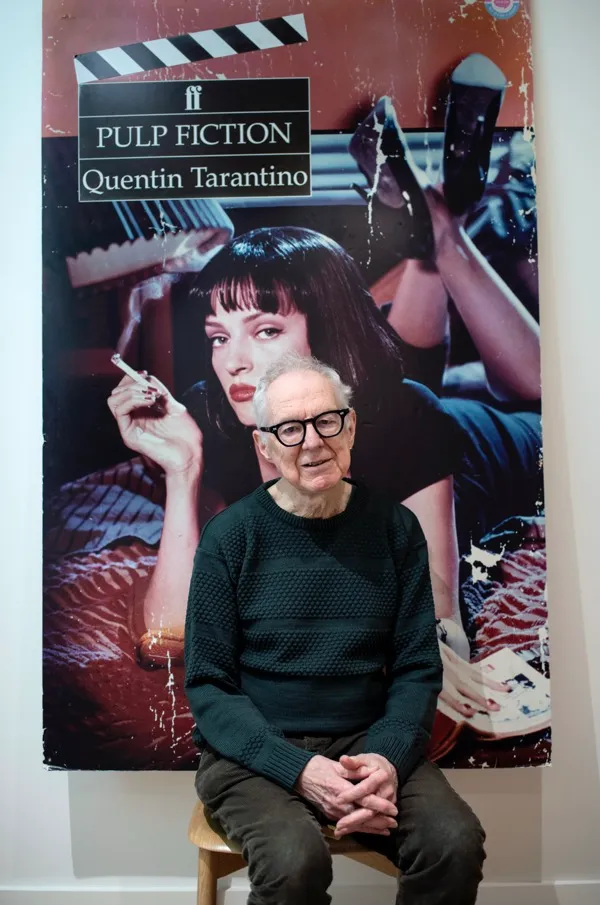
For the past thirty years he has been editor of the Faber & Faber film list, publishing Pulp Fiction and Barbie, and screenplays by Quentin Tarantino, Wes Anderson, David Lynch, Sally Potter, and Greta Gerwig & Noah Baumbach, Joel & Ethan Coen, and Christopher Nolan among many others.
Walter also published Scorsese on Scorsese, and edited the series of interview books with David Lynch, Robert Altman, Tim Burton, John Cassavetes, Pedro Almodovar and Christopher Nolan.
THE COURSE
Walter’s course is suitable for all levels of experience from those who are complete beginners to those who have already written screenplays and seek to refresh their practise. The course is limited to sixteen students.
APPROACHES TO SCREENWRITING
Walter says –
“My course is about approaches to writing a screenplay rather than a literal step-by-step technique on how to write.
The objective of my course is to immerse participants in the world of film, acquainting them with a cinematic language which will enable them to create films that are unique and personal to themselves.
There are four approaches – each centred around a particular film which will be the focus of each of the four sessions.
The approaches are –
Structure: Paris, Texas
Viewpoint: Silence of the Lambs
Genre: Anora
Endings: Chinatown
Participants will be required to have seen all four films in advance of the course.”
SALIENT DETAILS
Courses will be held at 5 Fournier St, Spitalfields on 8th-9th November, running from 10am-5pm on Saturday and 11am-5pm on Sunday
Refreshments, freshly baked cakes and lunches are included in the course fee of £350.
Please email spitalfieldslife@gmail.com to book your place.
Please note we do not give refunds if you are unable to attend or if the course is postponed for reasons beyond our control.

HOW TO WRITE A BLOG THAT PEOPLE WILL WANT TO READ: 7-8th February 2026
This course is suitable for writers of all levels of experience – from complete beginners to those who already have a blog and want to advance or refresh their approach.
We will examine the essential questions which need to be addressed if you wish to write a blog that people will want to read.
“Like those writers in fourteenth century Florence who discovered the sonnet but did not quite know what to do with it, we are presented with the new literary medium of the blog – which has quickly become omnipresent, with many millions writing online. For my own part, I respect this nascent literary form by seeking to explore its own unique qualities and potential.” – The Gentle Author
COURSE STRUCTURE
1. How to find a voice – When you write, who are you writing to and what is your relationship with the reader?
2. How to find a subject – Why is it necessary to write and what do you have to tell?
3. How to find the form – What is the ideal manifestation of your material and how can a good structure give you momentum?
4. The relationship of pictures and words – Which comes first, the pictures or the words? Creating a dynamic relationship between your text and images.
5. How to write a pen portrait – Drawing on The Gentle Author’s experience, different strategies in transforming a conversation into an effective written evocation of a personality.
6. What a blog can do – A consideration of how telling stories on the internet can affect the temporal world and the opportunities it can deliver – writing newspaper and magazine articles, publishing books, talks, walks ann community campaigns.
SALIENT DETAILS
Courses will be held at 5 Fournier St, Spitalfields on 7th-8th February, running from 10am-5pm on Saturday and 11am-5pm on Sunday.
Lunch, tea, coffee & cakes are included within the course fee of £350.
Email spitalfieldslife@gmail.com to book a place on a course.
Please note we do not give refunds if you are unable to attend or if the course is postponed for reasons beyond our control.

Comments by students from courses tutored by The Gentle Author
“I highly recommend this creative, challenging and most inspiring course. The Gentle Author gave me the confidence to find my voice and just go for it!”
“Do join The Gentle Author on this Blogging Course in Spitalfields. It’s as much about learning/ appreciating Storytelling as Blogging. About developing how to write or talk to your readers in your own unique way. It’s also an opportunity to “test” your ideas in an encouraging and inspirational environment. Go and enjoy – I’d happily do it all again!”
“The Gentle Author’s writing course strikes the right balance between addressing the creative act of blogging and the practical tips needed to turn a concept into reality. During the course the participants are encouraged to share and develop their ideas in a safe yet stimulating environment. A great course for those who need that final (gentle) push!”
“I haven’t enjoyed a weekend so much for a long time. The disparate participants with different experiences and aspirations rapidly became a coherent group under The Gentle Author’s direction in a gorgeous house in Spitalfields. There was lots of encouragement, constructive criticism, laughter and very good lunches. With not a computer in sight, I found it really enjoyable to draft pieces of written work using pen and paper.Having gone with a very vague idea about what I might do I came away with a clear plan which I think will be achievable and worthwhile.”
“The Gentle Author is a master blogger and, happily for us, prepared to pass on skills. This “How to write a blog” course goes well beyond offering information about how to start blogging – it helps you to see the world in a different light, and inspires you to blog about it. You won’t find a better way to spend your time or money if you’re considering starting a blog.”
“I gladly traveled from the States to Spitalfields for the How to Write a Blog Course. The unique setting and quality of the Gentle Author’s own writing persuaded me and I was not disappointed. The weekend provided ample inspiration, like-minded fellowship, and practical steps to immediately launch a blog that one could be proud of. I’m so thankful to have attended.”
“I took part in The Gentle Author’s blogging course for a variety of reasons: I’ve followed Spitalfields Life for a long time now, and find it one of the most engaging blogs that I know; I also wanted to develop my own personal blog in a way that people will actually read, and that genuinely represents my own voice. The course was wonderful. Challenging, certainly, but I came away with new confidence that I can write in an engaging way, and to a self-imposed schedule. The setting in Fournier St was both lovely and sympathetic to the purpose of the course. A further unexpected pleasure was the variety of other bloggers who attended: each one had a very personal take on where they wanted their blogs to go, and brought with them an amazing range and depth of personal experience. “
“I found this bloggers course was a true revelation as it helped me find my own voice and gave me the courage to express my thoughts without restriction. As a result I launched my professional blog and improved my photography blog. I would highly recommend it.”
“An excellent and enjoyable weekend: informative, encouraging and challenging. The Gentle Author was generous throughout in sharing knowledge, ideas and experience and sensitively ensured we each felt equipped to start out. Thanks again for the weekend. I keep quoting you to myself.”
“My immediate impression was that I wasn’t going to feel intimidated – always a good sign on these occasions. The Gentle Author worked hard to help us to find our true voice, and the contributions from other students were useful too. Importantly, it didn’t feel like a ‘workshop’ and I left looking forward to writing my blog.”
“The Spitafields writing course was a wonderful experience all round. A truly creative teacher as informed and interesting as the blogs would suggest. An added bonus was the eclectic mix of eager students from all walks of life willing to share their passion and life stories. Bloomin’ marvellous grub too boot.”
“An entertaining and creative approach that reduces fears and expands thought”
“The weekend I spent taking your course in Spitalfields was a springboard one for me. I had identified writing a blog as something I could probably do – but actually doing it was something different! Your teaching methods were fascinating, and I learnt a lot about myself as well as gaining very constructive advice on how to write a blog. I lucked into a group of extremely interesting people in our workshop, and to be cocooned in the beautiful old Spitalfields house for a whole weekend, and plied with delicious food at lunchtime made for a weekend as enjoyable as it was satisfying. Your course made the difference between thinking about writing a blog, and actually writing it.”
“After blogging for three years, I attended The Gentle Author’s Blogging Course. What changed was my focus on specific topics, more pictures, more frequency, more fun. In the summer I wrote more than forty blogs, almost daily from my Tuscan villa on village life and I had brilliant feedback from my readers. And it was a fantastic weekend with a bunch of great people and yummy food.”
“An inspirational weekend, digging deep with lots of laughter and emotion, alongside practical insights and learning from across the group – and of course overall a delightfully gentle weekend.”
“The course was great fun and very informative, digging into the nuts and bolts of writing a blog. There was an encouraging and nurturing atmosphere that made me think that I too could learn to write a blog that people might want to read. – There’s a blurb, but of course what I really want to say is that my blog changed my life, without sounding like an idiot. The people that I met in the course were all interesting people, including yourself. So thanks for everything.”
“This is a very person-centred course. By the end of the weekend, everyone had developed their own ideas through a mix of exercises, conversation and one-to-one feedback. The beautiful Hugenot house and high-calibre food contributed to what was an inspiring and memorable weekend.”
“It was very intimate writing course that was based on the skills of writing. The Gentle Author was a superb teacher.”
“It was a surprising course that challenged and provoked the group in a beautiful supportive intimate way and I am so thankful for coming on it.”
“I did not enrol on the course because I had a blog in mind, but because I had bought TGA’s book, “Spitalfields Life”, very much admired the writing style and wanted to find out more and improve my own writing style. By the end of the course, I had a blog in mind, which was an unexpected bonus.”
“This course was what inspired me to dare to blog. Two years on, and blogging has changed the way I look at London.”
Suresh Singh’s Spitalfields
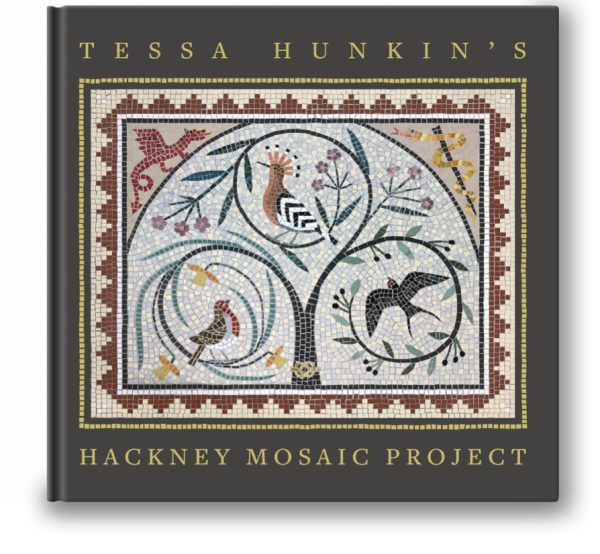
Help publication by preordering now and we will post you a copy signed by Tessa Hunkin at the end of September in advance of publication on October 2nd. Additionally, we are including a complimentary copy of A Hoxton Childhood (cover price £20) with all pre-orders in the United Kingdom. CLICK HERE TO ORDER YOUR COPY
When Suresh was a student at City & East London College in 1979, he was given a project for General Studies O Level to record his neighbourhood. So he set out with his camera from his home at 38 Princelet St and took these photographs of the streets of Spitalfields, which are now in the collection at Bishopsgate Insitute.
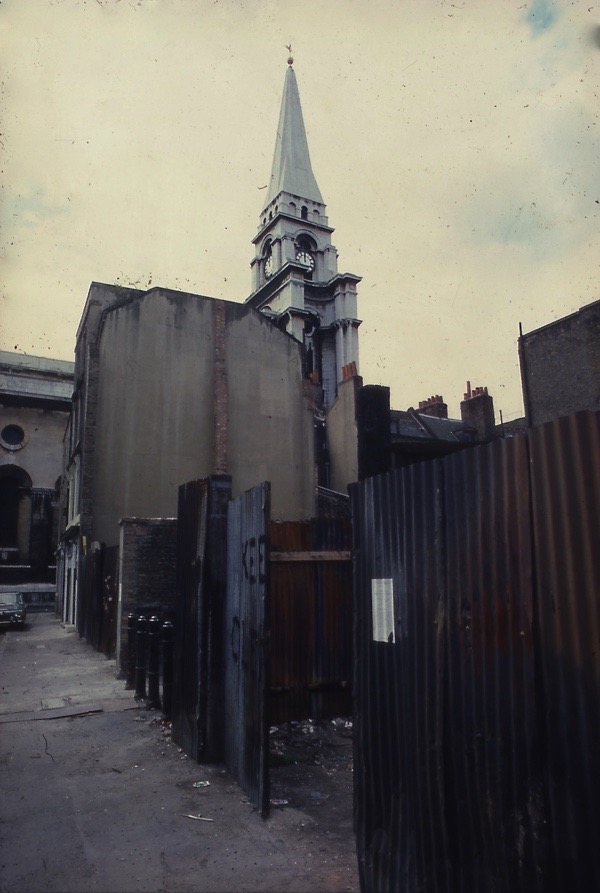
Christ Church from Wilkes St
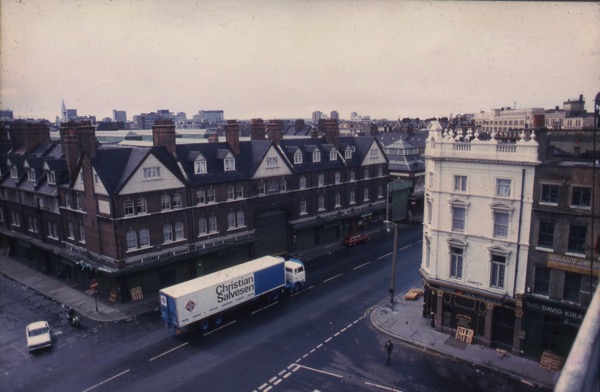
Spitalfields Market seen from Christ Church
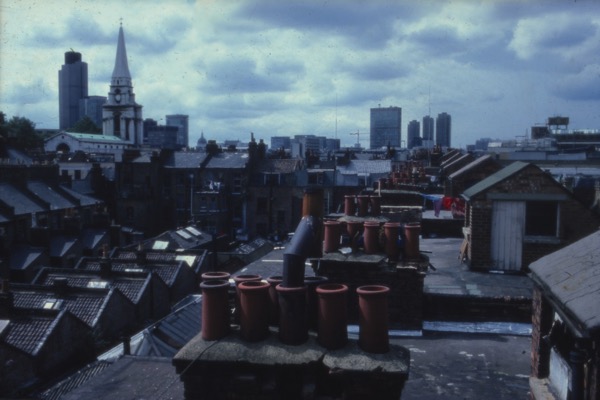
Looking towards the City from the rooftop of a Hanbury St factory
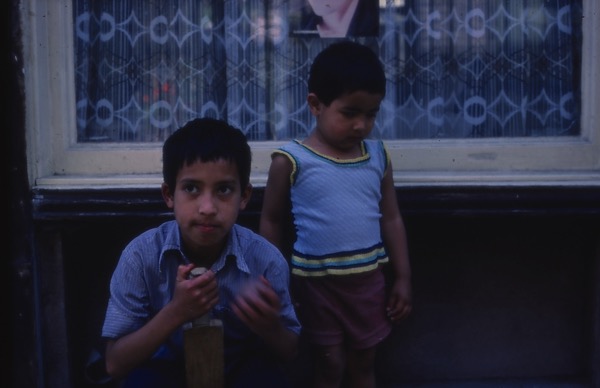
Children playing cricket in Puma Court

Mr Sova, proprietor of Sova Fabrics on Brick Lane
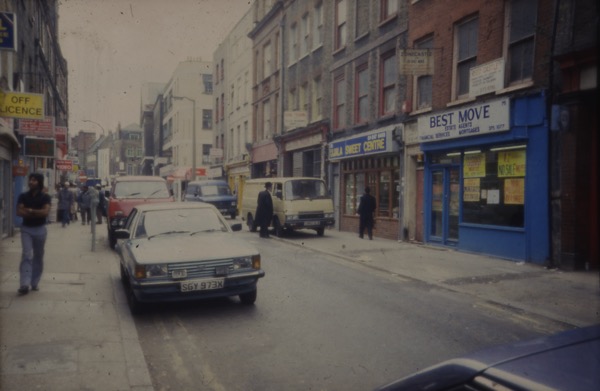
Brick Lane
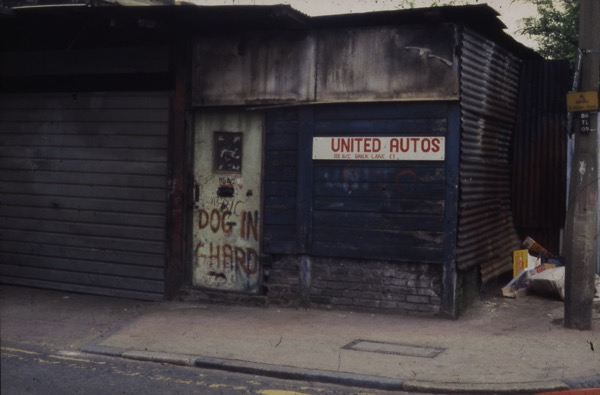
Shed on Brick Lane
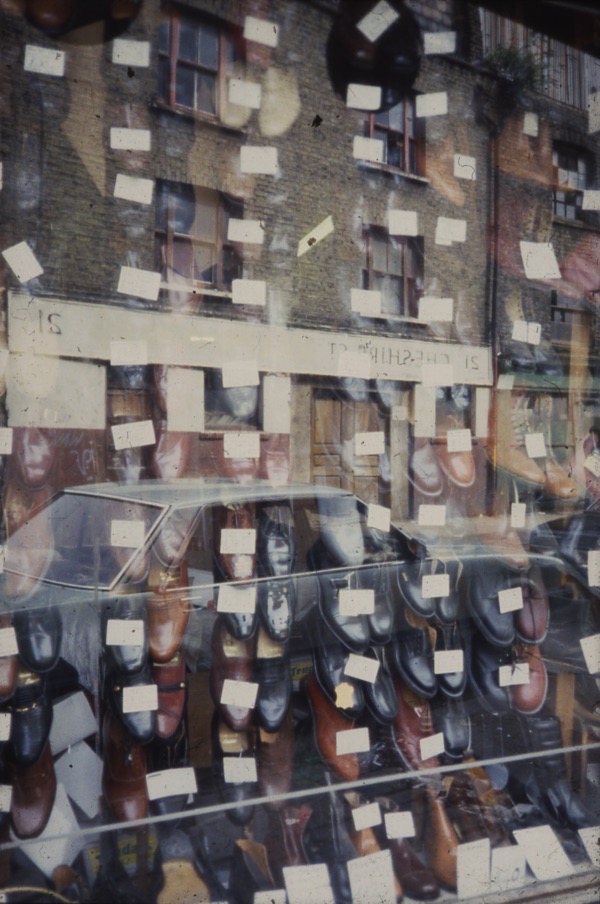
Shoe shop on Cheshire St
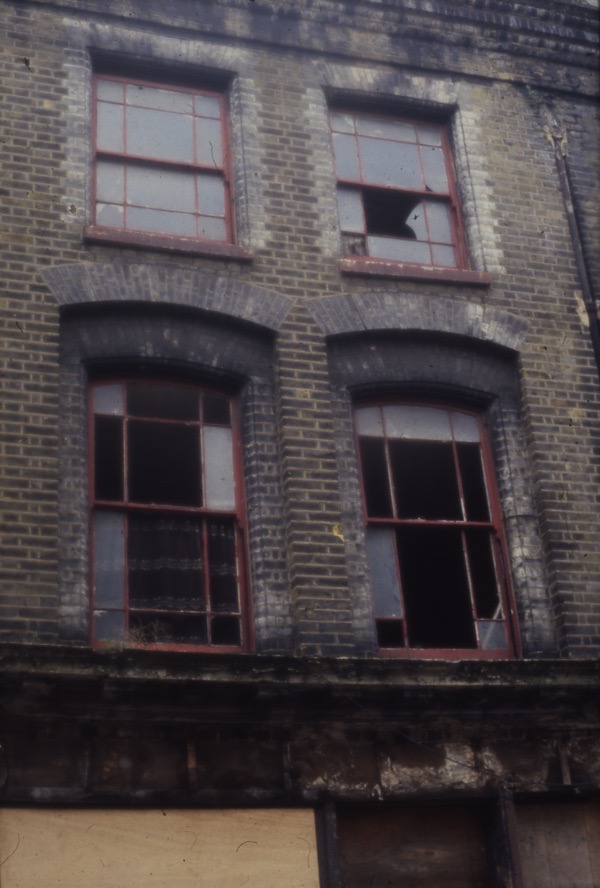
Cheshire St

Stamp and coin dealer in Cheshire St

Boy carrying home the shopping on Brick Lane
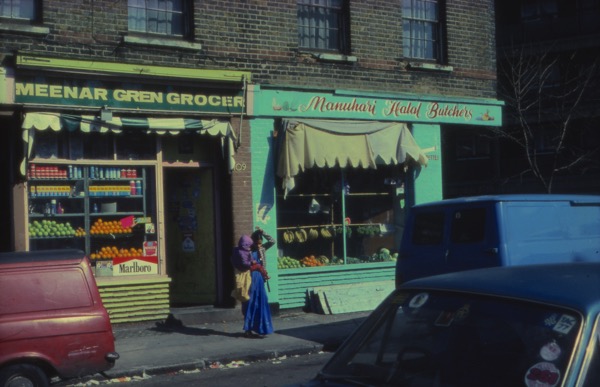
Shops on Hanbury St
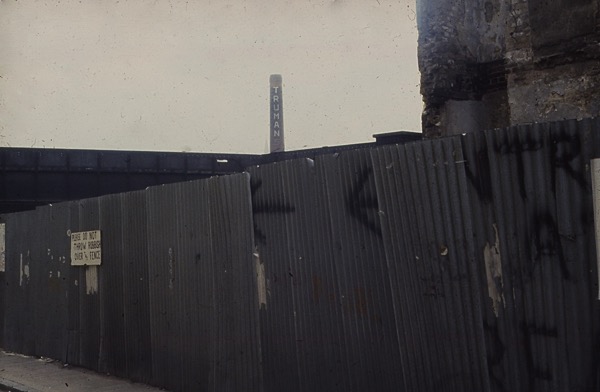
Truman Brewery seen from Grimbsy St
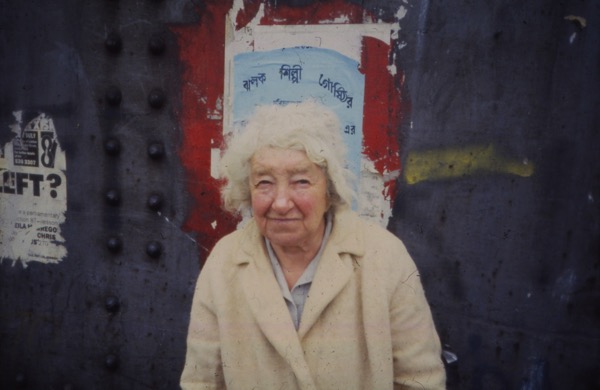
Woman on Brick Lane
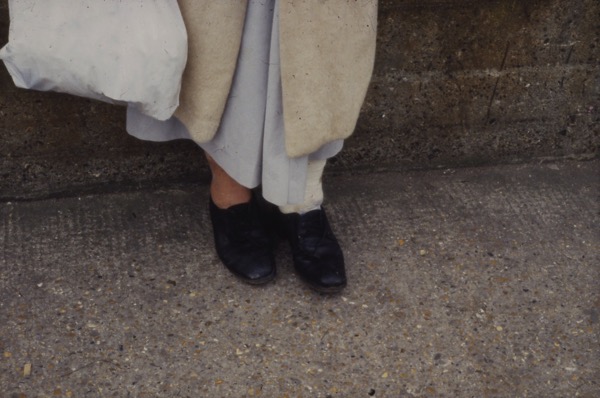
Her shoes
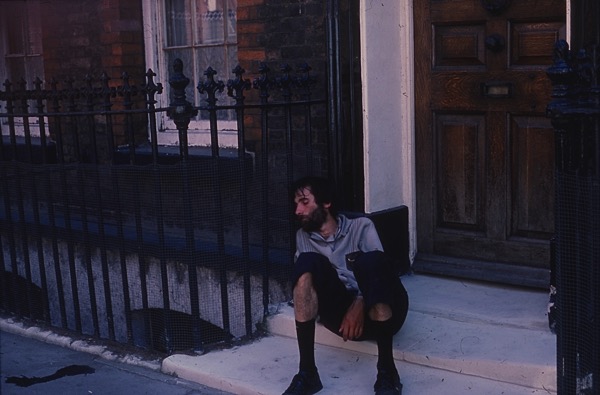
Down and out on the steps of the Rectory, Christ Church
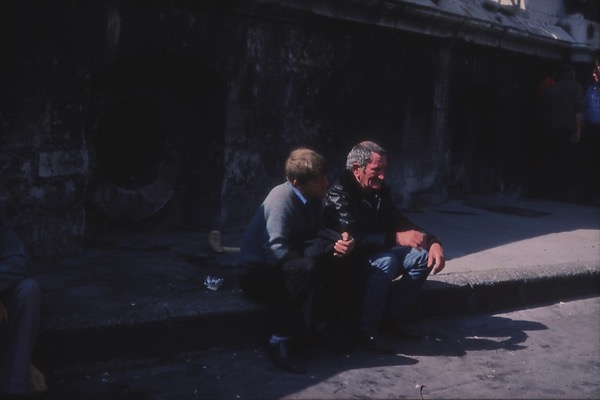
Homeless men sitting outside Christ Church – this area has recently been fenced off
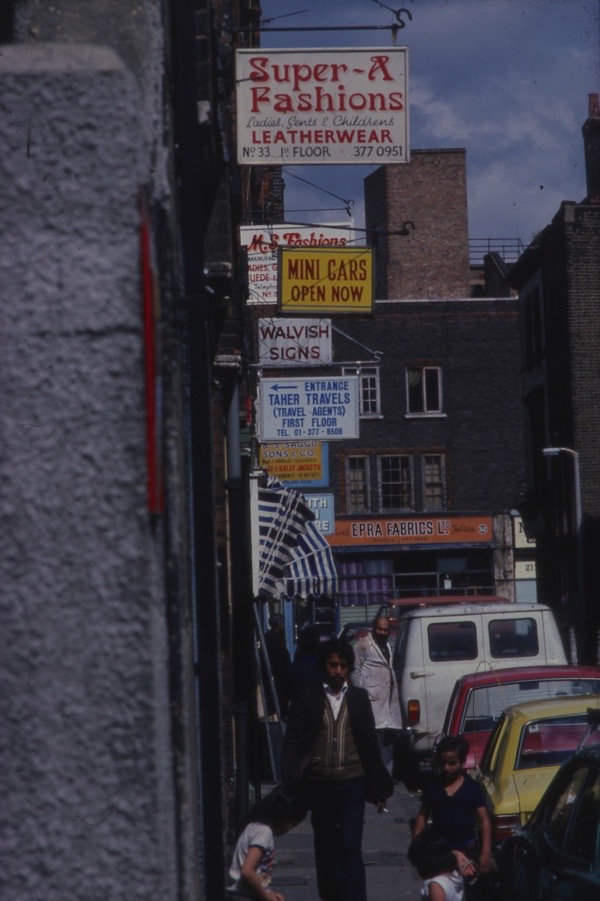
In Fashion St
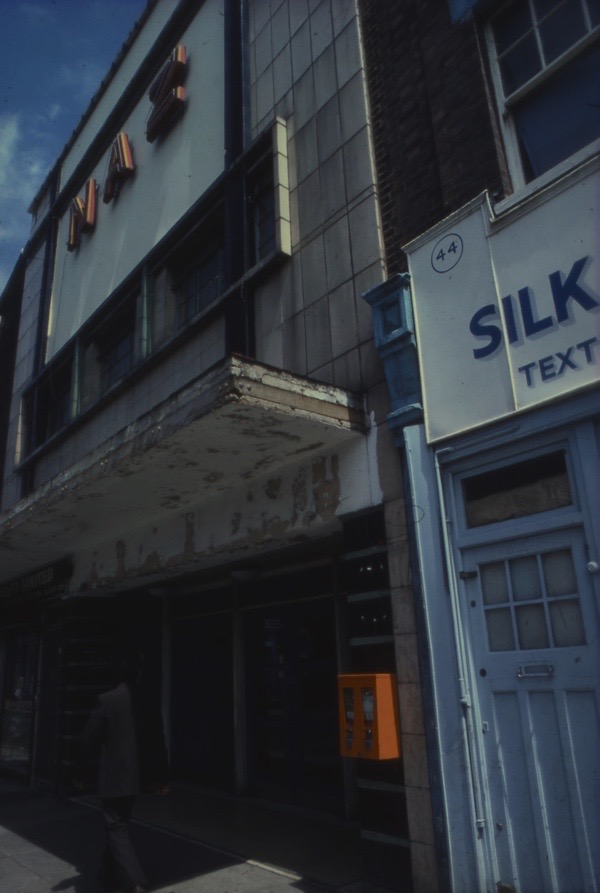
Naz Cinema, Brick Lane
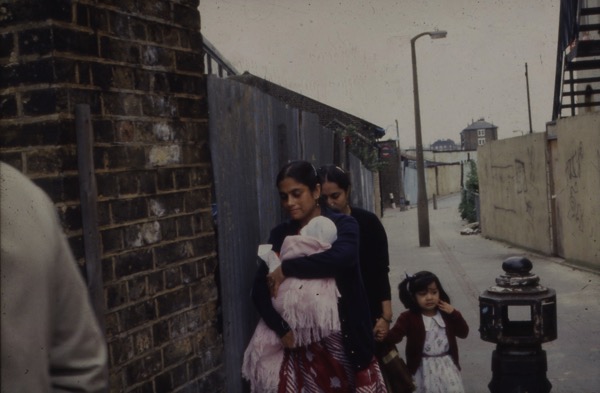
Family walking from Shoreditch Station into Brick Lane

Clifton Sweetmart, Brick Lane
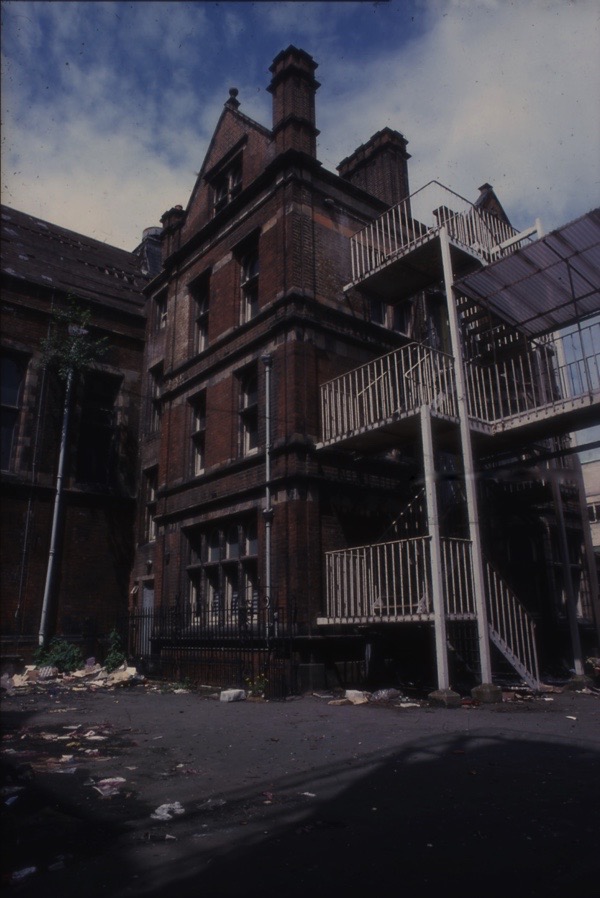
Former Central Foundation School for Girls, Spital Sq, now Galvin restaurant
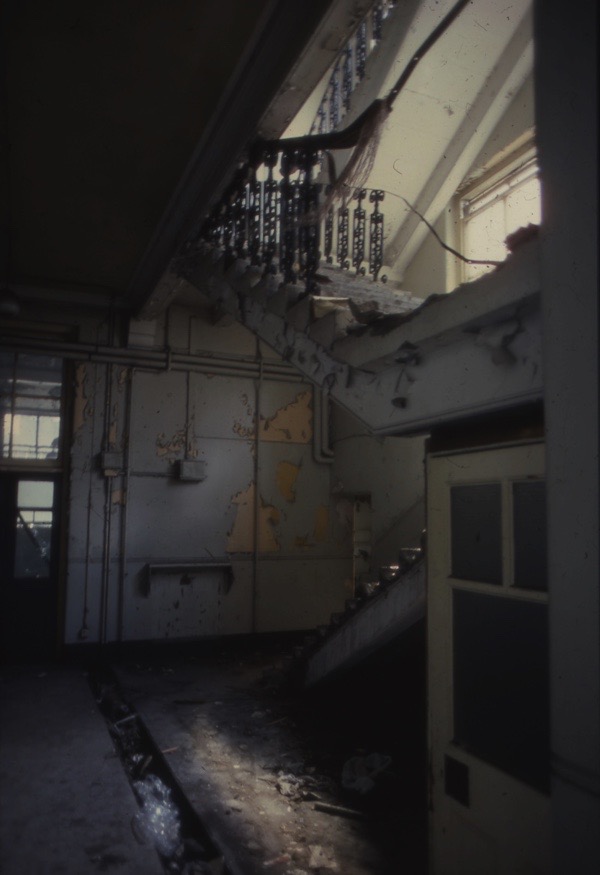
Inside the former Central Foundation School for Girls, Spital Sq
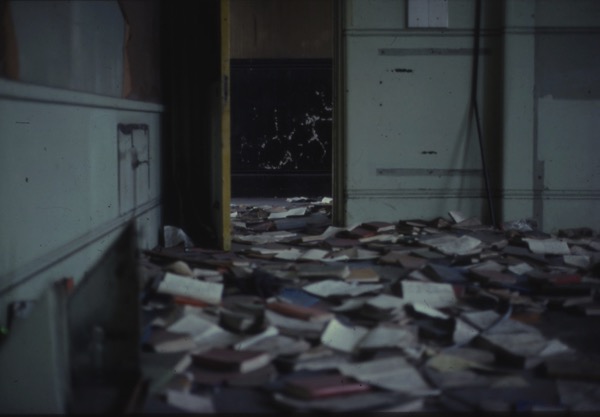
Abandoned books at Central Foundation School for Girls
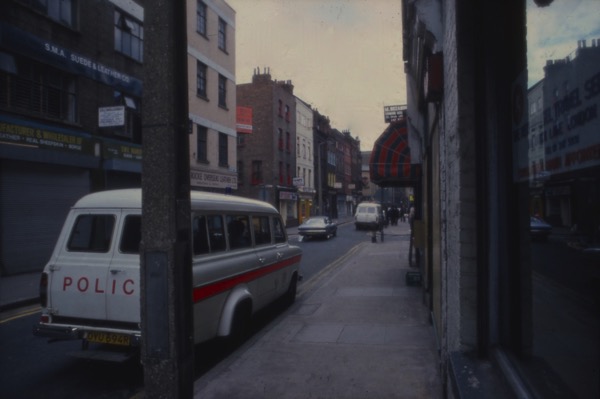
There was a constant police presence on Brick Lane due to the race riots

Crowds leaving the mosque on Brick Lane
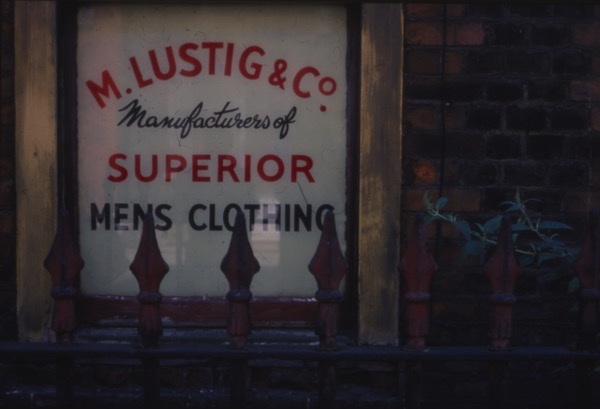
Sign in Fournier St

Sign in Fournier St
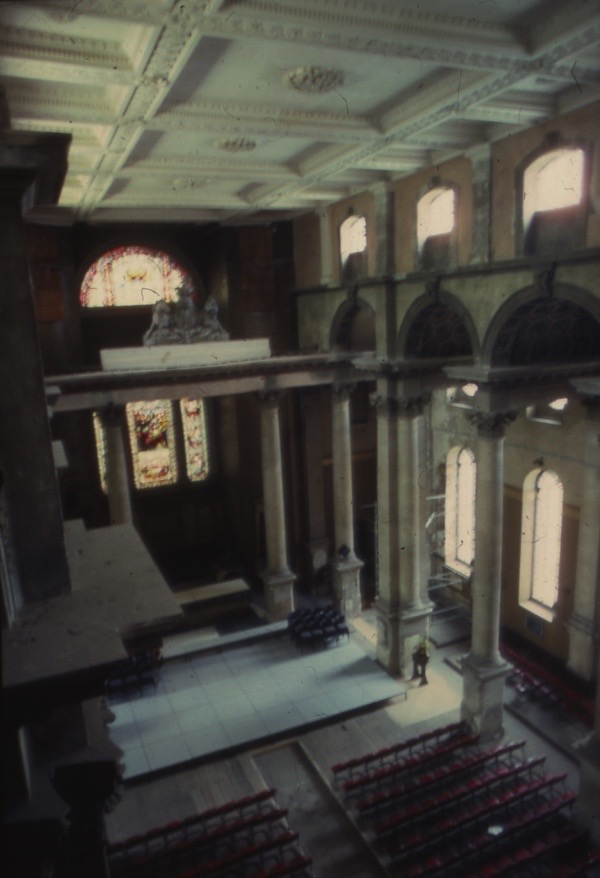
Christ Church prior to restoration, without balconies
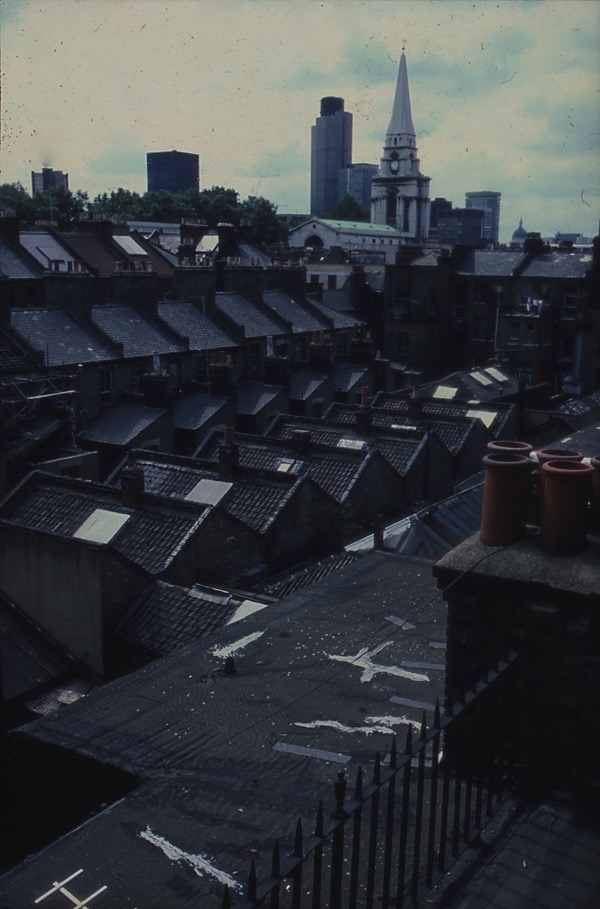
Christ Church from the roofs of Hanbury St
Photographs copyright © Suresh Singh
Click here to buy copy of A MODEST LIVING












