
Alan Stapleton’s Alleys, Byways & Courts
In the archive at the Bishopsgate Institute, I had the good fortune to come across a copy of Alan Stapleton’s London’s Alleys, Byways & Courts, 1923. A title guaranteed to send anyone as susceptible as myself meandering through the capital’s forgotten thoroughfares, yet the great discovery is how many of these have survived in recognisable form today. Clearly a kindred spirit, Stapleton prefaces his work with the following quote from Dr Johnson (who lived in a square at the end of an alley) – ‘If you wish to have a notion of the magnitude of this great city, you must not be satisfied with seeing its great streets and squares, but survey its innumerable little lanes and courts.’
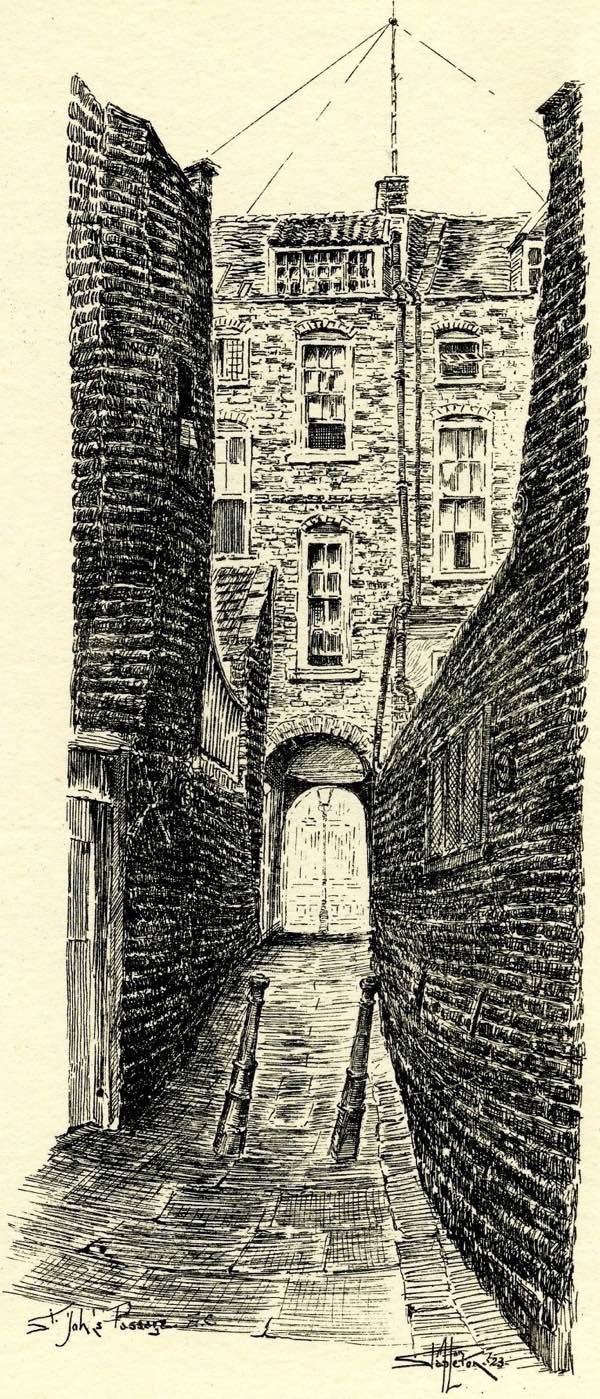
St John’s Passage, EC1
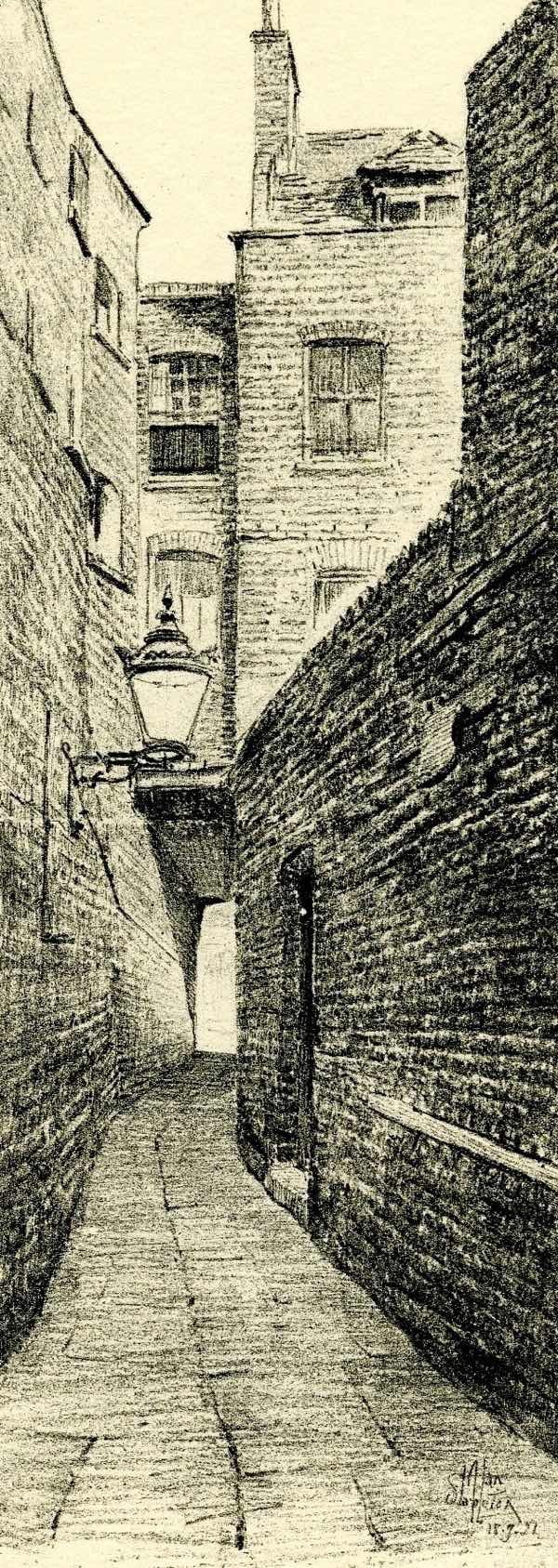
Passing Alley, EC1
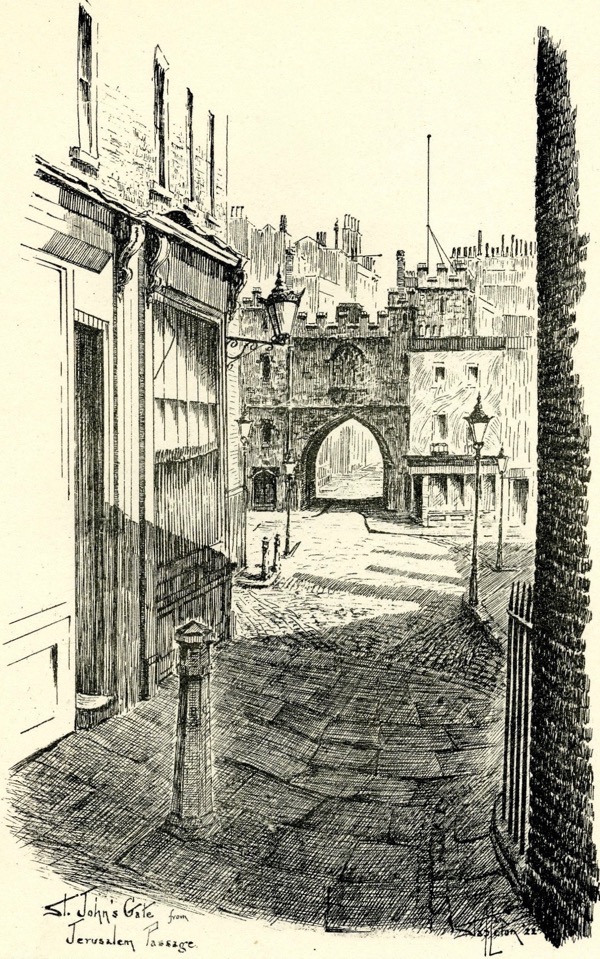
St John’s Gate from Jerusalem Passage, EC1
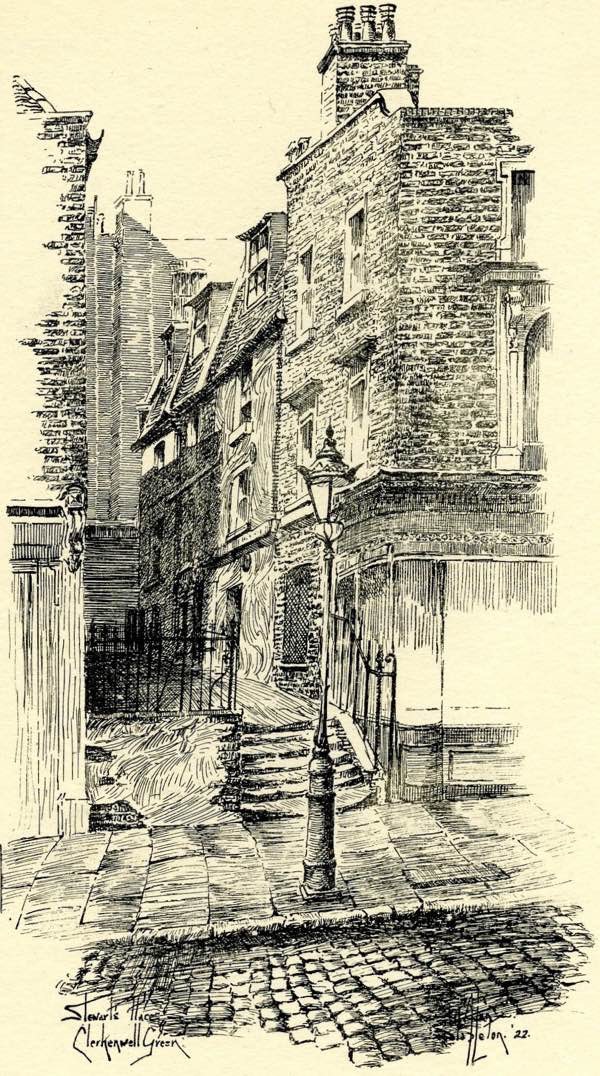
Stewart’s Place, Clerkenwell Green, EC1
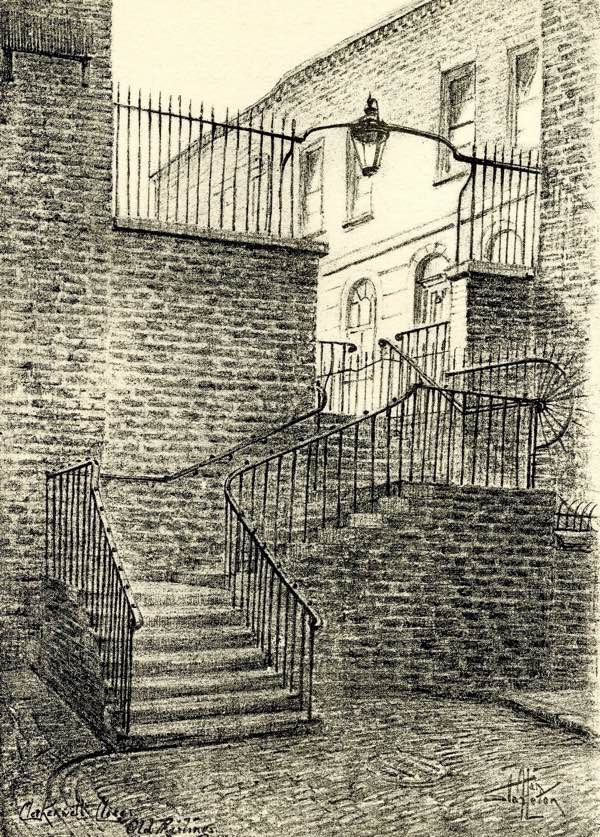
Clerkenwell Close, EC1
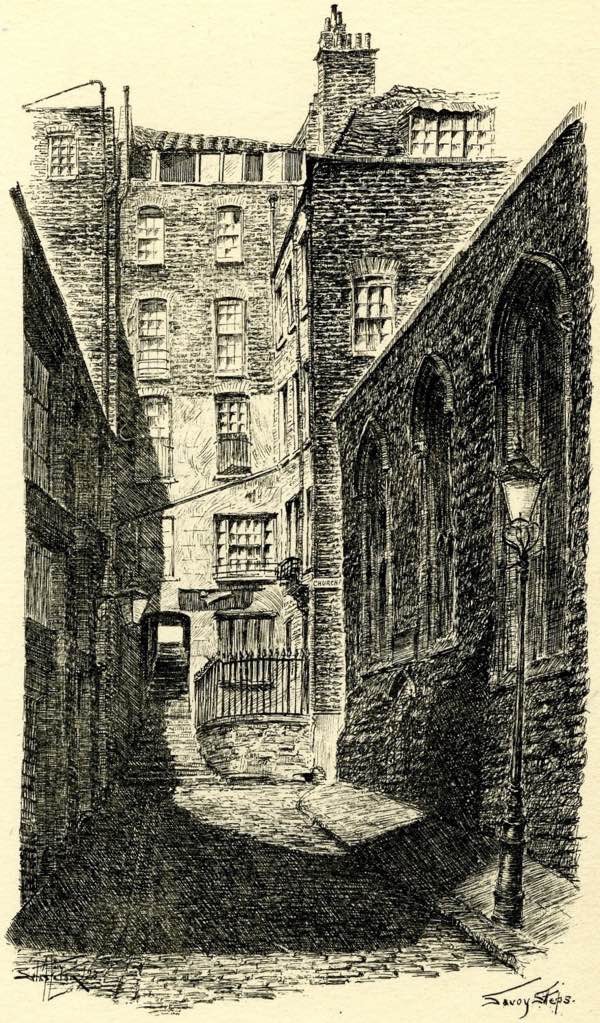
Savoy Steps, Strand, WC2
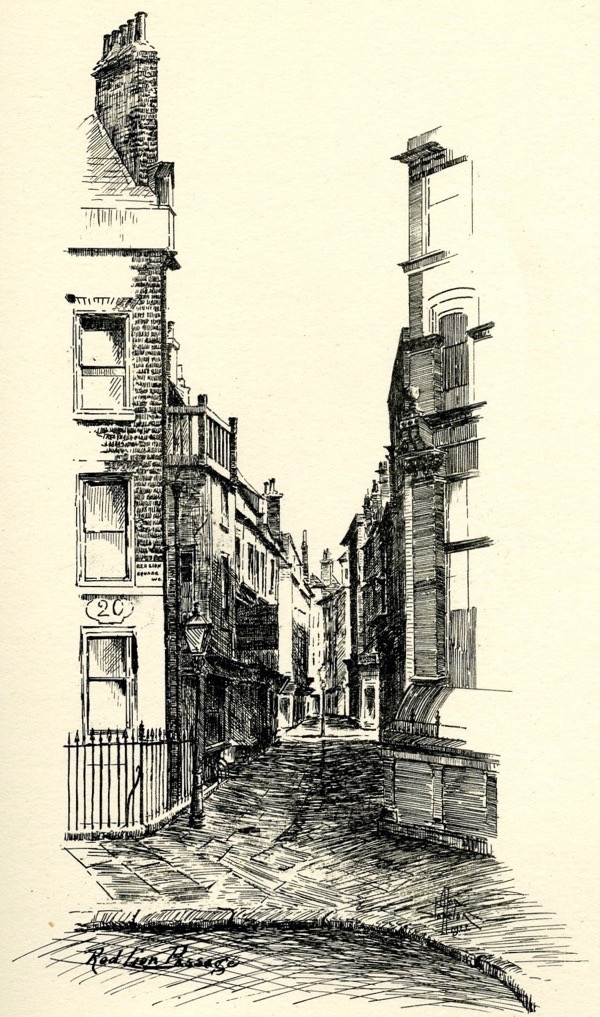
Red Lion Passage, Red Lion Sq, WC1
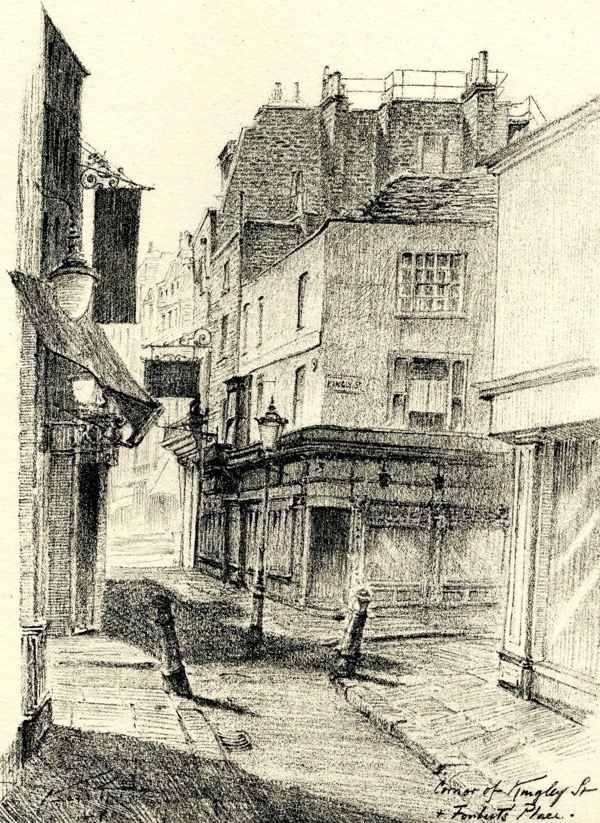
Corner of Kingley St & Foubert’s Place, W1
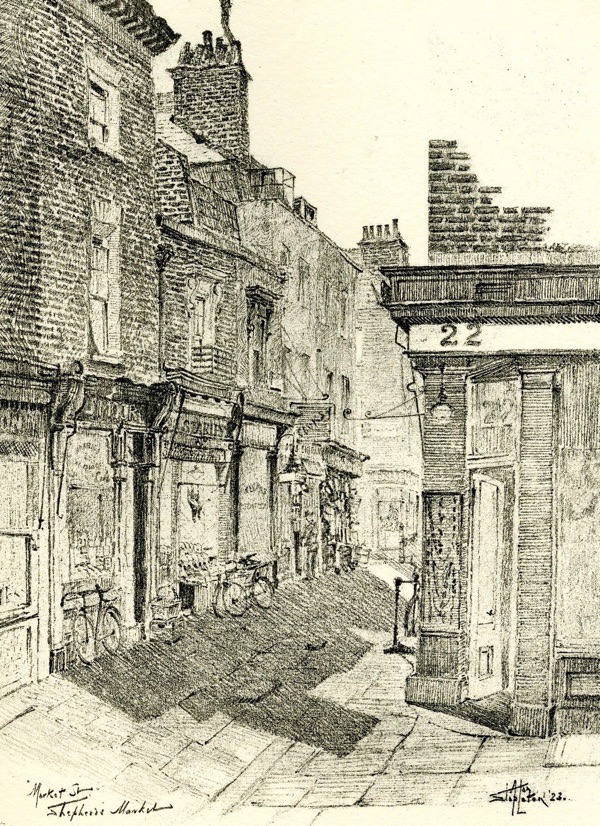
Market St, Shepherd Market, W1
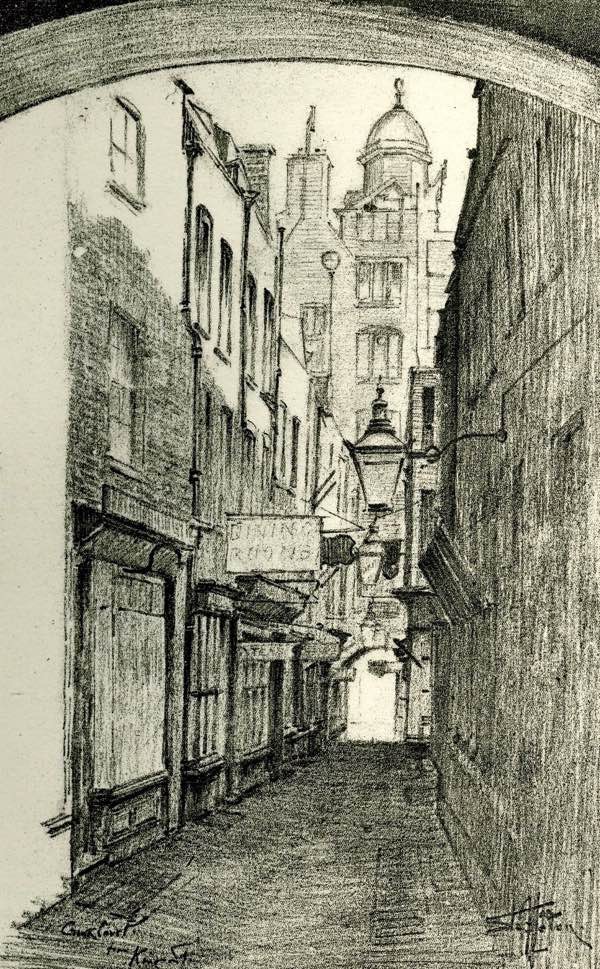
Crown Court, Pall Mall, SW1
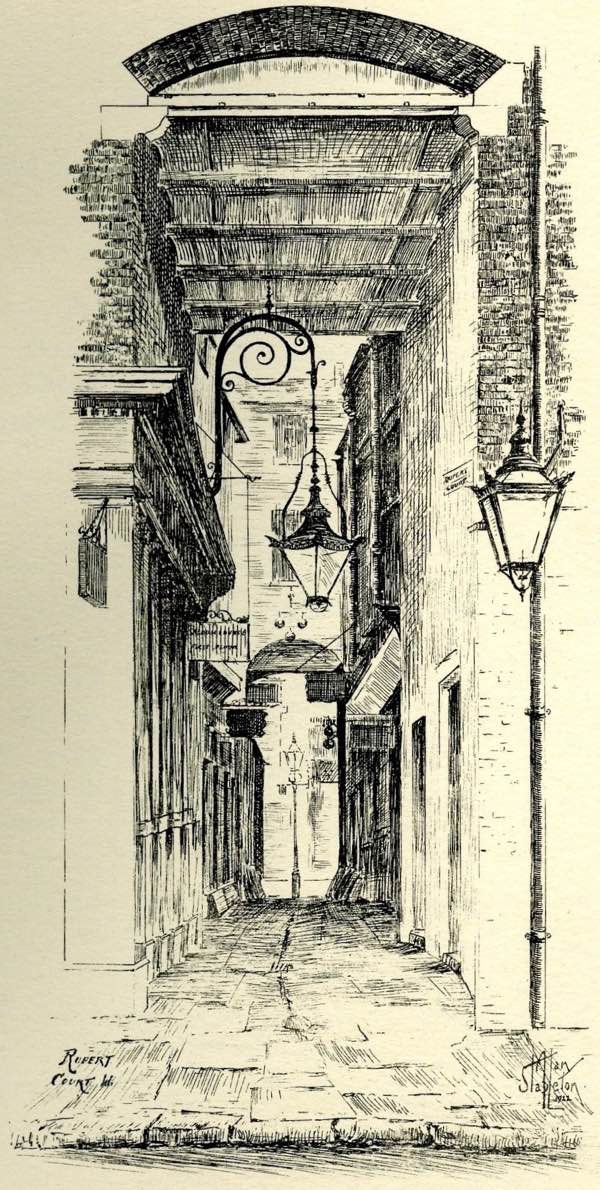
Rupert Court, W1
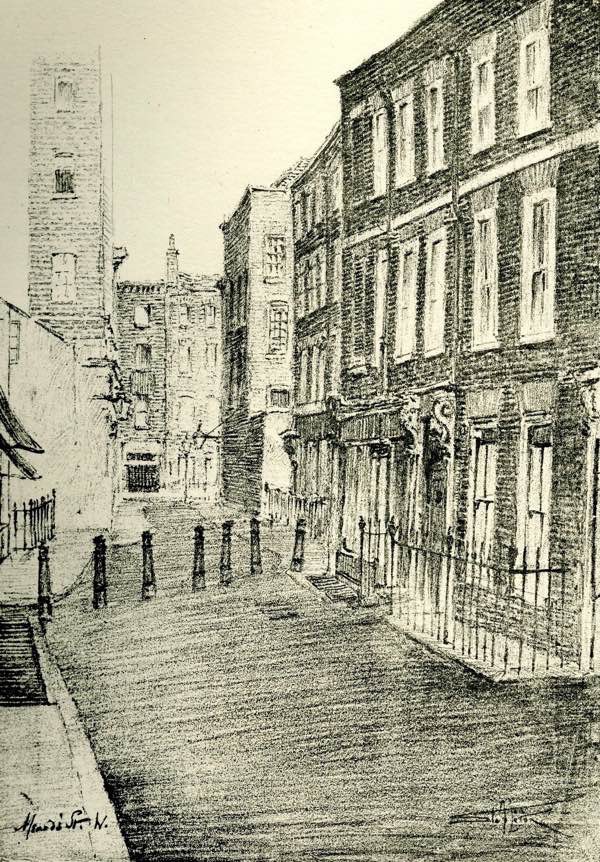
Meard’s St, W1
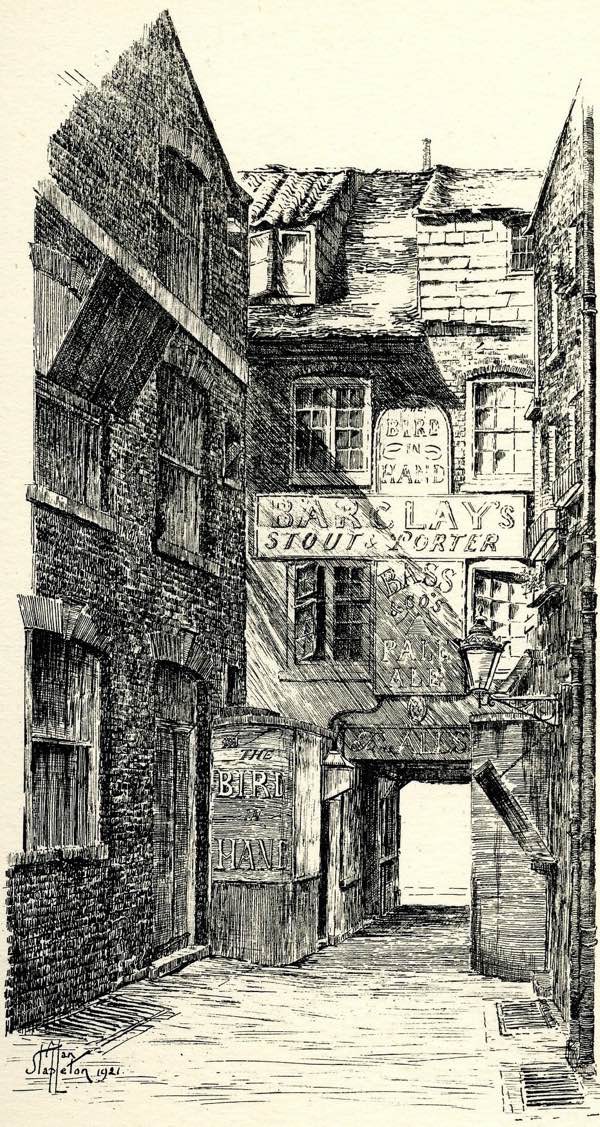
Conduit Court, Long Acre, WC2
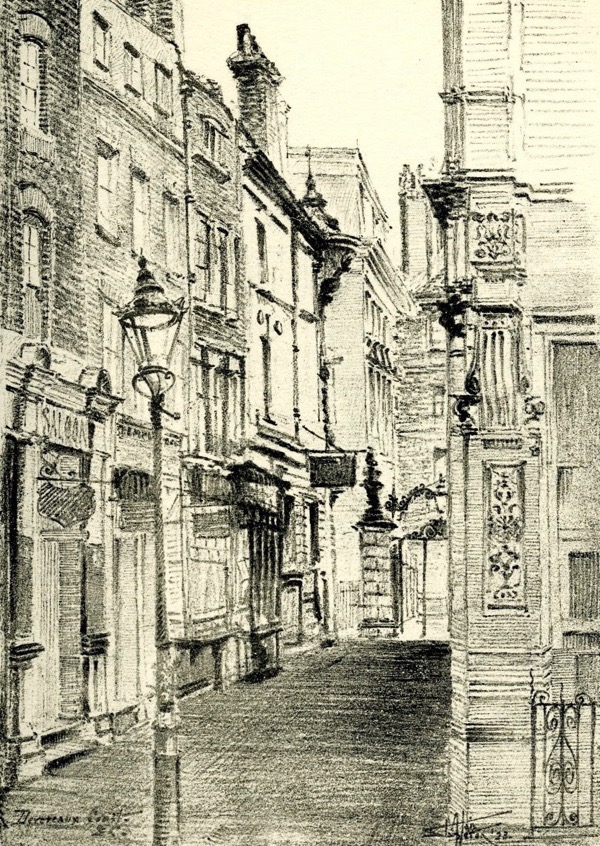
Devereaux Court, Strand, WC2
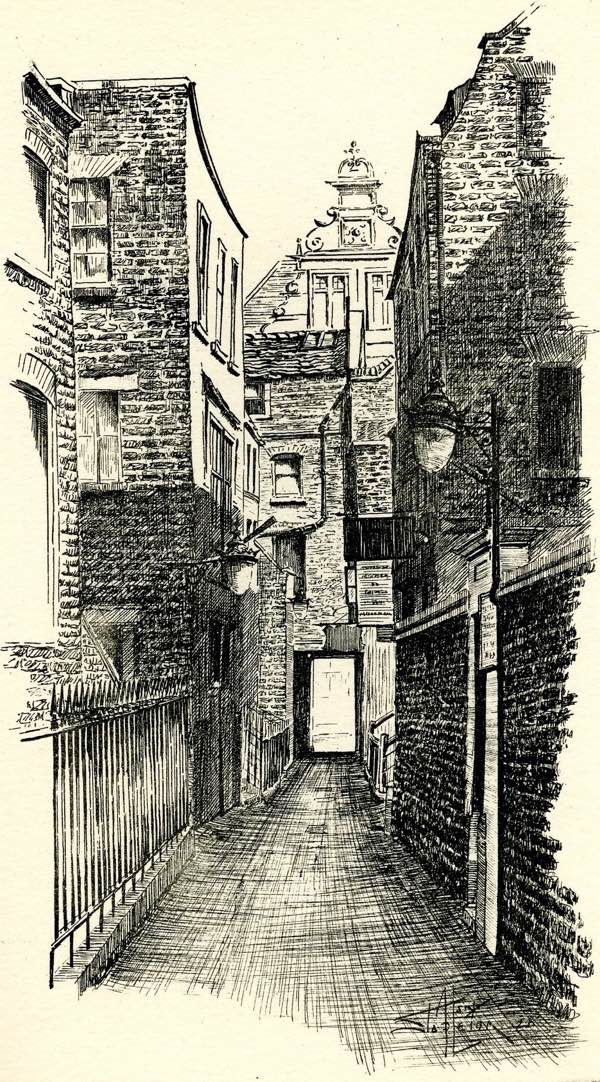
Greystoke Place, Chancery Lane, EC4
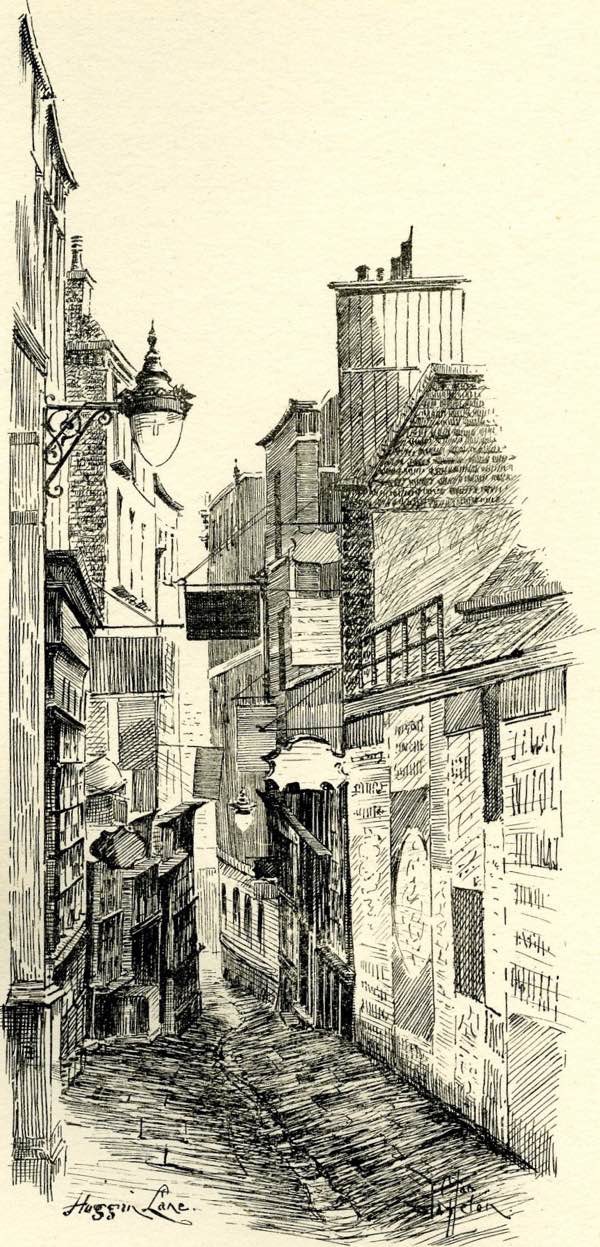
Huggin Lane, Cannon St, EC4
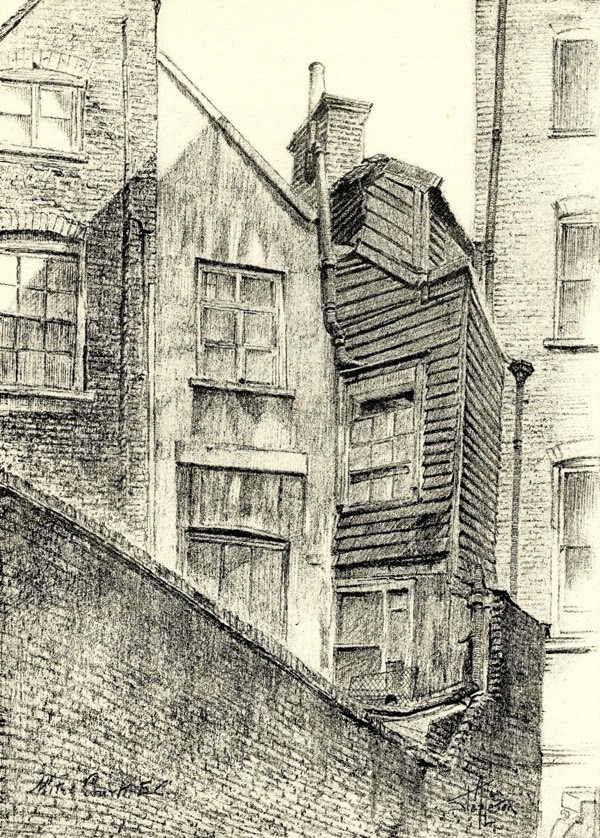
Mitre Court, EC1
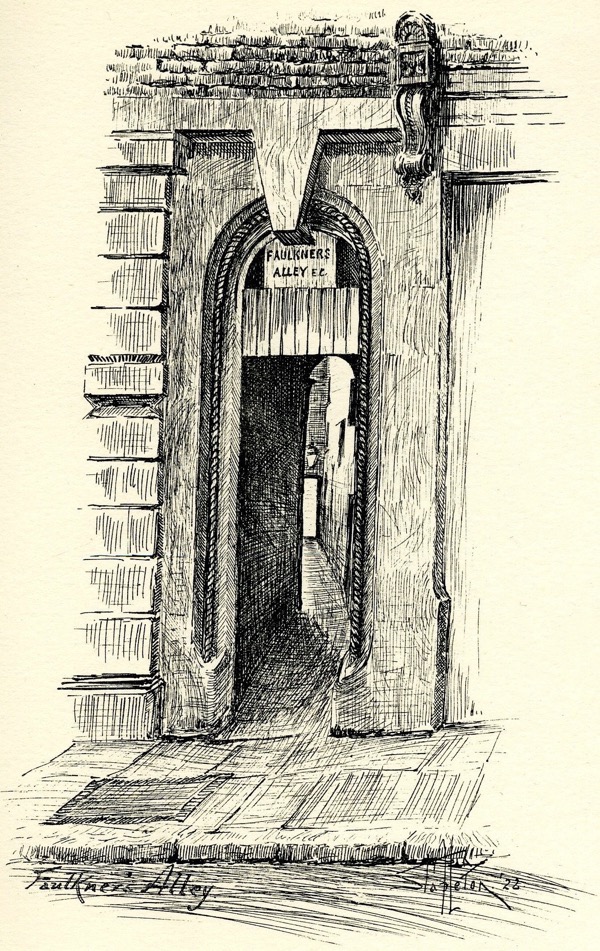
Faulkner’s Alley, Cow Cross St, EC1
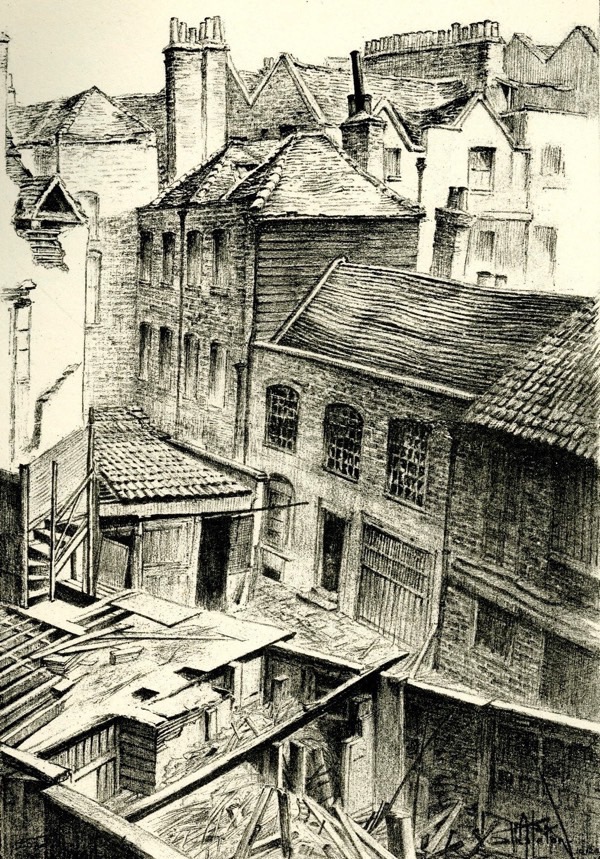
Last of Snatcher’s Island, Drury Lane, WC2
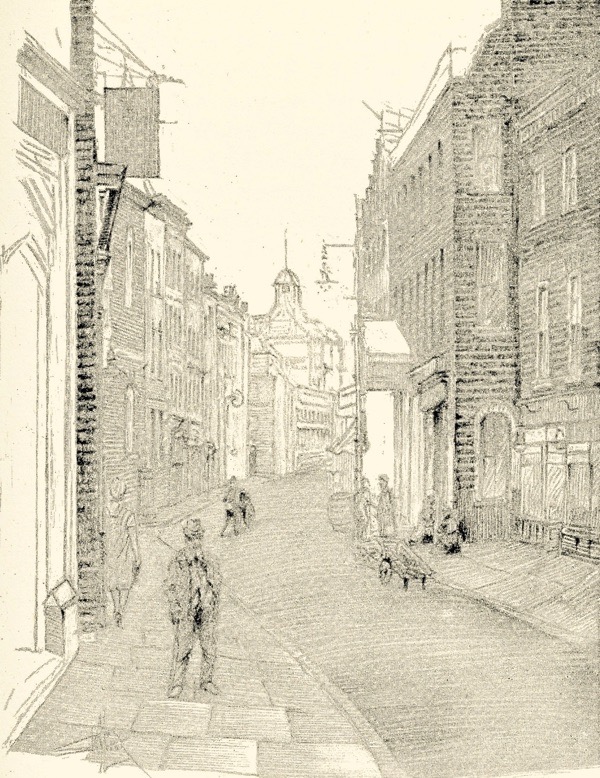
Brick Lane looking north
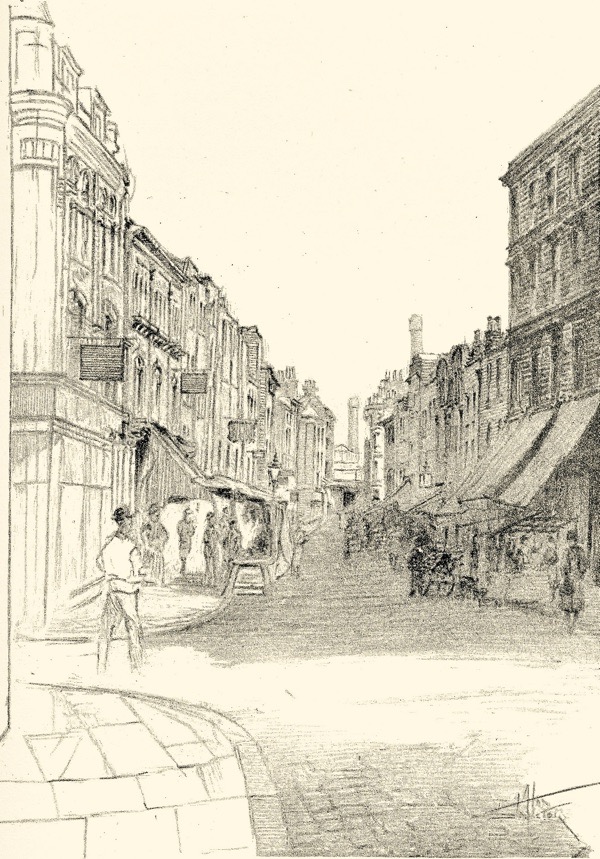
Brick Lane looking south
‘Hatton in 1708 called Brick Lane the longest lane in London, being nearly three quarters of a mile long. But Park Lane by Hyde Park was then six furlongs thirteen poles in length, so it had the advantage of Brick Lane, the length of which was five furlongs four poles. Today, Brick Lane by taking in its length its old continuations, Tyssen St and Turk’s St now beats it by thirteen poles. Tyssen St measuring one furlong fourteen poles and Turk’s St eight poles, thus bringing the length of the current Brick Lane to six furlongs twenty-six poles. Yet White HorseLane was undoubtedly the longest in London when it existed’ – Alan Stapelton 1923
Images courtesy © Bishopsgate Institute
You may also like to take a look at
Bill Brandt, Photographer
Continuing his series of profiles of photographers who pictured the East End in the twentieth century, Contributing Writer Mark Richards explores the photography of Bill Brandt
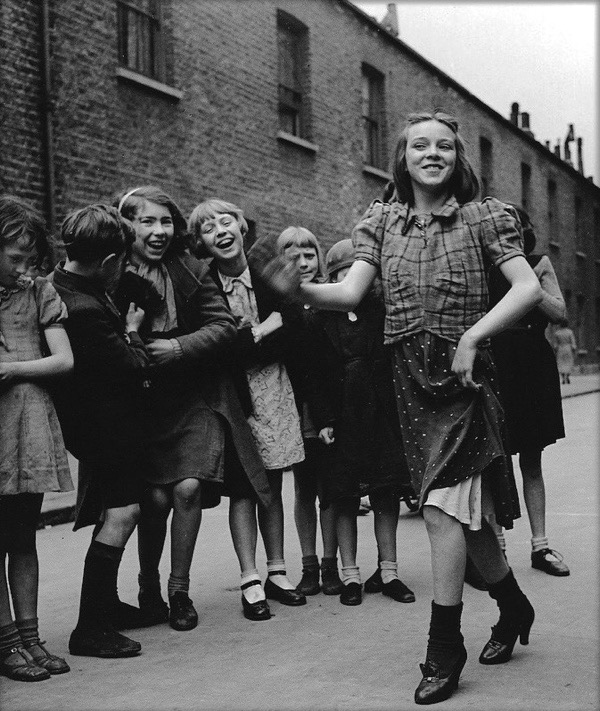
East End girl dancing the Lambeth Walk, 1939
The most influential modernist photographer of his generation, Bill Brandt revealed a unique way of interpreting the world through photography, making the mundane appear strange and, at times, unnerving. Over three decades, his images of London and elsewhere in England, represent an important record of social history in this country. Although he is less well known than figures such as Henri Cartier-Bresson, Brandt remains one of the most complex and significant personalities in a golden age of photography on film.
Contemplating Brandt’s work, the first thing you must recognise is that his images share a common quality – as a viewer, you are seeing what he wants you to see. Even the subjects of his photographs are not always who they purport to be. Brandt sought reality through artifice – what mattered to him was the final image not his route to it. He controlled every aspect of his photography, composition, setting and printing. His captions are often deliberately ambiguous, leaving the viewer to draw their own interpretation, contributing to the surrealism that pervades much of his work, especially his portraiture.
Speaking of his photography, Brandt said – “I believe this power of seeing the world as fresh and strange lies hidden in every human being. Vicariously, through another person’s eyes, men and women can see the world anew. It is shown to them as something interesting and exciting. There is given to them again a sense of wonder. This should be the photographer’s aim, for this is the purpose that pictures fulfil in the world as it is today – to meet a need that people cannot or will not meet for themselves. We are most of us too busy, too worried, too intent on proving ourselves right, too obsessed with ideas to stand and stare.”
The influence of earlier photographers such as Man Ray and Brassaï can be seen in his early work. Yet Brandt later surpassed both – in terms of his ability to generate a sense of wonder and also of disappointment, when his style became inconsistent and unpredictable.
Brandt established his reputation in the thirties through publication of two books: The English at Home (1936) and A Night in London (1938). The photography in The English at Home bears similarities to the work of Edith Tudor-Hart and they had both been in Vienna in 1934, although their lives and motivations were distinctly different. A Night in London was undoubtedly influenced heavily by Brassaï and his seminal Paris de Nuit (1932). Both of Brandt’s books were social documentaries and comprise images that are immediately accessible yet also sometimes challenging to the casual viewer. Couple in Peckham, 1936 is one of these unsettling images that raises more questions than answers, an ambiguity compounded by the wording of the title.
Unlike some of his contemporaries, Brandt pursued an unfettered approach to photography, in line with his personal life which was Bohemian and unconventional for the time. He cast aside aesthetic rules in his search for artistic expression through photography and rejected social norms in his personal life too. This disregard for convention was the key to many of his most striking images.
In 1948, he said: “I am not interested in rules and conventions … photography is not a sport. If I think a picture will look better brilliantly lit, I use lights, or even flash. It is the result that counts, no matter how it was achieved. I find the darkroom work most important, as I can finish the composition of a picture only under the enlarger. I do not understand why this is supposed to interfere with the truth. Photographers should follow their own judgment, and not the fads and dictates of others”
Born into a well-off family, Brandt drifted around Europe throughout his twenties, absorbing influences which would shape his creative work. He said that he began his photographic career in Paris in 1929, where he read surrealist publications such as Bifui, Varietes Minotaure which were publishing photography for its poetic quality for the first time. Also influenced by surrealist films such as Bunuel’s Le Chien Andalou and L’Age d’Or, he saw these as catalysts for a new age of poetic photography. Among the influences acquired during these Paris years, which shaped the rest of Brandt’s career, was the photography of Eugène Atget who had died a few years earlier but whose work was just being recognised then.
Brandt was fortunate to be offered an opportunity to work as a pupil in Man Ray’s studio and this was a seminal point in his photographic career. He learned from Man Ray who became his role-model. Brandt considered him to be the most original photographer in the world, working at that time with his inventions of solarisation and Rayographs.
Brandt was attracted to photography both as social reportage and as poetry, with Edward Weston and Man Ray drawing him towards the latter. Yet before the war, Brandt’s photography was mainly social documentary and, like Edith Tudor-Hart, he was fascinated by the extreme social contrast between the rich and poor. When photographing for The English at Home, Brandt first started in the West End, portraying the well-off and the social structures that supported their lavish lifestyles. Then he contrasted these images with a series of photographs of the East End. To this day, these images retain their impact as records of lost lifestyles at both ends of the social spectrum. His photograph East End girl dancing the Lambeth Walk, 1939 possesses a joyful innocence that is in poignant contrast what lay just ahead.
In 1937, Brandt headed north to the Durham Coalfields and took some of his most powerful images of England in the thirties. He considered his photograph of a coal searcher with a bicycle to be the most successful of this series and it is impossible to look at that image without being moved by his sympathetic representation of working-class life during a period of mass unemployment. Brandt’s Coal miners’ houses with no windows to the street, East Durham 1937 is stark and surreal, inviting accusations that it was manipulated although there is no evidence that it was. The picture’s location is deliberately ambiguous and it challenges our preconceptions of life in East Durham at that time.
Returning to London, Brandt set about photographing the nocturnal city at night for his next book. The result was a remarkable series of noir photographs, some of indistinct shapes and others of characters lost in the blackness of London after nightfall.
Unlike those who engaged with their subjects, Brandt was deliberately distant when photographing people in their homes, concentrating on the surroundings and the image as a whole. It was an approach which contributed an otherworldly feel to the images.
Brandt outlined his strategy thus – “I always take portraits in my sitter’s own surroundings. I concentrate very much on the picture as a whole and leave the sitter rather to himself. I hardly talk and barely look at him. This often seems to make people forget what is going on and any affected or self-conscious expression usually disappears… I think a good portrait ought to tell something of the subject’s past and suggest something of his future.”
When he moved into portraiture, the majority were initially published by Liliput and then Harper’s Bazaar but he also had pictures printed in Picture Post. His focus was on literary and artistic figures and, to my knowledge, he never photographed politicians or sports personalities. Brandt began experimenting further with his technique, purchasing an old extreme wide-angle camera and using this to challenge traditional portraiture. The distorting effect and deep depth of field were reminiscent of the new cinematography at that time and one of his most well-known images in this genre Portrait of a young girl, Eaton Place may have been inspired by Orson Welles’ Citizen Kane.
After the war, Brandt’s style changed dramatically again. He lost interest in documentary. Everyone else was doing it by then. Often asked about this change, he revealed that he believed the basis of his social images of the thirties had been eroded by a new social order.
“my main theme of the past few years had disappeared; England was no longer a country of marked social contrast. Whatever the reason, the poetic trend of photography, which had already excited me in my early Paris days, began to fascinate me again. it seemed to me that there were wide fields still unexplored. I began to photograph nudes, portraits, and landscapes”
Much of the character of what Brandt achieved in his earlier period was manufactured in the darkroom. This work was notable for its subtlety – something which can only be appreciated in the original print. It was one of the reasons why his work attracted the attention of museums and galleries. When Brandt changed his style, much of the subtlety of his atmospheric images of the thirties was deliberately sacrificed and, in his nudes of the fifties, we are confronted with deep shadows and burned-out highlights. It was an approach which led to the erosion of his reputation in some quarters but Brandt remained defiant.
The impact of this aesthetic transformation was revealed in an exchange of letters between Edward Steichen, curator at the Museum of Modern Art in New York, and Brandt in 1959 in which Steichen reluctantly expressed his concerns over what he perceived to be the deteriorating quality of Brandt’s prints. Brandt was deeply hurt by Steichen’s criticism but defended the change, saying that the highly contrasted black and white effect suited his pictures better.
Since his death, copies of Brandt’s photographs made without regard to his artistic preferences and distributed through the internet have compromised the understanding and appreciation of his photography. The only real way to understand Brandt as a photographer is through his original prints. The quality of reproduction in Shadows and Light by Sarah Hermanson Meister is the closest any publication I am aware of has come to Brandt’s intentions and I recommend it to anyone who wishes to learn more about this remarkable photographer.
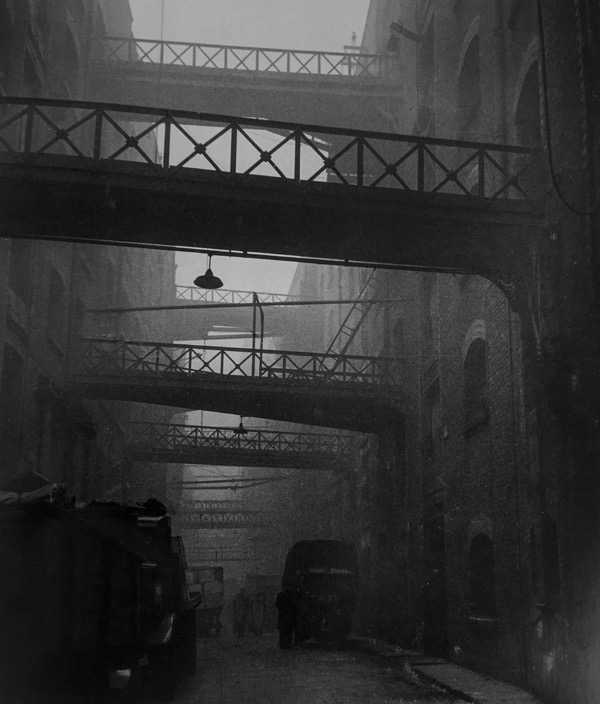
Shad Thames, a street between warehouses in Bermondsey c.1936
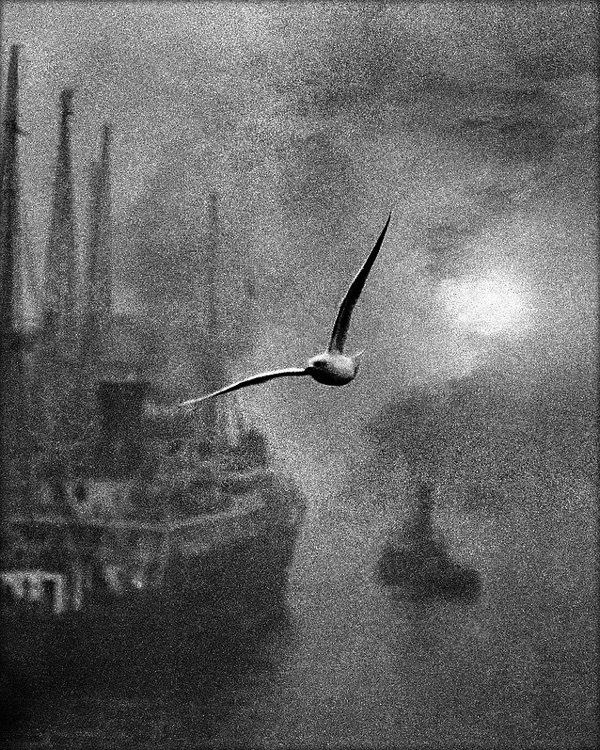
Early morning on the Thames, thirties
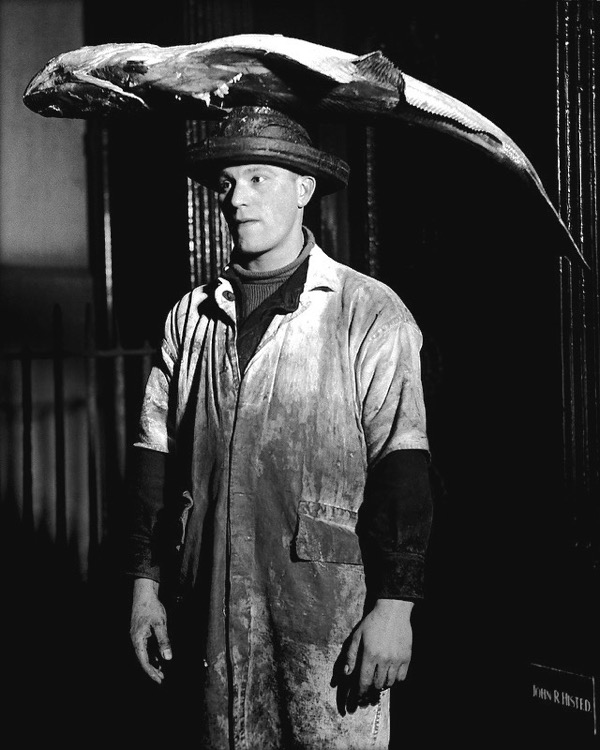
Porter at Billingsgate Market, 1934
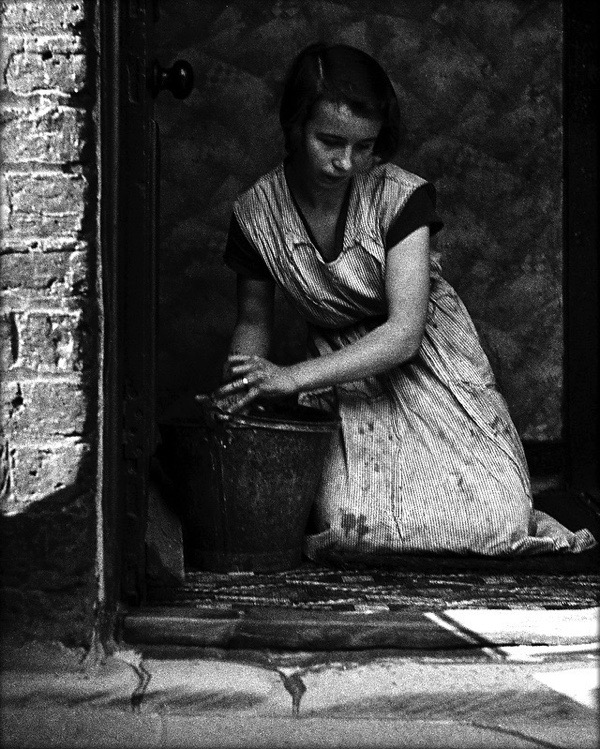
Housewife, Bethnal Green 1937
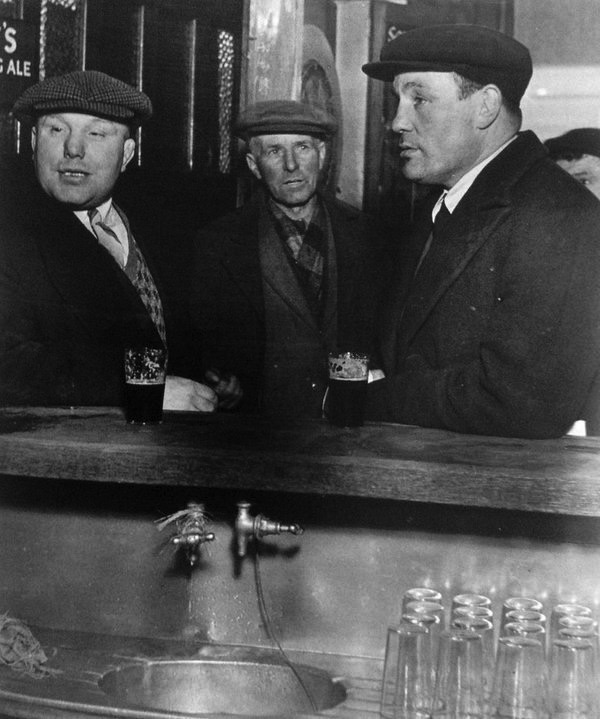
Customers at the Crooked Billet, Tower Hill 1939
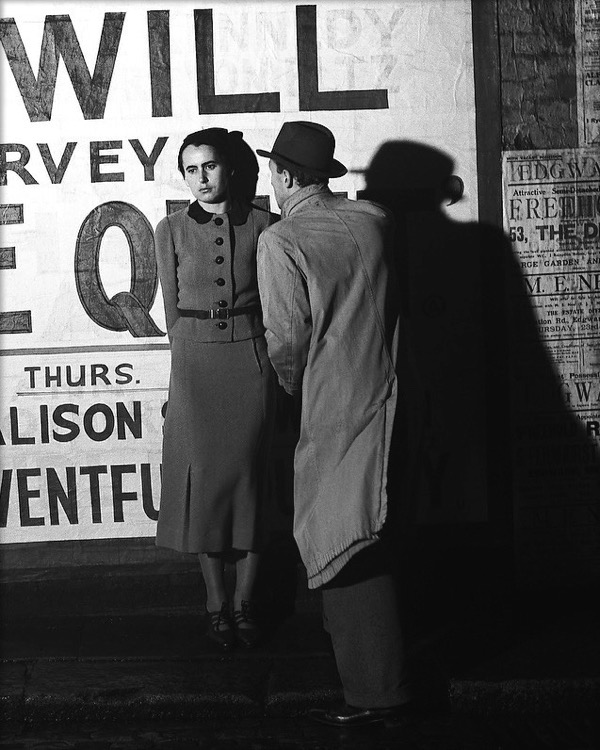
Couple in Peckham, 1936
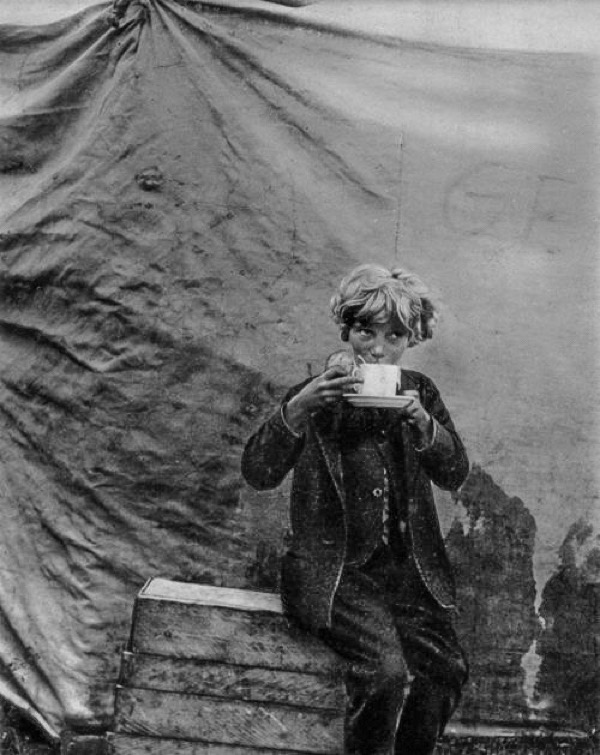
Circus Boyhood, 1933
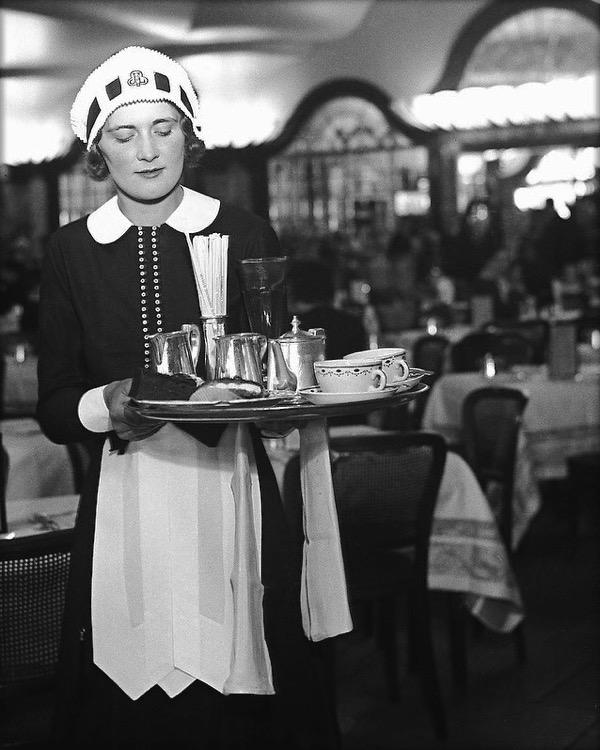
A Lyons Nippy (Miss Hibbott), 1939
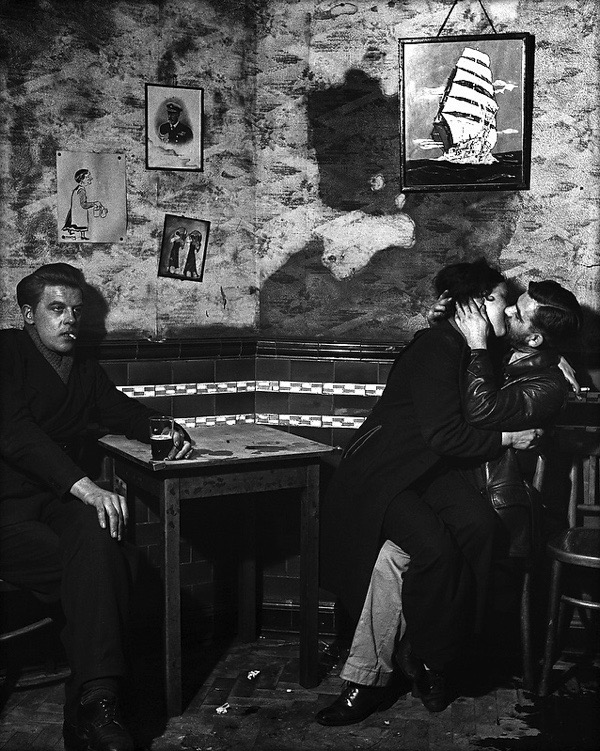
At Charley Brown’s pub, Limehouse, 1945
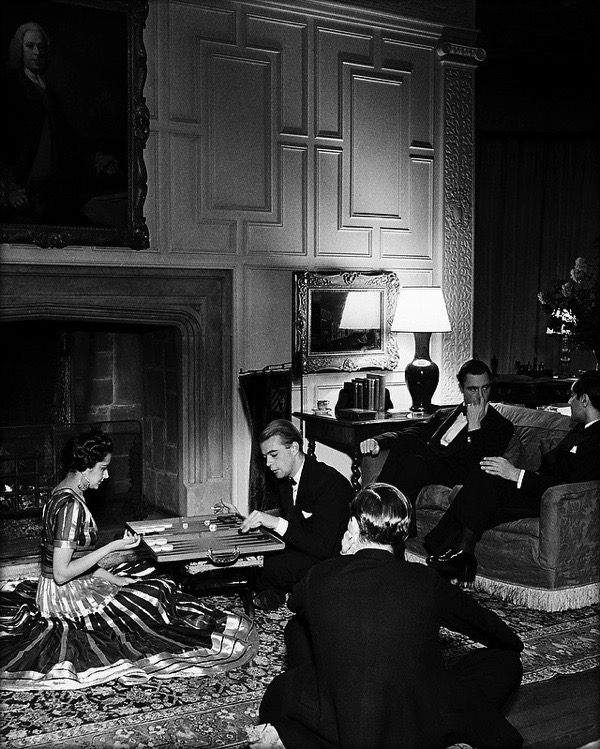
In a Mayfair drawing room, 1939
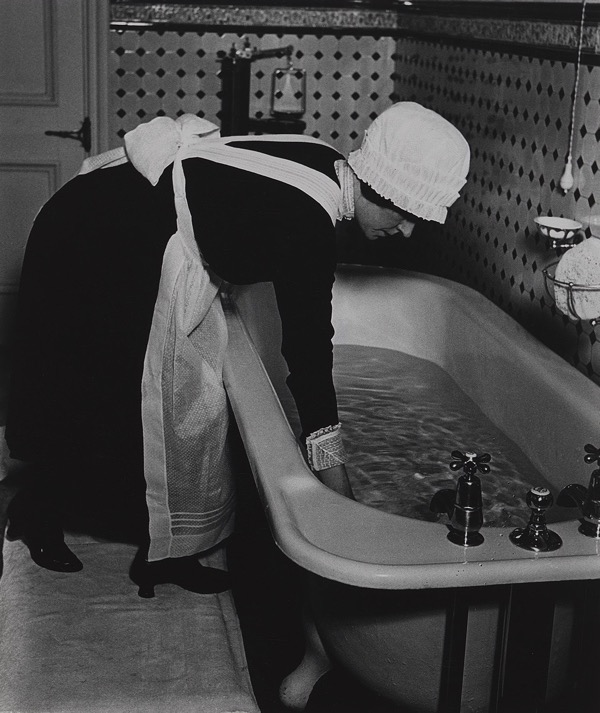
Parlourmaid preparing a bath before dinner, 1937
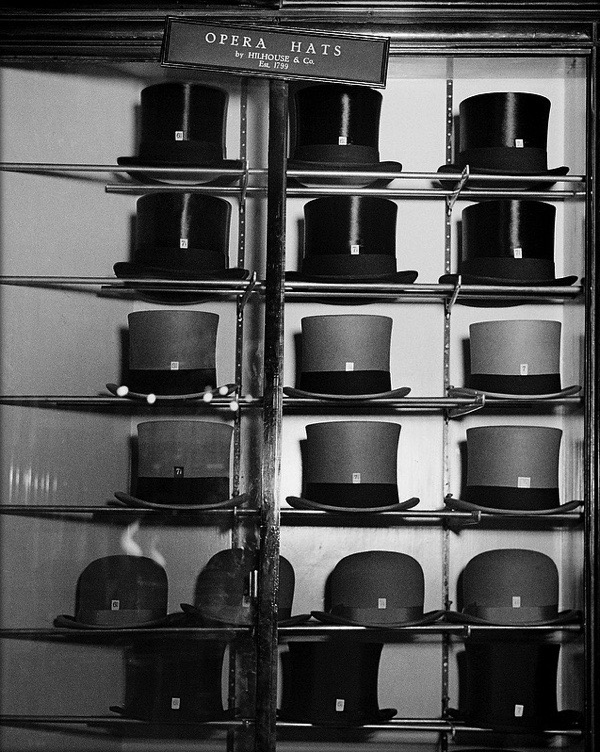
Hatter’s window, Bond Street 1935
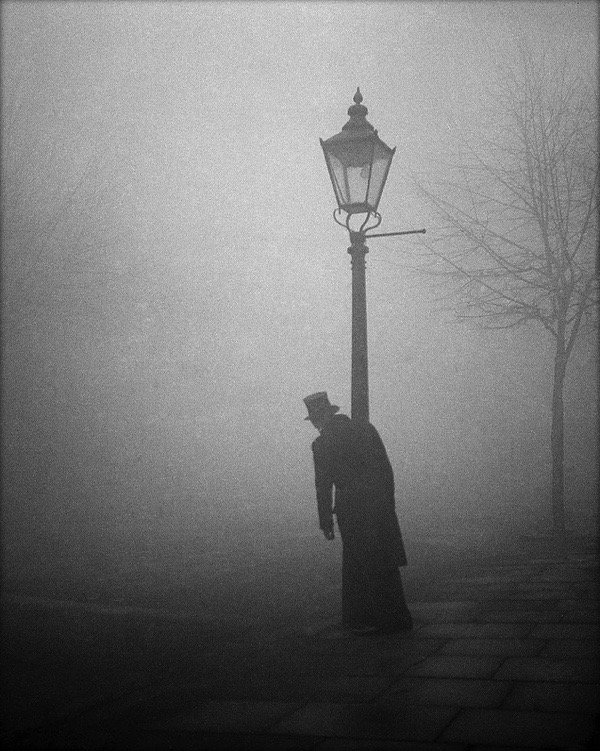
After the celebration, 1934
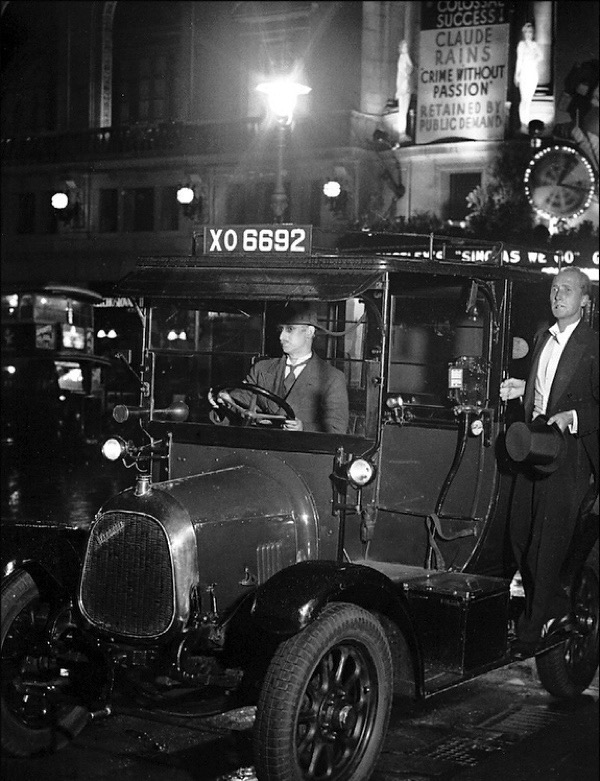
Taxi, Lower Regent St 1935
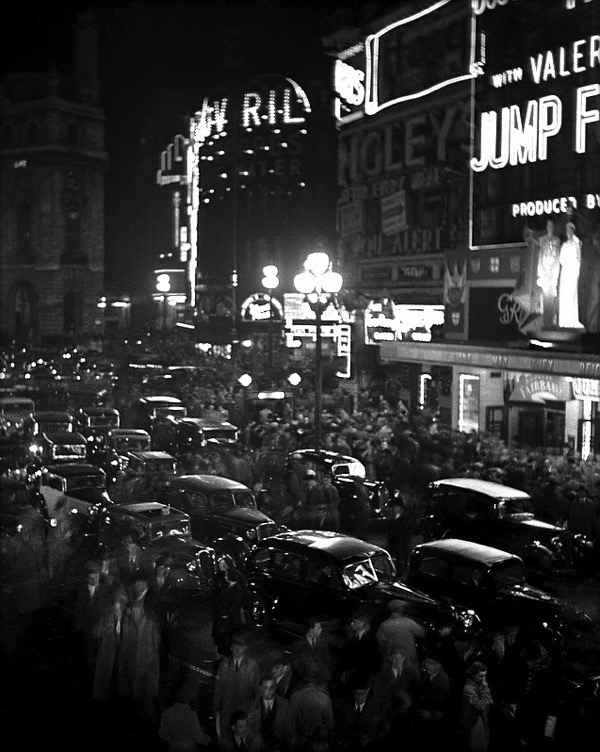
Piccadilly at Night, 1938
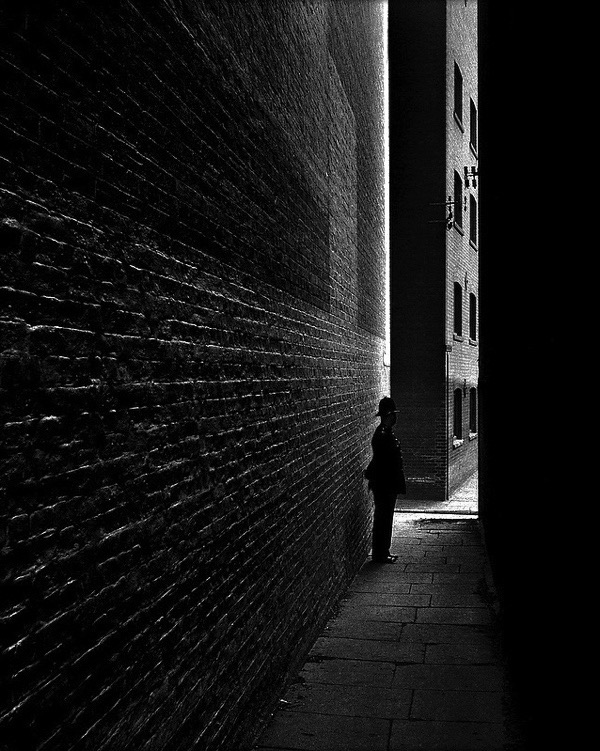
Policeman in a Bermondsey Alley, 1938
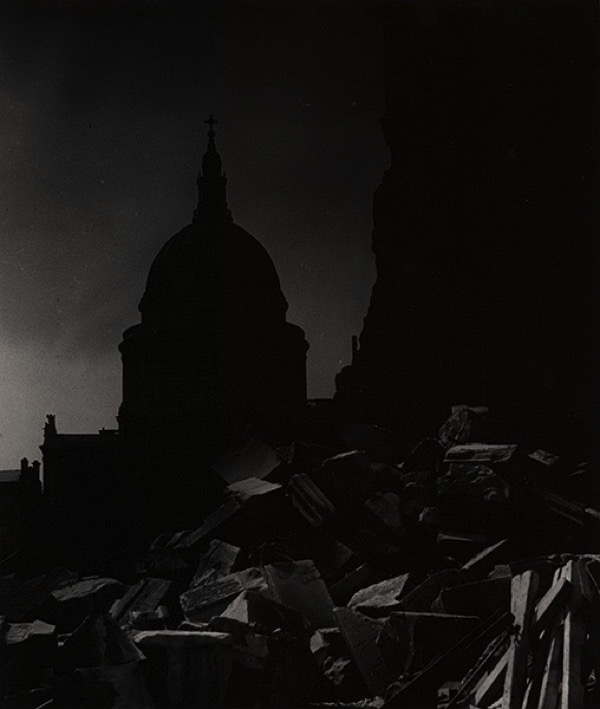
St Paul’s in the moonlight, 1942
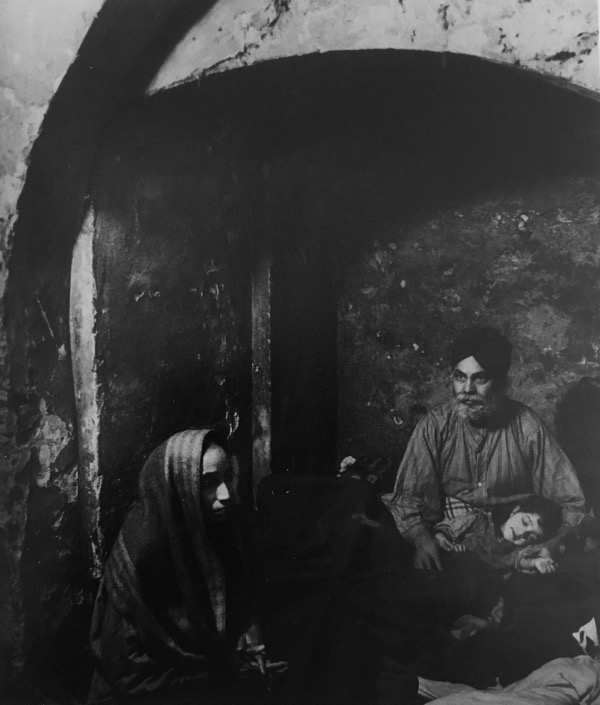
Sikh family sheltering in an alcove where coffins once stood in the crypt of Christ Church, Spitalfields, 1940
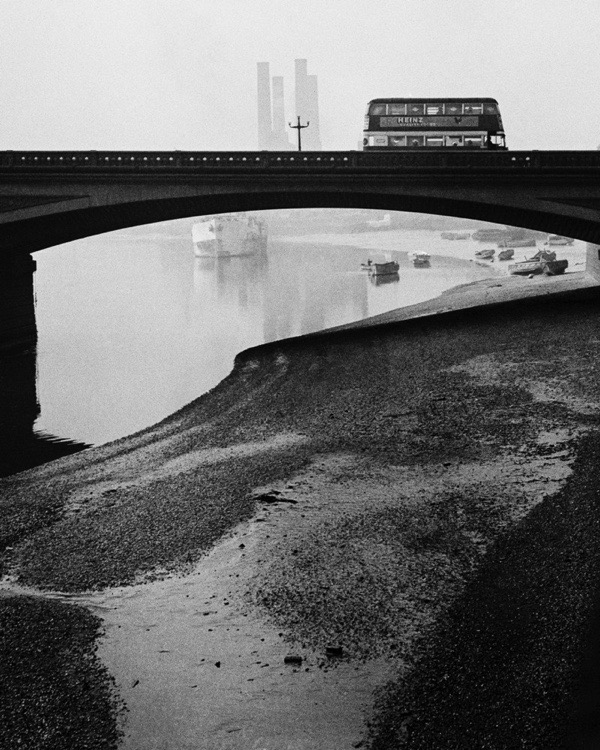
Battersea Bridge, 1939
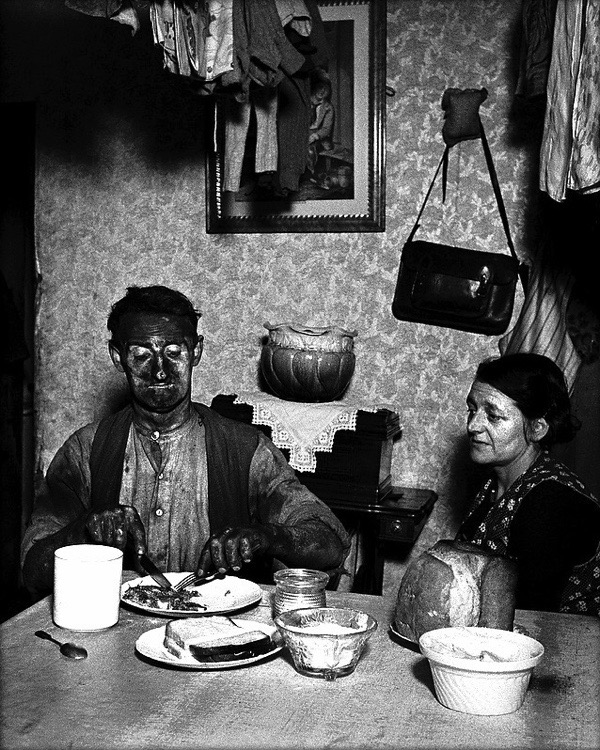
Northumbrian coal miner eating his evening meal, 1937
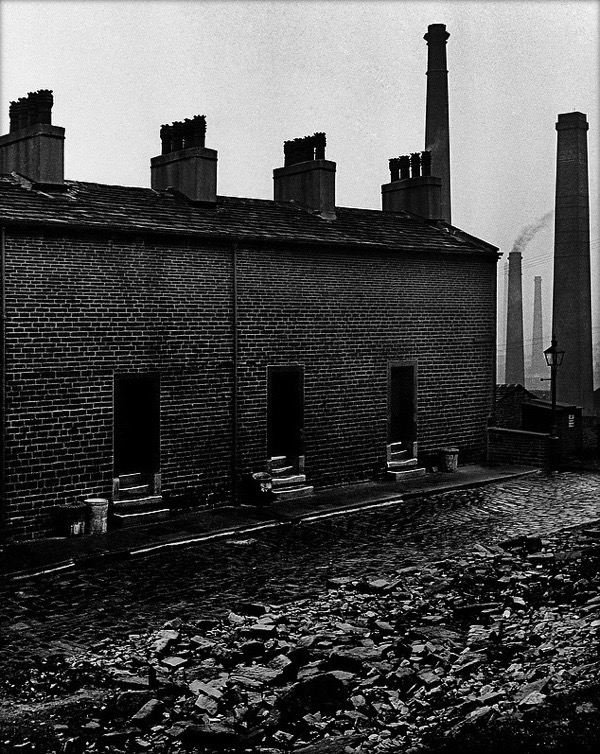
Coal miners’ houses with no windows to the street, East Durham 1937
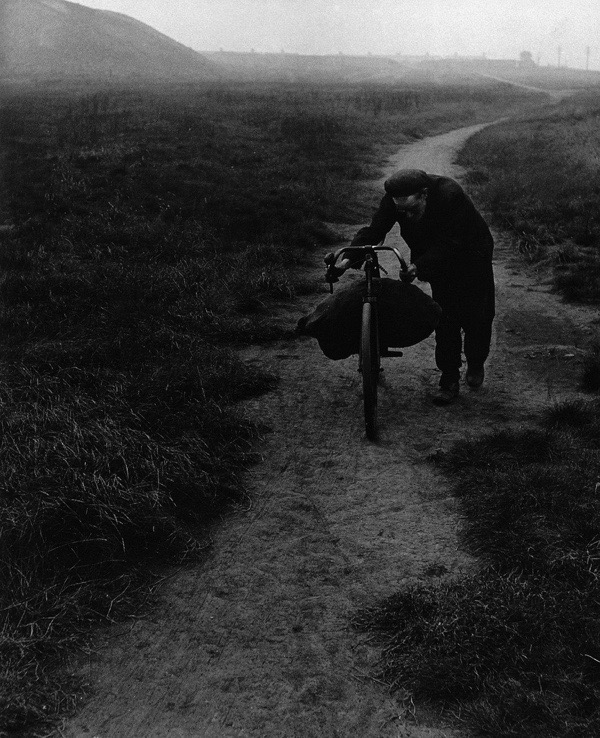
Coal searcher returning home, Jarrow 1937

Portrait of a young girl, Eaton Place, 1955
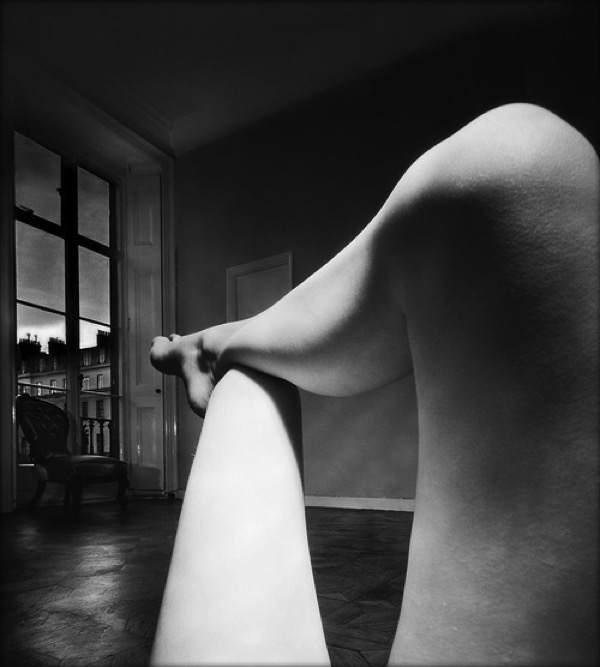
Nude, Belgravia, 1951
Photographs copyright © Estate of Bill Brandt
You may also like to read about
Save The Bethnal Green Mulberry
The East End Preservation Society has launched a petition to save the centuries-old Bethnal Green Mulberry and below is my account of the scandal in which developers Crest Nicholson were unlawfully granted permission to dig up the tree this spring. CLICK HERE TO SIGN THE PETITION

Design by Paul Bommer
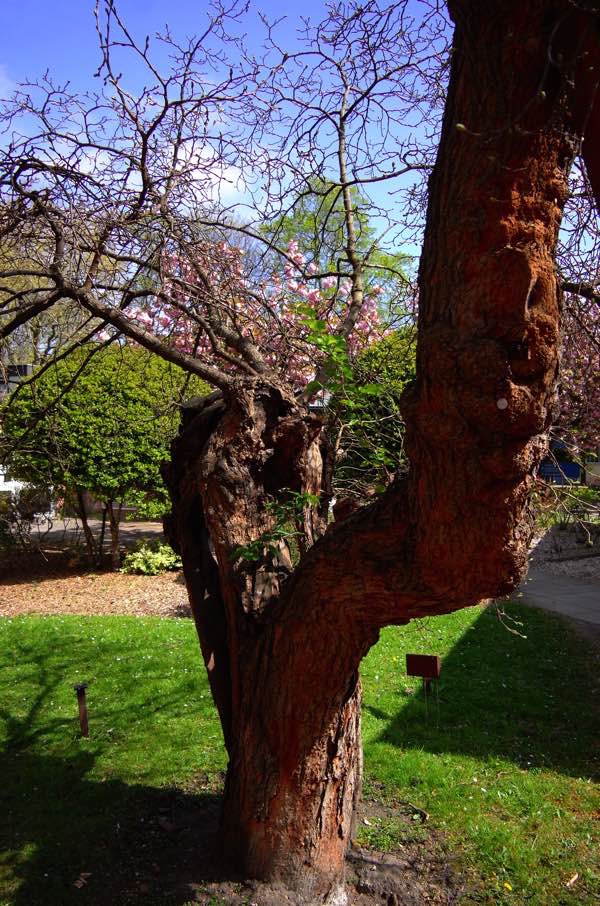
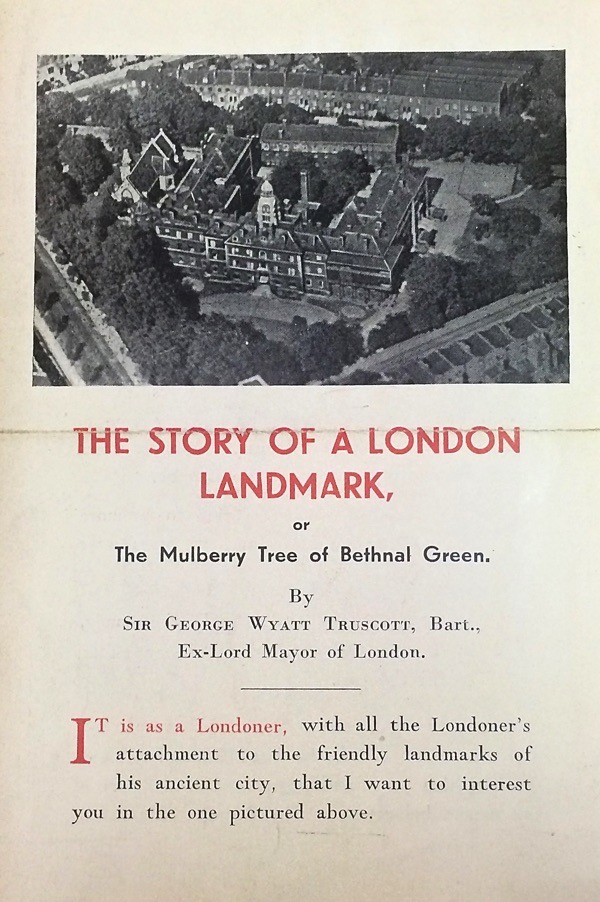
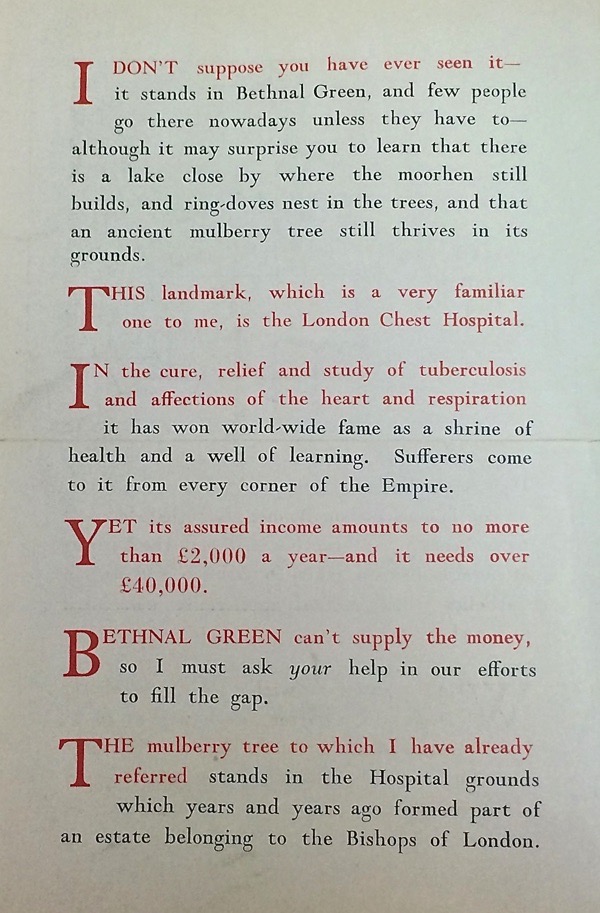
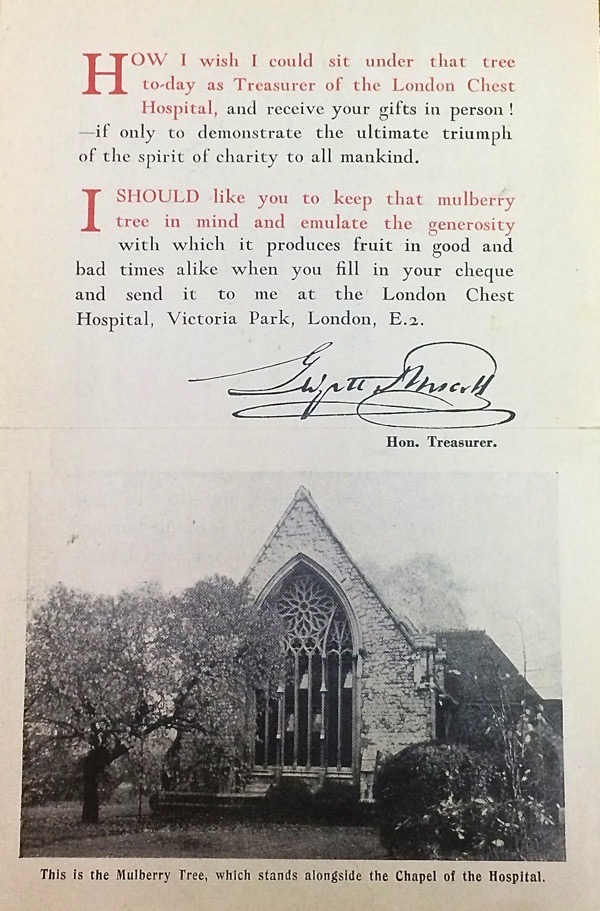
Growing in the grounds of the former London Chest Hospital next to Victoria Park, the Bethnal Green Mulberry stands today in the middle of a development site for luxury flats. It is a gnarly old specimen which in local lore is understood to be more than four hundred years old and is believed to be the oldest tree in the East End. Centuries ago, these were the gardens of Bishop Bonner’s Palace and it is he who is credited with planting the Mulberry tree.
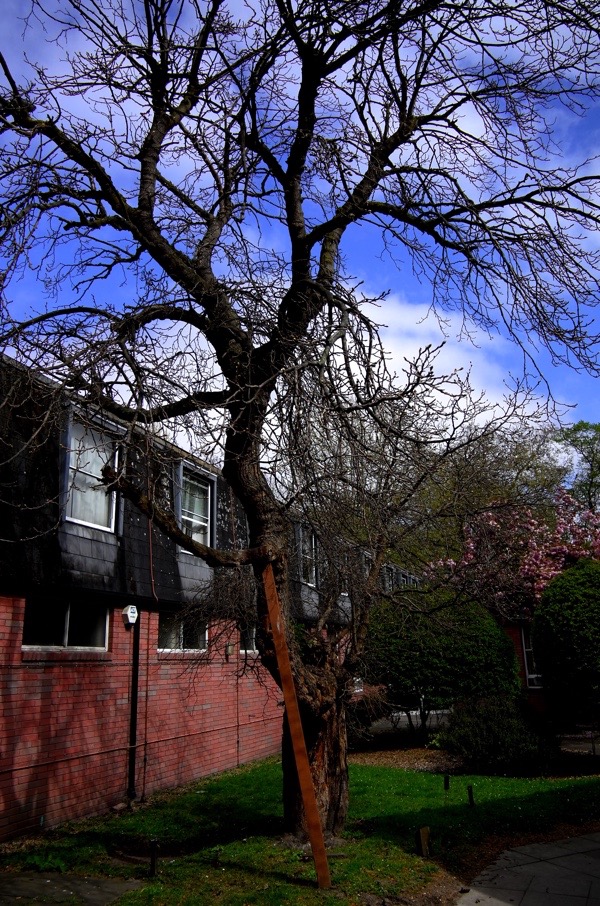
I find it a poignant spectacle to view this venerable Black Mulberry. Damaged by a bomb in the Second World War, it has charring still visible upon its trunk which has split to resemble a Barbara Hepworth sculpture. Yet, in spite of its scars and the props that are required to support its tottering structure, the elderly tree produces a luxuriant covering of green leaves each spring and bears a reliably generous crop of succulent fruit every summer.
Astonishingly, it seemed that all this history and a Tree Protection Order are insufficient to protect the venerable Mulberry. This spring, developer Crest Nicholson obtained a waiver from Tower Hamlets Senior Arboricultural Officer, Edward Buckton, permitting them to prune it, dig it up and move it to clear the way for their proposed development, even though this has not yet been approved by the council (headquarters at the appropriately named Mulberry Place).
The decision was made under delegated powers by Buckton on the basis of a report commissioned by the developer from planning consultants ‘Tree: Fabrik’ who conveniently dismissed any notion that this Mulberry is a veteran specimen, suggesting instead that it is a more recent planting which might easily survive having its roots and branches pruned, and being moved out of the way this spring. The first that was known of the decision by members of the public and local councillors was when an announcement was posted on a lamppost in Bethnal Green, precluding the possibility of any consultation.
Enter the heroic White Knight of East End conservation Tom Ridge, a former geography teacher and veteran local heritage campaigner, who issued Judicial Review proceedings at his own expense, claiming that the council had acted unlawfully in granting permission to dig up the tree and thus obtaining a stay of execution for the ancient Mulberry. As expert witness, Ridge employed Chartered Arboriculturist Julian Forbes-Laird who was the technical editor of the British Standard for tree protection.
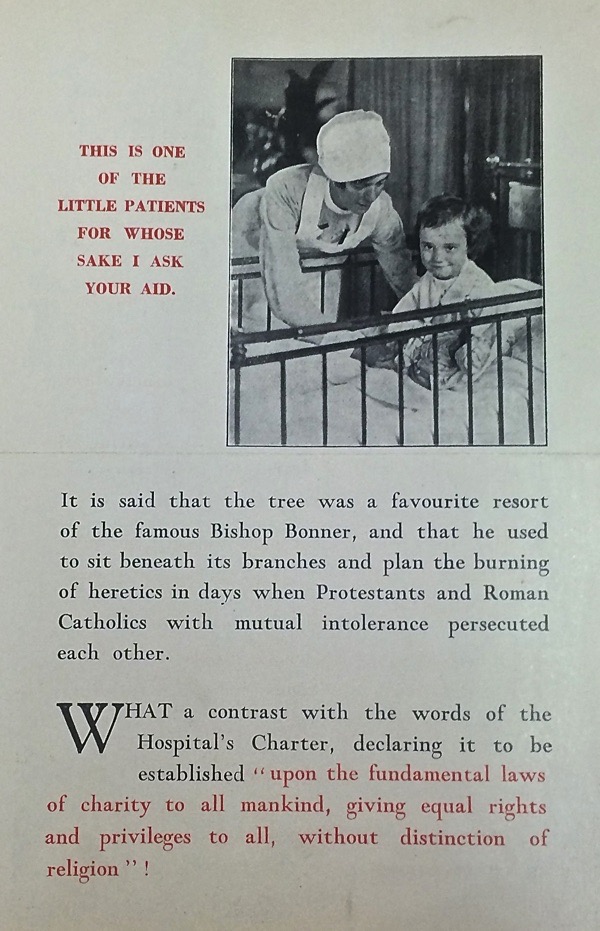
Forbes-Laird’s report as submitted to the High Court makes compelling reading. “I identify the Mulberry as a veteran tree,” he wrote, “I cannot understand how any reasonable arboriculturist could conclude otherwise.” He quotes Gascoigne’s map of 1703 confirming the location of the Bishop’s Hall and even refers to a woodcut in Foxe’s Book of Martyrs published in 1563 that illustrates the Bishop flogging a martyr in his garden beneath the branches of a young tree which he suggests is the Mulberry in question. He describes the commemorative inkwell kept at the Royal London Hospital in Whitechapel, dating from 1915, with a brass plate explaining it was made from a branch of the Mulberry beneath which Bishop Bonner sat while deciding which heretics to execute.
These scraps of evidence confirm a long-standing cultural history attached to the Bethnal Green Mulberry, which was already considered to be ancient over than a century ago. A feeble claim by the developer that concrete found among the roots confirms the recent origin of the tree receives short shrift from Forbes-Laird, who points out that the Romans used concrete to build the Pantheon. He confirms, “there is no evidence that the Mulberry stands upon modern made ground, meaning that it could, indeed, be as old as is believed.”
Most sobering is Forbes-Laird’s conclusion, “Overall, I consider that the intended tree works offer very little chance of the tree’s survival.” Thankfully, Tom Ridge won the Judicial Review and, in a Consent Order sealed by the High Court in July, the council’s decision was quashed. The Council were also ordered to pay Tom Ridge’s costs, although they are refusing to comply with this part of the judgement.
Even now the Bethnal Green Mulberry is not saved.
In their current proposals, Crest Nicholson have plonked a block of luxury flats exactly where the Mulberry grows, which means that Tower Hamlets planning committee may be confronted with a choice between the tree or the building when the application is considered later this year. Yet it would be a simple matter to move the proposed building within the ample grounds of the former London Chest Hospital to allow the Mulberry sufficient space to flourish. With a little imagination, the flats could even be named Mulberry Court.
Crest Nicholson’s project is a vast overblown development with a very disappointing low level of ‘affordable’ housing, which includes hideous ‘heritage style’ alterations to the listed Chest Hospital building. I call upon them to show some respect to the wishes of local people by saving the Mulberry tree and reconsidering their whole development.
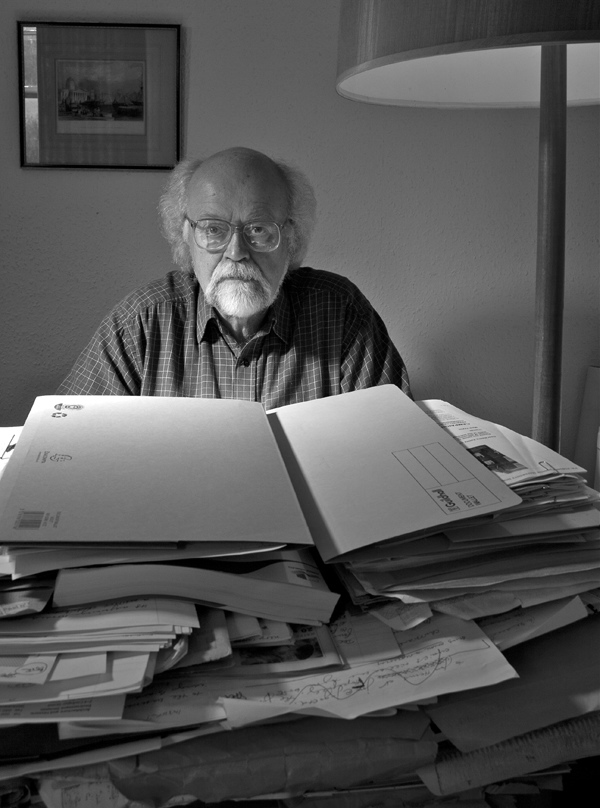
Tom Ridge, White Knight of East End Heritage Campaigners (Portrait by Lucinda Douglas Menzies)
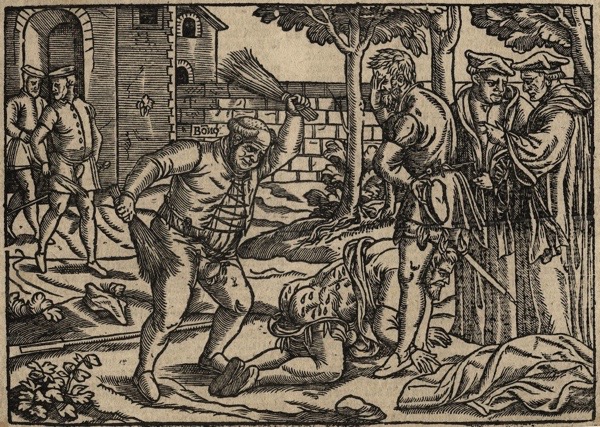
Illustration of Bishop Bonner scourging a heretic from Foxe’s Book of Martyrs, 1563
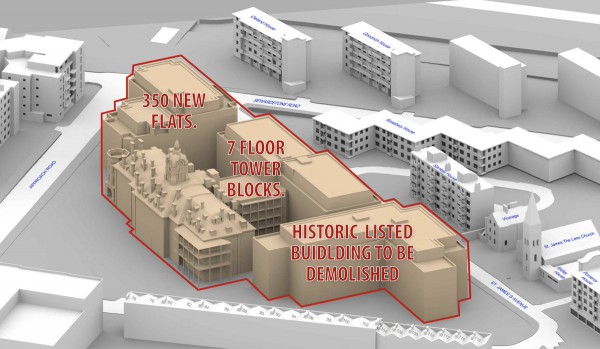
Crest Nicholson’s proposed development
You may like to read my other stories about Mulberries
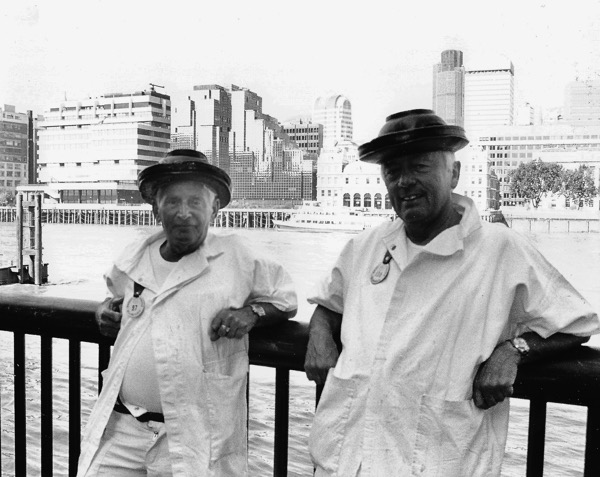
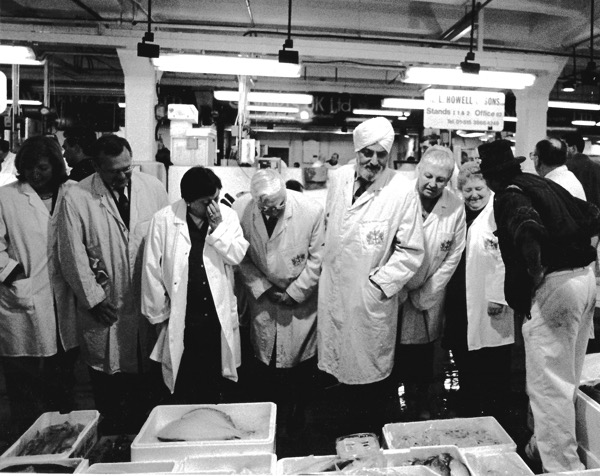
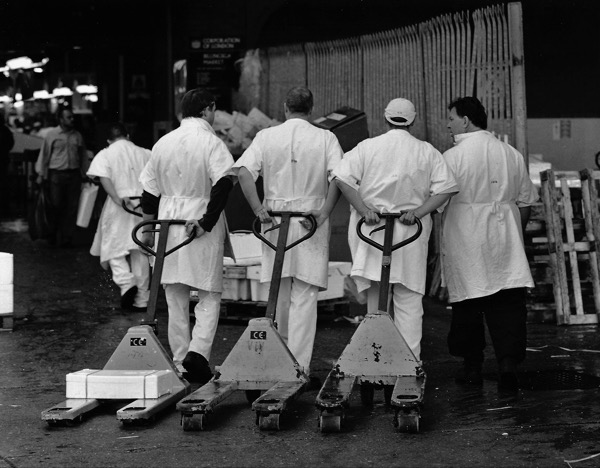
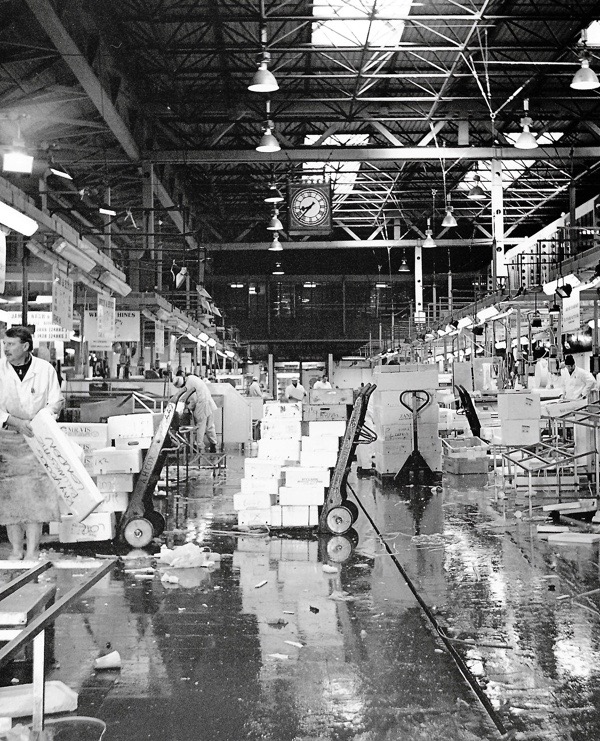
Terry Bloomfield, Fish Dealer & Photographer
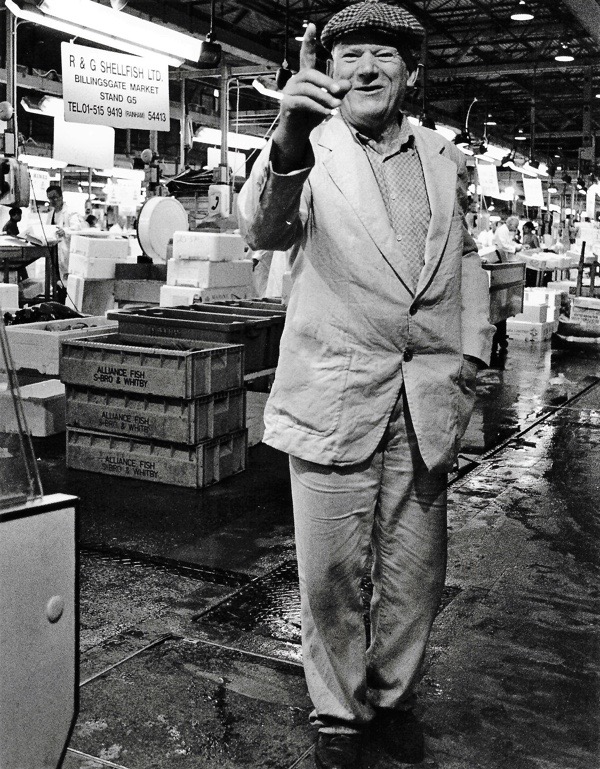
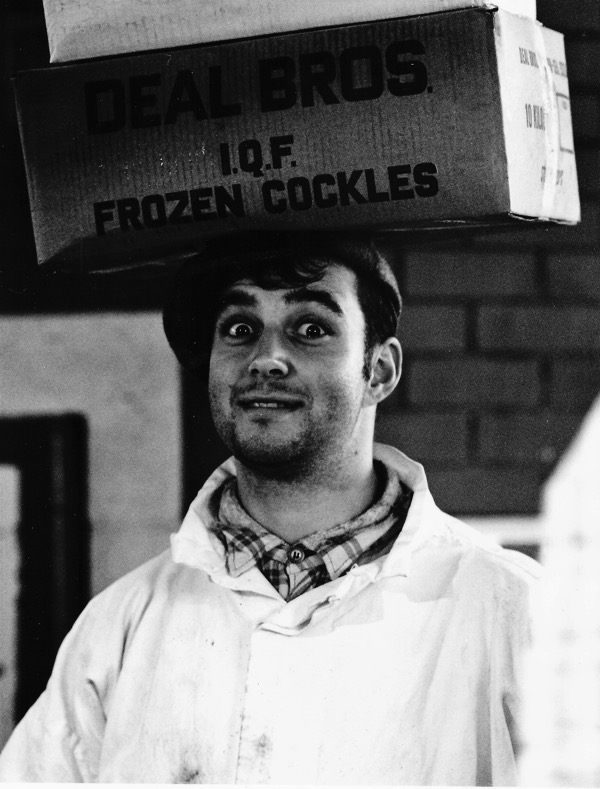
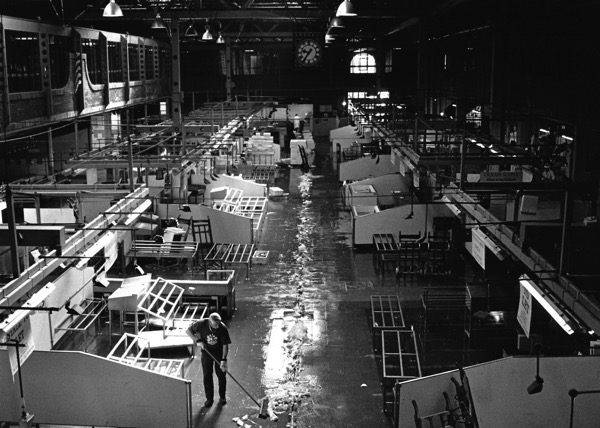
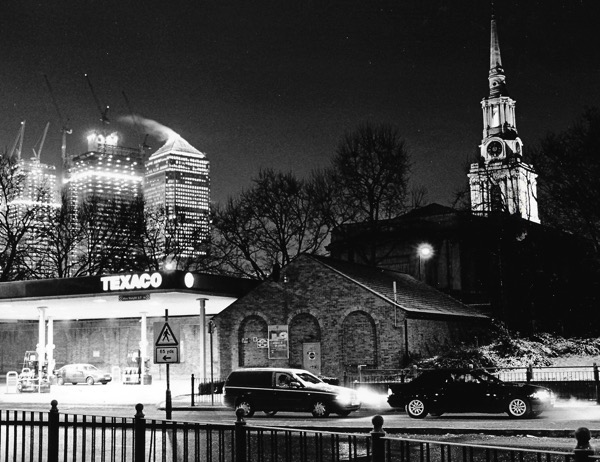
Terry Bloomfield was born in 1934 and grew up in Columbia Rd as the third generation of a family that worked at Billingsgate, where he ran his own shellfish business. Between 1982, when the market moved to the Isle of Dogs, and 2011, when Terry retired, he recorded the life of Billingsgate in thousands of black and white photographs which reveal a candid insider’s viewpoint of this extraordinary nocturnal phenomenon. You can visit an exhibition of these pictures at Standpoint Gallery in Hoxton from 23rd September – 1st October.
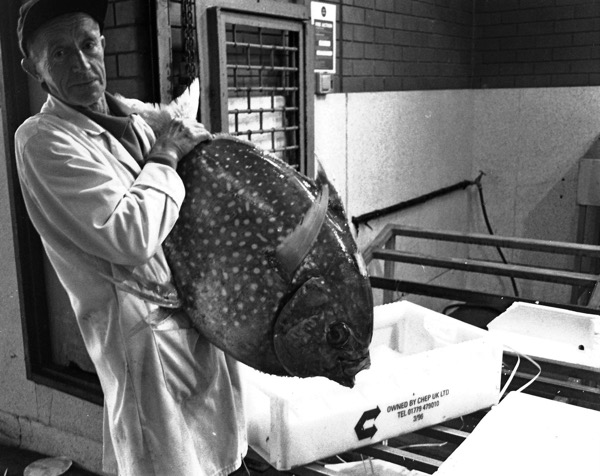
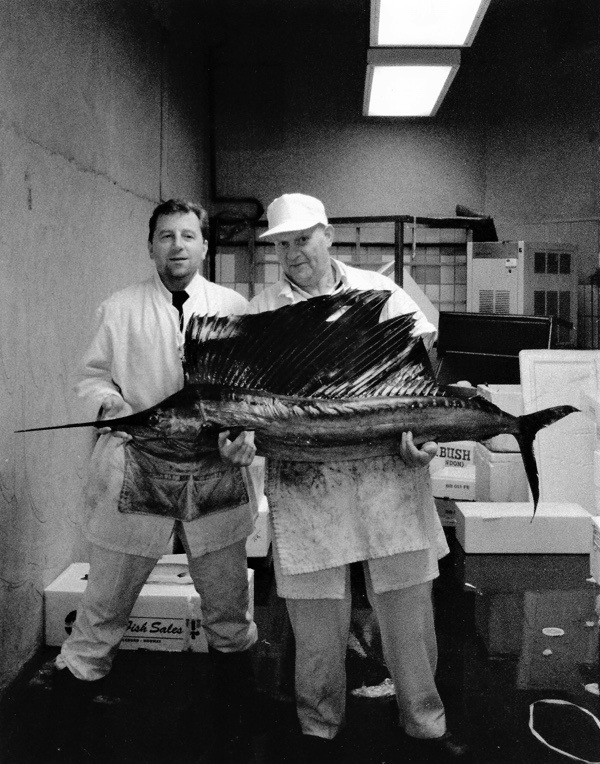
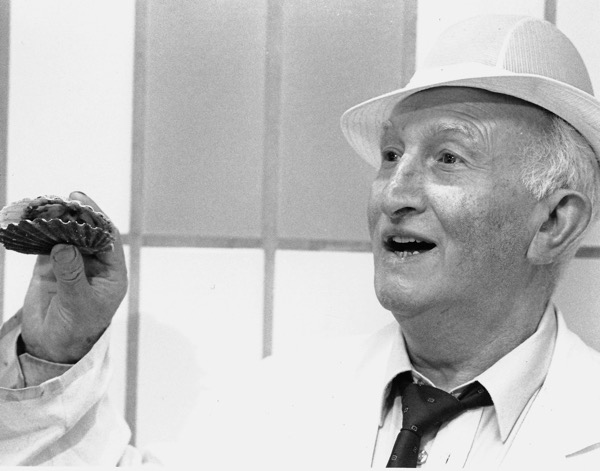
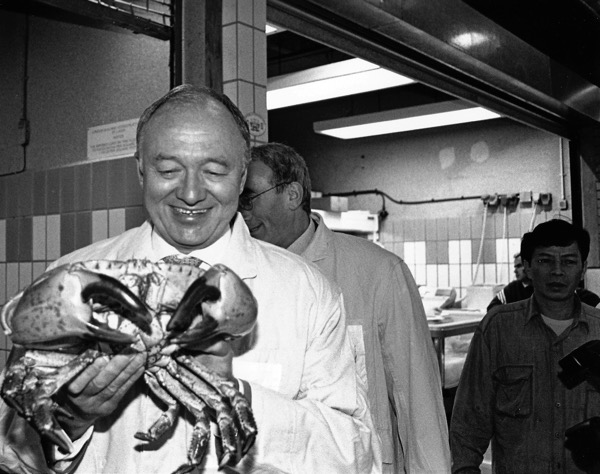
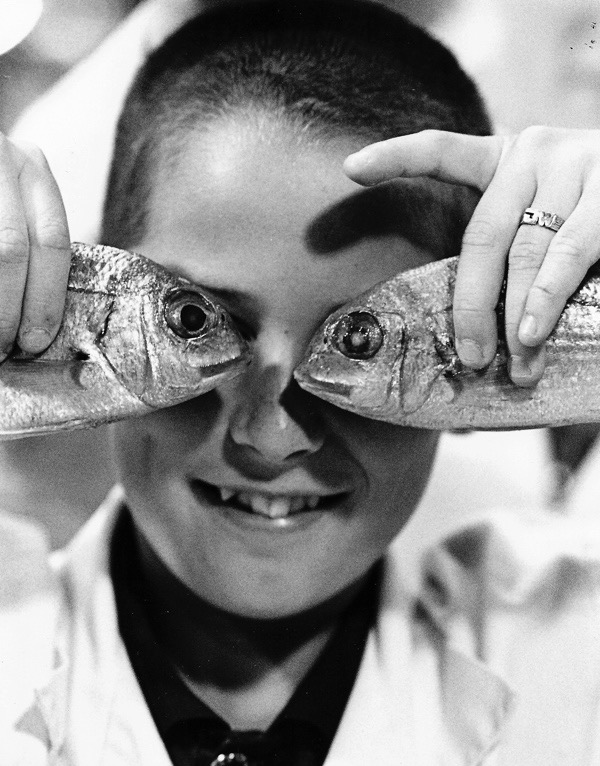
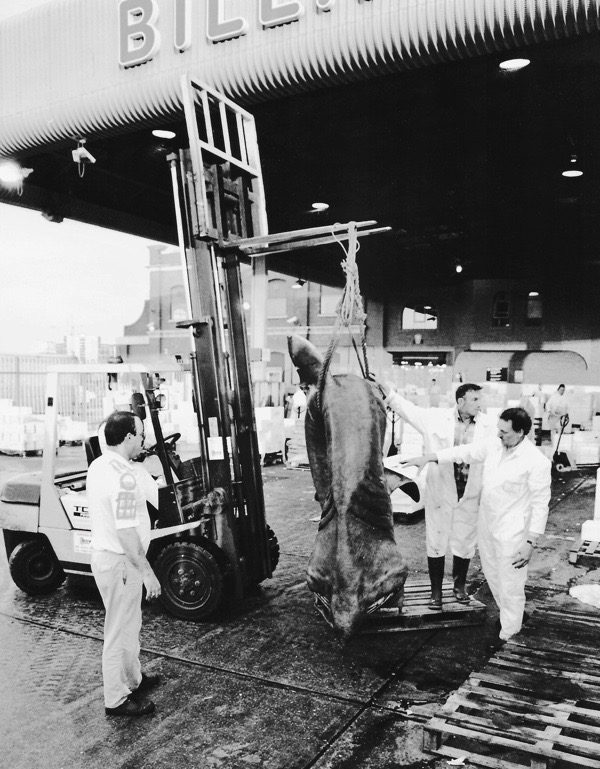
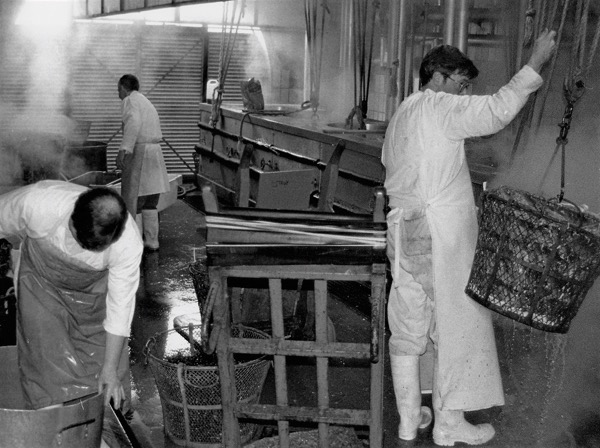
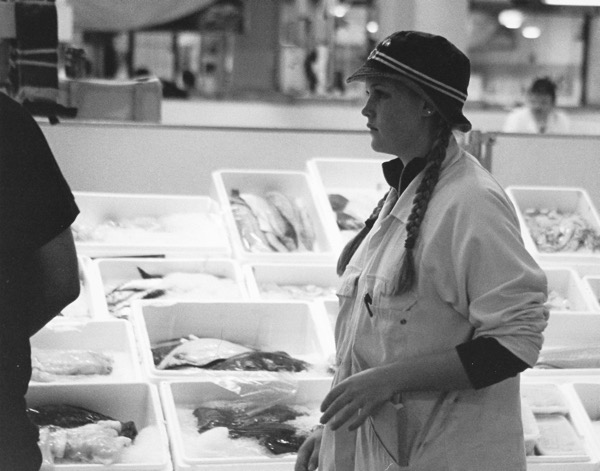
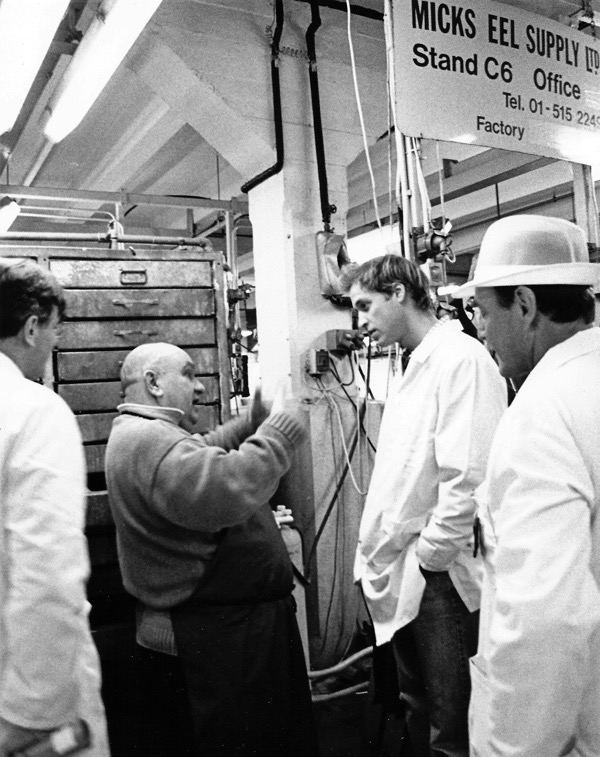
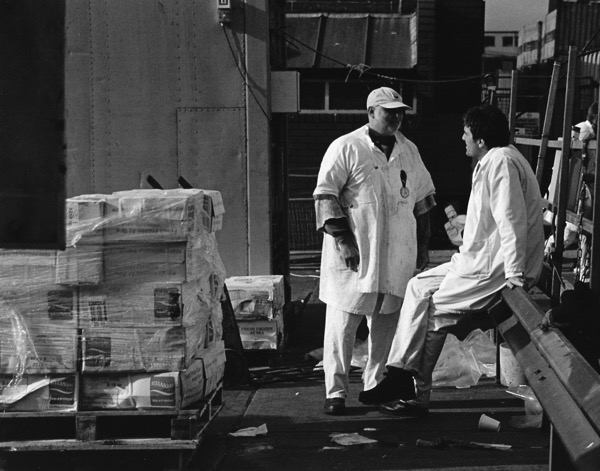
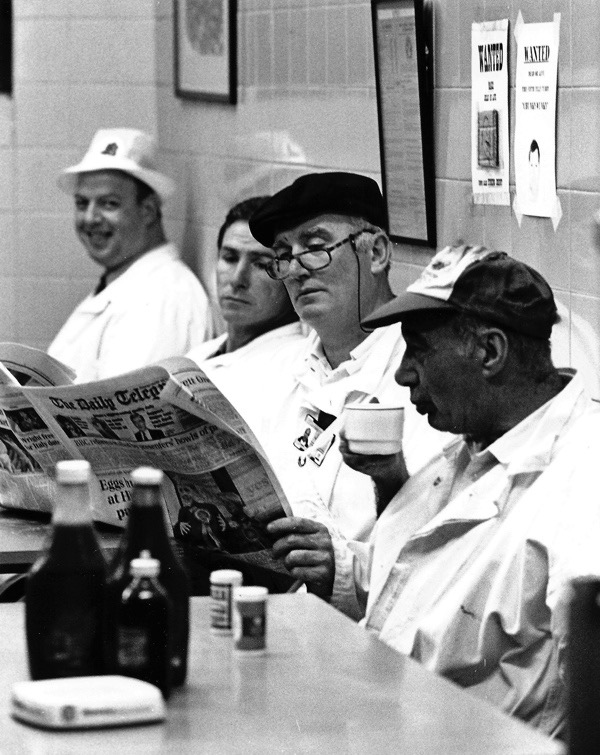
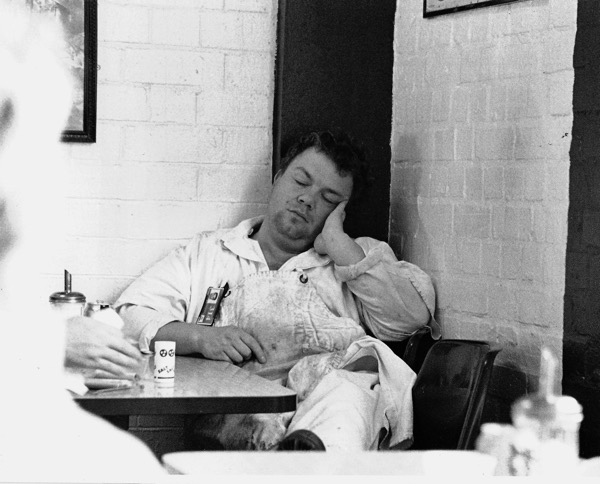

Photographs copyright © Terry Bloomfield
Terry Bloomfield’s exhibition runs from 23rd September – 1st October at the Standpoint Gallery, 45 Coronet St, Hoxton, N1 6HD
You may also like to read these other Billingsgate stories
Derrick Porter, Hoxton Poet
Derrick Porter will be reading his poems at V&A Museum of Childhood Bethnal Green as part of our celebration of AS Jasper’s A HOXTON CHILDHOOD & THE YEARS AFTER on Thursday 14th September at 6:30pm Click here for tickets
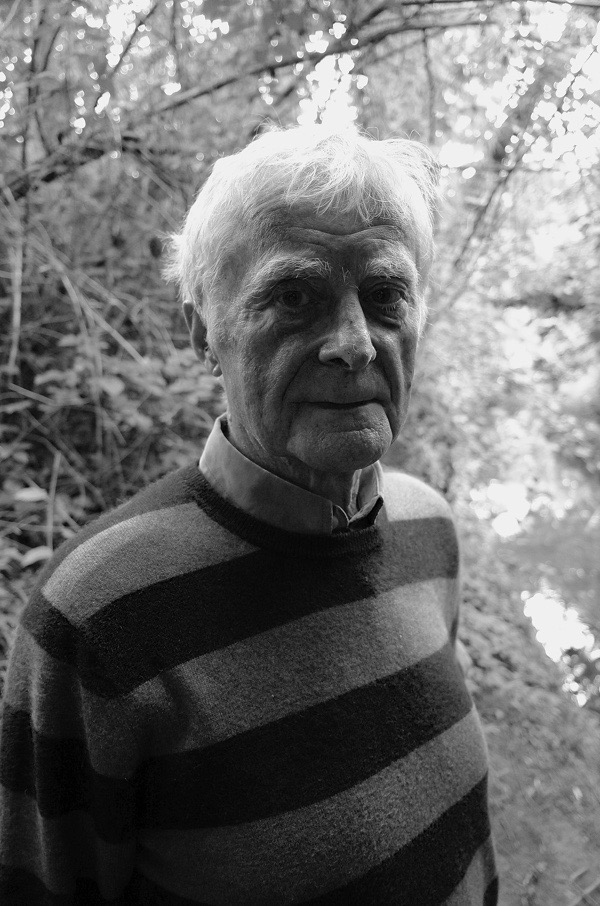
Derrick Porter
This is the gentle face of Derrick Porter, craggy and wise, framed by snowy hair and punctuated with a pair of sharp eyes that reveal a hint of his imaginative capacity. Standing against a rural backdrop upon the banks of the river Ching in Essex not far from High Beach where John Clare was confined, Derrick looks every inch an English poet and he is quick to admit his love of nature. Yet, although he acquired an affection for the countryside at an early age and Chingford is his place of residence, the focus of Derrick’s literary landscape and centre of his personal universe is his place of origin – Hoxton.
“It was a place we all wanted to get out of – it was a tough place to live,” Derrick confessed to me, recalling his childhood, “but the the culture of Hoxton and that era was my imaginative education.”
“My interest in literature stems from spending so many years in hospital up to the age of thirteen and they used to read to us – I looked forward to it so much, I learnt to love reading stories,” he confided, explaining that he suffered from tuberculosis as a child and was exiled from London for long stretches in hospitals. “They made us stay out in the fresh air which was the worst possible thing because it actually helped the germs to flourish, when the foggy atmosphere of London was much more beneficial to sufferers – but they didn’t understand that in those days.
My dad worked at the Daily Mail as a printer and my mum was a housewife, but I never saw him until I was six when he returned from the war. He had been captured by the Japanese and was held in a prisoner of war camp. At first, they sent him to America which was where they kept them to build them up again before they came home.
Before the age of ten years old, I lived in a prefab in Vince St next to the Old St roundabout and then we moved to Fairchild House in Fanshawe St. The prefabs were made of asbestos without any insulation and were very cold in winter. As children, we used to break off pieces of asbestos and throw them on to the bonfire to watch them explode. Maybe that affected my health? We had free rein then and we played in the old bombed buildings at the back of Moorgate – that was our playground.
At thirteen, I had an operation to have half of my lung removed and they told my mother that they didn’t know if I would recover. From then on, I took care of my own health and I became a fitness and health junkie. When I left school I thought I’d like to go back to the countryside and, when the teacher asked my ambition, I said, ‘I’m going to work on a farm,’ he told me, ‘You won’t find many in ‘Oxton, Porter.’ My father got me a job as in the general printing trade but it did my lungs in.
I always had this compulsion to get away from Hoxton and write. So I decided to emigrate to Australia on my own. I knew I had to get away. I was nineteen when I went for two years. I was engaged to be married but I broke the engagement and emigrated. I went to writing workshops in Australia and my earliest poems were written while I was there. I got a job as a printer on the Sydney Morning Herald. At first, they told me I couldn’t get a job without a union card, but then there was a bit of skullduggery. They took pity on me and, when I got a job, they gave me a card.
After that, I travelled in the USA with this small bag of my poems. Then, in Las Vegas, I stayed in this $1-a-night fleapit for three nights while I was waiting for the coach to take me to Los Angeles. Twenty minutes after I had boarded the bus, I realised I had left my bag behind with all the poems I had written in the previous two years. I cried, I felt so dismayed. It was a significant loss.
On my return, I moved into Langbourne Buildings off Leonard St in Shoreditch. I was surrounded by my friends and family and this was where I first joined a writing group. It was in Dalston and I started to write regularly. After seven years, I began to write some decent poems and then I read in the Hackney Gazette about Centreprise Literary Trust. So I went along there and met Ken Worpole, and gave him some of my poems. Then he got back in touch and said he’d like to publish them, and that was the first work I ever had in print.
By now I was twenty-nine and married with two young children, and we were offered the opportunity of swapping our flat for a house in Orpington. It was a fabulous house with a garden and we couldn’t refuse, but the rent was three times the price. We lived there for thirty-odd years and my poetry developed, I became a member of the Poetry Society and had my works published in magazines, although I rarely send my poems out because I always think I can do better.
I bought paintings from D & J Simons & Sons Ltd, picture frame and moulding makers, in the Hackney Rd and, when I moved to Orpington, I bought all their ‘second’ picture frames off them and sold them there. I started working for myself, buying reproduction furniture and selling it in Orpington Village Hall and I earned a living from that for twenty years. But all the time I was writing, writing and I had a lot of encouragement from people.
I rework my poems a lot because I’d rather have one good one than a lot of mediocre ones. I have written a lot of poems and discarded most of them because I’d rather just keep my best. I love letter writing and I believe it can be an art if it is done well. As long as I live, I’ll carry on writing.”
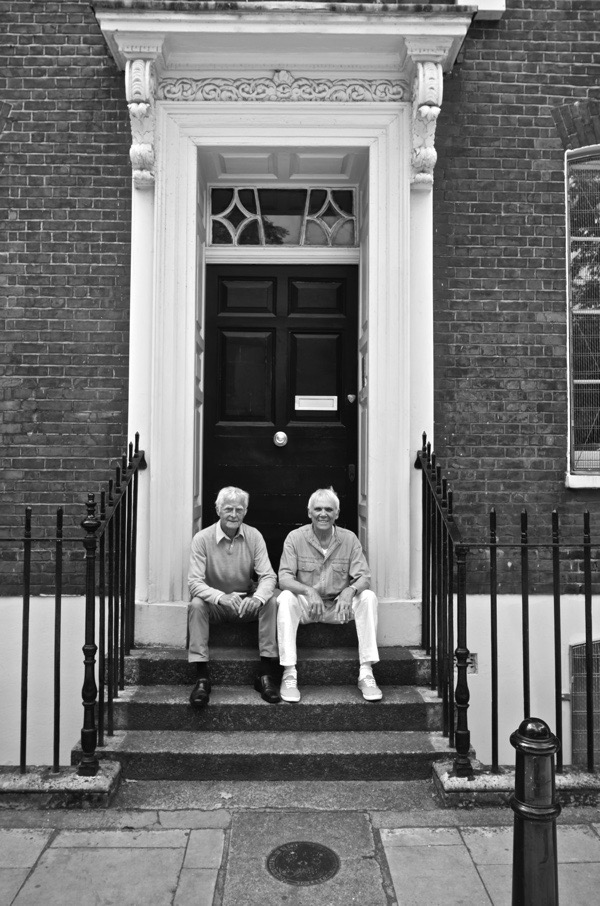
Derrick and his childhood friend Roy Wild on the steps of the eighteenth century house in Charles Sq where they played as children
Sitting Under a Tree in Charles Square
The clear urgency of the voice caused me
to look up, my finger marking the place
in the newspaper I was then reading…
How old do you think this tree is? it asked.
I said it was here when I was a boy.
Well, it won’t be for much longer, it said.
The owner of the voice began to circle
the tree before running his hands over
the gnarled trunk as if in search of a precise spot.
From under his coat appeared a long-handled axe.
It would be better if you moved, he said.
But not before the tree had endured
several blows…and a large, older woman, shouted
Are we to suffer this nonsense again?
Come home and do something useful for once.
Instantly the attack ceased and – without
another word passing between them – his steps
quickened to reach, if not overtake, the other.
My thumb then lifted from the newspaper
returning my eye to the Middle East
where, as yet, no allaying voice can be heard.
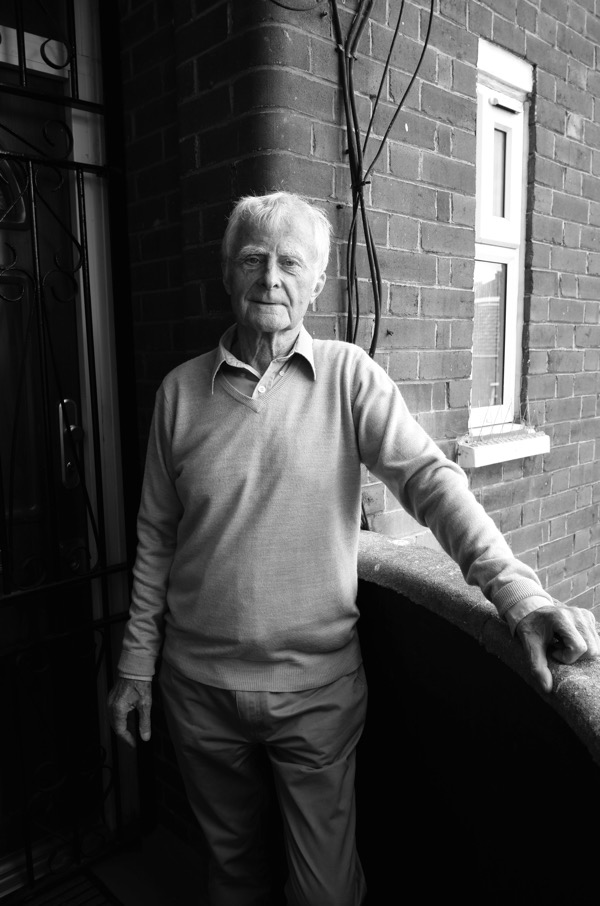
Derrick standing outside the flat at Fairchild House in Fanshawe St where he grew up
Derby Day in Fairchild House
Walking along our third floor balcony
I can see – before I enter the door – the piano
blocking the view into our living room.
You are watching the TV, circling horses
in The Sporting Life as John Rickman
calls home another of those certainties
you always said you should have backed.
From the kitchen the clang of pots
tells me it’s a Friday and mum’s busy
preparing a stew. A day perhaps
when sand had been kicked into my face
and I’d come home to pump iron.
If so, my bedroom door will be locked
and I’ll be lifting sand-filled-petrol-cans
hung along an old broom handle.
It’s also possible it’s the evening
of the Pitfield Institute’s Weight-Lifting final
when I won my only trophy. Or the day
cash went missing and I bought my first watch.
But as I turn the key and enter the door
I want it to be the day when even
the piano joined in…and Gordon Richards
rode Pinza to victory in the Derby.
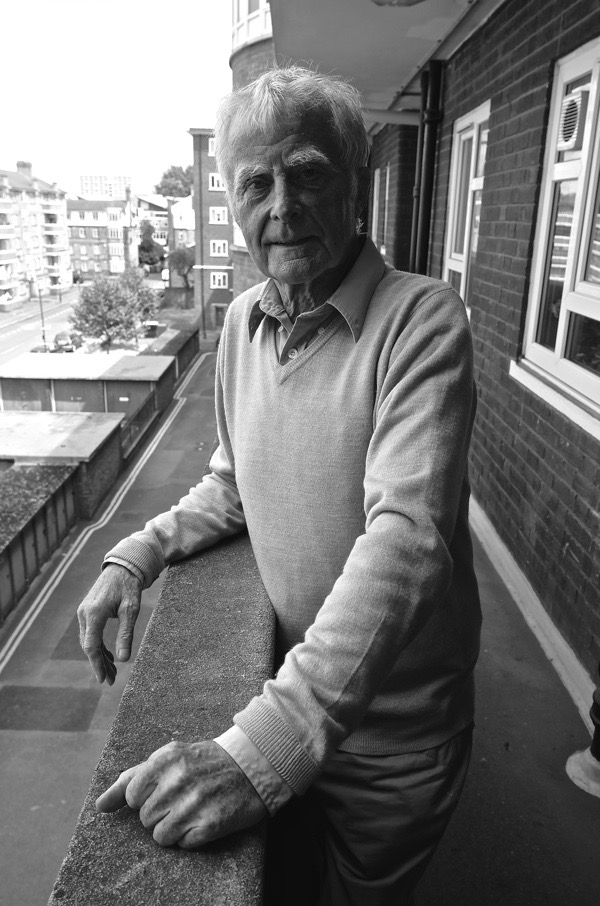
The Apprentice
When Mr Hounslow asked the class what jobs
we had in mind, I answered,
Working on a farm, sir. “You won’t find many
in Hoxton” the reply. Come summer
I started work for a musical instrument
supplier in Paul Street, close to the old Victorian
Fire Station later re-sited in Old Street.
For one day a week I was promoted
to van boy and helped deliver to the likes
of Ronnie Scott’s Jazz Club in Soho,
a world far removed from that of Hoxton.
Here I saw the upbeat side of the business,
the posh shiny part that could open doors
if you had the right kind of connections.
After a year working with men who enjoyed
nothing better than to send the new boys out
to buy rubber nails and glass hammers,
if never themselves discovering who put
the mouse droppings into their biscuit tin,
I began to question where I was heading.
That summer – while on holiday in Ostend
with the Lion Club – my dad handed in
my notice…and when I returned, was told
I had to start work in the Printing Trade.
Its every aspect – machinery, ink, oil,
noise and dust, the very air – a sort of
road taken, as old Hounslow might have said,
for there being no farms in Hoxton.
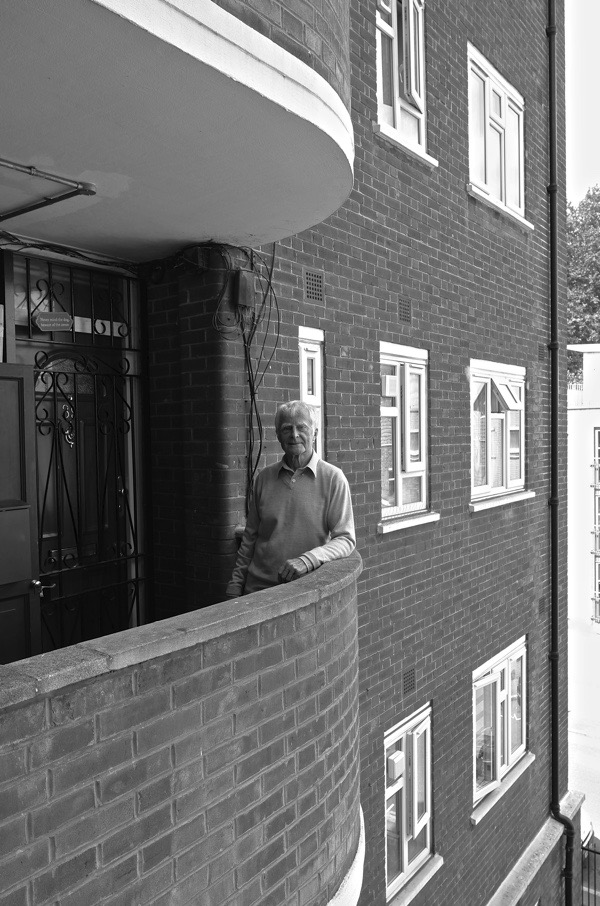
Derrick Porter at Fairchild House, Hoxton
Poems copyright © Derrick Porter
You may also like to read about
King Sour, Poet & Rapper of Bethnal Green
Alice Pattullo’s Household Lore
Illustrator Alice Pattullo sent me these screenprints she has been working on recently. “They were inspired by my ongoing fascination with superstitions, old wives tales and nonsensical rhymes,” Alice explained, “This series ‘household lore’ is a culmination of this collection of lore to take heed of at home.”
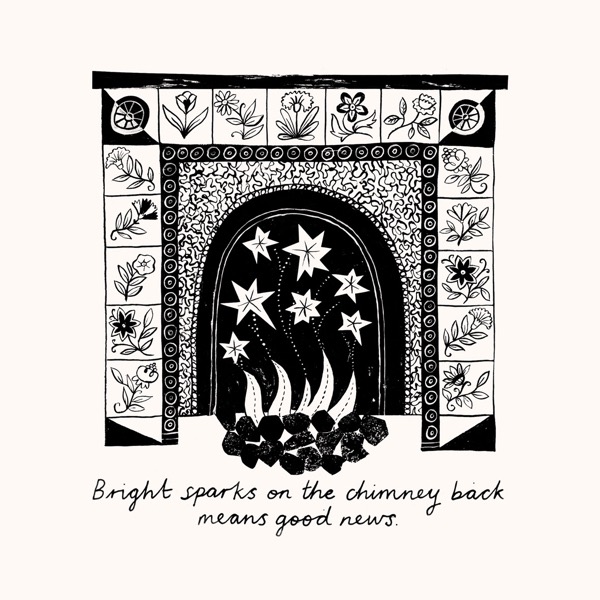
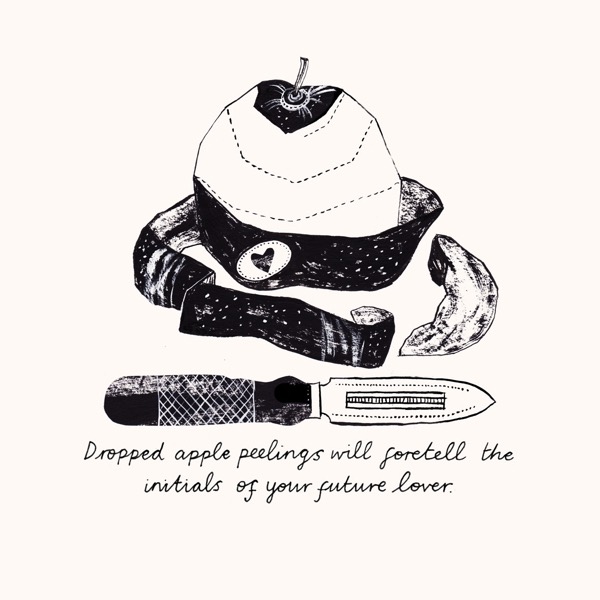
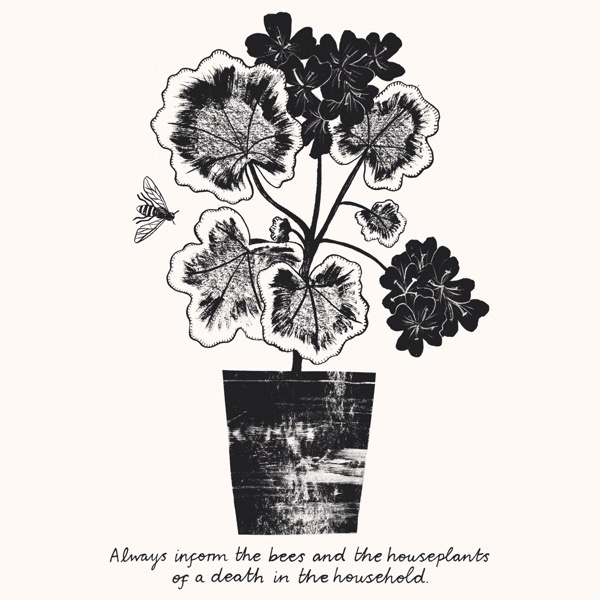
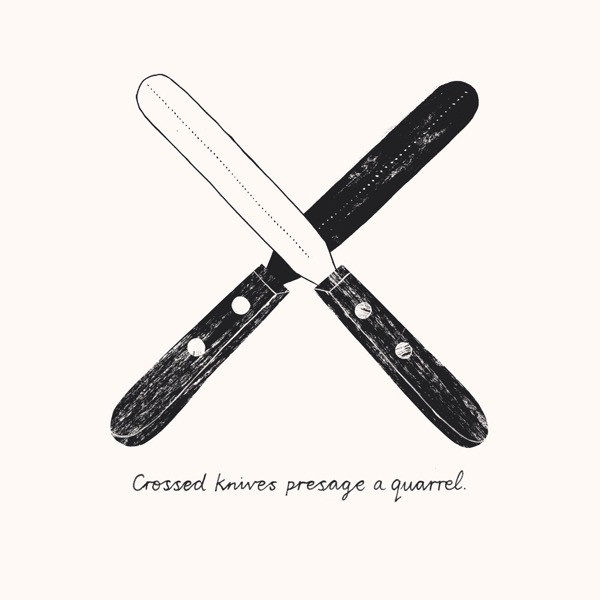
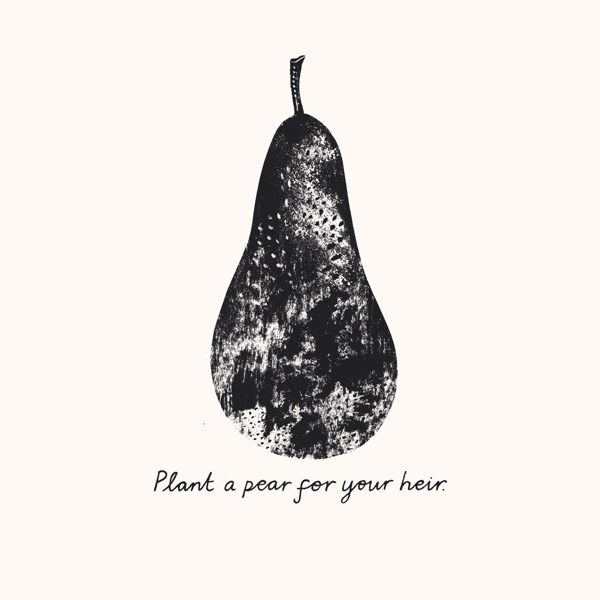


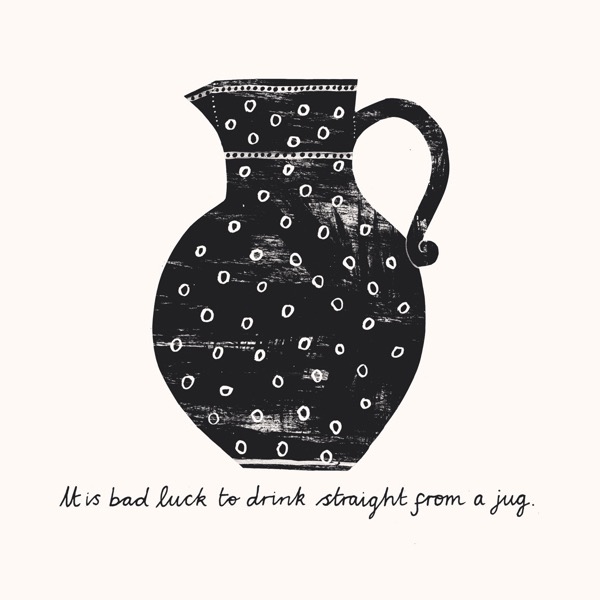



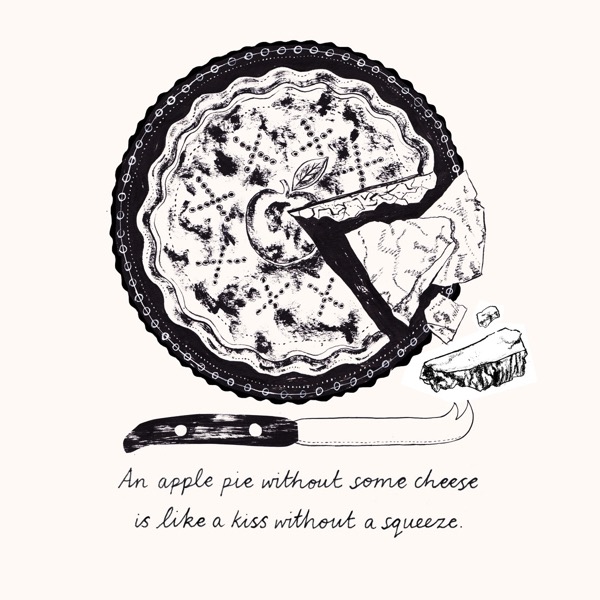

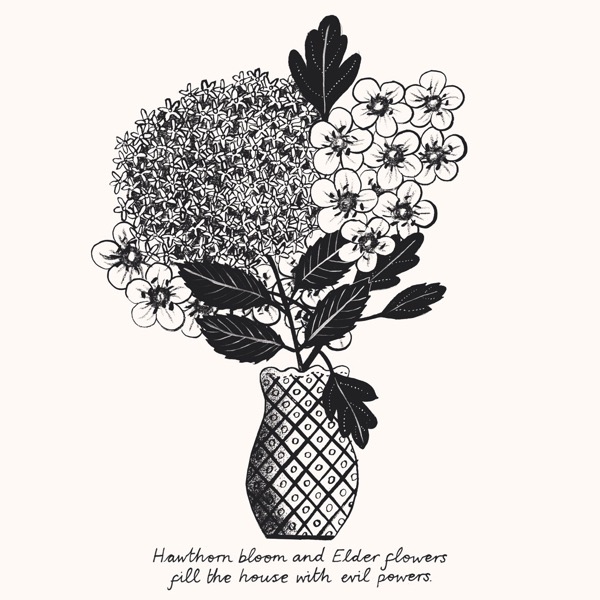
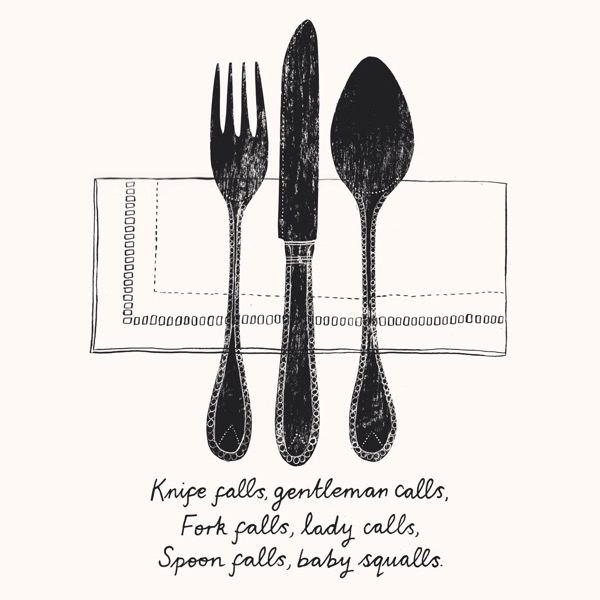

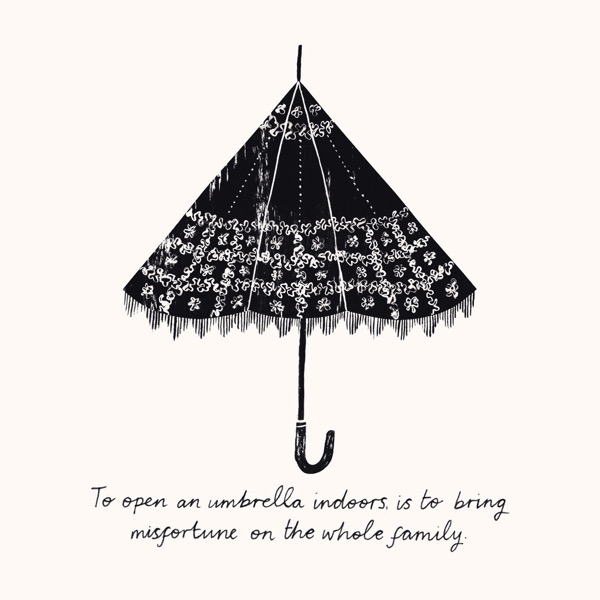



Images copyright © Alice Pattullo
Each of these prints has been produced in an edition of twenty at £25 each and they may be purchased until the end of September from Yorkshire Sculpture Park
You may also like to read about
A.S. Jasper At The Museum Of Childhood
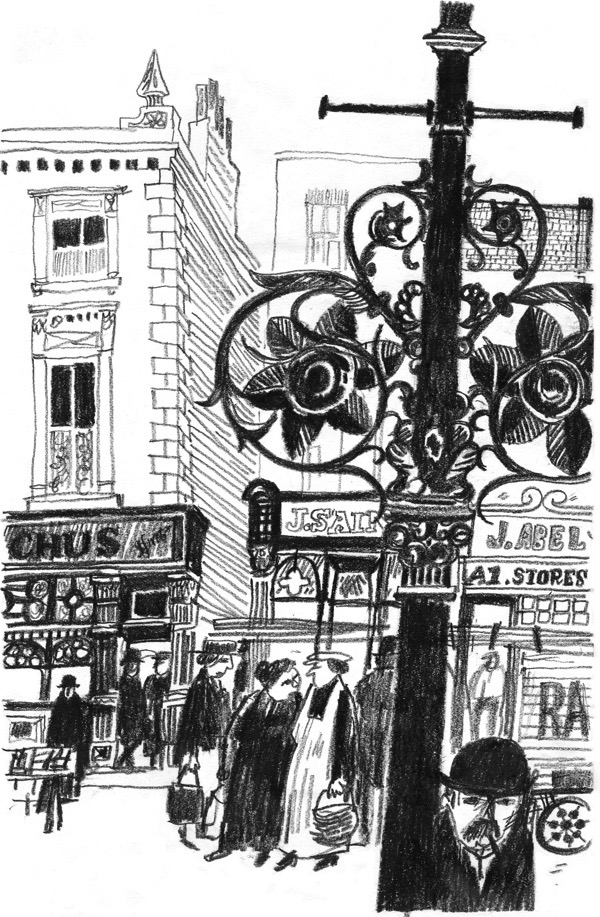
We are delighted to be collaborating with the V&A Museum of Childhood in Bethnal Green to stage a celebration on Thursday 14th September at 6:30pm of our publication of A HOXTON CHILDHOOD. In our handsome new edition of A.S. Jasper’s classic childhood memoir of growing up in the East End at the beginning of the twentieth century, A HOXTON CHILDHOOD is accompanied for the first time by the sequel THE YEARS AFTER which completes the story.
If anyone ever wonders why we need a National Health Service, proper Council Housing or laws to ensure decent working conditions, they should read A.S. Jasper’s candid and heart-breaking account of life in the world before these things came into existence.
Terry Jasper will speak about how his father became a writer, Henrietta Keeper will sing and Derrick Porter, the Poet of Hoxton, will read poems inspired by his childhood in Hoxton. Additionally, everyone is invited to bring a childhood photograph to show us. Click here to book tickets
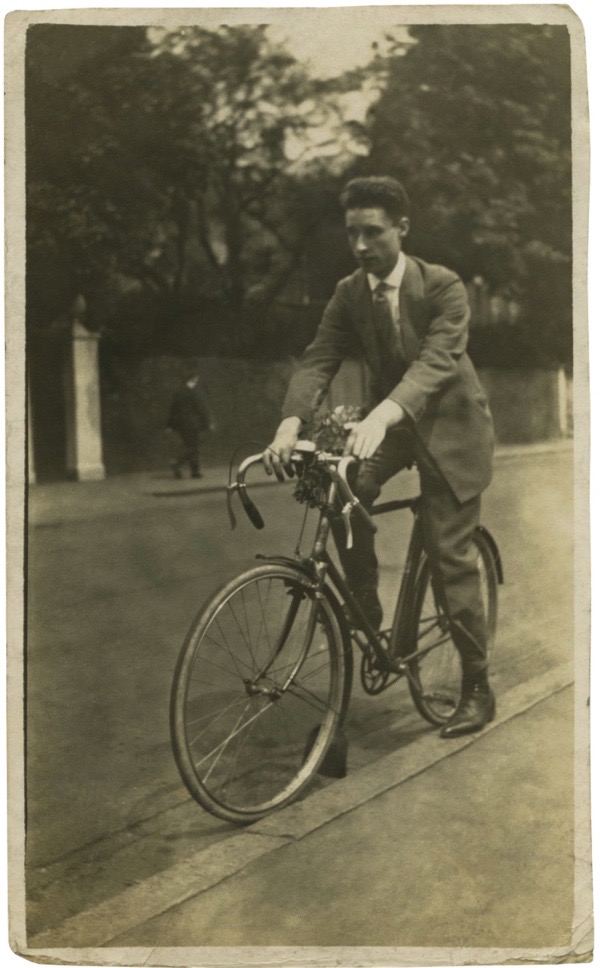
A. S. Jasper, Author & Cabinet Maker

Henrietta Keeper, Machinist & Singer
Derrick Porter, Printer & Poet
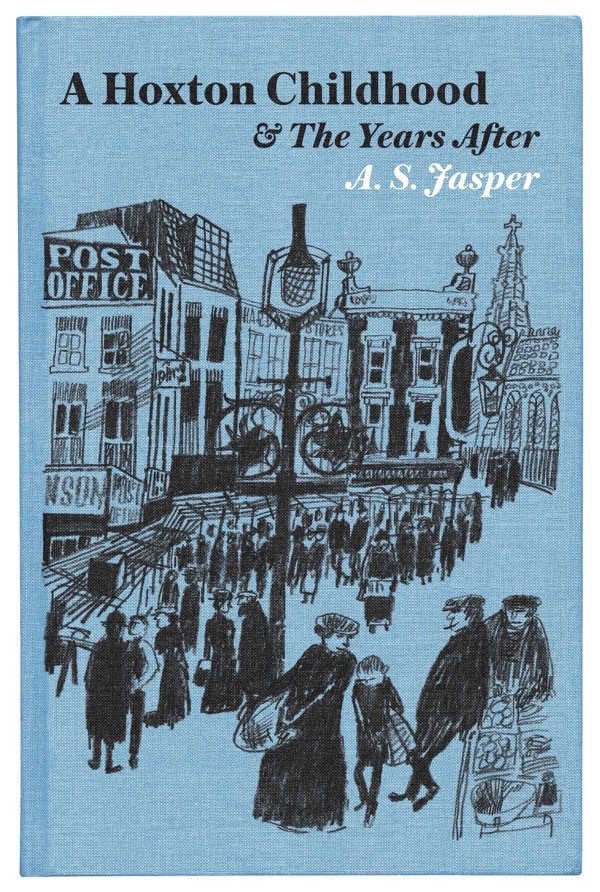
Click here to order a copy of A HOXTON CHILDHOOD & THE YEARS AFTER












