
The Coal Holes of Old London
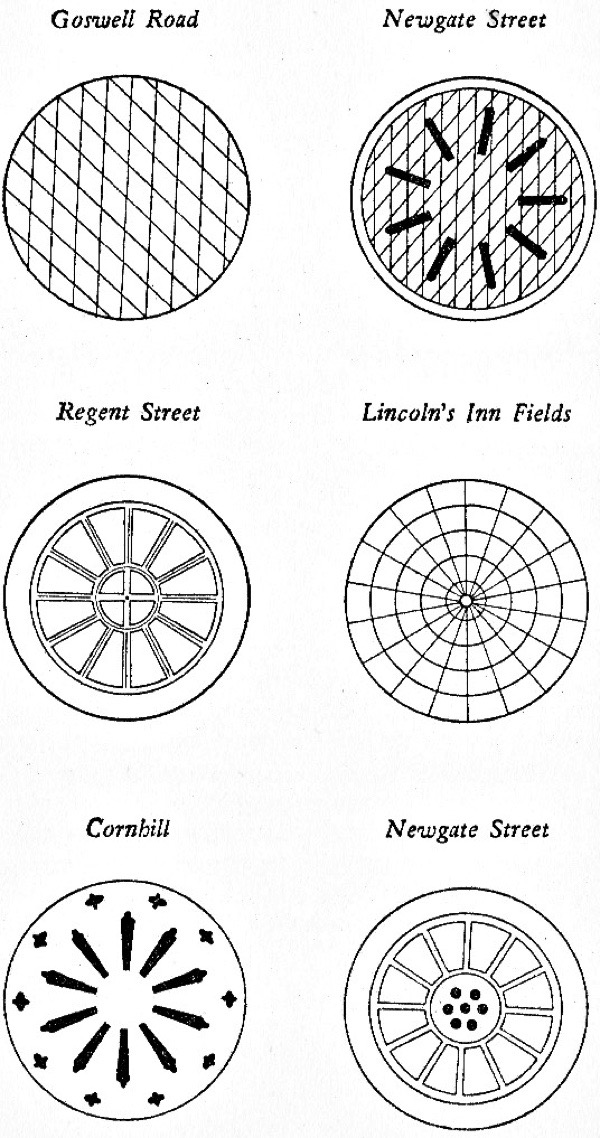
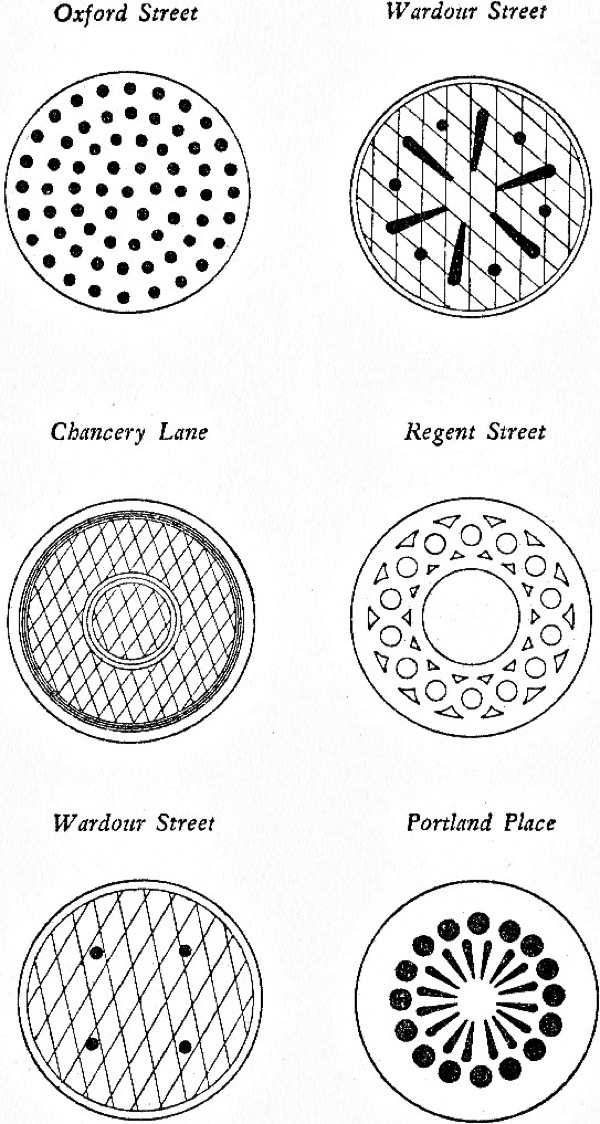
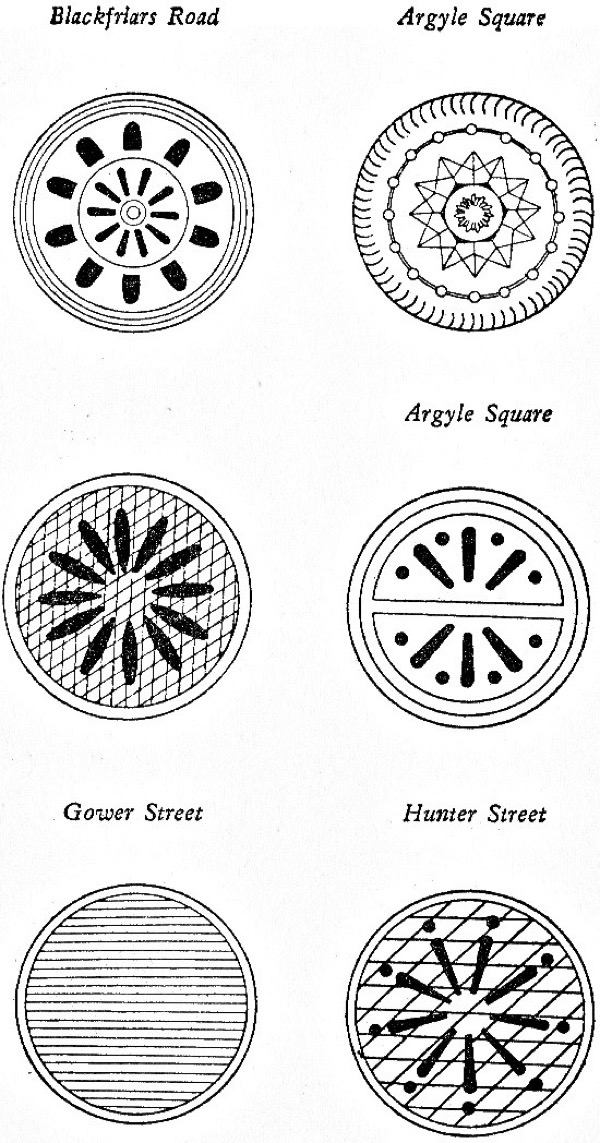
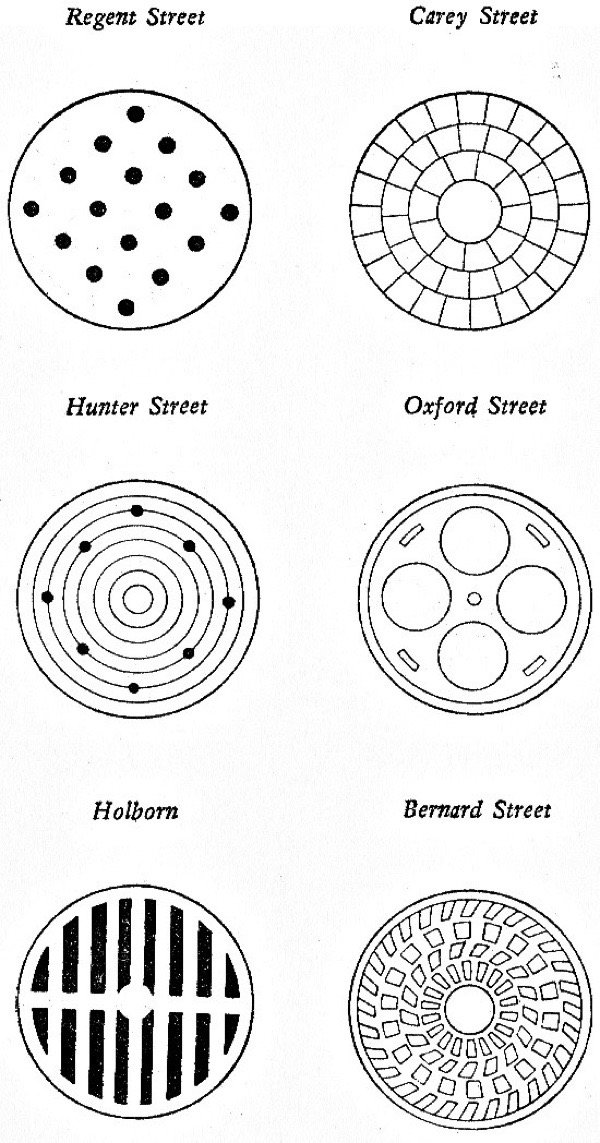
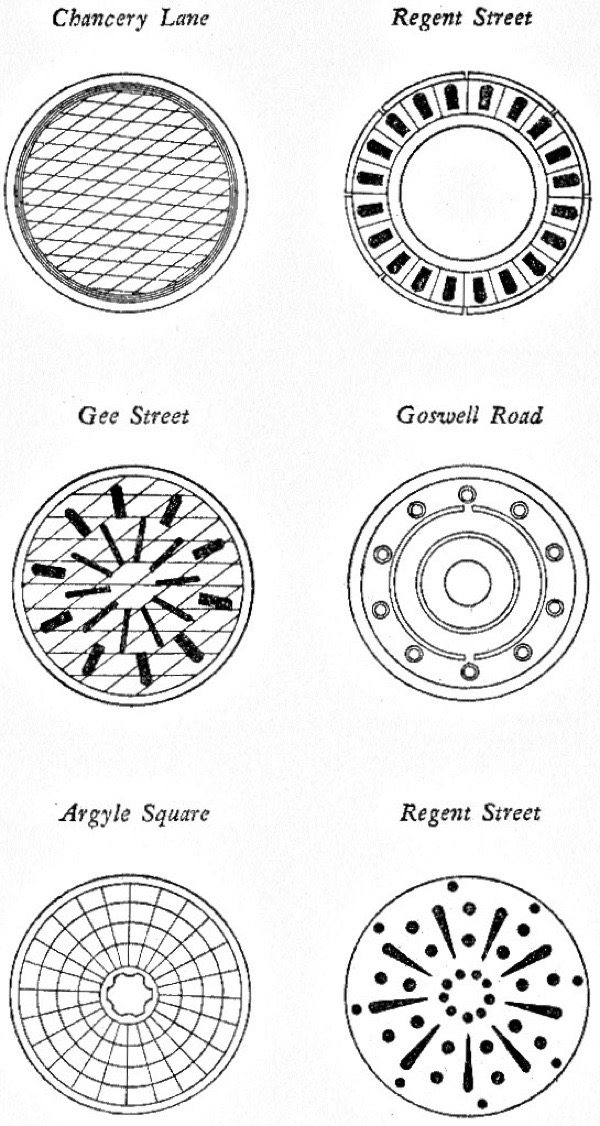
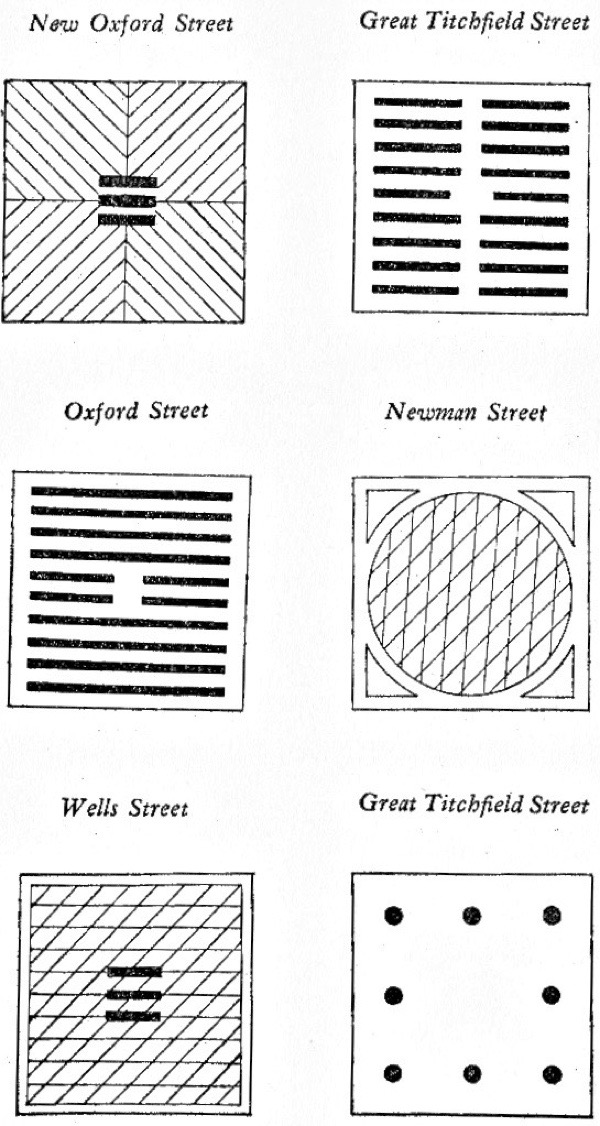
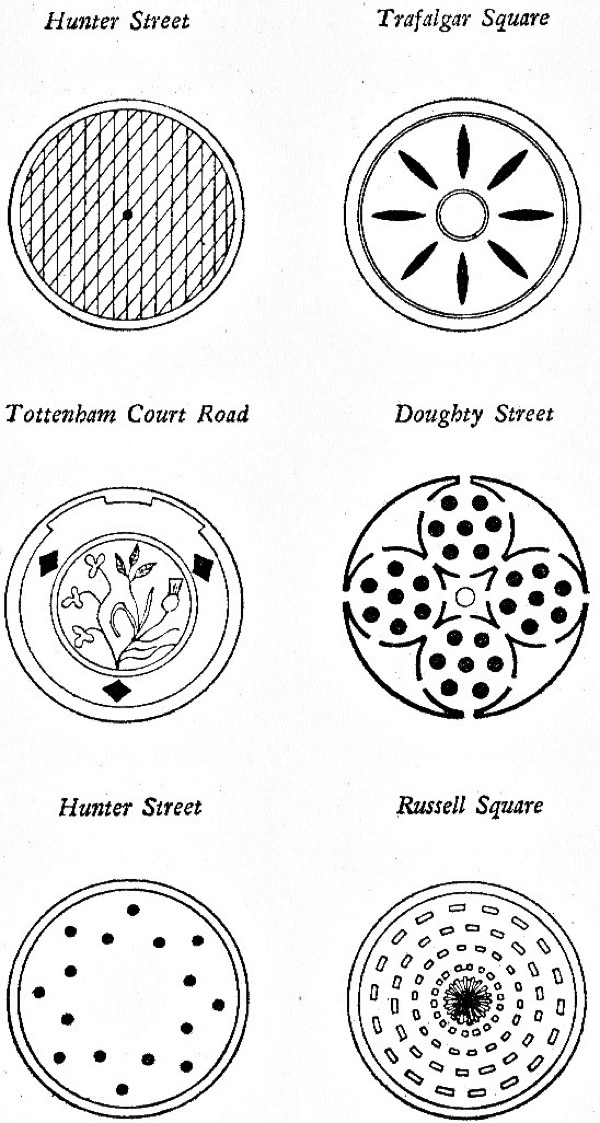
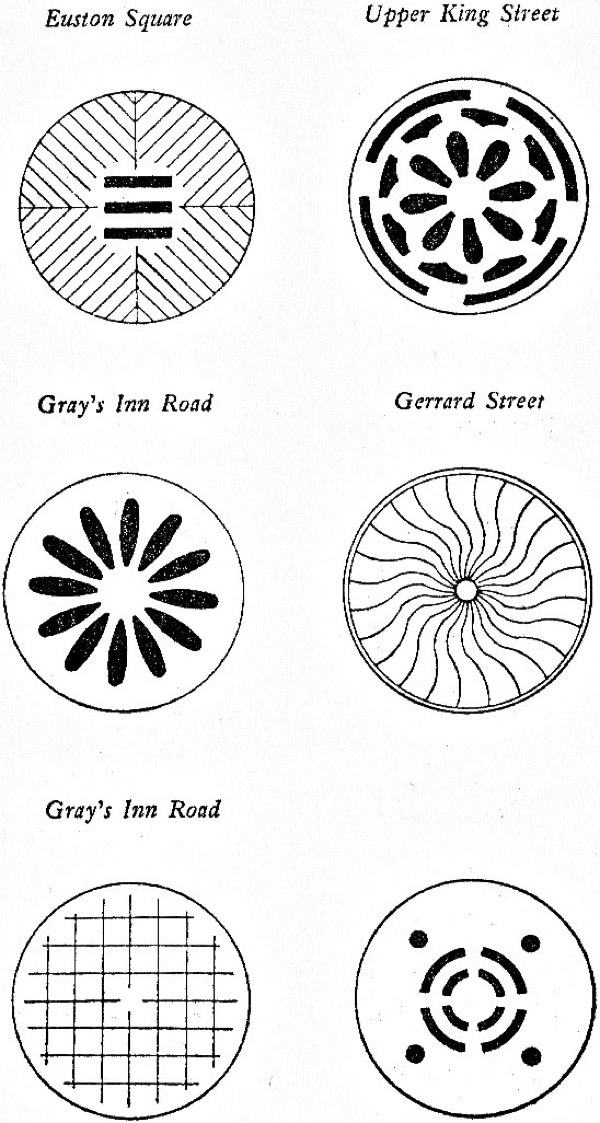
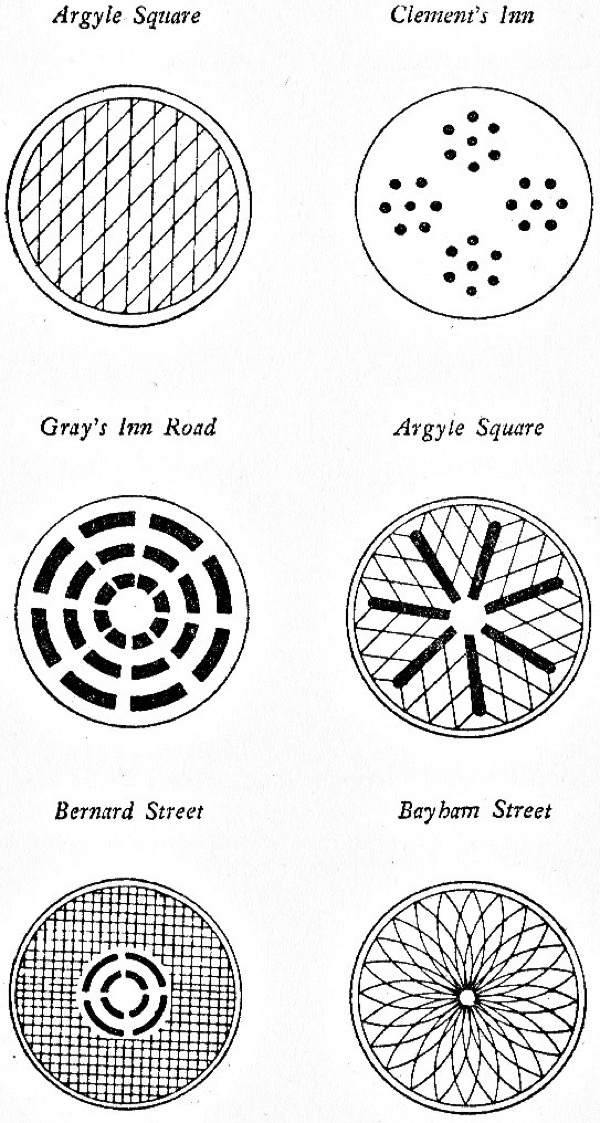
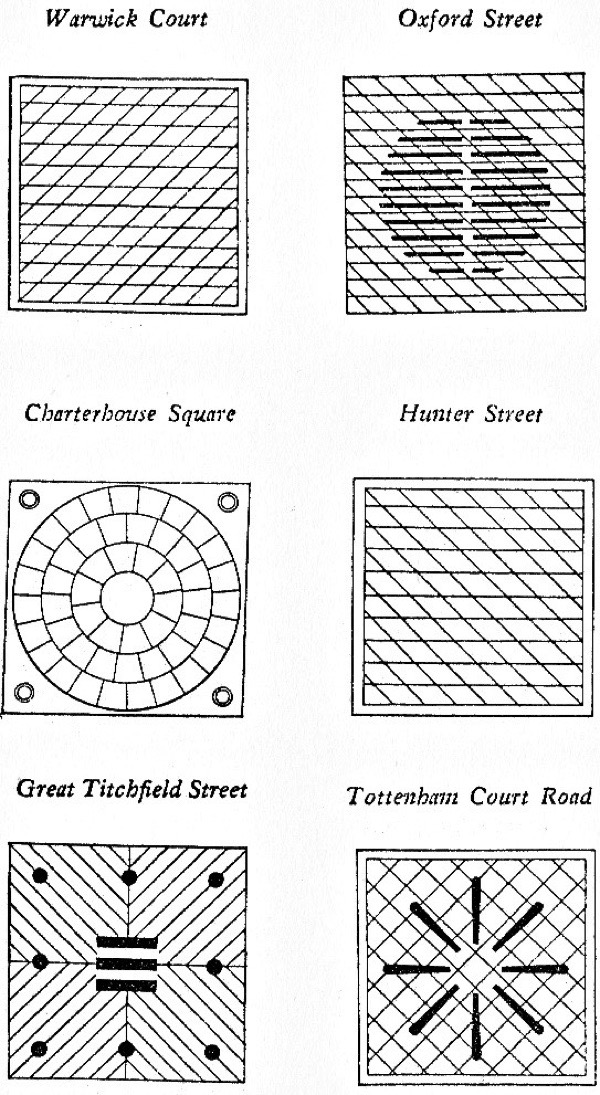
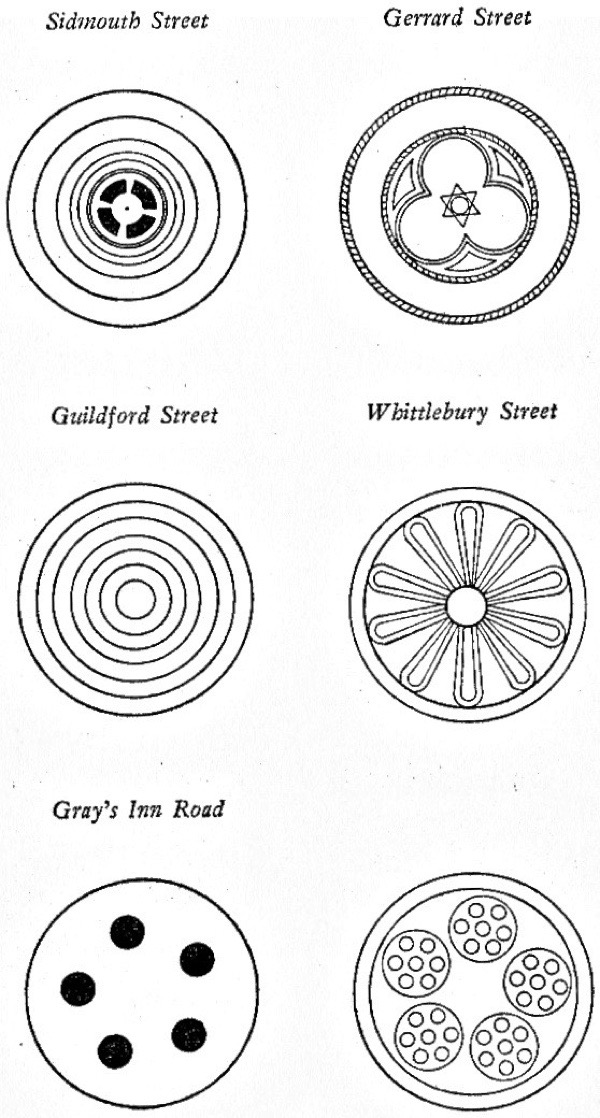
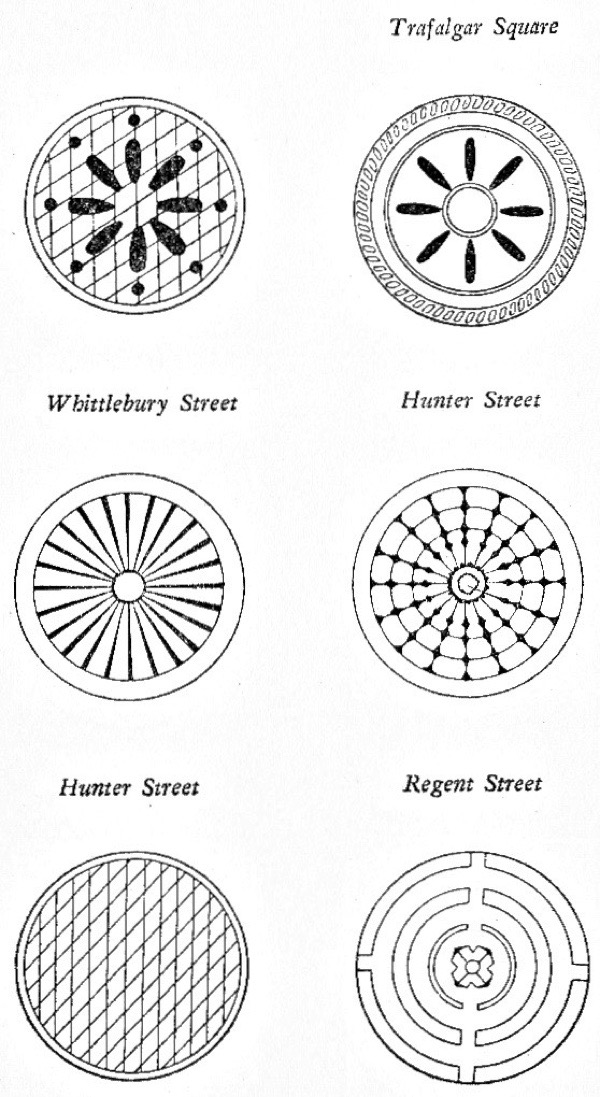
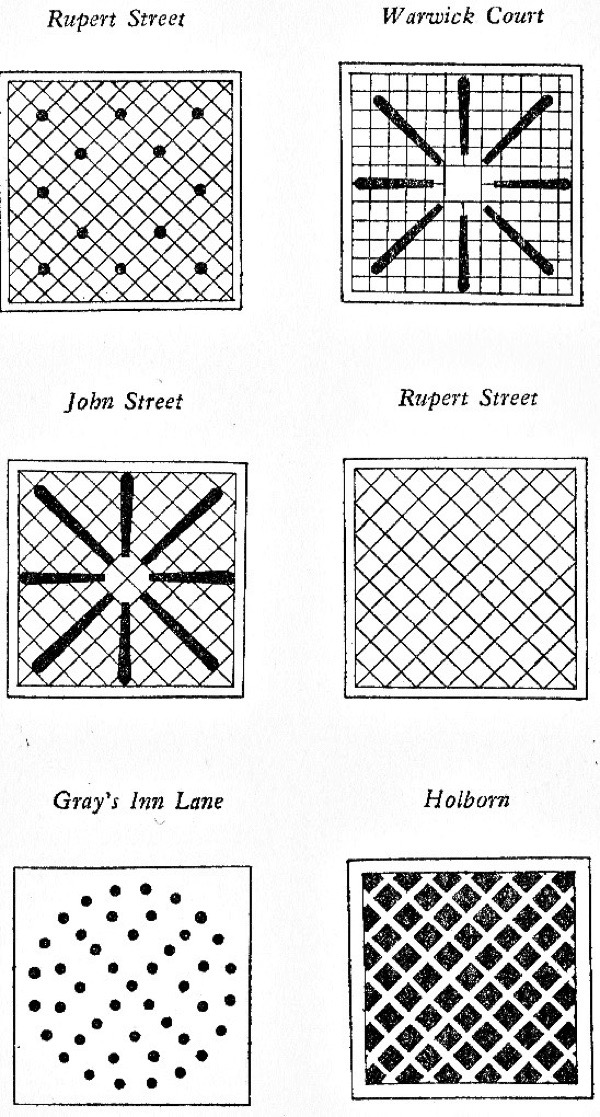
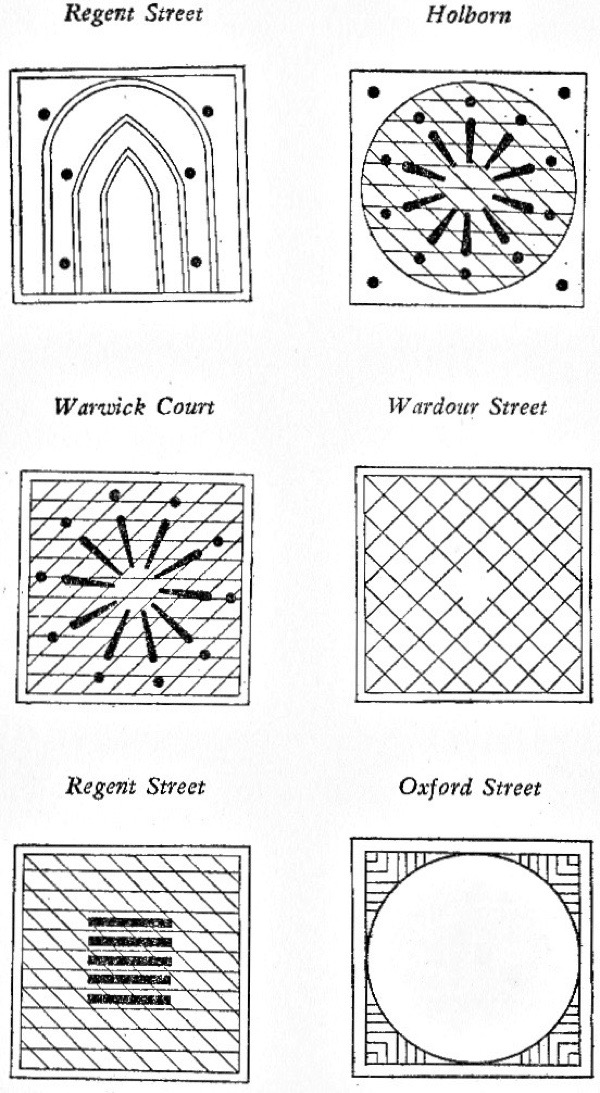
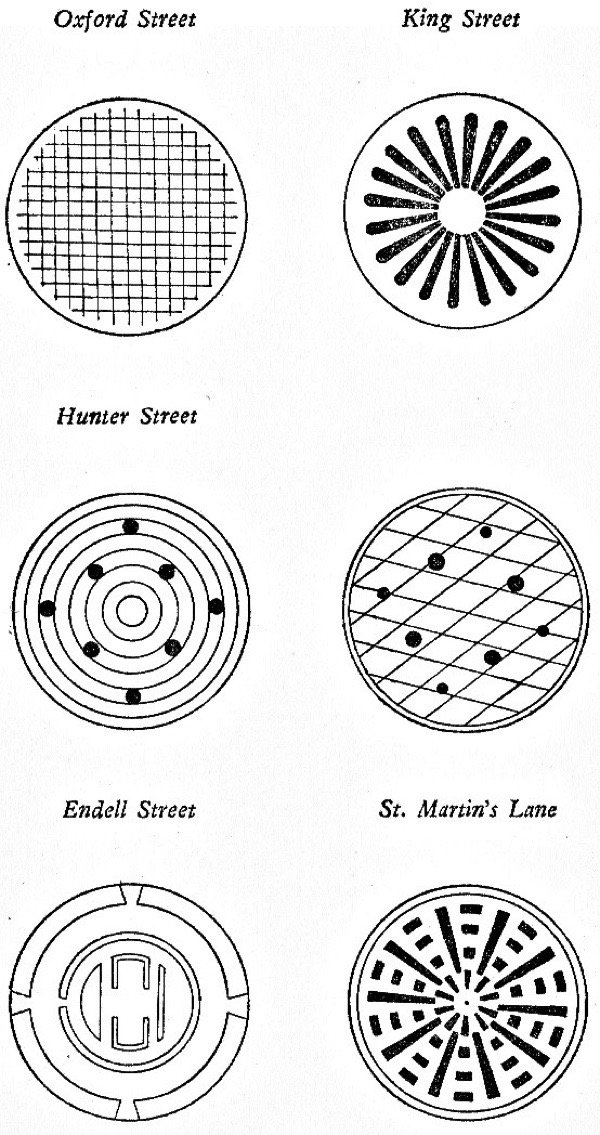
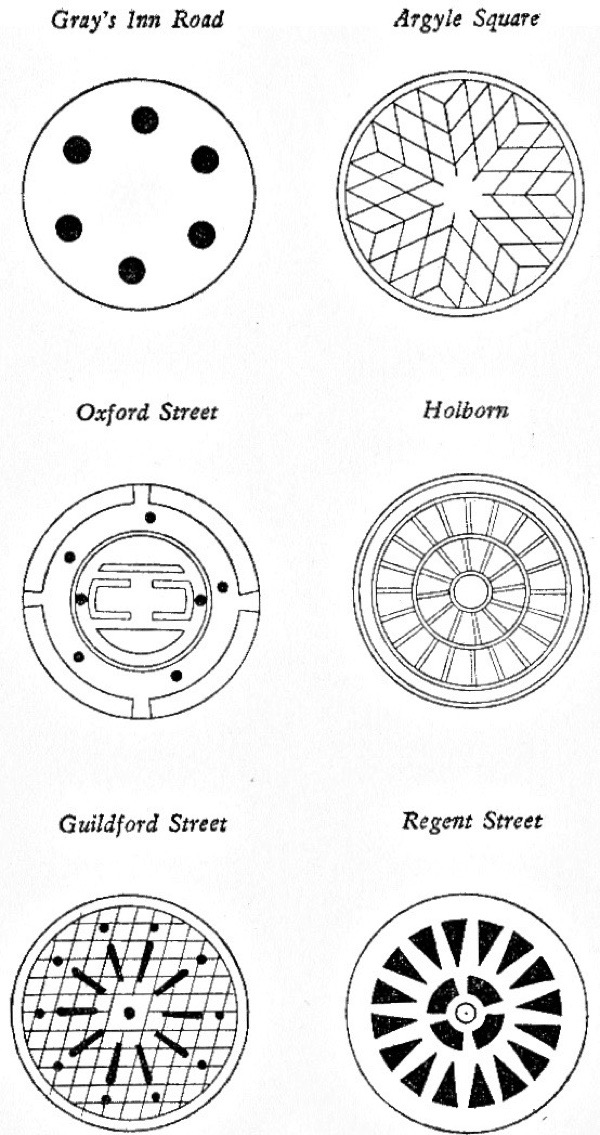
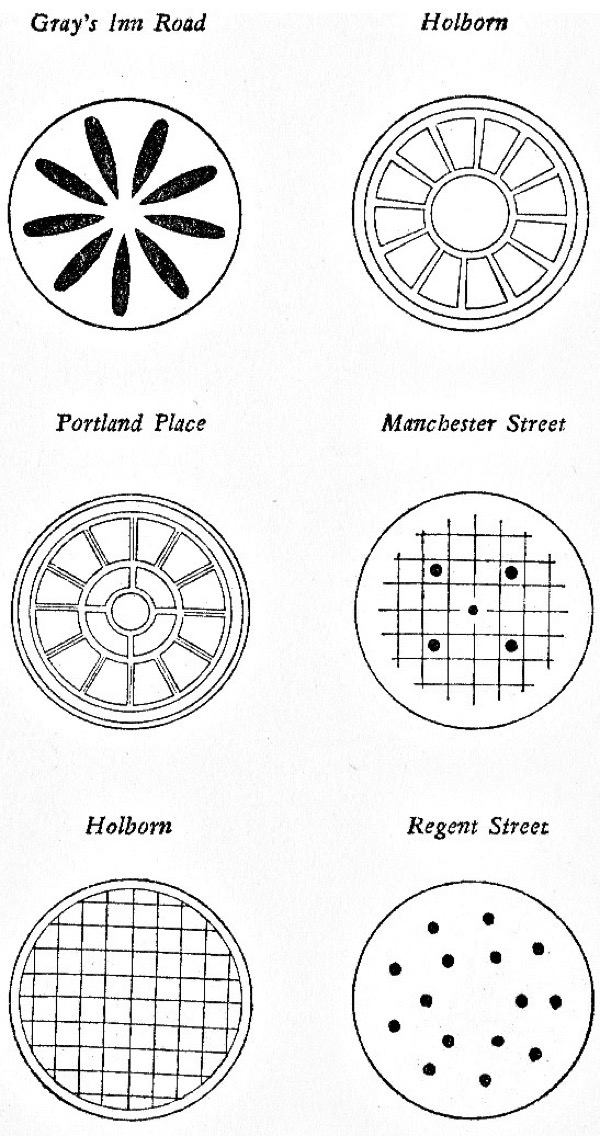
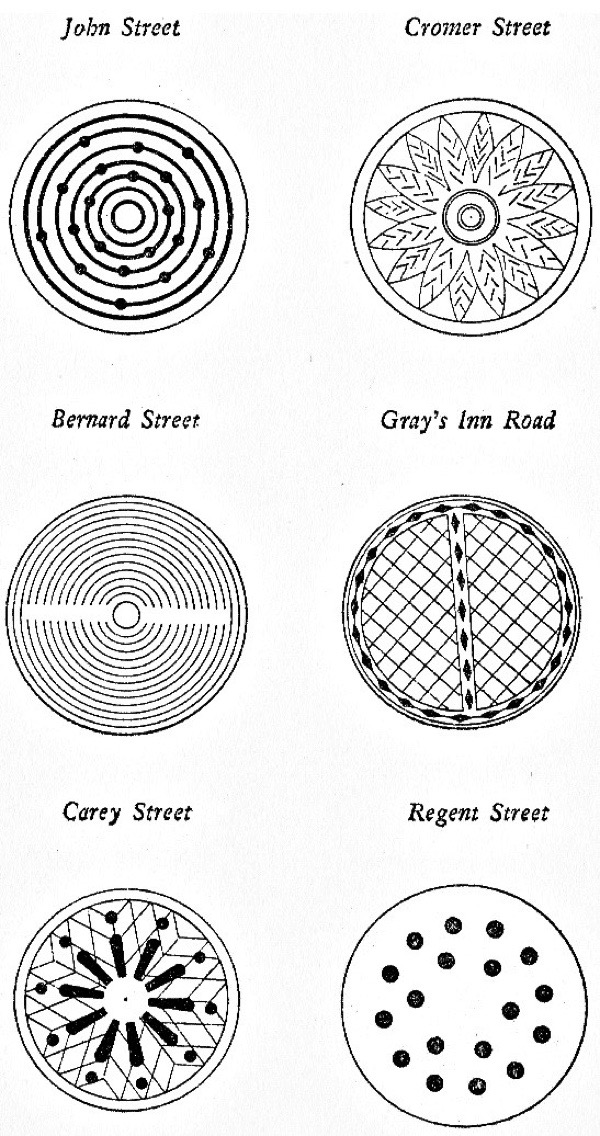
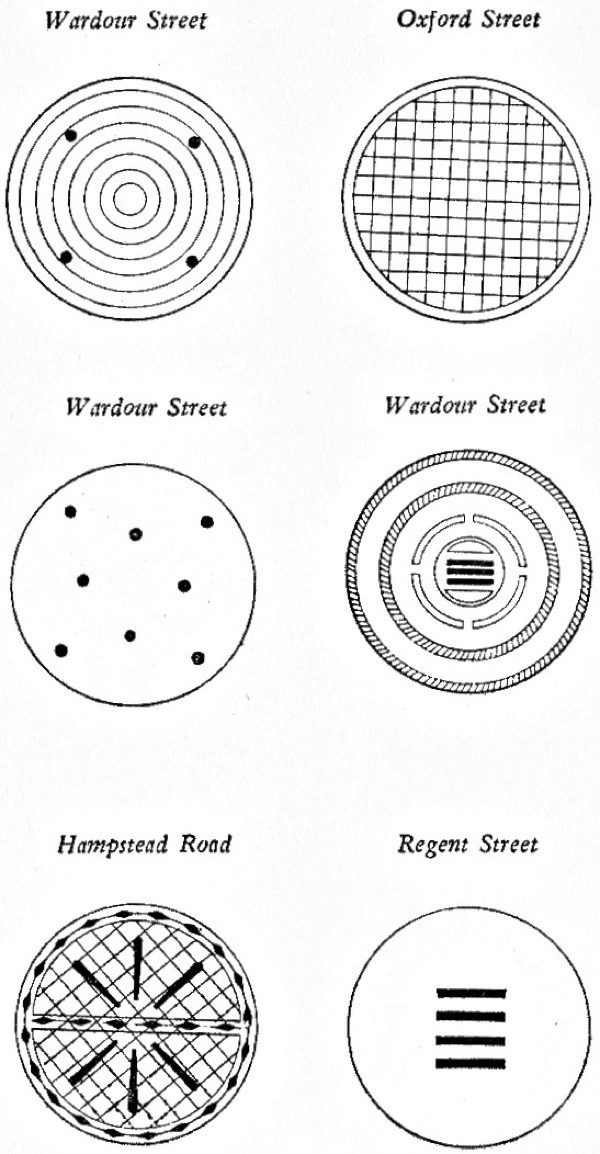
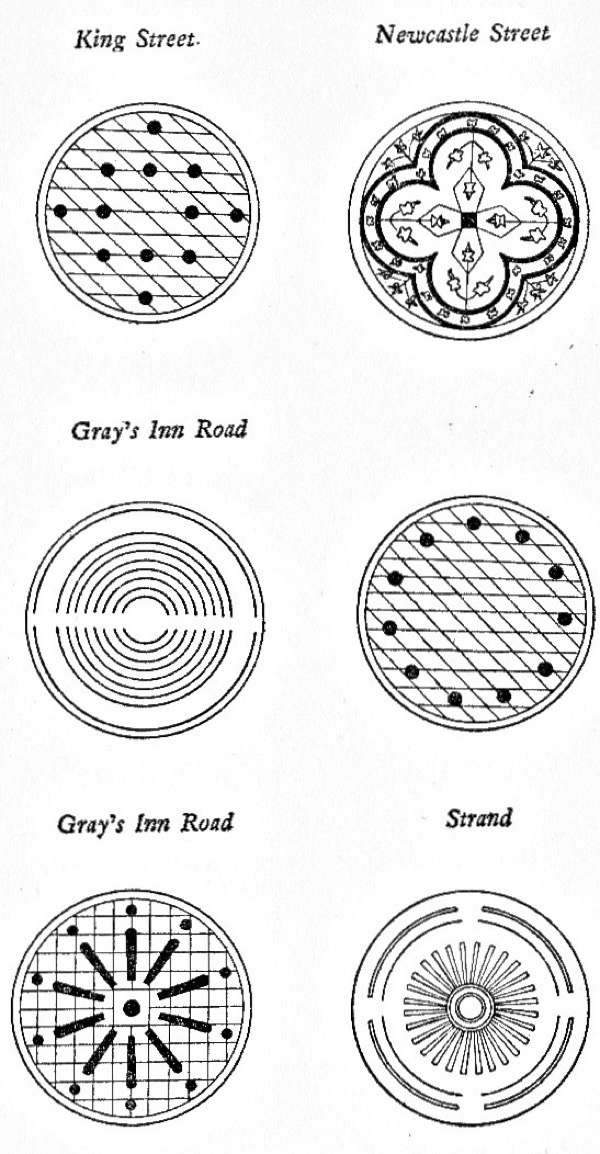
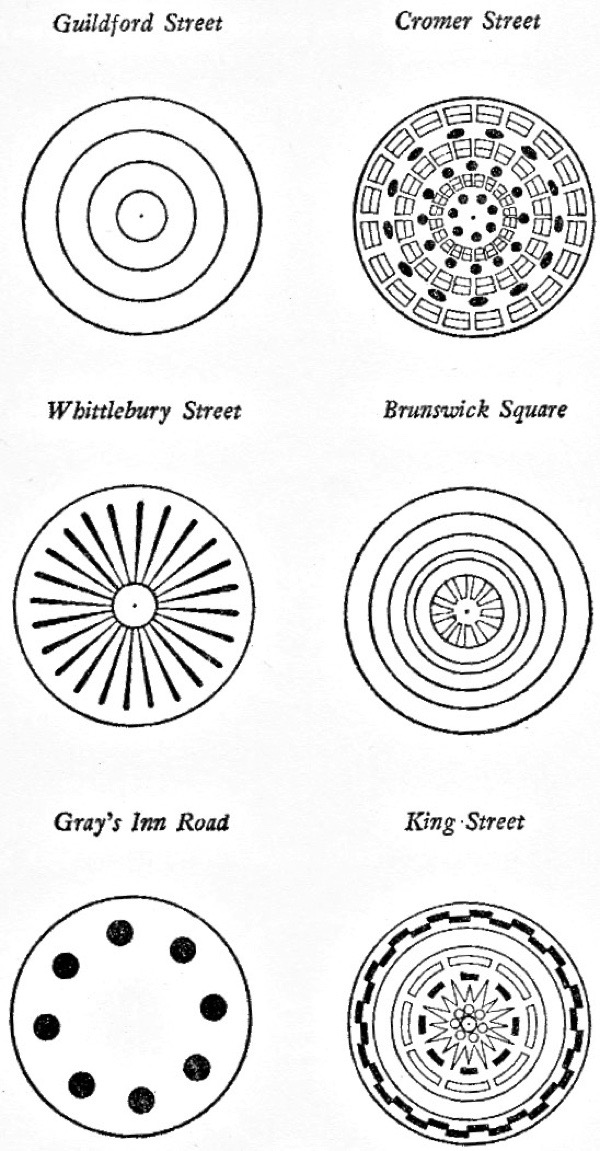
These hundred and fifty drawings of cast iron plate covers for coal chutes were sketched by a young medical student, Dr Shepherd Taylor, while studying at King’s College Hospital in the Strand in 1863. “I determined to try to reproduce them on paper, and, although I had no particular artistic skill or genius, I found no great difficulty in making a fair sketch of the more simple devices,” he admitted proudly. Whether Dr Taylor was a purist who omitted those with their maker’s names because he preferred abstract design or whether he simply could not do lettering, we shall never know.
Dr Taylor was ninety years old before his cherished designs were published in 1929 and he christened them Opercula, which means a cover or a lid. I will give a prize to anyone that can send me a photograph of any of these opercula drawn by Dr Taylor still in its location today.
You may also like to take a look at
James Leman, Silk Designer

The oldest surviving set of silk designs in the world, James Leman’s album contains ninety ravishingly beautiful patterns created in Steward St, Spitalfields between 1705 and 1710 when he was a young man. It was my delight to visit the Victoria & Albert Museum recently and study the pages of this unique artefact, which is currently the subject of an interdisciplinary research project under the auspices of the V&A Research Institute, funded by the Andrew W. Mellon Foundation. The Leman Album offers a rare glimpse into an affluent and fashionable sphere of eighteenth century high society, as well as demonstrated the astonishing skill of the journeyman weavers in East London three hundred years ago.
James Leman (pronounced ‘lemon’ like Leman St in Aldgate) was born in London around 1688 as the second generation of a Huguenot family and apprenticed at fourteen to his father, Peter, a silk weaver. His earliest designs in the album, executed at eighteen years old, are signed ‘made by me, James Leman, for my father.’ In those days, when silk merchants customarily commissioned journeyman weavers, James was unusual in that he was both a maker and designer. In later life, he became celebrated for his bravura talent, rising to second in command of the Weavers’ Company in the City of London. A portrait of the seventeen-twenties in the V&A collection, which is believed to be of James Leman, displays a handsome man of assurance and bearing, arrayed in restrained yet sophisticated garments of subtly-toned chocolate brown silk and brocade.
His designs are annotated with the date and technical details of each pattern, while many of their colours are coded to indicate the use of metallic cloth and different types of weave. Yet beyond these aspects, it is the aesthetic brilliance of the designs which is most striking, mixing floral and architectural forms with breathtaking flair in a way that appears startling modern. The Essex Pink and Rosa Mundi are recognisable alongside whimsical architectural forms which playfully combine classical and oriental motifs within a single design. The breadth of James Leman’s knowledge of botany and architecture as revealed by his designs reflects a wide cultural interest that, in turn, reflected flatteringly upon the tastes of his wealthy customers.
Until last year, the only securely identified woven example of a James Leman pattern was a small piece of silk in the collection of the Art Gallery of South Australia. Miraculously, just as the V&A’s research project on the Leman Album was launched, a length of eighteenth-century silk woven to one of his designs was offered to the museum by a dealer in historical textiles, who recognised it from her knowledge of the album. The Museum purchased the silk and is now investigating the questions that arise now design and textile may be placed side by side for the first time. With colours as vibrant as the day they were woven three hundred years ago, the sensuous allure of this glorious piece of deep pink silk adorned with elements of lustrous green, blue, red and gold shimmers across the expanse of time and is irresistibly attractive to the eye. Such was the extravagant genius of James Leman, Silk Designer.


On the left is James Leman’s design and on the right is a piece of silk woven from it, revealing that colours of the design are not always indicative of the woven textile

The reverse of each design gives the date and details of the fabric and weave

Portrait of a Master Silk Weaver by Michael Dahl, 1720-5 – believed to be James Leman
All images copyright © Victoria and Albert Museum, London
Click here to read about recent research into James Leman’s Album
With grateful thanks to: Dr Olivia Horsfall Turner, Senior Curator of Designs – Dr Victoria Button, Senior Paper Conservator – Clare Browne, Senior Curator of Textiles – Dr Lucia Burgio, Senior Scientist and Eileen Budd, V&A Research Institute Project Manager
You may also like to read about
The Principal Operations of Weaving
At Anna Maria Garthwaite’s House
Anna Maria Garthwaite, Silk Designer
William Nicholson’s London Types

William Nicholson created his London Types in 1898. They were a set of images that, alongside his Almanac of Twelve Sports and An Illustrated Alphabet, were to make his reputation as a printmaker. At that time, his son Ben who was to eclipse him entirely in the history of British Art was only five years old.
Working within the culture of the British popular print, Nicholson deliberately chose to use the coarse-grained side of the block in his wood cuts. This was a style that owed more to Toulouse Lautrec and Japanese precedents than to native visual traditions, which gave his work an innovative quality, even as he appeared to be celebrating traditional roles in British society.
Although not strictly Cries of London, some of these street characters are familiar from prints stretching back through the previous century and Nicholson portrays them as curiosities from another age. The doggerel by W.E. Henley that accompanied them poked fun at the anachronistic nature of these stereotypes, outlining their equivocal existence – whether a street hawker displaced in Kensington far from his East End home, or an aristocratic lady at Rotten Row challenged by her suburban counterparts, or a drunken Sandwich-man displaying moral texts, or a fifteenth generation Bluecoat boy at Charterhouse School in Smithfield, now moved out to Horsham.
These chunky monochromatic images fascinate me because they characterise their protagonists with subtlety, placing them in a dynamic relationship with the viewer and the social landscape of London as it was in the final years of the nineteenth century. Irrespective of the disparity in their circumstances, The Lady and The Coster confront us with equal assurance. Nicholson’s subjects retain self-possession because, although the prints illustrate their diverse social situations, their demeanour is consistently impassive.
Working in partnership with his brother-in-law James Pryde under the pseudonym the Beggarstaff Brothers, Nicholson enjoyed a successful career creating lively graphics which served the boom in advertising that happened in the eighteen-nineties. After 1900, he shifted his attention to painting, embarking on a series of portraits including J.M.Barrie, Rudyard Kipling and Max Beerbohm, that filled the rest of his career. Nicholson had always wanted to paint, regarding his graphic work as a lesser achievement, a reservation confirmed by his modest self-portrait as a pavement artist.
William Nicholson’s London Types provide a distinctive contribution to the innumerable series of images that have portrayed street life throughout the centuries, remarkable both for their superlative graphic elegance and as a complex and witty social portrait of London at the dawn of the twentieth century.
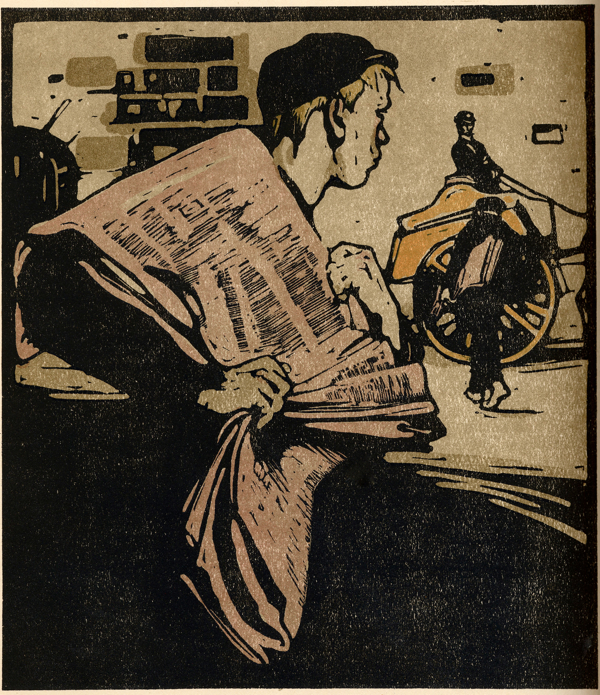
News-Boy, the City – “the London ear loathes his speeshul yell…”
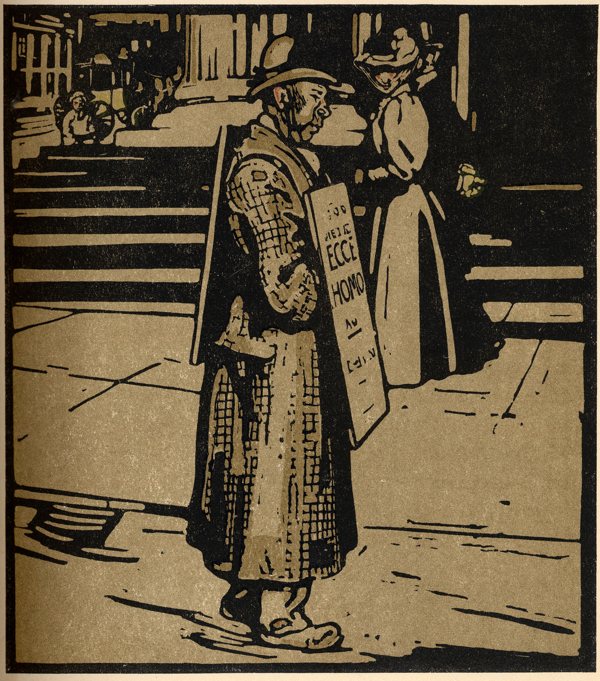
Sandwich-Man, Trafalgar Square – “the drunkard’s mouth awash for something drinkable…”
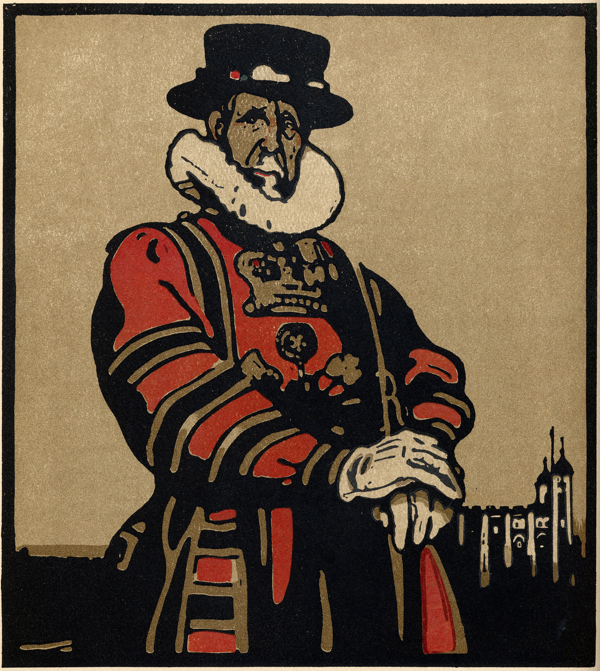
Beef-eater, Tower of London – “his beat lies knee-high through a dust of story.”
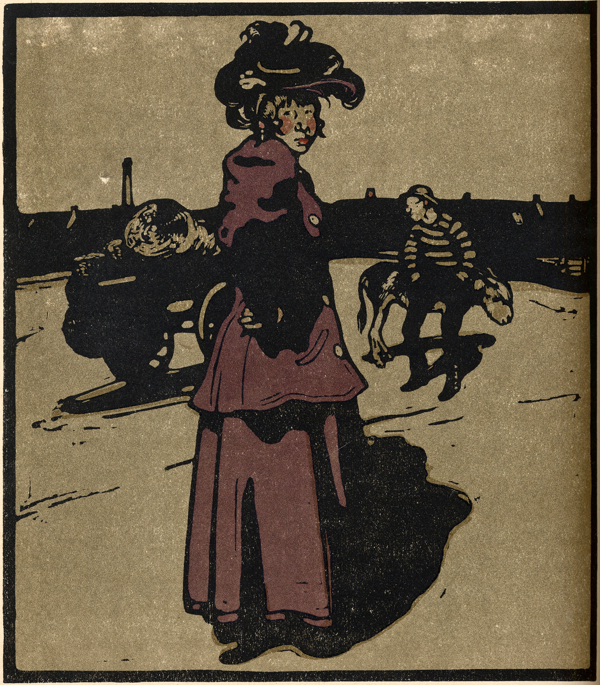
Coster, Hammersmith – “deems herself a perfect lady.”
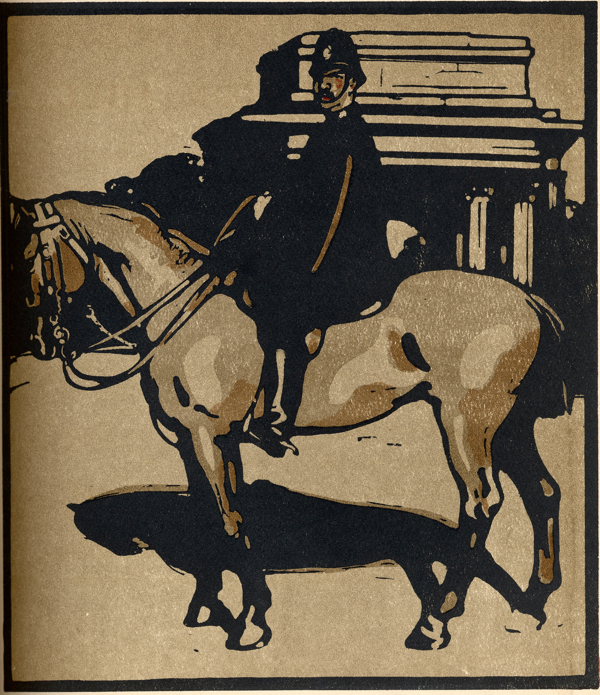
Policeman, Constitution Hill – “whenever pageants pass, he moves conspicuous…”
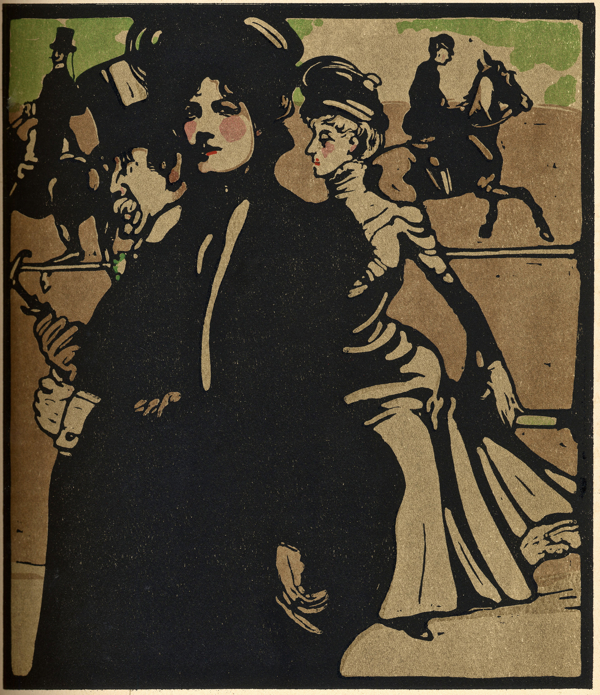
Lady, Rotten Row – “one of that gay adulterous world.”

Bluecoat Boy, Newgate St. – “the old school nearing exile…”
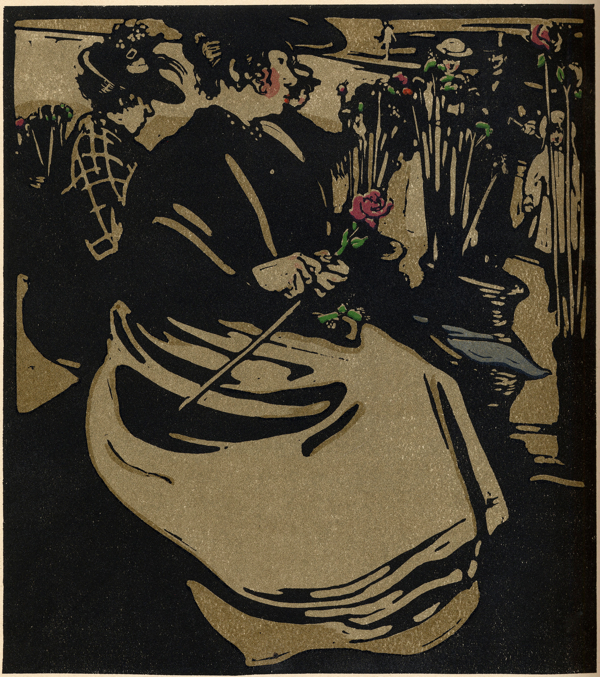
Flower Girl, – “of populous corners right advantage taking…”
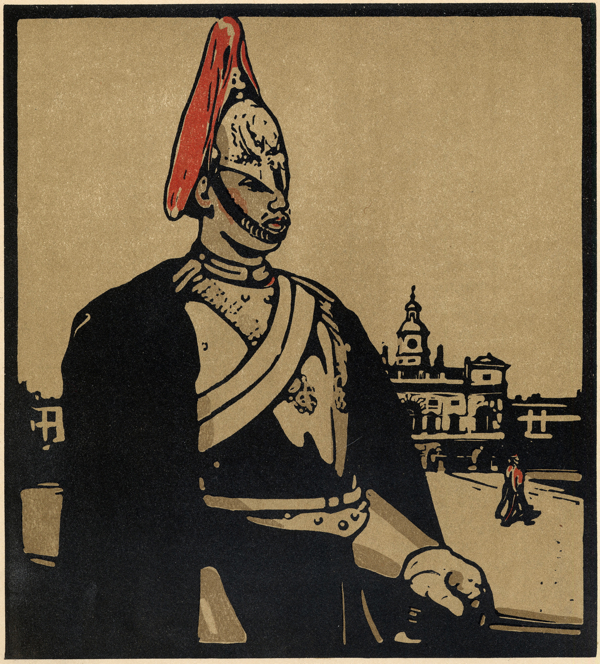
Guardsman, Horseguards Parade. – “of British blood, and bone, and beef and beer.”
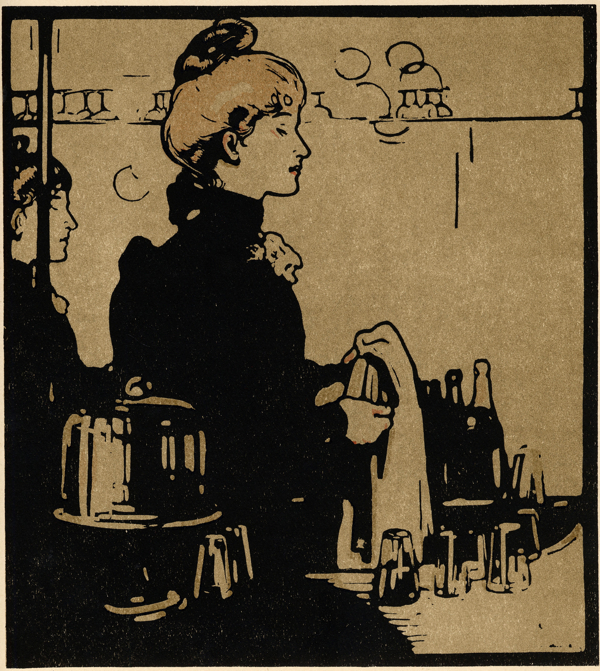
Barmaid, any bar – “posing as a dove among the pots.”

Drum-Major, Wimbledon Common – “his bulk itself’s pure genius…”
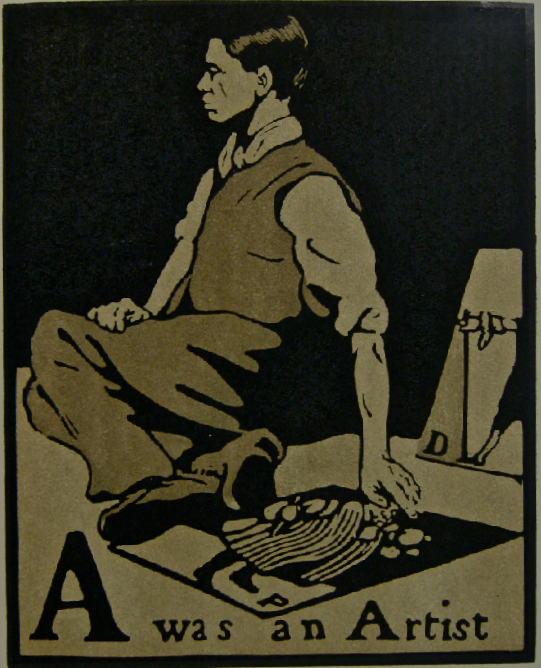
William Nicholson portrayed himself as pavement artist
Images copyright © Desmond Banks
You may like to take a look at
Francis Wheatley’s Cries of London
The Forgotten Corners Of Old London

Who knows what you might find lurking in the forgotten corners of old London? Like this lonely old waxwork of Charles II who once adorned a side aisle of Westminster Abbey, peering out through a haze of graffiti engraved upon his pane by mischievous tourists with diamond rings.
As one with a pathological devotion to walking through London’s sidestreets and byways, seeking to avoid the main roads wherever possible, these glass slides of the forgotten corners of London – used long ago by the London & Middlesex Archaeological Society for magic lantern shows at the Bishopsgate Institute – hold a special appeal for me. I have elaborate routes across the city which permit me to walk from one side to the other exclusively by way of the back streets and I discover all manner of delights neglected by those who solely inhabit the broad thoroughfares.
And so it is with many of these extraordinary pictures that show us the things which usually nobody bothers to photograph. There are a lot of glass slides of the exterior of Buckingham Palace in the collection but, personally, I am much more interested in the roof space above Richard III’s palace of Crosby Hall that once stood in Bishopsgate, and in the unlikely paraphernalia which accumulated in the crypt of the Carmelite Monastery or the Cow Shed at the Tower of London, a hundred years ago. These pictures satisfy my perverse curiosity to visit the spaces closed off to visitors at historic buildings, in preference to seeing the public rooms.
Within these forgotten corners, there are always further mysteries to be explored. I wonder who pitched a teepee in the undergrowth next to the moat at Fulham Palace in 192o. I wonder if that is a cannon or a chimney pot abandoned in the crypt at the Carmelite monastery. I wonder why that man had a bucket, a piece of string and a plank inside the dome of St Paul’s Cathedral. I wonder what those fat books were next to the stove in the Worshipful Company of Apothecaries’ shop. I wonder who was pulling that girl out of the photograph in Woolwich Gardens. I wonder who put that dish in the roof of Crosby Hall. I wonder why Charles II had no legs. The pictures set me wondering.
It is what we cannot know that endows these photographs with such poignancy. Like errant pieces from lost jigsaws, they inspire us to imagine the full picture that we shall never be party to.

Tiltyard Gate, Eltham Palace, c. 1930
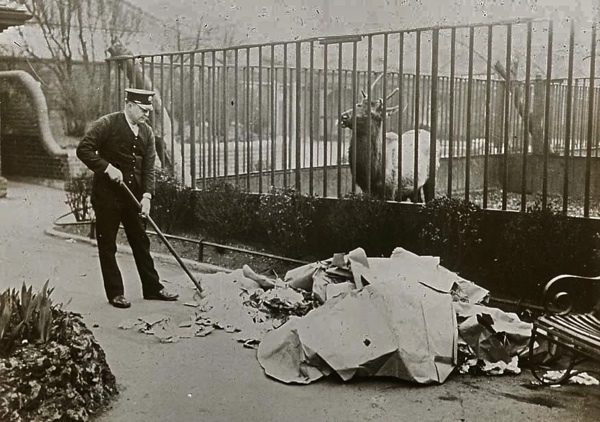
Refuse collecting at London Zoo, c. 1910

Passage in Highgate, c. 1910

Westminster Dust Carts, c. 1910
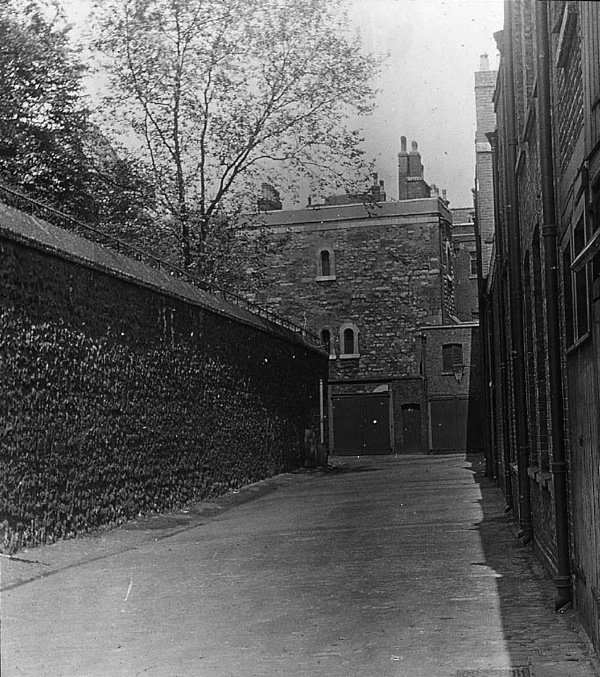
The Jewel Tower, Westminster, 1921
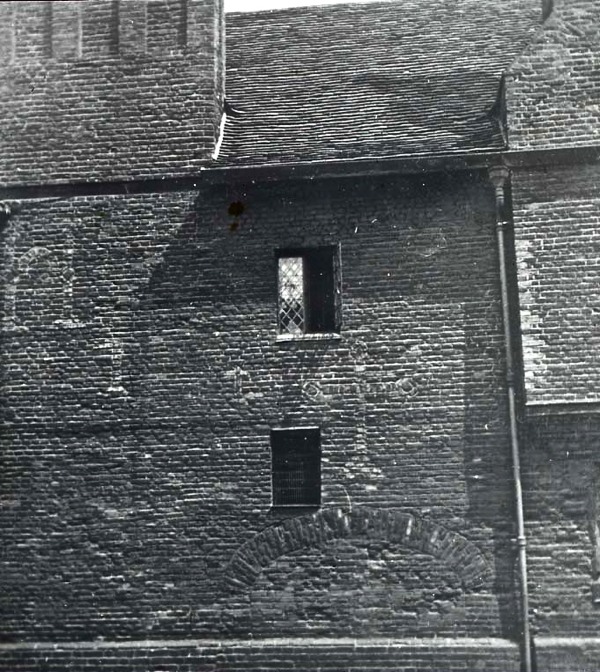
Fifteenth century brickwork at Charterhouse Wash House, c1910
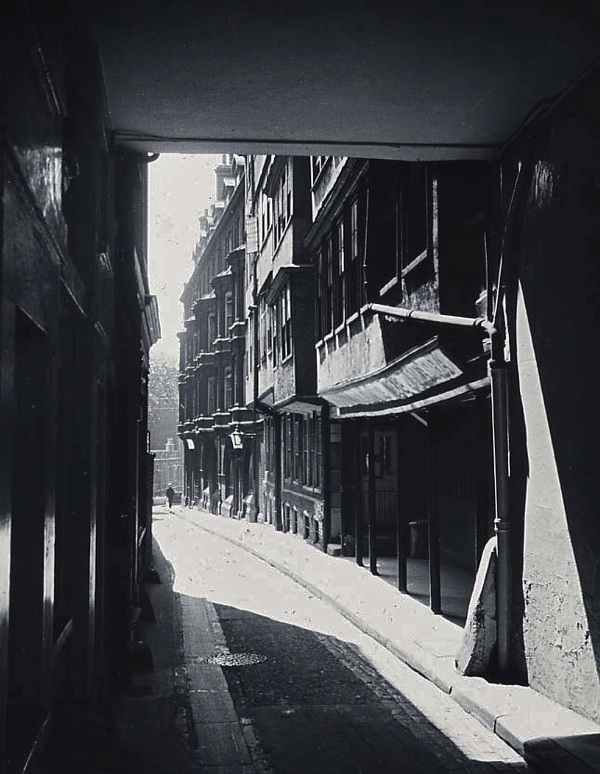
Middle Temple Lane, c. 1910
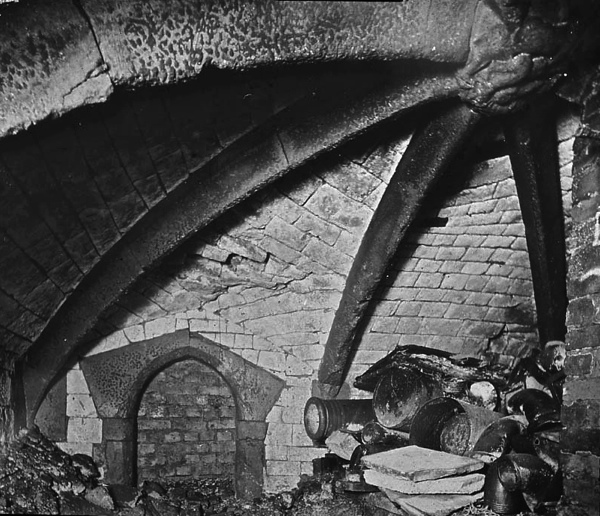
Carmelite monastery crypt, c. 1910
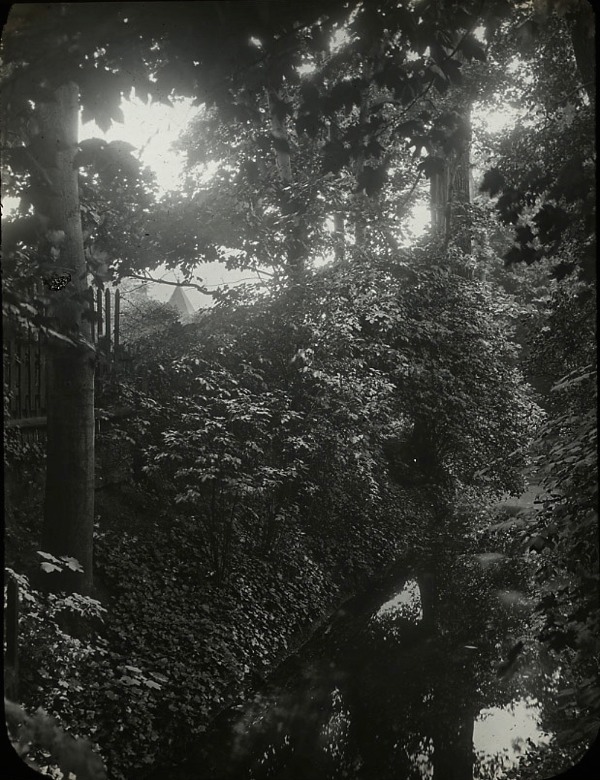
The Moat at Fulham Palace, c. 1920

Clifford’s Inn, c. 1910
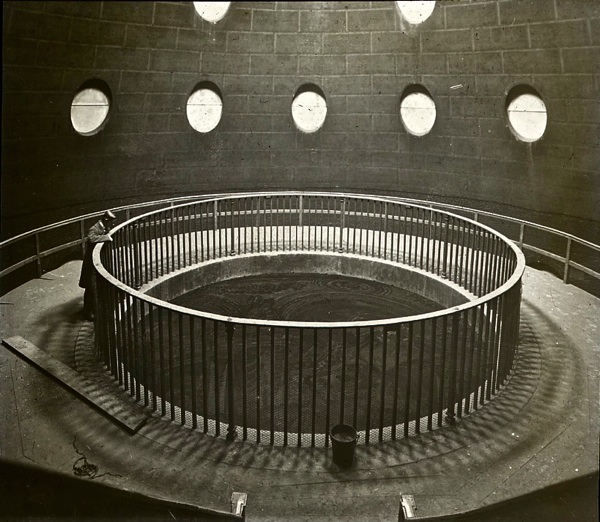
Top of inner dome at St Paul’s Cathedral, c. 1920
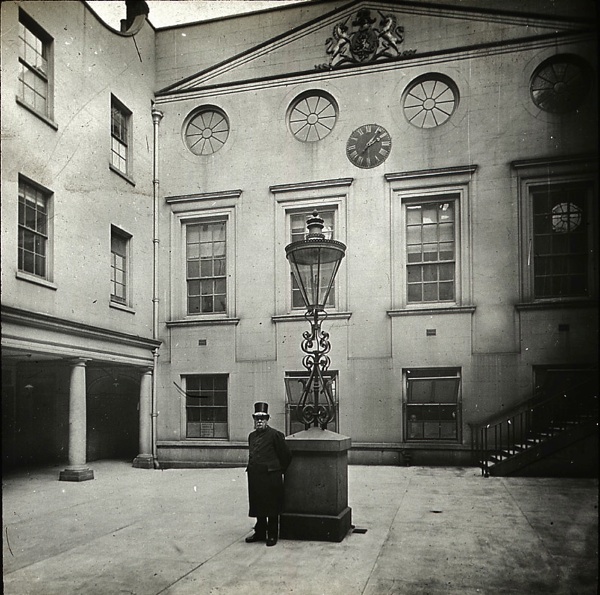
Apothecaries’ Hall Quadrangle, c. 1920

Worshipful Company of Apothecaries’ Shop, c.1920
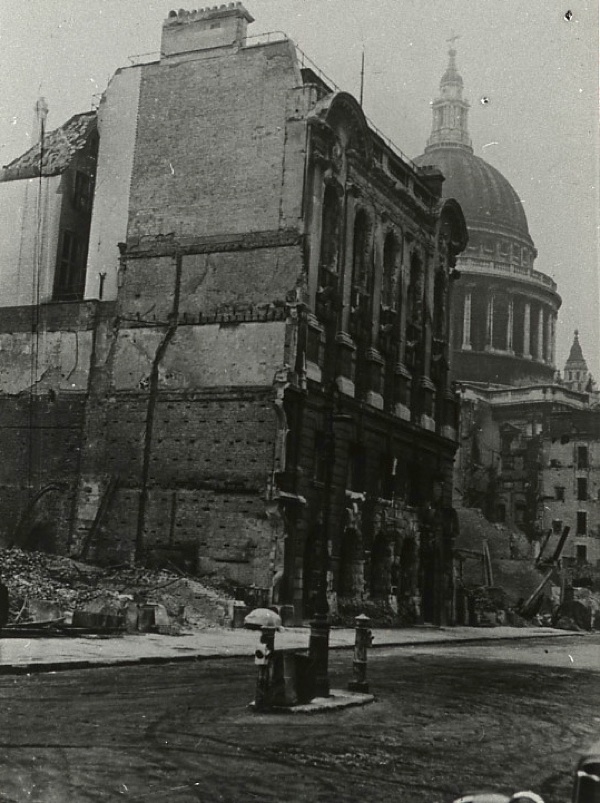
Unidentified destroyed building near St Paul’s, c. 1940
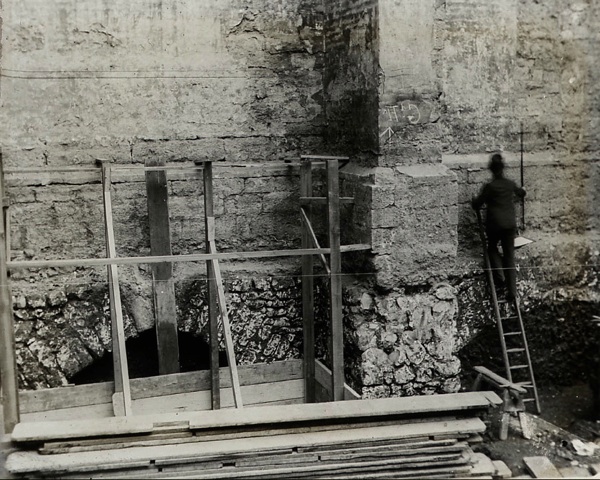
Merchant Taylors’ Hall, c. 1920
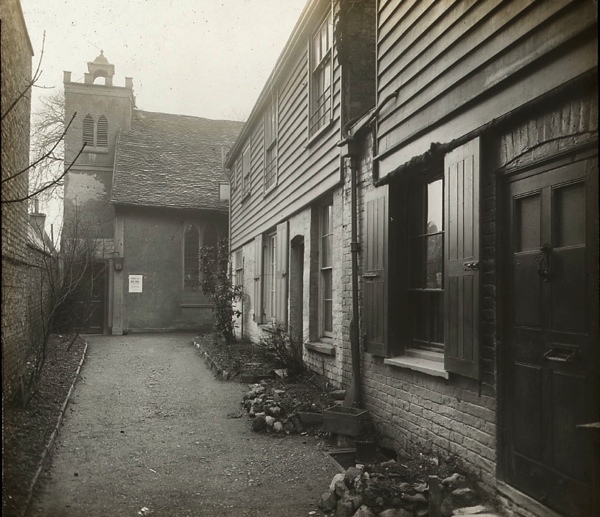
Crouch End Old Baptist Chapel, c. 1900
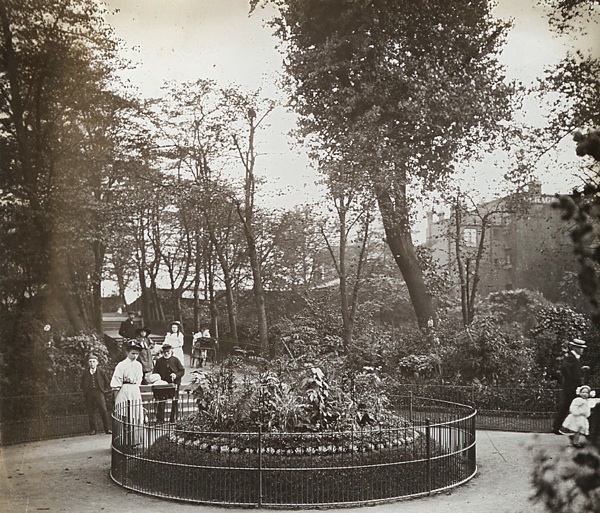
Woolwich Gardens, c. 1910

The roof of Crosby Hall, Richard III’s palace in Bishopsgate , c. 1910
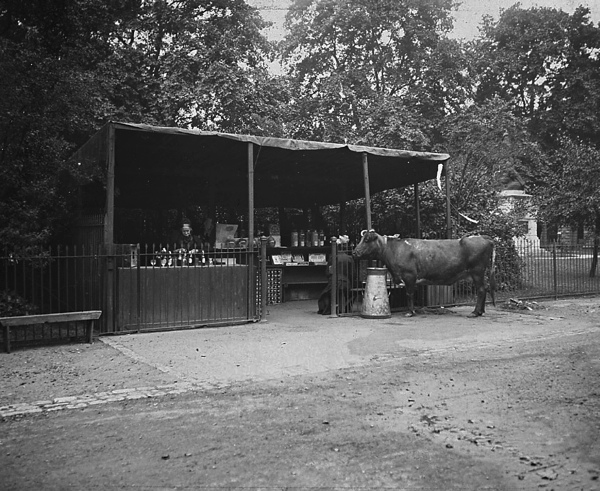
Refreshment stall in St James’ Park, c. 1910
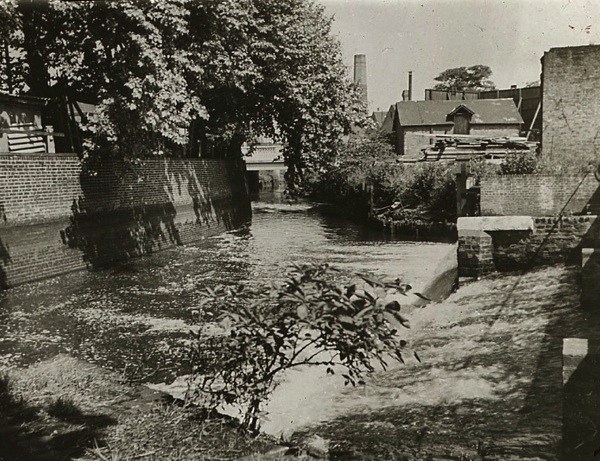
River Wandle at Wandsworth, c. 1920

Corridor at Battersea Rise House, c. 1900

Tram emerging from the Kingsway Tunnel, c. 1920
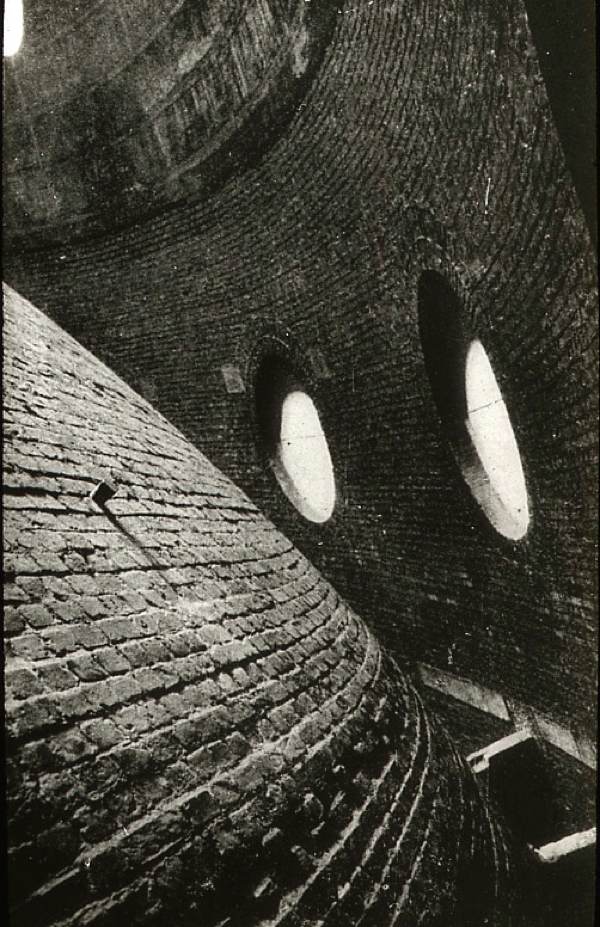
Between the interior and exterior domes at St Paul’s Cathedral, c. 1920
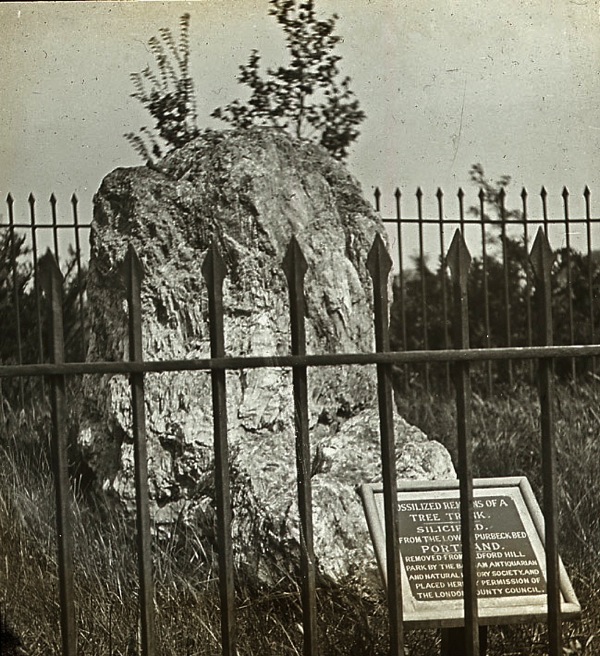
Fossilised tree trunk on Tooting Common, c. 1920
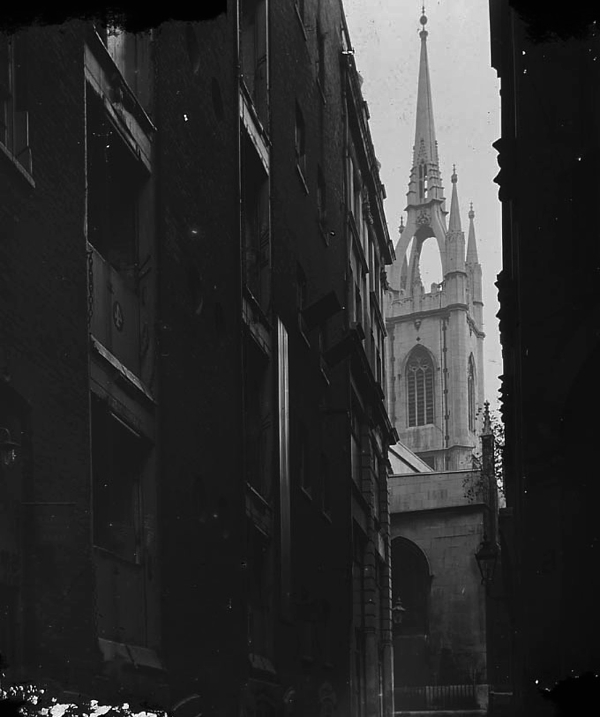
St Dunstan-in-the-East, 1911
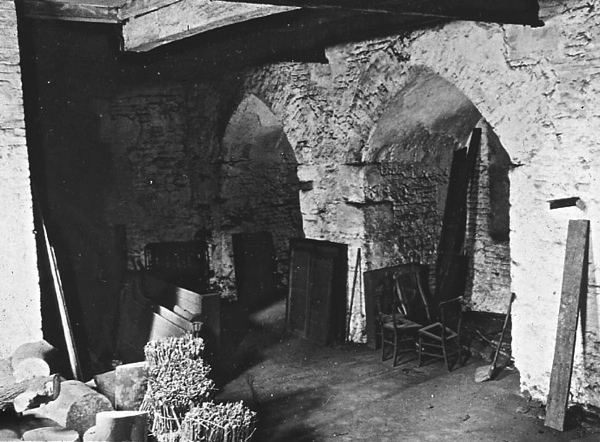
Cow shed at the Queen’s House, Tower of London, c. 1910
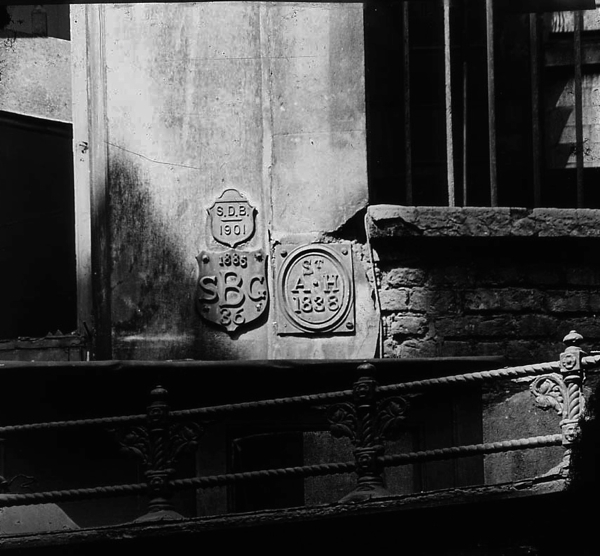
Boundary marks for St Benet Gracechurch, St Andrew Hubbard and St Dionis Backchurch in Talbot Court, c. 1910
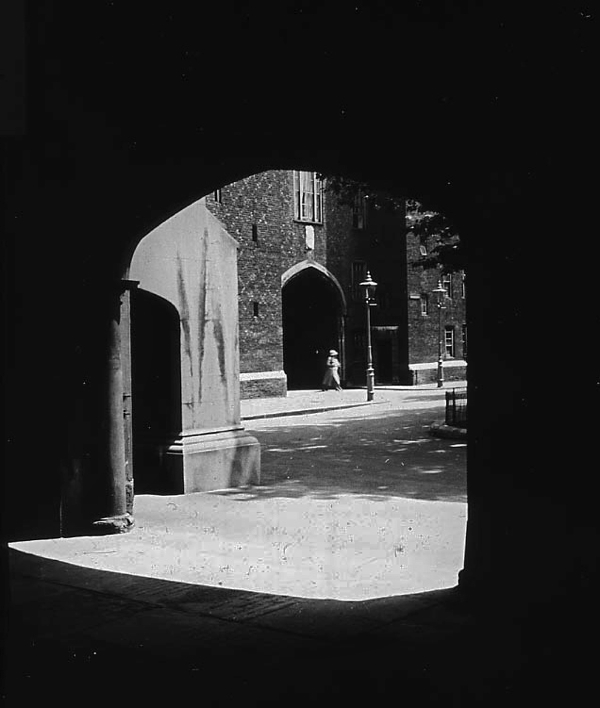
Lincoln’s Inn gateway seen from Old Hall, c. 1910

St Bride’s Fleet St, c. 1920
Glass slides courtesy Bishopsgate Institute
You may also like to take a look at
Bernard Kops, Poet, Novelist & Playwright
Join me for an evening of readings and conversation with Bernard Kops & Ken Sequin, hosted by Rachel Lichtenstein at Leila’s Cafe, Calvert Avenue, on Tuesday 26th September 7:30pm. Ken will read poems from EXODUS and other collections. Click here to reserve your free ticket

“It’s amazing I have lived so long, after all the drugs that I have taken in my life!” declared Bernard Kops with a certain genial alacrity – speaking now as a sprightly ninety year old – when I visited him and his wife of sixty-two years, Erica, in Finchley. Yet once he told me his stories of growing up in Stepney Green in the nineteen thirties, I understood how those experiences might instill a keen will to live which could, in part at least, account for his glorious longevity.
Bernard’s father left Rotterdam with his family in 1902, hoping to get to New York, but when he bought his ticket it only took him as far as London. The ticket office in Amsterdam explained that he could collect the second part of his ticket to New York from Mr Smith on arrival in London, but when he arrived in the Port of London and asked for Mr Smith everyone laughed at him. And thus it was that Bernard’s father’s dream of America was supplanted by the East End. Later, the relatives in Amsterdam implored Bernard’s father to return with his family prior to the outbreak of World War II, believing that Holland would remain neutral and Bernard remembers his father weeping because he could not afford the tickets to return. Yet those relatives were all killed by the Nazis and Bernard’s father’s impecunious situation was the salvation of his immediate family.
Such is the equivocal nature of Bernard Kops’ inheritance and, even now, looking back from his current perspective as the father of four children, six grandchildren and two great-grandchildren, it colours all experience with a certain sentiment, cherishing the fleeting brilliance of life.
“I couldn’t have done anything without Erica,” he assured me last week, prefacing our conversation, when I visited him in the Victorian apartment block in Finchley where he has lived for the last half century, moving there from Soho in the days when it was an enclave of writers and artists. Walking down the long passage in his modest basement flat, I found him in a peaceful room looking out onto the garden where we chatted beneath the poster for “The Hamlet of Stepney Green.” Bernard’s first play launched him as one of the new wave of young playwrights from the East End, alongside Arnold Wesker and Harold Pinter, that came to define British theatre in the post-war era. “There were actors who couldn’t fathom what we were doing, but we brought the streets into the theatre,” Bernard explained, “I still think of myself as a street person, I come from a verbal culture where everybody was always talking all the time.”
Recalling his childhood, he said, “Everyone was starving in those days before the war. And when my sister Phoebe came home and she had got a job, we were all overjoyed. But then she came back from the sweatshop and said the boss has been feeling her up. ‘She’s not going back,’ said my mother. ‘We need the money,’ said my father. Because we were so poor, every day was a battle. My whole life was a drama.”
“I was different from my brothers and sisters, and I don’t know why,” Bernard confessed, still bemused by his literary talent, “My mother recognised it, she used to say, ‘He’s the one that’s going to take me to Torquay one day.’ That was her measure of success.” One of Bernard’s earliest memories is of hiding under the table to eavesdrop on the adults and his mother asking, “Where’s my Bernie?” which was the cue for him to jump out and delight her.
As a child, Bernard knew that it was not safe for him to stray up the Cambridge Heath Rd towards Bethnal Green because that was where the fascist blackshirts were. Yet on the day that war was declared, when Bernard’s mother gave him sixpence to seek his own amusement, he took a bus through the danger zone up to the West End where – at eleven years old – he discovered a vision of whole other world that he realised his mother had never seen. Then, walking down Brick Lane one day just after the war, a young man stopped Bernard and asked what he was mumbling under his breath and Bernard admitted he was speaking poetry. Realising that Bernard had never read any poetry, he gave Bernard a slim volume of Rupert Brooke published by Faber and Faber. “So I read Grantchester and I thought it was fantastic,” Bernard recalled fondly, “I went to the library and asked, ‘Have you got any more Faber and Faber books like this?’ The library gave me freedom.”
In common with generations of writers and artists from the East End, Bernard Kops educating himself using the collection at the former Whitechapel Library next to the Whitechapel Gallery. From here, Bernard took classes in drama at Toynbee Hall which focused upon improvisation – inventing plays – and it gave him the technique to launch himself as playwright. This was a move that eventually led him to live in Soho, enjoying the company of his literary peers, and he recalls returning from there to Hanbury St to visit Colin McInnes while he was writing Absolute Beginners, in which Bernard appears in a barely fictionalised form as “Mannie Katz.”
In summation,“I’m a poet basically,” he announced to me with a diffident smile.
All this time, Erica had been sitting across the room from us, encouraging Bernard by making small appreciative noises and completing the odd stray sentence in a story she has heard innumerable times. In a prolific career including plays, screenplays, poems, novels and autobiography, life has not run entirely smoothly for Bernard who succumbed to drug addiction and depression, yet overcame both afflictions with Erica’s support to reach his current state of benign equanimity. “I said to her, the moment I met her, that I was going to marry her, and she thought I was absolutely mad,” Bernard confided, raising his voice and catching Erica’s eye provocatively. “And I haven’t changed my mind,” confirmed Erica with a nod from the other side of the room, folding her hands affectionately.

Whitechapel Library, Aldgate East

Bernard & Erica
For You

Bernard Kops
Portraits copyright © Lucinda Douglas-Menzies
You may also like to read my piece about Bernard Kops’ close friend
William Morris In The East End
If you spotted someone hauling an old wooden Spitalfields Market orange crate around the East End last week, that was me undertaking a pilgrimage to some of the places William Morris spoke in the hope he might return for one last oration
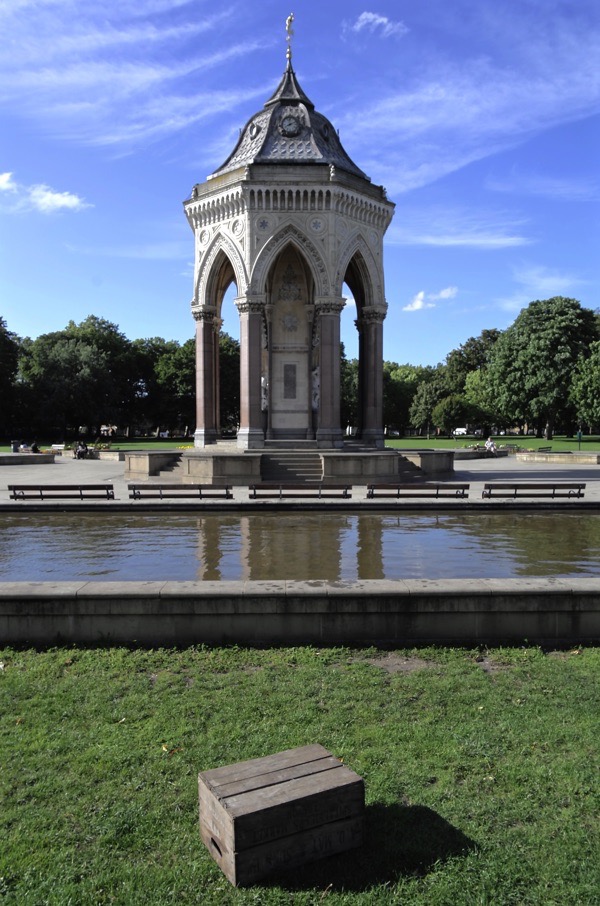
William Morris spoke at Speakers’ Corner in Victoria Park on 26th July & 11th October 1885, 8th August 1886, 27th March & 21st May 1888
The presence of William Morris in the East End is almost forgotten today. Yet he took the District Line from his home in Hammersmith regularly to speak here through the last years of his life, despite persistent ill-health. Ultimately disappointed that the production of his own designs had catered only to the rich, Morris dedicated himself increasingly to politics and in 1884 he became editor of The Commonweal, newspaper of the Socialist League, using the coach house at Kelsmcott House in Hammersmith as its headquarters.
As an activist, Morris spoke at the funeral of Alfred Linnell, who was killed by police during a free speech rally in Trafalgar Sq in 1887, on behalf of the Match Girls’ Strike in 1888 and in the Dock Strike of 1889. His final appearance in the East End was on Mile End Waste on 1st November 1890, on which occasion he spoke at a protest against the brutal treatment of Jewish people in Russia.
When William Morris died of tuberculosis in 1896, his doctor said, ‘he died a victim to his enthusiasm for spreading the principles of Socialism.’ Morris deserves to be remembered for his commitment to the people of the East End in those years of political turmoil as for the first time unions struggled to assert the right to seek justice for their workers.
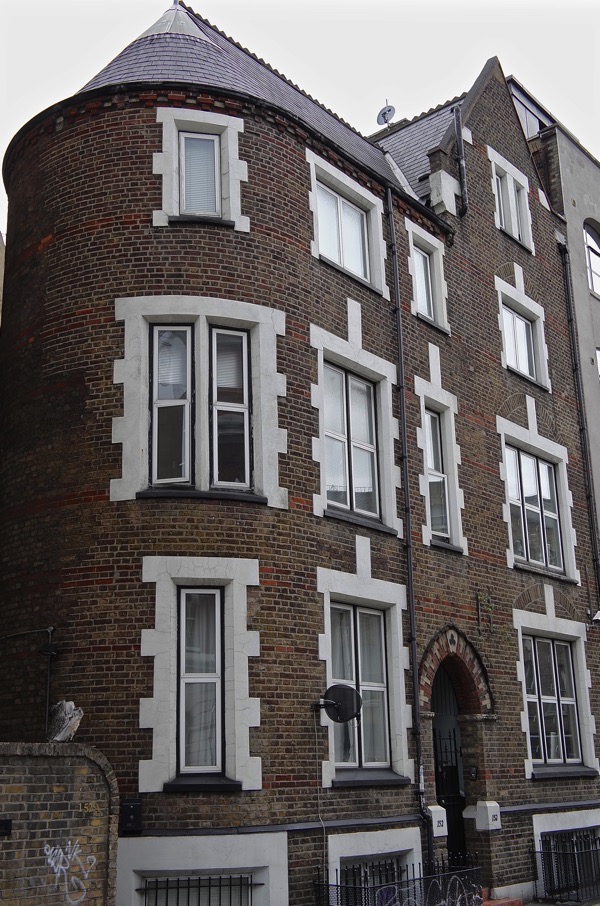
8th April 1884, St Jude’s Church, Commercial St – Morris gave a speech at the opening of the annual art exhibition on behalf of Vicar Samuel Barnett who subsequently founded Toynbee Hall and the Whitechapel Gallery.
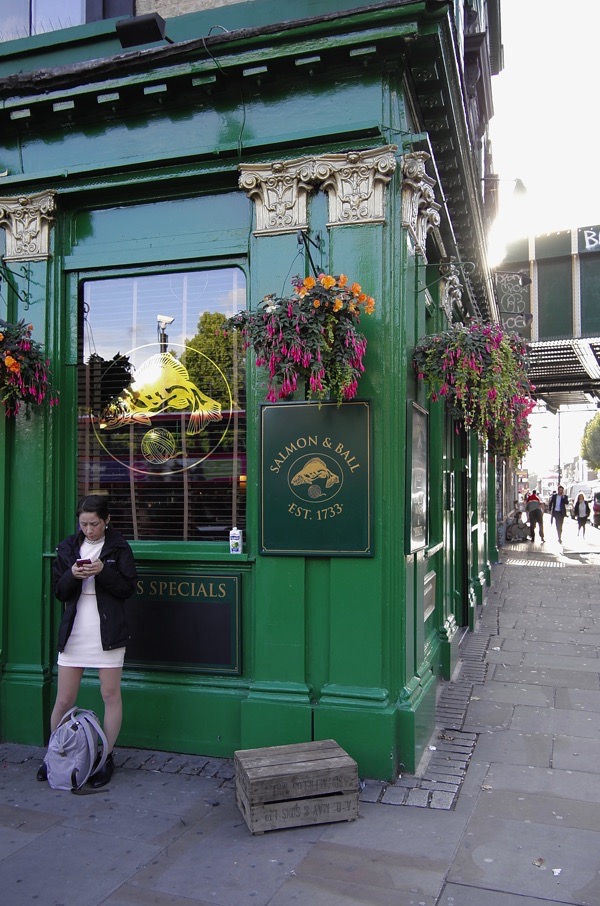
During 1885, volunteers distributed William Morris’ What Socialists Want outside the Salmon & Ball in Bethnal Green
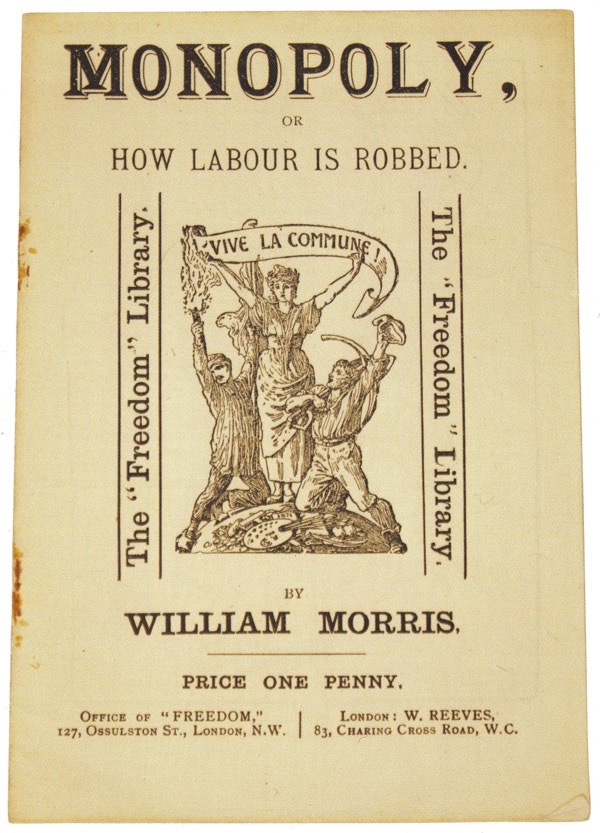
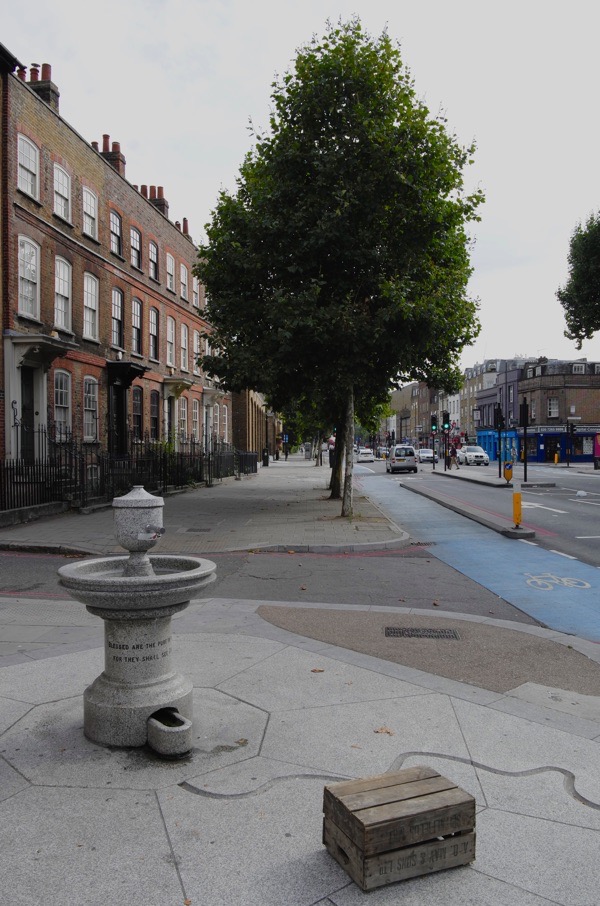
1st September 1885, 103 Mile End Rd
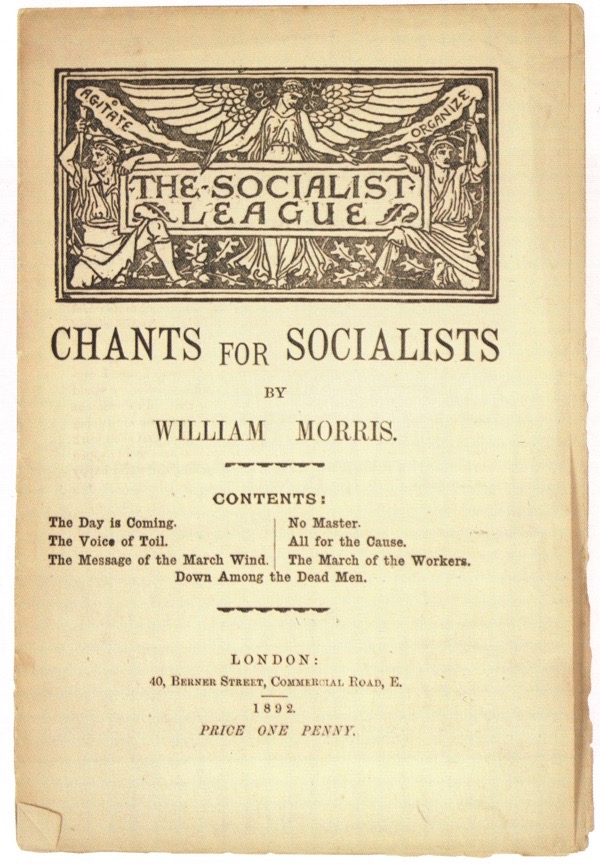
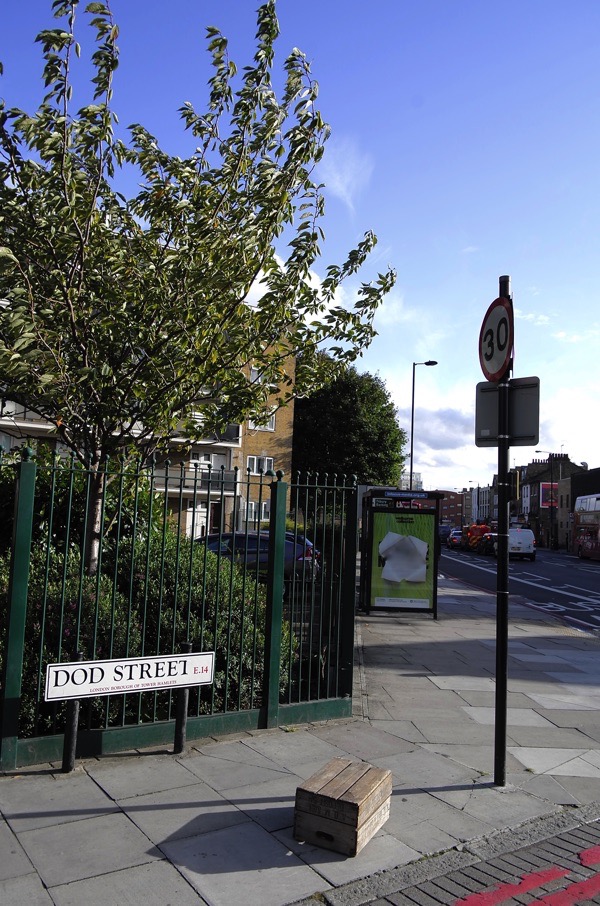
20th September 1885, Dod St, Limehouse – When police launched a violent attack on speakers of the Socialist League who defended the right to free speech at this traditional spot for open air meetings, William Morris spoke on their behalf in court on 22nd September in Stepney.
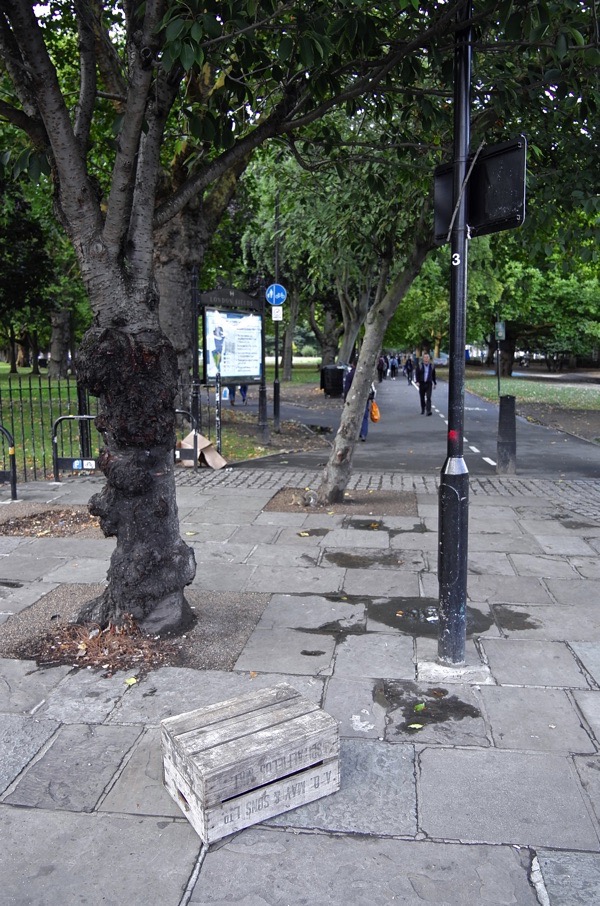
10th November 1886 & 3rd July 1887, Broadway, London Fields
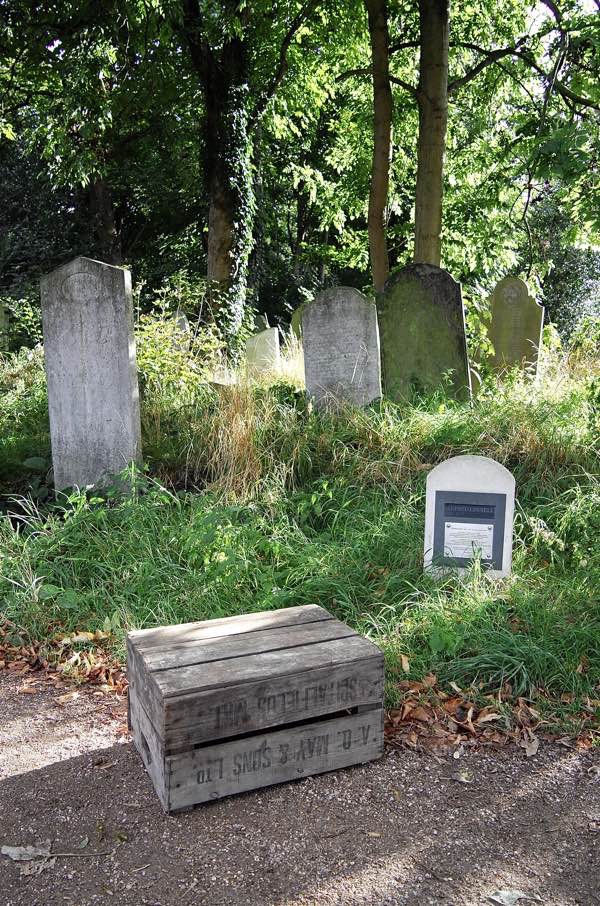
November 20th 1887, Bow Cemetery – Morris spoke at the burial of Alfred Linnell, a clerk who was killed by police during a free speech rally in Trafalgar Sq. ‘Our friend who lies here has had a hard life and met with a hard death, and if our society had been constituted differently his life might have been a delightful one. We are engaged in a most holy war, trying to prevent our rulers making this great town of London into nothing more than a prison.’
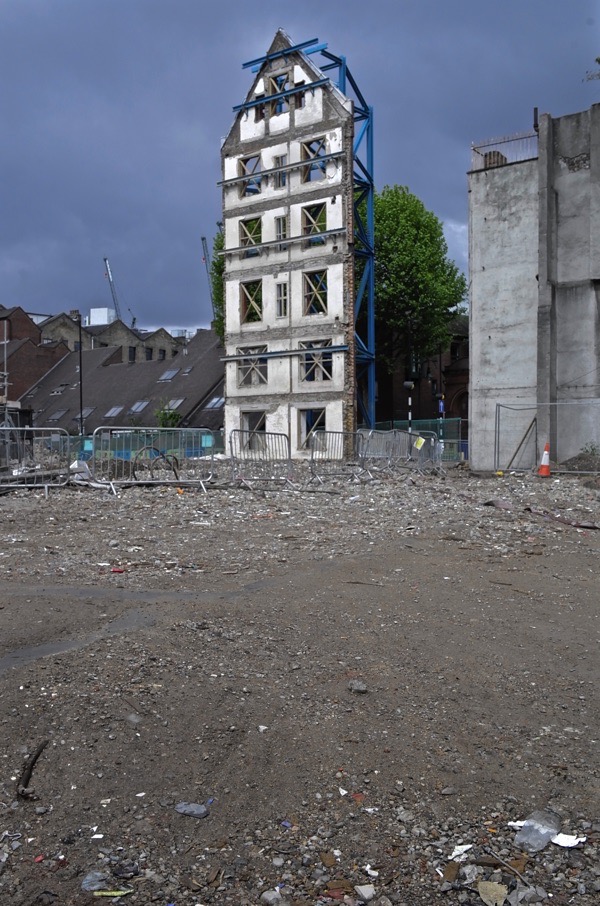
9th April 1889, Toynbee Hall, Commercial St – Morris gave a magic lantern show on the subject of ‘Gothic Architecture’
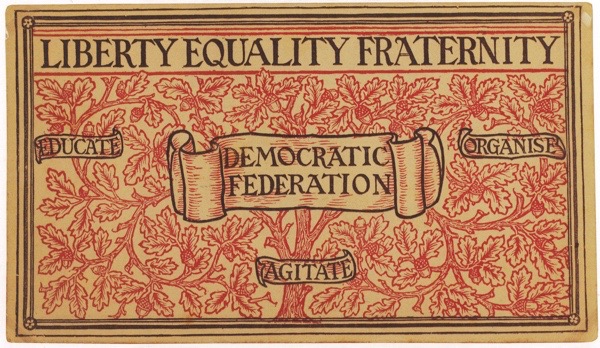
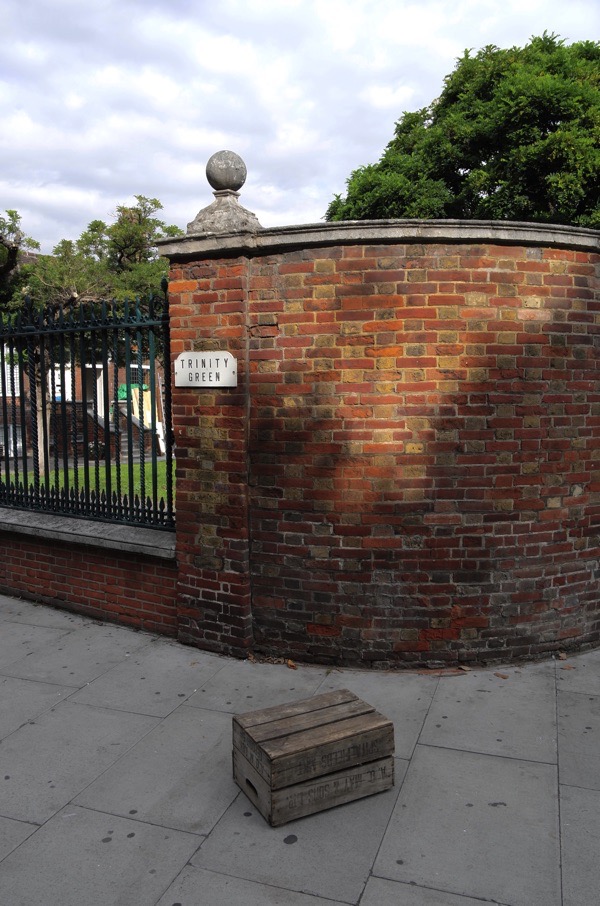
1st November 1890, Mile End Waste – Morris spoke in protest against the persecution of Jews in Russia
William Morris in the East End
3rd January & 27th April 1884, Tee-To-Tum Coffee House, 166 Bethnal Green Rd
8th April 1884, St Jude’s Church, Commercial St
29th October 1884, Dod St, Limehouse
9th November 1884, 13 Redman’s Row
11th January & 12th April 1885, Hoxton Academy Schools
29th March 24th May 1885, Stepney Socialist League, 110 White Horse St
26th July & 11th October 1885, Victoria Park
8th August 1885, Socialist League Stratford
16th August 1885, Exchange Coffee House, Pitfield St, Hoxton
1st September 1885, Swaby’s Coffee House, 103 Mile End Rd
22nd September 1885, Thames Police court, Stepney (Before Magistrate Sanders)
24th January 1886, Hackney Branch Rooms, 21 Audrey St, Hackney Rd
2nd February 1886, International Working Men’s Educational Club, 40 Berners St
5th June 1886, Socialist League Stratford
11th July 1886, Hoxton Branch of the Socialist League, 2 Crondel St
24th August 1886, Socialist League Mile End Branch, 108 Bridge St
13th October 1886, Congregational Schools, Swanscombe St, Barking Rd
10th November 1886, Broadway, London Fields
6th March 1887, Hoxton Branch of the Socialist League, 2 Crondel St
13th March & 12th June 1887, Hackney Branch Rooms, 21 Audrey St, Hackney Rd
27th March 1887, Borough of Hackney Club, Haggerston
27th March, 21st May, 23rd July, 21st August & 11th September, 1887 Victoria Park
24th April 1887, Morley Coffee Tavern Lecture Hall, Mare St
3rd July 1887, Broadway, London Fields
21st August 1887, Globe Coffee House, High St, Hoxton
25th September 1887, Hoxton Church
27th September 1887, Mile End Waste
18th December 1887, Bow Cemetery, Southern Grove
17th April 1888, Mile End Socialist Hall, 95 Boston St
17th April 1888, Working Men’s Radical Club, 108 Bridge St, Burdett Rd
16th June 1888, International Club, 23 Princes Sq, Cable St
17th June 1888, Victoria Park
30th June 1888, Epping Forest Picnic
22nd September 1888, International Working Men’s Education Club, 40 Berners St
9th April 1889, Toynbee Hall, Commercial St
27th June 1889, New Labour Club, 5 Victoria Park Sq, Bethnal Green
8th June 1889, International Working Men’s Education Club, 40 Berners St
1st November 1890, Mile End Waste
This feature draws upon the research of Rosemary Taylor as published in her article in The Journal of William Morris Studies. Click here to join the William Morris Society
You may also like to read about
Patrick Baty’s East End Projects
Upon the publication of his definitive work, The Anatomy of Colour, Patrick Baty, acknowledged authority on historical paint, pigments and papers looks back on cherished East End projects
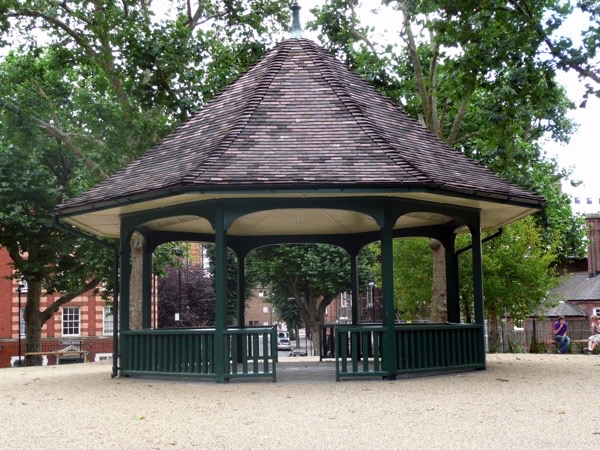
The bandstand at Arnold Circus is painted a handsome Brunswick Green
Although I have probably only worked on a dozen buildings in the whole of the East End, these have been amongst the finest and most interesting of their kind, ranging from the relatively humble to the magnificent. Yet I did have an ancestor, Timothy Bevan, who lived at the junction of what is now Mare St and Paragon Rd, and, when I gave a talk to the Hackney Society, a local historian recognised me from an eighteenth century portrait of my great great-great-great-great grandpa. A memory that still causes the hairs to rise on the back of my neck!
When the Market Café in Fournier St, favourite eating place of Gilbert & George, closed and the premises were converted into a shop I was asked for advice on the colours – both interior and exterior. Over the years, I had already helped the owners of at least three other houses in the same street, including the Rectory of Christ Church. By definition, these were all variants on a theme with many of the same suggestions being made. Usually, the information is well received, but sometimes it is a losing battle because people often have their own idea of what eighteenth century decoration looks like and, when faced with the early colour palette, prefer the artificial reality of ‘Copper-Kettledom.’
I am delighted to say that ‘Red’ Mason, the project architect on the restoration of Nicholas Hawksmoor’s magnificent Christ Church did more than listen. He asked me to carry out a full analysis of the painted surfaces within the church and then insisted that the original scheme was reinstated. We had to use a good deal of common sense too, as there were technical issues that were not faced by the early painters. However, this aspect is well understood, because so rarely does one use ‘authentic’ materials and I am not a believer in the so-called ‘traditional’ paints used by some enthusiasts. All too often their main components are products that were unknown before the mid-twentieth century – casting some doubt on the ‘traditional’ appelation. I am very much a pragmatist, one must understand historical practice, but one must also produce a scheme that can be maintained, is not inordinately expensive, is long-lasting and can be repeated. Health and Safety is also, very much, an issue thee days.
Another Hawksmoor church of the East End that became a project for me was St George in the East. Admittedly, it is a bit of a cheat to include this, as the interior of the church was destroyed in the Blitz. However, the north and south gates and their overthrows were thought to be original and I was asked to examine their paint layers. In this case, I was able, from the paint alone, to tell my client that the gates were not original to the construction of the church. Although erected at the same time as each other, it seemed likely that they dated from the end of the eighteenth or beginning of the nineteenth centuries. Old, but not original.
I have never actually had a wishlist, but if I did, the very rare surviving shopfront of 56 Artillery Lane would have been on it. Needless to say, I was thrilled to be invited to undertake the paint analysis of the premises and its neighbour at number 58. Forty-two decorative schemes were found on number 56, which means that roughly every six years it had been repainted since the 1750s. Pale stone colour was used consistently until the end of the nineteenth century, when graining in imitation of oak had been introduced. After further graining, a number of schemes of a deep red-brown colour were applied – probably from the very early years of the twentieth century until the premises were refurbished in the late sixties. Black was employed once before the dark green that was introduced in the seventies and existed until 2005. Needless to say, some felt the green was more of a ‘Georgian’ colour than the stone colour that was readopted. Interestingly enough, another eighteenth century shopfront – this time in Dean St, Soho – was also found to have been painted stone colour originally. Dark green had been employed initially, however, on the shopfront to number 58, which I was able to show had been installed in the 1820s. From the 1870s, it seems both shopfronts tended to be painted in tandem.
In spite of having been badly damaged by a fire in 1972, it was useful to examine the interiors of numbers 56 and 58. It is by looking at a large number of such interiors that one develops a reasonable idea as to how buildings of this period were treated. This information enables me to provide general advice to those clients who do not want to have analysis carried out, but just want steering in the ‘right’ direction.
Number 58 Artillery Lane was very satisfactory from another point of view. My enlightened client managed (courtesy of The Spitalfields Trust) to buy back the panelled room that had been removed from the first floor in the twenties and shipped over to the Art Institute of Chicago. Analysis was also undertaken on that and the original scheme has been reinstated.
More than anything, it is the variety of jobs that I am asked to tackle that I find most stimulating. I have never found myself in a rut and my work is certainly not confined to genteel drawing rooms and panelled interiors. To be asked to examine the fire-damaged bandstand at Arnold Circus was a welcome challenge. Having already sampled a few bandstands in public parks across the country, I get great pleasure from working on projects that can be enjoyed by the many.
The Boundary Estate, constructed from 1890, was one of the world’s earliest social housing schemes. It was built by the London County Council to replace the Friars Mount slum in the Old Nichol between Shoreditch High St and Hackney Road in the north, and Spitalfields to the south. The rubble was used to construct a mound in the middle of Arnold Circus at the centre of the development and the bandstand sits on this. In doing my initial research, I was struck by how much a part it still played in the local community. This bandstand, which was built around 1910, had been badly vandalised but it has now been repainted in its original Brunswick green colour and, once again, sits proudly at the centre of things.
Another community asset that gave me a sense of fulfilment was the analysis of the paint at Assembly Hall of Shoreditch Town Hall. Before I started, I was entirely ignorant of the symbolism of the torch-bearing figure on the façade and the significance behind the motto ‘More Light, More Power’. At the end of the nineteenth century a very ambitious and forward-thinking complex had been constructed in Shoreditch which combined a refuse incinerator, electricity generating station, library, baths and a washhouse. Rubbish was burnt to drive turbines that generated electricity to light the streets and steam that heated the baths and library. The remains of the burnt refuse were recycled further as aggregate for the concrete used in constructing the extension to the Town Hall. A very neat, modern, solution.
Yet another project that gave me a nice rosy glow and broadened my education was the analysis of the Channelsea Bridge (Northern Outfall Sewer bridge) in Stratford. Greatly ignored for many years, this forms a significant part of the group of historic structures at the Abbey Mills pumping station and reflects the early expansion of the complex to cope with London’s growing population. The sewer runs from Wick Lane in Hackney to Beckton sewage treatment works. Most of it was designed by Sir Joseph Bazalgette after an outbreak of cholera in 1853 and the ‘Great Stink’ of 1858. Later, I especially enjoyed walking over the newly-refurbished bridge while completing the Capital Ring.
Perhaps my, oldest and certainly one of my favourite, East End clients has been the Geffrye Museum for whom I have carried out a great deal of work. Recent projects have included the restoration of one of the almshouses to its 1780s and 1880s appearance and the repainting of the exterior of the Museum based on the results of my paint analysis.
Thus each job feeds the next and snippets of information picked up during the analysis of one will prove useful on another. And it has been my pleasure to condense and include this knowledge in my book The Anatomy of Colour, which is the first account of the use of paint and colour in decoration in this country from 1650 to 1950.
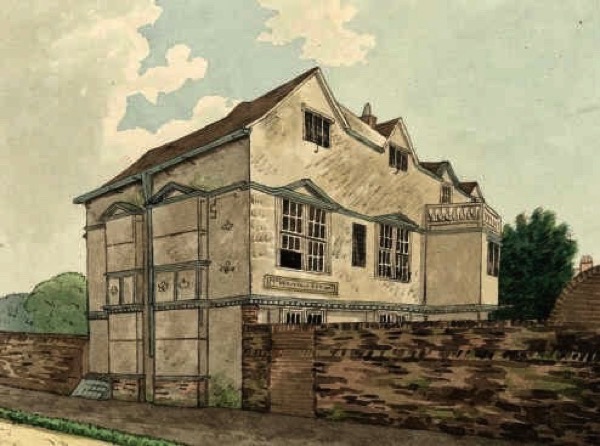
Barber’s Barn, Hackney. Once home of John Okey, a signatory of Charles I’s death warrant, and later of Patrick Baty’s ancestor, Timothy Bevan (1704-1786) who ran the Plough Court Pharmacy. Its grounds were later cultivated by John Busch, nurseryman to Catherine II of Russia. The house was demolished in the mid-nineteenth century.
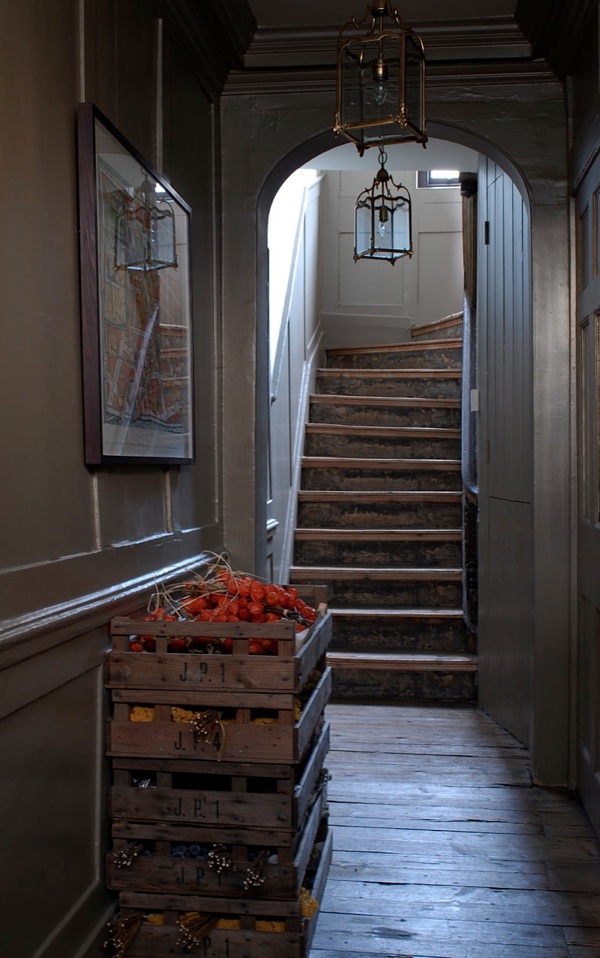
Horses were once led blindfold through this passageway at 5 Fournier St, former The Market Cafe and now the Townhouse

Rectory, Fournier St
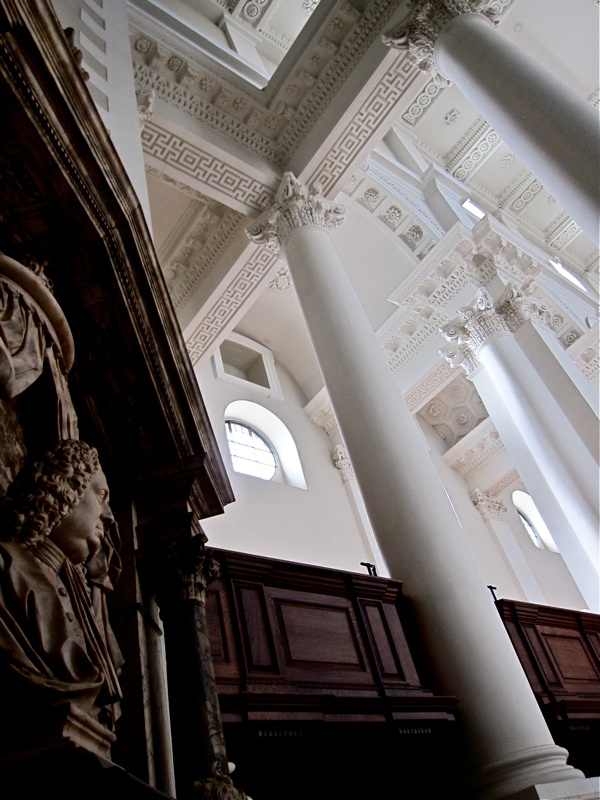
Interior of Christ Church
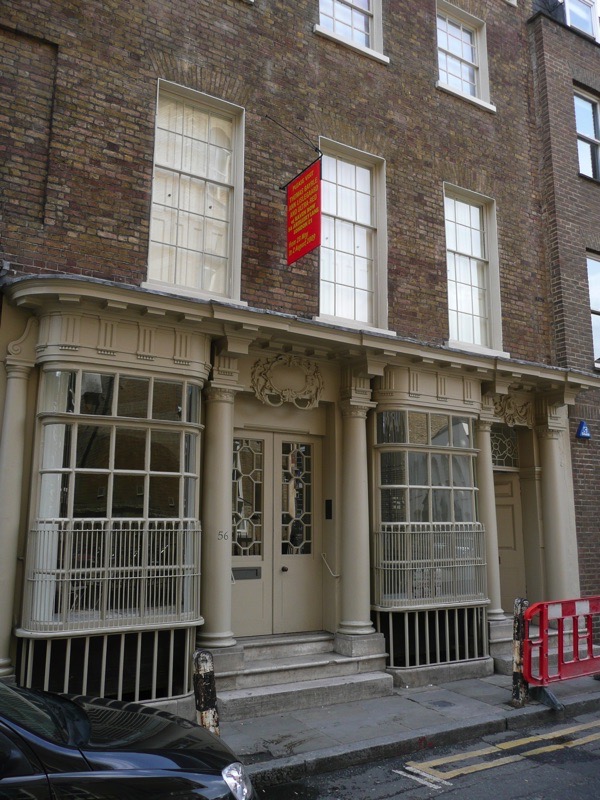
58 Artillery Lane
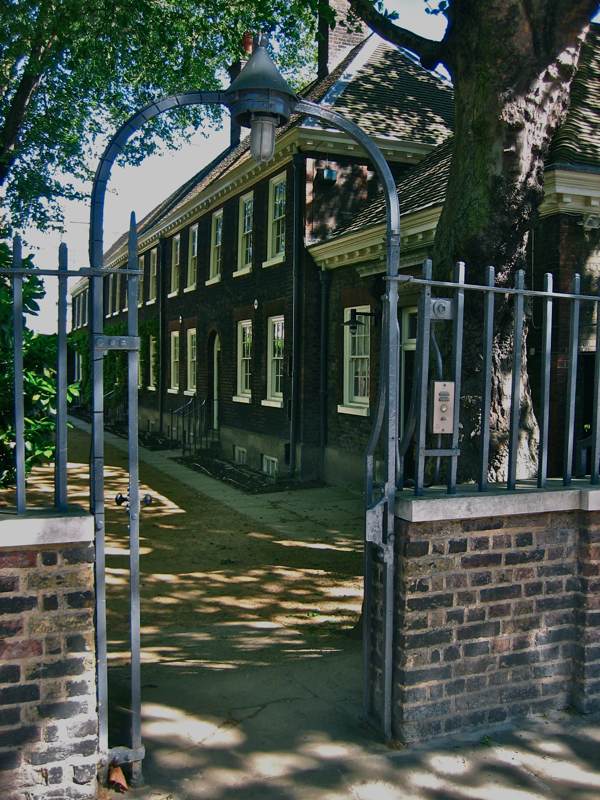
Geffrye Museum
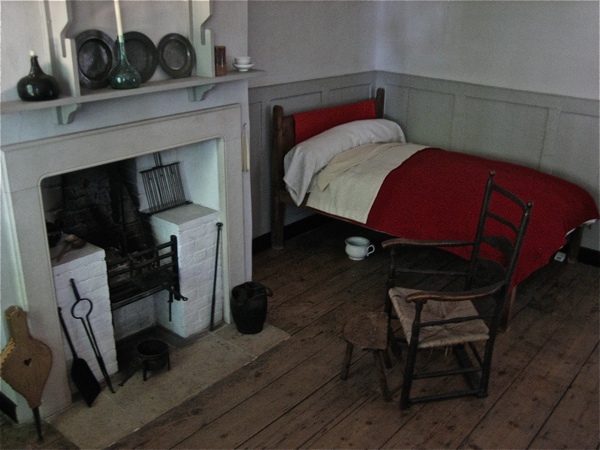
A room at the Geffrye Almshouses furnished as it might have been in 1780

A room at the Geffrye Almshouses furnished as it might have been in 1880
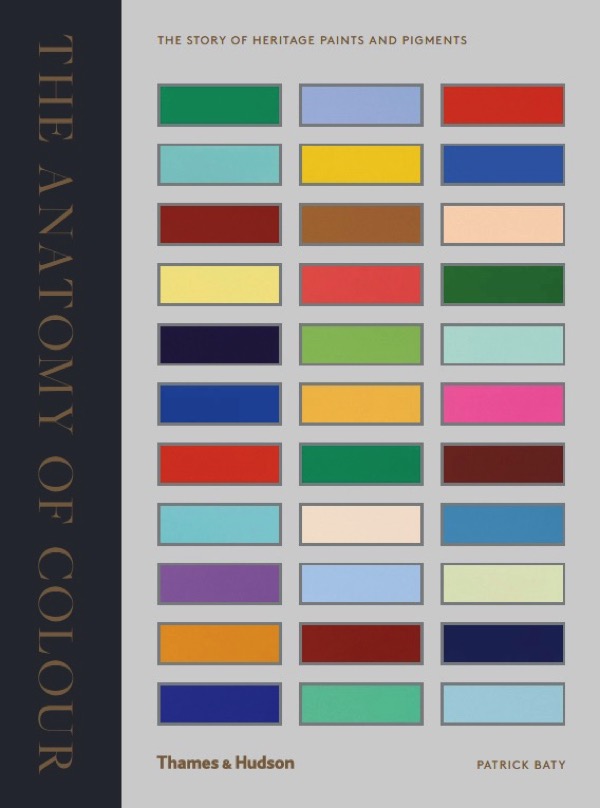
The Anatomy of Colour, published by Thames & Hudson is available from all good bookshops and (with a small discount) from John Sandoe












