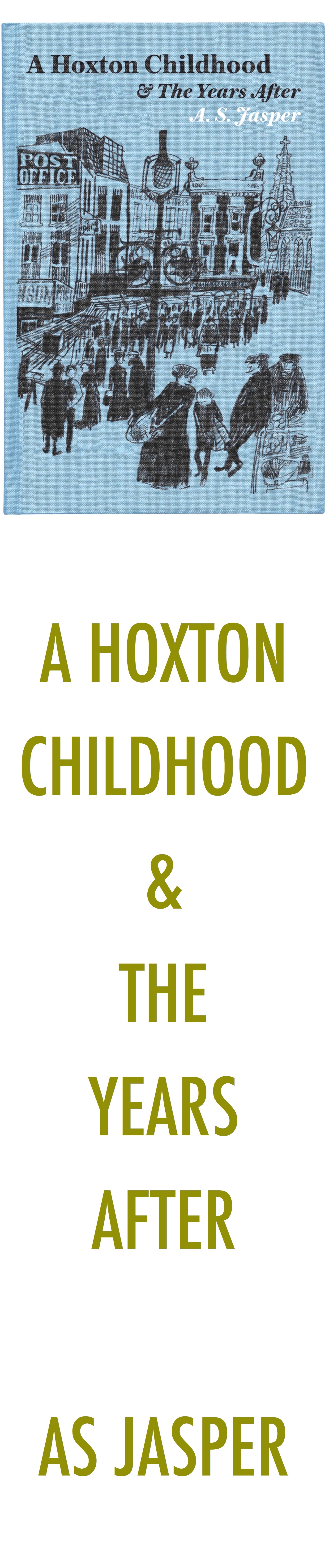
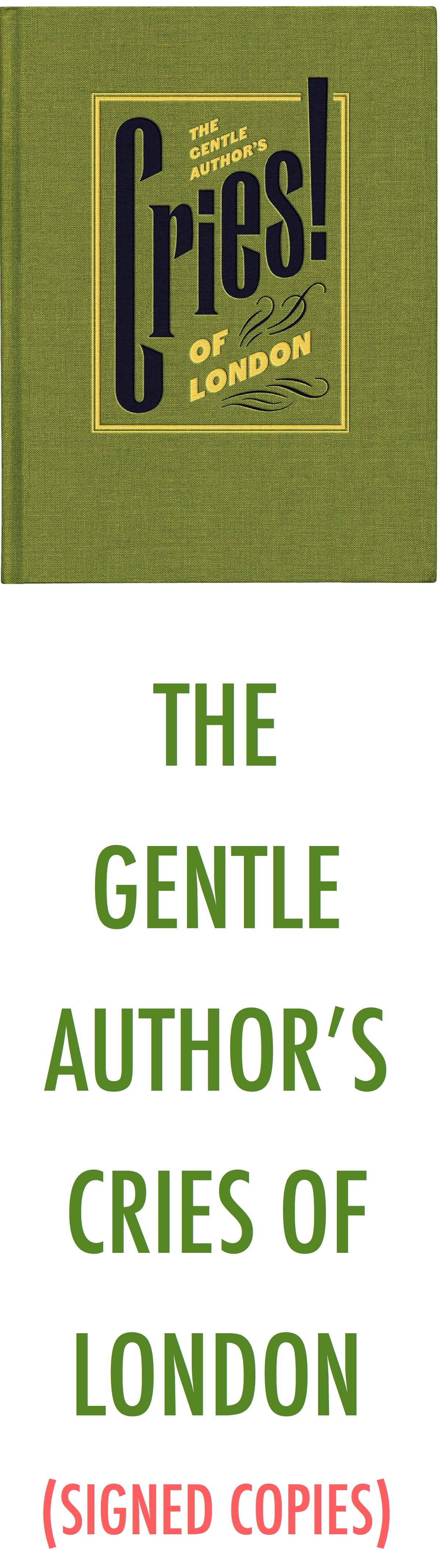
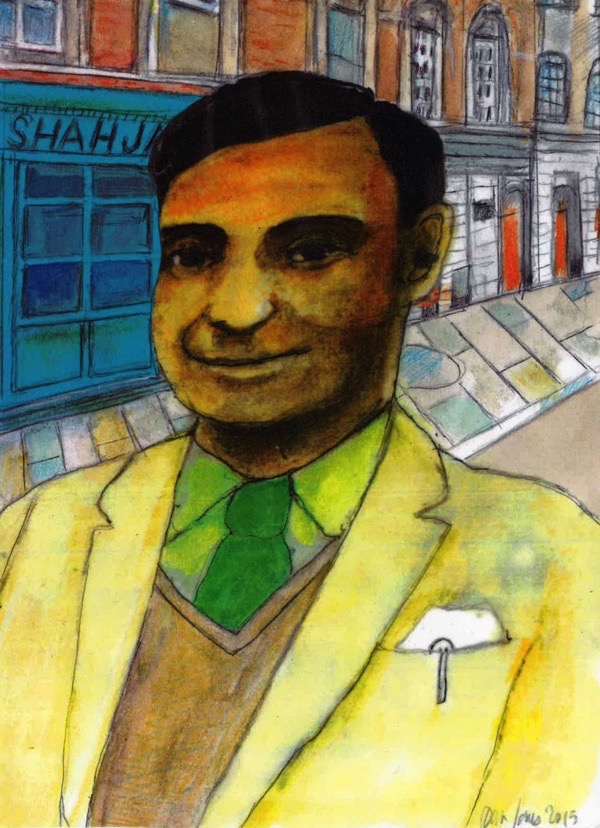
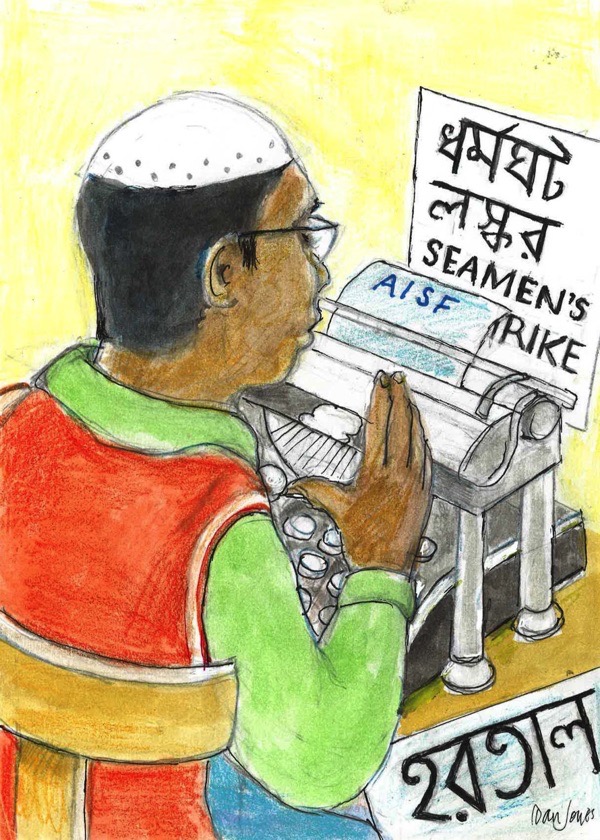
Dan Jones’ East End Portraits
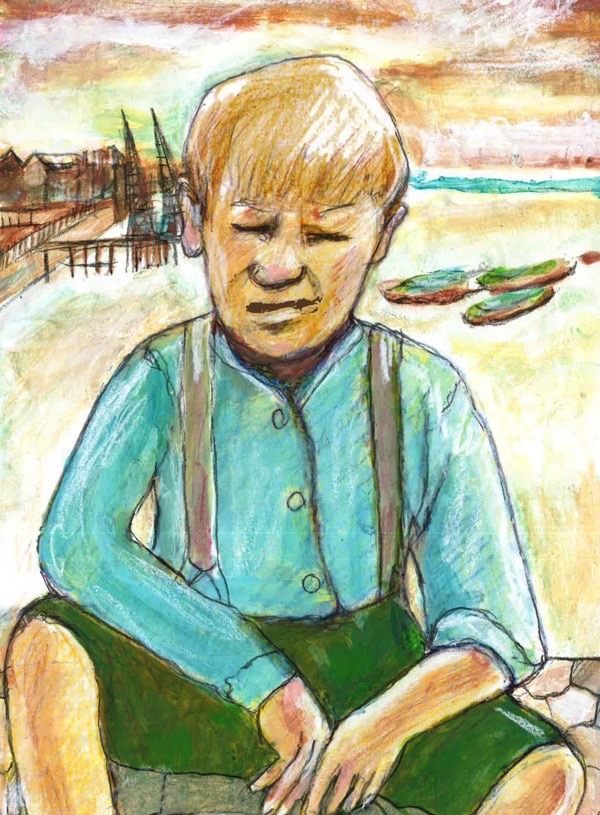
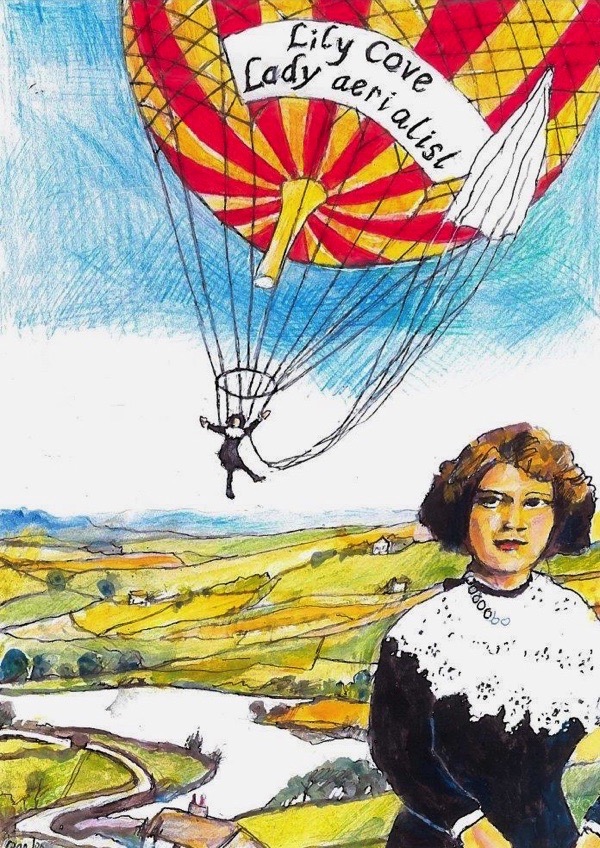
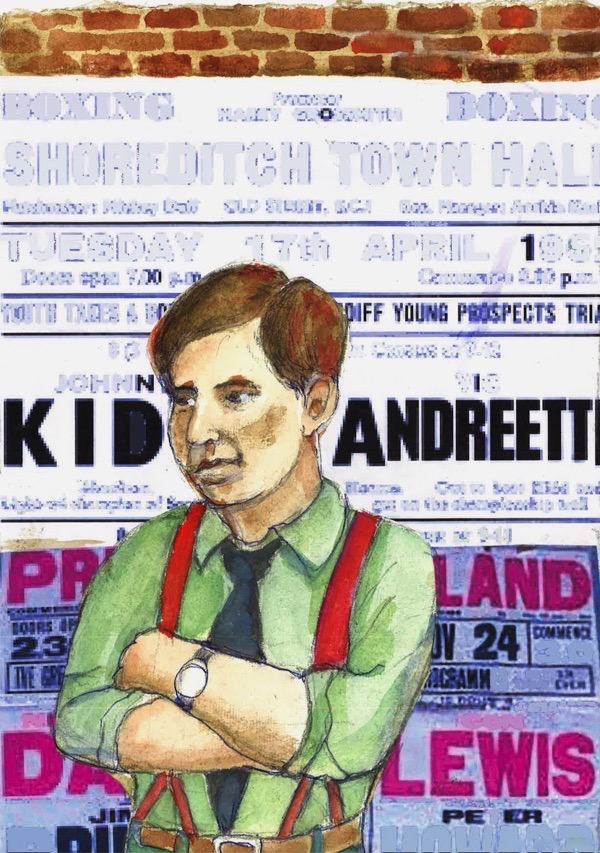
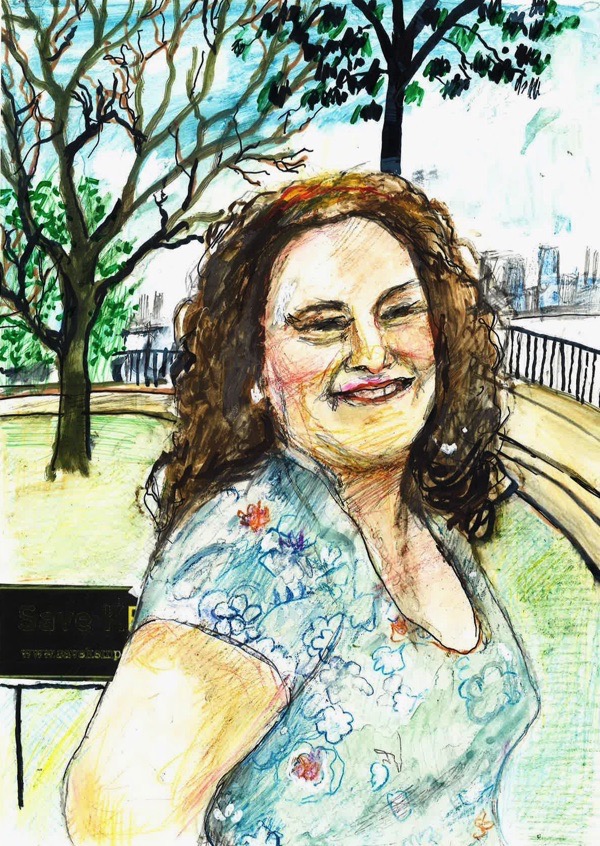
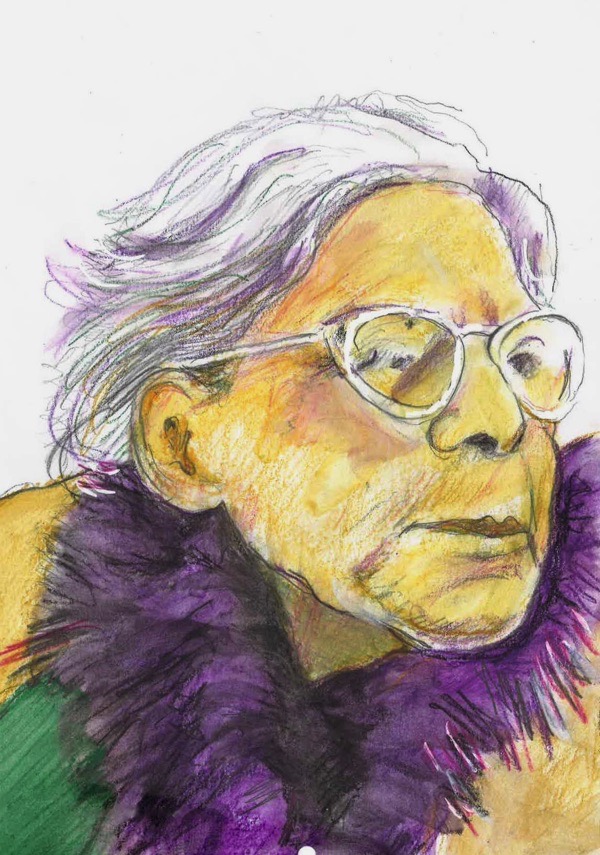
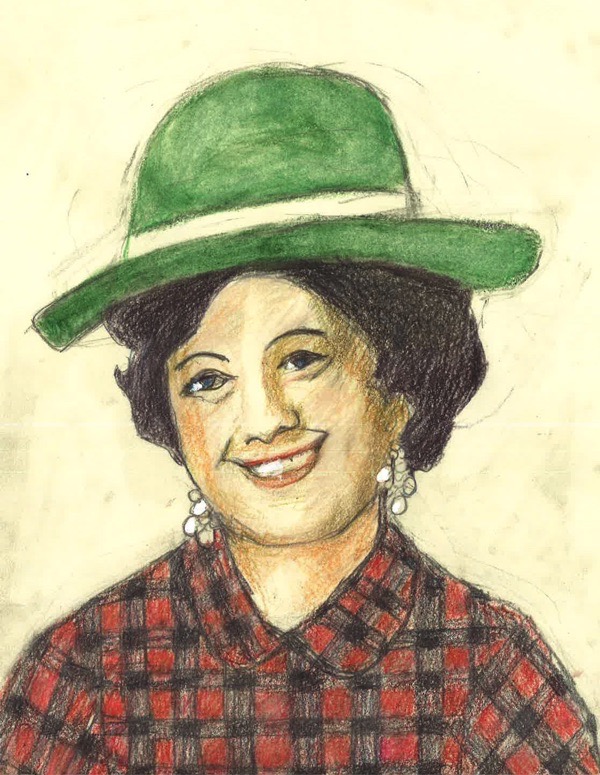
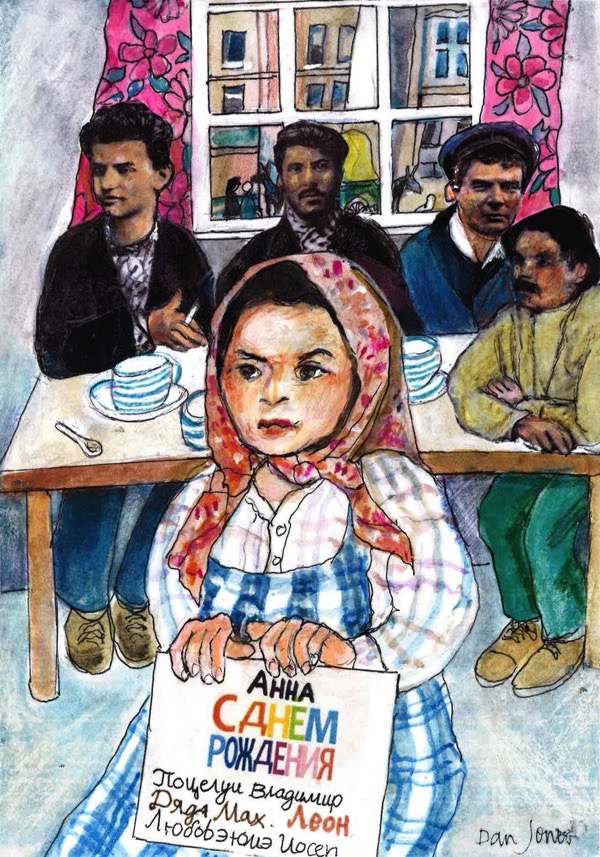
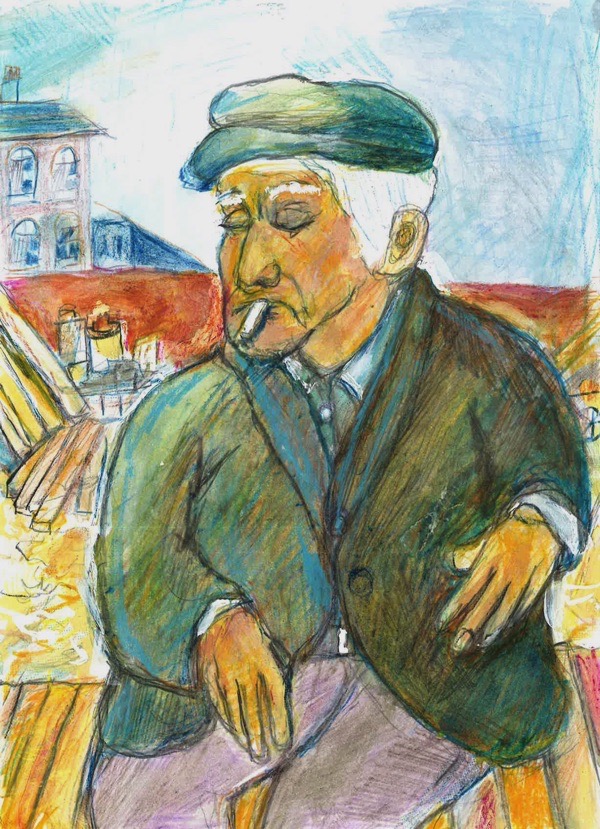
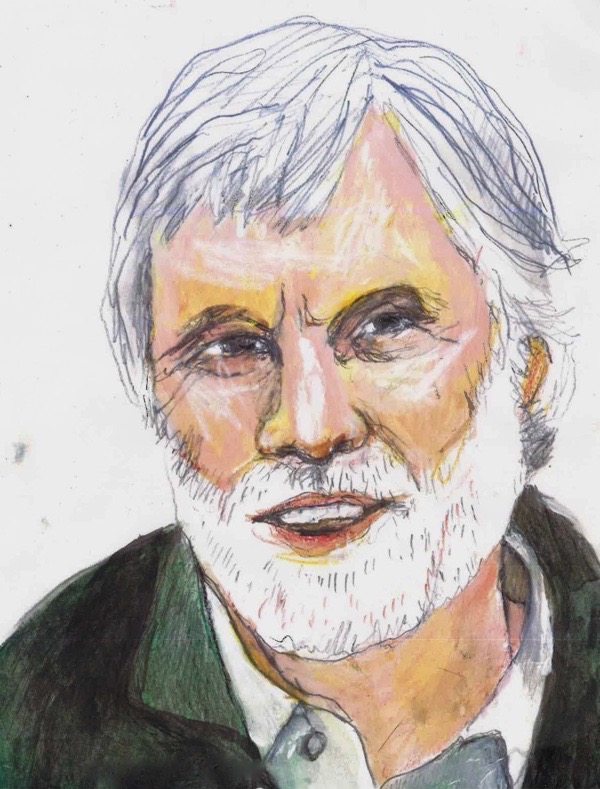
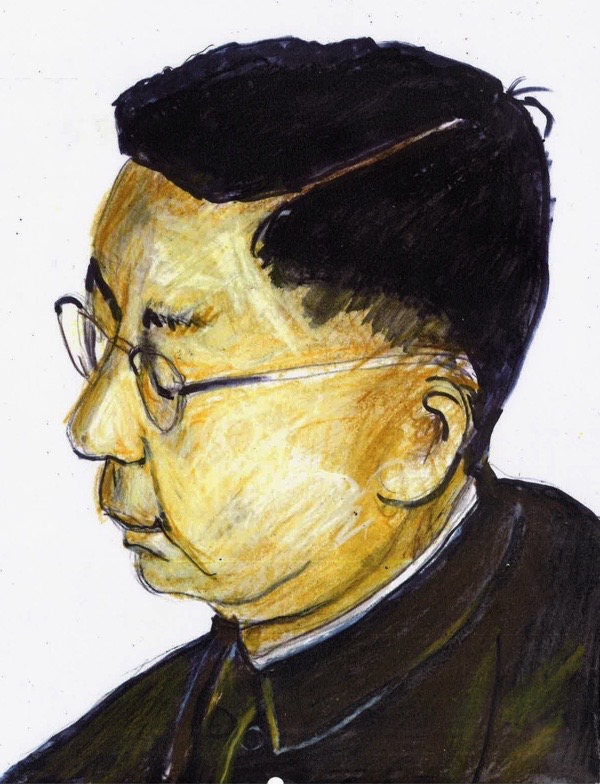
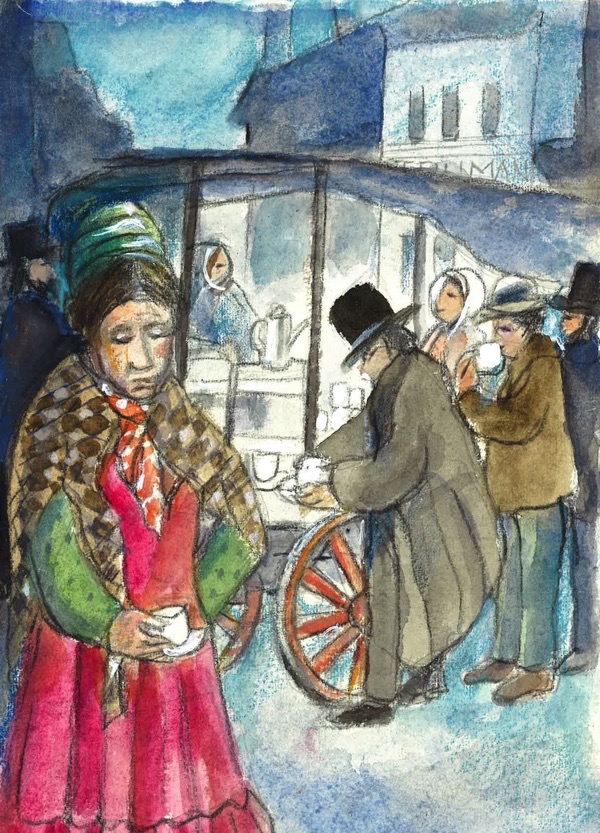
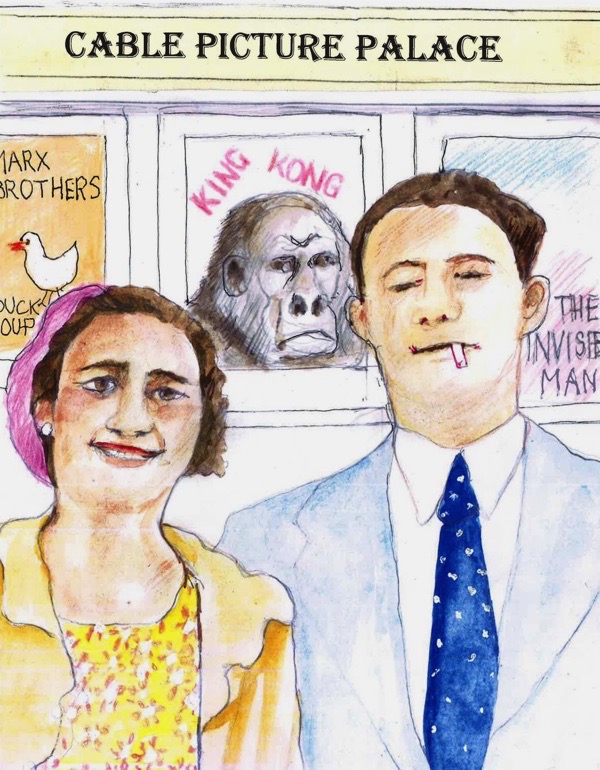
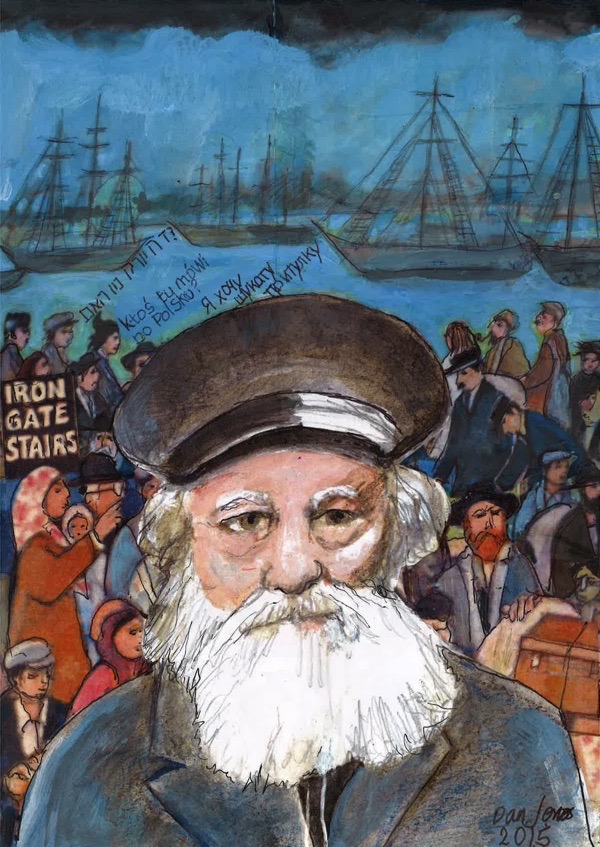
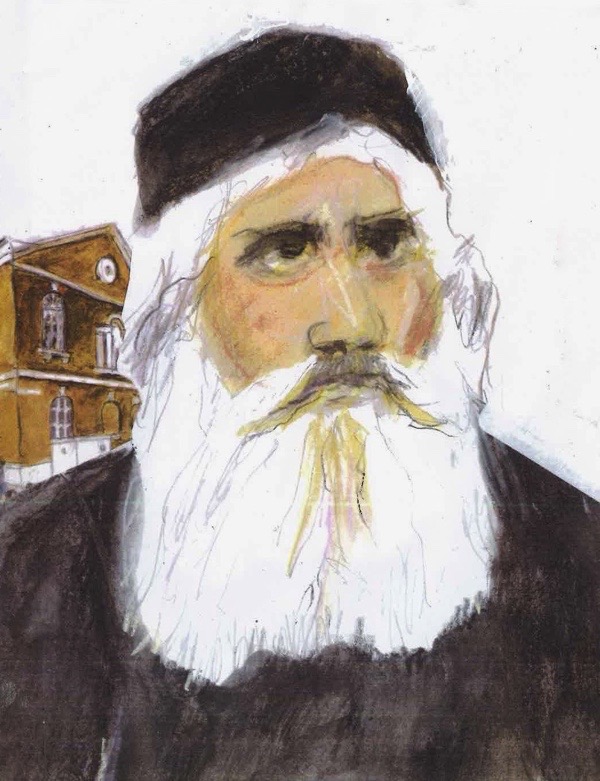
In recent years, Dan Jones has painted a magnificent series of portraits from different eras for East End Tales by the Speed History Writers Group. Many of these are well known but others less familiar, so you can click on any of the names below to learn more about the subjects. Click here to book for SPEED HISTORIES at Bishopsgate Institute this Wednesday 11th October
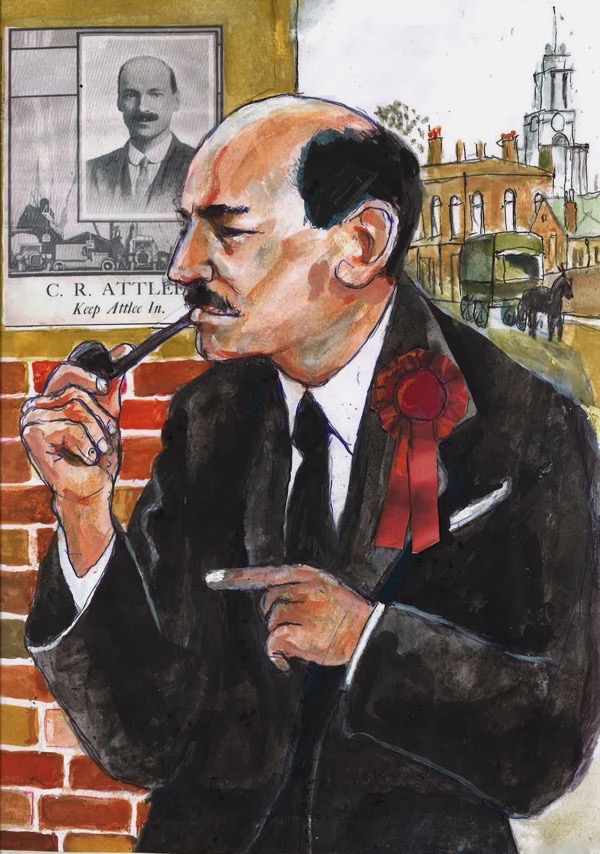
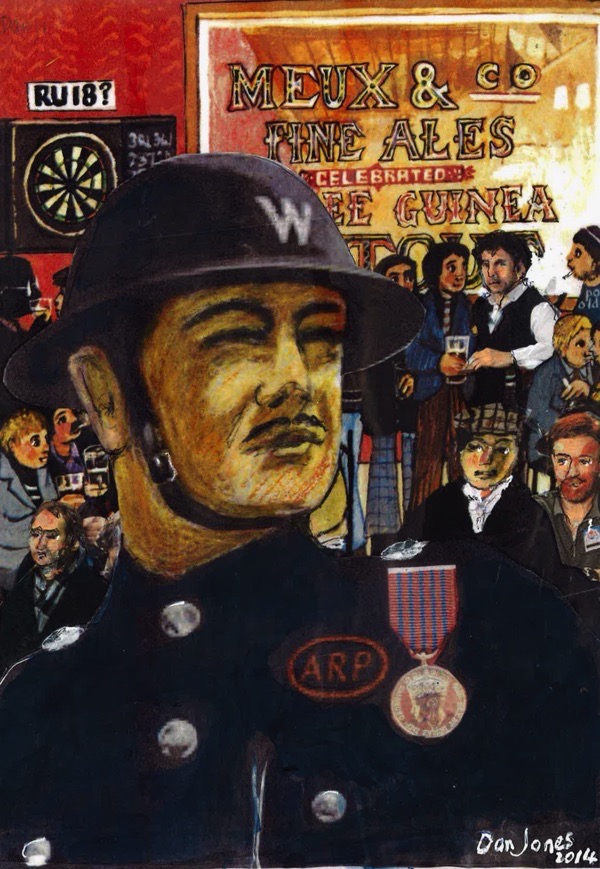
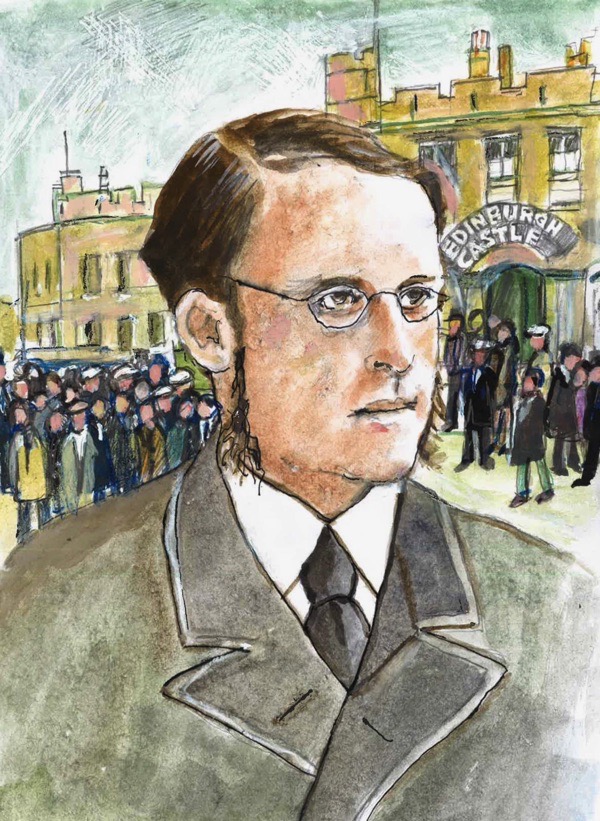
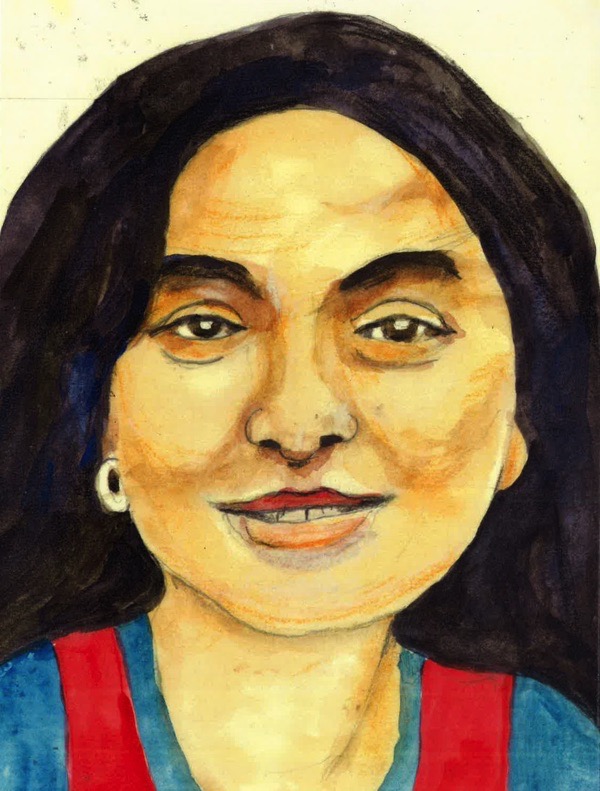
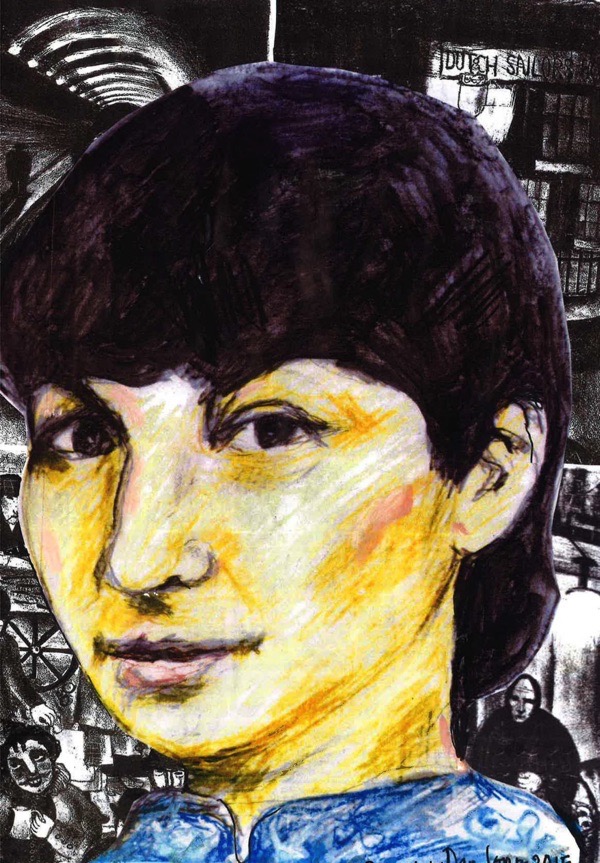
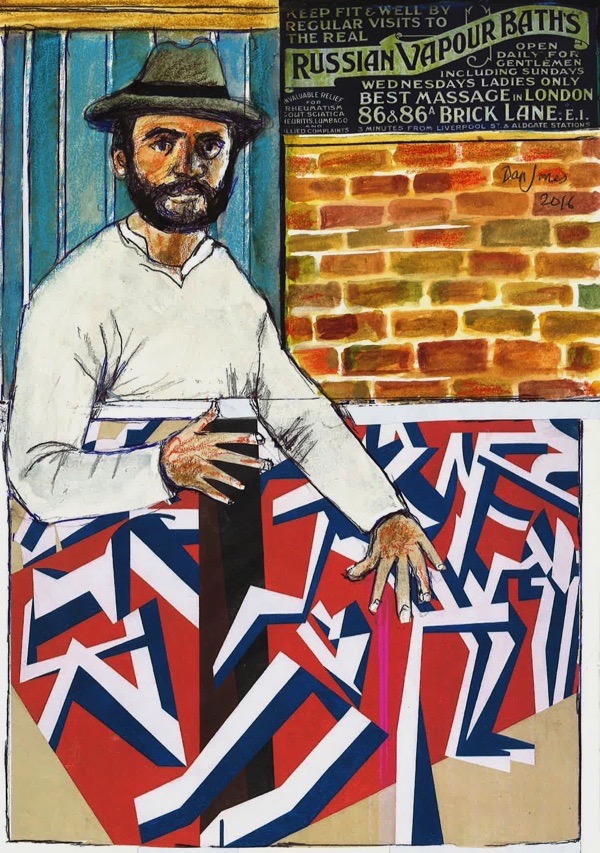
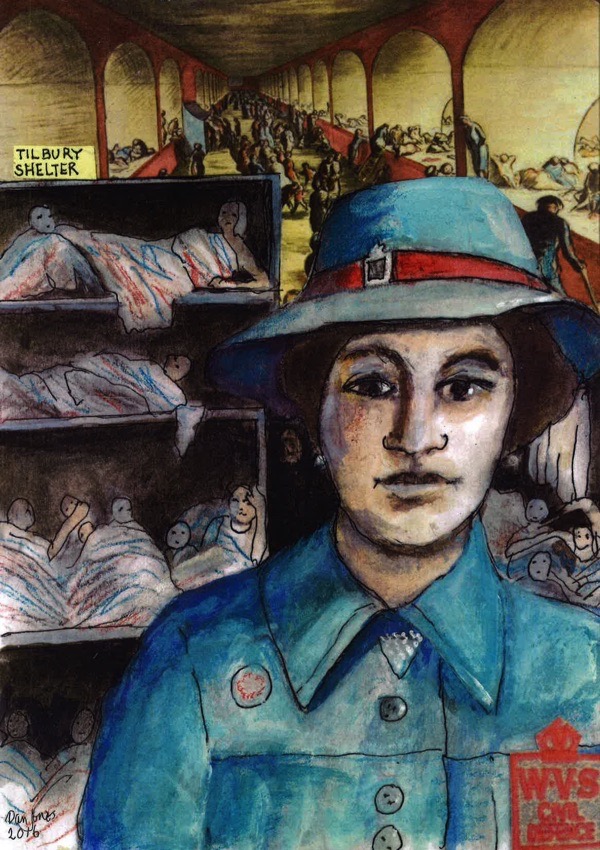
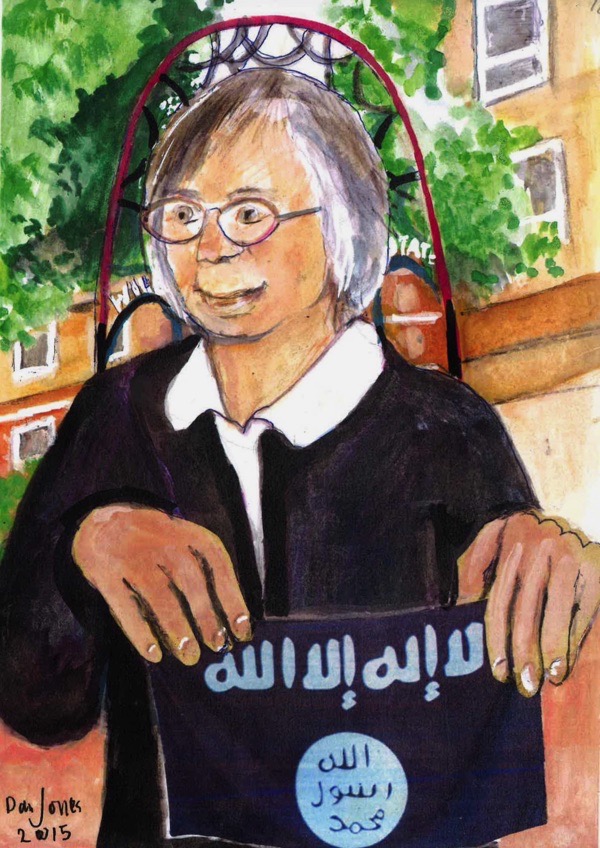
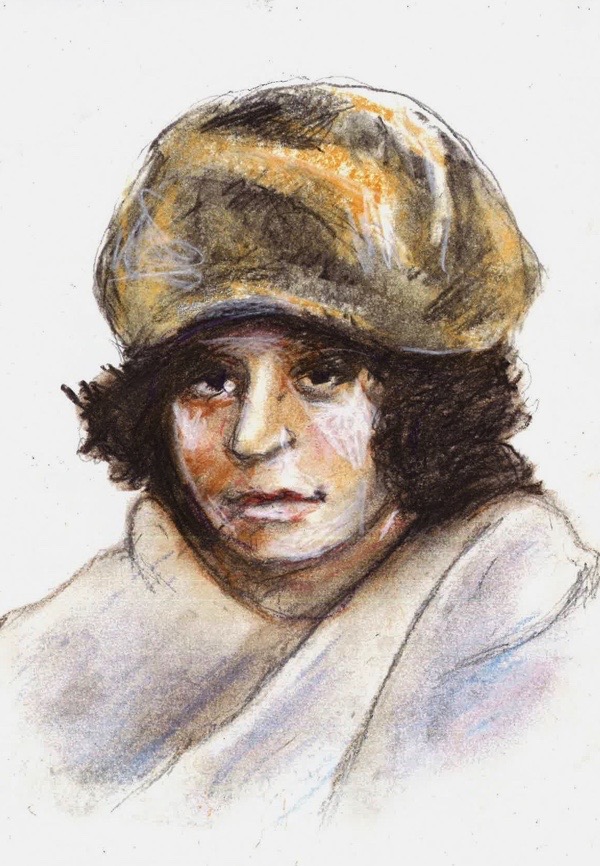
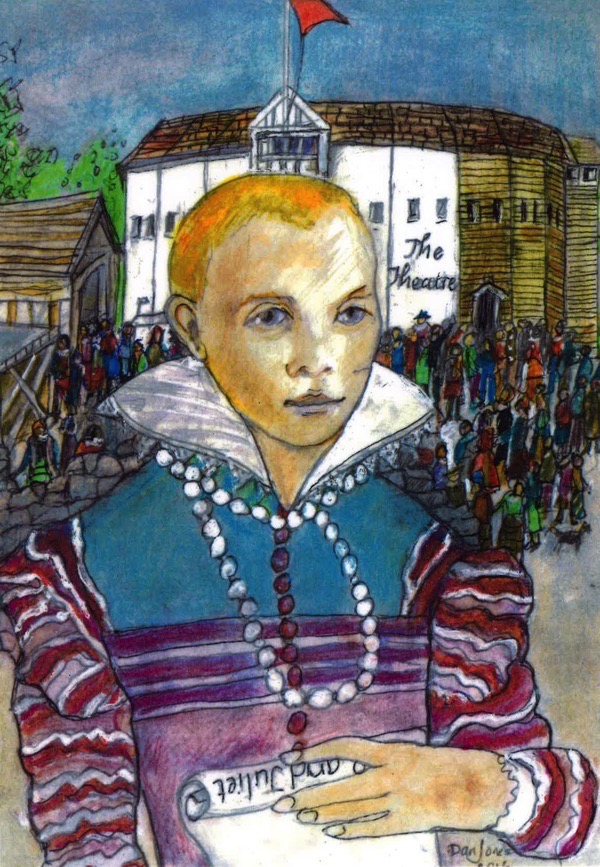
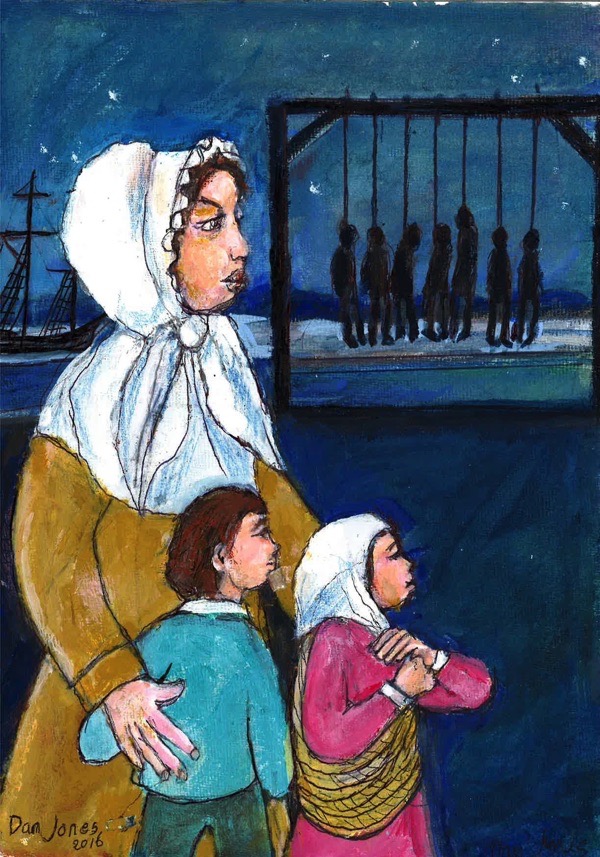
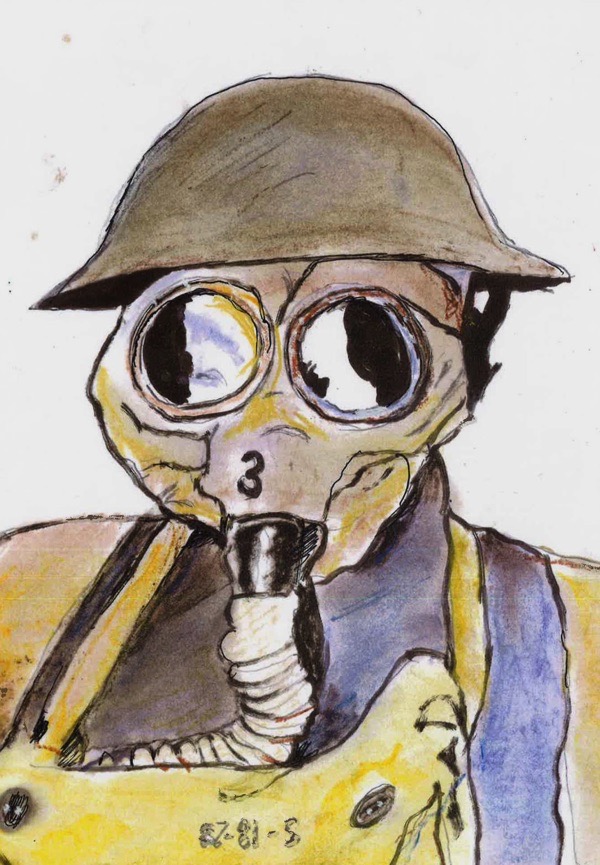
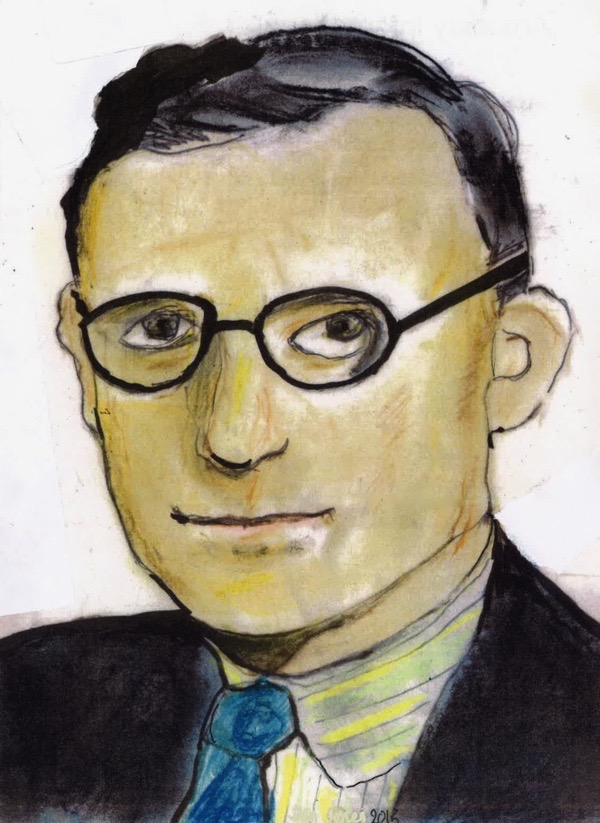
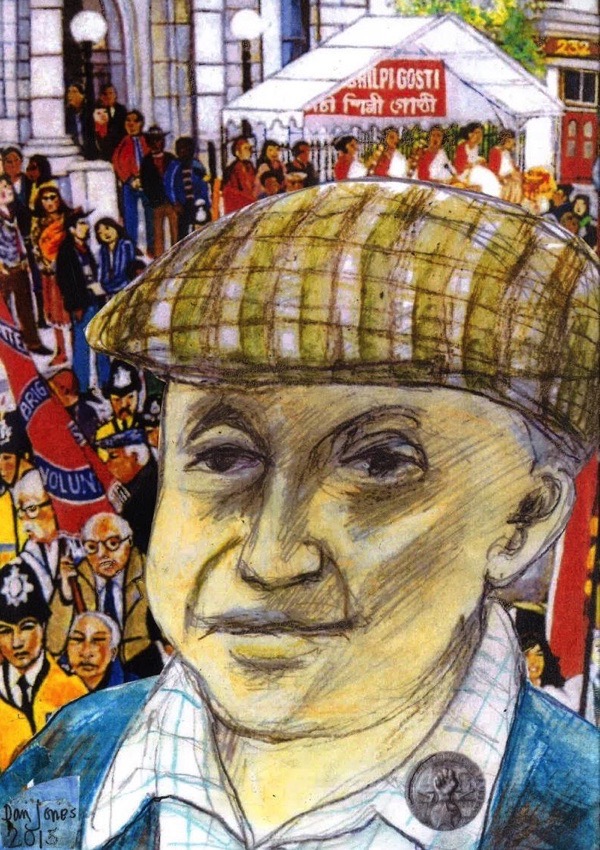
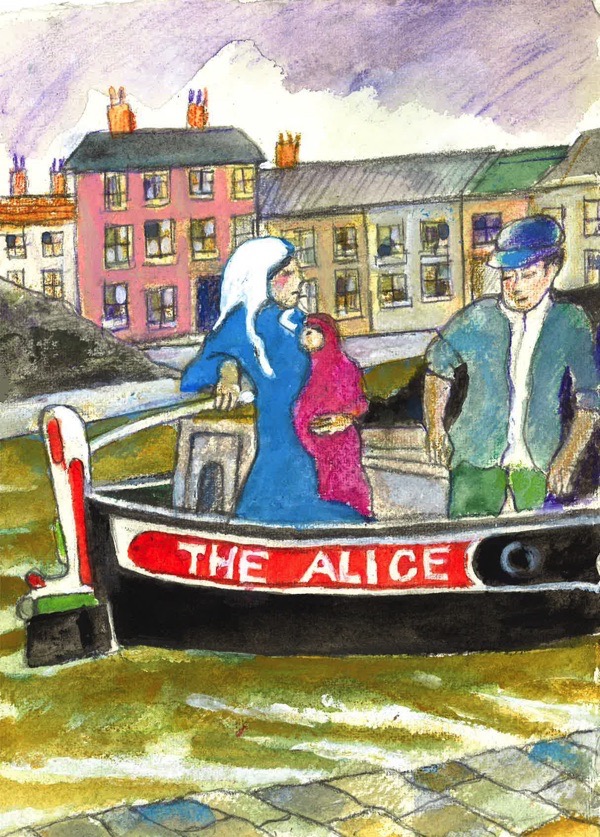
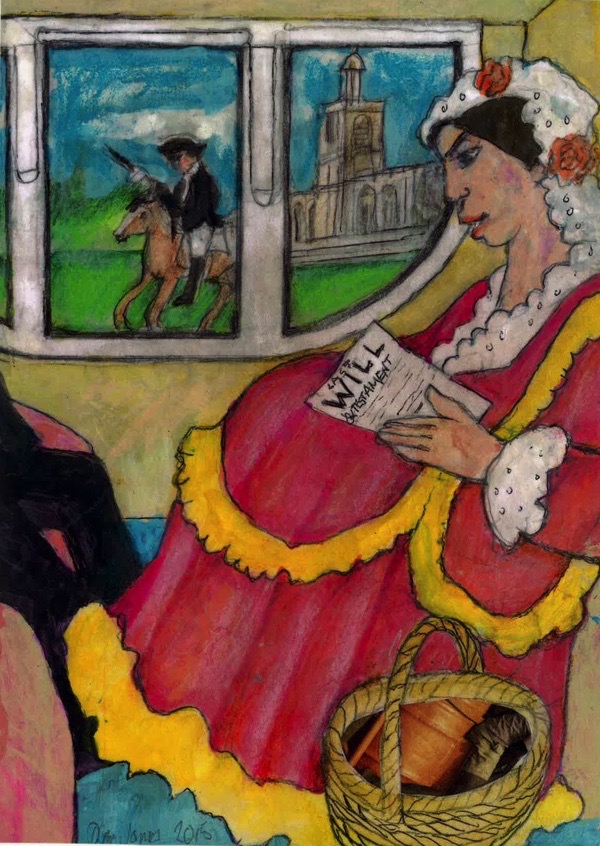
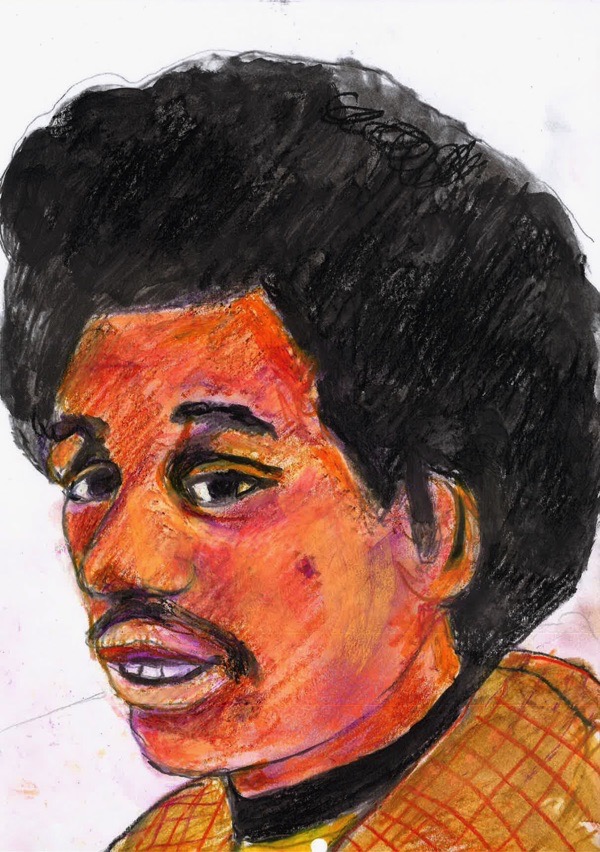
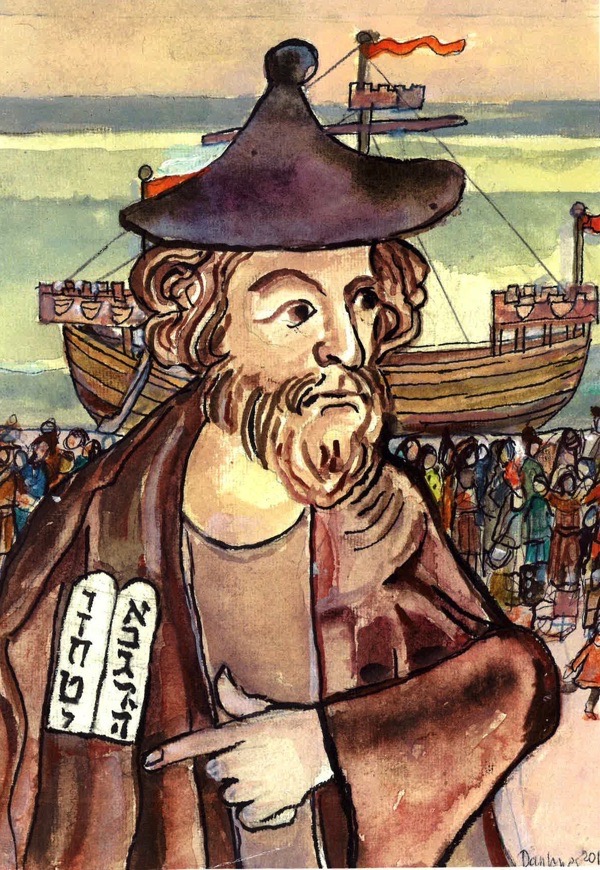
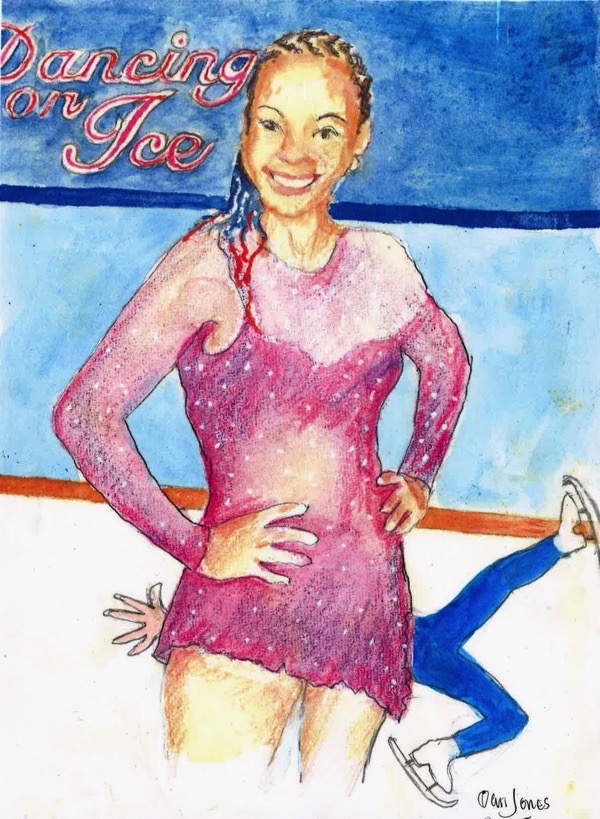
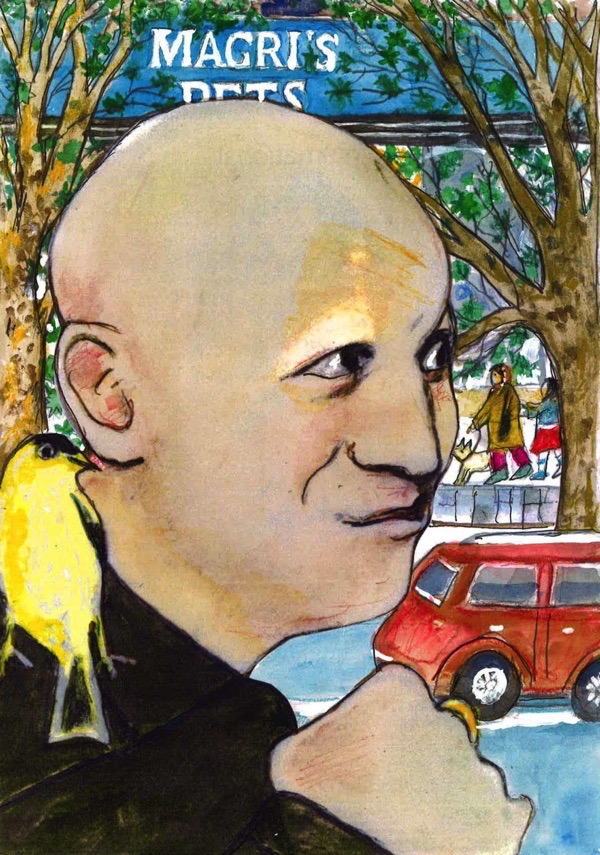
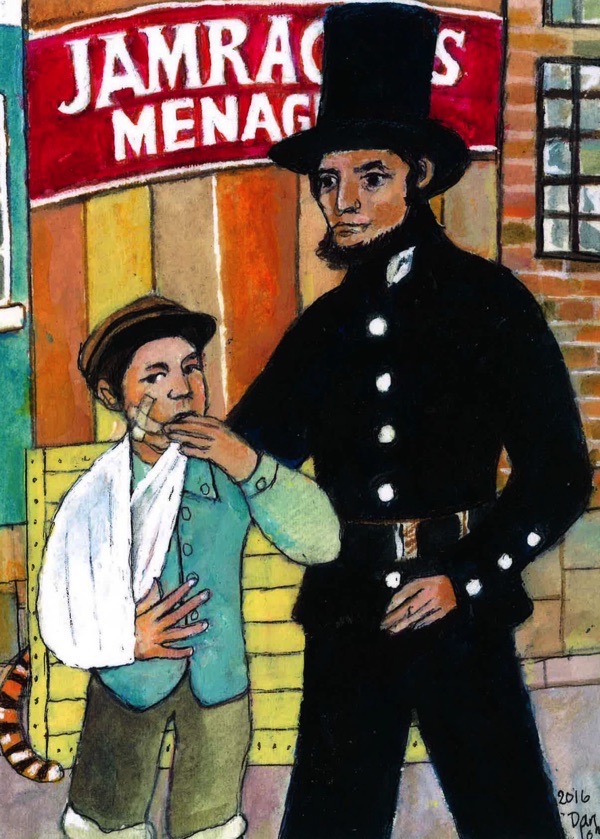
Police Constable James Stewart
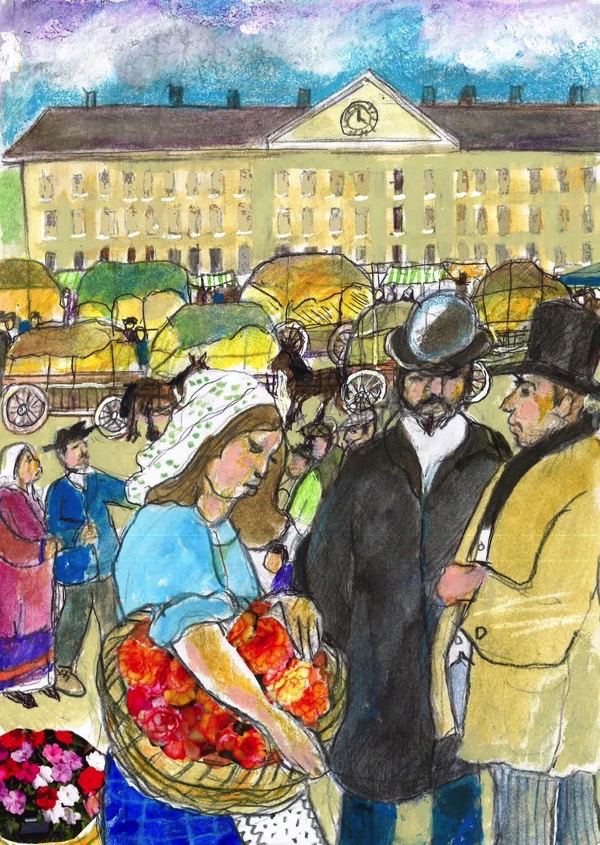

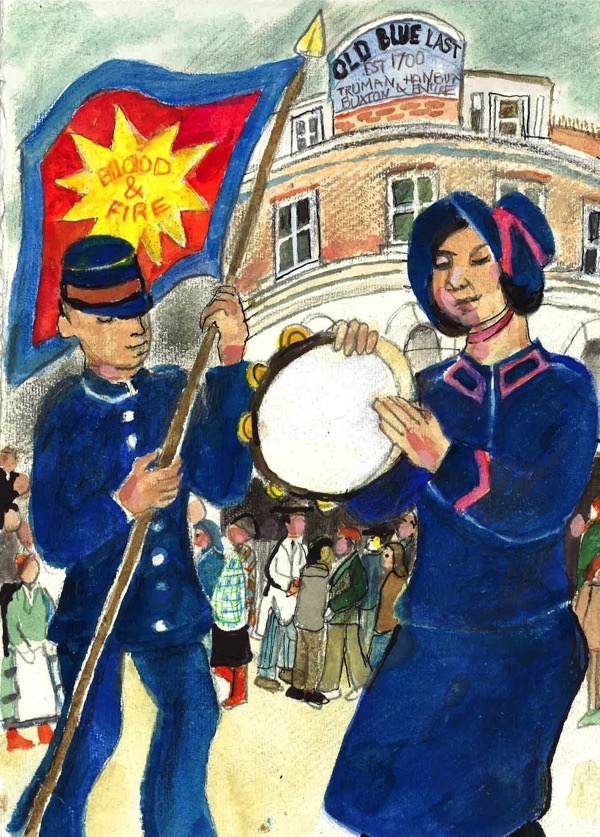
Portraits copyright © Dan Jones
You may also like to take a look at
Postcards From Petticoat Lane

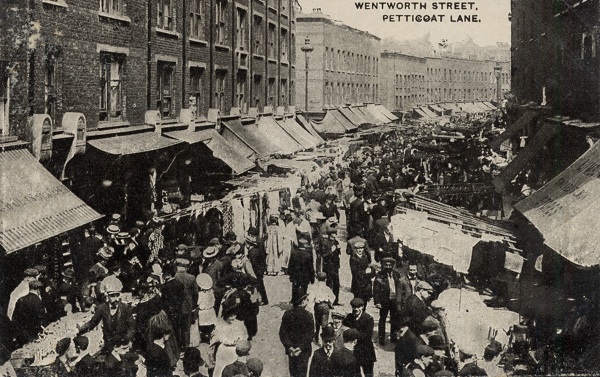
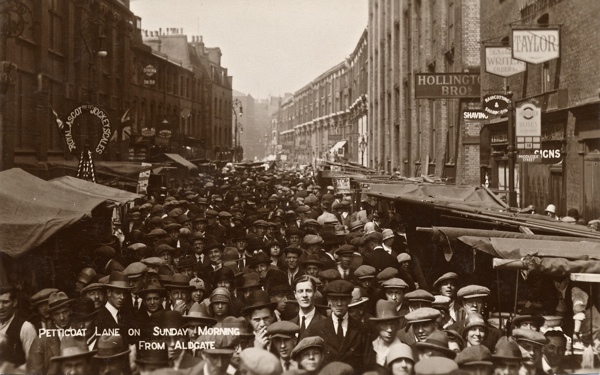
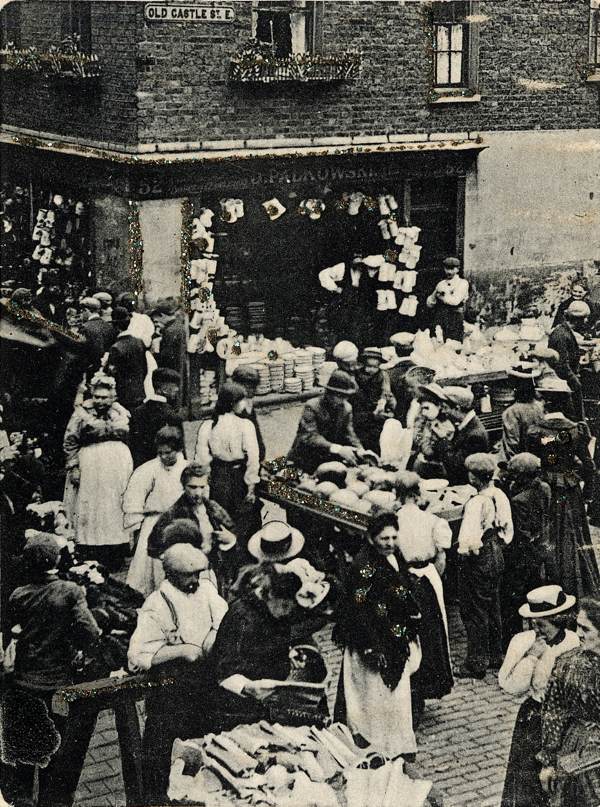
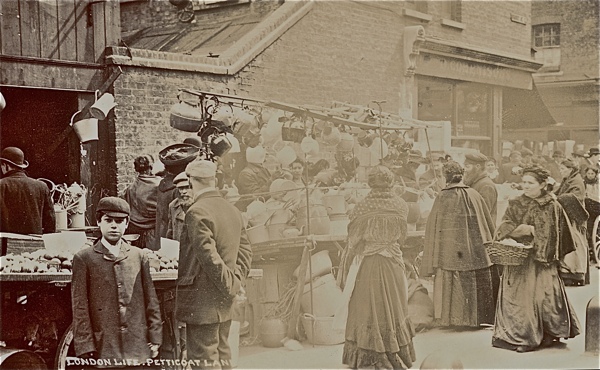
Today I am sending you postcards from Petticoat Lane. Here are the eager crowds of a century ago, surging down Middlesex St and through Wentworth St, everyone hopeful for a bargain and hungry for wonders, dressed in their Sunday best and out to see the sights. Yet this parade of humanity is itself the spectacle, making its way from Spitalfields through Petticoat Lane Market and up to Aldgate, before disappearing into the hazy distance. There is an epic quality to these teeming processions which, a hundred years later, appear emblematic of the immigrants’ passage through this once densely populated neighbourhood, where so many came in search of a better life.
At a casual glance, these old postcards are so similar as to be indistinguishable – but it is the differences that are interesting. On closer examination, the landmarks and geography of the streets become apparent and then, as you scrutinise the details of these crowded compositions, individual faces and figures stand out from the multitude. Some are preoccupied with their Sunday morning, while others raise their gaze in vain curiosity – like those gentlemen above, comfortable at being snapped for perpetuity whilst all togged up in their finery.
When the rest of London was in church, these people congregated to assuage their Sunday yearning in a market instead, where all temporal requirements might be sought and a necessary sense of collective human presence appreciated within the excited throng. At the time these pictures were taken, there was almost nowhere else in London where Sunday trading was permitted and, since people got paid in cash on Friday, if you wanted to buy things cheap at the weekend, Petticoat Lane was the only place to go. It was a dramatic arena of infinite possibility where you could get anything you needed, and see life too.

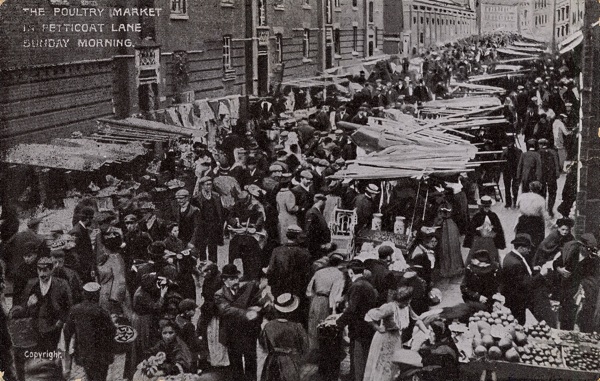


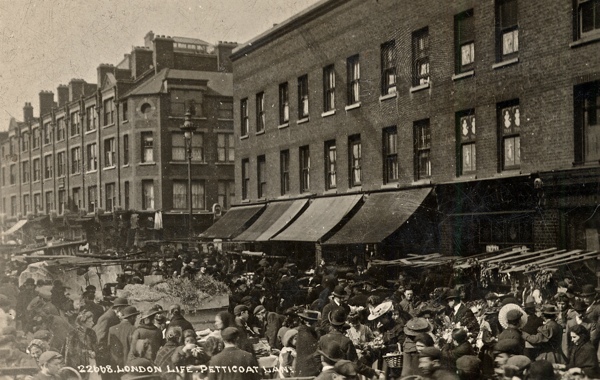


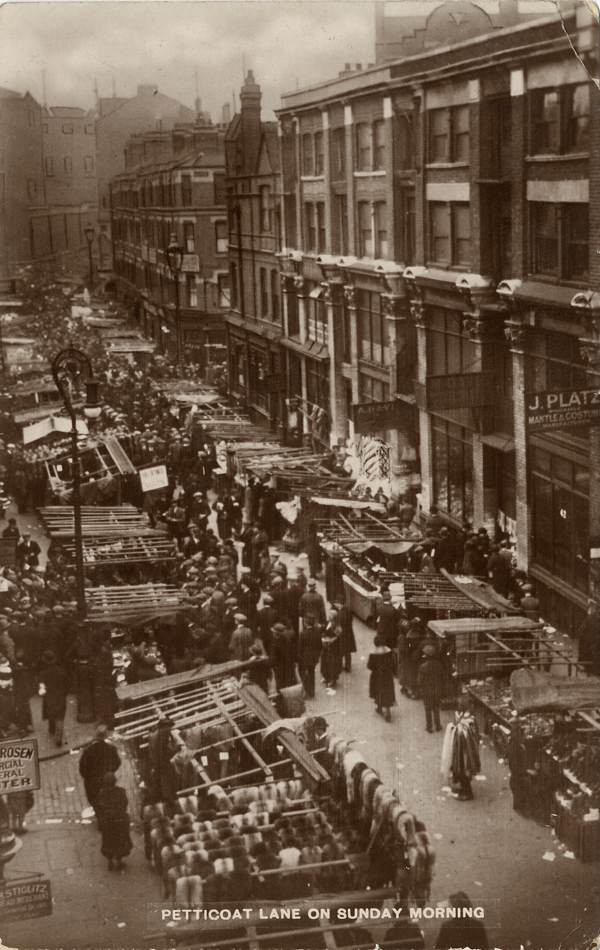





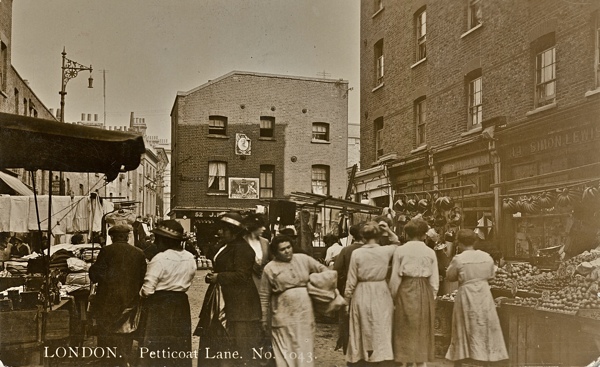

Images courtesy Bishopsgate Institute
You might also like to read about
Laurie Allen of Petticoat Lane
The Wax Sellers of Wentworth St
Larry Goldstein, Toyseller & Taxi Driver
Val Perrin’s Brick Lane

Photography has been a lifetime’s hobby for Val Perrin. Yet it is apparent from this selection of his pictures of Brick Lane Market, taken between 1970-72, that he possesses a vision and ability which bears comparison with the Magnum photographers whose work he admired at that time.
While studying Medicine at University College, London, Val visited East End markets with members of the University Photographic Club, but Brick Lane drew his attention. Over the next two years, he returned alone and with fellow students, with whom he shared a flat in West Dulwich, to document the vibrant market life and surroundings of Brick Lane.
Born in Edgware, Val moved to live near Cambridge in 1976 and now photographs mainly wildlife and landscapes, but the eloquent collection of around a hundred photographs he took of Brick Lane in the early seventies comprises a significant and distinctive record of a lost era.


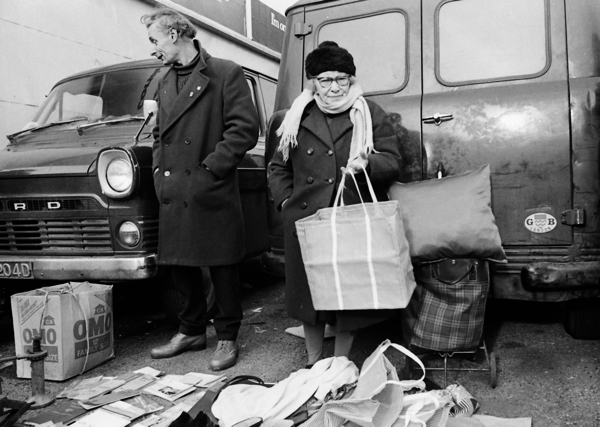


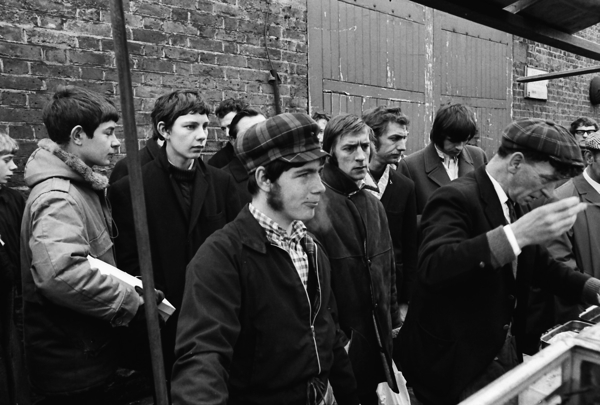


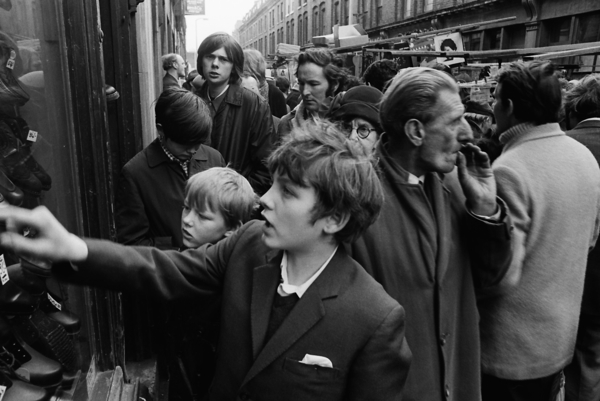


Photographs copyright © Val Perrin
You also might like to take a look at
The Last Gasometer In Poplar
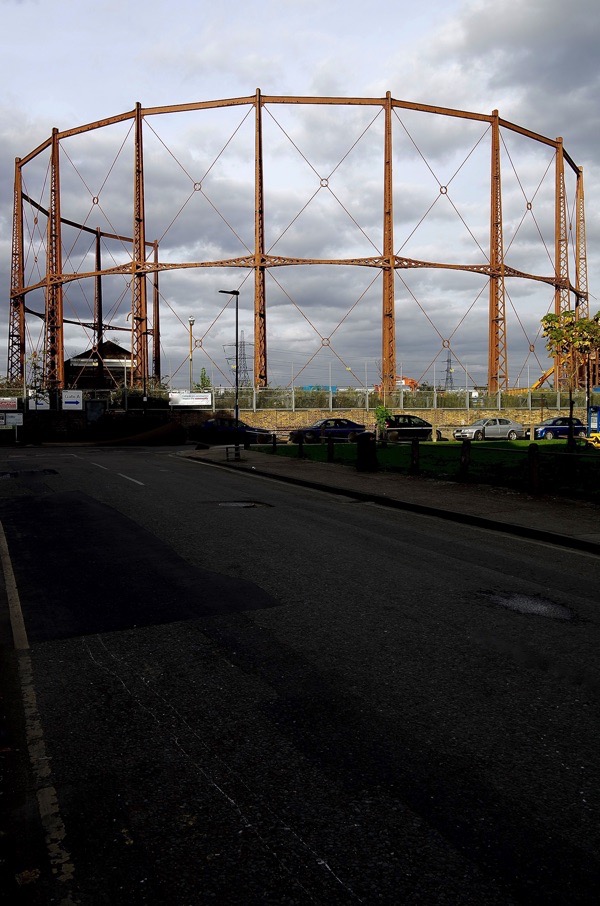
This is the last gasometer in Poplar and, as you can see, it is not all there. Already parts have gone and quite soon it will vanish entirely. The pleasing circularity that once enclosed the sky diminishes with the loss of each segment. They are disappearing like slices of a cake devoured by a hungry ogre and, shortly, nothing will remain.
To visit now – and come upon it, as I did, lit by the last rays of the setting sun – is to be like one of those travellers of old who undertook the Grand Tour and saw the Coliseum for the first time, marvelling upon it as an heroic example of an earlier age of handmade engineering upon an epic scale. Designed in 1876 by Robert & Henry Edward Jones, father and son engineers of the Commercial Gas Company, the iron structure was manufactured nearby between 1876-78 by Samuel Cutler & Sons of Millwall on the Isle of Dogs, constructional engineers who specialised in the erection of gasometers.
Once you understand that this gasometer has dominated the skyline in this corner of Poplar for nearly a hundred and fifty years, and your eye attunes to the elegant proportion of its criss-cross braced structure, you recognise its similarity to the rope work on a regimental drum or that button-back, deep upholstery of which the Victorians were so fond. It is the oldest example of a lattice-work framed gasometer in this country. Look more closely and admire the nineteen elegant tee-sections which brace the frame with their intricate ironwork consisting of a vertical tapering lattice girder at right angles to a vertical tapering plate girder. They are the first and only examples of this type.
To the left, you can see the march of generic new-London ugly flats which will become slums within a generation. This last gasometer was one of three that formerly comprised Poplar Gas Works here beside the cut, but there will be no preservation and reuse, such as we have seen at Kings Cross where gasometers have been integrated into a new housing scheme to enliven the architecture and maintain a sense of place.
Demolition was granted in September last year with the approval of Historic England, although this was not made public until last December when it was revealed that a public consultation had only been advertised by an obscure notice at the site in Leven Rd. In July this year, a local councillor asked the Mayor to save the gasometer and received the following response.
“The Council recognises this significant local historical asset and there is a case that it should be preserved as part of redevelopment. In planning policy, this is specifically reflected in the adopted and emerging Local Plan, where in the site allocation, it states that development should aim to ‘…retain and integrate the gas holders as part of the provision of green open space…’ The council plans to strengthen the design principle within the site allocation and seek to further acknowledge the gasholders significant local historical merit.”
Yet the gasometer is in the midst of demolition and, despite a petition by several thousand local people, no proposal has been put forward to integrate it into future plans. Long-time local heritage campaigner Tom Ridge is currently fighting for the preservation of the relics on site, so that future generations may marvel, as we do today, at piles of ancient carved stones from antiquity, and wonder at past glories which are lost.
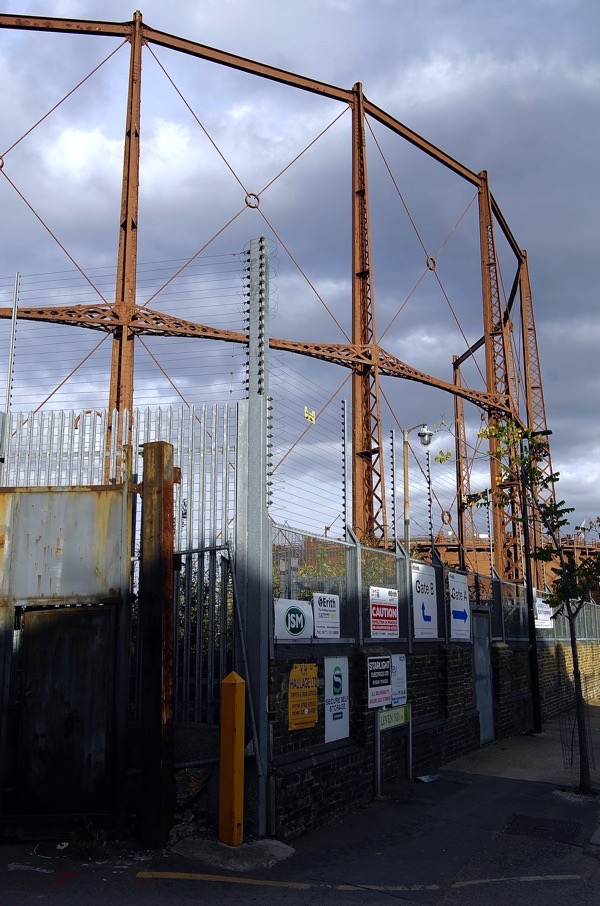
Gasholder Number One is partially dismantled
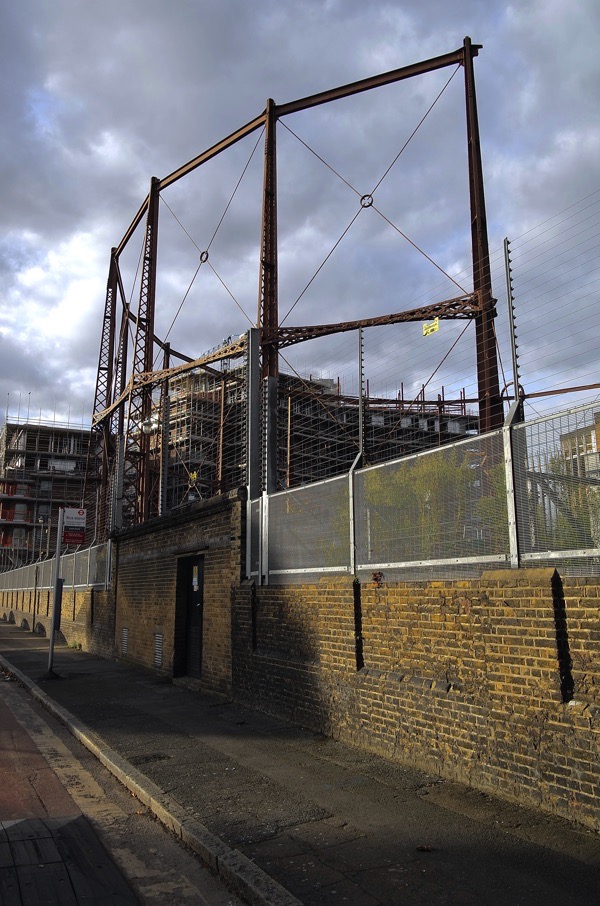
The tee-sections which brace the frame with their intricate ironwork, consisting of a vertical tapering lattice girder at right angles to a vertical tapering plate girder, are the first and only examples of their type
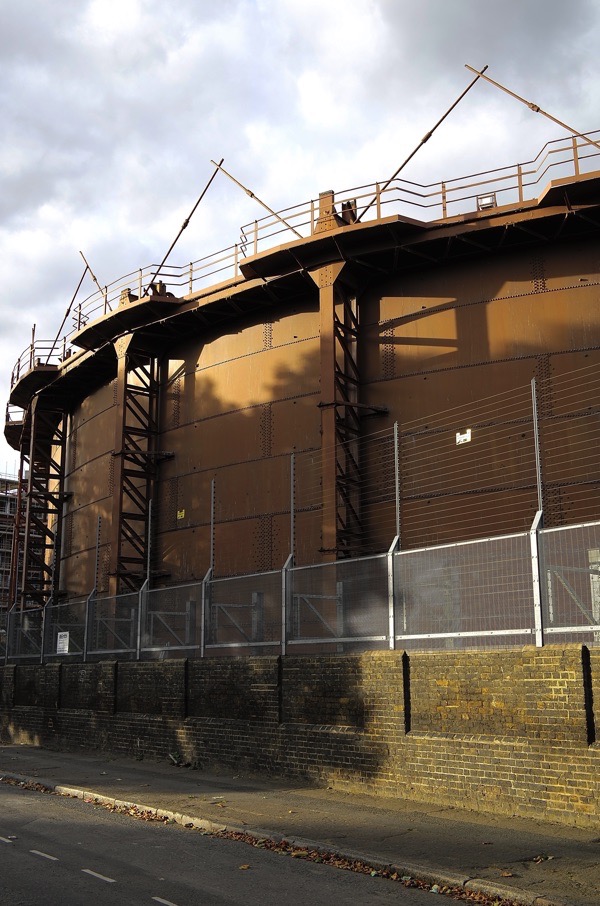
Gasholder Number Two is already lopped off
You may also like to read about
Introducing EAST END VERNACULAR
Thanks to the support from you, the readers of Spitalfields Life, I have been able to produce EAST END VERNACULAR, Artists who painted London’s East End streets in the 20th century and today is publication day. Below you can read an extract from my introduction to the book.
Join me for the launch at the Nunnery Gallery in Bow, E3 2SJ, on Tuesday 10th October from 6pm. Courtesy of Bow Arts, there will be a special opening of their new exhibition THE WORKING ARTIST, The East London Group for Spitalfields Life readers.
At 6:30pm, I will be introducing my new book and then signing copies in the gallery where some of the paintings by Albert Turpin, Elwin Hawthorne, Harold Steggles, Walter Steggles and other East London Group artists featured in EAST END VERNACULAR will be on display. There will be drinks and live music.
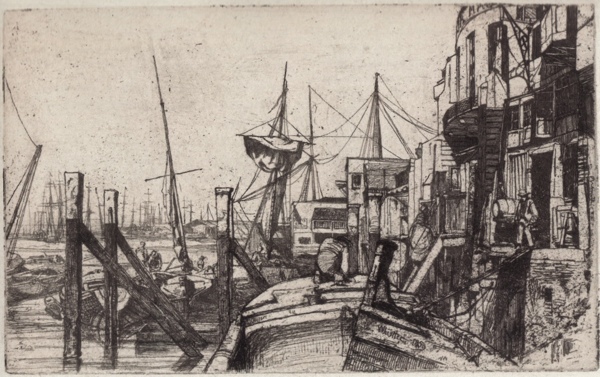
William Jones, Limeburner, Wapping High St by James McNeill Whistler
Is the East End a place or a culture? The endless and unresolved debate over its precise location reveals that this is more than a question of mere topography. There is a consensus that the East End begins at Aldgate Pump, while its southern border is defined by the River Thames and its eastern boundary by the River Lea, yet the northerly edge of its territory remains ambiguous and ill-defined in Hackney. This confusion is compounded by those who say that Hornchurch or Leyton is the East End now, acknowledging its elusive and fugitive nature while simultaneously admitting the existence of a collective understanding among those who know they are in the East End, even if they cannot agree upon its geography.
In the spirit of Humpty Dumpty, who told Alice that when he used a word it meant whatever he chose it to mean, I have coined East End Vernacular to describe those artists who set out to portray the East End in ways that appreciate both the human and the utilitarian nature of its environment. Many originated in the East End and were self-taught, which gave them an innate personal understanding of this cultural world. Yet their work is complemented by those that came from outside who were drawn by the distinctive quality of the place.
Unsurprisingly, the human catastrophe of deprivation, disease and poor housing in the nineteenth-century East End did not attract painters as pictorial subject matter. Yet we have the engravings of Gustave Doré published in London, A Pilgrimage in 1890, dramatising the darkness and want so persuasively that his images persist in the popular consciousness to this day. Too often, the history of the East End is still restricted to a history of poverty, whereas I choose to explore a parallel history of resourcefulness, highlighting the persistent and dignified creativity of people who have forged their own ways of living in spite of widespread economic disadvantage.
By contrast to Doré’s grim gothic visions, perhaps James McNeill Whistler was the first artist to appreciate the utilitarian environment of the East End on its own terms, seeing the beauty in it and recognising the intimate relationship of the working people to the urban landscape they had constructed. Crowded housing in the East End encouraged people to lead their lives in public, either on the street or in ‘public’ houses, creating a unique society premised upon an integral relationship with the built environment, which functioned as an exterior theatre for the congress of life. Many artists fascinated by Whistler’s vision came in his footsteps, some embracing his medium of etching, like Joseph Pennell, while others like Frank Brangwyn and Christopher Richard Wynne Nevinson were attracted by the spectacle of the docks and the life of the river.
In contradiction to the widespread belief that artists only arrived in the East End towards the close of the twentieth century, I can report that when Charles Dickens came to Spitalfields in 1851, he visited a young artist in his studio.
“As yet machinery has not been invented to turn artist, or to guide the shuttle through the intricate niceties of the Jacquard loom, so as to execute designs. Figured and brocaded silks must still be done by hands, and those hands must be skilful. We knock at the door of a cheerful little house, extremely clean. We are introduced into a little parlour, where a young artist sits at work with crayons and watercolours. He is a student of the School of Design. He is at work on a new pattern for a table-cover. He has learnt to paint in oil … He shows us one that was in last year’s Exhibition at the Royal Academy, he shows us another that he means to finish in good time to send to the next Exhibition. He does these things over and above his regular work.”
Dickens foresaw the end of manufacturing in the East End, while recognising the possibility for artists and designers to win esteem, and perhaps even a living, by creating and selling their work.
In compiling East End Vernacular, I make no claim to present an exhaustive or definitive survey, merely to choosing those artists whose work appeals to me as revealing the most sympathy with and understanding of the subject matter. Neither can I assert the existence of an East End School of painting spanning the twentieth century, although I discovered that most of the artists featured knew of the work of several others and, in arranging the sequence, I was struck by the common qualities shared by many of these paintings. For these are personal pictures and, beyond that, many reveal an overt affection for the East End streets that inspired them.
Ultimately, this is an heroic story of the triumph of artists with the talent and moral courage to pursue truthful images of the environment and society they knew intimately, defying adverse circumstances, including poverty and prejudice, through sheer force of creativity. The best of these paintings are by those who were at one with the world they represented, manifesting a vision that is both visceral and poetic.
Throughout the nineteenth and for much of the twentieth century, the East End was considered to be the least cultured part of London by comparison with the more affluent areas, yet I have been able to assemble this magnificent selection of pictures representing the East End, many painted by artists from the East End, and I challenge anyone to uncover a comparable selection of twentieth century works as vital as these, entitled South, West or North London Vernacular.

In Wentworth St, Spitalfields, by Gustave Doré
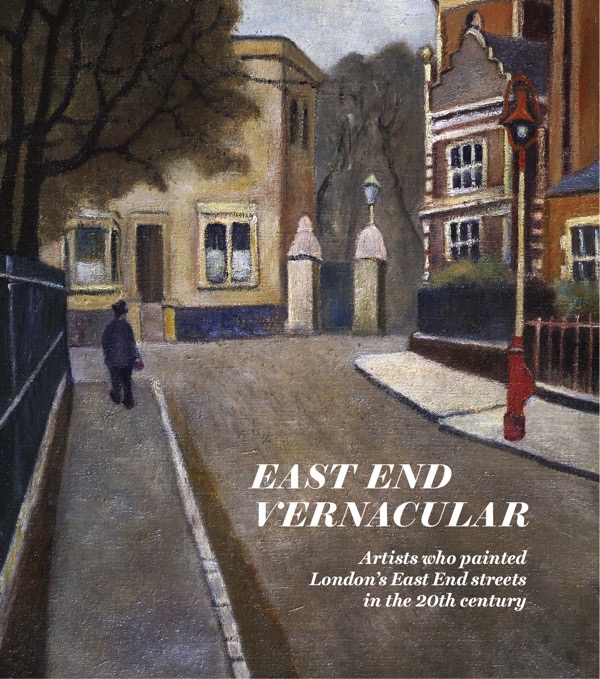
Click here to order a copy of EAST END END VERNACULAR for £25

Take a look at some of the artists featured in East End Vernacular
At Dr Johnson’s House
I walked over to Fleet St yesterday to pay a visit upon Dr Samuel Johnson who could not resist demonstrating his superlative erudition by recounting pertinent examples of lexicography that came to mind as he showed me around every corner of his rambling old house in Gough Sq where he wrote the famous Dictionary of the English Language
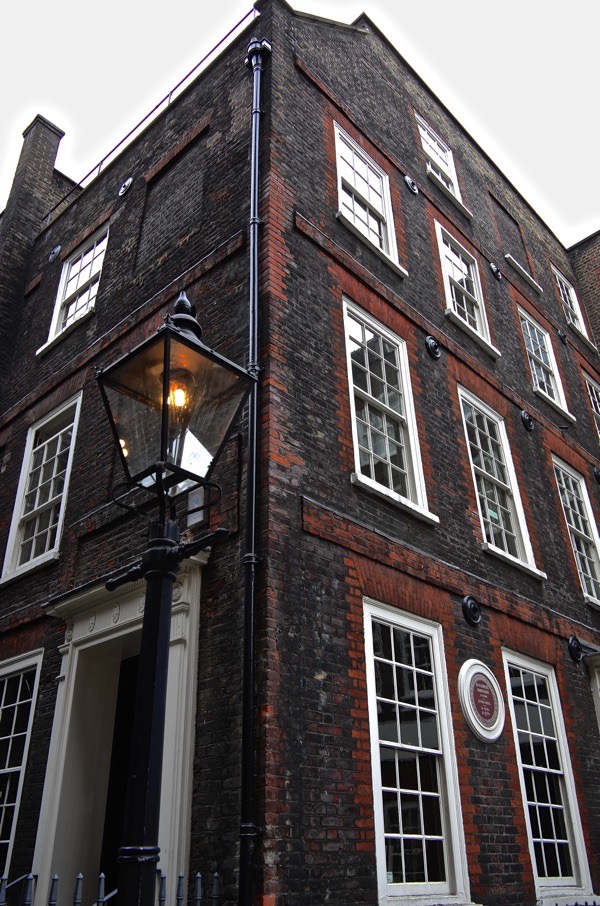
House. n.s. [hus, Saxon, huys, Dutch, huse, Scottish.] 1. A place wherein a man lives, a place of human abode. 2. Any place of abode. 3. Place in which religious or studious persons live in common, monastery, college. 4. The manner of living, the table. 5. Family of ancestors, descendants, and kindred, race. 6. A body of parliament, the lords or commons collectively considered.
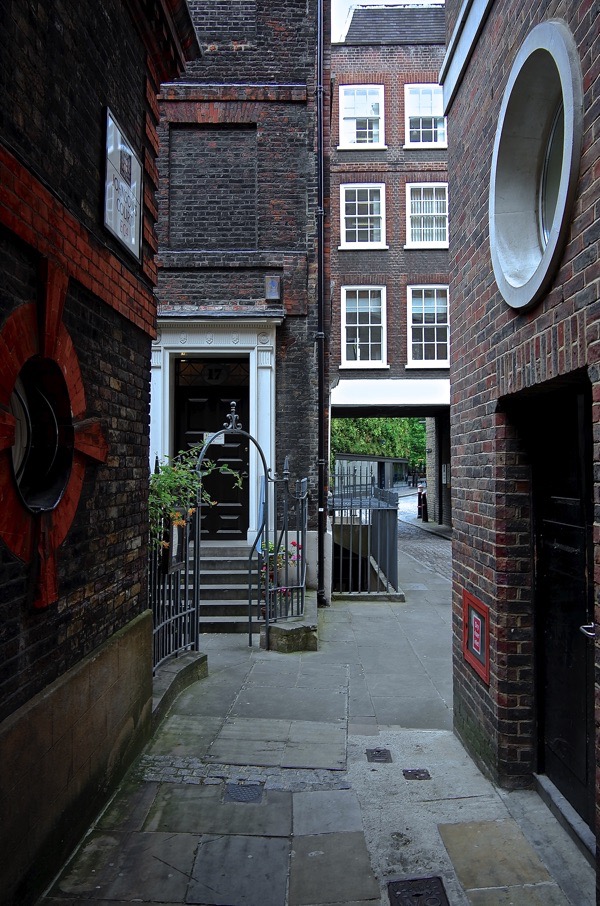
Acce’ss. n.s. [In some of its senses, it seems derived from accessus, in others, from accessio, Lat. acces, Fr.] 1. The way by which any thing may be approached. 2. The means, or liberty, of approaching either to things or men. 3. Encrease, enlargement, addition. 4. It is sometimes used, after the French, to signify the returns of fits of a distemper, but this sense seems yet scarcely received into our language.
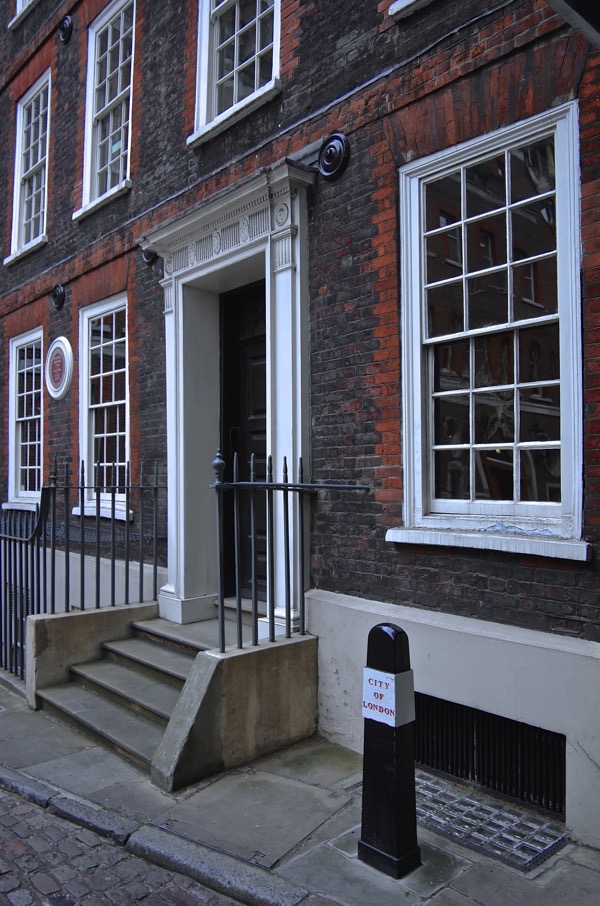
To Rent. v.a. [renter, Fr.] 1. To hold by paying rent. 2. To set to a tenant.
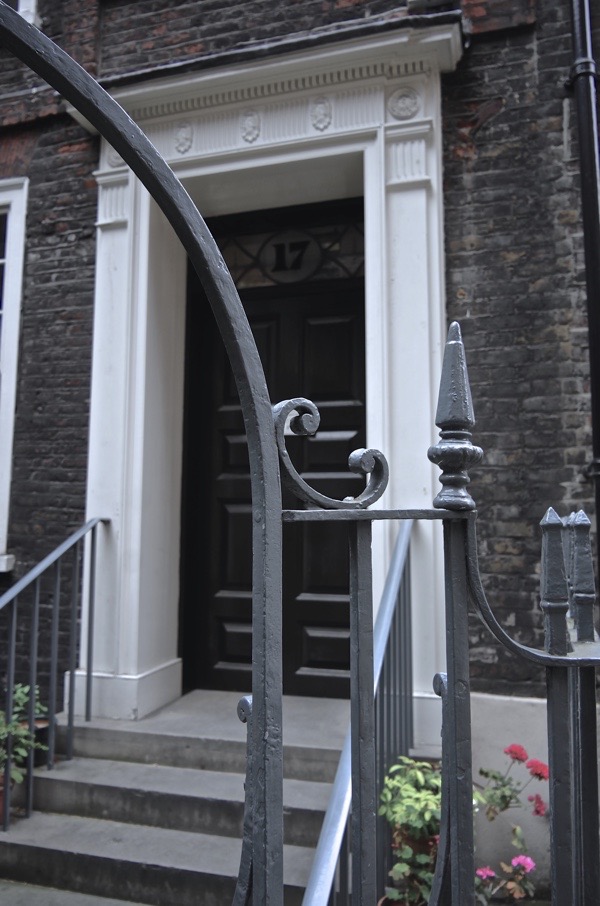
Ba’ckdoor. n.s. [from back and door.] The door behind the house, privy passage.
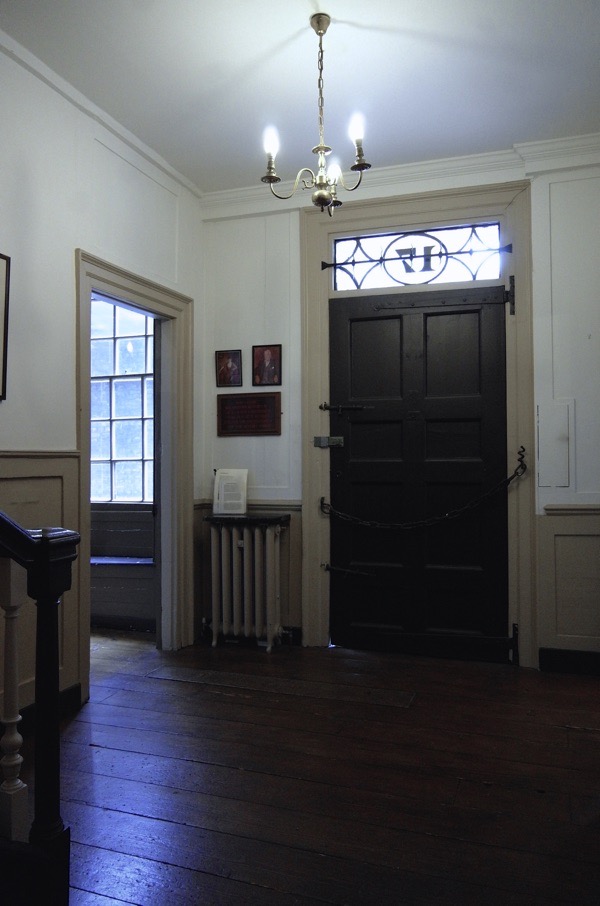
Door. n.s. [dor, dure, Saxon, dorris, Erse.] The gate of a house, that which opens to yield entrance. Door is used of houses and gates of cities, or publick buildings, except in the licence of poetry.
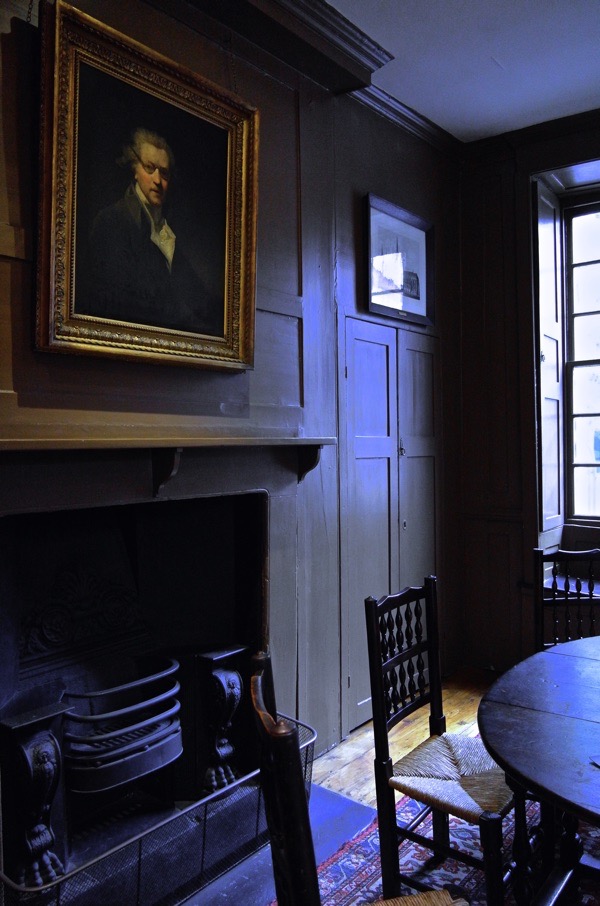
Hábitable. adj. [habitable, Fr. habitabilis, Lat.] Capable of being dwelt in, capable of sustaining human creatures.
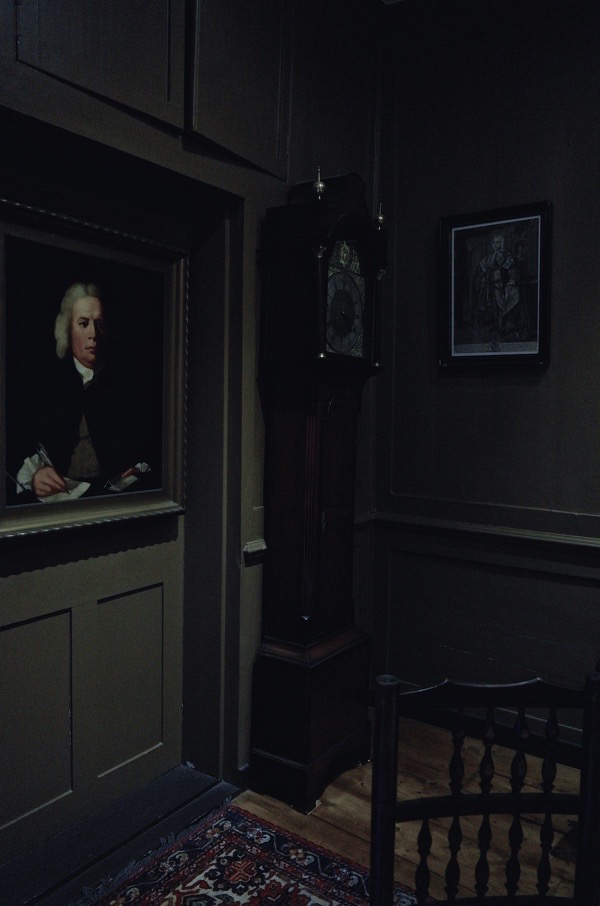
Time. n.s. [ꞇıma, Saxon, tym, Erse.] 1. The measure of duration. 2. Space of time. 3. Interval. 4. Season, proper time.
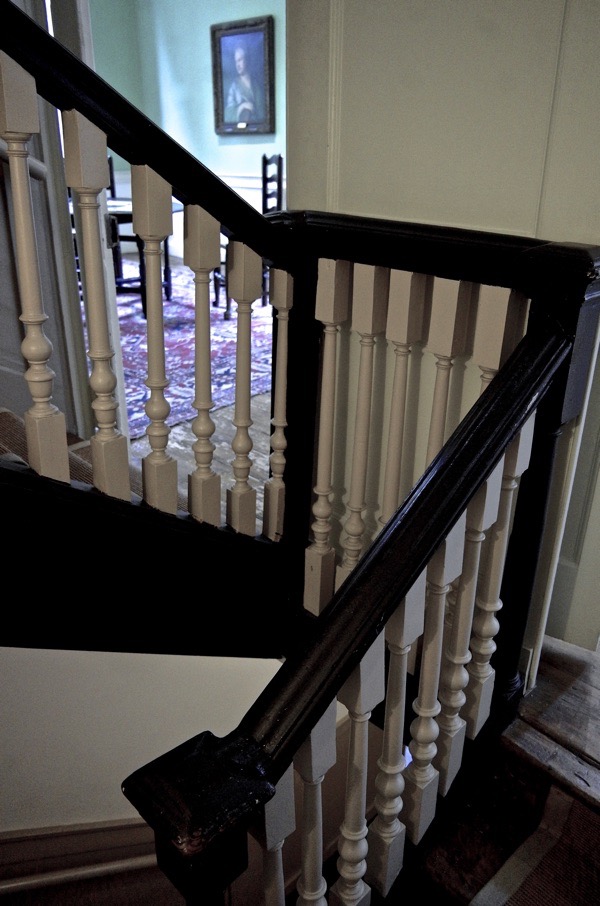
Stair. n.s. [ꞅꞇæᵹꞃ, Saxon, steghe, Dutch.] Steps by which we rise an ascent from the lower part of a building to the upper. Stair was anciently used for the whole order of steps, but stair now, if it be used at all, signifies, as in Milton, only one flight of steps.
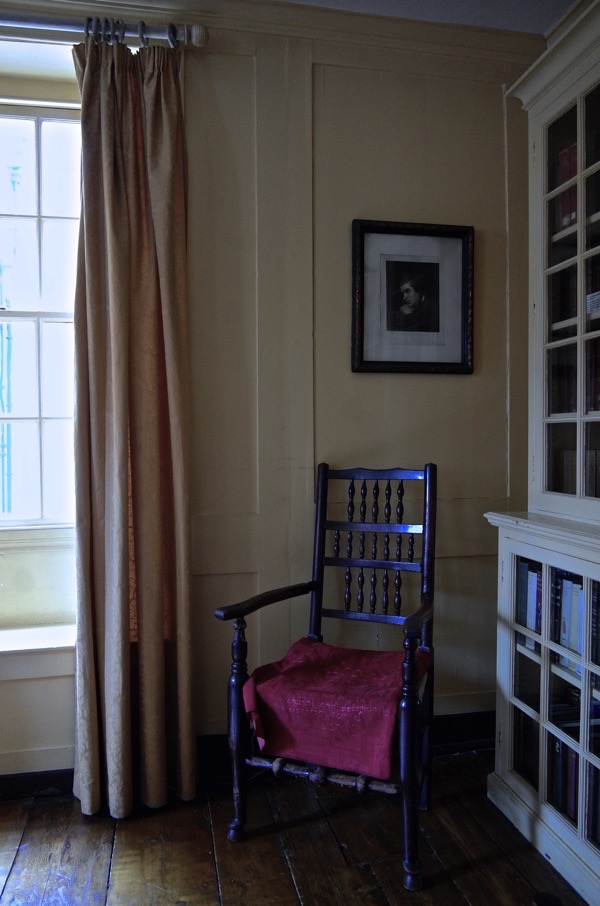
Chair. n.s. [chair, Fr.] 1. A moveable seat. 2. A seat of Justice or authority. 3. A vehicle borne by men, a sedan.
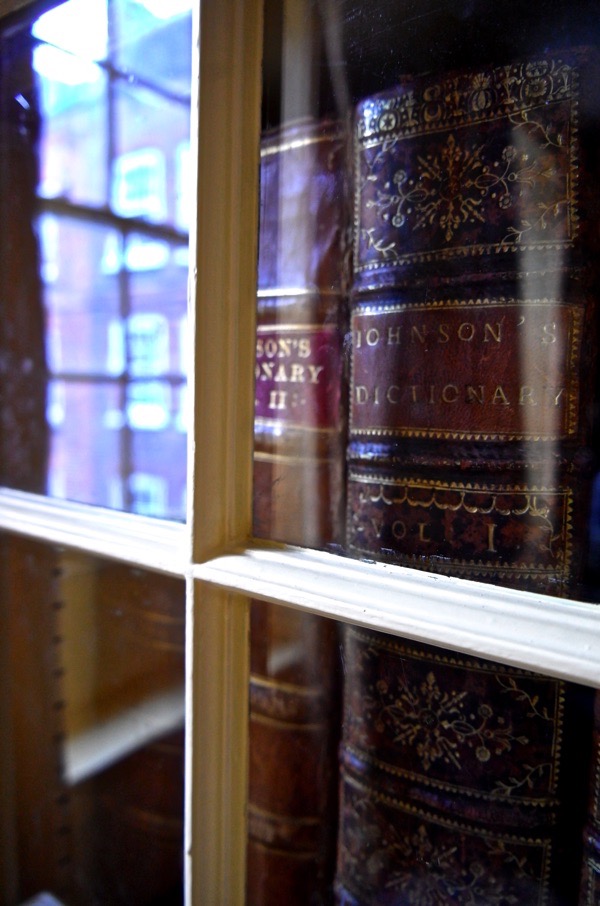
Díctionary. n.s. [dictionarium, Latin.] A book containing the words of any language in alphabetical order, with explanations of their meaning, a lexicon, a vocabulary, a word-book.
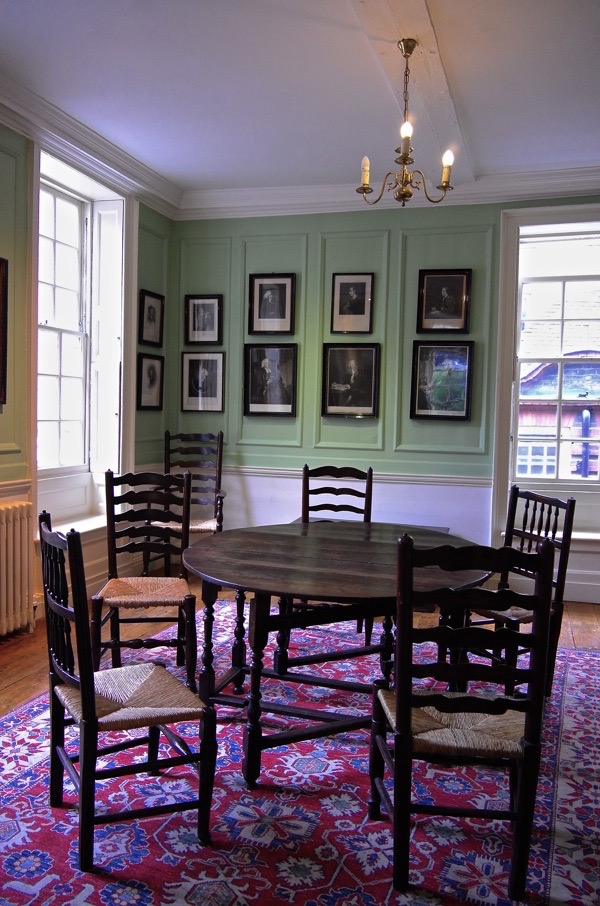
A’ftergame. n.s. [from after and game.] The scheme which may be laid, or the expedients which are practised after the original design has miscarried, methods taken after the first turn of affairs.
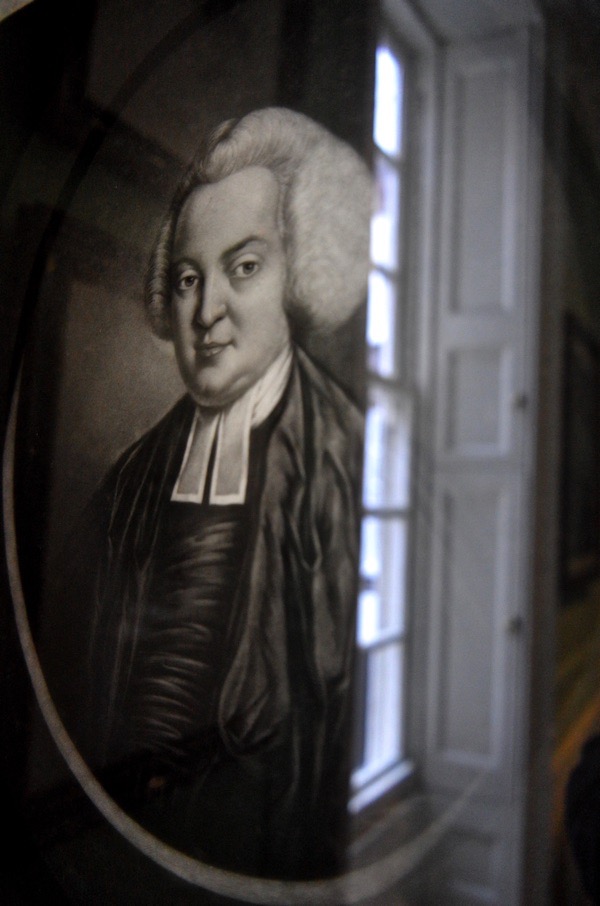
Mystago’gue. n.s. [μυσταγωγὸς, mystagogus, Latin.] One who interprets divine mysteries, also one who keeps church relicks, and shews them to strangers.
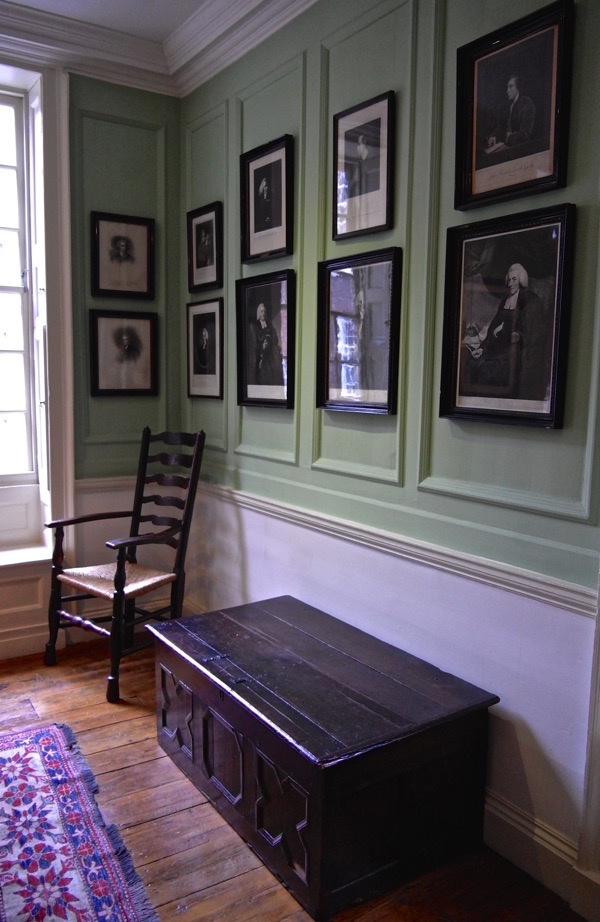
Box. n.s. [box, Sax. buste, Germ.] 1. A case made of wood, or other matter, to hold any thing. It is distinguished from chest, as the less from the greater. It is supposed to have its name from the box wood. 2. The case of the mariners compass. 3. The chest into which money given is put. 4. The seats in the playhouse, where the ladies are placed. (David Garrick’s box illustrated)
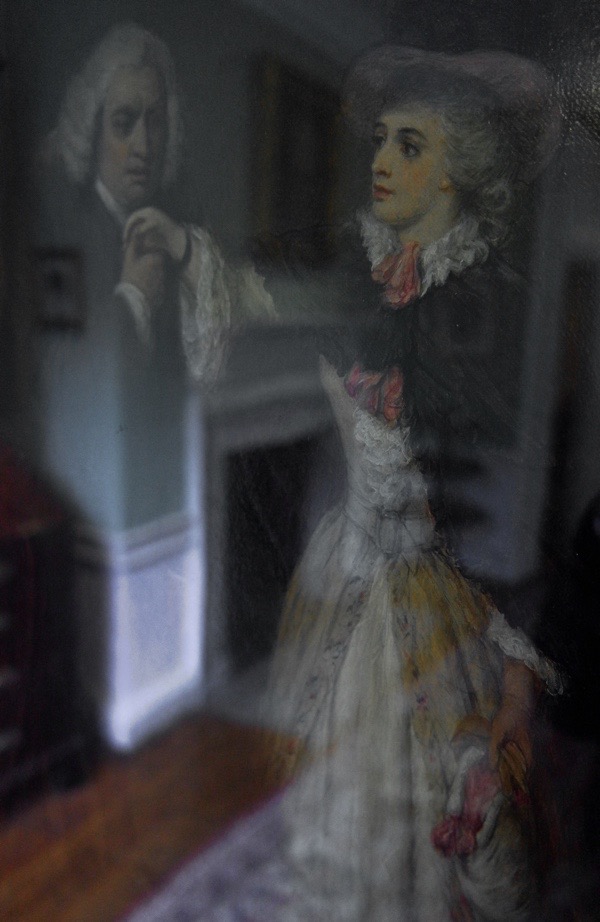
Fascina’tion. n.s. [from fascinate.] The power or act of bewitching, enchantment, unseen inexplicable influence.
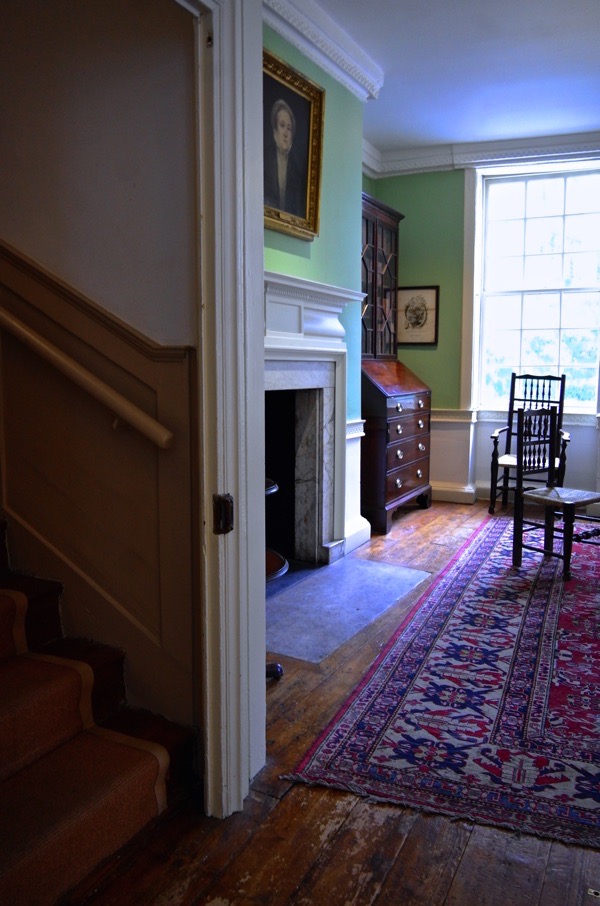
A’fternoon. n.s. [from after and noon.] The time from the meridian to the evening.
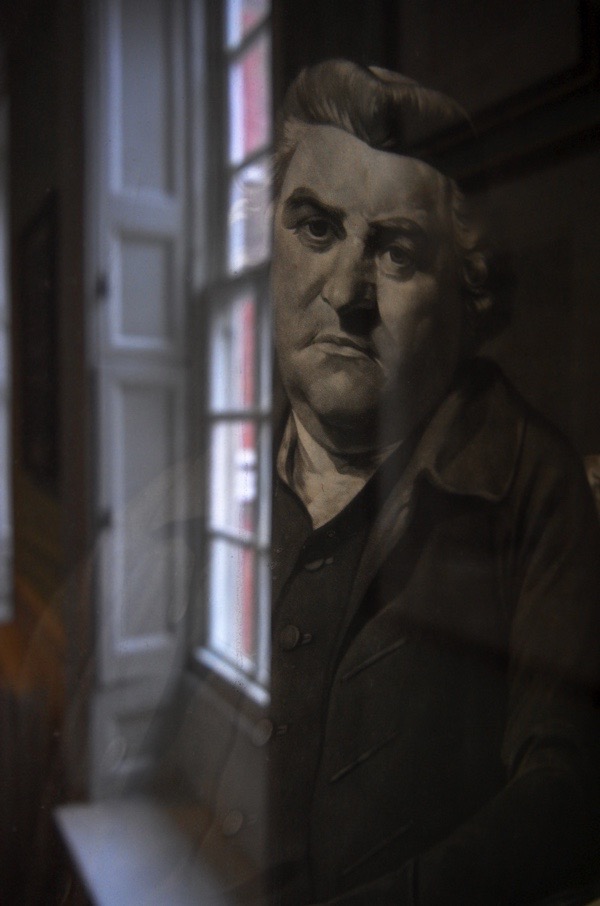
Intelléctual. n.s. Intellect, understanding, mental powers or faculties. This is little in use.
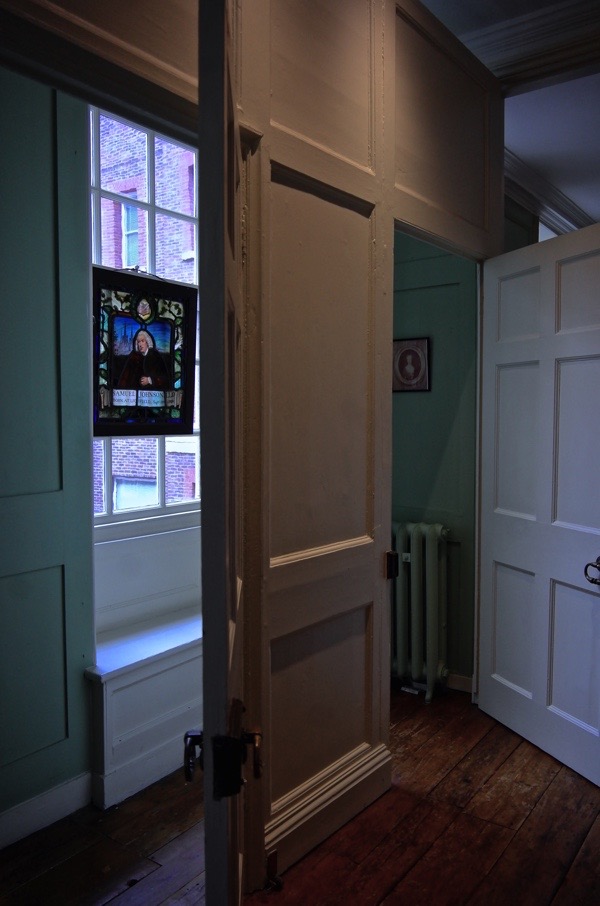
Prívacy. n.s. [from private.] 1. State of being secret, secrecy. 2. Retirement, retreat. 3. [Privauté, Fr.] Privity; joint knowledge; great familiarity. Privacy in this sense is improper. 4. Taciturnity.
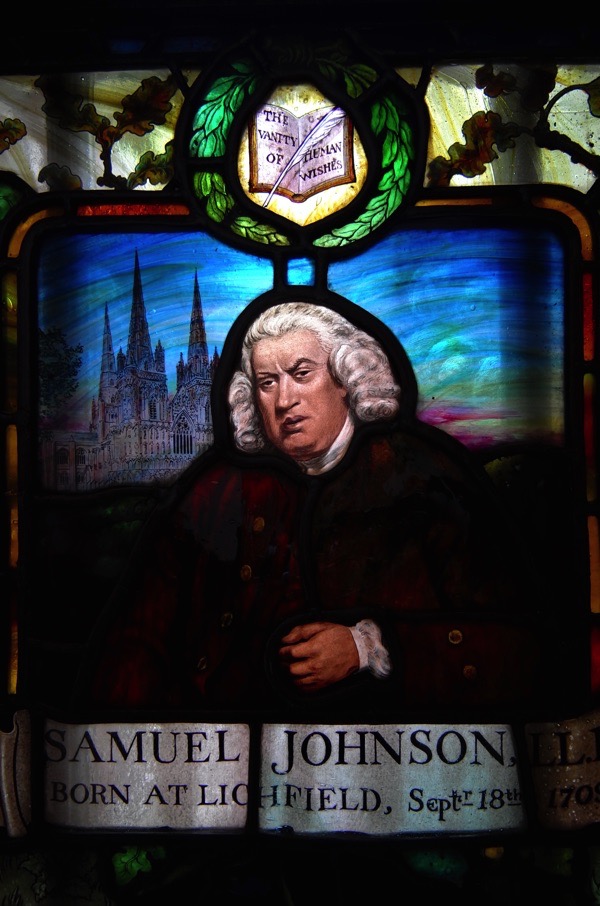
Lexicógrapher. n.s. [λεξικὸν and γράφω, lexicographe, French.] A writer of dictionaries, a harmless drudge, that busies himself in tracing the original, and detailing the signification of words.
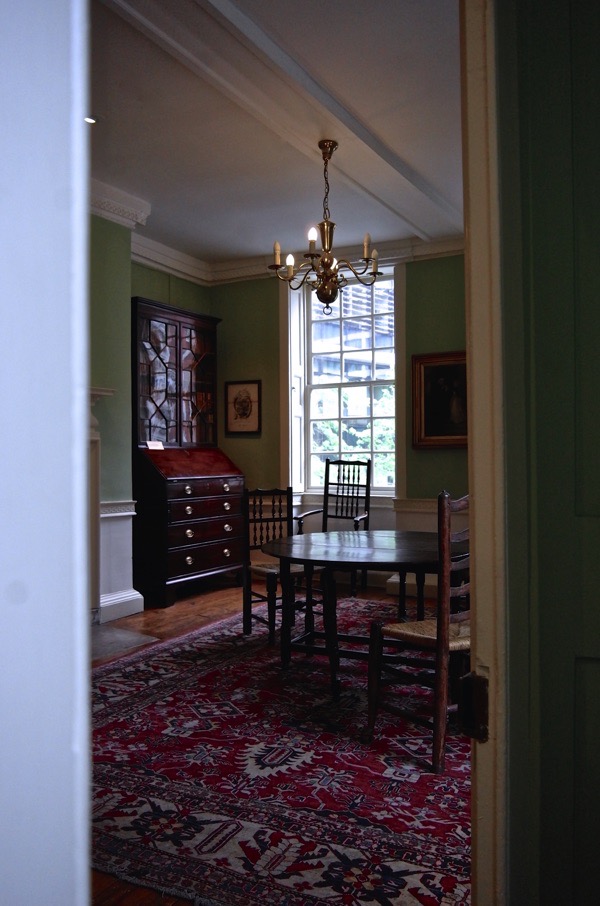
Ca’binet. n.s. [cabinet, Fr.] 1. A set of boxes or drawers for curiosities, a private box. 2. Any place in which things of value are hidden. 3. A private room in which consultations are held.
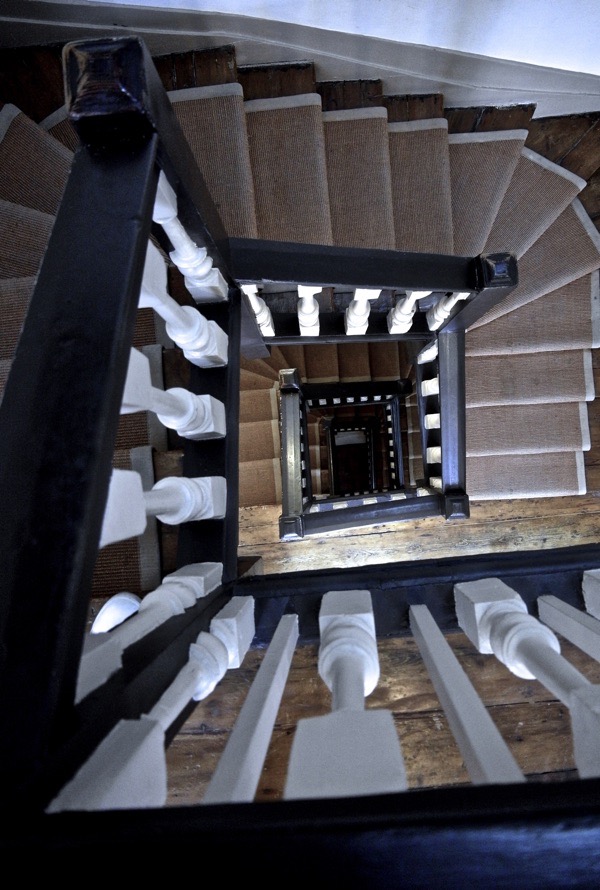
A’bsence. n.s. [See Absent.] 1. The state of being absent, opposed to presence. 2. Want of appearance, in the legal sense. 3. Inattention, heedlessness, neglect of the present object.
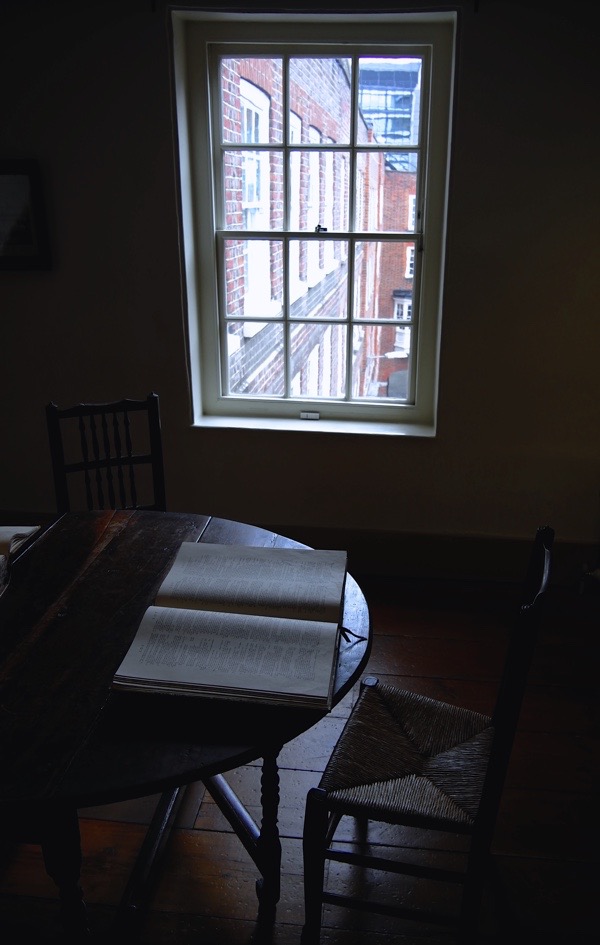
Work. n.s. [weorc, Saxon, werk, Dutch.] 1. Toil, labour, employment. 2. A state of labour. 3. Bungling attempt. 4. Flowers or embroidery of the needle. 5. Any fabrick or compages of art. 6. Action, feat, deed. 7. Any thing made. 8. Management, treatment. 9. To set on Work To employ, to engage.
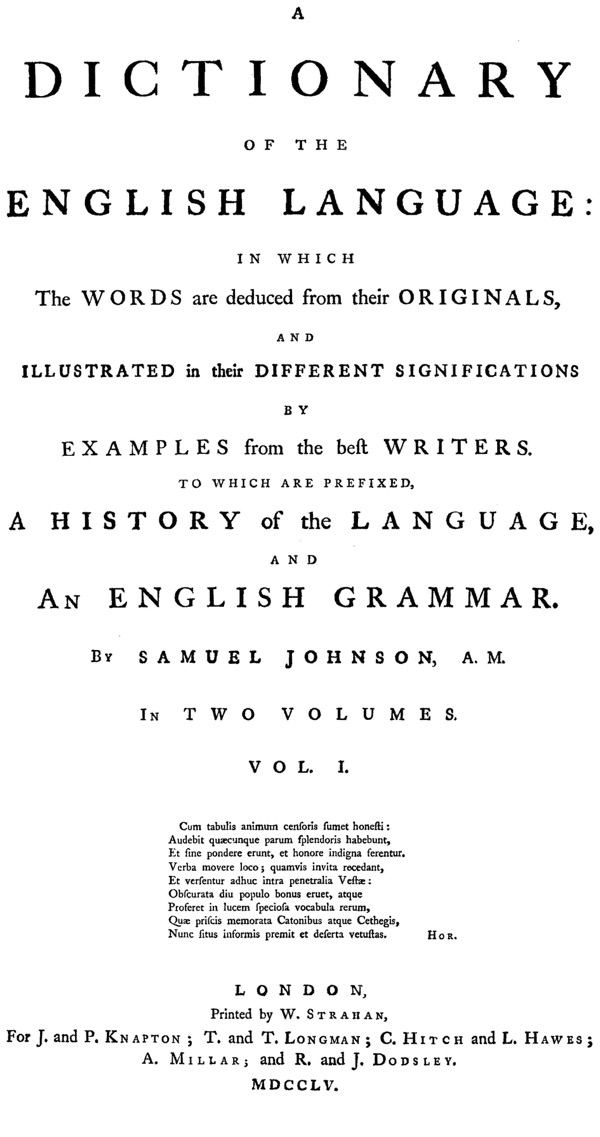
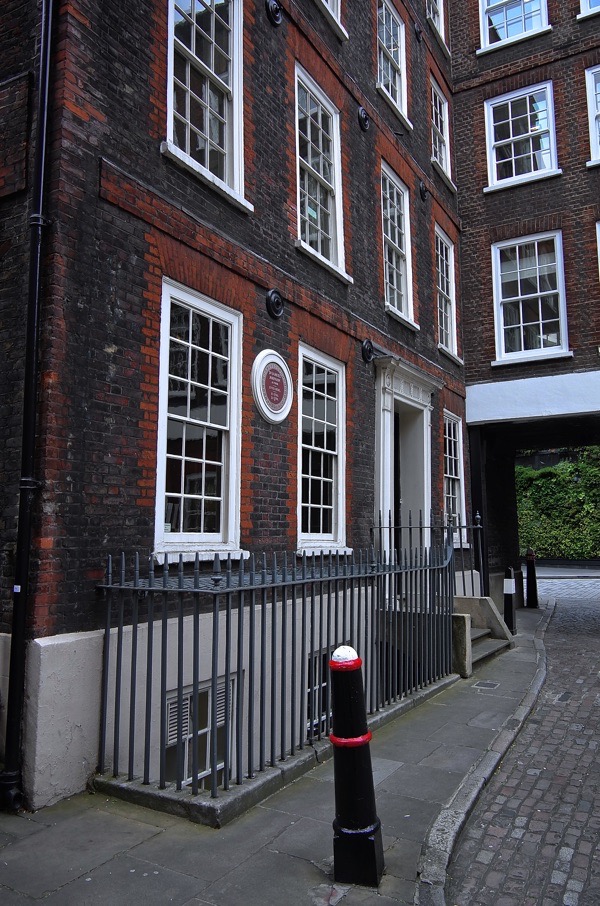
Way. n.s. [wœʒ, Saxon, weigh, Dutch.] The road in which one travels.
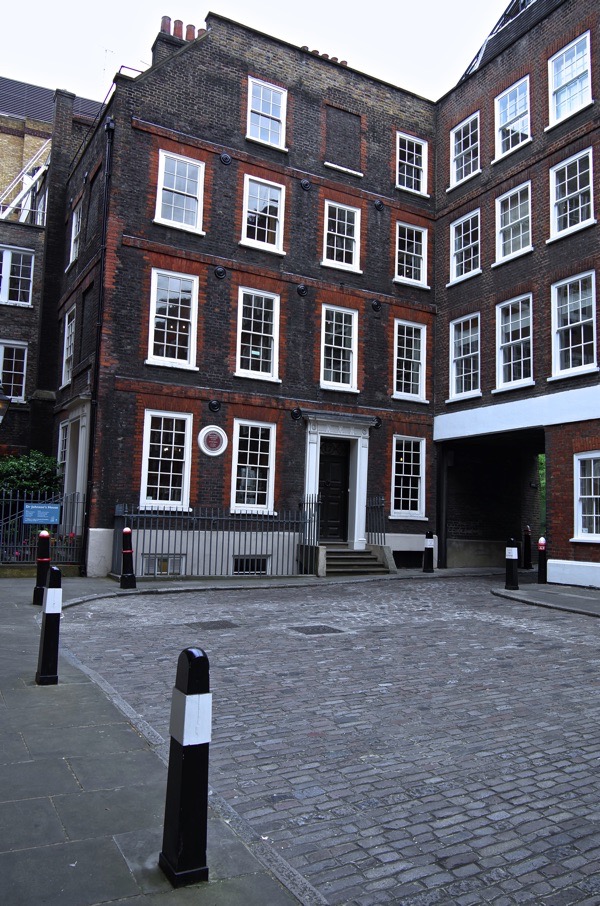
Court. n.s. [cour, Fr. koert, Dut. curtis, low Latin.] 1. The place where the prince resides, the palace. 2. The hall or chamber where justice is administered. 3. Open space before a house. 4. A small opening inclosed with houses and paved with broad stones.
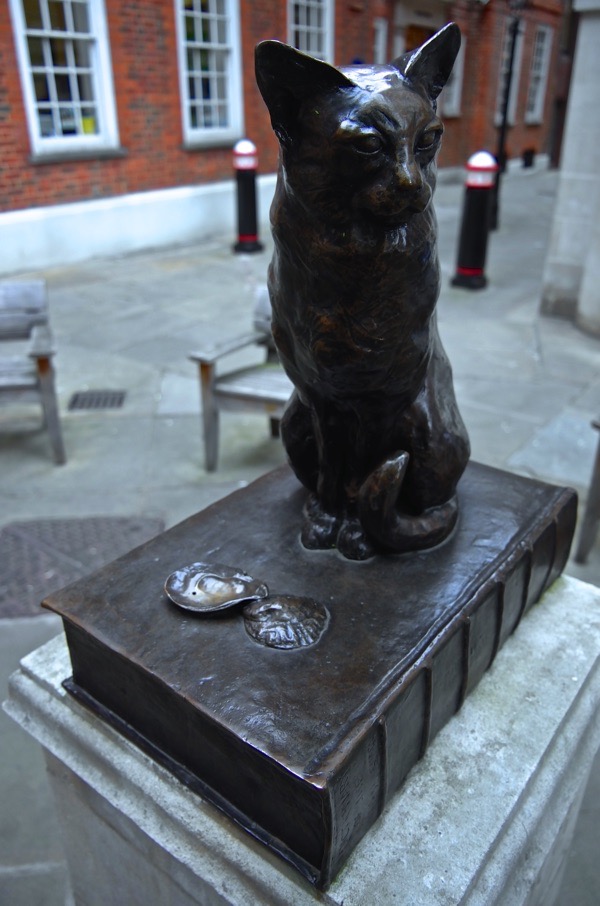
Cat. n.s. [katz, Teuton. chat, Fr.] A domestick animal that catches mice, commonly reckoned by naturalists the lowest order of the leonine species.
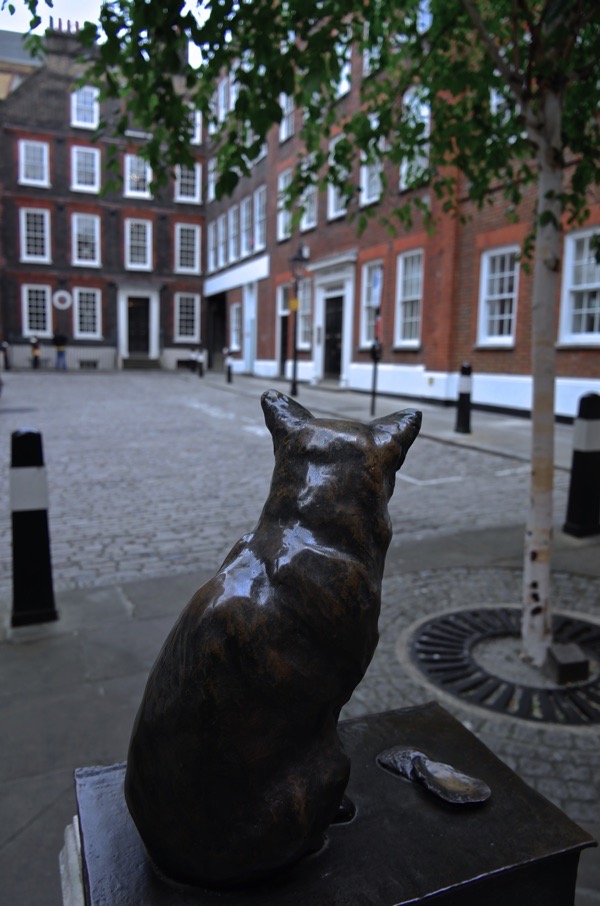
To Mew. v.a. [From the noun miauler Fr.] To cry as a cat.
Visit Dr Johnson’s House, 17 Gough Square, EC4A 3DE
East End Women At Work
Contributing Photographer Sarah Ainslie took these portraits of women in Hackney between 1990 and 1991 as a commission for Hackney Museum. “I was aware there were a lot of women in the workplace but mostly in behind the scenes roles,” Sarah explained to me, “I wanted to give them visibly and also show the variety of work that women were doing.”
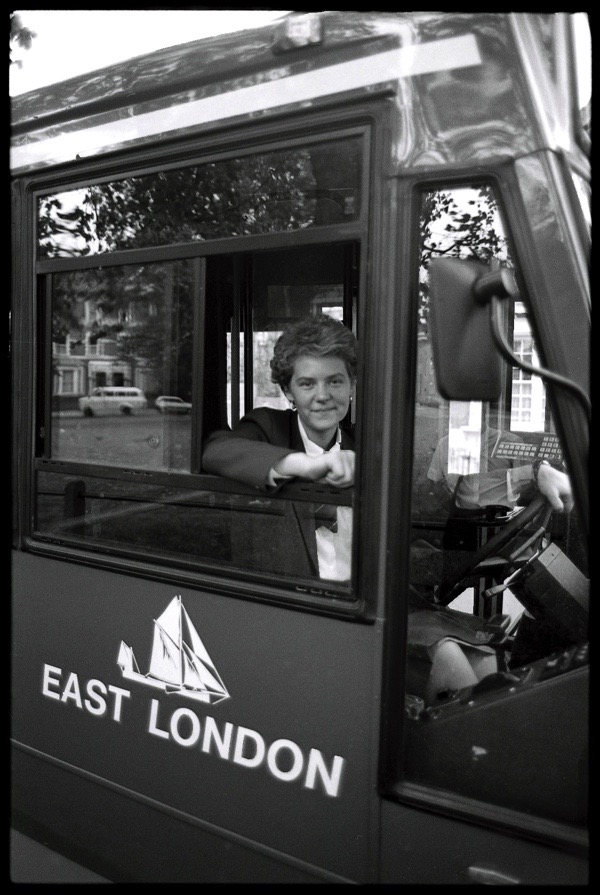
Terrie Alderton, Bus Driver
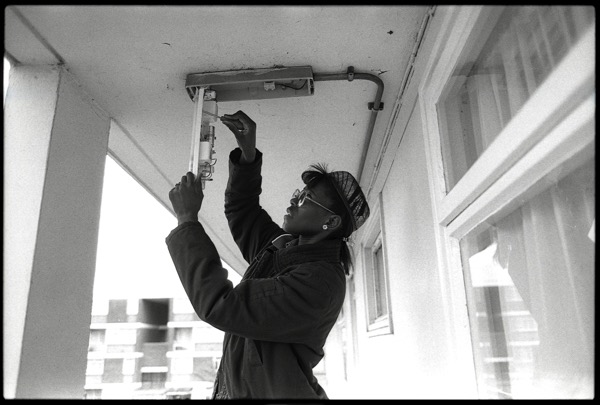
Loretta Leitch, Electrician
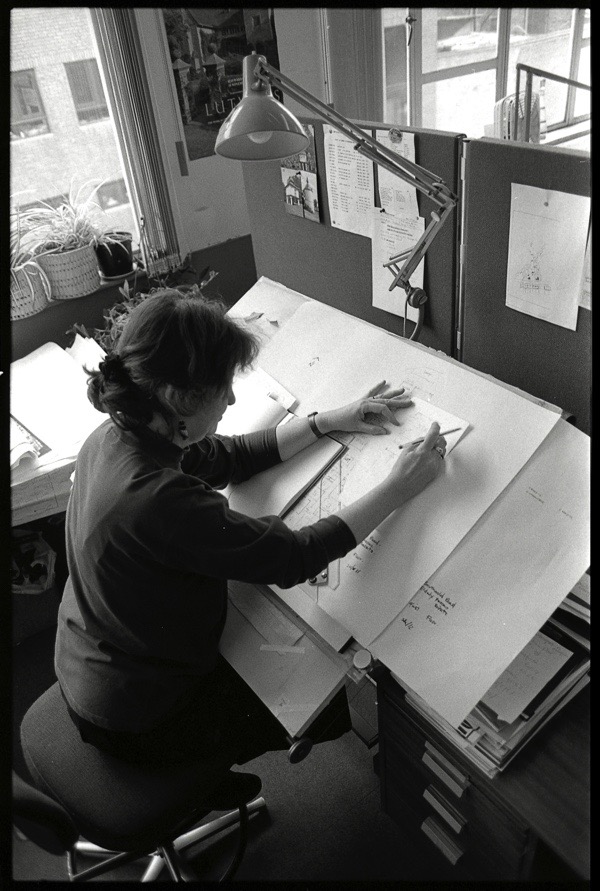
Rosemary More, Architect
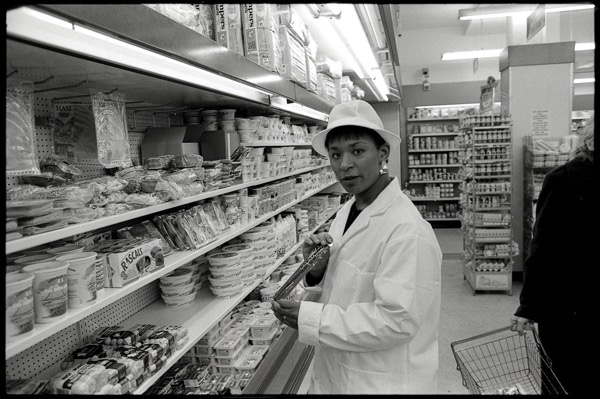
Fontanelle Alleyne, Environmental Health Officer
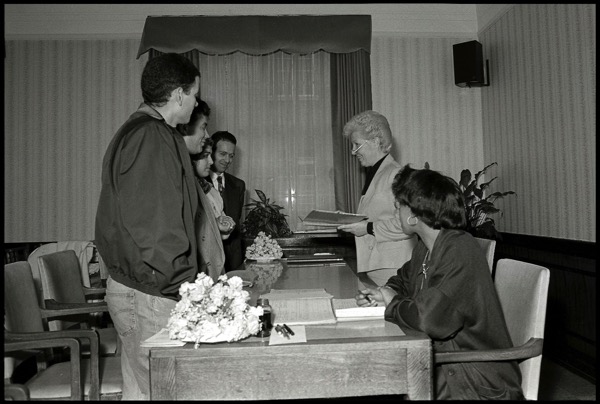
Hackney Regristar of Births, Marriages & Deaths
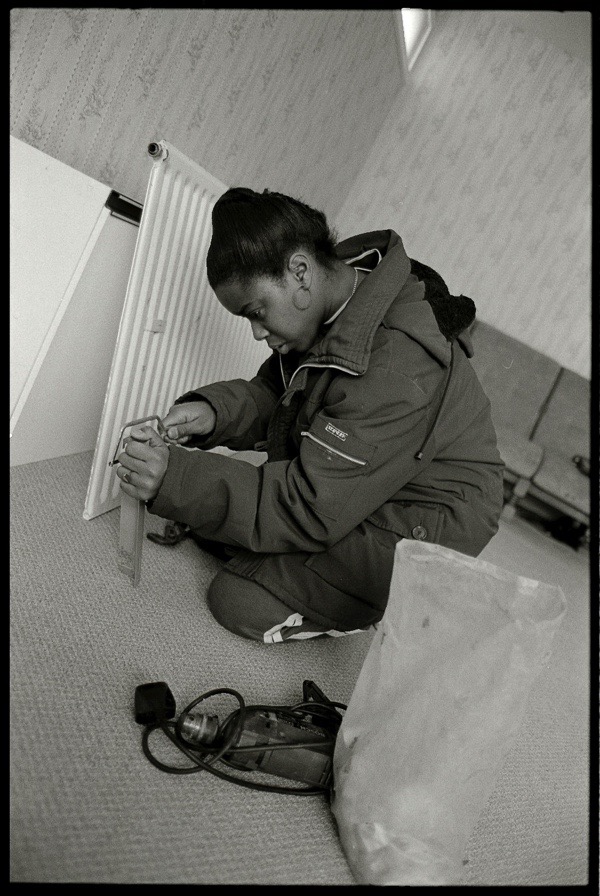
Jenny Amos, Heating & Ventilation Engineer
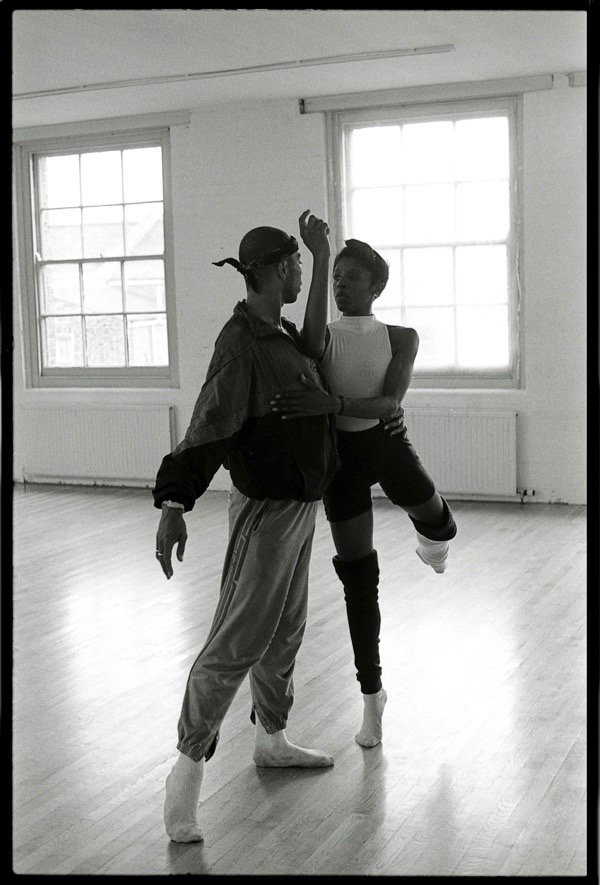
Carol Straker, Dancer
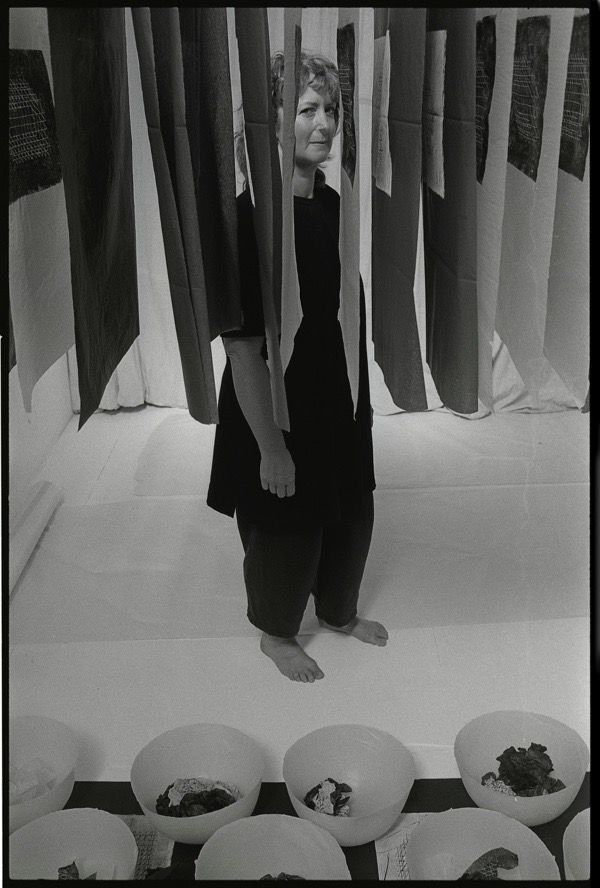
Annie Johns, Sculptor
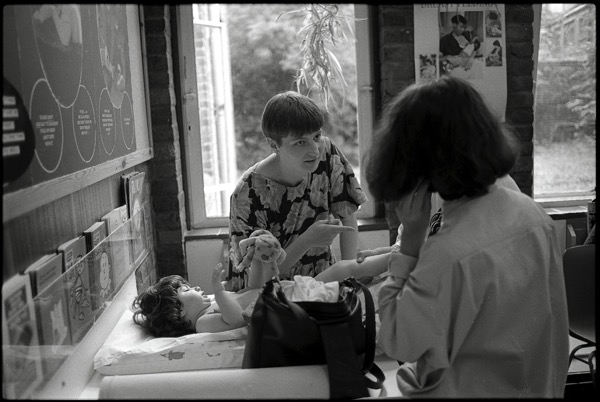
Sue Hopkins, Doctor at Lawson Practice Baby Clinic
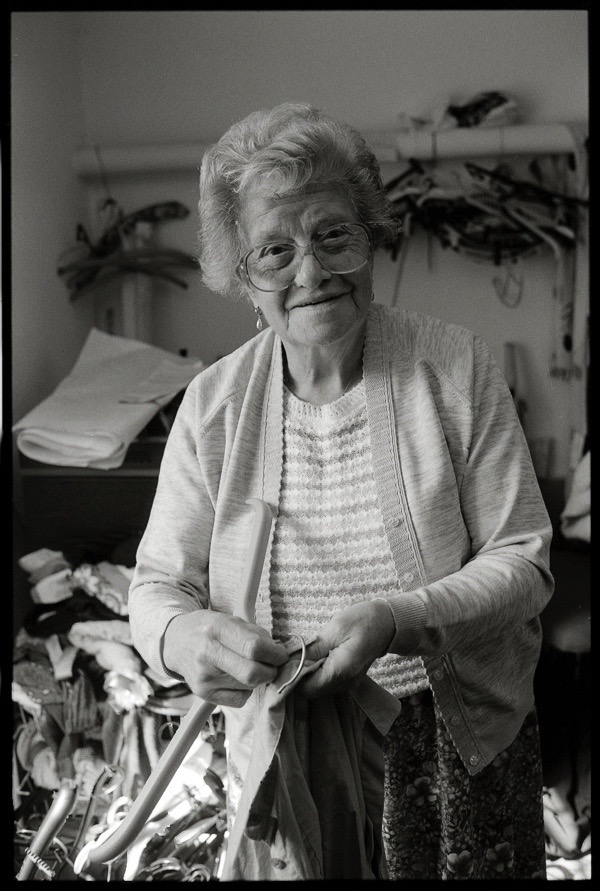
Lilly Claridge, Age Concern Charity Shop Manager
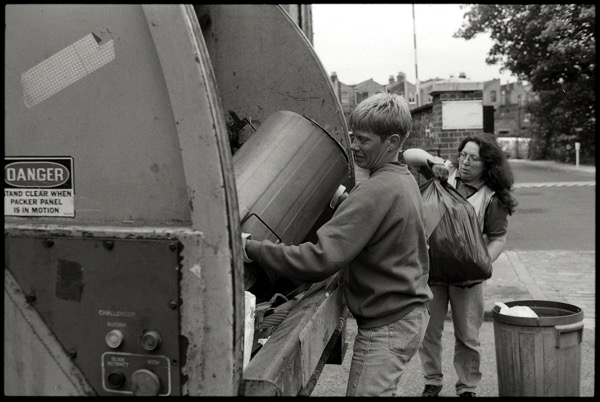
Karen Francis & Carolyn Donovan, Dustwomen
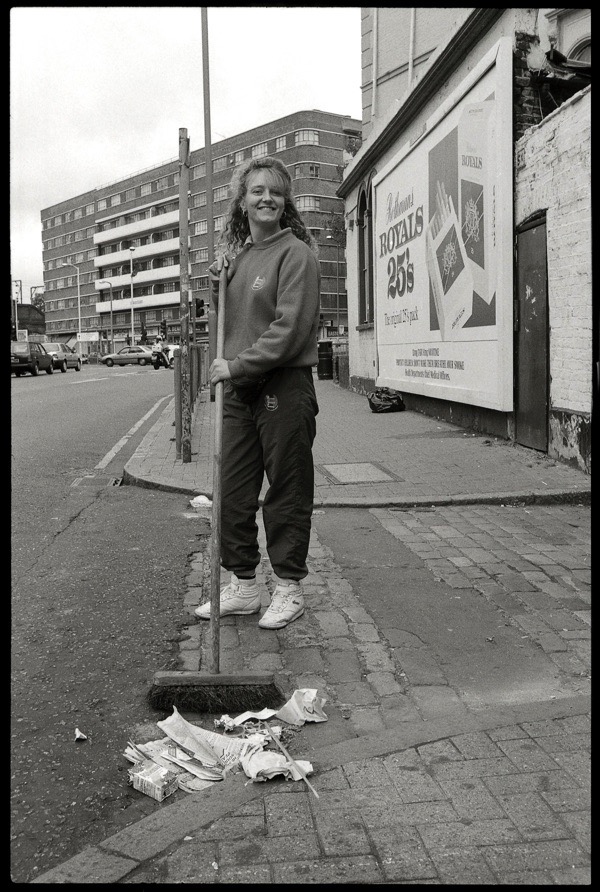
Helen Graham, Street Sweeper
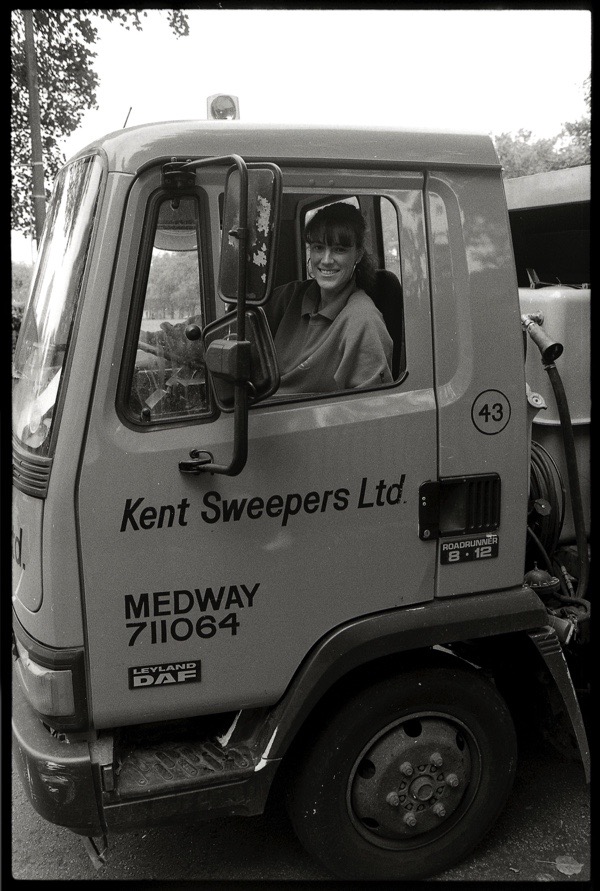
Denise Martin, Truck Driver
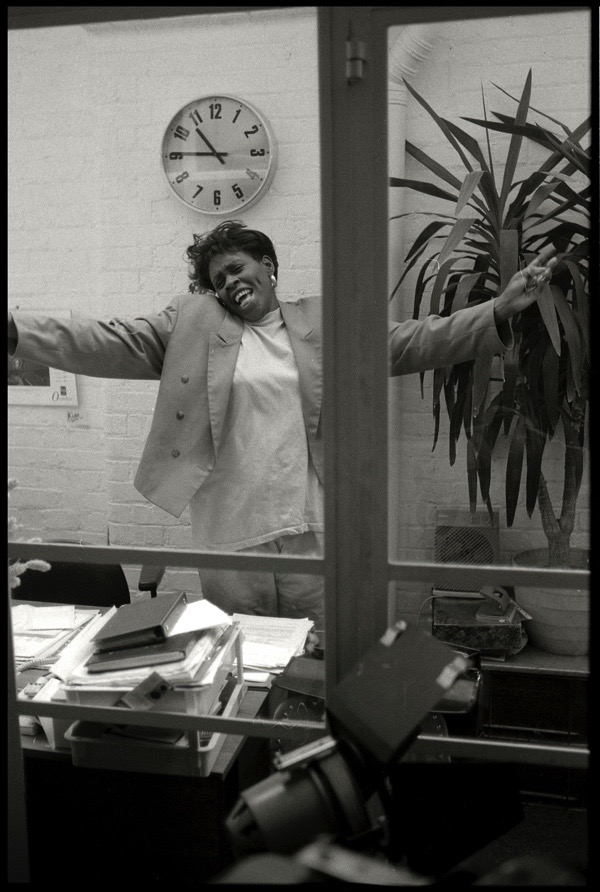
Judy Benoit, Studio Manager
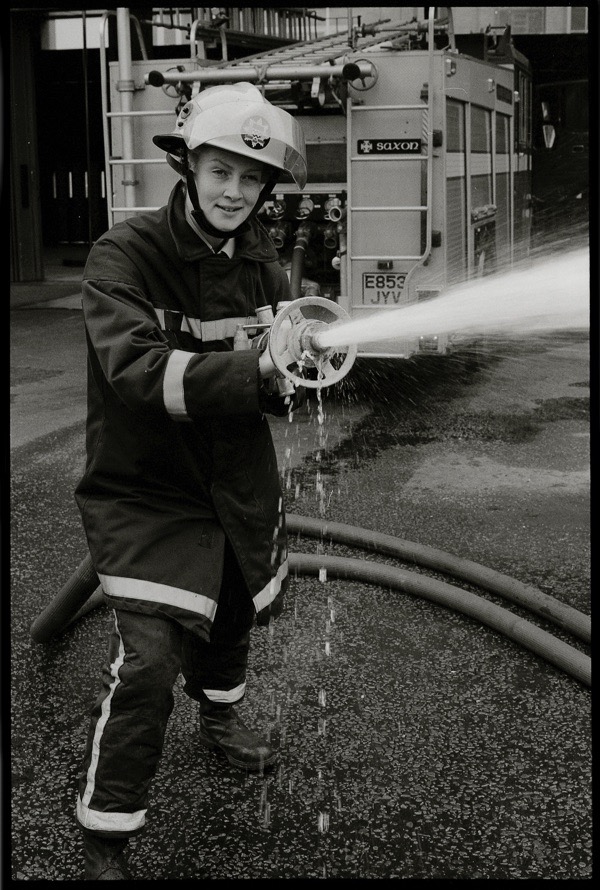
Luz Hollingsworth, Fire Fighter
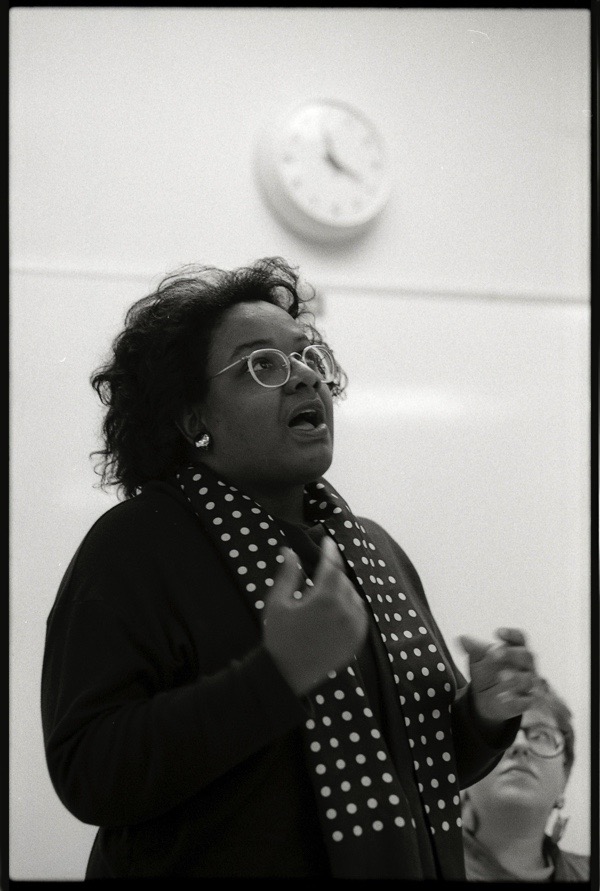
Diane Abbott, Member of Parliament
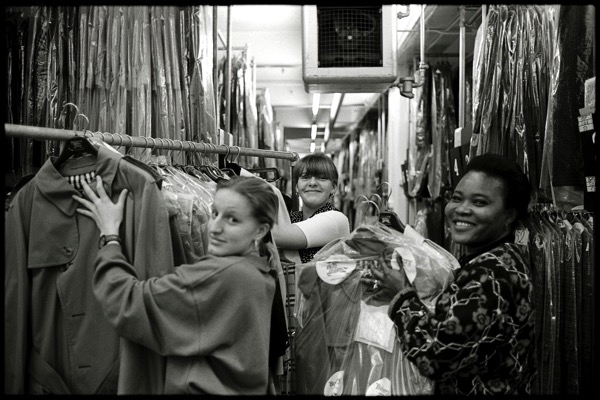
Dionne Allacker, Joanne Gillard, Winnifred John, Clothing Warehouse Supervisors
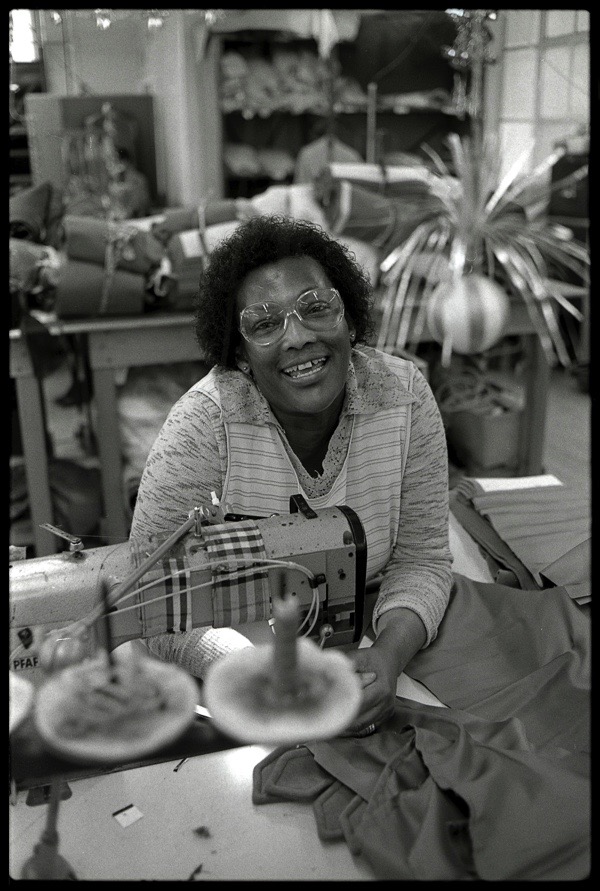
Lanette Edwards, Machinist
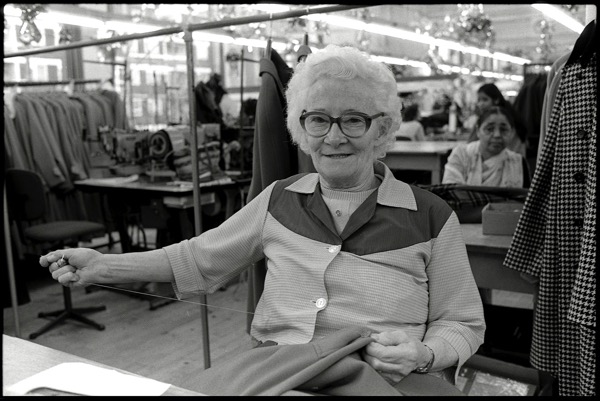
Nora Fenn, Buttonholist
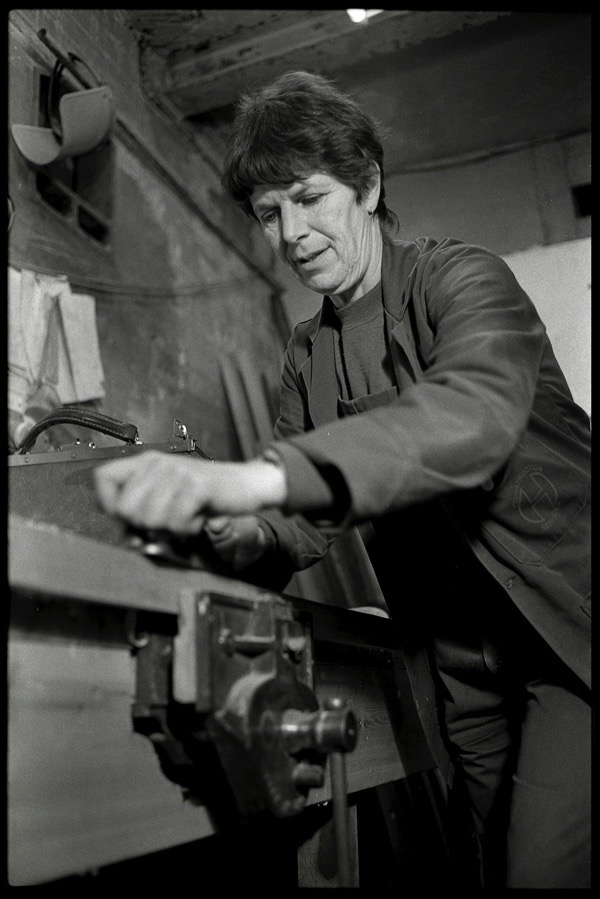
Jane Harris, Carpenter
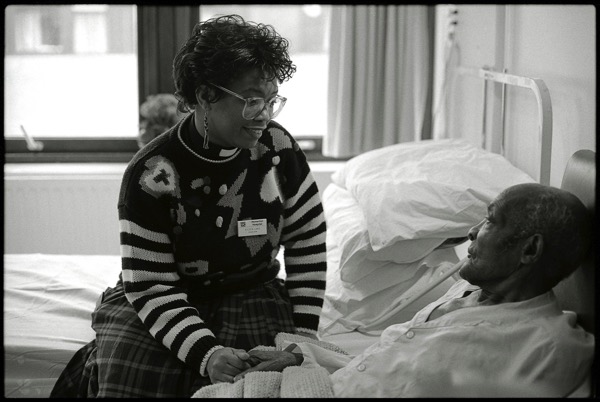
Eileen Lake, Chaplain at Homerton Hospital
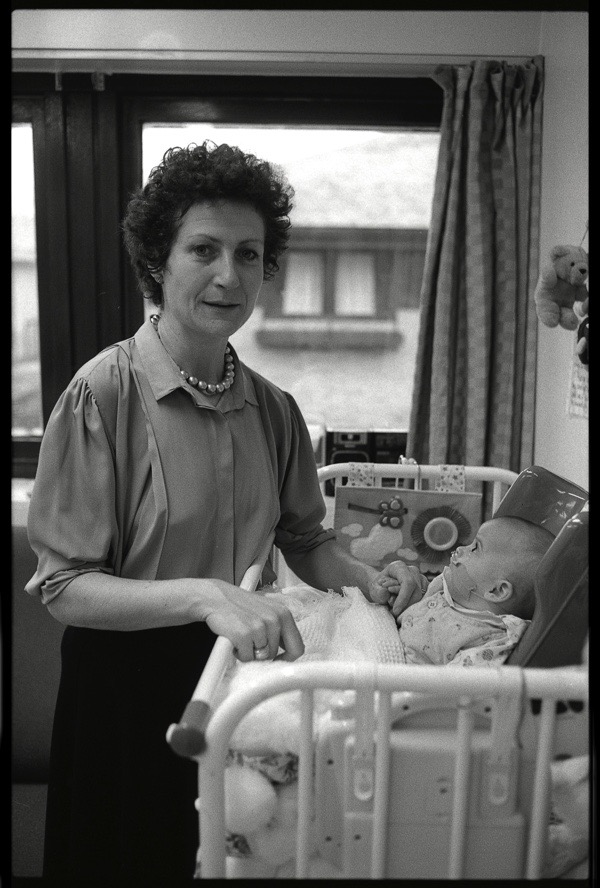
Dr Costeloe, Homerton Hospital
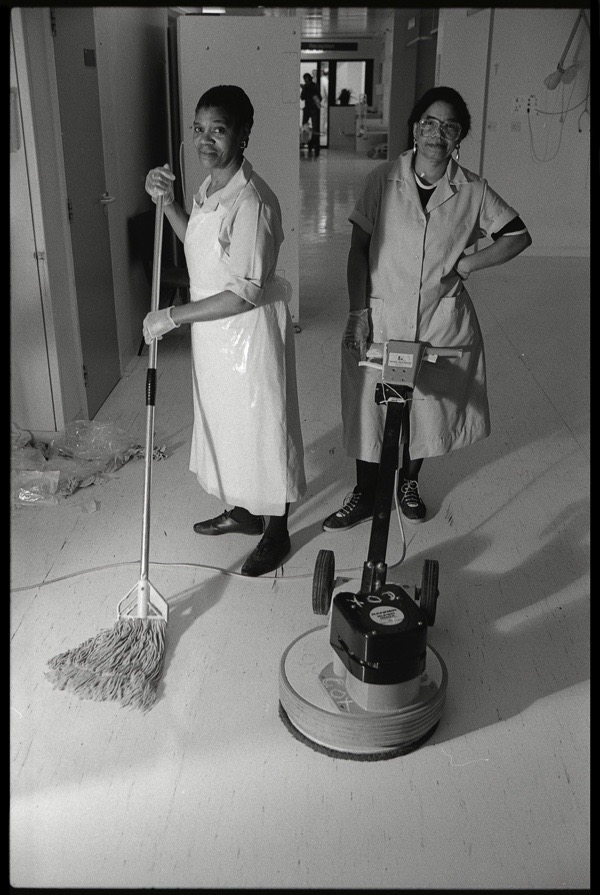
Ivy Harris & E Vidal, Cleaners at Homerton Hospital
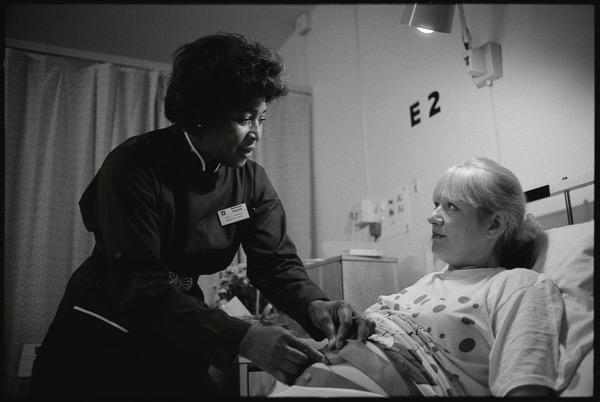
Sister Ferris Aagee, Homerton Hospital
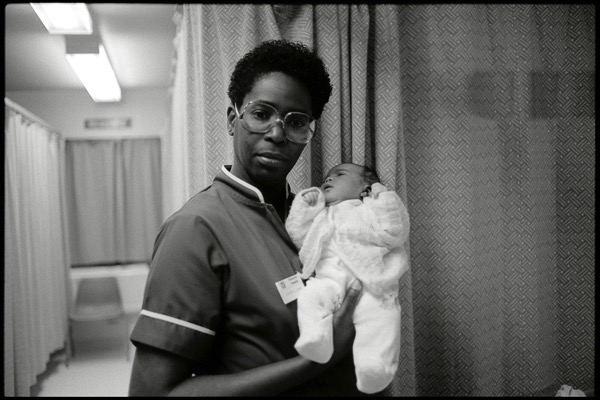
Joan Lewis, Homerton Hospital
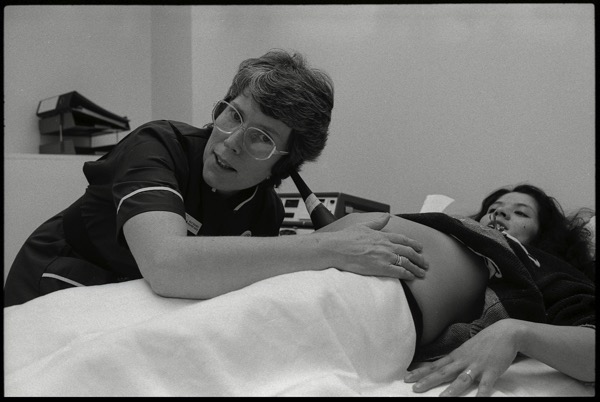
Sister Sally Bowcock
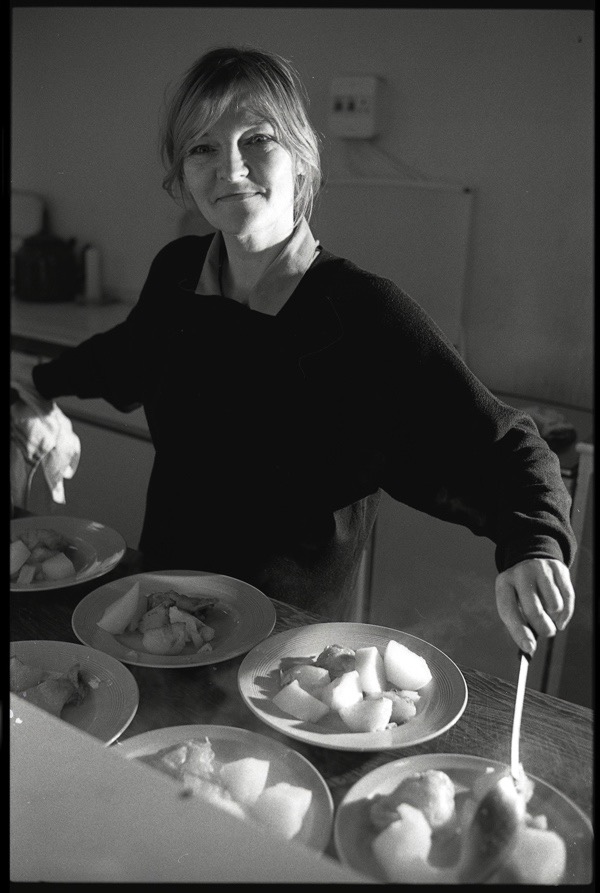
Valerie Cruz, Catering Assistant
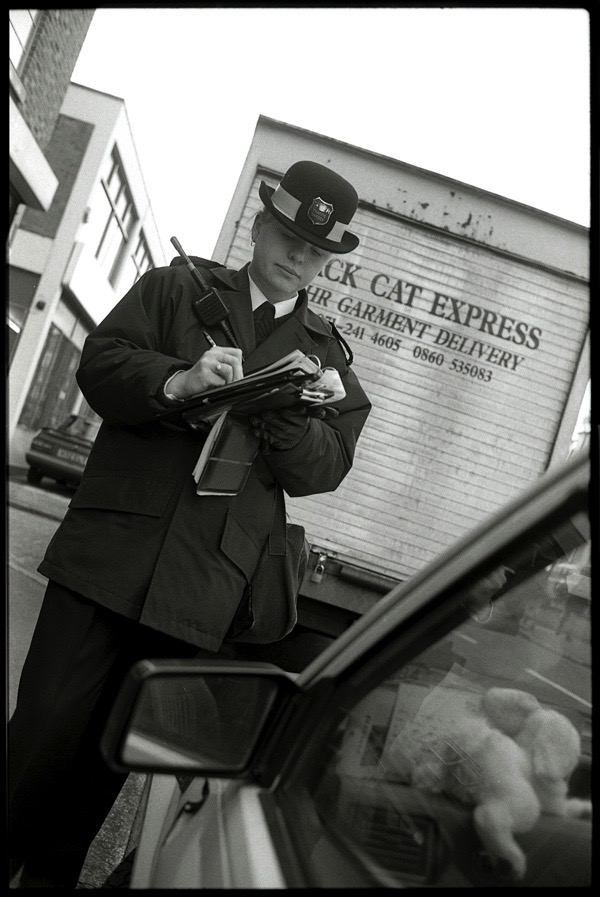
K Lewis, Traffic Warden
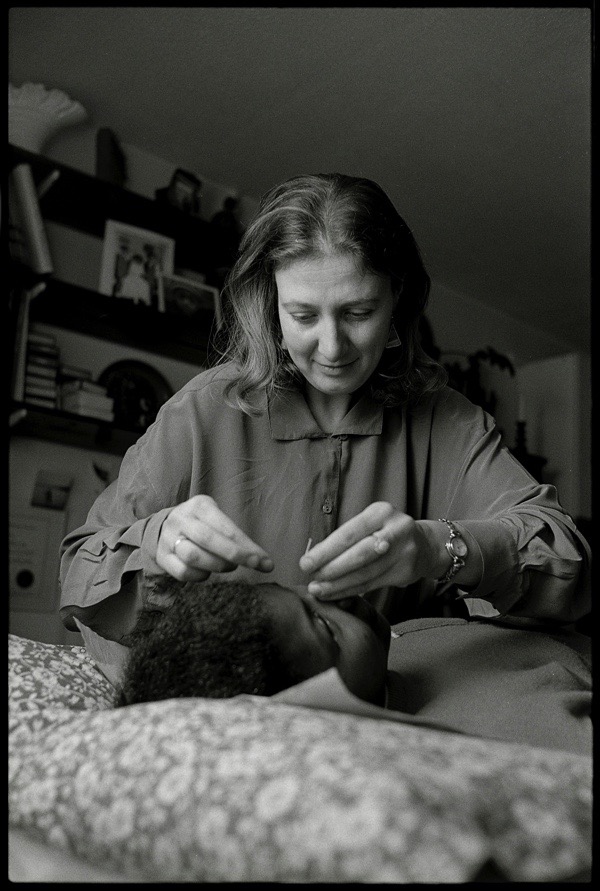
Gerrie Harris, Acupuncturist
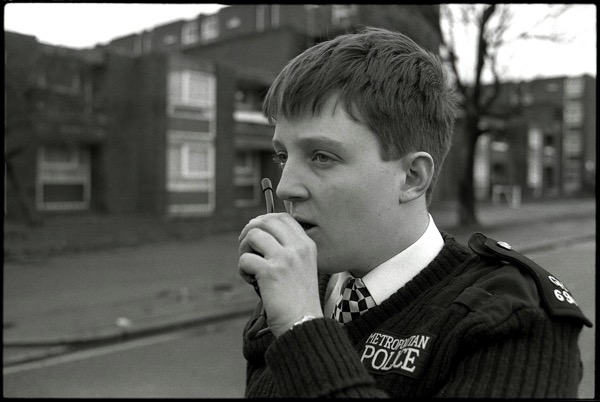
WPC Helen Taylor
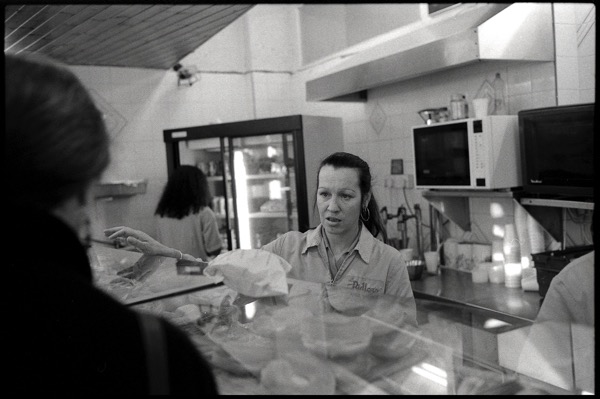
Mary, Counter Assistant at Ridley’s Beigel Bakery
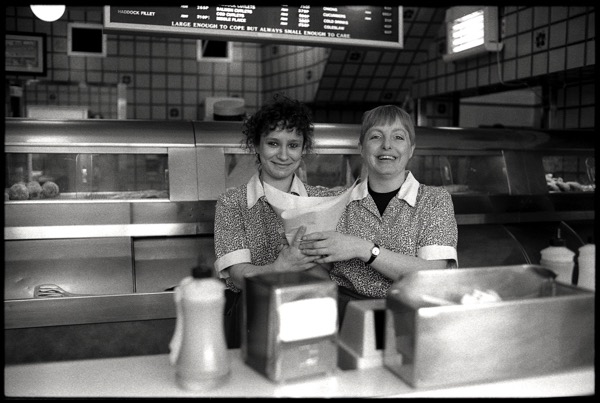
Mandy McLoughlin & Angela Kent, Faulkners Fish & Chip Restaurant
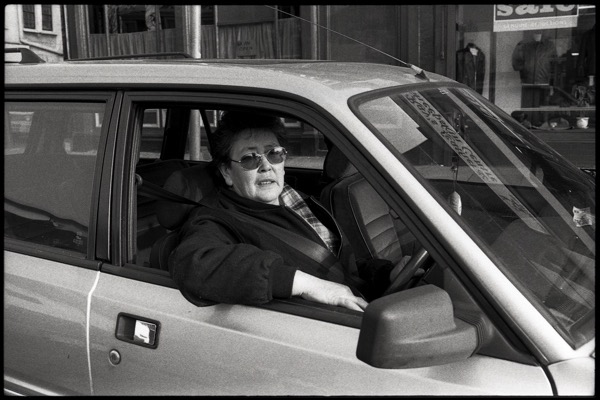
Terrie Tan, Driver at Lady Cabs
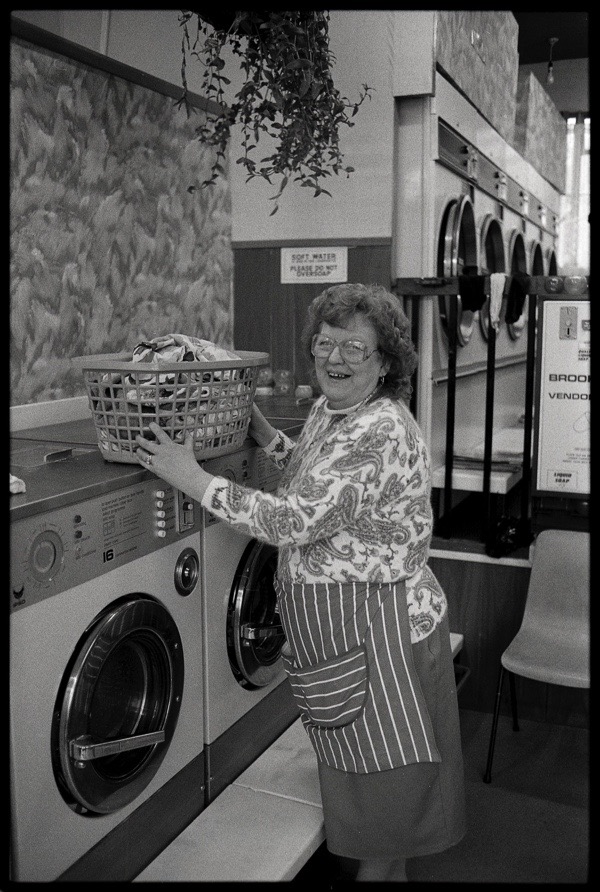
Maureen McLoughlin, Supervisor at Riversdale Laundrette
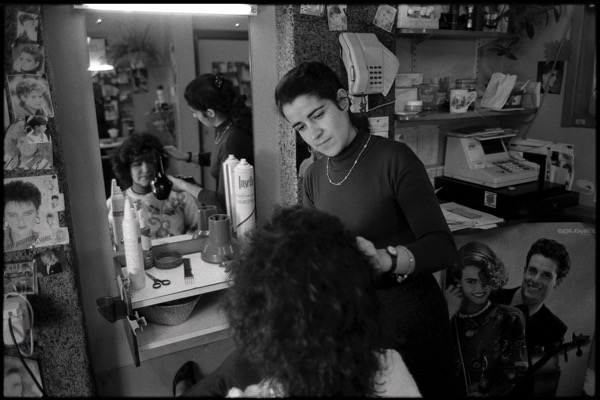
Anna Sousa, Hairdresser at Shampers
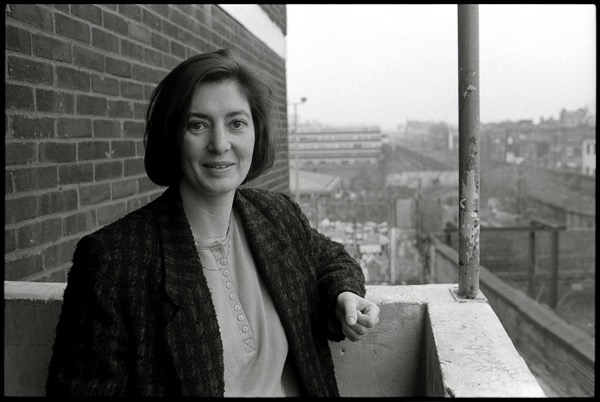
Jane Reeves, Councillor
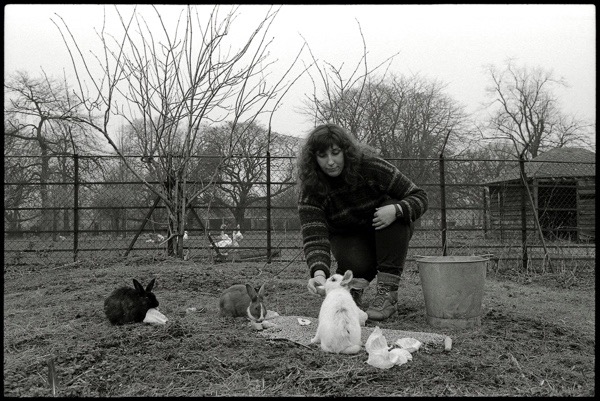
Carolin Ambler, Zoo Keeper
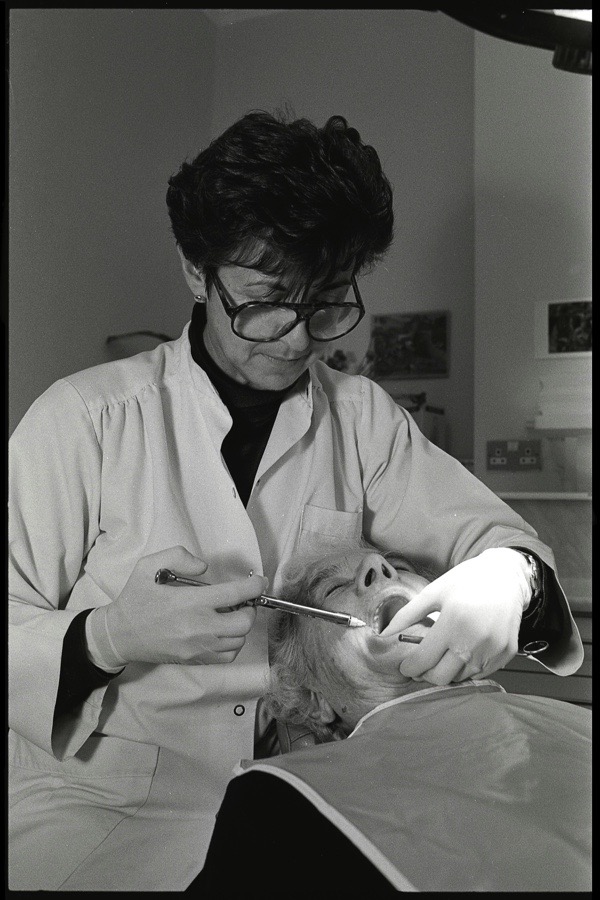
Mrs Sherman, Dentist
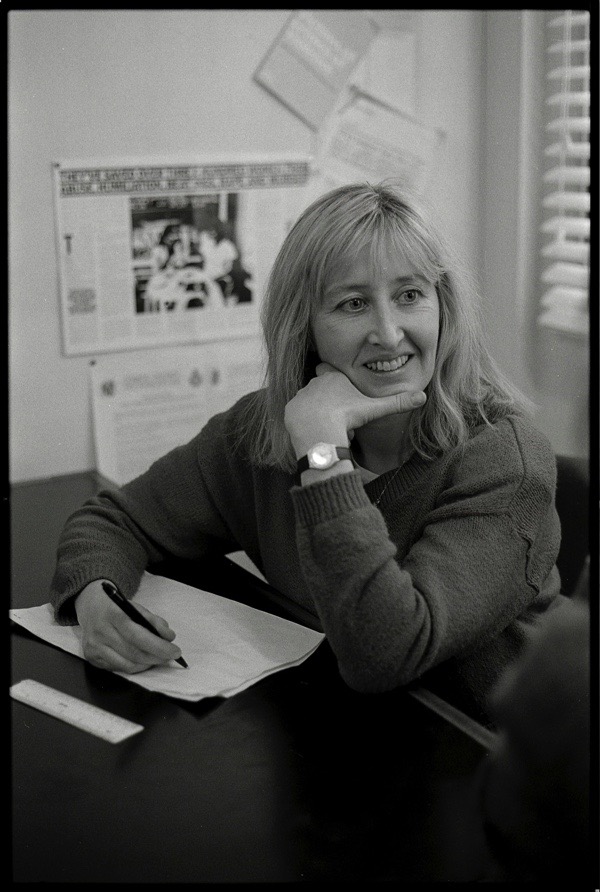
Eileen Fisher, Police Domestic Violence Unit
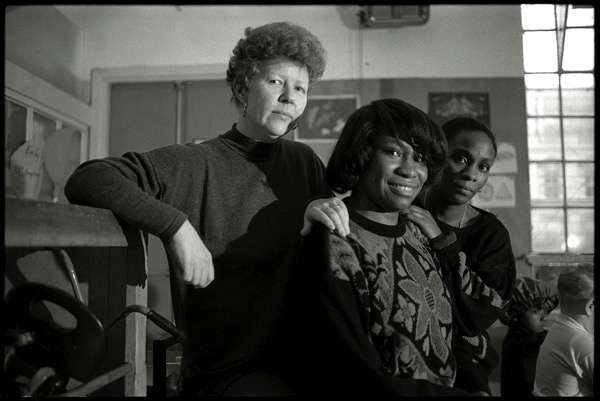
Yvonne McKenzie, Jacqui Olliffe & Dirinai Harley, Supervisors at Oranges & Lemons Day Nursery
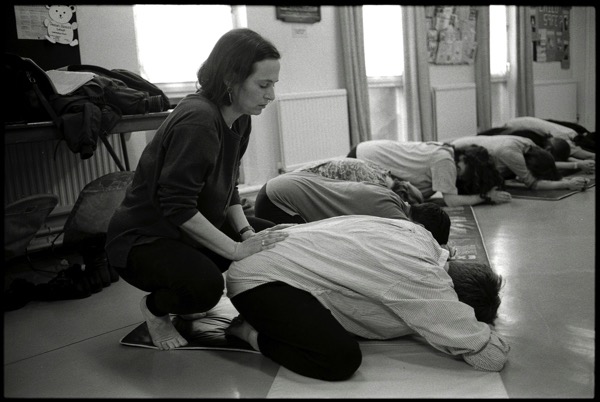
Jessica James, Active Birth Teacher
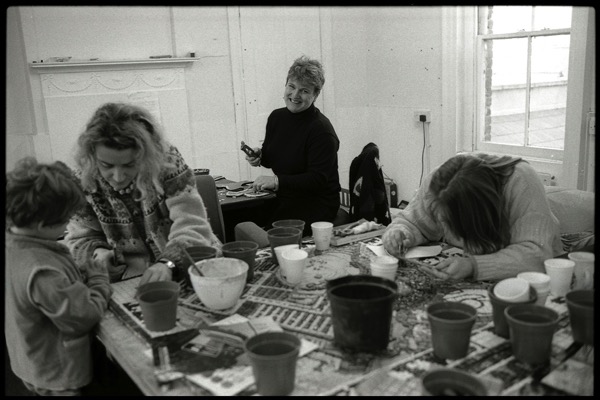
Di England, Supervisor at Free Form Arts
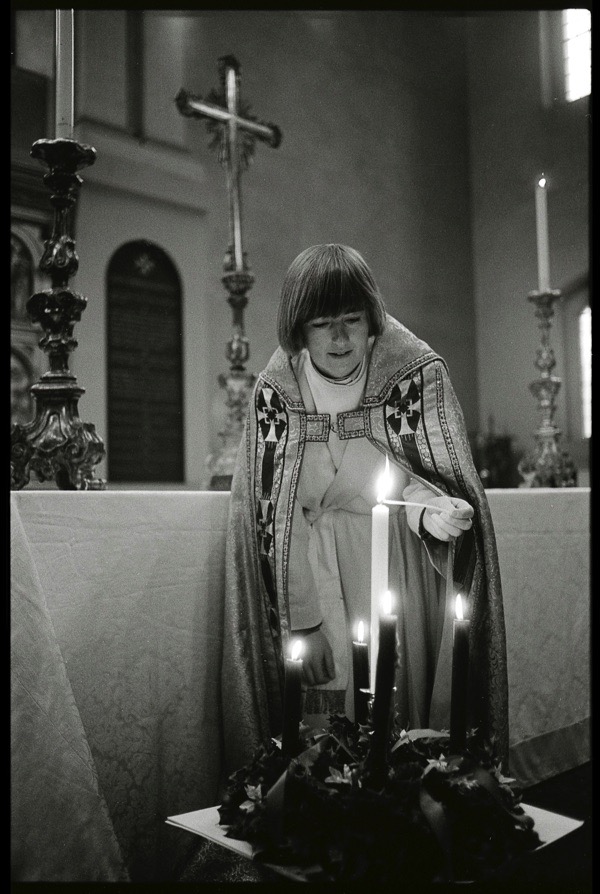
Sally Theakston, Chaplain, St John’s Hackney
Photographs copyright © Sarah Ainslie
Photographs courtesy Hackney Museum